Korean Popular Music Midterm
 Call Kai
 Learn
Learn Practice Test
 Spaced Repetition
 Match
Match Flashcards
 Knowt Play
1/53

There's no tags or description
Looks like no tags are added yet.
Name | Mastery | Learn | Test | Matching | Spaced | Call with Kai |
|---|
No analytics yet
Send a link to your students to track their progress
54 Terms
The Early Ages (1907-1945)
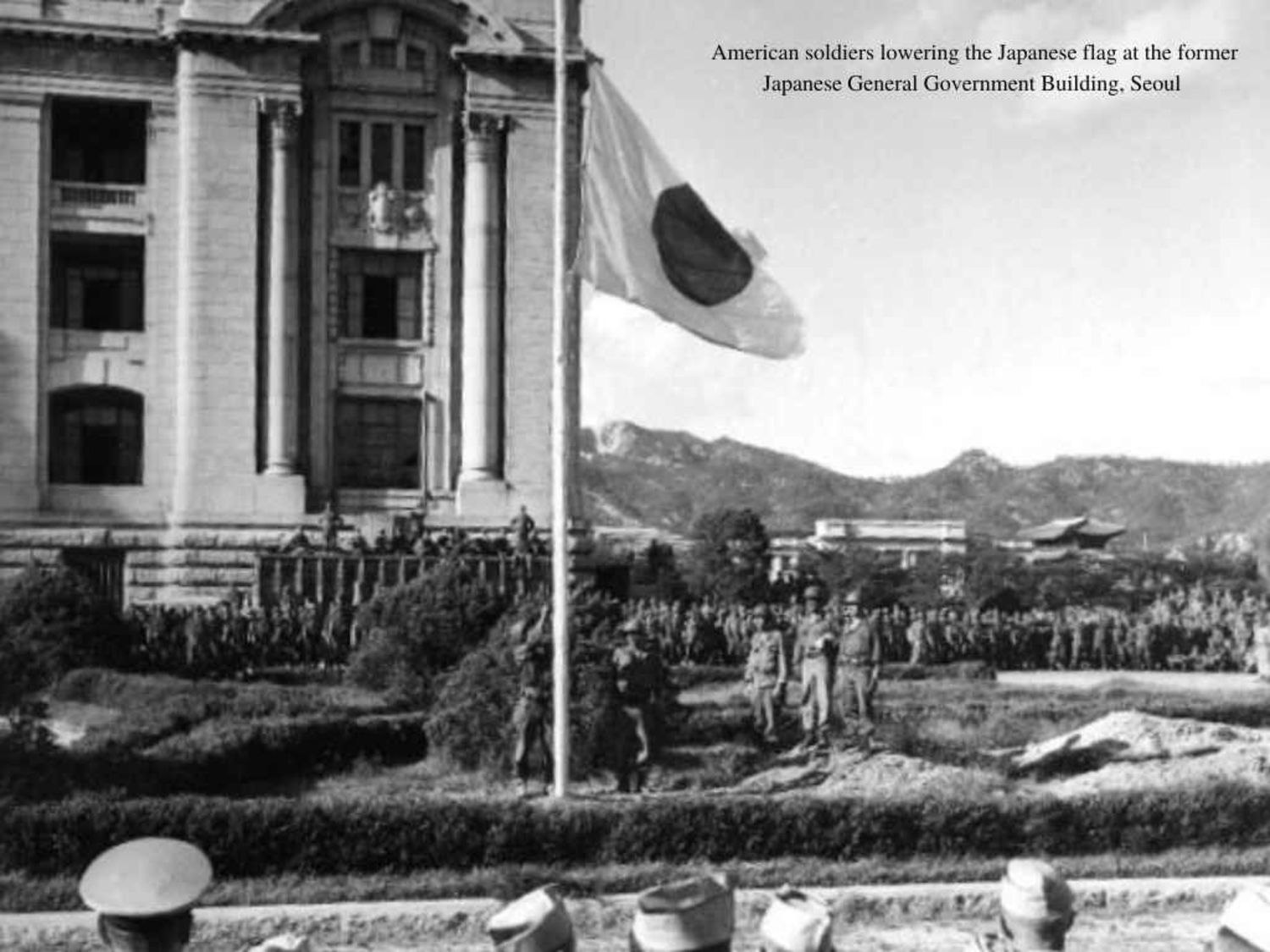
Period marking the birth and development of Korean recorded music under Japanese colonization
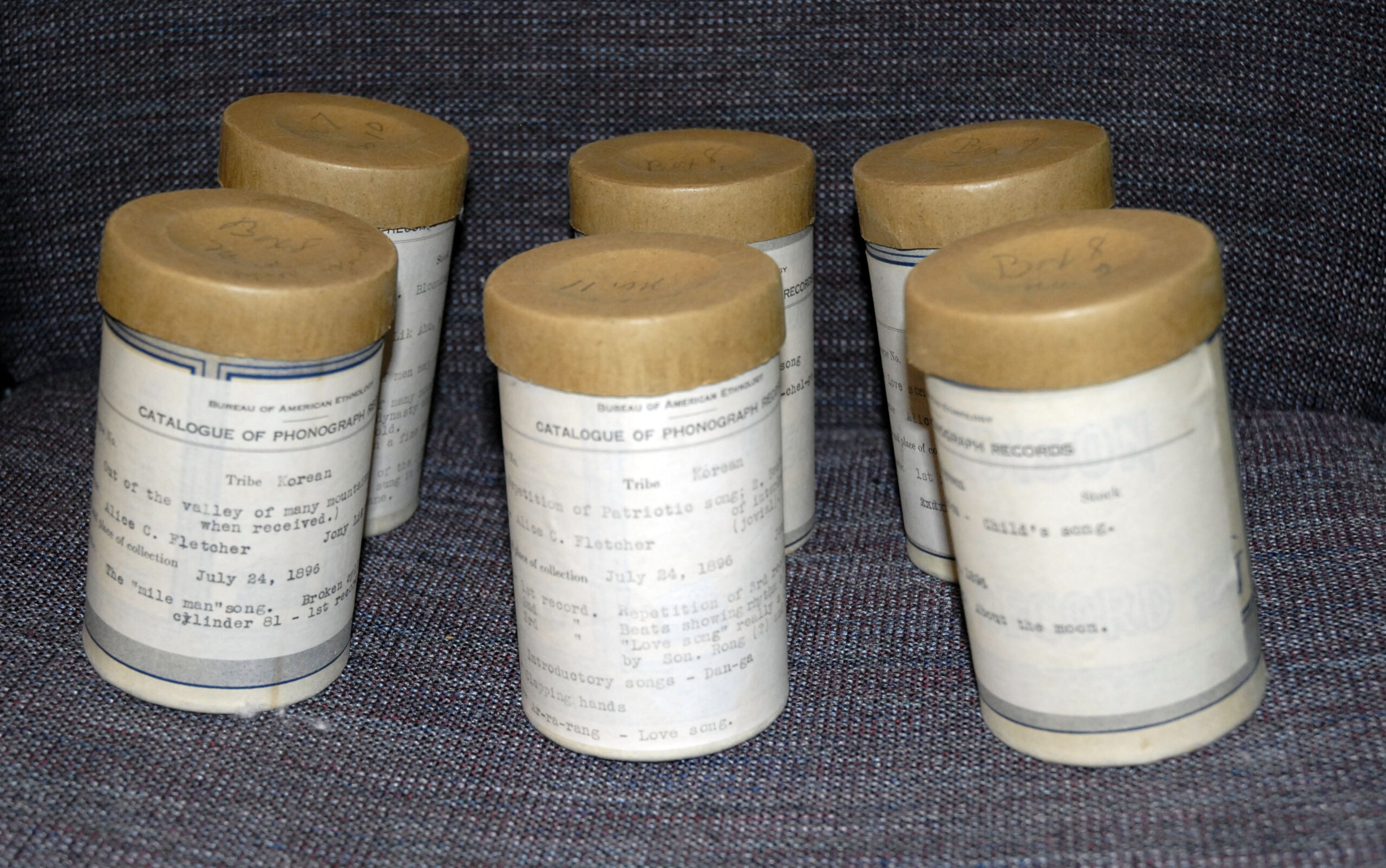
Birth of Korean recorded music
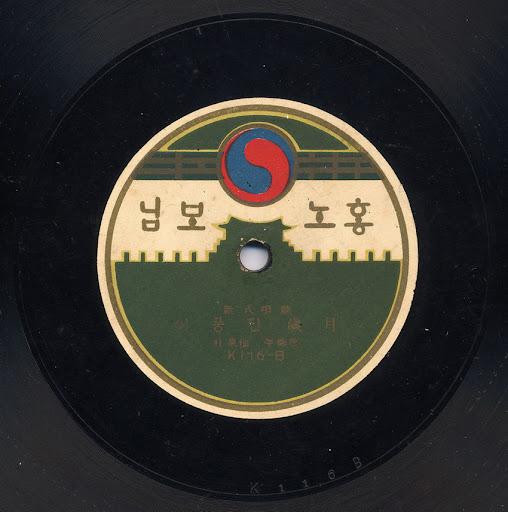
Introduction of phonograph and gramophone allowed music to be recorded, preserved, and distributed; first recordings were folk songs, later commercial albums (1907)
Foreign influence on music
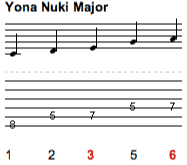
Strong influence from Japanese and Western music; many songs were adaptations; use of Yonanuki scale and 3/4 waltz rhythm
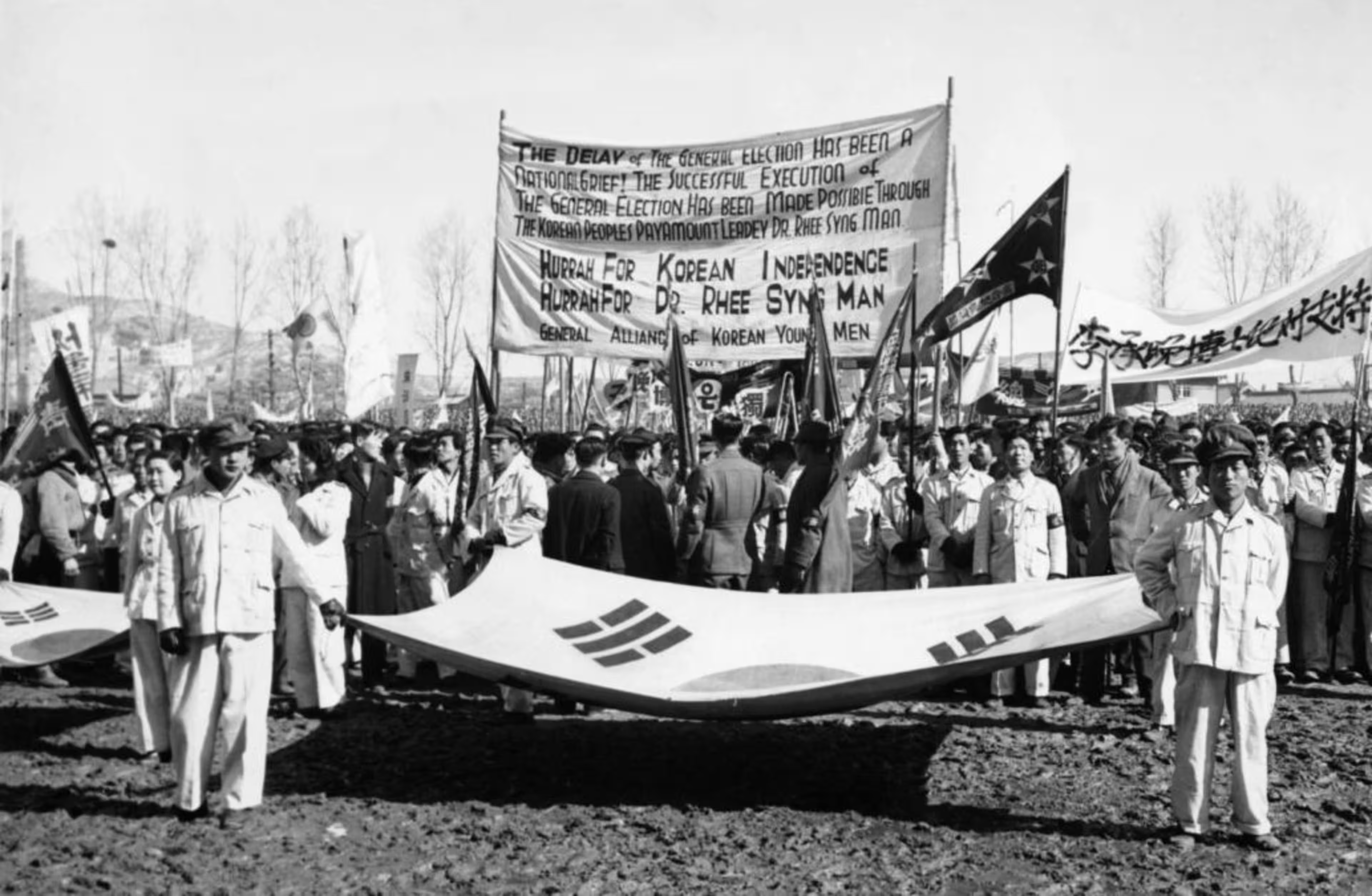
Music as emotional comfort
Songs expressed sorrow, loss, and national grief, helping people cope with Japanese colonization (1910-1945)
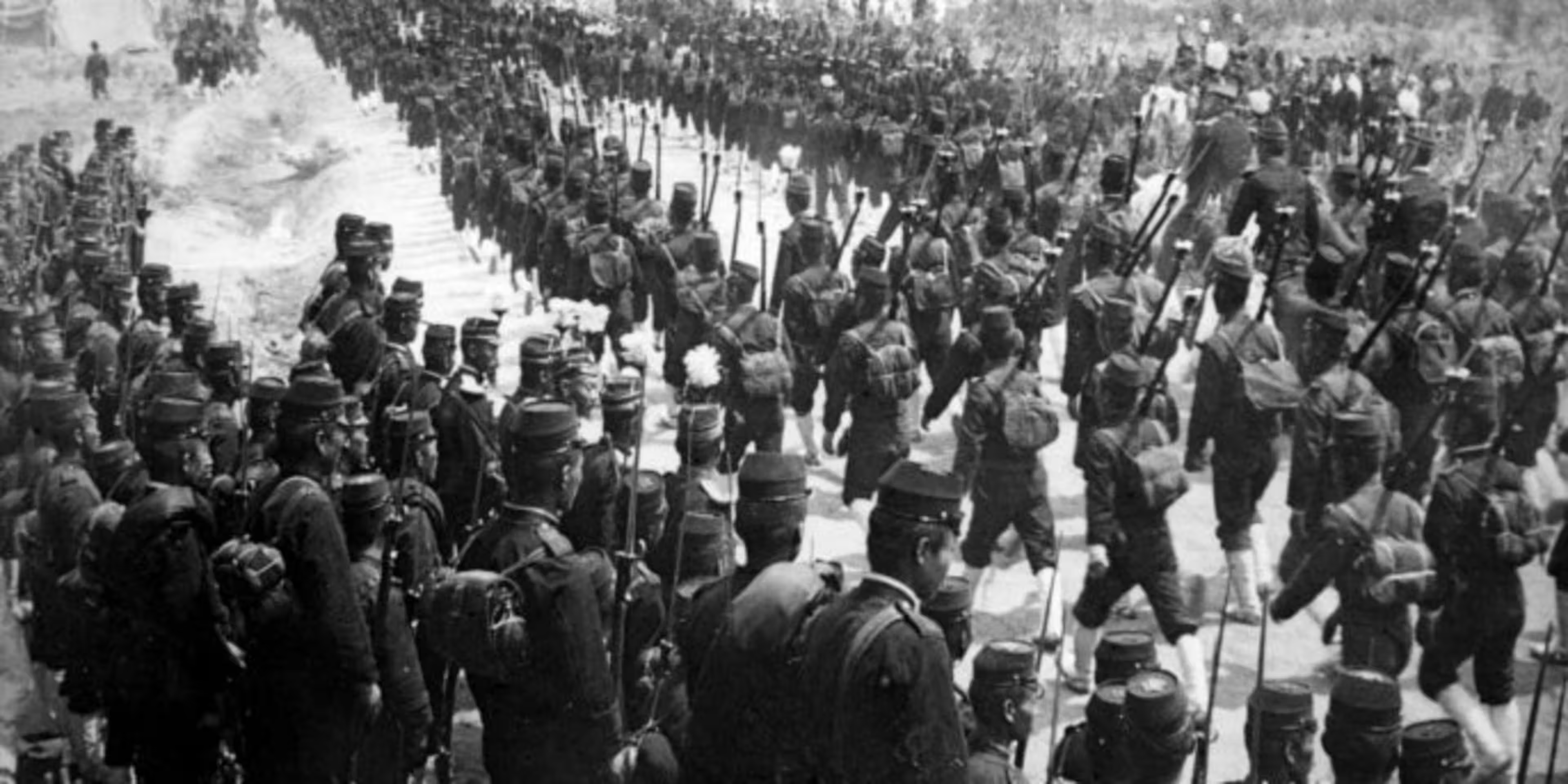
Emergence of popular genres
Rise of Trot as the main genre, blending traditional Korean and foreign styles, with early jazz influences
Government censorship
Japanese rule restricted Korean language and expression; nationalist songs were banned, making music a subtle form of resistance
Song of Hope (1923)
By Park Chae-seon & Lee Ryu-seon; adapted from an American hymn; uses 3/4 waltz rhythm; reflects post-1919 sorrow and emotional comfort
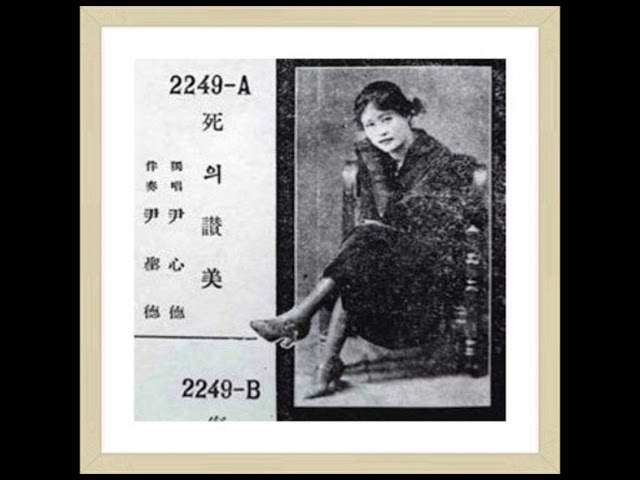
The Hymn of Death (1926)
By Yun Sim-deok; adapted from a Romanian song; features waltz rhythm and Yonanuki scale; known for tragic emotional intensity
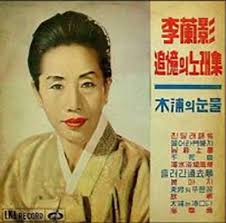
Tears of Mokpo (1935)
By Lee Nan-young; uses Yonanuki scale; expresses colonial sorrow (grief, separation, resentment); banned due to resistance themes
The Late 40s and 50s (1945-1959)
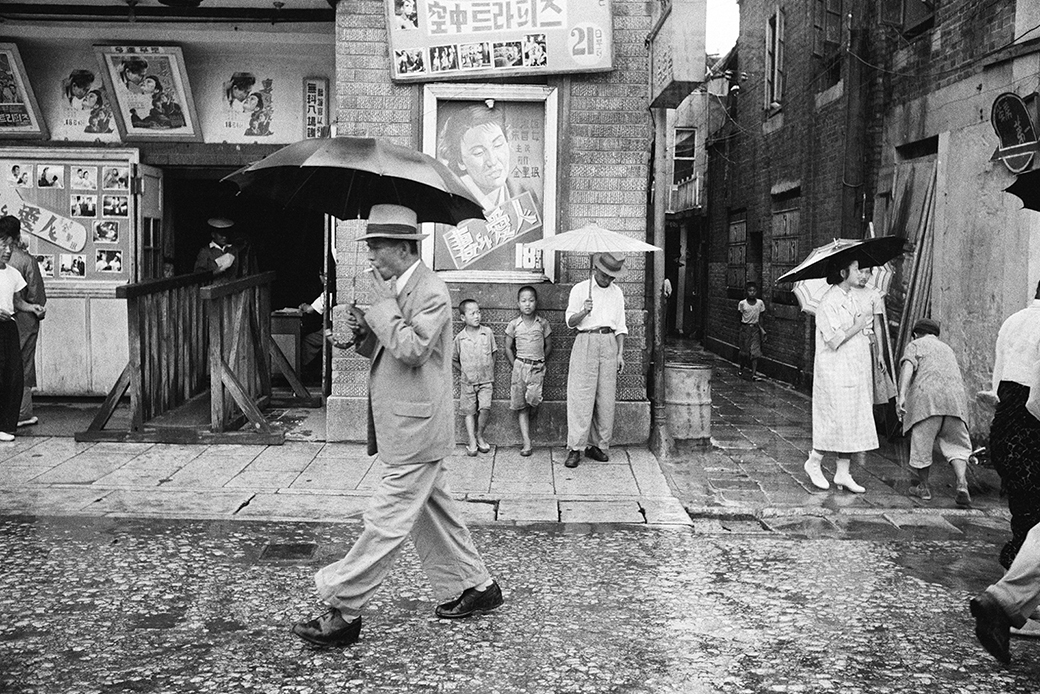
Period shaped by liberation, war, and Western influence, leading to growth of Korea's music industry and early global expansion
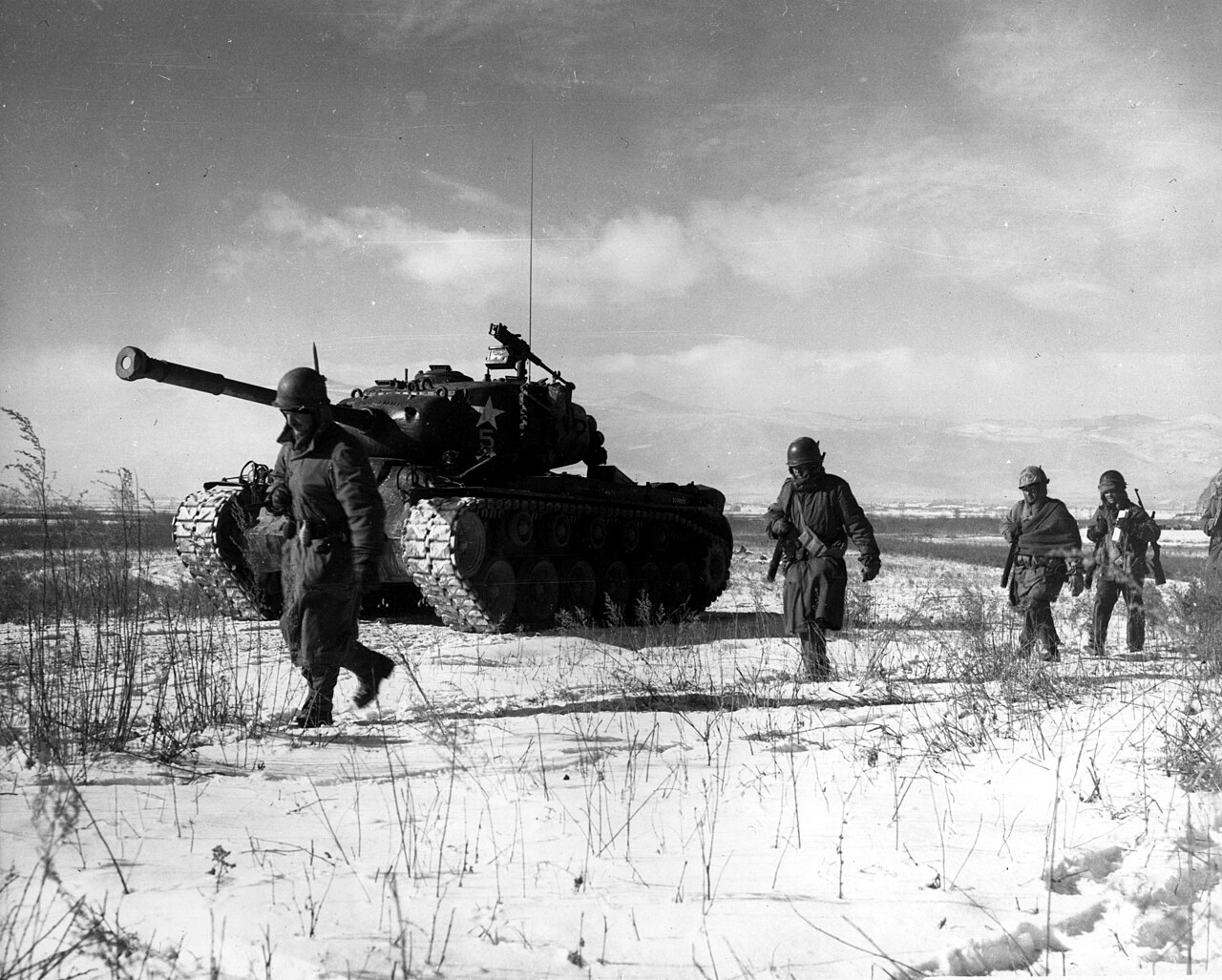
Music reflects war and division
Korean War (1950-1953) caused trauma and family separation; songs focus on loss, longing, and national division (38th parallel)
Western influence through U.S. presence
U.S. military introduced jazz, mambo, tango, and pop; AFKN radio spread Western music; rise of upbeat dance styles
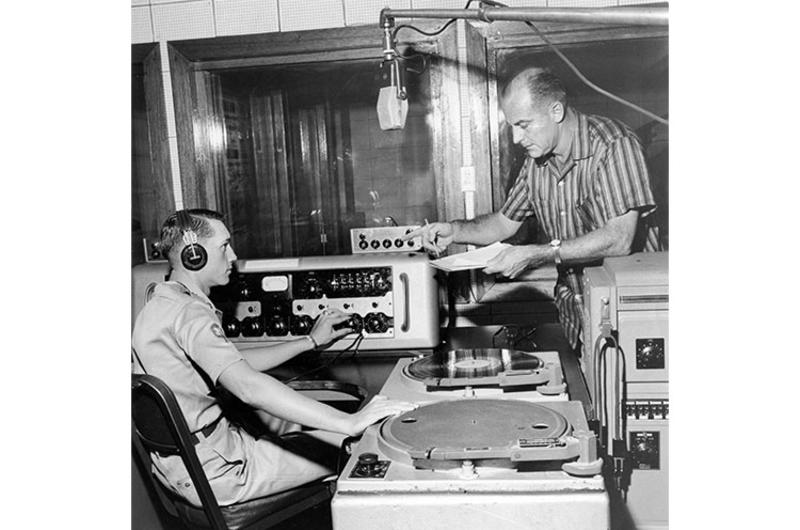
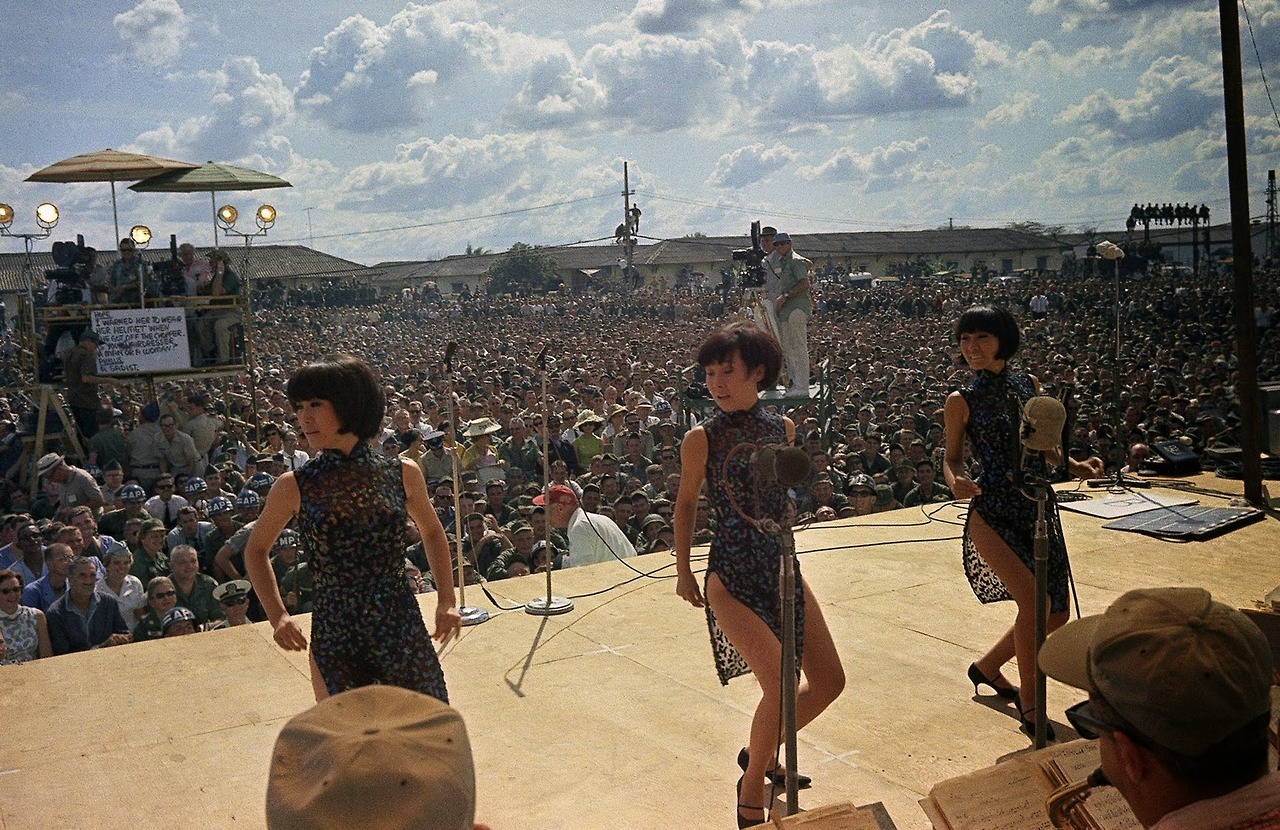
8th U.S. Army stage
Main performance space for Korean artists; required performing Western genres; served as training ground for professionals
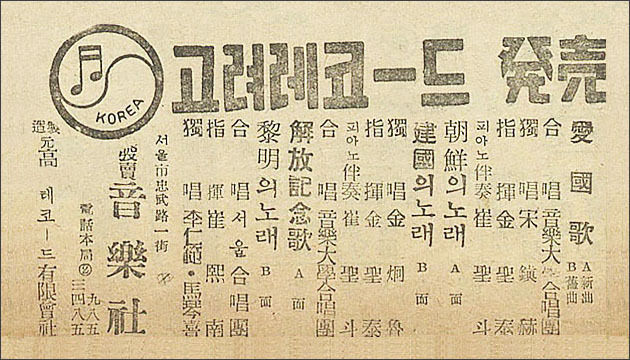
Growth of domestic music industry
Establishment of early record labels (Koryo Records, Asia Records); introduction of LPs in late 1950s; start of structured production
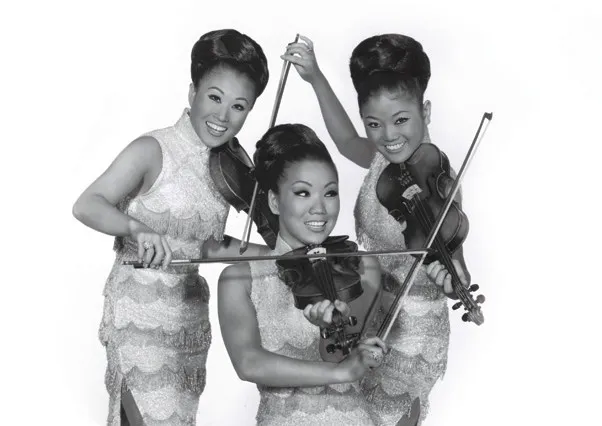
Global expansion and pop culture beginnings
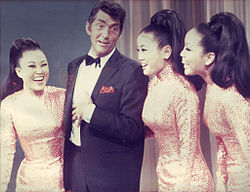
First Korean artists entered U.S. market (Kim Sisters); rise of performance groups; new youth trends like miniskirts
Go, the 38th Parallel (1948)
By Nam In-su; focuses on national division; reflects post-liberation conflict and separation anxiety
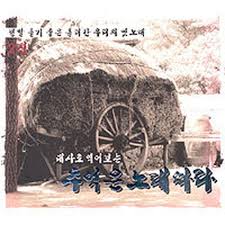
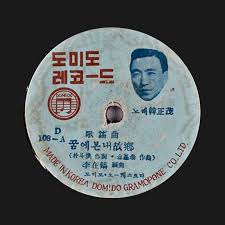
My Hometown in a Dream (1953)
By Han Jeong-moo; reflects Korean War trauma; expresses longing for home and family separation
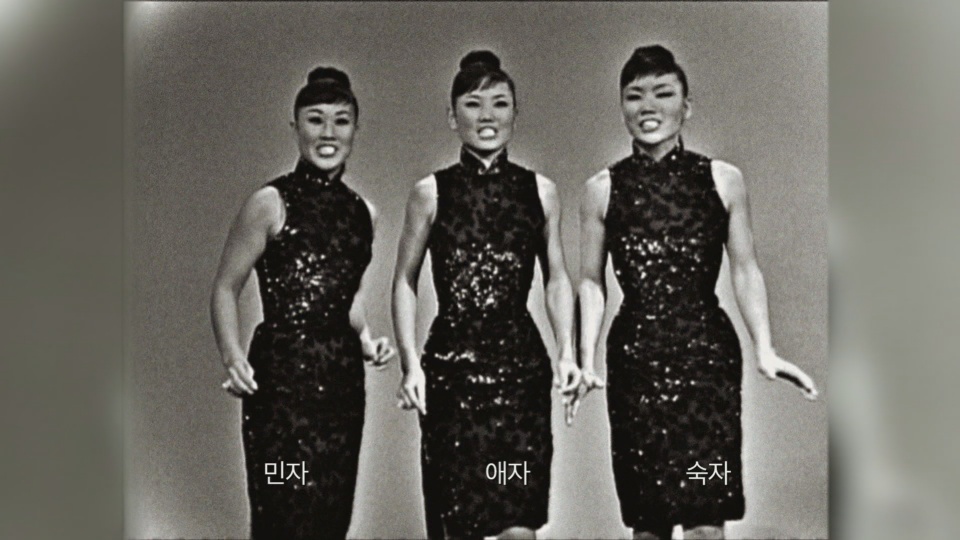
My Favorite Things (1959)
Performed by The Kim Sisters in the U.S.; from The Sound of Music; shows Western influence, 8th U.S. Army stage impact, and global expansion
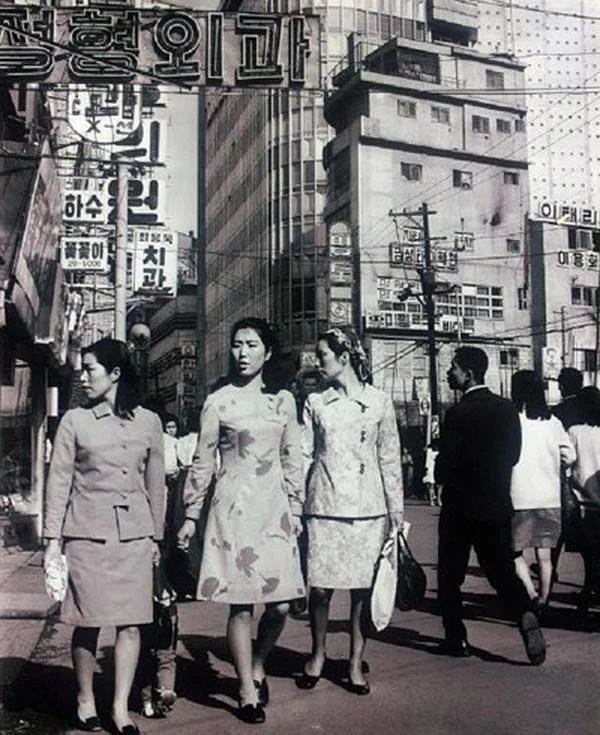
The 60s and 70s (1960-1979)
Period of strong government control, rapid media growth, and the rise of youth culture and Korean rock
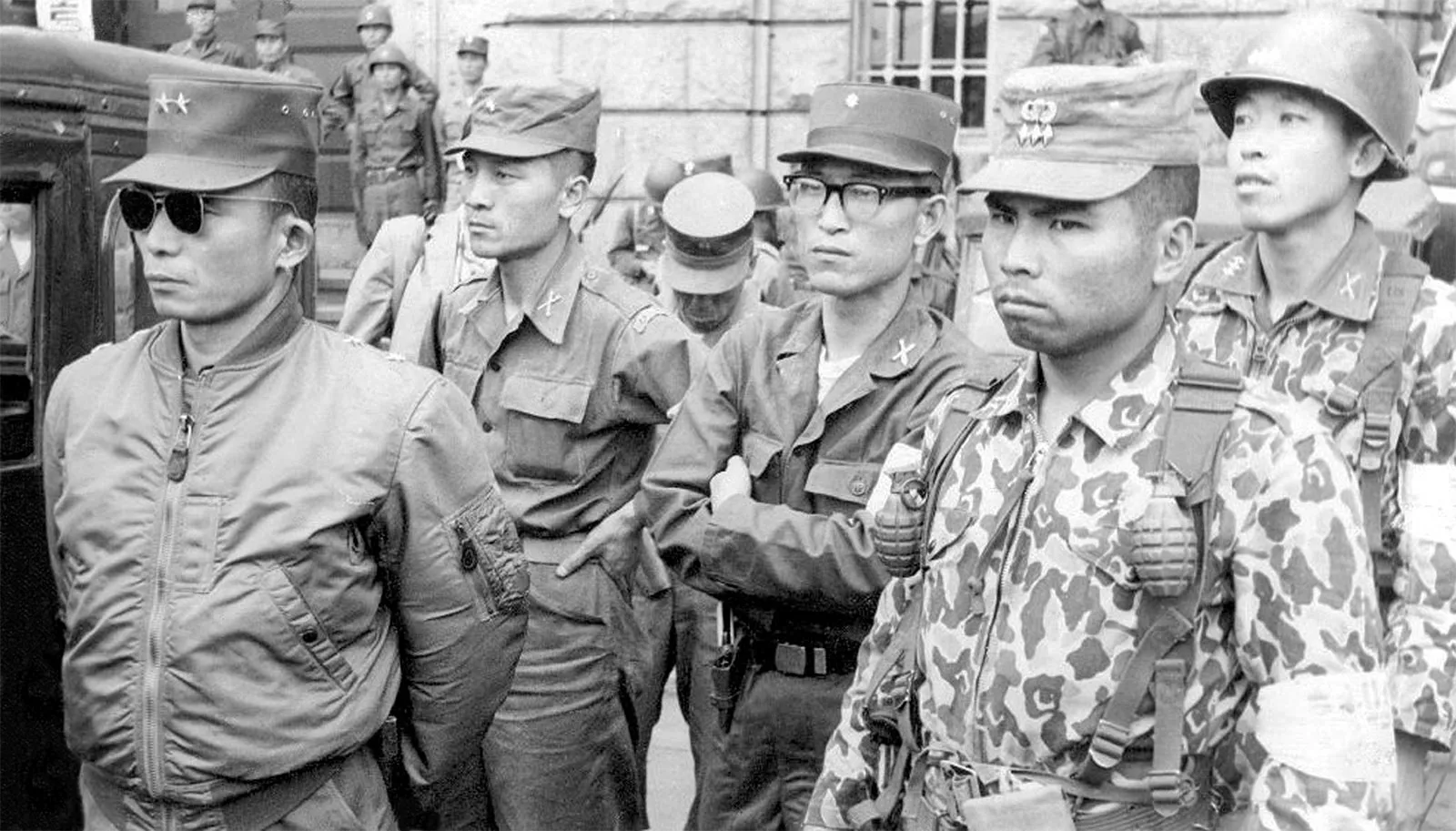
Government control and censorship
Under Park Chung-hee regime, music used for propaganda and national unity; Record Act (1968) enforced bans; only "wholesome" music allowed
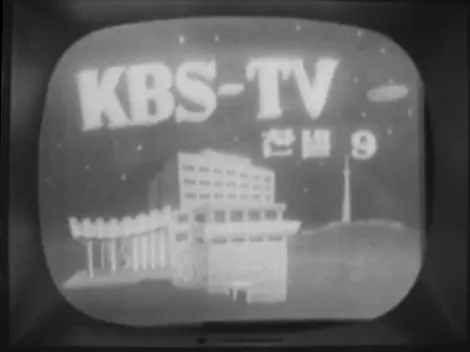
Broadcasting and industry growth
Expansion of TV and radio (KBS, MBC) spread music to the masses; LP records led to boom in album production
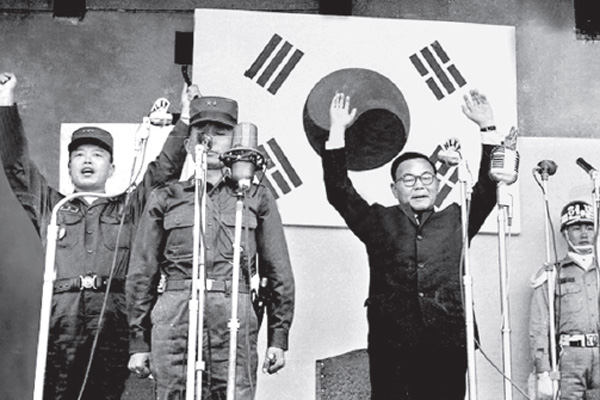
Control vs. artistic expression
Government promoted apolitical music, while artists created hidden messages; many songs were banned or restricted
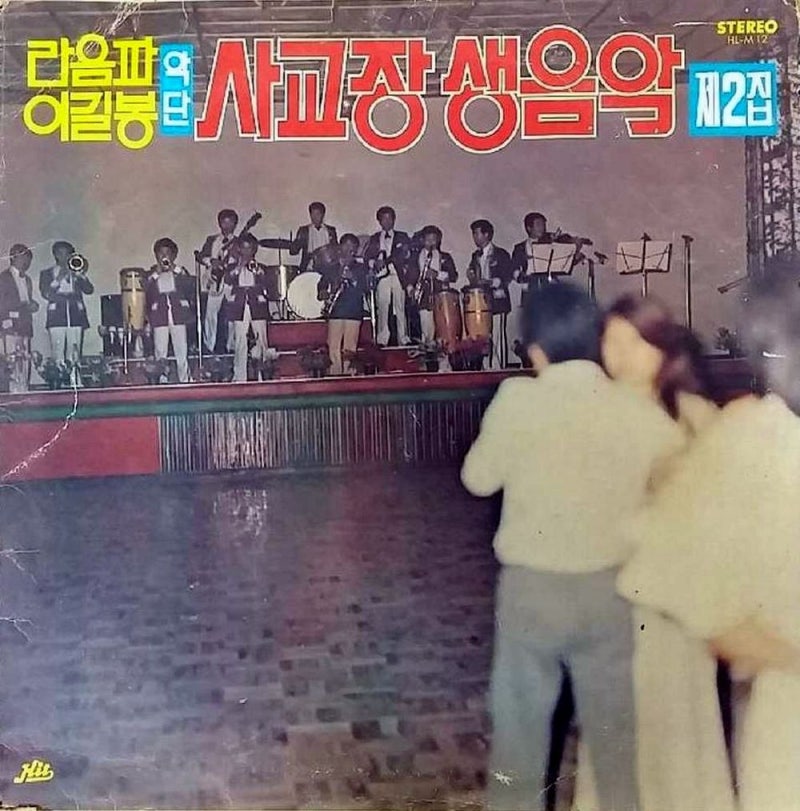
Youth culture and new styles
Rise of rock, folk, and pop influenced by the West; go-go clubs emerged; youth identity became central
Birth of Korean rock
Rise of Shin Joong-hyun and bands like Add4; shift from U.S. Army stage to domestic music scene
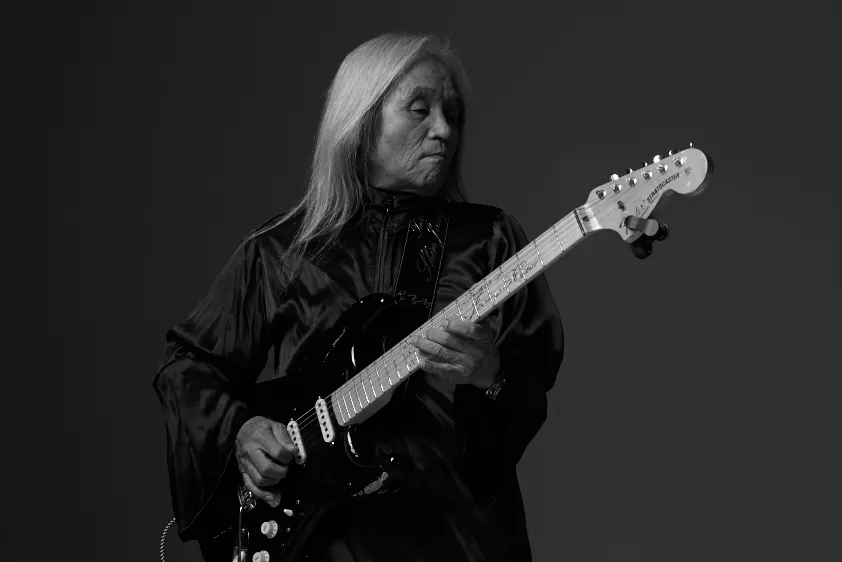
Dongbaek Lady (1964)
By Lee Mi-ja; banned for "Japanese-style" influence; linked to Waesaek Gayo (anti-Japanese music movement); shows government control over style
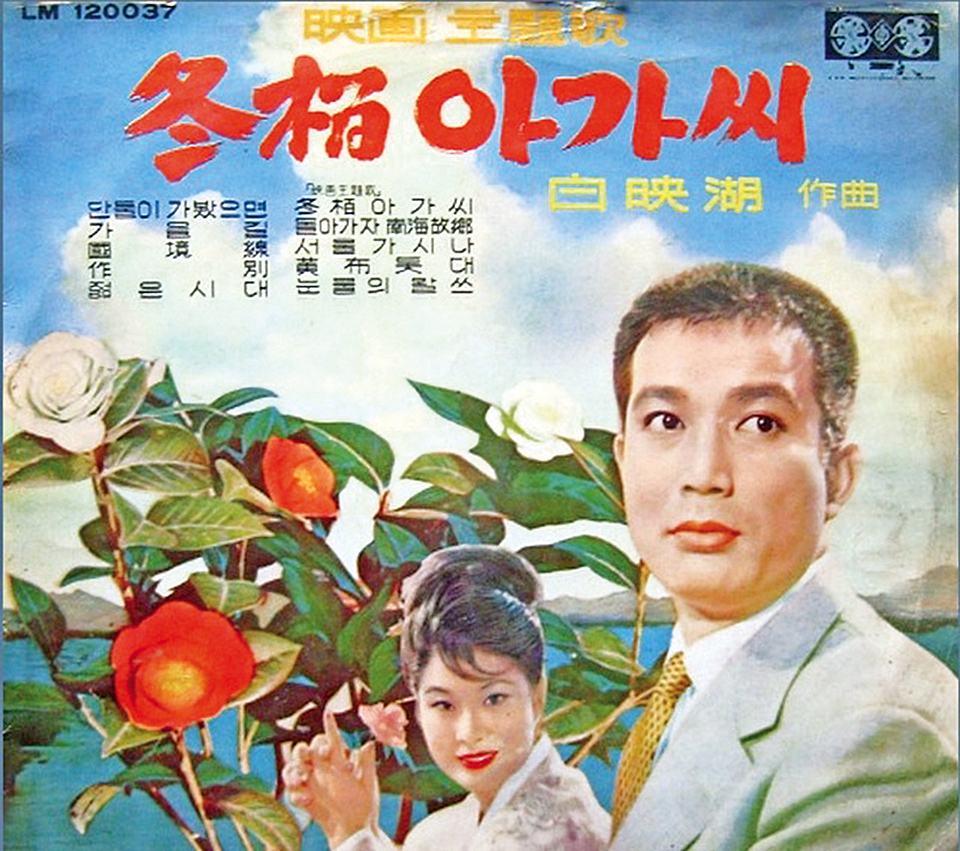
A Woman in the Rain (1964)
By Add4; marks birth of Korean rock; strong Western influence (electric guitar); represents youth-oriented music
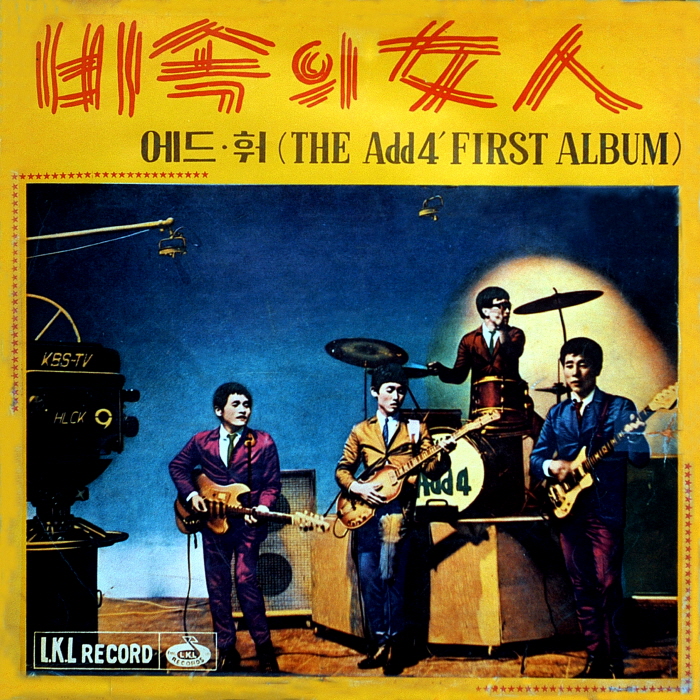
Why Calling (1970s)
By Song Chang-sik; banned for encouraging rebellion; reflects tension between artists and government; part of folk/youth movement
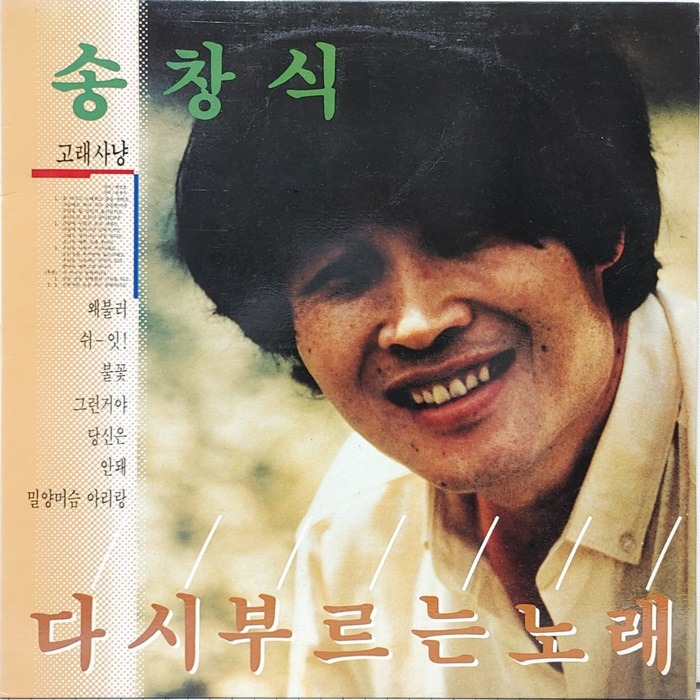
The 80s (1980-1991)
Period of indirect government control, rise of visual music culture, and expansion of pop and idol systems
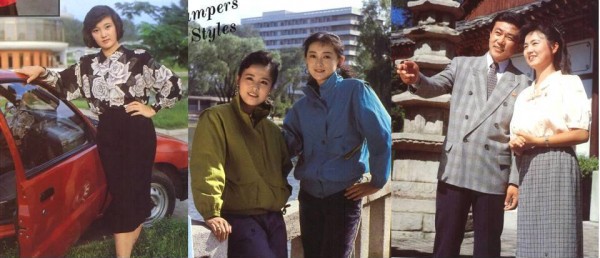
Authoritarian control and 3S Policy
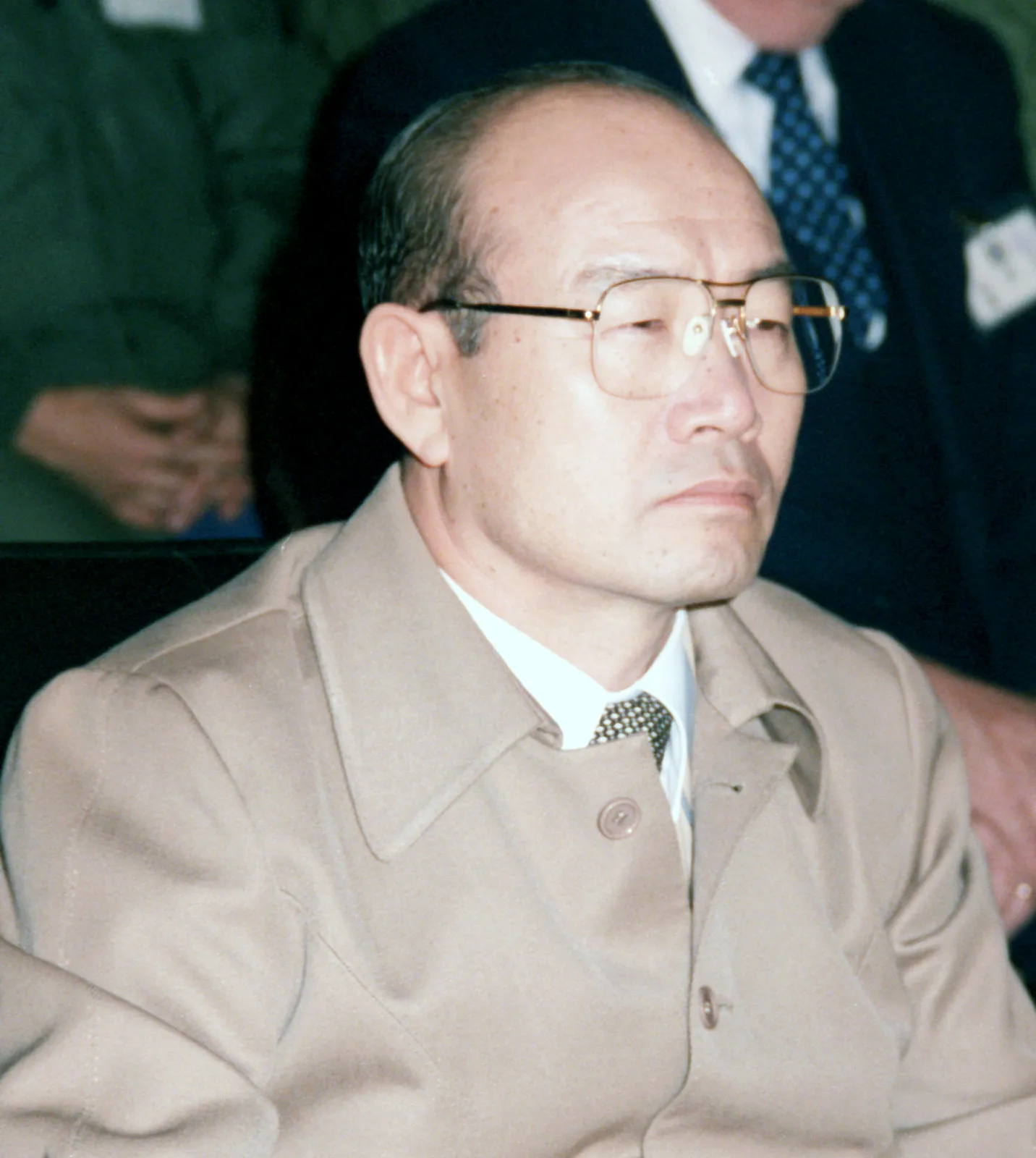
Chun Doo-hwan regime used entertainment instead of strict bans; 3S Policy (Screen, Sports, Sex) distracted from politics
Shift to visual music
Rise of color TV (by 1984) and MTV influence; music became performance-based with focus on dance, fashion, and image

Golden age of pop
Growth of dance, synth-pop, and new wave; more variety and experimentation; music became lighter and entertainment-focused
Rise of idol system
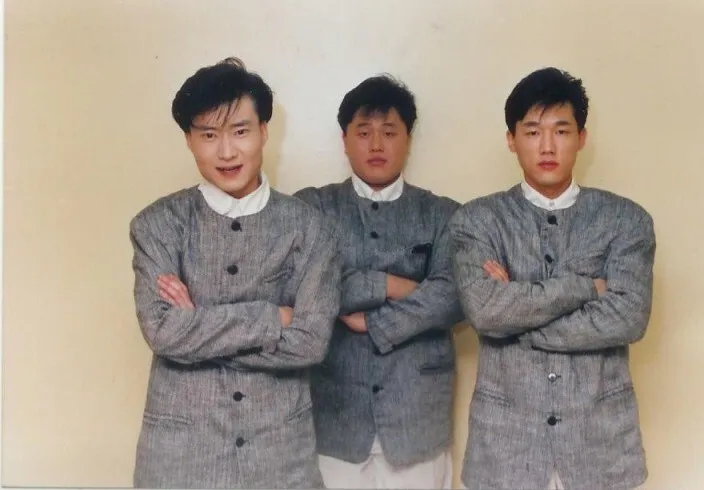
Early idol groups like Fire Truck; emphasis on choreography, visuals, and fandom culture
Expansion of youth culture and industry
Festivals like Campus Song Festival launched new artists; growth of fan culture, TV shows, and live performances
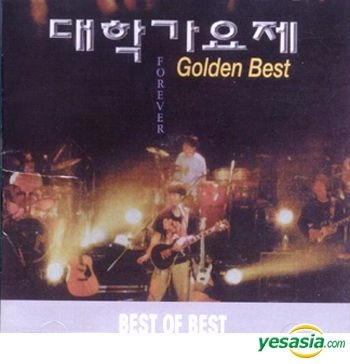
Tonight (1986)
By Kim Wan-seon; dance music with strong visual performance; represents "music for watching"; influenced by Western pop (Madonna-style)
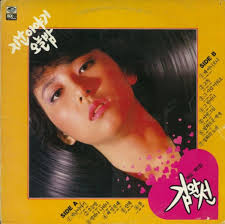
Tell Her (1987)
By Fire Truck; first idol group style; synchronized choreography; start of fandom culture and performance-based pop
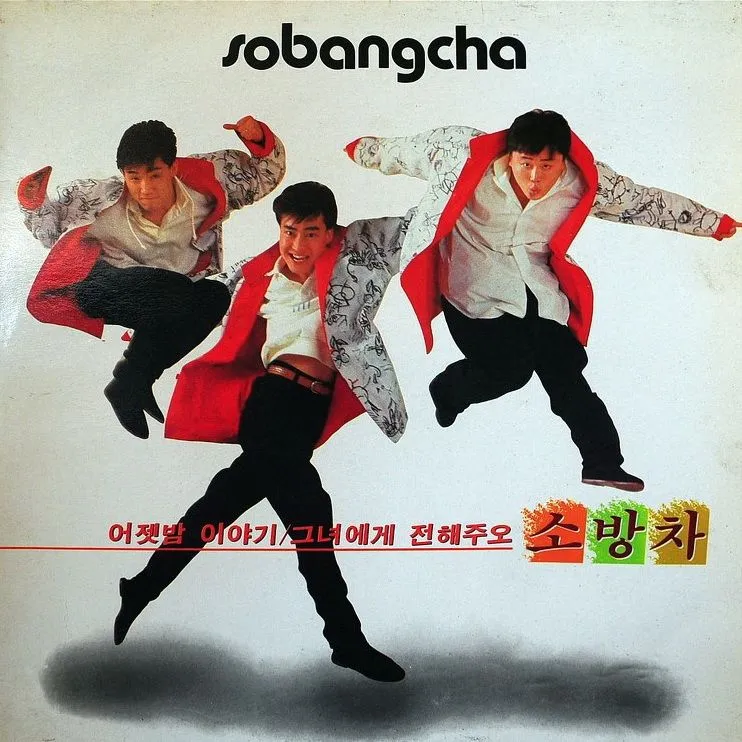
Bingle Bingle (1985)
By Nami; reflects dance music boom; known for unique fashion, style, and choreography; shows diversification of pop
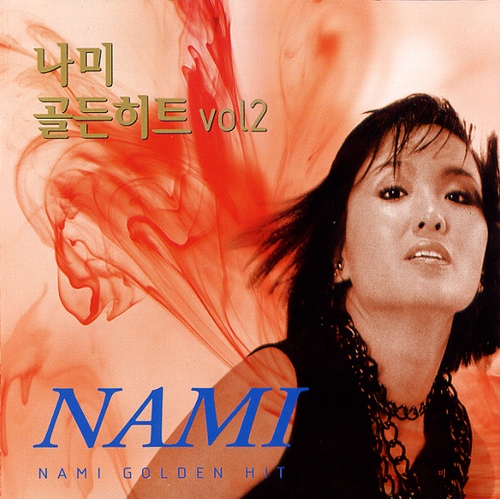
Beginnings of K-Pop (1992-1994)
Era marking the birth of modern K-pop through innovation, youth culture, and genre fusion
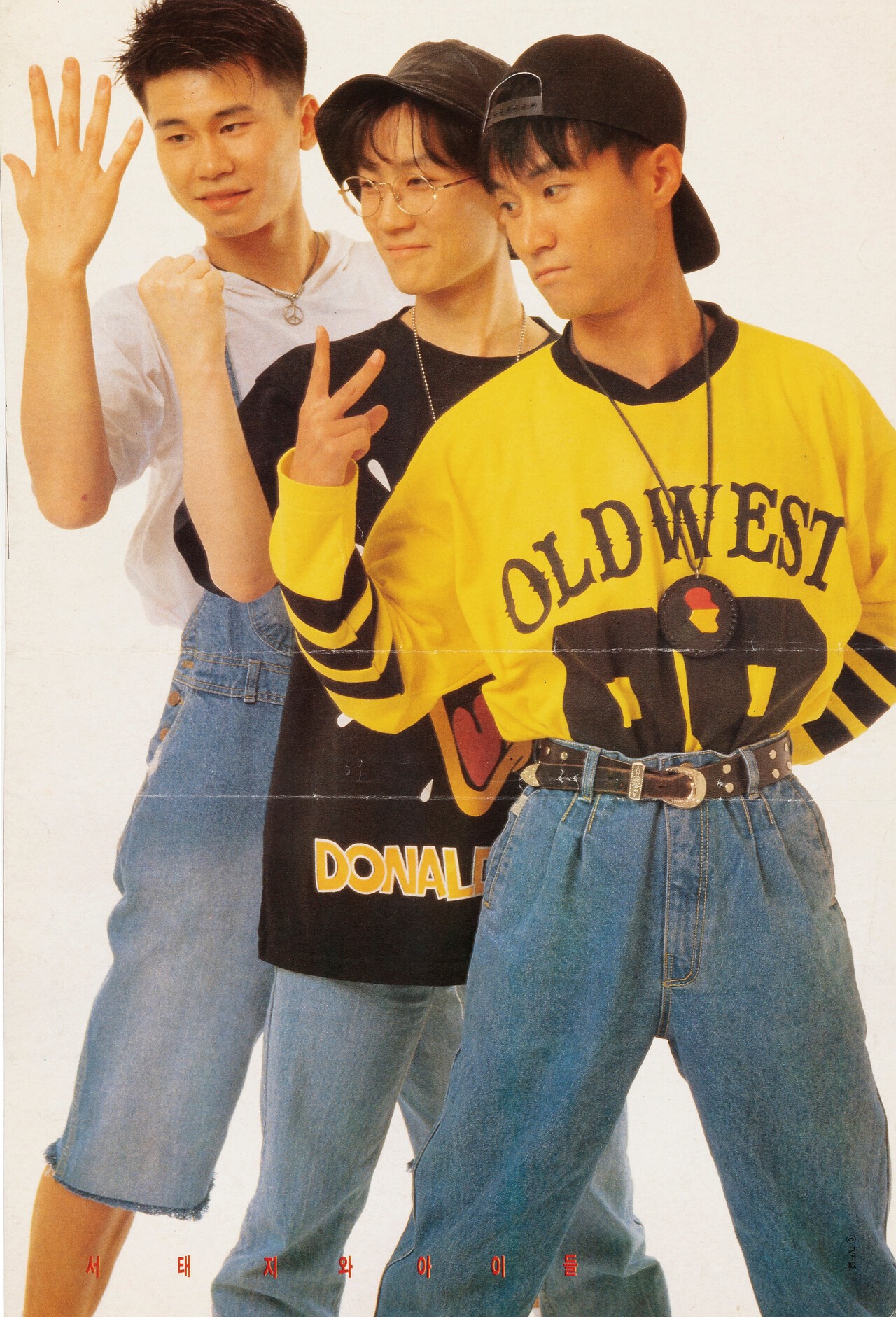
Seo Taiji and Boys revolution
Shift from ballads to dance and hip-hop; marked the true beginning of modern K-pop
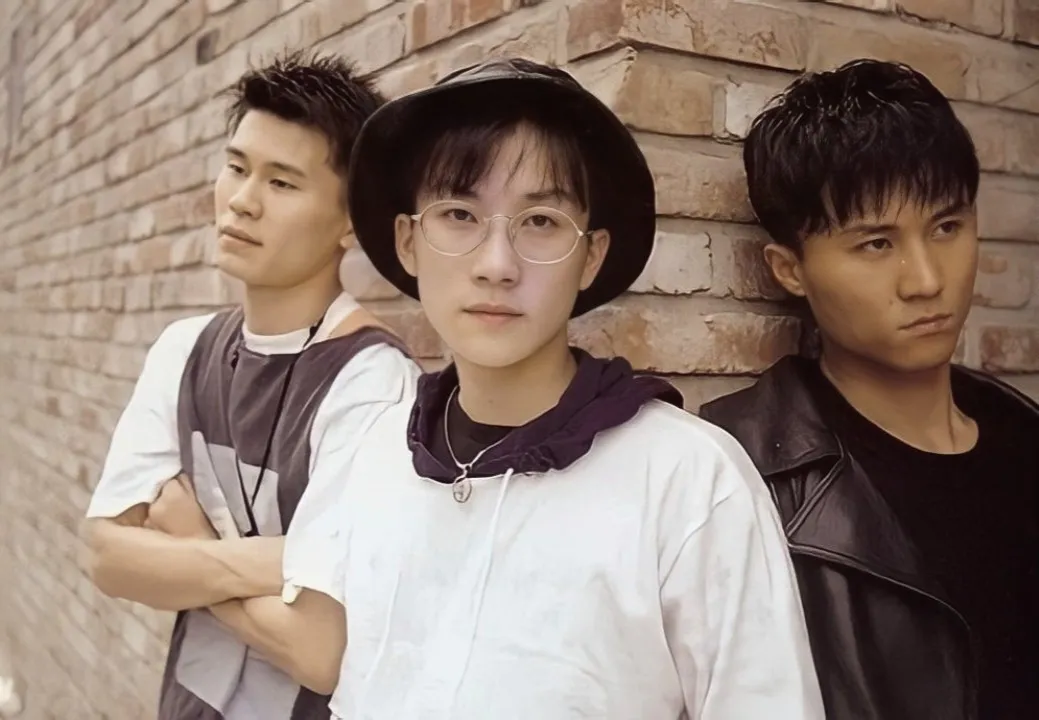
Fusion of Western and Korean music
Blend of rap, hip-hop, rock, house, and metal with Korean language and traditional elements; created a new unique sound
Rise of youth culture
Music industry focused on teenagers; emphasized individuality, self-expression, and a new generation identity
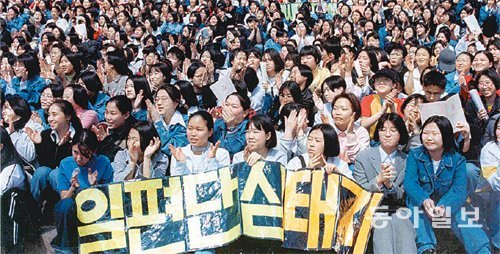
Fandom and idol system beginnings
Formation of organized fan culture (fan meetings, communities); early idol production and trainee system
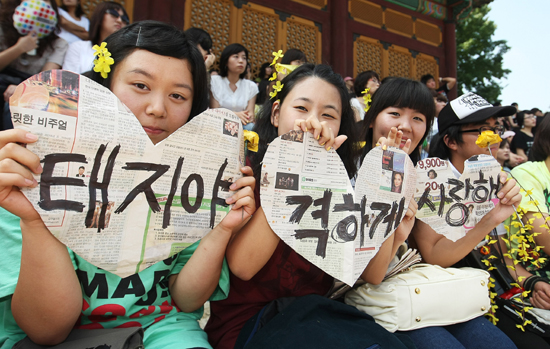
Music as social commentary
Songs addressed real issues like education pressure, division, and youth struggles
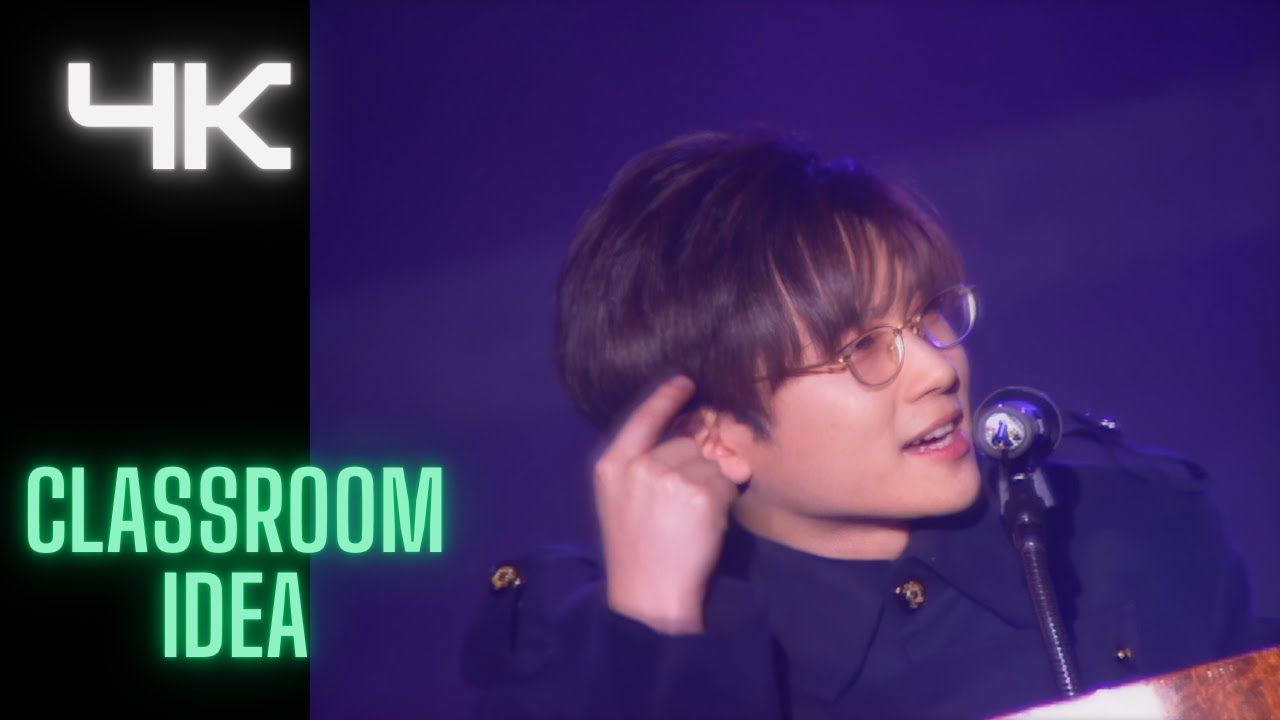
I Know (1992)
By Seo Taiji and Boys; rap + melody fusion; introduced dance music trend; sparked teenage music culture
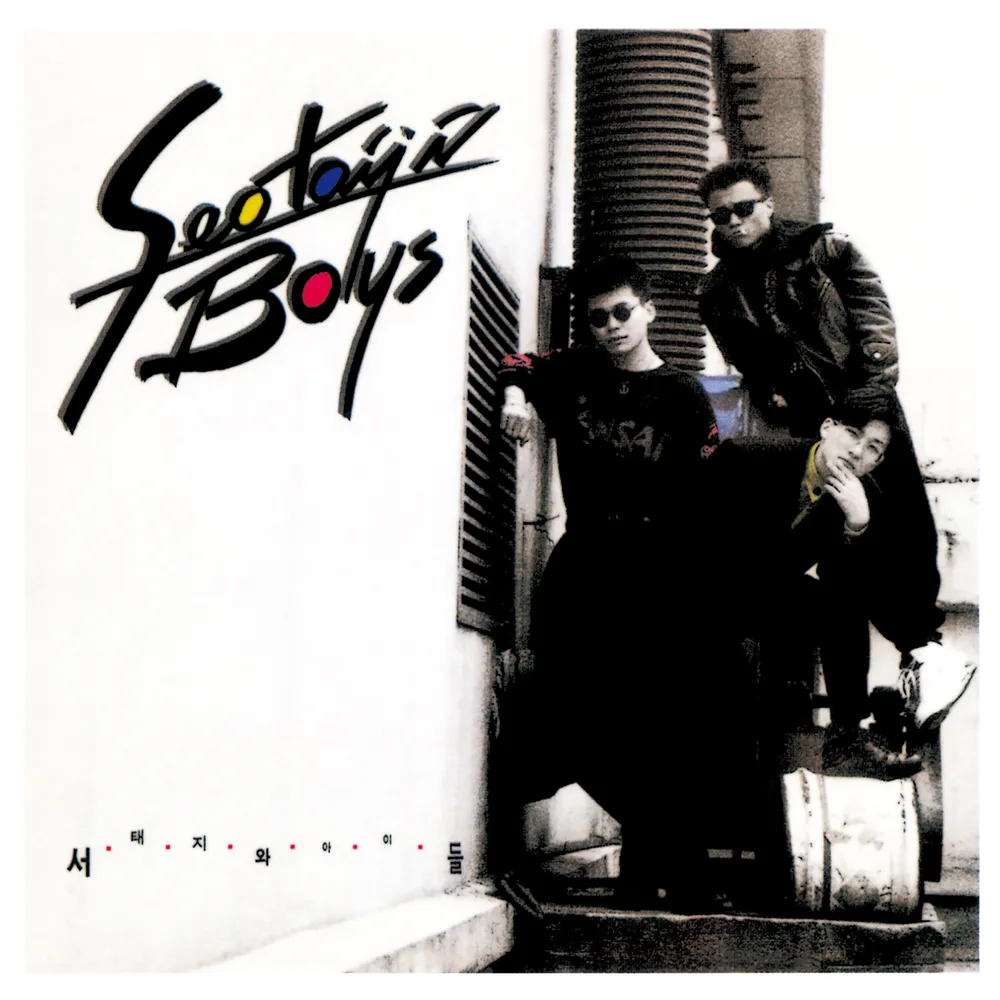
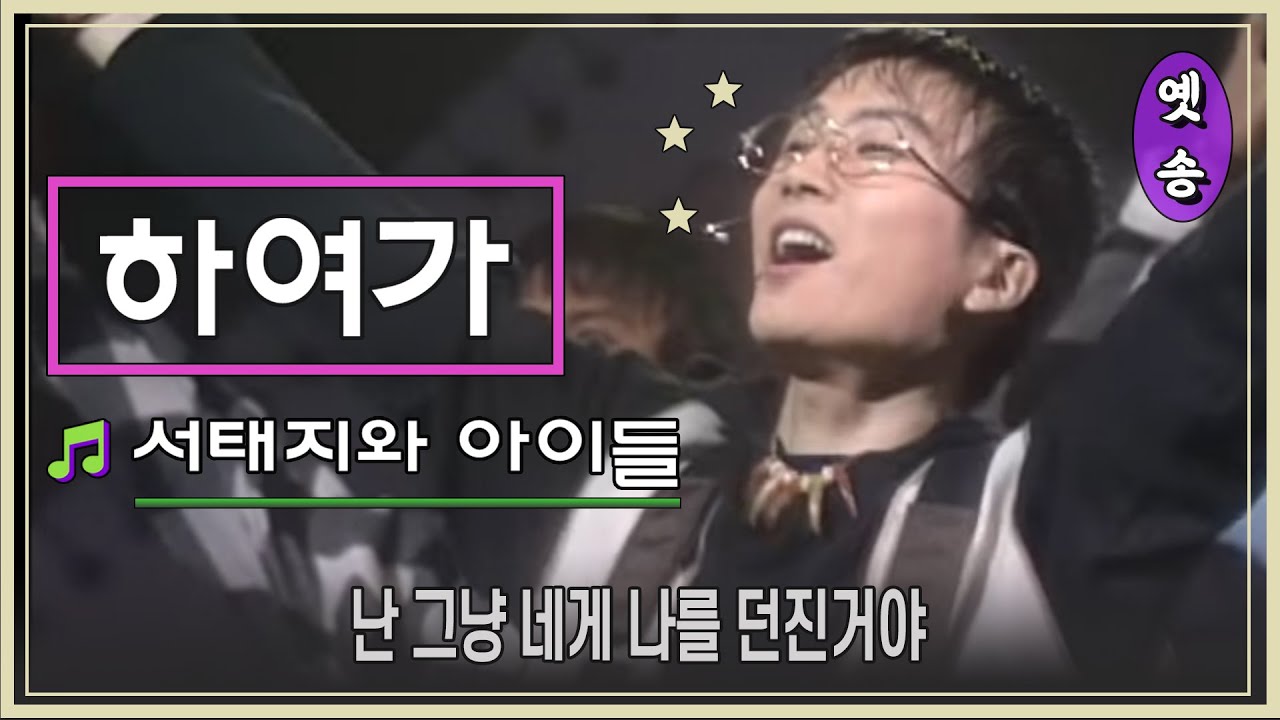
Hayeoga (1993)
By Seo Taiji and Boys; fusion of traditional Korean sounds with hip-hop; represents experimentation and uniqueness
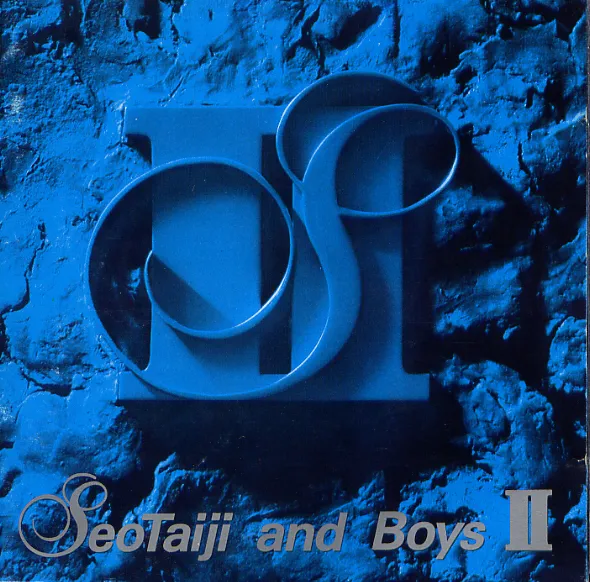
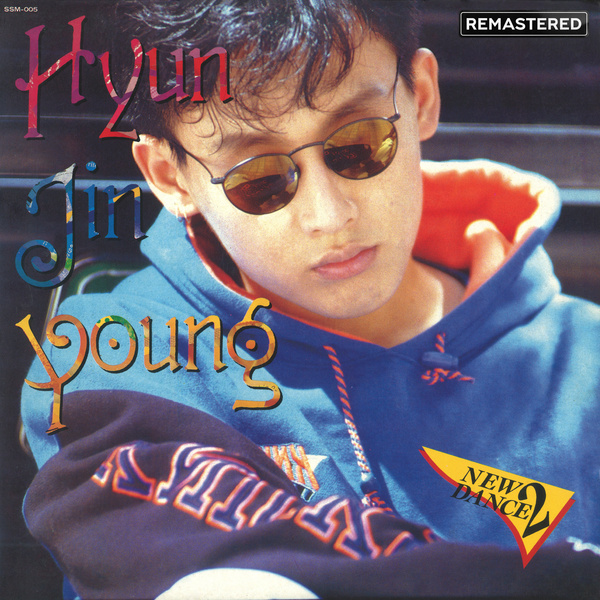
You in My Blurred Memory (1992)
By Hyun Jin-young; early hip-hop/dance influence; linked to SM Entertainment beginnings and trainee system; shows transition to idol-style performance
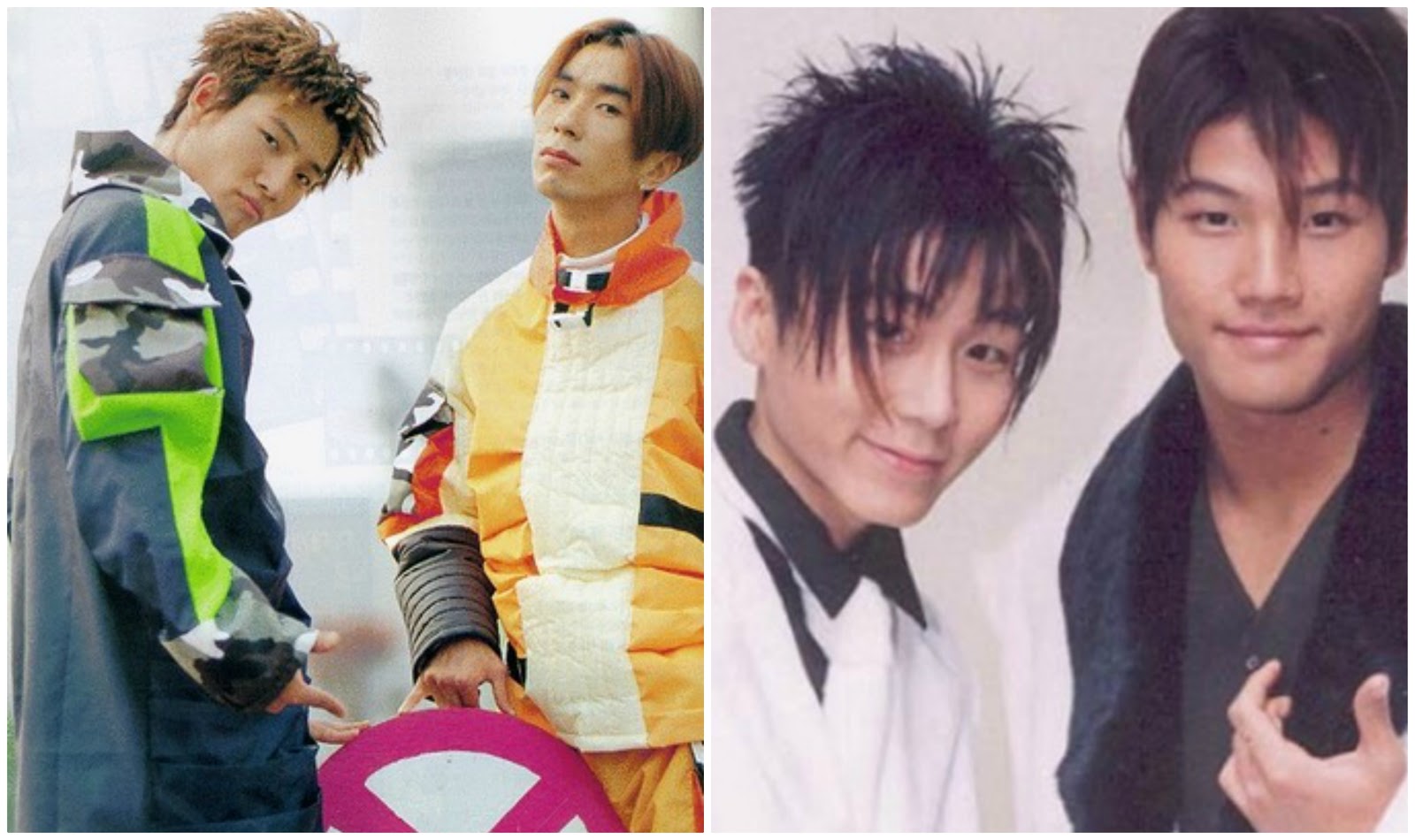
Expansion of K-Pop (1995-2000)
Era where the modern idol system, fandom culture, and global expansion of K-pop were established
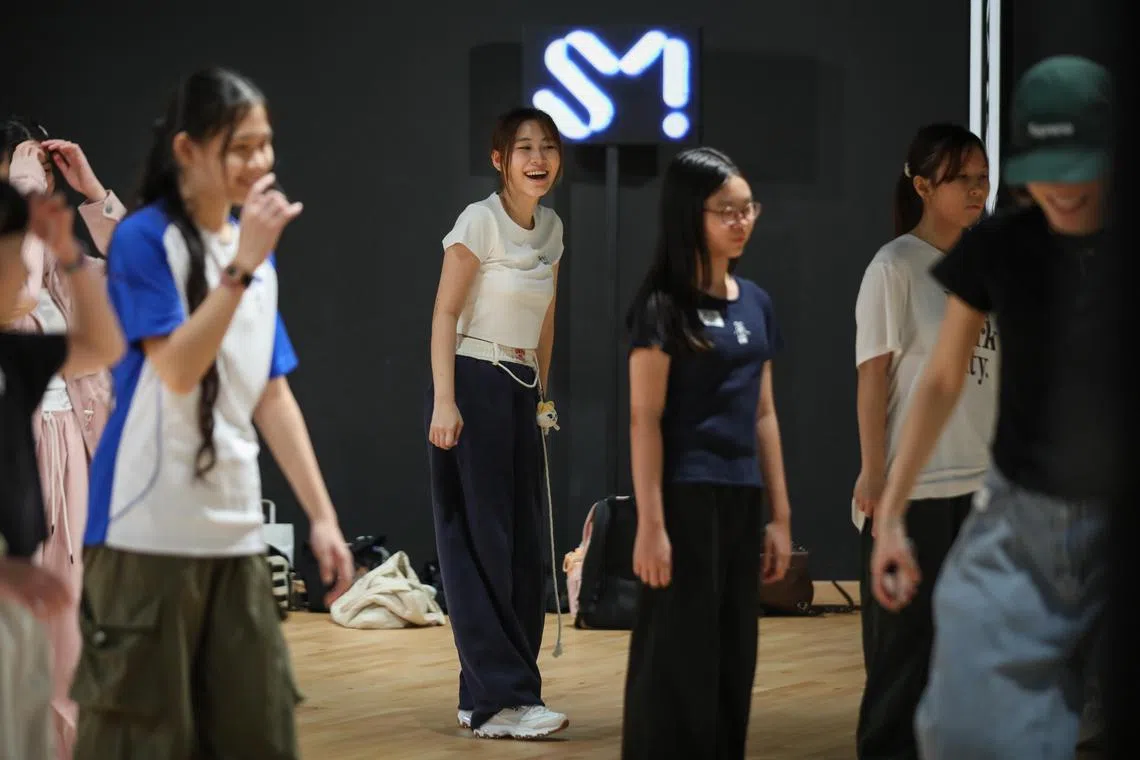
Idol system establishment
Led by SM Entertainment; systematic training in dance, vocals, language, and image; idols became planned products
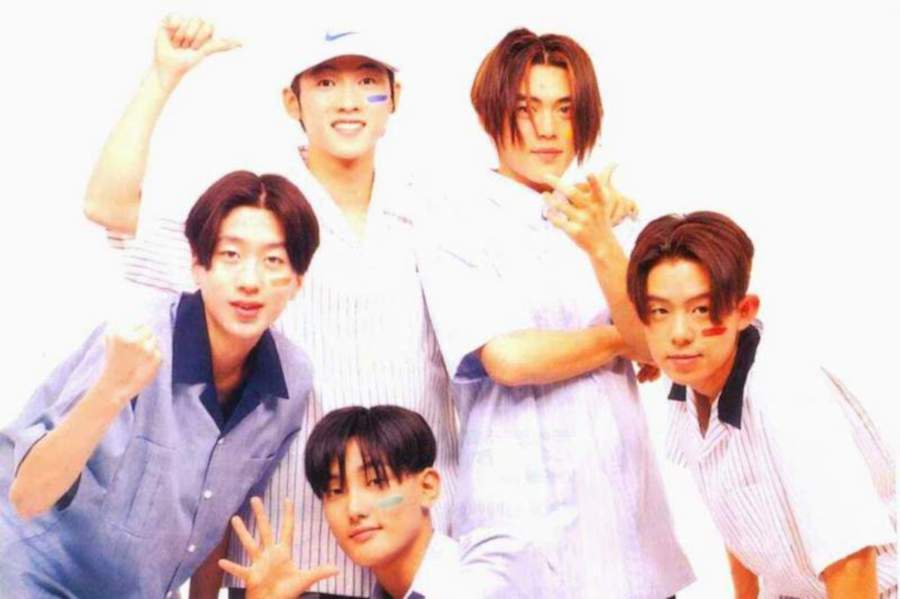
Rise of idol groups and fandom culture
Groups like H.O.T targeted teenagers; strong organized fandoms; growth of loyalty, identity, and "oppa culture"
Strategic production and marketing
Careful planning of concepts, visuals, and personalities; use of music videos, fashion, choreography; A&R system and overseas song sourcing

Beginning of Hallyu (Korean Wave)
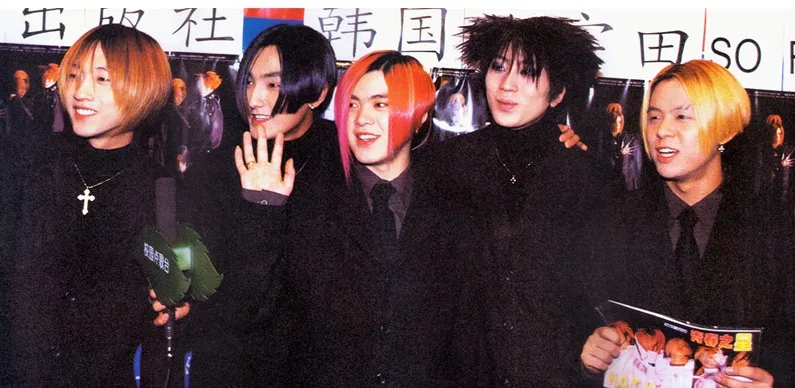
Expansion into China and Japan; first overseas concerts; start of global K-pop popularity
Professionalization of industry
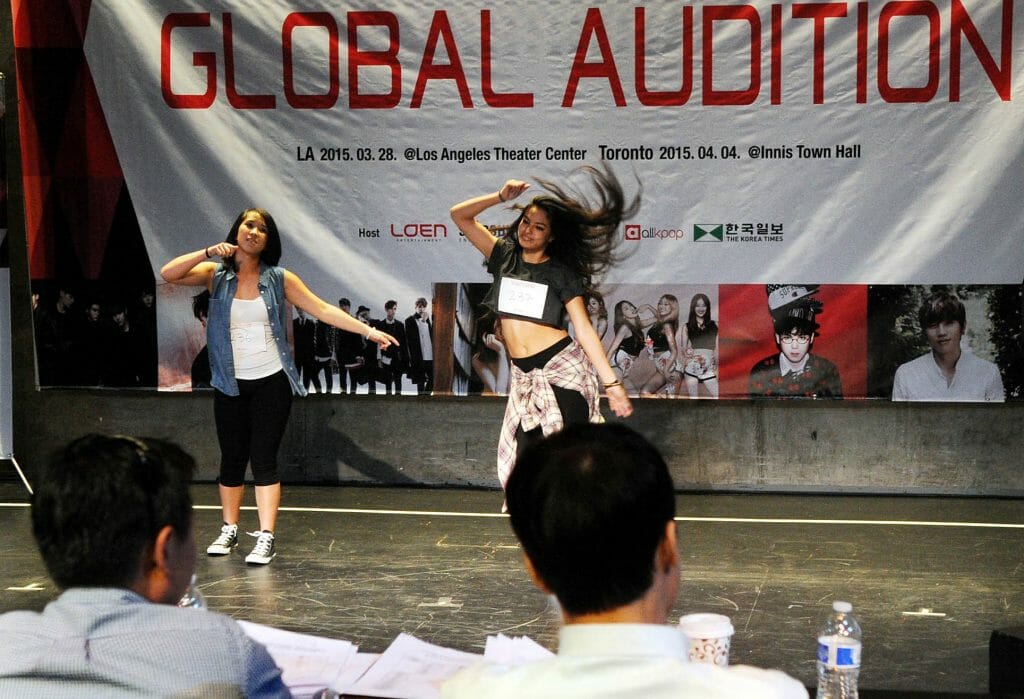
Regular auditions (domestic and international); structured casting (including street casting); growth of major companies like SM and JYP
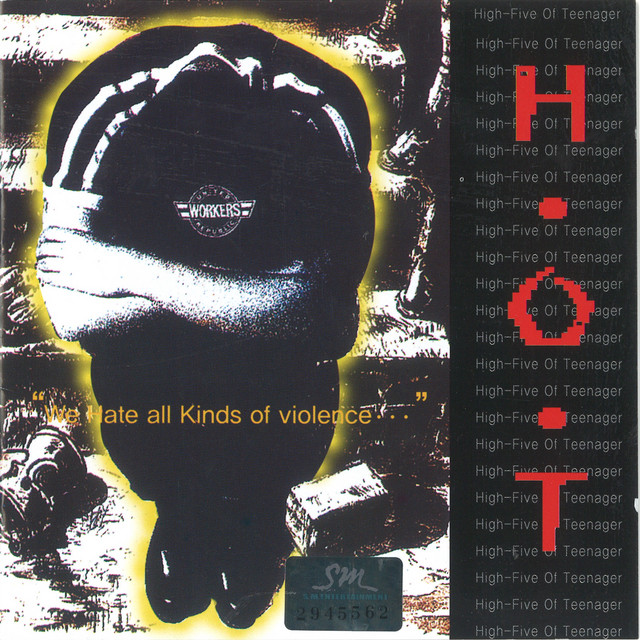
Descendants of Warriors (1996)
By H.O.T; first major idol group; teen-focused themes (violence, youth struggles); represents planned idol system
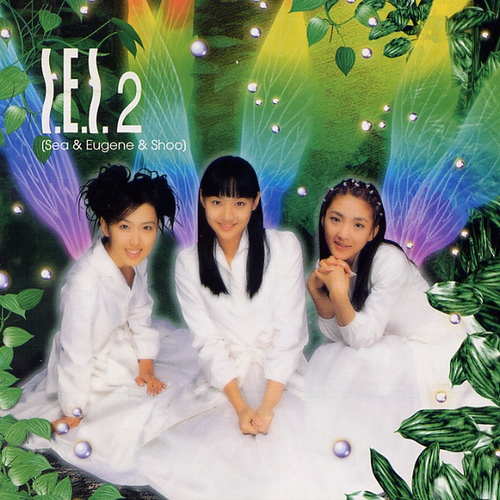
Dreams Come True (1998)
By S.E.S; example of overseas song sourcing (A&R); expanded girl group market; shows global influence
Dear Mother (1999)
By g.o.d; emotional storytelling; more relatable concept compared to rebellious idols; shows diversification of idol music