art history final
 Call Kai
 Learn
Learn Practice Test
 Spaced Repetition
 Match
Match Flashcards
 Knowt Play
1/62

There's no tags or description
Looks like no tags are added yet.
Name | Mastery | Learn | Test | Matching | Spaced | Call with Kai |
|---|
No analytics yet
Send a link to your students to track their progress
63 Terms
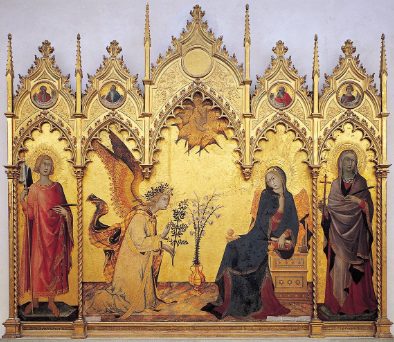
Annunciation -pre- Renaissance
Simone Martini and Lippo Memmi, 1333, altarpiece, from Siena Cathedral, Siena, Italy, Tempera and gold leaf on wood. International Style
- Mother Mary
-major turning point in late medieval art, as it shows how artists began moving toward more expressive, human-centered imagery
-art is not just aesthetically but socially and politically.
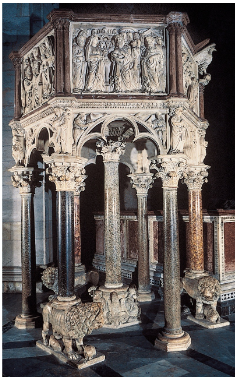
pulpit of the baptistery, pre- Renaissance
Nicola Pisano, (father) Pisa, Italy 1259–1260, Marble Italian Art
--is famous for bringing back elements of ancient Roman sculpture
-Figures look solid, heavy, and realistic, like Roman statues
-lack of emotion on the sculptures
-Nicola Pisano reconnects art with classical realism
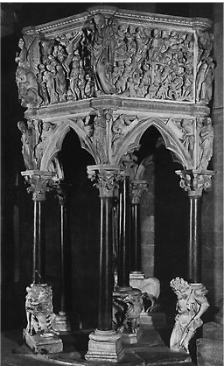
pulpit of Sant’Andrea, pre- Renaissance
Giovanni Pisano (son), 1297–1301, Pistoia, Italy, marble; Italian Art
-show a crucial shift from medieval traditions toward the naturalism and drama that would define the Renaissance
-increased emotion and movement
-Giovanni Pisano pushes toward emotional, dramatic expression
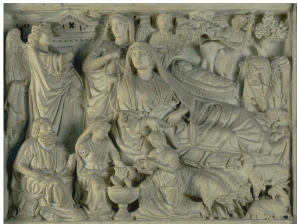
Annunciation, Nativity, and Adoration of the Shepherds, pre- Renaissance
Nicola Pisano, (father) relief panel on the baptistery pulpit, Pisa, Italy,1259–1260, Marble
-Calm, balanced composition
-Figures that look solid and Roman-inspired
-Drapery similar to ancient sculptures
-A clear, readable layout
Nicola Pisano = classical balance and early naturalism
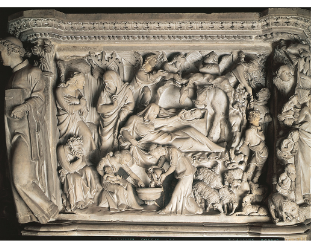
Annunciation, Nativity, and Adoration of the Shepherds, pre- Renaissance
Giovanni Pisano (son), relief panel on the pulpit of Sant’Andrea, Pistoia, Italy,1297–1301, Marble
-Figures are crowded, twisting, and energetic
-Strong emotional intensity (fear, awe, urgency)
-Less orderly, more dramatic composition
-This reflects the expressive qualities of Gothic art.
Giovanni Pisano = emotional drama and movement
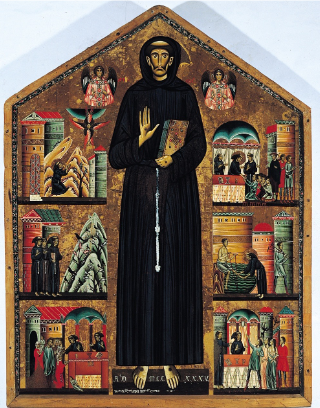
Saint Francis Altarpiece, pre- Renaissance
Bonaventura Berlinghieri San Francesco, Pescia, Italy, 1235, Tempera on wood
-marks an important moment in how religious figures—especially new saints—were represented and understood in medieval Europe.
-influenced by Byzantine art
-Remember, many couldn’t read, so the altarpiece functioned as a visual lesson about Saint Francis
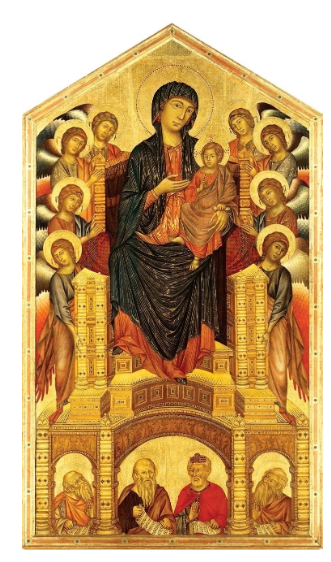
Madonna Enthroned with Angels and Prophets pre- Renaissance
Cimabue,1280–1290, Tempera and gold leaf on wood
-Bridge between Byzantine and later naturalism
gold background and hierarchical scale, is the reflection of the Byzantine art
-- Figures have more volume and shading as well as realistic bodies, this takes a step towards the Renaissance
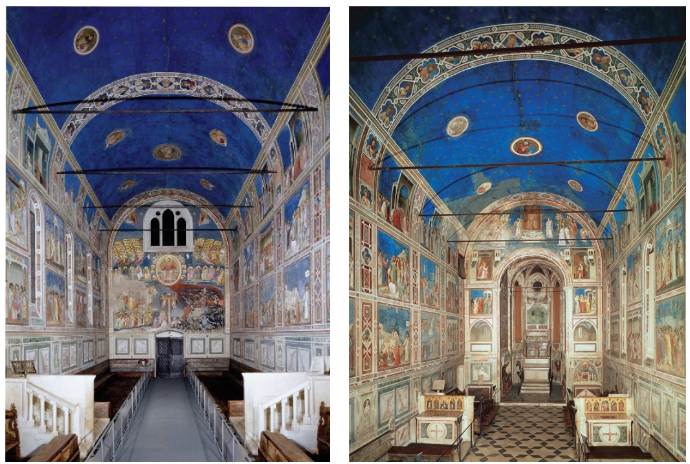
Arena Chapel pre- Renaissance
Giotto Di Bondone, Padua, Italy, 1305–1306
-More human
-More spatially realistic
-More emotionally expressive
-More story-driven
Lapizid blue shows the wealth as well.
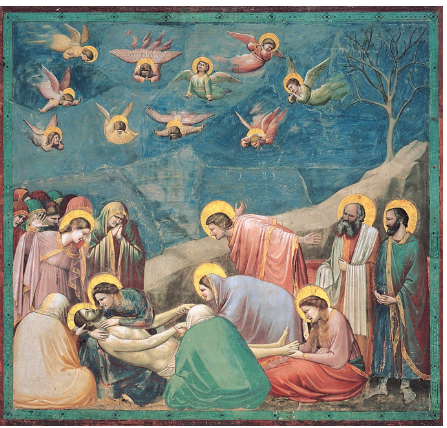
Lamentation pre- Renaissance
Giotto Di Bondone, Italy, 105, Fresco
one of the many paintings in the Arena Chapel.
We feel the emotions of the painting; in a sense we can relate to it
The rocky slope leads the eye toward Chris
The rise of human-centered religious art
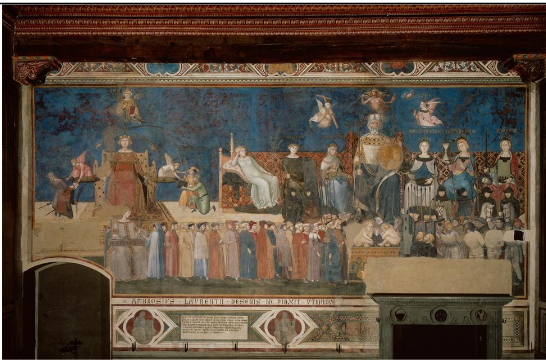
The Peaceful City scene from Effects of Good Government- pre renaissance
Ambrogio Lorenzetti,1338–1339, Siena Italy, fresco
-not about the bible witch makes it unique
-It acts as a political message for leaders in Siena—basically a warning and a model.
-the painting represents the Medieval urban life, and the roles of different people in that society
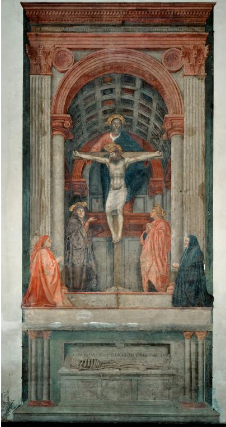
Trinity of the Virgin, Saint John the Evangelist and Donors-Early Italian Renaissance
Masaccio, fresco in the church of Santa Maria Novella, Florence, c. 1425.
-first and clearest demonstrations of true linear perspective and a major breakthrough of the early Renaissance.
-math and art
-Masaccio’s innovations influenced later masters like: Leonardo da Vinci Michelangelo
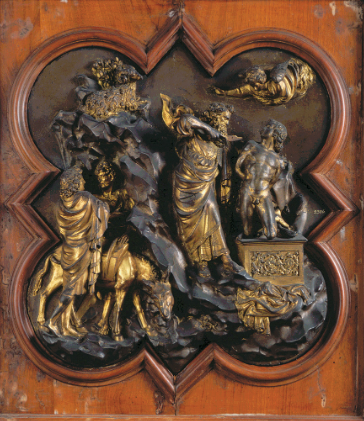
Sacrifice of Isaac-Early Italian Renaissance
Lorenzo Ghiberti, baptistery, Florence, Italy,1401–1402, gilded bronze relief
-also doesn’t depict the bible
-Smooth, idealized bodies inspired by ancient Greek and Roman art
-Demonstrates advanced skill in gilded bronze relief
-The beginning of Renaissance sculpture
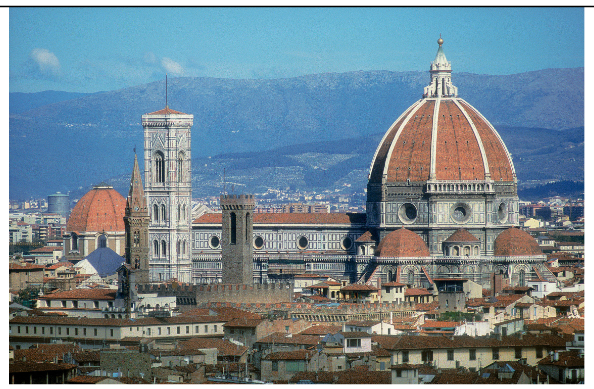
Dome of Florence Cathedra- Italian Renaissance
Filippo Brunelleschi,1417-1436.
-if pegans can do it, so can you
-traditional methods could not build a dome that large so Brunelleschi, used a A double-shell dome
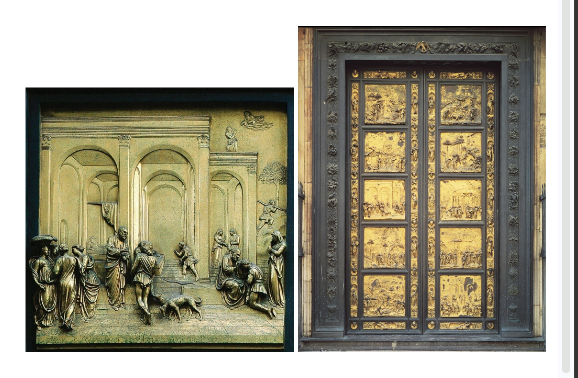
Isaac and His Sons, east doors- Italian Renaissance
Lorenzo Ghiberti, Florence italy, 1425-1452, gilded bronze.
-reflects Renaissance interest in mathematical space and visual order.
-how artists used perspective, storytelling, and classical ideals in relief carving.
-Florence Baptistery, one of the most important public art commissions of the time.
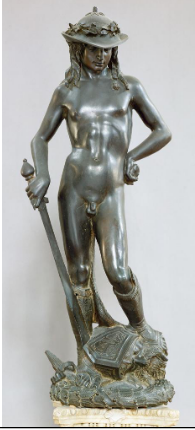
David- Italian Renaissance
Donatello,. 1440-1460, bronze
-t is the first freestanding nude sculpture since antiquity and one of the earliest works to fully express the ideals of the early Renaissance.
-shows David in a different light as well, rather than a grown man, he is a young teenage boy
-Shows Donatello’s mastery of lost-wax casting techniques
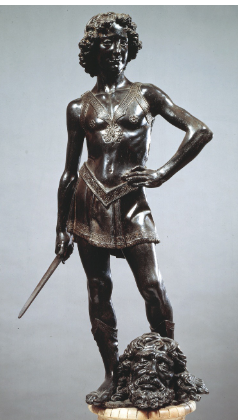
David- Italian Renaissance
Andrea Del Verrocchio 1465-1470, Bronze
-shows how Renaissance sculpture evolved after Donatello, becoming more polished, detailed, and naturalistic, while also reflecting the growing importance of Florence’s artistic culture in the Renaissance.
Donatello = more emotional, experimental, youthful ambiguity
Verrocchio = more polished, controlled, idealized
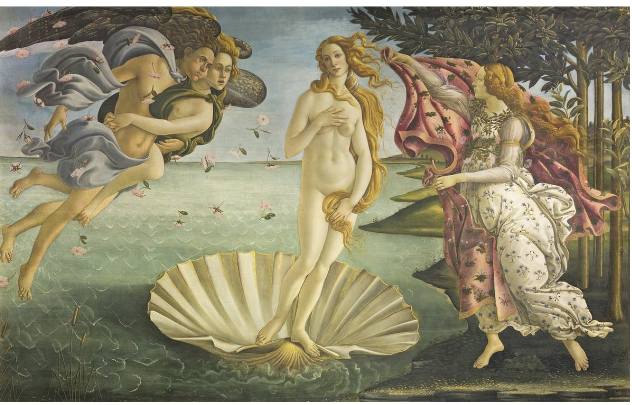
The Birth of Venus- Italian Renaissance
Sandro Botticelli, 1483–85, tempera on canvas
-One of the most iconic paintings of the early Renaissance and a key example of how Renaissance artists revived classical mythology while also expressing new ideas about beauty, love, and humanism.
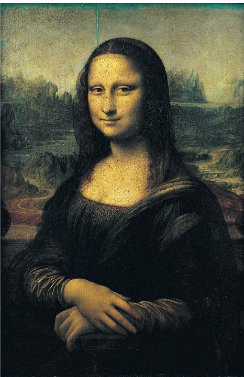
Mona Lisa.- High and Late Italian Renaissance
LEONARDO DA VINCI 1503–1505 Oil on wood.
-Leonardo took her to France and died with her
-realism, technique, and psychological depth.
-The peak of Renaissance realism and technique
-The invention of sfumato and subtle shading
-A new focus on psychological presence in portraiture
-A lasting influence on Western art
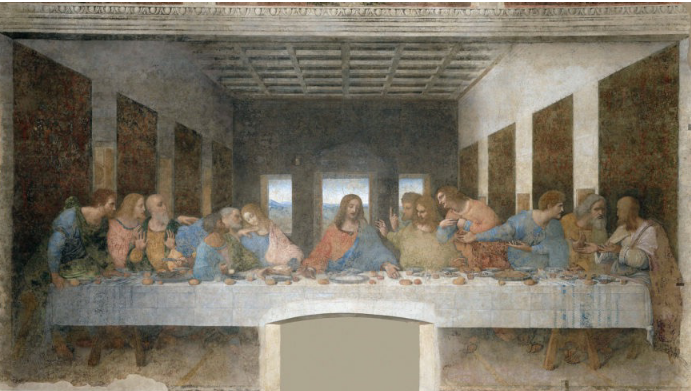
Last Supper- High and Late Italian Renaissance
Leonardo Da Vinci,, 1495-1498. Santa Maria delle Grazie, Milan
-major breakthrough in composition, storytelling, and Renaissance perspective, and because it transforms a religious scene into a deeply psychological moment.
-A breakthrough in perspective and spatial organization
-A new level of emotional and psychological realism
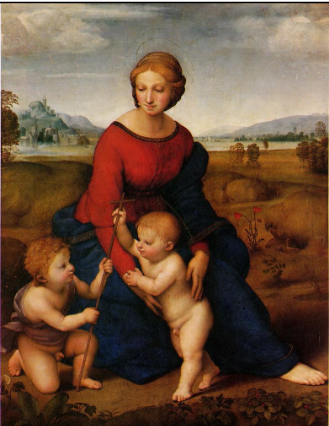
Madonna of the Meadow- High and Late Italian Renaissance
Raphael, oil on panel, 1505
-High Renaissance ideal of harmony, clarity, and balanced composition, especially in how religious subjects are made calm, human, and perfectly structured.
-A shift toward gentle, humanized religious imagery
-The influence of Leonardo refined into clarity
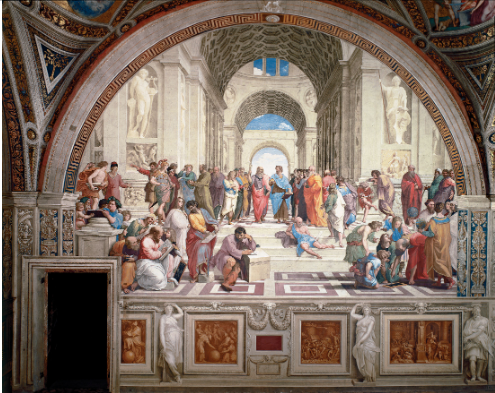
School of Athens,- High and Late Italian Renaissance
Raphael, 1502-11
-the celebration of human knowledge, classical learning, and perfectly organized space.
-It represents a gathering of the greatest minds of philosophy, science, and mathematics. This reflects Renaissance admiration for ancient Greek and Roman intellectual culture.
-The peak of High Renaissance art and perspective
-A celebration of human reason and classical learning
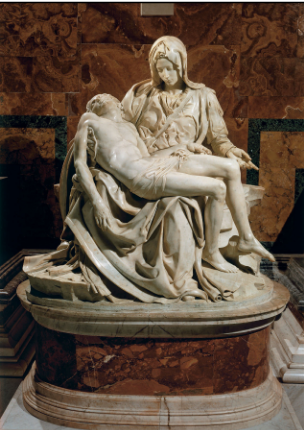
Pietá- High and Late Italian Renaissance
Michelangelo, marble,1498
-shows an extraordinary combination of technical skill, ideal beauty, and emotional depth.
-Mary is shown as young, serene, and idealized
-Christ’s body is perfectly proportioned and calm
-One of the earliest masterpieces that defined Michelangelo’s career
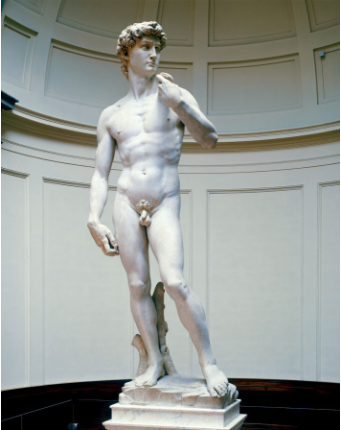
David- High Renaissance
Michelangelo, marble, 1501-04
-contrapposto
-Muscles, veins, and bone structure are highly detailed
-Unlike earlier versions of David: Michelangelo shows him before the battle, not after
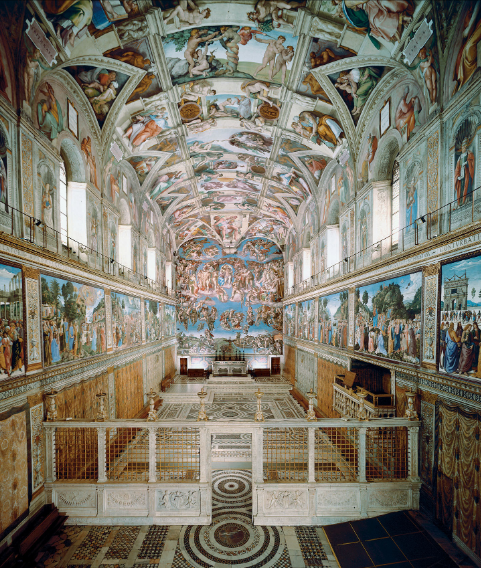
Sistine Ceiling-High Renaissance
Michelangelo 1508-12 Vatican Rome, fresco.
-Painted over 5,000 square feet of ceiling
-Michelangelo worked largely alone on scaffolding
-Muscular, sculptural bodies that look almost three-dimensional
-Deep understanding of anatomy
-Figures in complex poses (twisting, stretching, reclining)
-This reflects Michelangelo’s background as a sculptor.
-Fake columns, frames, and architectural elements
-Idealized art, religion, and philosophy
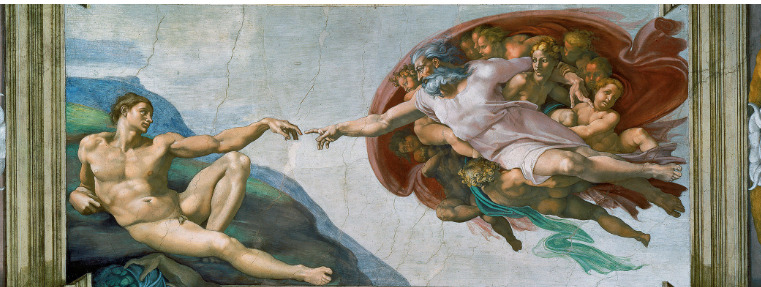
Creation-High Renaissance
Michelangelo, Sistine Ceiling, fresco, 1508-12, Vatican, Rome
-This scene shows the moment God gives life to Adam. The gap between fingers symbolizes the spark of life and new vision of thinking
-Muscles and posture show deep anatomical knowledge
-human potential and divine connection
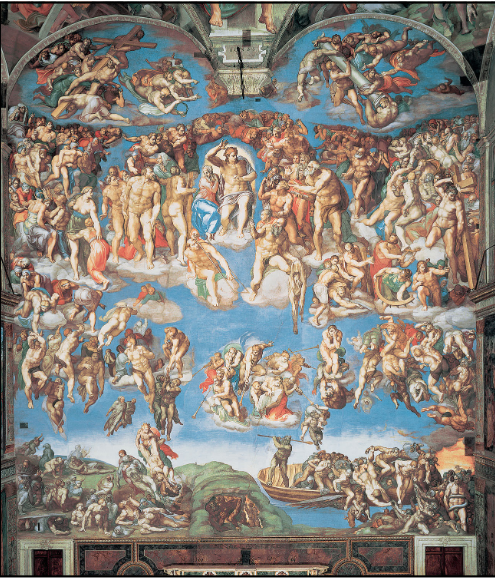
Last Judgment-High Renaissance
Michelangelo, fresco, altar wall, 1536-41, Sistine Chape.
Protestant Reformation 1517 Marthin Luther
Catholic Counter Reformation 1545-1563 council of Trent
-The fresco comes after Martin Luther challenged the Church in 1517, as Christianity in Europe was divvied and unstable
-Art became a tool for reinforcing Catholic beliefs, while protestants were mainly in Northan Europe and used the printing press
-Dozens of muscular, idealized nude figures; Bodies in extreme, complex poses
-A shift from Renaissance harmony → Mannerist intensity
-A dramatic exploration of fear, salvation, and human fate
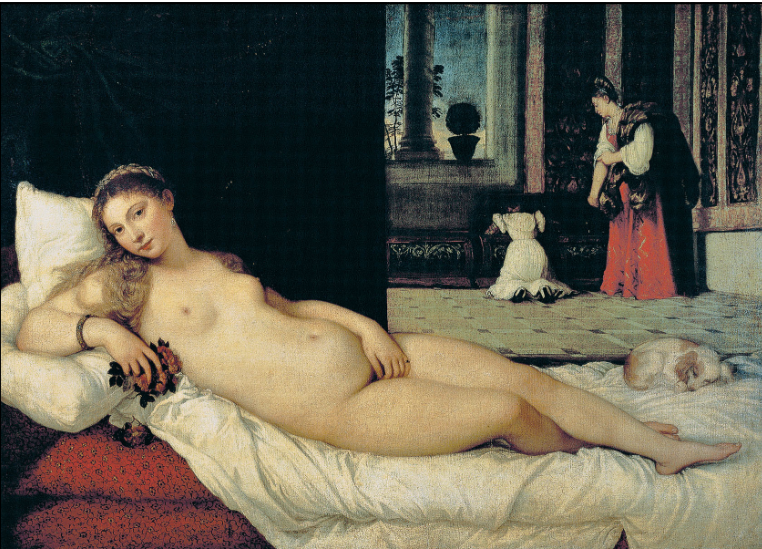
Venus of Urbino, -High Renaissance
Titian, 1538, not sure what its painted with but its on a canvas
-female nude and sex work
-she looks directly at the viewer, sensual but also calm and composed
-Dog = fidelity and marital loyalty
-Background servants = domestic order and household life
-Venus may symbolize marriage, beauty, and ideal womanhood
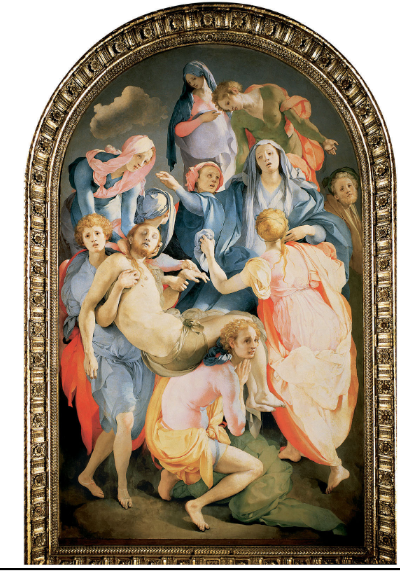
Deposition/Entombment-Mannerism
Jacopo da Pontormo,1525-27
-no clear stable structure or grounding rather they are floating
-This reflects a move away from the calm order of artists like Raphael.
-This style emphasizes expression over realism. Mannerism’s focus on psychological intensity.
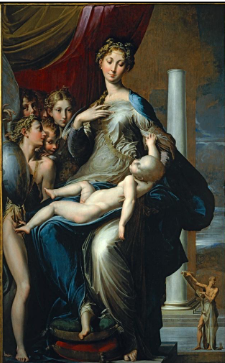
The Madonna with the Long Neck
Parmigianino (1534–1540), oil on wood
-body is not proportional (supper long arms)
-clearest and most famous examples of Mannerism
-stylized as Mannerism focus on elegance and style over realism
- Mannerist (or ambiguous) space.
-Mother Mary and Jesus representing individuals carelessness taking life for granted
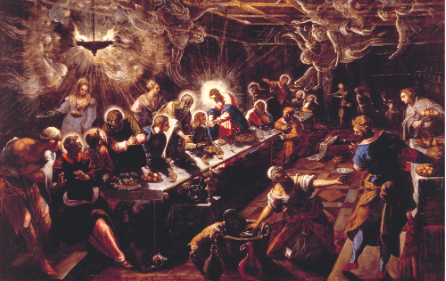
The Last Supper
Tintoretto (1594), oil on canvas
-A shift from Renaissance harmony → dramatic Baroque style
-used other people’s art styles and combined them
Chiaroscuro (strong light and dark contrast)
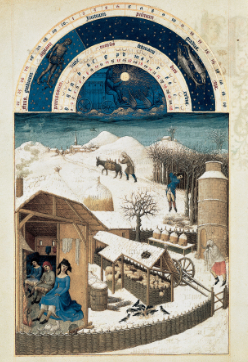
Très Riches Heures du Duc de Berry-Northen Renaissance
Limbourg Brothers (1413–1416),illuminated manuscript
-shows how medieval peasants worked in the winter. this is one of the few visual records of medieval rural life
-created for elites, this pamphlet in the calendar mocks these peasants however unironically shows how they live
-detail on a small scale using tempera paint
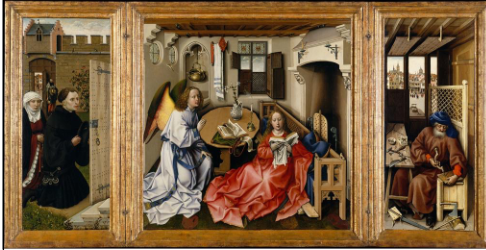
The Mérode Altarpiece (Triptych of the Annunciation)-Northen Renaissance
Robert Campin, 1425
-how everyday settings and style was represented in religious art
-The rise of Northern Renaissance realism and oil painting
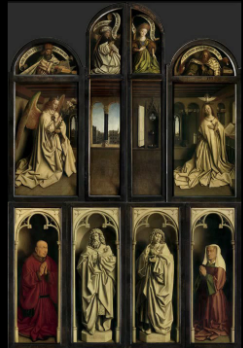
Ghent Altarpiece (closed)-Northen Renaissance
Hubert and Jan van Eyck, 1432
-A breakthrough in realism, light, and texture
A complex blend of religion, symbolism, and everyday life
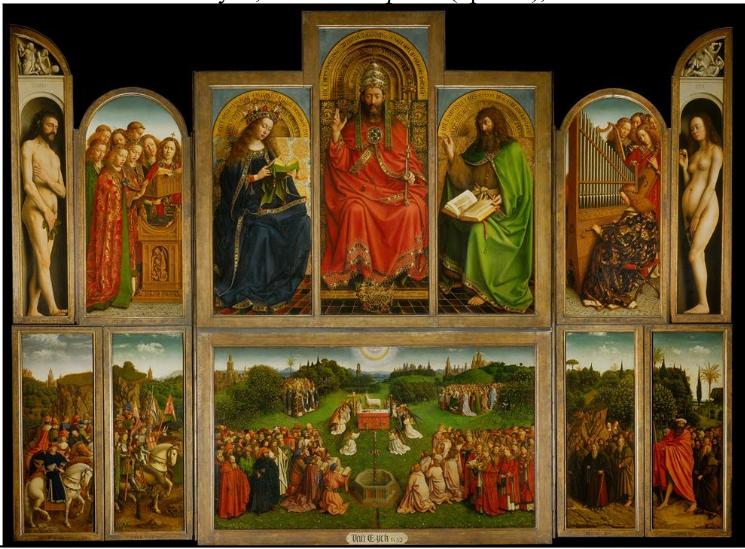
Ghent Altarpiece (opened)-Northen Renaissance
Hubert and Jan van Eyck 1432
-lamb symbolic of redemption
-Top register: God, Mary, and John the Baptist
-Bottom: worshippers in a detailed landscape
-Combines theology with everyday-looking reality
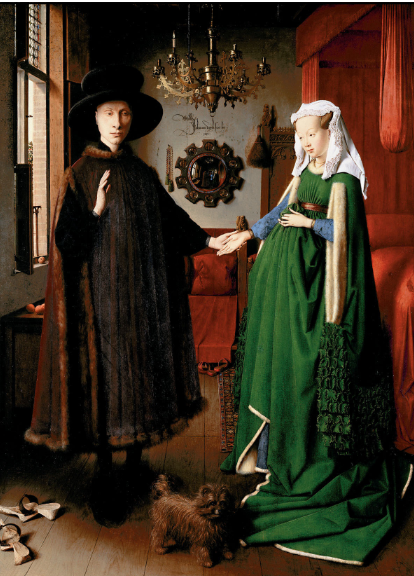
The Portrait of Giovanni Arnolfini and His Wife-Northen Renaissance
Jan van Eyck (1434),
-on one really knows what this painting represents
minimalist
-A major breakthrough in realistic portraiture
-the dog symbolizes loylity and fertility
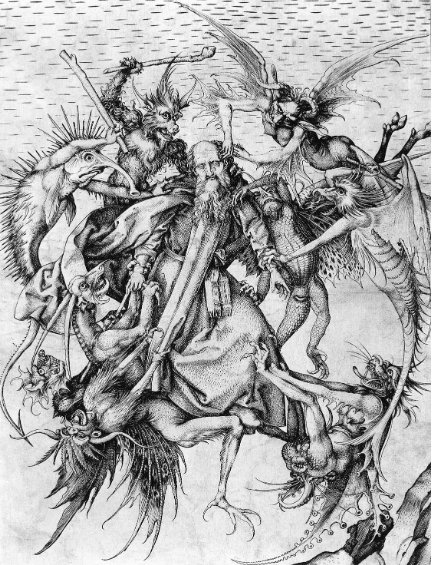
The Temptation of Saint Anthony-Northen Renaissance
Martin Schongauer (c. 1480–1490), engraving
-how engraving could spread complex religious imagery and demonstrate technical skill. As Prior it was known that engraving couldn’t invoke the same emotional level as paintings
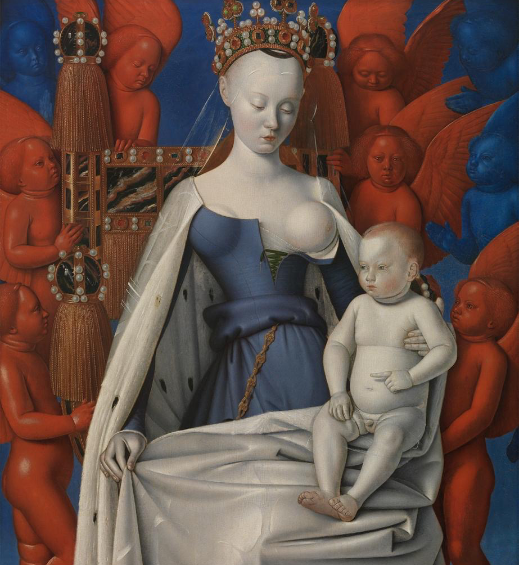
right panel of the Melun Diptych (Virgin and Child)-Northen Renaissance
Jean Fouquet (c. 1452)
-Radical idealization of the Virgin Mary as Agnes Sorel, a mistress of the King of France
-used northern oil painting witch is using oil and tempera
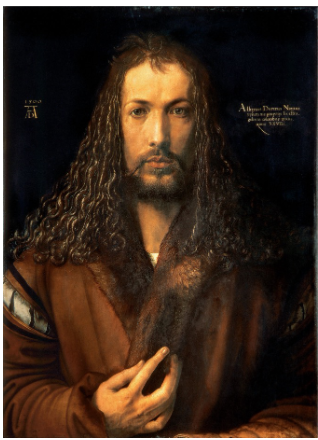
The Self-Portrait-Northen Renaissance
-Albrecht Dürer 1500
-how artist portrayed themselves in self-portraits and how they idealize themselves
-religious symbolism ( the artist as Christ)
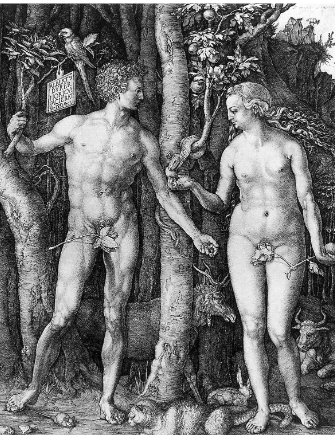
Adam and Eve-Northen Renaissance
Albrecht Dürer, 1504, engraving
-A breakthrough in engraving and printmaking technique
A synthesis of classical ideals and Northern realism
A complex mix of religious meaning and scientific observation
The rise of printmaking as a major artistic medium in Europe
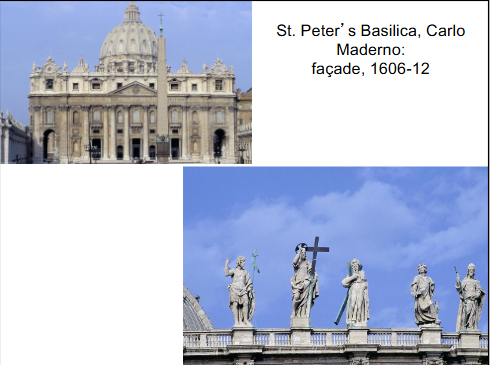
St. Peter’s Basilica-Italian Baroque
Carlo Maderno (1606–1612), in St. Peter's Basilica,
-marks the transition from the High Renaissance to the Baroque,
-architecture was used to express the power of the Catholic Church during the Counter-Reformation.
-Emphasizes visual impact over perfect proportion
-Columns, pilasters, and triangular pediments (from classical architecture)
-But arranged on a much larger, more dramatic scale
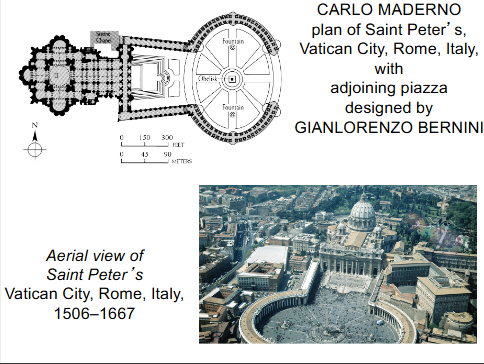
plan of St. Peter’s Basilica with the adjoining piazza-Italian Baroque
Carlo Maderno and Gian Lorenzo Bernini, 1506-1667, Vatican City, Rome Italy
-the shift from byzantine central plan and Latin Cross plan.
-Latin Cross plan allowed for more people in the ceremony as well as make section for saint’s memorabilia
-Designed to impress, inspire, and unify believers and Shows the Church’s global authority
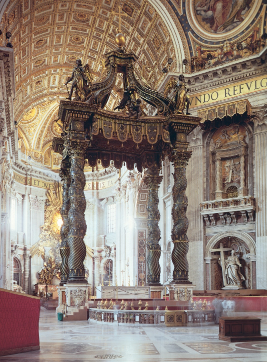
Baldacchino-Italian Baroque
Gian Lorenzo Bernini (1624–1633) in St. Peter's Basilica,Bronze casting
-Stands directly over the high altar and tomb of Saint Peter
-Its seen as Baroque as it creates a sense of motion, energy, and grandeur.
-Shows the wealth and authority of the Catholic Church
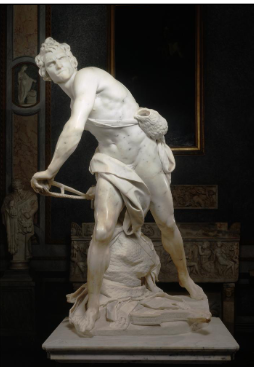
David 1623-24-Italian Baroque
Gian Lorenzo Bernini
-represent the main idealize of Borque as it revisits styles from Roame and Greece and capture the exact instant of action
-Renaissance works = calm, balanced, ideal
Bernini = dynamic, unstable, energetic
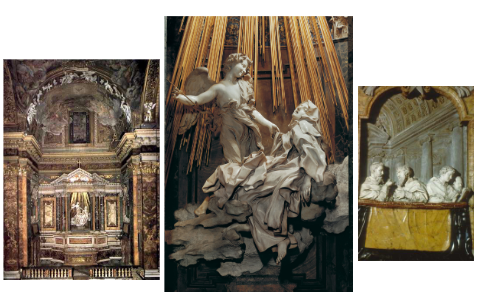
Cornaro Chapel and The Ecstasy of Saint Teresa (centerpiece)-Italian Baroque
Gian Lorenzo Bernini (1645–1652), in Santa Maria della Vittoria,
-represents how Viewers don’t just look they feel like they’re witnessing an event
-the centerpiece represents Saint Teresa and her interaction with an angle, and her divine love for God.
-member of the Cornaro family (the commissioners) are sculpted in side boxes like an audience
-the sculpture is emotional to show god’s love, as a counter catholic reformation
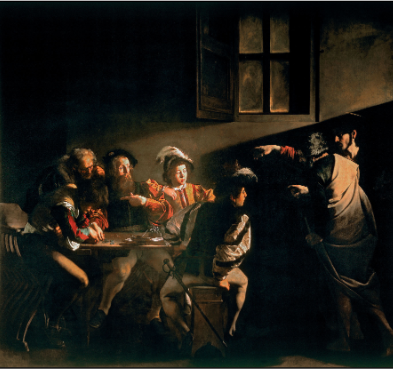
Calling of Saint Matthew-Italian Baroque
Caravaggio 1599-1602,
-Jesus and the disciples are depicted in their own setting but rather an average French Taviorn and clothes
-The viewer witnesses a moment of decision and spiritual change;This aligns with Catholic Counter-Reformation goals of making faith more engaging.
Chiaroscuro-Strong contrast between light and dark
Tenebrism-even more extreme darkness and A spotlight-like effect on important figures
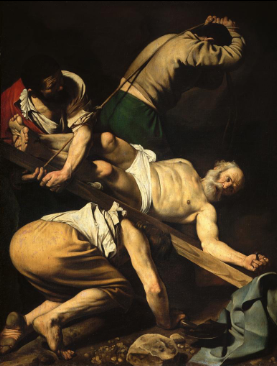
The Crucifixion of Saint Peter-Italian Baroque
Caravaggio 1600-1601
-a powerful representation of Baroque’s naturalism and drama, as well as the Counter-Reformation intended to have more immediate, emotional, and physically painting
-No idealization—only realism
The use of light and shadow to create spiritual drama such as Chiaroscuro and Tenebrism
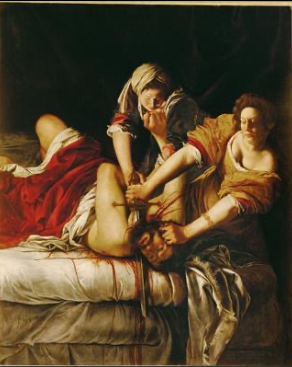
Judith Beheading Holofernes-Italian Baroque
Artemesia Gentileschi, 1612
-use of realism, Chiaroscuro and Tenebrism for a dramatic storytelling
-this story forms the bible is usually depicted by men Judith is a rare female perspective, showing the Faces determination, effort, and resistance
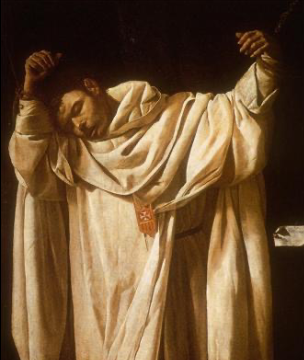
The Saint Serapion-Spanish Baroque
Francisco de Zurbarán 1628
-The painting shows a dead Saint Serapion tied to a cross as a martyr
-Saint Serapion was a martyred monk the paining emphasizes sacrifice and devotion and spiritual peace in death
-extreme Chiaroscuro
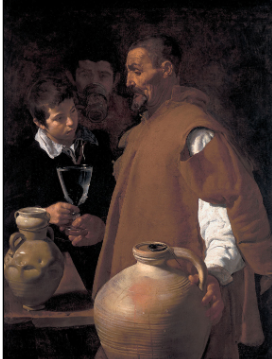
Water Carrier of Seville-Spanish Baroque
Diego Velázquez 1618, genre paining
-Depicts a simple street vendor selling water, no mythological or religious subject matter and shows the shift in what in art is depicted
-Extreme realism as we see different textures: glass, water, skin, clay jars
-Reflects influence of still-life traditions
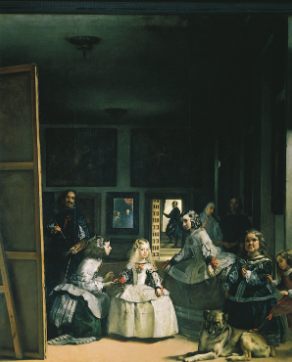
Las Meninas-Spanish Baroque
Diego Velázquez 1656, oil on canvas
-secretly puts himself in the painting, this also shows how close he was to the queen and king
-we see the extreme detailing and manualism of the artist ability even seeing King Philip IV and Queen Mariana in the mirror
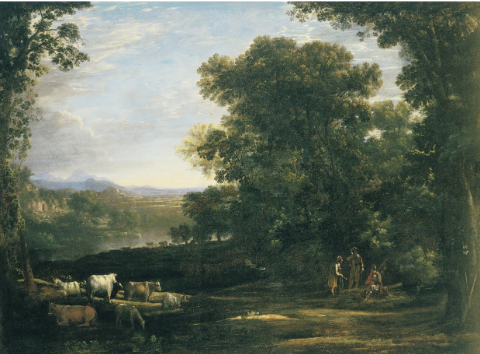
Landscape with Cattle and Peasants -French Baroque
Claude Lorrain 1629, oil on canvas
-the French Baroque main difference form other Baroque is landscapes
-This shift makes landscape a serious genre in art history.
-people are small and nonsignificant as it shows how small we are compared to nature
-Atmospheric perspective and soft brushwork
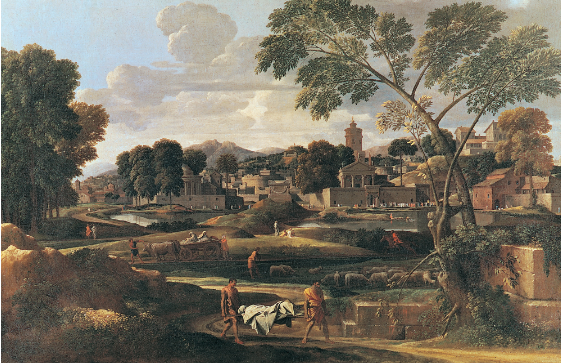
Burial of Phocion
Nicolas Poussin 1648, oil om canvas
-depicts the funeral procession of Phocion, a virtuous Athenian statesman from the 4th century BC
-idealization of the past and Phocion, and life of people from the past
landscape and history painting
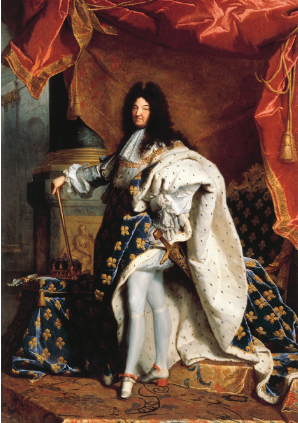
Louis XIV
Hyacinthe Rigaud 1701, oil on canvas
-sun king; Louis XIV identified himself with the sun (center of power and order)
-royal portraiture used as political propaganda
-made during the French protestant as it symbolize Reinforces loyalty to the French monarchy
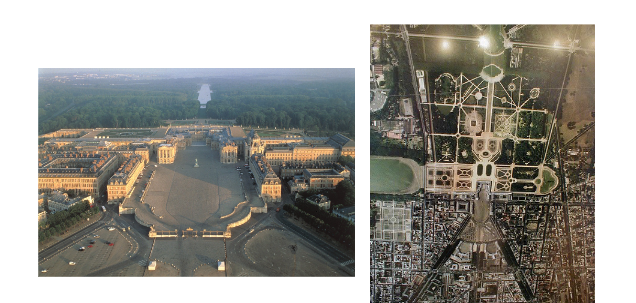
The palace and gardens, in Versailles,
1669, Palace of Versailles
-absolute monarchy expressed through architecture and landscape design in the Baroque period.
-It shows how art, politics, and control of space were combined under Louis XIV, the “Sun King.”
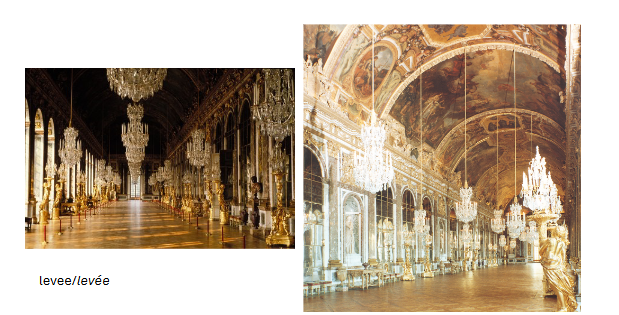
Galerie des Glaces (Hall of Mirrors)
Palace of Versailles (ca. 1680), designed by Jules Hardouin-Mansart with decoration directed by Charles Le Brun,
It shows how architecture, painting, and design were combined to glorify the “Sun King” and the French state.
-the use of mirror and windows are used to show the endless royal splendor and control
-Fresco and ceiling painting
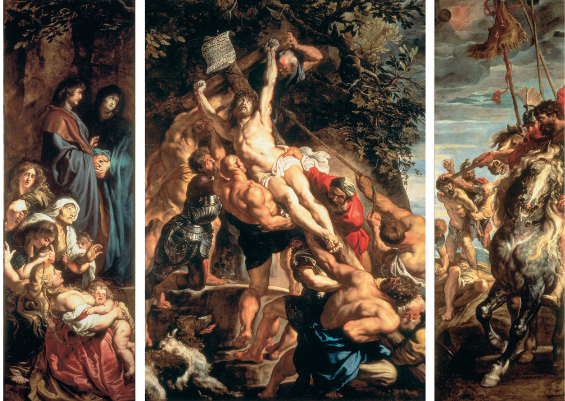
Raising of the Cross-Flanders Baroque
Peter Paul Rubens 1609-11
-intense movement, emotional drama, and powerful physical energy in religious painting.
-moment-by-moment struggle, a key Baroque feature.
-A key example of Counter-Reformation religious art
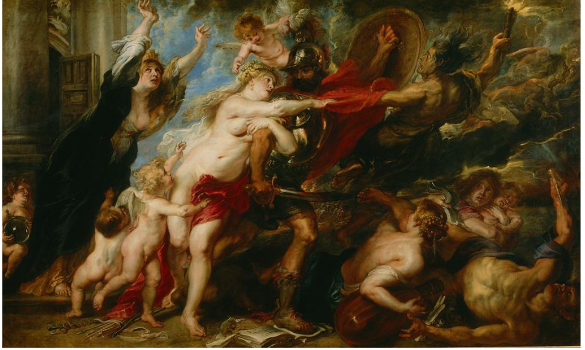
The Consequences of War-Flanders Baroque
Peter Paul Rubens 1636-7
-War painting, however, represents the effects of war.
-merges Greek mythology and political issues.
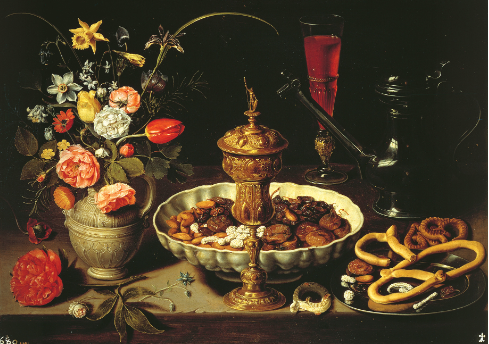
The Still Life with Flowers, Goblet, Dried Fruit, and Pretzels-Dutch Republic, Baroque
Clara Peeters 1611, still life and breakfast piece
-One of the few known female painters working professionally in the early 1600s
-still life focus on everyday object rather than religious or historical scenes
-Represents wealth, trade, and domestic life in the Netherlands
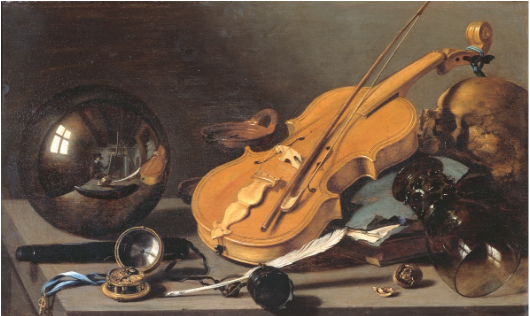
Vanitas Still Life
Pieter Claesz 1630s Oil on panel vanitas painting, memento mor
Dutch Golden Age symbolism
Skull → death
Extinguished candle → life ending
Clock/watch → time passing
Books/instruments → knowledge and pleasure are temporary
Food/glass → fragility and decay
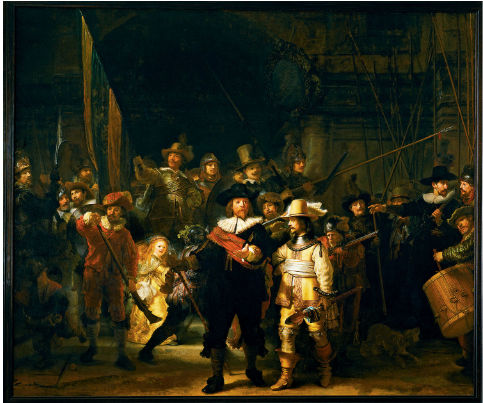
The Night Watch
Rembrandt van Rijn 1642
-Feels like a moment unfolding, not a posed image
-the energy and individuality of Baroque art
The cultural identity of the Dutch Golden Age
It shows how a traditional subject could be transformed into a dramatic, cinematic scene full of life and complexity.
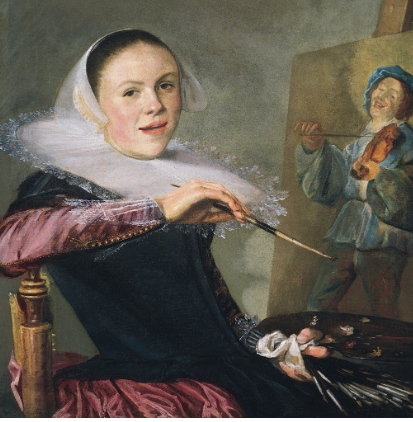
Self-Portrait 1630
Judith Leyster, oil on canvas
-example of a female artist painting herself idealized her identity and professional status
-A shift toward portraying artists as active creators, not just craftsmen
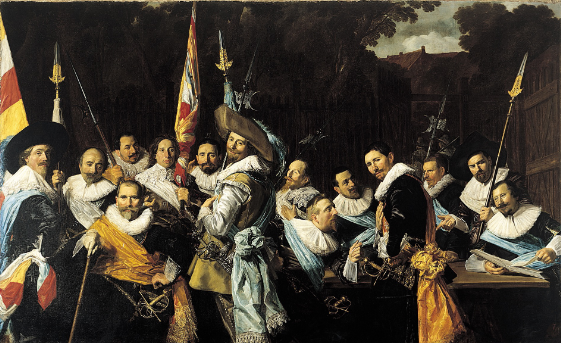
Archers of Saint Hadrian
Frans Hals 1633, oil on canvas
-shows how Baroque artists brought life, movement, and personality into what had traditionally been stiff, formal images.
-The importance of civic identity in the Dutch Republic
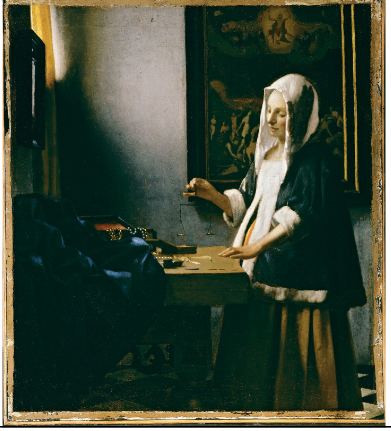
The Woman Holding a Balance
Johannes Vermeer 1664,
-realism, Chiaroscuro, Fine detail and texture
-The use of everyday scenes to express moral and spiritual ideas
-small symbolization thought the painting to the judgment of the water pilfer and the last judgment behind her head.