Political Science
 Call Kai
 Learn
Learn Practice Test
 Spaced Repetition
 Match
Match Flashcards
 Knowt Play
1/201

There's no tags or description
Looks like no tags are added yet.
Name | Mastery | Learn | Test | Matching | Spaced | Call with Kai |
|---|
No analytics yet
Send a link to your students to track their progress
202 Terms
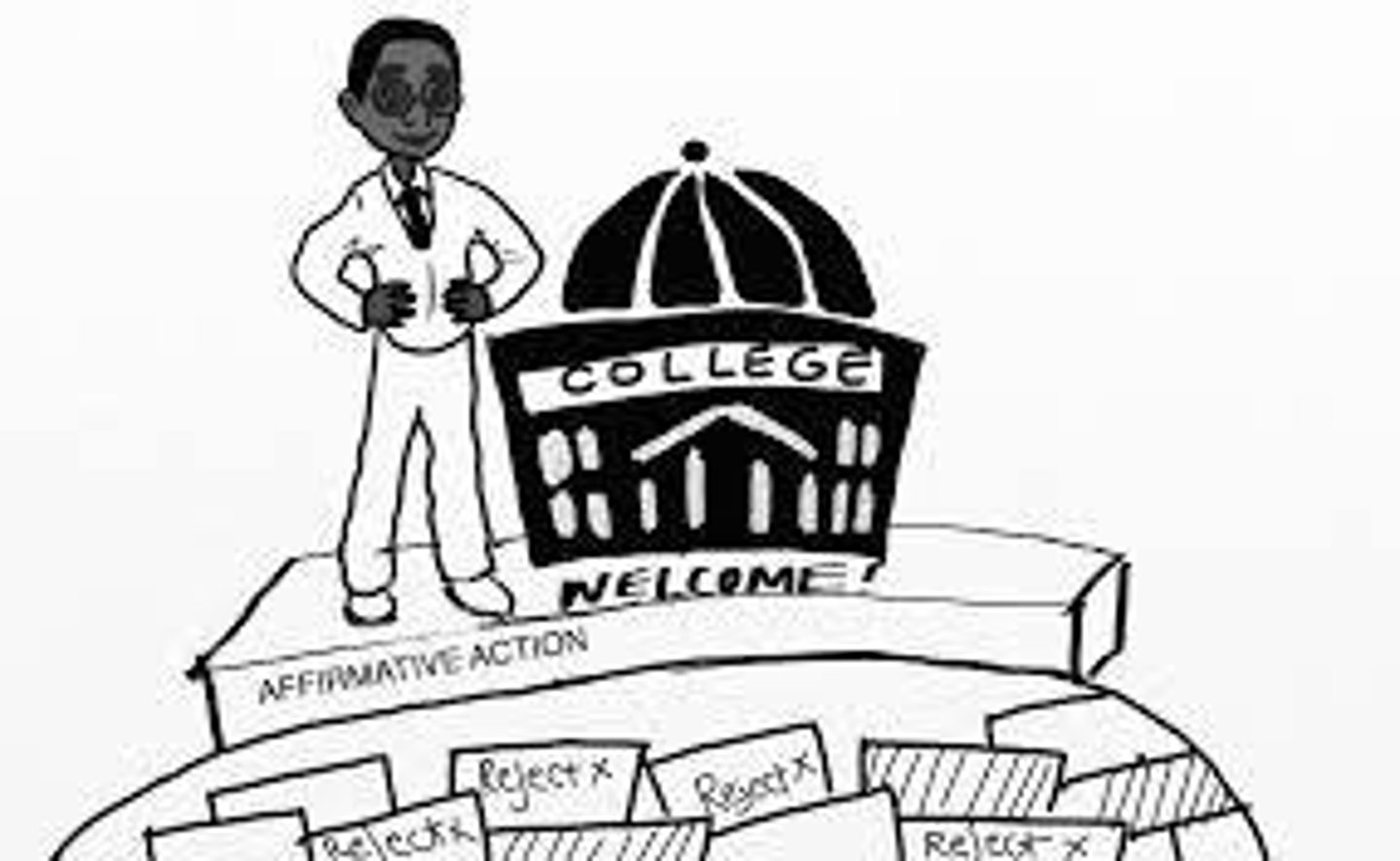
Affirmative action
government policies or programs that seek to redress past injustices again specified groups by making special efforts to prodive members of these groups with access to educational and emplpyment opportunities
Anti-federalists
those who favored strong state governments and a weak national government and were opponents of the constitution
Authoritarian system (government)
a system of rule in which the government recognize no formal limit but may nevertheless be restrained by the power of other social institutions
Block grants
federal grants-in-aid that allow states considerable discretion in how the funds are spent

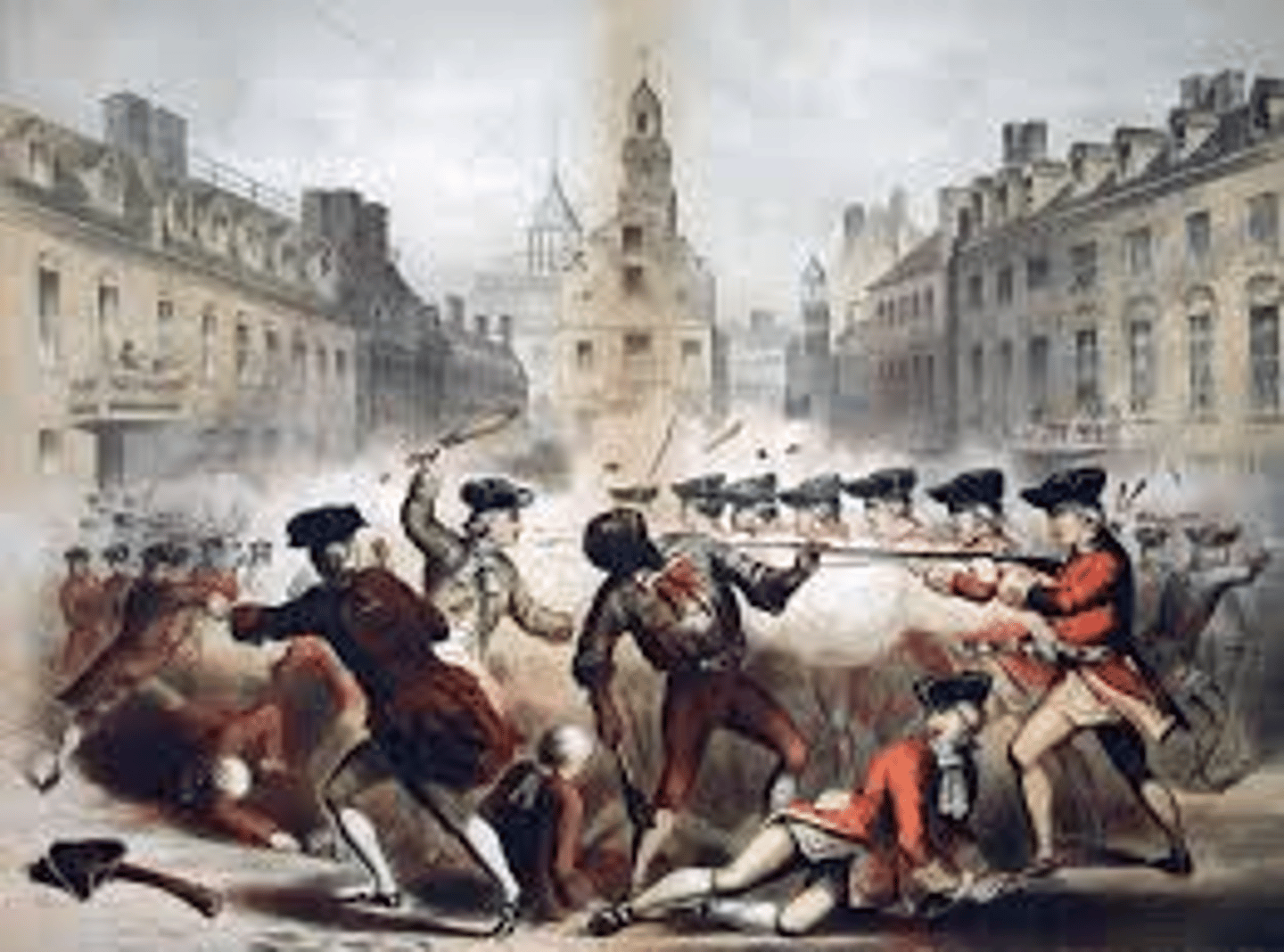
Boston Massacre
The first bloodshed of the American Revolution (1770), as British guards at the Boston Customs House opened fire on a crowd killing five Americans
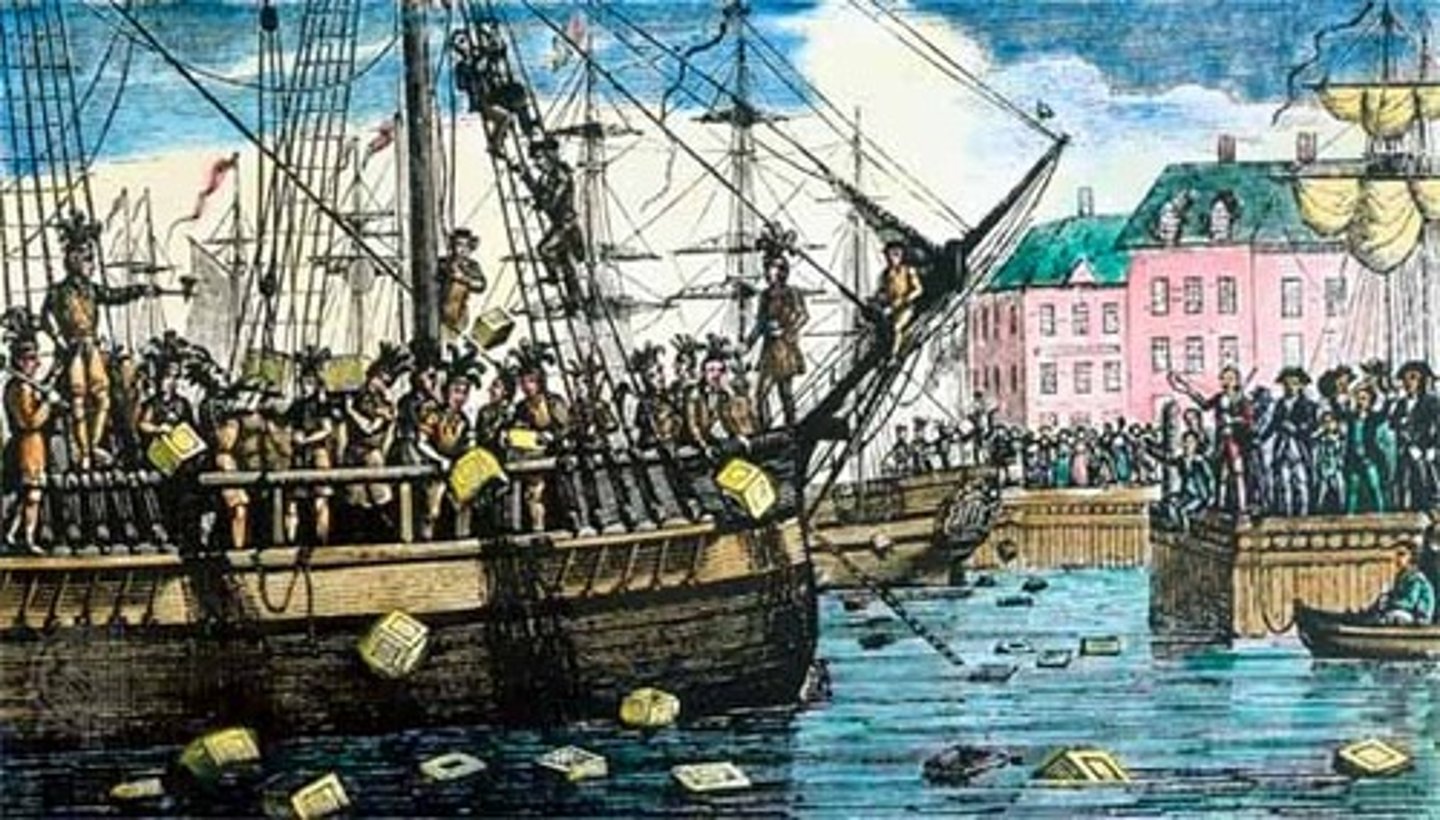
Boston Tea Party
A 1773 protest against British taxes in which Boston colonists disguised as Mohawks dumped valuable tea into Boston Harbor.
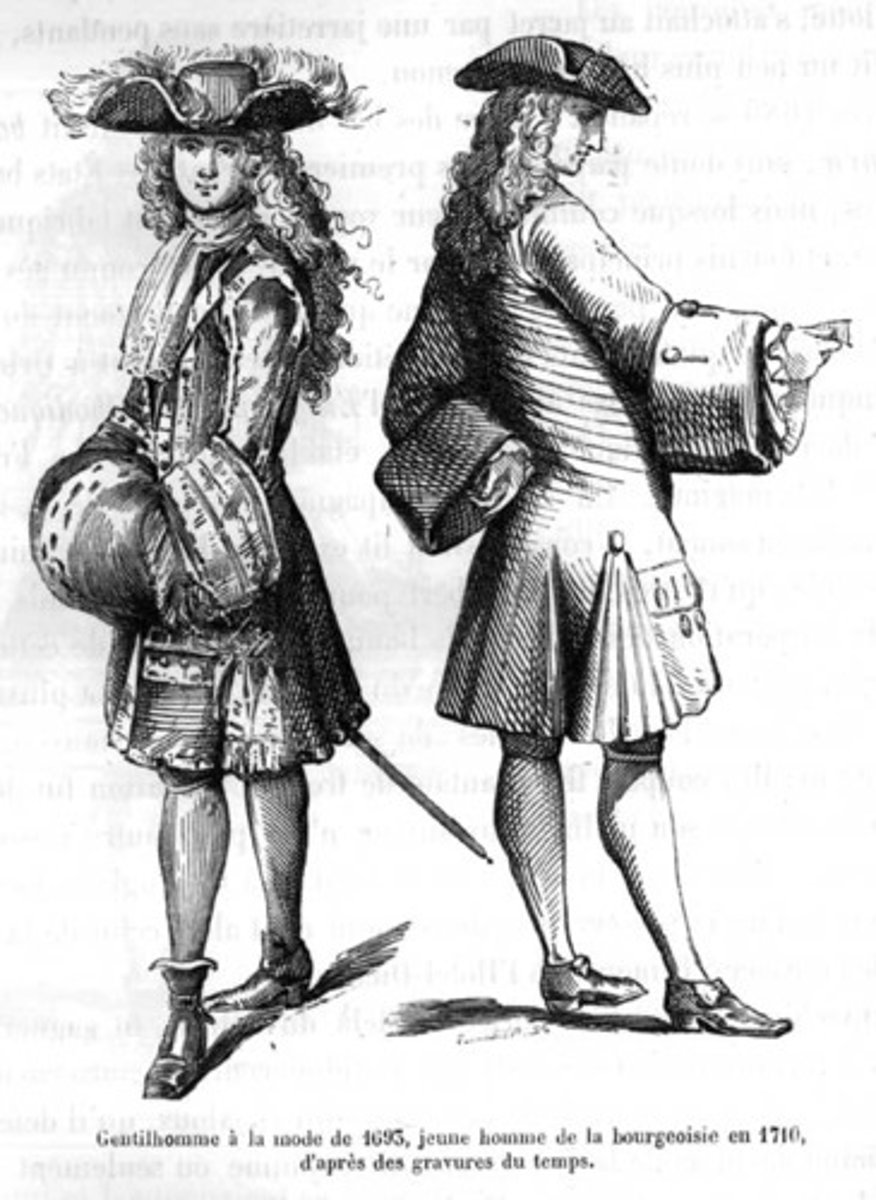
Bourgeoisie
A social class that derives social and economic power from employment, education, and wealth, as opposed to the inherited power of aristocratic family of titled land owners or feudal privileges. It's a term for the middle class common in the 19th century. It's characterized by their ownership of property and their related culture.
Categorical grants
congressional grants given to states and localities in the condition that expenditures be limited to a problem or group specified by the law

Checks and balances
mechanisms through which each branch of government is able to participate in and influence the activities of the other branches; major examples include the presidential veto power over congressional legislation, the power of the Senate to approve presidential appointments, and judicial review of congressional enactment
Civil liberties
areas of personal freedom constitutionally protected from government interference
Civil rights
obligation imposed on government to take a positive action to protect citizens from any illegal action of government agencies and of other private citizens
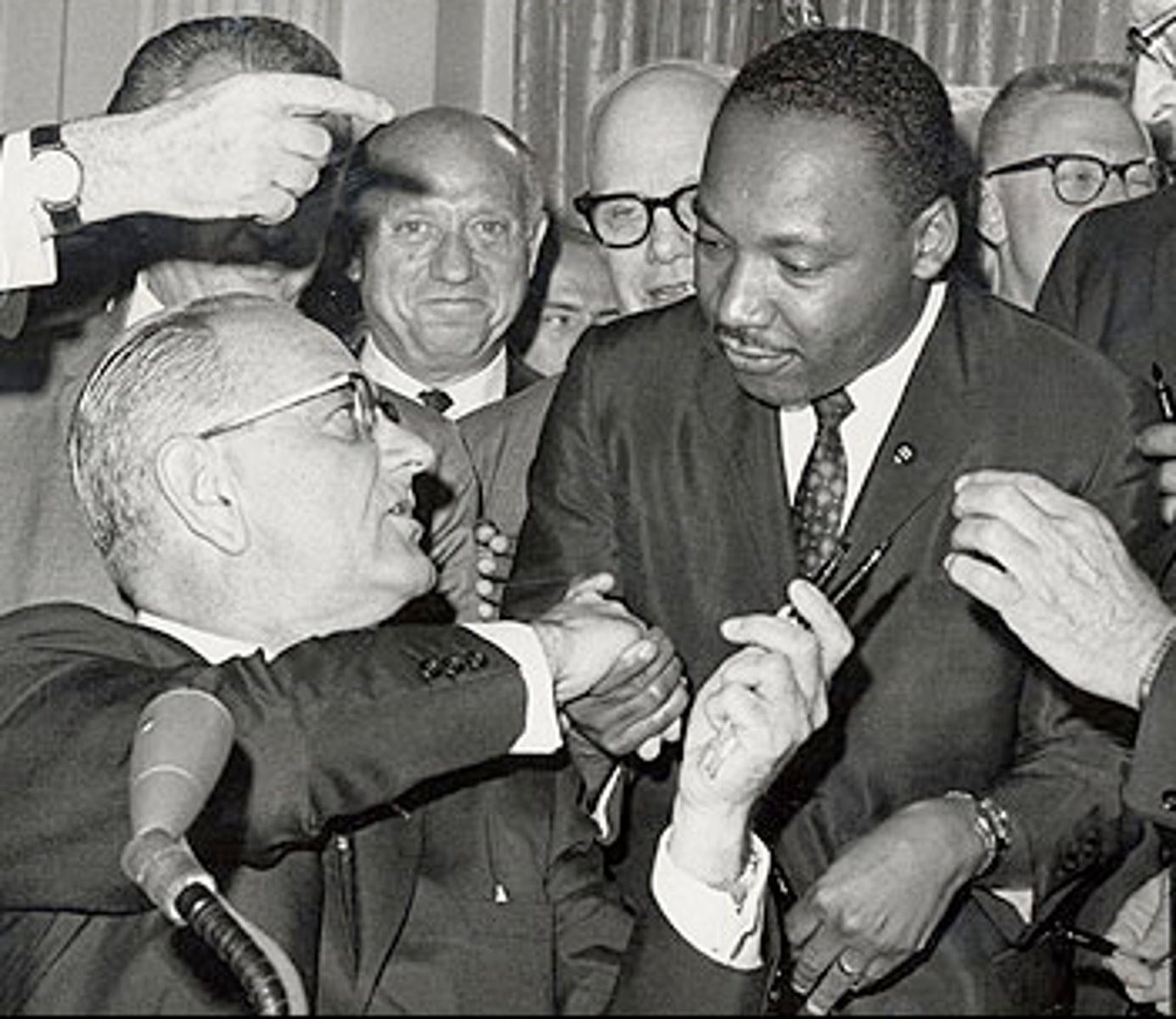
Civil Rights Act
(1964) law under Johnson that made segregation illegal in all public facilities, Equal Employment Opportunity Commission
Commerce clause
Congress has the power to regulate commerce with foreign nations, and among the several states and with the Indigenous Tribes

The Commerce Clause can be found in _______ of the Constitution
Article 1, Section 8
The Clause of Commerce can be interrupted by ________ in favor of national power over the economy
the Supreme Court
Commercial speech
Communication in the form of advertising. It can be restricted more than many other types of speech but has been receiving increased protection from the Supreme Court.
Confederation
a system of government in which states retain sovereign authority except for the powers expressly delegate to the national government
Connecticut or Great Compromise
The agreement that the national legislature of the United States would have two houses, with representation in one based on population, and equal representation per state in the other, was called the ______
Cooperative federalism
a type of federalism existing since the New Deal era in which grants-in-aid have been used strategically to encourage states and localities (without commanding them) to pursue nationally defined goals; also known as "intergovernmental cooperation"
Cruel and unusual punishment
Court sentences prohibited by the Eighth Amendment. Although the Supreme Court has ruled that mandatory death sentences for certain offenses are unconstitutional, it has not held that the death penalty itself constitutes cruel and unusual punishment.
Defamation
Act of harming or ruining another's reputation
Democratic system
a system of rule that permits citizens to play a significant part in the governmental process, usually through the election of key public officials
Dual federalism
the system of government that prevailed in the United States from 1789 to 1937 in which most fundamental governmental powers were shared between the shared
Eminent domain
the right of government to take private property for public use
Equal protection clause
citizens are guaranteed "the equal protection of the laws"; this clause has served as the basis for civil rights of African Americans, women, and other group
The equal protection clause is the ______ amendment
fourteenth
Establishment clause
"Congress shall make no law respecting an establishment of religion"; this law means that a "wall of separation" exists between church and state
The Establishment clause is the ____ amendment
first
Exclusionary rule
the ability of courts to exclude evidence obtained in violation of the fourth amendment
Expressed powers
specific powers granted by the Constitution to Congress and to the president
Federalism
a system of government in which power is divided, by a constitution, between the central (national) and regional (state) government/s
Federalists
those who favor a strong national government and supported the constitution proposed at the Americana Constitutional Convention of 1787
Fighting words
speech that directly incites damaging conduct
First Continental Congress took place on
September 5 to October 26, 1774
First Constitutional Convention was held
May 14, 1787
Formula grants
Federal categorical grants distributed according to a formula specified in legislation or in administrative regulations.
Free exercise clause a.k.a the
First amendment
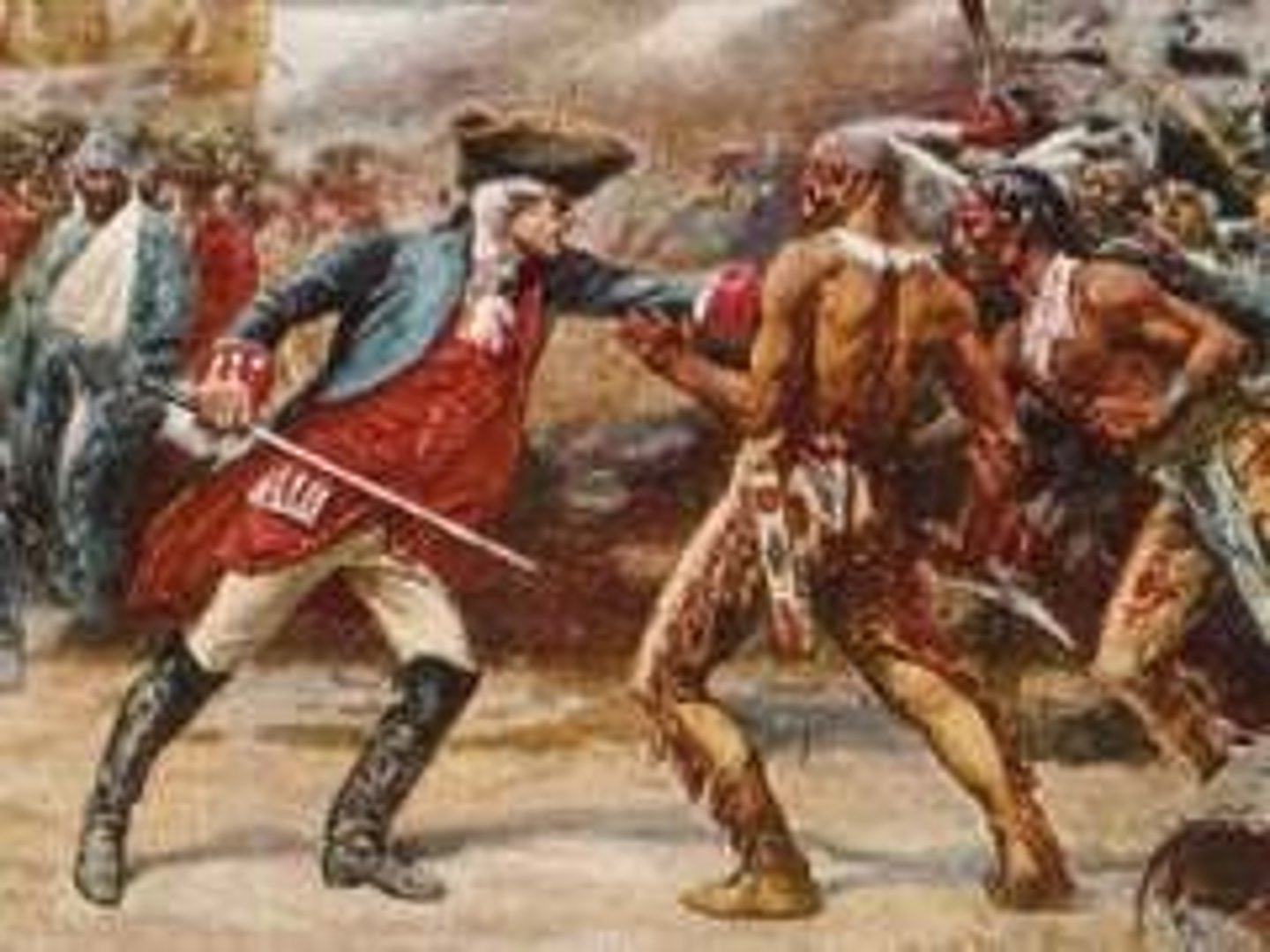
French-Indian War
in 1754 the British were trying to evict the French from the land west of the Appalachian Mountains - the British won - there were still land restrictions bc of the threat of the native americans - end of salutary neglect
Full faith and credit clause
requires the state normally honor the public acts and judicial decisions that take place in another state
Full faith and credit clause is provision from _________ of the constitution
Article IV (4), Section 1
Gay rights
Historically, the United States has struggled with majority rule and the extension of minority rights. As a result of this struggle, the government has increasingly extended civil rights to marginalized groups and broadened opportunities for participation.
Grants in aid
money given by the national government to the states
Home rule
allows cities to write their own charters, choose their own type of government, and manage their own affairs
Intolerable Acts
series of laws passed in 1774 to punish Boston for the Tea Party
The Supreme Court asserted the power of Judicial review in
Marbury v. Madison (1803)
Laissez-faire capitalism
An economic system in which the means of production and distribution are privately owned and operated by for profit with minimal or no government interference
Lemon test
The three-part test for Establishment Clause cases that a law must pass before it is declared constitutional: it must have a secular purpose; it must neither advance nor inhibit religion; and it must not cause excessive entanglement with religion.
Libel
A written statement made in "reckless disregard of the truth" that is considered damaging to a victim because it is "malicious, scandalous, and defamatory"
Liberty
Freedom from governmental control
Miranda rule
The requirement that persons under arrest must be informed prior to people interrogation of their rights to remain silent and to have the benefit to legal counsel
The Miranda rule was articulated but the ____________ in ___________ (1966)
Supreme Court; Miranda v. Arizona
Necessary and proper clause
Congress has to the authority to make all laws necessary and proper to carry out its expressed powers
New federalism
Attempts by president Nixon and Reagan to return power to the states through block grants
New Jersey Plan
Called for equal state representation in the national legislature regardless of population
The New Jersey Plan was in introduced by
William Paterson
Obscenity
Quality or state of a work that taken as a whole appeals to a prurient interest in sex by depicting sexual conduct in a patently offensive way and that lacks serious literary, artistic, political, or scientific value.
Police powers
power reserved to the state government to regulate the health, safety, and morals of its citizens
Political efficacy
The ability to influence government and politics
Political equality
the right to participate in politics equally, based in the principle of "one person, one vote"
Political speech
Speech about political issues, almost completely protected under First Amendment.
Prior restraint
an effort by a governmental agency to block the publication of material it deems libelous or harmful in some other way; censorship; in the United States, the courts forbid prior restraint except under the most extraordinary circumstances
Proletariat
Working class
Revenue sharing
A law providing for the distribution of a fixed amount or share of federal tax revenues to the states for spending on almost any government purpose.
Right to counsel
Individual right found in the Sixth Amendment of the Constitution that requires criminal defendants to have access to legal representation.
Right to privacy
The right to a private personal life free from the intrusion of government.
Second Continental Congress
Political authority that directed the struggle for independence beginning in 1775.
Second Constitutional Convention
established in 1908 after the young turk revolution. forced the revival of constitutional monarchy and the ottoman parliament.
Selective incorporation
The process by which provisions of the Bill of Rights are brought within the scope of the Fourteenth Amendment and so applied to state and local governments.
Separate but equal
Principle upheld in Plessy v. Ferguson (1896) in which the Supreme Court ruled that segregation of public facilities was legal.
Separation of powers
Constitutional division of powers among the legislative, executive, and judicial branches, with the legislative branch making law, the executive applying and enforcing the law, and the judiciary interpreting the law
Shays' Rebellion
Rebellion led by Daniel Shays of farmers in western Massachusetts in 1786-1787, protesting mortgage foreclosures. It highlighted the need for a strong national government just as the call for the Constitutional Convention went out.
Slander
Spoken defamation
Social Contract Theory
The view that people's moral and/or political obligation are dependent upon a contract or agreement among them to form the society in which they live. People are free and equal by natural right, and that this in turn requires that all people give their consent to be governed; espoused by John Locke and influential in the writing of the declaration of independence.
Stamp Act
1765; law that taxed printed goods, including: playing cards, documents, newspapers, etc.
States' rights
the rights and powers held by individual US states rather than by the federal government.
Sugar Act
(1764) British deeply in debt partl to French & Indian War. English Parliament placed a tariff on sugar, coffee, wines, and molasses. colonists avoided the tax by smuggling and by bribing tax collectors.
Totalitarian system
a system of rule in which the government recognizes no formal limits on its power and seeks to absorb or eliminate other social institutions that might challenge it
Tyranny of the majority
The potential of a majority to monopolize power for its own gain to the detriment of minority rights and interests.
Unitary system
a centralized government system in which lower levels of government have little power independent of national government
Virginia Plan
a framework for the Constitution, introduced by Edmund Randolph, that called for representation in the national legislature based on the population of each state
Women's rights
Antebellum reform led by Mott and Stanton leads to Seneca Falls Convention. Opposed the idea of the Cult of Domesticity (women should be housewives). Women now have the right to vote, own property, and work
Agency representation
type of representation in which a representative is held accountable to a constituency
Amicus Curiae briefs
"friend of the court"; individuals or groups who seek to assist the Supreme Court in reaching a decision by presenting additional briefs
Appellate jurisdiction
Authority of court to review a decision of a lower court or administrative agency.
Appropriations
the process, occurring after every decimal census, that allocates congressional seats among the 50 states
Apportionment
the amount of money approved by Congress in statutes (bills) that each unit of agency of government can spend
Authorization
A formal declaration by a legislative committee that a certain amount of funding may be available to an agency. Some authorizations terminate in a year; others are renewable automatically without further congressional action.
Bicameral
A legislature consisting of two parts, or houses
Cabinet
the secretaries, or chief administrators, of the major departments of the federal government; Cabinet secretaries are appointed by the President with the consensus of the Senate
Caucus
a normally closed political party business meeting of citizens, plan strategy, or make decisions regarding legislative matters
Civil Law
the branch of law that deals with disrupts that do not involve criminal penalties
Civil service
A system of hiring and promotion based on the merit principle and the desire to create a nonpartisan government service.
Cloture
a rule or process in a legislative body aimed at ending debate on a given bill
Commander-in- chief
Title for the president who holds supreme command of the armed forces
Concurrence
The agreement of a judge with the court's majority decision, for a reason other than the majority reason.
Conference committee
Committee appointed by the presiding officers of each chamber (House and Senate) to adjust differences on a particular bill passed by each in different form.
Contracting power
the power of government to set conditions on companies seeking to sell good or services to government agencies
Courts of Appeals
a court that hears the appeals of trial court decisions
Criminal law
the branch of law that regulates the conduct of individual, defines crimes, and specifies punishment for acts defined as illegal
Delegated powers
constitutional powers given to/assigned to one governmental group but can be exercised by other group with express permission