ARTH 72 Final Study Guide Ever
 Call Kai
 Learn
Learn Practice Test
 Spaced Repetition
 Match
Match Flashcards
 Knowt Play
1/48

Earn XP
Description and Tags
#wip i guess final is wed may 13 at 10:45am-12:45pm
Name | Mastery | Learn | Test | Matching | Spaced | Call with Kai |
|---|
No analytics yet
Send a link to your students to track their progress
49 Terms
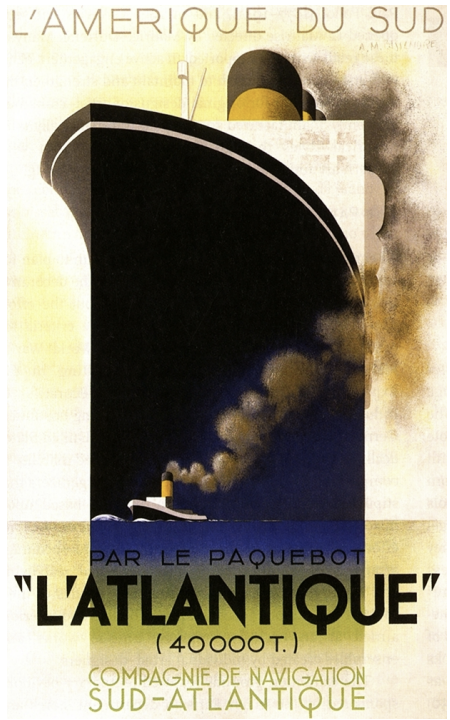
AM Cassandre, poster for "L’Atlantique, 1931, color lithograph
-His work exemplifies this move away from naturalism and organic motifs in favor of geometric abstraction—he was inspired by cubism and surrealism
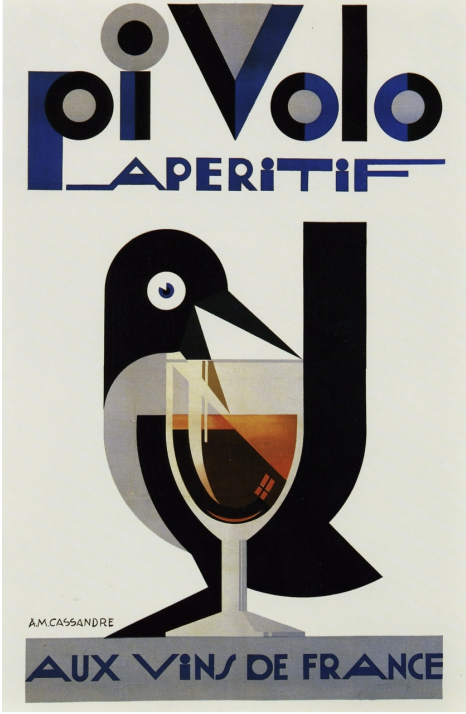
AM Cassandre, Pi Volo Aperitif, color lithograph, 1925
-an image comes to the form from the elaboration of the text
-Highly sophisticated design, uncluttered and simple, starkness in feel
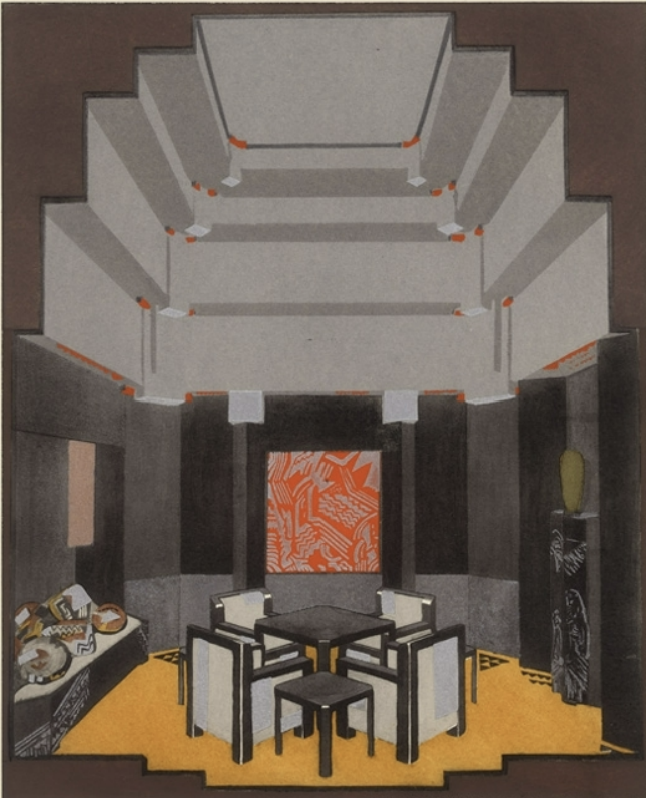
Jean Dunand, sketch for Smoking Room, Exposition Internationale des Arts Decoratifs et Industriels Modernes, Paris, 1925
-“new modes of life”
-No more wavy lines…
-Desired effect was formal elegance
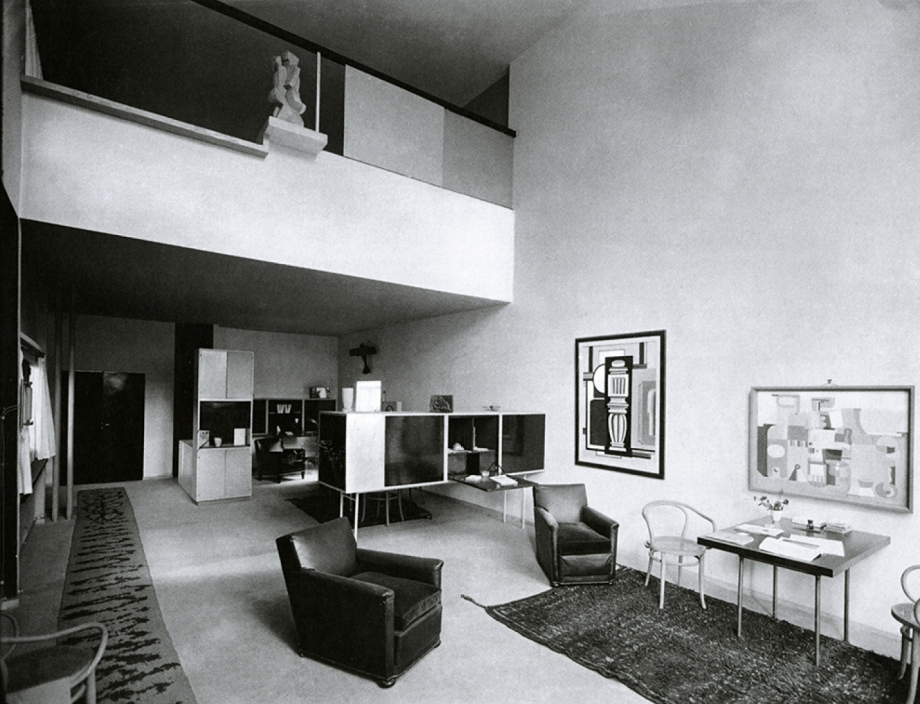
Le Corbusier, Interior, Pavillion de l’Espirit Nouveau, Exposition Internationale des Arts Decoratifs et Industriels Modernes, Paris, 1925
-Considered the Grandfather of Modernism
-BENTWOOD CHAIRS, tables, built-in modular units
-rooted in simplicity
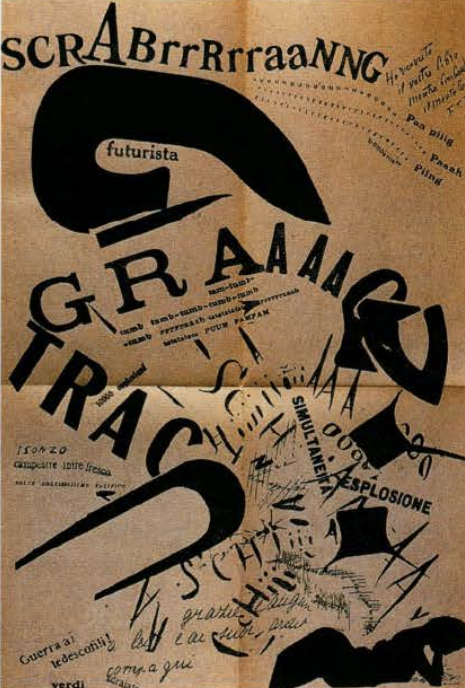
9.1 Filippo Marinetti, “At Night in Her Bed,” fold out poem, 1919
-Since Gutenberg’s invention of movable type, rigorous horizontal and vertical structure Futurism DISRUPTS this convention—it is all about FREEDOM from Tradition
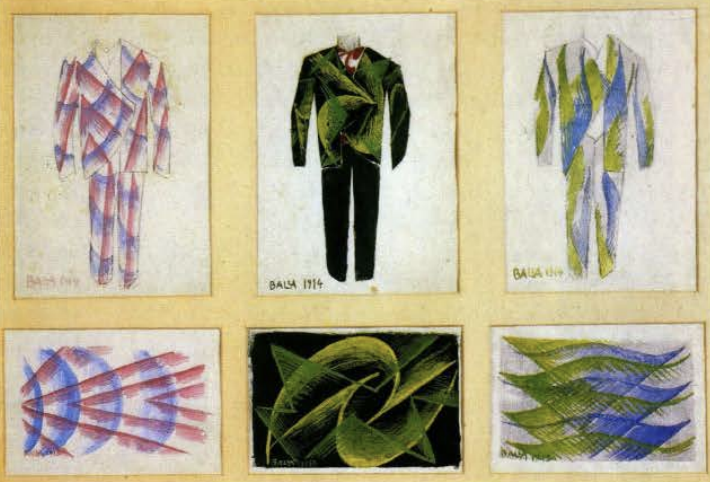
9.2 Giacomo Balla, Anti-Neutral Suit, illustration, 1914
-designed for fellow futurist Francesco Cangiullo (1884-1977) and intended to be worn at demonstrations supporting Italy’s entry into World War I
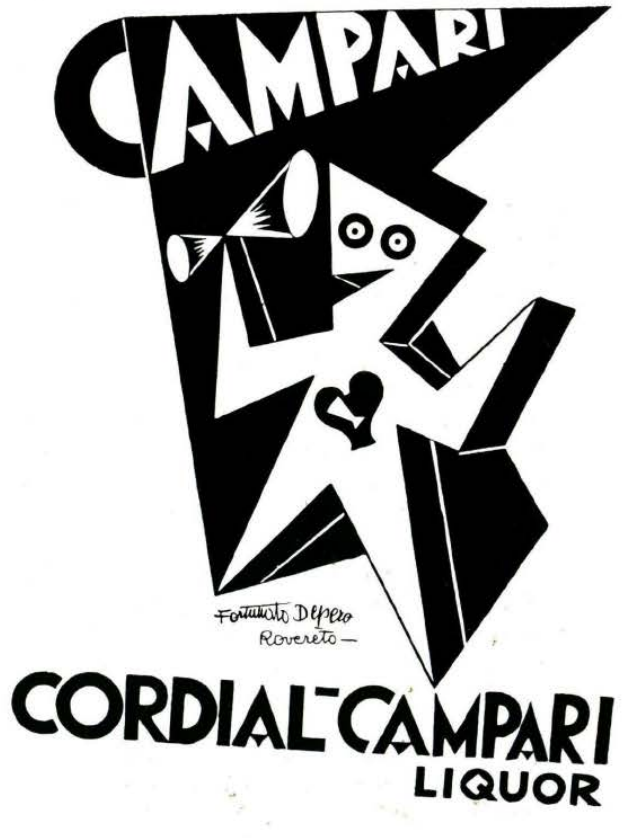
9.3 Fortunato Depero, Ad for Campari, c. 1927
-metaphor for yelling out loud the brand name
-composed of angular shapes intended for typography with cylinder-like drinking glass
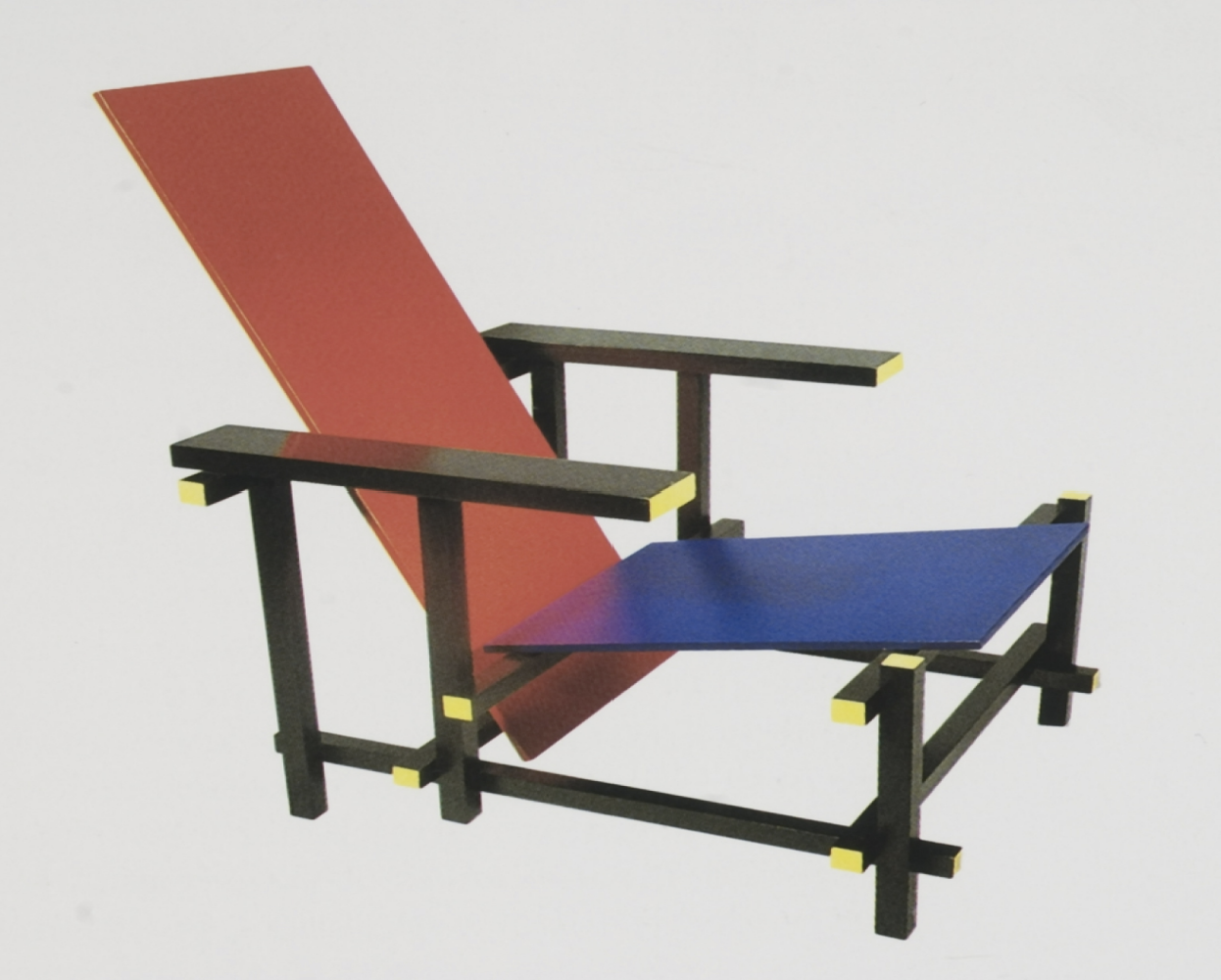
9.4 Gerrit Rietveld, red/blue armchair, 1918
-On a visual level, there is interaction of vertical and horizontal plans just as in his architecture
-Negative space
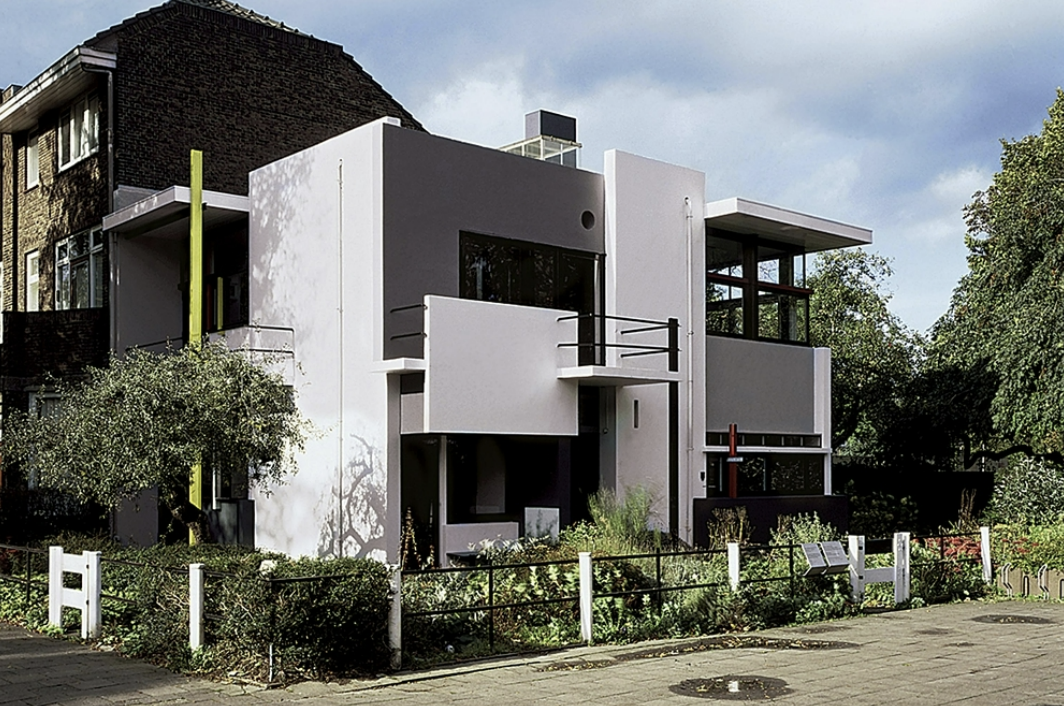
9.8 Gerrit Rietveld, Schroder House, 1924-25, Utrecht exterior
-Here have Mondrian’s applied principles of dynamic equilibrium and De Stijl principles applied to architecture— they declared that new architecture will be anti cubic
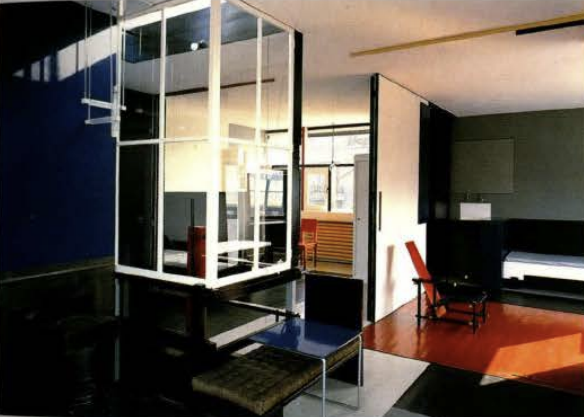
9.9 Gerrit Rietveld, Schroder House, 1924-25, Utrecht, first floor interior
-Embodies DeStijl principles of extending the experience of non-objectivity for its anti-materialist statements
9.11, J.J. P Oud. Housing Block, Weissenhof Colony, Stuttgart, Germany 1927
-Offered an economical solution for city living, considered an early example of the International Style
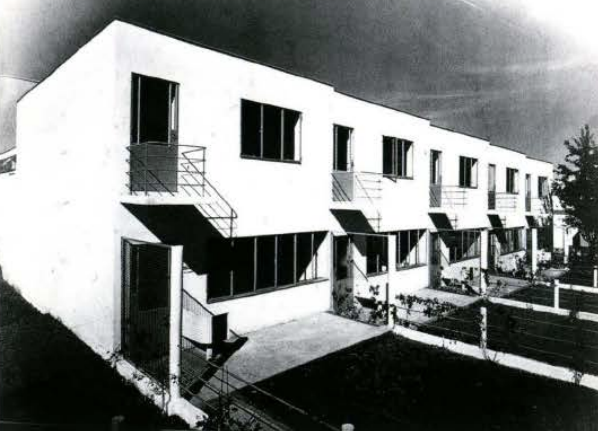
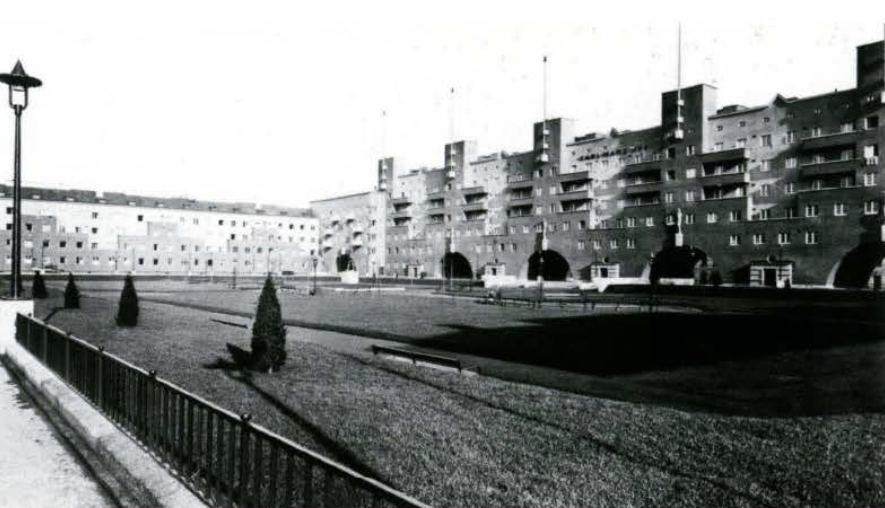
9.13, Karl Ehn, Karl Marx Hof, Vienna, Austria, 1926
-Example of design aimed at collective needs, rather than for the individual
-The world’s longest residential building
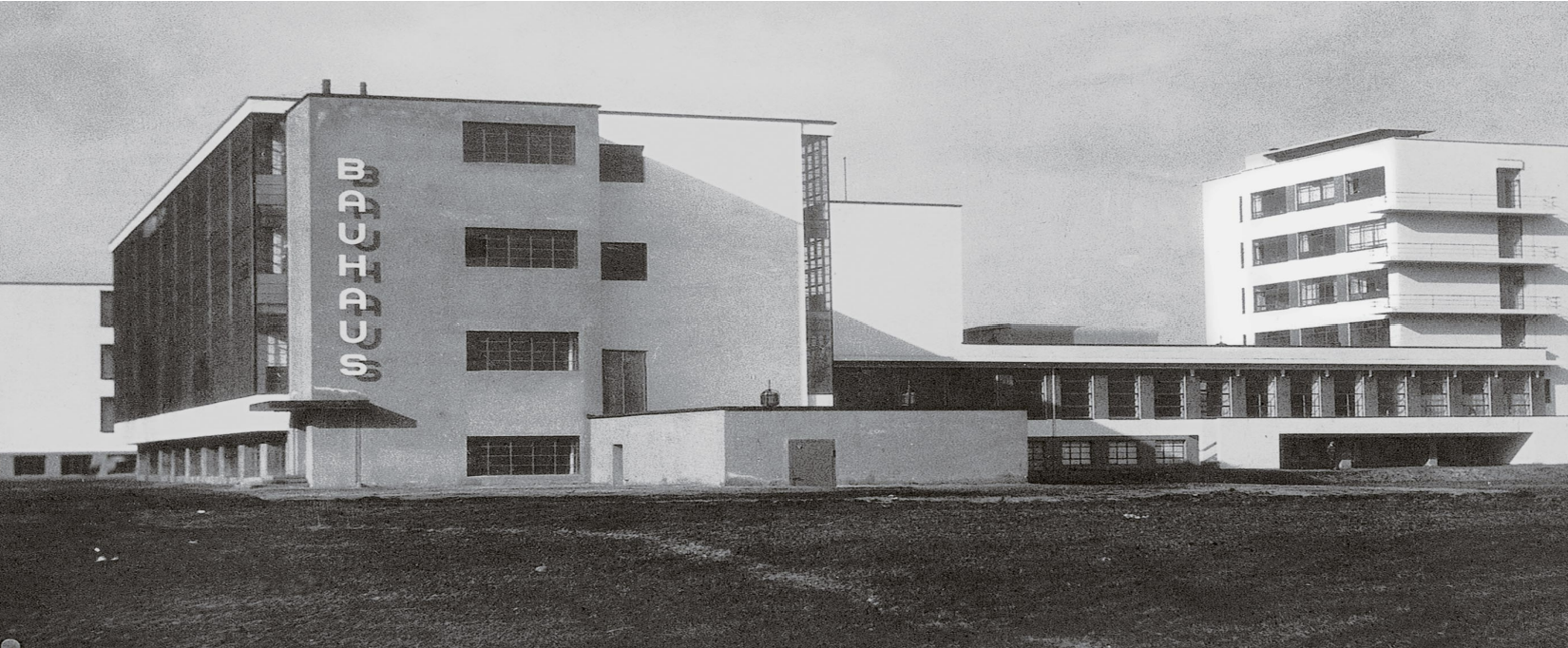
Walter Gropius, Bauhaus Building, Germany, 1925-26,
-reinforced concrete, steel, glass materials
-Style is balanced asymmetry, the dynamic tension of life
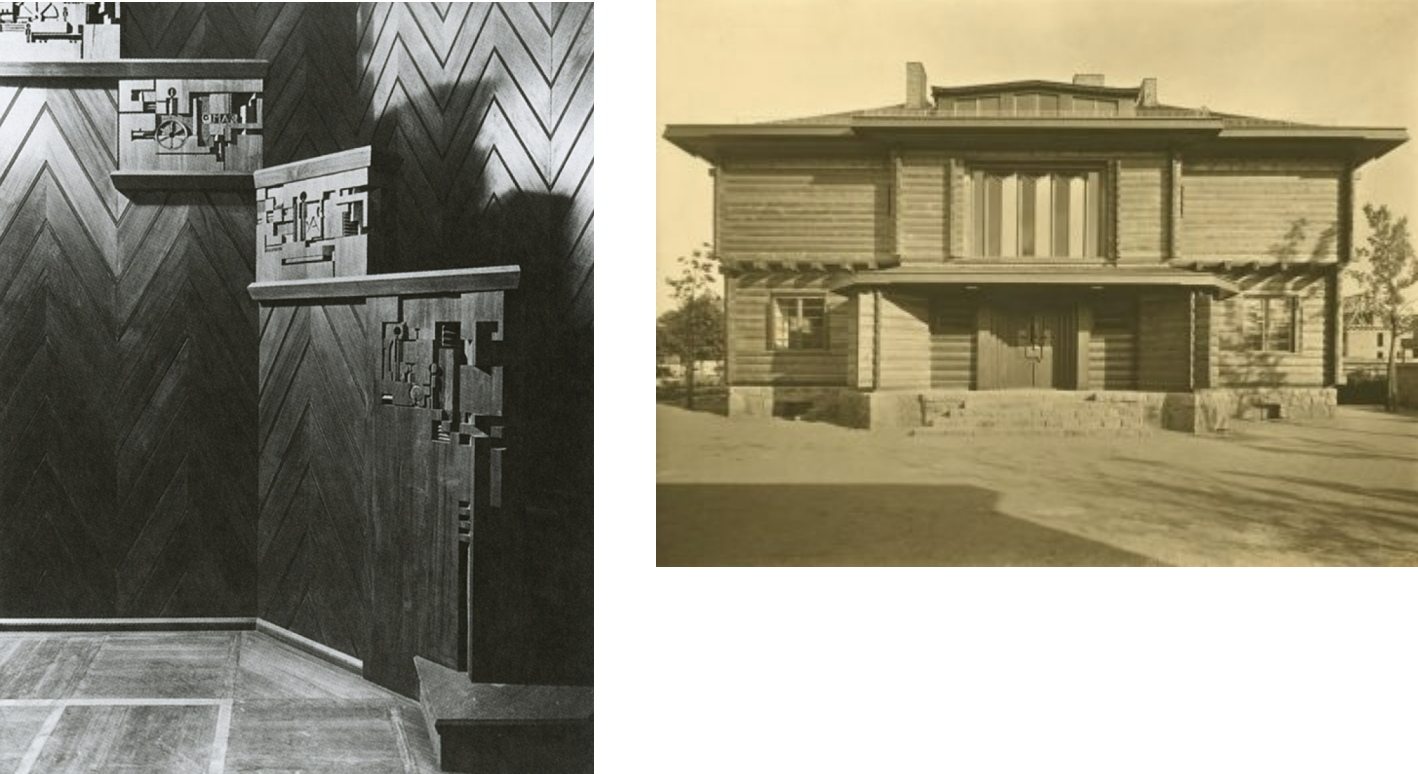
9.25, Josse Schmidt with students, wood carving for the staircase of Sommerfield House, Berlin, 1921-22
-The reliefs and window the relationship was about the ornamental to the constructive elements
-Bauhaus’ first collective project
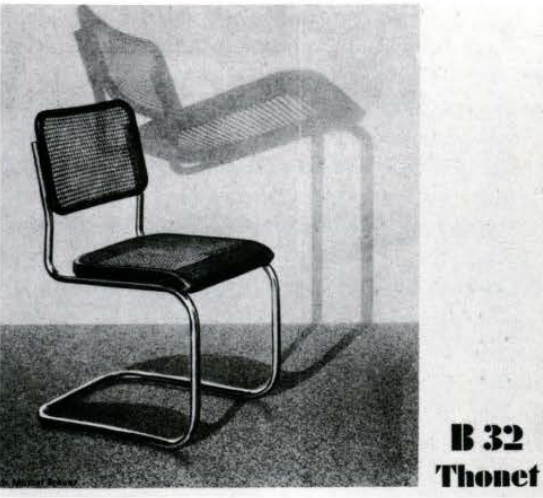
9.28, Marcel Breuer, tubular metal chair, chrome plated steel, wood and cane. Manufactured by Gebruder Thonet, 1928
-new materials, chrome-plated steel, yet with seats of caning
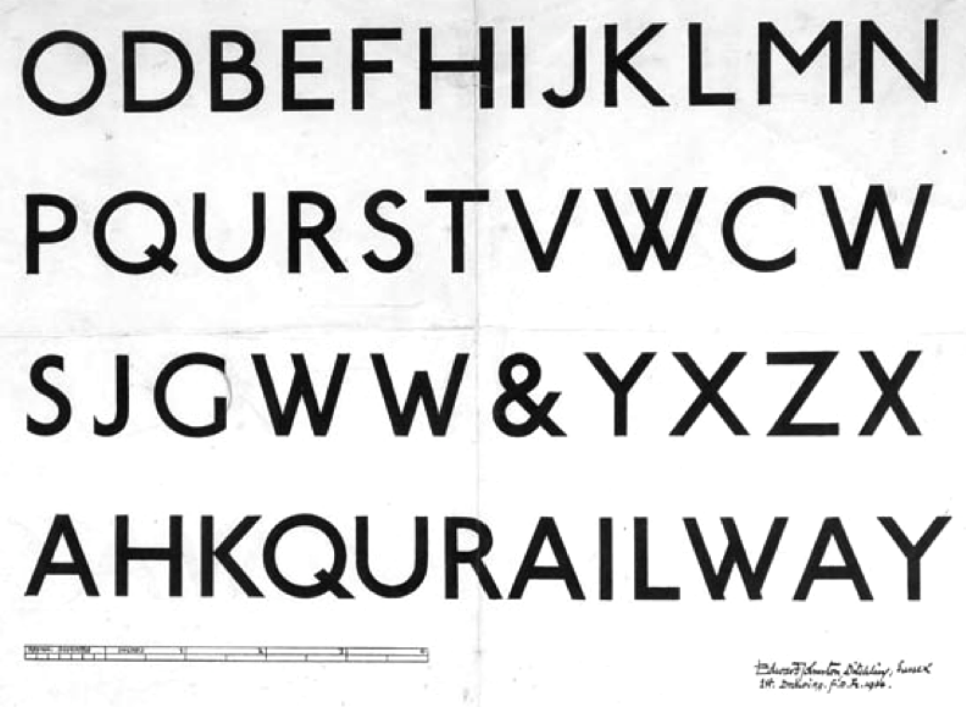
9.50 Edward Johnston, Railway typeface, 1916, London
-One of his students was Eric Gill who invented the Gill Sans typeface
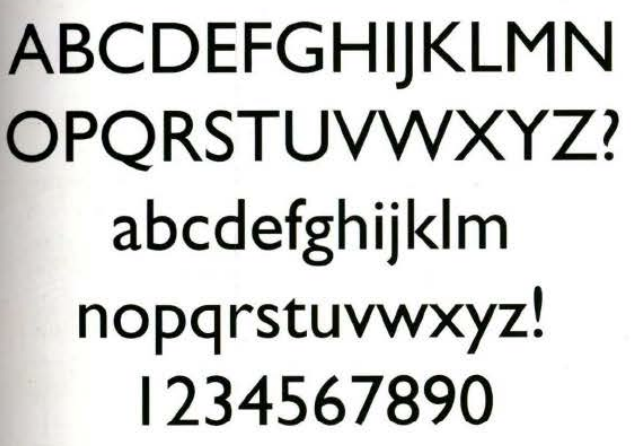
9.51, Eric Gill, Gill Sans typeface, 1928, London
-Perpetua
-given the job to design a font that could be the British counterpart to Futura.
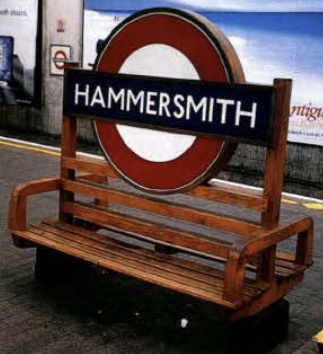
9.56, London transport, combine bench and station sign, c. 1935
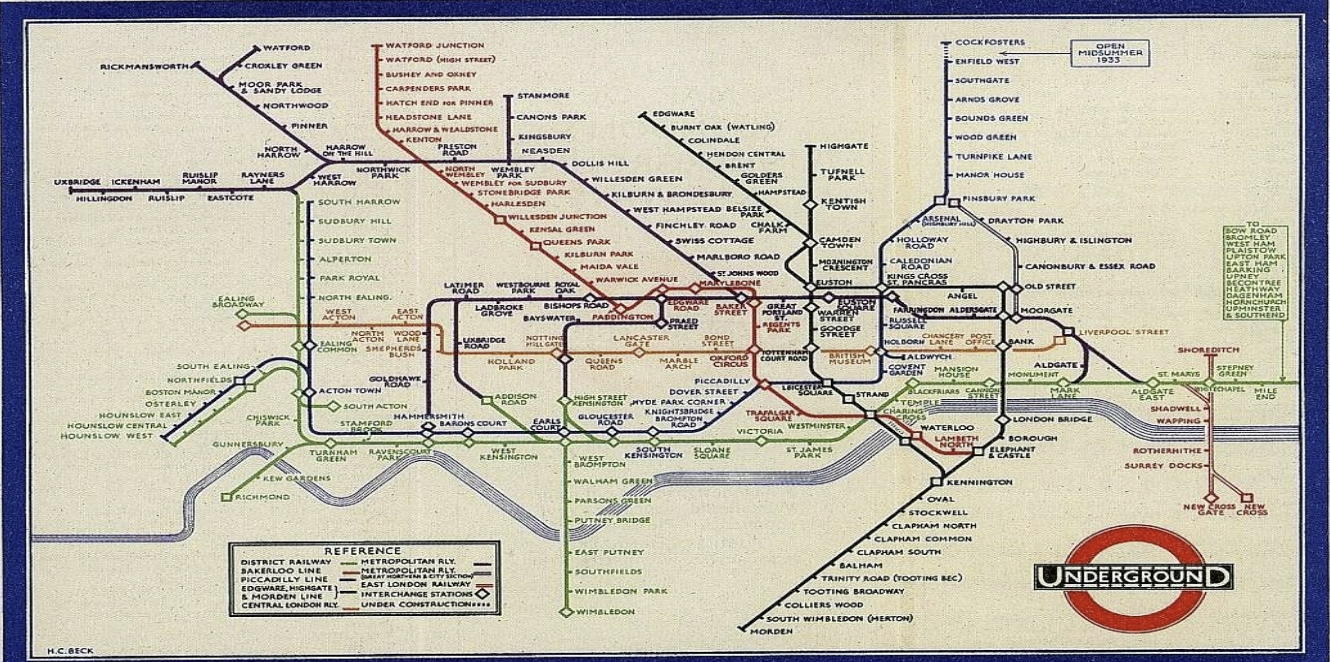
9.58 H.C. Beck, Map of the London Underground, chromolithograph, 1933, London
-Beck was inspired by diagrams of electric circuits which use color and geometry
-reduced the irregular crazy layout of the system into a clean grid-based design
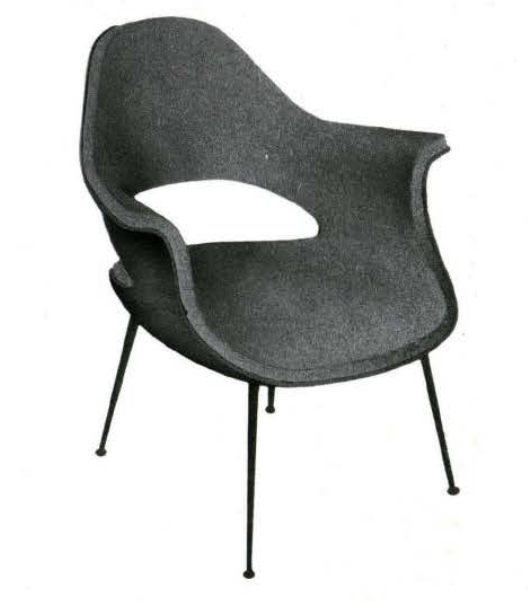
10.44, Eero Saarinen and Charles Eames, armchair, molded plywood and foam upholstery with fabric, 1940, New York
-referred to molded forms which were achieved using industrial processes, even laminated wood as material
-Acrylic, nylon, and polyethylene became valuable materials.
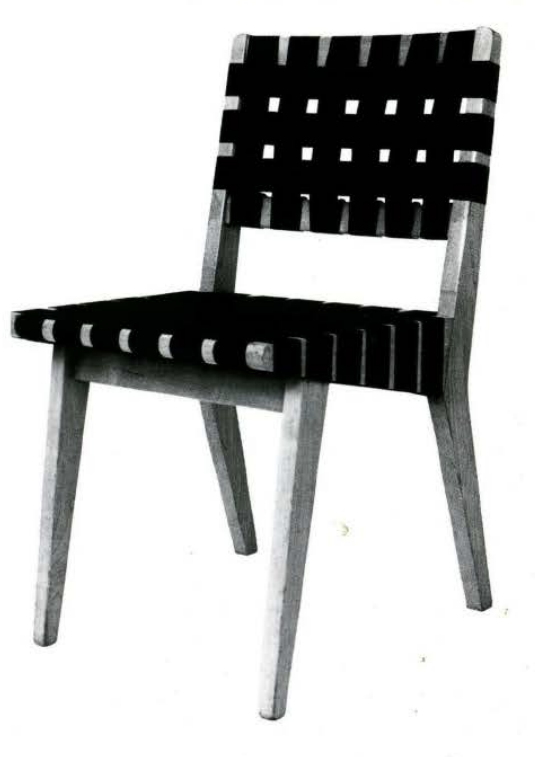
10.45, Jens Risom, chair birch with cotton webbing (parachute straps), 1943, Knoll manufacturer
Jens Risom, Chair, birch and cotton webbing,
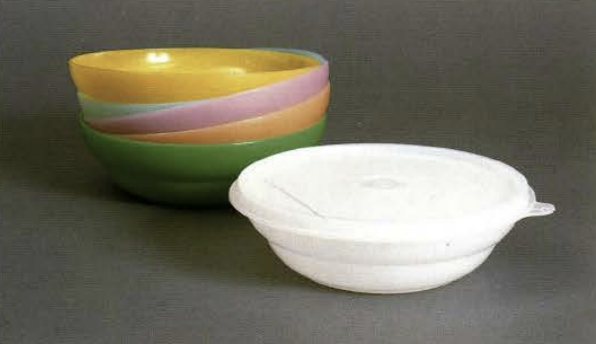
11.1 Earl Tupper, cereal bowls with seals (matching lips), polueolefin, c. 1949
Crocs, lightweight containers, cups, bowls, plates, and even gas masks that were used in World War II
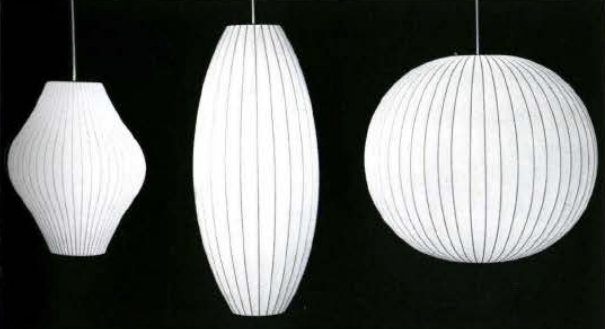
11.2 George Nelson Associates, Bubble hanging lamps, steel wire and sprayed plastic shell, manufactured by H. Miller, 1952
-it is quite fibrous and feels much more like paper than plastic.
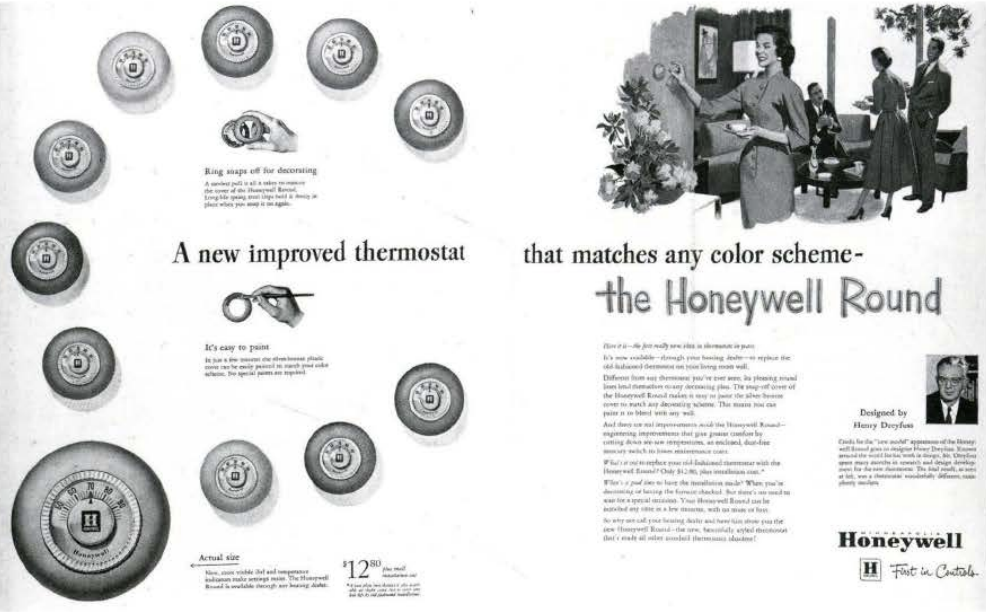
11.4 Henry Dreyfuss, Honeywell round thermostat, plastic and painted aluminum, 1953
-the rounded Honeywell design, the thermostat which would command the thermostat market to adjust internal temperature in homes and offices
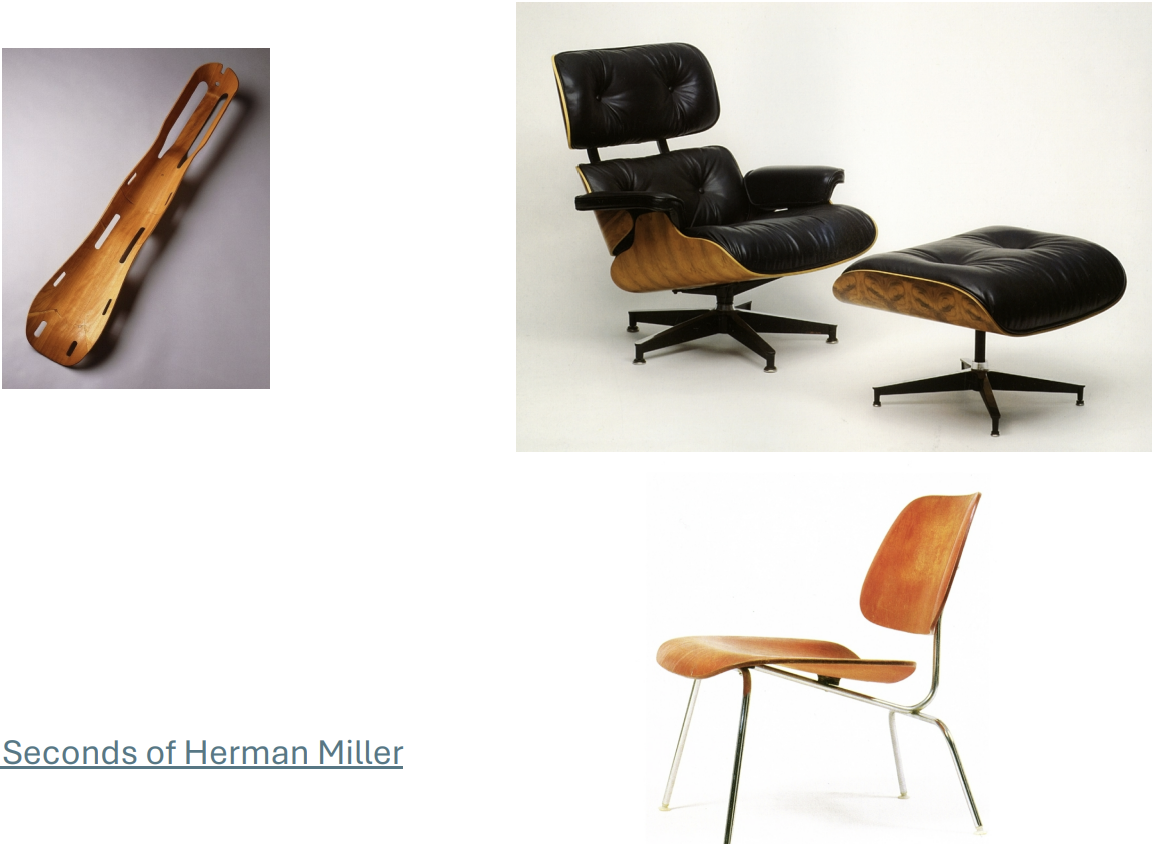
11.6 Charles and Ray Eames, lounge chair and ottoman, laminated rosewood, aluminum, leather, 1956, manufactured by Herman Miller Company
-the Eames wanted to have “a warm receptive look of a well used baseman’s mitt”
-provide a “special refuge for the strains of modern living.”
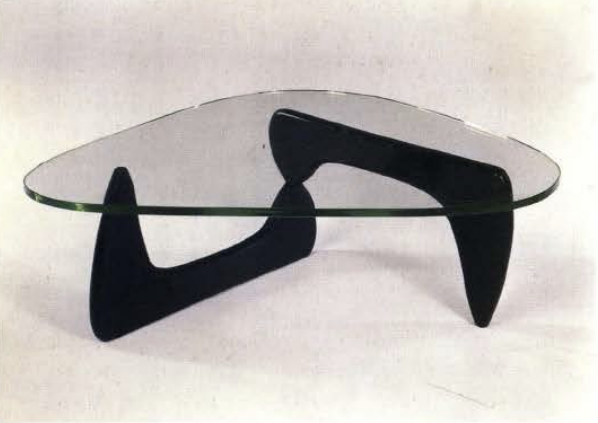
11.7, Isamu Noguchi, coffee table, glass and ebonized birch, Herman Miler, c. 1947
-suggestive of Automatic Surrealism. denotes automatic actions and involuntary processes that are not under conscious control, such as breathing;
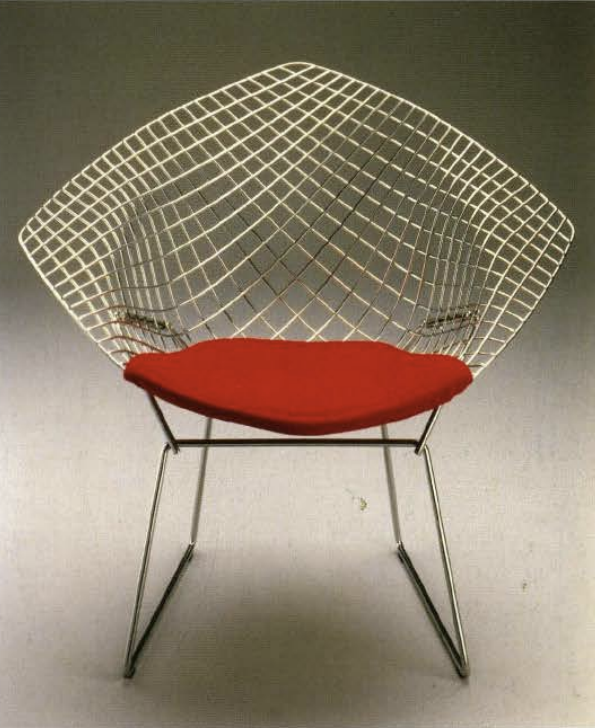
11.11, Harry Bertoia, Diamond Chair, steel wire and upholstery, manufactured by Knoll, 1952
-an escalating sense of modern industrial materials re-proposed or presented with a heightened sense of individuality and also more developed sense of sculpture.
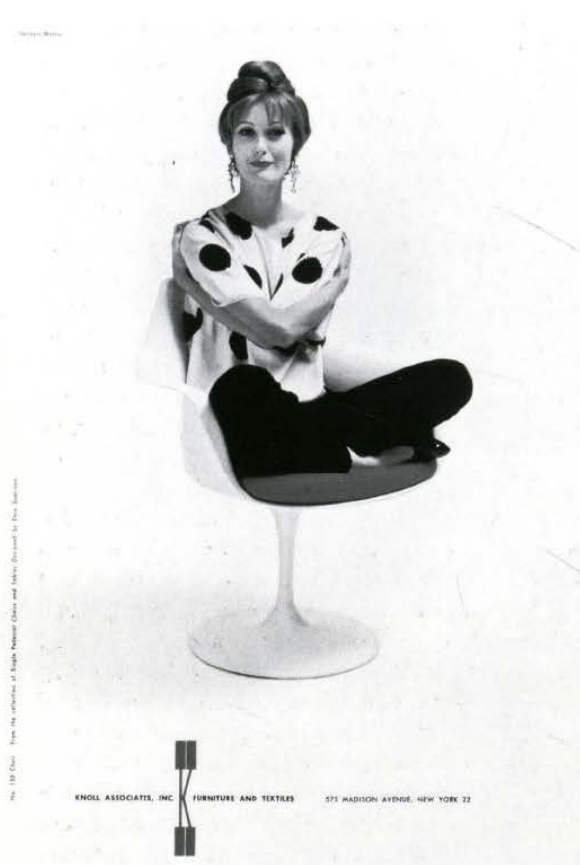
11.15, Herbert Matter, ad for Knoll Tulip chair, 1956, New York
-"The undercarriage of chairs and tables in a typical interior makes an ugly, confusing, unrestful world. I wanted to clear up the slum of legs. I wanted to make the chair all one thing again."
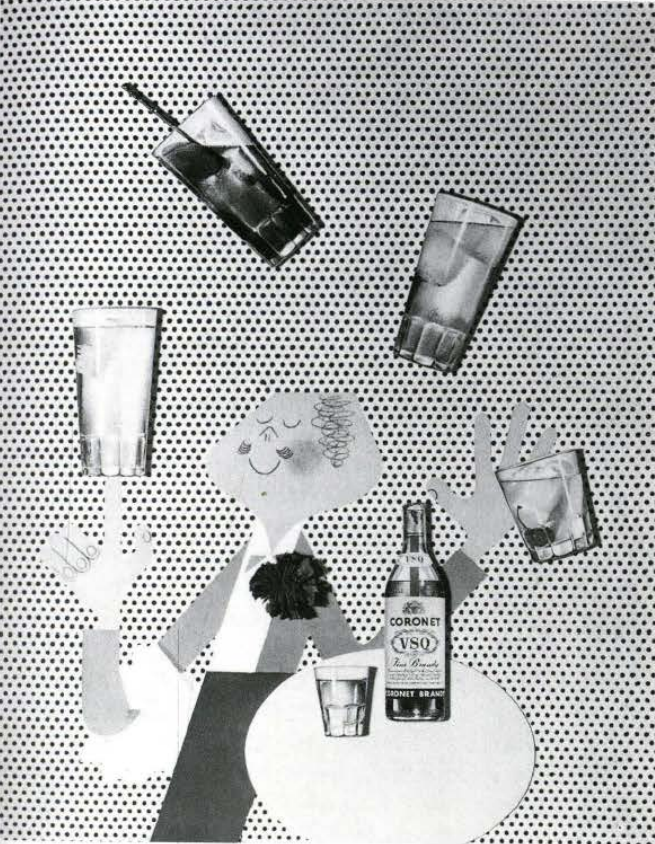
11.16, Paul Rand, ad for Coronet Brandy, 1947, New York
-Art Directors Club recognized designers for creativity and innovation rather than overfocusing on the persuasion part of the advertisement-
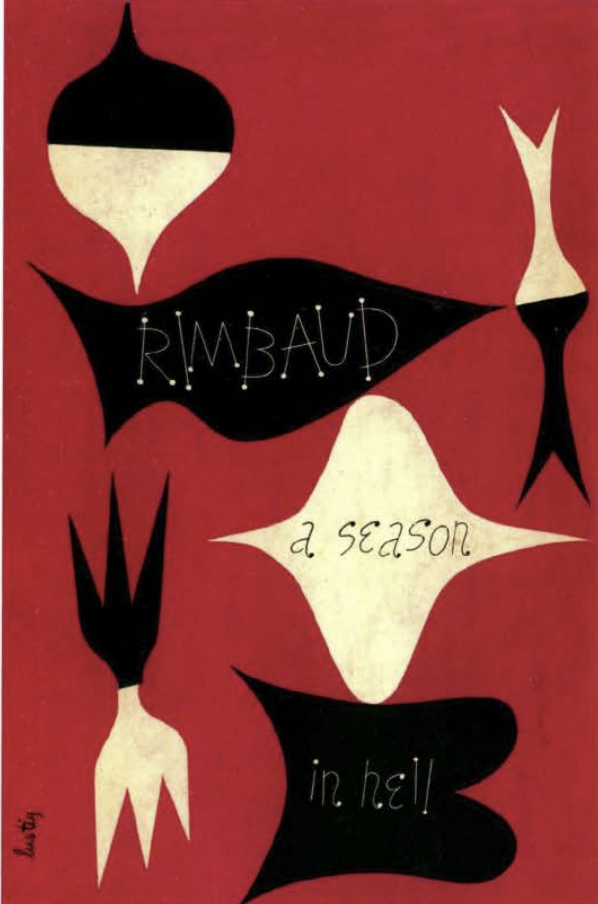
11.18, Alvin Lustig, Cover for Rimbaud’s Season of Hell, 1945, New York
-for symbols to capture the essence of the contents and treating form/content as ONE
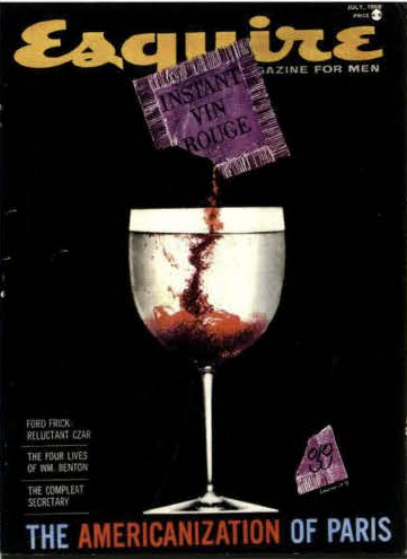
11.20, Henry Wolf, (art director) cover for Esquire The Americanization of Paris, July 1958
-photography, illustration, color and typography.
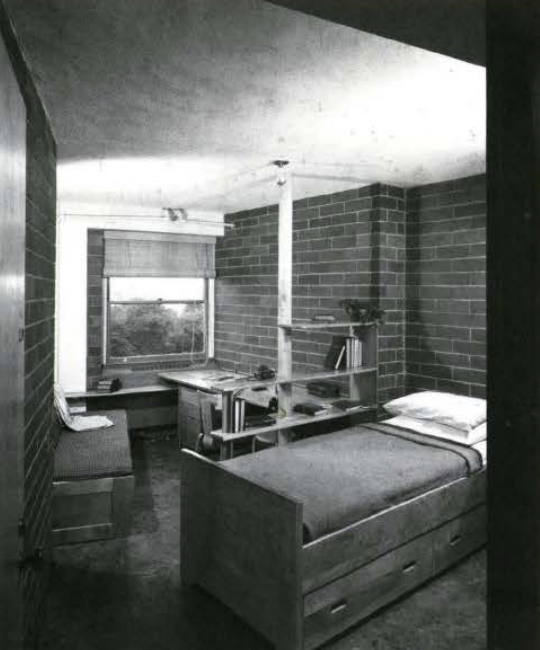
11.27, Alvar Aalto, student dorm room, Baker House, MIT Campus, Cambridge, Massachusetts, 1946-49
-helped to define an international modernism
-note the use of simple brick, color and texture were kept very simple
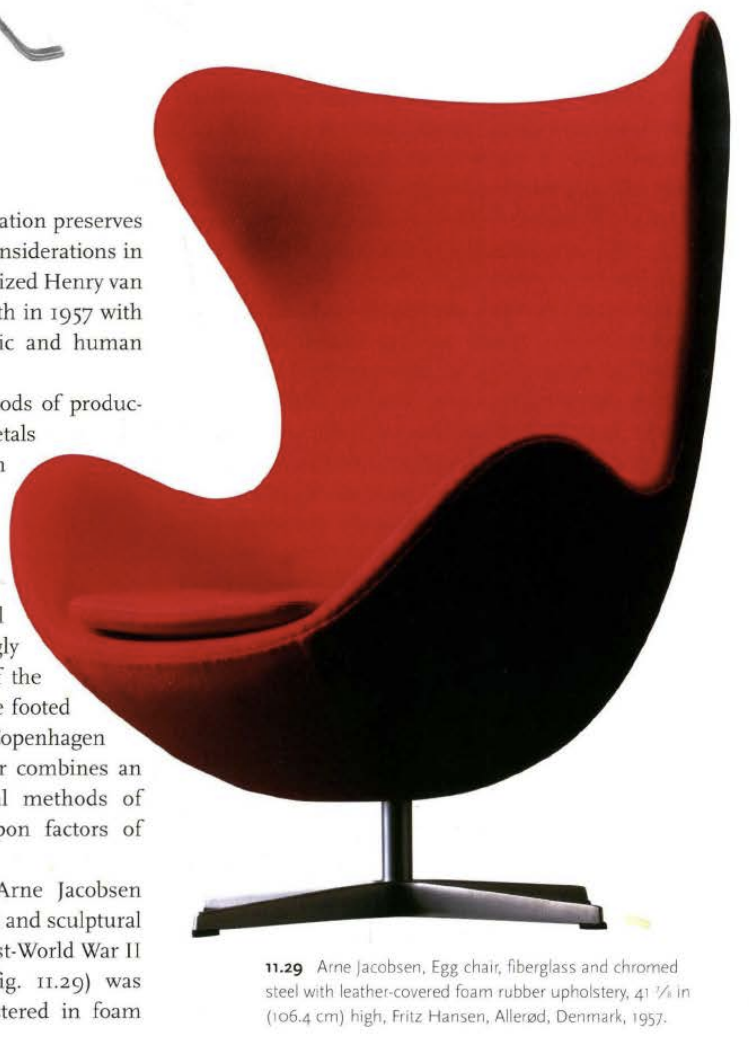
11.29, Arne Jacobsen Egg Chair, fiberglass and chromed steel with leather covered foam, Denmark, 1957
-an intersection of technology and art—not as a vehicle for social change—but about utility
-an example of a more sculpturesque Scandinavian design in the post WWII era
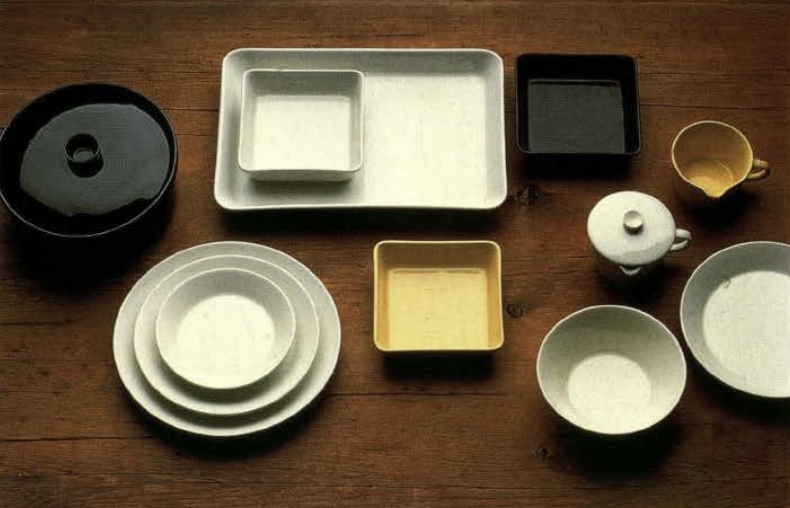
11.31, Kaj Franck, Kilta table service, glazed earthenware, Finland, 1952
--Undecorated surfaces with handles and knobs that are extremely inobtrusive
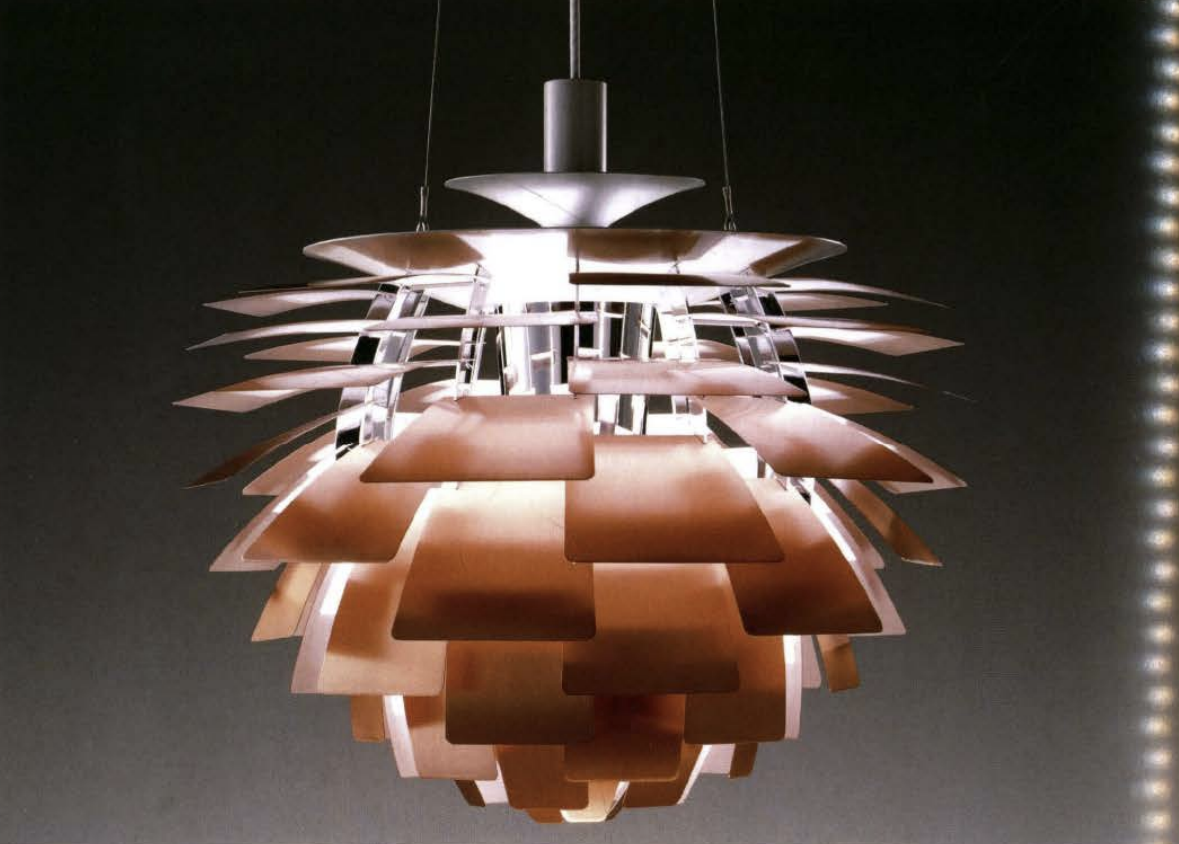
11.32, Poul Henningsen, Artichoke hanging lamp, copper, Copenhangen, 1958
-Made of copper and steel (frame is steel) then brushed and coated
-Fixture has 72 copper leaves, originally they were punch cut, now laser cut
-Creates a nicely diffused light that is glare-free
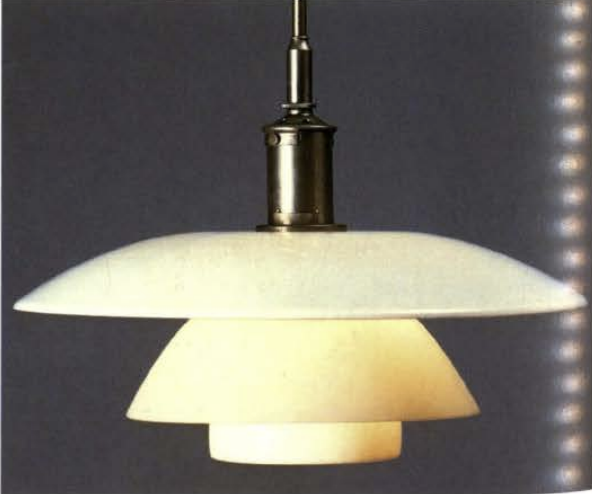
11.33, Poul Henningsen, hanging lamp, opal glass and brass, Copenhagen, 1926
--Thus we see some variation in Scandinavian design from simplicity to complexity
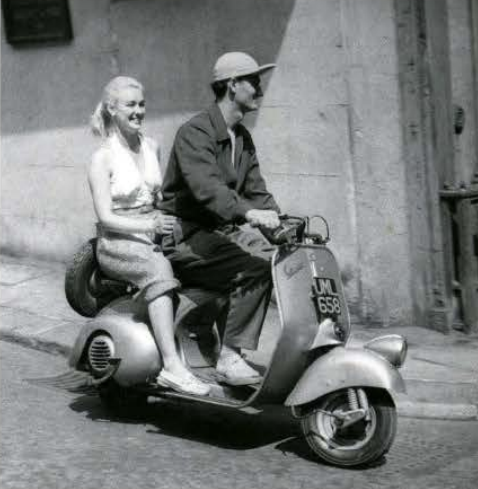
11.44, Corradino D’ascanio, Vespa motor scooter, Piaggio Corporation, Pisa, Italy 1946
-not symmetry when looking at moments of design/production versus consumption/use.
-comfort, convenience, vanity
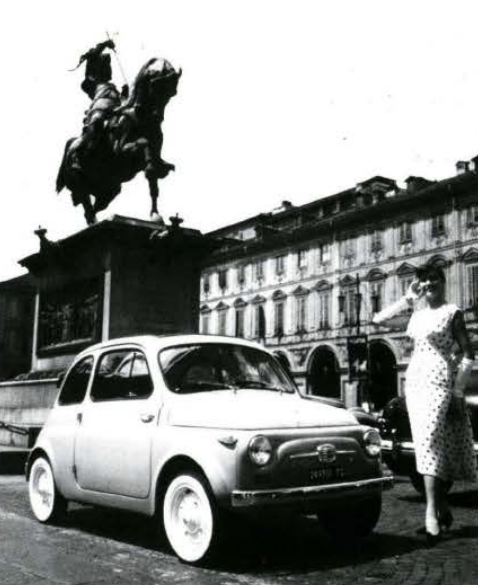
11.45, Dante Giocosa, Fiat 600, Fiat Motor Company, Turin, Italy, 1955
-aligned with this idea of utilitarian and practical considerations in economical production and performance
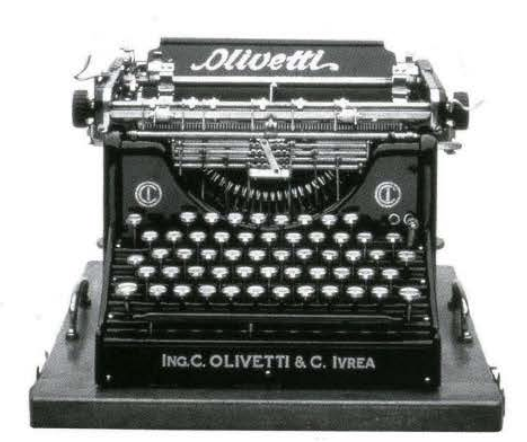
11.47, Camilo Olivetti, M1 typewriter, metal, Ivrea Italy, 1911
-dynamic internal mechanism, but equally important was the external design identity
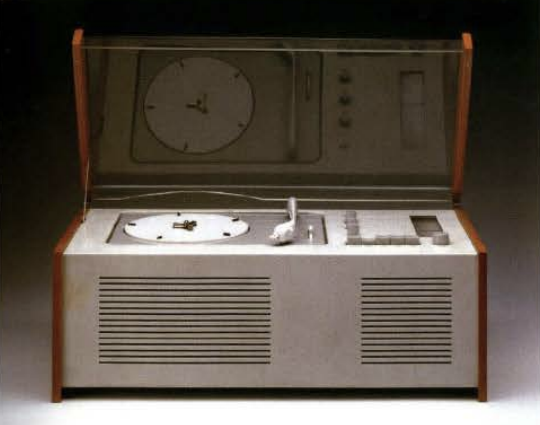
11.57, Max Braun, Dieter Rams, and Hans Gugelot, SK4, radio-photograph, metal wodd and Plexiglas, Wester Germany 1956
-we witness a gravitating to humanized design seen in the “organic, placid, even soothing forms” (Rams)
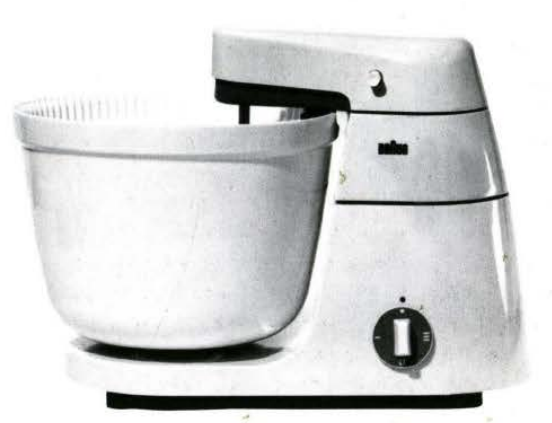
11.58, Gerd Alfre Müller, Kitchen Machine, polystrol housing, Wester Germany, 1957
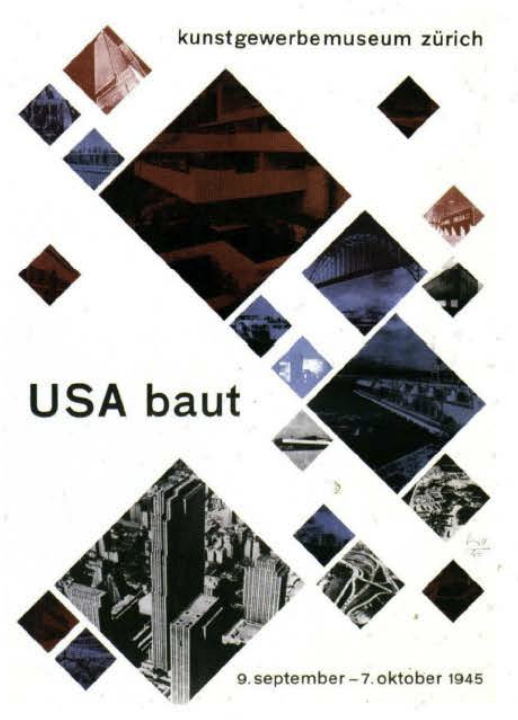
11.62, Max Bill, USA Baut, exhibition psoter, offset lithograph, Zurich, 1945
-also be called Swiss Design
-asymmetrical organization of the design elements
-objective photography and copy were to be factual and clear
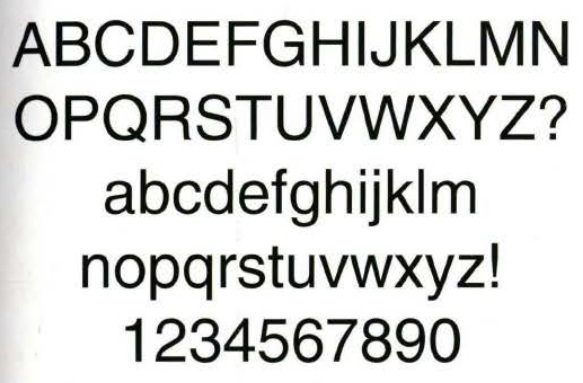
11.68 Helvetica typeface, Berthold Foundry, German 1957
-Berthold Foundry in Berlin initiated work to revise the Akzidenz (Ahk-zee-dents) Grotesk
-Legible, versatile and modest
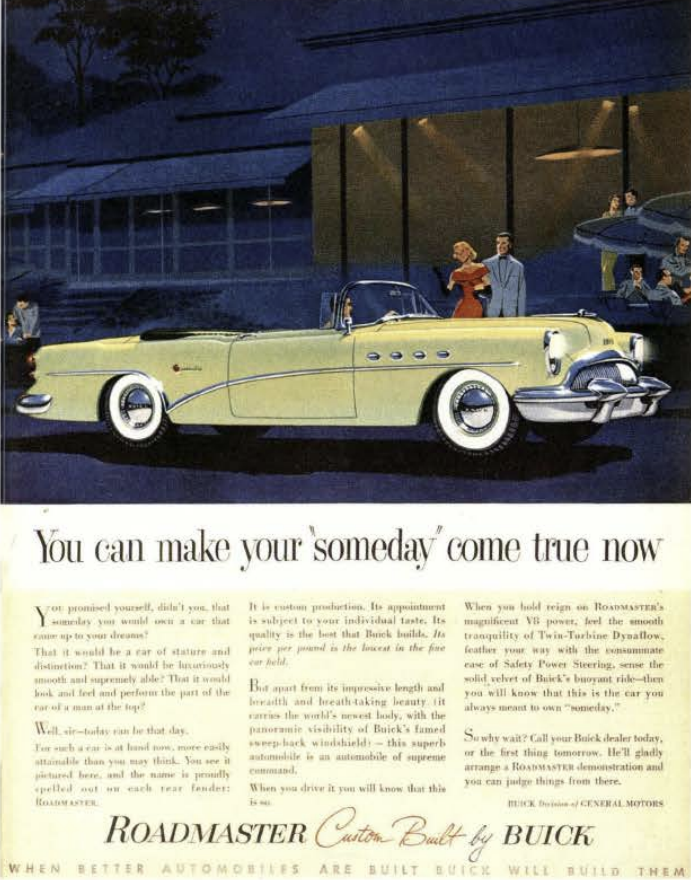
12.3 Ad for Buick Roadmaster, General Motors Corporation, Detroit, 1954
-It is the CONTRARY of Braun and Dieter Rams’ Good Design philosophy
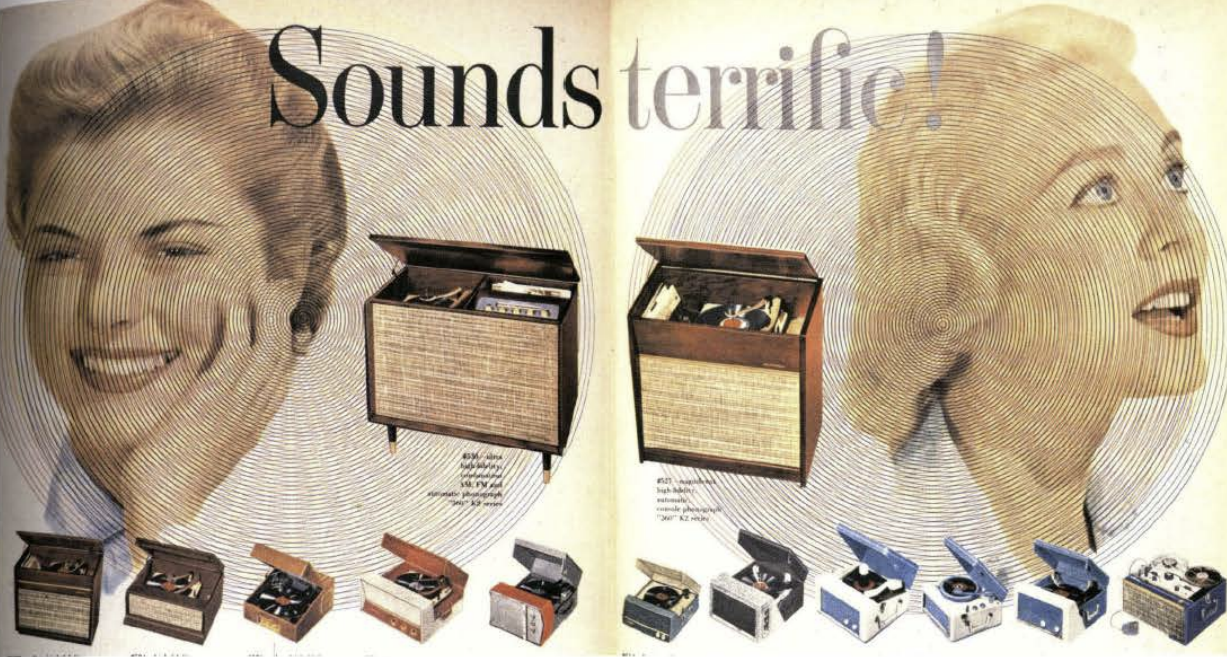
12.7 Feature on portable radios and phonographs, Look Magazine, 1956
-Braun’s competition in other markets
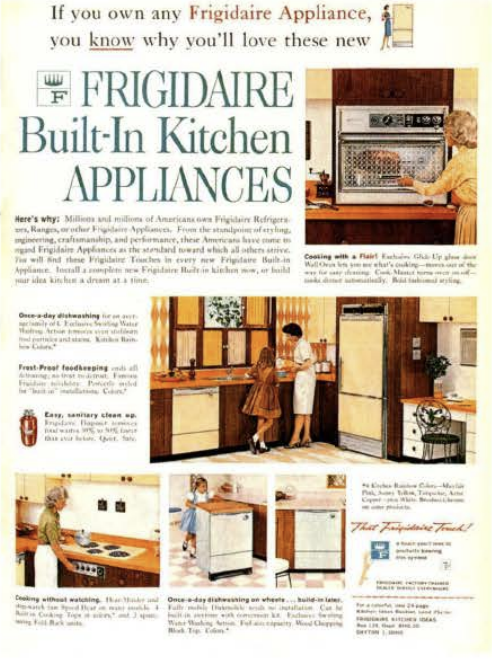
14.1 Ad for Built-in Kitchen Appliances, Frigidaire Company, Better Homes and Gardens, March 1962
-THE IDEA of novelty, TO ignite the consumer’s desire
-standardization and conformity
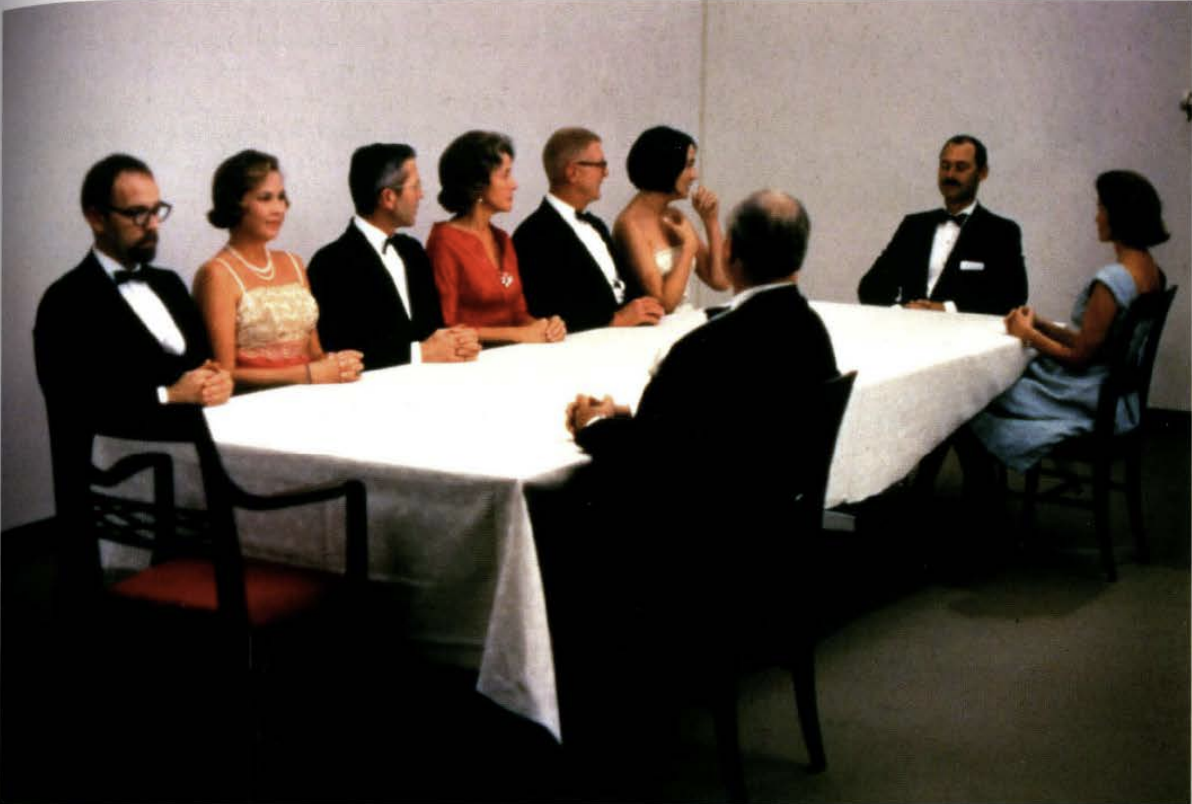
14.4 Charles and Ray Eames, Still shot from Think, IBM Pavilion at New York’s World Fair, 1964
-to humanize this new sophisticated problem solver
-a computer could solve a series of problems and make informed decisions
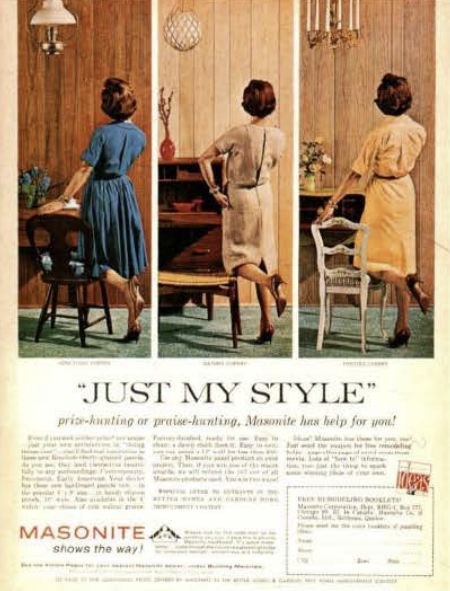
14.5 Ad for Masonite Wall Paneling, Masonite Corporation, Chicago, IL, Better Homes and Gardens, January, 1962
-this great interest and desire of the consumer could have never been stimulated without advertisements
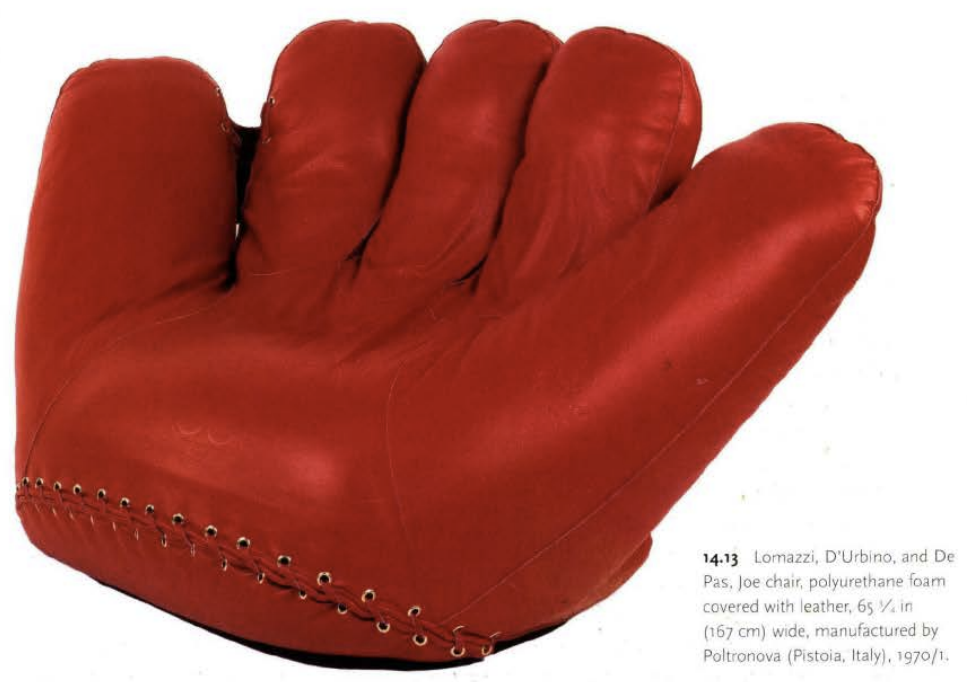
14.13 Lomazzi, D’Urbino, and De Pas, Joe Chair, polyurethane foam covered with leather, manufactured by Poltronova, Pistoia, Italy 1970
-to make something so anti-functional, exaggerated, showy, so vulgar it becomes unattractive