CL51B Ancient Roman Art and Archaeology
 Call Kai
 Learn
Learn Practice Test
 Spaced Repetition
 Match
Match Flashcards
 Knowt Play
1/93

Earn XP
Description and Tags
Identify key details about stimuli provided
Name | Mastery | Learn | Test | Matching | Spaced | Call with Kai |
|---|
No analytics yet
Send a link to your students to track their progress
94 Terms
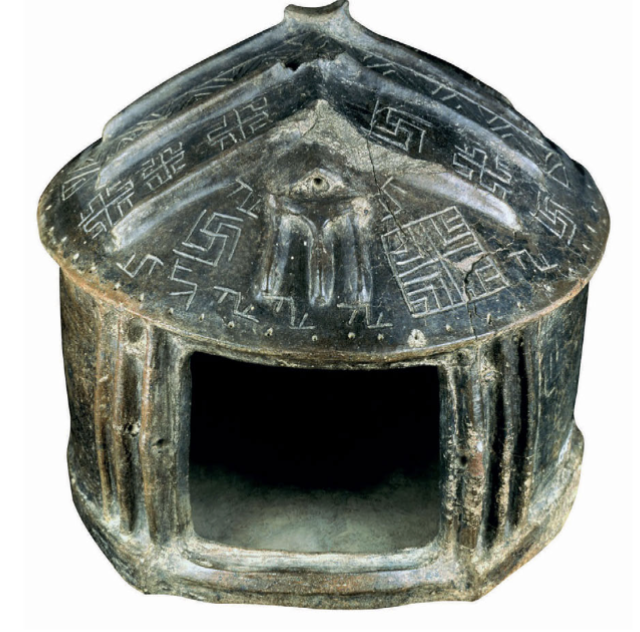
Villanovan hut urn; 9th - 8th century BCE; clay; demonstrates close connection between homes and graves
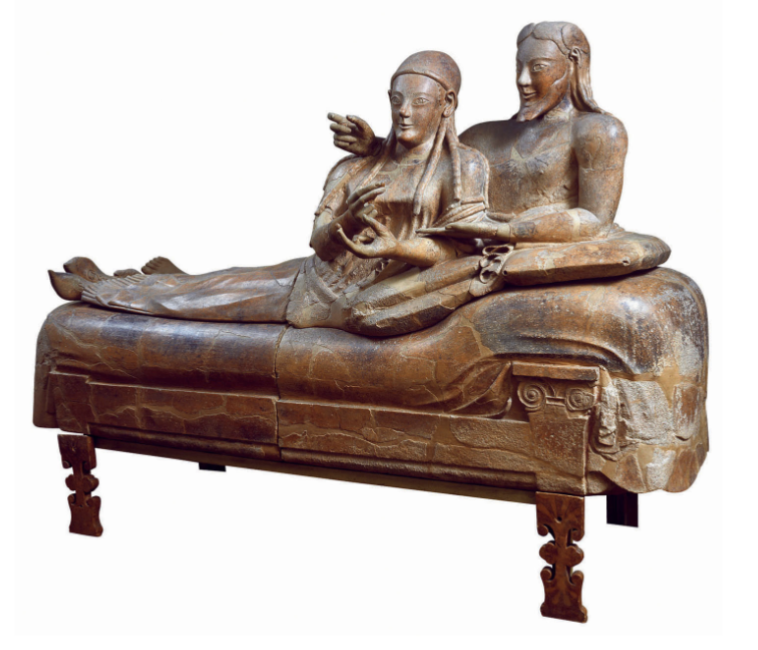
Terracotta sarcophagus, Cerveteri, Italy; late 6th century BCE; terracotta; couple with idealized expressions reminiscent of Greek Archaic style; posture/shape of bodies are Etruscan
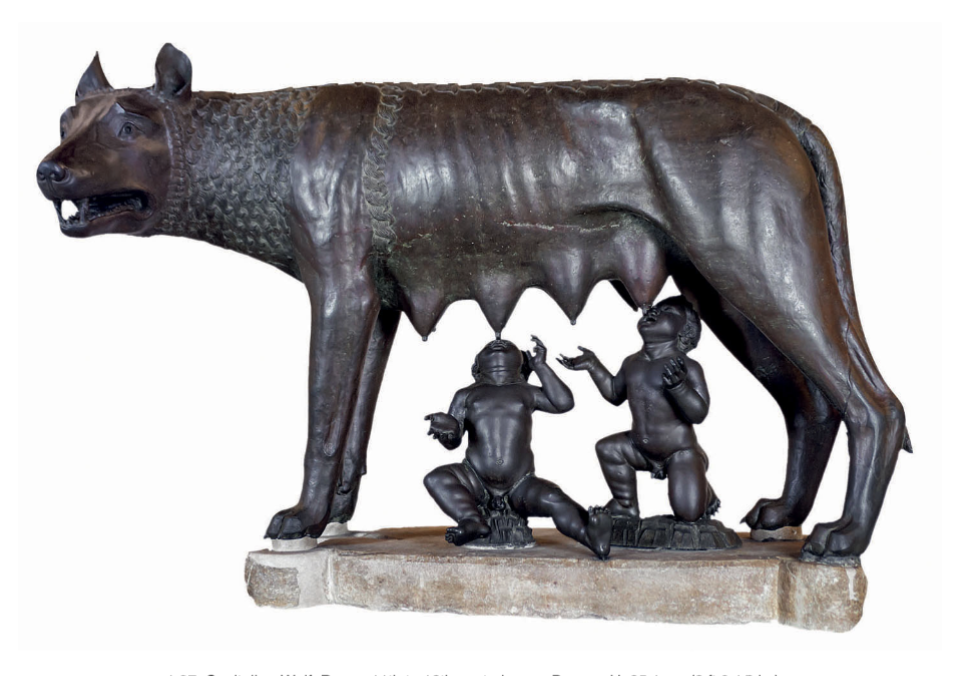
Capitoline Wolf, Rome; 11th - 12th centuries CE; bronze; iconic image for the founding of Rome in its representation of the wolf that suckled twins Romulus and Remus; likely created during the early medieval period
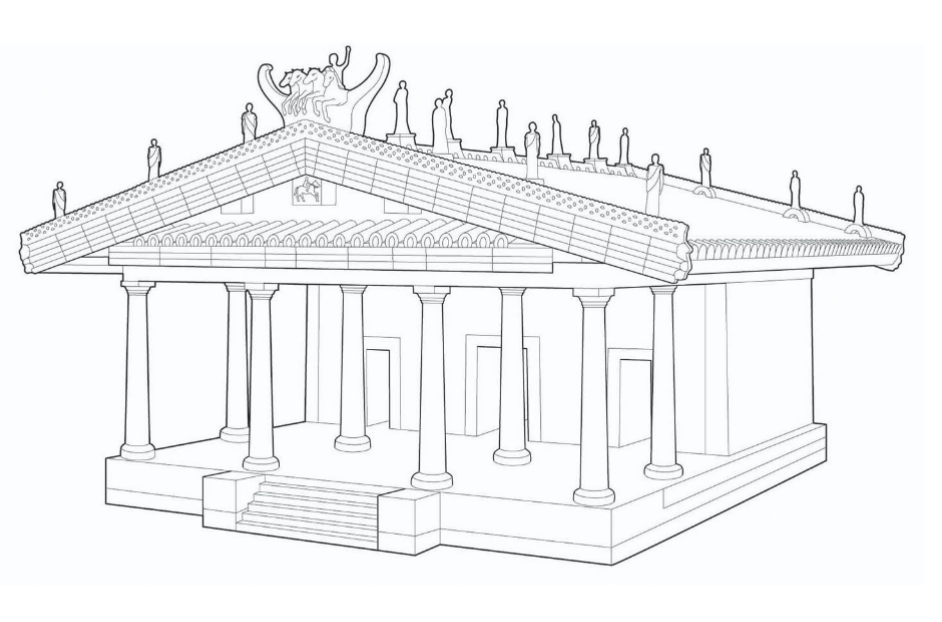
Portonaccio Temple roof reconstruction, Veii, Italy; 500 BCE; Etruscan style with the roof displaying akroteria
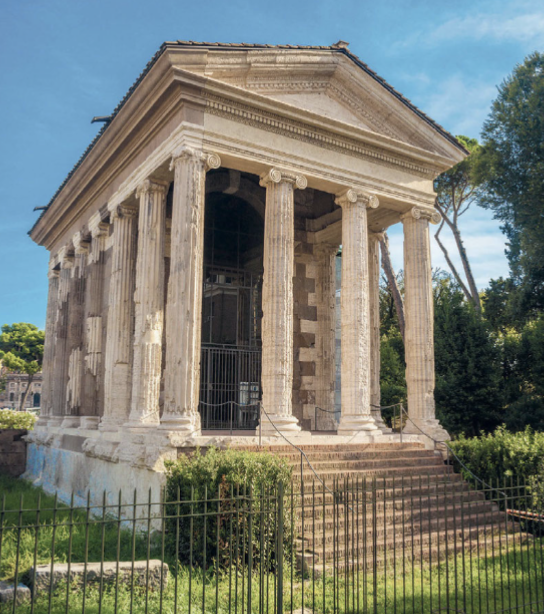
Temple of Portunus, Rome, Italy; 80 - 70 BCE; truff, travertine, and stucco; a Republican manubial building; freestanding columns reference Tuscan styles while maintaining Ionic order
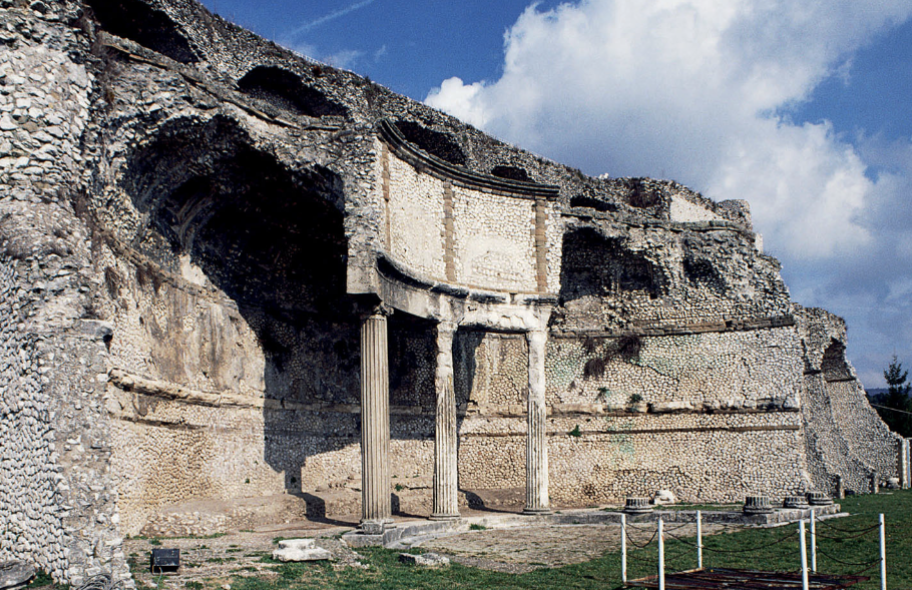
Sanctuary of Fortuna concrete vaulting, Praeneste, Italy; 120 BCE; concrete
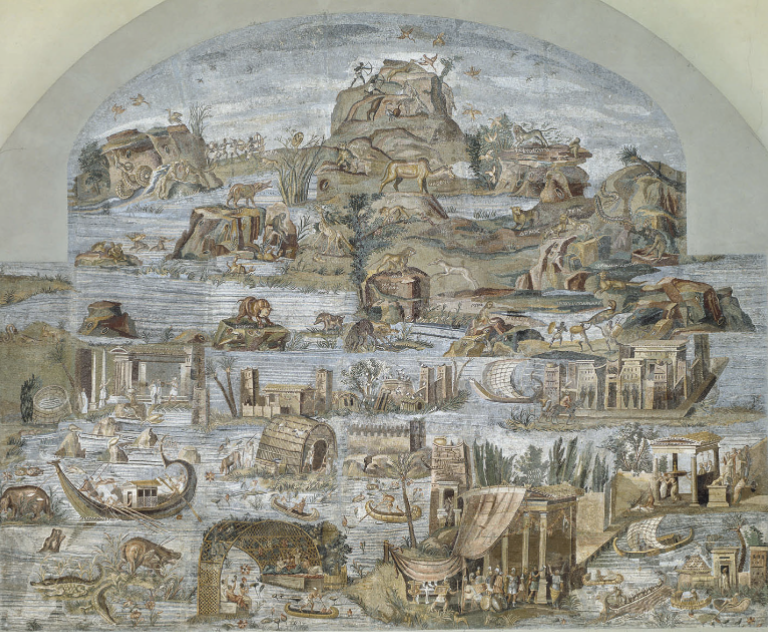
The Praeneste Mosaic, Fortuna Sanctuary at Praeneste, Italy; 1st century BCE; floor mosaic of the Nile and its passage into the Mediterranean; exemplifies Roman fascination with the eastern Mediterranean
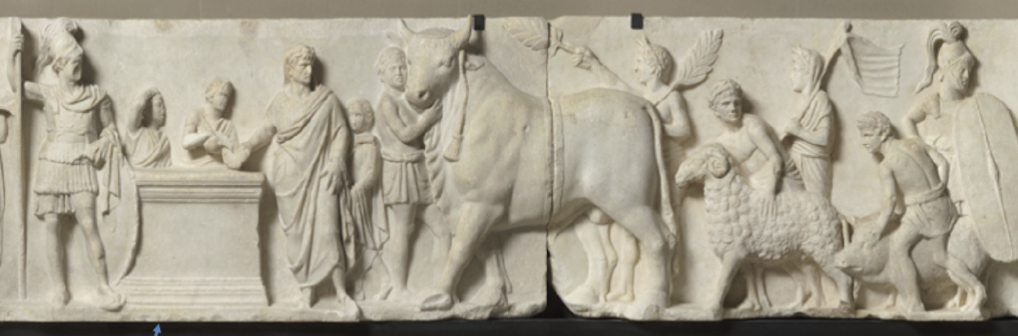
The Paris reliefs (portion), originally from the manubial buildings on the Campus Martius, Rome, Italy; late 2nd - early 1st century BCE; marble; a scene of sacrifice (suovetaurilla) offered to Mars (located left of the altar)
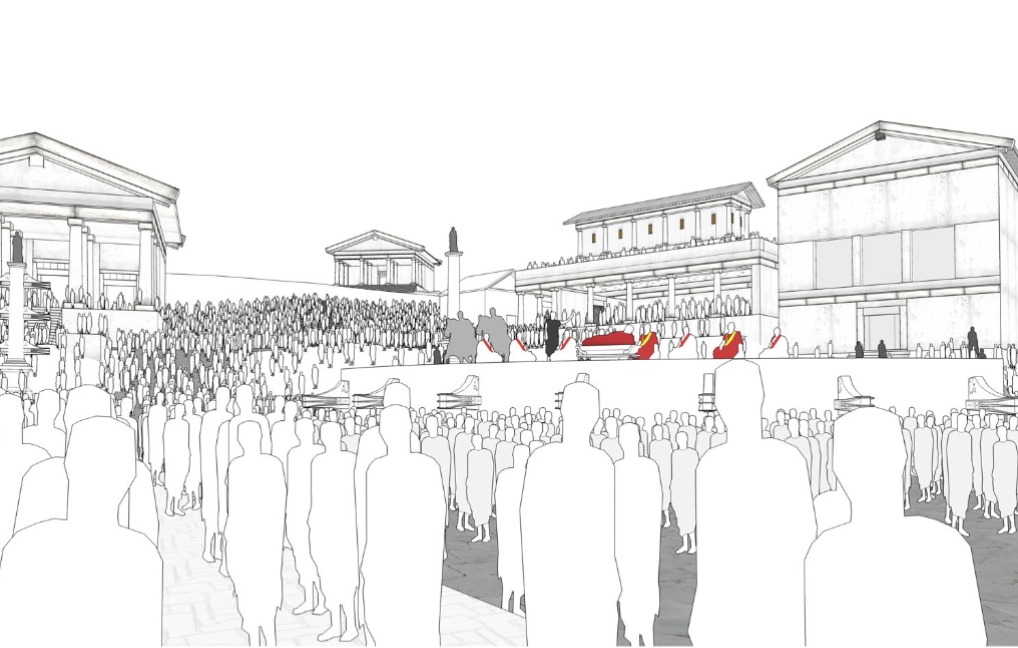
Scene depicting a traditional funerary procession in the Roman Forum; individuals wore wax masks
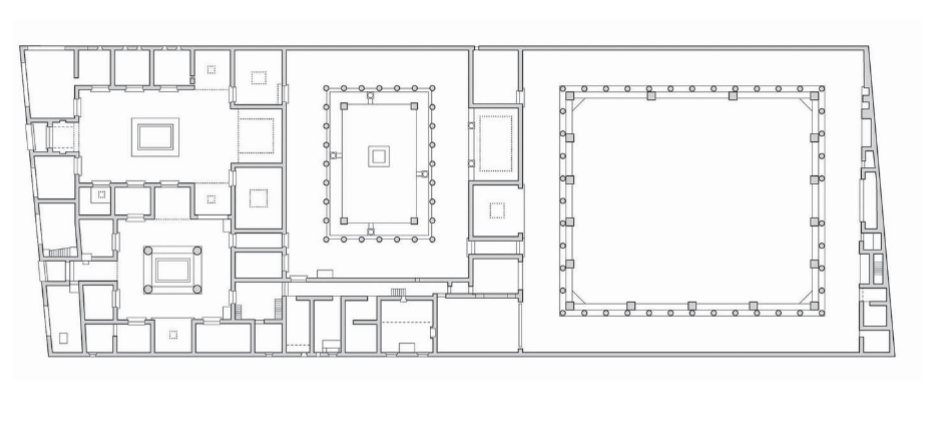
Floor plan of the House of the Faun, Pompeii, Italy; late 2nd century BCE; contained the Alexander Mosaic
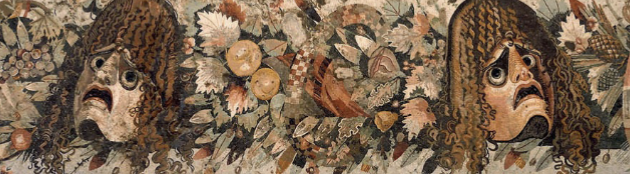
Mosaic from the House of the Faun, Pompeii, Italy; late 2nd century BCE; mosaic depicts theatrical masks interspersed with garlands and fruit
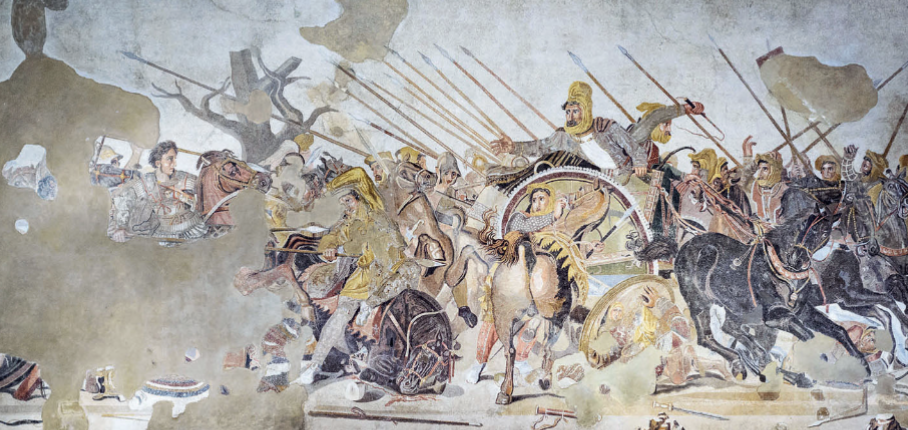
Alexander Mosaic, House of the Faun, Pompeii, Italy; late 2nd century BCE; battle between Alexander the Great and the Persian king Darius III (Battle of Issus); example of opus vermiculatum (mosaic using pieces of tesserae)
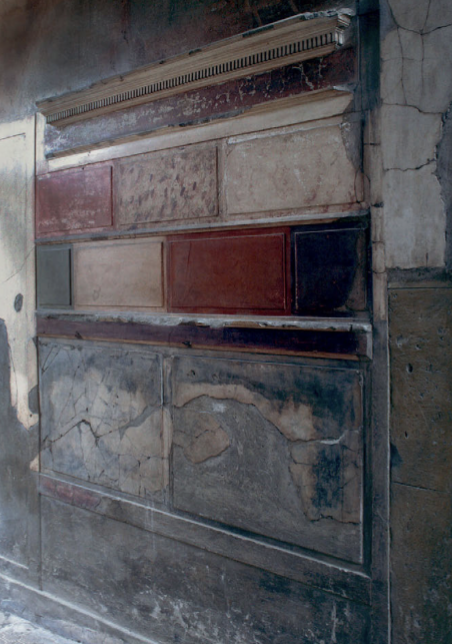
First Style wall painting from the Samnite House, Herculaneum, Italy; 2nd century BCE; stucco has been added and shaped to look like cut stone; colors imitated foreign imports
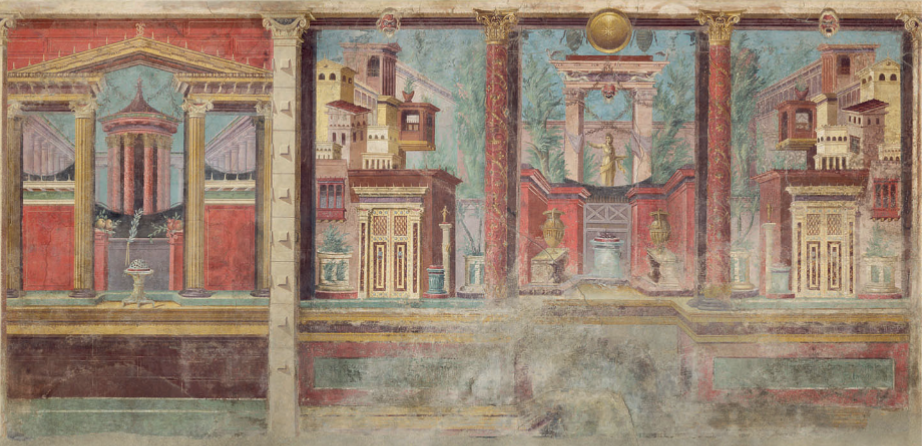
Second Style wall painting (linear perspective) from the villa at Boscoreale, Italy; 50 - 40 BCE
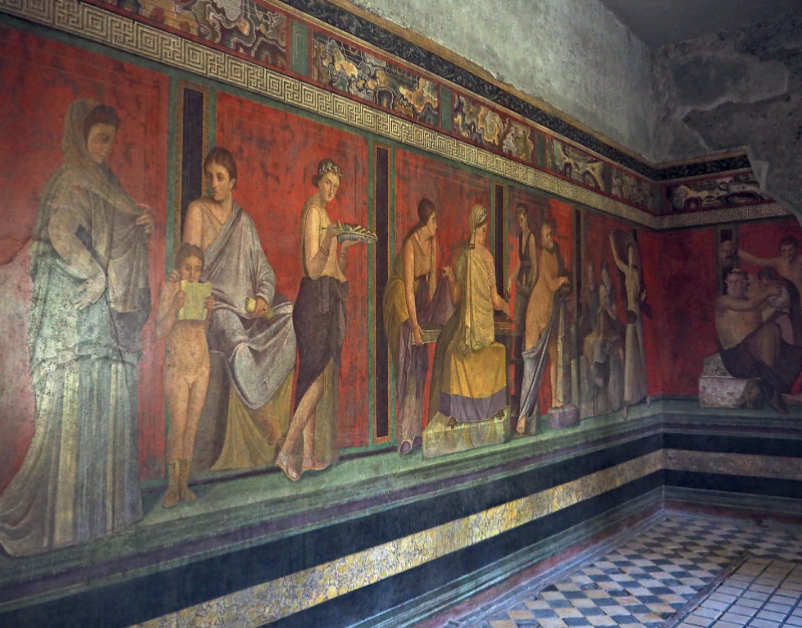
Dionysiac freize from the Villa of the Mysteries, Pompeii, Italy; 1st century BCE; megalographic scene depiction
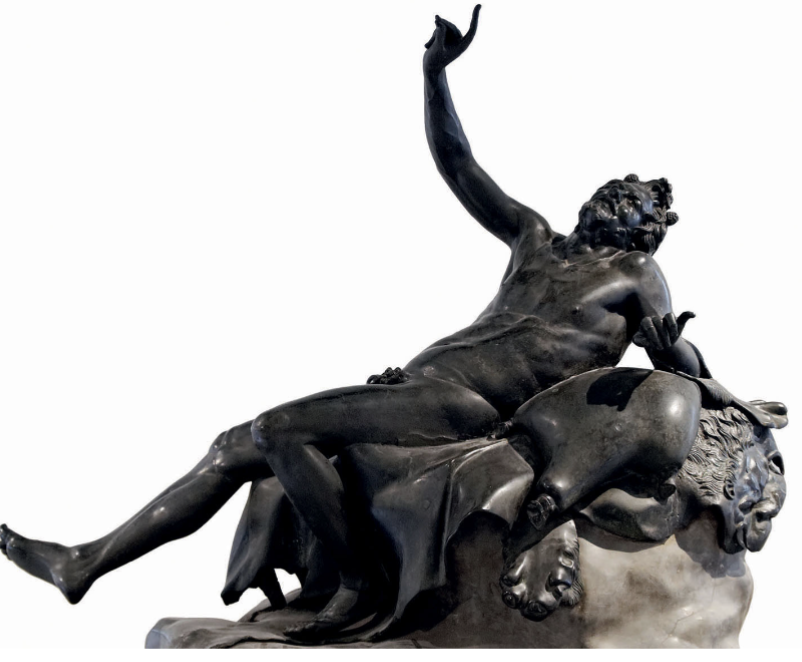
The Drunken Satyr, Villa of the Papyri, Herculaneum, Italy; 2nd century BCE; bronze; represents Roman enjoyment of rustic open spaces + Hellenistic/Dionysiac tastes
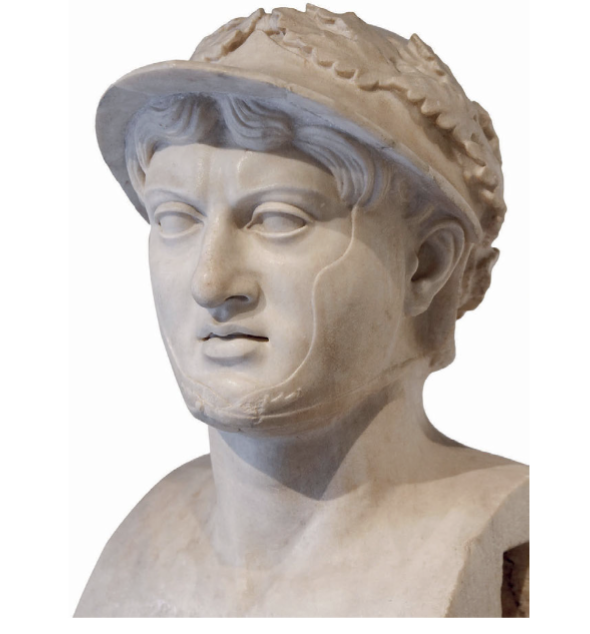
Portrait herm of Pyrrhus of Epirus; 290 BCE; marble; placed in the more formal and inner peristyle, accompanied by portraits of other notable figures (kings/philosophers/statesmen)
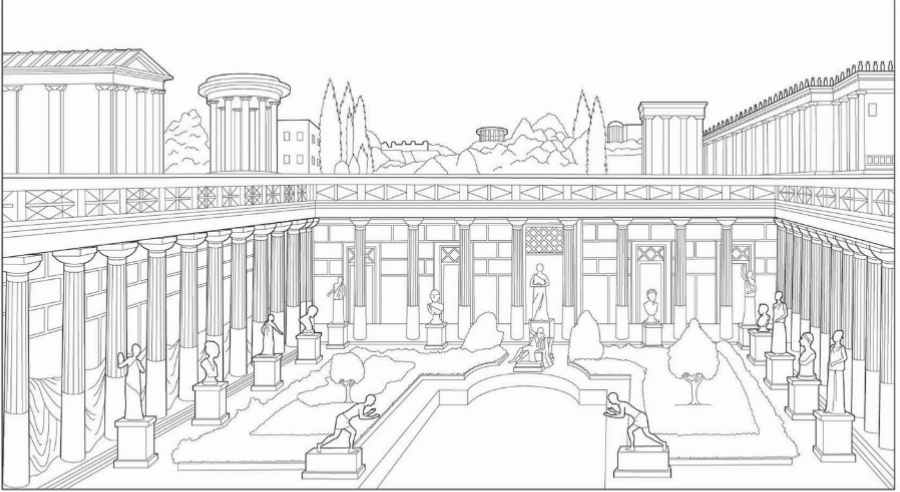
Reconstruction of the outer peristyle of the Villa of the Papyri, Herculaneum, Italy; garden accompanied by Neo-Attic sculptures (fashion through the first and second centuries BCE)
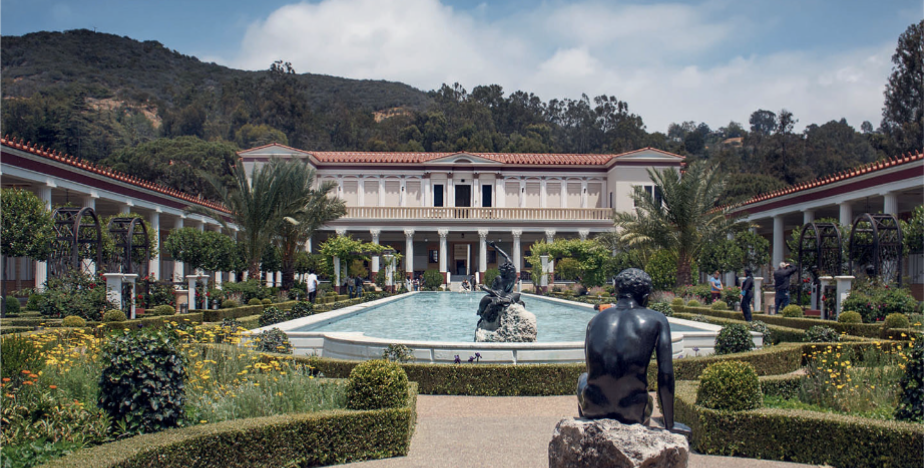
The Getty Villa, Getty Museum, California; modern replica of the Villa of Papyri
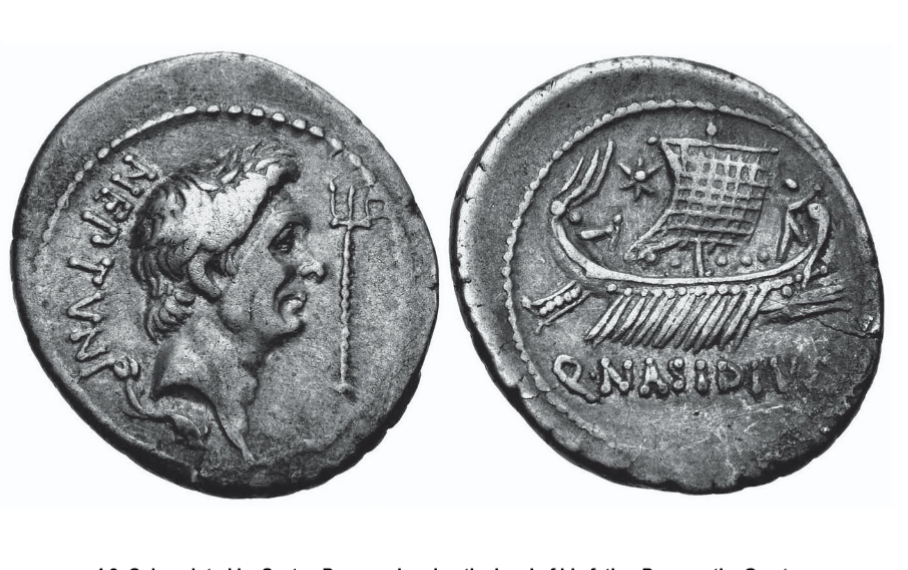
Coin depicting Pompey the Great, minted by Sextus Pompey (son); 44 - 43 BCE; silver; Pompey can be identified by his fleshy cheeks and creased forehead
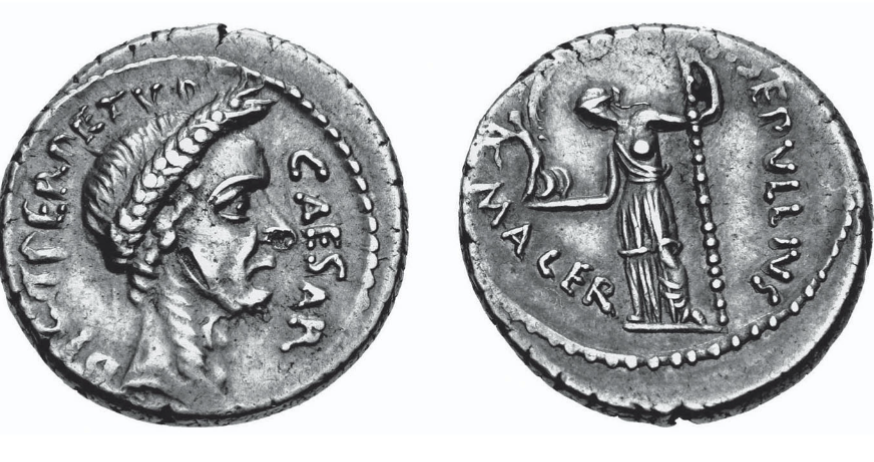
Coin depicting Julius Caesar; 44 BCE; silver; the back shows Venus Victrix (Venus of Victory)
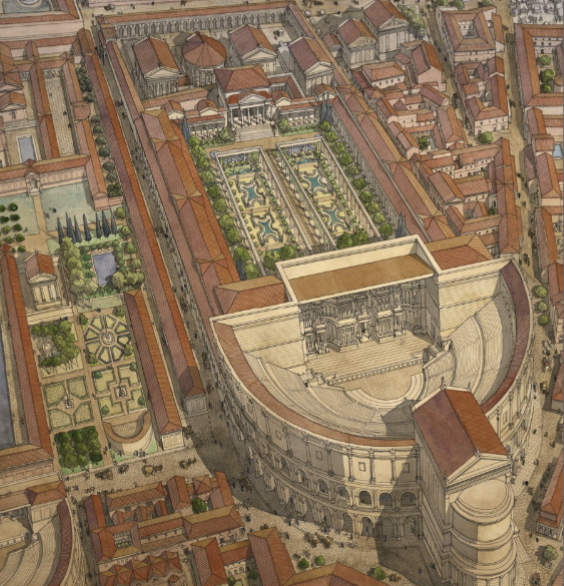
Theater of Pompey, Campus Martius; 55 BCE
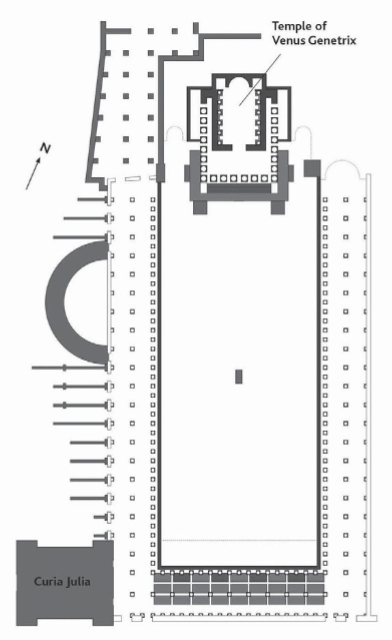
Floor plan of the Forum of Caesar, Rome, Italy; 46 BCE; a long and narrow space flanked by porticoes; held Caesar’s temple to Venus Genetrix
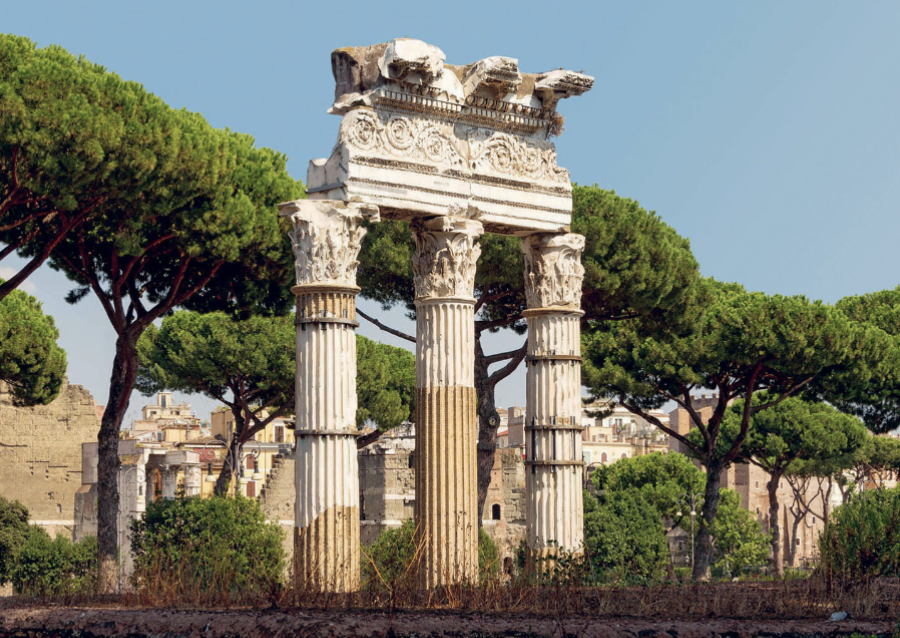
Remains of the Temple of Venus Genetrix, Forum of Caesar, Rome, Italy; 46 BCE; included imported exotic marble + white marble from central Italy
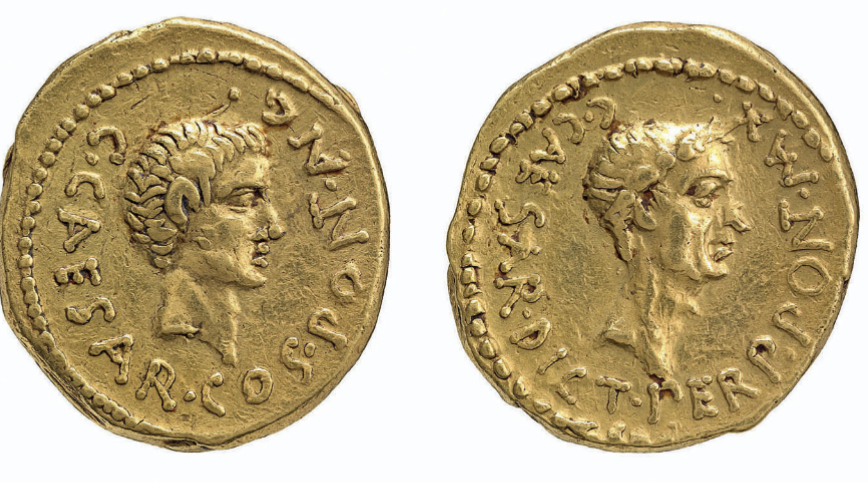
Coin pairing portraits of Octavian and Julius Caesar; 43 BCE; gold; Octavian promoted himself as the son of Caesar
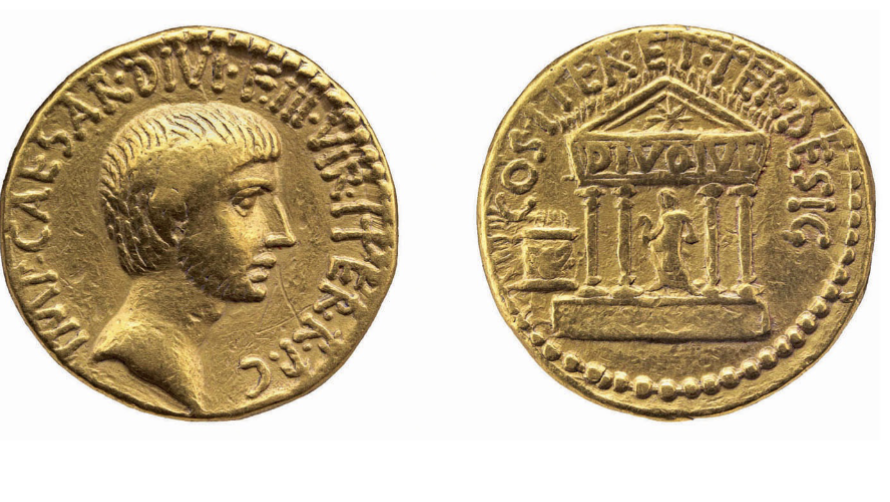
Coin of Octavian depicting the Tmple of Divus Iulius; 29 BCE; gold; temple to the divinized Caesar
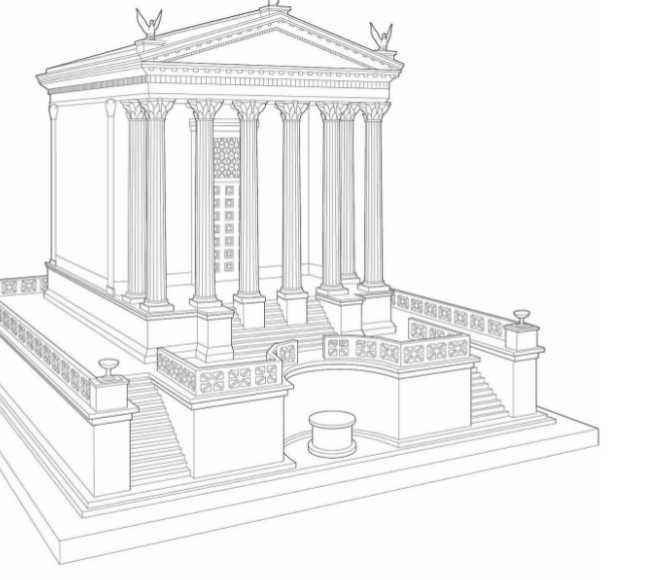
Reconstruction of the Temple of Divus Iulius, Roman Forum, Rome, Italy; 29 BCE
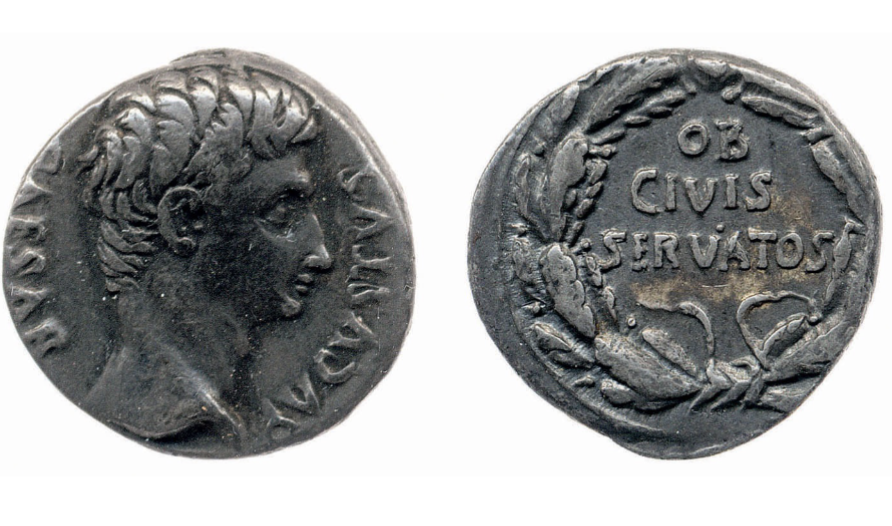
Denarius of 27 BCE, the year of Octavian’s adoption of the title Augustus; silver; oak wreath depicting a time of peace
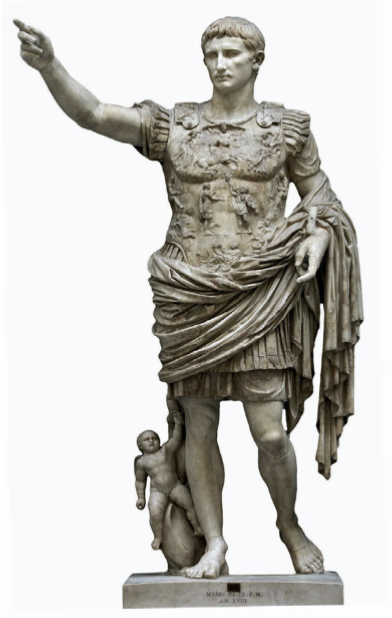
Augustus from Prima Porta, Italy; 19 BCE; marble; came the most commonly used style of portraiture
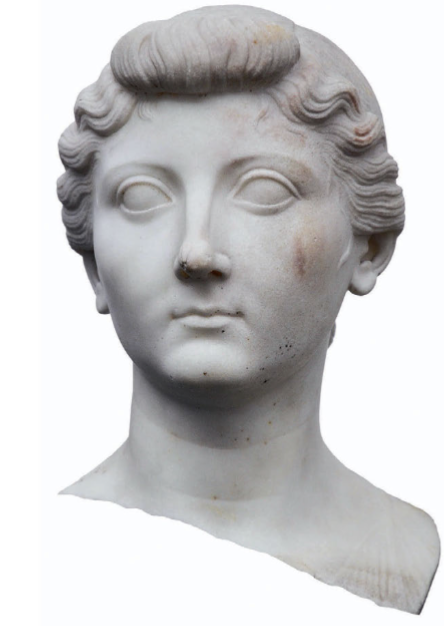
Portrait of Livia, Arsinoe, Egypt; 1st century CE; marble; Classical features; bun reminiscent of Augustan fashion for woman
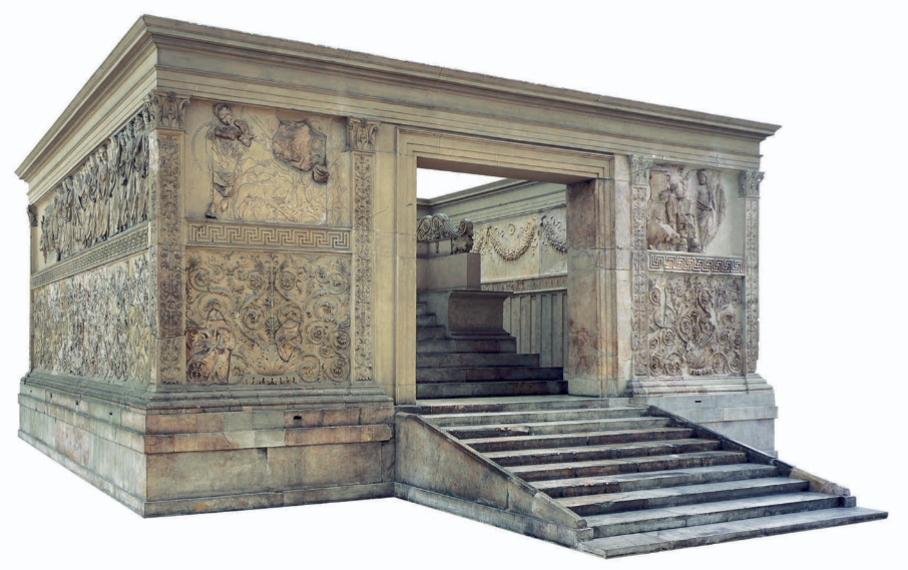
Exterior of the Ara Pacis Augustae, Rome, Italy, 13 - 9 BCE; marble; built to commemorate Augustus’ success in bringing peace to the empire
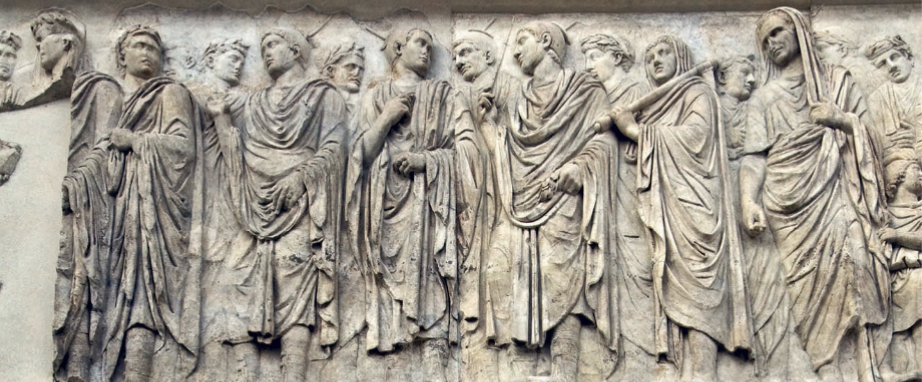
Frieze of the Ara Pacis; 13 - 9 BCE; marble; Augustus, religious officials, and members of the imperial household
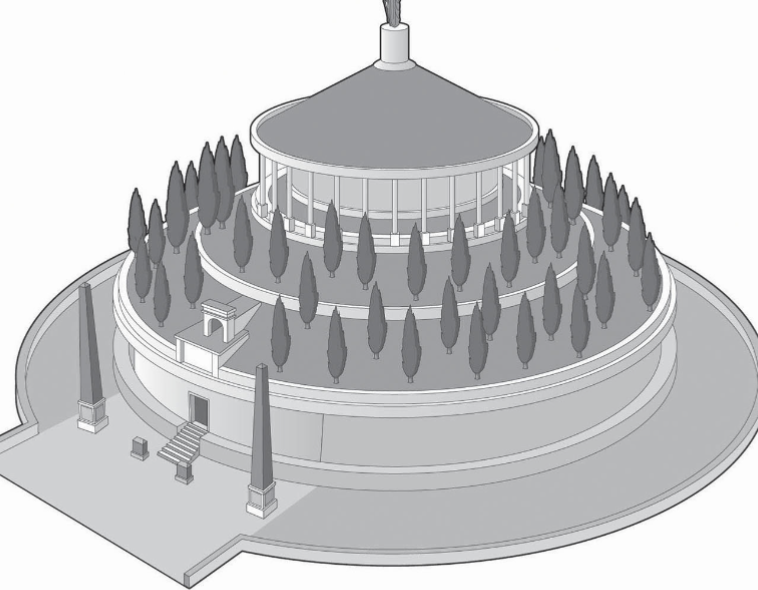
Reconstruction of the Mausoleum of Augustus, Rome, Italy; 25 BCE; circular building of concrete
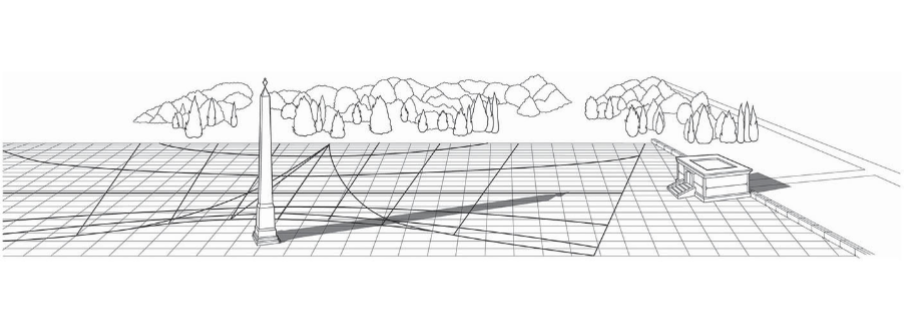
Reconstruction of the Horologium Augusti
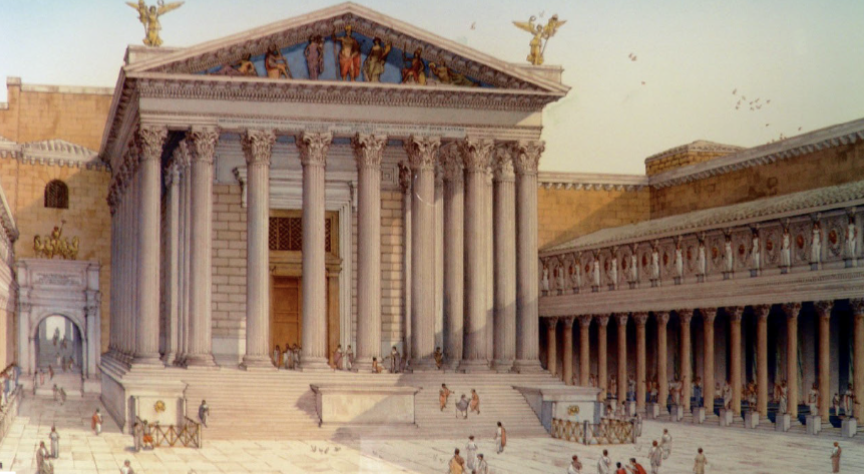
Forum of Augustus; 42 - 2 BCE
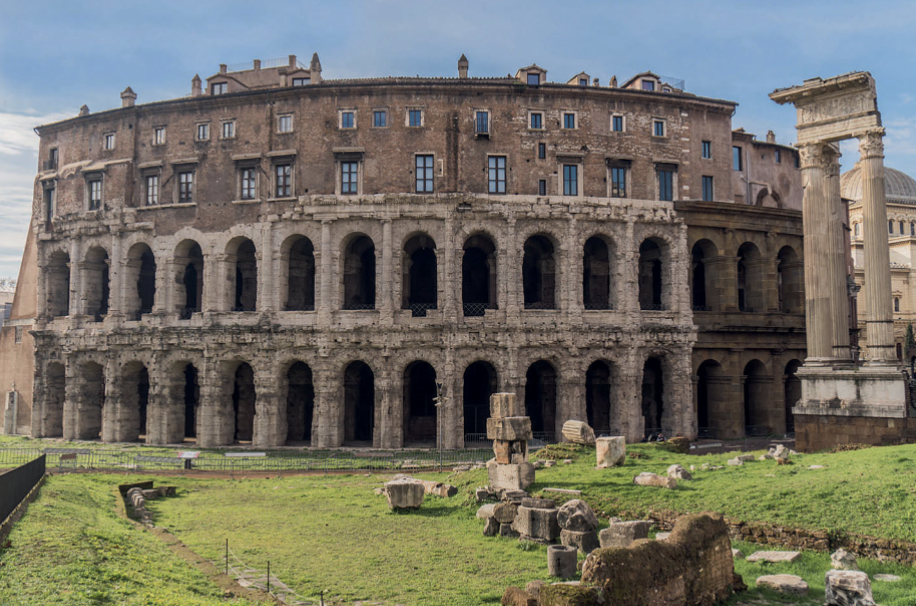
Theater of Marcellus, Rome, Italy; 12 BCE; project begun by Caesar and completed by Augustus
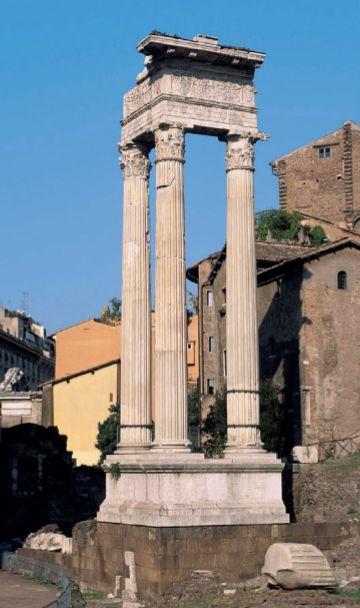
Temple of Apollo Sosianus, Campus Martius, Rome, Italy; 1st century BCE; represents the change from Roman Republic to Roman Empire
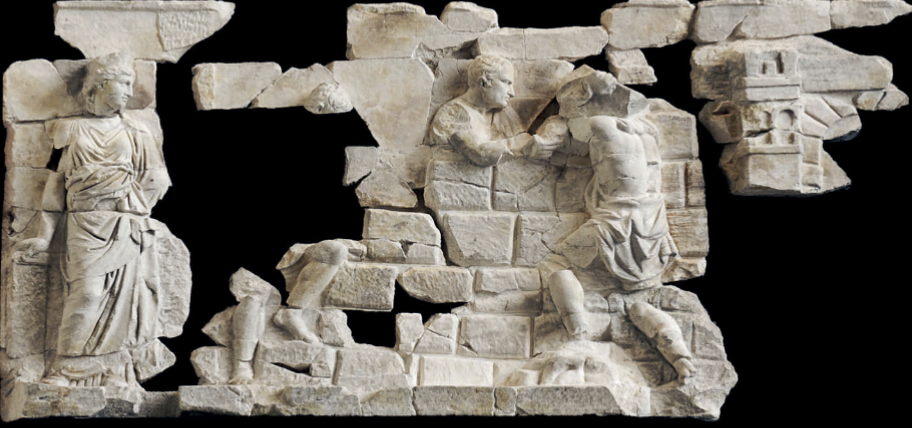
Scene from the Basilica Aemilia, Rome, Italy; 78 BCE; marble
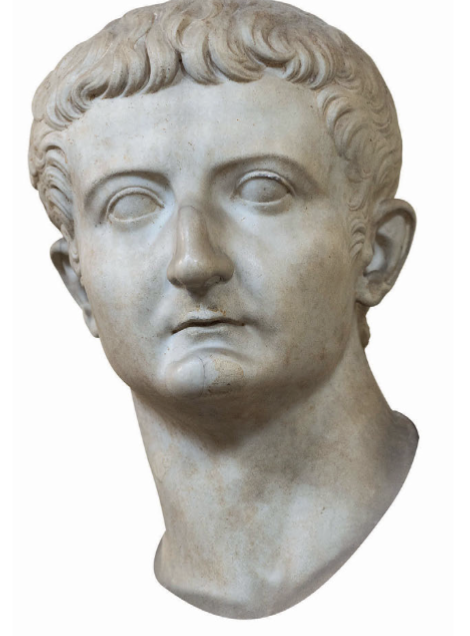
Portrait of Tiberius, 1st century CE; marble; Julio-Claudian style
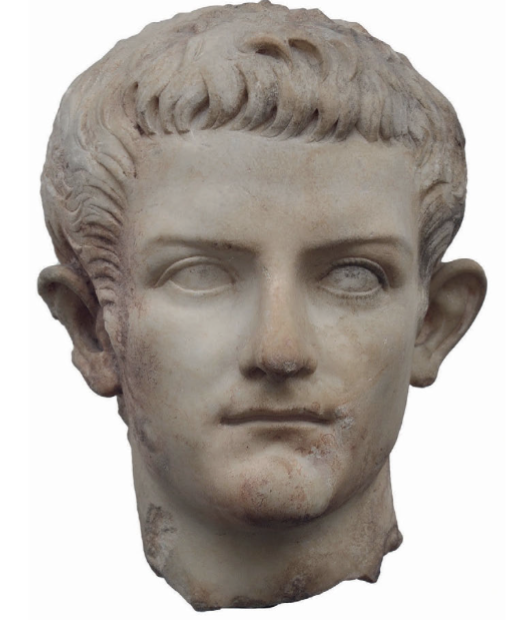
Portrait of Caligula; 37 - 41 CE; marble
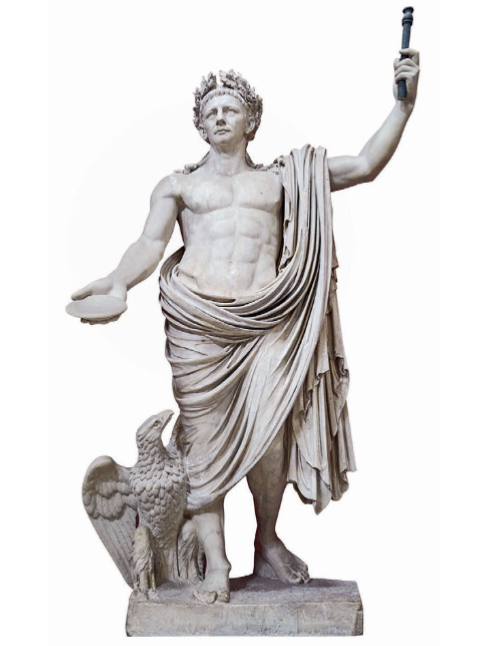
Claudius as Jupiter, Lanuvium, Italy; 50 CE; marble; Classical physique in contrast by the age on his face
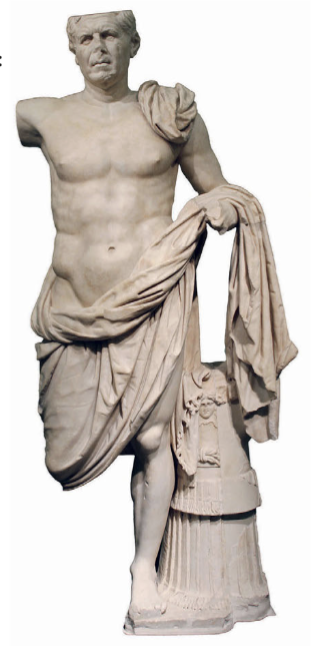
Portrait of a general from Tivoli, Italy; 75 - 50 BCE; marble; Classical Greek idealized body and Republican head
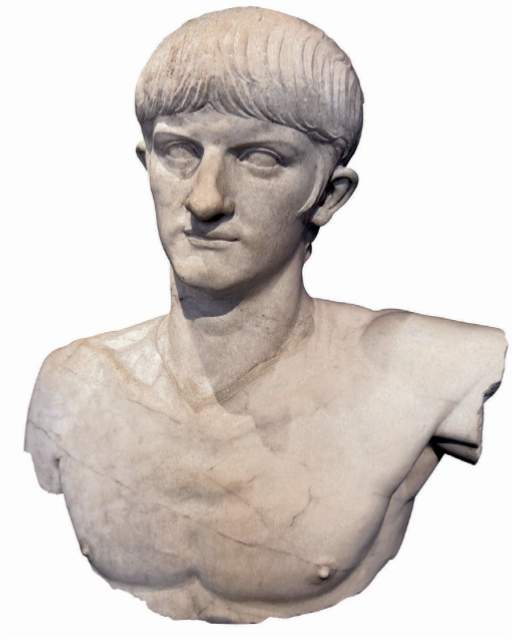
Portrait of young Nero; 54 - 59 CE; marble; Augustan idealism
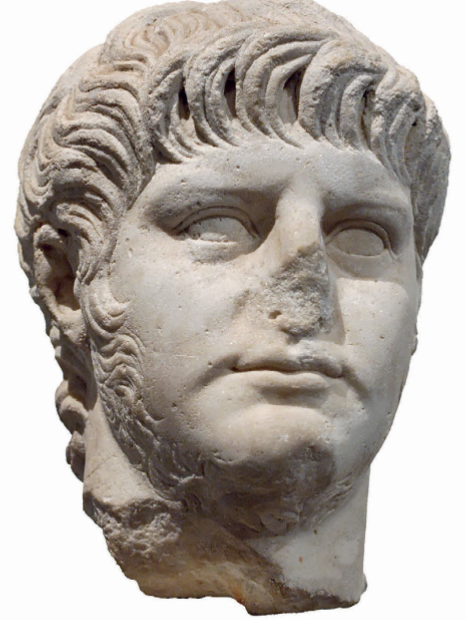
Portrait of aged Nero; 1st century CE; marble; stepped, sickle-shaped bangs that break tradition with earlier Julio-Claudian portraits
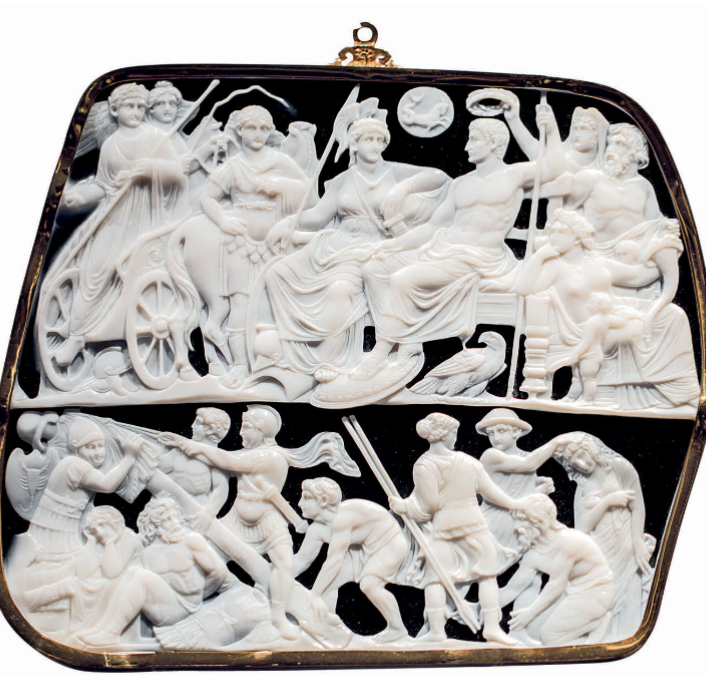
The Gemma Augustea; 14 CE; sardonyx; double-layered cameo created by the artist Dioscurides
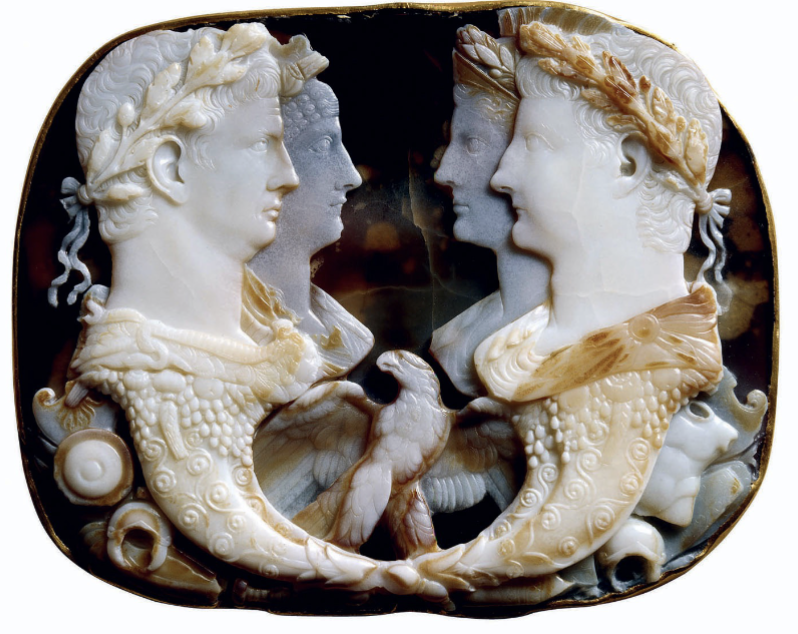
Cameo of Claudius marrying Agrippa the Younger
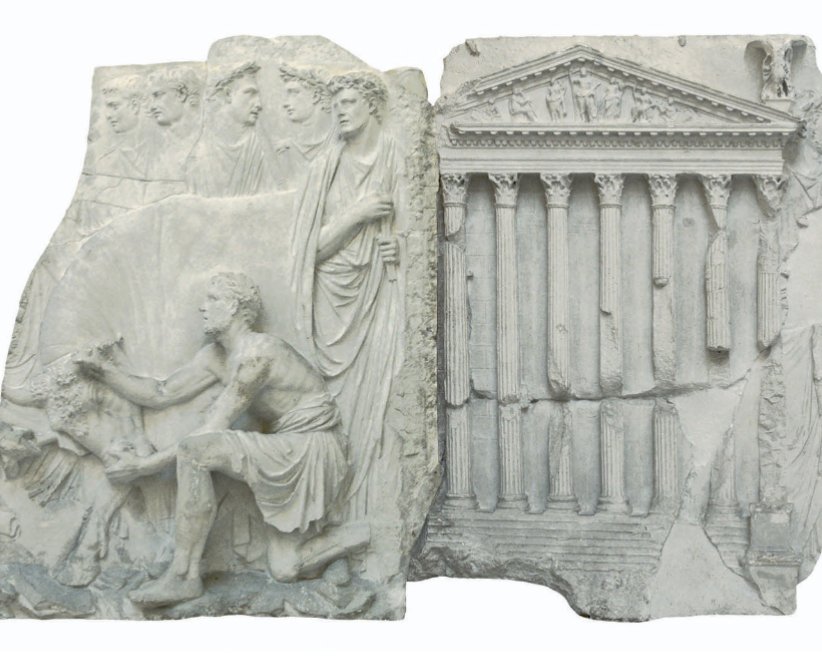
Relief from the Villa Medici, Rome, Italy; 1st century CE; marble; sacrifice before a temple
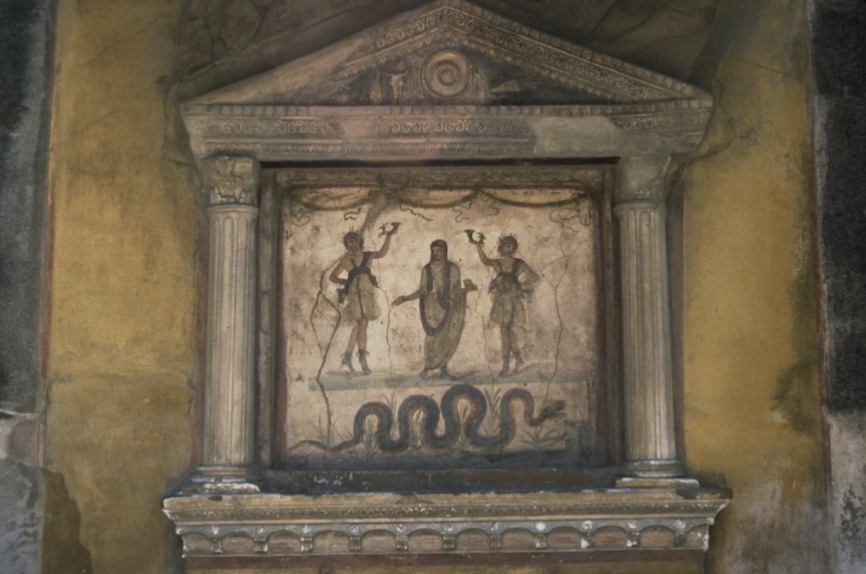
Lararium shrine, House of the Vetti, Pompeii; 1st century CE; agathodemone serpent at an altar below Genius of the Paterfamilias
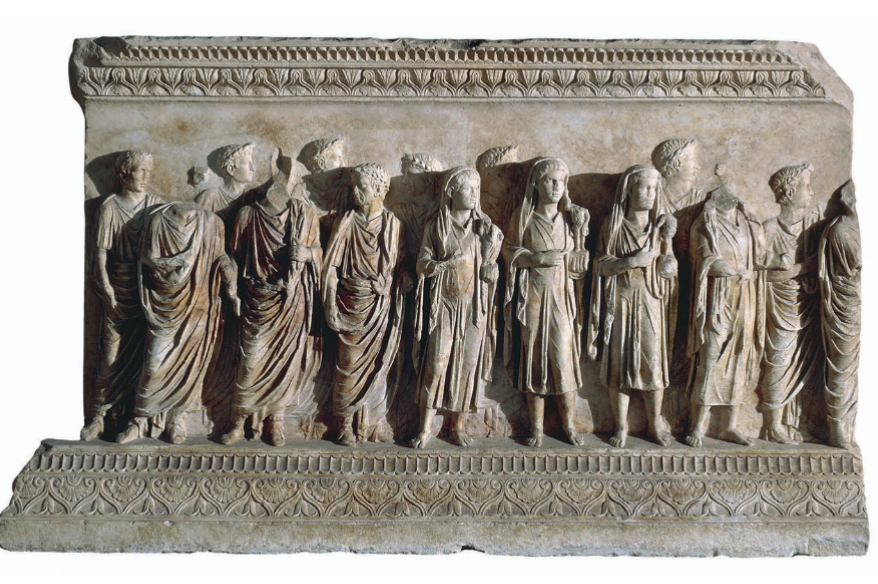
Vicomagistri Altar; 1st century CE; marble; figures carrying the emperor’s lares and genius
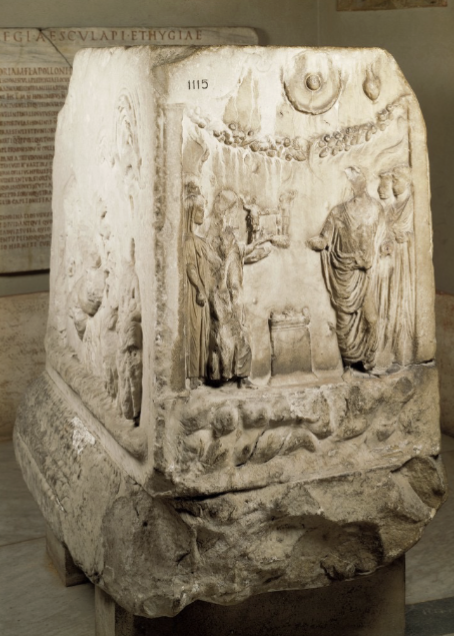
Altar of Augustus Pontifex Maximus; 12 BCE
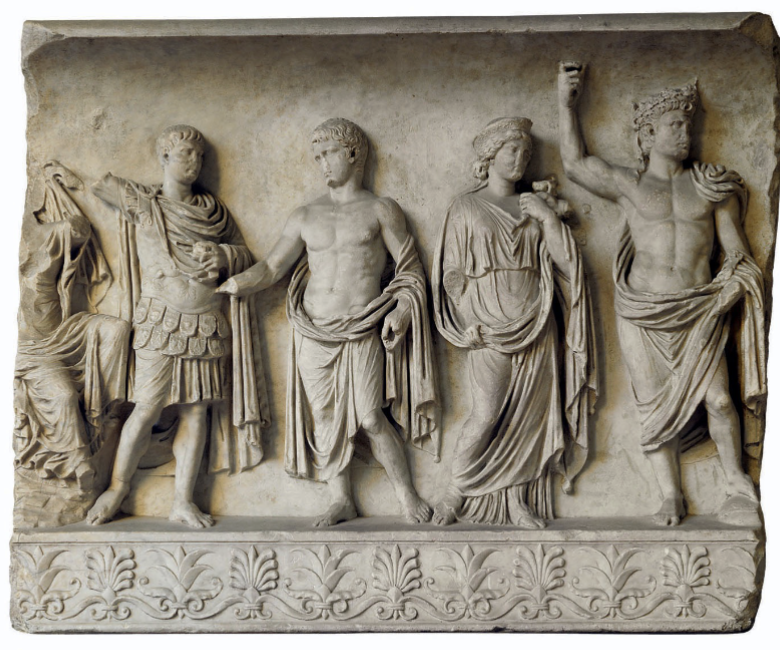
The Ravenna Relief; 1st century CE; marble; depicting Augustus and Livia shown as Mars and Venus
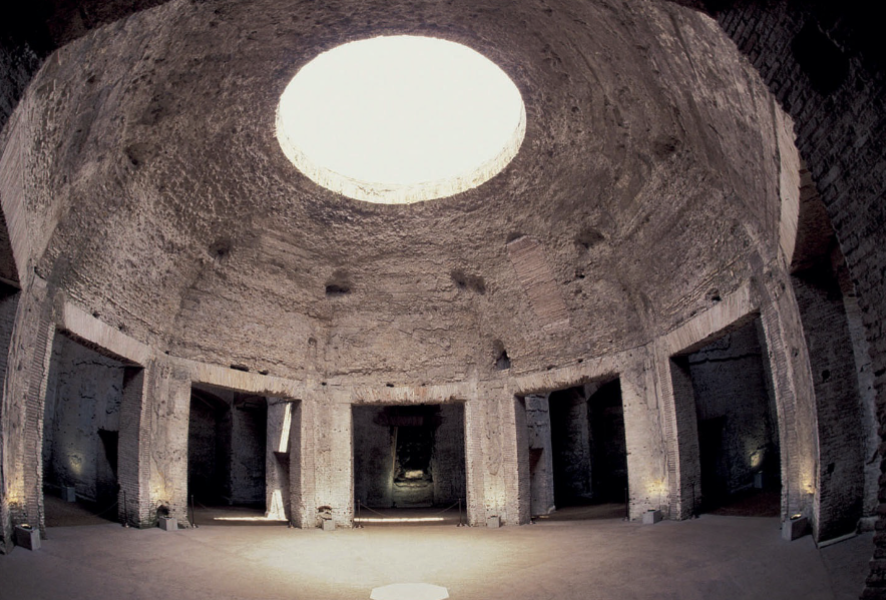
Domus Aurea, Rome, Italy; 64 - 68 CE; octagonal hall is roofed by a dome and an oculus
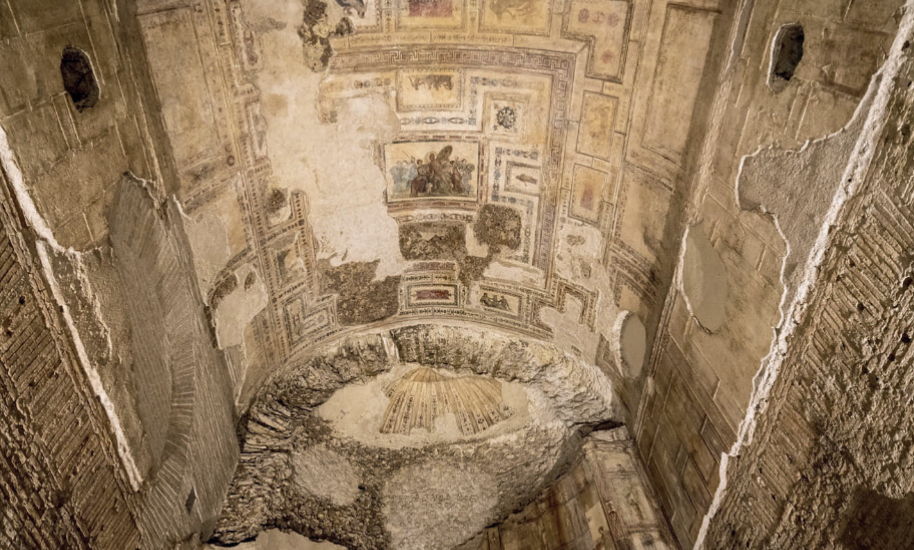
Vaults in the Domus Aurea, Rome, Italy; 64 - 68 CE; fresco paintings
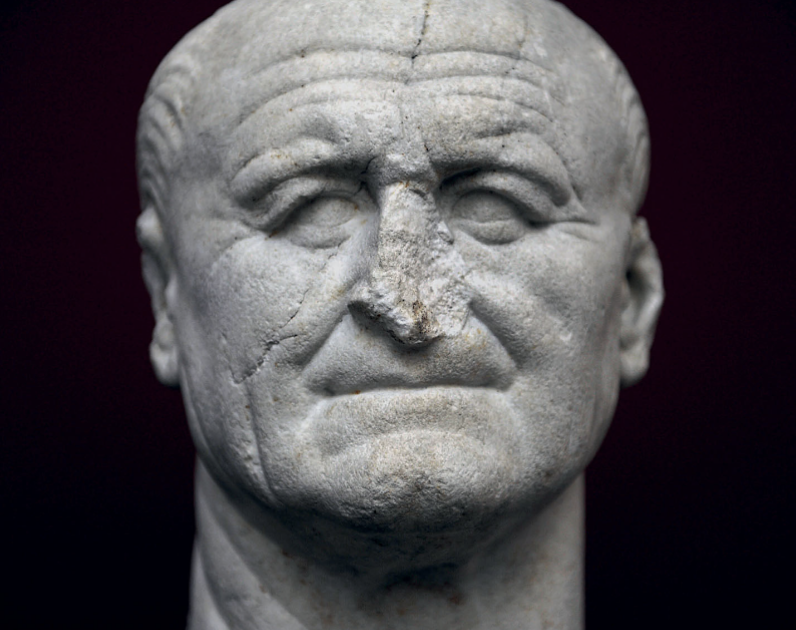
Portrait of Vespasian; 70 CE; marble; moving away from idealized style —> veristic
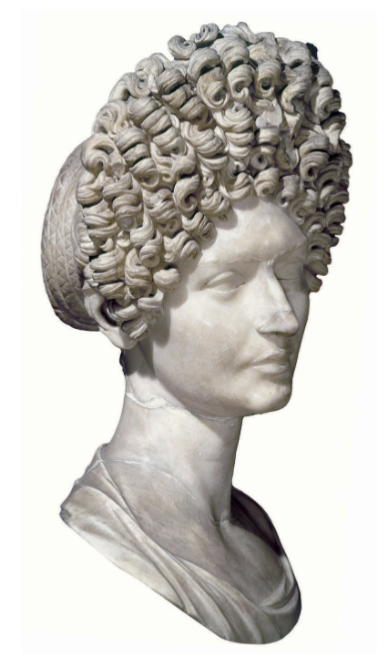
Portrait of a Flavian woman; 1st century CE; marble; distinct curly hair
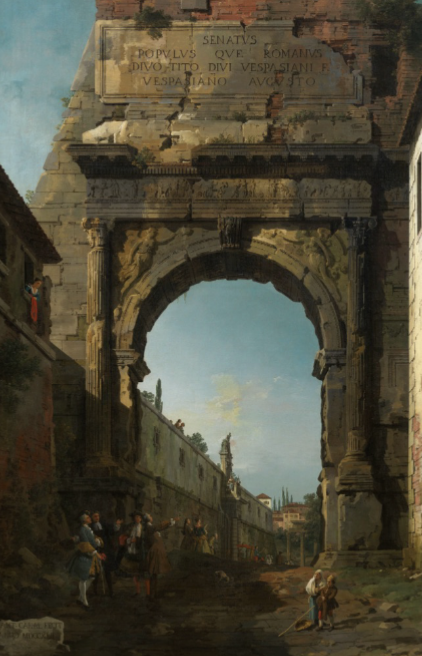
The Arch of Titus painting
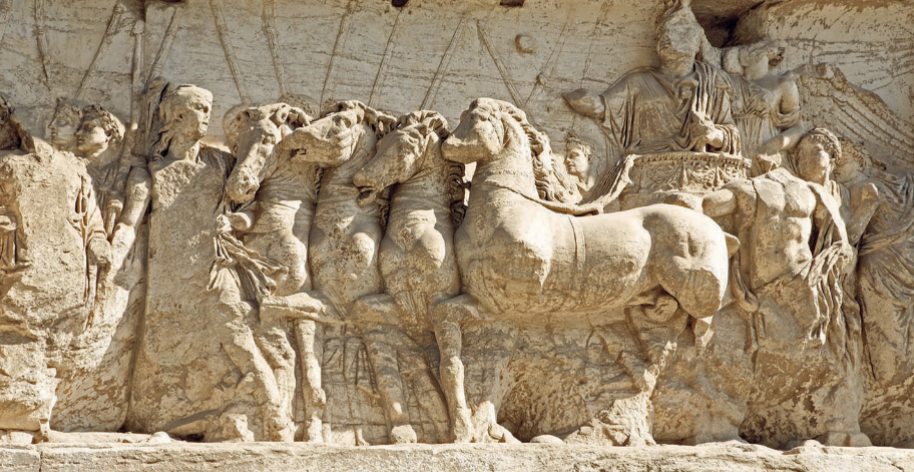
Relief from the Arch of Titus, Sacra, Rome, Italy; 81 CE
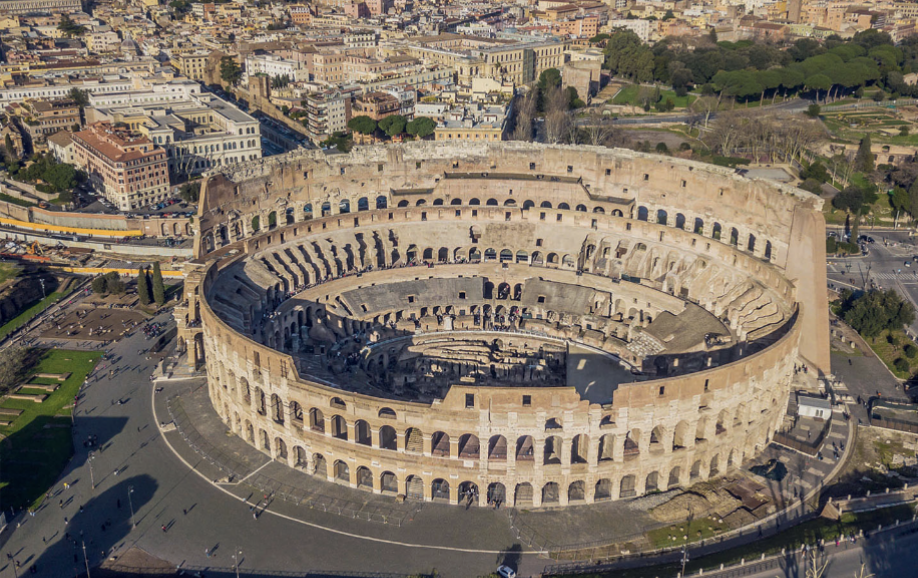
The Colosseum/Flavian Amphitheater, Rome, Italy; 80 CE
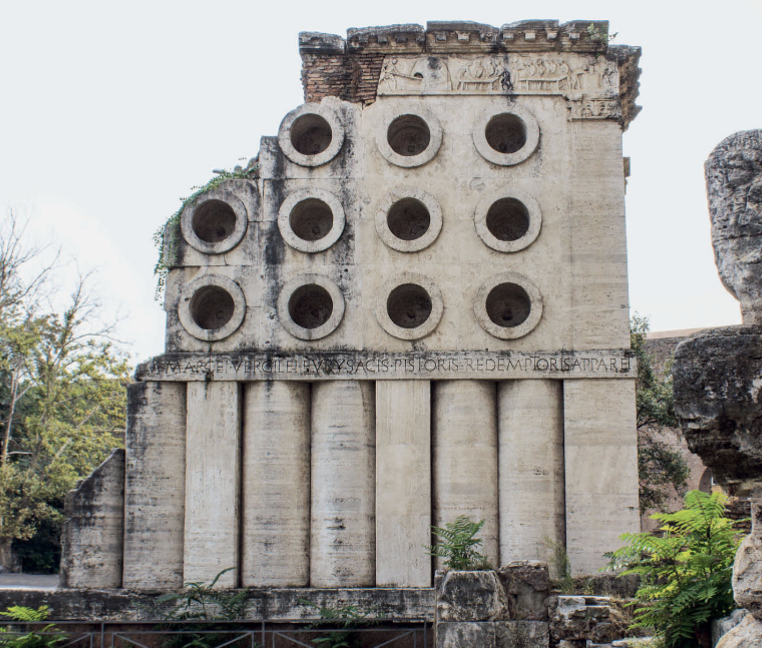
Tomb of Eurysaces, Rome, Italy; 30 BCE; concrete; tomb of the baker
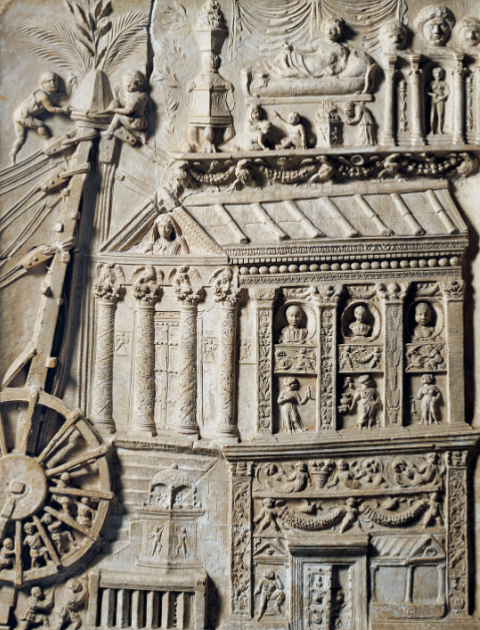
Relief from the Tomb of the Haterii, Rome, Italy; 79 - 80 CE; tomb-building relief, construction
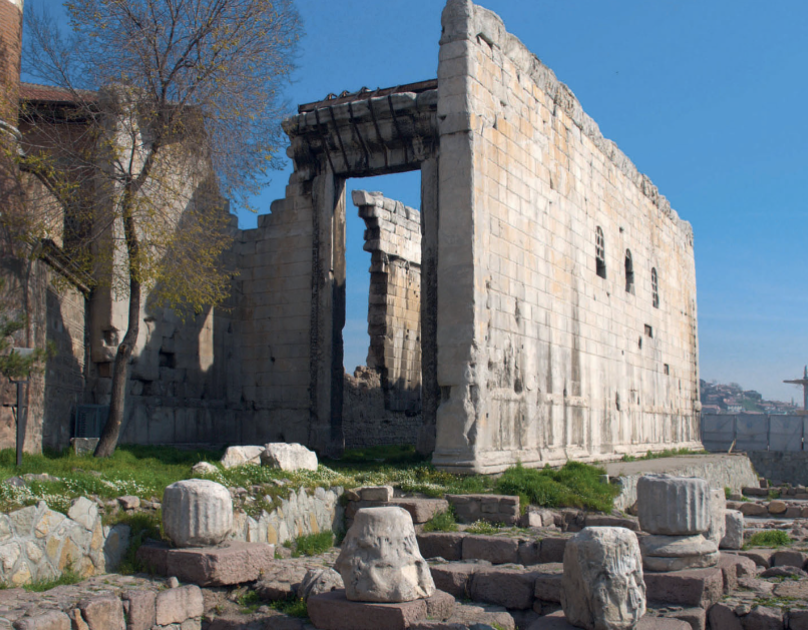
Temple of Roma and Augustus, Ankara, Turkey; 1st century CE; architecture order is Ionic and peripteral (Asiatic)
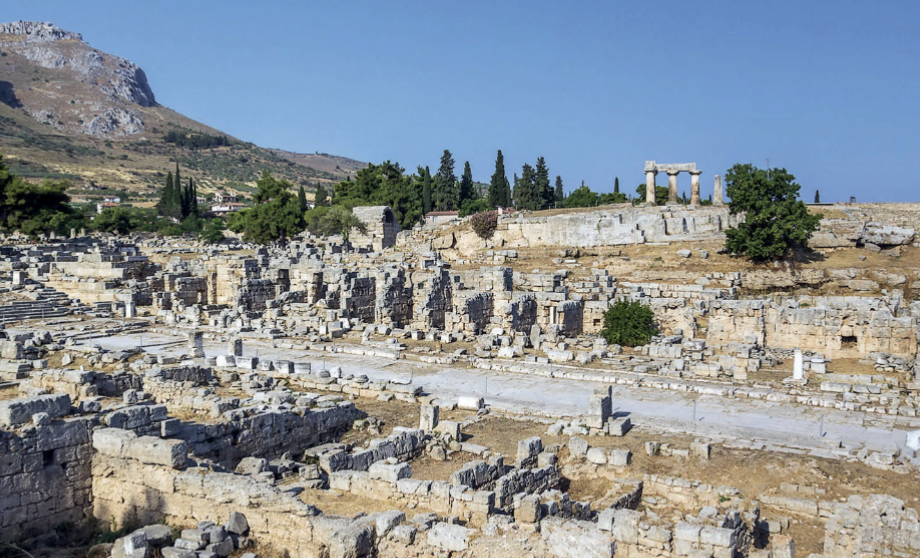
Remains of the forum of Roman Corinth; Archaic temple to Apollo seen in the distance
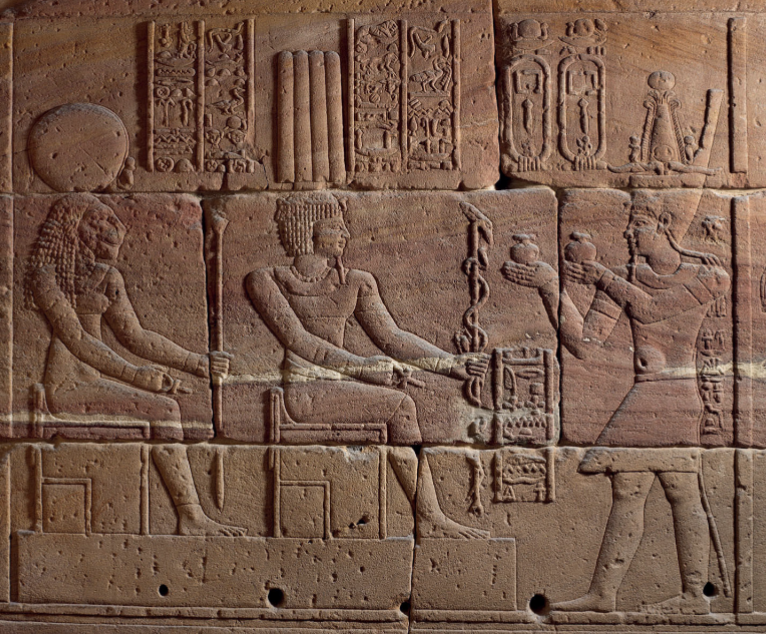
Relief from the Temple of Dendur, Egypt; 1st century CE; Augustus replaced images of pharaohs
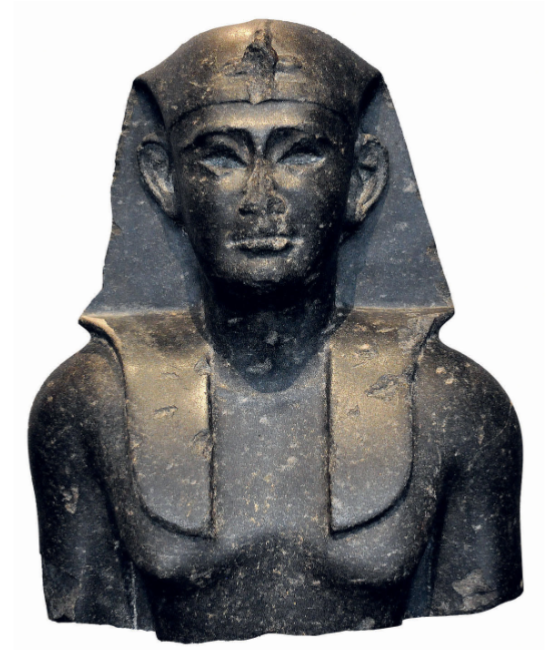
Egyptianized portrait of Augustus; 1st century CE
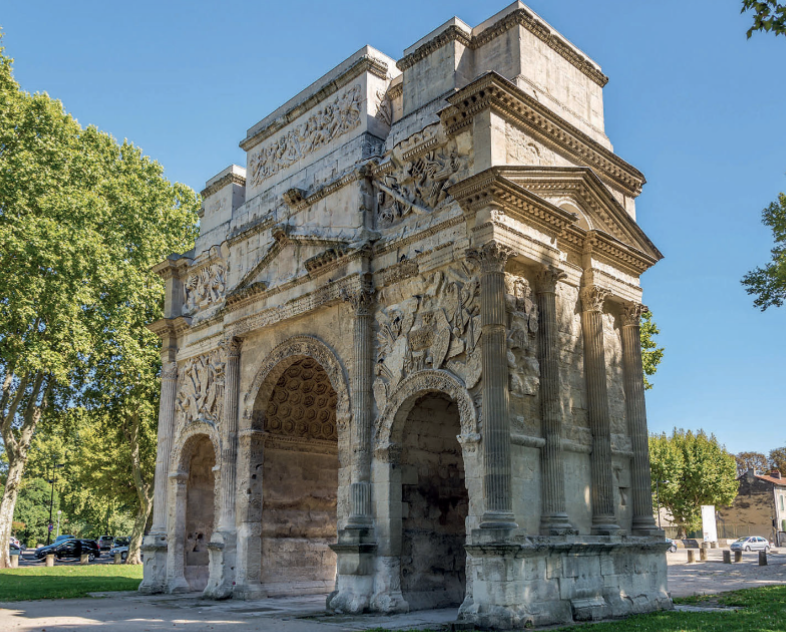
Side of the Arch of Tiberius, Orange, France; 14 - 18 CE; Corinthian columns
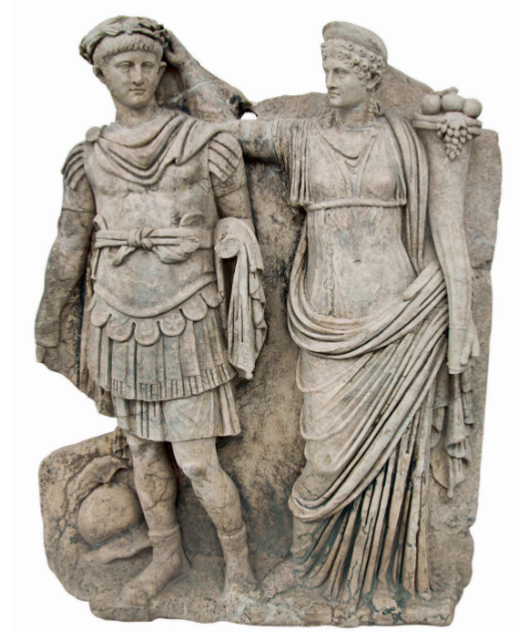
Relief from the Sebasteion, Aphrodisias, Turkey; 1st century CE; marble; Nero as a general being crowned by his mother Agrippina
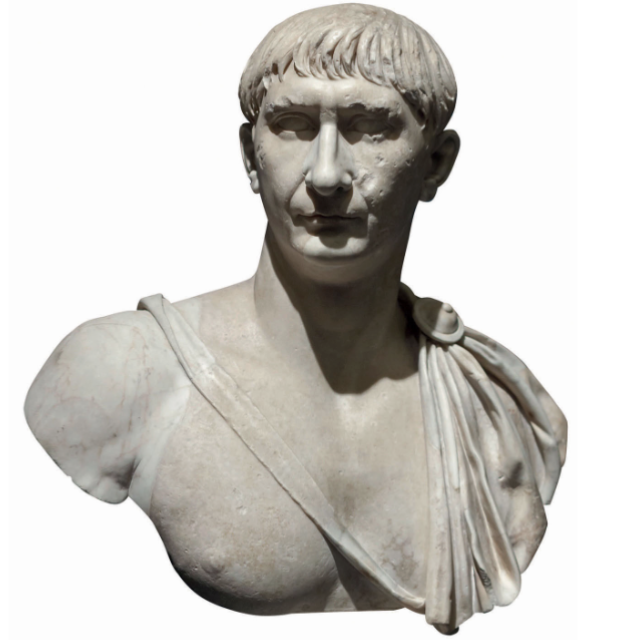
Portrait of Trajan, Italy; 2nd century; marble; Augustan style
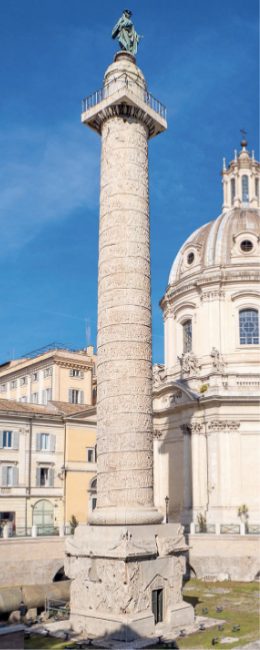
Column of Trajan, Trajan’s Forum, Rome, Italy; 113 CE; a continuous frieze winds around the column depicting Trajan’s two campaigns against the Dacians
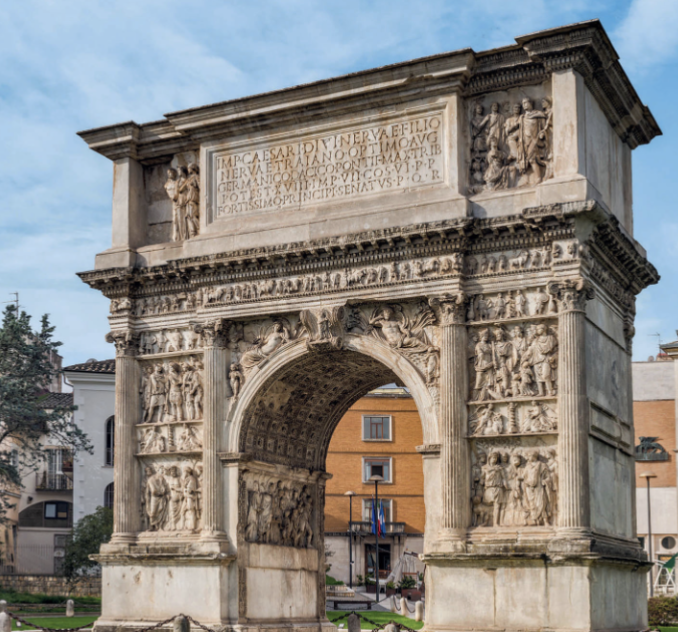
Arch of Trajan, Beneventum, S. Italy; 114 - 17 CE; connected Rome with the Adriatic coast of Italy
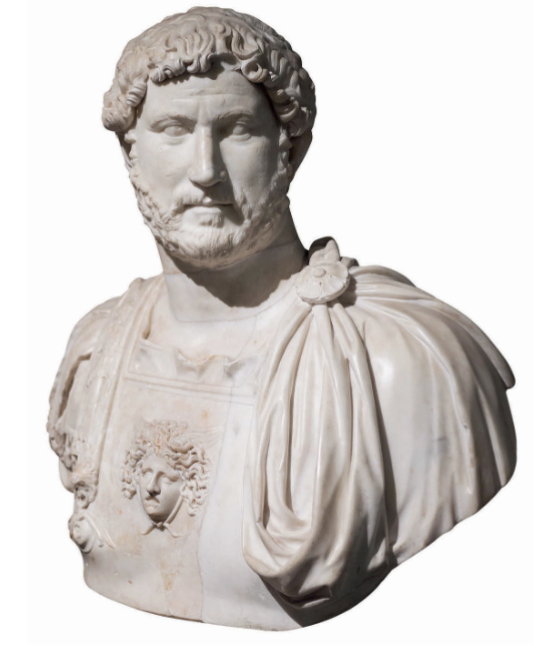
Hadrian in cuirass; 117 - 38 CE; marble; depicts him in military attire
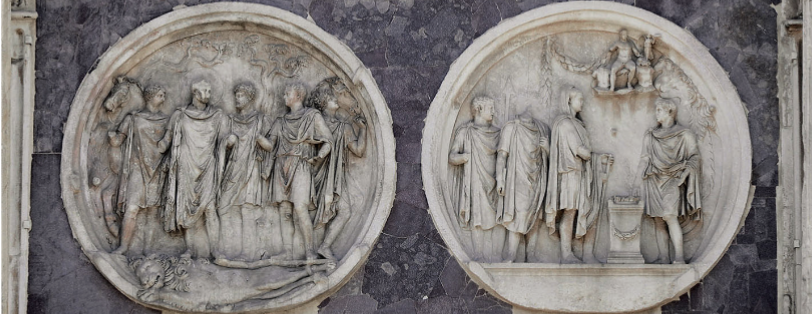
Roundels from the Arch of Constantine, Rome, Italy; 130 - 38 CE; a lion hunt and sacrifice to Hercules
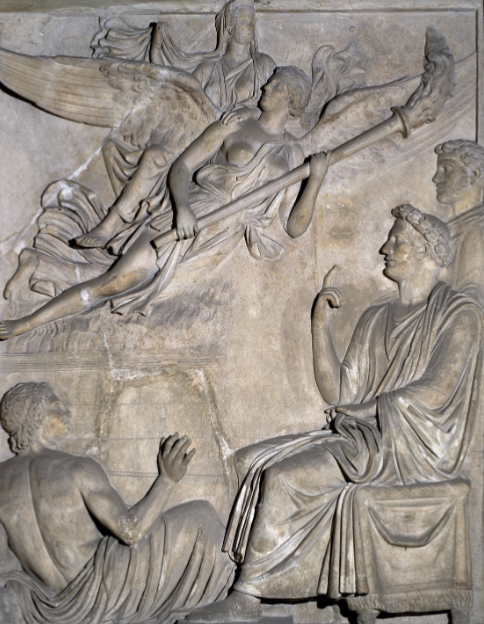
Conservatori relief showing the apotheosis of Sabina, Rome, Italy; 137 - 38 CE; marble; Hadrian is seated
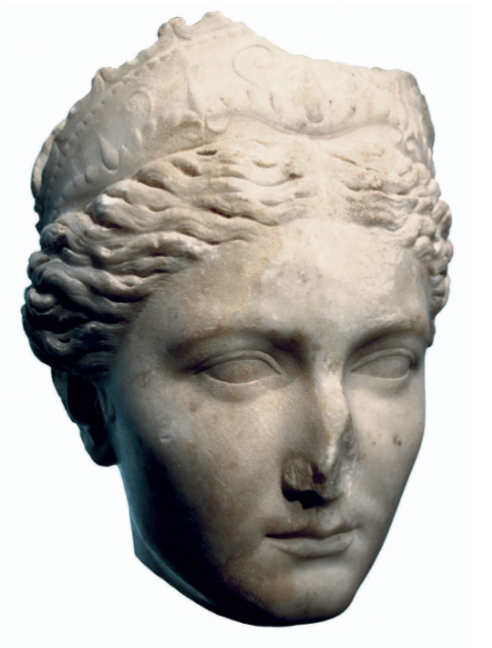
Portrait of Sabina; 130 CE; marble; Classicizing style
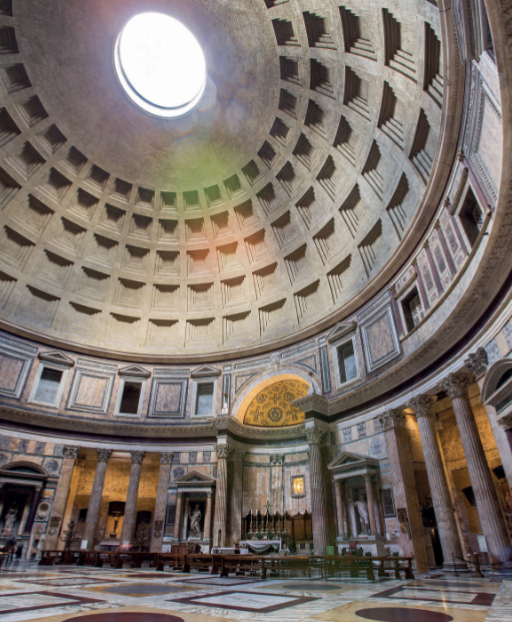
Interior of the Pantheon, Rome, Italy
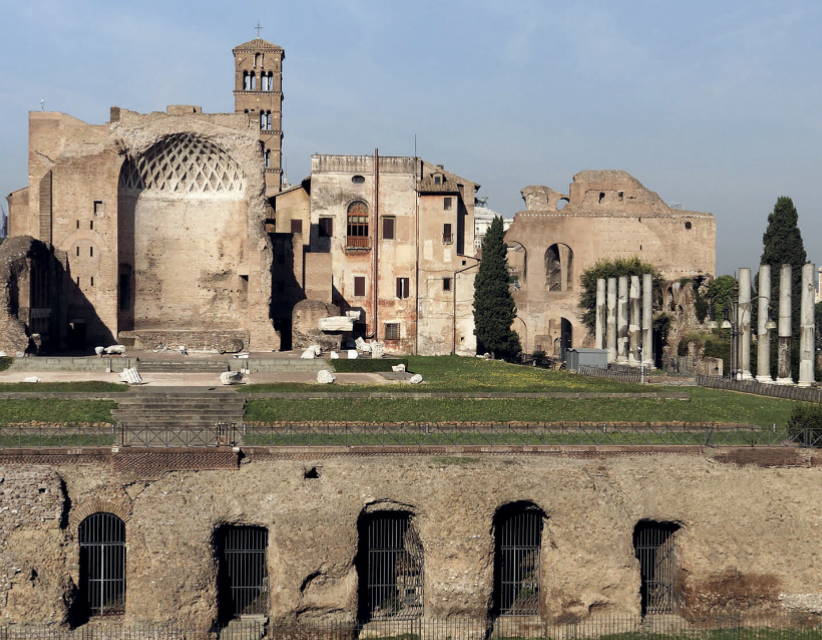
Temple of Venus and Roma, Velian Hill, Rome, Italy; 135 CE
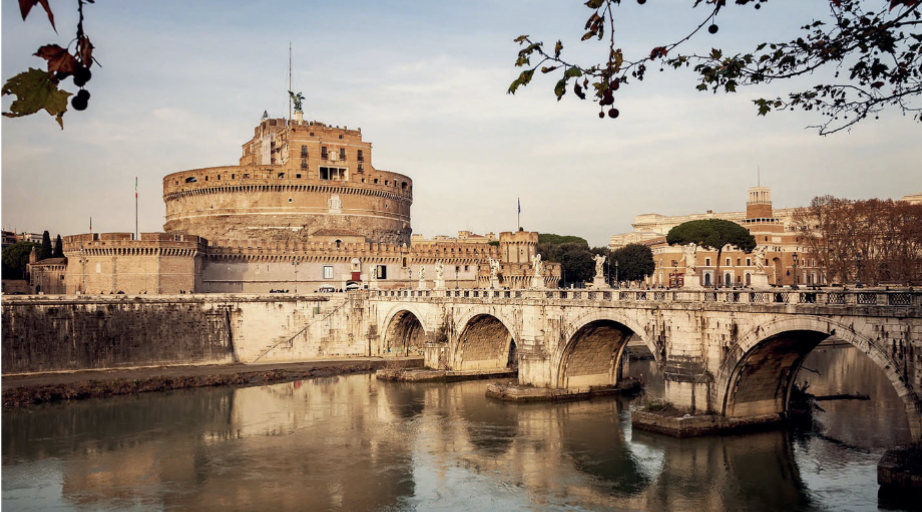
Hadrian’s Mausoleum, Rome, Italy; 134 - 39 CE; connected to the Campus Martius on the other side of the Tiber via the Pons Aelius
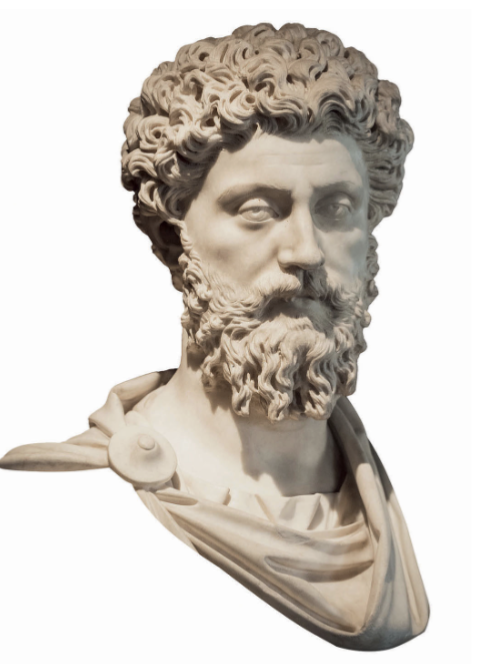
Portrait of Marcus Aurelius; 161 - 80 CE; marble; longer hair and intricate, grown out beards
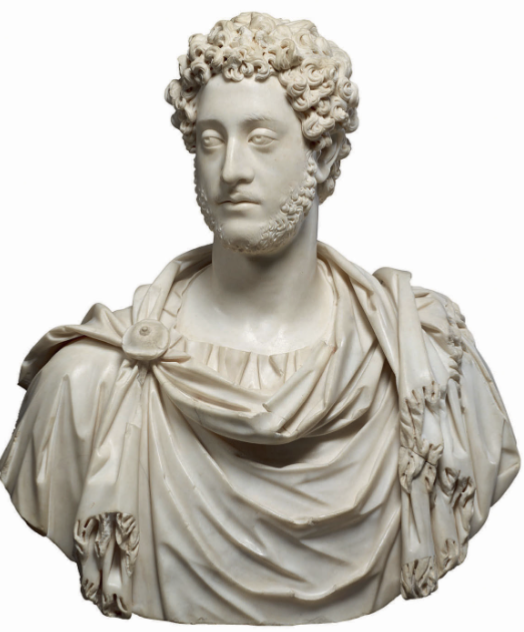
Portrait of Commodus; 180 - 85 CE; marble
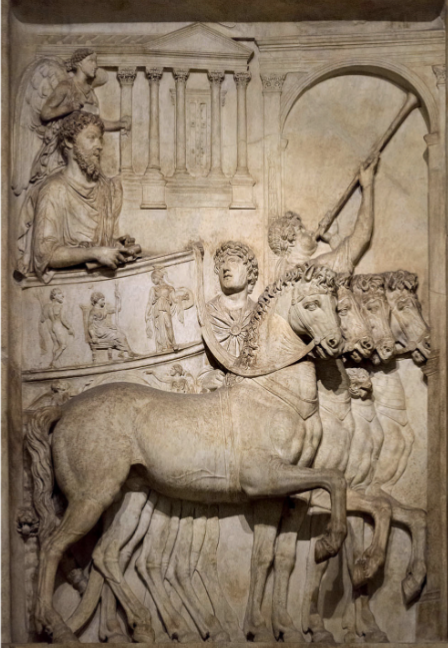
Relief from the Arch of Marcus Aurelius, Rome, Italy; 176 CE; depicts the shared triumph of Marcus Aurelius and Commodus over Germanic tribes
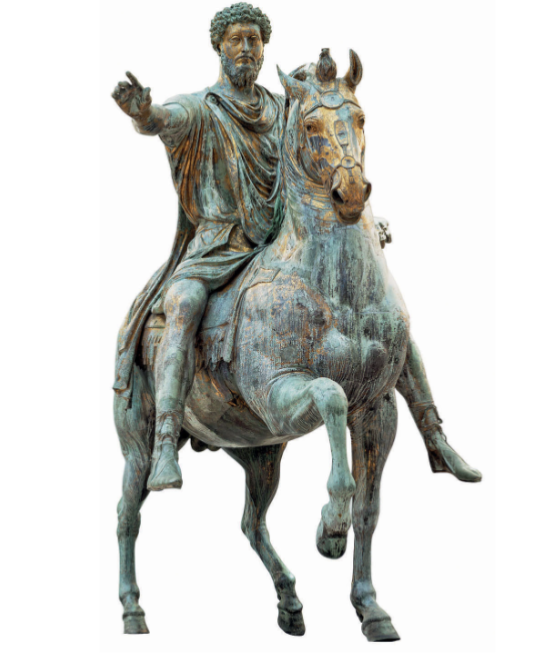
Equestrian statue of Marcus Aurelius, Rome, Italy; 175 CE; bronze
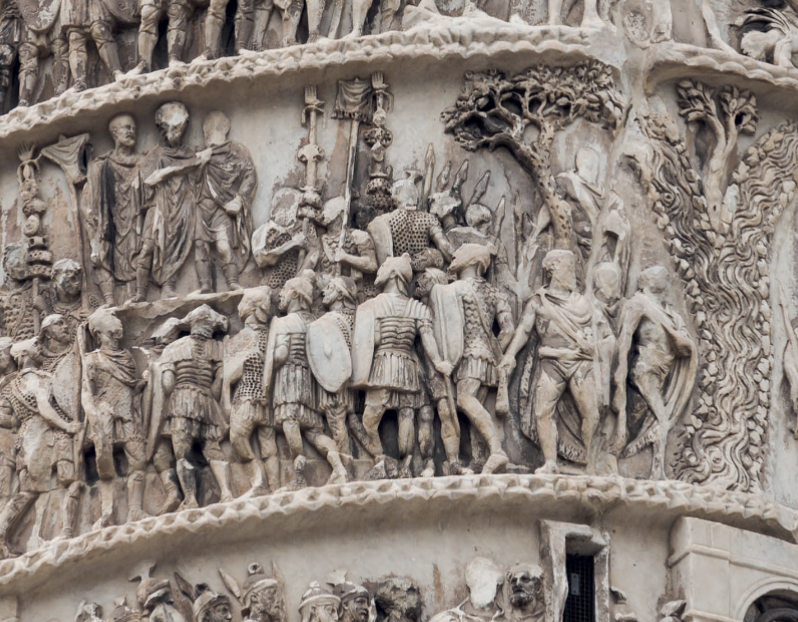
Frieze from the Column of Marcus Aurelius, Rome, Italy; 180 - 93 CE; river battle
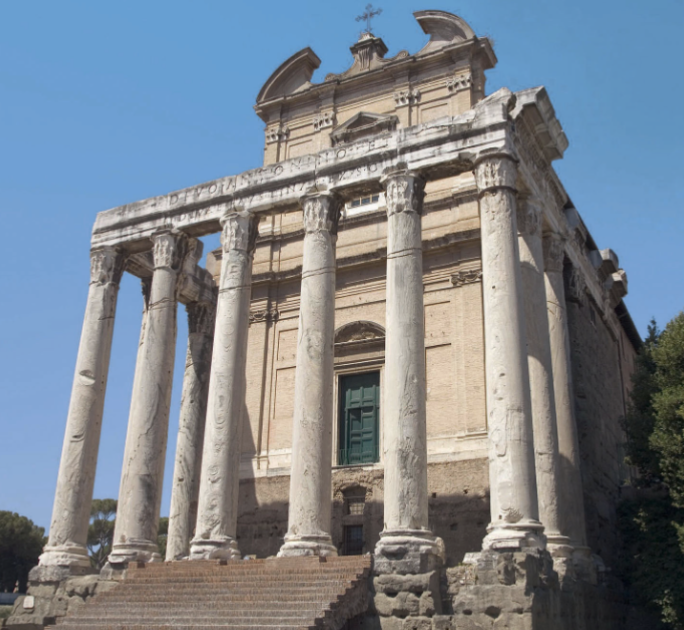
Temple of Antoninus and Faustina, Rome, Italy; 141 CE
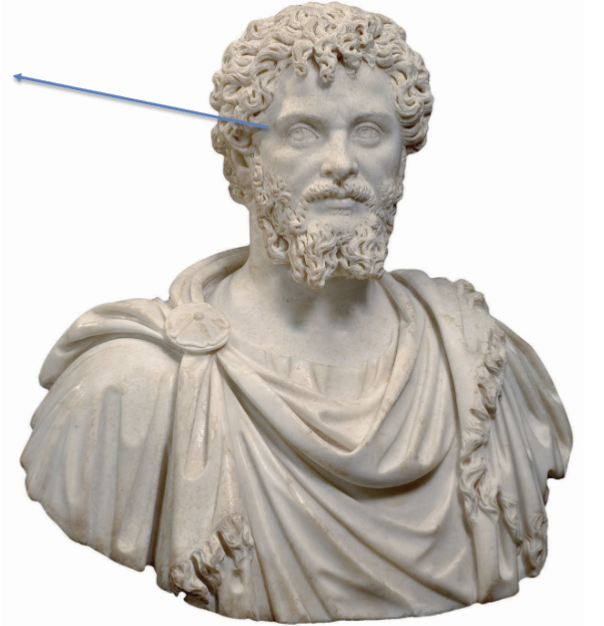
Portrait of Septimius Severus; 200 - 11 CE; marble
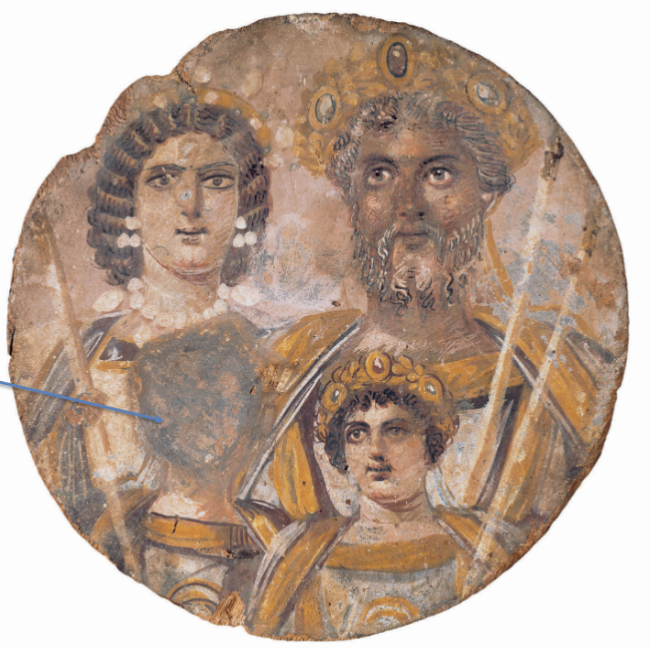
Severan Tondo; 200 CE; wood; panel depicts the imperial family: Julia Domna, Geta, Caracalla, and Septimius Severus
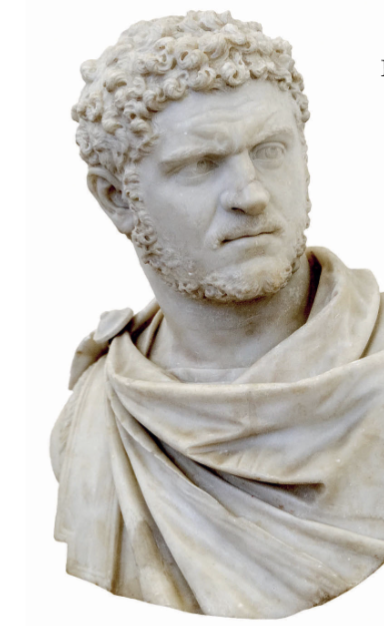
Portrait of Caracalla; 212 CE; marble; the first emperor to be portrayed as a soldier
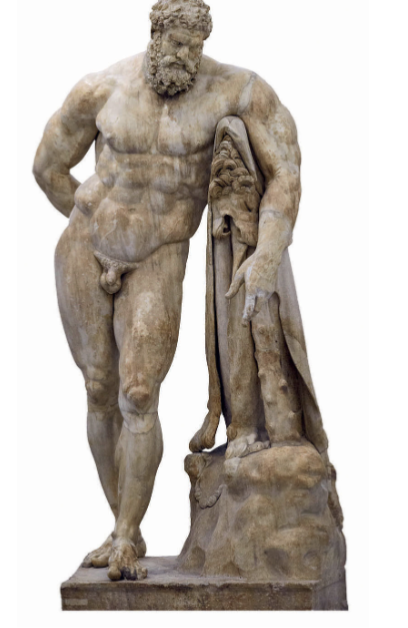
Farnese Hercules, Baths of Caracalla, Rome, Italy; 211 - 17 CE; marble; exaggerated version of early Hellenistic statues
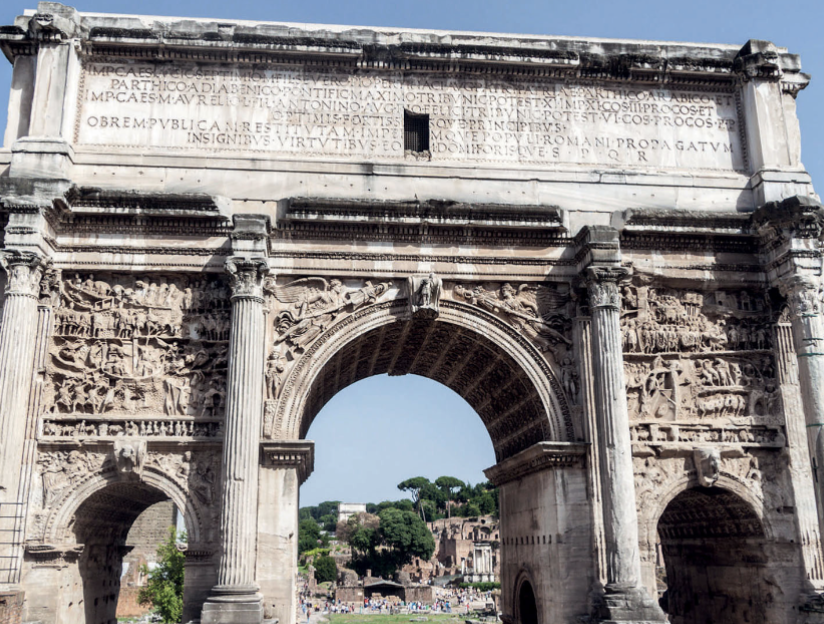
Arch of Septimius Severus, Republican Forum, Rome, Italy; 203 CE; victory monument
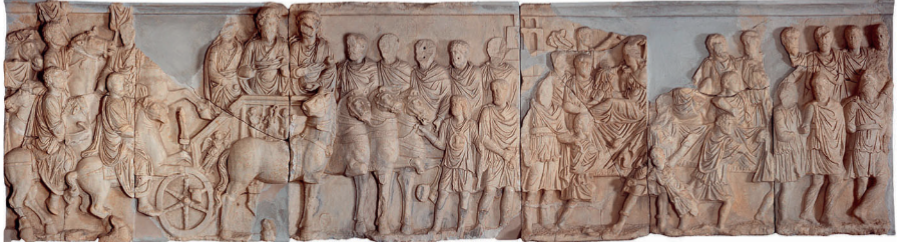
Panel from the Arch of Septimius Severus, Leptis Magna, Libyal 203 CE
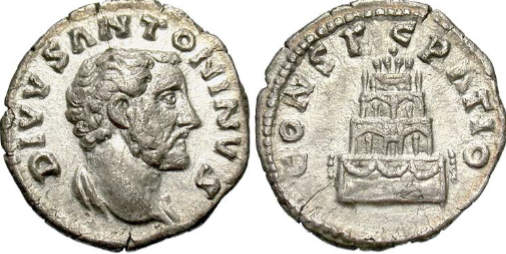
Divus Antonius Pius coin after 161
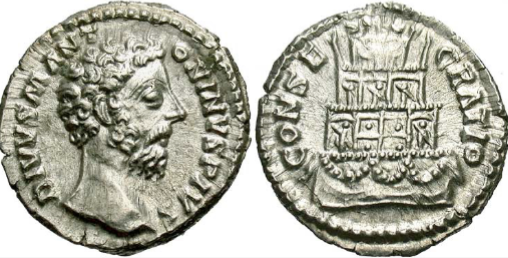
Divus Marcus Aurelius coin 180
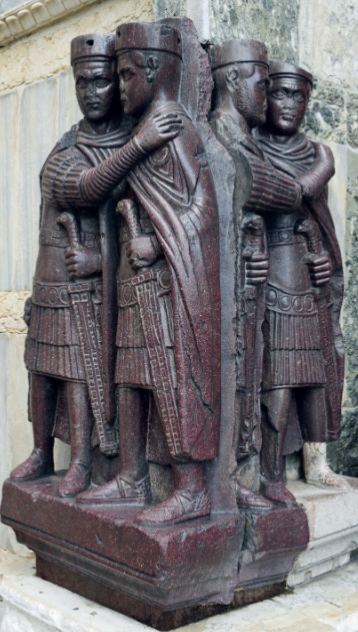
Tetrarch Group, Constantinople, Turkey; 300 CE; porphyry
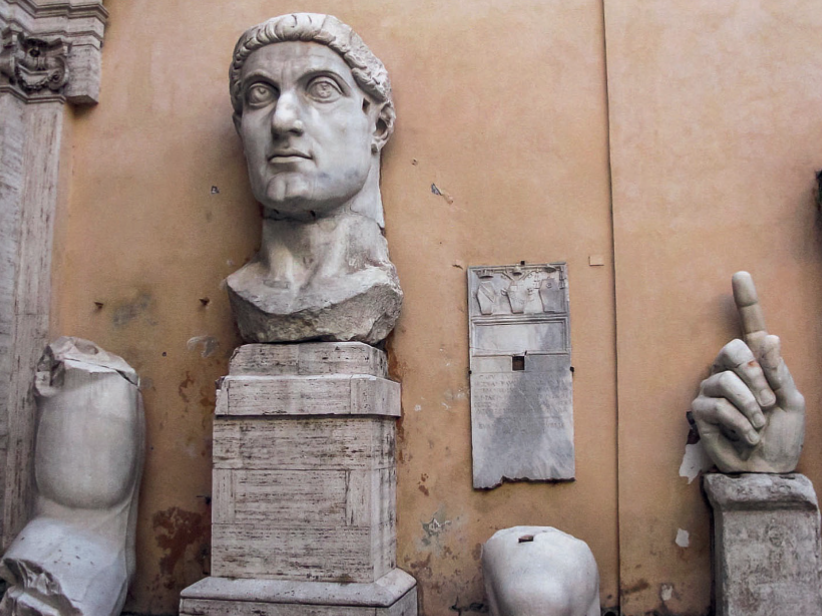
Colossal Constantine from the Basilica Nova, Rome, Italy; 312 CE; Classical influence
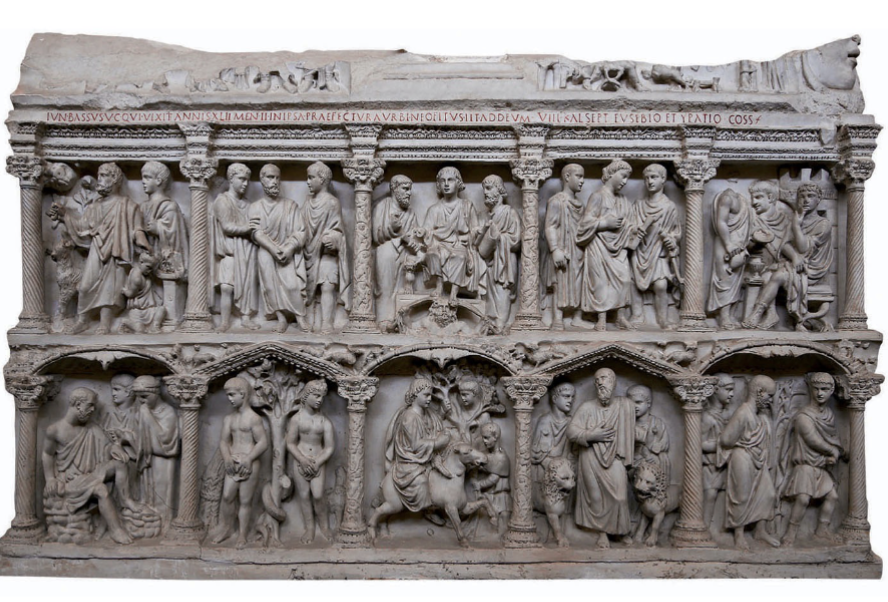
Sarcophagus of Junius Bassus, Rome, Italy; 359 CE; marble; contains scenes from the Old and New Testaments
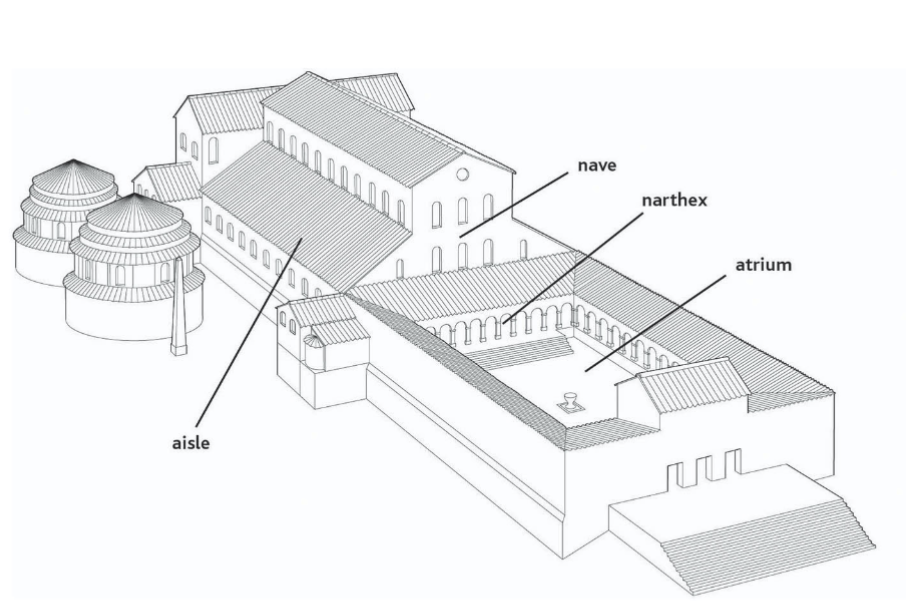
Reconstruction of the Basilica of St. Peter 319 - 330 CE