Physical Existence after Death: PE after Death - Self, Death & Afterlife
 Call Kai
 Learn
Learn Practice Test
 Spaced Repetition
 Match
Match Flashcards
 Knowt Play
1/20

There's no tags or description
Looks like no tags are added yet.
Name | Mastery | Learn | Test | Matching | Spaced | Call with Kai |
|---|
No analytics yet
Send a link to your students to track their progress
21 Terms
Hard Materialism: Overall view
There is no continuing personal existence after death.

Hick's Replica Theory: Overall view
Life after death is a logical possibility.

Christianity: Overall view
Physical / Spiritual resurrection based on accounts of the resurrection of Jesus.

Why do Hard Materialists reject personal existence after death?
- A person's identity = Linked inextricably to the physical body
- When our physical life ends, so does all mental activity

Hard Materialism: Bertrand Russell
- Ideas about surviving death come from fear of death
- Continual change in us means there can be no distinctive identity
- We are simply a collection of experiences that arise out of memory & habit
Hard Materialism: Anthony Flew
- Idea of life after death = 'Linguistically incoherent"
- Talk of life after death is talking about survivors of near-death experiences, which is contradictory
- Personal pronouns such as "I" and "you" can only refer to living organisms that we can experience / interact with
Strength of Materialist views
Existence of life after death is incapable of empirical proof

Weakness of Materialist views
- Cannot be proved there is no life after death
- E.g. near-death (NDE) & reincarnation experiences might support the possibility
- Many Christians believe that Jesus' resurrection was an actual event

NDE Example: Anita Moorjani
- Was in a coma due to lymphoma
- Reported an NDE where she felt "love" and understood the cause of her illness
- Woke up and experienced a rapid, medically baffling recovery

Reincarnation Memory Example: James Leininger
- Started at age 2
- Had nightmares about a WWII plane crash
- He identified his past life as "James Huston Jr.," a pilot who died when his plane was shot down by the Japanese.
- He accurately named his aircraft carrier (Natoma Bay), a fellow pilot (Jack Larsen), and knew his sister's name (Annie), which was confirmed by Huston's surviving family.

Hick's Replica Theory
- Claims about life after death = Cognitive statements, so can be debated
- Three scenarios to his thought experiment
- Did not believe life after death would be like the third scenario, he was just showing life after death could be a logical possibility.
Hick's first scenario
A living person transported in the blink of an eye from one part of the world to another.
Hick's second scenario
A dead person in one part of the world and the appearance of a "replica" in another.

Hick's third scenario
A dead person on Earth and his / her appearance as a resurrected person in another sphere.
Strengths of Hick's Replica Theory
- If Hick is right in his belief that God = Omnipotent, then bodily resurrection must be logically possible
- His belief about future states of existence aligns with reincarnation

Weaknesses of Hick's Replica Theory
- Would the replica truly be you, or just a perfect copy?
- How does embodiment work in a new realm?
- Does not align with traditional Christian doctrines about afterlife

Christian beliefs
- Gospels & Paul's teachings = Jesus' resurrection as bodily
- Jesus' own teachings = Resurrection as spiritual
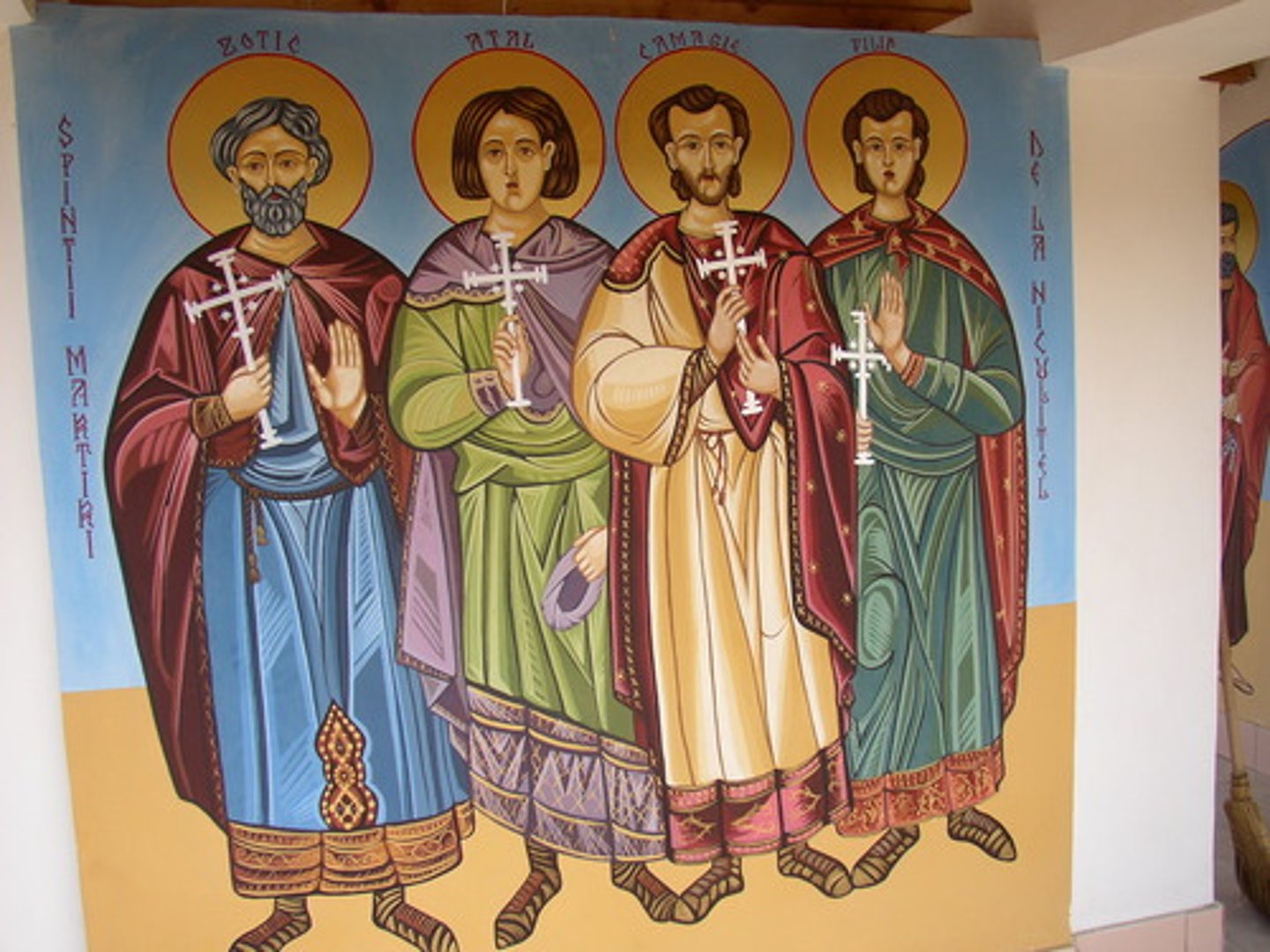
Gospels and Paul's teachings
- All record the empty tomb
- Three record resurrection appearances
- Paul lists resurrection appearances & speaks of bodily resurrection
- Nicene creed also states belief in bodily resurrection
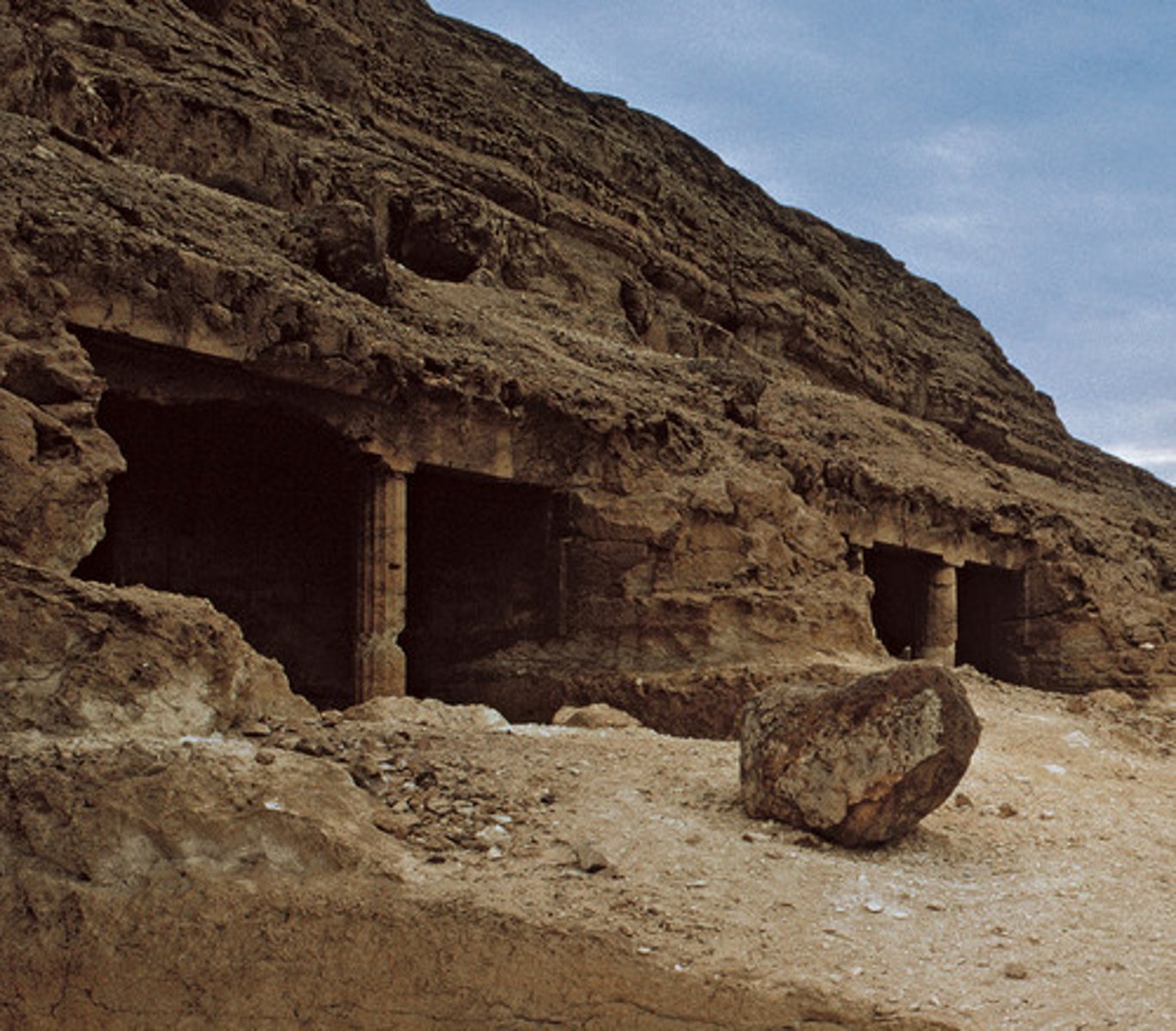
Jesus' teachings
- In his teaching on the resurrection of Christians, he thinks in terms of continuity yet discontinuity
- Before death, we have an earthly body
- After death, we have a spiritual body

Strength of Christian belief
Liberal Christian understanding of resurrection as metaphysical claim (spiritual bodies) renders scientific investigation inappropriate.

Weakness of Christian beliefs
Literalist Christian understanding of the resurrection = Contrary to scientific fact that dead bodies don't come back to life