AP Human Geo Models and Theories (copy)
 AP Practice
 Call Kai
1/31

Earn XP
Description and Tags
source: https://library.fiveable.me/ap-hug/faqs/ap-human-geo-models-theories/blog/iBpHvi6ltOi8naATRMGv
Name | Mastery | Learn | Test | Matching | Spaced | Call with Kai |
|---|
No analytics yet
Send a link to your students to track their progress
32 Terms
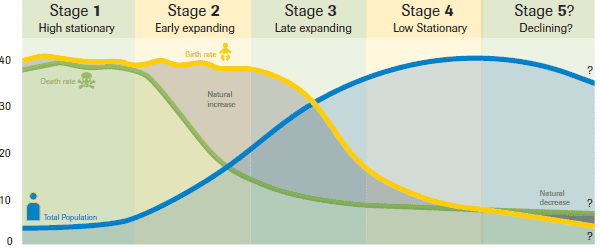
Demographic Transition Model
says- a process with 4 steps in which every country moves through, once a country enters a new stage it will not go back to a previous stage.
Stage 1: Low Growth (high CBR&CDR, low NIR)
Stage 2: High Growth (high CBR&NIR, low CDR)(happened due to industrial revolution)ex:Cape Verde, Nicaragua Stage 3: Moderate Growth(decreasing CBR,CDR,NIR)(happens when people decide to start having less kids) ex:Chile,
Stage 4:Low Growth(CBR=CDR, has ZPG) ex: USA, England, Luxemburg
Stage 5:unofficial stage (low CBR, increasing CDR) ex: Russia
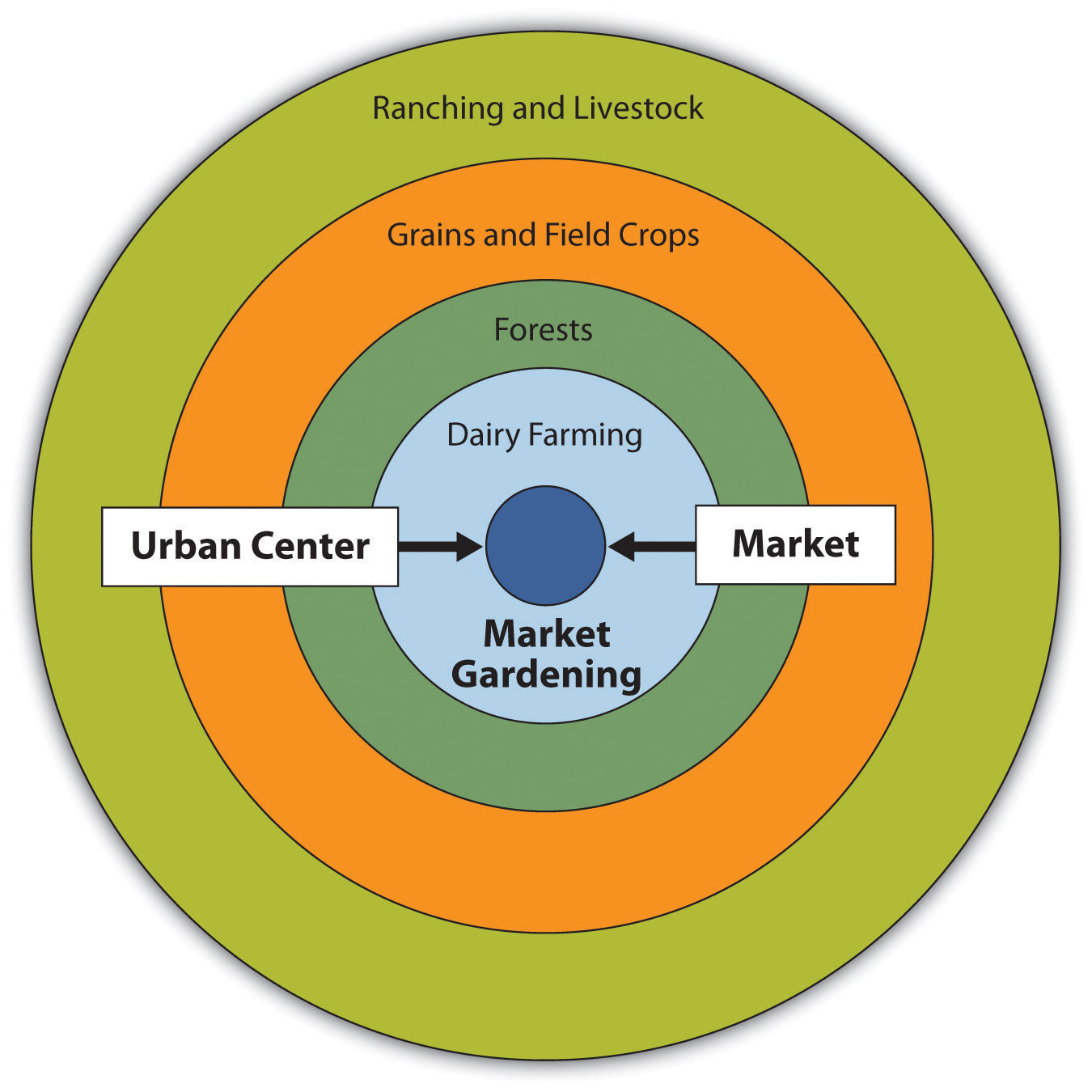
Von Thunen Model
Hearth-1826, Germany, by Johann Heinrich Von Thunen
says- What farmers produce varies upon distance from market
-takes into account cost of tranportation (which governs use of land) \n -assumes no natural features (land uniformity) \n -model places market in middle surrounded by dairy, then forestry (lumber), then grains and field crops, and lastly ranching and livestock
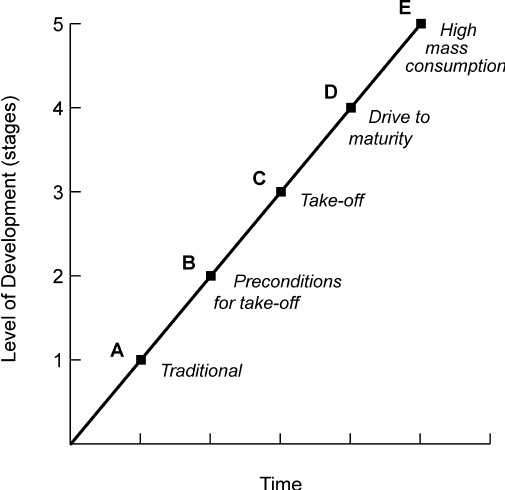
Rostow's Development Model
Hearth-W.W. Rostow, 1950
says- all countries move through 5 steps to development and modernization through selling resources and global participation (productive) \n Step 1: Traditional Society:high in agriculture but unproductive and developed \n Step 2:Preconditions of Takeoff:development begins with innovative leader who starts to buy technology \n Step 3:Takeoff:Same areas start to produce and become productive and bring in $ \n Step 4:Drive to Maturity: Technology diffuses and workers become more specialized \n Step 5:High Mass Consumption: More specialized jobs and become consumers
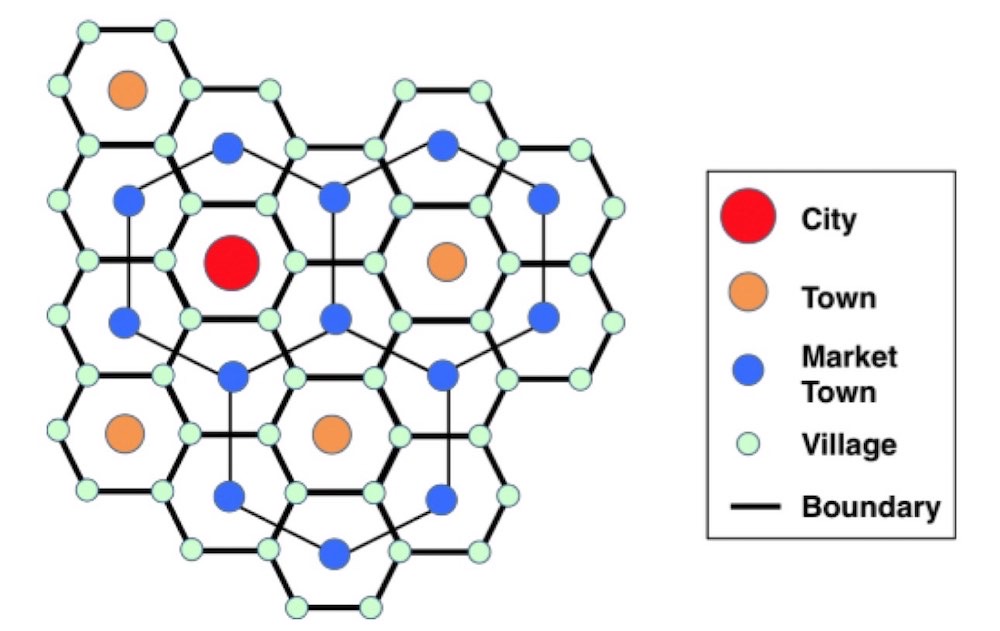
Central Place theory
Hearth-Walter Christaller
says- where central places in the urban hierarchy would be functionally and spatially distributed (hexagon shaped areas) \n -hierarchy: city,town,village, hamlet \n -assumes that all land is the same (equal, no valleys mnts) \n ex: Iowa
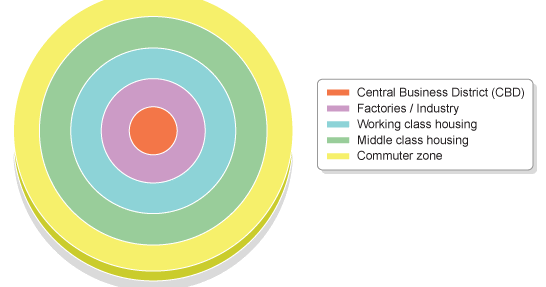
Concentric Zone Model
hearth-1923, E.W. Burgess
says-cities grow outwards from the CBD in rings \n 1st inner ring-CBD \n 2nd-Transiton Zone (poorer, immigrants) \n 3rd-Working Class Homes \n 4th-Newer spacious homes \n 5th-commuters
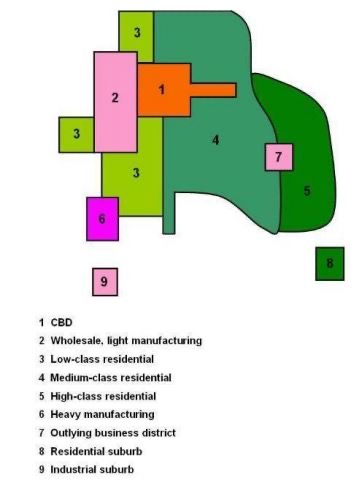
Multiple Nuclei Model
hearth-1945, E.L. Ulman \n says-cities are a complex structure w/ more than 1 center \n -also says certain things are more attracted to certain areas \n ex: airports attract hotels and universities attract pizzerias
Peripheral Model
-good ex for N. America
says- an urban area consists of a central area surrounded by other districts and places and enclosed by a major road \n -model points to problems of segregation that characterizes many suburbs
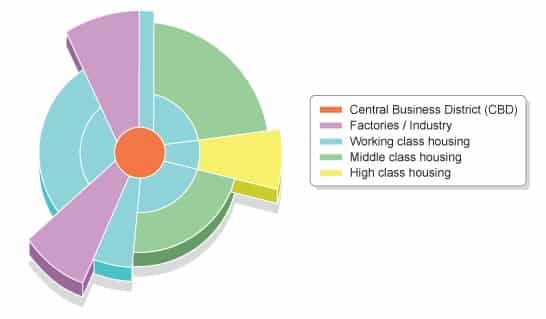
Hoyt
Sector Model
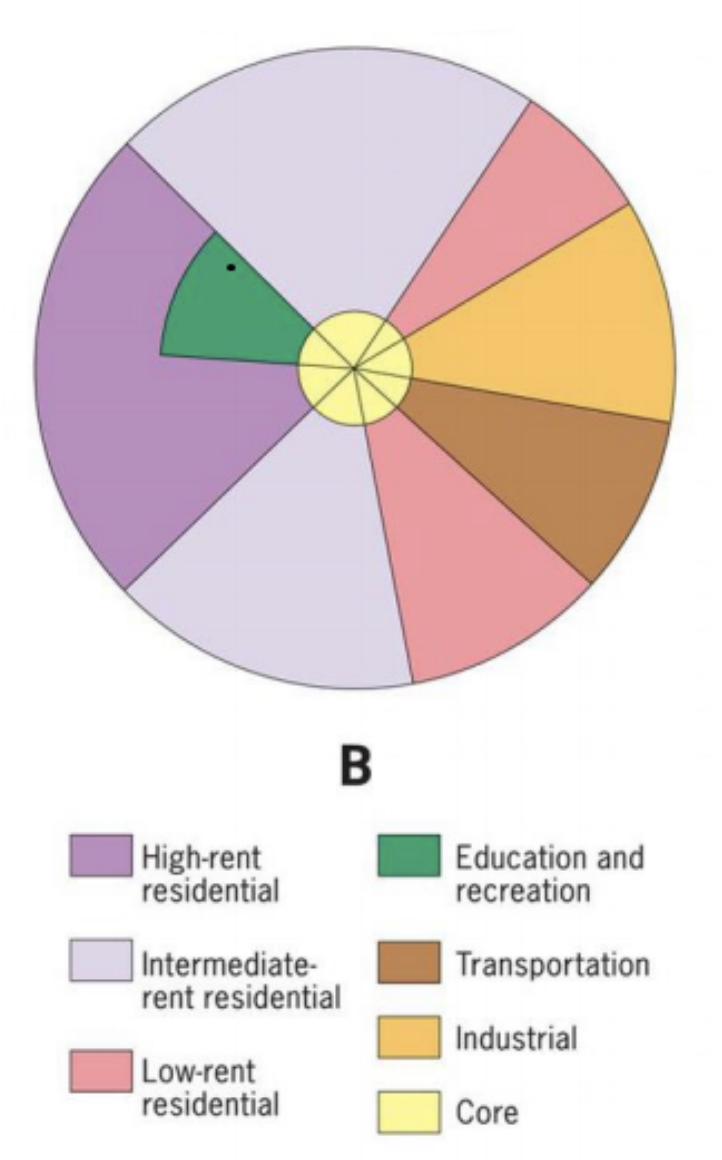
Sector Model
hearth-1939, homer hoyt
says-city develops in sections or wedges not rings \n -grows outwards in wedges \n -best housing is on edges \n ex of model:chicago
HDI
says-determines a country's development based on economic, social, and demographic indicators (given in %)
economic indicators- GDP per capita \n Social indicator- Literacy rate \n Demographic indicator-life expectancy
Wallerstein World Systems Theory
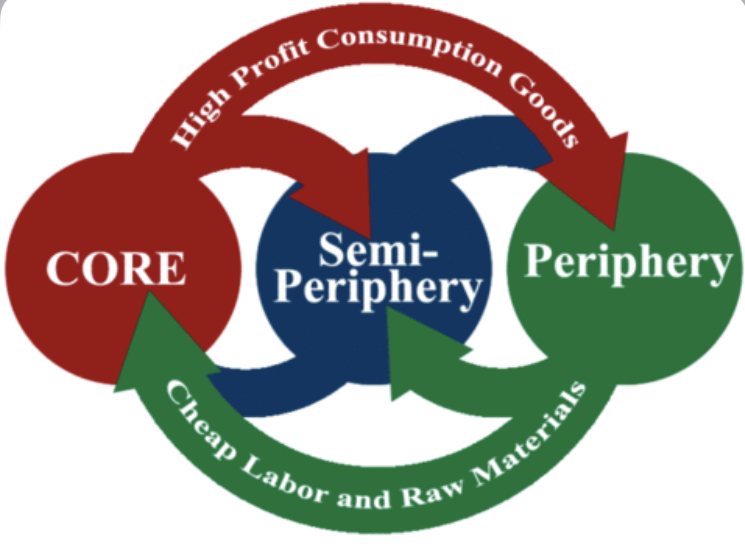
says-the world economy has a 3 tier structure
Core: generates wealth in economy, high levels of education, technology, and salaries(RICH) \n ex:USA \n Periphery:generates less wealth in world economy lower level of education, technology, and salaries(POOR) \n ex:congo \n Semi-periphery: a buffer zone between Core&periphery both can exist \n ex: brazil, india, china, mexico
Losch's Location Theory
says- manufacturing plants choose locations where they can maximize profit
where they can maximize profit \n -can maximize profit when income is higher than the cost to make it \n ex:fur stores in vail, co
Hotelling's Location Theory
says-location of an industry cannot be understood w/o references to other industrys of the same kind
ex:gas stations are always next to each other
Weber's Location Theory
says- says-manufacturing plants will be where costs are the least
ex:cheap labor, maquiladoras
Lee's Migration Theory
Divides factors causing migrations into two groups of factors, push and pull. The factors are either economic, cultural, or environmental
push- things that are unfavorable about the area that one lives in \n pull-things that attract one to an area
Ravenstein's Migration Theory
says-majority of migrants move short distances and if they migrate long distances its' to cities.
-urban residents migrate less than inhabitants of rural land. \n -families migrate less than individuals and men will travel further
Gravity Model
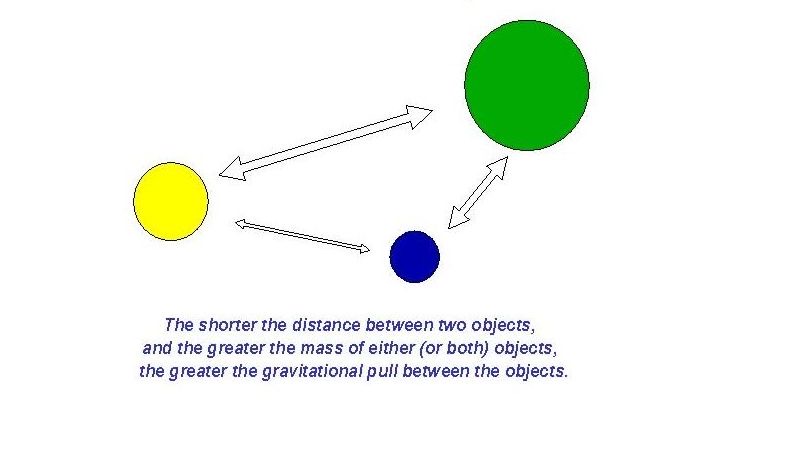
says-Distance and population size effect receiving and sending countries
-people will travel closer than far but large populations send more people. \n ex:china and india to US
Migration Transition Model
says-countries in stage 1 of DTM have internal migration
-most sending countries are in stages 2-3 (international emigration) \n -most receiving countries are in stages 3-4(int'l immigration)
Malthus Theory
claims-that worlds population is growing much more quickly than earth's food supply (1798)
Core-Domain-Sphere Model
says- a culture is more homogenous and intense in the core
Latitude
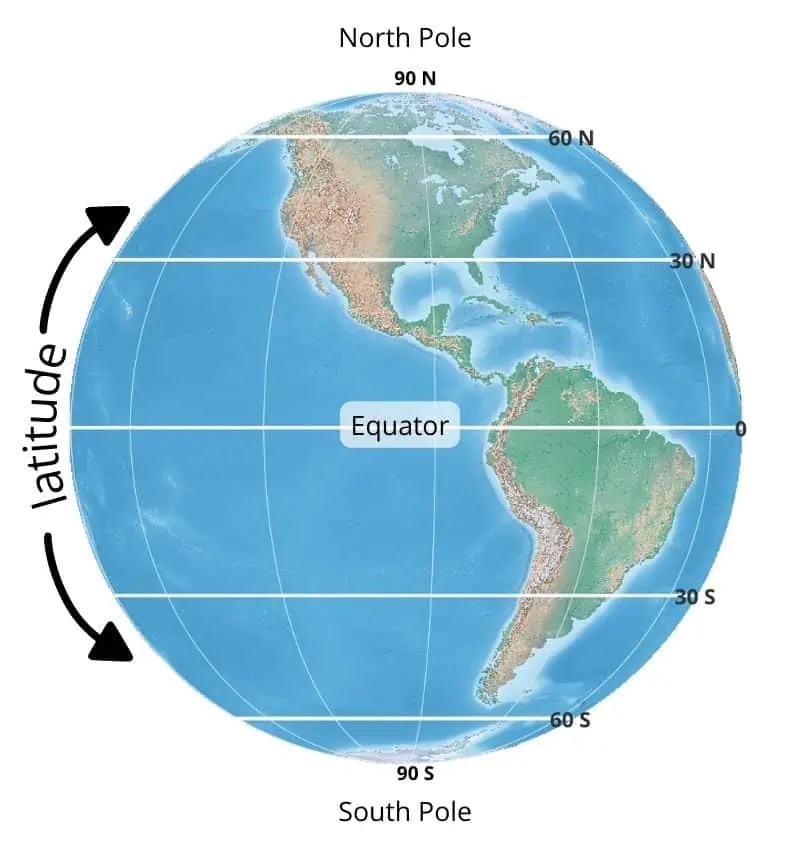
goes east to west across the equator
Longitude
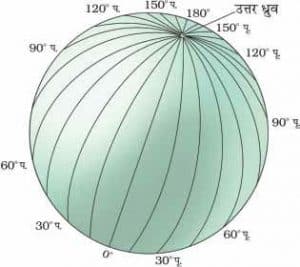
goes north to south across the prime meridian
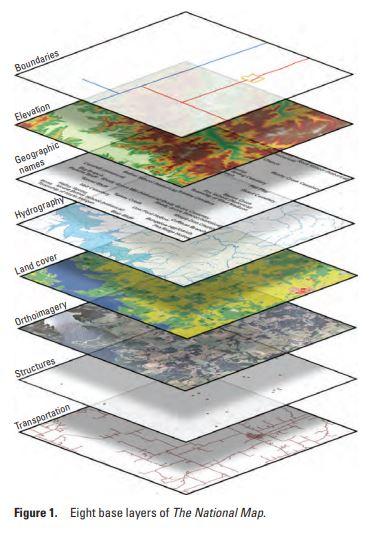
Geographic Information System
used to analyze data on maps using different layers
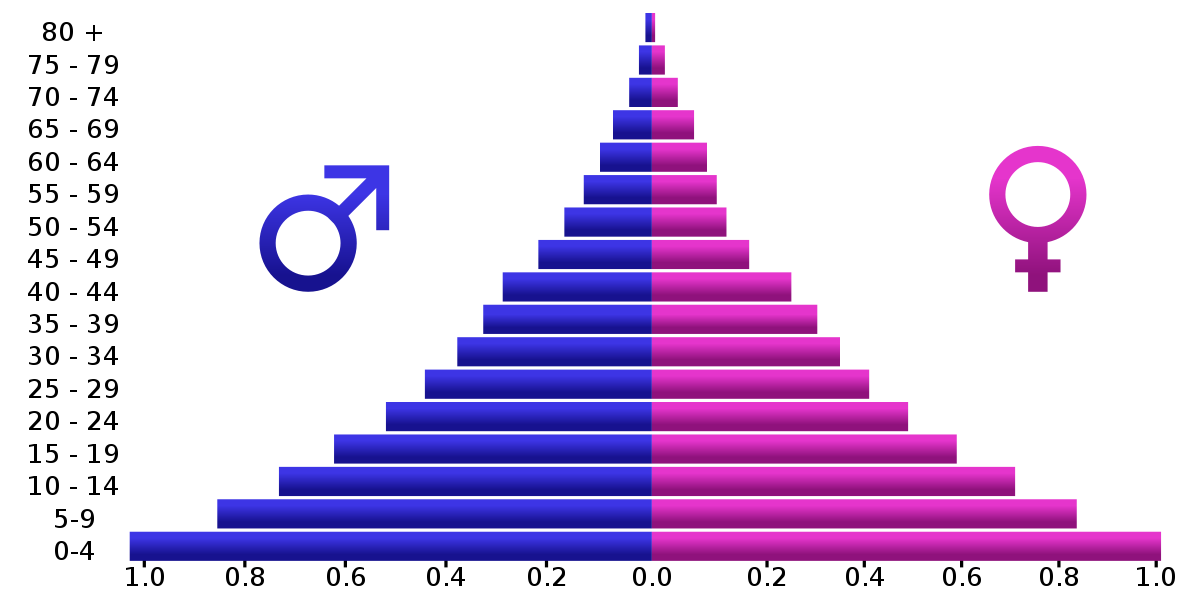
Population Pyramids
used to analyze the demographic makeup of a population, including age and gender
Epidemiologic Transition Model
each stage has a different disease that affects the population
Language Tree
The Indo-European family tree includes most langauges that derived from each other
Organic Theory
states are like living organisms that have life cycles (birth and death) and need "nourishment" in the form of acquiring less powerful states to survive.
Heartland and Rimland Theory
argued that the key of global power is to rule Eurasia
Ester Boserup’s Theory
A revision to Malthus that describes food production will increase in conjunction to population growth because of innovation.
Dependency Ratio
the core countries depend on the periphery for labor and raw materials while the periphery depend on the core for goods.
Rank Size Theory
A country's second largest city is half the size of its largest. The third largest city is 1/3 the size of the largest city. Basically, the nth largest city is 1/n of the largest city.
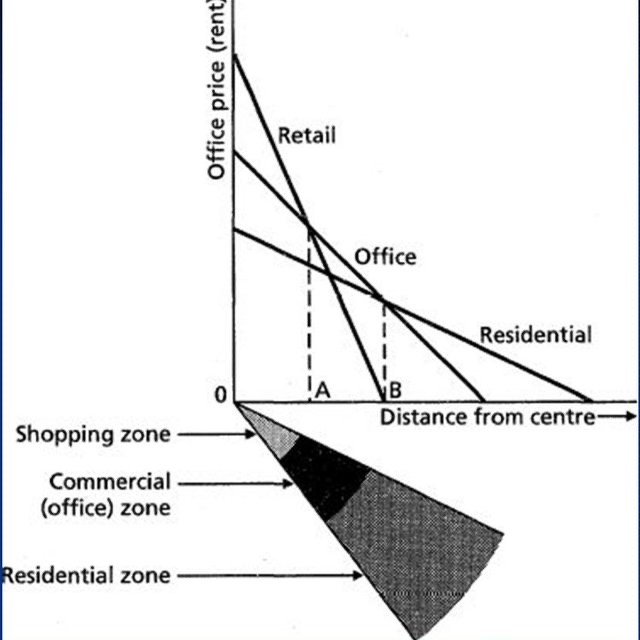
Bid Rent Curve
As distance from the city center decreases, the cost of land decreases.