Theoretical Frameworks for Community based practice
 Call Kai
 Learn
Learn Practice Test
 Spaced Repetition
 Match
Match Flashcards
 Knowt Play
1/18

Earn XP
Description and Tags
ch. 3. week 1
Name | Mastery | Learn | Test | Matching | Spaced | Call with Kai |
|---|
No analytics yet
Send a link to your students to track their progress
19 Terms
Theory
A systematic way of understanding events or situations- describes the relationships between the constructs, concepts, and principles on which it is
built
- Used to assist communities to improve occupational performance, health & wellness, quality of life, participation, role competence, well-being, and
occupational justice
- Theory provides a foundation for thinking
o Science driven
o Evidence based
Criteria of Good Theory
Fit
Understanding
Generality
Control
Occupation Based Theories
MOHO
Transactional perspective of occupation
Occupational eco sustainable community development approach
Occupational justice approach
Occupation focused prevention of illness and disability approach
Occupation focused health promotion
NON Occupation Based Frameworks
Health Belief Model
Transtheoretical Model of Health Behavior Change
Precede-proceed framework
Diffusion of Innovations Model
MOHO
How the human system selects and performs occupations
volition, habituation, and performance capacity
Performance Capacity
Interplay of physical, physiological, and cognitive capacities, observable
and objectively measured with client’s subjective experiences and
perspectives
Habituation
Internalized; consistent patterns of behavior; sense of order and predictability
Volition
Describes what motivates the individual, community, or population to engage in behaviors.
MOHO: How a system changes
Trajectory of change
Adaptive cycle
Maladaptive cycle
Transactional Perspective of Occupation (TPO)
Occupations are part of the transaction of persons and environments; relationships not just an individual
- Concepts
o Problematic situations
o Functional coordination
o Creativity
o Growth
Community Occupational influenced by
History
Sociocultural context
Various stakeholders
Physical setting
Goals and visions for the future
Community norms and values
Occupational ecosustainable community development approach
Restore balance with the natural environment
occupational justice approach
People are occupational in nature engagement is critical to well-being; people have a right to occupational engagement and participation in their environments of choice
Occupation Focused prevention of illness and disability approach
Occupation as a contributing factor to illness and recovery
Occupation Focused health promotion approach
Health education and preventive medicine
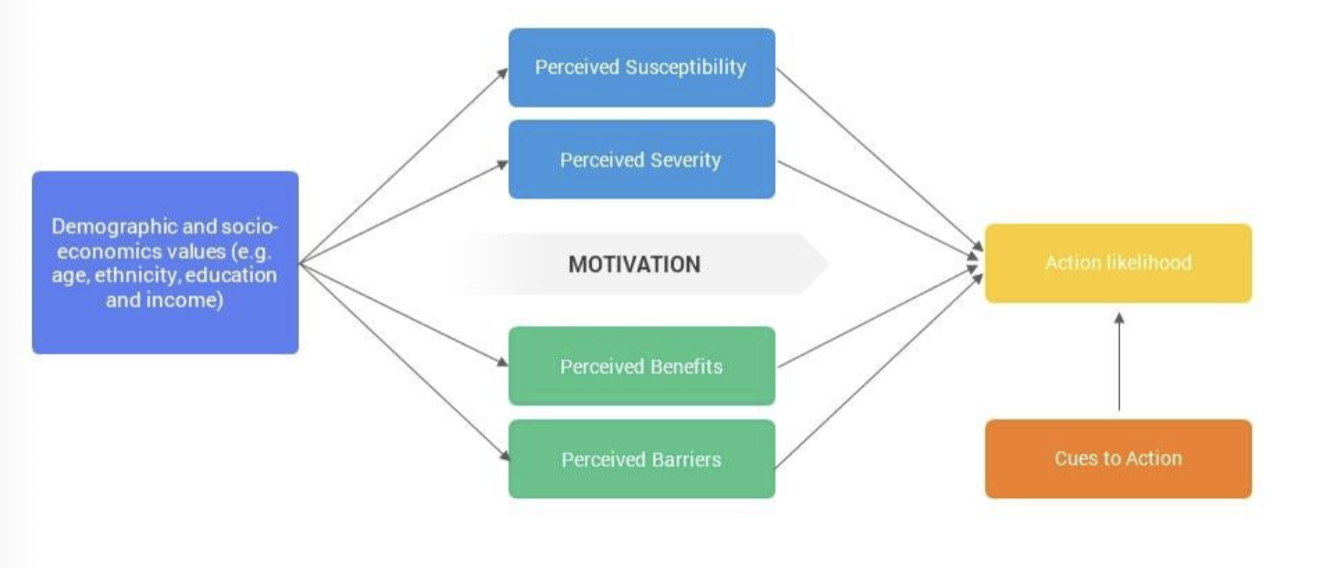
Health Belief Model
Perceived susceptibility
Perceived severity
Perceived benefits
Perceived barriers
Cues to action
Transtheoretical Model of Health Behavior Change
Precontemplation
Contemplation
Preparation
Action
Maintenance
Precede-Proceed Planning Model
Phase 1: Social Assessment
Phase 2: Epidemiological Assessment
Phase 3: Behavioral and Environmental Assessment
Phase 4: Educational and Ecological Assessment
Phase 5: Administrative and Policy Assessment
Phase 6: Implementation
Phase 7: Process Evaluation
Phase 8: Impact Evaluation
Phase 9: Outcome Evaluatio
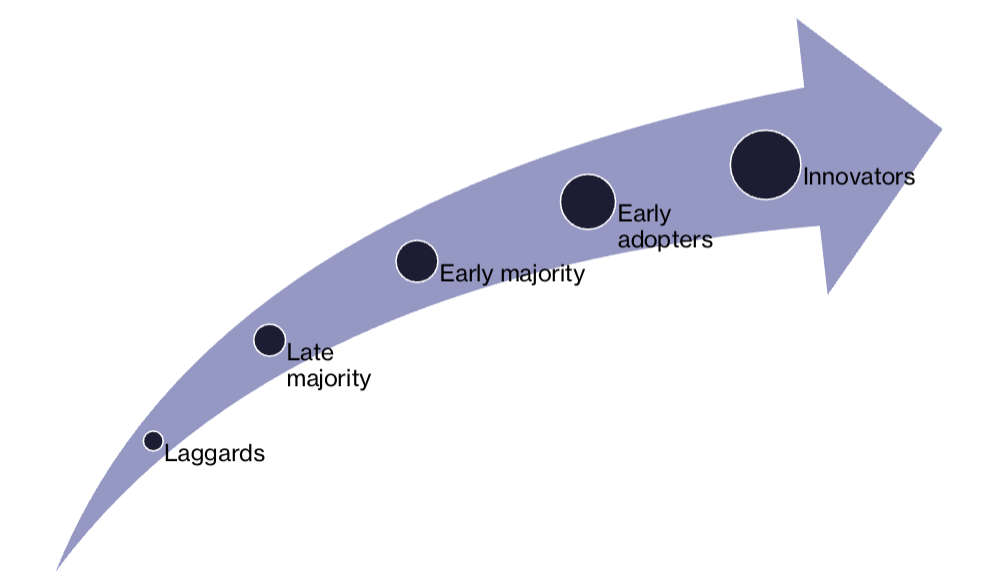
DIffusion of Innovations Model
How to most efficiently communicate the availability of the intervention (i.e., diffusion) and the adoption of new behaviors (i.e., innovation)