Unit 4: Maritime Empires (AP World History Modern, 1450-1750) Period 2
 Call Kai
 Learn
Learn Practice Test
 Spaced Repetition
 Match
Match Flashcards
 Knowt Play
1/73

There's no tags or description
Looks like no tags are added yet.
Name | Mastery | Learn | Test | Matching | Spaced | Call with Kai |
|---|
No analytics yet
Send a link to your students to track their progress
74 Terms
Charters
Documents granting the right to organize settlements in an area
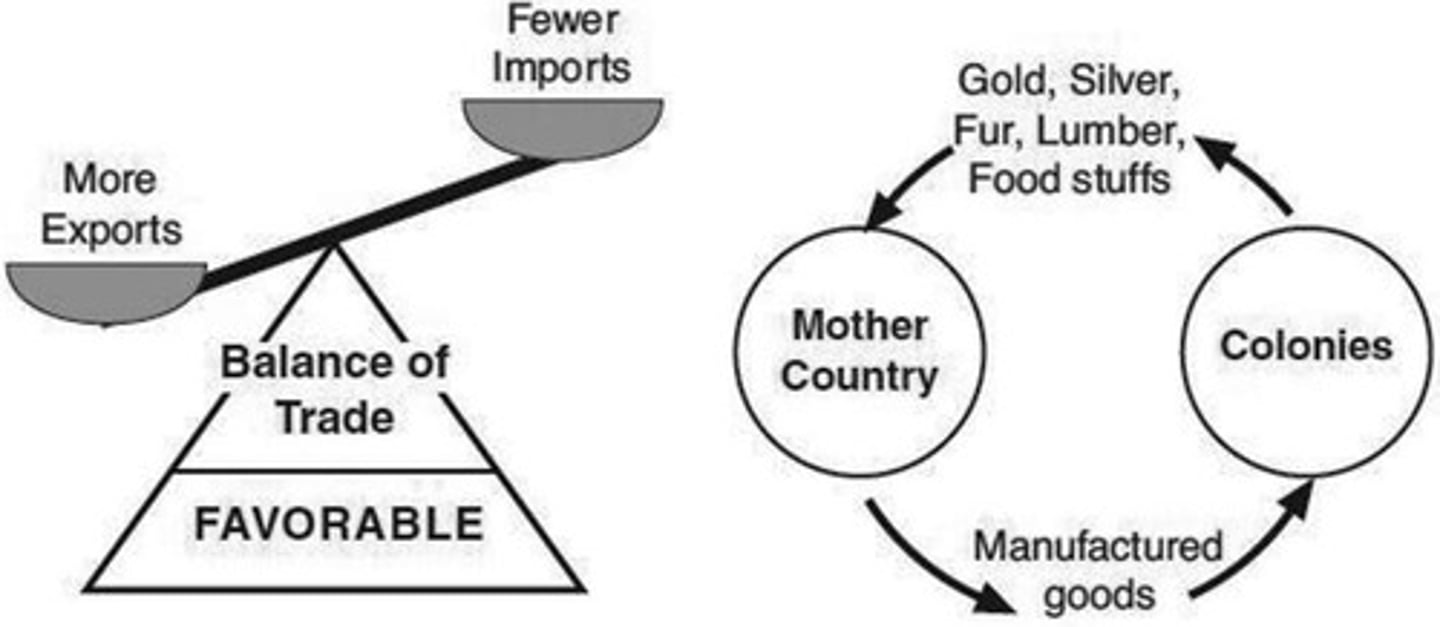
Mercantilism
An economic policy under which nations sought to increase their wealth and power by strictly regulating the economy to obtain large amounts of gold and silver by selling more goods than they bought and utilizing colonies
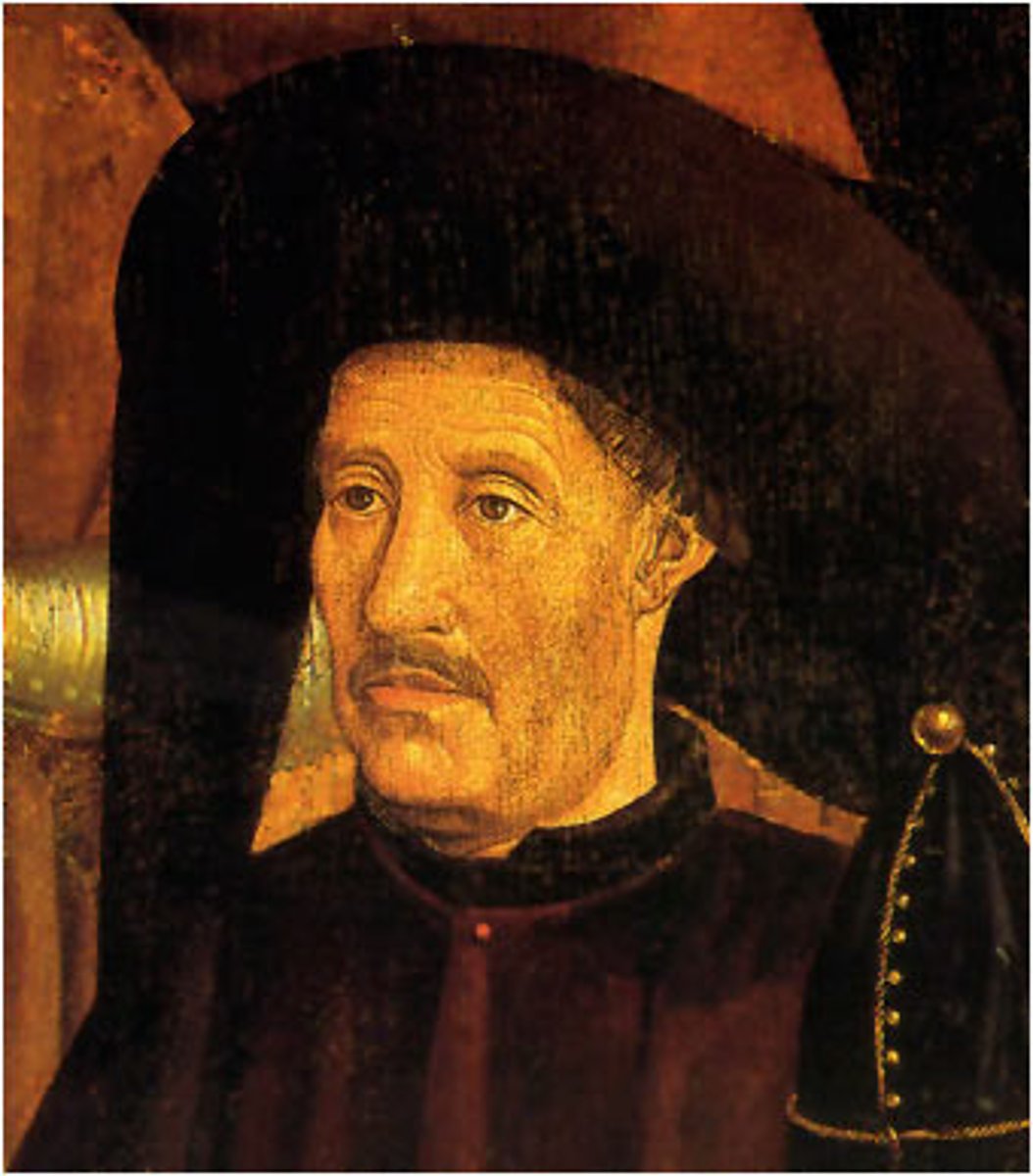
Prince Henry the Navigator
(1394-1460) Prince of Portugal who established an observatory and school of navigation at Sagres and directed voyages that spurred the growth of Portugal's colonial empire.
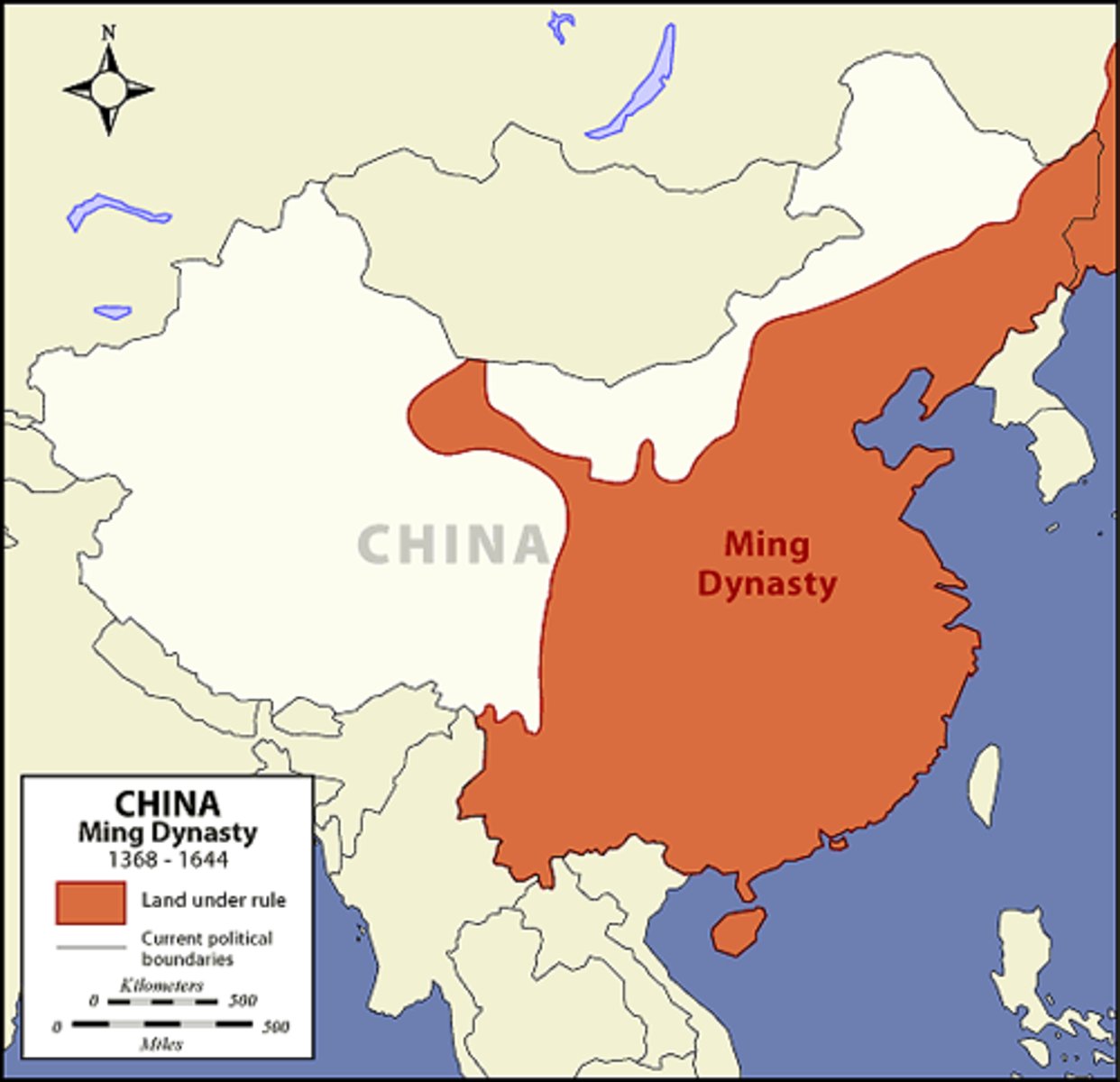
Ming Dynasty (1368-1644)
They improved the Grand Canal, made great porcelain, and under Yongle encouraged exploration. They also built the Forbidden City in the capital of Beijing. The Ming would participate in the Global Silver Trade, starting in the mid-1500s, as an eager buyer of silver. However, they will be overthrown by the Manchu.
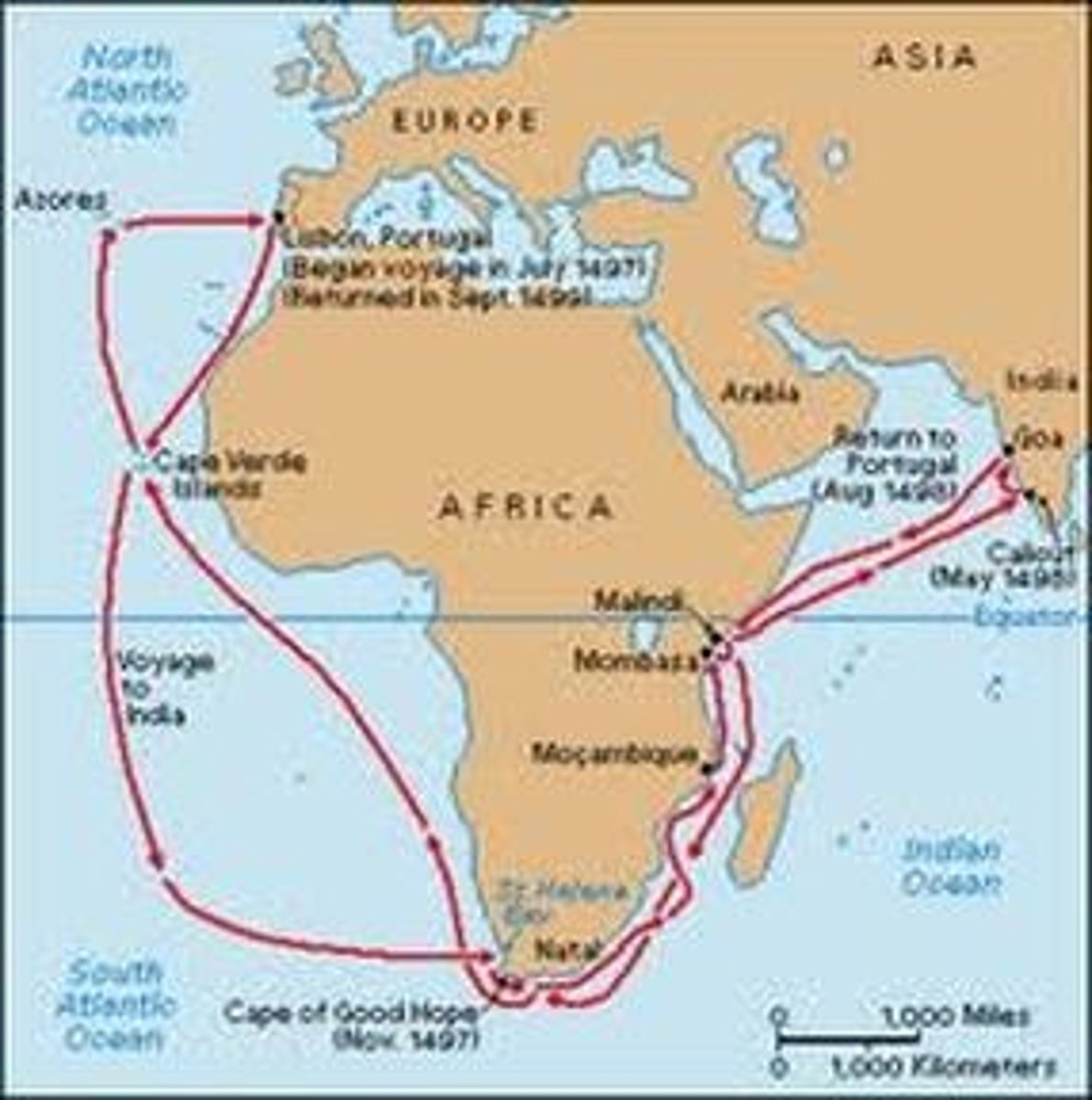
Portuguese Empire
took an early lead in European exploration (sponsored by Prince Henry); went East and established trading posts in West Africa, East Africa (Swahili City States) and India for spice trade
maritime
on or near the sea
Global Silver Trade
Silver trade between the Americas and Europe and onward to China from the 16th to 18th centuries. It had a profound effect on the world economy and silver trade could also be considered the beginning of the global economy.
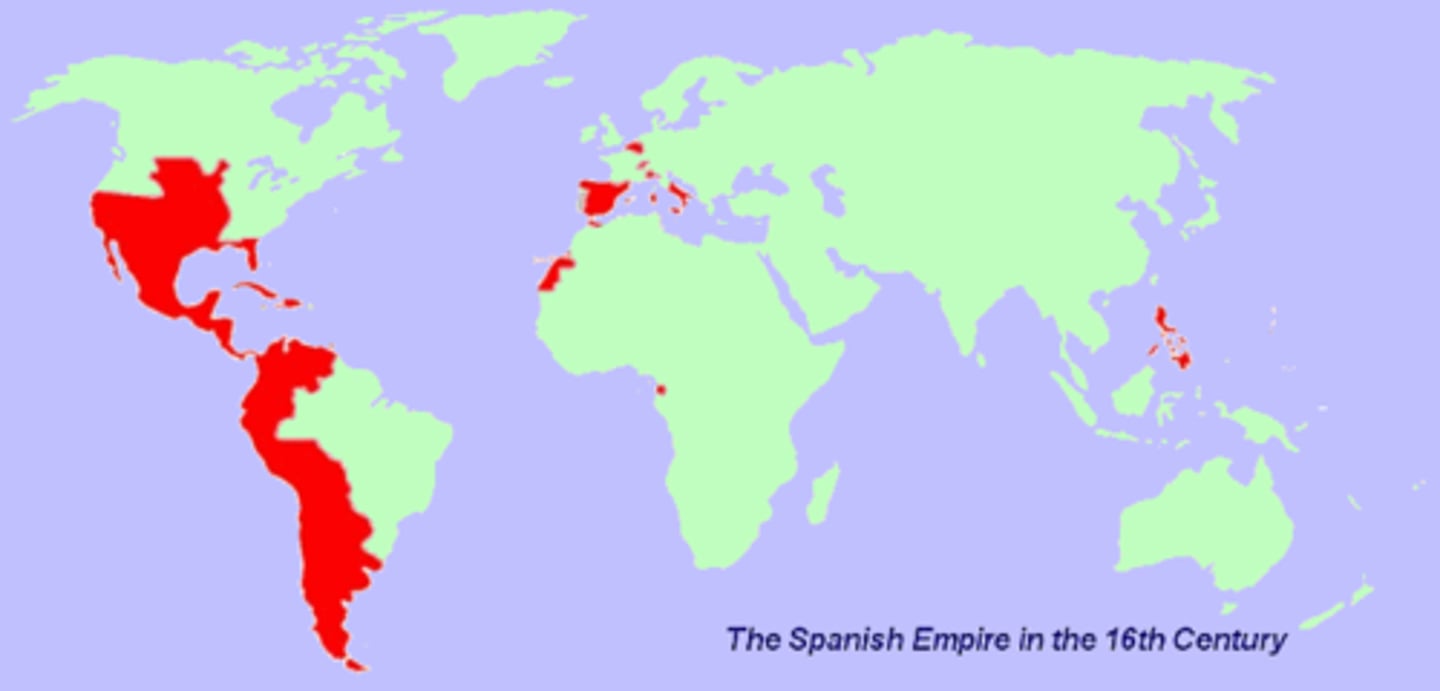
Spanish Empire
Made up of territories and colonies in Europe, Africa, and Asia controlled from Spain. At its strongest, it was one of the biggest empires in world history, one of the 1st global empires. Royalty from the Castile and Aragon kingdoms ruled it. Christopher Columbus led the first Spanish exploration trip which led them to colonizing in the Americas.
plantation agriculture
Production system based on a large estate owned by an individual, family, or corporation and organized to produce a cash crop.
cash crop
a crop produced for its sale for profit rather than for use by the grower.
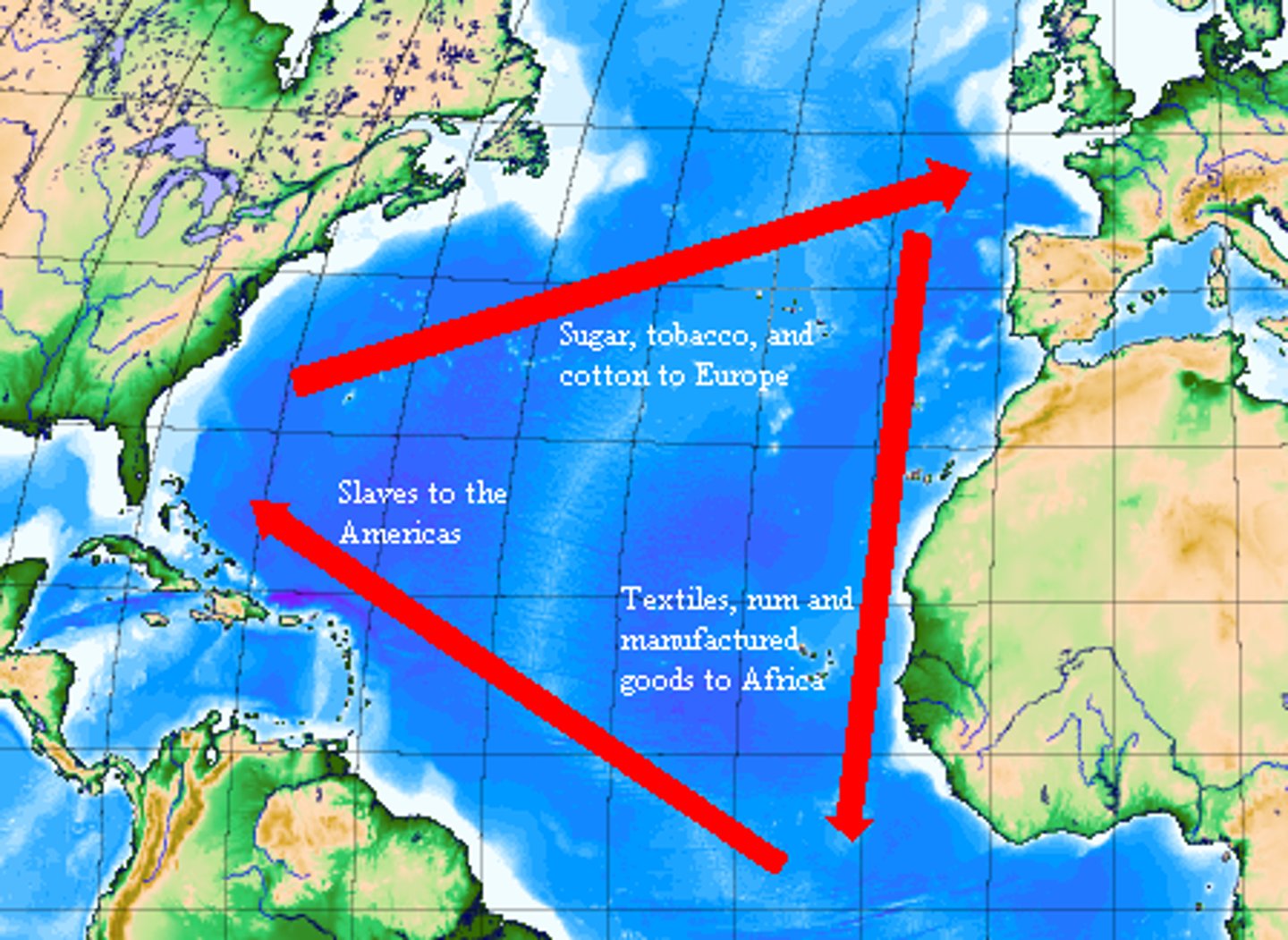
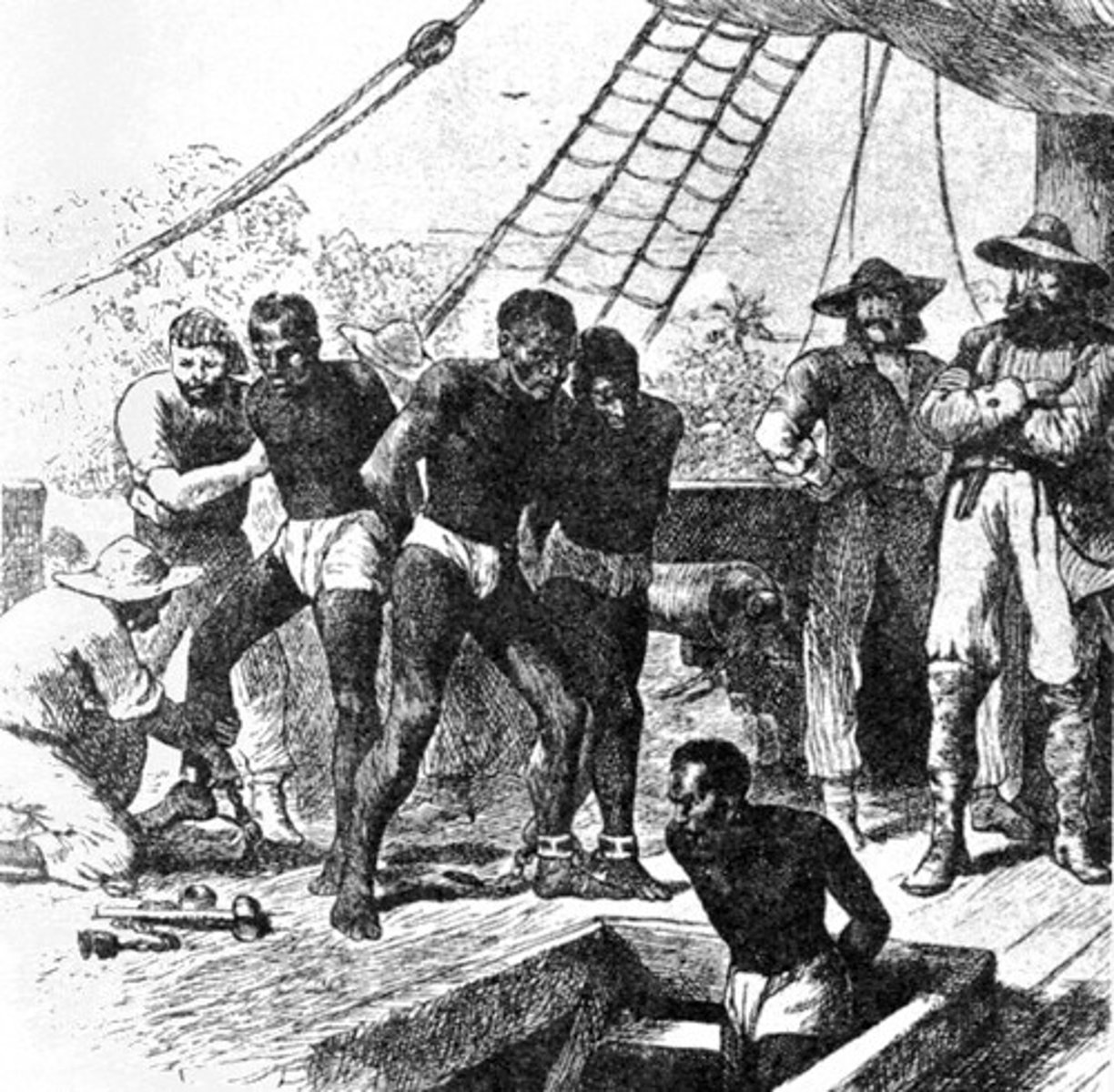
Trans-Atlantic Slave Trade
The forced migration of between 12 - 15 million people from Africa to the Western Hemisphere from the middle of the 15th century to the end of the 19th century.
indigenous
native to a certain area
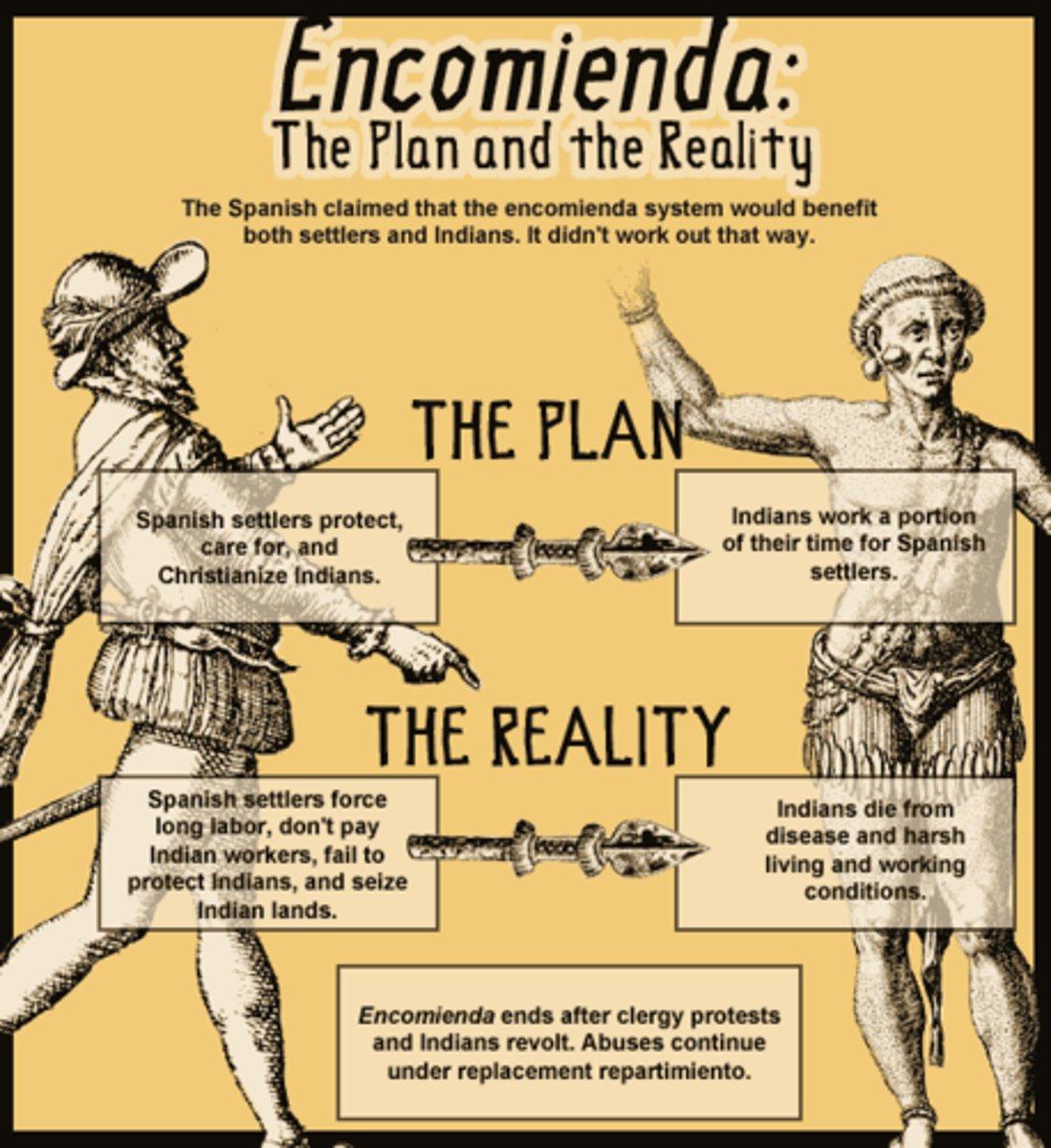
Encomienda System
It gave settlers the right to tax local Native Americans or to make them work. In exchange, these settlers were supposed to protect the Native American people (but generally exploited them) and convert them to Christianity. It was a form of coercive labor.
Tokugawa Shogunate
was a semi-feudal government of Japan in which one of the shoguns unified the country under his family's rule. They moved the capital to Edo (Tokyo). They isolated Japan from foreign influences. This family ruled from Edo 1868, when it was abolished during the Meiji Restoration.
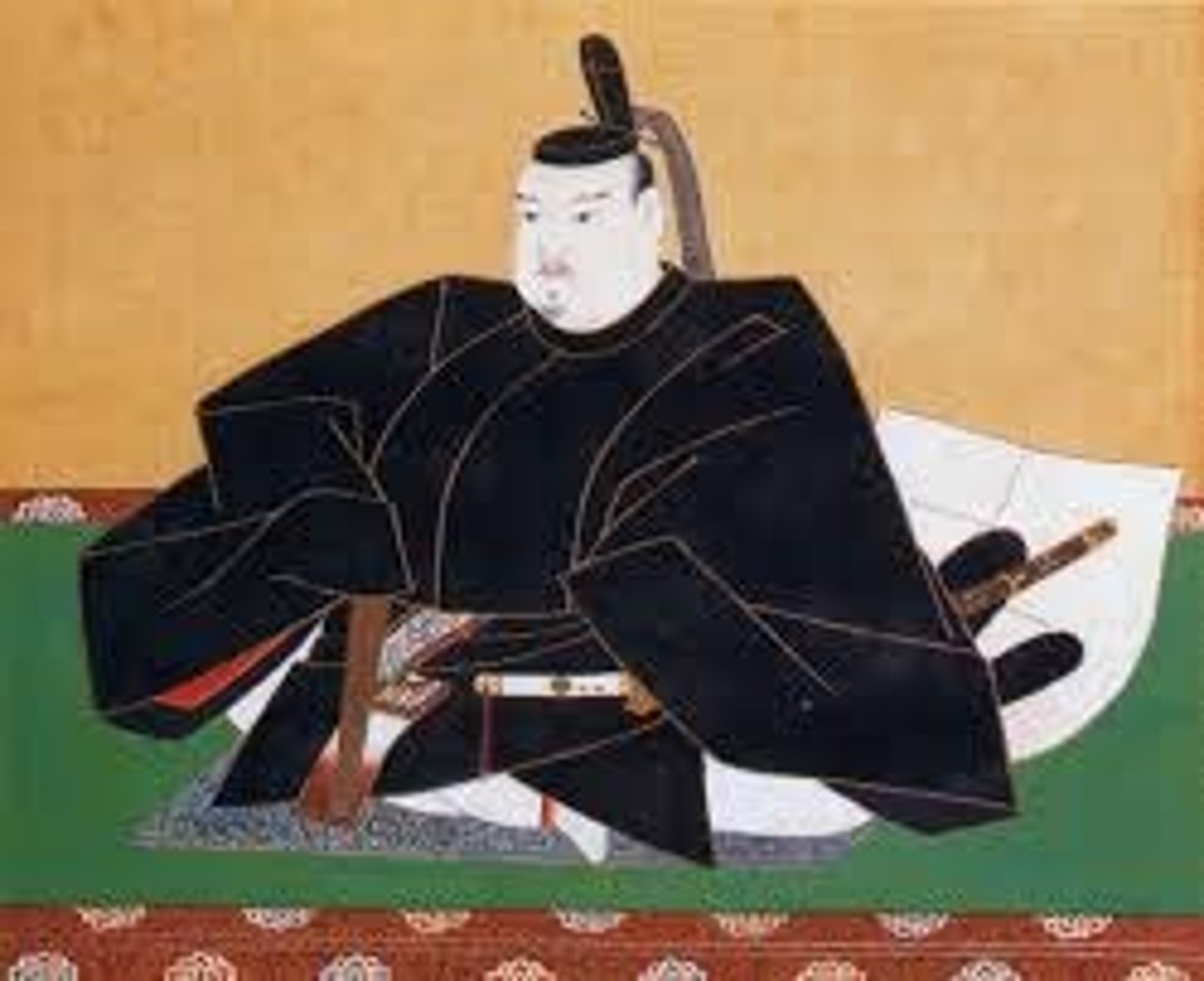
Closed Country Edict
Was a document that restricted the Japanese to certain times when they could trade and interact with the outside world
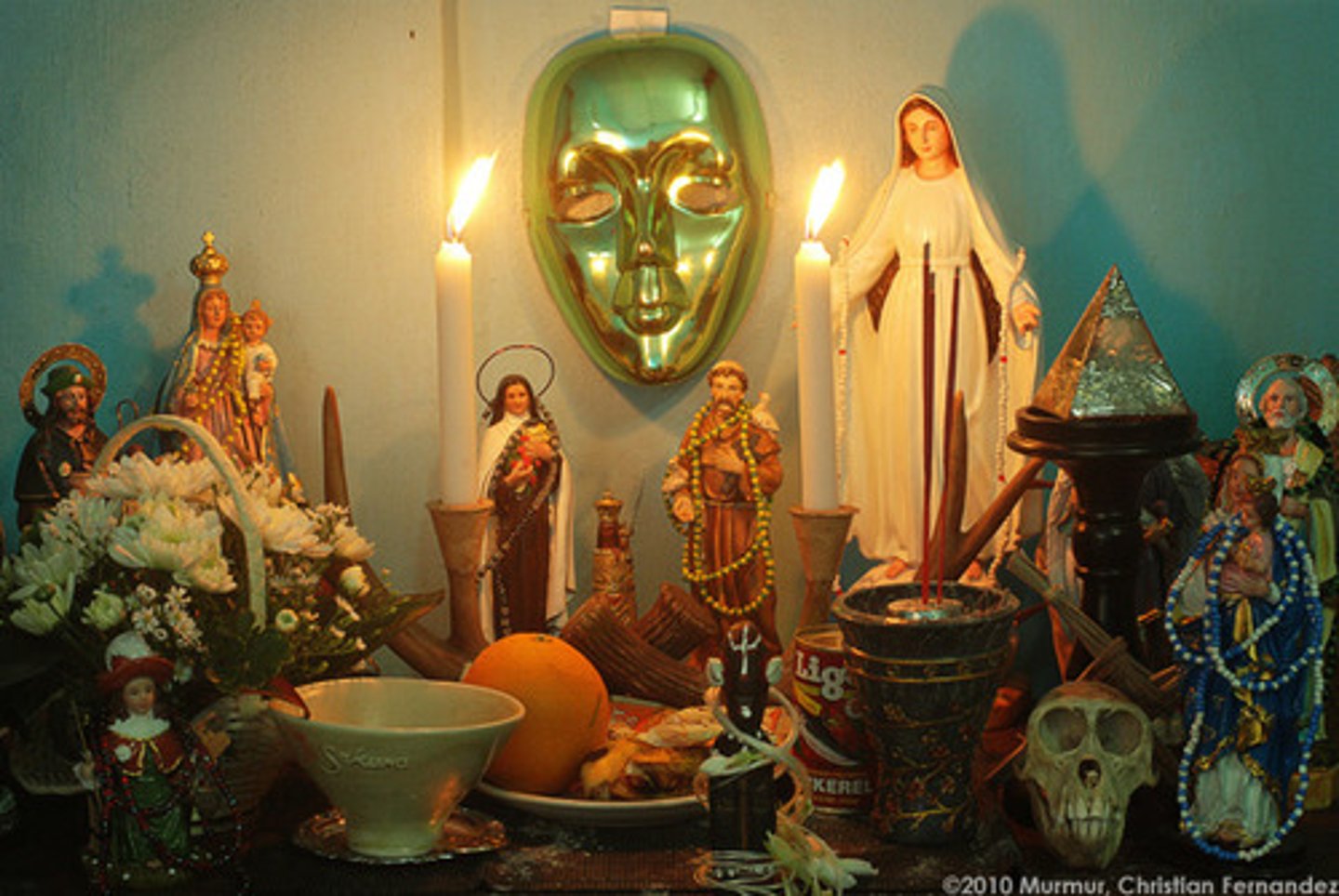
syncretic religion
Combines two religious traditions into something distinctly new, while containing traits of both (ex: voodoo, santeria, Sikhism)
Dutch East India Company
Government-chartered joint-stock company that controlled the spice trade in the East Indies.
British East India Company
set up trading posts in India in the 1600s, beginning the British economic interest there
joint-stock company
A business enterprise, often backed by a government charter, that sold shares to individuals to raise money for its trading enterprises and to spread the risks (and profits) among many investors.
Smallpox
A highly contagious viral disease characterized by fever, weakness, and skin eruption with pustules that form scabs; responsible for killing thousands Native Americans.
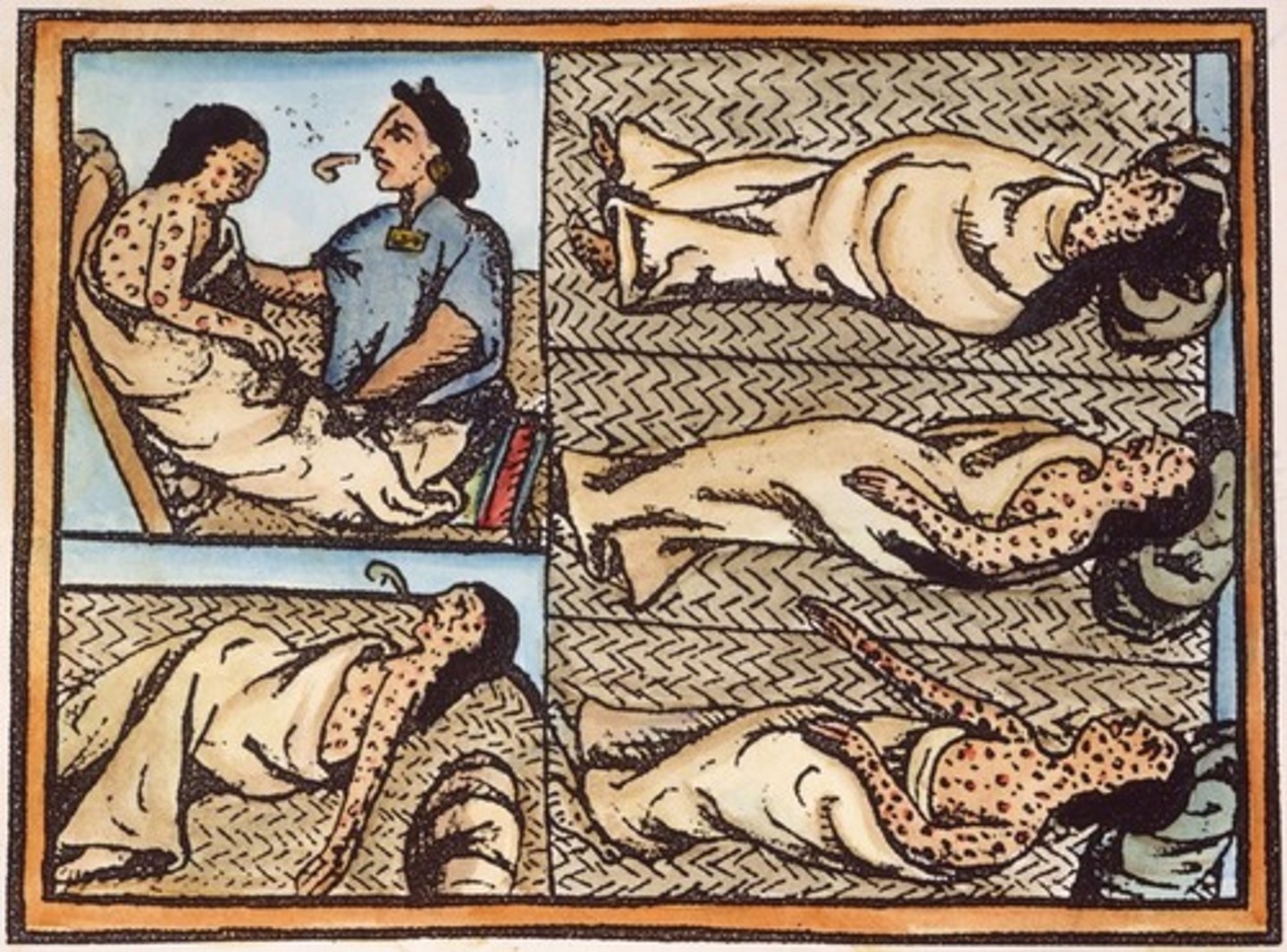
coercive labor
Any labor system that involves force (slavery, serfdom, and encomienda)
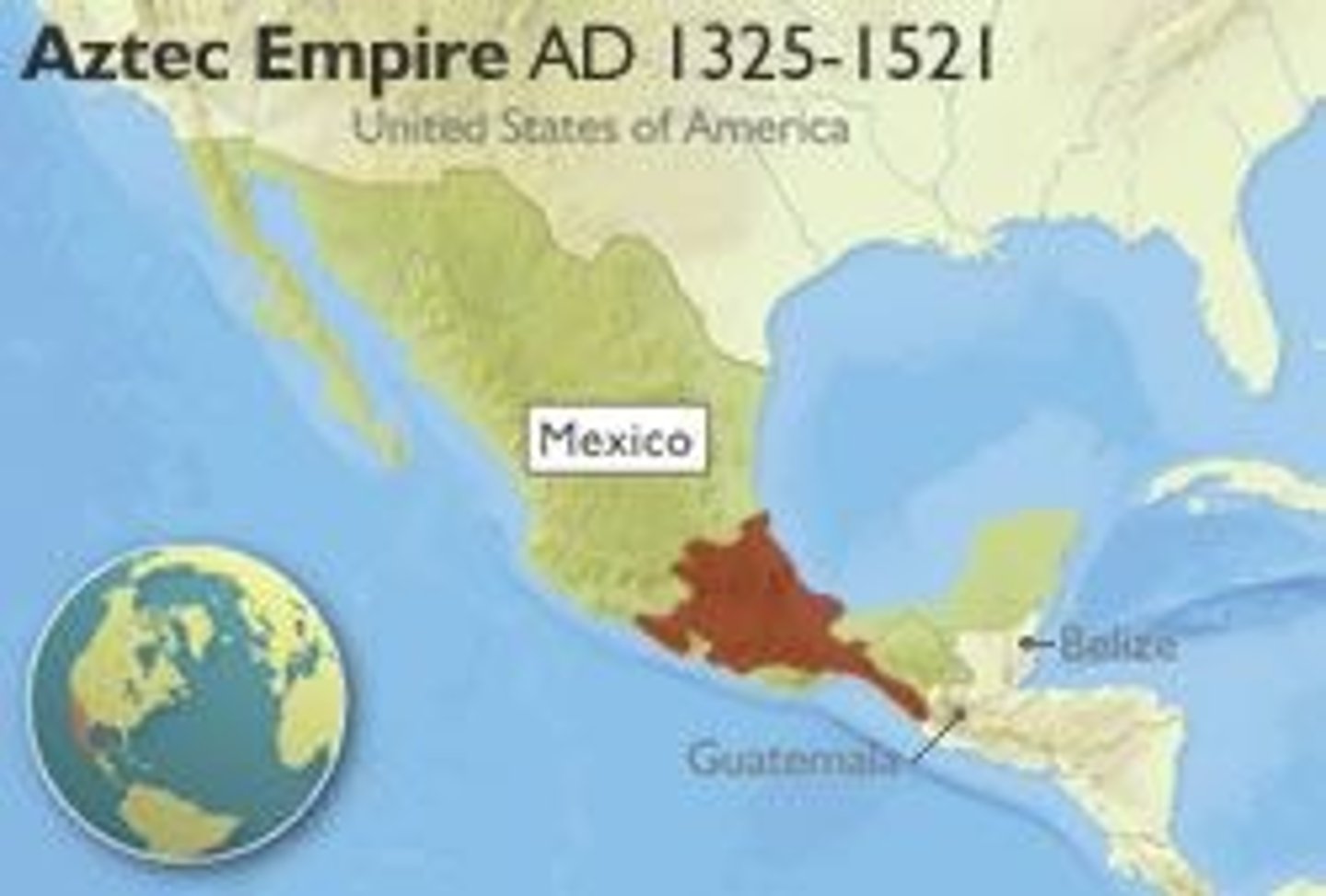
Aztec Empire
Central American empire constructed by the Mexica and expanded greatly during the fifteenth century during the reigns of Itzcoatl and Motecuzoma I. Conquered by Spaniard Cortes 1521.
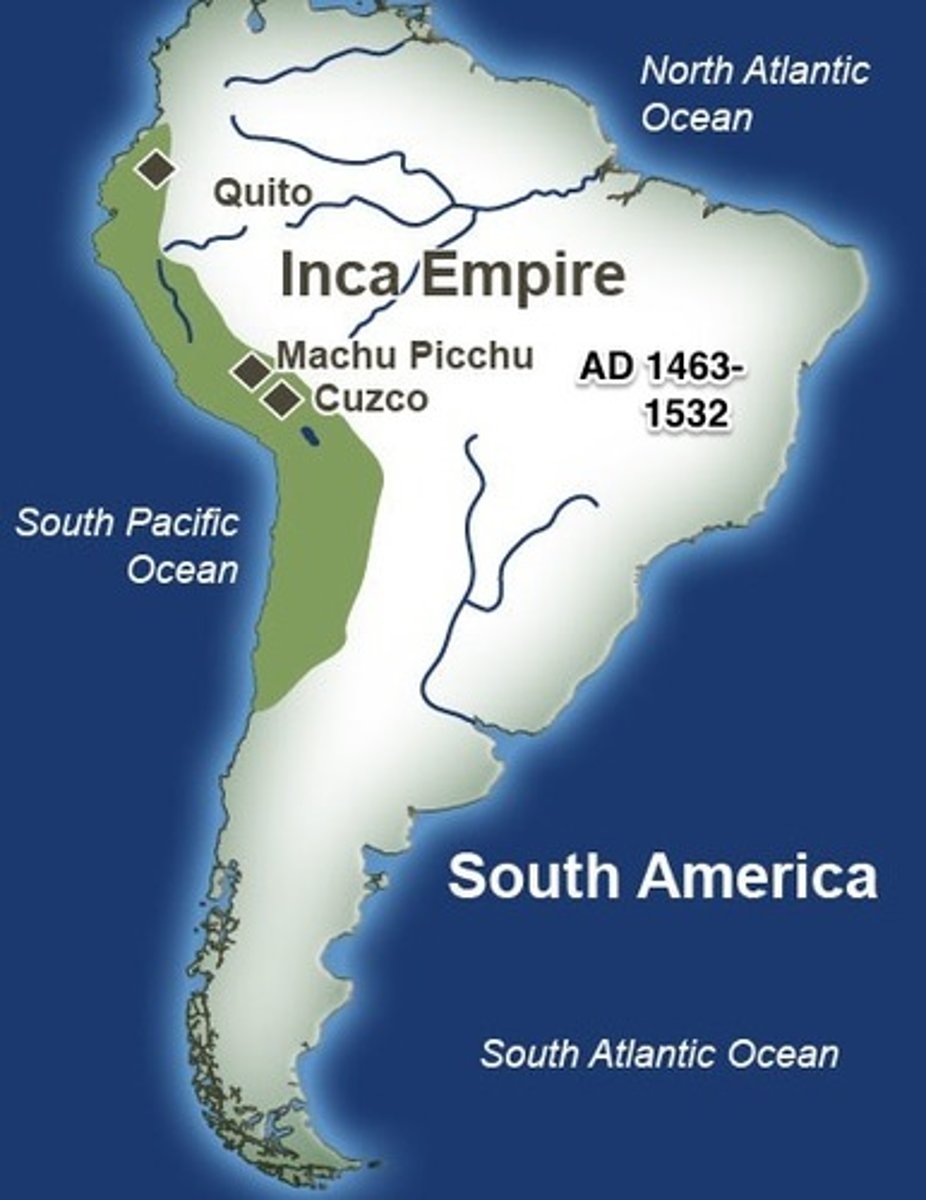
Inca Empire
Empire in Peru. conquered by Pizarro, who began an empire for the Spanish in 1535
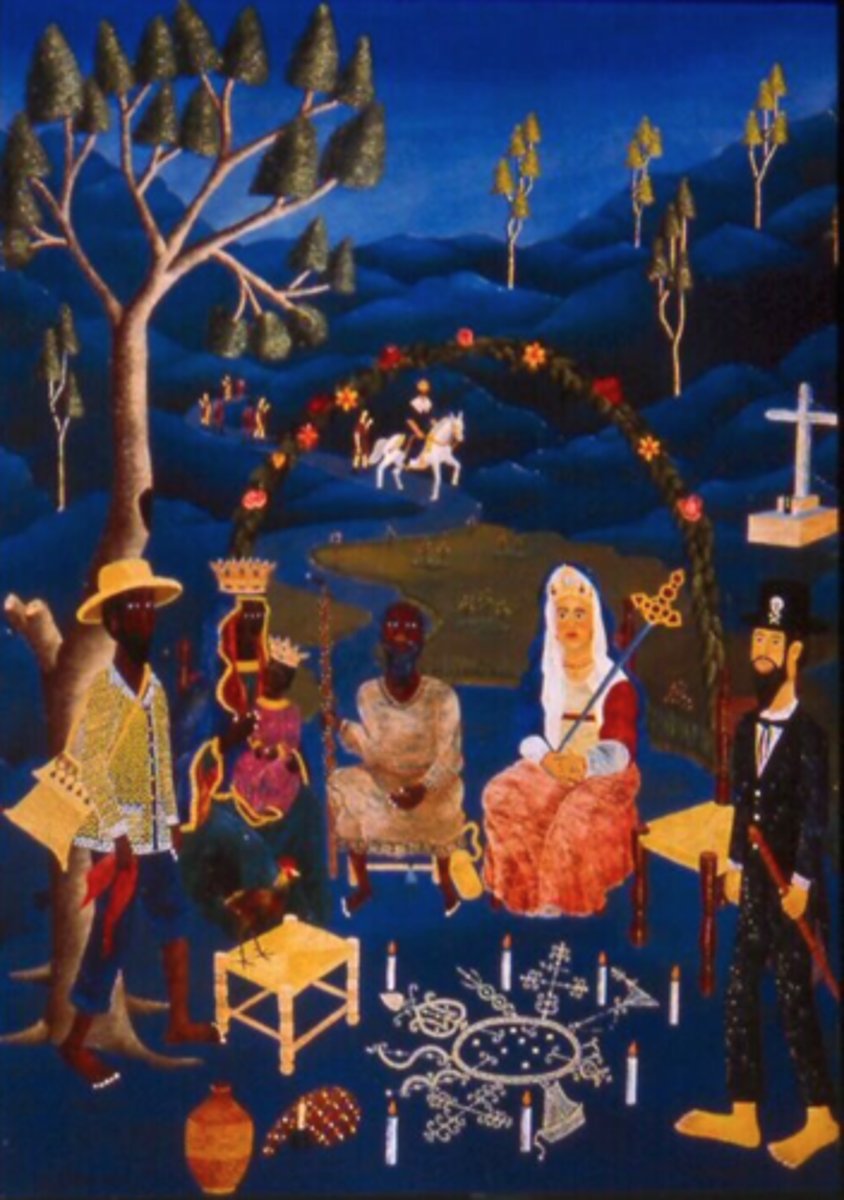
Vodou
syncretic belief system that combines traditional African religious beliefs with elements of Christianity.
Santeria
Cuban religion that combines Catholic and West African beliefs
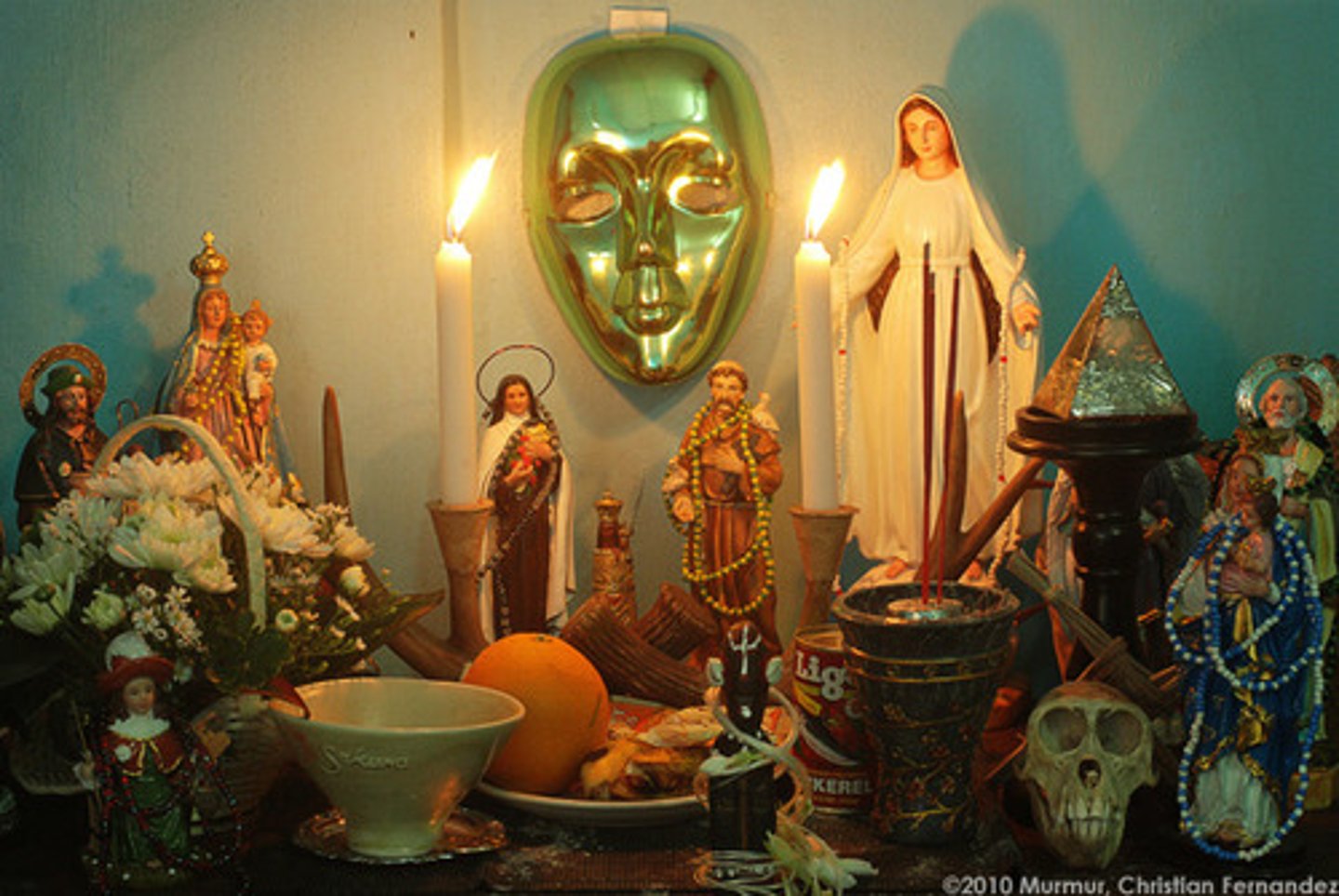
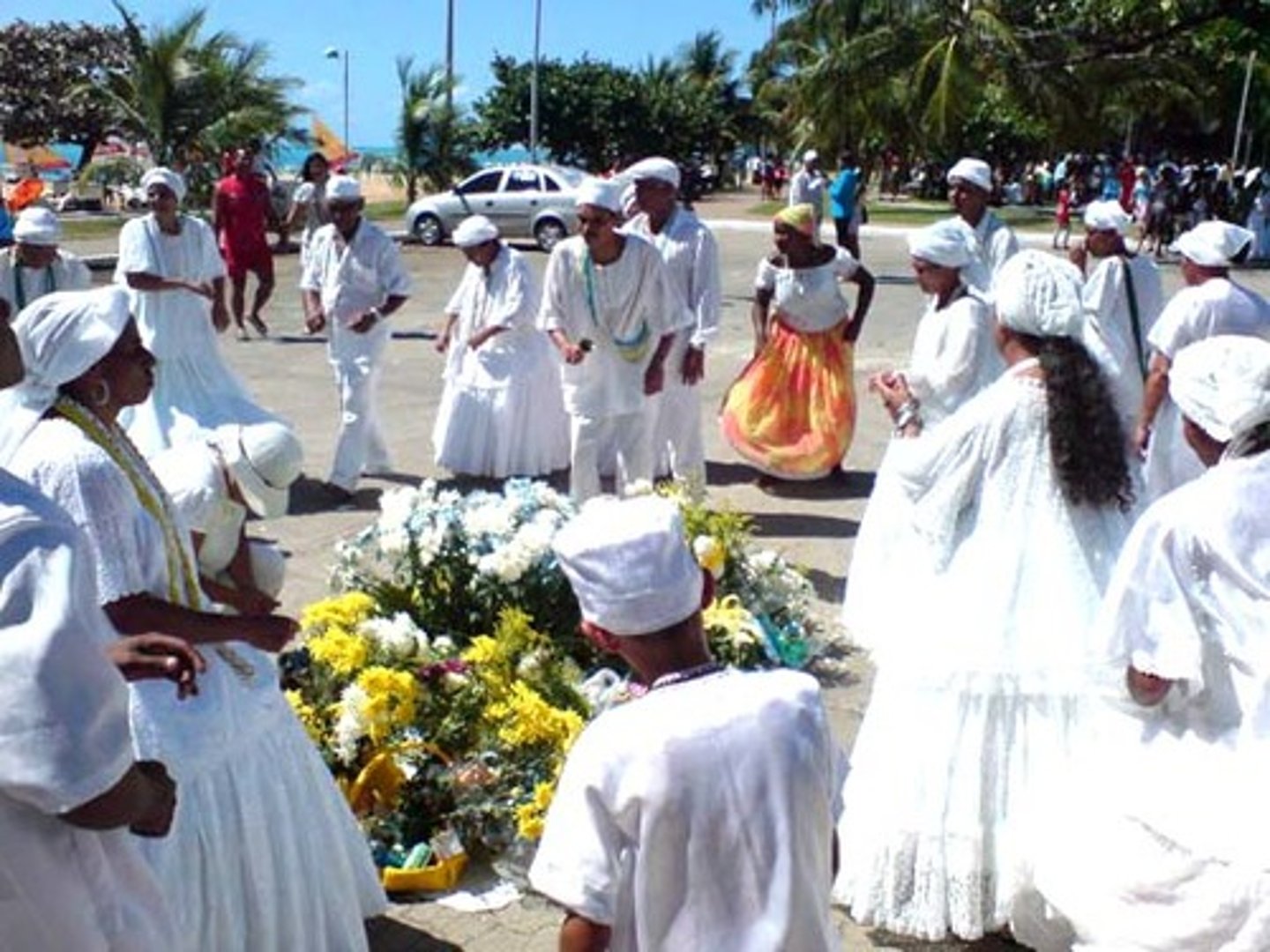
Candomble
African religious ideas and practices in Brazil, particularly among the Yoruba people.
Maroon Societies
Communities formed by escaped slaves in the Caribbean, Latin American. and the United States.
Slave Rebellions
Slaves resisted by working slowly, damaging goods, or running away; one of the largest uprisngs in the US was the German Coast Rebellion of 1811 in Louisiana; Nat Turner led a revolt in Virginia in 1831; Southern slaveowners enforced strict slave codes severe punishments and made it illegal to help run-away slaves;
Kongo
Central African state that began trading with the Portuguese around 1500; Kings, such as King Afonso I (r. 1506-1543), converted to Christianity and participated in the slave trade.
Asante Kingdom
kingdom that emerged in the 1700s in present-day Ghana and was active in the slave trade
Creoles
In colonial Spanish America, term used to describe someone of European descent born in the New World.
Mestizos and Mulattoes
People with mixed races between European and Latin American or African descent
Canton System
restricted foreign trade to the port of Canton, implemented by the later Ming and Qing dynasties.
Divine Right
the EUROPEAN idea that monarchs are God's representatives on earth and are therefore answerable only to God. Administration of Empires
Absolute Monarchy
A system of government in which the head of state is a hereditary position and the king or queen has almost complete power
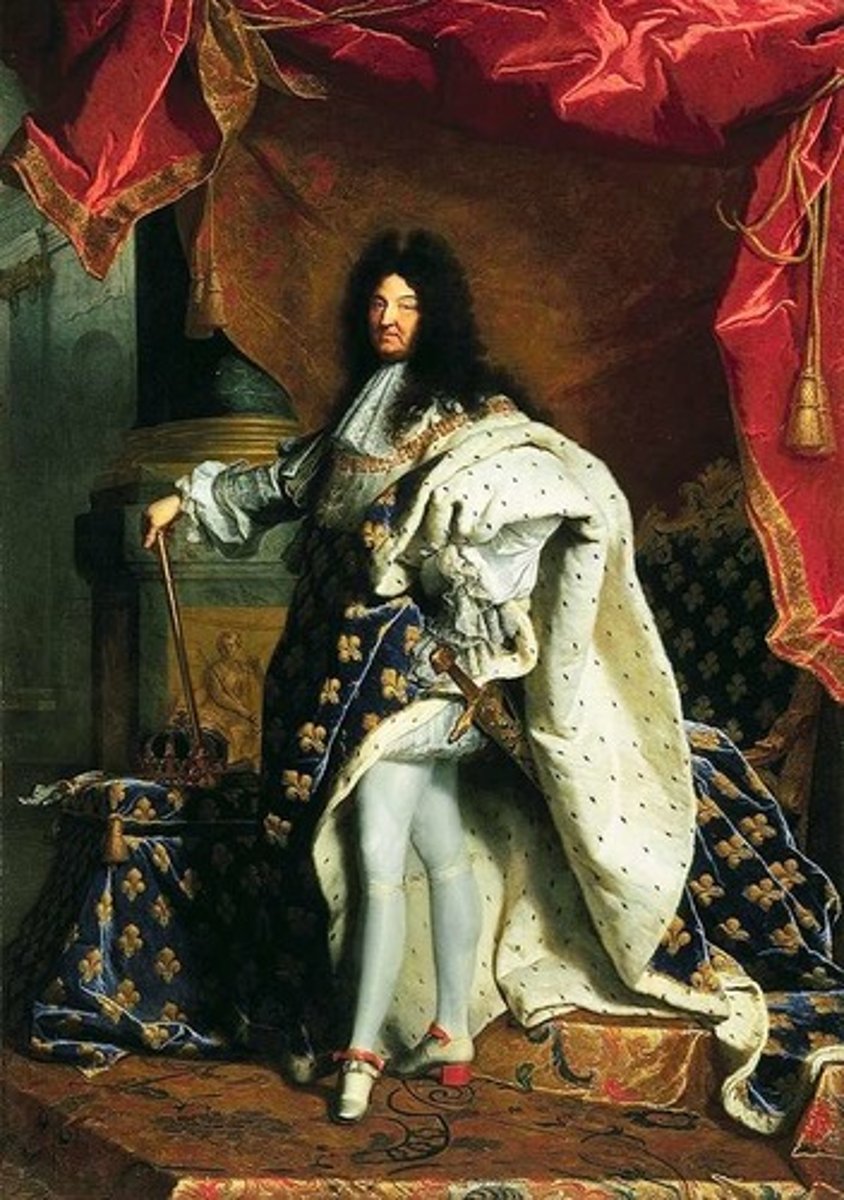
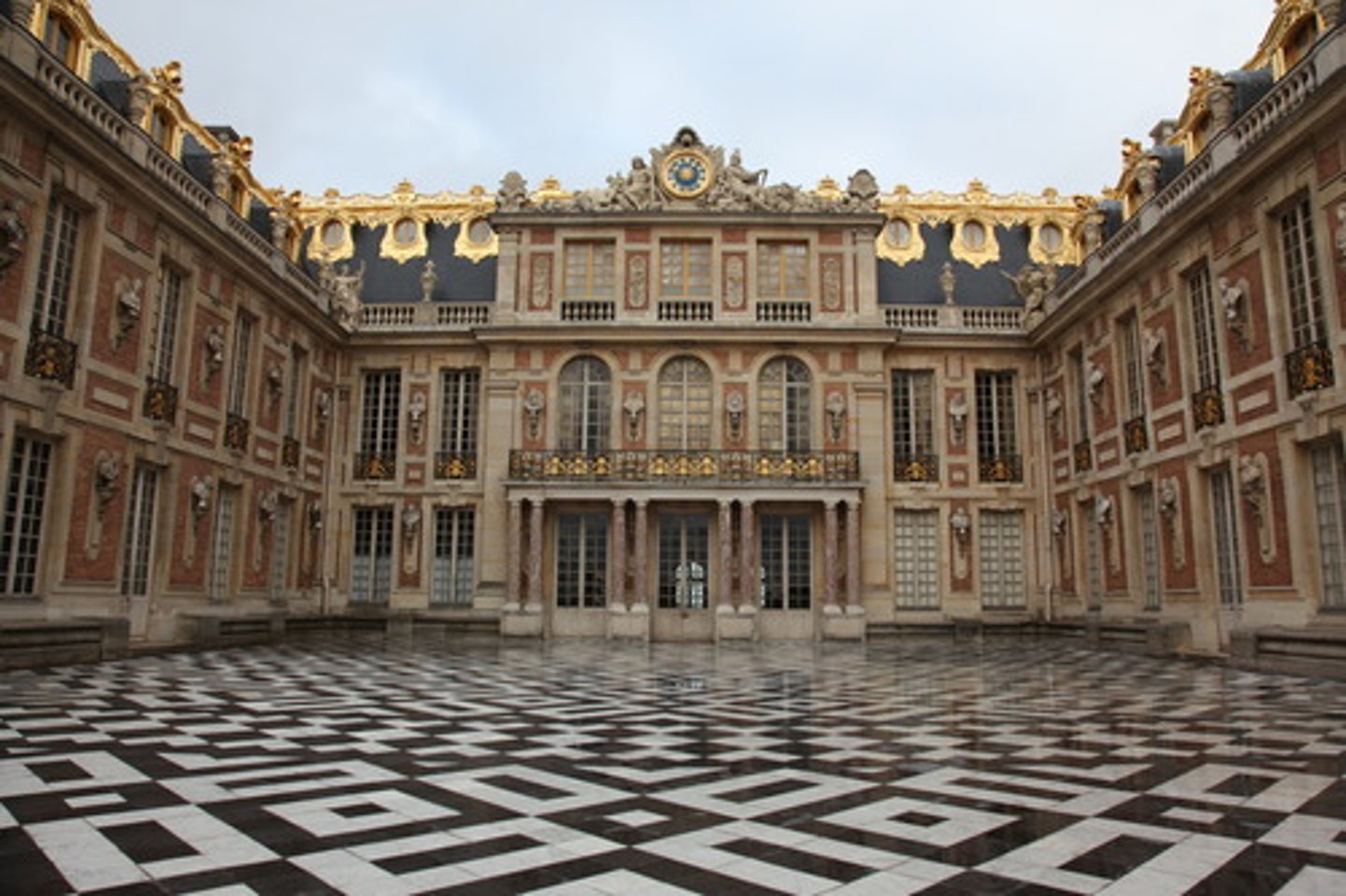
Versailles
Palace constructed by Louis XIV outside of Paris to glorify his rule and subdue the nobility. 3.2
Caravel
a small, fast Spanish or Portuguese sailing ship of the 15th-17th centuries.
Carrack
Large Portuguese ship used for ocean travel
Fluyt
Large shallow draft Dutch merchant sailing vessel that allowed them to control the Baltic trade. designed to facilitate transoceanic delivery with max space and crew efficiency. Carried cannons and gives Dutch leadership in world trade; part of golden age of Netherlands
Lateen Sail
A triangular sail that was developed in Indian Ocean trade that allowed a ship to sail against the wind. A technological innovation acquired by Europeans from Islamic world (Arabs)
compass
an instrument that shows the direction of magnetic north invented in China and acquired by Europeans.
Astronomical Charts
Maps of the stars first created in China and later acquired by Europeans
Prince Henry the Navigator
(1394-1460) Prince of Portugal who established an observatory and school of navigation and directed voyages that led to the growth of Portugal's trading and colonial empire.
Columbus
Italian navigator who discovered the New World in the service of Spain while looking for a route to China (1451-1506) led to the Columbian Exchange and Spain's colonial empire and silver wealth.
Columbian Exchange
The exchange of plants, animals, and diseases between the Americas and the old world (Afro- Eurasia) following Columbus's voyages.
Maritime Empires
empires based on sea travel including, Spain, Portugal, England, France, Dutch
cash crop
farm crop raised to be sold for money like tobacco, cotton, sugar
isolationist trade policy
a policy of remaining apart from trade with other nations. Such as Ming China, Tokugawa Japan
Old World domesticated animals
Tamed and kept as a pet on a farm. Cattle, horse, pig, sheep, goats, chickens
Old World plants
Plants that came from Europe and they were taken to the Americas. Ex. Wheat, rice, sugar, apples, bananas, and coffee also African Okra and Rice from slaves.
Hacienda system
similar to the feudal system, Natives got money and had to buy their products from their owners
Mita System
economic system in Incan society where people paid taxes with their labor and what they produced
Indentured Servitude
A worker bound by a voluntary agreement to work for a specified period of years often in return for free passage to an overseas destination. Before 1800 most were Europeans; after 1800 most indentured laborers were Asians.
Chattel Slavery
Absolute legal ownership of another person, including the right to buy or sell that person.
Encomeinda
Spanish colonial system in which a colonist was given a certain amount of land and a number of Native Americans to work the land in exchange for teaching the Native Americans Christianity
Muslim-European rivalry
Indian Ocean
Pueblo Revolt
Native American revolt against the Spanish in late 17th century; expelled the Spanish for over 10 years; Spain began to take an accommodating approach to Natives after the revolt
Fronde (1648-1653)
A series of violent uprisings during the early reign of Louis XIV triggered by growing royal control and increased taxation
Cossack Revolt
In Russia, the Cossacks called for the, "true tsar" who would restore their freedom of movement, reduce their heavy taxes, and lighten the yoke imposed by landlords
Maratha conflict with Mughals
Ana Nzinga
17th century Angolan queen (ruled Ndongo and Matamba) who fought off the Portuguese colonizers by pretending to accept Christianity, but actually was partnered with their enemies, the Dutch, and also developed a powerful trade nation instead of waging internal war.
Metacomet's War
Chief of the Wampanoags who resented the English efforts to convert Indians to Christianity, Also King Phillip's War.
Casta system
A system in colonial Spain of determining a person's social importance according to different racial categories.
Timars
"landed estates" given to the ottoman ruling class for their loyalty and services to the sultan. They were allowed to enjoy them, but ownership returned to the sultan upon death. This prevented families from taking roots. (lack of hereditary nobility and private property unlike European counterparts)
Boyars
Russian landholding aristocrats; possessed less political power than their western European counterparts
Enlightenment ideas
All human beings are born free and equal with a right to life liberty and property. It is the duty of the government to protect the natural rights of its citizens. Enlightenment thinkers were primarily interested in changing the relationship between the people and their government. Government's decisions should be based on laws of nature and reason
Social Contract
An agreement between the people and their government signifying their consent to be governed
Mary Wollstonecraft (1759-1797)
1. British writer, philosopher, and feminist who wrote "A Vindication of the Rights of Woman"
2. Argued that women are not naturally inferior to men
3. Maintained that women deserve the same fundamental rights as men
Olympe de Gouges (1748-1793)
A French feminist and reformer in the waning years of the Enlightenment who articulated the rights of women with her Declaration of the Rights of Woman and the Female Citizen (1791).
Seneca Falls Convention
(1848) the first national women's rights convention at which the Declaration of Sentiments was written
Elizabeth Cady Stanton
(1815-1902) A suffragette who, with Lucretia Mott, organized the first convention on women's rights, held in Seneca Falls, New York in 1848. Issued the Declaration of Sentiments which declared men and women to be equal and demanded the right to vote for women. Co-founded the National Women's Suffrage Association with Susan B. Anthony in 1869.
Lucretia Mott
Quaker activist in both the abolitionist and women's movements; with Elizabeth Cady Stanton, she was a principal organizer of the Seneca Falls Convention in 1848.
Natural Rights
the idea that all humans are born with rights, which include the right to life, liberty, and property
Nationalism
pride in one's country