Michigan Drivers Ed Segment 1 Test
 Call Kai
 Learn
Learn Practice Test
 Spaced Repetition
 Match
Match Flashcards
 Knowt Play
1/209

There's no tags or description
Looks like no tags are added yet.
Name | Mastery | Learn | Test | Matching | Spaced | Call with Kai |
|---|
No analytics yet
Send a link to your students to track their progress
210 Terms
Regulatory Signs
Provide definite rules to follow and control the movement of traffic.
Regulatory Background Colors
Red, White, and Black.
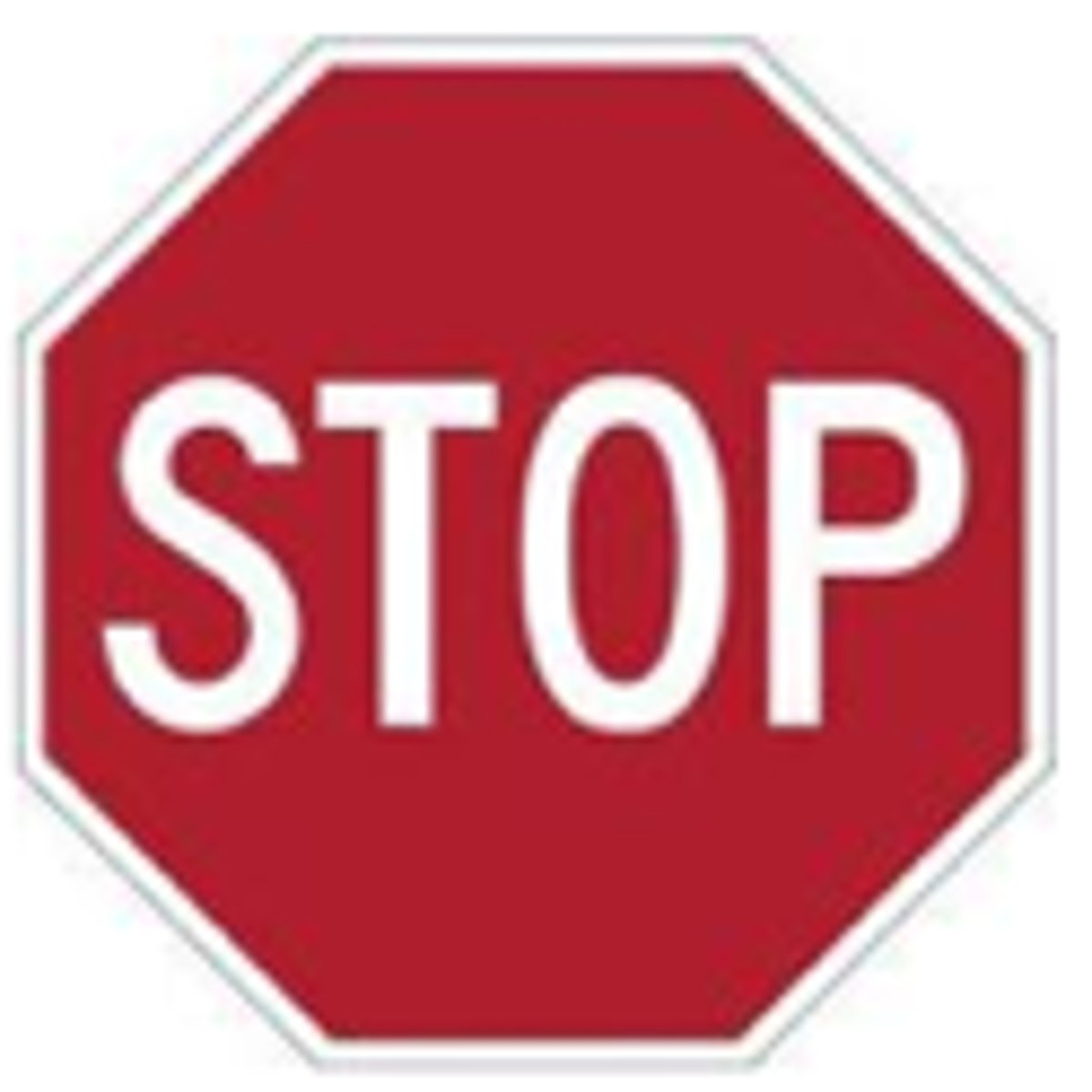
Stop Sign
Red octagon that requires drivers to stop their vehicle before the intersection.
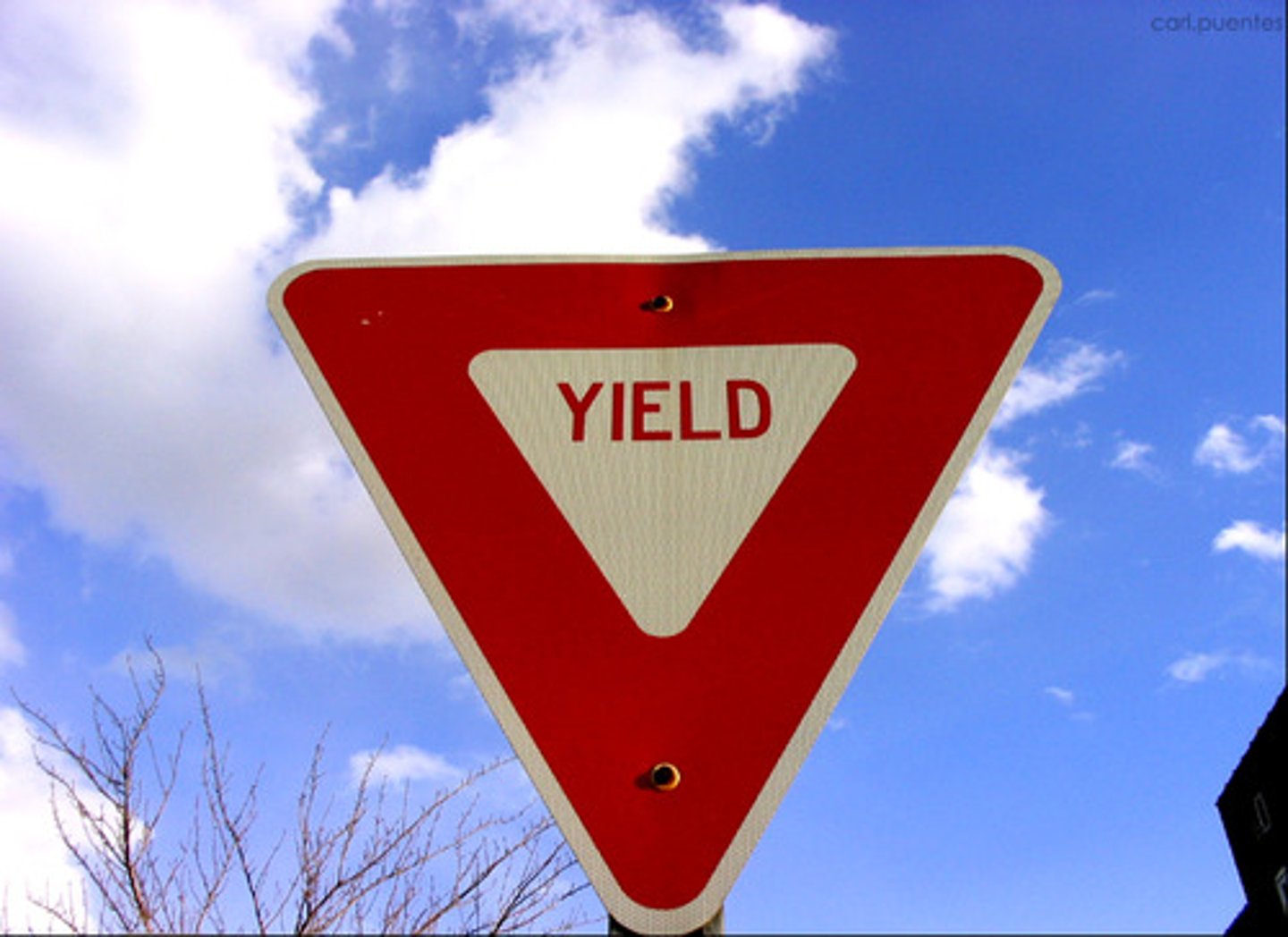
Yield Sign
Red triangle that requires drivers to stop if vehicles are entering from the left or right; otherwise, the driver may proceed with caution. (Cross Traffic).
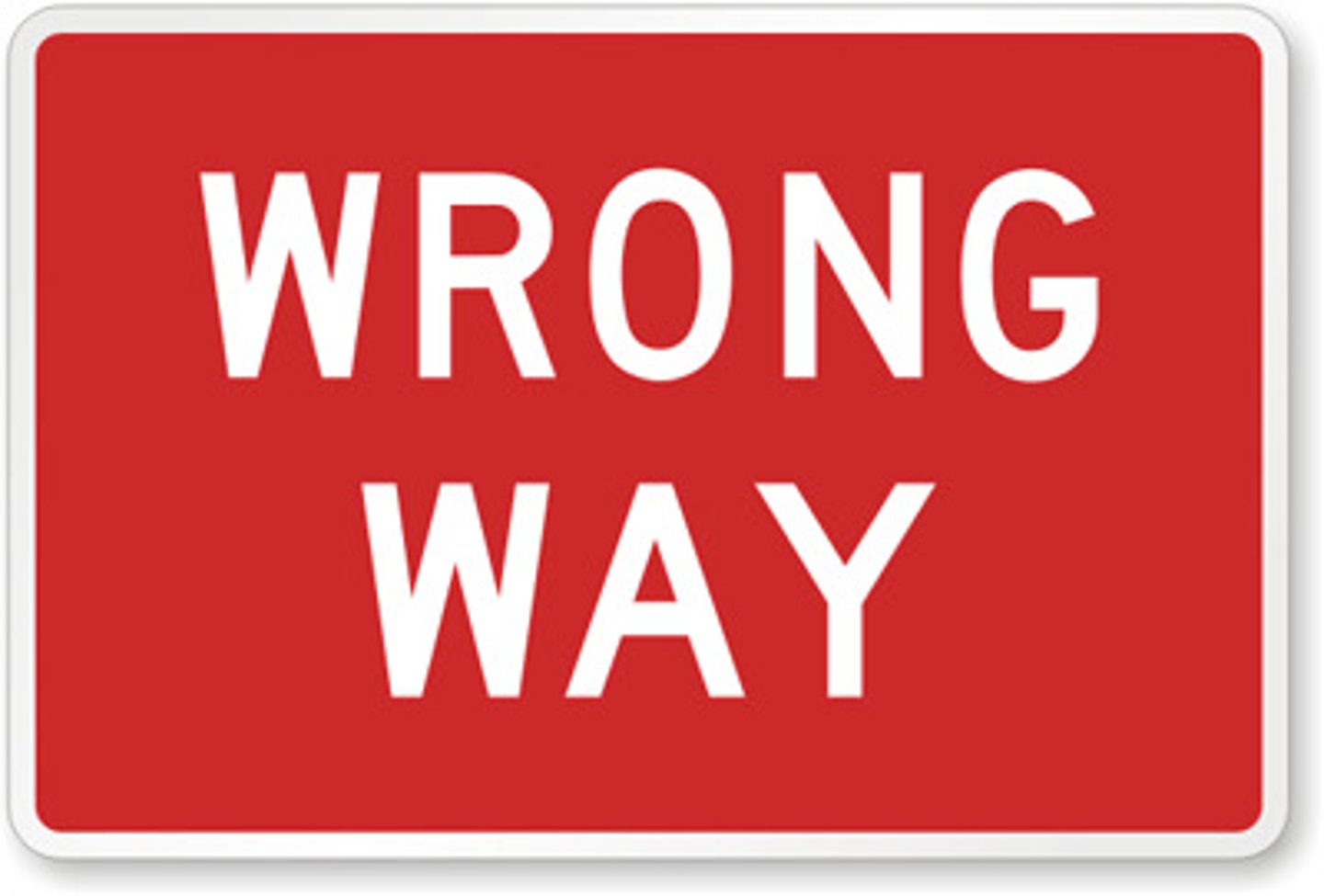
Wrong Way Sign
Indicates that the driver is traveling toward oncoming traffic.
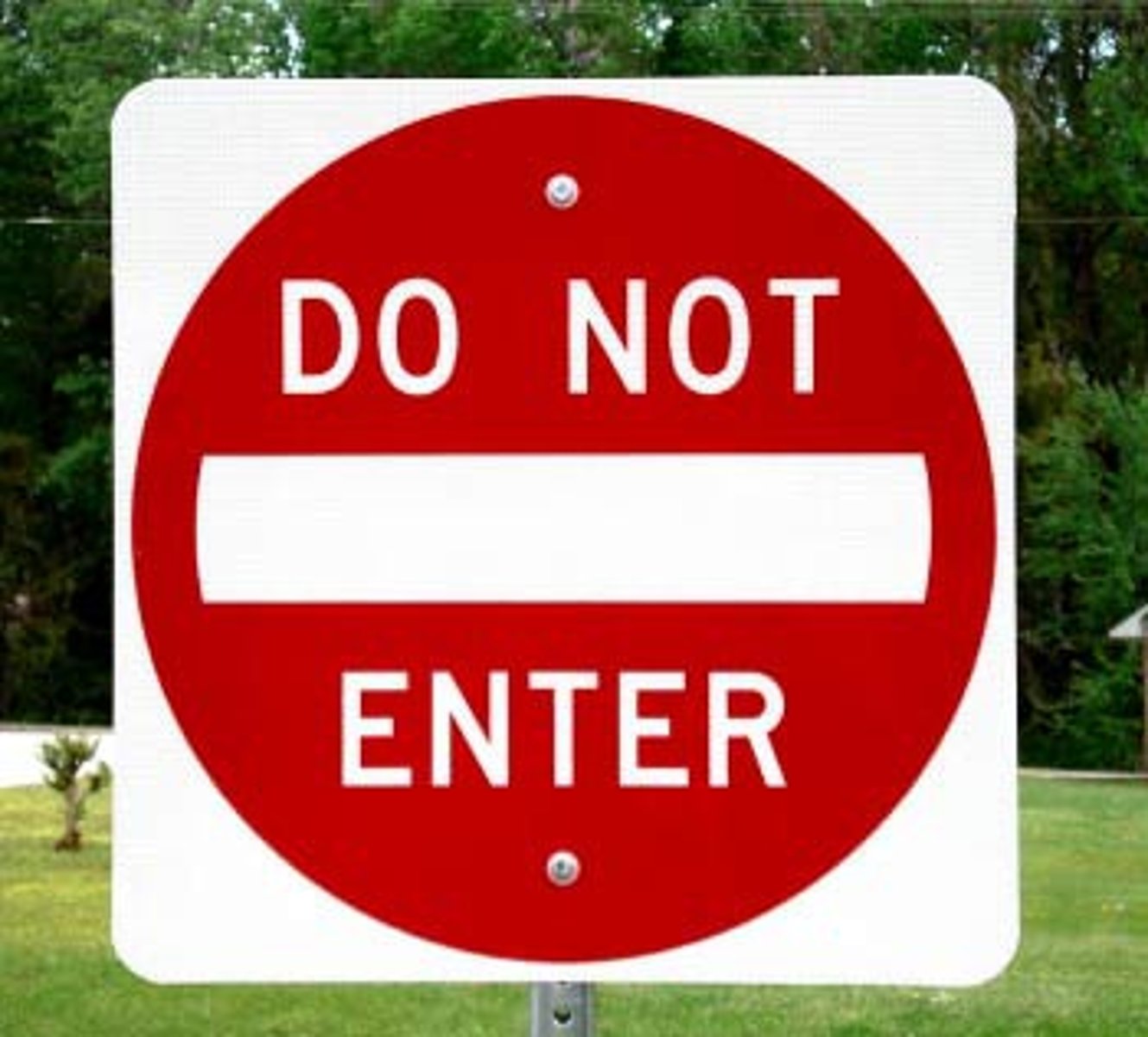
Do Not Enter Sign
Prohibits the driver from entering the roadway.
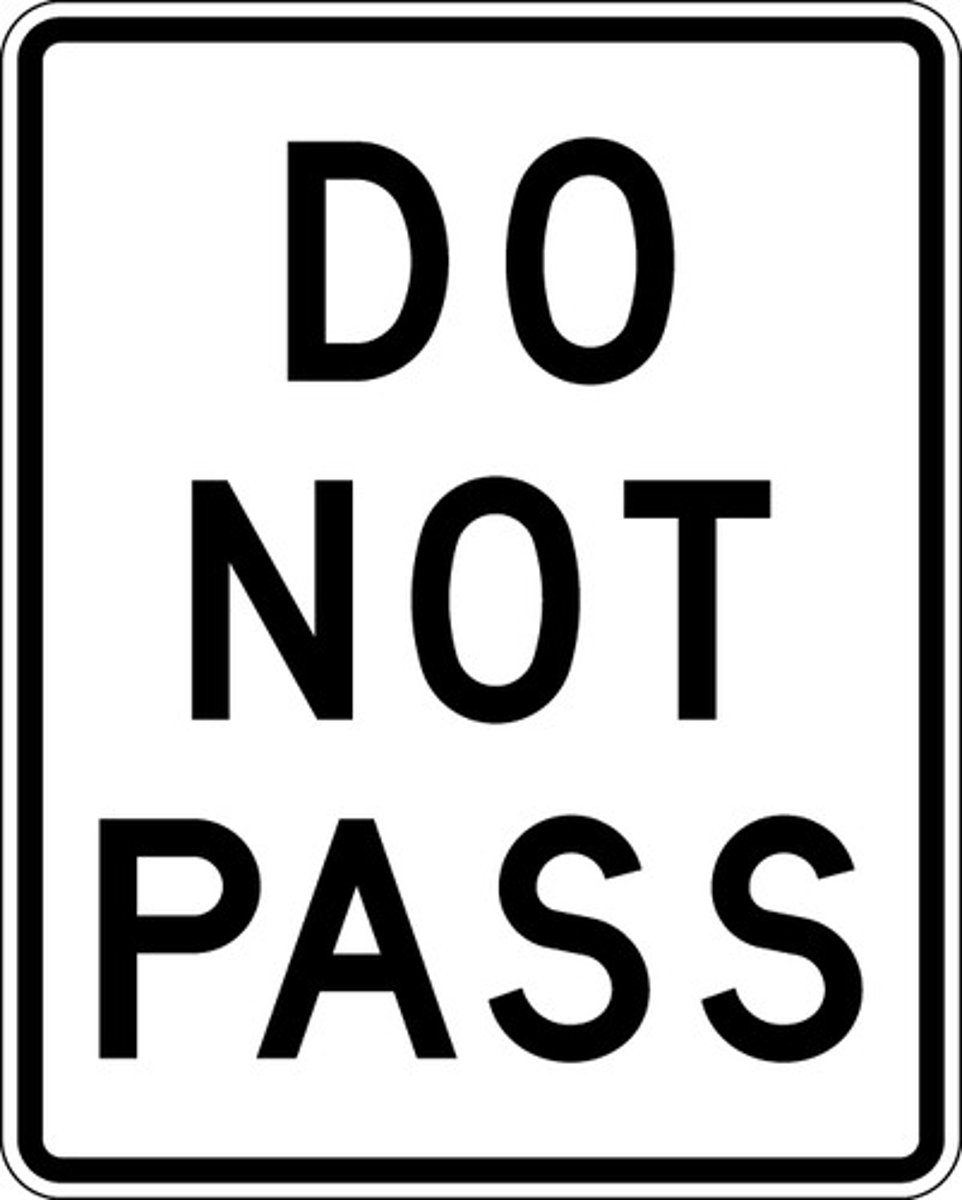
Do Not Pass Sign
Prohibits drivers from passing other vehicles.
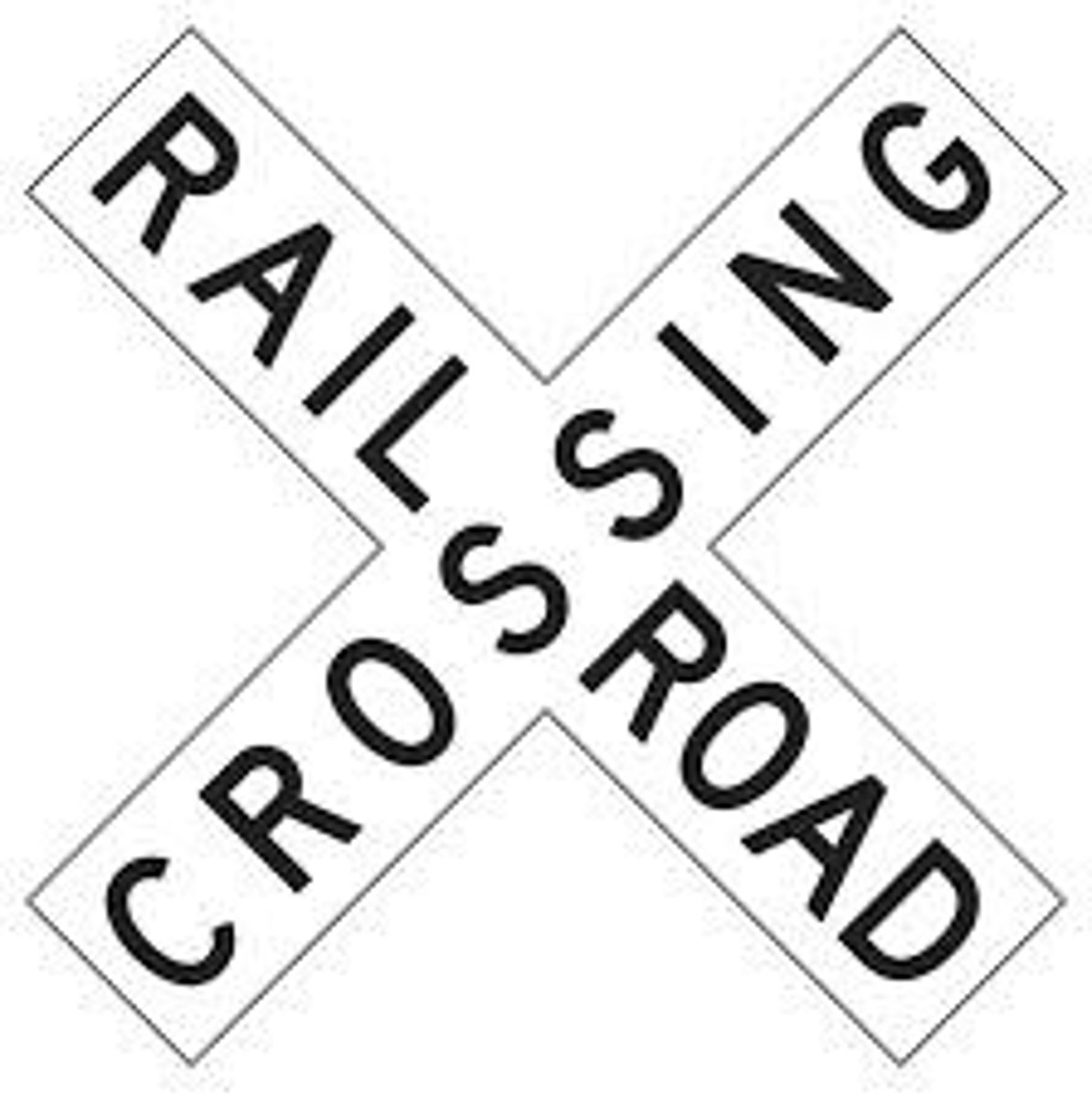
Railroad Crossing Sign
Cross-buck that requires drivers to yield to any approaching trains.
One Way Sign
Indicates the course of the traffic flow in one direction.

Obstacle Road Sign
Designates which side of an obstacle the drivers should navigate the vehicle.
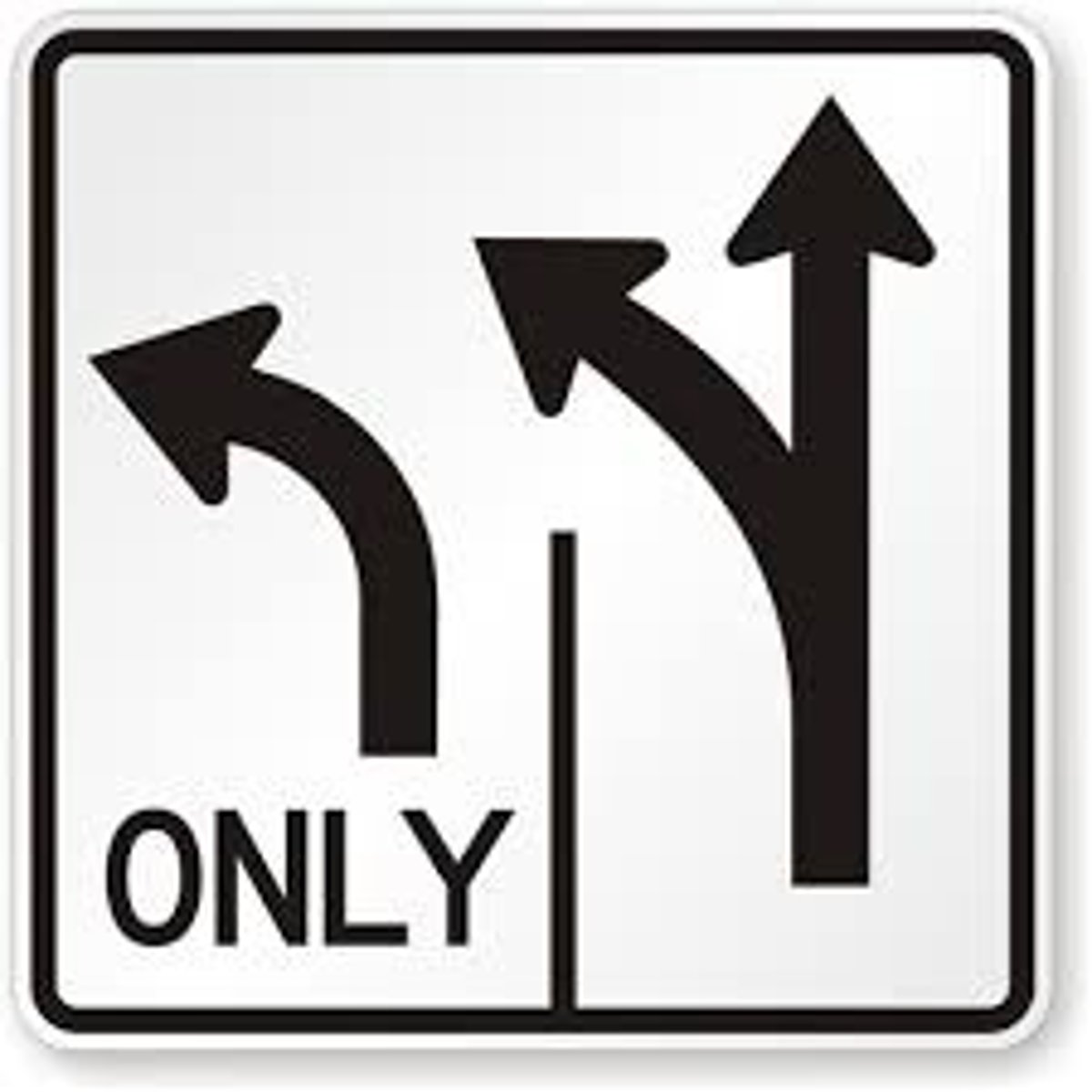
Lane Sign
Designates the intended use for each lane on the roadway.
Speed Limit; Parks, Playgrounds, and Parking lots
15 mph
Speed Limit; Business and Residential
25 mph
Speed Limit; Construction Zones (when workers are present)
45 mph
Speed Limit; Michigan Highway
55 mph
Speed Limit; Michigan Expressway
75 mph
Warning Signs
Advise about road conditions, intersections, or hazards.
Diamond Shaped Sign
Indicates danger.
Warning Background Colors
Yellow, and Yellow-Green
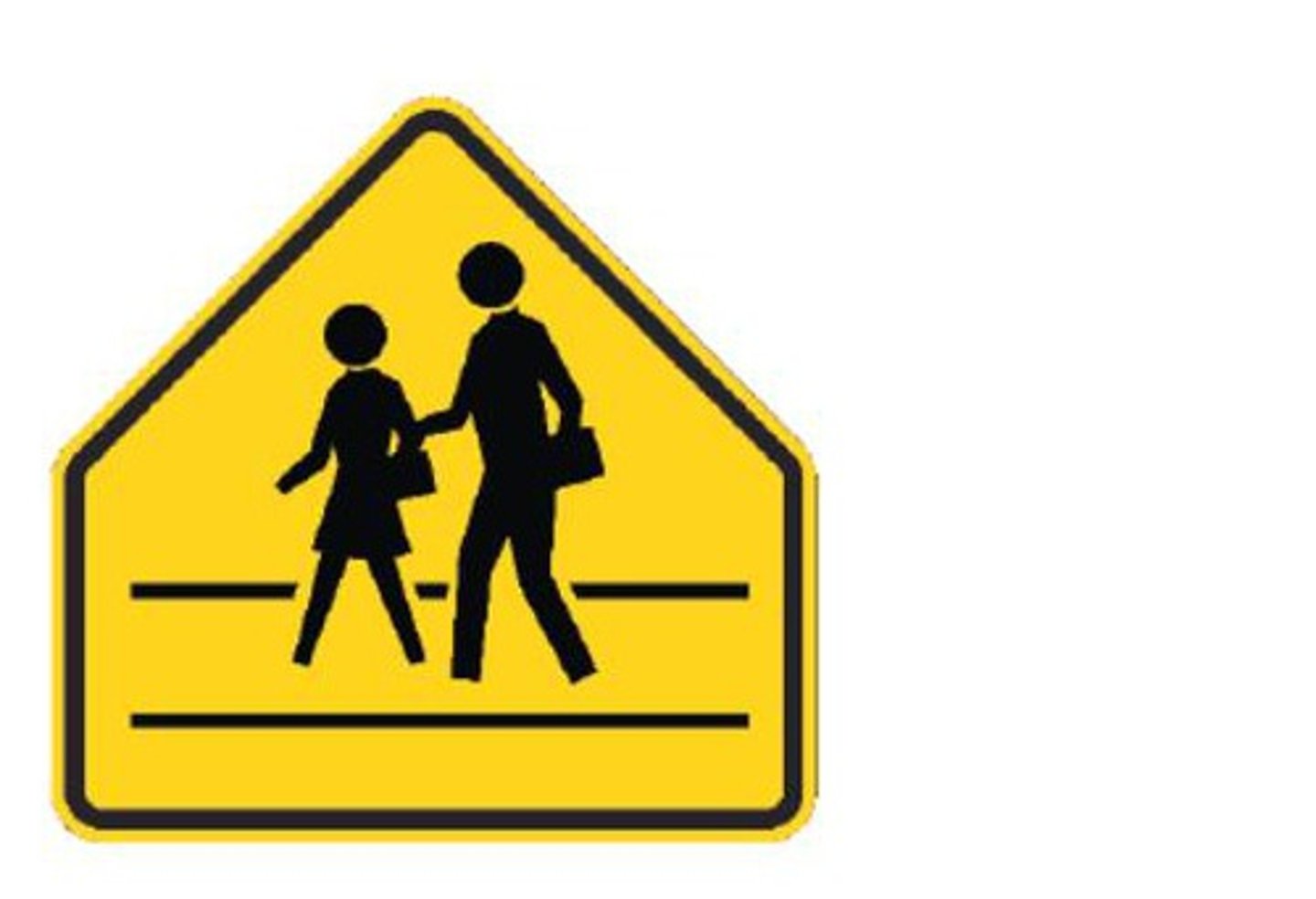
School Crossing Sign
Yellow-Green pentagon that indicated the beginning of a school zone.
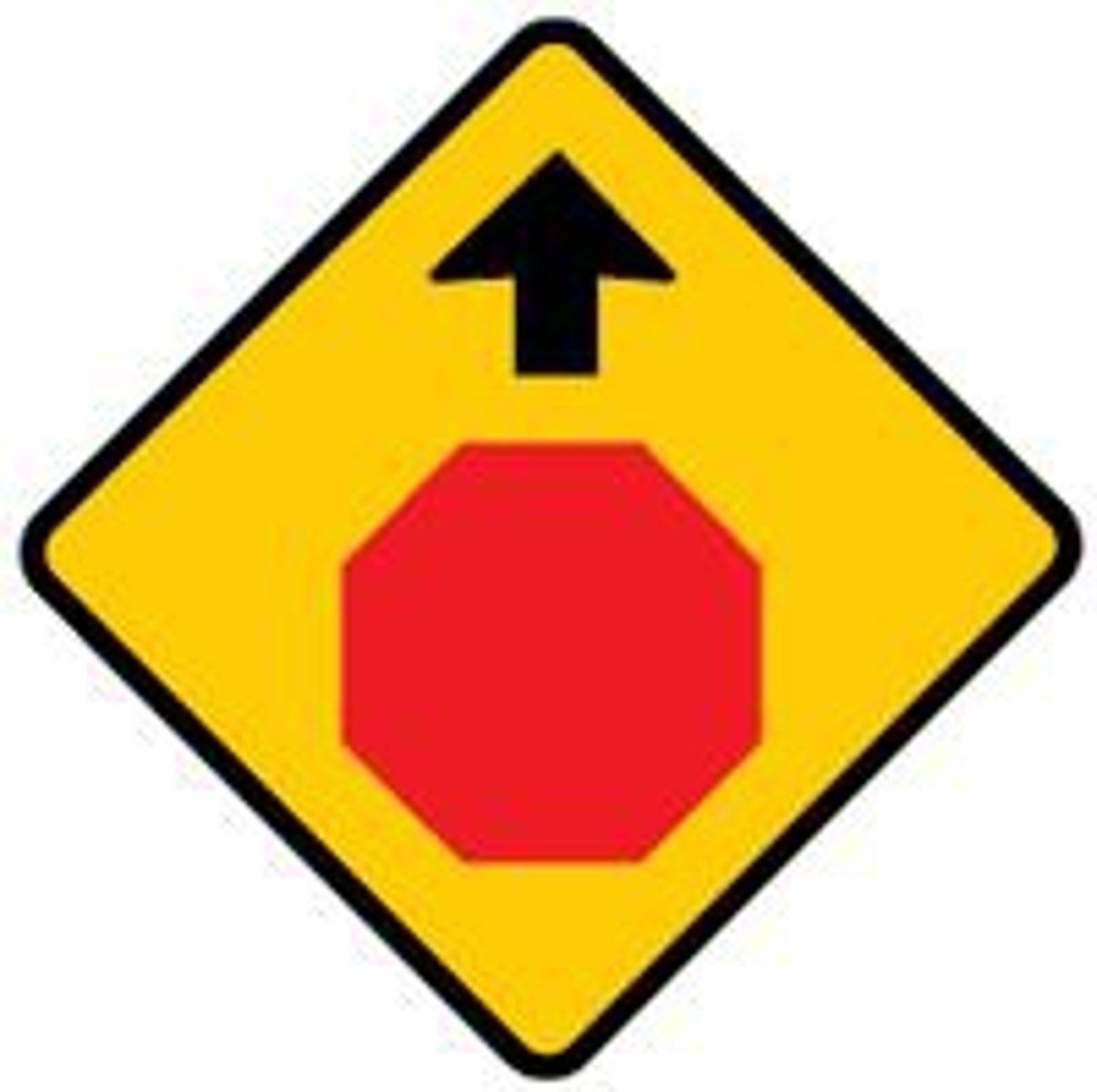
Advance Regulatory Sign
Indicates what type of regulatory sign the driver will soon encounter.
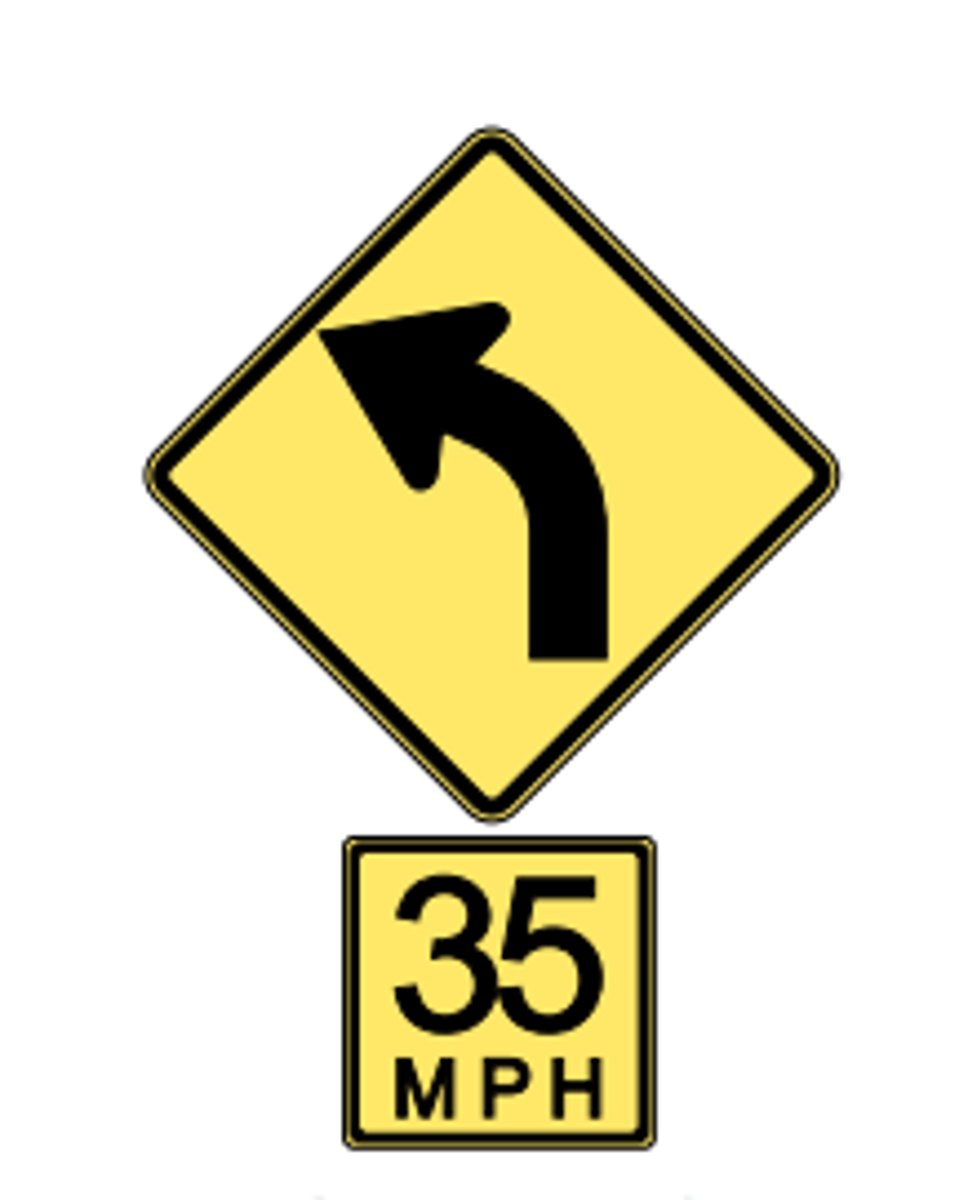
Upcoming Curves Sign
Provides a waning for upcoming curves in the road. The advisory speed plate is the fastest recommended speed under ideal conditions.
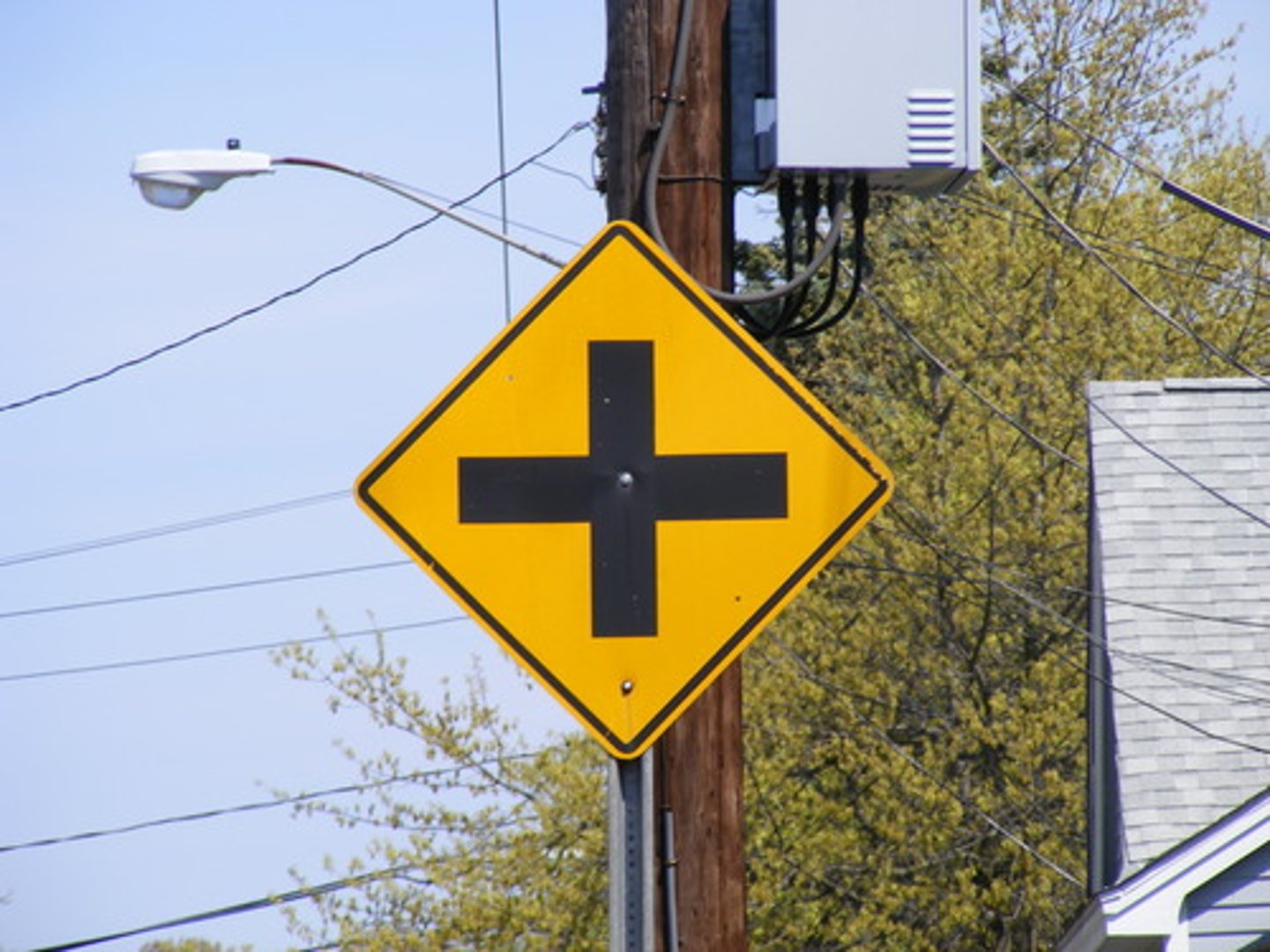
Intersection Sign
Indicated the next type of intersection in the roadway.
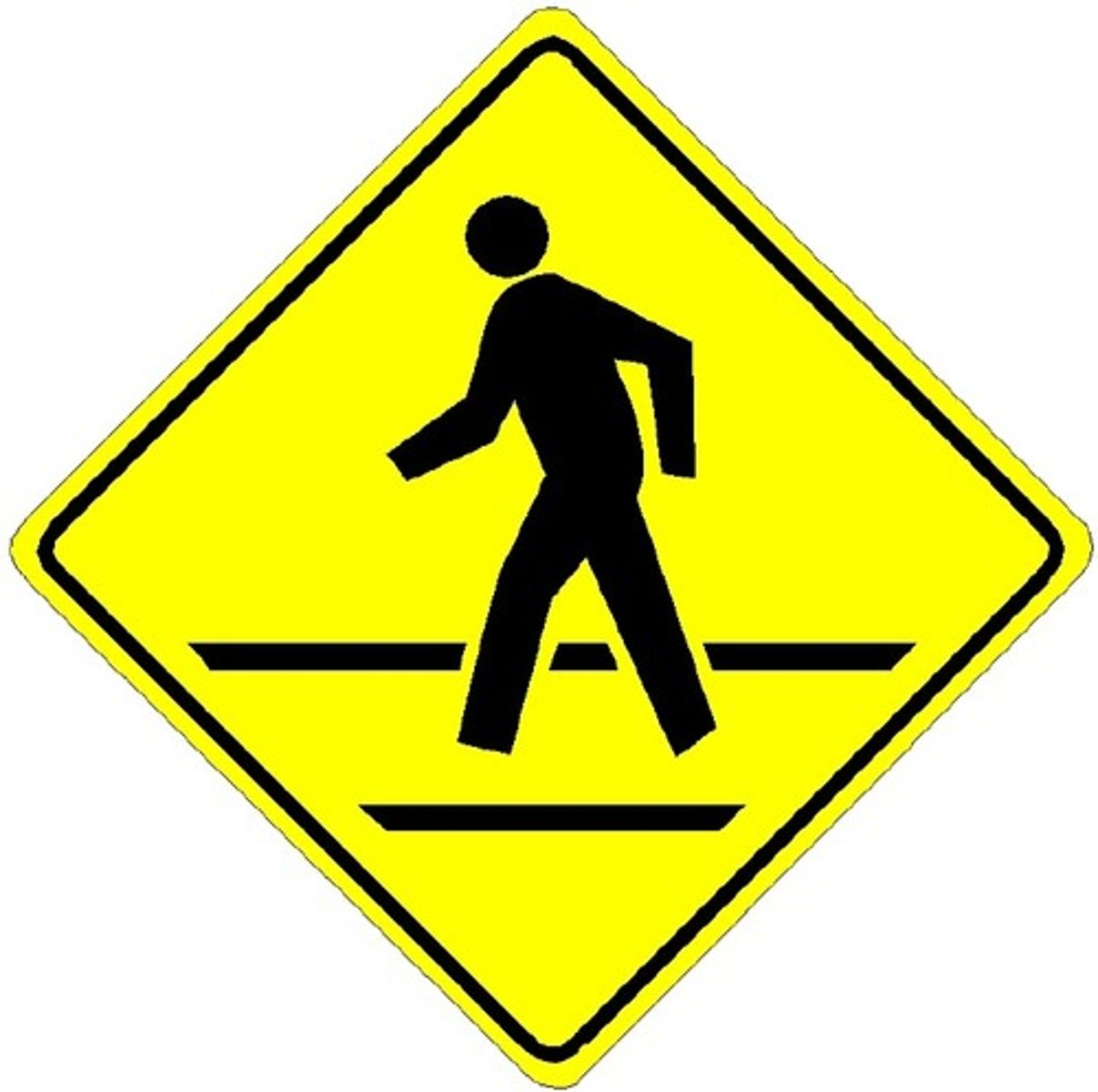
Crossing Signs
Alerts drivers to places where people, animals, or vehicles will cross.
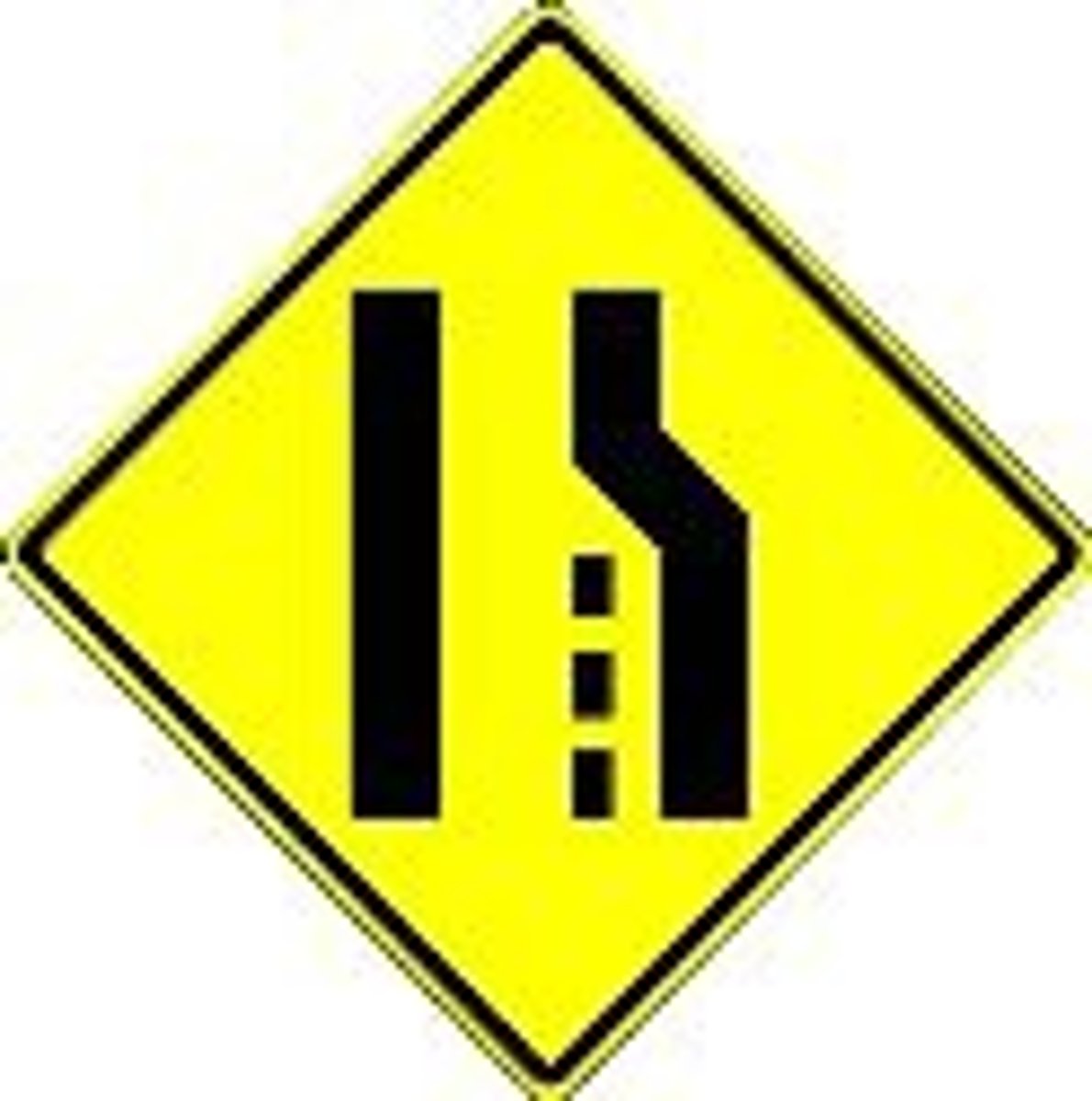
Losing Lane Signs
Indicated the loss of one or more traffic lanes ahead.
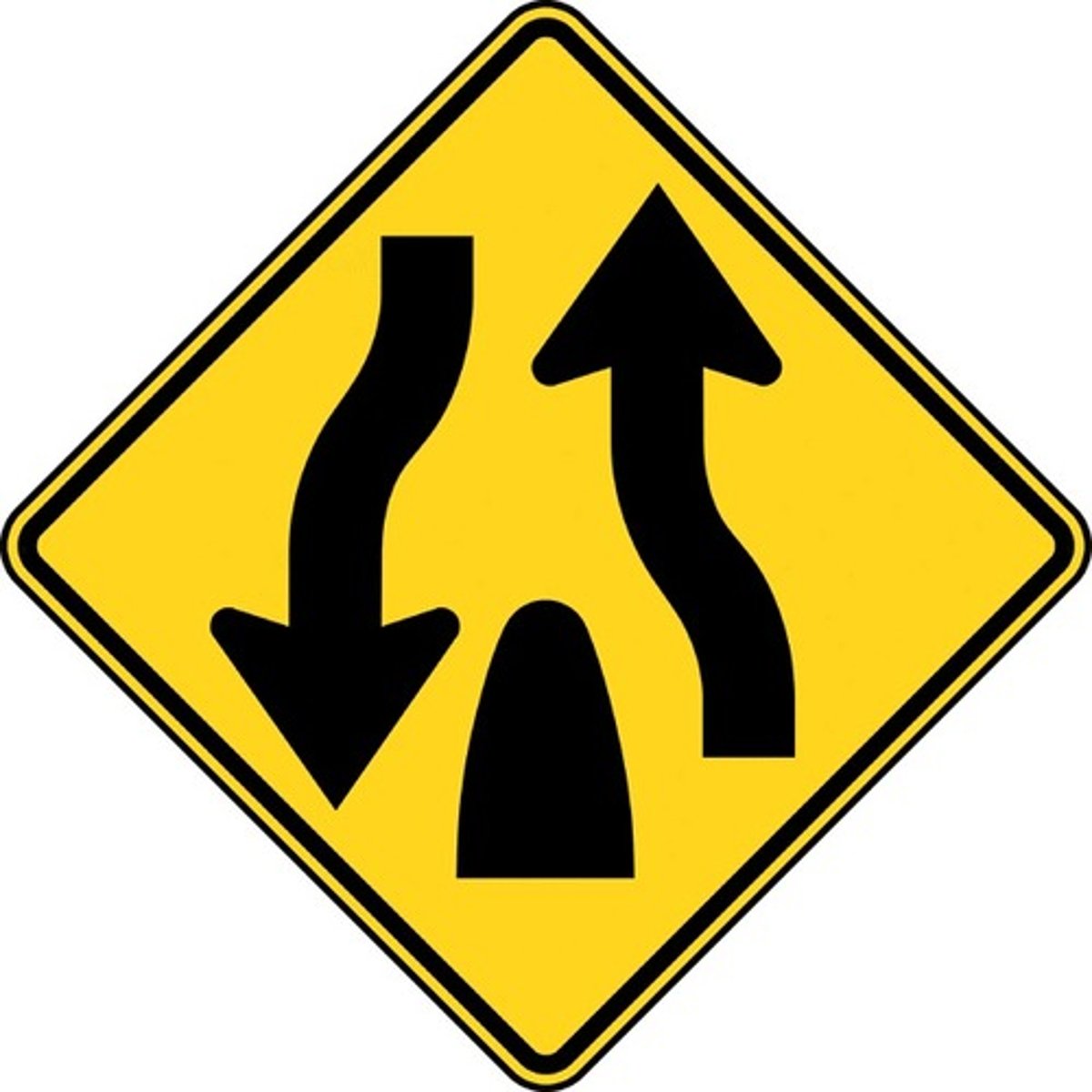
Divided Highway Signs
Indicated the beginning and end of a divided highway.
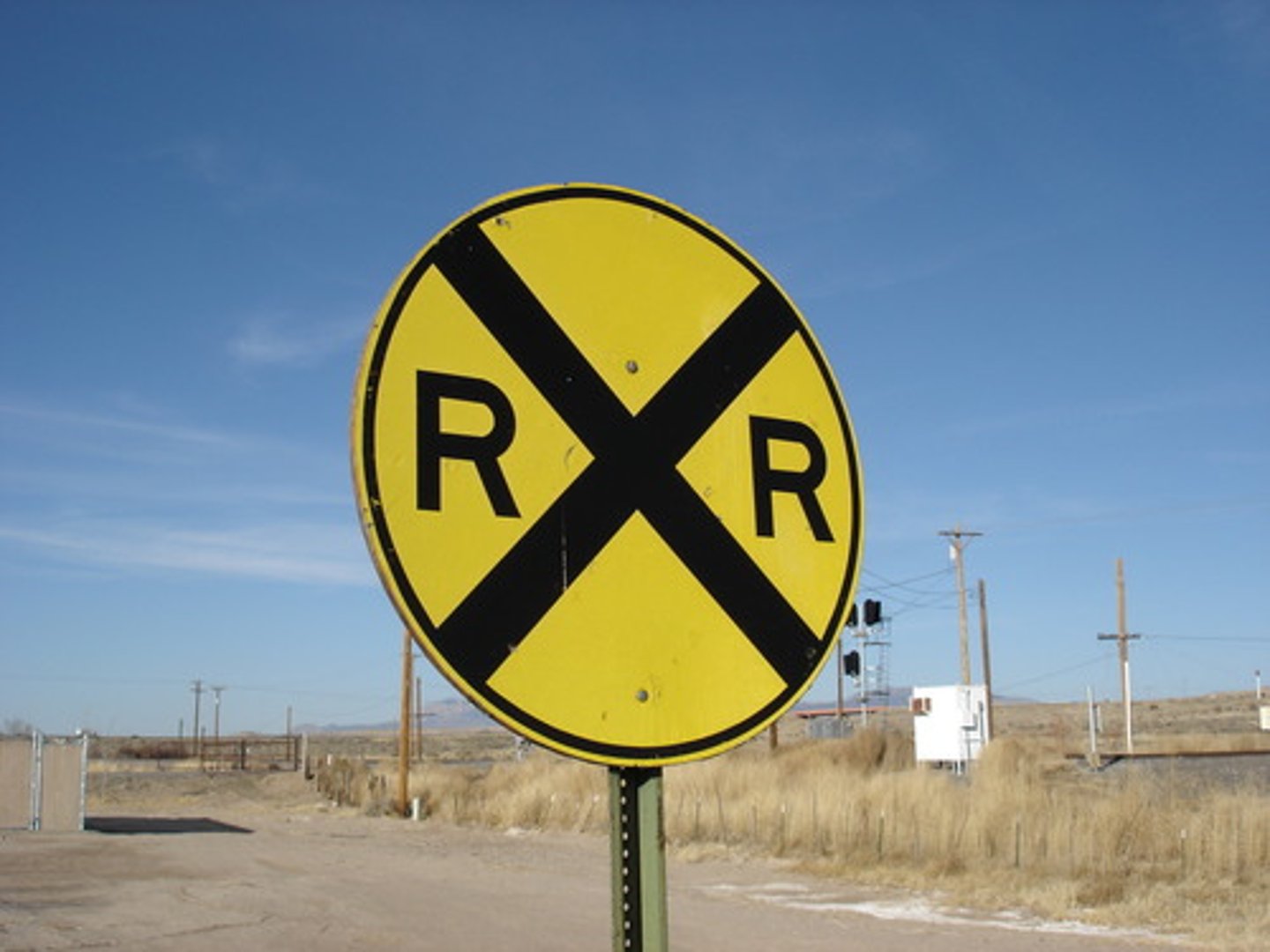
Railroad Sign
Alerts drivers to an upcoming railroad intersection.
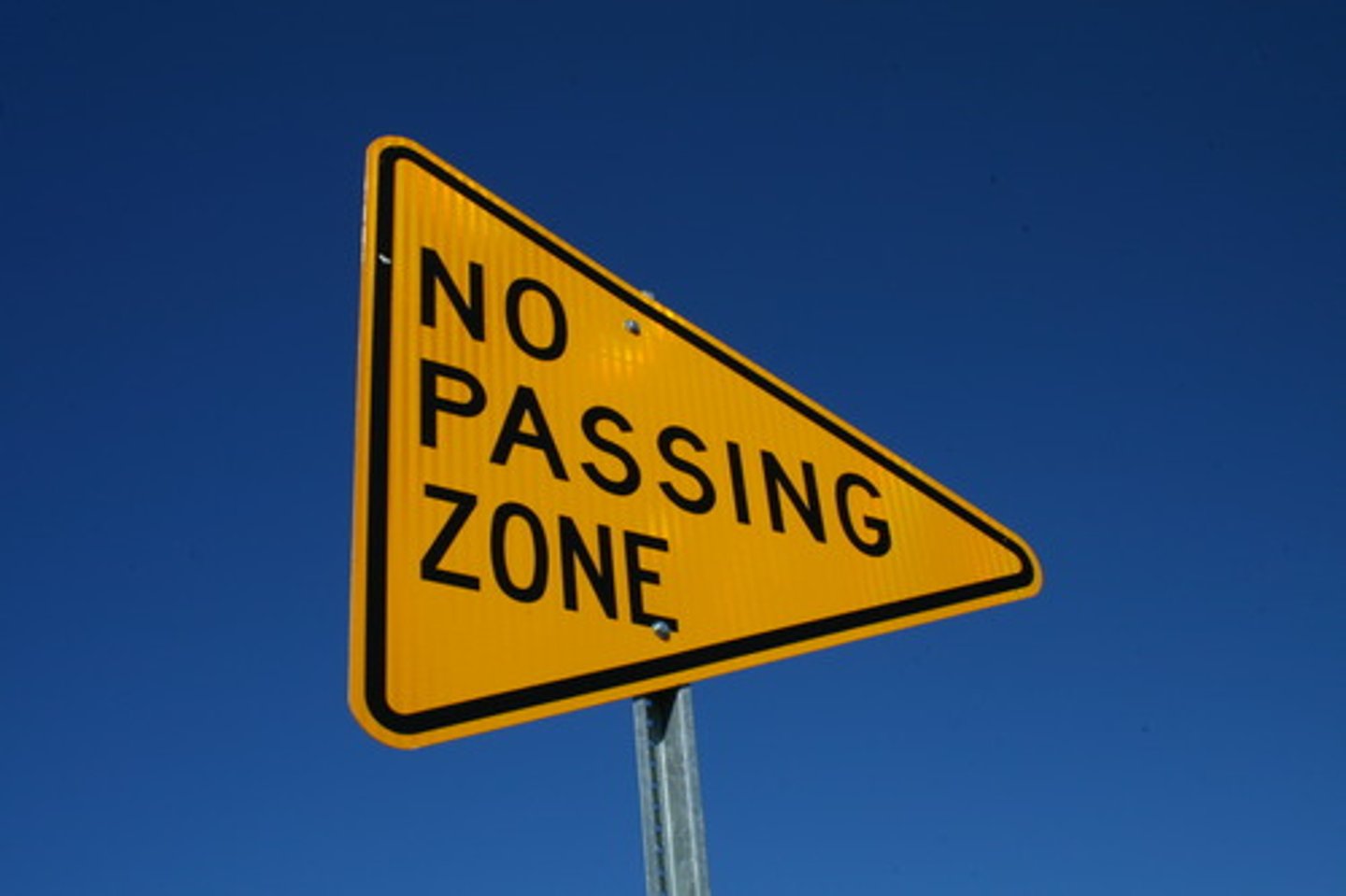
No Passing Zone Sign
A pennant that indicates the beginning of a no passing zone.
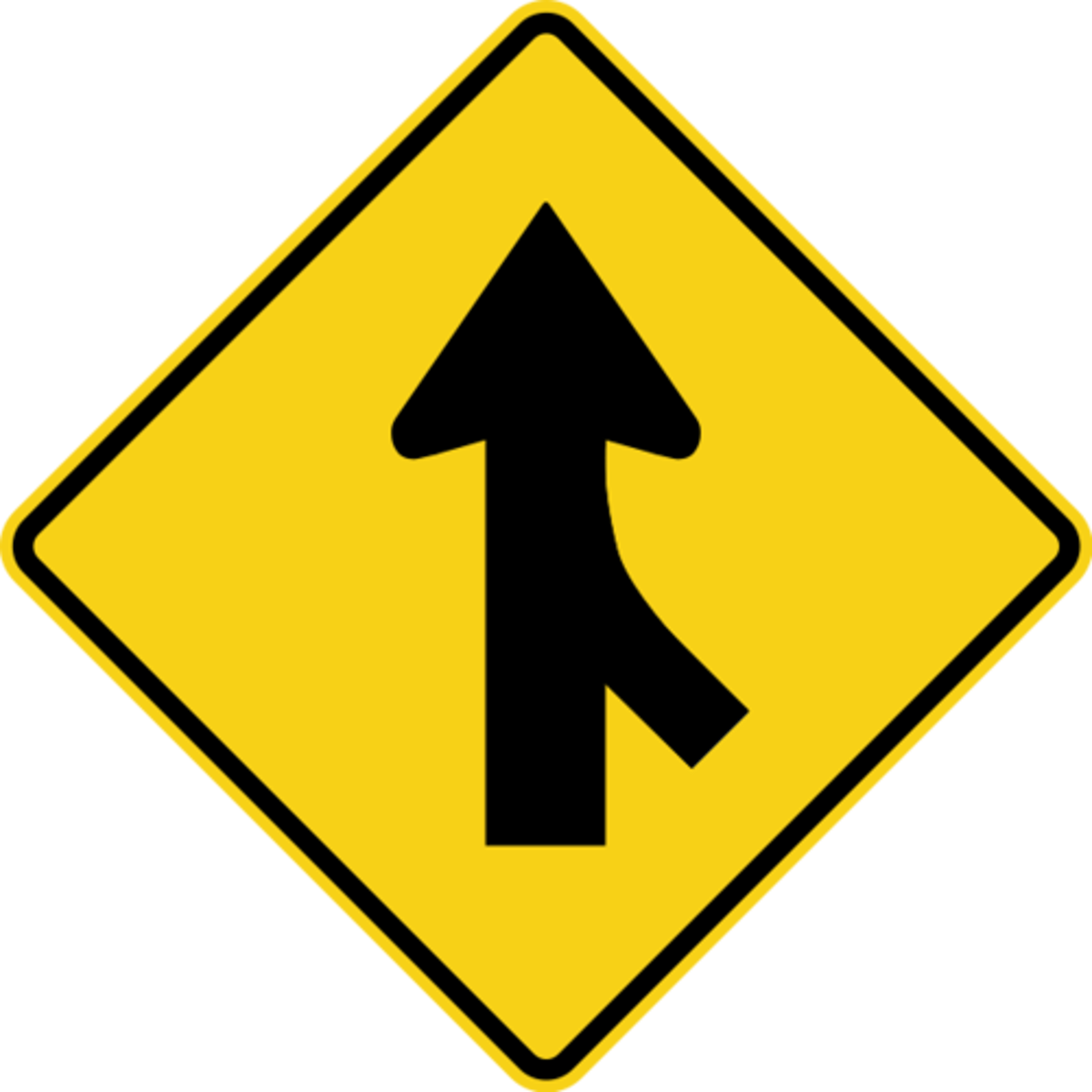
Merging Sign
Indicates that vehicles will merge onto the road ahead.
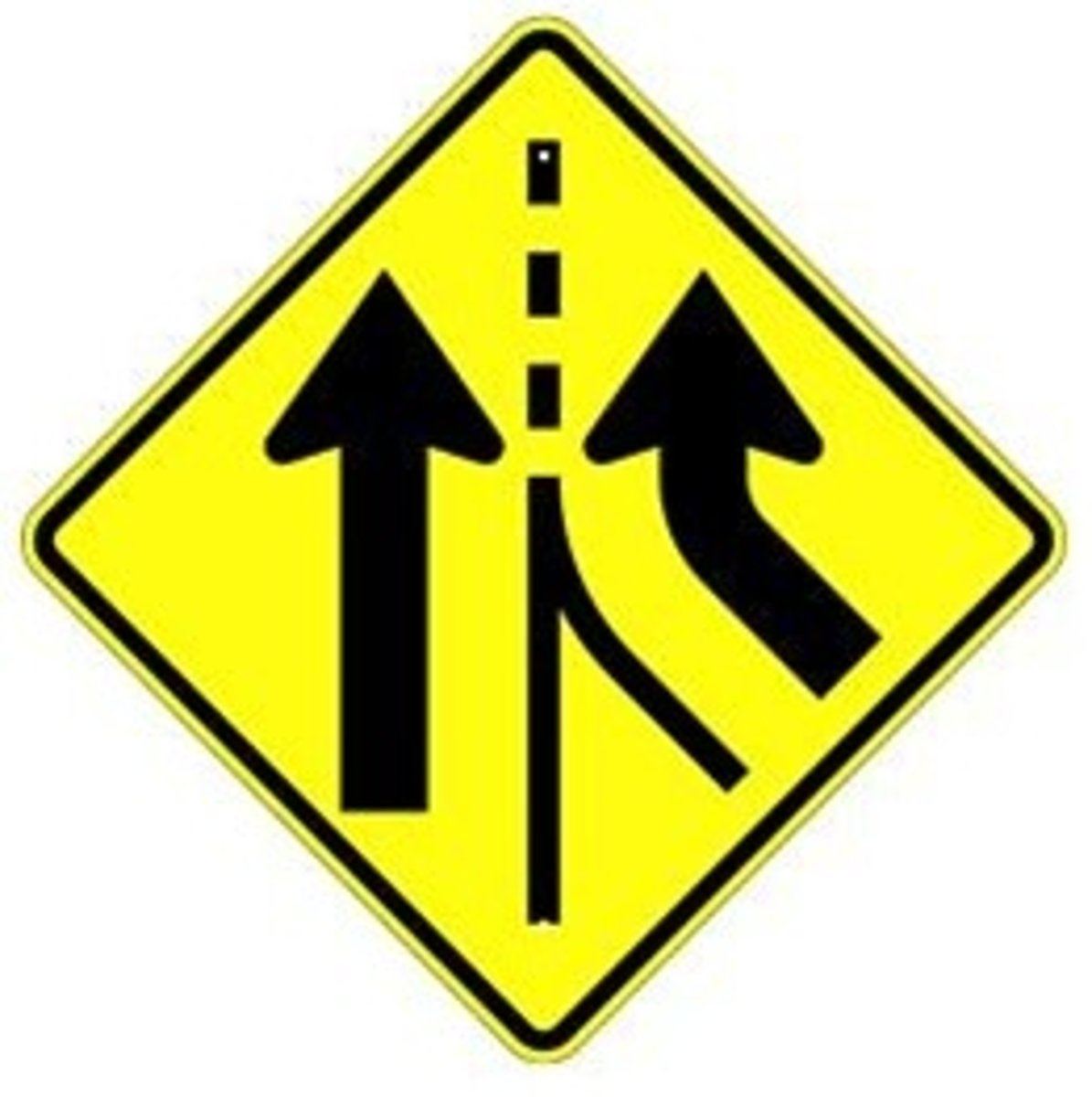
Added Lane Sign
Indicates that the roadway will have an added lane ahead.
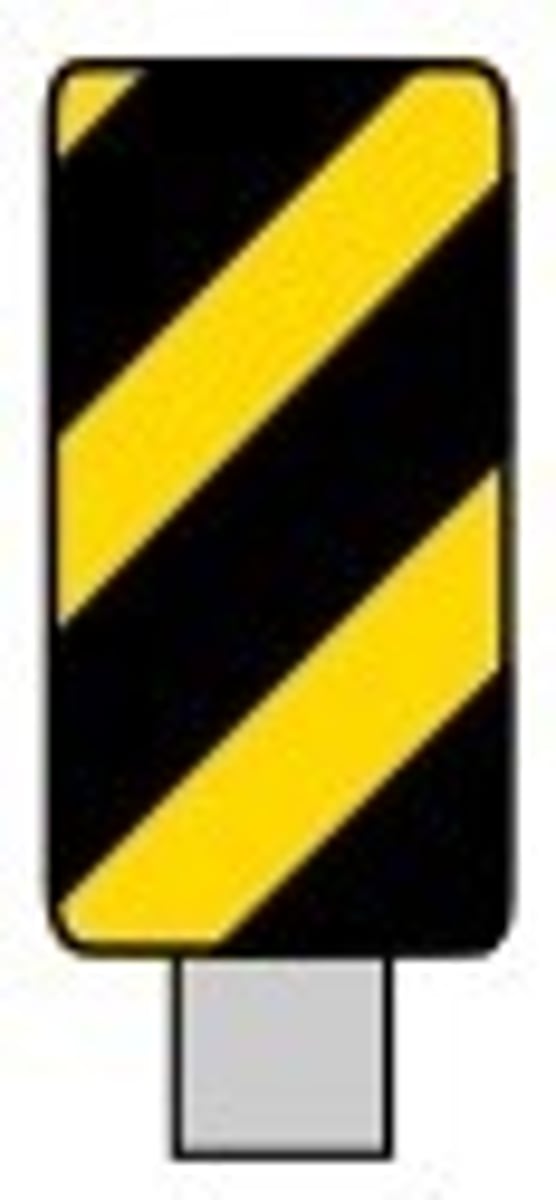
Obstruction Sign
Indicates that the roadway will narrow because of an obstacle.
Hazard Sign
Indicates a hazardous condition which could cause a driver to lose control of the vehicle.
Guide Signs
Give direction and information.
Guide Sign Background Colors
Red, Blue, Black, Green, and Brown
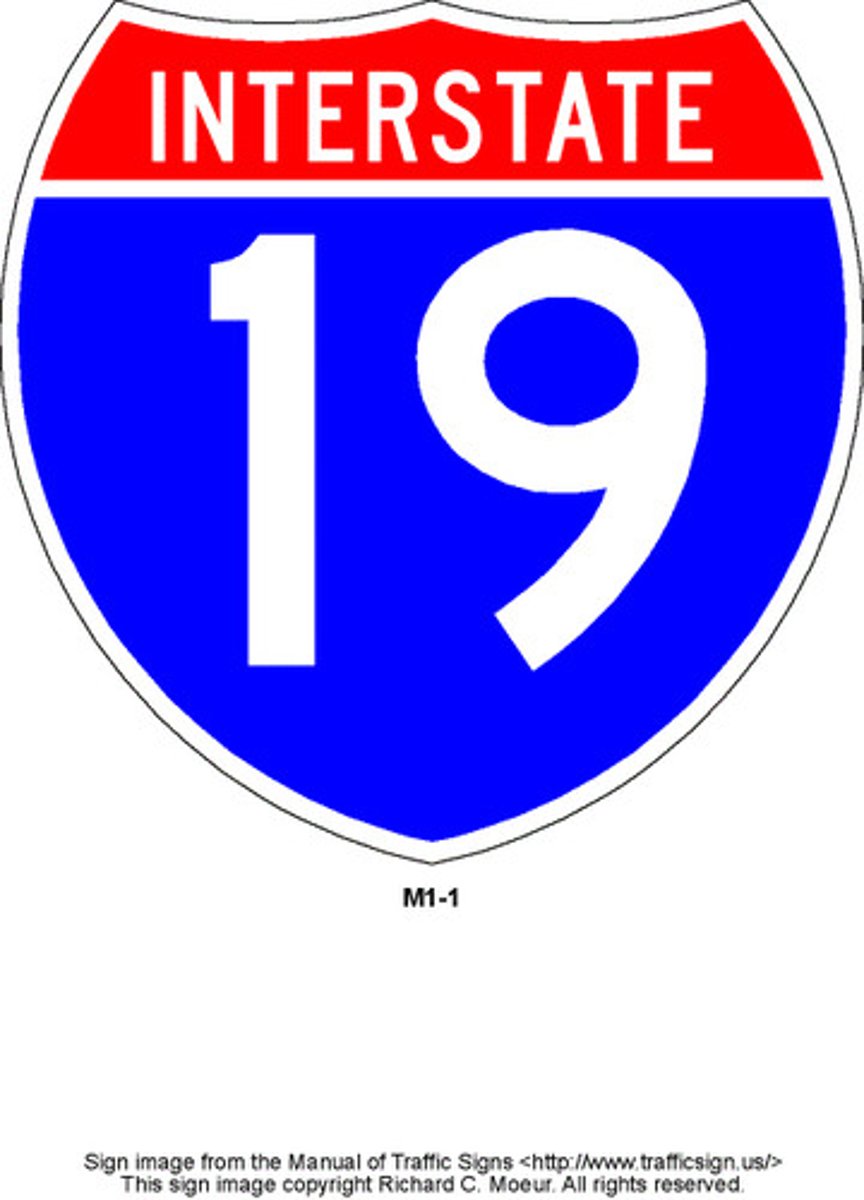
Interstate Route Markers or Expressways
Shield. Red, white, and blue.
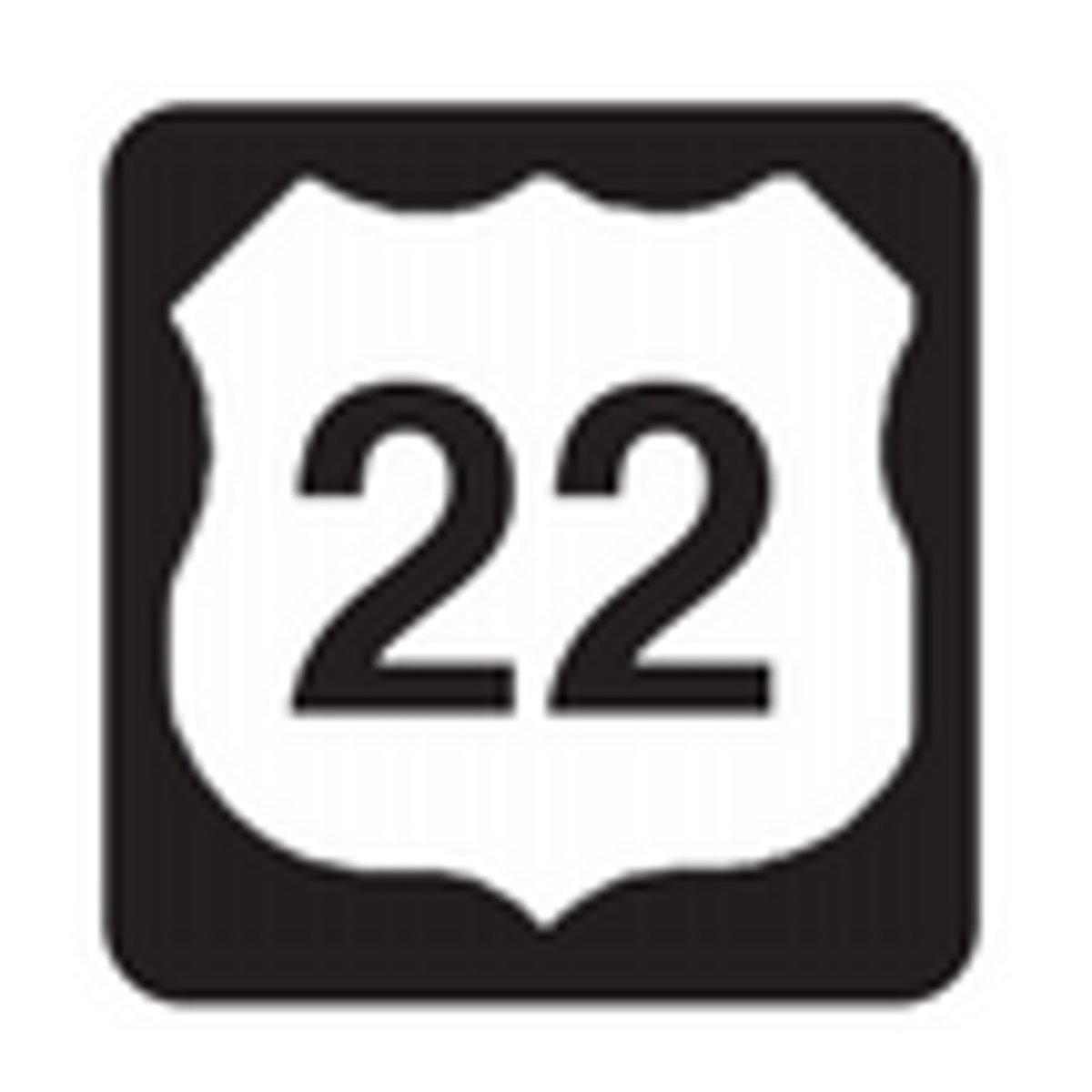
U.S. Route Markers (highway or expressway)
Expressway Directions Sign Color
Green and White.
Motorist Information Sign Color
Blue and White
Recreational Interest Sign Color
Brown and White
Reflectors
Show the driving path or give clues to the location of driveways.
Construction and Incident Control Signs
Provide important information through work zones and emergency situations.
Construction and Incident Control Sign Background Colors
Orange and Pink
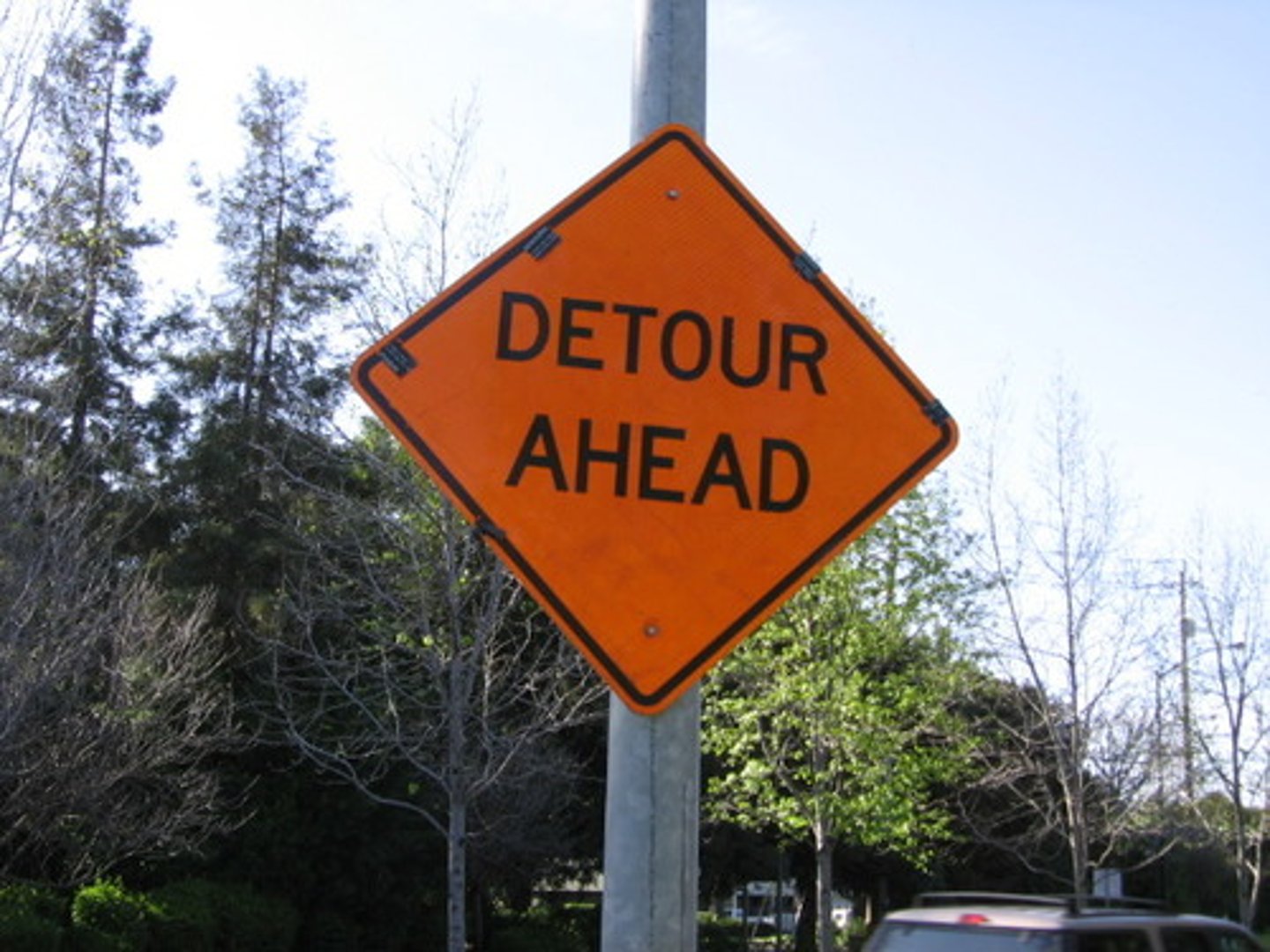
Work Area Ahead and Detours Ahead Signs
Indicate when the work zone begins or ends and also how drivers may avoid the work zone (detour).
What do you do if you see a highway worker?
Lower your speed from 45 mph.
Road Work Conditions Signs
Indicate the type of road work conditions ahead. (orange)
Lane Availability Work Zone Signs
Indicate what lanes are available in the work zone. (orange)
Accident Signs
Provide guidance through the scene of an accident. (pink)
Emergency Signs
Provide guidance through an area dealing with an emergency. (pink)
Traffic Control Persons
Control the flow of traffic at intersections and in work zones.
Crossing Guard
Controls traffic at intersections to allow school children to safely cross.
Flag Person
Directs traffic through designated work zones.
Police Officer
Controls traffic at intersections with hand signals or a whistle. You should follow he direction of a police officer in an intersection, regardless of other signals on the road.
F.A.L.L
First Available Legal Lane
Traffic lights and Signals
Direct the flow of traffic at intersections and on the roadway.
Traffic Light Colors
Red, Yellow, and Green.
Red Light
Stop, proceed when light turns green.
Yellow Light
Approach with caution and prepare to stop.
Green Light
Proceed through intersection if it is clear (check traffic before proceeding).
Flashing Red Light
Treat like it is a stop sign.
Flashing Yellow Light
Slow down and be prepared to yield.
Stale Green Light
A light which has been green for a while. Approach with caution because it could turn yellow and any moment.
Green Flashing Yellow Arrow
Proceed through a turn in the direction of the arrow if traffic is clear.
Right Turn on Red
Stop and yield to all traffic and pedestrians in the path of travel. Check left, right, then left again. 1) Must be Legal, 2) Traffic from left, 3) Pedestrians
Left Turn on Red
(Same procedure as right). The maneuver is legal if the driver is turning from a one-way street onto a one-way street headed in the direction of the turn.
Traffic Checks
Before proceeding through the intersection, check areas to front, left, and right. Yield to vehicles or pedestrians in the intersection.
Steady Red X
The lane is not available.
Flashing Yellow X
The lane will soon be unavailable.
Steady Green Arrow (downward)
The lane is available.
You are not required to stop at a flashing yellow; T or F
True
Pavement Markings
Lines, letters, or symbols which regulate traffic flow.
Yellow Lane Lines
Separate two-way traffic.
White Lane Lines
Separate one-way traffic.
Solid Yellow Lane Lines
Passing is not allowed.
Double Solid Yellow Lane Lines
Passing is not allowed in either direction.
Broken Yellow Lane Lines
Passing is allowed when no oncoming traffic is present.
Solid White Lines
Passing is discouraged in high-risk locations.
Rumble Strips (along the roadway)
Alert drivers that they are leaving the travel portion of the road.
Rumble Strips (across the roadway)
Indicate an upcoming hazard.
Edge Lines/Fog Lines
Indicate the legal edge of the road.
Crosswalk
Indicates the safe crossing path for pedestrians.
Stop line/Stop bar
Wide white lines which indicate where the driver should stop when facing a stop sign or stop line.
Obstruction Markings
Lines indicating where a driver should not drive.
Parking Spaces
Ordered line which indicate where drivers may park.
Yellow Curb Markings
Parking is prohibited along this curb.
Blue Curb Markings
Parking is reserved for handicapped parking.
White Arrows
Direction of traffic in each lane of an intersection. (black arrows on signs.)
Crossings
Upcoming railroad intersection or school crossing.
Warnings
Advance notice of upcoming regulatory devices.
Information
Speed limits, route numbers, or other information.
White Diamond
The HOV lane is reserved for a specific group of users.
HOV
High Occupancy Vehicle
Reserved Parking
Prohibits parking except for the handicapped.
Three Lanes
Drivers should stay to the right of the yellow line unless it is safe and legal to pass.
Four Lanes
Traffic is provided with two lanes in each direction (may be divided by a double yellow line or a grassy or concrete median).
Five Lanes
Traffic is provided with two lanes in each direction with a center lane reserved for left turns only.
Six Lanes
Traffic is provided with three lanes in each direction (typically divided by a grassy median).
Instrument Panel
Provides lights and gauges which allow the driver to better assess the condition of the vehicle.
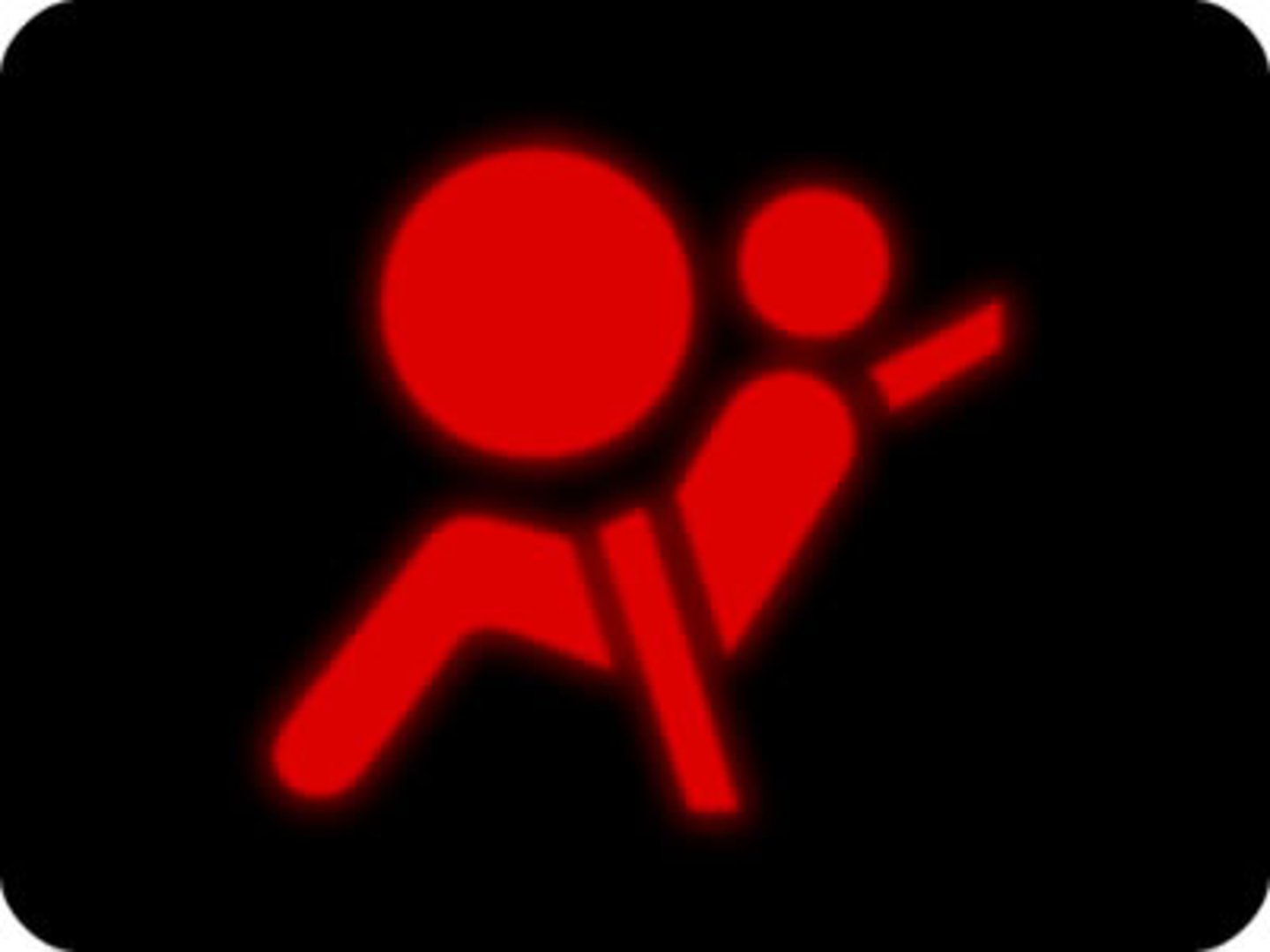
Airbag Light
Indicated the airbag system is active. If the light stays on, the air bag system is not functioning properly.
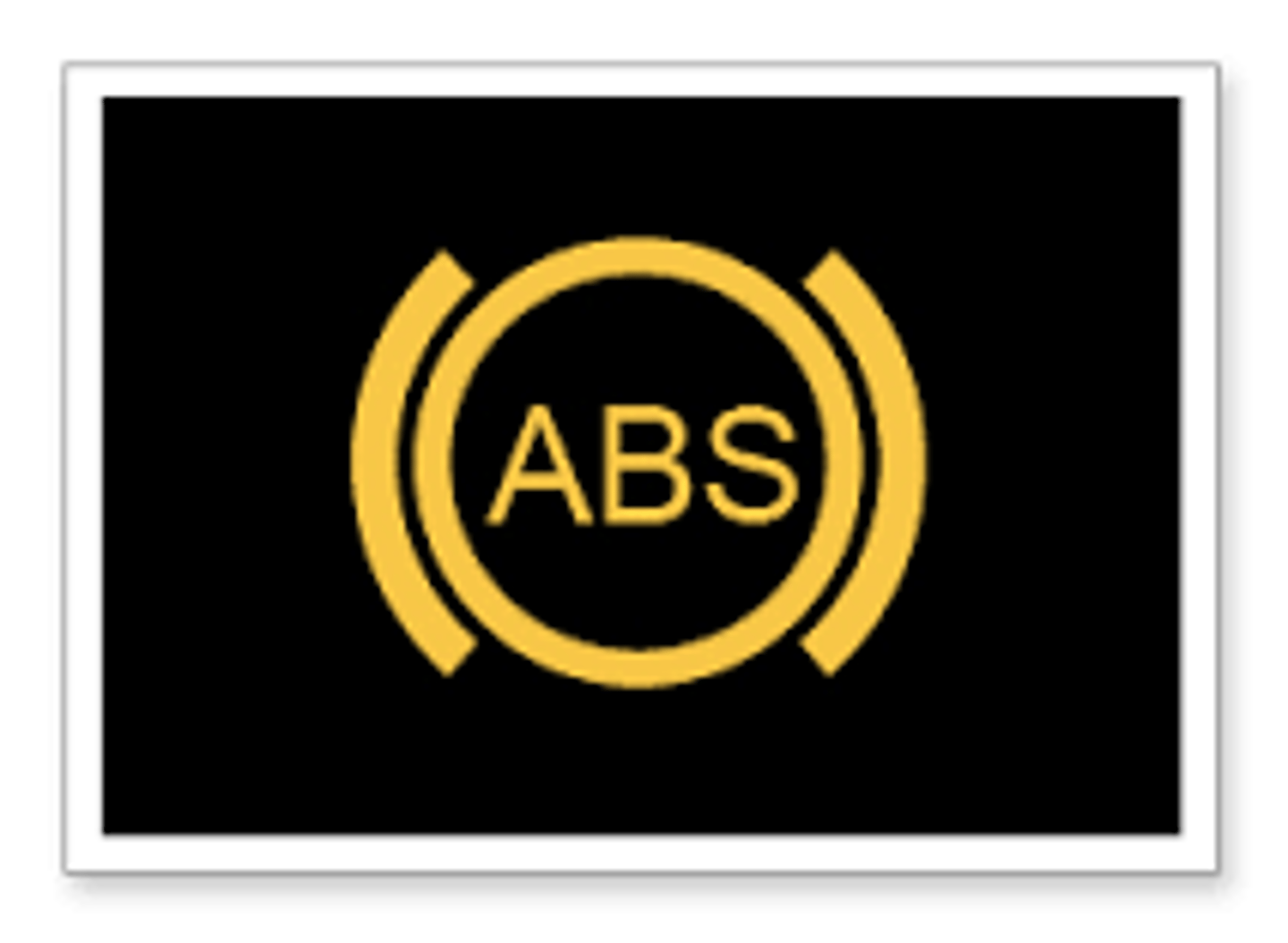
ABS light
Anti-Lock Breaking System: Indicated that the ABS is not engaged and the driver should have it checked by a professional. The driver may continue to safely operate the vehicle without the ABS properly working.
ESP Light
Electronic Stability Program: Indicates that the system is ready to help minimize skidding by monitoring what the car is doing compared to the drivers steering.