HG combines\d
 Call Kai
 Learn
Learn Practice Test
 Spaced Repetition
 Match
Match Flashcards
 Knowt Play
1/534

There's no tags or description
Looks like no tags are added yet.
Name | Mastery | Learn | Test | Matching | Spaced | Call with Kai |
|---|
No analytics yet
Send a link to your students to track their progress
535 Terms
I - neutrophil
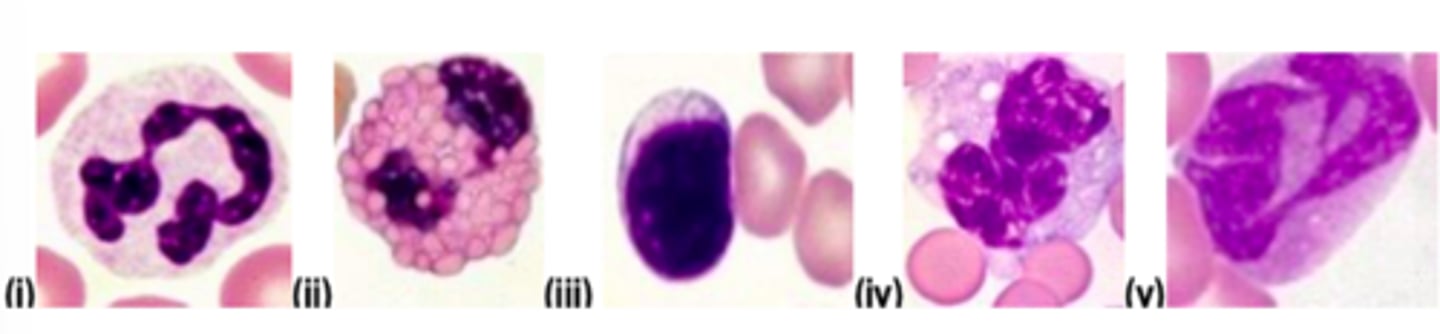
Which of the cells illustrated in plate 1 is best able to destroy bacteria?
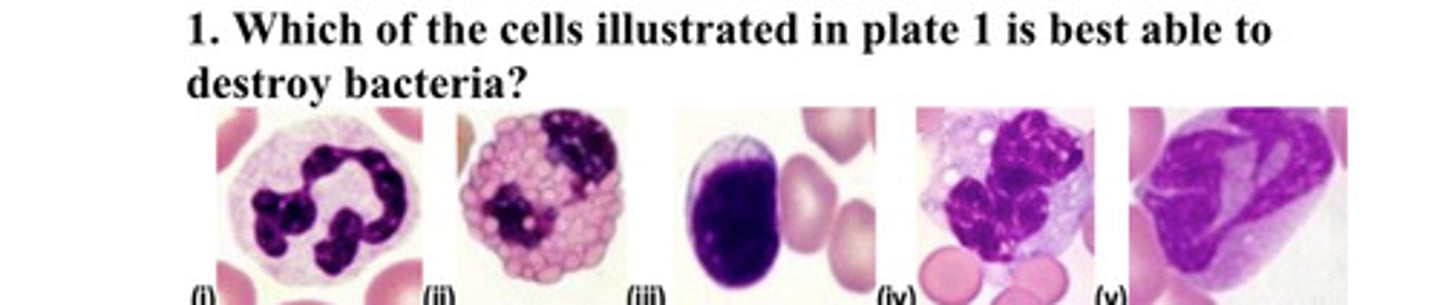
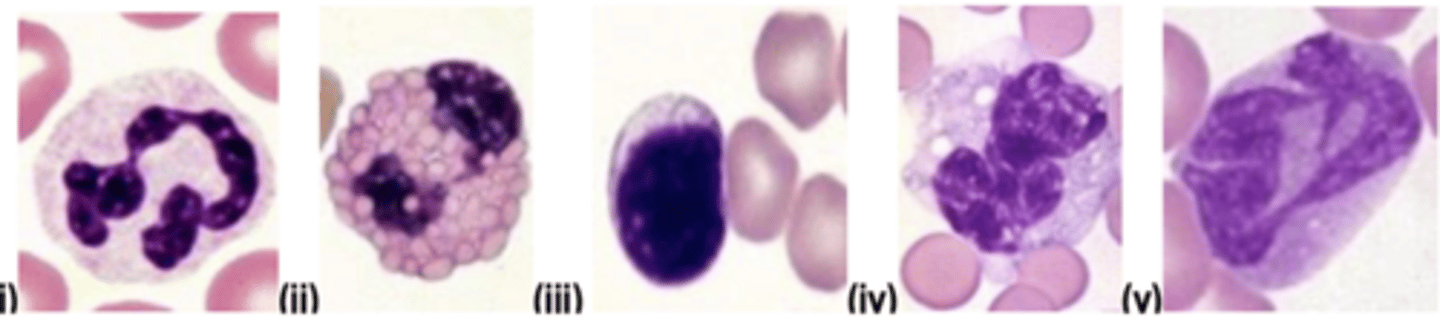
I (canine neutrophil), II (eosinophil) , III (lymphocyte) ,IV (bovine monocyte) and V (canine basophil)
Which of the cells illustrated in Plate 1 are leukocytes?
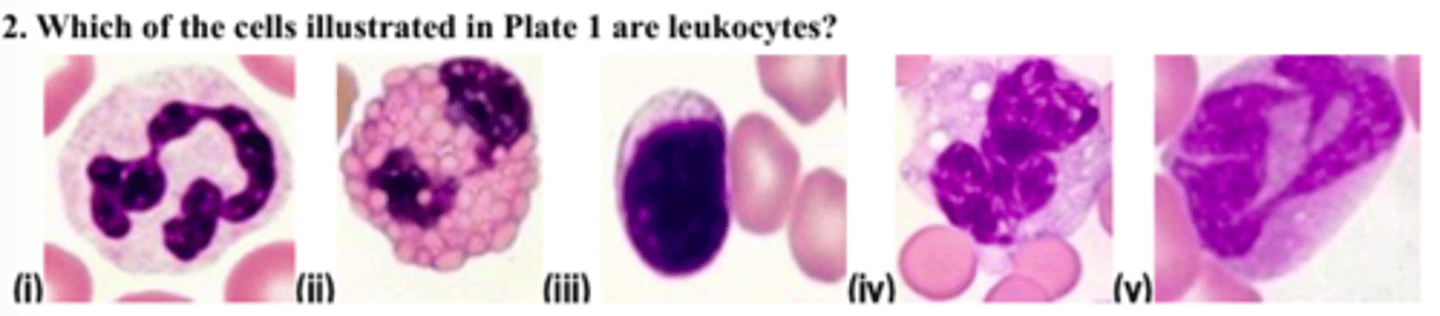
canine basophil
What are the cells illustrated in Plate 1, Figure (V)?
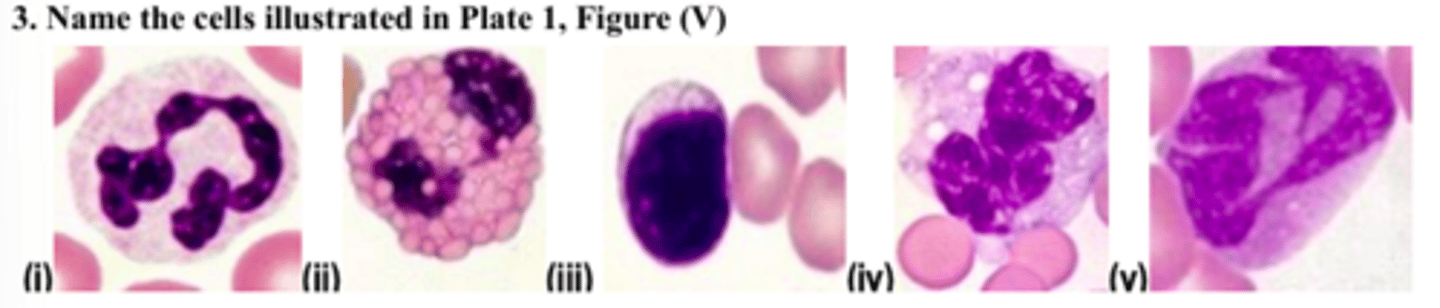
III lymphocyte
Which of the cells illustrated in plate 1 is most likely to be increased in the blood of an animal with chronic lymphocytic leukaemia?
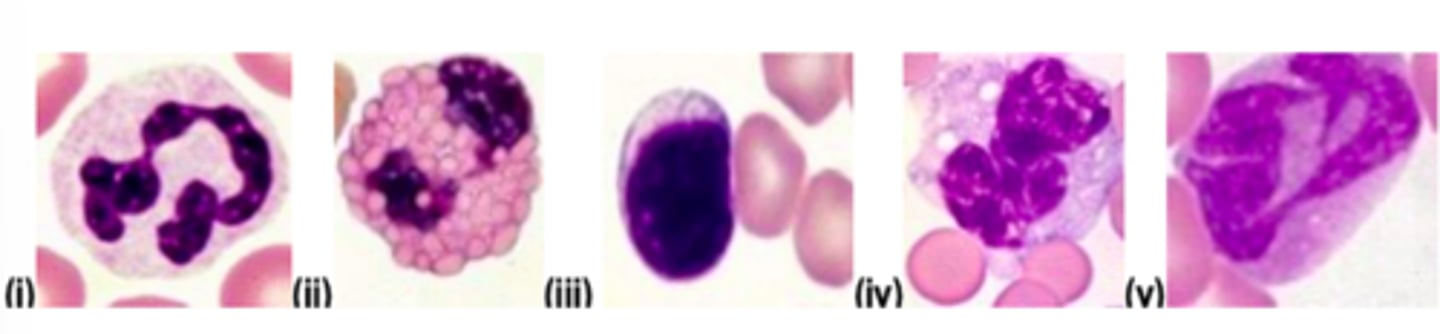
II eosinophil - in horses eosinophils have very striking large round intensely eosinophilic granules
Which cell is most clearly distinguishable as being from a horse?
II - eosinophil
Which of the cells illustrated in Plate 1 are most likely to be increased in the blood of an animal with intestinal parasitism?
III, IV and V
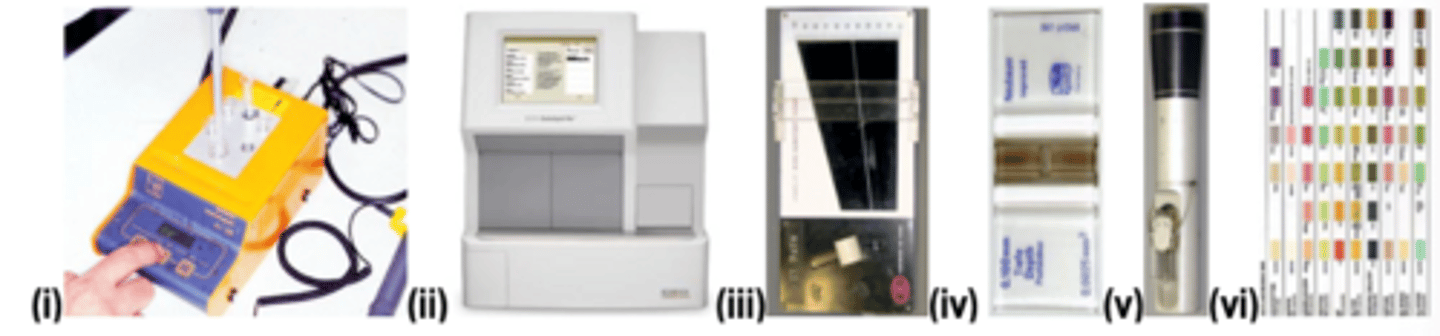
Which of the laboratory equipment illustrated in Plate 2 is (are) best used for routine
hematology?
a. (i)
b. (i), (iii) and (iv)
c. (ii) and (iv)
d. (iii), (iv) and (v)
e. (v) and (vi)
(I)
Which of the laboratory equipment illustrated in Plate 2 is (are) most useful in routine
hemostasis?
a. (i)
b. (ii)
c. (iii) and (vi)
d. (iv)
e. (v)
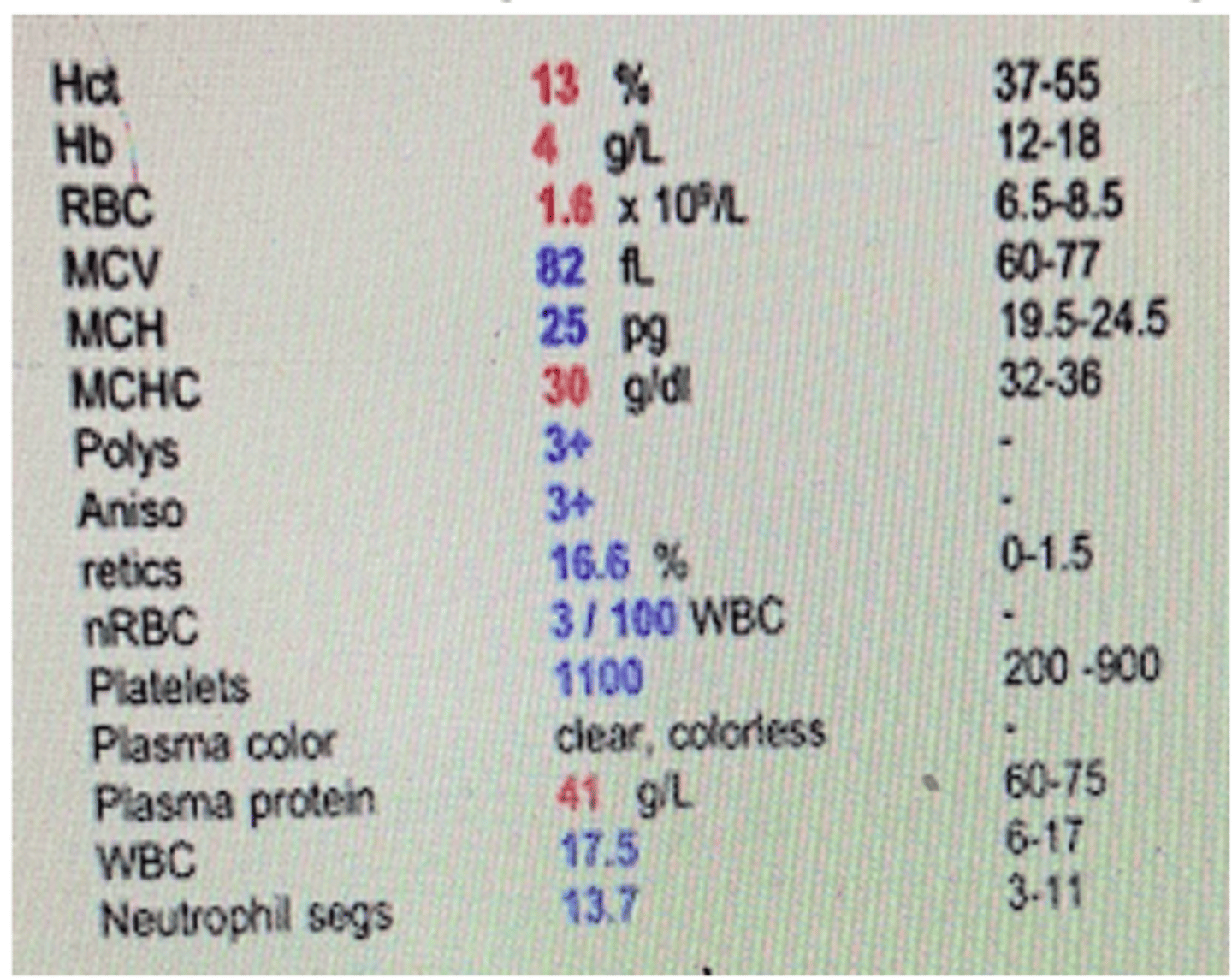
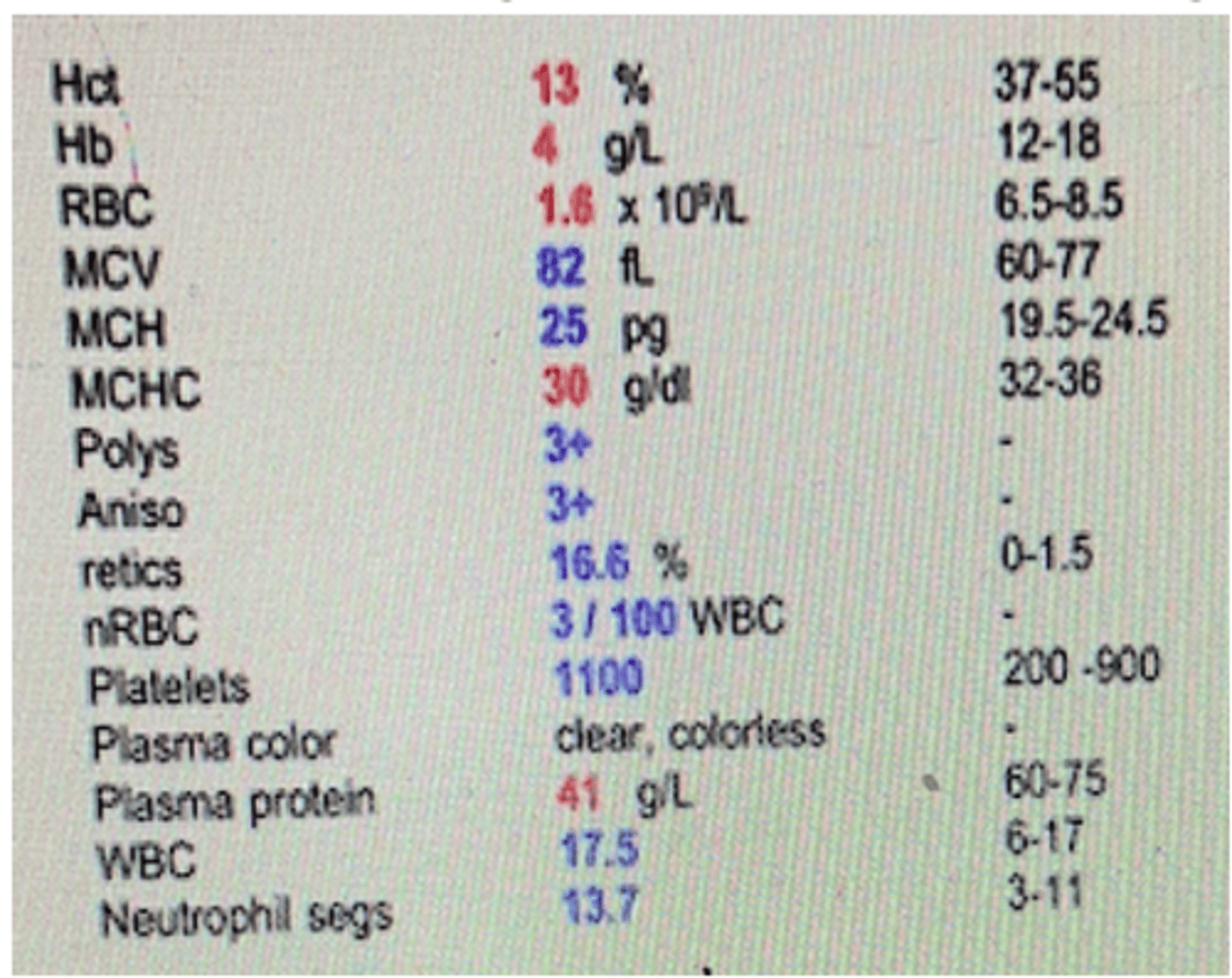
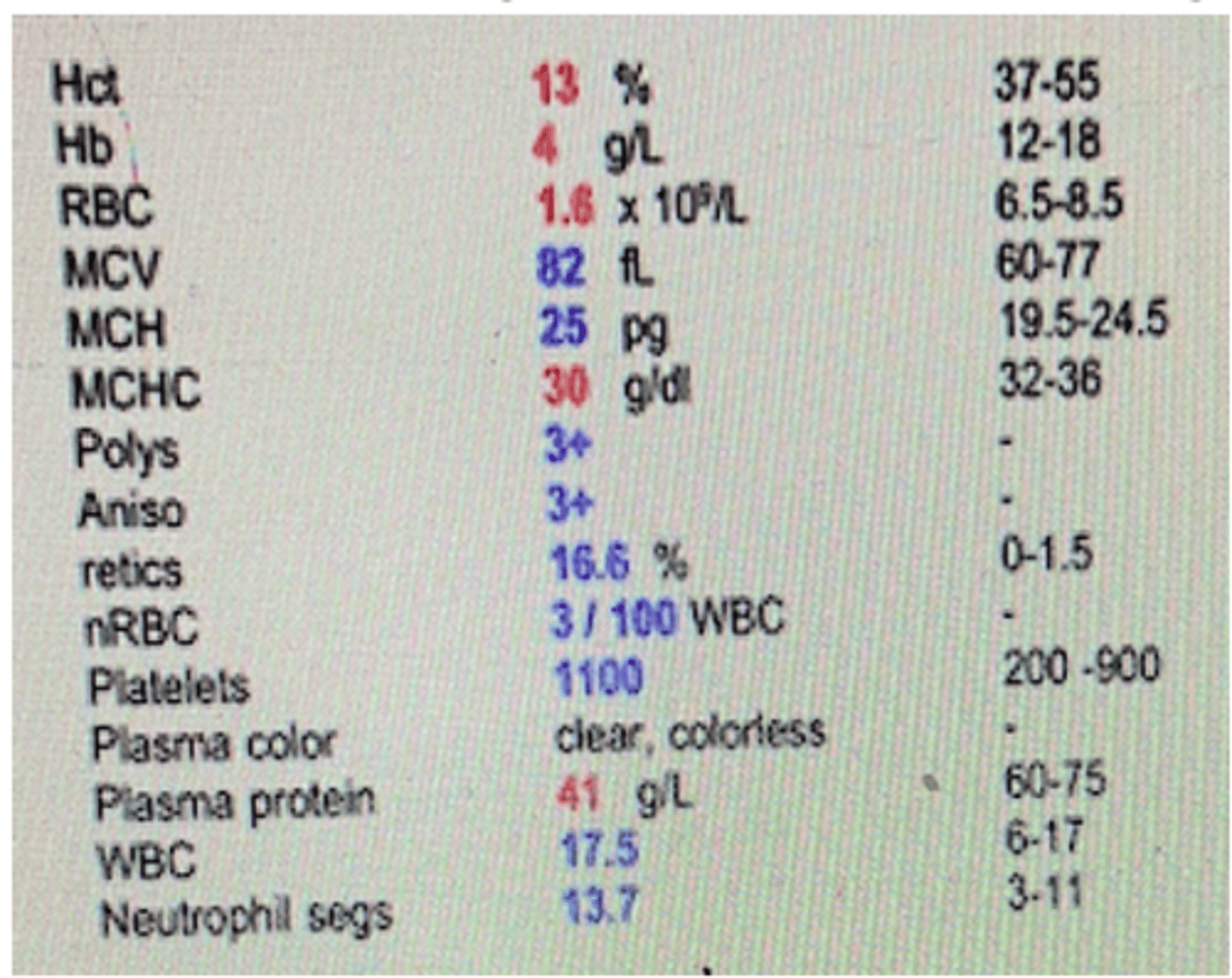
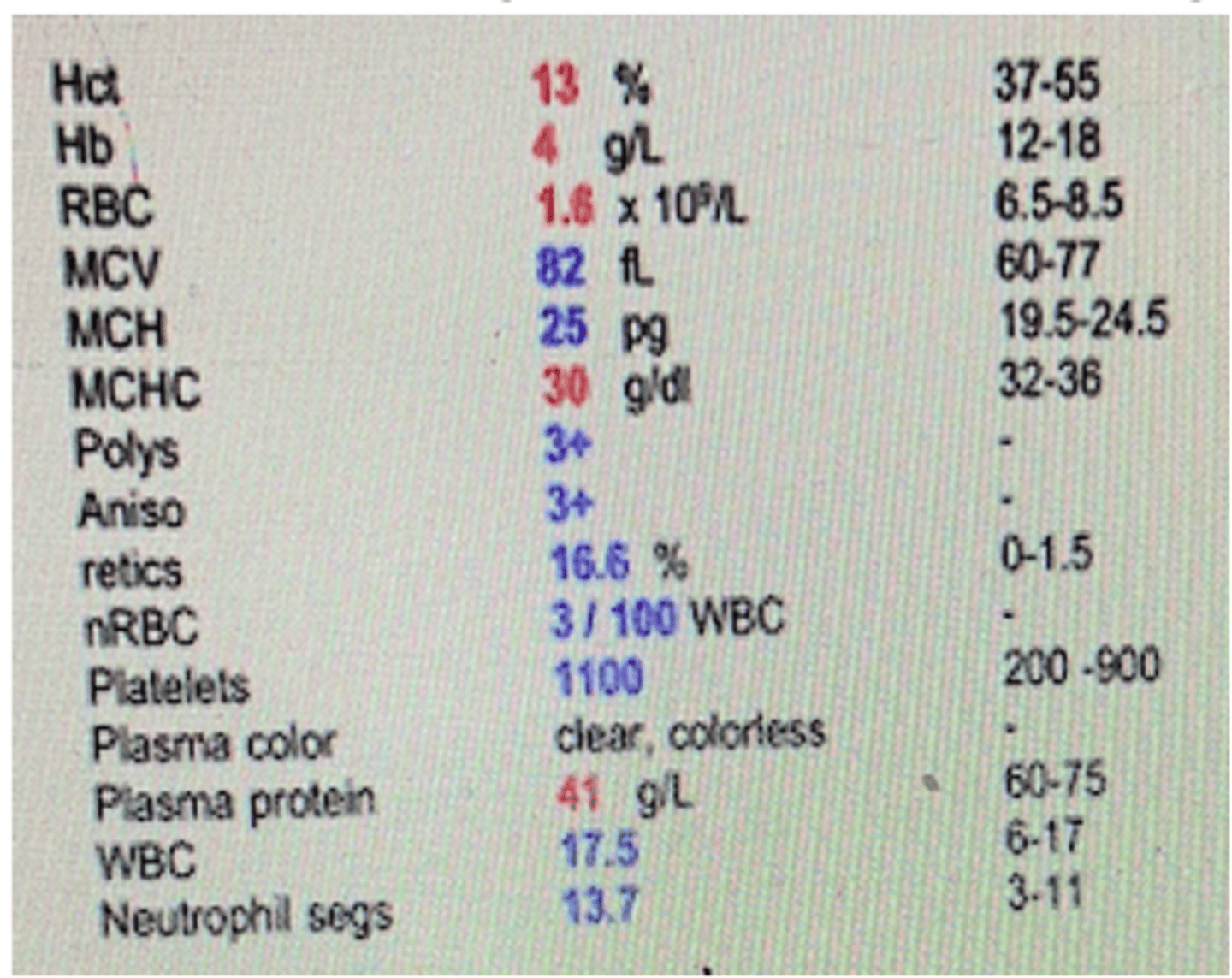
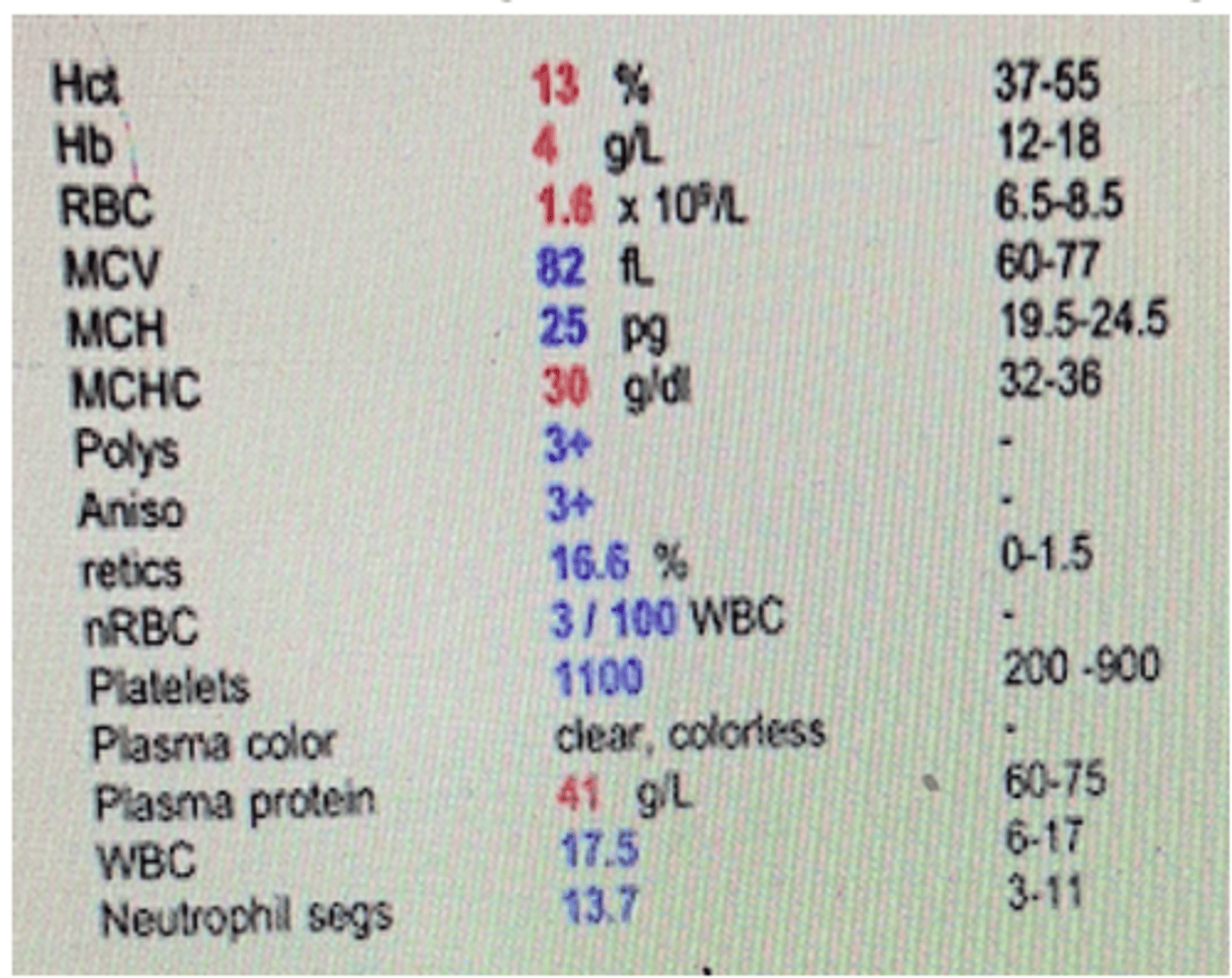
Marked macrocytic, hypochromic anaemia
Red cell parameters
Hct 13 % (↓) → severe/marked anaemia
Hb 4 g/dL (↓)
RBC 1.6 ×10¹²/L (↓) → confirms marked anaemia
Indices
MCV 82 fL (↑; ref 60–77) → macrocytic
MCHC 30 g/dL (↓; ref 32–36) → hypochromic
What is the most correct about the haemogram in plate 2?
a. Moderate, normocytic, normochromic anaemia
b. Marked normocytic, markedly-regenerative anaemia
c. Marked macrocytic, hypochromic anaemia
d. Moderate macrocytic, hypoproliferative anaemia e.Marked, normocytic regenerative anaemia
immune mediated hypersensitivity ????
What is the most likely aetiologic cause of the anaemia shown in the haemogram in plate 2?
a. Immune mediate hypersensitivity
b. Myelophthisis by neoplasia
c. Hookworm
d. Babesios
e. Drug toxicity
Nucleated erythrocytes (nRBCs)
Which biomarker best indicates regeneration?
a. Colourless plasma
b. Hypoproteinaemia
c. Increased red cell distribution width
d. Nucleated erythrocytes e. Thrombocytosis
All of the above
What does the evaluation of the relative changes in the 3 biomarkers for the erythron mass in the haemogram of plate 2 indicate?
a. Absence of a significant storage artefact
b. Absence of marked agglutination c. absence of marked intravascular haemolysis
d. All of the above
e. None of the above
A combination of the above
What do the erythrocytic indices and blood smear findings indicate about the anaemia demonstrated in the haemogram of plate 2?
a. Haemorrhage
b. Haemolysis
c. Hypoproliferation
d. A combination of the above
e. None of the above
V
Which of the microhematocrit tubes in plate 3 best indicates chronic, systemic inflammation?
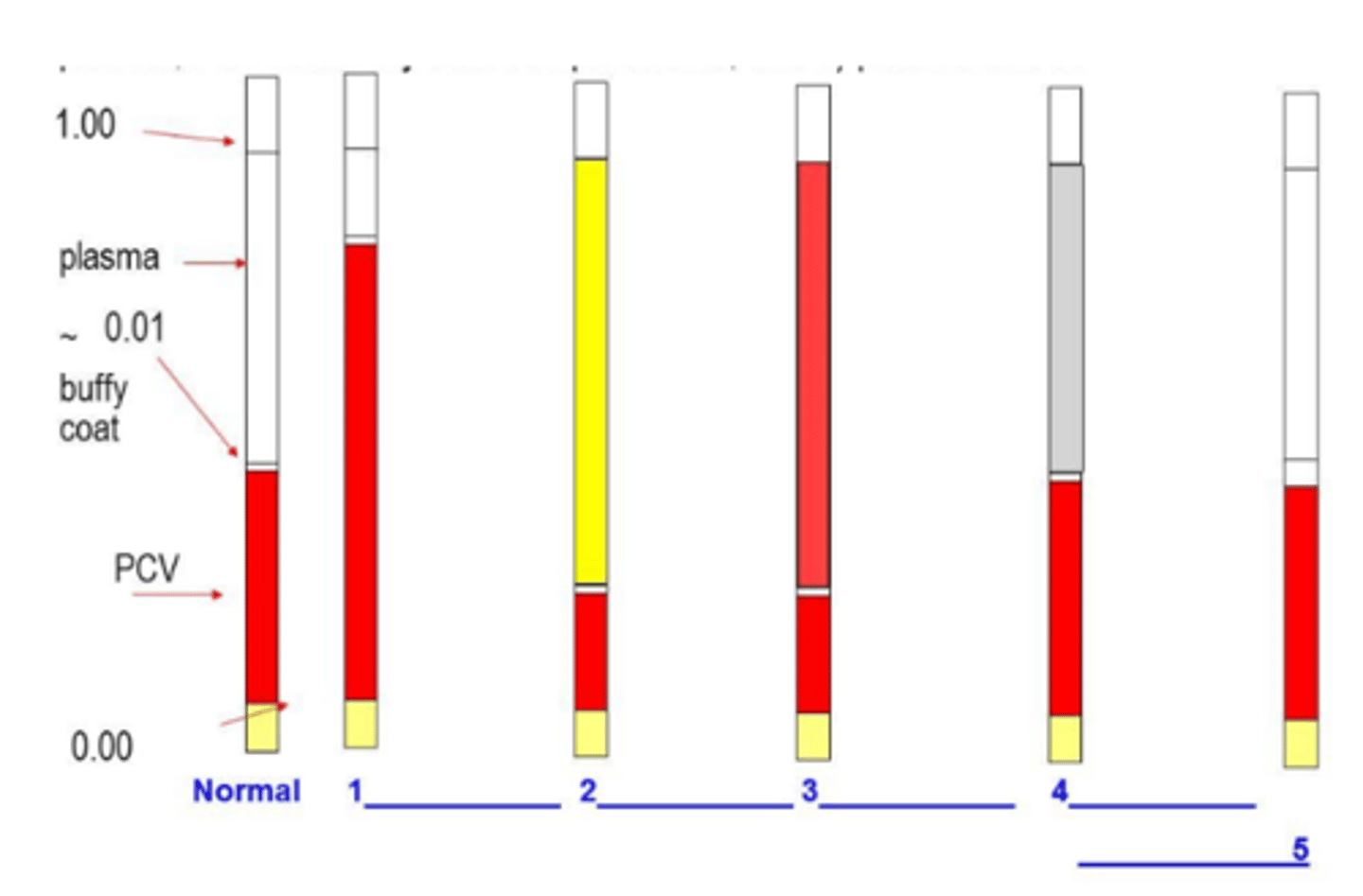
III - causes IV haemolysis - occurs as a result of the RBCs being coated with IgM or complement activation leading to hemoglobinemia, haemoglovinuria, ghost cells (lysed red cells)
Which of the microhaematocrit tubes in plate 3 best indicates IgM and complement-mediated haemolysis?
I - because of high PCV
Which of the microhaematocrit tubes in plate 3 best indicates an elite, excited thoroughbred with dehydration?
III -
Heinz body anemia occurs when hemoglobin molecules inside red blood cells are denatured due to oxidative stress. These denatured hemoglobin aggregates form Heinz bodies, which are visible inclusions in the red cells.
In a microhematocrit tube, don’t see individual Heinz bodies, but you see the effect of haemolytic anaemia:
Packed cell volume (PCV): Low, reflecting anaemia.
Plasma colour: Often pink to red (hemoglobinemia) if haemolysis is intravascular.
Buffy coat: Usually normal unless concurrent leukocytosis or inflammation.
Which of the microhaematocrit tubes in plate 3 best indicates Heinz body anaemia?
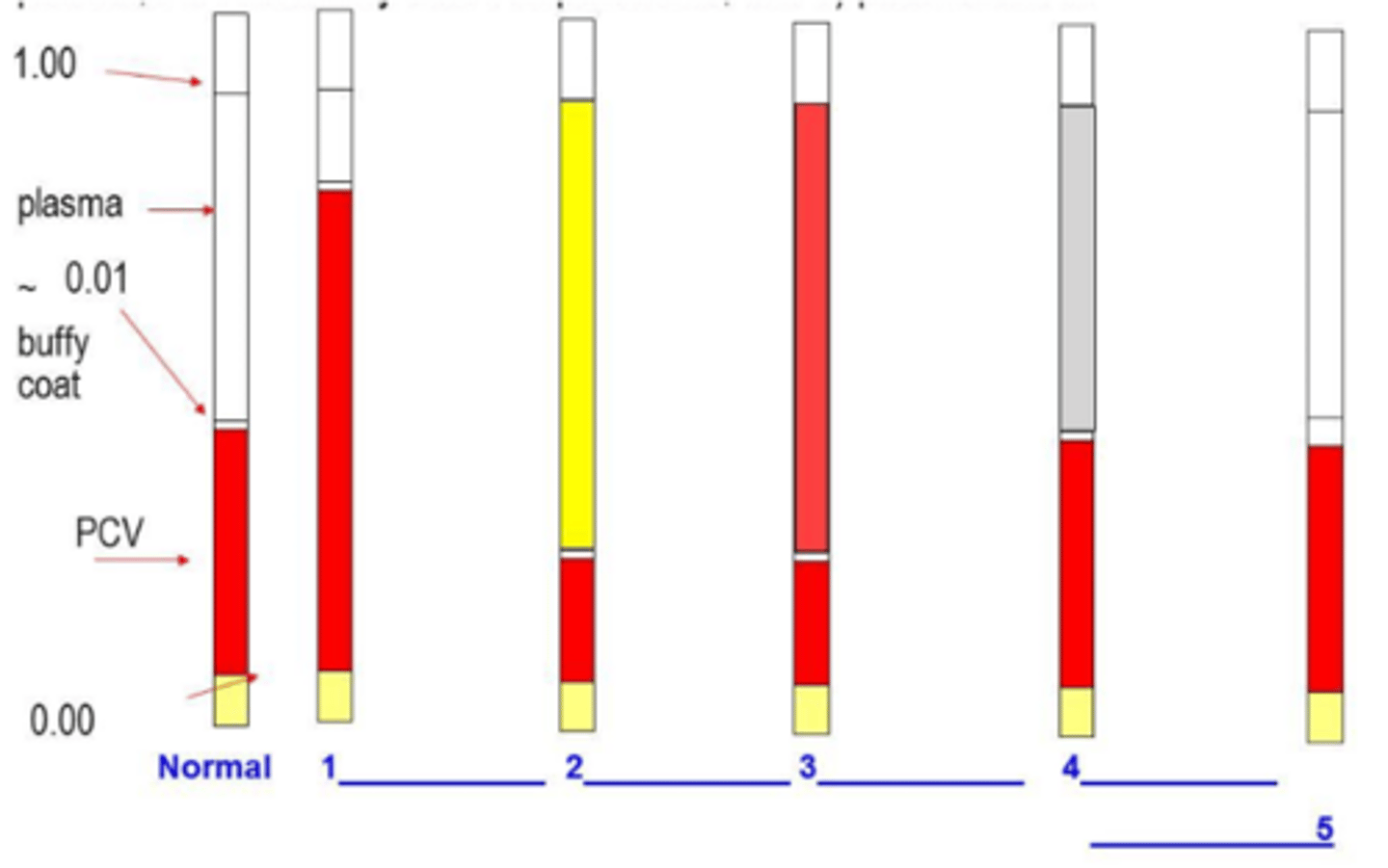
IV - lipaemia
Which of the microhaematocrit tubes in plate 3 best indicates diabetes?
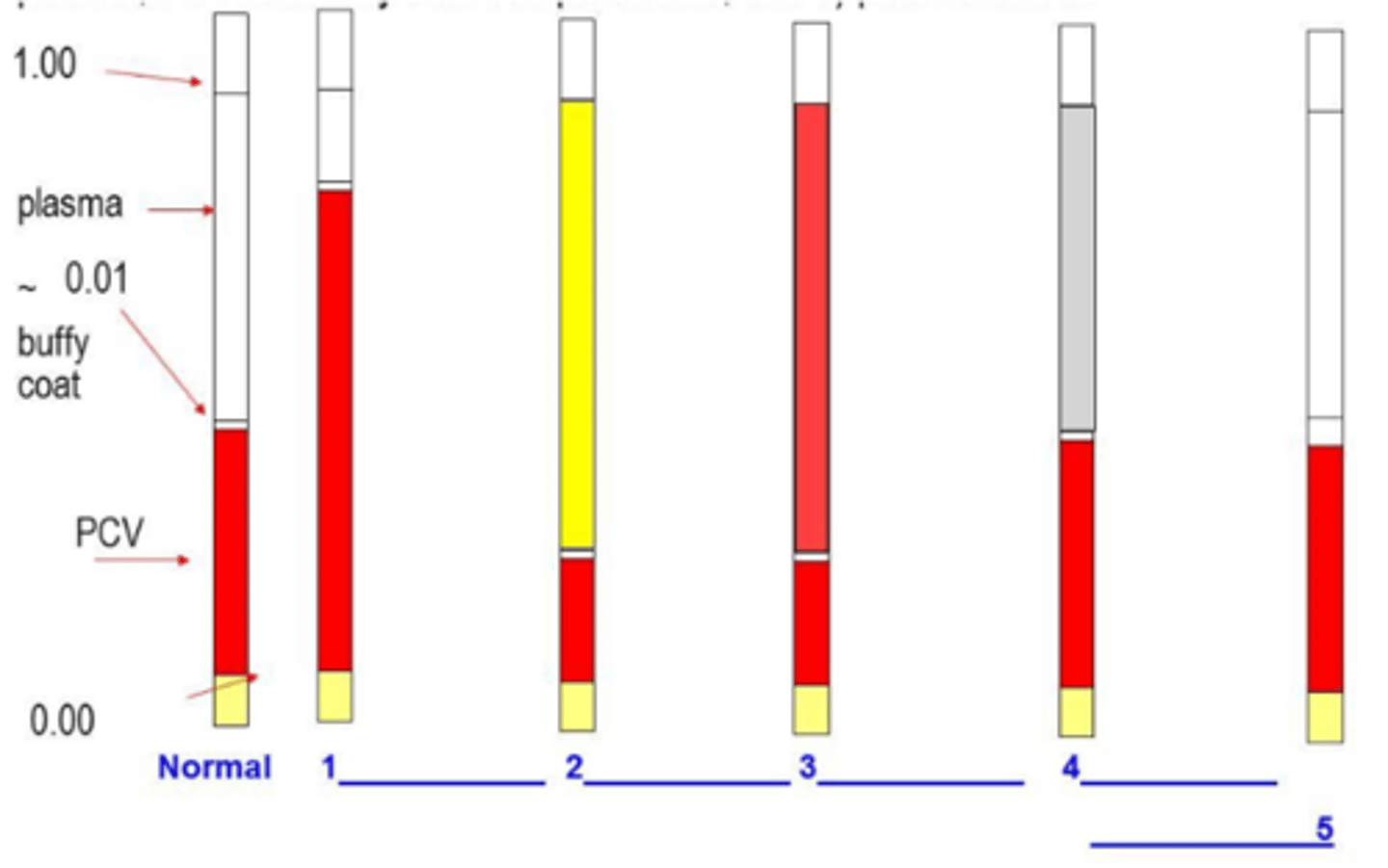
IV
Which of the photos in plate 4 best indicates acute myelogenous leukaemia?
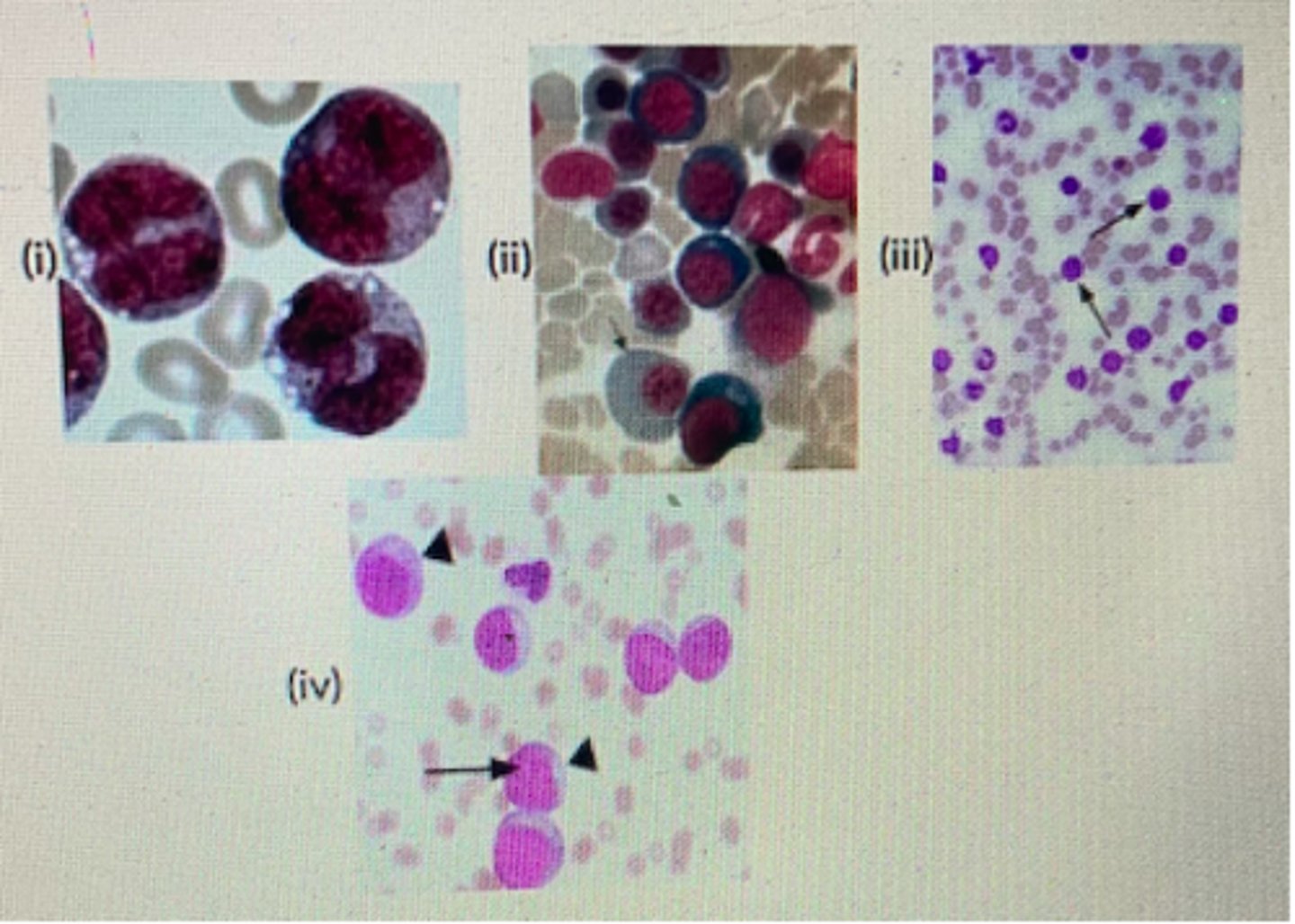
III
Which of the photos in plate 4 best indicates chronic lymphocytic leukaemia?
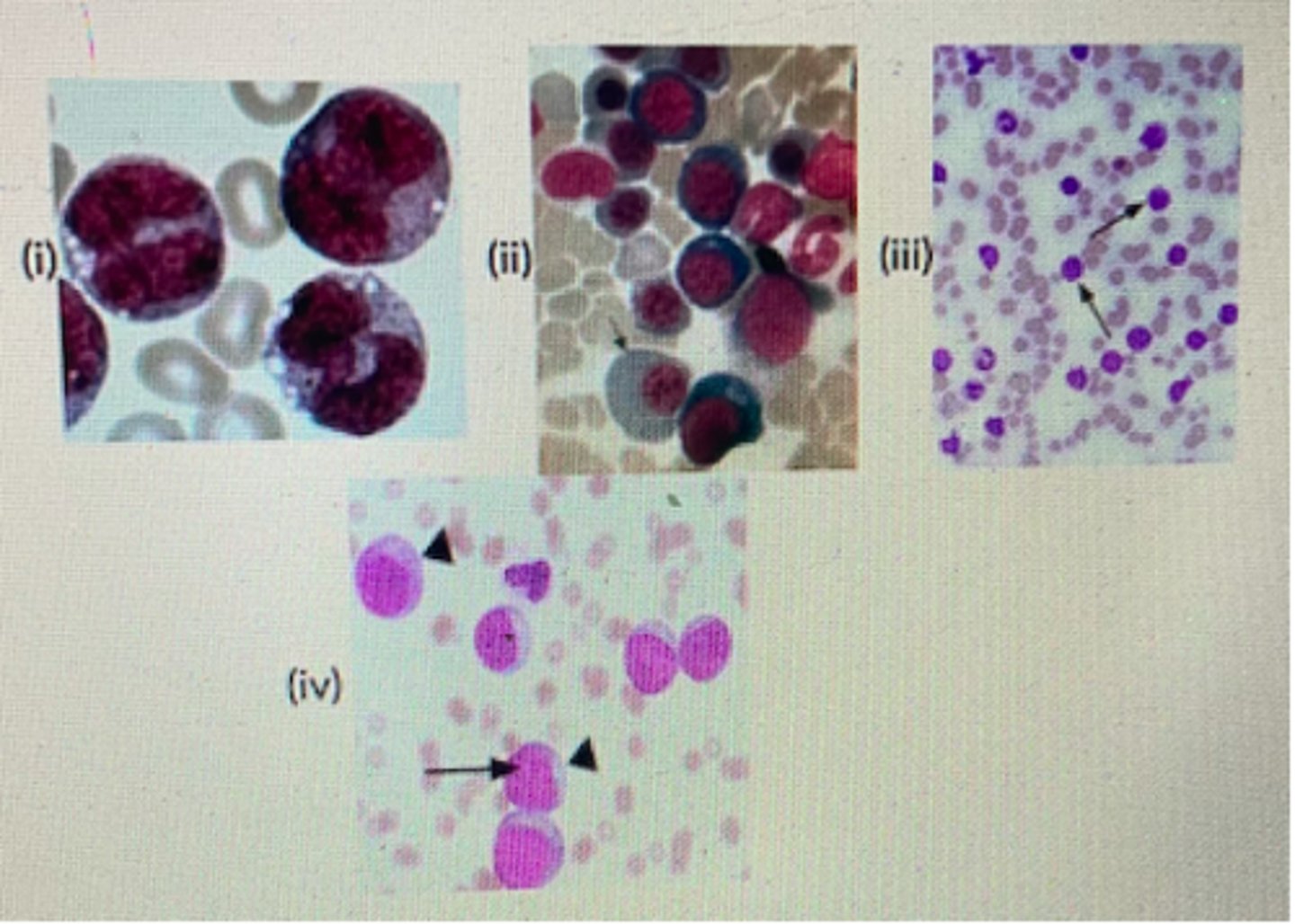
II (M6, only seen in cats and humans)
Which of the photos in plate 4 best indicates a cat-specific leukaemia?
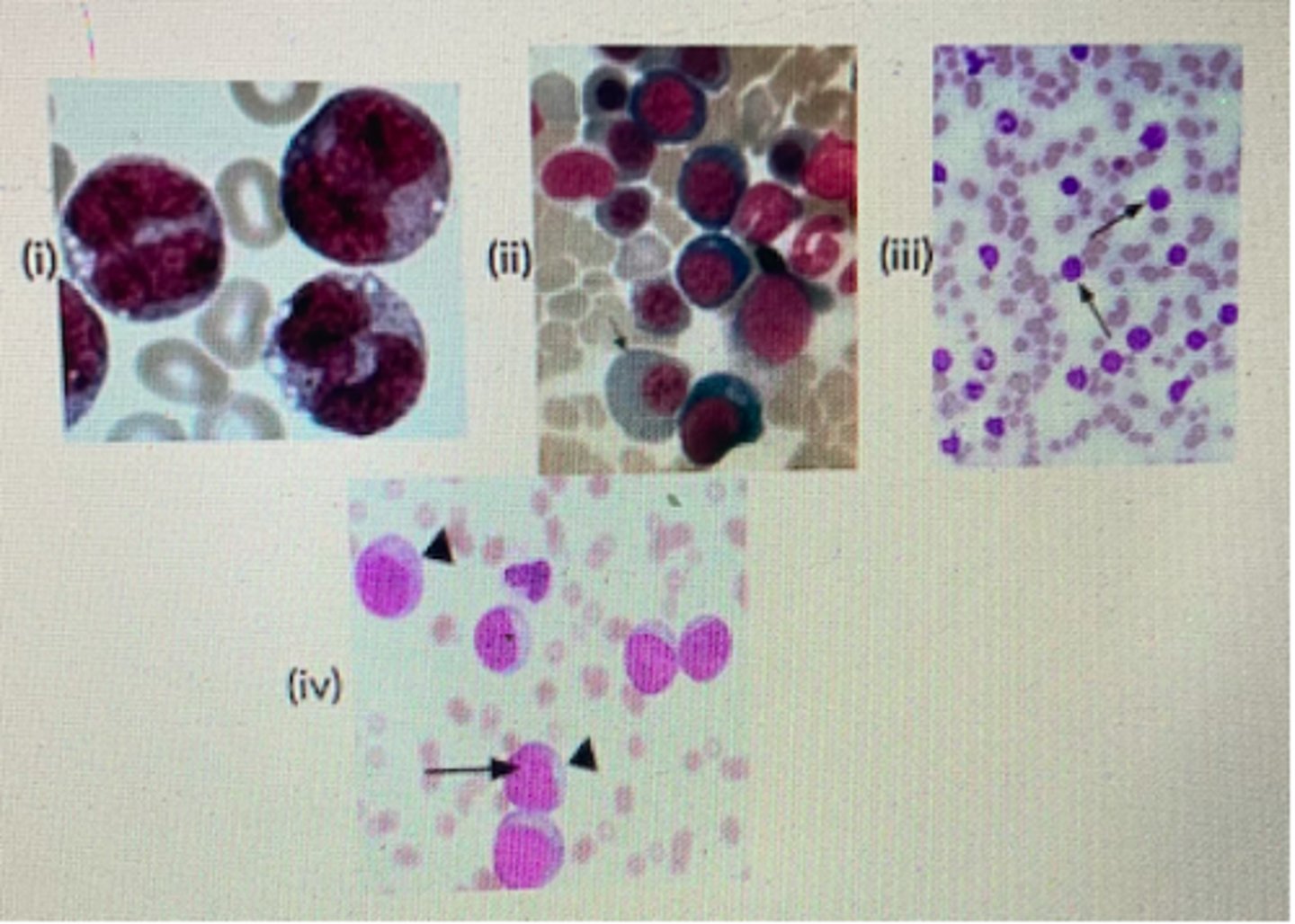
I - M5 AML
Which of the photos in plate 4 is most rare in dogs and cats?
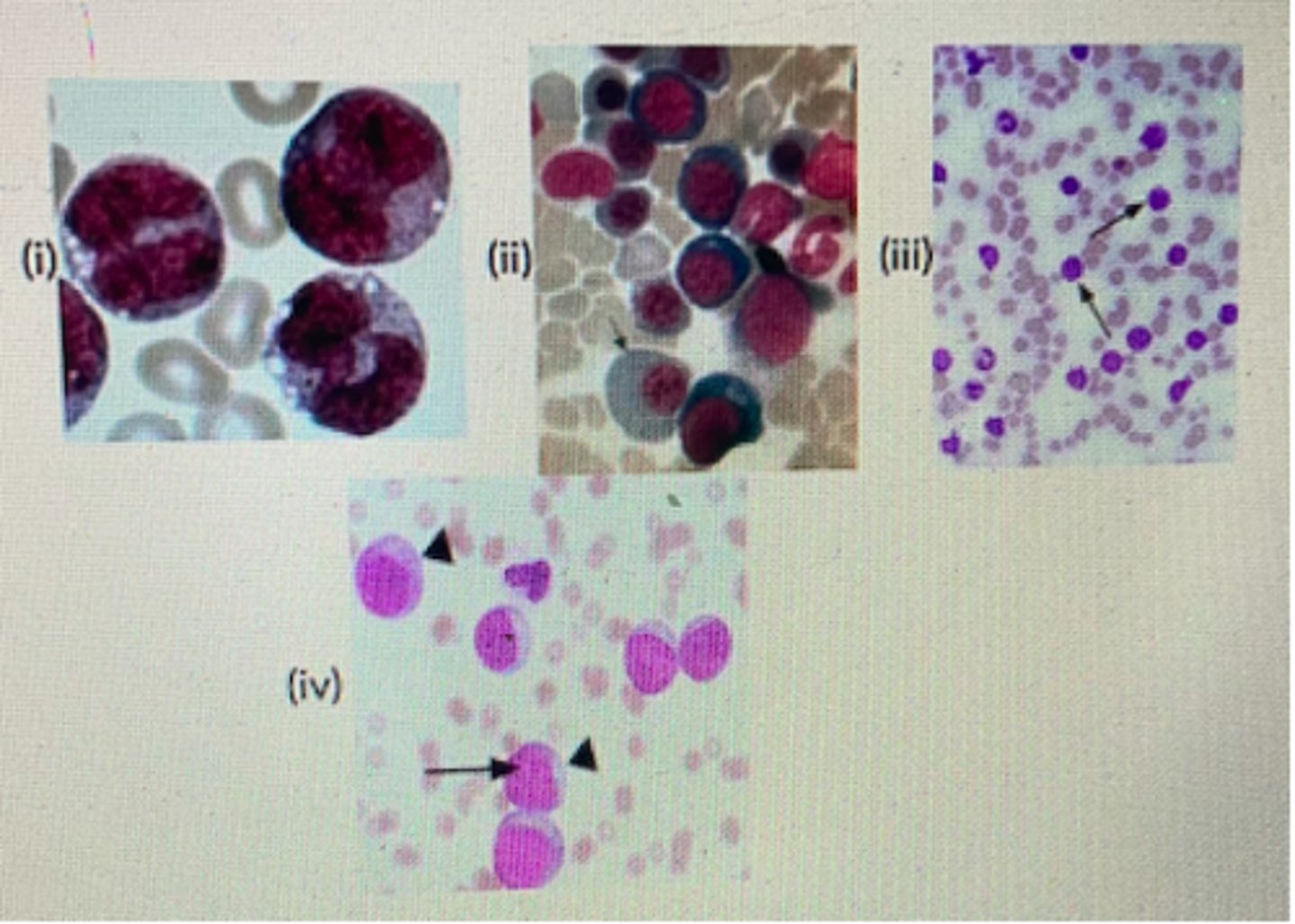
II
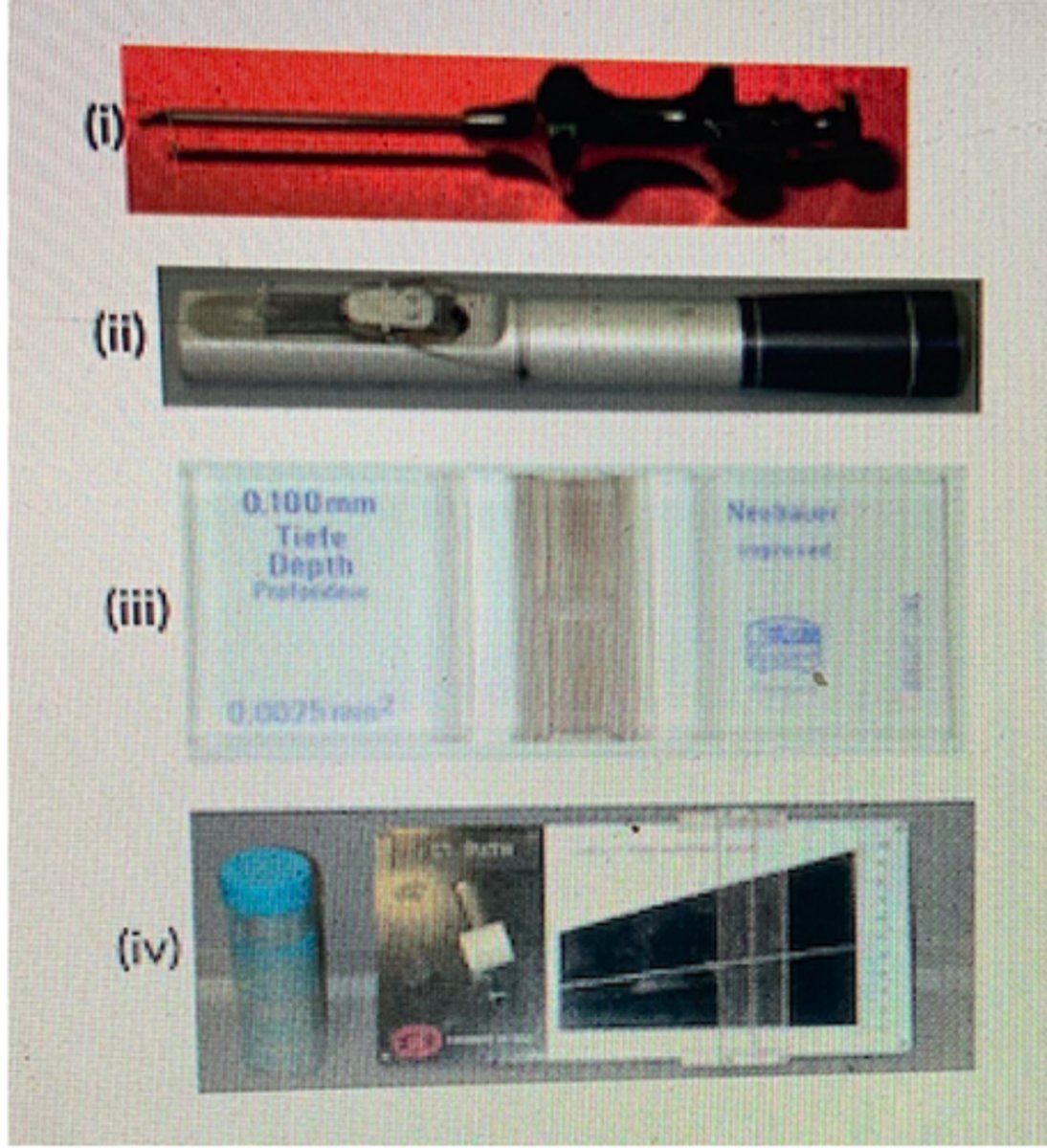
Which of the photographs in plate 5 is used for determination of fibrinogen concentration?
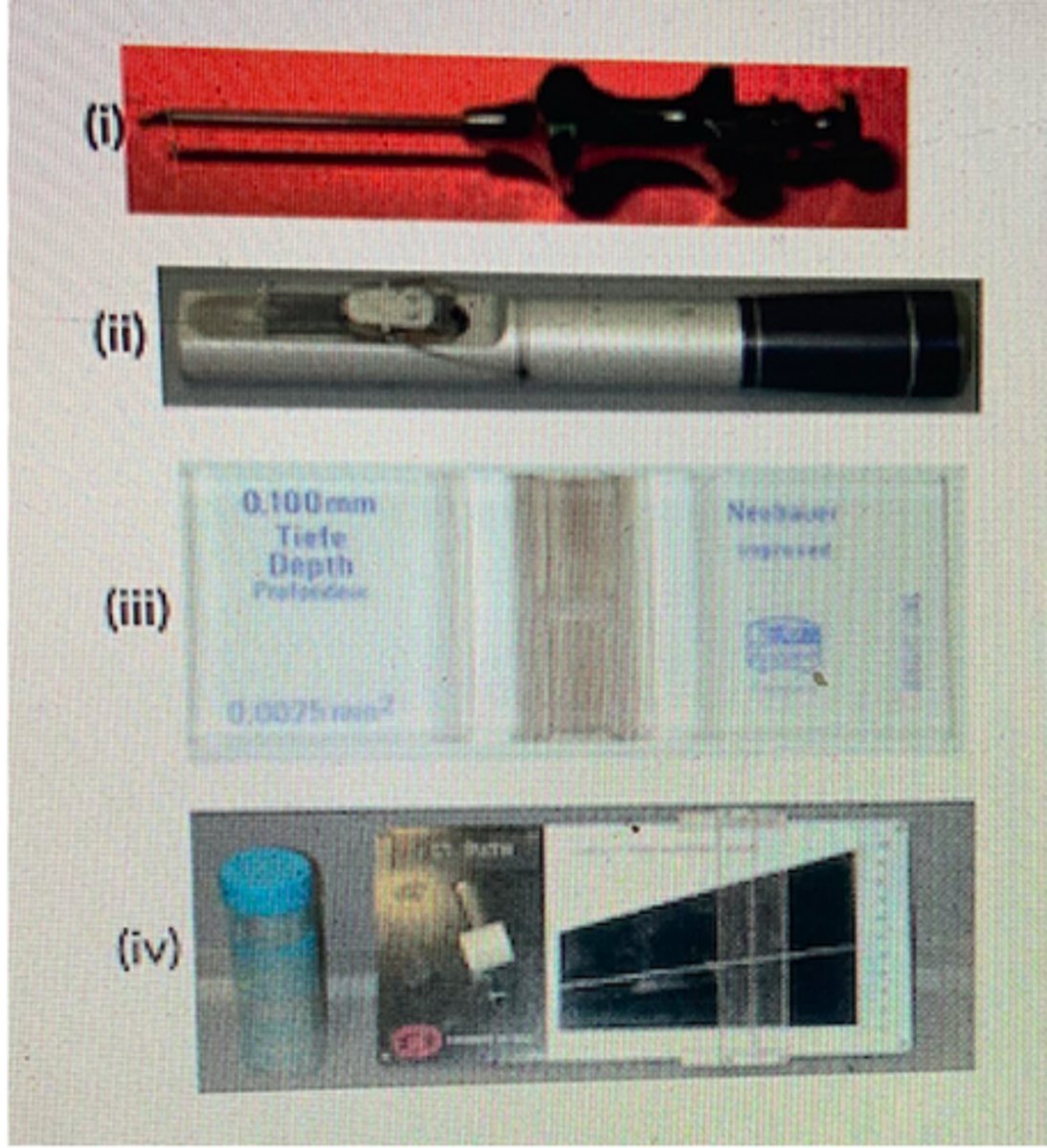
I- aspirate cells from bone marrow with Rosenthal needle
Which of the photographs in plate 5 is used for diagnosis of the cause of hypo-proliferative anaemia?
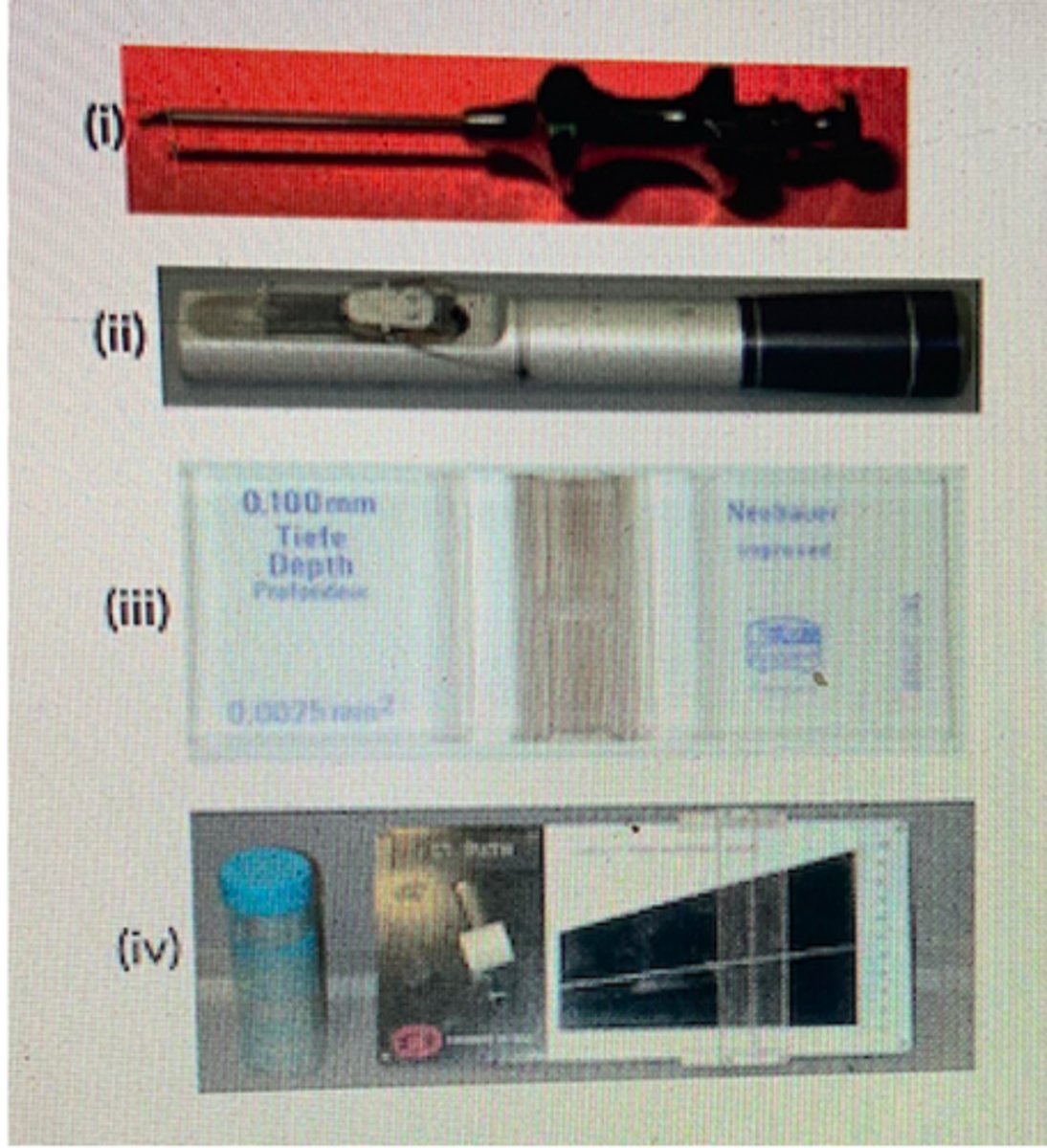
III and IV
Which pair of the photographed items in plate 5 is used for diagnosis of haemorrhagic anaemia?
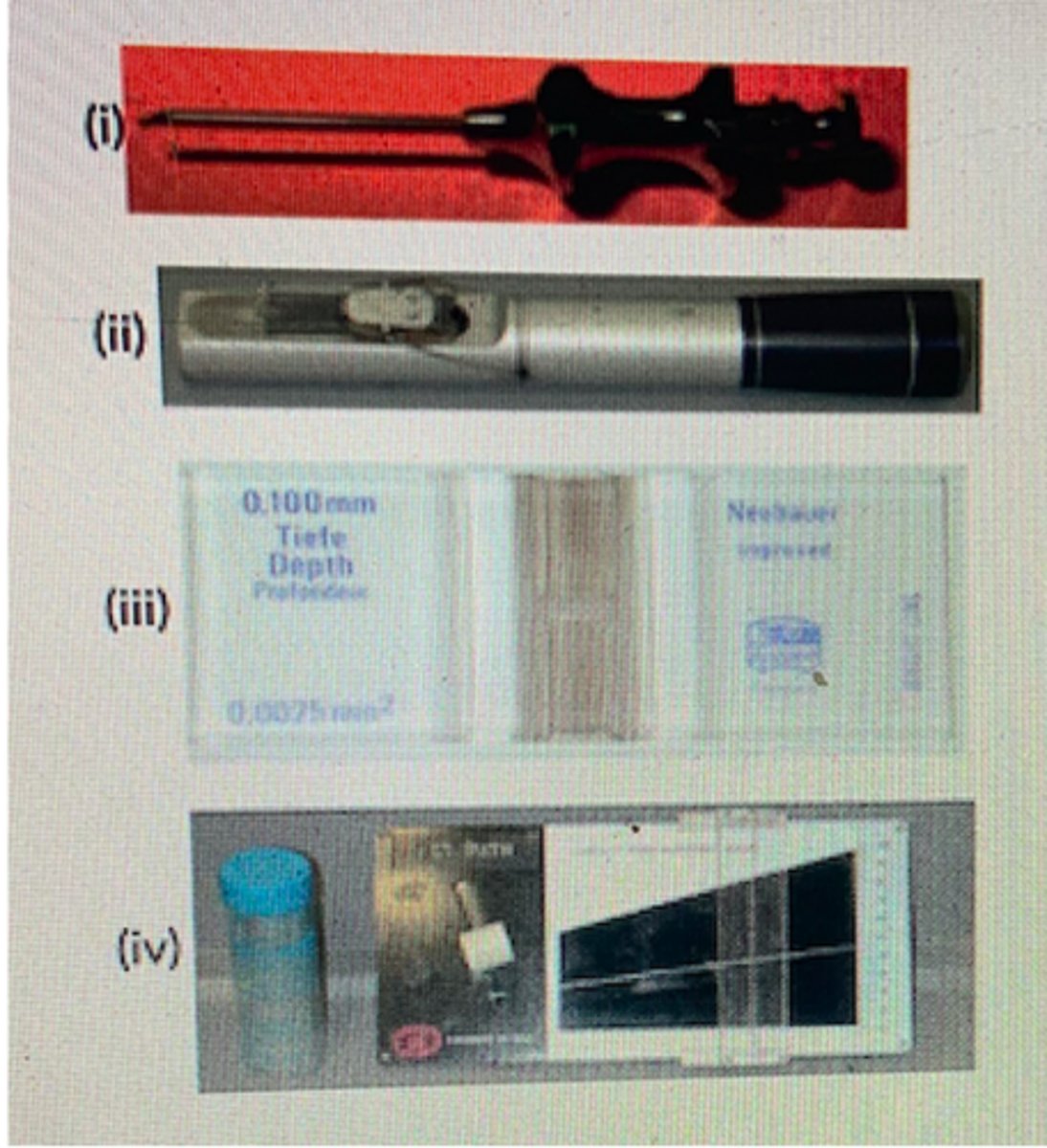
III
Which of the photographs in plate 5 is needed for CBCs of animals whose erythrocytes are nucleated?
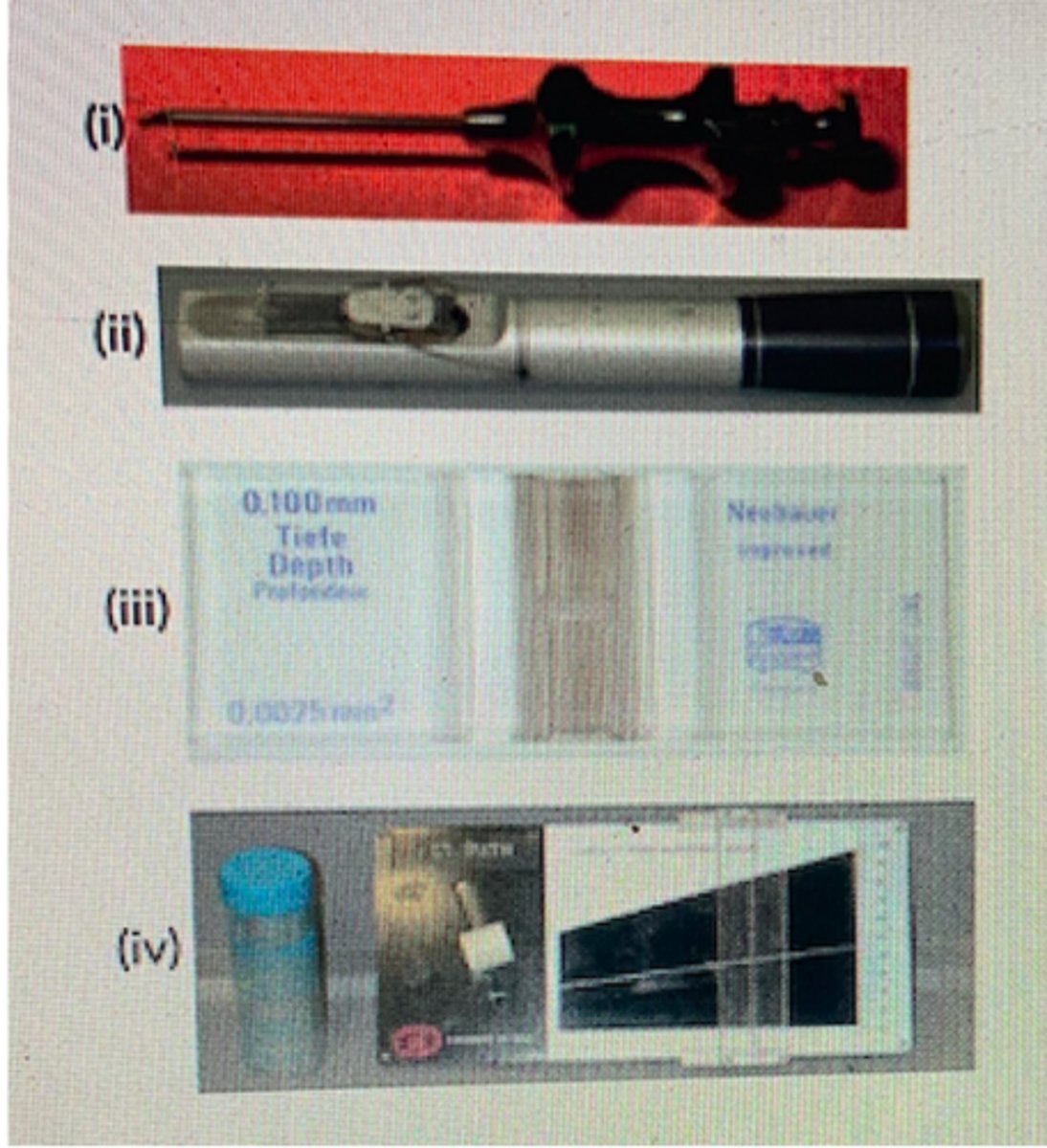
III and IV - can use a calculation based on PCV
Which of the photographs in plate 5 is used for determination of mean cell volume?
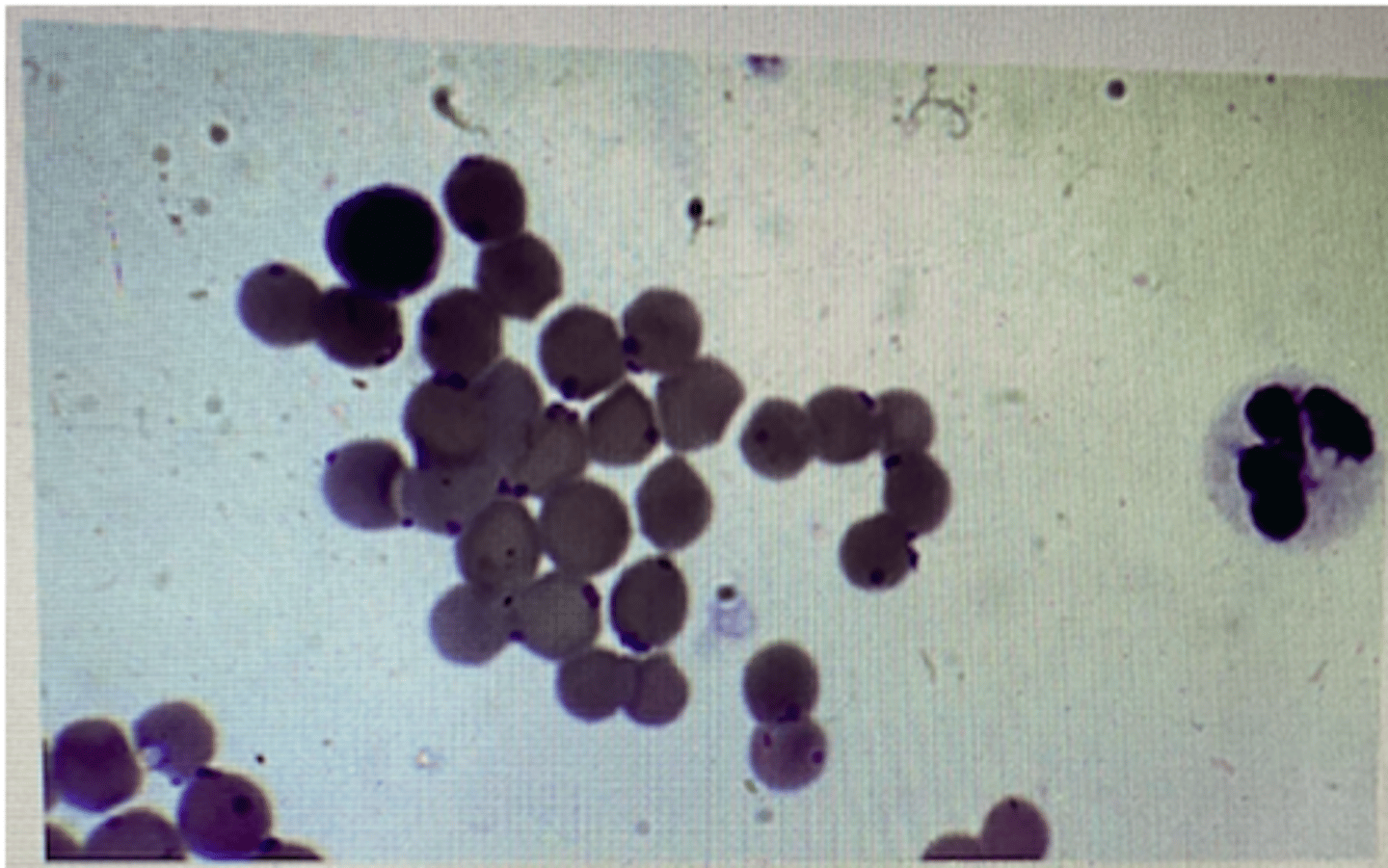
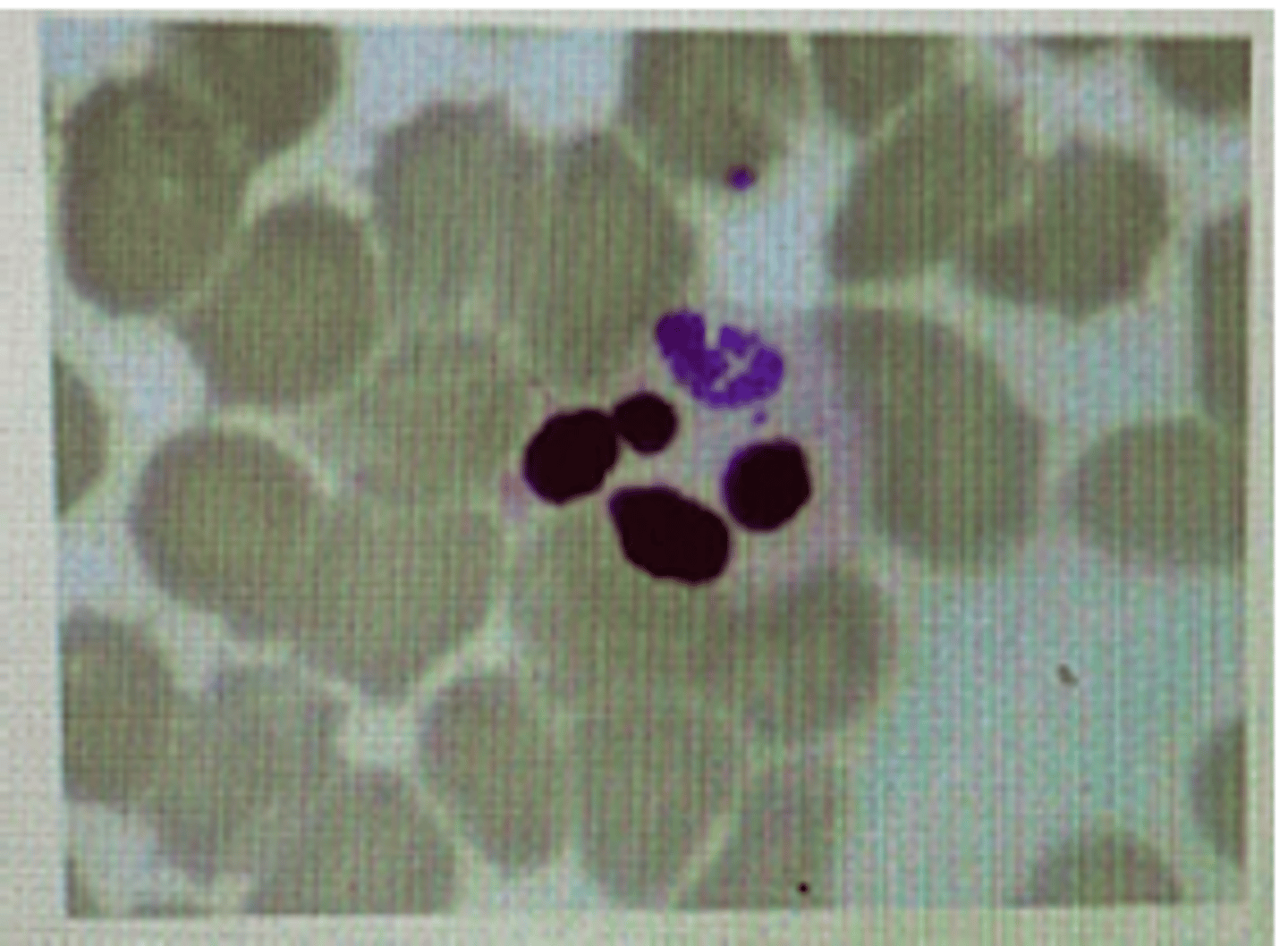
FIA (feline infectious anemia/ Mycoplasma haemofelis) - see small inclusions near RBC surface
What is the diagnosis for a blood smear from a cat?
a. FPV
b. FIV
c. Feline orthopoxvirus
d. FIA
e. FeLV
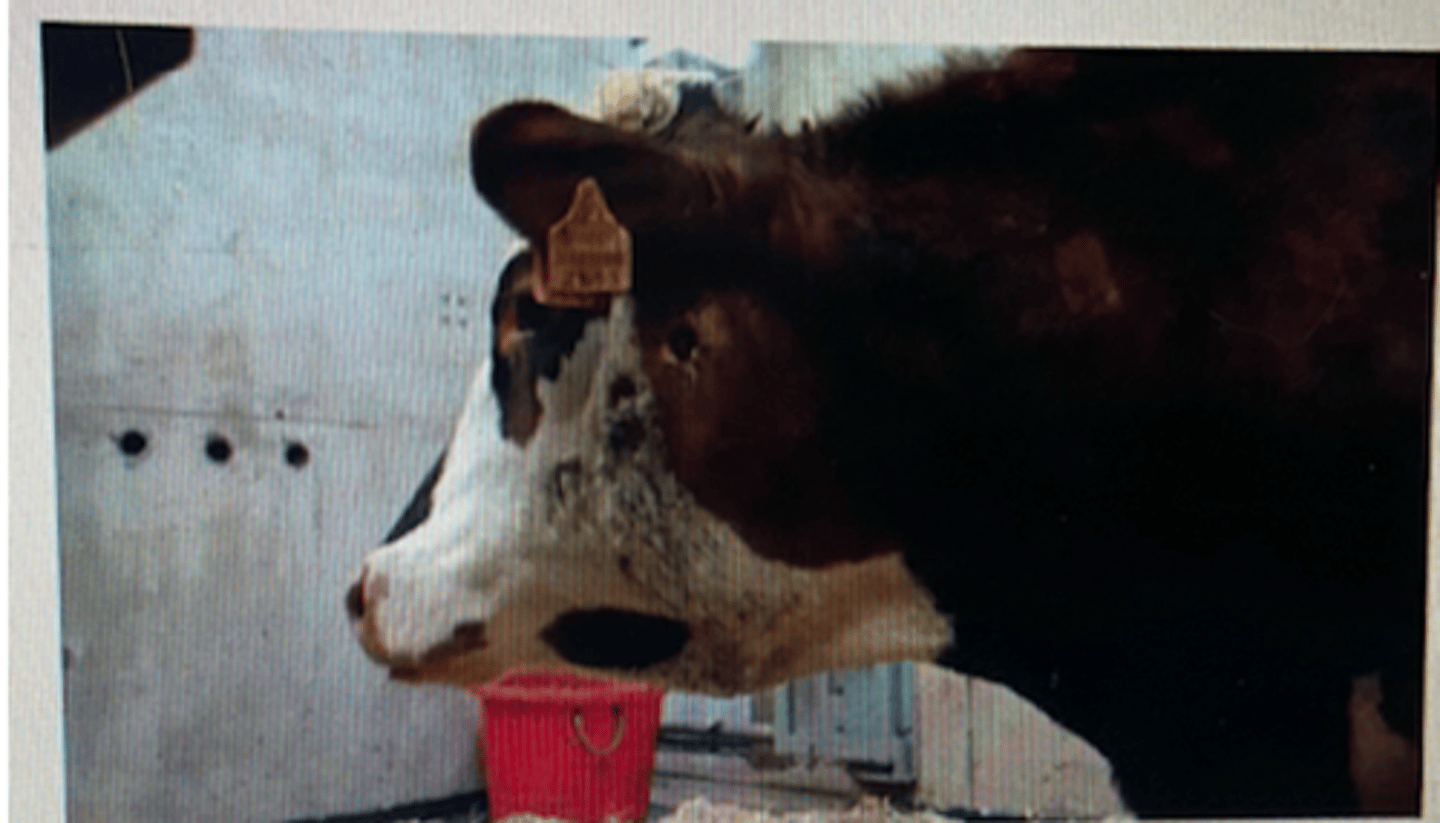
Actinobacillus ligniereresii - timber tongue (swelling around the mandibular and maxillary LNs
What bacterial infection fits the clinical presentation of a bullock with discharging sinuses over the lymph nodes of the head?
a. Streptococcus equi
b. Actinomyces bovis - lumpy jaw
c. Actinobacillus lignieresii - this pic is timber tongue
d. Staphylococcus aureus
e. Streptococcus zooepidemicus
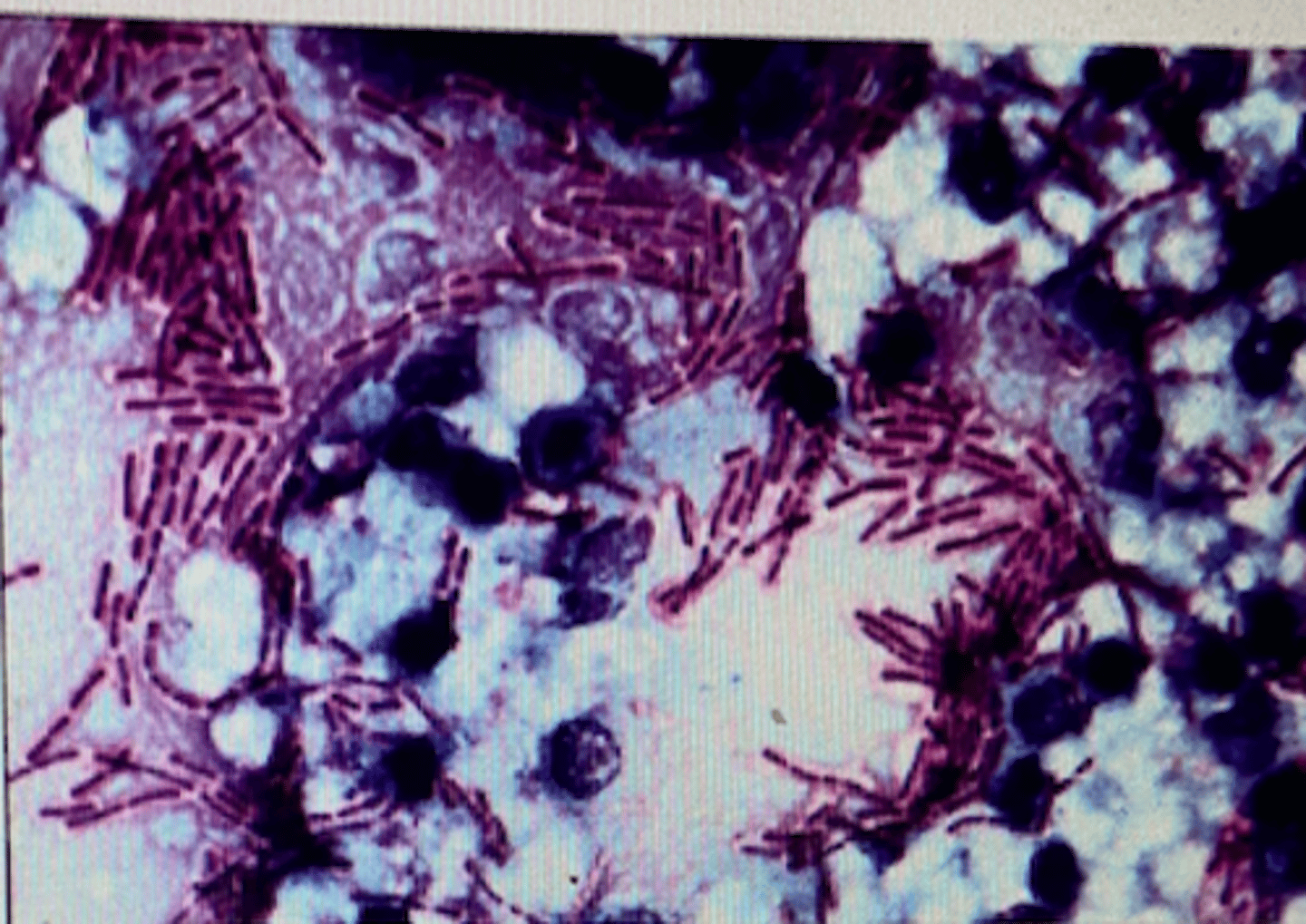
anthrax - see pink halo around rods with polychrome methylene blue stain)
What is the diagnosis for a blood smear from a bull that has died suddenly?
a. Black disease
b. IBR
c. Blackleg
d. Anthrax
e. Haemorrhagic septicaemia
fasciola hepatica - liver damage leading to anaerobic conditions - allows spores to germinate
What is considered to be the most important factor that triggers disease with Clostridium haemolyticum?
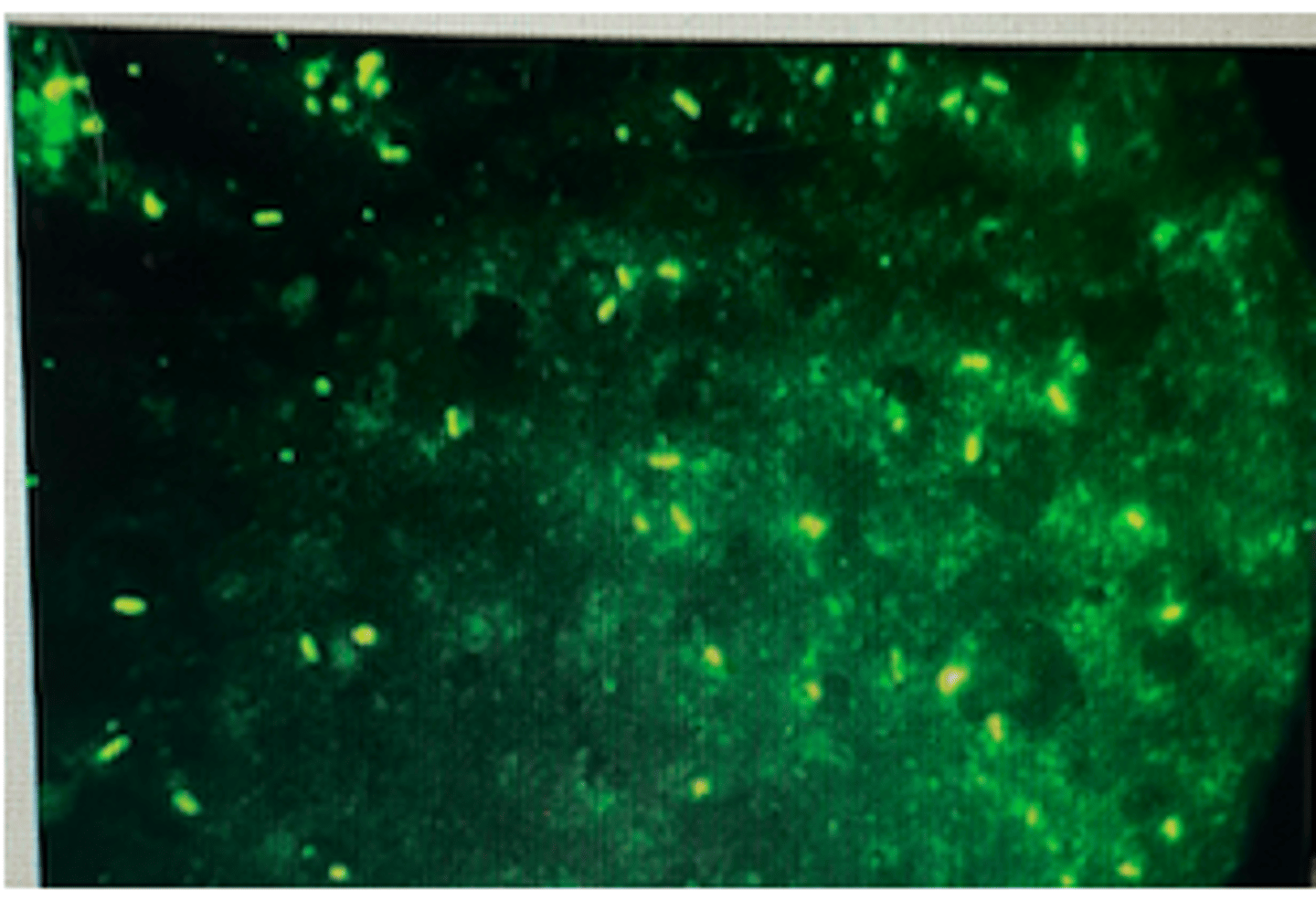
Ixodes species - this is anaplasmosis a tick borne fever
How is the illustrated pathogen transmitted?
a. Transplacental
b. Blood transfusion
c. Mosquitoes
d. Culicoides species
e. Ixodes species
Corynebacterium pseudotuberculosis (caseous lymphadenitis in sheep/goats) - enters skin through soil/ faeces or contaminated wounds and drains to regional LNs
What infection do you suspect for a sheep with a swelling under her jaw?
MCH - average amount of Hb per RBC
Which of the following best indicates the amount of haemoglobin in an average RBC?
a. MCHC
b. MCH
c. CHr
d. RDW
e. MCV
Immune mediated haemolytic anaemia
What is the most likely diagnosis for a markedly anaemic dog with a low haematocrit and a very high RPI?
a. Aplastic anaemia
b. Immune mediated haemolytic anaemia c. Haemorrhage
d. Myeloproliferative disease
e. Lymphoma involving the bone marrow
Onion poisoning - causes intravascular haemolysis
What is the most likely diagnosis for a centrifuged microhaematocrit tube showing red plasma?
a. Hit by car
b. Immune mediated thrombocytopenia
c. Metastatic tumor to the bone marrow
d. Immune mediated haemolysis
e. Onion poisoning
Macrocytic, hypochromic haemolytic anaemia with dehydration
What is the most likely diagnosis for a blood sample showing a moderately increased hematocrit with normal haemoglobin concentration and red plasma ... MCV increased and MCHC decreased?
a. Drug induced erythrolysis
b. Polycythemia
c. Storage and transport artefact
d. Macrocytic, hypochromic haemolytic anaemia with dehydration
e. Compensated haemolytic anaemia
PCR assay
What procedure is best for laboratory confirmation of infection with Mycoplasma haemofelis?
a. Microscopic examination of blood smears
b. ELISA detection of antigen
c. PCR assay
d. ELISA detection of antibodies
e. Complete blood count
Evans syndrome - simultaneous autoimmune destruction of RBCs and platelets (will get anaemia, thrombocytopaenia, increased metarubricytes and lack of polychromasia and anisocytosis)
What is the most likely diagnosis for an anaemic and thrombocytopenic cat with increased metarubricytes?
a. Lead poisoning
b. Erythremic myelosis
c. Evans syndrome
d. Myelotoxicity
e. Regenerative anaemia
FeLV - will get macrocytosis with FeLV
Which of the following is not associated with microcytosis?
a. Chronic systemic inflammation
b. Akita and shiba dogs
c. Portosystemic shunt
d. Iron deficiency
e. FeLV
immune mediated destruction of RBCs - extravascular haemolysis
Equine infectious anaemia virus gives rise to anemia as a result of which of the following?
a. Immune mediated destruction of erythrocytes
b. Direct cytolysis of erythrocytes
c. Bone marrow damage
d. Immunosupression
e. Haemorrhage
FeLV
What condition is associated with macrocytosis in FeLV?
Splenectomy
Which procedure should not be performed in a dog with malignant lymphoma and splenic enlargement?
a. Biopsy
b. Abdominocentesis
c. Patient sedation
d. Splenectomy
e. Abdominal ultrasoun
recessive disease of arabian foals (lack functional T and B cells, die within 4-6m)
severe combined immunodeficiency (SCID) is an autosomal .......
a. Dominant disease of arabians foals
b. Dominant disease of Tb foals
c. Recessive disease of arabian foals
d. Dominant disease of Tb and arabian foals
e. Recessive disease of Tb foals
Animals aged between 6 months to 5 years
Which group of cattle is most at risk of developing babesiosis?
a. Newborn cattle
b. Animals fed high amount of concentrate
c. Animals older than 9 years old
d. Animals aged between 6 months to 5 years
e. Male individuals
Be DEA 1.1 negative
What is a characteristic of an appropriate canine blood donor?
a. Not have been vaccinated for rabies
b. Be DEA 1.1 negative
c. Never have donated blood before
d. Not weigh more than 20kg
e. Be a male individual
Haemophilia A (most common inherited coagulation factor deficiency in dogs and cats)
What is the least likely cause of chronic anaemia in a racehorse?
a. Renal papillary necrosis (NSAID toxicity)
b. Intestinal ulceration
c. Exercise induced pulmonary haemorrhage (EIPH)
d. Haemophilia A
e. intestinal parasitisms
Myelofibrosis
What finding is least likely with autoimmune mediated hemolytic anemia?
a. Agglutination
b. Myelofibrosis
c. Positive coombs test
d. Spherocytosis
e. Extravascular haemolysis
Myelocyte
(myeloblast → promyelocyte → myelocyte → metamyelocyte → band)
In bone marrow what is the third cell type in the maturation of leukocytes?
a. Band
b. promyelocyte
c. Myelocyte
d. Metamyelocyte
e. Segmented leukocyte
10% 🟥🟥
What percentage of bone marrow hematopoietic cells are erythroblasts in healthy dogs?
Chronic lymphocytic leukemia
What is the most likely diagnosis for a dog with a high leukocyte count (increased 10 fold) and smudged basket cells(25% of leukocytes)?
a. Acute myeloblastic leukaemia
b. Monocytic leukaemia
c. Acute lymphocytic leukaemia
d. Myeloid leukaemia
e. Chronic lymphocytic leukaemia
Factor Va - Factor Xa - Calcium - Platelet factor III
Which coagulation complex converts prothrombin into thrombin?
a. Factor Va - Factor Xa - Calcium - Platelet factor III
b. Factor VIIa - Tissue factor - calcium
c. Factor VIIIa - Factor IXa - calcium d. Factor VIIIa - factor IXa - calcium - platelet factor III
e. Factor VIIa - platelet factor III - calcium
Phosphorus deficiency ,,,, post -parturient haemoglobinuria - most common in winter, causes IV haemolysis
other signs = pica, ill thrift, poor production
What is the likely diagnosis for recently-calved cows with weakness and red colored urine in Feb?
a. Phosphorus deficiency
b. Water intoxication
c. Babesiosis
d. Clostridium haemolyticum
e. Brassica poisoning
7 hours
What is the half-life of equine neutrophils in circulation?
a. 7 mins
b. 7 hours
c. 7 days
d. 7 weeks
e. 7 months
FIA
What is the most likely diagnosis for a diabetic cat with moderate anaemia, moderate reticulocytosis and intra-erythrocytic ring-shaped inclusions?
a. Heinz body anemia
b. FIA
c. Erythroleukemia
d. FeLV
e. Anaemia of chronic disease
Bacterial pneumonia
What is the most common cause of acute neutropenia in adult horses?
Do not allow the foal to nurse from the mare and watch the PCV
(when PCV drops below 15% you should transfuse)
What should be done for a foal suspected of neonatal iso-erythrolysis? presenting with depression, pale, icteric, increased HR and RR, mild pyrexia...
a. Administer a blood transfusion directly from the stallion
b. Administer a blood transfusion directly from the mare
c. Allow the foal to nurse form the mare and watch the PCV to see how fast it is dropping
d. Do not allow the foal to nurse from the mare and watch the PCV to see how fast it is dropping
e. administer a blood transfusion from a gelding that is resistant on the farm
Form less frequently in cats than dogs due to more resistant haemoglobin
What is incorrect about Heinz bodies?
a. Consist of aggregate of oxidised haemoglobin
b. Often protrude from the RBC surface
c. Can be vitally sustained with new methylene blue
d. May occur with red maple leaf intoxication in horses
e. form less frequently in cats than dogs due to more resistant haemoglobin
Pale mucous membranes
What is an unlikely finding with red maple leaf toxicity in horses?
a. Brown mucous membranes
b. Met-haemoglobinaemia
c. Haematuria
d. Pale mucous membranes
e. Heinz bodies
Chronic infection or inflammation can lead to iron deficiency anemia - more common as there is low iron in mares milk
What is the least correct statement about iron deficiency anemia in horses?
a. Iron deficiency anemia is rare in adult horses that are kept on grass b. Iron deficiency anaemia is rare in foals
c. Chronic blood loss leads to iron deficiency anaemia
d. 65% of the total body stores of iron are in red blood cells
e. Chronic infection or inflammation can lead to iron deficiency anaemia as the reticulo-endotheial system sequesters iron.
Chronic intestinal hemorrhage
if there was hyperglobinaemia instead of hypo it would point towards chronic disease instead
What is the likely cause of non-regenerative anaemia in a cat with ... increased neutrophils and monocytes, toxic changes to neutrophils and mild hypoproteinaemia due to moderate hypoglobulinemia?
a. FIA
b. Chronic intestinal haemorrhage
c. Bone marrow disease
d. Iron deficiency
e. Chronic disease
Erythropoietin
What is anemia associated with renal disease best related to?
a. Renal dialysis
b. Phosphate binders
c. Erythropoietin
d. Iron supplementation
e. Blood transfusion
Myeloblastic
What is the most common form of acute myeloid leukemia in dogs?
a. Promyelocytic
b. Myeloblastic
c. Monocytic
d. Megakaryocytic
e. Myelomonocytic
Theileriosis - decreased appetite is more indicative of theleriosis vs babesiosis
What is the most likely diagnosis for cattle developing weakness after moving to a new pasture?
a. Theileriosis
b. Coccidiosis
c. Copper deficiency
d. Babesiosis
e. Acute Fasciolosis
Biological transmission by Ixodes ricinus ticks
How do cattle become infected with Babesia divergens?
a. Per os infestation of infective oocysts
b. Transplacental infection
c. Biological transmission by mosquito species
d. Mechanical transmission by tabanid flied
e. Biological transmission by Ixodes ricinus ticks
Clamp the vascular pedicle proximal to the site of torsion without untwisting the pedicle, transect the vascular pedicle proximal to the clamp and ligate the splenic artery and vein
Untwisting the spleen before ligation is dangerous because it can release toxic metabolites, inflammatory mediators, and thrombi into the systemic circulation, causing shock or sudden death.
What is the appropriate surgical technique for splenectomy for treatment of splenic torsion in a dog?
a. Untwist the splenic pedicle followed by splenectomy by the classic technique of hilar vessel
ligation
b. Untwist the splenic pedicle followed by the alternative technique of ligation of the splenic
artery
c. Clamp the vascular pedicle proximal to the site of torsion without untwisting the pedicle
transect the vascular pedicle distal to the clamp and ligate the splenic artery and vein
d. Clamp the vascular pedicle distal to the site of torsion without untwisting the pedicle, transect
the vascular pedicle proximal to the clamp and ligate the splenic artery and vein
e. None of the above
30%
What is the estimated percentage of animals infected with bovine leukaemia virus that develop persistent lymphocytosis?
a. 15%
b. 30%
c. 10%
d. 20%
e. 5%
Detecting a specific antibody in the blood - ELISA
How is FIV infection commonly diagnosed?
a. Culturing the virus in feline white blood cells
b. Examining a peripheral blood smear to identify the viral particles c. Finding pathognomonic lesions
d. Detecting a specific antibody in the blood - ELISA
e. A combination of clinical and radiographic findings
progressive asymmetric lameness in the hindlimbs
> involves a thrombus forming in the terminal aorta or iliac arteries, leading to ischemia of the hindlimbs and pelvic organs. Often asymmetric
ataxia is neurological so not this
What clinical sign is most likely seen in a 7 year old stallion with aorto-iliac thrombosis?
a. Asymmetric ataxia in hindlimbs
b. Paraphimosis (inability to retract the penis)
c. Progressive asymmetric lameness in the hindlimbs
d. Priapism (persistent erection)
e. Diffuse ulcerative lesions on the skin of the hindlimbs
Streptococcus equi var equi URT infection
Which disease is most associated with the development of vasculitis in horses?
a. Streptococcus equi var equi URT infection
b. Rotavirus pneumonia
c. Corynebacterium pseudotuberculosis lymphadenopathy
d. Staphylococcus aureus dermatitis
e. Clostridium perfringens myositis
poor performance
> has reduced O2 carrying capacity but CV system often compensates effectively so wont see many clinical signs but even a small reduction in O2 delivery effects stamina, speed and exercise intolerance
What clinical sign is most likely to be seen in a 3-year-old racehorse with mild anaemia?
Phenybutazone
Which medication is associated with aplastic anaemia in horses?
babesia divergens
What is the most likely cause of clinical signs in a 9-month-old beef calf with anorexia. lethargy, low PCV and Hb, pale mucous membranes and red urine?
a. Anaplasma phagocytophilum
b. Fasciola hepatica
c. Babesia divergens
d. Theileria equi
e. IBR
Haemonchus contortus
Which nematode commonly causes anaemia in sheep in tropical regions?
a. Haemonchus contortus
b. Fasciola hepatica
c. Nematodirus battus
d. Ancylostoma caninum
e. Teladorsagia circumcincta
Babesia canis
What infectious disease causes haemolytic anaemia in dogs?
a. Babesia canis
b. Iron deficiency
c. Immune mediated haemolytic anaemia
d. Cytauxzoon spp
e. Sarcocystis cruzi
Celiac artery
From where does the splenic artery arise directly?
a. Gastroepiploic artery
b. Left gastric artery
c. Phrenicoabdominal artery
d. Aorta
e. Celiac artery
Haemorrhage
What is the most common complication associated with splenectomy?
a. Ischaemic necrosis of the stomach
b. Haemorrhage
c. Ventricular arrhythmias
d. Hypotension
e. Pancreatitis
Ligation of the short gastric arteries
What is required for the alternative technique of splenectomy?
Thymoma versus pulmonary carcinoma
What are the most likely differentials for a dog with respiratory distress, mild fluid accumulation and a mass cranial to the heart?
a. Thymic cyst versus pulmonary lymphoma
b. Thymoma versus thymic lymphoma
c. Thymoma versus pulmonary carcinoma
d. Thymoma versus multicentric lymphoma
e. Thymic lymphoma versus multicentric lymphoma
The dog is anaemic (explaining for the weakness, pale mucous membranes and the weak pulses). A CBC is indicated to differentiate destruction from blood loss. Given the clinical signs there is a high suspicion of a splenic neoplasm such as haemangiosarcoma and thus an abdominal ultrasound is indicated.
acute hemoperitoneum due to splenic rupture secondary to splenic neoplasia
> fluid thrill - abdominal effusion
> older dogs predisposed to splenic neoplasms particularly hemangiosarcoma
What is the most likely scenario for a 10-year-old German shepherd with weakness and pale mucous membranes?
Cytology
What is the first step to differentiate between lymphoma, lymphadenitis, and lymphoid hyperplasia in a dog with lymphadenopathy?
a. Immunophenotyping
b. PCR antigen receptor rearrangement (PARR)
c. Flow cytometry
d. Histology
e. Cytology
Vasoconstriction, platelet plug formation, clot formation, and fibrinolysis
What are the 4 chronological stages of haemostasis?
Complete blood count with smear review and buccal mucosal bleeding time (BMBT)
What screening tests would you run to investigate a potential disorder of primary haemostasis?
a. Serum biochemistry profile, PT and aPTT
b. Serum biochemistry profile and complete blood count with smear review
c. Complete blood count with smear review, prothrombin and activated partial thromboplastin
times (PT and aPTT)
d. Complete blood count with smear review and buccal mucosal bleeding time (BMBT)
e. Serum biochemistry profile and BMBT
Prothrombin and activated partial thromboplastin times (PT and aPTT)
What screening tests would you run to investigate a potential disorder of secondary haemostasis?
Blood loss, red blood cell destruction, and lack of production
What are the 3 main differential diagnoses for anaemia?
a. Blood loss, neoplasia and anticoagulant poisoning
b. Blood loss, red blood cell destruction and infectious
c. Infectious, red blood cell destruction and neoplasia
d. Blood loss, red blood cell destruction and lack of production
e.
Bone marrow disease, infectious and lack of production
Infectious and neoplastic
What are the main causes of secondary immune mediated haemolytic anaemia (IMHA)?
a. Toxic and autoimmune
b. Infectious and autoimmune
c. Autoimmune and neoplastic
d. Toxic and neoplastic
e. Infectious and neoplastic
Improve oxygen delivery to tissues
What is the goal of red blood cell transfusion?
a. Replace coagulation actors
b. Improve oxygen delivery to tissues
c. Cure the anaemia
d. Replace platelets
e. Replace proteins
Fresh frozen plasma because it contains all the labile coagulation factors including factor IX
What blood product is indicated for a patient with haemophilia A (factor IX deficiency) to prevent bleeding during a minor procedure.
a. Frozen plasma because it contains all the labile coagulation factors including factor IX
b. Fresh frozen plasma because it contains all the labile coagulation factors including factor IX
c. Frozen plasma because factor IX is not a labile coagulation factor and will be preserved
d. Fresh frozen plasma because it contains platelets which will enhance further the coagulation
e. Fresh frozen plasma because it contains all the proteins to help with cicatrisation
Tachycardia, tachypnoea and weakness
What are the 3 main transfusion triggers in an anaemic dog?
a. Tachycardia, tachypnoea and weakness
b. Anorexia, tachycardia and hypotension
c. Tachypnoea, anorexia and fever
d. Dull mentation, hypotension and anorexia
e. Anorexia, hypotension and elevated lactate
30%
What is the estimated prevalence of caseous lymphadenitis lesions in infected Irish sheep flocks?
Haemolysis of erythrocytes
What is the most common cause of anaemia due to infectious agents?
a. Bone marrow suppression
b. Haemorrhage
c. Vitamin deficiency
d. Haemolysis of erythrocytes
e. Chronic infection
Leukopenia
What is a consistent feature of the complete blood count of dogs with canine parvovirus infection?
a. Leukosis
b. Thrombocytopaenia
c. Neutrophilia
d. Leukopenia
e. Anaemia
Actinobacillus equuli
Which microorganism does not cause lymphangitis in horses?
a. Burkholderia mallei
b. Corynebacterium pseudotuberculosis
c. Streptococcus zooepidemicus
d. Sporothrix schenkii
e. Actinobacillus equuli
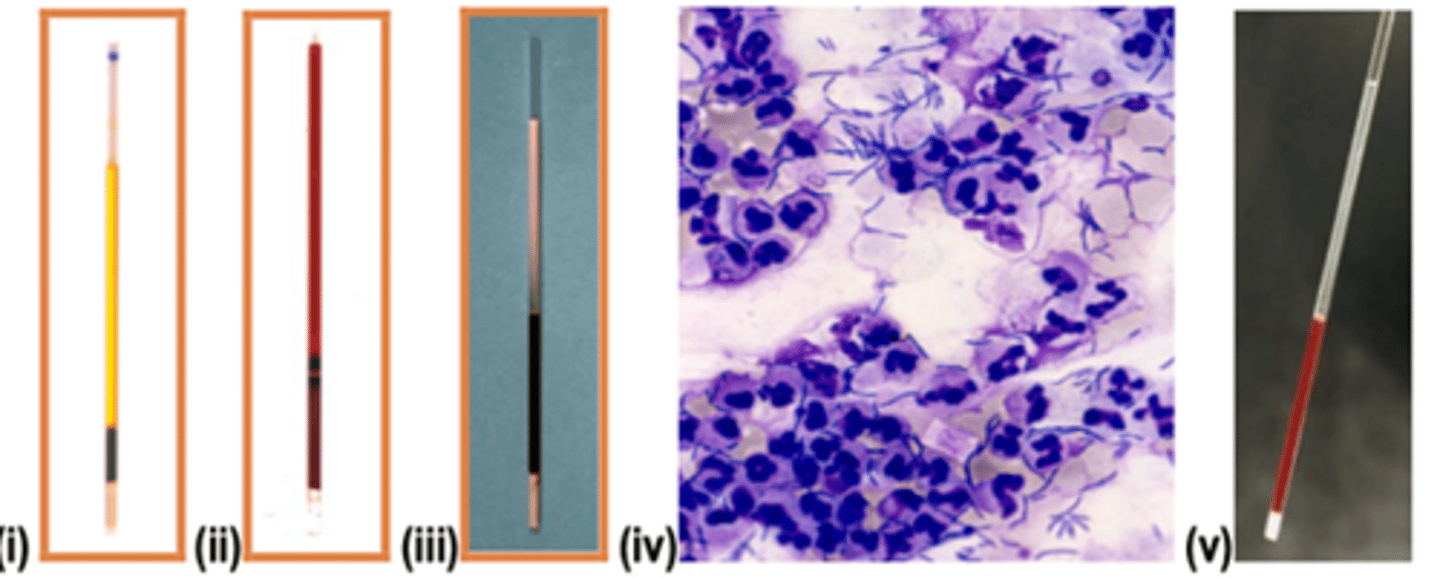
(I) Hemolysis and (II) icteric
Which conditions illustrated in Plate 3 are indicative of anemia?
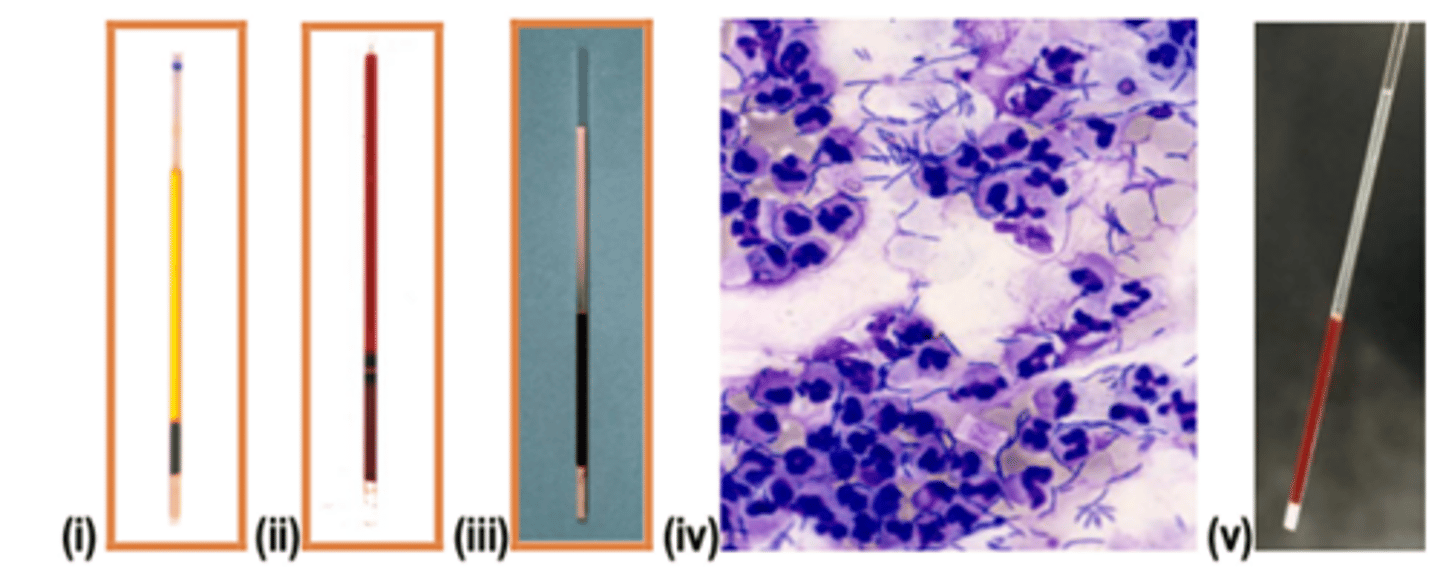
(IV) and (V)
Which conditions illustrated in Plate 3 are indicative of inflammation?
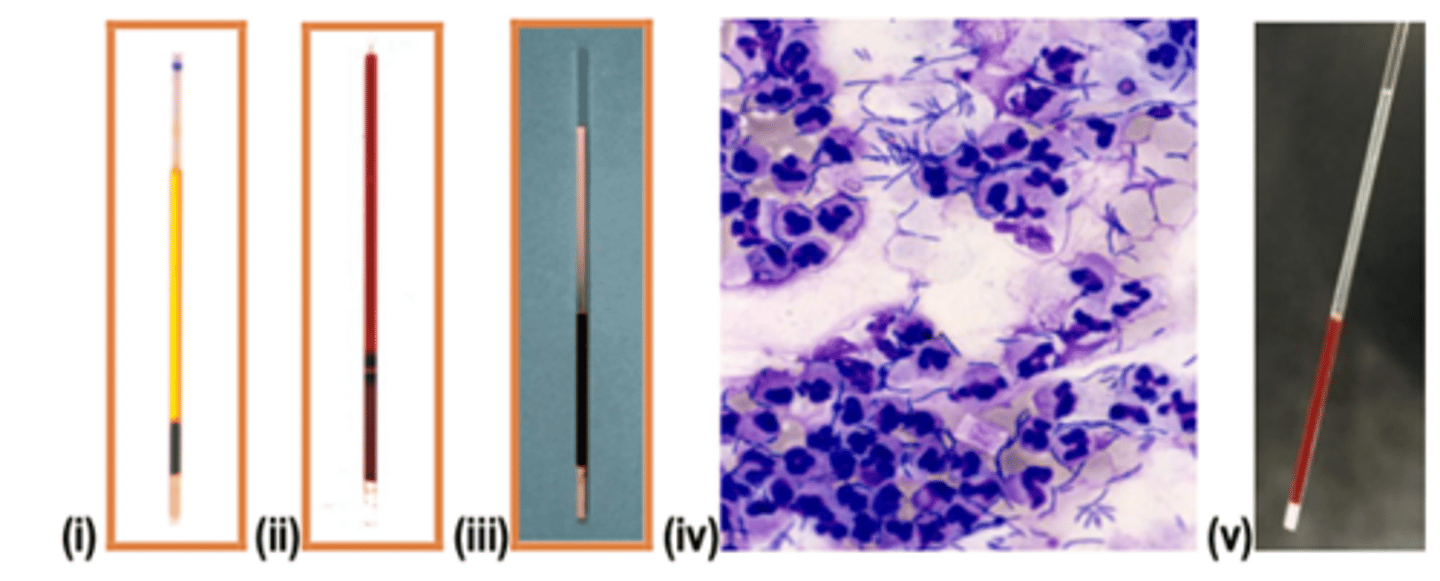
Hemolysis (II)
Which condition is most consistent with intravascular hemolysis due to onion poisoning?
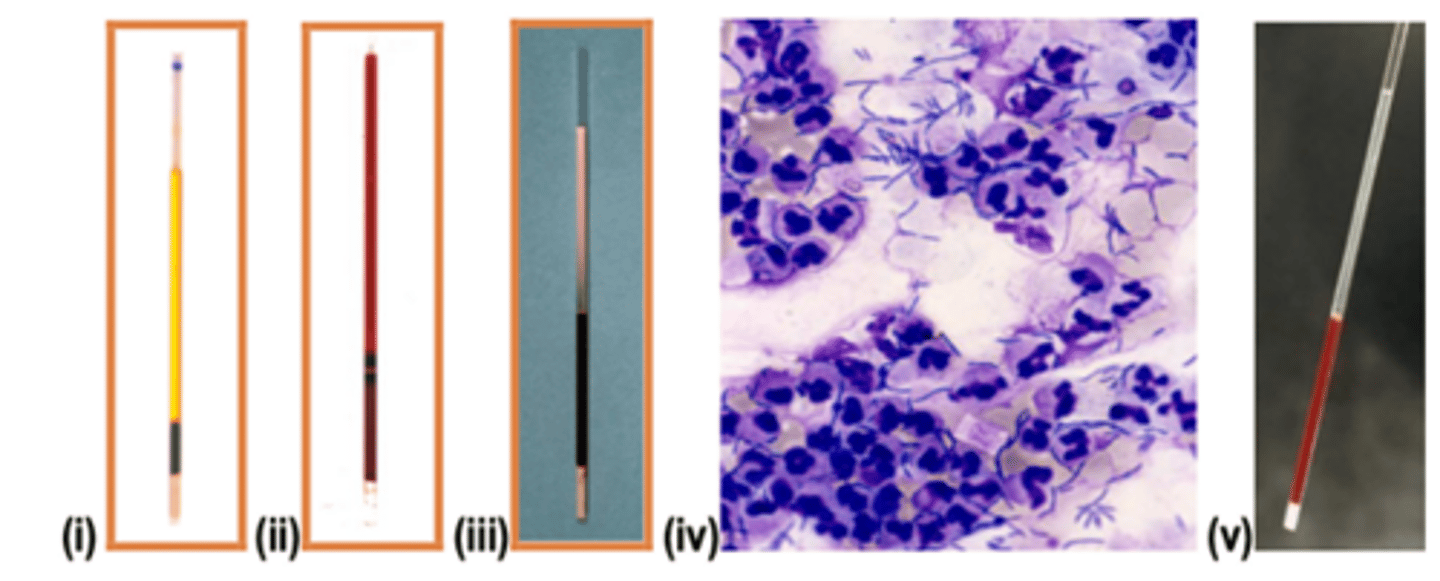
(I) icterus
in EV IMHA abs coat RBCs and these RBCS are destroyed by macrophages in the spleen, liver or bone marrow - they digest the RBC breaking down Hb and releasing bilirubin = icterus
Which condition is most consistent with extravascular immune-mediated hemolytic anemia?
EDTA tubes are best for cell counts
What is true about blood collection tubes?
a. EDTA tubes are best for cell counts
b. Lithium heparin tubes are used for serum chemistry analysis
c. Sodium fluoride tubes can be used for accurate measure of calcium
d. Sodium citrate tubes prevent glucose consumption during blood storage
e. Serum tubes are the best for all chemistry analyses
Low haematocrit with low total protein concentration and white colour of the plasma
Which statement indicates hemorrhagic anemia?
a. Low haematocrit with normal protein concentration and bright, yellow colour of the
plasma
b. Low haematocrit with low total protein concentration and white colour of the plasma
c. Low haematocrit with high total protein and bright red colour of the plasma.
d. Normal haematocrit but with markedly haemoconcentration and high protein
concentration
e. Normal haematocrit with low total protein and a large increase in the buffy coat.
MCH is the mean cell haemoglobin and is by far the most valued and useful of indices
Which statement about erythrocyte indices is incorrect?