Exam 4 Histology
 Call Kai
 Learn
Learn Practice Test
 Spaced Repetition
 Match
Match Flashcards
 Knowt Play
1/301

There's no tags or description
Looks like no tags are added yet.
Name | Mastery | Learn | Test | Matching | Spaced | Call with Kai |
|---|
No analytics yet
Send a link to your students to track their progress
302 Terms

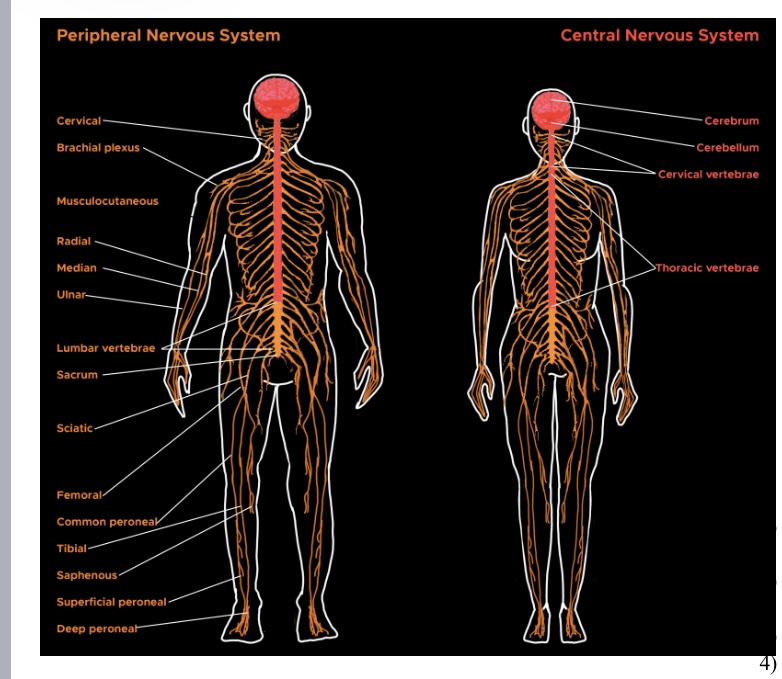
Peripheral/Central Nervous System : Function : CNS controls and processes body activities, while PNS carries messages between the CNS and the rest of the body.

Neuron : Function : Neuron carries nerve impulses.


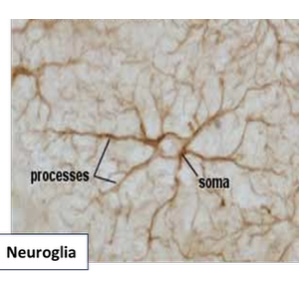
Neuroglia : Function : Neuroglia supports, protects, and nourishes neurons.

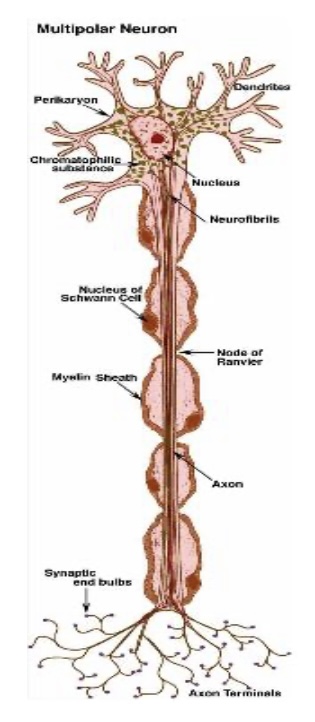
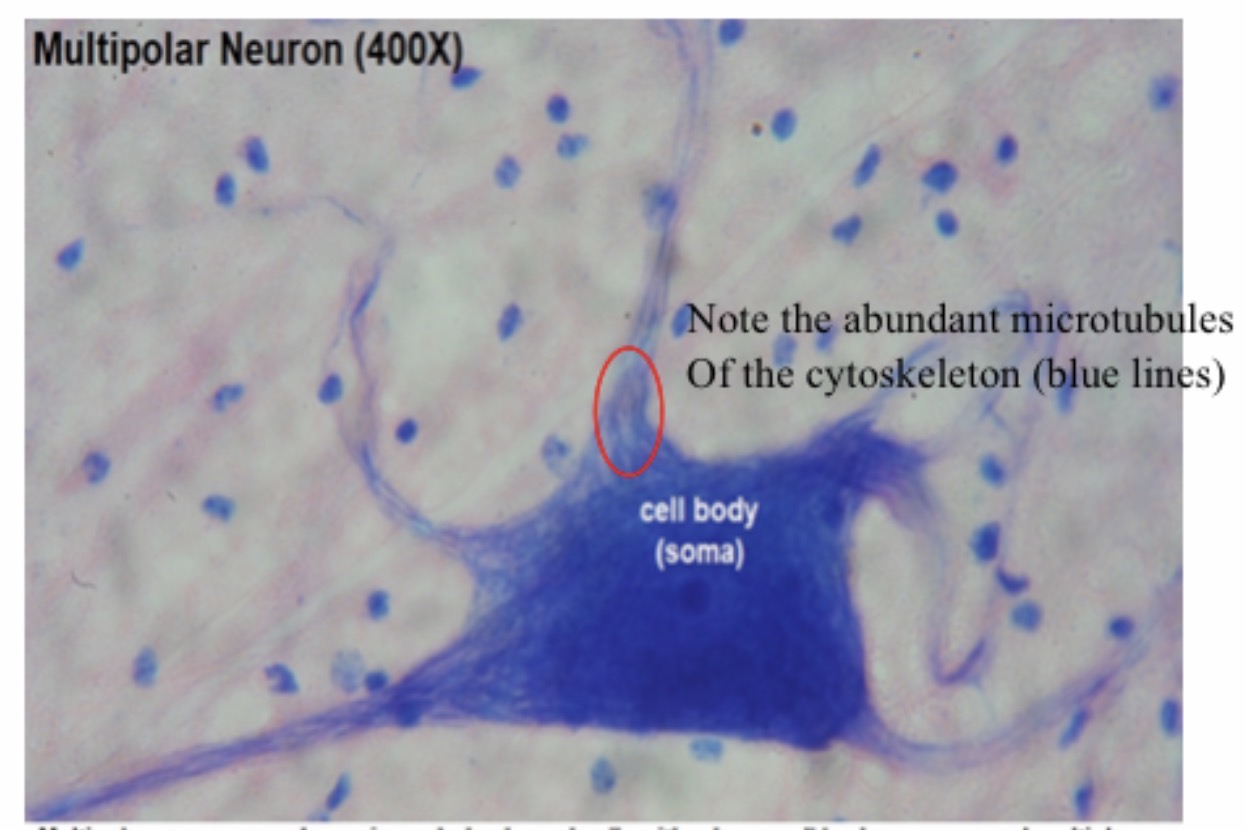
Multipolar Neuron : Function : Transmits nerve impulses between the brain, spinal cord, muscles, and glands.

Motor Neuron : Function : Carries impulses from the central nervous system to muscles and glands.
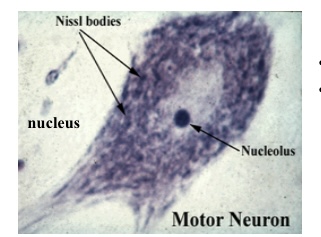

Cell Body Soma of Neuron : Contains the nucleus and controls the activities of the neuron.
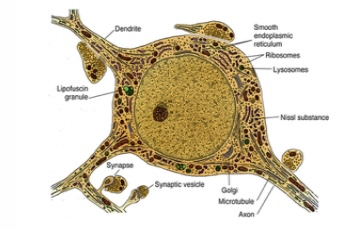

Forebrain : Cortex Golgi/ Multipolar Neuron : Function : Transmits nerve impulses over long distances between the brain, spinal cord, and other parts of the body.
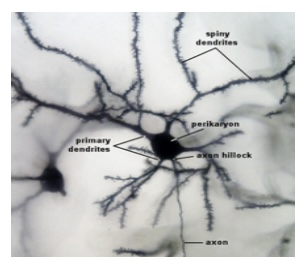
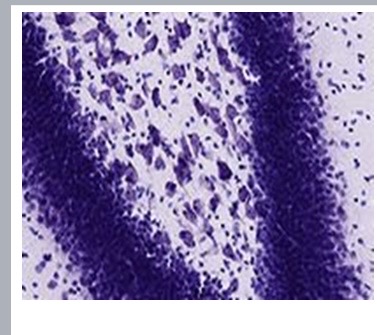
Nissl Bodies : Function : Responsible for protein synthesis in the neuron.
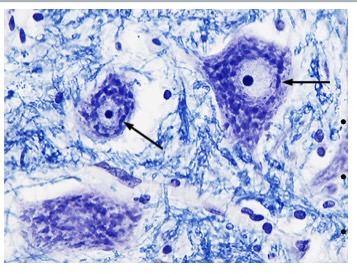
Nissl Bodies : Function : Responsible for protein synthesis in the neuron.

Multipolar Neuron : Function : Transmits nerve impulses between the brain, spinal cord, muscles, and glands.
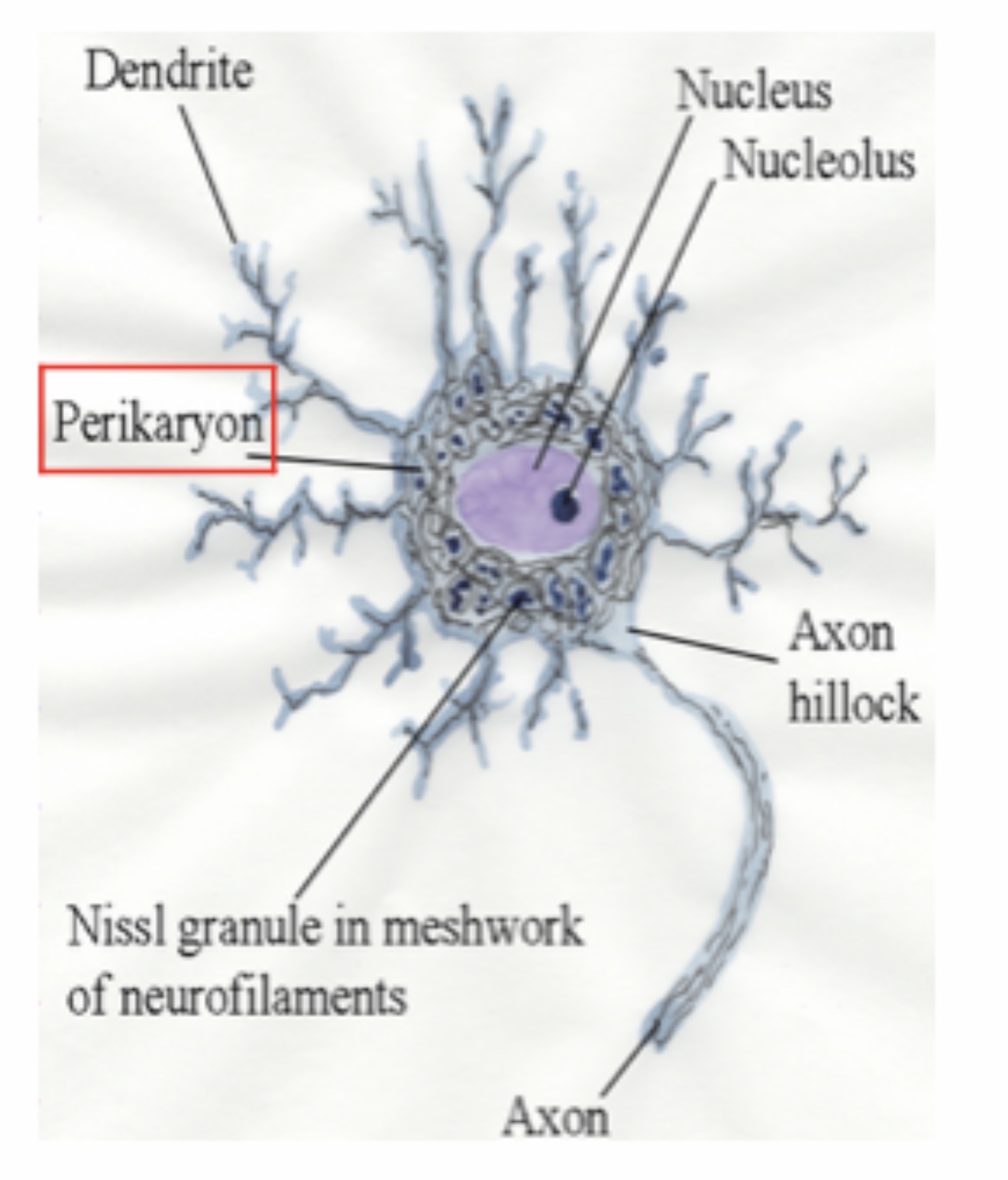

Multipolar Neuron : Function : Transmits nerve impulses between the brain, spinal cord, muscles, and glands.
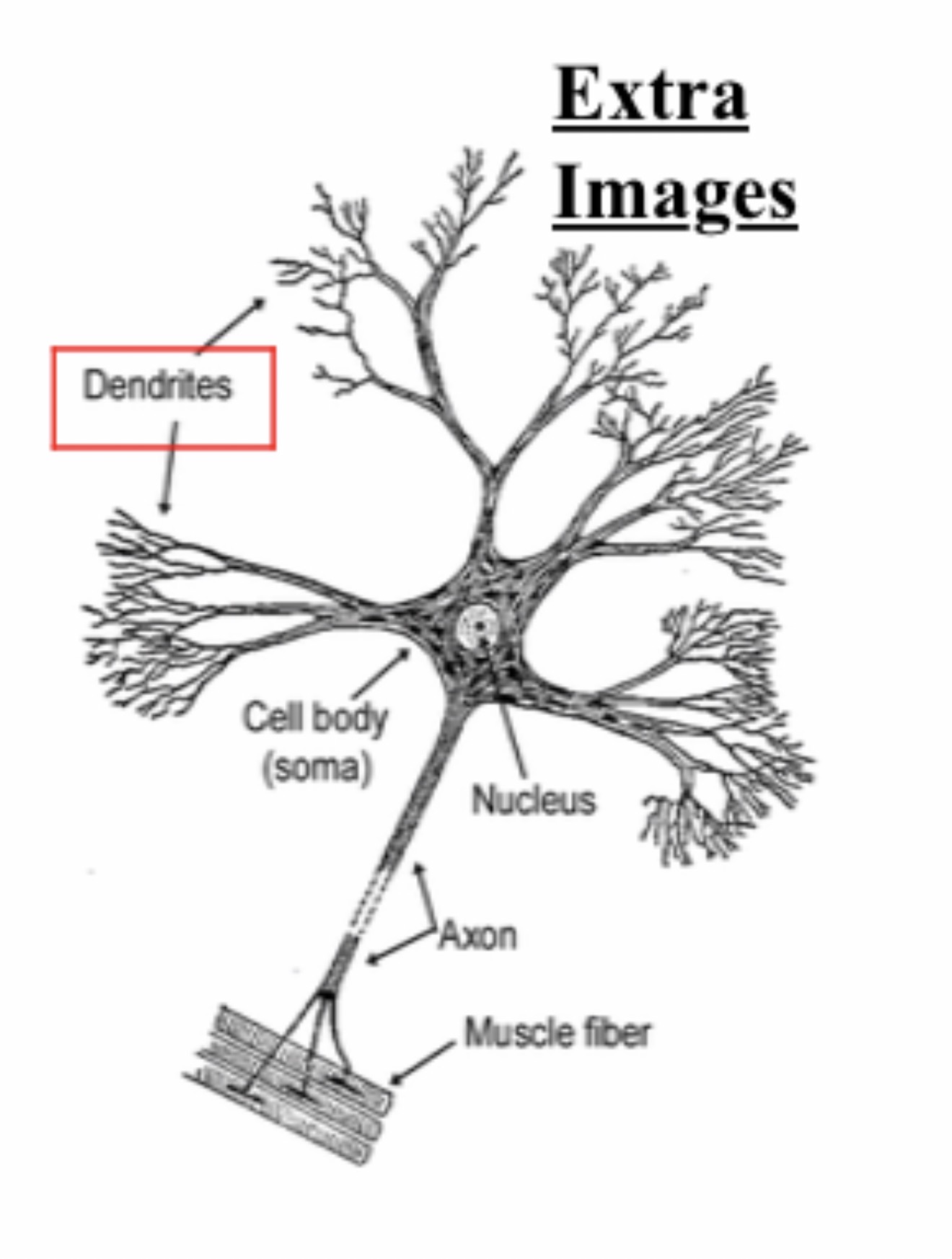

Telodendria : Function : Transmit nerve impulses to the next neuron, muscle, or gland.
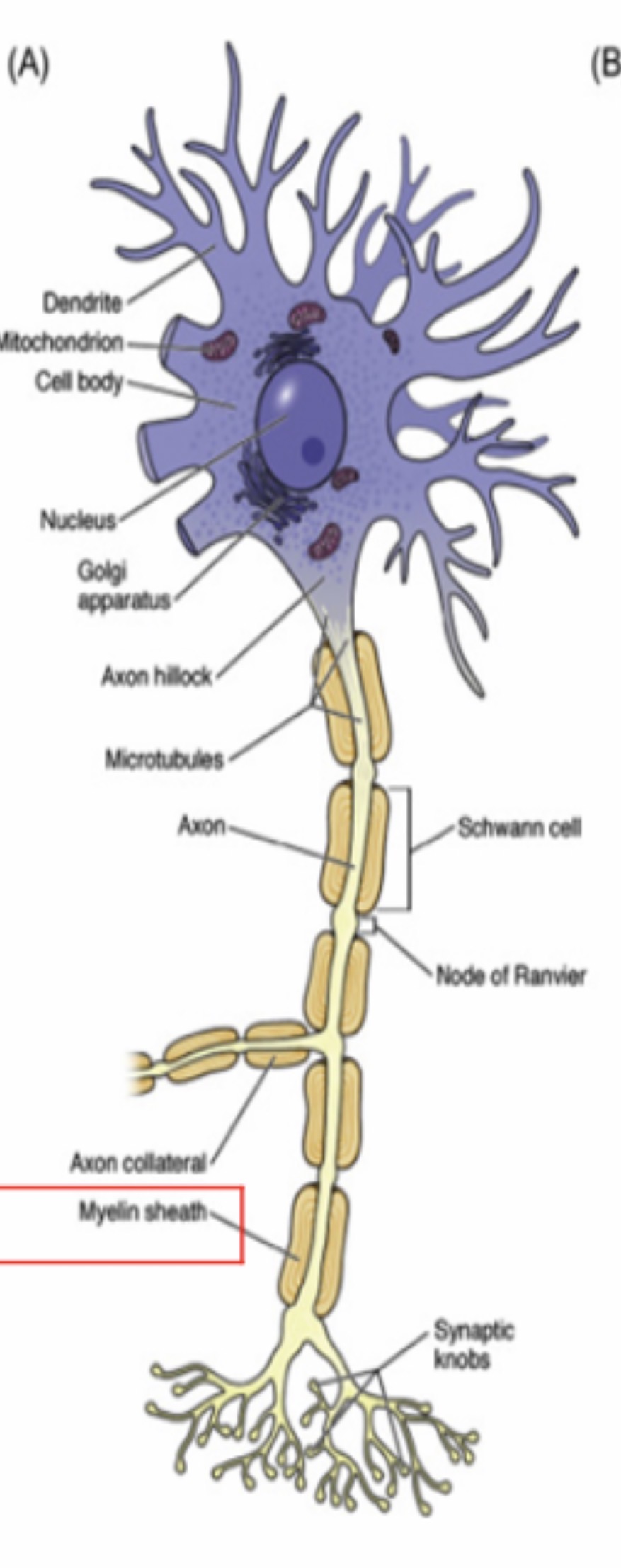
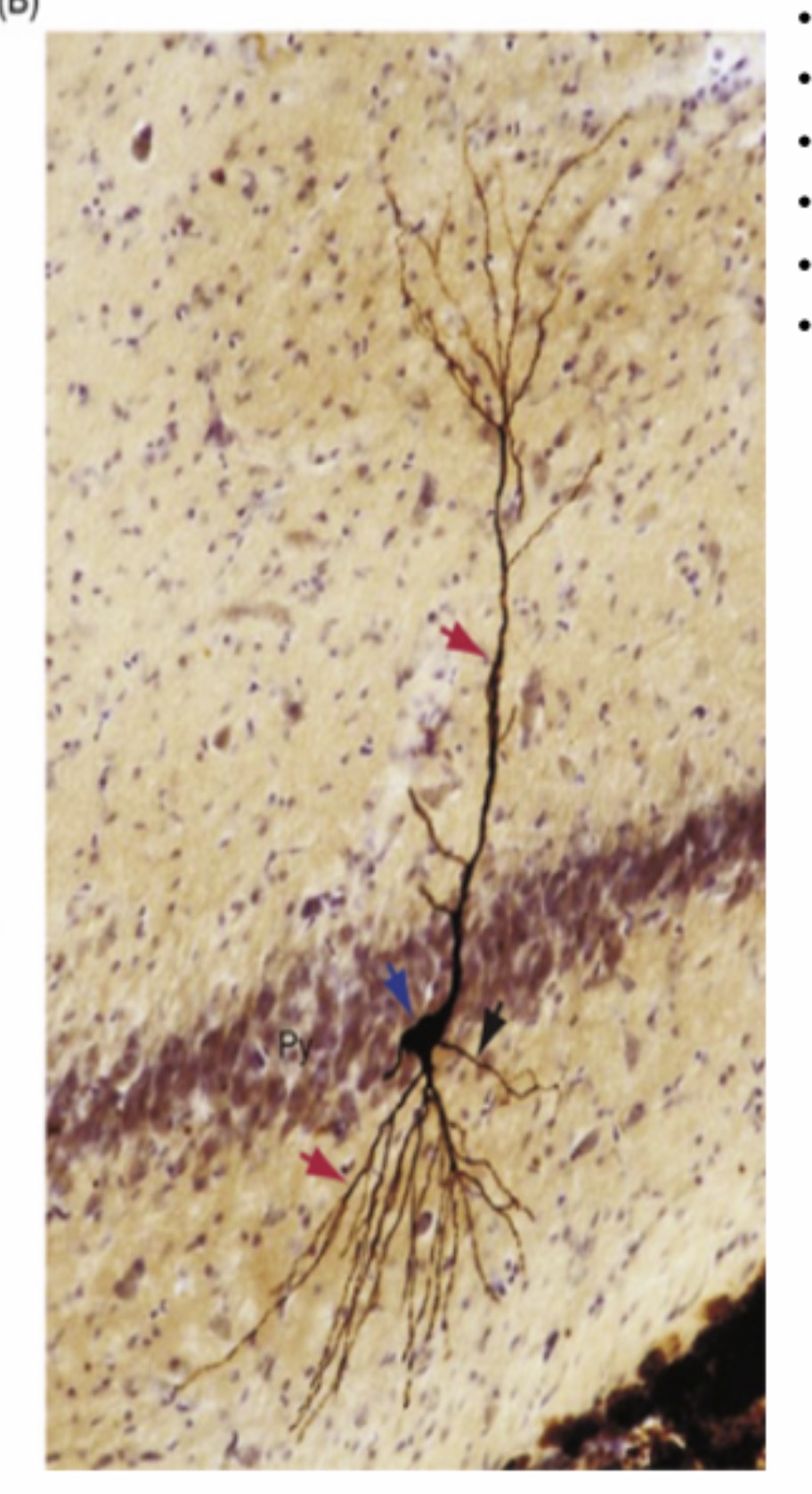
Telodendria : Function : Transmit nerve impulses to the next neuron, muscle, or gland.

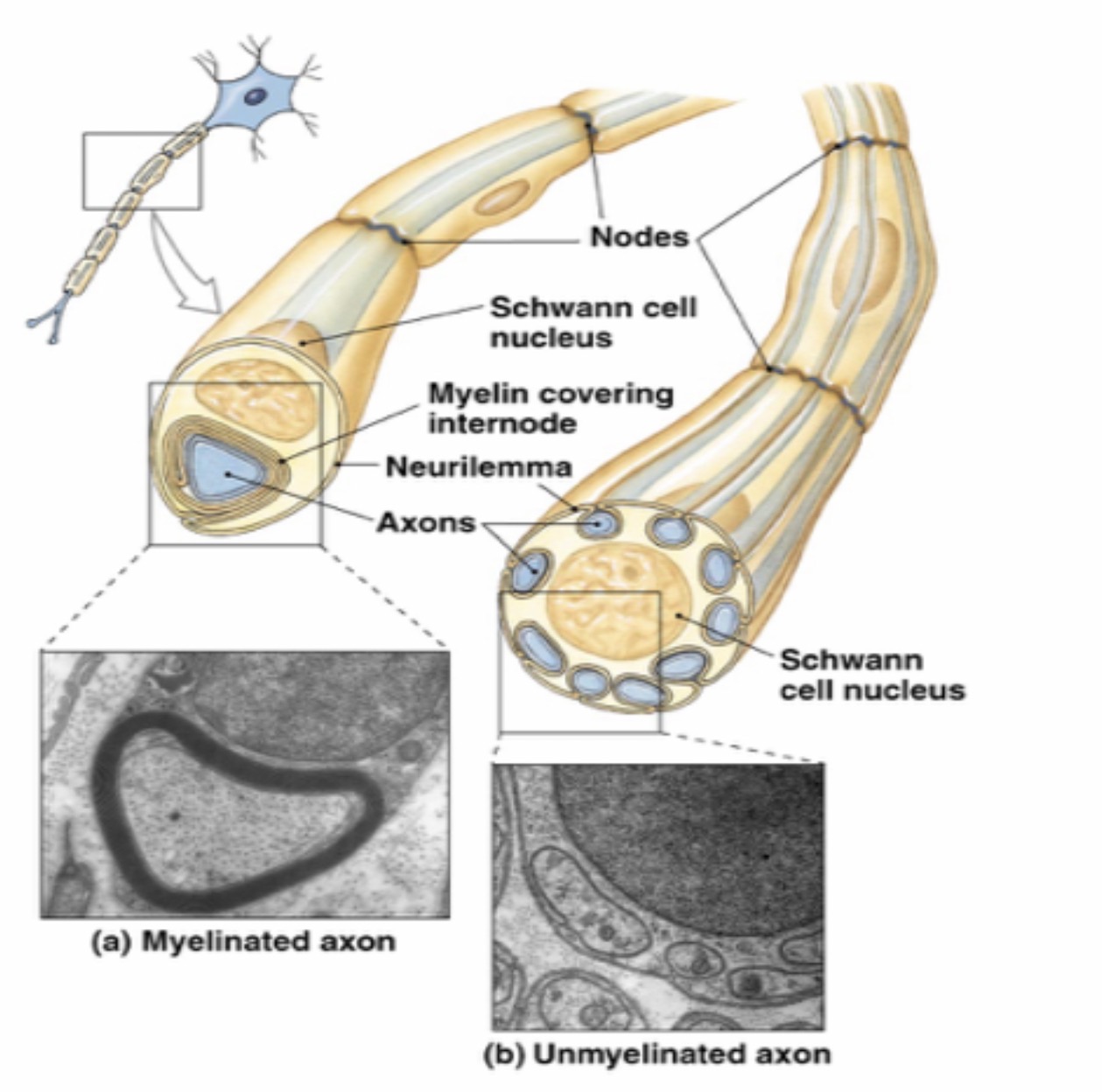
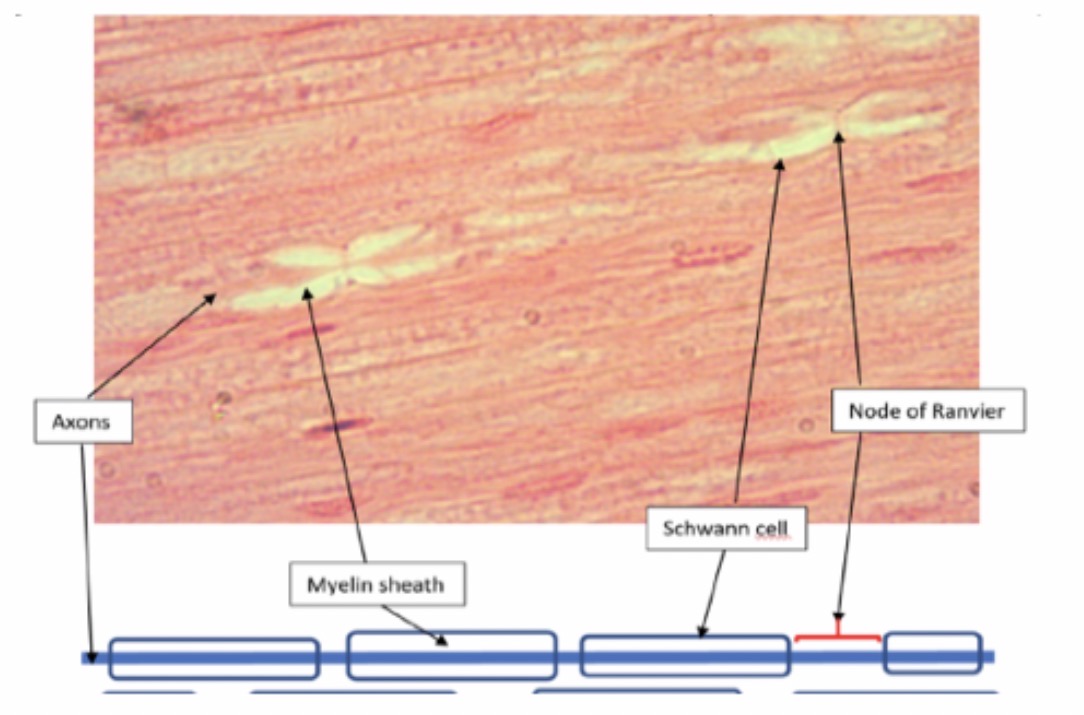
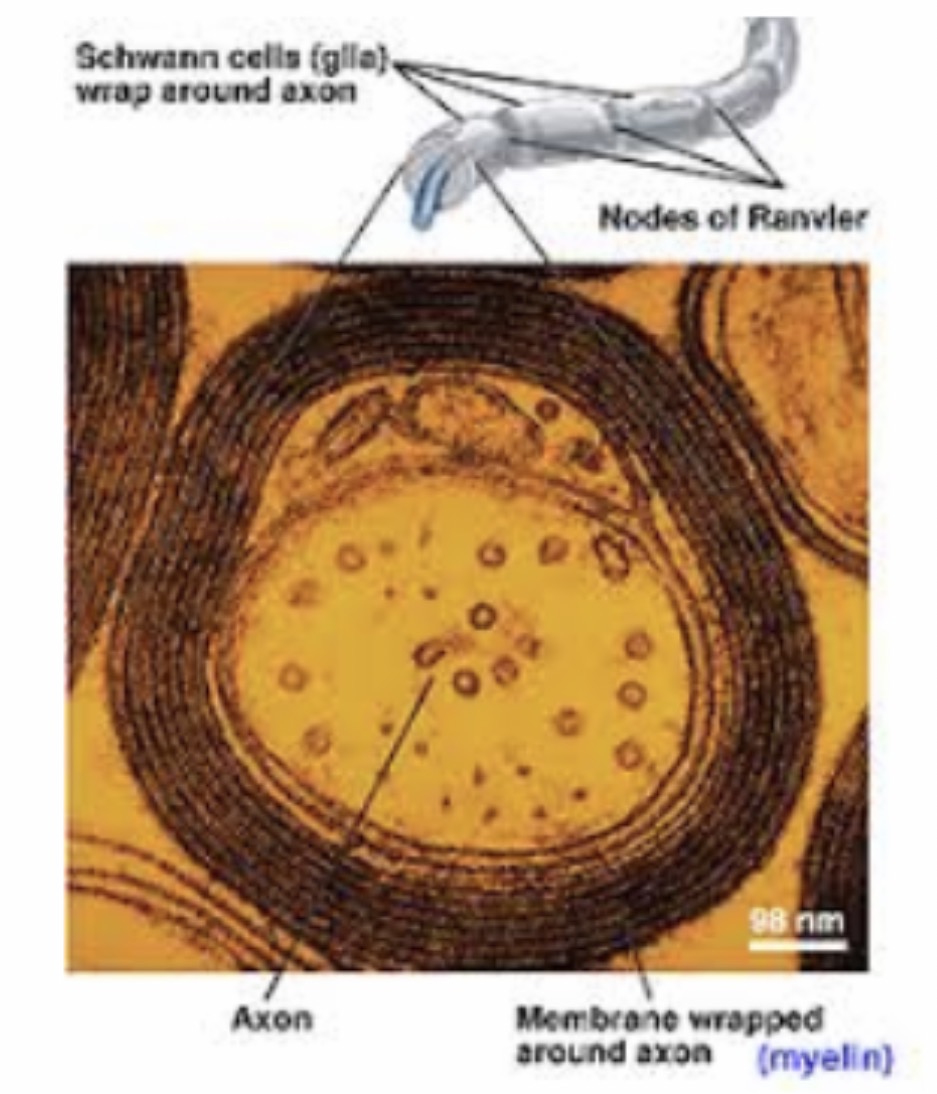
Schwann Cell : Myelination of Axon : Insulates the axon and increases the speed of nerve impulse conduction : Nodes of Ranvier Function : Allows rapid conduction of nerve impulses by saltatory conduction.
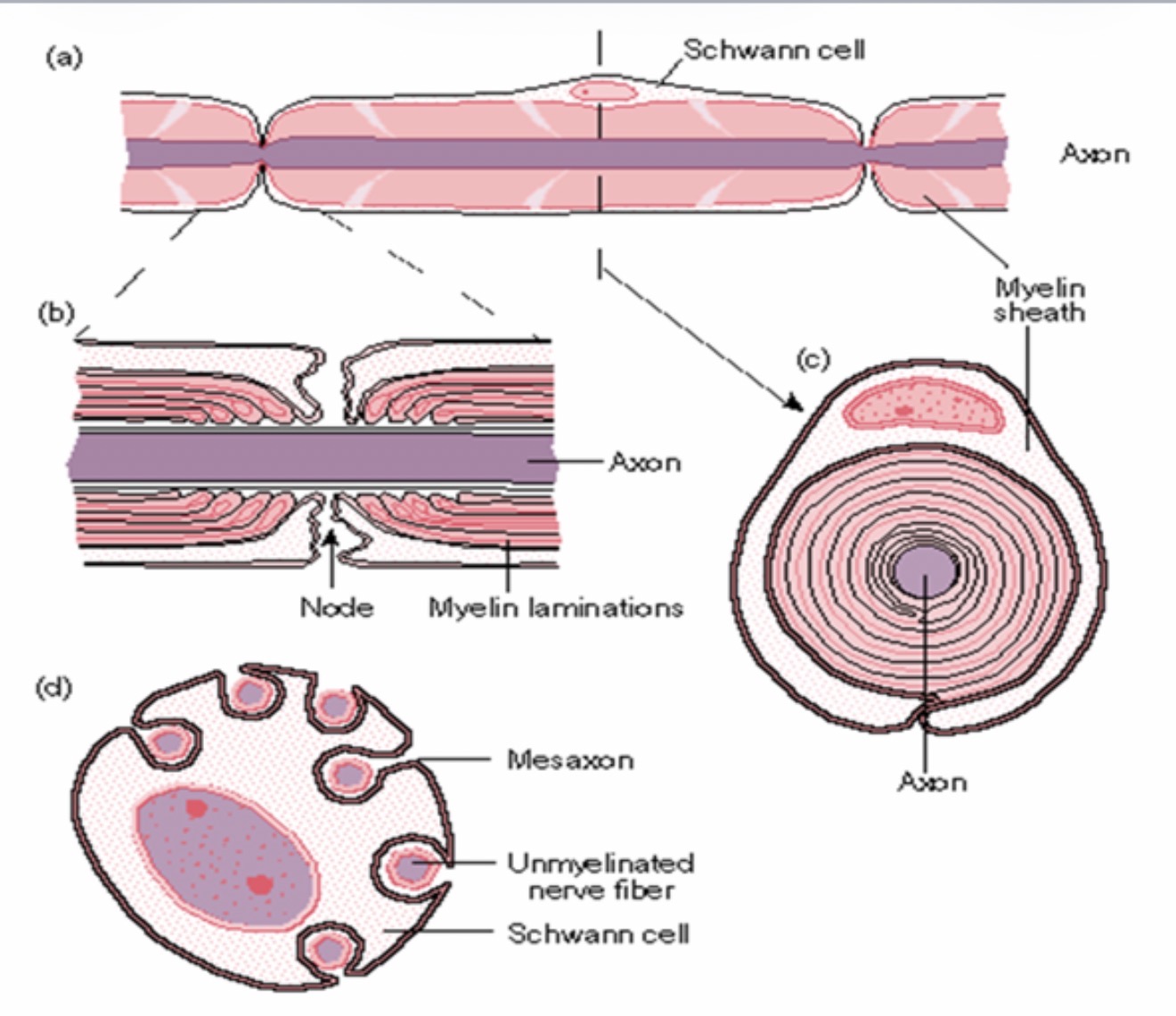

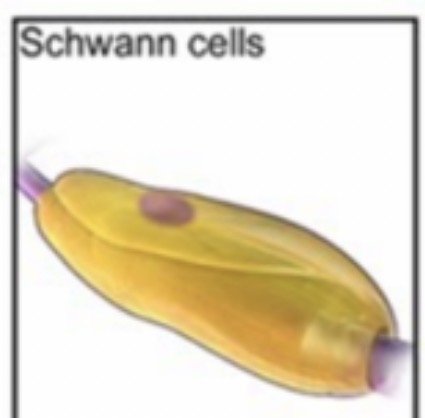
Schwann Cell : Function : Forms the myelin sheath around peripheral nerve fibers and supports nerve regeneration : Neurilemma : Function : Protects the nerve fiber and helps in regeneration of damaged axons.
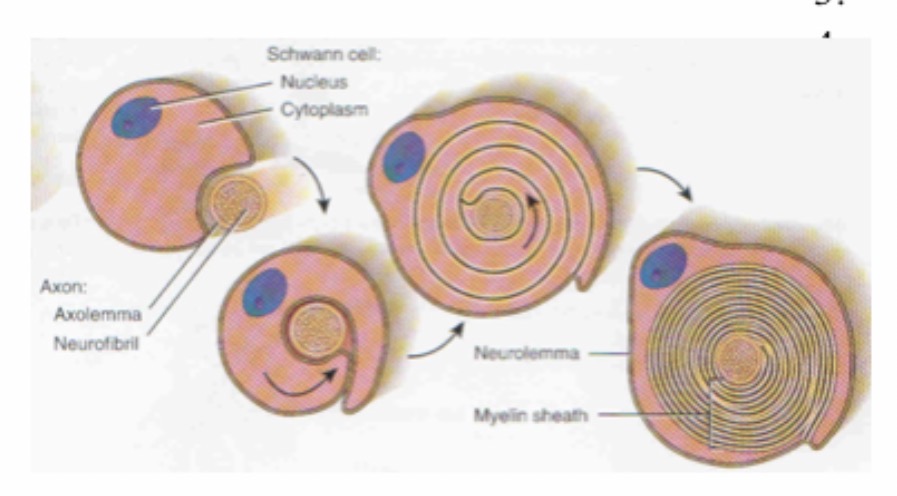

Myeline sheath : Function : Insulates the axon and increases the speed of nerve impulse conduction.
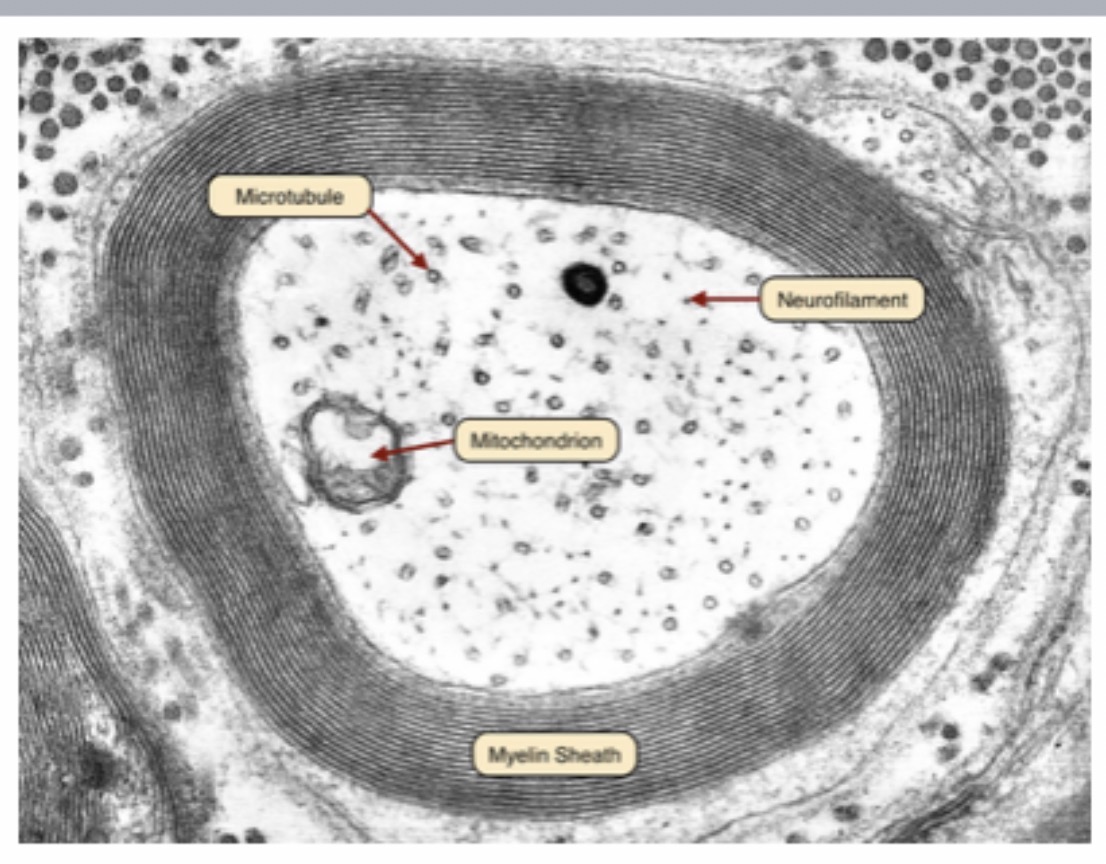

Myeline sheath : Function : Insulates the axon and increases the speed of nerve impulse conduction.
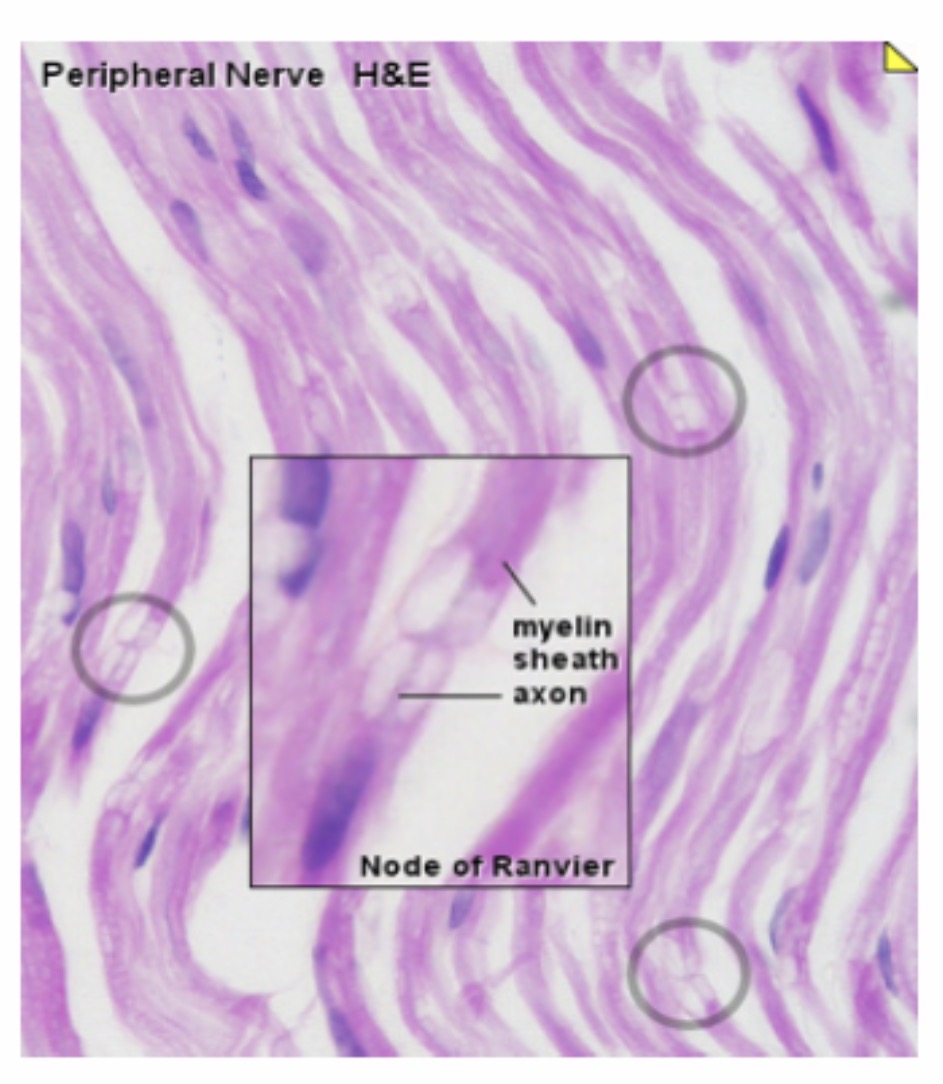

Myeline sheath : Function : Insulates the axon and increases the speed of nerve impulse conduction.
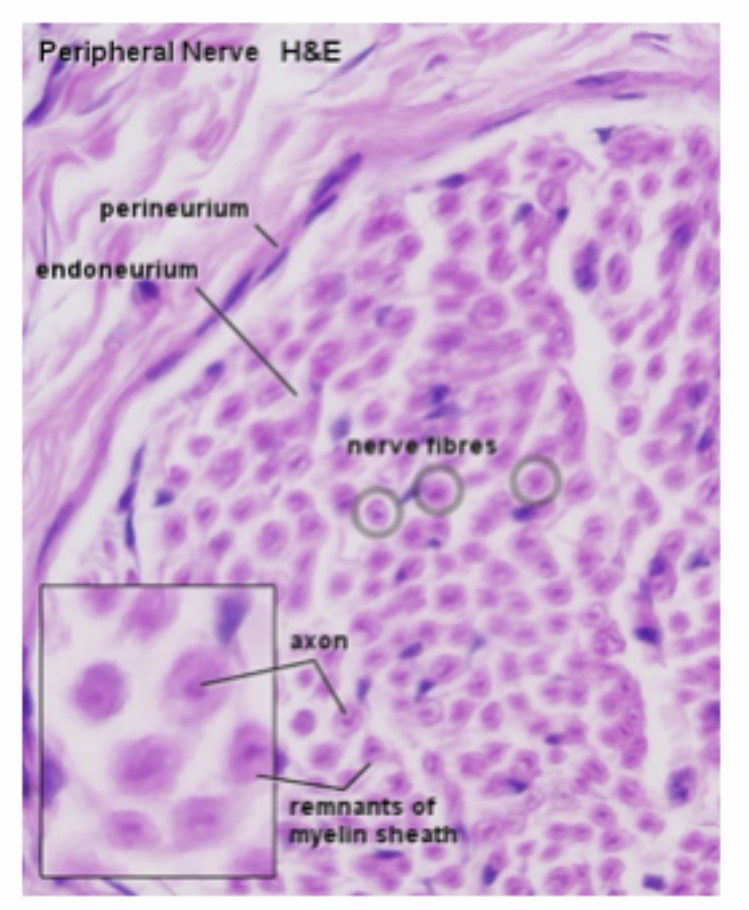

Myeline sheath : Function : Insulates the axon and increases the speed of nerve impulse conduction.
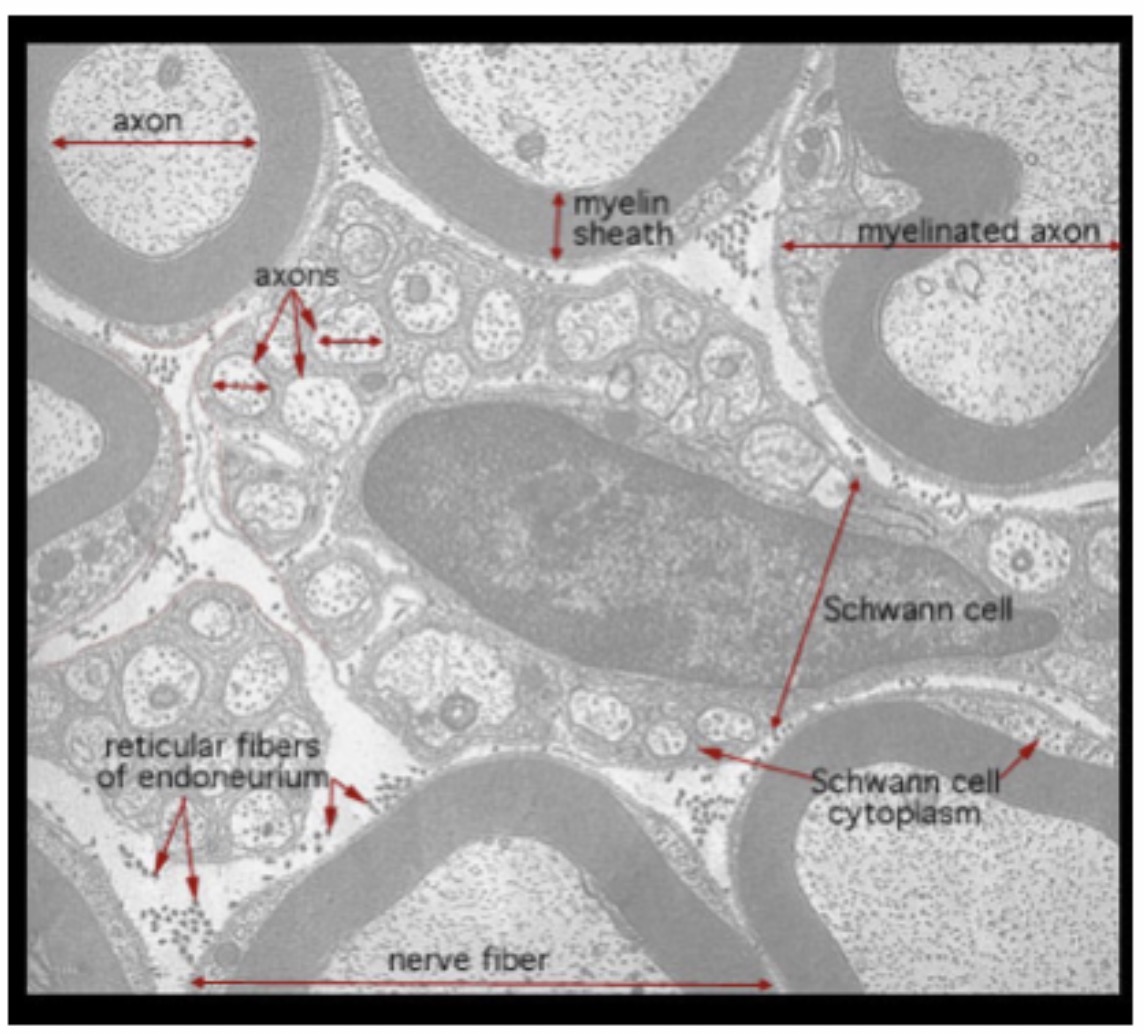

Myeline sheath : Function : Insulates the axon and increases the speed of nerve impulse conduction.
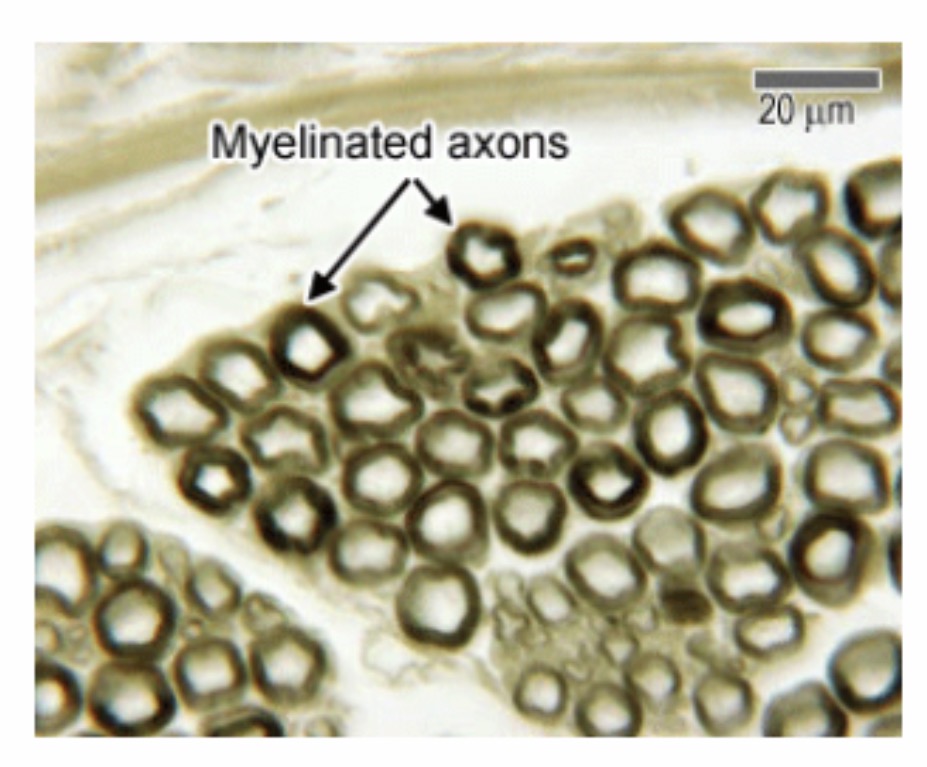

Myeline sheath : Function : Insulates the axon and increases the speed of nerve impulse conduction.
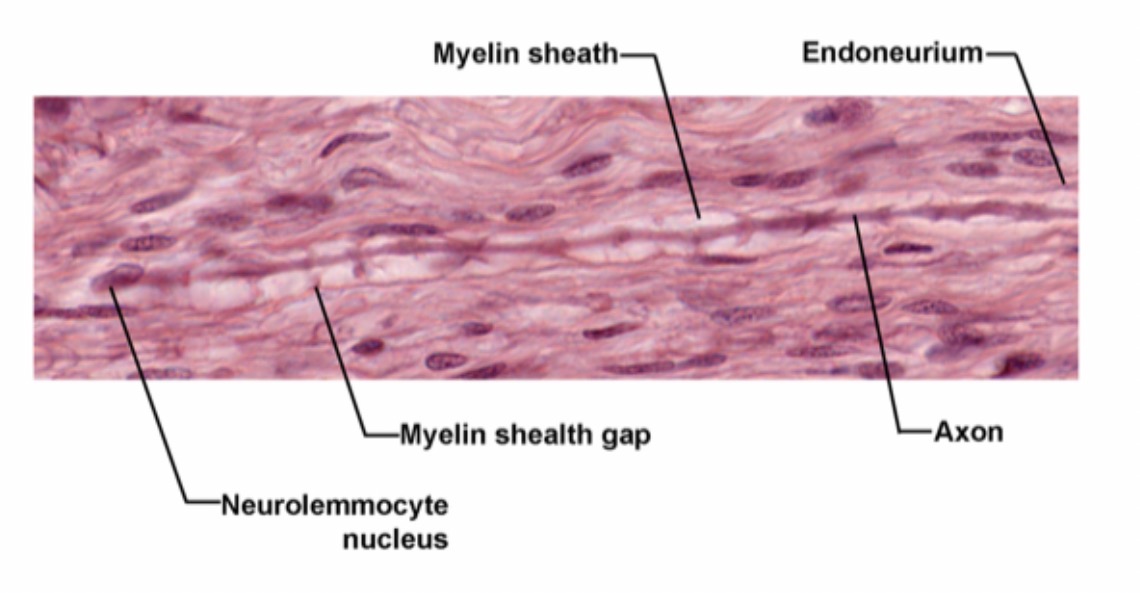

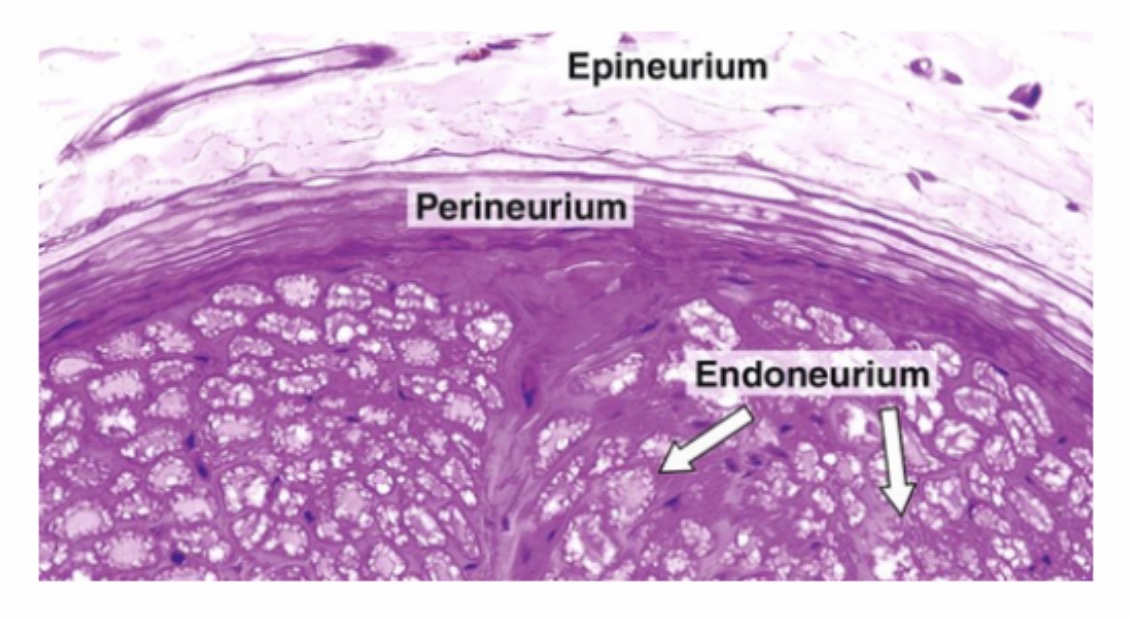
Covers of Typical Peripheral Nerves
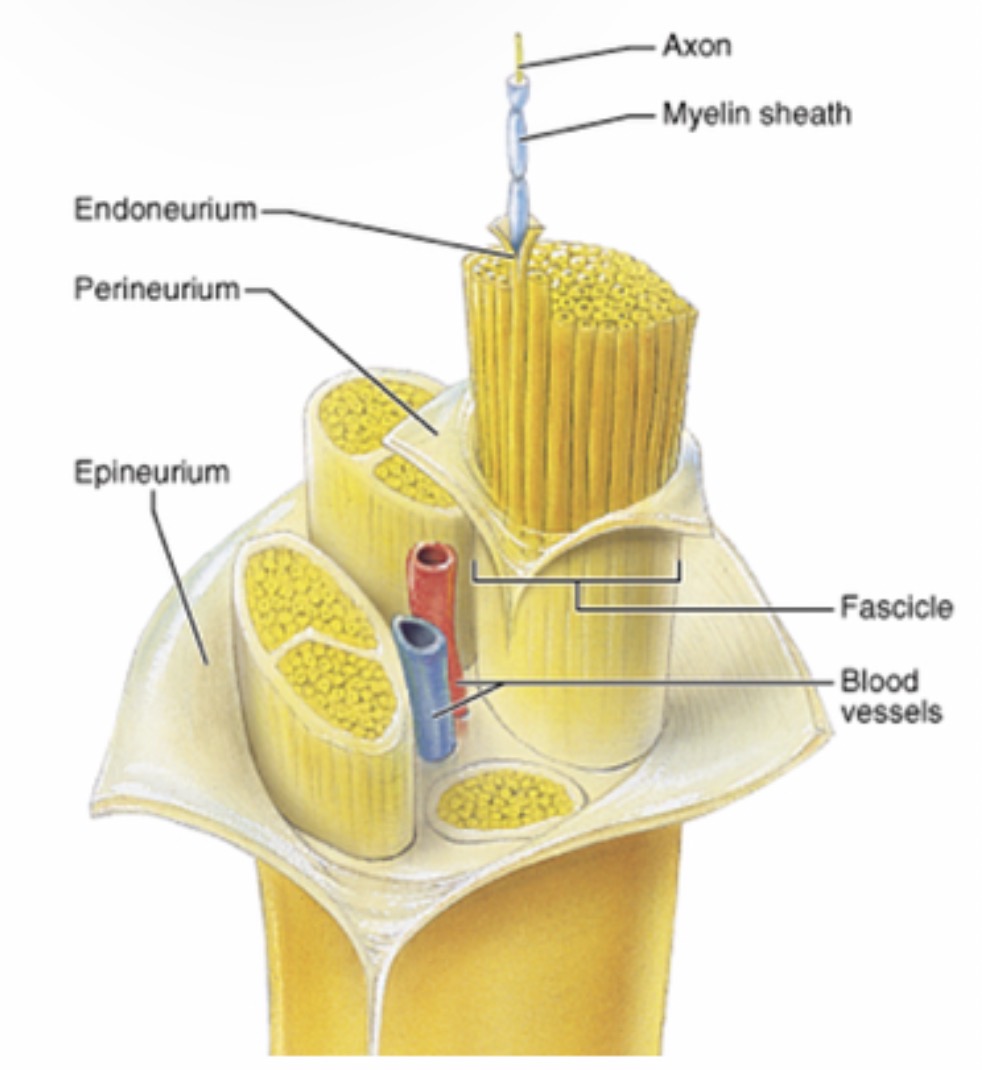

Covers of Typical Peripheral Nerves
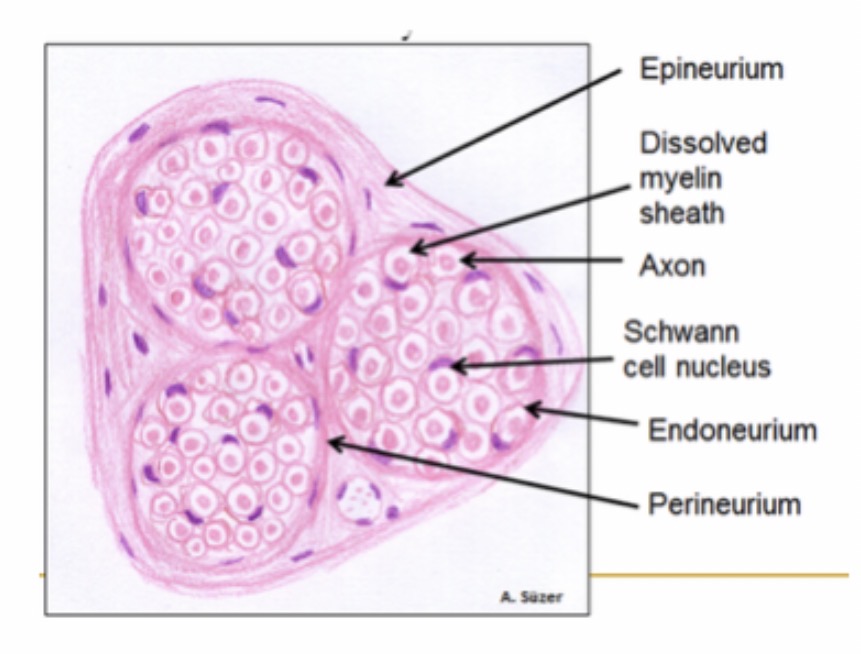

Covers of Typical Peripheral Nerves
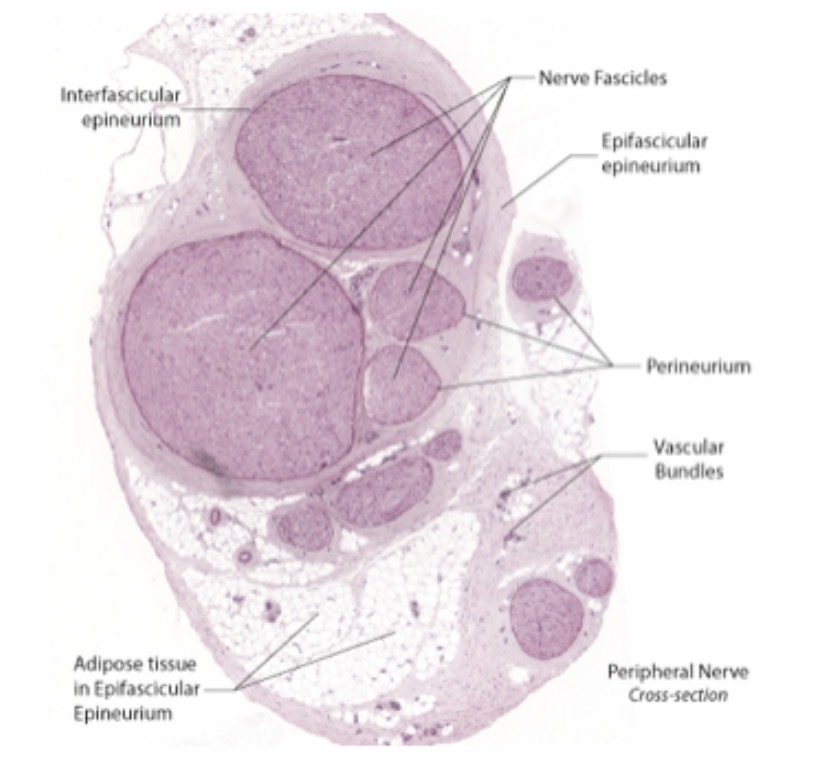

Covers of Typical Peripheral Nerves
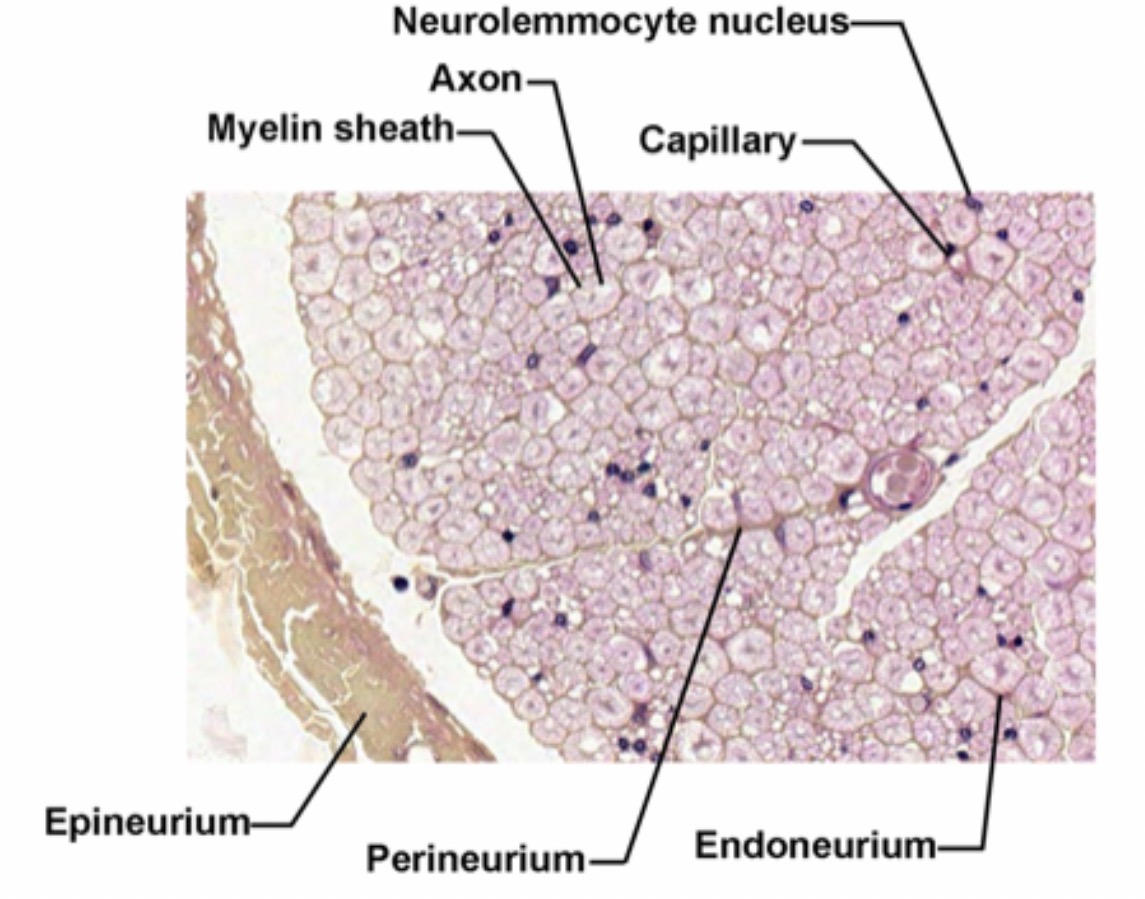

Sensory Neuron (pseudounipolar) : Function : Carries sensory impulses from receptors to the central nervous system.
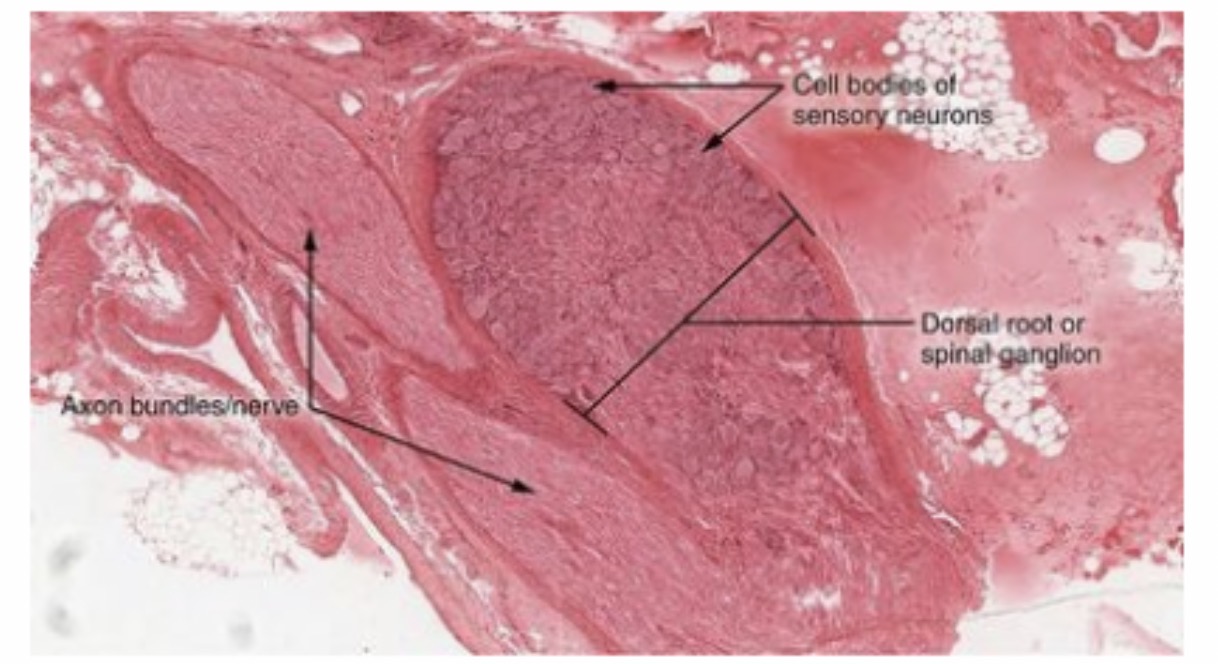

Motor Neuron (multipolar) : Function : Carries impulses from the central nervous system to muscles and glands.
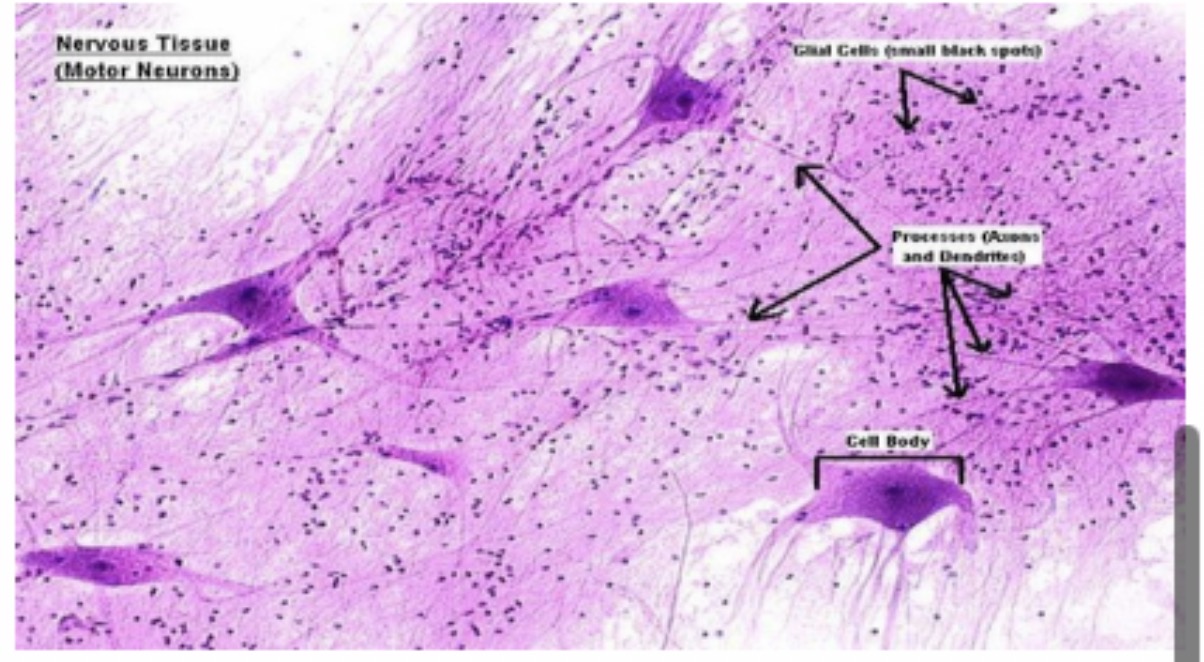

Motor Neuron (multipolar) : Function : Carries impulses from the central nervous system to muscles and glands.
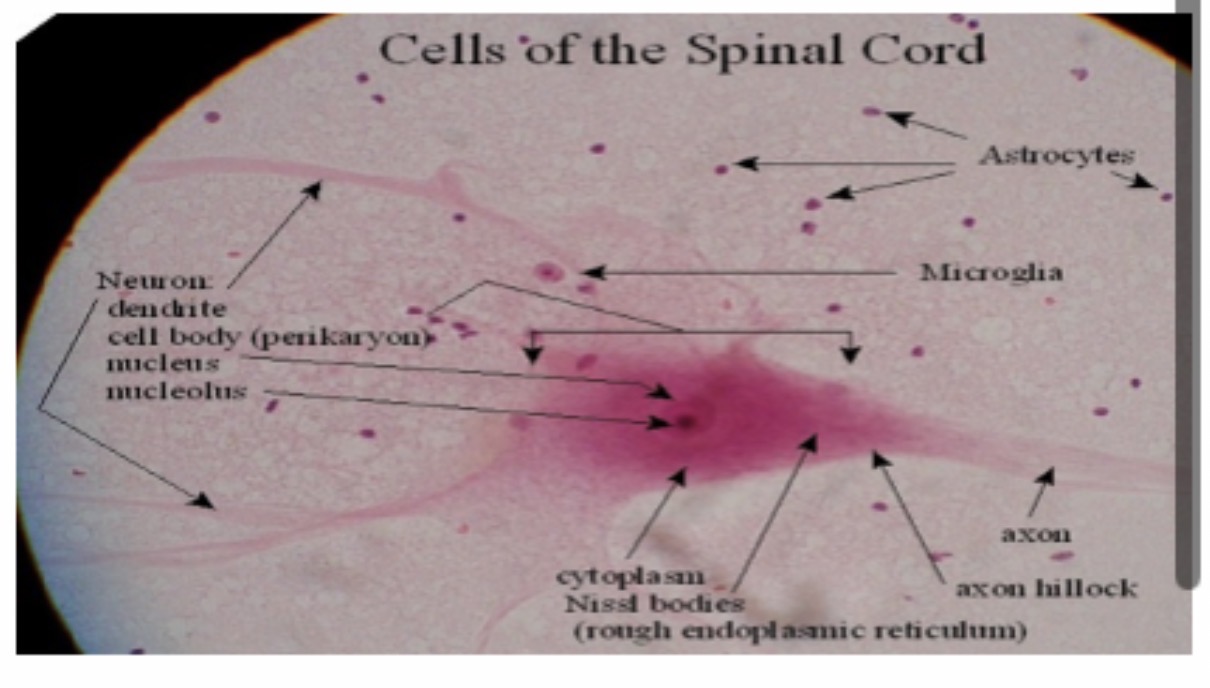

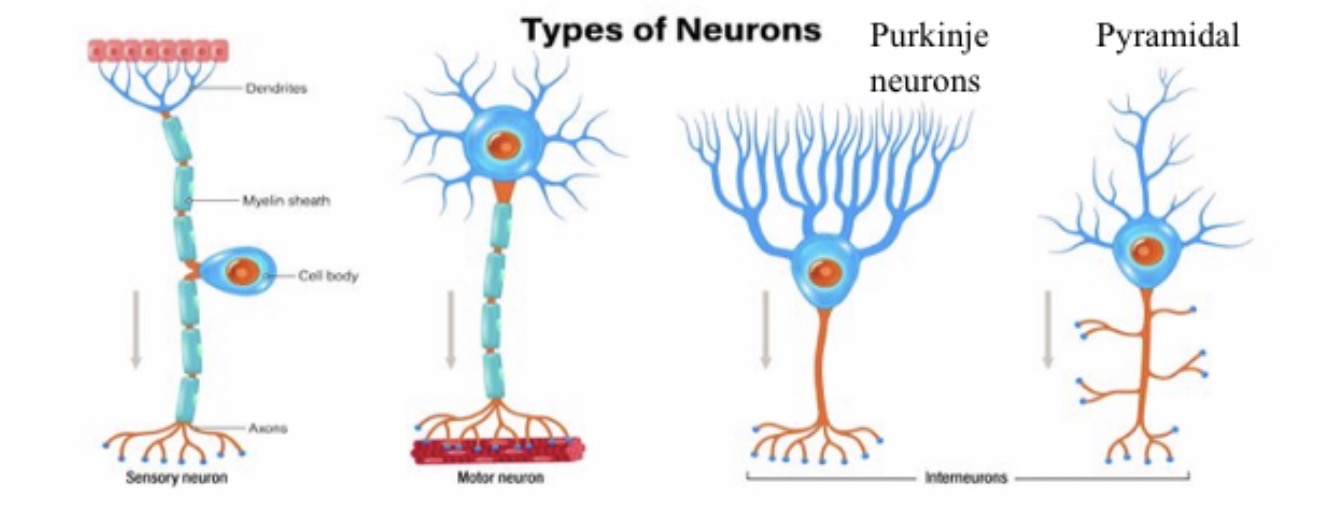

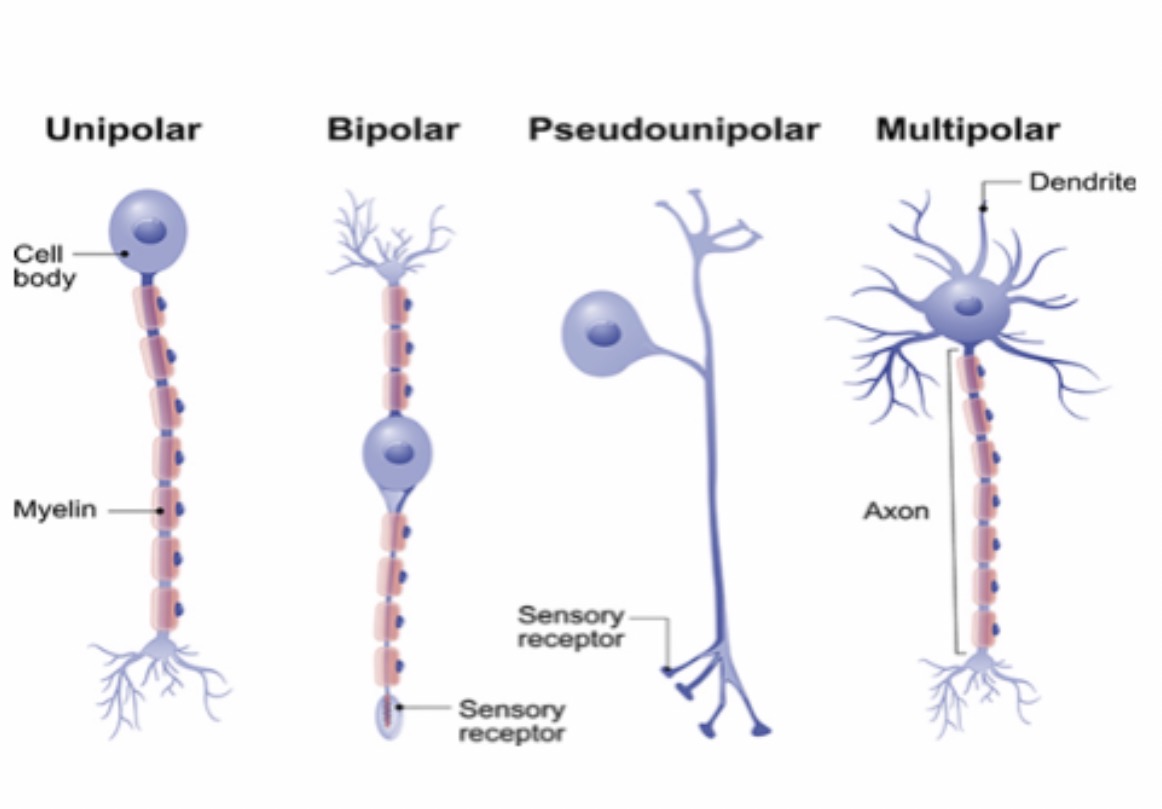

Multipolar Neuron : Function : Transmits nerve impulses between the brain, spinal cord, muscles, and glands.
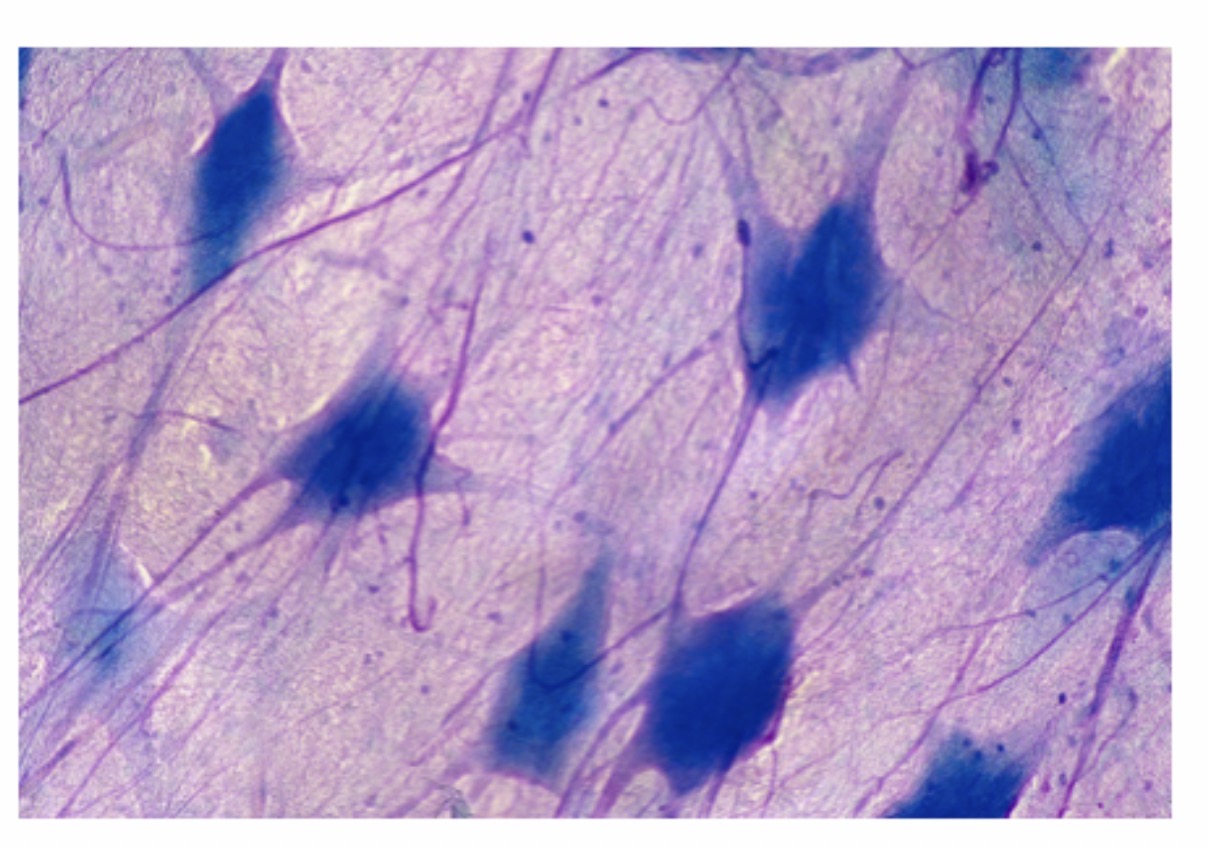
Multipolar Neuron : Function : Transmits nerve impulses between the brain, spinal cord, muscles, and glands.
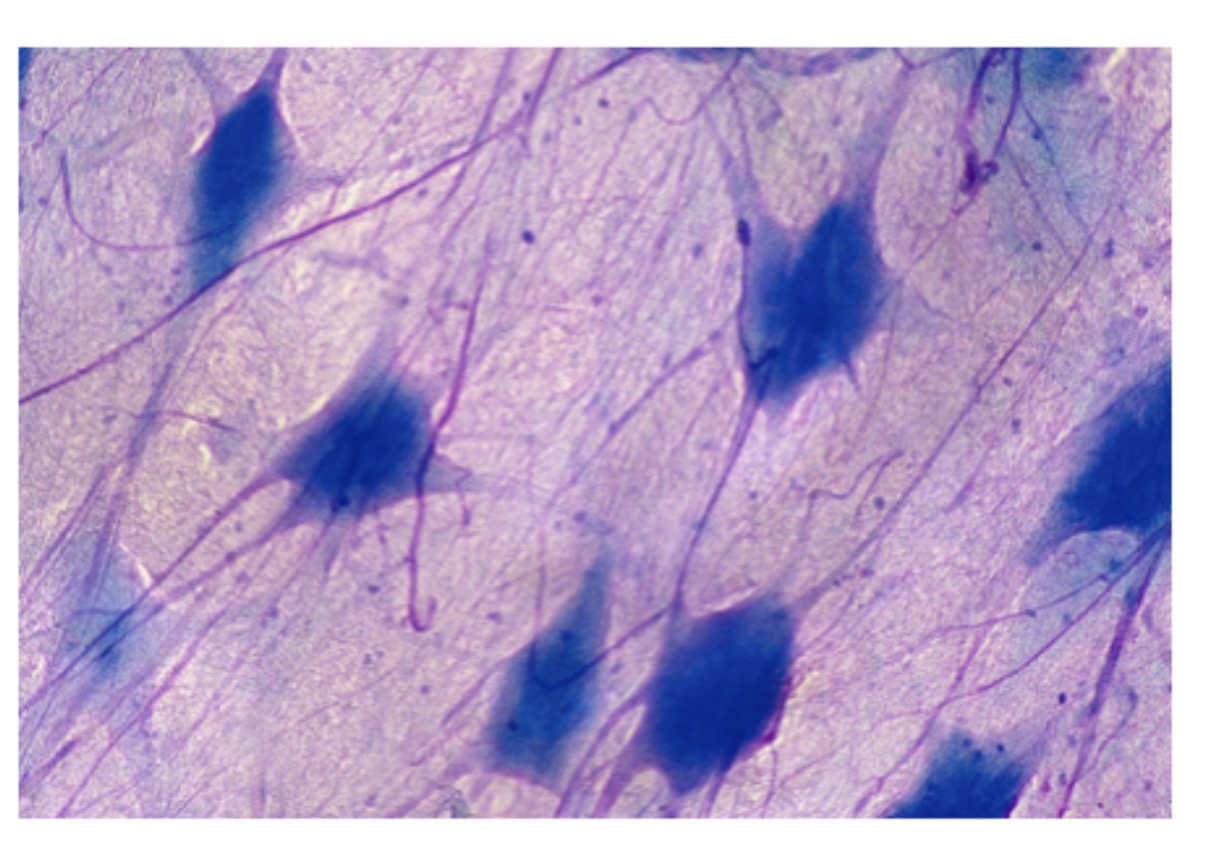
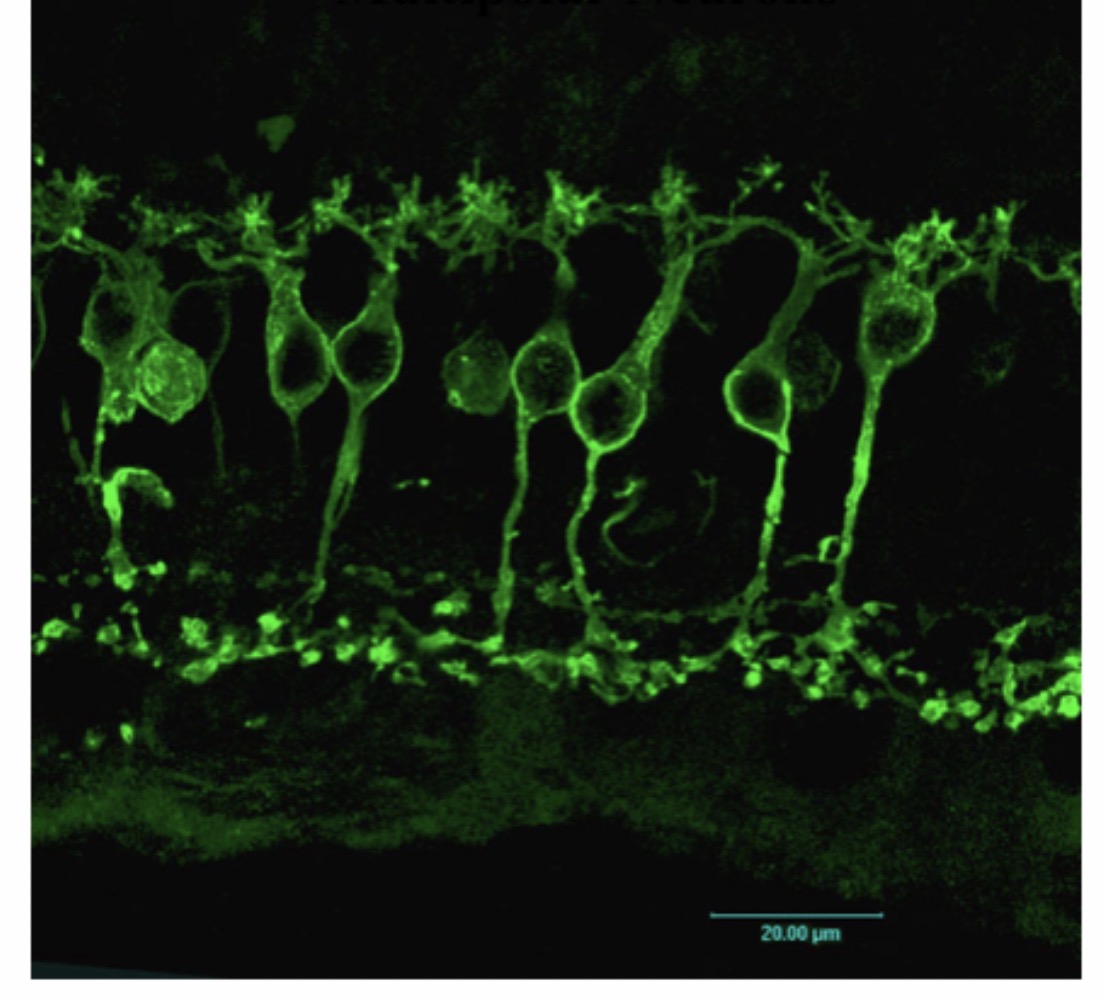
Bipolar Neurons : Function : Carries sensory impulses for special senses like vision, smell, and hearing.
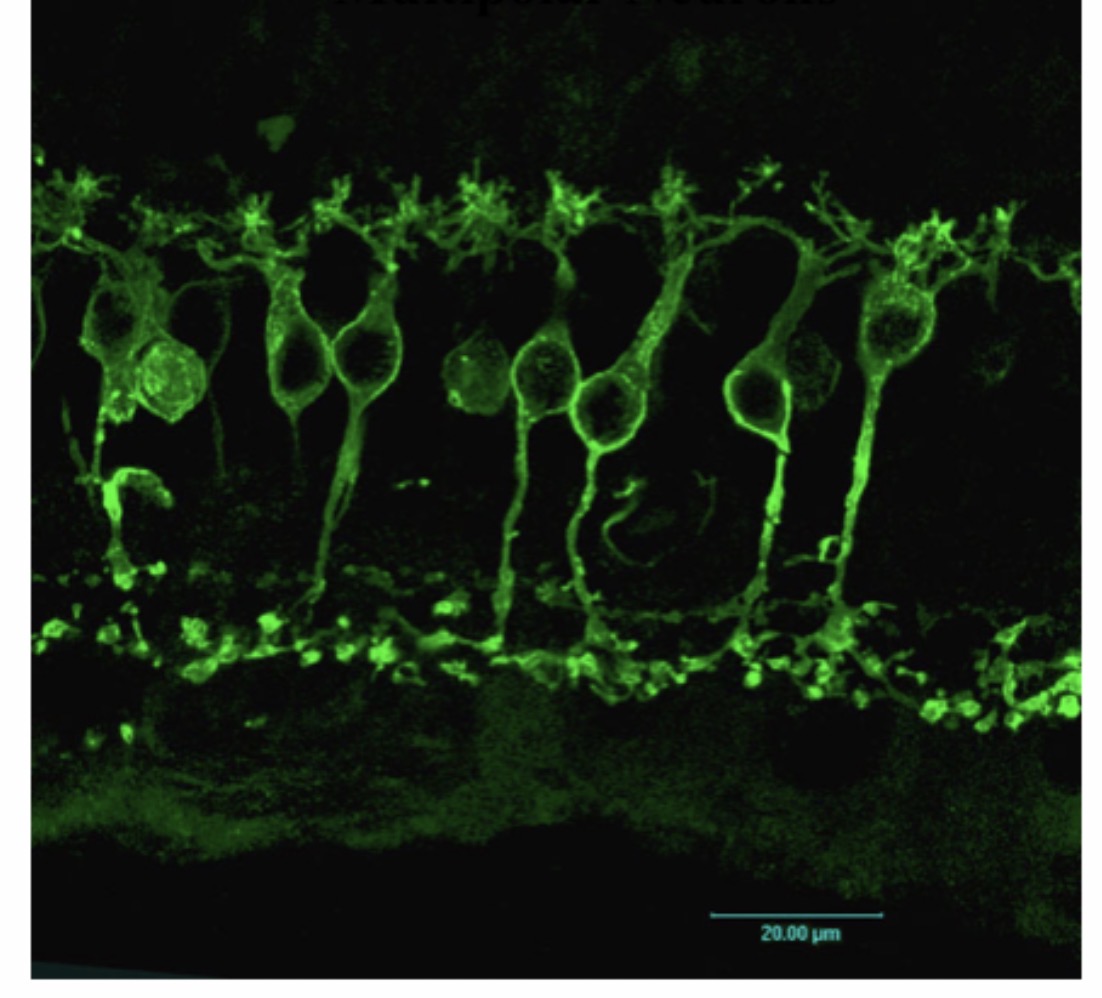
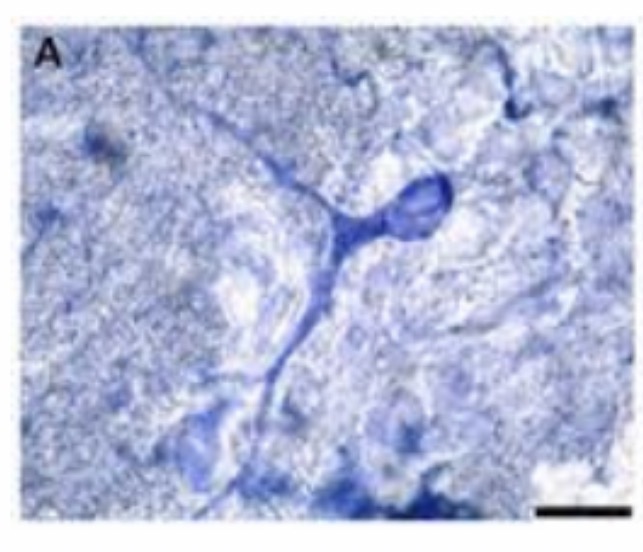
Unipolar : Function : Carries sensory impulses from receptors to the central nervous system.
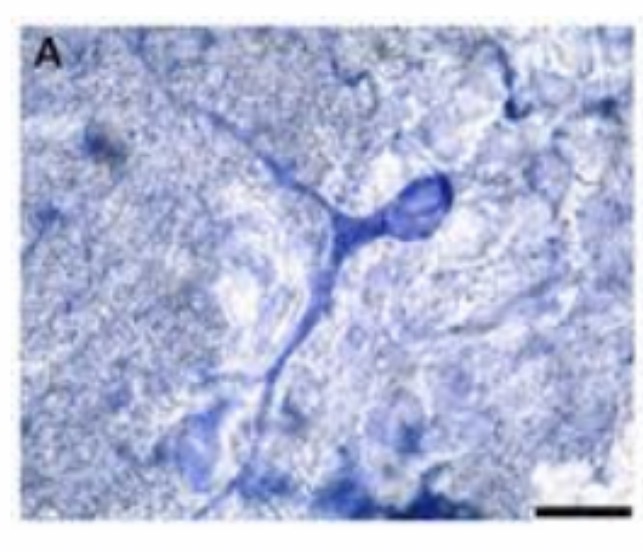
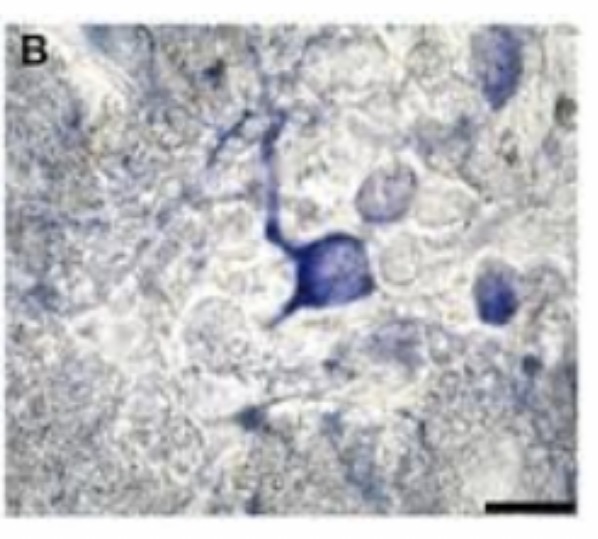
Bipolar Neuron : Function : Carries sensory impulses for special senses like vision, smell, and hearing.
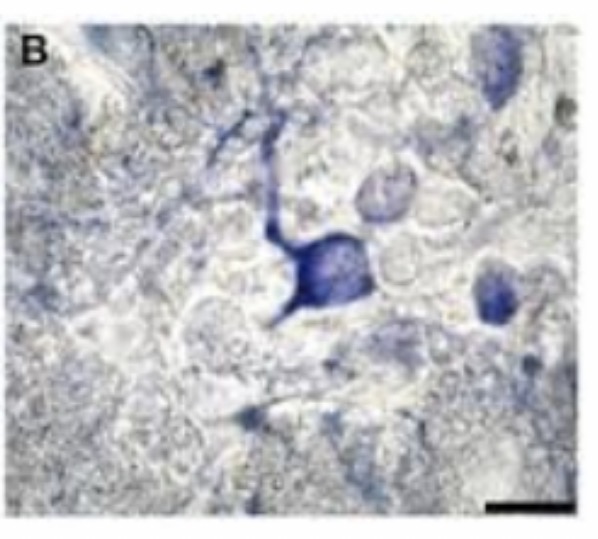

Unipolar Neuron : Function : Carries sensory impulses from receptors to the central nervous system.
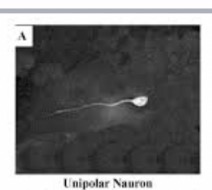

Bipolar Neuron : Function : Carries sensory impulses for special senses like vision, smell, and hearing.

Multipolar Neuron : Function : Transmits nerve impulses between the brain, spinal cord, muscles, and glands.

Pyramidal Neuron : Function : Transmits impulses in the cerebral cortex and is involved in voluntary motor control and higher brain functions.
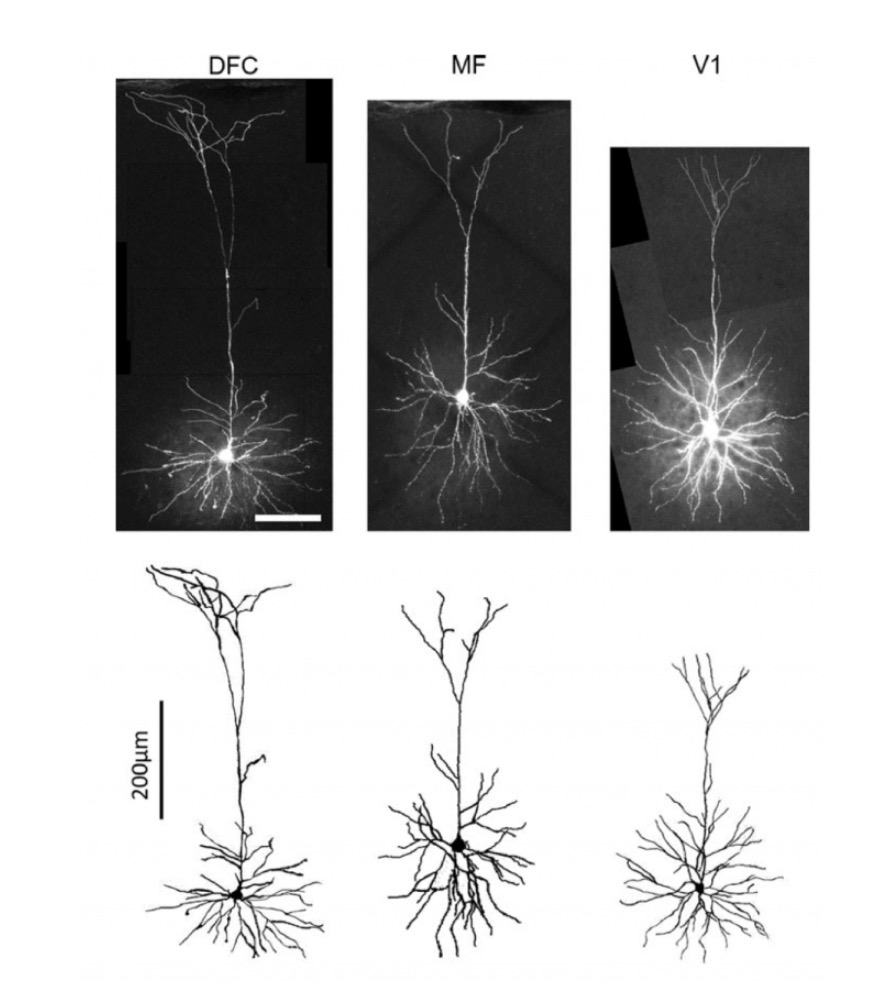
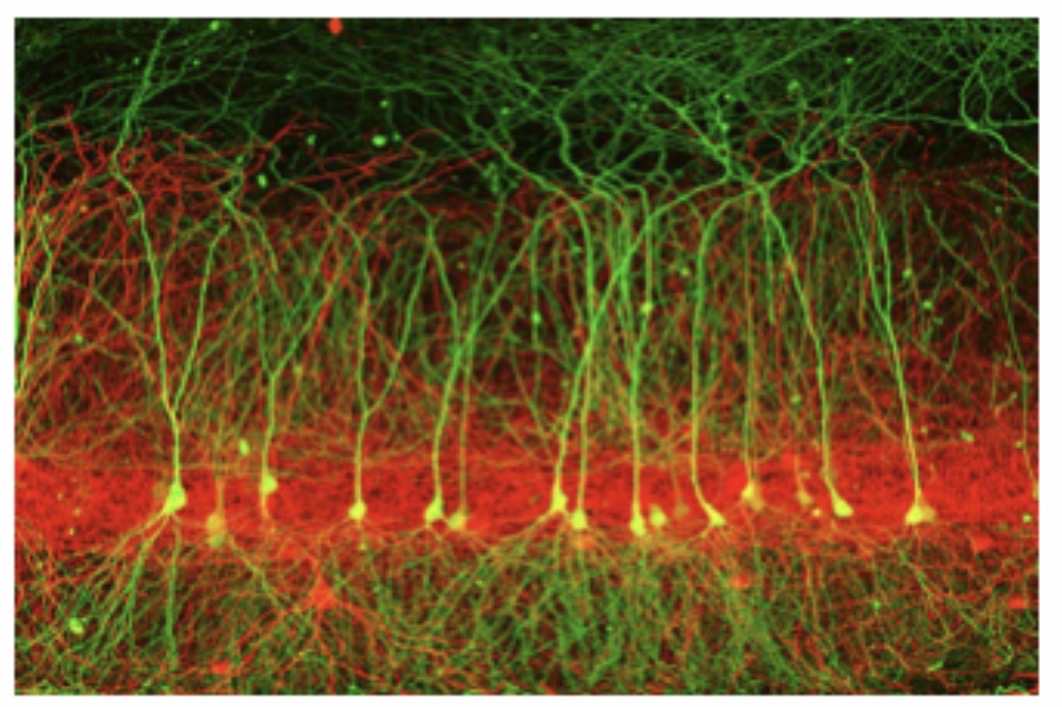
Pyramidal Neuron : Function : Transmits impulses in the cerebral cortex and is involved in voluntary motor control and higher brain functions.
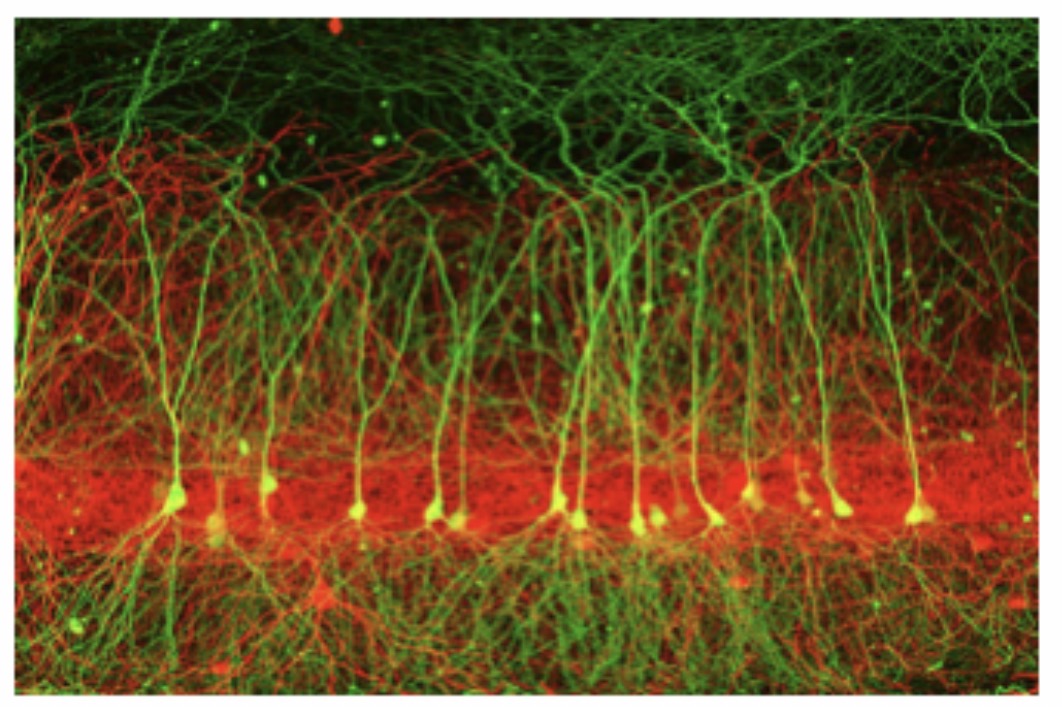
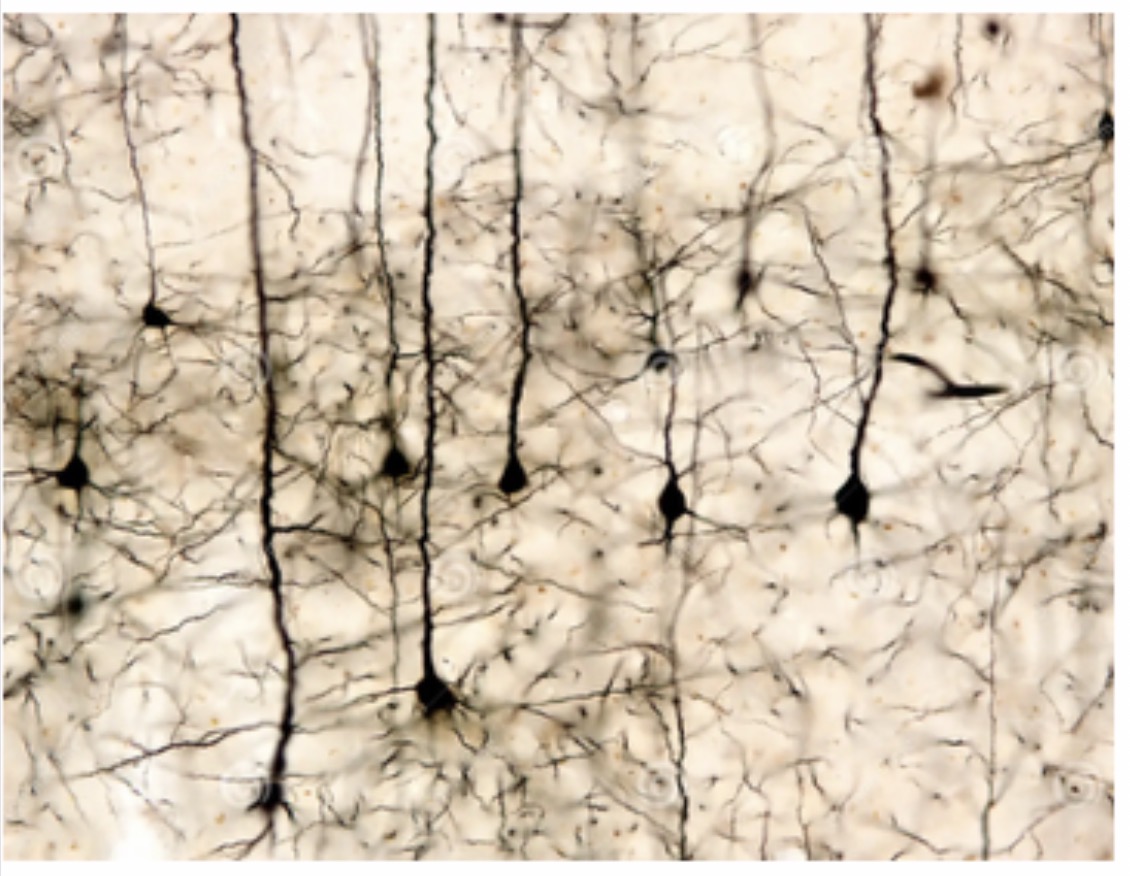
Pyramidal Neuron : Function : Transmits impulses in the cerebral cortex and is involved in voluntary motor control and higher brain functions.
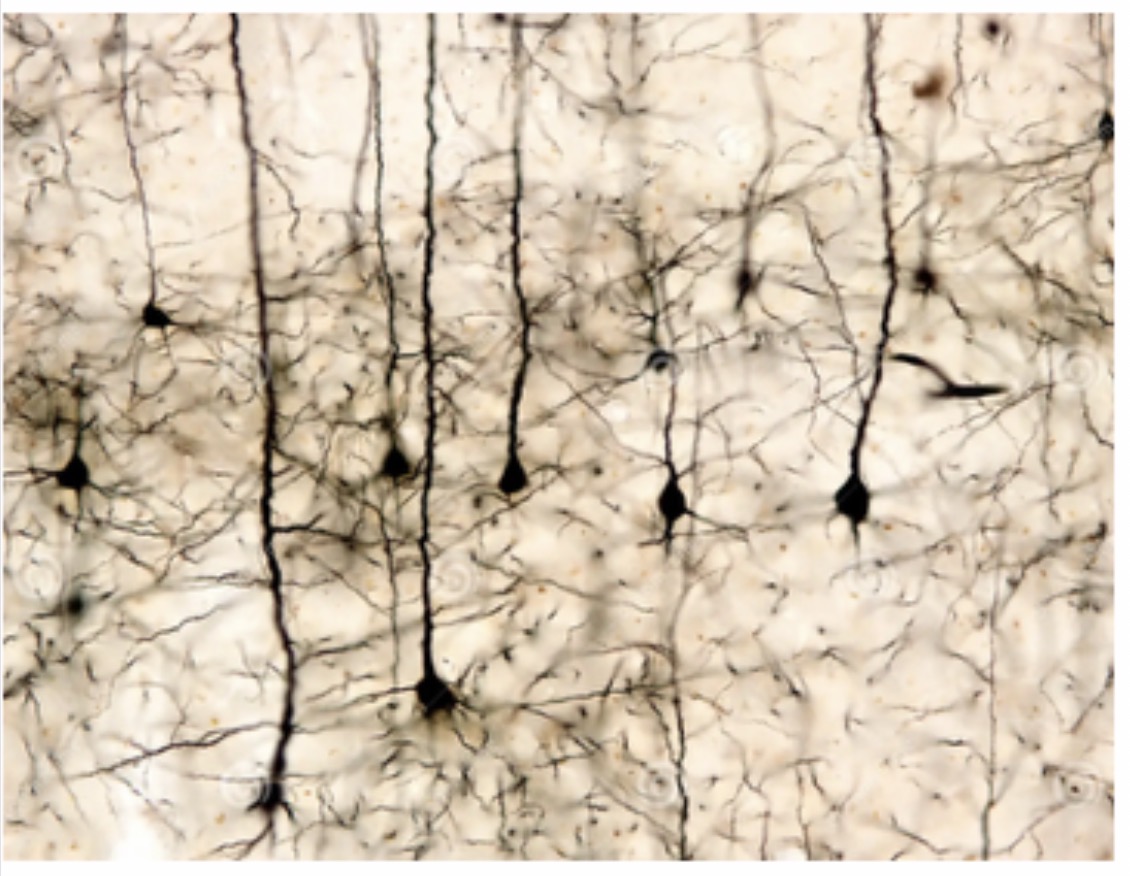

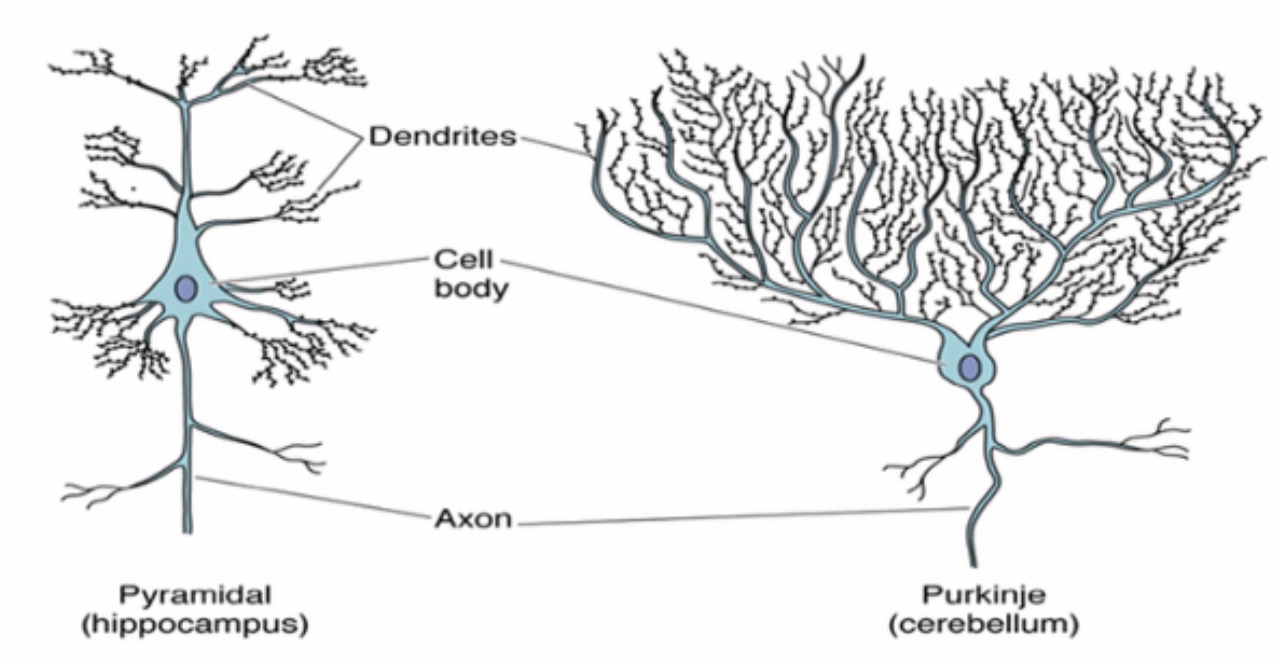
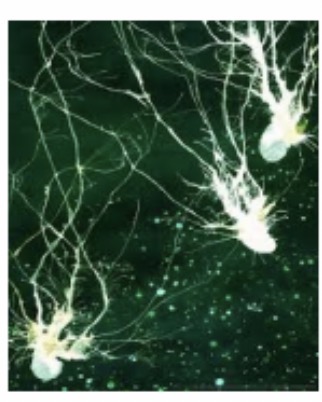
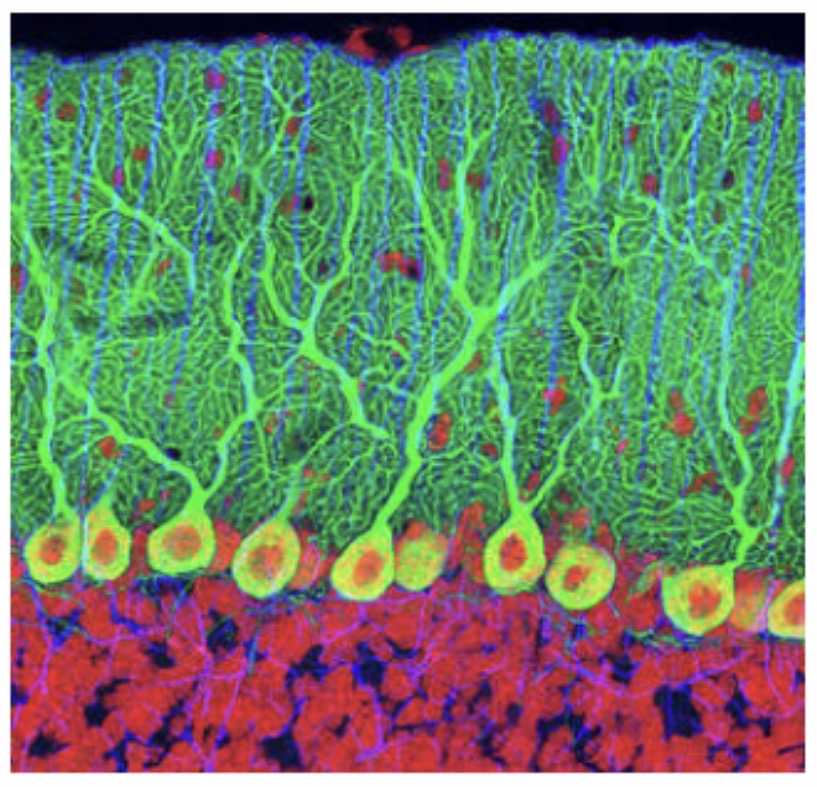
Purkinje Neuron : Function : Coordinates movement and balance by transmitting impulses in the cerebellum.
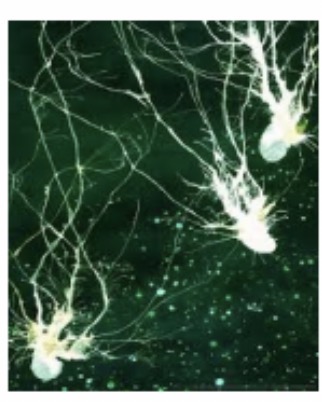
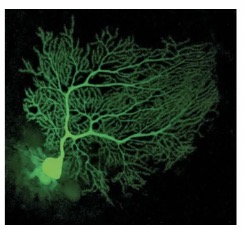
Purkinje Neuron : Function : Coordinates movement and balance by transmitting impulses in the cerebellum.
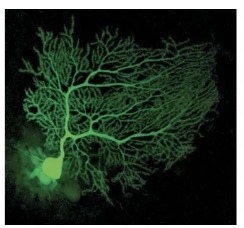
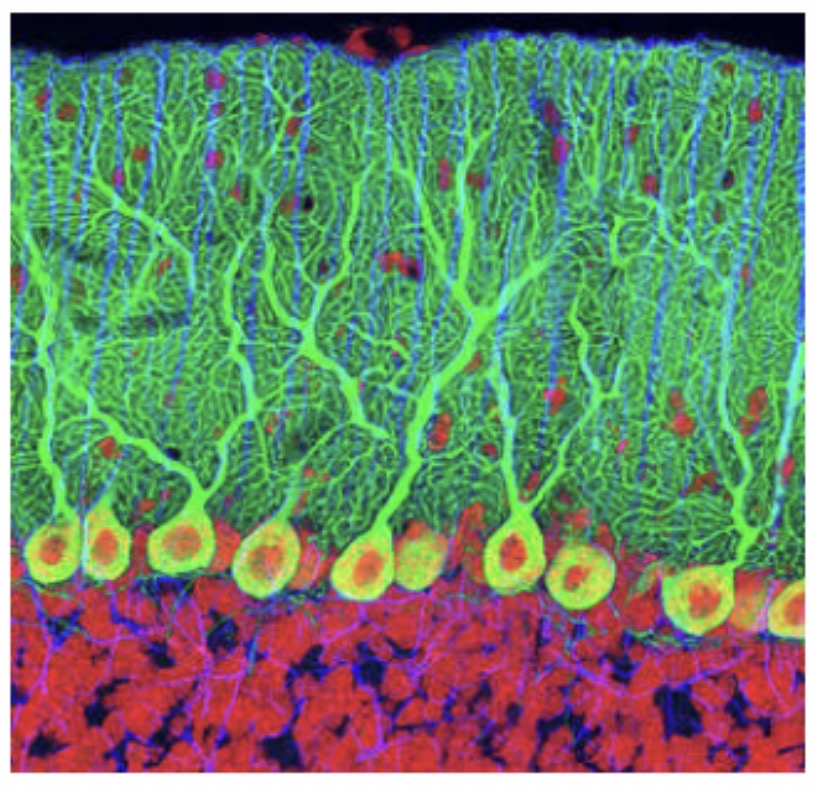
Purkinje Neuron : Function : Coordinates movement and balance by transmitting impulses in the cerebellum.

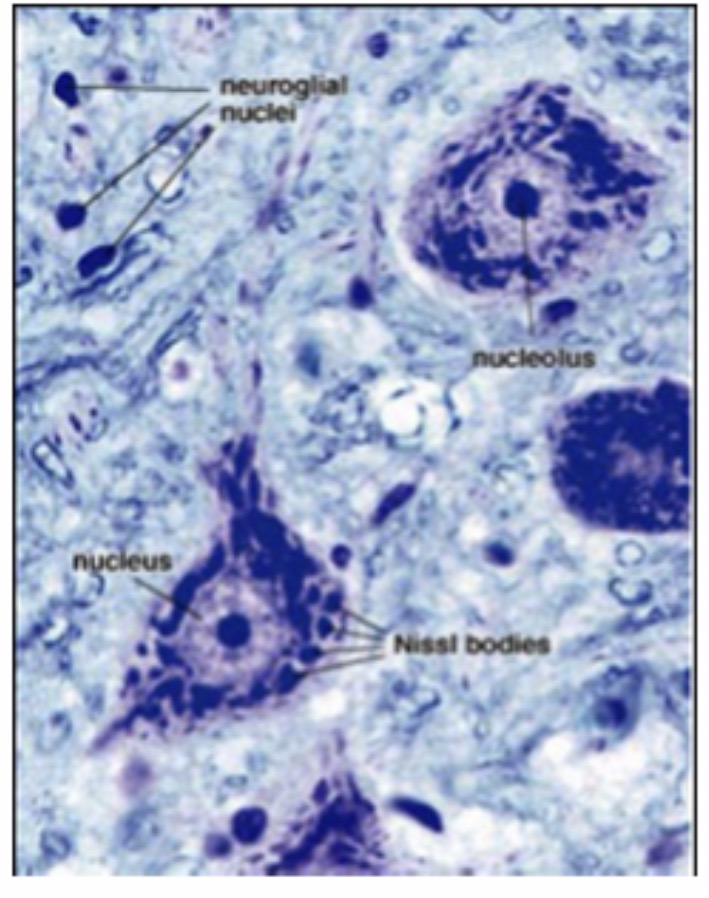

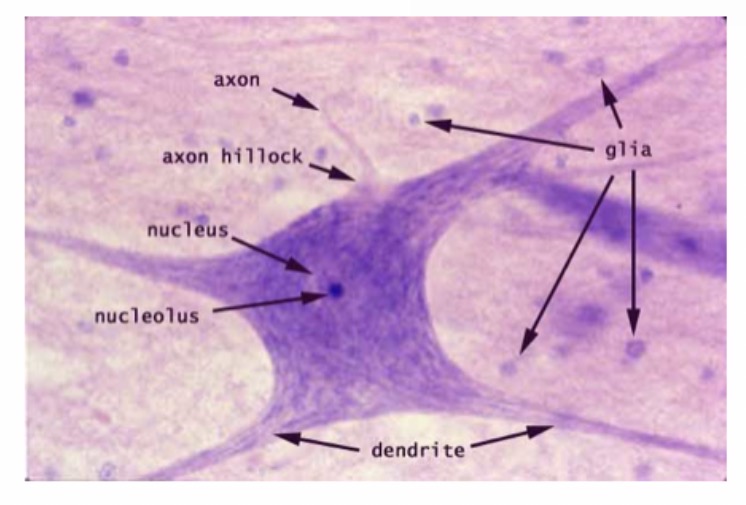

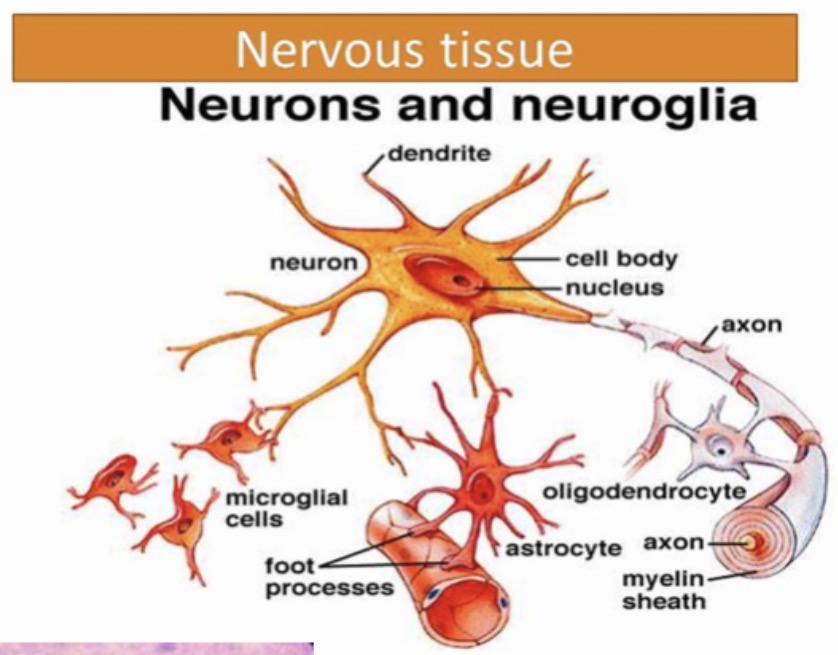

Motor Neuron
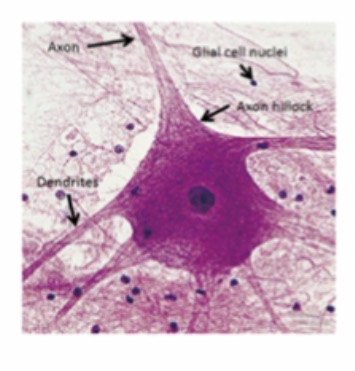

Motor Neuron
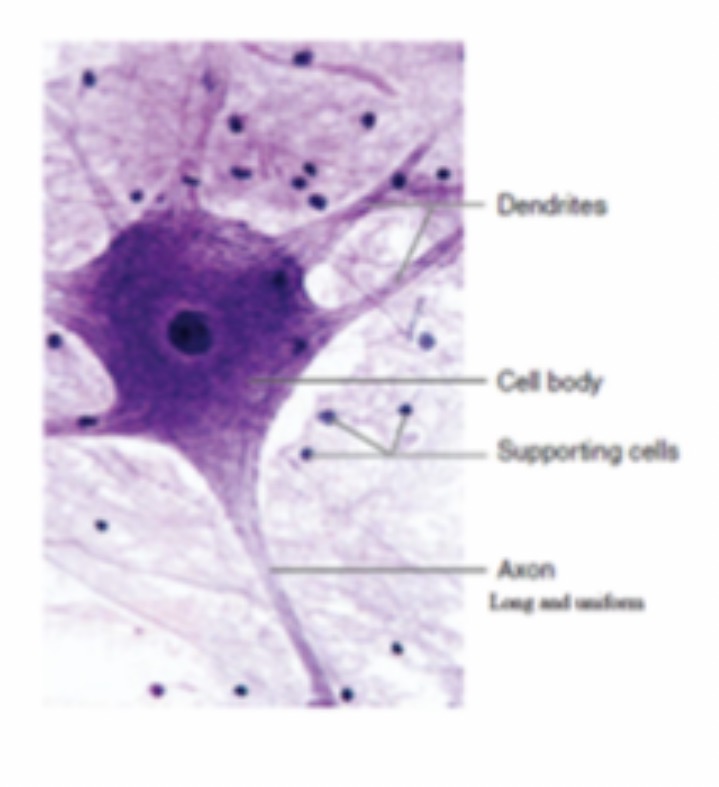

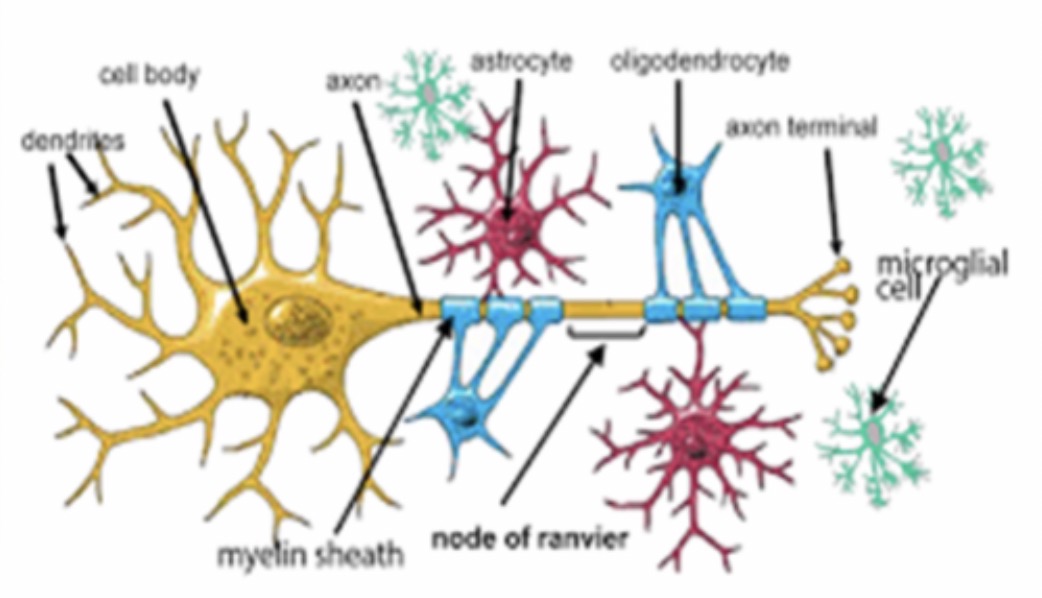

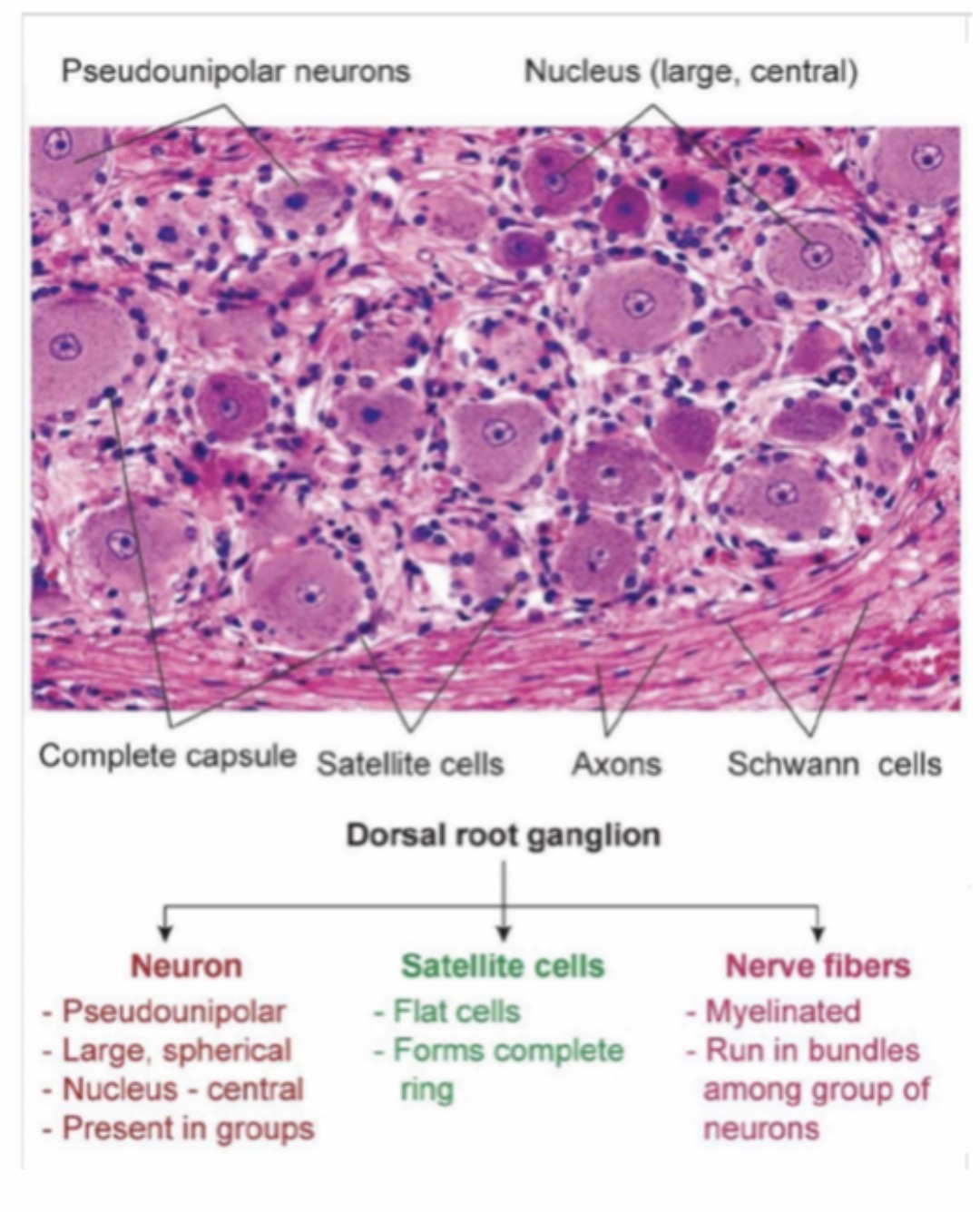
Spinal Cord Ganglia : Ganglionar Neuron : Function : Carries sensory impulses from receptors to the central nervous system.
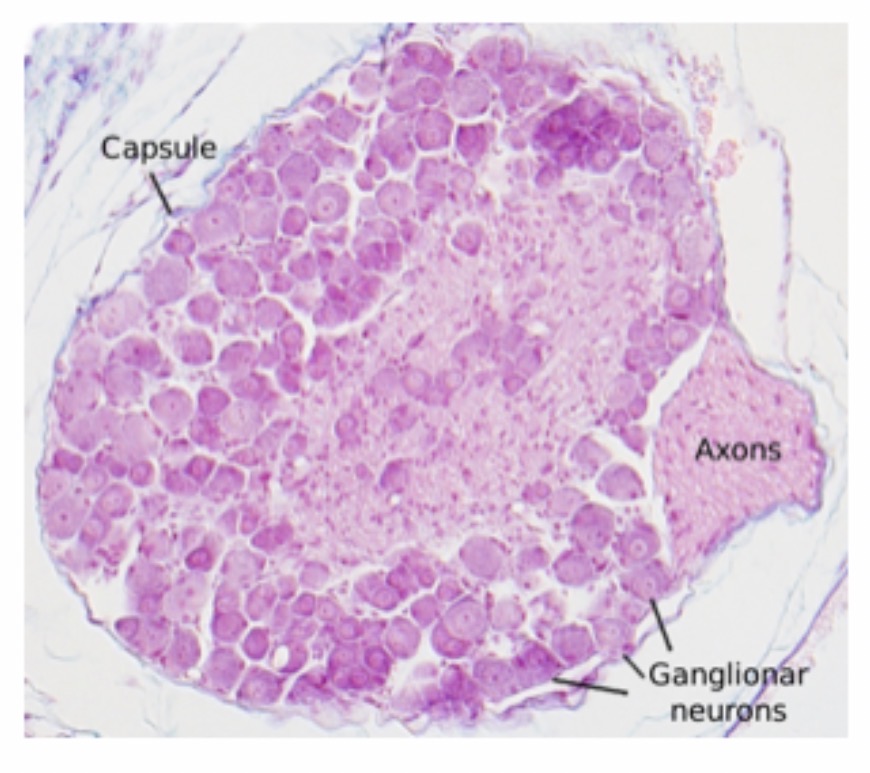

Spinal Cord Ganglia : Ganglionar Neuron : Function : Carries sensory impulses from receptors to the central nervous system.
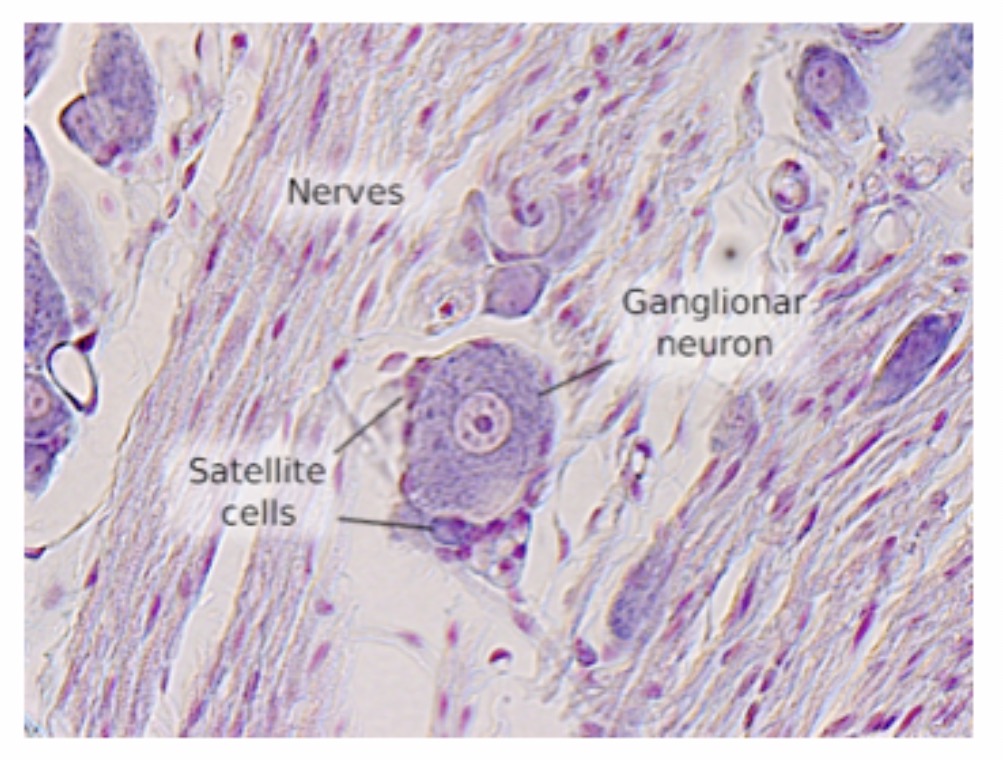

Spinal Cord Ganglia : Ganglionar Neuron : Function : Carries sensory impulses from receptors to the central nervous system.
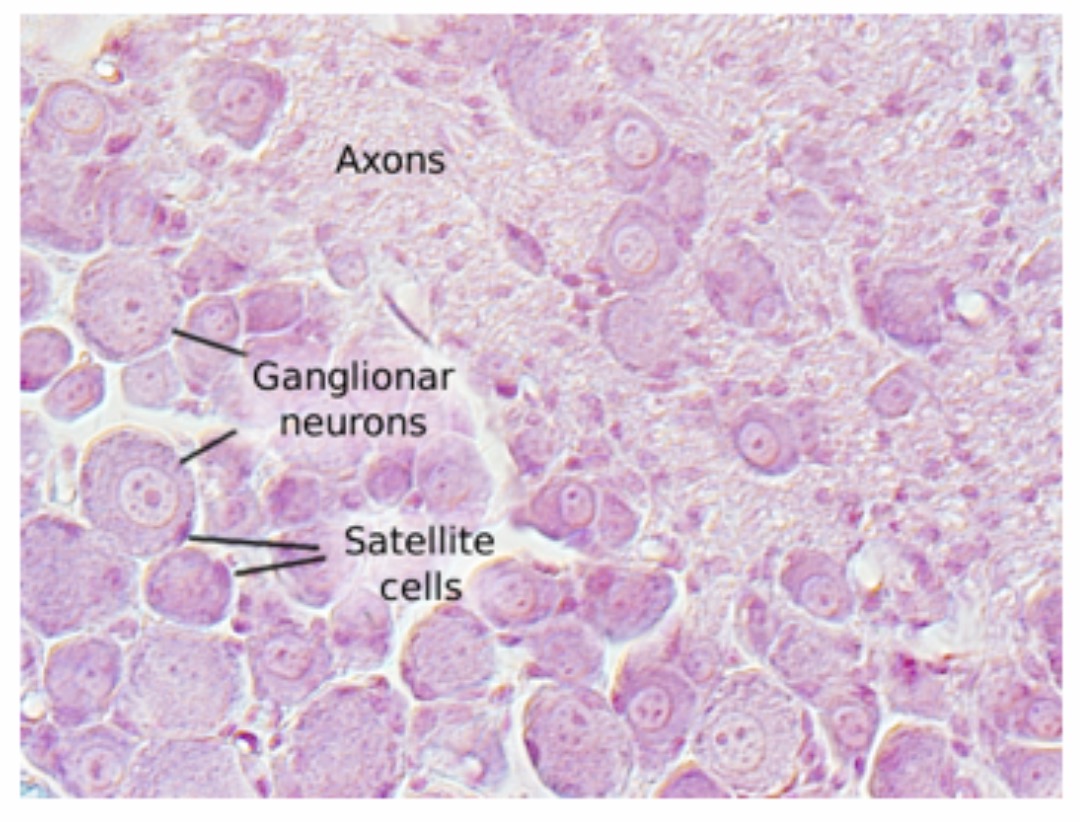

Peripheral Nervous Tissue
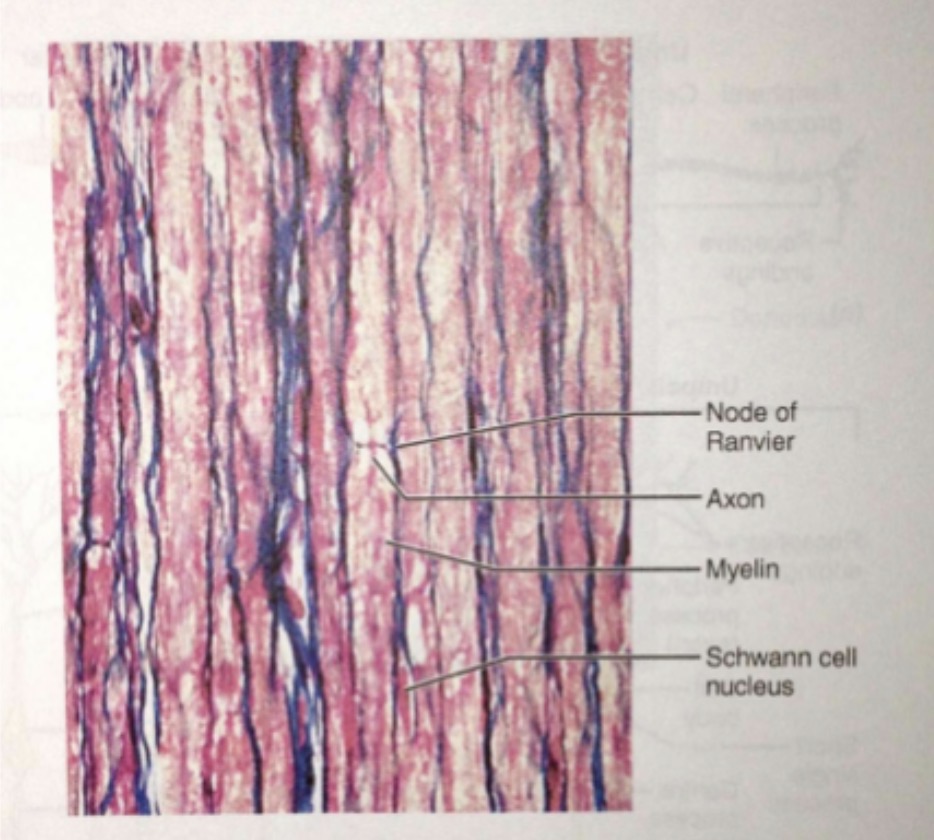

Peripheral Nervous Tissue :

Ganglion :

Peripheral Nerve


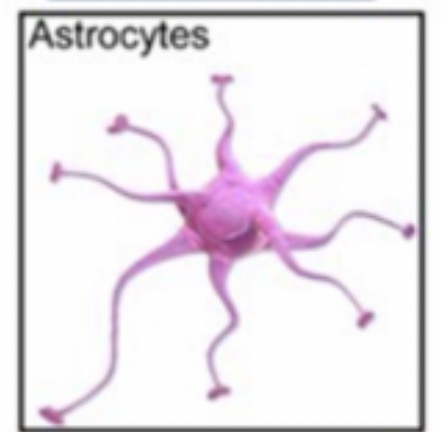
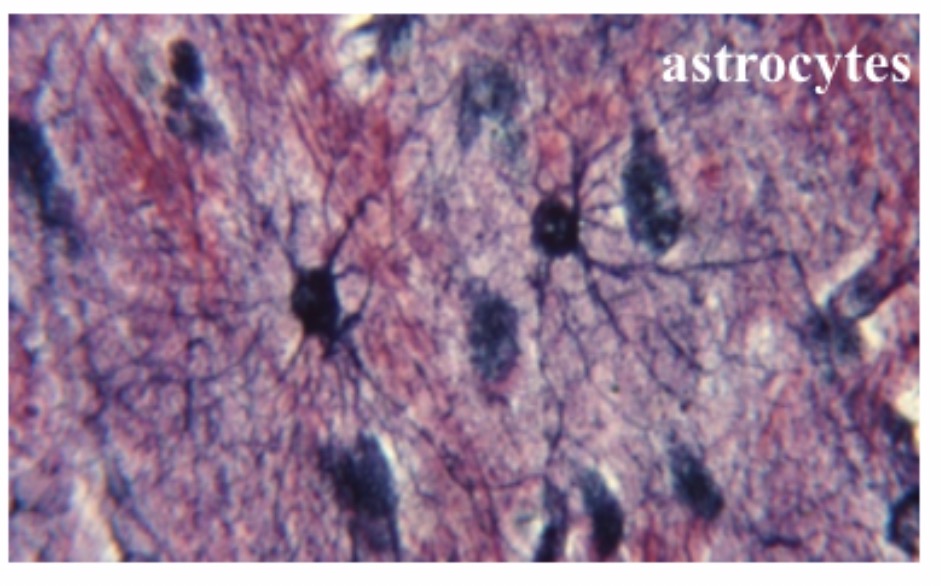
Support neurons, maintain the blood-brain barrier, regulate chemicals, and help repair the CNS. ( largest )

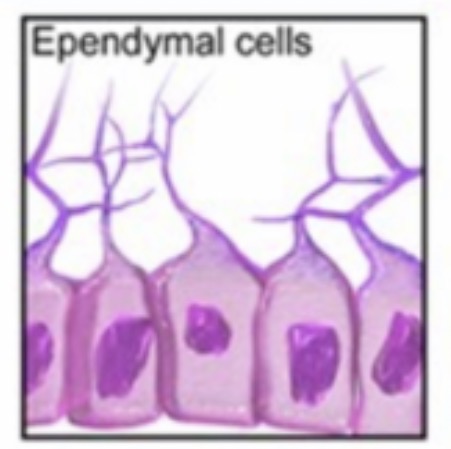
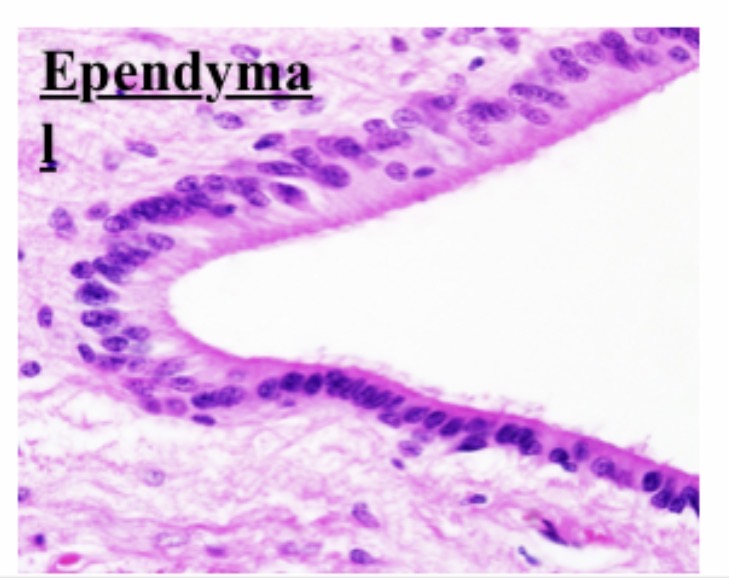
Line the ventricles and central canal and produce and circulate cerebrospinal fluid (CSF). They are ciliated glial cells and form part of the choroid plexus.

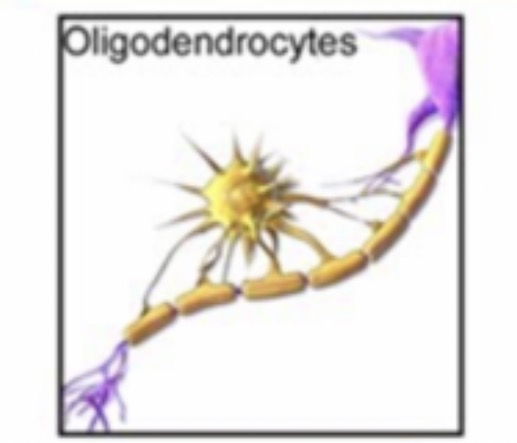
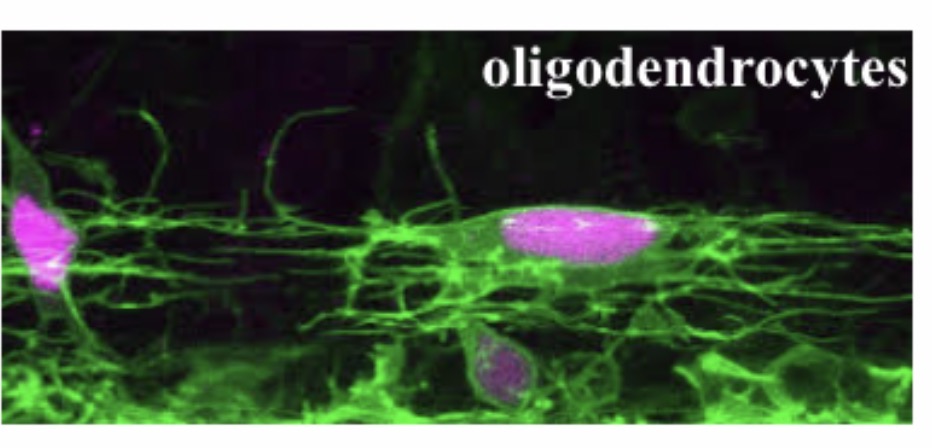
Form myelin sheath in the CNS. Insulation of axons

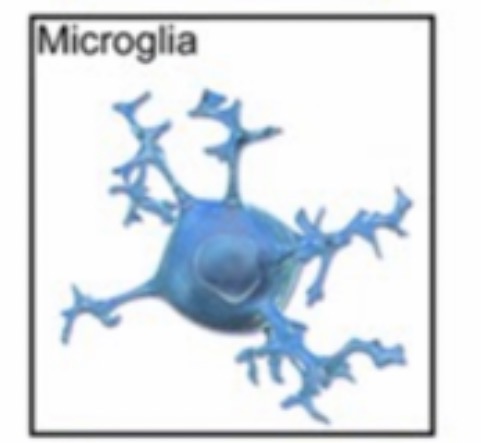
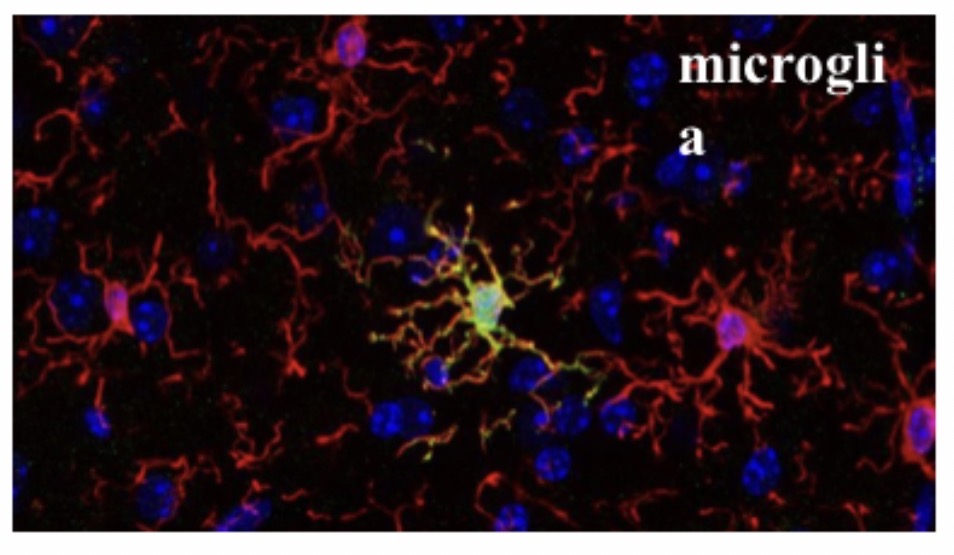
Act as CNS immune cells; remove debris and pathogens. Small cells with elongated bodies, elongated nuclei with dense chromatin

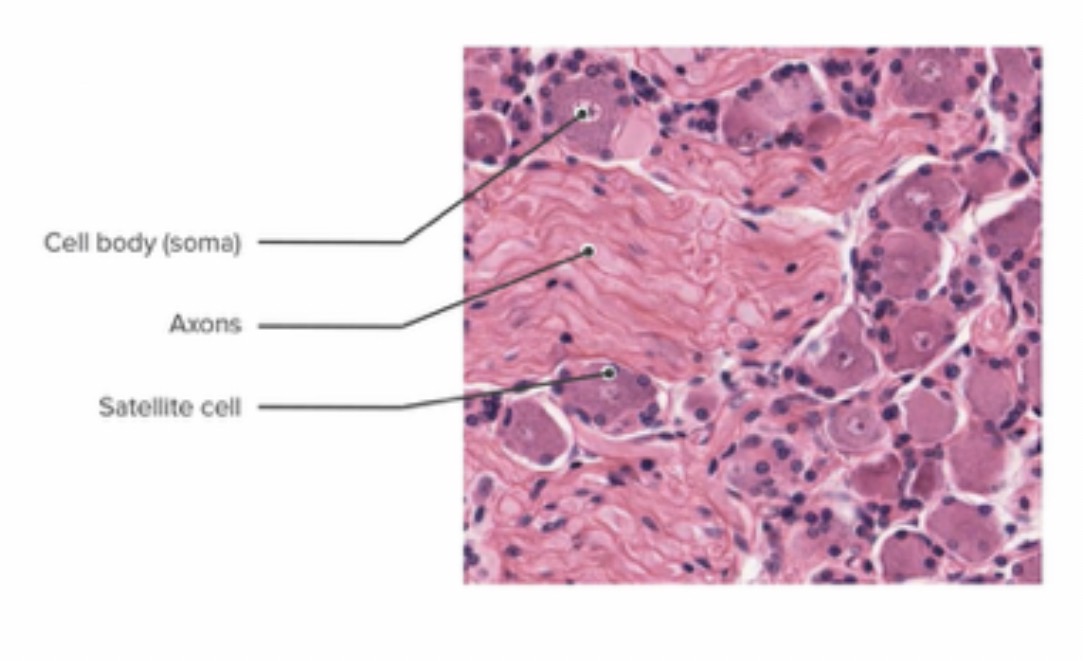
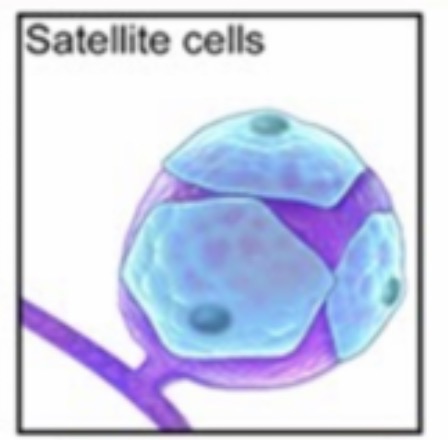
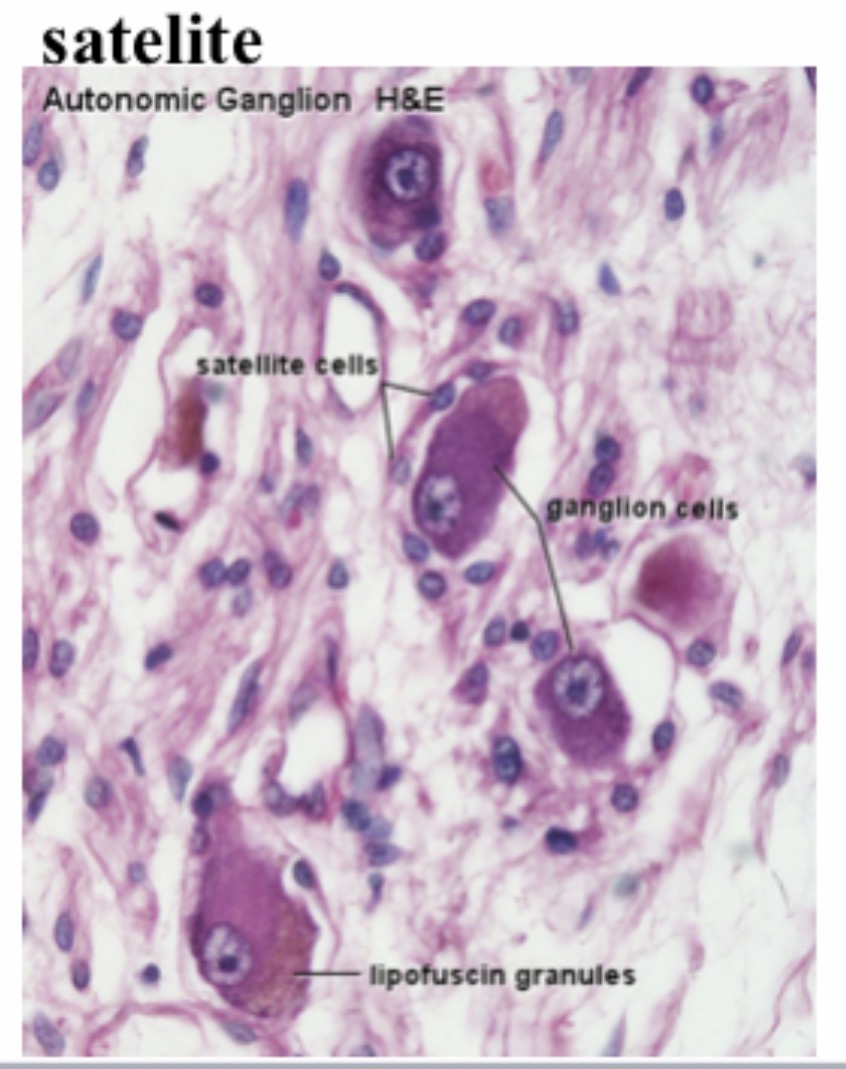
Surround neuron cell bodies in PNS ganglia and support the neuronal environment.

Form the myelin sheath around axons in the PNS and support nerve repair.

Astrocyte

Oligodendrocyte

Microglia

Ependymal

Satellite

Schwann
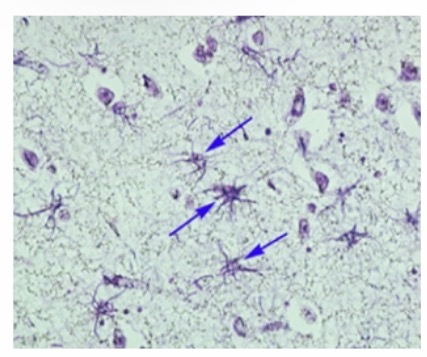
Astrocyte: Function: Support neurons, maintain the blood-brain barrier, regulate chemicals, and help repair the CNS.
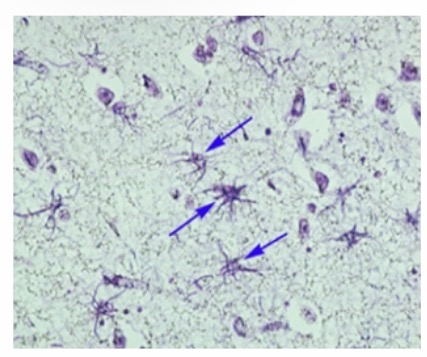

Astrocyte: Function: Support neurons, maintain the blood-brain barrier, regulate chemicals, and help repair the CNS.
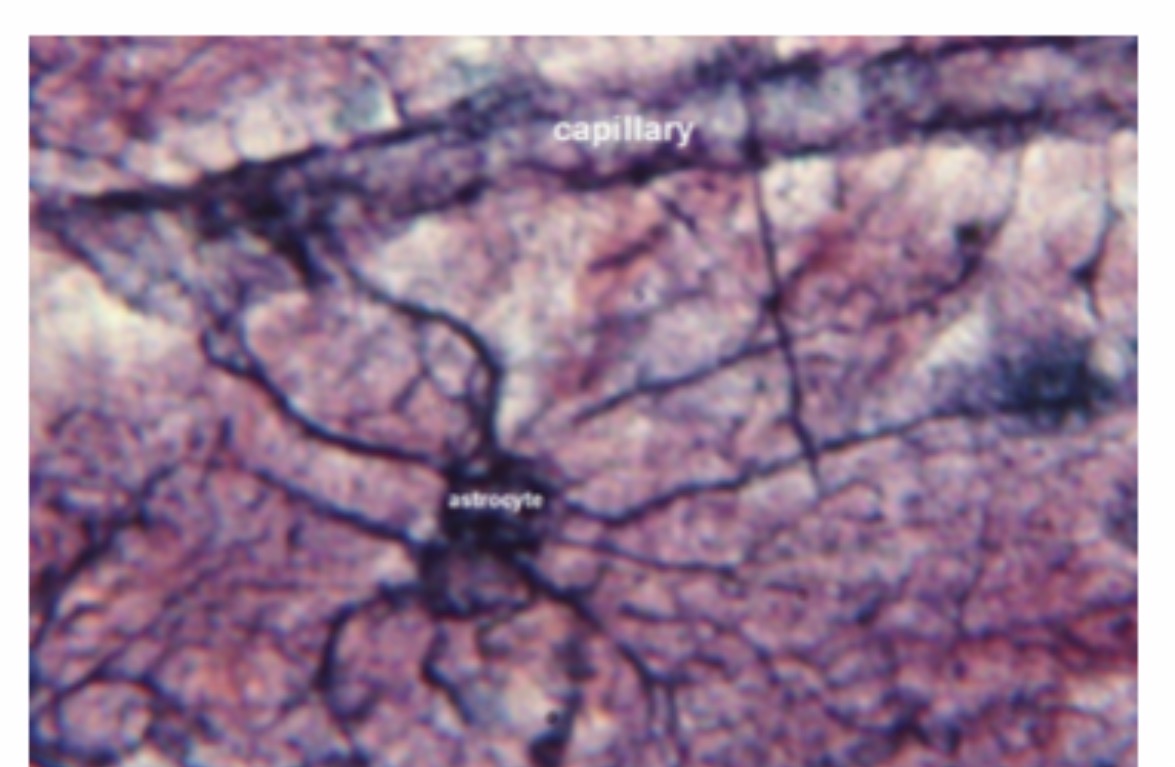

Astrocyte: Function: Support neurons, maintain the blood-brain barrier, regulate chemicals, and help repair the CNS.
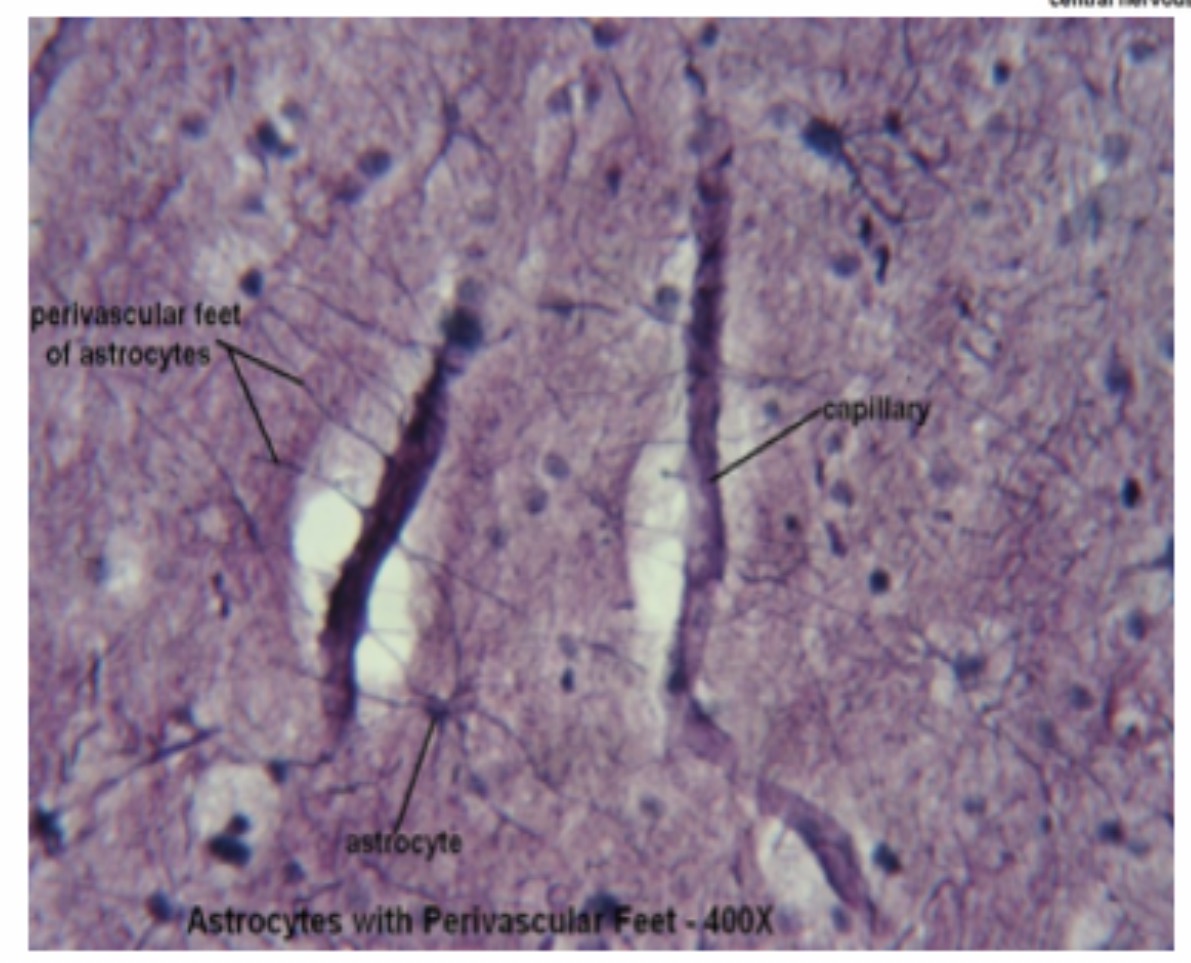
Astrocyte: Function: Support neurons, maintain the blood-brain barrier, regulate chemicals, and help repair the CNS.
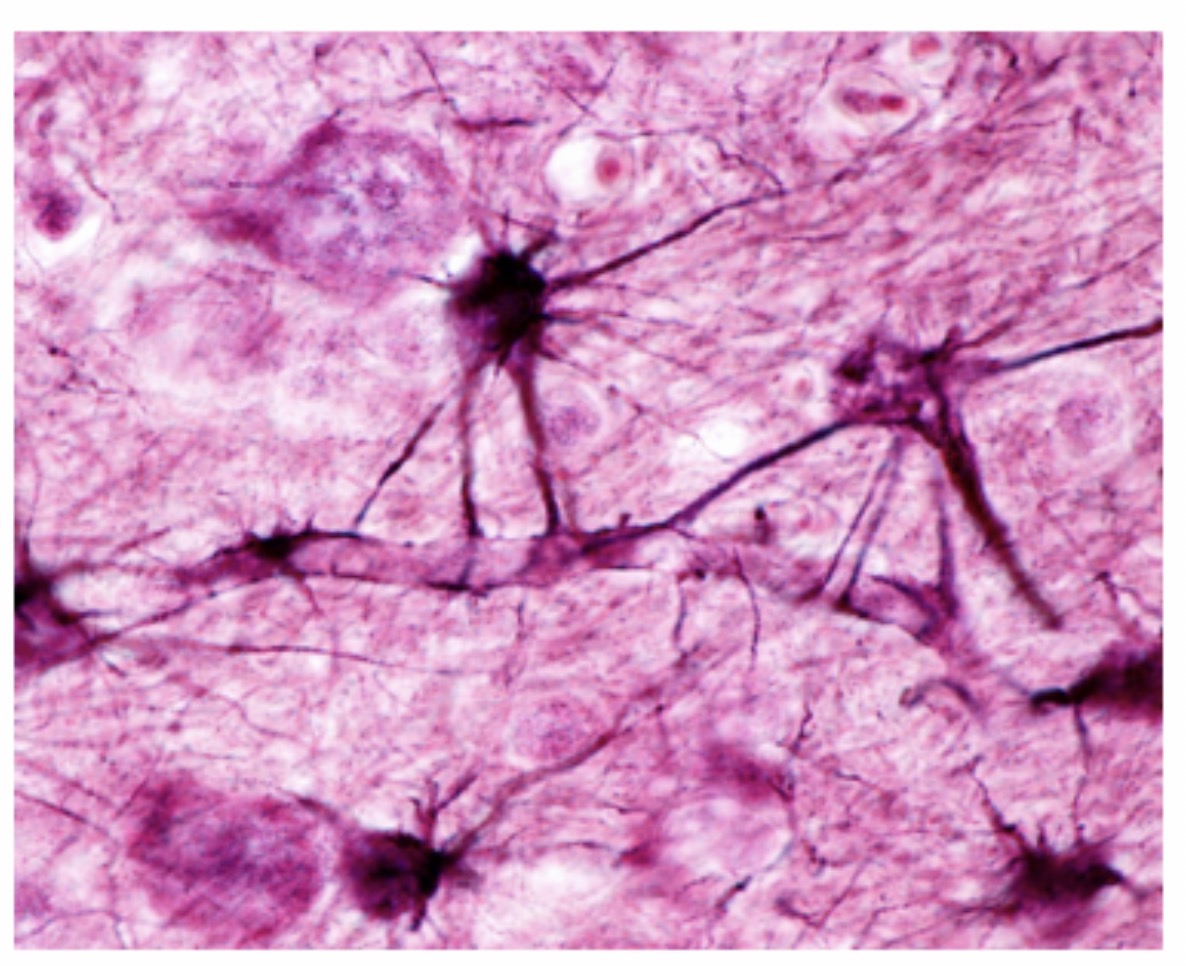
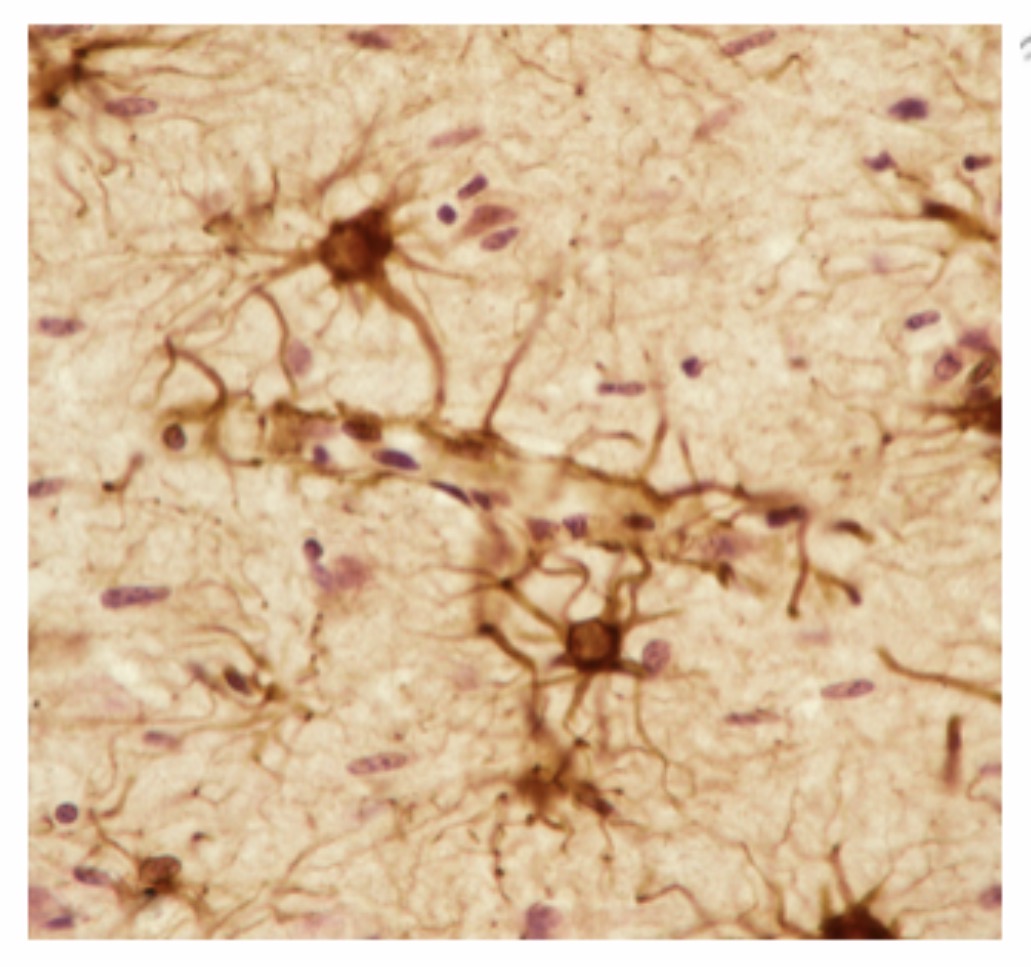
Astrocyte: Function: Support neurons, maintain the blood-brain barrier, regulate chemicals, and help repair the CNS.
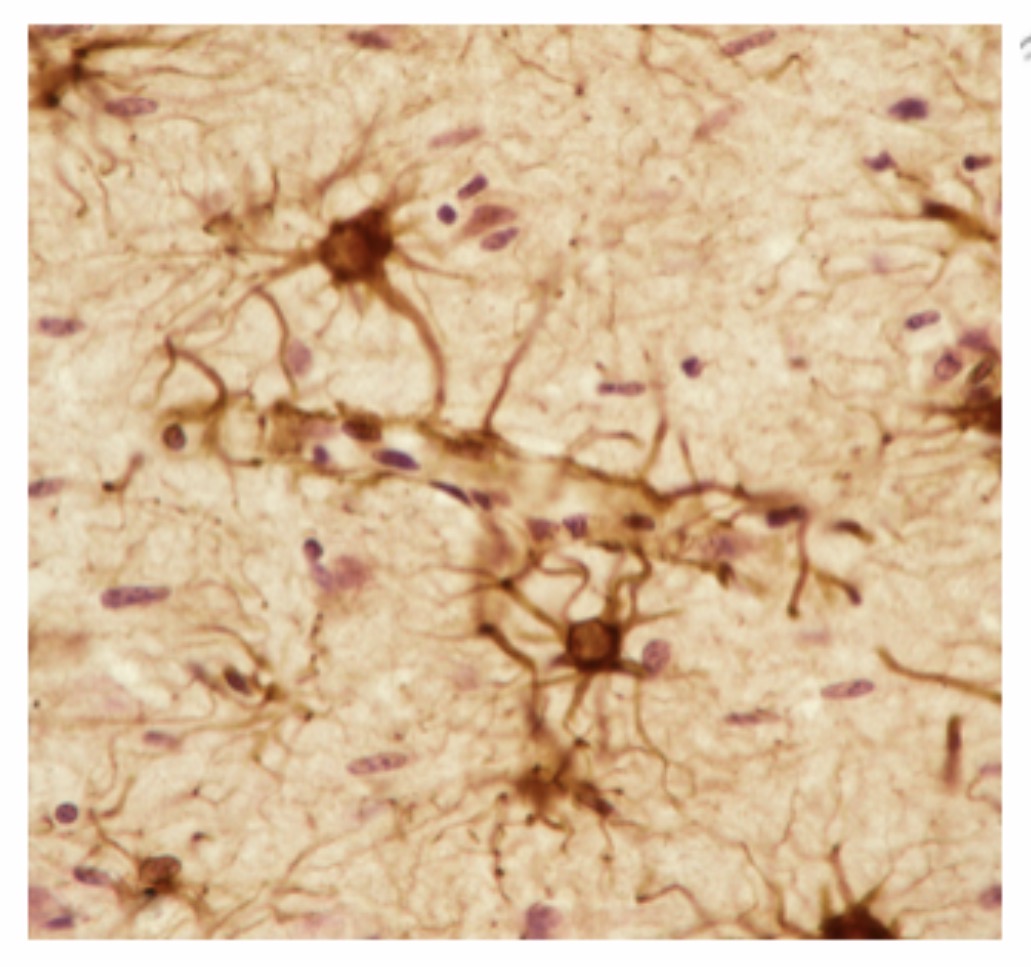

Astrocyte: 2 Types: Protoplasmic Astrocyte part of the gray matter, thick/branched processes / Fibrillary Astrocyte part of white matter, long/thin processes
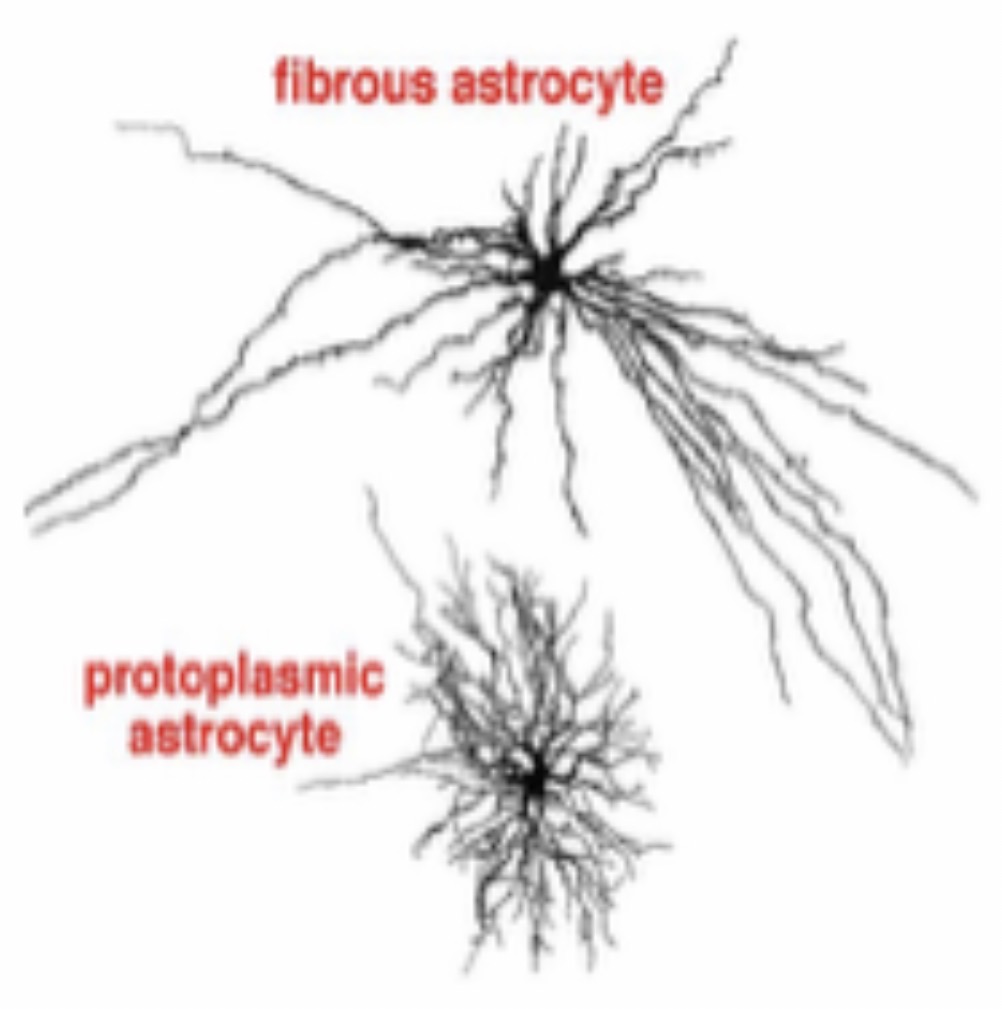
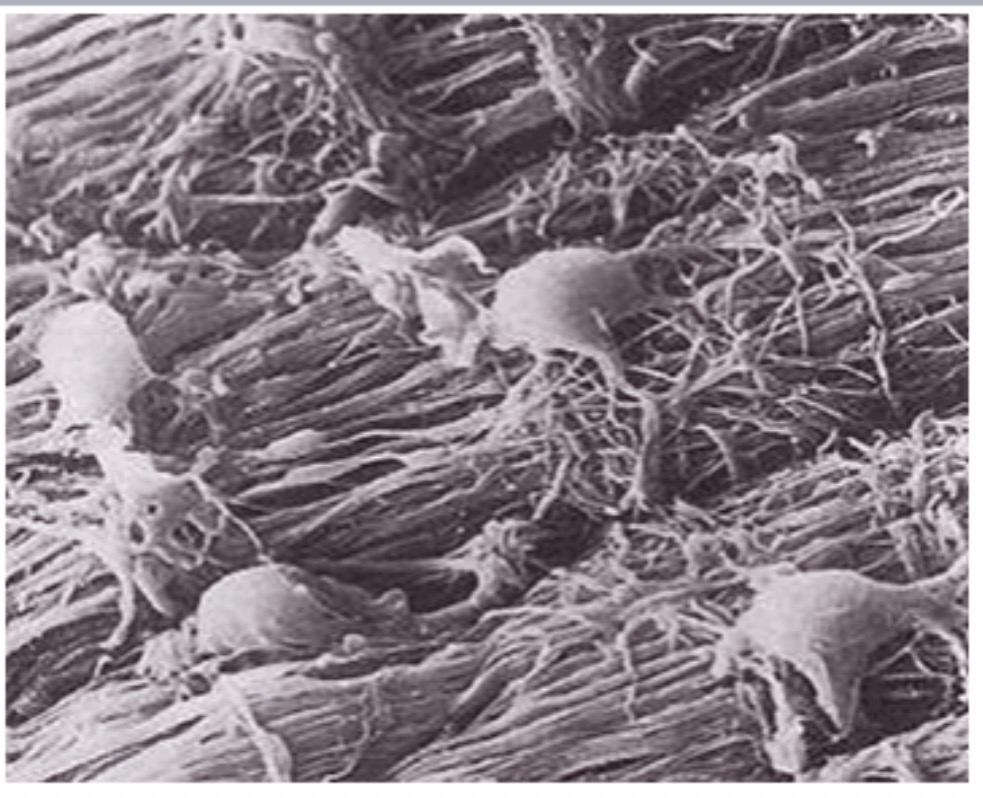
Oligodendrocyte: Function: Form myelin sheath in the CNS. Insulation of axons
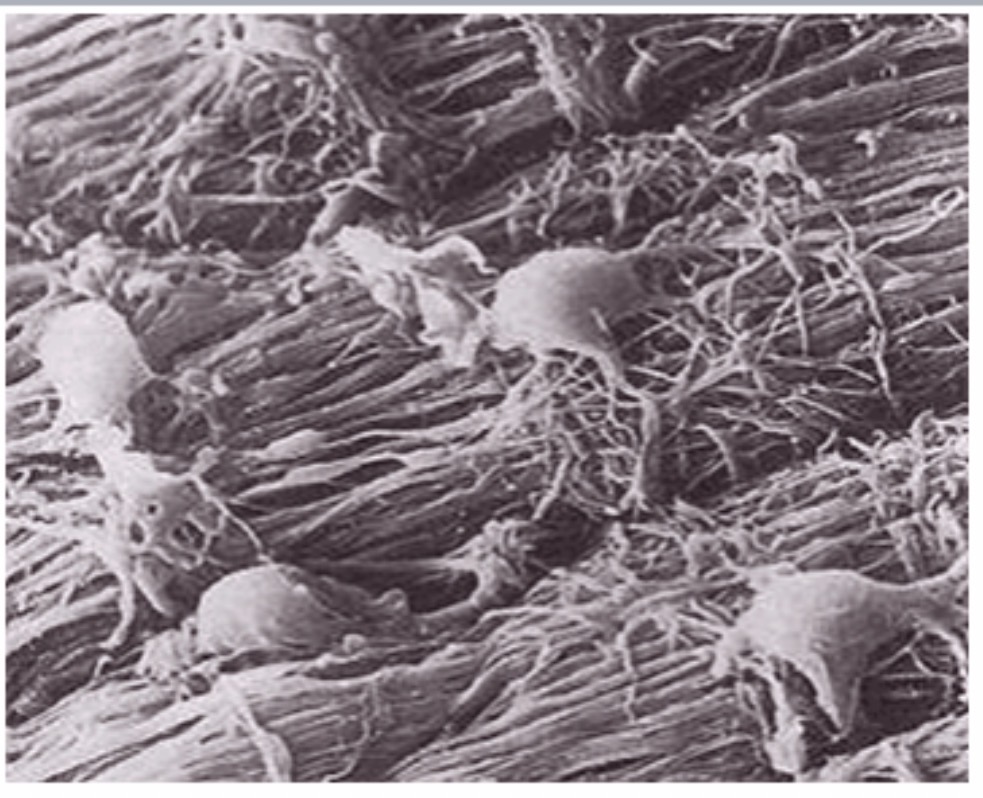

Oligodendrocyte: Function: Form myelin sheath in the CNS. Insulation of axons
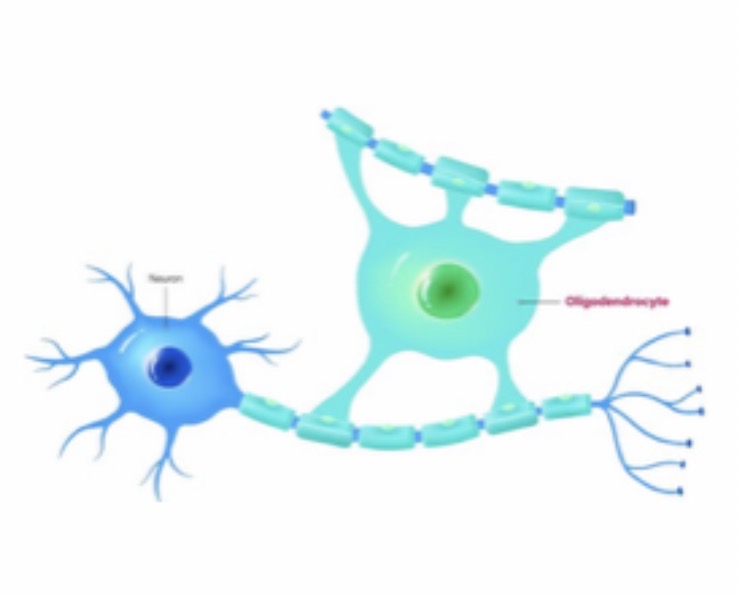
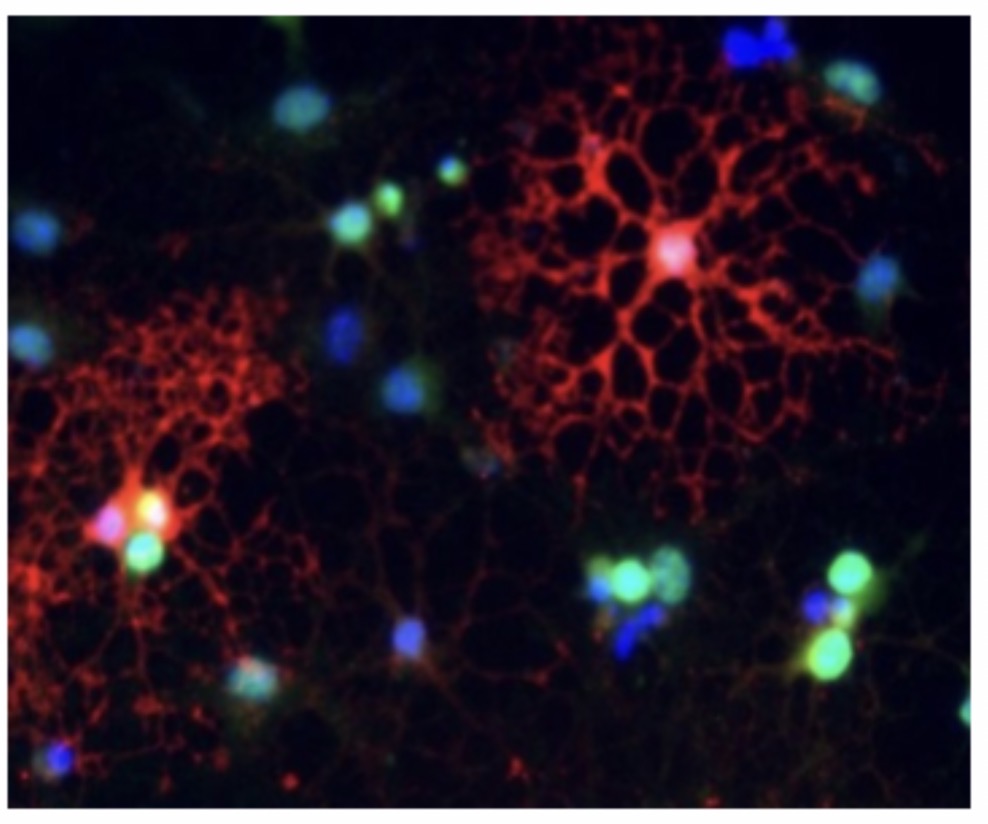
Oligodendrocyte: Function: Form myelin sheath in the CNS. Insulation of axons
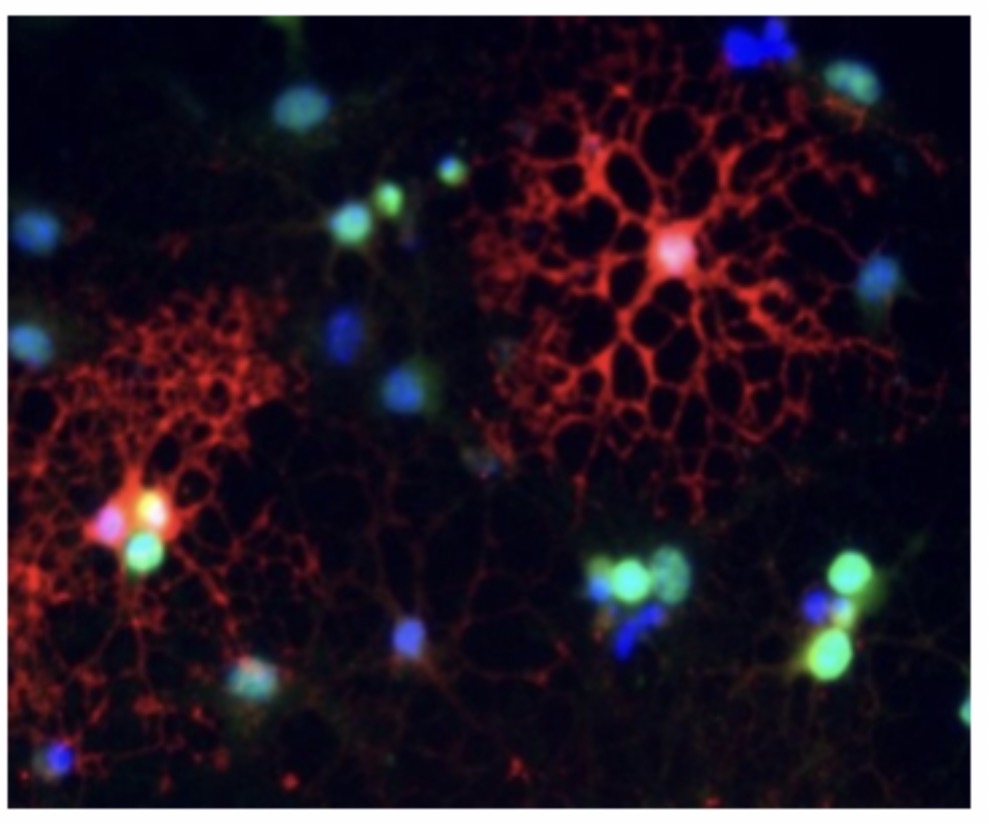
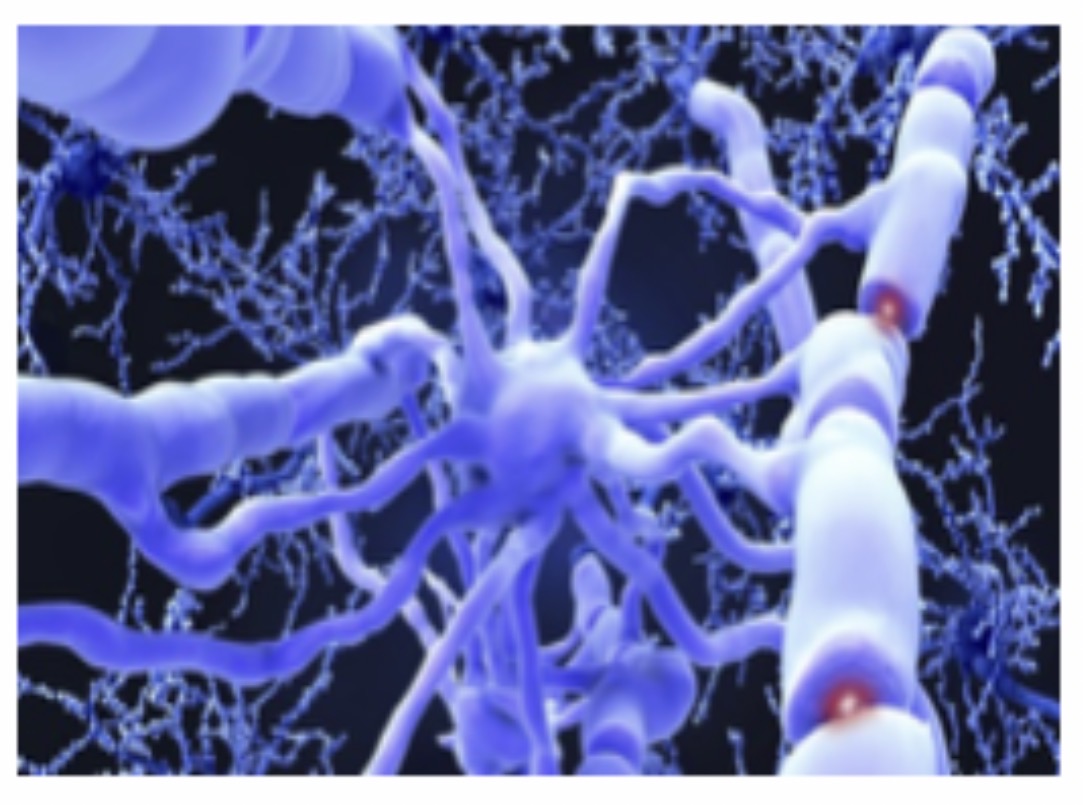
Oligodendrocyte: Function: Form myelin sheath in the CNS. Insulation of axons
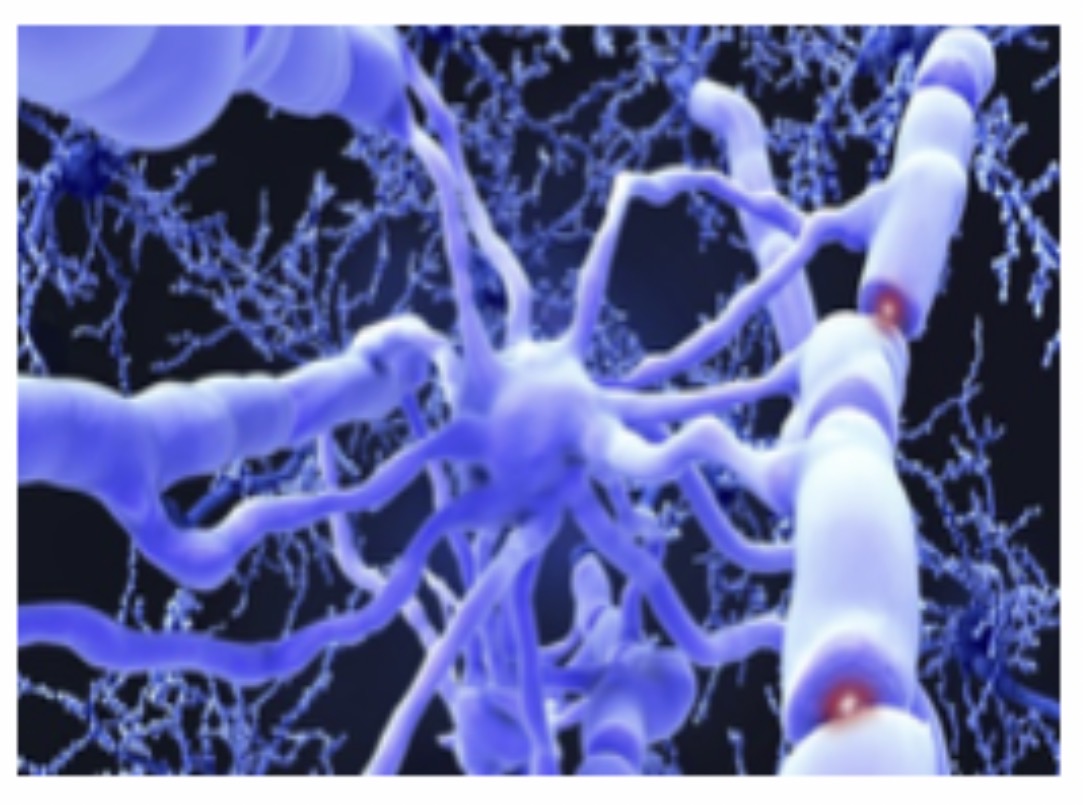
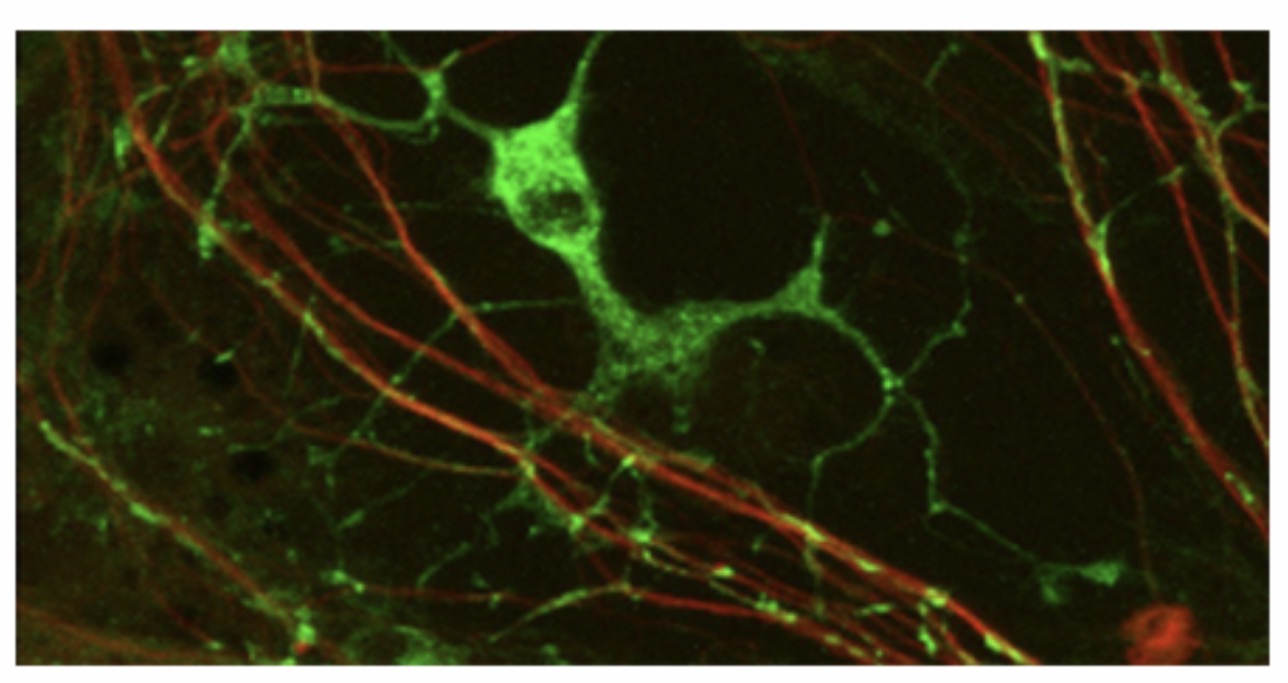
Oligodendrocyte: Function: Form myelin sheath in the CNS. Insulation of axons
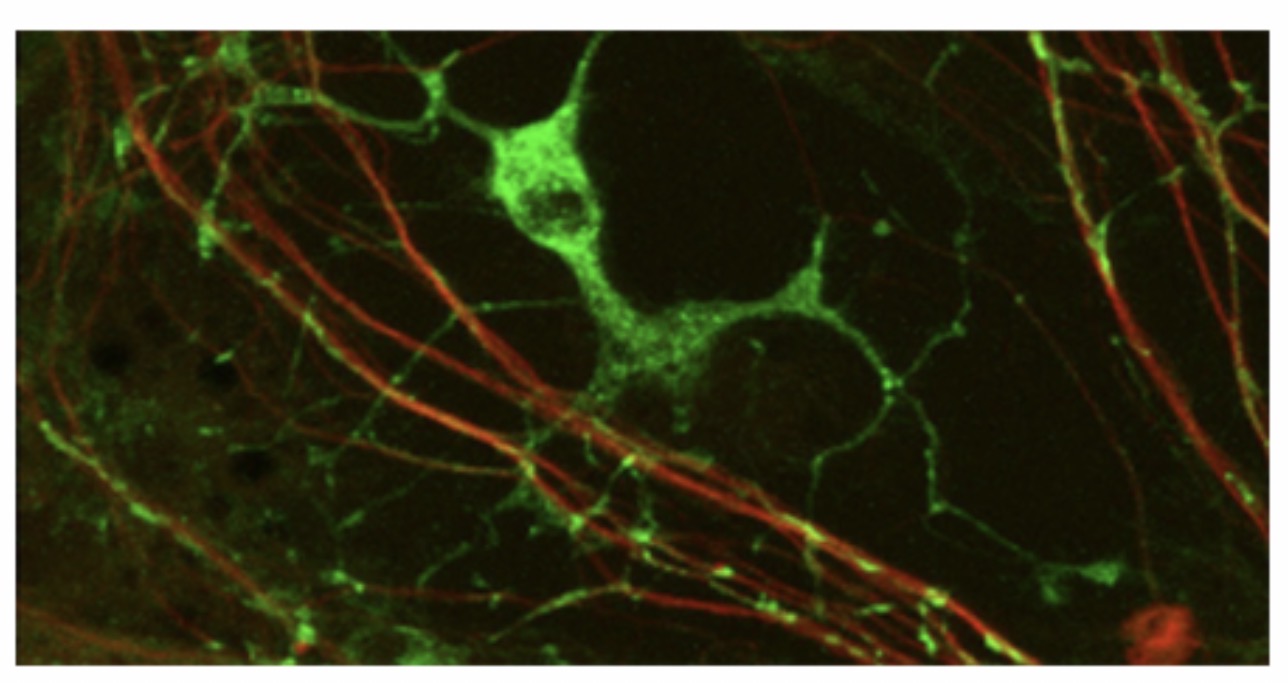
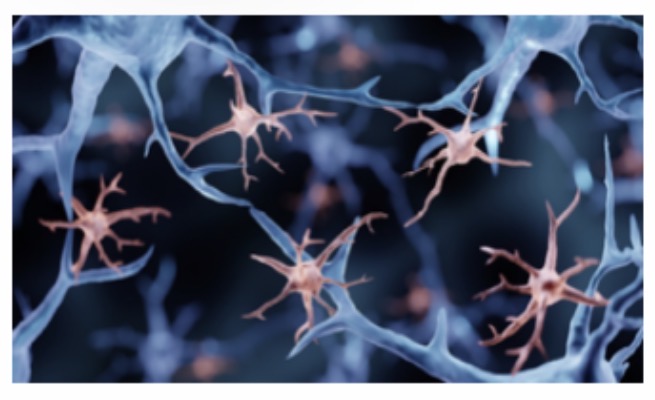
Microglia Cell: Function: Act as CNS immune cells; remove debris and pathogens. Small cells with elongated bodies, elongated nuclei with dense chromatin
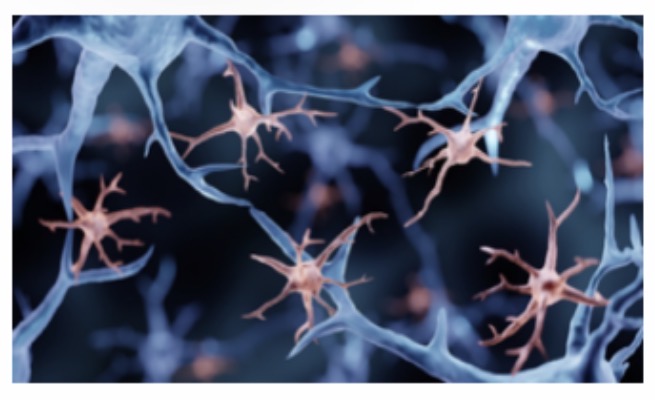
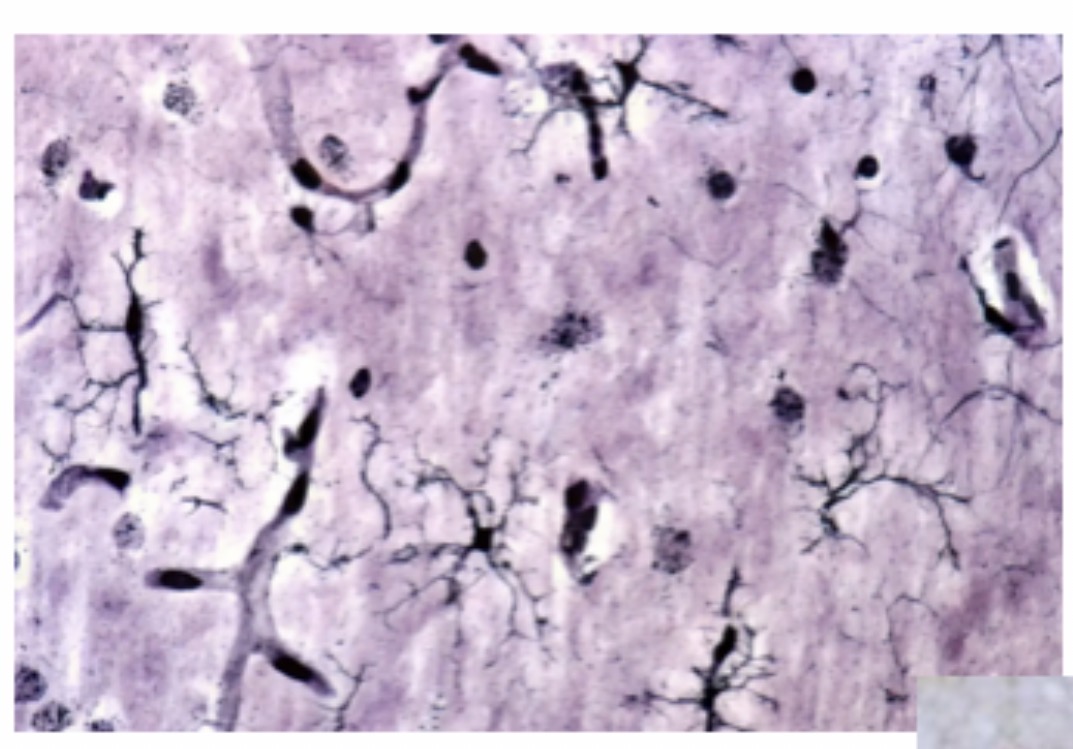
Microglia Cell: Function: Act as CNS immune cells; remove debris and pathogens. Small cells with elongated bodies, elongated nuclei with dense chromatin
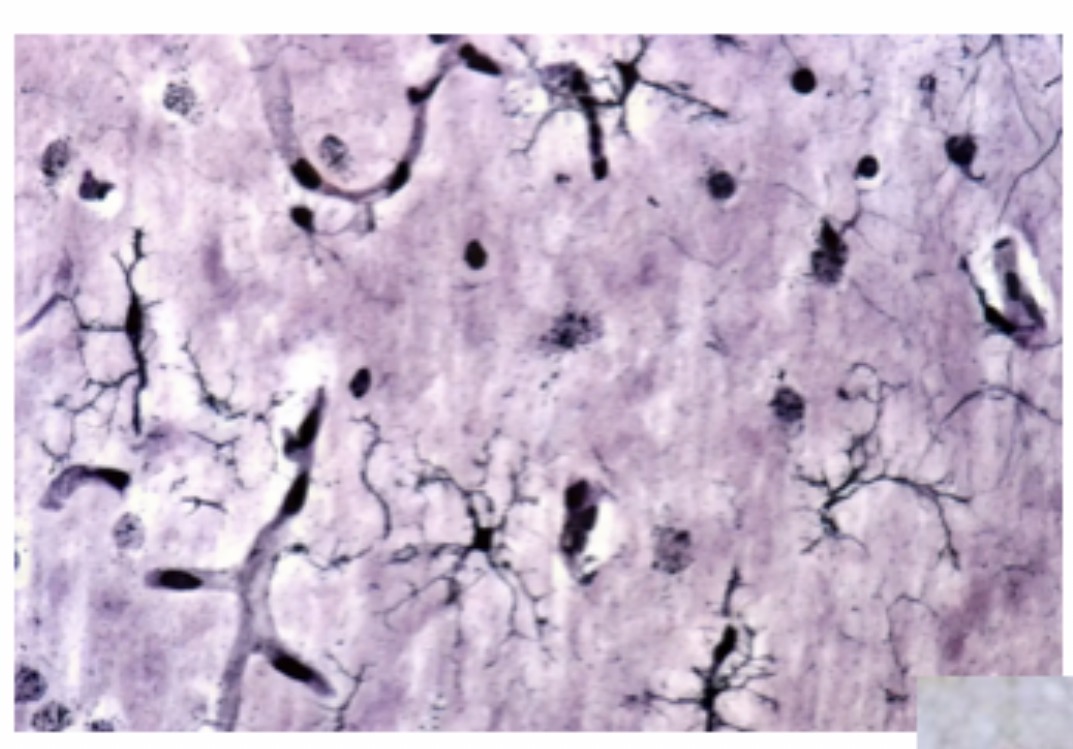
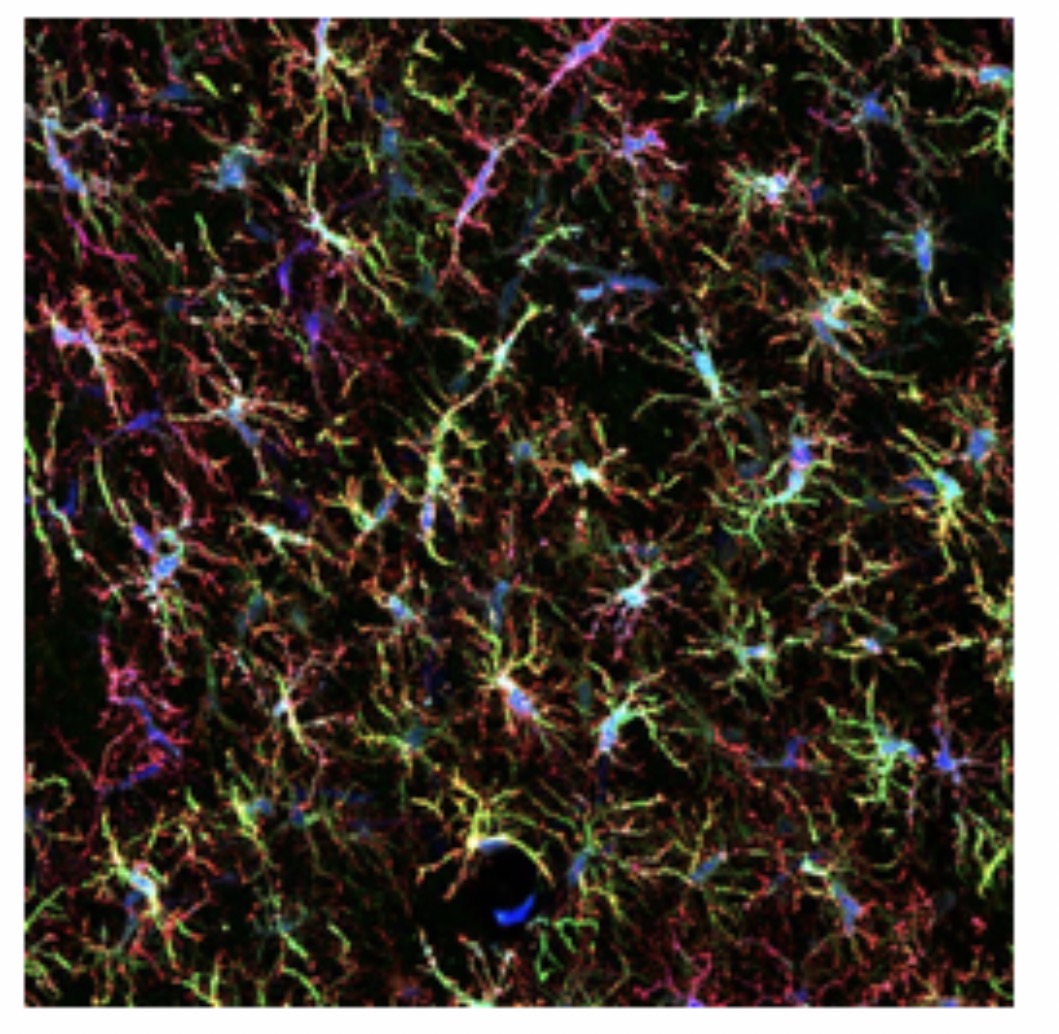
Microglia Cell: Function: Act as CNS immune cells; remove debris and pathogens. Small cells with elongated bodies, elongated nuclei with dense chromatin
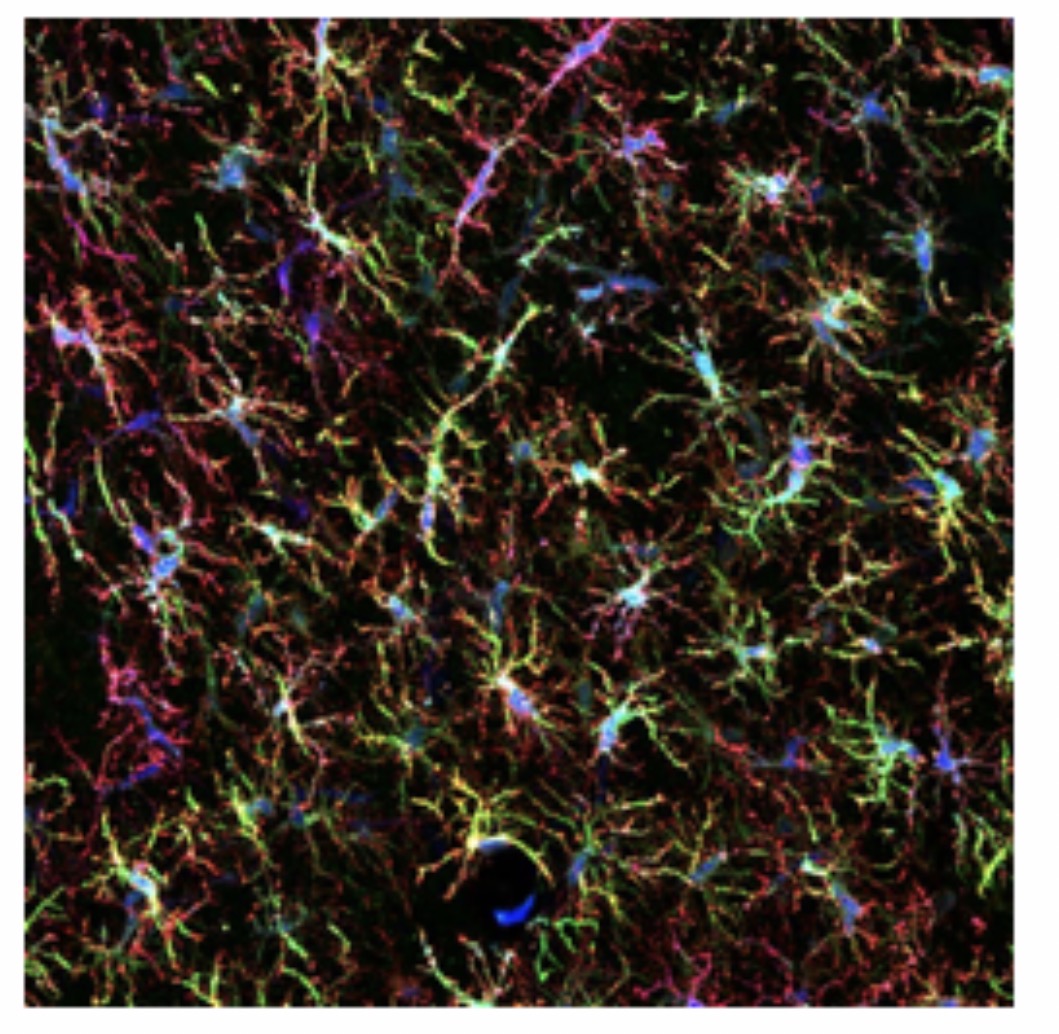
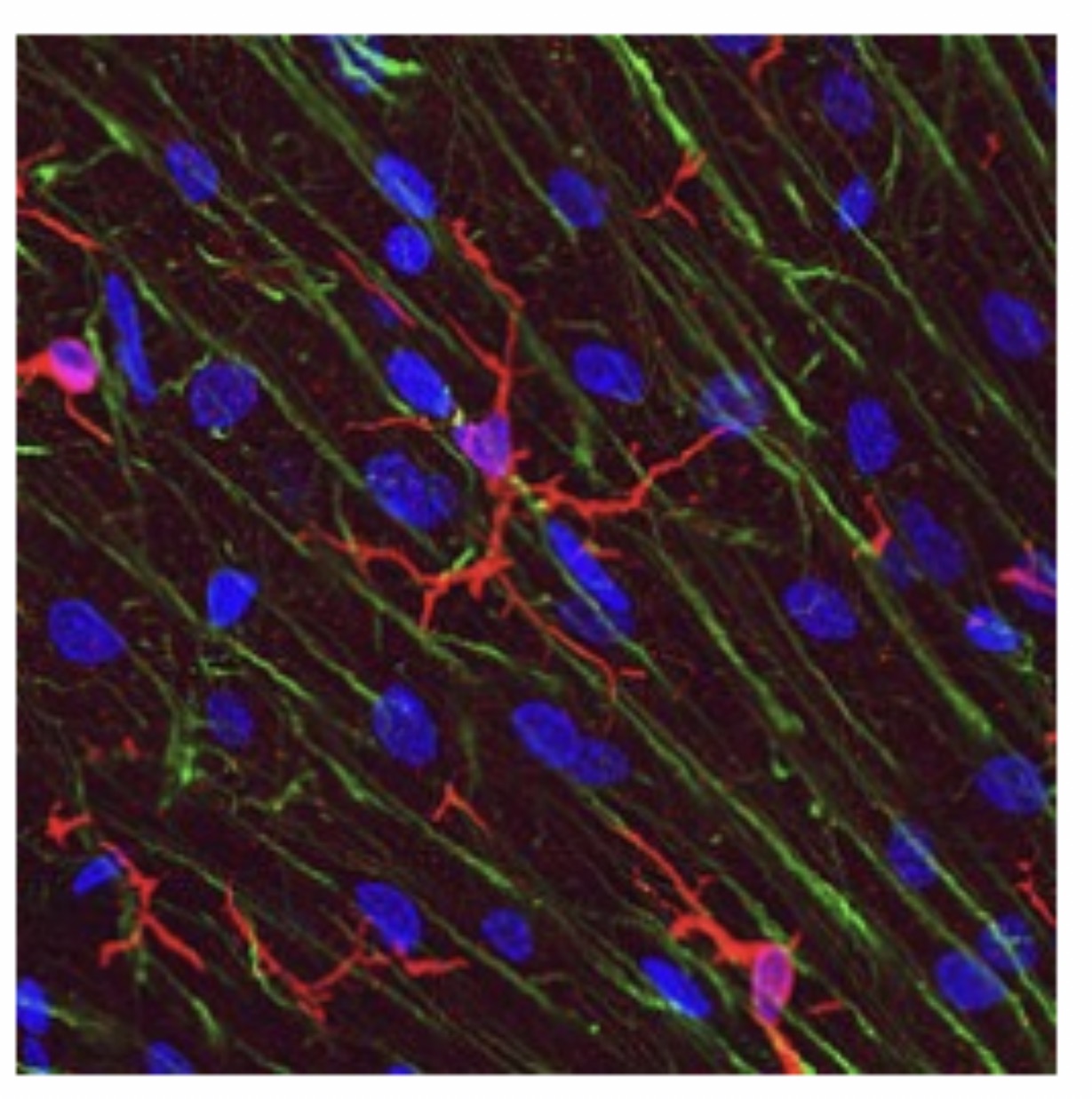
Microglia Cell: Function: Act as CNS immune cells; remove debris and pathogens. Small cells with elongated bodies, elongated nuclei with dense chromatin
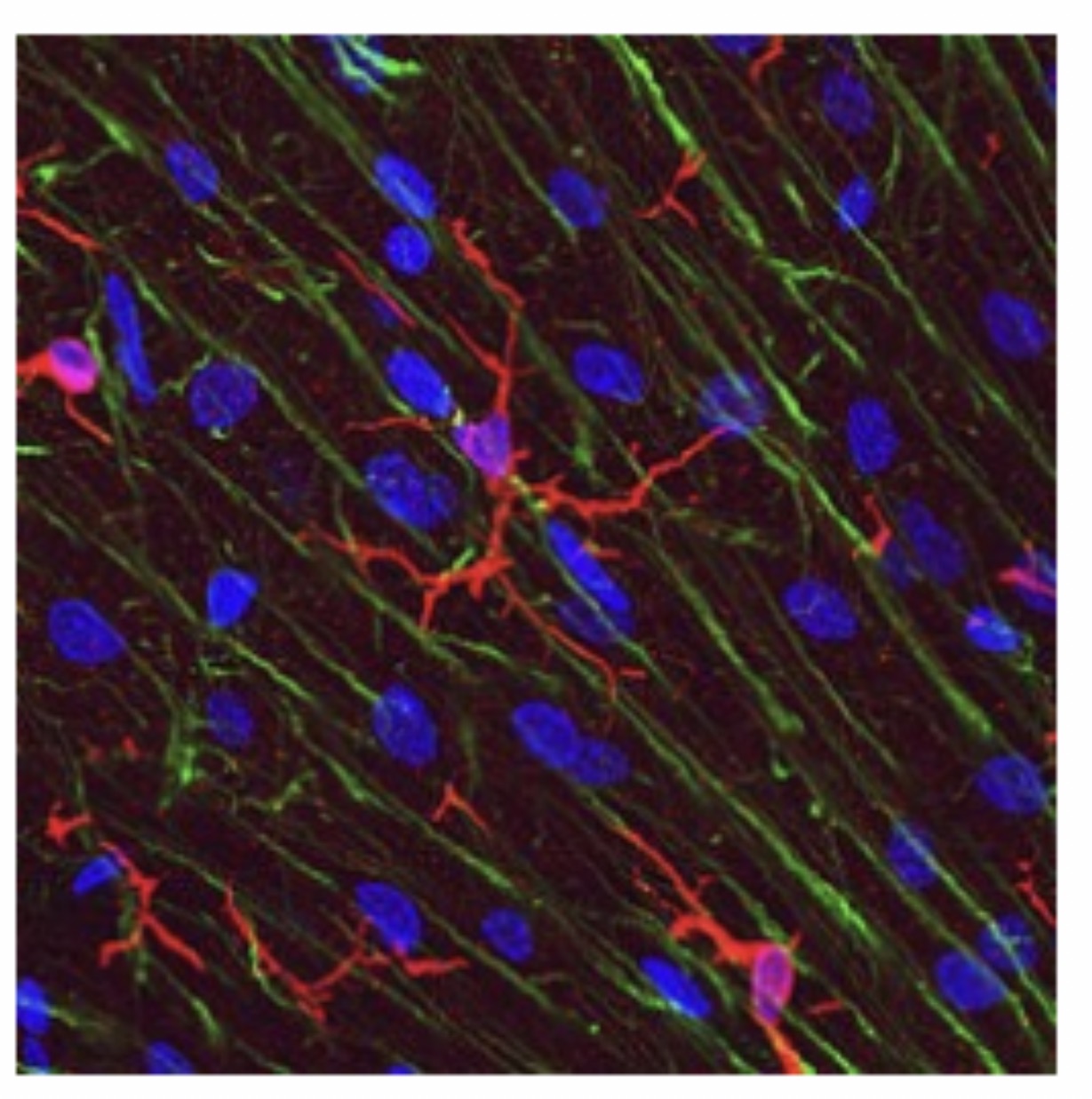
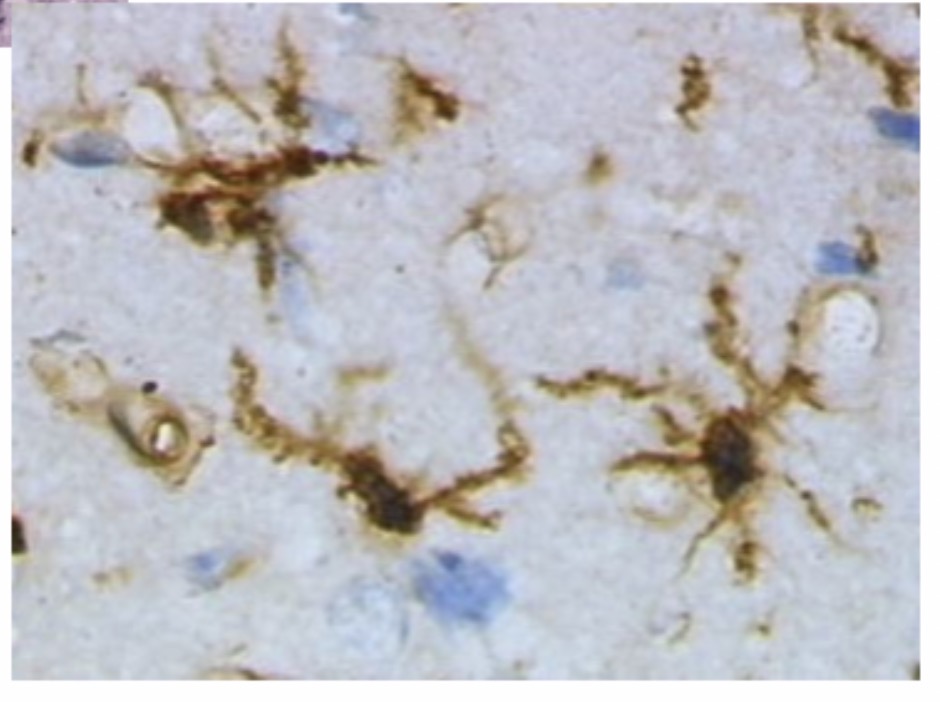
Microglia Cell: Function: Act as CNS immune cells; remove debris and pathogens. Small cells with elongated bodies, elongated nuclei with dense chromatin
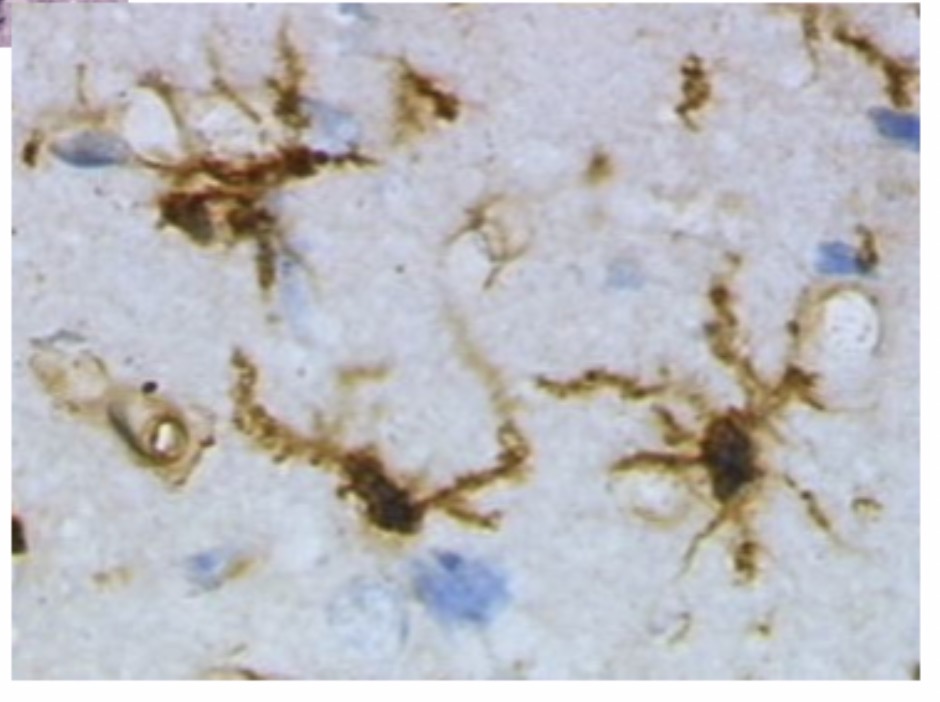
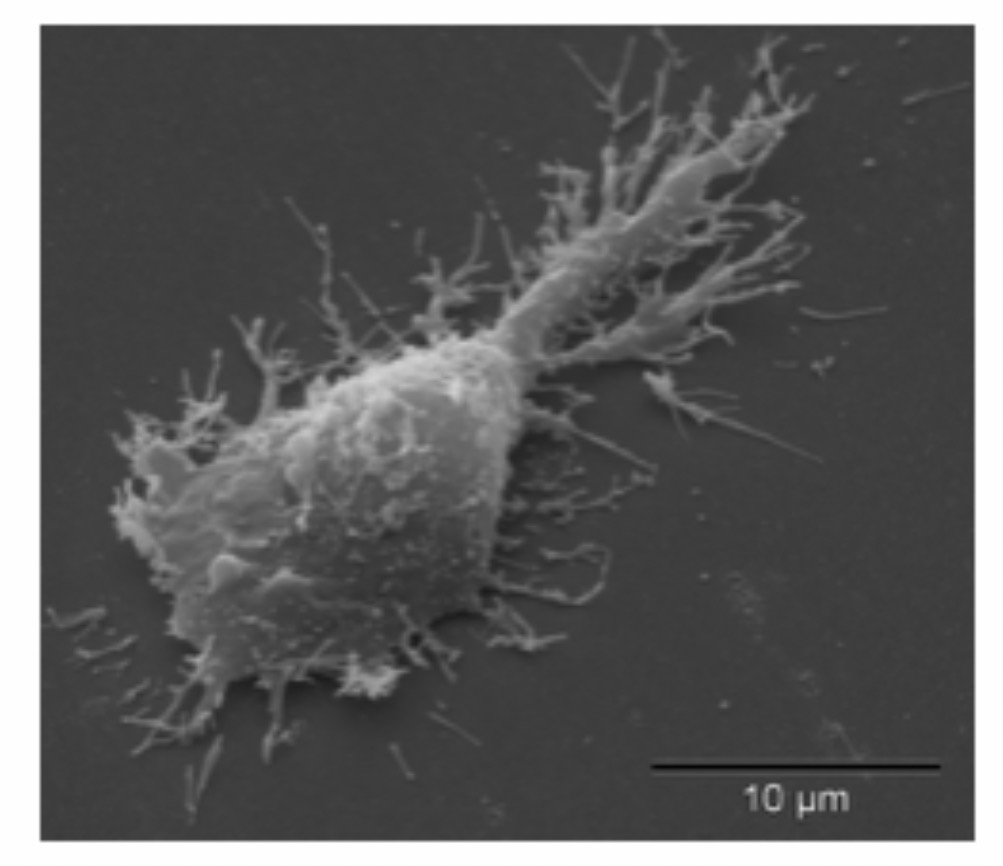
Microglia Cell: Function: Act as CNS immune cells; remove debris and pathogens. Small cells with elongated bodies, elongated nuclei with dense chromatin
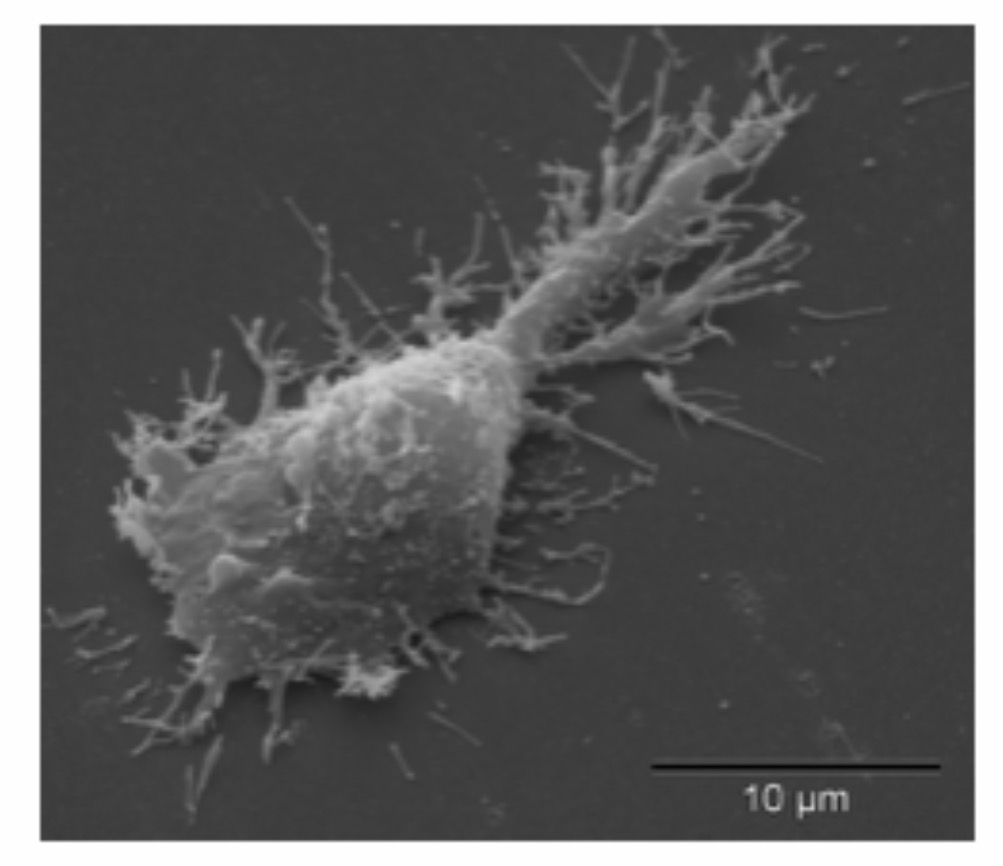

Microglia Cell: Function: Act as CNS immune cells; remove debris and pathogens. Small cells with elongated bodies, elongated nuclei with dense chromatin
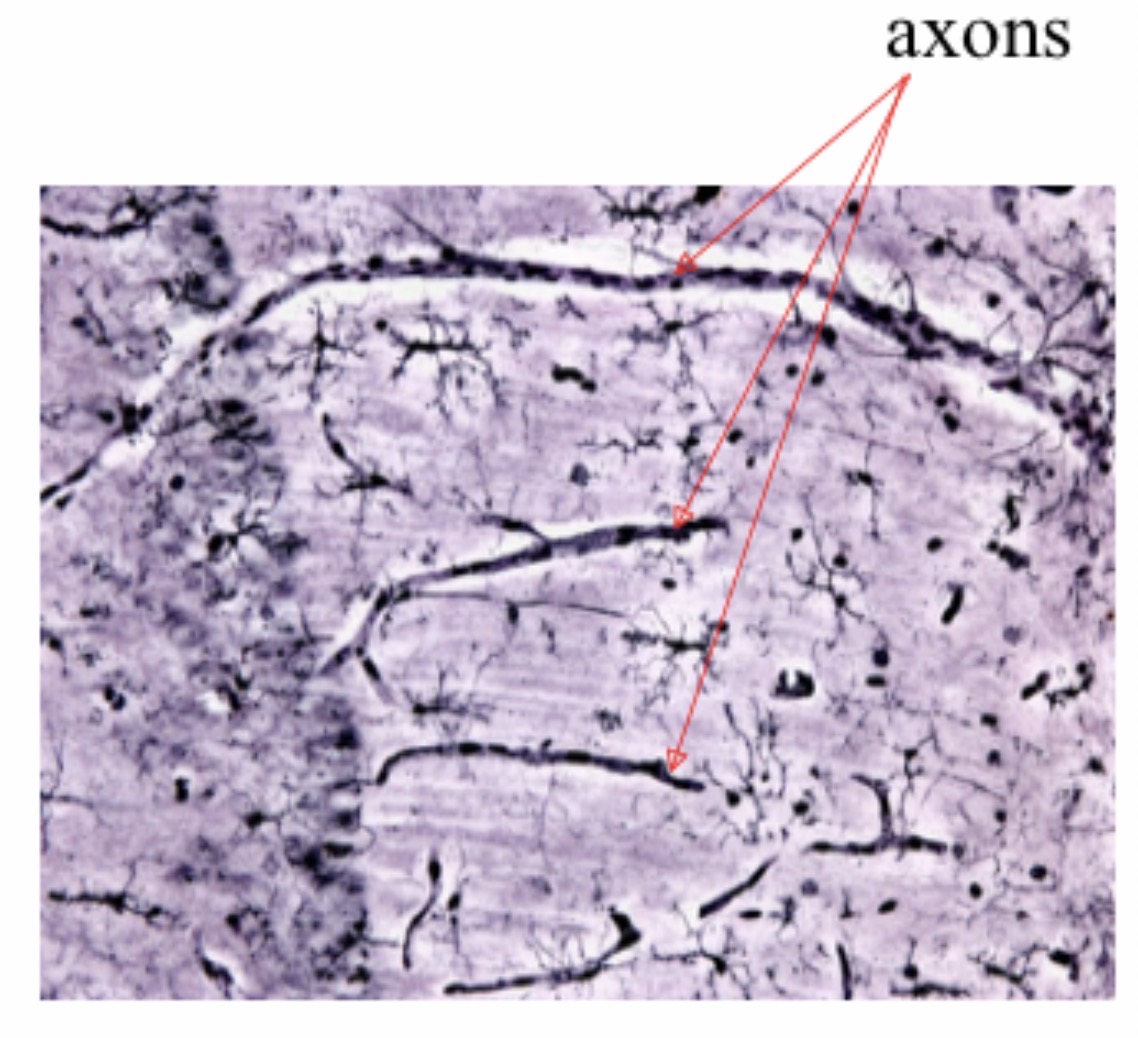

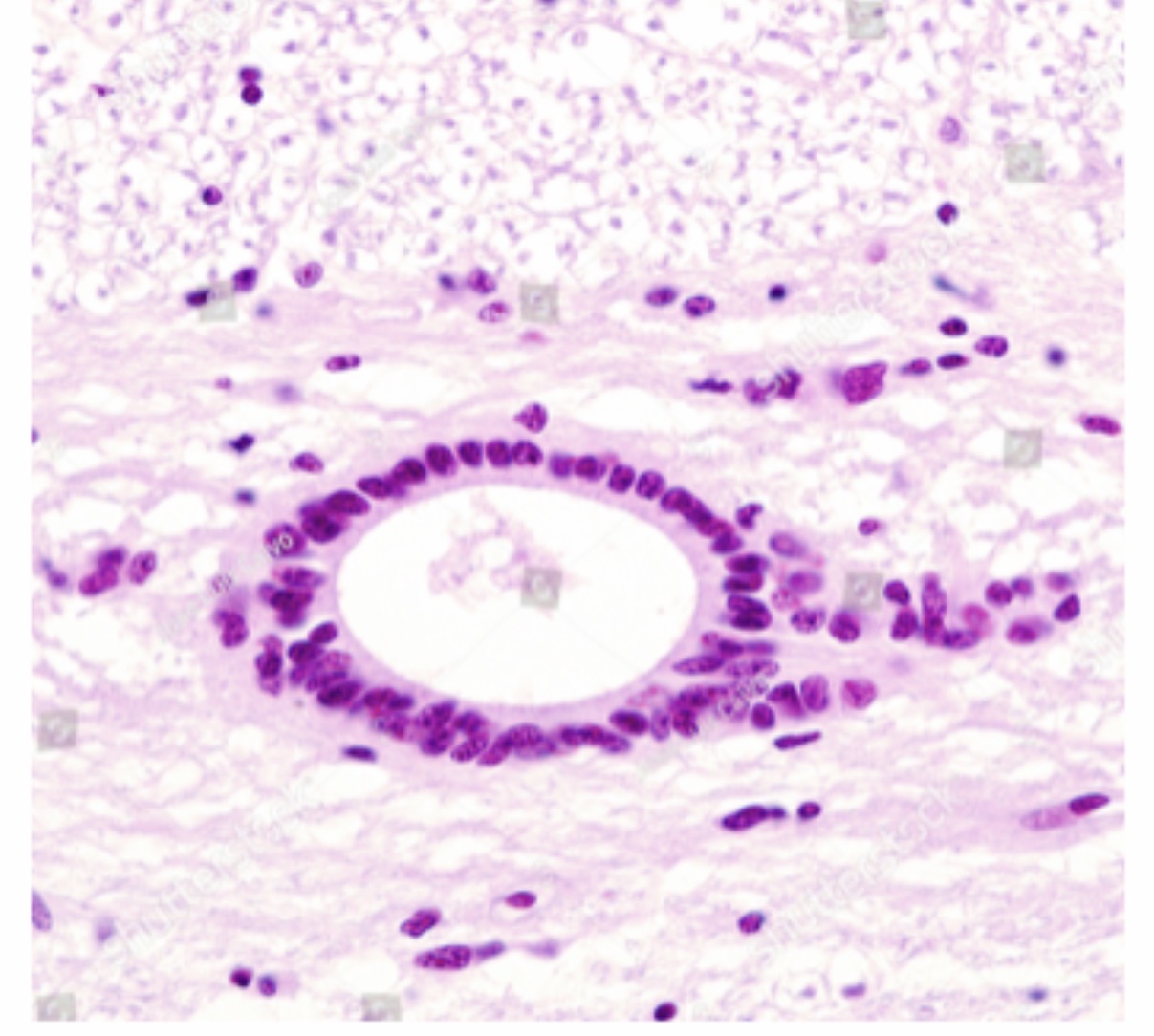
Ependymal cells: Function and etc: Line the ventricles and central canal and produce and circulate cerebrospinal fluid (CSF). They are ciliated glial cells and form part of the choroid plexus.
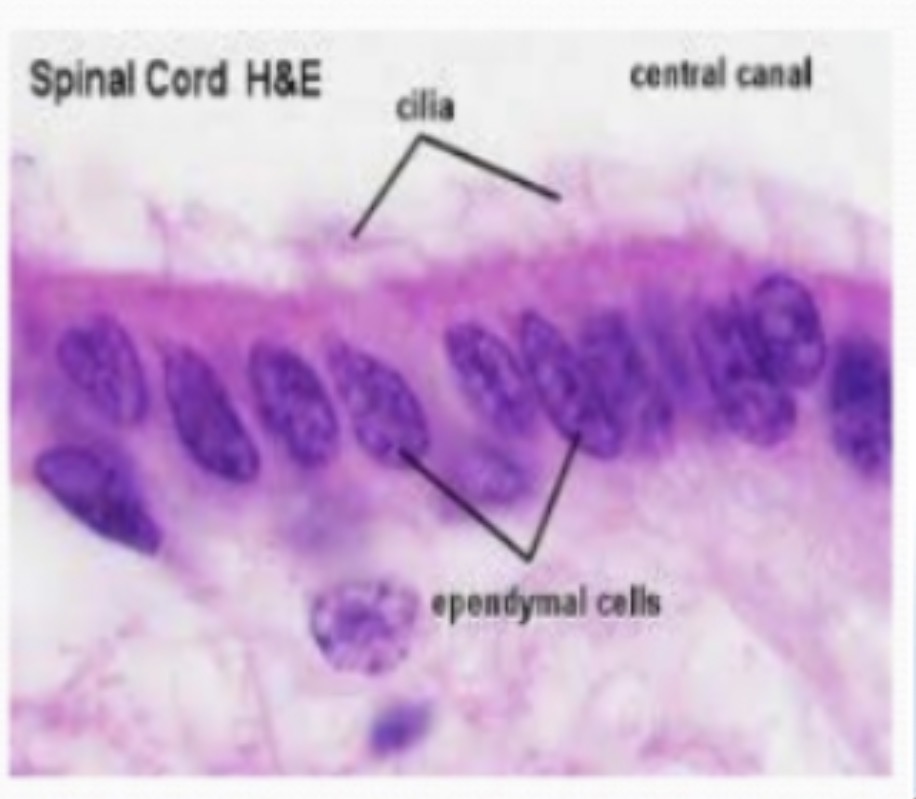

Ependymal cells: Function and etc: Line the ventricles and central canal and produce and circulate cerebrospinal fluid (CSF). They are ciliated glial cells and form part of the choroid plexus.
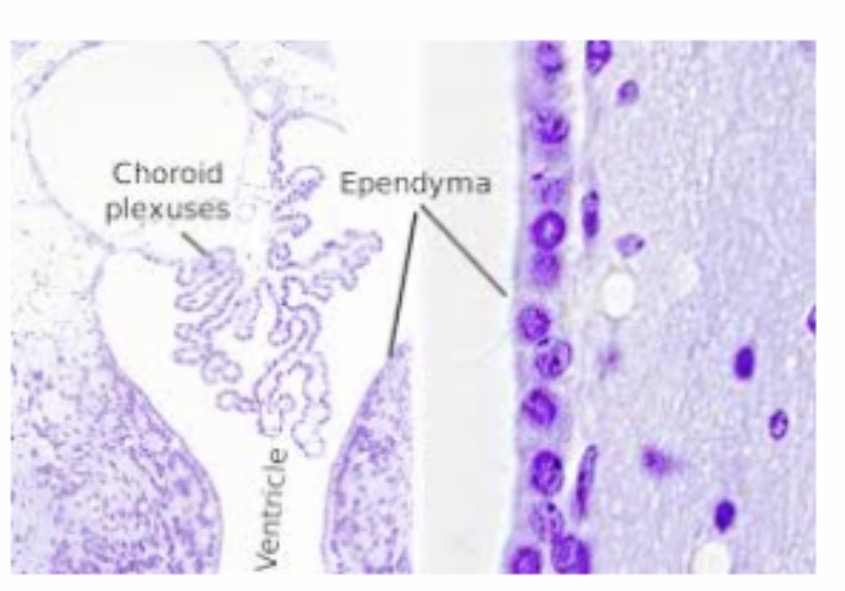
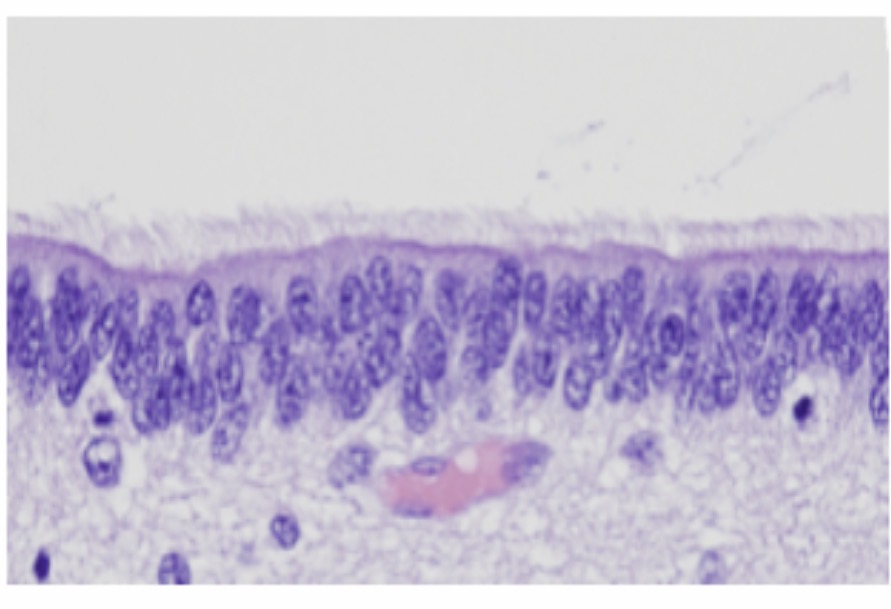
Ependymal cells: Function and etc: Line the ventricles and central canal and produce and circulate cerebrospinal fluid (CSF). They are ciliated glial cells and form part of the choroid plexus.
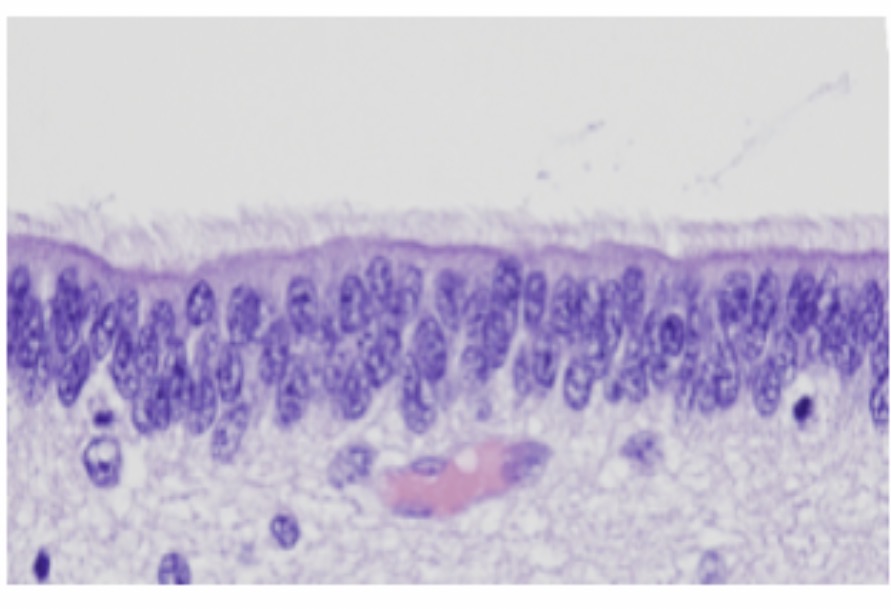

Ependymal cells: Function and etc: Line the ventricles and central canal and produce and circulate cerebrospinal fluid (CSF). They are ciliated glial cells and form part of the choroid plexus.
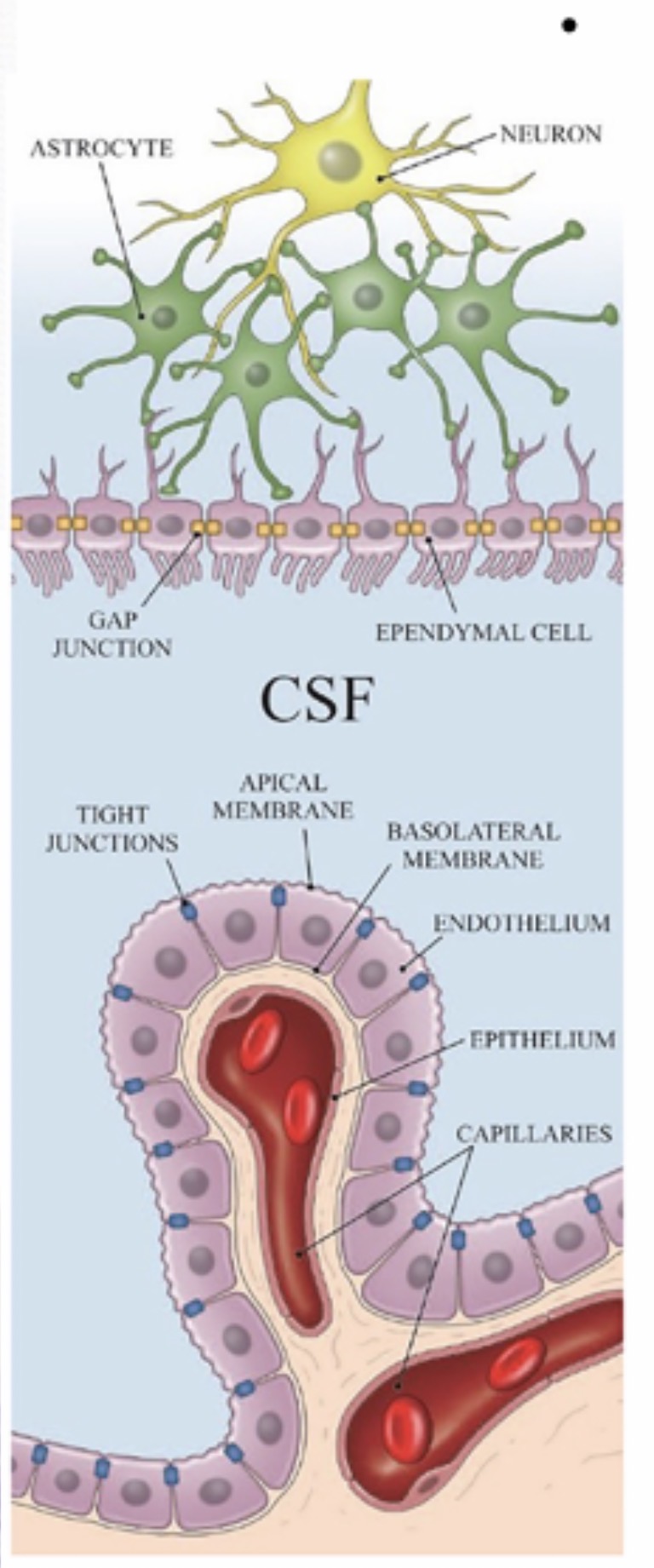
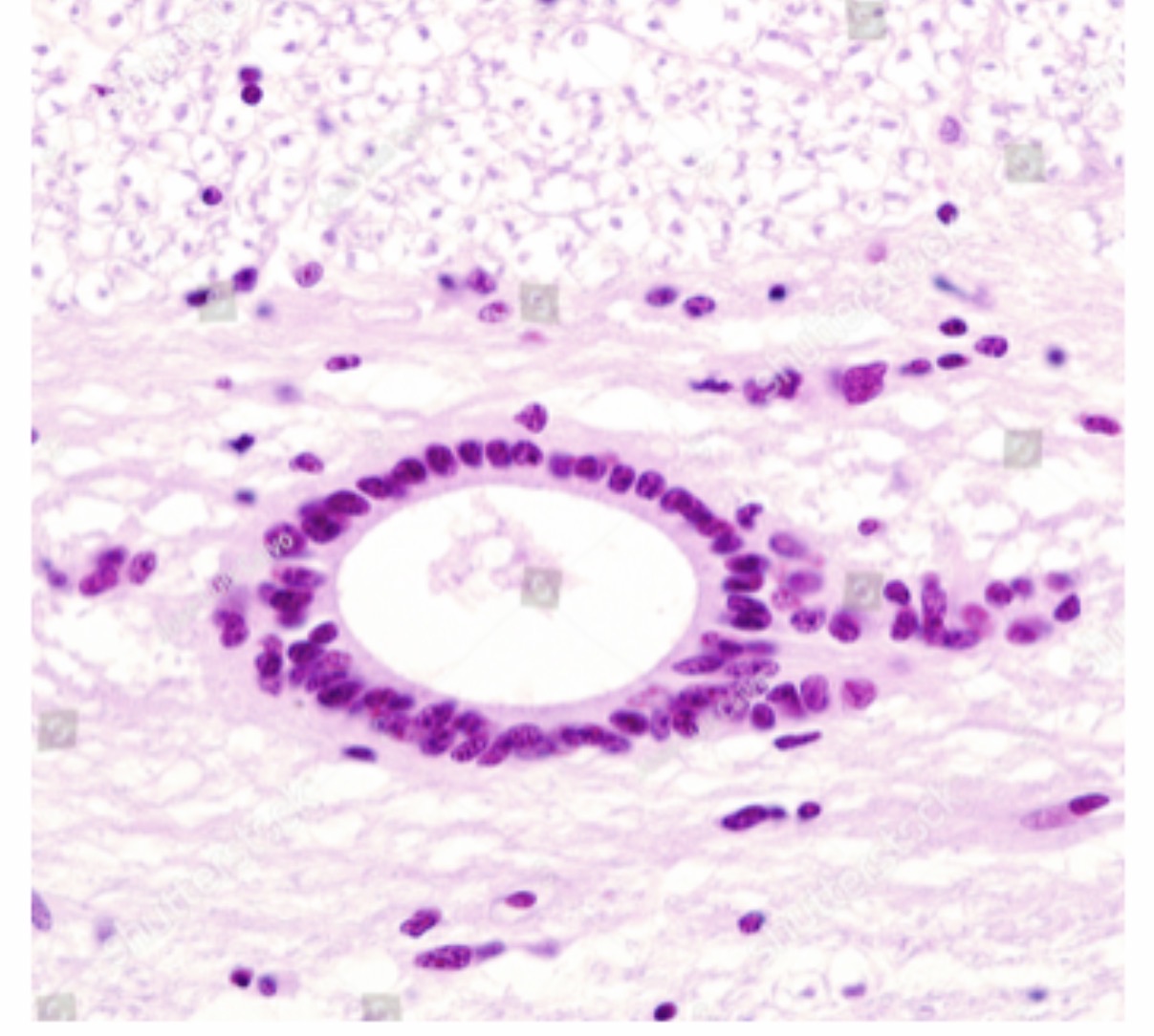
Ependymal cells: Function and etc: Line the ventricles and central canal and produce and circulate cerebrospinal fluid (CSF). They are ciliated glial cells and form part of the choroid plexus.
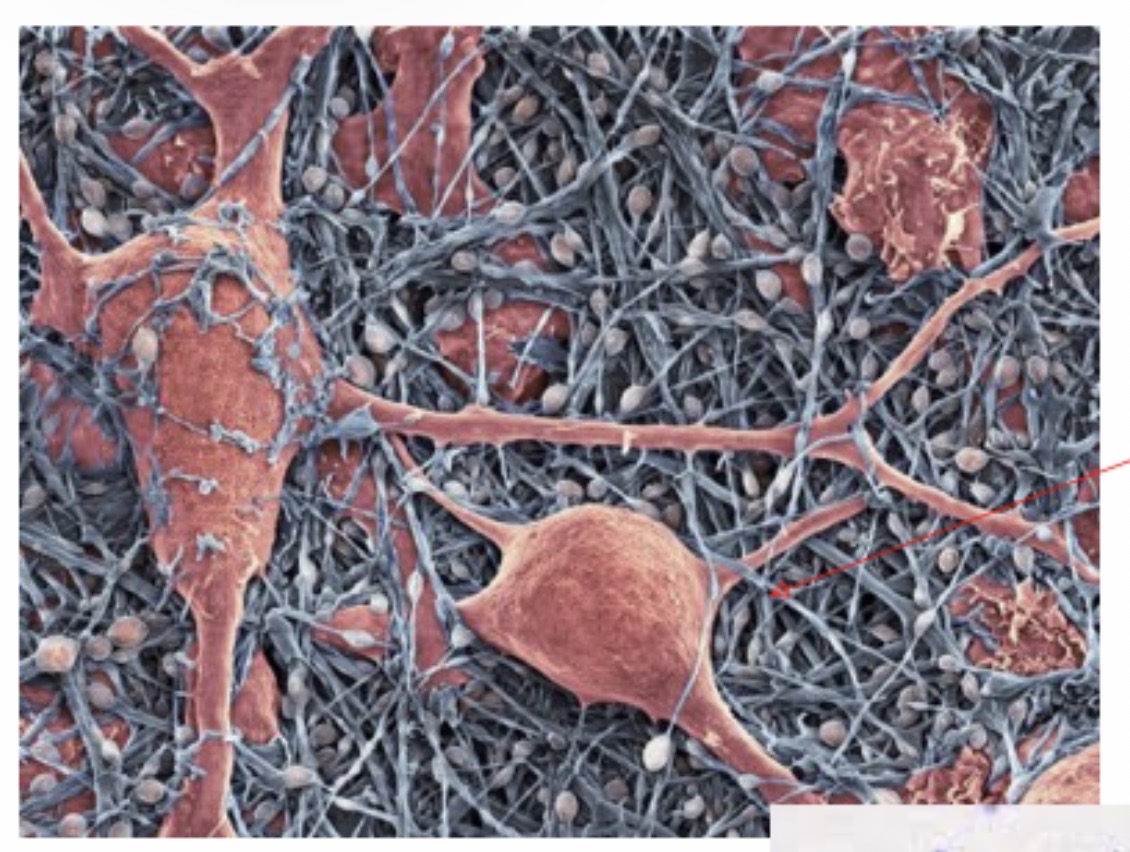
Satellite glial cells: Function and etc: Surround neuron cell bodies in PNS ganglia and support the neuronal environment.
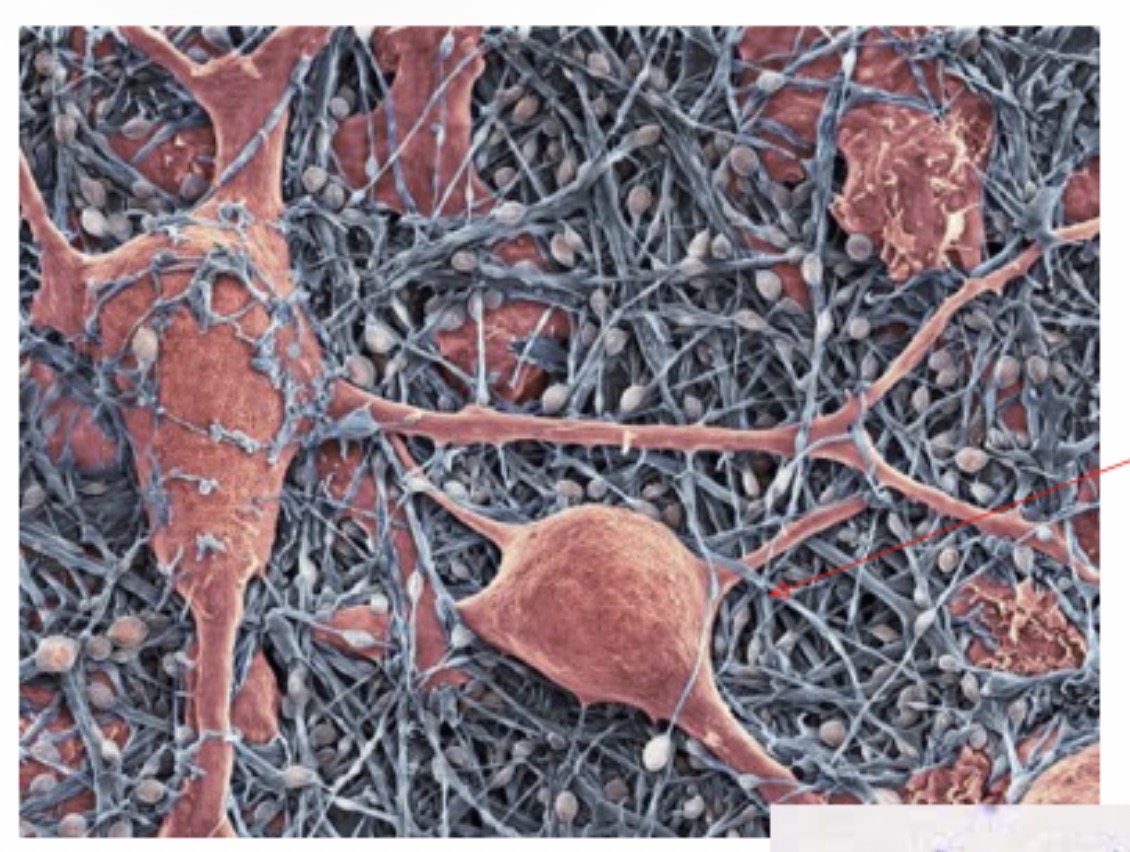

Satellite glial cells: Function and etc: Surround neuron cell bodies in PNS ganglia and support the neuronal environment.
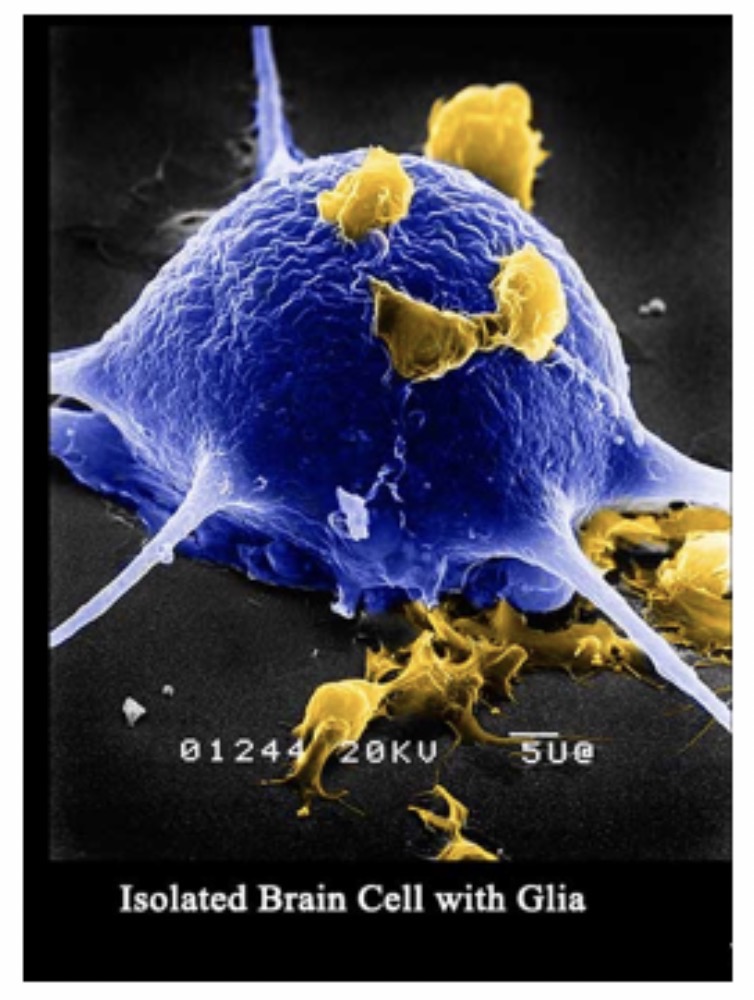

Satellite glial cells: Function and etc: Surround neuron cell bodies in PNS ganglia and support the neuronal environment.
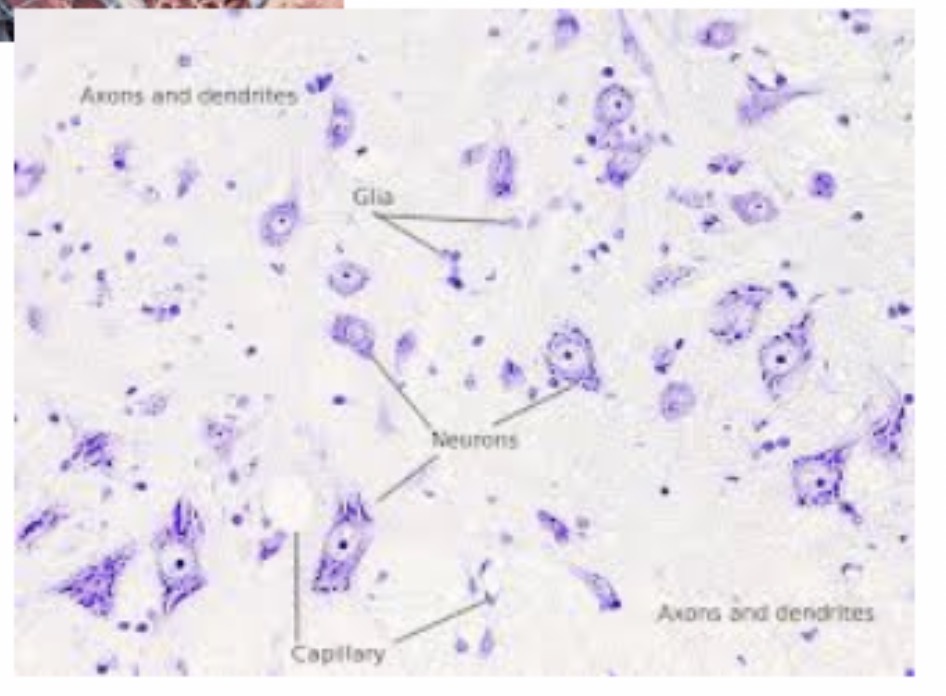

Satellite glial cells: Function and etc: Surround neuron cell bodies in PNS ganglia and support the neuronal environment.
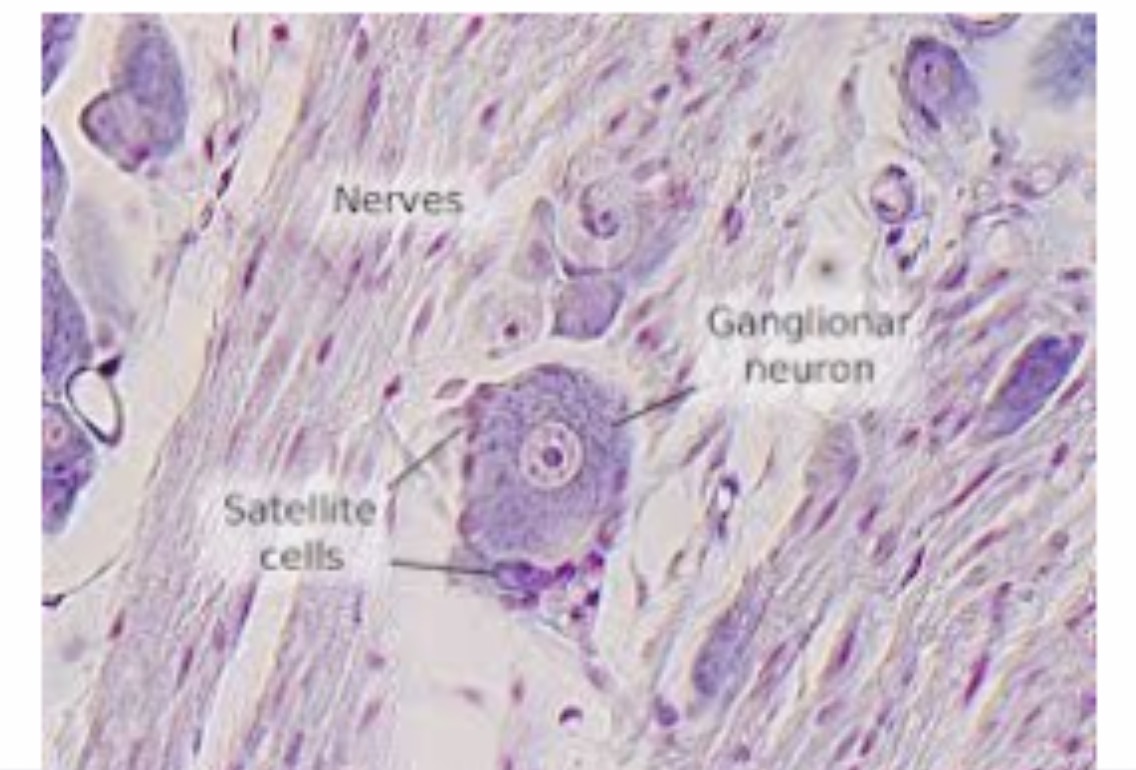

Satellite glial cells: Function and etc: Surround neuron cell bodies in PNS ganglia and support the neuronal environment.
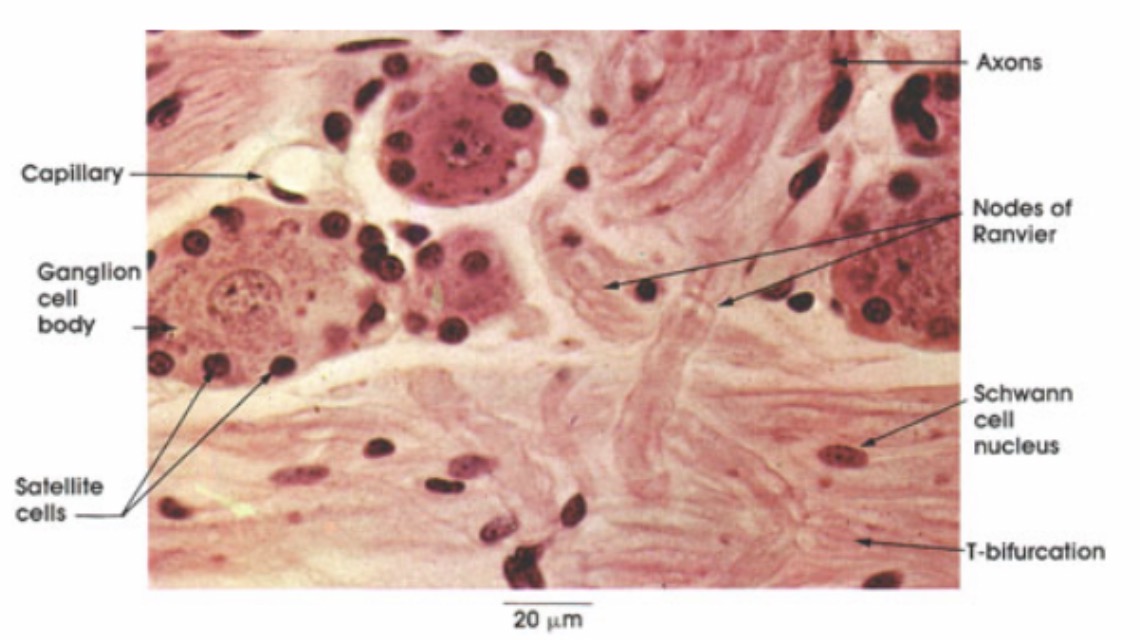

Satellite cells: Functionand etc: Form the myelin sheath around axons in the PNS and support nerve repair.