Bio HL1 Test 6 - Kim
 Call Kai
 Learn
Learn Practice Test
 Spaced Repetition
 Match
Match Flashcards
 Knowt Play
1/57

Earn XP
Description and Tags
Natural Selection, Evolution and Speciation
Name | Mastery | Learn | Test | Matching | Spaced | Call with Kai |
|---|
No analytics yet
Send a link to your students to track their progress
58 Terms
natural selection
process by which individuals with traits better suited to their environment survive and reproduce to pass those advantageous traits to their offspring (Darwin), also known as ‘survival of the fittest’
process of natural selection
inheritable variation exists in a population
there is competition, or a struggle for survival
number of offspring exceeds what environment can support
selection—diff environmental pressures exist
individuals with the right adaptations (beneficial traits) will most likely survive, reproduce, pass on their genes
evolution occurs when allele frequency of population changes over time
mutation
change in DNA sequence, creates new alleles for natural selection to act on; the only way new alleles can be generated
produces genetic variation in populations
mutation can be…
beneficial—creates successful variation of existing trait
harmful—decreases survival or reproduction
neutral—no immediate effect
sexual reproduction
reproduction involving meiosis and fertilization
creates new allele combinations
increases genetic diversity without producing new alleles
crossing over
exchange of non-sister chromatid segments between homologous CHR during prophase I
produces recombinants, where offspring have gene combos unique from parents
independent assortment
homologous CHR that line up in meiosis I, do so randomly and independently from one another, possibility of different gametes in humans is 2^23 = 8,388,608
random fertilization
any sperm can fertilize any egg
overproduction of offspring
species produce more offspring than ENV can support
ultimately, population > resources
produces competition for resources
resources like food, space, and mates determine carrying capacity, or maximum population ENV can support
allows survival of the fittest, where individuals with advantageous traits (better at getting resources) are more likely to survive and reproduce—therefore, such traits will become more common over time
selective pressures (abiotic)
environmental factors that affect an organism’s chances of survival and reproduction, they may change over time, altering which adaptations are beneficial for survival
abiotic factors can be…
negative—reduce the number of individuals less suited
positive—favor individuals with certain traits survive and reproduce
density-independent factors
factors that impact a population regardless of size, e.g:
high temp—heatwave (coral bleaching)
low temp—sudden frost can kill plants or other food sources
droughts, floods, storms can also impact populations
adaptations
variations among individuals, organisms have different adaptations that allow them to be better suited to their ENV
intraspecific competition and survival
organisms with better adaptations will more likely survive in competition for the same resources; those with higher fitness will pass on their genes to the next generation
fitness is relative, depending on ENV
this is how natural selection changes population over time
evolution
change in heritable traits of a population over time, traits encoded by DNA (genes) and passed from parent to offspring, only changes in DNA like mutations can be inherited
acquired characteristics
like muscle, loss of limb; do not change DNA and thus cannot be passed to offspring
environmental factors
such as diet, sunlight, injury, can only impact the individual, not their genes; Lamarck’s theory is incorrect

sexual selection
type of natural selection where certain traits increase an organism’s ability to attract a mate and reproduce
such traits aren’t directly tied to survival
they act as signals of fitness (health, strength, good genes)
sexual selection can produce significant differences between females and males, known as sexual dimorphism
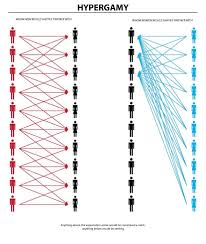
intersexual selection
individuals of one sex (typically females) choose mates based on traits (color, dance, song)
birds of paradise—males have bright plumage and complex dances that attract females, even though they may increase predation risk
deer—males grow large antlers, despite being energetically costly
natural selection experiments
guppies are a species of fish that evolve traits as a consequence of both natural and sexual selection
John Endler placed guppies into artificial steam tanks with gravel of different colors, independent variables were presence of predators (high, low, none) and color of gravel (for camouflage)
guppies with predators evolved duller colors for camouflage (favored by natural selection—survival), guppies without predators evolved brighter colors due to female preference (favored by sexual selection—mating)
gene pool
total number of alleles for all genes in a population (same species in same area, interbreeding) at a given time
larger ones increase in genetic diversity, fitness, and survival
smaller ones increase in chances of extinction
evolution occurs when allele frequencies in the gene pool change over time
genetic drift
change in the gene pool due to chance or random events, especially smaller isolated populations
larger populations maintain stability due to greater total # of alleles
bottleneck effect (genetic drift)
event that decreases a population size by over 50%
natural disasters (fires, floods) or humans (overfishing)
founder effect (genetic drift)
small group leaves population to setup a new one
differs from bottlenecks, original population stays intact
BOTH populations will have less genetic variability and be more prone to genetic drifts
allele frequency
prevalence of an allele, in comparison to others in a gene pool, represented as a percentile (0-1.0)
as favorable traits are passed on, the frequency of advantageous alleles increases
alleles for less favorable traits decrease in frequency
evidence of evolution via natural selection
Neo-Darwinism
Darwin proposed evolution based on observation, unaware of genes
modern biologists combined natural selection with genetics
Neo-Darwinism is evolution as changes in allele frequencies caused by natural selection acting on heritable genetic variation
stabilizing selection
favors intermediate phenotype and selects over the two extremes
traits become more uniform around the average
e.g. human birth weight
directional selection
favors one extreme phenotype over the other
trait distribution shifts in one direction
e.g. peppered moths, antibiotic resistance in bacteria
disruptive selection
favors both extreme phenotypes over the intermediate
trait distribution splits into two distinct groups
may eventually encourage speciation
e.g. beak size
Hardy-Weinberg
in the HW equation: p=freq. of dominant allele, q=freq. of recessive allele
Sum of the freq. always = 100%, thus p + q = 1
genotype freq. must also = 100%, thus p² + 2pq + q² = 1
p² = AA, 2pq = Aa, q² = aa
using probability, freq. of genotypes in the next generation can be calculated
H-W strategies
if recessive phenotype is given, use the value for aa as q², then find q
use p + q = 1 to find p, use the values for p and q to answer questions
conditions for genetic equilibrium
to maintain genetic equilibrium (keep allele frequencies the same), there are five conditions:
large population size: the smaller the size, the greater the likelihood that small changes produce significant effects (genetic drift)
no gene flow: no individuals moving in/out via migration
no mutations: no new alleles are introduced
random mating: individuals mate without any preference for traits
no natural selection: all genotypes must have equal chances of surviving and reproducing
artificial selection
process where humans choose individuals with desirable traits to reproduce
purpose is to enhance specific traits over generations
e.g. crop plants—select for plants with larger fruits or pest resistance
domesticated animals—breeding dogs for size, temperament, or coat type
antibiotic resistance
bacteria have evolved resistance through natural selection, as an unintended consequence of human action
bacteria became antibiotic resistant through mutation
when exposed to antibiotics (selective pressure), regular bacteria will die
those with resistance will survive and reproduce, and will flourish due to lack of competition
they will further spread resistance by transferring R plasmids via bacterial conjugation
this adaptation has increased the allele frequency of the population
evolution
a change in heritable traits within a population
occurs via natural selection (Darwinism)
before Darwin, leading theory was evolution via acquired traits (Lamarckism), e.g. trees growing asymmetrically due to wind
sequential evidence
evolution is heritable, thus change is visible in DNA, RNA, and AAs
sequence comparison of same genes:
fewer differences in more closely related species
sequence differences in genes
can be accounted for by splitting ancestral species
e.g. gene families like Hox gene, determines body plan during development, found in all ORG. with a clear head-to-tail axis
selective breeding
type of artificial selection, a deliberate breeding to produce desired/favorable traits
purpose: increase freq. of desired traits in a short period of time
mimics and provides evidence of evolution
both domesticated animals and crop plants show diversity…
in between breeds
from original wild species
homologous structures
similar anatomical structures with different functions
inherited from common ancestor but adapted for different environments
pentadactyl limbs
similar bone arrangement of a five-fingered limb shared in mammals, birds, amphibians, and reptiles
each limb, however, shows adaptation to their mode of locomotion
human hands: tool manipulation (power vs. precision)
bird and bat wings: flying
horse hooves: running
whale and dolphin fins: swimming
analogous structures
different anatomical structures that have similar functions
due to convergent evolution
inherited from different ancestor but lived in similar habitats with similar selective pressures
underwent similar adaptations
speciation
creation of a new species from a pre-existing one (only way)
two seperated species begin to evolve independently
can lo longer interbreed even when brought back together
reproductive isolation
when barriers (not always physical) prevent gene flow between gene pools of two populations
geographic separation: physical barriers that are difficult to cross (mountain range, ocean)
divergent selection
different selective pressures cause a population to become different over time
climate—temp, rainfall; affects food supply
predation—more or less, even none
competition—more or less, for resources
differential selection
e.g. Bonobos and chimpanzees—separated by Congo river, at one point water levels fell and chimps crossed, after levels rose again chimps were subjected to same selective pressures and became absorbed into bonobos
types of speciation
both require reproductive isolation via barrier
Allopatric speciation: geographic barrier creates physical isolation
Sympatric speciation: other barriers like behavioral or temporal isolation
behavioral isolation (sympatric speciation)
two populations have different courtship rituals or mating rituals, e.g. blue-footed boobies
temporal isolation (sympatric speciation)
two population breed during different times of day
e.g. crickets, skunks, toads
mechanical isolation (sympatric speciation)
two populations are anatomically incompatible and cannot transfer sperm, e.g. Chihuahua and Great Dane
adaptive radiation
pattern of diversification where species form a common ancestor, occupy different, vacant niches, or ecological roles
minimizes competition and allows most to coexist
leads to great biodiversity
finches at Daphne Major
fairly rapid evolution of a single species
results in great diversification
IND. with adaptations that match their unique selective pressure survive and reproduce
seen in beak shapes
specialized to fit their available food (seeds, insects, nuts, nectar)
eventually occupies different niches
barriers to hybridization
Interspecific hybrids
result from cross breeding different species (mule)
combine useful traits of both (hybrid vigor)
usually sterile even when CHR line up
in evolutionary terms, energy spent on producing a sterile offspring is a waste
to prevent it, ORG use techniques like distinctive courtship rituals
polyploidy
ORG has more than two sets of homologous CHR
CHR duplicate but fail to divide during meiosis
autotetraploid (4n) — all CHR come from same ORG
gametes are diploid (2n)
when they fuse with a haploid (n) gamete, offspring are triploid (3n), which are usually sterile
thus, considered to be different species
Different type of polyploidy
Two species cross breed to produce a hybrid
Contains one set of CHR from each parent
CHR do not form homologous pairs and hybrid is sterile
If CHR duplicate but fail to divide during meiosis, allotetraploid (4n) — CHR are from different species
Can interbreed with other allotetraploids but not with either of parents
Thus, considered to be different species
Smatweed (genus Persicaria)
At least 15 species have originated from allopolyploidy
Persicaria foliosa (2n=22) + Persicaria lapathifolia (2n=22) = Persicaria maculosa (2n=44)
polyploidy is more common in plants due to…
self pollination—plants possess both male and female parts
asexual reproduction—infertile polyploids can reproduce asexually
polyploid crops are desirable:
produces seedless fruits (due to infertility)
shows hybrid vigor by growing larger, showing better disease resistance