ExRx Chapter 33- Older Adults
 Call Kai
 Learn
Learn Practice Test
 Spaced Repetition
 Match
Match Flashcards
 Knowt Play
1/21

There's no tags or description
Looks like no tags are added yet.
Name | Mastery | Learn | Test | Matching | Spaced | Call with Kai |
|---|
No analytics yet
Send a link to your students to track their progress
22 Terms
Exercise training can slow the progression of age-related ________ changes and can ______ some of those that have already occurred.
physiological, reverse
The study of the aging process
gerontology
Arthritis (49%)
Hypertension (38%)
Heart disease (31%)
Hearing impairment (28%)
Orthopedic problems (20%)
Any cancer (20%)
Diabetes (15%)
The average 65-year-old has an additional life expectancy of 16-19 years.
disorders older adults struggle with
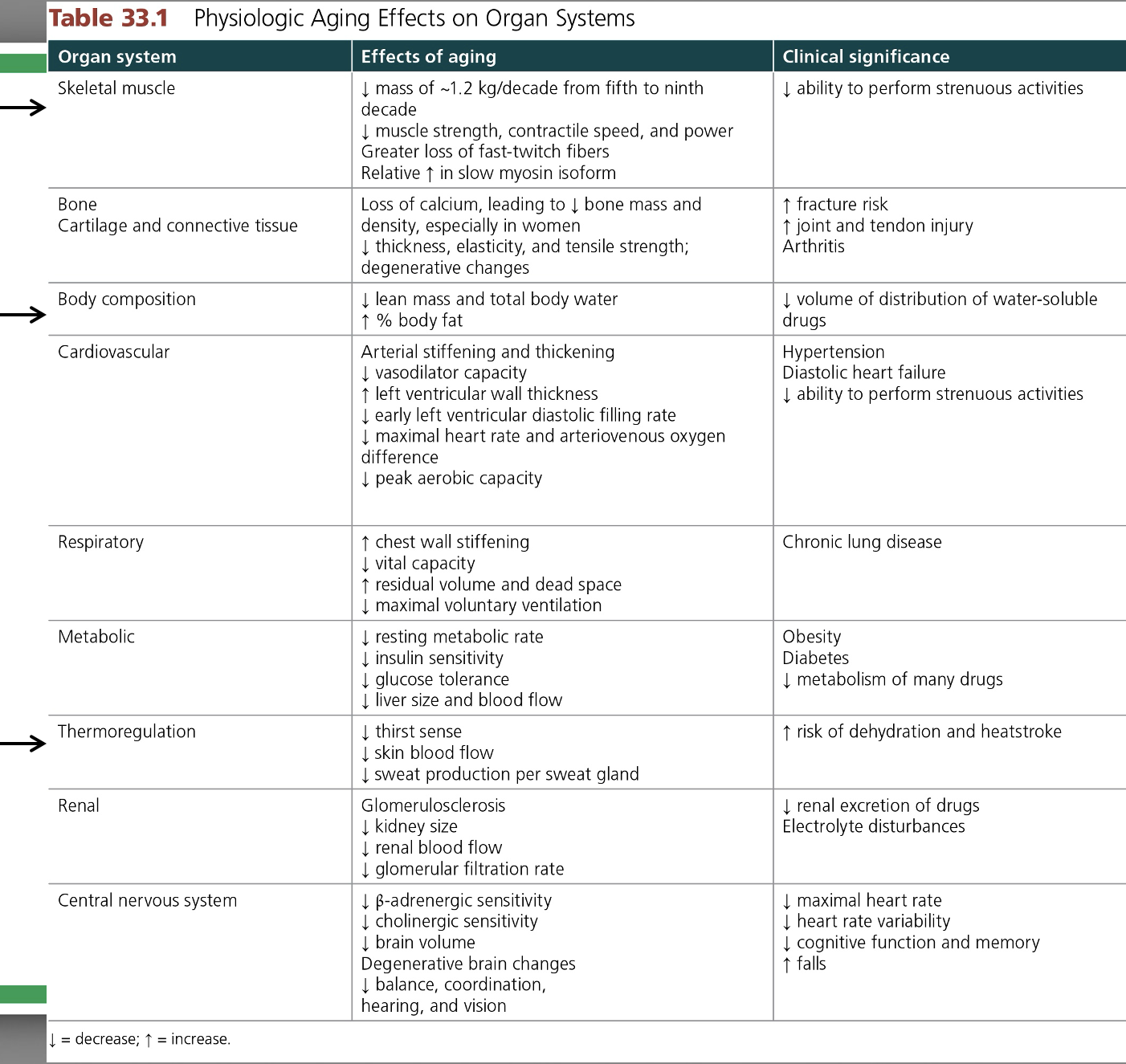
decrease in thirst sense
decrease in skin blood flow
decrease sweat production per sweat gland
Clinical significance → Risk of dehydration and heatstroke
effects of aging, thermoregulation
______ and ______ of _______ account for much of health care costs
falls and lack of balance
Only 20-25% of seniors; __ mins, _x/week. Sedentary lifestyle is to blame for decreases.
physical activity, 30 mins, 5x/week
_______ in ________ is a complex problem involving such factors as these
Lack of strength
Vision problems
Proprioception problems
Medications
Illnesses
Reduced flexibility
Environmental hazards
decrease in balance
balance training,
resistance exercises,
walking, or
weight transfer exercises.
fall resistance can be improved with
whats the leading cause of morbidity and mortality in older adults ?
cardiovascular disease
Aging in industrialized societies is typically accompanied by stiffening of the arterial tree.
Manifested clinically in increased SBP and unchanged DBP
Left Ventricle undergoes a modest concentric wall thickening.
Reduction of early diastolic Left Ventricle filling rate.
Because of these changes, older adults are more likely to develop signs and symptoms of heart failure if they develop atrial fibrillation.
pathophysiology in older adults
Normal changes in maximal aerobic capacity and its determinants between ages 20 and 80
________ ________↓ 50%
a-v ̅O2 difference ↓ 20%
_____ _____ ↓ 30%
_____ ______↓ 30%
oxygen consumption, cardiac output, heart rate
common complaints in older adults (3 of them)
joint pain, exertional dyspnea, angina in exercise if dealing with cvd
Resting 12-lead ECG
Additional CV diagnostic testing if clinically indicated
diagnostic testing
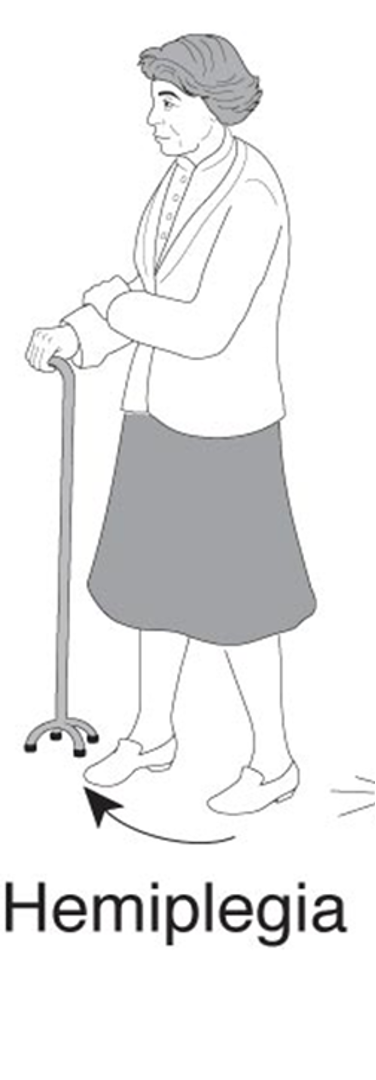
A condition in which one half of a patient's body is paralyzed
Can be congenital or acquired, as from illness such as cerebral palsy or stroke
hemiplegia
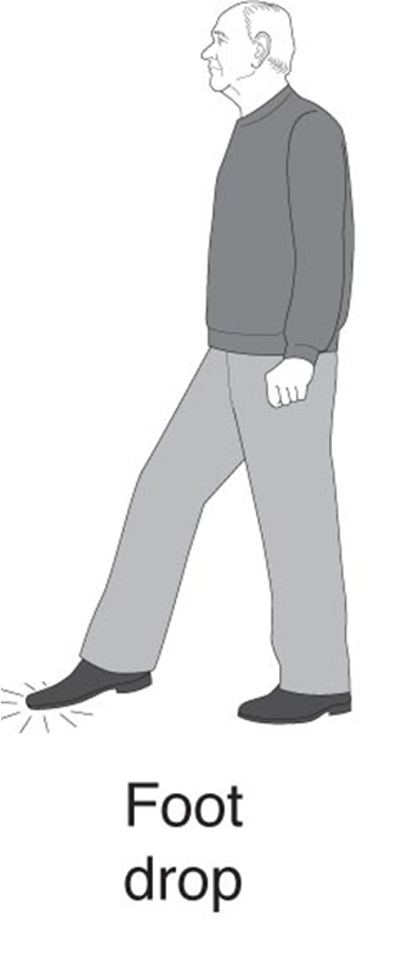
A deficit in turning the ankle and toes upward, known as dorsiflexion. The result is an abnormal gait
It is characterized by steppage gait. When the person with foot drop dances, the foot slaps down onto the floor. To accommodate the toe drop, the patient may use a characteristic tip-toe dance on the opposite leg, can cause extreme pain
foot drop
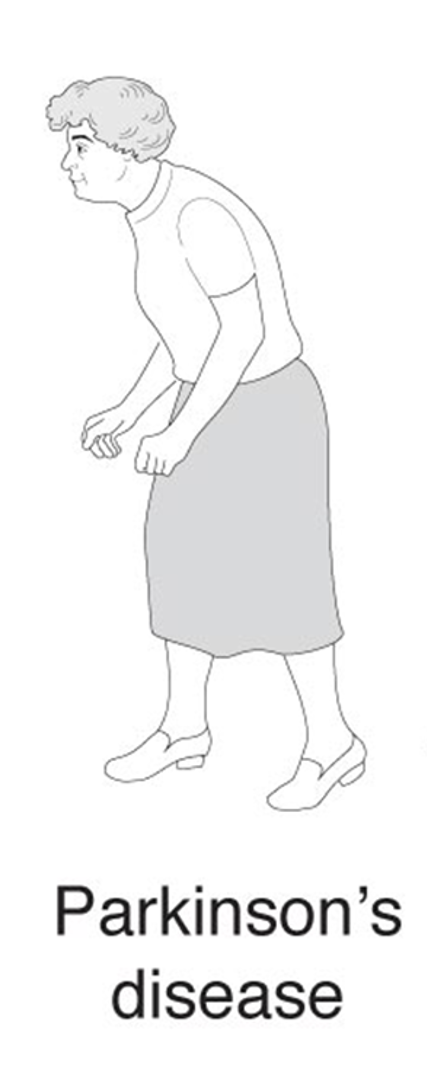
is a degenerative disorder of the central nervous system that often impairs the sufferer's motor skills, speech, and other functions.
Secondary symptoms may include high level cognitive dysfunction and subtle language problems. PD is both chronic and progressive.
parkinson’s disease
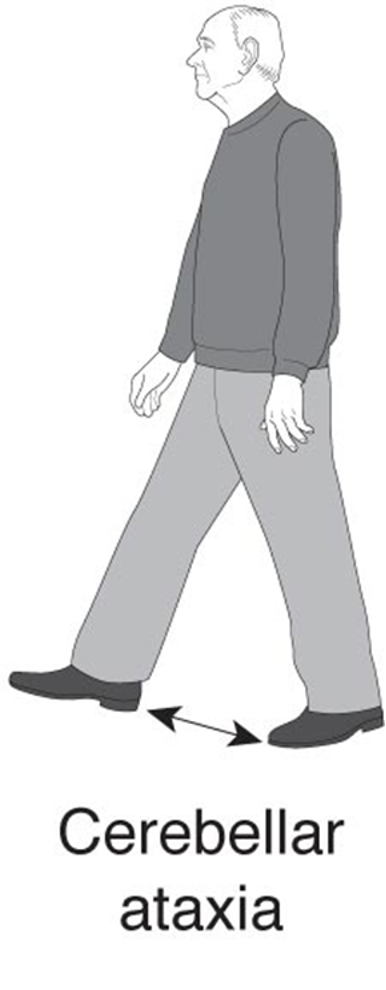
is a neurological sign and symptom consisting of gross lack of coordination of muscle movements
ataxia
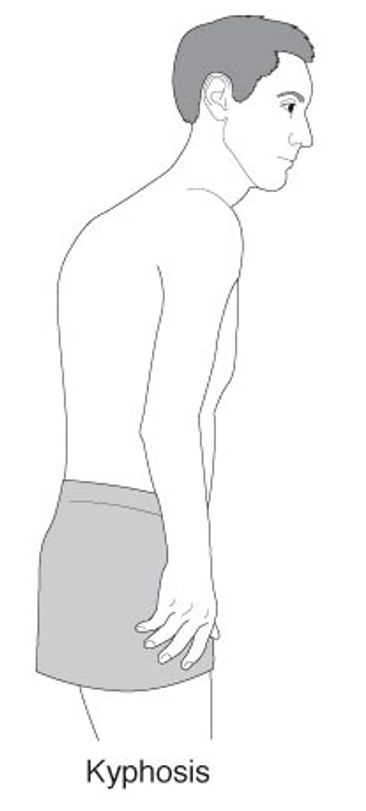
hunchback appearance. >45 degrees may effect lungs, nerves and cause pain.
kyphosis
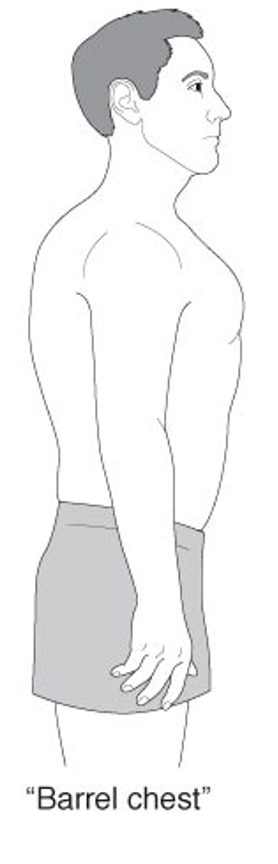
Emphysema – lungs chronically overinflated.
barrel chest
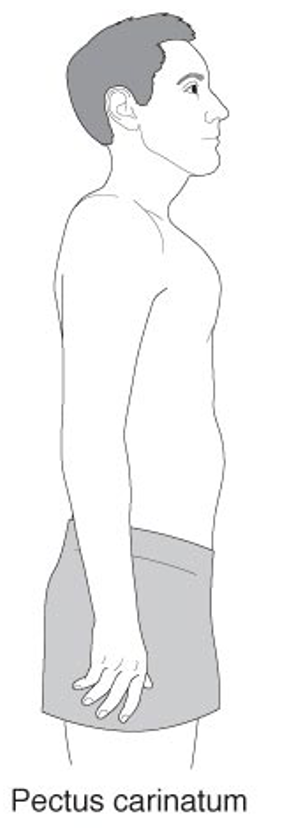
Pigeon chest. Marfin syndrome, scoliosis.
pectus carinatum
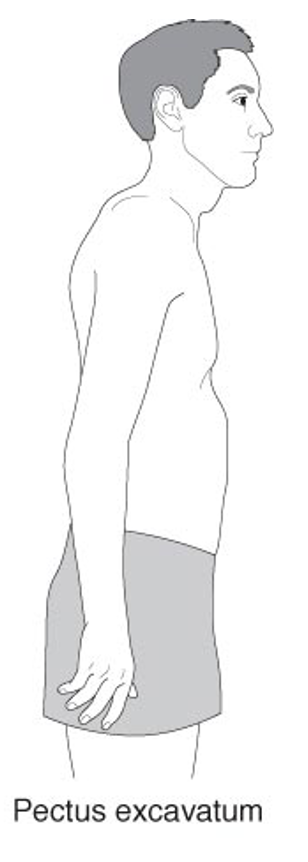
Sunken chest. May be present at birth. May impair cardiac and respiratory function.
pectus excavatum