Marine Bio
 Call Kai
 Learn
Learn Practice Test
 Spaced Repetition
 Match
Match Flashcards
 Knowt Play
1/83

There's no tags or description
Looks like no tags are added yet.
Name | Mastery | Learn | Test | Matching | Spaced | Call with Kai |
|---|
No analytics yet
Send a link to your students to track their progress
84 Terms
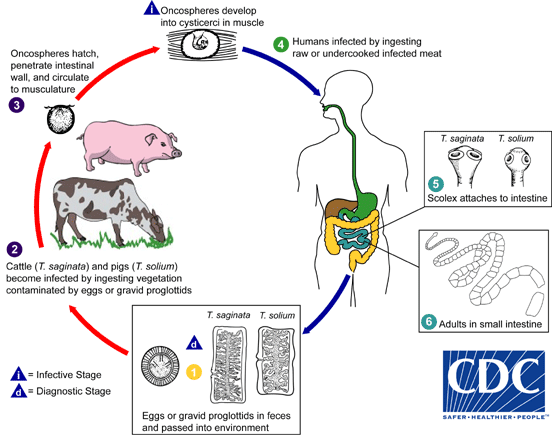
Describe the general life cycle of a fluke or tapeworm.
Egg: Passes through host’s feces.
Intermediate host: Consumes egg packets which then develop inside.
Final host: Consumes the intermediate host and is then infected with adult parasite.
Some adaptations in platyhelminthes(flatworms) for a parasitic lifecycle.
-Thick protective tegument(cuticle) to resis digestive juices
-Specialized attachments structures like hooks
-Loss of unnceessary structures like digestive systems as they directly absorb nutrients
Body plan of Prifera(Sponges)
-Asymmetrical filter feeders
-lack true tissues organs or body cavity
Body plan of Cnidaria(Jellyfish and Corals)
-Radial symmetry with tissue level organization
-2 primary germ layers, ecto and endo derm
Body plan of Acoelomates(Flatworms/Platyhelminthes)
-bilateral symetry
-triploblastic(3 germ layers)
-no segmentation
-distinct organs
-muscles
Bodyplan of Pseudocoelomates(Roundworms/Nemotoda)
-Barbed proboscis for killing prey
-free living
Body plan of Coelomates(segmented worms/annelids)
-Bilateral symmetry with cephalization
-Segmented
-paried setae(hair resembling organ)
-well developed organs
Significance of Ectoderm
-Outerlayer, forms covering of body, nervous system
Significance of Mesoderm
-gives rise to all muslce, connective tissue, and most visceral organs
Significance of Endoderm
-Forms digestive and respiratory tract
Describe the complexity of organs and tissues in annelids compared to other worms
-Closed circulatory system
-complete digestive tract
-nephridia for excretion
-segmentation allowing for localized movement and high specialization
Characteristics all annelids share
-Bilateral sysmetry
-segmentation
-well developed coelom(true body cavity)
-Cephalization
-Closed circulatory system
-Complete Digestive system
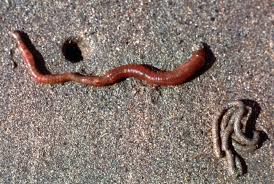
Why are Arenicola lugworms described as ecosystem engineers?
-Transport, mix and shift sediment from deep layers to surface
-Change chemical composition fo the sediment
-Create microhabitats with their burrows
Protostome
-Blastopore becomes the mouth
-Ventral and solid nerve cord
Deuterostomes
-Blastopore becomes anus
-Dorsal and hollow nerve cord
Describe how knowing protostome and deuterostome development helps us understand the relationships between marine invertebrate groups
Knowing the development pattern allows us to learn what groups are closer in relation.
Redula(Molluscs)
Horny, ribbon-like structure acting as a file to scrape food
Foot(Molluscs)
-Muscular ventral appendage used primarily for locomotion,attachment or burrowing
Mantle(Molluscs)
-Dorsal epidermal tissue fold that covers the visceral mass and secrees the shell
Nephridia(Molluscs)
-Excretory organs, kidneys, that removes waste
Body Torsion(Molluscs)
-the 180 rotation of visceral mass that occurs in development of gastropods.
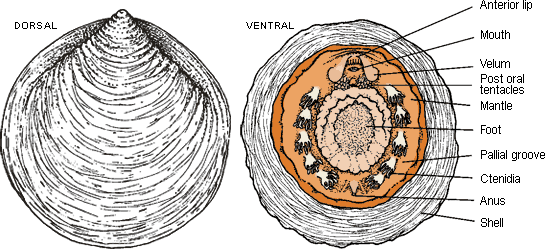
What Mollusc class is this?
Monoplaceophora
-primitive segmentation, single shell, serial repeated organs
-deep ocean bottom
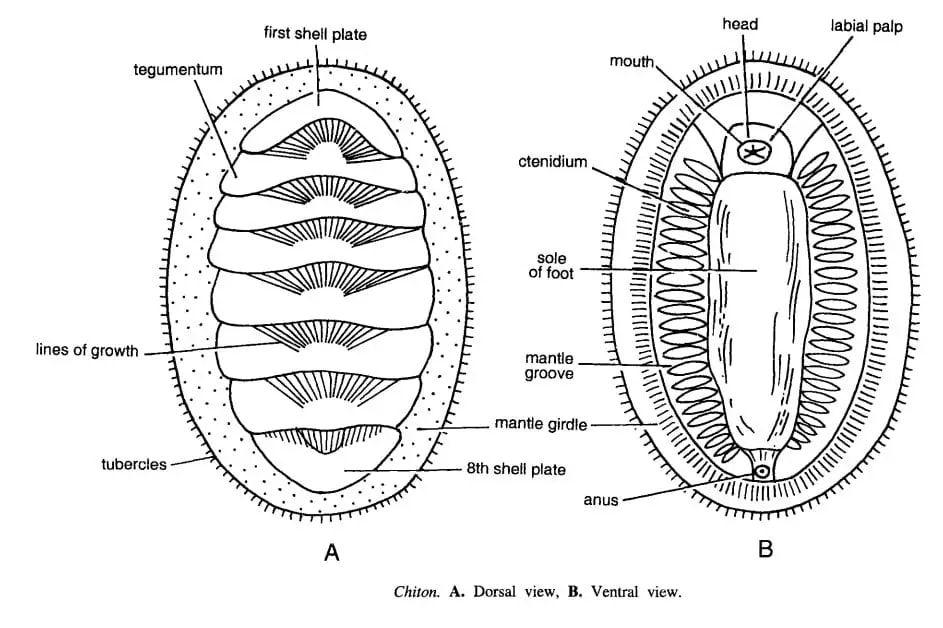
What Mollusc class is this?
Chitons
-broad foot, serial repeating organs
-scrap algae off rocks using radula, in death plates become “butterfly shells”
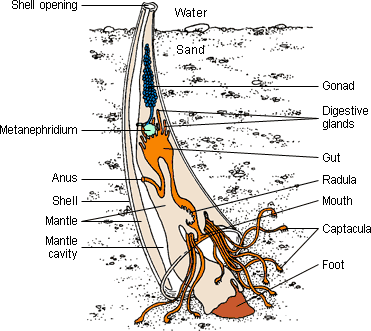
What Mollusc class is this?
Scaphopoda(Tusk shells or tooth shells)
-Sedentary, slender body
-Foot end embedded in mud & sand
-tenctacles capture food particles
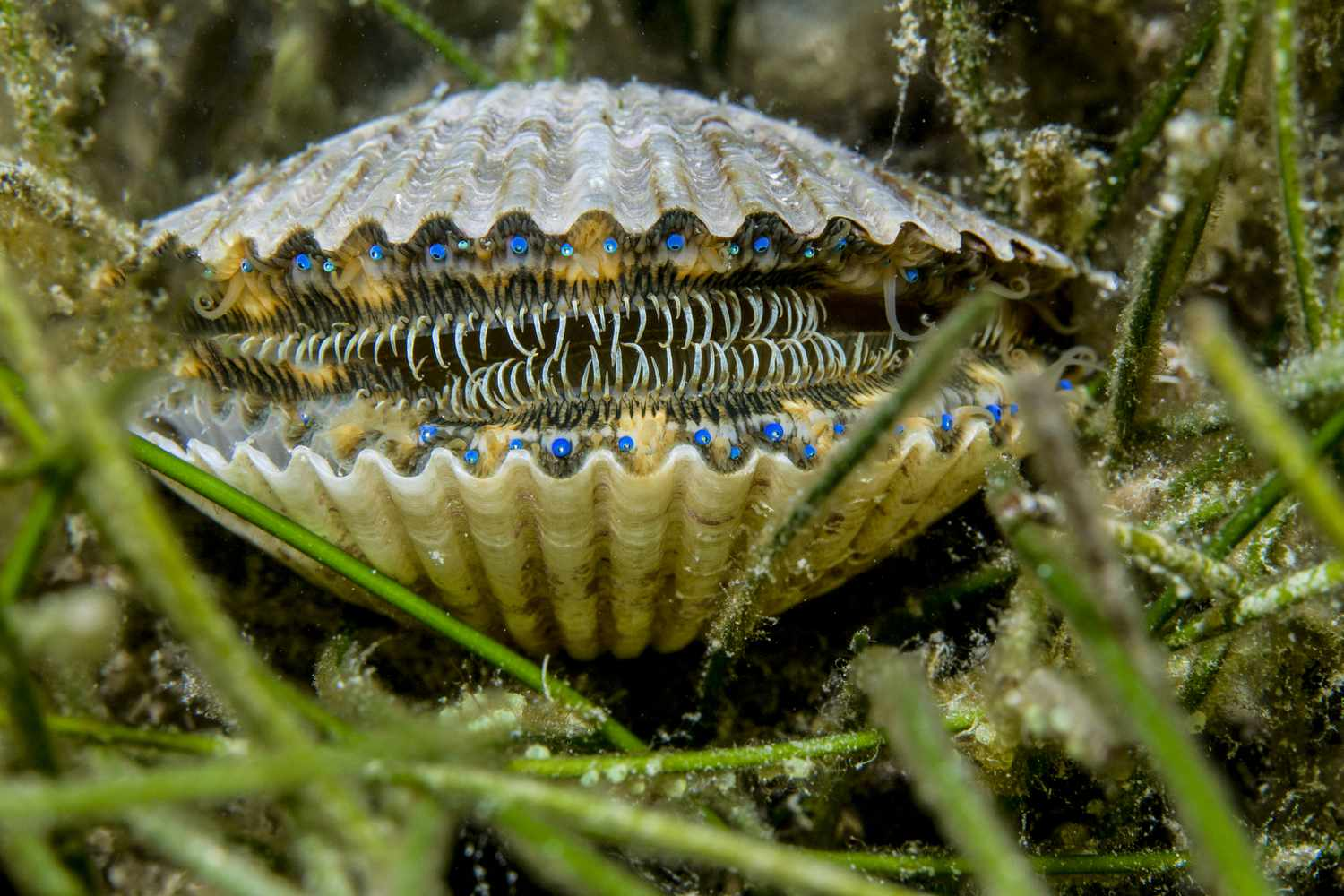
What Mollusc class is this?
Bivalvia(Oysters, Muscles, Clams)
-2 shelled mollusces, no head
-Most are sedentary filter feeders
-Most marine
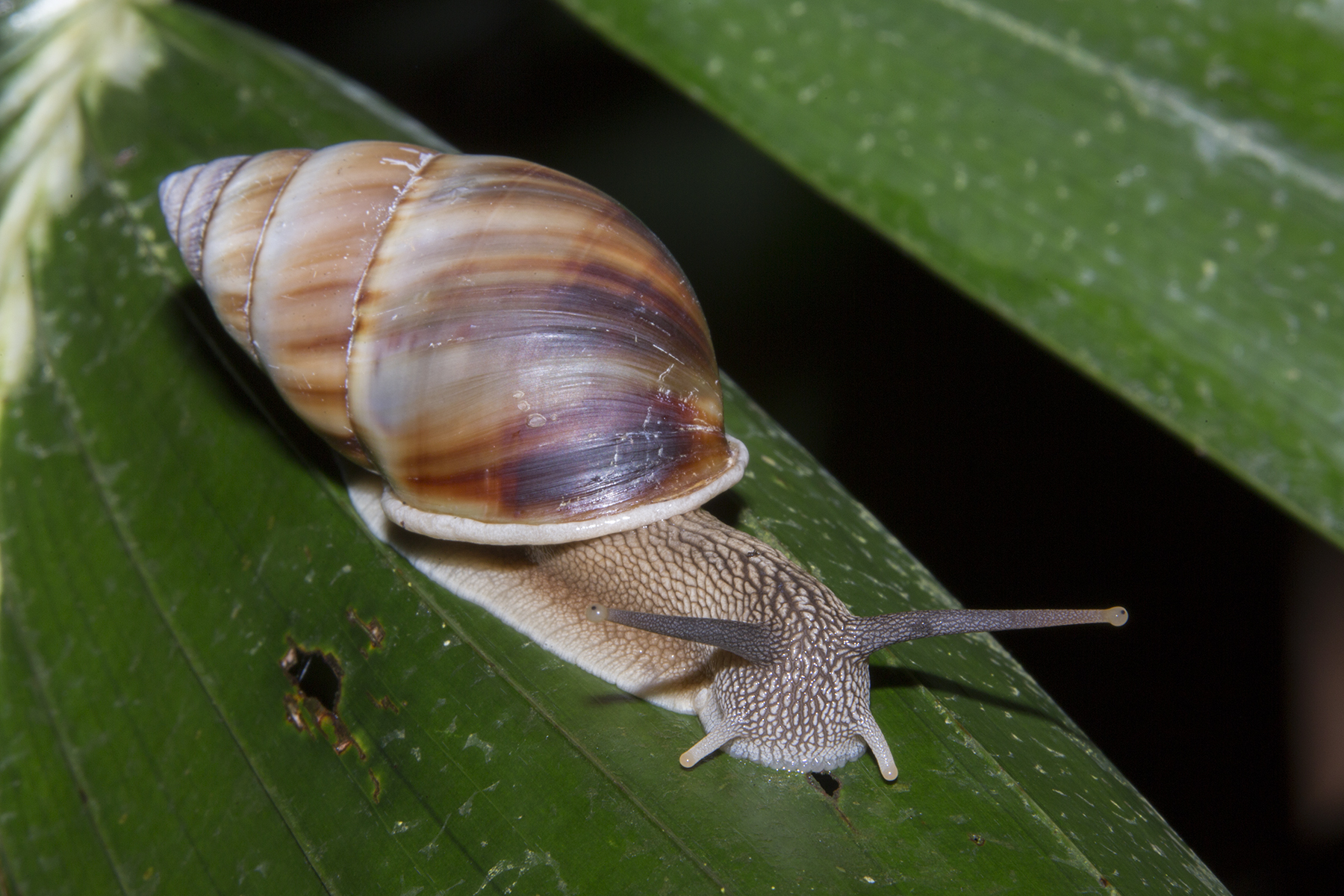
What Mollusc class is this?
Gastropoda(Snails, Slugs, Conchs, Whelks, Limpets etc
-Largest & most diverse class
-Single shell
-Body torsion
-well developed head
-radula
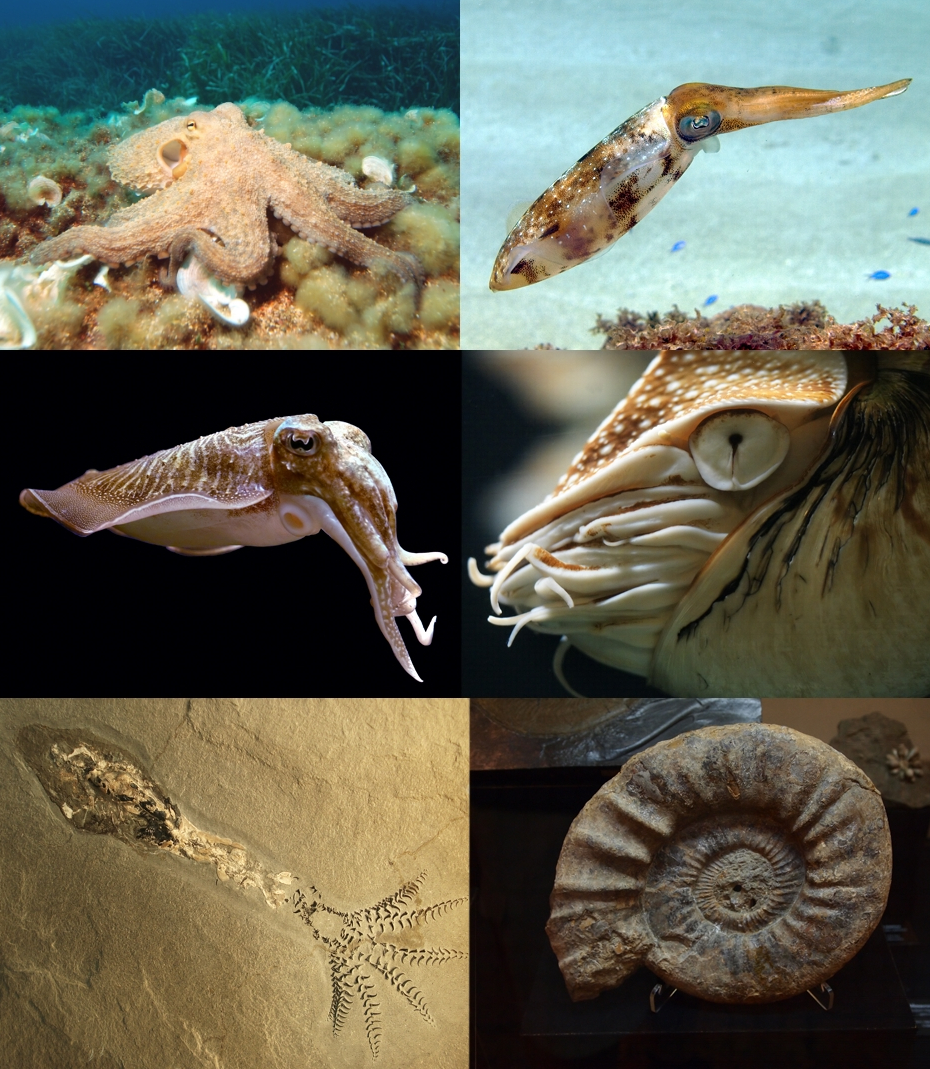
What Mollusc class is this?
Cephalopoda(Squid, Octopus, Cuttlefish, and Nautilus)
-All marine
-All active predators
-complex sensory system
-Foot modified into 8+ tentacles
-Radula modifed into beak-like jaw
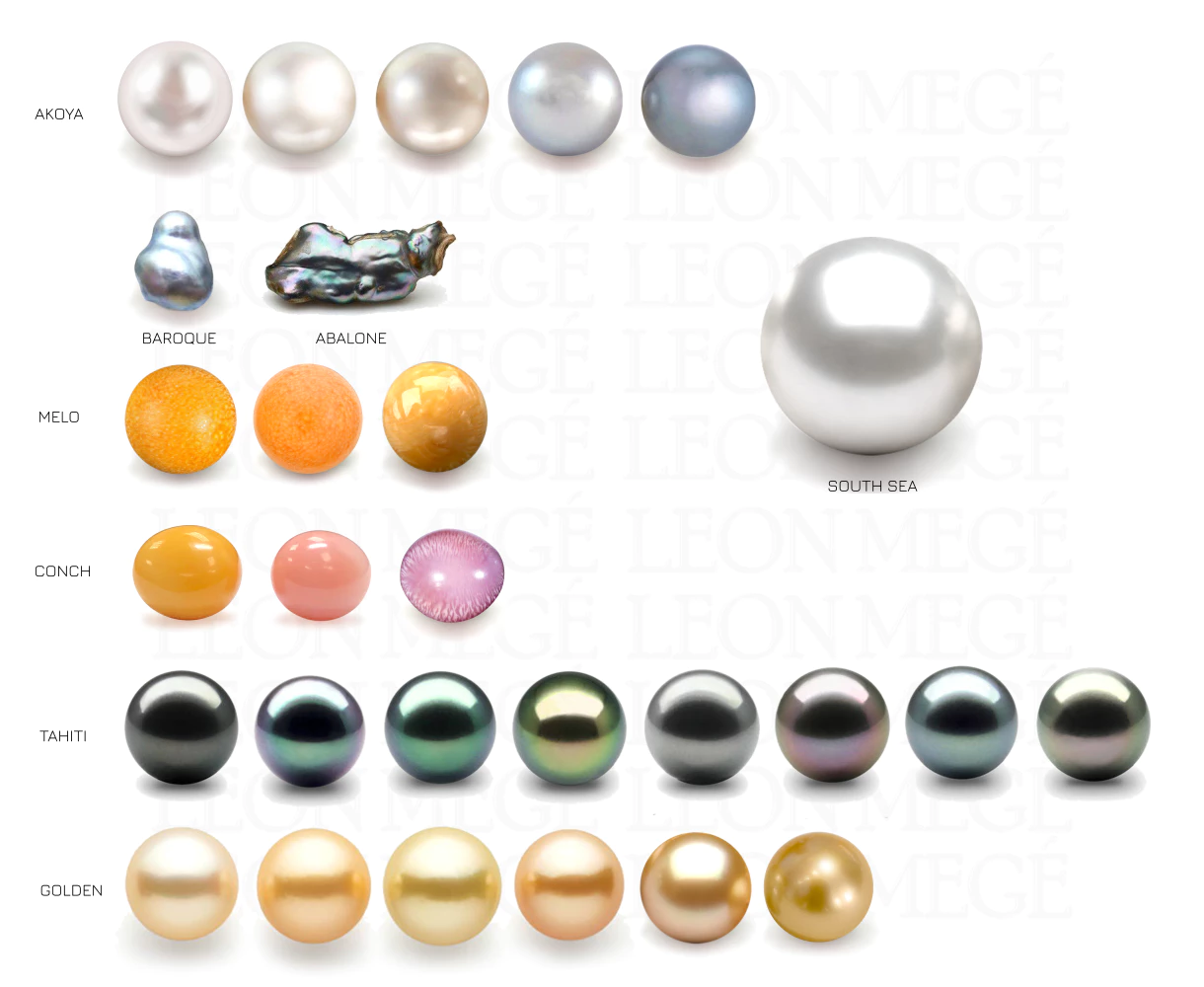
How are pearls formed?
-Created by bivalve molluscs as a defense against irritants
-The mantle covered an irritant with layers of nacre(clacium carbonate and protein composite)
-Thousands of layers eventually result in a pearl.
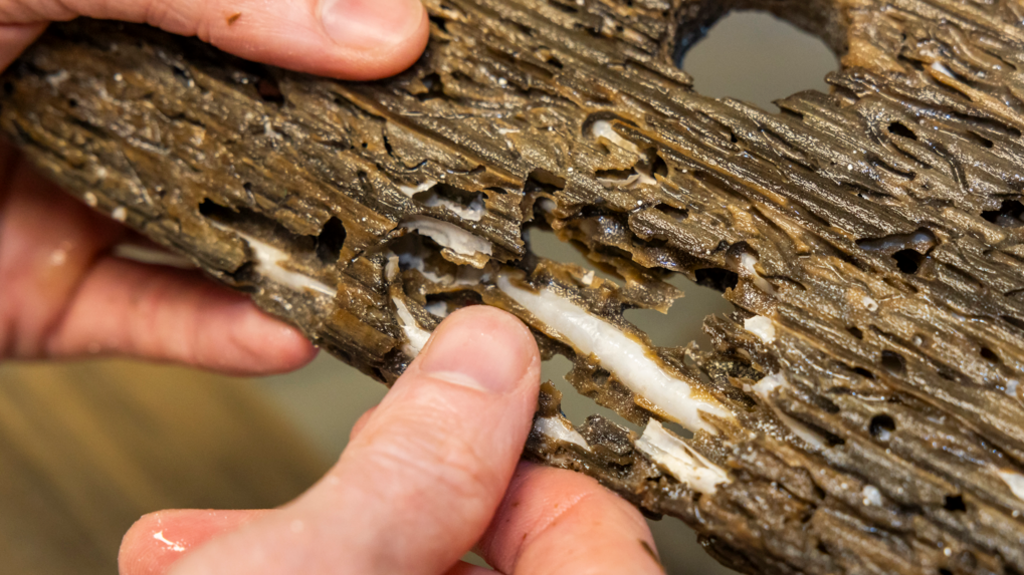
Shipworm drilling adaptations
-Bivalve Shell has been reduced into a tip at the head that functions as a drill bit
-Bacteria in their gills digest wood
-Tunnels are lined with a substance that provides protection
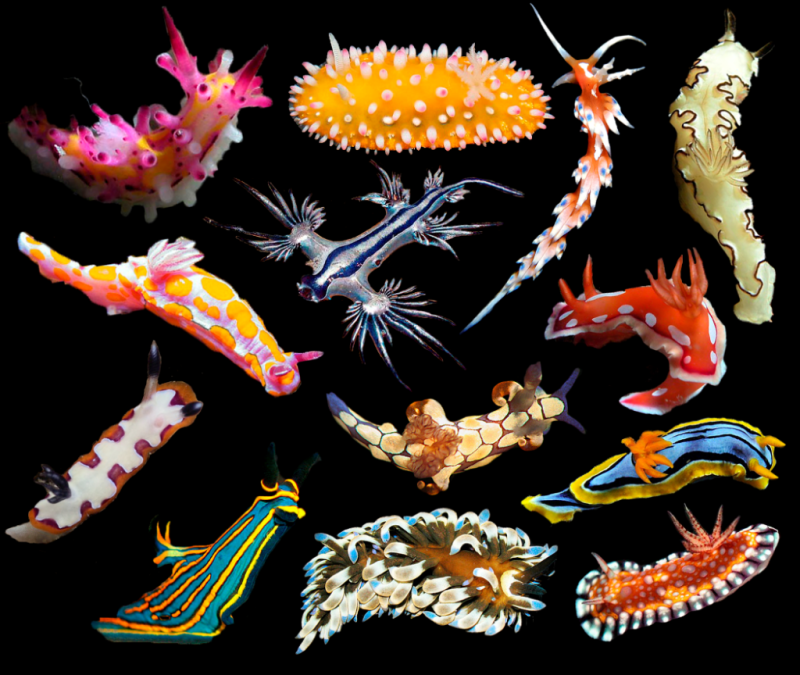
Why are many nudibranchs are so colorful?
-Aposematism to indicate they are toxic to predators
Causes of recent collaspes of West Coast abalone fisheries.
-Perfect storm of ecologicall stressors
-Heat waves reducing food and increasing metabolism
-urchan population explosion
-Sea Star Wasting disease
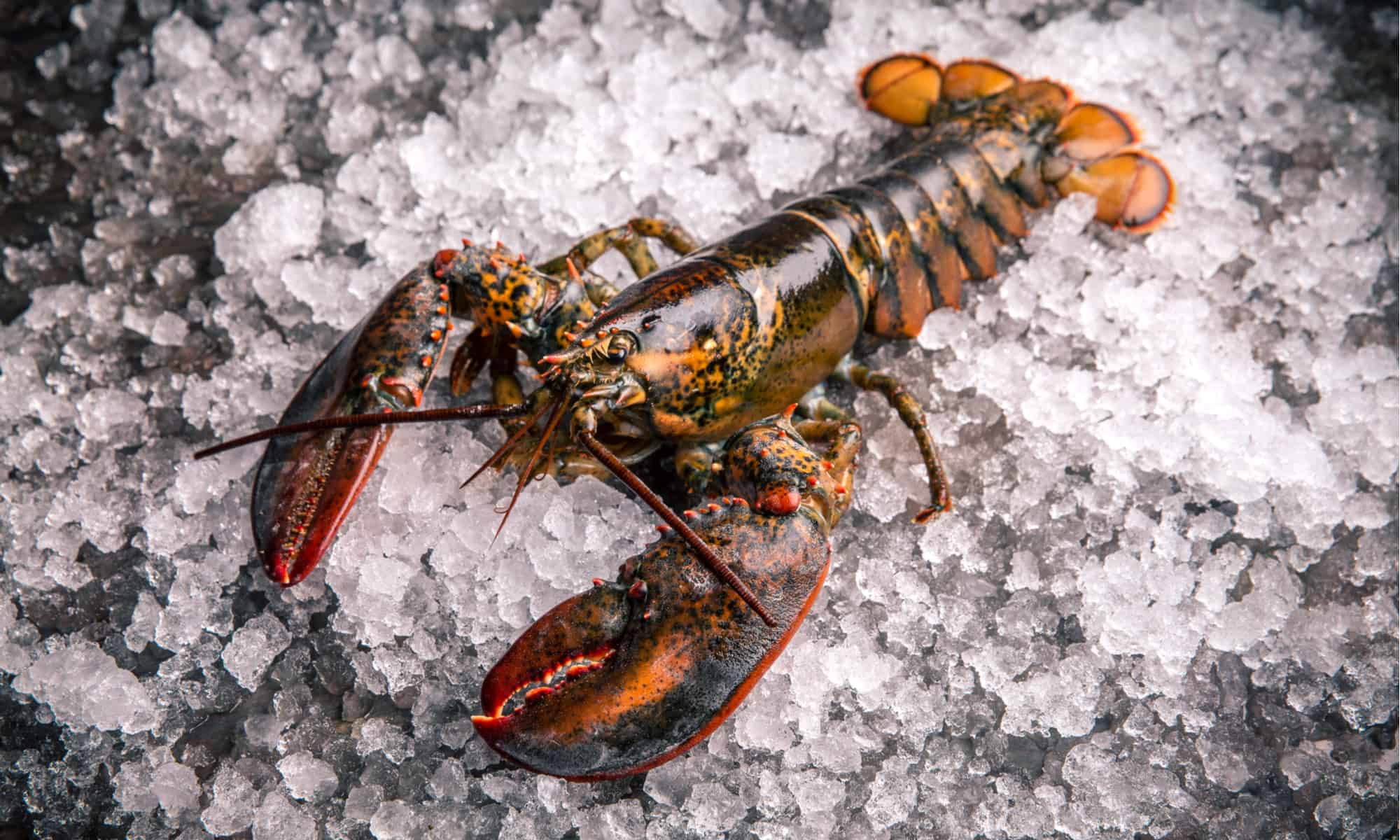
Evolutionary innovations that occured in the arthropod lineage.
-Reduced coelom: main body cavity is now an open ciculatory system called a hemocoel providing a more efficient hydraulic system
-segmentation: bod divided into repeated units which have specialized
-exoskelton: structural support, defence, water loss prevention
-joined limbs: allow for efficient movement
What do all members of Ecdysozoa share in common?
-3 layered cuticle(exoskeleton) that is periodically shed
What is Ecdysis
The physiological process of molting or casting off the rigid outer cuticle(exoskelton) allowing the animal to grow larger.
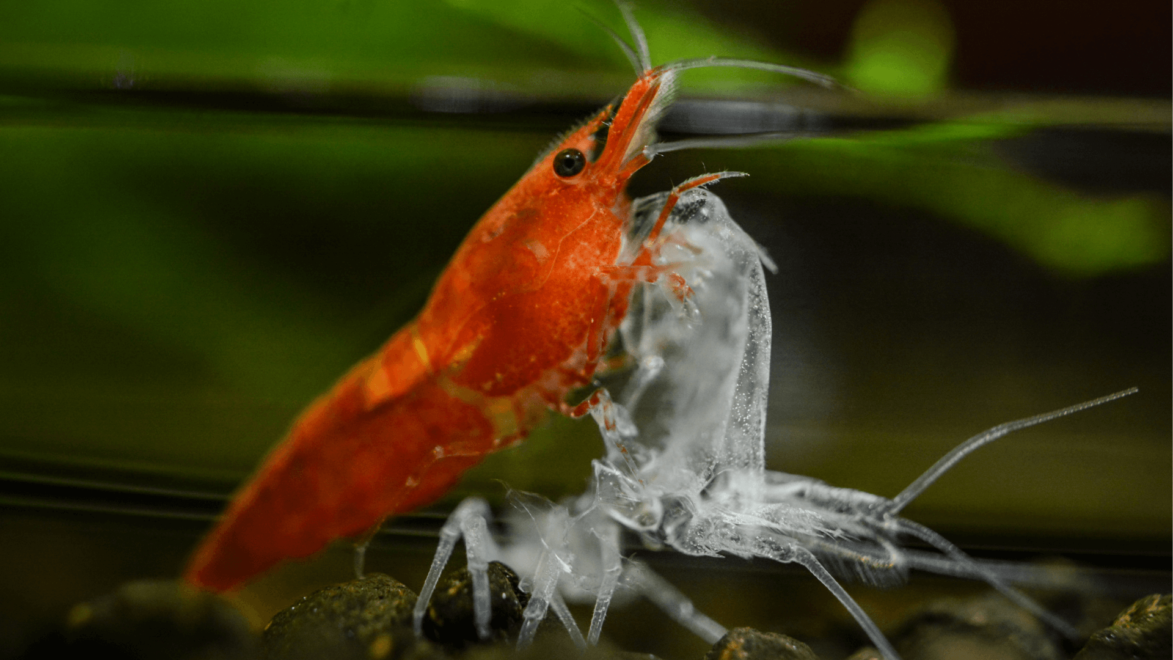
What are Chelicerate Mouthparts?
-The first pair of appendages,specialized as claws, fangs, or pincers.
-Used in grasping, tearing or injecting venom.
-These animals lack antennae and true mandibles.
-Present in spiders, scorpions, horseshoe crabs, and mites.
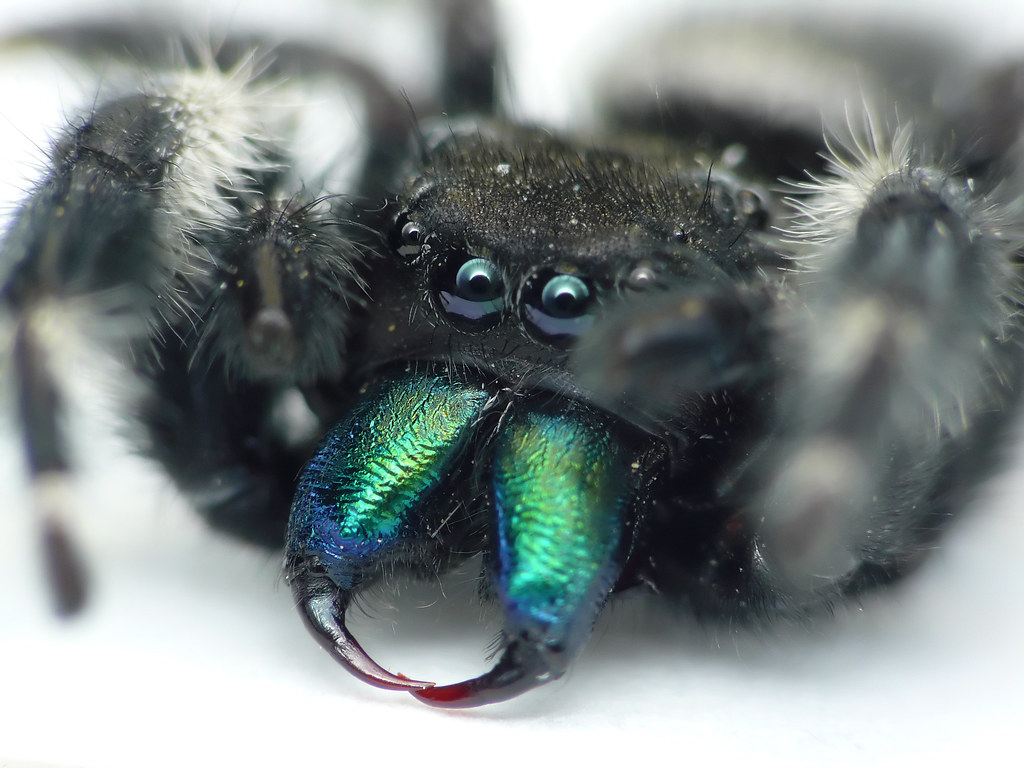
What are Mandiublate Mouthparts?
-Possesses mandibles, appendages modified into jaws for biting, crushing or grinding food.
-The animals have one or two pairs of antennae
-Present in insects, crustaceans, and myriapods.
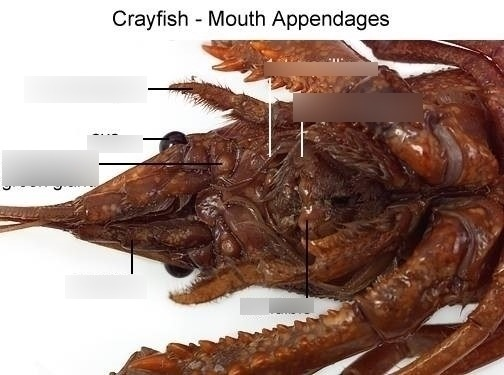
What are Uniramous Appendages?
-Appendages consist of a single unbranched series of segments
-Specialized of walking, running or jumping on land.
-Insects, Arachnids, Myriapods
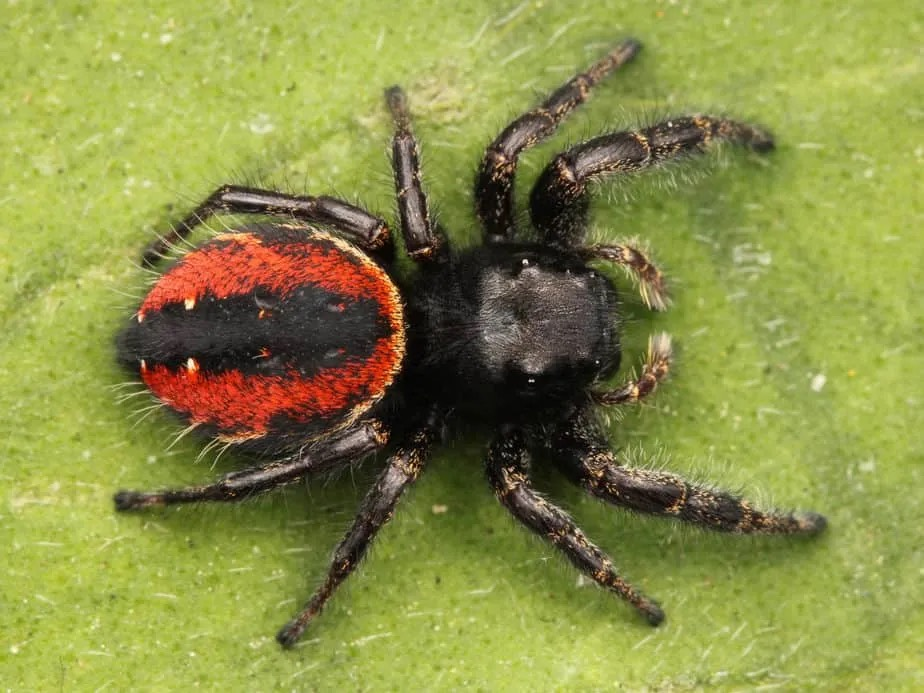
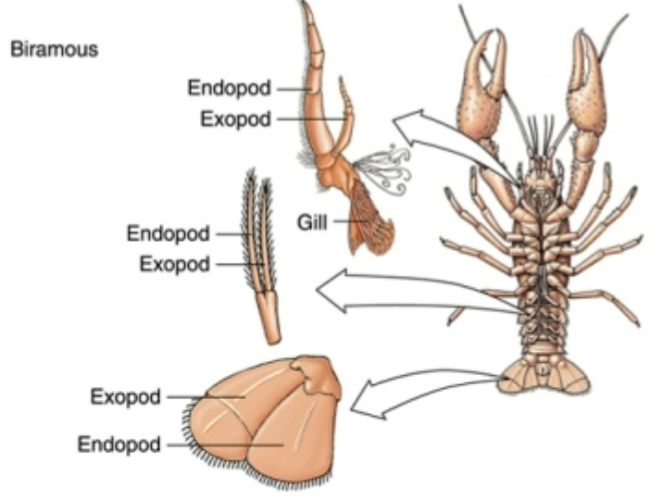
What are Biramous Appendages?
-Appendages branch into two distinct series of segments (exopodite and endopodite)
-Highly specialized for dual functions; swimming, gill respiration or handling food in aquatic environments
-Crustaceans
What is the evidence that echinoderms are more closely aligned with chordates than other invertebrates?
Echinoderms are deuterostomes.
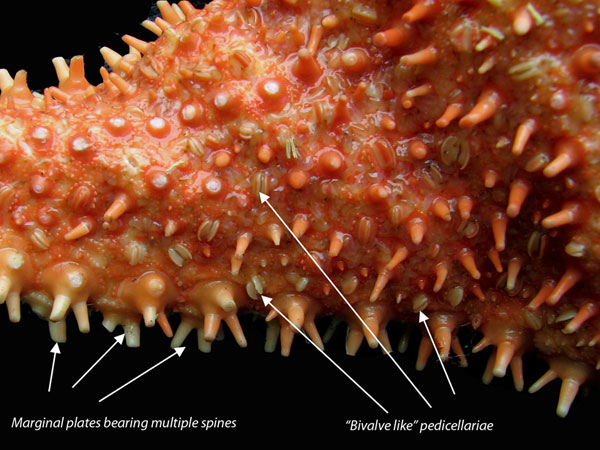
What are Pedicellaria(Echinoderms)
Minute, pincer-like organs found on the skin of sea stars and sea urchins.
-Used in defence, cleaning or capturing food.
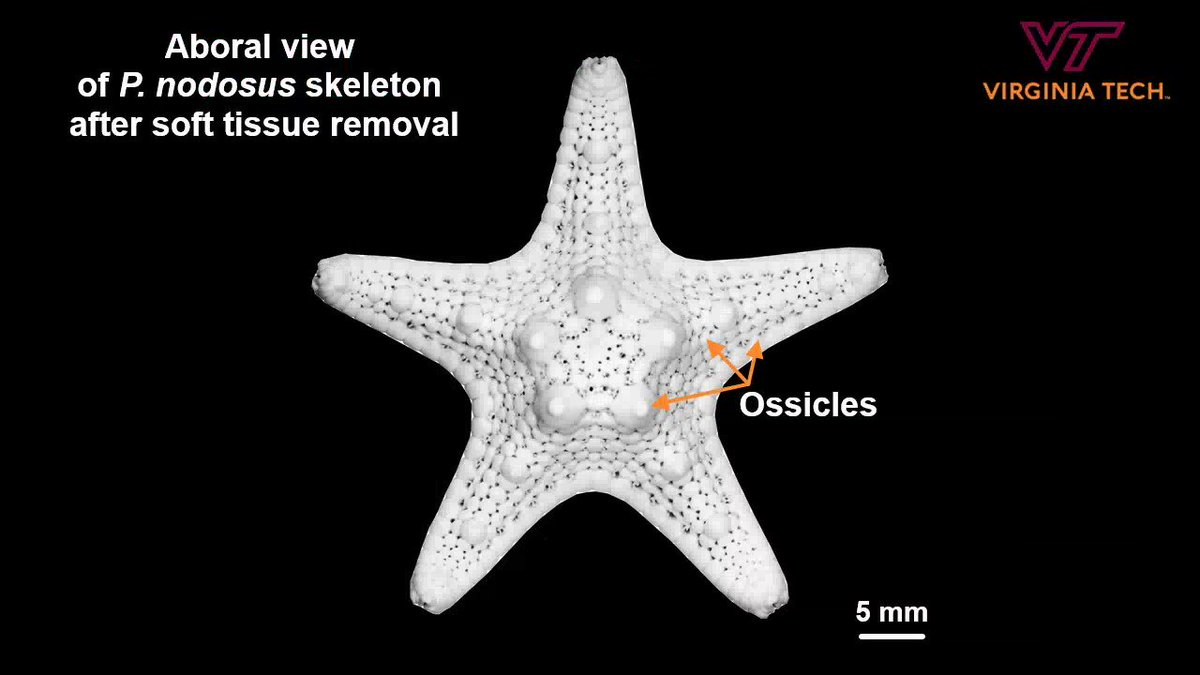
Ossicles(Echinoderms)
Small, calcite-based plates embeddd in the dermis
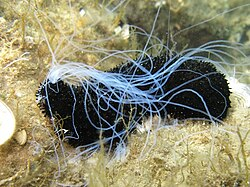
Cuvierian Tubules(Echinoderms)
Specialized, sticky, toxic tubules found in some sea cucumbers that can be ejected from the anus to deter predators
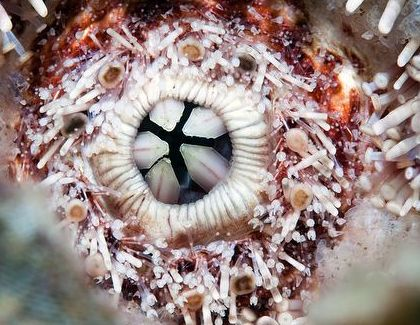
Aristotle’s Lantern
A complex, five-sided jaw mechanism used by sea urchins for grazing
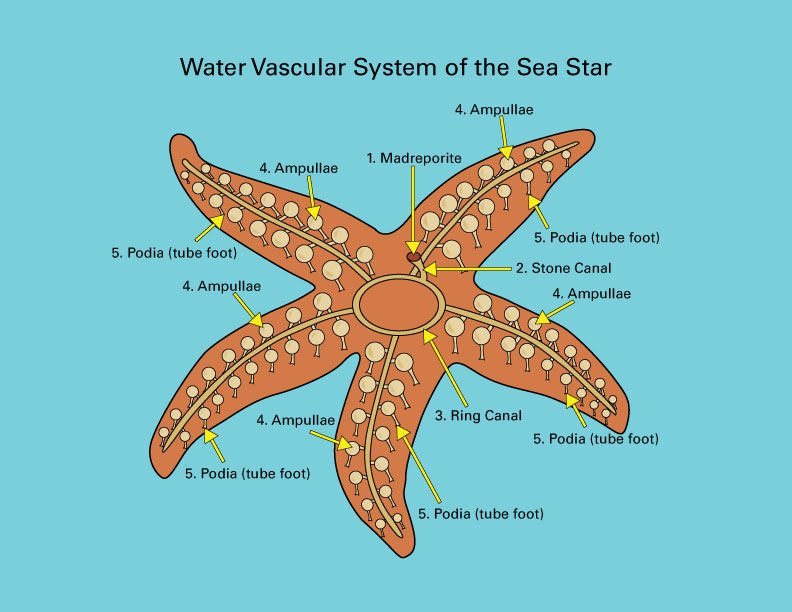
Describe the water vascular system of starfish in some detail
-The madreporite(sieve plate) acts as a filter and pressure equalizing valve
-ring canal: a cicular canal which distrubutes water to all arms
-radial canals: canals extending from the ring canal down the length of each arm
-ambulacral grooves: V shaped canals running along the oral side of each arm, housing the tube feet lateral canals and radial canals
-ampulla: bulb-like sacs in the body attached to each foot
-tube feed: hollow sucker-like extensions acting as a hydrostatic skselton for movement
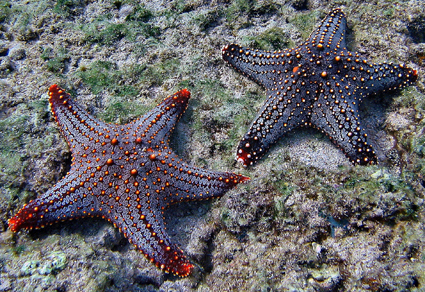
What class of Echinoderm is this?
Asteroidea
-Sea Stars
-High regenerative ability
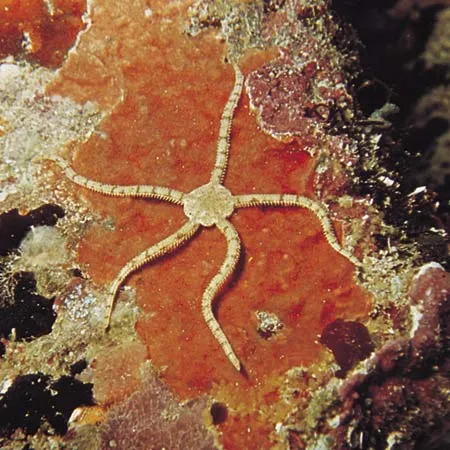
What class of Echinoderm is this?
Ophiuroidea
-Brittle Stars
-Arms are distinctly set on a central disc
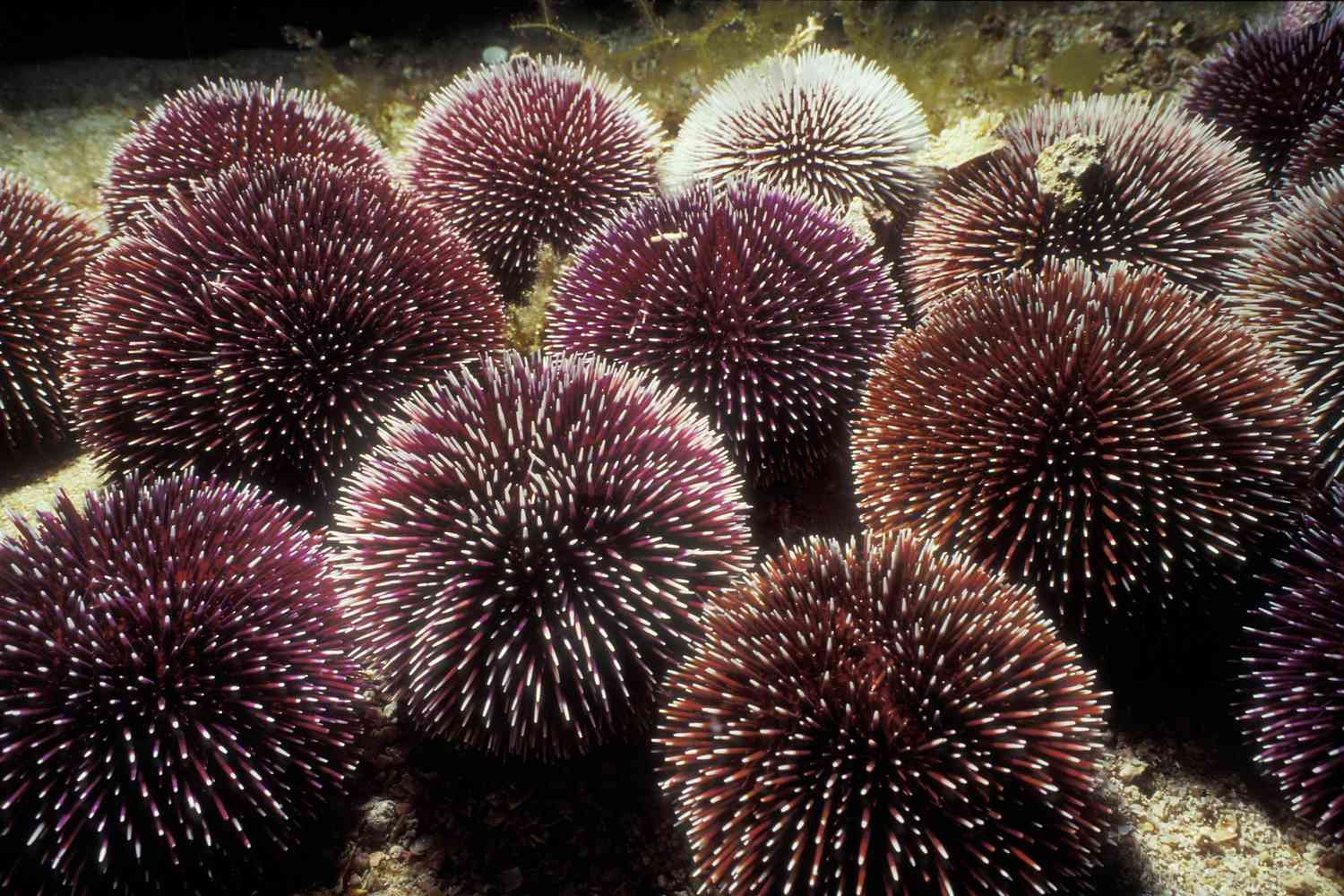
What class of Echinoderm is this?
Echinoidea
-Sea urchin, Sand dollar, Heart urchin
-Lack arms, have spines and tube feet with suckers.
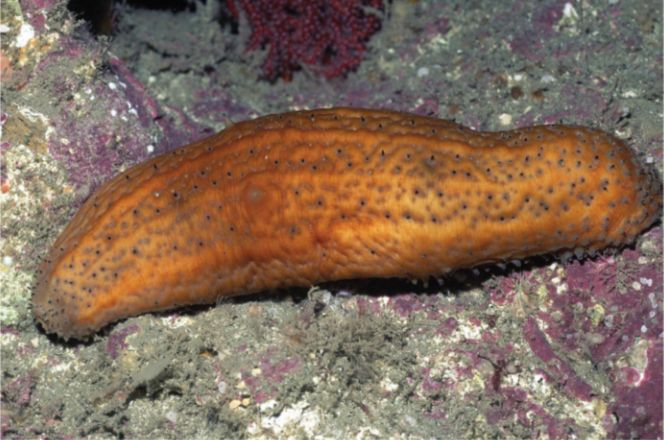
What class of Echinoderm is this?
Holothuroidea
-Sea cucumbers
-Lack spines, Microscopic ossicles in skin, some can regurgitate digestive organs then regenerate them
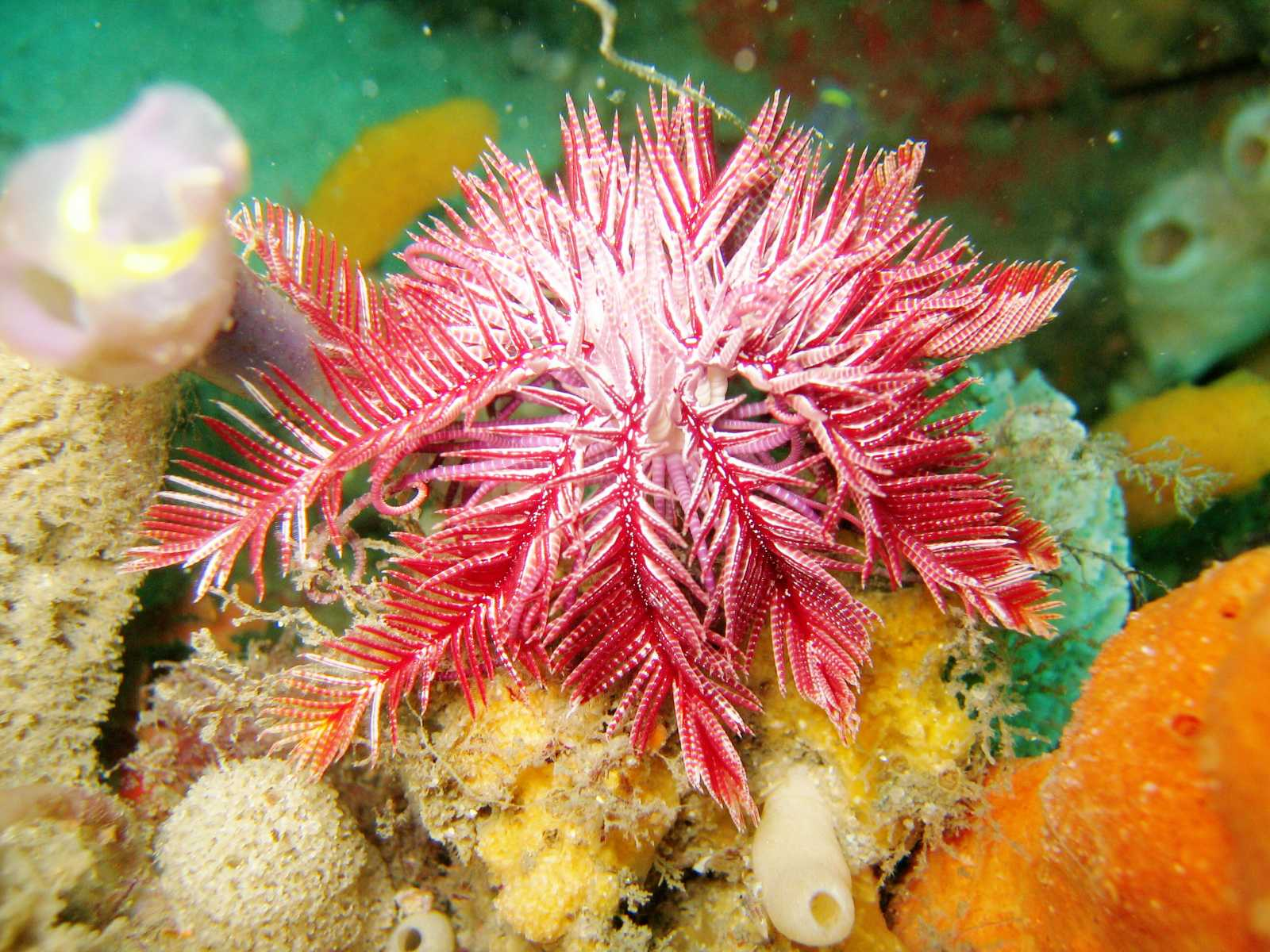
What class of Echinoderm is this?
Crinoidea
-Sea lillies, Feather stars
-lack spines and pedicellaria, cup-shape bodies on stalks, arms in multiples of 5
Briefly describe Robert Paine’s famous experiments with predatory sea stars in rocky intertidal zones, and why removing them dramatically decreased biodiversity in those habitats? Be able to describe at least 3 other examples of ‘keystone species’ in marine food webs.
-Paine removed sea stars from a patch of shorelines, the main prey, mussels, then monopolized the space without predators.
-Sea otters, Sharks, Krill, Coral, Pinnipeds, Sea Stars
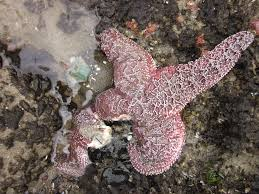
What is ‘sea star wasting disease’? What are symptoms, impact and what organism causes it?
-Epizootic that causes mass mortality in over 20 species of sea stars
-The bacterium Vibrio pectenicida causes this and is linked to warmer water temperatures.
-Symptoms include: Lethargy, rufusal to feed, white lesion, arms falling off.
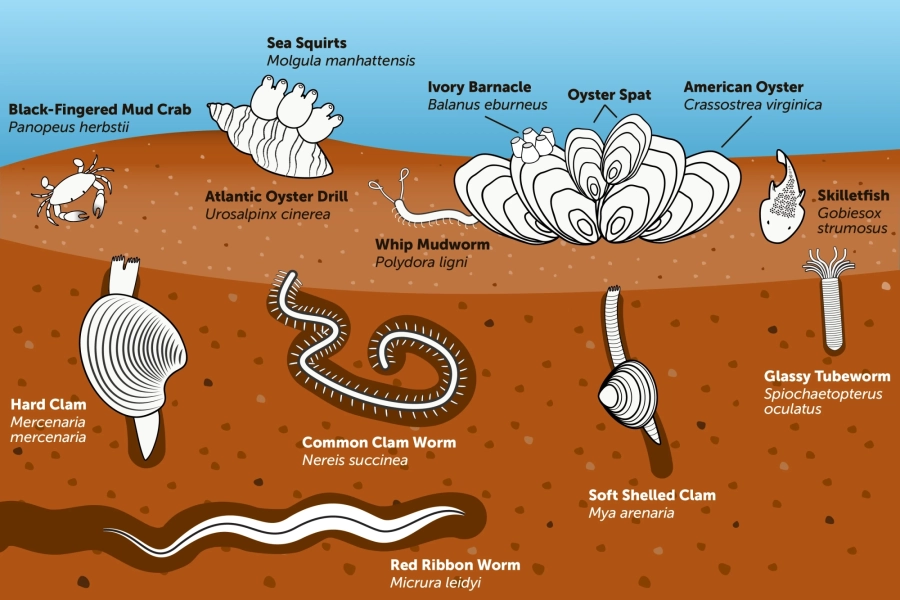
What does Epifaunal mean?
Animals that live on top of the sediment.
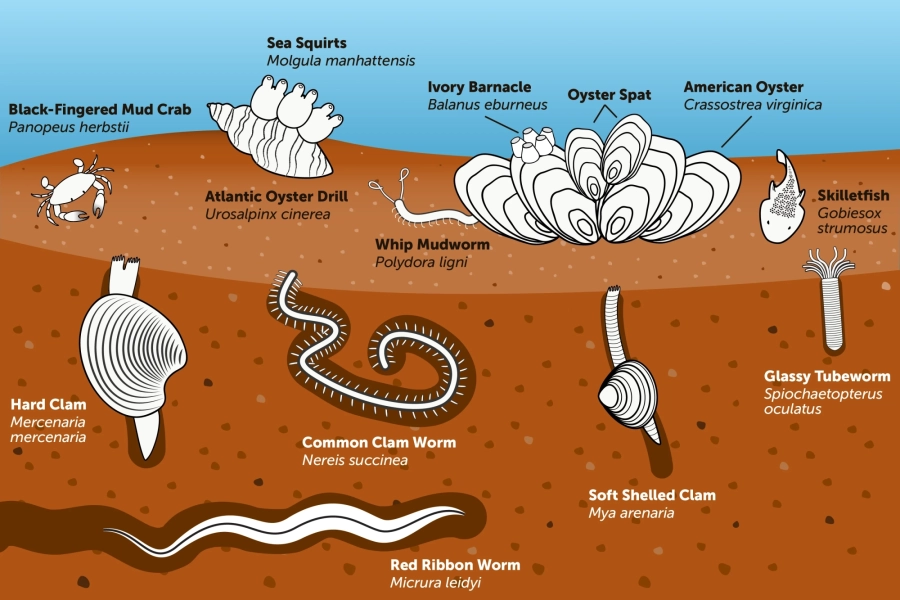
What does Infaunal mean?
Animals that are buried within the subrate.
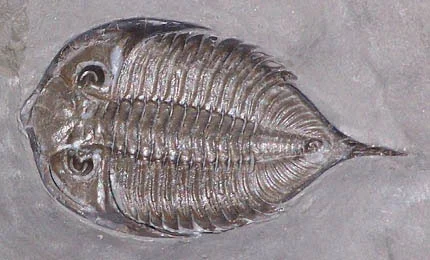
What subphylum of Arthropoda is this?
Trilobitomorpha
-Trilobites
-Extinct, biramous appendages
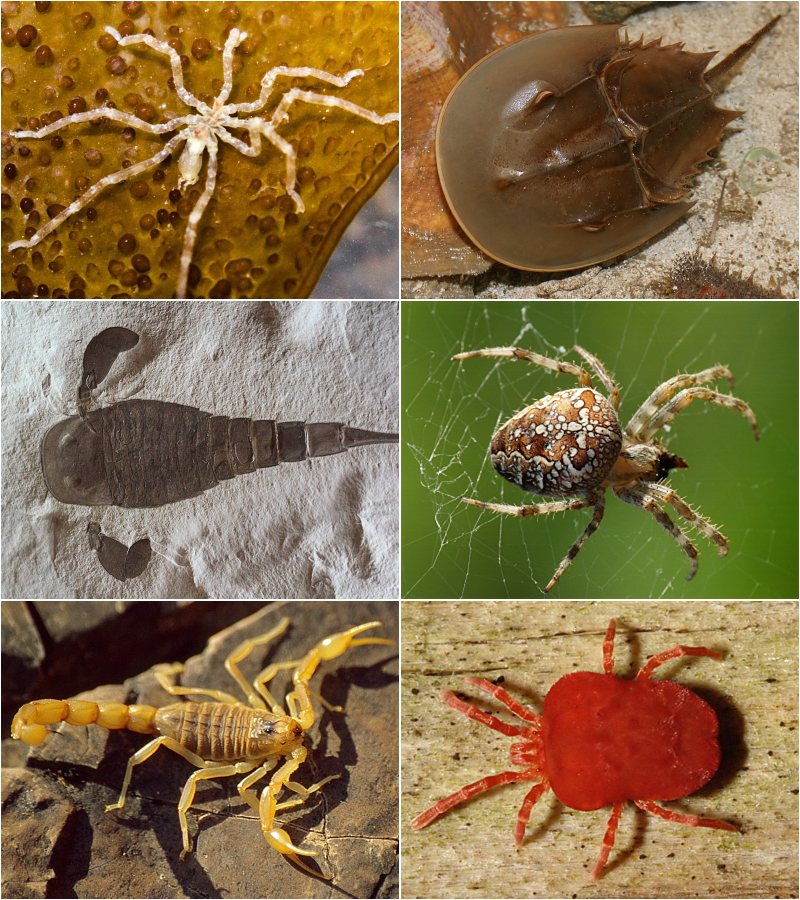
What subphylum of Arthropoda is this?
Chelicerata
-2 body regions, chelicerae, no antennae, 4 pairs of walking legs
Includes: Tilobites, horseshoe crabs, spiders, ticks, mites and scorpions.
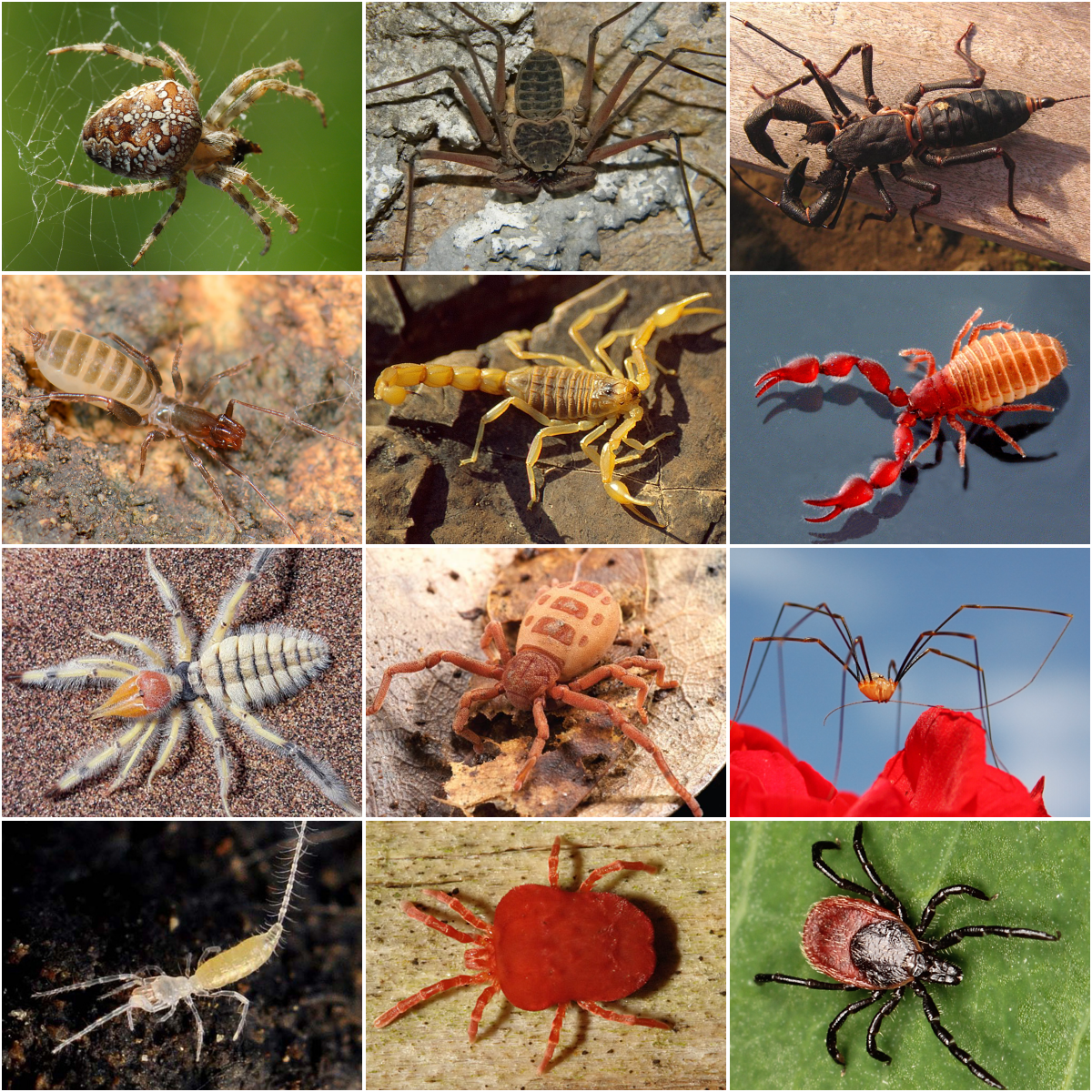
What Class of Chelicerata is this?
Arachnida
-Spiders, Scorpions, Mites
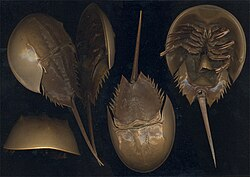
What Class of Chelicerata is this?
Merostomata
-Horseshoe crabs
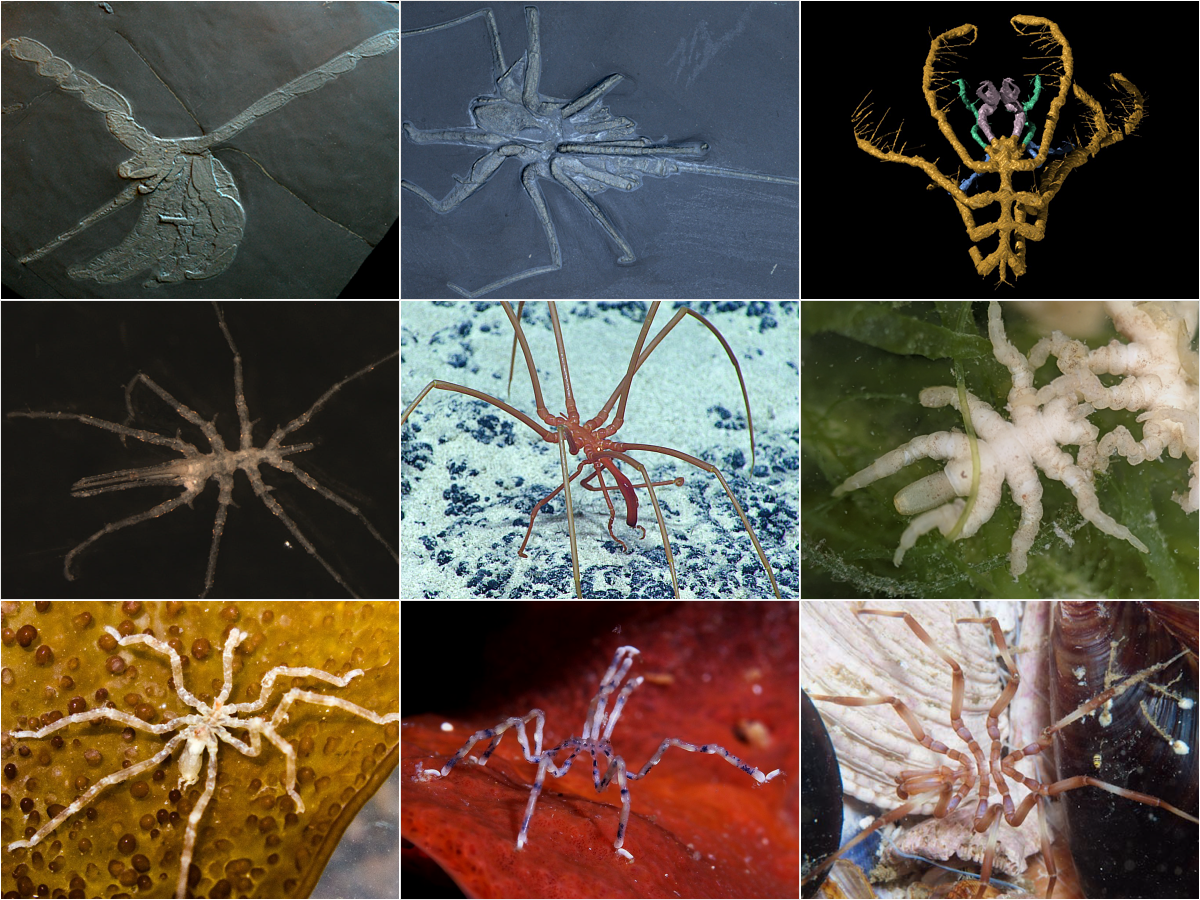
What Class of Chelicerata is this?
Pycnogonida
-Sea Spiders
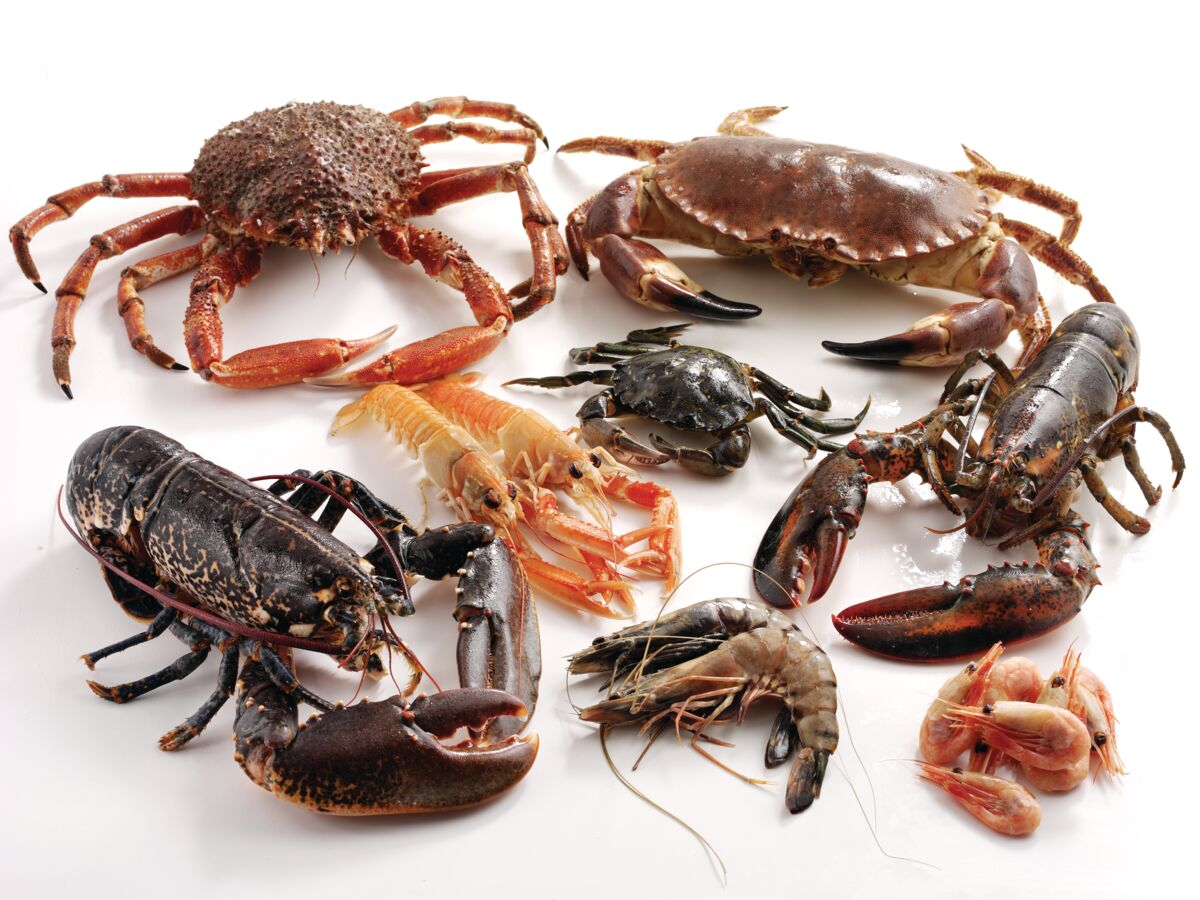
What subphylum of Arthropoda is this? What Class is it as well?
Crustacea
Malacostraca
-2 pairs of antennae, mandibles, maxillae
Includes: Lobsters, crabs amd Isopods
What layer of the ocean is between 200-1000m
Mesopelagic
-Dim light, 4-10C, moderate food sources
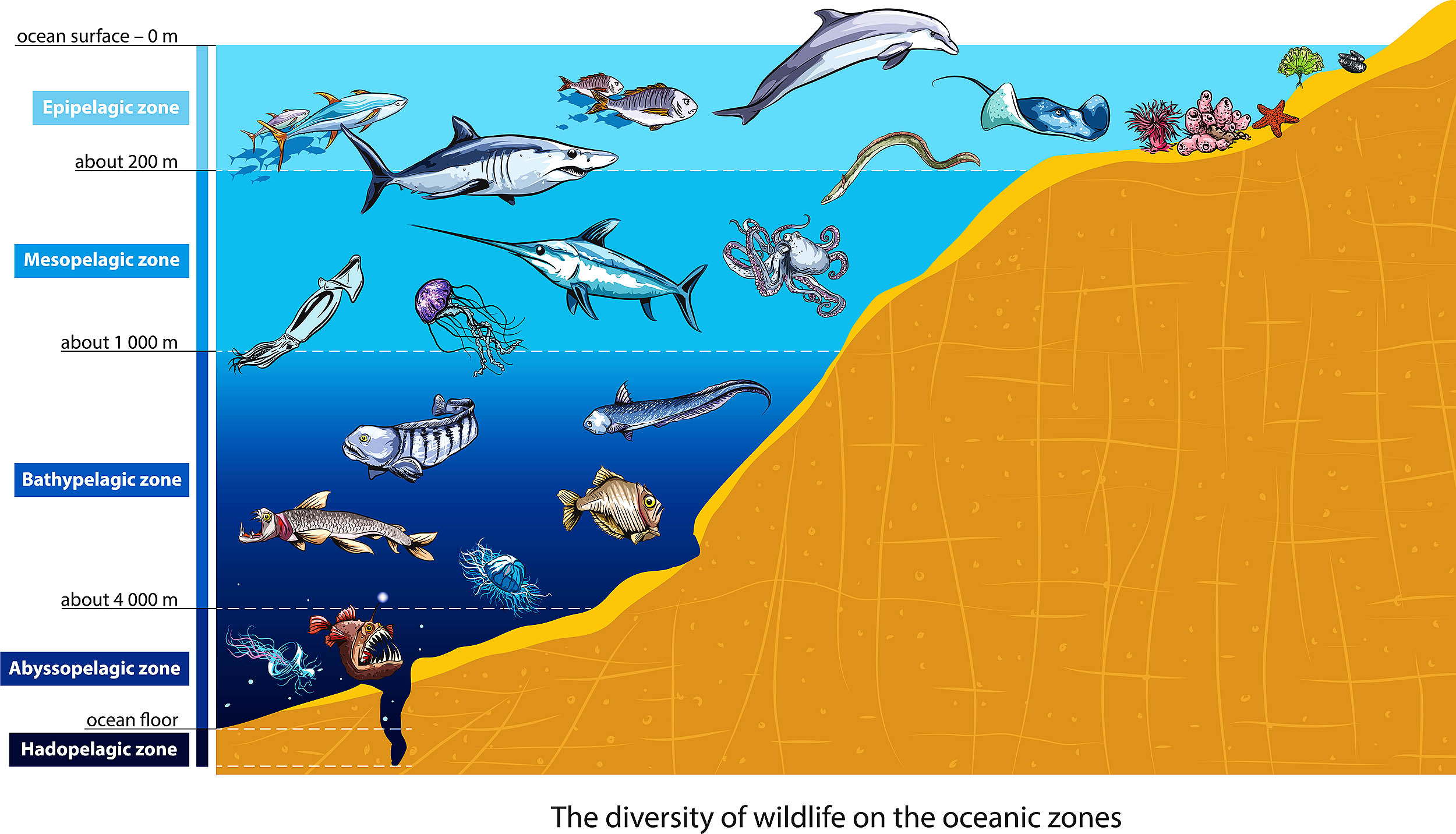
What layer of the ocean is between 1000-4000m
Bathypelagic
-Complete darkness, 4C, extreme pressure, food scarce
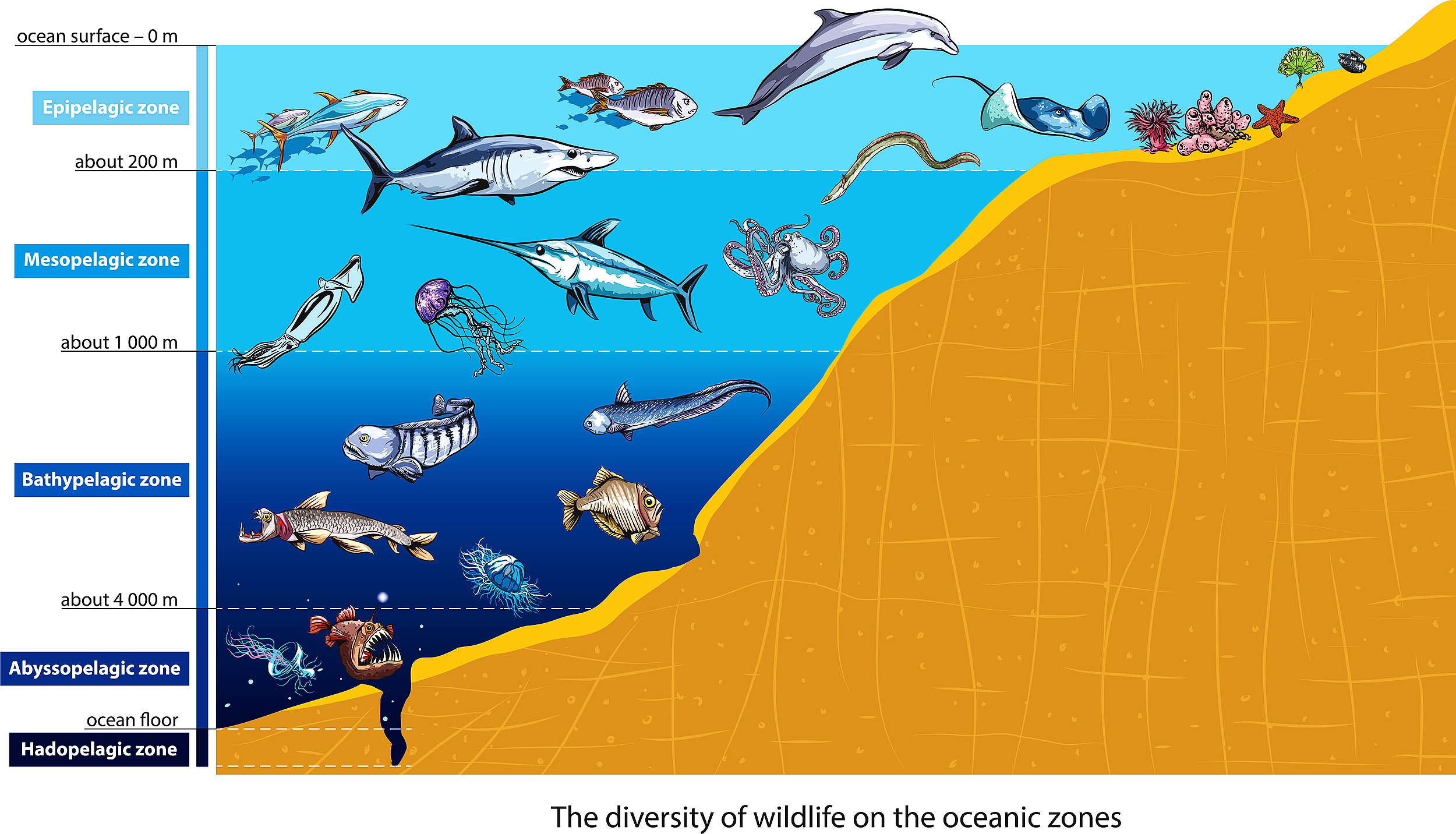
What layer of the ocean is between 4000m-6000m
Abyssopelagic
-Total Darkness, 3-4C, High pressure, extremely limited food
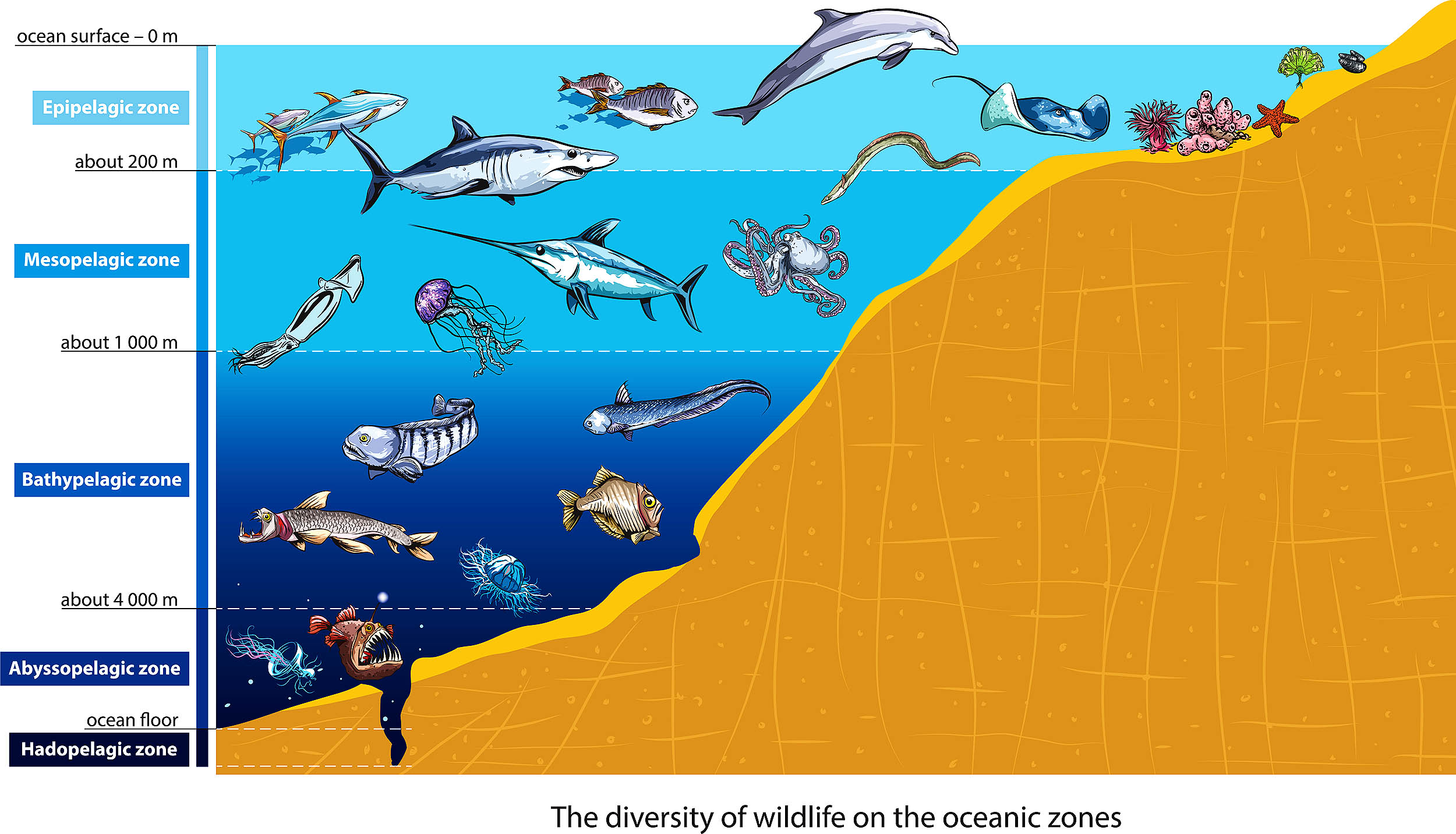
What layer of the ocean is below 6000m
Hadopelagic
-1-4C, crushing pressure, food is minimal and from sinking matter or chemosnthesis
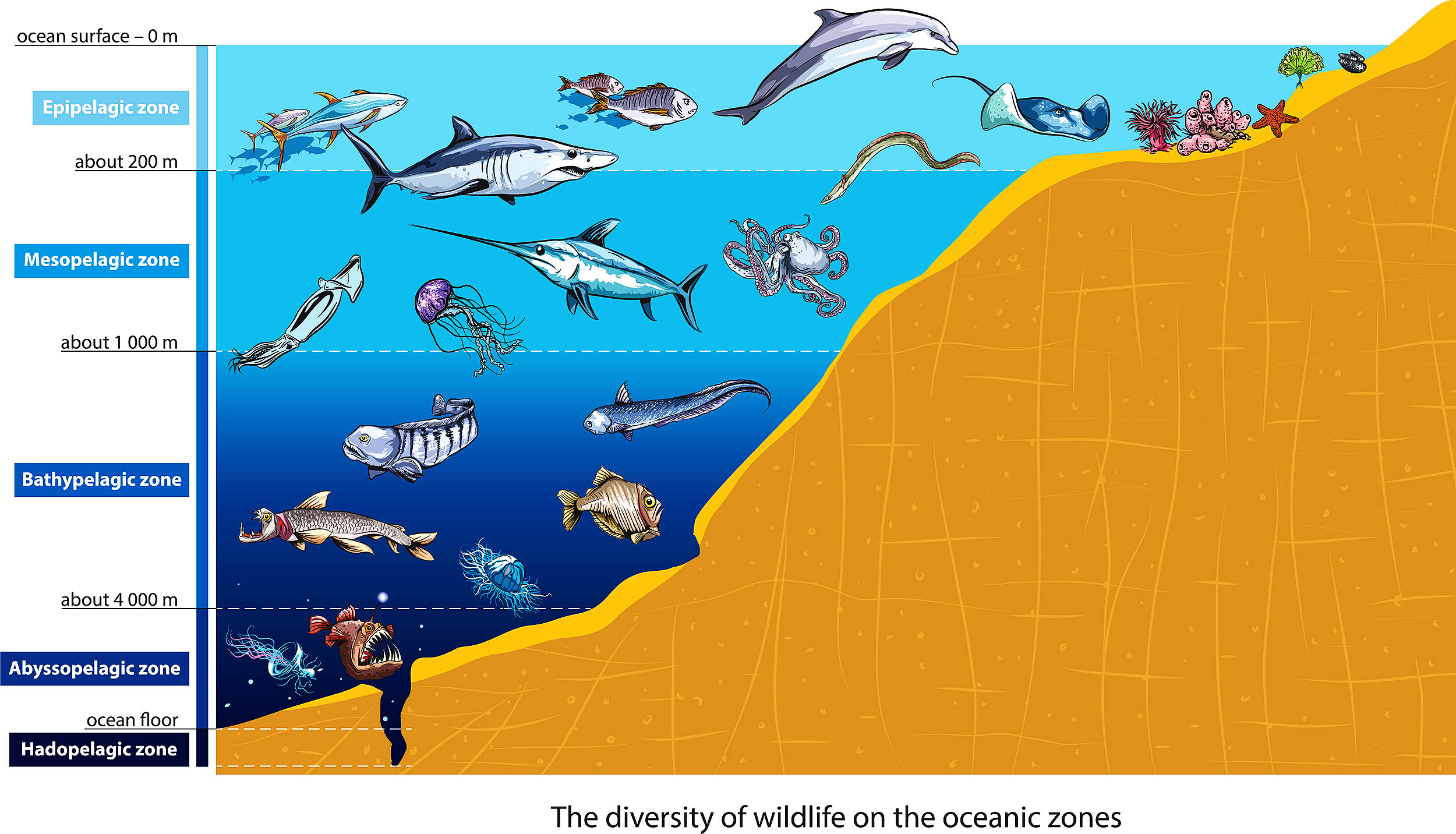
How do organism features: Eye size, Body musculature, Swimbladders, Bioluminescence change with depth
-Eyes are large in the mesopelagic zone to caputre faint light but either reduced, lost or remain in some speices for bioluminescnece.
-Body musculature becomes weaker in lower depths due to low-food
-Swimbladders are common in mesopelagic fish but would collapse under high pressure and are energetically costly
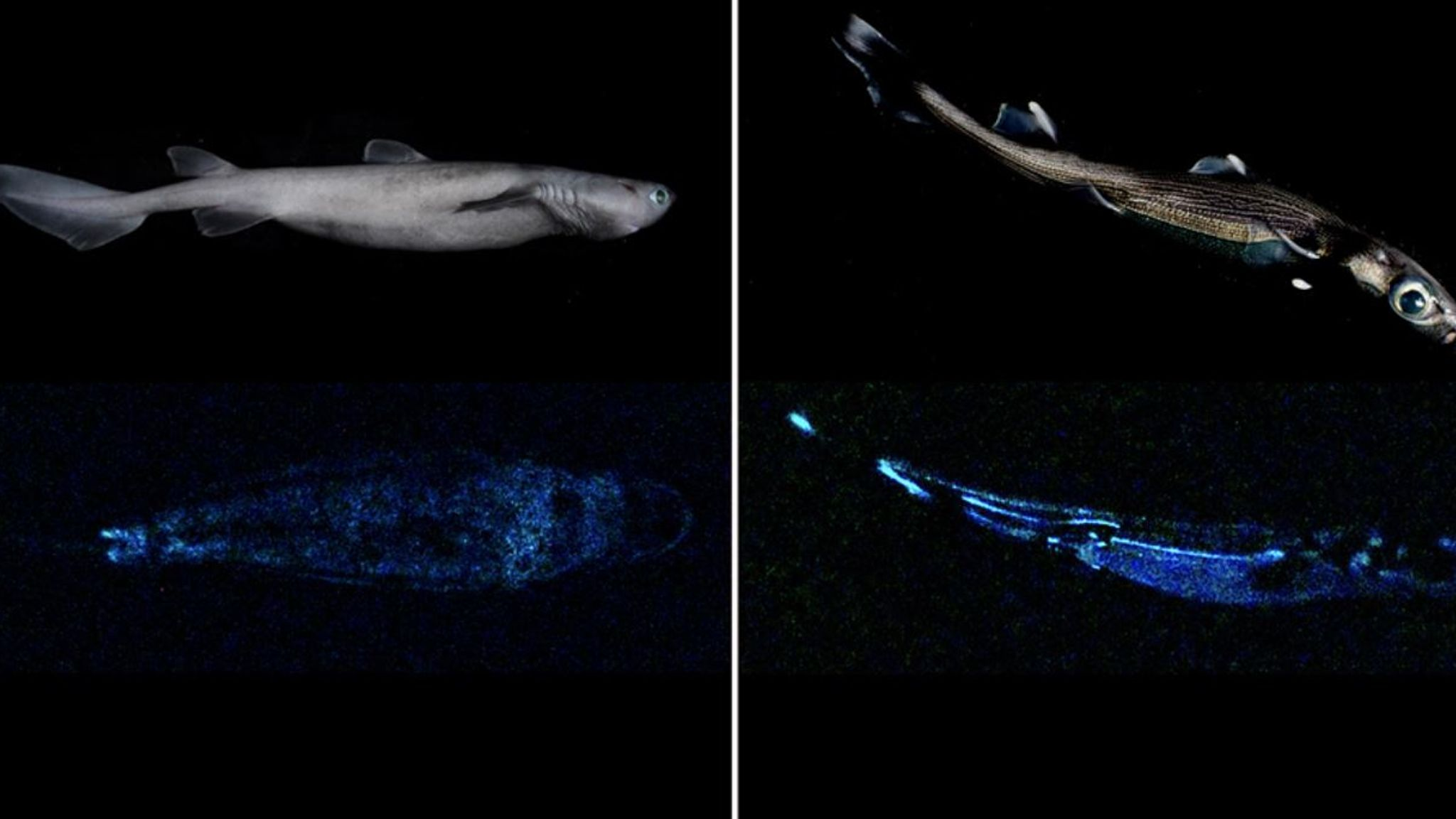
-Bioluminescence becomes widespread downward for predation, communication, camouflage, or mating.
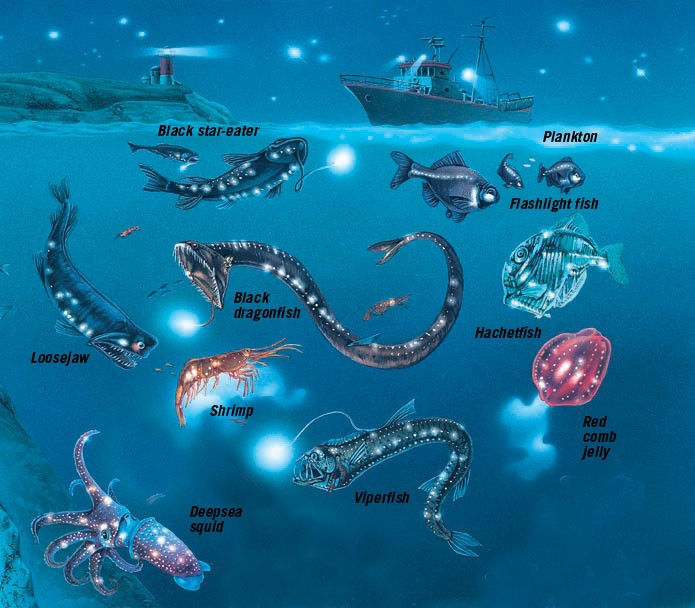
Generally explain the cellular/biochemical cause of bioluminescence and some
characteristics of this type of light production
-Bioluminescence involves the substrate luciferin oxidizing in oxygen.
-This enzyme that is produced can be recycles making the process efficient
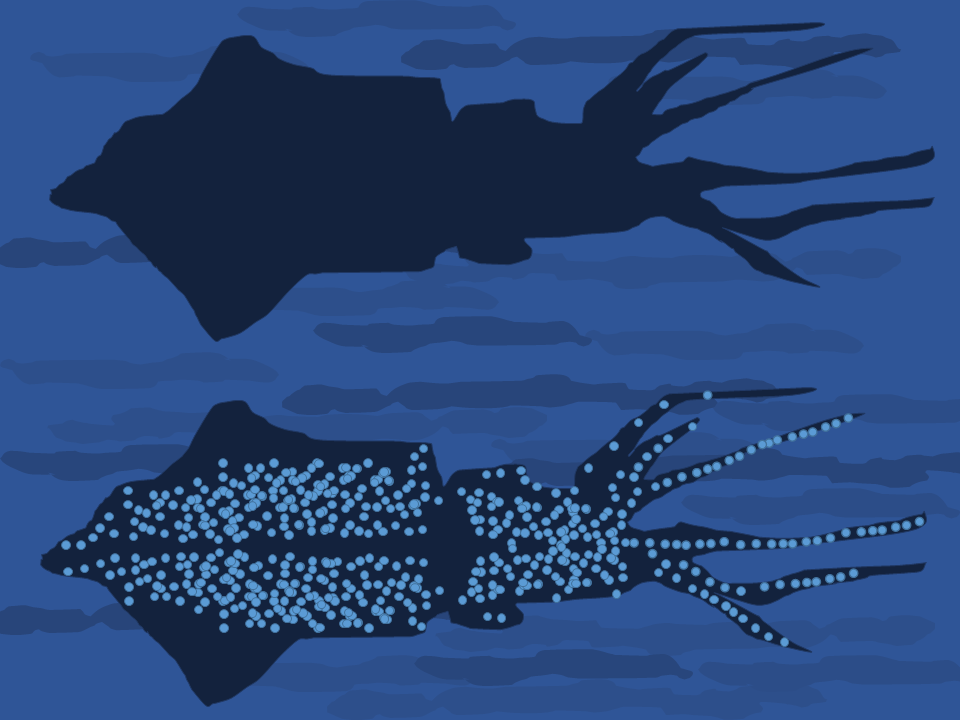
Why is bioluminescent ‘countershading’ not found at the greatest depths (like hadopelagic areas)?
-Bioluminescent countershading works in depths were some downwelling surface light reaches because it erases the silhouette by matching the downwell.
-In the greatest depths there’s no downwelling of light so countershading does not work.
Describe how organisms near hydrothermal vents are able to generate energy from chemicals, not sunlight, for growth and reproduction.
-Organizmes oxidize inorganic chemicals, hydrogen sulfide H2S or methane CH4, to release energy.
-This energy then powers the fixation of Carbon Dioxide into organic sugars and compounds.
Name some hydrothermal vent extremophiles.
-Giant tube wroms
-Giant clams
-Rimicaris shrimp
-Sulfer-oxidizing bacteria
What is a chemosynthetic food web?
An ecosystem where the primary producers are chemosynthetic microbes rather then photosynthetic organisms.
What are sources of carbon in the deep sea?
-Whale falls
-Wood falls
-Particulate organic matter(POM)
Describe the significance of the ‘deep sea twilight zone’ food web? Where is it located? What kinds of organisms are found in this zone?
-The largest daily biomass migration occurs here
-Transports massive ammounts of biomass from surface waters to deep sea.
-Located in the mesopelagic zone(200-1000m)
-Organisms include:zooplankton, squid, shrimp and jellyfish.
Similarities between the ice coverage and seasons of the Arctic and Antarctic ocean regions
-Both regions experience long, dark and extremely cold winters and summers with continuous ligt
-Sea ice growth and melt are tied seasonally
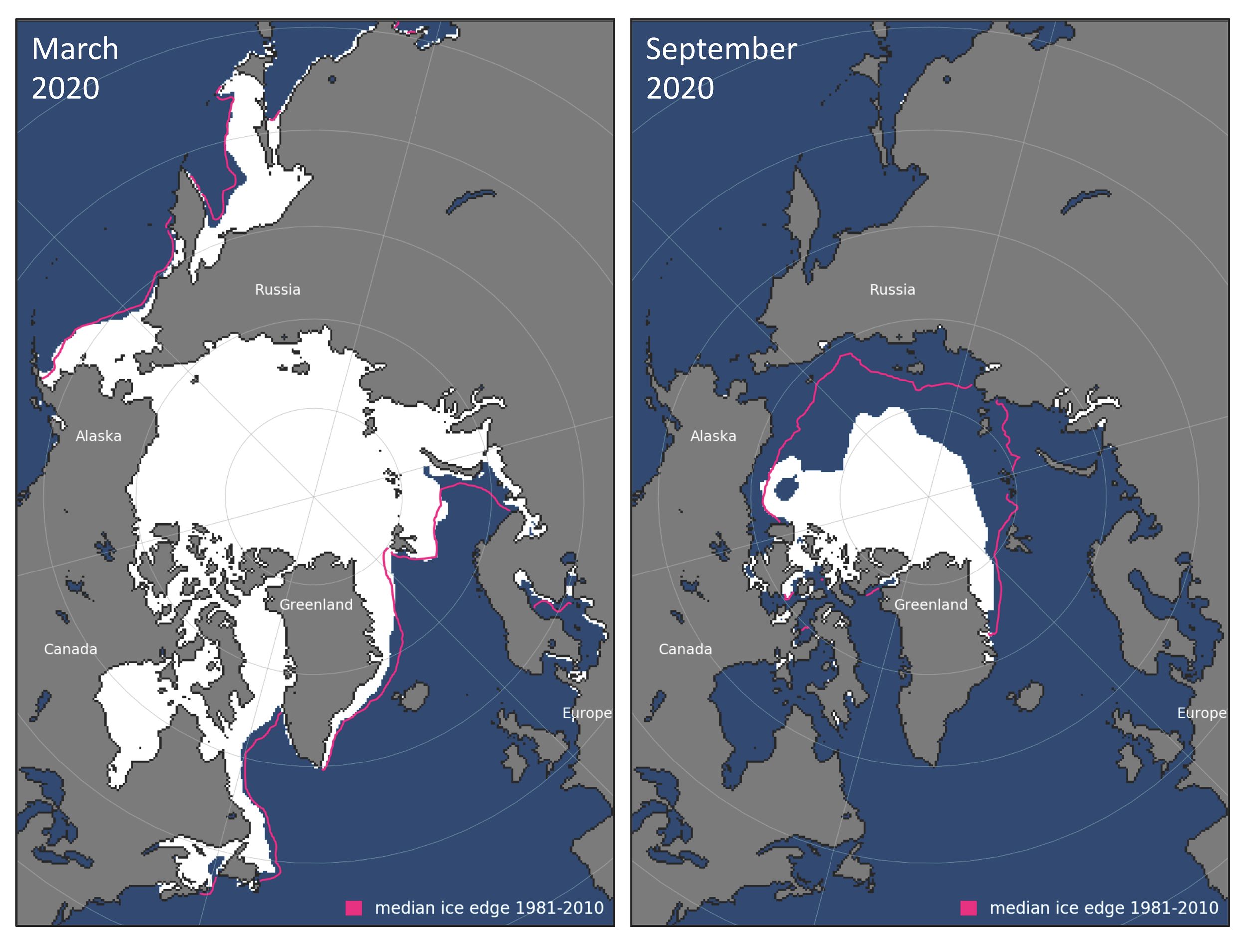
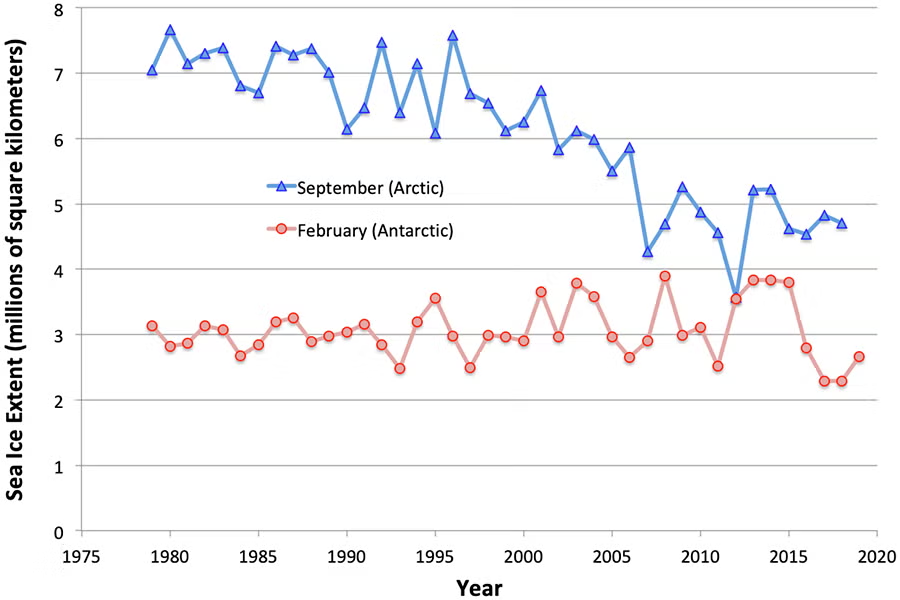
Differences between the ice coverage and seasons of the Arctic and Antarctic ocean regions
-Timing of seasons is reversed
-The antarctic is consistently colder
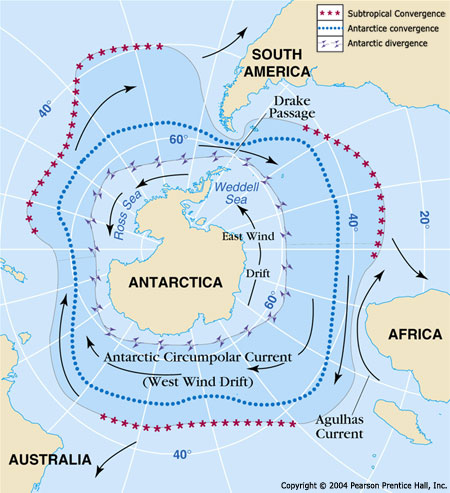
What is the significance of the Antarctic Circumpolar Current in isolating the sea life of the Antarctic from other oceans?
-This isolation has created the evolution of highly unique marine ecosystems.
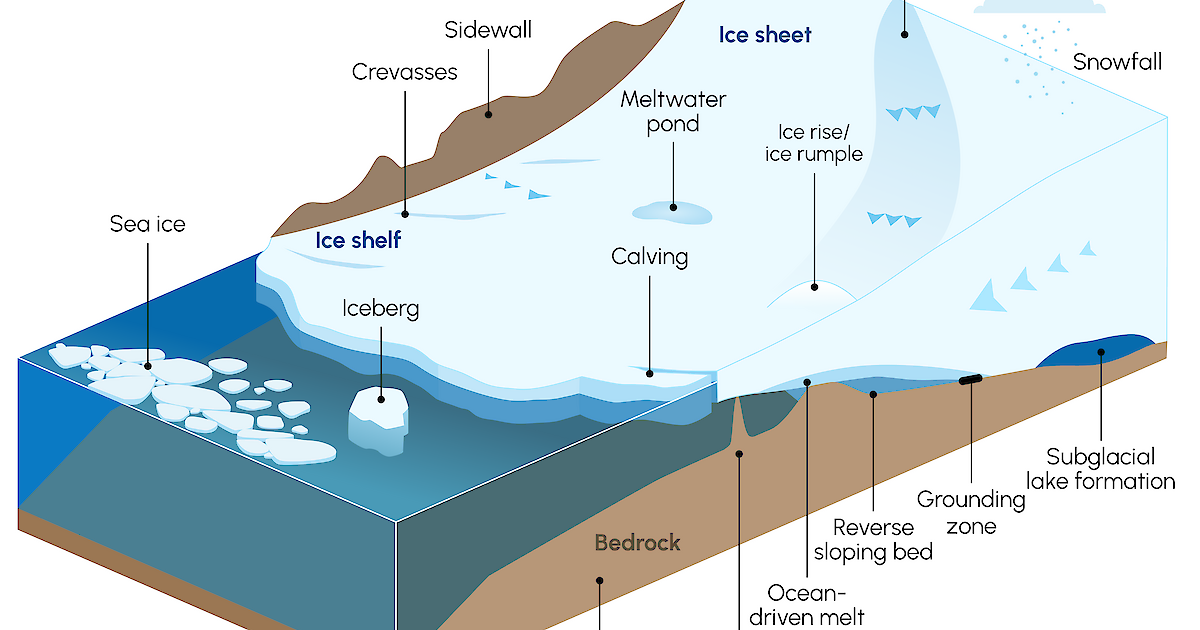
Be able to describe ice sheets vs ice shelfs.
-Ice sheets: massive, grounded continental ice masses resting on land
-Ice shelves: floating extensions of ice sheets or glaciers that protrude over the ocean while still attached ot land
What organisms rely on ice shelves for food and habitat?
-Algae: grows on the underside of ice shelves
-Penguin species: Breed and raise chicks on ice shelves
-Invertebrates that feed on ice algae
Each spring, polar food webs experience a phytoplankton bloom. Where do the nutrients for this come from?
-Upwelling of nutrient-rich deep waters
-Melting ice releasing stored nutrients
During the rest of the year, what other key factors determine primary productivity of phytoplankton?
-Light
-Nutrient availability
-Mixing(wind or ice melt affects)
-Temperature
What are some of the more dominant carnivores in the Antarctic food web?
-Whales
-Seals
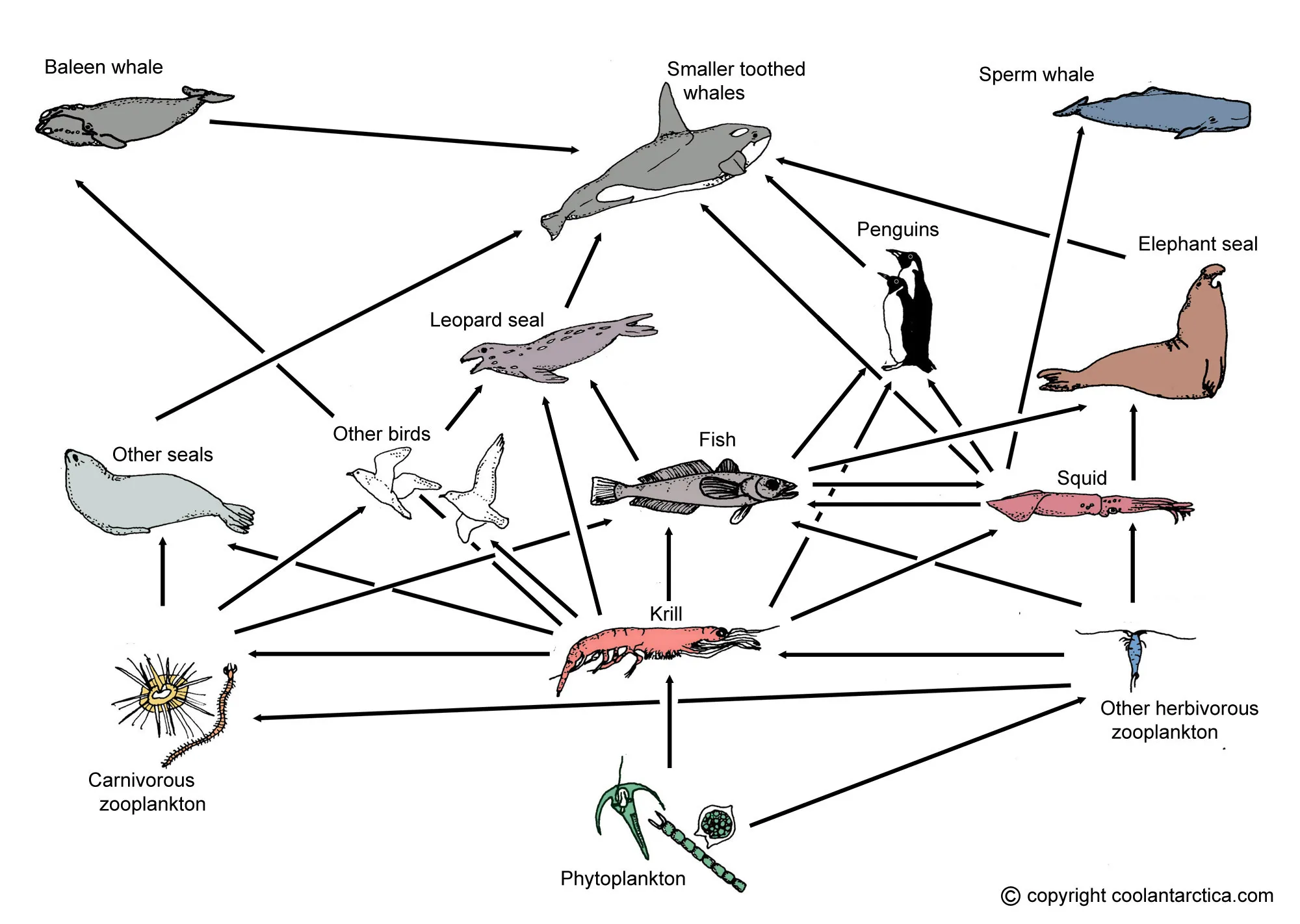
What are some of the more dominant carnivores in the Arctic food web?
-Polar bears
-Whales
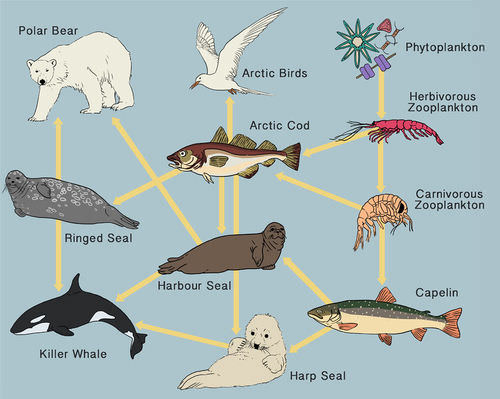
In the arctic, nitrogen and phosphorous are key nutrients, but what other micronutrient(s) often limits primary production?
-Iron is a key micronutrient that limits primary production
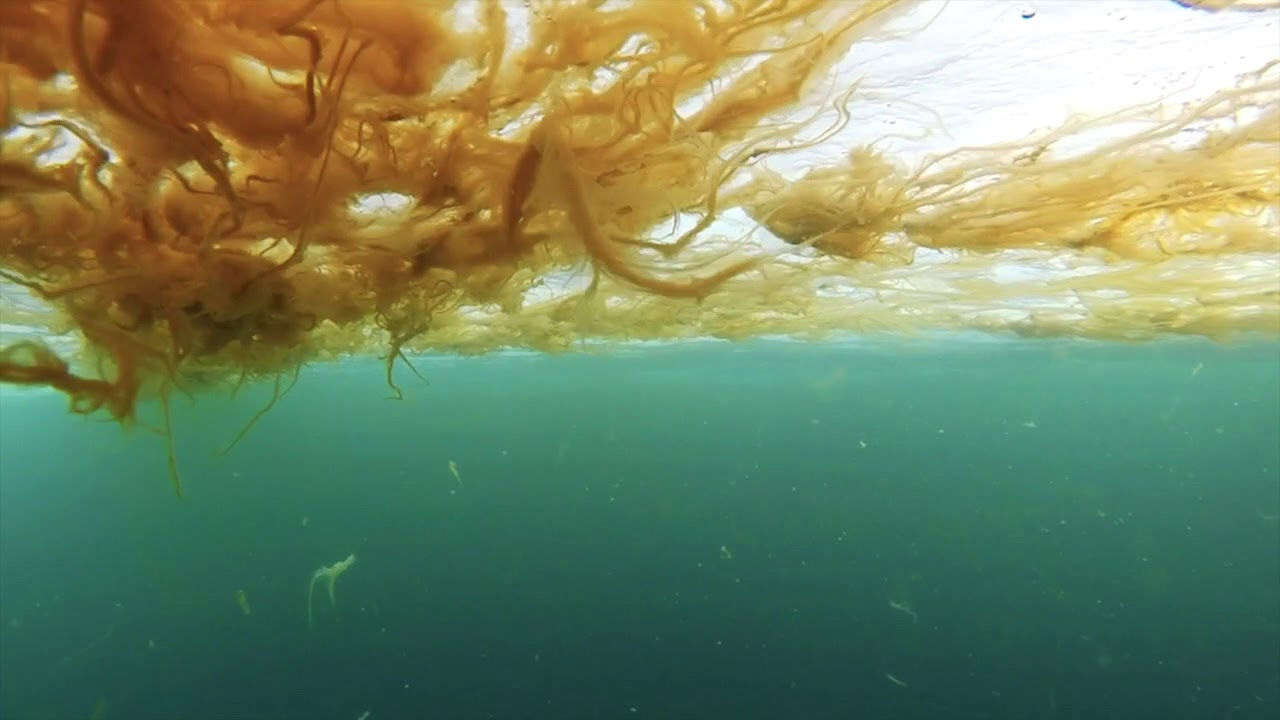
What is ‘ice algae’ and what role does it play in supporting the Antarctic food web?
-Ice algae are photosynthetic microalgae living within, on or under sea ice
-Ice algae provides an early-season food source which supports zooplankton and krill survival
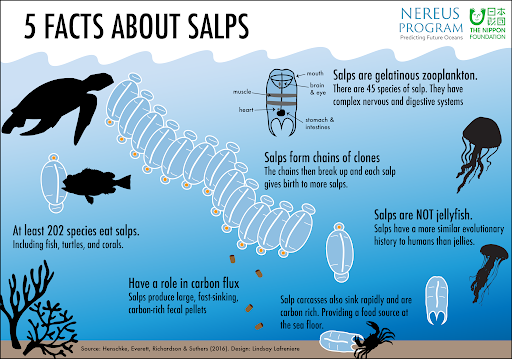
As krill have declined over the past decade or two, what other mid-trophic planktivore has flourished in the Antarctic?
-Salps have increased and floursed as the dominant alternatic mid-trophic planktivore
In the Arctic, instead of krill or salps, what key mid-trophic level species dominates the food web?
-Copepods and artic cod dominate the mid-trophic level.