PHY- 12. current and voltage in circuits
 Call Kai
 Learn
Learn Practice Test
 Spaced Repetition
 Match
Match Flashcards
 Knowt Play
1/29

There's no tags or description
Looks like no tags are added yet.
Name | Mastery | Learn | Test | Matching | Spaced | Call with Kai |
|---|
No analytics yet
Send a link to your students to track their progress
30 Terms
current
the movement of charged particles, the amount of charge passing in one second
coulumb (c)
measure of charge
1 coulumb = 1.6 ×10¹⁹
charge vs current
charge is stationary while current is about movem
current equation
current = charge/ time
I = Q/t
conductor
a material that easily allows electrical charge to flow through them
battery
collection of cells
potential difference (voltage)
the amount of energy given to the electrical charge in a circuit
what is a convectional current
the idea we label current backwards from positive to negative when it actually flows from neg to positive
unit of current
Amps
unit of voltage
volts
what is voltage
the energy of the charges in a circuit
voltage equation
voltage = energy ( joules)/ charge(coulombs)
V = E/Q
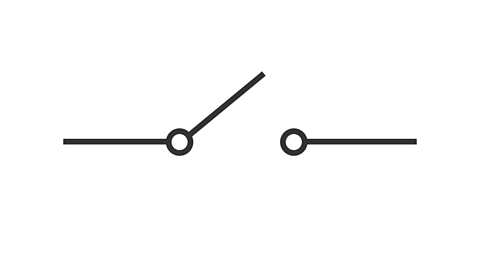
open switch
breaks the circuit so current can’t flow
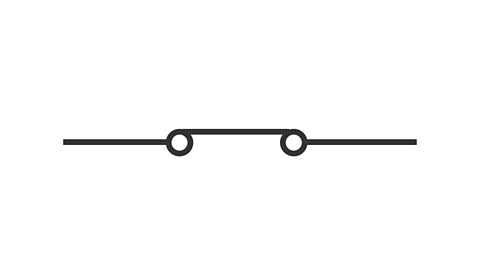
closed switch
completes the circuit so current can flow
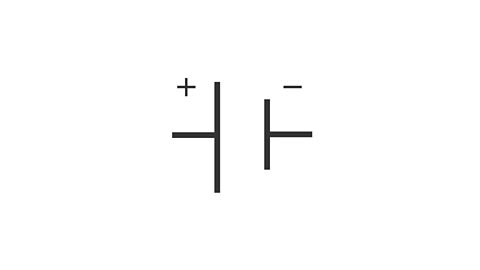
cell
provides potential difference
battery
a collection of cells
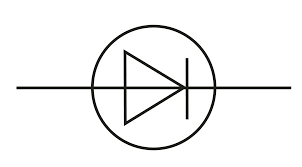
diode
allows current to flow in one direction
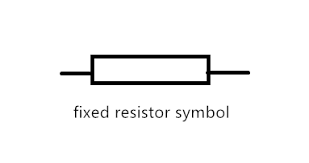
ohmic/ fixed resistor
increases resistance in circuits
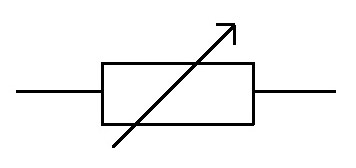
variable resistor
can vary potential difference of a circuit by varying resistance
bulb/ lamp
produces light

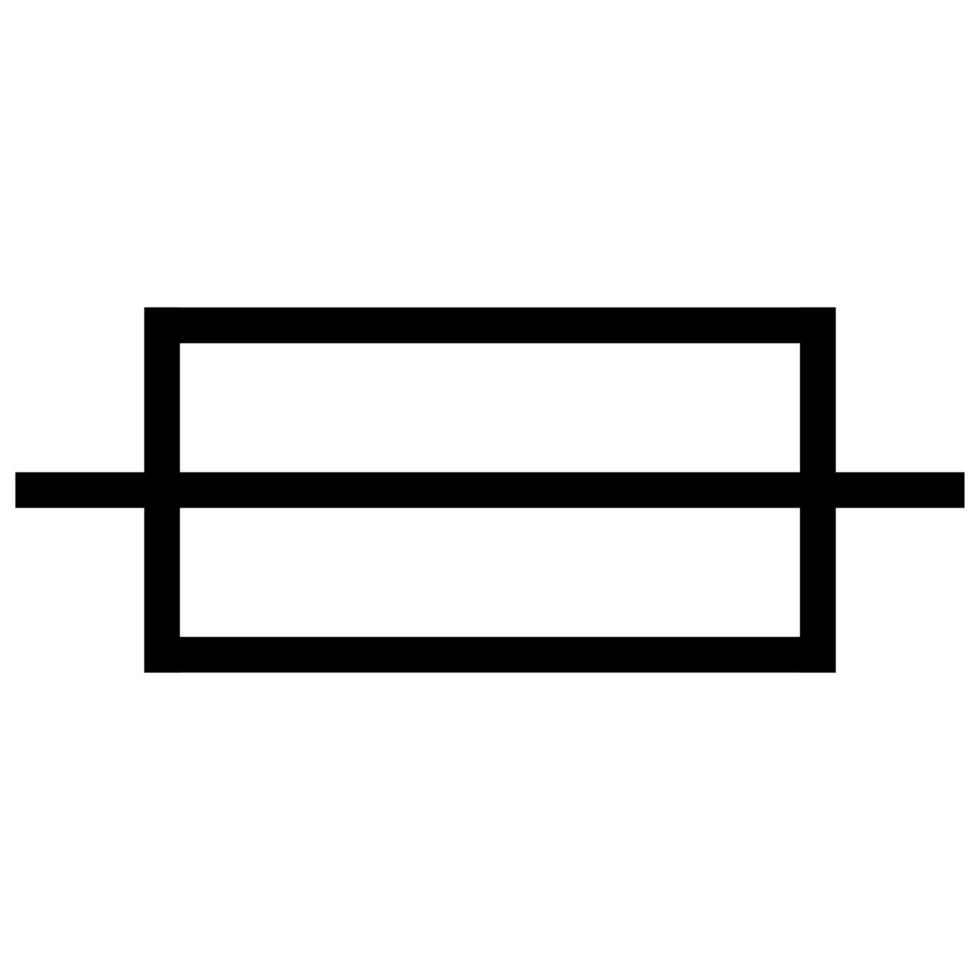
fuse
if current is too high the fuse melts breaking the circuit and preventing current from flowing
voltmeter
measures voltage

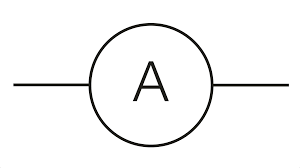
ammeter
measures current
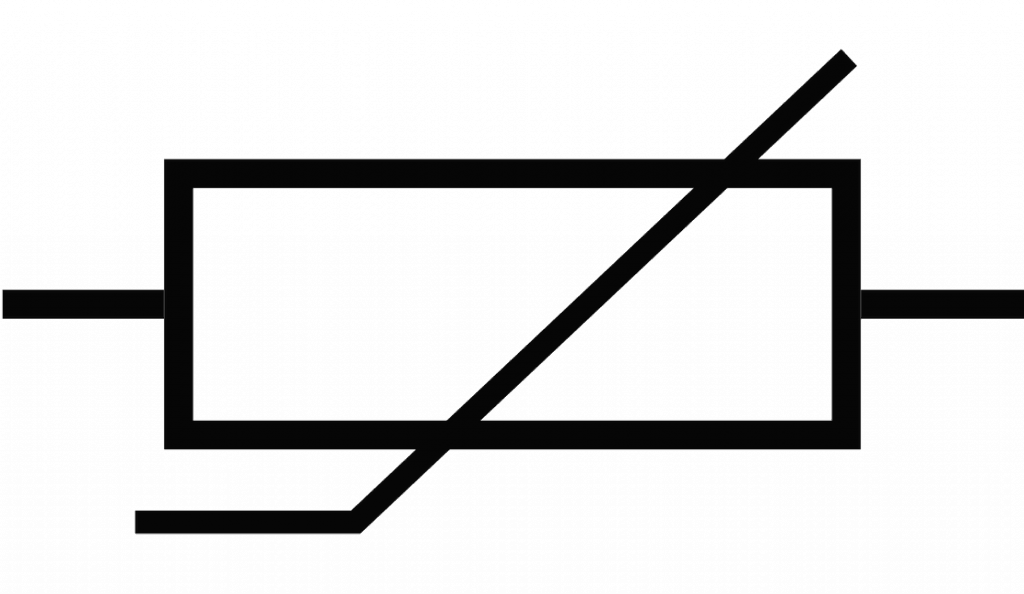
thermistar
as the temperature decreases the resistance decreases
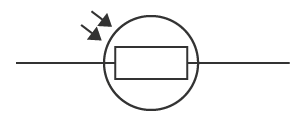
L.D.R
As light intensity increases the resistance decreases
what happens to current in a single circuit vs parallel
current is the same anywhere in a single circuit
in a parallel circuit current is split among the components
what happens to voltage in a single circuit vs parallel
Voltage is split between components in a single circuits
Voltage is the same in each branch of the circuit
where do you place a voltmeter
it only gives hugs around the component
advantages/ disadvantages of a single circuit
all the components can be controlled by a single switch
fewer wires are needed
if one component breaks the whol circuit breaks
the more components the less voltage each will have
advantages/ disadvantages of a parallel circuit
if a component breaks the others can still work, important in e.g house lights
all components in separate loops can be controlled by separate switches
each loop recieves the same voltage, so you can add more components in separate loops
sometimes you don’t want each component to have the same voltage, harder to control
more wires are needed and circuits are more complicated