Waves - Paper 1
 Call Kai
 Learn
Learn Practice Test
 Spaced Repetition
 Match
Match Flashcards
 Knowt Play
1/29

There's no tags or description
Looks like no tags are added yet.
Name | Mastery | Learn | Test | Matching | Spaced | Call with Kai |
|---|
No analytics yet
Send a link to your students to track their progress
30 Terms
unit of the phase of a wave
degree (°)
unit of frequency
hertz (Hz)
Longitudinal and Transverse Waves
Longitudinal: vibrations are parallel to direction wave travels, sound waves
Transverse: vibrations are perpendicular to direction wave travels, light waves
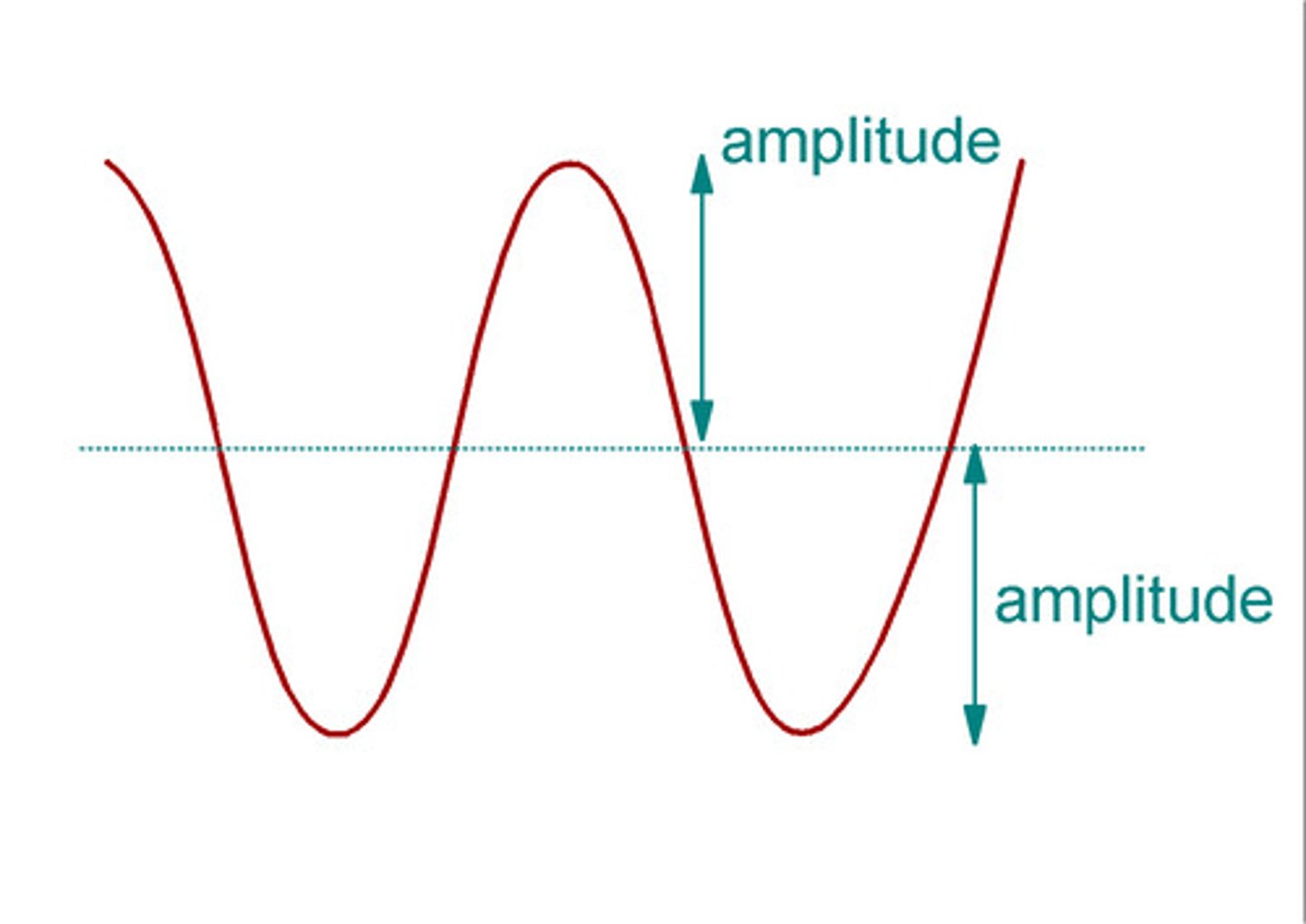
Amplitude
maximum displacement of particles from their resting or equilibrium position
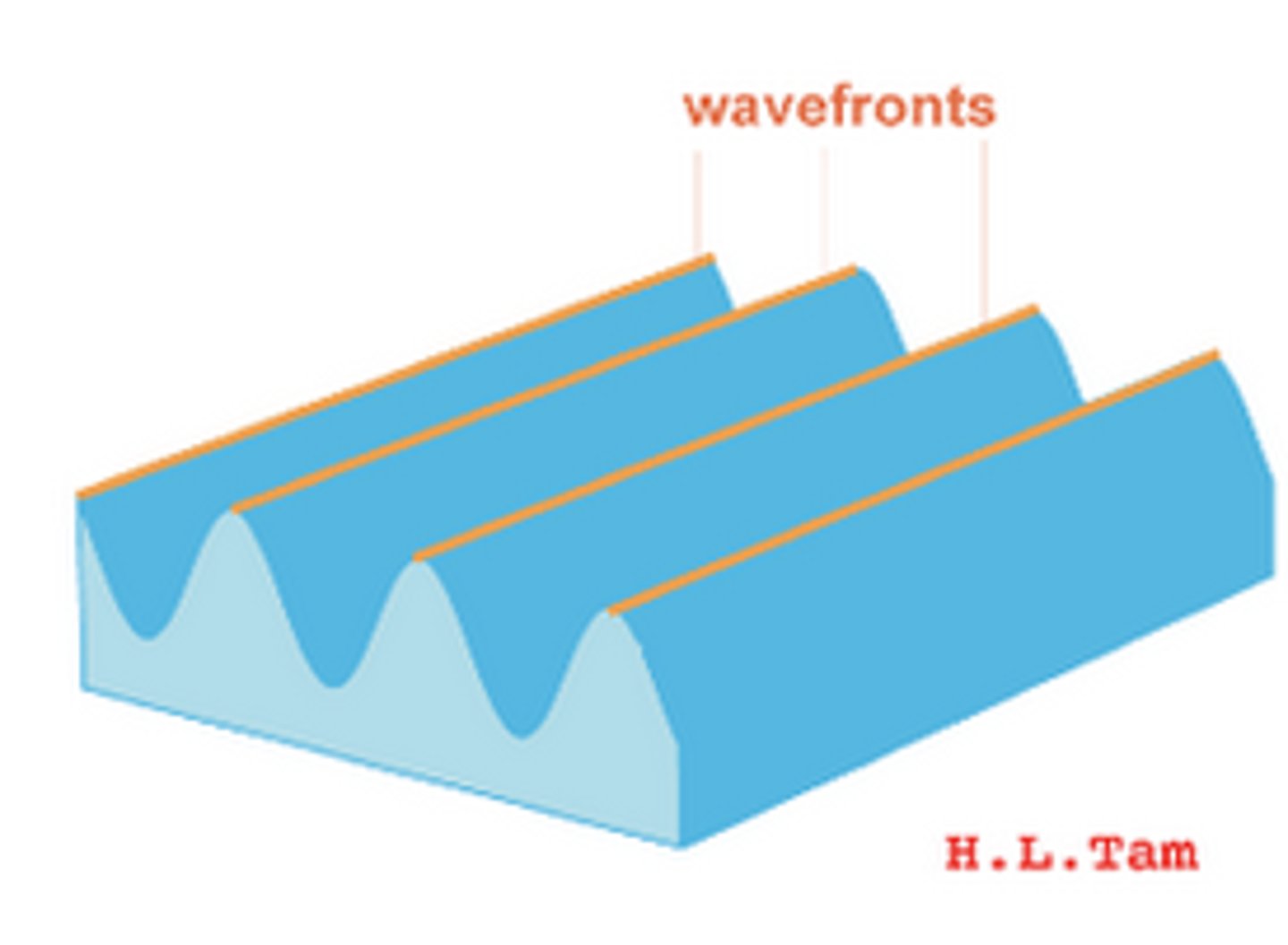
Wavefront
line where all the vibrations are in phase and the same distance from the source
Frequency
number of waves produced each second by a source
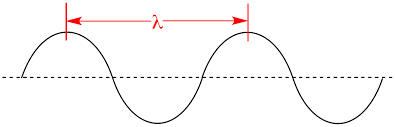
Wavelength
distance between particular point on wave and same point on next wave
(Time) Period
time it takes for a source to produce one wave
Waves
transfer energy and information without transferring matter
Wave Speed Equation
wave speed = frequency x wavelength
Frequency Equation
Frequency = 1/time period
Doppler Effect (source moving away from you)
(observed) frequency decreases
speed of waves constant
wavefronts behind source spread out
causing an increased wavelength (at the observer)
reference to f = speed ÷ wavelength
Electromagnetic Spectrum
- radio, microwaves, infrared radiation, visible light, ultraviolet, xrays, gamma rays (increasing frequency, decreasing wavelength)
- violet has highest frequency, lowest wavelength
- all transverse waves, travel at same speed in free space
Uses of Radiowaves
broadcasting and communications
Uses, Dangers and Protection of Microwaves
Uses: cooking and statellite transmissions
Dangers: internal heating of body tissue
Protection: metal walls and metal grid in glass door prevent escape
Uses, Dangers and Protection of Infrared
Uses: heaters and night vision equipment
Danger: skin burns
Protection: protective clothing (gloves)
Uses of Visible Light
Optical fibres and photography
Uses, Dangers and Protection of Ultraviolet
Uses: fluorescent lamps
Dangers: damage to surface cells and blindness
Protection: sunglasses and sunscreen
Uses of X-Rays
observing internla structure of objects and materials, including for medical applications
Uses and Dangers of Gamma Rays
Uses: sterilising food and medical equipment
Dangers: cancer, mutation
Protection: using rubber gloves when handling
Light Waves
transverse waves that can be reflected and refracted
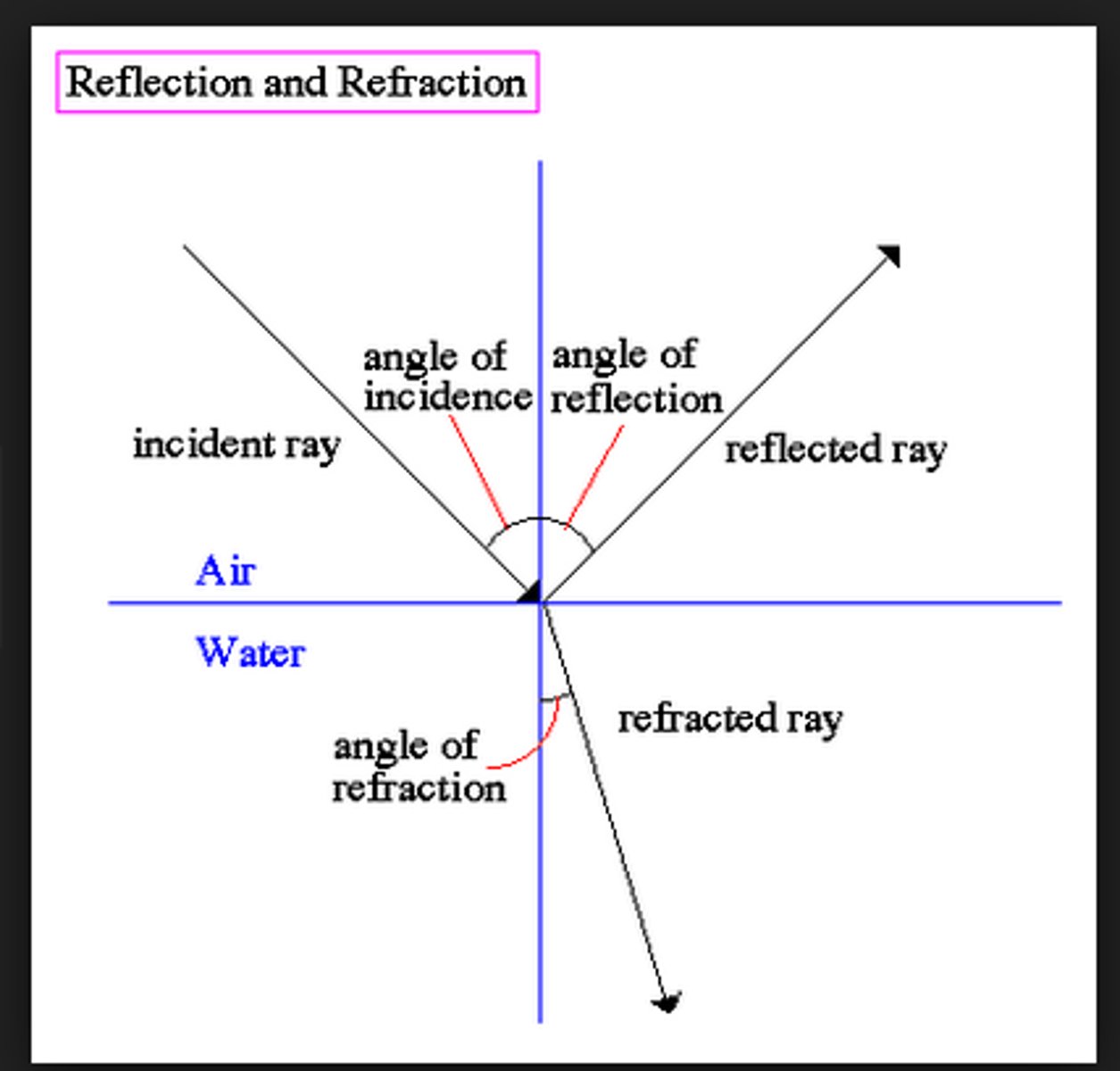
Law of Reflection
angle of incidence = angle of reflection
Ray Diagrams
Refractive Index
n = sin i/ sin r
Refraction
ray enters denser medium → slows down → refracted towards normal
ray strikes boundary at 90° → no change in direction
Investigate the Refraction of Light
1. Draw around block on paper.
2. Mark point where light from ray box will enter block
3. Shine light into block and measure angle of incidence using protractor
4. Mark point where ray exits box.
5. Use ruler to draw path of ray
6. Measure angle of refraction
7. Repeat for different angle of incidence
Total Internal Reflection
rays of light travel towards less optically dense medium and the angle of incidence is greater than critical angle, light is reflected at boundary
Critical Angle
angle of incidence that produces an angle of refraction of 90°
Relationship between Critical Angle and Refractive Index
sin c = 1/n
Sound Waves
longitudinal waves that can be reflected and refracted