RISK INS / 2.1 & 2.2
 Call Kai
 Learn
Learn Practice Test
 Spaced Repetition
 Match
Match Flashcards
 Knowt Play
1/29

There's no tags or description
Looks like no tags are added yet.
Name | Mastery | Learn | Test | Matching | Spaced | Call with Kai |
|---|
No analytics yet
Send a link to your students to track their progress
30 Terms
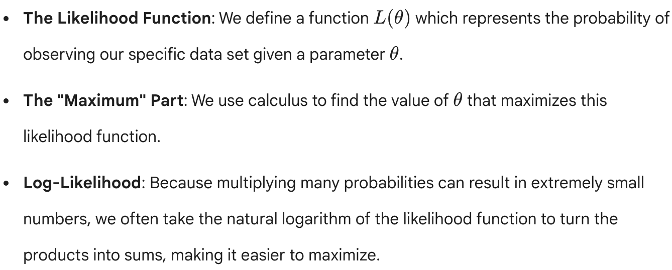
In these lecture notes, we still assume that distributions are known, or we at least have an idea of what distributions could be. However, the goal is to fit data to distributions and find an optimal distribution parameter.
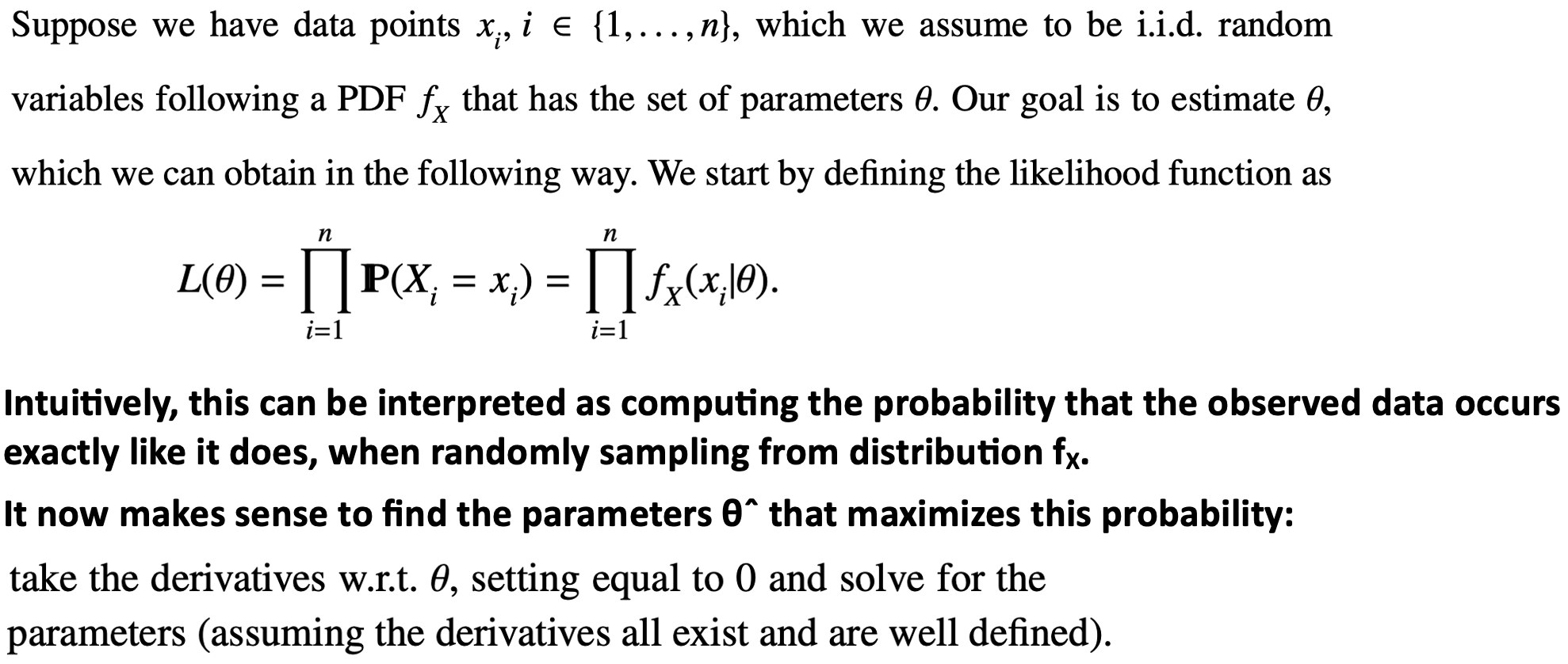
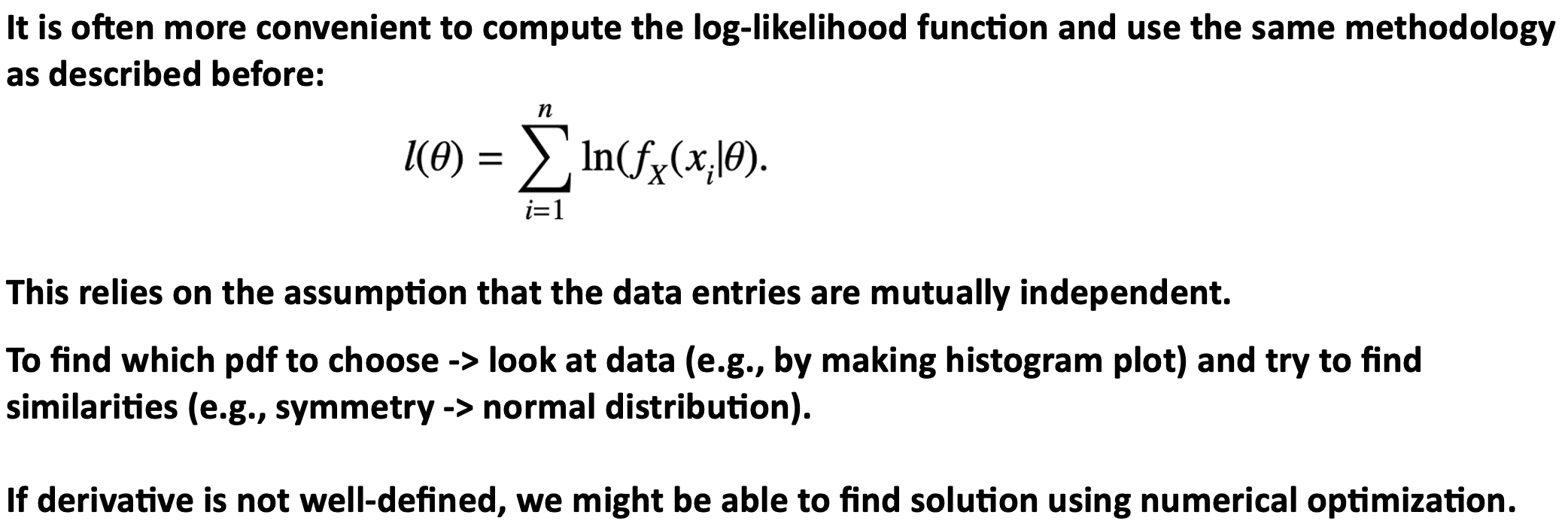
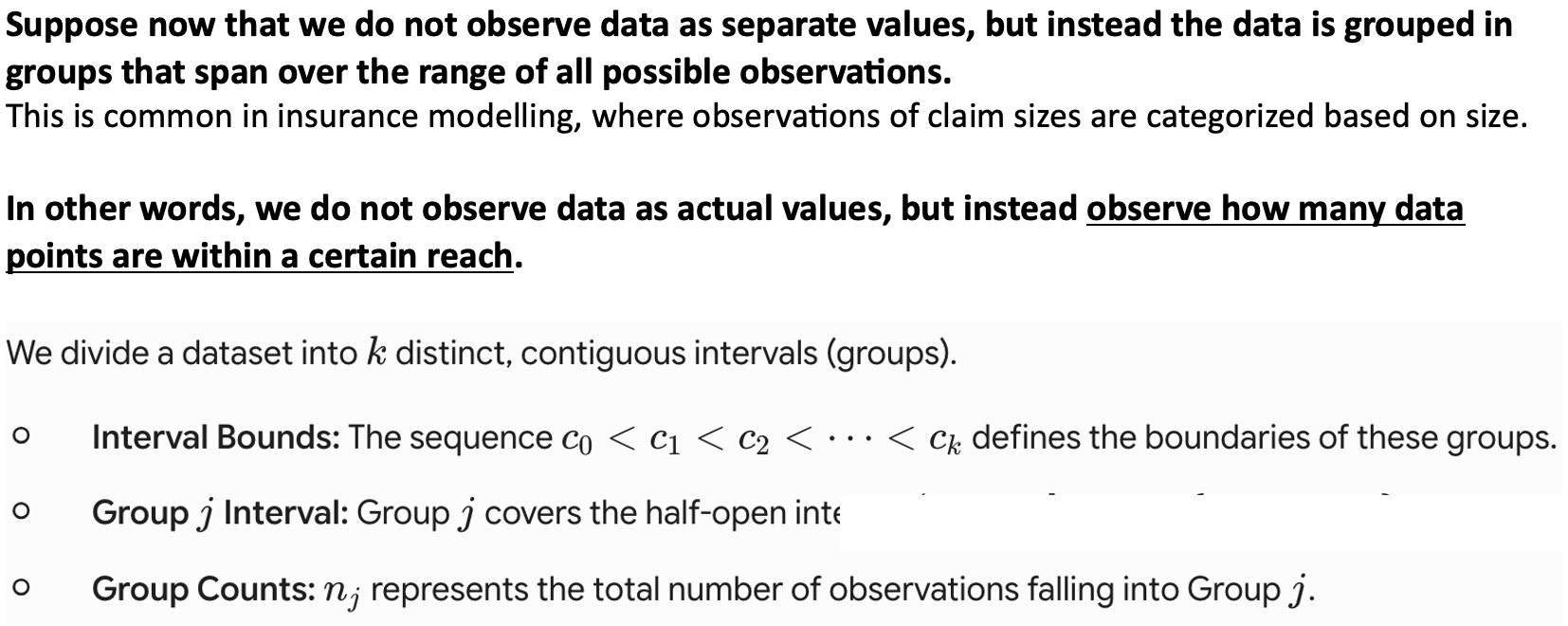
We do this, using maximum likelihood estimation (MLE). MLE is something you have seen multiple times before and therefore this topic should not be too difficult for you. However, we will introduce some new, slightly different, techniques that are often applied to specific insurance data.
Maximum Likelihood Estimation
Basics
Individual Data
Likelihood Function
Individual Data
Log-likelihood Function
Grouped Data
Grouped Data
(Log) Likelihood Function
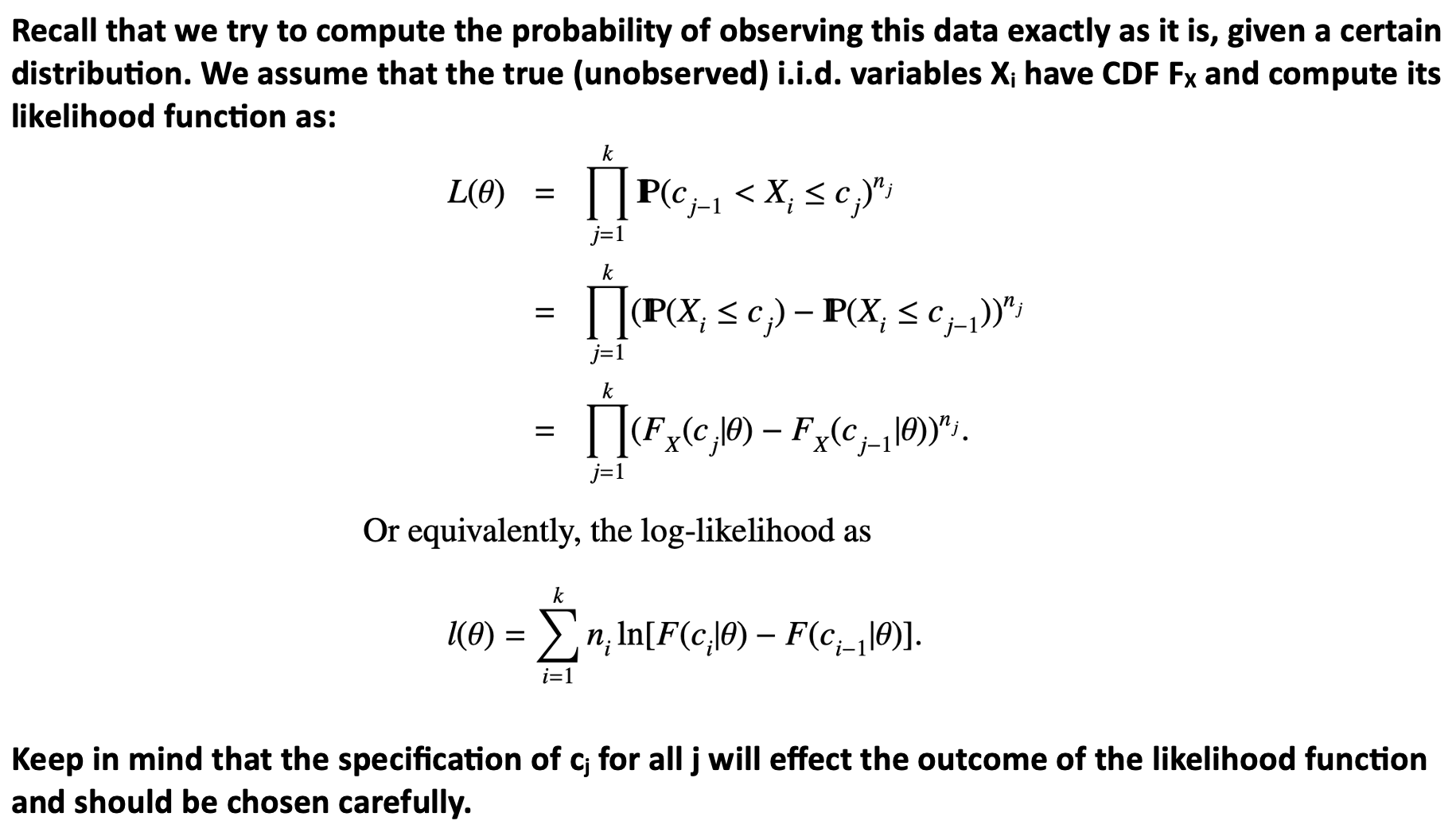
Maximum Likelihood Estimation
SOC
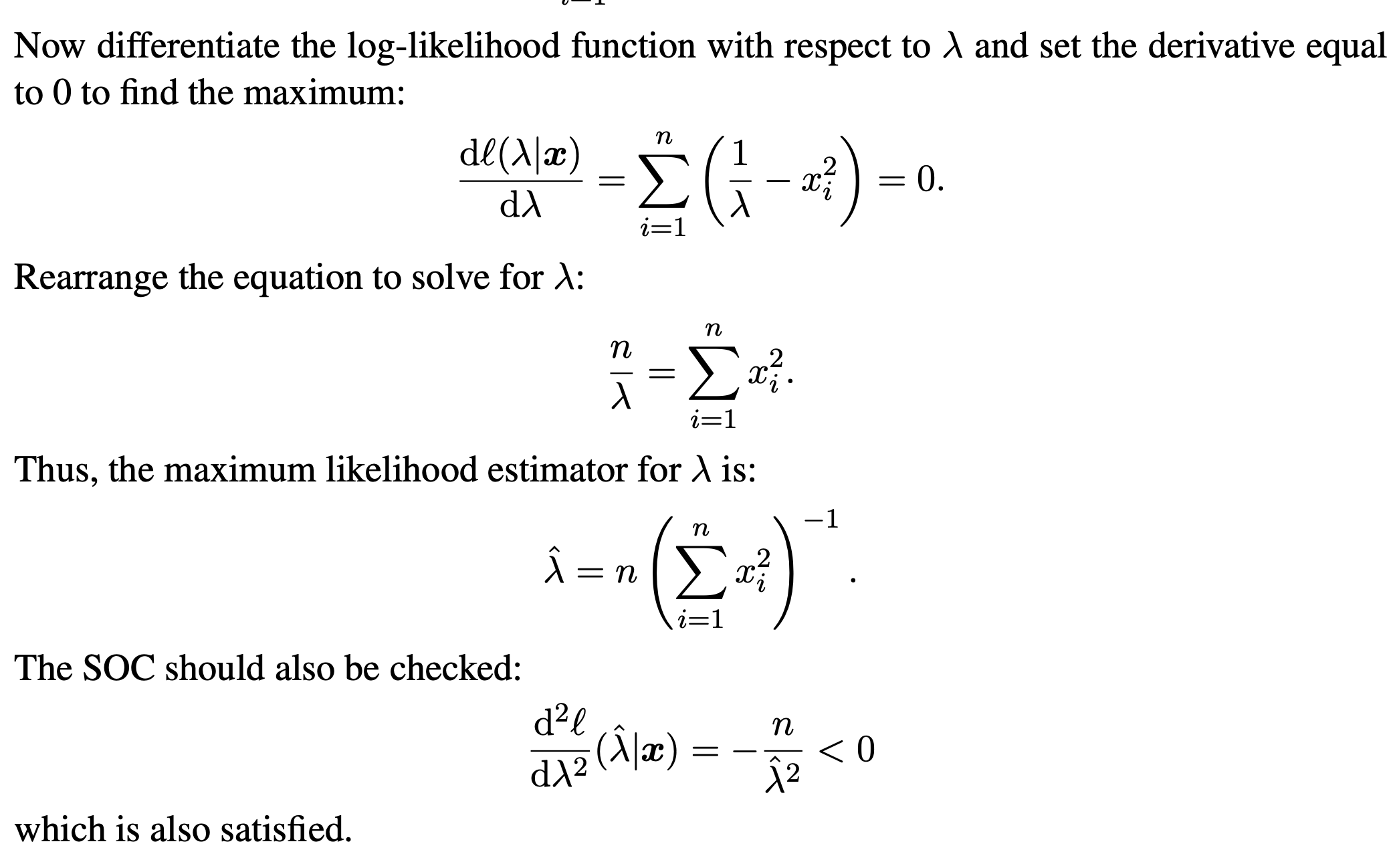
2 forms of Incompletely Observed Data
Censored Data
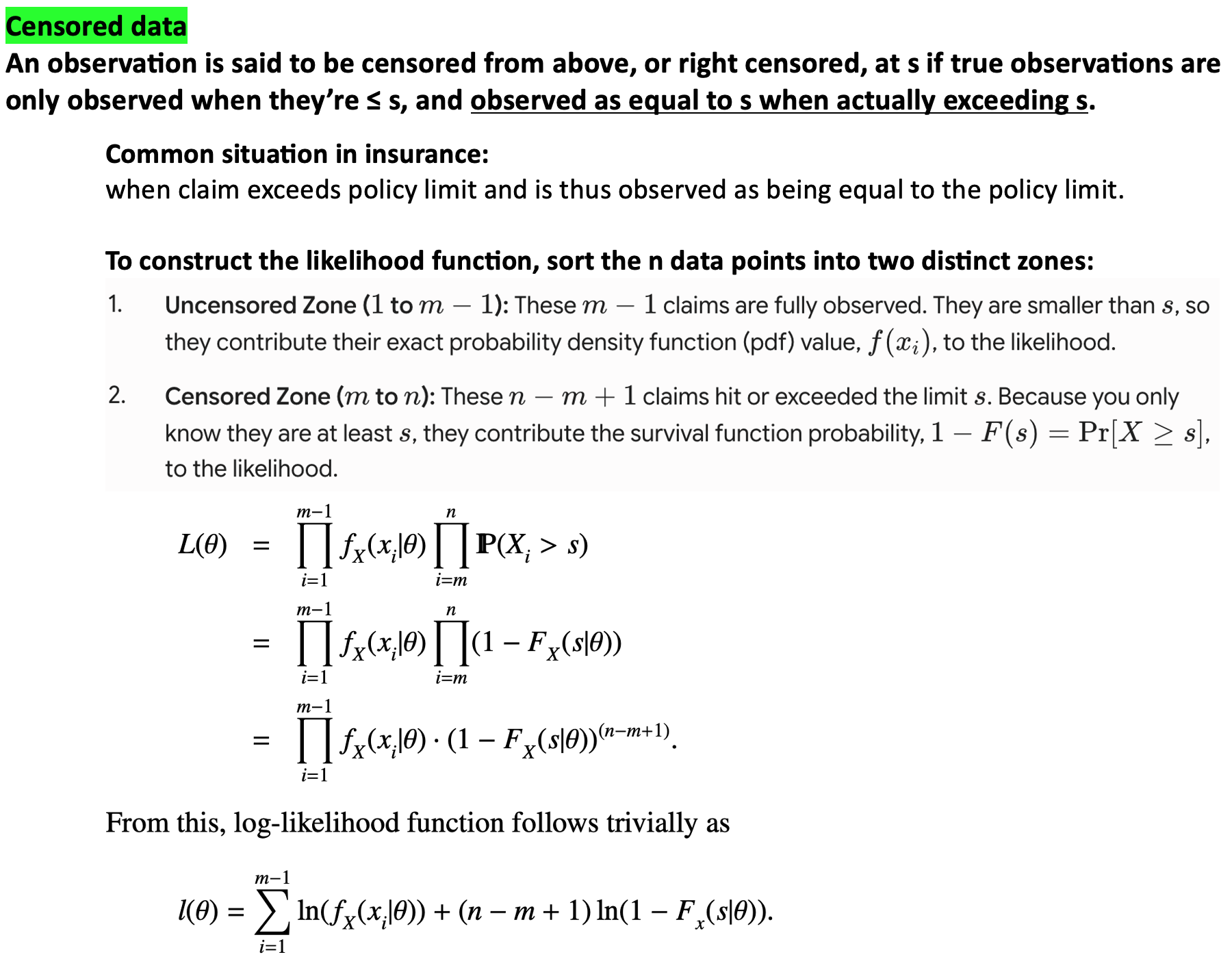
2 forms of Incompletely Observed Data
Truncated Data
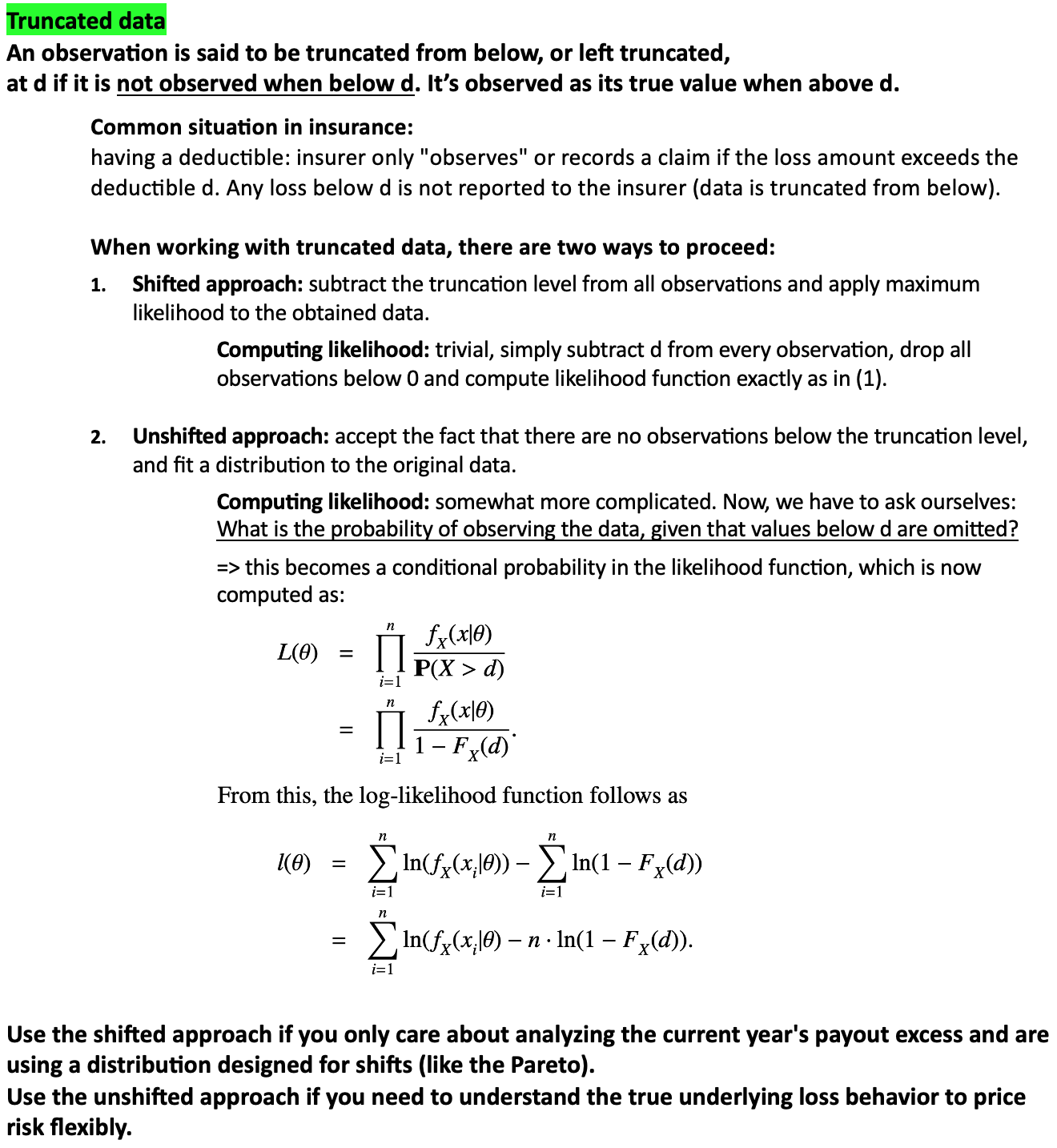
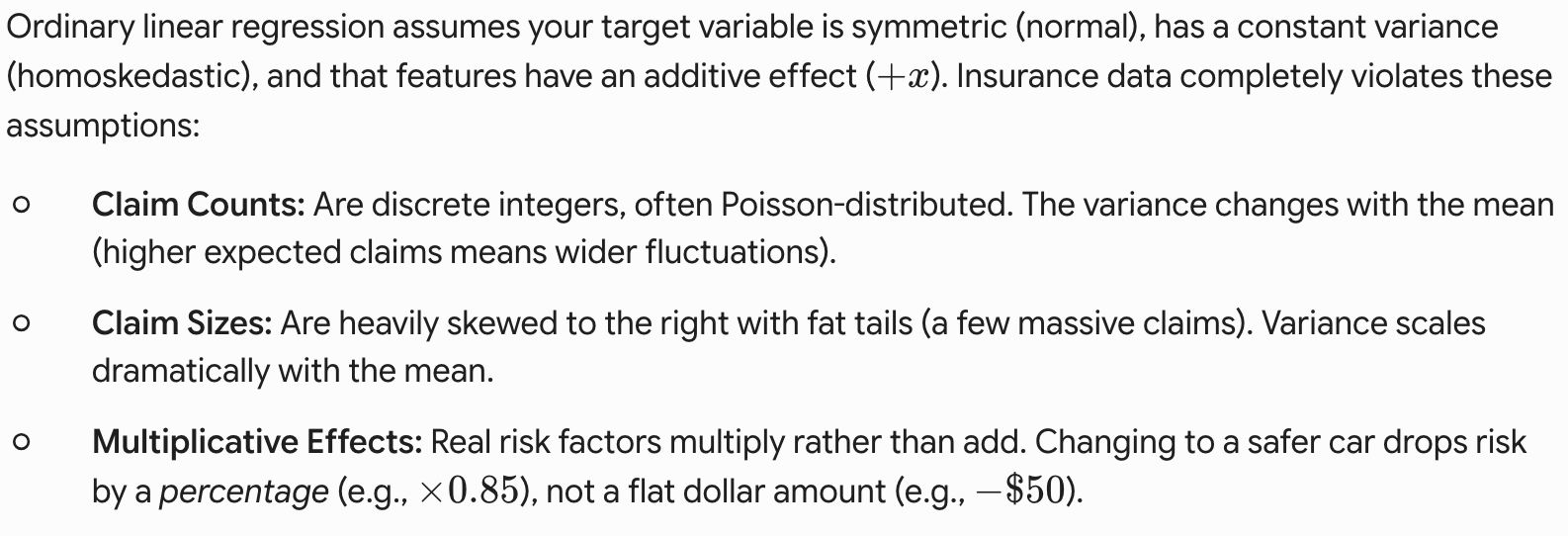
Why Standard Regression (OLS) Fails for Insurance
Replacing Standard Regression by
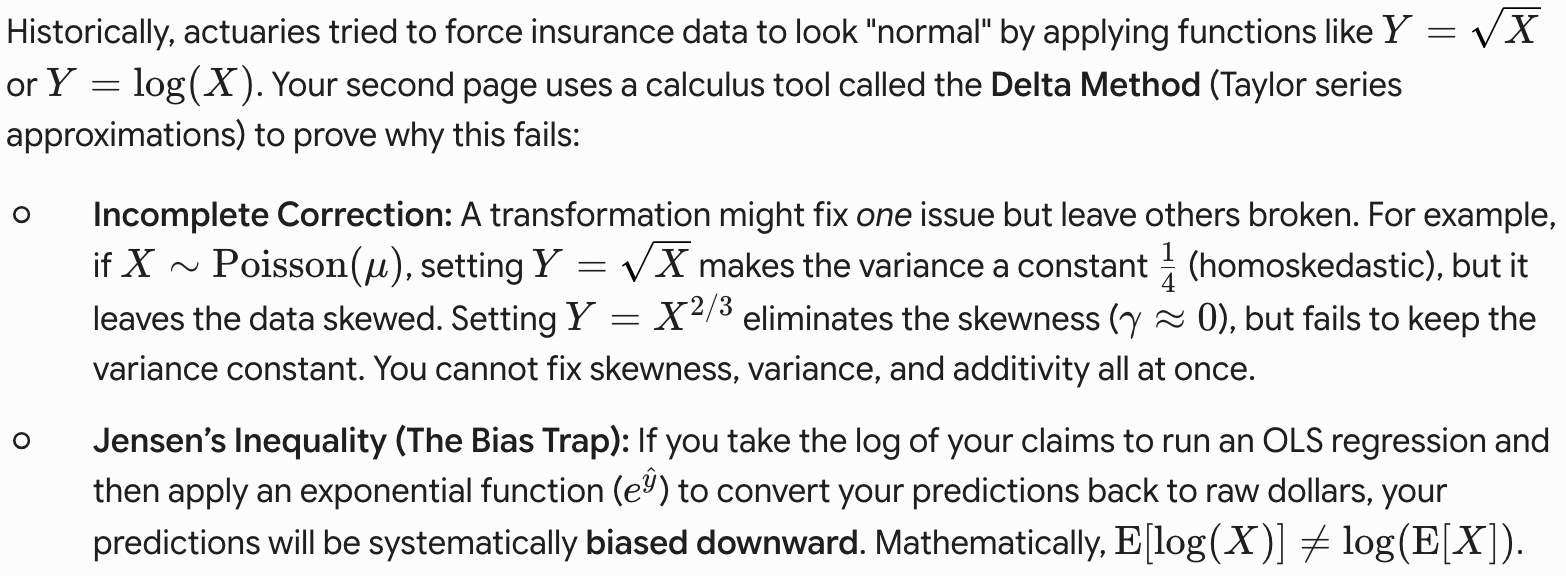
Data Transformations
Replacing Standard Regression by
Generalised Linear Models (GLMs)
Video
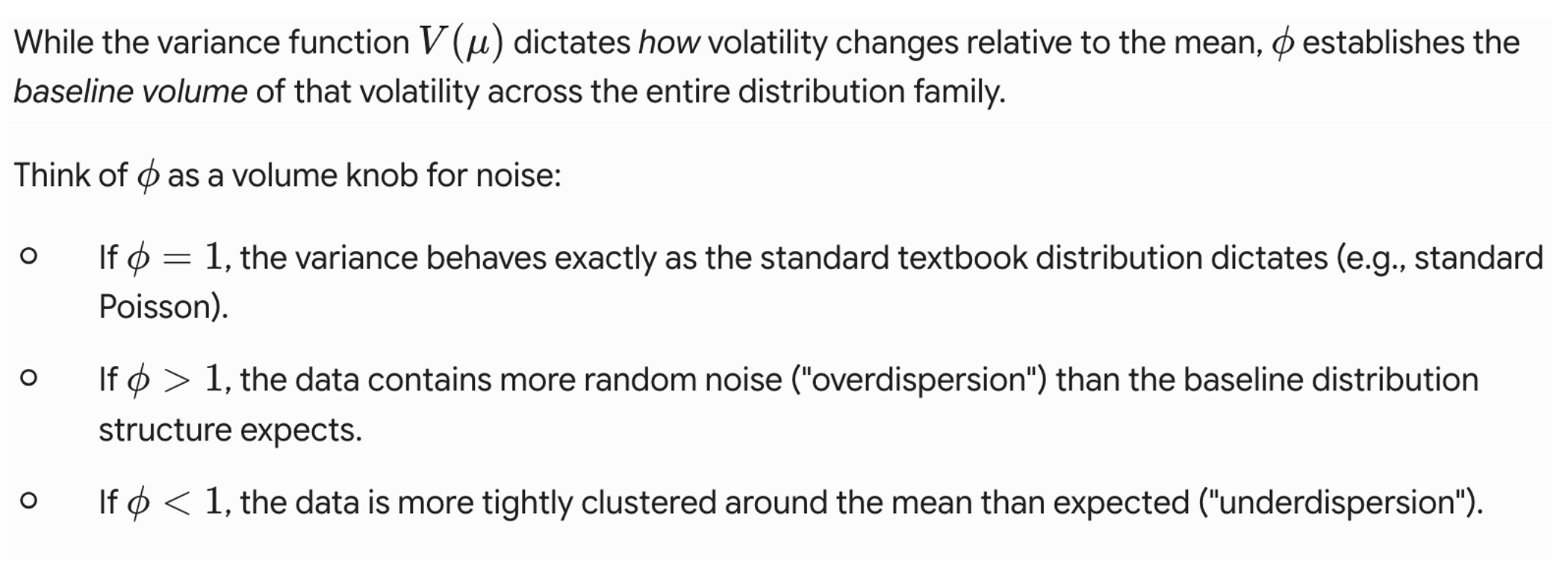
Dispersion
Replacing Standard Regression by
Generalised Linear Models (GLMs)
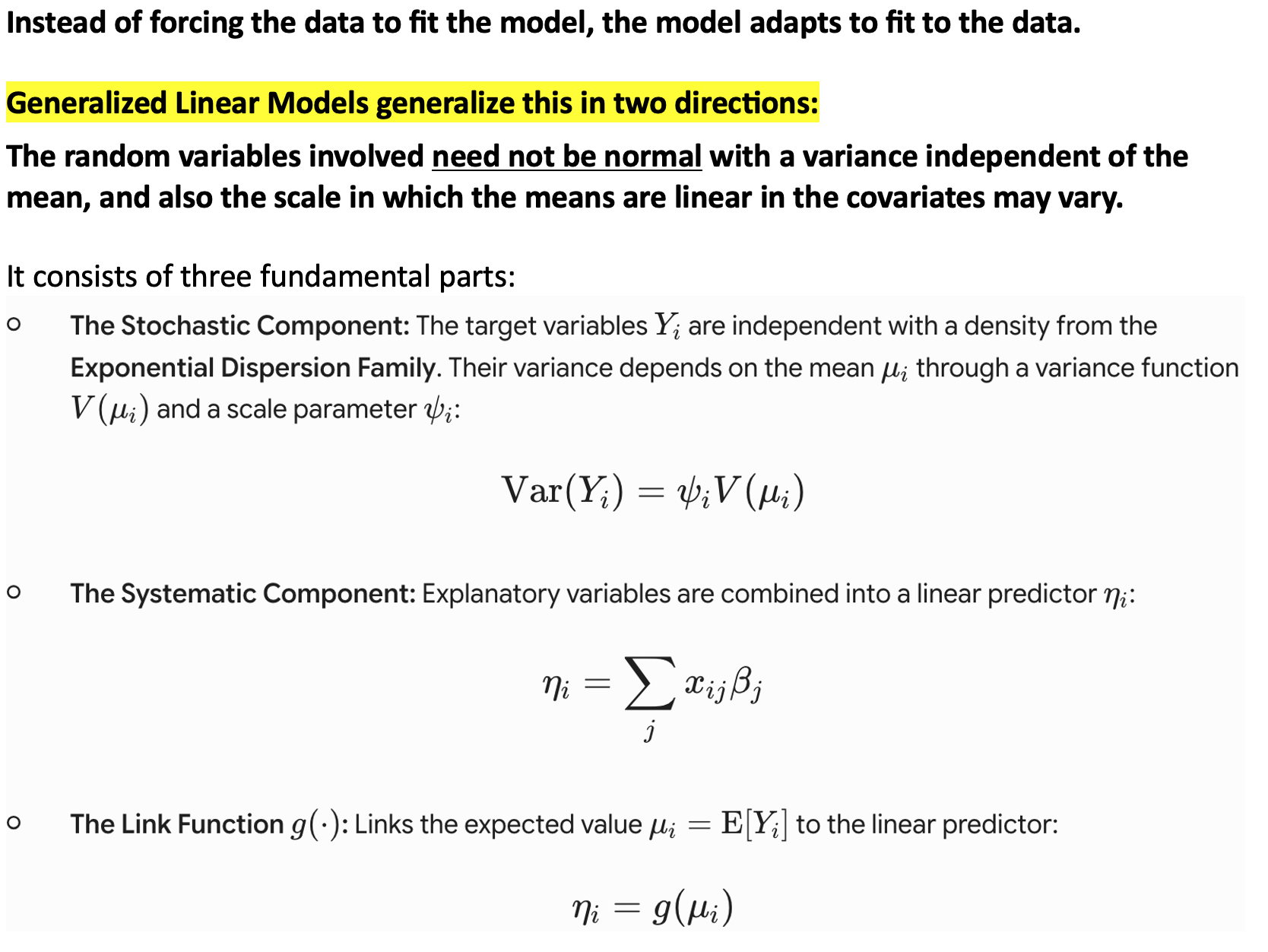
Why does it work? Fundamental Parts
Generalised Linear Models (GLMs)
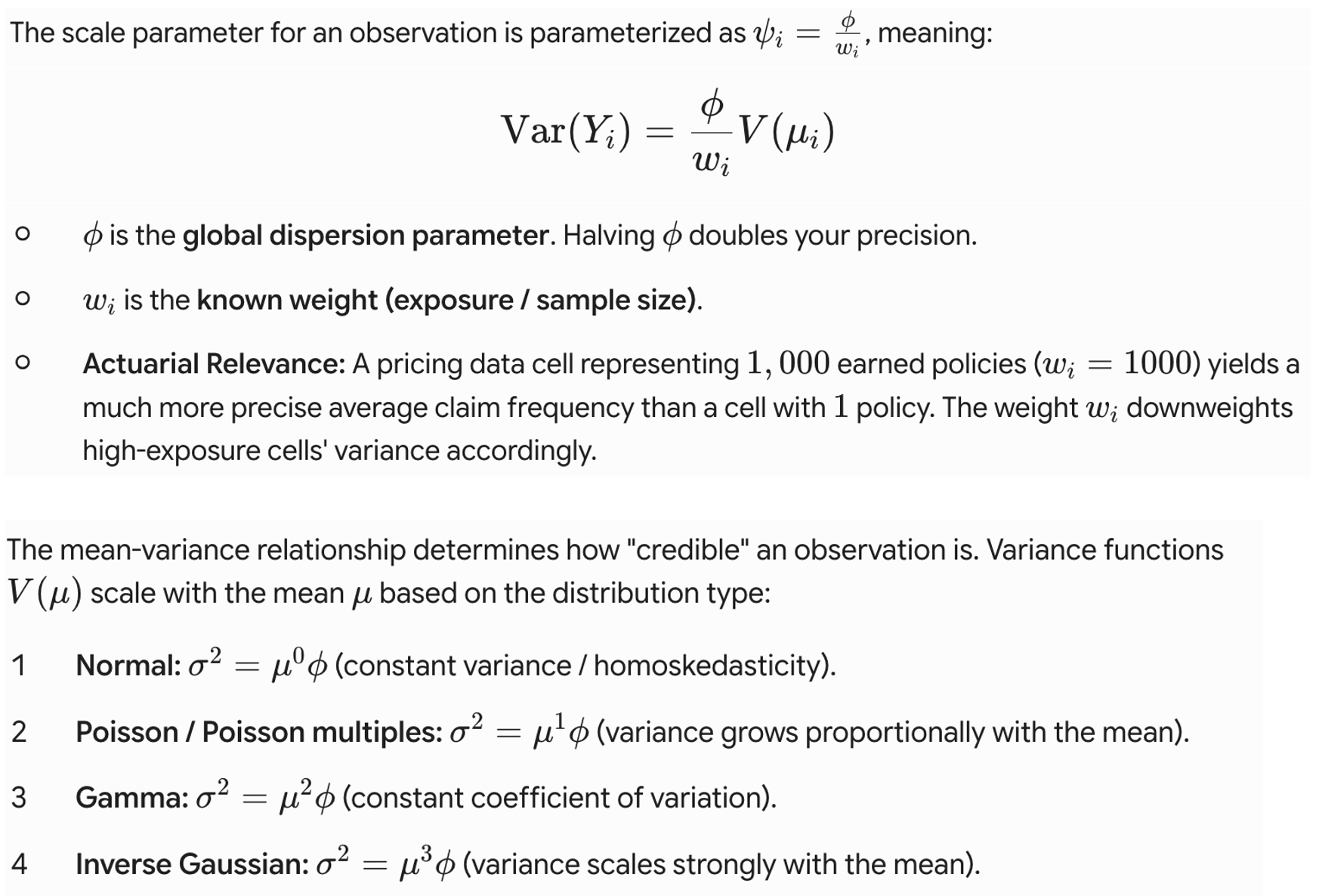
Variance and Exposure Weights
Generalised Linear Models (GLMs)
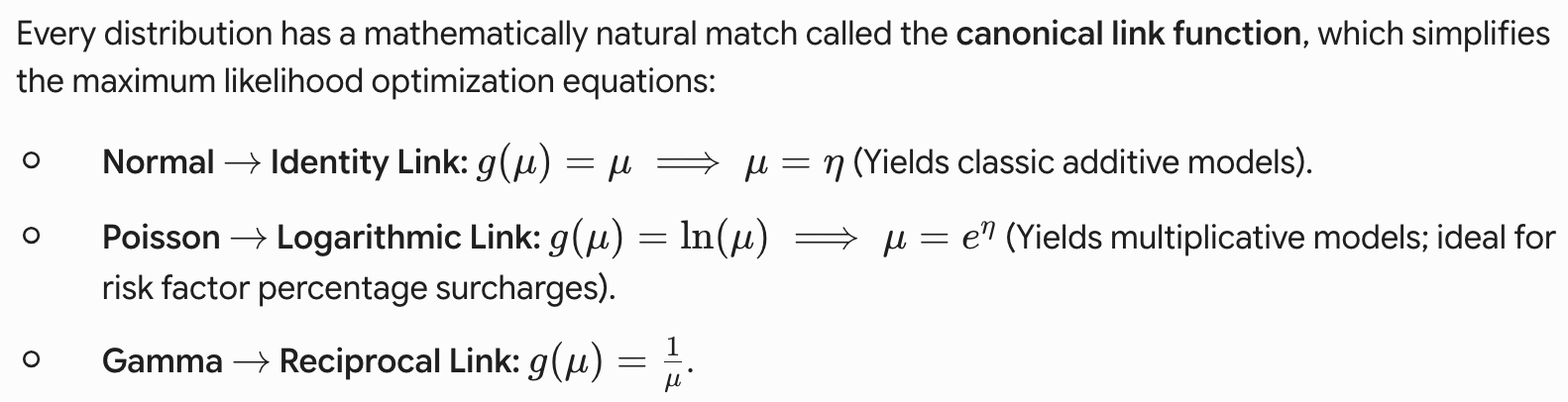
Canonical Links
Generalised Linear Models (GLMs)
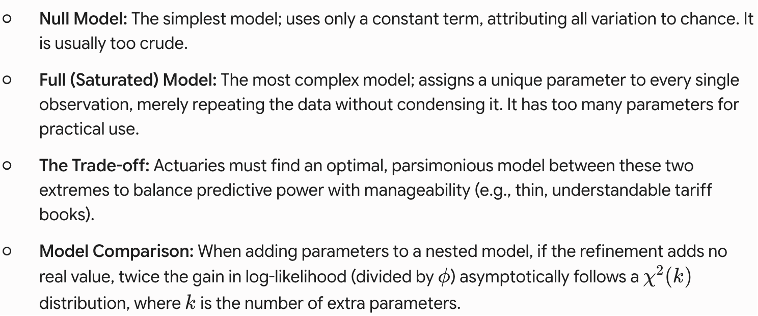
Null vs Full Models
Generalised Linear Models (GLMs)
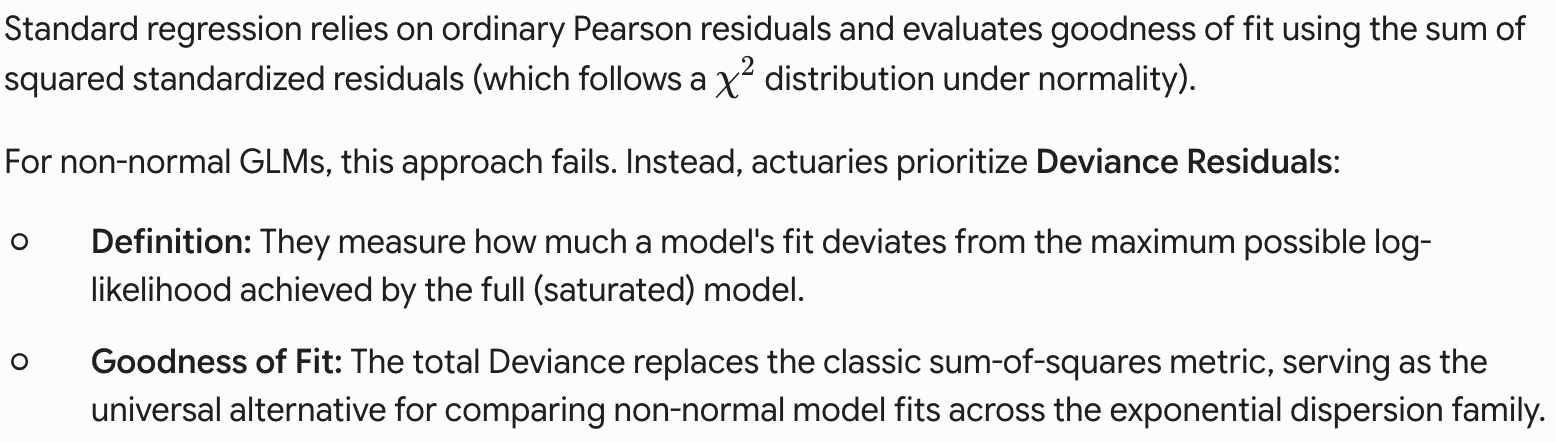
Residuals & Goodness of Fit
Multiplicative Rating System
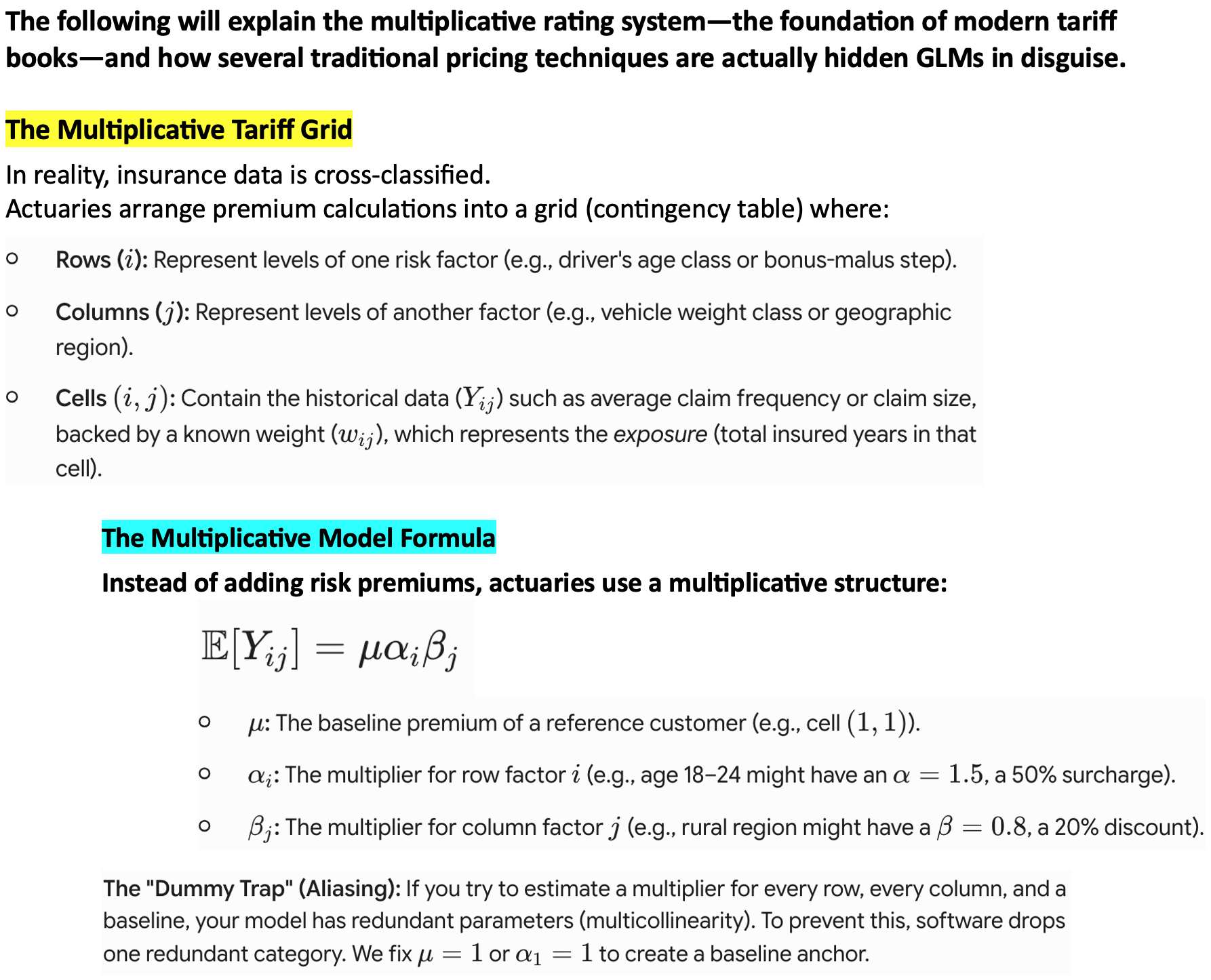
Multiplicative Rating System
Four Ways to Solve the Multipliers: First Two
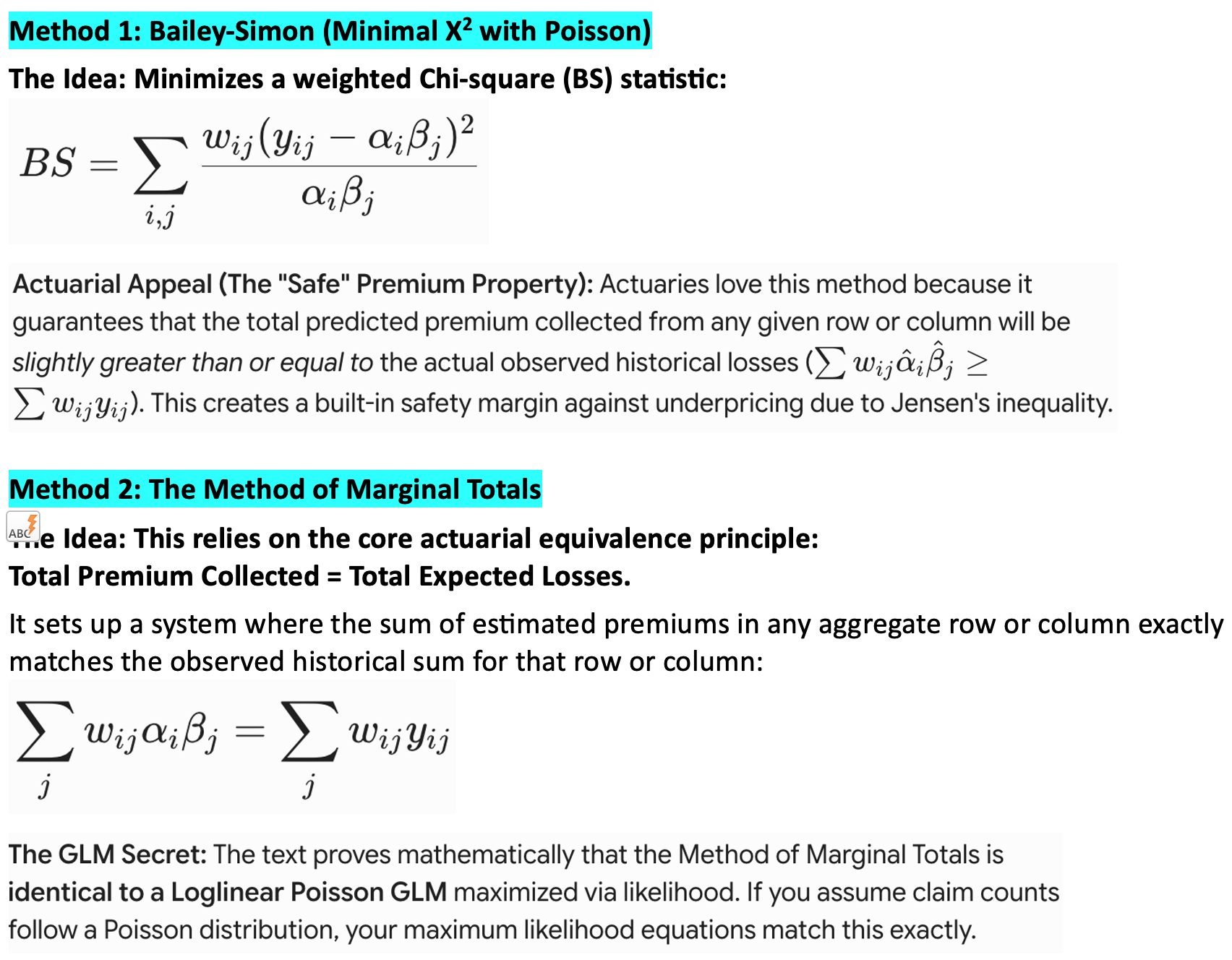
Multiplicative Rating System
Four Ways to Solve the Multipliers: Last Two
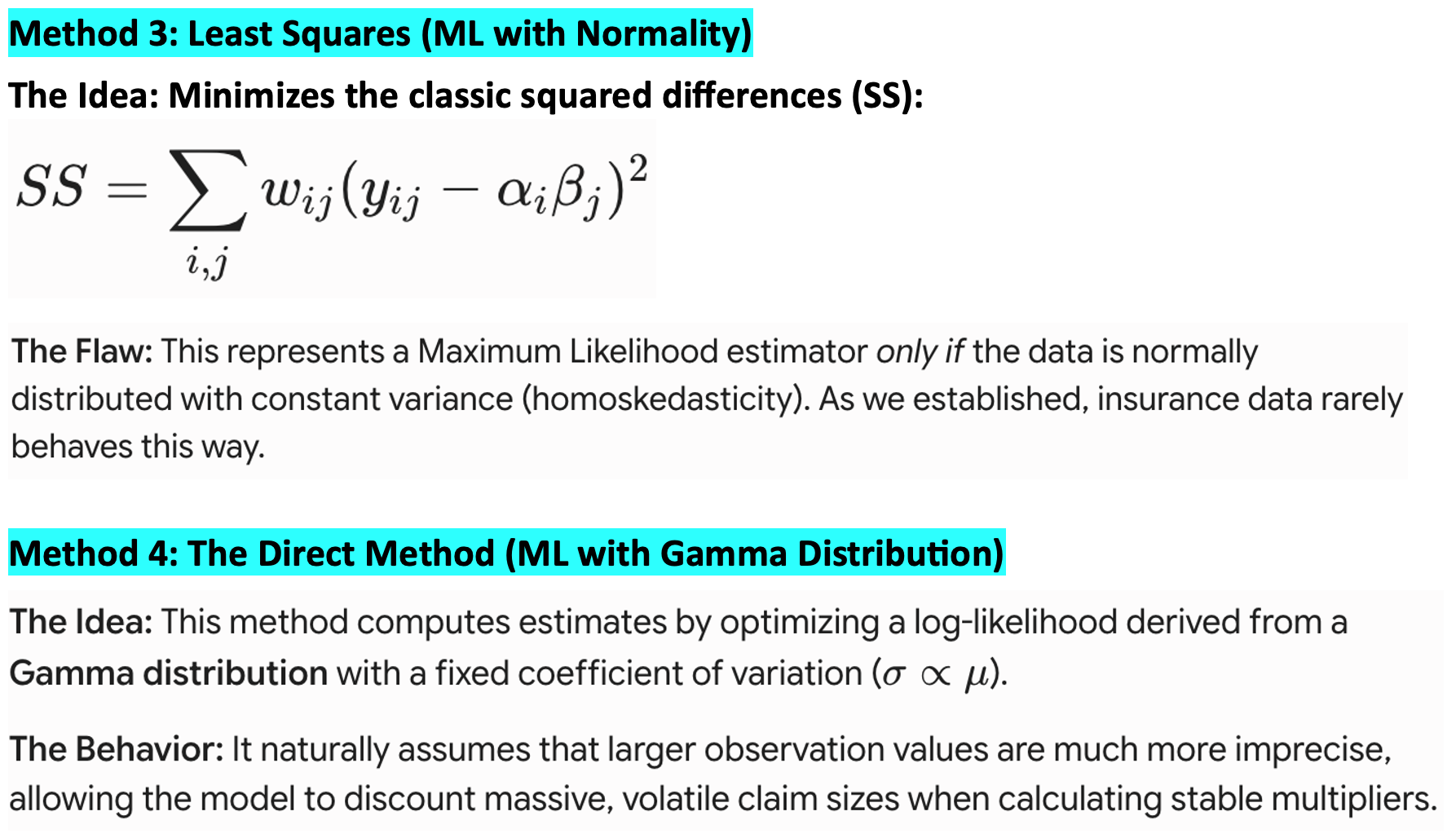
How do we solve for these parameters when the equations contain unknowns on both sides (e.g., αi. depends on βj, and βj depends on αi)?
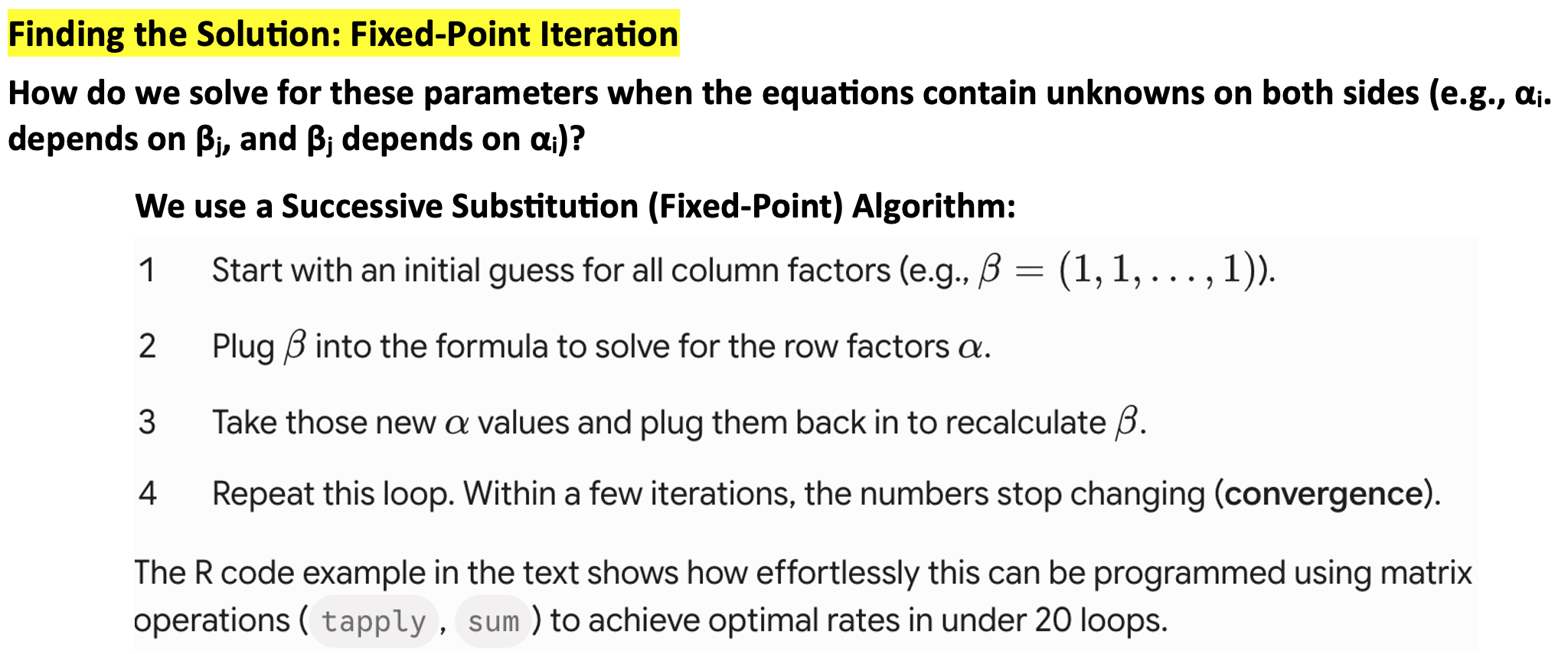
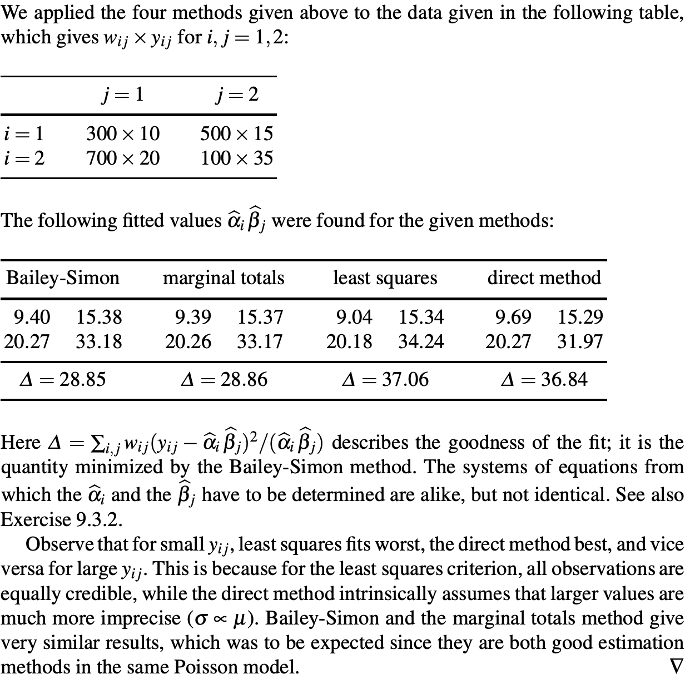
Example
Numerical illustration of the above methods
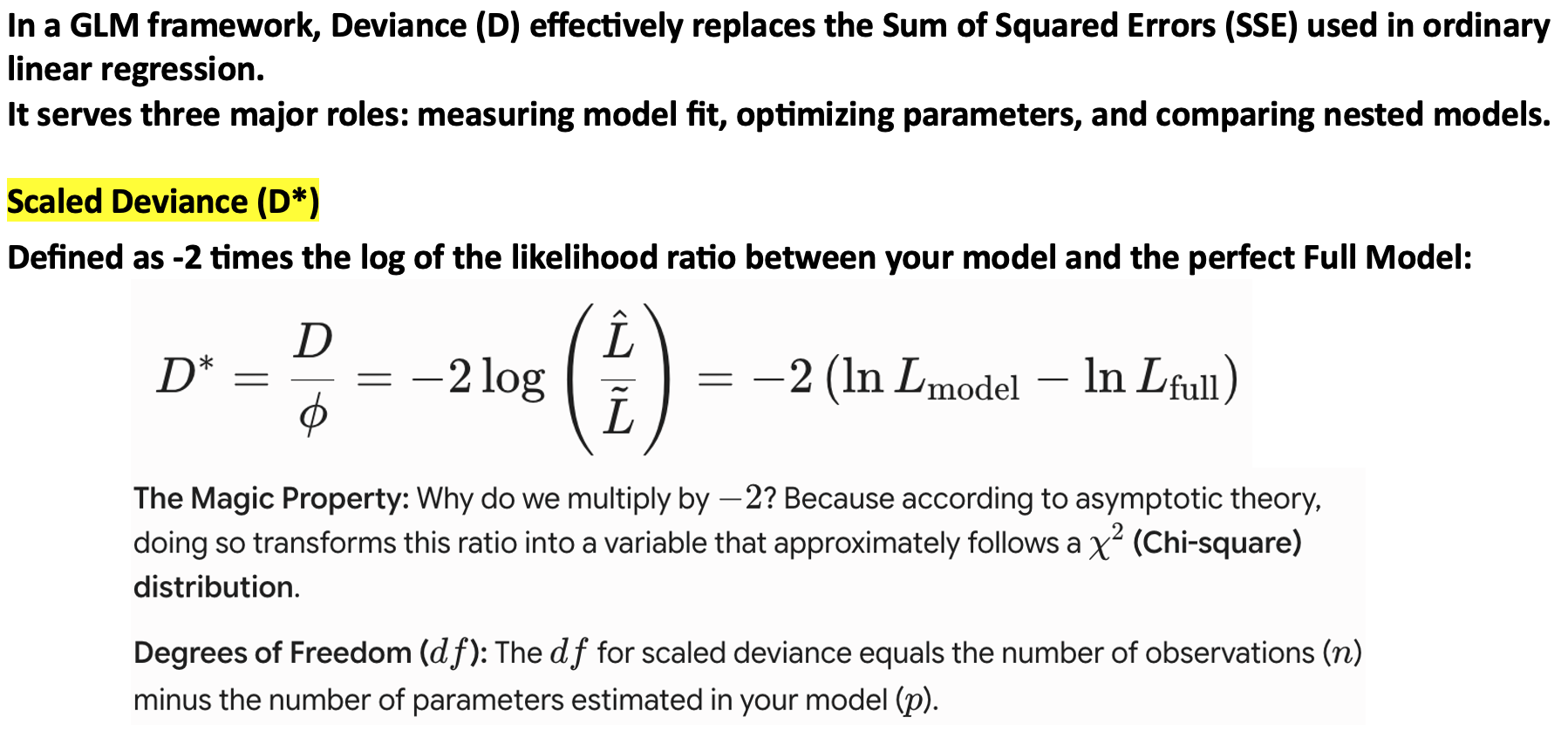
Scaled Deviance
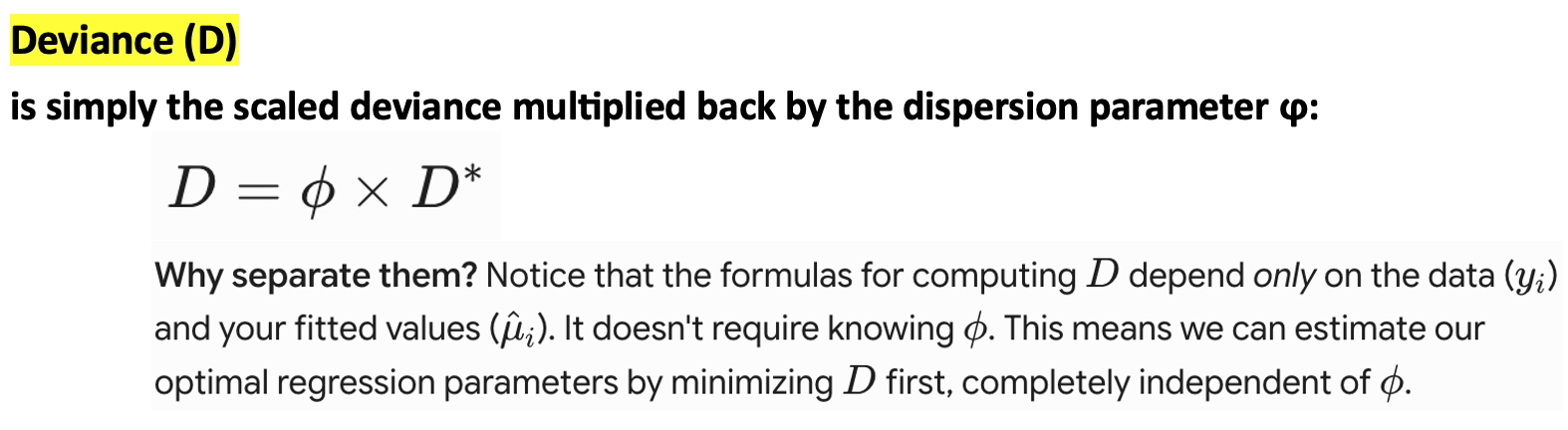
Deviance
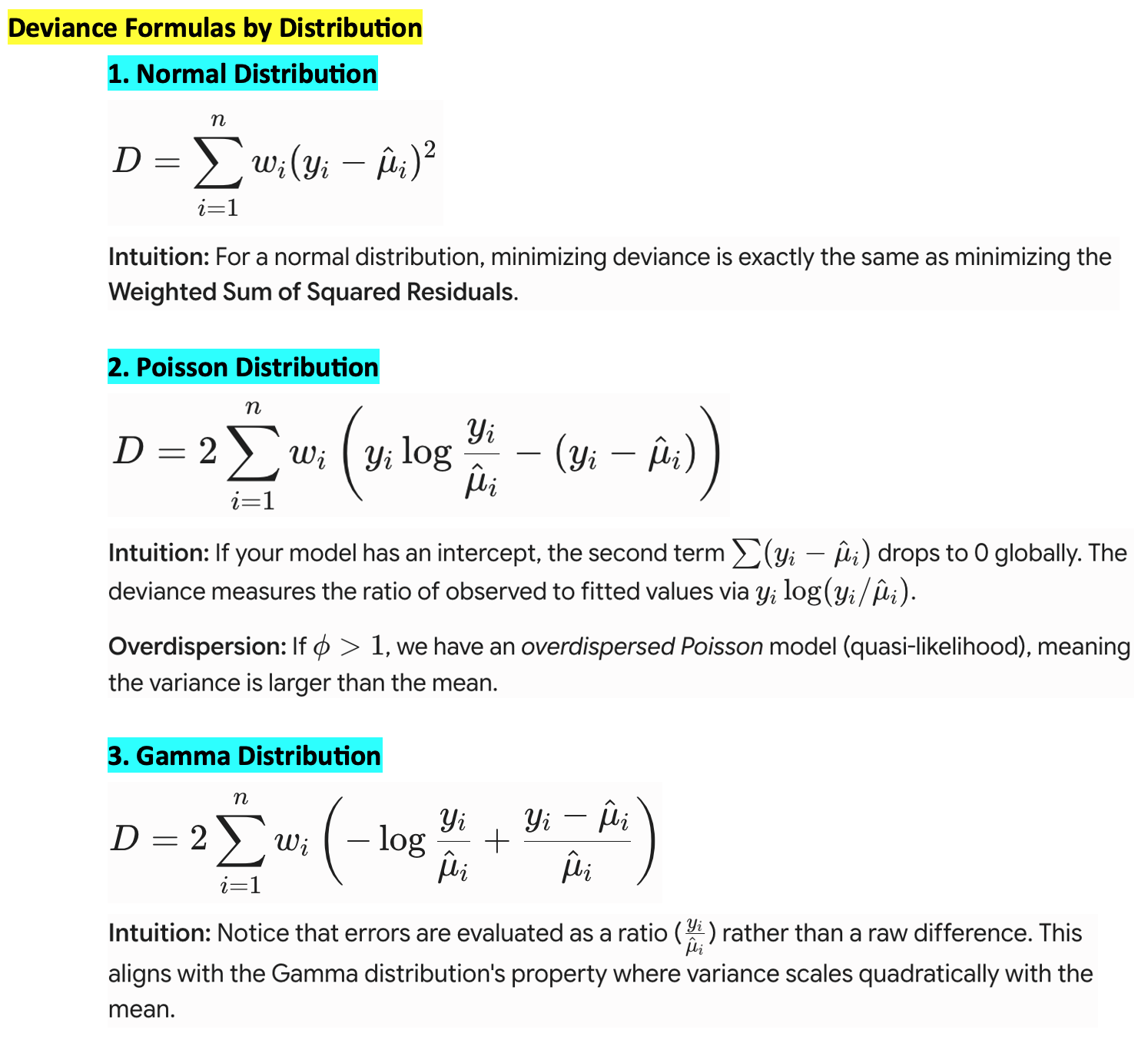
Deviance Formulas by Distribution
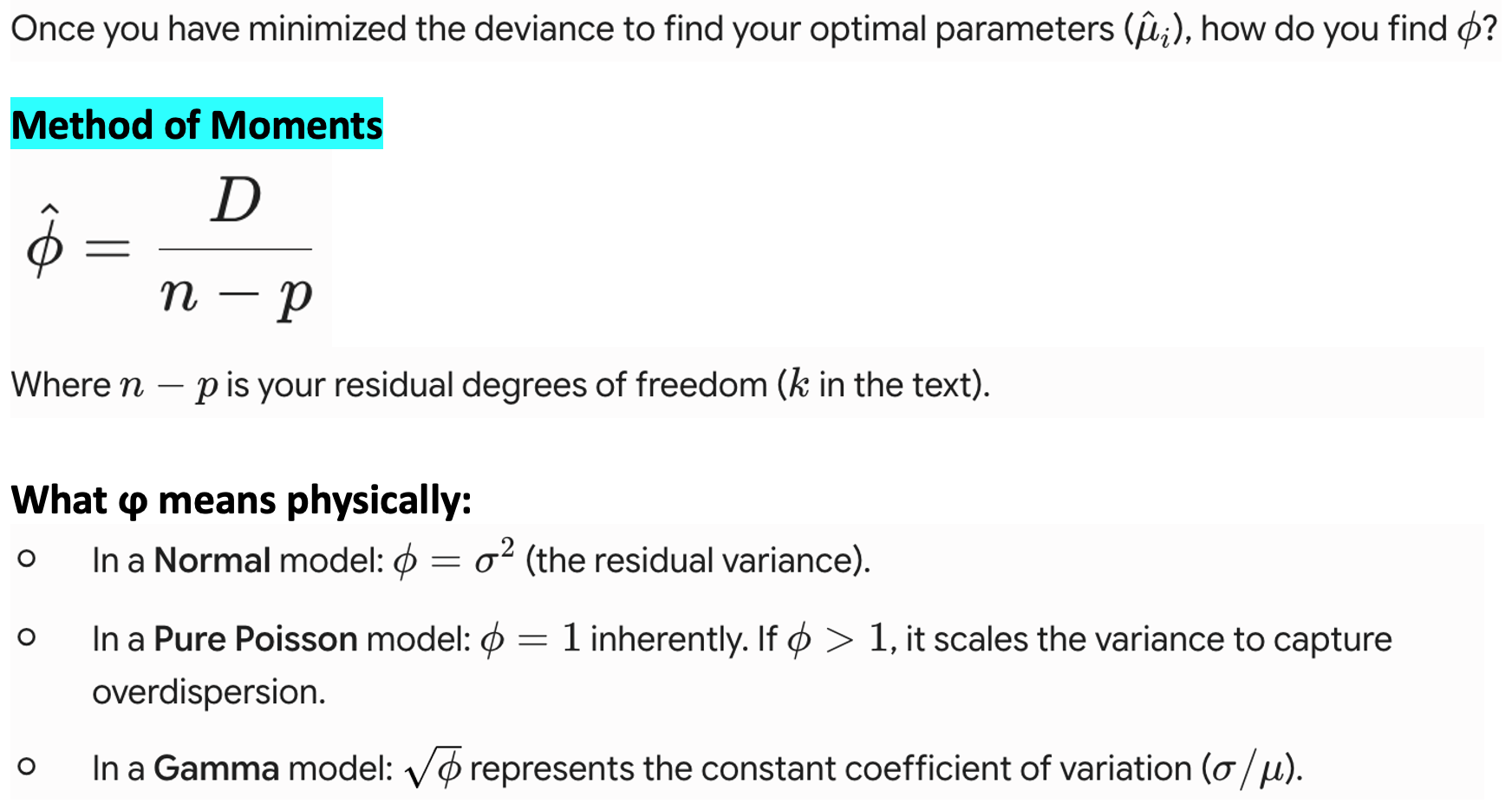
Estimating the Dispersion Parameter
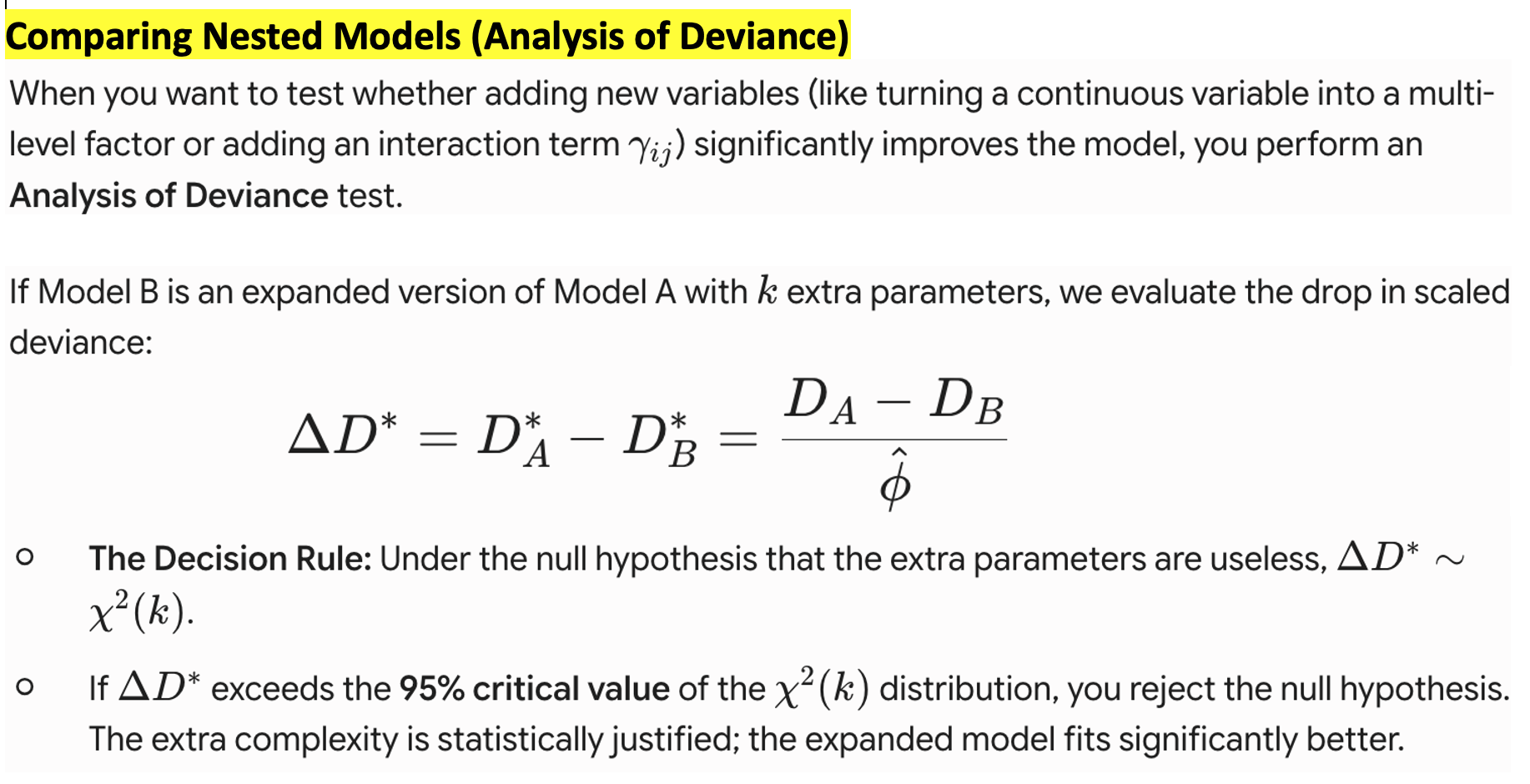
Comparing Nested Models (Analysis of Deviance)
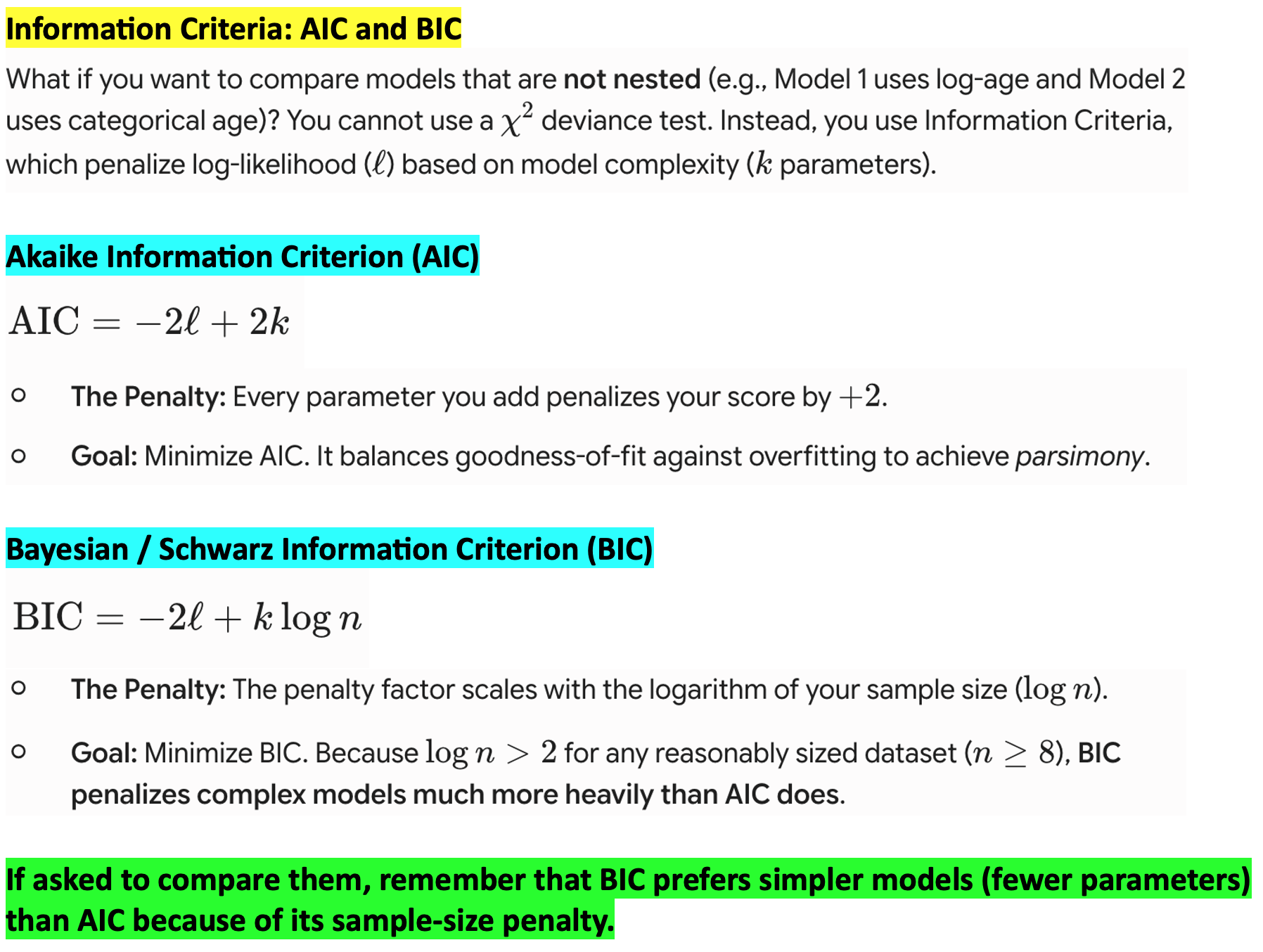
Information Criteria
9.5: Case study: Analyzing a simple automobile portfolio
View studies in book