Digestive System Test
 Call Kai
 Learn
Learn Practice Test
 Spaced Repetition
 Match
Match Flashcards
 Knowt Play
1/74

There's no tags or description
Looks like no tags are added yet.
Name | Mastery | Learn | Test | Matching | Spaced | Call with Kai |
|---|
No analytics yet
Send a link to your students to track their progress
75 Terms
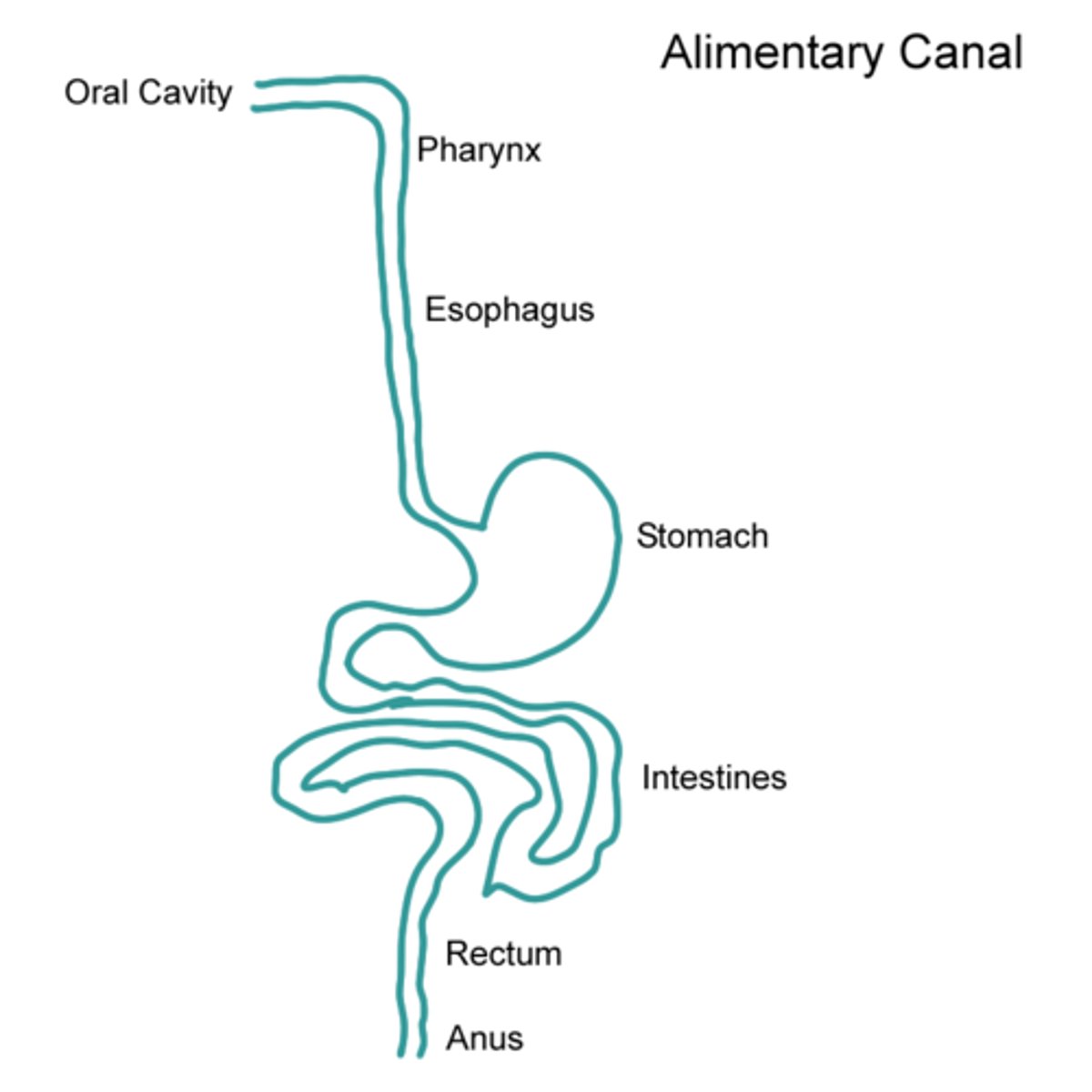
Alimentary Tract
- GI tract
- food moves through these organs
-Mouth to anus
-Digests food and absorbs fragments
-Mouth, pharynx, esophagus, stomach, small intestine, and large intestine
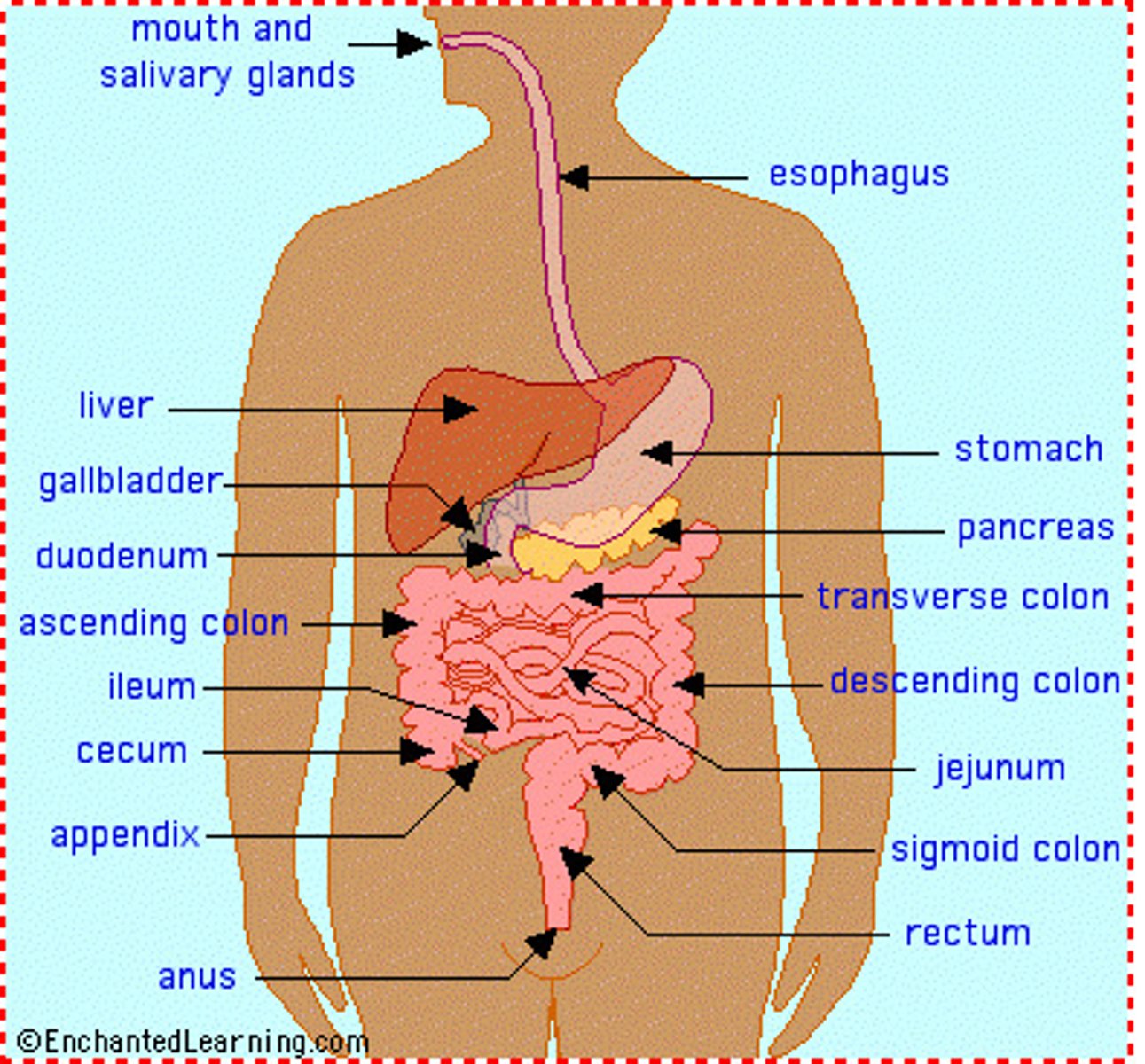
Accesory digestive organs
-food doesn't move through these organs
-helpers to process
-Teeth, tongue, gallbladder
-Digestive glands, Salivary glands
-Liver
-Pancreas
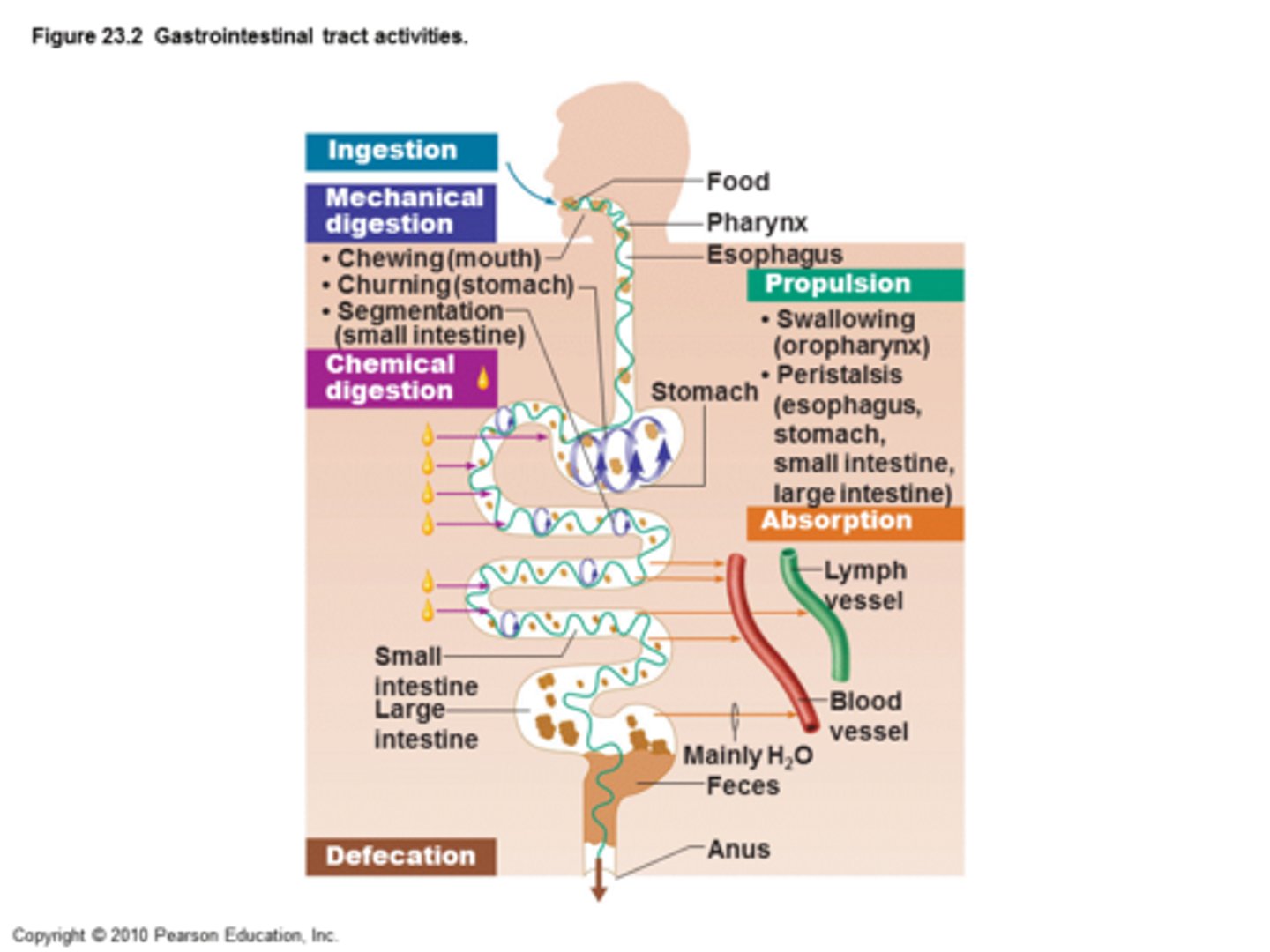
Digestive Processes
1. Ingestion=eating
2. Propulsion=move food
3. Mechanical breakdown
4. Digestion=break apart molecules
5. Absorption=nutrients into bloodstream
6. Defecation=poop
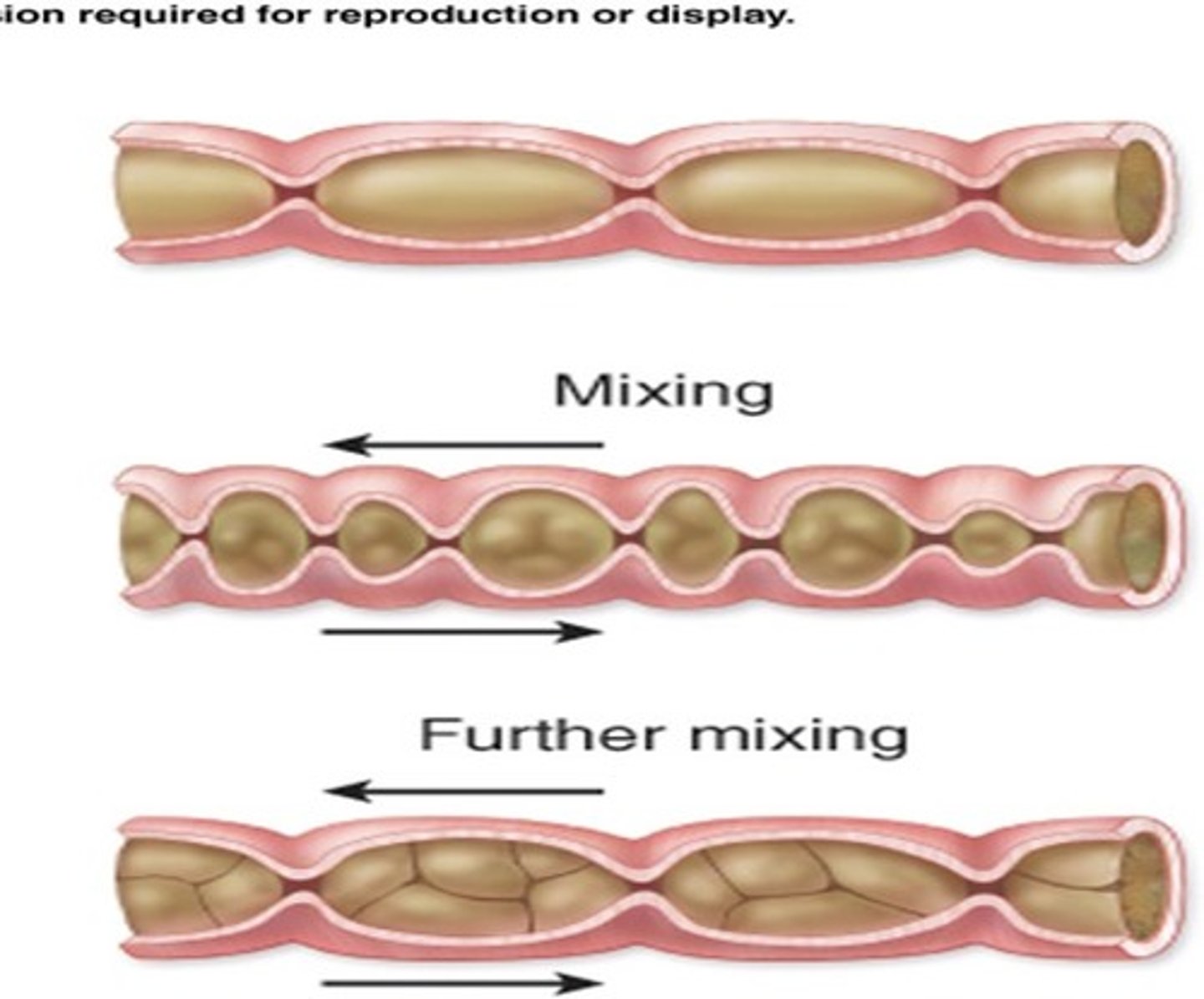
Segmentation
separates chyme and then pushes it back together, mixing it and providing time for digestion and absorption.
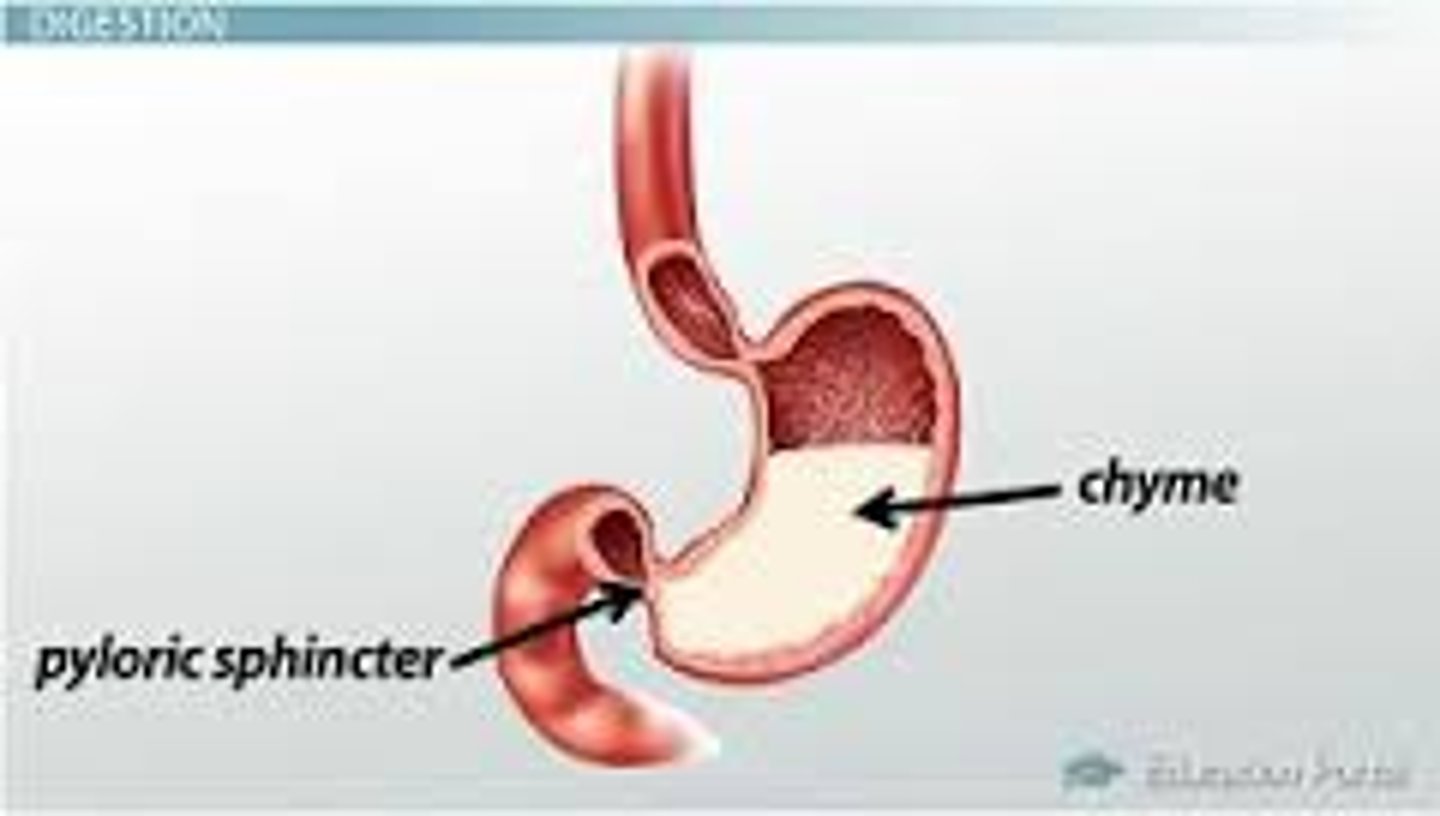
chyme
Partially digested, semiliquid food mixed with digestive enzymes and acids in the stomach.
Peritoneum
-Double-layered membrane surrounding the abdominal organs
-Routes for blood vessels, lymphatics, and nerves
-Holds organs in place; stores fat
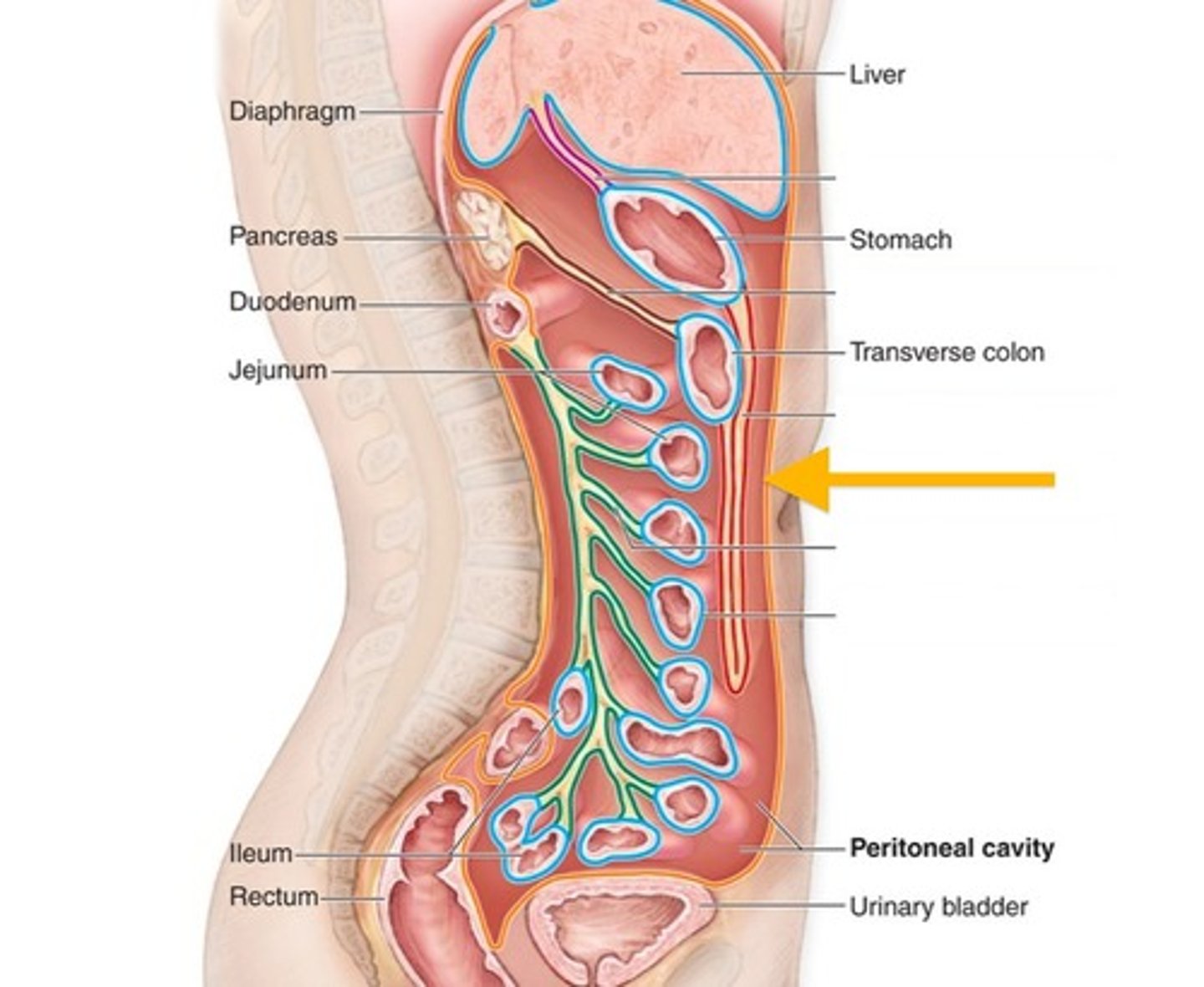
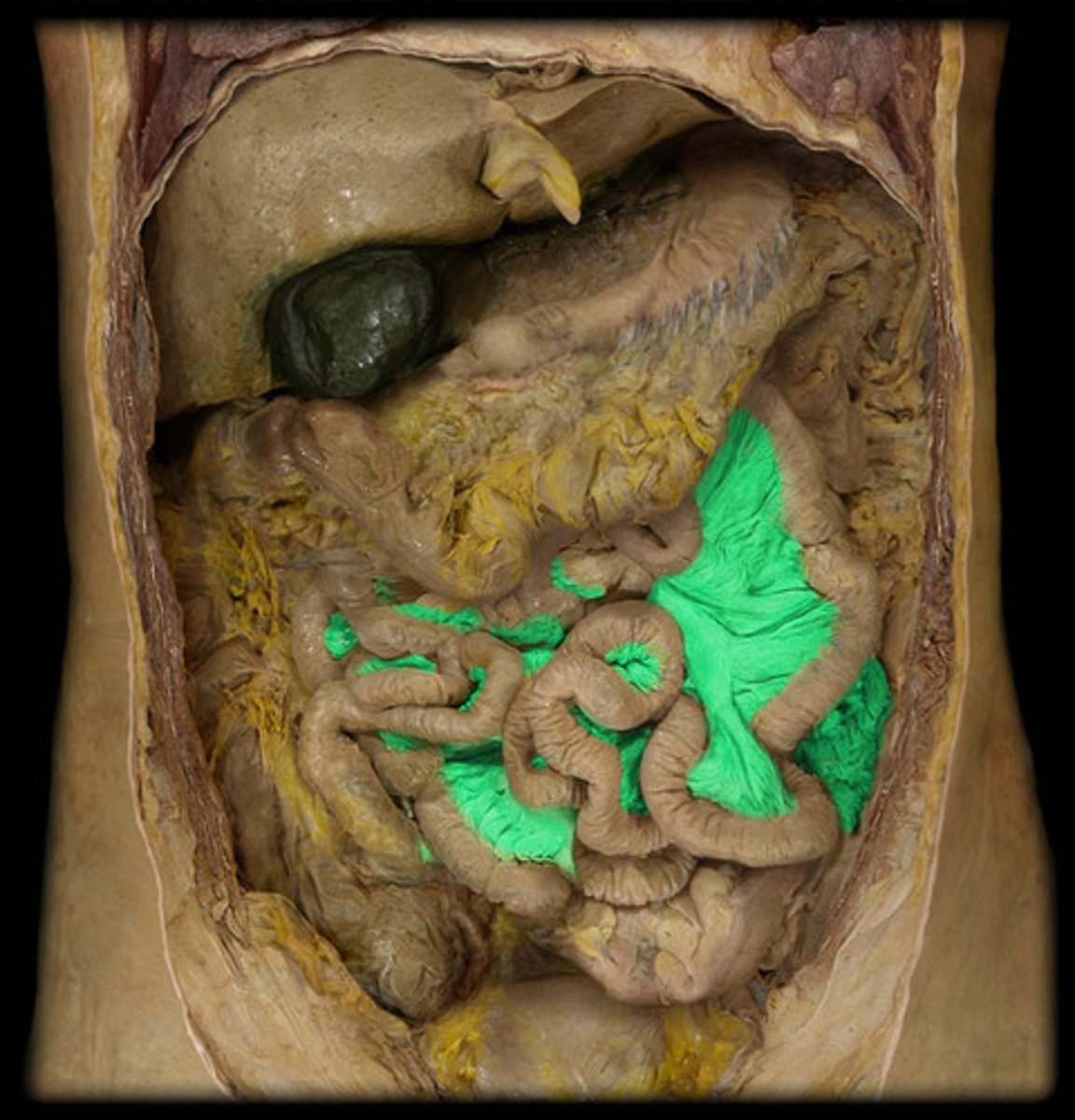
Mesentary
supportive membrane surrounding internal organs and attaching to the body wall (just small intestine)
-Routes for blood vessels, lymphatics, and nerves
-Holds organs in place; stores fat
Peritonitis
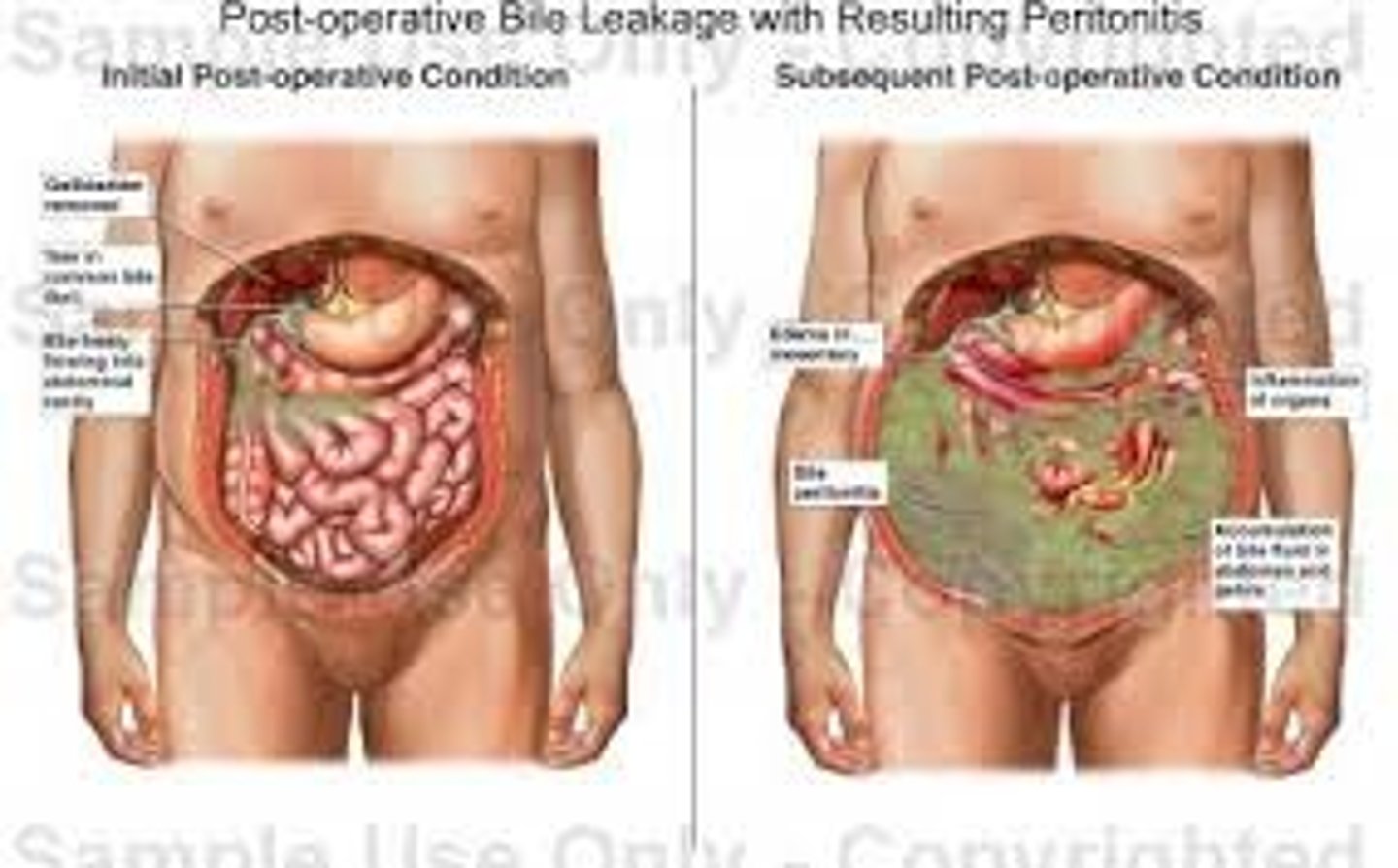
-Inflammation of peritoneum
-Causes by e.g., piercing abdominal wound, perforating ulcer, ruptured appendix
-Dangerous and lethal if widespread
-Treated with debris removal and antibiotics
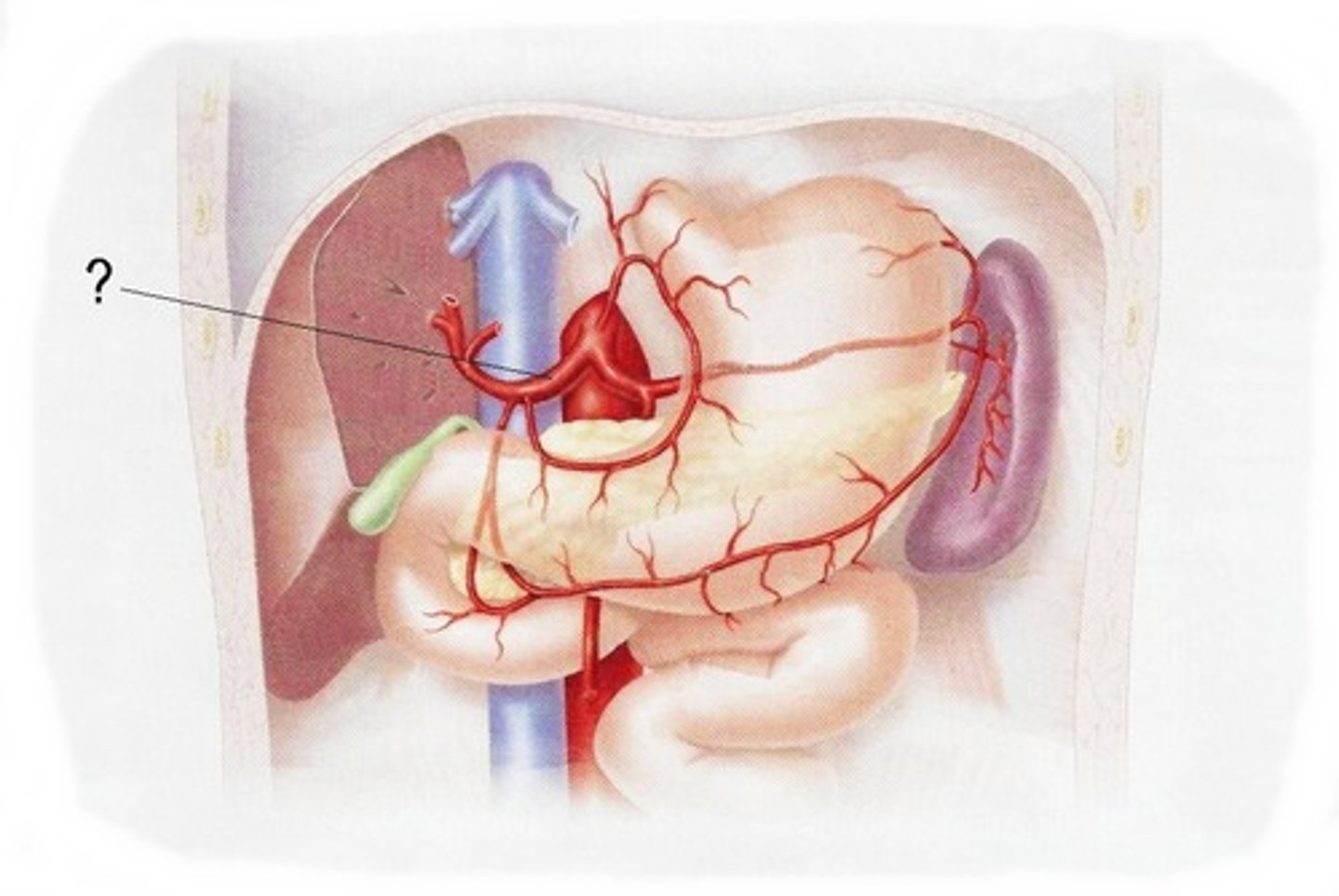
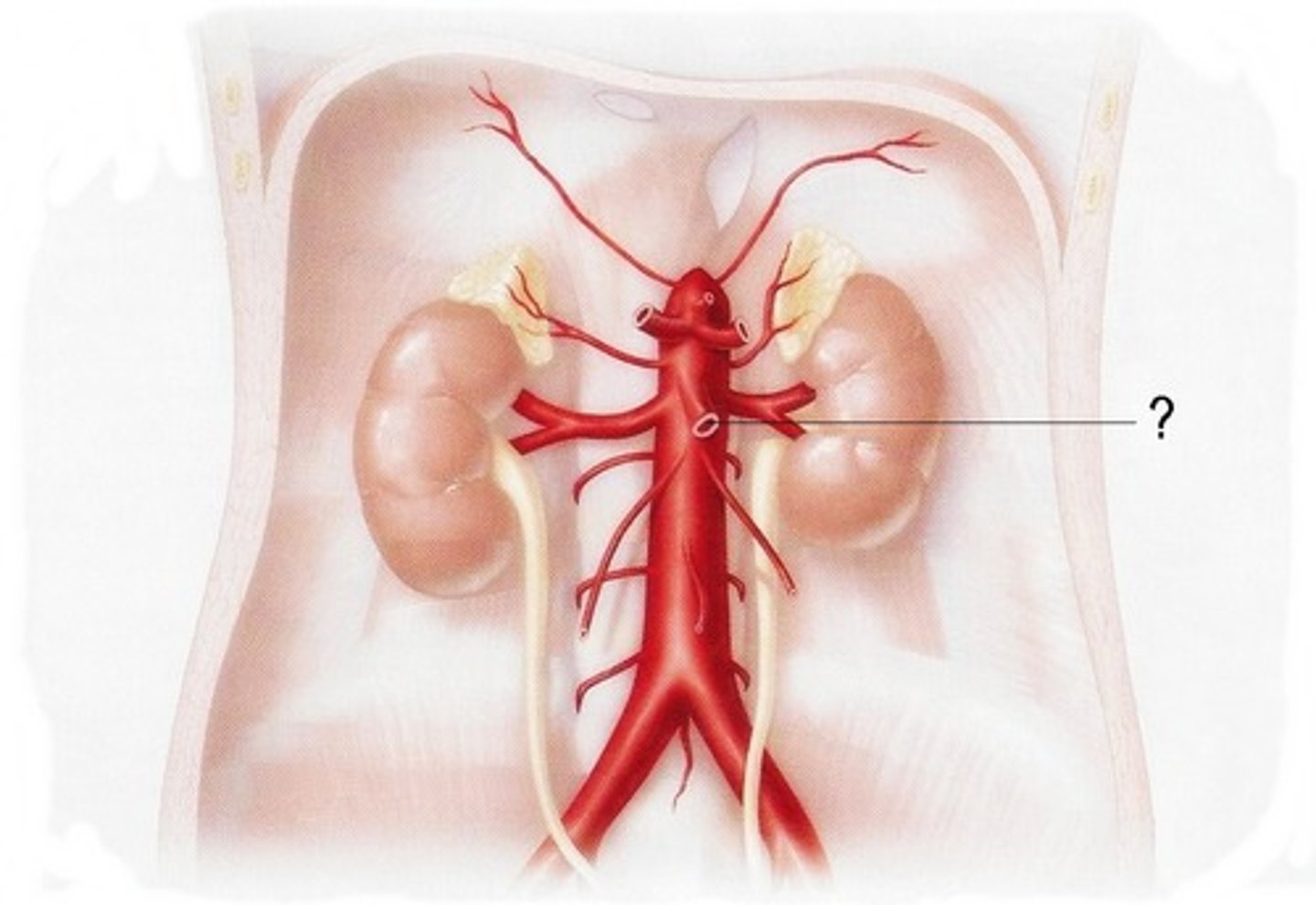
hepatic arteries
carry oxygenated blood from the aorta to the liver
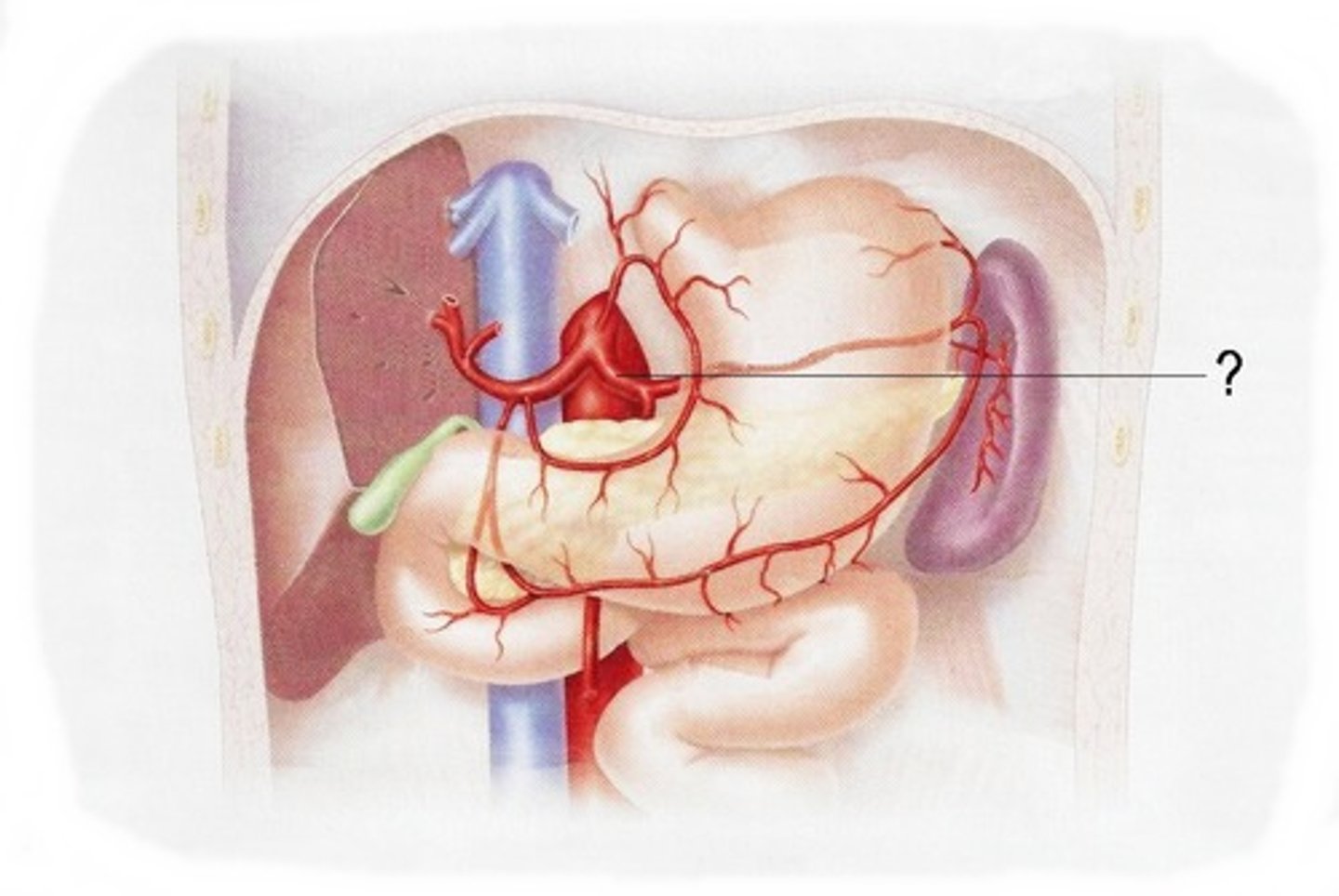
splenic arteries
supplies the spleen
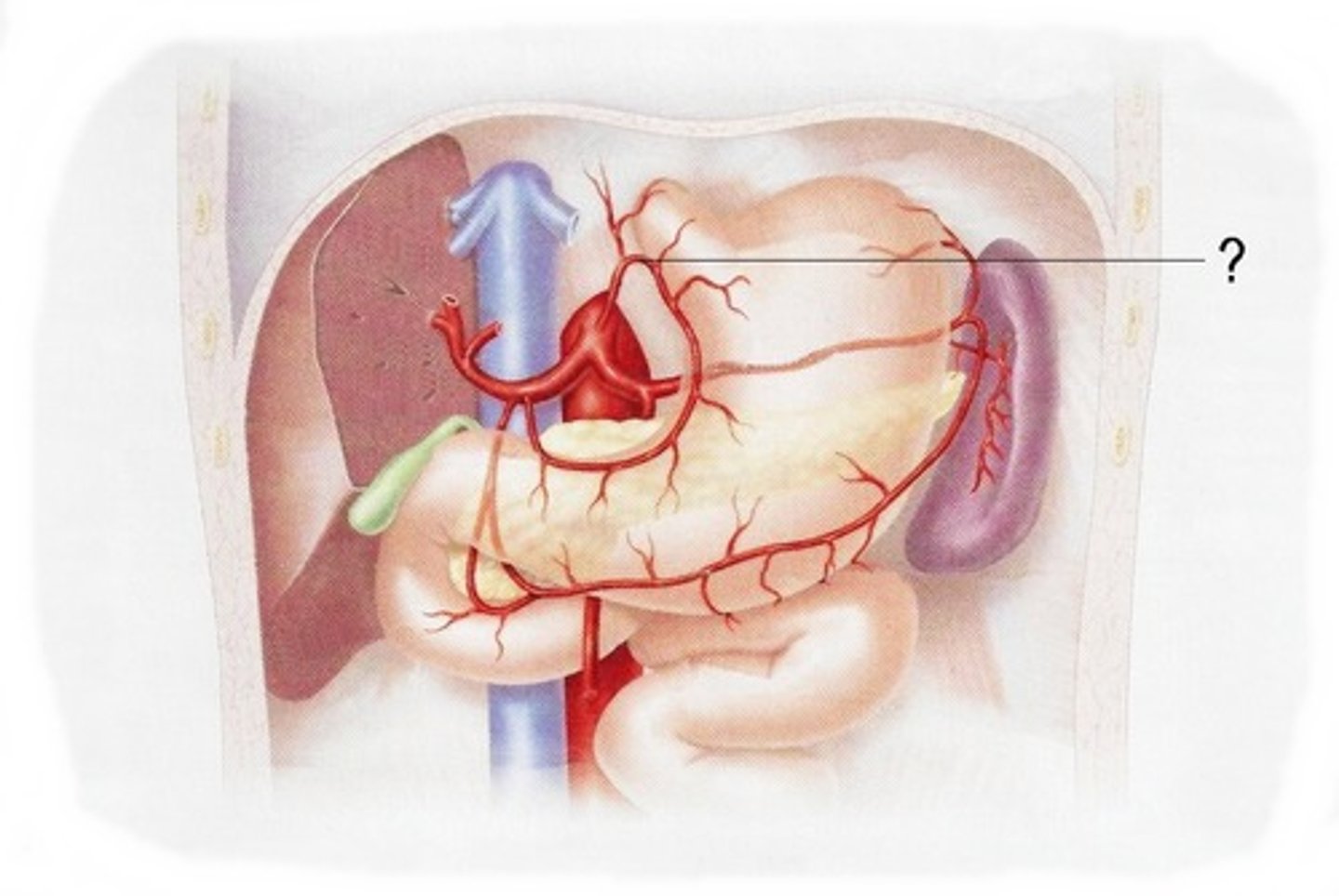
left gastric arteries
Supply the esophagus in the abdomen
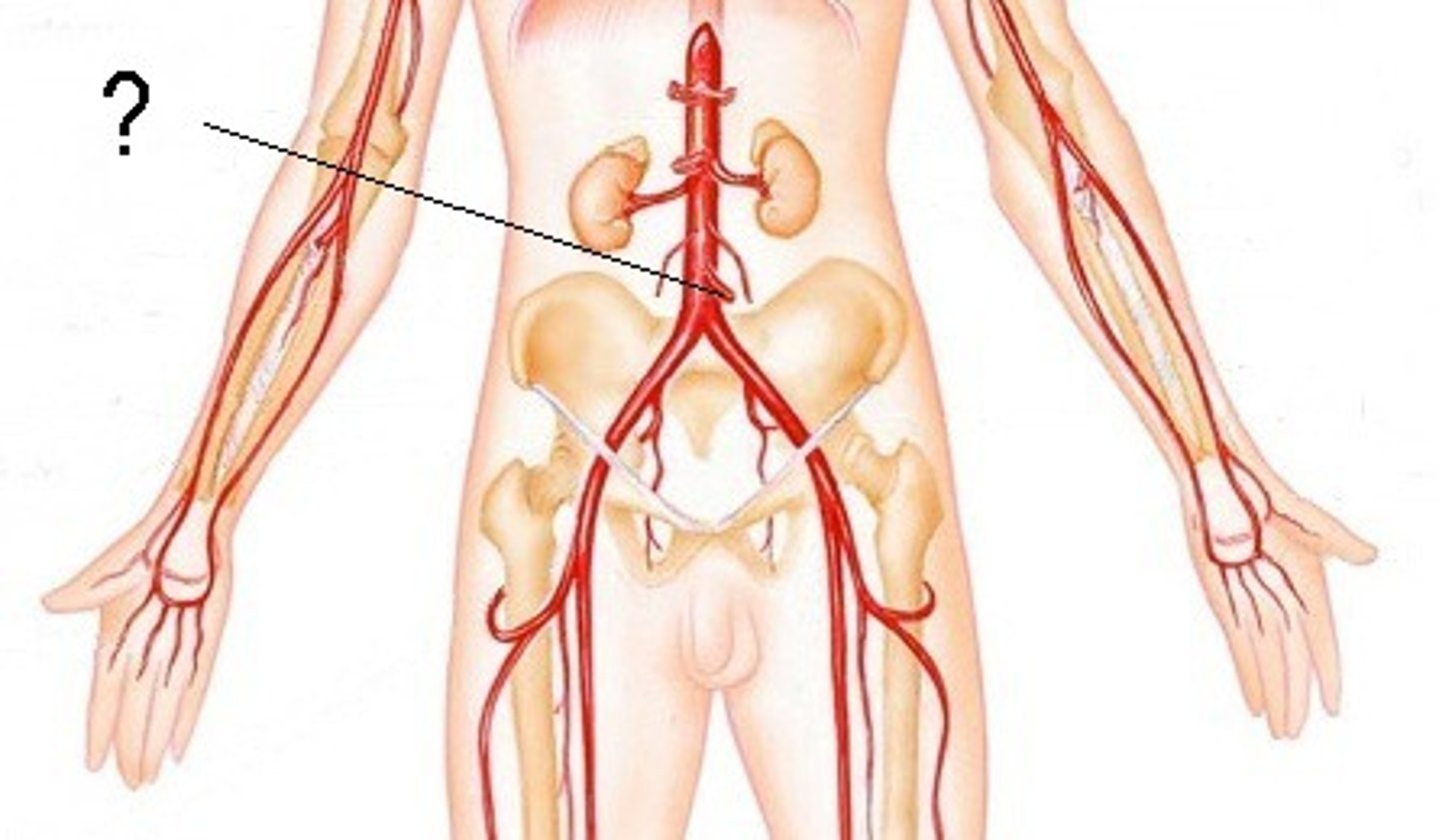
inferior mesenteric artery
Supplies arterial blood to the large intestine.
superior mesenteric artery
supplies the small intestine
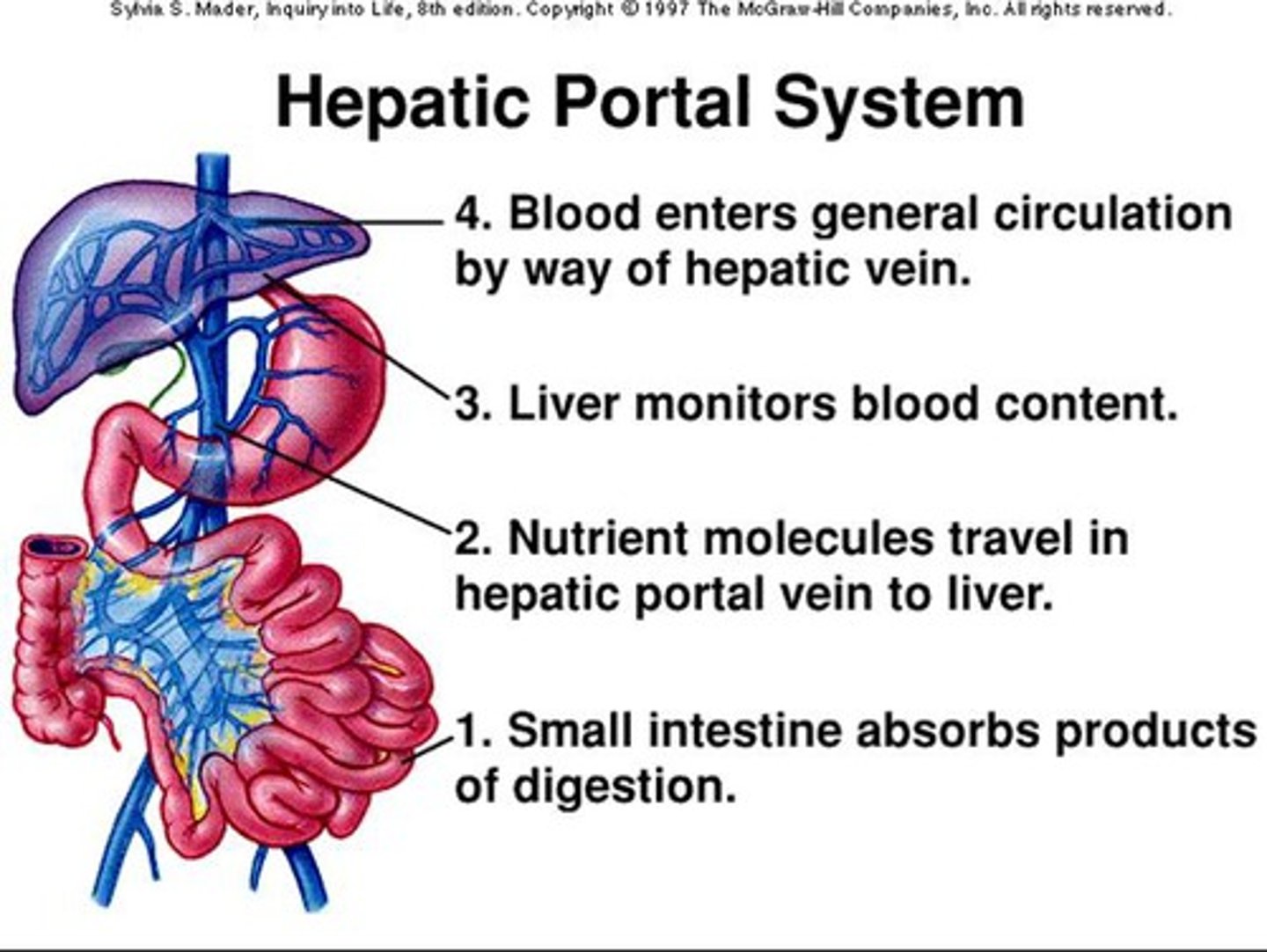
hepatic portal circulation
-Drains nutrient-rich blood from digestive organs
-Delivers it to the liver for processing
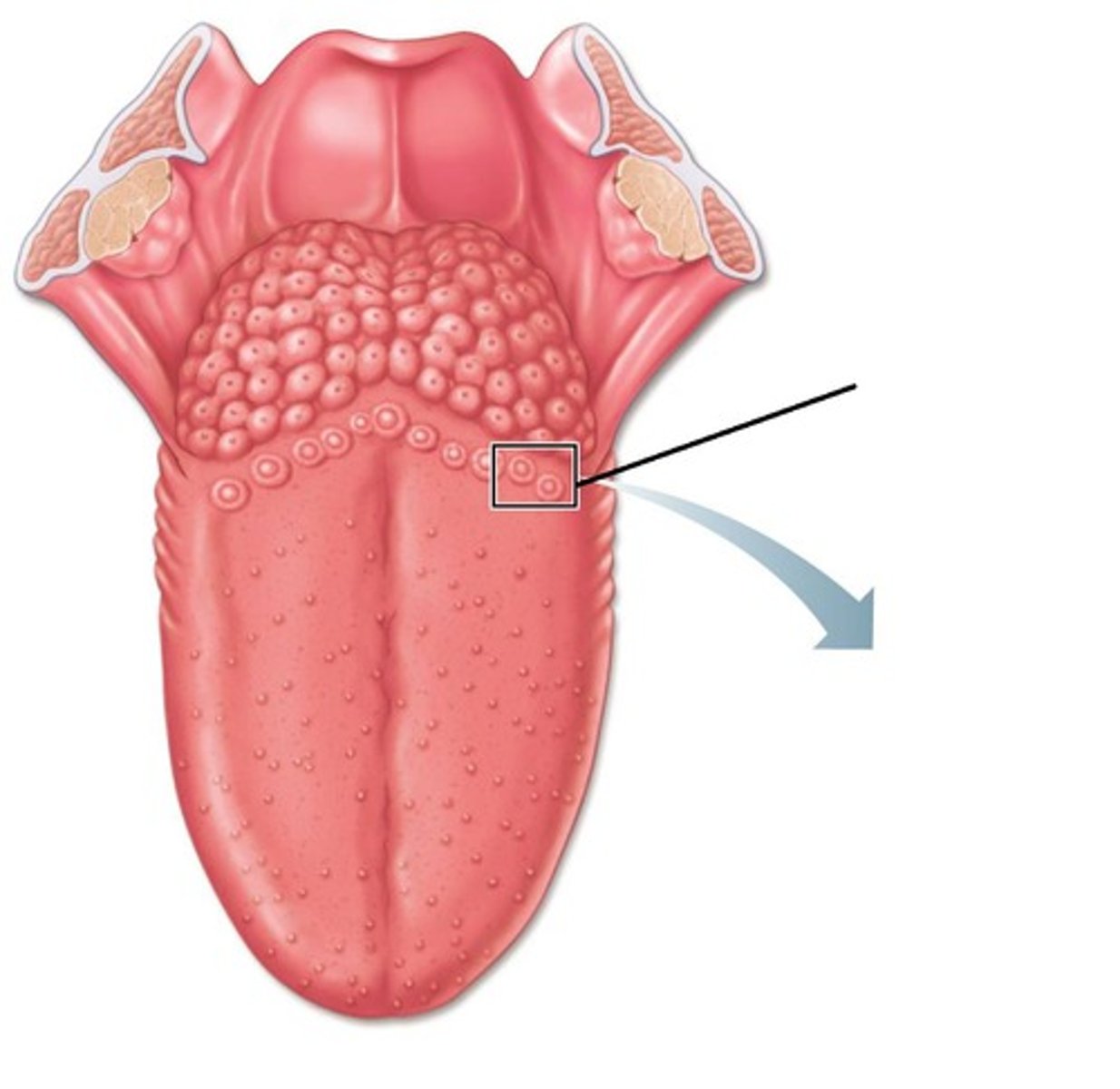
filiform (tongue)
whitish, give the tongue roughness and provide friction; do not contain taste buds
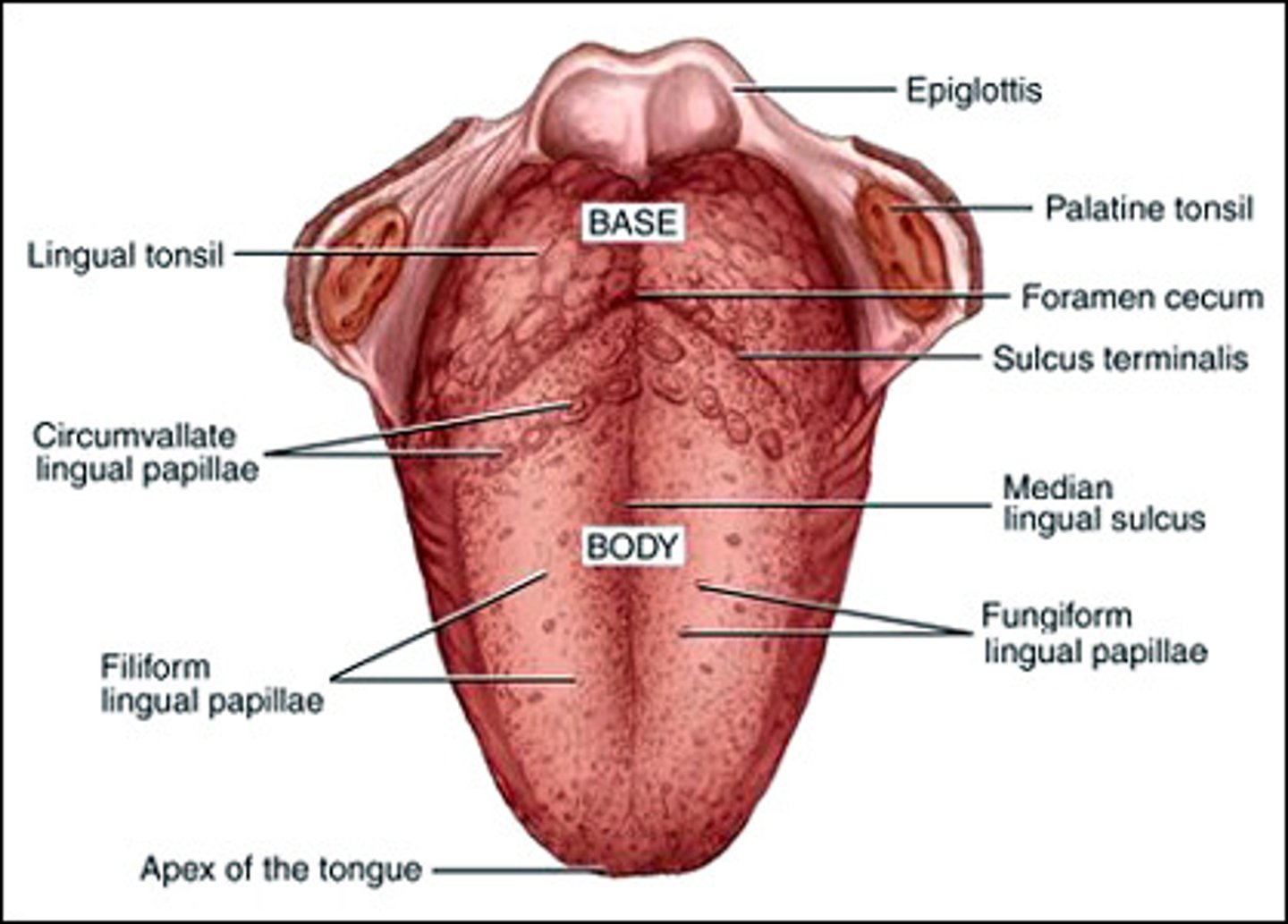
fungiform (tongue)
reddish, scattered over tongue; contain taste buds
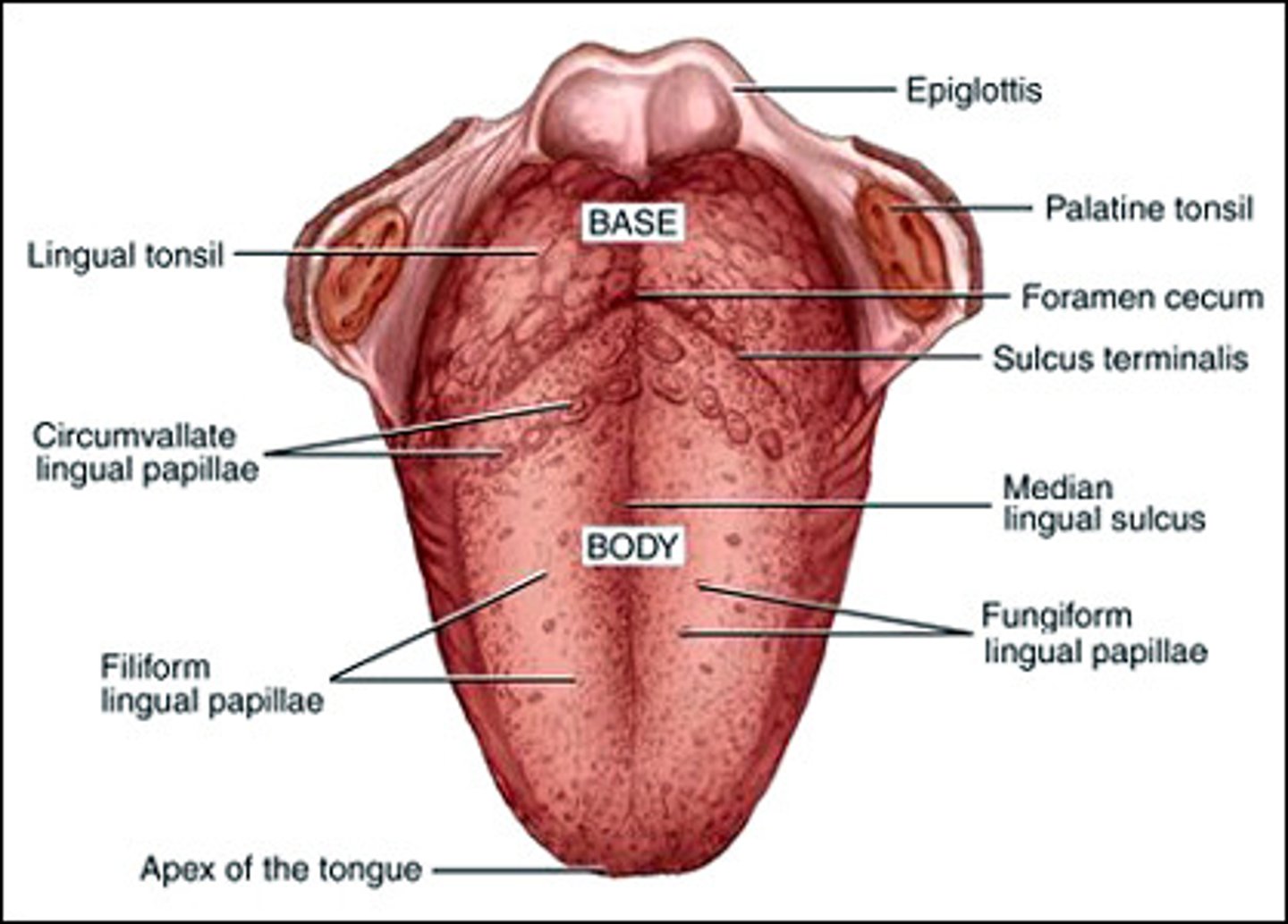
Circumvallate (vallate)
-V-shaped row in back of tongue; contain taste buds
-Lingual lipase
-secreted by cells on tongue
-Fat-digesting enzyme functional in stomach
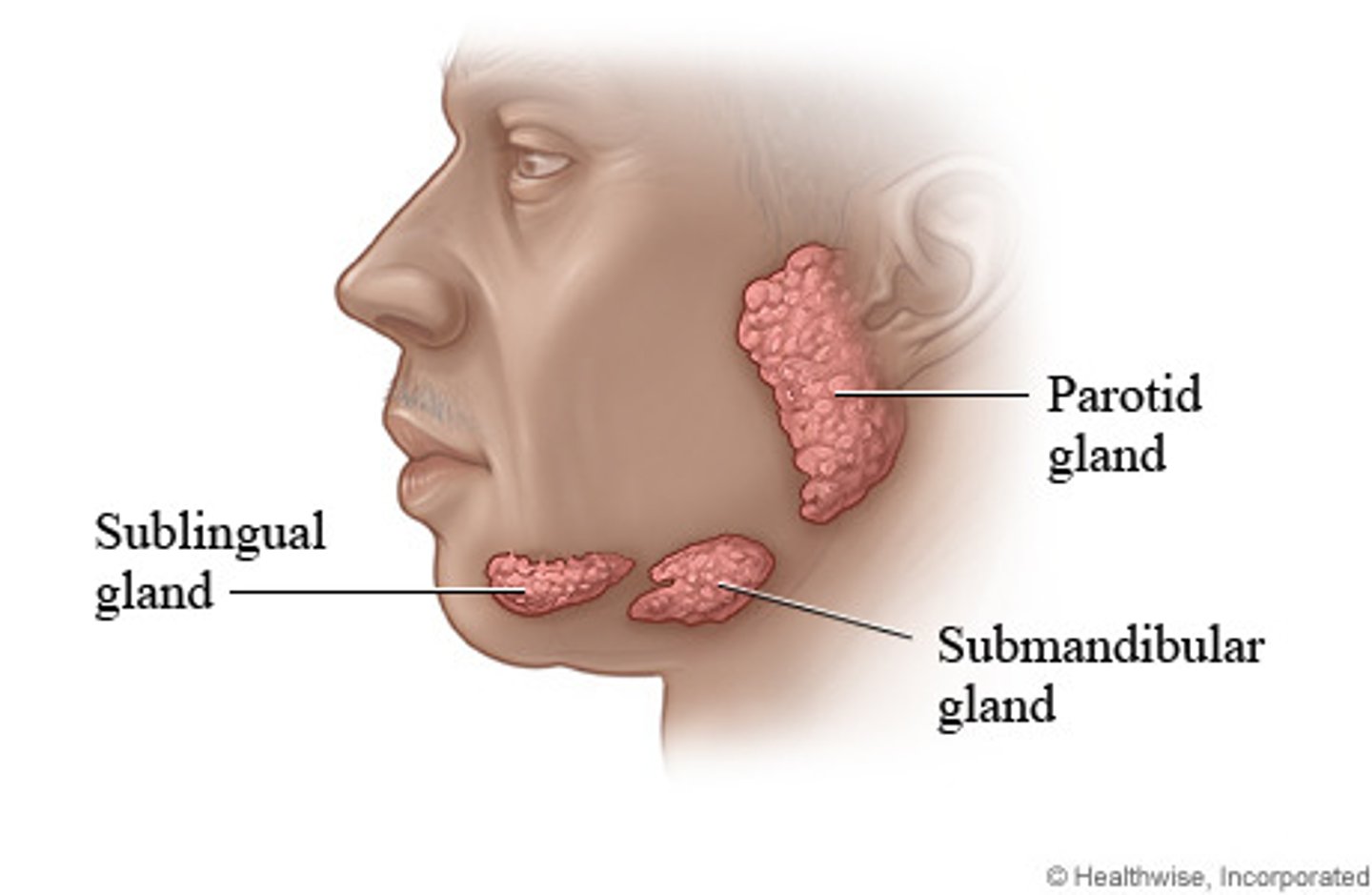
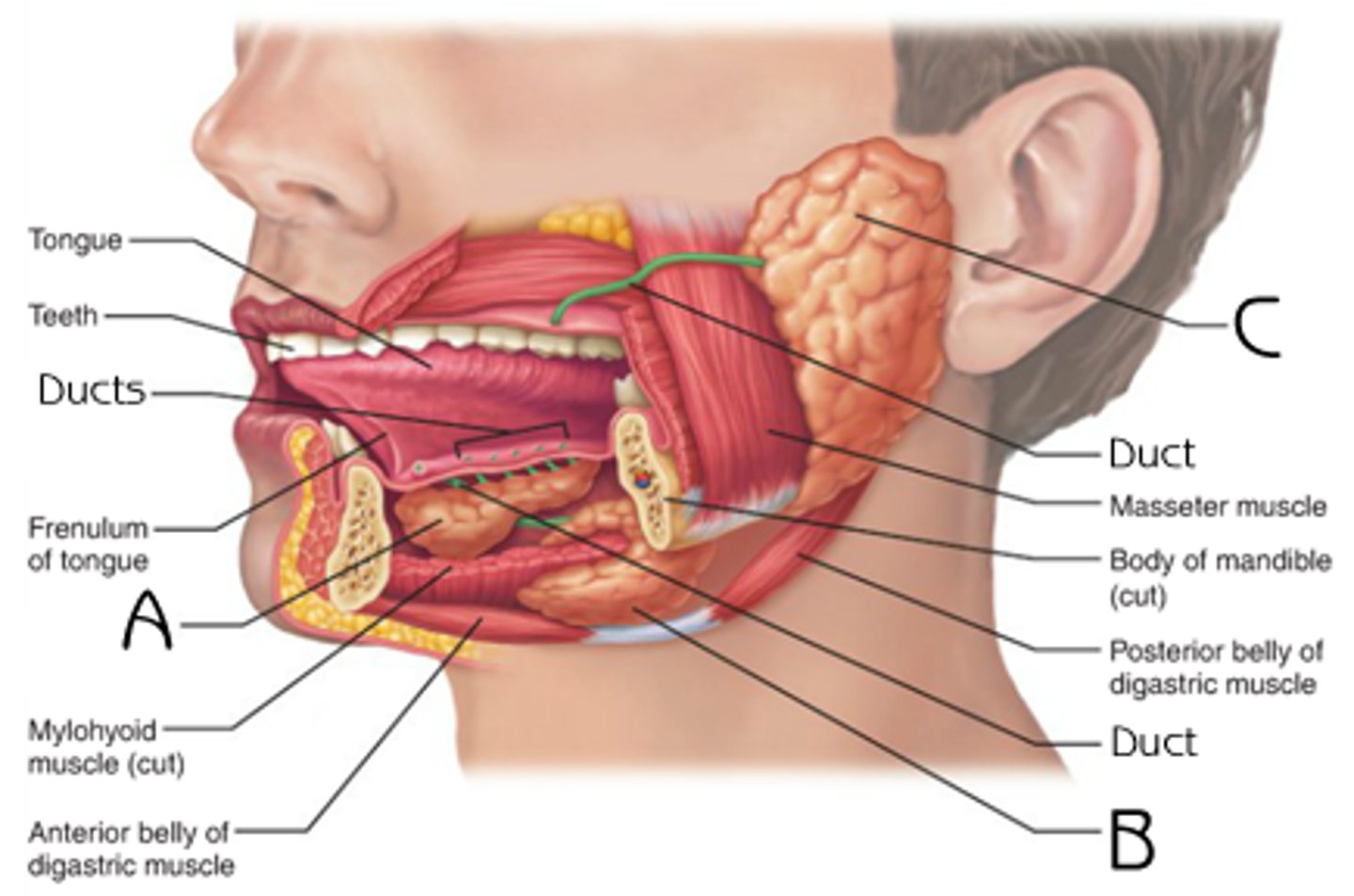
Extrinsic salivary glands
-Produce most saliva; lie outside oral cavity
-Parotid
-Submandibular
-Sublingual
Intrinsic salivary glands
small glands dispersed amid other oral tissues
Function of Saliva
-Cleanses mouth
-Dissolves food chemicals for taste
-Moistens food; compacts into bolus
-Begins breakdown of starch with enzymes - amylase
sublingual: mostly mucous cells =
mucusy saliva
Parotid and Submandibular: mostly serous cells =
watery saliva
Composition of saliva
-97-99.5% water, slightly acidic
-Electrolytes—Na+, K+, Cl-, PO4 2-, HCO3-
-Salivary amylase and lingual lipase
-Mucin
-Metabolic wastes—urea and uric acid
-Lysozyme, IgA, defensins, and a cyanide compound protect against microorganisms
control of salivation
-1500 ml/day
-Intrinsic glands continuously keep mouth moist
-Extrinsic salivary glands activated by parasympathetic nervous system when
Ingested food stimulates chemoreceptors and mechanoreceptors in mouth = salivate!!
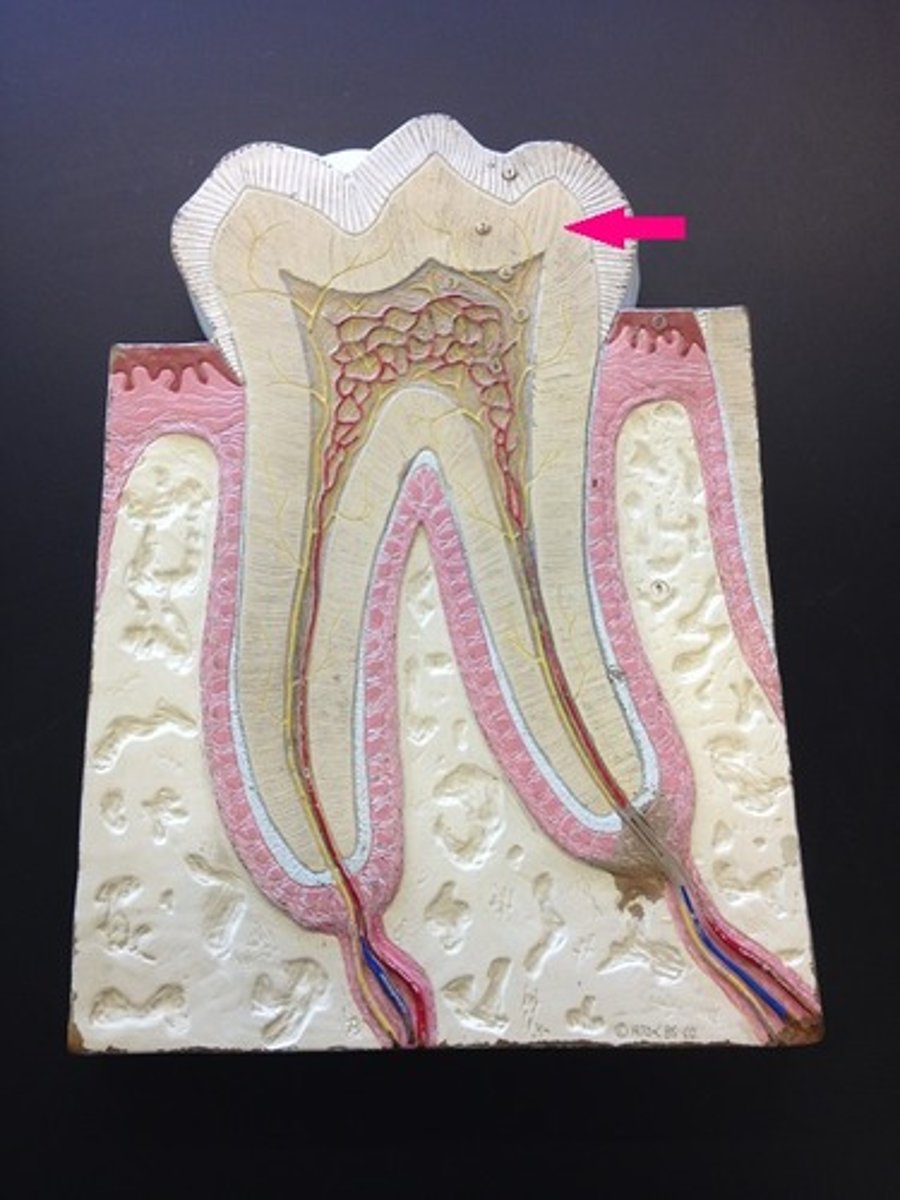
Enamel
hardest substance in the body
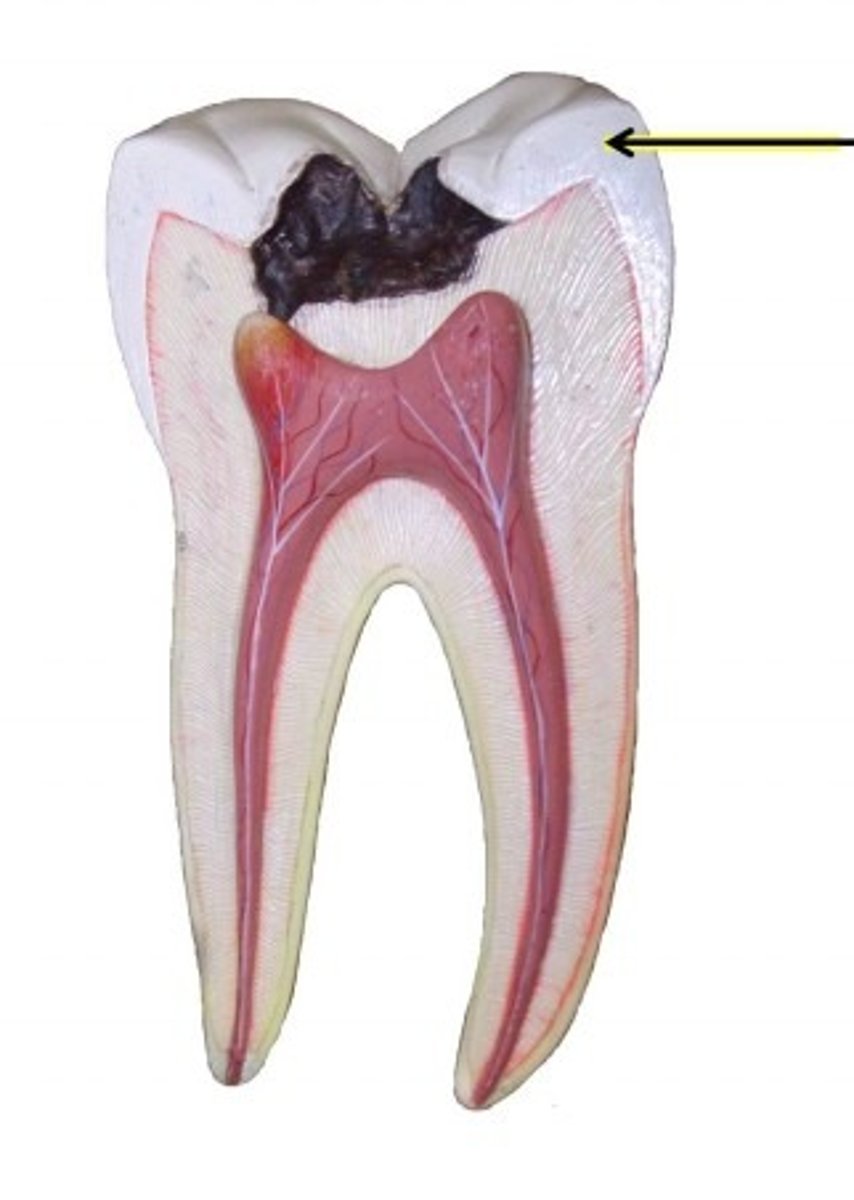
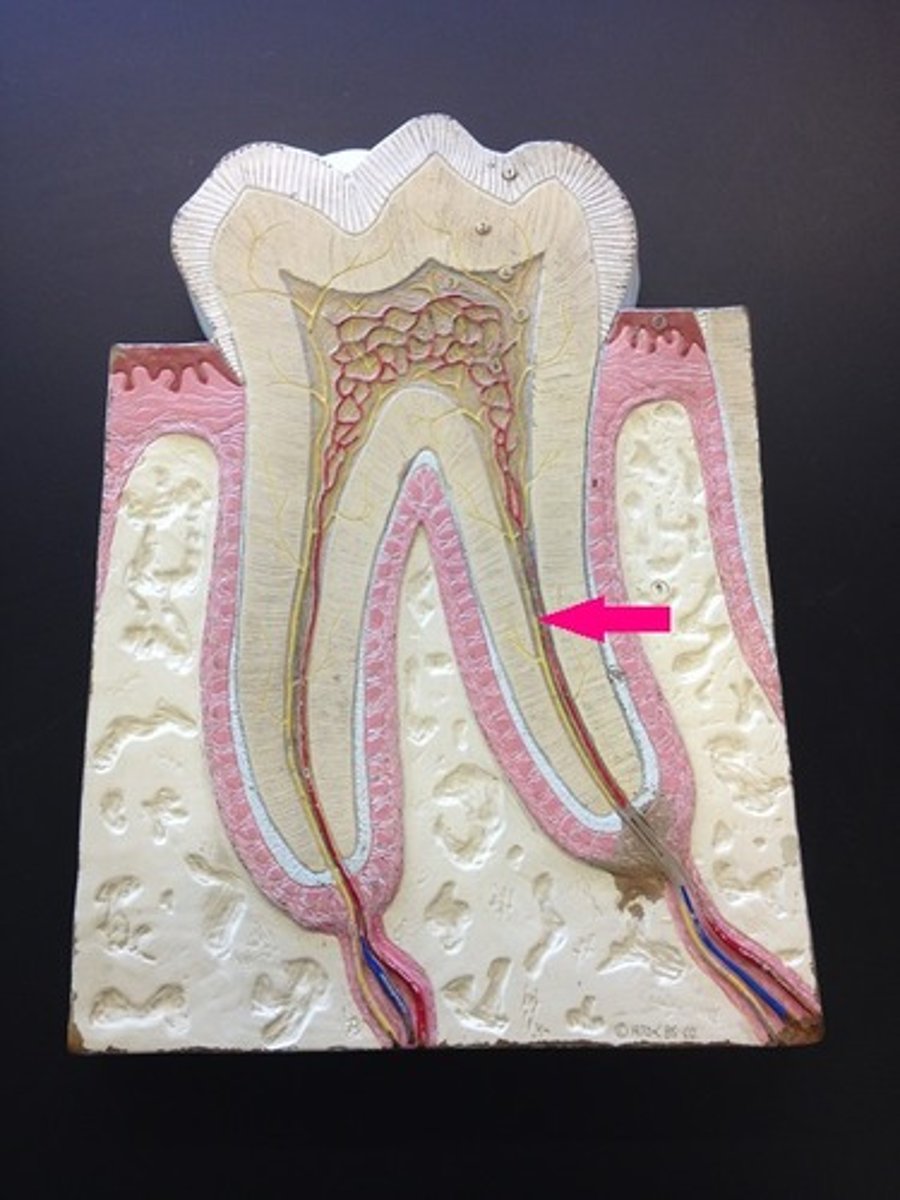
dentin
boney like material
Periodontal ligament
Holds tooth in the socket
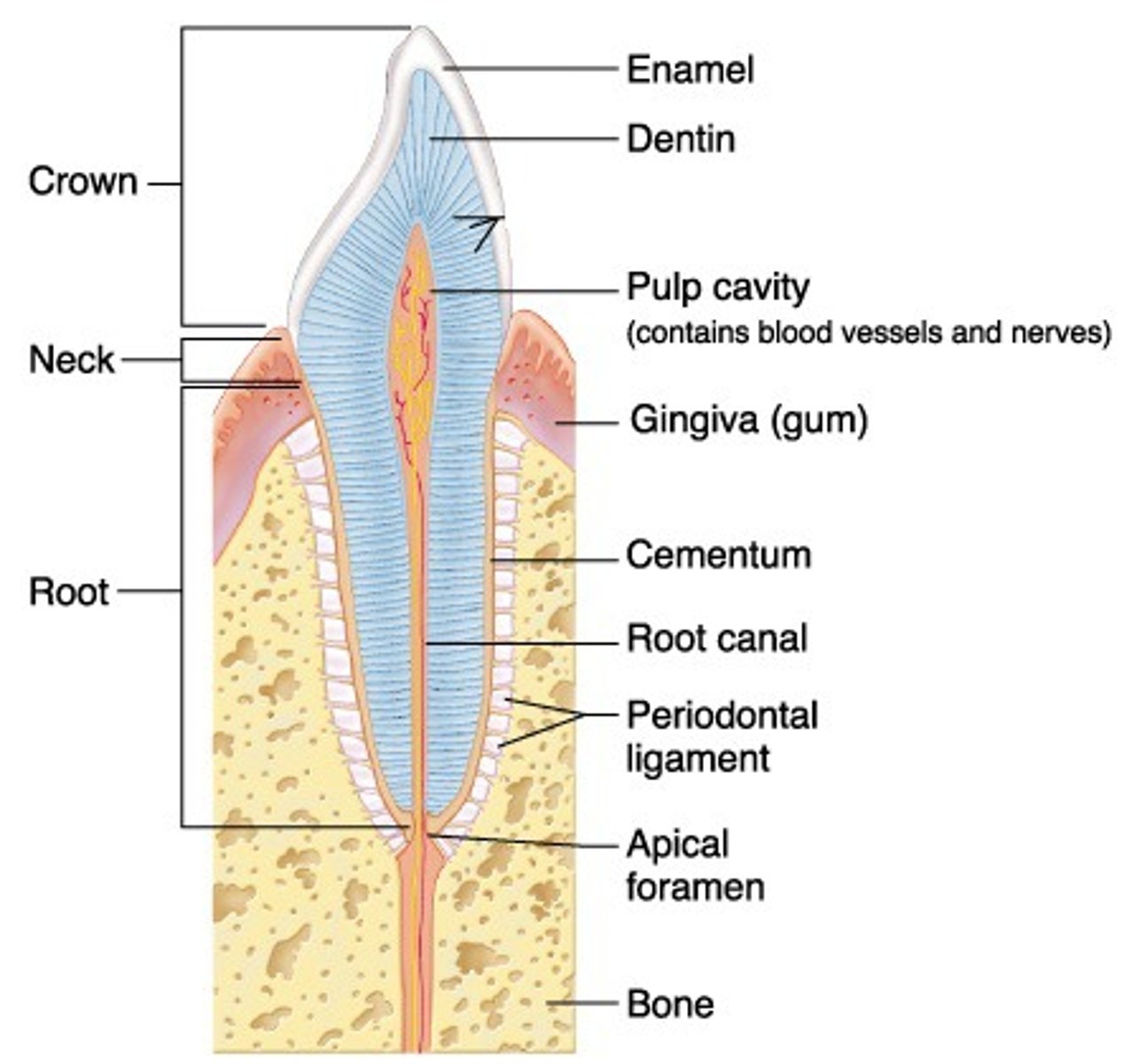
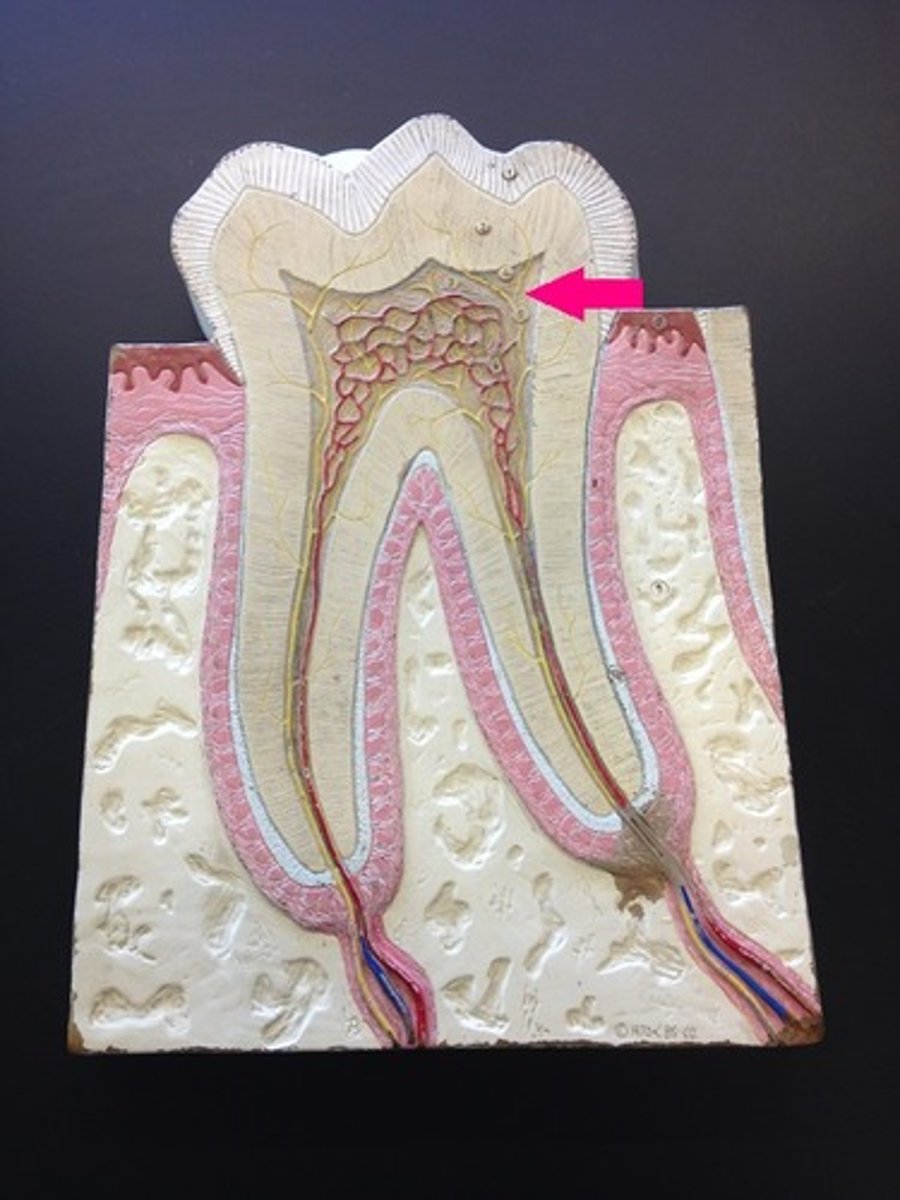
pulp cavity
site of blood vessels and nerves
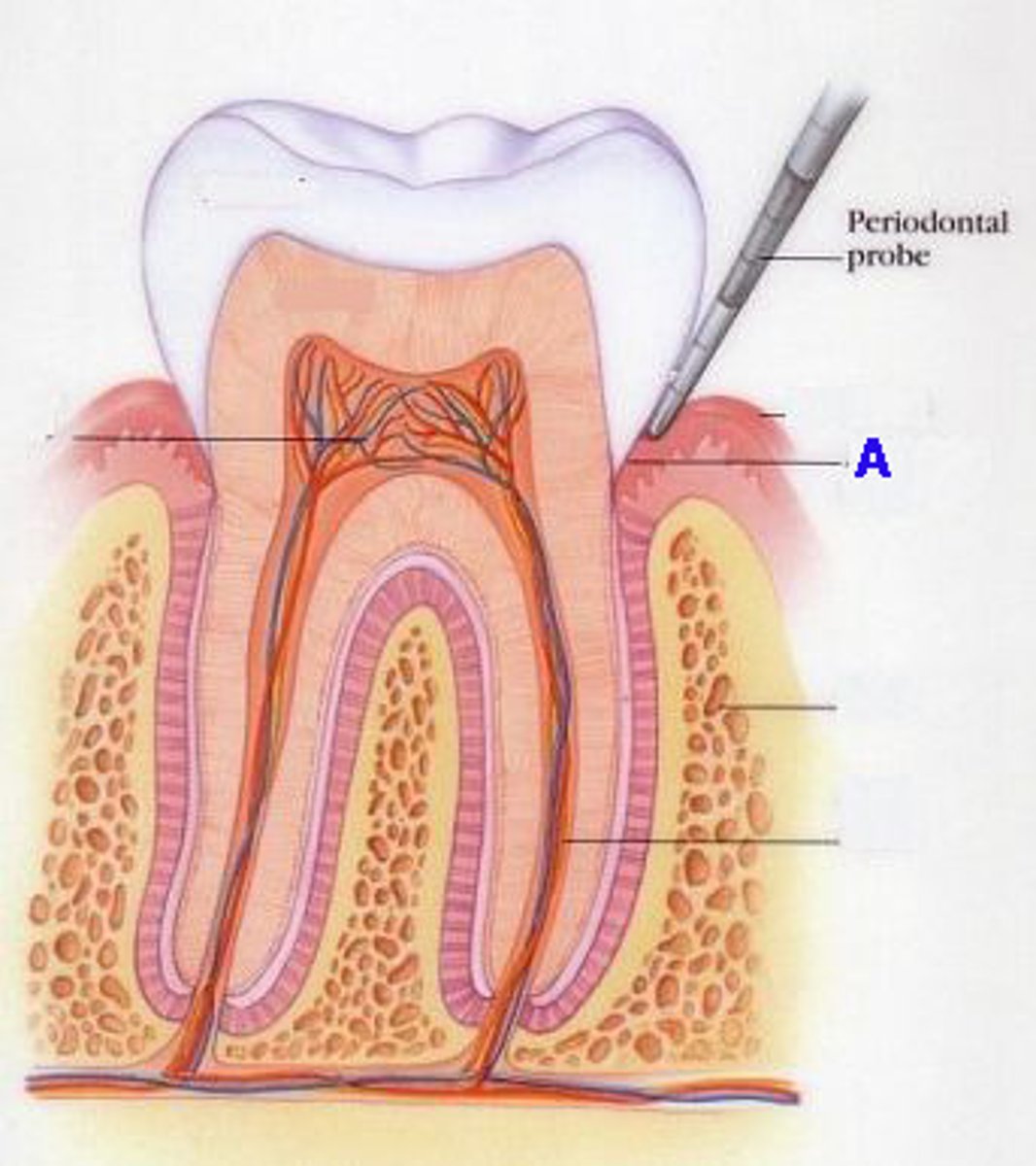
gingival sulcus
space between the free gingiva and the tooth surface
crown (of tooth)
exposed tooth
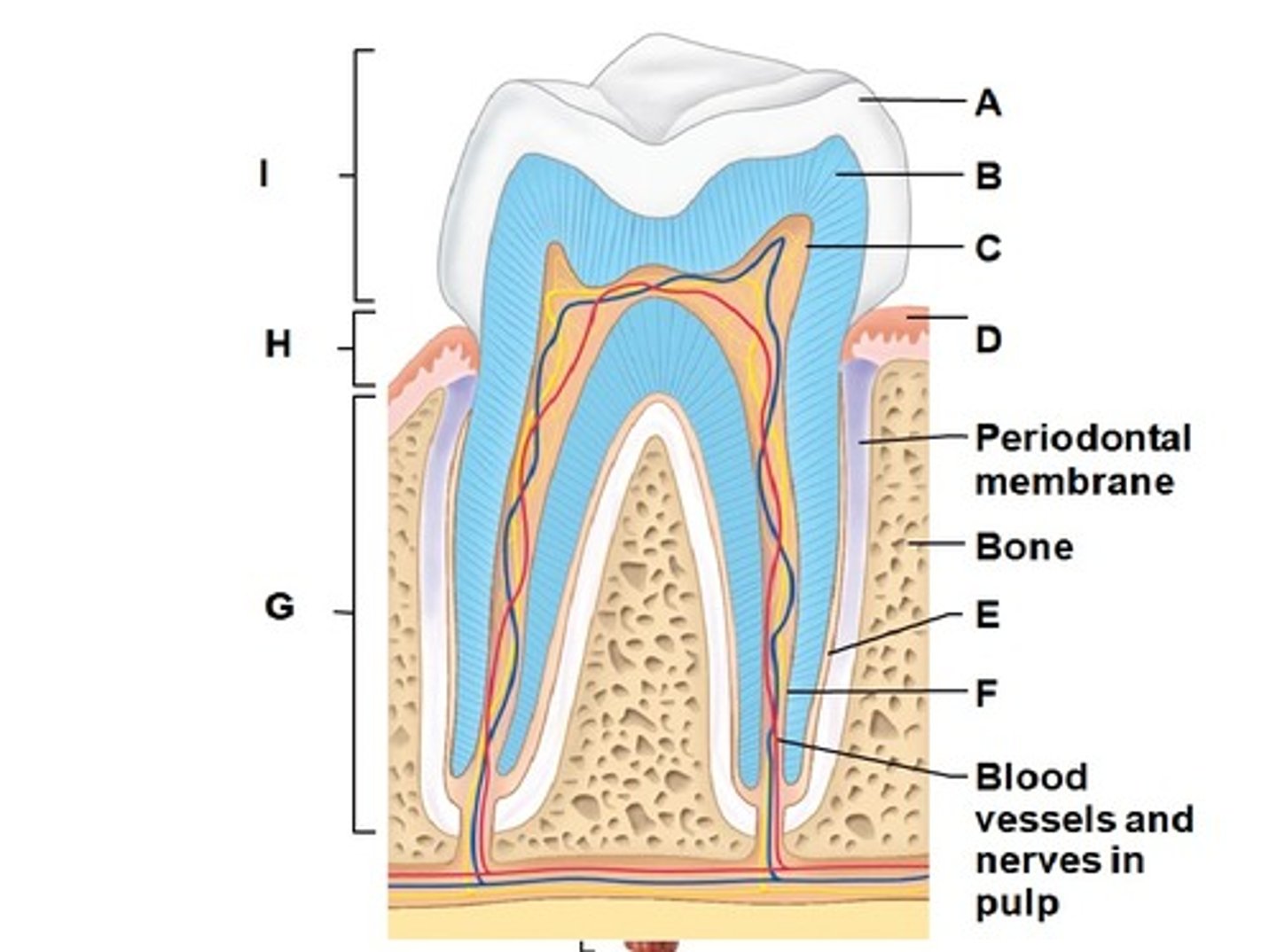
root (of tooth)
below the gum line
Dental caries
-cavities
-demineralization of enamel and dentin from bacterial action
Dental plaque
-film of sugar, bacteria, and debris adheres to teeth
-Acid from bacteria dissolves calcium salts
-Proteolytic enzymes digest organic matter
-Prevention: daily flossing and brushing
gingivitis
-Plaque calcifies to form calculus (tartar)
-Calculus disrupts seal between gingiva and teeth
-Anaerobic bacteria infect gums
-infection reversible if calculus removed
Periodontitis
- from neglected gingivitis
- Immune cells attack intruders and body tissues
- Destroy periodontal ligament
- Activate osteoclasts → dissolve bone
- Possible tooth loss
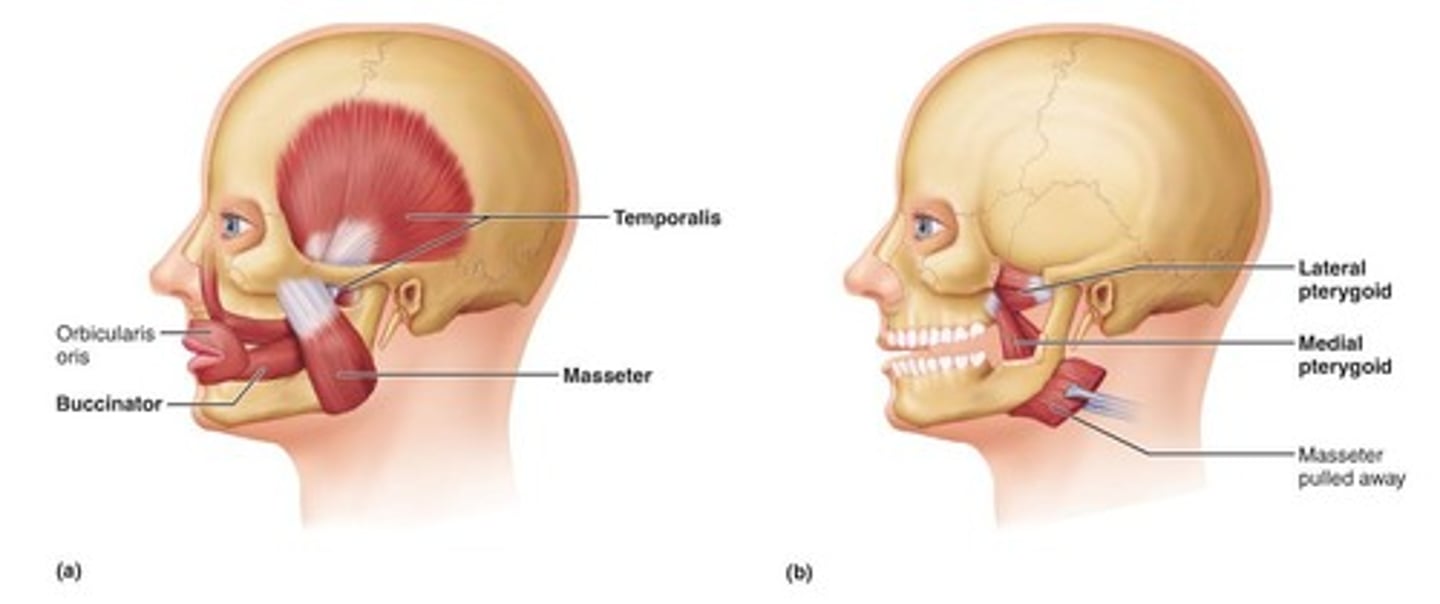
Mastication
-Cheeks and closed lips hold food between teeth
-Tongue mixes food with saliva; compacts food into bolus
-Teeth cut and grind
-Partly voluntary
-Partly reflexive
-Stretch reflexes; pressure receptors in cheeks, gums, tongue
Ingestion
taking in food
mechanical digestion
chewing, mixing, and churning food
propulsion
the force that drives something forward, or forward motion
deglutition
swallowing
chemical digestion
-Process by which enzymes break down food into small molecules that the body can use
-no absorption (except for a fex drugs)
buccal phase
Tongue collects food compacts it and pushes it back to the oropharynx
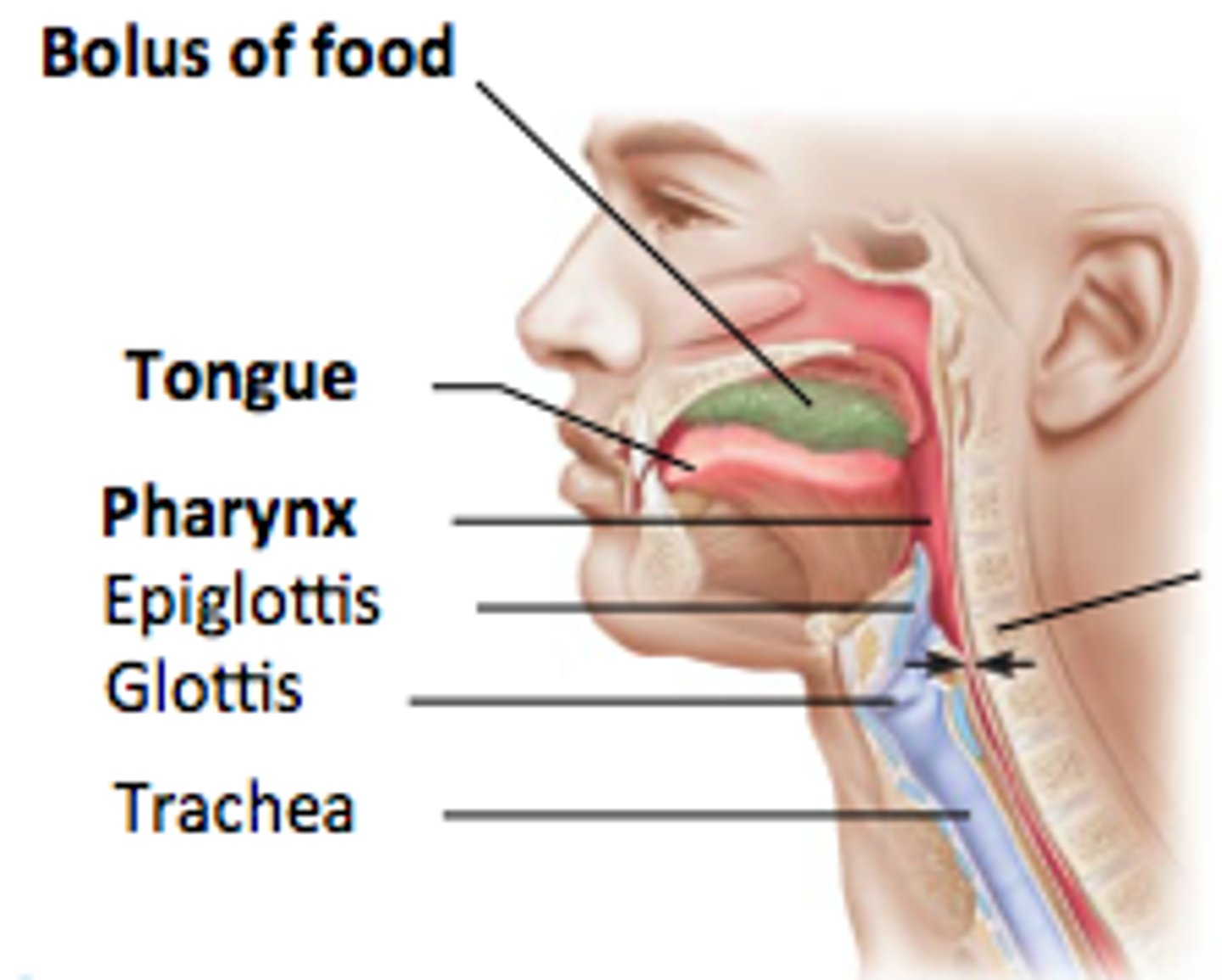
Pharyngeal-esophageal phase
Involuntary - primarily vagus nerve
Control center in the medulla and lower pons
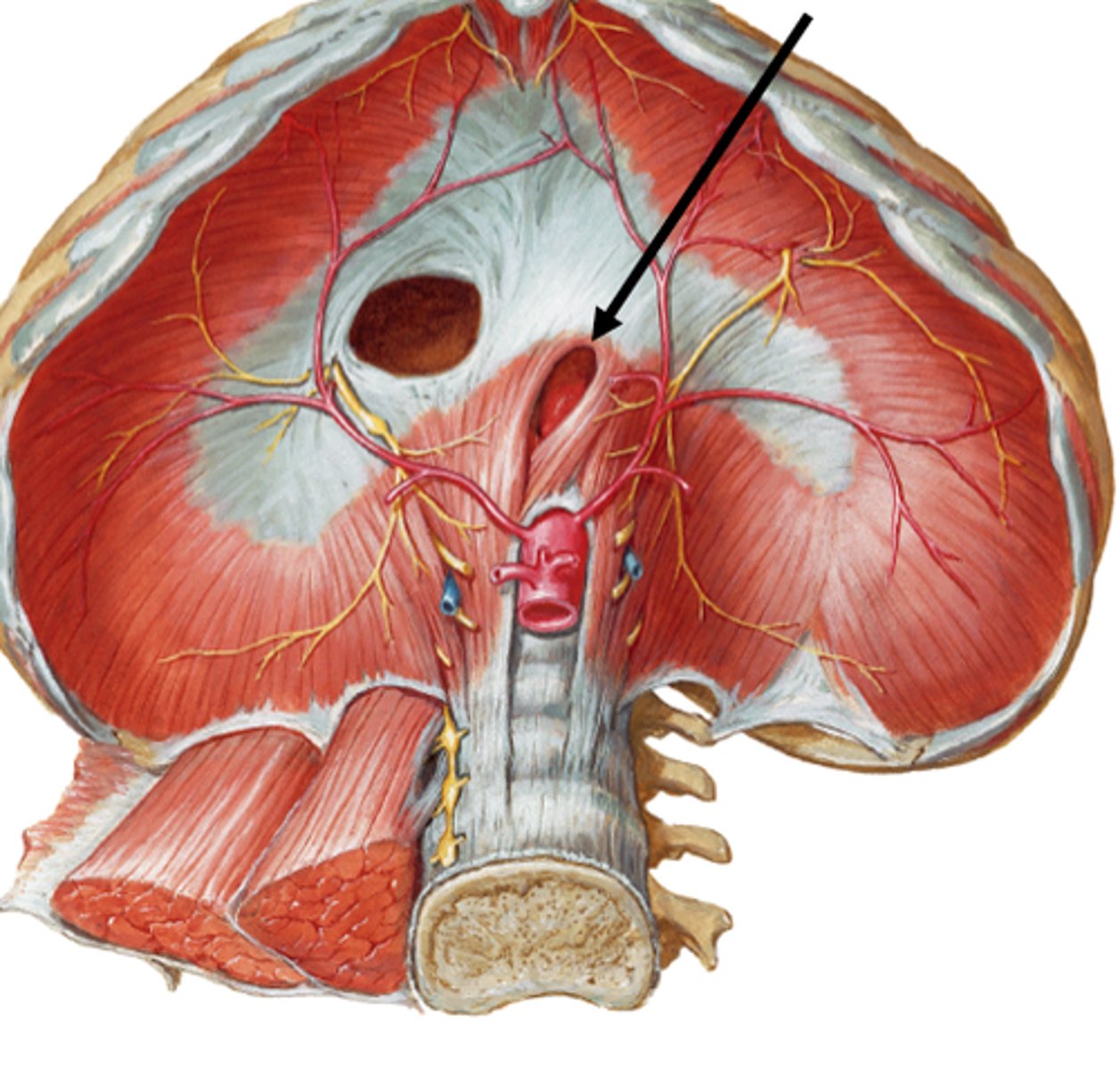
esophageal hiatus
where the esophagus passes through the diaphragm
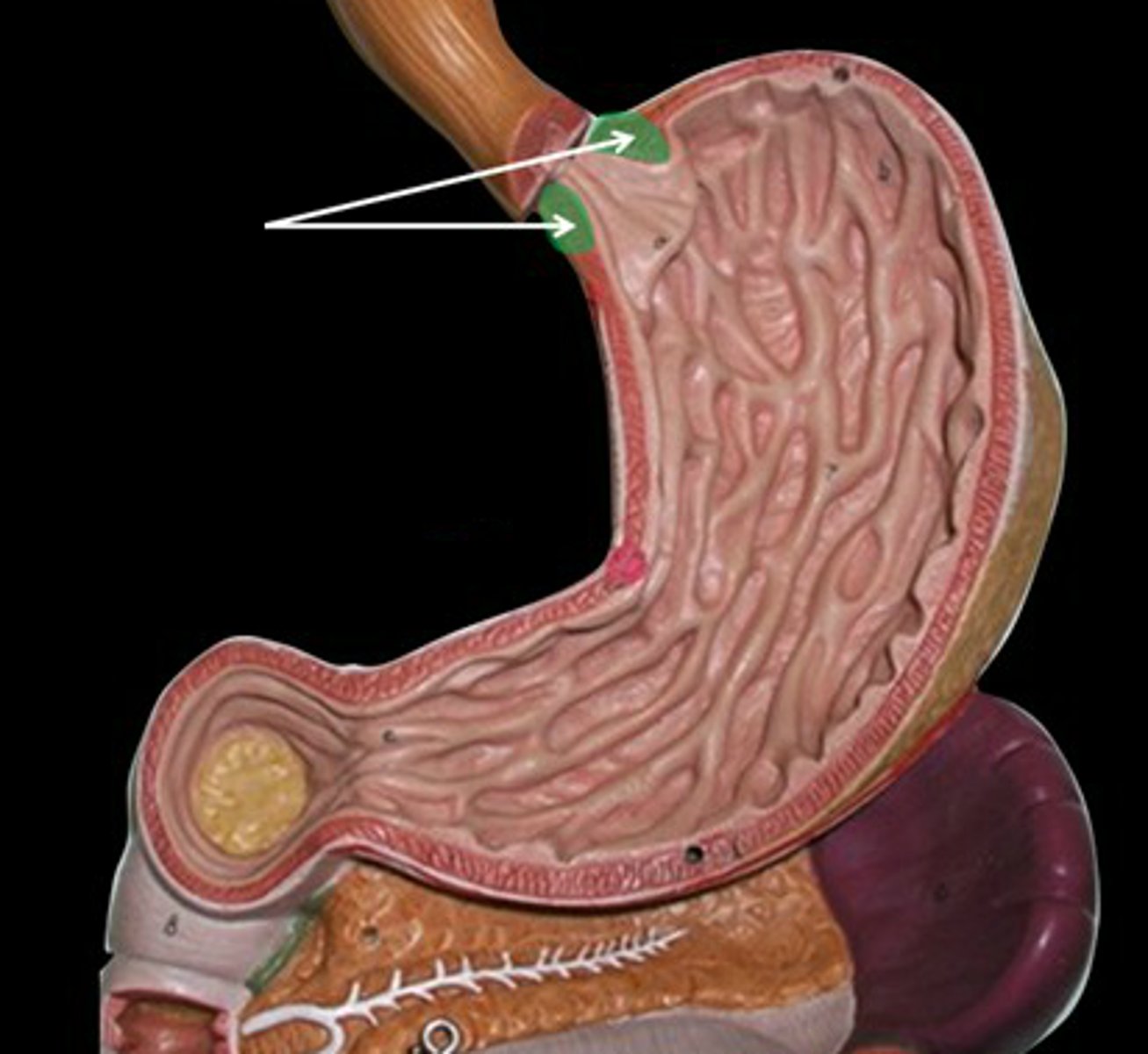
Gastroesophageal (cardiac) sphincter
-surrounds cardial orifice
-keeps orifice closed when food is not being swallowed
-mucus cells on both sides of sphincter help protect esophagus from acid reflux
Heartburn and GERD
Stomach acid regurgitates into esophagus
Likely with excess food/drink, extreme obesity, pregnancy, running
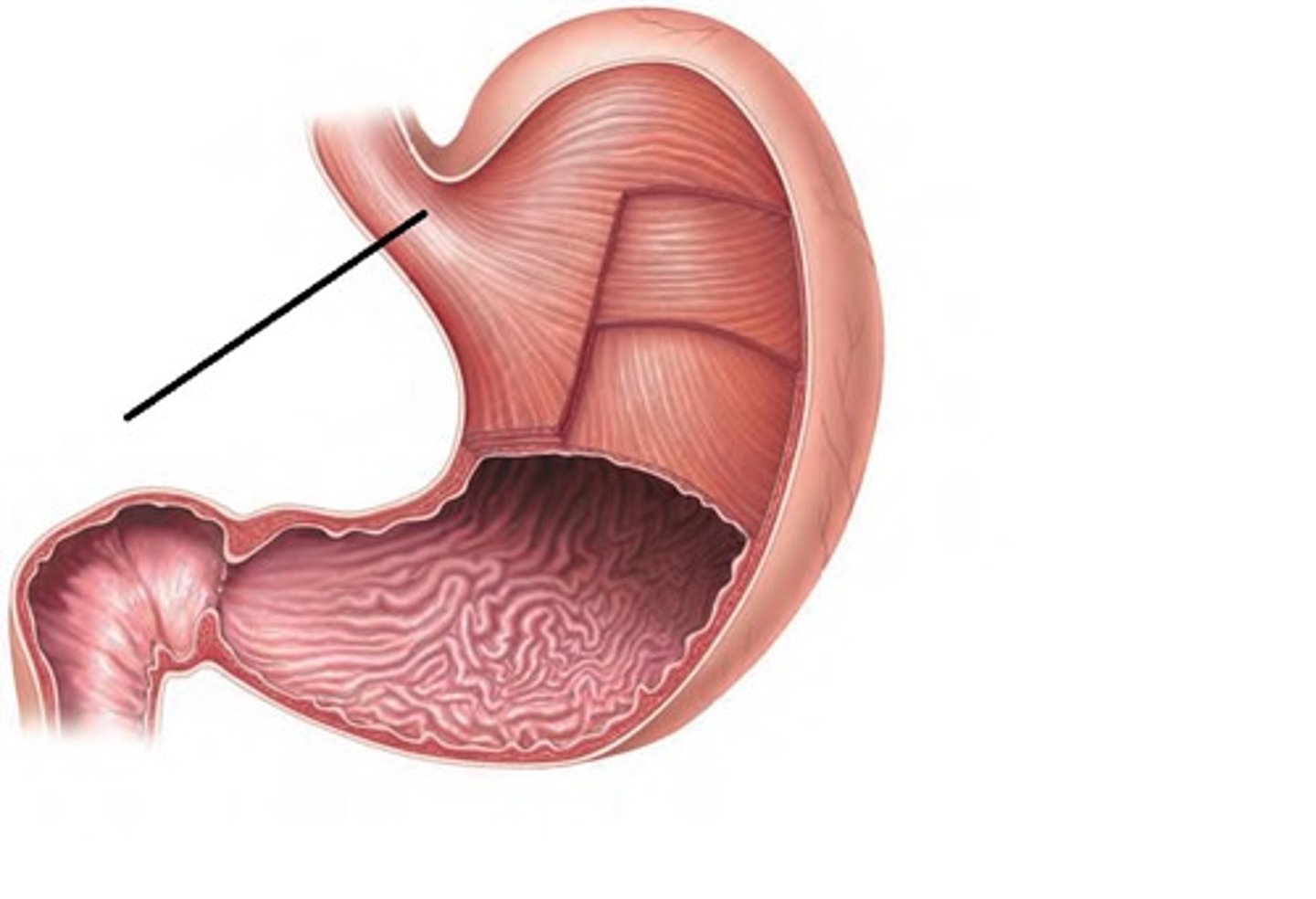
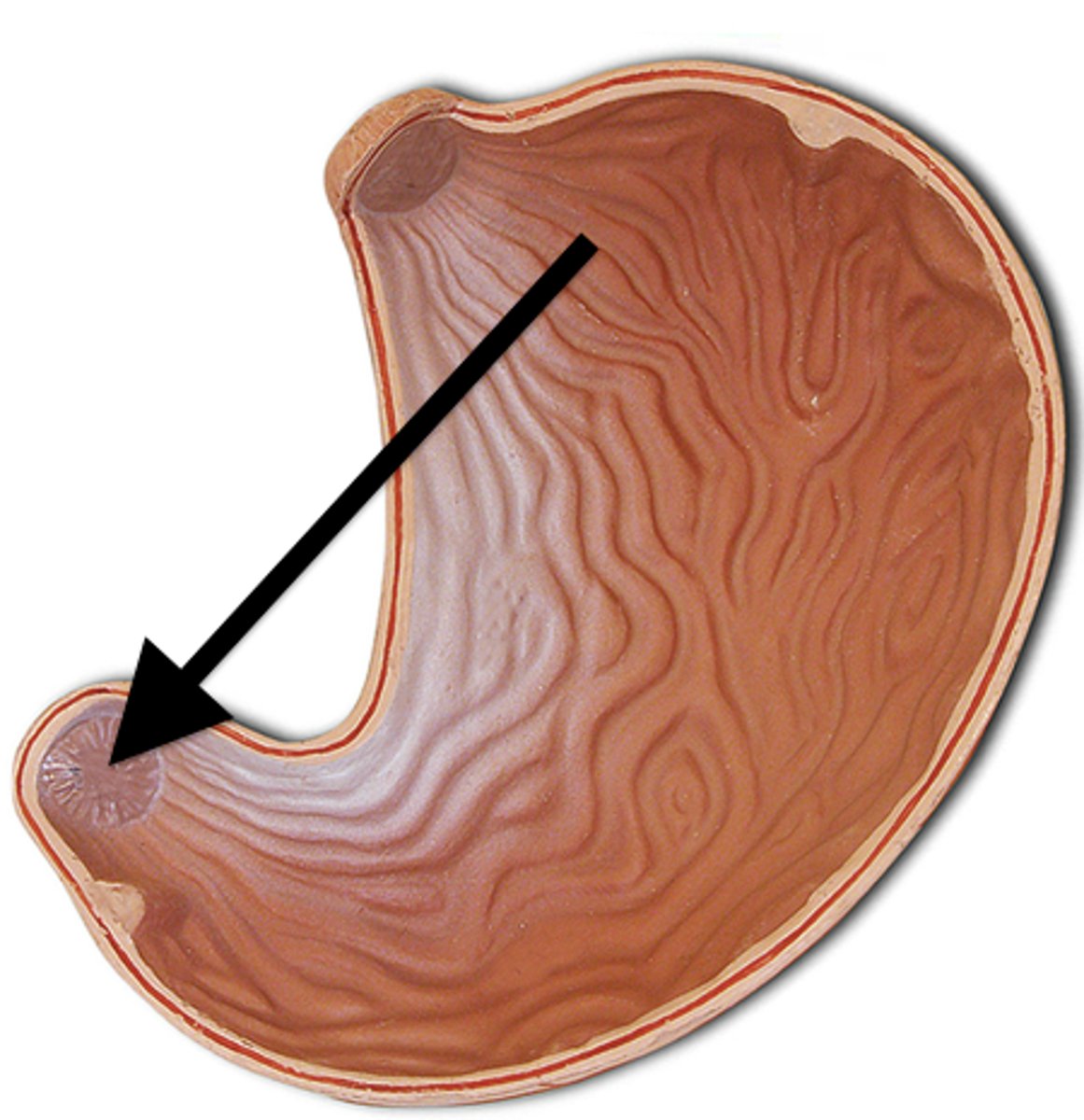
cardial part
surrounds the cardial orifice through which food enters the stomach from the esophagus
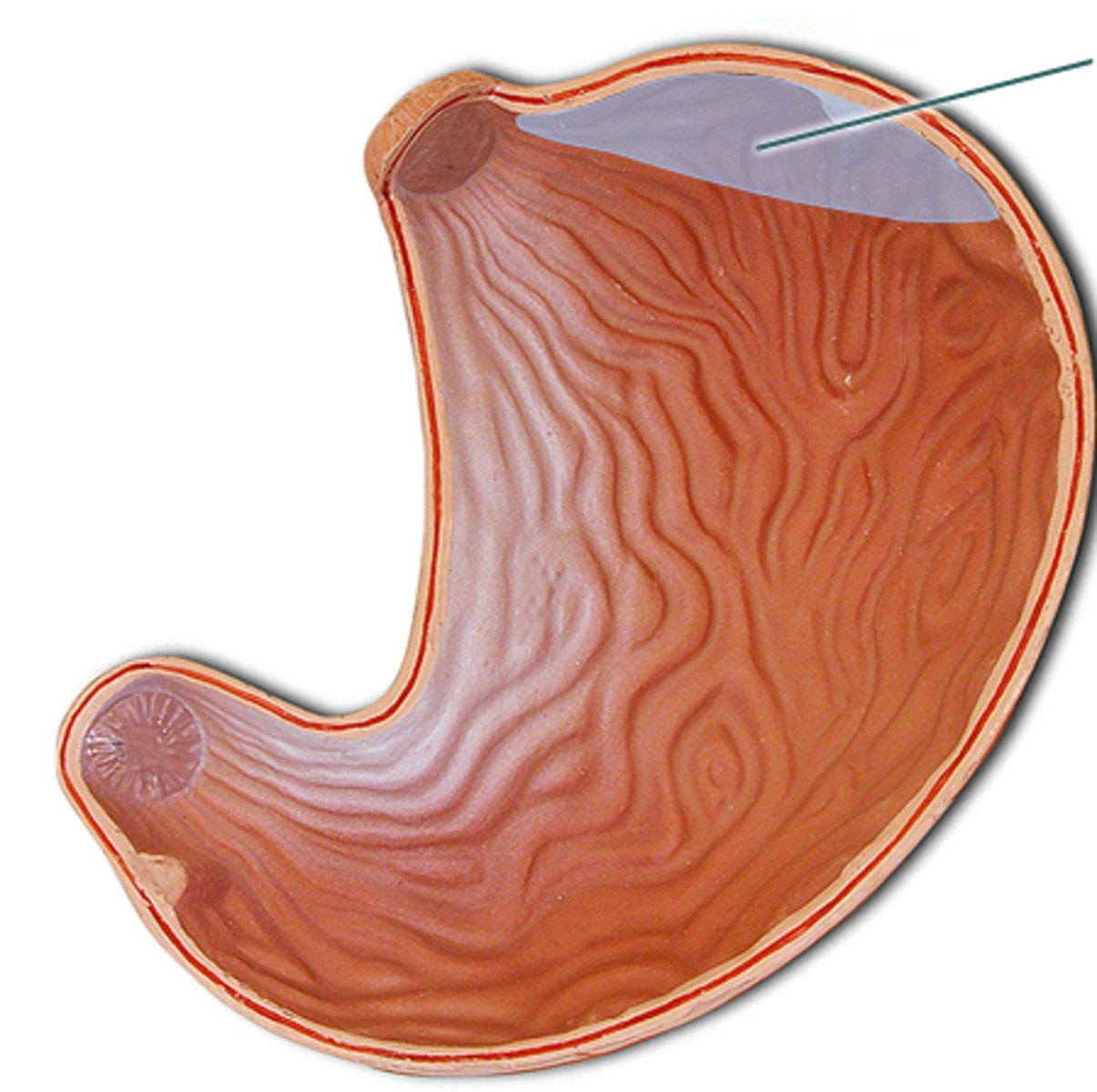
fundus
Dome-shaped region beneath diaphragm
pyloric sphincter
Controls passage of food from stomach to small intestine
mucosa of stomach
Simple columnar epithelium composed of mucous cells
Dotted with gastric pits → gastric glands
Gastric glands produce gastric juice
gastric gland secretions
Glands in fundus and body produce most gastric juice
Chief cells secrete
pepsinogen and gastric lipase
parietal cell secretion
HCl and intrinsic factor
mucosal barrier of stomach
thick layer of bicarbonate-rich mucus
Slows down acid erosion
Tight junctions between epithelial cells
Prevent juice seeping underneath tissue
Damaged epithelial cells quickly replaced by division of stem cells
Surface cells replaced every 3-6 days
gastritis
Inflammation caused by anything that breaches mucosal barrier
peptic or gastric ulcers
Erosions of stomach wall
Most caused by Helicobacter pylori bacteria
Some by NSAIDs like ibuprofen
only stomach function essential for life
Secretes intrinsic factor for vitamin B12 absorption
B12 needed → mature red blood cells
gastrin hormone
Released by the stomach lining, duodenum and pancreas
Triggered by: mental anticipation of food or stomach stretch.
Stimulates HCl production by the parietal cells
Stimulates motility of the muscularis to churn and move chyme
Phase 1 of Gastric Secretion (making stomach juices)
Cephalic-thinking about food=make more juices
Phase 2 of Gastric Secretion
Gastric-eating food=make more juices
Phase 3 of gastric secretion
Intestinal=food is leaving stomach and juice production slows
small intestine
major organ of digestion and absorption
2-4 m long
haustra
pouches that form in the large intestine when the longitudinal muscles are shorter than the colon
internal anal sphincter
smooth muscle, involuntary
external anal sphincter
skeletal muscle, voluntary
digestive processes in large intestine
Residue remains in large intestine 12-24 hours
No food breakdown except by bacteria
Vitamins (made by bacterial flora), water, and electrolytes (especially Na+ and Cl-) reclaimed
Major functions - propulsion of feces to anus; defecation
Colon not essential for life
defecation
Mass movements force feces toward rectum
Distension (full colon) initiates spinal defecation reflex
Parasympathetic signals
Stimulate contraction of sigmoid colon and rectum
Relax internal anal sphincter
Conscious control allows relaxation of external anal sphincter
Muscles of rectum contract to expel feces
defecation reflex
normal response to the presence of feces in the rectum
digestive recap
Bolus created in mouth
Swallowed and travels down esophagus to stomach (gastroesophageal sphincter)
Mixes with digestive juices in stomach = chyme
Spurted into duodenum (pyloric sphincter)
Liver and pancreas squirt bile and digestive juices into duodenum
Duodenum, Jejunum and Ileum=digestion and absorption of all food stuff/water/etc
7) Peristalsis to large intestine through iliocecal valve
8) Moves through large intestine with water and electrolytes from cecum, to ascending colon, transverse colon, descending colon, sigmoid colon and rectum
9) And finally.... You poop (AKA defecation)
enzyme/digestive recap
Mouth: salivary amylase, lingual lipase
Stomach: HCl, Pepsinogen/Pepsin, lipase
Duodenum: bile, protease, nuclease, lipase, amylase
liver
receives oxygenated blood from the hepatic artery and nutrient-rich deoxygenated blood from the hepatic portal vein.
detoxifies chemicals in the blood from the digestive system
-Releases bile into the duodenum. Bile emulsifies fat.
hepatitis
Usually viral infection, drug toxicity, wild mushroom
cirrhosis
Progressive, chronic inflammation from chronic hepatitis or alcoholism
scarring of liver
gallbladder
stores and concentrates bile, and releases it into the two-way cystic duct when it is needed by the small intestine.
Exocrine function of Pancreas
The pancreas has a head, a body, and a tail.
It delivers pancreatic juice to the duodenum through the pancreatic duct.
Pancreatic juice contains enzymes to break down all food types: amylase, protease, lipase, nuclease