Unit 6 AP Environmental Science
 Call Kai
 Learn
Learn Practice Test
 Spaced Repetition
 Match
Match Flashcards
 Knowt Play
1/112

There's no tags or description
Looks like no tags are added yet.
Name | Mastery | Learn | Test | Matching | Spaced | Call with Kai |
|---|
No analytics yet
Send a link to your students to track their progress
113 Terms
renewable energy sources
energy sources that can be replenished naturally, at or near the rate of consumption, and reused
nonrenewable energy sources
energy sources that exist in fixed amounts and cannot be replenished or regenerated in a timescale useable by humans
potentially renewable energy sources
biomass like wood, charcoal, animal waste, and biofuels like ethanol that can be potentially renewable if they're consumed at rates equal to or near regeneration
Developed countries energy use
High per-capita energy use due to high affluence, especially homes and cars. High use of commercial fuels, especially FFs
Developing countries energy use
Lower per-capita energy use due to low affluence, lack of electricity & car use. High use of subsistence fuels for personal home heating/cooking (wood, charcoal, etc.)
Industrialization/development & energy use
As countries develop, their total energy use increases, both due to pop. growth, and per-capita increase as affluence increases. Reliance on FFs especially increases
Commercial fuel sources
Fuel sources that are bought and sold on massive scales for industrial use like electricity generation or gasoline distribution. Primarily FFs.
Subsistence fuel sources
Fuel sources that are gathered by individuals (primarily in developing countries) for personal uses such as heating homes or cooking. Most commonly biomass such as wood, charcoal, dried animal waste or plant matter.
biofuel
Liquid fuel created from processed or refined biomass. Ex: fermentation of corn to produce ethanol
charcoal
charred wood used as a subsistence fuel source, primarily in developing countries
Peat
partially decayed organic matter found underneath bogs and marshes in anaerobic conditions. Can be turned into coal over time, but can also directly be burned as a biomass fuel
Lignite
the least energy dense form of coal
bituminous coal
The most common form of coal; produces a high amount of heat and is used extensively by electric power plants. Middle energy density
anthracite
the cleanest-burning and most energy-dense coal; almost pure carbon.
Natural gas
flammable gas, consisting largely of methane and other hydrocarbons, occurring naturally underground (often in association with petroleum) and used as fuel. Primarily for heating homes and generating electricity
petroleum (crude oil)
Liquid hydrocarbons formed from the compression of fossilized organic matter over millions of years. Extracted by drilling wells. Converted in refineries to a wide range of products such as plastic, asphalt, gasoline, and jet-fuel
tar sands/oil sands
a mixture of clay, sand, water, and a combustible organic material called bitumen (tar). Requires more energy to extract that conventional oil. Highly water intensive.
Bitumen (tar or pitch)
A degraded type of petroleum that forms when a petroleum migrates close to the surface, where bacteria metabolize some of the light hydrocarbons and others evaporate
Fossil fuels
Coal, oil, natural gas, and other fuels that are ancient remains of plants and animals compressed overtime into hydrocarbon compounds
combustion reaction
burning fossil fuels to release energy. Requires oxygen and fossil fuels as inputs and gives off CO2, water, and energy in the form of heat
Elecricity
A secondary energy source created from primary energy sources like fossil fuels or nuclear fuel (uranium). Also called an energy carrier
Steps to electricity generation
1. The burning fuel from coal transfers energy to
water, which becomes steam.
2. The kinetic energy contained within the steam
is transferred to the blades of a turbine, a large
device that resembles a fan.
3. As the energy in the steam turns the turbine,
the shaft in the center of the turbine turns the
generator.
4. This mechanical motion generates electricity.
hydraulic fracturing (fracking)
The process used to extract natural gas from the deep layers of rock in which it is embedded. Water, sand, and fracking chemicals are injected into the well to fracture the surrounding rock and release the natural gas stored in it.
Formation of coal
Peat is subjected to pressure from overlying sediment layers which compress it into lignite --> bituminous --> anthracite coal as time goes on. (Usually underneath wetlands, bogs, marshes, etc.)
Formation of petroleum
Petroleum is formed from decomposing phytoplankton (microscopic algae)found in locations where porous rocks, such as sandstone, are capped by nonporous rocks like shale. Petroleum forms over millions of years and fills the pore spaces in the rock.
formation of natural gas
Forms on top of petroleum deposits, as gasses are less dense than liquids. Can be extracted from the top of petroleum deposits.
Radioactivity
The spontaneous emission of radiation by an unstable atomic nucleus such as uranium-235.
Uranium-235
A radioactive isotope used to fuel most nuclear fission reactors.
Fission
The splitting of an atomic nucleus with neutrons in order to release energy. The energy given off can be used to heat water into steam, to turn a turbine and power an electric generator.
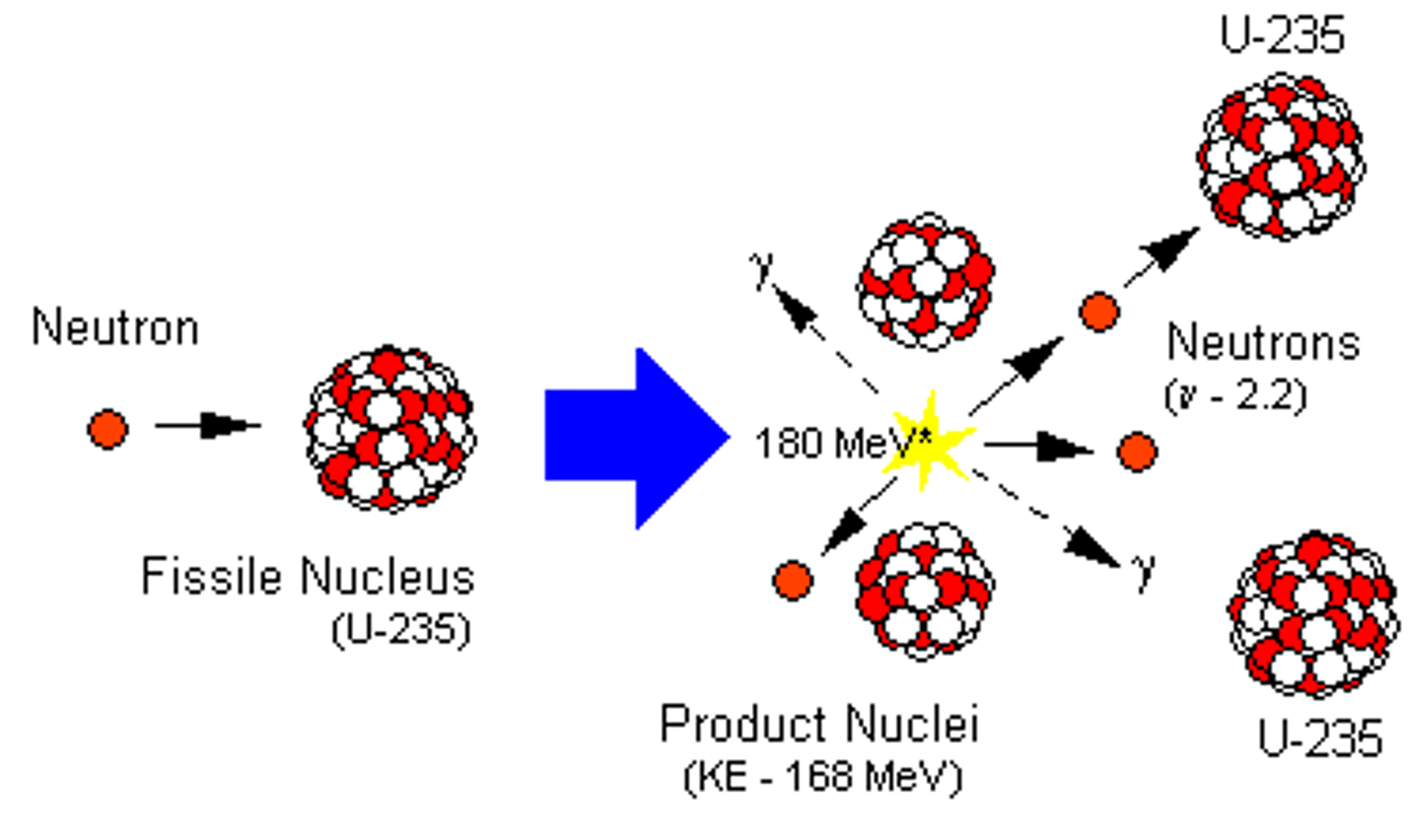
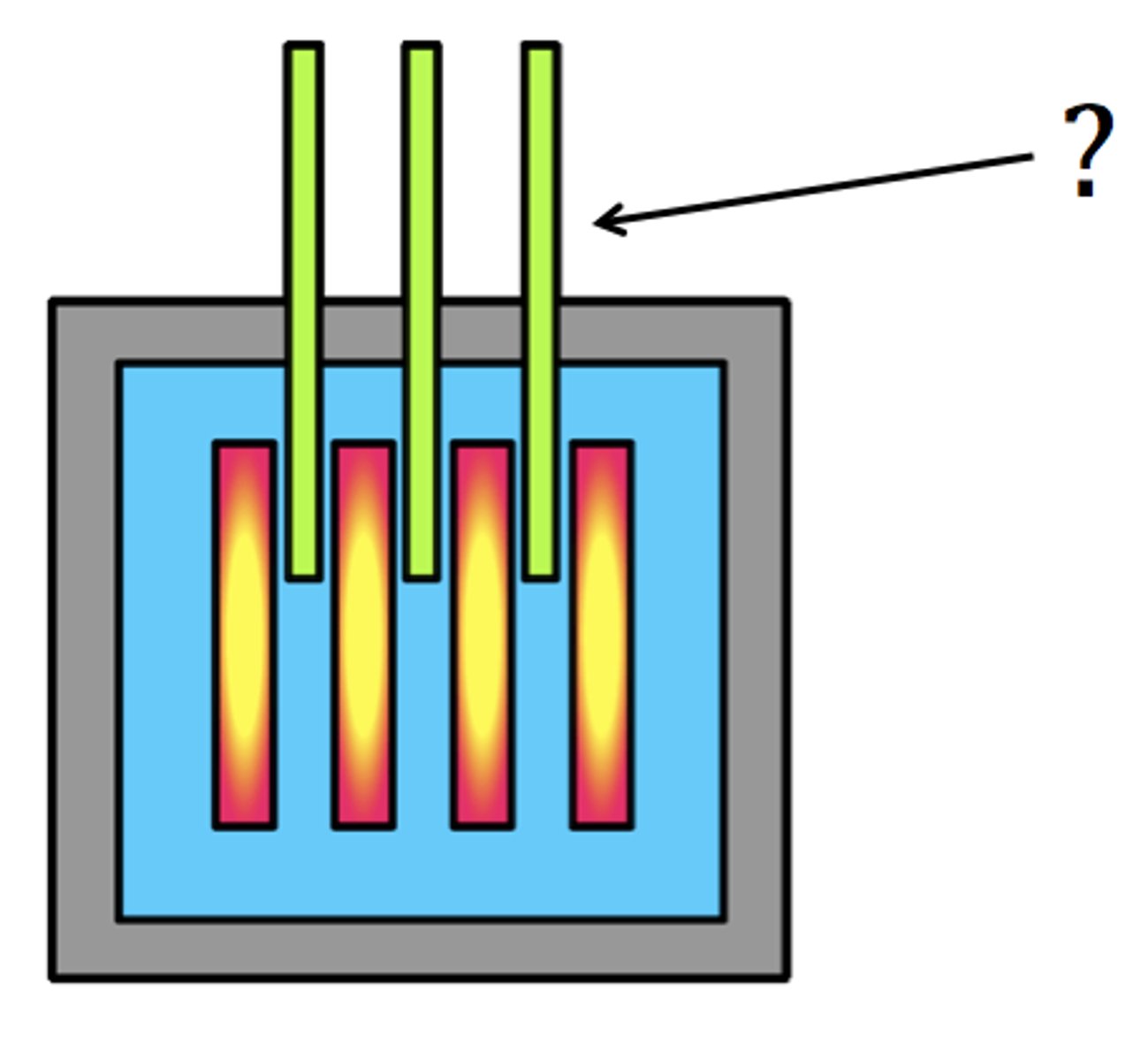
Reactor core
the thick steel vessel used to contain nuclear fuel rods in a nuclear power plant. Fission reaction occurs here to heat water into steam.
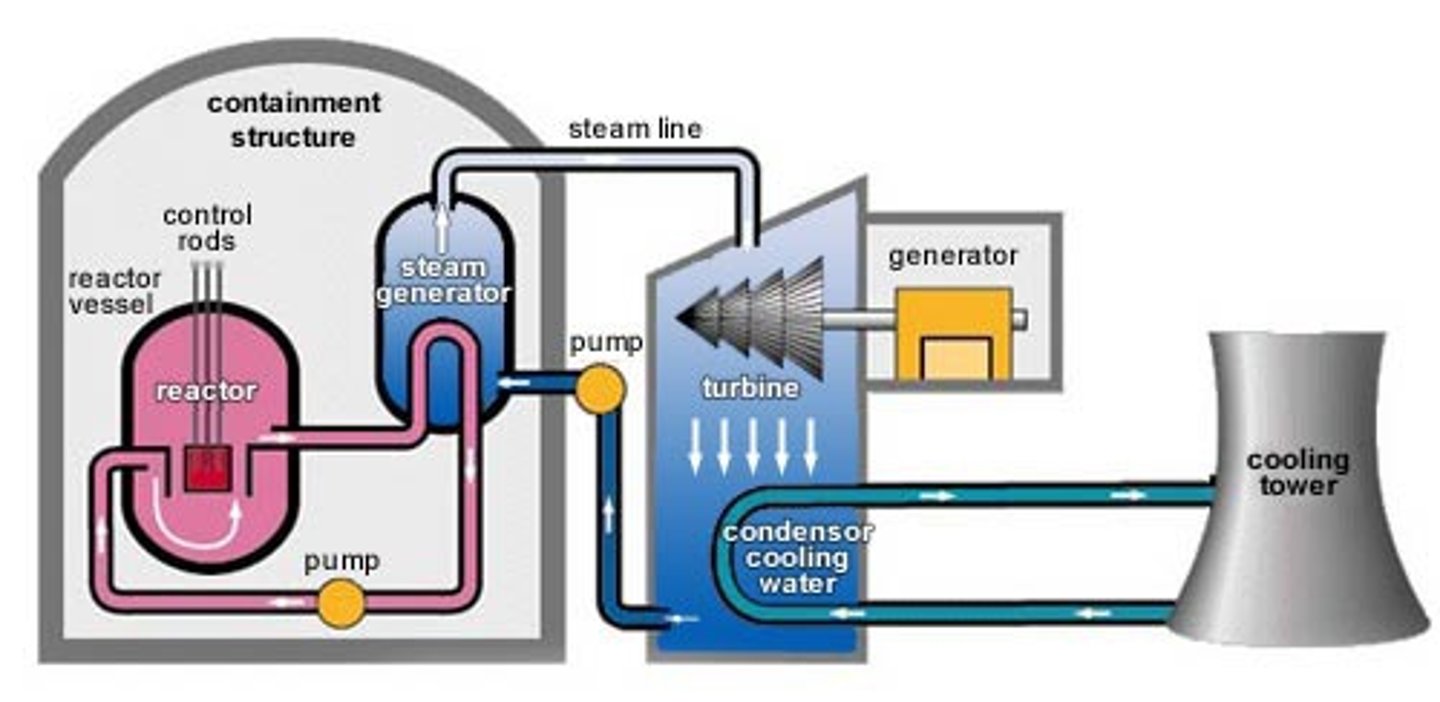
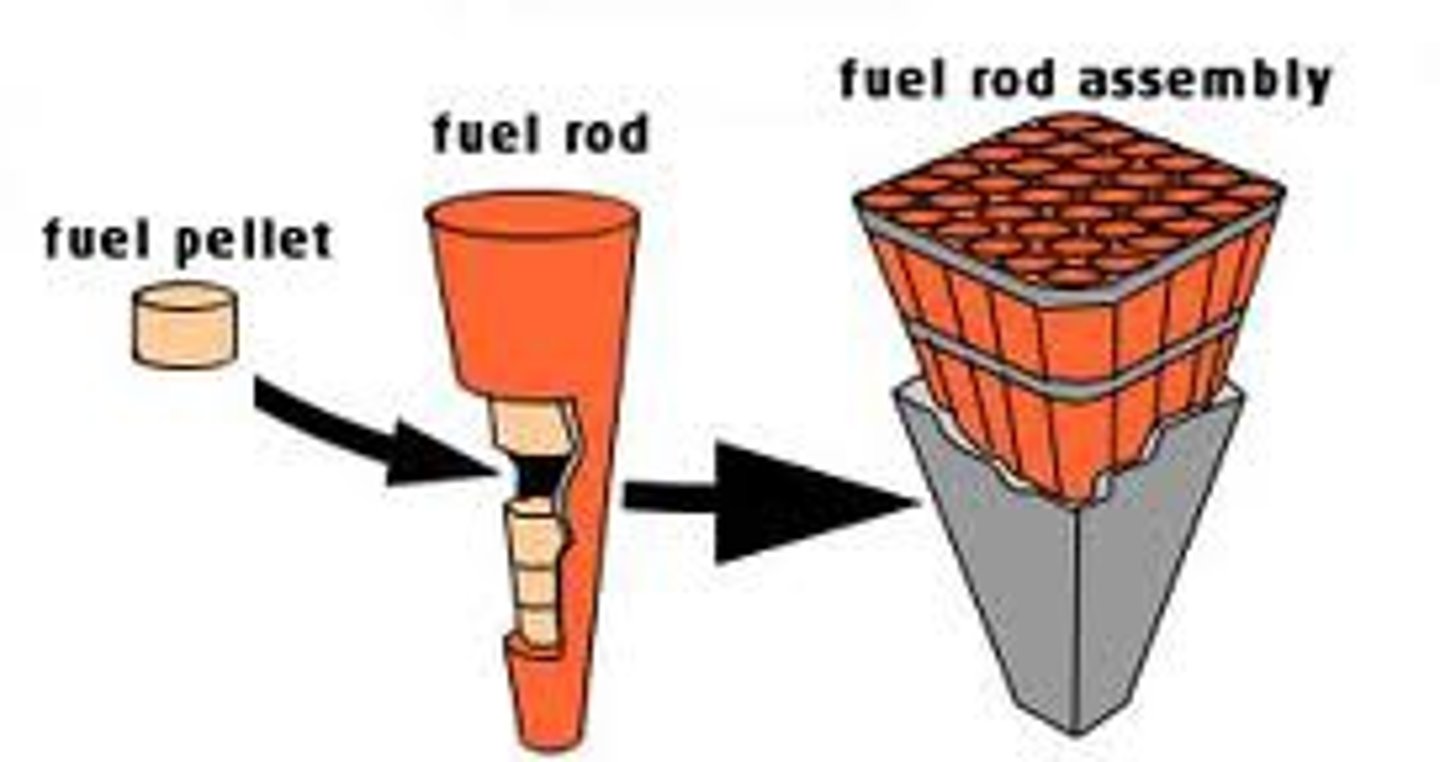
fuel rods
hollow metal cylinders filled with uranium fuel pellets for use in fission reactors. Found in the reactor core.
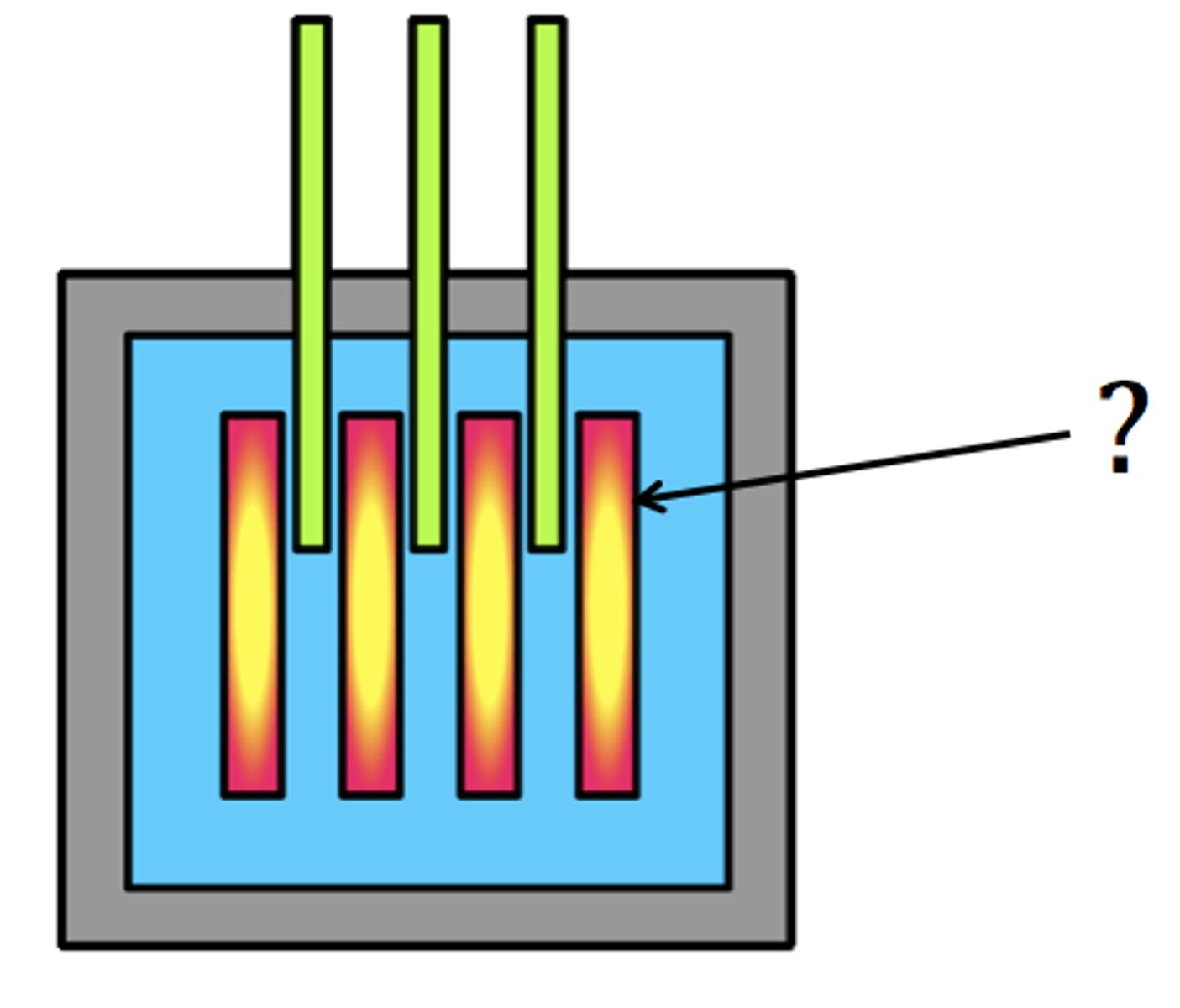
control rods
A cylindrical device inserted between the fuel rods in a nuclear reactor to absorb excess neutrons and slow or stop the fission reaction.
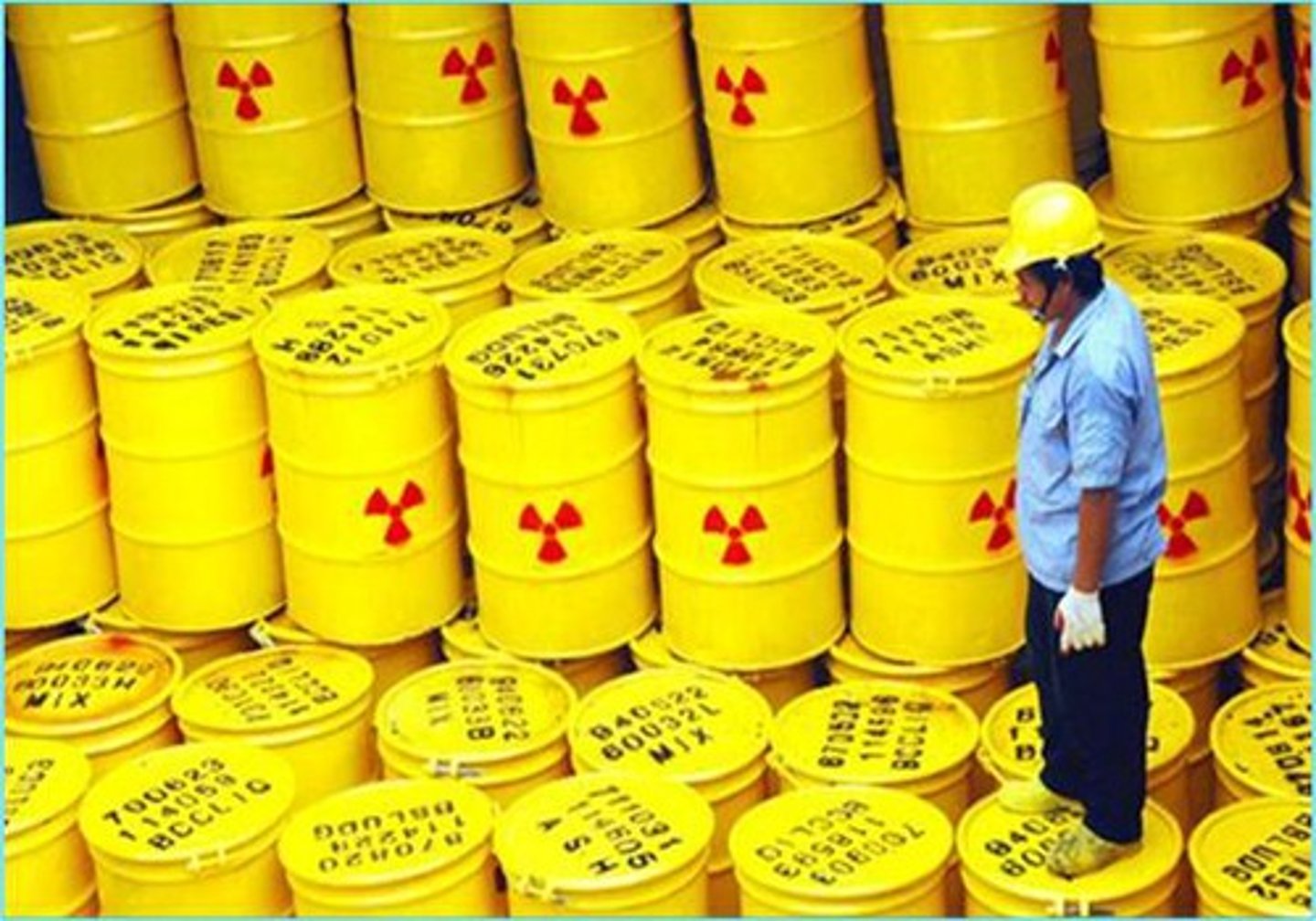
radioactive waste
Materials from a nuclear reaction that emit radiation; therefore, the materials must be safely stored for thousands of years
spent fuel rods
Fuel rods that no longer contain enough uranium 235 to be used in fission, but are still highly radioactive.
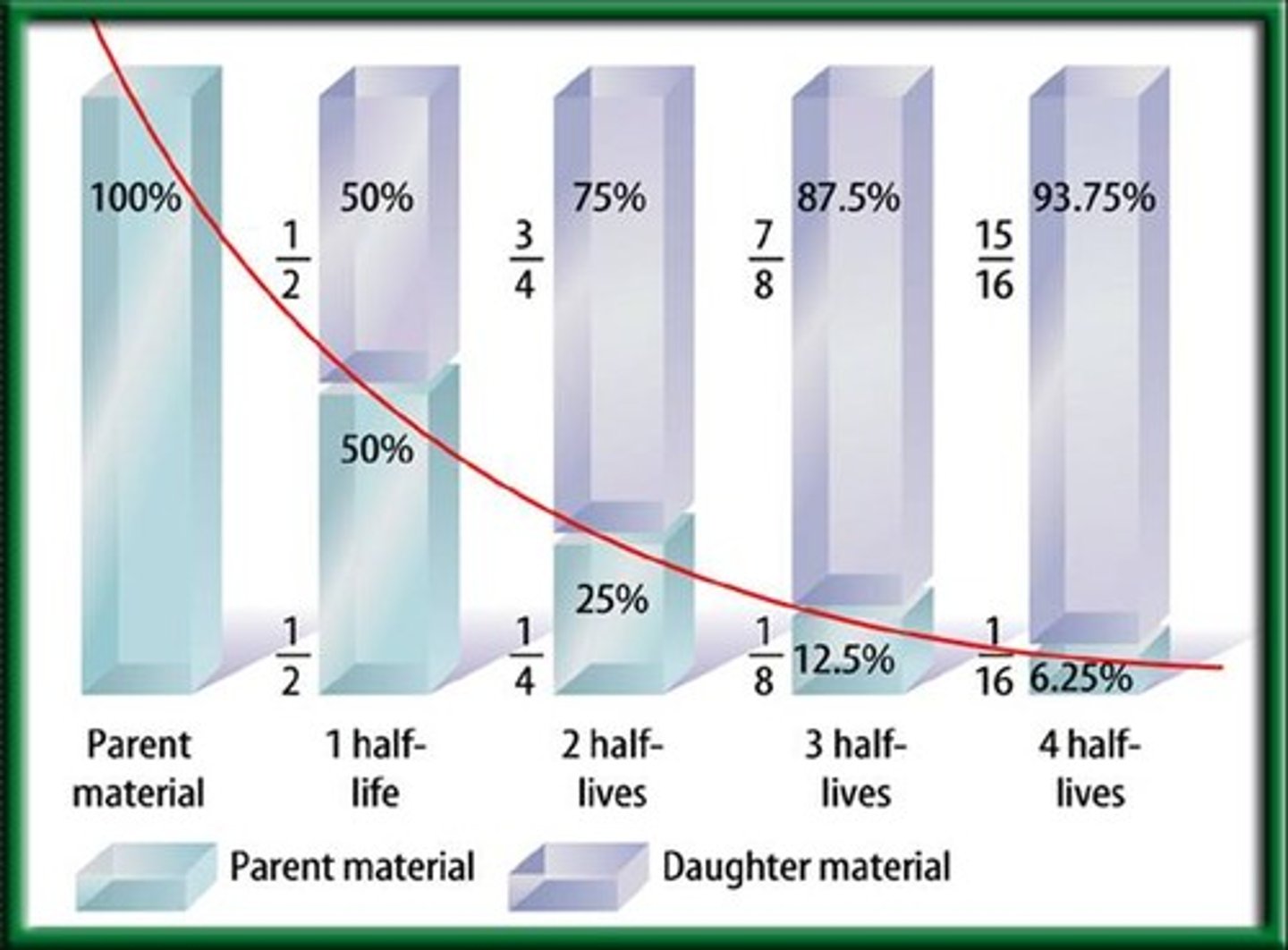
Half-life
length of time required for half of the radioactive atoms in a sample to decay
Three Mile Island
1979 - A mechanical failure (cooling valve stuck shut) and a human error at this power plant in Pennsylvania combined to cause a partial nuclear meltdown and release of radiation over a 16 mile radius.
Chernobyl
The nuclear power plant in the Ukraine that suffered two large explosions which released massive amounts of radioactive materials. It is the worst nuclear accident in history.
Fukushima, Japan
2011; meltdown of three nuclear reactors following a tsunami resulted in the second largest nuclear meltdown in history
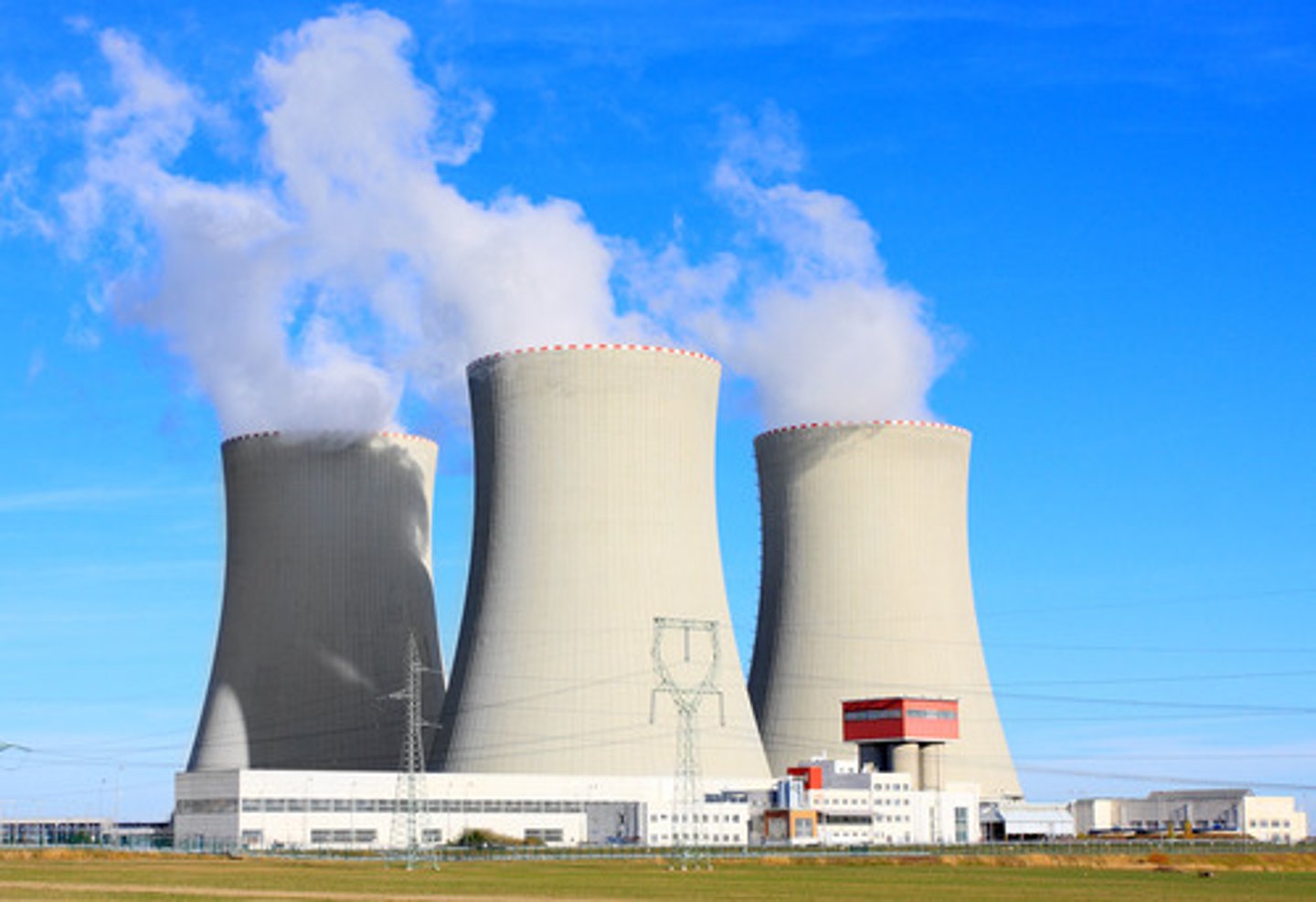
Cooling tower
a tall, open-topped, cylindrical concrete tower, used for cooling water or condensing steam from an industrial process, especially the water used to cool nuclear reactor cores.
thermal pollution
A temperature increase in a body of water (often following discharge of hot water used to cool a nuclear reactor core) that can cause low O2 levels and death in aquatic organisms
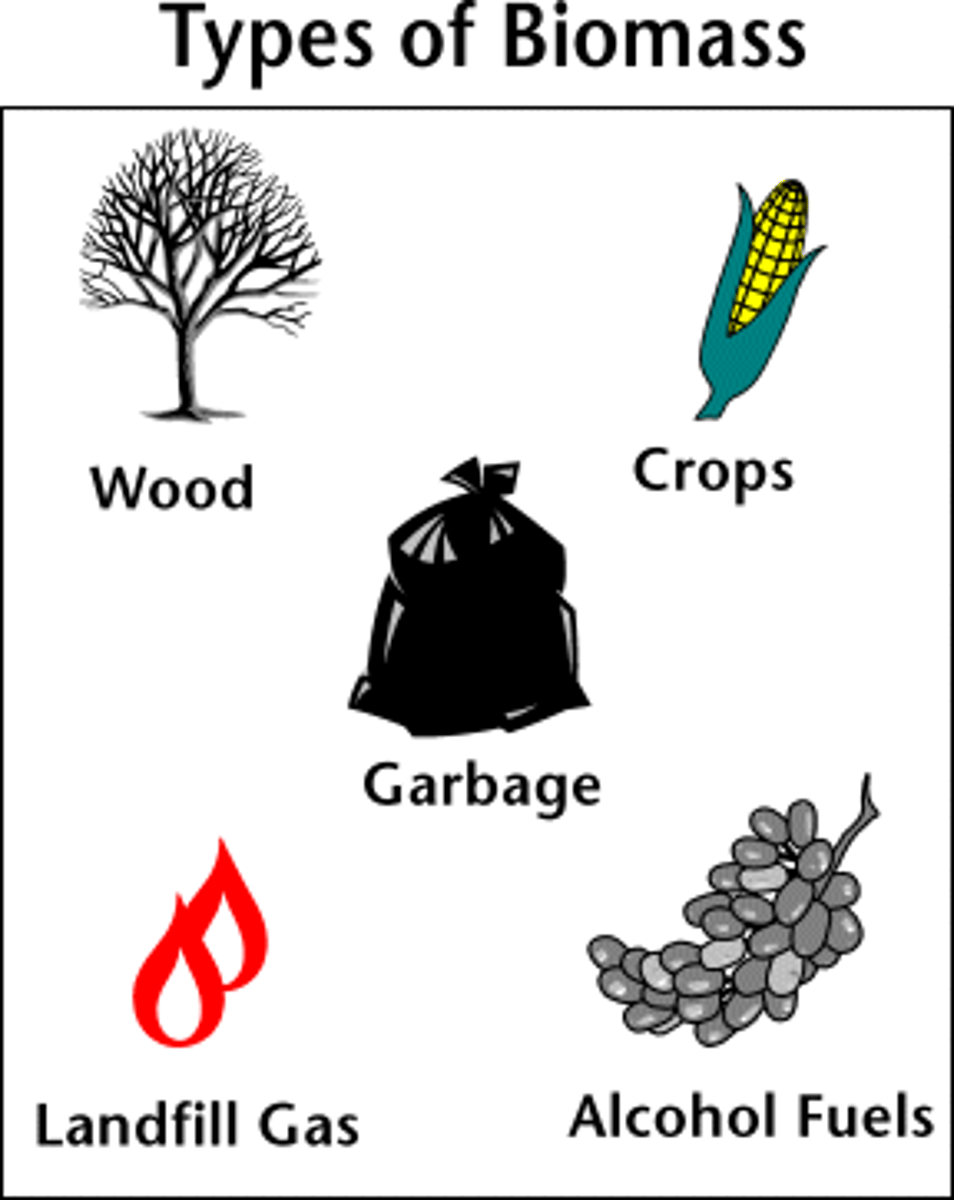
Biomass
Organic matter such as wood, charcoal, dried plant matter, and dried animal waste that can be combusted in the presence of oxygen to release heat. Primarily used in developing nations as a subsistence fuel
Carbon monixide
a gas that is given off from the combustion of biomass fuels; especially dangerous in poorly ventilated homes where it displaces oxygen in the blood and leads to death
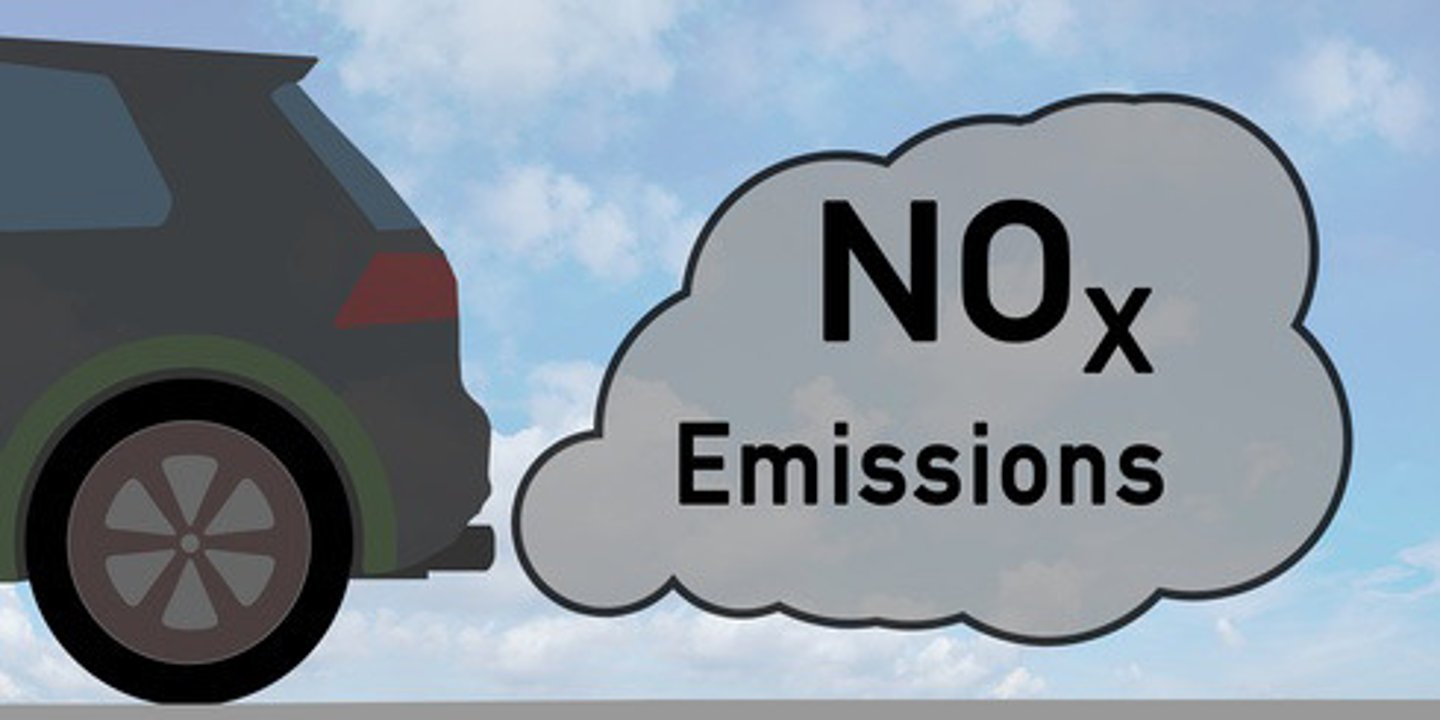
Nitrogen oxides (NOx)
A gas released from the combustion of biomass. It contributes to smog, acid rain, and can be an eye and respiratory irritant (asthma, bronchitis, etc.)
Particulate matter (PM)
Small, solid particles given off from the combustion of biomass. They contribute to smog formation and are a respiratory irritant (causing asthma, bronchitis, etc.)
Volatile Ogrganic Compounds (VOCs)
Compounds released by the combustion of biomass. They contribute to smog formation and are a respiratory irritant (causing asthma, bronchitis, etc.)
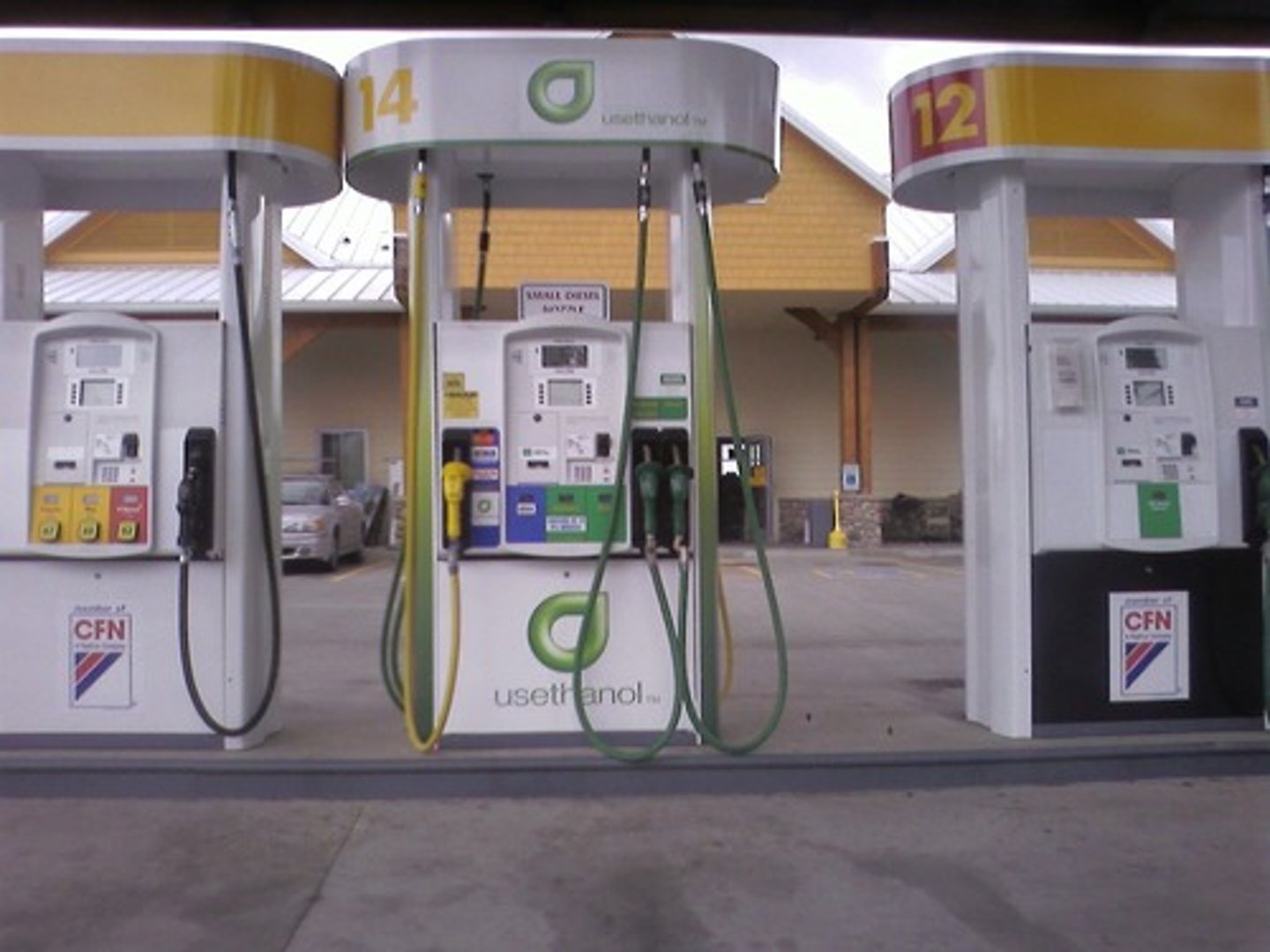
Ethanol
An alcohol that can be created by fermenting the sugar in corn using yeast to drive the fermentation process. Releases no GHG at the point of combustion and is a potentially renewable liquid fuel replacement for gasoline.
Biodiesel
A diesel substitute produced by extracting and chemically altering oil from plants, often algae.
Cellulose
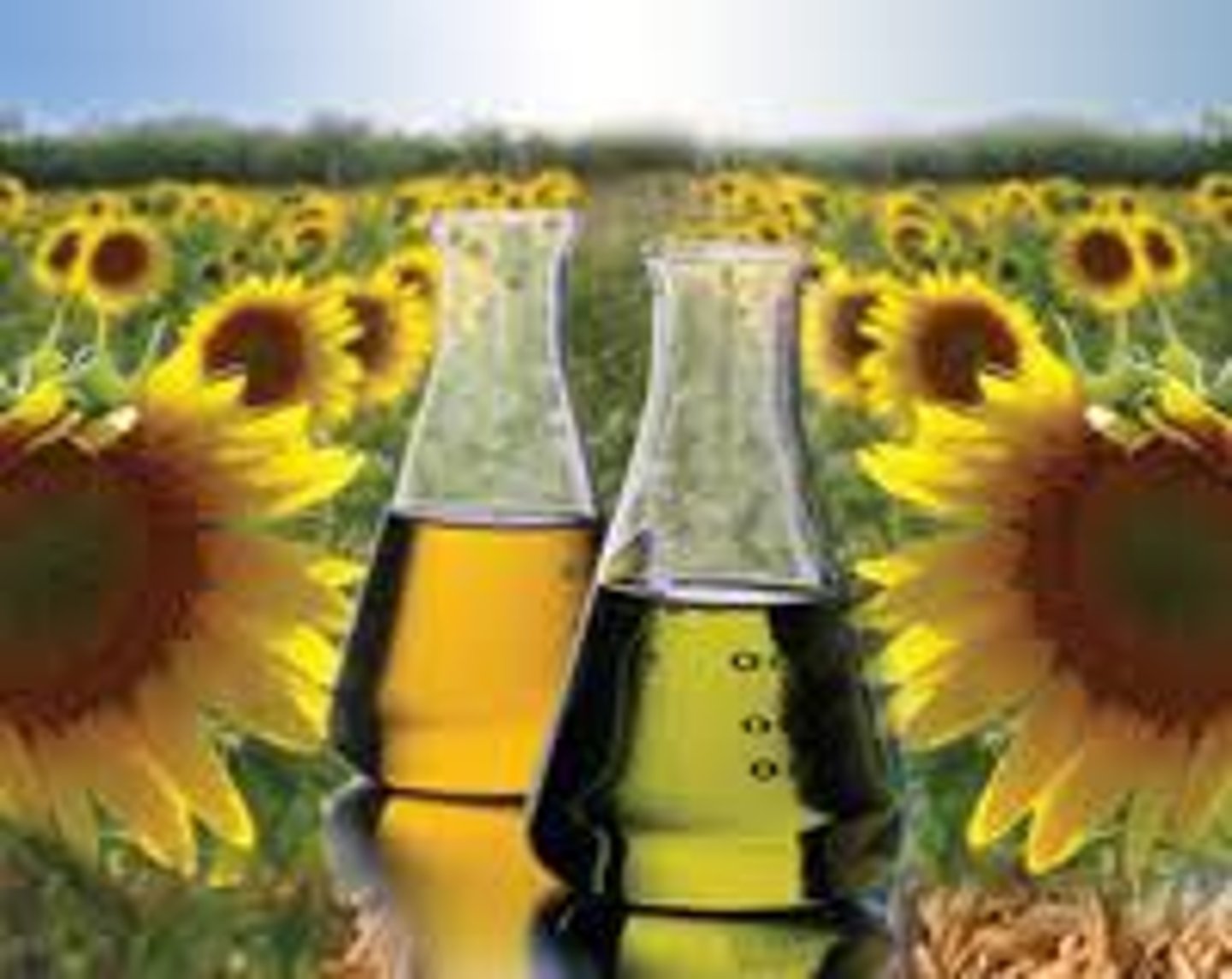
A substance (made of sugars) that is common in the cell walls of many organisms. The most abundant organic compound on earth and a potential option for replacing corn in the fermentation of ethanol for fuel.
Indoor air pollution
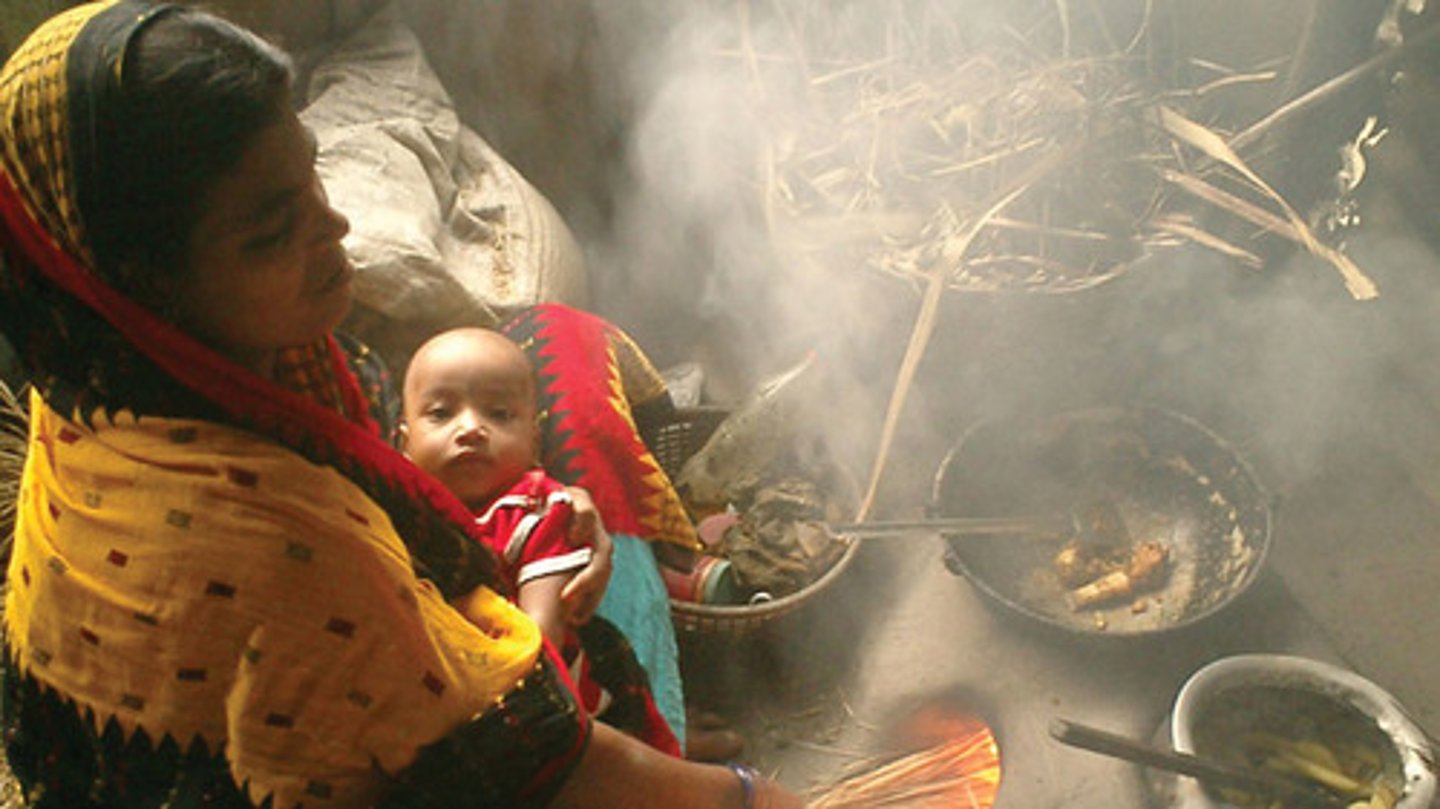
Combusting biomass indoors (as is often done in developing countries) is hazardous to human health: asthma, bronchitis, eye irritation, carbon monoxide poisoning)
Solutions to indoor air pollution
Cooking outdoors or installing ventilation systems like chimneys into homes
passive solar energy
Solar energy systems that collect the sun's energy without the use of mechanical or electrical devices.
- Solar cookers
passive solar design
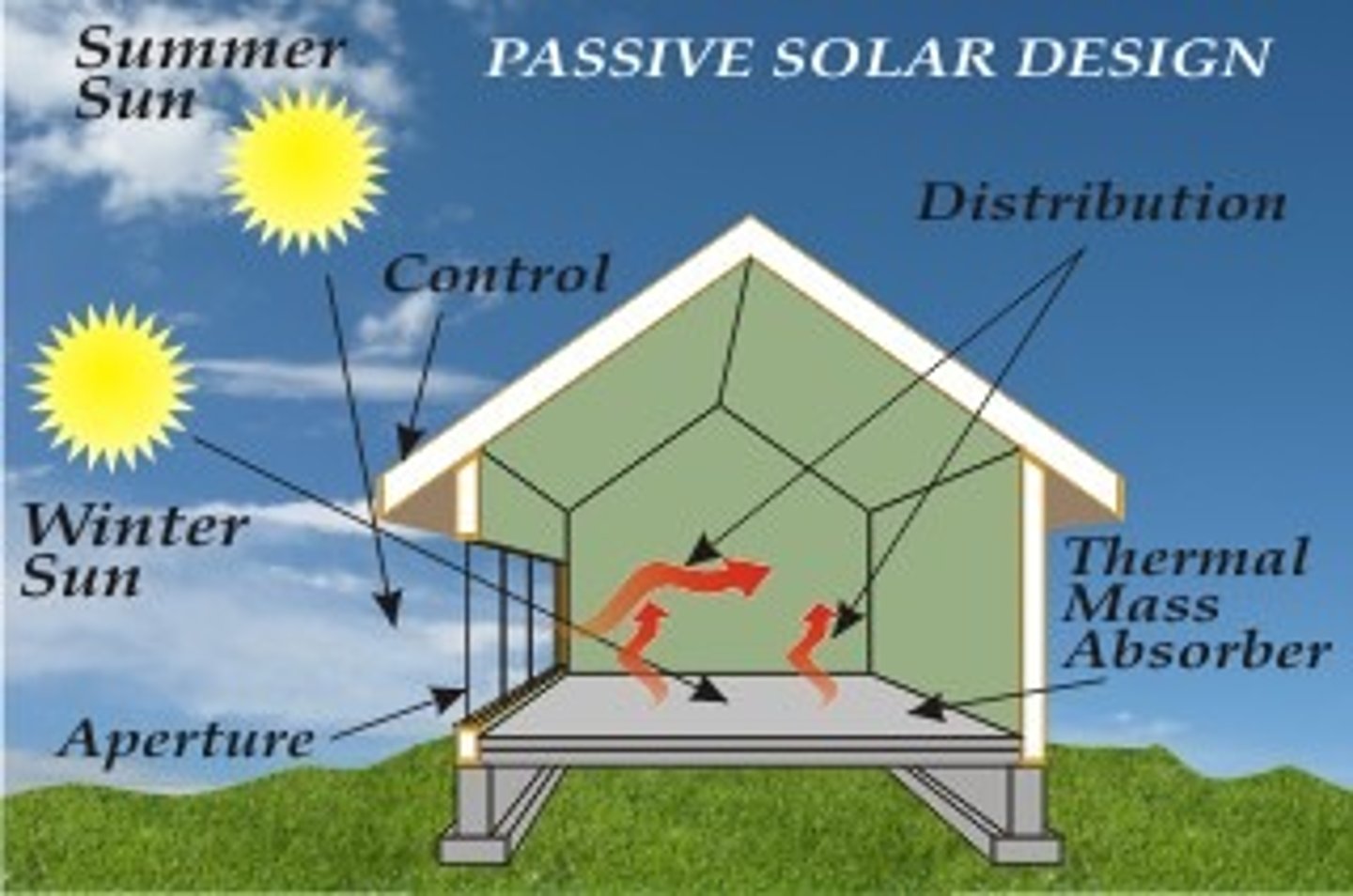
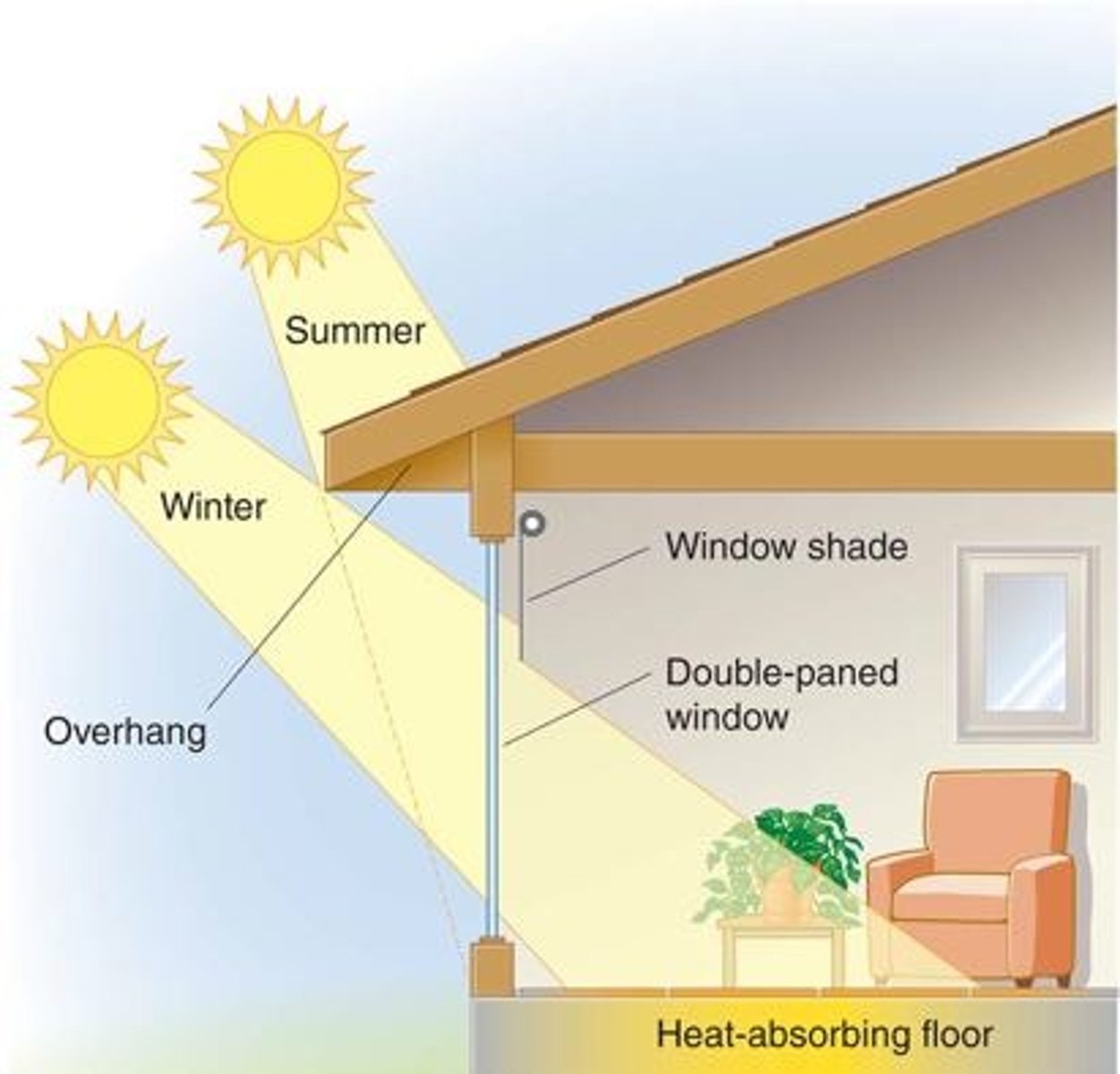
Building construction techniques designed to take advantage of solar radiation to heat buildings in cold months, and block solar radiation in hot months.
- Deciduous shade trees
- Southern facing windows with roof overhang
- Double-paned windows
- Blinds
- Heat absorbing flooring materials
Active solar energy systems
Systems that collects solar energy through the use of mechanical or electrical devices such as photovoltaic cells or concentrated solar thermal power plants
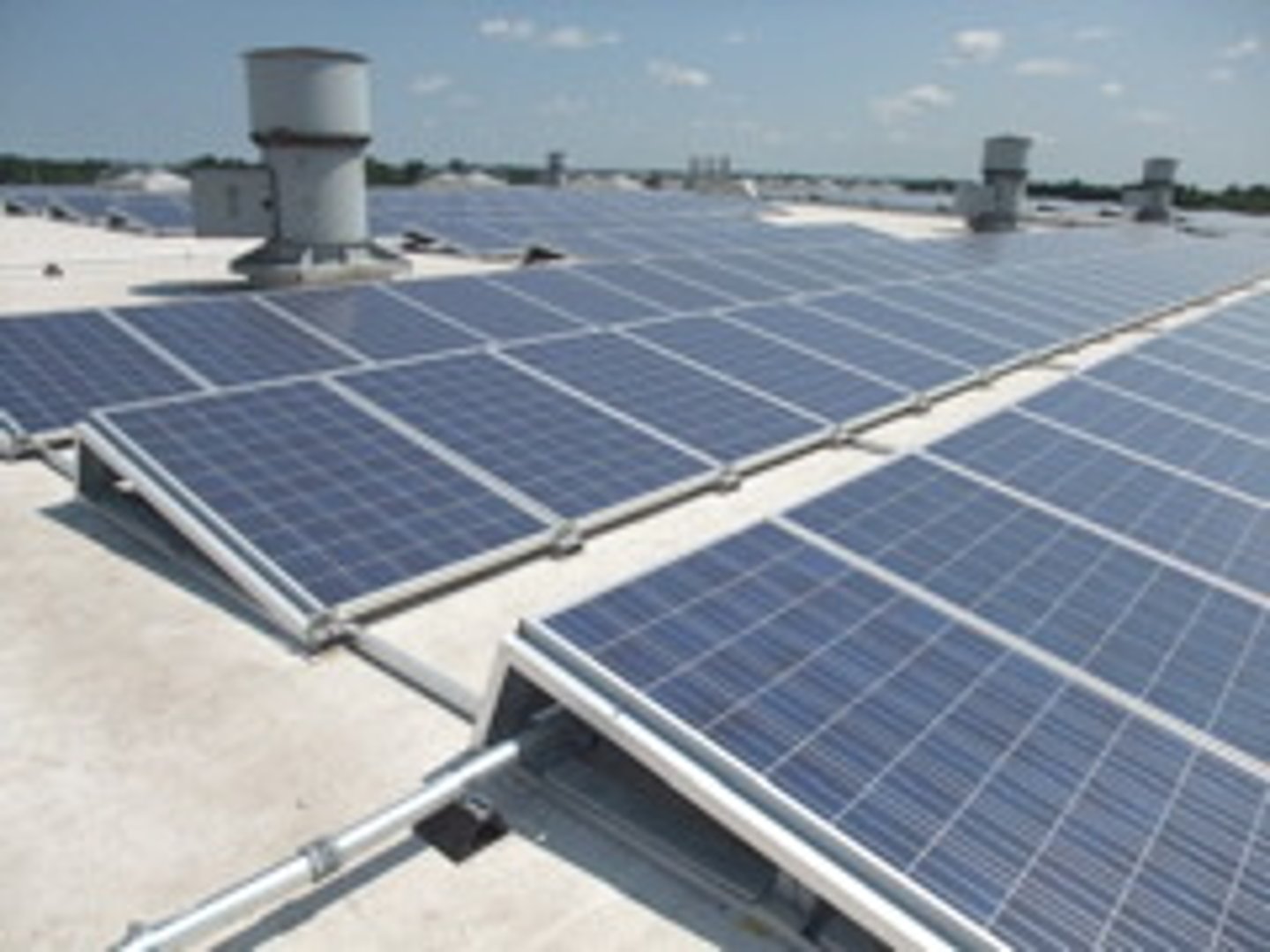
photovoltaic solar cells (solar pannels)
Pannels with semiconductor materials (like silicone) inside that emit low-voltage electrical currents when exposed to sunlight. This current is converted into a high-voltage, AC current that is the form of electricity homes and businesses can use
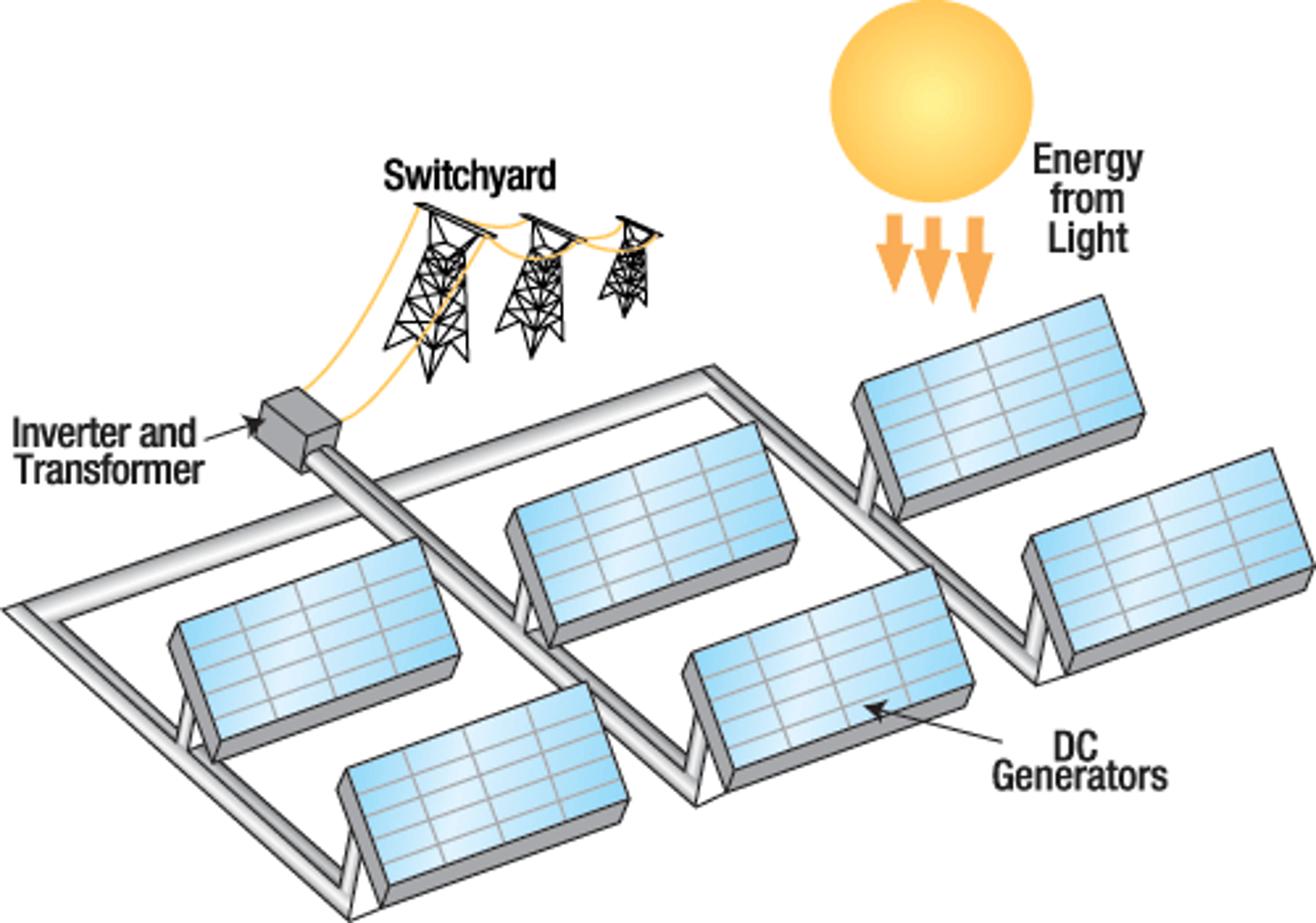
solar water heating systems
Use suns energy to heat a fluid (typically antifreeze in cold climates and water in warm climates) within closed loop which heats storage tank of water. Reduces the use of electricity or natural gas in a home's hot water heater
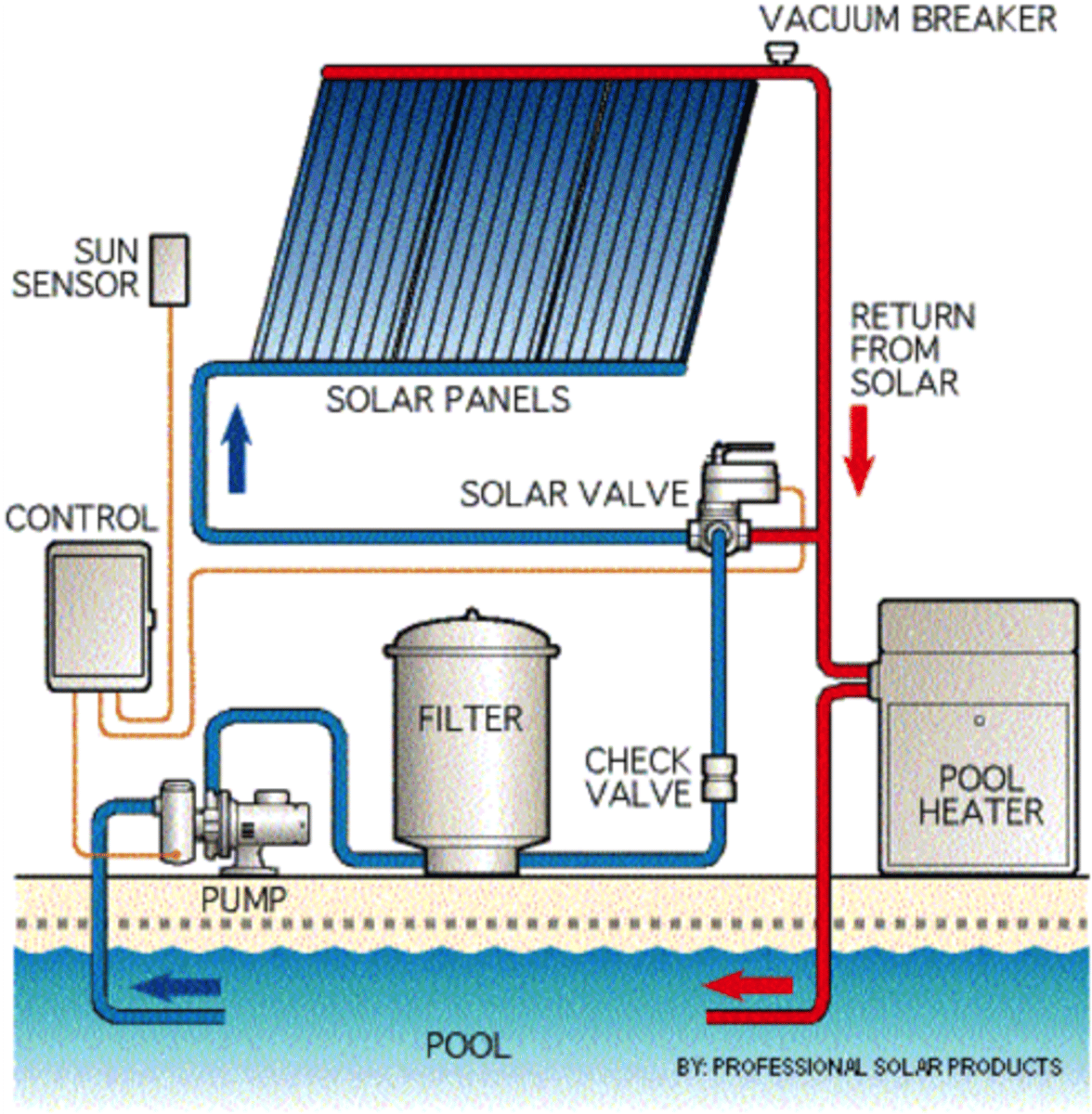
concentrated solar thermal
large mirror or lens arrays that concentrate sunlight on a central tower to heat specialized fluids that are then used to heat water into steam to run turbines to generate electricity
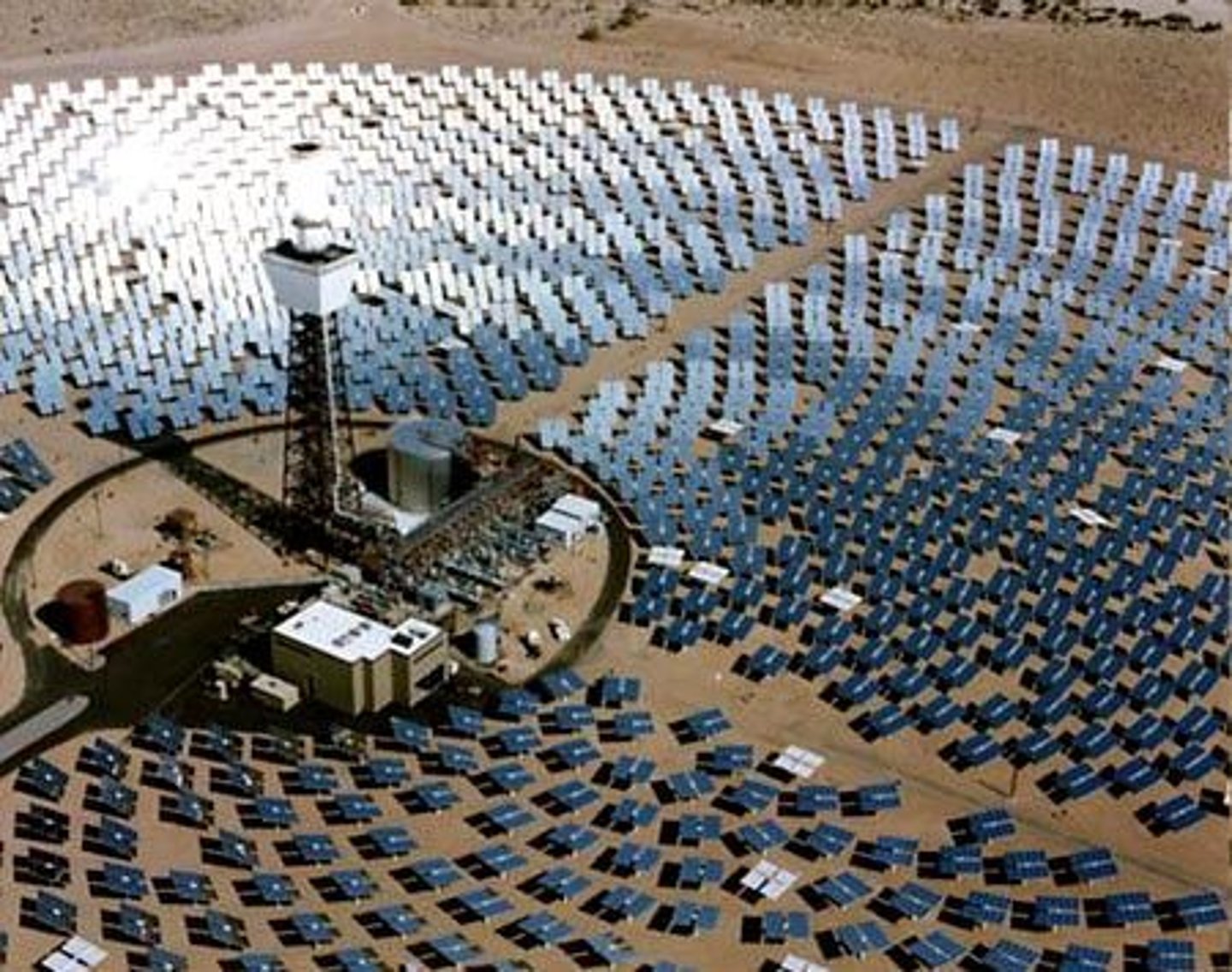
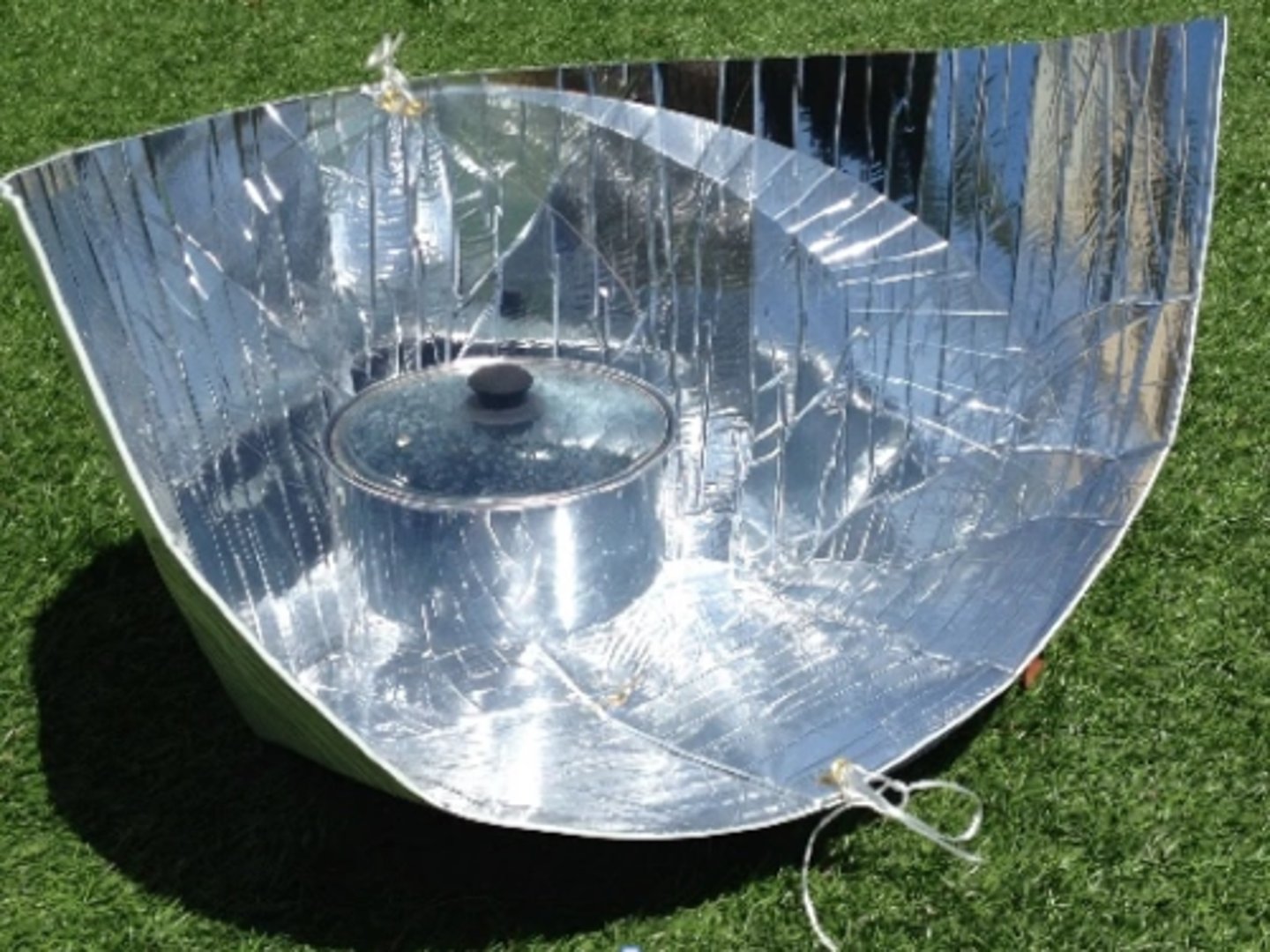
solar cookers
simple, portable ovens that use reflectors to focus sunlight onto food or water. especially common in developing nations or refugee camps
Pros of large scale solar energy
- No GHG emissions when generating electricity
- Typically set up in deserts which doesn't displace other land use
- Generate high amounts of electricity during times when demand is high (hot, middle of the day AC use)
- Excess electricity from home solar panels can be sold back to the utility company
- Subsidies or tax incentives from the gov. can lower the cost to home owners
Cons of large scale solar energy
- Electricity is only generated when sun is out
- Mining of semiconductor materials is still harmful
- Panels are initially expensive to manufacture and install
- batteries that store power contain toxic metals and are hard to dispose of
- Can fragment desert habitats where they're commonly built
- Large area of land required, relative to the amount of power generate
Kinetic energy
the energy an object has due to its motion, especially the movement or flow of water, which can spin a turbine
Hydroelectricity
electricity generated by the kinetic energy of moving water, either by the natural current of a river, water being impounded by a dam and falling vertically through a channel, or by the natural tides of the moon's grav. pull
water impoundment systems
the storage of water in a reservoir behind a dam. If it is a hydroelectric dam, flow of water through a channel can turn a turbine to generate electricity, which can be tailored to meet electricity demand by opening or closing the channel
Siltation
The accumulation of sediments, primarily silt, on the bottom of a reservoir. The dam blocks the natural flow of nutrient-rich sediment downstream. Over time, it must be dredged out by a crane
Reservoir
a large natural or artificial lake used as a source of water supply, particularly behind a dam. Can provide recreational uses or water supply, but leads to displacement of human settlements and animal habitats
Run-of-the-river systems
water is retained behind a low dam and runs through a channel, with a turbine, generator, etc. before returning to the river. Less electricity generation than water impoundment, but less impact to seasonal flooding & surrounding ecosystems
Tidal energy system
Energy that comes from the movement of water driven by the gravitational pull of the Moon. Rising and lowering tides spin underwater turbines.
Fish ladders
a stair-like structure that allows migrating fish to get around a dam, especially salmon.
Non hydroelectric dam uses
Only 3% of dams in US are hydroelectric. 37% are for recreation/scenic reservoir creation, and 18% are for control of downstream flooding, enabling human construction & ag in floodplains of the river
Hydroelectric Use
The number one renewable source of electricity in the US, and globally.
Global Hydroelectric Use
1. China (Three Gorges Dam on Yangtze = biggest in the world)
2. Brazil
3. US
Water impoundment (dam) pros
- No GHG emissions when gen. electricity
- cheaper per KWH cost of electricity compare to FF
- limit downstream flooding
- reservoir = tourism, recreation, drinking & ag. water source
Water impoundment (dam) cons
- High upfront cost to construct
- Reservoir = displacement of human settlements, and flooding of large ecosystems & habitats
- Limits downstream water flow & nutrient-rich sediment deposit
- disrupts upstream migration of salmon
- large surface area of reservoir = faster evap. rate (water loss)
- anaerobic decomp. of flooded organic matter underneath reservoir releases methane (GHG)
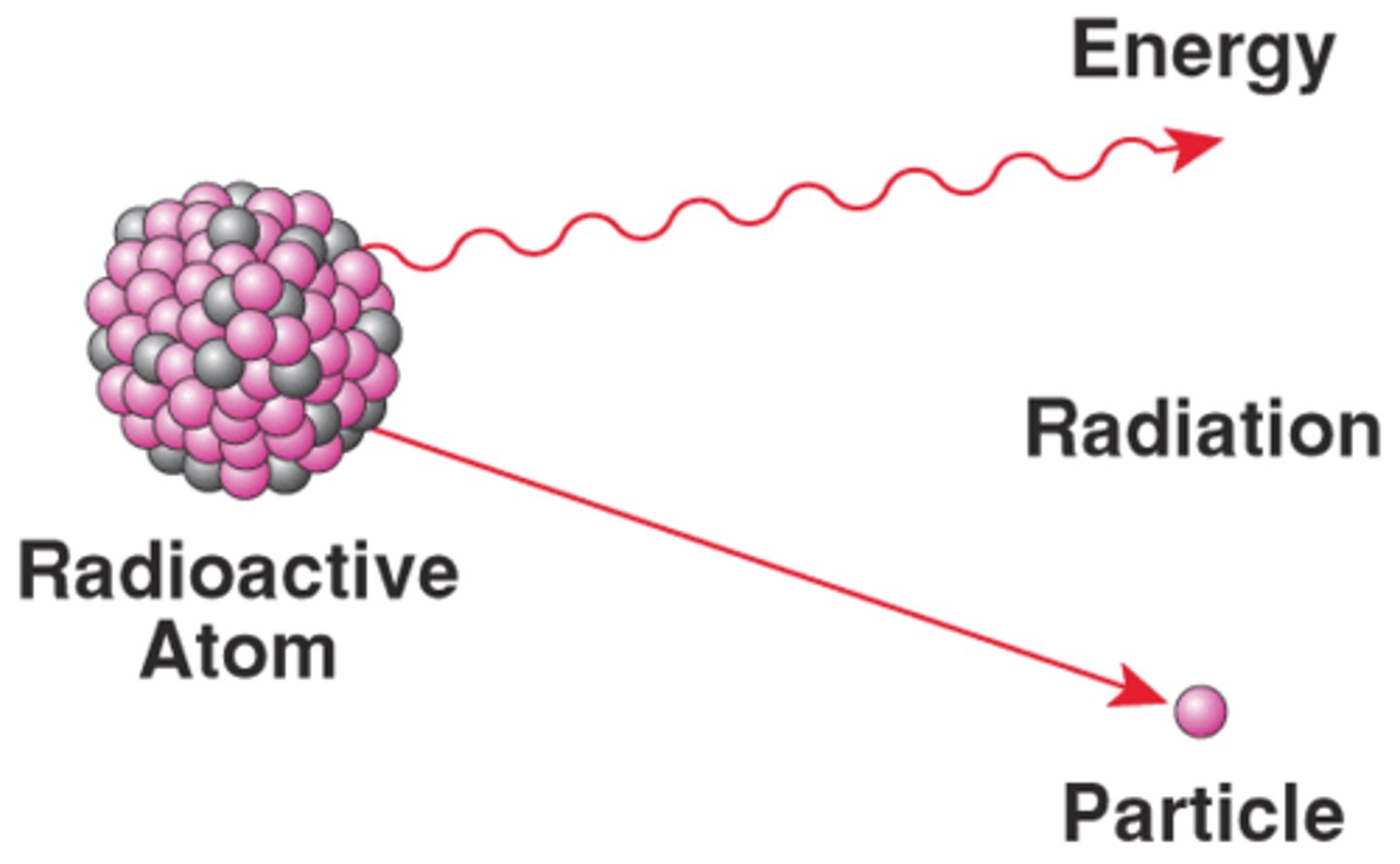
Radioactive decay
The breakdown of a radioactive element, releasing particles and energy (heat). Heat from radioactive decay in the earth's core heats groundwater that is utilized in geothermal energy systems.
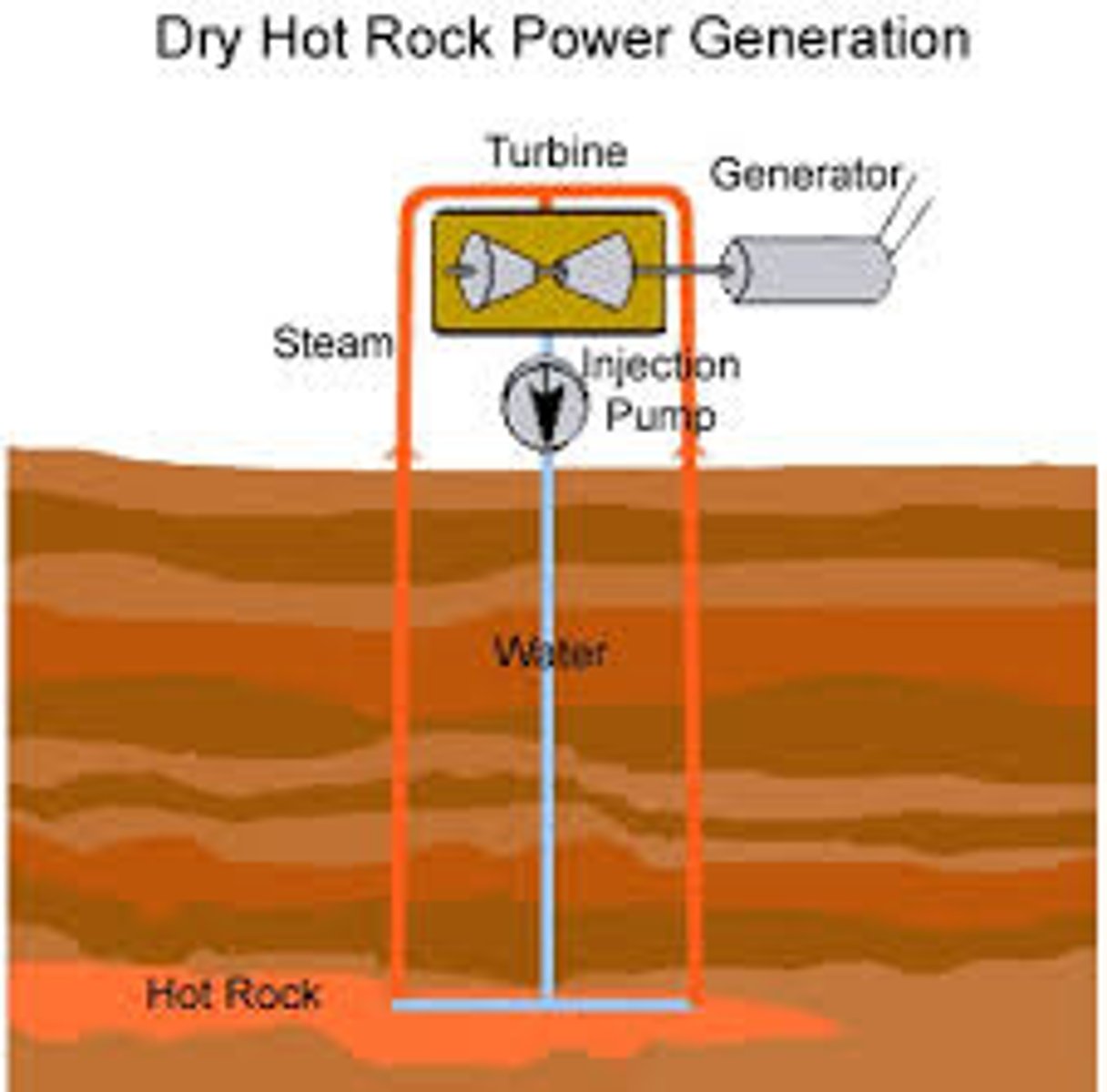
Geothermal Electricity
Steam generated from ground water sources heated by magma from earth's core is piped up to the surface at a geothermal power plant where it turns a turbine, which powers an electrical generator, after which the cooled water is returned to the ground water source
Geothermal home/building heating
Hot water or steam from hot water sources underground is piped into a home or building, where it warms the air in the building via a radiator. NOT TO BE CONFUSED WITH GROUND SOURCE HEAT PUMPS.
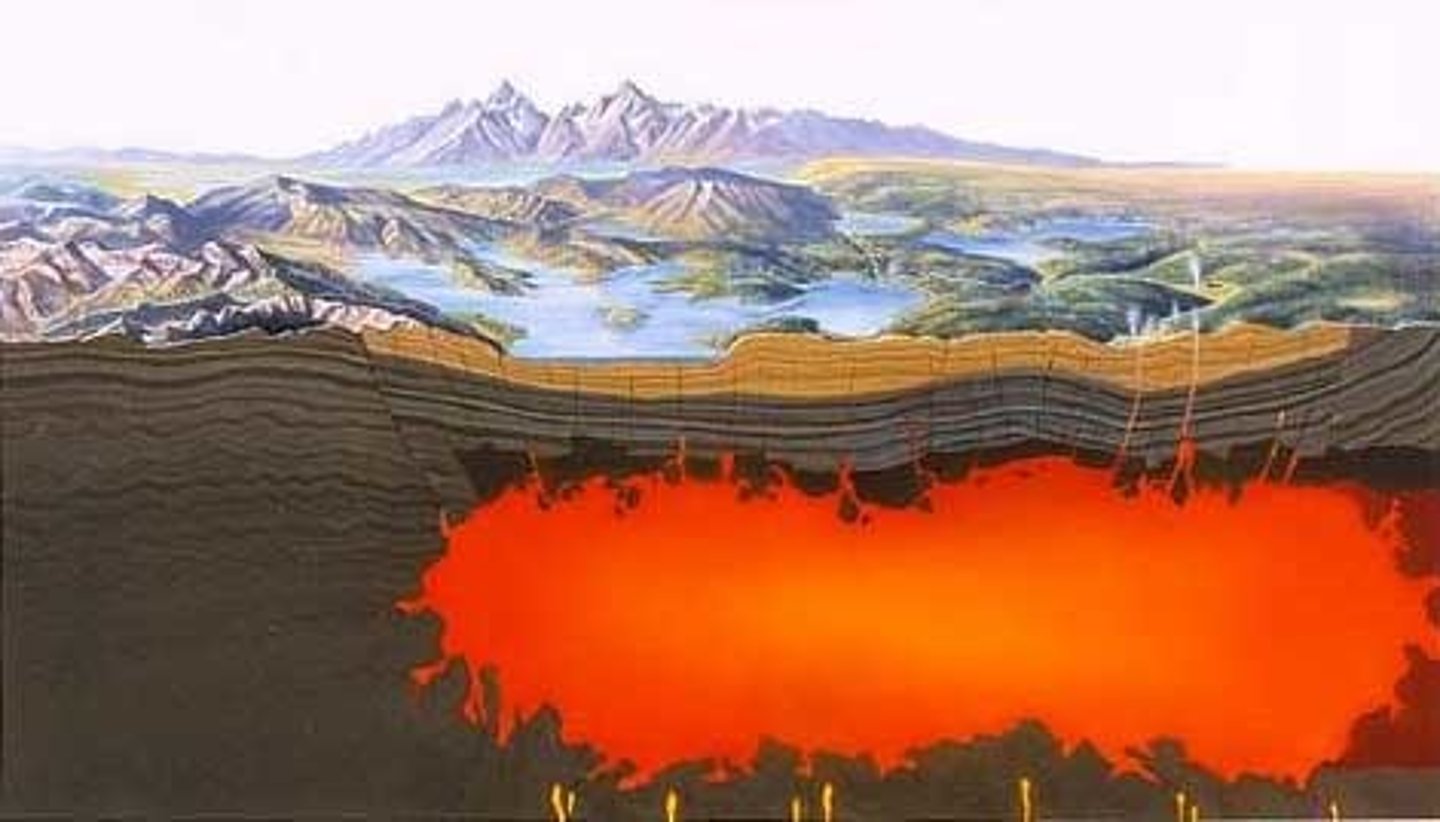
Magma
Molten rock beneath the earth's surface, particularly in the mantle
Hydrogen sulfide
A toxic gas that can be produced as a byproduct of the steam generation at geothermal power plants. Highly lethal to humans, even in small dosages.
ground source heat pump
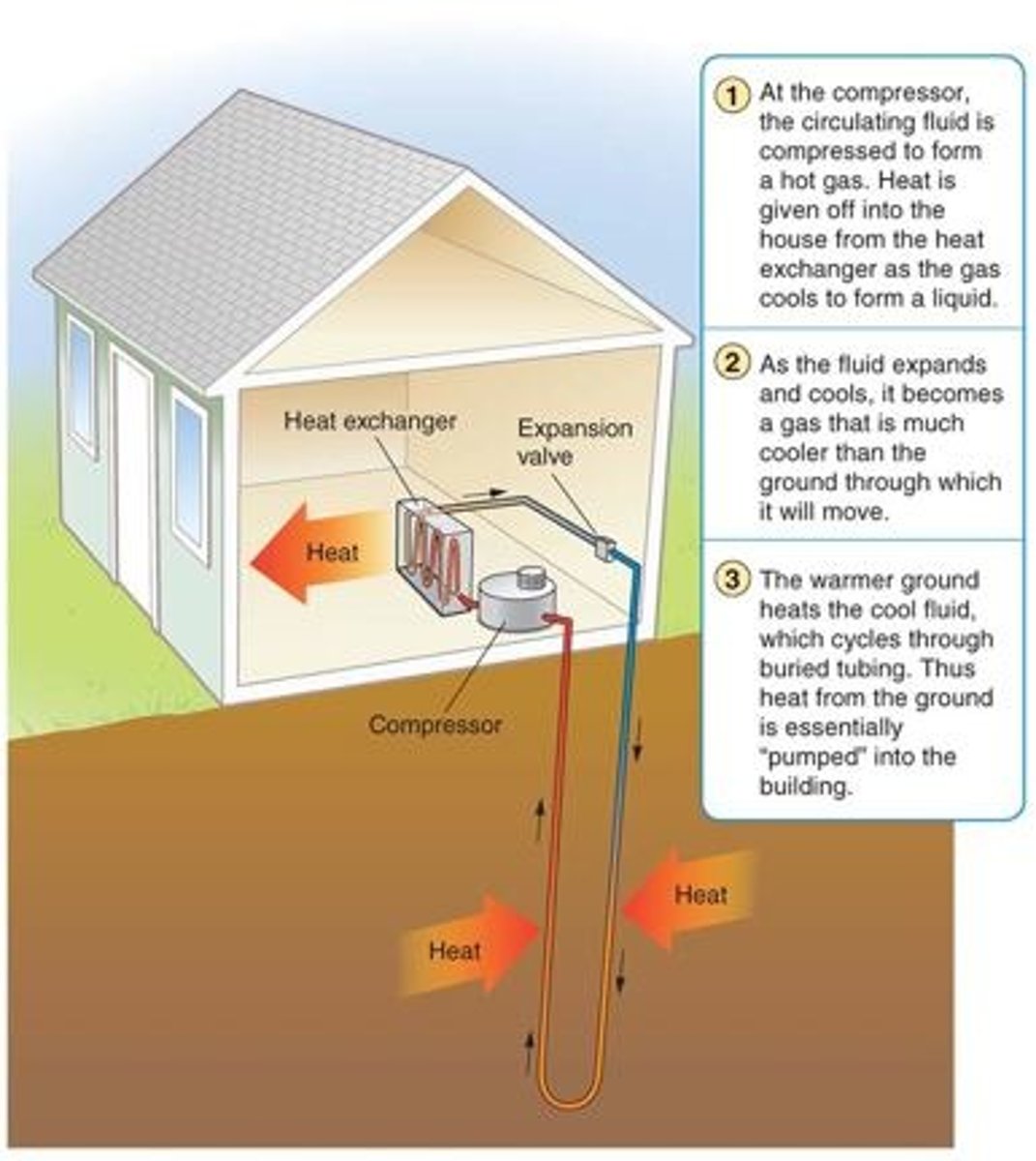
Heating system for buildings that takes advantage of the constant, 50-60 degree temperature of the ground, about 10 feet below the surface. Heat source comes from the sun, not radioactive decay in earth's core. Heat-absorbing fluid is piped underground, where it is warmed by the ground, returned to the building, run through a compressor that converts it to hot gas, and then through a heat exchanger that warms the air in the house with the heat from the gas.
Compressor
A pump that compresses heating liquid into a hot gas receiver tank.
heat exchanger
Transfers heat from hot gas in a ground source heat pump system to the air in a building, providing heat to the building
advantages of geothermal energy
Ability to supply base-load electricity (constant supply)
Nondepletable heat source (radioactive decay of earth's core)
little to no CO2 emission and no NOx, SOx, PM, Ash, Lead, Mercury, CO
disadvantages of geothermal energy
High initial start up cost
Can emit lethal, Hydrogen Sulfide gas
Geographically limited (only available near high tectonic activity areas)
Can deplete groundwater sources if used water isn't returned to the ground water source
kinetic energy
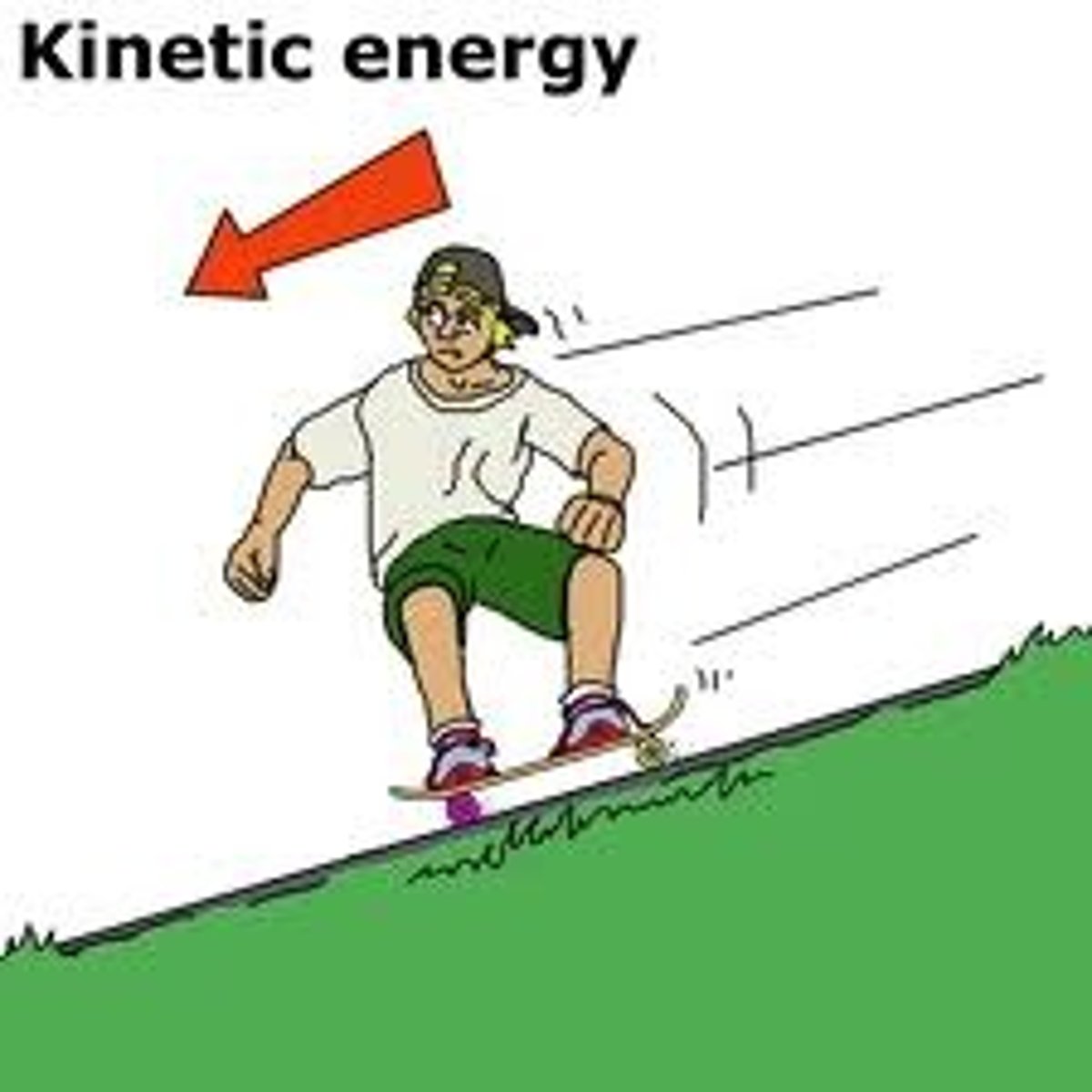
the energy an object has due to its motion
wind turbine
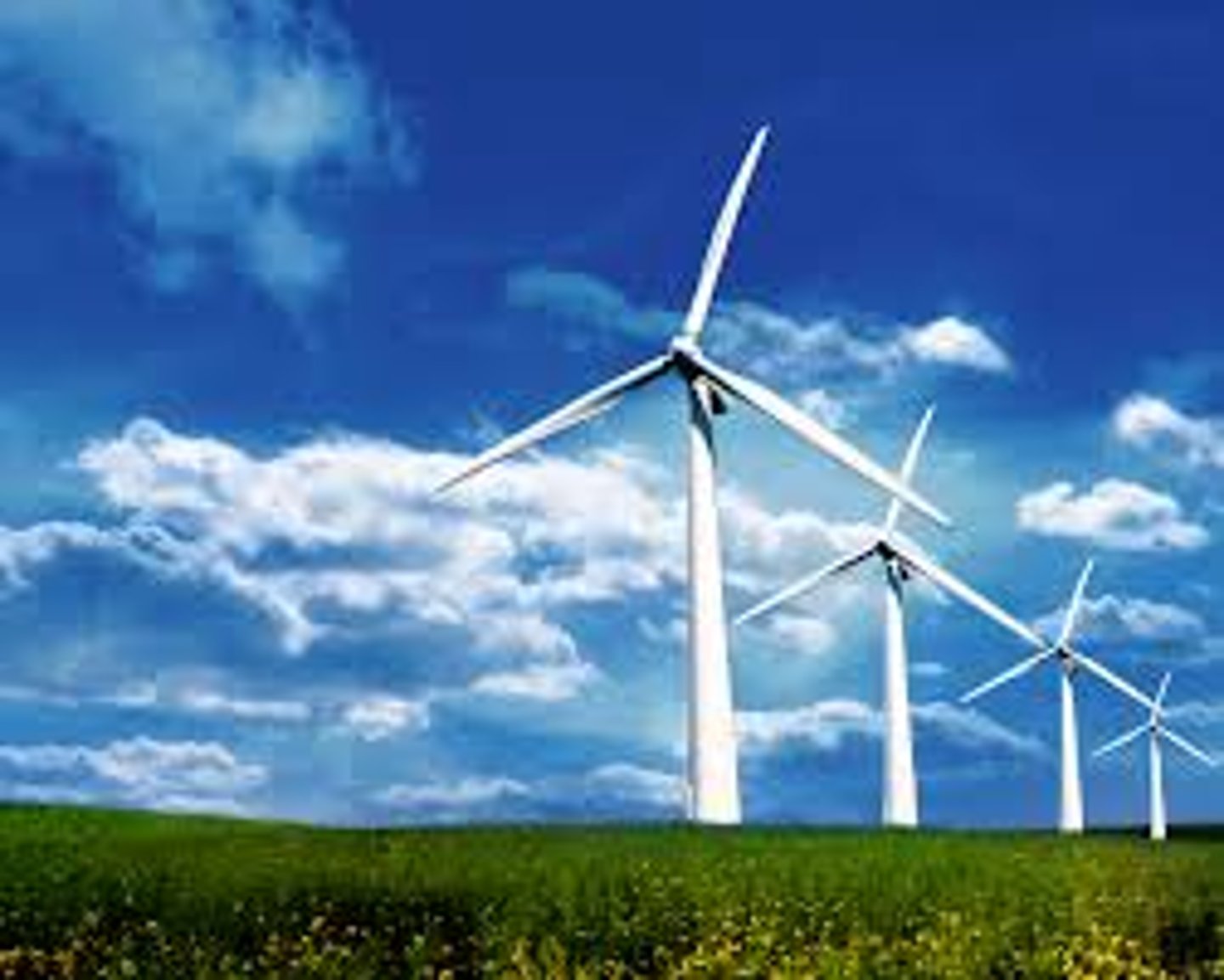
a machine that converts the kinetic energy of wind into mechanical energy of a rotating turbine, and then into electrical energy via a generator
mechanical energy
The energy of a rotating turbine, which can be converted into an electrical current by a generator

Birds and wind turbines
Turbine blades can strike and kill birds. Especially problematic for migratory birds and large birds like the condor and the whooping crane
bats and wind turbines
Researchers have estimated that hundreds of thousands of bats die at the blades of North America's wind industry each year. Many more are killed by the drop in air pressure around turbines, which can cause their lungs to rupture.
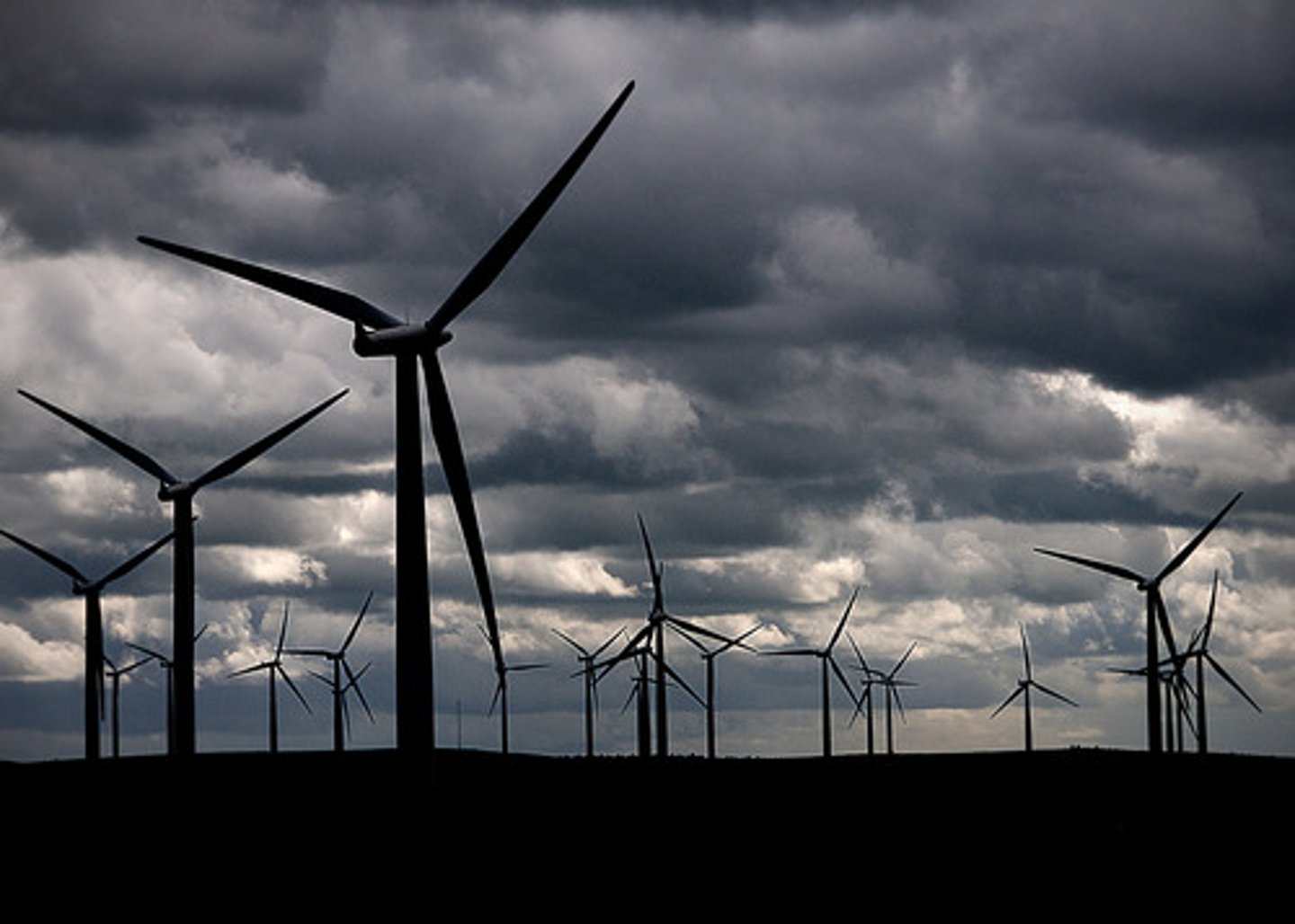
wind farm
a group of wind turbines that produce electricity. grouped for efficiency of maintenance and electricity distribution
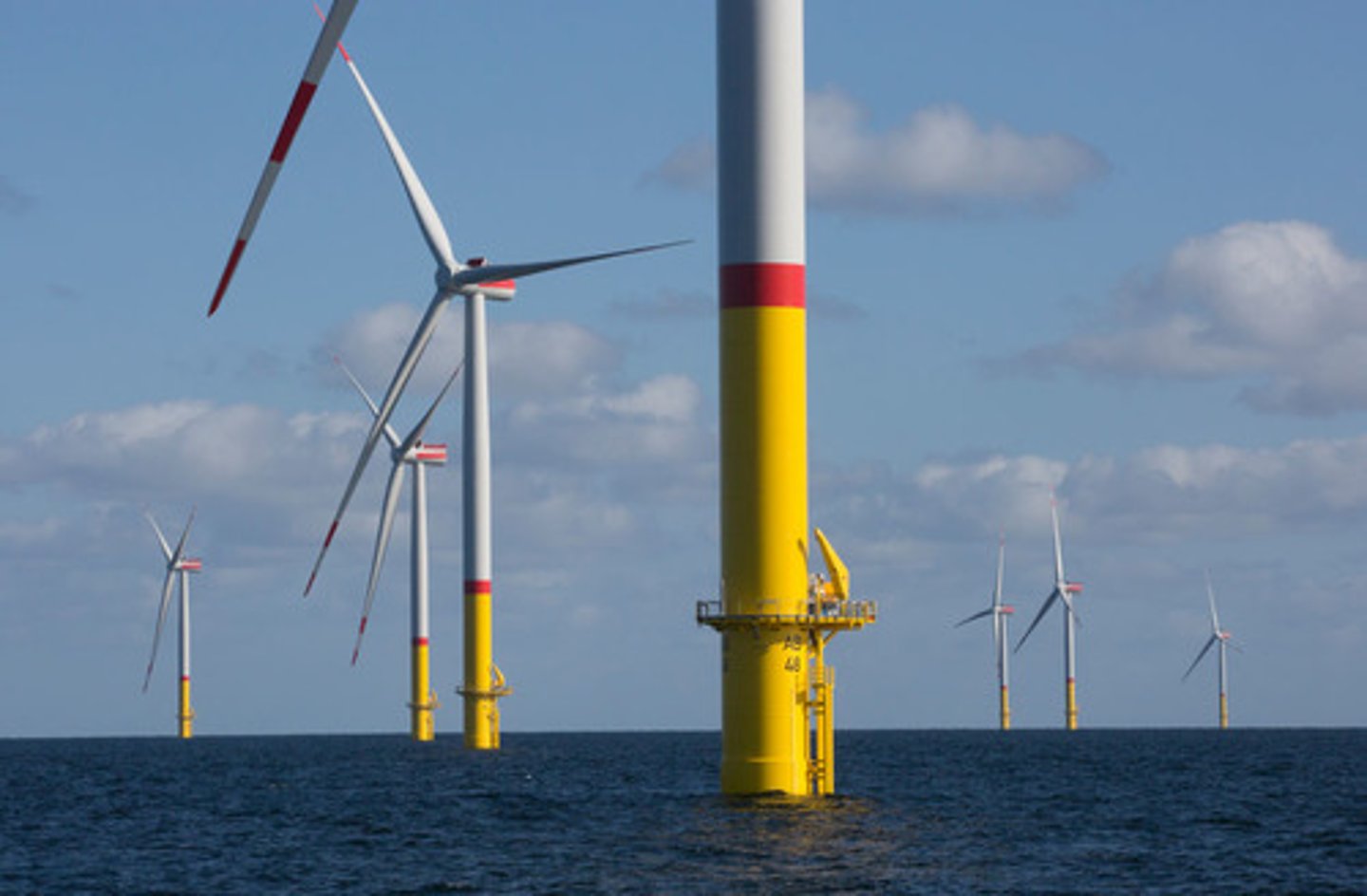
off shore wind farms
wind farms located in bodies of water. wind is stronger here so turbines generate more electricity, but transmission lines must be built further to get electricity to land where it will be used
energy conservation
finding ways to use less energy or to use energy more efficiently
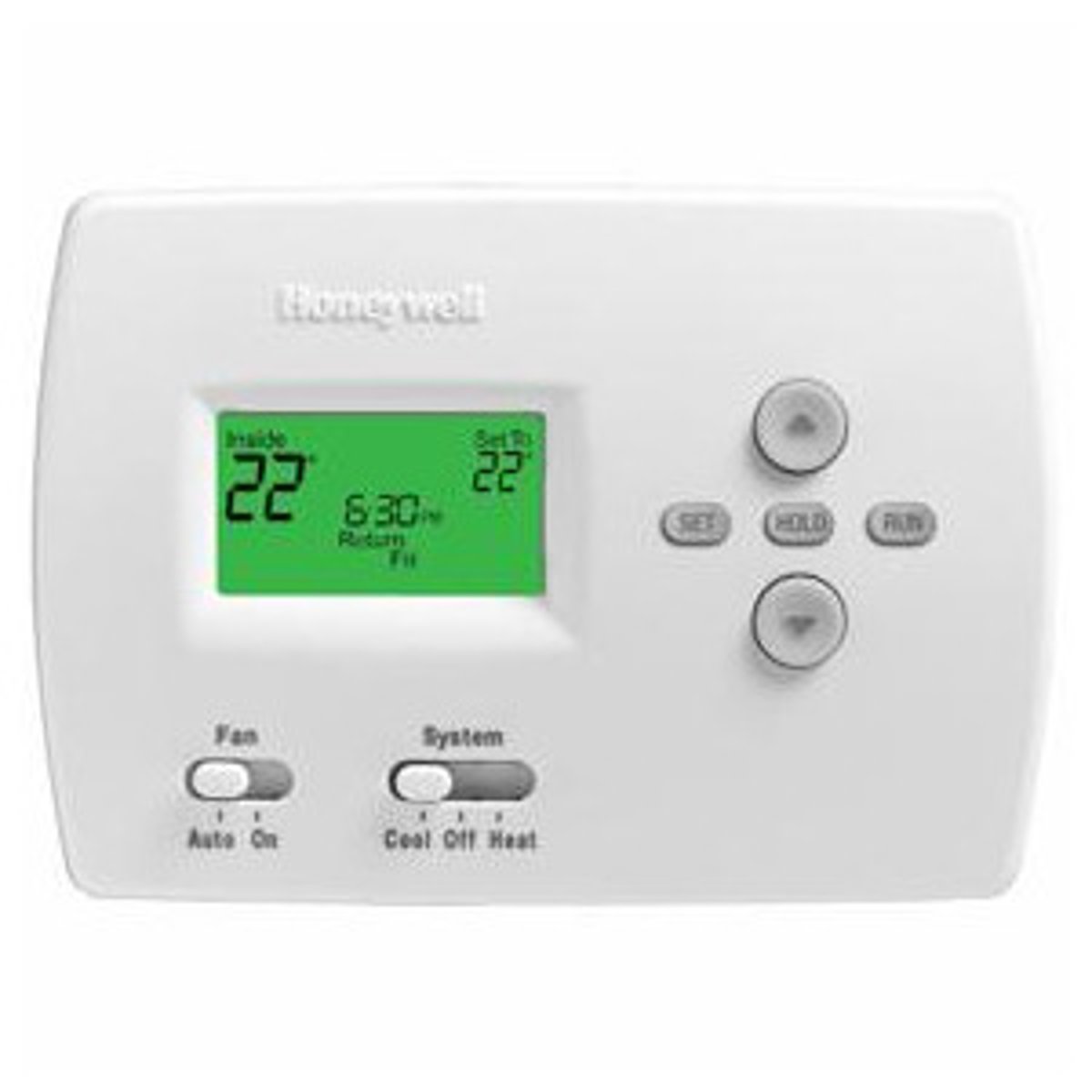
thermostat
a device that responds to temperature changes in order to maintain its set position. It can be lowered in the winter to conserve energy (less natural gas combustion in furnace)
energy efficient
is the goal to reduce the amount of energy required to provide products and services. For example, insulating a home allows a building to use less heating and cooling energy to achieve and maintain a comfortable temperature.
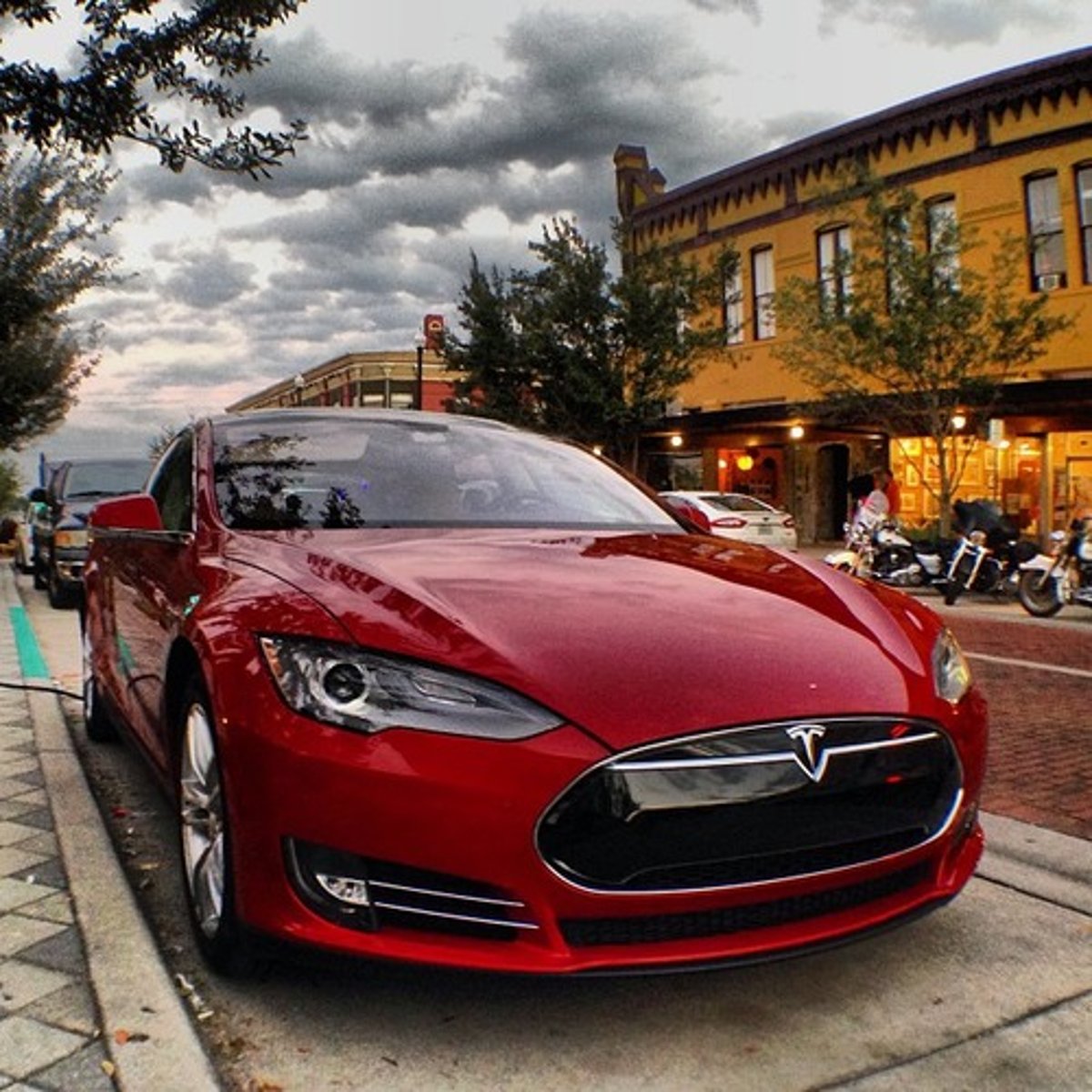
battery electric vehicles
a type of electric vehicle (EV) that uses chemical energy stored in rechargeable battery packs. BEVs use electric motors and motor controllers instead of internal combustion engines (ICEs) so they do not require gasoline..
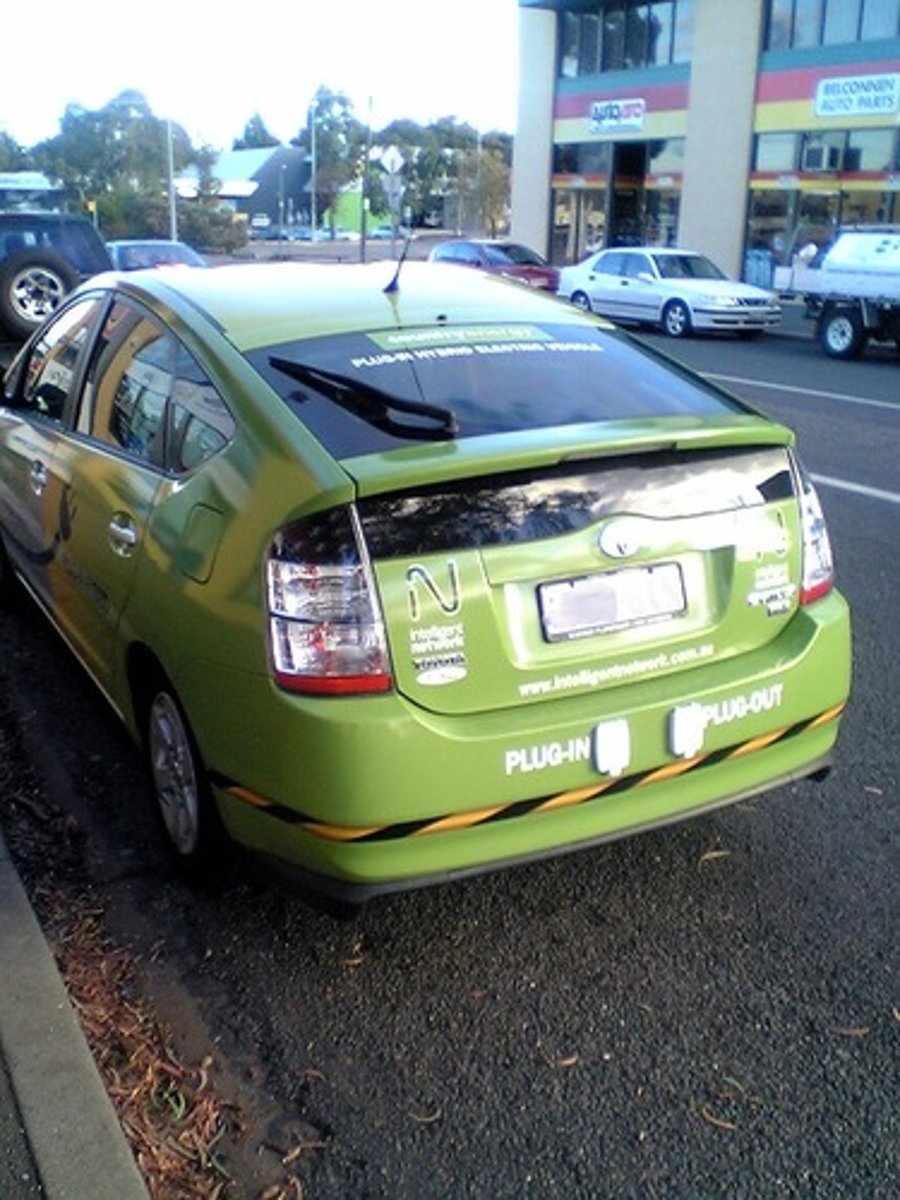
hybrid cars
vehicles that have both an electric motor and an internal combustion engine, increasing fuel efficiency. Breaking system charges the battery that powers the electric motor, so they do not have to be plugged in to charge.
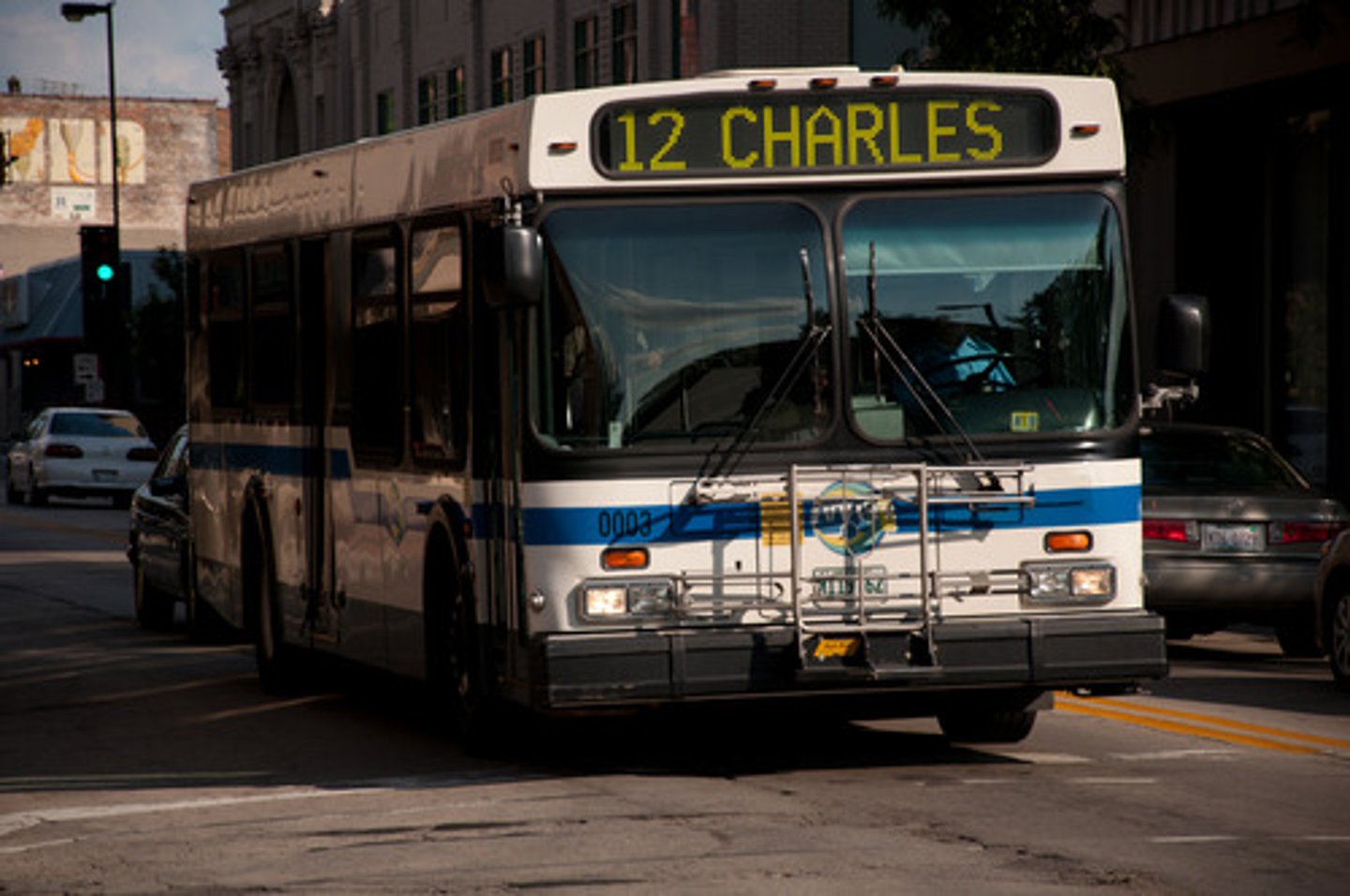
mass transit
Transportation system designed to move large numbers of people along fixed routes. Far more efficient than single-passenger vehicles.
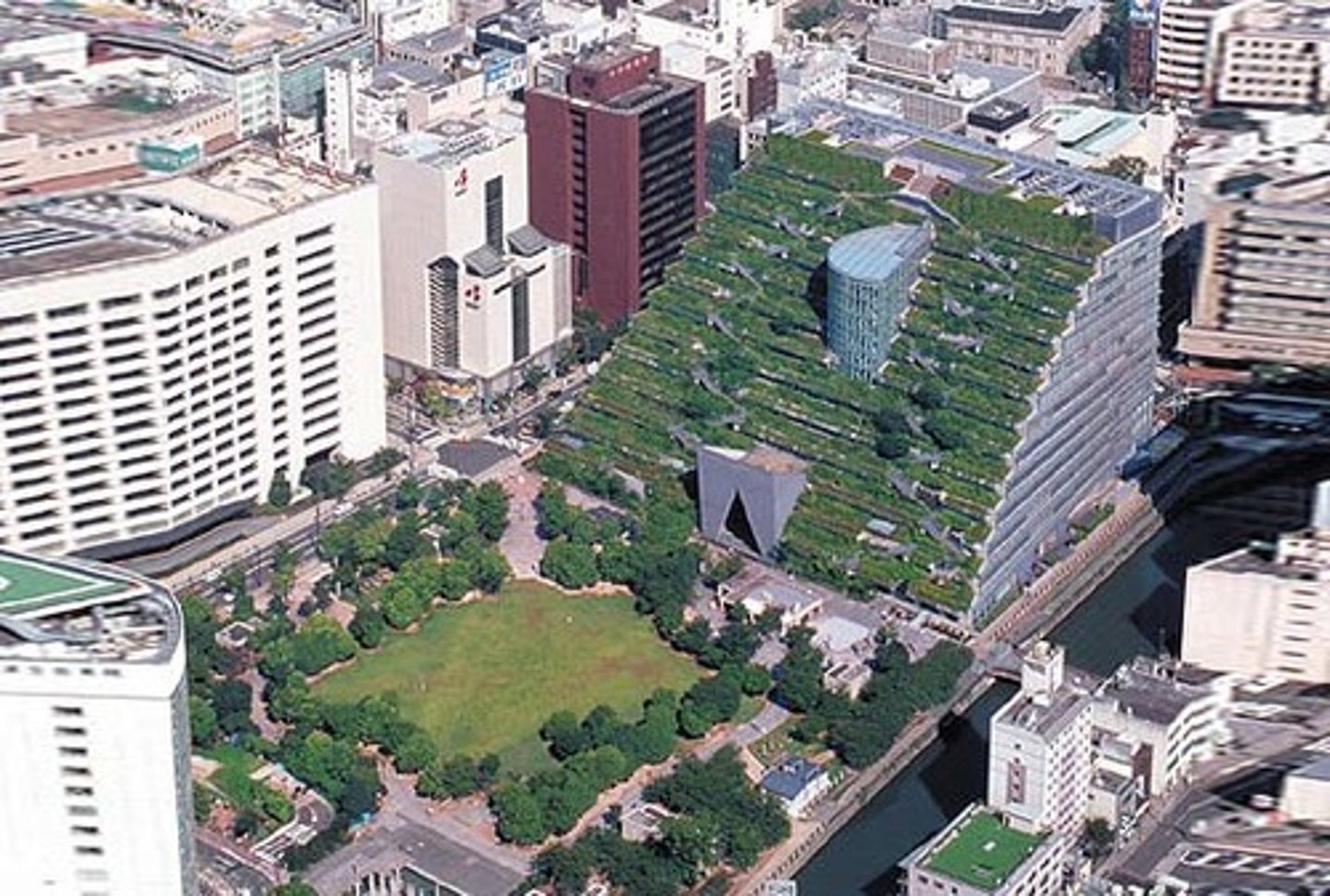
green buildings
A structure that minimizes the ecological footprint of its construction and operation by using sustainable materials, using minimal energy and water, reducing health impacts, limiting pollution, and recycling waste.
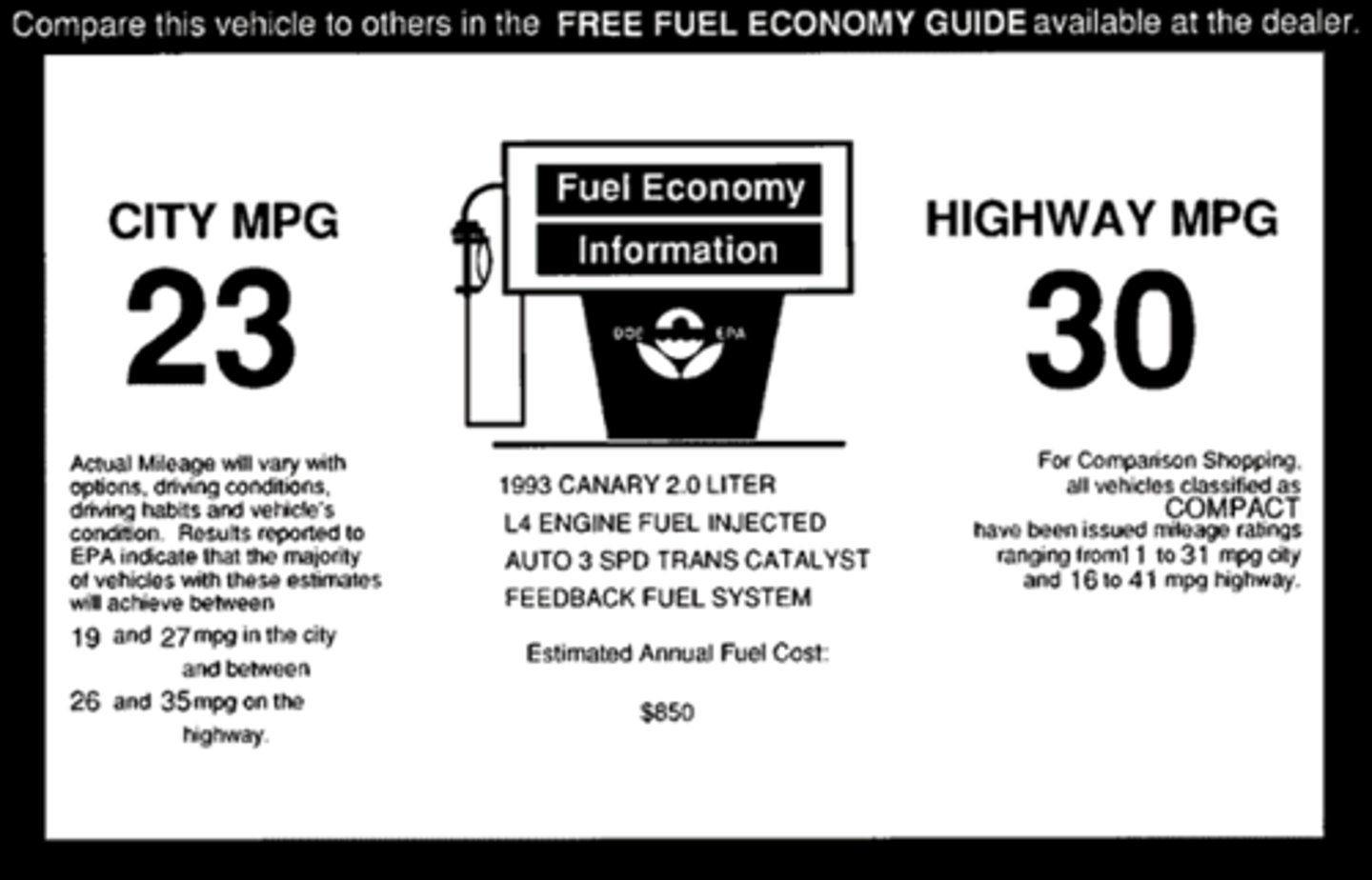
fuel economy
the relationship between the distance traveled and the amount of fuel consumed by the vehicle (mpg)
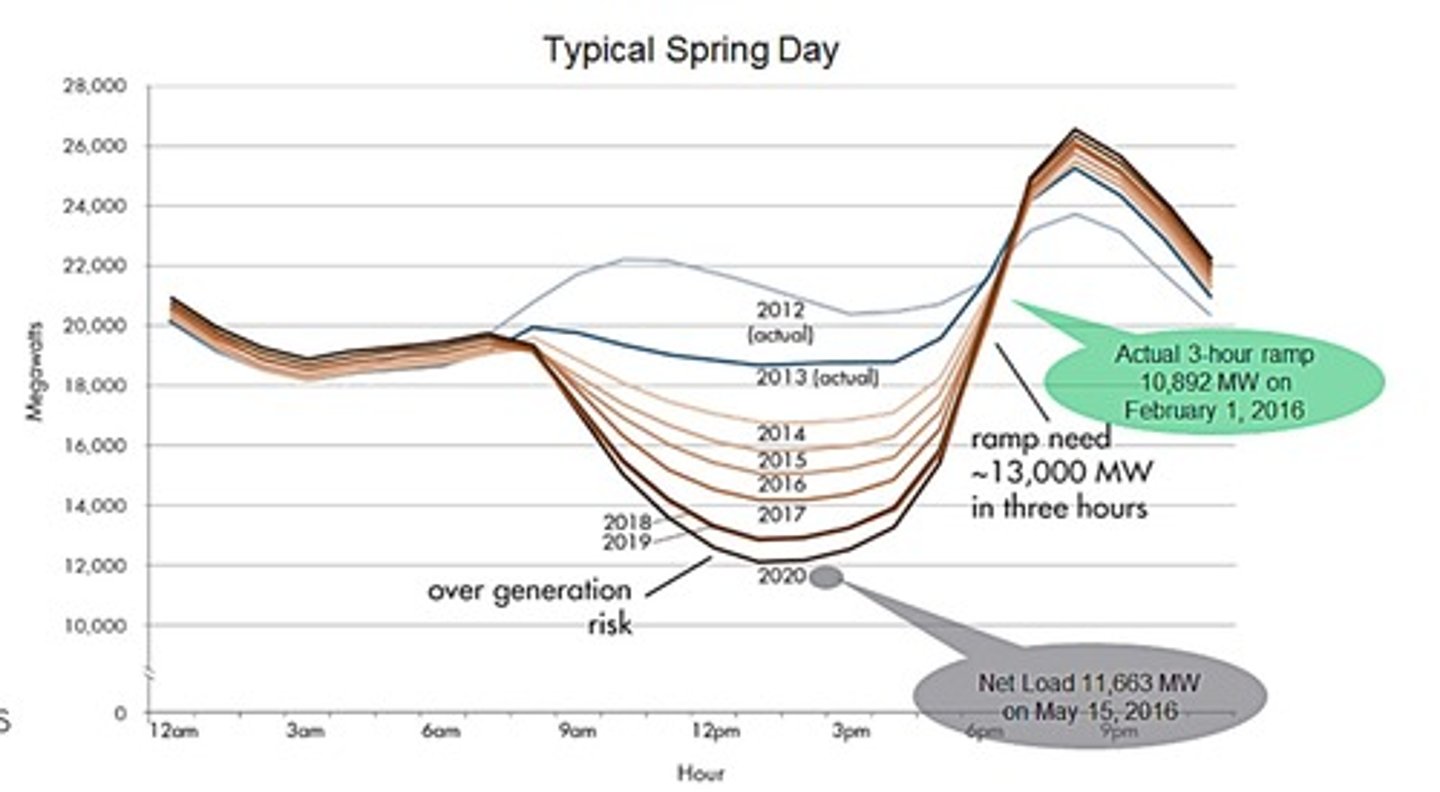
peak demand
The greatest quantity of energy used at any one time. Often late afternoon to early evening when people are getting home. Requires additional nat. gas power plants to supply excess electricity demanded
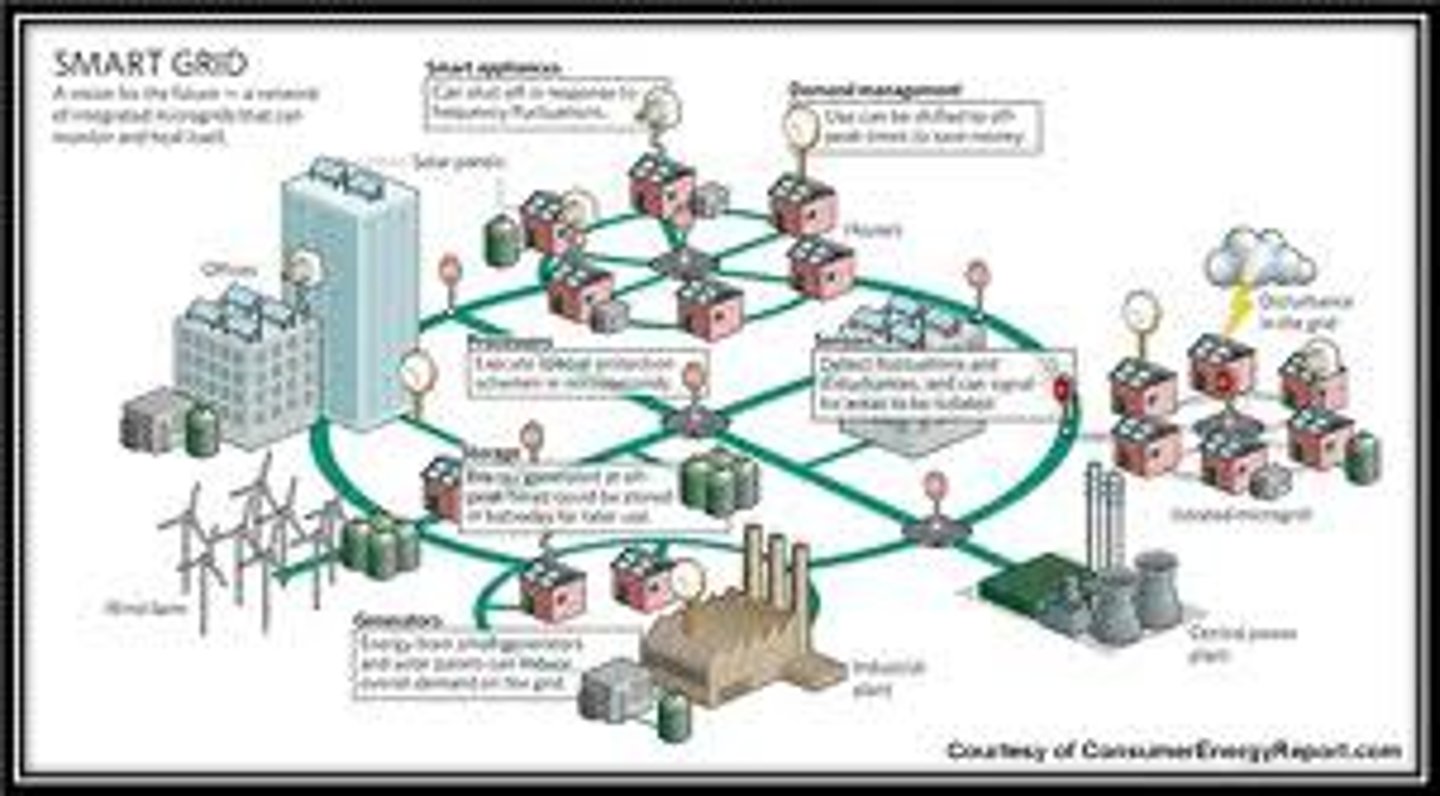
smart grid
an efficient, self-regulating electricity distribution network that accepts any source of electricity and distributes it automatically to end users. Can coordinate use of appliances, heating, and cooling as well to manage demand and try decrease peak demand
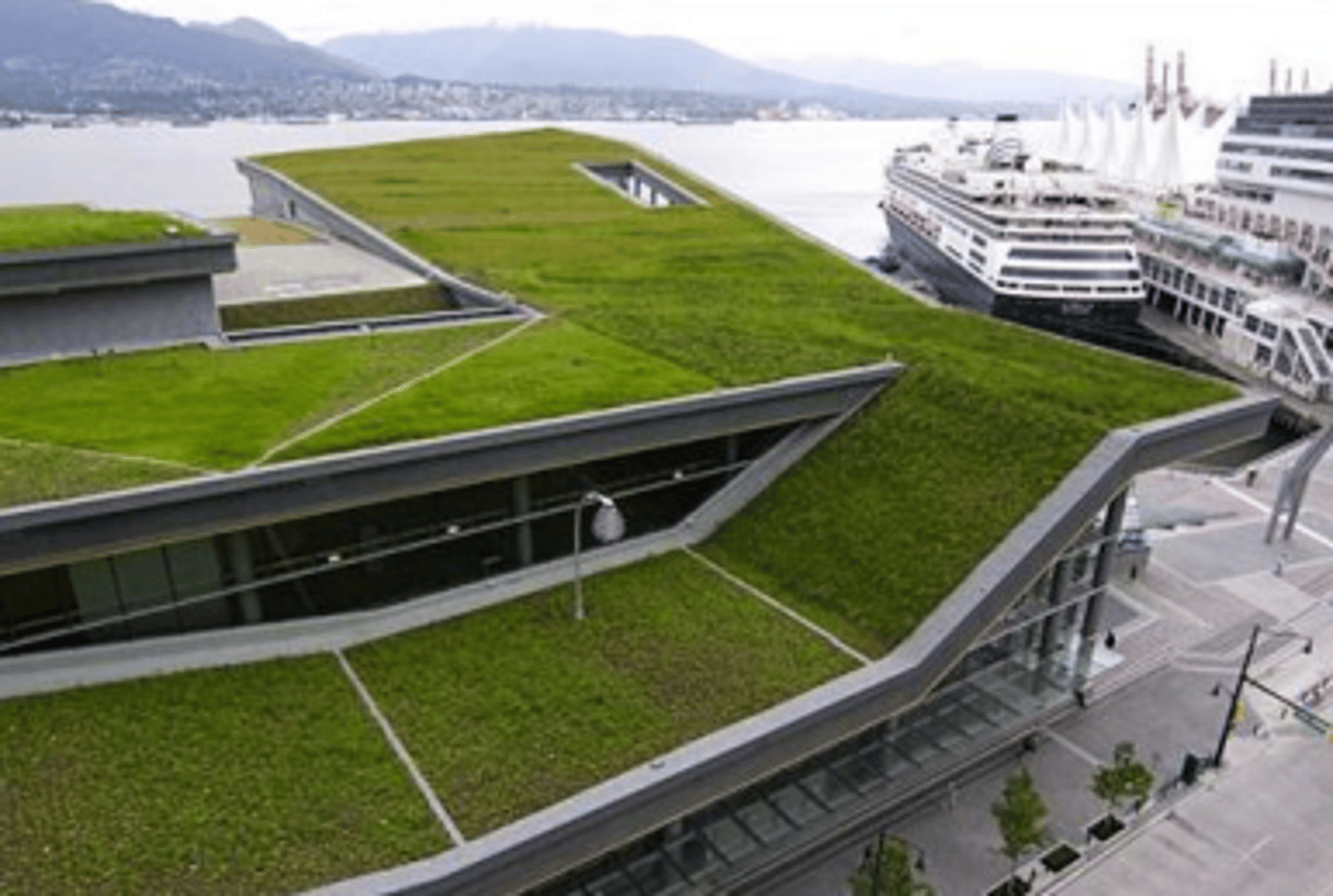
green roof
roof covered in vegetation - helps combat heat-island effect, reduce storm water runoff, and provides habitat for native organisms