Immediate Care of the Newborn, Postpartum care, Breastfeeding
 Call Kai
 Learn
Learn Practice Test
 Spaced Repetition
 Match
Match Flashcards
 Knowt Play
1/75

There's no tags or description
Looks like no tags are added yet.
Name | Mastery | Learn | Test | Matching | Spaced | Call with Kai |
|---|
No analytics yet
Send a link to your students to track their progress
76 Terms
What is the first priority in immediate newborn care?
Clearing the airway of secretions and assessing breathing.
What is the purpose of thermoregulation in newborn care?
To prevent evaporative heat loss by drying the infant and placing them skin-to-skin or under a preheated radiant warmer.
What is the goal axillary temperature for a newborn?
97.7°F.
What does the APGAR score assess?
The newborn's transition after delivery and whether immediate support/resuscitation is needed.
What are the five components of the APGAR scoring system?
Appearance, Pulse, Grimace response, Activity, and Respiration.
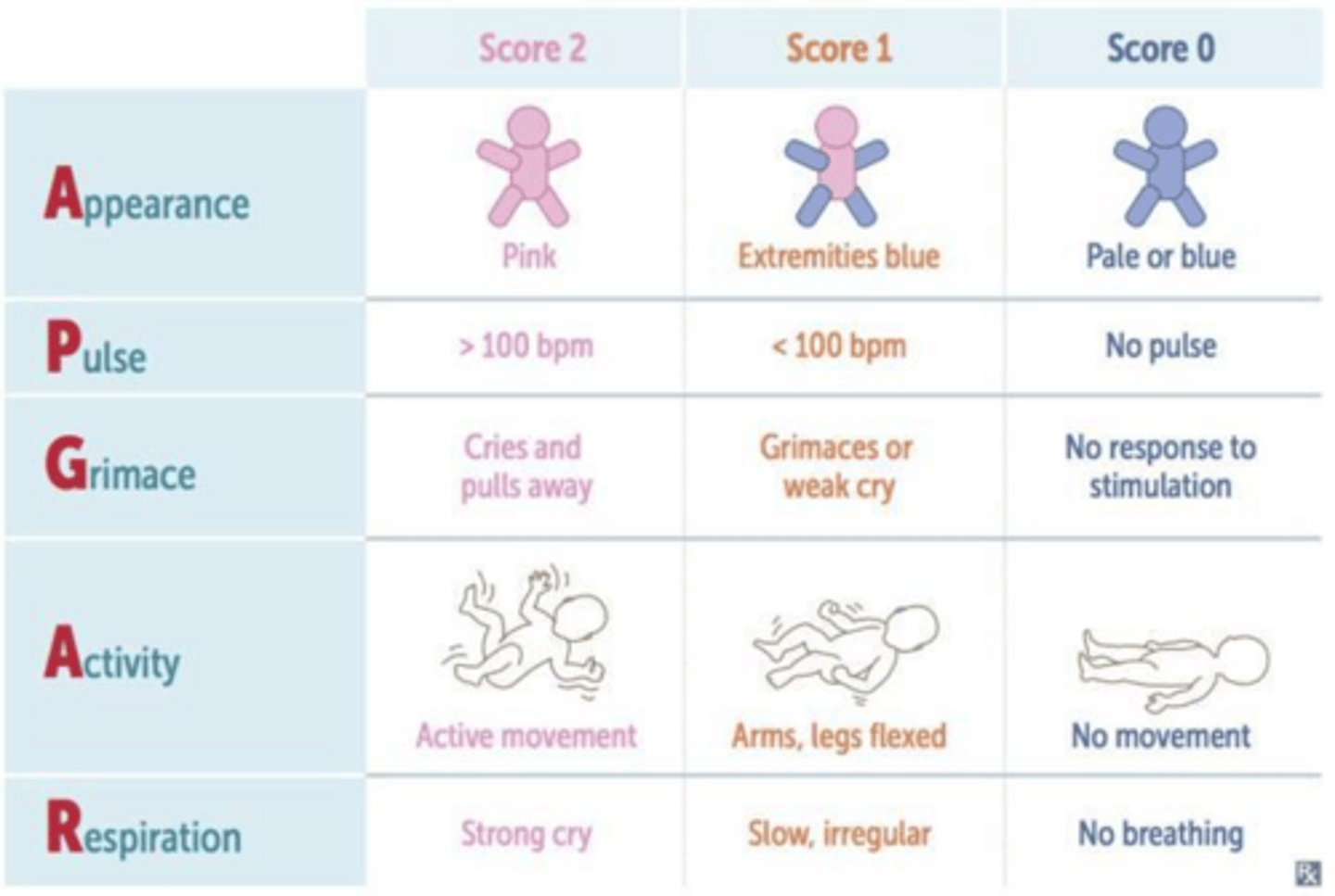
What APGAR score indicates no active resuscitation is required?
A score of 7 to 10.
What are the advantages of delayed cord clamping?
Less intraventricular hemorrhage, higher blood pressure, higher blood volume, and less need for transfusion.
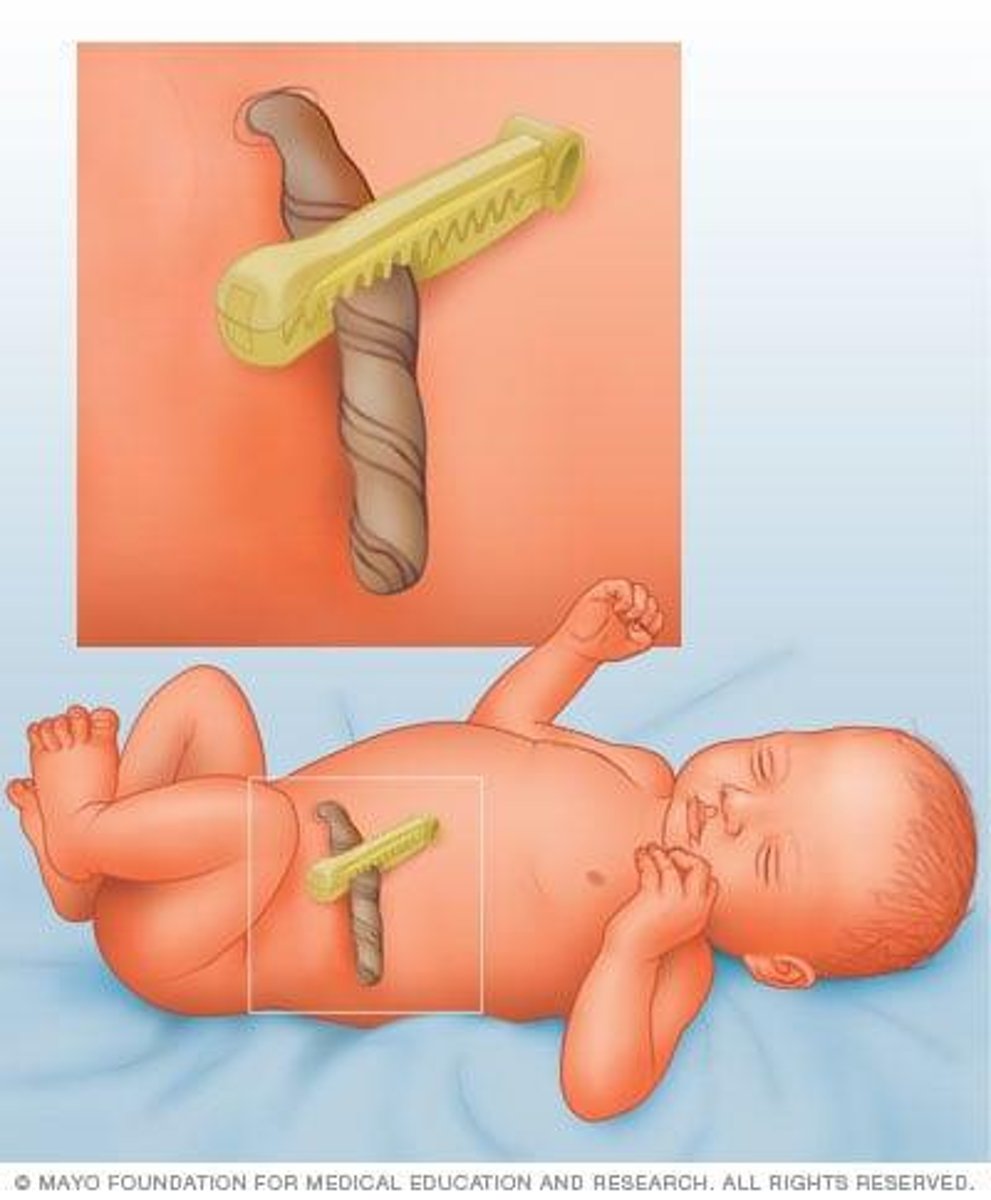
What is the recommended practice for umbilical cord care?
Keep the stump dry and allow it to fall off on its own.
What is the purpose of the Vitamin K shot given at birth?
To prevent vitamin K deficiency bleeding, which can lead to serious bleeding problems.
What is the normal respiratory rate for a newborn?
40-60 breaths per minute.
What should be monitored during the transitional care period after birth?
Temperature stability, respiratory rate, heart rate, color, abdominal distention, and feeding refusal.
What is the significance of jaundice in newborns?
It occurs in most newborns and is usually benign, but requires assessment for hyperbilirubinemia.
What is the recommended feeding frequency for newborns?
8-12 feeds per day.
What is the typical weight loss for term newborns in the first few days?
Up to 10% of their birth weight.
What is the purpose of the hepatitis B vaccination for newborns?
To provide universal protection against hepatitis B infection.
What is the role of the APGAR score at 1 and 5 minutes after birth?
To assess the newborn's condition and need for resuscitation.
What is the common practice for eye care in newborns?
Prophylactic administration of ophthalmic antibiotics to reduce the risk of gonococcal conjunctivitis.
What should be done if the newborn's APGAR score is less than 7?
Continue assessments every 5 minutes until 20 minutes after birth.
What is the typical management for umbilical cord blood banking?
It is optional and can be used for potential future medical treatments.
What is the importance of monitoring for central cyanosis in newborns?
It may indicate underlying cardiac or respiratory disease.
What is the recommended action if a newborn shows signs of lethargy?
Assess for feeding refusal and other clinical signs of distress.
What is the significance of the first bath for a newborn?
It is typically delayed for 6-24 hours after birth.
What are the common challenges in breastfeeding?
Latching difficulties, pain, and concerns about milk supply.
What is the role of maternal support in breastfeeding?
To encourage and assist with breastfeeding challenges.
What is the typical duration for monitoring a newborn's clinical status after birth?
Every 30-60 minutes during the first 4-6 hours.
What is the recommended approach for newborn screenings?
Screen for metabolic disorders, hemoglobinopathies, endocrinopathies, cystic fibrosis, and hearing.
What is the first step in neonatal resuscitation?
Ensure that the baby's airway is clear.
What is assessed using the Apgar Score?
The infant's adjustment to extrauterine life.
What should be done if the baby is not responding well within 10-15 seconds?
Begin true resuscitation efforts.
What heart rate indicates the need for chest compressions during resuscitation?
If the heart rate is less than 100 bpm.
Name a maternal risk factor for neonatal resuscitation.
Advanced or very young age.
What is a fetal condition that may require resuscitation?
Prematurity or intrauterine growth restriction (IUGR).
What does the acronym 'ABCs' stand for in neonatal resuscitation?
Airway, Breathing, Circulation.
What is the initial stabilization procedure for a newborn?
Provide warmth, dry, stimulate, position, and clear the airway.
What is the action taken if a newborn is gasping or apneic with a heart rate less than 100 bpm?
Requires positive pressure ventilation and airway management.
What is the significance of umbilical cord blood gases during resuscitation?
It most accurately assesses the metabolic well-being of an ill newborn.
What are the signs of respiratory distress in a newborn?
Nasal flaring, grunting, intercostal/subcostal retractions, or tachypnea.
What is the assessment for hypoglycemia in a newborn?
Check blood glucose and initiate early breastfeeding or formula supplementation.
What is involution in the context of postpartum care?
The process of the uterus contracting to its pre-pregnancy size and location.
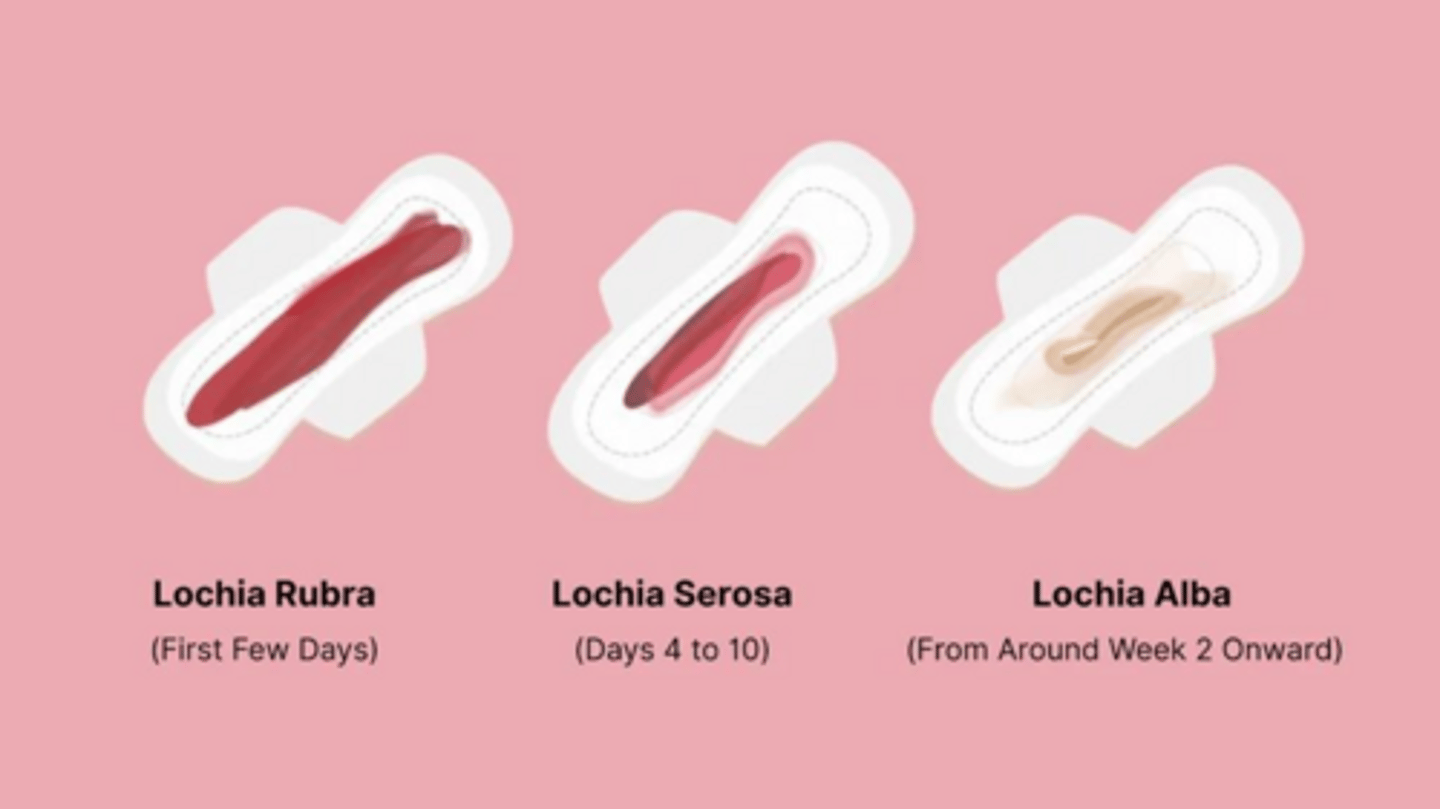
What are the three stages of lochia discharge?
Rubra (dark red), Serosa (pink/brown), Alba (yellowish/white).
What is the priority during the immediate postpartum period?
Monitor for postpartum hemorrhage (PPH) and other complications.
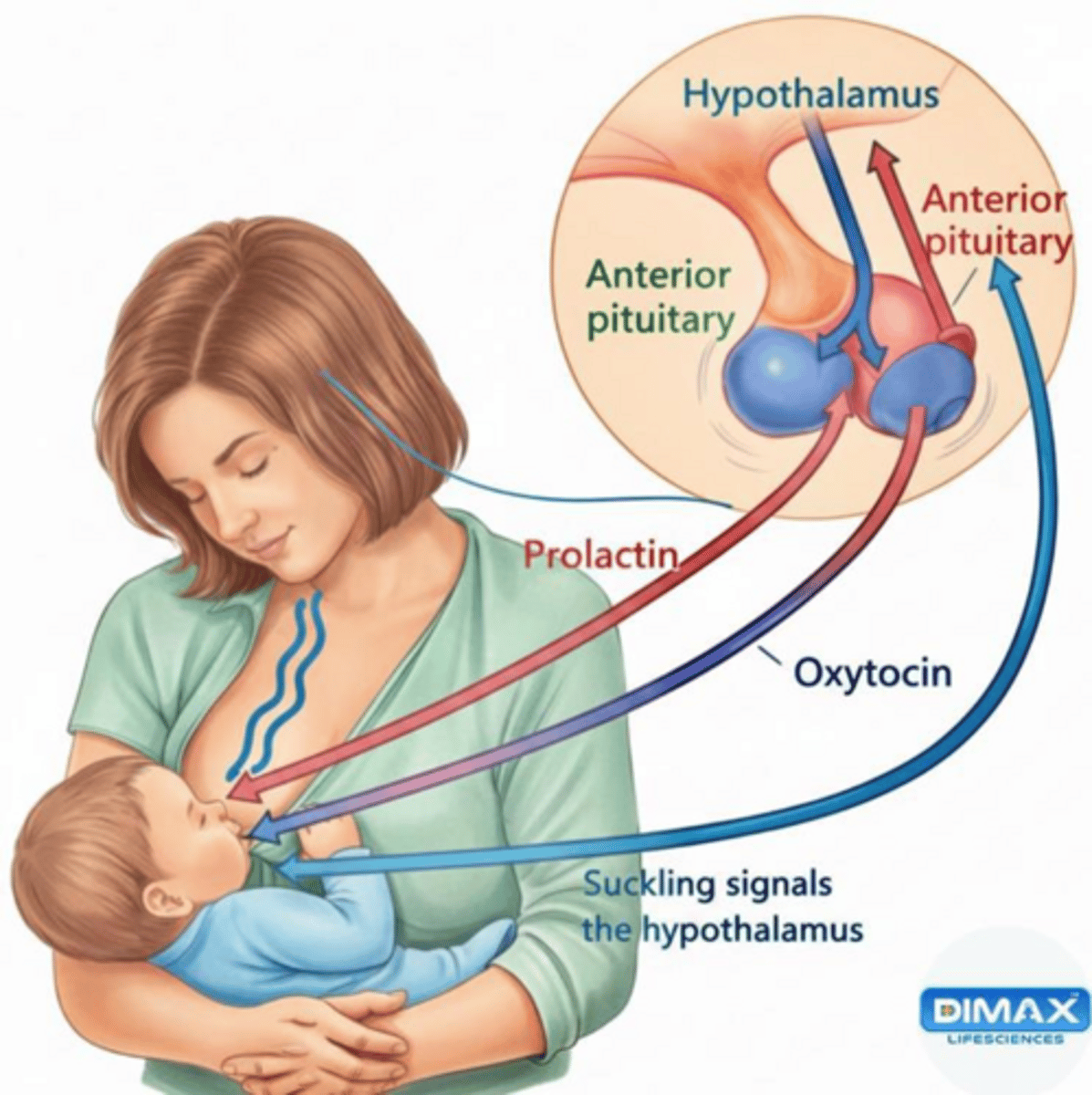
What is Sheehan Syndrome?
Ischemic necrosis of the anterior pituitary gland caused by severe postpartum hemorrhage.
What is a key clinical finding of Sheehan Syndrome?
Failure to lactate due to decreased prolactin.
What is the recommended management for Sheehan Syndrome?
Lifelong hormone replacement.
What is the recommended action for postpartum constipation?
Encourage fiber, hydration, and stool softeners.
What hygiene practice is recommended for perineal care postpartum?
Use a peri-bottle with warm water after every void or bowel movement.
What immunization is recommended for non-immune mothers postpartum?
Rubella vaccine (MMR).
What is the focus of weight loss recommendations for breastfeeding mothers?
Encourage healthy, nutrient-dense foods rather than caloric restriction.
What is the recommended timeframe for administering Rho(D) Immune Globulin to Rh-negative mothers?
Within 72 hours for Rh-negative mothers who delivered Rh-positive infants.
What is the recommendation regarding sexual activity postpartum?
Avoid intercourse until the perineum or incisions have healed, typically by the 6-week follow-up.
What contraceptive method is recommended for postpartum women?
Discuss Long-Acting Reversible Contraception (LARC) like IUDs/implants while in the hospital.
What are the danger signs that warrant calling a healthcare provider postpartum?
Saturating more than 1 pad/hour, fever >38°C, foul-smelling lochia, unilateral calf swelling, sudden chest pain.
What is the timeline for postpartum visits with a healthcare provider?
Contact within 3 weeks; comprehensive visit by 12 weeks.
What is the incidence and onset of Postpartum Blues?
70-80% incidence, onset 2-4 days postpartum.
What are the symptoms of Postpartum Blues?
Mild insomnia, tearfulness, mood swings, irritability, anxiety, feeling overwhelmed.
What is the treatment for Postpartum Depression (PPD)?
Antidepressants and psychotherapy.
What screening tool is used for Postpartum Depression?
Edinburgh Postnatal Depression Scale.
What is the ideal source of nutrition for neonates?
Breast milk.
When should breastfeeding be initiated after birth?
Within 1 hour of birth.
What is the recommended duration for exclusive breastfeeding according to AAP?
For the first 6 months, then continued breastfeeding for a year and beyond as mutually desired.
What is the classic triad of symptoms for Vasa Previa?
Rupture of membranes, painless vaginal bleeding, fetal bradycardia.
What is the management for Vasa Previa?
Elective or emergent C-section.
What is the risk associated with Placenta Accreta?
Can lead to life-threatening hemorrhage.
What are the classifications of Placenta Accreta based on depth of invasion?
Accreta (superficial), Increta (deep), Percreta (through uterine wall).
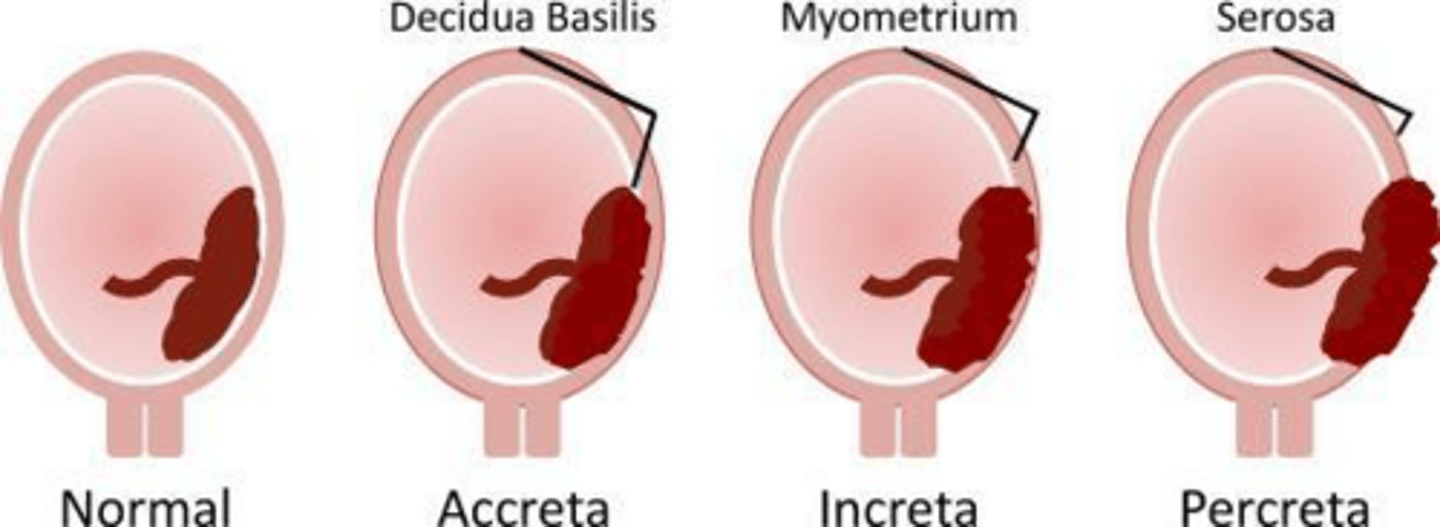
What is Toxic Shock Syndrome (TSS) commonly associated with?
High-absorbency tampon use or retained tampons.
What are the clinical presentations of Toxic Shock Syndrome?
High fever, hypotension, diffuse rash, multi-system involvement.
What is the management for Toxic Shock Syndrome?
Immediate IVF resuscitation, broad-spectrum IV antibiotics, source control.
What is the purpose of antenatal corticosteroids?
To accelerate fetal lung development and reduce severe respiratory complications in at-risk pregnancies.
At what gestational age should antenatal corticosteroids be administered?
In fetuses ≤36 weeks gestation.
What should be done if a mother is infected with HIV regarding breastfeeding?
Breastfeeding is contraindicated.
What is a common cause of nipple pain during breastfeeding?
Poor latch.
What is the treatment for engorgement during breastfeeding?
Frequent feeding or pumping.
What medication is avoided during breastfeeding due to risks?
Paroxetine, due to increased risk of fetal cardiac defects.
What are the symptoms of Postpartum Psychosis?
Delusions, hallucinations, paranoia, confusion, suicidal or infanticidal thoughts.
What is the duration of symptoms for Postpartum Depression?
2 weeks to 12 months postpartum.
What is the incidence of Postpartum Psychosis?
0.1-0.2%.