UNIT 2 LAB
 Call Kai
 Learn
Learn Practice Test
 Spaced Repetition
 Match
Match Flashcards
 Knowt Play
1/67

There's no tags or description
Looks like no tags are added yet.
Name | Mastery | Learn | Test | Matching | Spaced | Call with Kai |
|---|
No analytics yet
Send a link to your students to track their progress
68 Terms
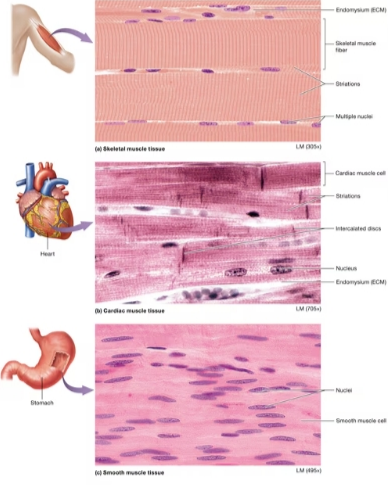
Three types of muscle tissue?
Smooth, cardiac and skeletal
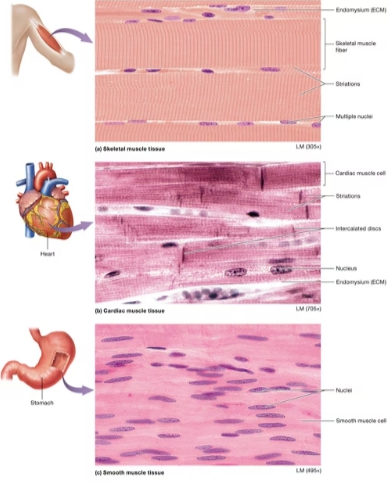
Differences between muscle tissue?
Cardiac muscle is only in the heart,( involuntary), pumps blood. Skeletal muscle attached to bones,(voluntary), has striations and moves body. Smooth Muscle is found in organs and blood vessels (involuntary), no striations, moves substances
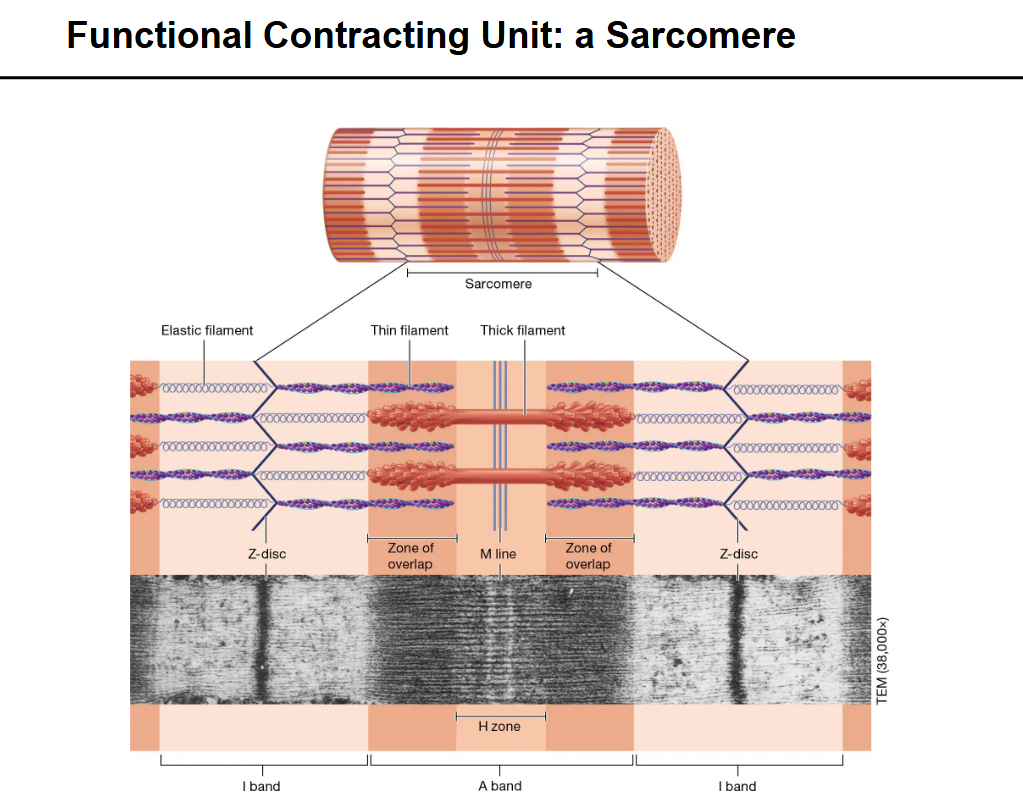
Identify portions of Sarcomere
M line, H line , A band I bands, Z disc
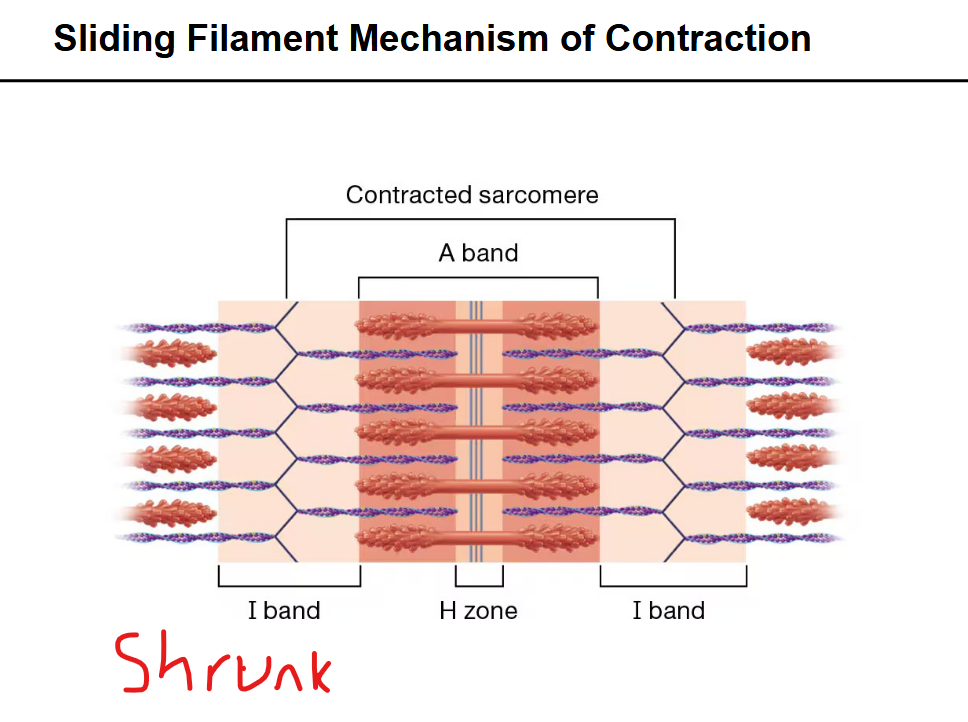
What happens to sarcomere myofilaments during constriction
A band in middle (Thick filament, remains unchanged), Z disc gets closer together (Thin filament, Sarcomere shortens), H line (hidden), I bands get smaller (Thin filaments slide inward)
What is a Origin for skeletal muscle?
attachment point that stays fixed during contraction
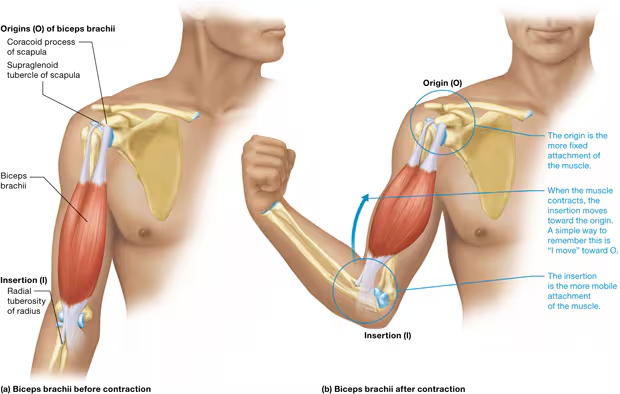
What is a insertion for skeletal muscle?
An attachment point that moves during contraction
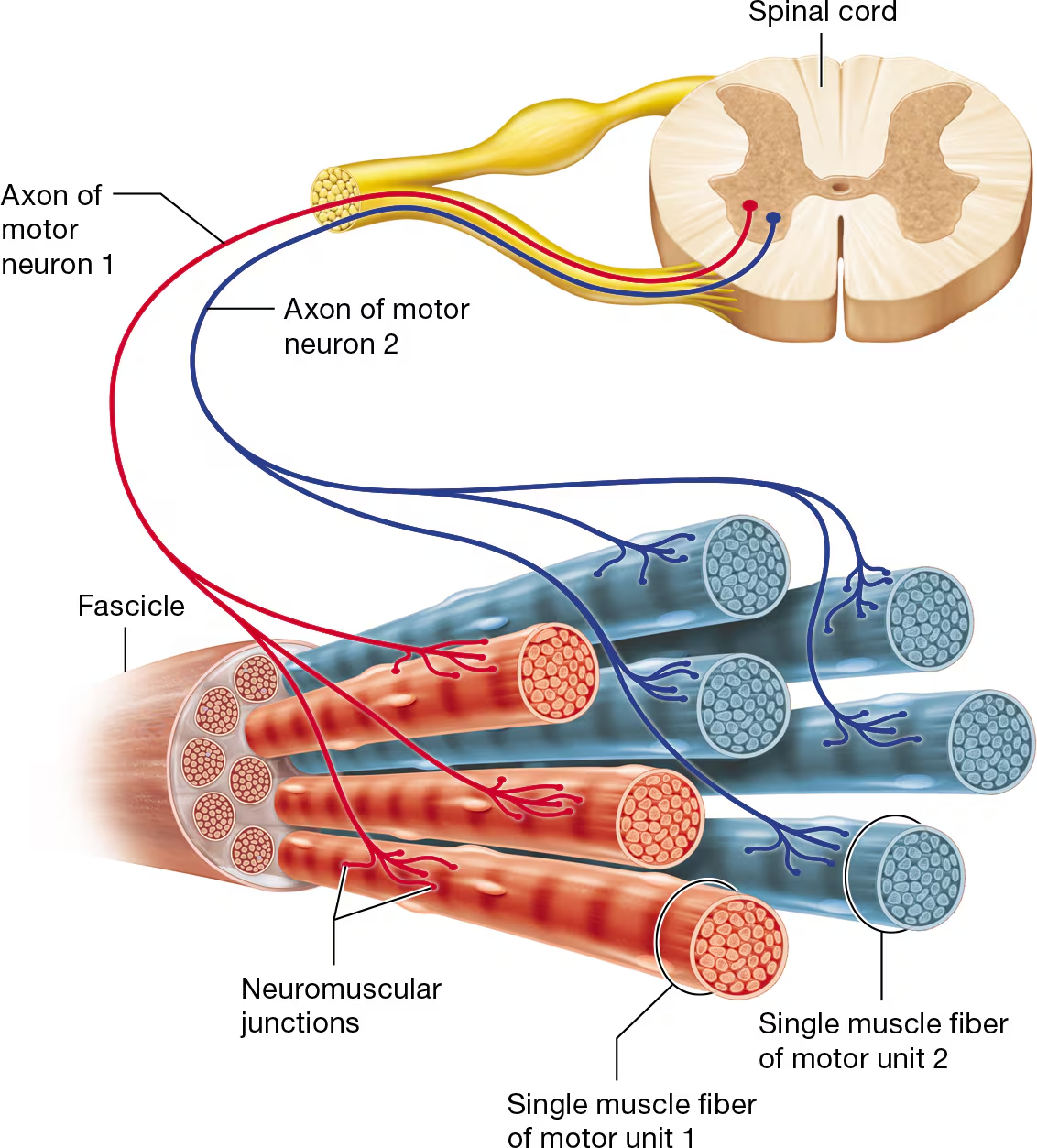
Describe the structure of a motor unit
Consists of single motor neuron and all skeletal muscle fibers it innervates
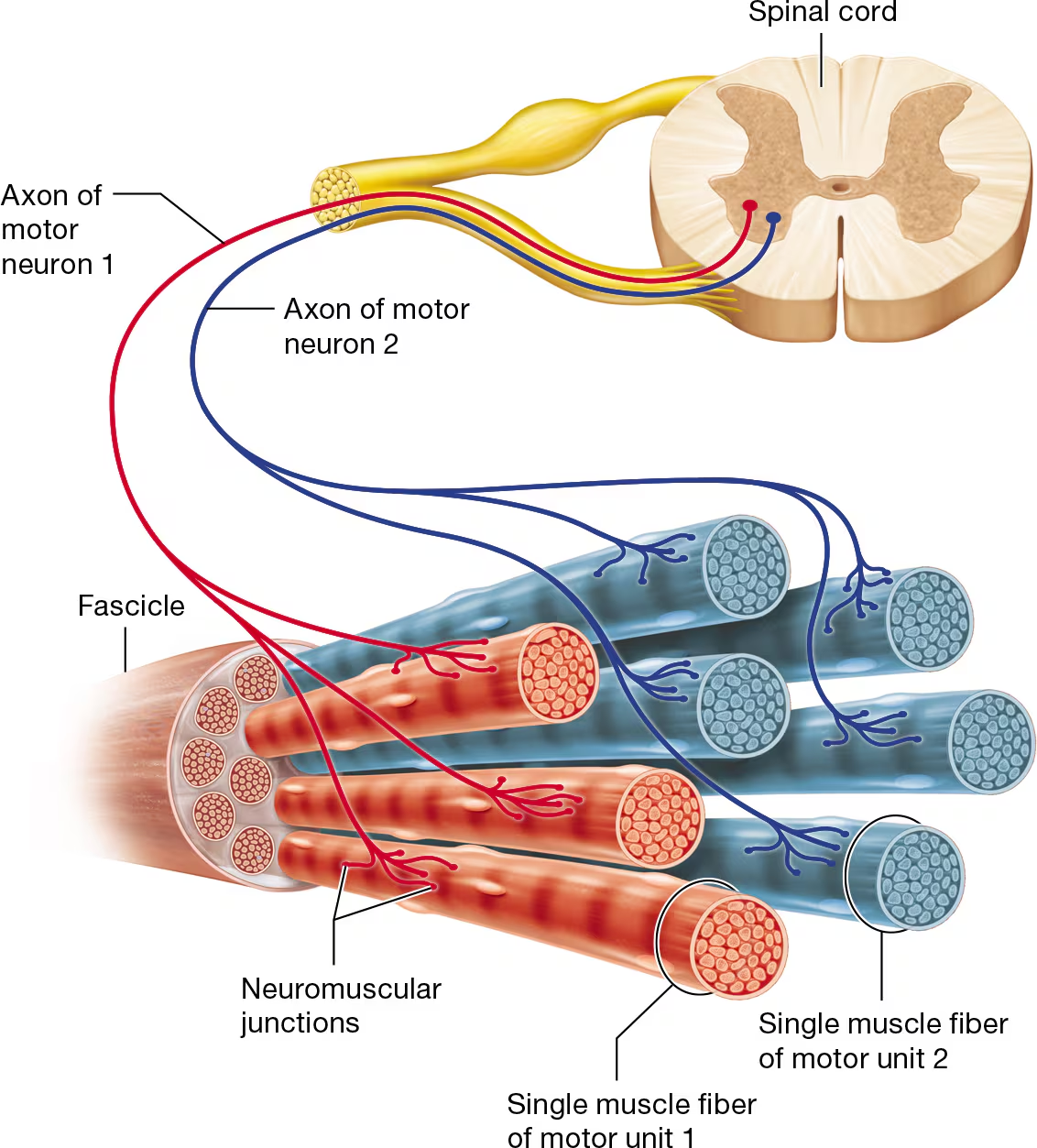
Describe the function of a motor unit
Allows coordinated muscle contraction, when motor neuron fires, all fibers contract
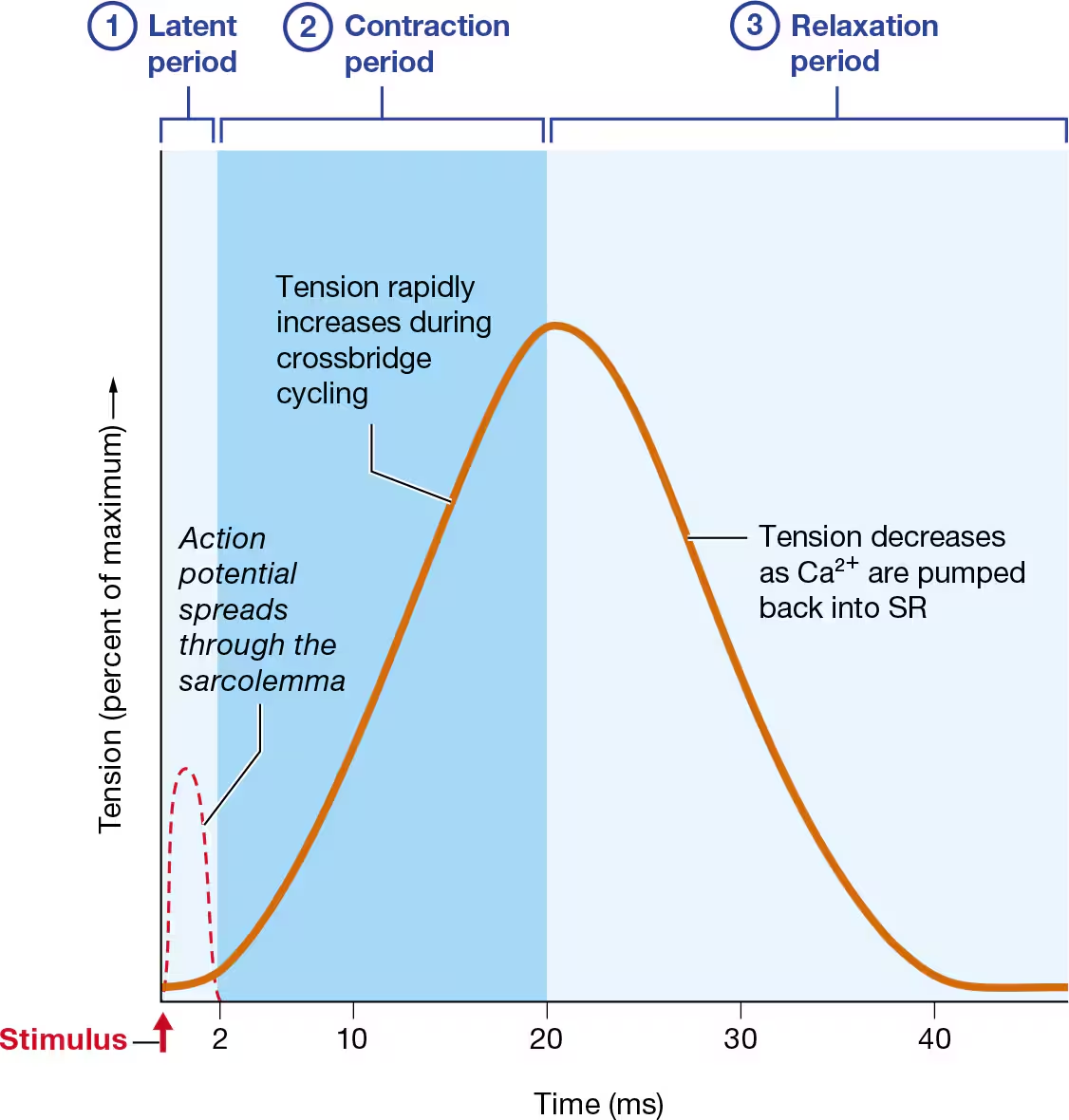
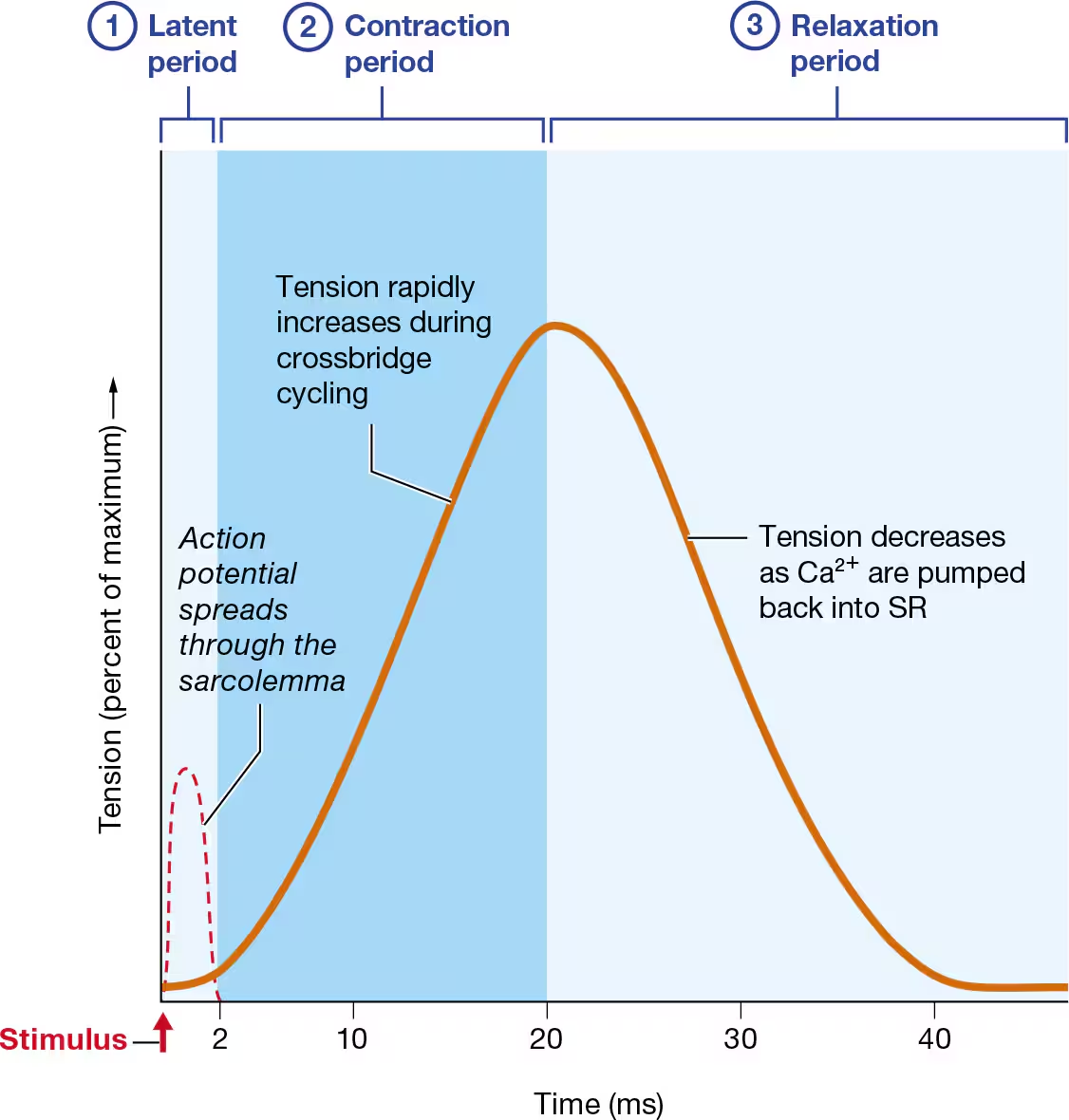
Can you describe what leads to the generation of muscle tissue
Latent period (Action potential spreads through sarcolemma), Contraction period (Rapid increase in tension), Relaxation period (Tension decreases)
What is the Correlation between EMG and Force data?
Higher EMG = Higher force data
What happens to skeletal muscle force data over time?
It decreases because of muscle fatigue
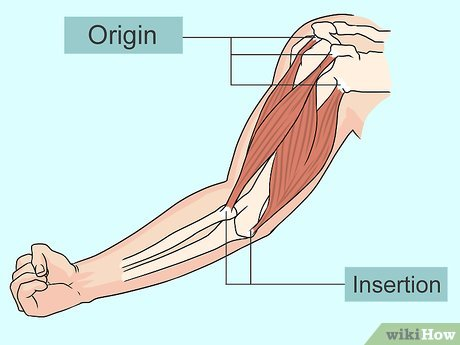
What is an origin for a skeletal muscle?
Attachment point is fixed during contraction
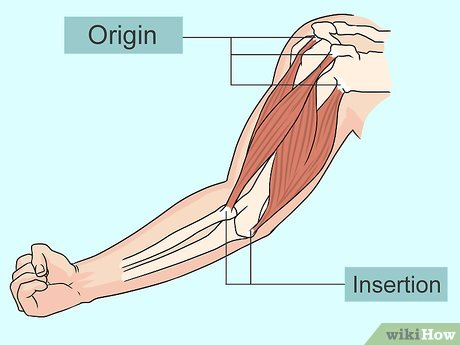
What is a insertion in skeletal muscle?
Attachment point can move during contraction
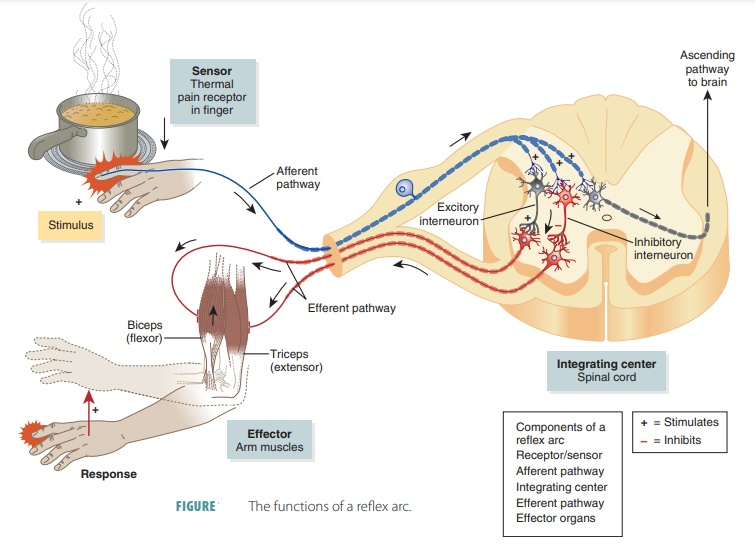
Describe a typical somatic nervous pathway
integration center with two pathways
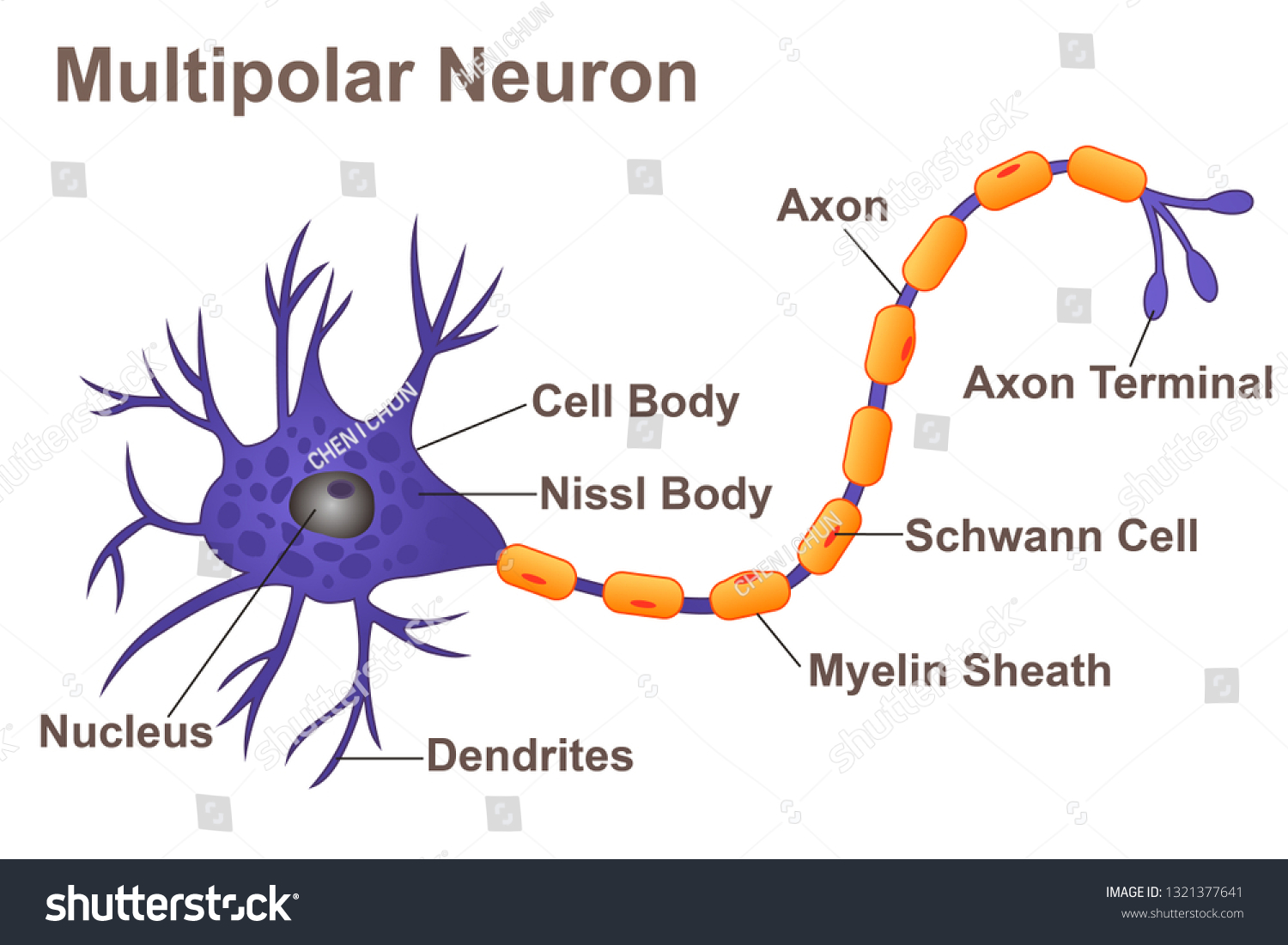
Identify the structures of a typical multipolar neuron
One axon, many dendrites, has cell body, containing nucleus and nissl bodies. Has axon terminal and axon hillock with myelin sheath on tail.
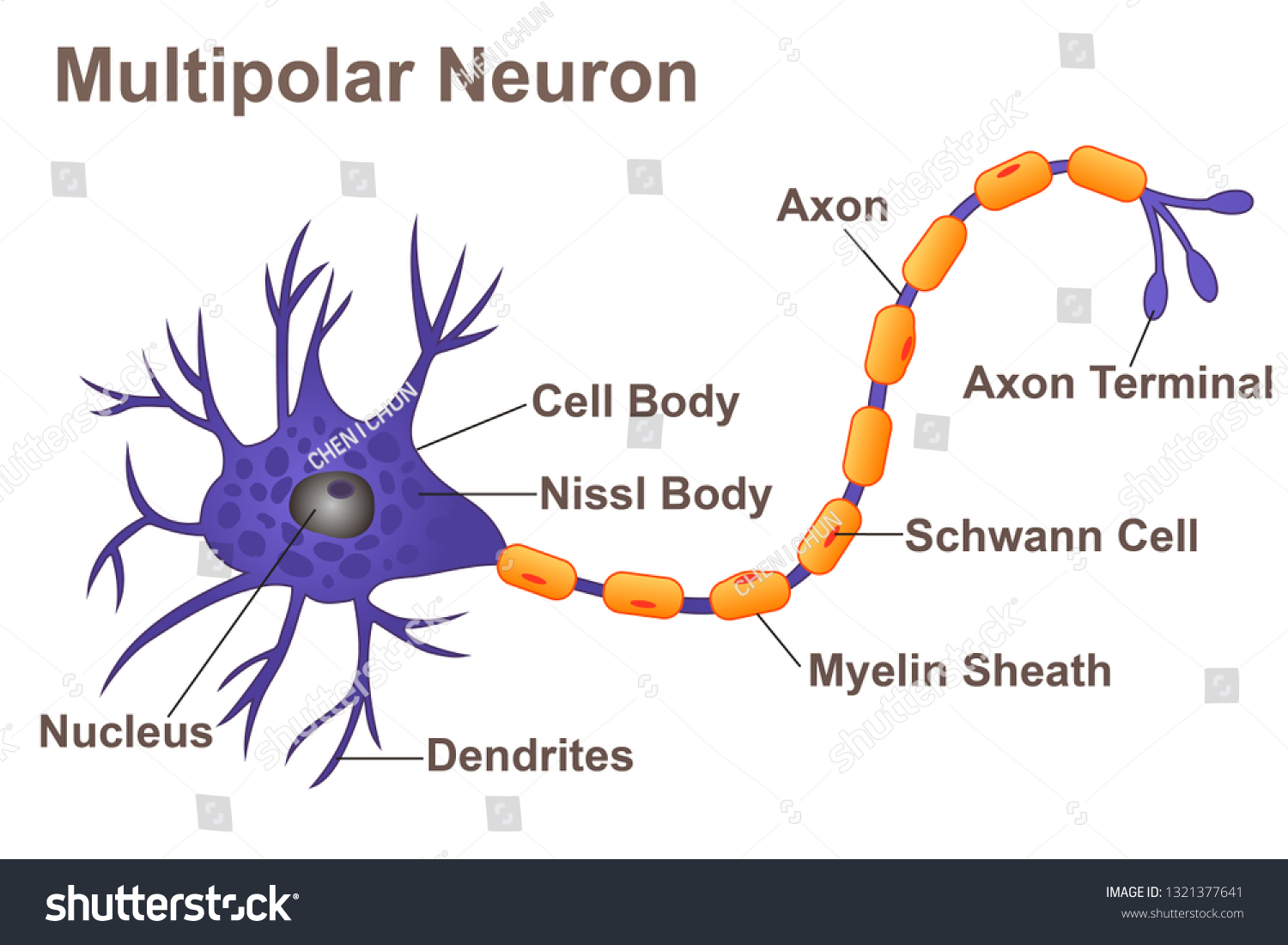
Three Regions of multipolar neuron (left —> right)
Receptive, Conductory and sensory
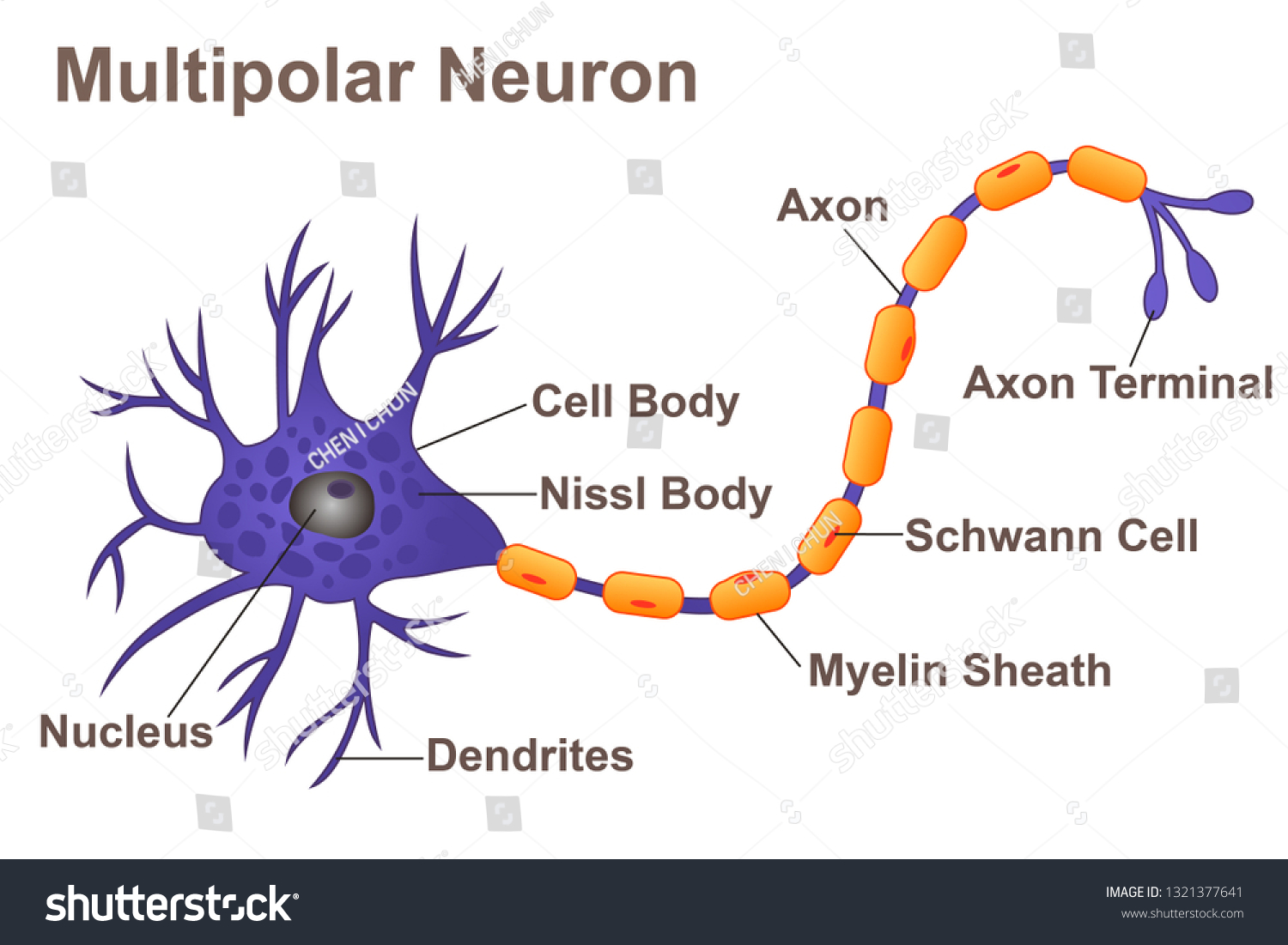
Function of multipolar neuron?
Motor control, Receiving, Processing and Transmitting of information, Communication within CNS.
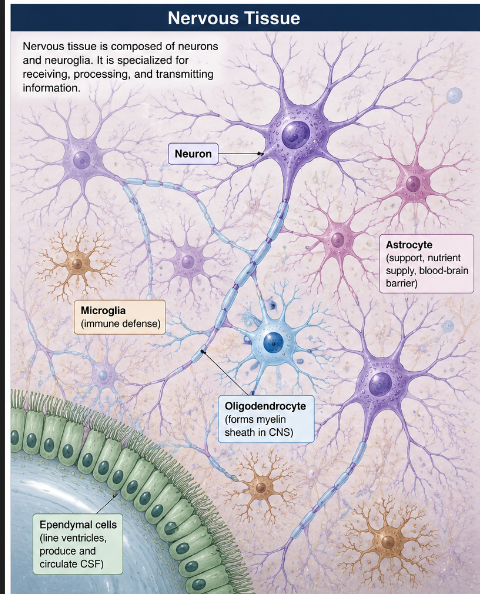
Can you describe typical nervous tissue, including the various cell types that might be present?
Detect stimuli, Transmit electrical signals, coordinate body responses and maintain homeostasis. Has neurons and glial cells within it
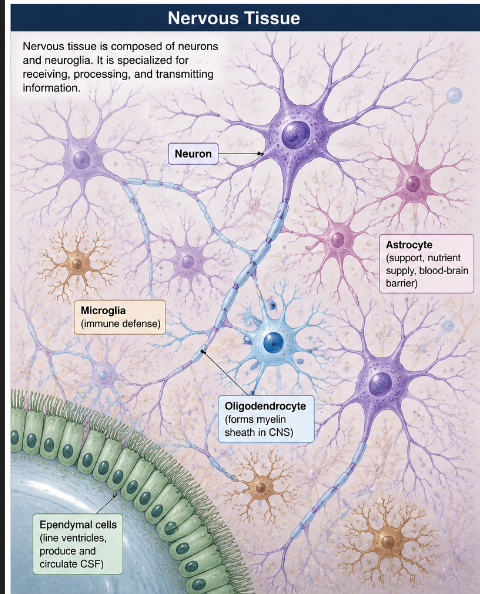
Cell types within nervous tissue?
Neurons and Neuroglia cells
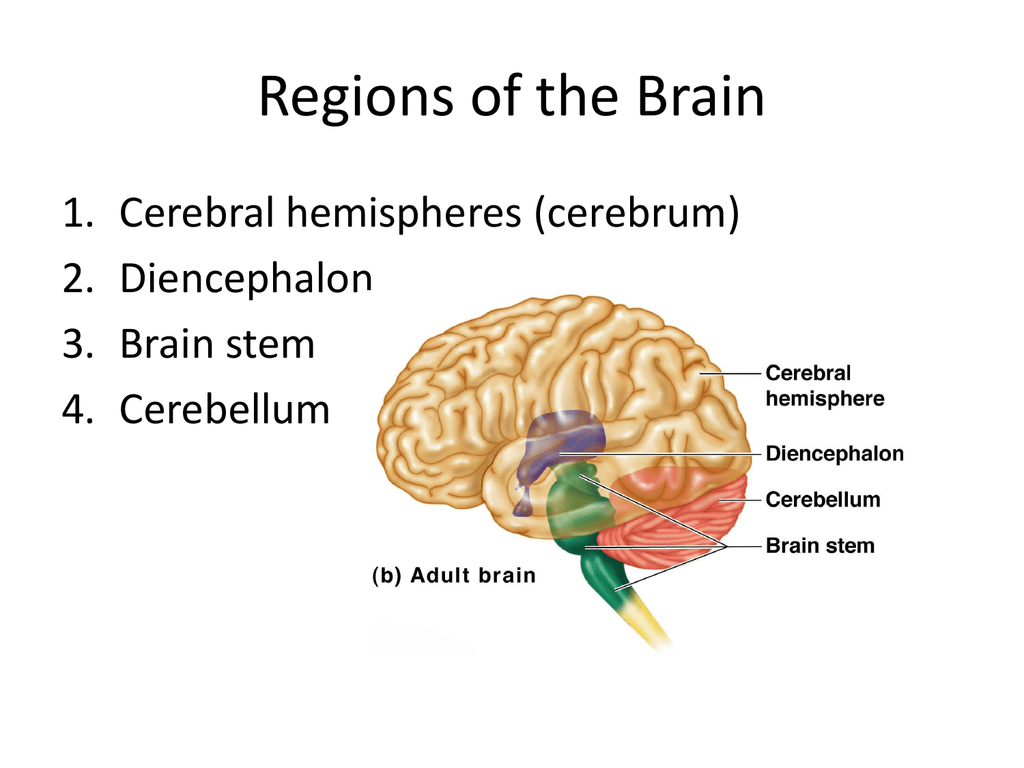
Can you identify and locate the major divisions of the brain
Cerebrum, Diencephalon, Cerebellum, Brainstem
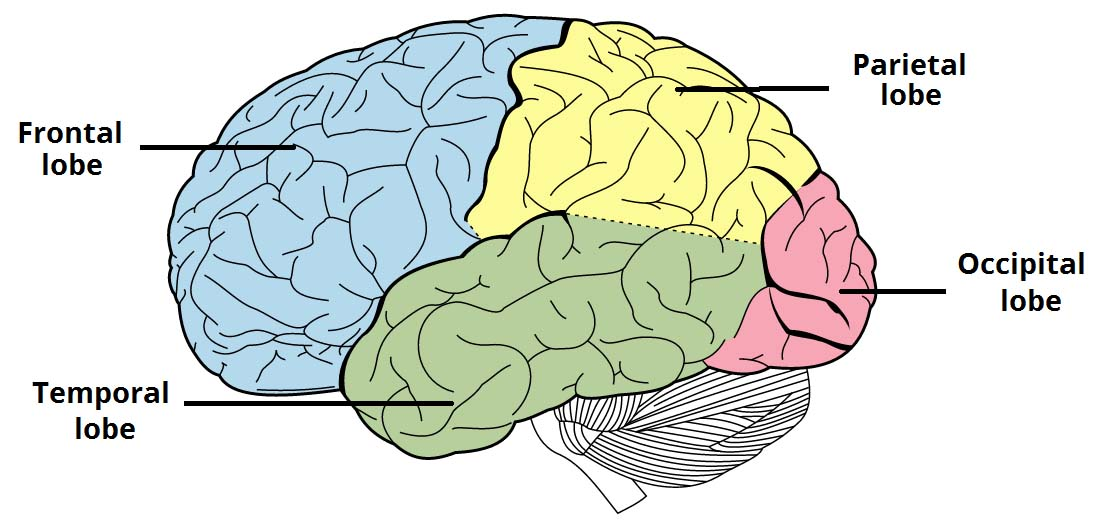
Can you identify the lobes of the Cerebrum?
Frontal lobe, Parietal lobe, Temporal lobe, Occipital lobe
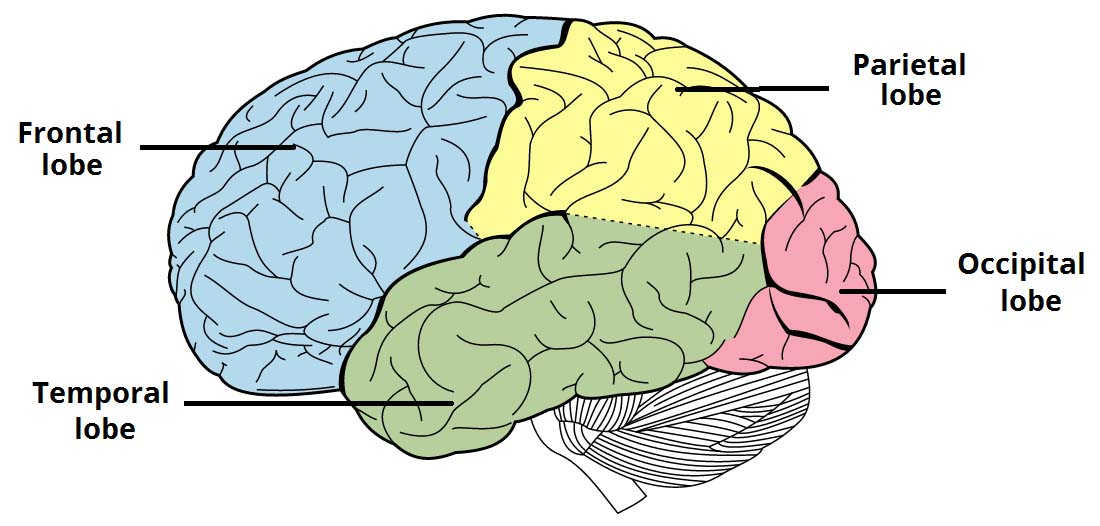
Frontal lobe function?
Front of brain, speech, planning decision making, voluntary movement
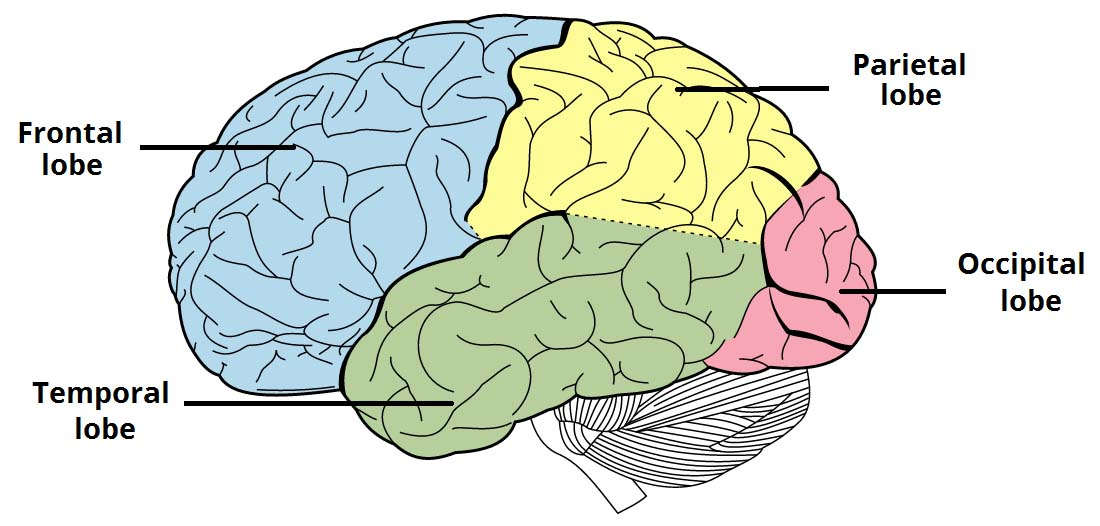
Parietal lobe function?
Upper middle region, Touch, pressure, temperature and spatial awareness
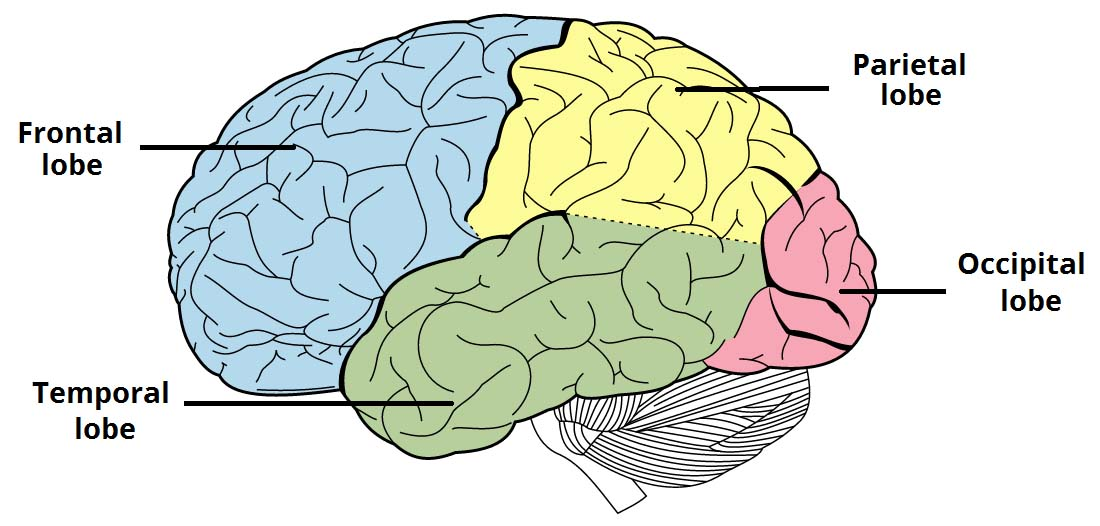
Temporal lobe
Side of brain, hearing, memory, smell, language understanding
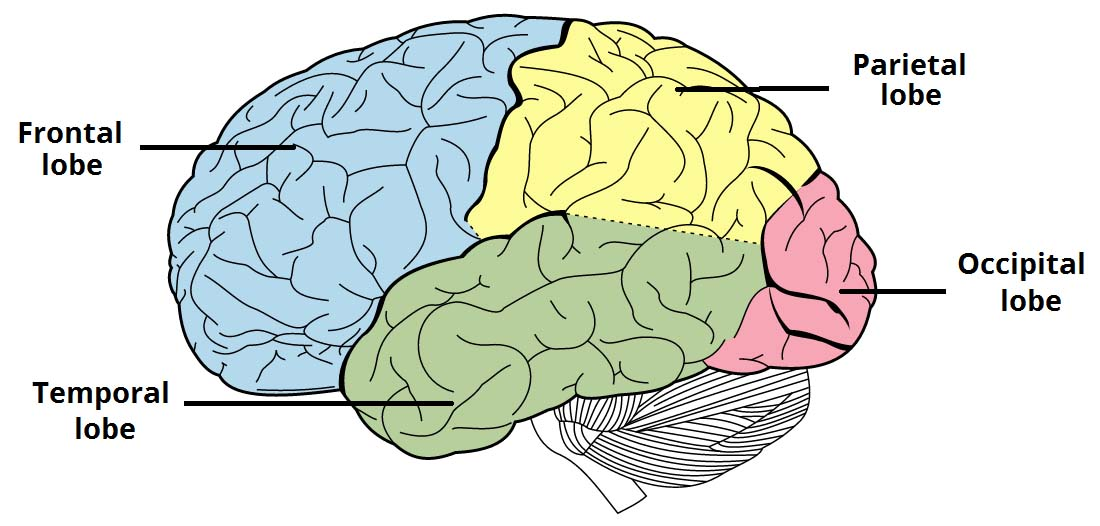
Occipital lobe
Back of brain, vision
can you identify the major anatomical landmarks of the brain
Can you identify the meningeal layers surrounding brain (outermost to in)
Dura mater, Arachnoid mater, pia mater
Identify Four brain ventricles
left/right, third and fourth
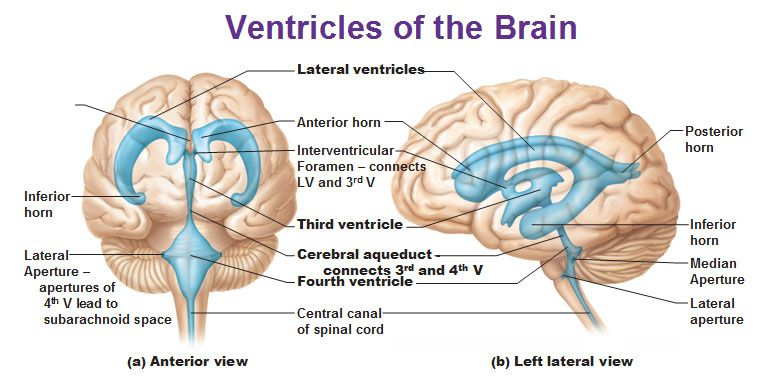
Left and right lateral ventricles connecting brain structures?
Interventricular foramina, within Cerebral hemispheres
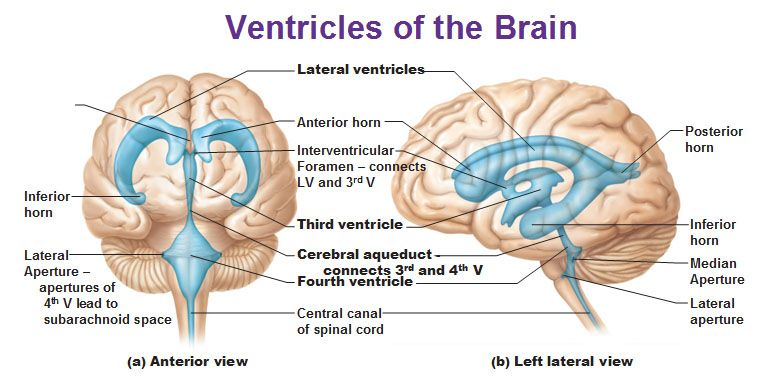
Third ventricle Connecting structure?
Cerebral aqueduct
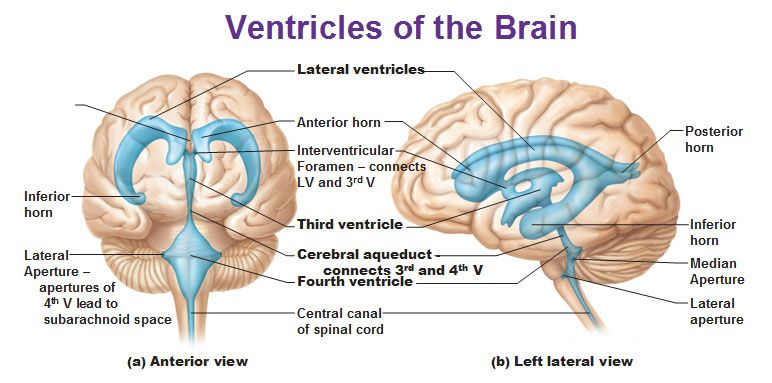
Fourth ventricle connecting structure
Central canal
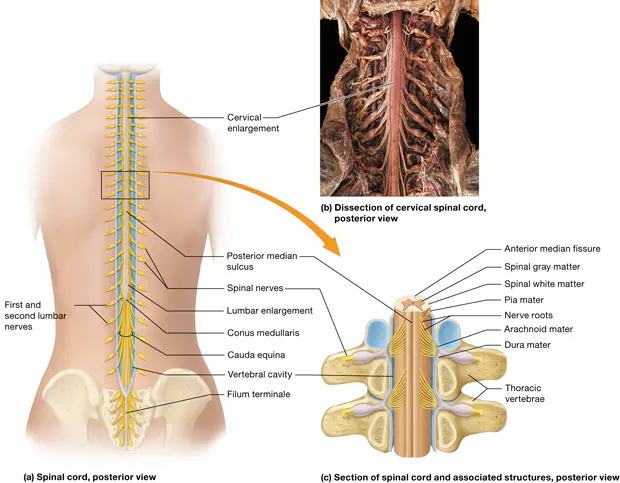
Can you describe the structure of a typical spinal cord?
Formamen magnum/Medulla oblongata origin, White matter and Gray matter
Where is the Spinal cord origin?
Foramen magnum and Medulla oblongata
Where does the Spinal cord terminate? (PlayStation)
L1-L2 VERTEBRAE
Five regions of spinal cord (Top to bottom)
Cervical, Thoracic, Lumbar, Sarcal, Coccyegal
How many pairs of spinal nerves in each region
Cervical 8, Thoracic 12 , Lumbar 5, Sacral 5 ,Coccygeal 1
What type of info do these spinal nerves carry?
Cervical for head/neck, Thoracic for upper abdomen, Lumbar for lower abdomen, Sacral for Buttocks, Coccygeal for tailbone. All mixed nerves
Which portion of the spinal nerves form spinal nerve plexuses?
Cervical, Lumbar, Sacral, Coccygeal. NO THORACIC
Which portion of the spinal nerves DOES NOT form spinal nerve plexuses?
THORACIC ONLY
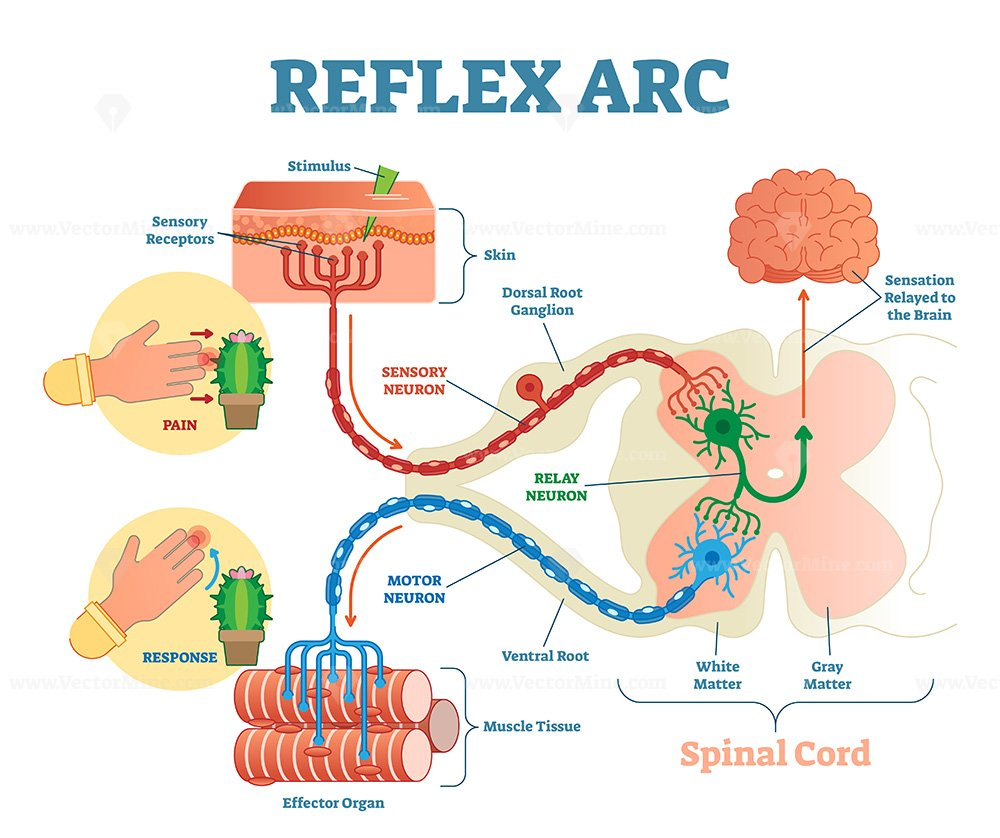
Identify reflex arc component parts
Receptor, afferent/efferent neurons, integration center, effector
Can you Identify the cranial nerves including their number.
Olfaction 1, Optic 2, Oculomotor 3, Trochlear 4, Trigeminal 5, Abducens 6, Facial 7, Vestibulocochlear 8, Glossopharyngeal 9, Vagus 10, Accessory 11, Hypoglossal 12
Sensory Cranial nerves are?
Olfaction 1 (Sense of smell), Optic 2 (Vision), Vestibulocochlear 8 (Hearing and balance)
Motor cranial nerves are?
Oculomotor 3 (Moves eye and eyelid), Trochlear 4 (moves eye downward), Abducens 6 (moves eye out wide), Accessory 11 (Head/neck movement), Hypoglossal 12 (Tongue movement)
Mixed cranial nerves are?
Trigeminal 5 (Facial sensation, Chewing) Facial 7 (Facial expression, taste), Vagus 10 (regulates involuntary function), Glossopharyngeal 9 (Taste, Swallowing)
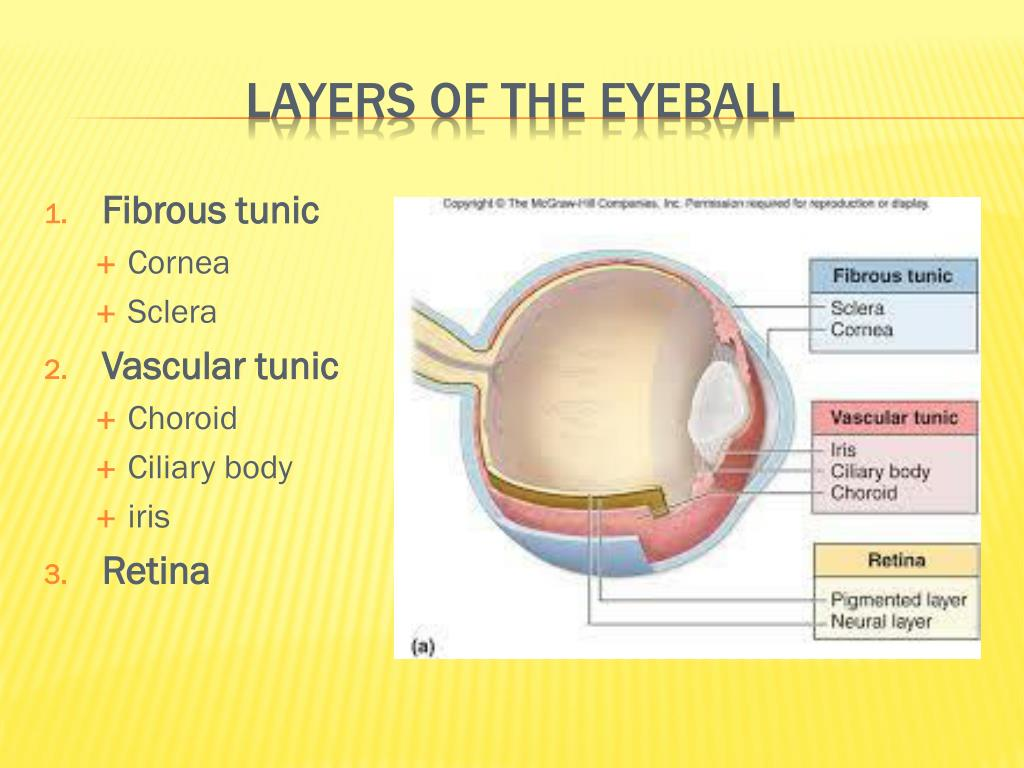
Identify major structures of the eye including accessory structures
Sclera, Cornea, Choroid, Ciliary body, Iris, Retina, Eyebrow, Eyelash, Eyelid, Lacrimal apparatus, Optic disc
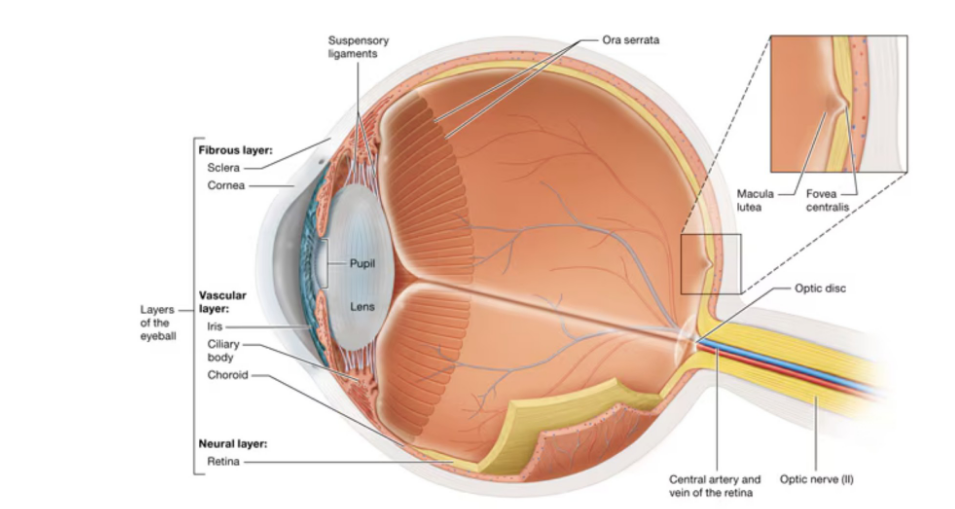
Three Layers of the eye and which structures are found in which
Fibrous (Sclera and Cornea) Vascular (Choroid, Ciliary Body, Iris) , Neural (Retina)
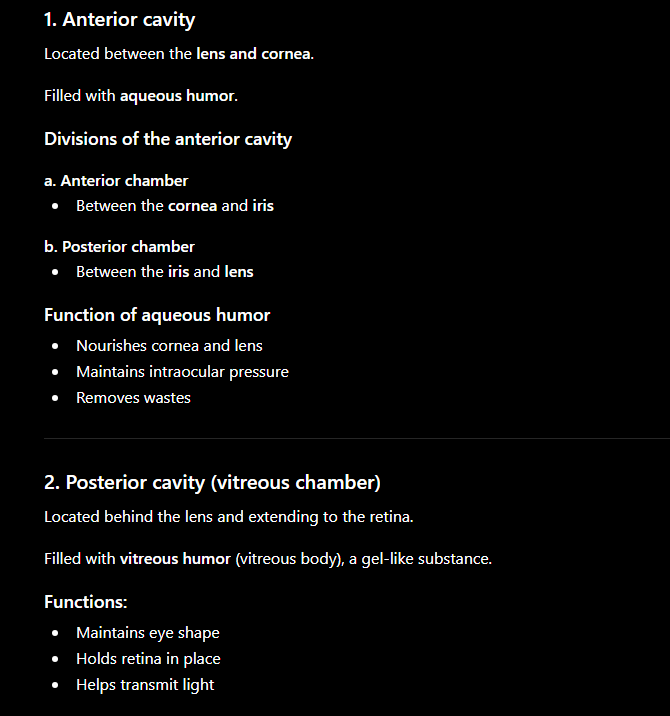
Chambers/Cavity of the Eye
Anterior chamber (Filled with Aqueous humor), Posterior chamber (filled with Vitreous humor)
Function of Aqueous humor and Vitreous humor
Aqueous nourishes the eye and cleans it, Vitreous humor holds eye in place
Location of Anterior chamber and Posterior chamber
Anterior Chamber between cornea and iris, Posterior Chamber between lens and retina
Function of ear structures
Auricle, External auditory canal, Lobule, (Outer ear) Auditory ossicles, Tympanic membrane, Stapes (Middle ear), Semicircular canals, Cochlea + Vestibule = Vest
Identify major structures of ear
Auricle (Pinna), External auditory canals, (Outer ear), Auditory ossicles, Tympanic membrane (Eardrum), Stapes (Middle ear), Semicircular canals, Cochlea + Vestibule = Vestibulocochlear (Inner Ear)
Function of Major ear structures
Auricle Gathers sound waves, Sound travel through auditory canals, Auditory ossicles push them into tympanic membrane and they travel untill they get to stapes. Stapes opens oval window,
Cranial nerves responsible for vision, eye movement, hearing and Equilibrium
Optic nerve (2), Oculomotor nerve (3), Vestibulocochlear nerve (8),
Ways vision and hearing can be tested in a clinic?
Weber test, Rinne test, Romberg test, Audiometry (eye charts)
Can you identify the primary endocrine organs of the body
Pituitary gland, Thyroid gland, Thymus gland, Parathyroid gland
How are primary endocrine organs different from secondary endocrine organs?
Primary endocrine organ’s main function is to secrete hormones meanwhile secondary endocrine organs can secrete hormones but not main function.
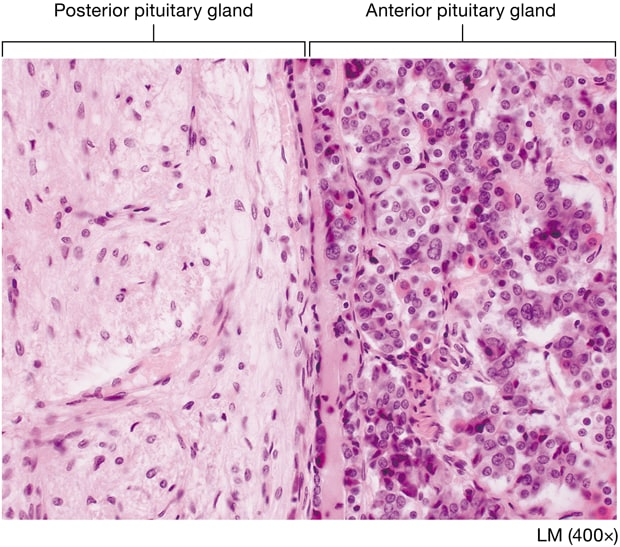
Describe the difference between anterior and posterior pituitary?
Anterior has 6 hormones, Posterior has 2, Anterior pituitary gland is composed of epithelial tissue, Posterior pituitary gland is composed of nervous tissue.
Do the anterior and posterior pituitary glands produce hormones?
Only anterior pituitary gland. Posterior pituitary gland releases hormones from hypothalamus.
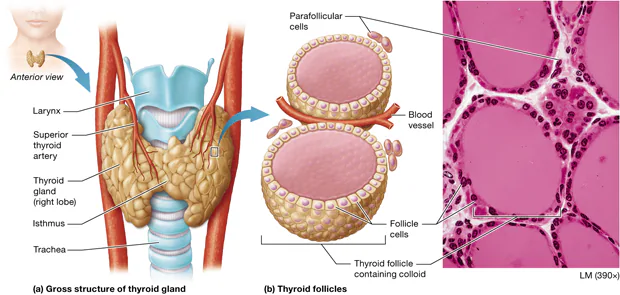
Can you identify this gland? What effects of the hormone are released from this gland?
Thyroid gland releases T3 and T4 which increase metabolic rate and support growth
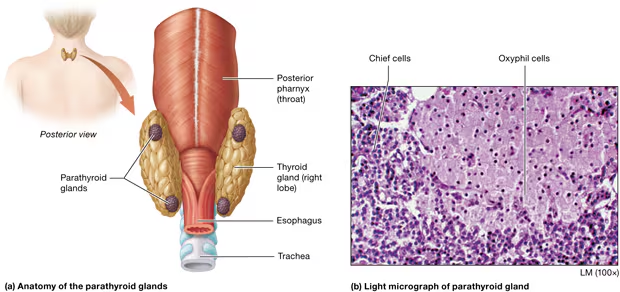
Can you identify this gland? Do you know the effects by the hormone released by this gland?
Parathyroid gland, releases PTH which stimulates calcium absorption
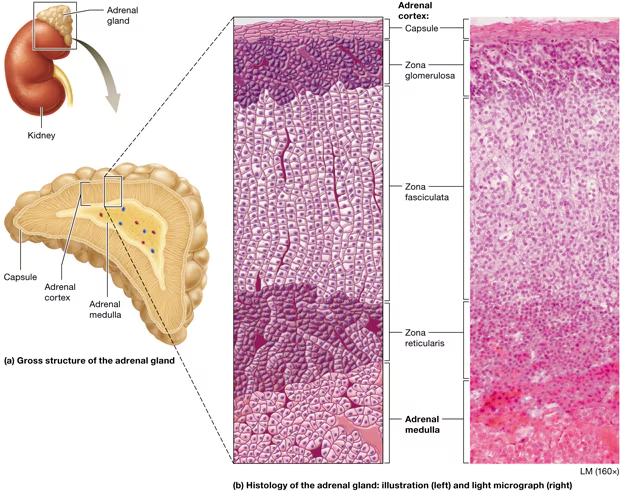
Identify zones of adrenal cortex
Zona Glomerulosa (Outer layer) , Zona Fasciculata (Middle), Zona Reticularis (Inner layer)
hormones released from each Adrenal cortex zone and effects
Zona Glomerulosa = Mineralocorticoids (increases sodium) , Zona Fasciculata = Glucocorticoids (increases Glucose), Zona Reticularis = Glucocorticoids and Androgens (Testoterone/Estrogen) contribute to changes in puberty
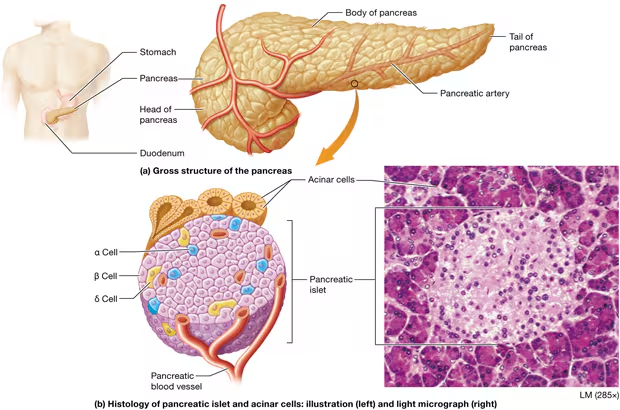
Can you identify this?
Pancreas
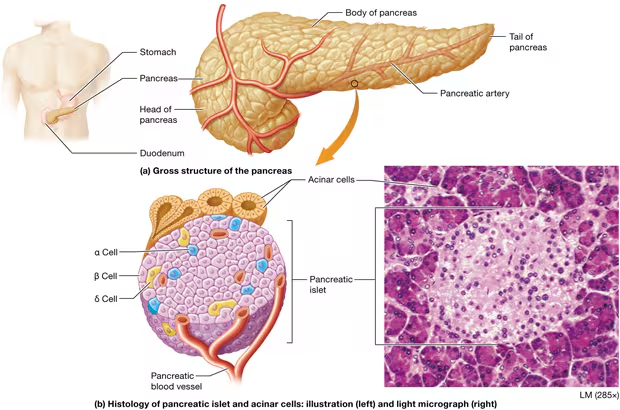
Pancreas cell types
Alpha A (Glucagon Alpha B Insulin Delta cells and PP/F cells
How is each primary endocrine organ stimulated and how each of these organs is regulated by negative feedback
Thyroid gland is stimulated by TSH, Parathyroid gland is stimulated by low calcium which leads it to use PTH, Pitutitary glands are stimulated by nerve impulses and releasing hormones from hypothalamus, Thymus is stimulated by immune/development signals
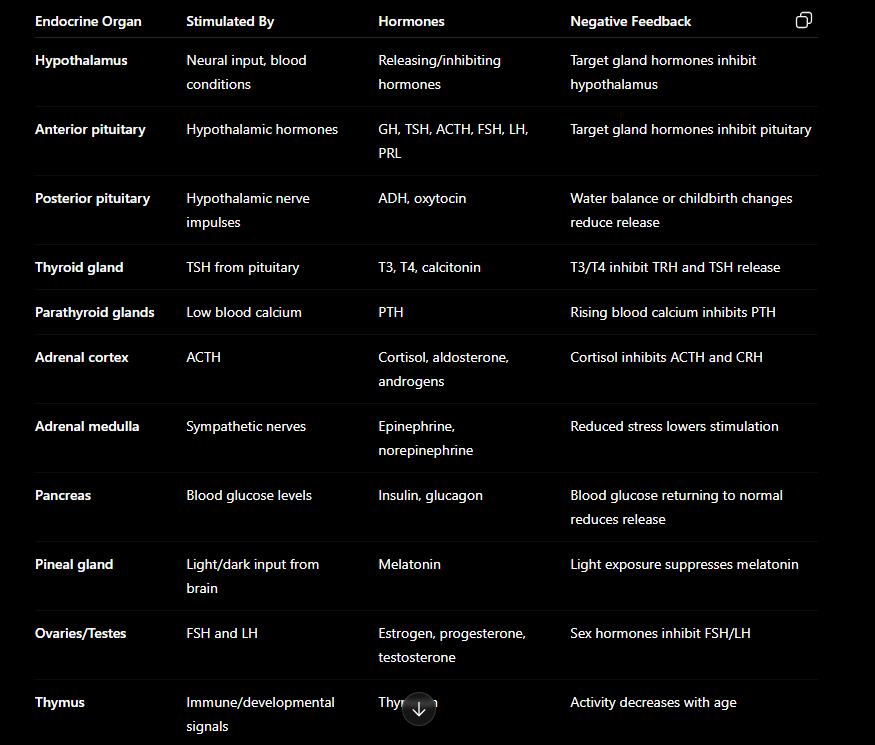
how are each of these primary endocrine organs regulated by negative feedback
T3 and T4 inhibit TSH release for Thyroid hormone, Cortisol inhibits Adrenal cortex. Target gland hormone inhibit pituitary gland. and water balance changes pituitary gland.
Hyposecretion meaning?
Endocrine gland not enough secretion of hormone, body processes become slow and inefficient. Slower growth and metabolism
Hypersecretion meaning?
Endocrine gland secreting too much of hormone. Can lead to Hyperthyroidism (high thyroid) Gigantism (High Growth hormone) and Cushing syndrome (too much cortisol)