Medical Terminology
 Call Kai
 Learn
Learn Practice Test
 Spaced Repetition
 Match
Match Flashcards
 Knowt Play
1/194

Earn XP
Description and Tags
macronutrient (200 words)
Name | Mastery | Learn | Test | Matching | Spaced | Call with Kai | Chat |
|---|
No analytics yet
Send a link to your students to track their progress
195 Terms
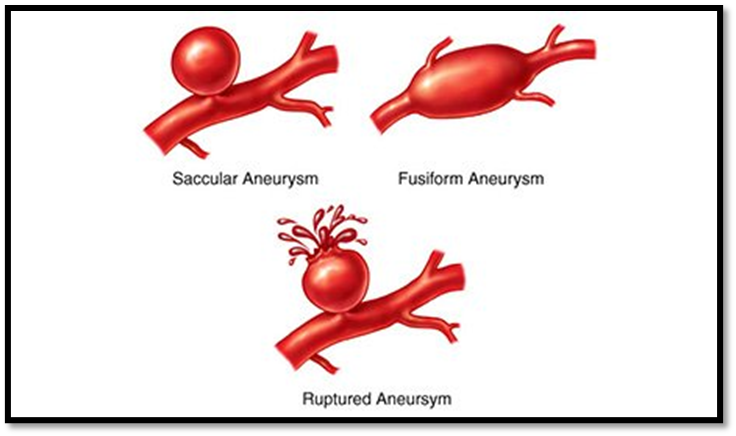
Aneurysm
BOOK:
a localized weak spot or balloon-like enlargement of the wall of an artery.
SIMPLE:
is a weak, bulging spot in a blood vessel that can pop.
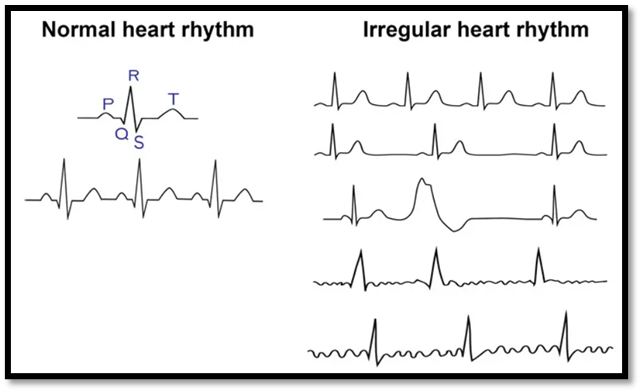
Arrhythmia
BOOK:
a loss of the normal rhythm of the heartbeat.
SIMPLE:
Arrhythmia means your heart beats in a weird or uneven way instead of a steady rhythm.
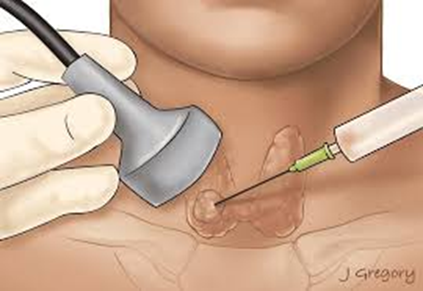
Biopsy
BOOK:
the removal of a small piece of living tissue for examination to confirm or establish a diagnosis.
SIMPLE:
The doctor takes a tiny piece of your body to check it.
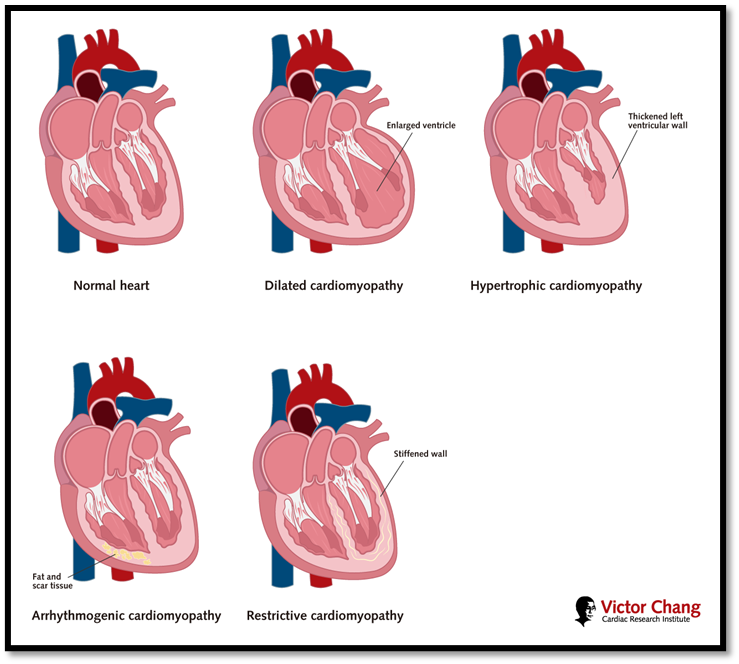
Cardiomyopathy
BOOK:
All diseases of the heart muscle.
SIMPLE:
the pump muscle has a problem
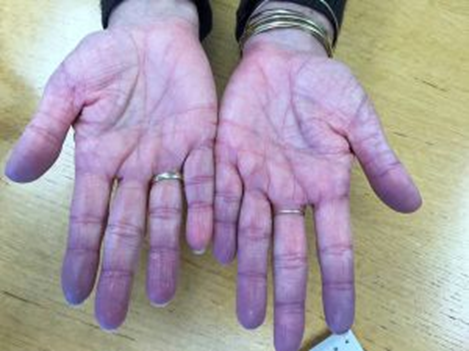
Cyanosis
BOOK:
bluish discoloration of the skin and mucous membranes caused by a lack of adequate oxygen in the blood.
SIMPLE:
blue-looking skin because the blood isn’t getting enough oxygen.
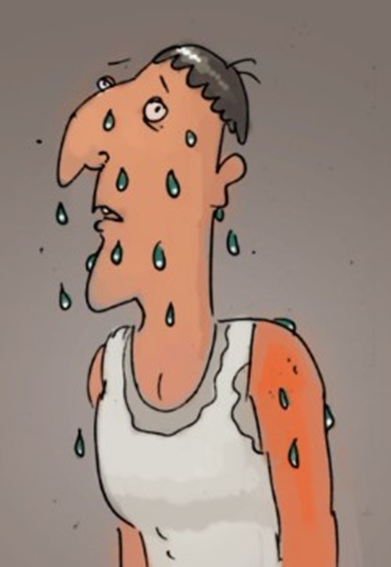
Diaphoresis
BOOK:
profuse sweating.
SIMPLE:
A lot of sweating.
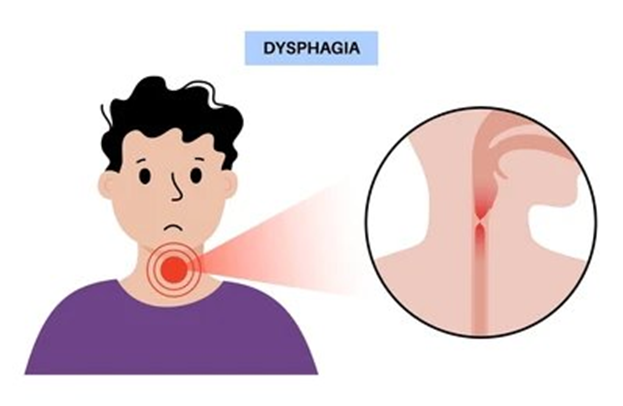
Dysphagia
BOOK:
Difficulty in swallowing.
SIMPLE:
Trouble swallowing.
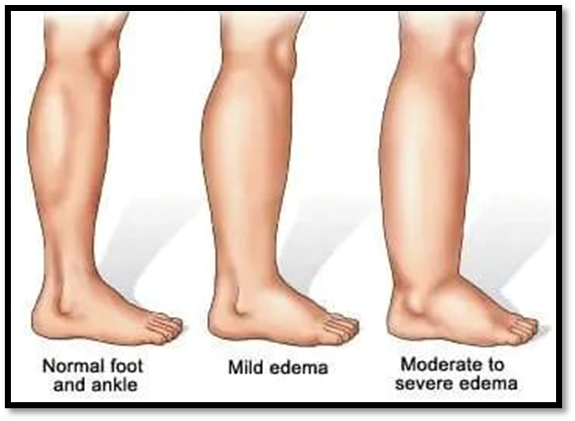
Edema
BOOK:
Swelling caused by an abnormal accumulation of fluid in cells, tissues, or cavities of the body.
SIMPLE:
Swelling because fluid is trapped in the tissues.
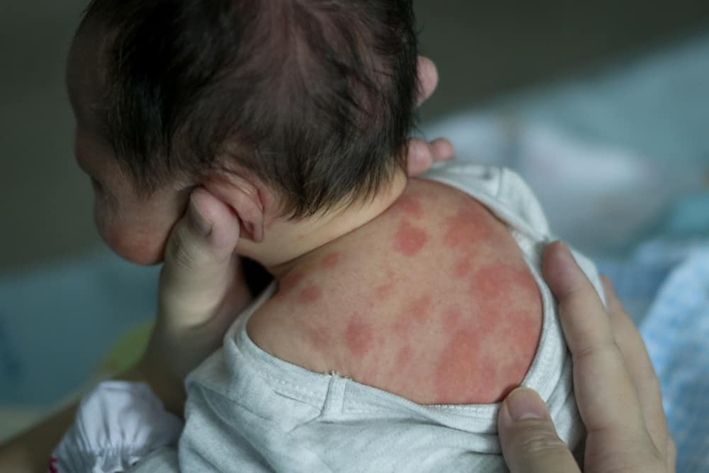
Erythema
BOOK:
redness of the skin due to capillary dilation.
SIMPLE:
skin turns red because small blood vessels widen.
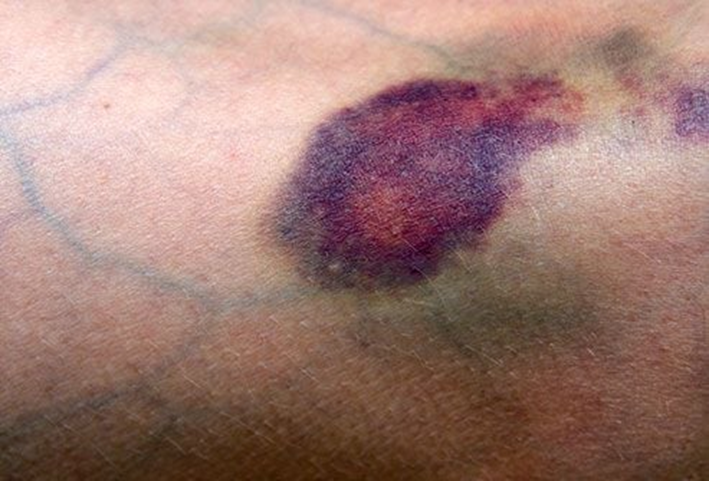
Hematoma
BOOK:
a swelling of clotted blood trapped in the tissues.
SIMPLE:
A lump of blood stuck under the skin.
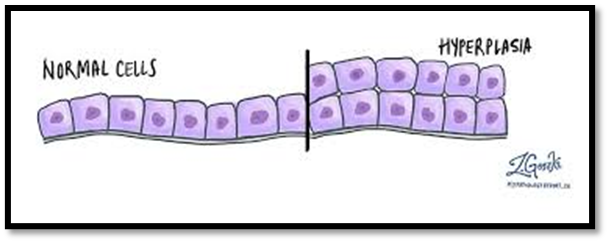
Hyperplasia
BOOK:
an increase in the number of cells in a tissue or organ.
SIMPLE:
an organ gets bigger because it has too many cells.
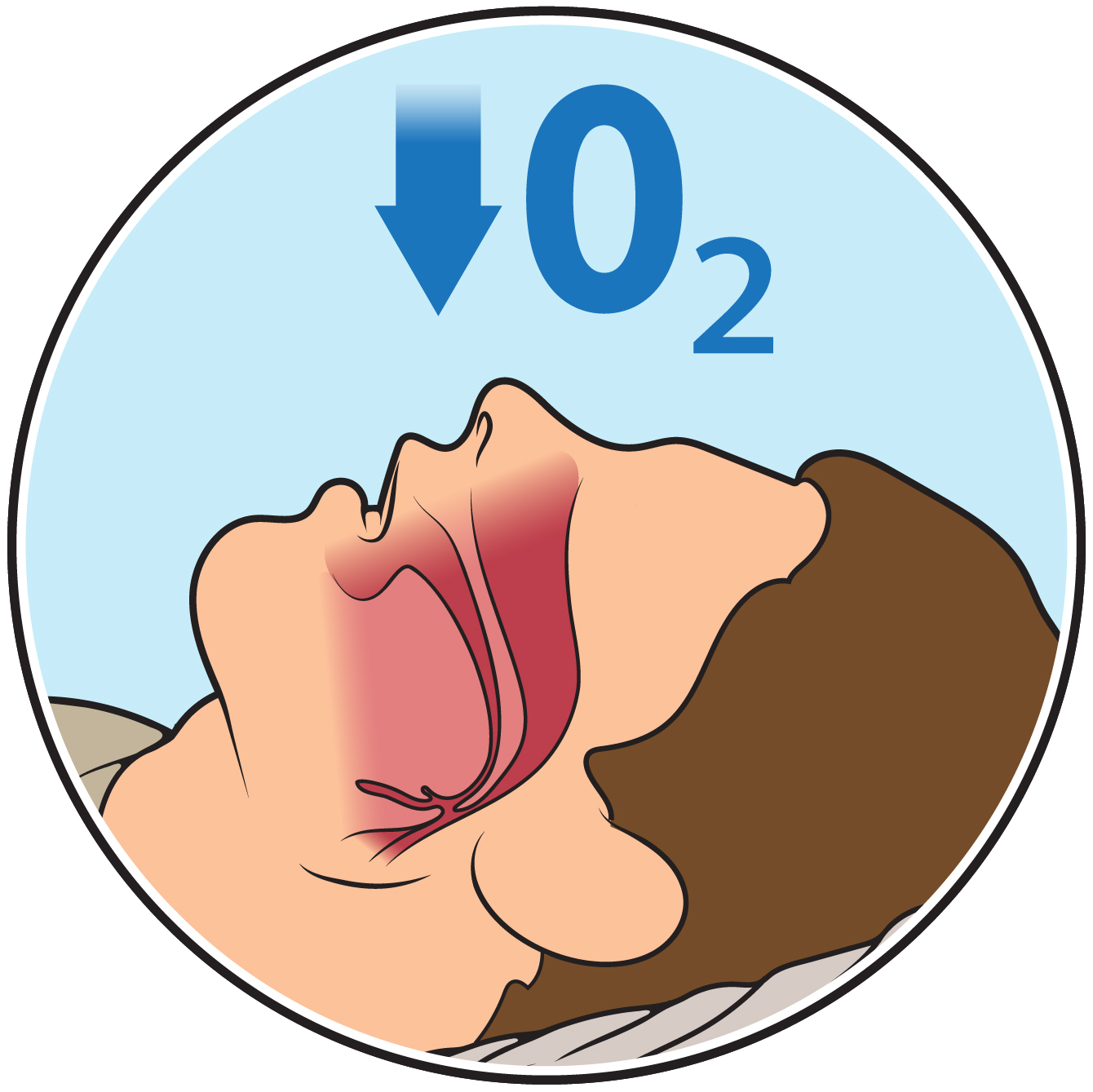
Hypoxia
BOOK:
the condition of having deficient oxygen levels in the body tissues and organs.
SIMPLE:
Hypoxia means the body doesn’t have enough oxygen.
Inflammation
BOOK:
a localized response to an injury or to the destruction of tissues.
SIMPLE:
Inflammation is the body’s response to injury or infection that causes redness, swelling, heat, and pain.
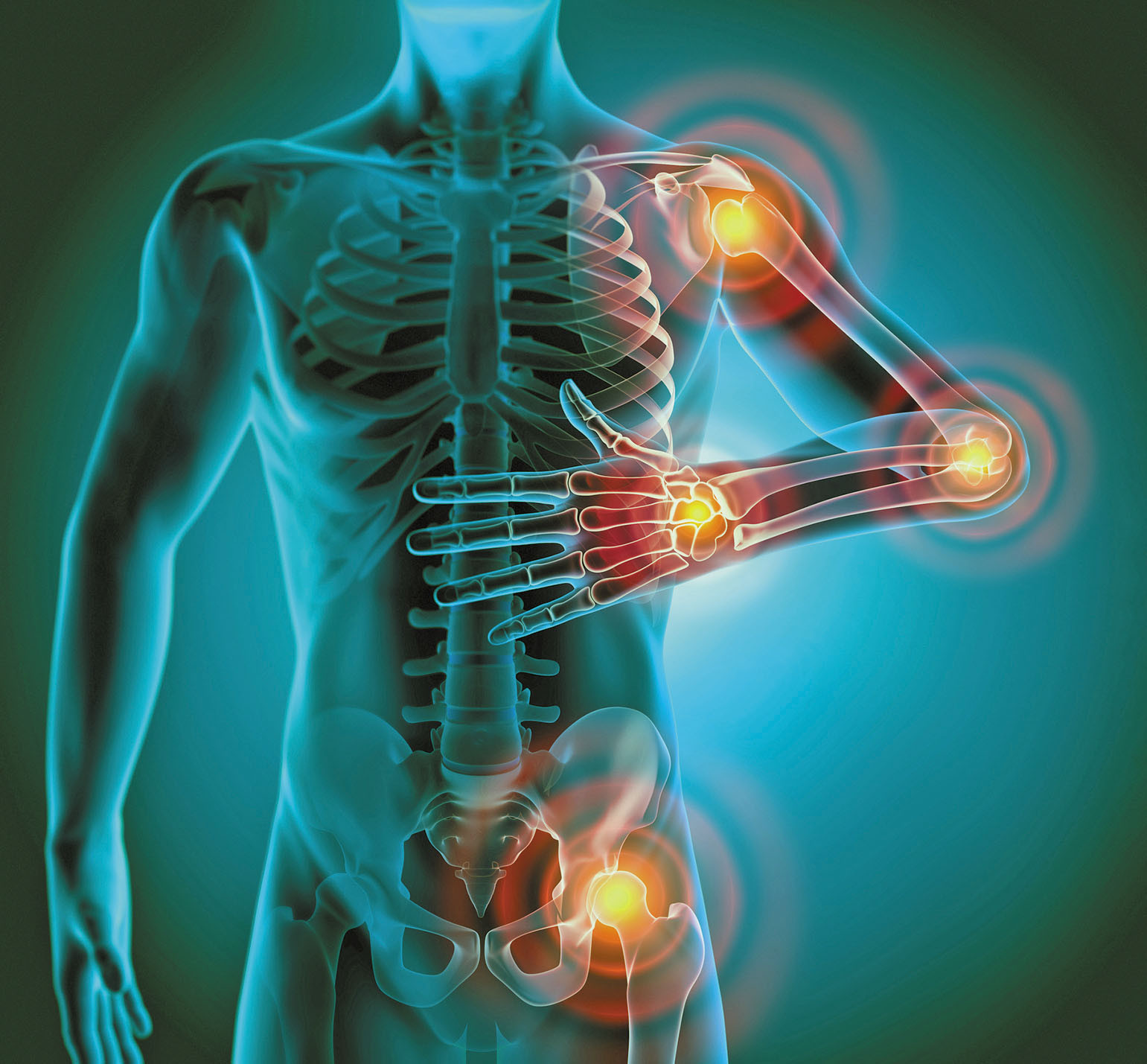
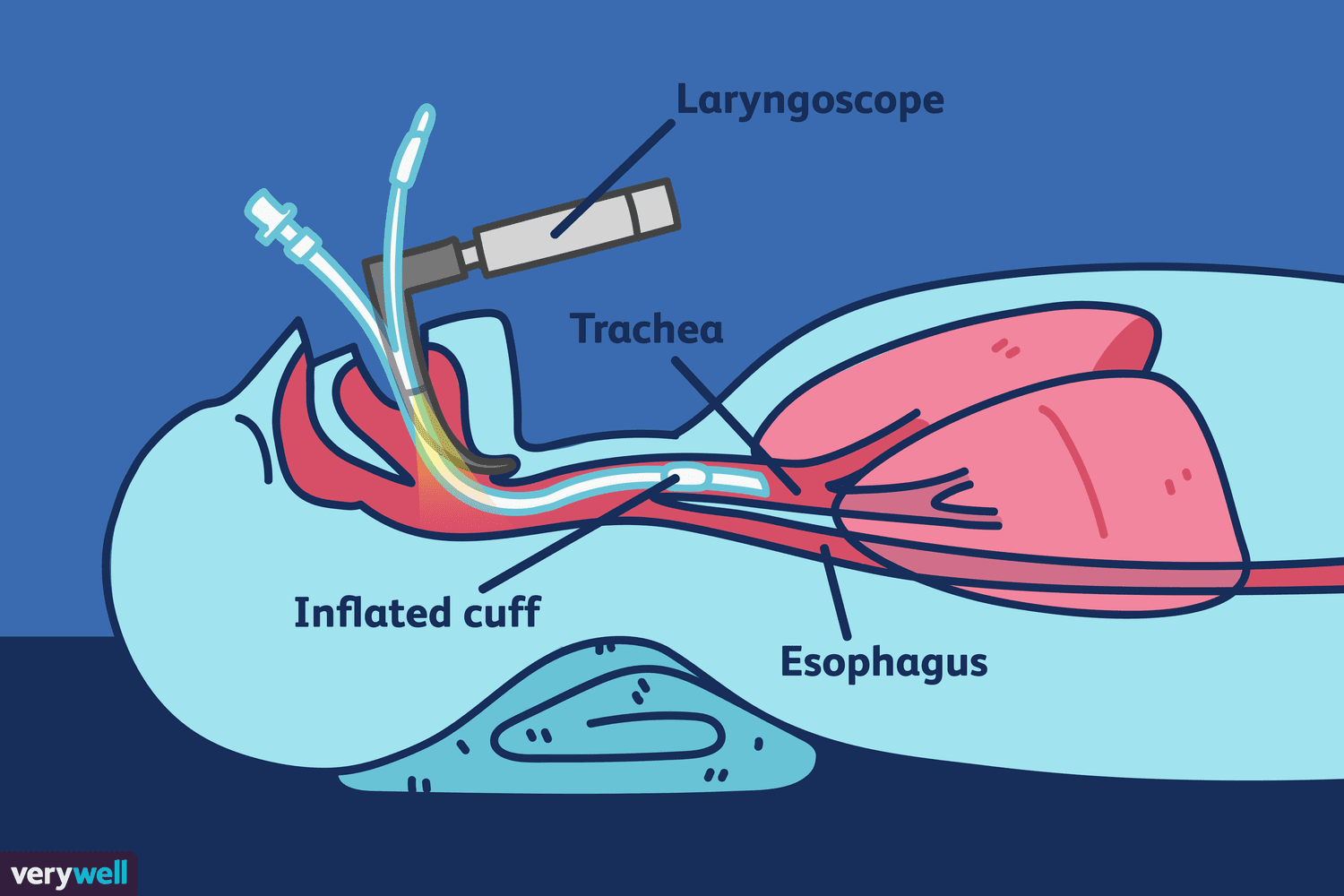
Intubation
SIMPLE:
placing a breathing tube into the airway.
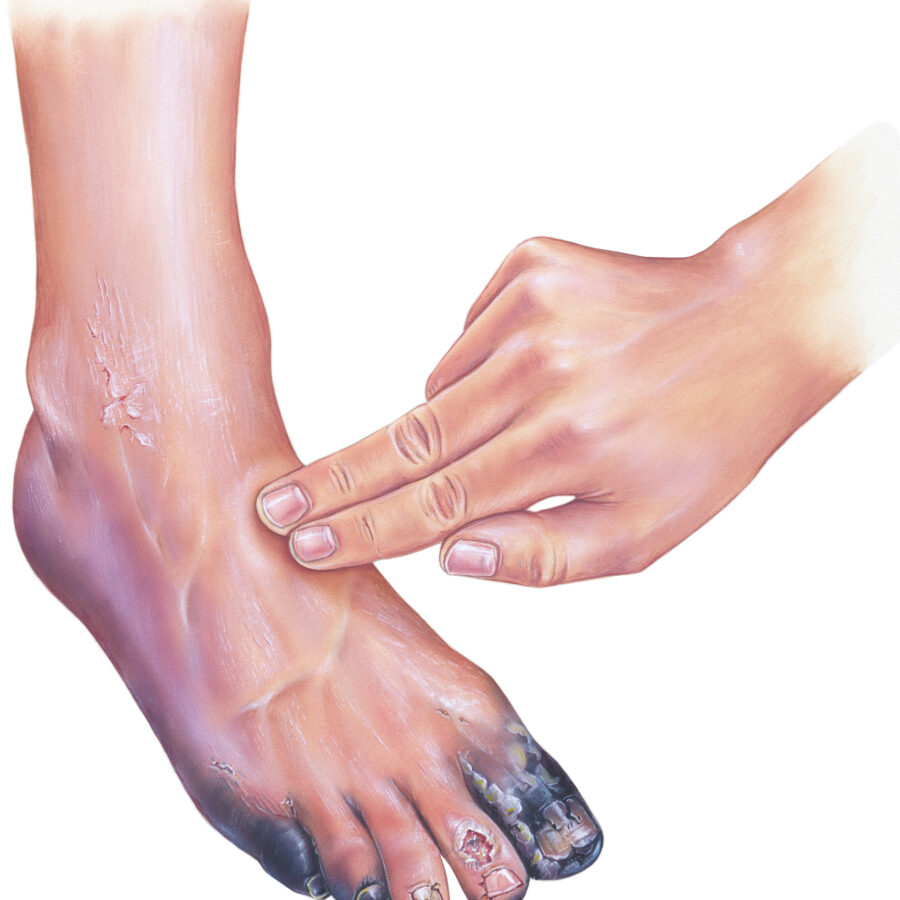
Ischemia
BOOK:
a condition in which there is an insufficient supply of oxygen in the tissues due to restricted blood flow to a part of the body.
SIMPLE:
Not enough blood getting to a body part.
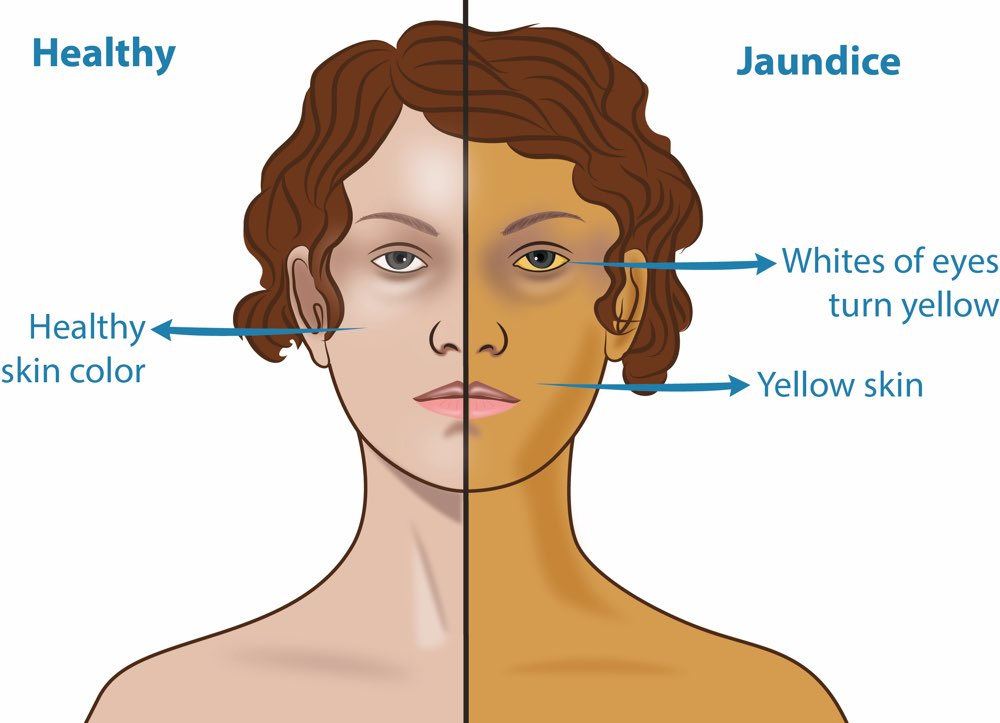
Jaundice
BOOK:
a yellow discoloration of the skin, mucous membranes, and eyes.
SIMPLE:
Jaundice means the skin and eyes turn yellow because the liver isn’t clearing waste properly.
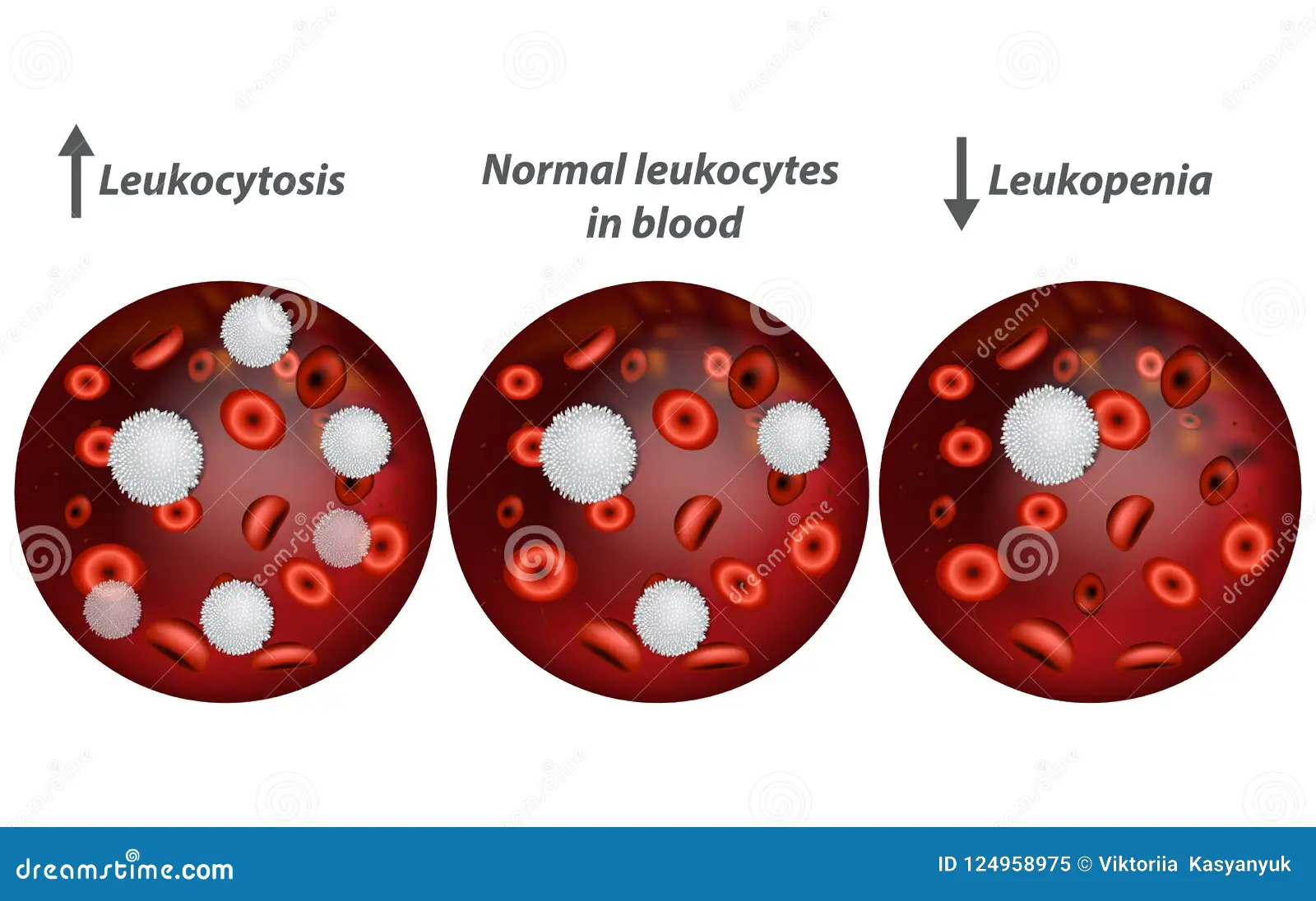
Leukocytosis
SIMPLE:
a high white blood cell count.
Malaise
BOOK:
a feeling of general discomfort, often the first indication of an infection or disease.
SIMPLE:
Feeling generally unwell.

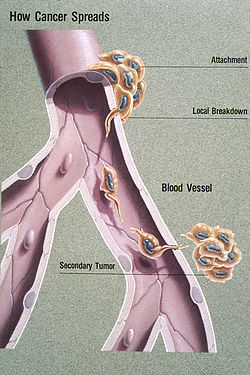
Metastasis
BOOK:
the new cancer site that results from the spreading process; also the processes by which cancer is spread.
SIMPLE:
Cancer spreading to other parts of the body.
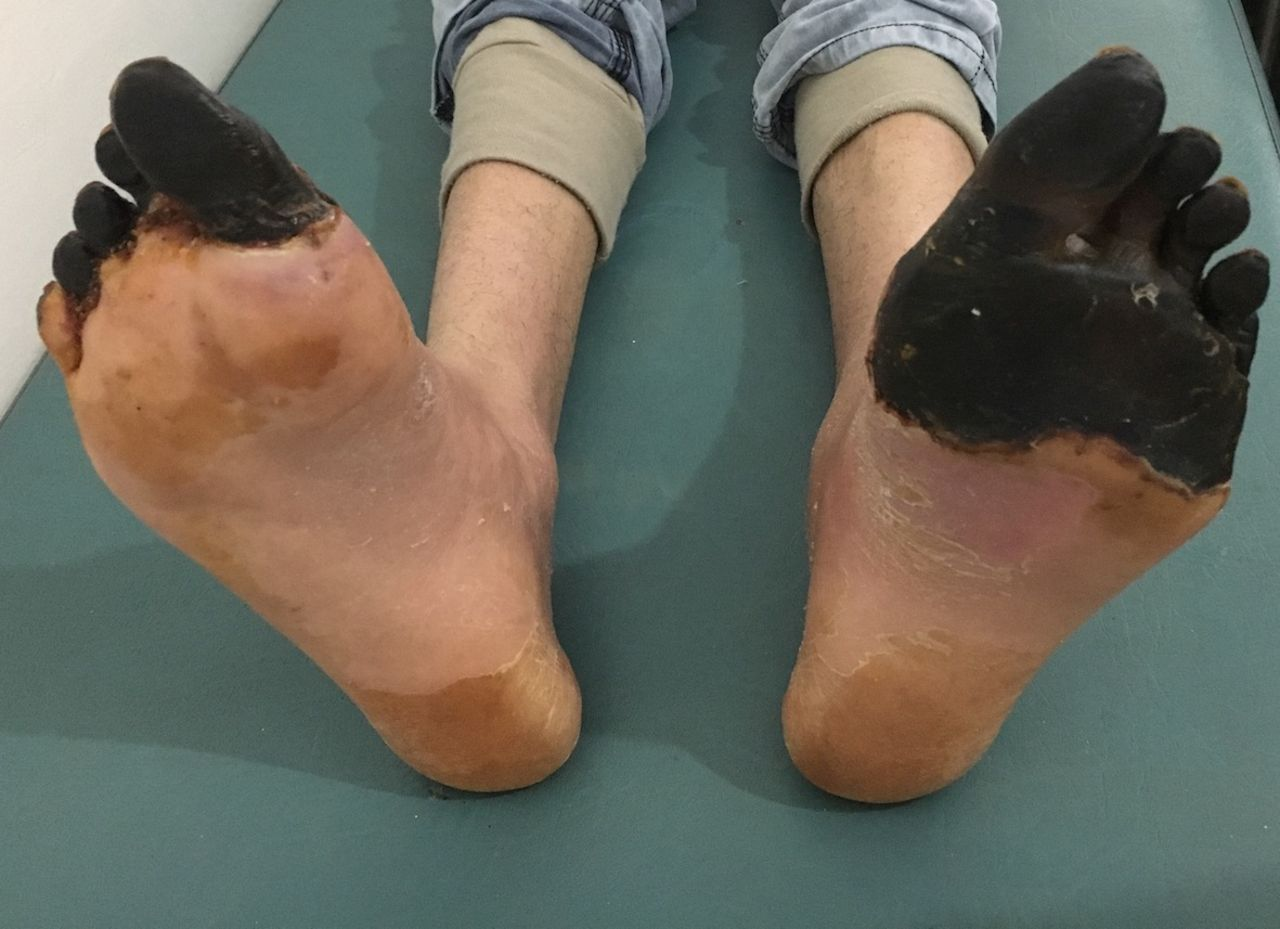
Necrosis
SIMPLE:
tissue has died.
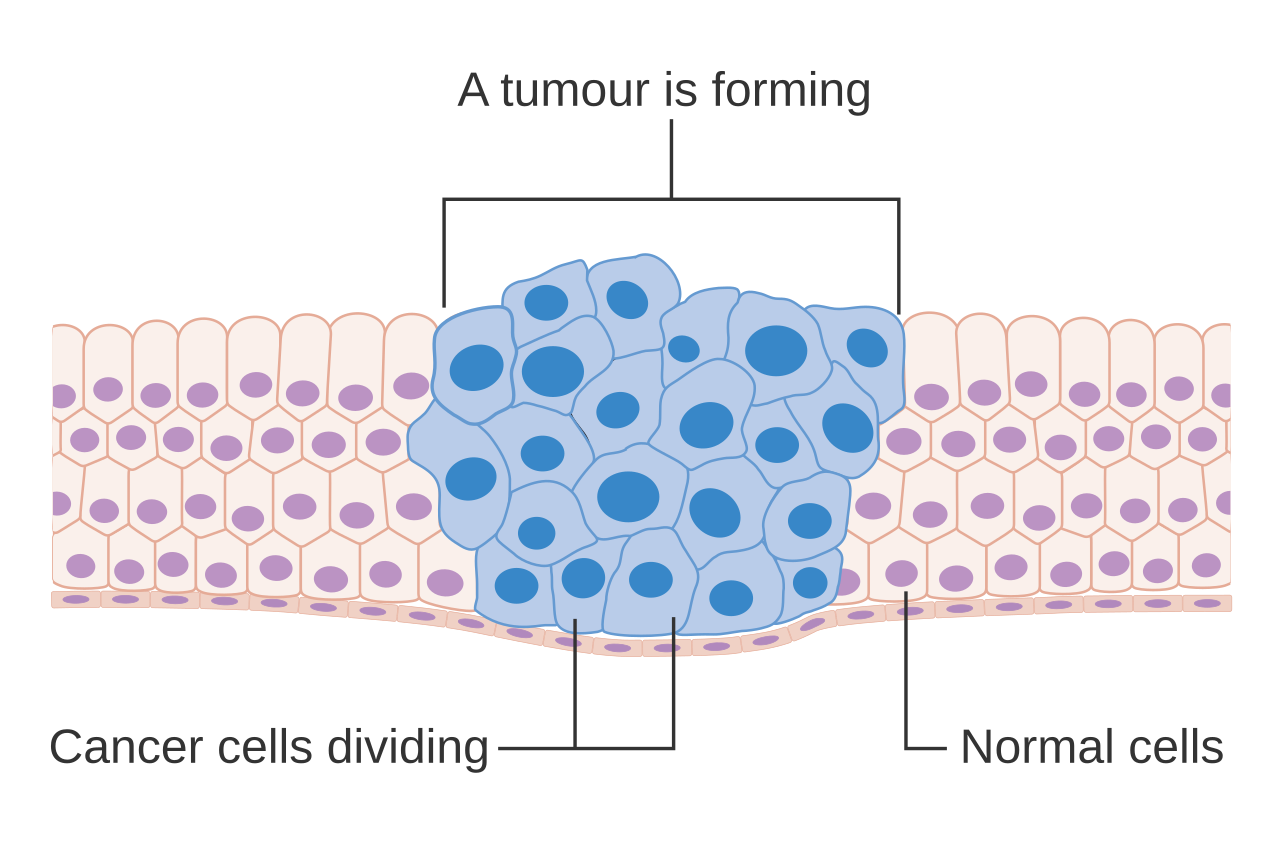
Neoplasm
BOOK:
New and abnormal growth of tissues, which may be benign or cancerous.
SIMPLE:
A new, abnormal growth of cells in the body that can be benign (non-cancerous) or malignant (cancerous).
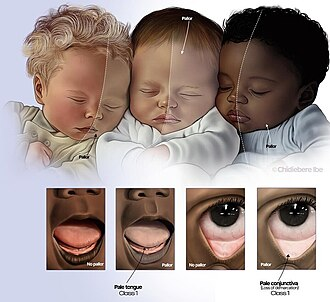
Pallor
An abnormal paleness of the skin or mucous membranes, usually caused by reduced blood flow or low hemoglobin (anemia).
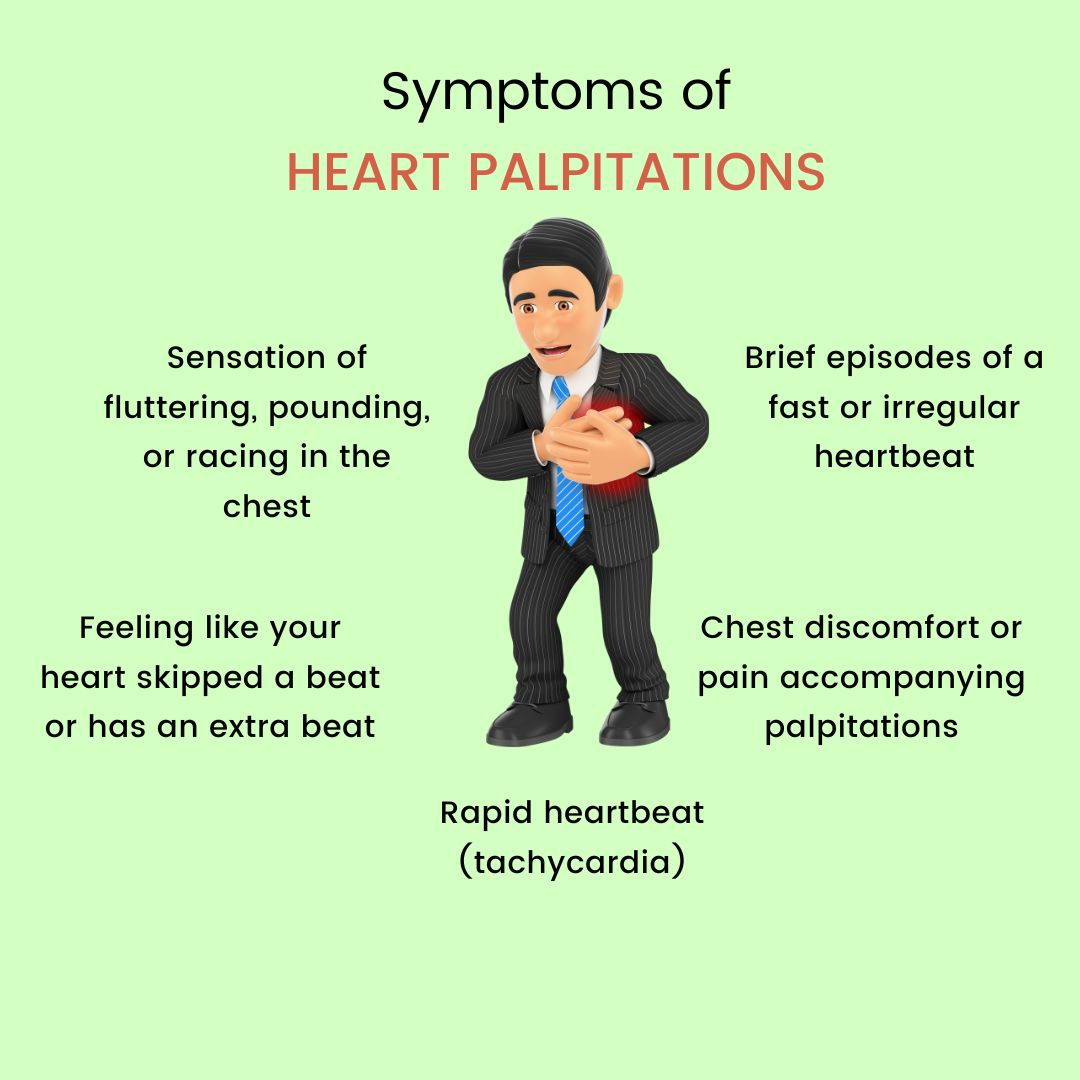
Palpitation
An uncomfortable awareness of your heartbeat, where it may feel fast, strong, pounding, or irregular.
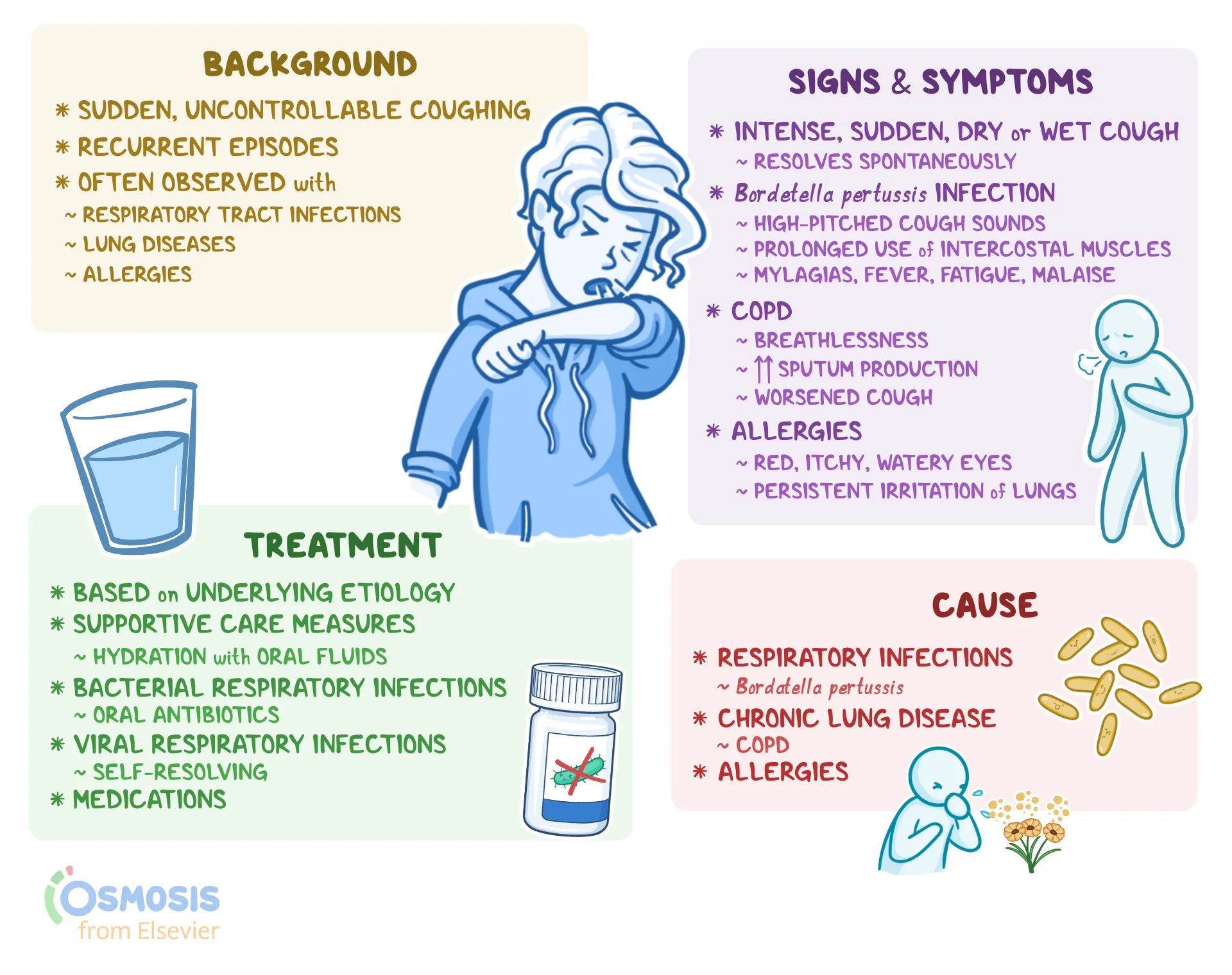
Paroxysm
A sudden, intense attack or worsening of symptoms that happens quickly and may last for a short time.
Pathogenesis
The development and progression of a disease —> how the disease starts and how it causes changes in the body.
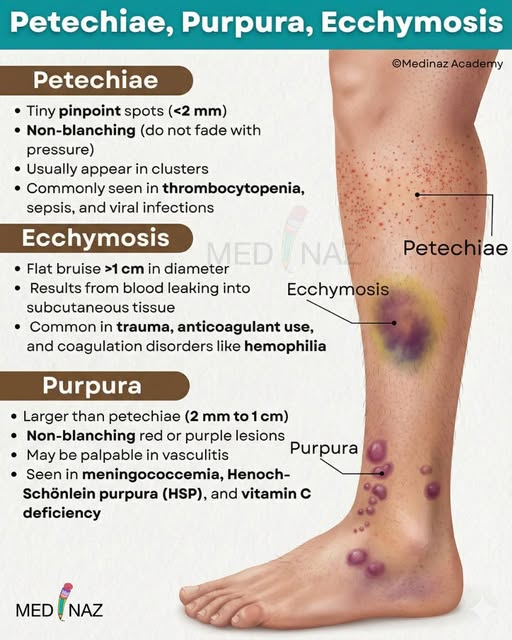
Petechiae
Small, red or purple pinpoint spots on the skin caused by tiny bleeding under the skin.
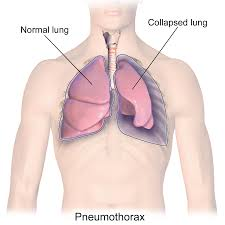
Pneumothorax
A condition where air collects in the space around the lung, causing the lung to collapse partially or completely.
Prophylaxis
Treatment or measures taken to prevent a disease from occurring.

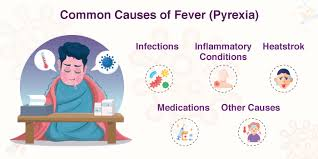
Pyrexia
An abnormally high body temperature — in simple words, fever.
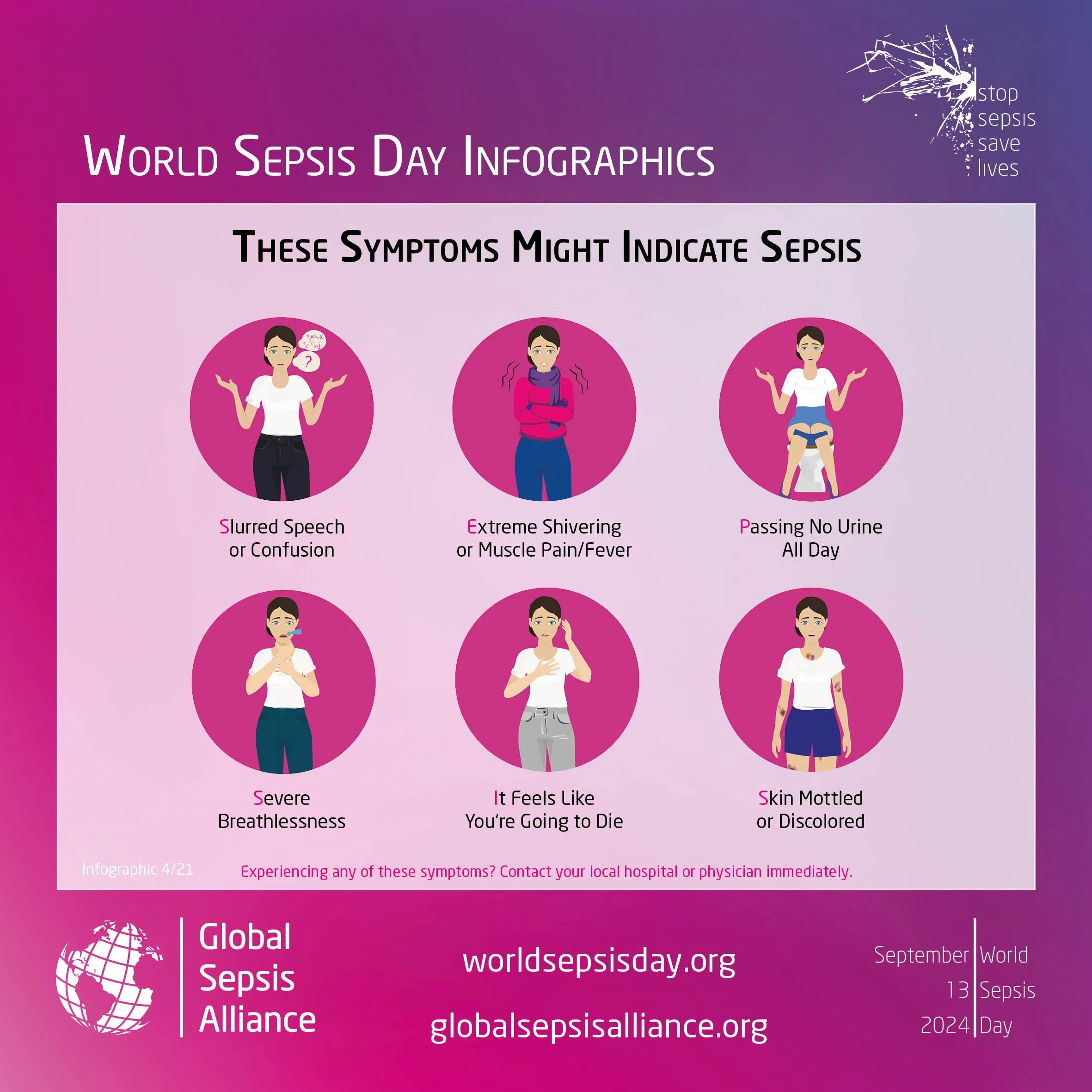
Sepsis
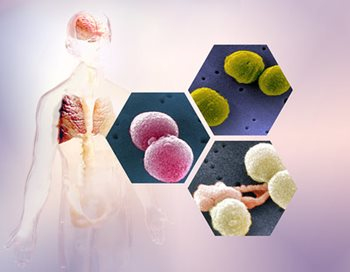
A life-threatening condition that occurs when the body’s response to infection damages its own tissues and organs.
Shock
A life-threatening condition in which the body’s tissues and organs do not receive enough blood and oxygen.
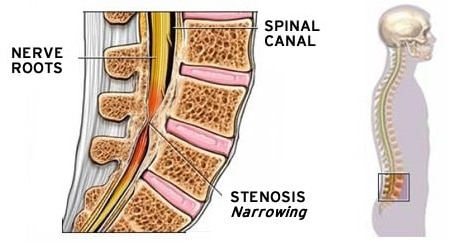
Stenosis
Book:
Narrowing, or stricture, of a duct or canal.
Simple:
An abnormal narrowing of a passage or opening in the body.
Syncope
BOOK:
No book
SIMPLE:
A sudden, temporary loss of consciousness (fainting) caused by reduced blood flow to the brain.
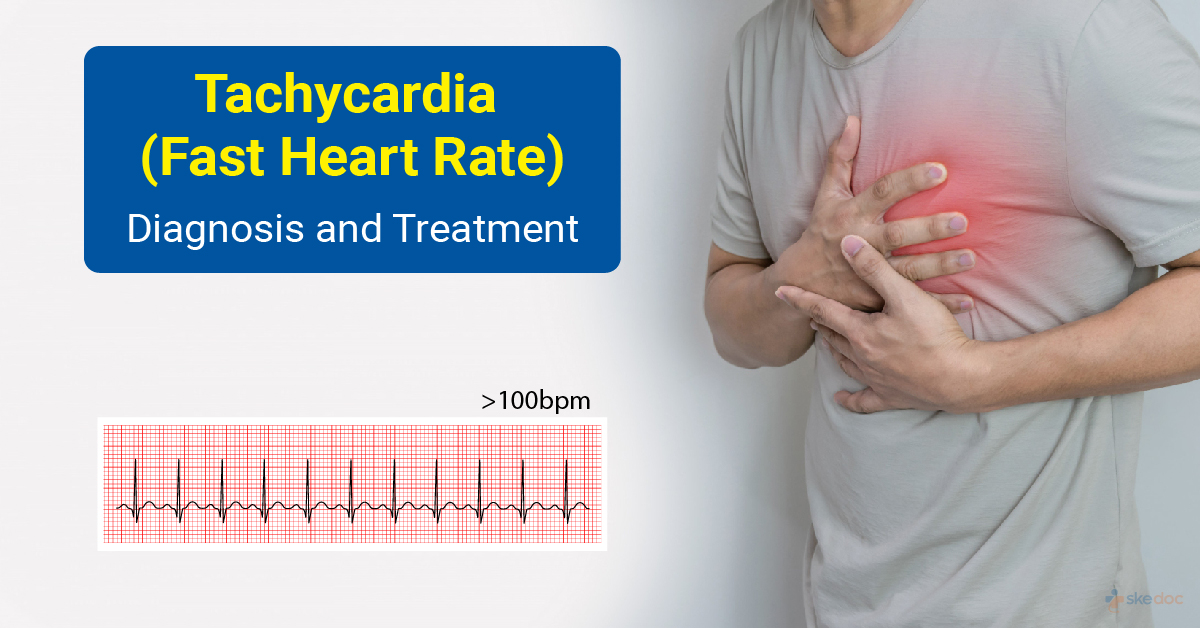
Tachycardia
BOOK:
No book
SIMPLE:
An abnormally fast heart rate, usually more than 100 beats per minute in adults.
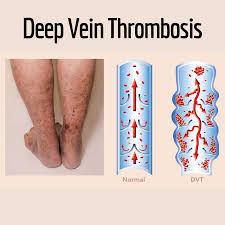
Thrombosis
The formation of a blood clot inside a blood vessel, which can block blood flow.
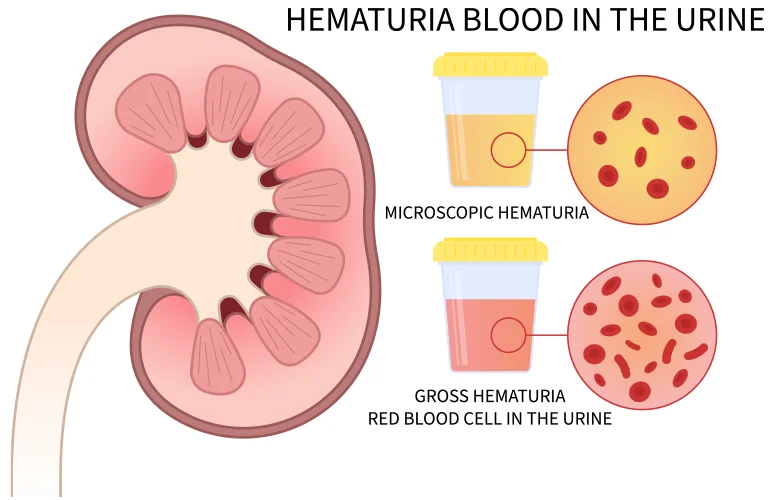
Uremia
A condition in which waste products (like urea) build up in the blood due to kidney failure.
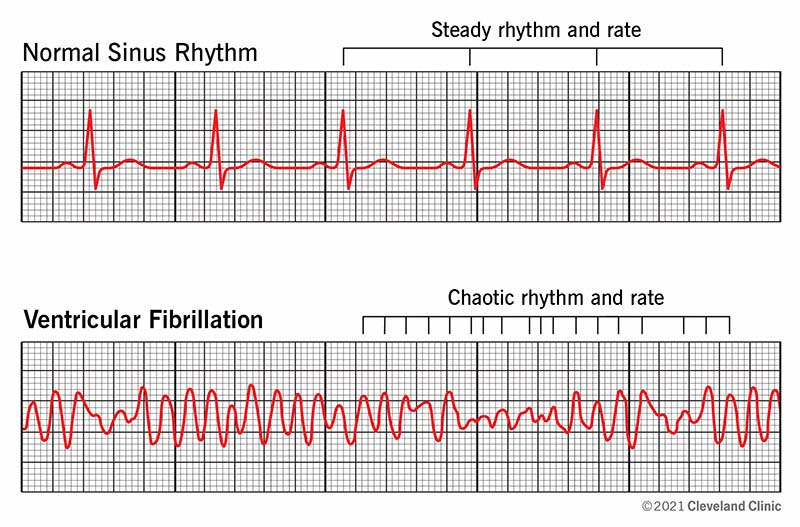
Ventricular Fibrillation
A life-threatening heart rhythm disorder in which the heart’s lower chambers (ventricles) quiver instead of pumping blood effectively.
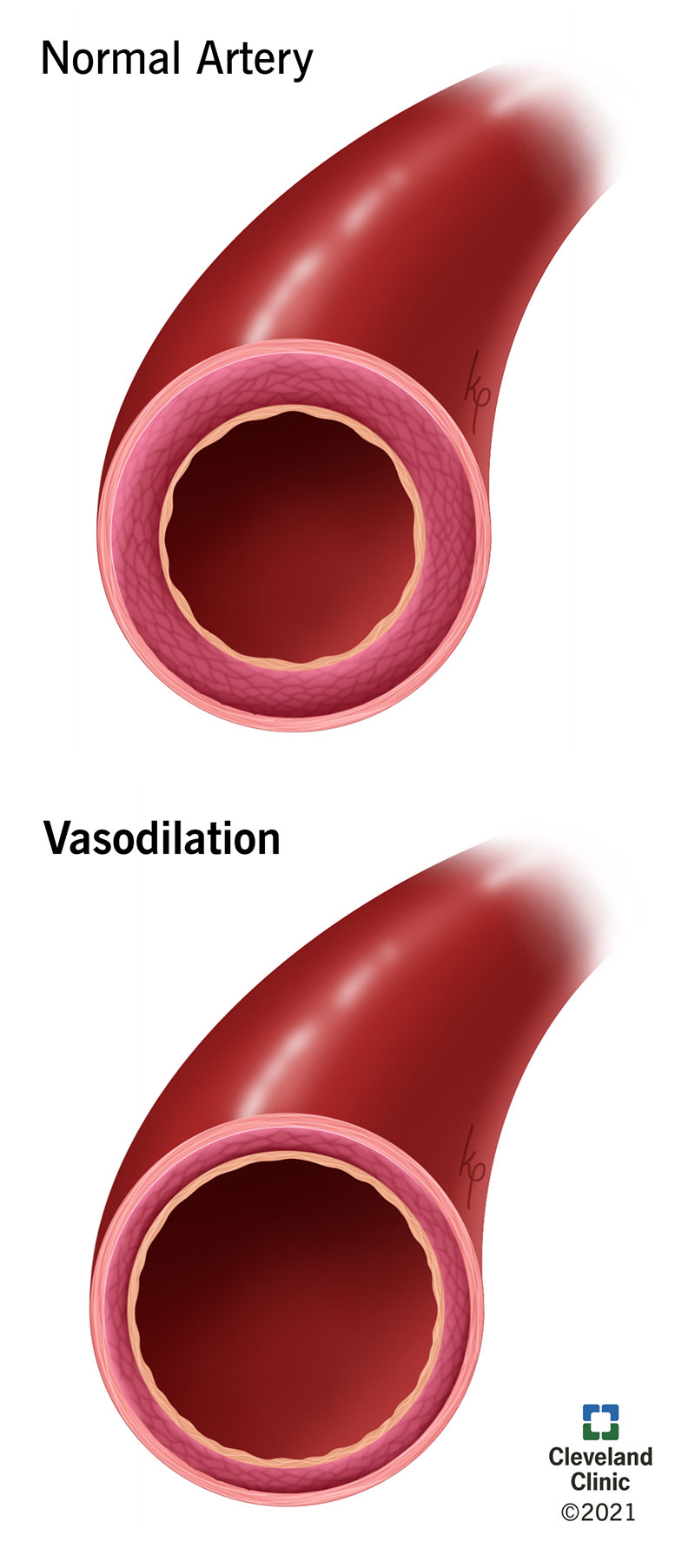
Vasodilation
The widening of blood vessels, which increases blood flow and can lower blood pressure.
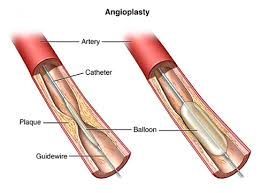
Angioplasty
A medical procedure to open narrowed or blocked blood vessels, usually by inflating a small balloon inside the artery.
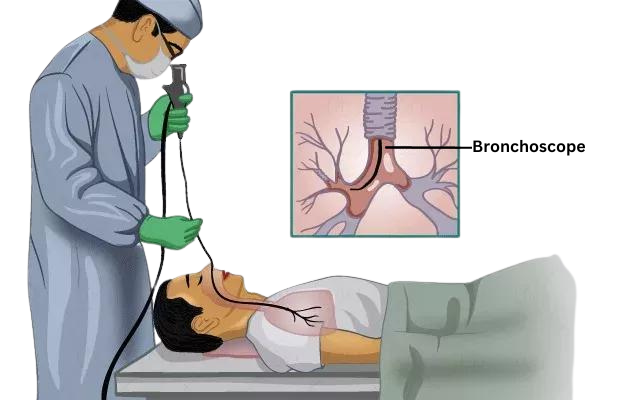
Bronchoscopy
A medical procedure that uses a thin, flexible tube with a camera to examine the airways and lungs.
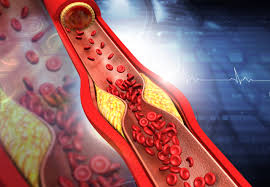
Atherosclerosis
BOOK:
Buildup of fatty material (plaque) in the arteries, including those surrounding the heart.
SIMPLE:
A condition in which fatty deposits (plaque) build up inside the arteries, causing them to narrow and harden.
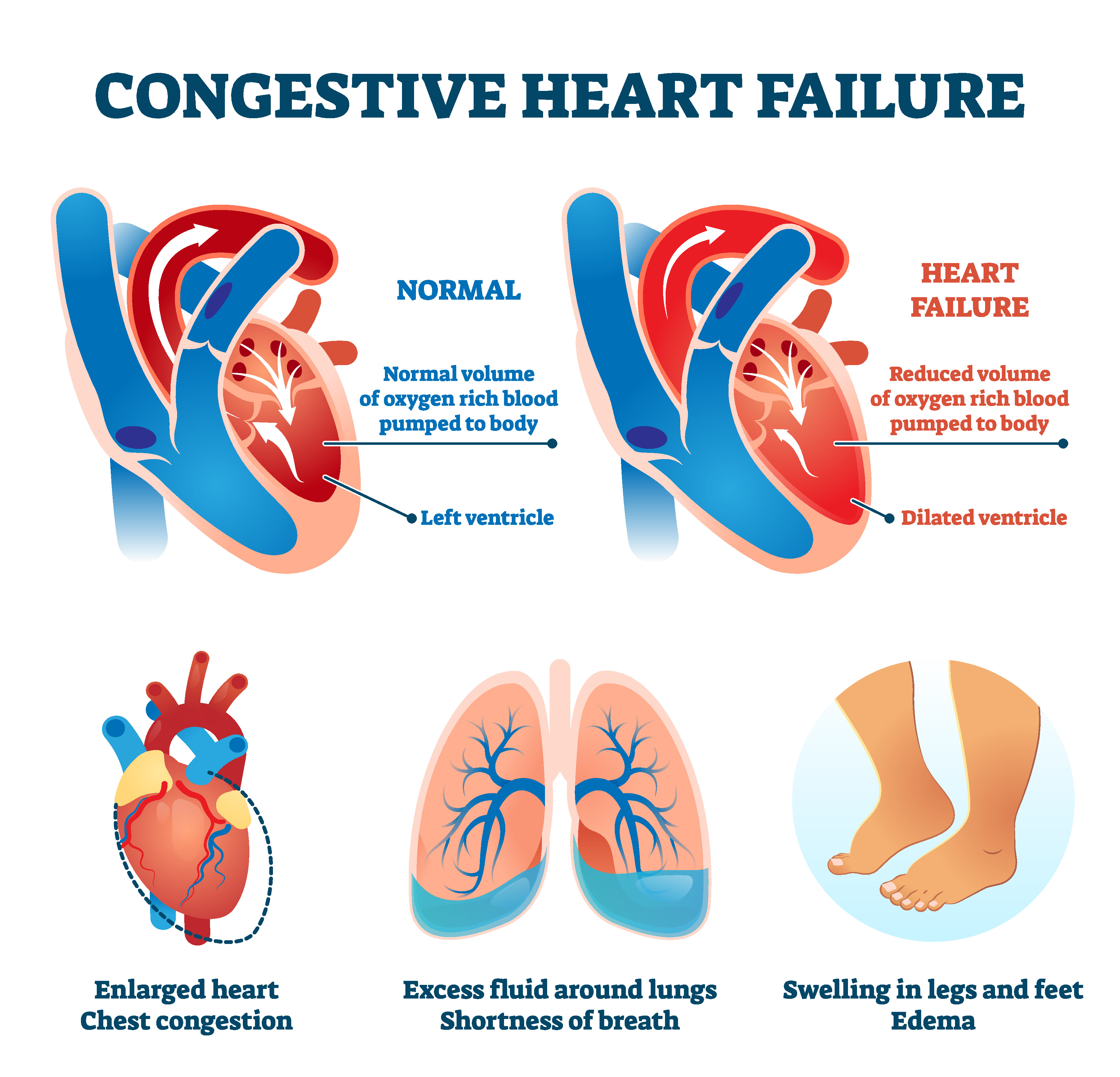
Congestive Heart Failure (CHF)
BOOK:
Condition resulting from severely weakened heart muscle, resulting in ineffective pumping of blood. This leads to fluid retention, especially in the lungs. Symptoms include fatigue, difficulty breathing, and leg and ankle swelling.
SIMPLE:
A condition in which the heart cannot pump blood effectively, causing fluid buildup (congestion) in the lungs and other parts of the body.
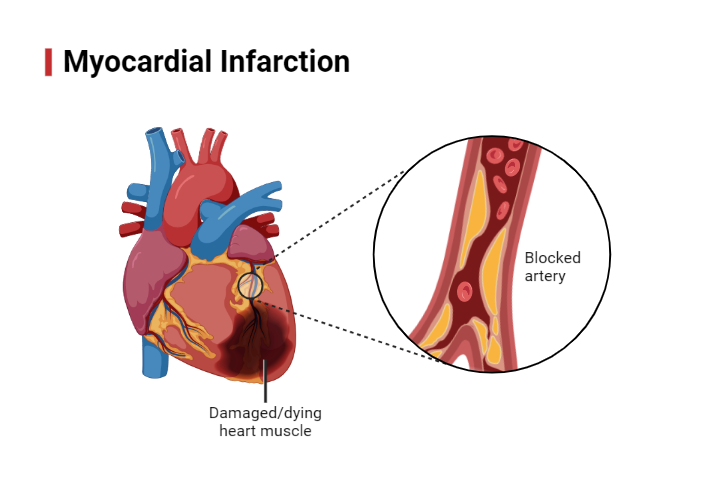
Myocardial Infarction
BOOK:
Death of part of the heart muscle.
SIMPLE:
A heart attack, when blood flow to part of the heart muscle is blocked, causing damage or death of heart tissue.
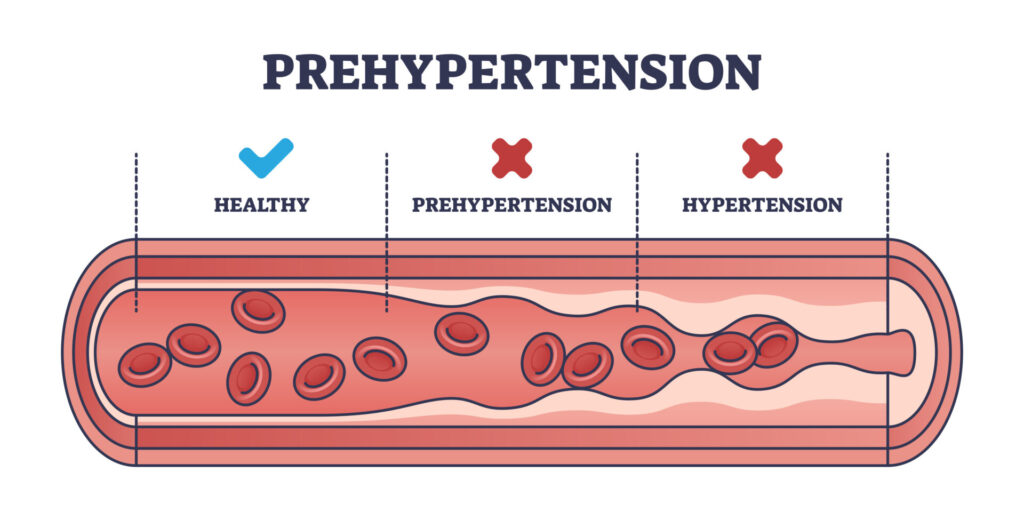
Hypertension
BOOK:
Persistently elevated blood pressure. Obesity, inactivity, alcohol intake, and excess salt intake all can contribute to the problem.
SIMPLE:
A condition in which the blood pressure is consistently higher than normal.
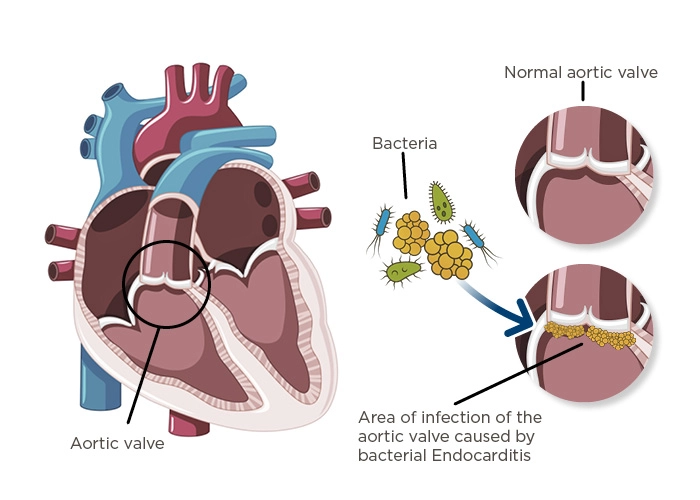
Endocarditis
An infection of the inner lining of the heart (endocardium), usually affecting the heart valves.
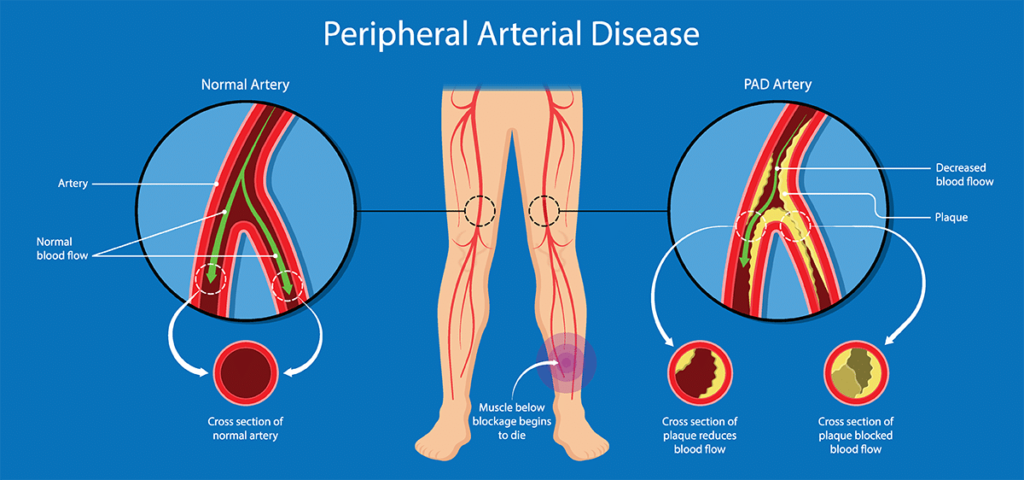
Peripheral Artery Disease (PAD)
A condition in which the arteries that supply blood to the limbs (usually the legs) become narrowed or blocked, reducing blood flow.
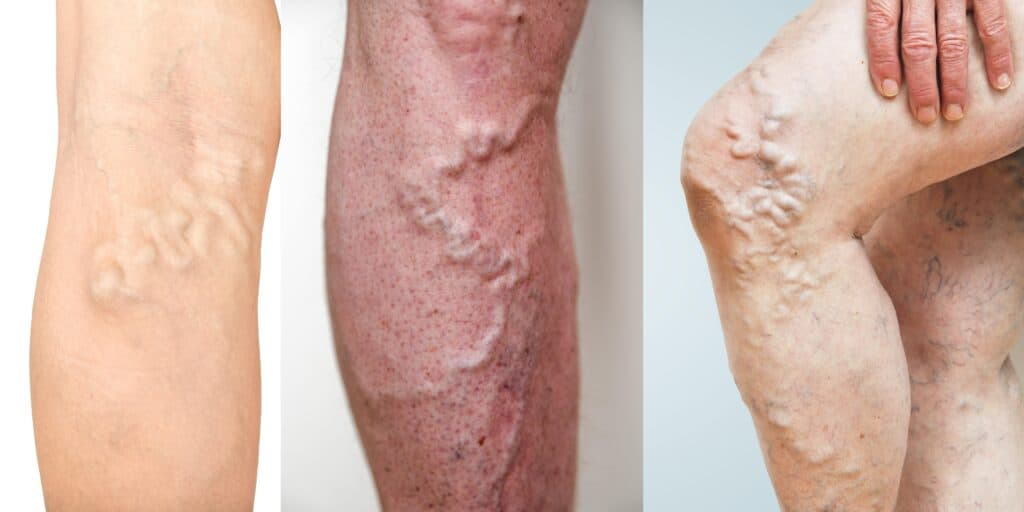
Deep Vein Thrombosis (DVT)
A condition in which a blood clot forms in a deep vein, usually in the leg.
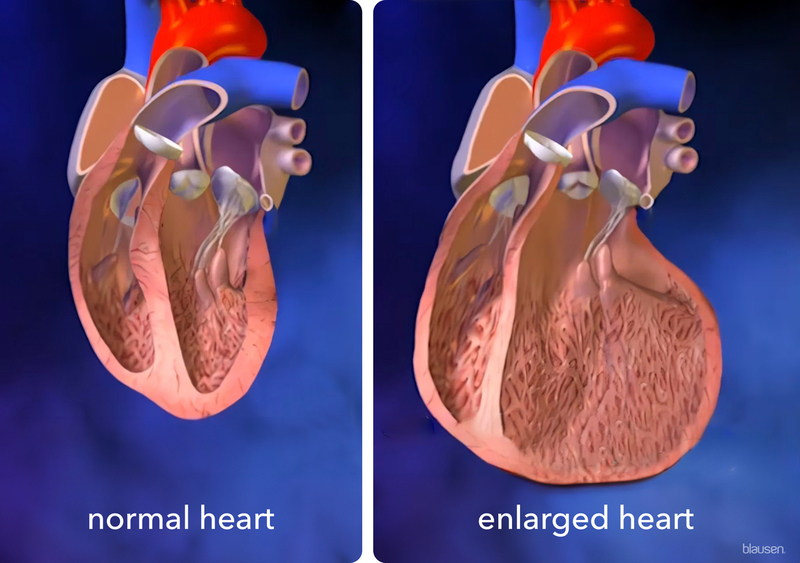
Cardiomegaly
An enlargement of the heart.
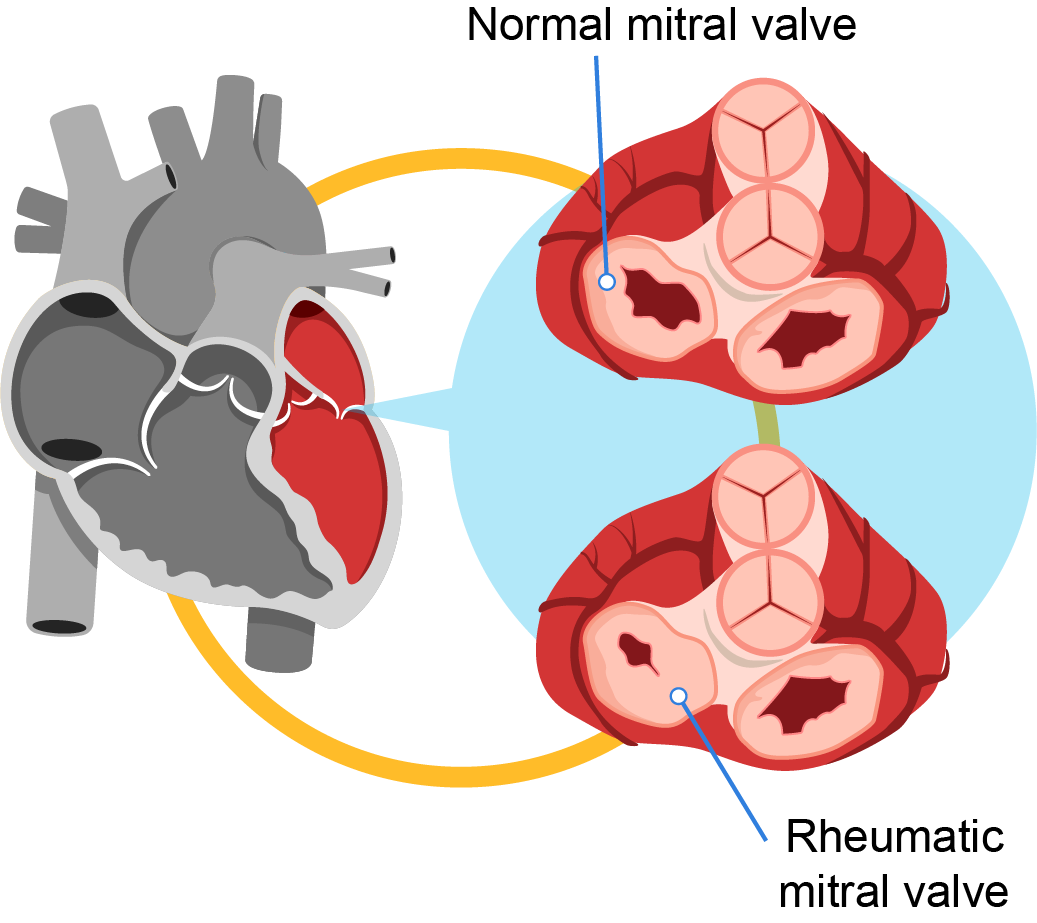
Rheumatic Heart Disease
A heart condition caused by damage to the heart valves after rheumatic fever (a complication of untreated streptococcal throat infection).
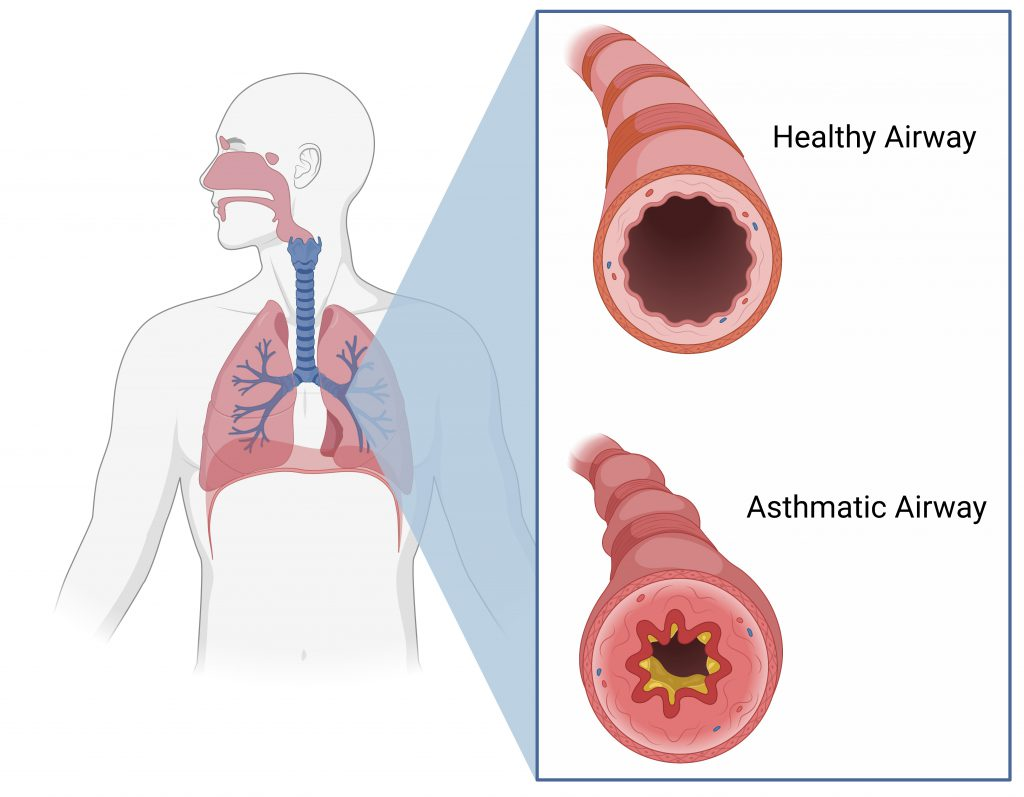
Asthma
A chronic condition in which the airways become inflamed and narrowed, causing difficulty in breathing.
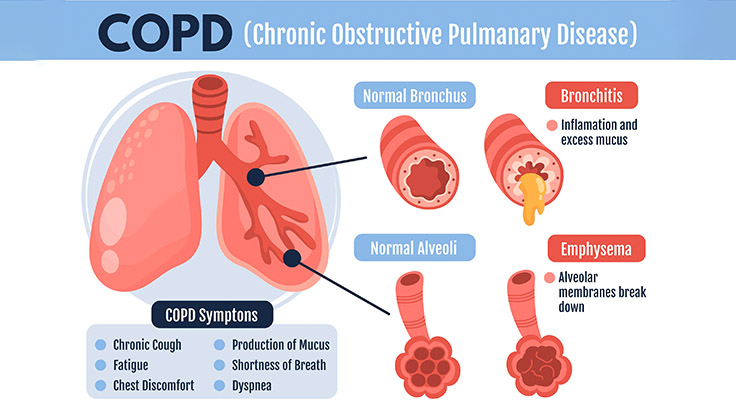
Chronic Obstructive Pulmonary Disease (COPD)
A long-term lung disease that causes airflow blockage and difficulty breathing.
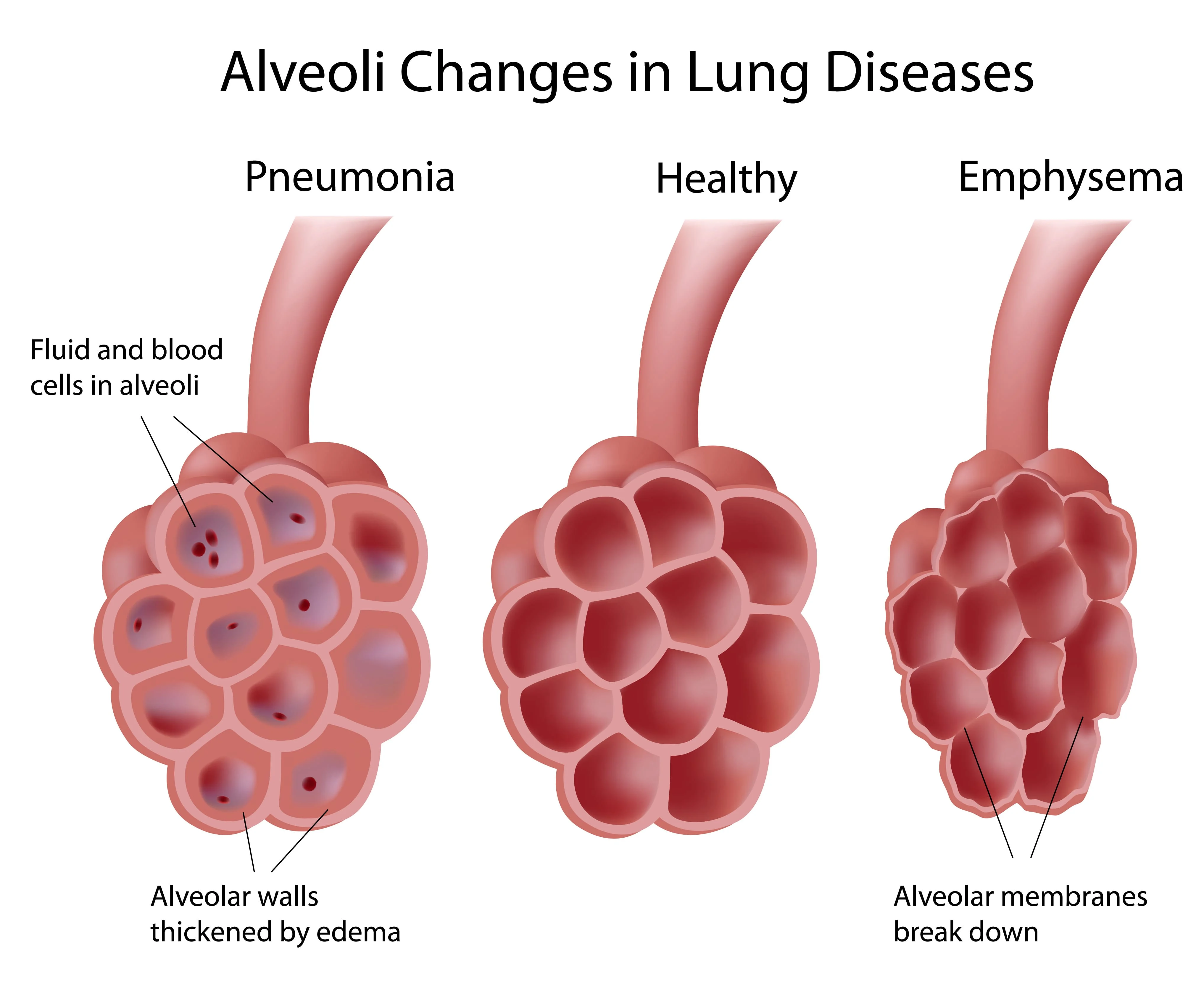
Emphysema
A lung disease in which the air sacs (alveoli) are damaged, making it difficult to breathe.
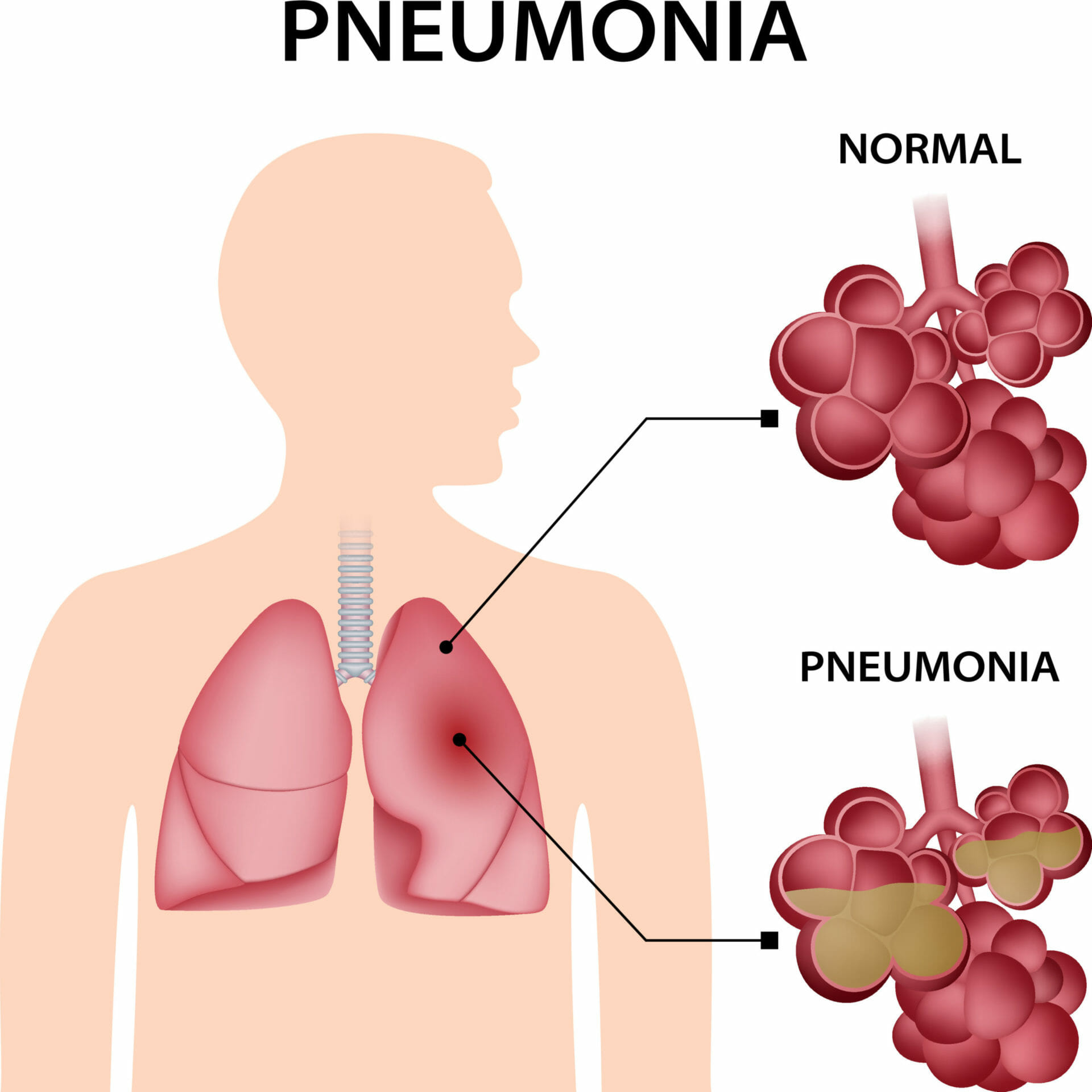
Pneumonia
An infection of the lungs that causes the air sacs to fill with fluid or pus, making breathing difficult.
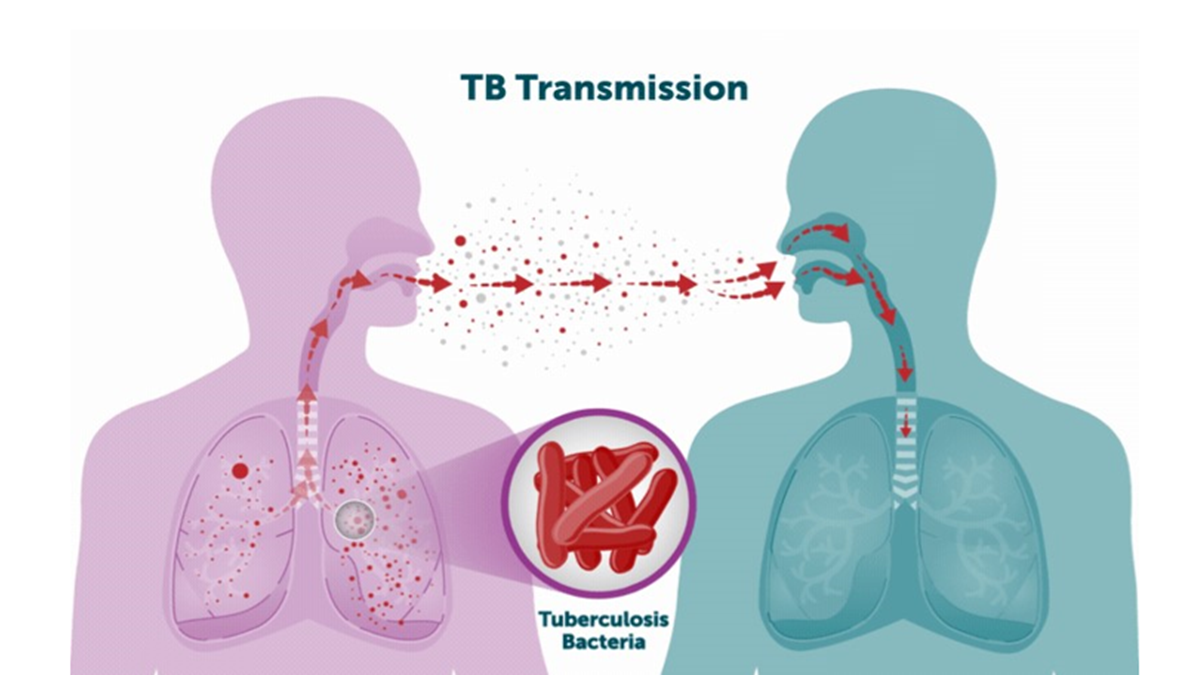
Tuberculosis
A bacterial infection that mainly affects the lungs and spreads through the air when an infected person coughs or sneezes.
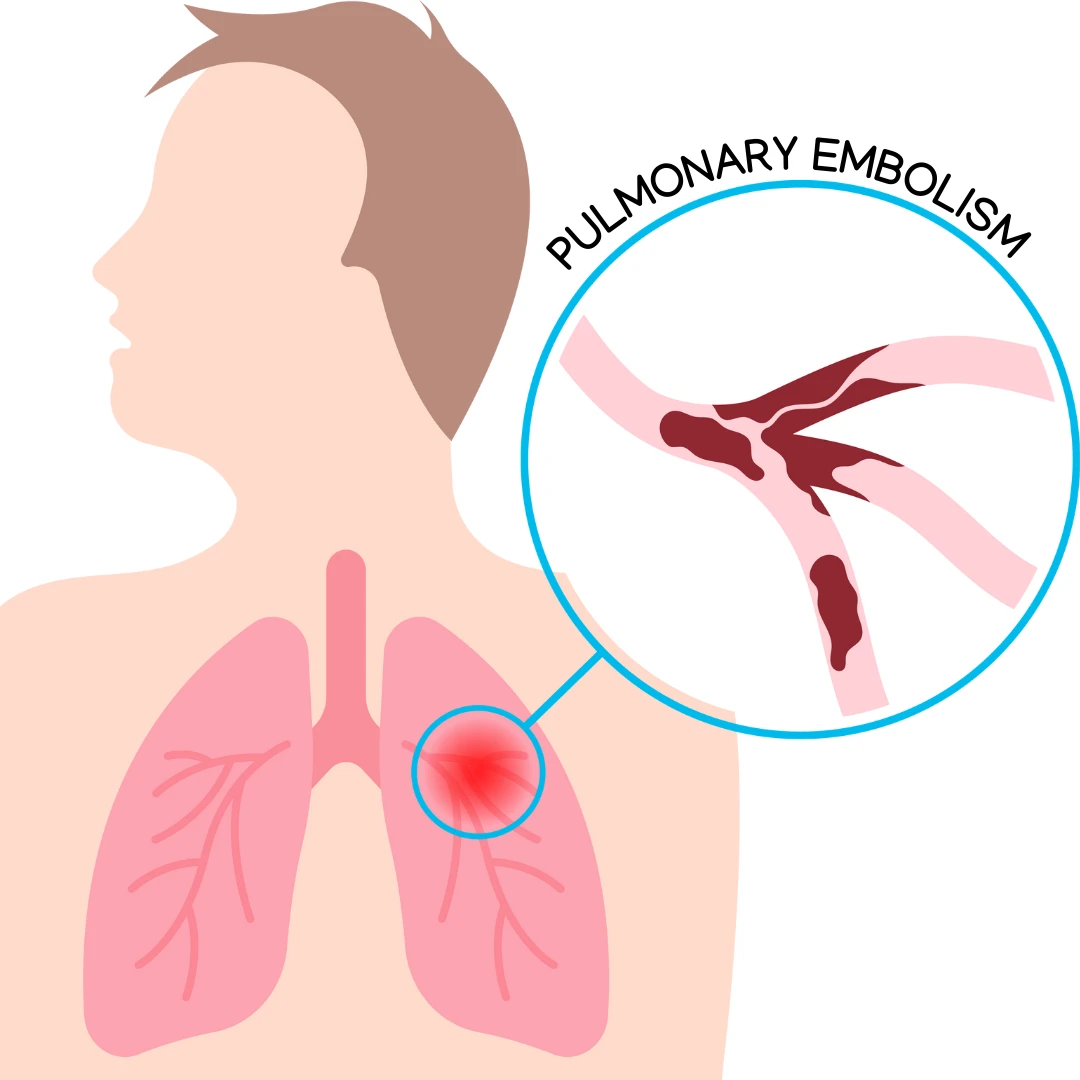
Pulmonary Embolism
A condition in which a blood clot blocks an artery in the lungs, reducing blood flow.
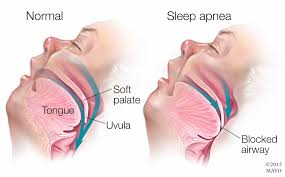
Sleep Apnea
A sleep disorder in which breathing repeatedly stops and starts during sleep.
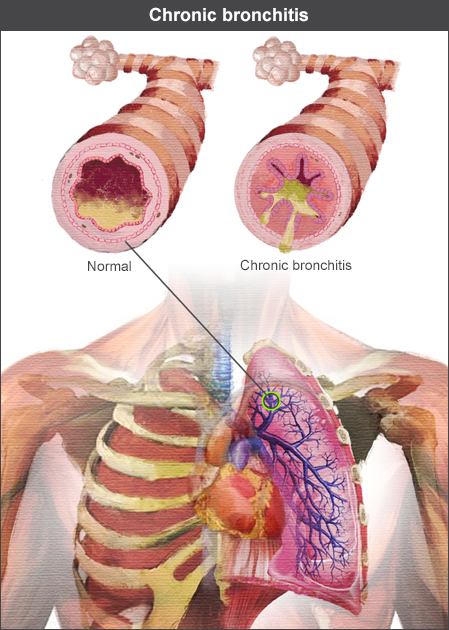
Bronchitis
An inflammation of the bronchi (airways in the lungs) that causes cough and mucus production.
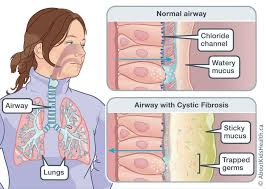
Cystic Fibrosis
BOOK:
An inherited disease that can cause overproduction of mucus. Mucus can block the pancreatic duct, decreasing enzyme output.
SIMPLE:
A genetic disease that causes thick, sticky mucus to build up in the lungs and other organs.
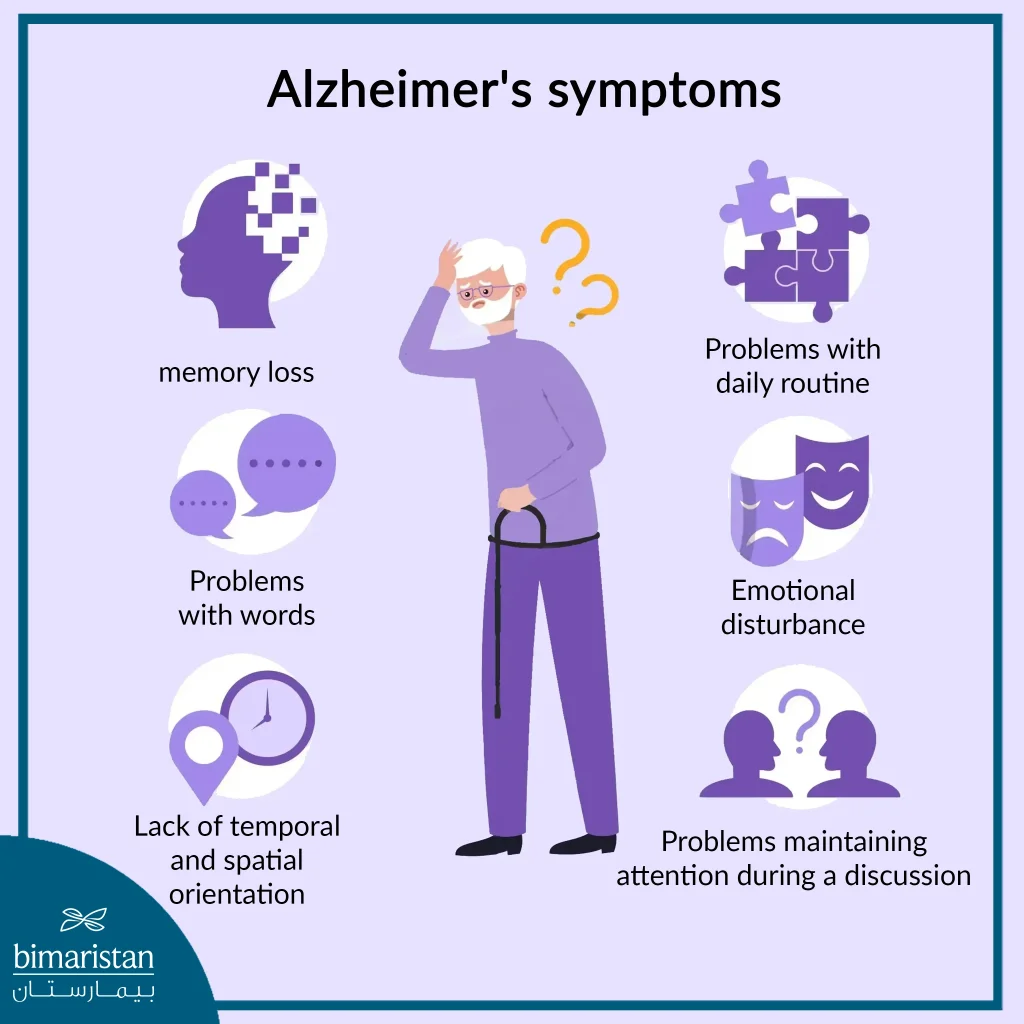
Alzheimer’s Disease
BOOK:
irreversible, abnormal, progressive deterioration of the brain that causes victims to steadily lose the ability to remember, reason, and comprehend.
SIMPLE:
A progressive brain disorder that causes memory loss and decline in thinking and behavior.
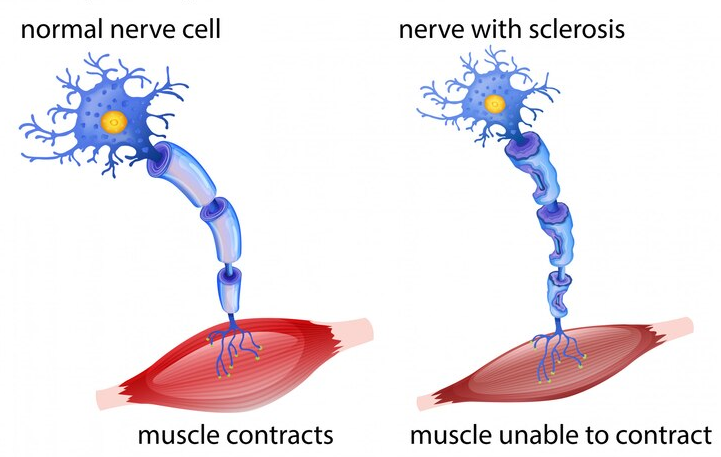
Multiple Sclerosis
A chronic disease in which the immune system attacks the protective covering of nerves (myelin) in the brain and spinal cord.
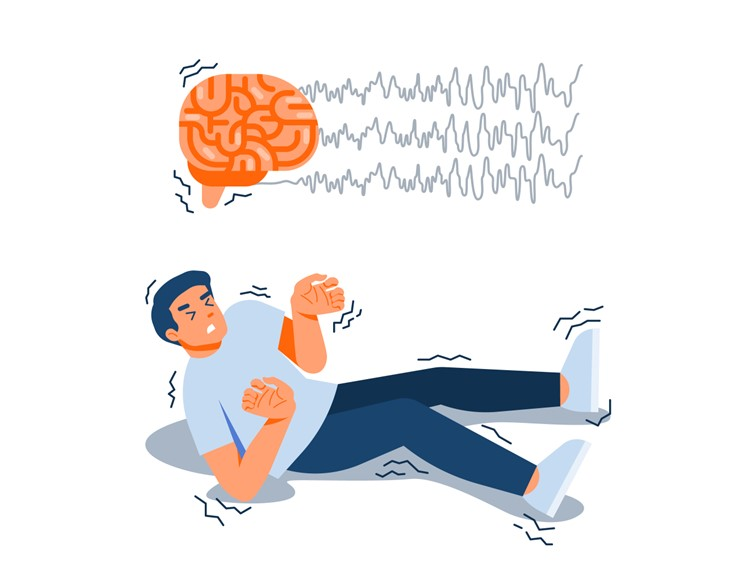
Epilepsy
A neurological disorder that causes repeated seizures due to abnormal electrical activity in the brain.
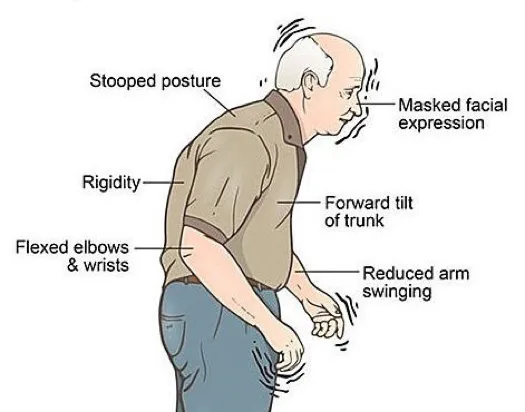
Parkinson’s Disease
A progressive neurological disorder that affects movement, causing tremors, stiffness, and slow movement.
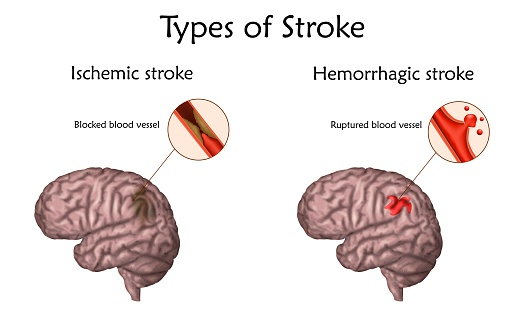
Stroke (CVA)
BOOK:
Loss of body function that results from a blood clot or another change in arteries in the brain that affects blood flow and leads to death of brain tissue; also called a cerebrovascular accident.
SIMPLE:
A condition in which blood flow to part of the brain is interrupted or reduced, causing damage to brain cells.
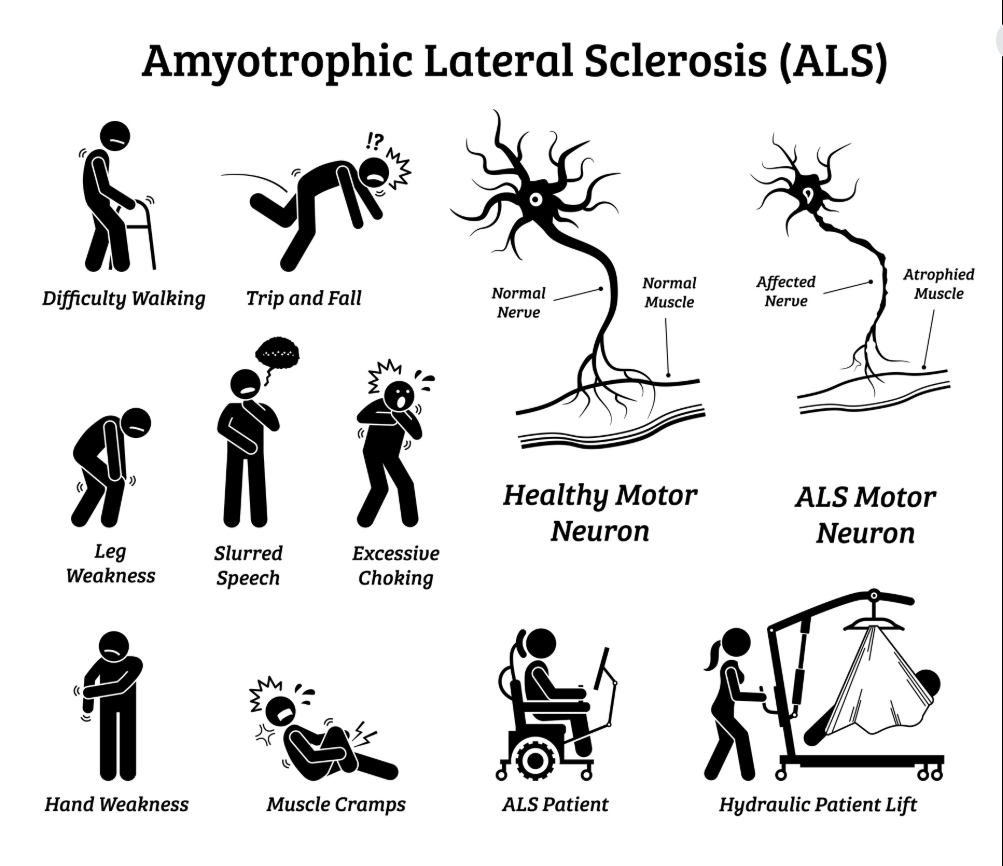
Amyotrophic Lateral Sclerosis (ALS)
A progressive neurological disease that damages nerve cells controlling muscles, leading to muscle weakness and loss of movement.
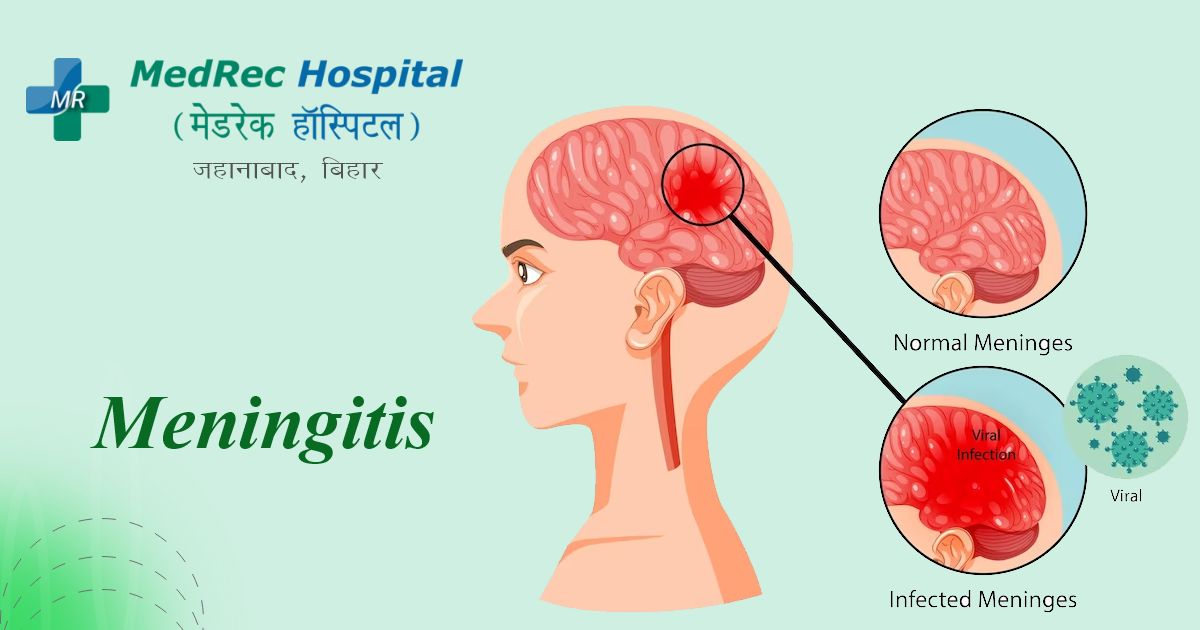
Meningitis
An inflammation of the membranes (meninges) surrounding the brain and spinal cord, usually caused by an infection.
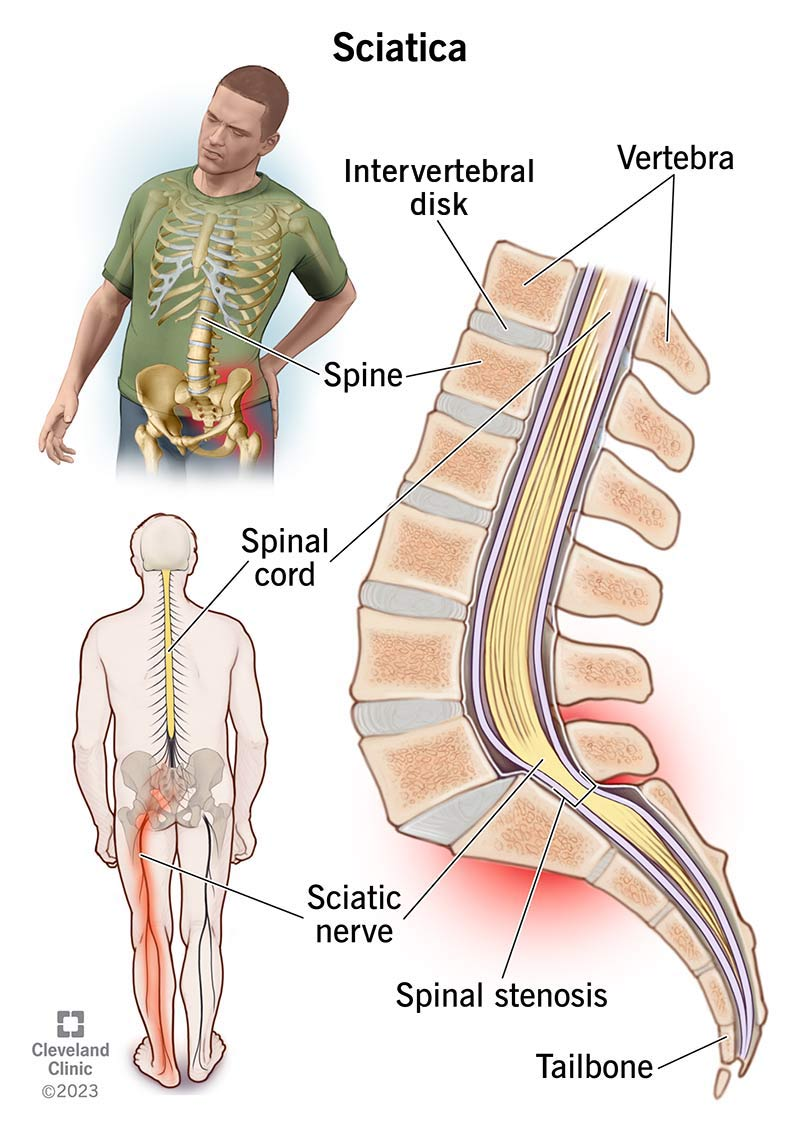
Sciatica
Pain that radiates along the sciatic nerve, usually from the lower back down the leg.
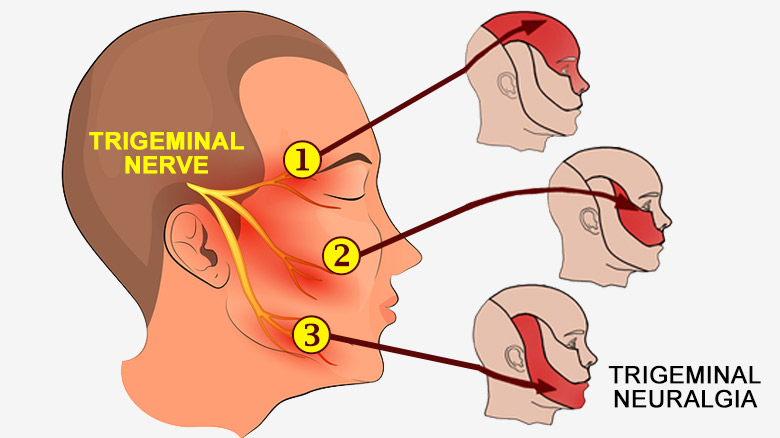
Trigeminal Neuralgia
A condition that causes sudden, severe facial pain due to irritation of the trigeminal nerve.
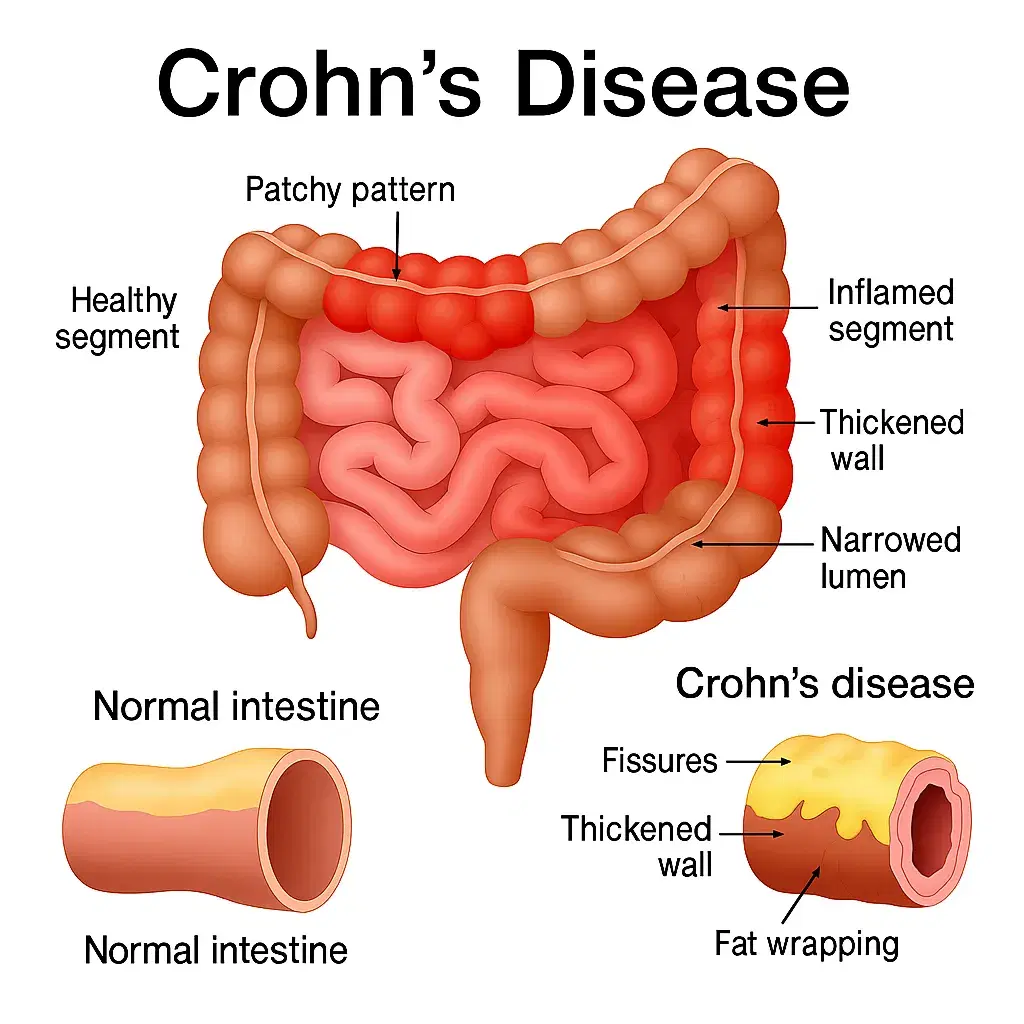
Crohn’s Disease
BOOK:
Inflammatory disease of the GI tract that often limits the absorptive capacity of the small intestine. Family history is a major risk factor.
SIMPLE:
A chronic inflammatory disease of the digestive tract that causes abdominal pain, diarrhea, and weight loss.
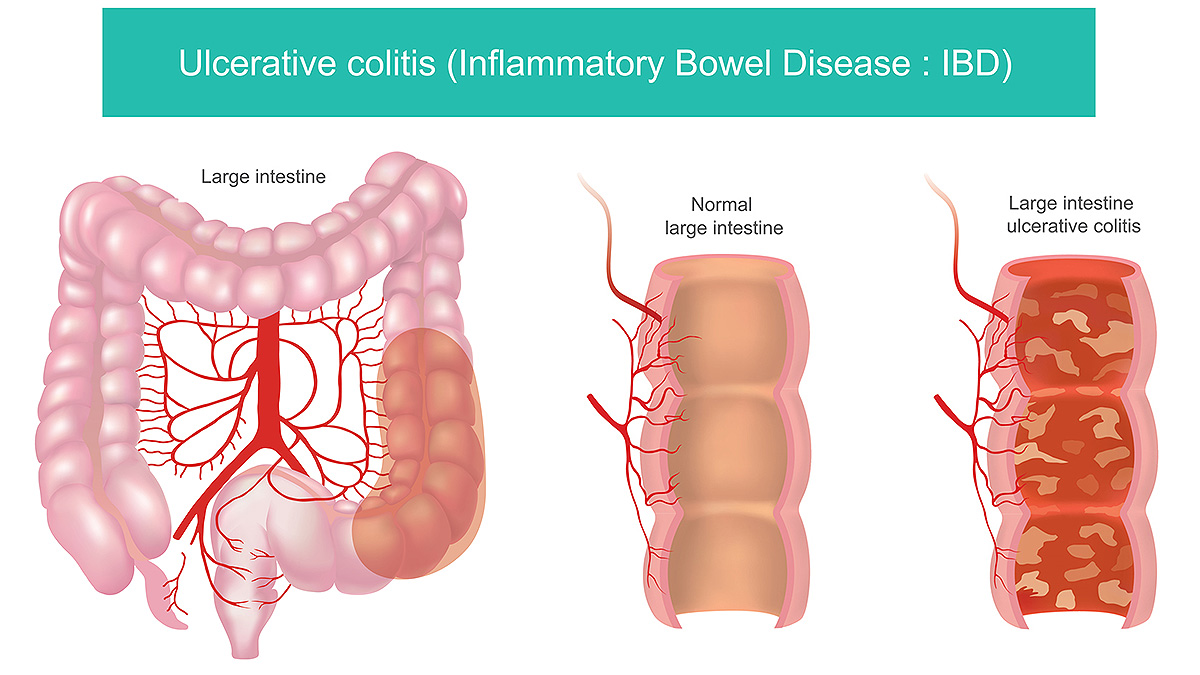
Ulcerative Colitis
BOOK:
Inflammation of the colon that can lead to ulcers
SIMPLE:
A chronic inflammatory disease of the colon (large intestine) that causes ulcers, diarrhea, and abdominal pain.
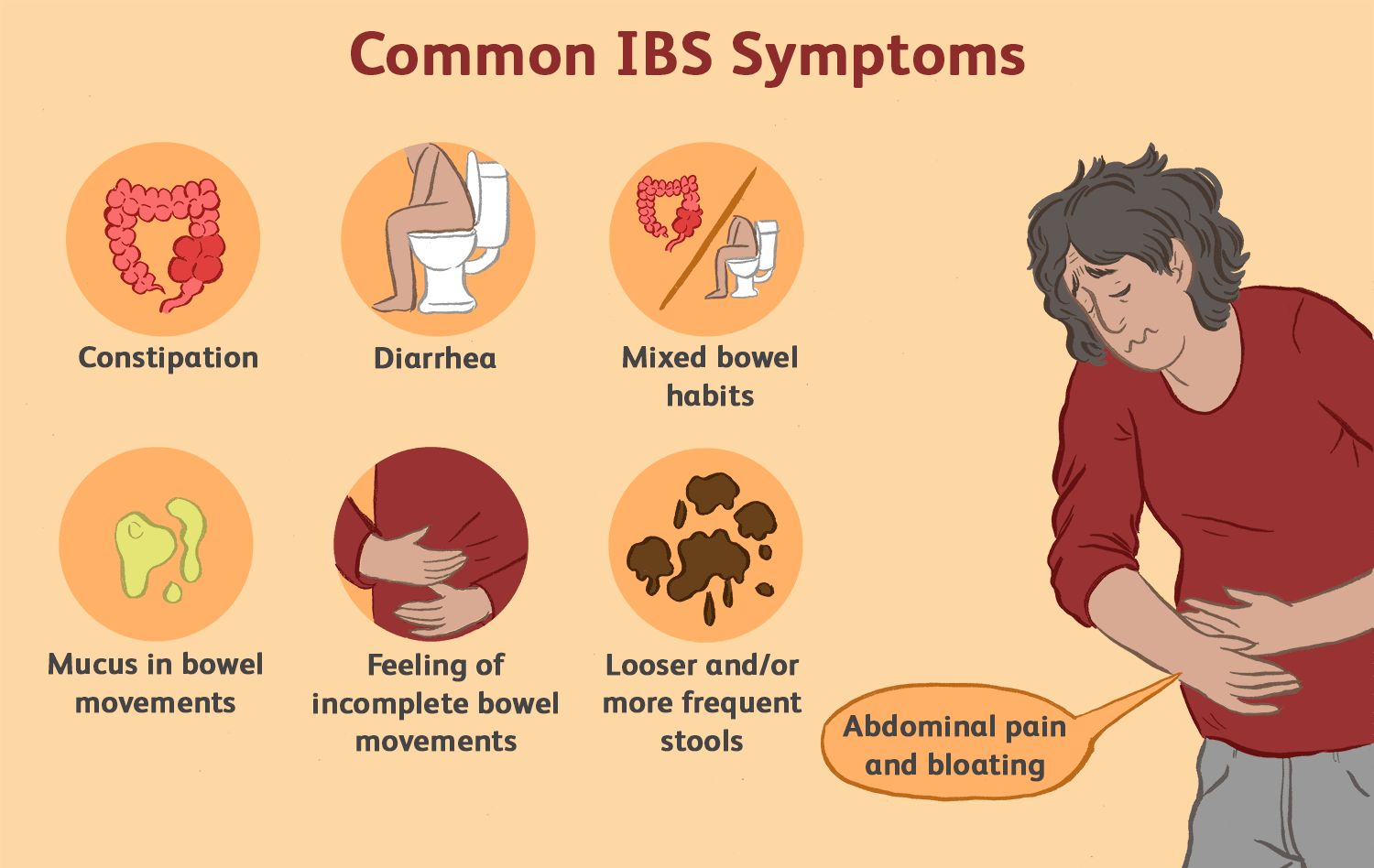
Irritable Bowel Syndrome (IBS)
BOOK:
Bowel disease characterized by diarrhea, constipation, abdominal pain, and distension; believed to be caused by abnormal function of the muscles and nerves of the gastrointestinal tract. It is more common in women than men.
SIMPLE:
A digestive disorder that causes abdominal pain, bloating, and changes in bowel habits (diarrhea or constipation).
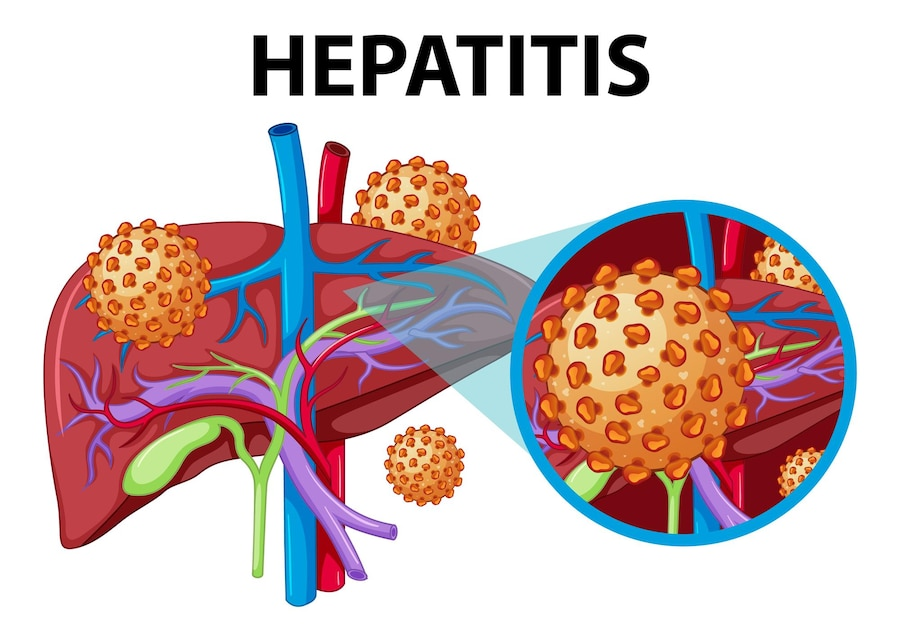
Hepatitis
BOOK:
Virus found in the human intestinal tract and feces; causes inflammation and loss of function of the liver. It can contaminate many foods, especially shellfish and raw foods, and can endure significant heat, cold, and drying.
SIMPLE:
An inflammation of the liver, usually caused by viral infection.
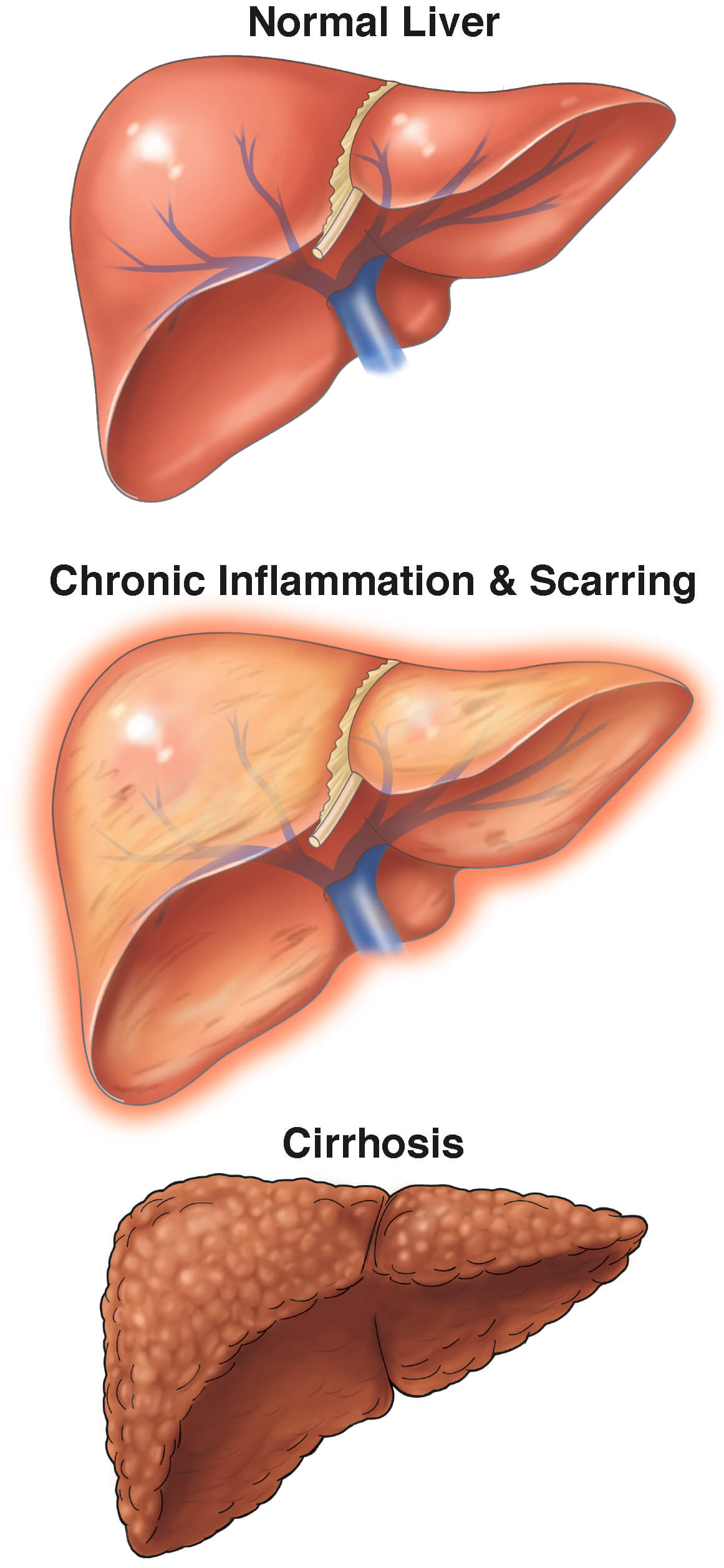
Cirrhosis
BOOK:
Chronic degenerative disease, caused by poisons (e.g., alcohol) that damage liver cells, that results in a reduced ability to synthesize proteins and metabolize nutrients, drugs, and poisons.
SIMPLE:
A chronic liver disease in which healthy liver tissue is replaced by scar tissue, impairing liver function.
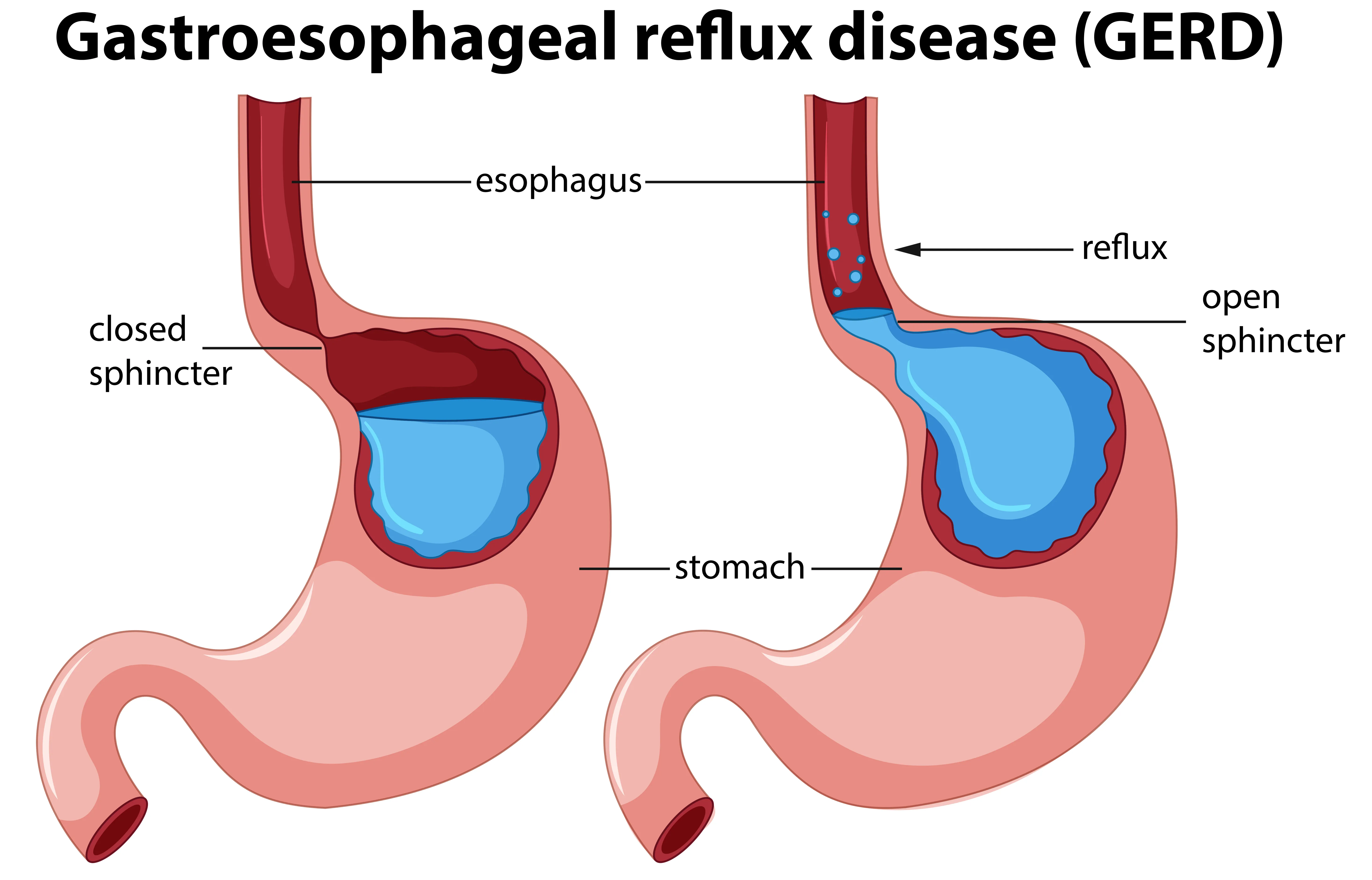
Gastroesophageal Reflux Disease (GERD)
BOOK:
Disease that results from stomach acid backing up into the esophagus. The acid irritates the lining of the esophagus, causing pain.
SIMPLE:
A digestive disorder in which stomach acid frequently flows back into the esophagus, causing heartburn and irritation.
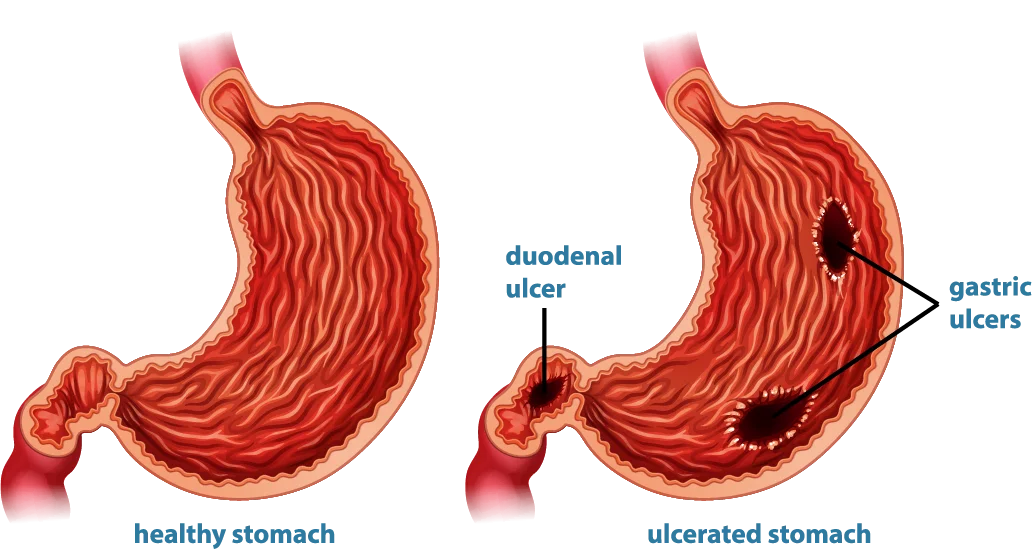
Peptic Ulcer Disease
BOOK:
Hole in the lining of the stomach or duodenum.
SIMPLE:
A condition in which open sores (ulcers) develop in the lining of the stomach or the first part of the small intestine.
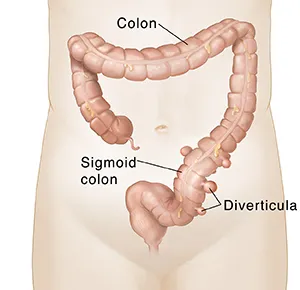
Diverticulitis
BOOK:
Inflammation of the diverticula caused by acids produced by bacterial metabolism inside the diverticula.
SIMPLE:
A condition in which small pouches in the wall of the colon (diverticula) become inflamed or infected.
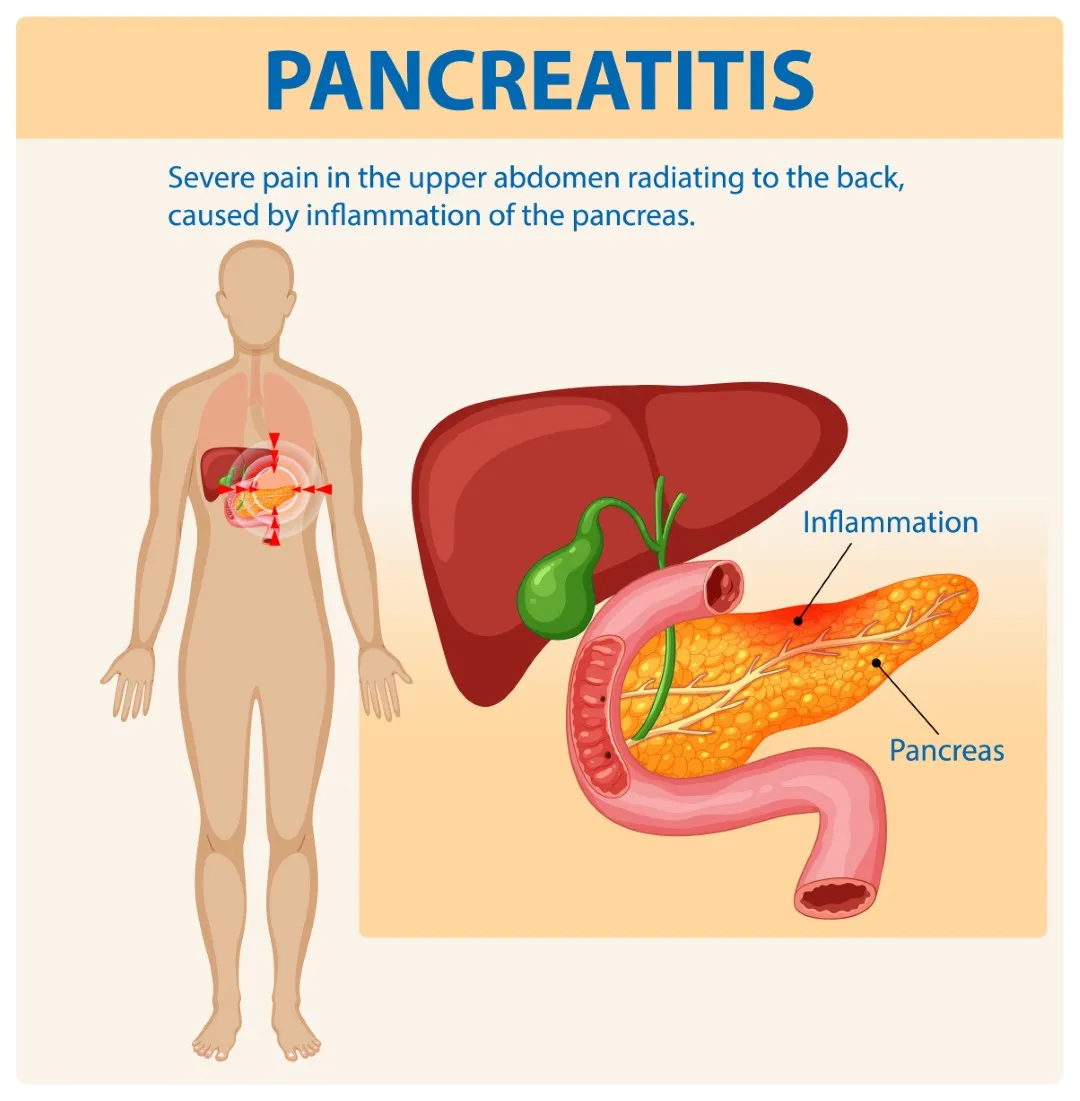
Pancreatitis
An inflammation of the pancreas that causes abdominal pain and digestive problems.
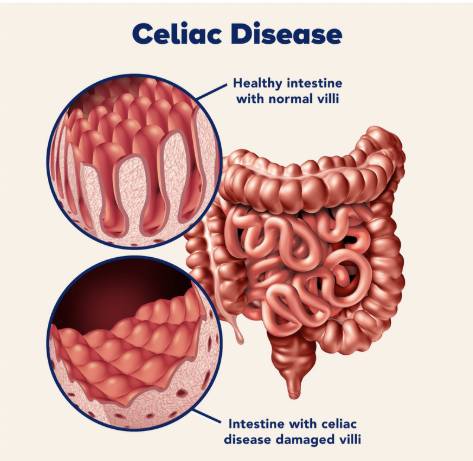
Celiac Disease
BOOK:
Immunological or allergic reaction to the protein gluten in certain grains, such as wheat and rye. The effect is to destroy the intestinal enterocytes, resulting in a much reduced surface area due to flattening of the villi. Elimination of wheat, rye, and certain other grains from the diet restores the intestinal surface.
SIMPLE:
A condition in which the immune system reacts to gluten, damaging the small intestine and affecting nutrient absorption.
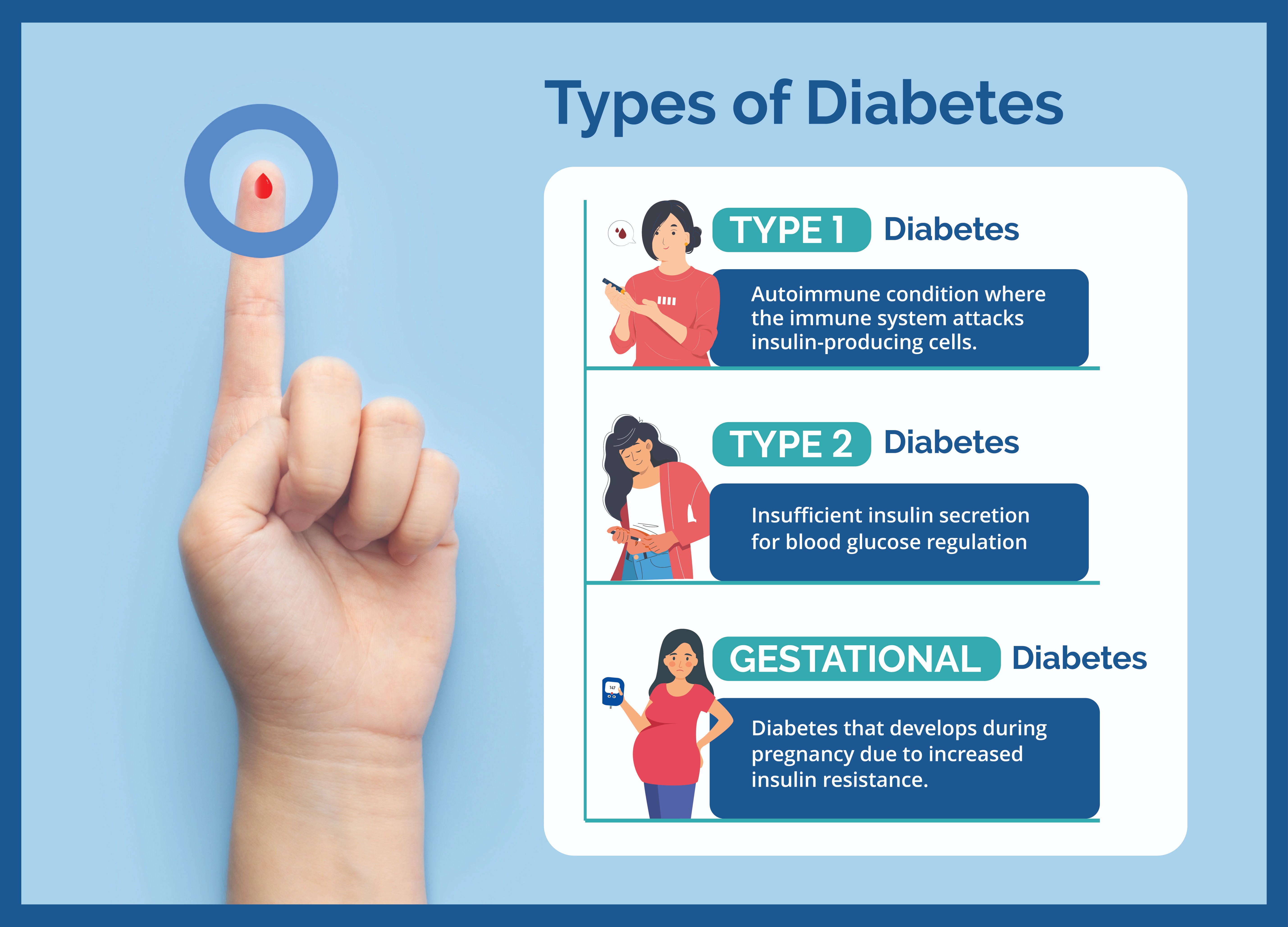
Diabetes Mellitus (Type 1 and 2)
A chronic disease in which the body cannot properly control blood sugar levels due to problems with insulin production or use.
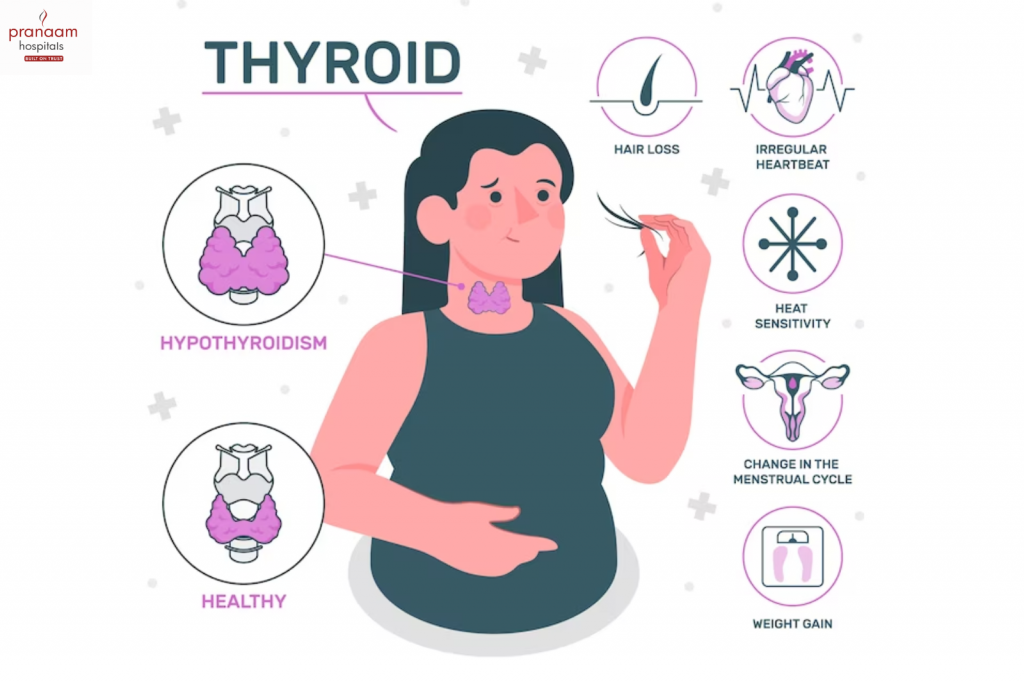
Hypothyroidism
A condition in which the thyroid gland produces too little thyroid hormone, slowing down the body’s metabolism.
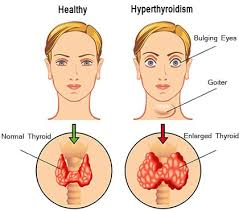
Hyperthyroidism
BOOK:
Condition characterized by high blood levels of thyroid hormone.
SIMPLE:
A condition in which the thyroid gland produces too much thyroid hormone, speeding up the body’s metabolism.
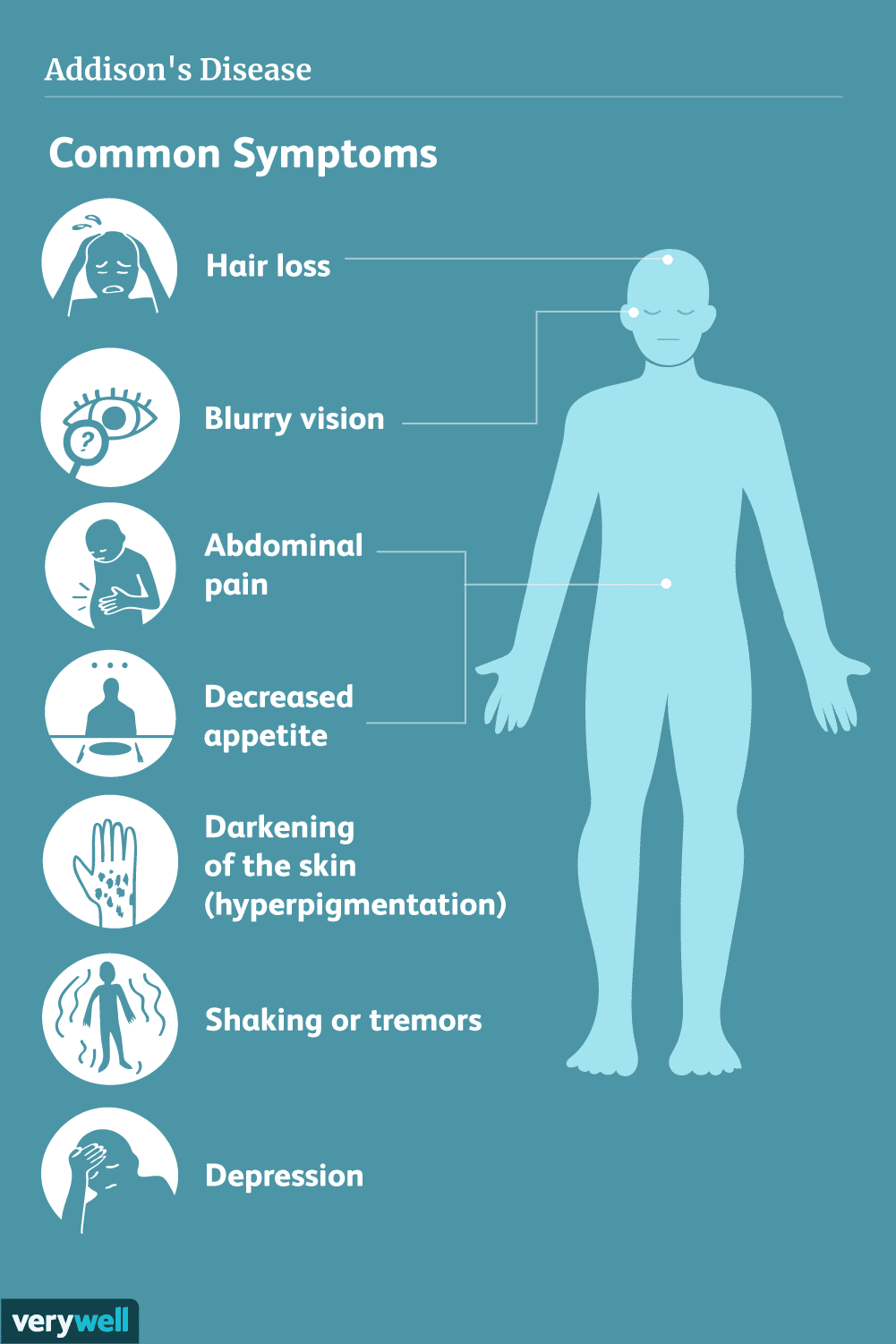
Addison’s Disease
A condition in which the adrenal glands do not produce enough hormones, especially cortisol and aldosterone.
Cushing’s Syndrome
BOOK:
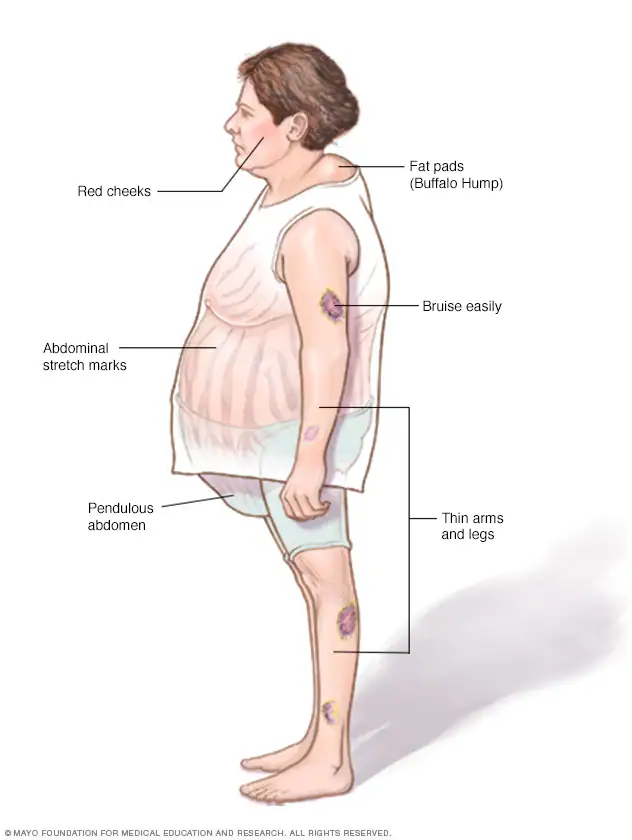
Endocrine disorder characterized by elevated blood levels of the hormone cortisol. High cortisol levels can lead to the breakdown of body proteins, such as those in the skin and muscle.
SIMPLE:
A condition caused by excess cortisol in the body.
Acromegaly
A condition caused by excess growth hormone in adults, leading to enlargement of bones and tissues, especially in the hands, feet, and face.

Hyperparathyroidism
BOOK:
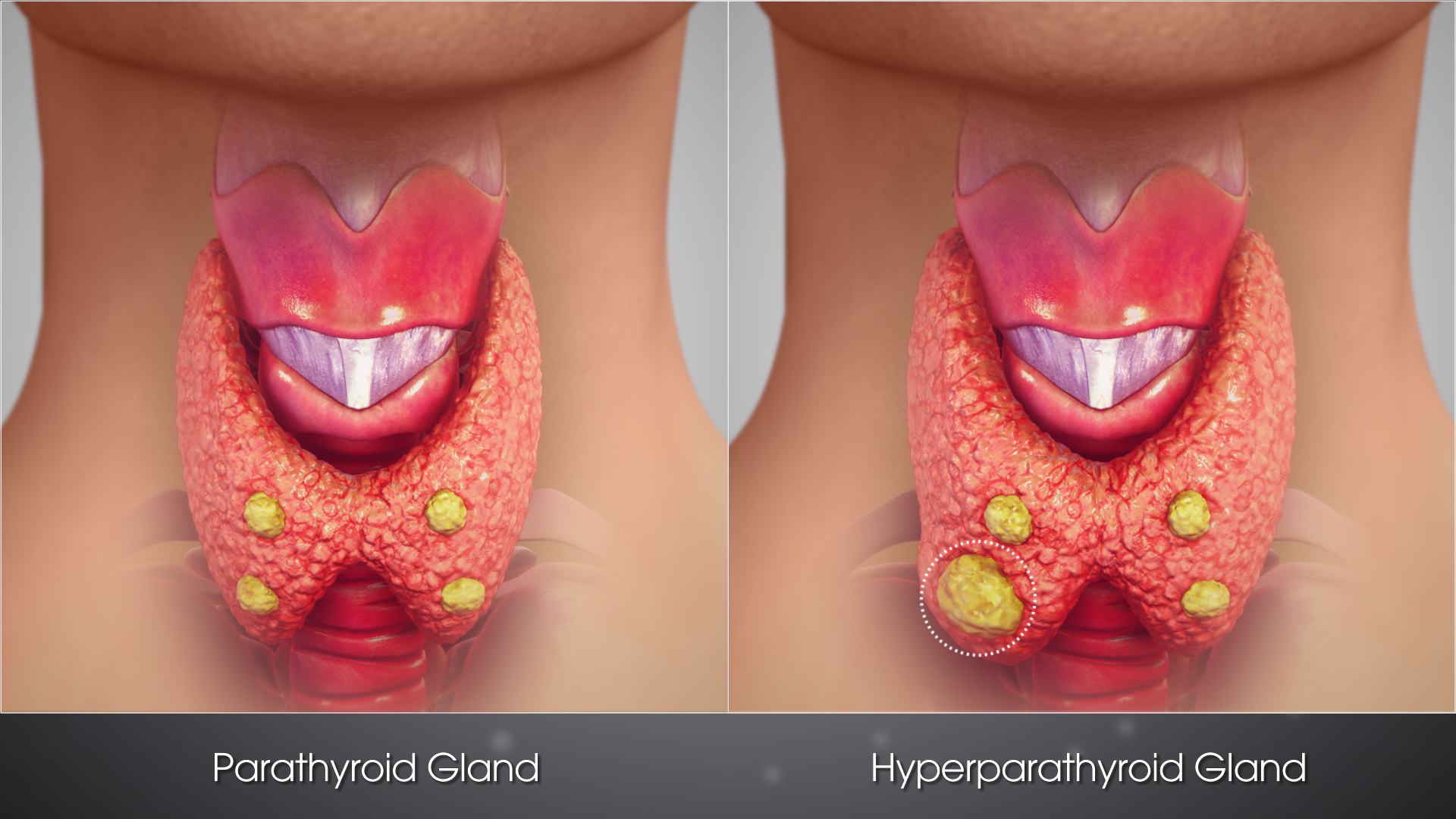
Overproduction of parathyroid hormone by the parathyroid glands, usually caused by a nonmalignant tumor or abnormal growth of the glands. In most cases, there are no symptoms except hypercalcemia but, in more severe cases, weakness, confusion, nausea, and bone pain occur. Bone fractures and kidney stones also are problems.
SIMPLE:
A condition in which the parathyroid glands produce too much parathyroid hormone (PTH), causing high calcium levels in the blood.
Pheochromocytoma
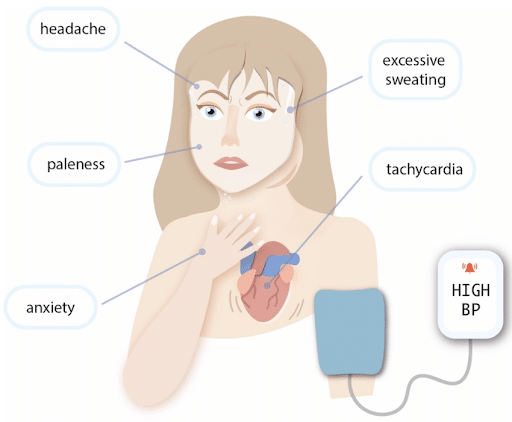
A rare tumor of the adrenal gland that causes excess production of hormones (like adrenaline), leading to high blood pressure and other symptoms.
Graves' Disease
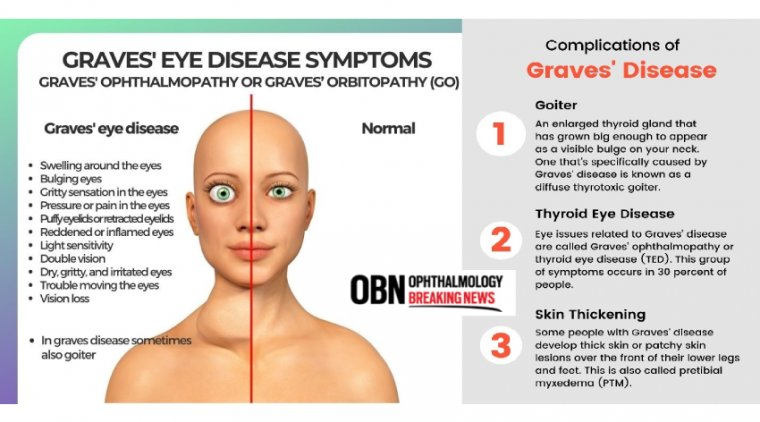
An autoimmune disorder that causes the thyroid gland to produce too much thyroid hormone (hyperthyroidism).
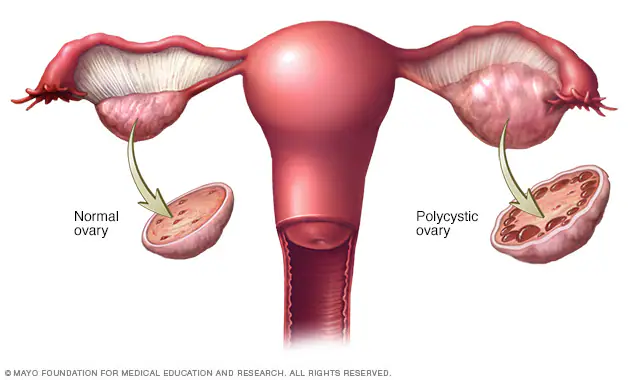
Polycystic Ovary Syndrome (PCOS)
A hormonal disorder in which the ovaries produce excess male hormones, causing irregular periods, cysts in the ovaries, and fertility problems.
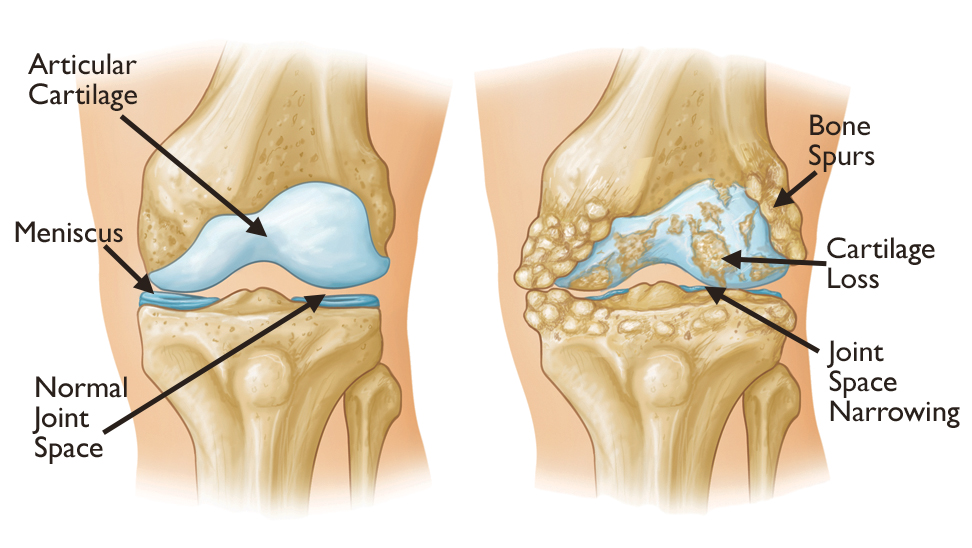
Osteoarthritis
A joint disease in which the protective cartilage in the joints wears down, causing pain and stiffness.
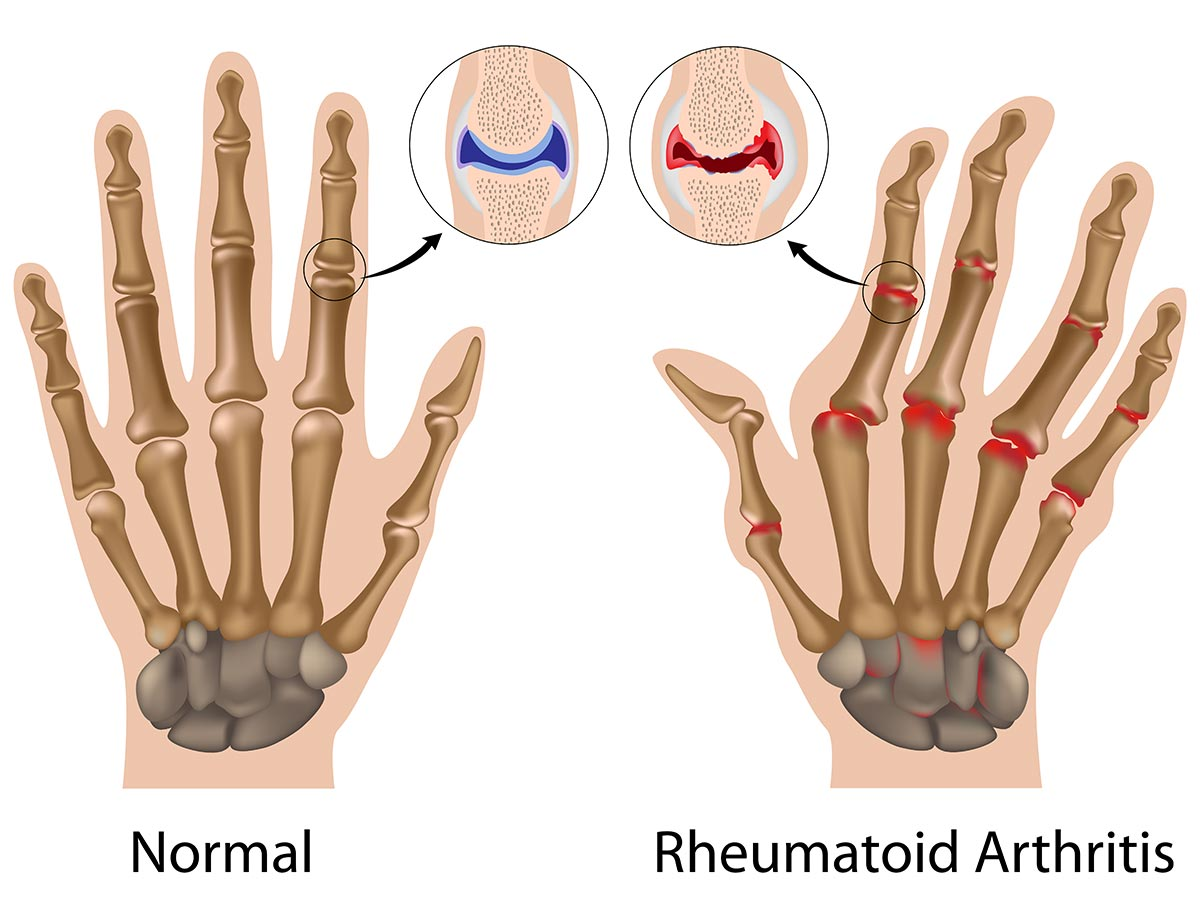
Rheumatoid Arthritis
An autoimmune disease in which the immune system attacks the joints, causing inflammation, pain, and swelling.
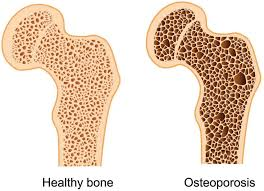
Osteoporosis
BOOK:
Decreased bone mass leading to risk of bone fractures. This bone loss is related to the effects of aging, genetic background, poor diet, and hormonal changes occurring in postmenopausal women.
SIMPLE:
A bone disease in which bones become weak and brittle, making them more likely to break.
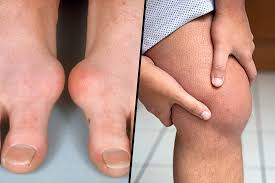
Gout
BOOK:
Joint inflammation caused by accumulation of uric acid. Obesity is a risk factor for developing gout.
SIMPLE:
A type of arthritis caused by buildup of uric acid crystals in the joints, leading to sudden pain and swelling.
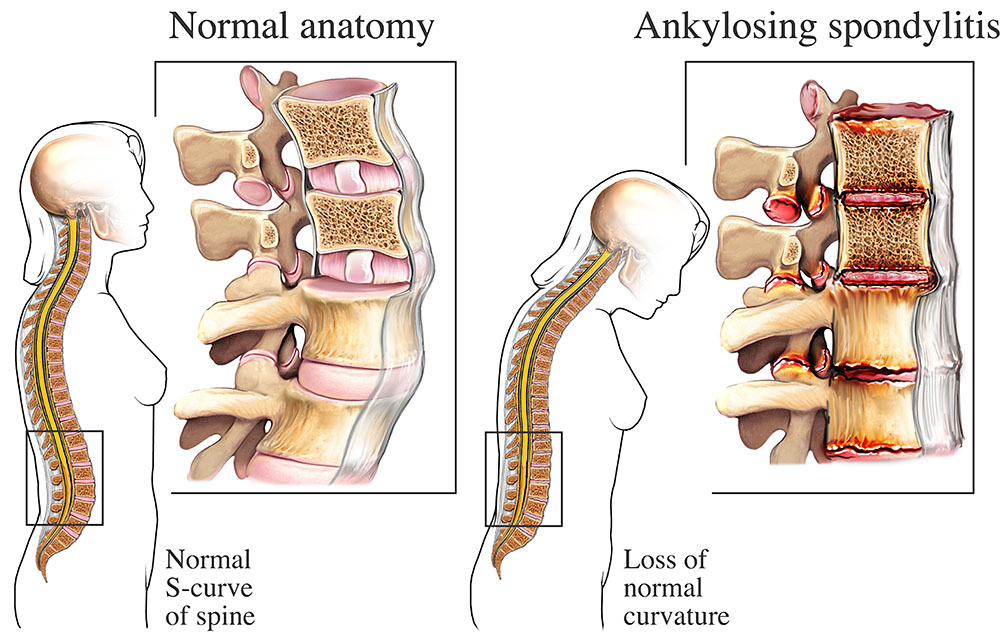
Spondylitis
An inflammation of the vertebrae (spinal joints) that causes pain and stiffness in the spine.
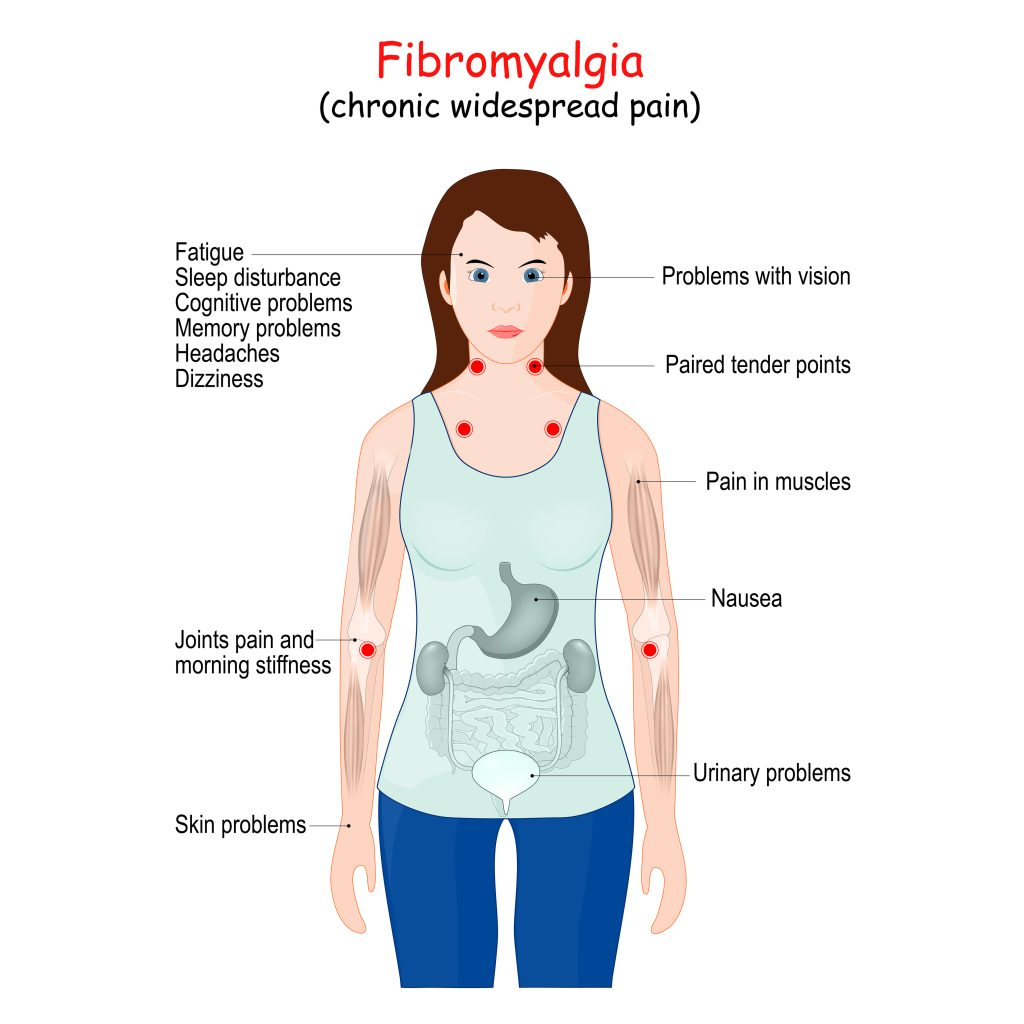
Fibromyalgia
A chronic condition that causes widespread muscle pain, fatigue, and tenderness throughout the body.
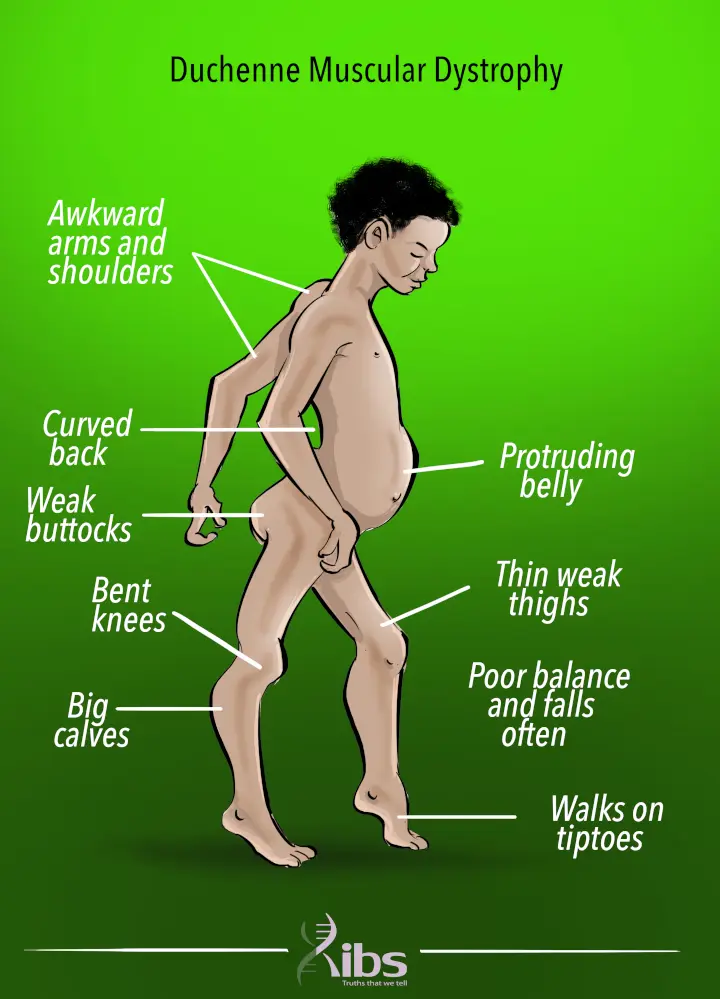
Muscular Dystrophy
A group of genetic diseases that cause progressive weakening and degeneration of muscles.
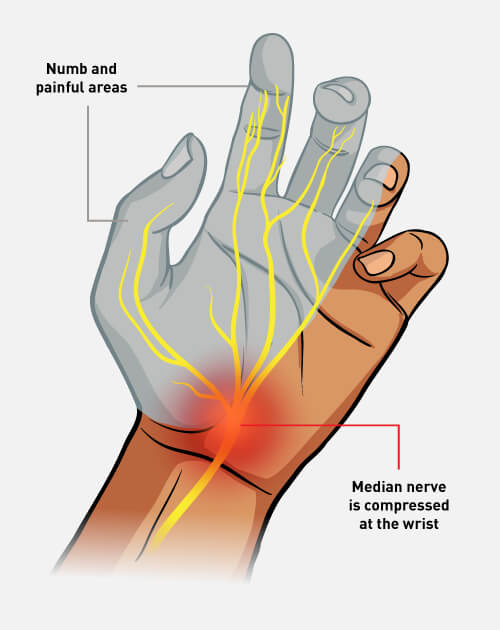
Carpal Tunnel Syndrome
BOOK:
Disease in which nerves that travel to the wrist are pinched as they pass through a narrow opening in a bone in the wrist.
SIMPLE:
A condition caused by pressure on the median nerve in the wrist, leading to pain, numbness, and tingling in the hand and fingers.
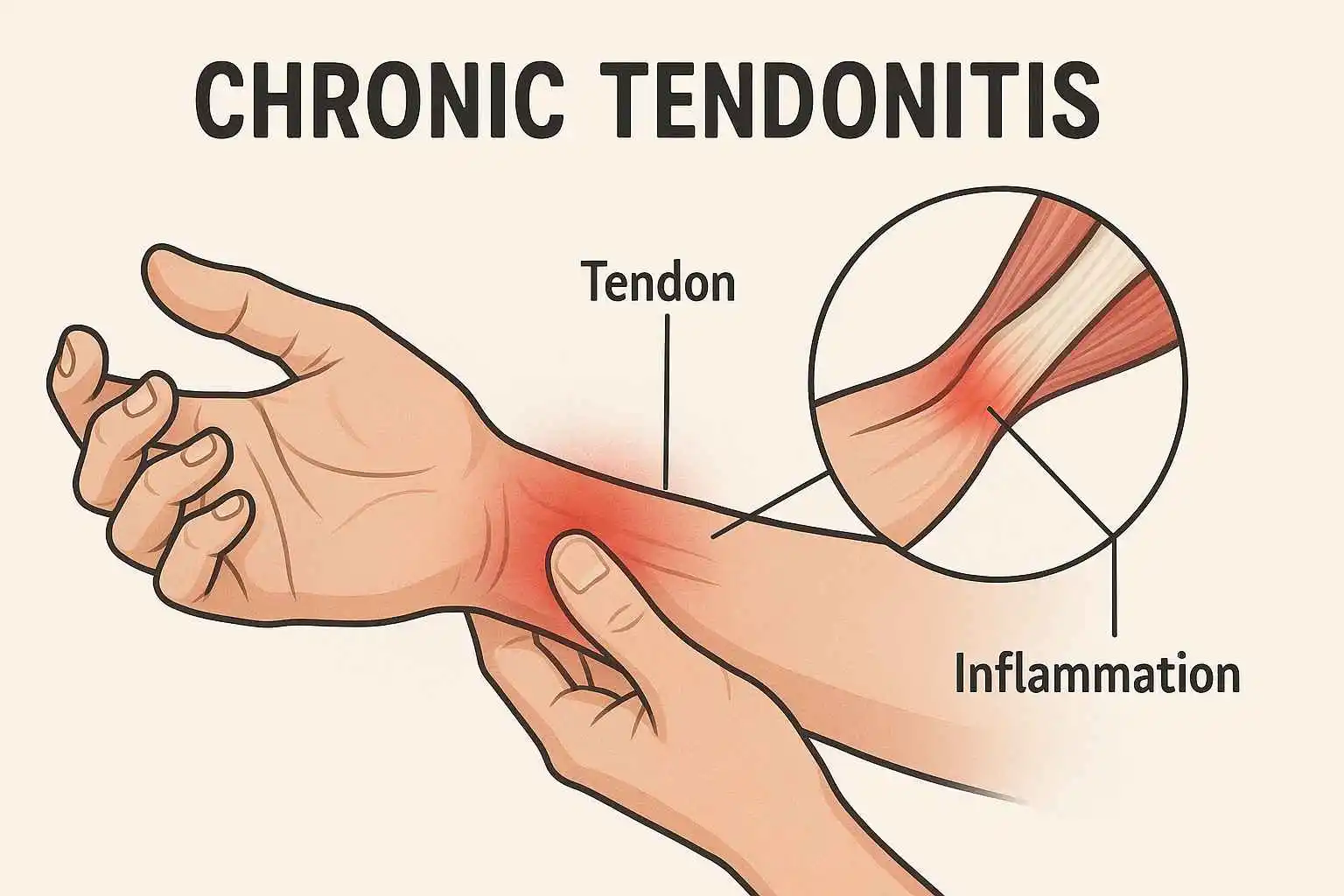
Tendonitis
An inflammation of a tendon that causes pain and tenderness near a joint.
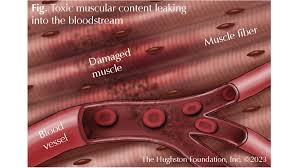
Rhabdomyolysis
A condition in which damaged muscle tissue breaks down and releases substances into the blood that can harm the kidneys.
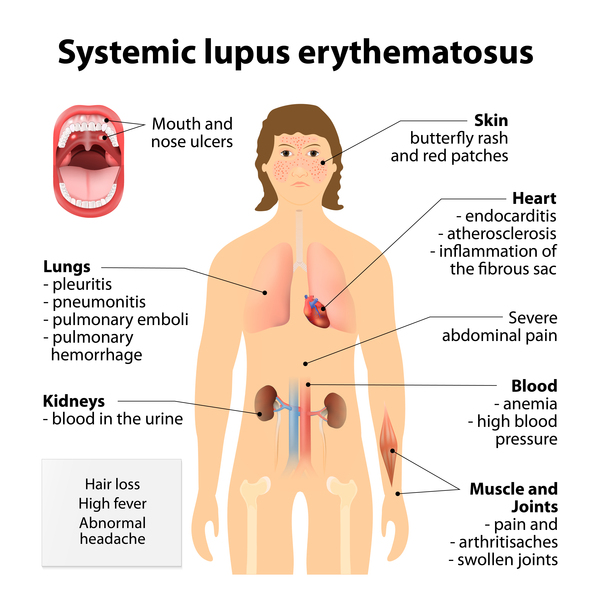
Systemic Lupus Erythematosus (SLE)
An autoimmune disease in which the immune system attacks the body’s own tissues, causing inflammation in multiple organs.
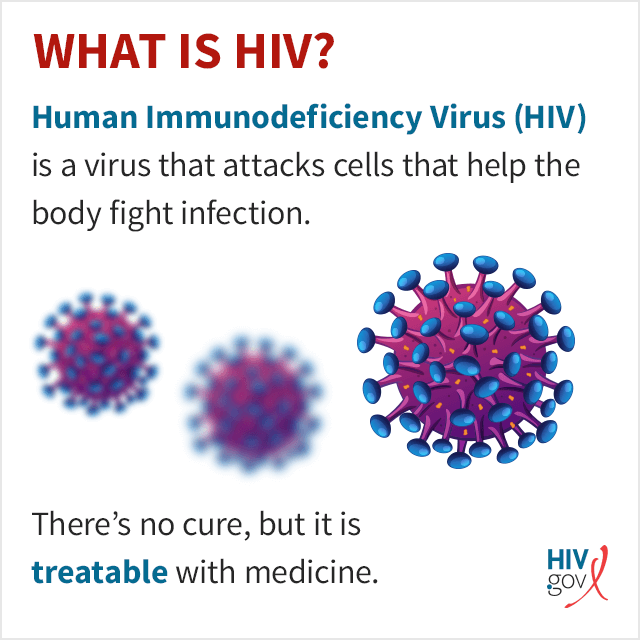
HIV/AIDS
A disease caused by the human immunodeficiency virus (HIV) that weakens the immune system, making the body unable to fight infections.
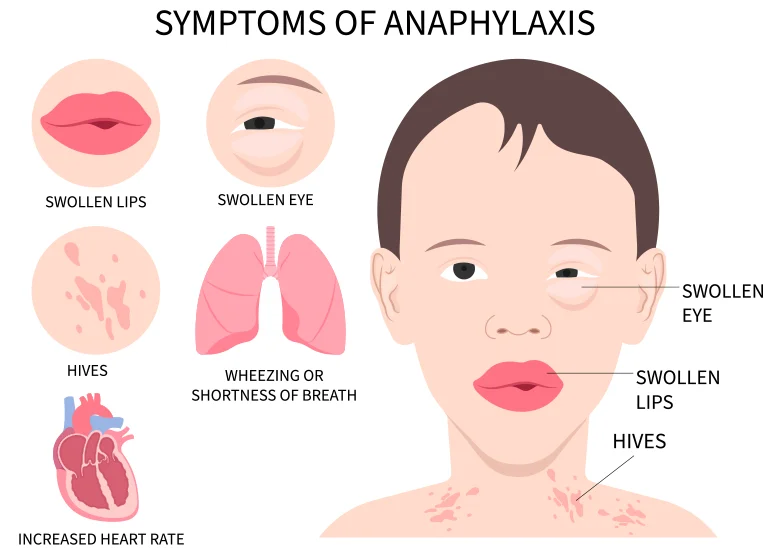
Anaphylaxis
BOOK:
Severe allergic response that results in lowered blood pressure and respiratory and gastrointestinal distress. This reaction can be fatal.
SIMPLE:
A severe, life-threatening allergic reaction that can cause difficulty breathing, swelling, and low blood pressure.