UNCW BIO 246 Final - C
 Call Kai
 Learn
Learn Practice Test
 Spaced Repetition
 Match
Match Flashcards
 Knowt Play
1/135

There's no tags or description
Looks like no tags are added yet.
Name | Mastery | Learn | Test | Matching | Spaced | Call with Kai |
|---|
No analytics yet
Send a link to your students to track their progress
136 Terms
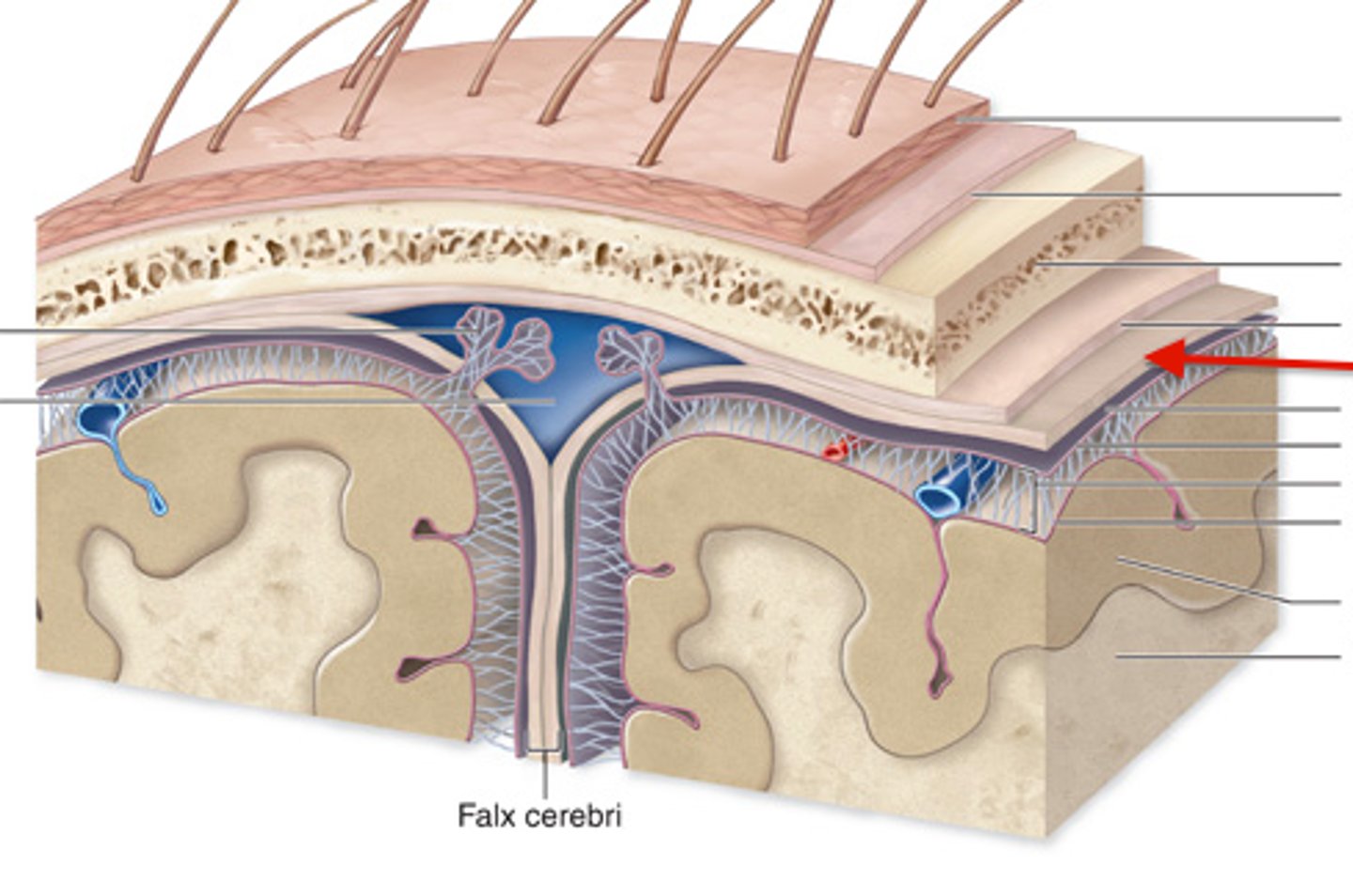
Place the tissue layers in order from superficial to deep:
1. epidermis
2. dermis
3. subcutaneous layer
4. muscle
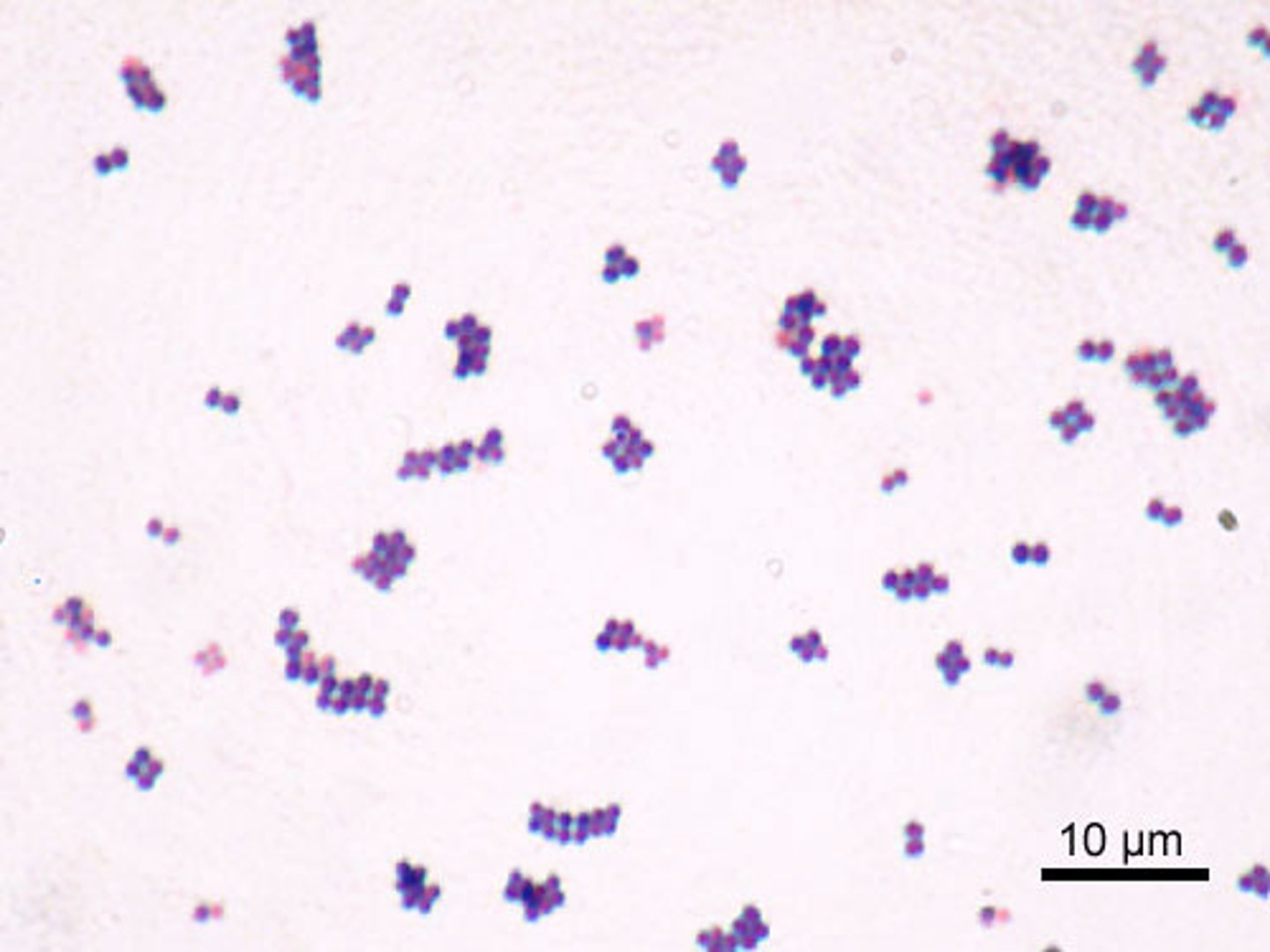
Staphylococcus aureus ( S. aureus)
- infections of skin, blood, and bone
- ex: pneumonia, food poisoning, meningitis
- carriage: 30-50%
- gram POSITIVE cocci in CLUSTERS
- catalase = positive
- produces exotoxins, exoenzymes, superantigens, coagulase
- more resistant to antibiotics; HA-MRSA, CA-MRSA, VRSA
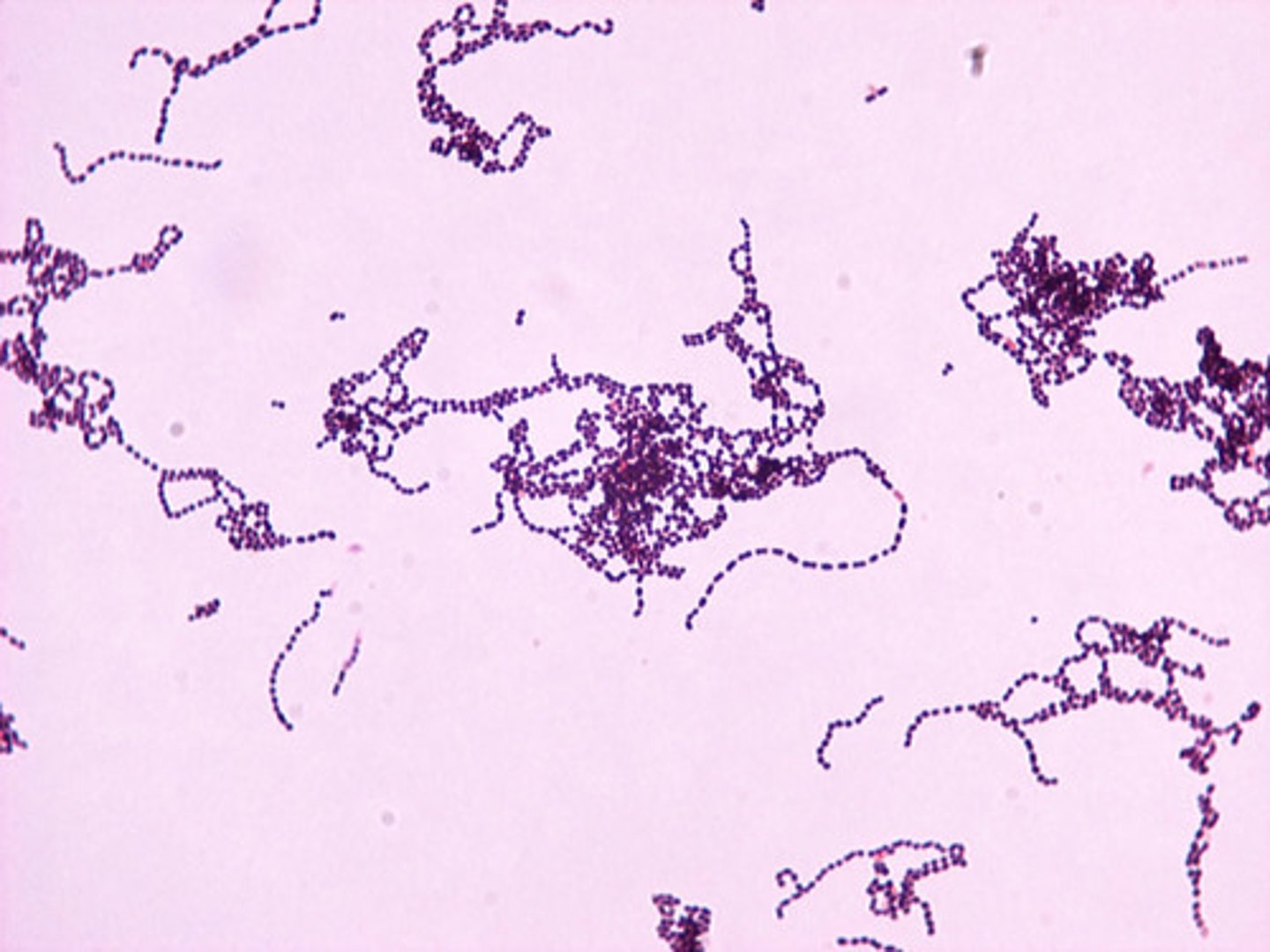
Streptococcus pyogenes (S. pyogenes)
- infections of skin and blood
- ex: pharyngitis, pneumonia, scarlet & rheumatic fever
- carriage = 10-20%
- gram POSITIVE cocci in CHAINS
- catalase = negative
- produces exotoxins, exoenzymes, superantigens
- not very resistant; can still use beta-lactams
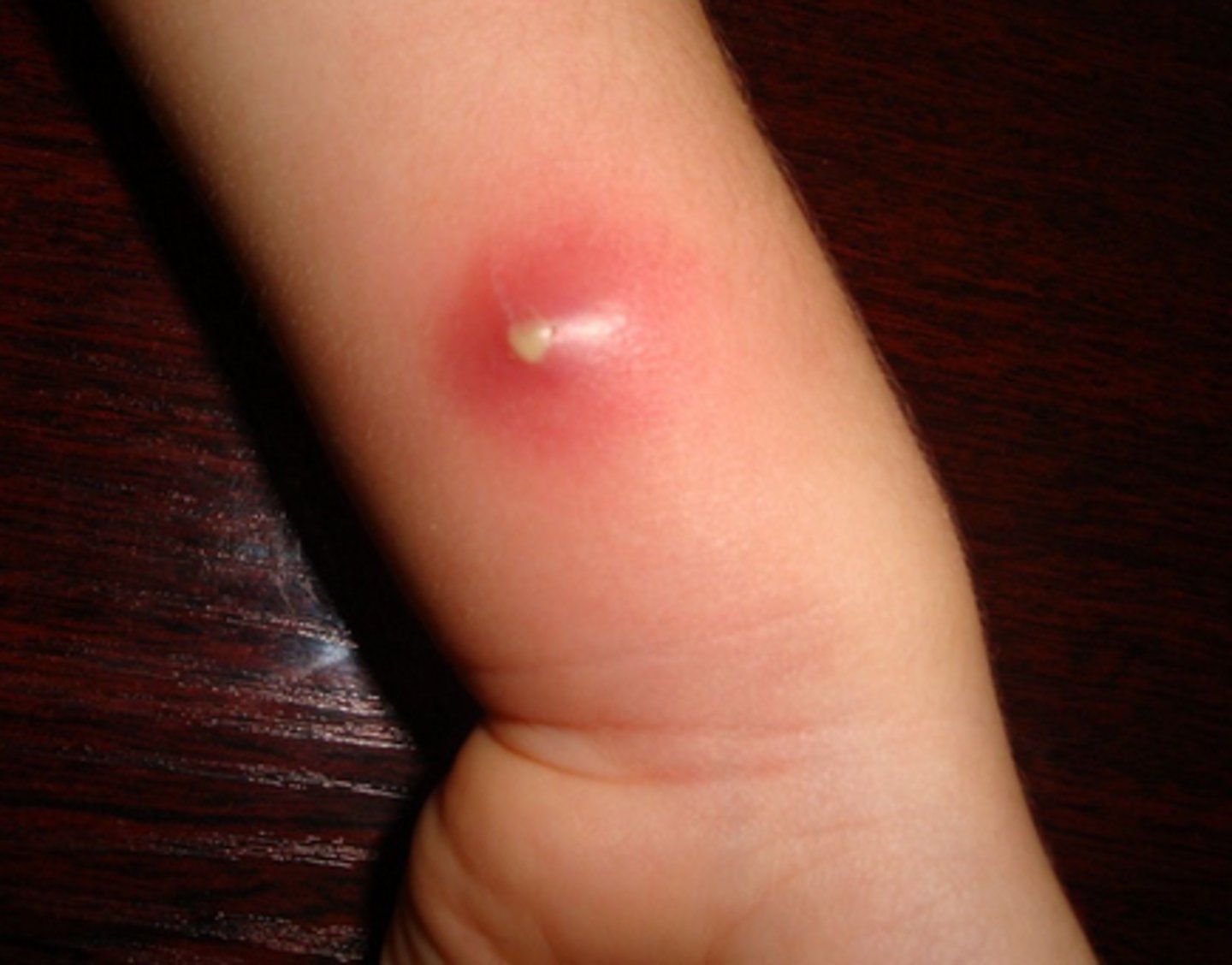
abscess
Collection of pus underneath the skin
CA-MRSA
community-associated MRSA infection
HA-MRSA
healthcare-associated MRSA infection
CA-MRSA often mistaken for "spider bite":
folliculitis, furuncle, or carbuncle
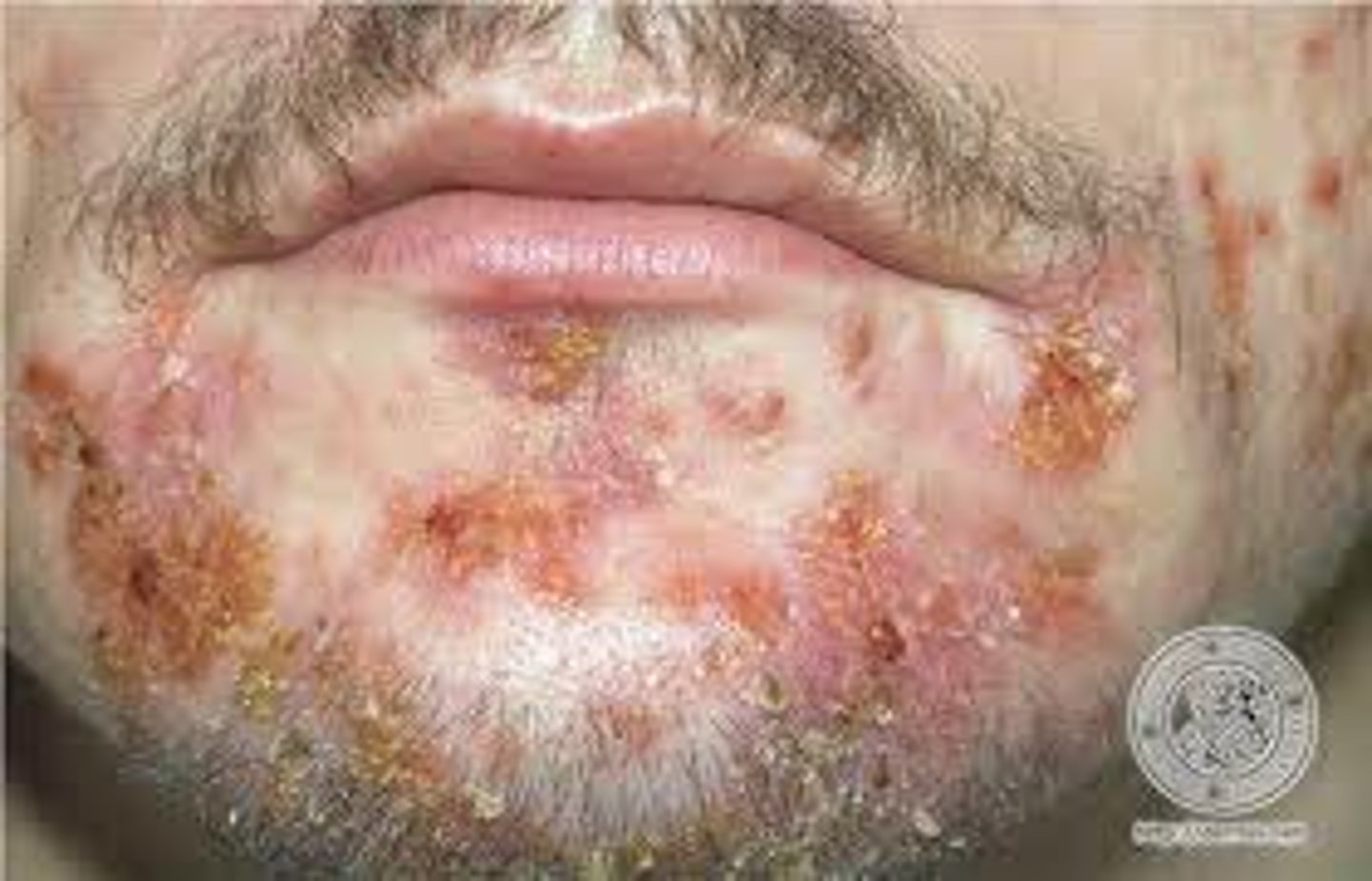
Impetigo
superficial skin infection characterized by pustules and caused by either staph or strep
- SYMPTOMS: pustules, skin peeling, yellowish crusts
- SPREAD BY: direct or indirect contact
- TREATMENT: topical mupirocin
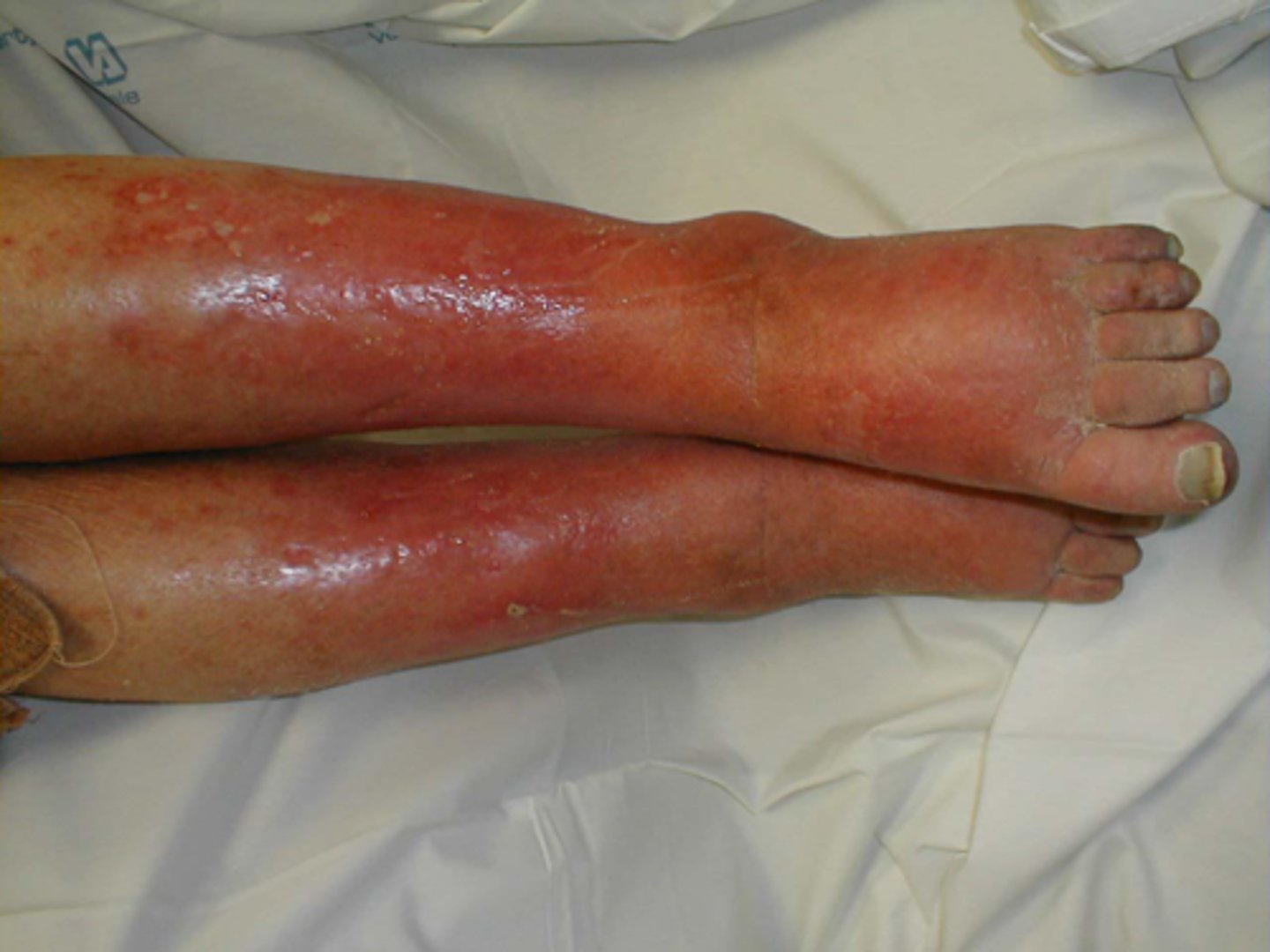
Cellulitis
infection of dermis and subcutaneous tissue caused by staph or strep resulting from parenteral (thru the skin) implantation
- lymphangitis or bacteremia can result
- TREATMENT: oral antibiotics for uncomplicated infections OR i.v. antibiotics & debridement for serious infections or immunocompromised
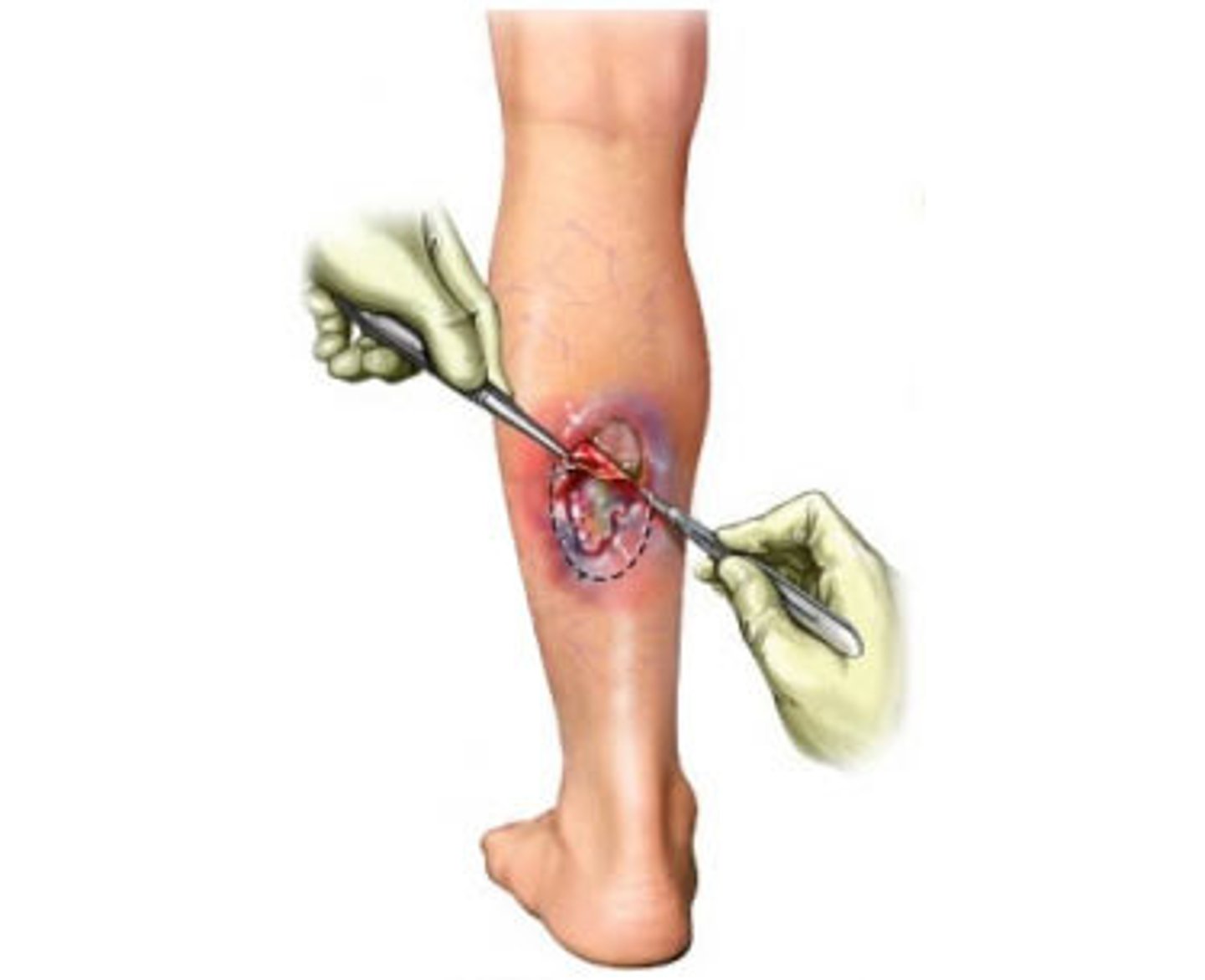
debridement
Removal of foreign matter or dead tissue from a wound
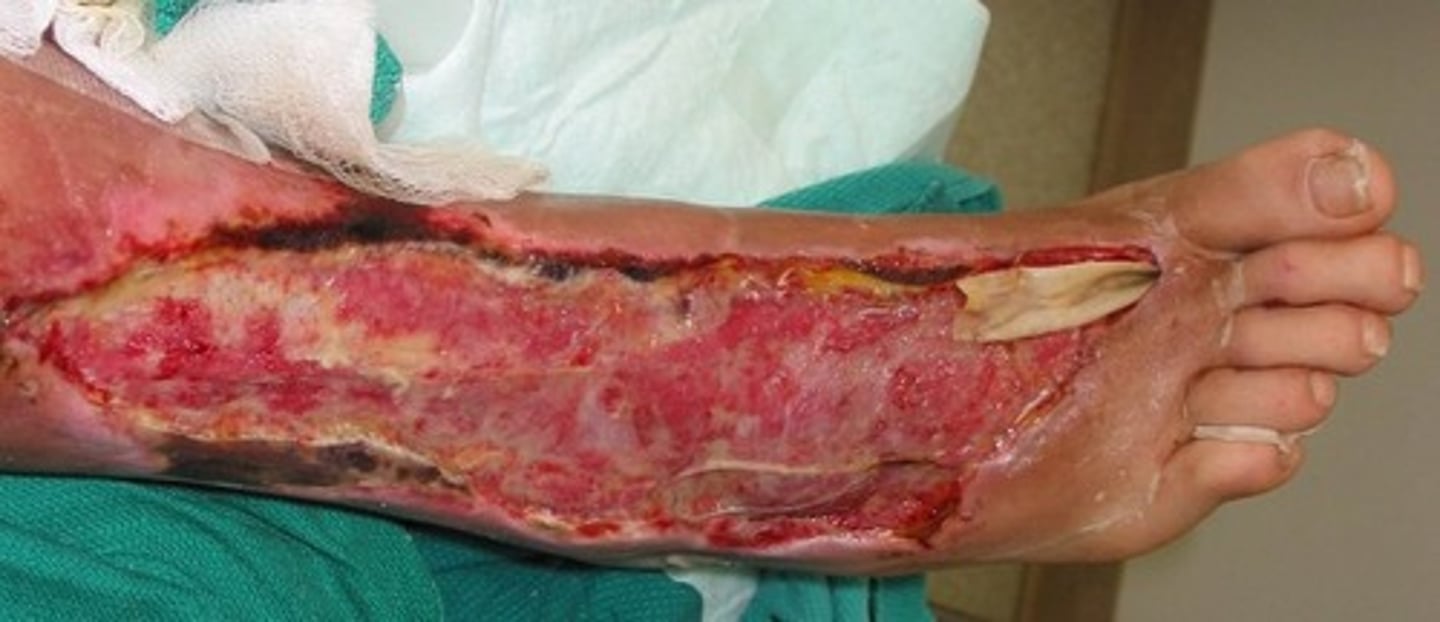
necrotizing fasciitis
flesh-eating disease characterized by massive, rapid tissue digestion caused by staph or strep
- bacteria introduced thru cuts, scrapes, etc.
- TREATMENT: treat aggressively w/ i.v. antibiotics, debridement, amputation
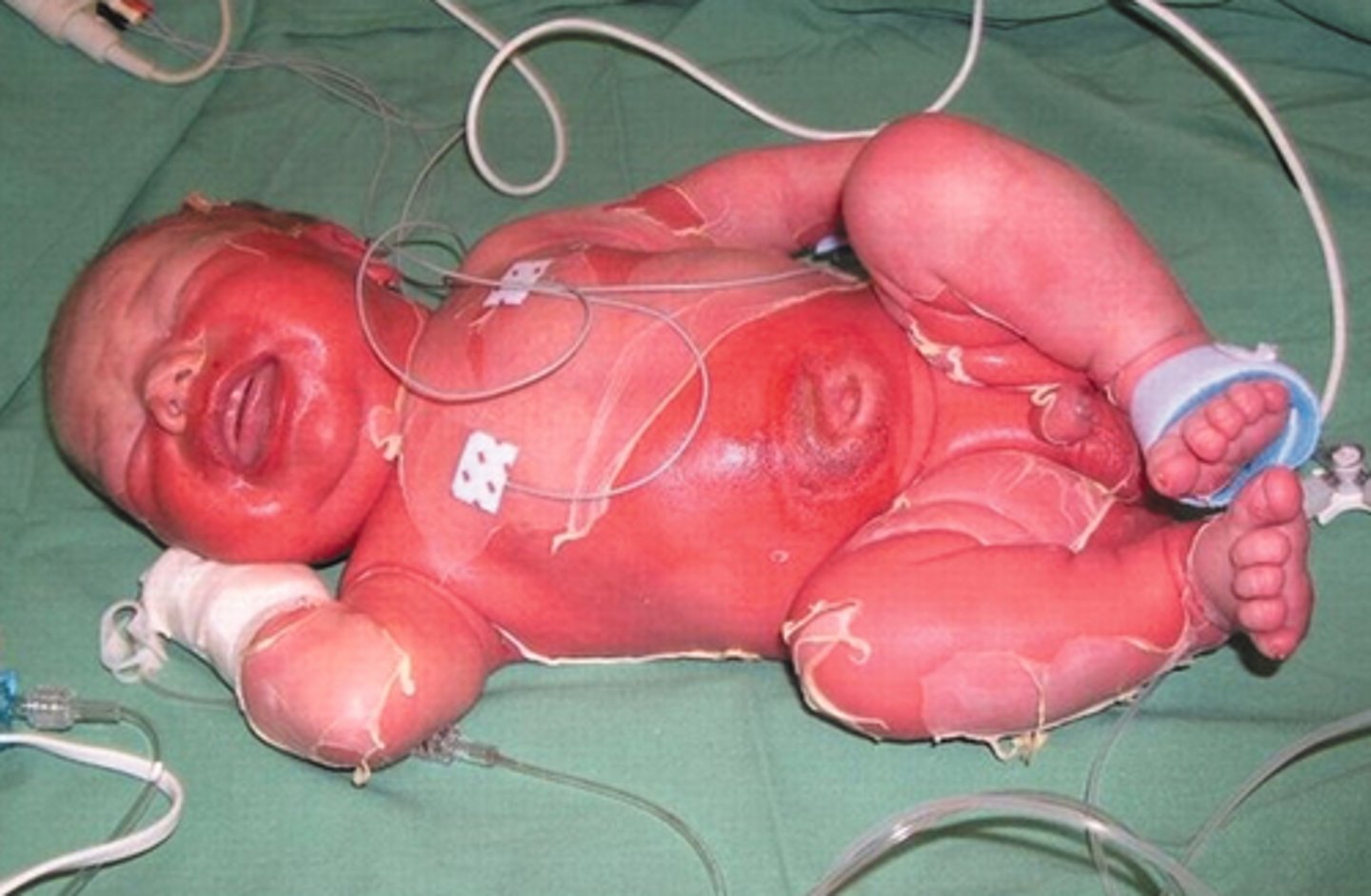
Staphylococcal Scalded Skin Syndrome (SSSS)
STAPH infection, typically in NEWBORNS, characterized by widespread desquamation of epidermis
- looks like a burn
- 5% of S. aureus strains produce exfoliative toxins
Meningitis symptoms
fever, headache, stiff neck, nausea, vomiting, photophobia
photophobia
aversion/sensitivity to light
CNS (central nervous system) illness
meningitis, listeriosis, poliomyelitis
Bacterial Meningitis
- most severe type
- neisseria meningitidis, streptococcus pneumoniae, haemophilus influenzae
viral meningitis
- less severe
- no treatment
Fungal meningitis
- Cryptococcus
- opportunistic; immune compromised patients (AIDS)
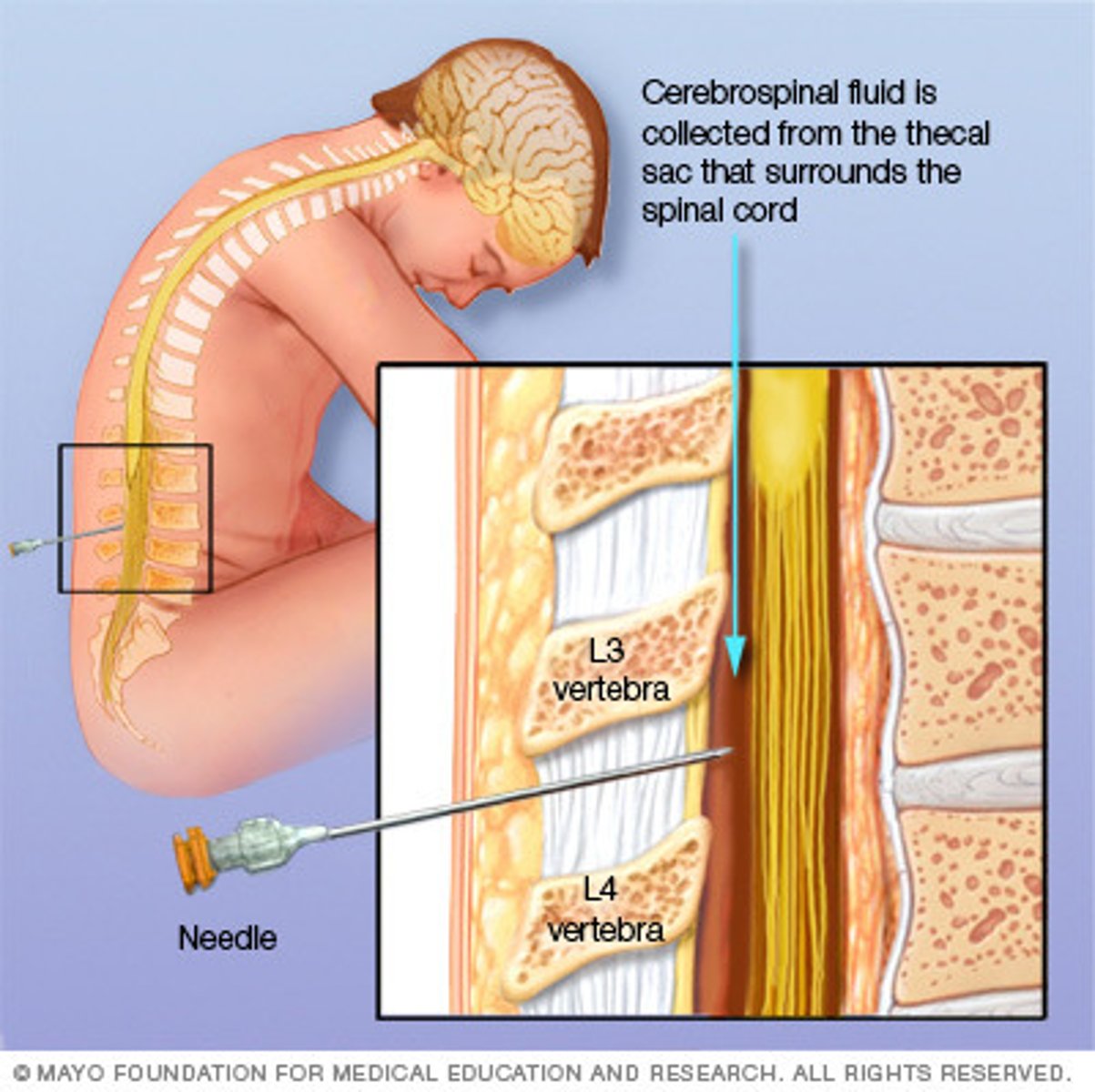
diagnosis for meningitis
lumbar puncture, CT, EEg ---> CSF (gram stain or culture)
Meningococcal meningitis
Neisseria meningitidis
- ENCAPSULATED gram NEGATIVE diplococcus
- 3-30% carriers
- college students
- MOST SERIOUS FORM... 15% mortality rate
- symptoms: coma clotting, convulsions, shock, cardiac failure, petechiae (rash)
Pneumococcal meningitis
Streptococcus pneumoniae
- ENCAPSULATED gram POSITIVE diplococcus
- 70% carriers
Haemophilus Meningitis
Haemophilus influenzae
- ENCAPSULATED gram NEGATIVE pleomorphic bacillus
- carriers common
- most common type in young kids before 1992 when Hib vaccine was introduced
preventing bacterial meningitis...
conjugate vaccines = capsule linked to protein antigen
- vaccines: ActHIB 1992, Prevnar 2000, Menactra 2004
- ActHIB and Prevnar are for INFANTS
Neonatal meningitis
Streptococcus agalactiae (Group B strep)
- 10-30% women colonized in vagina
- vertical transmission during delivery
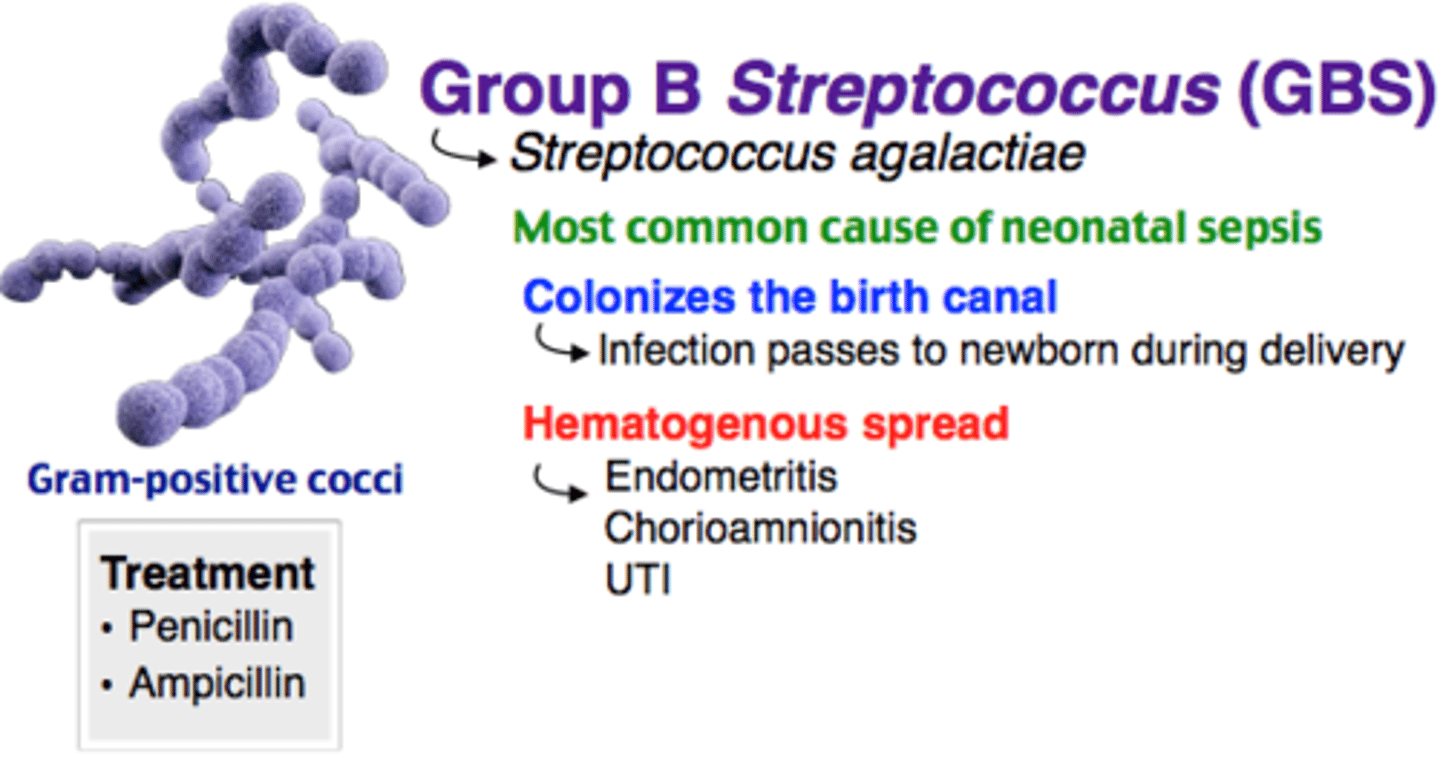
septicemia
growth of bacteria in the blood
preventing neonatal meningitis...
pregnant women routinely screened at 35-37 weeks
- i.v. beta-lactam administered before delivery (prophylaxis)
Group B strep
Streptococcus agalactiae
Group A strep
Streptococcus pyogenes
Neonatal conjunctivitis
-present w/in 24 hrs of life: chemical conjunctivitis due to silver nitrate; resolves spont
-presents on 2nd day of life: gonococcal; most destructive; ceftriaxone
-presents day 5-14: chlamydia; oral erythromycin
West Nile Virus symptoms
fever, headache, brain swelling, impaired function, paralysis
West Nile Virus and encephalitis is caused by...
arthropod borne virus
- mosquito vector, bird reservoir
Listeriosis
- Listeria monocytogenes
- Usually food-borne transmission
- Grows at refrigerator temperatures
- 4th leading cause of bacterial meningitis
- May cause miscarriage or stillbirth
Desquamation
Shedding of epithelial elements; chiefly of the skin in scales or sheets
Measles (Rubeola)
- viral infection begins w/ non-specific symptoms (fever, sore throat, headache) (herd)
- KOPLIK'S SPOTS appear in mouth
- red MACULOPAPULAR EXANTHEM (rash) spreads from head to trunk & extremities
- 1 million kids die annually from it
- pneumonia or encephalitis, subacute sclerosing panencephalitis (SSPE)
- VACCINE introduced in 1964
humans are the only reservoir for measles virus....
true
measles virus is extremely contagious via _________ transmission
respiratory
Chickenpox (Varicella Zoster)
- fever accompanies rash, MILD self-resolving rash
- CENTRIPITAL VESICULAR rash
- confined to face, scalp, trunk (doesn't spread to extremities)
- antiviral drug (ACYCLOVIR) given to at-risk patients
- humans are the only reservoir of varicella zoster (HHV-3)
- virus very contagious via respiratory transmission
- natural ACTIVE IMMUNITY after recovery
chickenpox vaccine
Varivax, 1995
Chickenpox and Shingles
- 10-20% latent infection of cranial or spinal nerves (shingles)
- postherpetic neuralgia
- 1.1 million cases in USA per year
- Zostavax vaccine 2006
Reye's syndrome
Syndrome which is an acute encephalopathy (inflammation of the brain). Usually follows a viral illness & linked to intake of aspirin. Use acetaminophen (not aspirin) to reduce fever with child with a communicable disease (virus) to prevent this. (RISK OF CHICKENPOX)
Smallpox (Variola major)
- fever precedes CENTRIFUGAL PUSTULAR rash
- begins at head and trunk, but spreads to extremities
- can be mistaken for chickenpox early on
- 20-30% mortality rate
- RECOVERY = natural active immunity but scars/organ damage
smallpox pt. 2
- human reservoir for variola major and minor viruses
- mildly contagious via respiratory transmission (also fomites or direct contact)
- NO EFFECTIVE TREATMENT
- vaccine (Jenner 1798)
Toxoplasmosis
Toxoplasma gondii
- from cats
Creutzfeldt-Jakob disease (CJD)
progressive, incurable, neurologic disease caused by infectious prions (from cows)
Tetanus
- Clostridium tetani
- paralytic disease you get from PUNCTURE WOUNDS
- soil bacteria
- gram positive bacilli
- neurotoxin = tetanospasmin
- SPASTIC paralysis
preventing tetanus...
- wound cleaning
- TOXOID vaccine (DTaP)... 10 yr boosters
- passive immunization
Botulism
- Clostridium botulinum
- food borne transmission
- "sausage", honey & infants
- neurotoxin = botulin
- FLACCID paralysis ("floppy baby syndrome")
preventing botulism...
- food processing techniques & monitoring
- passive immunization
- Botox
tetanus and botulism
- BOTH PARALYTIC
- clostridium sp.
- soil bacteria
- gram positive bacilli
- endospores, anaerobic, neurotoxins
poliomyelitis (polio)
inflammation of the gray matter of the spinal cord, leading to paralysis of the limbs and muscles of respiration
Meningicoccal meningitis is characterized by a skin rash called:
petichiae
The three major causes of bacterial meninigitis can be prevented with conjugate vaccines. By linking the bacterial ____________ to a protein antigen, the conjugate vaccine creates a T-dependent response and opsonizing antibodies to aid in bacterial phagocytosis.
capsule
Arthropod-Borne Diseases
-when a pathogen, such as a bacteria or virus, is transmitted from its reservoir (natural host) to a human via the arthropod vector(bug)
- also called ARBOVIRUS
- West Nile virus, Lyme disease, malaria, yellow fever, etc.
most common arthropod vectors...
fleas, ticks, flies, mosquitoes, lice
Tetanus and botulism have all of the following in common:
- bacterial neurotoxins
- paralysis
- passive immunization
- endospores
Pregnant women are tested for ________ before they deliver. Women testing positive can be prophylactically treated with antibiotic so that they do not spread this pathogen to the newborn during delivery.
Streptococcus agalactiae
Match the disease with the description.
A. botulism
B. tetanus
C. poliomyelitis
D. listeriosis
E. Creutzfeldt-Jakob disease
- A. bacterial neurotoxin causes FLACCID paralysis
- B. bacterial neurotoxin causes SPASTIC paralysis
- C. virus spread by fecal-oral route causes paralysis in 1% of those infected
- D. intracellular bacterium spread by contaminated food causes meningitis
- E. prion causes brain damage or spongiform encephalopathy
Match the barrier defense w/ its example:
1. Chemical Barrier
2. Biological Barrier
3. Physical Barrier
4. Mechanical Barrier
1. salt & acid in secretions such as sweat & sebum
2. competition by normal flora skin bacteria
3. keratinized cells of the stratum corneum
4. shedding of dead cells from the stratum corneum
endocarditis
infection and inflammation of heart valves
speticemia
blood infection
acute endocarditis
- Staphylococcus aureus (sometimes S. pyogenes or S. pneumoniae)
- enter bloodstream via parenteral route
- colonization of normal heart valves (coagulase)
- fibrin-platelet vegetations (biofilm) (coagulase)
parenteral route
deposited directly into tissues when barriers are penetrated
- ex: needles
acute endocarditis SYMPTOMS:
fever, abnormal heartbeat, high fatality rate, bacteremia, embolism
acute endocarditis TREATMENT:
- high-level antibiotics in bloodstream
- surgical debridement of valves (extreme cases)
subacute endocarditis
- oral streptococci
- minor mucosal injuries; possibly from dental procedures
- risk factors for colonization: prior heart valve damage OR congenital malformations
- TREATMENT: prophylactic antibiotics
Which example would not be an appropriate use of antibiotic prophylaxis?
A. prevent subacute endocarditis by giving antibiotics to person with heart valve defect before undergoing dental procedure
B. prevent neonatal conjunctivitis by giving antibiotic eye drops to a newborn whose mother might have chlamydia
C. prevent neonatal meningitis by giving antibiotics to a mother who carries group B strep so she will not pass it on to her newborn
D. prevent infant botulism by giving antibiotics to a 6 month old child before eating raw honey
correct answer: D
Lyme disease
- 1970s Connecticut
- arthritis
- SYMPTOMS: fever, headache, fatigue
- PATHOGEN: borrelia burgdorferi (gram neg spirochete)
- TICK vector
- DEER & MICE reservoir
- 70% of cases present w/ erythema migrans (bulls eye rash)
Rocky Mountain Spotted Fever (RMSF)
- PATHOGEN: Rickettsia rickettsii (gram neg, coccobacillus)
- SYMPTOMS: early measles-like rash, fever, attacks cardiovascular & nervous systems
- TICK vector
- RODENT & SMALL MAMMAL reservoirs
Which is a differential symptom for Lyme disease?
bull's eye rash
AIDS (acquired immune deficiency syndrome)
- before it was AIDS it was called: "gay cancer", GRID (gay-related immune disorder), 4H disease (homosexual, heroin user, hemophiliac, Haitian)
- got an official name in 1982
- HIV is transmitted via blood & bodily fluids
- cause (HIV- human immunodeficiency virus) was identified in 1983
- TODAY: more than 30 million infected worldwide, 1-2 million cases in USA, 40,000 new infections yearly (Africa and Asia), 1.8 million deaths in 2010
- direct contact, vehicle, #7 STD in USA
Ryan White
- A hemophiliac that died of AIDS at the age of 18
- contracted HIV via blood transfusion in 1984 (13 y/o)
- was refused admittance into Indiana school in 1985
- died in 1990 of respiratory infection
HIV can be transmitted by all the following routes EXCEPT:
a. biological vector
b. direct contact
c. vehicle
d. vertical
CORRECT ANSWER: biological vector
CD4 is the host receptor for HIV. Therefore, the virus specifically infects and destroys __________, which leads to immune deficiency (AIDS).
helper T lymphocytes
Ottis Media (Middle Ear Infection)
- streptococcus pneumoniae OR haemophilus influenzae
- primarily children
- effusion (too much fluid)
- TUBES for DRAINAGE
- 25% antibiotics prescribed to humans (biofilms & resistance)
- Prevnar & Hib conjugated vaccines

In addition to otitis media, both Streptococcus pneumoniae and Haemophilus influenzae are also known to cause:
meningitis
Strep Throat
- streptococcal pharyngitis
- pharyngitis (sore throat) are usually caused by cold viruses
- 30% of sore throat cases are caused by streptococcal pharyngitis
- 15-20% carriers in pharynx (endogenous)
- SYMPTOMS: inflamed pharynx & tonsils, fever, nausea, white pus nodules, headache
- COMPLICATIONS: scarlet fever, rheumatic fever, toxic shock, etc.
- TREATMENT: beta-lactam antibiotic
scarlet fever
erythrogenic toxin from bacteriophage, sandpaper-like rash, strawberry tongue
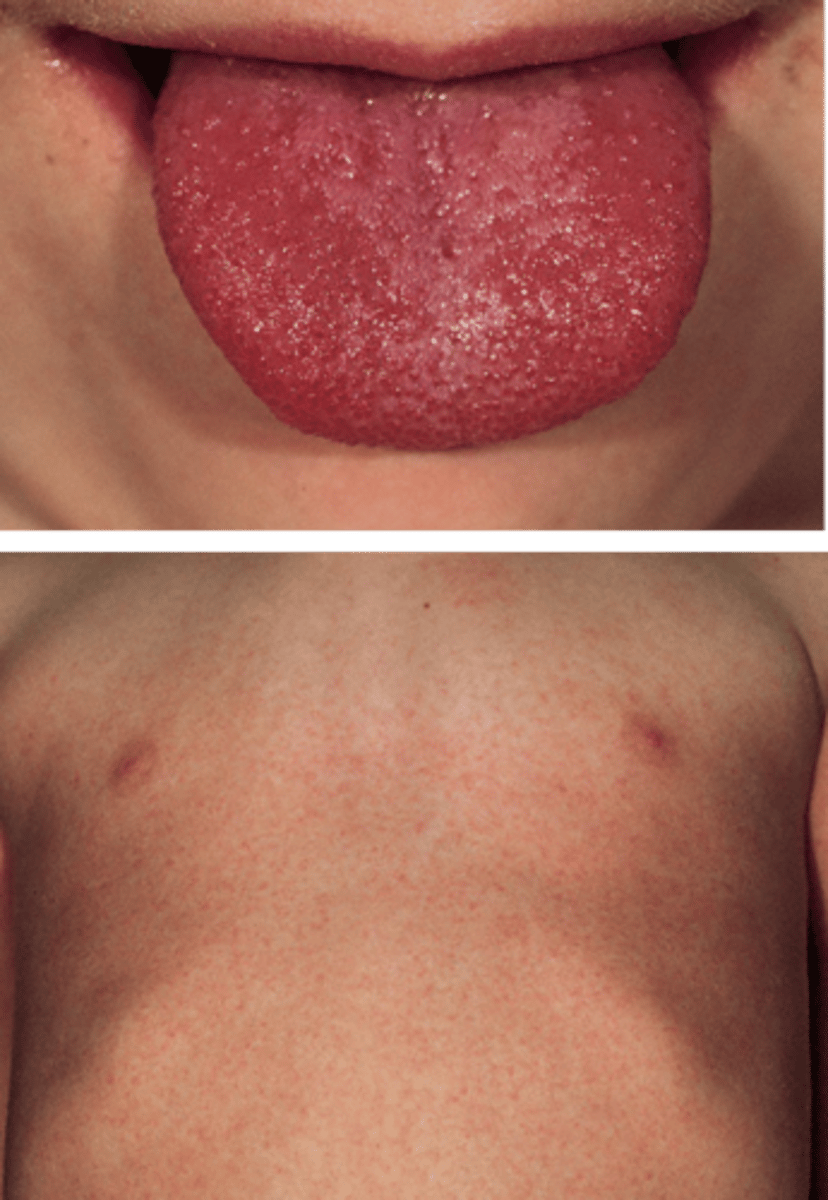
rheumatic fever
- autoimmune disease that is caused when the host produces cross-reactive antibodies to Streptococcus pyogenes that also bind to heart and joint tissues to trigger inflammation
- heart and joints
Pertussis (whooping cough)
1. catarrhal stage: bordatella pertussis, filamentous hemagglutinin, COLD-LIKE symptoms
2. paroxysmal stage: tracheal cytotoxin, severe coughing, antibiotic treatment, pertussis toxin/endotoxin
3. convalescent phase: damaged cilia (secondary infections)
Pertussis treatment
wP "whole cell" vaccine (1930s) produced some adverse reactions so it was replaced by aP "acellular" vaccine (mid 1990s)
Which virulence factor of Bordatella pertussis is directly responsible for the "whooping cough" symptoms during the paroxysmal stage of the disease?
tracheal cytotoxin
Influenza (Flu virus)
- transmitted via respiratory secretions (direct/indirect)
- prolonged cold-like symptoms w/ fever, aches, chills, and fatigue
- less than 30,000 deaths in US per year (very young or old ppl)
- ENVELOPED RNA VIRUS
- hemagglutinin (H) and neuramindase (N)
- neuramindase inhibitors
- TREATMENT: tamiflu and relenza
- new vaccine yearly bc antigenic drift (they accumulate mutations in H gene during RNA synthesis
antigenic shift in influenza
mixing of 8 gene segments of different flu strains (co-infection)
- pandemic flu
Antigenic shift vs drift
Shift: major genetic changes result in pandemics
Drift: minor genetic mutations result in epidemics
Tuberculosis (TB)
infectious disease caused by Mycobacterium tuberculosis; lungs usually are involved, but any organ in the body may be affected
- intracellular acid-fast bacillus (wax mycelia acid)
- respiratory droplets (ID = 10)
Stages of Tuberculosis
primary: PPD skin test for exposure to Mtb
What is the most important method of treatment for a patient with diarrheal illness?
hydration
bacterial vaginosis
Caused by Gardnerella vaginalis
Chlamydia
A bacterial infection that affects the reproductive organs of both males and females
- most women are asymptomatic for this intracellular bacterial infection
- can cause infertility if not treated
genital herpes
a virus that causes latent infection can cause recurrent painful vesicles
Genital Warts (HPV)
human papilloma virus infection produces skin nodules that may lead to cancer
Candida albicans
- fungus (yeast)
- vaginitis
- opportunistic
Gardnerella vaginalis
- bacterium (BV)
- opportunistic
- vaginosis
Trichonomas vaginalis
- protozoan (parasite)
- #2 STD (increased risk of HIV)
- vaginitis
STD...
symptoms of Disease = you have symptoms
STI...
asymptomatic or subclinical infection
In the United States... ____ million STD new cases each year
19 million
HBV
hepatitis B virus
HPV (human papilloma virus)
a group of viruses that can cause genital warts in males and females and can cause cervical cancer in females
peptic ulcers
erosions in the gastric/duodenal lining
- caused by excess acid
- treatment: Nexium, Prilosec, etc. (antacids)
- FOUND TO BE CAUSED BY ... H. pylori