BIMM 100 UCSD
 Call Kai
 Learn
Learn Practice Test
 Spaced Repetition
 Match
Match Flashcards
 Knowt Play
1/48

Earn XP
Description and Tags
Name | Mastery | Learn | Test | Matching | Spaced | Call with Kai |
|---|
No analytics yet
Send a link to your students to track their progress
49 Terms
Phenol
Removes protein in heat killed bacteria
UV light
Removes DNA & RNA in heat killed bacteria
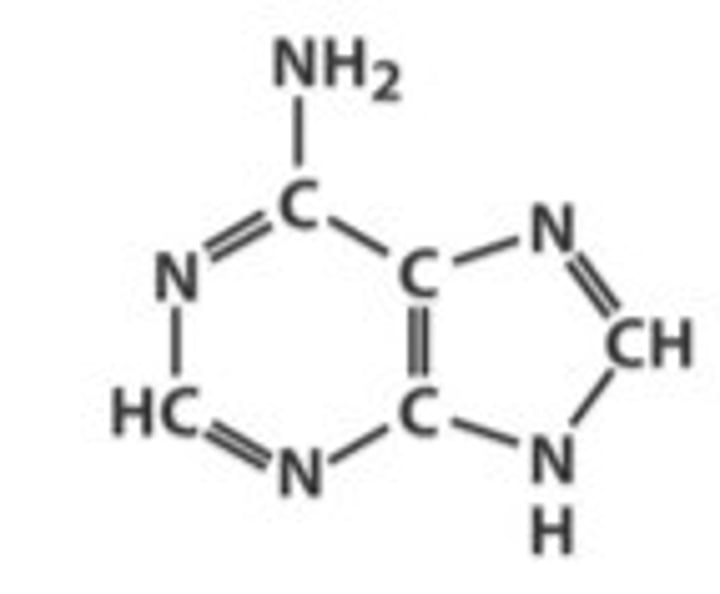
Adenine
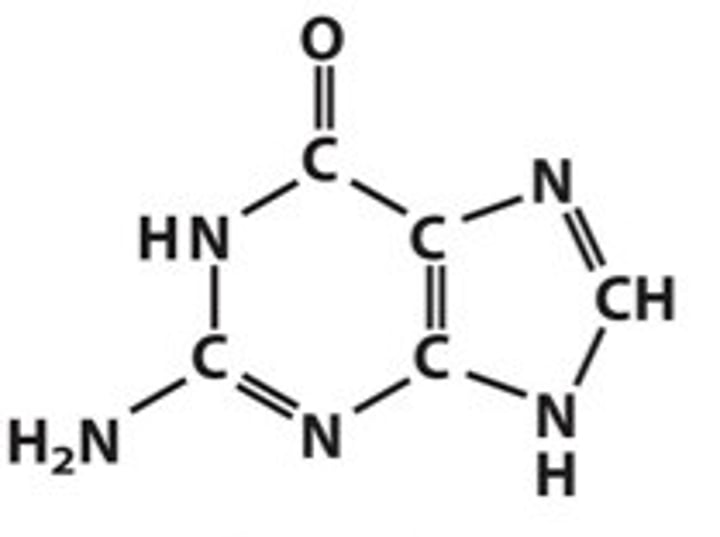
Guanine
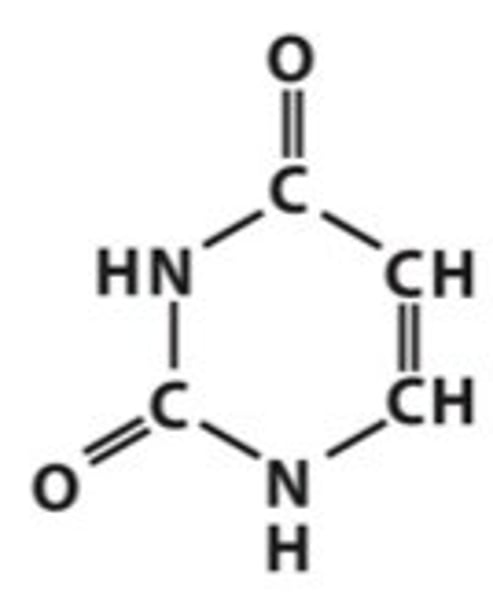
Uracil
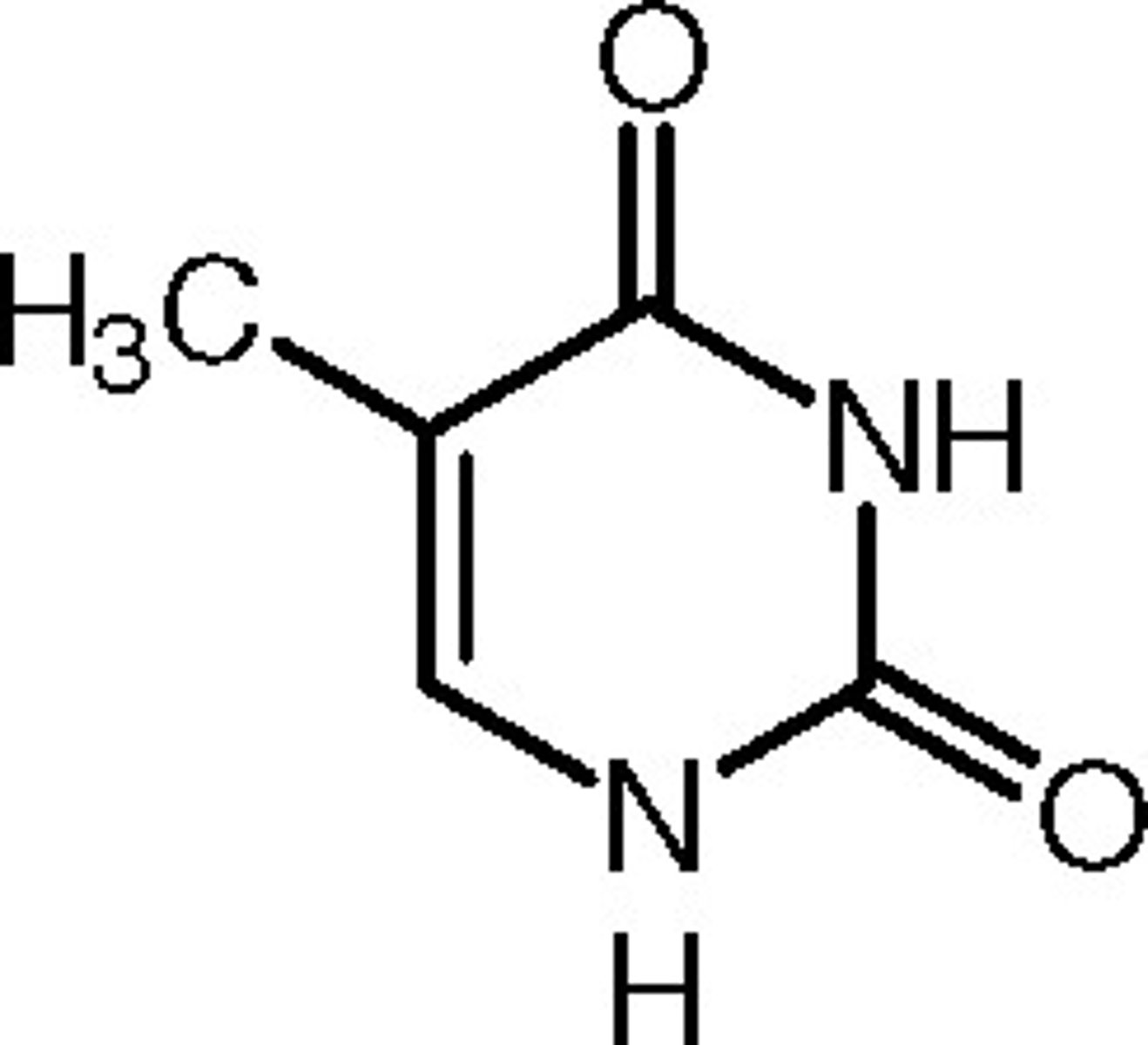
Thymine
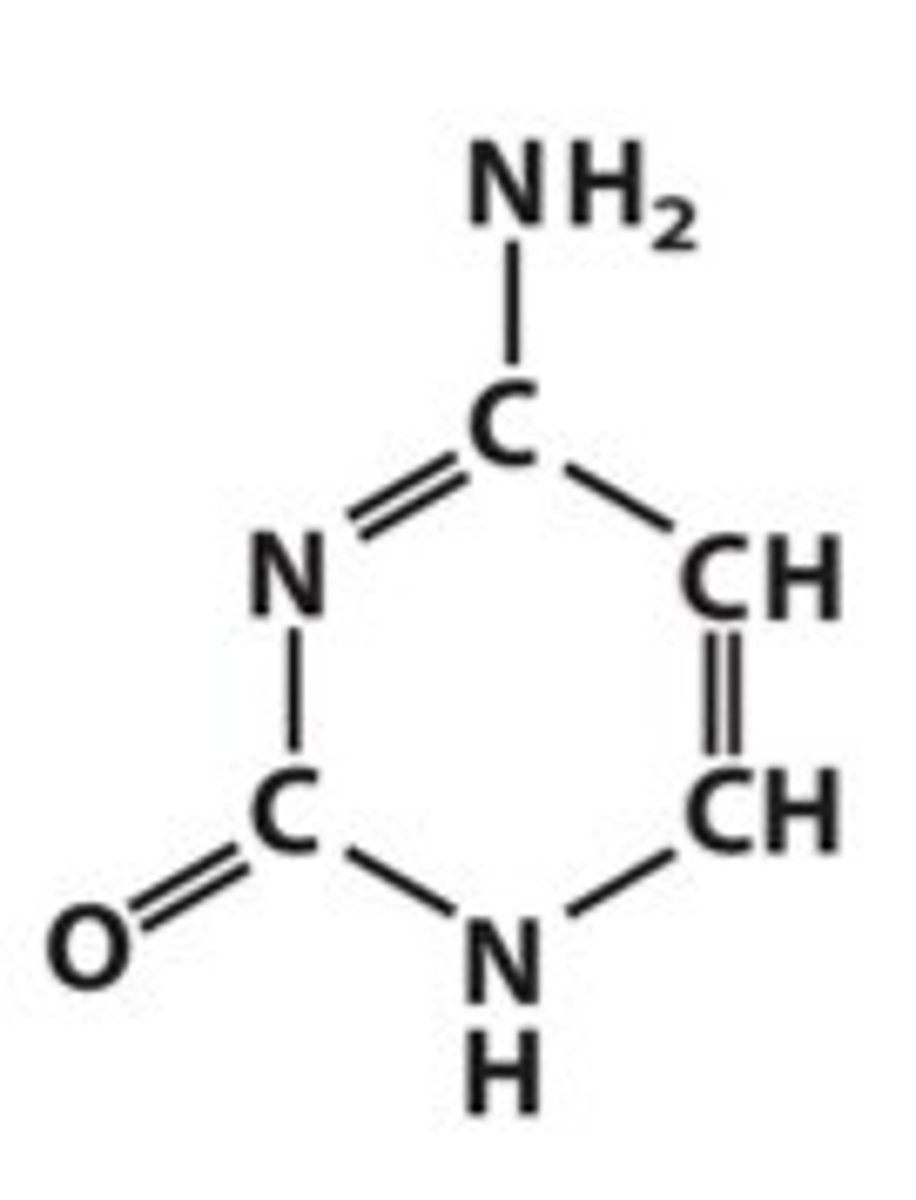
Cytosine
Only fraction of DNA transcribed & some RNA accumulate at much higher levels than others
Why ratio of bases in RNA different than in DNA
DNA polymerase needs
Primer, dNTP, DNA template
Primase, DNA Polymerase, Nuclease, DNA Polymerase, DNA Ligase
Enzymes in replication
Telomeres
A compound structure at the end of chromosomes consisting of 1000's of sequence repeats
Reverse transcriptase
What type of enzyme is Telomerase?
Origin of replication, 2 telomeres & centromere
What is needed to make an artificial chromosome?
DNA polymerase, 3' to 5' exonuclease activity
Proofreading by which enzyme and in what direction?
Exonuclease
Type of activity that cleaves the nucleotides at the ends of the DNA molecule
Endonuclease
Type of activity that cleaves the nucleotides in the middle of the DNA molecule
Mismatch excision repair
Type of repair for incorrect nucleotide pairing not proofread, after replication
Base excision repair
Type of repair for chemically changed bases (deamination), after replication
Nucleotide excision repair
Type of repair for distorted DNA (UV irradiation) after replication
Bypass synthesis
When repair machinery doesn't know what to do
1. Break recognized & exonucleases remove NTPs leaving 3' end ssDNA overhangs
2. ssDNA searches for homologous sequence in sister chromatids
3. Replication 3' end of broken DNA as primer & sister DNA as template
4. Repaired strand base pairs with other broken strand
5. Gap filled by DNA polymerase & ligase
Homologous recombination steps
After S phase to early G2 phase
When is Homologous recombination possible?
1. Recognition of broken ends
2. Exonucleases remove overhang NTPs
3. Ligation of broken ends
End joining steps
RNA
Primary gene product
1. DNA synthesis
2. Denature
3. Gel electrophoresis
Sequencing using fluorescently labeled ddNTPs
Solitary genes
Genes found only once in genome
Duplicated genes
Multiple genes of close but usually not identical sequences
Alters protein expression levels
How does mutation in the UTR affect the protein product of a gene
Intron
What does bacteria DNA not have
2 primers, DNA template, DNA polymerase, dNTPs
Requirements for PCR
DNA Transposons
A transposition mechanism involving the DNA segment to be cut from the donor DNA and pasted into target DNA
Retrotransposons
A transposition mechanism involving the DNA segment to be transcribed (copied) from the donor DNA into RNA, reverse transcribed back into DNA, and pasted into target DNA
Transposases
What does DNA transposons encode for?
Reverse transcriptases
What does retrotransposons encode for?
1. Retrotransposon transcribed to RNA
2. RNA translated to RT
3. RT reverse transcribes RNA to DNA
4. Synthesis of 2nd DNA strand (retrotransposon)
5. Insertion of retrotransposon to DNA
General mechanism of retrotransposition
Intron > UTR > Coding region
Ratio of genetic material in human genome
Gene cloning
Method of studying gene in separation from remainder genome
Gene inactivation
Method of studying cellular/organismal effect of loss of gene function
Selectable marker gene & origin of replication
What is required in a plasmid to ensure bacteria retain it through multiple generations?
Add primers to genomic DNA, PCR product, ligase into vector, transform bacteria, select
Creating a genomic DNA insert using PCR
Add primer to single mRNA, reverse transcriptase into DNA with dNTPs, RNaseH, add primer to ss-cDNA, PCR product to ds-cDNA, ligase into vector, transform bacteria, select
Creating cDNA from mRNA
Each colony has bacteria containing same plasmid, different colonies have different plasmid
Describe colonies of bacteria transformed with genomic DNA
1. Generate DNA with selectable marker & regions flanking the gene to be knocked out
2. Recombine DNA into genome by homologous recombination
Gene inactivation in yeast
1. Create knock-out ES cells by homologous recombination
2. Inject recombinant ES cells into blastocyst, transfer to pseudo-pregnant mouse
3. Cross with wild-type, screen for heterozygous
4. Mate heterozygotic mice
Gene inactivation in mice
CRISPR-Cas9
System that allows specific cleavage in genome directed by complimentary crRNA
Template strand
3' to 5' strand of DNA during transcription
Coding strand
5' to 3' strand of DNA during transcription
1. Isolate RNA
2. Denature & separate RNA by electrophoresis
3. Transfer to membrane & hybridize with radiolabeled probe
4. Detect using autoradiography
Northern blotting steps
1. Isolate total RNA
2. Convert to DNA using reverse transcriptase
3. PCR for cDNA & monitor accumulation
4. More RNA input = faster PCR product accumulation
Quantitative RT-PCR monitor steps