Lab 8 practicum
 Call Kai
 Learn
Learn Practice Test
 Spaced Repetition
 Match
Match Flashcards
 Knowt Play
1/39

There's no tags or description
Looks like no tags are added yet.
Name | Mastery | Learn | Test | Matching | Spaced | Call with Kai |
|---|
No analytics yet
Send a link to your students to track their progress
40 Terms
LAB 8 FLASHCARDS GUIDE —>
USEFUL LINK - cypressbiologysato.com/imagegallery3.htm
One * = Antagonist
Two ** = Synergist
Make sure you are able to identify location for ALL muscles
“What is OIASA“ = Origin, insertion, action, synergist, antagonist
Everything was made using the answer appendix & link so if a mistake is made somewhere point it out in the discord, this is how you avoid getting something wrong.
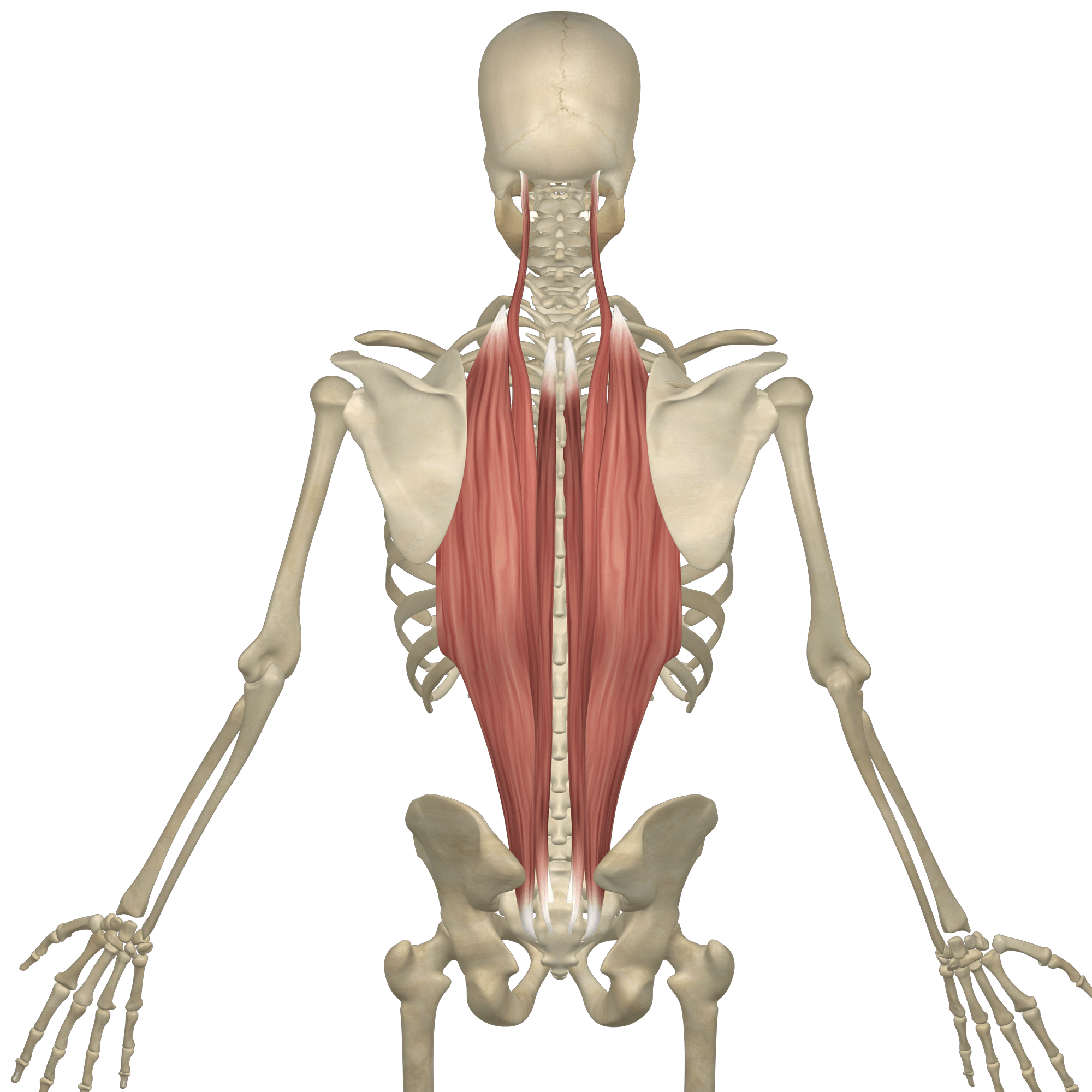
Erector spinae* (Deep muscles of the posterior thorax 1 of 1):
What is AA?
Action: Prime back extension.
Antagonist: Rectus abdominis.
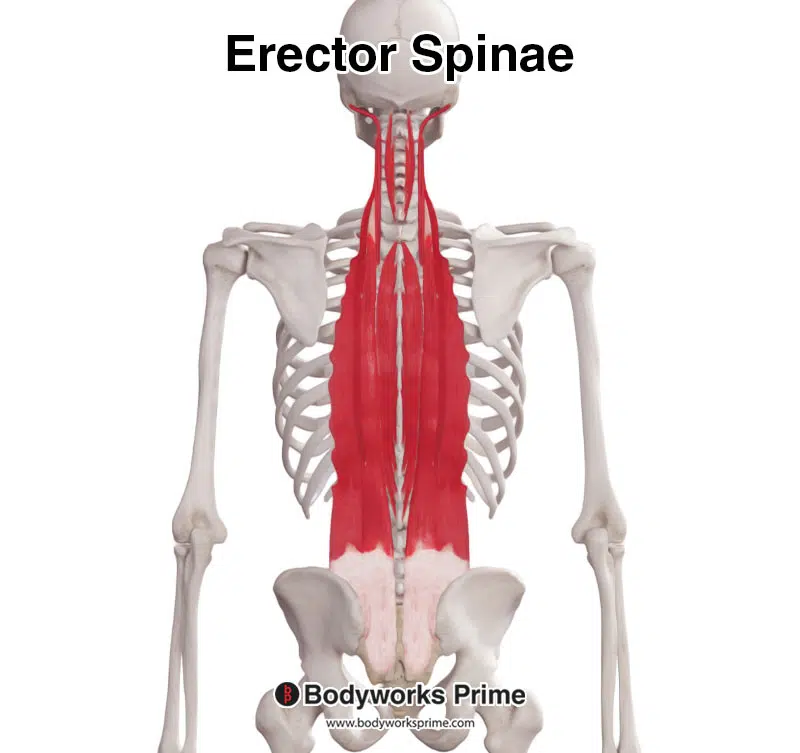
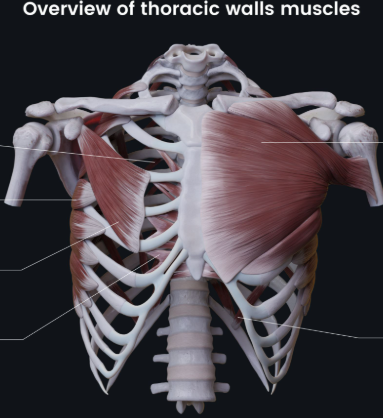
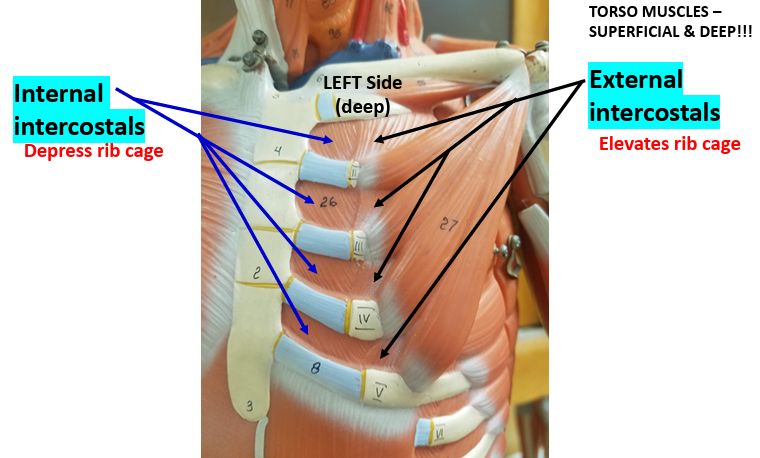
External intercostals* ** (Deep muscles of the thorax 1 of 3):
What is ASA?
Action: Elevates rib for inspiration.
Synergist: Diaphragm.
Antagonist: Internal intercostal.
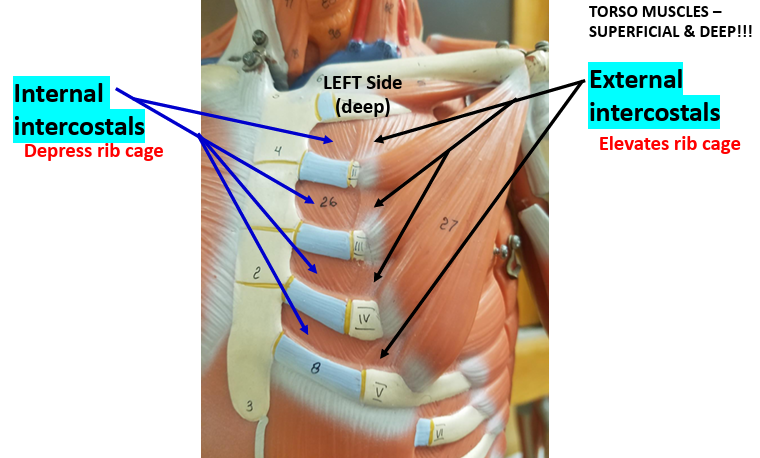
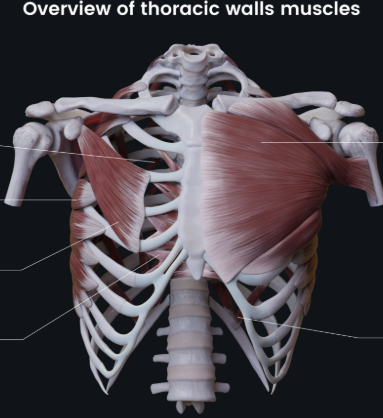
Internal intercostals* (Deep muscles of the thorax 2 of 3):
What is AA?
Action: Depresses ribs for expiration.
Antagonist: External intercostals.
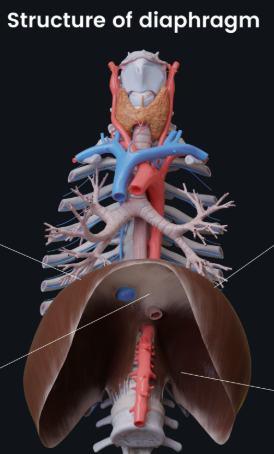
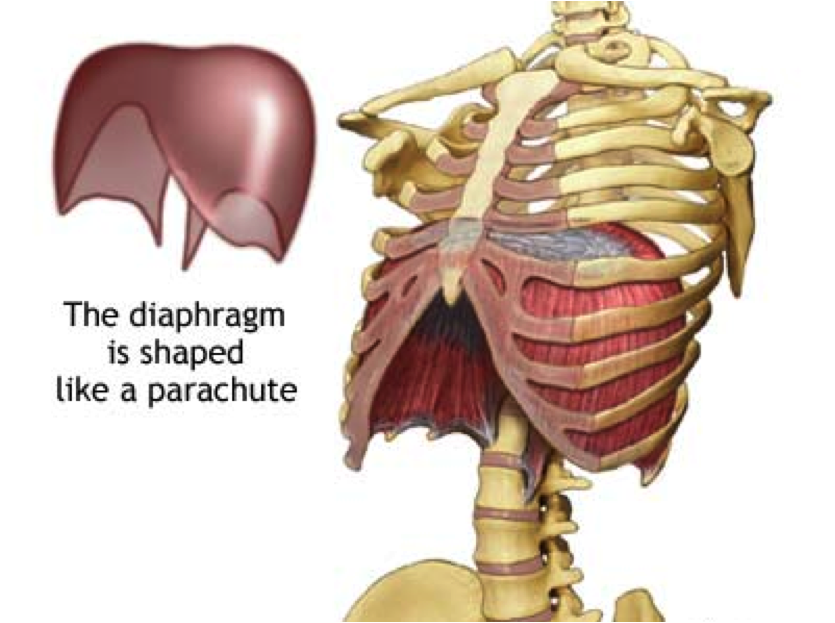
Diaphragm* **(Deep muscles of the thorax 3 of 3):
What is OIASA?
Origin: Xiphoid process.
Insertion: Central tendon.
Action: Prime muscle of respiration.
Synergist: External intercostals.
Antagonist: Internal intercostals.
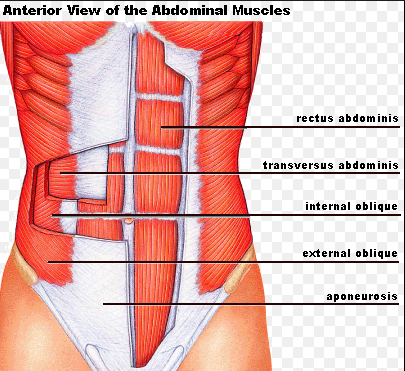
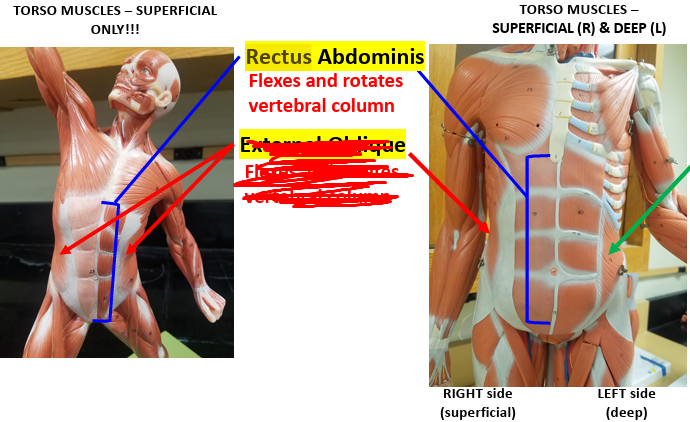
Rectus abdominis* ** (Muscles of the abdomen 1 of 4):
What is OIASA?
Origin: Pubic crest.
Insertion: Xiphoid process.
Action: Flexes trunk.
Synergist: External oblique.
Antagonist: Erector spinae.
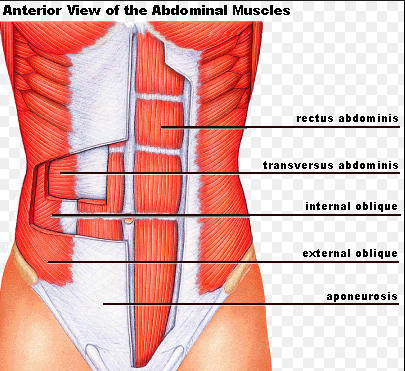
External oblique** (Muscles of the abdomen 2 of 4):
What is AS?
Action: Flexes trunk.
Synergist: Internal oblique.
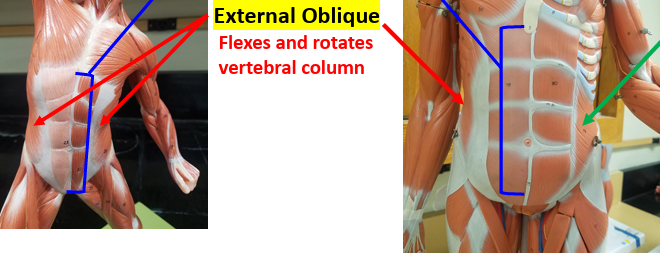
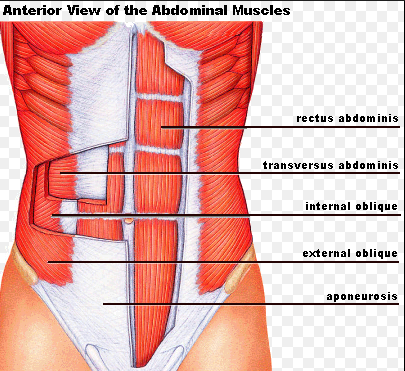
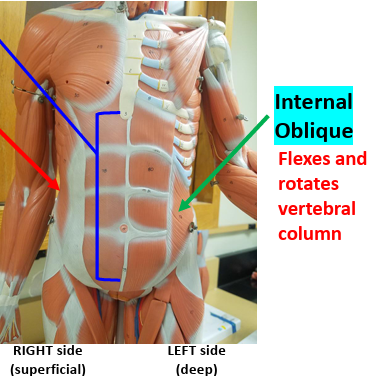
Internal oblique** (Muscles of the abdomen 3 of 4):
What is AS?
Action: Flexes trunk.
Synergist: External oblique.
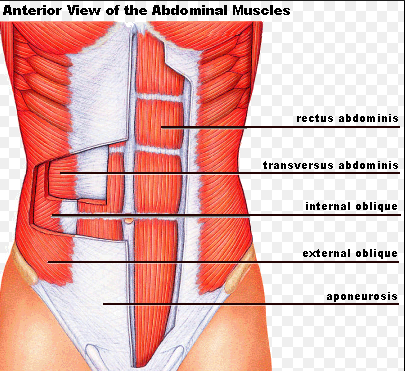
Transverse abdominis** (Muscles of the abdomen 4 of 4):
What is AS?
Action: Compresses abdominal wall.
Synergist: Internal oblique.
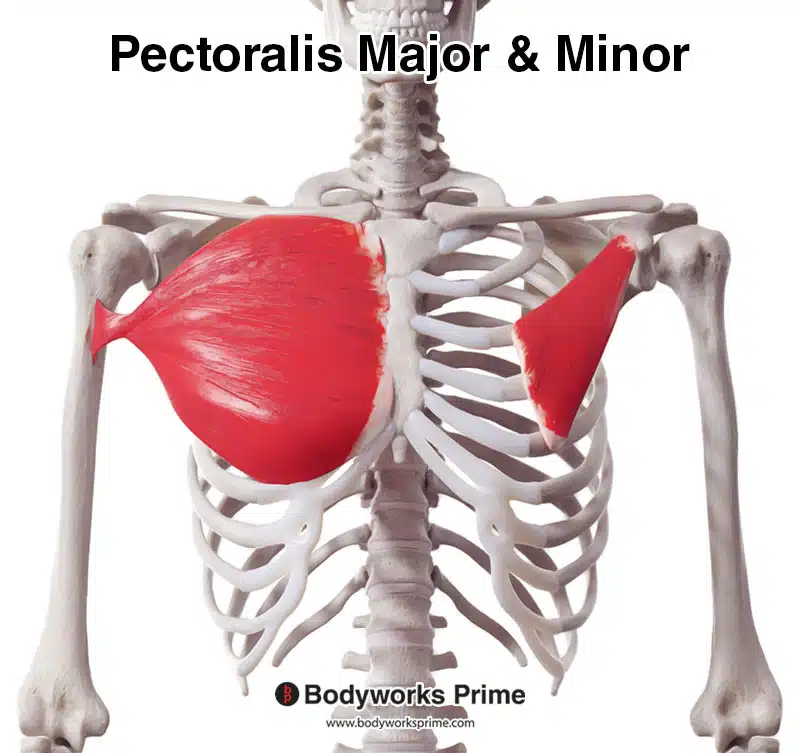
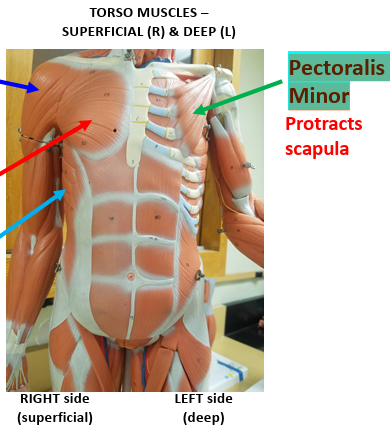
Pectoralis minor** (Superficial muscles of anterior thorax 1 of 2):
What is OIAS?
Origin: Ribs 3-5.
Insertion: Coracoid process of scapula.
Action: Protracts scapula.
Synergist: Serratus anterior.
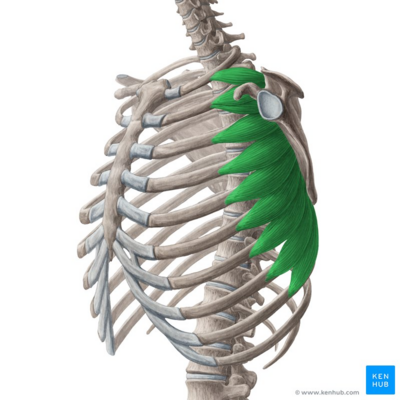
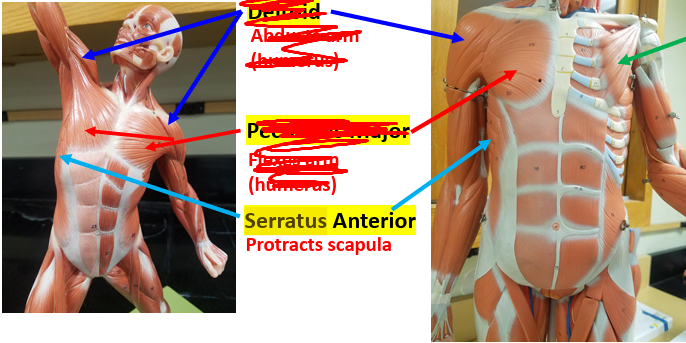
Serratus anterior* (Superficial muscles of anterior thorax 2 of 2):
What is AA?
Action: Protracts scapula.
Antagonist: Rhomboids.
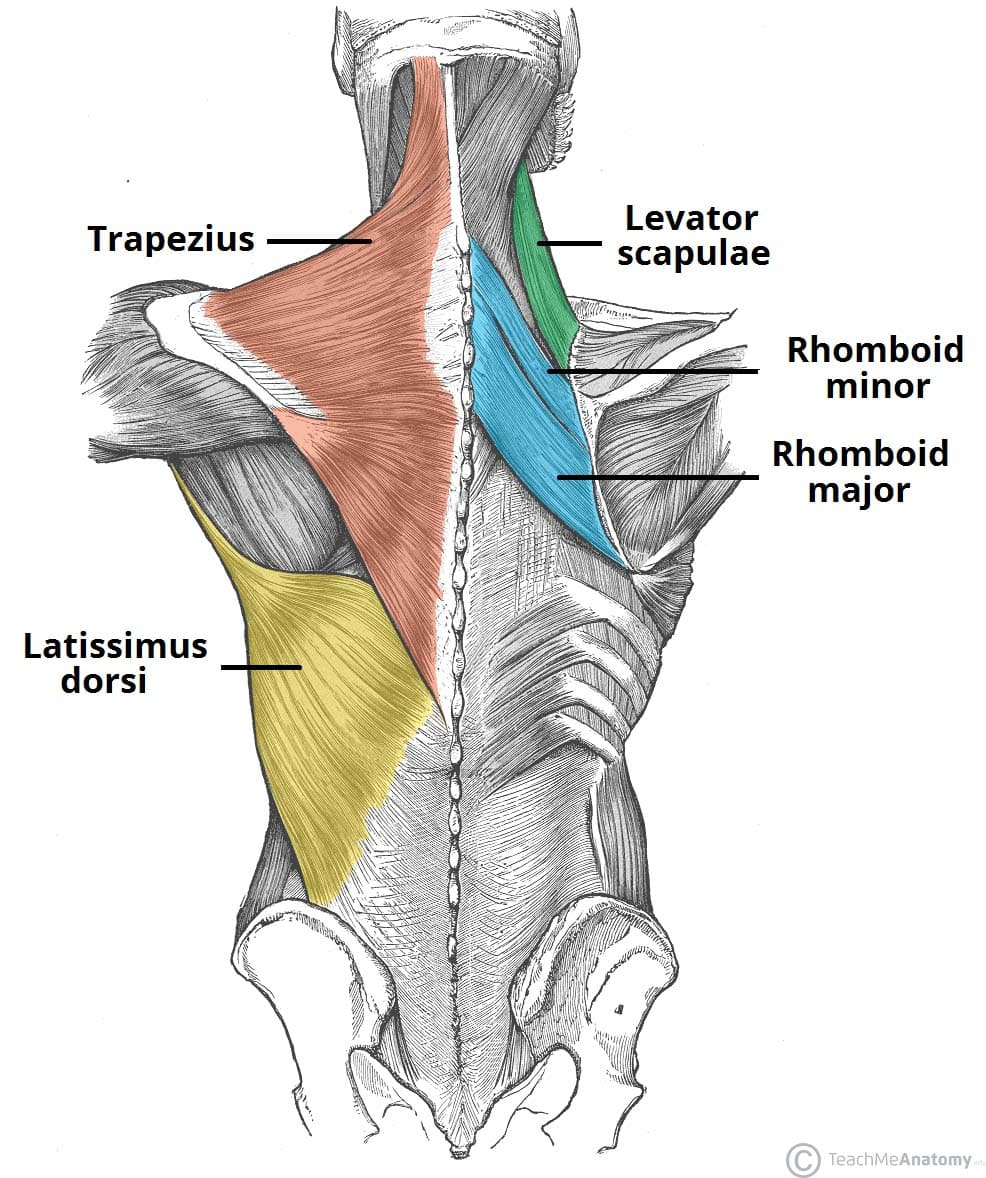
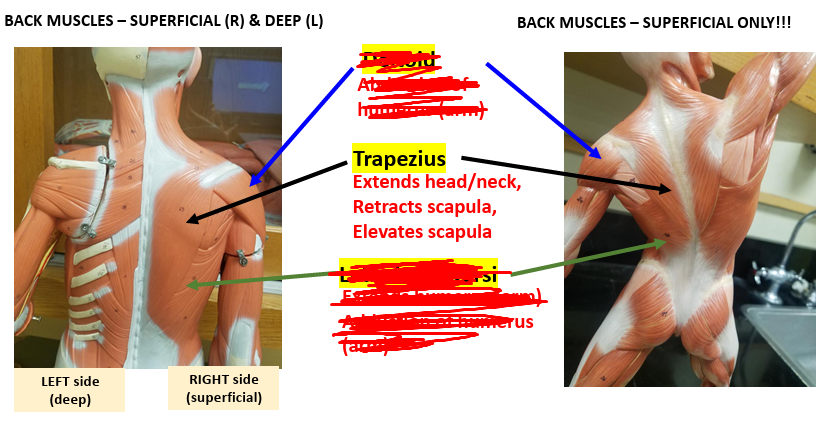
Trapezius (Superficial muscles of the posterior thorax 1 of 3):
What is OIA?
Origin: Occipital bone.
Insertion: Spine.
Action: Extends head.
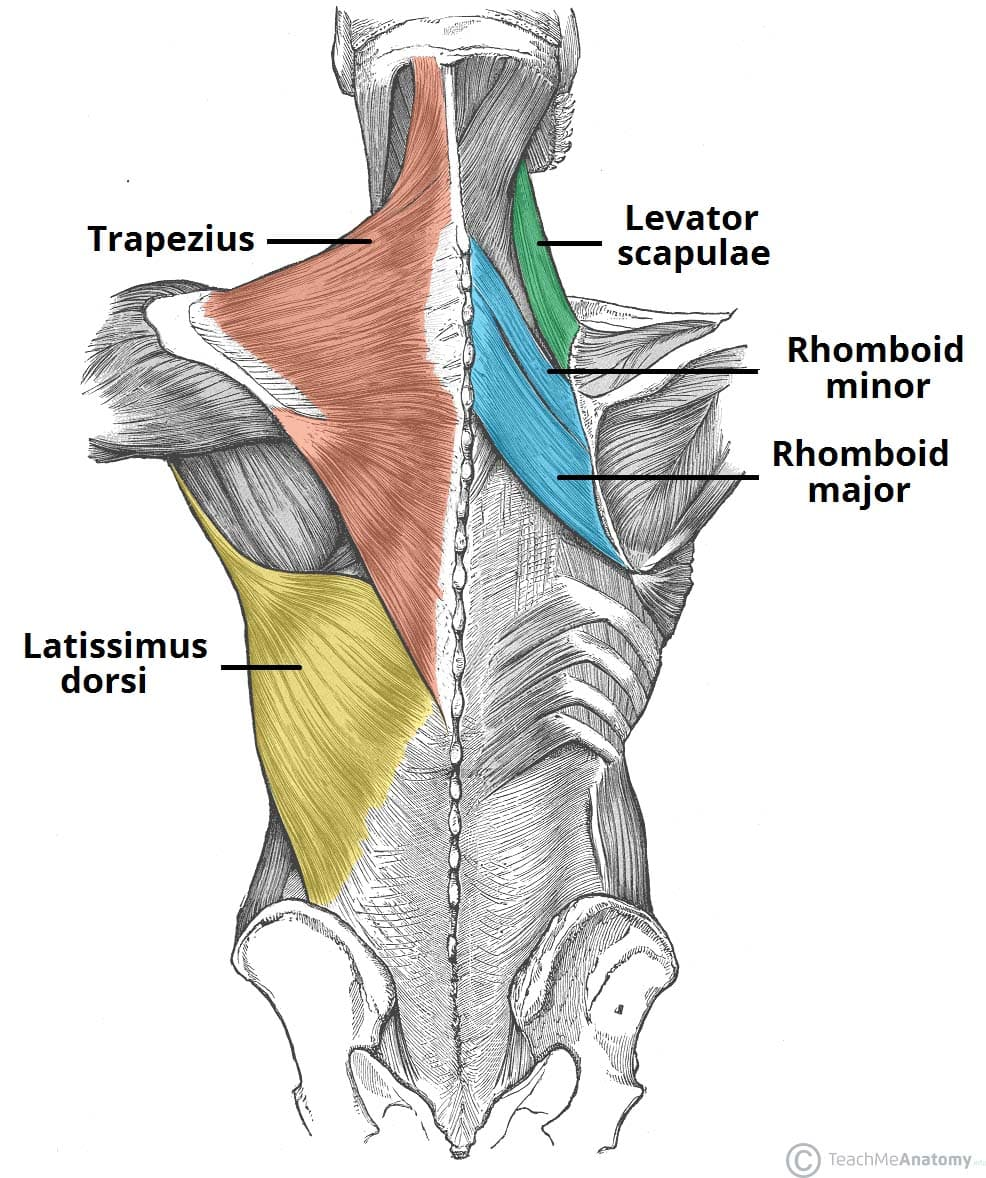
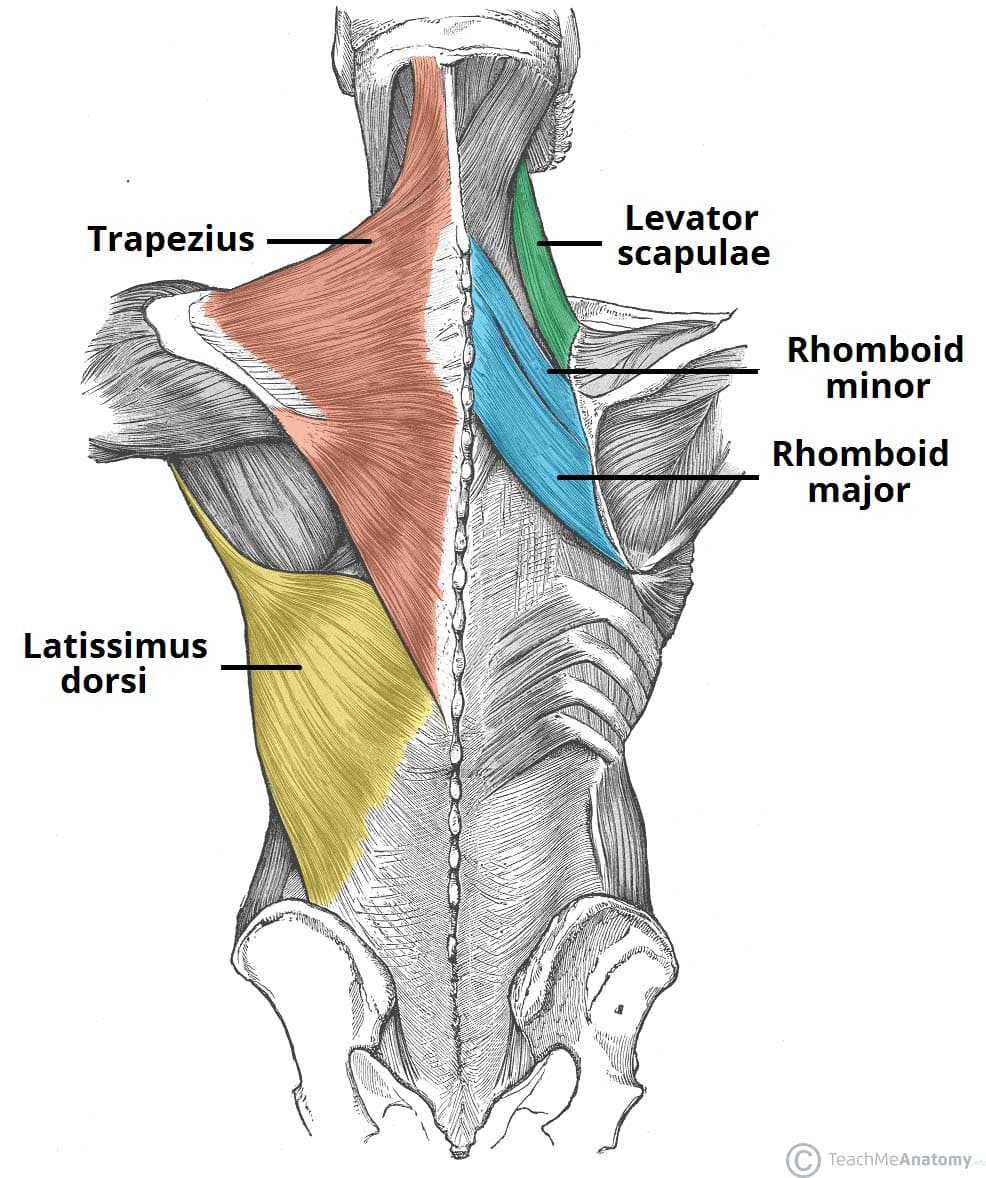
Levator scapulae (Superficial muscles of the posterior thorax 2 of 3):
What is OIA?
Origin: Transverse processes of C1-C4.
Insertion: Medial border of scapula.
Action: Elevates scapula.
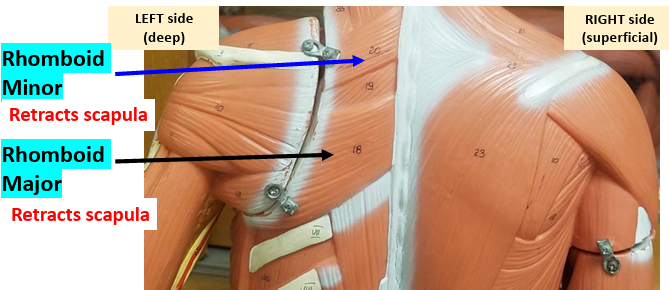
Rhomboids (Superficial muscles of the posterior thorax 3 of 3):
What is Action?
Action: Retracts scapula.
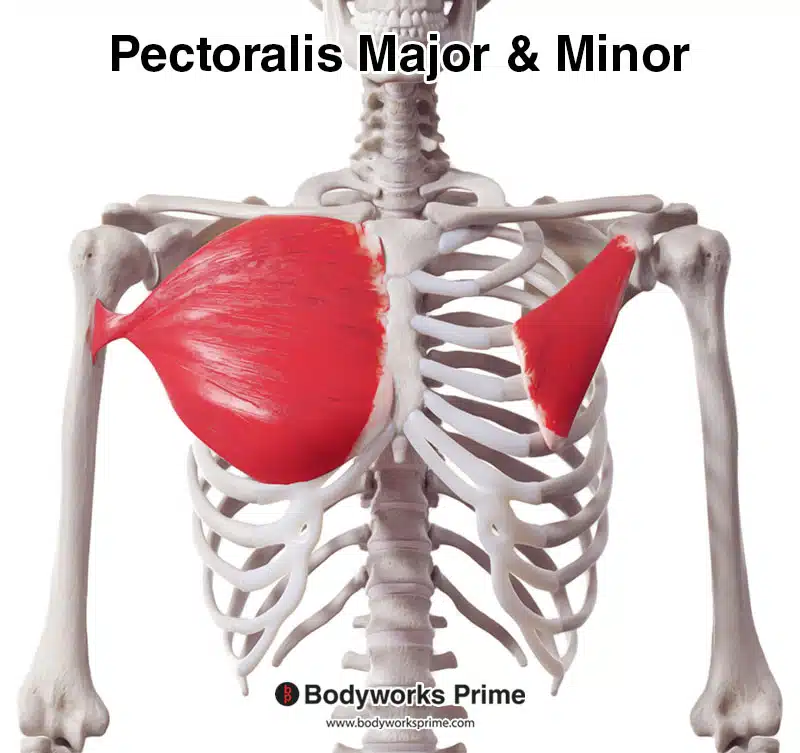
Pectoralis major* **(Muscles crossing the shoulder - arm movement 1 of 9):
What is OIASA?
Origin: Sternum.
Insertion: Greater tubercle of humerus.
Action: Adducts arm.
Synergist: Latissimus dorsi.
Antagonist: Deltoid.
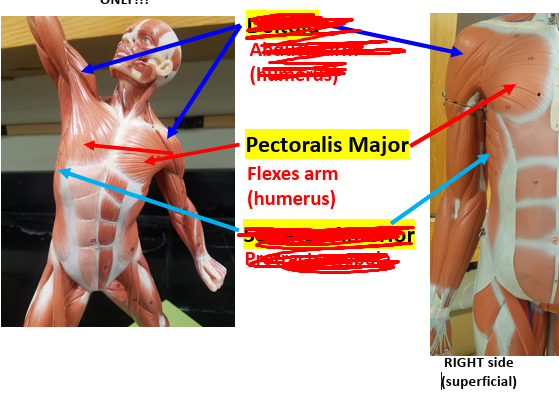
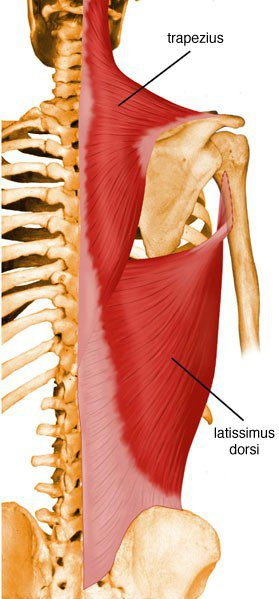
Latissimus dorsi* (Muscles crossing the shoulder - arm movement 2 of 9):
What is OIAA?
Origin: Lower thoracic vertebrae.
Insertion: Intertubercular groove.
Action: Adducts arm.
Antagonist: Deltoid.
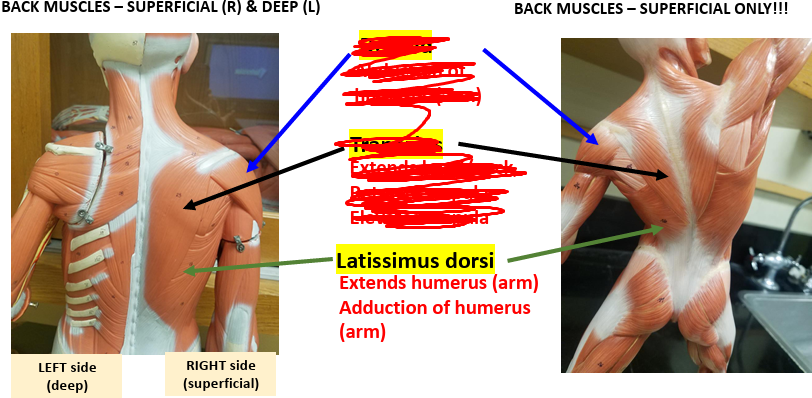
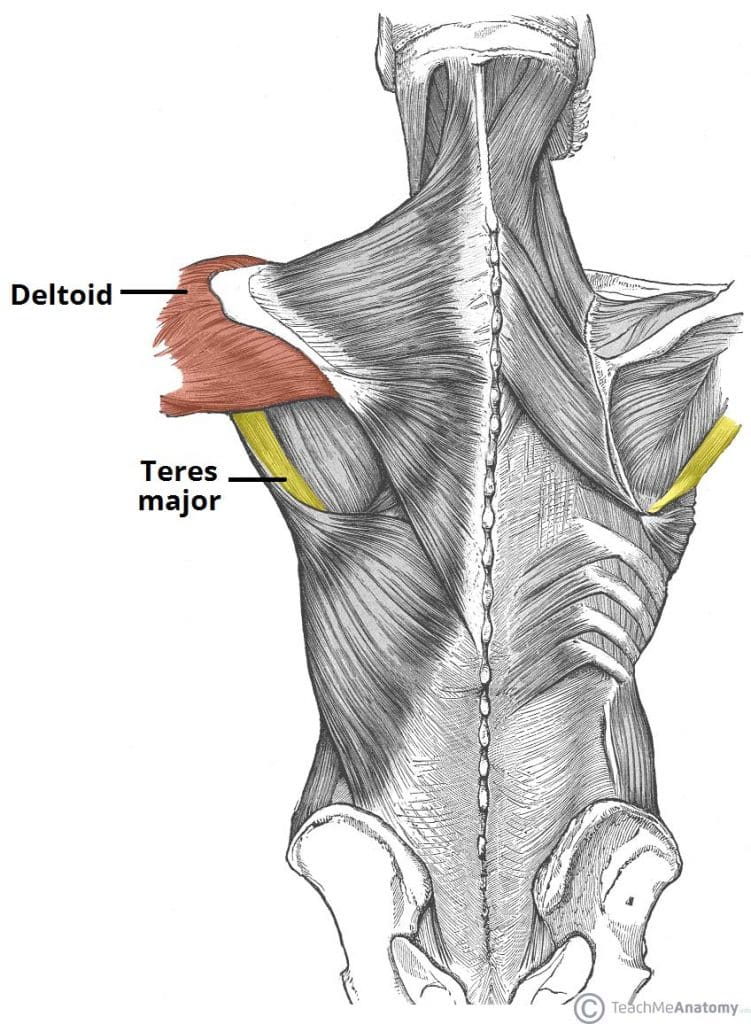
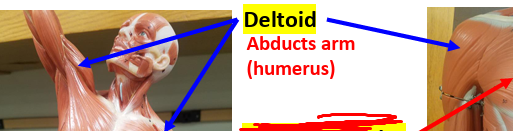
Deltoid* (Muscles crossing the shoulder - arm movement 3 of 9):
What is IAA?
Insertion: Deltoid tuberosity of humerus.
Action: Abducts arm.
Antagonist: Pectoralis major.
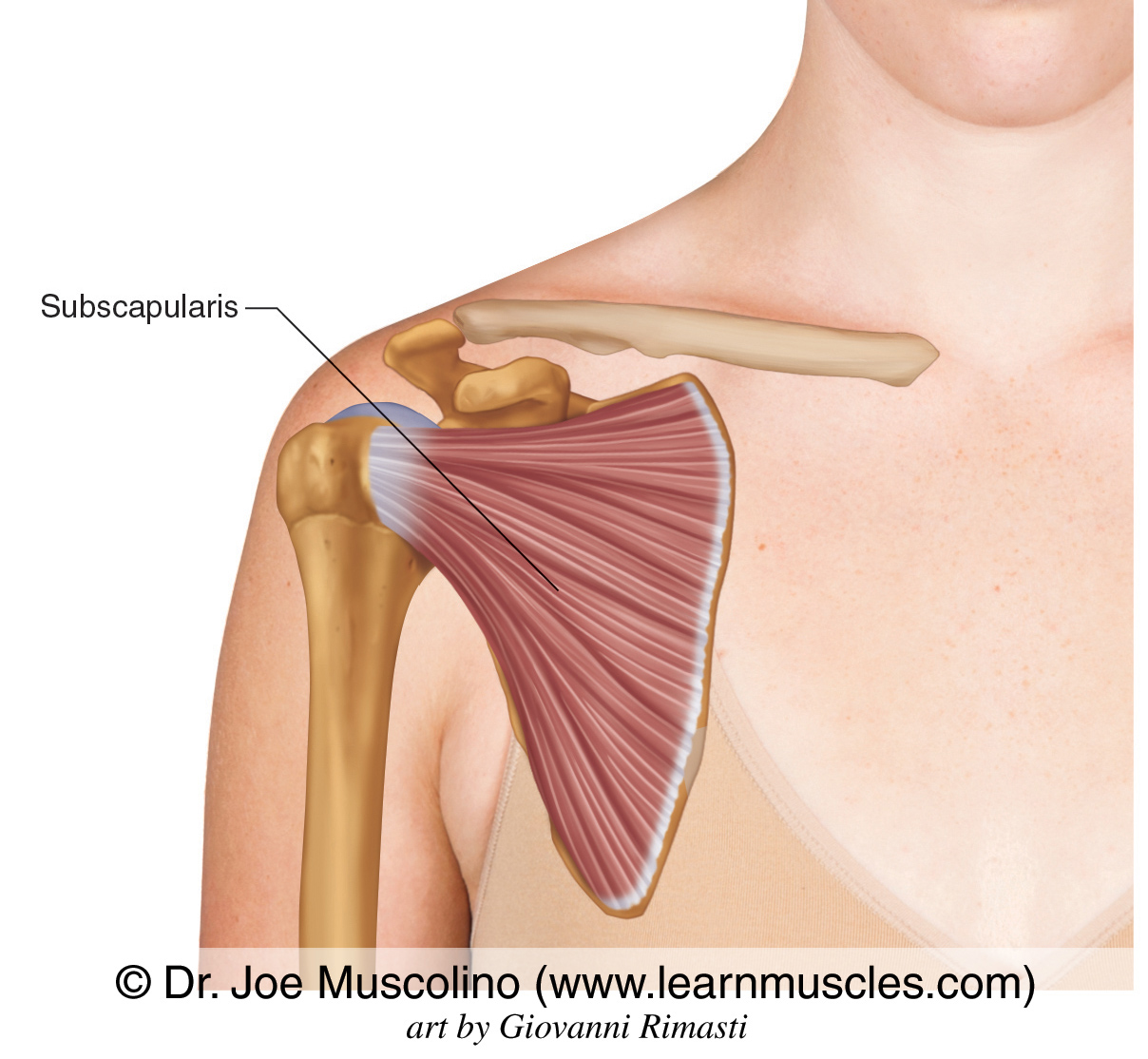
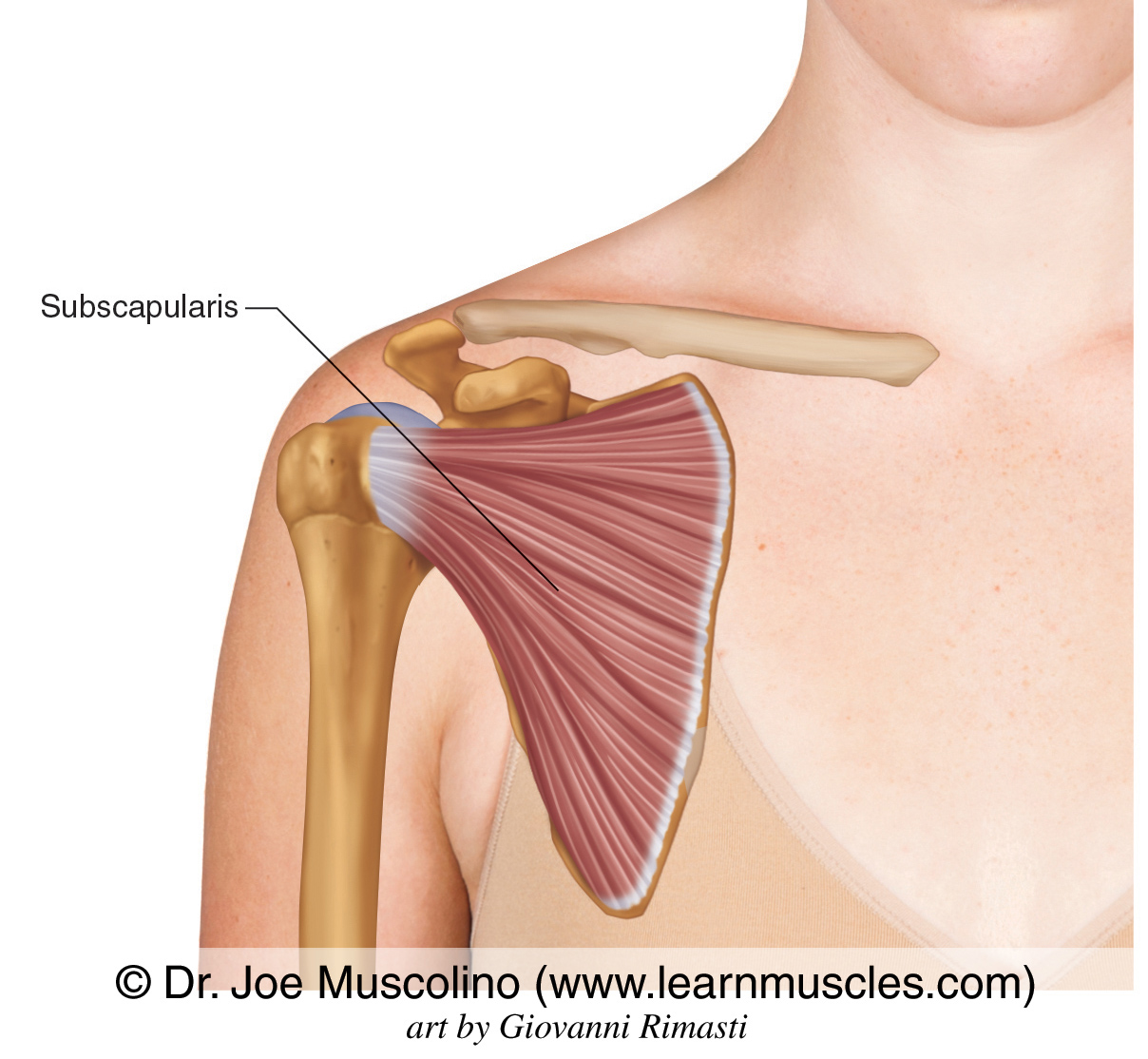
Subscapularis* (Muscles crossing the shoulder - arm movement 4 of 9):
What is IAA?
Insertion: Lesser tubercle of humerus.
Action: Medially rotates arm.
Antagonist: Infraspinatus.
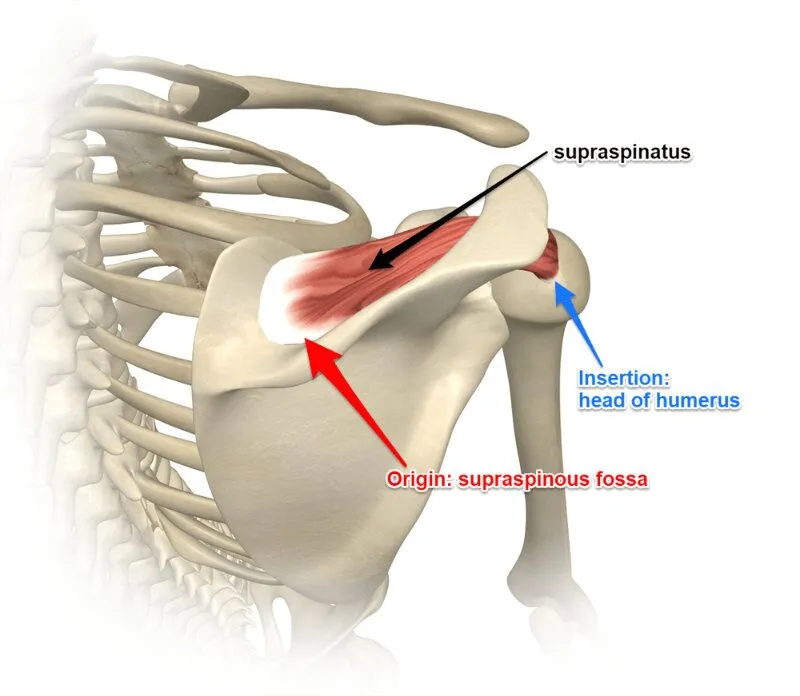
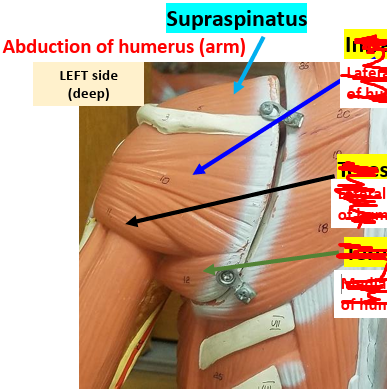
Supraspinatus (Muscles crossing the shoulder - arm movement 5 of 9):
What is IA?
Insertion: Greater tubercle of humerus.
Action: Abducts arm.
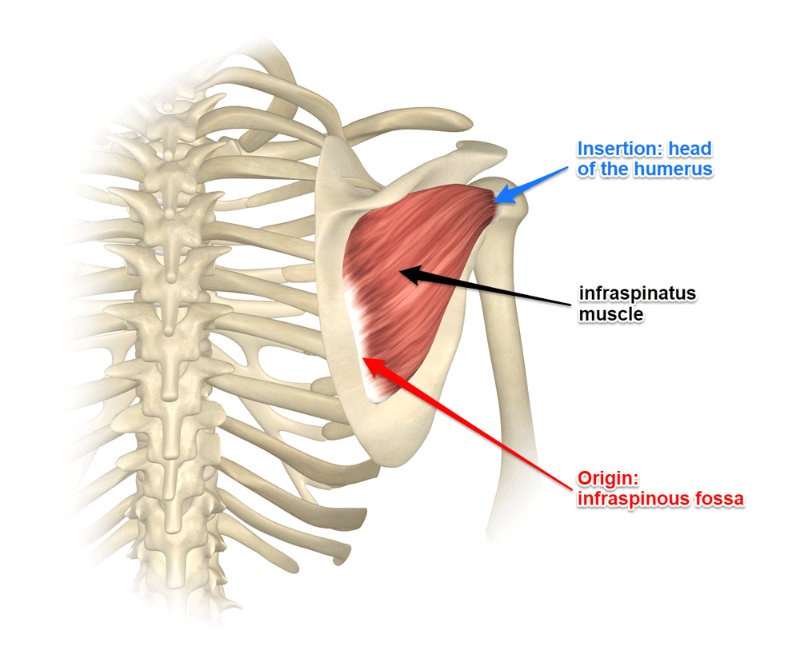
Infraspinatus* **(Muscles crossing the shoulder - arm movement 6 of 9):
What is IASA?
Insertion: Greater tubercle of humerus.
Action: Laterally rotates arm.
Synergist: Teres minor.
Antagonist: Subscapularis.
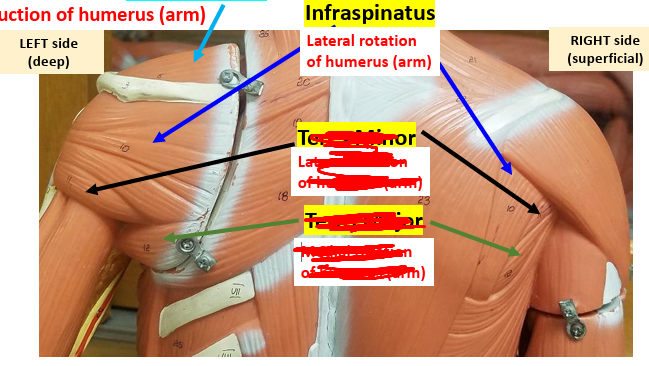
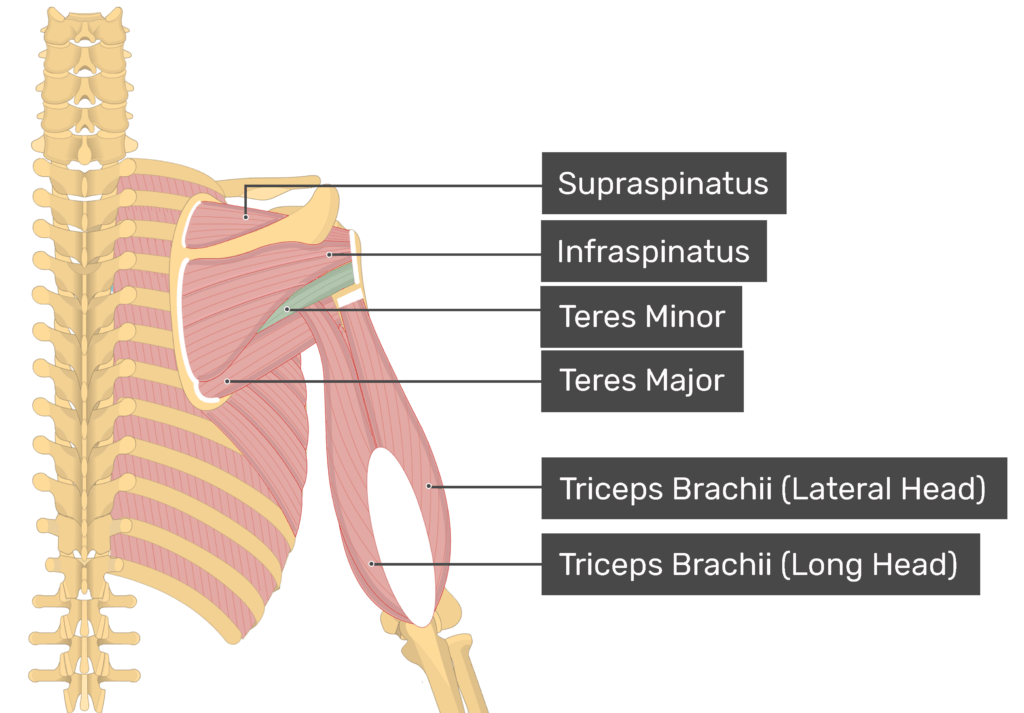
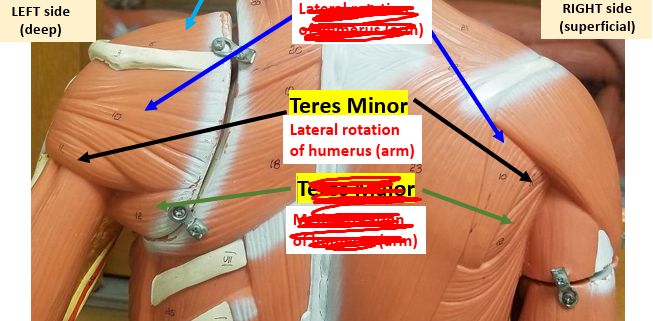
Teres minor* **(Muscles crossing the shoulder - arm movement 7 of 9):
What is IASA?
Insertion: Greater tubercle of humerus.
Action: Laterally rotates arm.
Synergist: Infraspinatus.
Antagonist: Subscapularis.
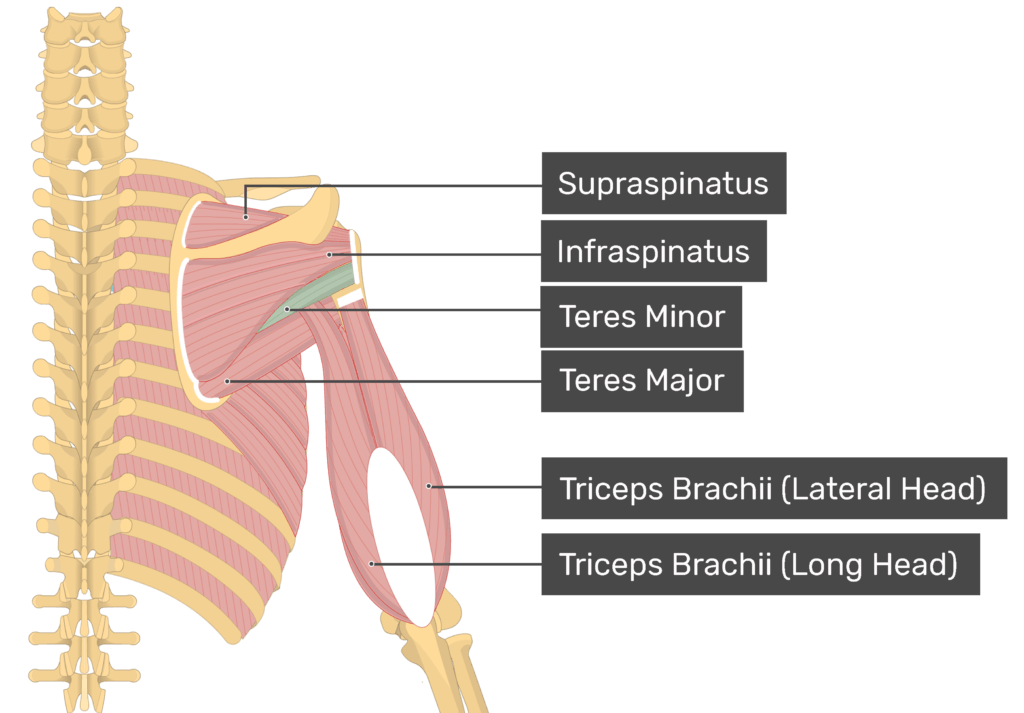
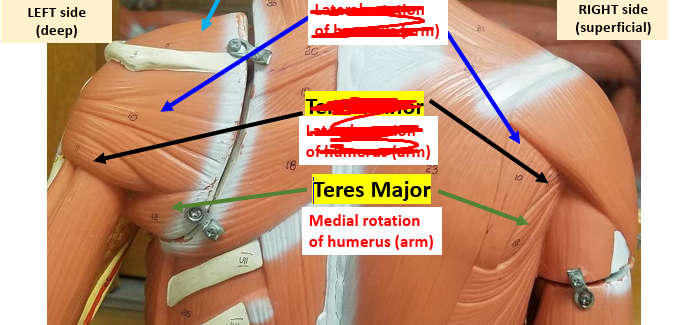
Teres major (Muscles crossing the shoulder - arm movement 8 of 9):
What is IASA?
Insertion: Crest of lesser tubercle.
Action: Medially rotates arm.
Synergist: Subscapularis.
Antagonist: Infraspinatus.
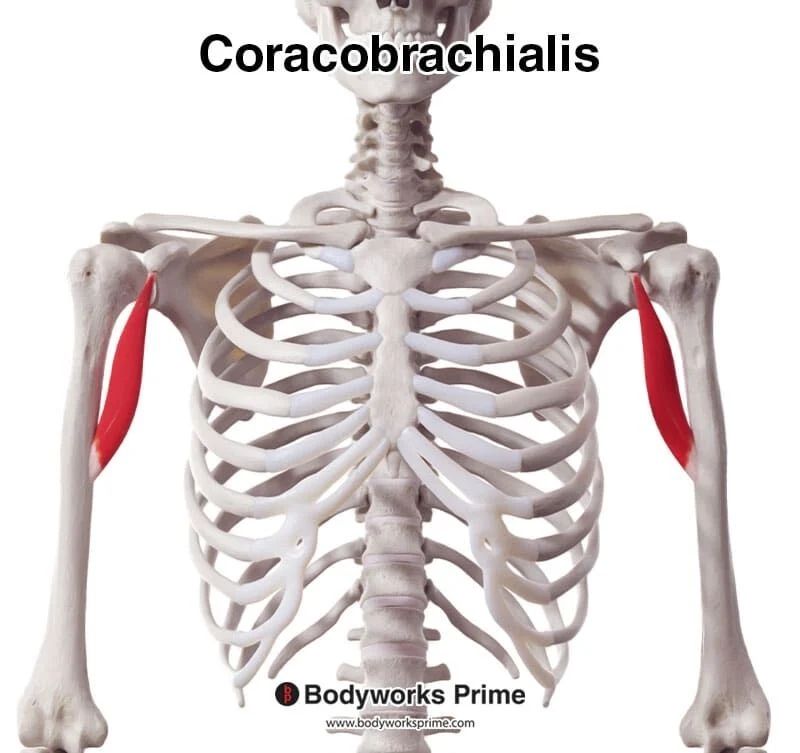
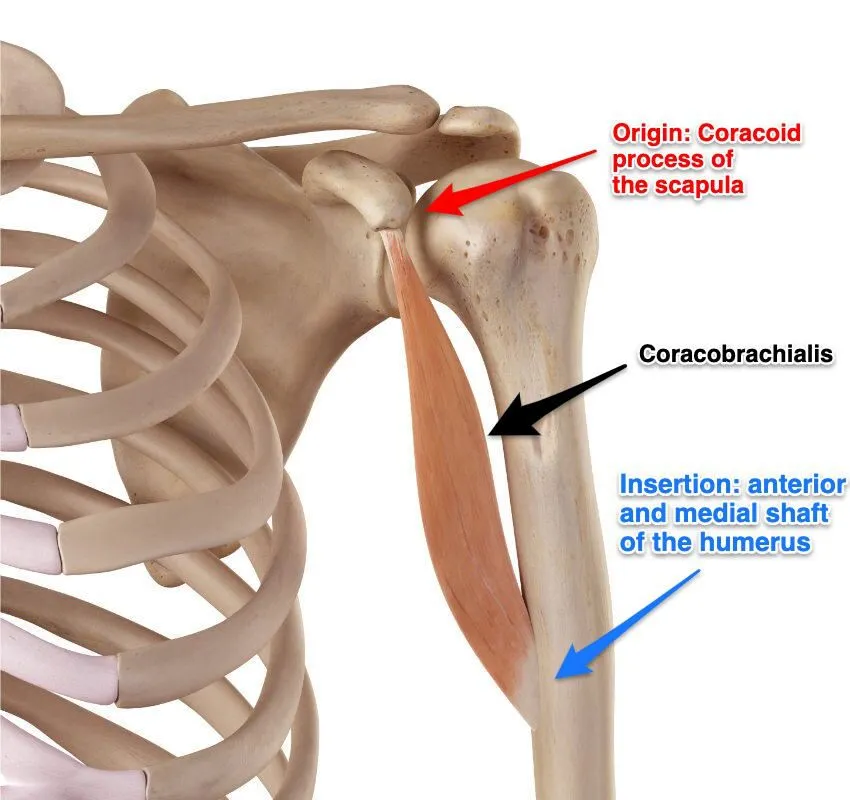
Coracobrachialis* (Muscles crossing the shoulder - arm movement 9 of 9):
What is OIAA?
Origin: Coracoid process of scapula.
Insertion: Medial shaft of humerus.
Action: Adduction of arm.
Antagonist: Infraspinatus.
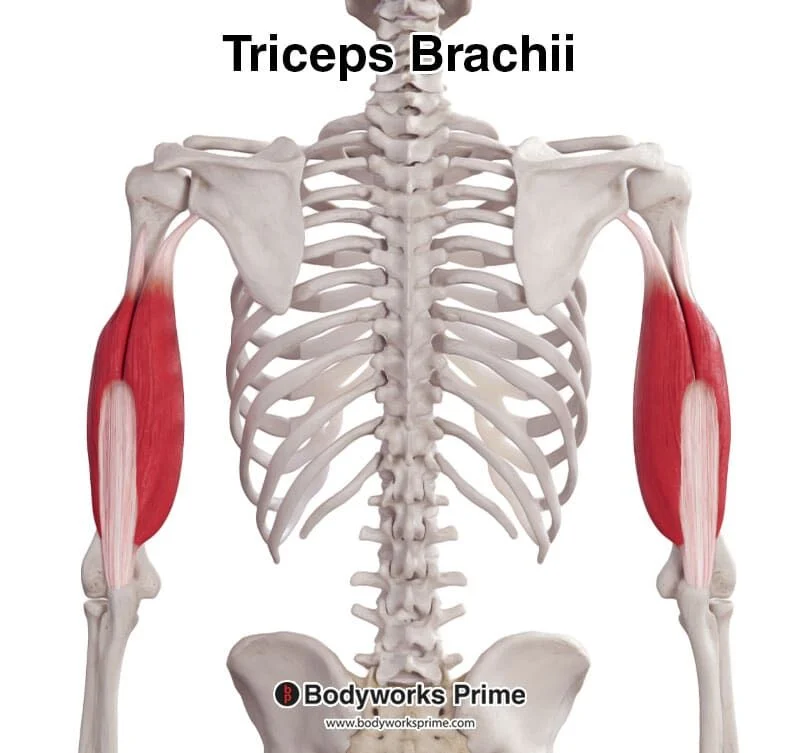
Triceps brachii* (Muscles of the posterior arm - forearm movement 1 of 1):
What is OIAA?
Origin: Posterior humerus.
Insertion: Olecranon process of ulna.
Action: Extends forearm.
Antagonist: Biceps brachii.
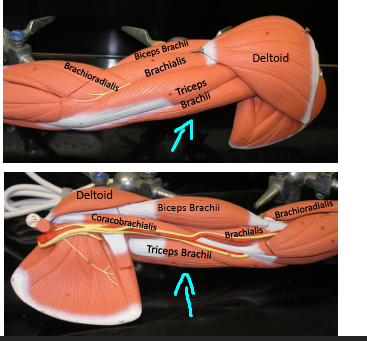
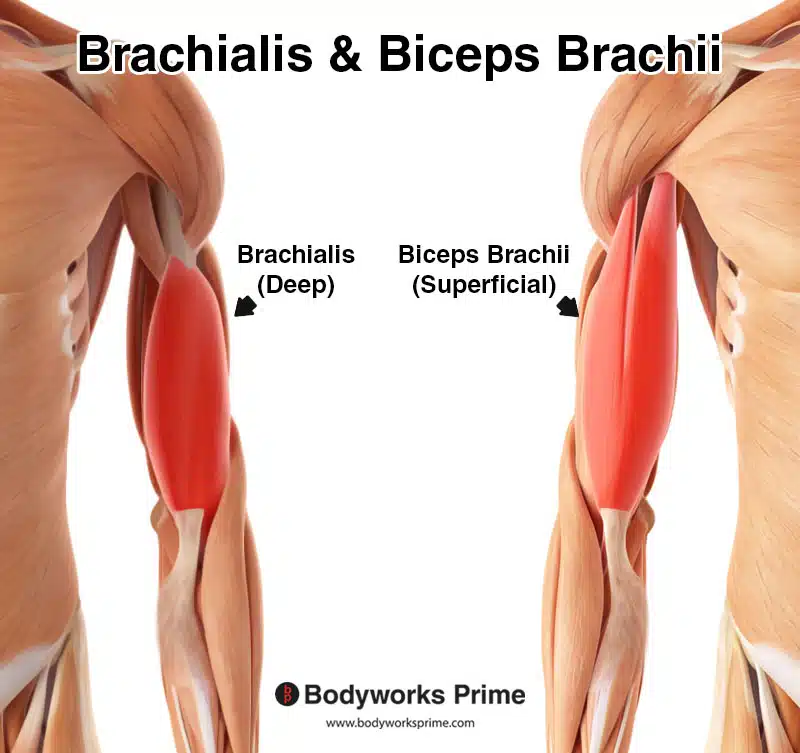
Biceps brachii* **(Muscles of the anterior arm - forearm movement 1 of 3):
What is OIASA?
Origin: Coracoid process.
Insertion: Radial tuberosity.
Action: Flexes forearm.
Synergist: Brachialis.
Antagonist: Triceps brachii.
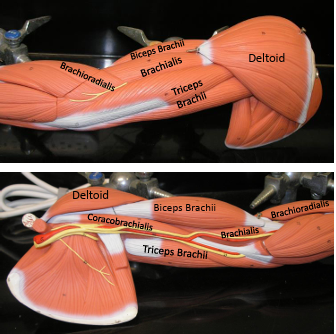
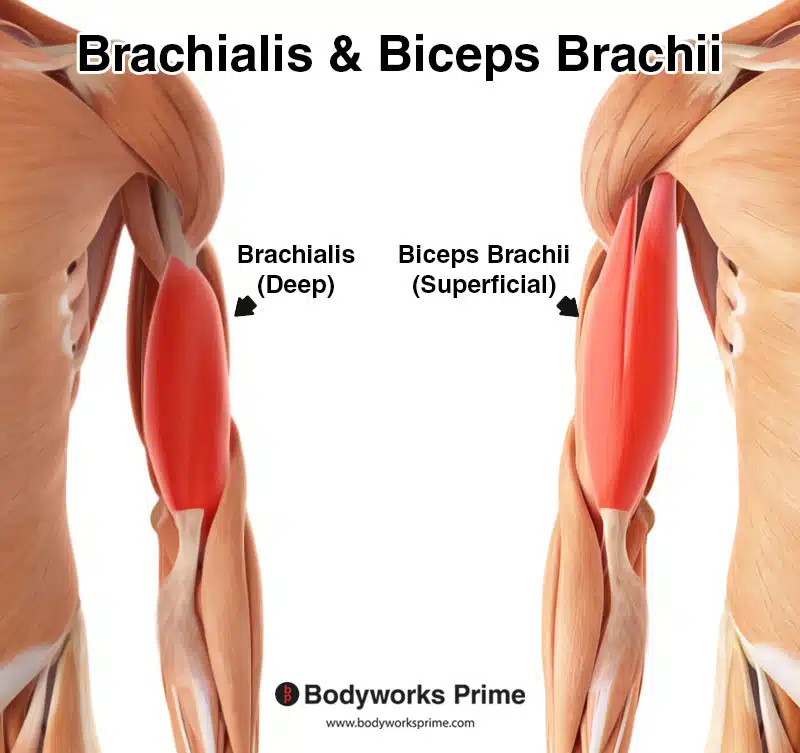
Brachialis* **(Muscles of the anterior arm - forearm movement 2 of 3):
What is OIASA?
Origin: Distal anterior humerus.
Insertion: Coronoid process of ulna.
Action: Flexes forearm.
Synergist: Biceps brachii.
Antagonist: Triceps brachii.
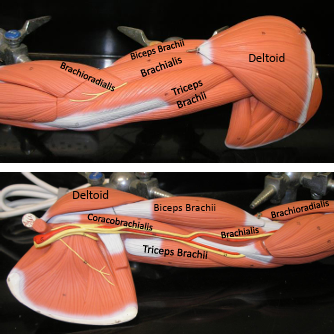
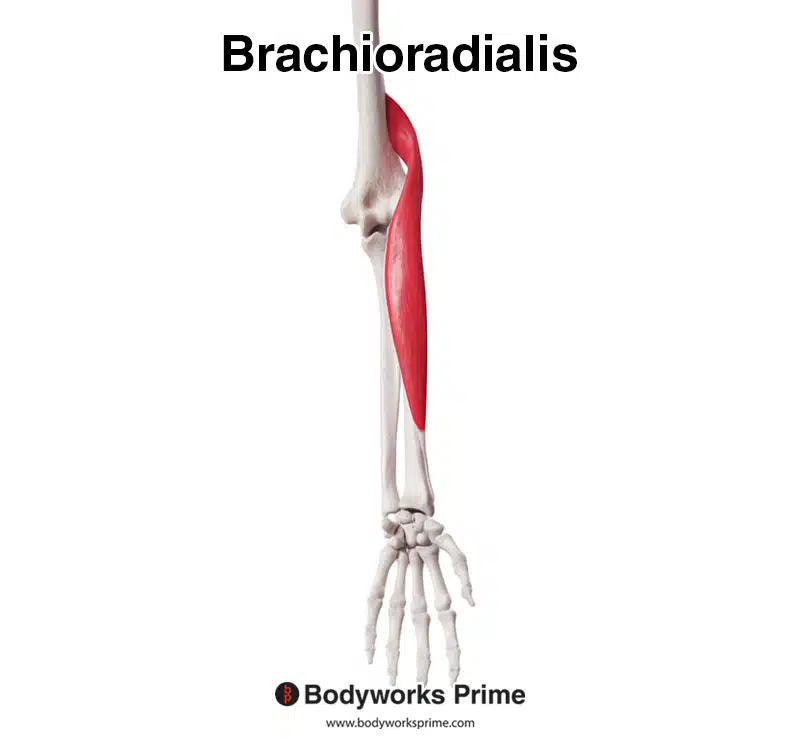
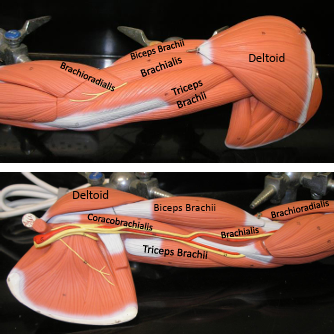
Brachioradialis** (Muscles of the anterior arm - forearm movement 3 of 3):
What is OIAS?
Origin: Distal humerus
Insertion: Styloid process of radius.
Action: Flexes forearm.
Synergist: Biceps brachii.
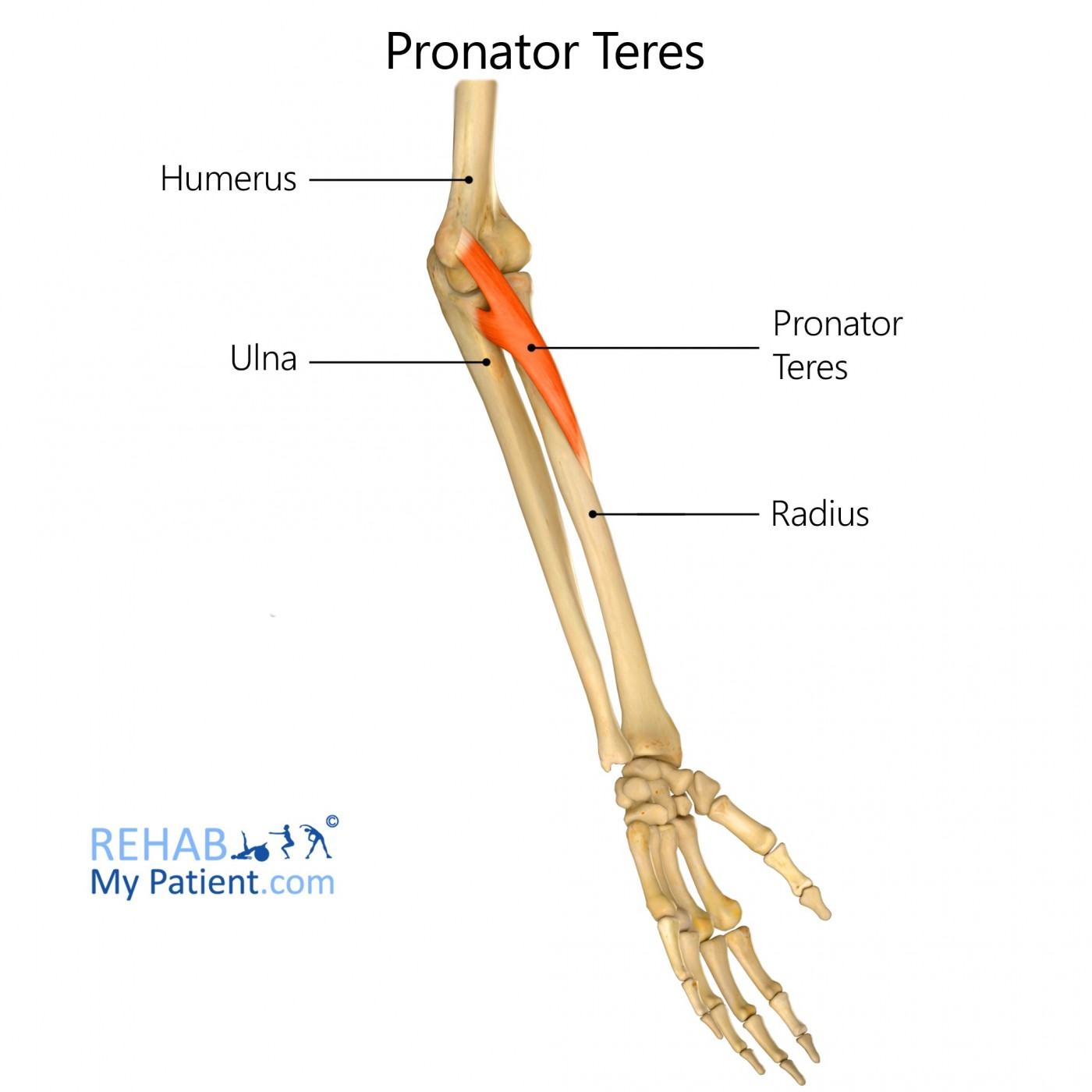
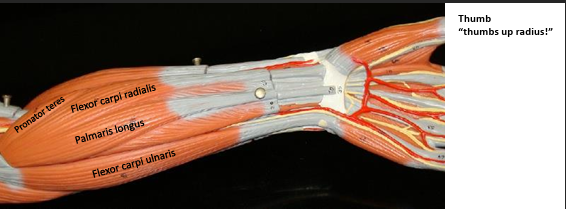
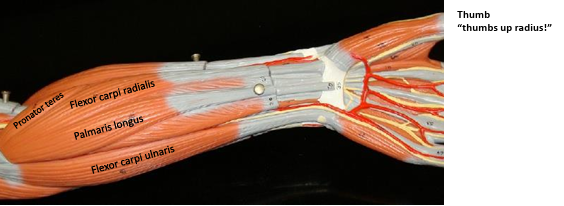
Pronator teres (Muscles of the anterior forearm - wrist, hand, & digit movement 1 of 5):
What is Action?
Action: Pronates forearm.
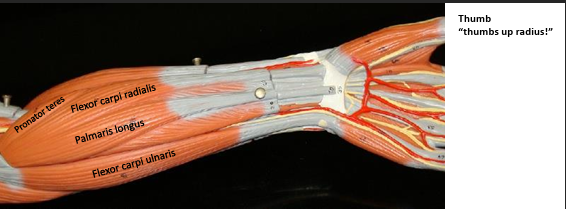
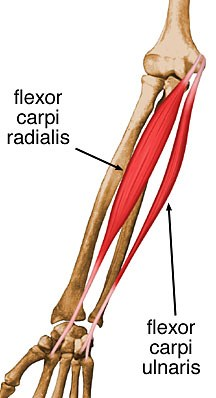
Flexor carpi ulnaris* **(Muscles of the anterior forearm - wrist, hand, & digit movement 2 of 5):
What is OIASA?
Origin: Medial epicondyle of humerus.
Insertion: Base of 5th metacarpal.
Action: Flexes wrist.
Synergist: Flexor carpi radialis.
Antagonist: Extensor carpi ulnaris.
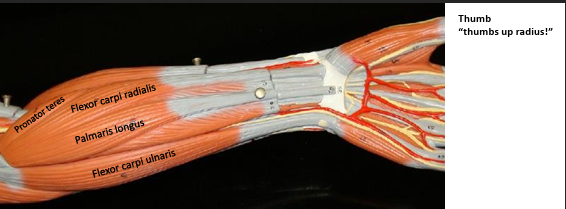
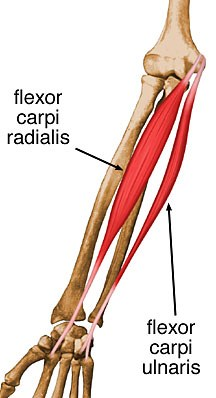
Flexor carpi radialis* **(Muscles of the anterior forearm - wrist, hand, & digit movement 3 of 5):
What is OIASA?
Origin: Medial epicondyle of humerus.
Insertion: Base of 2nd and 3rd metacarpals.
Action: Flexes wrist.
Synergist: Flexor carpi ulnaris.
Antagonist: Extensor carpi radialis.
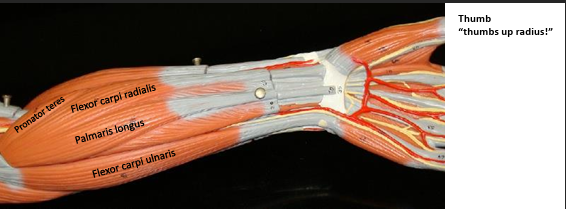
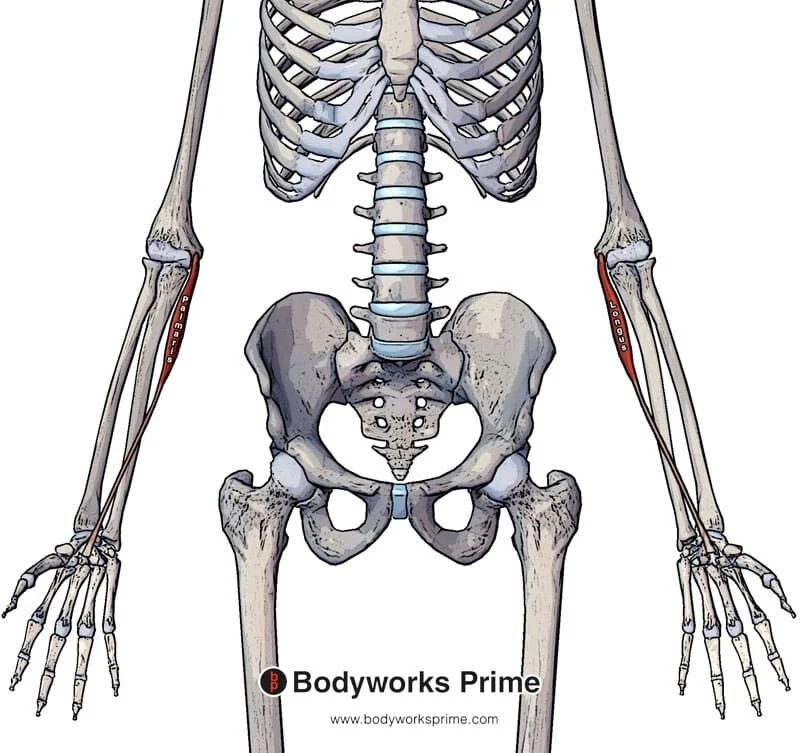
Palmaris longus* (Muscles of the anterior forearm - wrist, hand, & digit movement 4 of 5):
What is AA?
Action: Flexes wrist.
Antagonist: Extensor carpi radialis.
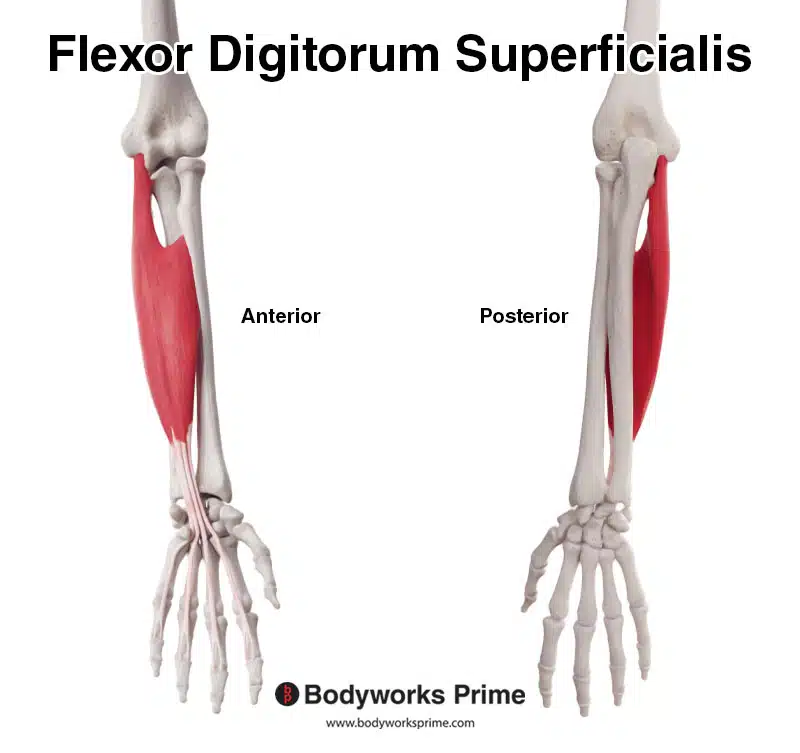
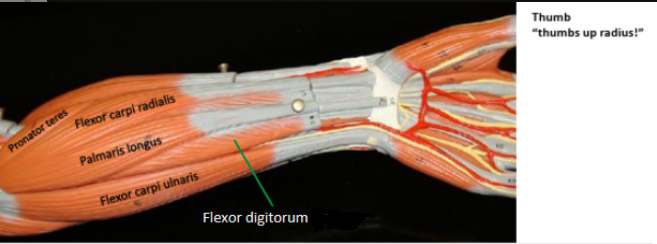
Flexor digitorum* (Muscles of the anterior forearm - wrist, hand, & digit movement 5 of 5):
What is OIAA?
Origin: Medial epicondyle of humerus.
Insertion: Four tendons into middle phalanges 2-5.
Action: Flexes hand.
Antagonist: Extensor digitorum.
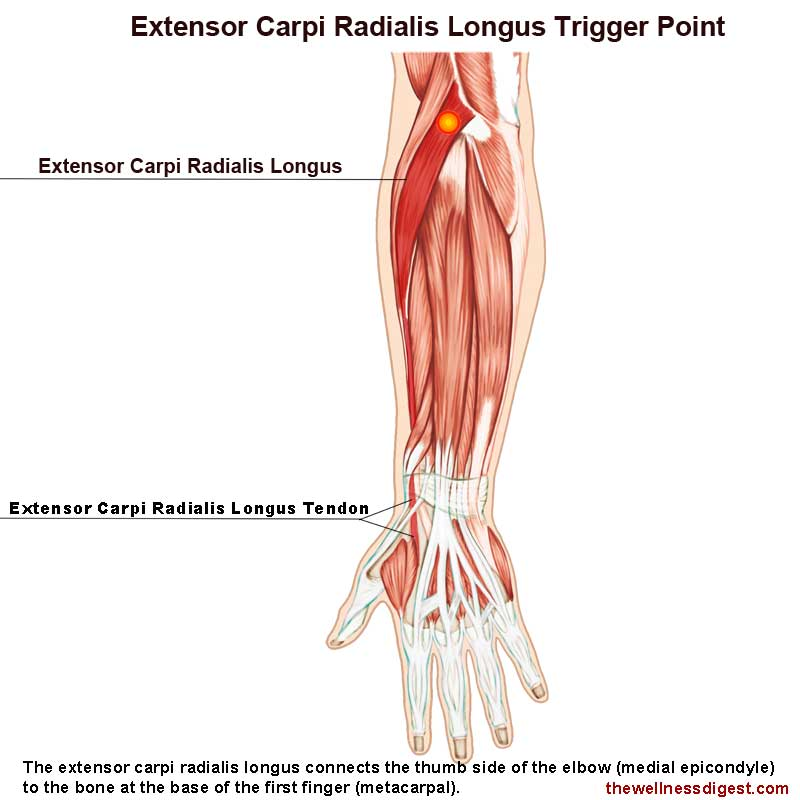
Extensor carpi radialis* ** (Muscles of the posterior forearm - wrist, hand, & digit movement 1 of 3):
What is OIASA?
Origin: Lateral epicondyle of humerus.
Insertion: 2nd and 3rd metacarpal.
Action: Extends wrist.
Synergist: Extensor carpi ulnaris.
Antagonist: Flexor carpi radialis.
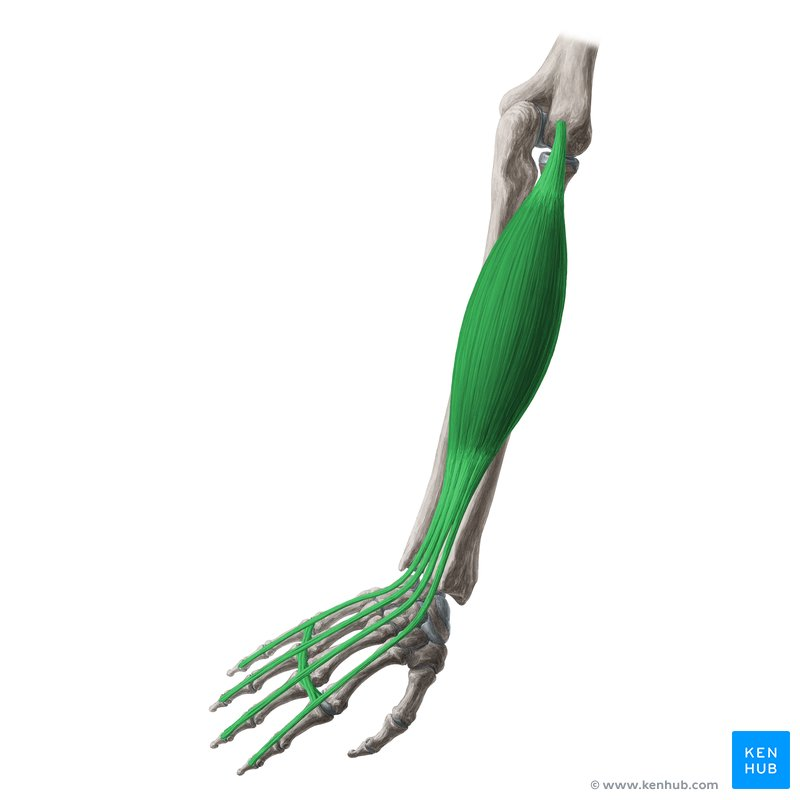
Extensor digitorum* (Muscles of the posterior forearm - wrist, hand, & digit movement 2 of 3):
What is OIAA?
Origin: Lateral epicondyle of humerus.
Insertion: Posterior surfaces of distal phalanges of digits 2-5.
Action: Extends wrist.
Antagonist: Flexor digitorum.
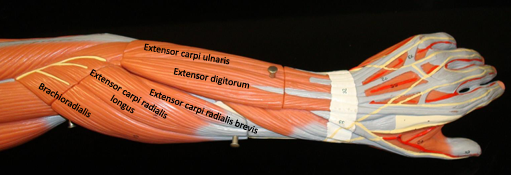
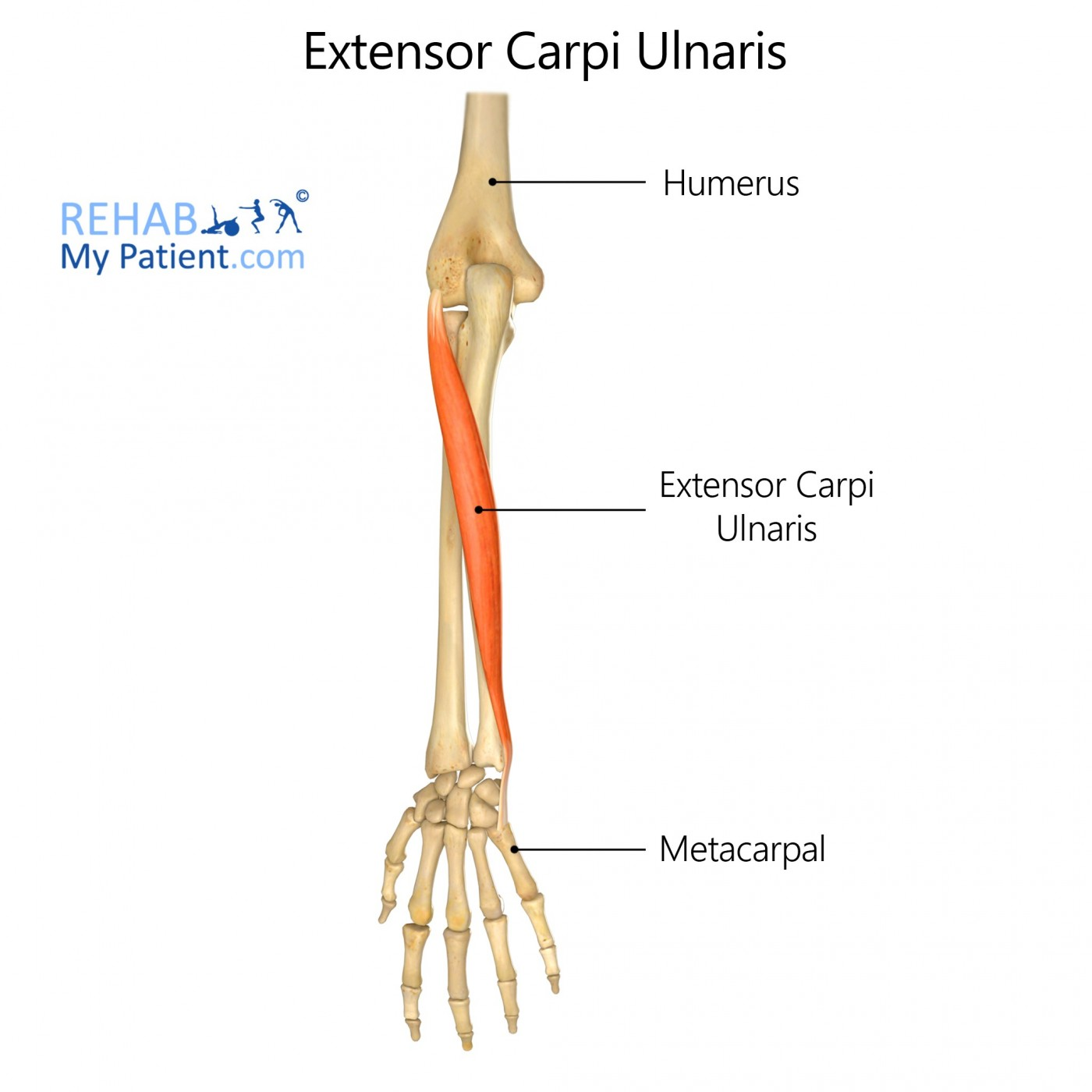
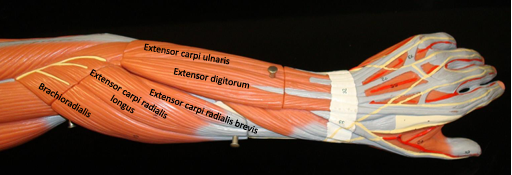
Extensor carpi ulnaris* **(Muscles of the posterior forearm - wrist, hand, & digit movement 3 of 3):
What is OIASA?
Origin: Lateral epicondyle of humerus.
Insertion: 5th metacarpal.
Action: Extends wrist.
Synergist: Extensor carpi radialis.
Antagonist: Flexor carpi ulnaris.
Which muscle aids in forced inspiration?
Sternocleidomastoid.
Which muscle provides normal/quiet inspiration?
External intercostals & diaphragm.
remember external = inspiration
Which muscle provides normal/quiet expiration?
Internal intercostals & diaphragm
remember internal = expiration
What do the SITS muscles make up?
Rotator cuff muscles.
Supraspinatus - Abducts arm.
Infraspinatus - Laterally rotates arm.
Teres minor - Laterally rotates arm.
Subscapularis - Medially rotates arm.
Know the prime mover for a particular motion (from your cards):
Erector spinae → back extension
Diaphragm → inspiration
Rectus abdominis → trunk flexion
Serratus anterior → scapula protraction/rotation
Deltoid → arm abduction
Pectoralis major → arm flexion/adduction/medial rotation
Latissimus dorsi → arm extension/adduction/medial rotation
Triceps brachii → elbow extension
Biceps brachii → elbow flexion
Brachialis → forearm flexion