conbio final
 Call Kai
 Learn
Learn Practice Test
 Spaced Repetition
 Match
Match Flashcards
 Knowt Play
1/71

There's no tags or description
Looks like no tags are added yet.
Name | Mastery | Learn | Test | Matching | Spaced | Call with Kai |
|---|
No analytics yet
Send a link to your students to track their progress
72 Terms
captive breeding
programs to maintain a breeding population in zoos or labrotories
reintroduction/reestablishment
releasing individuals from a species into a location where they historically occurred but do not occur anymore. source can be wild or captive population (also called translocation when wild source)
reinforcement
releasing individuals into a small population to improve its size or genetic diversity. sometimes called enhancement when done with larger populations.
assisted colonization
releasing individuals from a species into a location where they DID NOT historically occur
cq: why is it important that all the black footed ferret pairings occurred through artificial insemination
with a small starting population, minimizing inbreeding and maximizing genetic diversity requires strategic breeding
cq: by splitting a small population into two smaller spatially separated sub-populations what is the species protected against?
environmental stochasticity
cq: what best describes biotic homogenization?
different ecosystems become more similar in species composition
how do we predict the consequences of species interactions?
experiments, observational data (i.e. correlations), mathematical models, interaction webs
species interactions in conservation
direct effects - one step effects
indirect effects - effects occur through multiple steps of interactions
what is a trophic cascade?
the abundance of one species mediates the abundance of multiple other species in an ecological food chain or food web
abrupt change
substantial changes in a system that occur in a short period of time relative to typical rates of change
resilience
degree to which an ecosystem can tolerate changing environmental conditions and/or disturbance without shifting to a qualitatively different size
alternative states
two or more states at which an ecosystem can persist, within the same range of driver variables
threshholds
points where even small changes in environmental conditions (underlying controlling variable) will lead to large changes in ecosystem state
stable states
state to which the system recovers after disturbance
modes of abrupt state shifts
non-linear tracking: system will tend to return to pre-disturbed states
alternative states: large disturbances can trigger a persistent shift to an alternate state with no change in environmental conditions
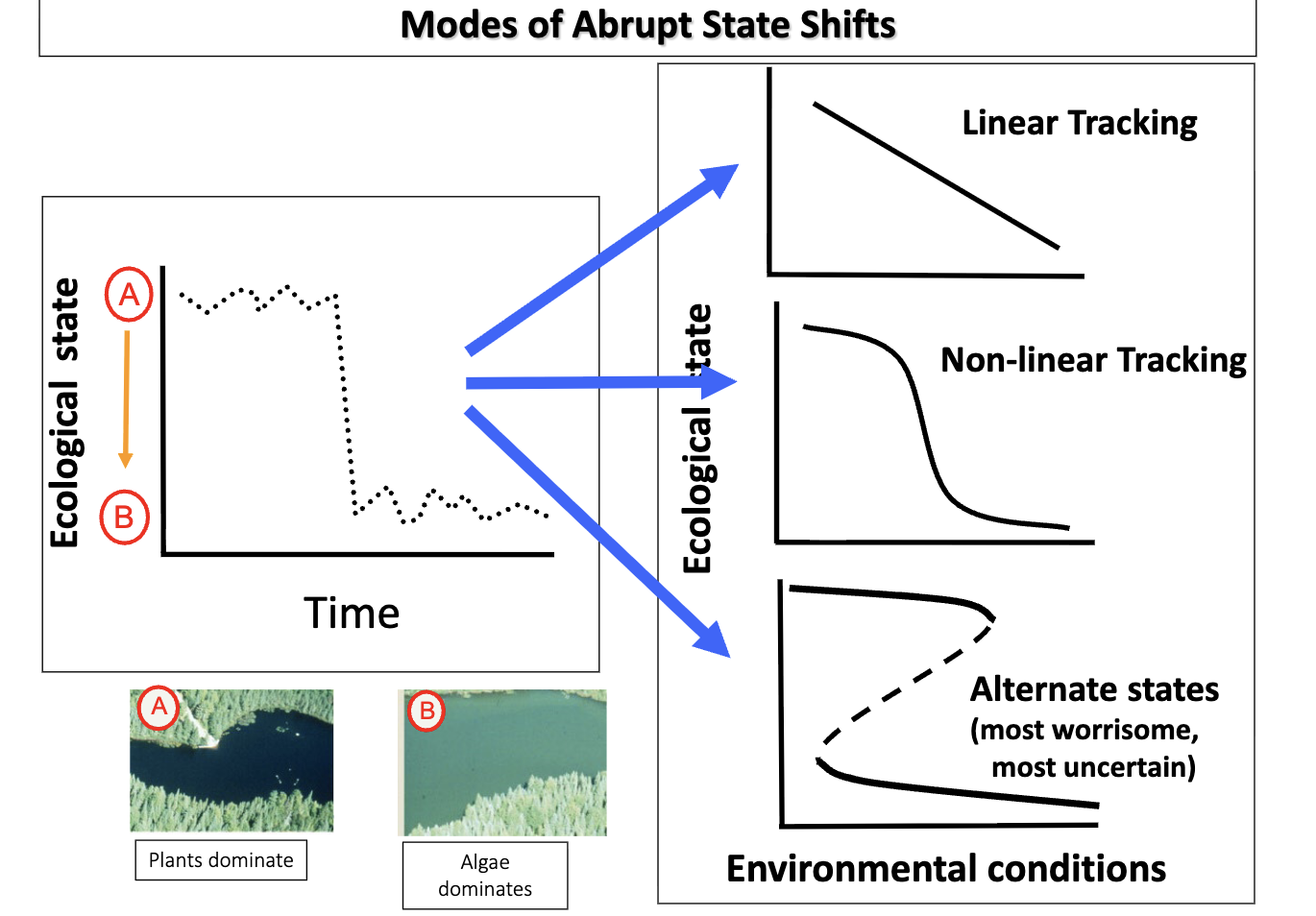
lake eutrophication
the flip from clear to turbid murky water
some lakes remain clear for decades until one summer storm churns up the sediments (and nutrients there), and then remains turbid for decades, despite all attempts at restoration
coral bleaching
water is extremely warm right now
herbivorous fish are key to preventing macroalgal dominance and preserving coral reef resilience
cq: imagine a coral reef is covered by macroalgae (i.e low coral cover) What management strategies might allow the coral to recover?
decrease fishing and remove macroalgae
alien/non-native/introduced species
species that have been moved through human activities beyond their natural geographic range (also called exotic species)
invasive species
non-native species that cause negative environmental, economic, or human health effects (invasive alien species IAS)
cq: what makes the most sense referring to alien species
the non-native species was first introduced and then became invasive
( a species only gets called invasive after it has had time to get established and become a problem)
phases of species introduction
uptake, transport, and release
establishment
propagule pressure
also termed “introduction effect”
a composite measure of the number of individuals released into a region to which they are not native. it incorporates the numbers of individuals involved in any one release event and the number of discrete release events. as the number of releases and/or the number of individuals released increases, propagule pressure also increases
deliberation alien species introductions
naturalization societies (ex. european starling)
game animals (ex. sitka deer)
biological control (ex. cane toads)
accidental alien species introductions
ship ballast
unprocessed products
domestic animals
horticulture/agriculture/aquaculture
the “10s rule”
of all organisms important only 10% will escape, 10% of those escaped will become naturalized and 10% of those naturalized become invaders
cq: how many times were european starlings introduced into the US before becoming established
after 8+ introductions
hypotheses of why alien species become established
empty niche:alien species can do something in the local community which is not being done already
novel weapons: alien species gain advantage over native plants by releasing toxic chemicals
enemies release: alien species are released from top down control when natural enemies are not transported with them
novel environments: humans create novel habitats that are well suited for alien species
biological factors preventing invasion
biotic resistance hypothesis
diverse native communities may resist invasion
cq: what role does native species richness play?
locations with lots of native species have:
few invaders because existing species resist invasions
lots of invadors because conditions are good for biodiversity in general
(both can be true at different spacial scales)
relationship between invasion success and species richness at different spacial scales
negative relationship within clusters
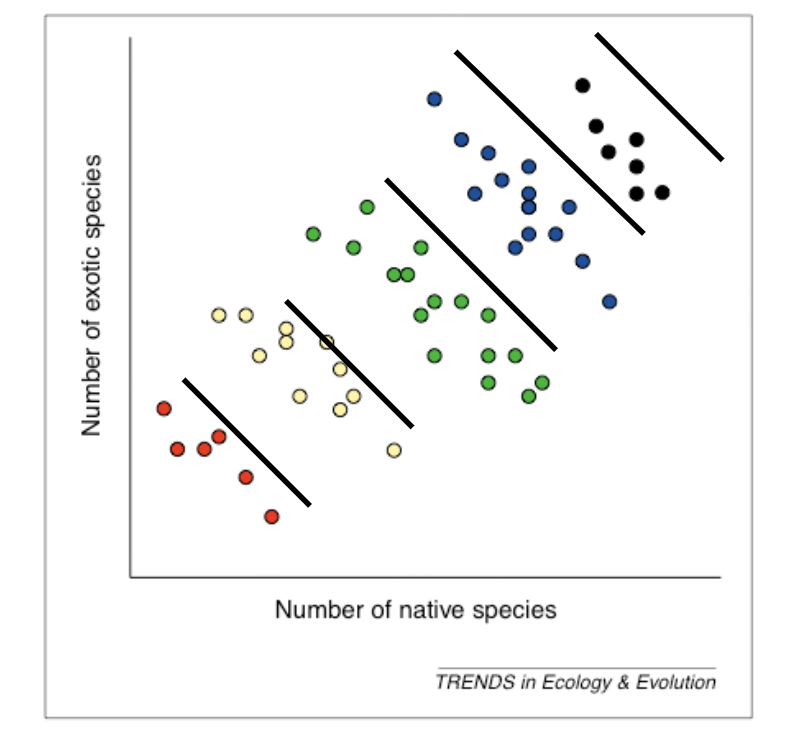
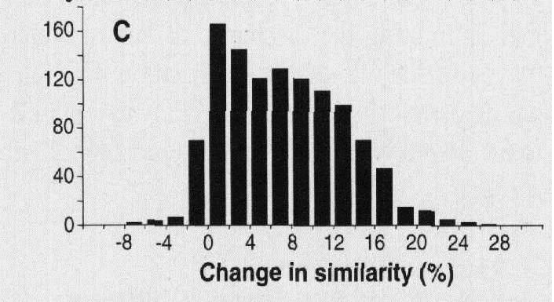
cq: what change is this graph evidence for
lower beta diversity
beta diversity measures diversity between sites. if sites become more similar beta diversity goes down
introductions and invasions are an important reason for:
biotic homogenization
loss of beta diversity at all scales
increases in alpha diversity at large (e.g. continental) scales
cq: at what stage is it most cost effective to combat invasive species
prevention
(prevention is much cheaper than control)
species distribution models:
can be used to predict where an invasive species might spread next
biological control
introducing predators (or diseases) to control invasive species
infectious diseases are important for conservation biology because:
diseases may enter human populations from wildlife
conservation and management policies can affect the occurrence and spread of these diseases
diseases can also decimate wildlife populations
may spread from humans or domesticated animals
conservation biology must also account for even natural diseases
infectious disease
a condition of a plant or animal that impairs normal function and is caused by a transmissible biological agent
emerging infectious diseases (EIDs)
infectious diseases whose incidence has increased in the recent past
*these are increasing in frequency
gene drives in vector control
could spread genes that confer resistance to the disease?
could even be used for complete eradication (introduce a gene that causes ALL offspring to ne male)
summary of conservation issues with respect to EIDs in humans
interactions with wildlife are a common source of human EIDs
wildlife trade (for food, fur, medicines, etc.) human encroachment on wild lands, habitat fragmentation are risk factors
climate change may increase threats
disease vector dynamics are often important
cq: in respect to spillover effects, how common do you think transmission is into wildlife from humans and domesticated animals?
more common than transmission into humans
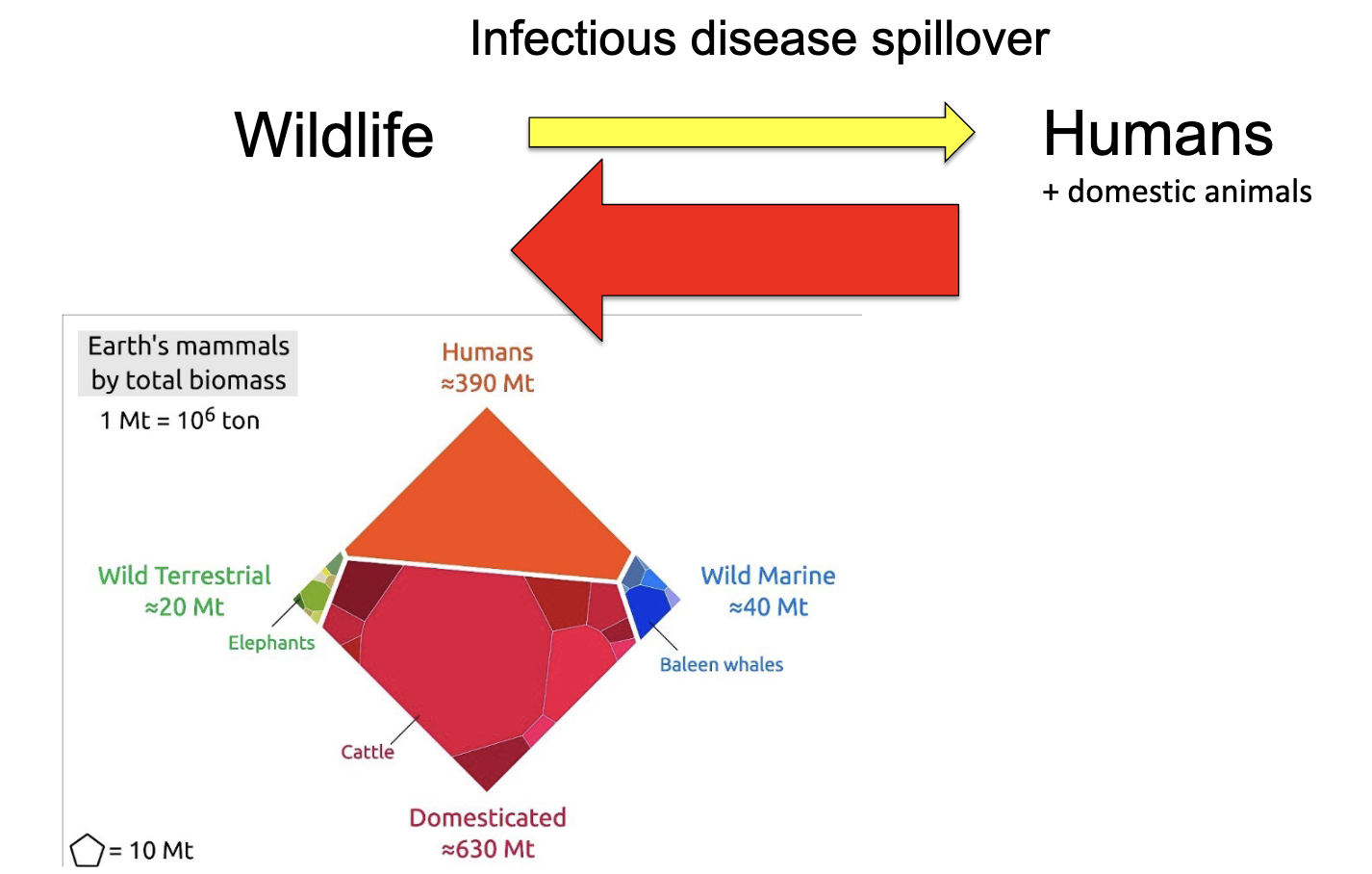
preventing “pathogen pollution”
limit contact between humans/livestock and wildlife
vaccinate/treat diseases in livestock, pets, etc.
disease in the ocean
ocean is a “microbial soup” of bacteria, viruses, and potential parasites
diseases can lead to mass mortality events of marine species
sometimes to a point where recovery is uncertain
and can have cascading impacts to entire ecosystem
cq: what cascading effects likely arose from the mass dieoff of an herbivorous sea urchin
decrease in coral populations (due to loss of top-down control of macroalgae, and then competition between algae and coral)
climate change (what we know)
overwhelming consensus that climate change is occurring
overwhelming consensus that humans are contributing to climate change (general consensus they are the biggest cause)
cq: which of the following human acitivities contributes the most to climate change
carbon dioxide emissions
cq: how long has it been since CO2 concentrations were last above 425 ppm for multiple years
800,000+ years
climate change key points
the atmospheric concentrations of carbon dioxide, methane, and nitrous oxide have increased to levels unprecedented in at least the last 800,000 years
carbon dioxide concentrations have increased by 40% since pre-industrial times, primarily from fossil fuel emissions and secondarily from net land use change emissions
cq: what are the major effects of climate change so far
sea level up, ice cover down
key impacts of climate change so far:
temperature - rising (and ice disappearing)
sea level - rising
precipitation - changes, maybe getting more variable
extreme events - changes, may be more common
ocean acidification - increasing acidification (pH down, the chemistry of water + CO2)
cq: phenology studies how climate change effects:
the timing of seasonal events in an organisms’ life cycles
biological effects of climate change
changes to phenology (seasonal timing)
changes in where species occur
effects of melting sea ice
effects of ocean acidification
evolution/adaptation
plant competition and soil feedback?
climate envelope
the range of environmental conditions within which a species can persist
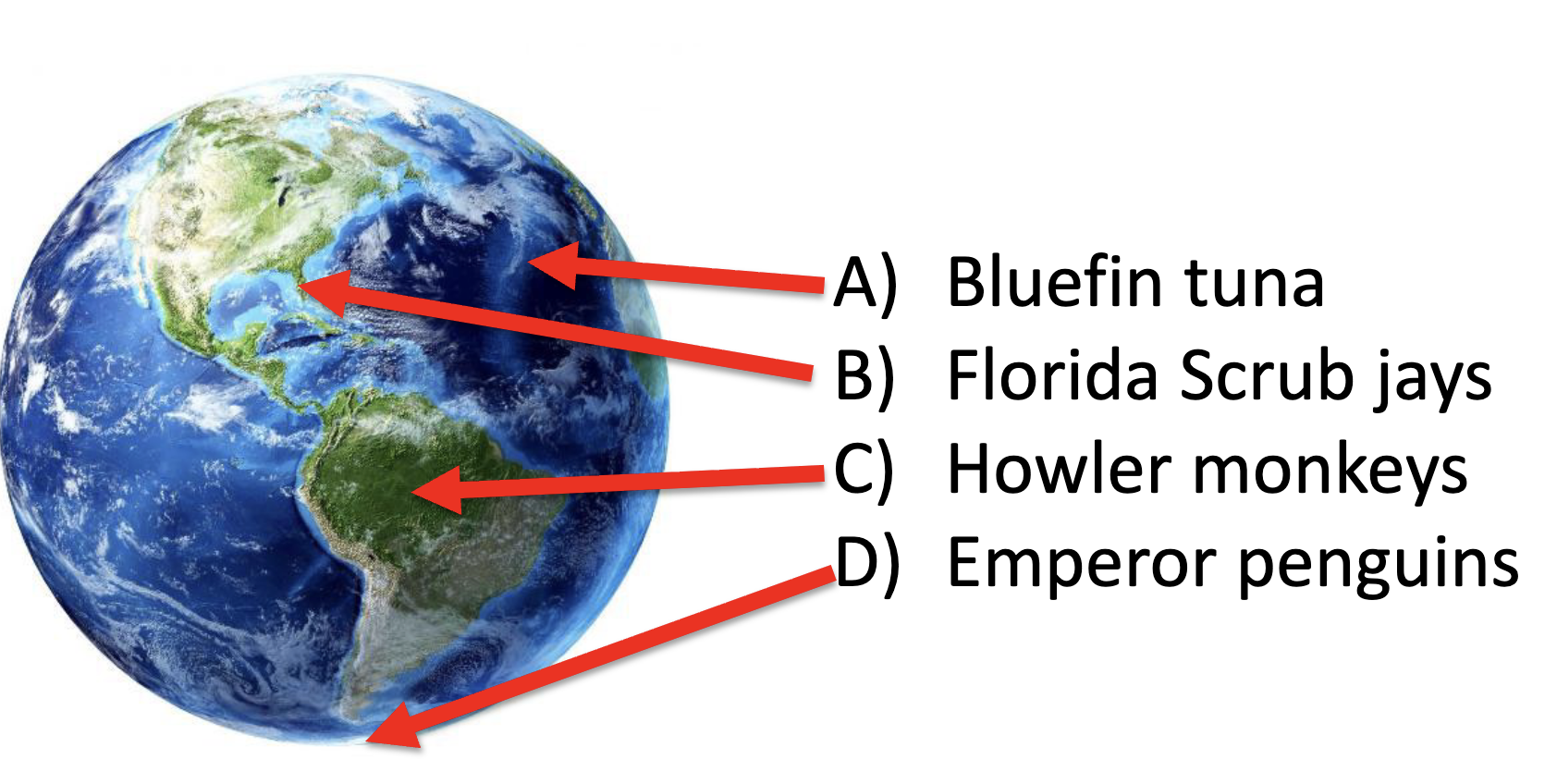
cq: which species do you think it going to have the hardest time shifting its range to stay in the same environment based on where they live?
emperor penguins
cq: for a given SSP (or RCP) what resulting rates of change in the environment do we have the highest confidence about?
acidifying oceans
so if species are able to shift in response to climate change whats the problem?
they have nowhere to go
they cant move fast enough
fragmentation prevents movement
no new habitats look like the old ones
thresholds result in abrupt state changes
carbonate: the key player
many marine species use calcium carbonate (CaCO3) to make shells/skeletons
calcium (Ca) is abundant; carbonate (CO3) is limiting
calcifiers may be most directly affected by ocean acidification
cq: what do we call geographic areas where organisms are predicted to be able to survive the worst effects of climate change?
climate refugia
Y2Y (yellowstone to yukon conservation corridor)
taking advantage of existing protected areas (following rocky mountains)
but also motivated by north-south orientation. protecting this corridor would allow species to shift ranges easily
what can we do to help species cope with climate change
plan protected areas that account for expected shifts
protect vulnerable species from other human impacts
relocate species ourselves?
encourage evolutionary responses
managed relocation (“MR”) (“assisted migration”, or “assisted colonization”)
goals of managed relocation
reduction of extinction risk
enhancement of evolutionary potential
enhancement of ecosystem services
cq: which of the following is NOT a strategy for building evolutionary resilience:
a) increase population size
b) enhance proportion of females in population
c) protect evolutionary hotspots and refugia
d) translocate genes
b
building evolutionary resilience
-increase population sizes
-maintain adaptive potential in target genes and traits
-identify and protect evolutionary hotspots and refugia
-increase adaptability to future environments by translocating genes
-identify species with low adaptive potential, which may need extra help
project drawdown
to reduce net emissions we need to:
reduce sources
maintain and increase sinks
cq: what are the top 2 things we can do to reduce greenhouse gasses accumulating the atmosphere?
change how we produce electricity and change how we eat
arguments for geoengineering
could avert climate disaster
could buy time for new technology
need to research now so we have the tech if we need it
research now so we know what might go wrong
research now to find least bad version
ex: solar geoengineering w/ high albedo crops and buildings, spaces mirrors, marine cloud brightening, stratospheric aerosol injection
arguments against geoengineering
reduce pressure to do the right thing and reduce CO2 emissions
might not work
sure to have side effects (messing with a complex system)
difficult to reverse (trigger catastrophe?)
what happens if we stop
does not address warming effects of CO2
unequal impacts (spatial effects)
could be used as a weapon
how can we make conservation happen?
paying for conservation
international agreements
investing in and sharing science
why help endangered species?
utilitarian/economic reasons
ecosystem services
culture, aesthetic, moral reasons
conclusions
endangered species
we may have the tools for deciding how to help (like matrix models)
habitat destruction/fragmentation
hugely important for species and communities
better understanding of connectivity, metapopulations can help
catastrophes, tipping points and interactions
know that complex systems require precautionary management and whole-system thinking
species invasions and climate change are global issues
prevention is much cheaper/better/safer
tradeoff analyses can help us balance multiple objectives, look for “win-win” options