Freshwater Pollution and Water Quality
 Call Kai
 Learn
Learn Practice Test
 Spaced Repetition
 Match
Match Flashcards
1/17

There's no tags or description
Looks like no tags are added yet.
Name | Mastery | Learn | Test | Matching | Spaced | Call with Kai |
|---|
No analytics yet
Send a link to your students to track their progress
18 Terms
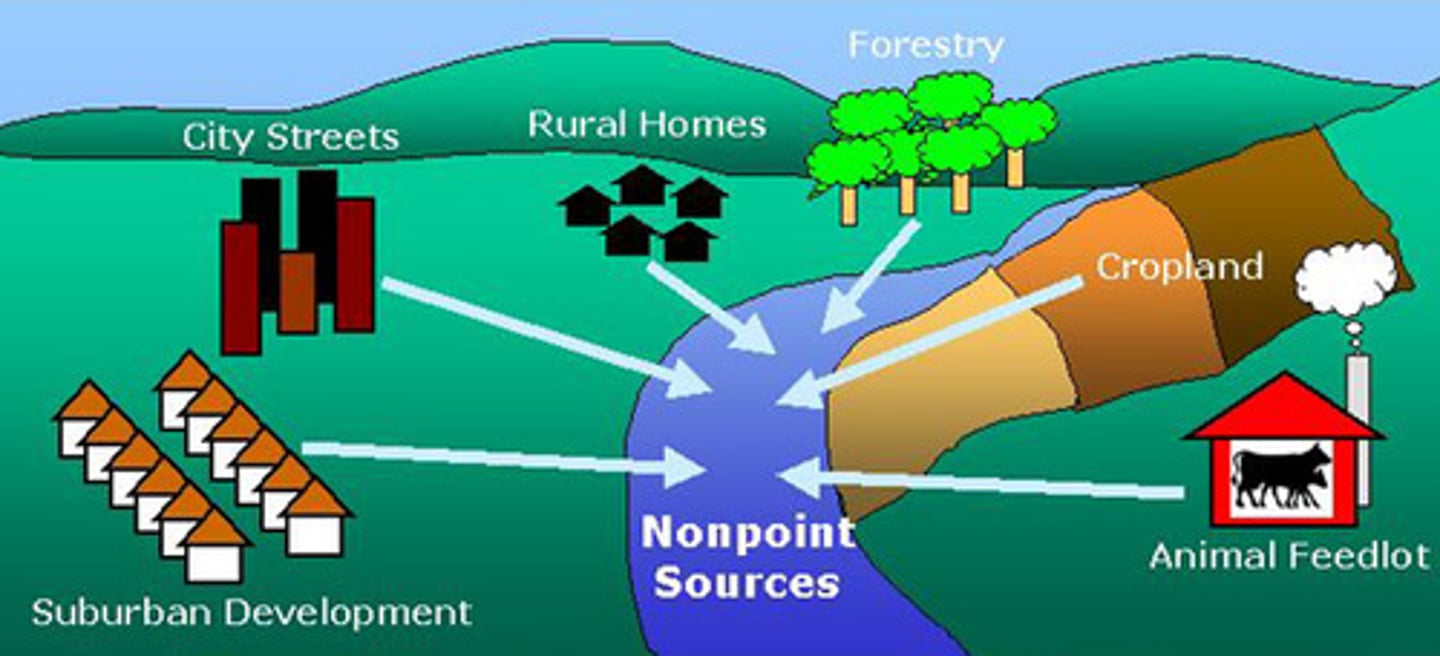
Nonpoint Source Pollution
A widely spread source of pollution that cannot be tied to a specific point of origin
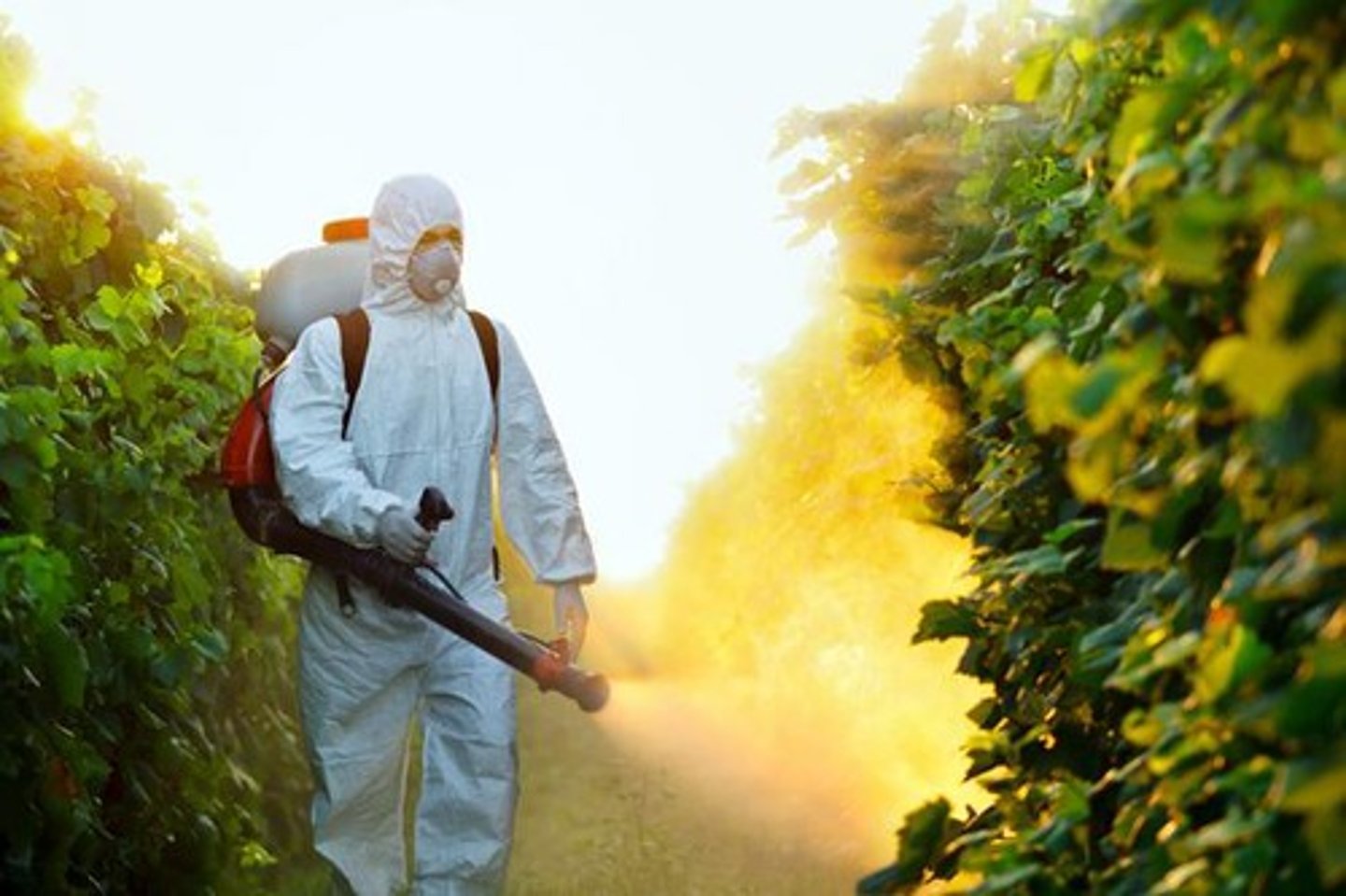
Pesticides
Chemical used on crops to kill insects
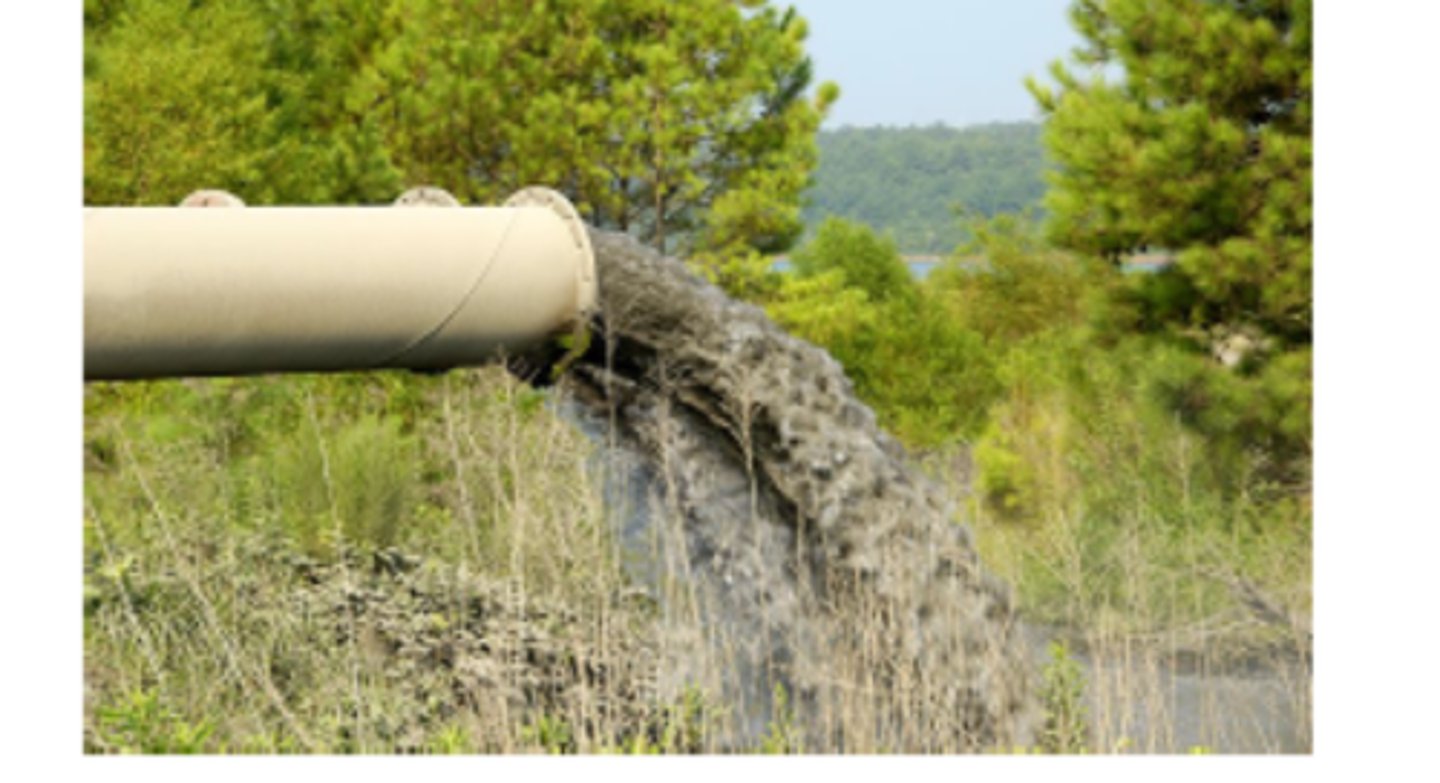
Point Source Pollution
A specific source of pollution that can be identified, such as a leaking pipe
Pollutants
Any material that can harm living things by interfering with life processes
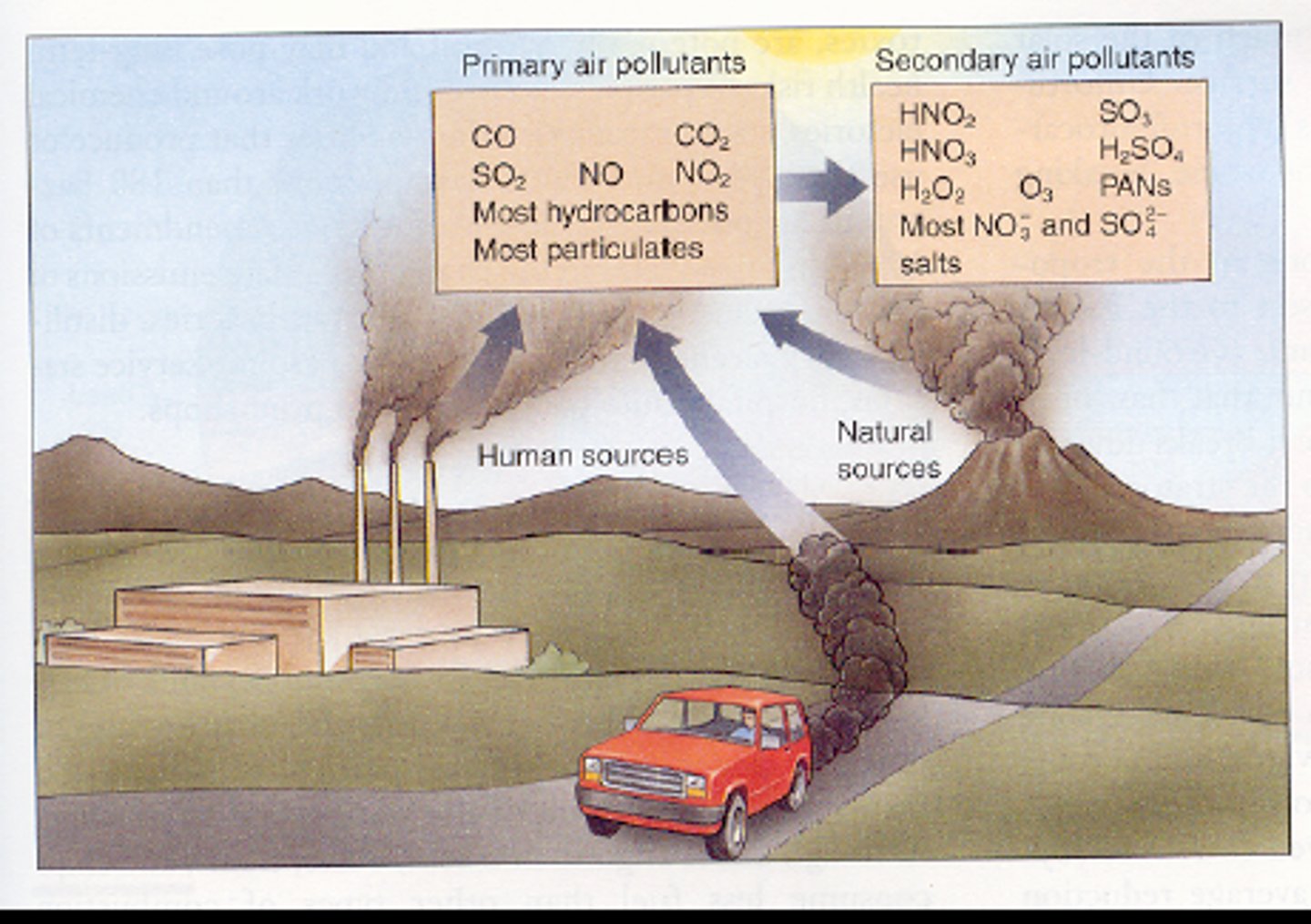
Runoff Pollution
When pollutants are washed off surfaces and into waterways, including groundwater, streams, lakes, oceans, etc.
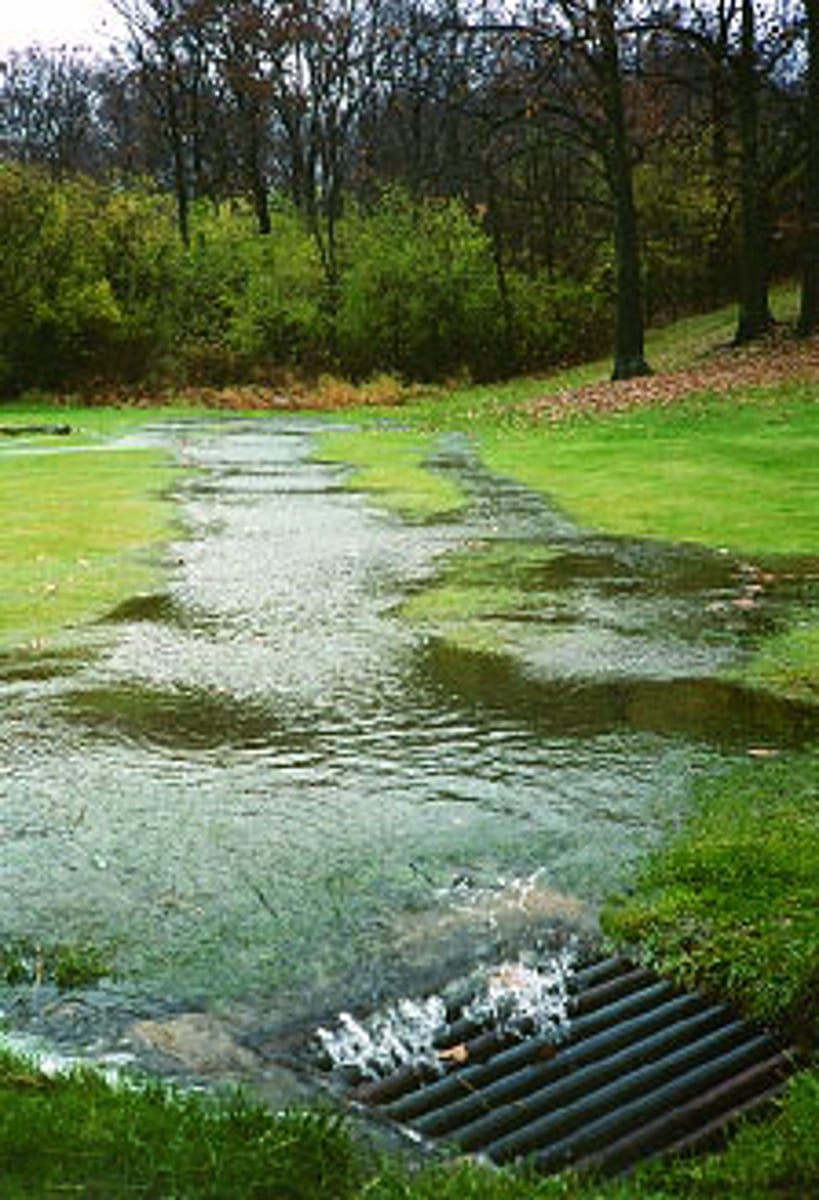
Sediment
Soil carried into waterways, can reduce sunlight and hurt aquatic life
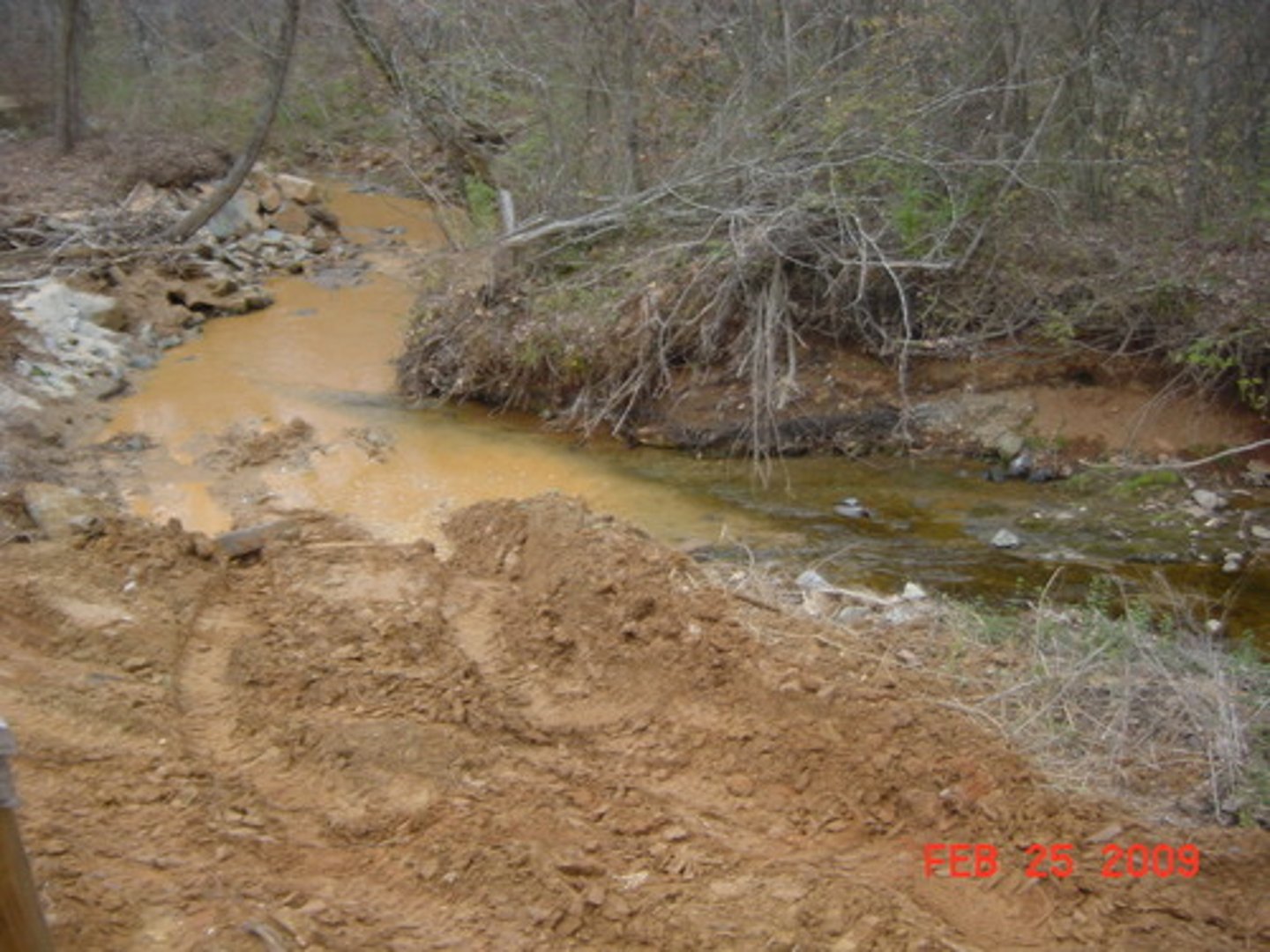
Toxic Chemicals
Gasoline, oil, pesticides; can harm aquatic life
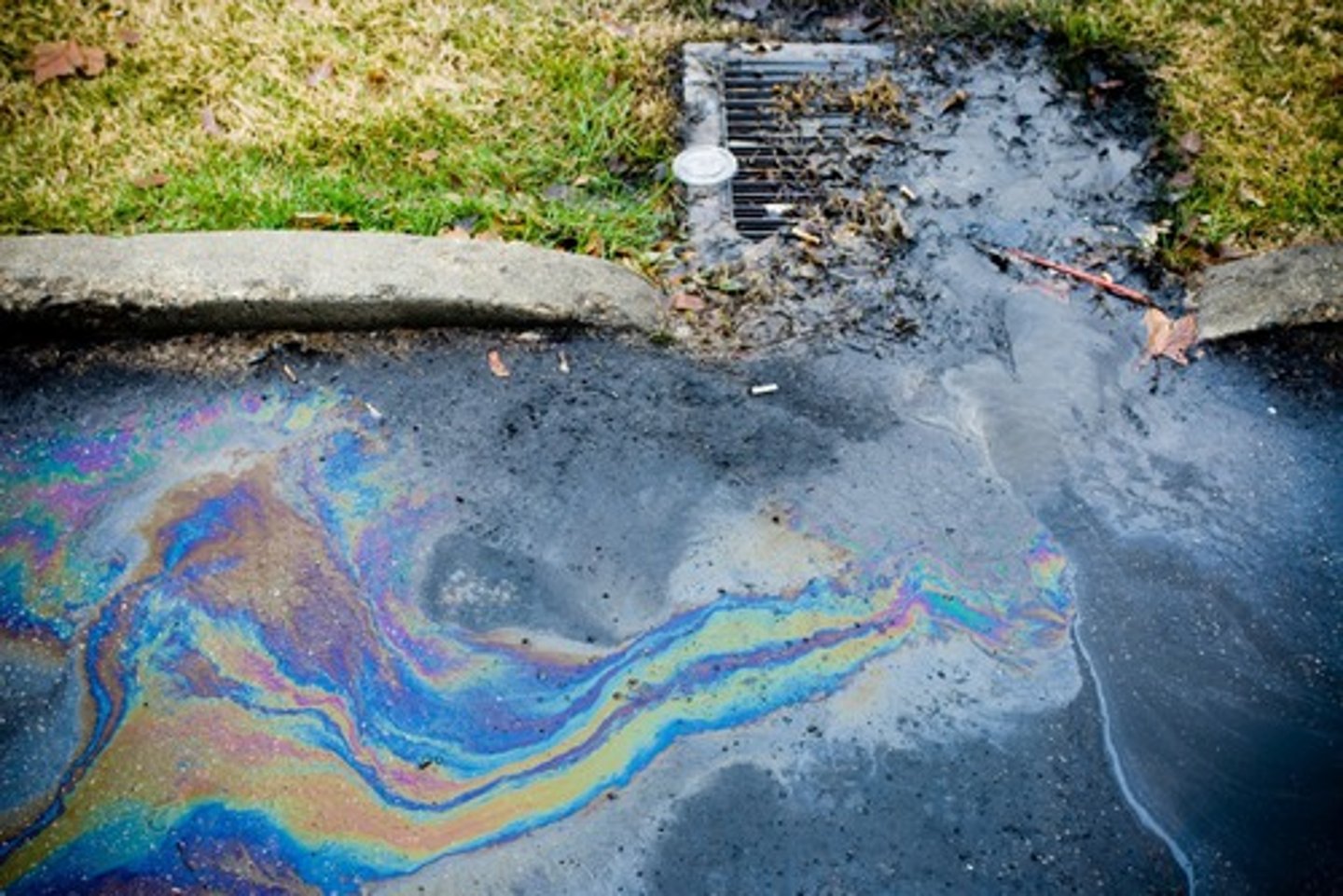
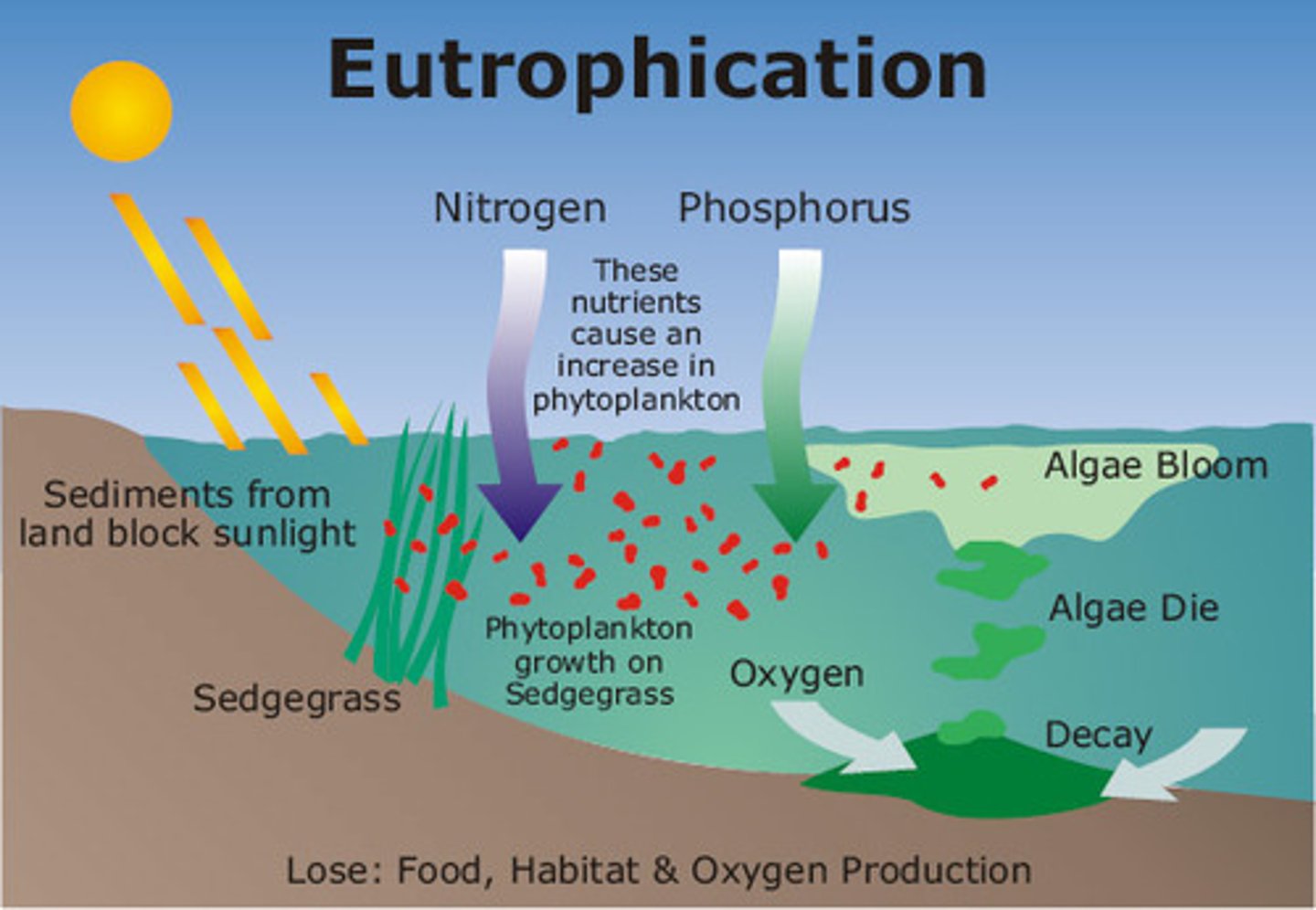
Nutrients
From fertilizer runoff; Causes overgrowth of algae in waterways that harms aquatic life
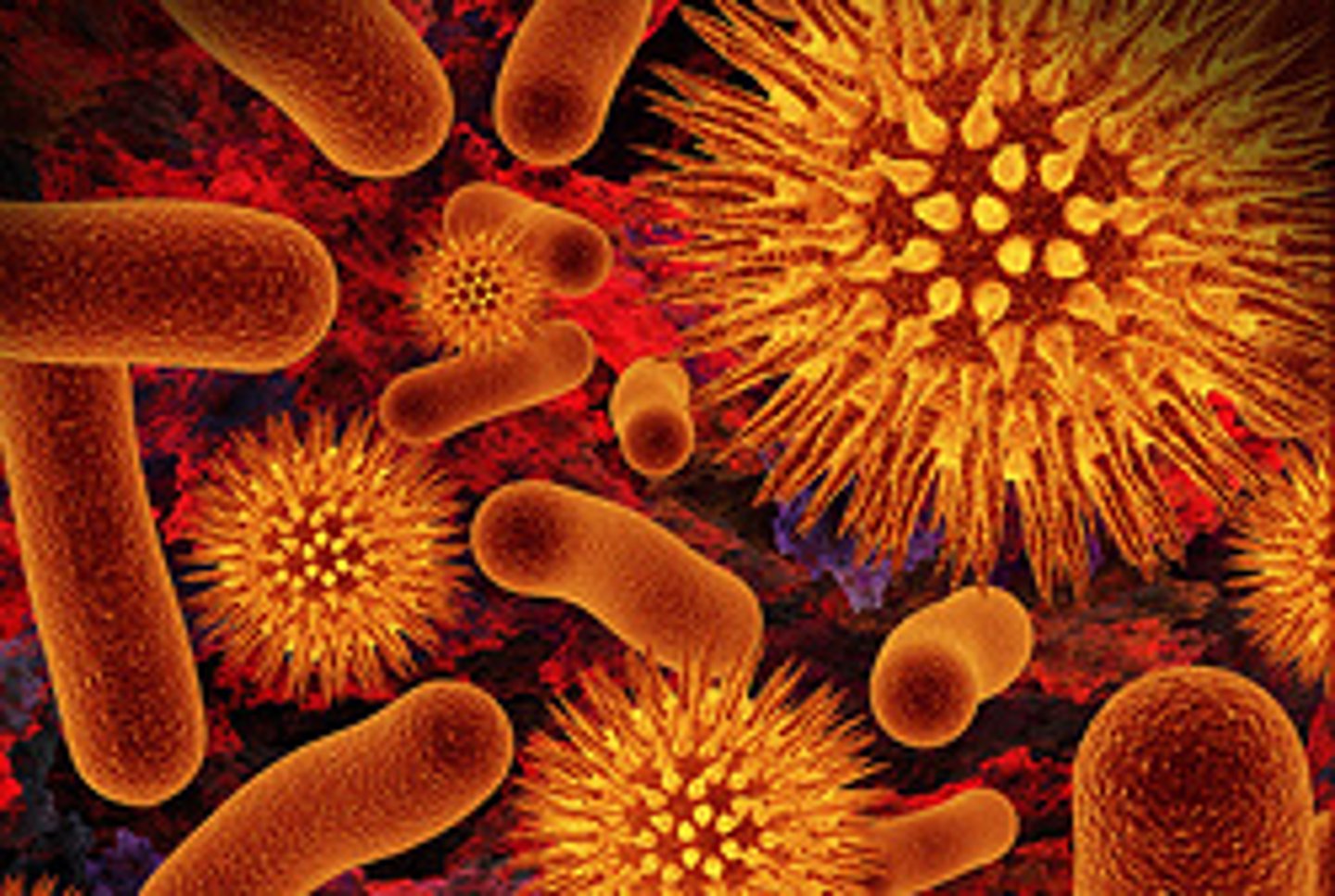
Pathogens
Bacteria from human and animal waste; cause disease
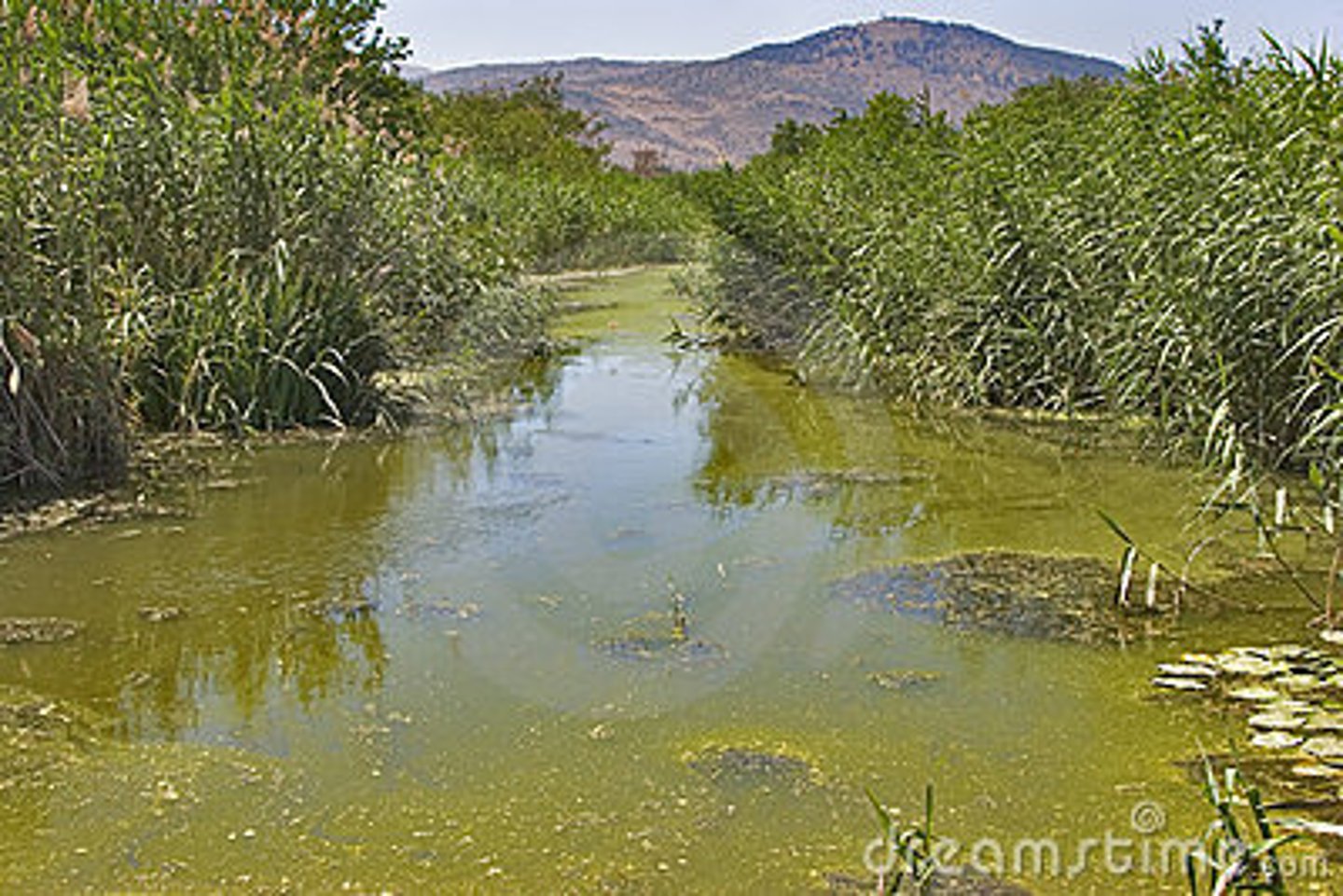
Fertilizers
Used on farm crops; runoff into waterways causes algae
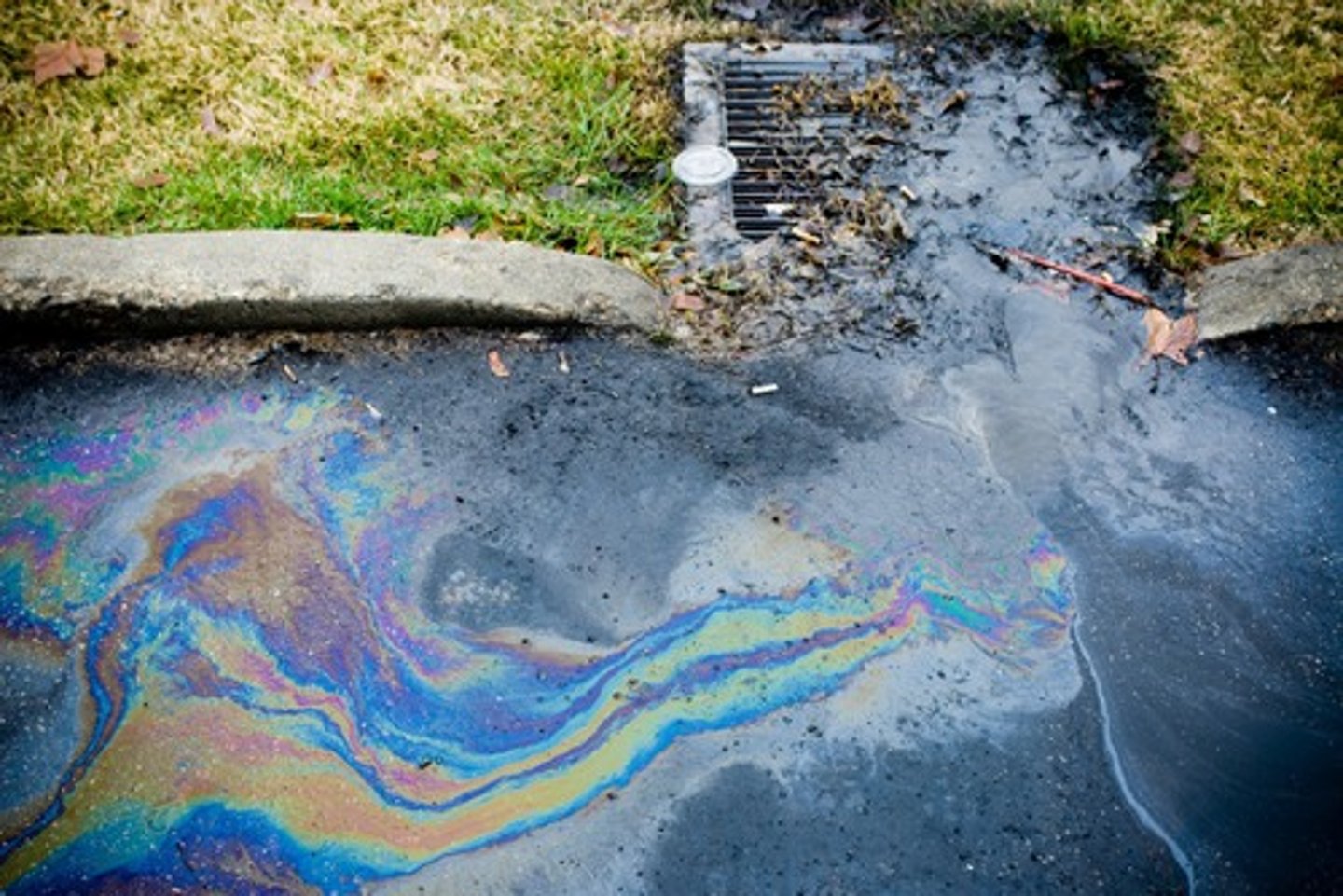
Pollution
Release of harmful materials into the environment
Water Quality
the most important abiotic factor.
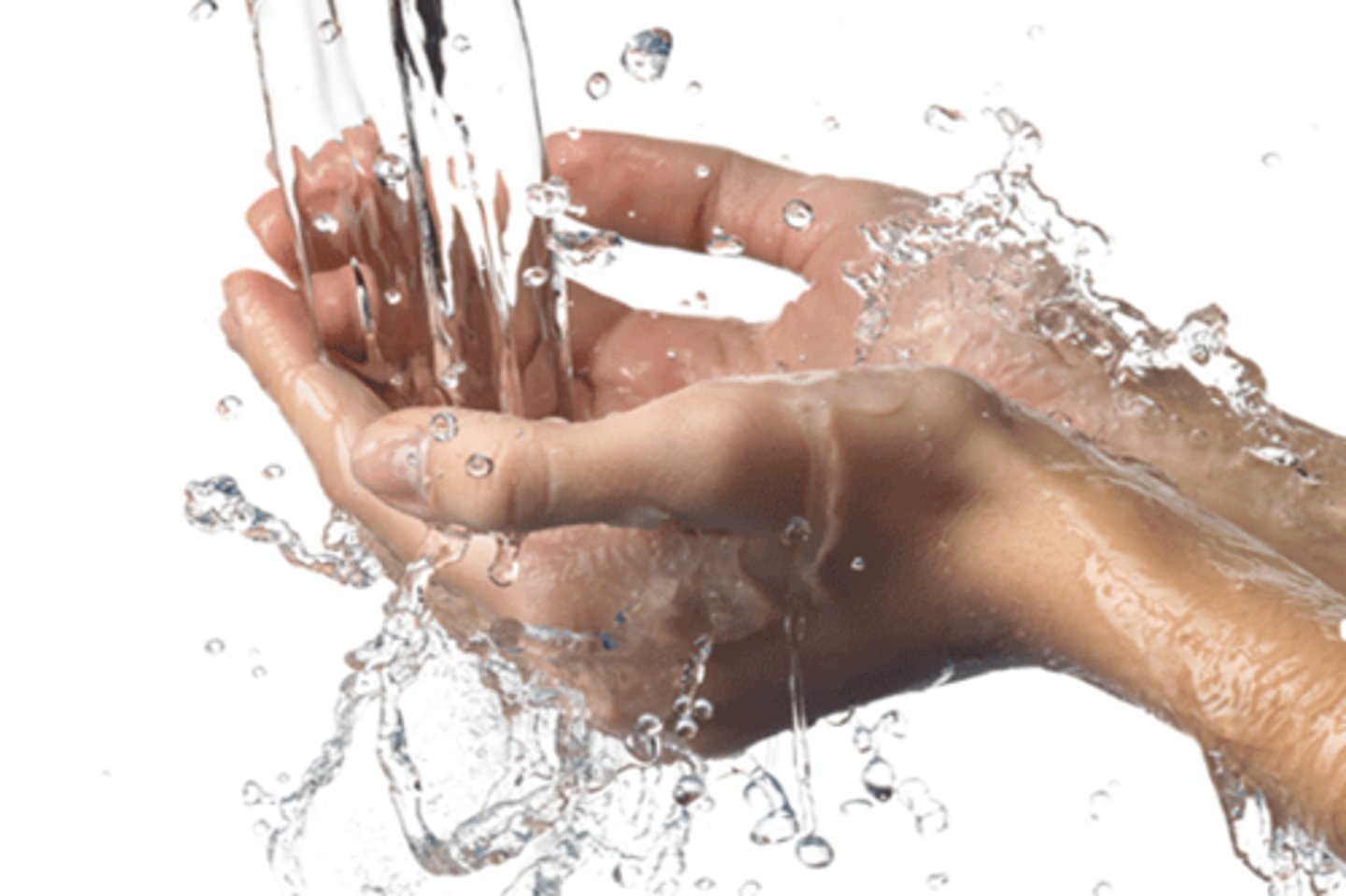
Dissolved Oxygen
the amount of oxygen in the water
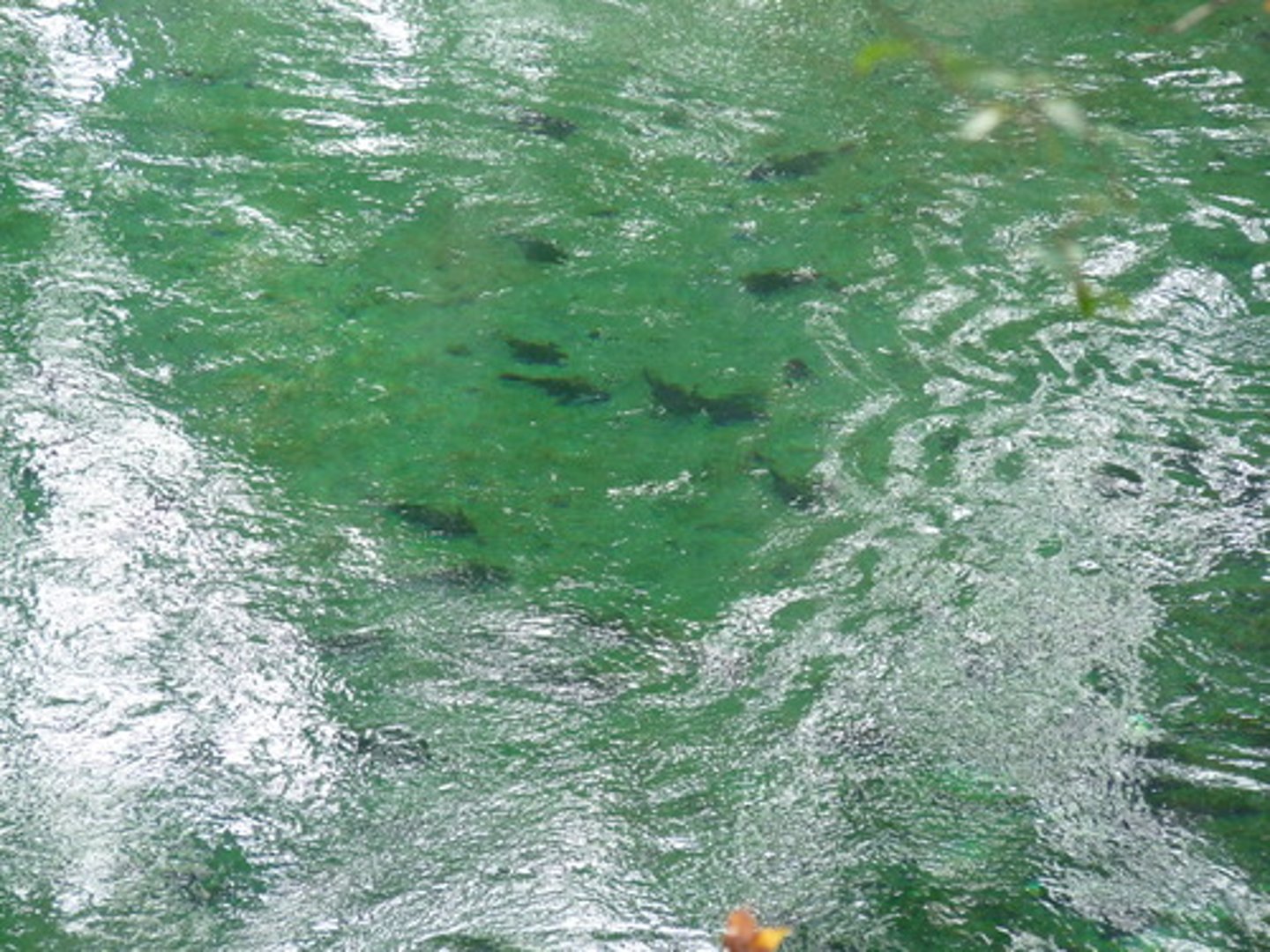
Turbidity
A measure of how clear water is.
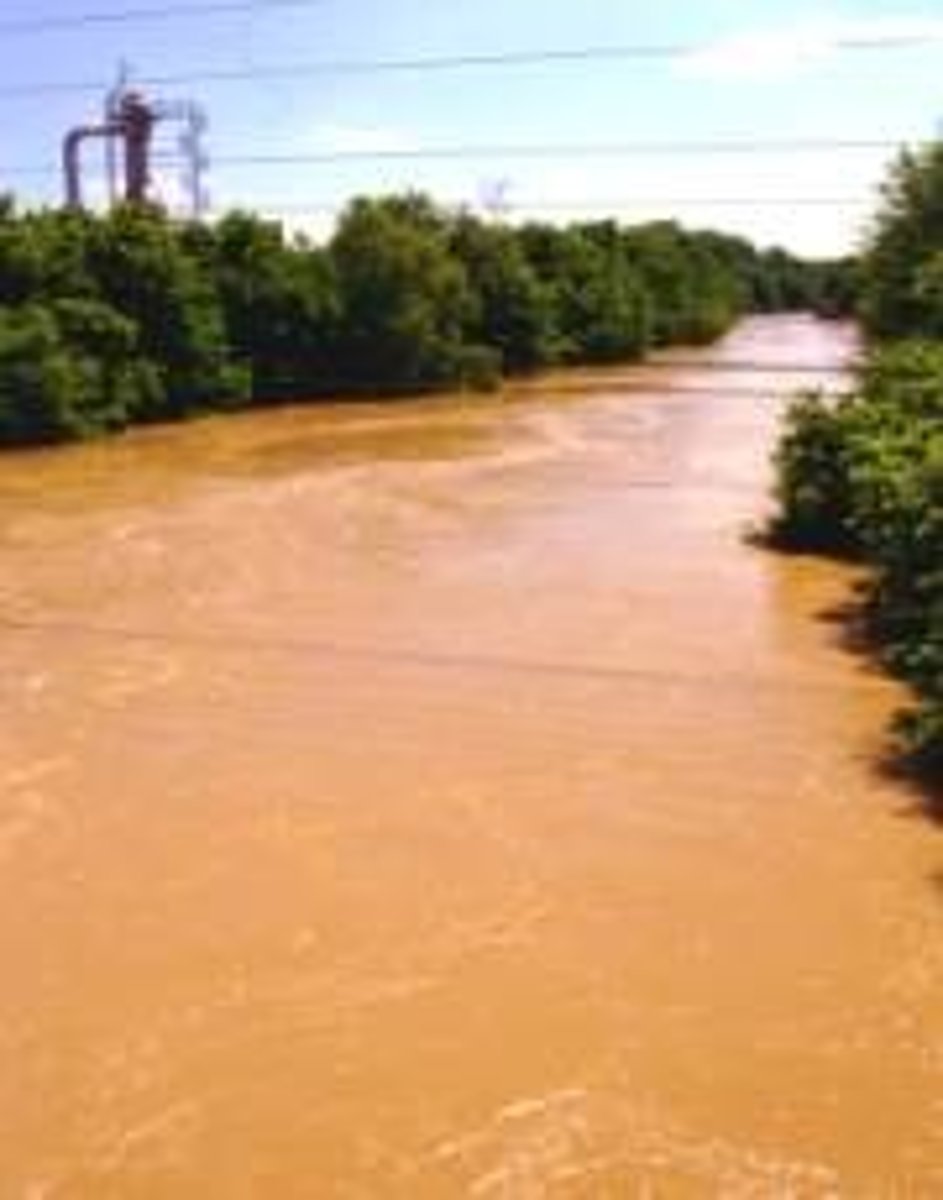
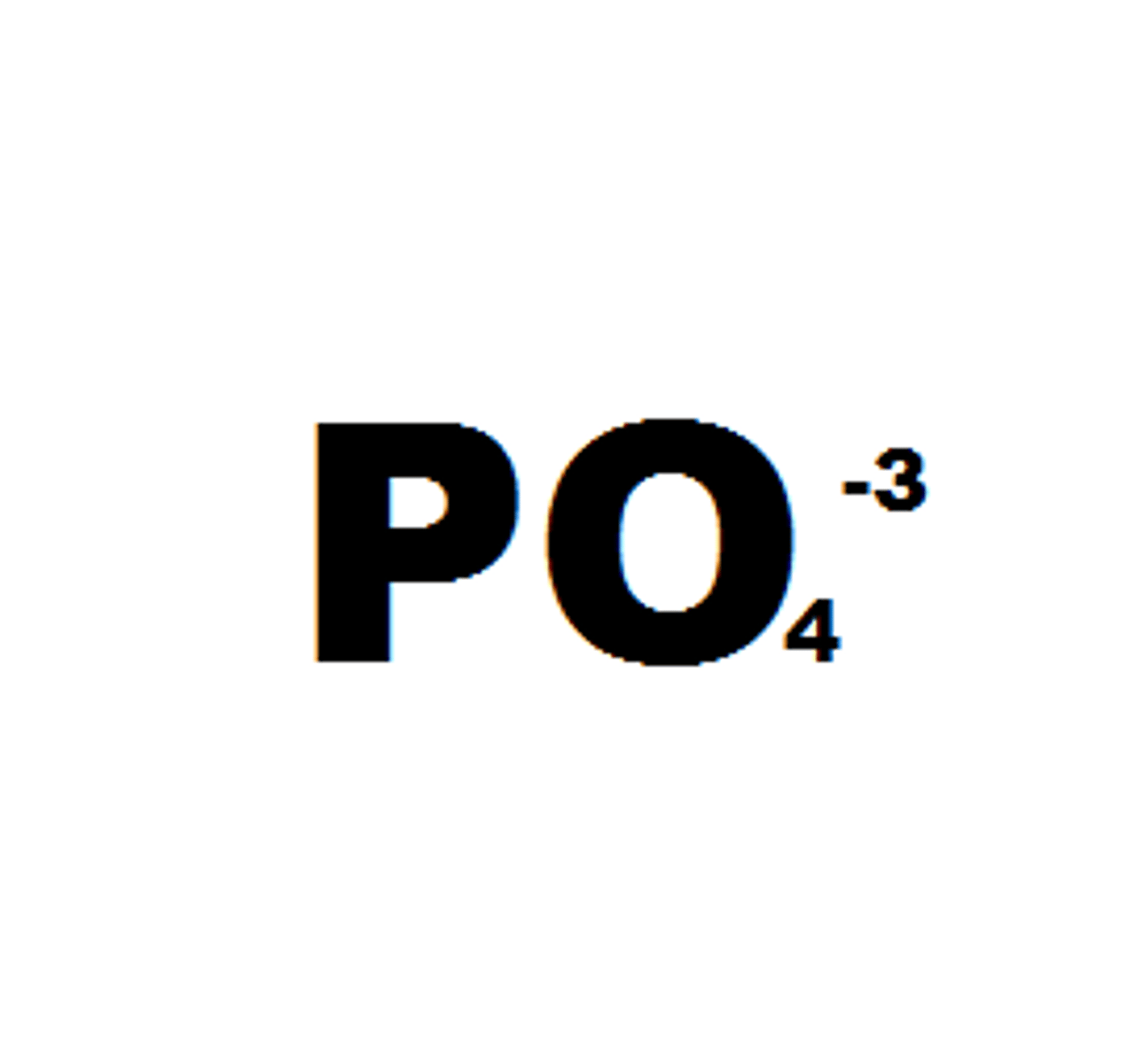
Phosphate
a natural mineral containing chemical compounds often used in fertilizers
Salinity
the amount of salt in water
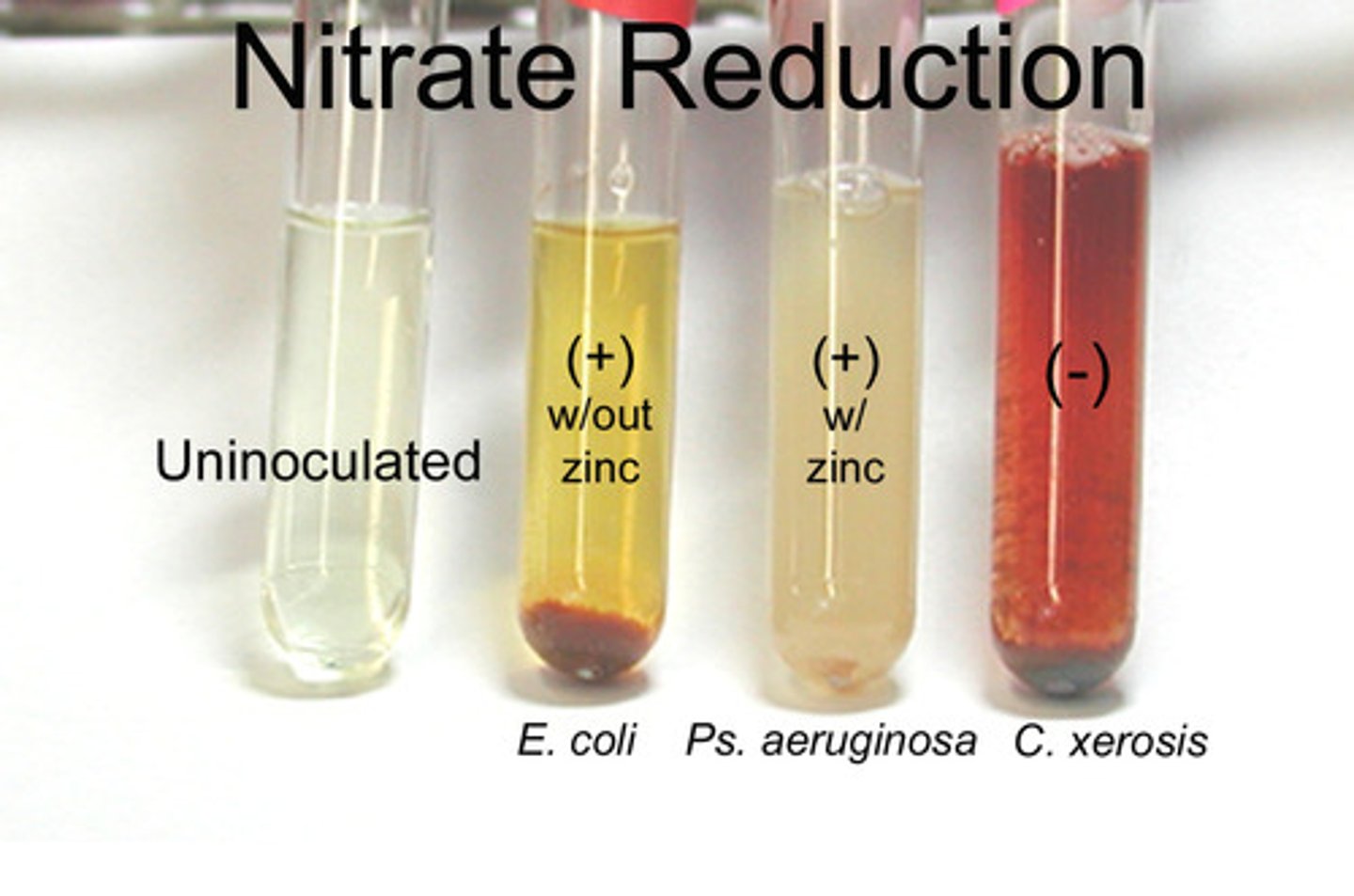
Nitrate
Found in fertilizers.
Macroinvertebrate Organisms
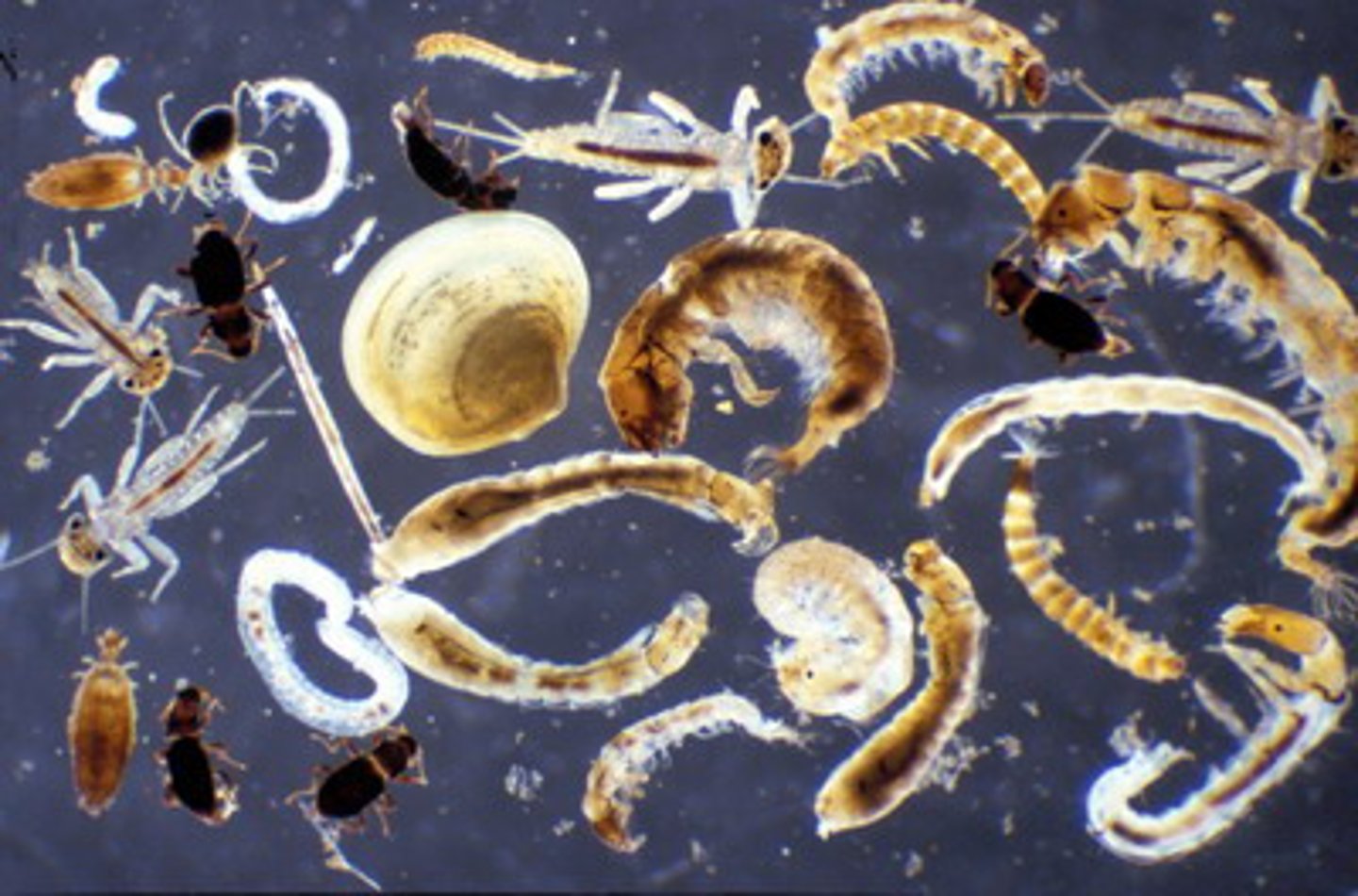
Organisms that lack a spine and are large enough to be seen with the naked eye. (Examples include flatworms, crayfish, snails, clams and insects, such as dragonflies.)