AP Psych Berliner Unit 9
 Call Kai
 Learn
Learn Practice Test
 Spaced Repetition
 Match
Match Flashcards
 Knowt Play
1/93

There's no tags or description
Looks like no tags are added yet.
Name | Mastery | Learn | Test | Matching | Spaced | Call with Kai |
|---|
No analytics yet
Send a link to your students to track their progress
94 Terms
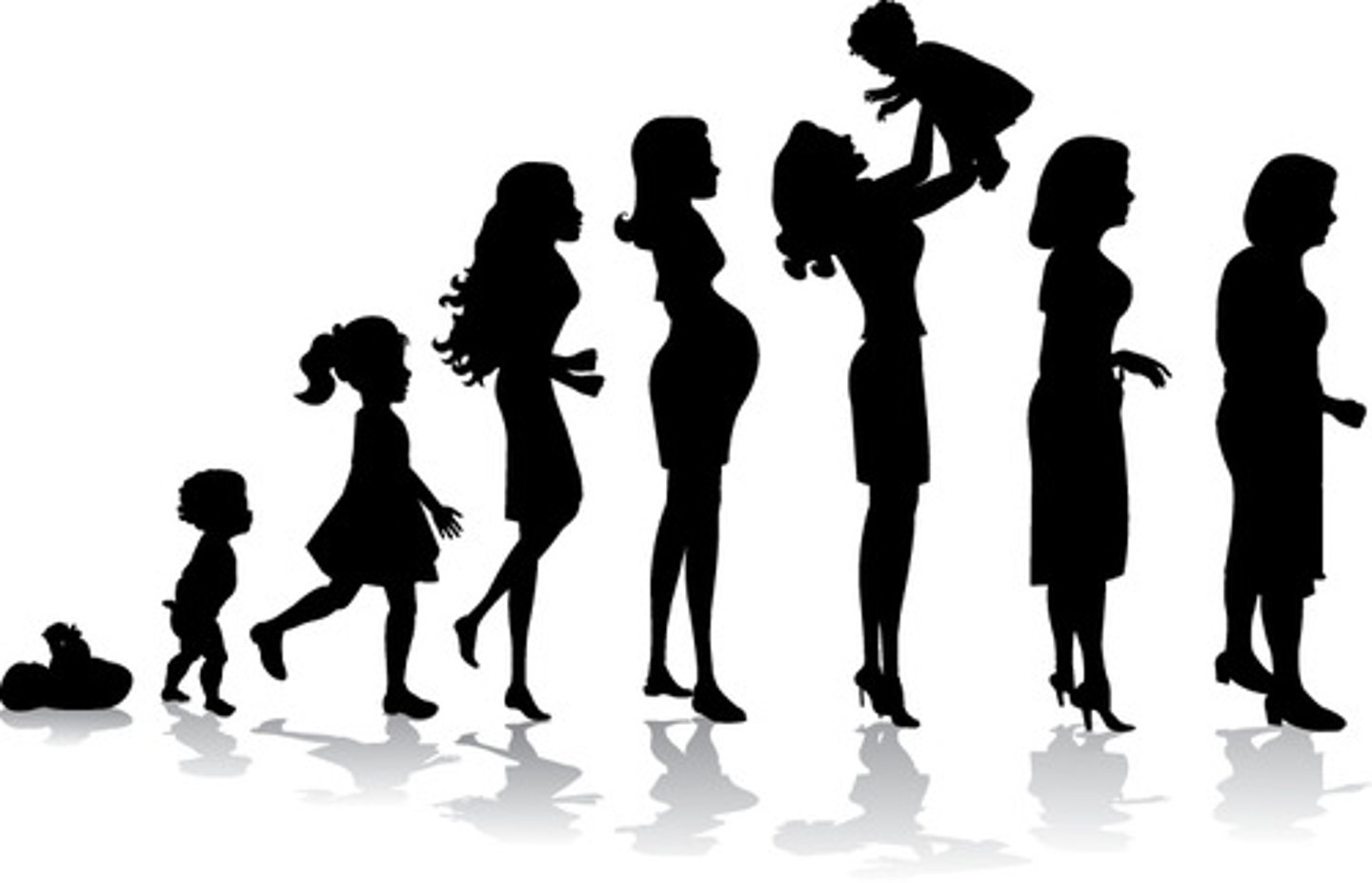
Developmental Psychology
the scientific study of how and why people change over the course of their life (cognitive, emotional, social, and physical domains).
Womb to tomb
Nature & Nurture
How do our genetic inheritance (nature) and our life experiences (nurture) interact to shape our development?

Continuity & Stages
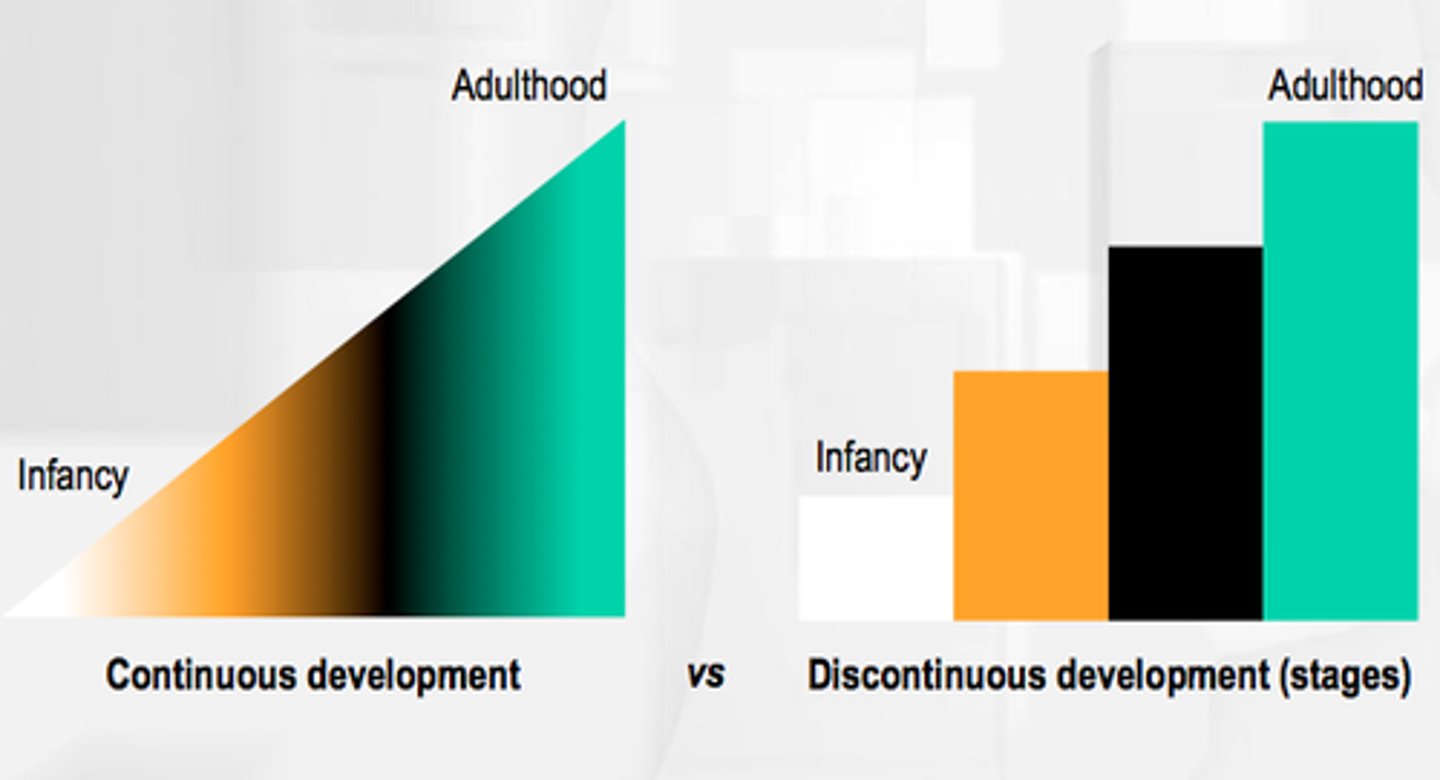
refers to developmental changes that are slow and steady, where each step builds directly on the previous ones.
in contrast, stage theories propose that development happens in specific, sudden shifts that clearly differentiate one phase from another.
Stability & Change
This area of study helps us understand how and why people remain the same in some ways but also evolve and adapt in others as they go through different life stages.

Prenatal Development
the process of growth and development within the womb, starting from conception and continuing until birth.

Teratogens
harmful substances, such as drugs, alcohol, or infections, that can cause developmental abnormalities or birth defects when a fetus is exposed to them during prenatal development.
Alcohol has an epigenetic effect, meaning it leaves chemical marks on DNA that switch genes abnormally on or off (fetal alcohol syndrome)

Reflexes
automatic, instinctual responses that newborns are born with, aiding in their survival.

Rooting Reflex
automatic response in newborns where they turn their head toward a touch on the cheek, helping them locate and latch onto the mother's breast for feeding.
Maturation
the biological growth process that leads to orderly changes in behavior, guided by genetics and largely unaffected by experience.

Developmental Milestones
key skills or behaviors that most children achieve by specific ages, such as walking, talking, and problem-solving, marking significant progress in physical, cognitive, and social development.

Sensitive Period
a critical time in early development when the brain is especially receptive to learning specific skills, such as language or motor skills, making it easier to acquire them during this phase.

Fine Motor Coordination
The ability to control small muscle movements, enabling tasks like writing, buttoning, and using utensils with precision.
Gross Motor Coordination
The ability to control large muscle movements, enabling tasks like walking, jumping, and throwing with balance and strength.

Puberty
the period of physical and hormonal changes during adolescence that lead to sexual maturity and the ability to reproduce.

Adolescent Growth Spurt
a rapid increase in height and weight that typically occurs during puberty, driven by hormonal changes and marking the transition from childhood to adulthood.

Menopause
the natural biological process marking the end of a woman's menstrual cycles, typically occurring around age 50 and characterized by hormonal changes and the cessation of fertility.

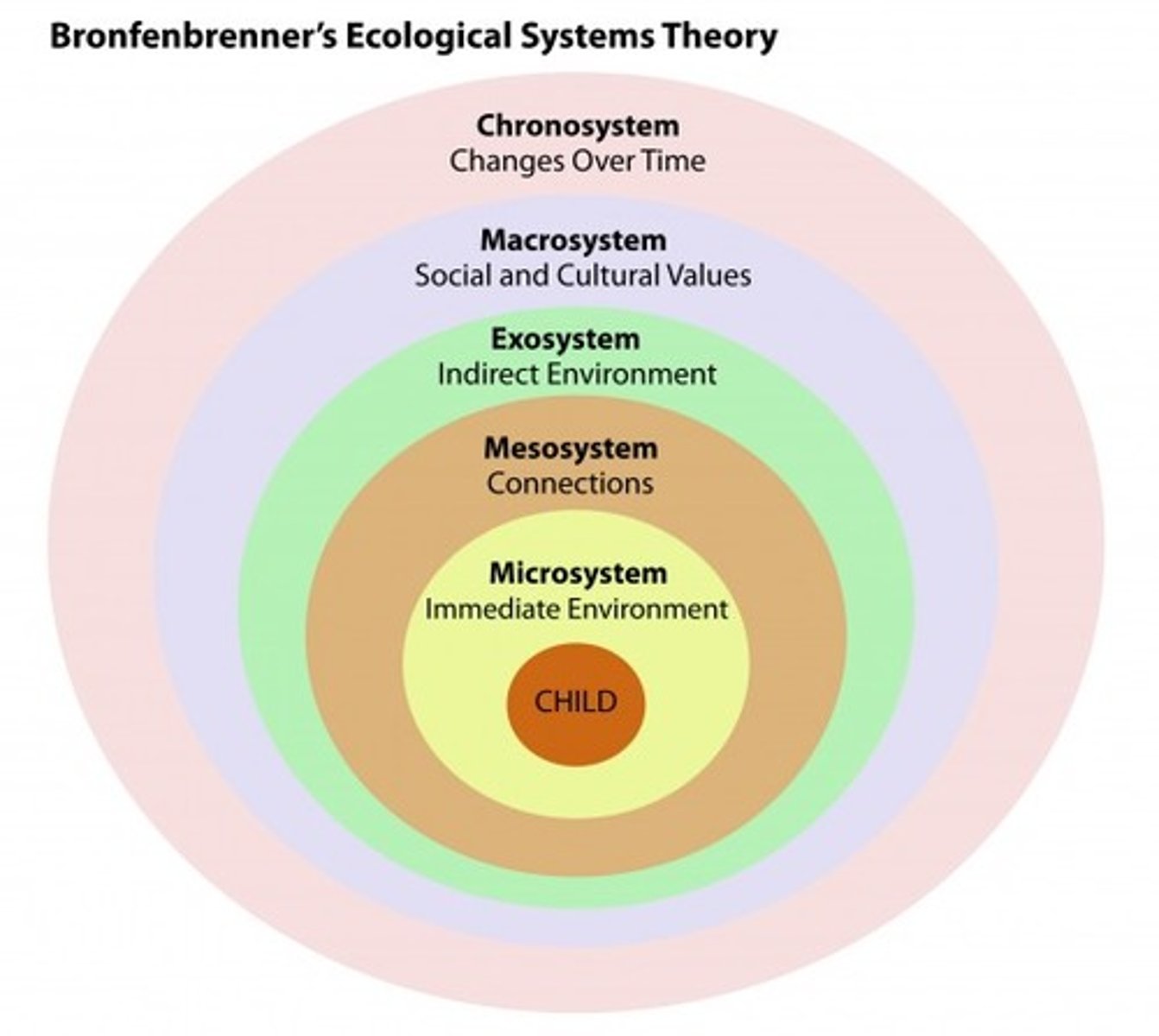
Ecological Systems Theory
a child's development is influenced by multiple layers of environmental systems. These include the immediate family (microsystem), larger community structures like schools (exosystem), and overarching cultural or societal norms (macrosystem). Each layer interacts to shape the child's growth.
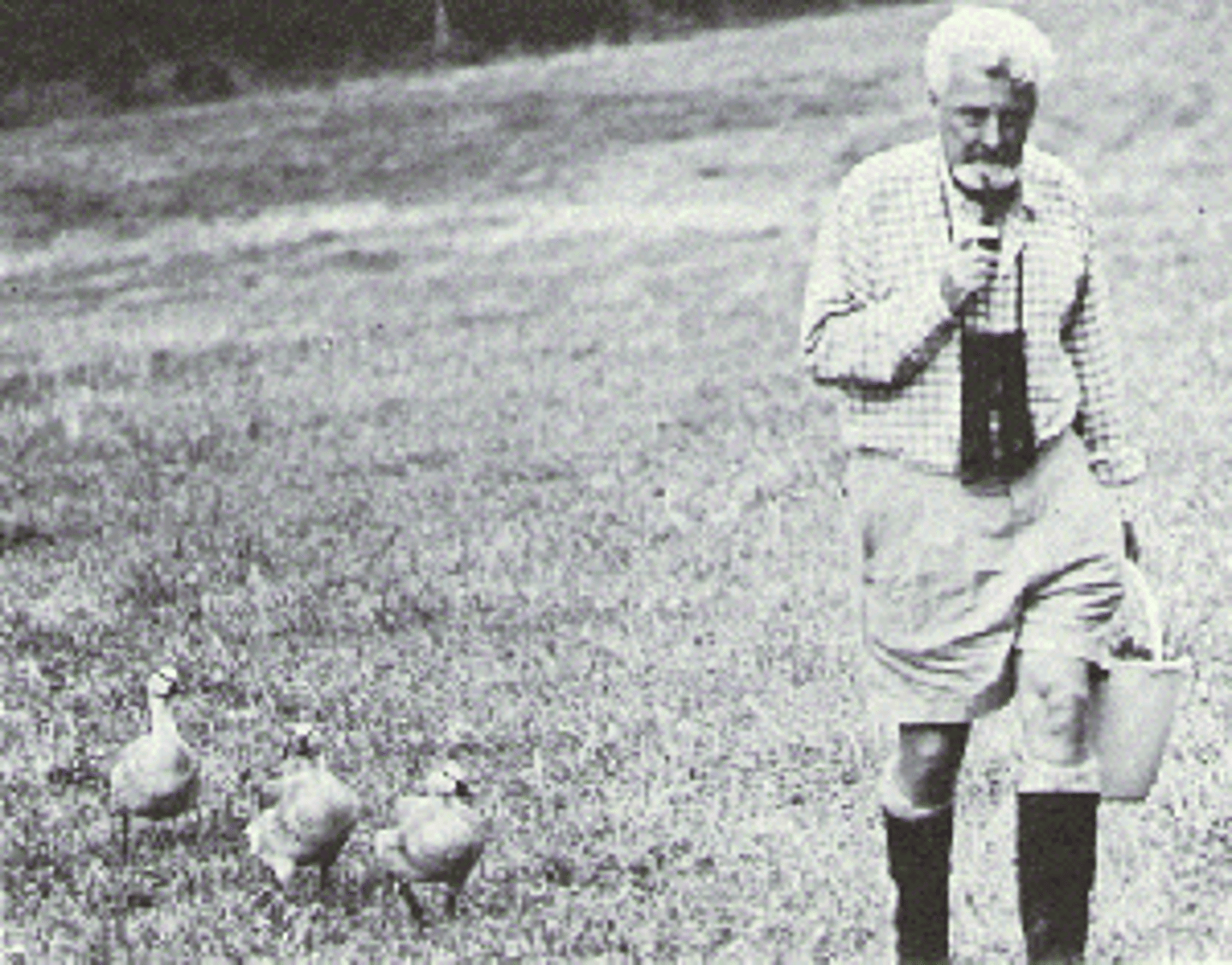
Imprinting
A rapid and instinctive form of early learning where certain animals, particularly birds, form strong attachments to the first moving object they see shortly after birth or hatching.
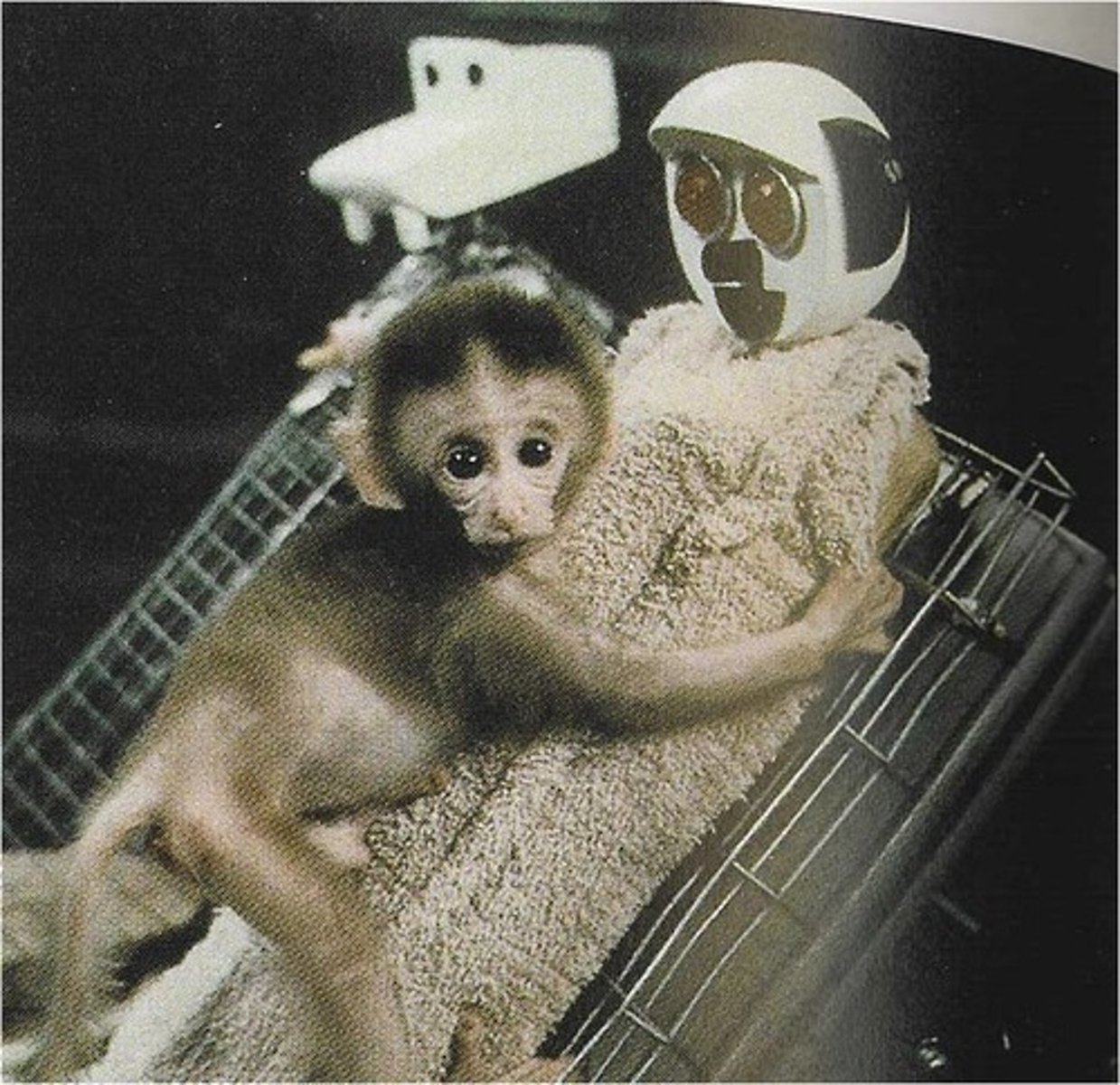
Contact Comfort
The sense of security and emotional relief derived from physical touch, particularly between infants and caregivers.
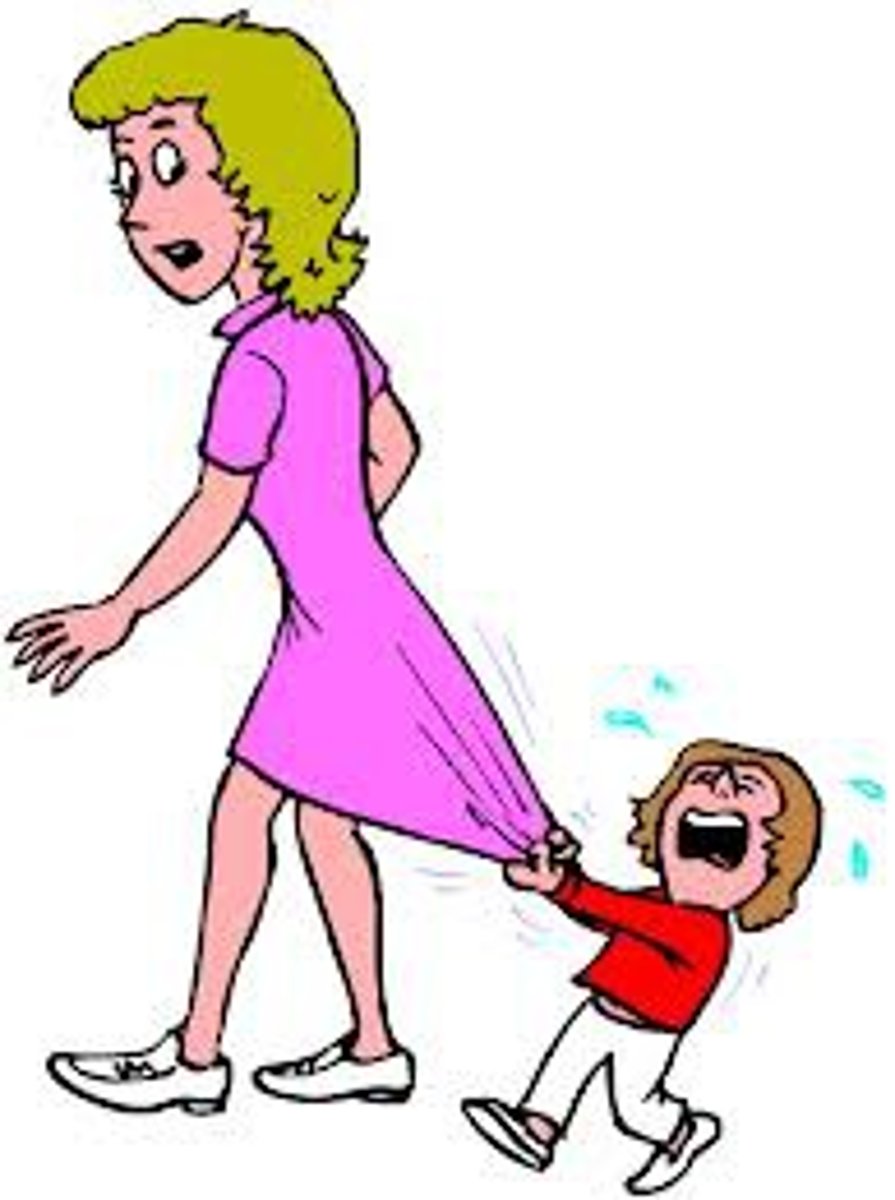
Separation Anxiety
A distress response experienced by infants or young children when separated from their primary caregiver.
typically emerges around 8 to 14 months of age and demonstrates the child's growing attachment and dependency on their caregiver for safety and comfort.
Attachment Styles
Patterns of behavior that describe how children form emotional bonds with caregivers, influencing relationships later in life.
Can affect how adults form attachments to other adults.

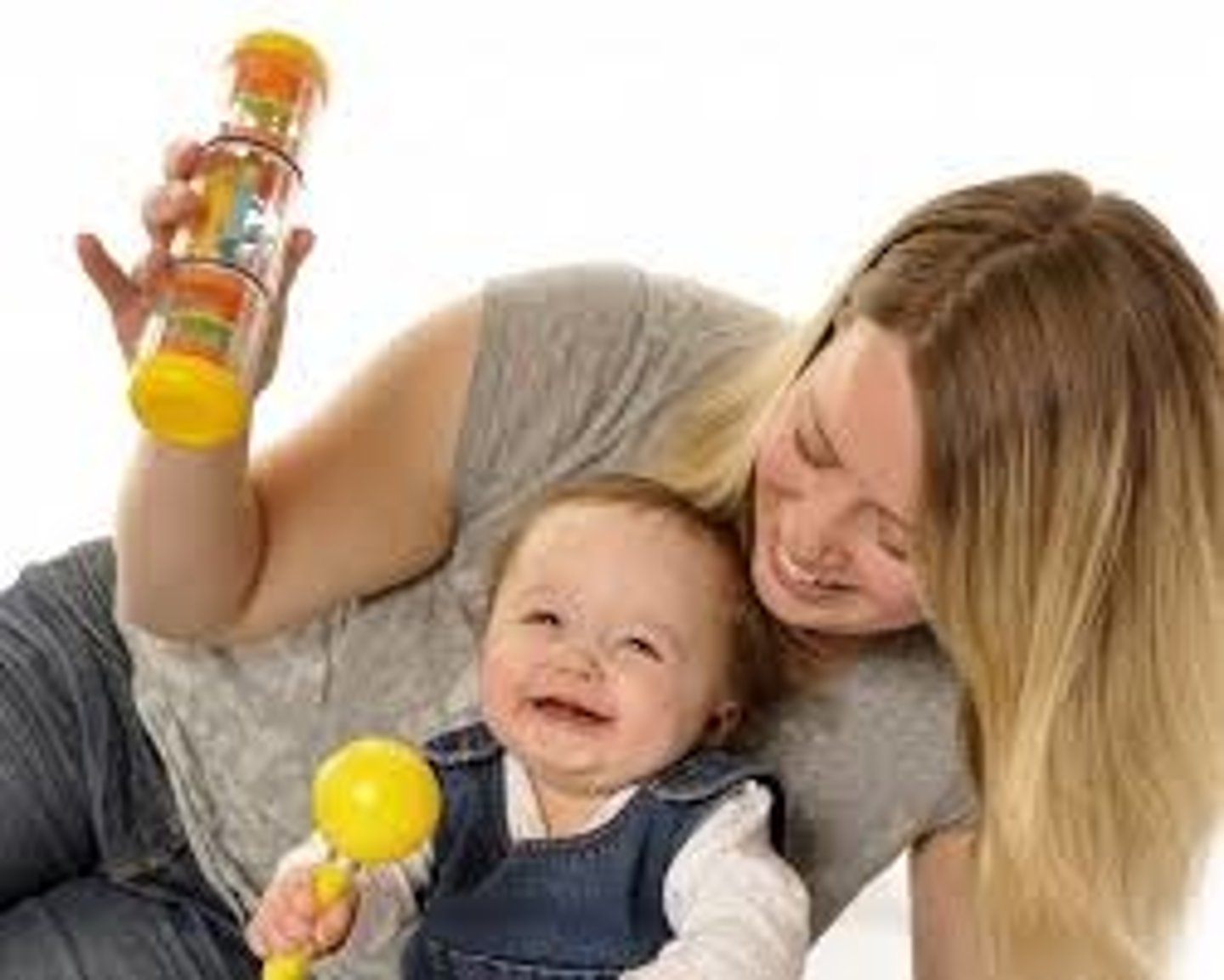
Secure Attachment
A pattern where children feel confident and trust that their caregiver will meet their needs.
They explore their environment comfortably and seek the caregiver for comfort and reassurance when distressed, forming a foundation for healthy relationships later in life.
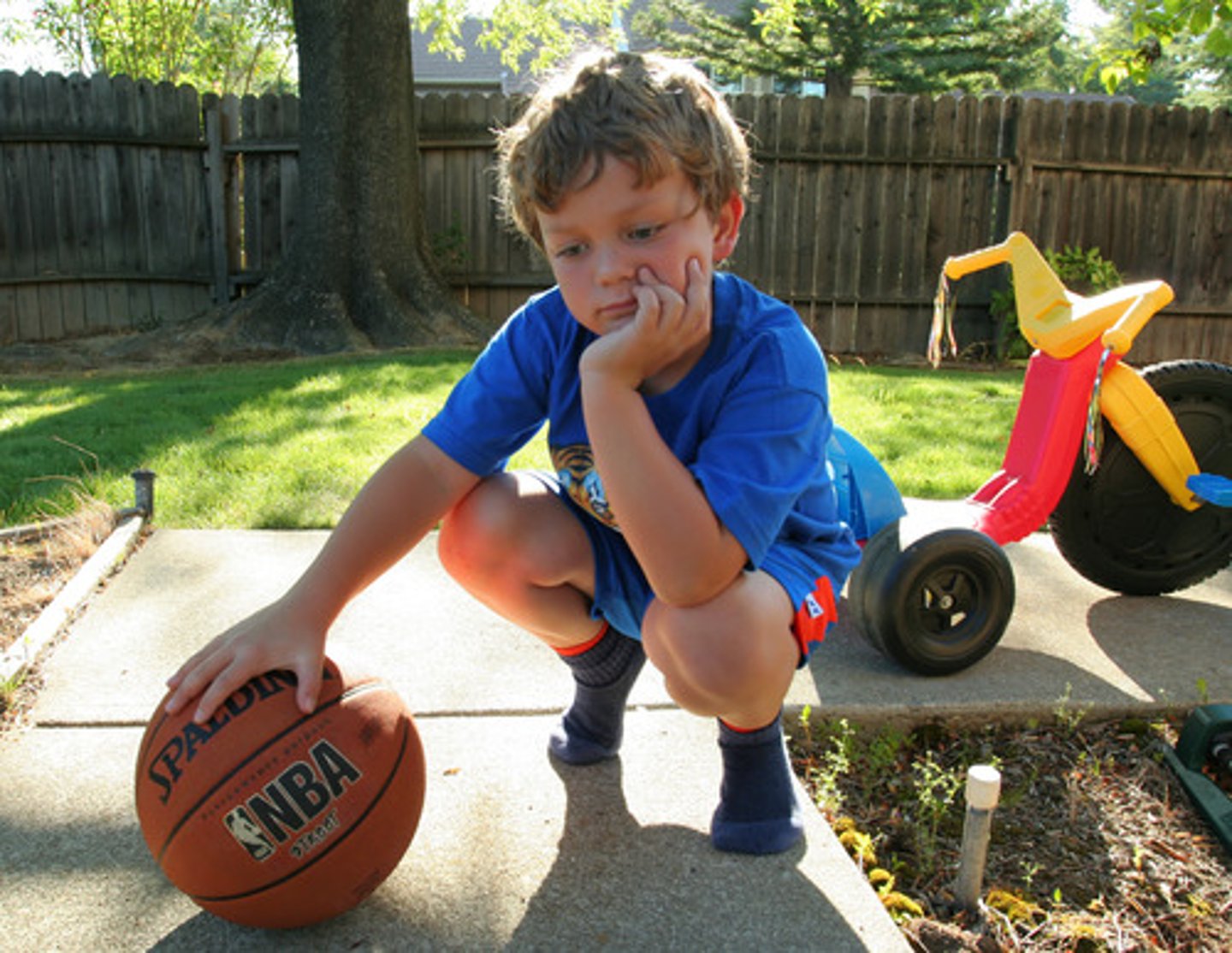
Avoidant Attachment
A pattern where children exhibit independence and avoid seeking comfort from their caregiver, often resulting from caregivers who are emotionally unavailable or unresponsive.
These children appear indifferent to separation and avoid closeness in future relationships.
Anxious Attachment
A pattern where children are overly clingy and anxious about separation from their caregiver, stemming from inconsistent caregiving.
They often show distress when the caregiver leaves but may resist comfort upon their return. This can lead to insecurity in future relationships.

Disorganized Attachment
A pattern characterized by inconsistent or confused behaviors towards a caregiver, often resulting from trauma or abuse.
Children display contradictory responses, like seeking closeness yet showing fear. This style may lead to challenges in forming stable relationships later in life.

Adverse Childhood Experiences (ACEs)
potentially traumatic events or conditions, such as abuse, neglect, or household dysfunction, that occur before age 18 and can have long-term impacts on health and well-being.

Authoritarian Parenting Style
A strict parenting approach where parents enforce high expectations and rigid rules. They prioritize obedience and discipline, often relying on punishment with limited warmth or responsiveness to the child's needs.

Permissive Parenting Style
A relaxed approach to parenting where parents show warmth and responsiveness but have few rules and low expectations. They avoid enforcing strict boundaries, allowing children significant freedom and often indulging their desires.

Authoritative Parenting Style
A balanced approach to parenting, combining high expectations with warmth and support. Parents enforce clear rules and encourage independence while being responsive and open to their children's needs and opinions.

Temperament
The innate traits that influence how children respond to their environment, including their activity level, emotional reactivity, and adaptability. These early-emerging characteristics are thought to form the basis for later personality development.
Jean Piaget
Developed the theory of cognitive development, outlining four key stages.

Sensorimotor Stage
(birth to age 2)
when infants learn about the world through sensory experiences and motor actions.
Develops sense of object permanence
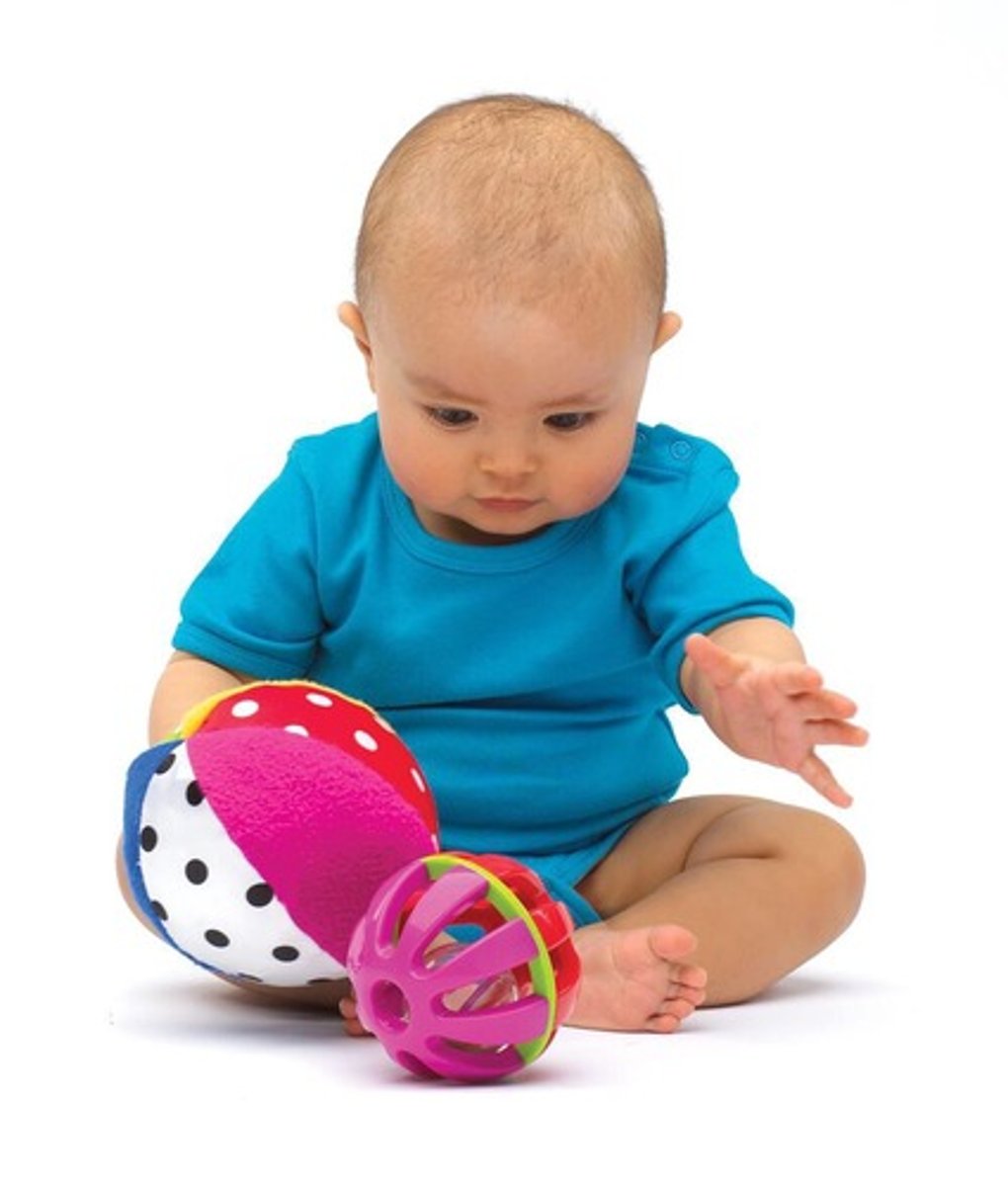
Object permanence
the awareness that things continue to exist even when not perceived

Preoperational Stage
(ages 2 to 7)
children develop language, symbolic thinking, and imagination but struggle with logical reasoning and understanding others' perspectives.
Starts to use language and patterns to group things meaningfully
Egocentric

Egocentricism
a characteristic of the preoperational stage where children struggle to see things from another person's point of view, believing others share their perspective.

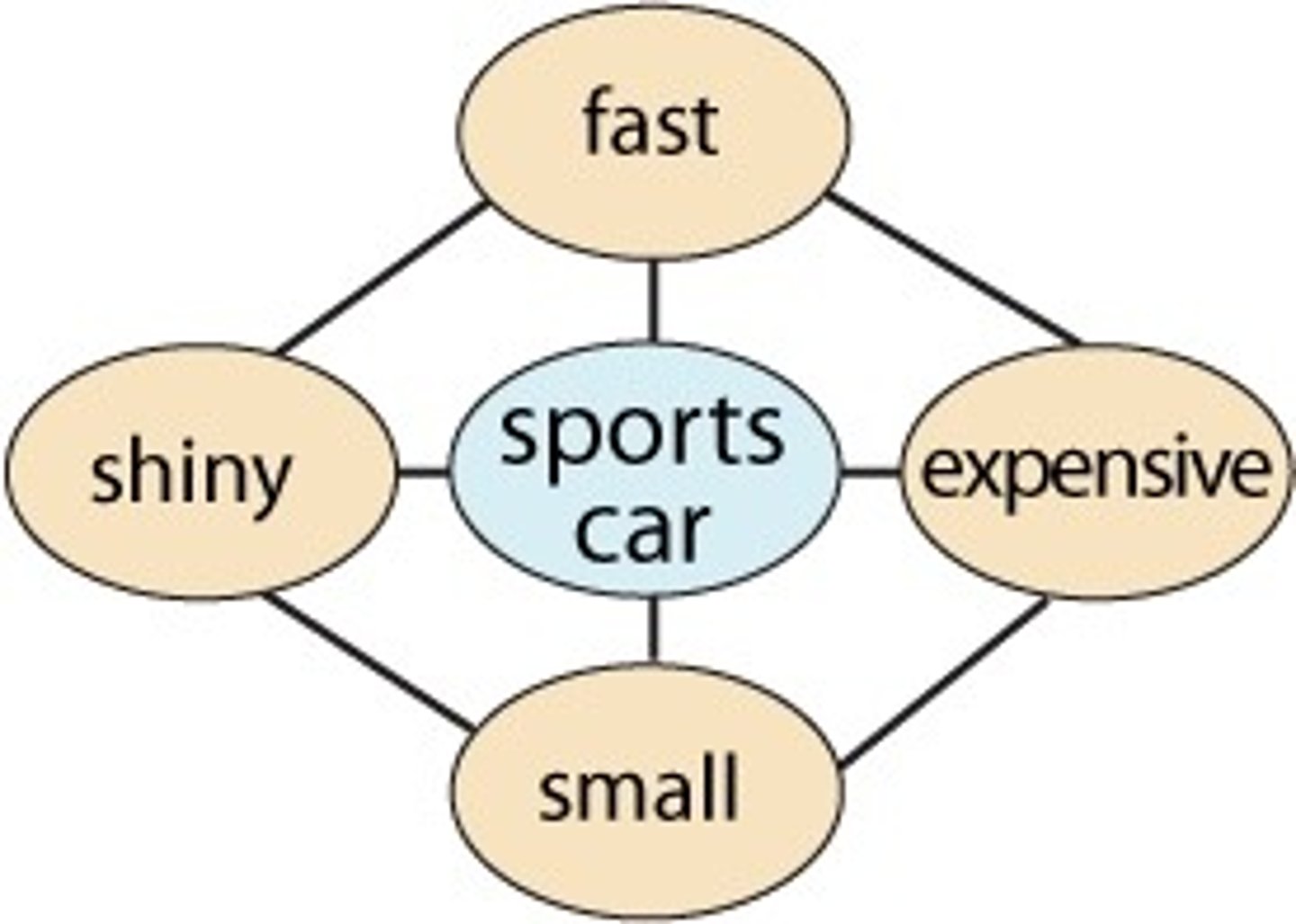
Schema
a concept or framework that organizes and interprets information
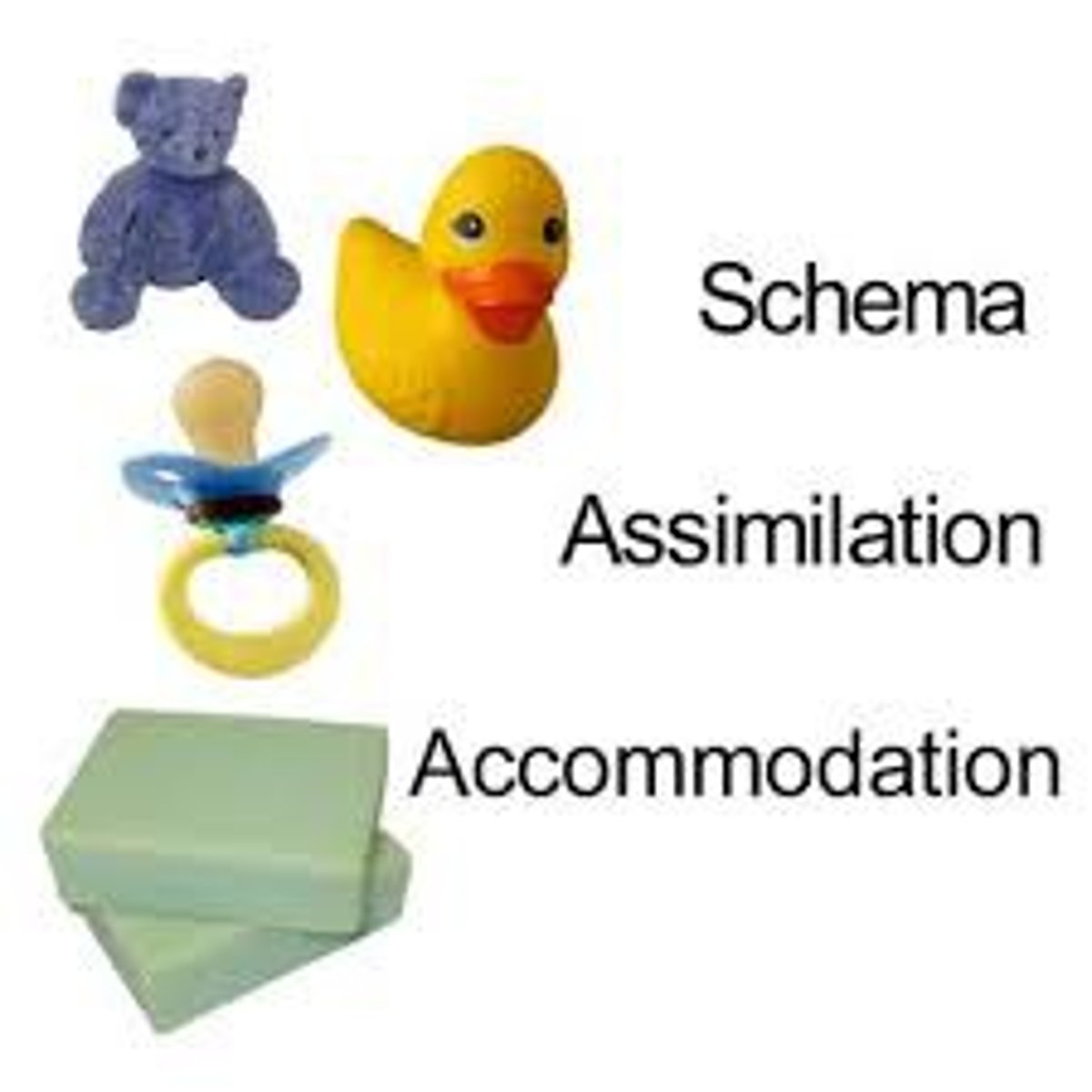
Assimilation
cognitive frameworks that help individuals organize and interpret information by categorizing experiences based on prior knowledge and expectations
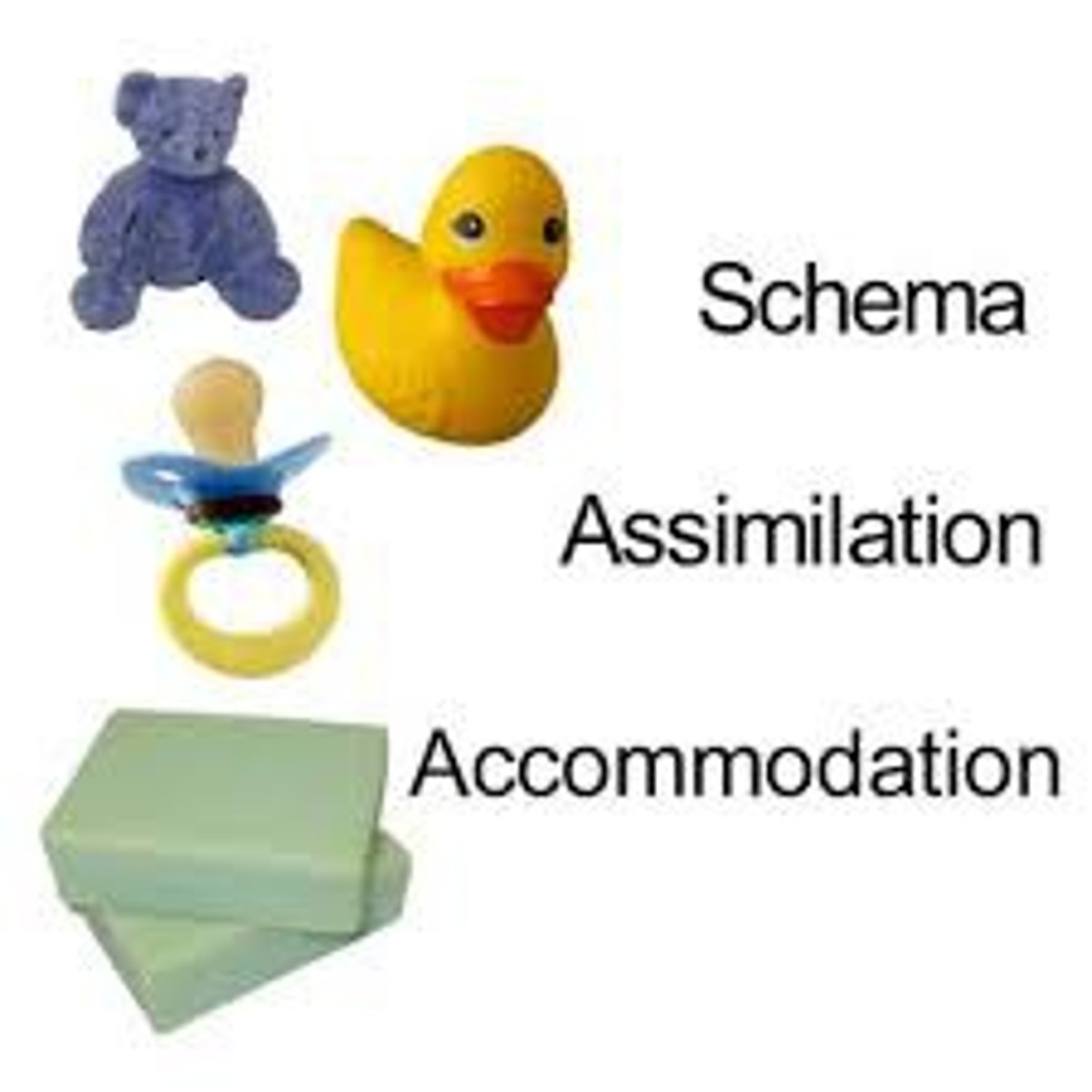
Accommodation
the process of altering existing schemas or creating new ones to adapt to new information that doesn't fit existing categories.
Theory of Mind
the ability to understand that others have thoughts, feelings, and perspectives different from one's own, typically developing around age 4 to 5.

Pretend Play
involves children acting out scenarios, roles, or situations using their imagination, developing creativity, social skills, and symbolic thinking.

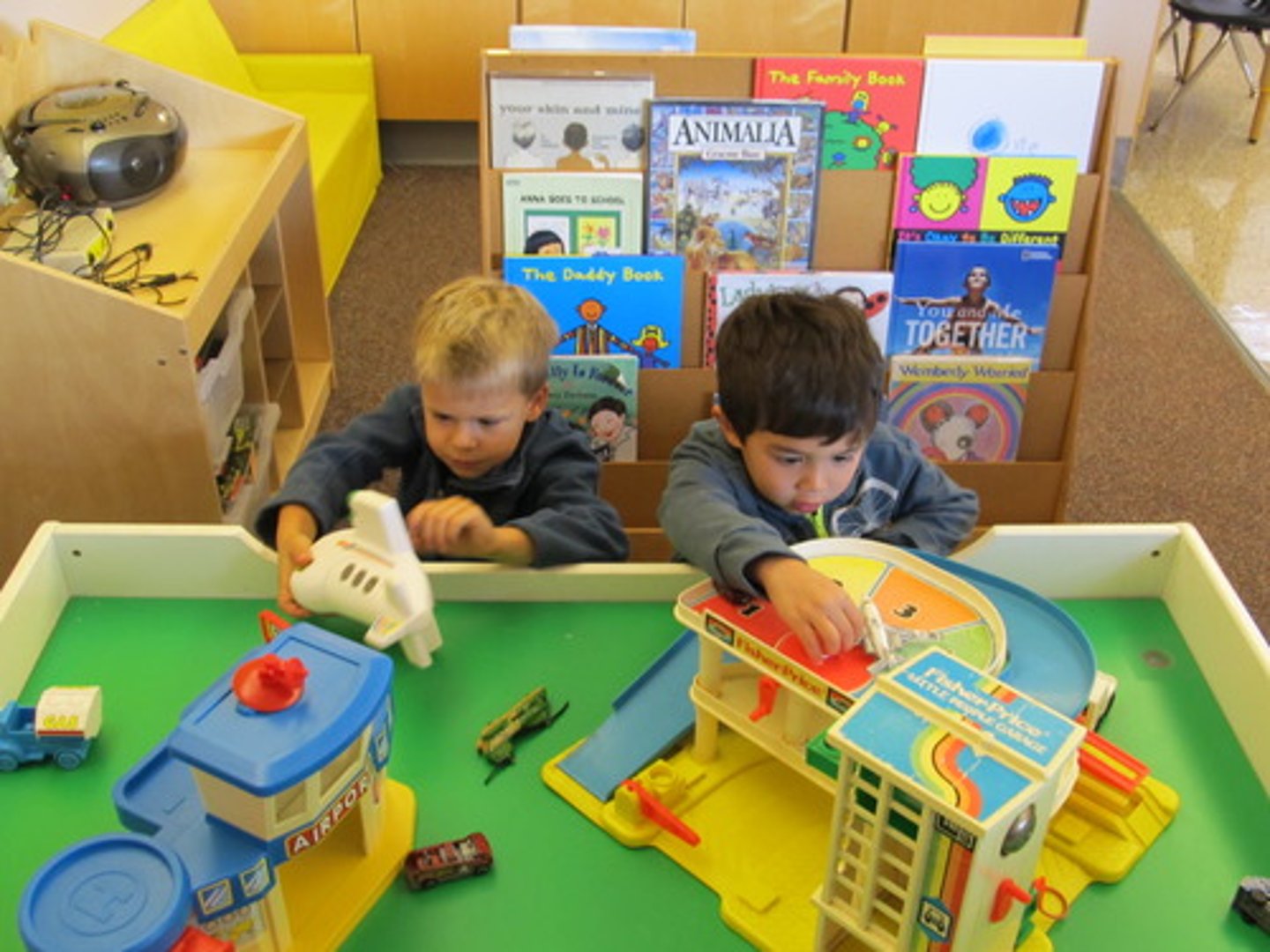
Parallel Play
stage in early childhood where children play alongside each other without directly interacting, each focused on their own activity but observing and imitating others.
Animism
a belief in early childhood, common during Piaget's preoperational stage, where children attribute lifelike qualities, like feelings and intentions, to inanimate objects.
Concrete Operational Stage
(ages 7 to 11), where children develop logical thinking about concrete objects and understand concepts like conservation and reversibility.
Example: can perform arithmetic (adding, subtracting, multiplying) using real, known numbers

Conservation
the understanding that certain properties of objects, such as volume or mass, remain consistent despite changes in form or appearance, typically developing in Piaget's concrete operational stage.

Reversibility
the ability to mentally reverse an action or operation, understanding that objects can be returned to their original state, typically developing in Piaget's concrete operational stage.

Formal Operational Stage
(age 12+), where individuals develop the ability to think abstractly, solve hypothetical problems, and use deductive reasoning.
Example: can understand algebra and geometry and use deductive reasoning to draw conclusions

Lev Vygotsky
developmental psychologist known for his theory that social interaction plays a critical role in cognitive development, emphasizing the importance of culture, language, and the "zone of proximal development" in learning.

Scaffolding
teaching method where a knowledgeable person provides tailored support to help a learner achieve new skills, gradually reducing assistance as the learner becomes more proficient.

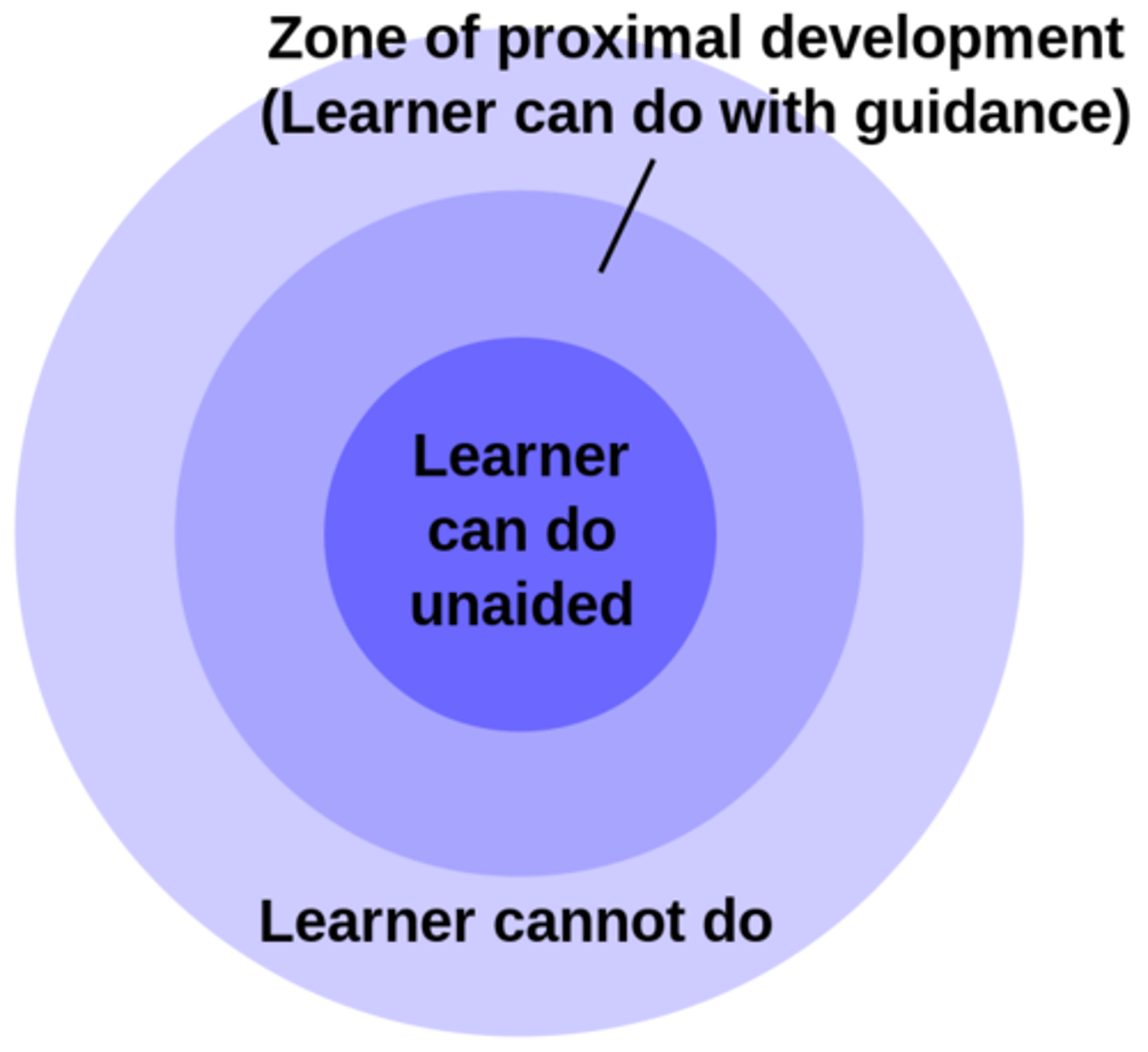
Zone of Proximal Development
the range between what a learner can do independently and what they can achieve with guidance, emphasizing the importance of social interaction in learning.
Dementia
decline in cognitive functioning that interferes with daily life, characterized by memory loss, impaired judgment, and difficulties in communication and reasoning, often seen in older adults.

Language
a system of communication using symbols, sounds, and grammar to convey thoughts, feelings, and meaning.

Critical Period
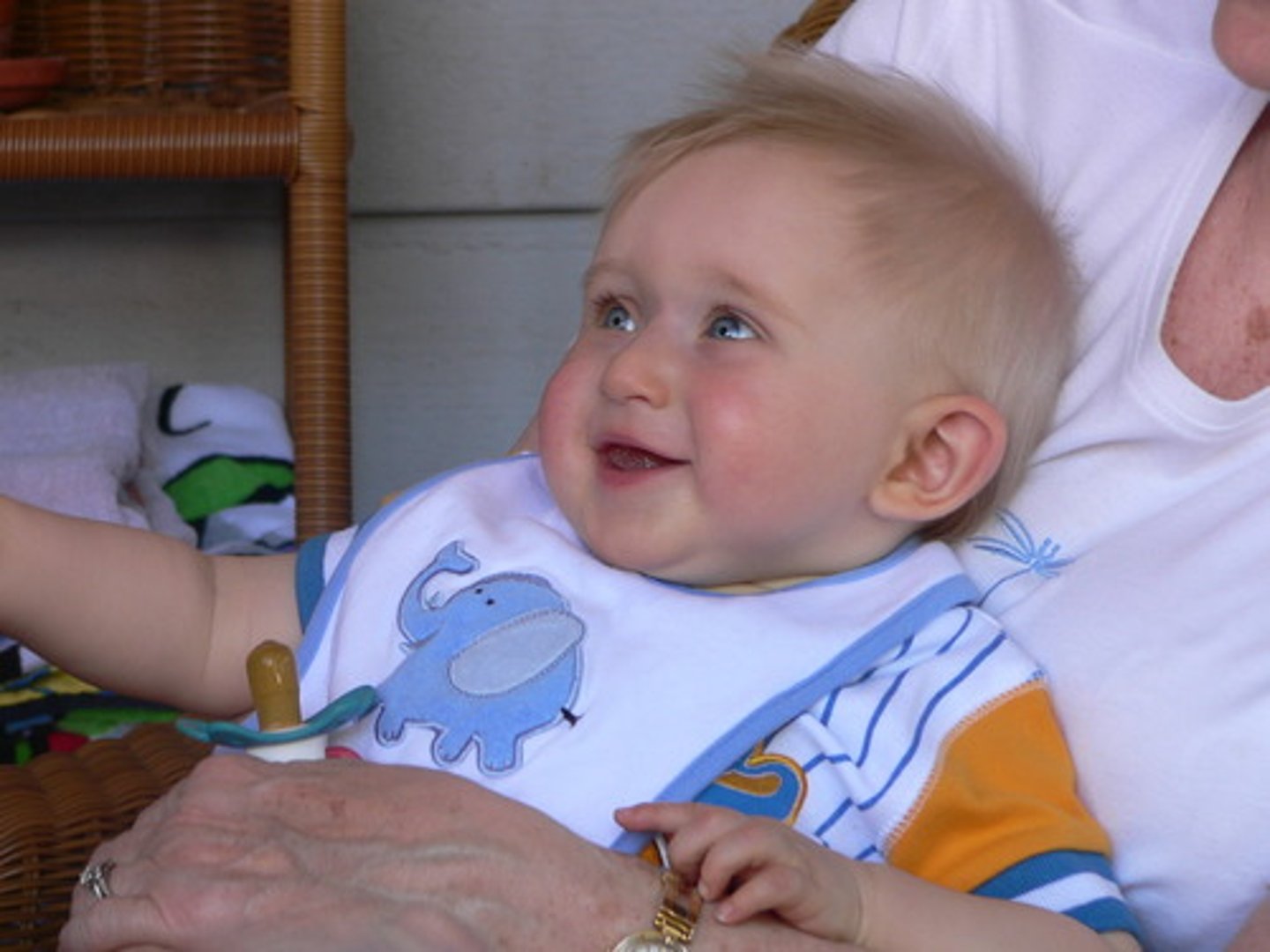
a specific time frame in early childhood when the brain is most receptive to learning language, making it easier to acquire fluency.
hypothesis: language learning is optimized prior to age 7ish
Phonemes
the smallest distinct units of sound in a language that can change the meaning of a word.

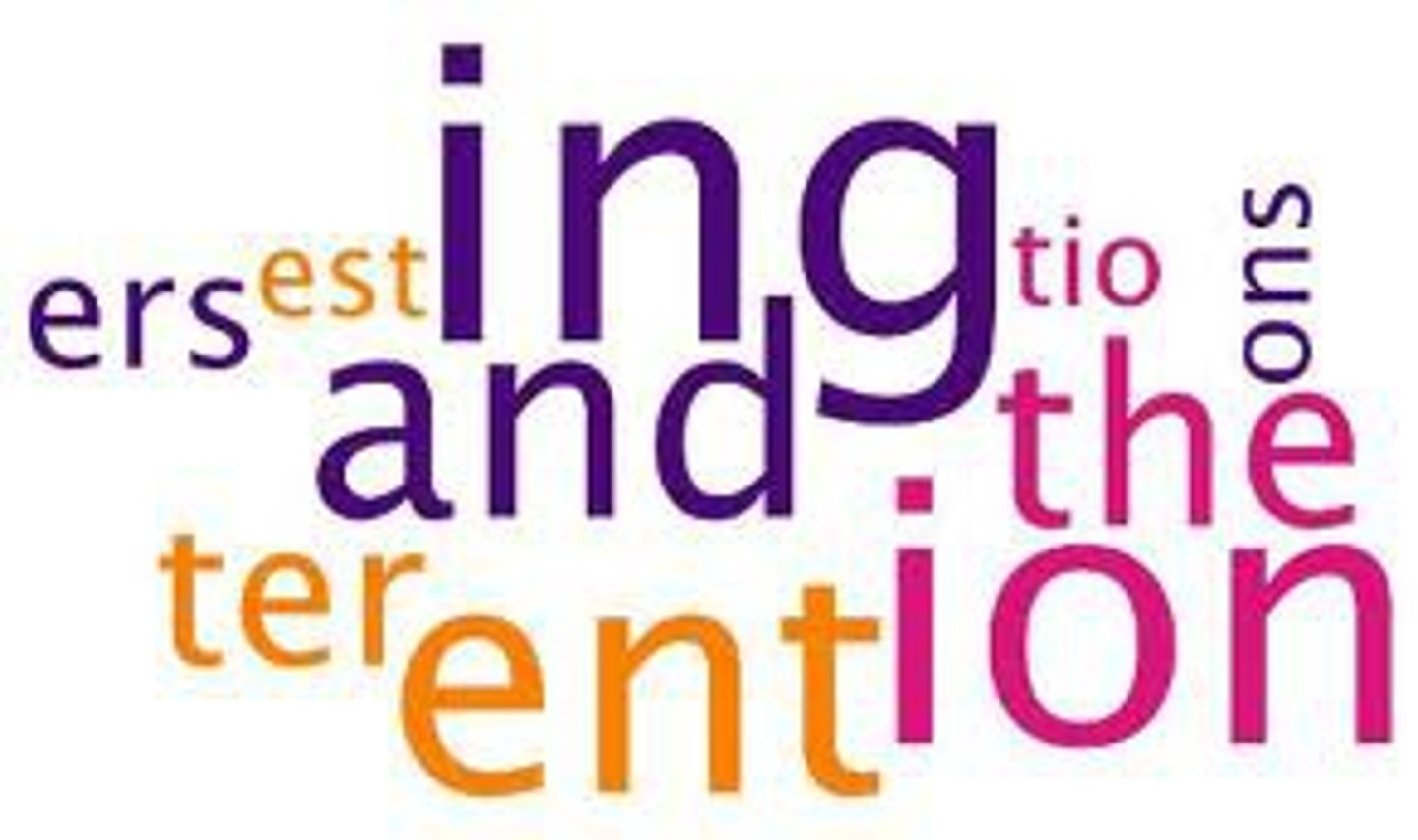
Morphemes
the smallest units of meaning in a language, such as prefixes, suffixes, and root words.
Semantics
the study of meaning in language, focusing on how words, phrases, and sentences convey meaning.

Grammar
the set of rules that govern how words are combined to form sentences, enabling clear and meaningful communication in a language.

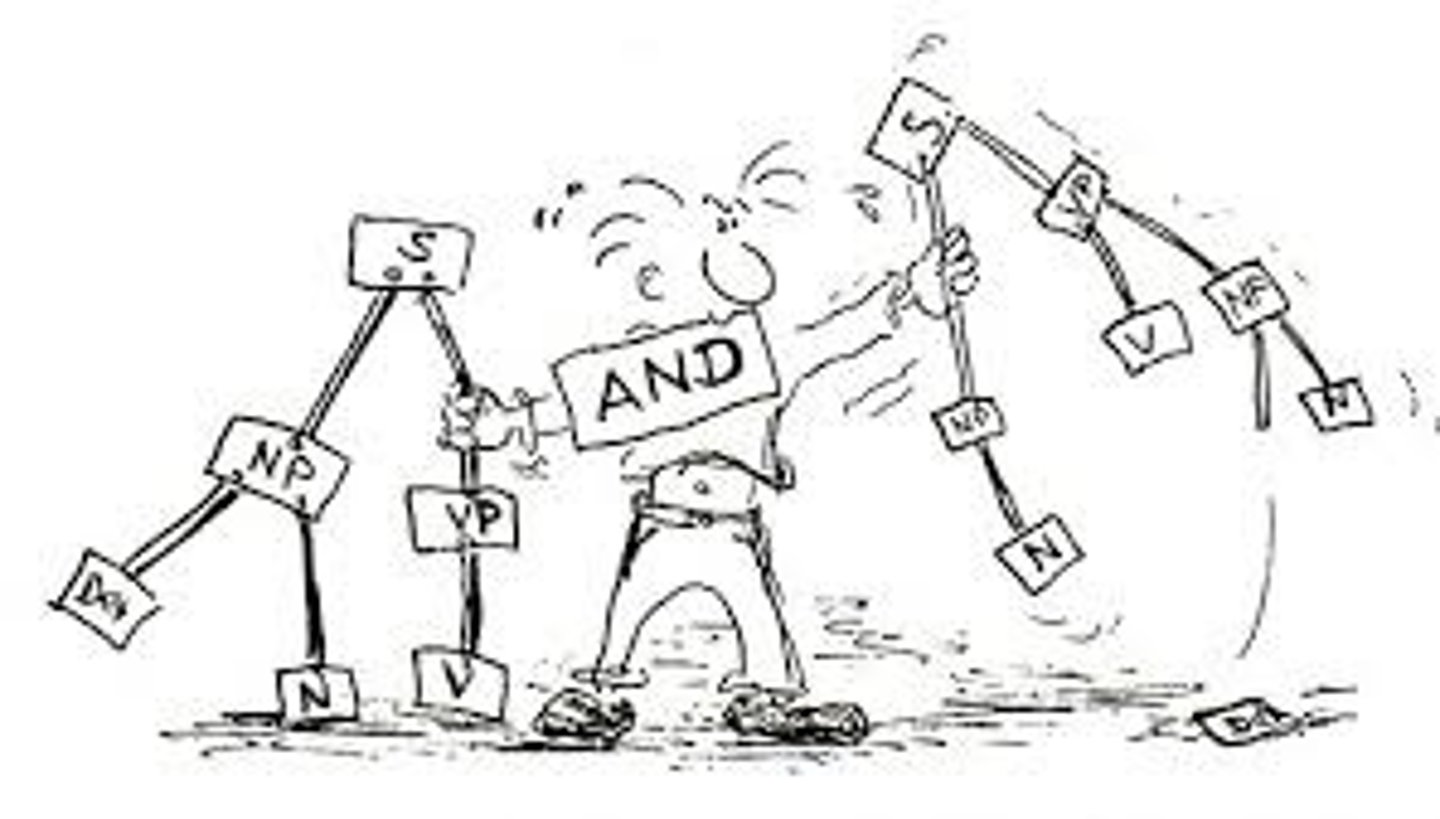
Syntax
the set of rules that determines the arrangement of words and phrases to form sentences in a language, affecting sentence structure and meaning.
Cooing
early stage of language development where infants produce repetitive, soft vowel sounds like "oo" and "ah," usually starting around two months of age.

Babbling Stage
phase in language development, usually starting around 4-6 months, where infants produce repetitive consonant-vowel combinations like "ba-ba" and "da-da."
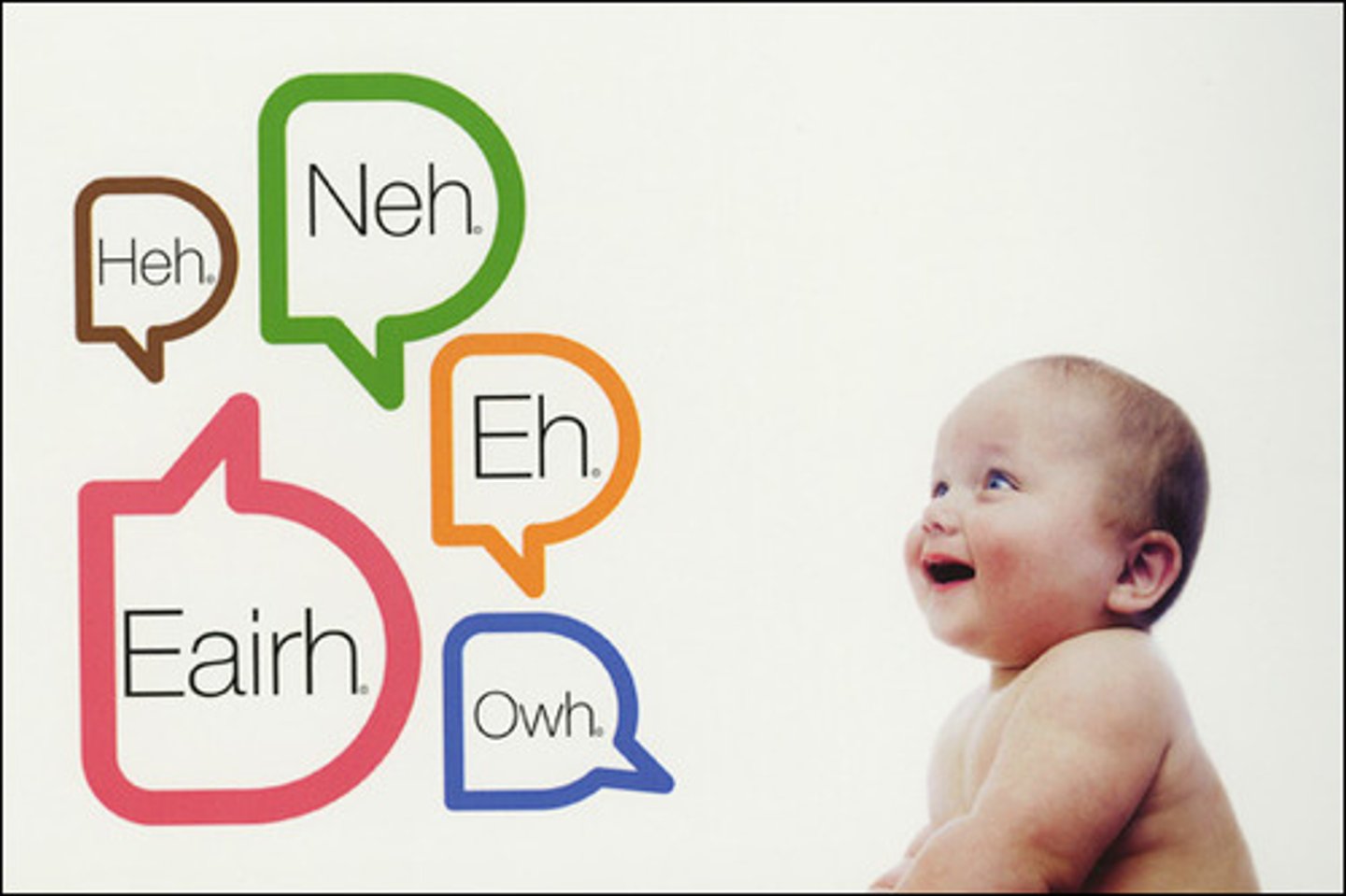
One-Word Stage
phase in language development, typically around age one, where children use single words to represent whole sentences or ideas.

Two-Word Stage
phase in language development, around age two, where children start combining two words to form simple sentences, like "want cookie" or "go car."

Telegraphic speech
involves using short, concise phrases that omit less essential words

Overgeneralization
common error in language development where children apply grammatical rules too broadly, resulting in mistakes like "goed" instead of "went" or "tooths" instead of "teeth."

Nonverbal Manual Gestures
hand or arm movements used to communicate without speaking, such as pointing, waving, or making signs, and often convey emotions, intentions, or directions.
Linguistic Determinism (Benjamin Lee Whorf)
language determines the way we think

Psychosocial Development (Erik Erikson)
theory that individuals progress through a series of stages, each characterized by a specific conflict that contributes to a major aspect of personality.
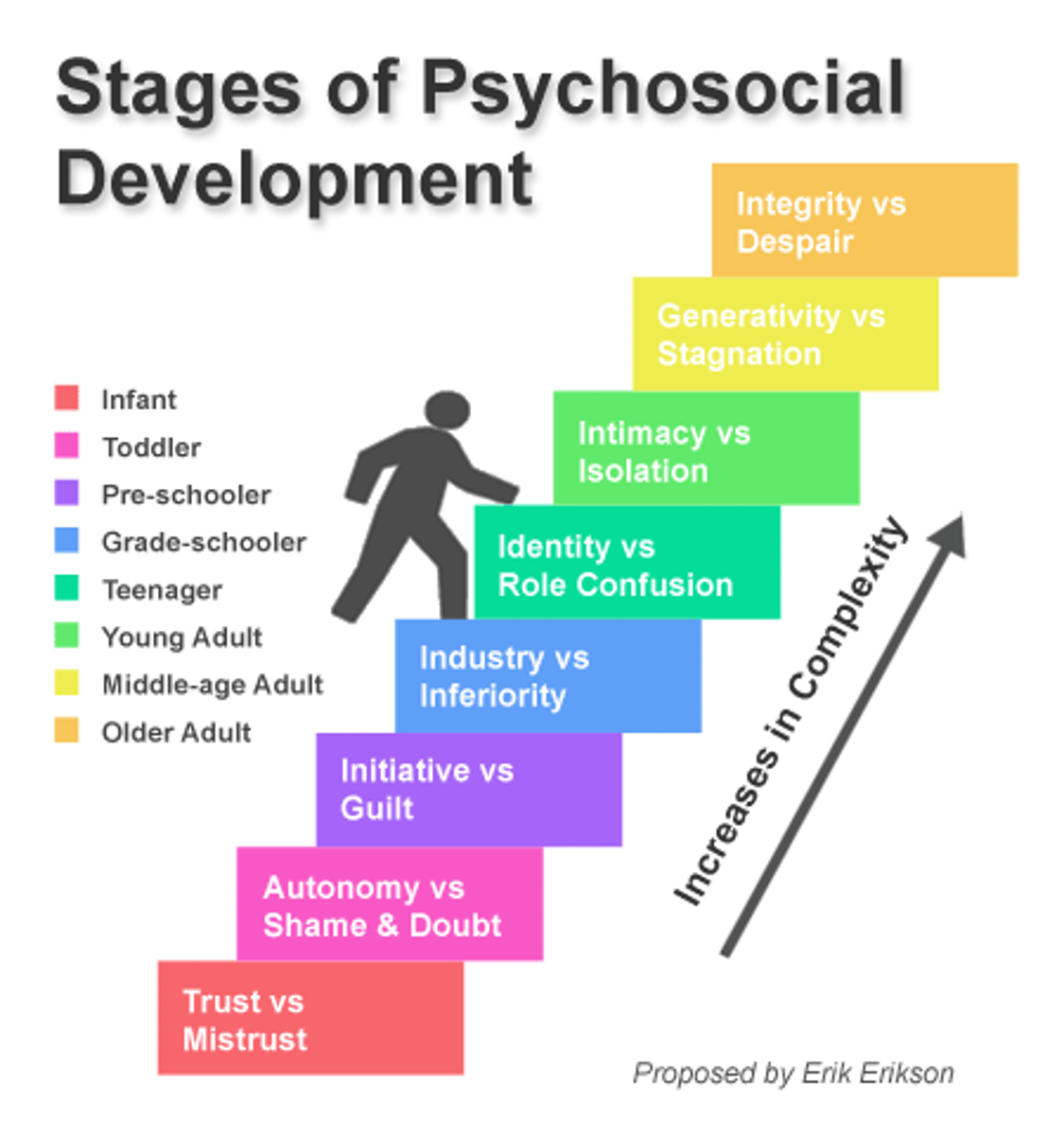
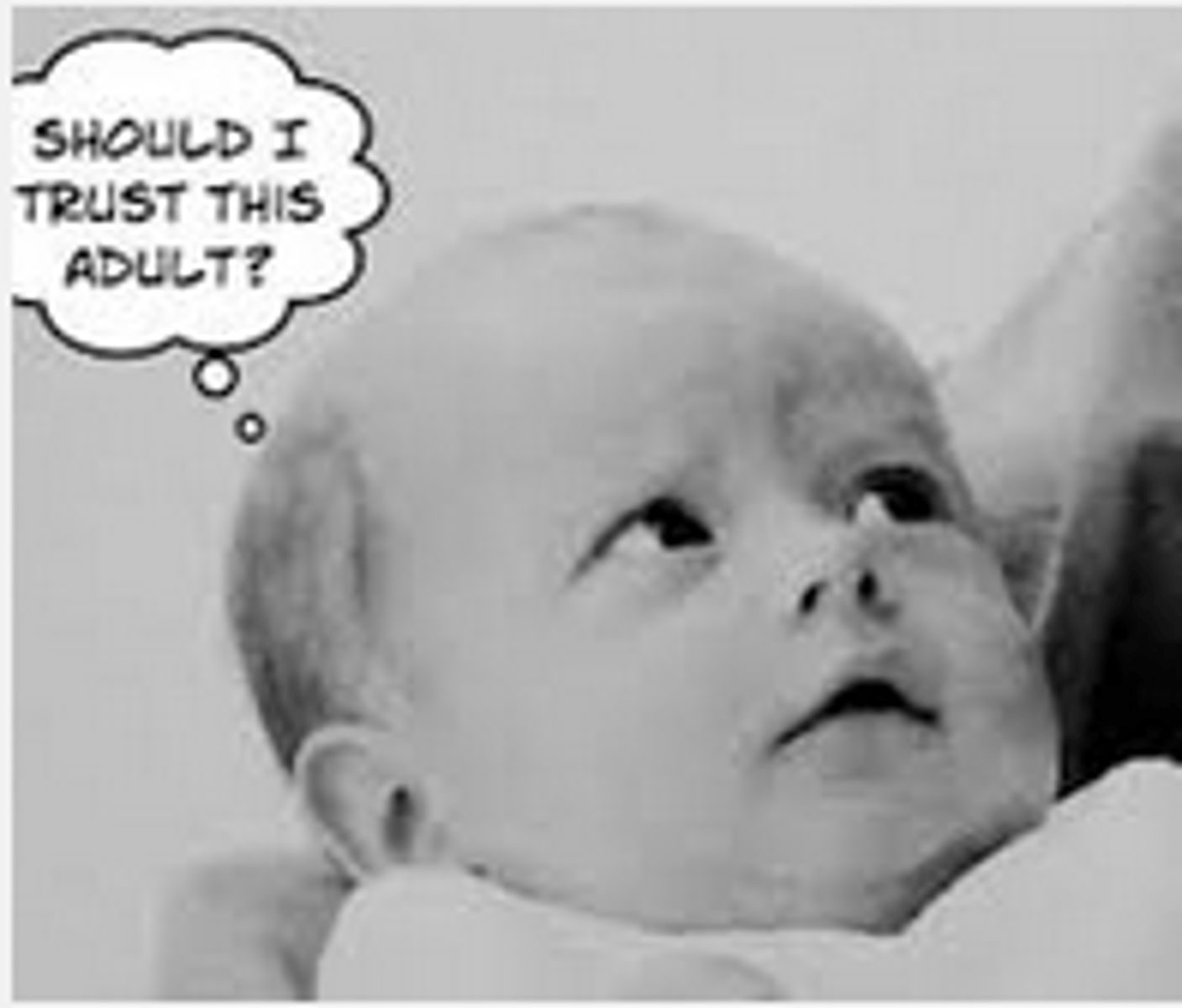
Trust and Mistrust Stage
Refers to a stage of development from birth to approximately 18 months of age, during which infants gain trust of their parents or caregivers if their world is planned, organized, and routine.
Sets the foundation for future relationships and emotional health.
Autonomy and Shame & Doubt Stage
(18 mo - 3 yrs) Children become either more autonomous if their parents encourage exploration OR they experience shame and self doubt if they are restricted and overprotected.
Crucial for developing personal control and self-esteem.

Initiative and Guilt Stage
(3 to 6 yrs) Goal is for child to explore her world to develop leadership and ambition. Failure to reach this leads child to experience a sense of guilt about their desires to explore, which could limit their willingness to take chances.
Fosters early decision-making and leadership skills.

Industry and Inferiority Stage
Children between the ages 6 and 12 develop a growing sense of competence and accomplishment as they develop a greater understanding of their capabilities and limitations. If reinforced, children master skills. If discouraged, children feel like failures.
Essential for confidence in abilities and social comparison.

Identity and Role Confusion Stage
12 to 18 yrs.; Goal is for teen to experiment with different roles, personality traits, etc. so as to develop a sense of self. Failure to reach goal leads to a state of identity confusion which can interfere with life.
Vital for establishing a clear and stable sense of self.

Intimacy and Isolation Stage
ages 18 to 40; conflict centers on forming intimate, loving relationships with other people. If not formed, there are heavy feelings of isolation and lonliness.
Critical for emotional depth and personal growth.

Generativity and Stagnation Stage
age 40-65; adults experience need to create or nurture things that will outlast them through parenting, nurturing, and productivity. If not achieved, feelings of stagnation
Ensures a lasting impact on others and personal fulfillment.

Integrity & Despair Stage
65 and older; Elders look back on life achievements and regrets.
Important for achieving a sense of completeness and peace at life's end

Social Clock
cultural timeline that sets expected ages for key life events, like starting a career, getting married, or having children, shaping social expectations for individuals.

Adolescent Egocentrism
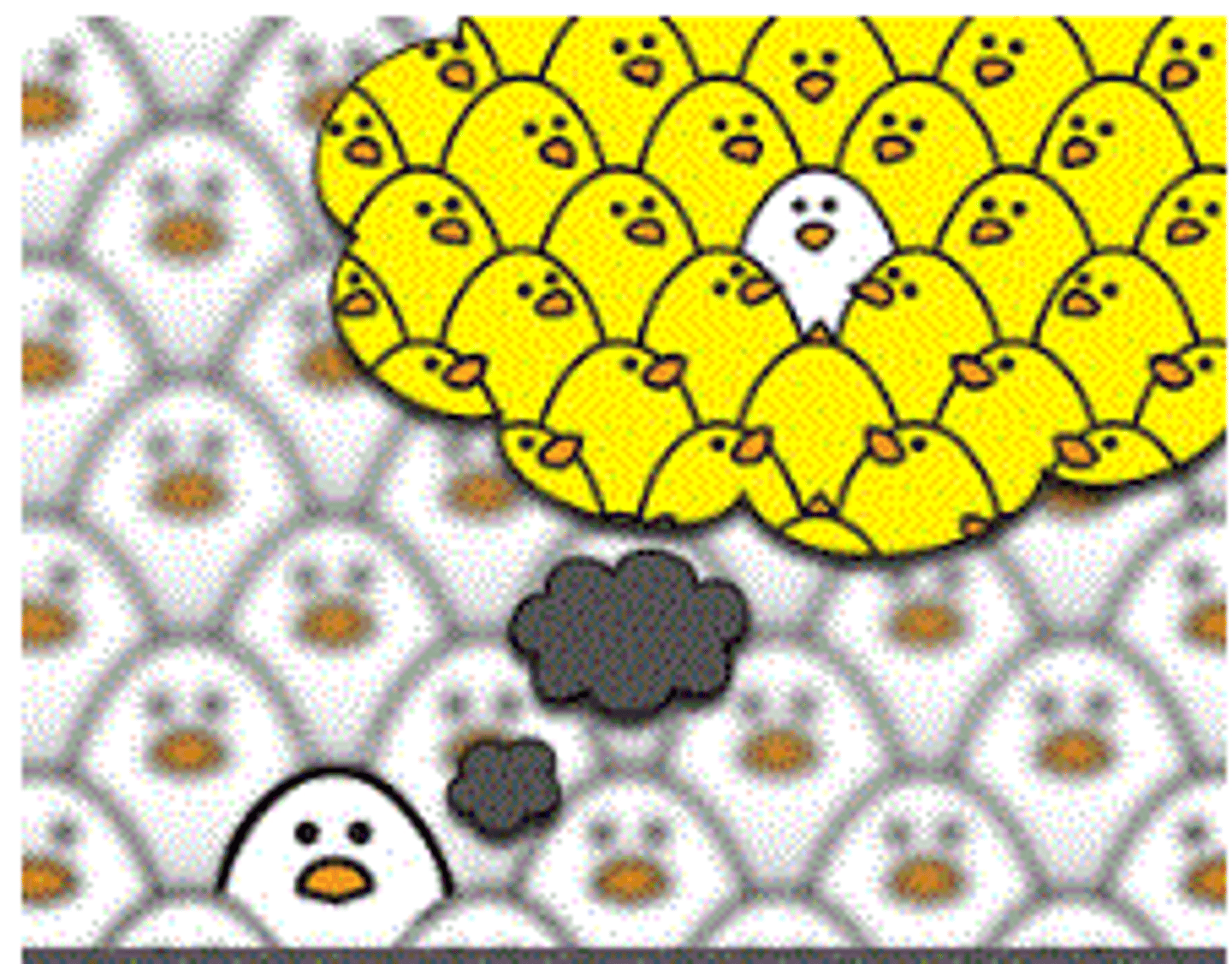
stage in teenage development marked by an increased self-focus, leading to beliefs that one's experiences are unique and that others are always observing them.
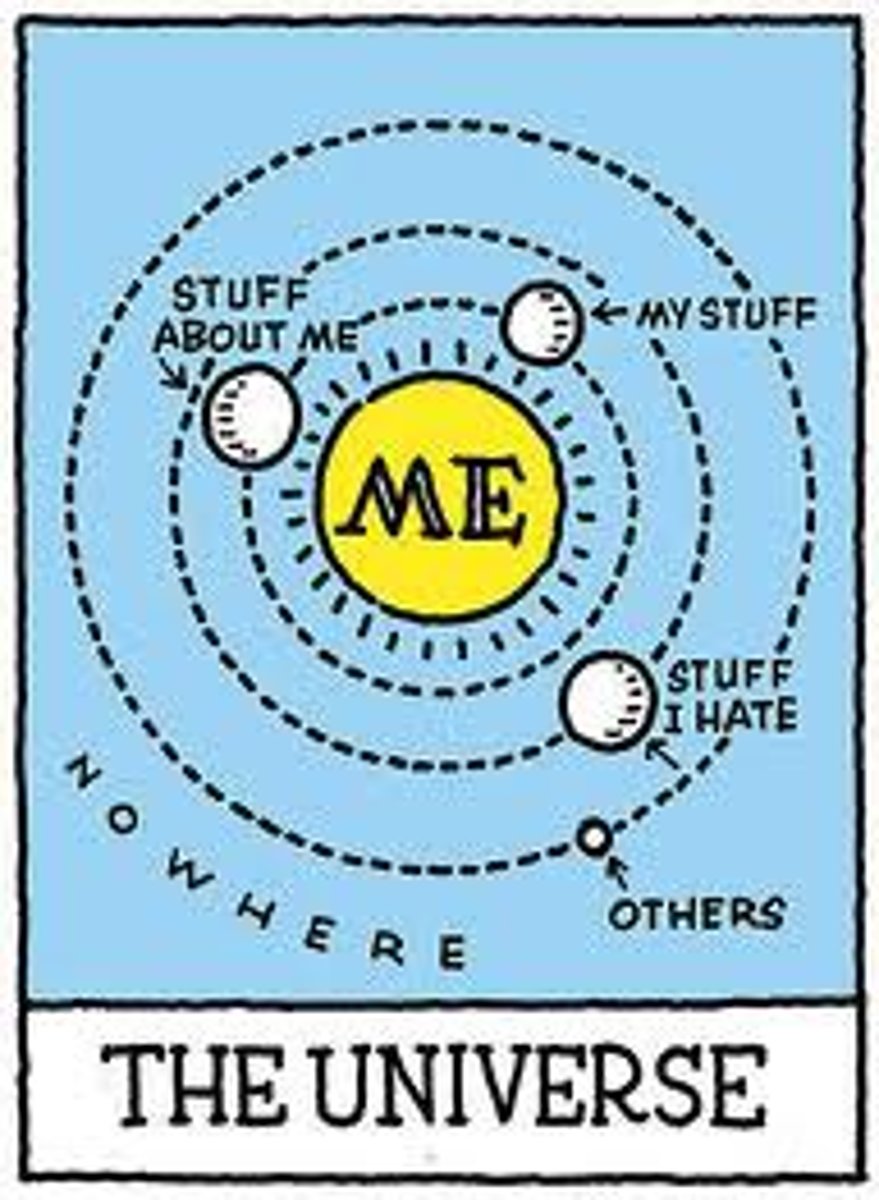
Imaginary Audience
phenomenon in adolescence where individuals believe others are constantly watching and judging their behavior, making them highly self-conscious.
Personal Fable
adolescent belief that one's experiences are unique and special, often leading to feelings of invulnerability and an underestimation of potential risks.

Possible Selves
the various versions of who individuals might become in the future, including ideal selves they hope to achieve and feared selves they wish to avoid.

Social Identity
an individual's sense of who they are based on their membership in social groups, like nationality, religion, or profession.

Identity Diffusion
a state where individuals have not yet explored or committed to life choices regarding beliefs, goals, or values, often leading to uncertainty about their sense of self.

Identity Foreclosure
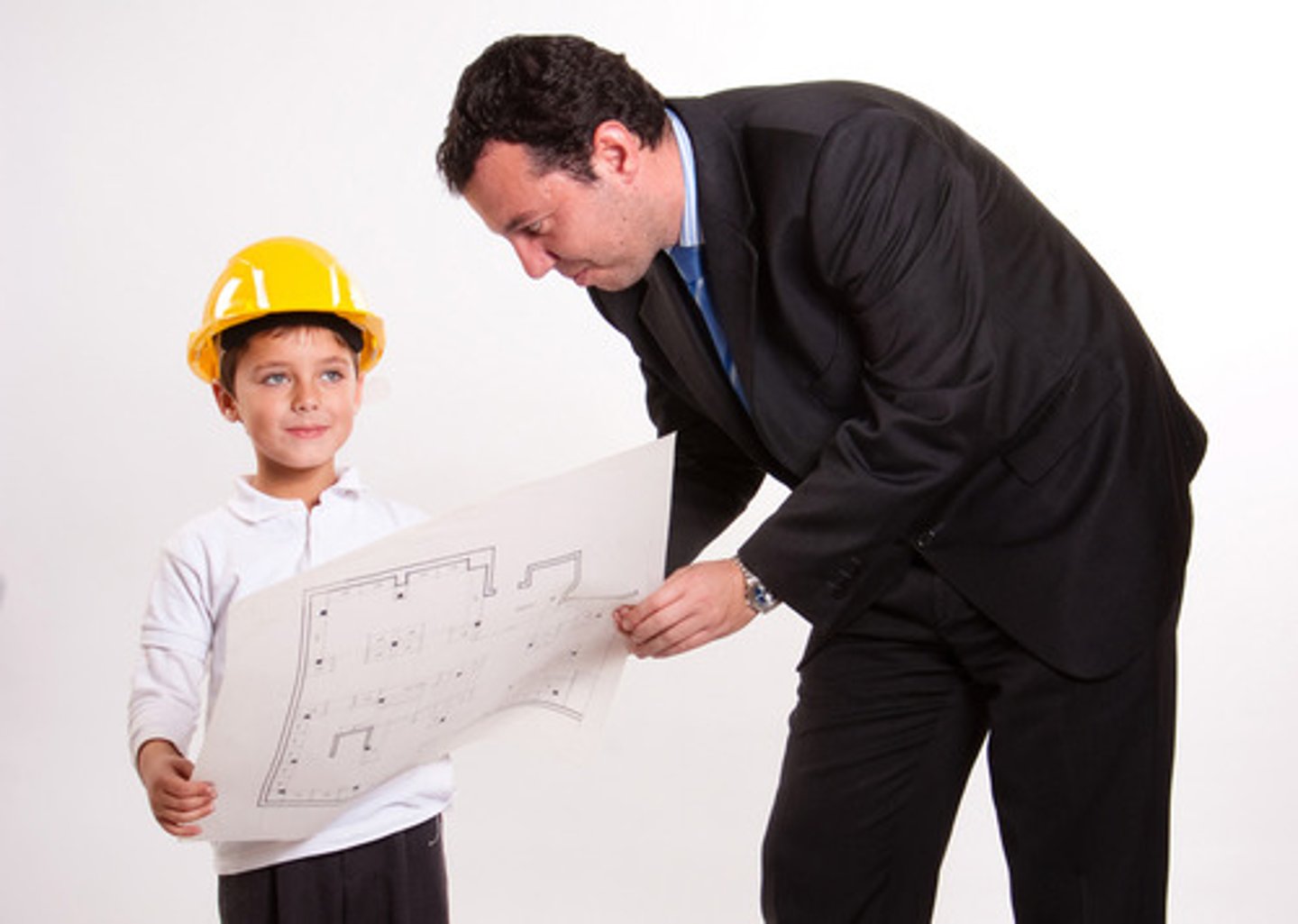
stage where individuals commit to goals, beliefs, or values without exploring alternatives, often adopting the expectations of parents or society.
Identity Moratorium
a stage in which individuals actively explore different life paths, beliefs, and values but have not yet made a final commitment, often leading to a period of uncertainty and experimentation.

Identity Achievement
the stage where individuals have explored various life paths and made firm decisions about their beliefs, values, and goals, resulting in a clear and stable sense of self.

Sex
the biologically influenced characteristics by which people define male, female, and intersex.

Primary Sex Characteristics
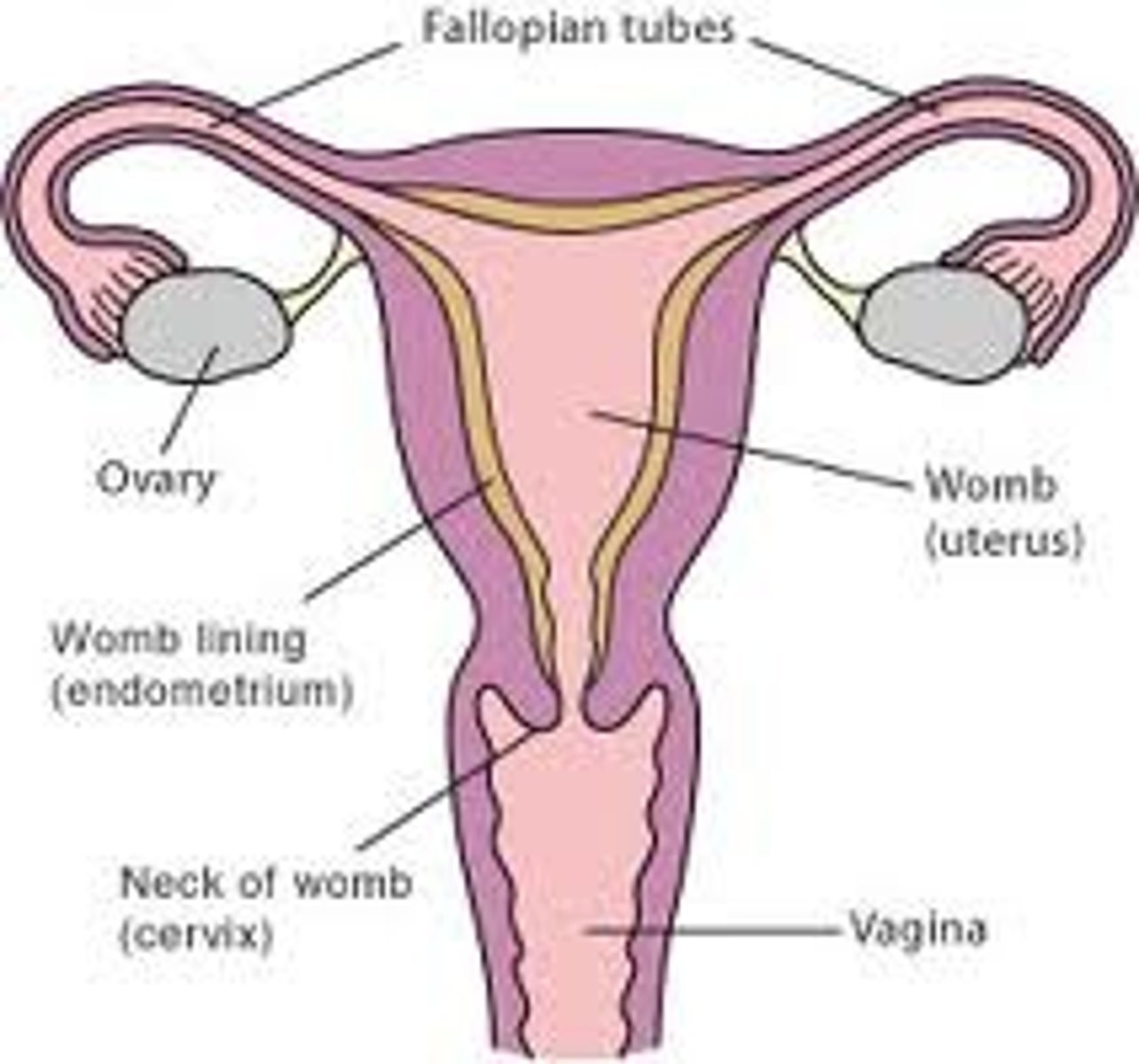
The reproductive organs and structures directly involved in reproduction, such as the ovaries, testes, and external genitalia.
Secondary Sex Characteristics
Physical traits that develop during puberty but are not directly involved in reproduction, like breast development, facial hair, and voice deepening.
Menarche
A girl's first menstrual period, signaling the beginning of puberty and the ability to reproduce.

Spermarche
A boy's first production of sperm, marking the start of puberty and the ability to reproduce.

Gender
the attitudes, feelings, and behaviors that a given culture associates with a person's biological sex.
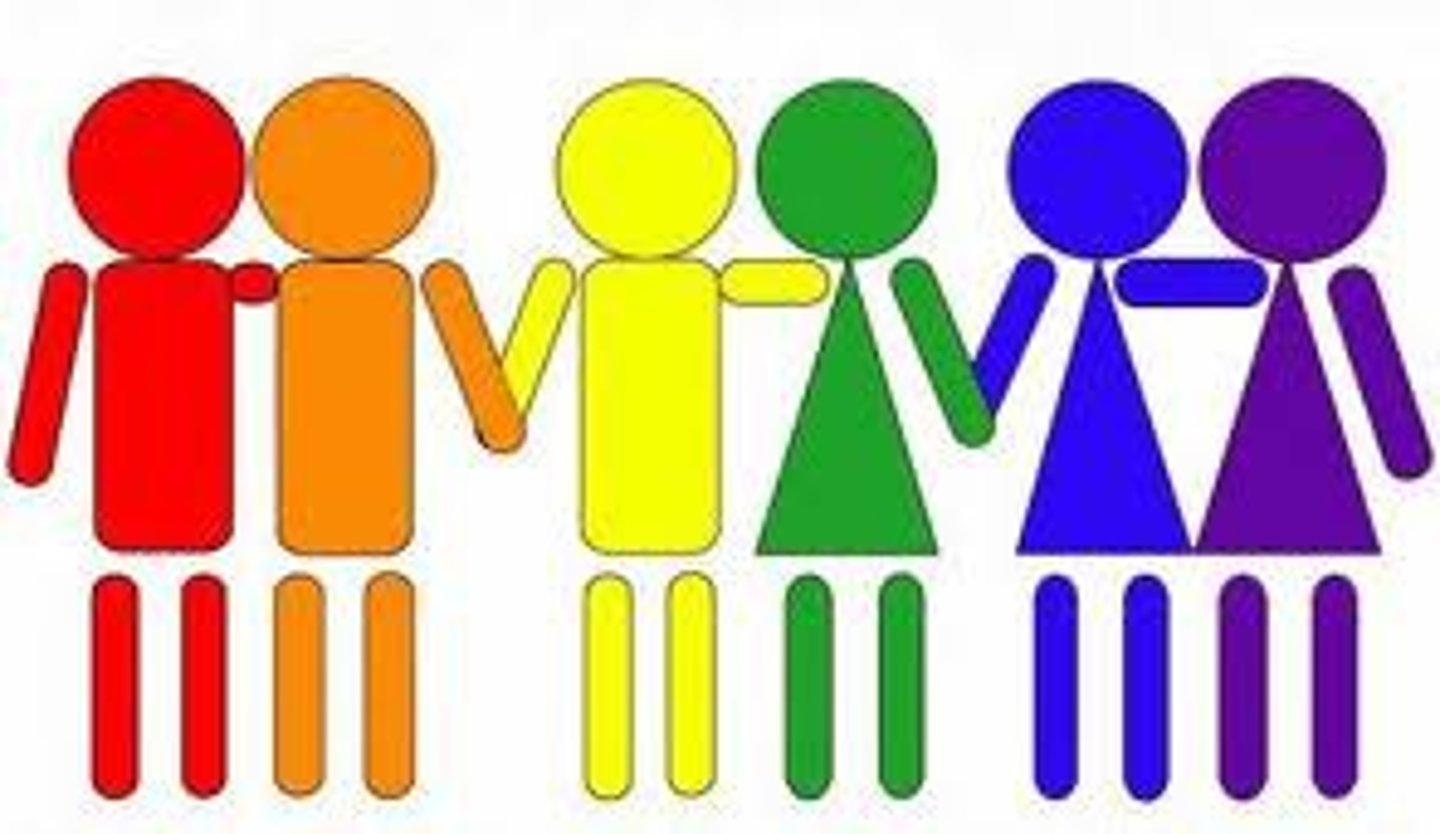
Sexual Orientation
A person's sexual and emotional attraction to another person and the behavior and/or social affiliation that may result from this attraction.
Gender Identity
an individual's internal sense of being male, female, a blend of both, or neither, which may or may not align with their assigned sex at birth.
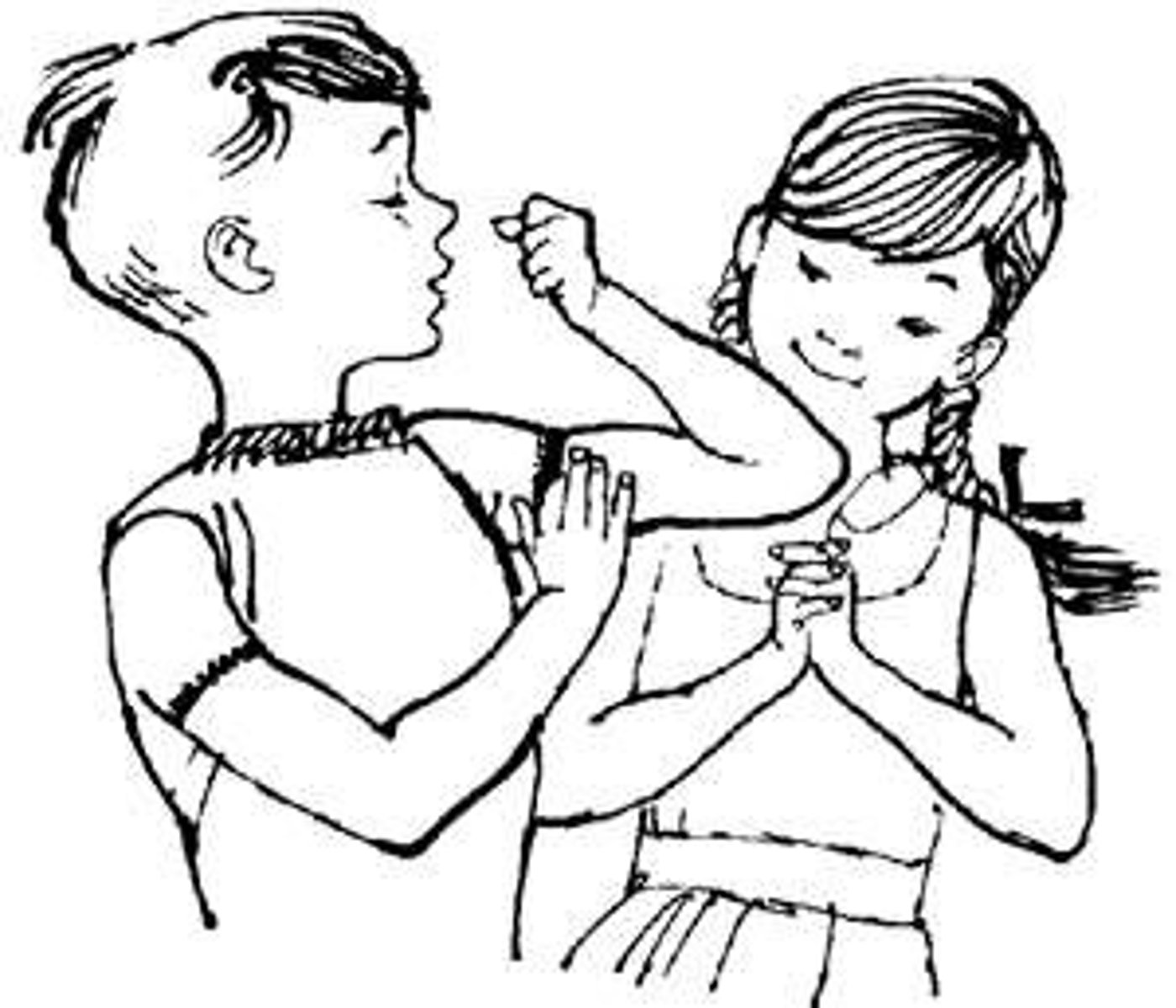
Gender Roles
societal expectations and norms for behavior, attitudes, and activities typically associated with being male or female.

Gender Typing
the process by which children learn and adopt behaviors, interests, and roles considered appropriate for their gender according to cultural norms.