FOR 210 Species Study Guide
 Call Kai
 Learn
Learn Practice Test
 Spaced Repetition
 Match
Match Flashcards
 Knowt Play
1/129

There's no tags or description
Looks like no tags are added yet.
Name | Mastery | Learn | Test | Matching | Spaced | Call with Kai |
|---|
No analytics yet
Send a link to your students to track their progress
130 Terms
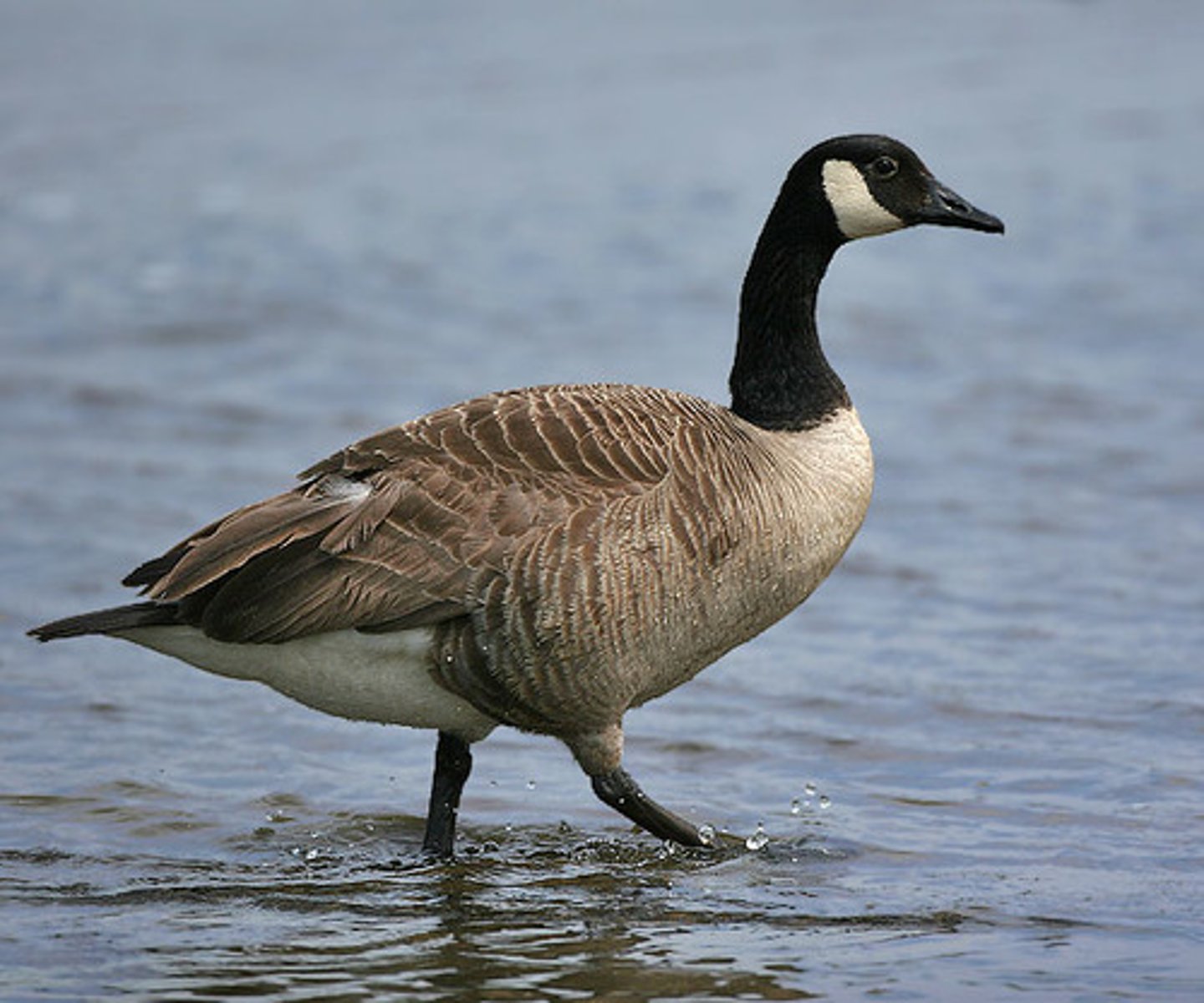
Canada Goose
Natural history: Game species; many subspecies with huge size variation; males and female establish pair bonds in winter. Order: Anseriformes. Family: Anatidae.
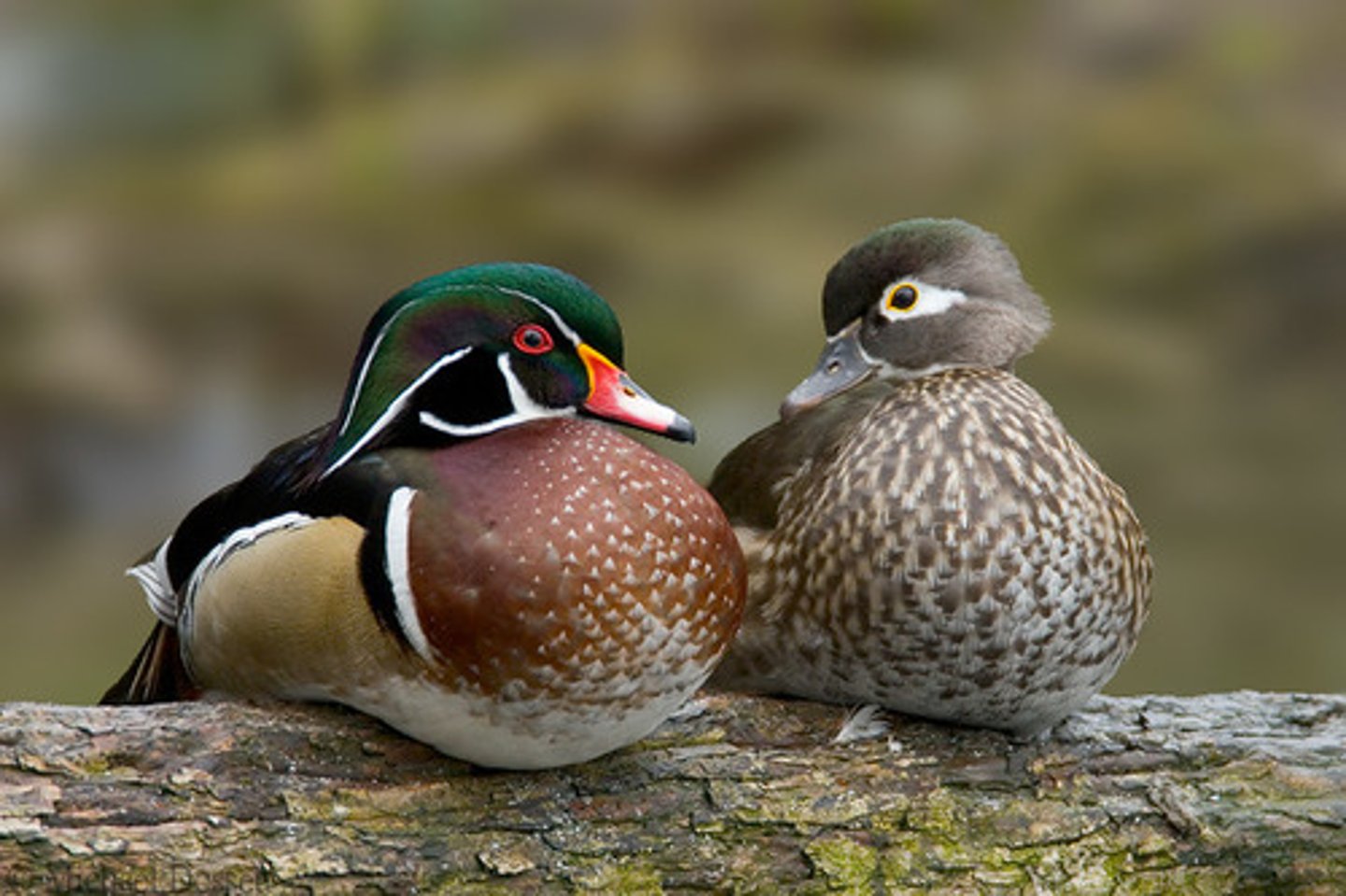
Wood Duck
Natural history: Game species; secondary cavity user, often found along wooded water bodies; males and female establish pair bonds in winter. Order: Anseriformes. Family: Anatidae.
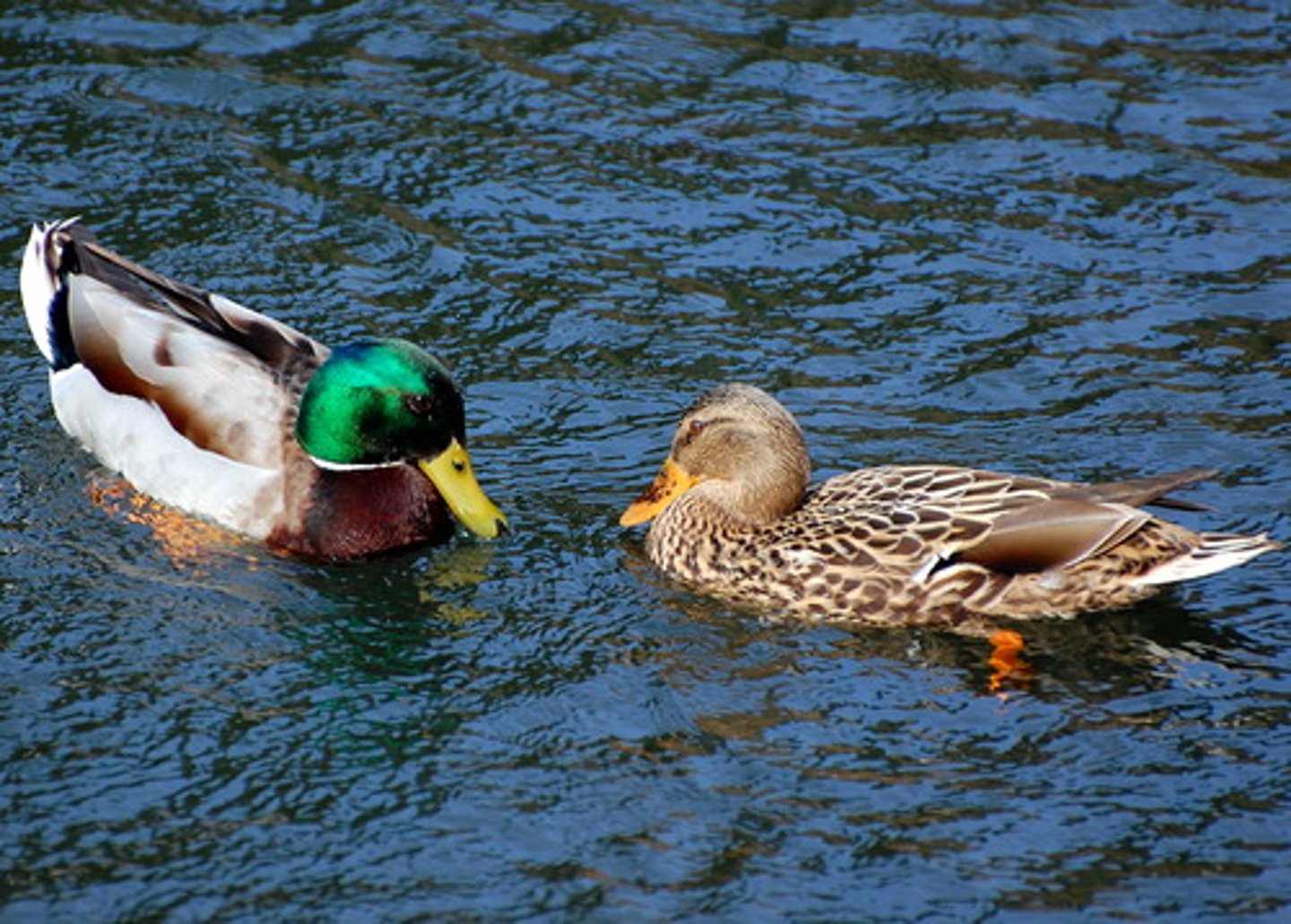
Mallard
Natural history: Game species; males and female establish pair bonds in winter; widespread and common species. Order: Anseriformes. Family: Anatidae.
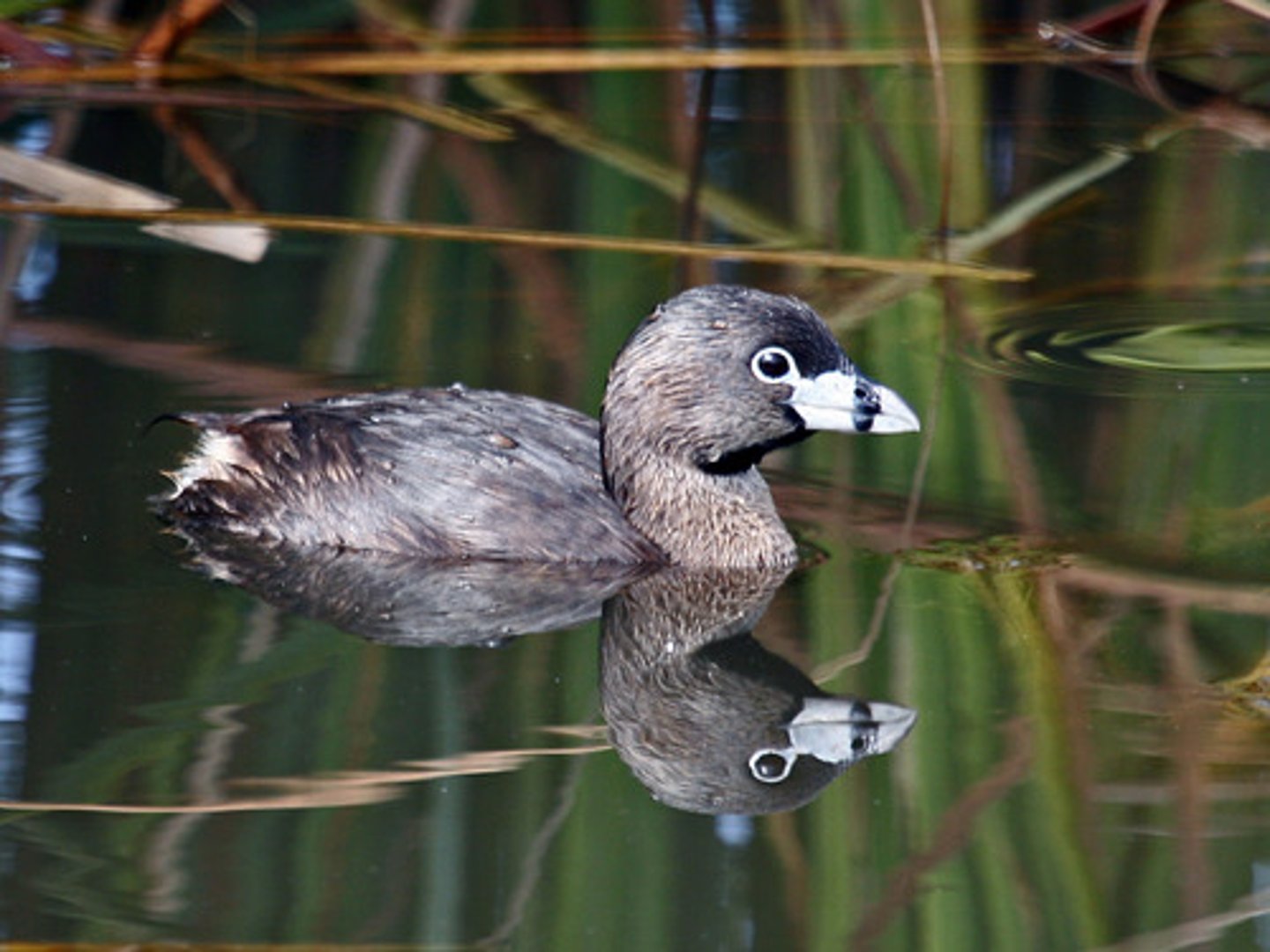
Pied-billed Grebe
Natural history: Surface diver with lobate feet, barely able to walk on land; builds floating nest. Order: Podicipediformes. Family: Podicipedidae.
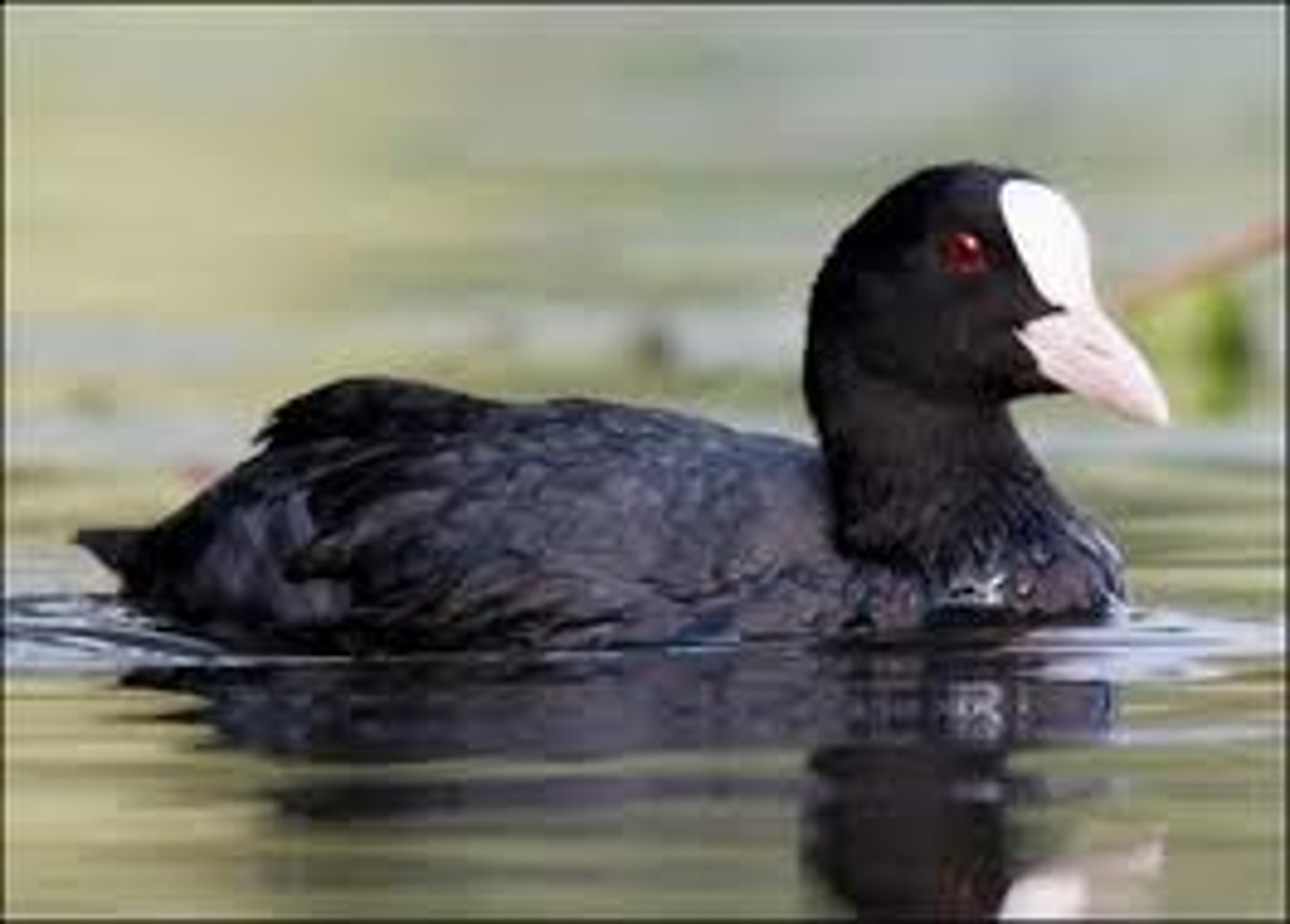
American Coot
Natural history: Marsh bird that dives; herbivorous; can get into large flocks in non-breeding season. Order: Gruiformes. Family: Rallidae.
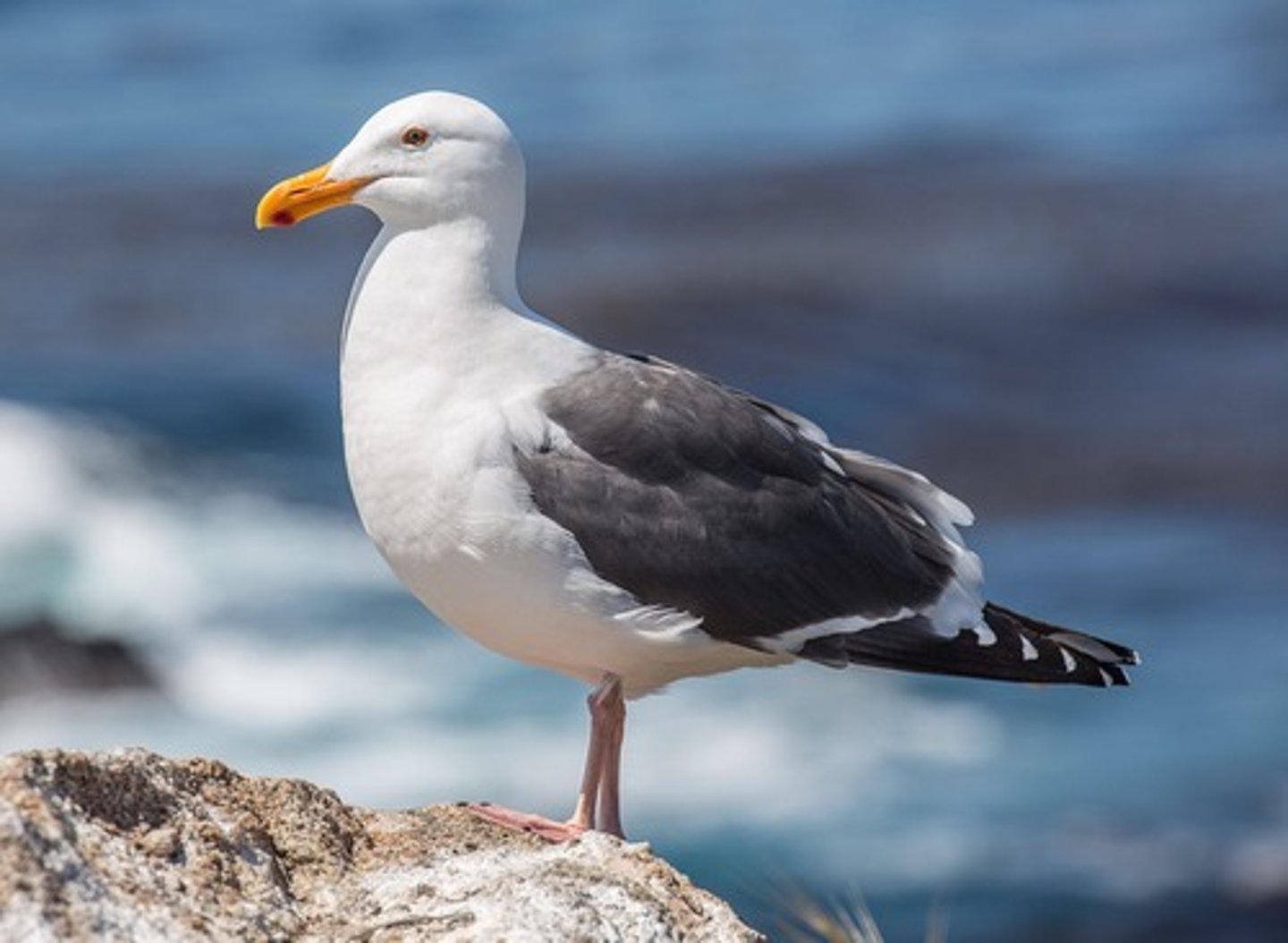
Western Gull
Natural history: Rarely ventures far from ocean; omnivorous. Order: Charadriiformes. Family: Laridae.
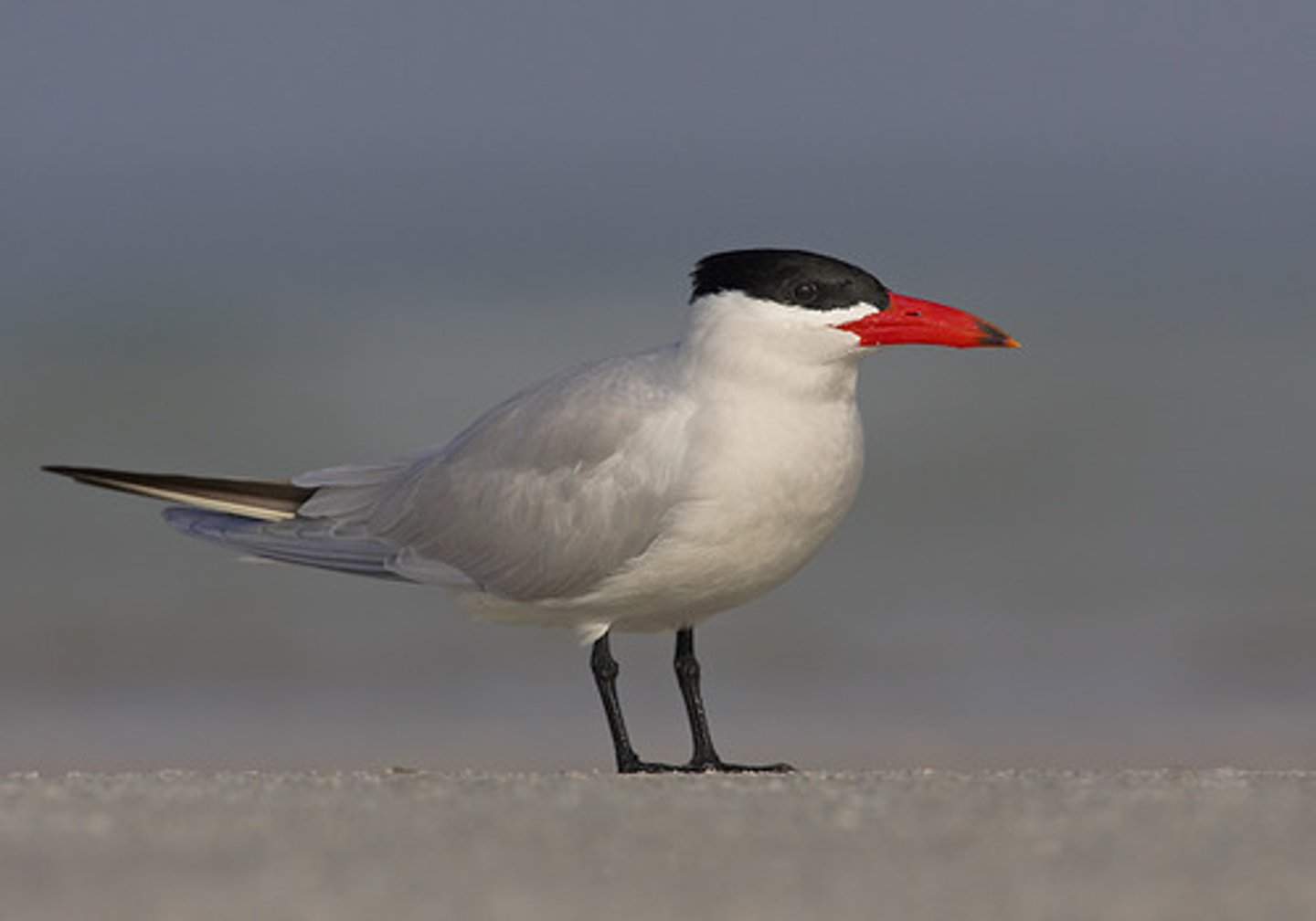
Caspian Tern
Natural history: Piscivorous; surface diver; largest tern in North America. Order: Charadriiformes. Family: Laridae.
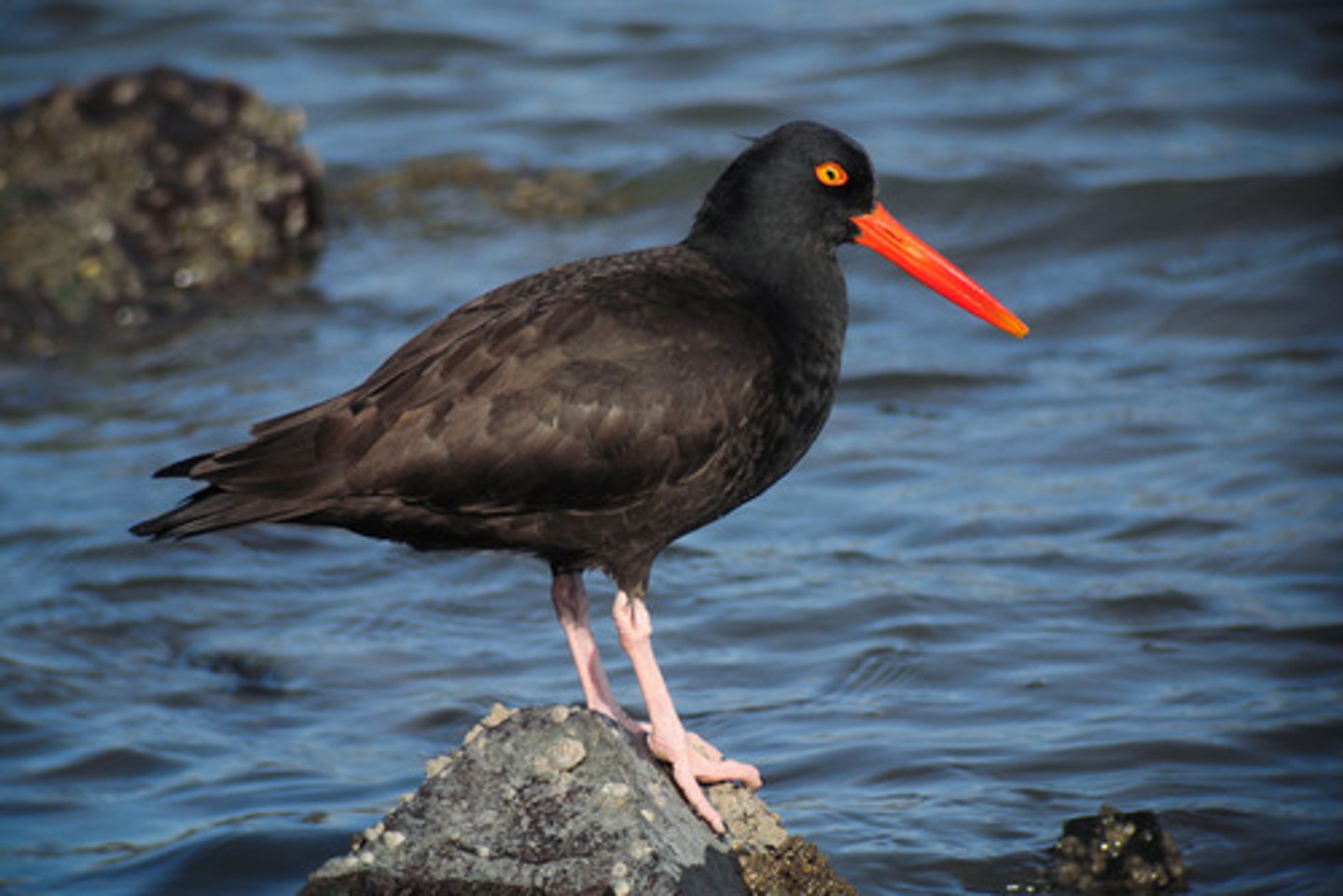
Black Oystercatcher
Natural history: Laterally compressed bill specialized for bivalves; found on rocky ocean shores. Order: Charadriiformes. Family: Haematopodidae.
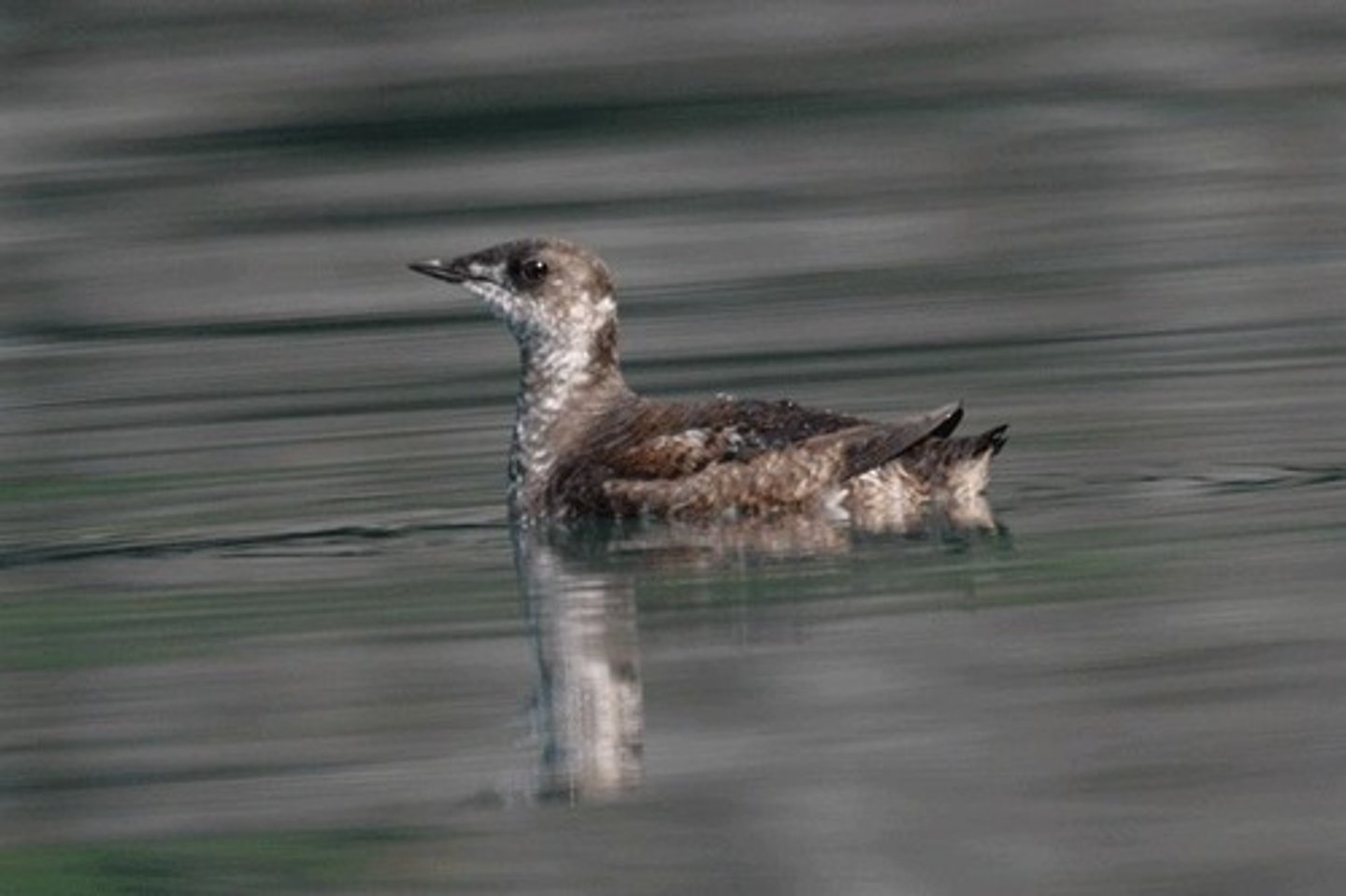
Marbled Murrelet
Natural history: Threatened species; nests in older conifer forests up to 40 miles from ocean; surface diver that pursues fish and invertebrates. Order: Charadriiformes. Family: Alcidae.
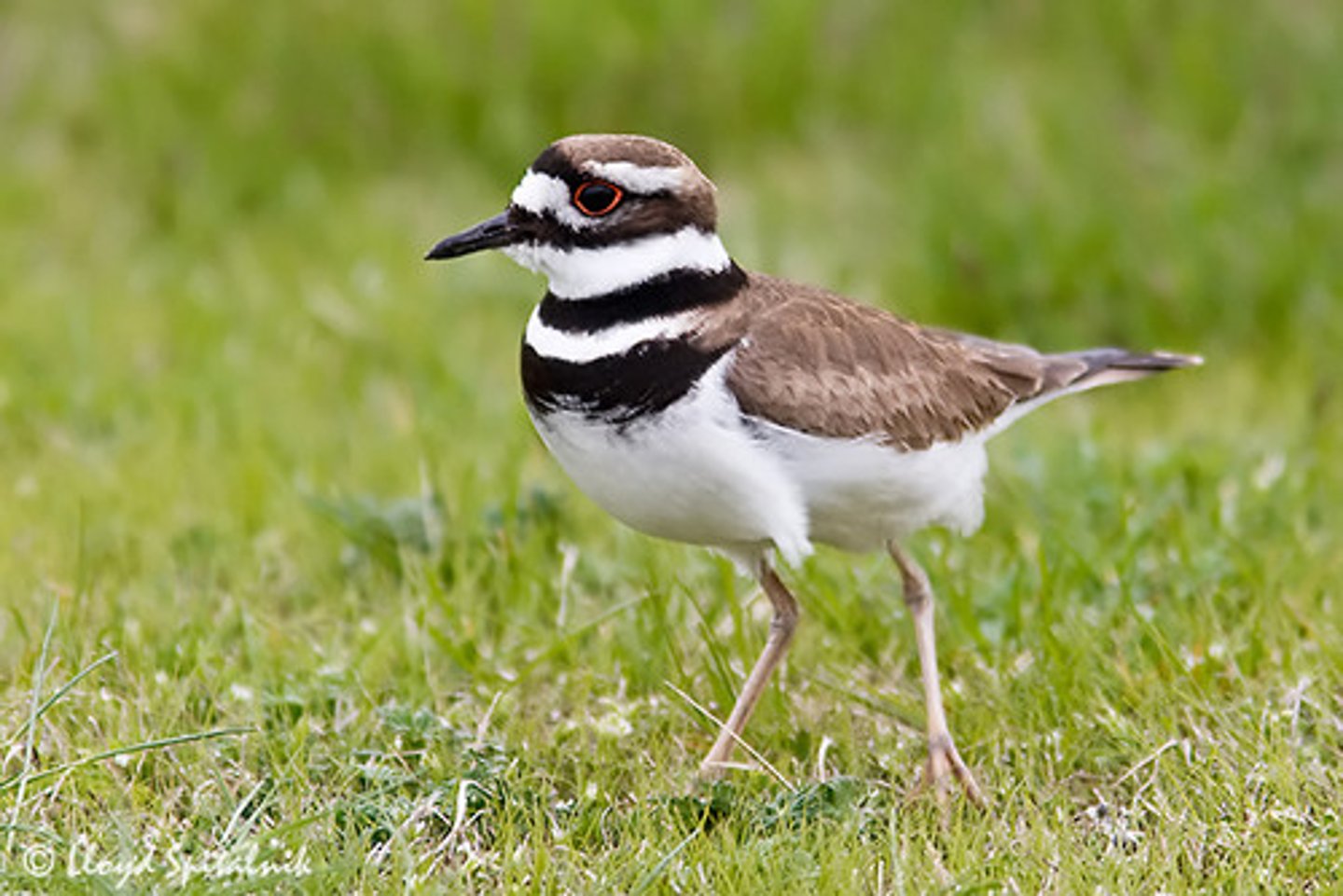
Killdeer
Natural history: Plover typically found in inland and away from water; gives broken-wing display near nest to distract predators. Order: Charadriiformes. Family: Charadriidae.
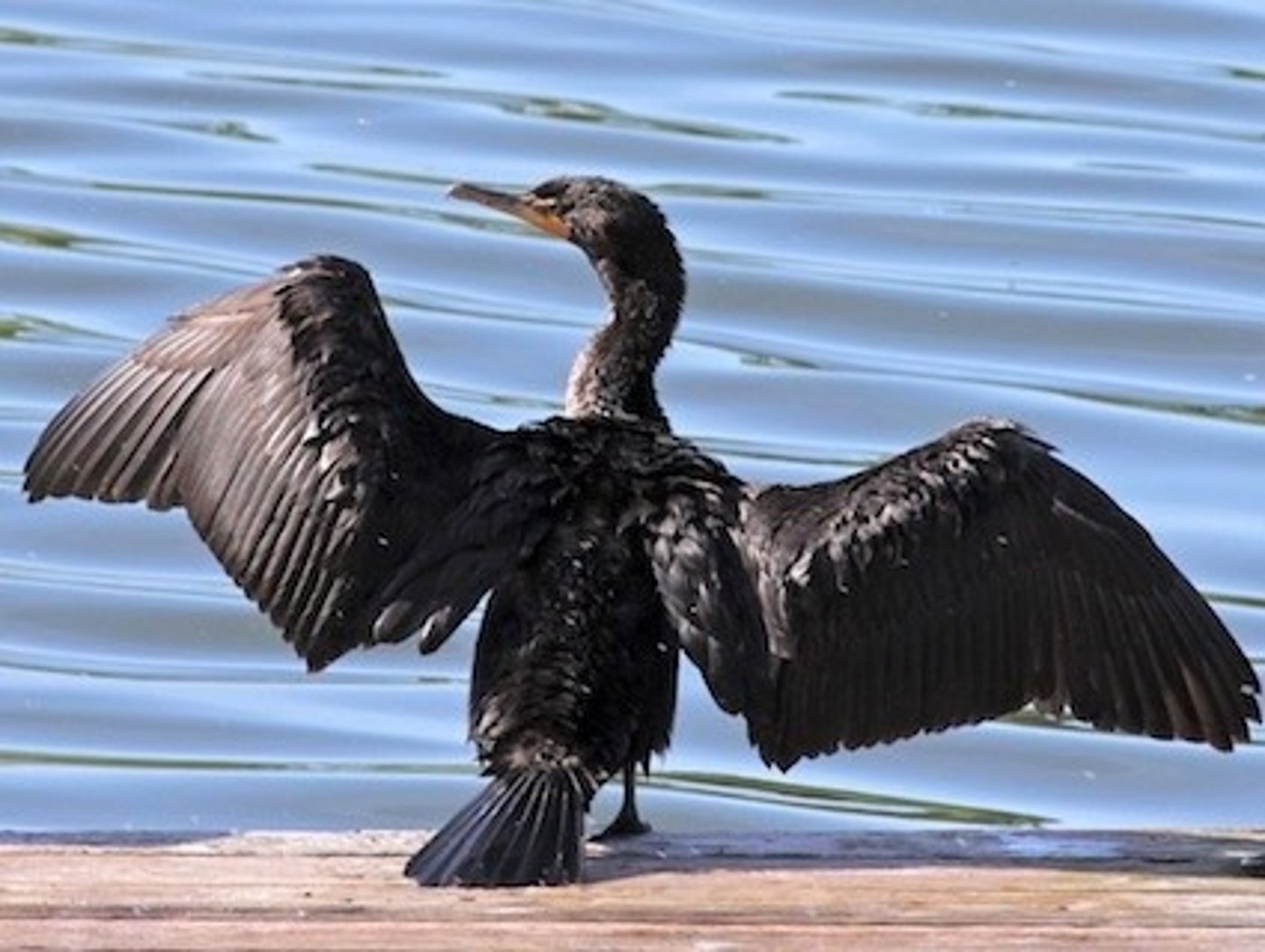
Double-crested Cormorant
Natural history: Surface diver; piscivorous; only cormorant that goes inland in Pacific Northwest. Order: Suliformes. Family: Phalacrocoracidae.
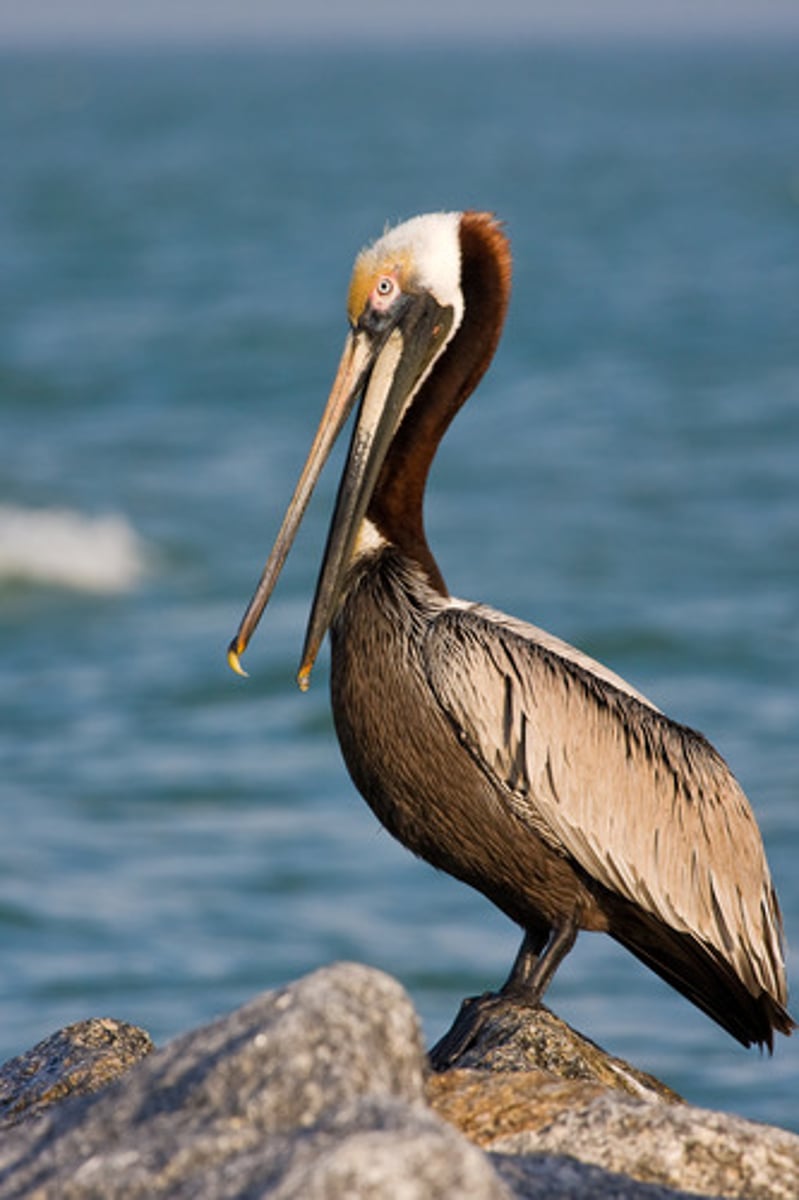
Brown Pelican
Natural history: Plunge diver; often travels in small flocks low in front of breaking waves. Order: Suliformes. Family: Pelecanidae.
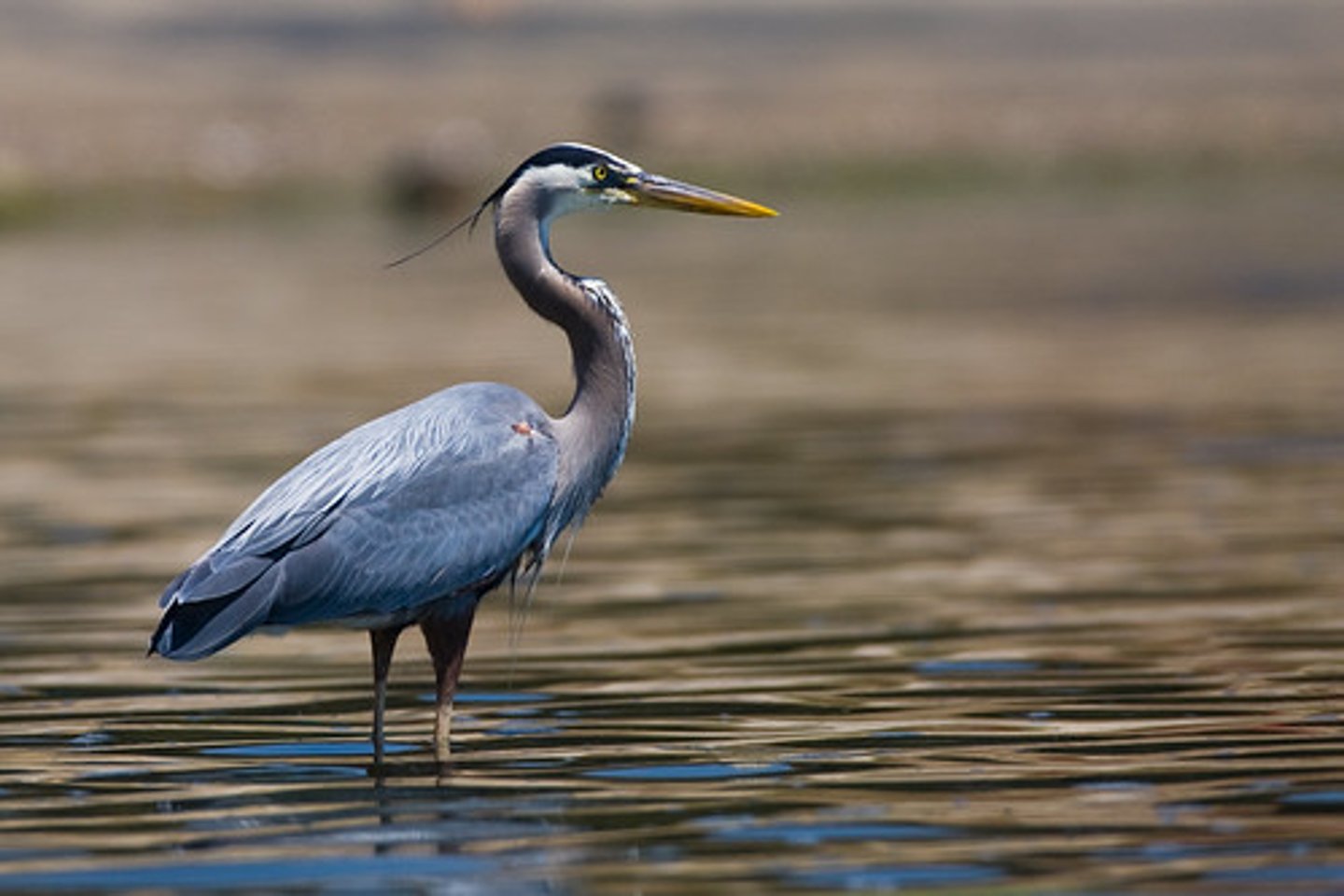
Great Blue Heron
Natural history: Long-legged wader; forages in wetlands and in upland areas. Order: Pelecaniformes. Family: Ardeidae.
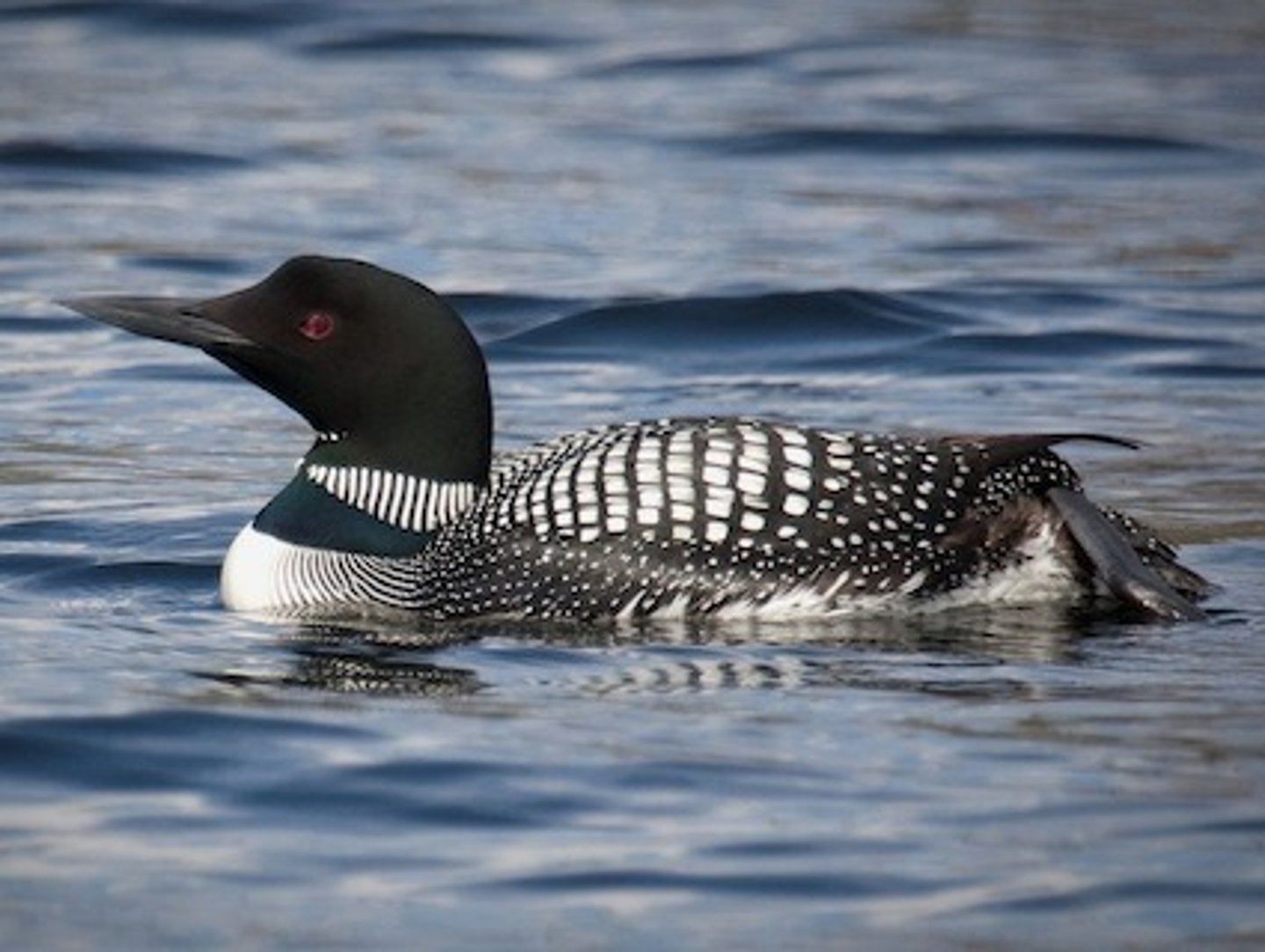
Common Loon
Natural history: Surface diver; piscivorous; breeds on freshwater lakes but often winters on ocean. Order: Gaviiformes. Family: Gaviidae.
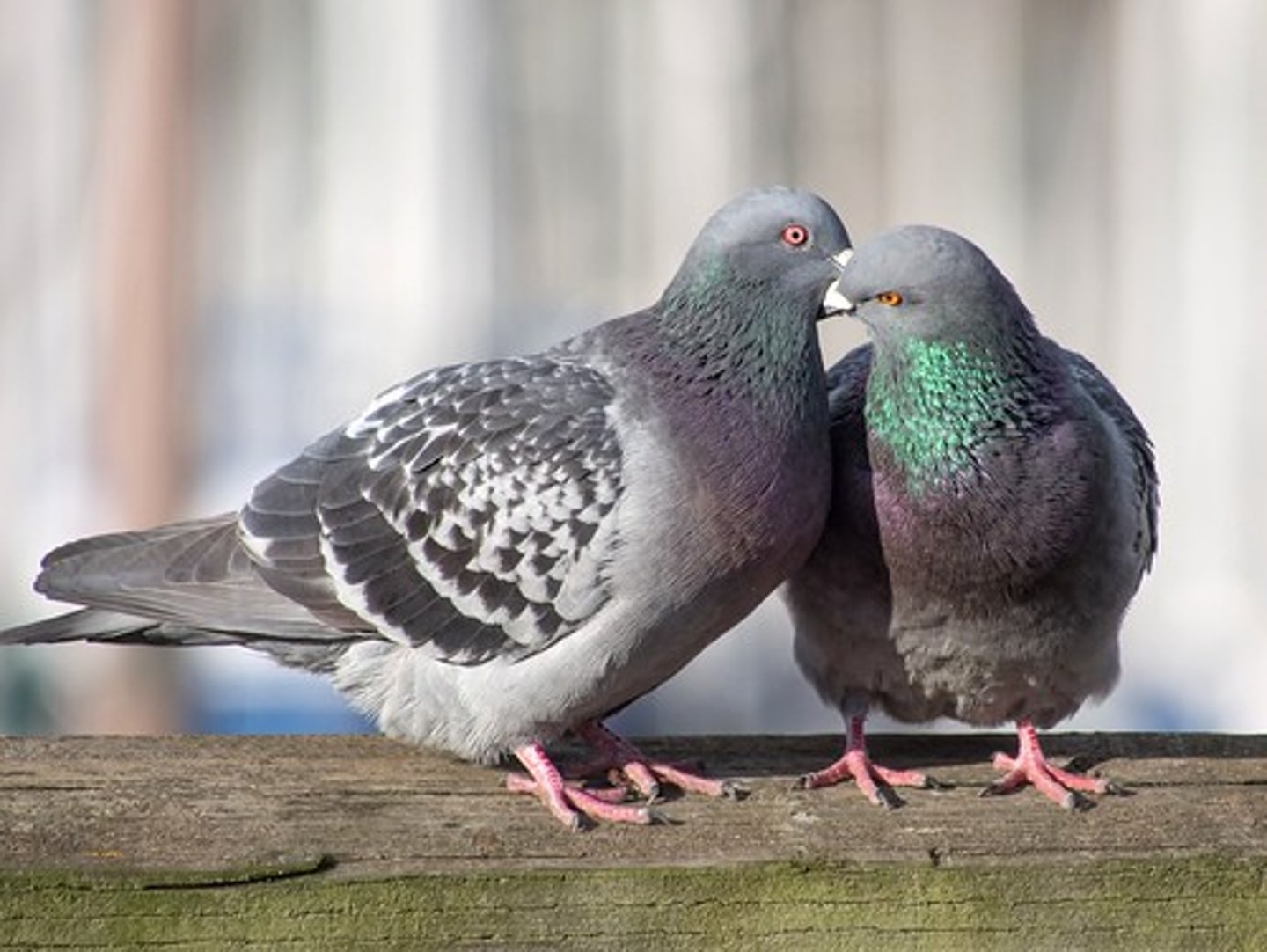
Rock Pigeon
Natural history: Exotic from Europe; common in urban and suburban areas. Order: Columbiformes. Family: Columbidae.
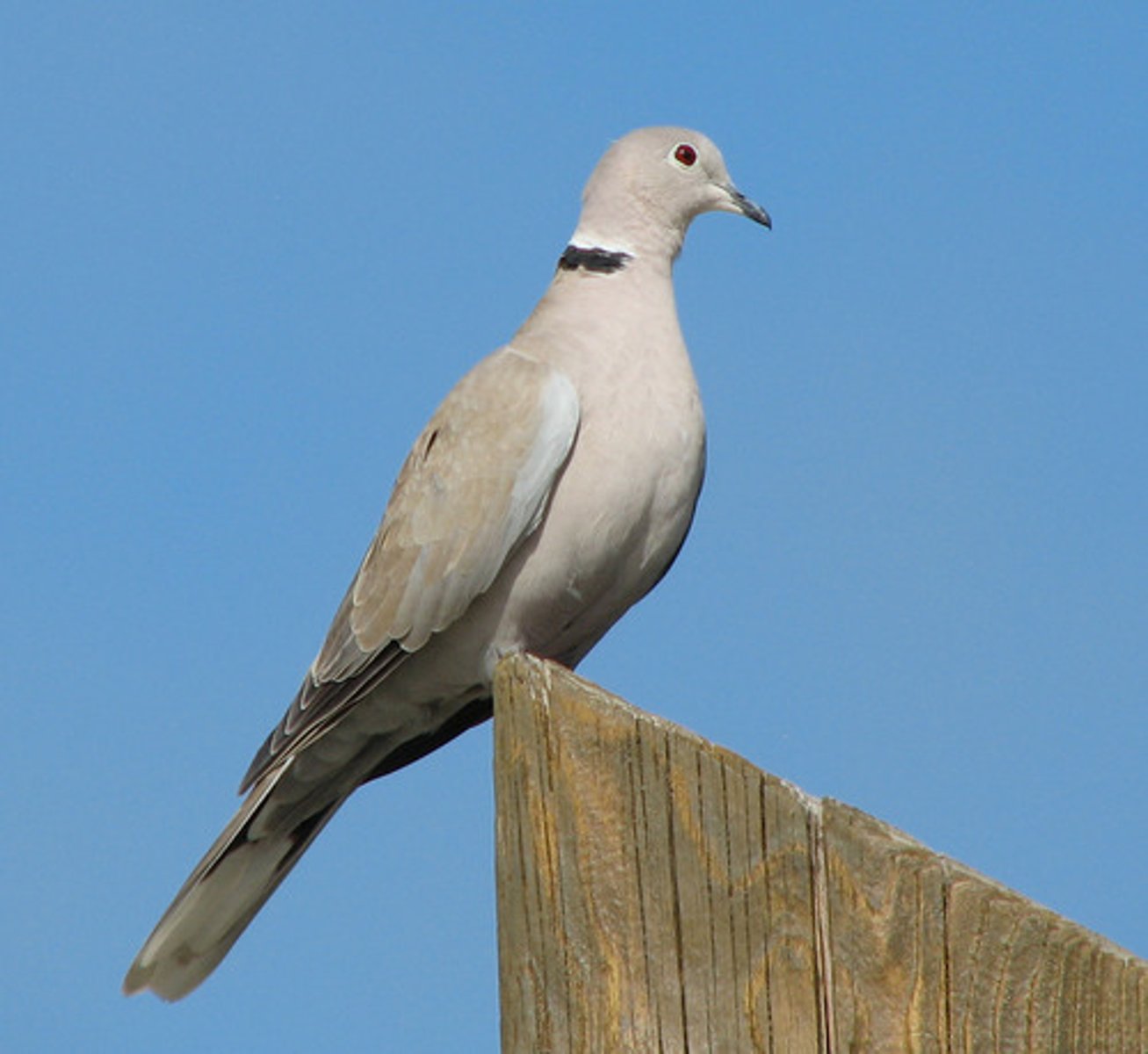
Eurasian Collared-Dove
Natural history: Exotic from Europe; common in urban and suburban areas. Order: Columbiformes. Family: Columbidae.
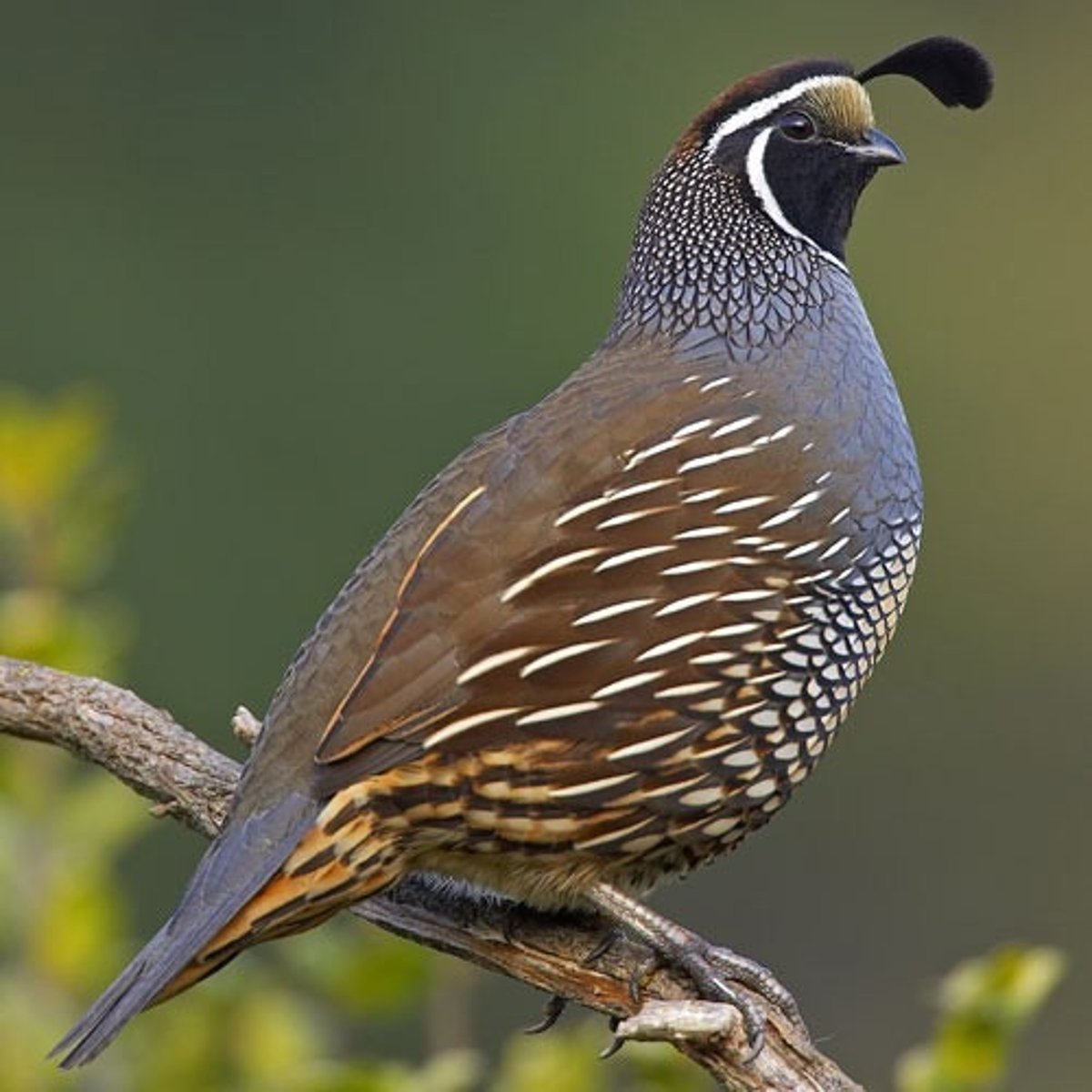
California Quail
Natural history: Game species; often found in flocks; prefers to run than fly. Order: Galliformes. Family: Odontophoridae.
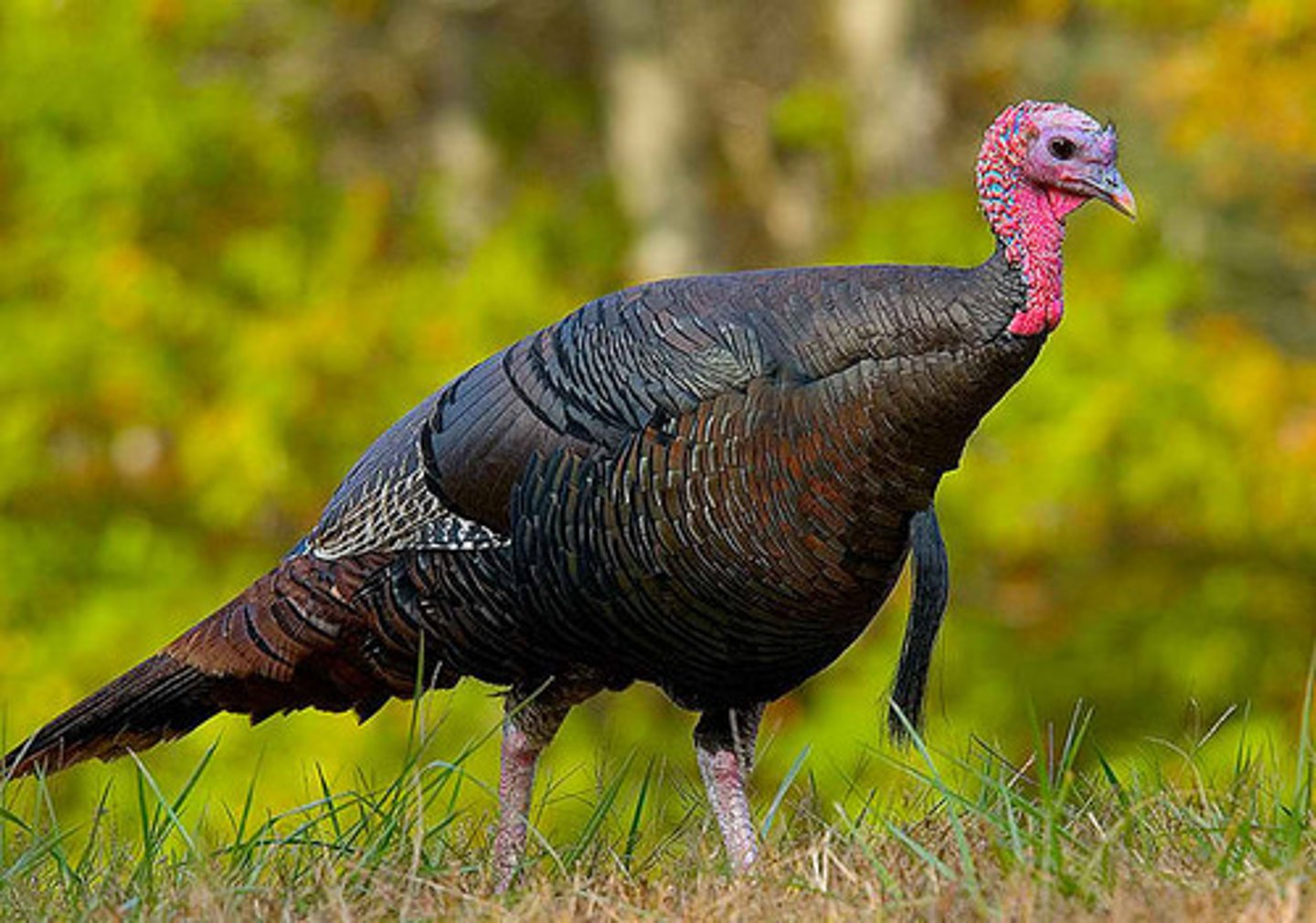
Wild Turkey
Natural history: Game species; prefers to run than fly; males have extensive displays to attract females in spring. Order: Galliformes. Family: Phasianidae.
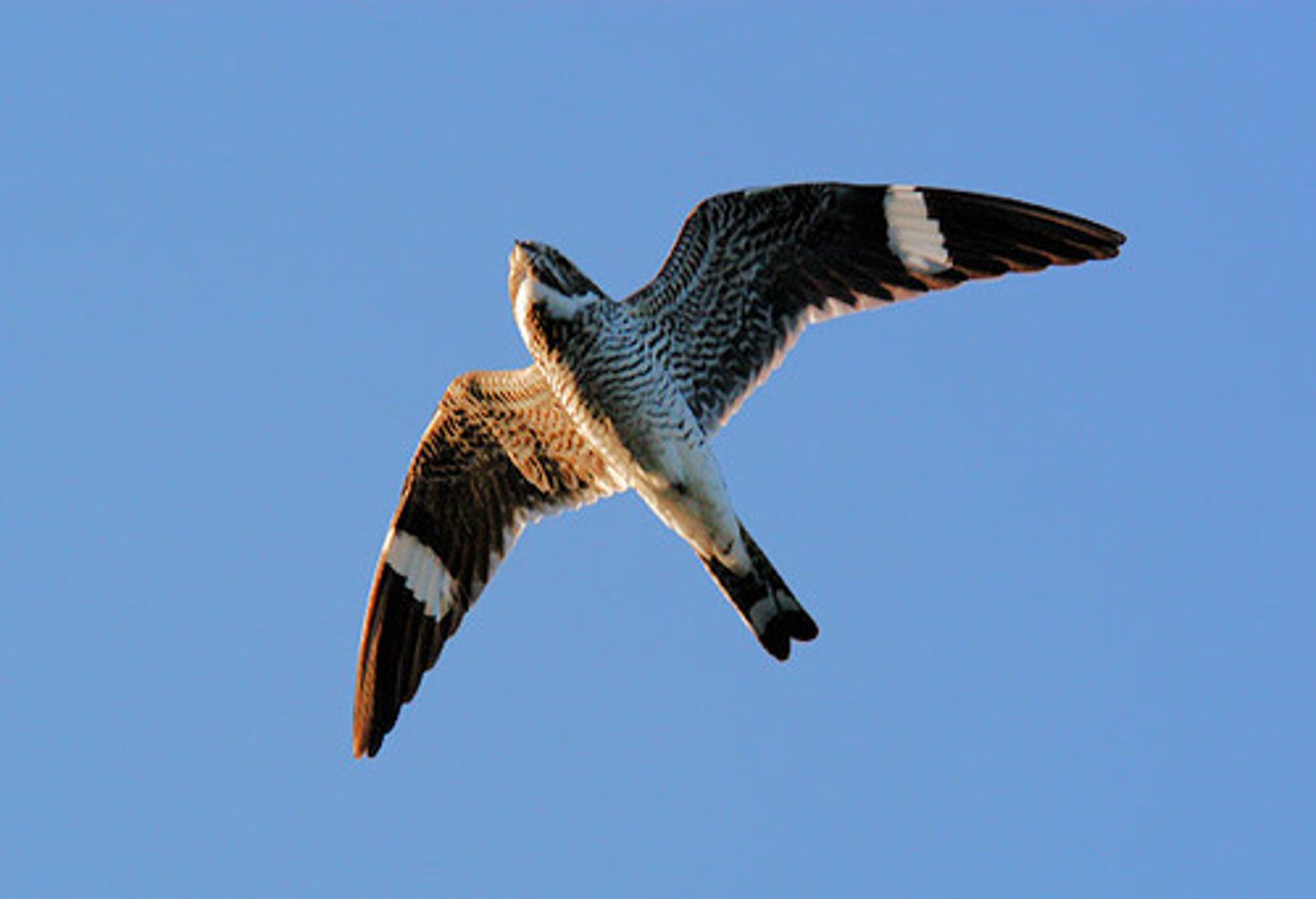
Common Nighthawk
Natural history: Long-distance migrant; active around dawn and dusk; eats flying insects. Order: Caprimulgiformes. Family: Caprimulgidae.
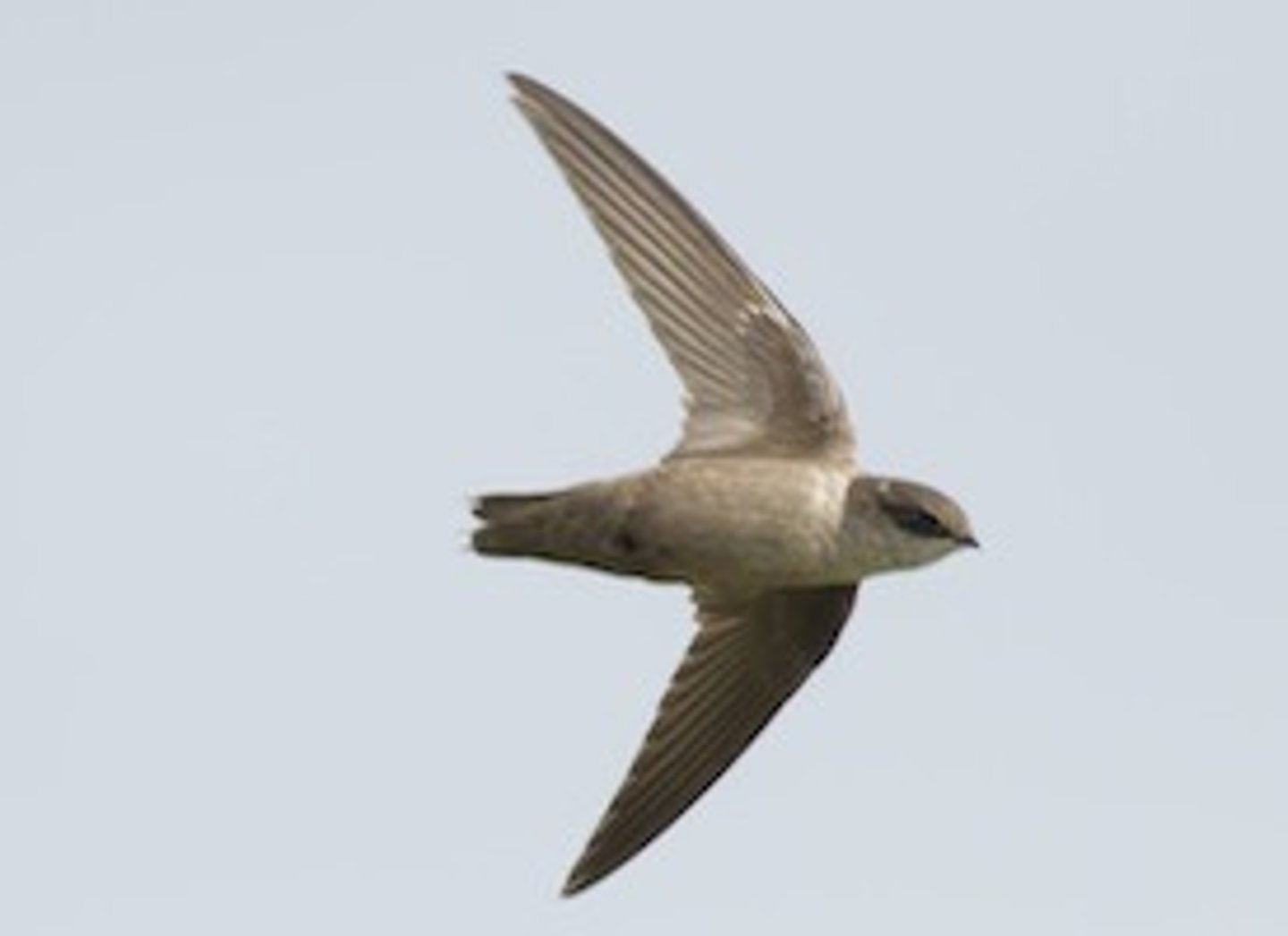
Vaux's Swift
Natural history: Long-distance migrant, nests/roosts in cavities [=chimneys nowadays]; eats flying insects. Order: Apodiformes. Family: Apodidae.
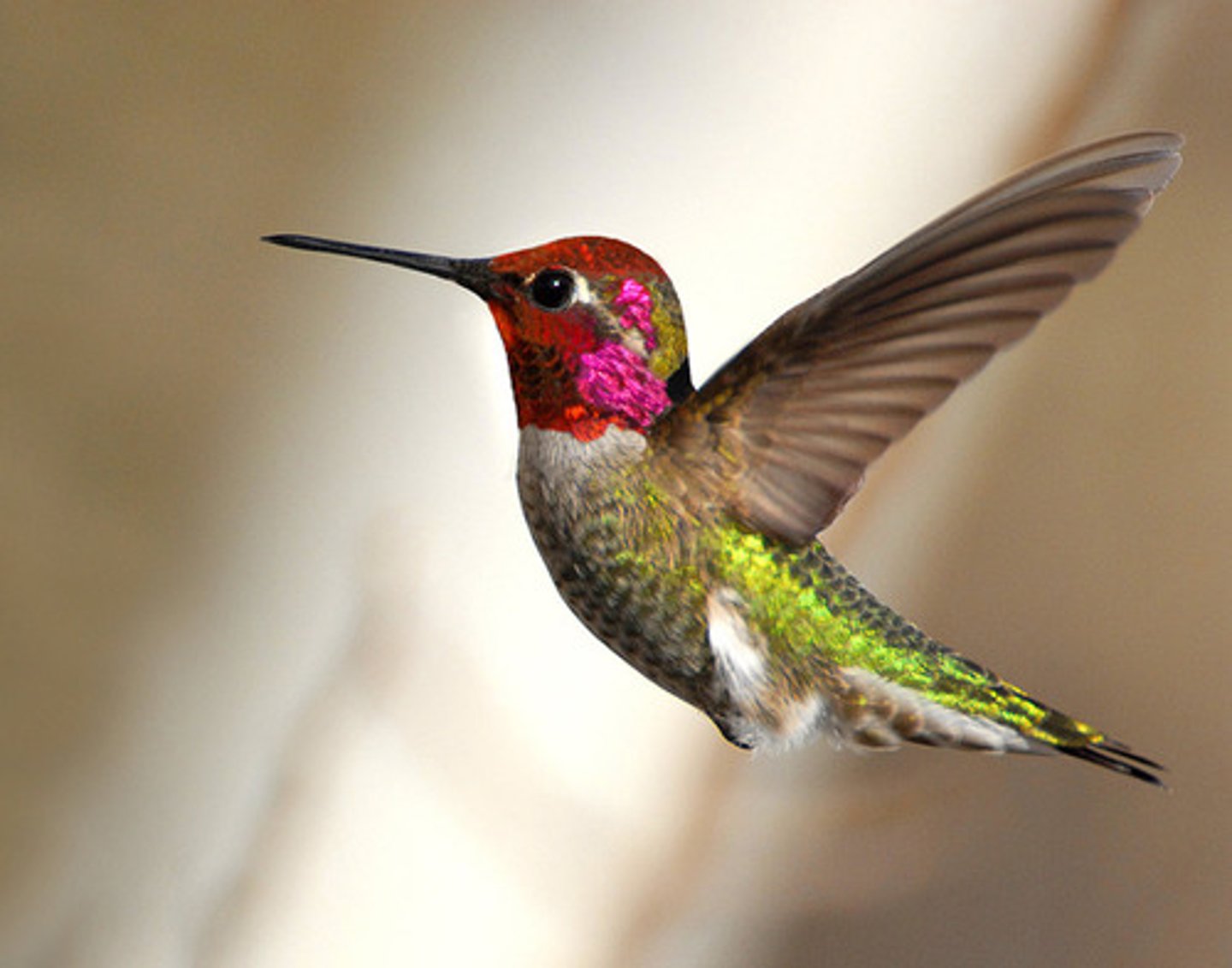
Anna's Hummingbird
Natural history: Nectivorous; can fly backwards; often found in suburban areas. Order: Apodiformes. Family: Trochilidae.
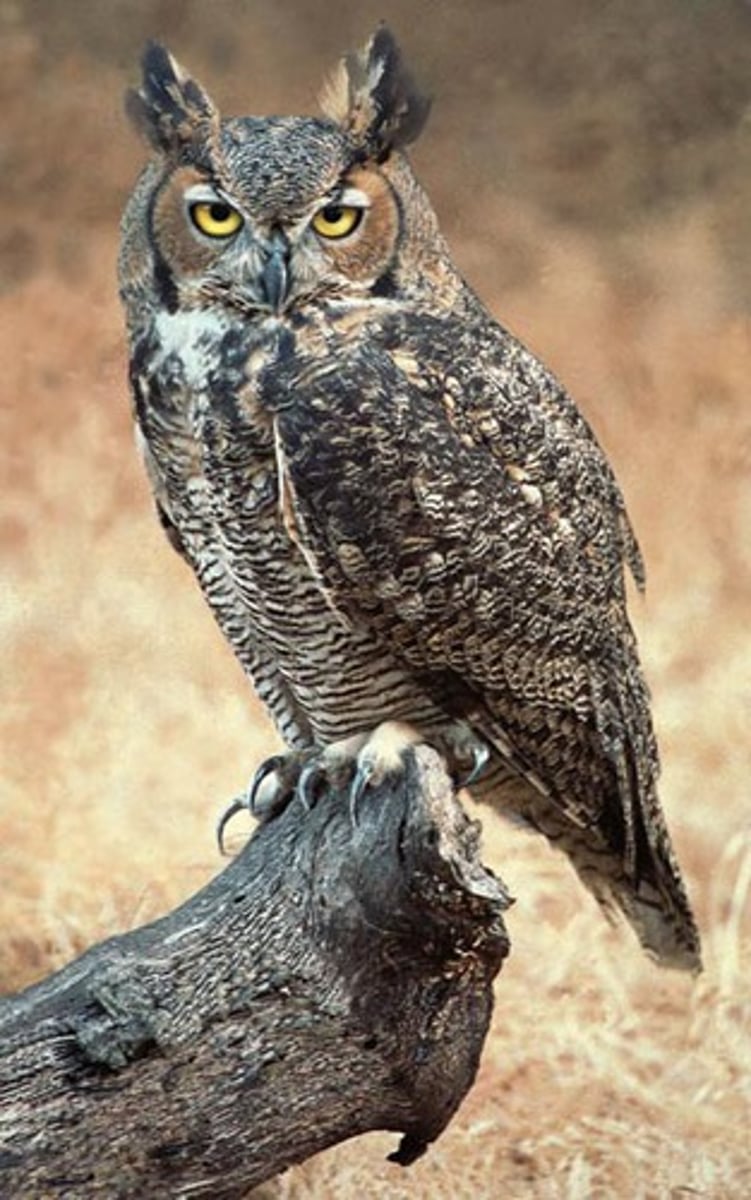
Great Horned Owl
Natural history: Nocturnal; takes a wide range of prey, including skunks. Order: Strigiformes. Family: Strigidae.
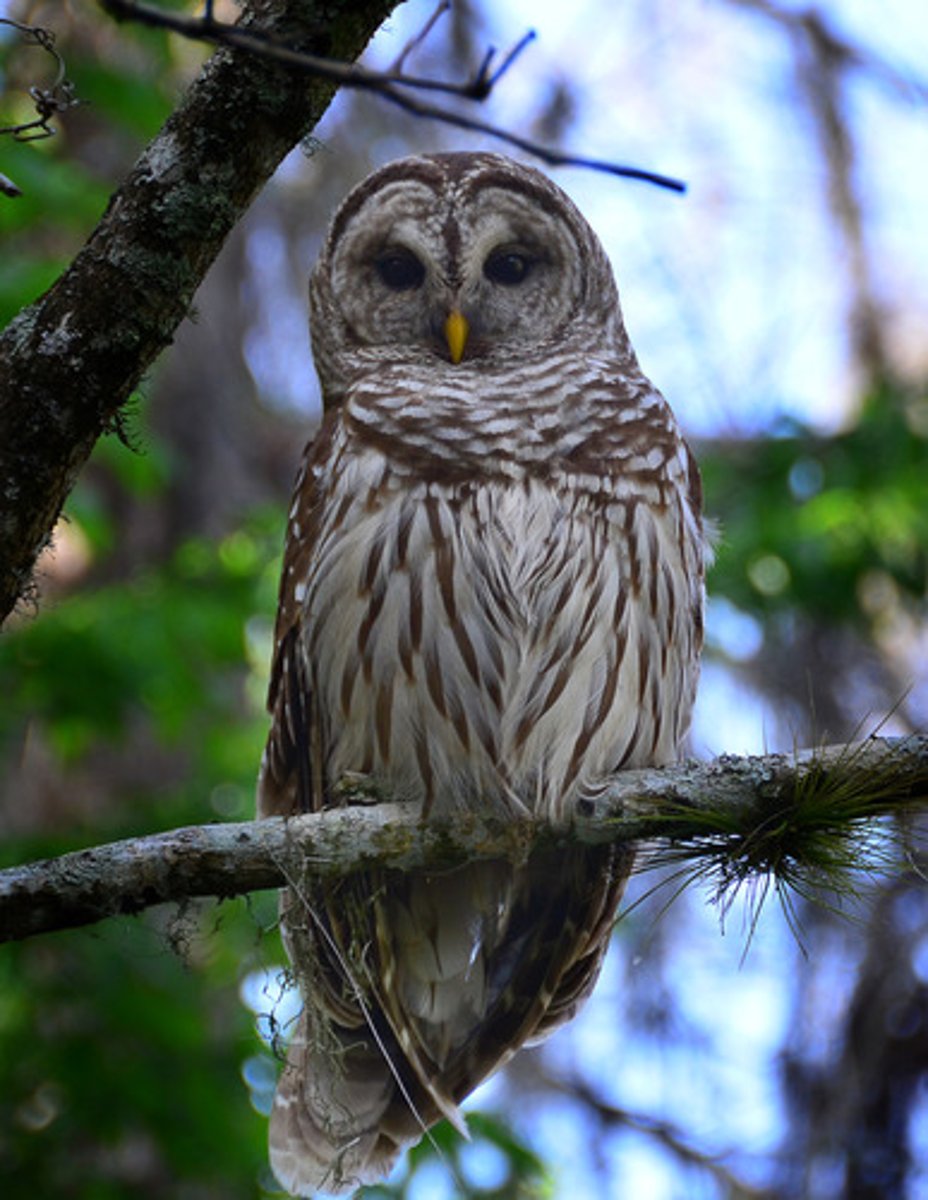
Barred Owl
Natural history: Nocturnal; invasive to Pacific Northwest and major conservation concern for Northern Spotted Owl. Order: Strigiformes. Family: Strigidae.
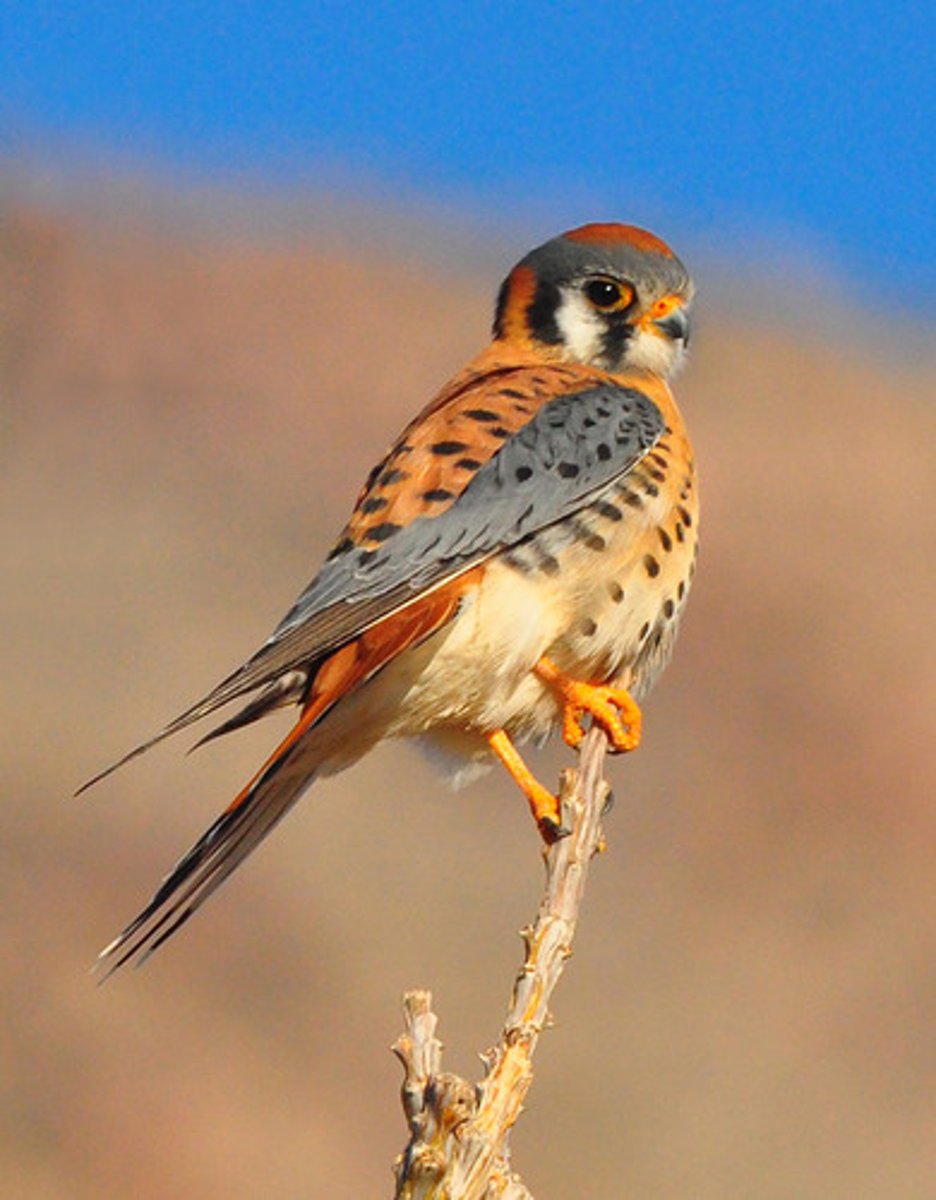
American Kestrel
Natural history: Secondary cavity user; takes range of prey from insects to birds; often seen hovering facing into wind while hunting. Order: Falconiformes. Family: Falconidae.
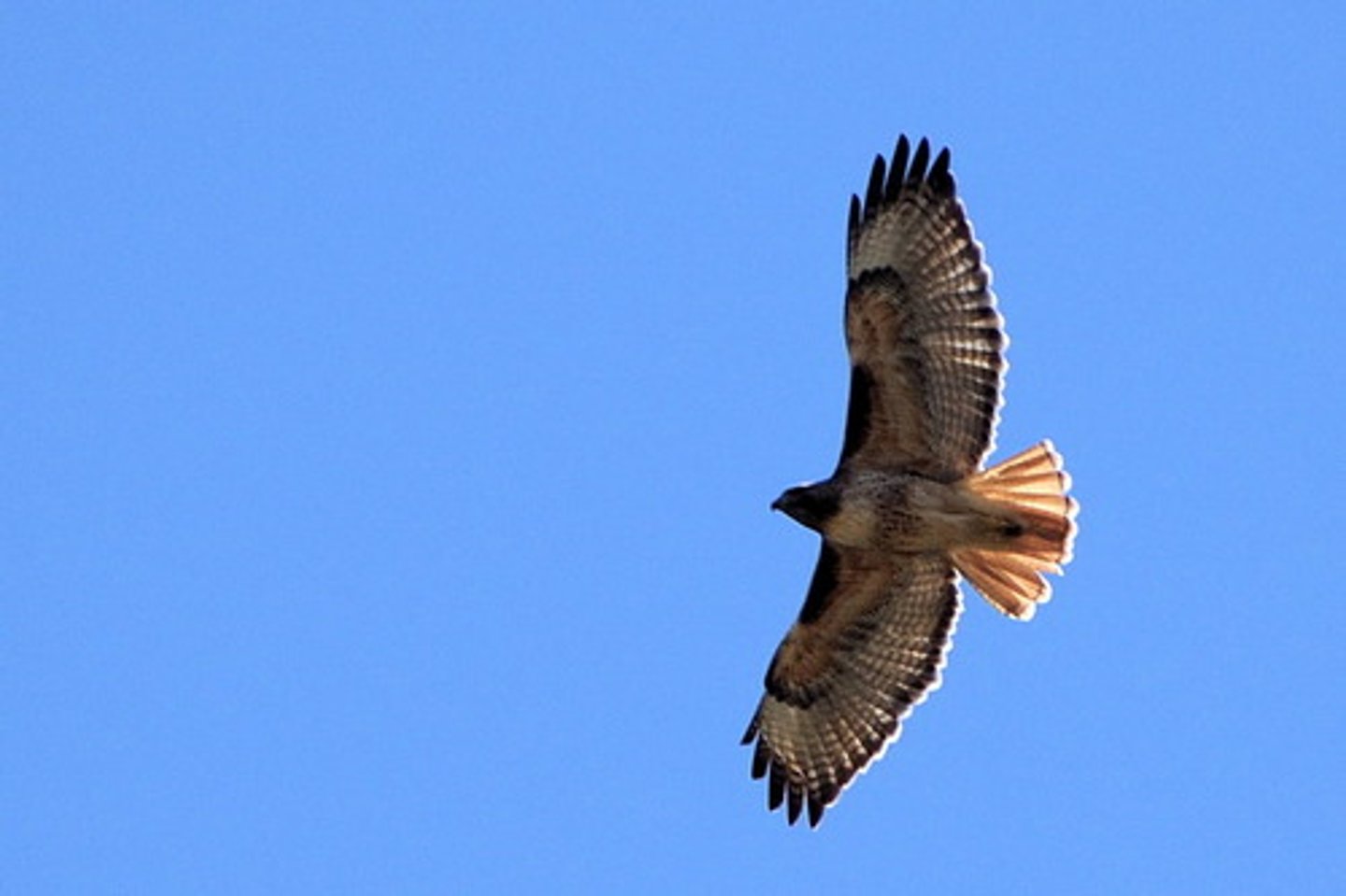
Red-tailed Hawk
Natural history: Often seen soaring or sitting and watching for prey; wide diet, but often targets small- and medium-sized mammals. Order: Accipitriformes. Family: Accipitridae.
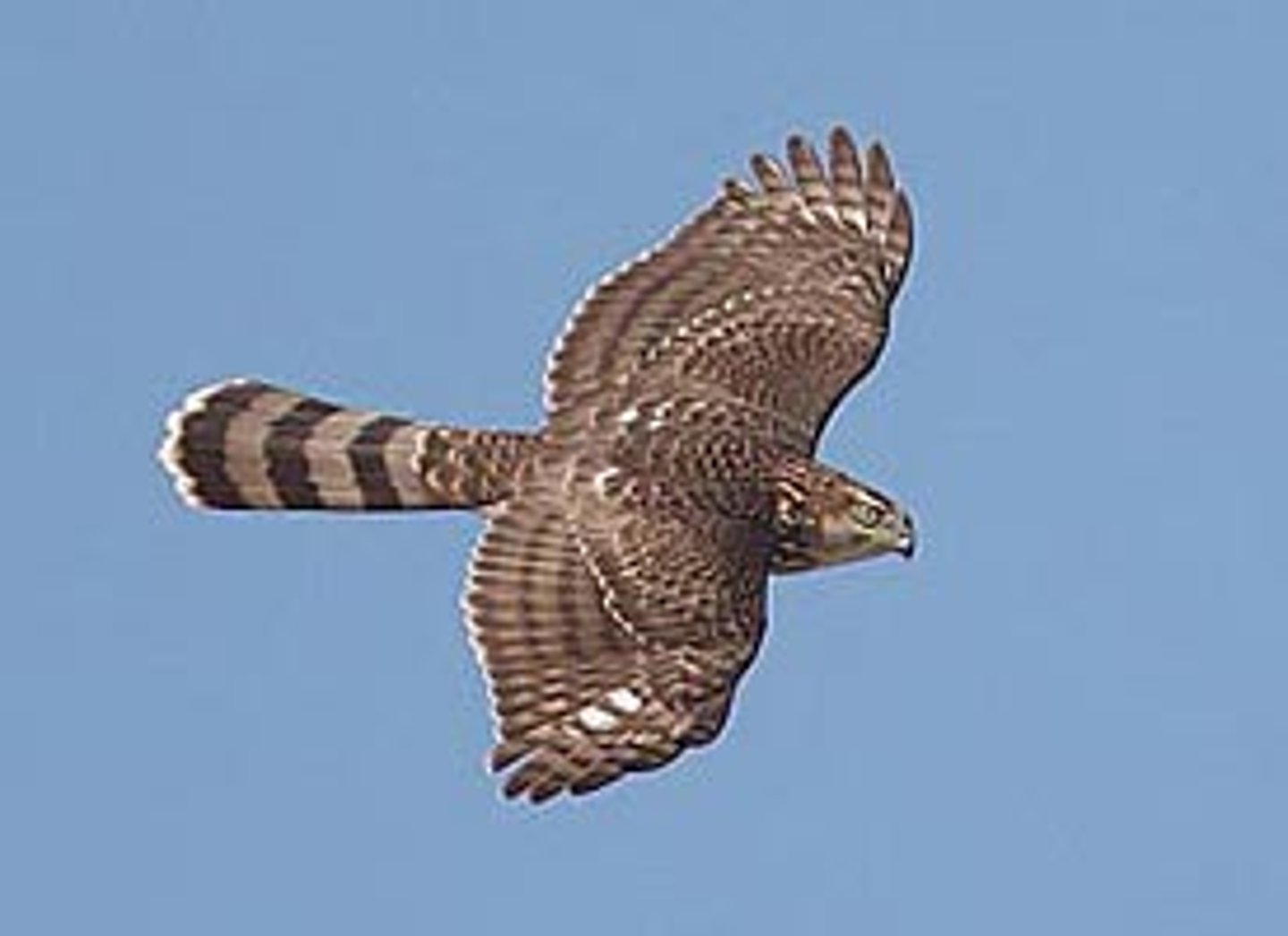
Cooper's Hawk
Natural history: Woodland raptor specializing on birds; often found in suburban and urban areas. Order: Accipitriformes. Family: Accipitridae.
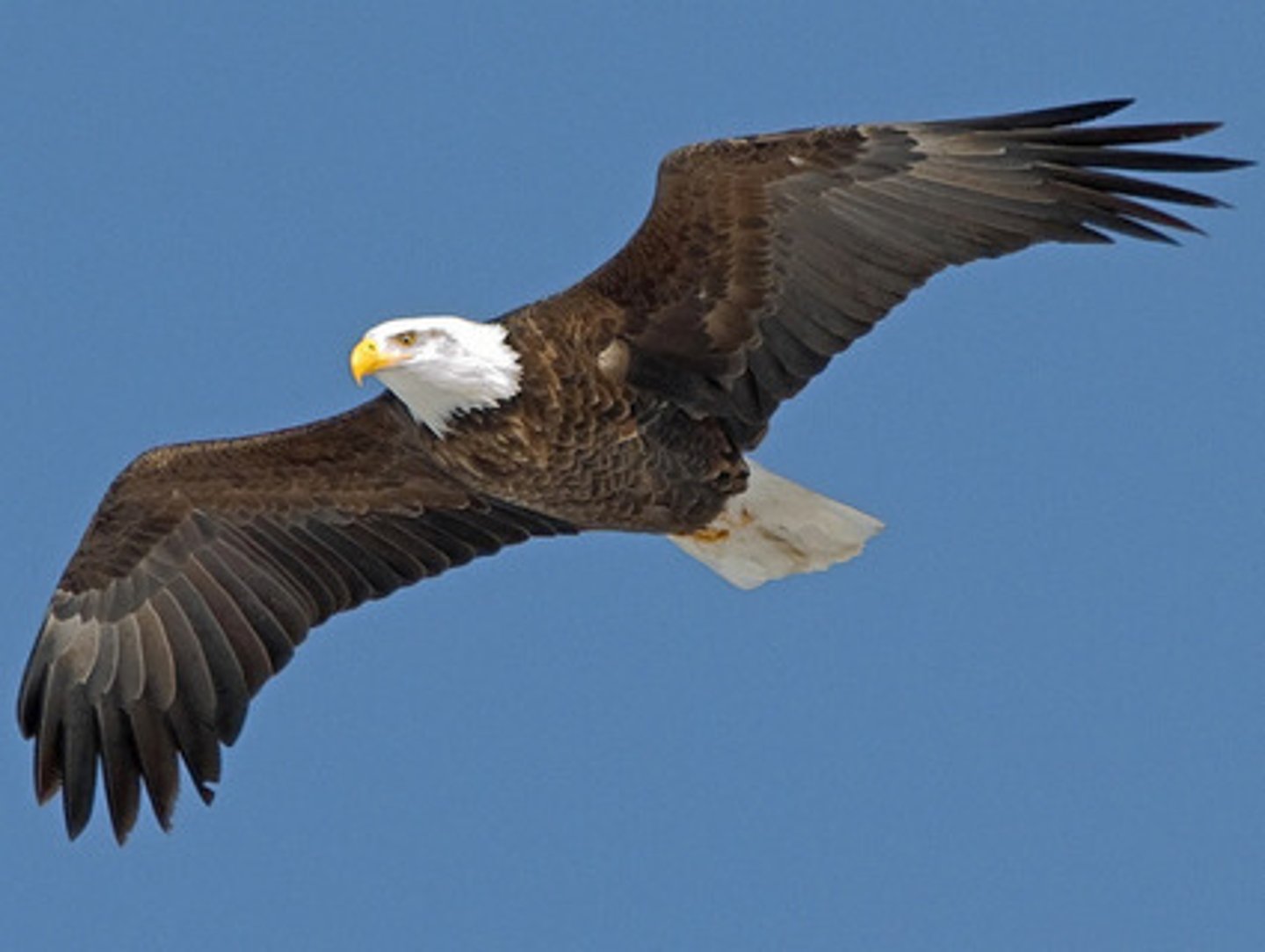
Bald Eagle
Natural history: Huge raptor; gets white plumage at ~5 years; often steals food, or kleptoparasitizes, from other birds such as gulls, osprey, hawks. Order: Accipitriformes. Family: Accipitridae.
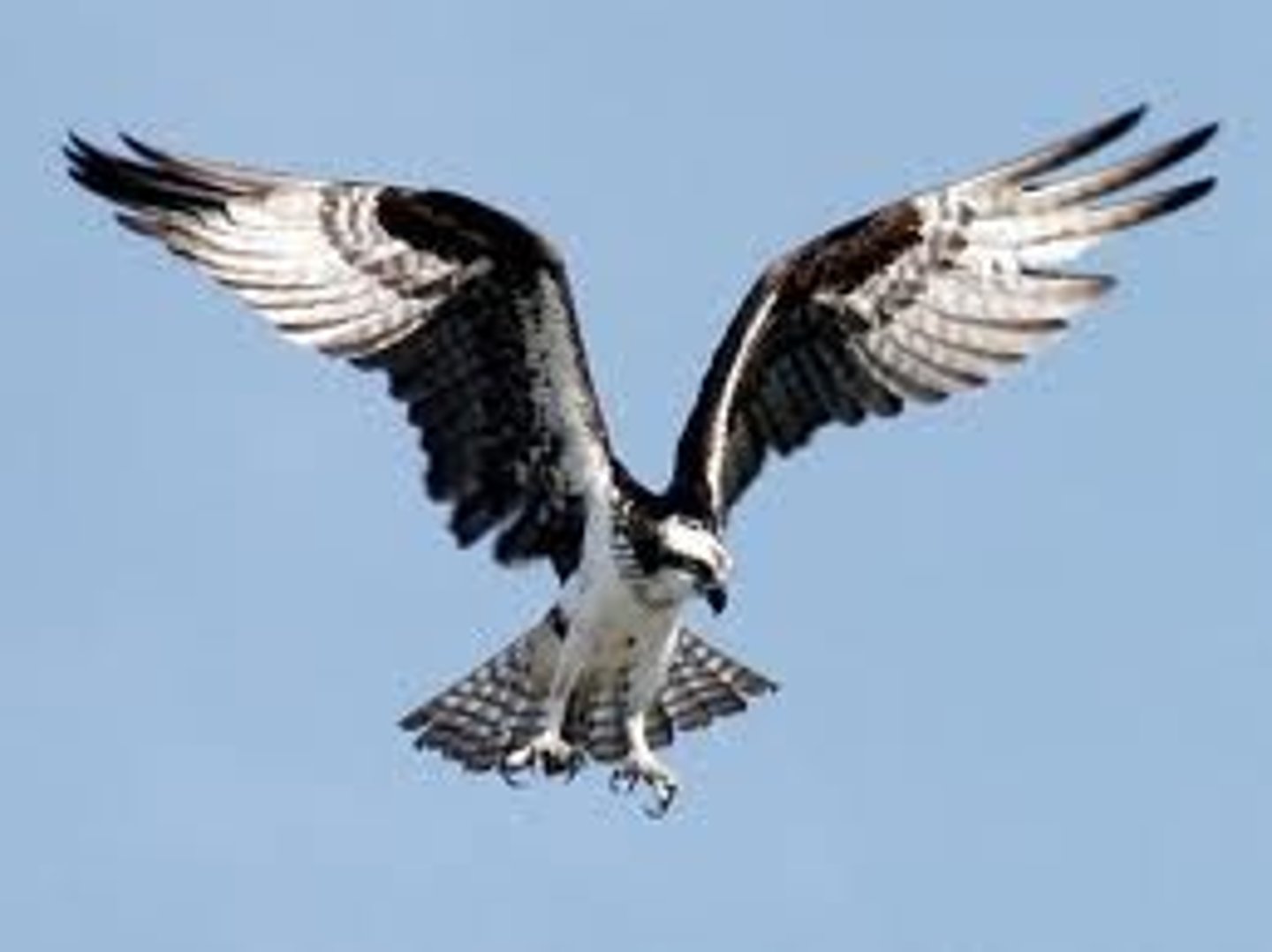
Osprey
Natural history: Plunge diver; piscivorous; often seen hovering and looking for fish near surface in productive areas. Order: Accipitriformes. Family: Pandionidae.
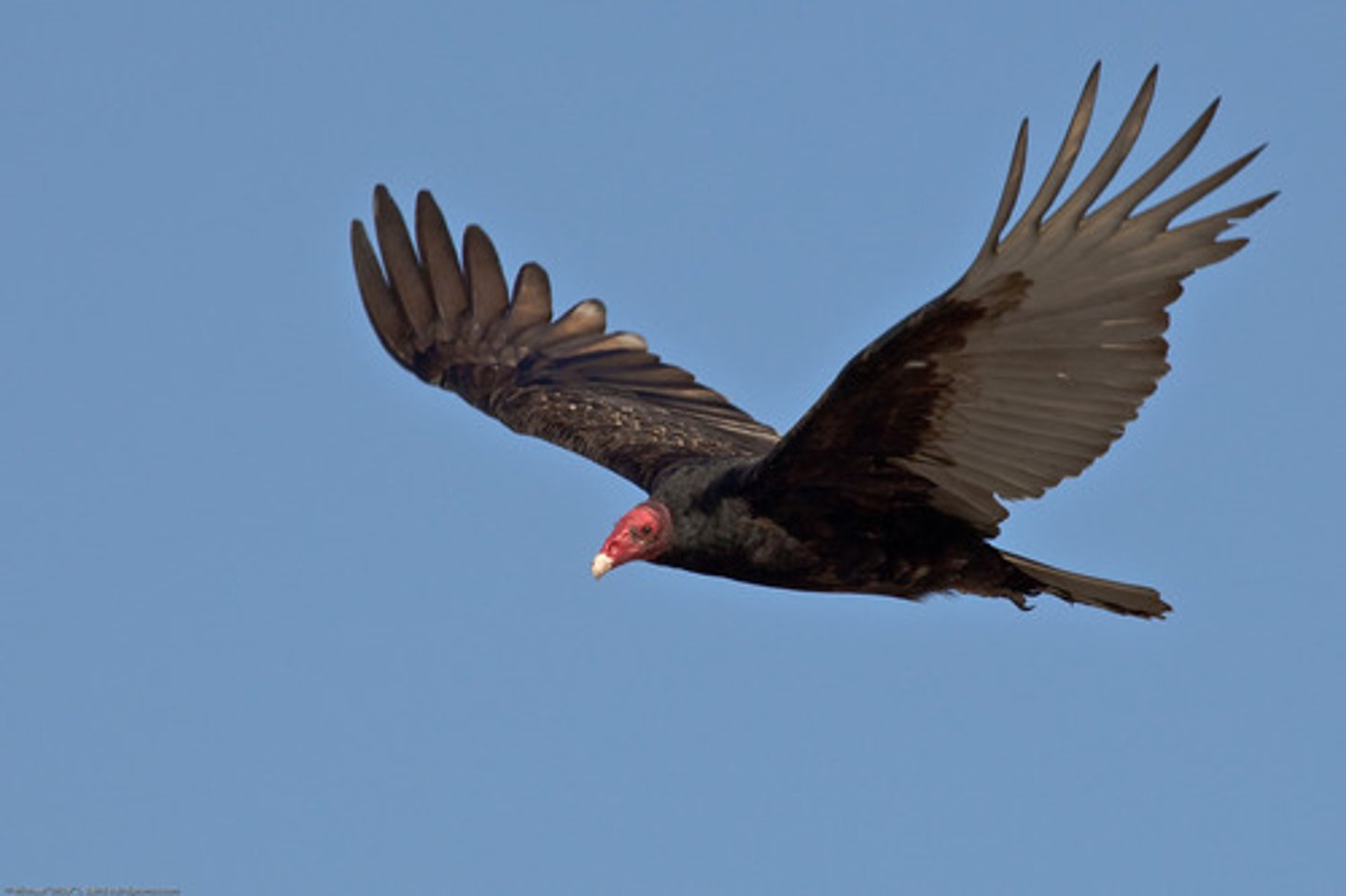
Turkey Vulture
Natural history: Uses olfaction to locate carrion; dihedral wings with "bouncy" flight; nests in caves, old structures, and other large cavities. Order: Cathartiformes. Family: Cathartidae.
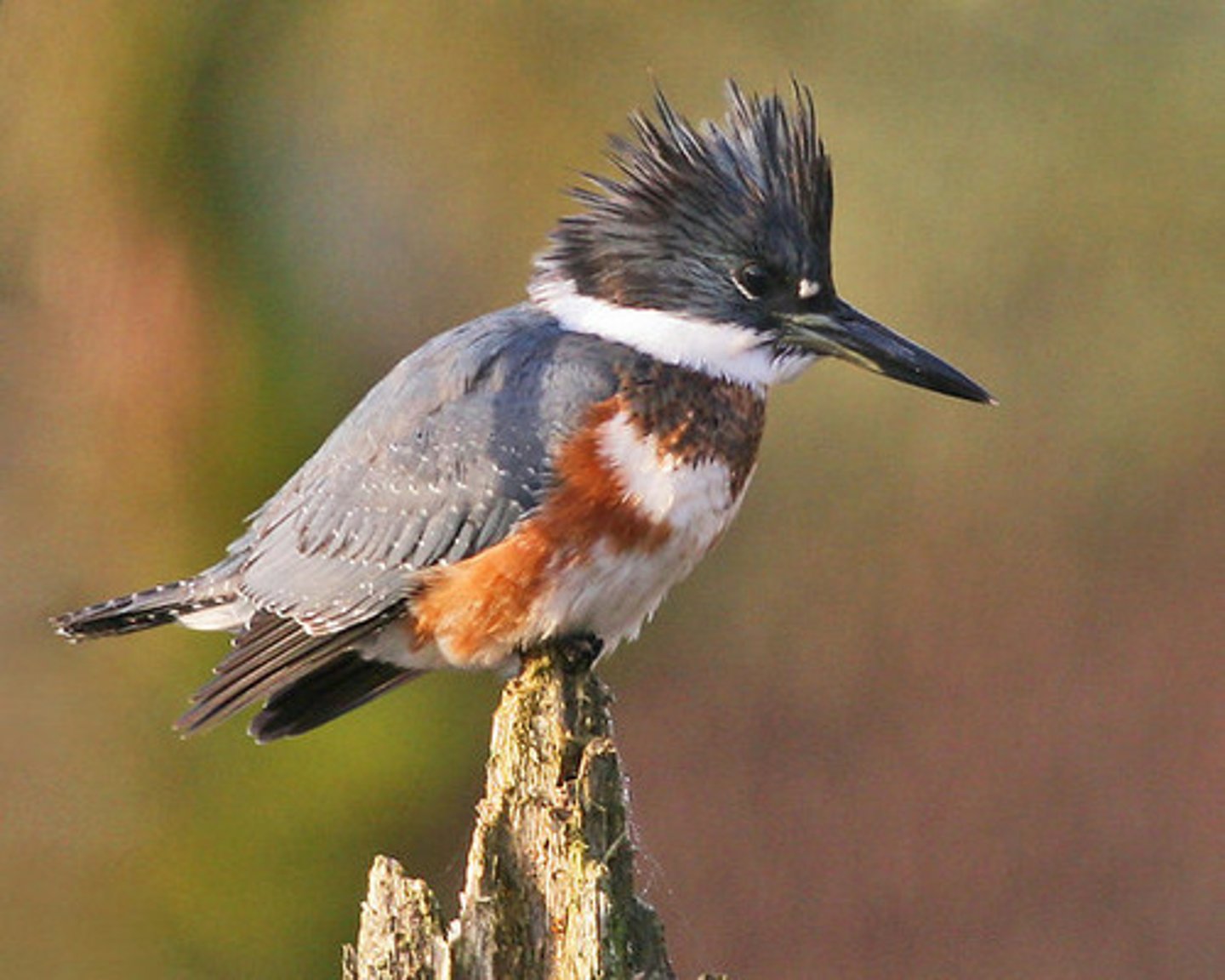
Belted Kingfisher
Natural history: Plunge diver; piscivorous; nests in cavities created in streambanks. Order: Coraciiformes. Family: Alcedinidae.
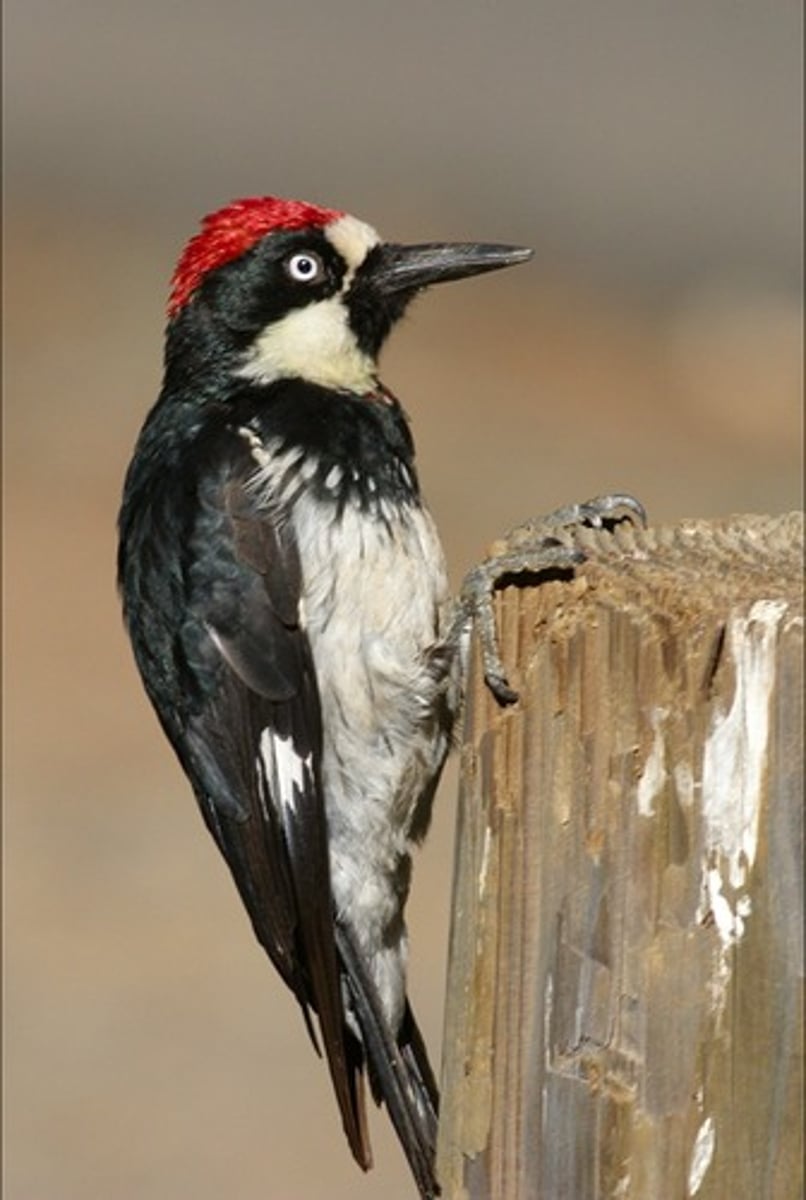
Acorn Woodpecker
Natural history: Cooperative breeder; stores acorns in granaries; primary cavity creator. Order: Piciformes. Family: Picidae.
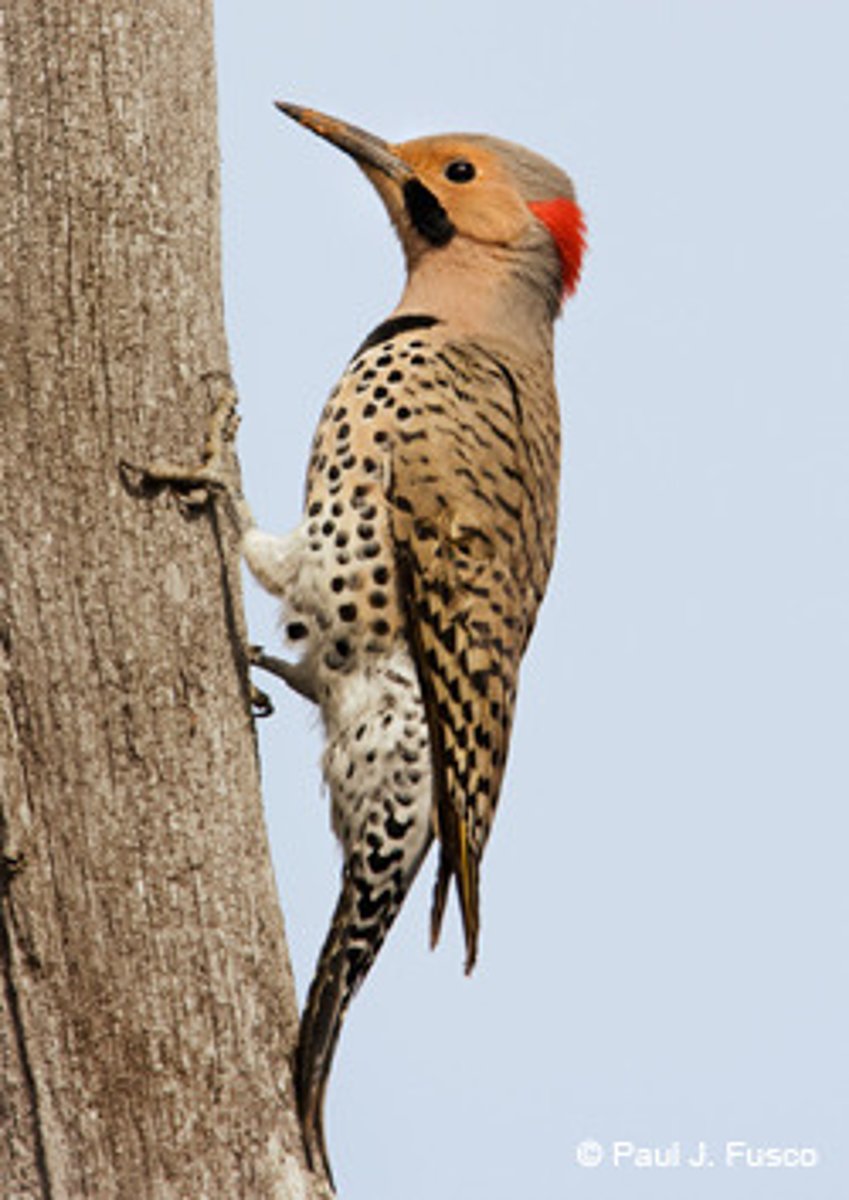
Northern Flicker
Natural history: Regularly forages on ground; ants large part of diet; primary cavity creator. Order: Piciformes. Family: Picidae.
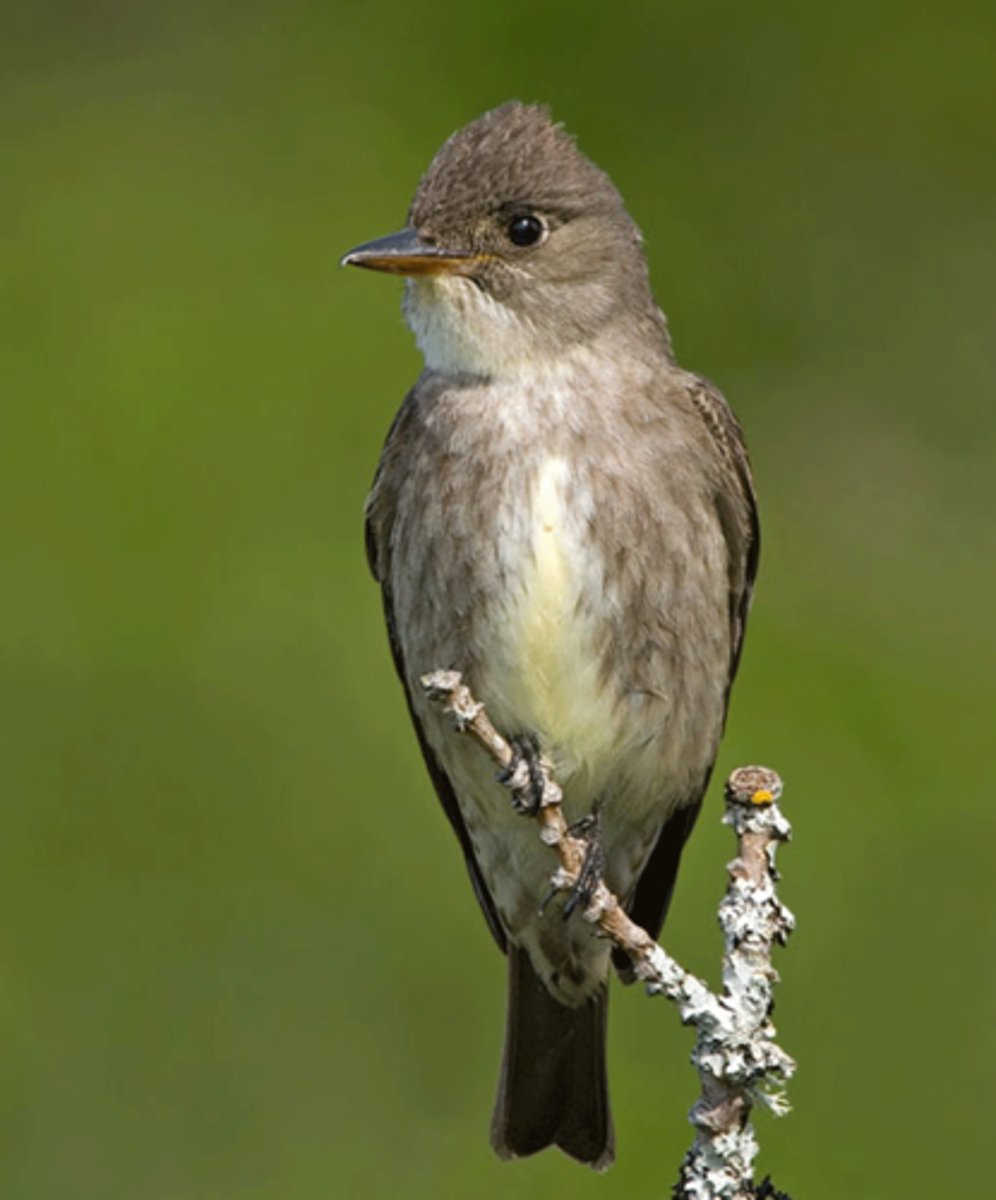
Olive-sided Flycatcher
Natural history: Long-distance migrant; call sounds like "quick, 3 beers!" Order: Passeriformes. Family: Tyrannidae.
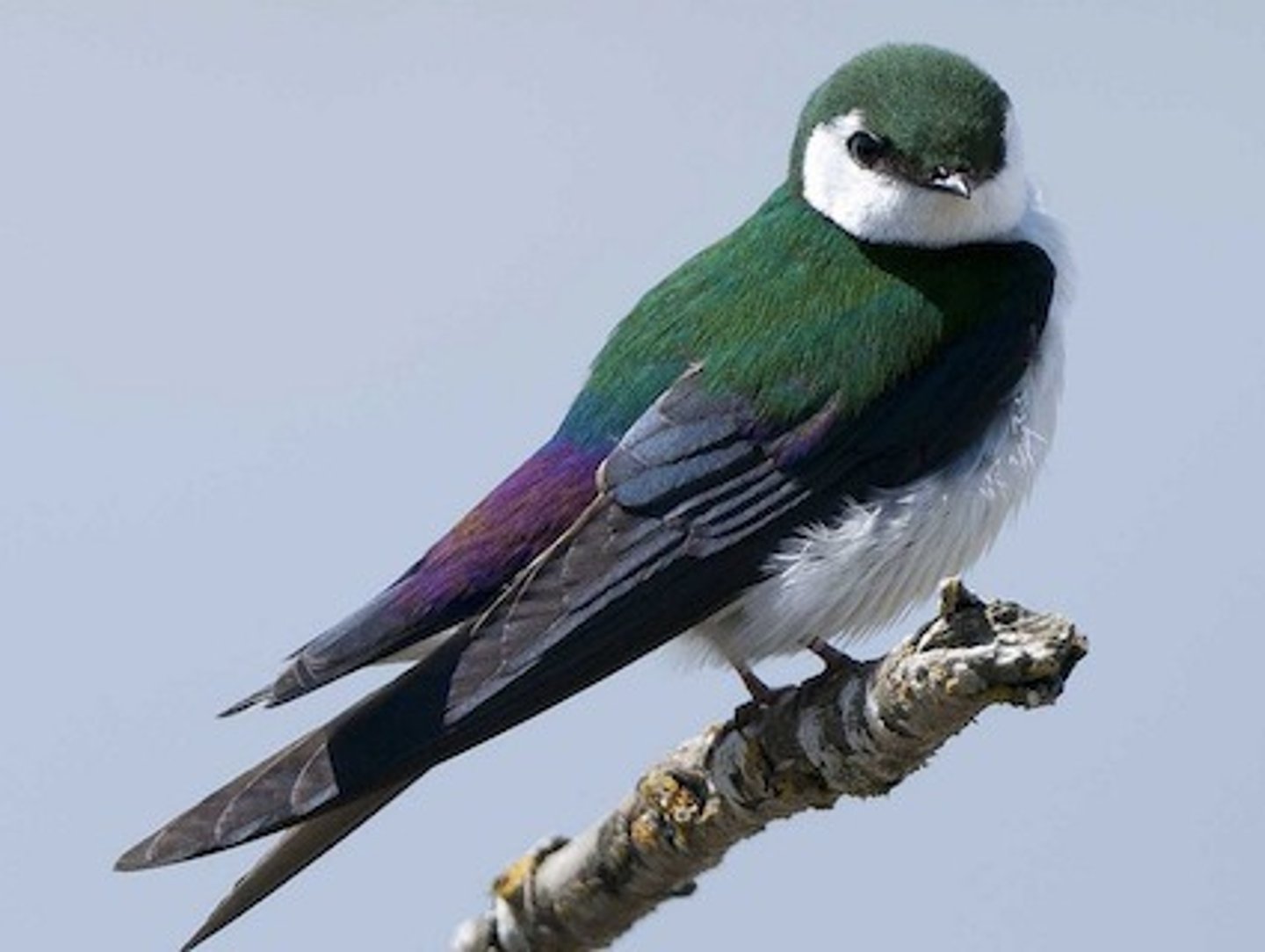
Violet-green Swallow
Natural history: Long-distance migrant; secondary cavity user; eats flying insects. Order: Passeriformes. Family: Hirundinidae.
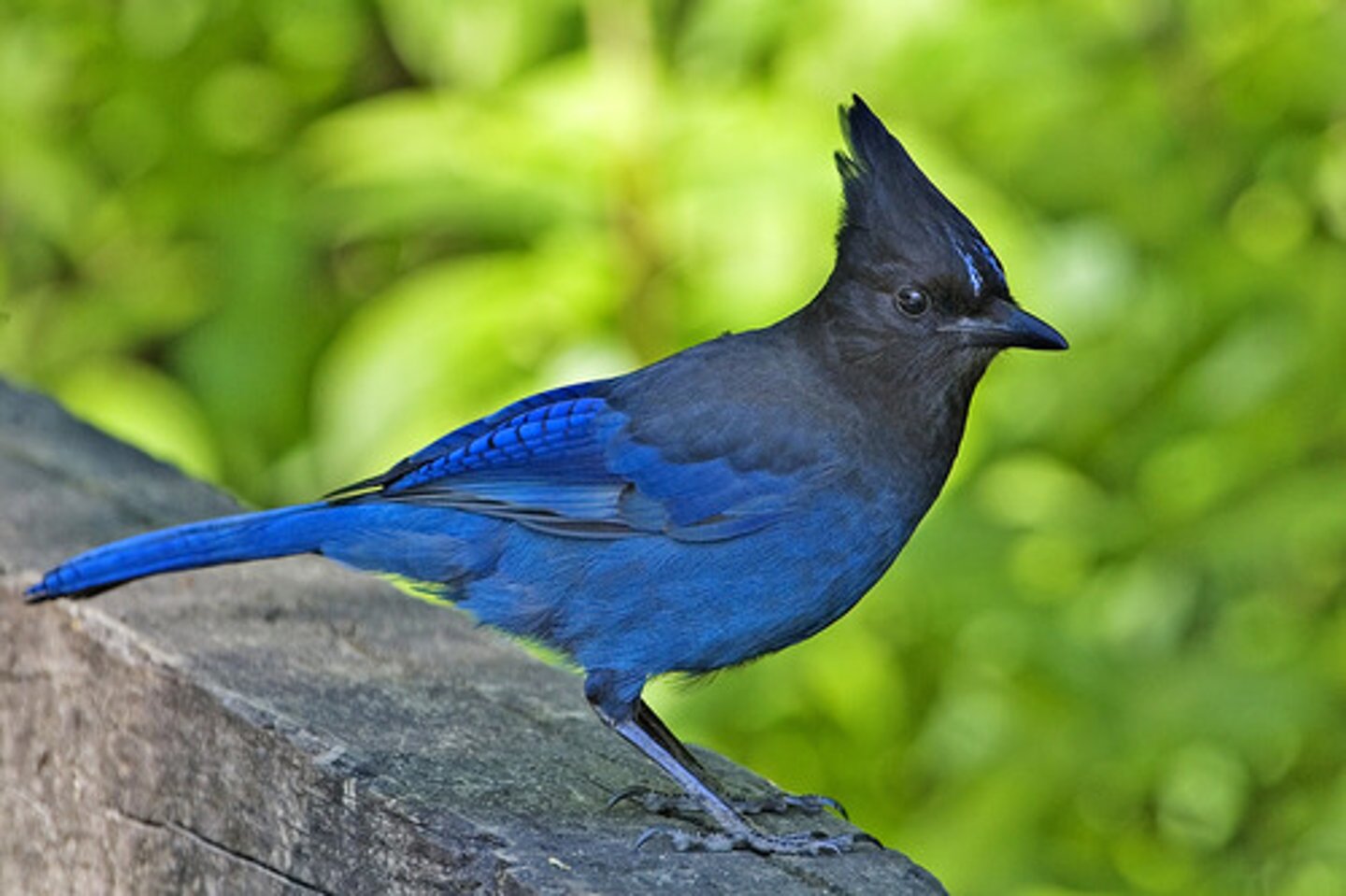
Steller's Jay
Natural history: Closely tied to conifer forests/trees; omnivorous diet. Order: Passeriformes. Family: Corvidae.
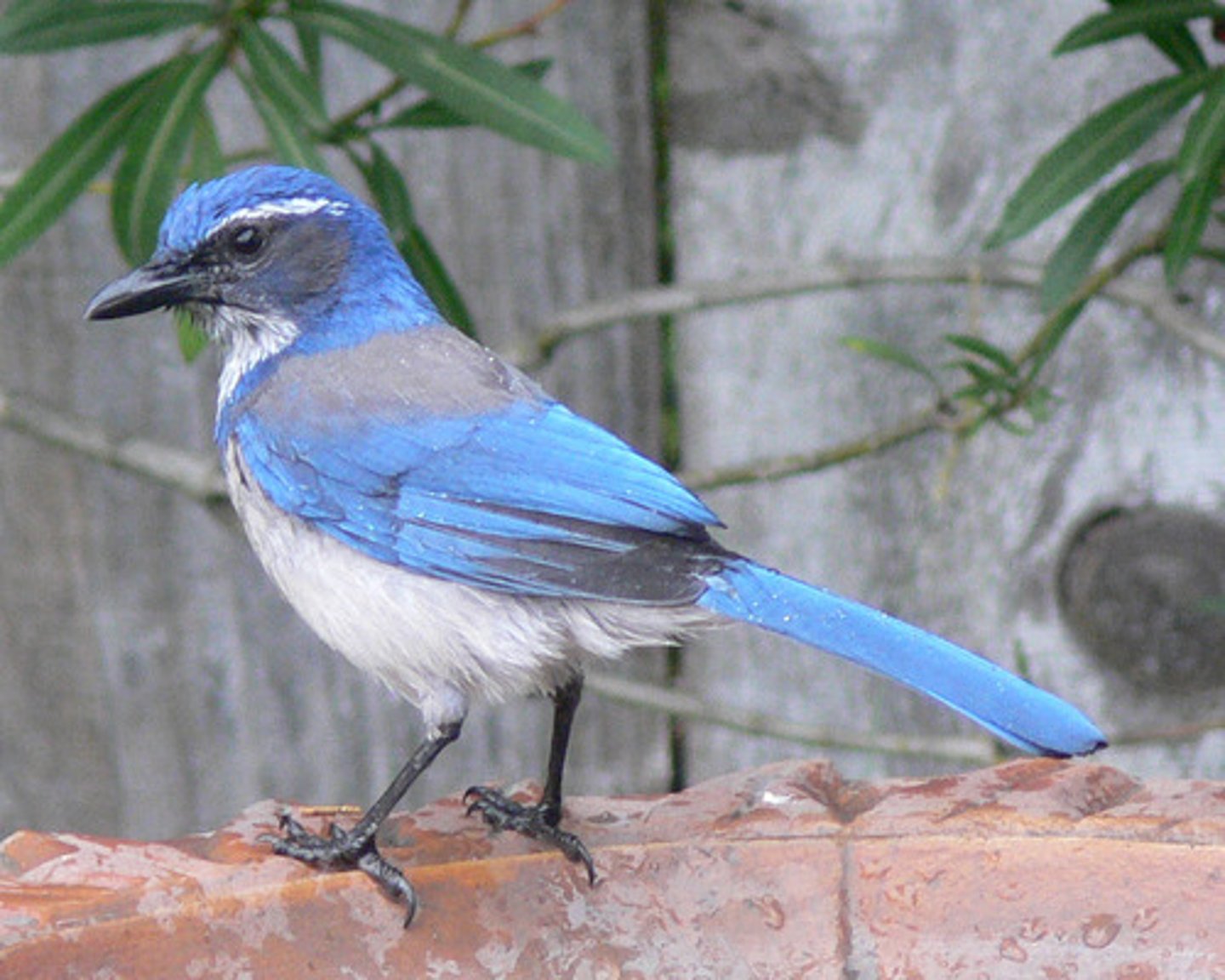
California Scrub-Jay
Natural history: Common in suburban areas; omnivorous diet. Order: Passeriformes. Family: Corvidae.
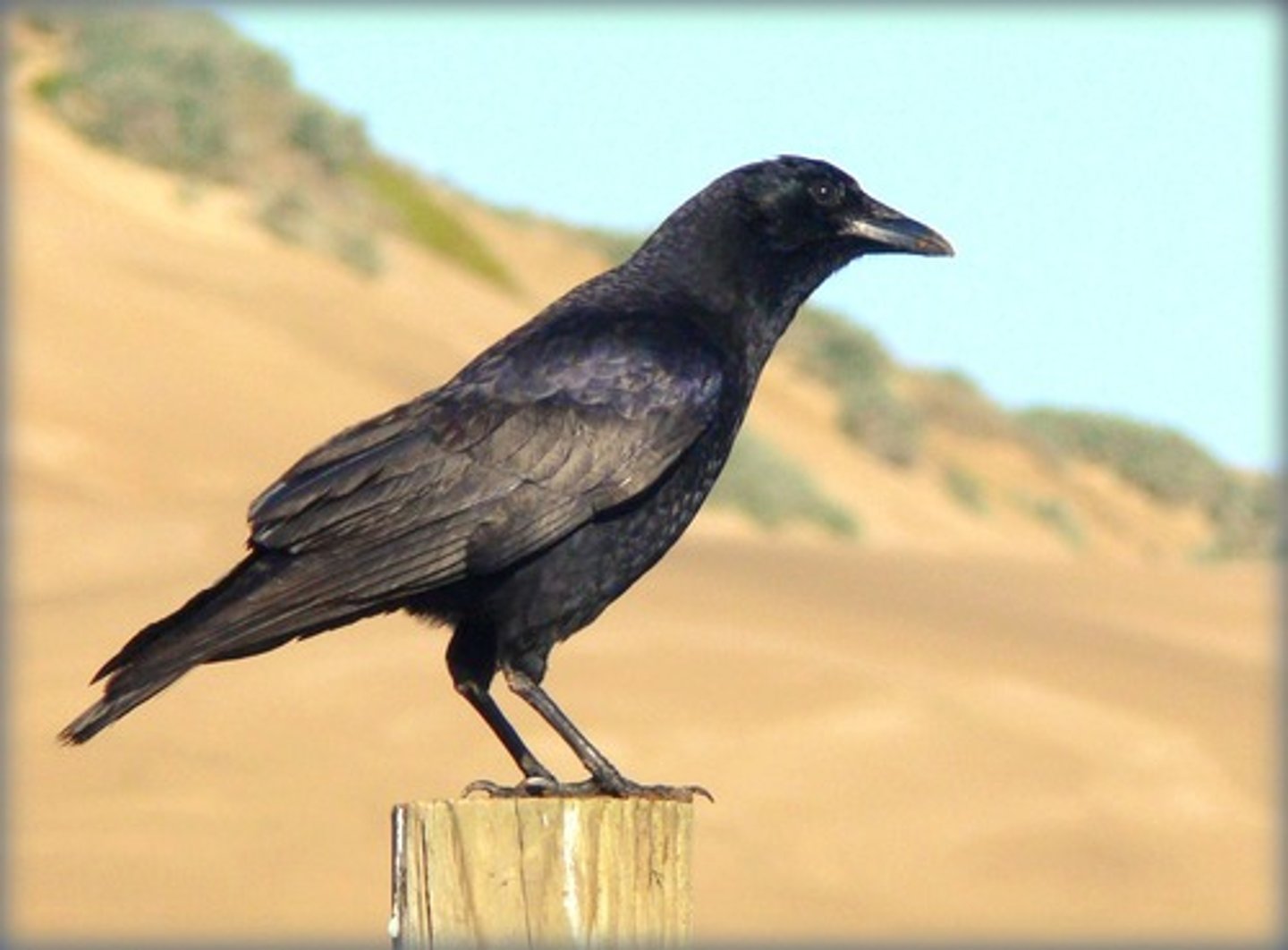
American Crow
Natural history: Omnivorous diet; common in urban/suburban diet; have benefited by human population growth and habitat alteration. Order: Passeriformes. Family: Corvidae.
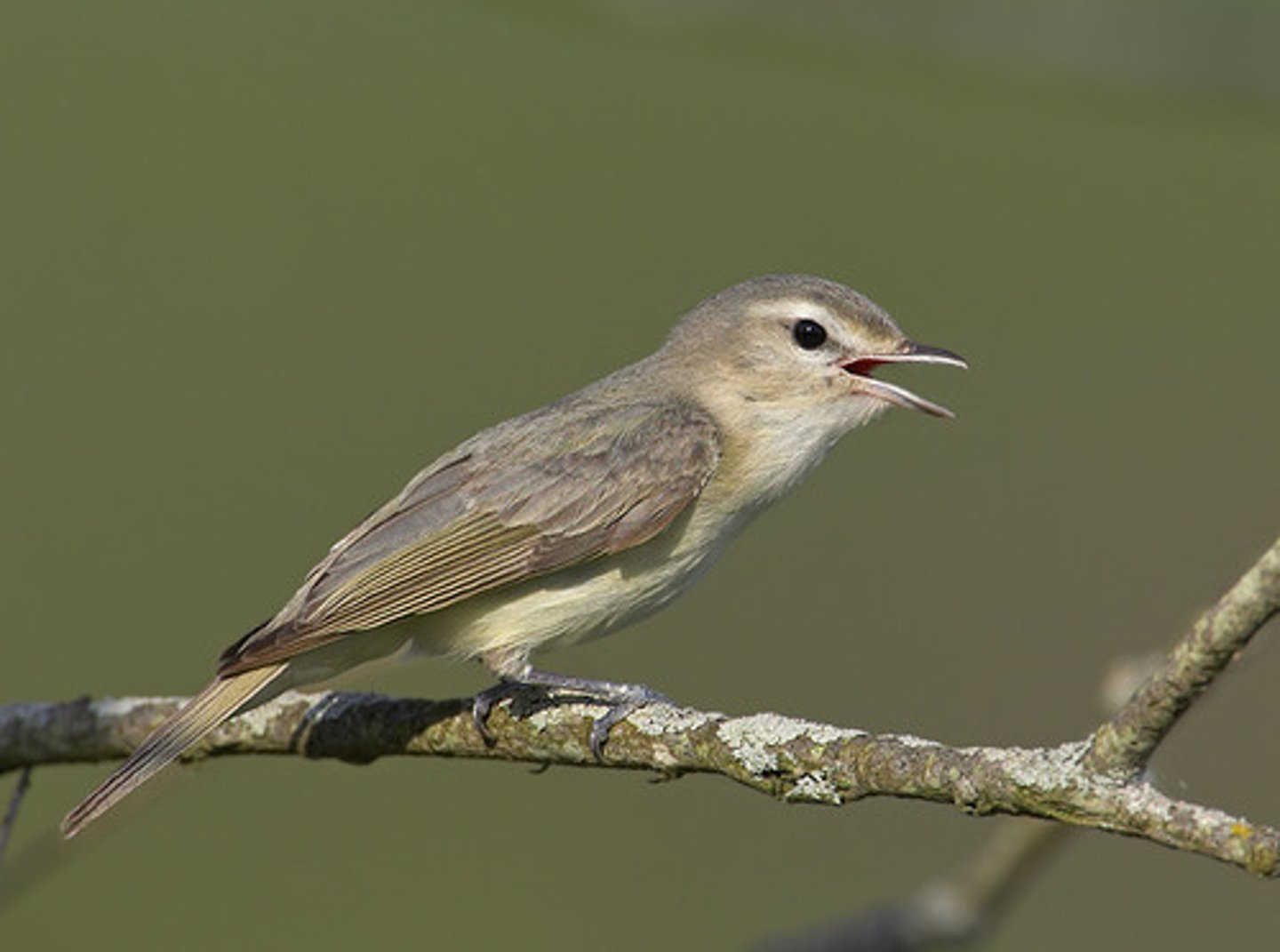
Warbling Vireo
Natural history: Long-distance migrant; males incubates eggs with female; male sings while incubating eggs. Order: Passeriformes. Family: Vireonidae.
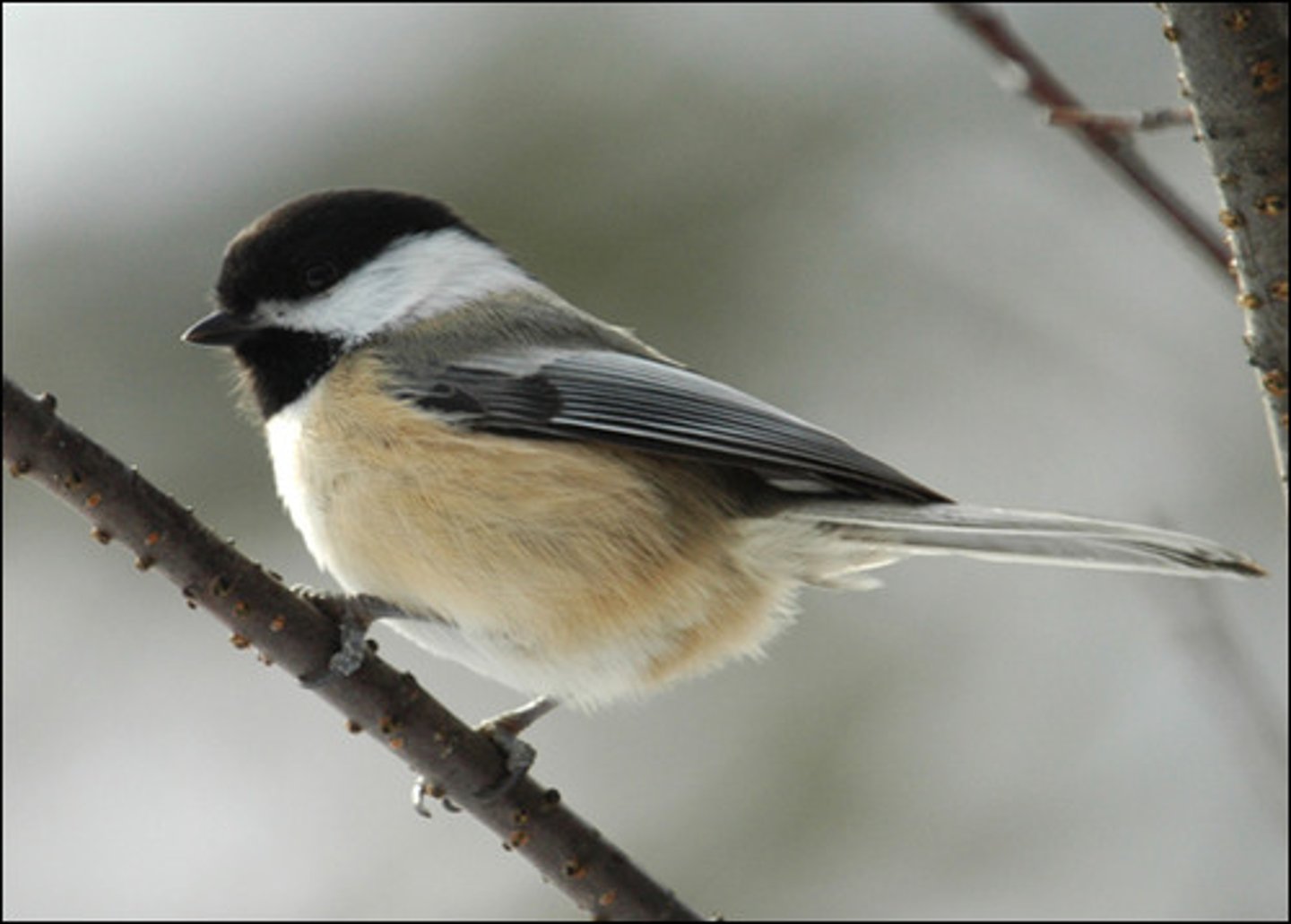
Black-capped Chickadee
Natural history: Primary cavity creator (but limited to trees with soft wood); found in mixed-species flocks outside of breeding season. Order: Passeriformes. Family: Paridae.
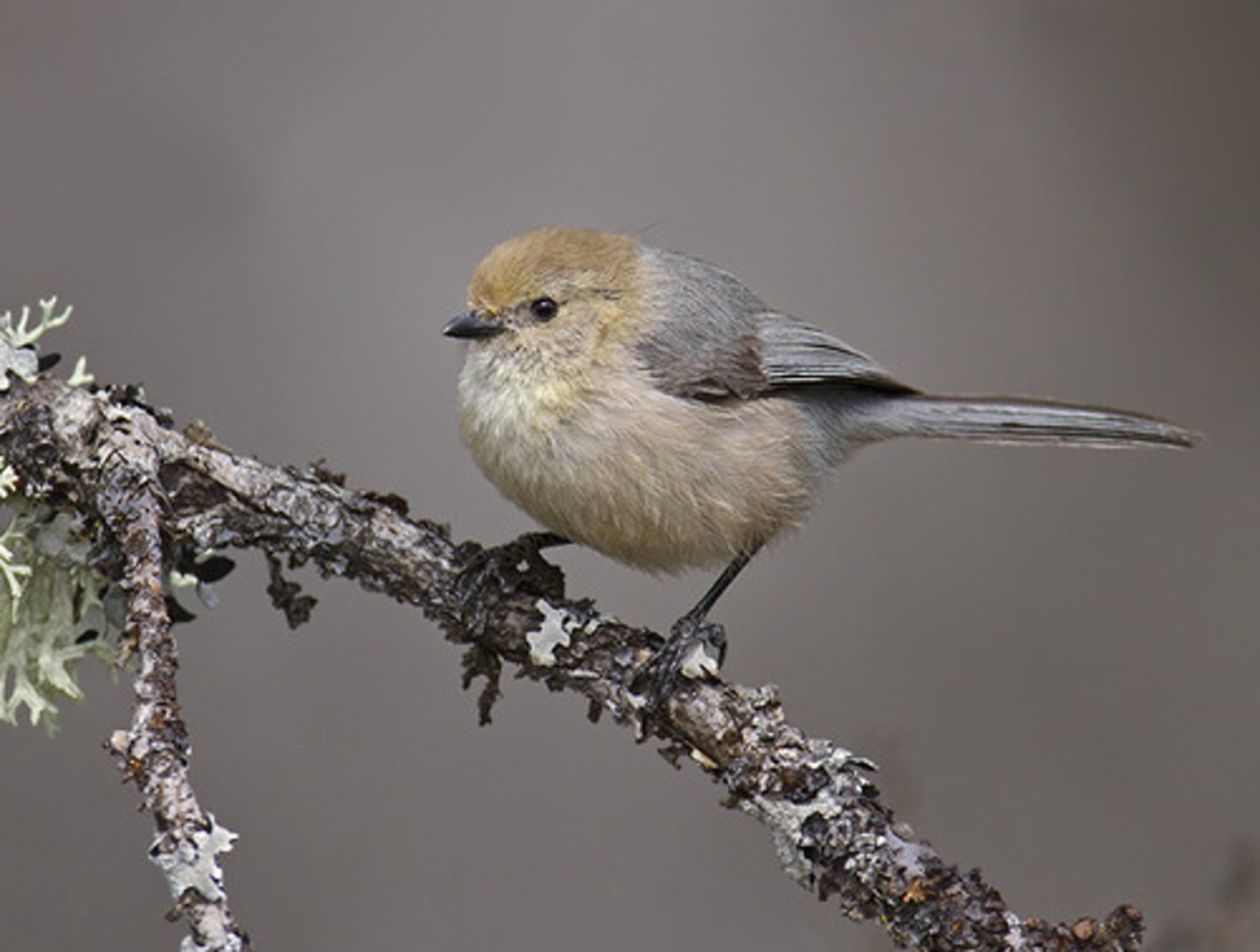
Bushtit
Natural history: Creates hanging nest; in large, gregarious flocks outside of breeding season. Order: Passeriformes. Family: Aegithalidae.
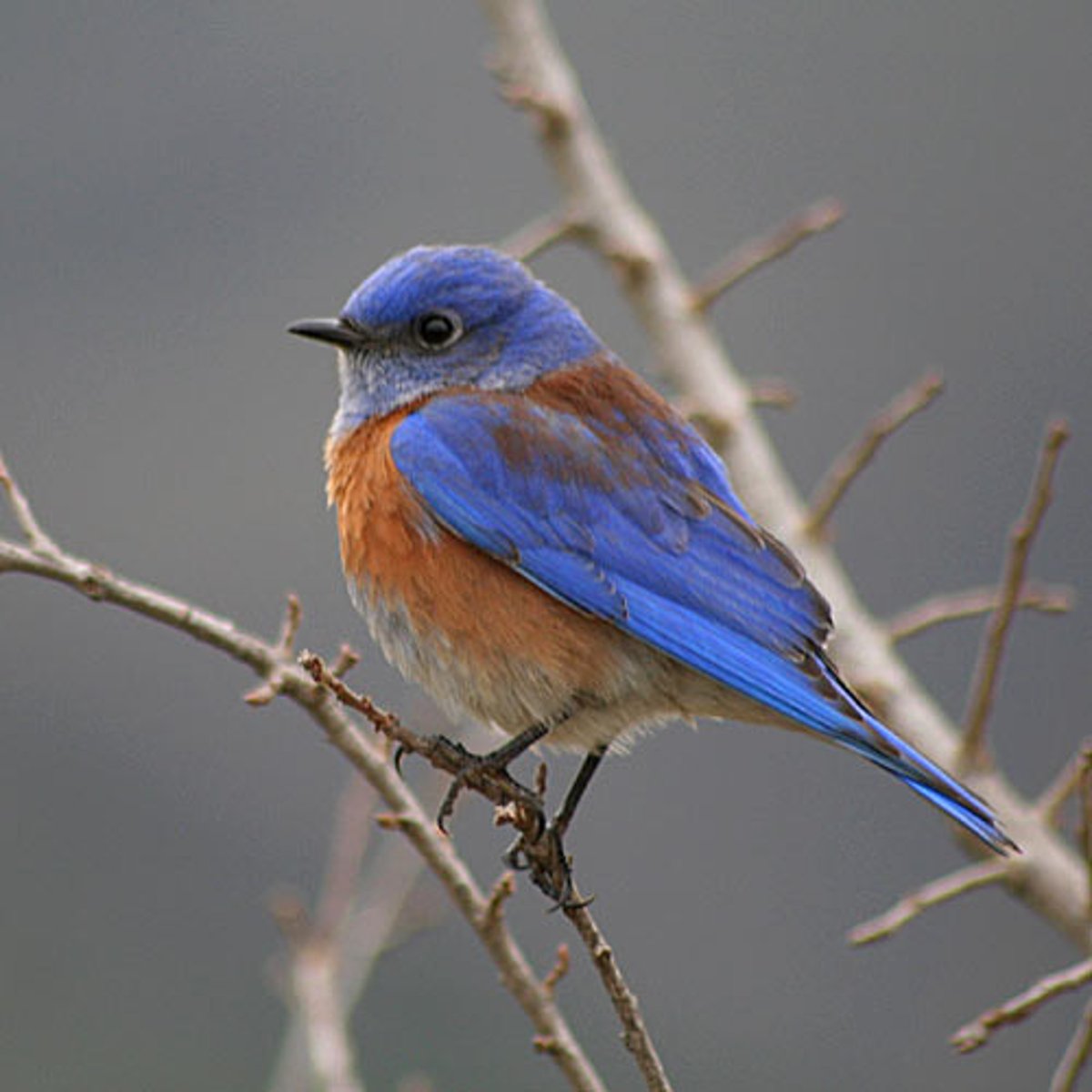
Western Bluebird
Natural history: Secondary cavity user; uses "hawking" behavior watching from a perch to capture prey. Order: Passeriformes. Family: Turdidae.
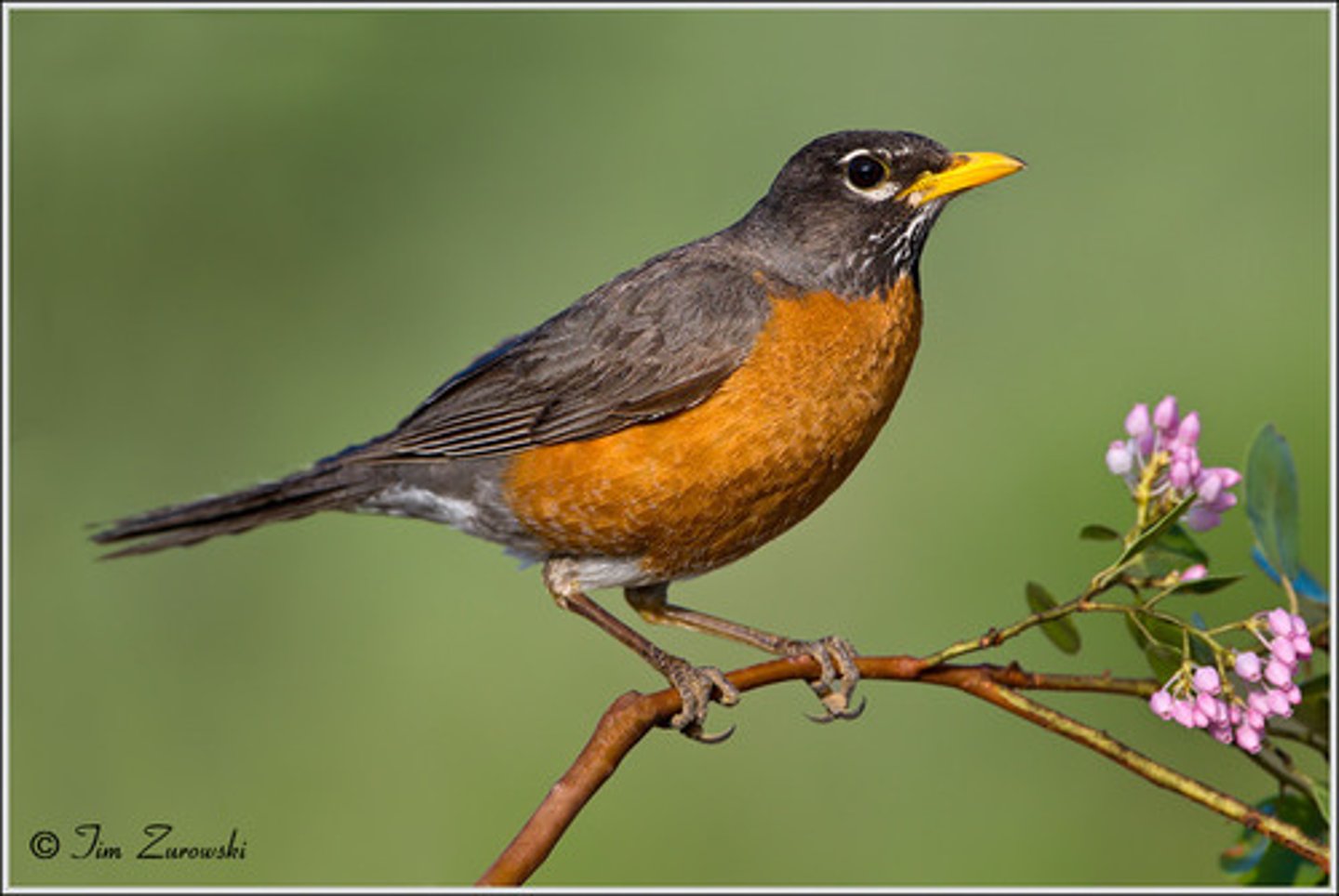
American Robin
Natural history: Ground forager; abundant in suburban areas but found in forests. Order: Passeriformes. Family: Turdidae.
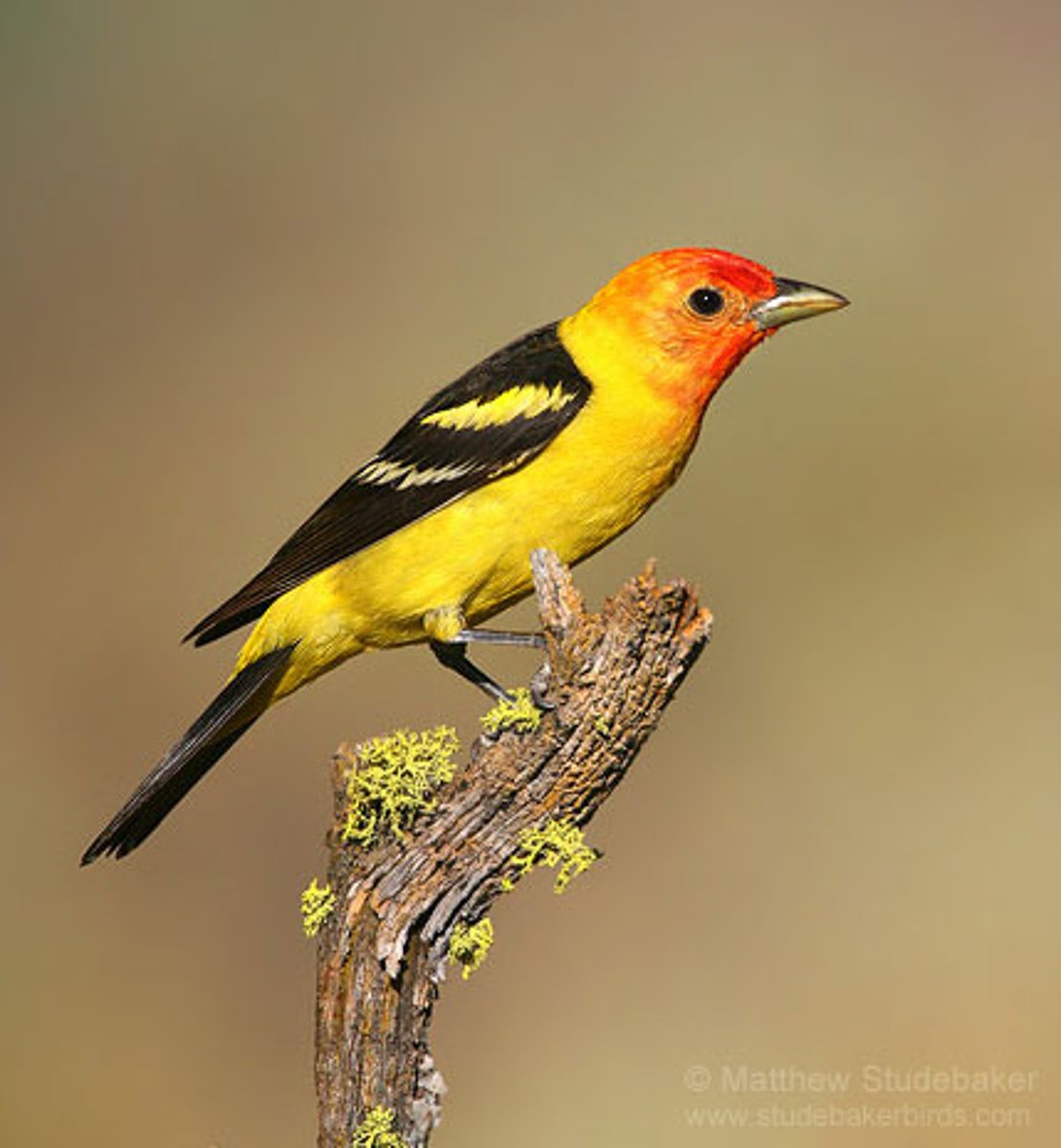
Western Tanager
Natural history: Long-distance migrant; forest-nesting species. Order: Passeriformes. Family: Cardinalidae.
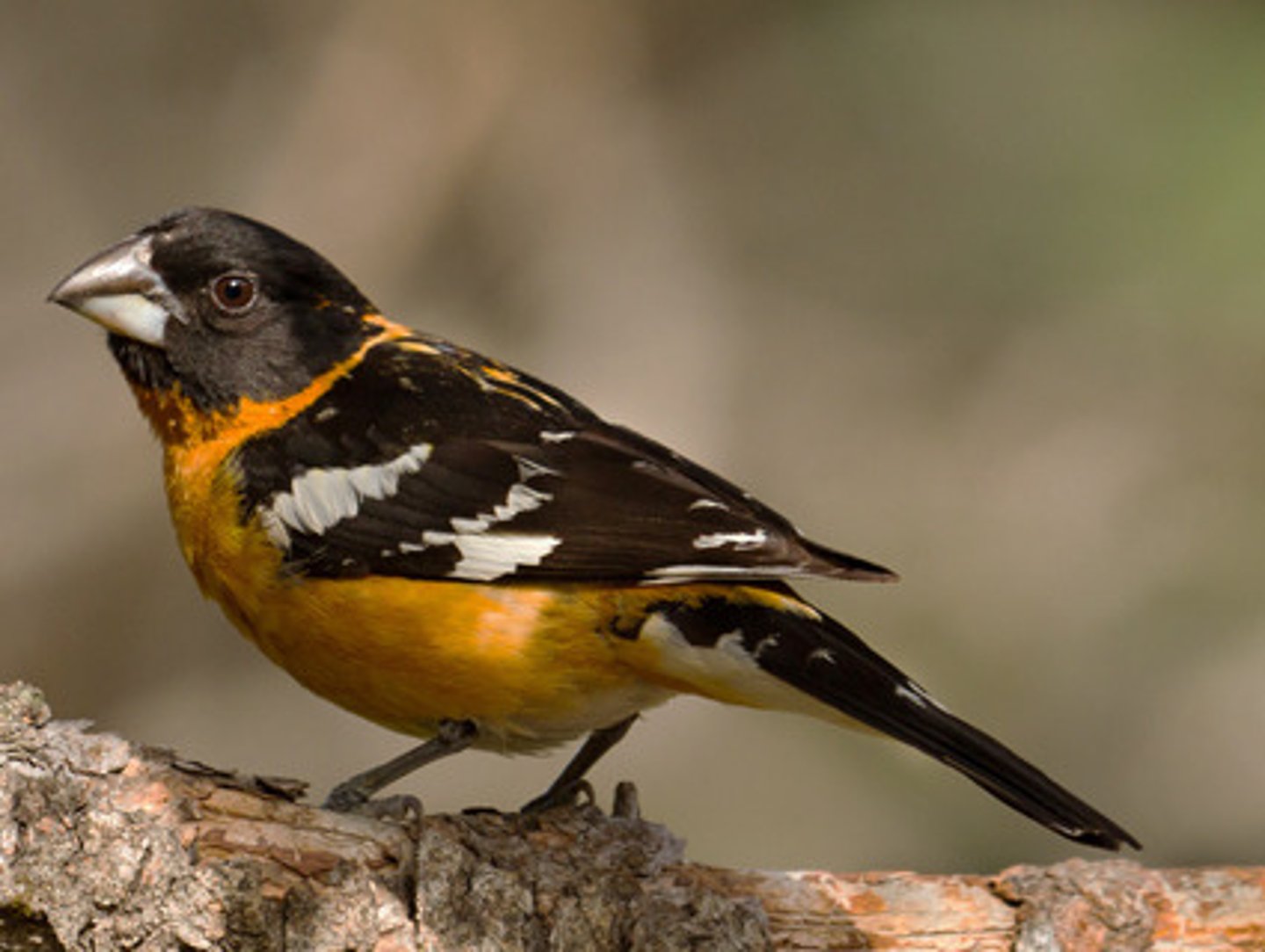
Black-headed Grosbeak
Natural history: Long distance migrant; forest-nesting species; males attain breeding plumage in second breeding season. Order: Passeriformes. Family: Cardinalidae.
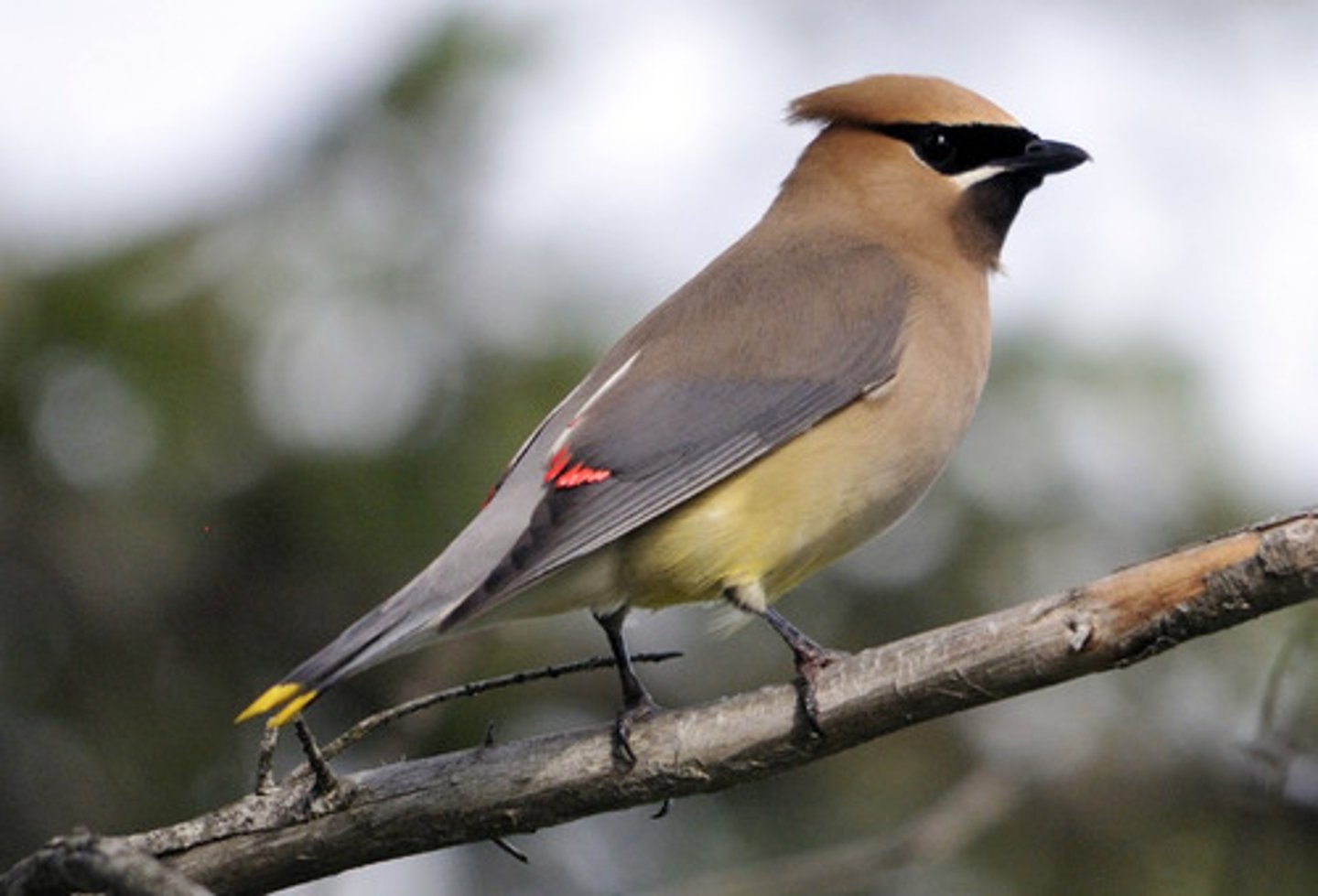
Cedar Waxwing
Natural history: Fruit is extensive in diet; gets in large flocks during non-breeding season. Order: Passeriformes. Family: Bombycillidae.
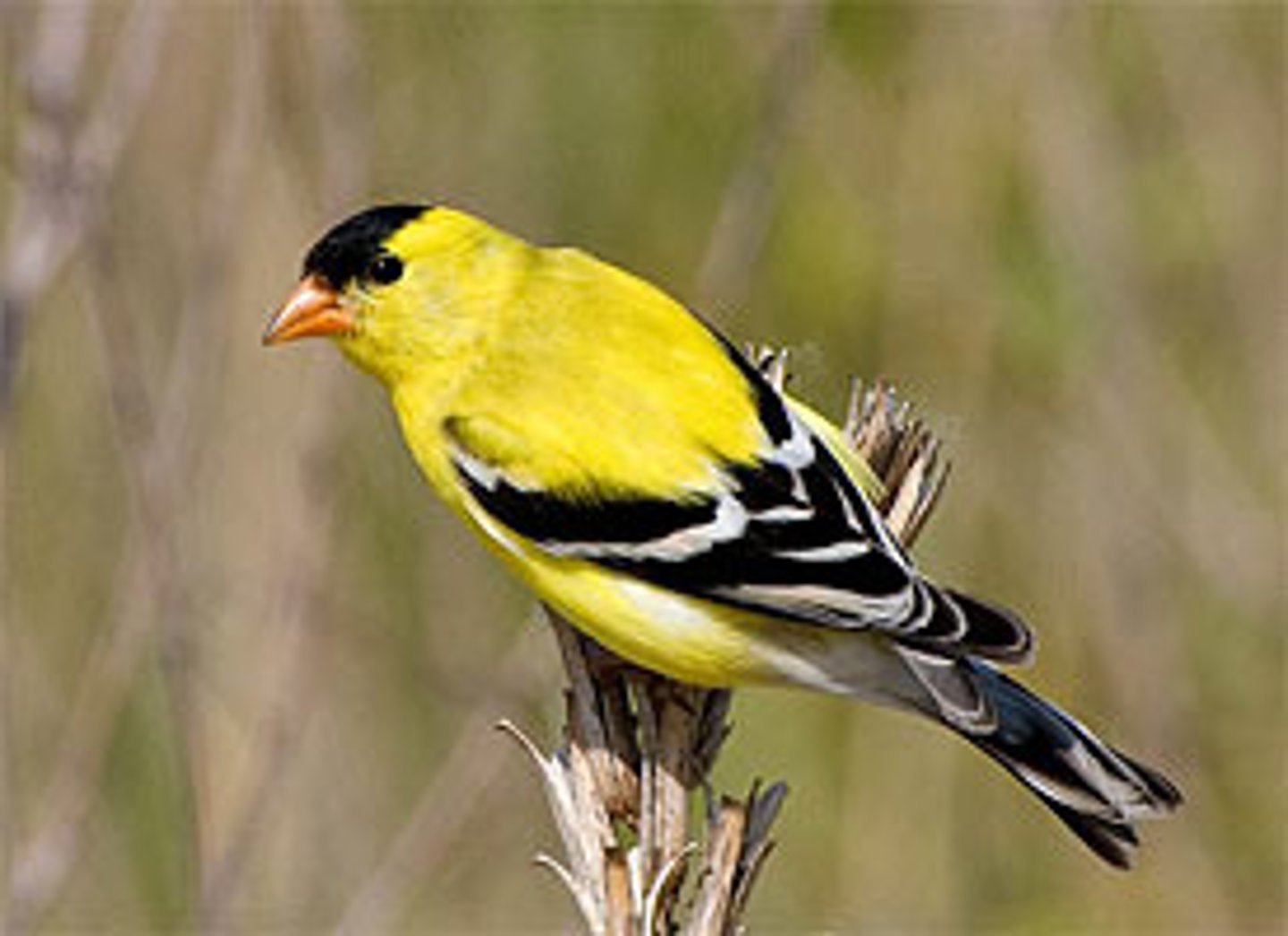
American Goldfinch
Natural history: Feeds its chicks seeds during their development; breeds later in summer than most songbirds. Order: Passeriformes. Family: Fringillidae.
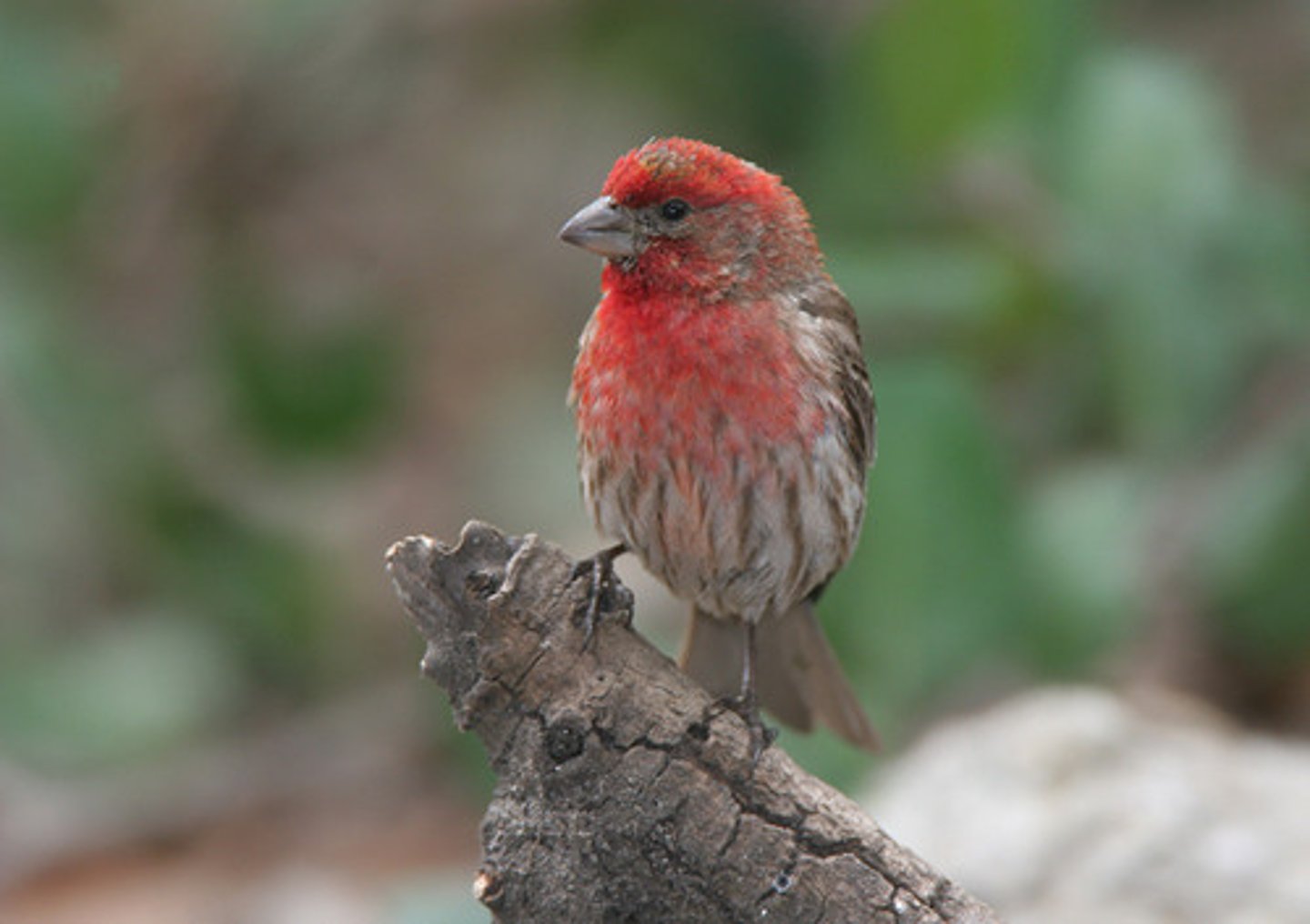
House Finch
Natural history: Feeds its chicks seeds during their development; breeds later in summer than most songbirds. Order: Passeriformes. Family: Fringillidae.
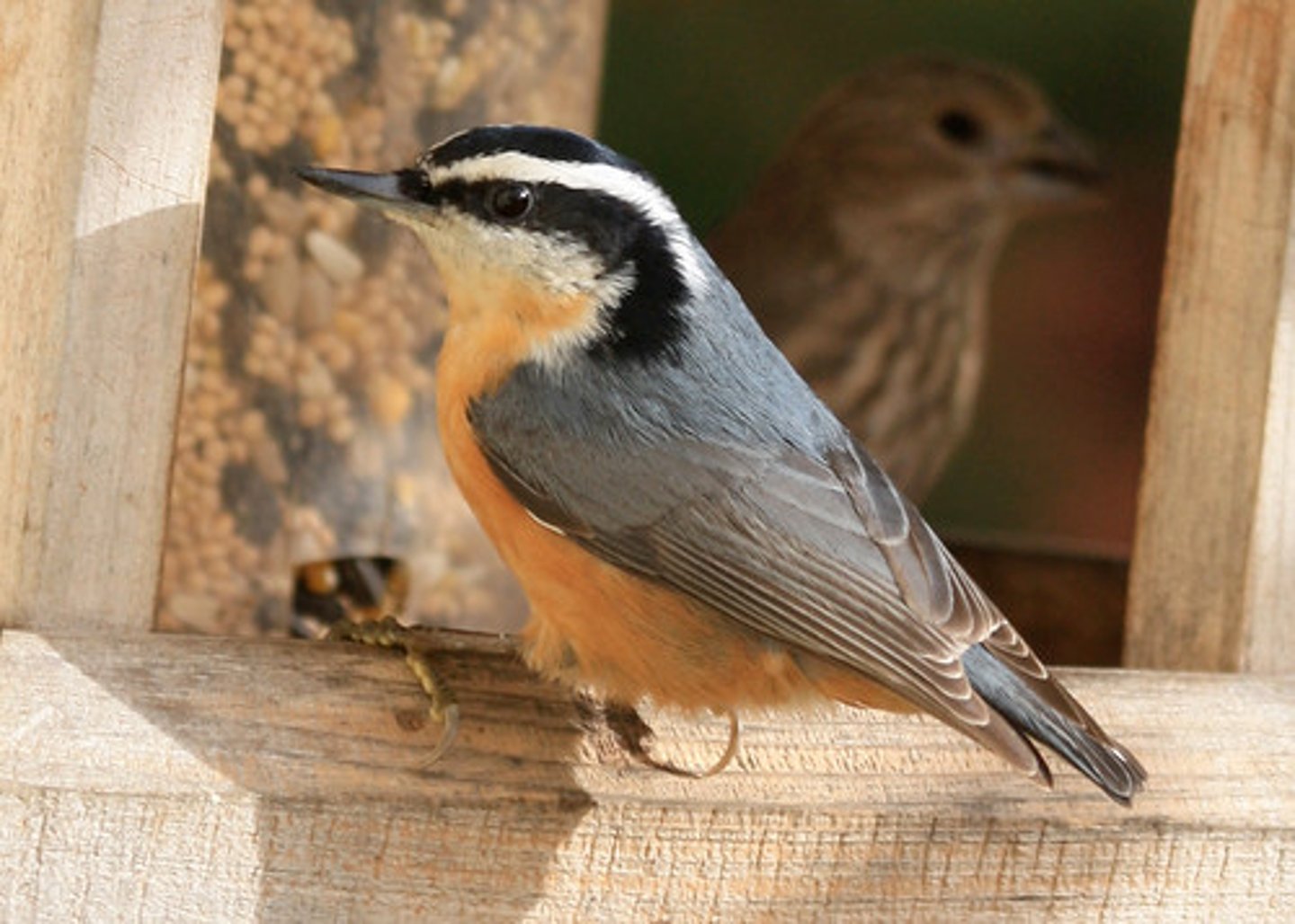
Red-breasted Nuthatch
Natural history: Primary cavity creator (but limited to trees with soft wood); found in mixed-species flocks outside of breeding season. Order: Passeriformes. Family: Sittidae.
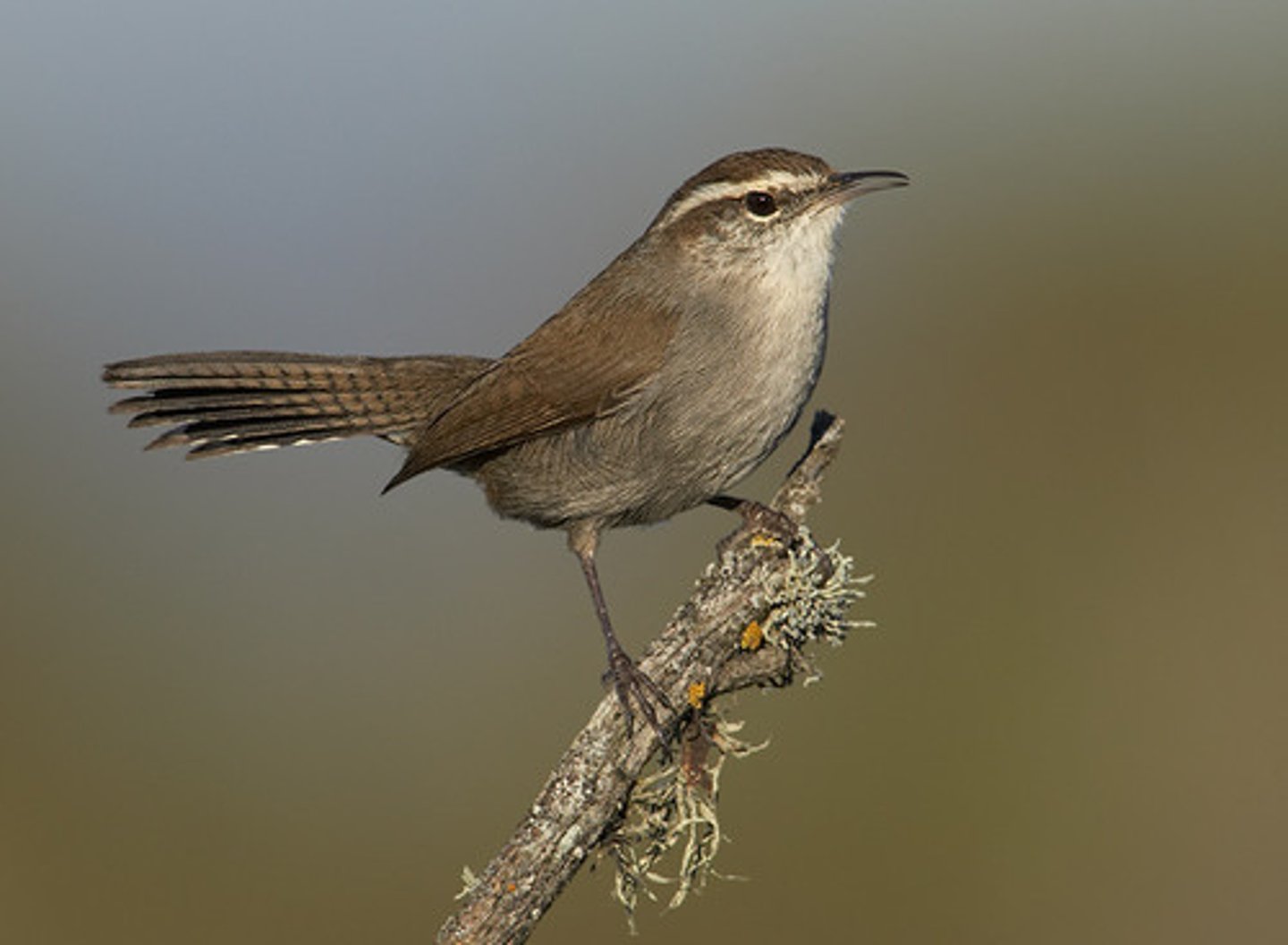
Bewick's Wren
Natural history: Secondary cavity user, but uses wide range of cavity types; skulker and can be reluctant to come into open. Order: Passeriformes. Family: Troglodytidae.
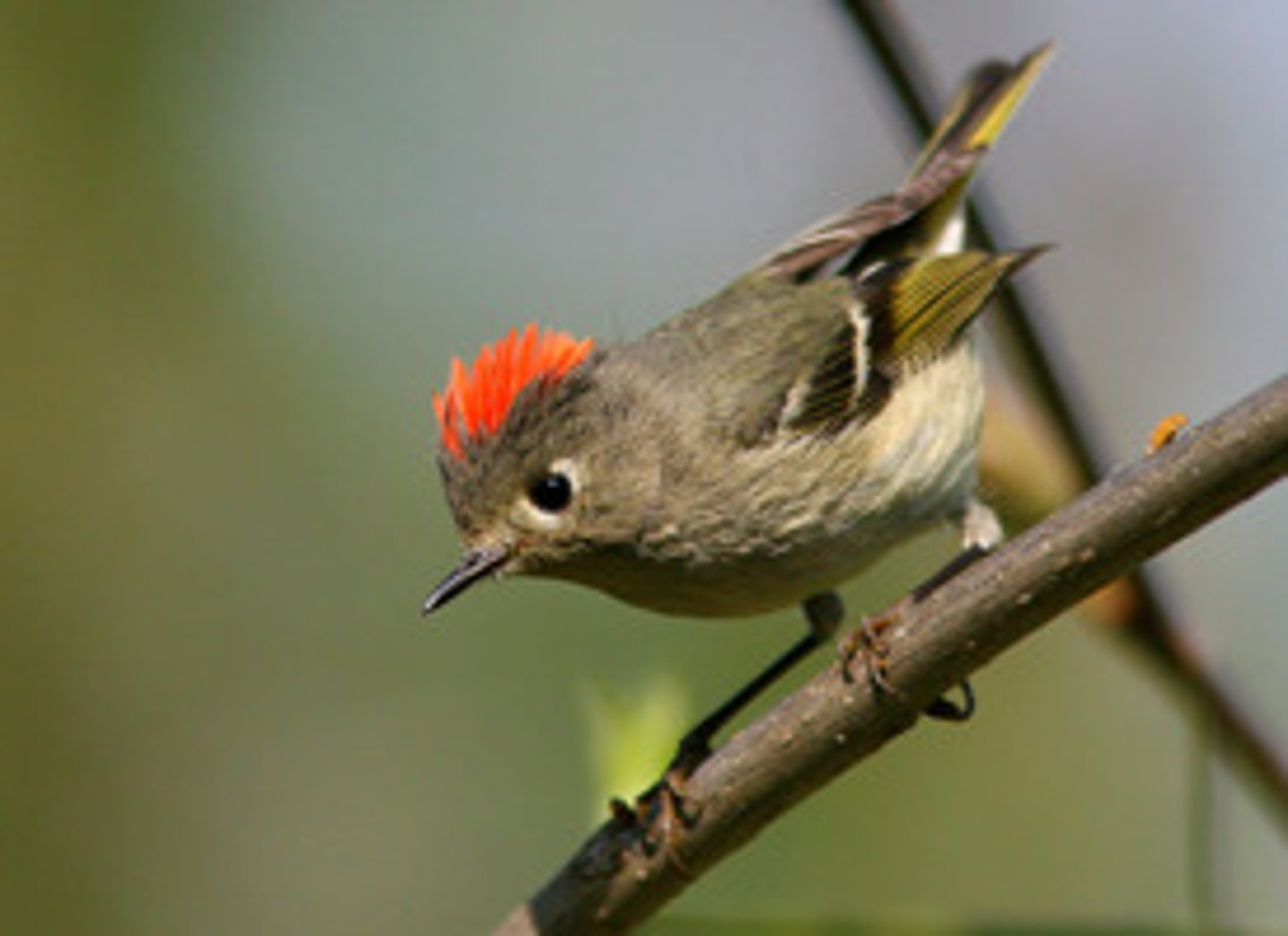
Ruby-crowned Kinglet
Natural history: Hover gleans while foraging; call can sound somewhat like typewriter keys being struck. Order: Passeriformes. Family: Regulidae.
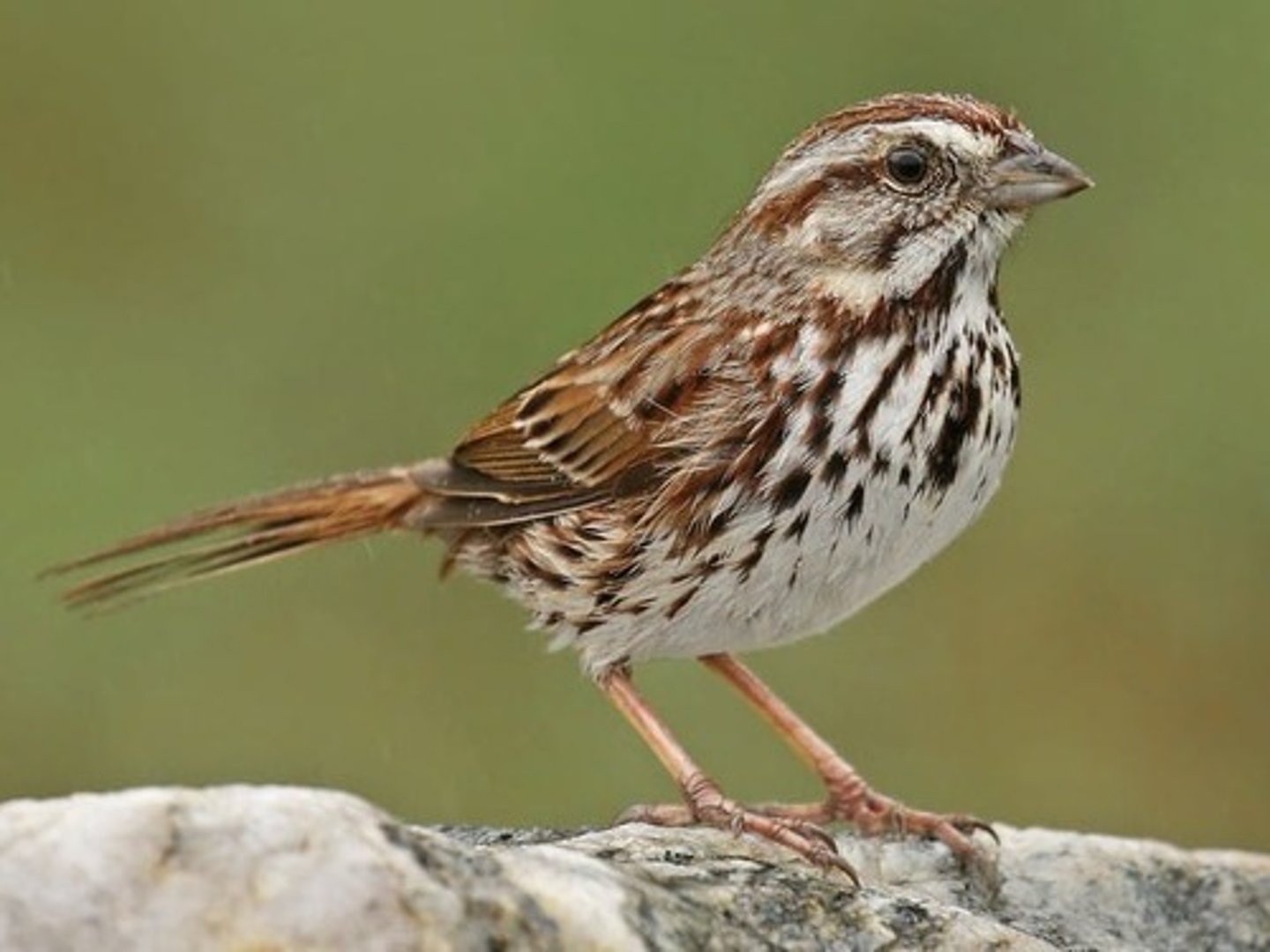
Song Sparrow
Natural history: Typically associated with wet areas/wetlands; skulker and can be reluctant to come into open. Order: Passeriformes. Family: Passerellidae.
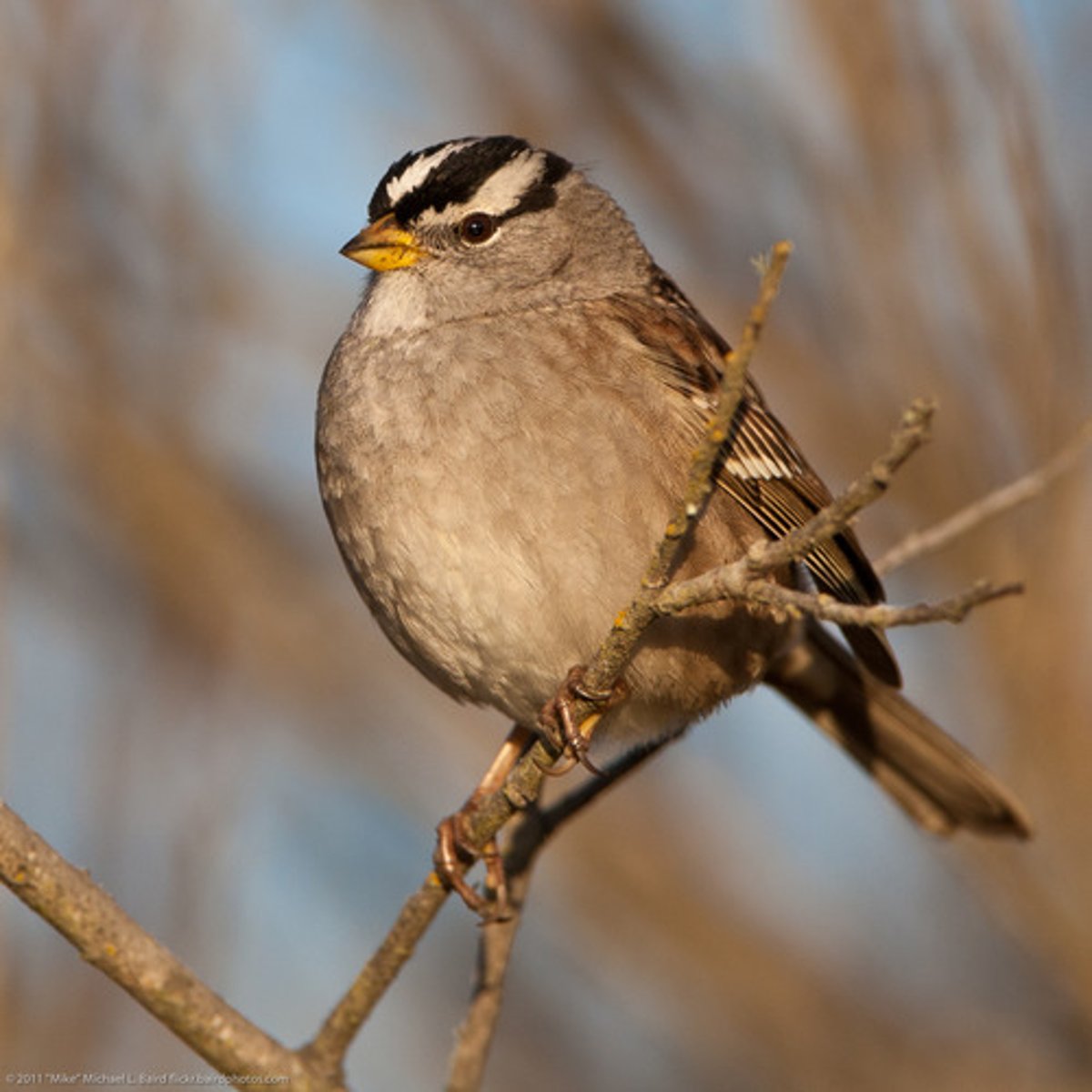
White-crowned Sparrow
Natural history: Groundforaging -species; prefers open areas. Order: Passeriformes. Family: Passerellidae.
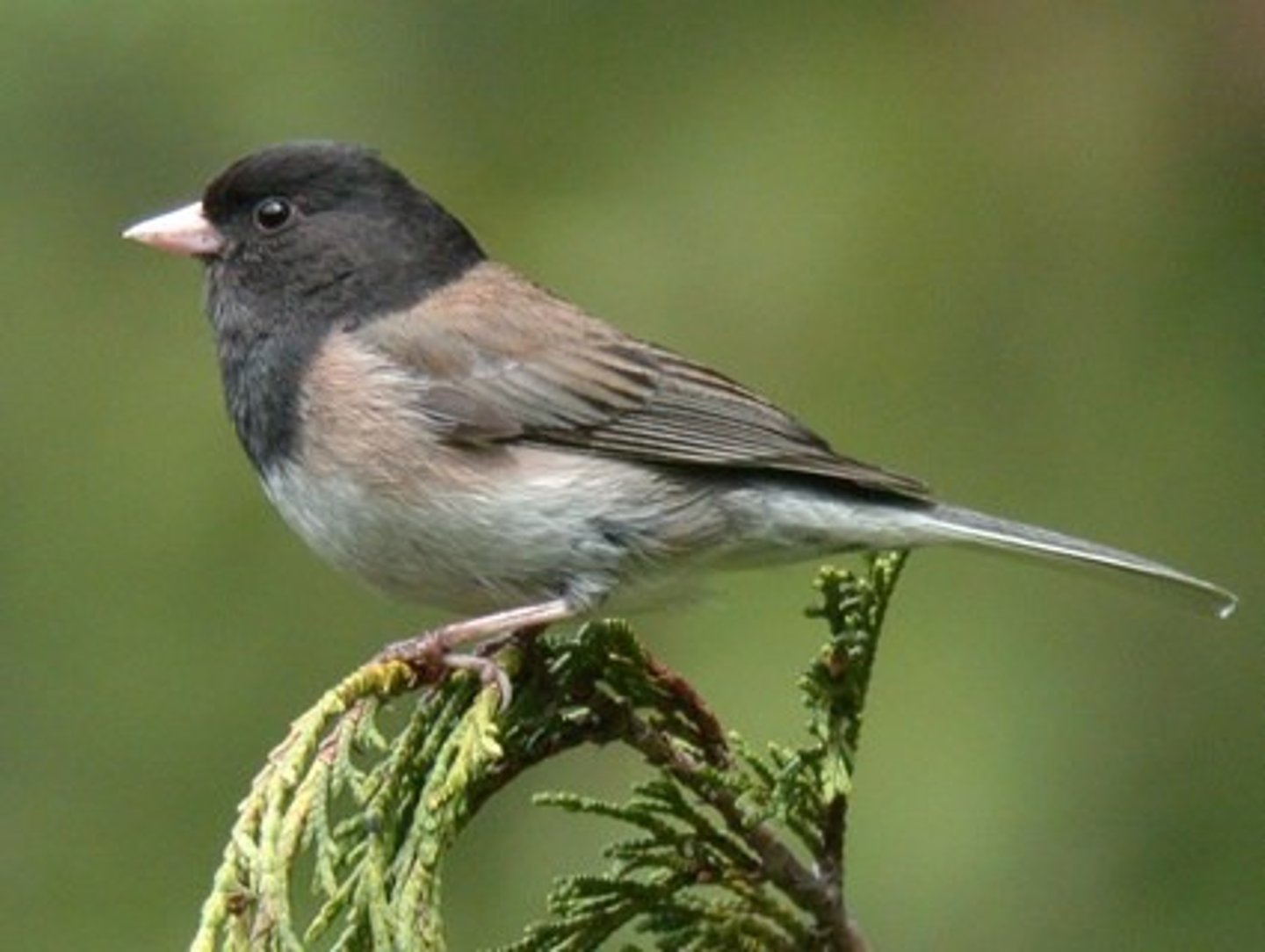
Dark-eyed Junco
Natural history: Groundforaging -species; many subspecies across range whose plumage characteristics are highly variable. Order: Passeriformes. Family: Passerellidae.
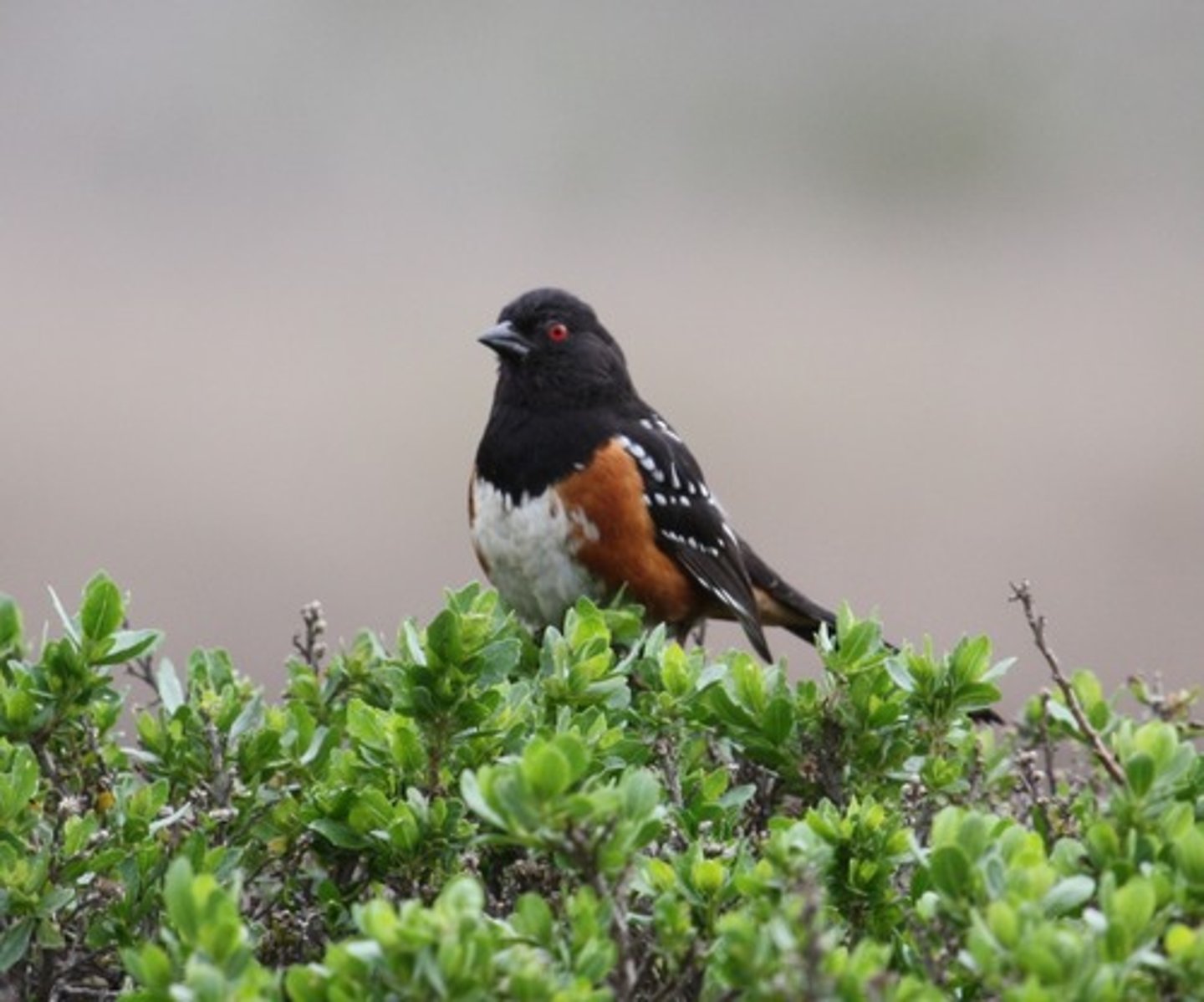
Spotted Towhee
Natural history: Skulker that is more often heard than seen; "jump scratch" foraging can make it quite noisy. Order: Passeriformes. Family: Passerellidae.
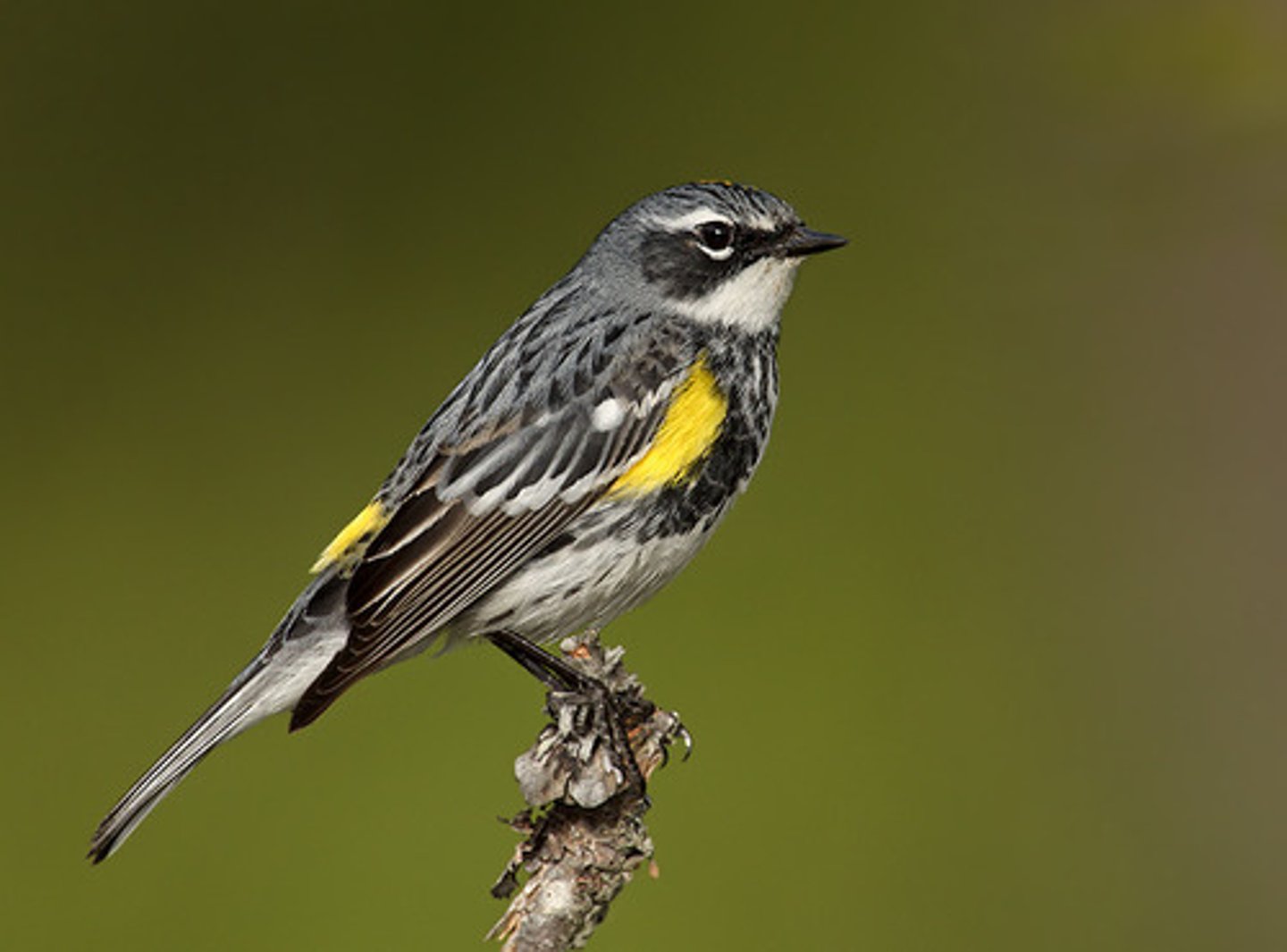
Yellow-rumped Warbler
Natural history: Forest-nesting species; winters at the highest latitude among warblers. Order: Passeriformes. Family: Parulidae.
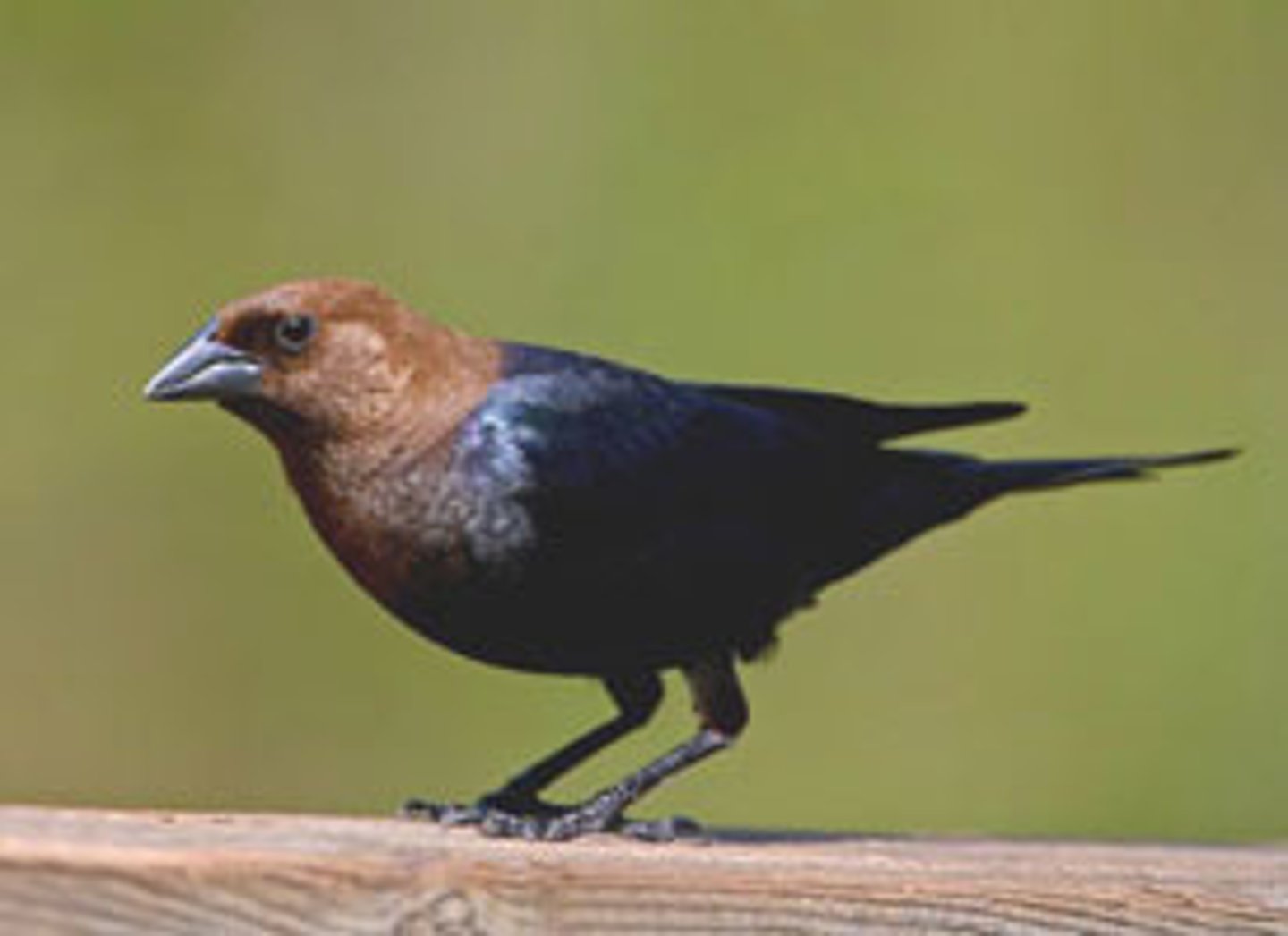
Brown-headed Cowbird
Natural history: Only widespread obligate brood parasite in North America (uses other species to rear its young). Order: Passeriformes. Family: Icteridae.
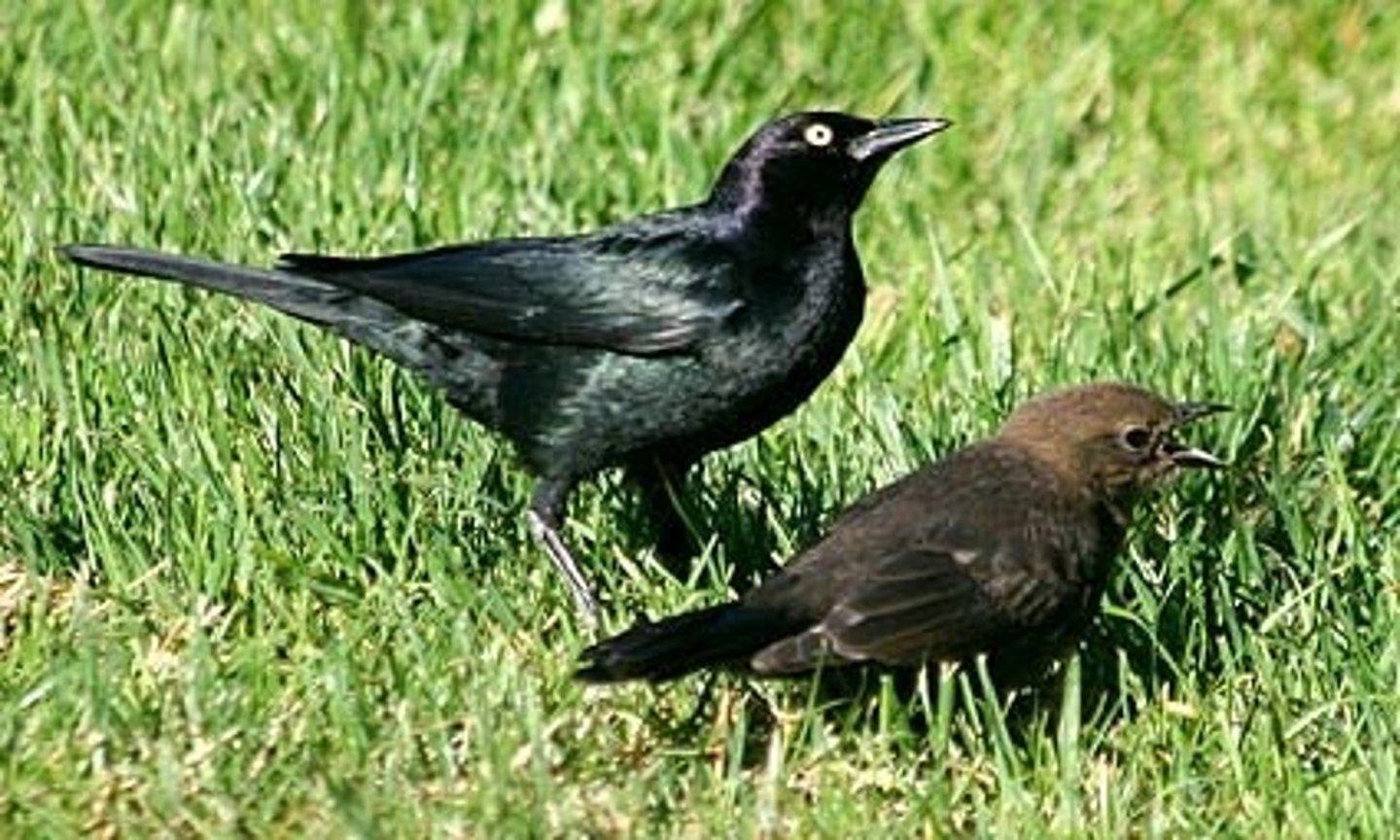
Brewer's Blackbird
Natural history: Common in suburban areas and agricultural lands. Order: Passeriformes. Family: Icteridae.
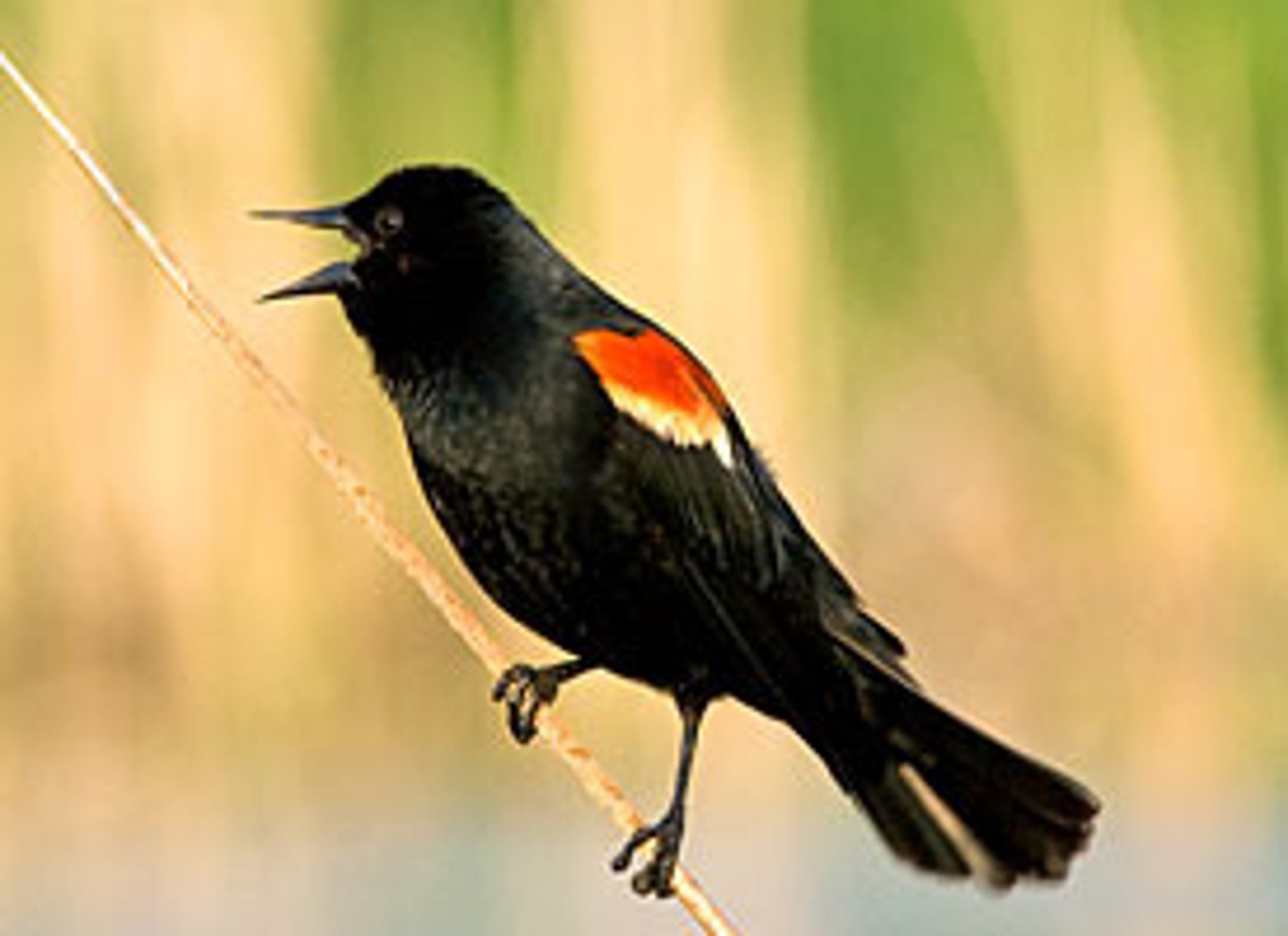
Red-winged Blackbird
Natural history: Typically found in marshy areas; males may have harems of several females during breeding season. Order: Passeriformes. Family: Icteridae.
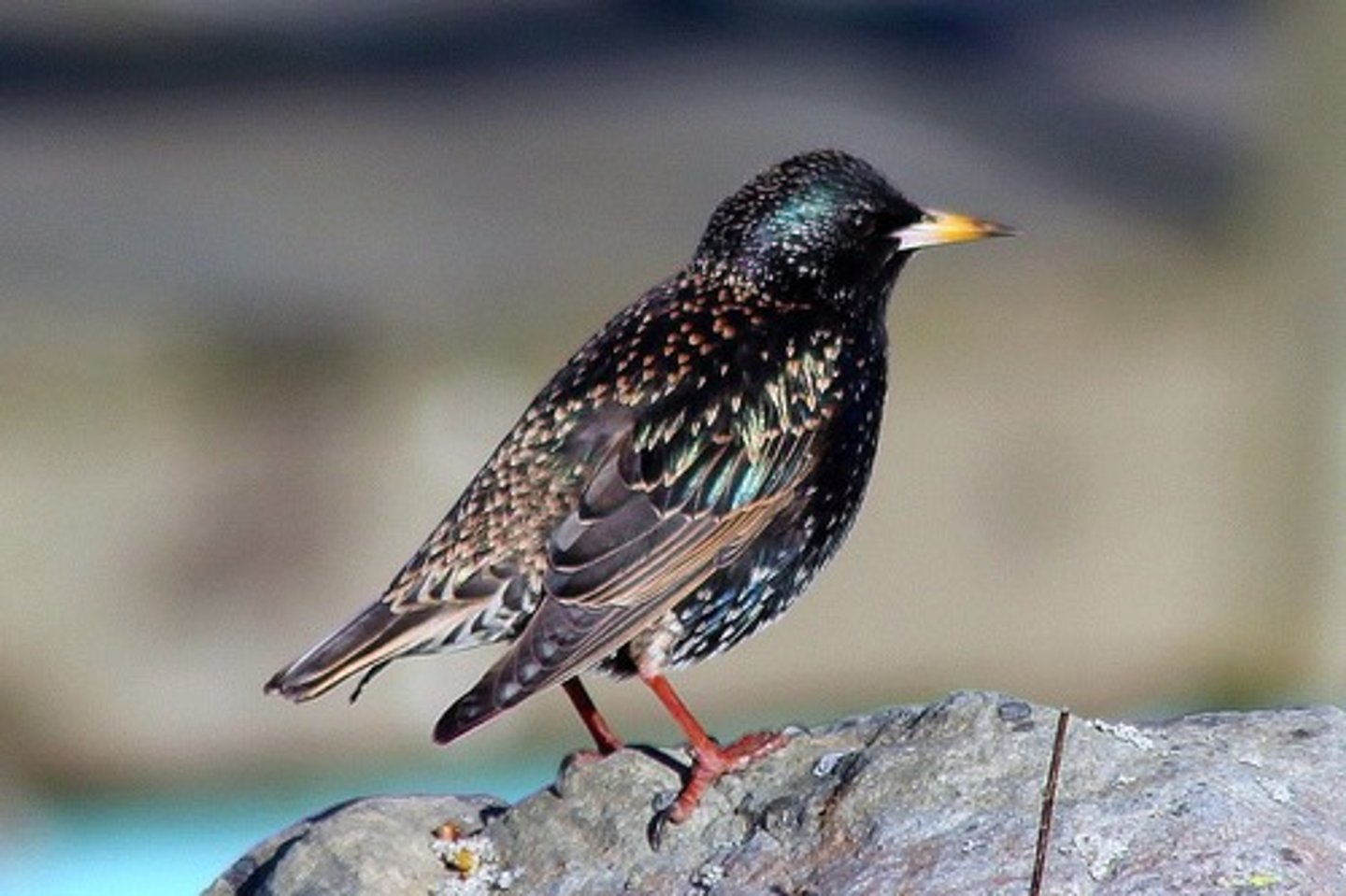
European Starling
Natural history: Exotic from Europe; secondary cavity user. Order: Passeriformes. Family: Sturnidae.
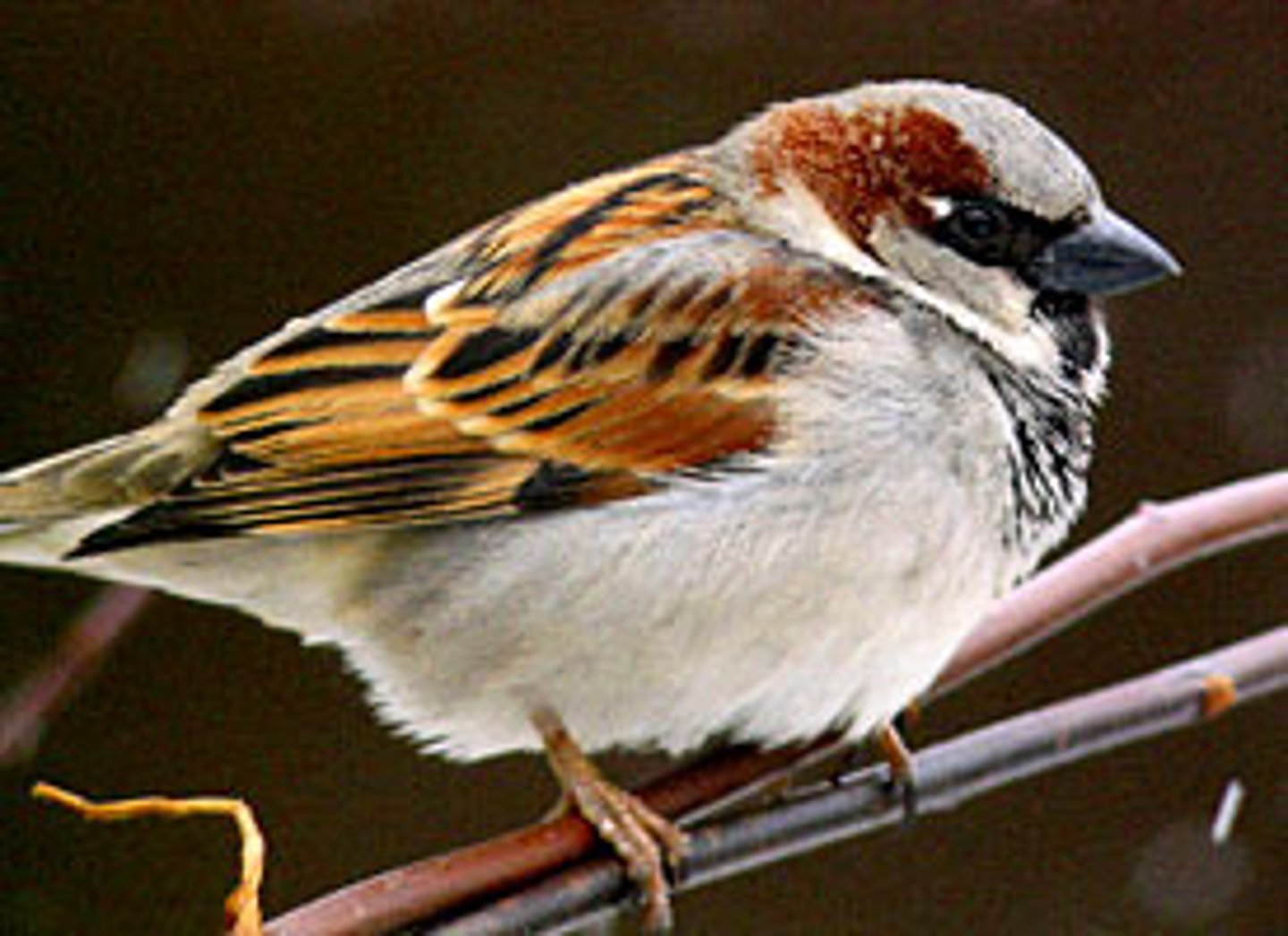
House Sparrow
Natural history: Exotic from Europe; secondary cavity user; human commensal. Order: Passeriformes. Family: Passeridae.
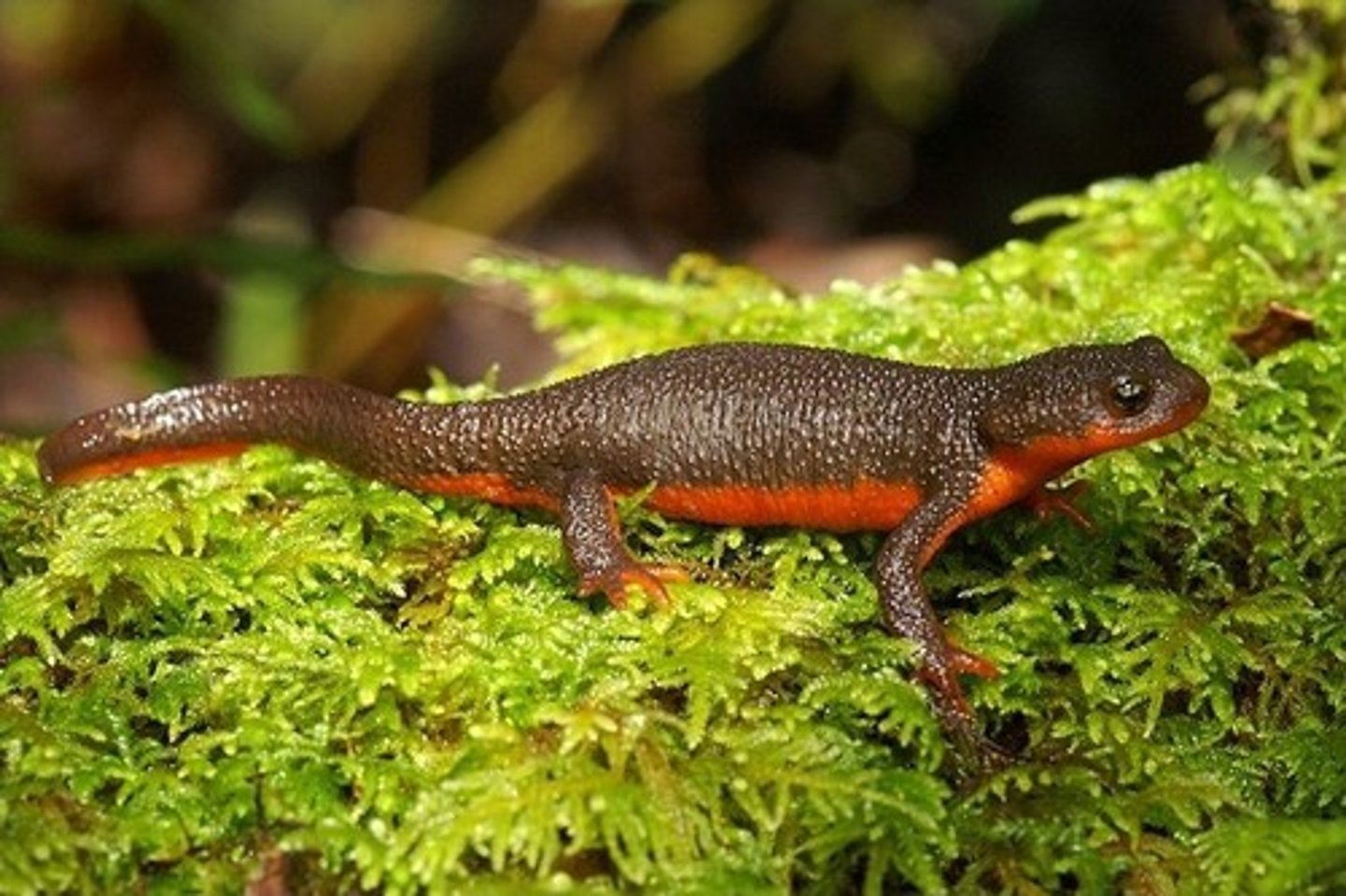
Rough-skinned Newt
Natural history: Toxic, can kill a human if consumed; move to breeding ponds in spring; active during the day. Order: Caudata. Family: Salamandridae.
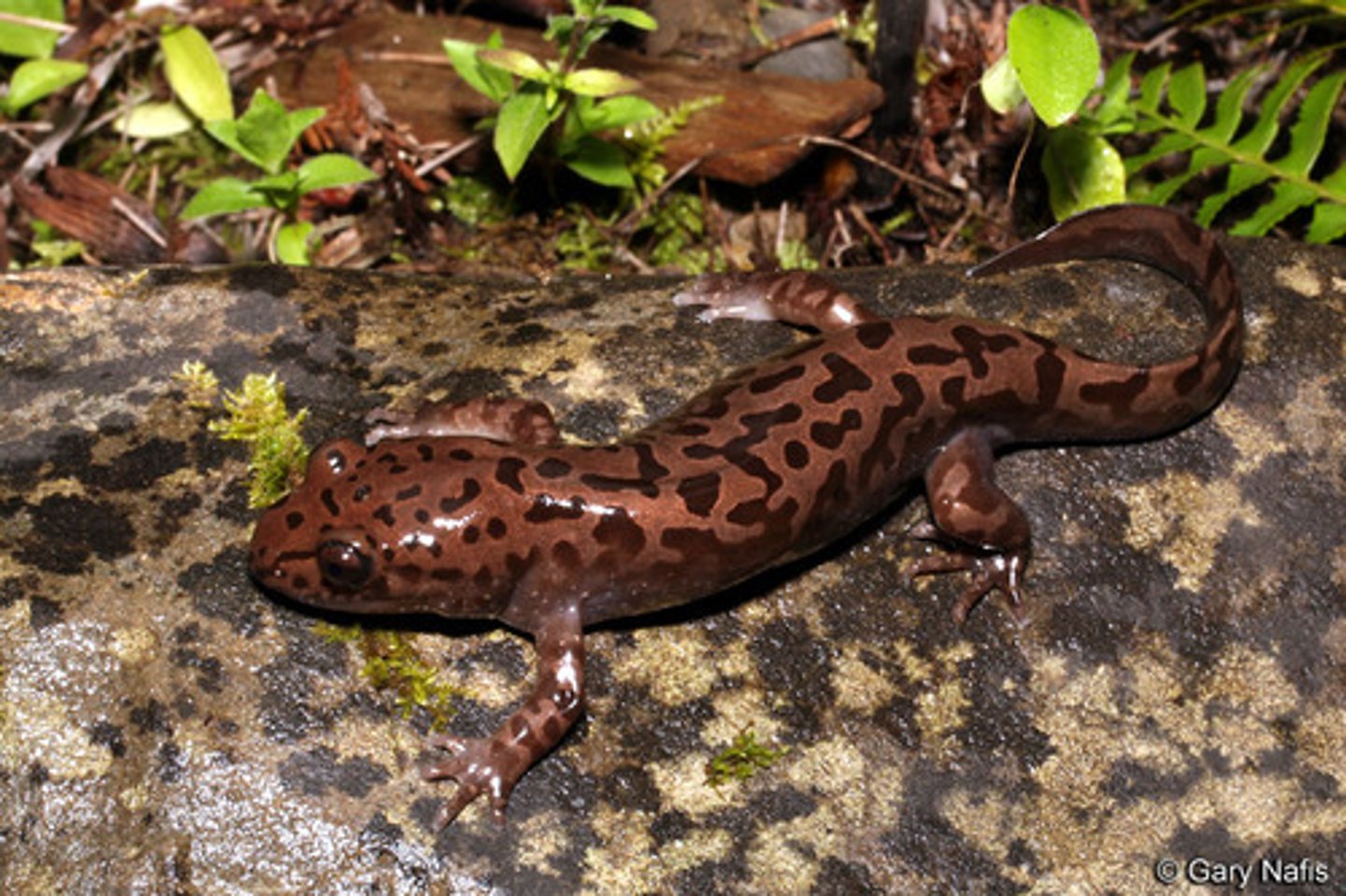
Pacific Giant Salamander
Natural history: Found near small streams and moist forests; voracious predator; may remain in neotenic state as adult. Order: Caudata. Family: Dicamptodontidae.
Northwestern Salamander
Natural history: Poisonous parotid glands; may rear up when threatened; voracious predator; may remain in neotenic state. Order: Caudata. Family: Ambystomatidae.
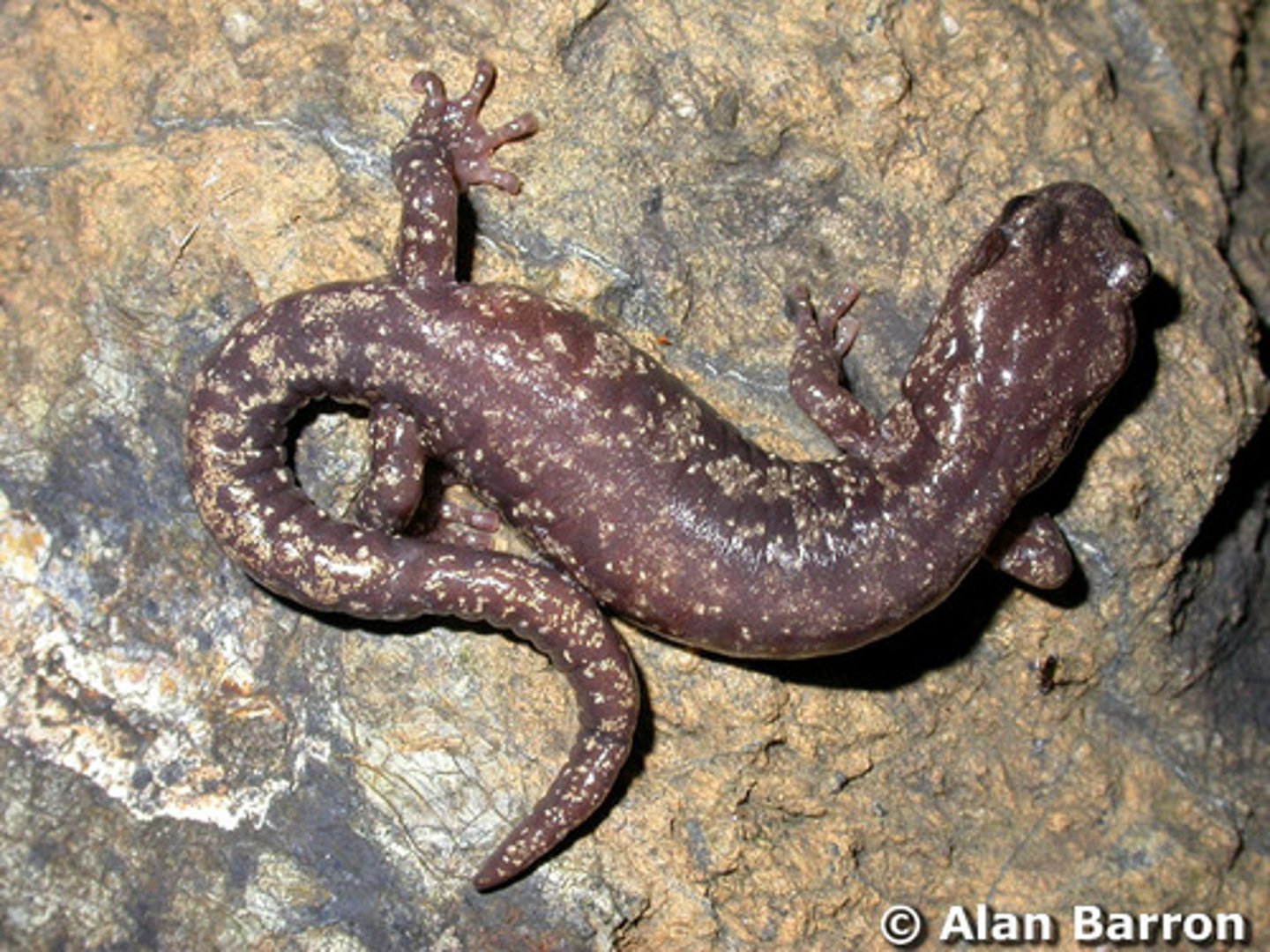
Clouded Salamander
Natural history: Fully terrestrial; active species, often scrambling or jumping when exposed. Order: Caudata. Family: Plethodontidae.
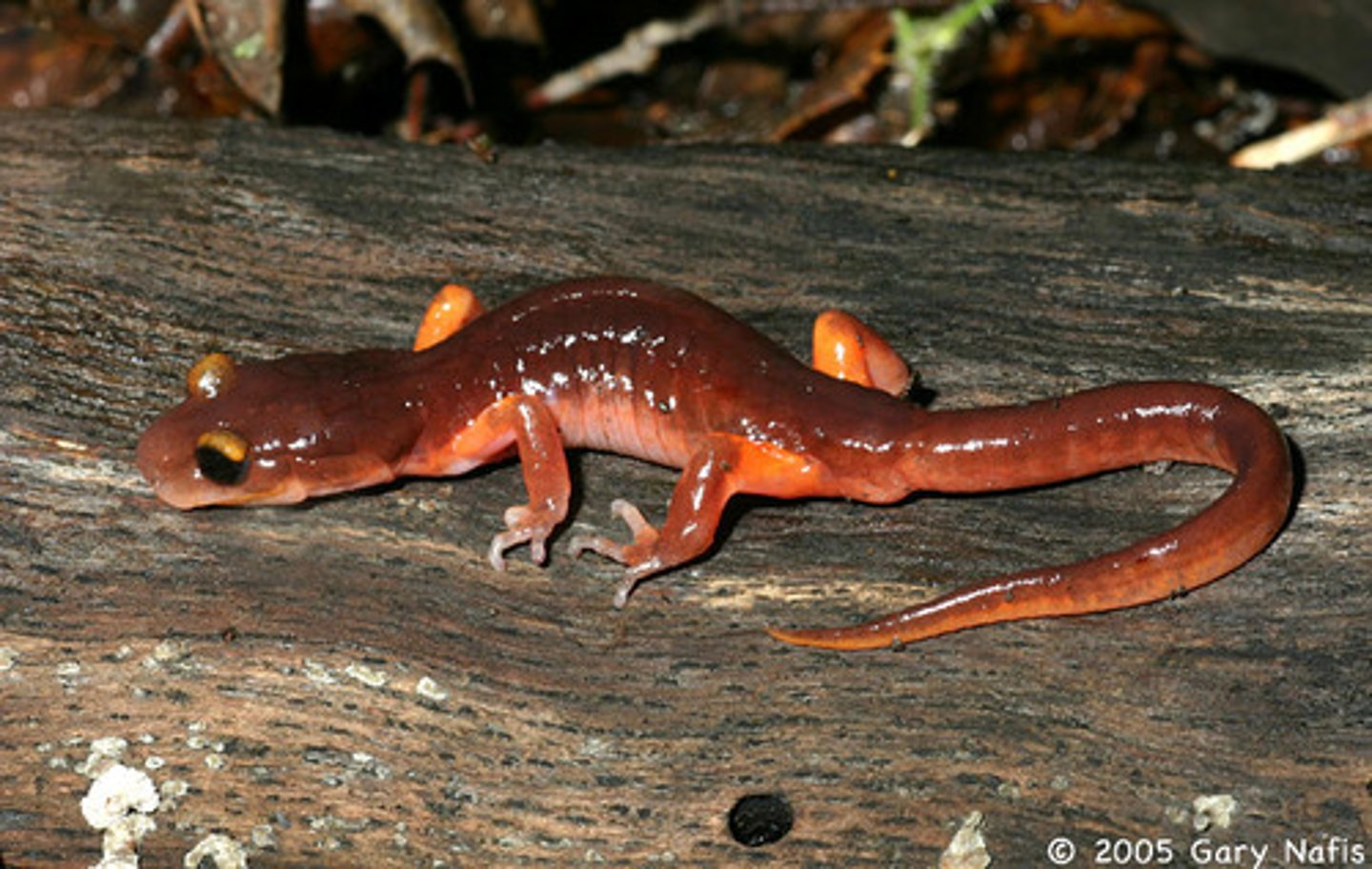
Ensatina
Natural history: Fully terrestrial; highly variable patterned species; found in wide range of ecosystems. Order: Caudata. Family: Plethodontidae.
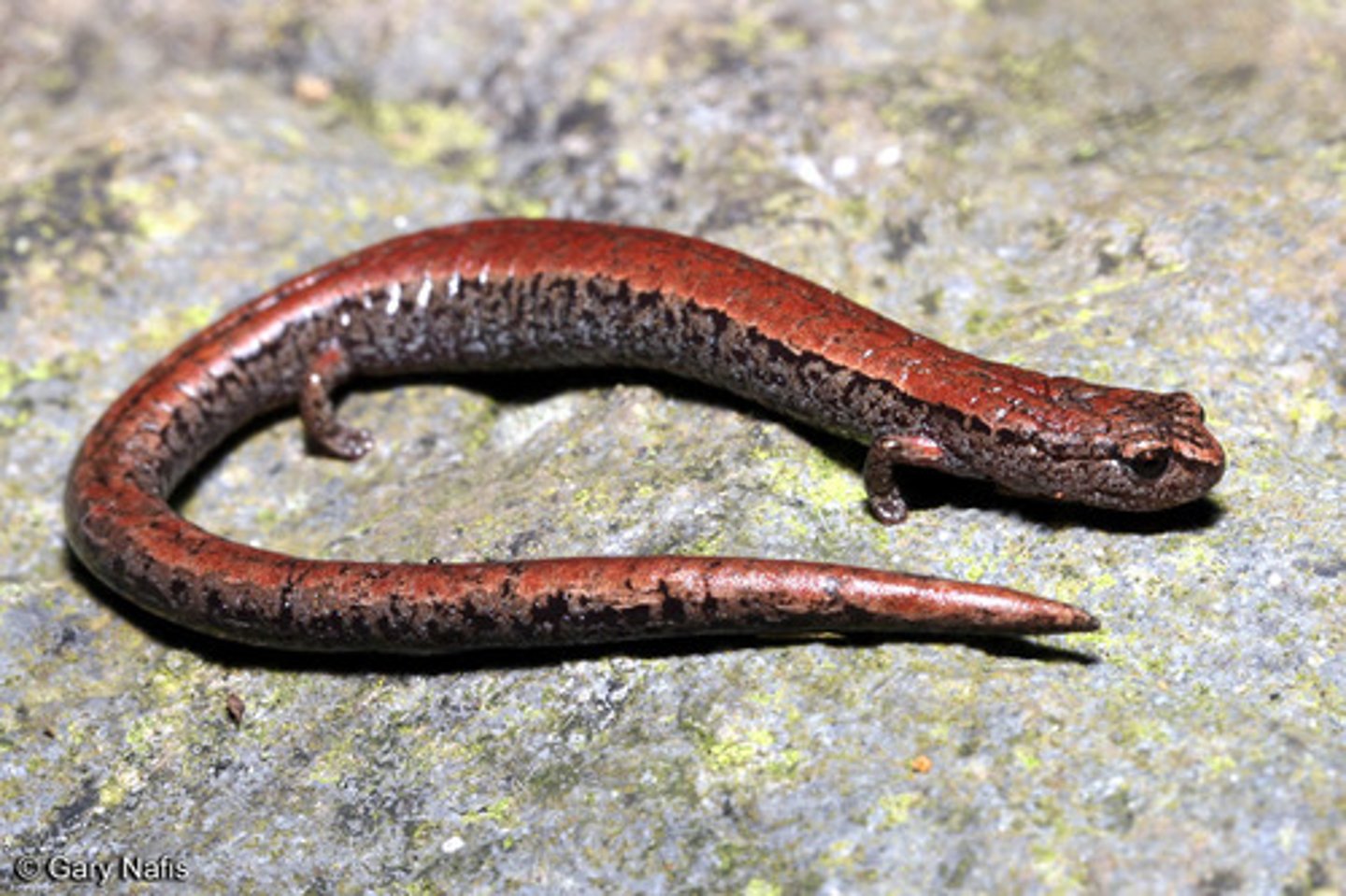
Oregon Slender Salamander
Natural history: Fully terrestrial; typically within stumps or large logs; may only move a few meters across lifetime. Order: Caudata. Family: Plethodontidae.
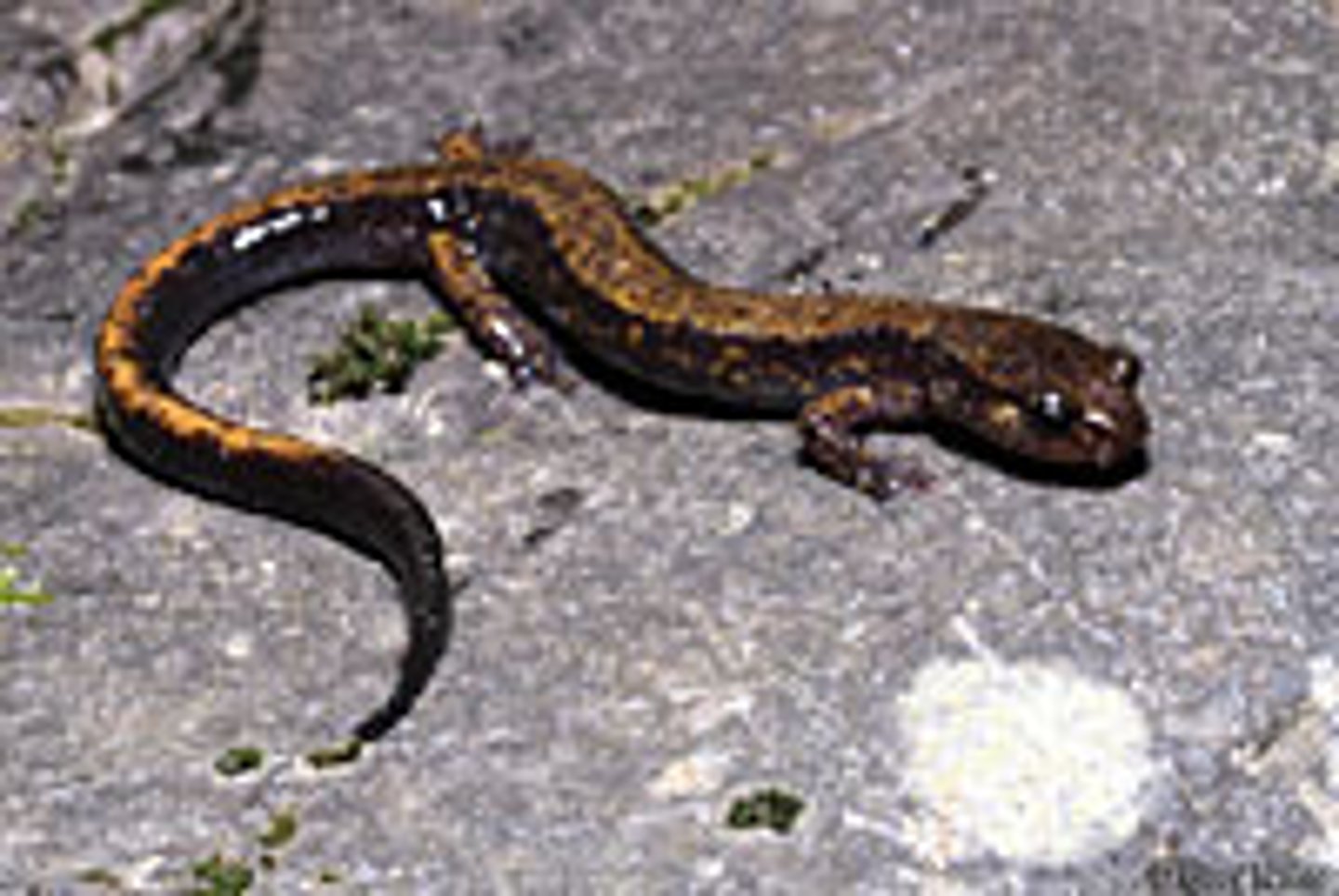
Dunn's Salamander
Natural history: Fully terrestrial; webbed feet; typically found next to streams, but doesn't typically enter water. Order: Caudata. Family: Plethodontidae.
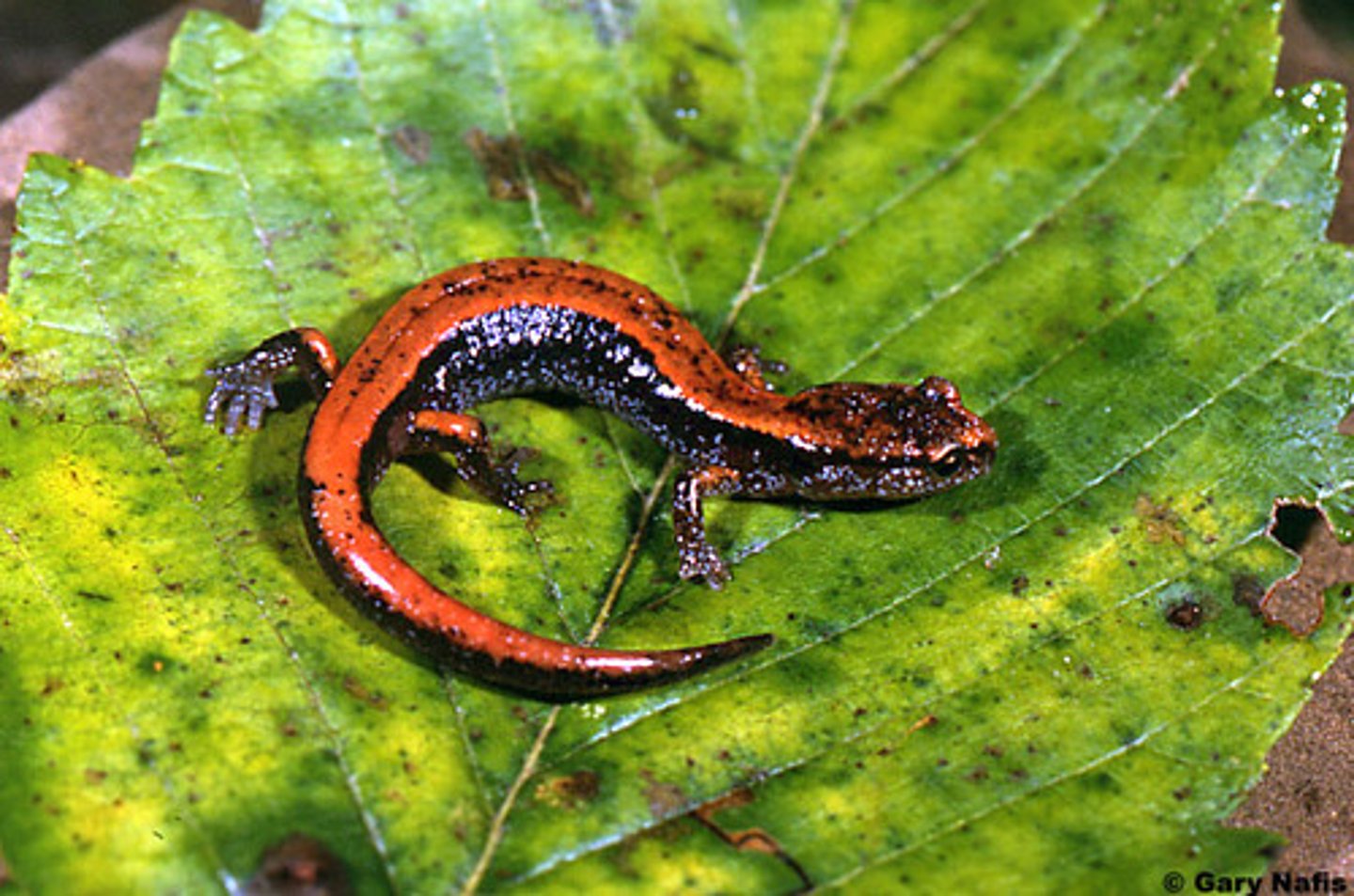
Western Red-backed Salamander
Natural history: Very long and thin with distinctive maroon back; one of the most abundant woodland salamanders. Order: Caudata. Family: Plethodontidae.
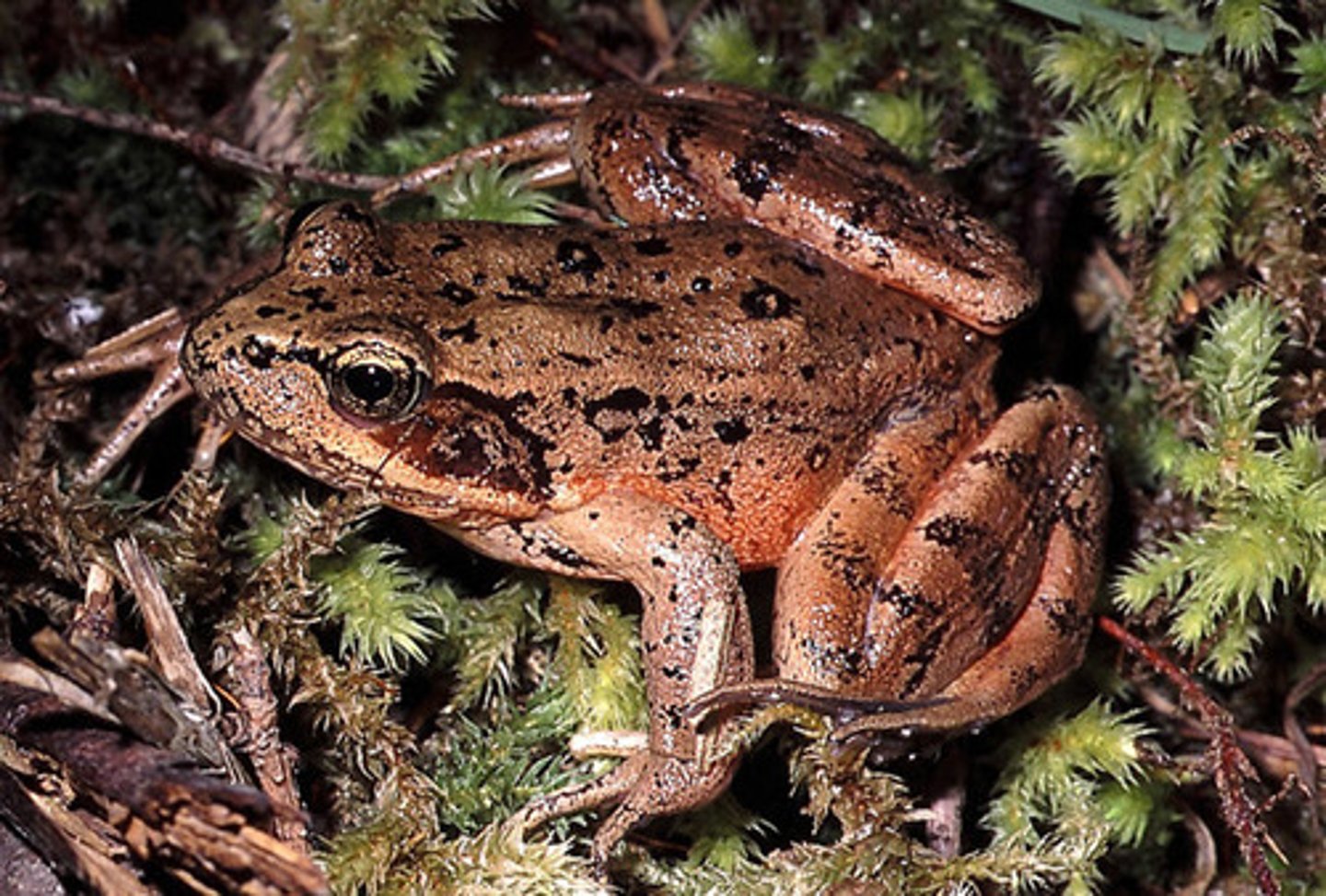
Northern Red-legged Frog
Natural history: Prefers cool breeding conditions; adults have gold eyes that look out to the sides. Order: Anura. Family: Ranidae.
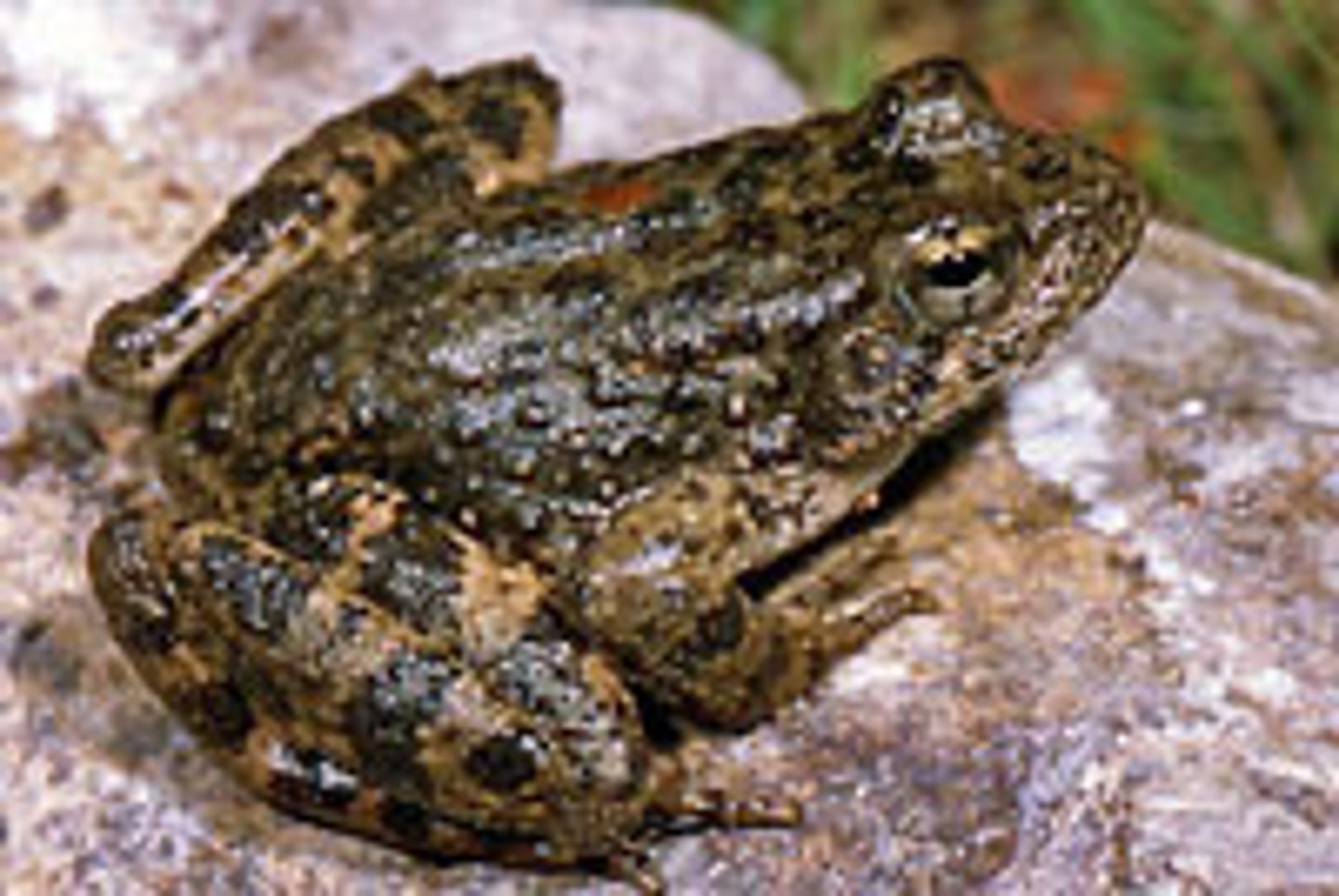
Foothill Yellow-legged Frog
Natural history: Found in streams; tadpoles have flattened shape for fast-moving water; adults have grainy skin. Order: Anura. Family: Ranidae.
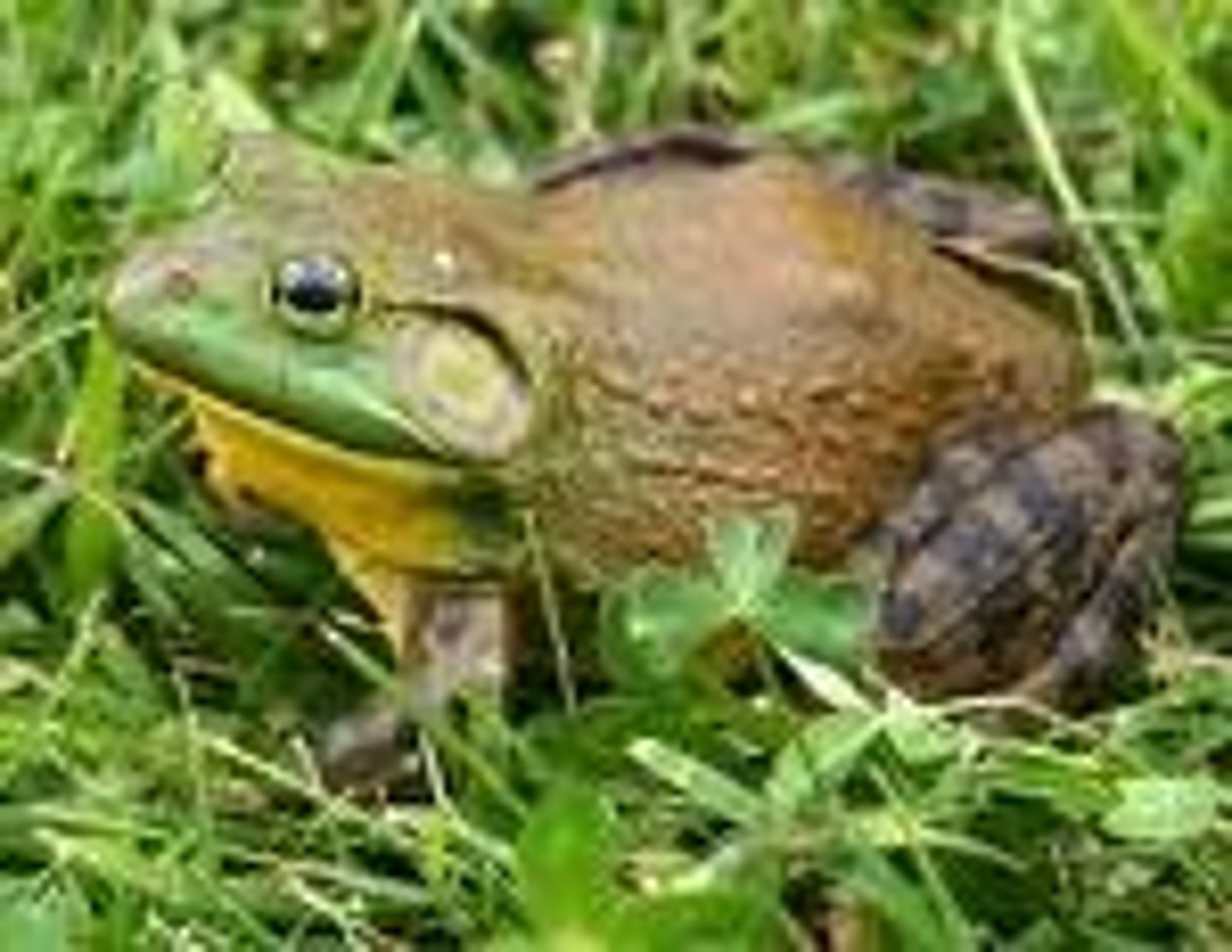
American Bullfrog
Natural history: Invasive from eastern U.S.; larger than native frogs and eats anything smaller than it. Order: Anura. Family: Ranidae.
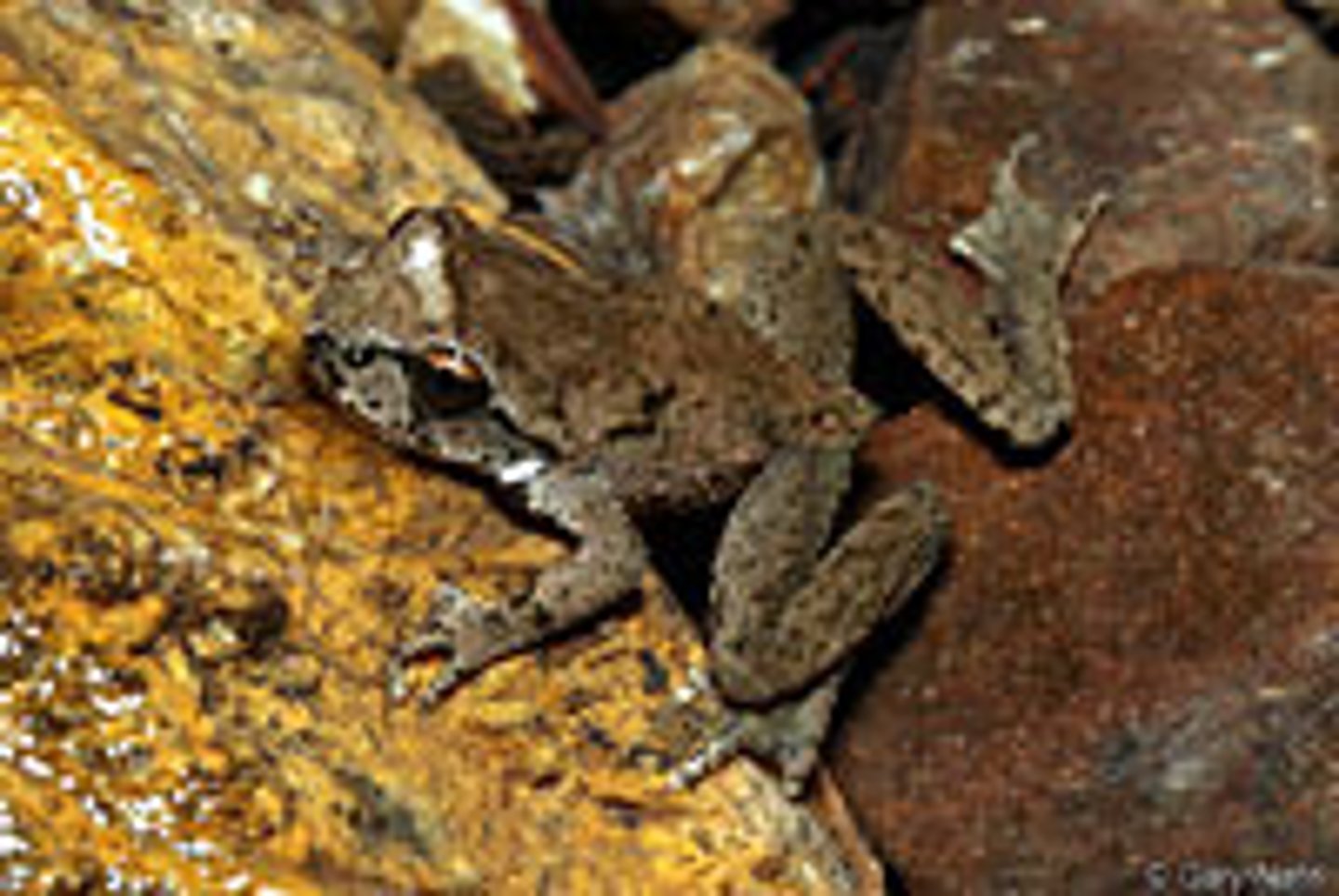
Tailed Frog Coastal
Natural history: Cold, fast-flowing streams; "tail" is intromittent organ on males for internal fertilization. Order: Anura. Family: Ascaphidae.
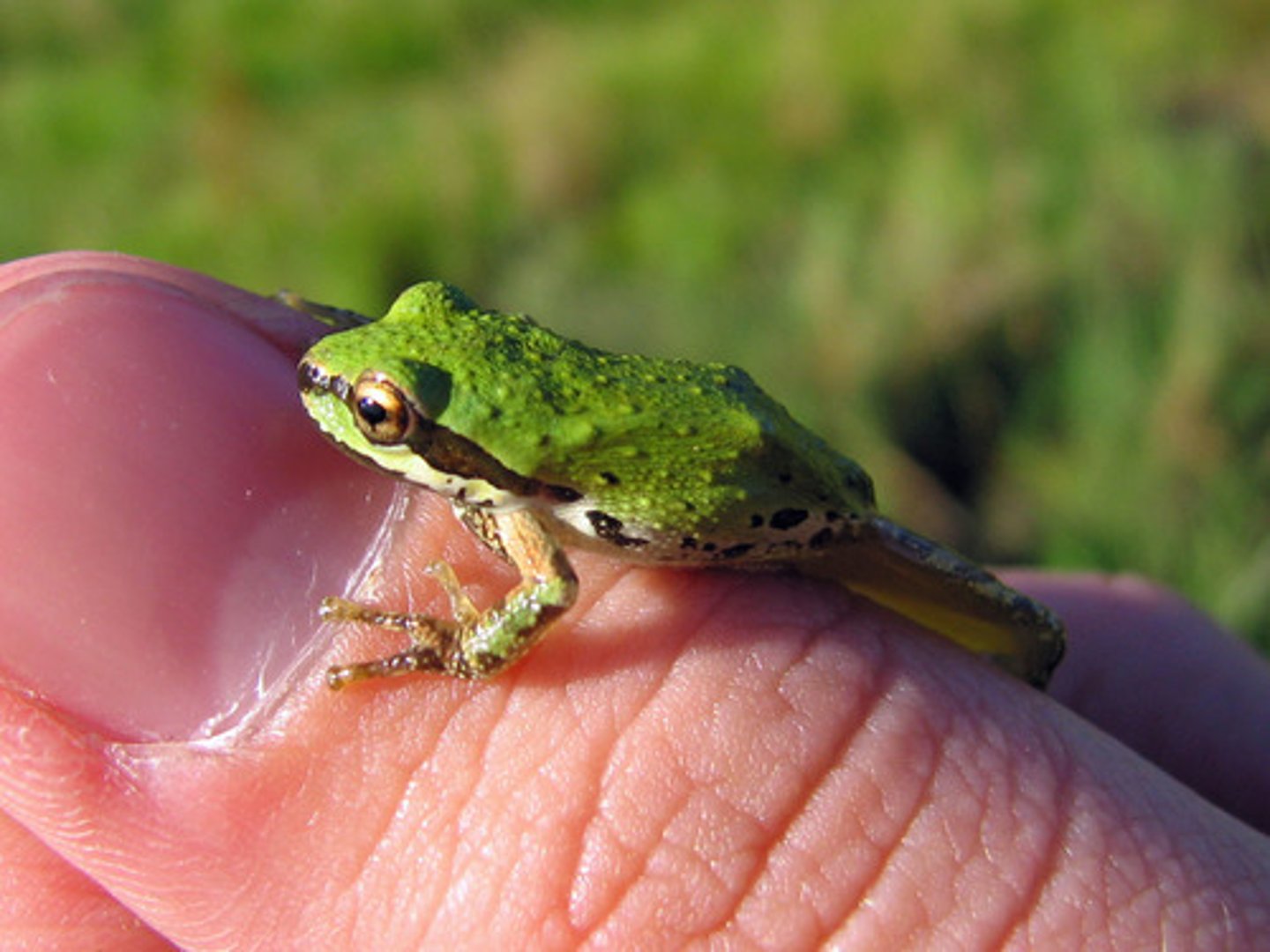
Pacific Treefrog
Natural history: Widespread and variable; loud call and extensive calling period in spring. Order: Anura. Family: Hylidae.
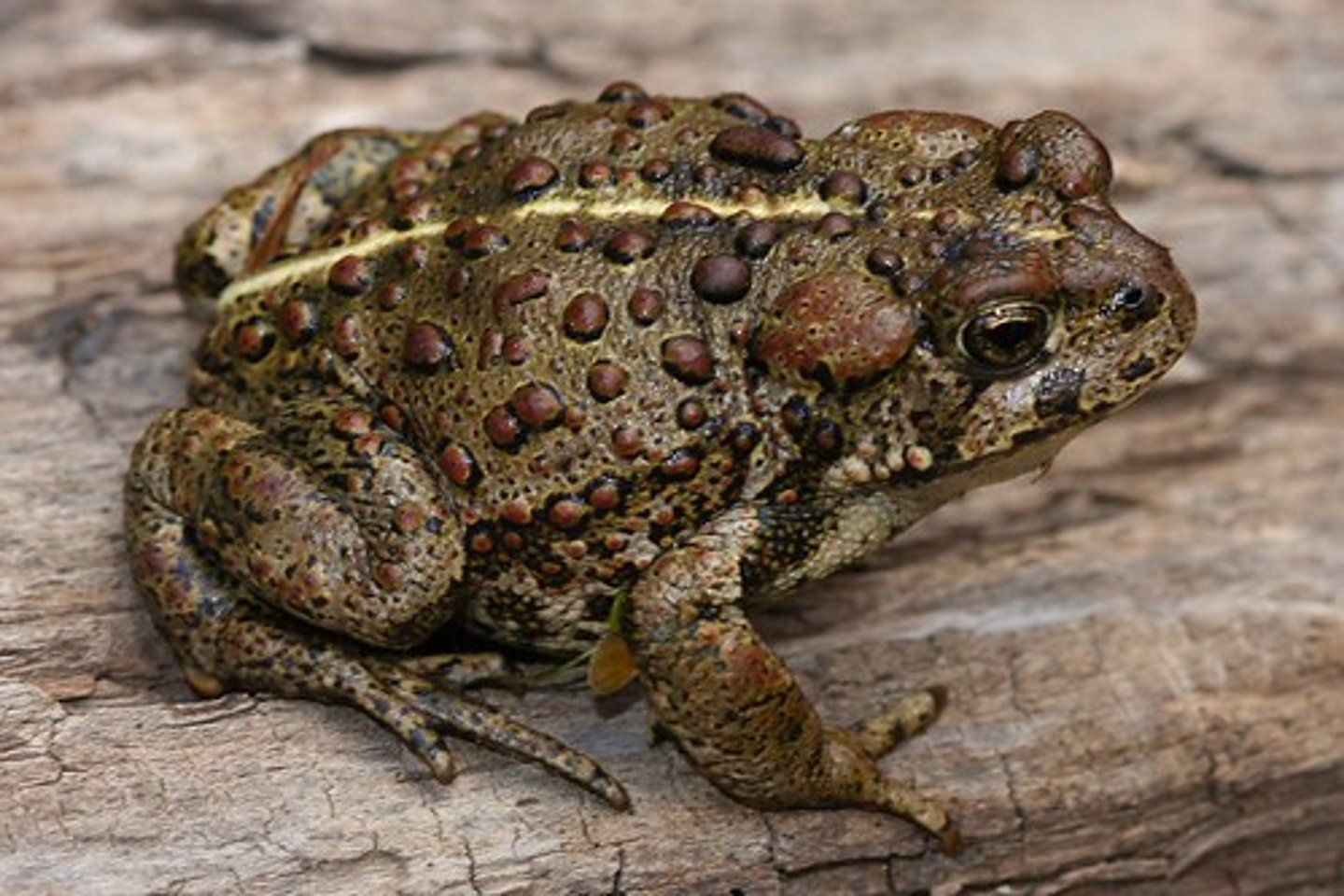
Western Toad
Natural history: Poisonous parotid glands behind eyes; often urinates when handled. Order: Anura. Family: Bufonidae.
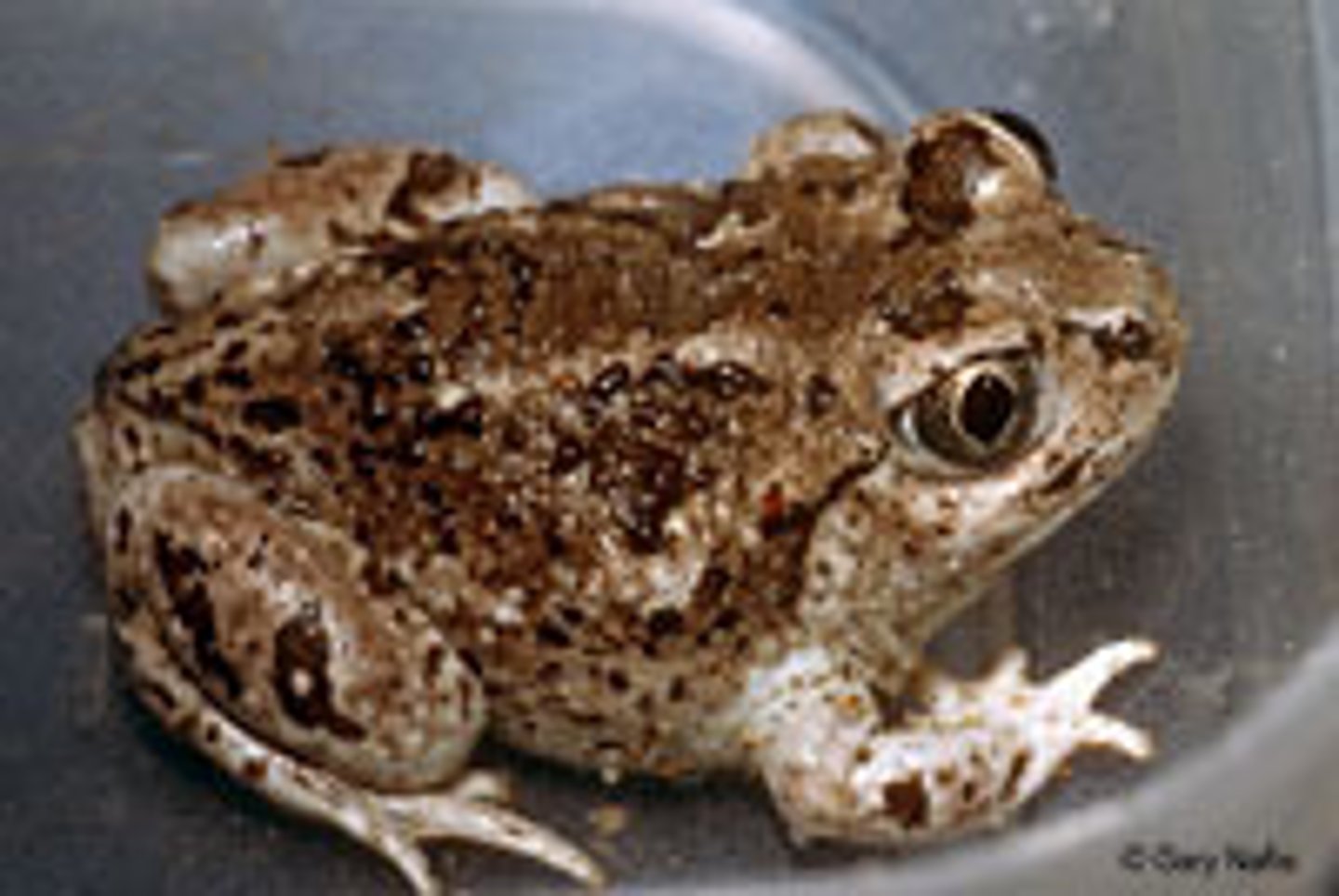
Great Basin Spadefoot
Natural history: Nocturnal, active after rains; uses spades on hind feet to dig into soil; breeds in ephemeral water. Order: Anura. Family: Scaphiopodidae.
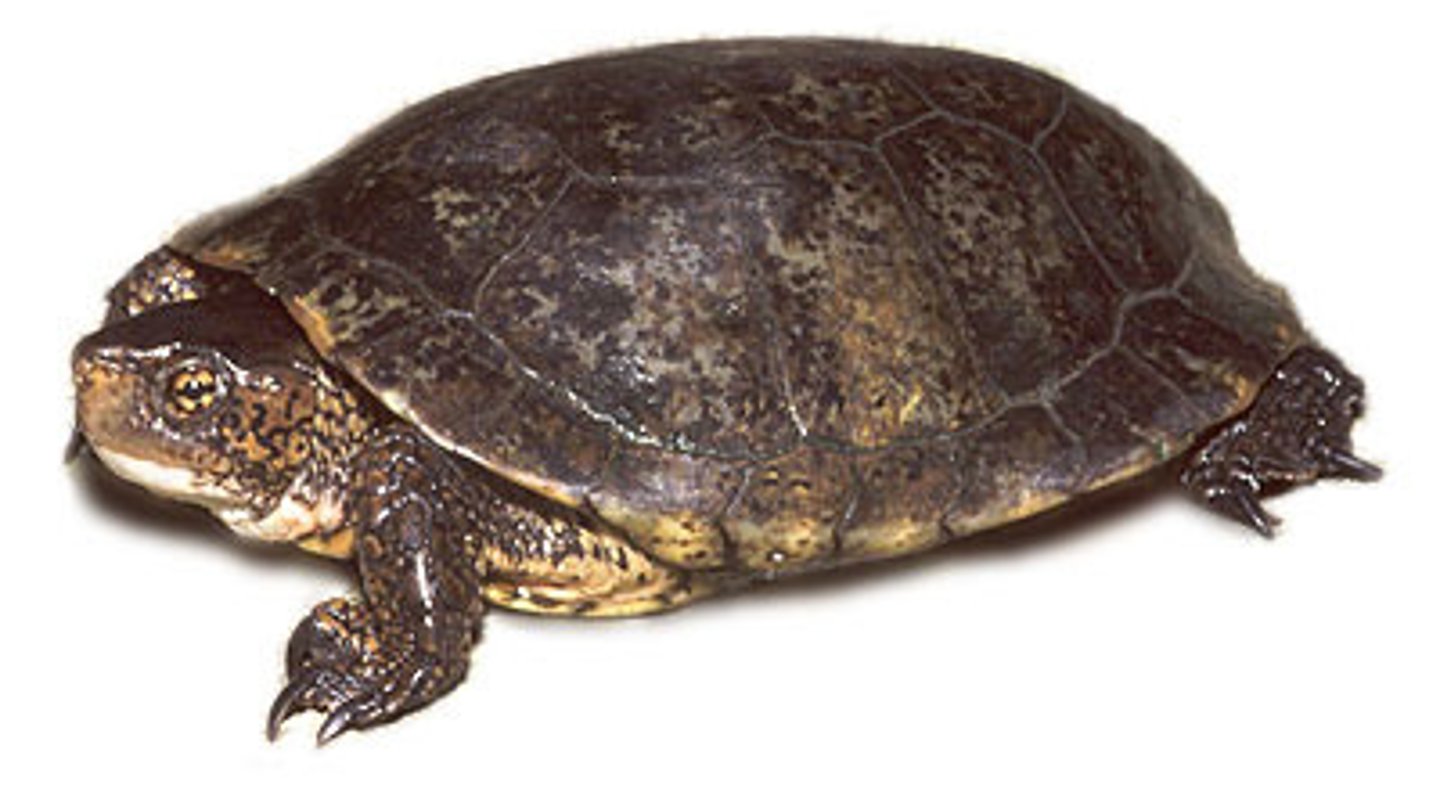
Northwestern Pond Turtle
Natural history: Found in slow-moving rivers with muddy bottoms; wary of people; can live 50+ years. Order: Testudines. Family: Emydidae.
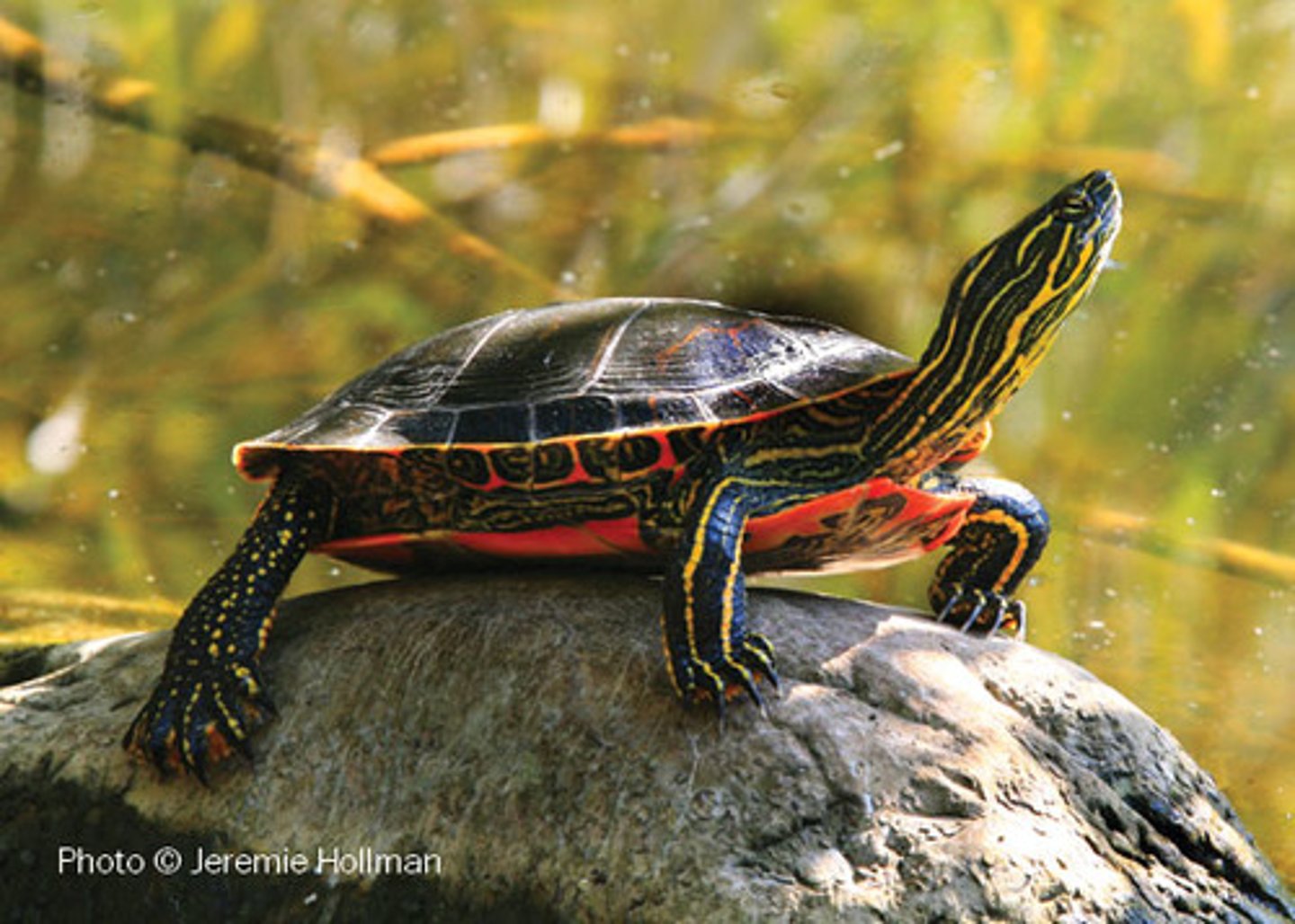
Western Painted Turtle
Natural history: Shallow marshes and ponds with aquatic plants; eats plants, insects, and small animals. Order: Testudines. Family: Emydidae.
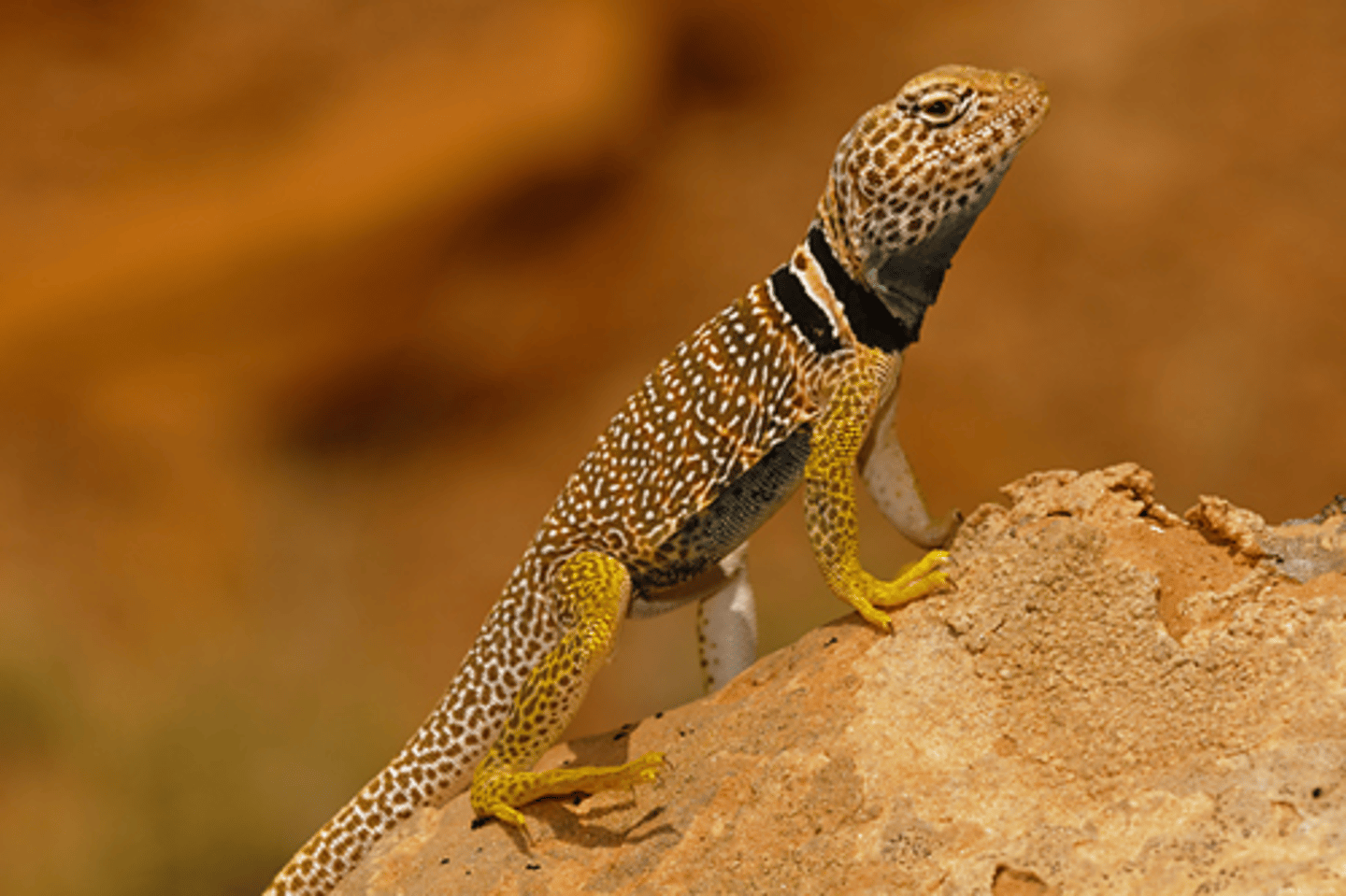
Great Basin Collared Lizard
Natural history: Limited to Great Basin Desert; basks on boulders; sometimes runs on hind legs to escape. Order: Squamata. Family: Crotaphytidae.
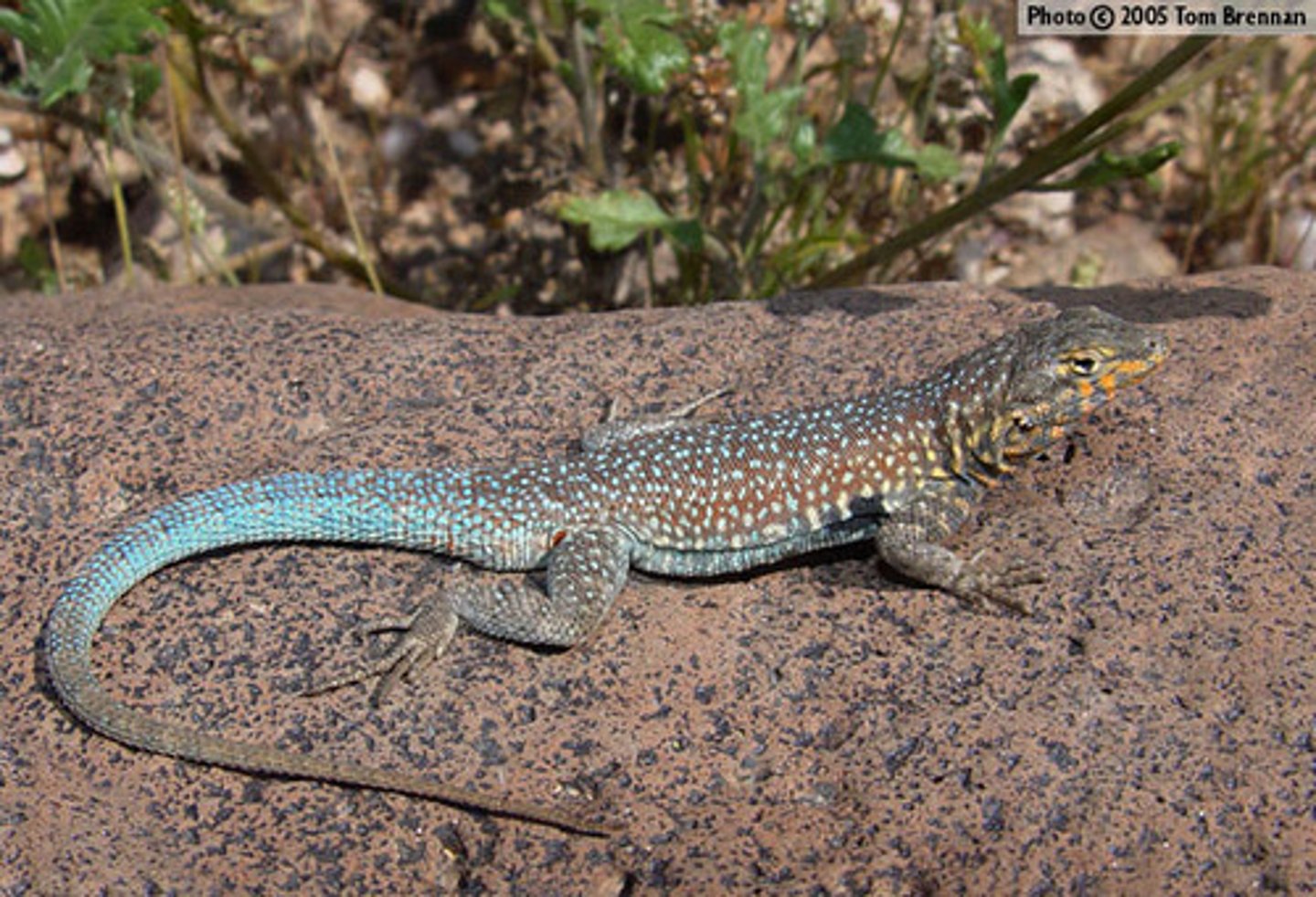
Common Side-blotched Lizard
Natural history: Inhabits arid lands; typically first lizard active in the morning; can be approached closely. Order: Squamata. Family: Phrynosomatidae.
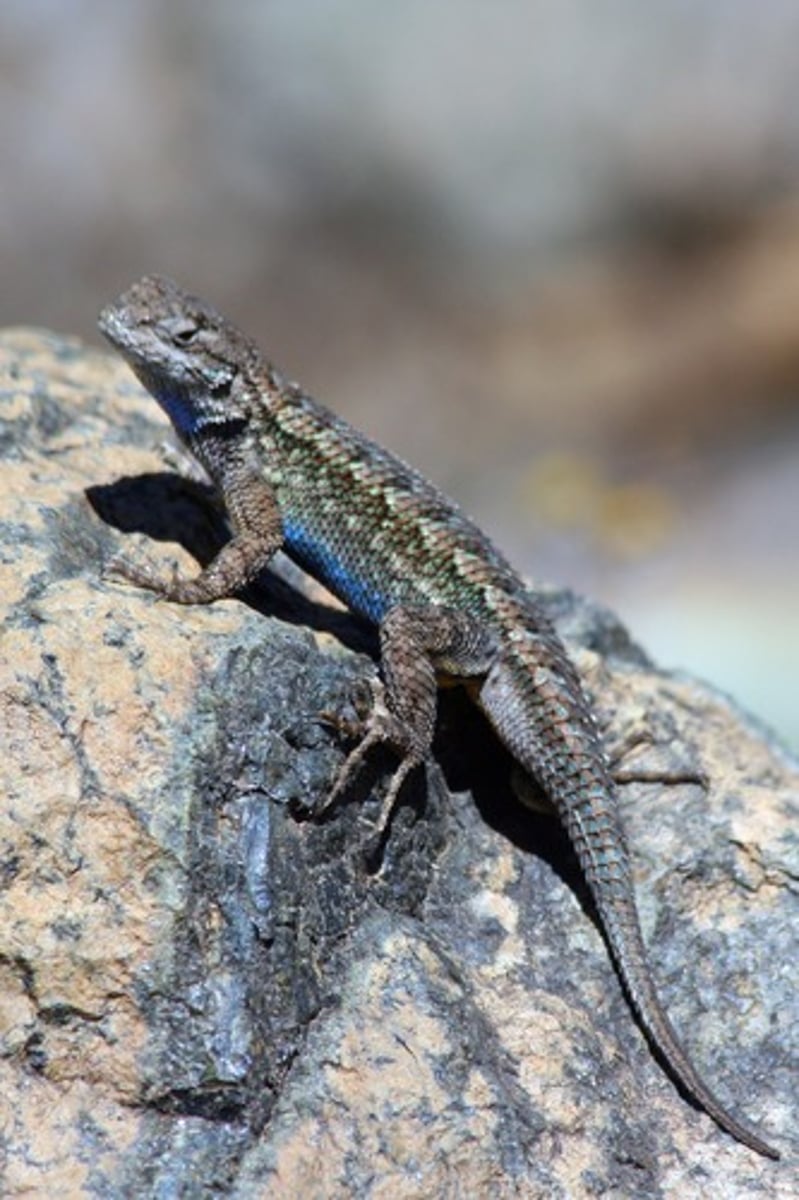
Western Fence Lizard
Natural history: Widespread; often observed basking on fence posts and rocks; may "corkscrew" around trees. Order: Squamata. Family: Phrynosomatidae.
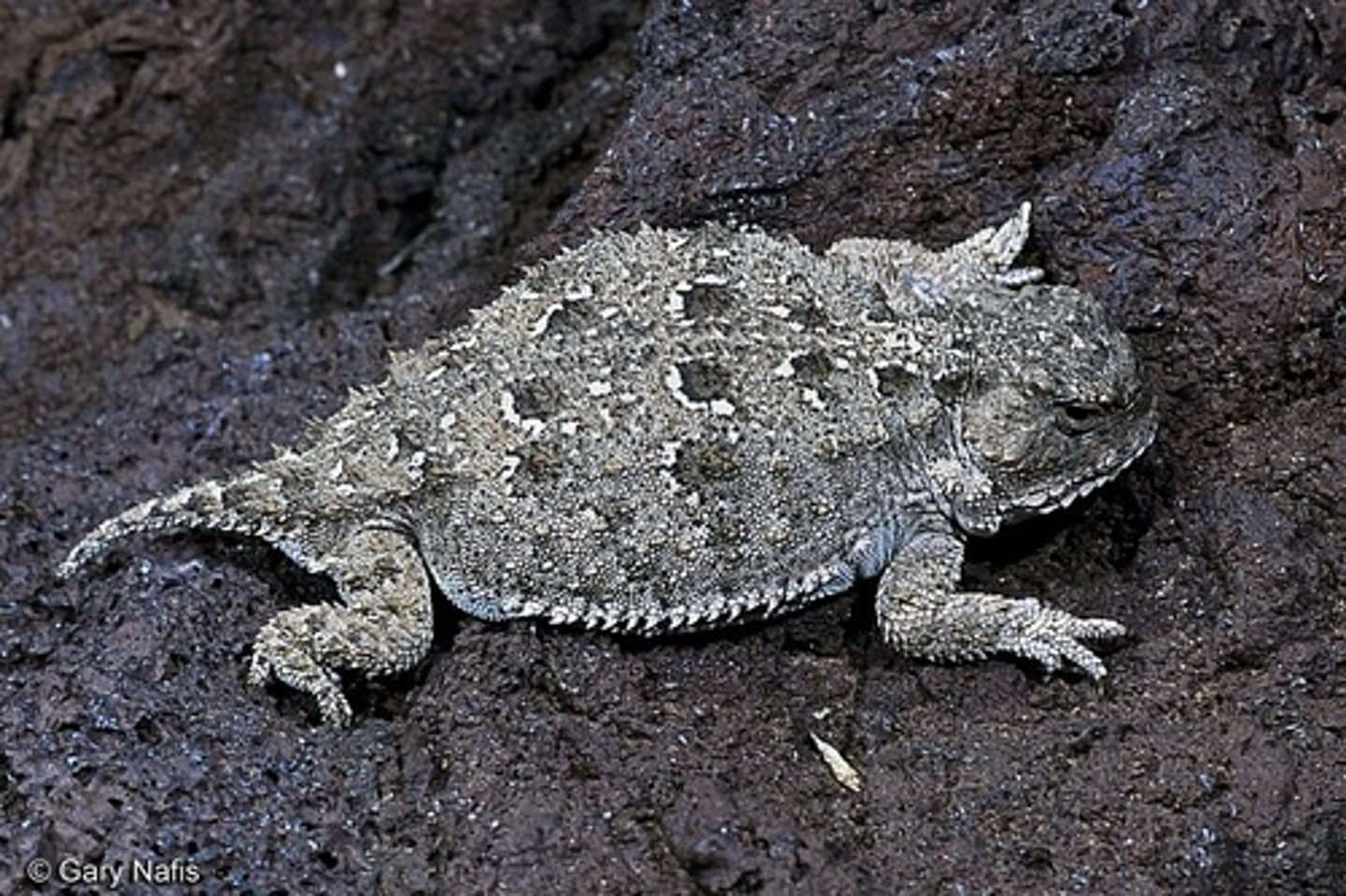
Pygmy Short-horned Lizard
Natural history: Ants make up bulk of diet; greater tolerance to cold climates; found in dry plateau country. Order: Squamata. Family: Phrynosomatidae.
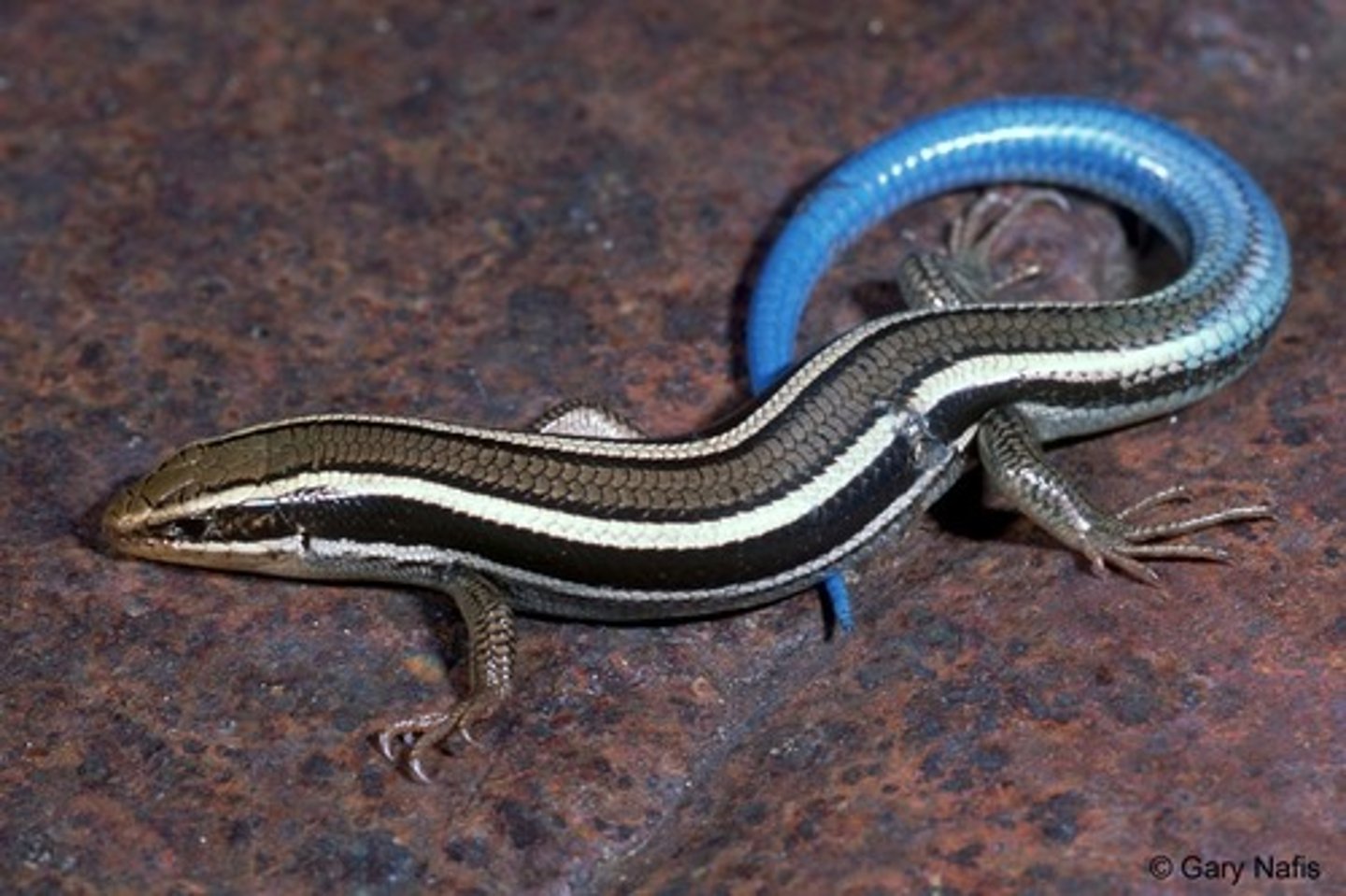
Western Skink
Natural history: Widespread in sunny openings; tail easily detaches; primarily eats insects and spiders. Order: Squamata. Family: Scincidae.
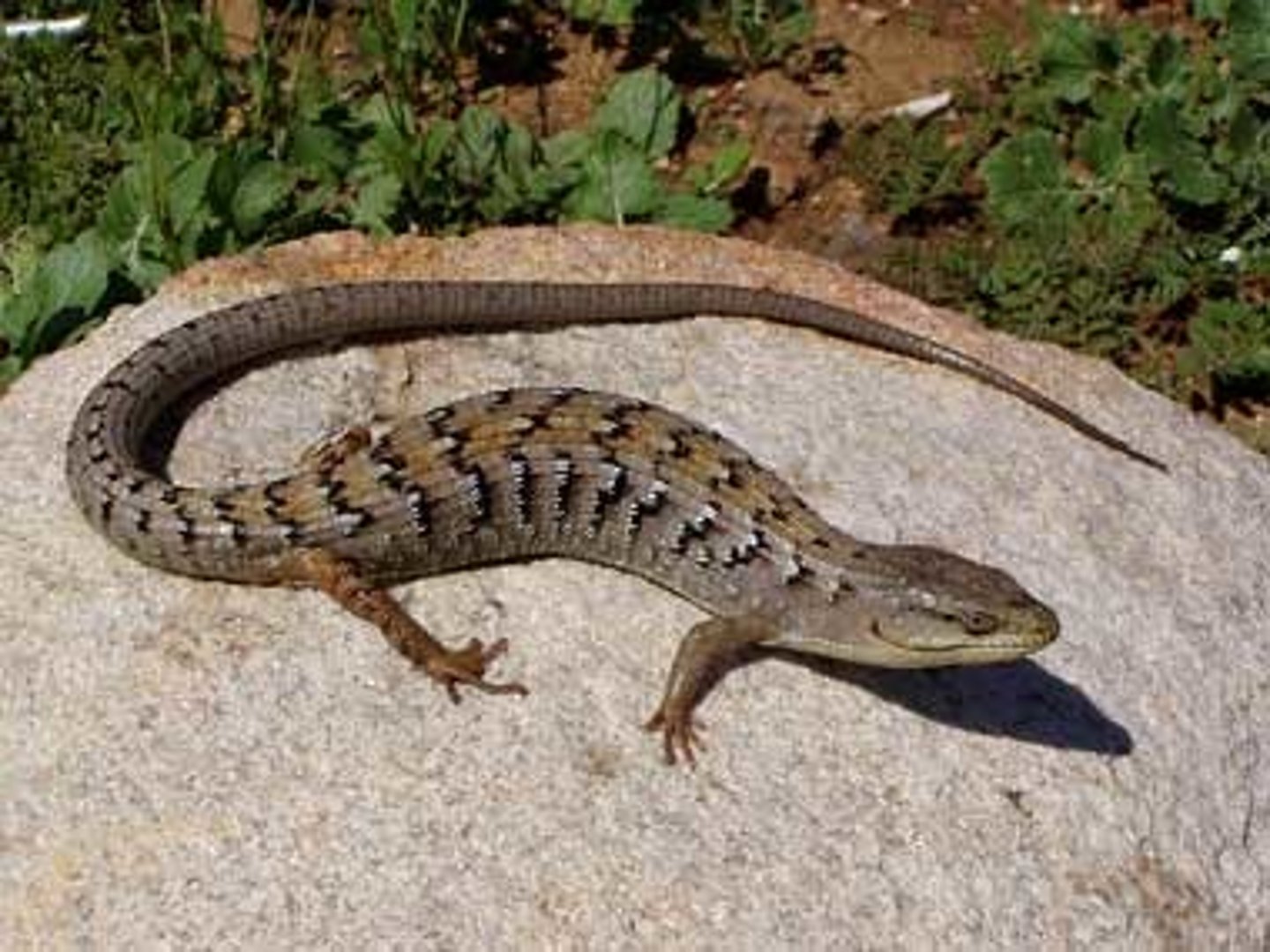
Southern Alligator Lizard
Natural history: Common; uses undulating, snake-like locomotion; eats arthropods and occasional vertebrates. Order: Squamata. Family: Anguidae.
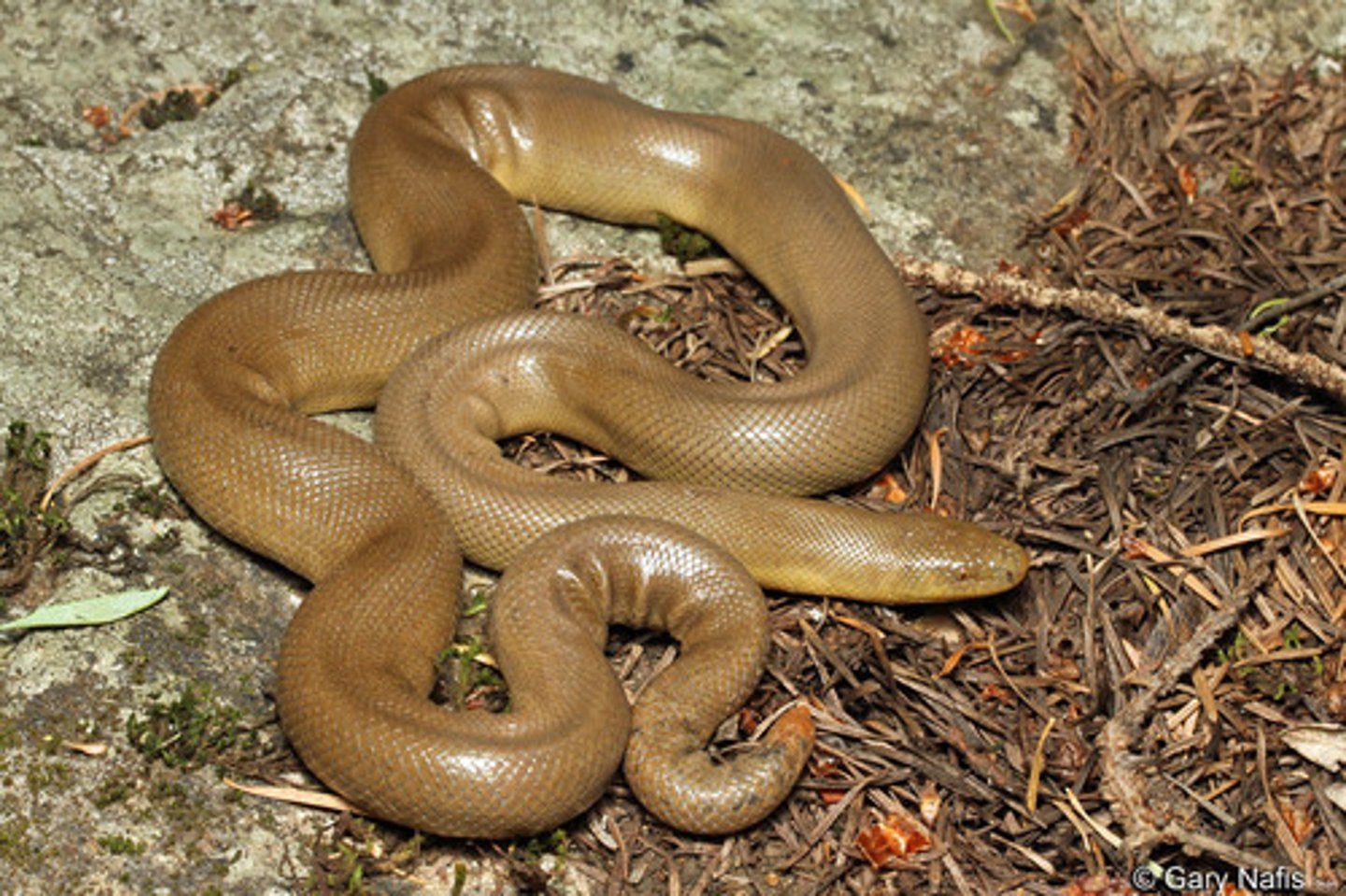
Northern Rubber Boa
Natural history: Secretive, active mostly at dawn and dusk; burrows in leaves; found in ecosystems with plenty of sunlight. Order: Serpentes. Family: Boidae.
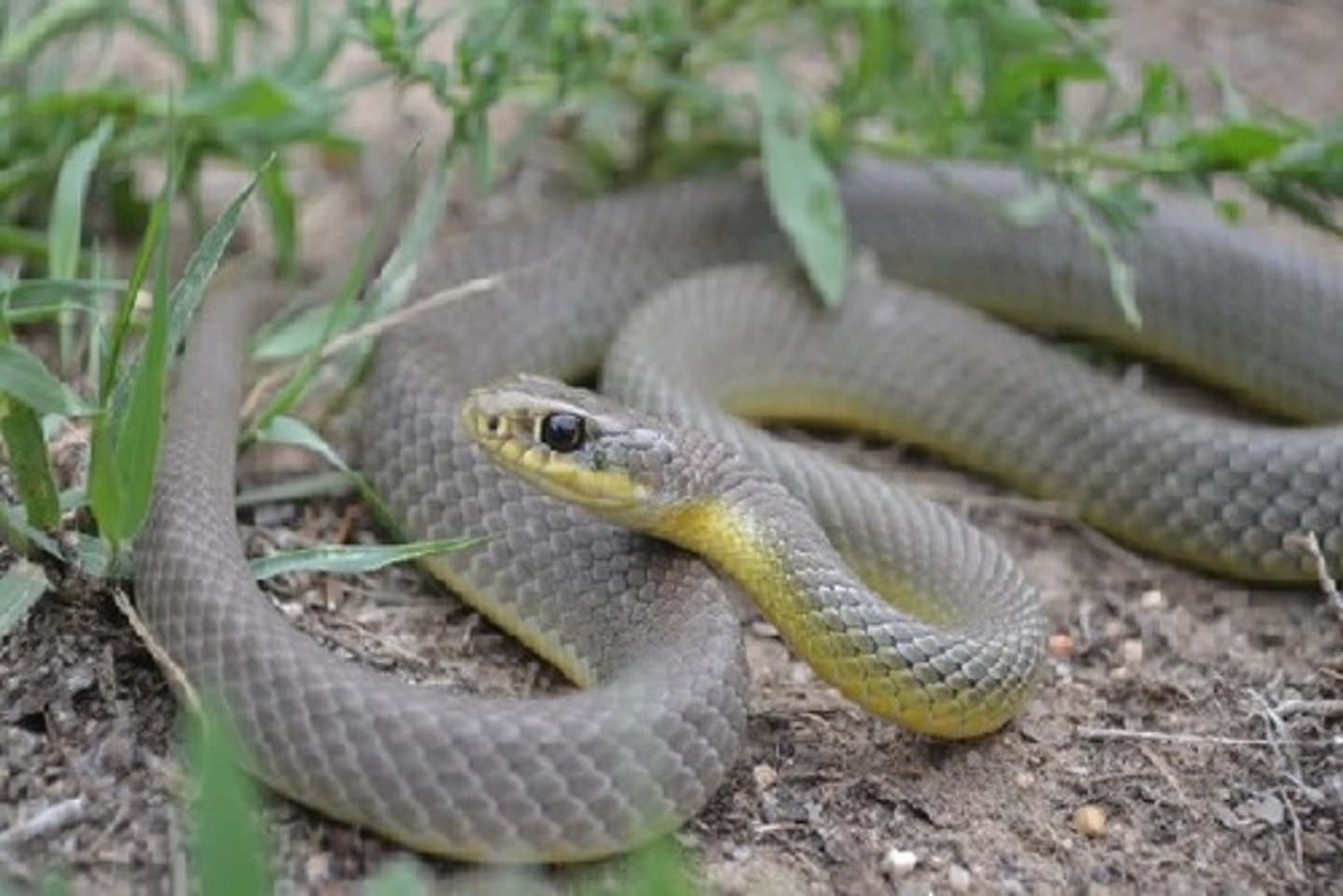
North American Racer
Natural history: Fast-moving diurnal predator; keen eyesight and swiftness; targets rodents, snakes, and birds. Order: Serpentes. Family: Colubridae.
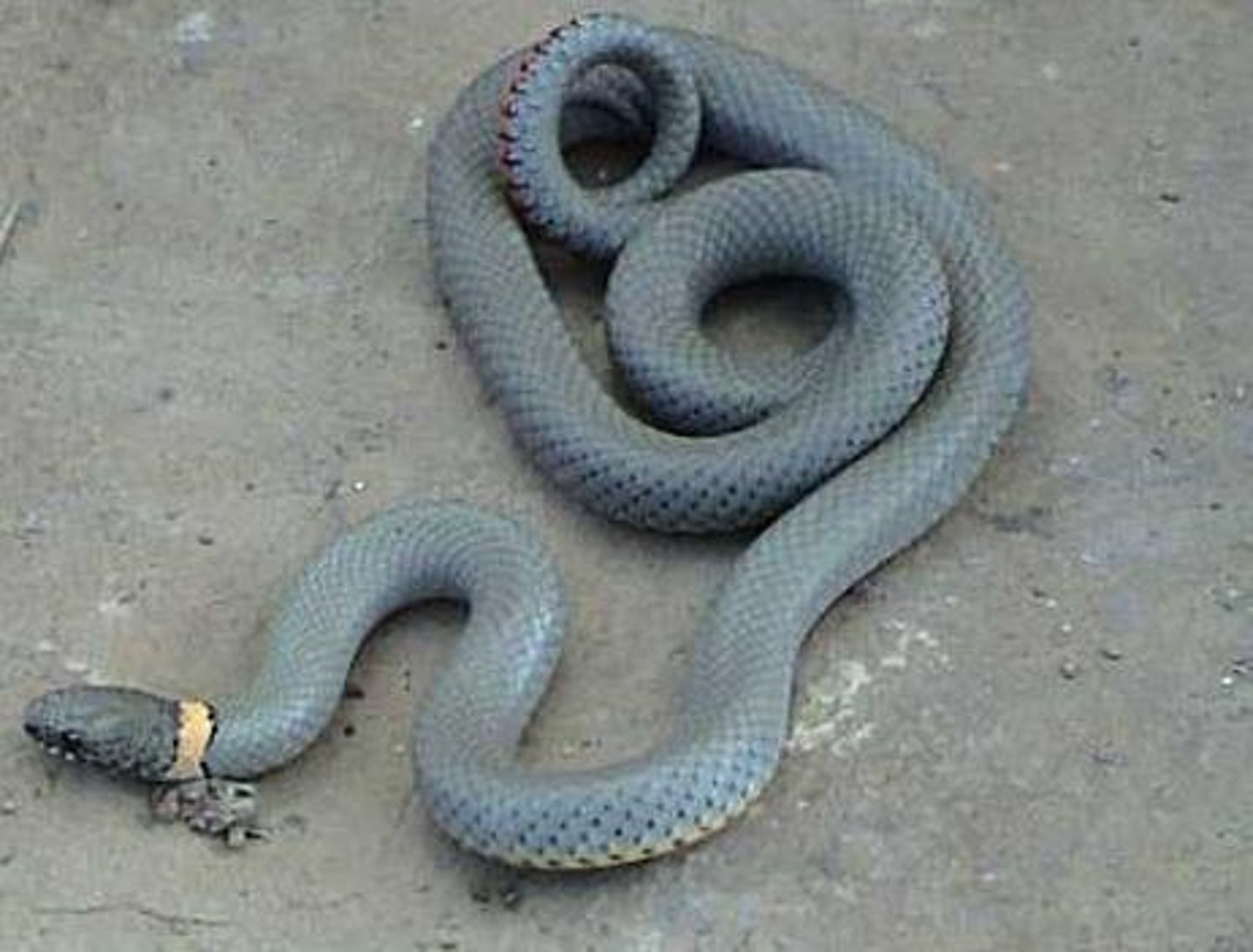
Ring-necked Snake
Natural history: Found in mixed oak and conifer woodland; restricted to moist riparian areas in arid regions. Order: Serpentes. Family: Colubridae.
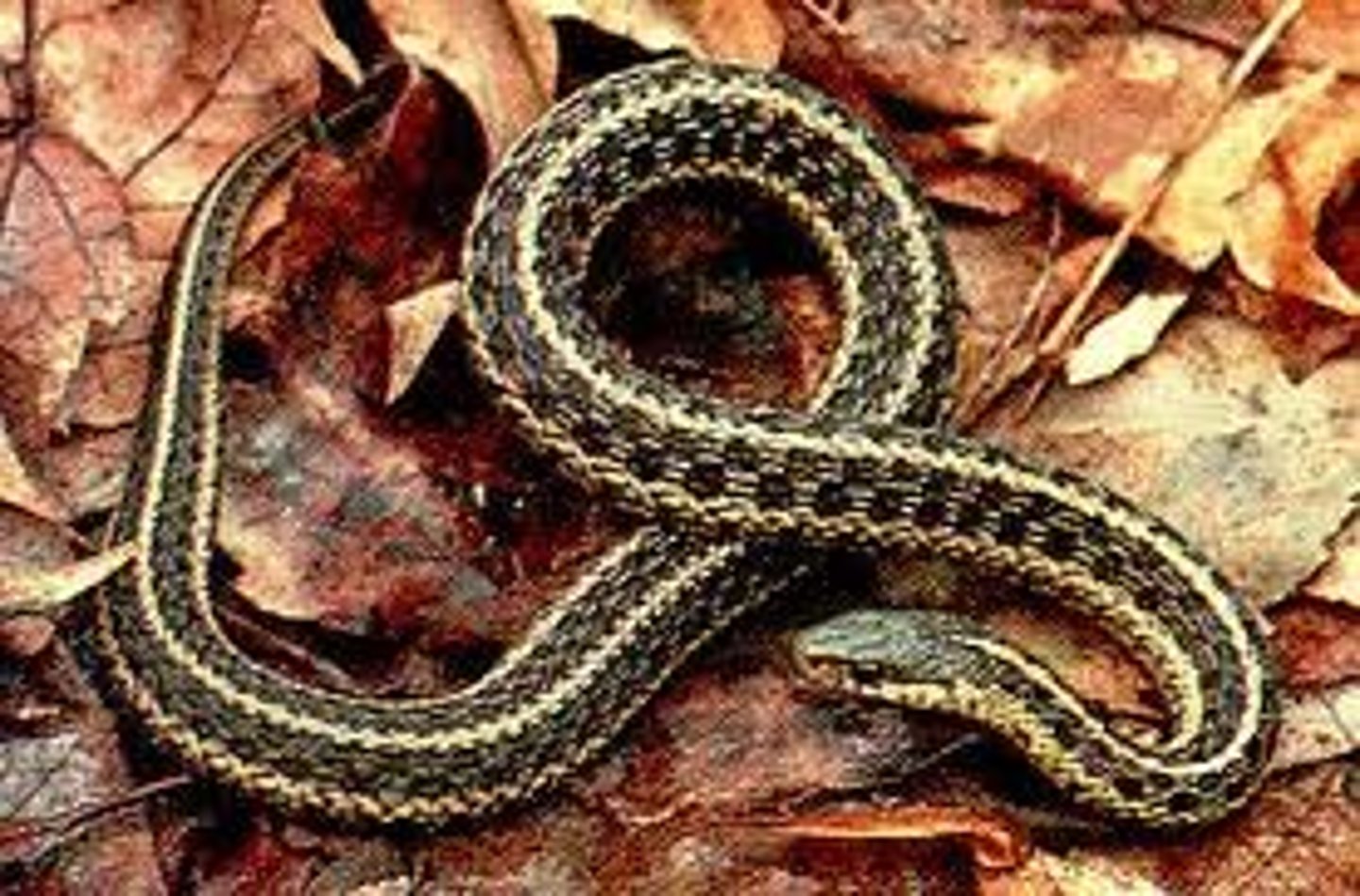
Common Garter Snake
Natural history: Typically found near aquatic areas; juveniles eat worms, adults eat fish and amphibians. Order: Serpentes. Family: Colubridae.
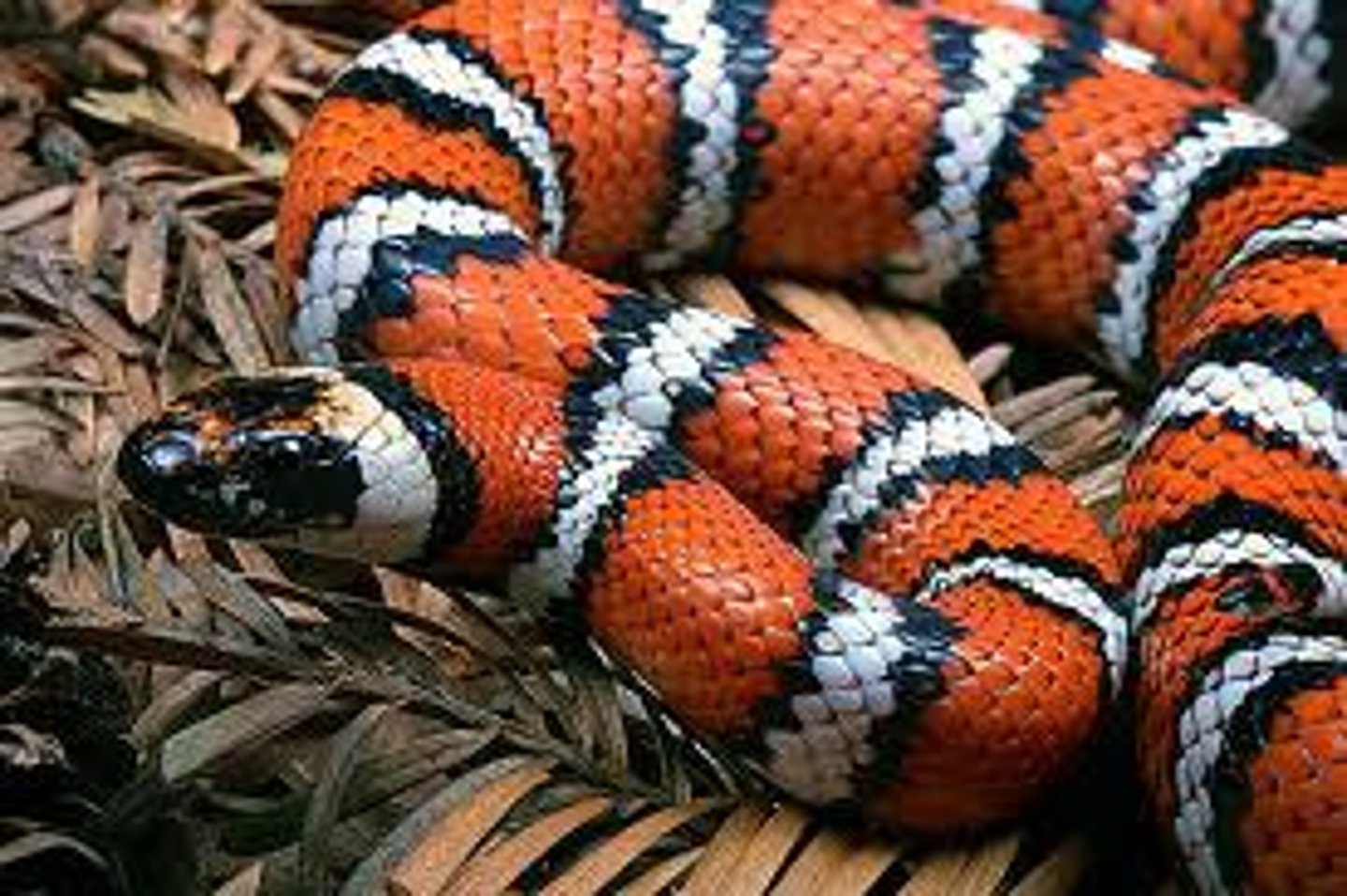
California Mountain Kingsnake
Natural history: Prefers open oak/pine woodlands; infrequently seen, often hidden in rock crevices. Order: Serpentes. Family: Colubridae.
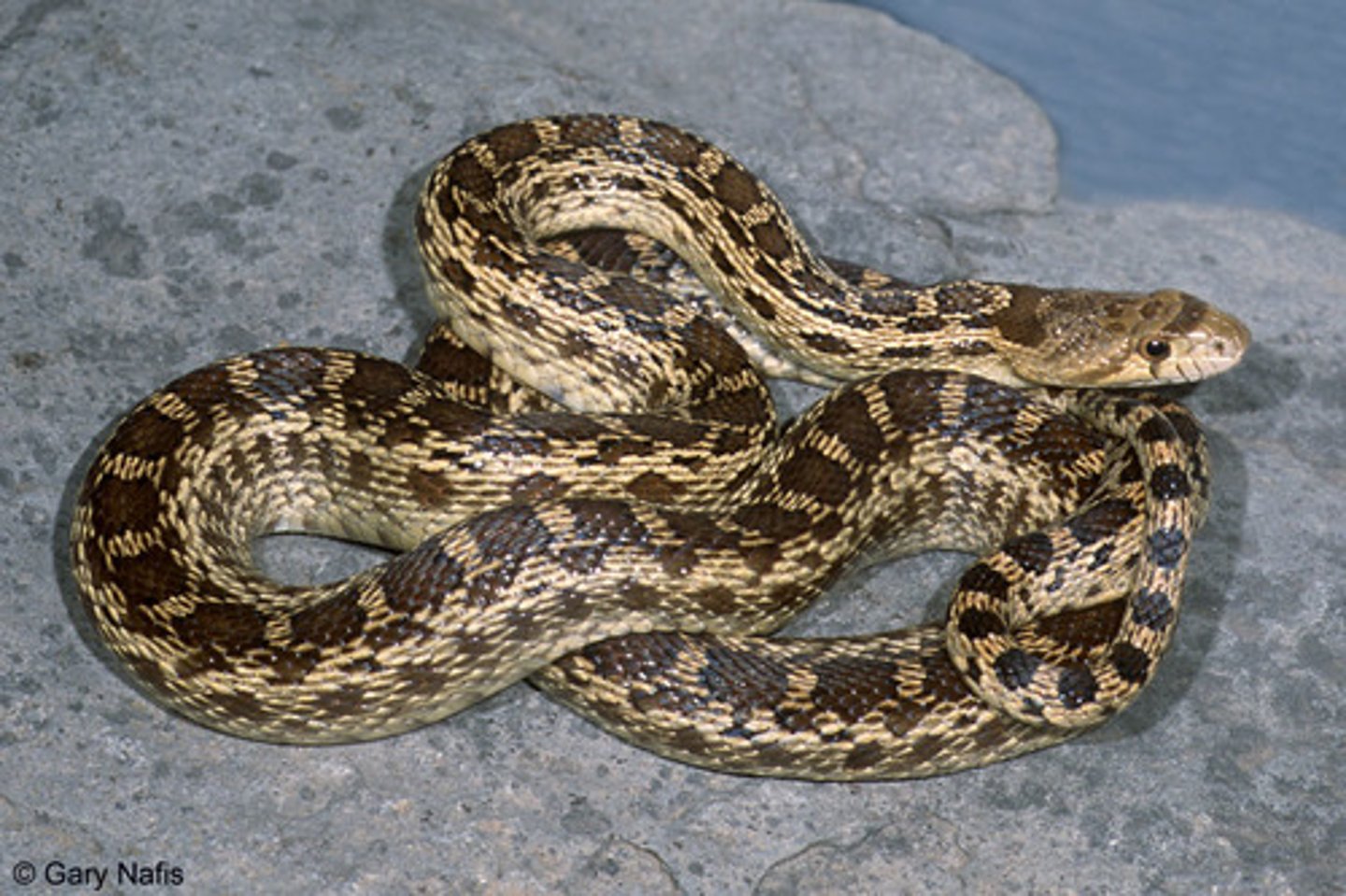
Gopher Snake
Natural history: Inhabits dry terrain; can coil, hiss, and vibrate tail to mimic a rattlesnake. Order: Serpentes. Family: Colubridae
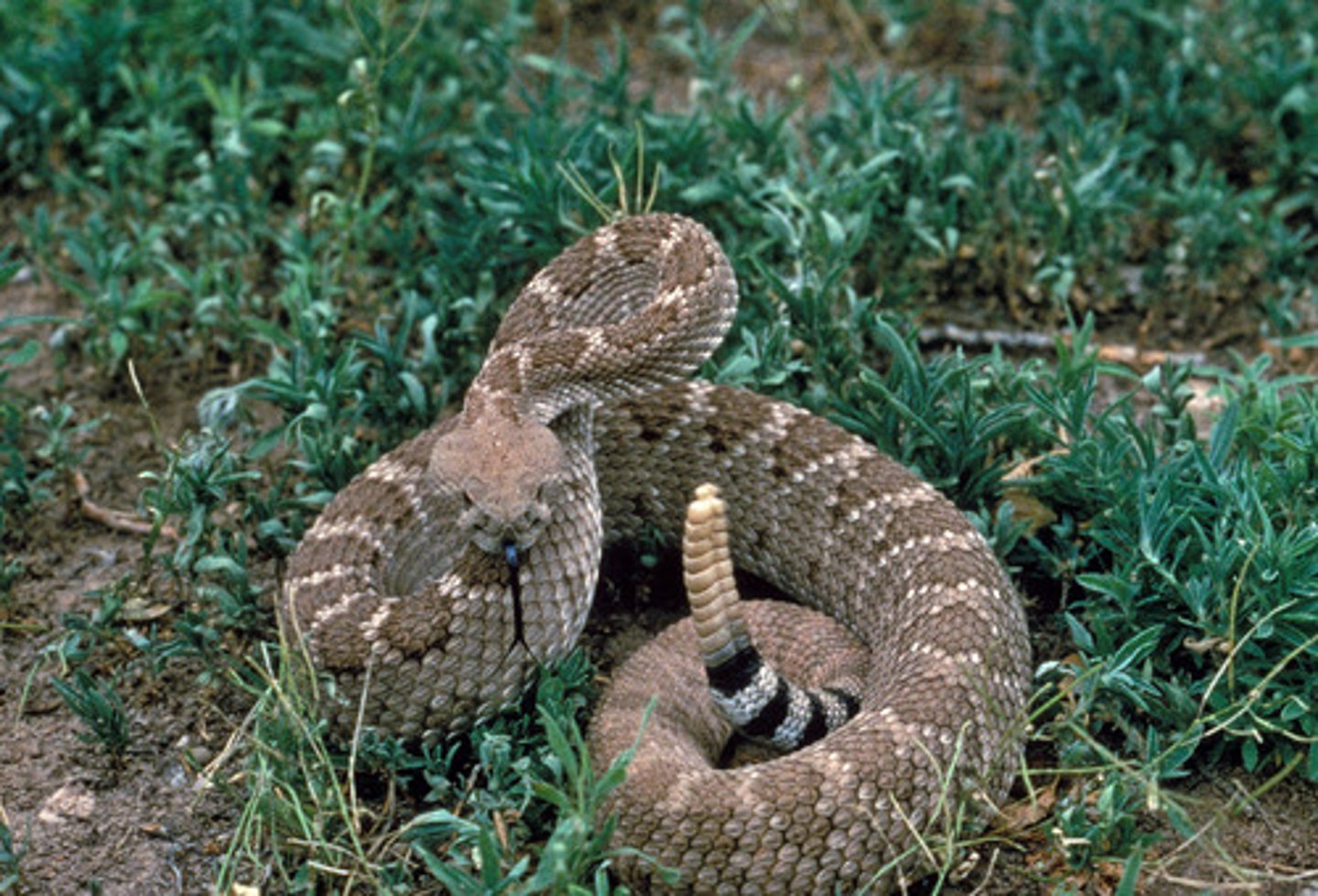
Western Rattlesnake
Natural history: Venomous; hunts small mammals by ambush in dry, rocky locations. Order: Serpentes. Family: Viperidae.
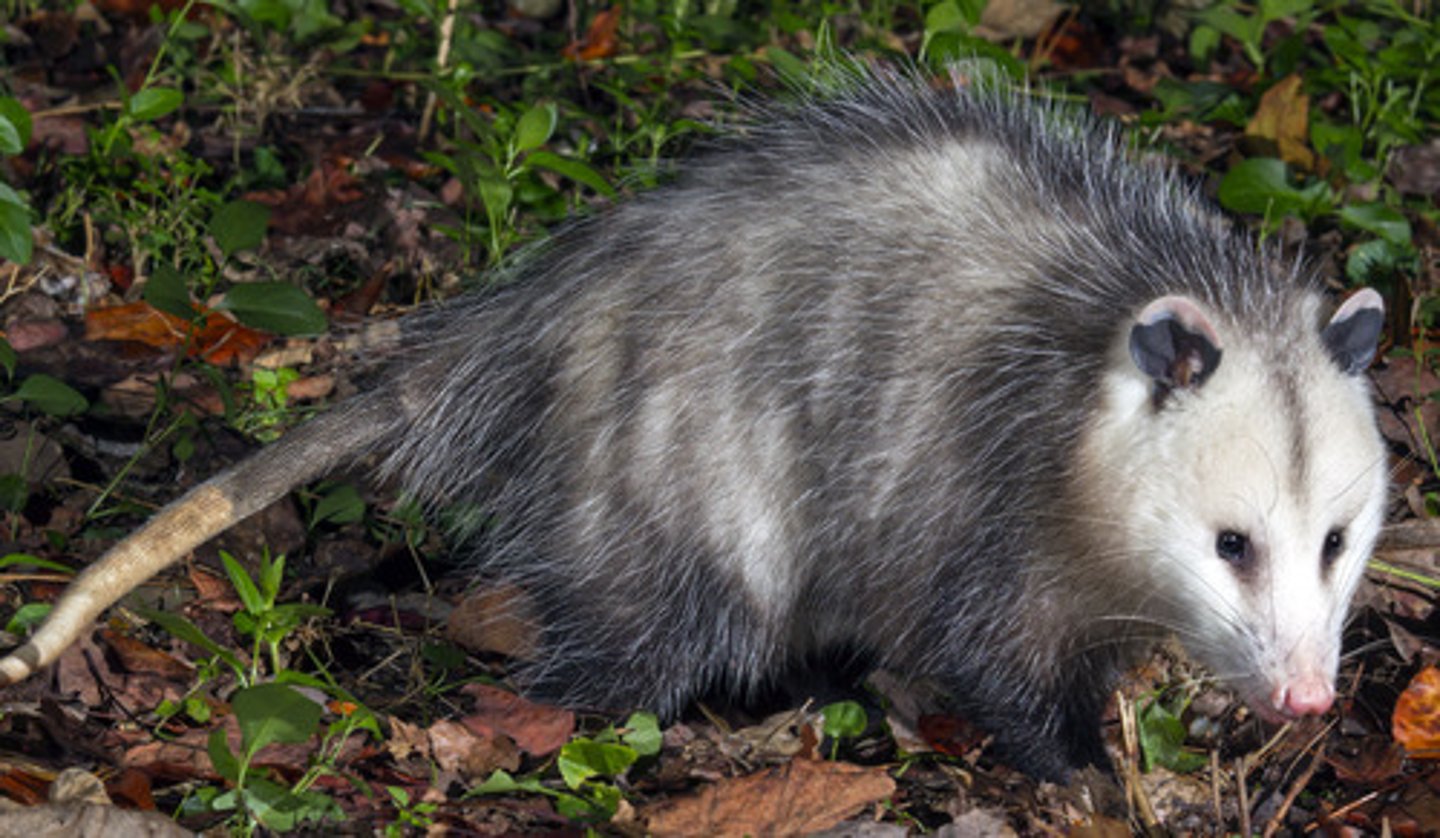
Virginia Opossum
Natural history: Only widespread marsupial in N. America; prehensile tail; can feign death. Order: Didelphimorphia. Family: Didelphidae.
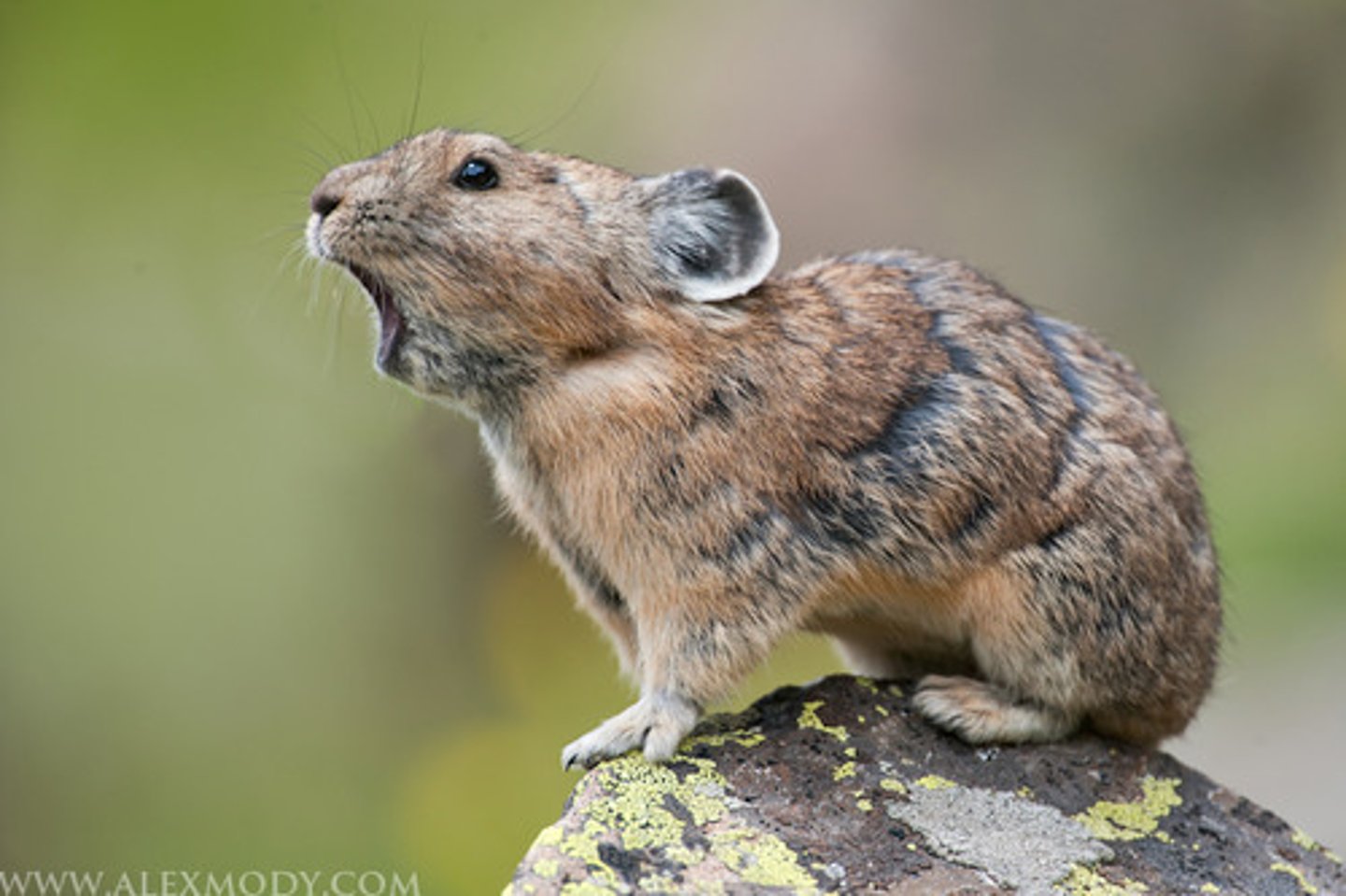
American Pika
Natural history: Uses rocky talus slopes; lives off vegetation under snow in winter; vocalizes from rock perches. Order: Lagomorpha. Family: Ochotonidae.
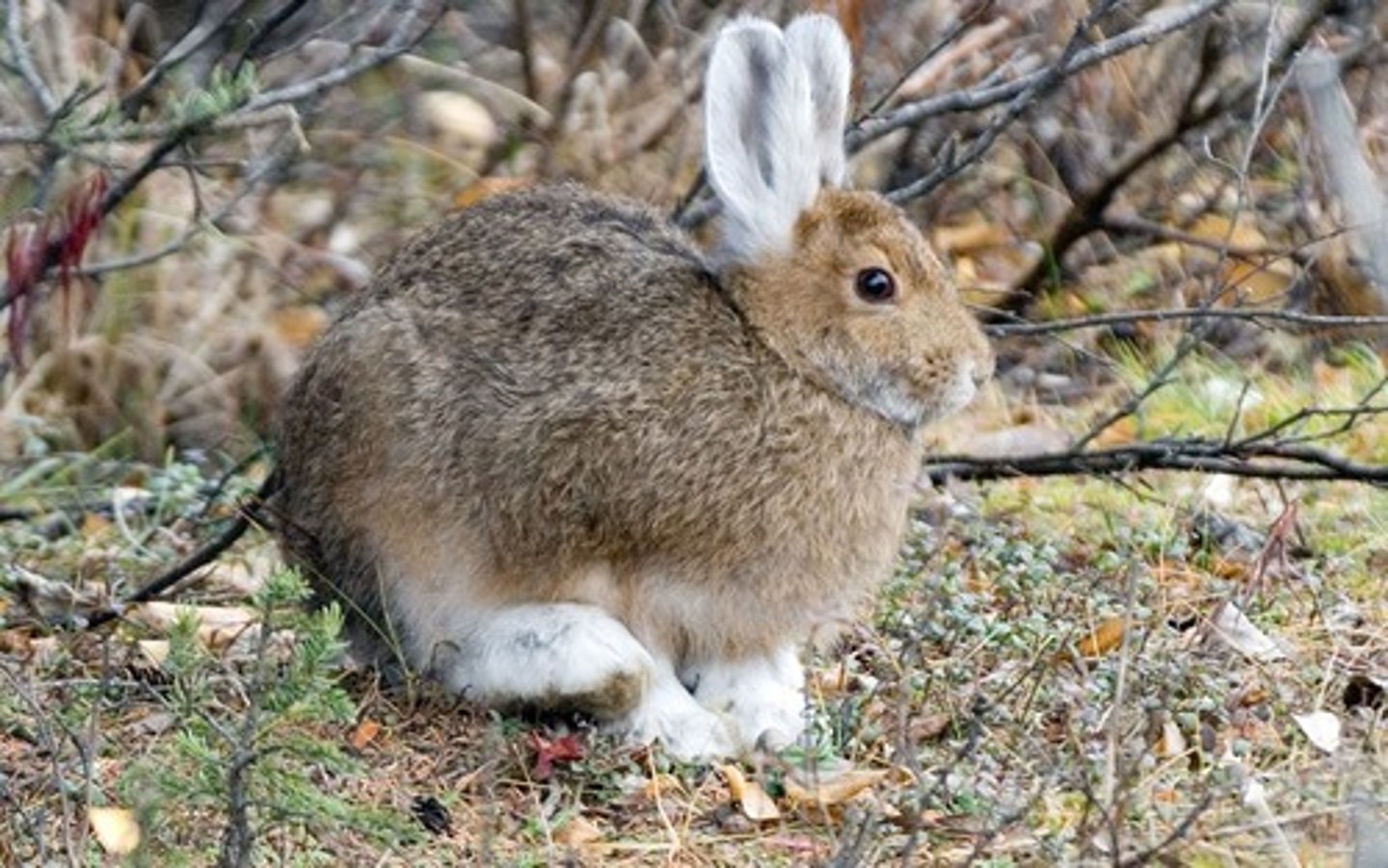
Snowshoe Hare
Natural history: Enormous hind feet for snow; changes coat color between seasons; undergoes regular population cycles. Order: Lagomorpha. Family: Leporidae.
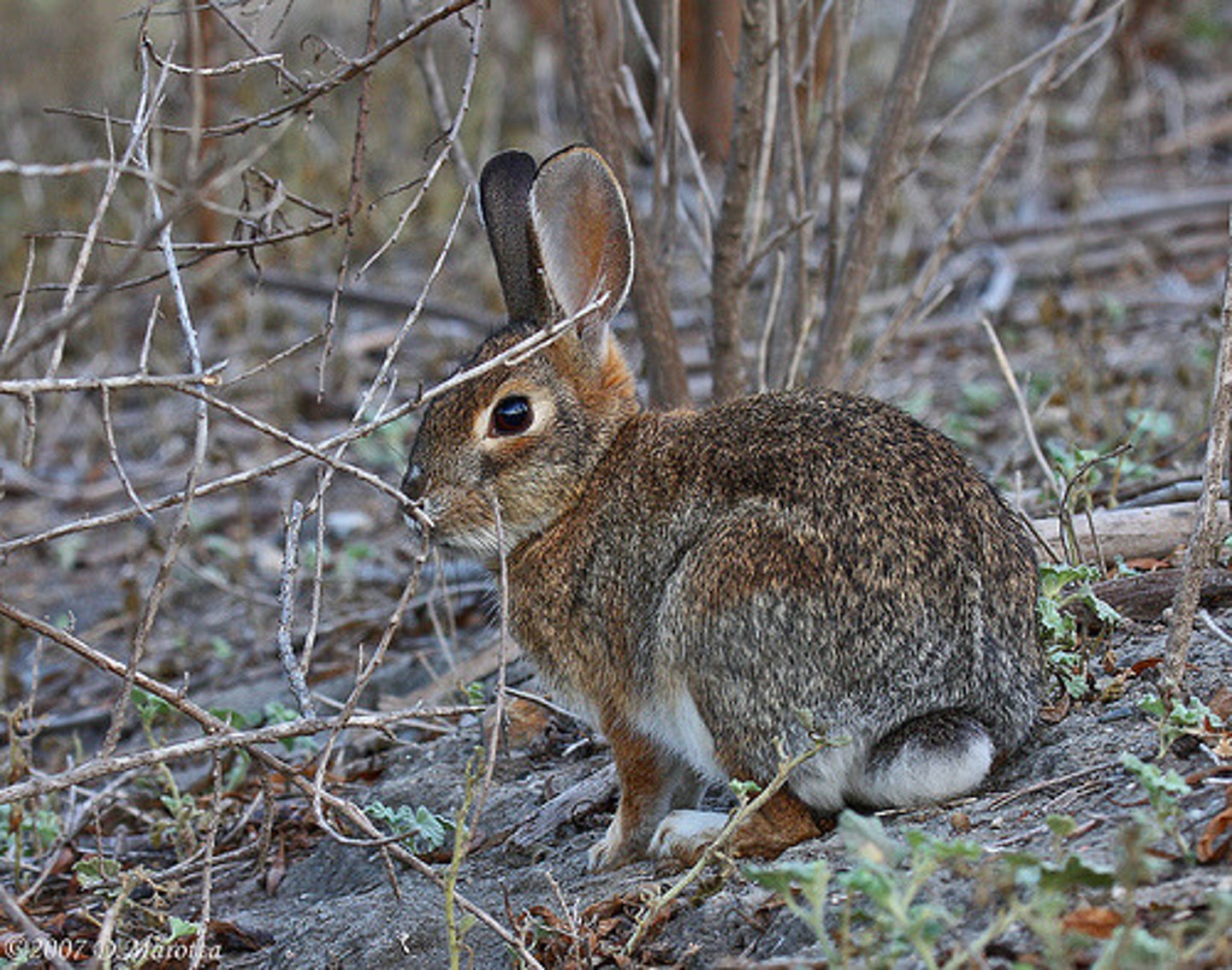
Brush Rabbit
Natural history: Young born unfurred/blind; rarely ventures >1 m from cover; eats grasses and shrubs. Order: Lagomorpha. Family: Leporidae.
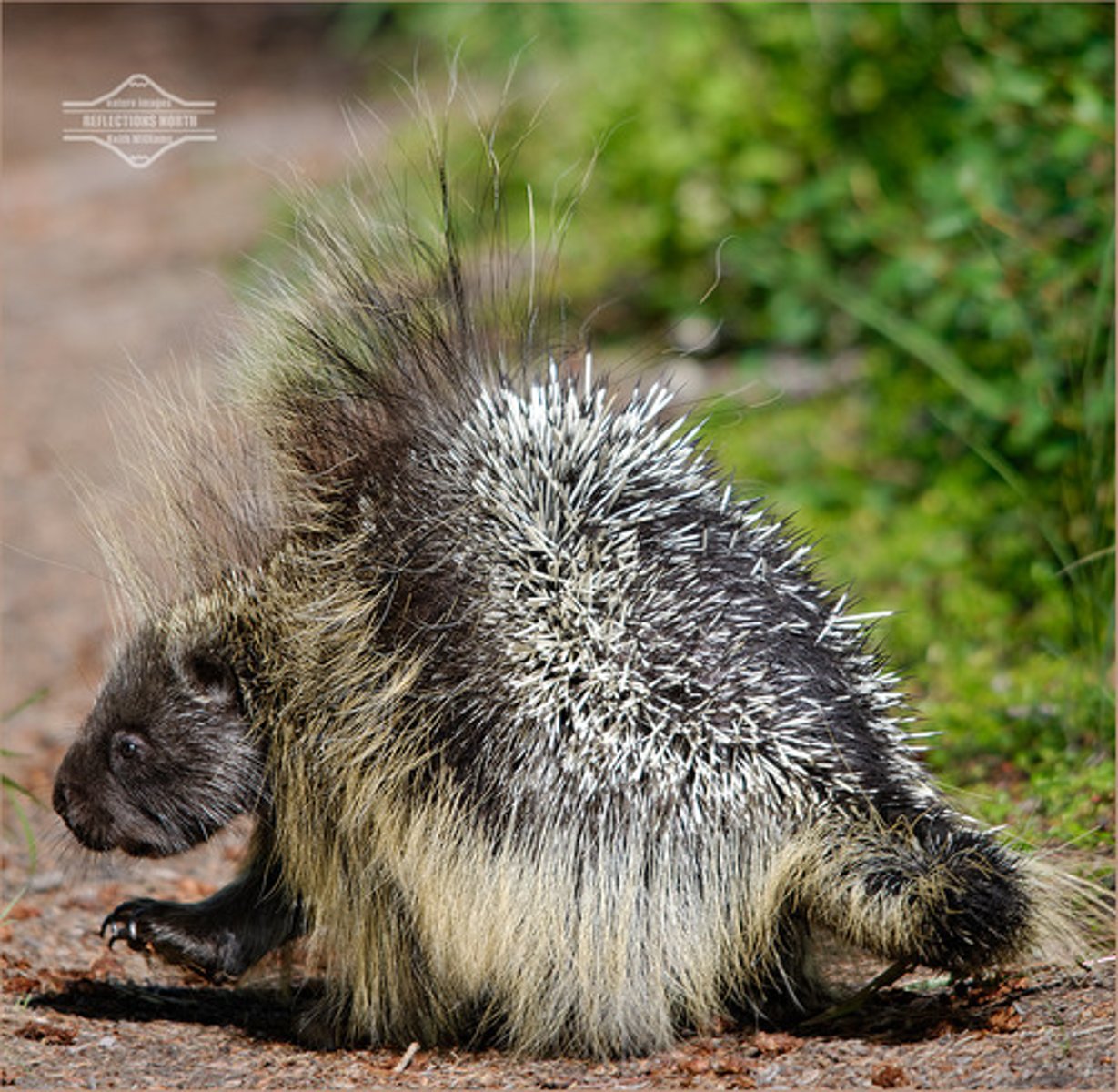
North American Porcupine
Natural history: Only N. American mammal with quills; erects quills and thrashes tail; eats conifer cambium. Order: Rodentia. Family: Erethizontidae.
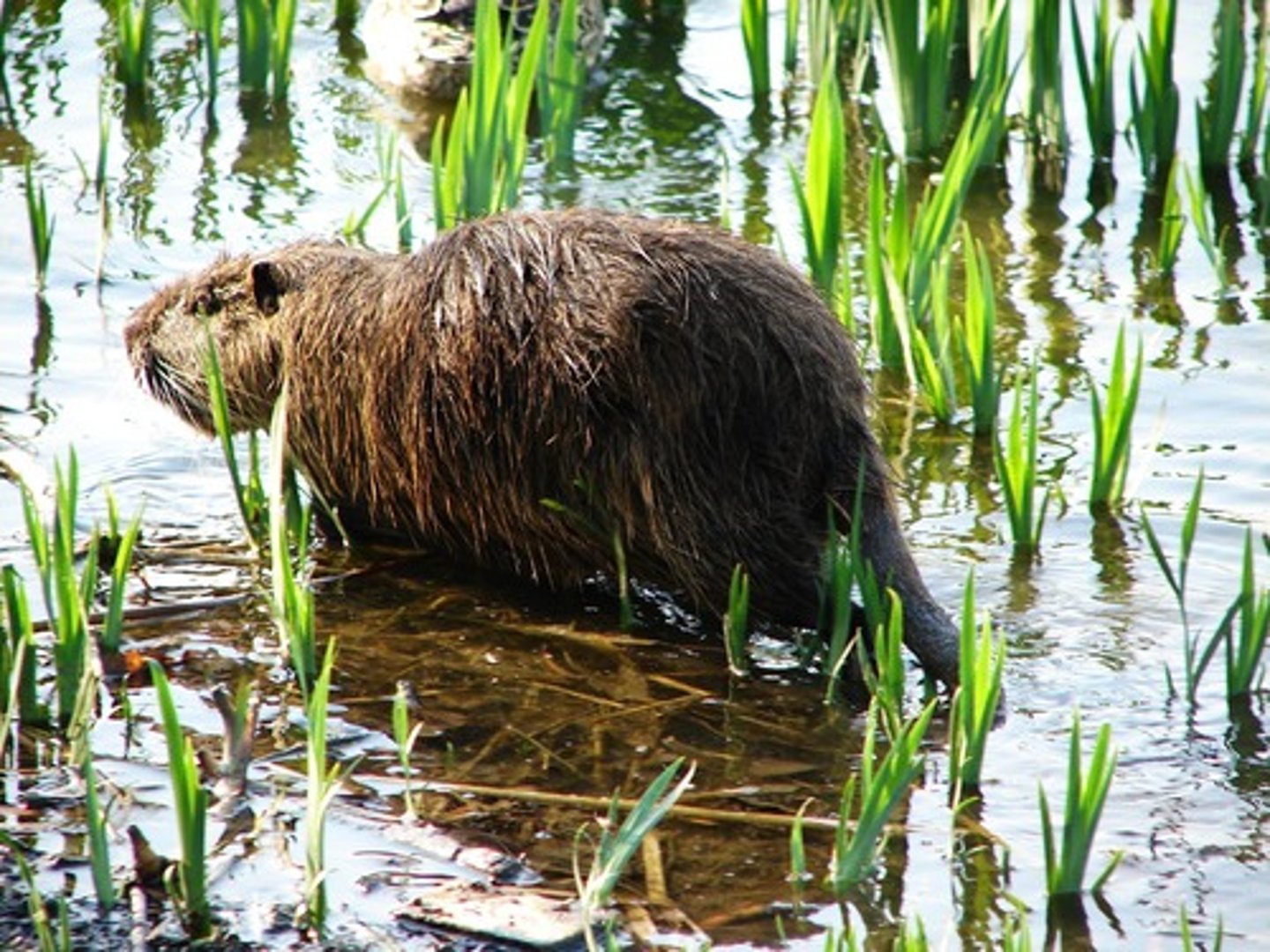
Coypu
Natural history: Aquatic; introduced from S. America; burrows into banks and rests on vegetative mats. Order: Rodentia. Family: Echimyidae.
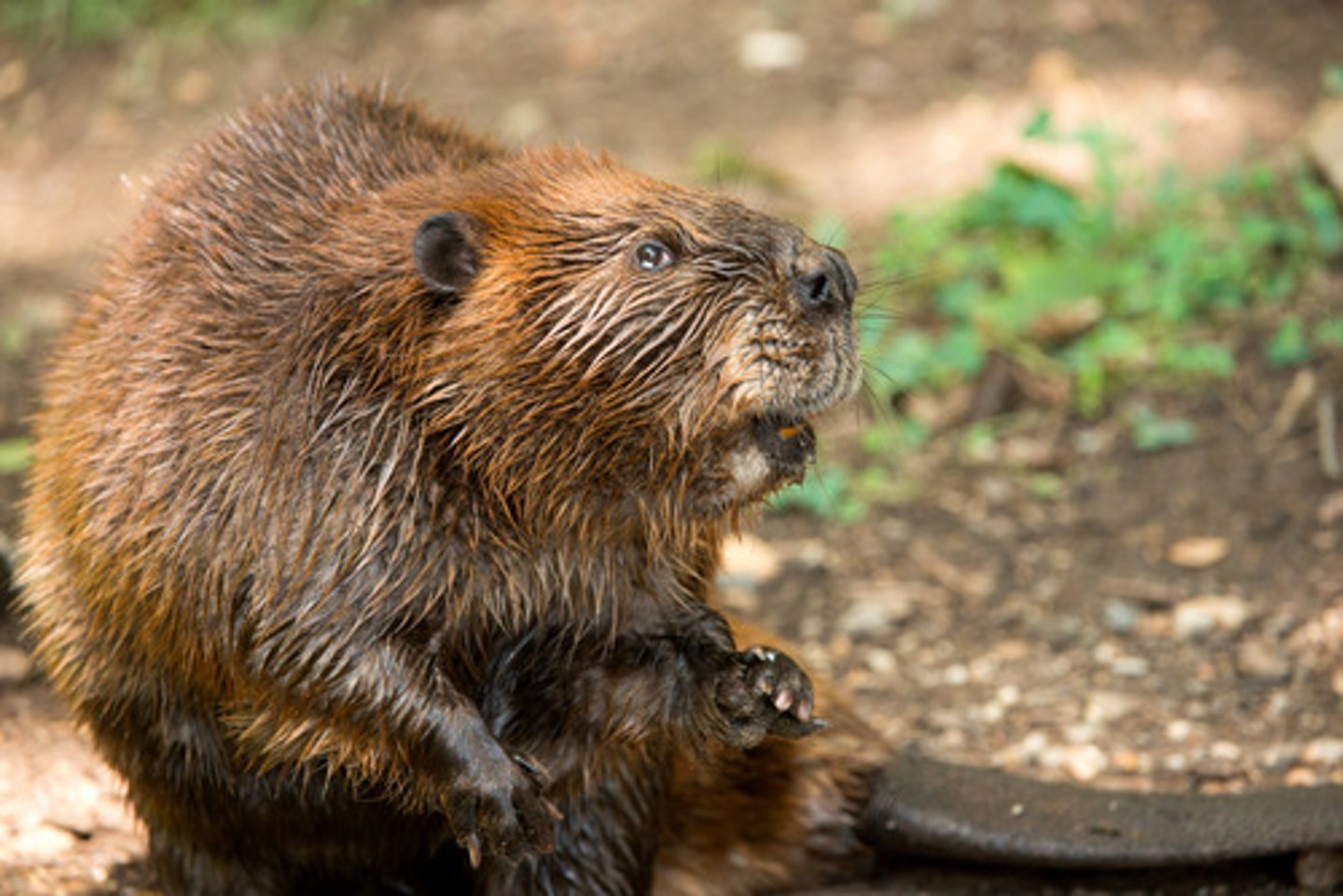
North American Beaver
Natural history: Largest N. American rodent; paddle-shaped tail; builds dams and dens. Order: Rodentia. Family: Castoridae.
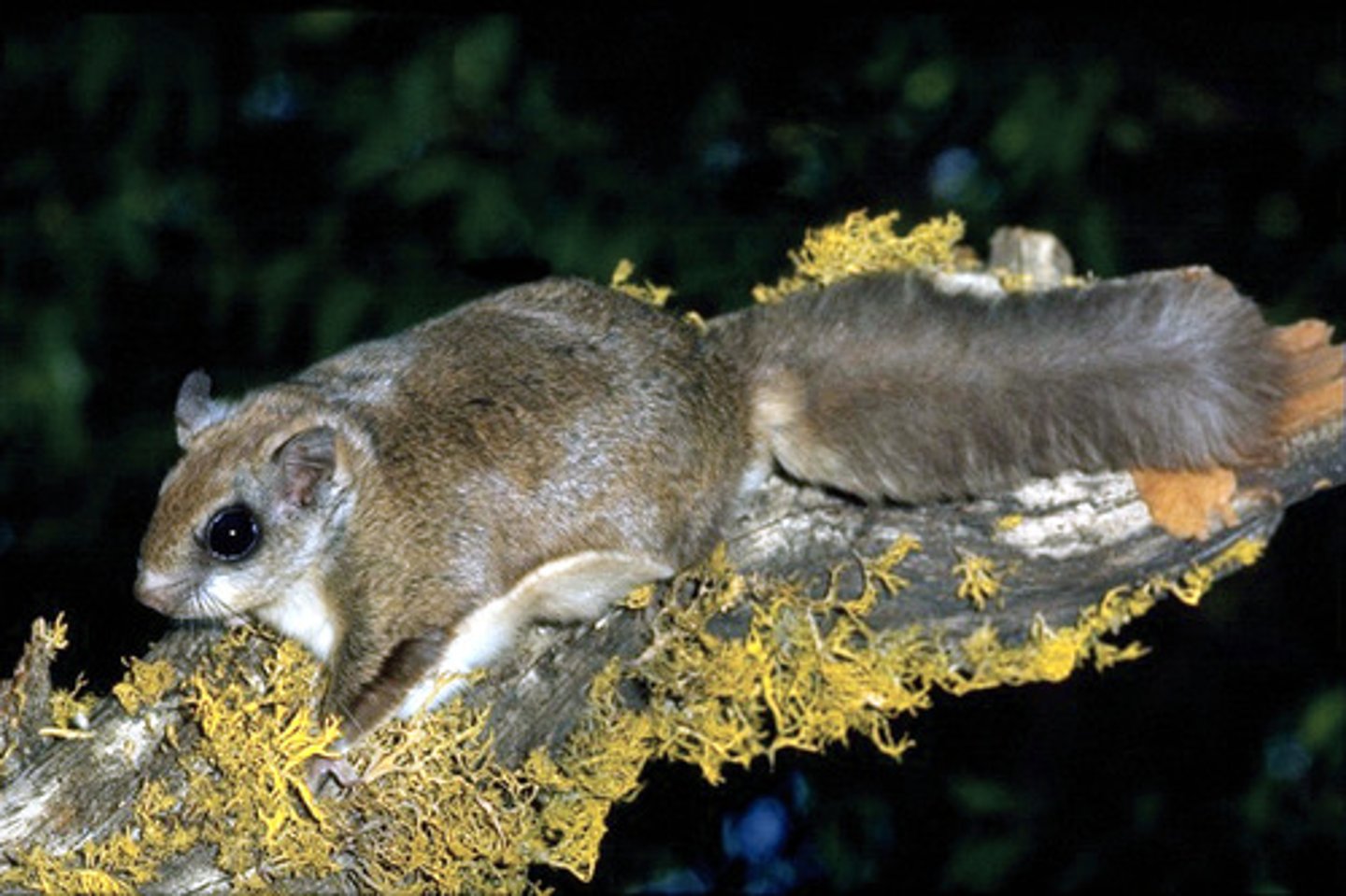
Northern Flying Squirrel
Natural history: Nocturnal; has patagium used to glide; important disperser of mycorrhizal fungi. Order: Rodentia. Family: Sciuridae.
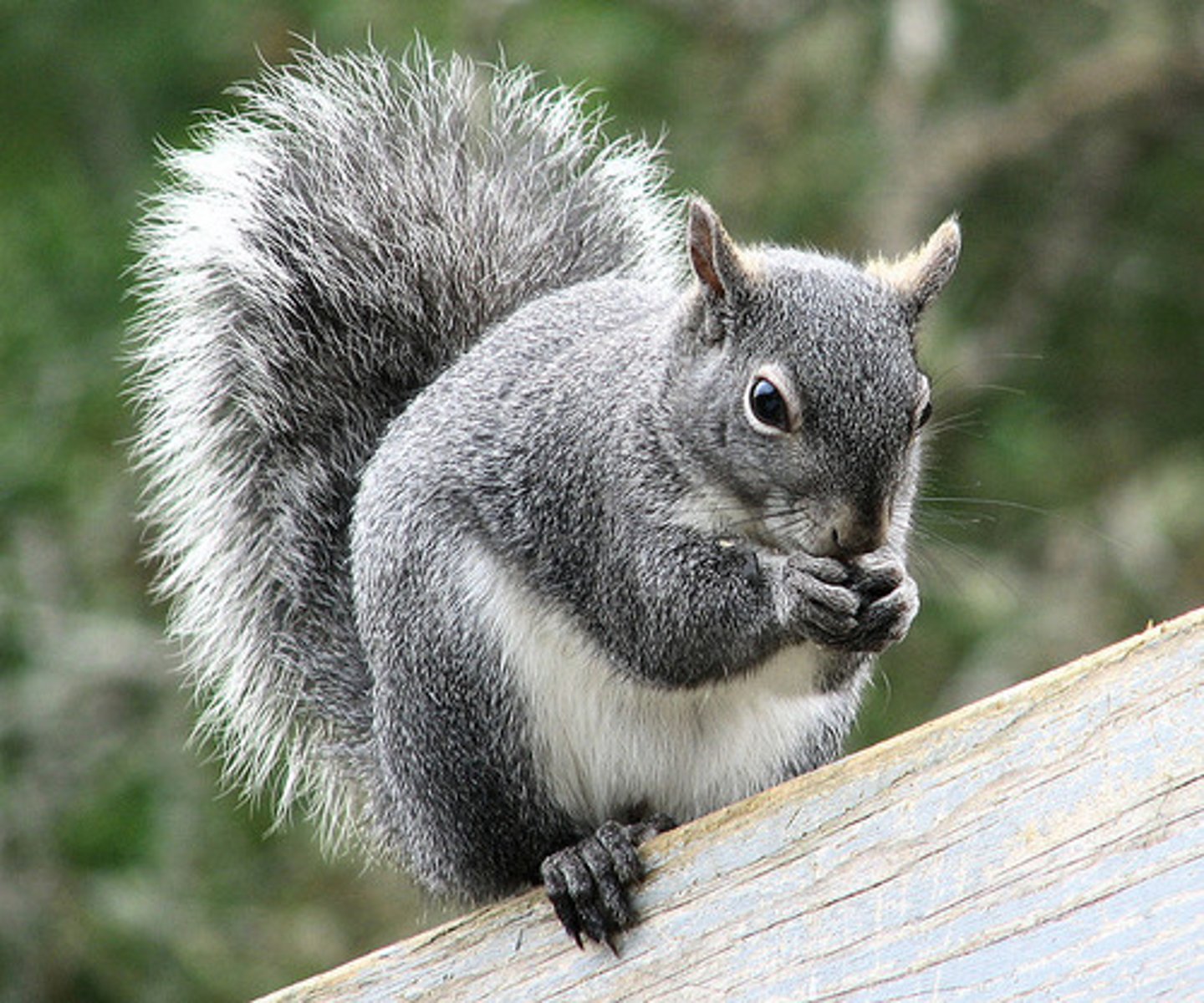
Western Gray Squirrel
Natural history: Diurnal; builds leaf nests; listed as Threatened in WA. Order: Rodentia. Family: Sciuridae.
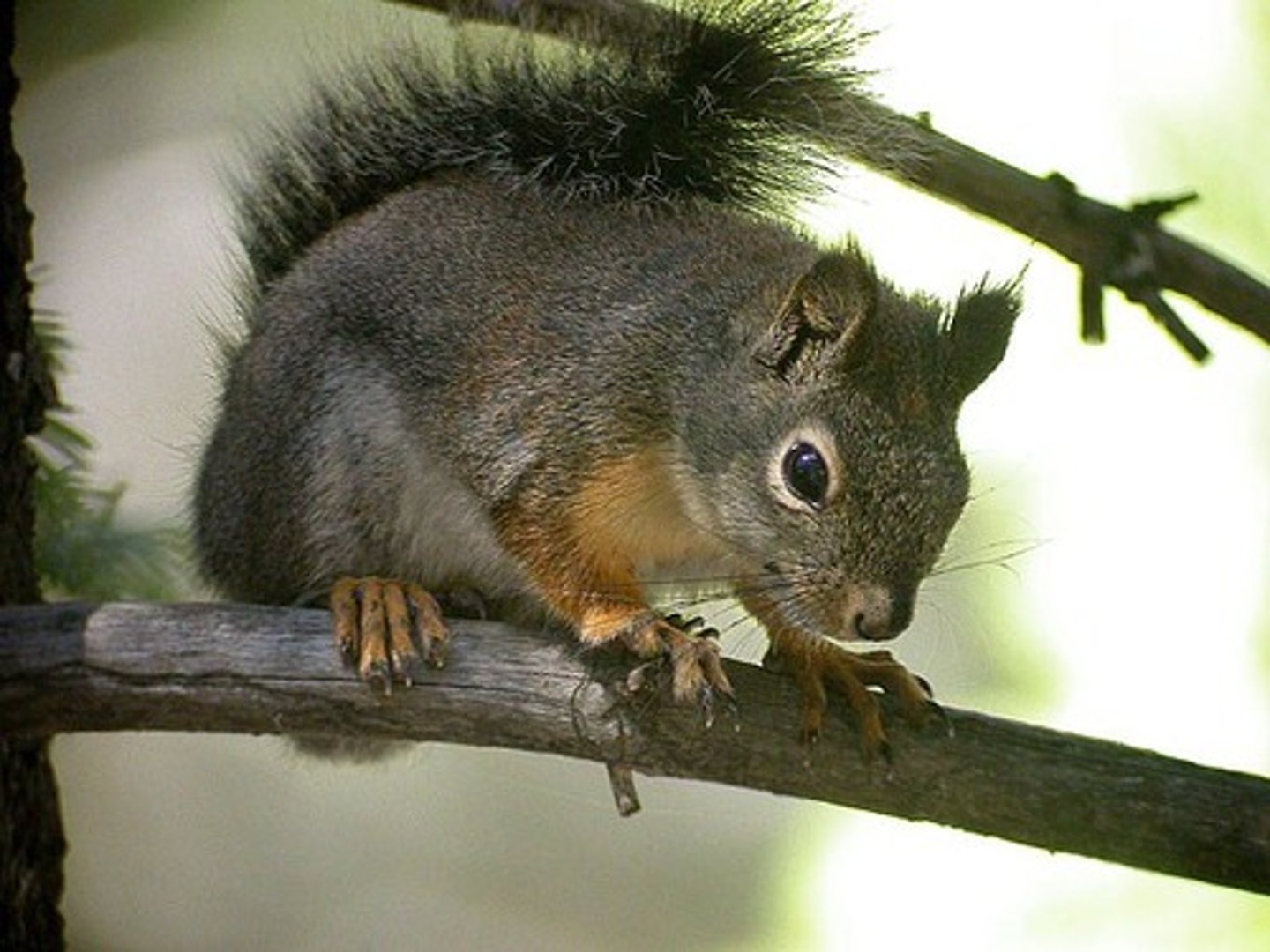
Douglas's Squirrel
Natural history: Diurnal; creates middens of conifer cones; vocalizations mistaken for woodpeckers. Order: Rodentia. Family: Sciuridae.