Properties of Matter (Images)
 Call Kai
 Learn
Learn Practice Test
 Spaced Repetition
 Match
Match Flashcards
1/29

There's no tags or description
Looks like no tags are added yet.
Name | Mastery | Learn | Test | Matching | Spaced | Call with Kai |
|---|
No analytics yet
Send a link to your students to track their progress
30 Terms
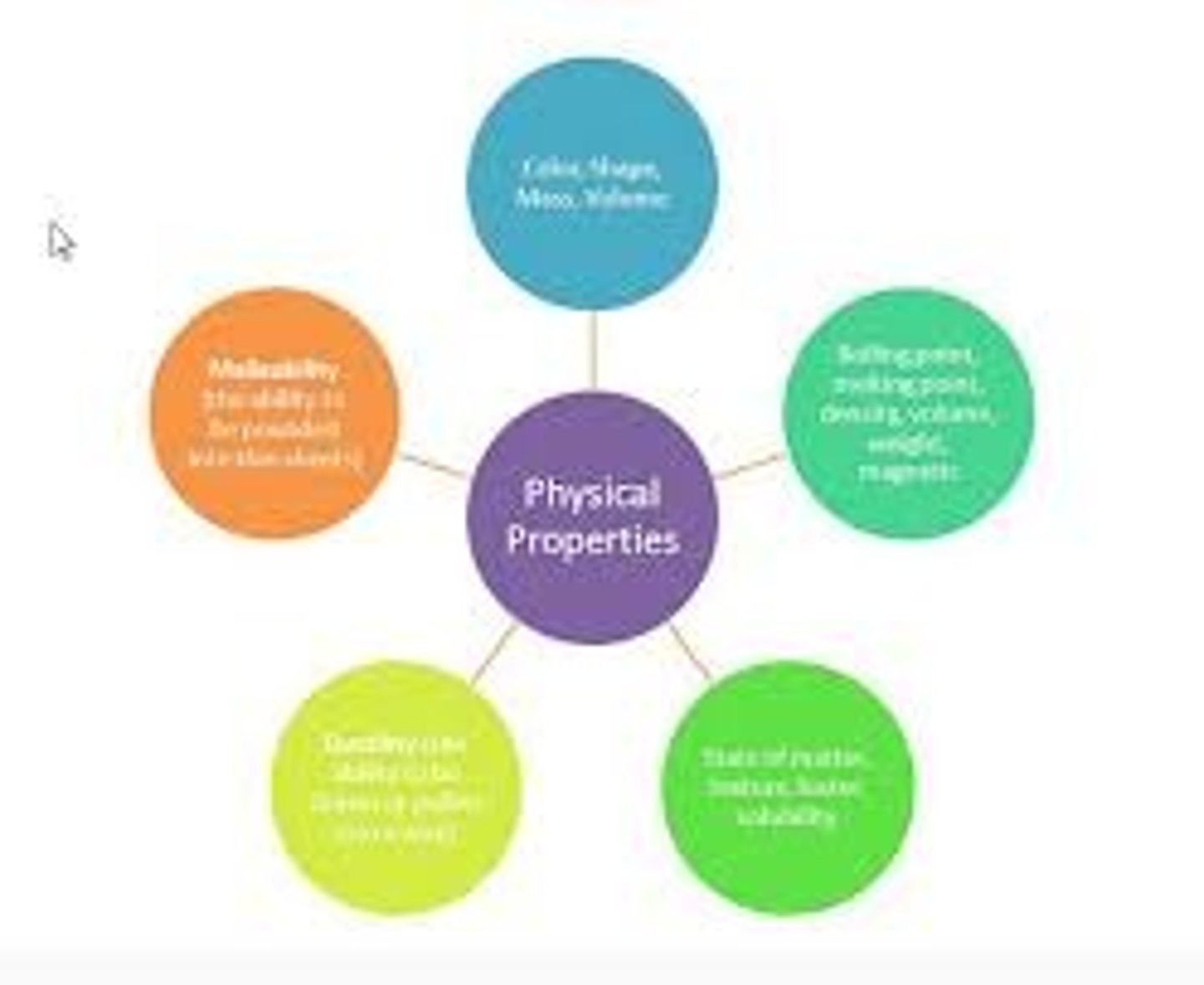
Physical property
any characteristic of matter that can be observed or measured without changing the identity of the matter
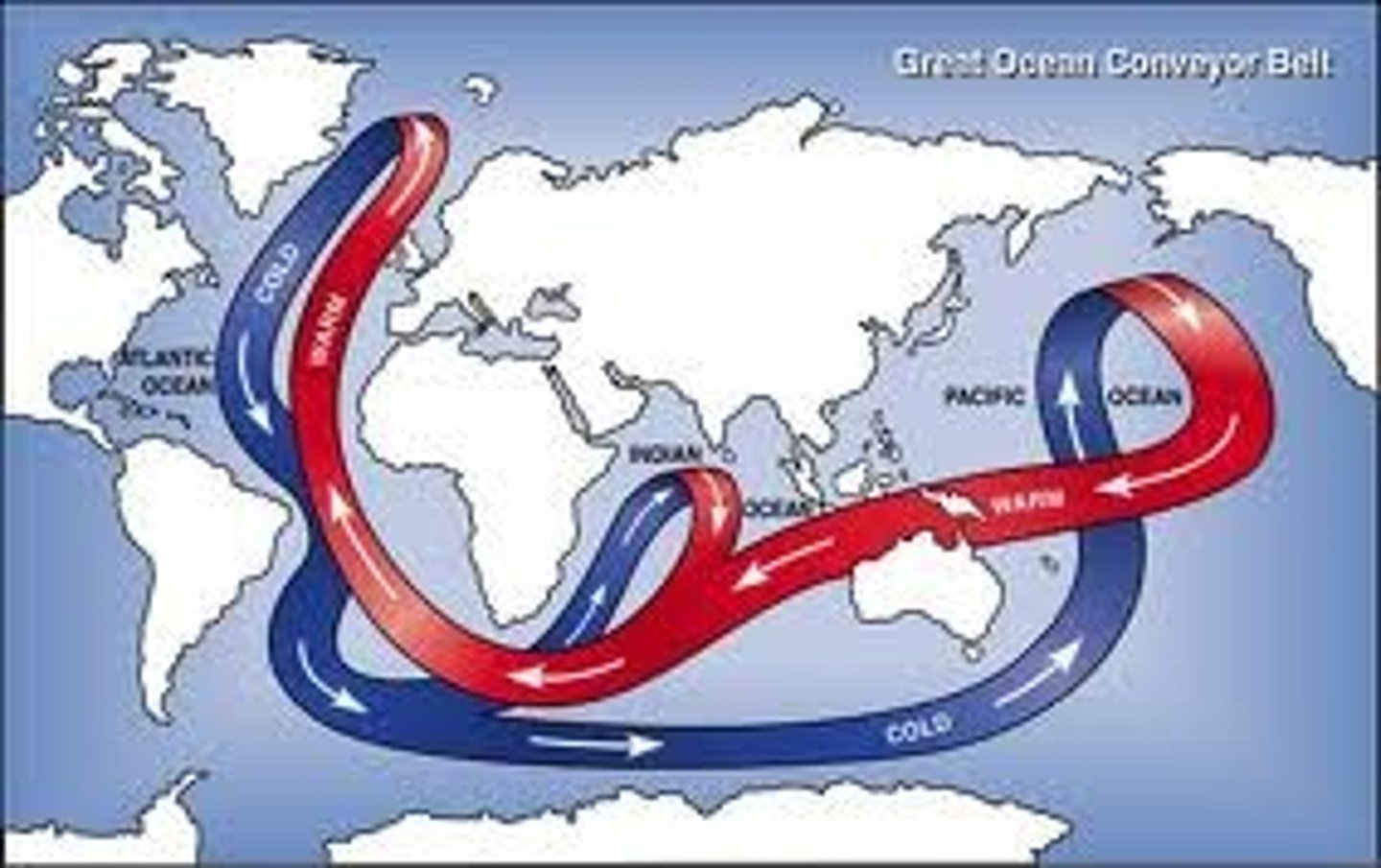
Density
A property of matter that describes how much matter is found in a certain volume of a substance (D = m/v)
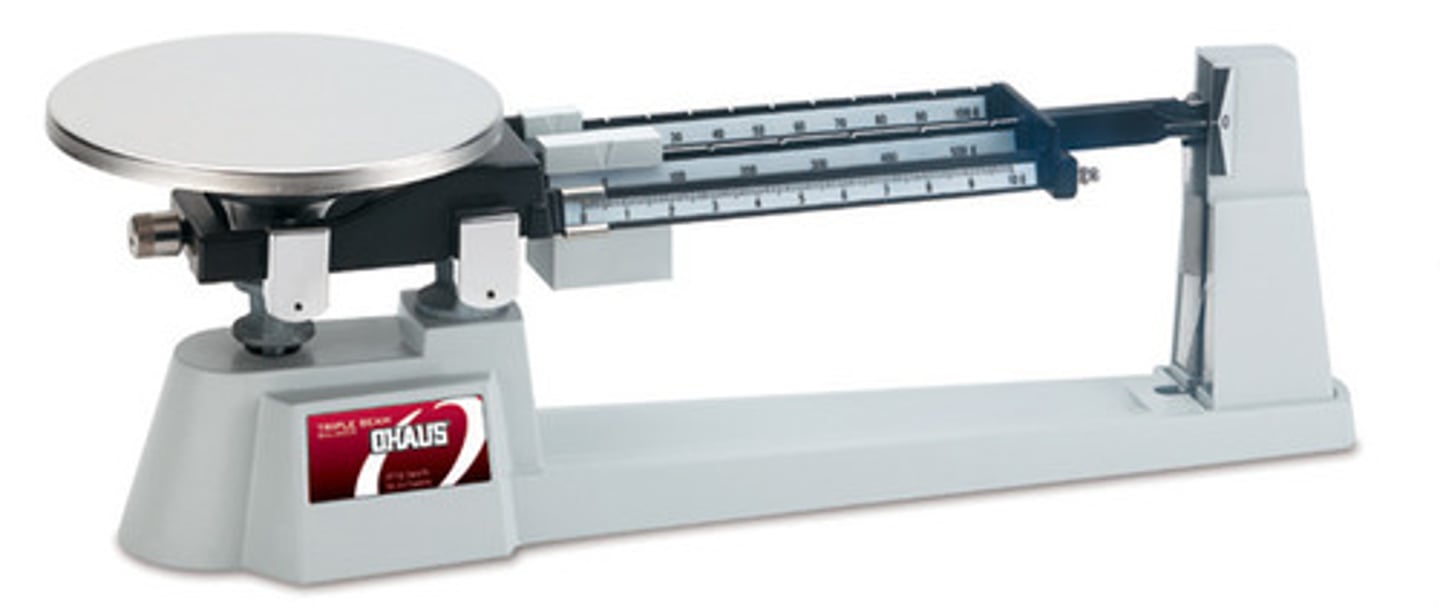
Mass
the amount of matter in an object or substance
Physical change
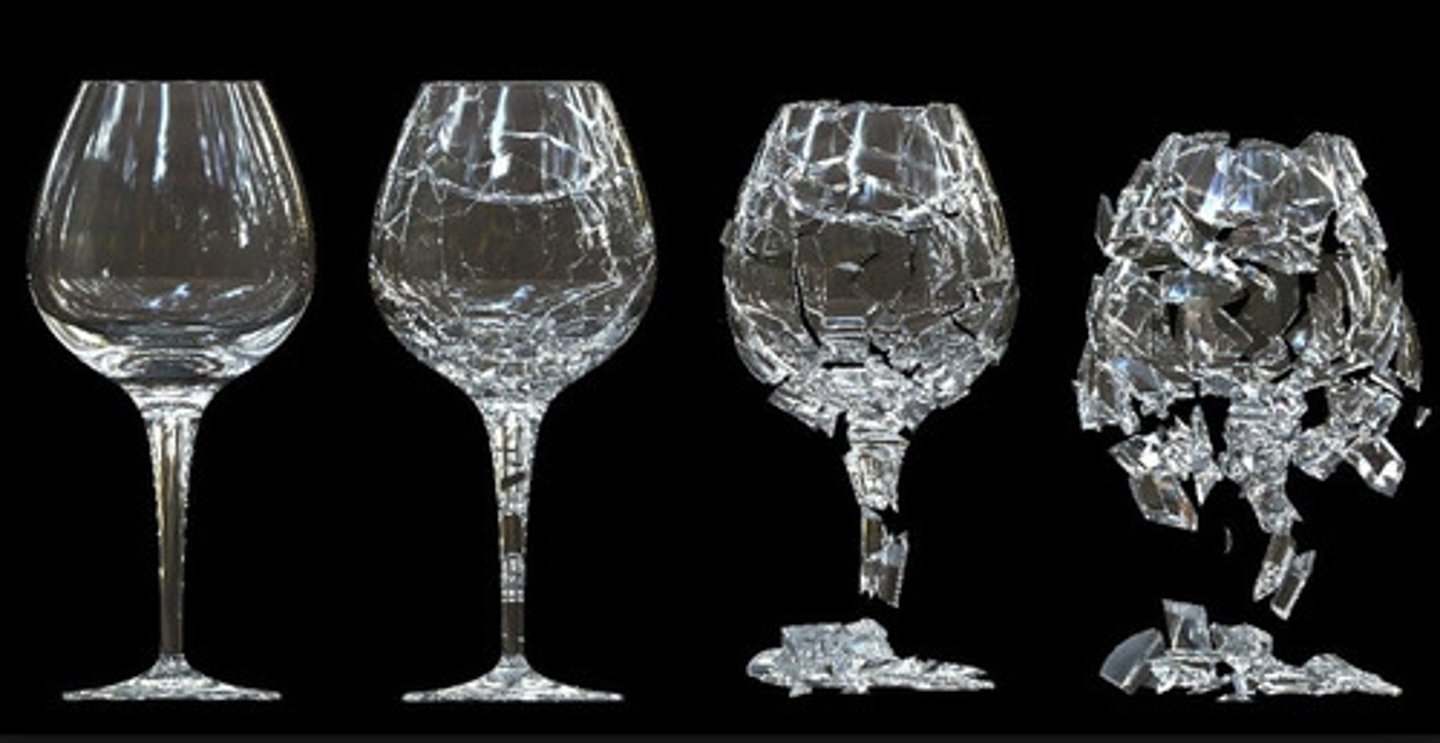
A change in the physical properties of a substance, without a change in its chemical properties (examples: freezing a liquid or melting a solid)
Boiling point
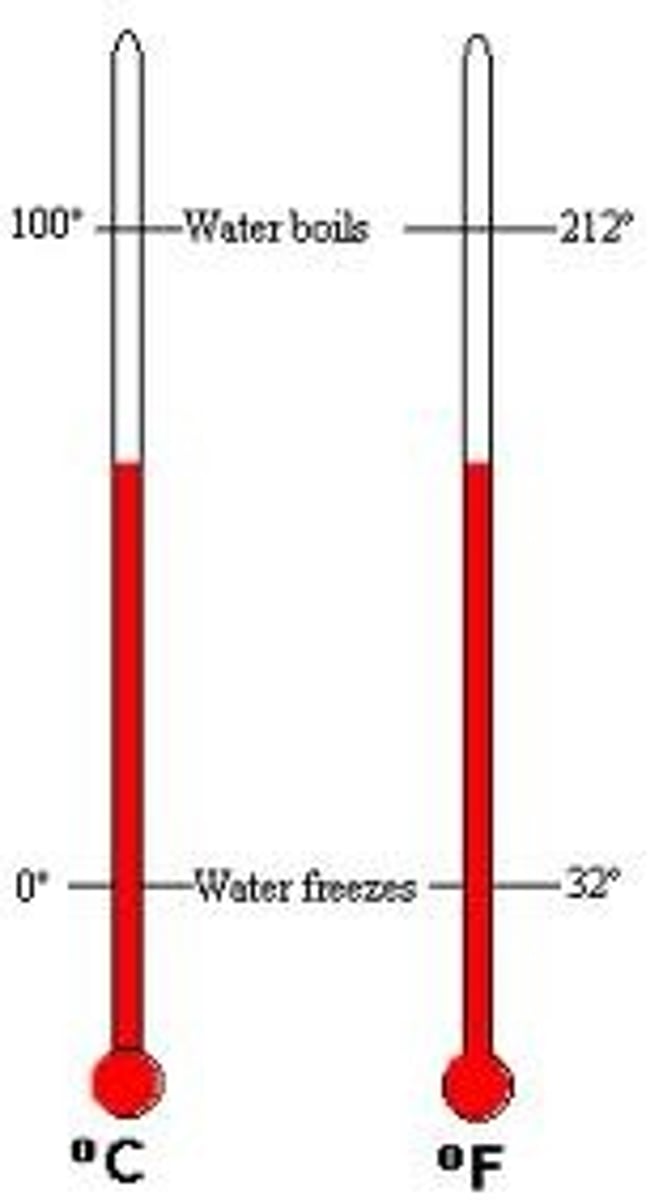
The temperature at which a liquid changes to a gas (example: pure water reaches this point at 100C / 212F at sea level)

Melting point
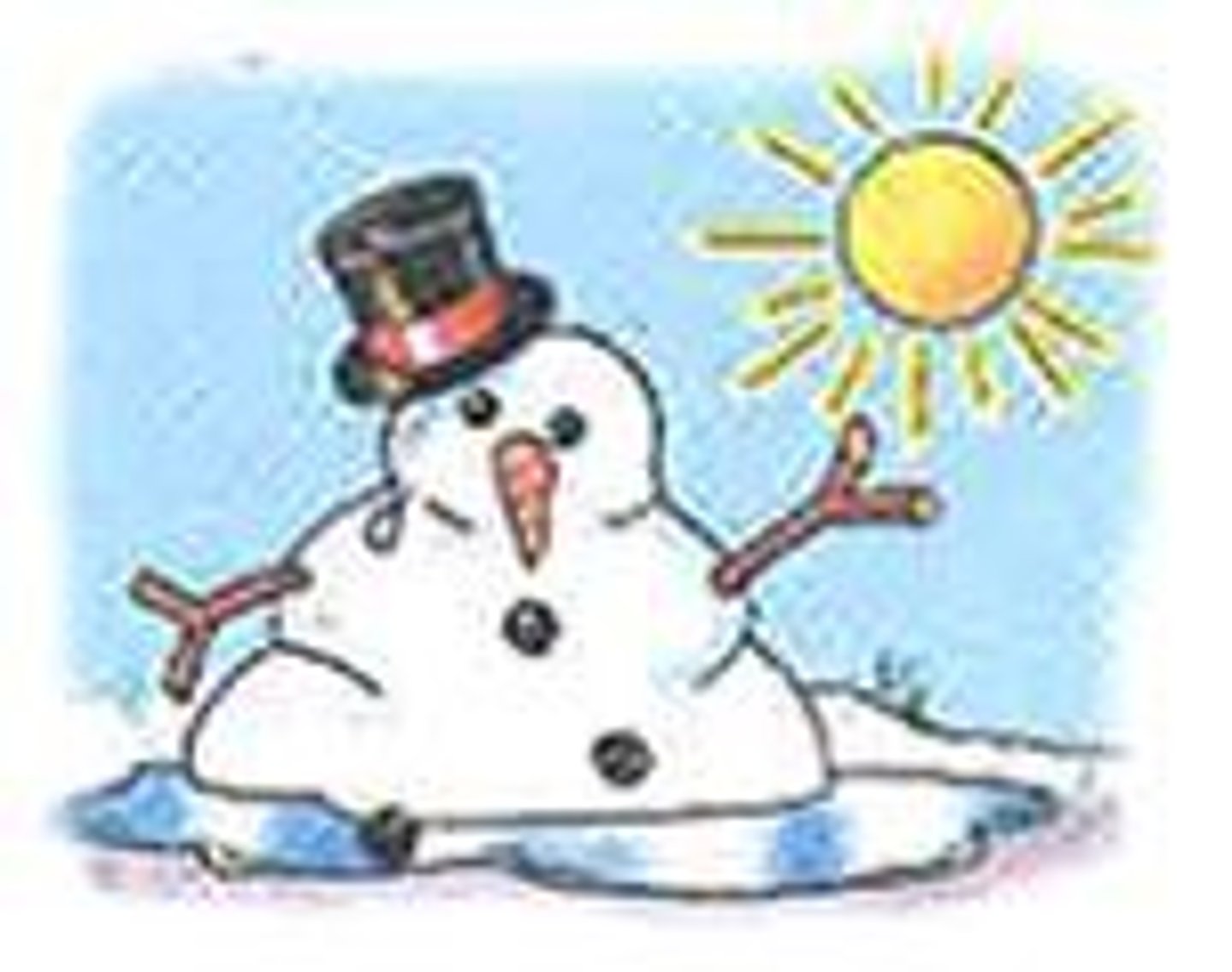
The temperature at which a solid changes to a liquid (example: ice reaches this point at 0C / 32F at sea level)
Freezing point
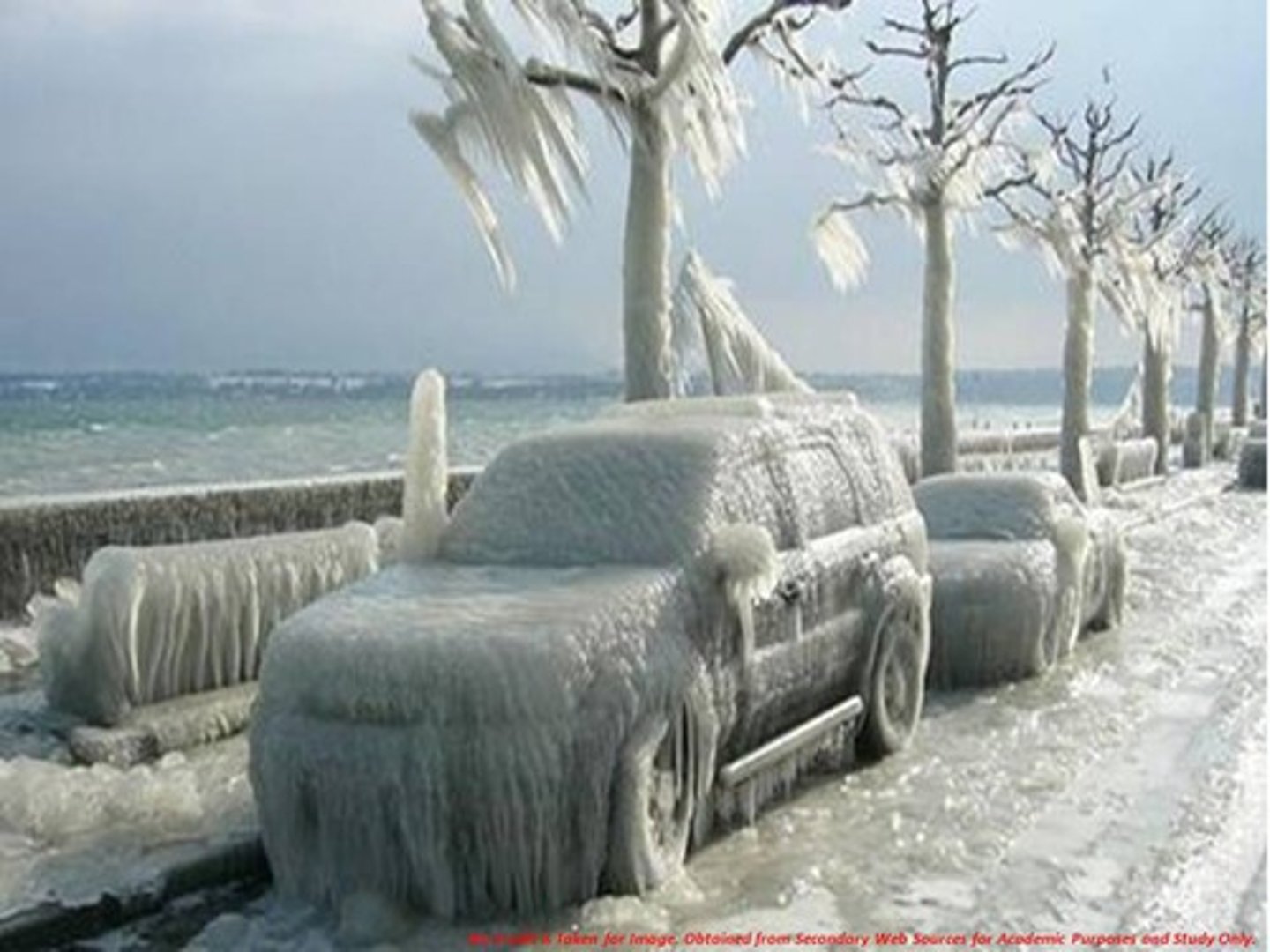
The temperature at which a liquid changes into a solid
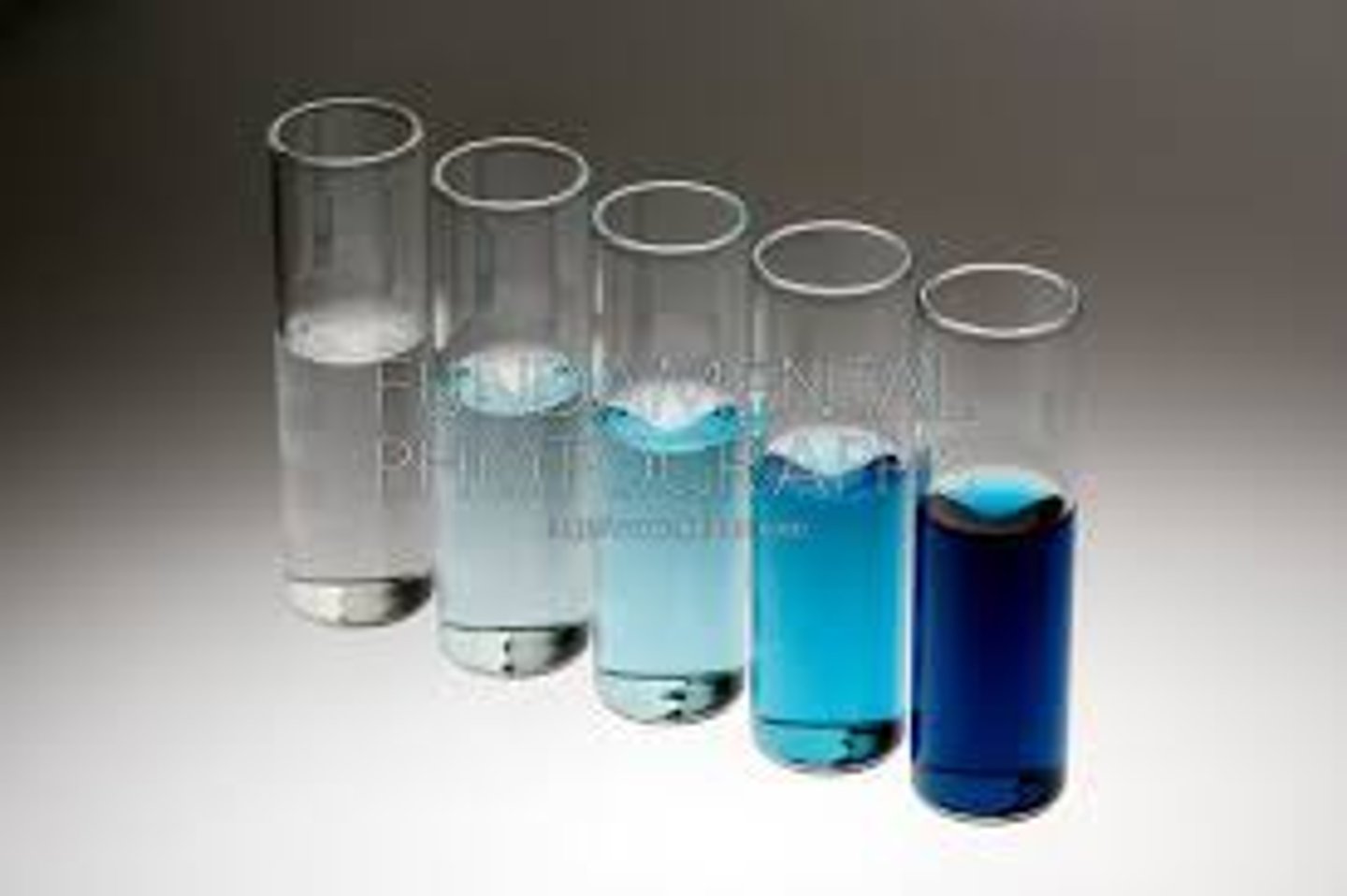
Solubility
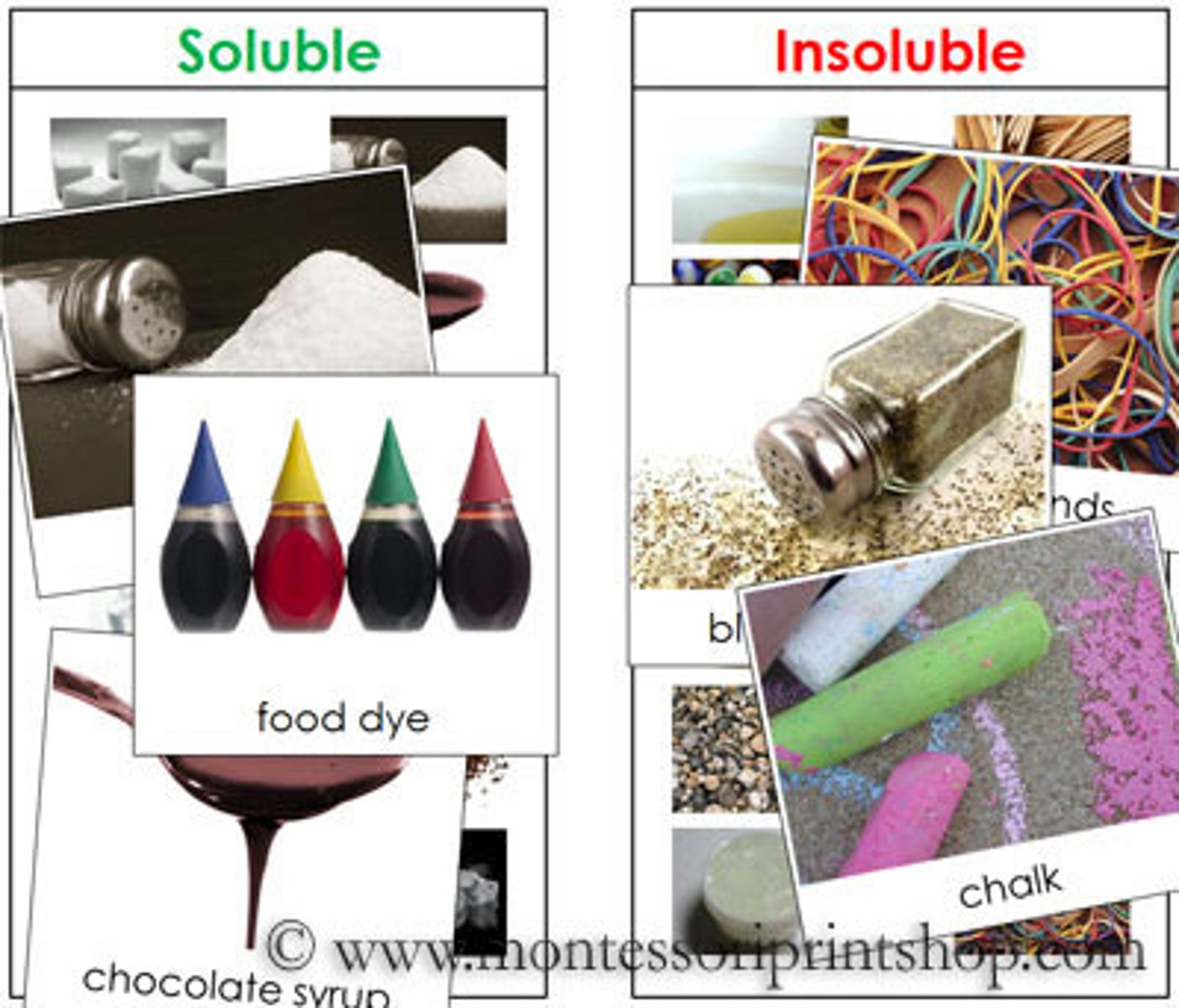
The ability of one substance to dissolve in another
Solution
A mixture in which one or more substances are evenly distributed in another substance.
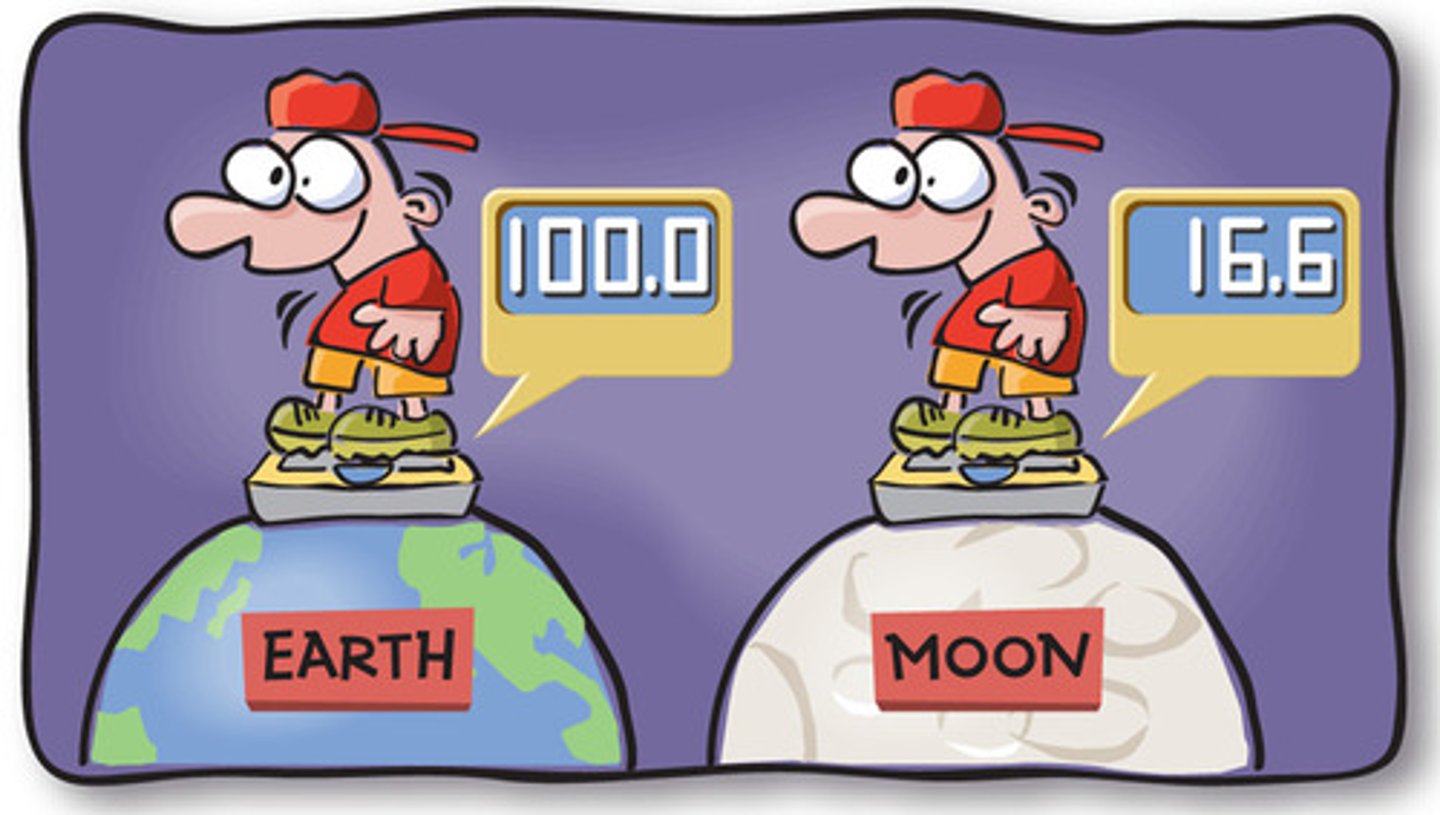
Weight
the measure of the amount of gravity acting on an object's mass
Conductivity
The ability of a substance or material to conduct thermal energy and/or an electric current
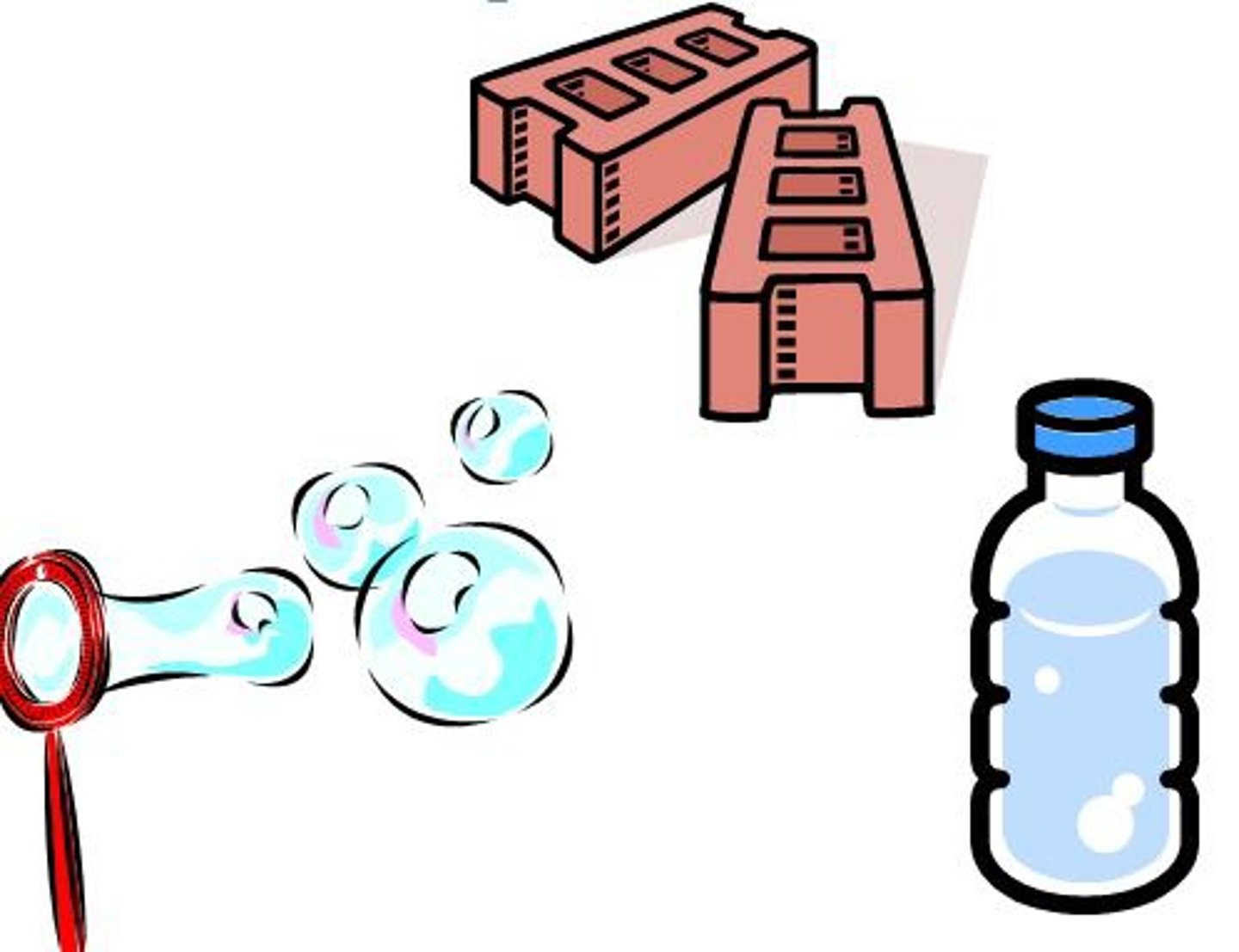
Matter
Anything that has mass and takes up space (has volume)
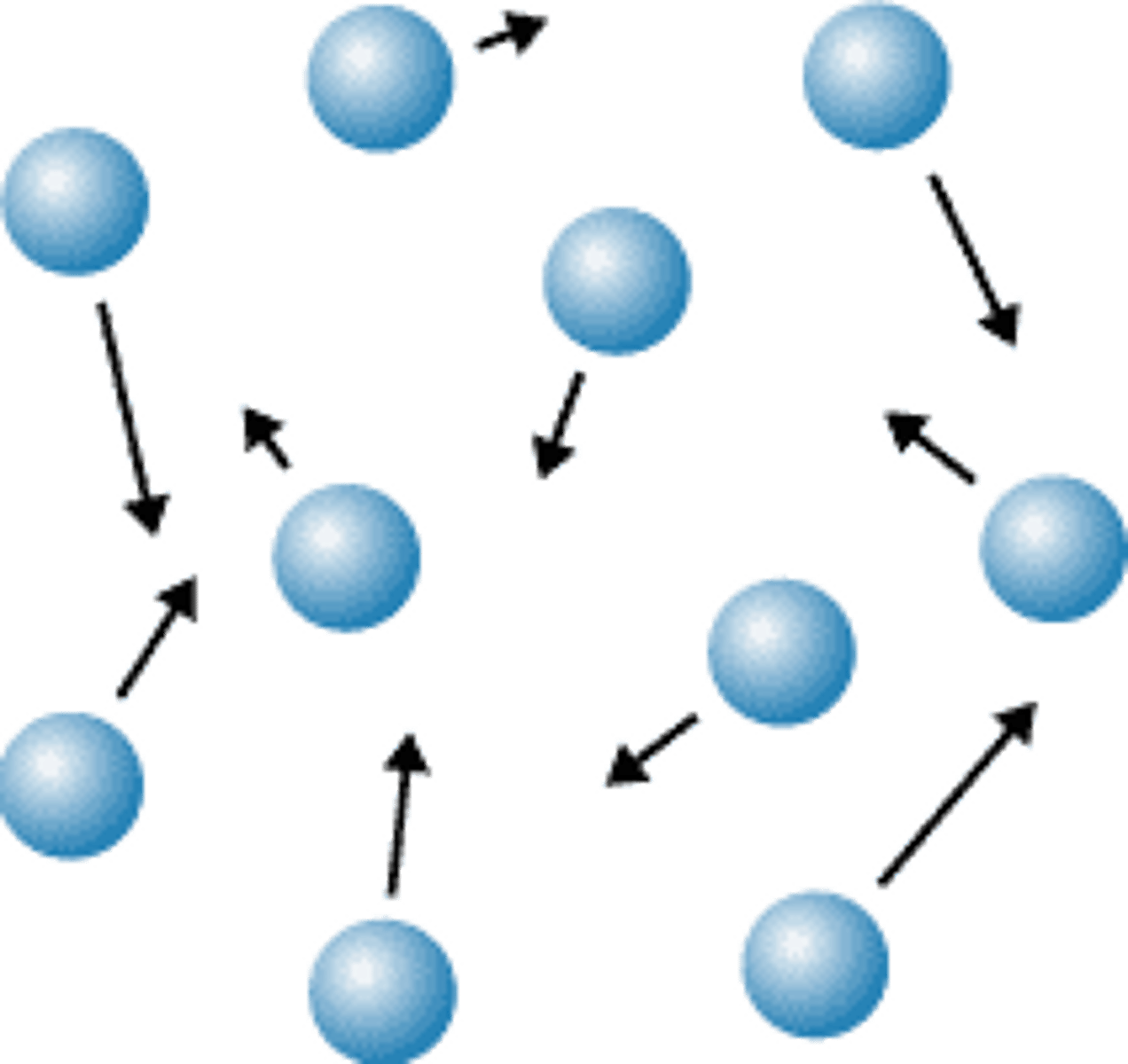
Gas
State of matter with NO fixed volume and NO fixed shape
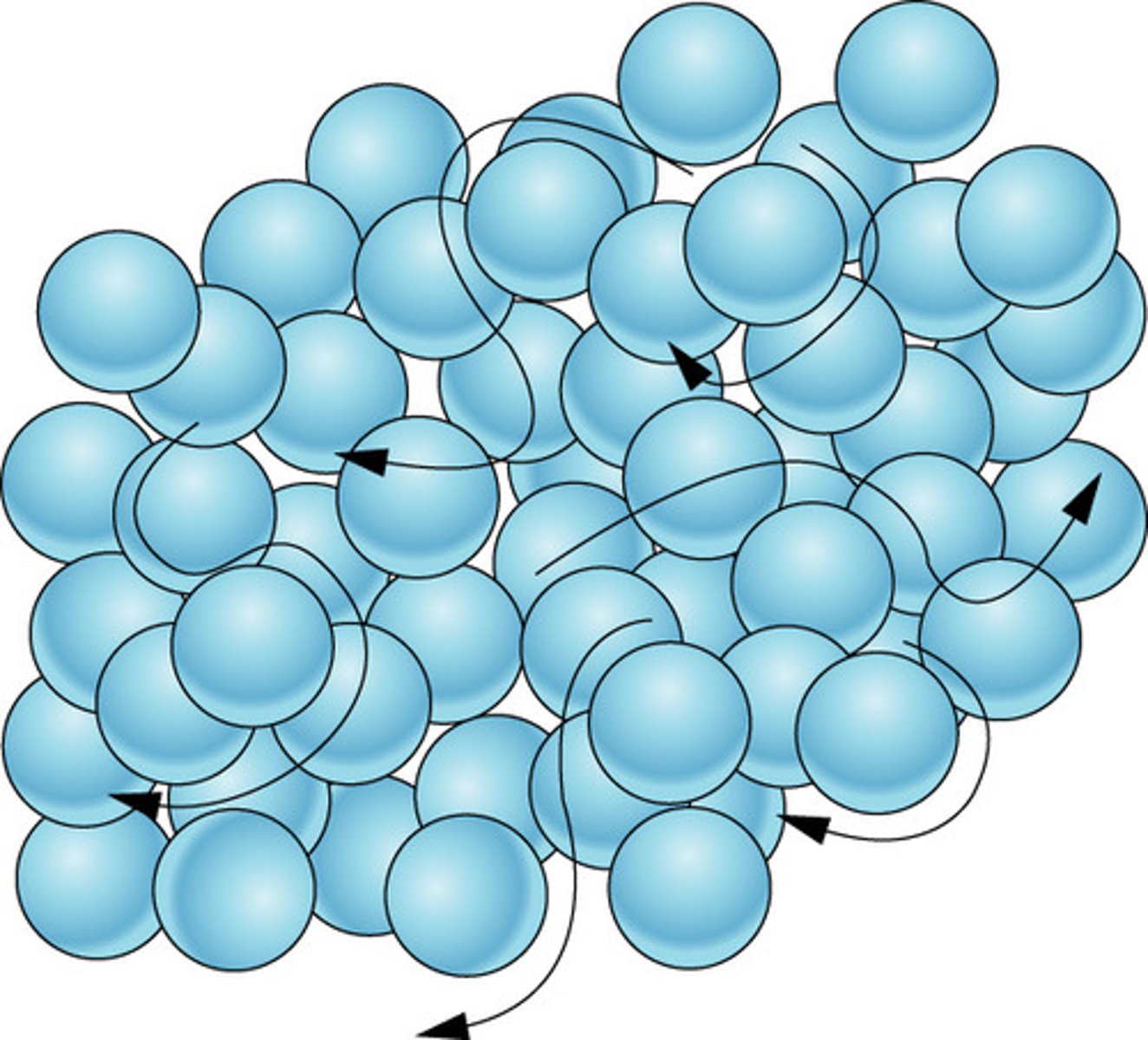
Liquid
State of matter with a definite (fixed) volume, but NO definite shape
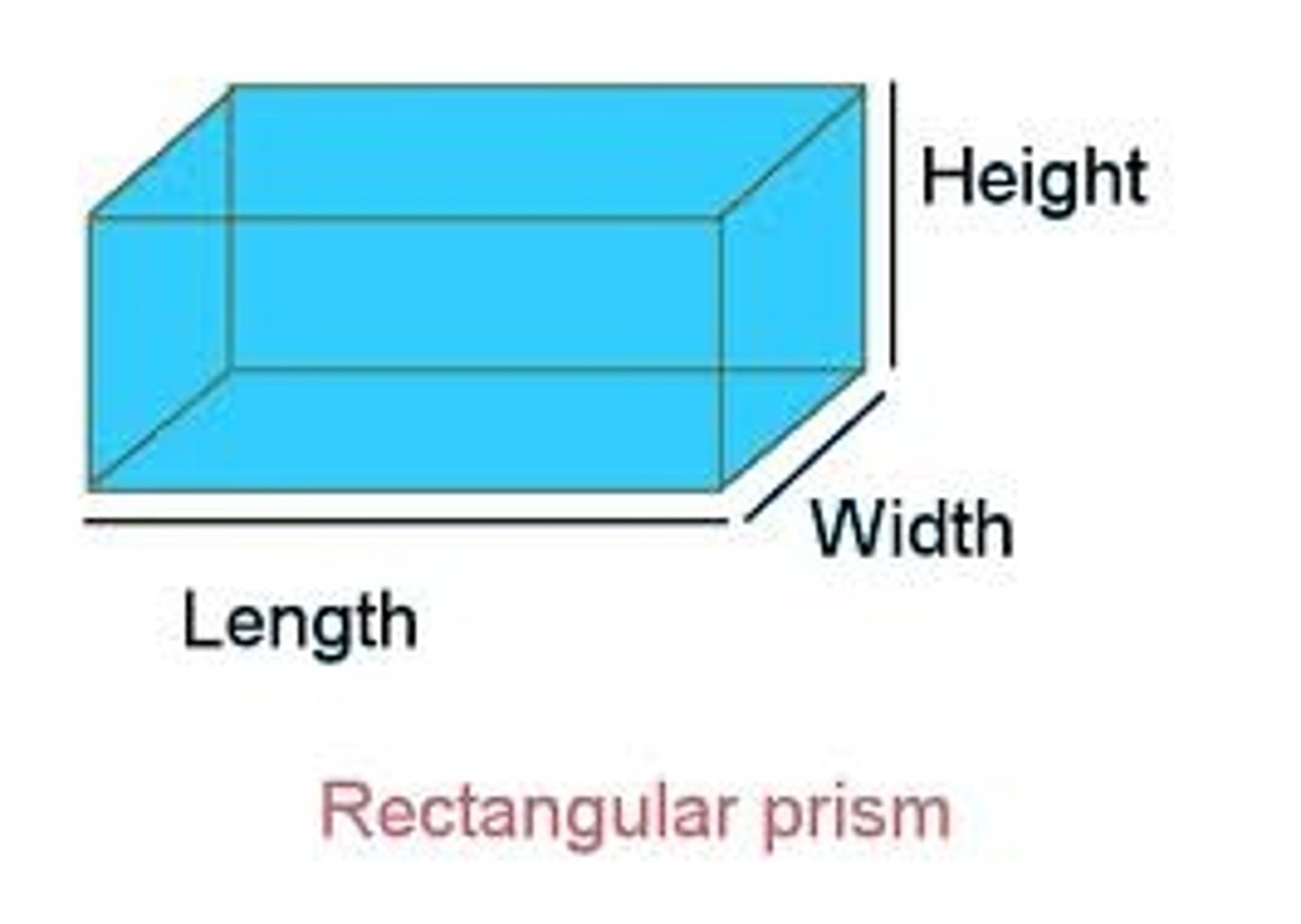
Volume
The amount of space an object or substance occupies
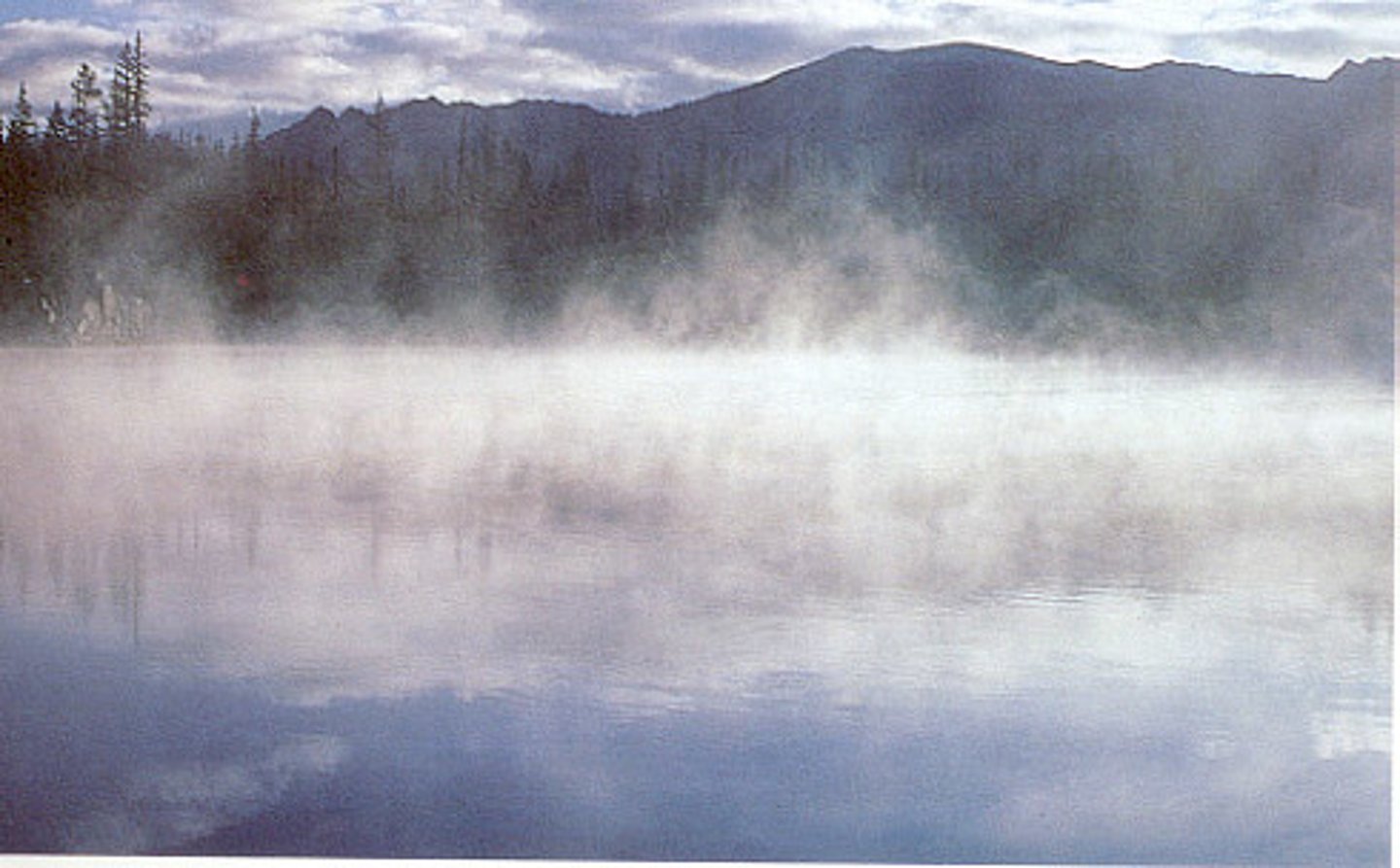
Evaporation
The change of a substance from a liquid to a gas (example: liquid water physically changes from liquid water to water vapor)
Solid
State of matter with a definite (fixed) shape and a definite (fixed) volume
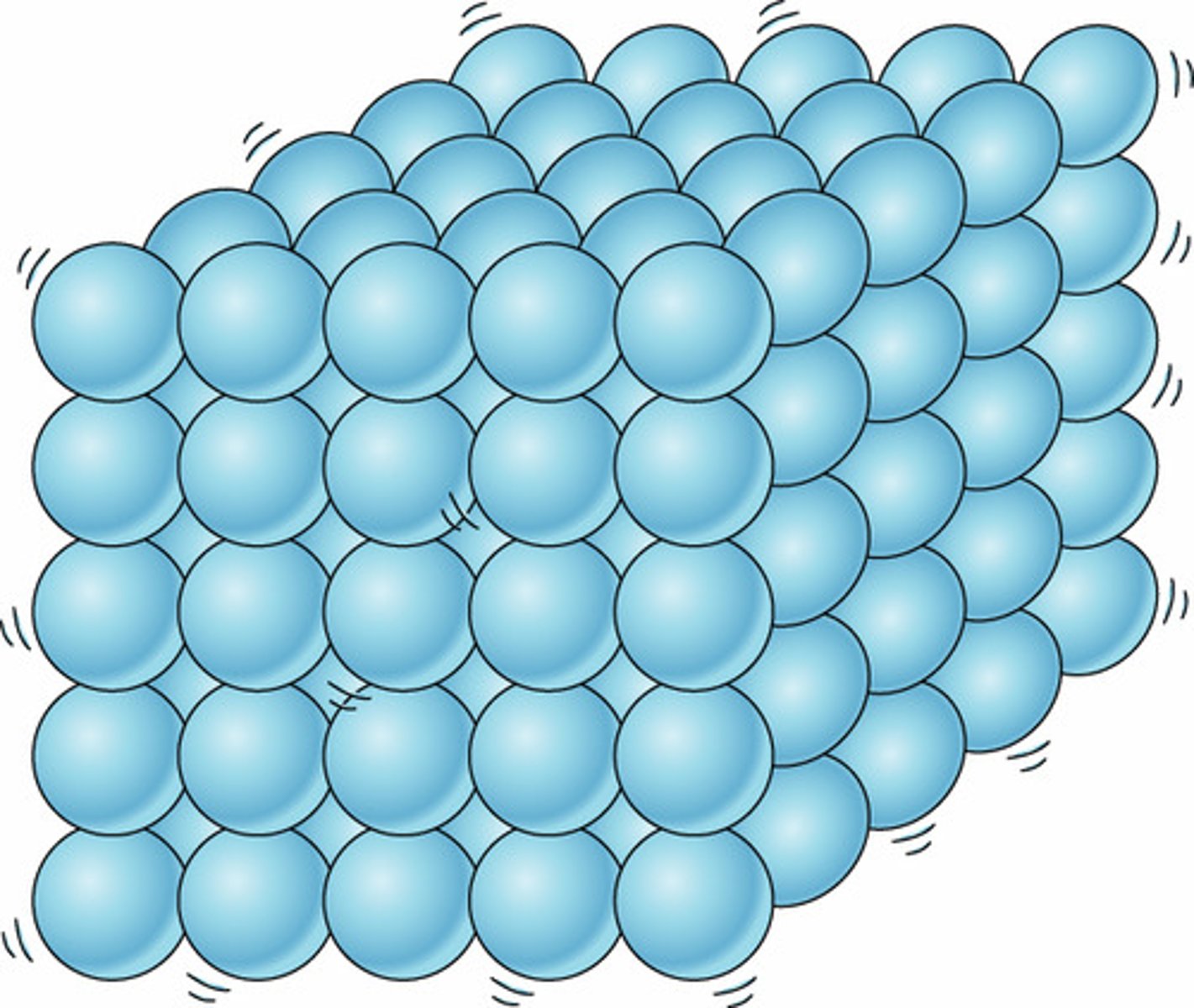
Dissolve
To form a mixture, where the particles of one or more substances (the solute) are distributed uniformly throughout another substance (the solvent), so that the mixture is the same throughout.
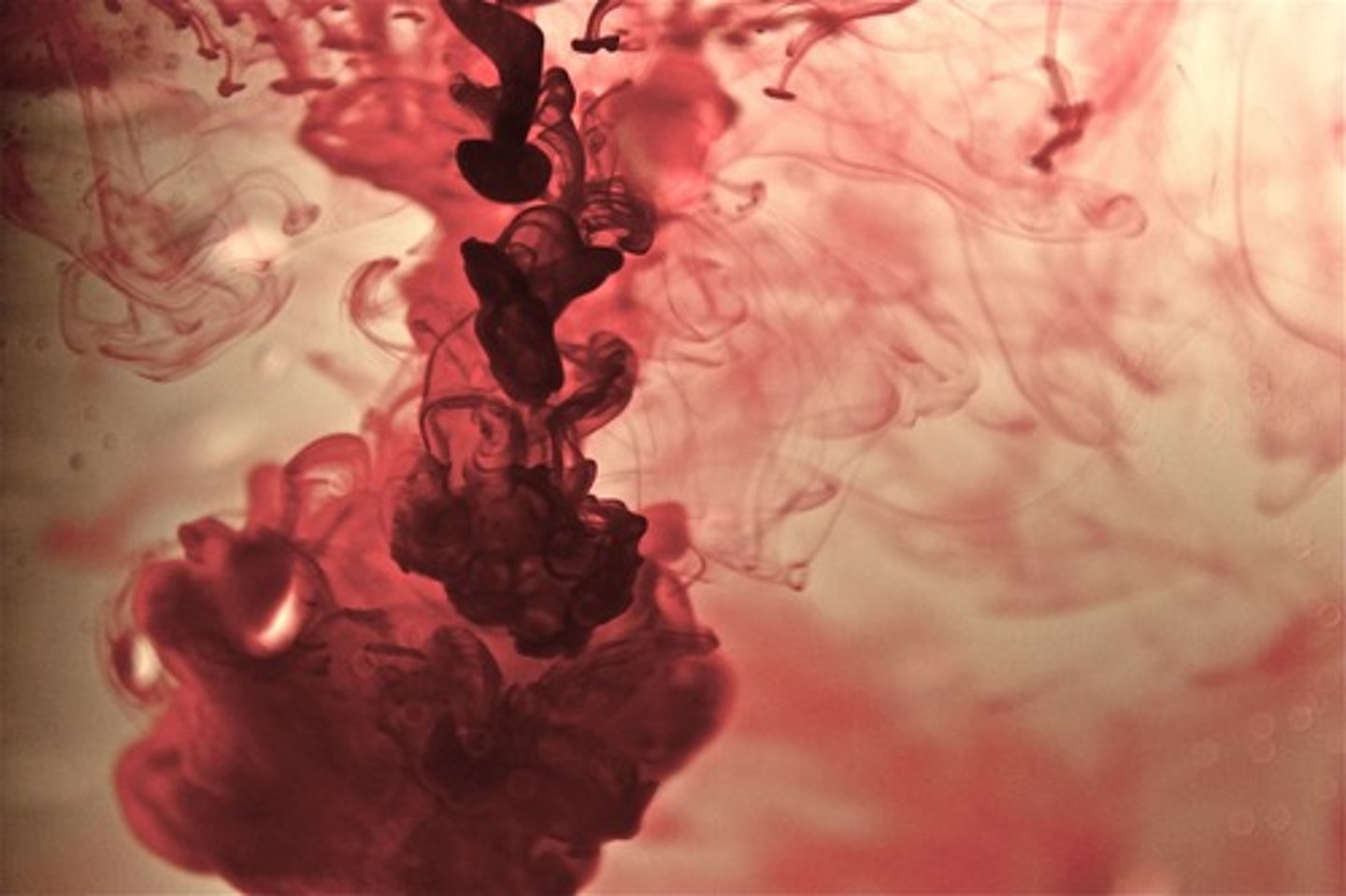
Condensation
The process by which a gas changes to a liquid (example: water vapor physically changes to liquid water)
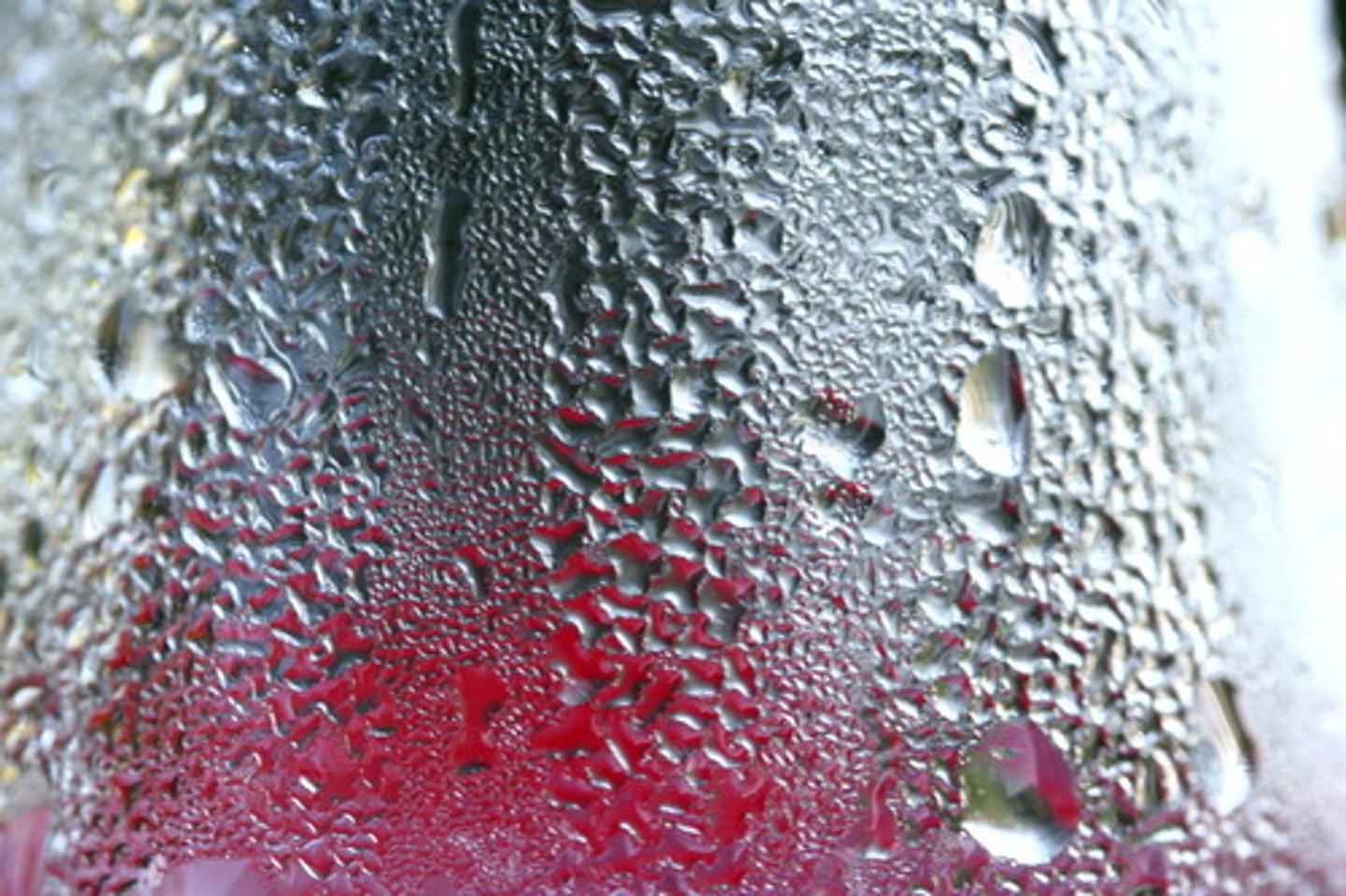
State of matter
The form matter can take (examples: solid, liquid, gas, plasma)
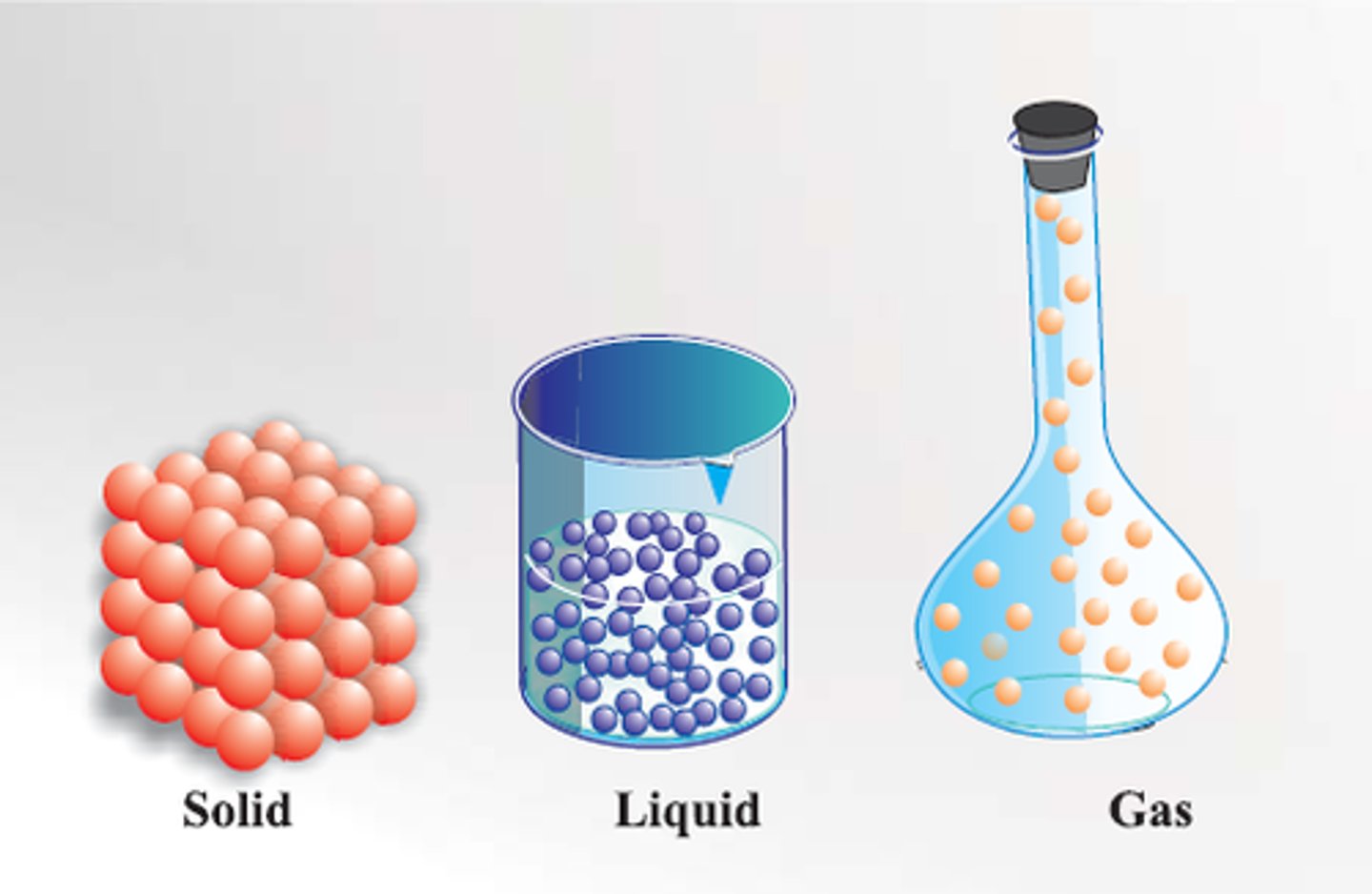
Temperature
A measure of the average kinetic energy of the particles in a substance
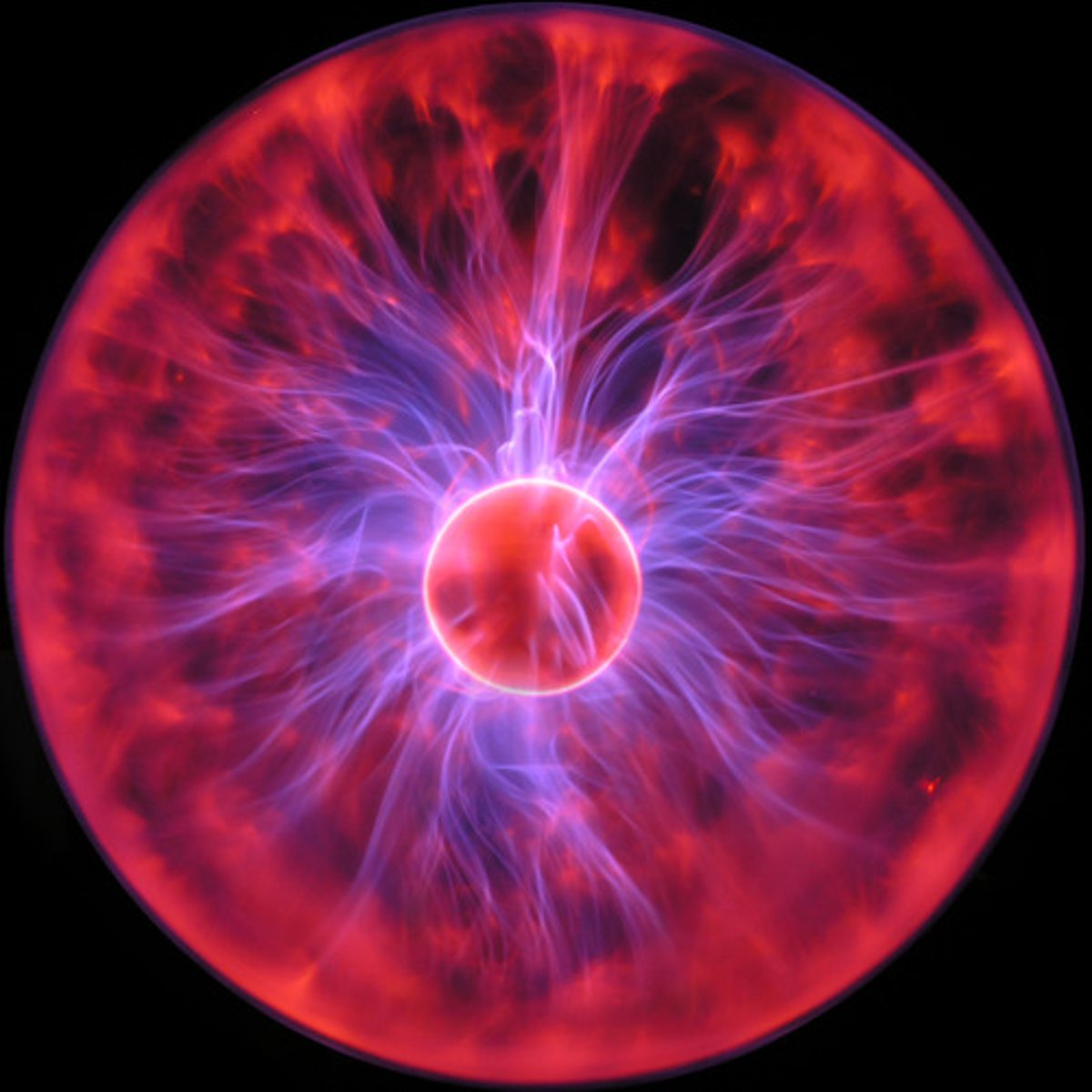
Plasma
Fourth state of matter; a super-heated gas that contains ionized (charged) particles due to the gain or loss of electrons
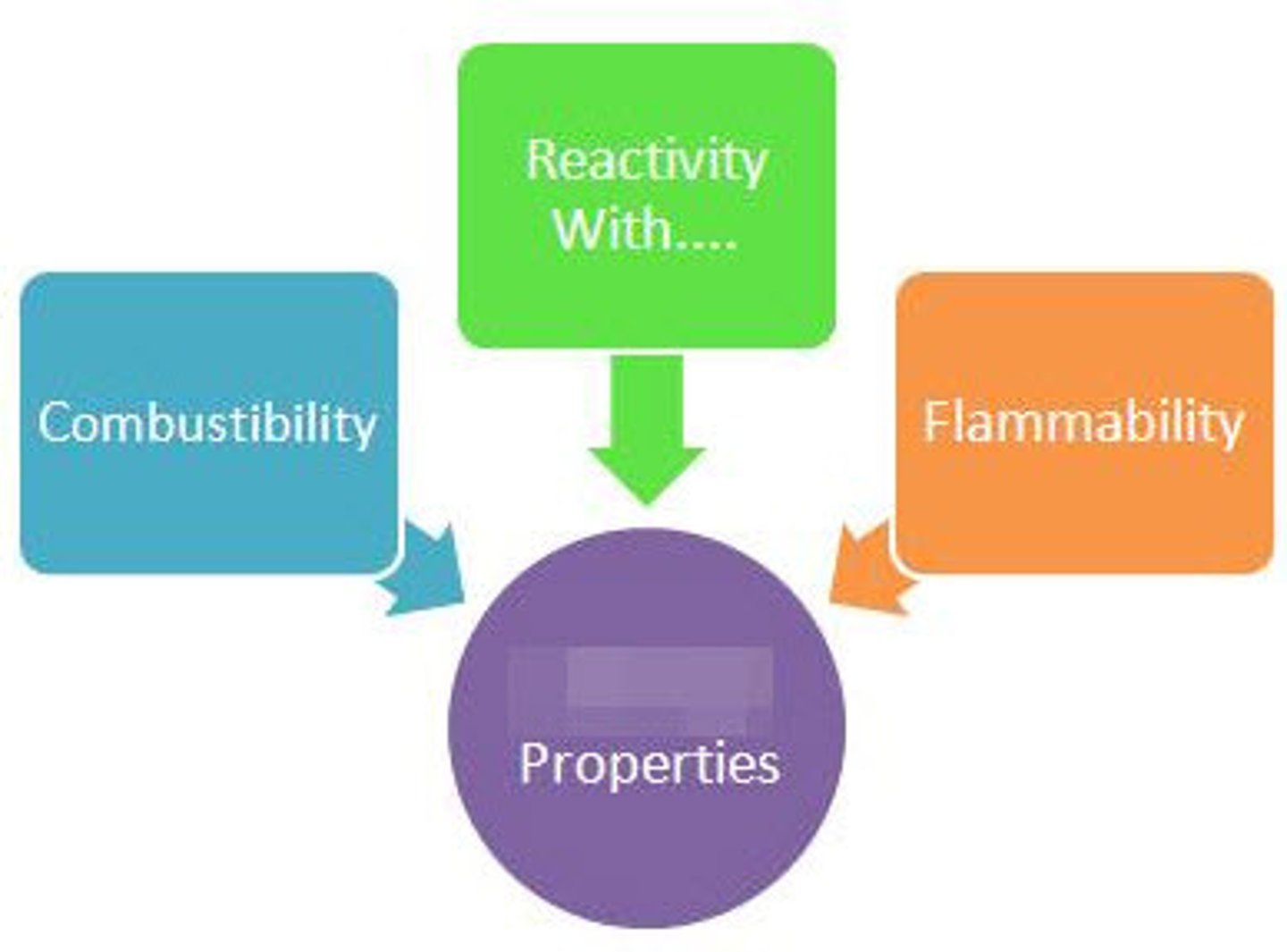
Chemical Property
The ability or inability of a substance to combine with or change into a new substance. (examples: flammability or the ability to rust)
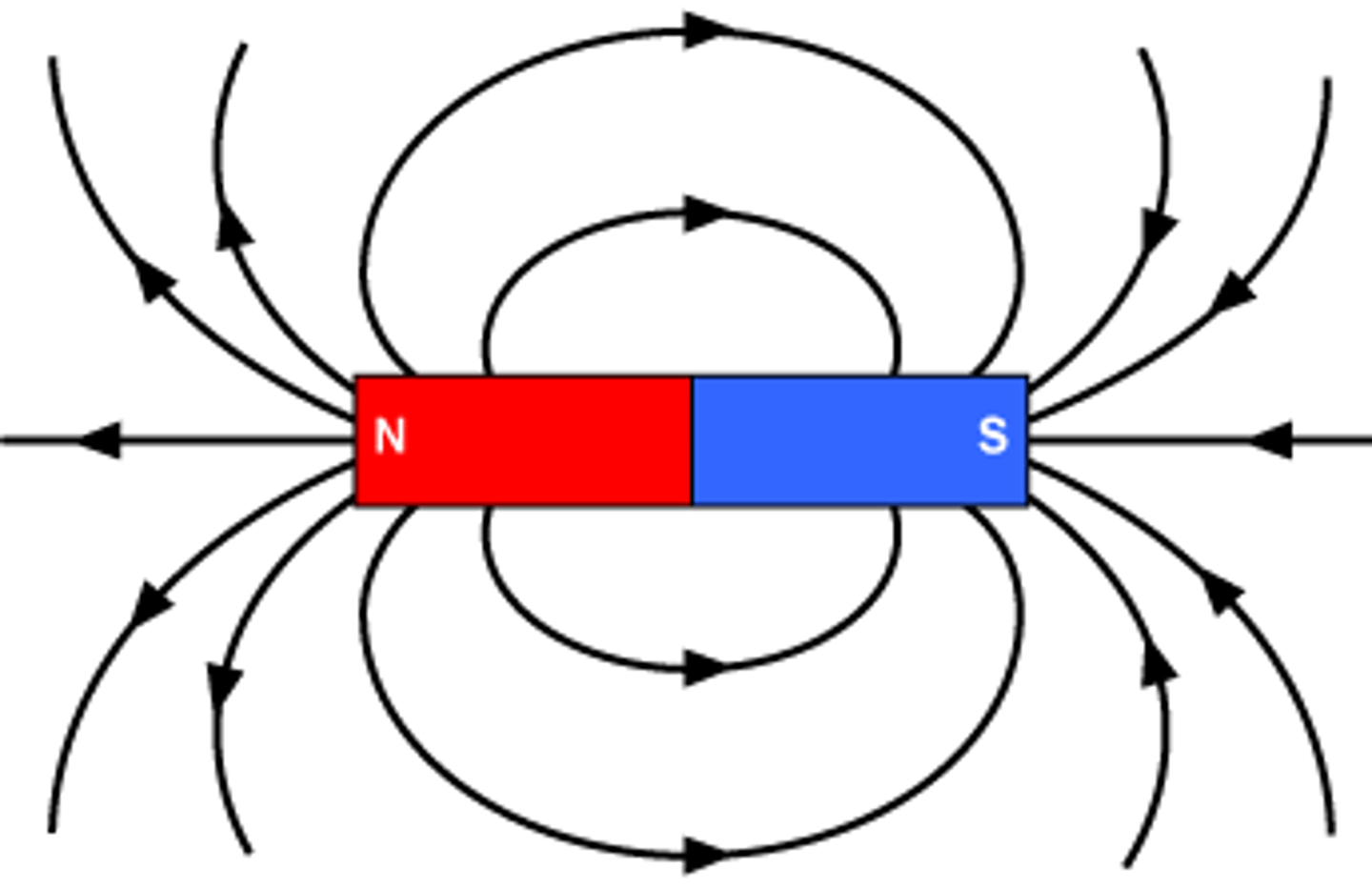
Magnetism
A physical property of matter produced by the motion of electric charge, where opposite charges will attract, and like charges will repel.
Law of Conservation of Mass
States that the total mass before a chemical reaction is the same as the total mass after the chemical reaction
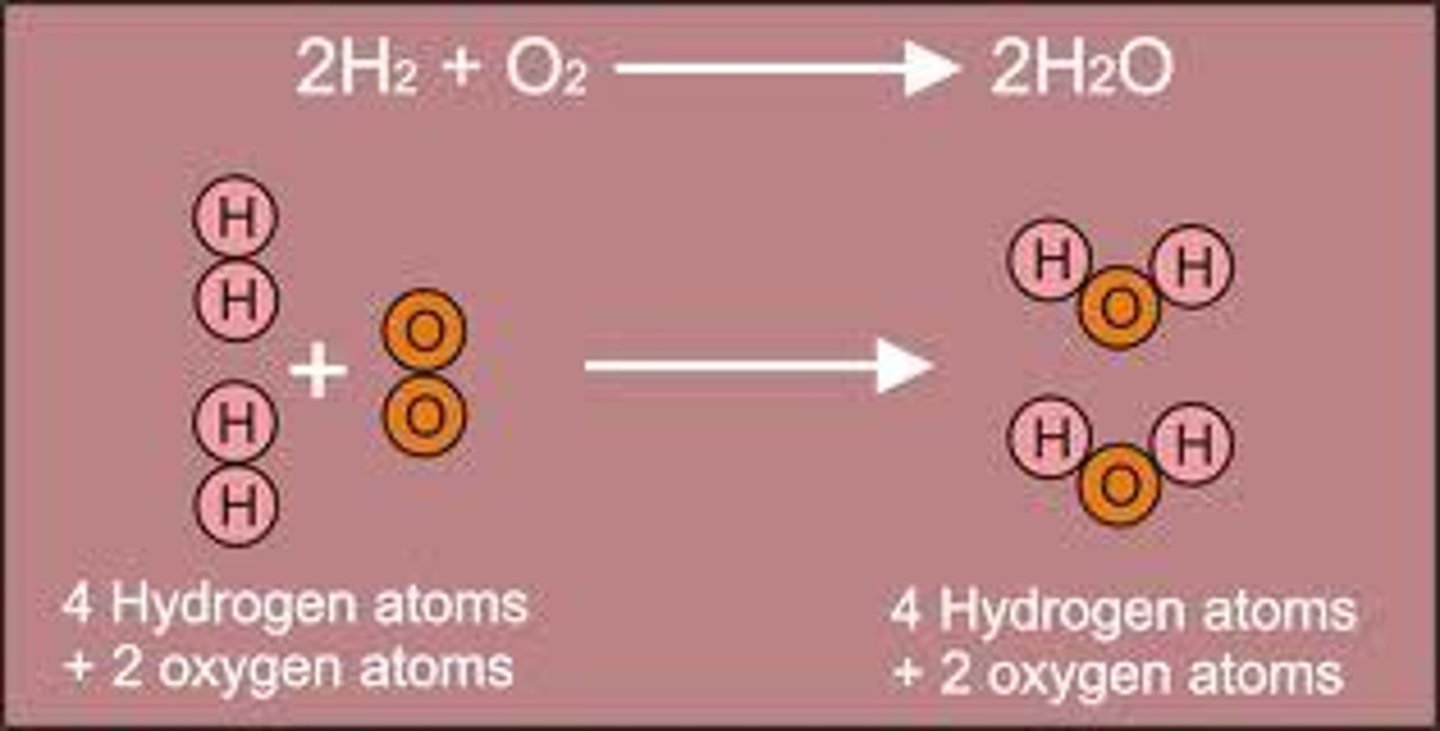
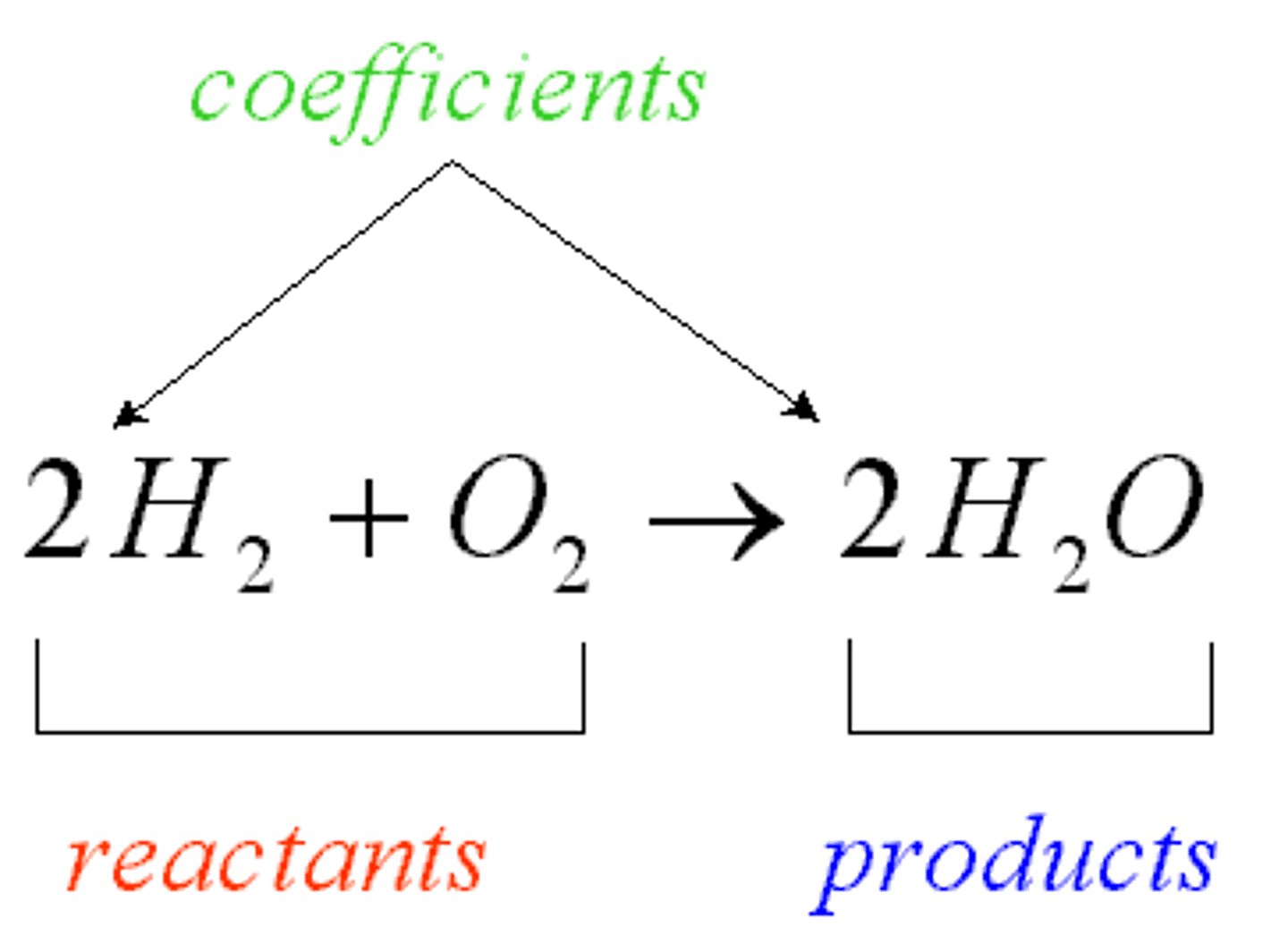
Chemical Change
Process by which substances are changed into different substances with different properties.
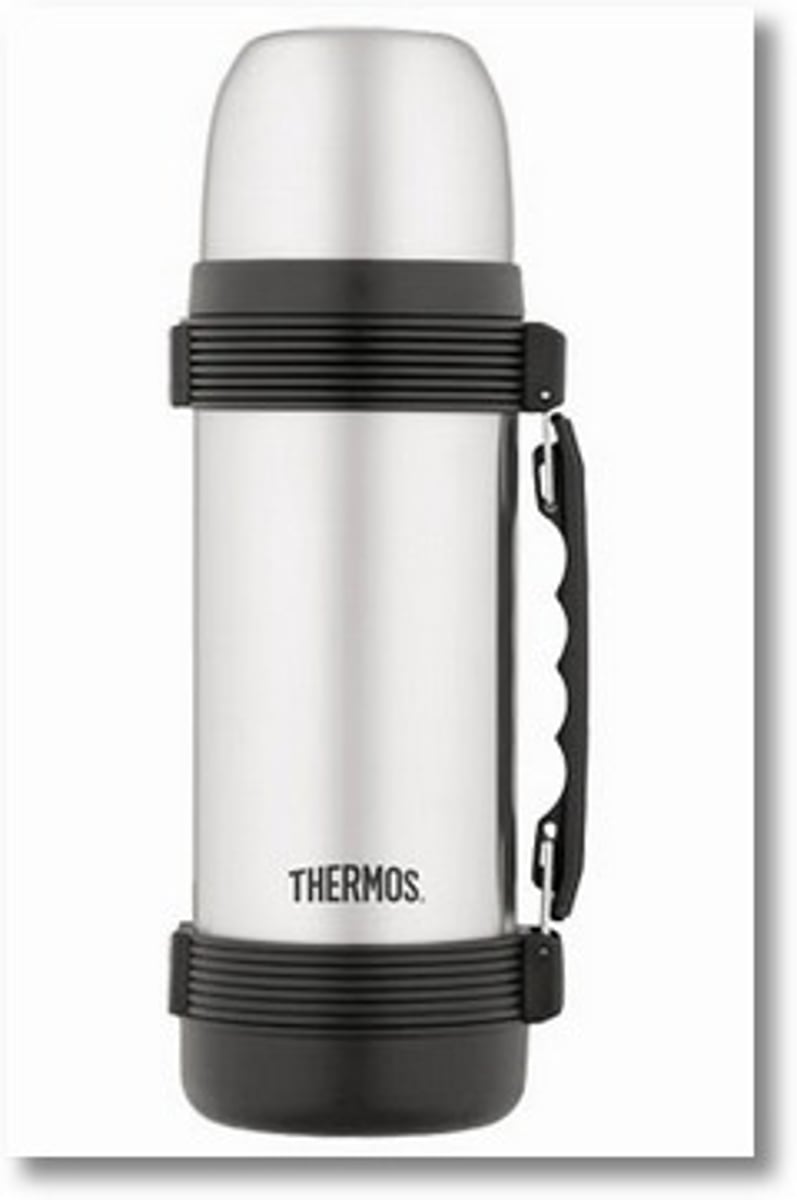
Insulator
A material used to reduce or prevent the transfer of electricity, heat, or sound
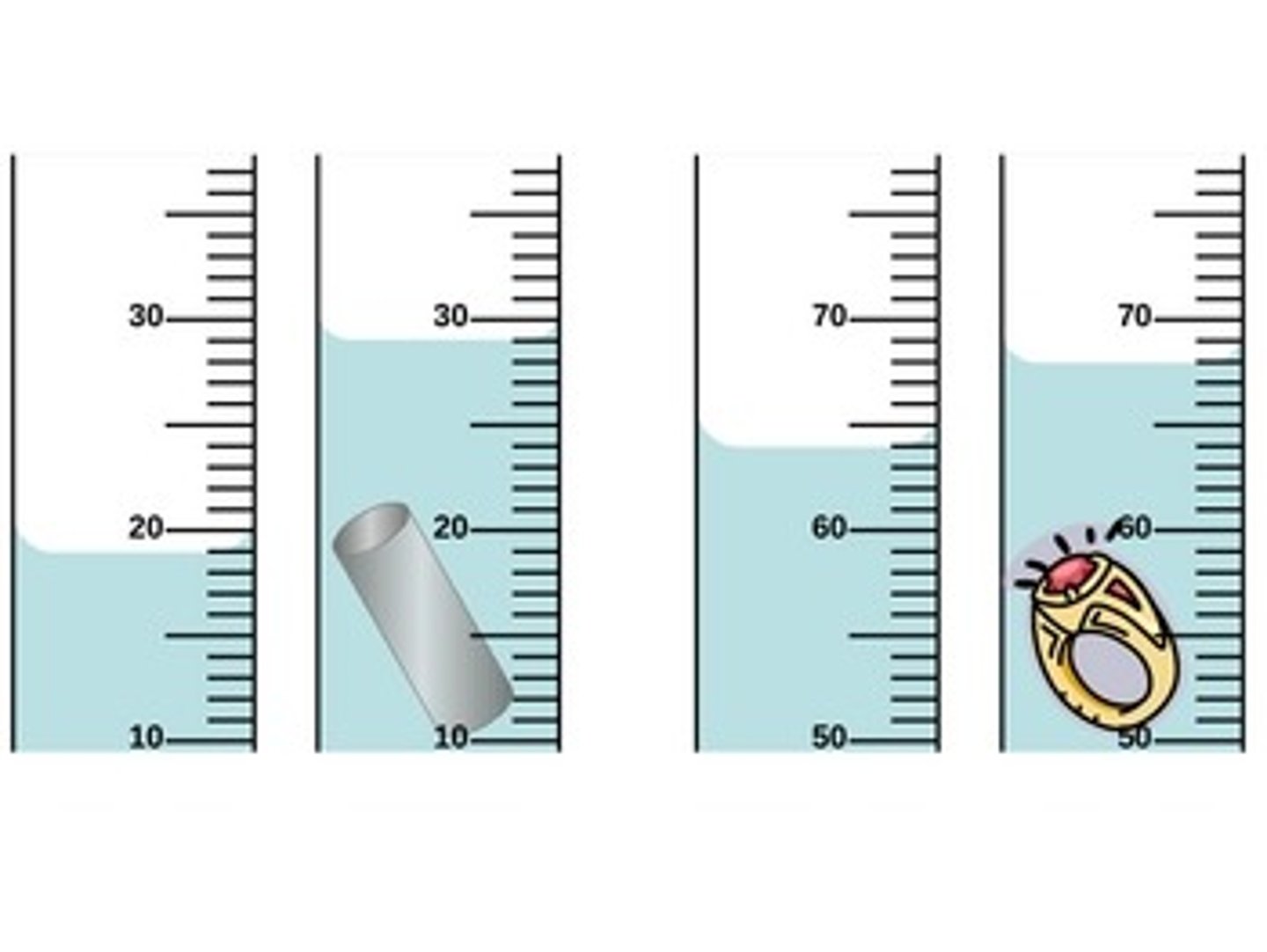
Displacement
A process of measuring the volume of an irregularly shaped object by immersing it in water.
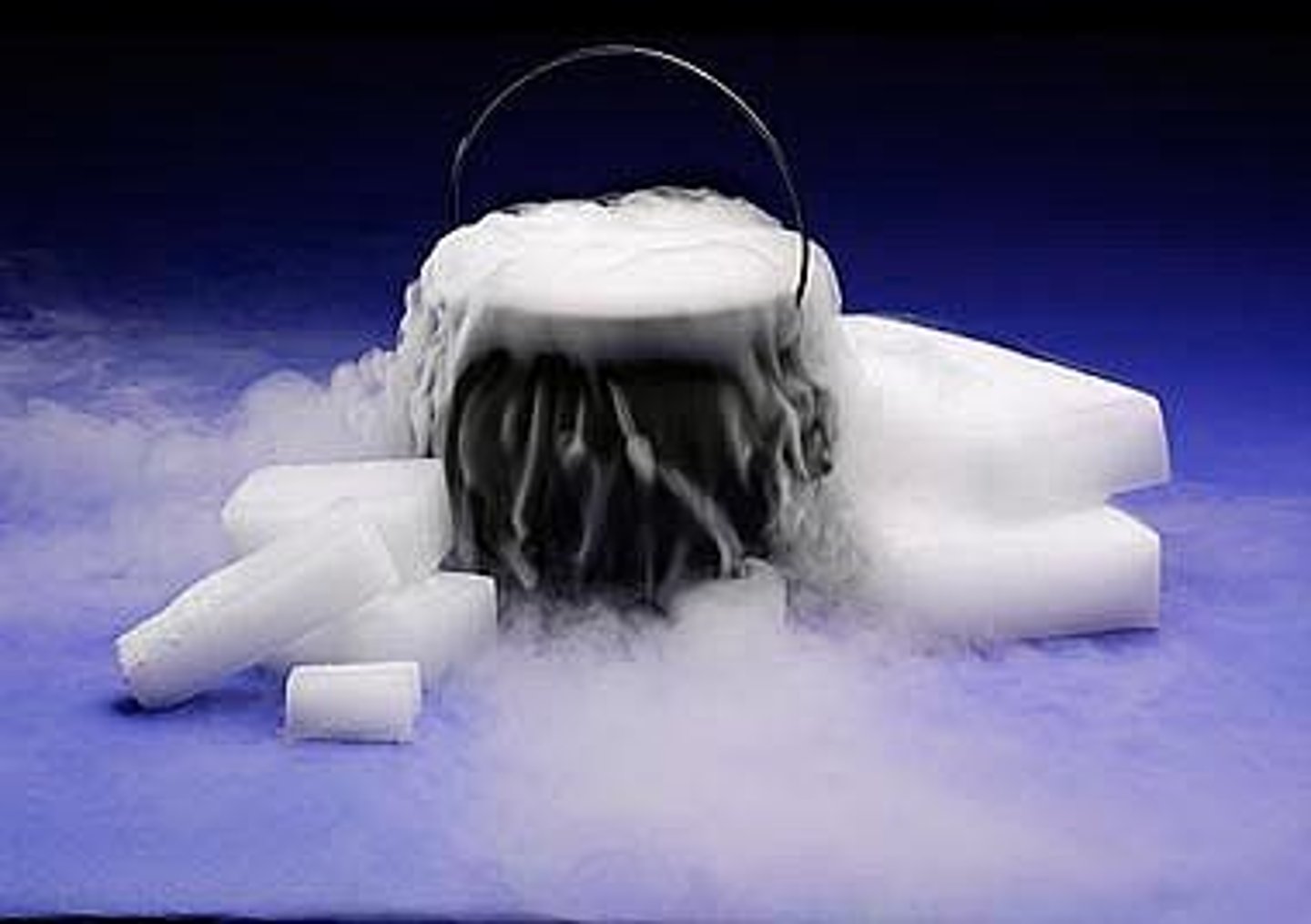
Sublimation
A physical change of matter directly from the solid phase to the gas phase without passing through the liquid phase.
Deposition
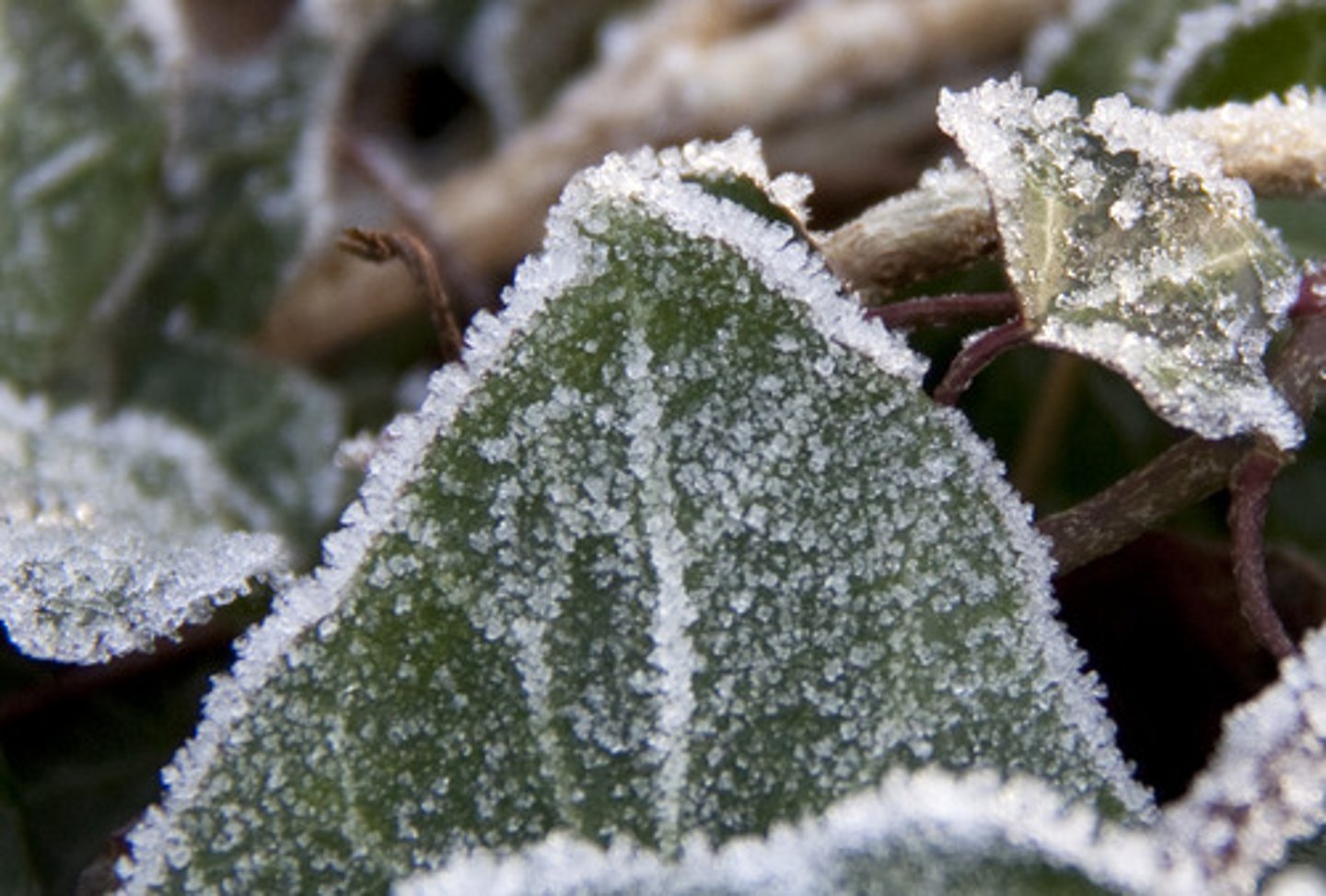
A physical change of matter in which gas transforms into solid without passing through the liquid phase (also called desublimation).