Ch 34 - Plant Form and Function
 Call Kai
 Learn
Learn Practice Test
 Spaced Repetition
 Match
Match Flashcards
 Knowt Play
1/48

There's no tags or description
Looks like no tags are added yet.
Name | Mastery | Learn | Test | Matching | Spaced | Call with Kai |
|---|
No analytics yet
Send a link to your students to track their progress
49 Terms
Define Autotroph
Any organism that can synthesize reduced organic compounds from simple inorganic sources such as CO2 or CH4
Ex: most plants and some bacteria
Define Heterotroph
Any organism that cannot synthesize reduced organic compounds from inorganic sources and that must obtain them from other organisms
Ex: some bacteria, some archaea, and virtually all fungi
AKA a consumer
Morphological Diversity
Different species have varied root structures; diversity allows plants to coexist without competing directly for resources
Ex: prairie plants show a range of root depths and types
Some have deep taproots, like the compass plant, which can reach over 4 meters deep, while
Others, like Junegrass, have fibrous roots that spread widely but remain shallow
Phenotypic Plasticity
Roots can change form based on environmental conditions
Ex: spruce trees in wet soils develop shallow roots due to low oxygen levels, while the same species in dry soils grow deeper roots
Modified Roots
Some roots have specialized functions beyond absorption
Ex: Adventitious roots, like those in ivy, grow from the shoot system to anchor plants to surfaces
Ex: Corn's prop roots brace the plant against wind.
Root Support
Anchor Roots: These adventitious roots grow from stems, helping plants like ivy cling to walls or other structures
Stabilize the plant by anchoring it securely.
Prop Roots: Found in plants like corn, these roots emerge from the stem and enter the soil, providing additional support to withstand windy conditions.
Root Gas Exchange
Pneumatophores
Seen in mangroves
Specialized roots that grow upwards allowing oxygen to diffuse into the root system
Crucial adaptation for survival in submerged, oxygen-poor environments.
Root Nutrient Storage
AKA Storage Roots
Ex: carrots and sugar beets,
Have thick taproot that stores carbohydrates
These nutrients are used for energy during the plant's reproductive phase
Roots & Shoot Growth: Environmental Impact
Bc plants exhibit phenotypic plasticity, plant shoot growth is highly influenced by environmental conditions like light, water, nutrients, and temperature (their shoot systems can greatly vary)
Hormones (auxin) play a crucial role in regulating these growth responses
Auxin = responsible for phototropism (shoots grow towards light) and gravitropism (adjust growth in response to gravity)
Ex of variance: in lush environments, tall woody plants are favored to compete for light, while in dry, windy areas, shorter plants thrive due to reduced water needs and stability against wind
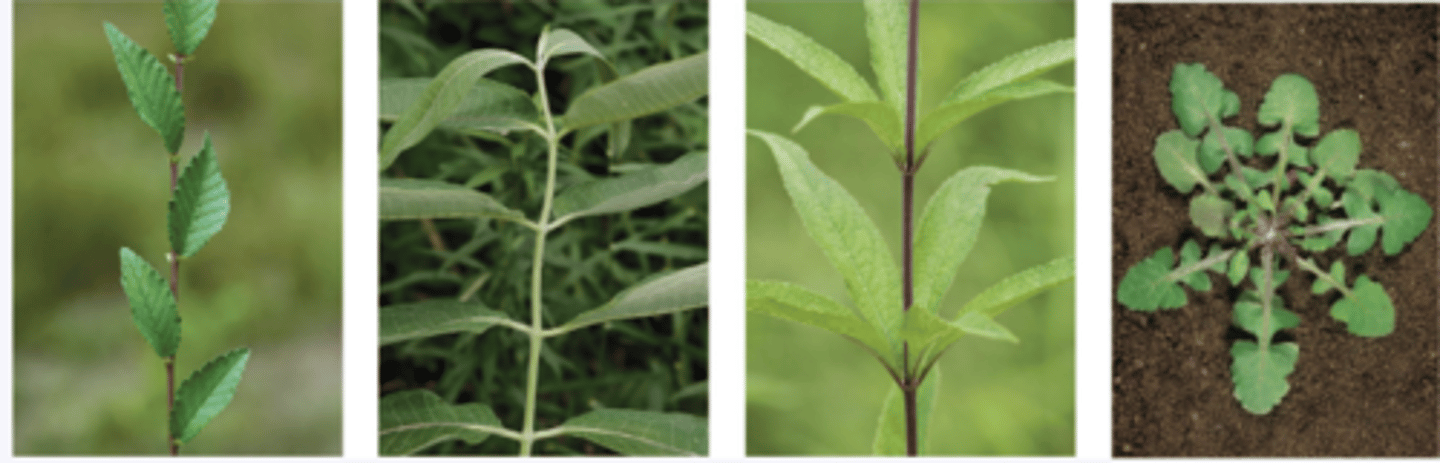
Varying Arrangement of Leaves
Alternate Leaves: Leaves are staggered on alternating sides of the stem, each emerging at different heights
Allows for optimal sunlight exposure.
Opposite Leaves: Pairs of leaves grow directly across from each other at the same level (symmetrical sets)
Whorled Leaves: Multiple leaves (three or more) radiate outward from the same point on the stem, encircling it in a ring-like patter.
Rosette: Leaves form a circular pattern low to the ground, with very short internodes, giving a compact appearance
Modified Leaves: Bulbs
Onion bulbs consist of thickened leaf bases that store nutrients
The layers of an onion are modified leaves, with the stem visible at the base
These leaves are designed to store food efficiently.
Modified Leaves: Succulents
Plants like aloe vera have thick leaves that store water
A crucial adaptation for survival in arid environments.
Modified Leaves: Tendrils
Modified leaves that help the plant climb by wrapping around supports
Ex: tendrils found on pea plants
Modified Leaves: Floral Mimics
I.e. Poinsettia leaves are bright red and mimic flowers to attract pollinators to the actual small flowers they surround.
Modified Leaves: Traps
Pitcher plants have tubular leaves that trap insects
The hood prevents escape, and digestive enzymes or bacteria break down the insects for nutrient absorption
Plant Tissues: Big Picture
Vascular Tissue System: includes xylem and phloem; xylem transports water and nutrients while phloem distributes sugars and other organic compounds
Dermal Tissue System: protects the plant and facilitates gas exchange
Ground Tissue System: involves parenchyma for storage and synthesis, collenchyma for support, and sclerenchyma for protection
Plant Tissues: Dermal
Epidermis: Composed of epidermal cells, guard cells, trichomes, and root hairs
Provides protection and facilitates gas exchange in shoots and water and nutrient absorption in roots
Plant Tissues: Ground
Parenchyma: simple tissue with primary cell walls, involved in synthesis and storage of sugars
Collenchyma: simple tissue with unevenly thickened primary cell walls, providing flexible support
Sclerenchyma: composed of sclereids and fibers, with primary and secondary cell walls, offering protection and support
Plant Tissues: Vascular
Xylem: Complex tissue with tracheids and vessel elements
Dead at maturity
Transport water and nutrients via transpiration (in one direction)
Phloem: Contains sieve tube elements and companion cells
Alive at maturity
Transports sugars and other compounds via translocation (both directions)
Cell Structure + Function: Wall
Composed of cellulose
Provides structural support and defines the cell's shape
Some cells develop a secondary cell wall for added rigidity
Cell Structure + Function: Plasmodesmata
Channels that connect adjacent cells, allowing the movement of molecules between them
Think of translocation
When a companion cell gets turgid, it must dump its sugar into another cell (through plasmodesmata) to avoid exploding
Cell Structure + Function: Chloroplasts
Sites of photosynthesis (converting light energy into sugars)
Crucial for energy production in plants
Cell Structure + Function: Vacuoles
Large organelles that store water, nutrients, and waste
Also contain pigments and toxins to deter herbivores
Outer Cell Layer: Gas Exchange
Stomata: pores surrounded by guard cells that regulate the opening and closing
Open: allow carbon dioxide to enter and oxygen to exit, facilitating photosynthesis
Guard cells change shape based on water availability, opening the stomata when water is abundant and closing them to prevent water loss during dry conditions
Outer Cell Layer: Water Retention
The outer surface of leaves is covered by a waxy cuticle that minimizes water loss through evaporation
Cuticle is crucial for maintaining the plant's internal moisture levels, especially in dry environments
Outer Cell Layer: Protection
Specialized epidermal cells (e.g. trichomes) provide protection by reflecting sunlight, reducing water loss, and deterring herbivores with barbs or toxic compounds
These adaptations help protect the plant from environmental stressors and predators
Fundamental Plant Cell Types: Vessel Elements
Cells that are part of the xylem tissue and are dead at maturity
Have thick cell walls and are responsible for transporting water from roots to other parts of the plant under negative pressure
Fundamental Plant Cell Types: Sieve-Tube Elements
Cells found in the phloem tissue and always accompanied by a companion cell
Alive at maturity but contain few organelles
They transport sugars throughout the plant under positive pressure
Fundamental Plant Cell Types: Parenchyma Cells
Simple cells with only a primary cell wall
Involved in the synthesis and storage of sugars and other compounds
Fundamental Plant Cell Types: Collenchyma Cells:
Cells with unevenly thickened primary cell walls
Provides flexible support, mainly in stems and leaves
Fundamental Plant Cell Types: Sclerenchyma Cells
Cells comprised of sclereids or fibers
Have both primary and secondary cell walls and are dead at maturity
Provide protection and support
Growth Process (Roots and Shoots)
Cell Division: apical meristems contain cells that continuously divide
Some daughter cells remain in the meristem to maintain its population, while others differentiate into various cell types.
Cell Enlargement and Differentiation: as new cells form, they enlarge and differentiate into specialized cells, contributing to the extension of the plant body.
AKA primary growth
Exploration of New Space: this primary growth allows roots and shoots to extend outward
Allows the plant to explore new areas for resources like light, water, and nutrients.
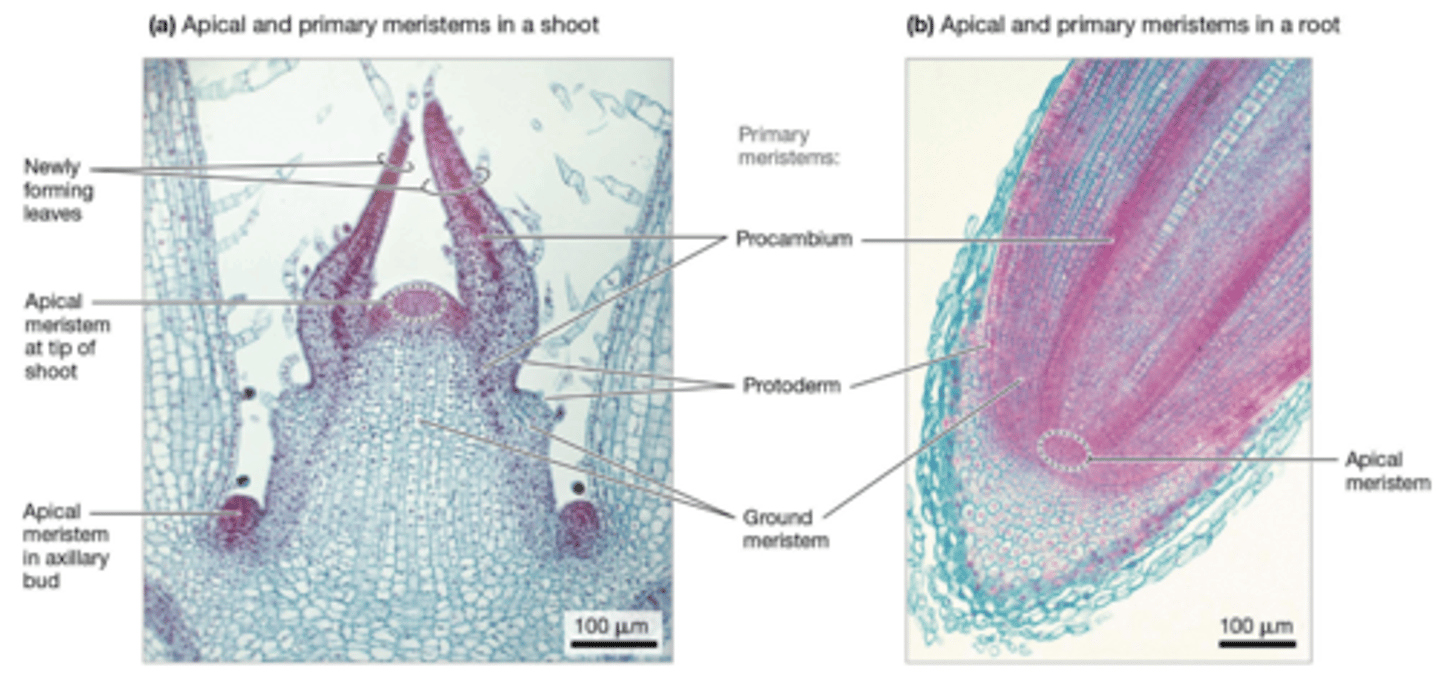
Importance of Cell Division (Apical Meristems)
Apical meristems (located at the tips of roots and shoots) = crucial for plant growth
Contain undifferentiated cells that continuously divide, allowing plants to grow all throughout their lives
Cells divide: some remain in the meristem, others differentiate into various cell types → forms primary plant body
Growth Zones in Roots: cellular division, elongation, and maturation
Apical meristem = in the division zone (active cell division occurs)
Cells then elongate/mature, become specialized
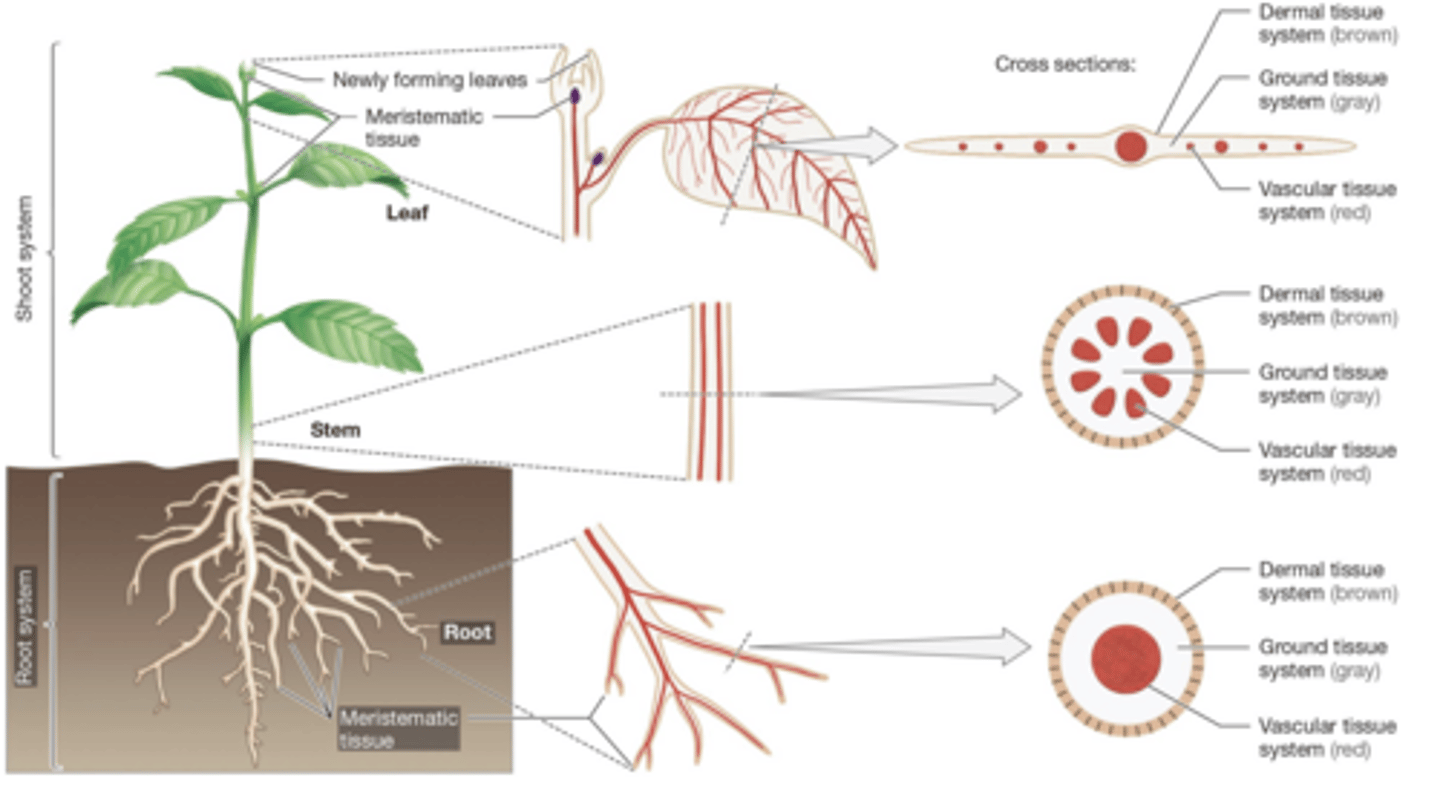
Vascular Tissue Arrangement
Dicot Stem: vascular bundles are arranged in a ring near the stem's perimeter
Ring formation (highly organized) allows for secondary growth
Monocot Stems: (i.e. corn) vascular bundles are scattered throughout the ground tissue
No secondary growth occurs
Leaves: vascular tissue forms veins that network throughout the leaf and are surrounded by ground tissue
Arrangement facilitates efficient transport of water and nutrients
Roots: vascular tissue is centrally located within the root and is surrounded by ground tissue
Central arrangement supports the transport of water and nutrients from the soil
Woody Plant Tissues: Growth/Development
Primary Growth: Occurs at the apical meristems which results in increase in length
It allows plants to extend their reach for light, water, and nutrients.
Secondary Growth: crucial for woody plants and involves the increase in width of roots and shoots.
Facilitated by the vascular cambium and cork cambium
Vascular cambium: located between the xylem and phloem; produces new layers of vascular tissue, contributing to the thickening of stems and roots
Cork cambium: forms the outer protective layer (bark)
Cell Division in Lateral Meristems: Diameter
Lateral meristems consist of undifferentiated cells that can divide and differentiate into various cell types
When dividing: contribute to the thickening of the plant body by producing new cells that differentiate into epidermal, ground, and vascular tissues
Newly formed cells grow in specific directions and differentiate into specialized tissues
Process is influenced by environmental cues and cell-cell signals (ensures plant can adapt to its surroundings)
Tissue Formation: epidermis forms the protective outer layer; ground tissue supports functions like photosynthesis and storage; vascular tissue (central location) facilitates the transport of nutrients and water
Lateral Meristem Growth (Width)
Vascular Cambium: meristematic tissue that produces two types of tissues: secondary xylem (wood) and secondary phloem
Secondary Xylem: produced toward the interior of the cambium; consists of tracheids, vessels, parenchyma cells, and sclerenchyma cells; responsible for water/ion transport and provides structural support
Secondary Phloem: produced toward the exterior of the cambium; includes sieve tube elements, companion cells, and sclerenchyma cells, all involved in transporting nutrients.
Cork Cambium: located near the outer perimeter and produces cork
Forms part of the bark and provides protection
Annual growth: these processes result in the thickening of the tree trunk as new layers of xylem and phloem are added each year
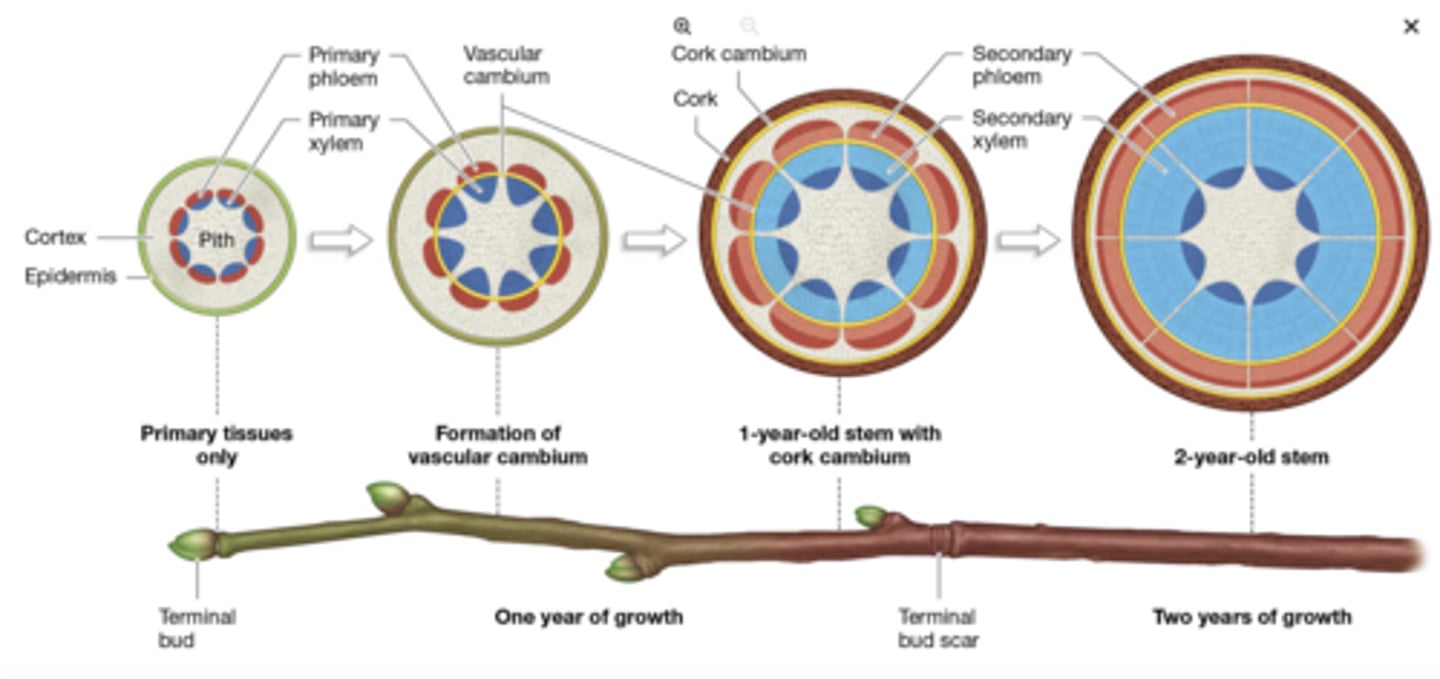
Annual Growth Rings in Wood
Dormancy periods (e.g. winter in cold climates or dry seasons in tropical areas): vascular cambium ceases growth
Once growth resumes (i.e,. spring or rainy season) cambium produces large, thin-walled cells (early wood)
Season progresses/less favorable conditions: smaller, thicker-walled cells called (late wood) form
Alternation between early and late wood results in distinct growth rings.
Wider rings suggest favorable conditions like abundant moisture
Narrower rings indicate stress factors such as drought or pollution
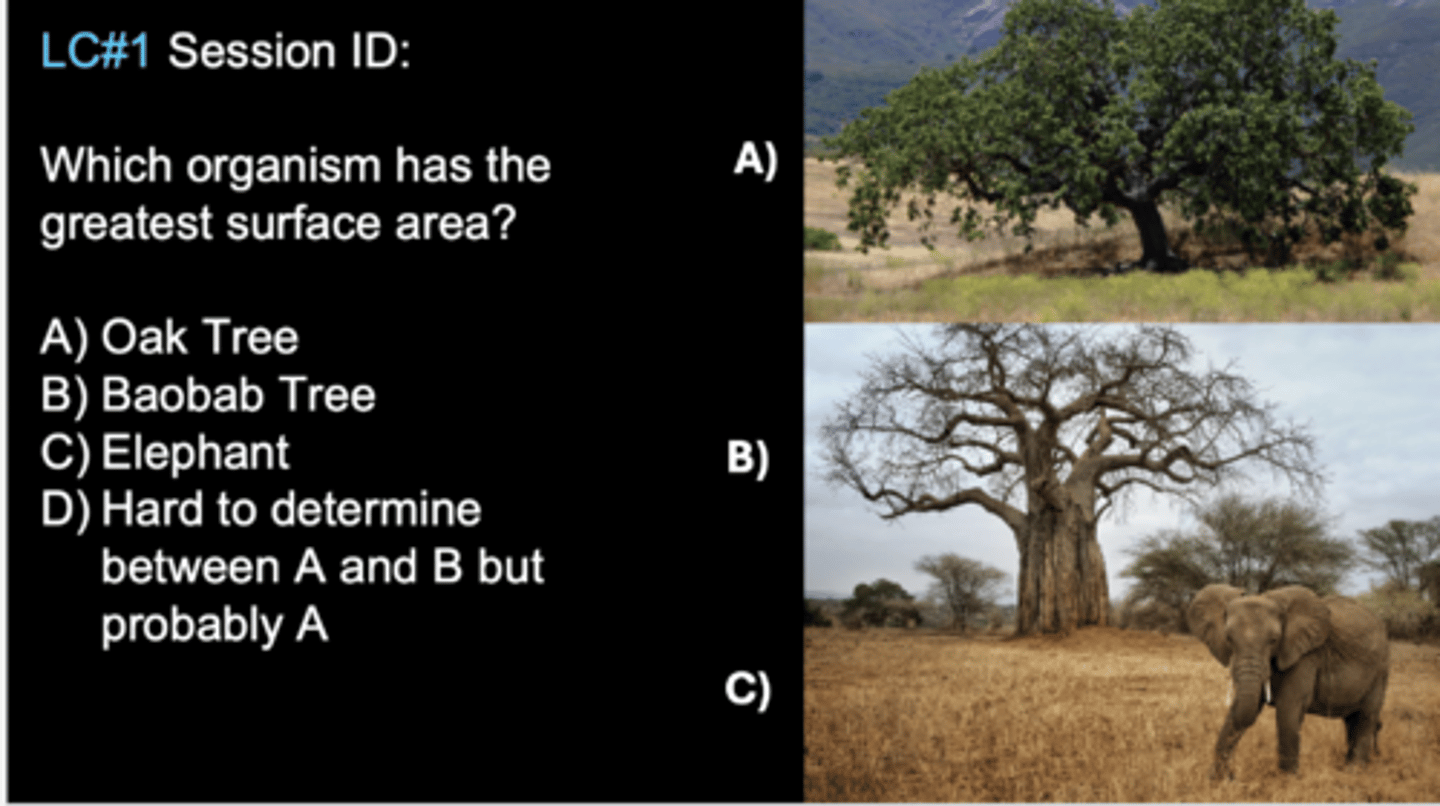
A. Oak Tree
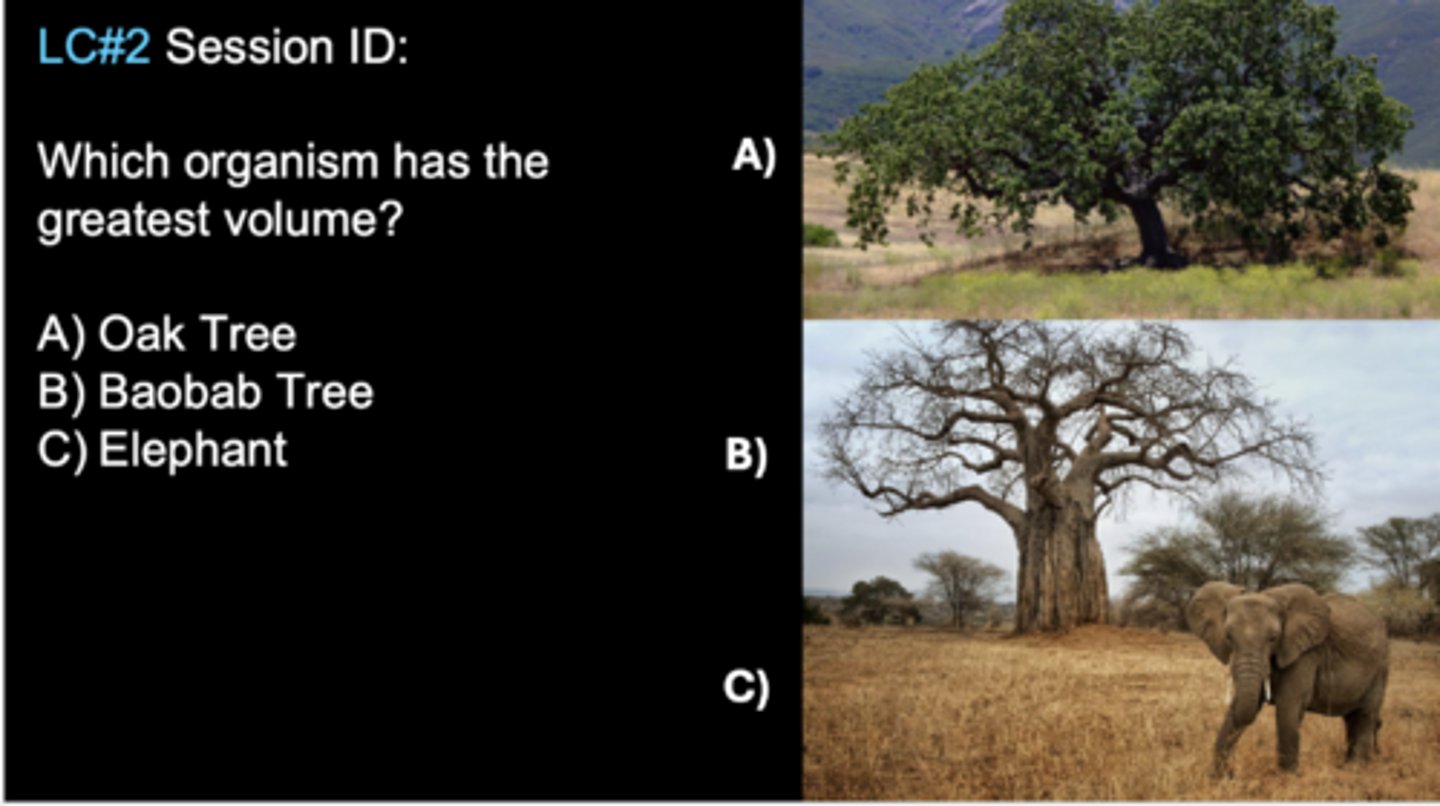
B.
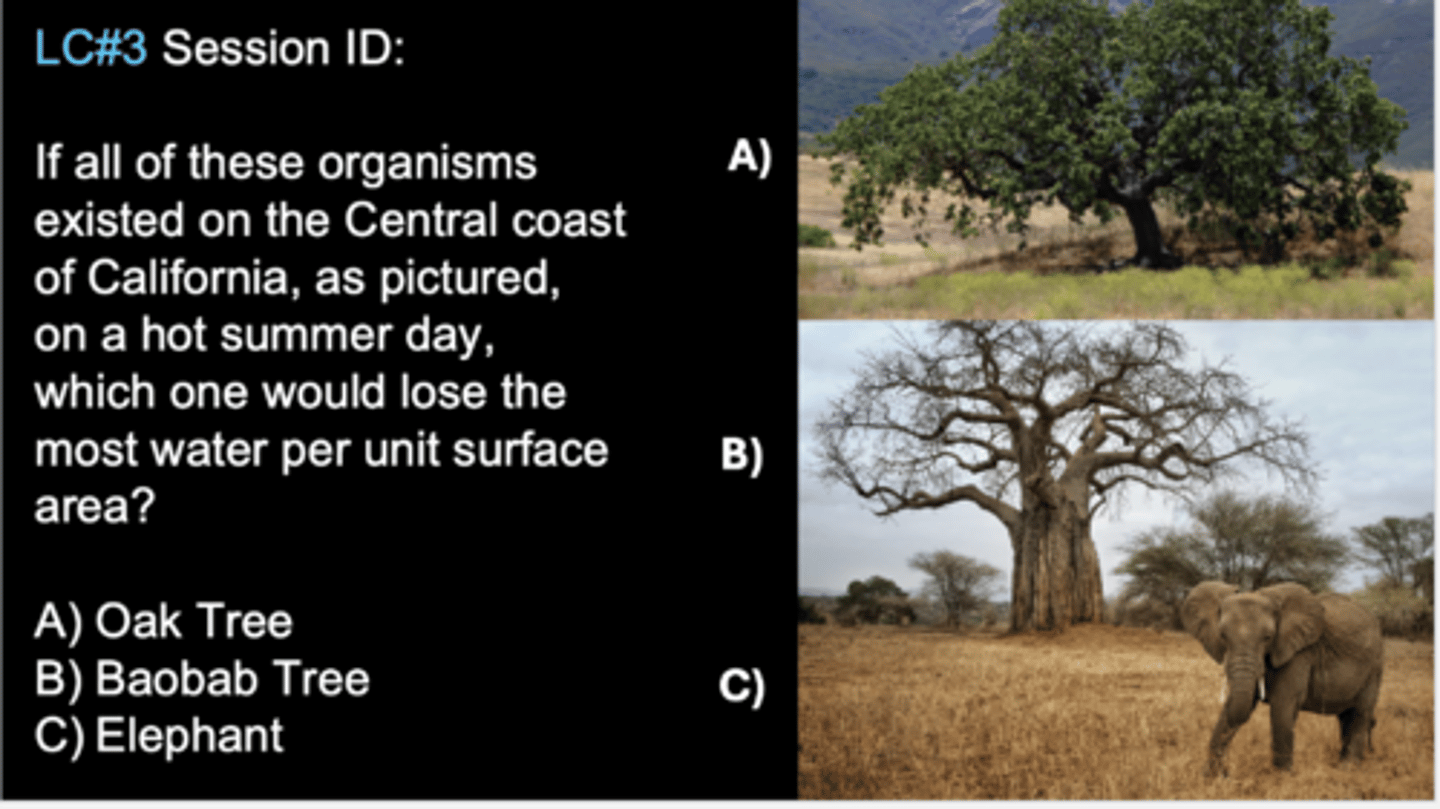
A. Oak Tree
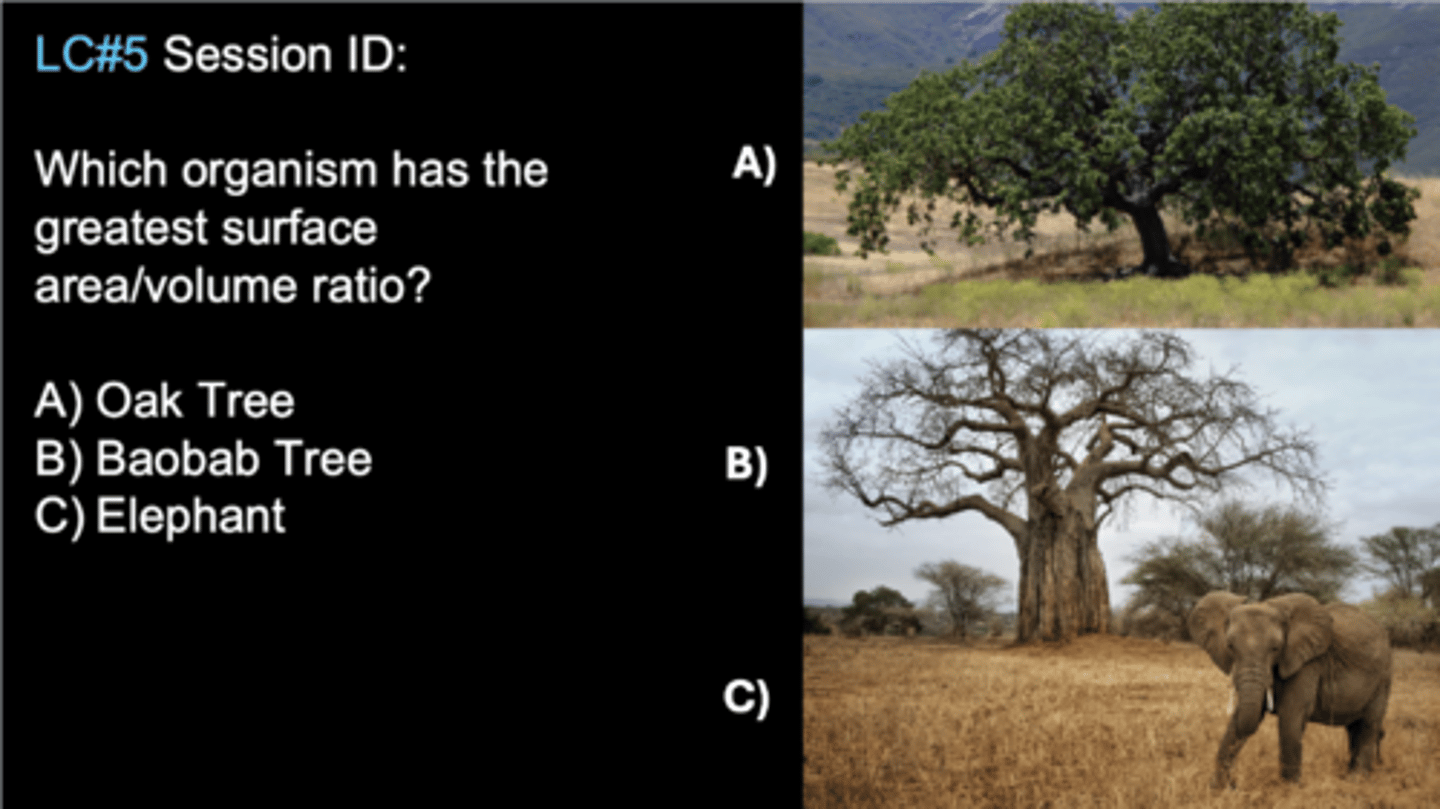
A. Oak Tree
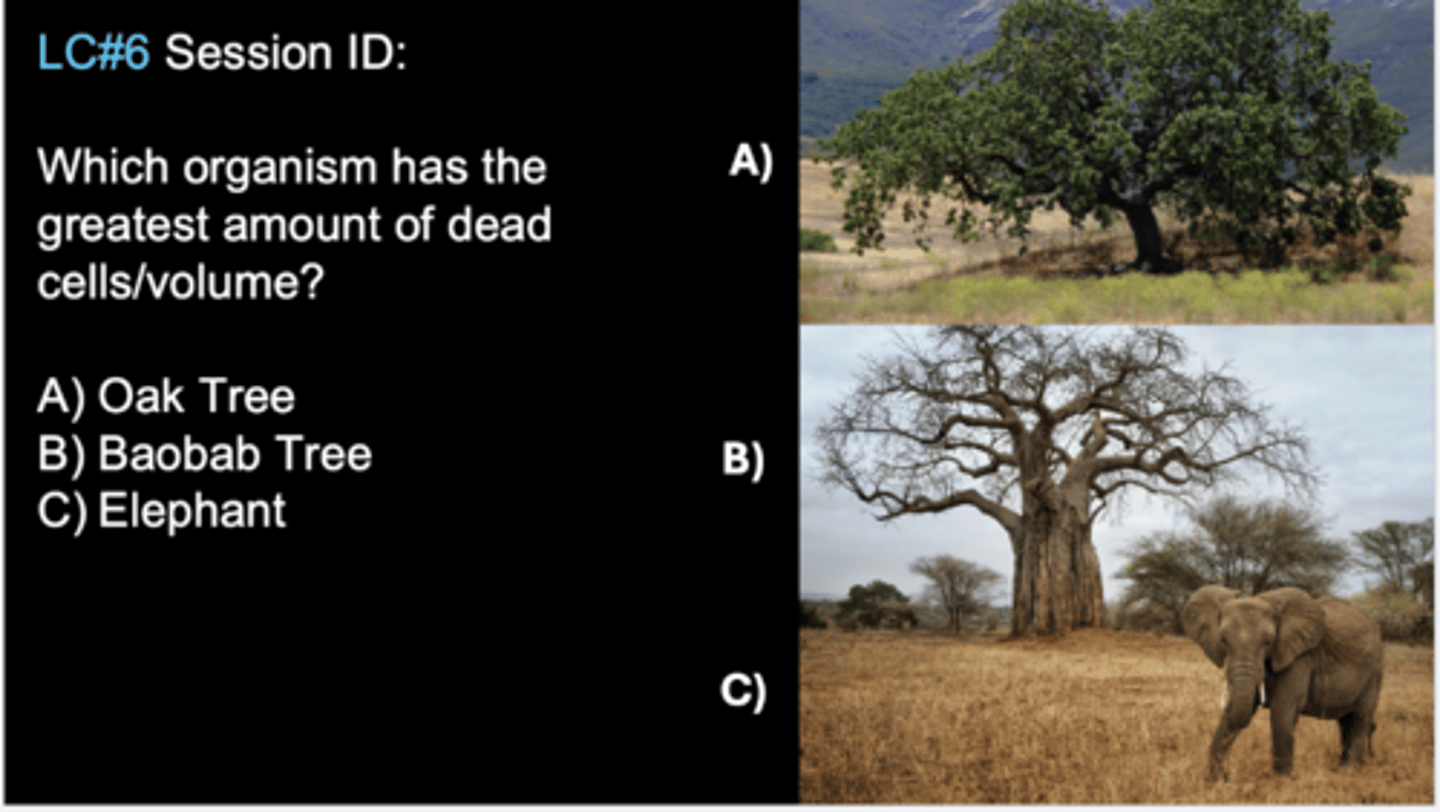
B. Baobab Tree
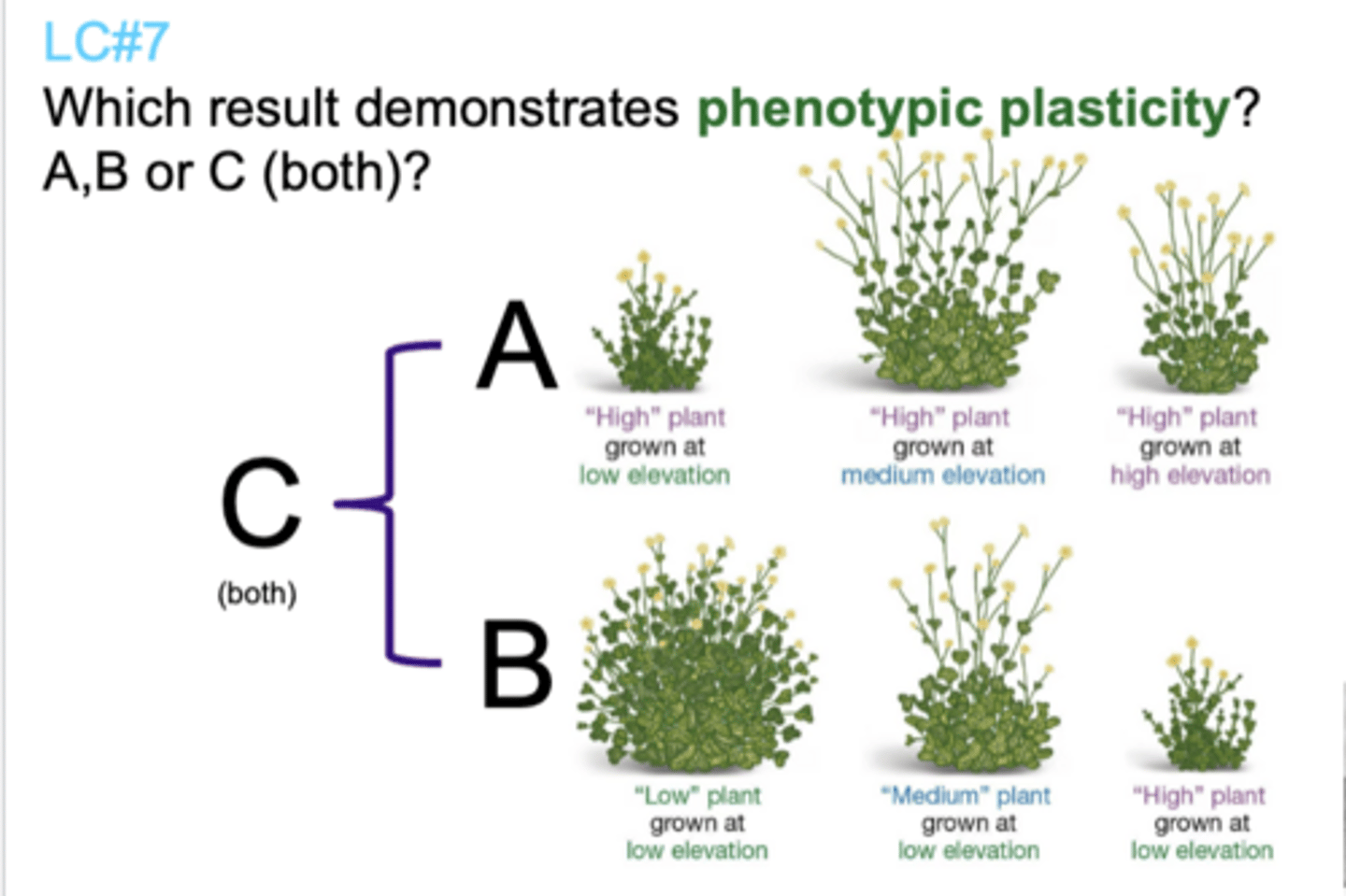
A.
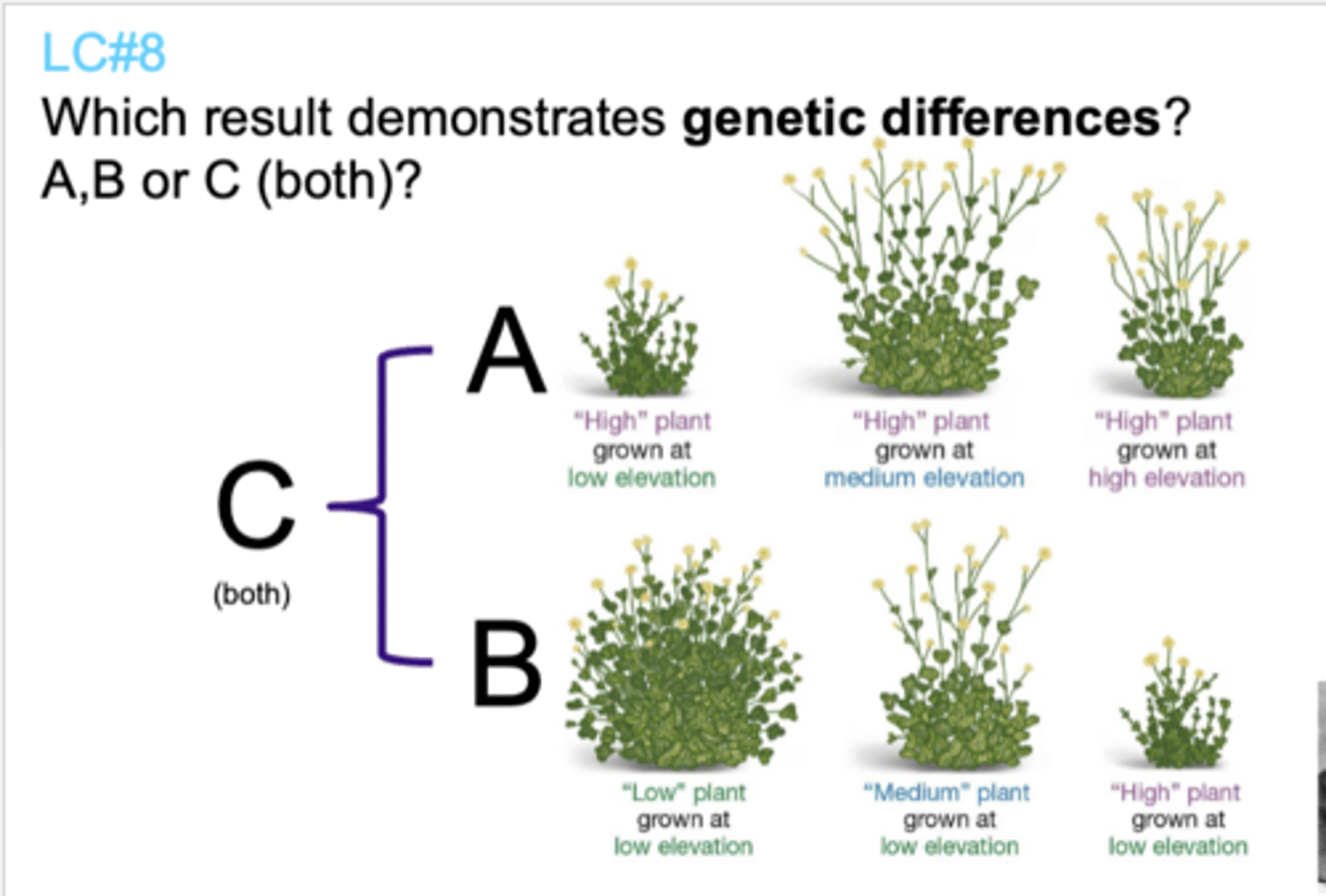
B.
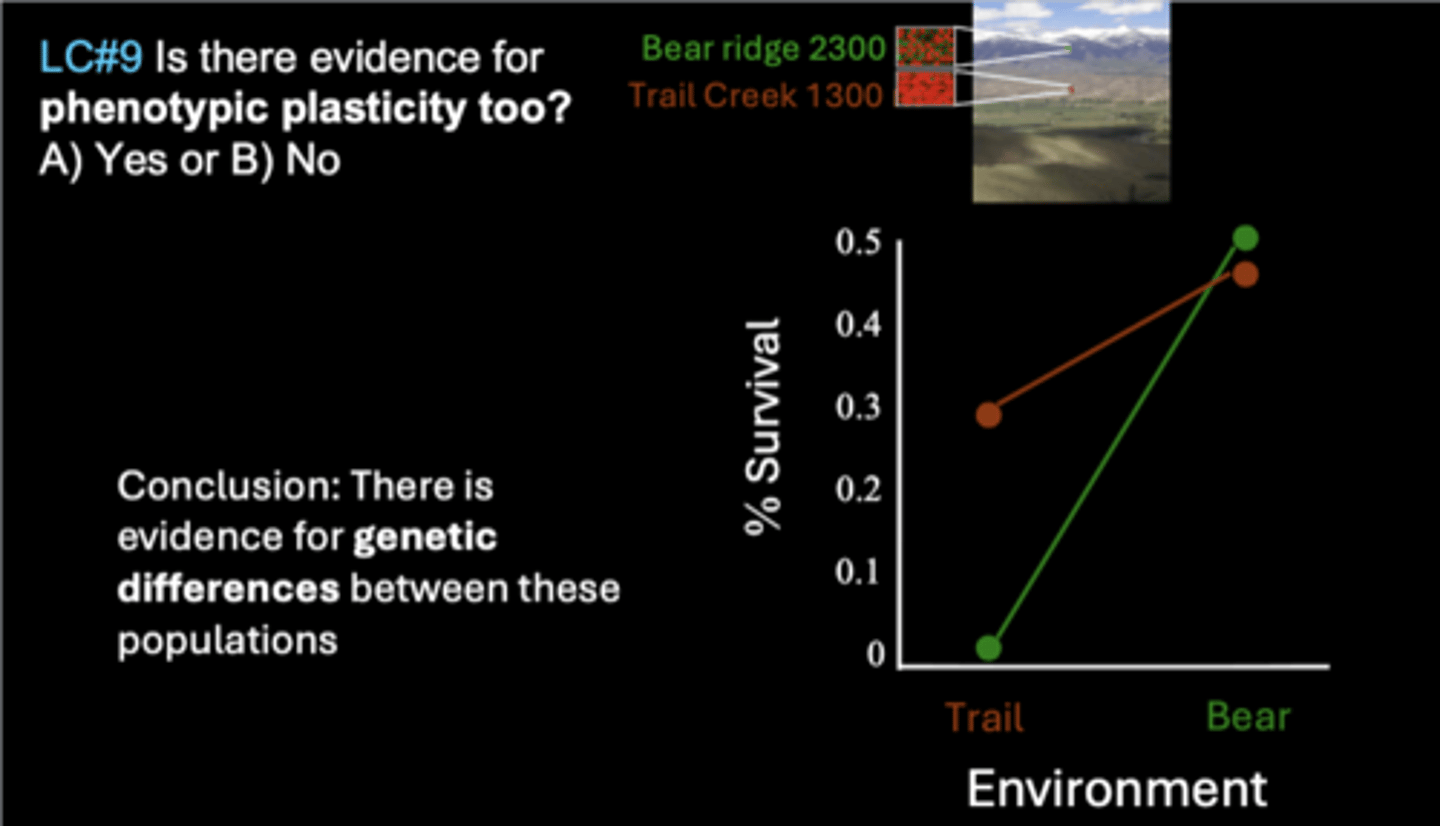
Yes
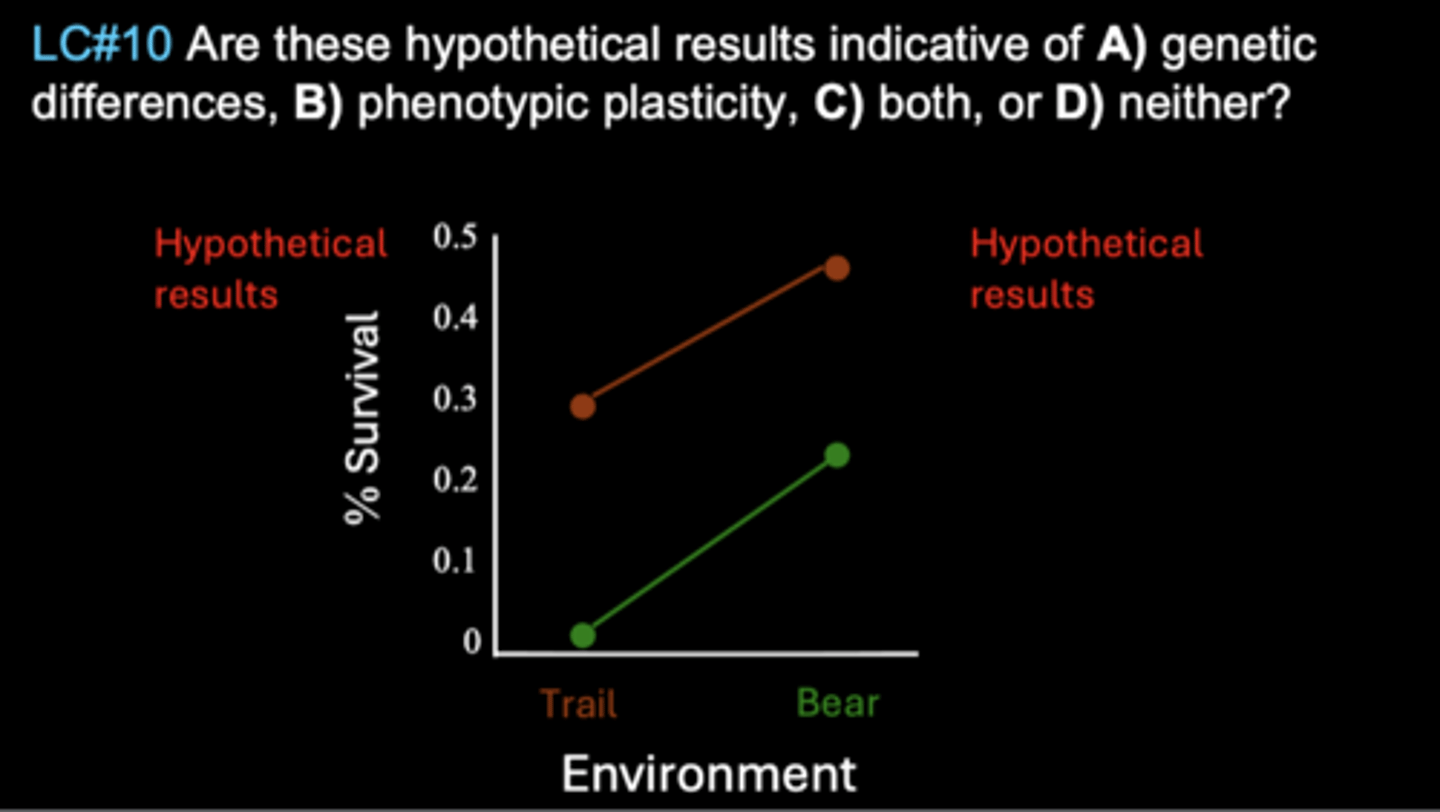
C. Both
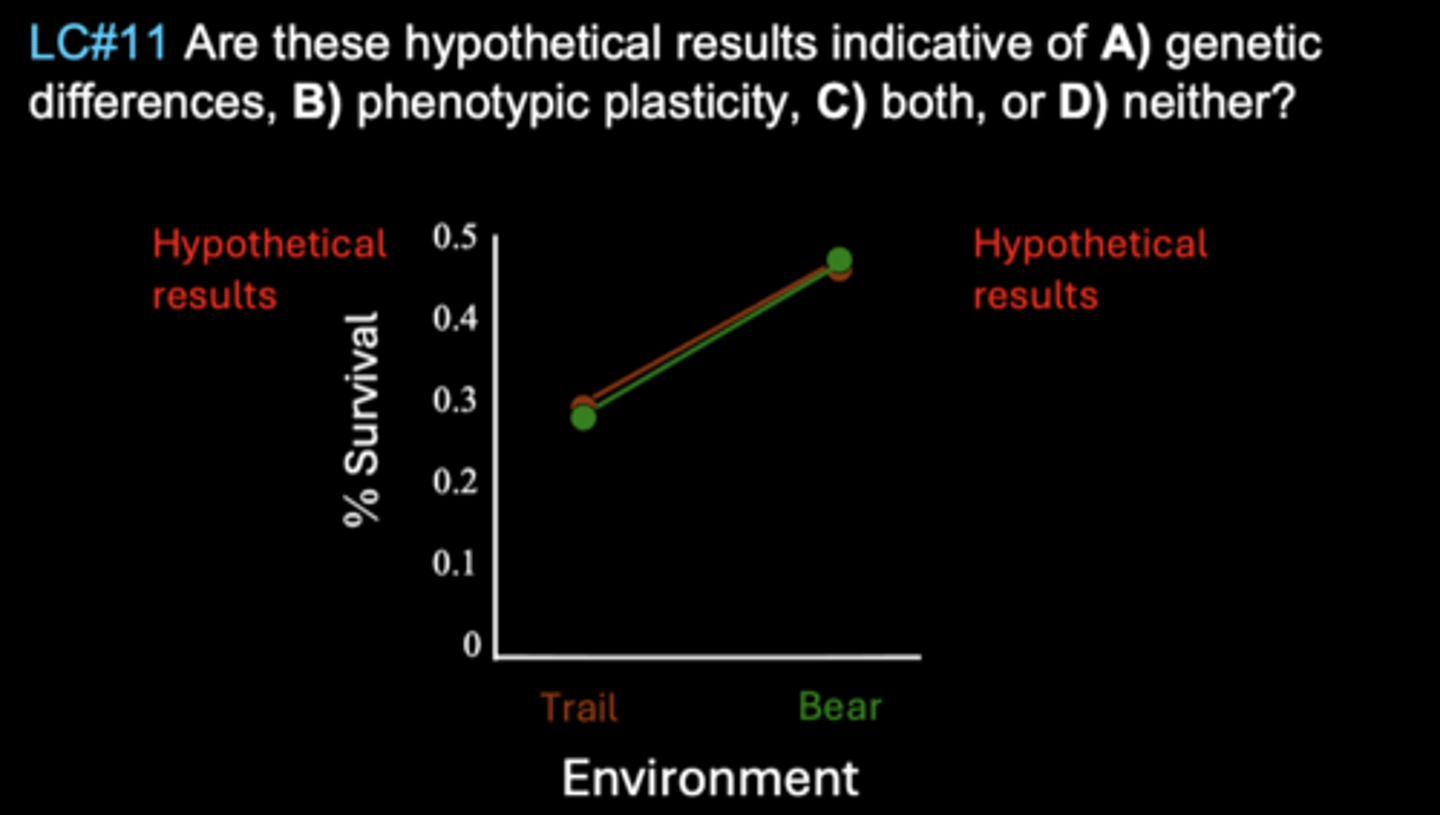
B. Phenotypic Plasticity
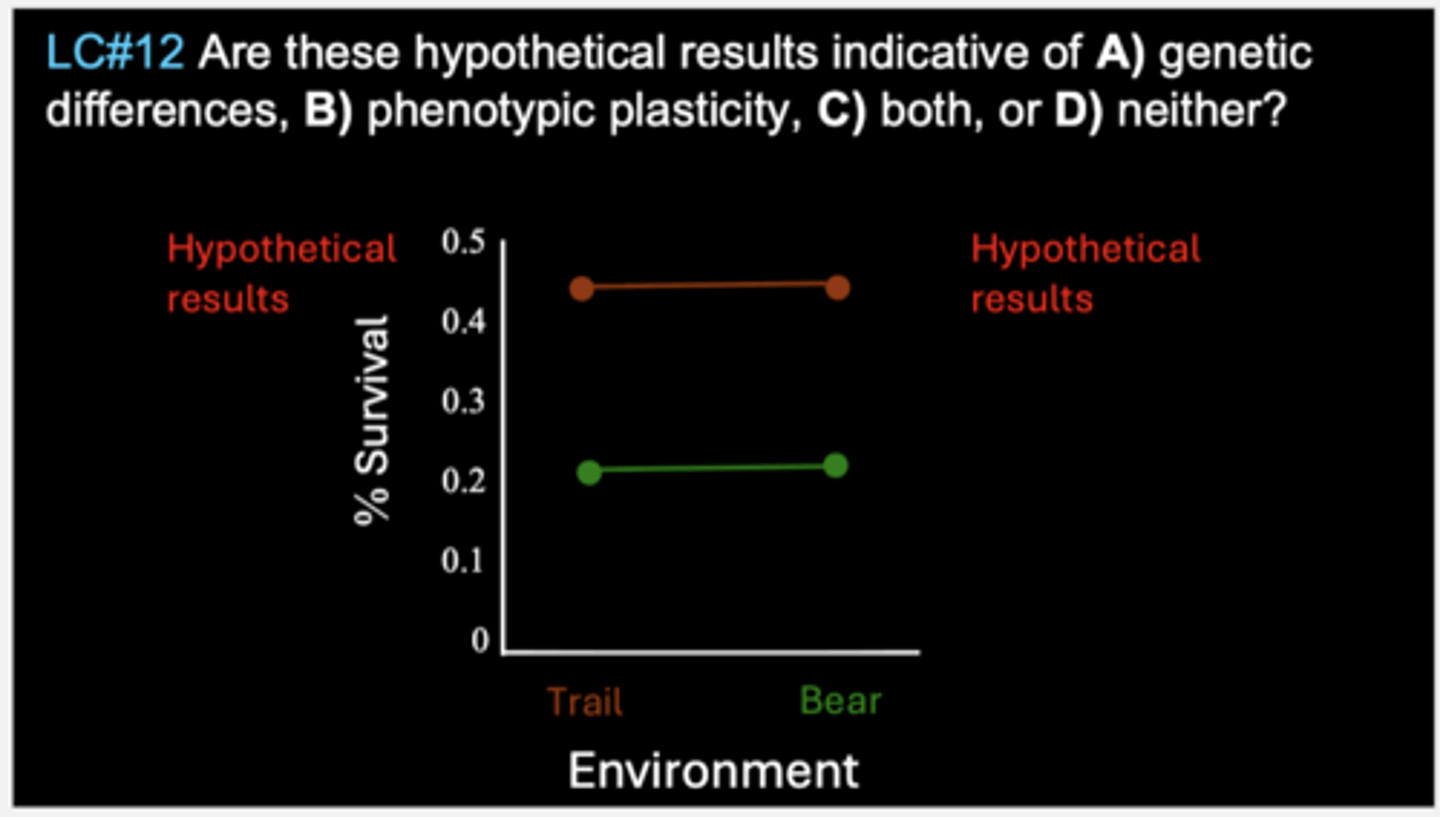
A. Genetic Differences