Introduction to the Endocrine System
 Call Kai
 Learn
Learn Practice Test
 Spaced Repetition
 Match
Match Flashcards
 Knowt Play
1/40

There's no tags or description
Looks like no tags are added yet.
Name | Mastery | Learn | Test | Matching | Spaced | Call with Kai |
|---|
No analytics yet
Send a link to your students to track their progress
41 Terms
What is the endocrine system?
The body system that produces and secretes hormones into the bloodstream to regulate physiological functions
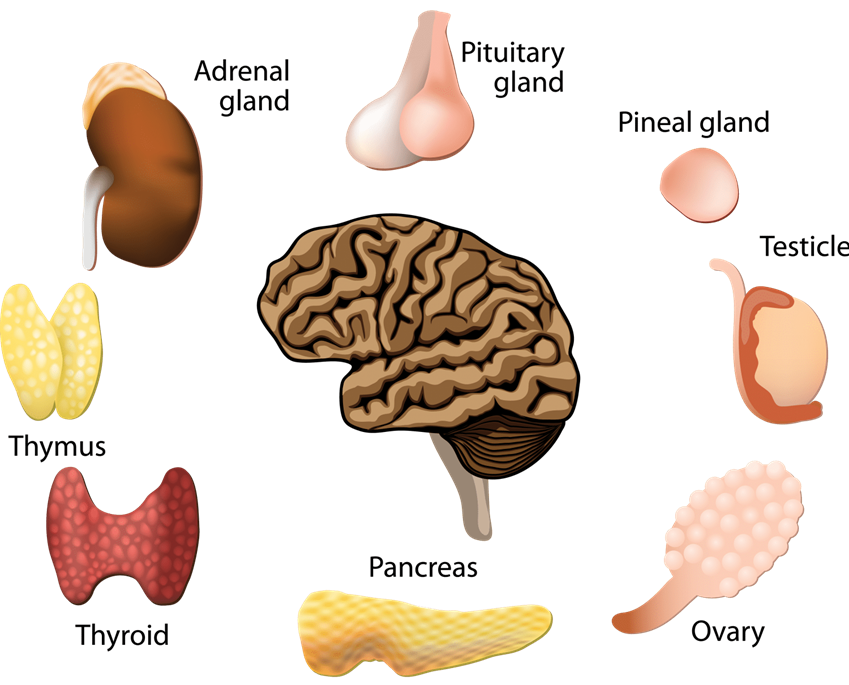
What are the main endocrine organs?
Hypothalamus
Pituitary
Thyroid
Adrenals
What is endocrine?
A type of cell signalling where substances (hormones) are secreted internally into the bloodstream to act on distant target cells.
Endocrine organs release hormones that are important in 4 broad areas; what are those 4 areas?
Reproduction
Growth and development
Maintenance of internal environment
Regulation of energy
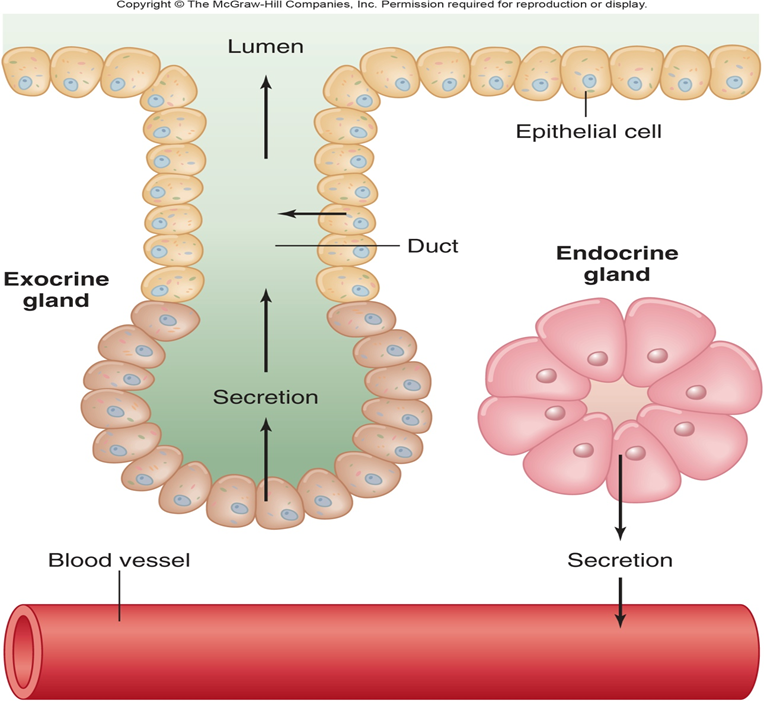
What are the key structure features of endocrine glands?
Ductless
Highly vascularized
Secretes messengers (hormones) directly into circulation
Primary glands: e.g. pituitary, thyroid, adrenals
Other organs may have secondary endocrine function, e.g. hypothalamus, heart, kidney, GI tract
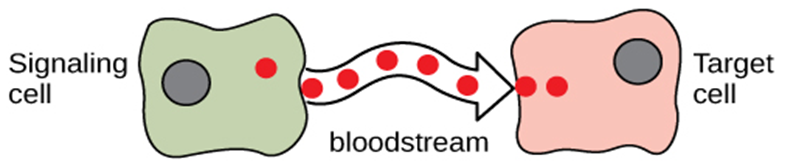
What are hormones?
Chemical messengers released by endocrine cells into the bloodstream that acts on specific target cells with appropriate receptors to regulate physiological processes.
Are hormones present in high or low concentrations?
Low concentrations (10-7 to 10-12 M)
What do hormones bind to?
They bind to specific, high affinity receptors on/in target cells.
Do single hormones have the same or different tissue-specific effects?
Single hormones may have different tissue-specific effects
What are the 3 major chemical classes of hormones?
Amino acids / amines
Peptides and proteins
Steroids
What are amine hormones?
Small hormones made from single amino acids
What are the 2 main sources of amine hormones?
Tyrosine
Tryptophan
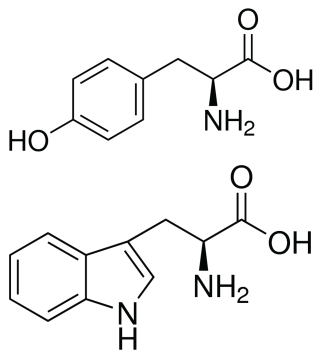
What specific hormones are derived from tyrosine and tryptophan?
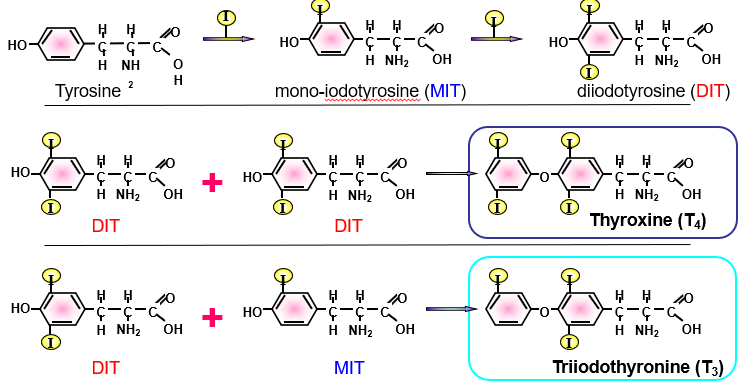
Tyrosine is the precursor for catecholamines (e.g. adrenaline) and thyroid hormones T4 (thyroxine) and T3 (triiodothyronine)
Tryptophan is the precursor for indoleamines (e.g. melatonin)
What is the pathway of catecholamine synthesis from tyrosine?
Tyrosine is converted to L-DOPA by tyrosine hydroxylase, then to dopamine by DOPA decarboxylase, then to noradrenaline by dopamine β-hydroxylase, and finally to adrenaline by phenyl ethanolamine N-methyltransferase.
Thyroid hormone synthesis
Name some steroid hormones
Cortisol
Aldosterone
Testosterone
Estradiol
What are peptide and protein hormones? Give examples.
Peptide hormones: Short chains of amino acids.
ADH (9 amino acids)
Oxytocin (9 amino acids)
Polypeptide hormones: Longer amino acid chains.
Insulin
Prolactin (198 amino acids)
Protein hormones: Very long polypeptide chains with complex structures.
Thyroid-stimulating hormone (TSH)
Follicle-stimulating hormone (FSH)
Growth hormone (GH)
Which hormones are water soluble?
Peptide and amino acid hormones
They dissolve freely in plasma, and the cell receptor location is on the cell surface membrane
Which hormones are lipophilic?
Steroid and thyroid hormones
They travel in the blood bound to carrier transport proteins and the receptor location is intracellular (cytoplasmic or nuclear).
What’s the mechanism of action for water soluble hormones?
Second-messenger system
What’s the mechanism of action for lipophilic hormones?
They directly regulate gene transcription
What are hormone receptors?
The ability of a cell to respond to a hormone depends on the presence of receptors for that hormone on the surface or in the target cells.
Can the number of receptors for a hormone change?
Yes they can increase (upregulate) or decrease (downregulate)
What do cell surface receptors do?
They activate intracellular signalling cascades
What do intracellular receptors do?
They activate gene transcription
How does direct endocrine hormone release occur?
A stimulus acts on endocrine cells
This makes the endocrine cells secrete a hormone into bloodstream
The hormone travels to specific target cells and produces a physiological response
How does hormone release occur through hypothalamic-pituitary axis?
A stimulus activates a hypothalamic neurone
The hypothalamic neurone releases a regulatory hormone
This hormone stimulates endocrine cells in the anterior pituitary gland, secreting a tropic hormone
The tropic hormone then acts on a target endocrine organ, leading to the release of another hormone that produces a response in target cells
What does the HPA axis do?
It controls the body’s response to stress by releasing cortisol
Which hormones are involved in the HPA axis?
CRF
ACTH
Cortisol
Which gland releases ACTH?
Pituitary gland
Which gland releases cortisol?
Adrenal gland
What is the sequence of hormones released in the HPA axis during stress?
Hypothalamus releases CRF
Pituitary gland releases ACTH
Adrenal glands release cortisol
What is homeostatic regulation of hormone release?
Hormone release is controlled by feedback mechanisms that keep internal conditions stable.
When hormone levels rise, they signal the brain to reduce further release. When levels fall, the brain increases hormone production.
How is the HPA axis regulated by homeostasis?
Cortisol levels control the system
High cortisol reduces CRF and ACTH release
Low cortisol increases CRF and ACTH release
What are the key features of endocrine communication?
Hormones are released into the bloodstream from glands to target cells
Signalling is slow compared to neural signalling
The effects of hormones are long lasting
All cells are exposed, but only cells with specific receptors respond
Endocrine communication is important for the long term maintenance of homeostasis
Once a hormone has acted on its target tissue, what happens?
The concentrations must return to normal to prevent harmful effects of prolonged exposure
Therefore, hormones are excreted as urine or faeces (protein-bound hormones are protected from excretion and removal takes longer)
Hormones are also inactivated by metabolism. Enzymes in the blood rapidly break down peptides and catecholamines within minutes to hours.
What are the 4 types of endocrine disorders?
Hypo-secretion
Hyper-secretion
Hypo-responsive
Hyper-responsive
Example of hypo-secretion
Type I diabetes
Not enough insulin is being produced
Example of hyper-secretion
Pancreatic endocrine tumour
Example of hypo-responsive
Insulin resistant type II diabetes
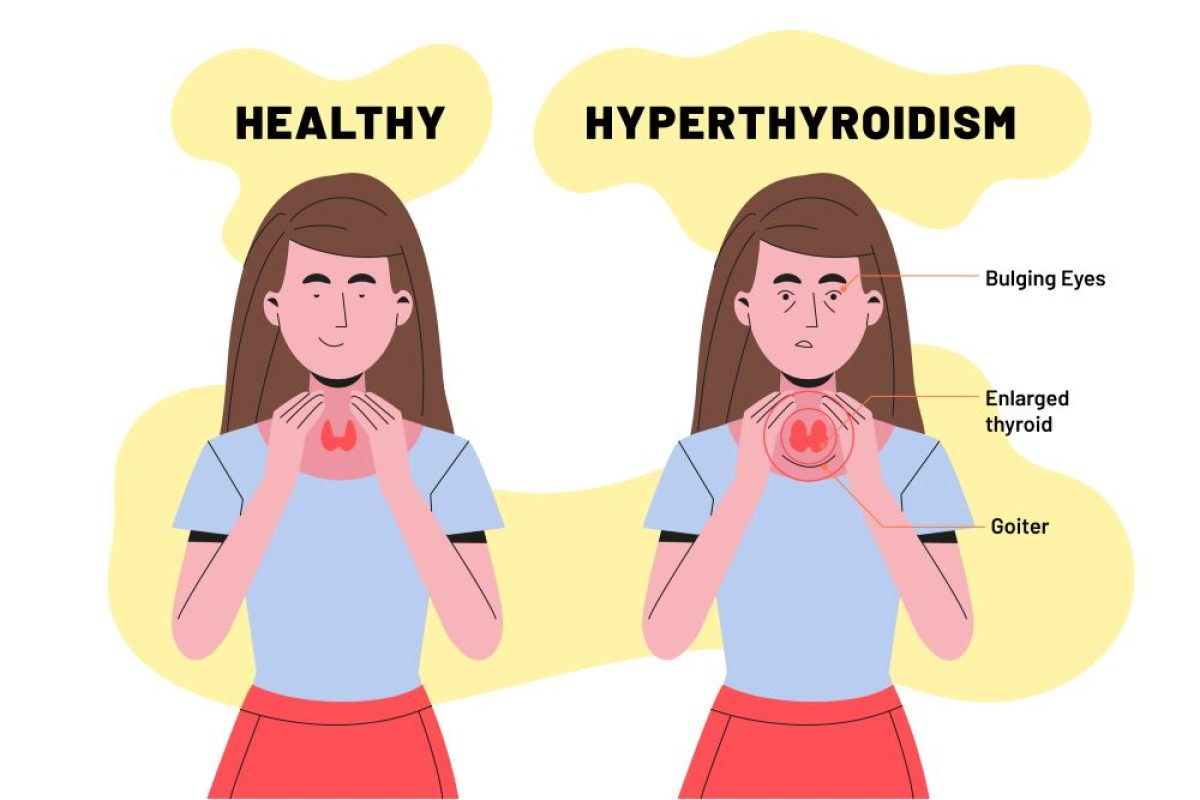
Example of hyper-responsive
TSH binds to the TSH receptor
This tells the thyroid to make T3/T4 hormones
Constitutive activation means the TSH receptor is switched on all the time, even without TSH binding
The thyroid keeps producing hormones non stop, leading to hyperthyroidism