ap/ib biology- evolution
 Call Kai
 Learn
Learn Practice Test
 Spaced Repetition
 Match
Match Flashcards
 Knowt Play
1/31

There's no tags or description
Looks like no tags are added yet.
Name | Mastery | Learn | Test | Matching | Spaced | Call with Kai |
|---|
No analytics yet
Send a link to your students to track their progress
32 Terms
evolution
change in allele frequencies in a population over time
happens at the population level, not individuals
driven by genetic variation and environmental pressures
allele frequency
how common an allele is in a population
natural selection
individuals with advantageous traits
gene pool
all alleles in a population
fitness
reproductive success
adaptation
inherited trait that increases survival
speciation
formation of new species
genetic drift
random changes in allele frequency
gene flow
movement of alleles between populations
mutation
random change in DNA
artificial selection
humans selecting traits
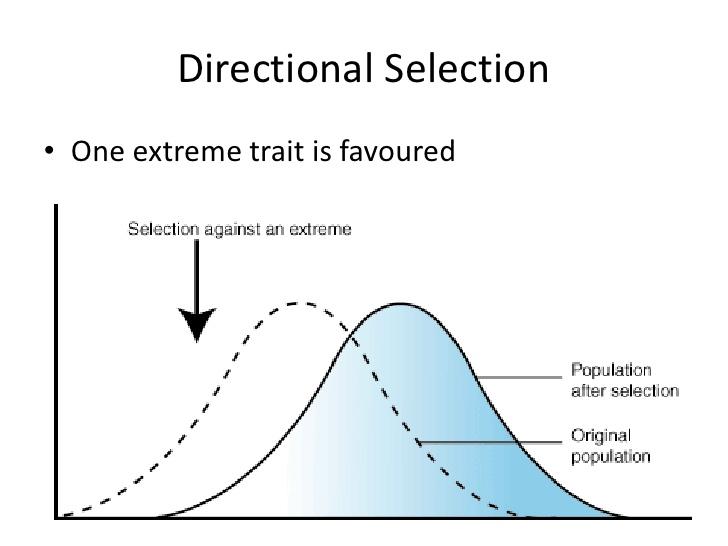
directional selection
1 extreme trait is favored
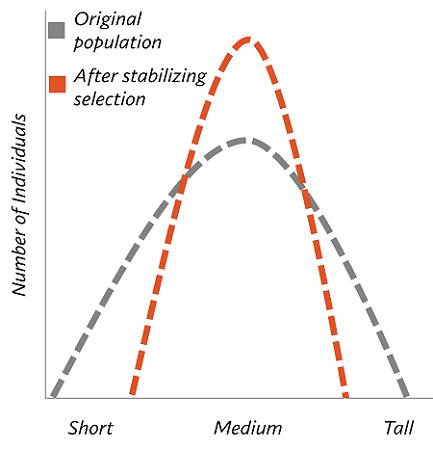
stabilizing selection
average phenotype favored
reduces variation
ex: human birth weight
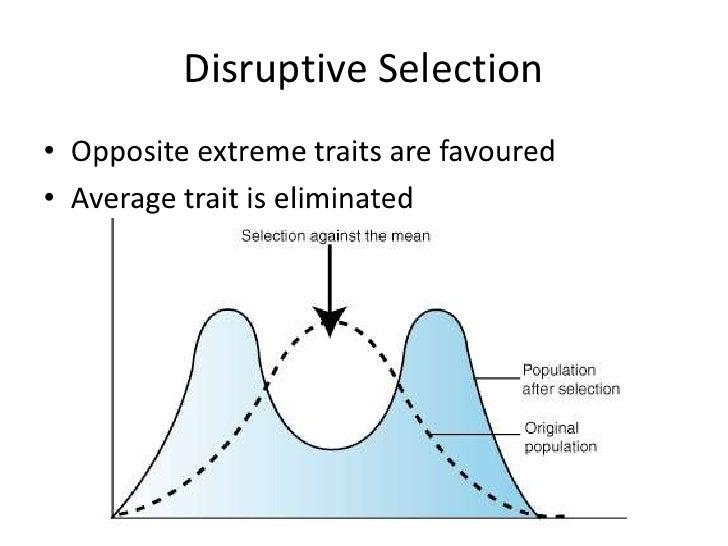
disruptive selection
both extremes favored
can lead to speciation
fossil records
shows changes over time
transitional fossils = links between species
molecular evidence
DNA similarities = common ancestry
more similar DNA → more closely related
homologous structure
same structure, different function (common ancestor)
analogous structure
different structure, same function
vestigial structure
no longer useful (ex: appendix)
mutation
primary source of variation
random, creates new alleles
genetic drift
strong in small populations
ex: bottleneck effect → sudden population reduction (those who survived)
ex: founder effect → small group starts new population
gene flow
movement of alleles between populations
increases variation
natural selection
non random
environment selects traits
hardy-weinburg equilibrium
p + q = 1
p² + 2pq + q² = 1
allopatric speciation
geographic barrier separates populations
sympatric speciation
no physical barrier
often due to behavior differences/plants
prezygotic barriers (before fertilization)
temporal (different mating times)
behavioral
mechanical
postzygotic barriers
hybrid is weak/sterile
divergent evolution
species become more different
covergent evolution
unrelated species become similar
co-evolution
species evolve together
microevolution
change in allele frequencies over time or generations