NPB 101 Final (Digestive)
 Call Kai
 Learn
Learn Practice Test
 Spaced Repetition
 Match
Match Flashcards
 Knowt Play
1/92

There's no tags or description
Looks like no tags are added yet.
Name | Mastery | Learn | Test | Matching | Spaced | Call with Kai |
|---|
No analytics yet
Send a link to your students to track their progress
93 Terms
Digestive System
Primary function to transfer nutrients, water, and electrolytes from the food we eat into the body’s internal environment
Plant photosynthesis
Energy + CO2 + H2O → organic molecules + O2
Human cell metabolism
organic molecules + O2 → energy + CO2 + H2O
Nasal passages
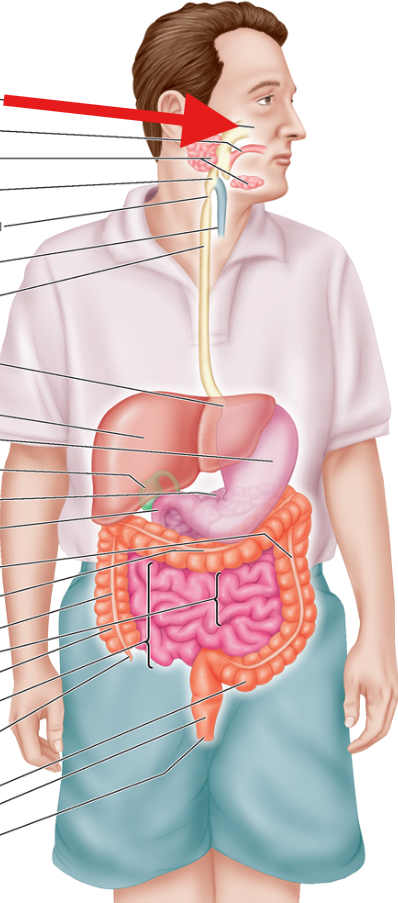
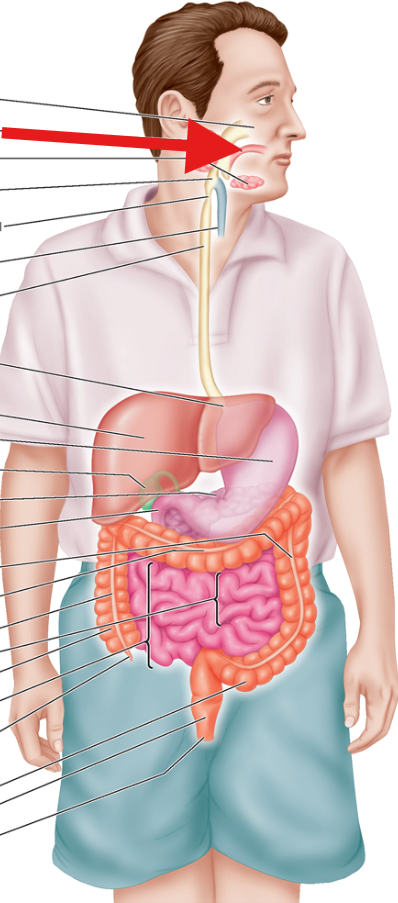
Mouth
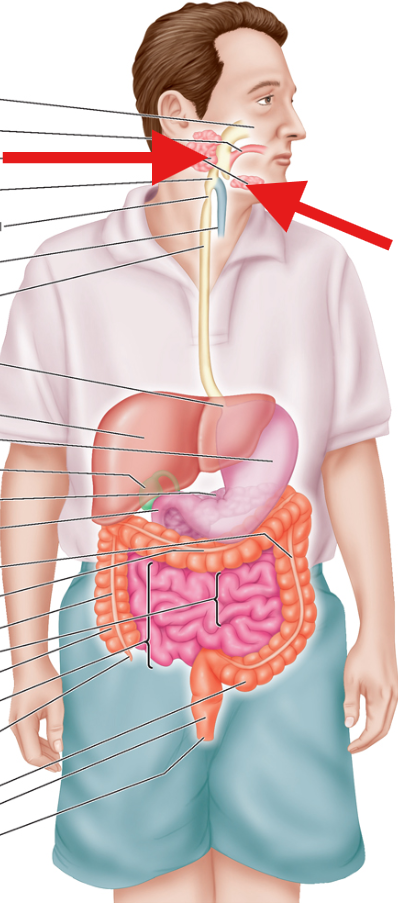
Salivary glands
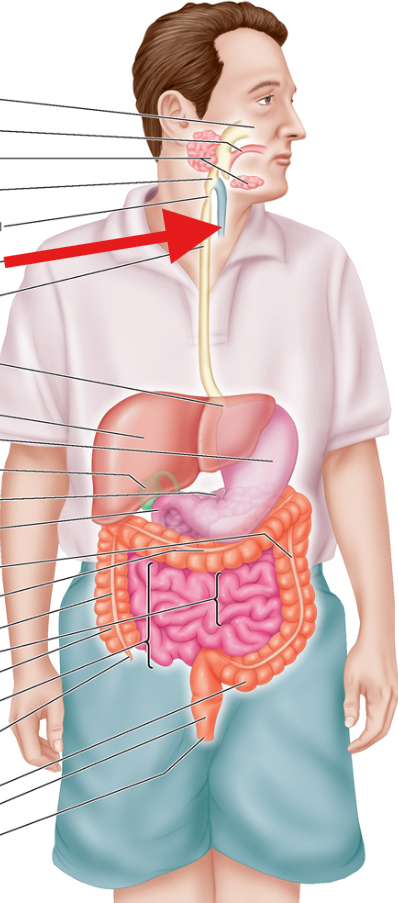
Trachea
Esophagus
Muscular tube that extends between the pharynx and stomach
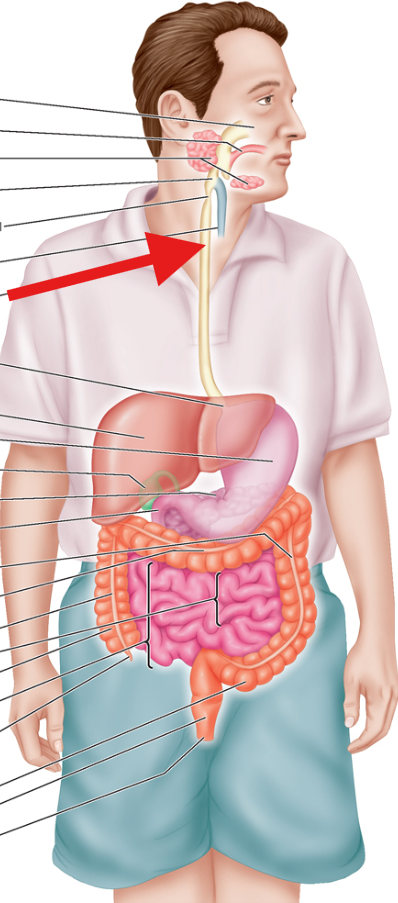
Stomach
J-shaped chamber located between the esophagus and SI
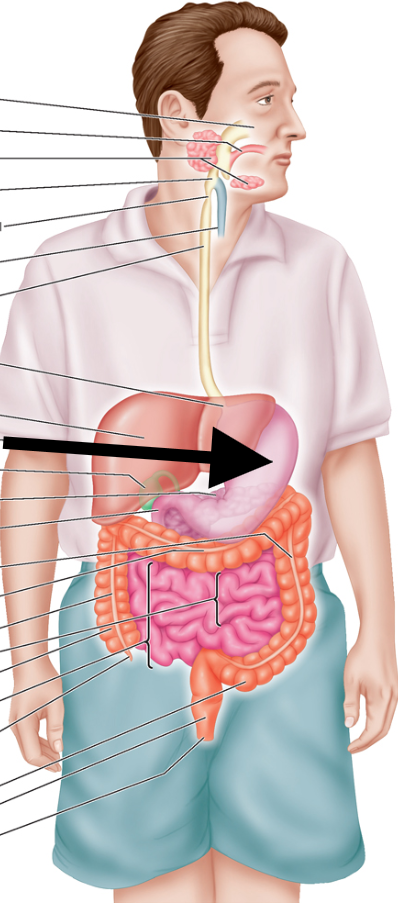
Gallbladder
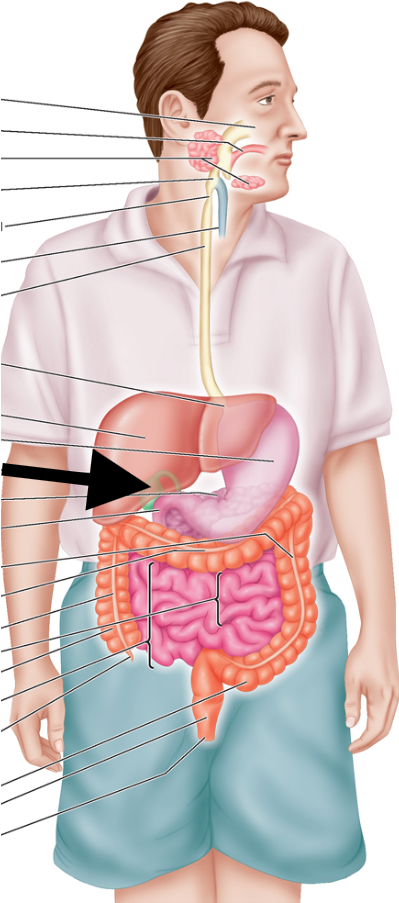
Pancreas
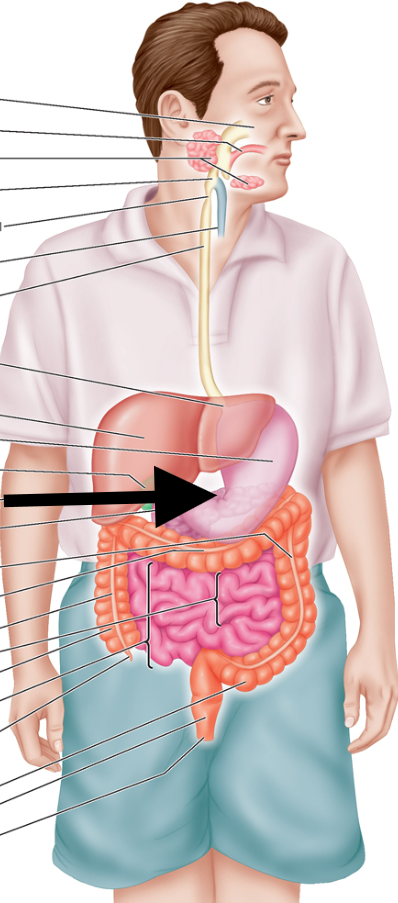
Duodenum
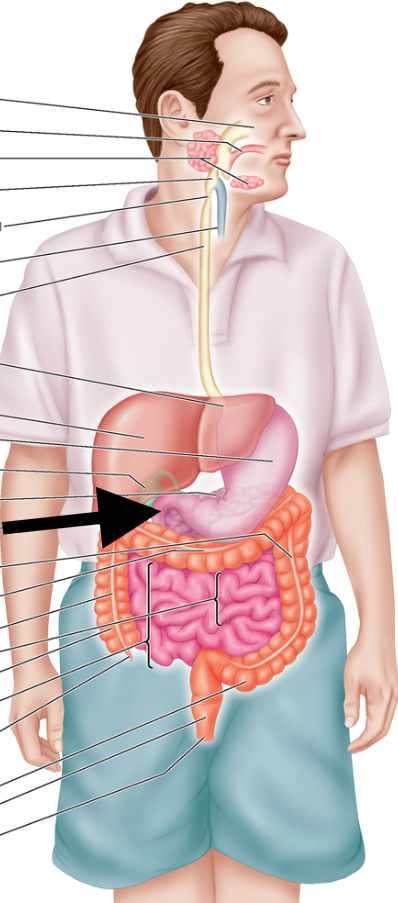
Descending colon
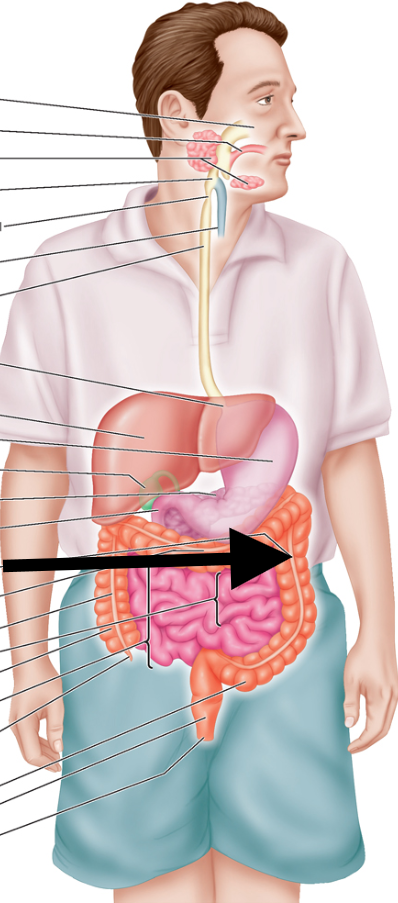
Transverse colon
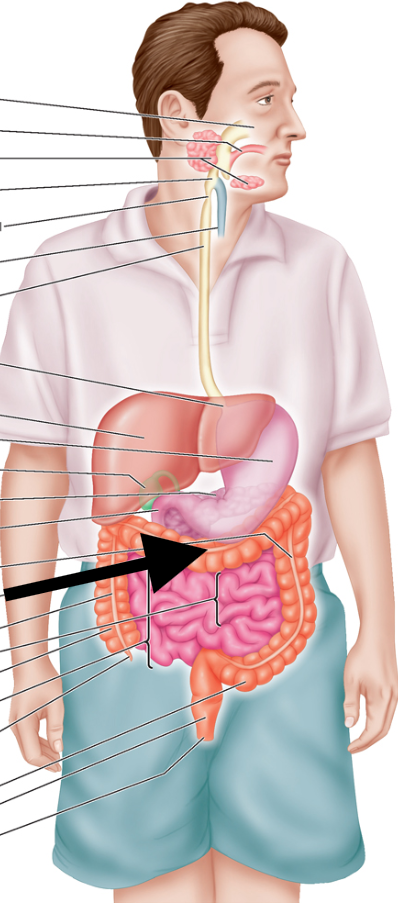
Jejunum
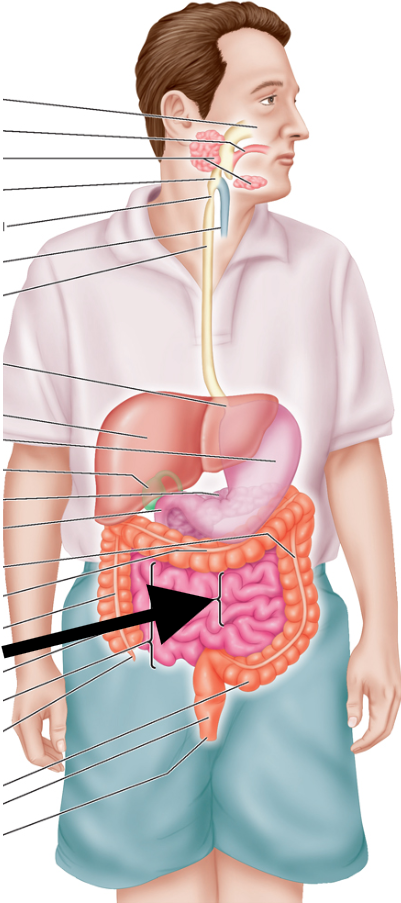
Cecum
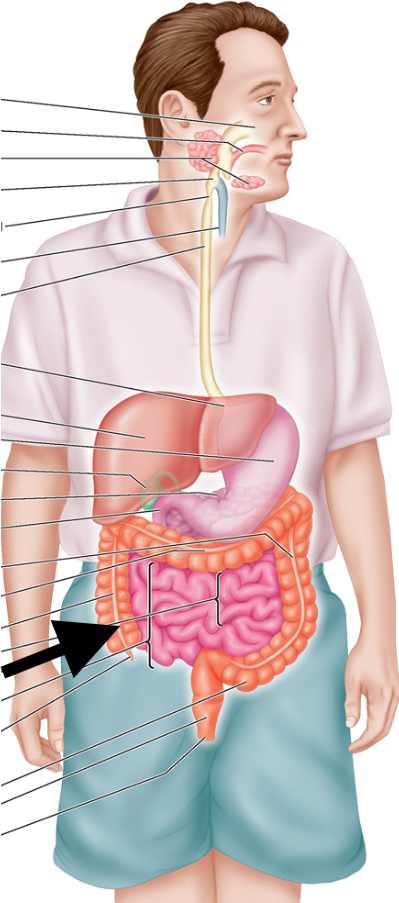
Ileum
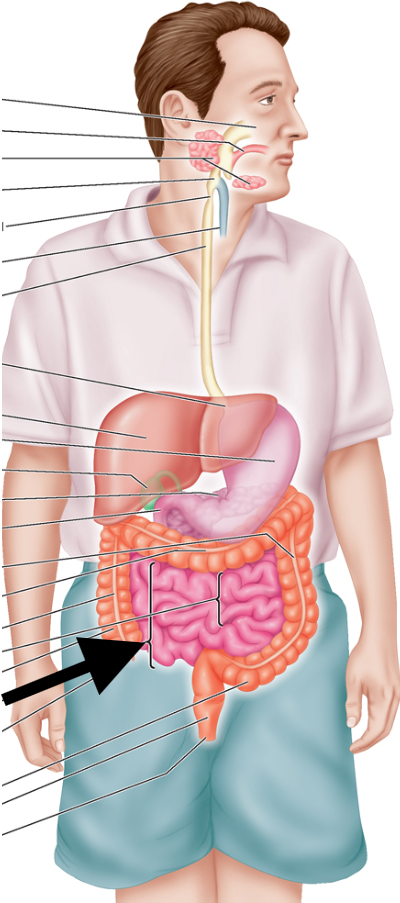
Appendix
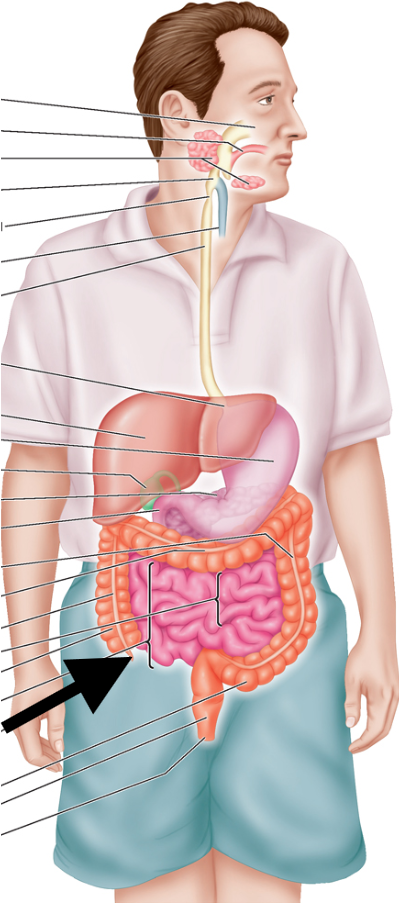
Sigmoid colon
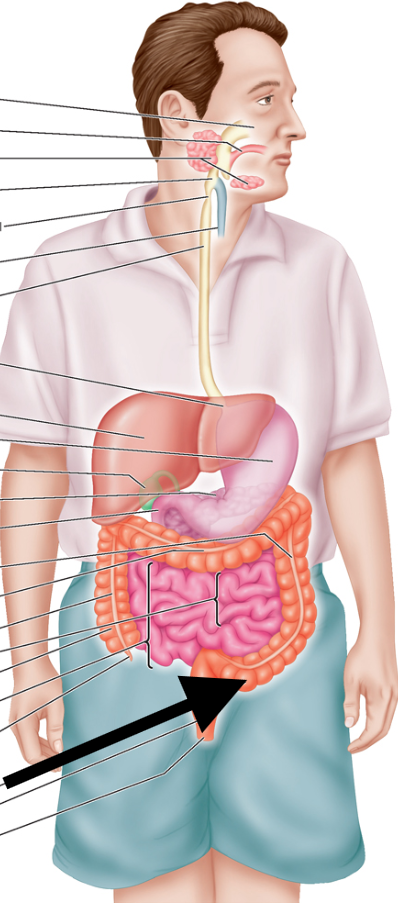
Rectum
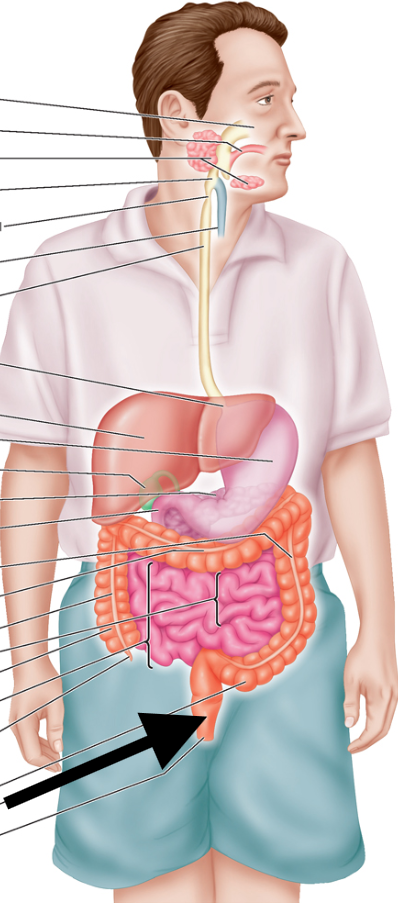
Anus
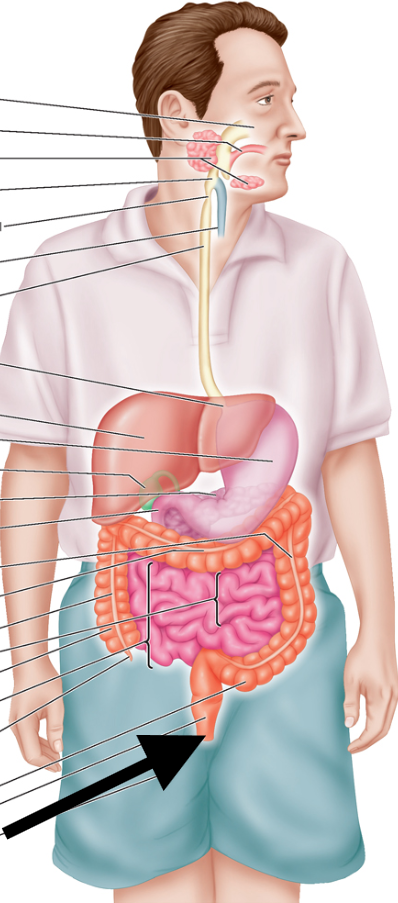
Order of which food travels through the body
Mouth and salivary glands
Pharynx and esophagus
Stomach
SI
LI
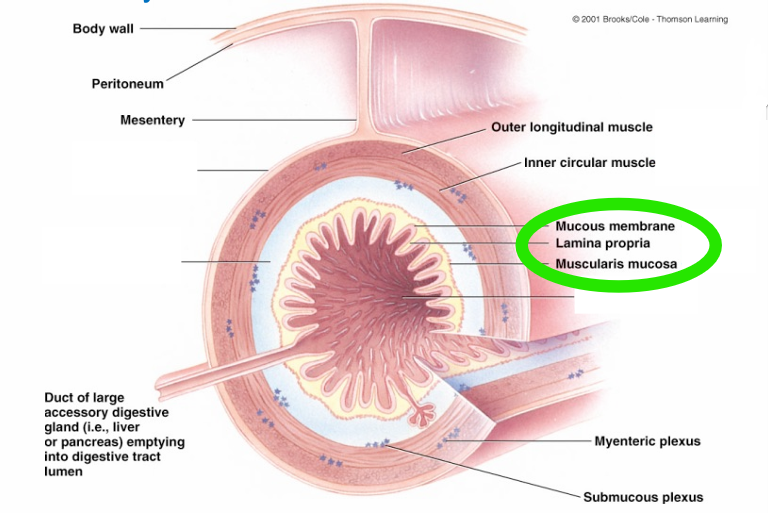
Digestive tract wall major tissue areas
Serosa
Submucosa
Muscularis externa
Mucosa
Serosa
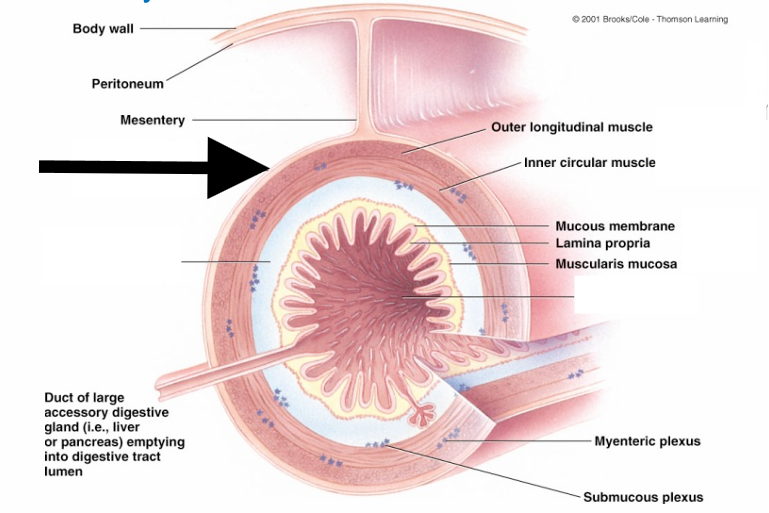
Submucosa
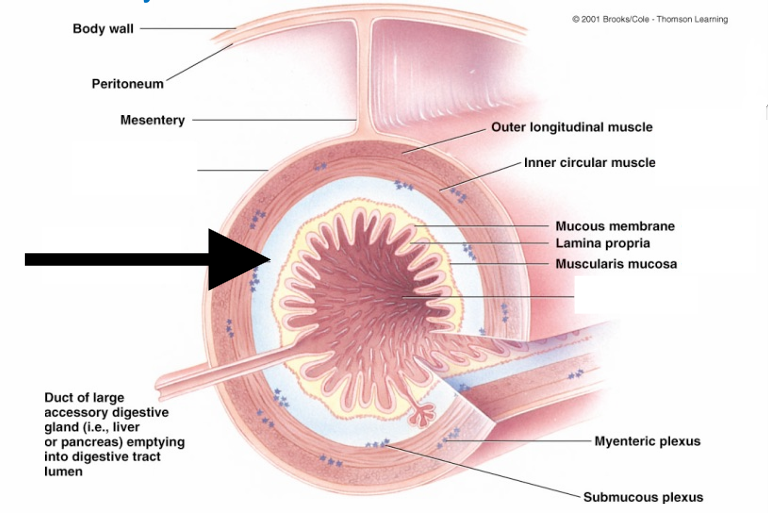
Muscularis externa
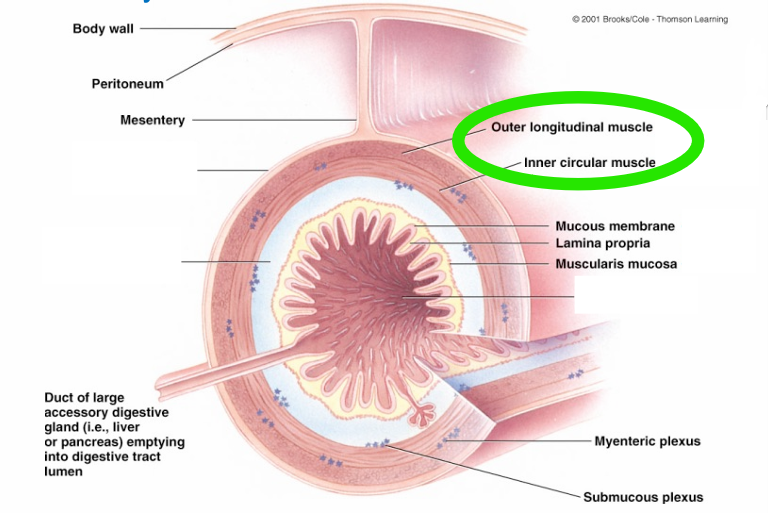
Mucosa
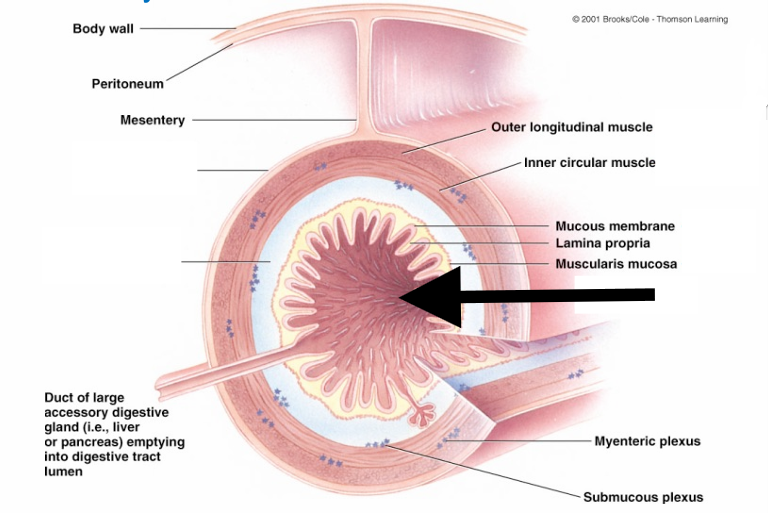
Lumen
Continuous with the external environment
Enteric system of the Digestive tract (wall)
Myenteric plexus
Submucous plexus
Why is the Lumen continuous with the external environment?
pH in the stomach can fall as low as 2. Inside the body the range of pH that is compatible with life = 6.8 - 8.0 (homeostatic range is 7.35 - 7.45)
Harsh Enzymes that hydrolyze food could destroy the body’s own tissues. Enzymes are synthesized in an inactive form and are activated when they reach the lumen
Millions of microorganisms inhabit the GI-tract, and these could be lethal if they entered the body properly
Basic digestive processes
Motility
Secretion
Digestion
Absorption
Motility (as a digestive process)
Muscular contractions mix and move forward the contents of the digestive tract through both propulsive & mixing movements
Propulsive motility movements
Move the contents of the GI tract forward
Mixing motility movements
Aid digestion by mixing food with digestive juices
Facilitate absorption by exposing food to absorbing surfaces
Secretion (as a basic digestive process)
Digestive juices are secreted into the digestive tract lumen by exocrine glands
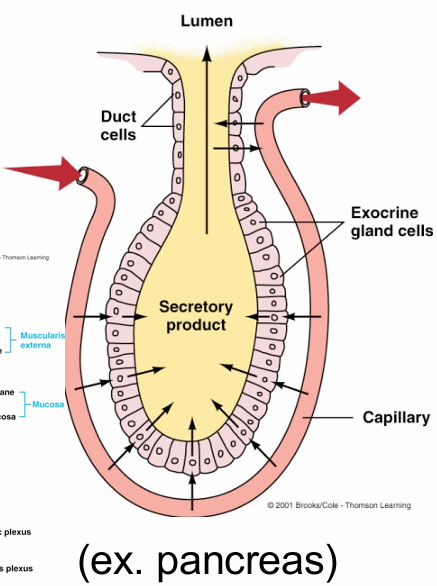
Digestion (as a basic digestive process)
Biochemical breakdown process whereby structurally complex food is converted into smaller absorbable units
carbohydrates → sugar
proteins → AAs/peptides
fat → FAs/glycerides
Absorption (as a basic digestive process)
The transfer of small absorbable units along with water, vitamins, and electrolytes from the digestive tract lumen into the blood or lymph
Mostly occurs in the SI
Small intestine (SI) components
Duodenum
Jejunum
Ileum
Large intestine (LI) components
Secum
Appendix
Colon
Rectum
Palate
Roof of the oral cavity
Separates oral cavity from nasal passage
Allows chewing and breathing to occur simultaneously
Front-most palate = hard palate, back-most palate = soft
Cephalic phase response (CPR)
Prepares food digestion and nutrient absorption efficiently
Without, there would be nutrient absorption delay, slow digestion speed, and a longer digestion period
Crucial for energy homeostasis and metabolism
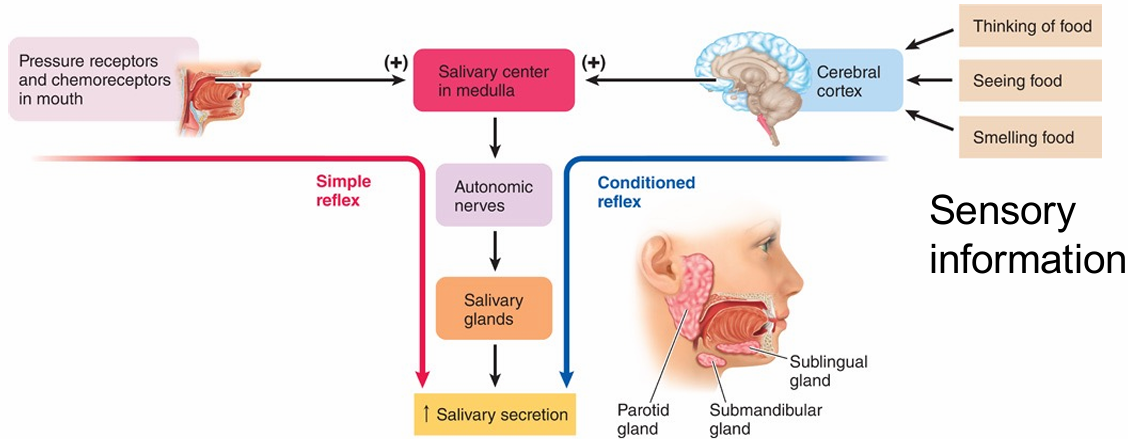
Salivary glands
Secrete saliva in response to autonomic stimulation
Types:
Sublingual
Submandibular
Parotid
Saliva contents
Mucus — to moisten food and lubricate
Lysozyme — to lyse bacteria
Bicarbonate buffers — for neutralization of acid
Amylase — which begins chemical digestion of carbohydrates by cleaving polysaccharides into maltose
Sublingual gland
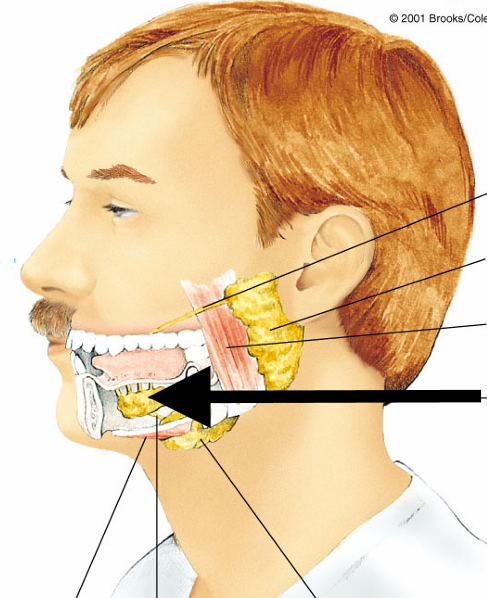
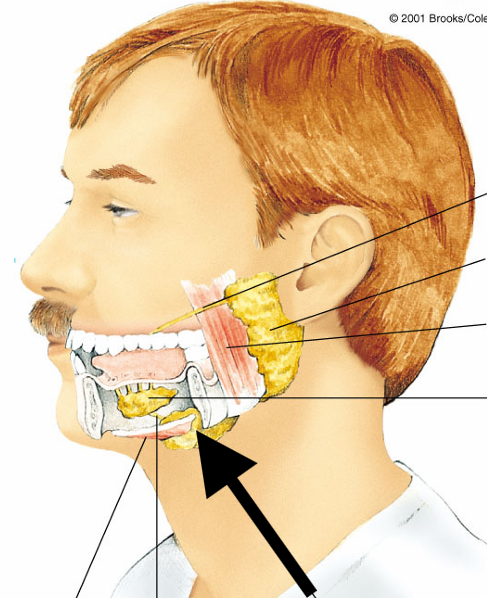
Submandibular gland
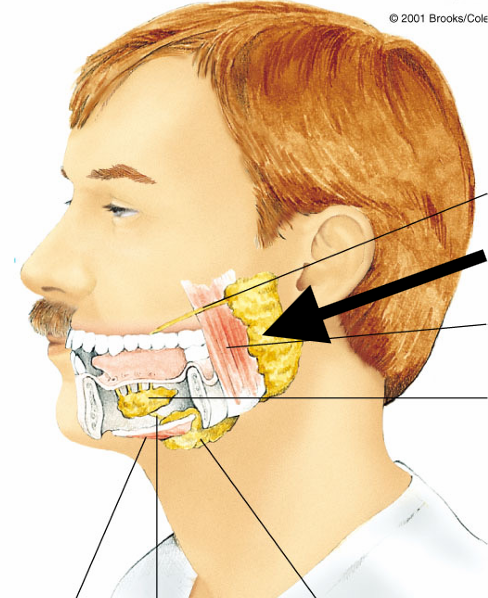
Parotid gland
Start of carbohydrate digestion
Mouth
Pharynx
at the rear of the mouth
common passageway for the digestive system & respiratory system
Upper sphincter (pharyngoesophageal)
Normally closed to prevent air from entering esophagus
(prevents excessive eructation)
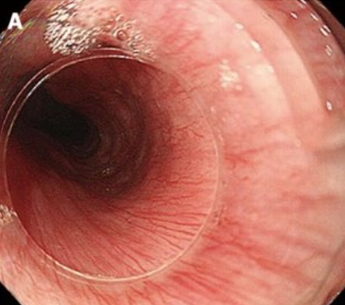
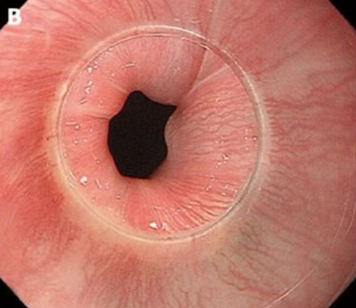
Lower sphincter (gastroesophageal)
Normally closed to prevent acid reflux from stomach (heartburn)
Swallowing
Refers to the entire process of moving food from the mouth through the esophagus and into the stomach
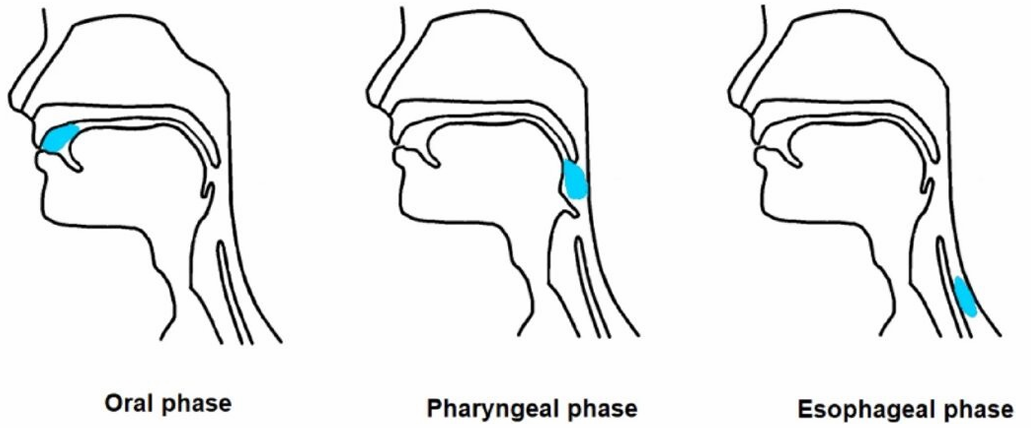
Which step in swallowing can you stop?
Oral
All-or-none reflex
Inititated when a food bolus is pushed by the tongie into the pharynx
Activation of the Swallowing center in medulla
Caused from pressure of bolus in pharynx
Swallowing center
Reflexively activates appropriate muscles to swallow (once swallowing is initiated, it cannot be stopped)
Swallowing stages
Oropharyngeal
Esophageal
Oropharyngeal stage
Movement of bolus from mouth through pharynx and into the esophagus
Duration: 1 second
Esophageal stage
“Ringlike” peristaltic wave moves bolus through esophagus and into stomach
Duration: 5-9 seconds
Which of the following is not a function of saliva?
Facilitates absorption of glucose across the oral mucosa
Stomach sections
Fundus
Body
Antrum
Stomach Fundus
Located above the gastroesophageal sphinchter
Stomach Body
Middle part of stomach
Stomach Antrum
Bottom portion
Thick layer of smooth muscle
Connected to small intestine by pyloric sphincter
Stomach fxns
Store ingested food and delivers it to small intestine at appropriate rate
Secrete HCl and enzymes to begin protein digestion
Chyme- thick liquid mixture made by pulverizing ingested food and mixing it with gastric secretions
Empty stomach volume
~50 mL
Full stomach volume
~ 1k mL
unlike skeletal and cardiac muscle…
stomach smooth muscle maintains a constant tension over a range of lengths
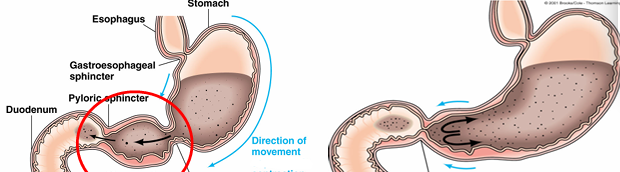
Strong antral peristaltic contractions
Mix food with gastric secretions to produce chyme
Propel chyme towards pyloric sphincter where small amount is pushed into the duodenum
Upon reaching the pyloric sphincter, cause the sphincter to close and the remaining chyme is tumbled back into the antrum
Strength can vary depending on a number of factors
Gastric secretions per day
~ 2L
Gastric mucosa
Lining of the stomach, divided into 2 areas:
Oxyntic mucosa – lines body and fundus
Pyloric gland area - lines the antrum
Oxyntic mucosa
Stomach lining of the body and fundus
Pyloric gland area
Stomach lining of the antrum
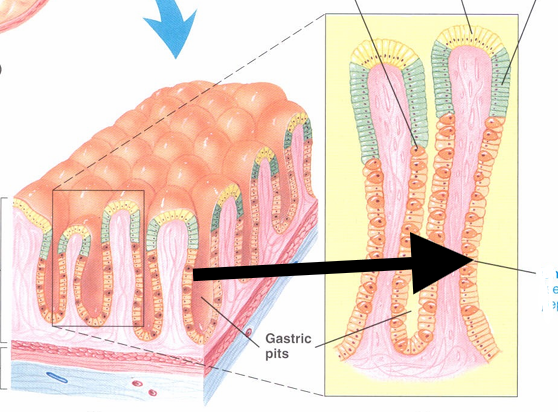
Parietal (Oxyntic) cell
Secretes HCl (H+ & Cl- released independently) and intrinsic factor
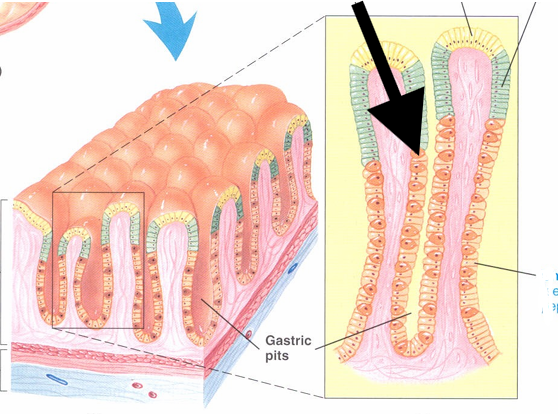
Surface epithelial cell
Secretes thick alkaline mucus
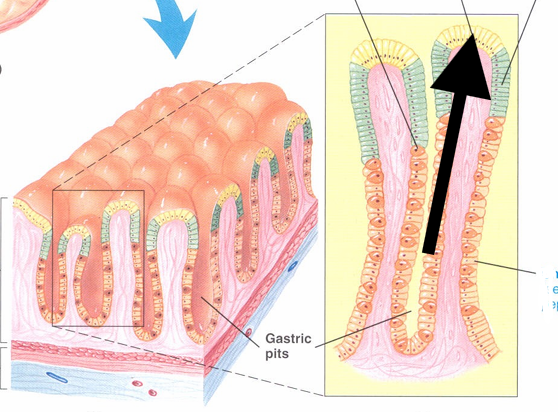
Mucous neck cell
Secretes thin, watery mucus
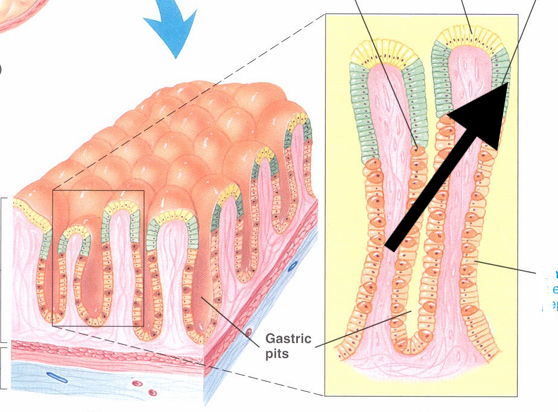
Chief cell
Secretes pepsinogen (inactive precursor of pepsin)
Pepsinogen
The major digestive constituent of gastric secretions
Stored in vesicles “zymogen granules” inside of chief cells
Secreted by exocytosis upon proper stimulation
Inactive precursor of pepsin (inactive to prevent damage to the stomach lining)
Once secreted, HCl cleaves off a small fragment to form pepsin
Pepsin
Cleaved off of a small pepsinogen fragment via Parietal cell’s HCl
Can act on other pepsinogen molecules converting them into pepsin (autocatalytic process)
Initiates protein digestion by splitting certain amino acid linkages
Because it degrades protein, it must be secreted and stored in an inactive form
Works best in an acidic environment!
Proton release in Parietal Oxyntic cells
Actively transported against their concentration gradient
Not transported from plasma, but derived from metabolic process.
Whenever an ion is secreted, a new ion is generated from carbonic acid
Chlorine release in Parietal Oxyntic cells
Active secretion against a smaller concentration gradient
HCl major functions
Provides an acid environment optimal for pepsin via activation of pepsinogen
Aids breakdown of connective tissue
Kills microorganisms ingested with food
Intrinsic factor
Secreted from parietal cells along with HCl
Required for the absorption of vitamin B 12
intrinsic factor binds B12 to form a complex that then binds to the intestinalreceptor, cubulin, triggeringreceptor-mediatedendocytosis
vitamin B12 is essential for normal function of red blood cells.
without B12, pernicious anemia results
Degeneration of parietal cells most detrimental consequence
Loss of intrinsic factor
Gastric pit cells
Chief
Parietal
Mucous neck
Surface epithelial
Mucus
Derived from surface epithelial cells and mucous neck cells
Covers the surface of the gastric mucosa to protect it from several forms of injury:
mechanical injury- the lubricating properties of mucus protect the mucosa from mechanical injury self digestion- mucus inhibits pepsin activity and protects mucosa from self-digestion acid injury- being alkaline, mucus neutralizes HCl to protect mucosa from acid injury
What kinds of injury does the mucus protect the stomach from
Mechanical injury- the lubricating properties of mucus protect the mucosa from mechanical injury
Self-digestion- mucus inhibits pepsin activity and protects mucosa from self-digestion
Acid injury- being alkaline, mucus neutralizes HCl to protect mucosa from acid injury
PGA (Pyloric gland area)
Secretes mucus Pepsinogen-- and small amounts of into lumen
Acid is not secreted in this area
Releases gastrin (hormone) into blood
Gastrin hormone
Secreted from special endocrine cells in the pyloric gland area into the blood
After being carried by the blood back to the body and fundus of the stomach, stimulates parietal and chief cells to produce highly acidic gastric juice and pepsinogen
Promotes mixing and emptying of stomach
Which factors control gastric mixing and emptying?
Stomach & Duodenum
Stomach influence on Gastric mixing/emptying
Promotion of gastric motility and emptying:
Volume of Chyme:
distension stimulates motility and emptying via: 1) direct effects of stretch on smooth muscle 2) involve of the intrinsic plexuses and vagus nerve 3) gastrin (stomach hormone)
Fluidity of Chyme: contents must be in a fluid form to be evacuated - increased fluidity allows more rapid emptying
Duodenum influence on Gastric mixing/emptying
Inhibits gastric motility and emptying until the duodenum has coped with factors already present:
Fat
is only digested and absorbed within the small intestine.
when fat is present, further emptying from the stomach is prevented until SI processes fat already there.
Acid
highly acidic chyme from the stomach needs to be neutralized by NaHCO3 (sodium bicarbonate) in the duodenum.
non-neutralized acid in the duodenum inhibits gastric Emptying
Hypertonicity
molecules of amino acid and glucose build up as protein and starch are digested in the duodenum.
increased osmolarity within duodenum triggers a reflex to reduce gastric emptying
Distension: too much chyme in the duodenum inhibits gastric emptying until the duodenum is ready to process it
Small intestine (SI)
site where most digestion and absorption takes place (no digestion occurs after the small intestine) ~ 21 feet long (cadaver) and 1 inch diameter- arbitrarily divided into 3 regions
Segmentation: small intestine’s primary method of motility-- chyme oscillating, ringlike contractions (not peristaltic wave) absent between meals, but vigorous during and after a meal
Chyme: moves forward because the of contractions gradually along length of small intestine (duodenum ~12/min; ileum ~9/min)