plant identification foundations
 Call Kai
 Learn
Learn Practice Test
 Spaced Repetition
 Match
Match Flashcards
 Knowt Play
1/204

There's no tags or description
Looks like no tags are added yet.
Name | Mastery | Learn | Test | Matching | Spaced | Call with Kai |
|---|
No analytics yet
Send a link to your students to track their progress
205 Terms
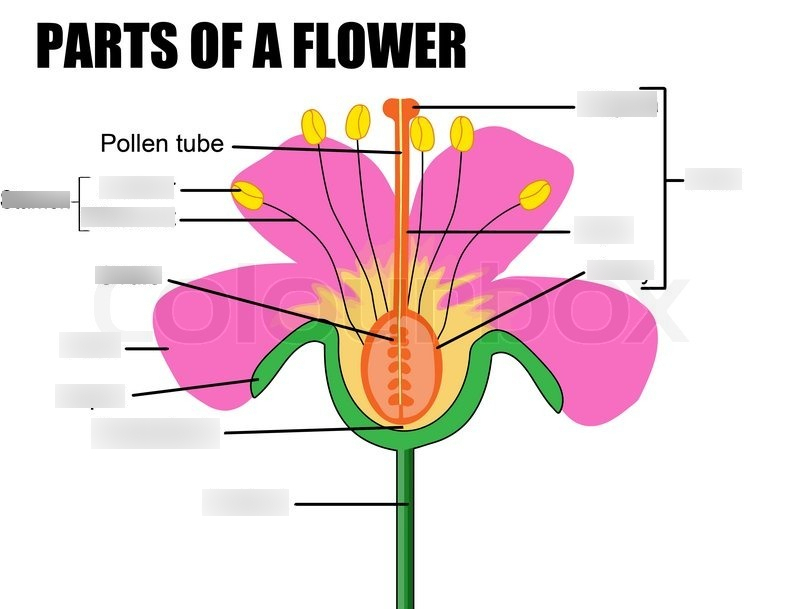
pistil
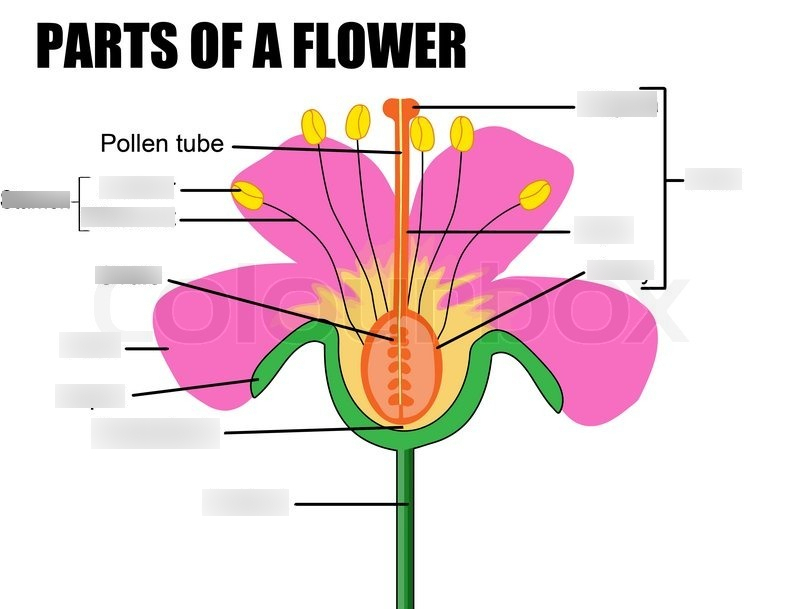
the central female reproductive part of a flower, responsible for producing seeds or fruit. Located in the center of the blossom, it is composed of an ovary (base), style (stalk), and a stigma (receptive tip). Synonyms include carpel (when functioning as a single unit)
stigma
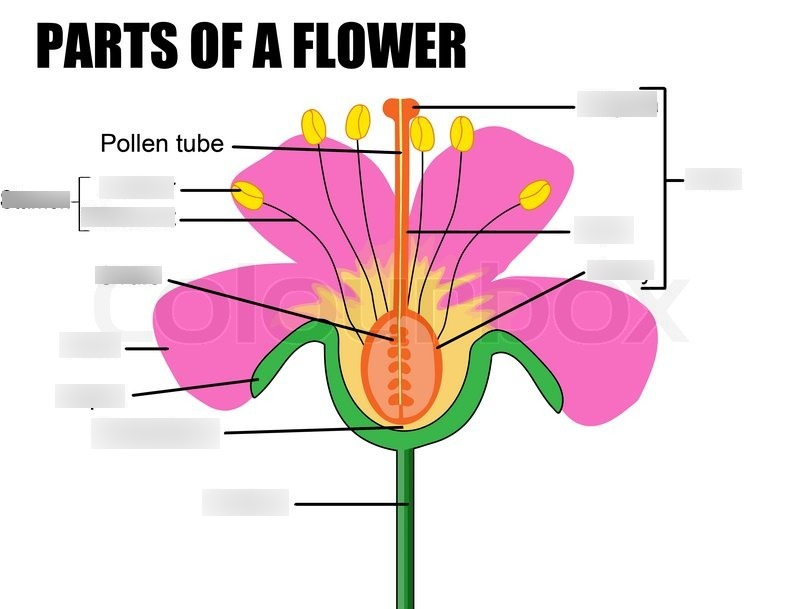
The stigma is the receptive, usually sticky or feathery, tip of a flower’s female reproductive part (pistil) that captures pollen. Positioned atop the style, it acts as the landing site for pollen grains transferred by wind or animals, initiating fertilization by facilitating pollen hydration, germination, and tube growth down into the ovary.
style
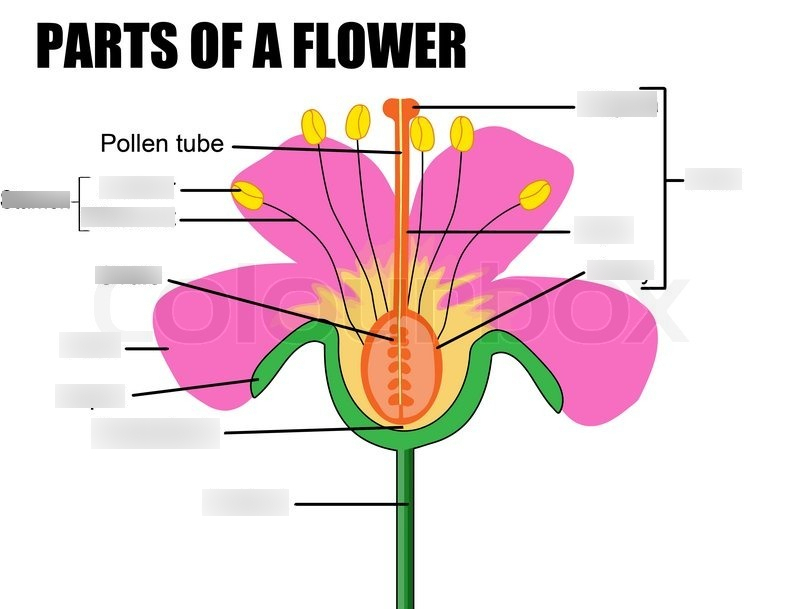
The style is a slender, stalk-like part of the female reproductive organ (pistil) in flowering plants, connecting the pollen-receptive stigma to the ovary. It acts as a specialized, hollow, or solid tube that provides a pathway for pollen tubes to grow down and deliver male gametes to the ovules for fertilization.
ovary
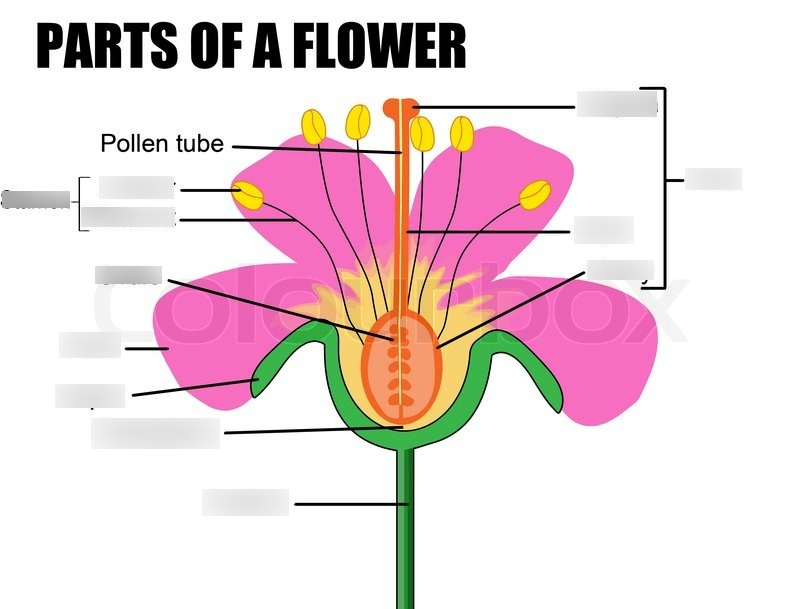
the enlarged basal portion of a flower's pistil (female organ) that contains ovules, which mature into seeds after fertilization. It functions as a protective chamber for developing seeds and matures into a fruit (dry or fleshy) to aid in seed dispersal.
stamen
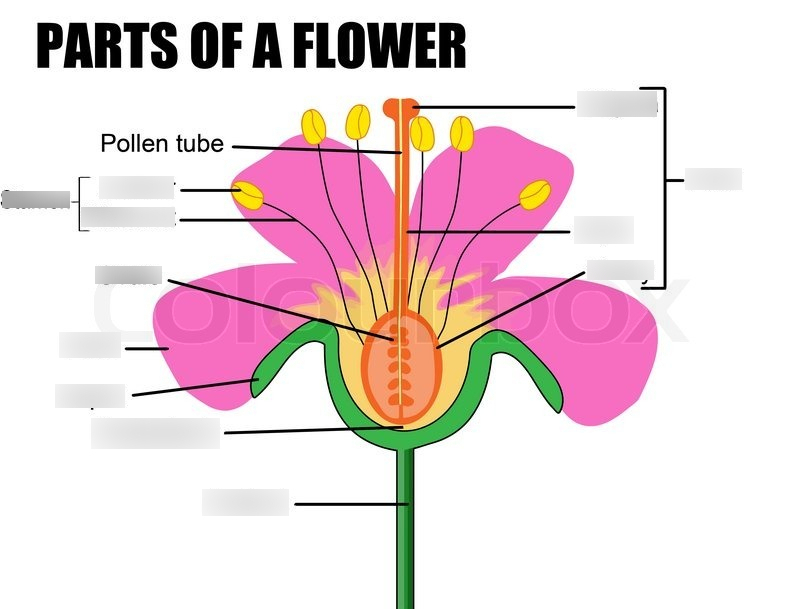
the male reproductive part (or pollen-producing organ) of a flower, typically consisting of a slender stalk called the filament and a pollen-bearing head called the anther.
pollen
contains the male gametophyte (microgametophytes) used for reproduction
anther
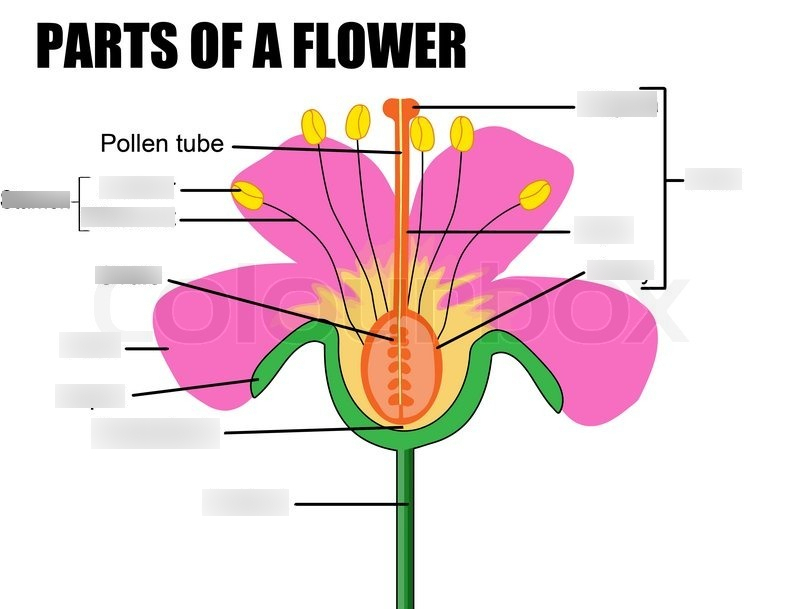
the terminal, pollen-bearing part of a stamen (the male reproductive organ) in flowers, typically containing two lobes that produce and release pollen
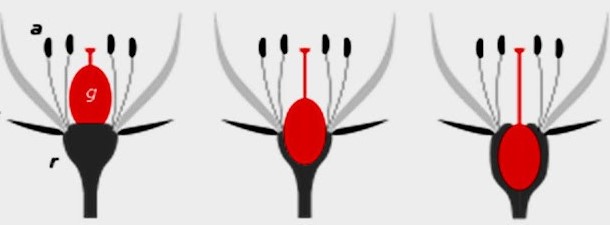
Superior and inferior ovaries are defined by their position relative to the attachment point of other flower parts (sepals, petals, and stamens) on the receptacle. A superior ovary sits above these parts (hypogynous), while an inferior ovary lies below them, often enclosed within the receptacle or fused with the base of other floral parts. Half-interior is in the middle
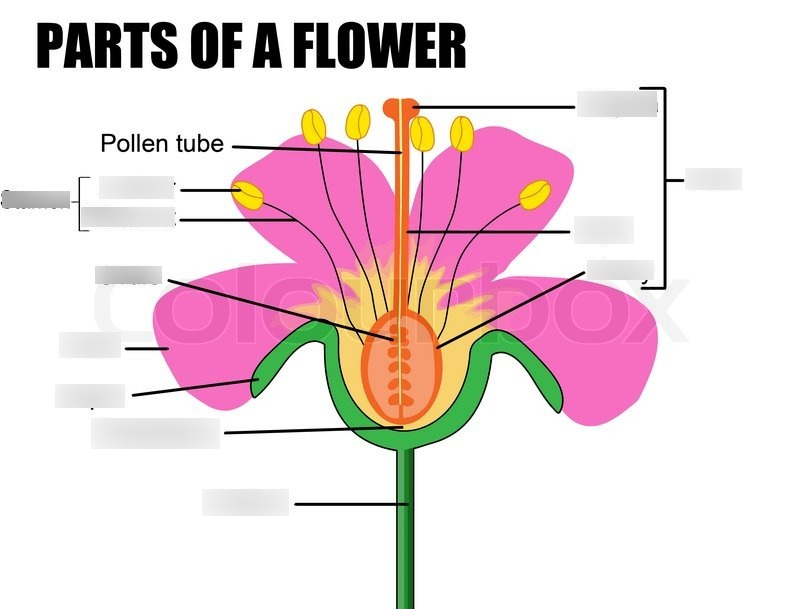
sepal
a specialized, leaf-like structure forming the outermost whorl of a flower, serving primarily to protect the developing flower bud
complete flower
has petals, sepals, stamens, and pistil
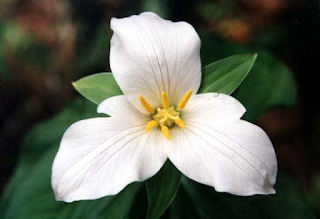
bisexual flower
flower that have male and female parts
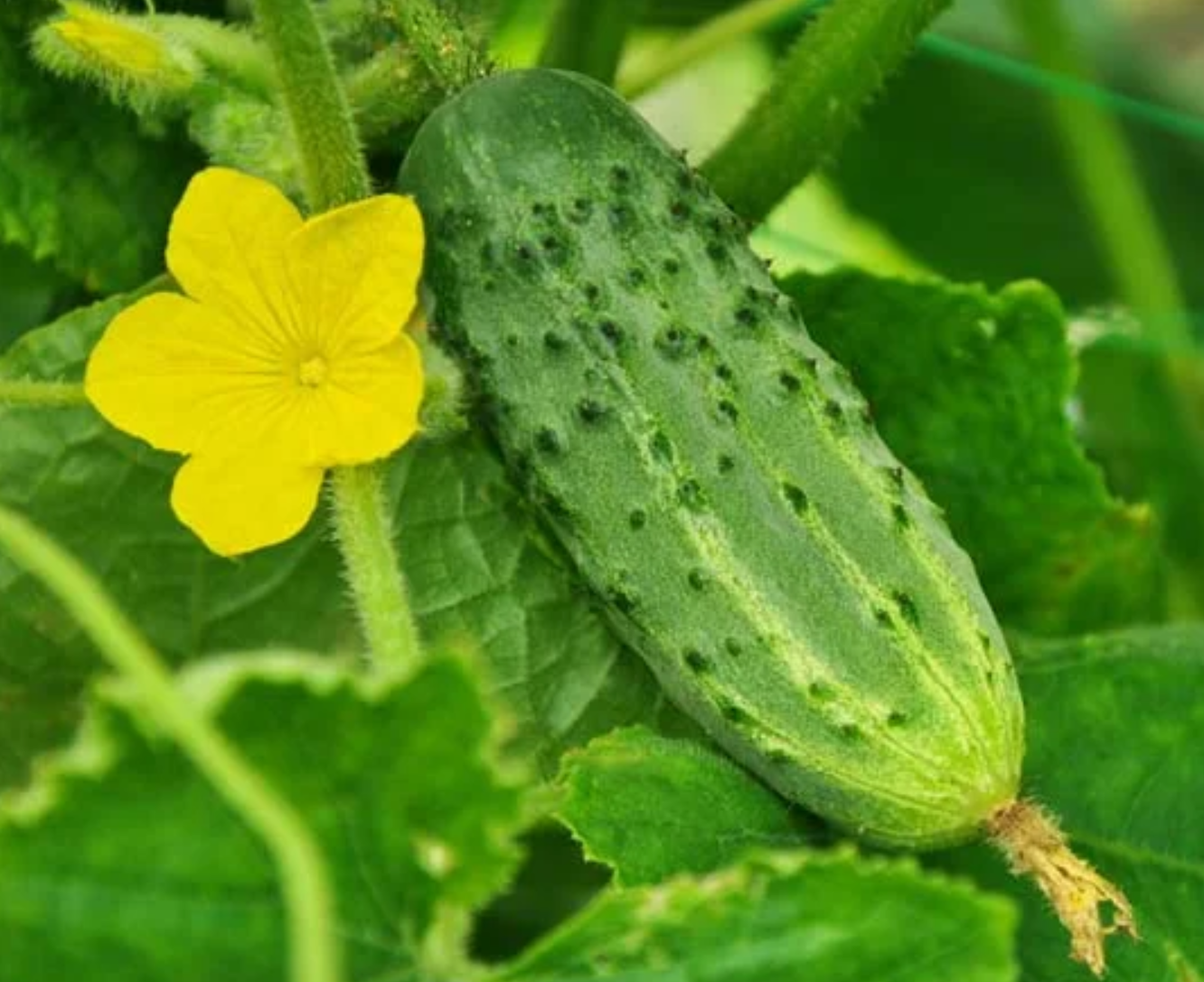
unisexual flower
flower that has male and female parts on different flowers of the same plant (dioecious) or different plants (monoecious)
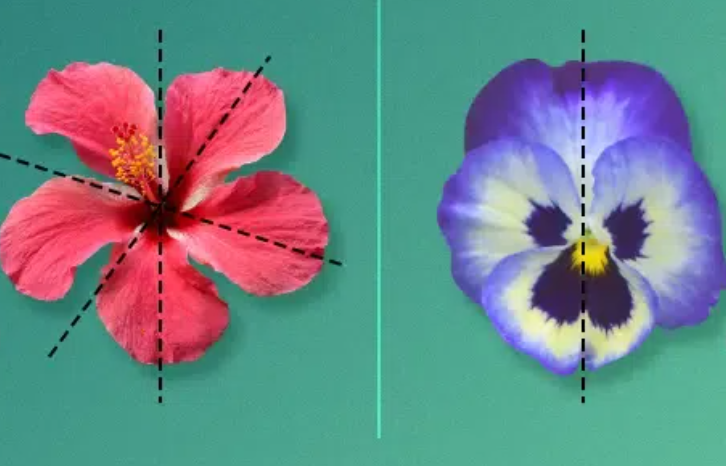
Regular flowers have radial symmetry, where multiple lines through the center divide them into identical halves, with uniform petals and sepals. Irregular flowers have bilateral symmetry, meaning only one line divides them into mirror images, often featuring uniquely shaped, unequal petals
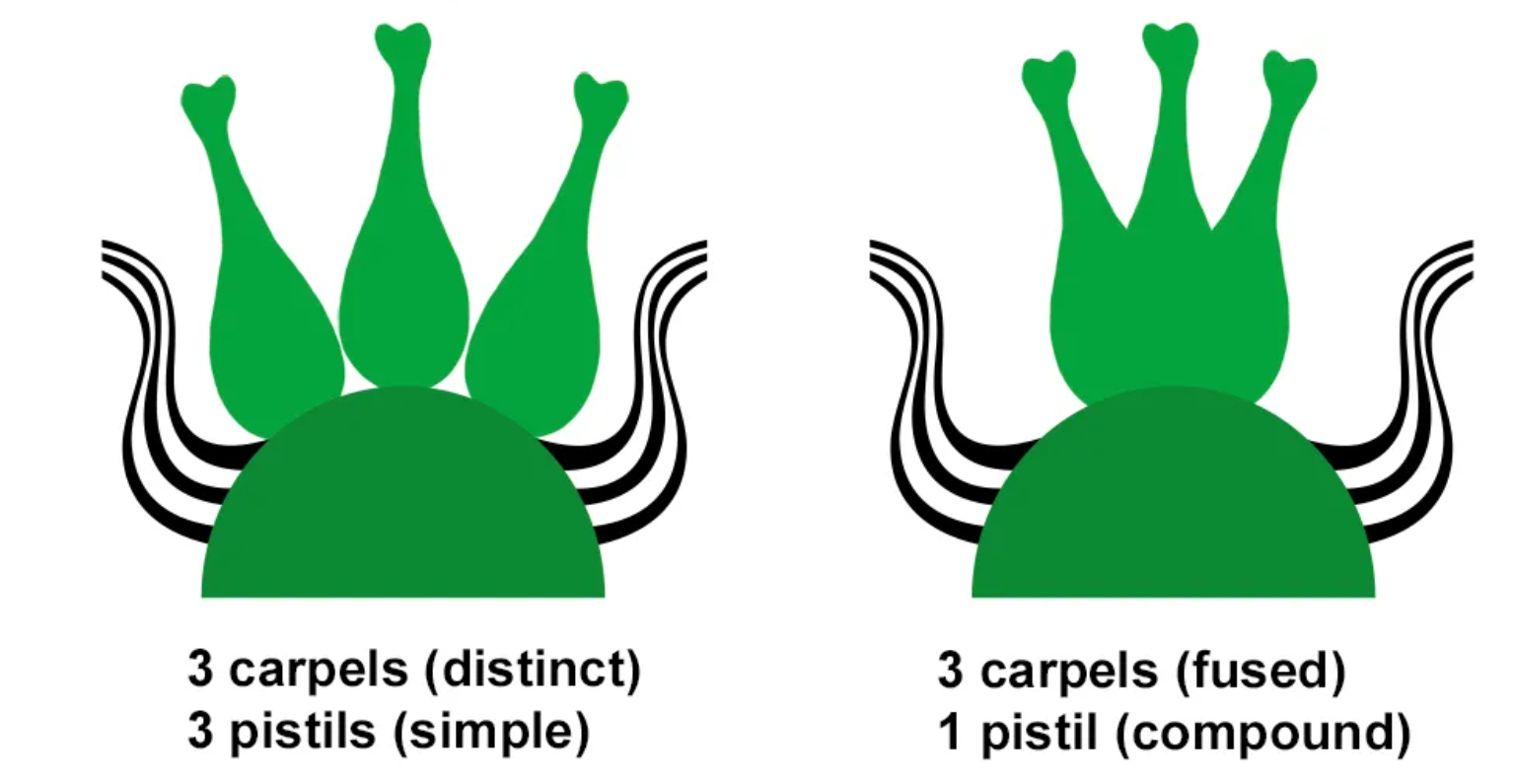
Apocarpous - multiple simple pistils (e.g., strawberry, lotus), allowing each to form separate fruitlets. Syncarpous several united carpels in one chamber (e.g., tomato, lily), resulting in one fruit
simple pistil
has single-chambered ovary
4 groups of plants
nonvascular spore plants (hornworts, liverworts, mosses), vascular spore plants (ferns, horsetails, clubmosses), naked seed plants - exposed ovary (conifers, ginko), and flowering plants (Angiosperms) - pollen must penetrate ovary to fertilize ovule
monocots
one seed leaf
parallel veins in leaves
horizontal root stalks
usually simple branching
floral parts mostly in 3s
dicots/eudicots
2 seed leaves
netted leaf veins
usually tap-rooted
usually complex branching
floral parts mostly in 4s and 5s
simple flowers vs specialized flowers
Simple: numerous separate parts spirally arranged around a cone-like recepticle. Specialized: reduced and consistent numbers of parts arranged in concentric rings, often fused together around 1 compound pistil
composite flowers
Asteraceae - many specialized flowers