Ch. 04 pt 2 -Coping with Environmental Variation: Temperature and Water
 Call Kai
 Learn
Learn Practice Test
 Spaced Repetition
 Match
Match Flashcards
 Knowt Play
1/15

There's no tags or description
Looks like no tags are added yet.
Name | Mastery | Learn | Test | Matching | Spaced | Call with Kai |
|---|
No analytics yet
Send a link to your students to track their progress
16 Terms
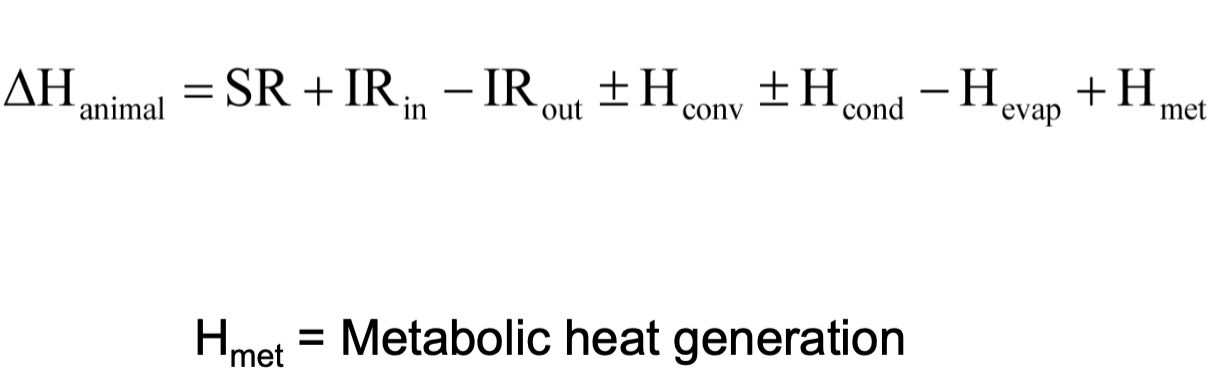
Animals such as birds and mammals can generate () internally
Heat
Evaporative heat loss in animals includes () in humans, () in dogs and other animals, and () of the body by some marsupials
loss
sweating
panting
Generating heat internally is an ()
advantage
Animals can maintain constant () () near the () for metabolic function under a wide range of external temperatures. These animals can extend their () ()
internal temperatures
optimum
geographic
range
() - regulate body temperature through energy exchange with the external environment
Ectotherms
() - Rely primarily on internal heat generation (mostly birds and mammals), but some fish, insects and plants can generate metabolic
Endotherms
Ectotherms regulate () () through () () with the external environment
body
temperature
energy
exchange
Endotherms rely primarily on () () generation (birds & mammals)
internal heat
Heat exchange with the environment depends on the () () ratio of the body
Surface area-to-volume
as () size (), surface area to-volume ratio (), and large ectotherms are thus improbable
body
increase
decreases
Many () () can move around to adjust temperature
terrestrial ectotherms
Many insects and reptiles bask in the sun to warm up after a cold night. This () risk from (), many are () and can change coloration to match backgrounds
increases
predators
camouflage
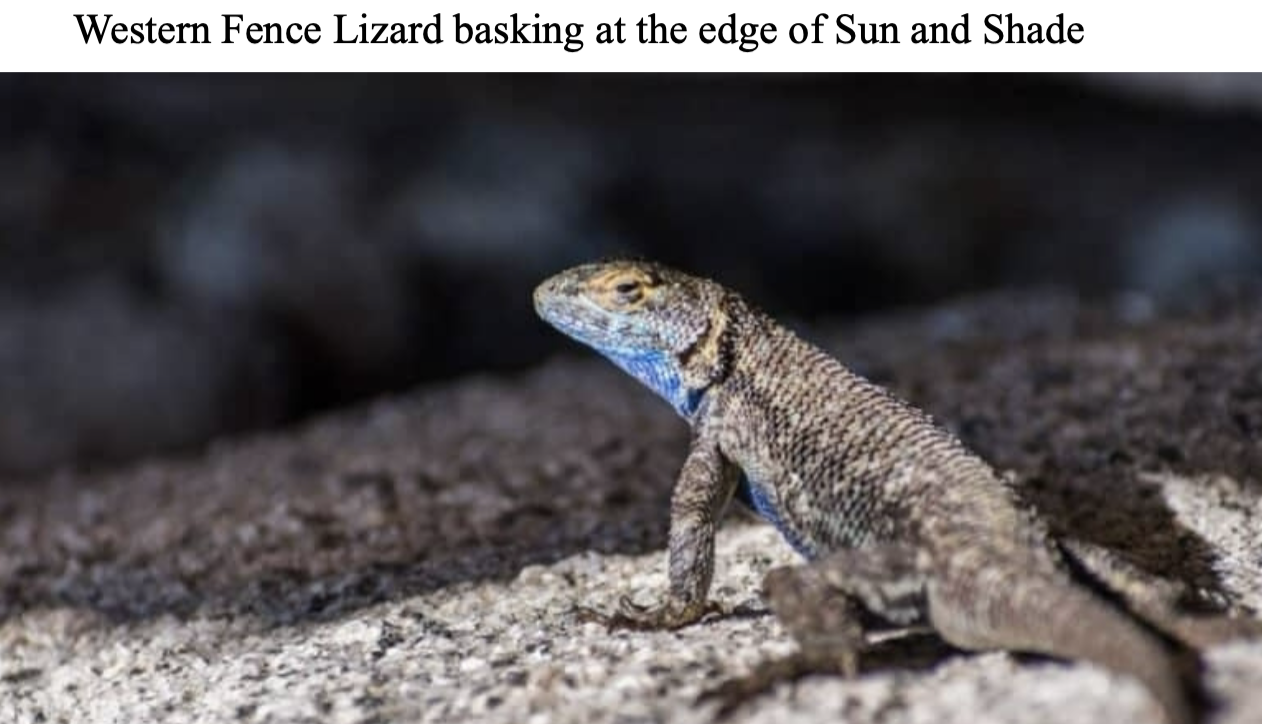
Western Fence Lizard basking at the edge of Sun and Shade
() - Range of environmental temperatures over which a constant basal metabolic rate can be maintained
Thermoneutral zone
() -When heat loss is greater than metabolic production; body temperature drops and metabolic heat generation increases
Lower critical temperature
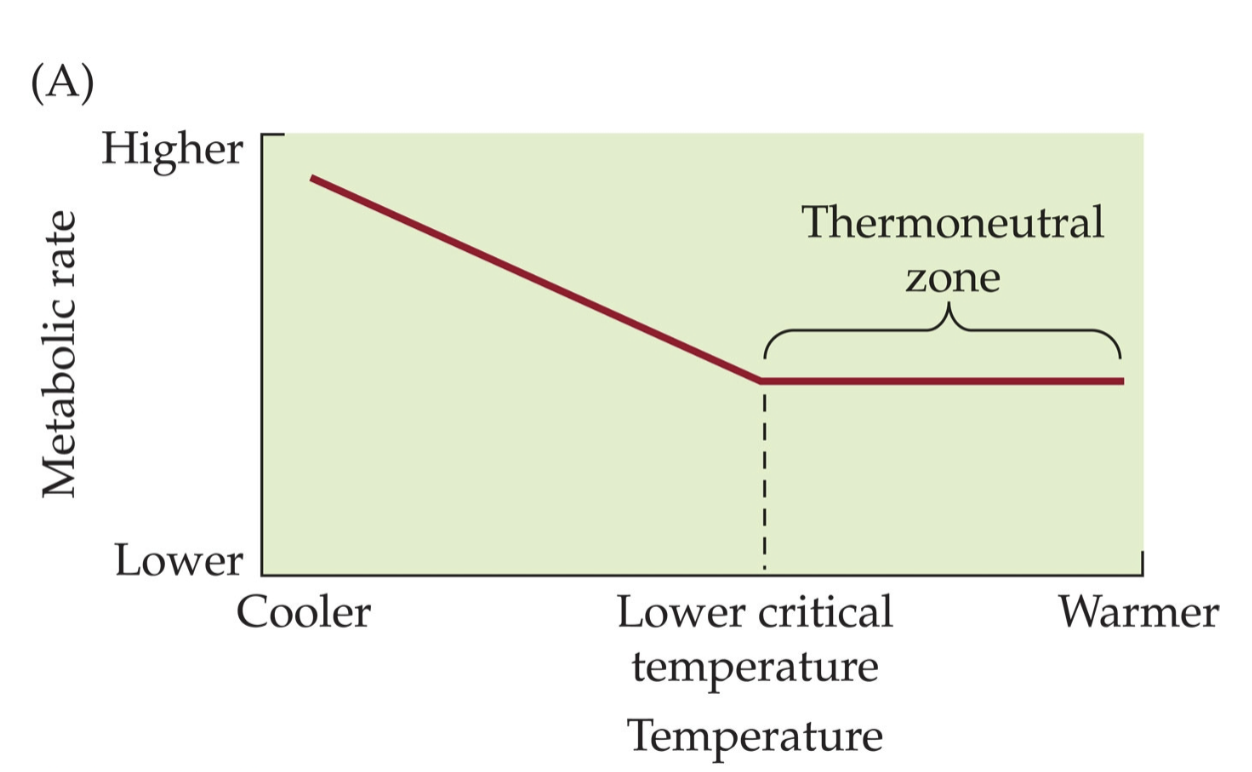
Metabolic rates in endotherms vary with environmental temperatures