Architecture App Exam 4: Briar Jones MSU
 Call Kai
 Learn
Learn Practice Test
 Spaced Repetition
 Match
Match Flashcards
 Knowt Play
1/49

There's no tags or description
Looks like no tags are added yet.
Name | Mastery | Learn | Test | Matching | Spaced | Call with Kai |
|---|
No analytics yet
Send a link to your students to track their progress
50 Terms
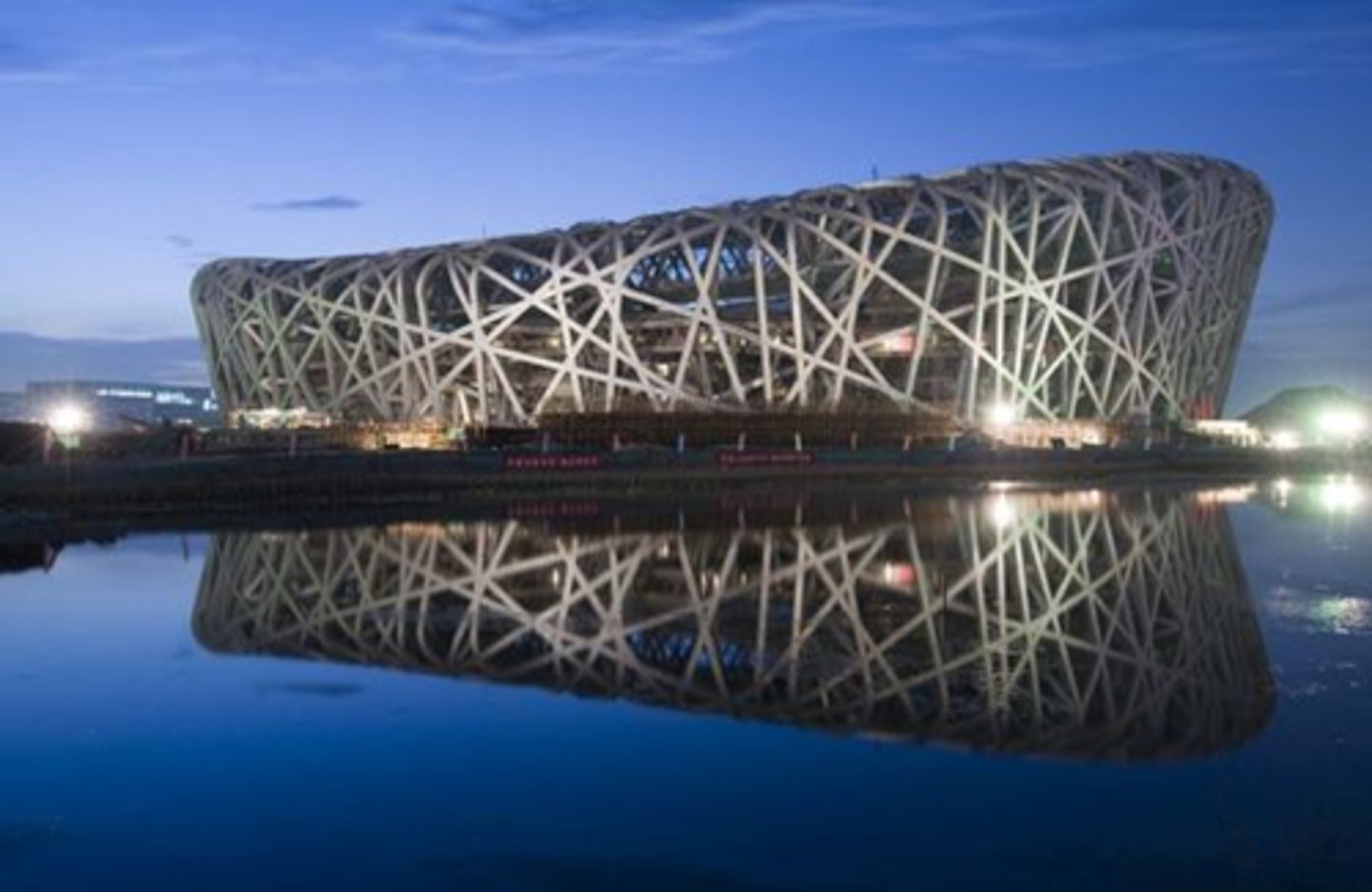
Herzog and de Meuron
Childhood friends
Practice is Basil, Switzerland
Key Commissions: Tate Gallery of Modern Art (London) & National Olympic Stadium (Beijing) aka "the bird nest"
Rem Koolhaas (1944- )
Dutch - born in Rotterdam
Major Publications: Delirious New York: Retoactive Manifesto for Manhattan & OMA, S, M, L, XL
Studied at AA
Key Commissions: Prada Stores, Educatorium (The Netherlands)
Daniel Libeskind (1946- )
born in Lodz, Poland
Gained US citizenship in 1965
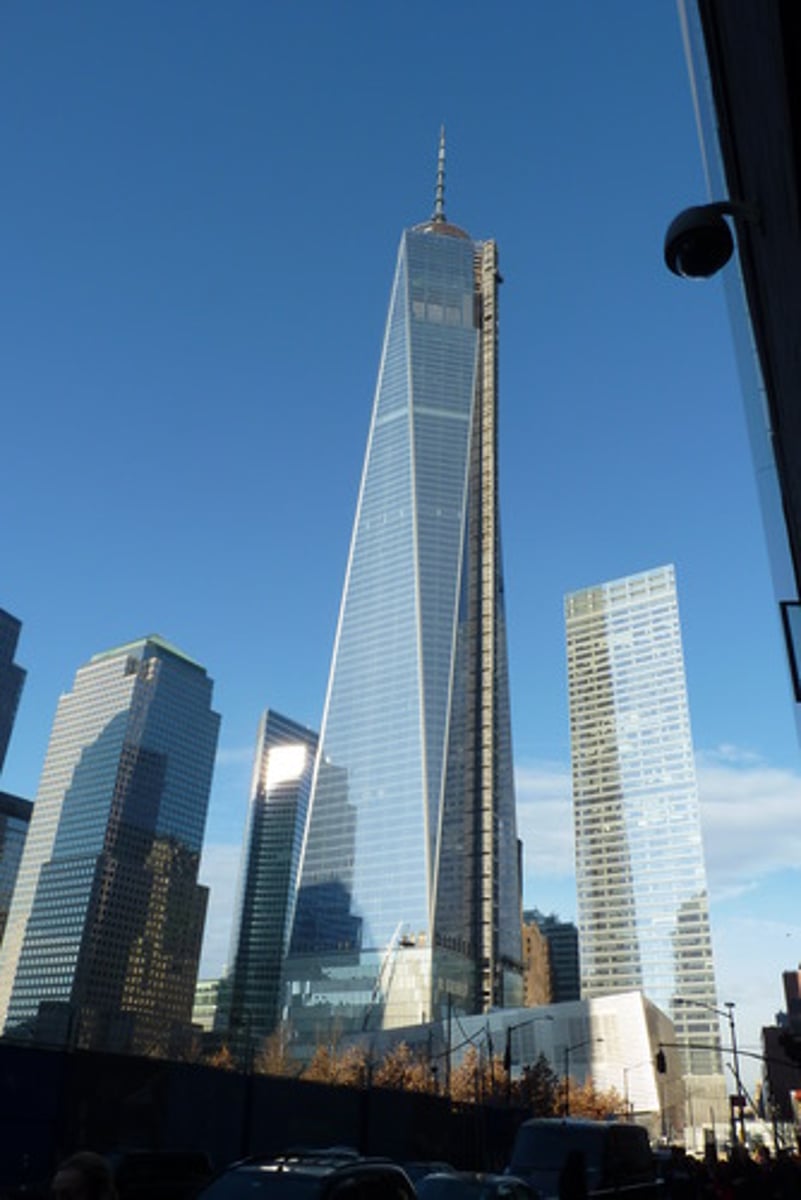
Key Commissions: Jewish Museum (Berlin), Imperial War Museum (Manchester), Jewish Museum (San Francisco), Denver Art Museum, Freedom Tower (NYC)
Jean Nouvel (1945- )
French Architect
Educated at the Ecole d'Beaux, Paris
Key Commissions: Remodeling of Lyon Opera House & Cultural and Congress Center (Switzerland)
Renzo Piano (1937- )
Born in Genoa, Italy
Studied at University of Florence and Milan Polytechnic
Early partnership with Richard Rogers
Pushes limits of building technology
Maintains control of design through construction
Key Commissions: Pompidou Center (Paris), Menil Museum (Houston, TX), and The Shard (London)
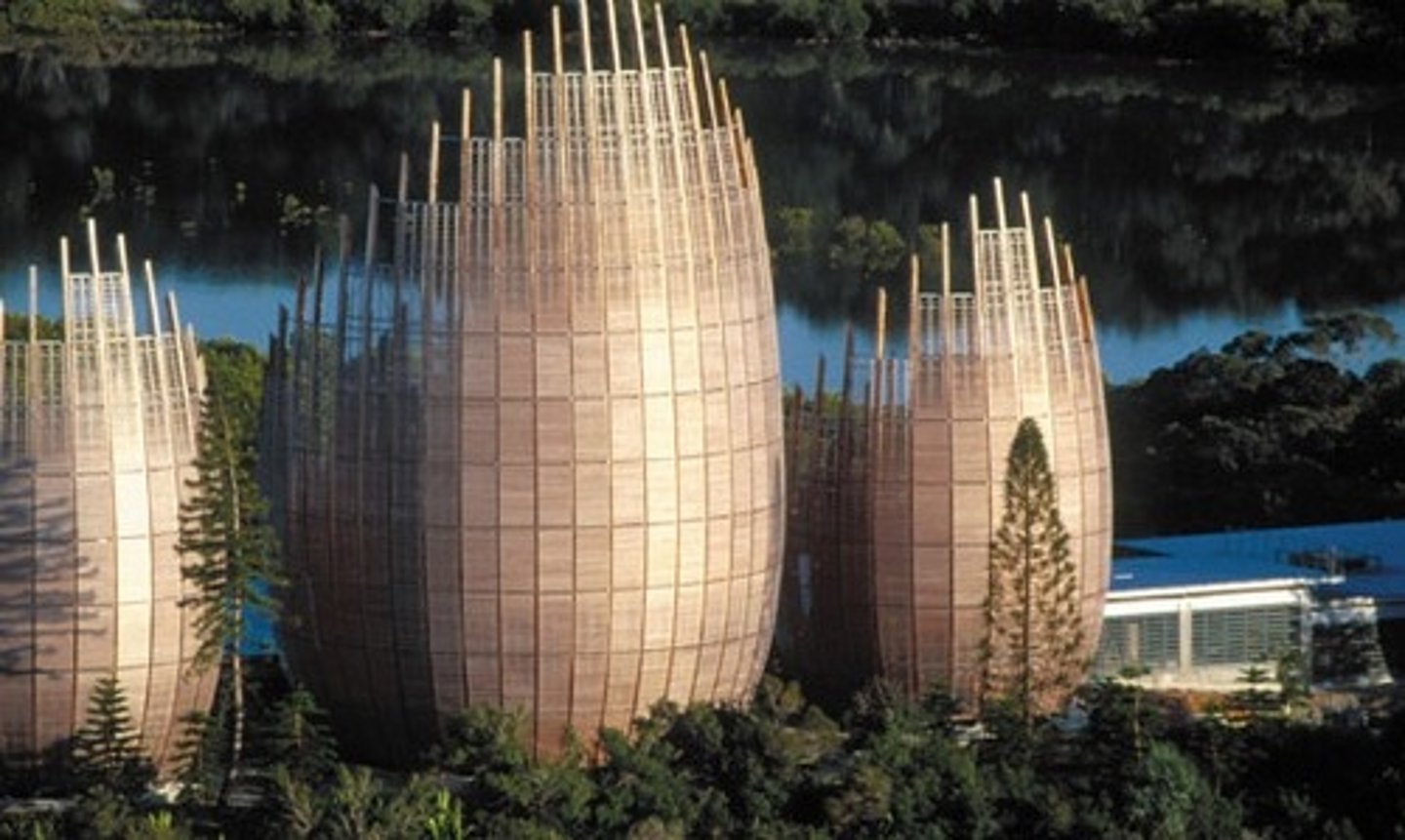
Jean Marie Tjibaou Cultural Center (Renzo Piano)
Two skins: outer layer iroko wood inner layer of moveable glass louvers
Buildings are ventilated passively and act as chimneys to draw warm air out
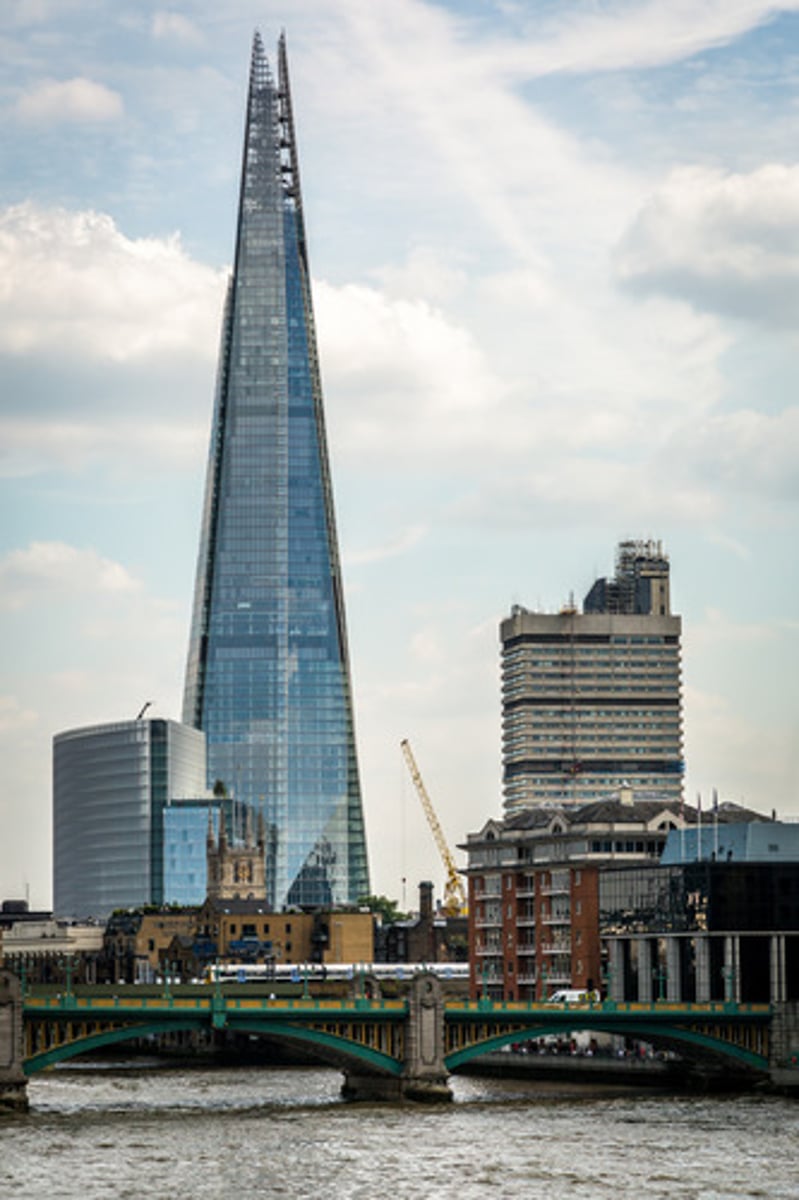
The Shard - London (Renzo Piano)
Tallest building in the EU
Offices, Restaurant, Hotel, Apartments, Observatory
Antoine Predock (1936- )
Key Commissions: Nelson Fine Arts Center (Arizona State), American Heritage Center (Laramie, Wyoming), Museum of Science and Industry (Tampa, Florida)
Chinese Architecture - SYSTEMS OF MEANING
Feng Shui: concept of orientation harmony with nature positive energy (chi)
Chinese Architecture - UNITY OF STRUCTURE AND DECORATION
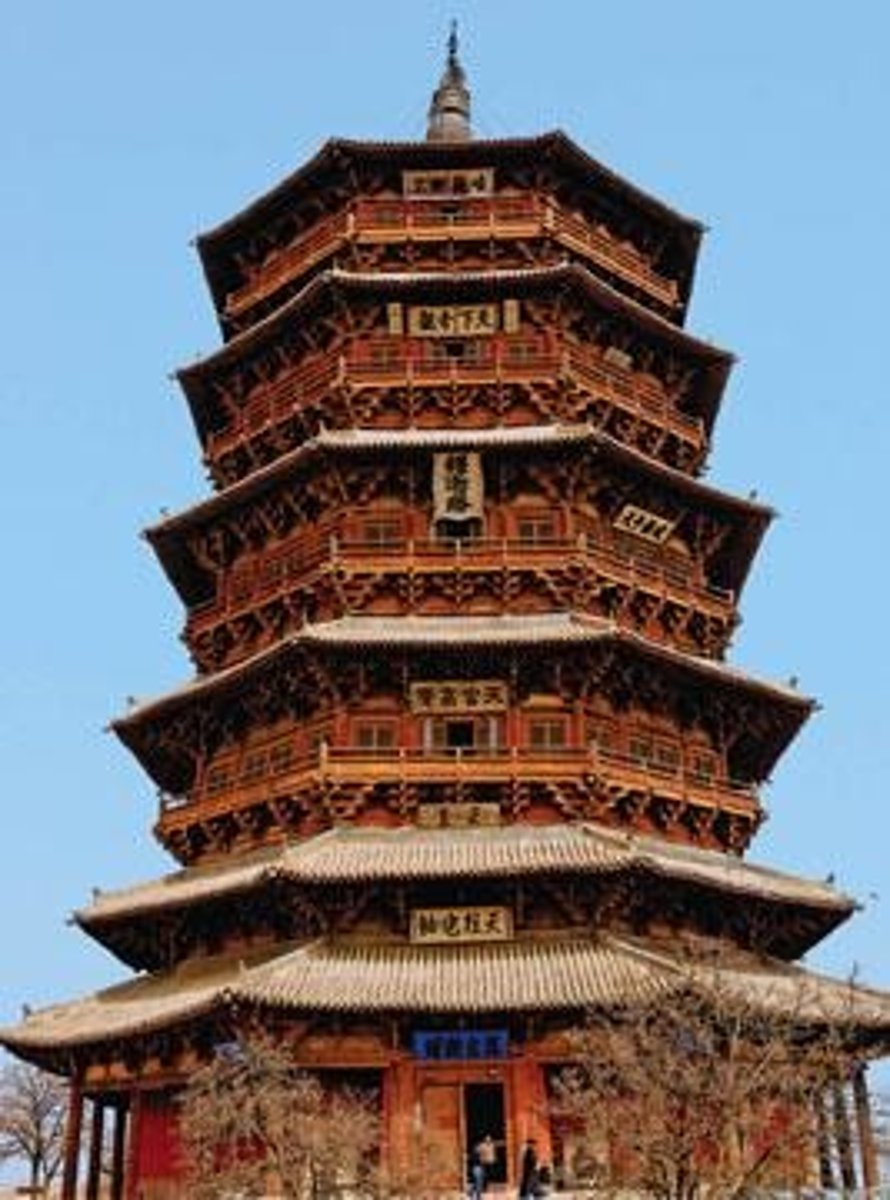
wooden beams/columns
wooden architecture traditions
important structures are made of timber (palaces, temples)
Walls are modular: flexible system, made of wood supports
Pagodas
Buddhist temples in China
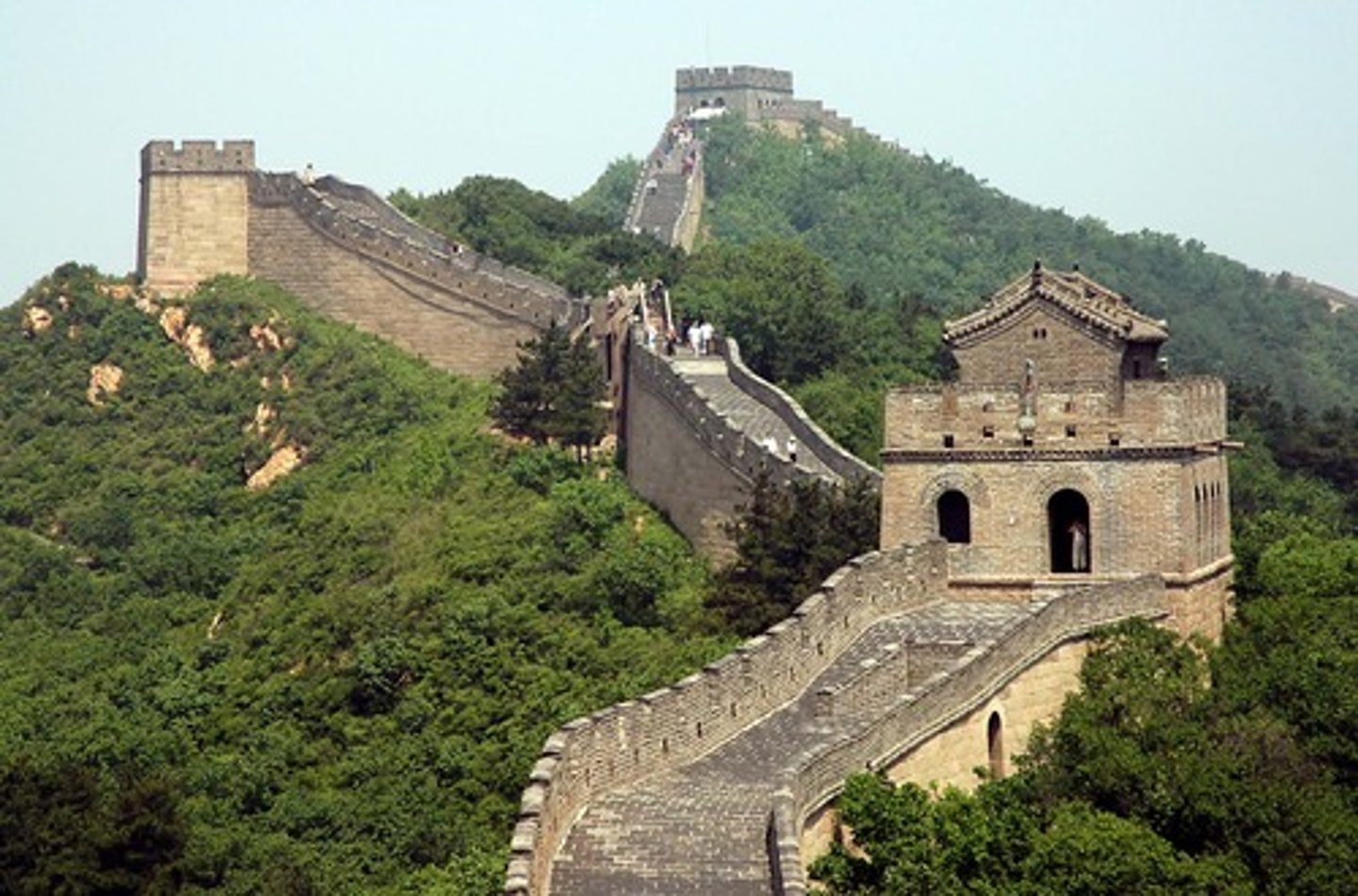
Great Wall
barrier against enemies
210bce began, built over centuries
10,000 miles long
15-30' high
12-25' wide
Frequent watchtowers
Japanese Architecture
Traditions in Wood and Timber
paper screens as walls, tile roofs, straw mats, plaster finish
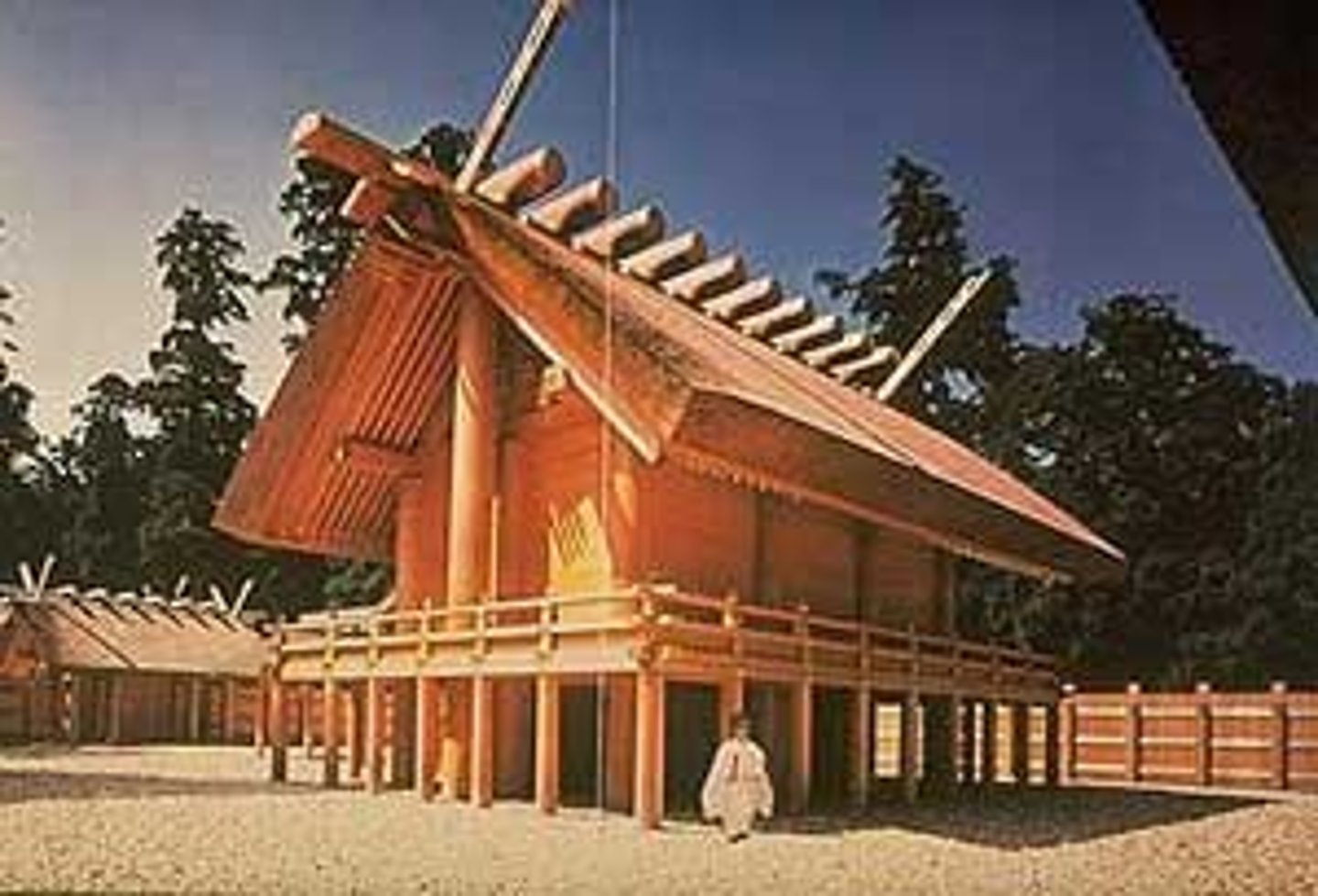
Shinto shrines
Shinto is Japan's native formal religion
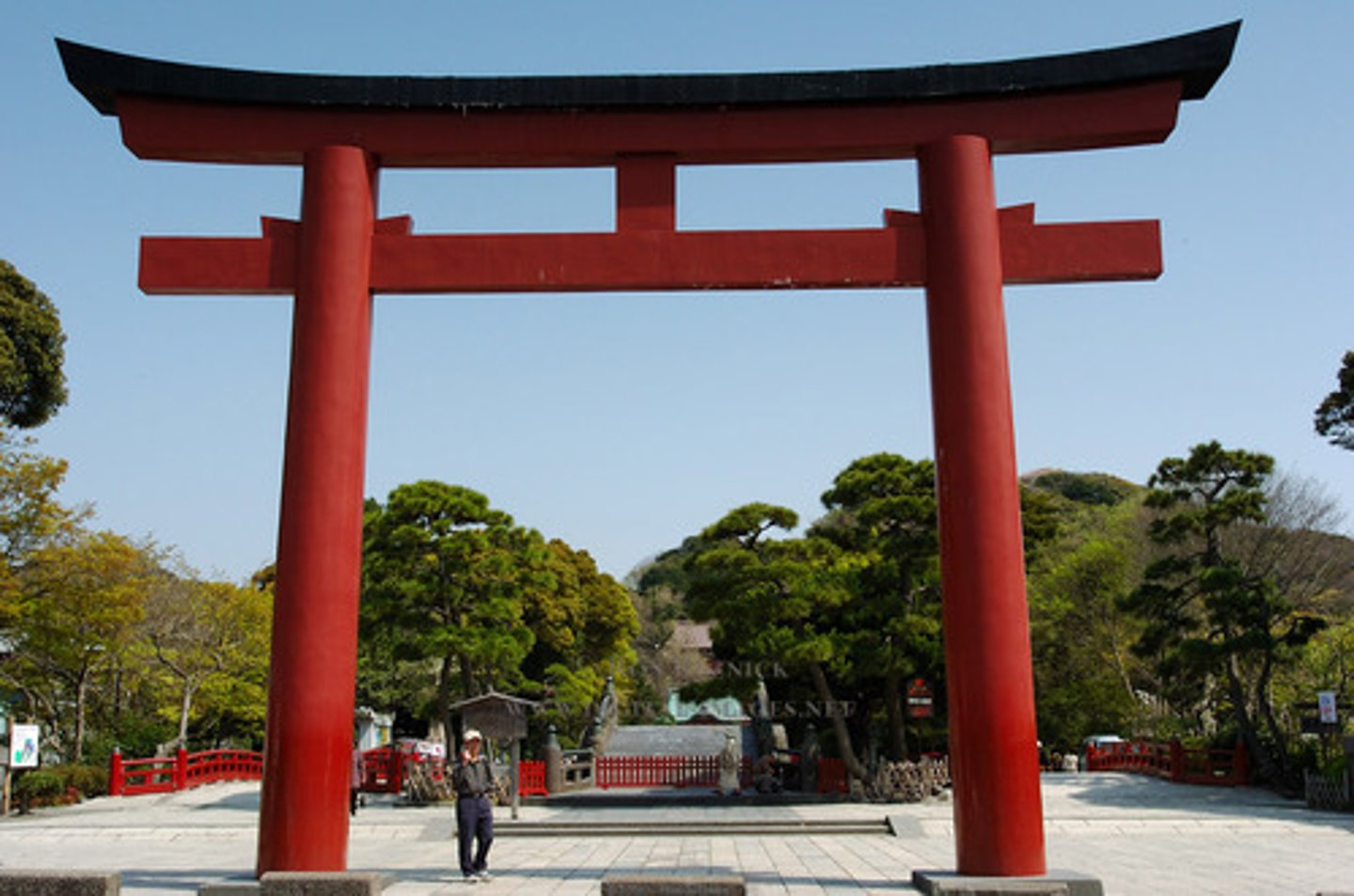
Torii
large freestanding timber gateway
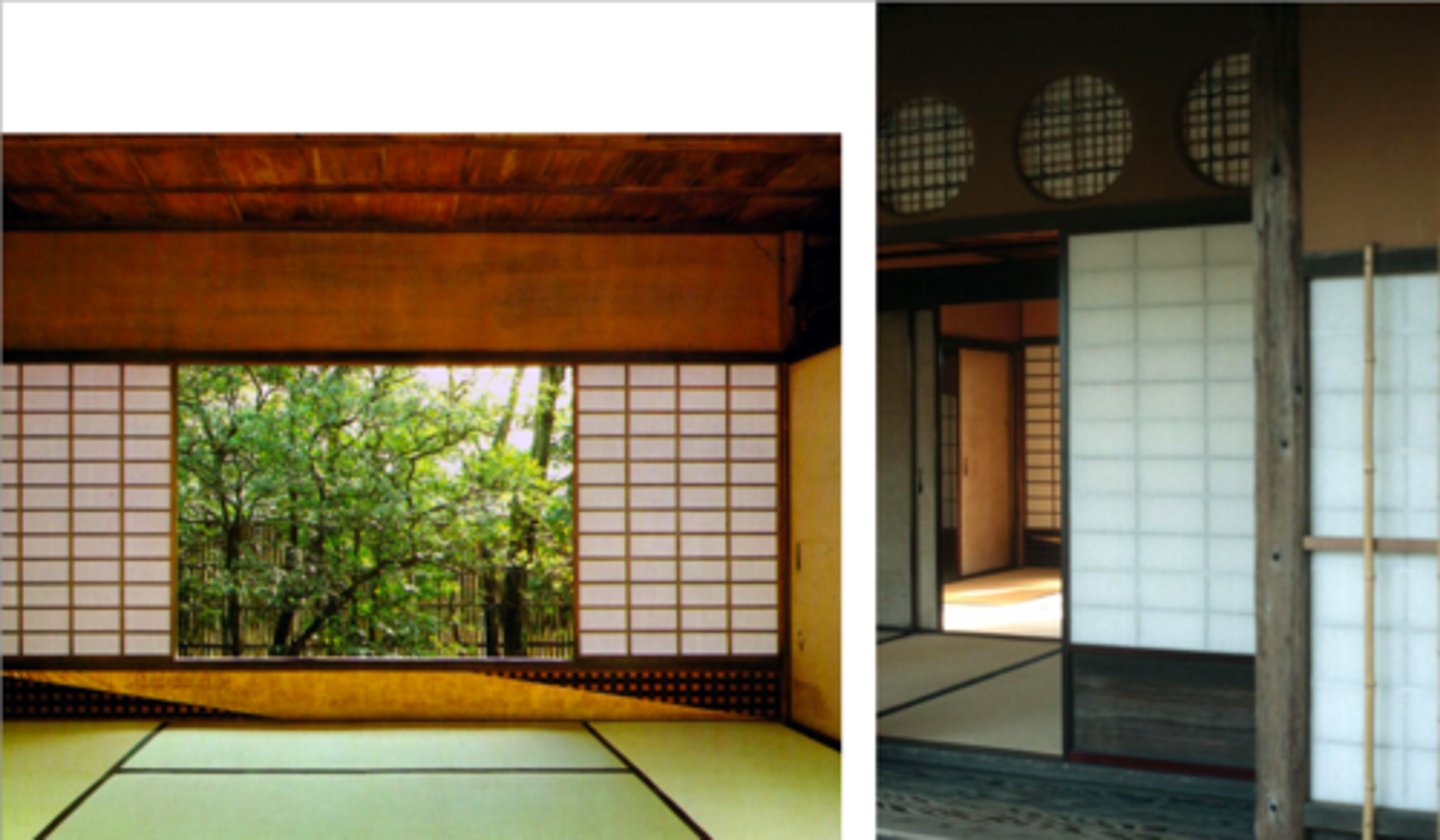
Tea Houses
tea ceremony for upper classes
preparing and drinking green tea according to strict rules
done in special tea houses
no decorations, furnishing, no distractions
Islam and Architecture
Mosques designed for ornamental prayer
No figurative (represent people) art on walls
Art based on flowers, geometric shapes, Arabic script
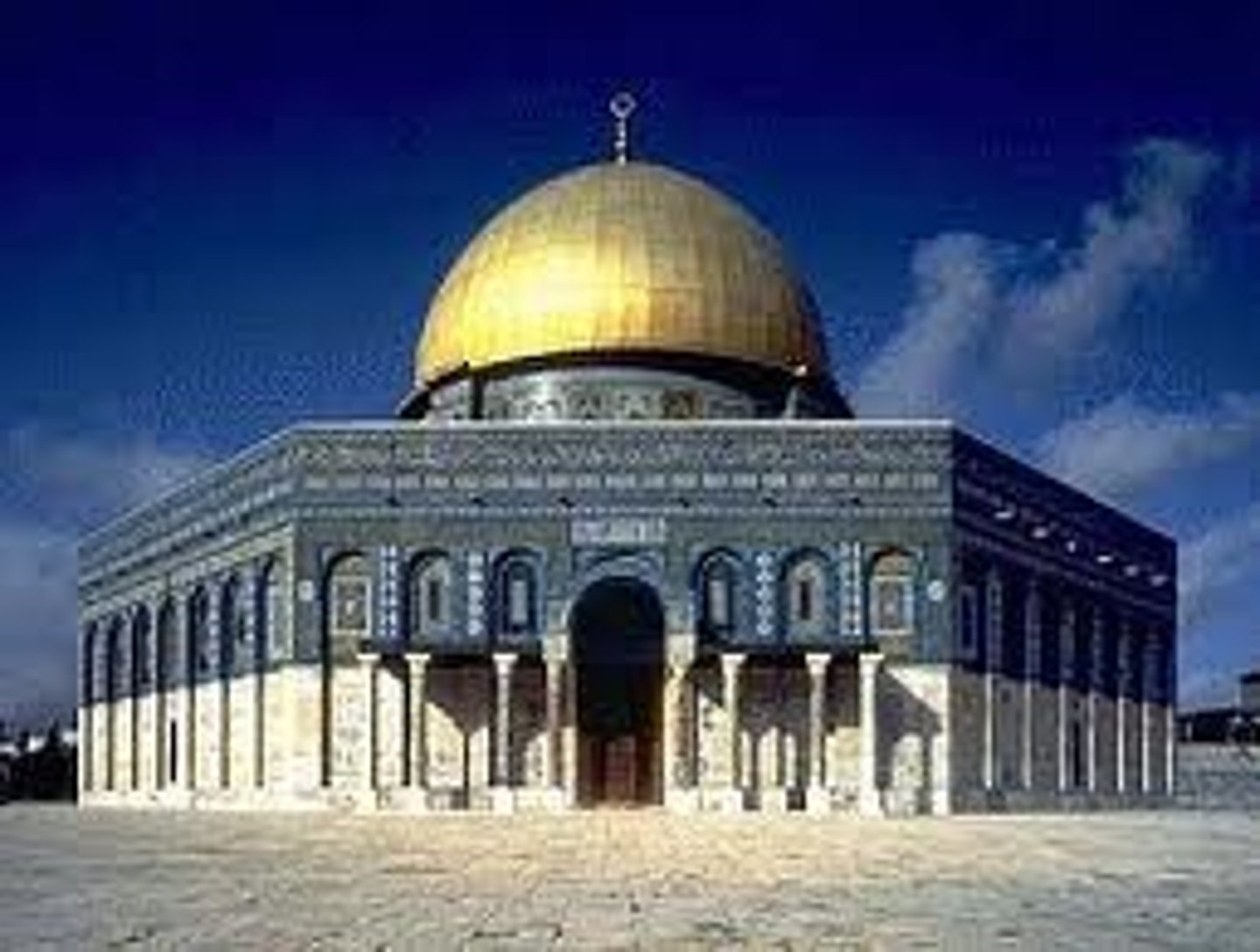
Dome of the Rock
7th century
Jerusalem
Influenced by Byzantine architecture
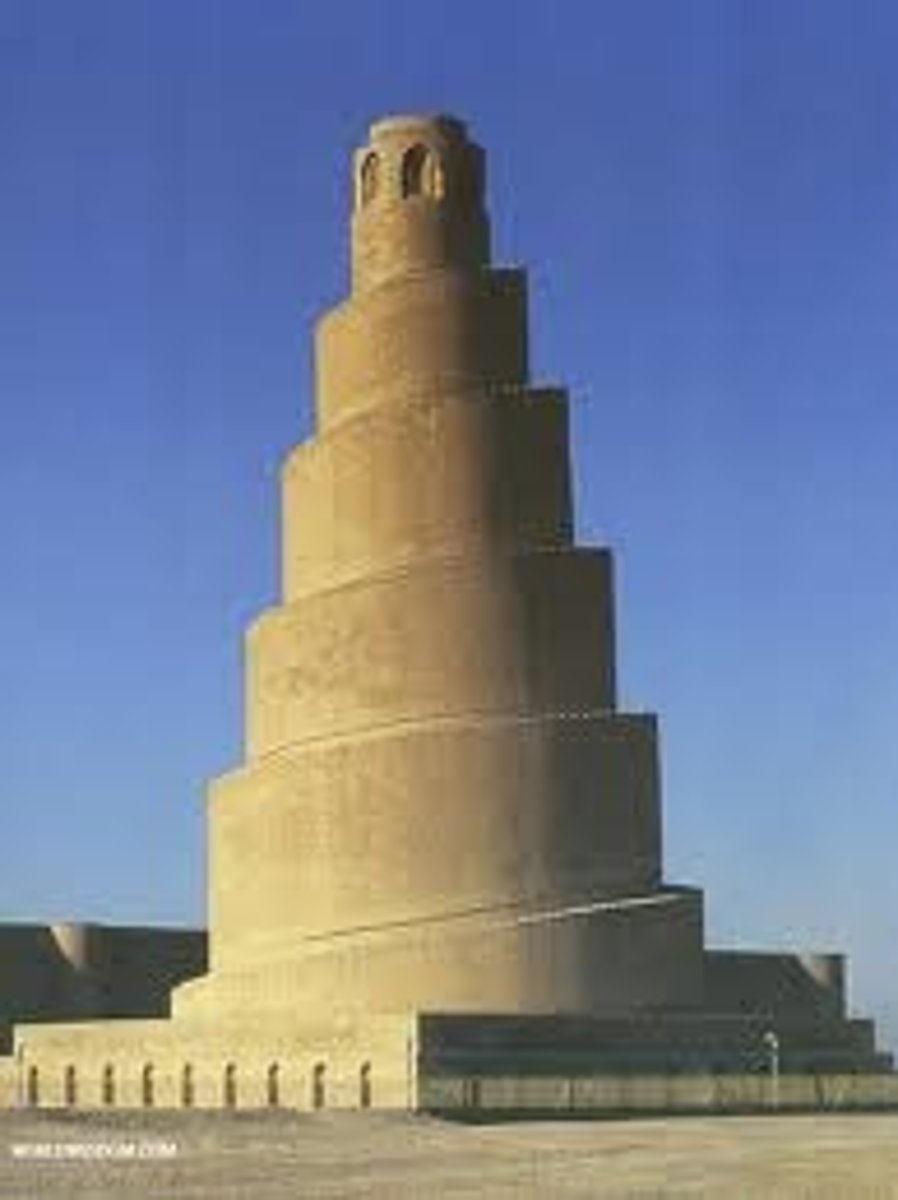
Great Mosque of Samarra
Largest mosque ever built. Samarra Iraq 9th Century. Cone shaped minaret. Spiral minaret encircled by ramp. Horses could ride up,
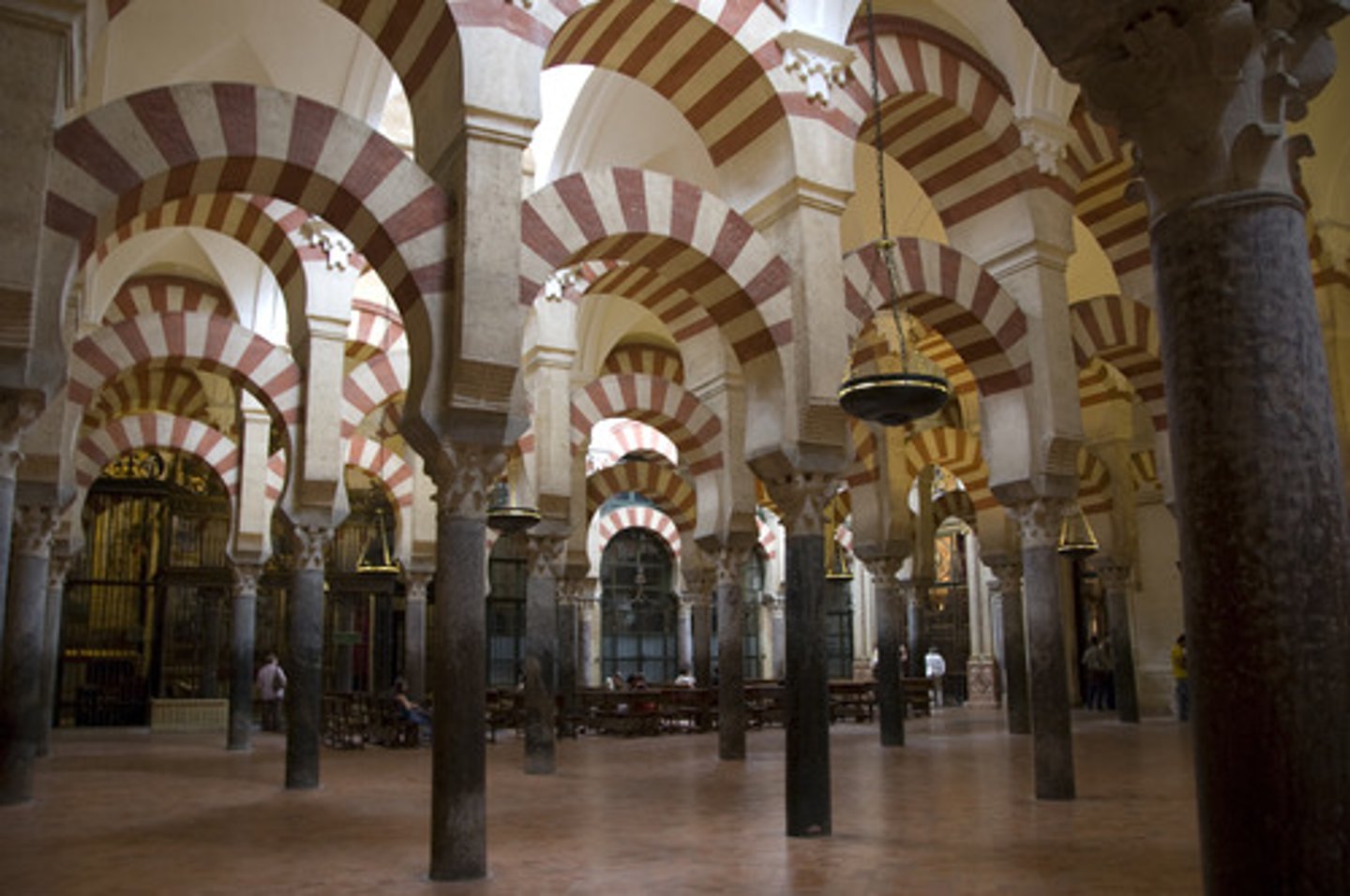
Mosque of Cordoba
1st Islamic structure in Europe
Architecture of India
various cultural influences: Buddhists, Hindus, Muslims, British
Foreign cultures and different religions have been absorbed and transformed by Asian Indian architects
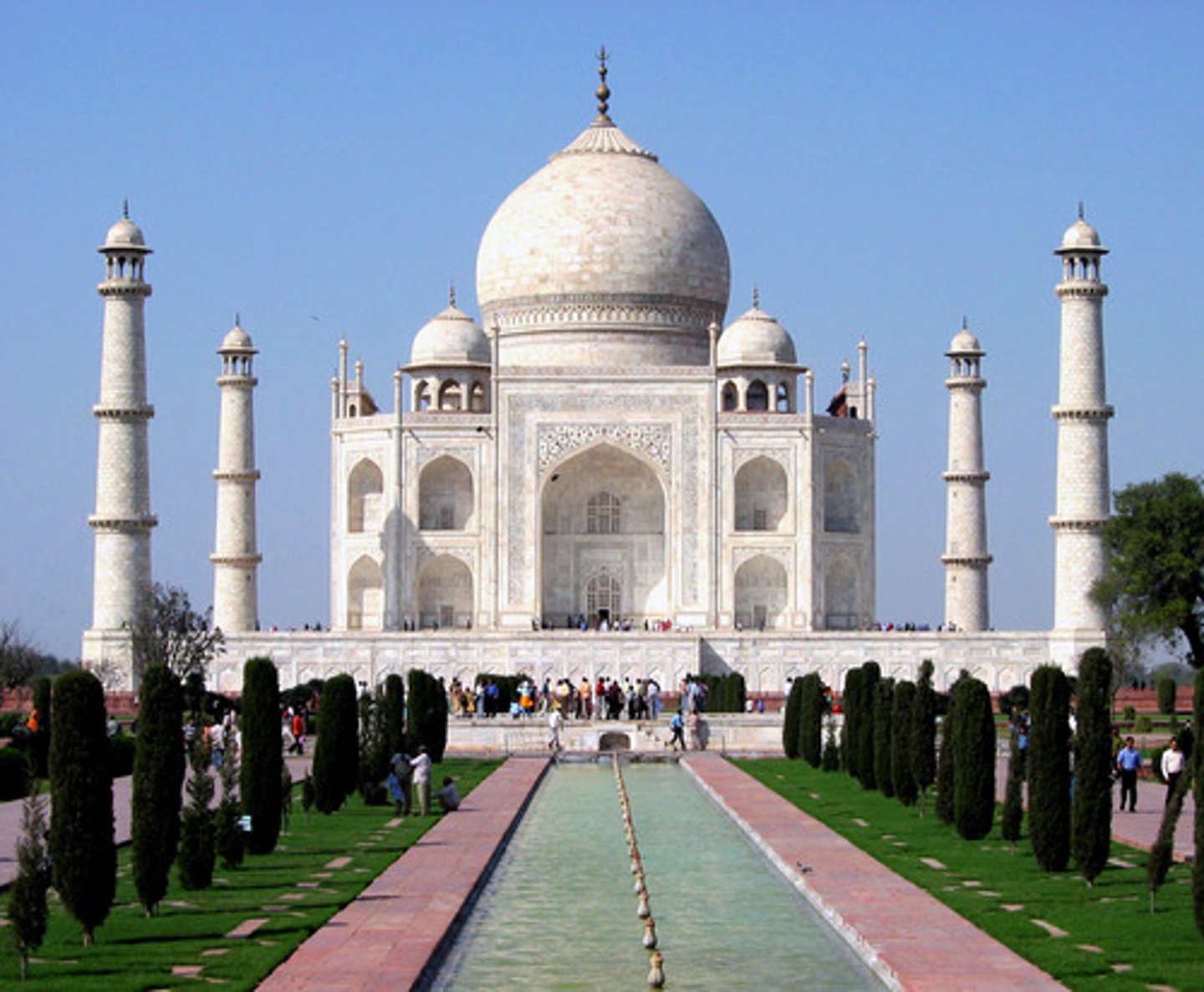
Taj Mahal
National emblem of India
1632-53
urban sprawl
damaging the environment both directly and indirectly. this happens through rampant consumptions of raw land, and the fossil fuels required for people to drive to these remote places.
green building
a building that is located and constructed in a sustainable manner and that is designed to allow its occupants to live, work, and play in a sustainable manner
brownfields
abandoned, idled, or under-used industrial and commercial facilities/sites where expansion or redevelopment is complicated by real or perceived environmental contamination
percentage of all waste from the building industry
20%
reasons to utilize green building principles
1. improved air quality
2. reduced consumption of virgin raw materials
3. waste reduction
4. consumer demand for environmentally friendly products
ADA (Americans with Disabilities Act)
Federal Civil Rights law that prohibits the exclusion of people with disabilities from everyday activities
New Urbanism
A type of compact neighborhood design pioneered by Miami architects Adres Duany and Elizabeth Plater-Zybeck. Replaces the typical suburban subdivision with more diverse environments which mix residential and commercial buildings hypothetically providing a walkable community where people live, work, and play
Andres Duany
-founder of two architecture firms:
Arquitectonica
Duany Plater-Zybeck & Company (DPZ)
-Seaside, Florida
-Kentlands, Maryland
B. arch (Princeton)
-M. arch (Yale)
Cotton District (New Urbanism)
Dan Camp, designer, developer, builder
Development creates place
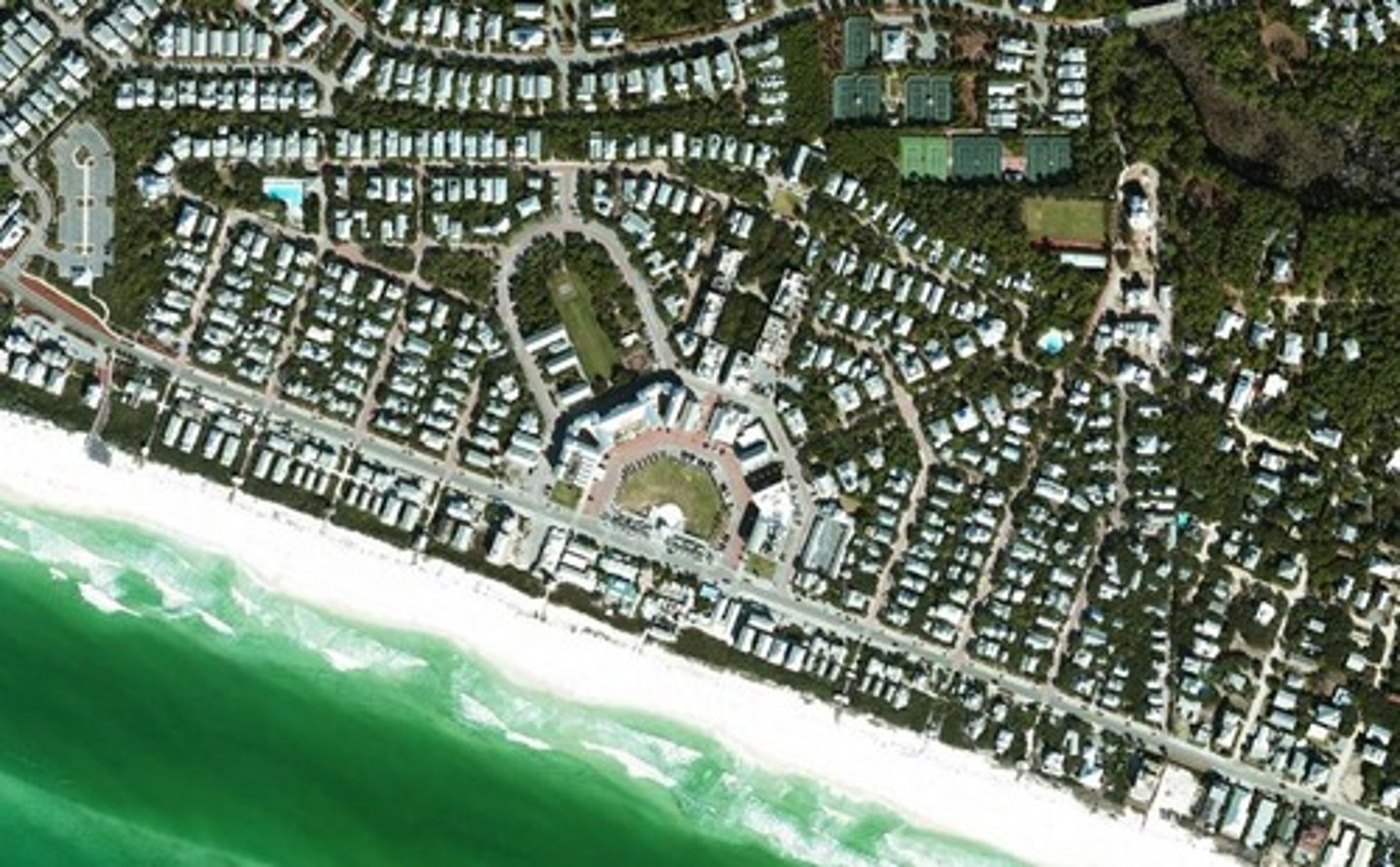
Seaside, Florida
Robert Davis, landowner developer
40 acres
Various types of residential
school, shopping, restaurants
walkable
master plan by Duany Plater-Zybeck & Co
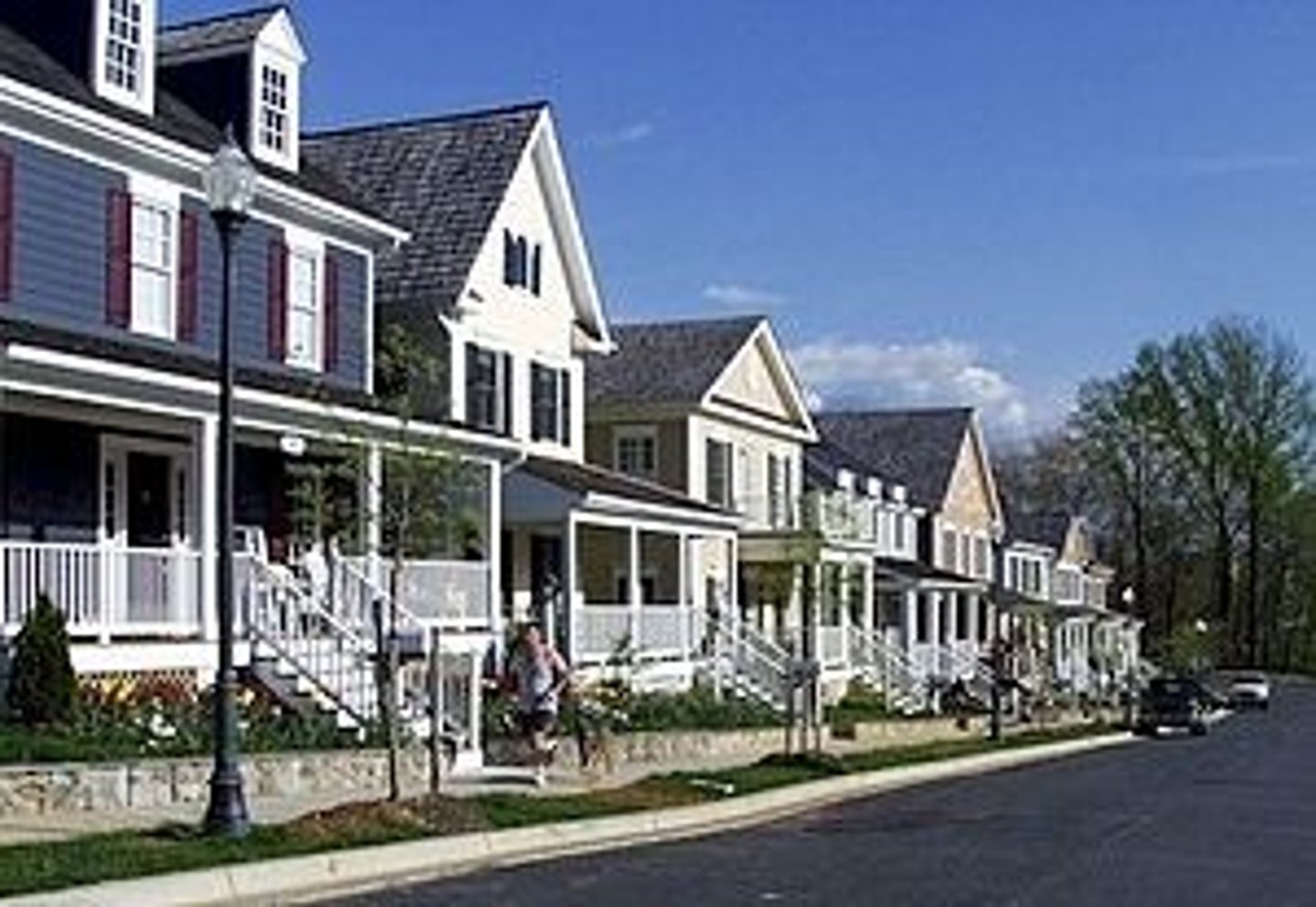
Kentlands, Maryland
Master plan by Duany Plater-Zybeck & Co
Mount Vernon, Virginia
The Ladies Mount Vernon Association acquired Mount Vernon in the 1850s. This was the first property to be saved by an organization founded solely to preserve a building
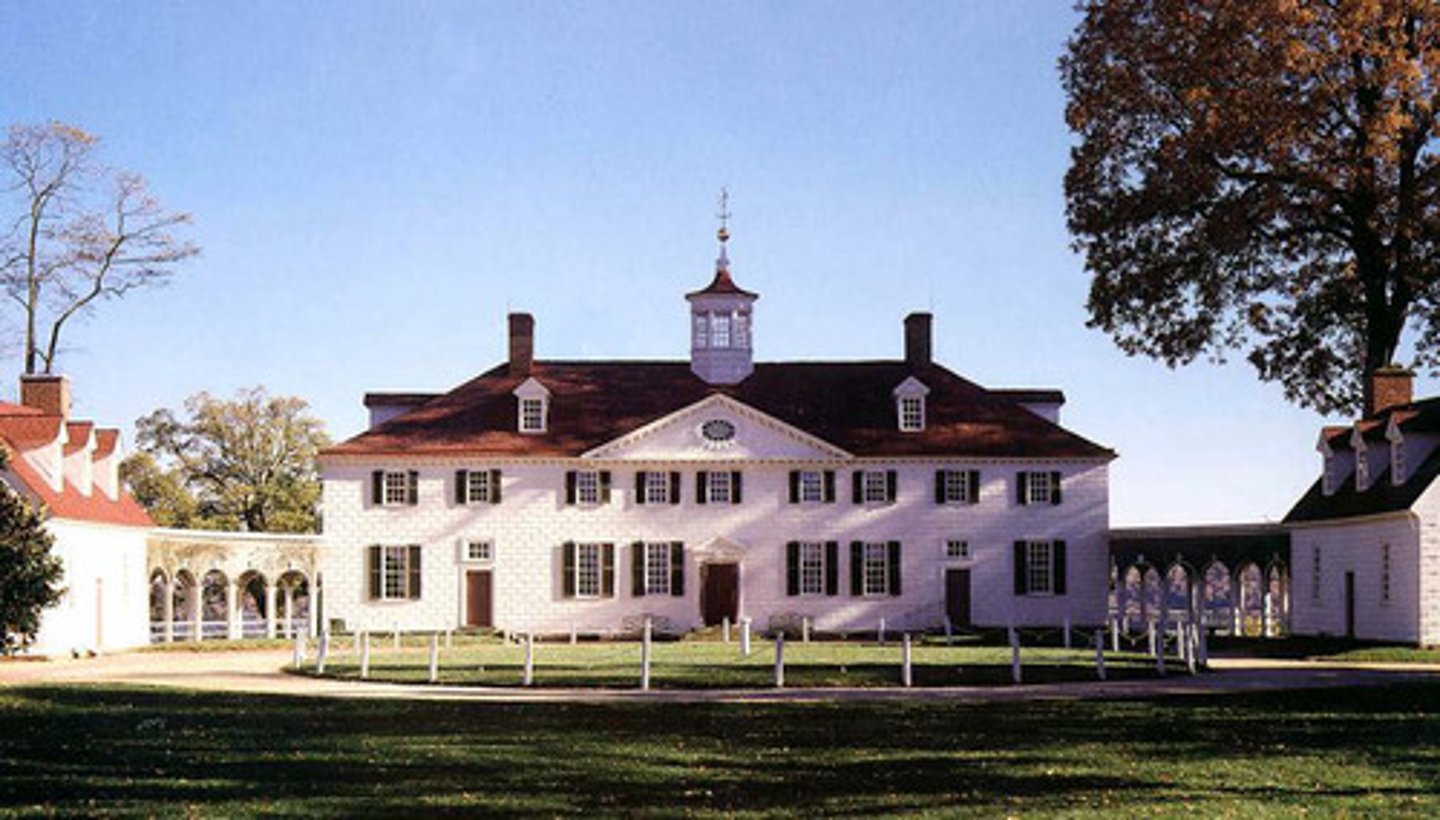
First Historic Preservation Ordinance
Charleston, South Carolina 1931
2nd Historic Preservation Ordinance
New Orleans, LA 1941
3rd Historic Preservation Ordinance
Natchez, MS 1941
National Historic Preservation Act of 1966
established review of federal projects on historic properties
William Nichols, Architect
Born Bath, England (1780)
Greek Revival Style
Became State Architect of Mississippi in 1835
RH Hunt, Architect
Moved to Chattanooga, TN in 1882 - RH Hunt Company
Montgomery Hall - MSU
Lee Hall - MSU
Beaux Arts
a style of architecture favored by the Ecole des Beaux-Arts characterized by symmetrical plans and the eclectic use of architectural features combined to give massive, elaborate, and often ostentatious effect
Theodore Link, Architect
St. Louis
Designed Mississippi State Capitol
Perry Cafeteria - Mississippi State
The YMCA Building @ MSU
Paine, Overstreet, and Spencer
Louis Sullivan and Frank Lloyd Wright in Mississippi
Louis Sullivan had a house in MS that was almost destroyed in Hurricane Katrina. Frank Lloyd Wright worked on this while in FLW Office.
FLW also Designed:
-Willis Hughes House "Fountainhead: 1948- Jackson Ms.
Faye Jones
Fayetteville, AR
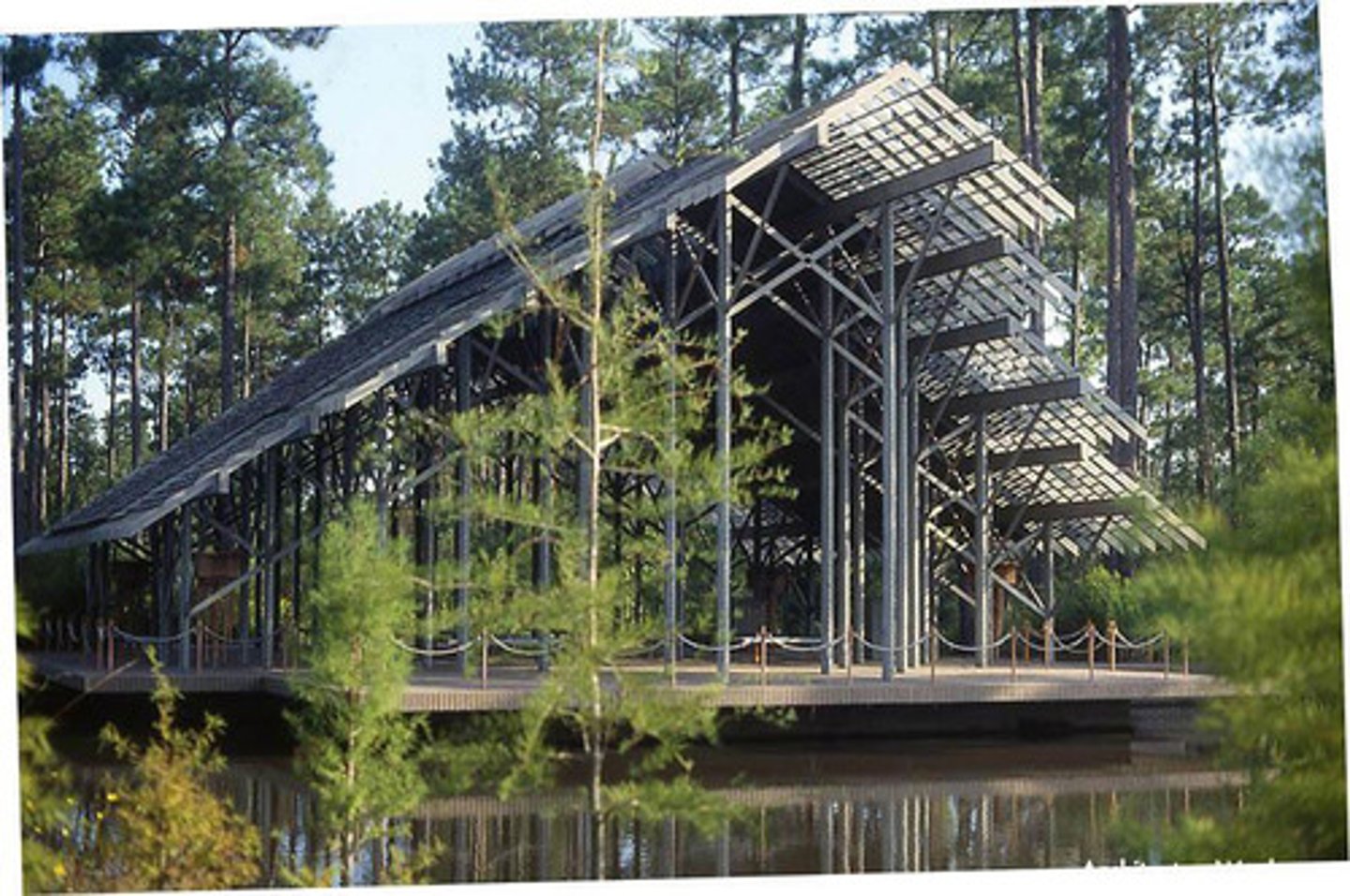
Pinecote Pavilion- Crosby Arboretum
Picayune, MS 1985
Faye Jones, Fayetteville, AR
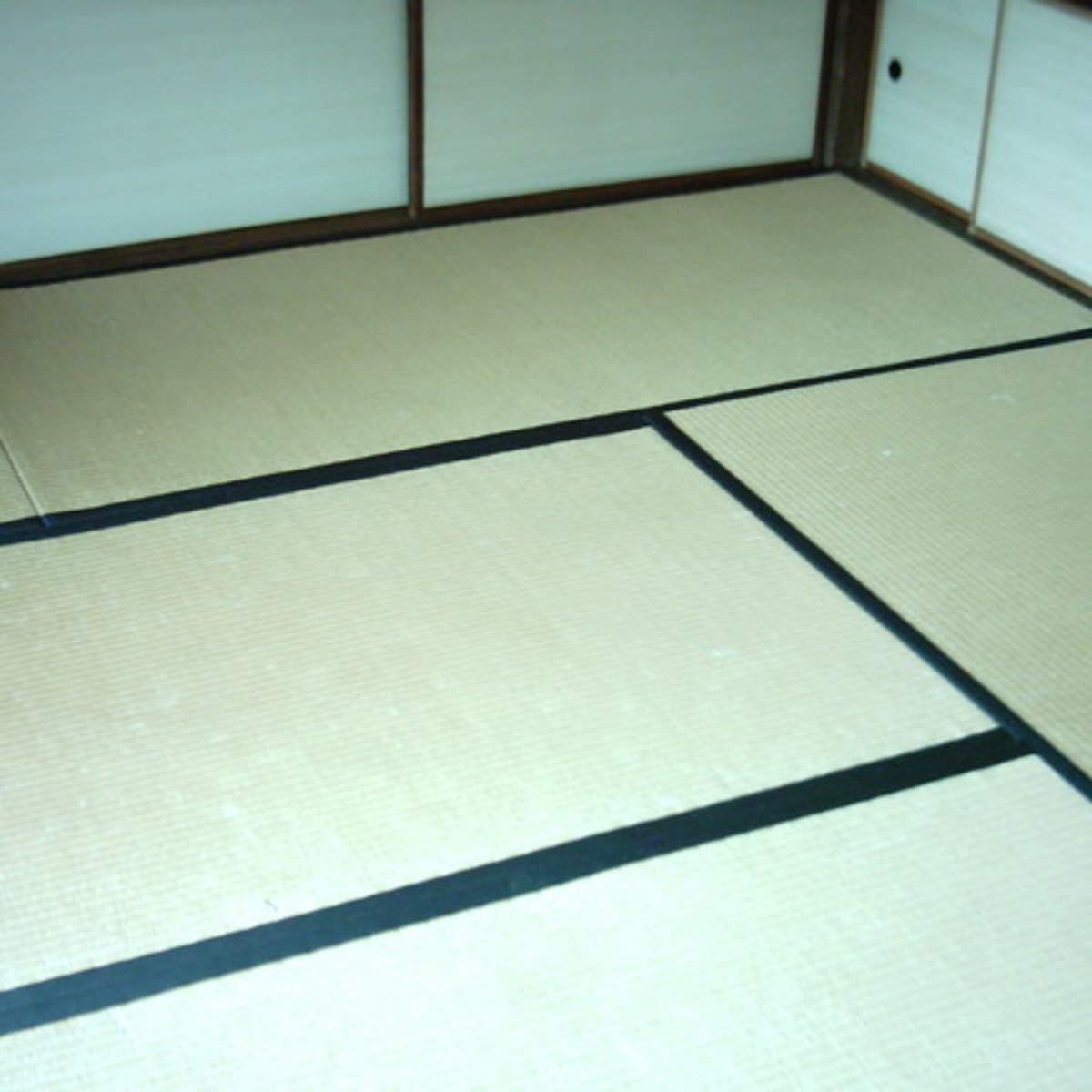
tatami
Modular flooring Mats 3'X6' Determine area of rooms by how many mats there are.
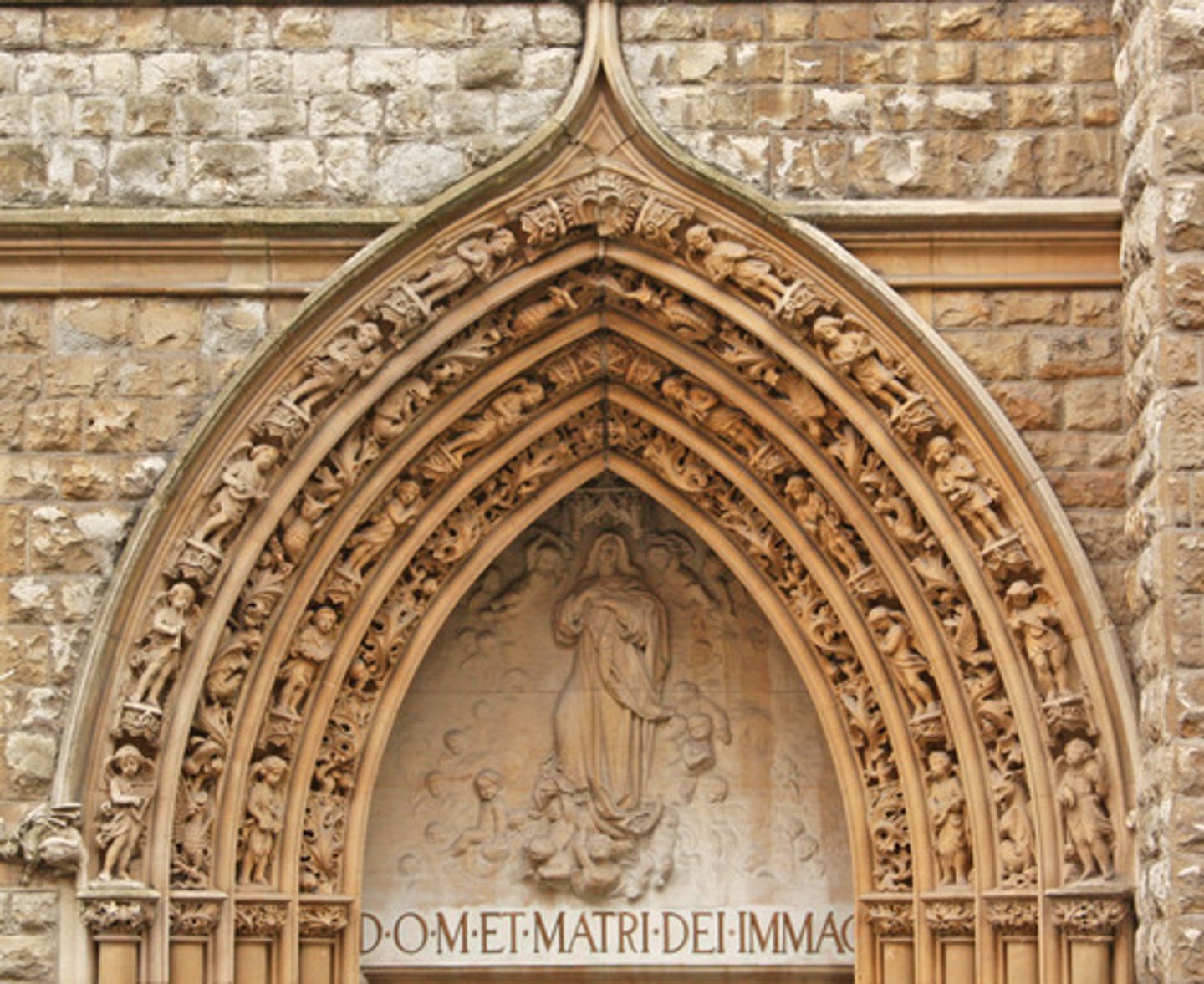
ogee arch
Walls covered with stone carvings
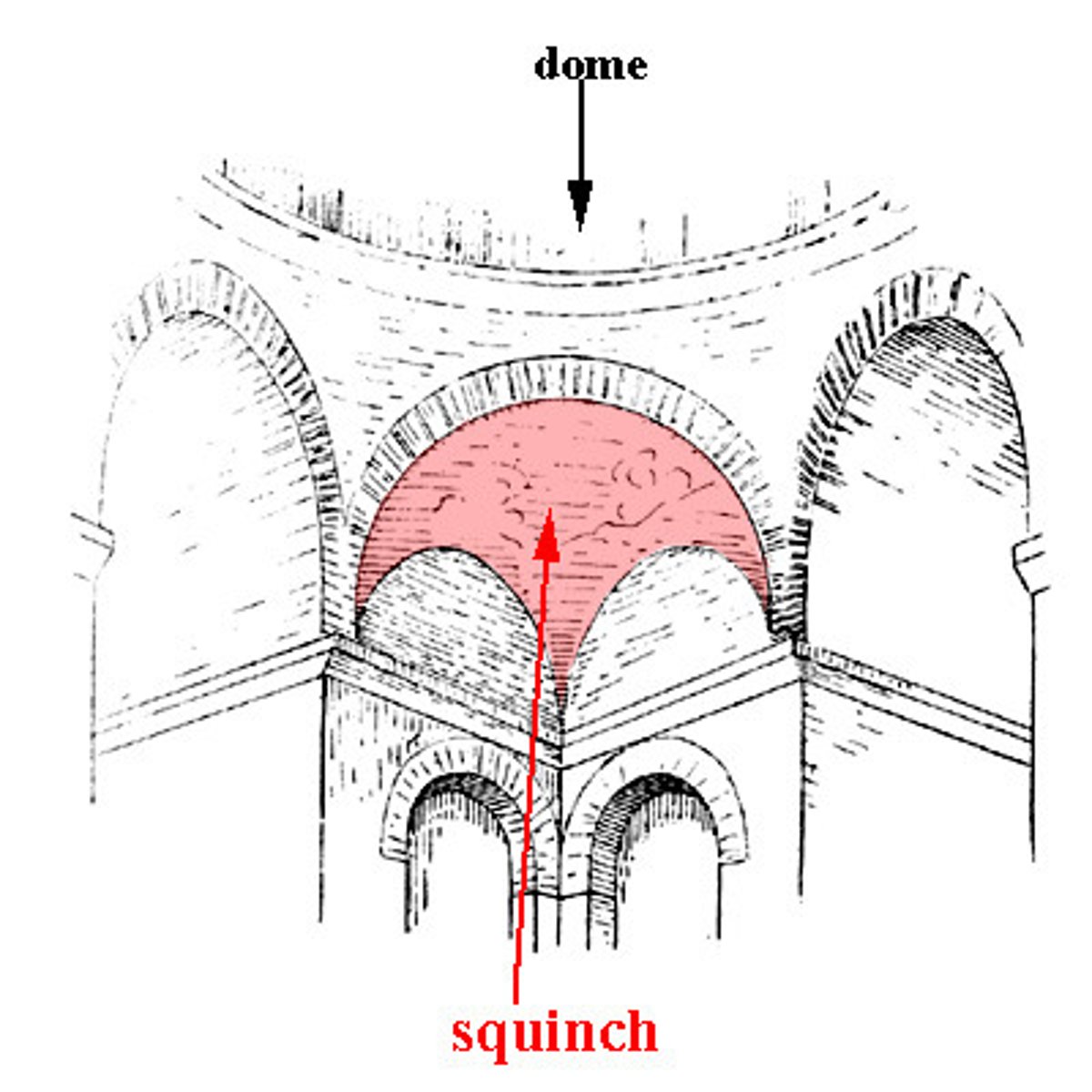
Squinches
Series of stacked arches to support dome. Glazed tiles on al surfaces
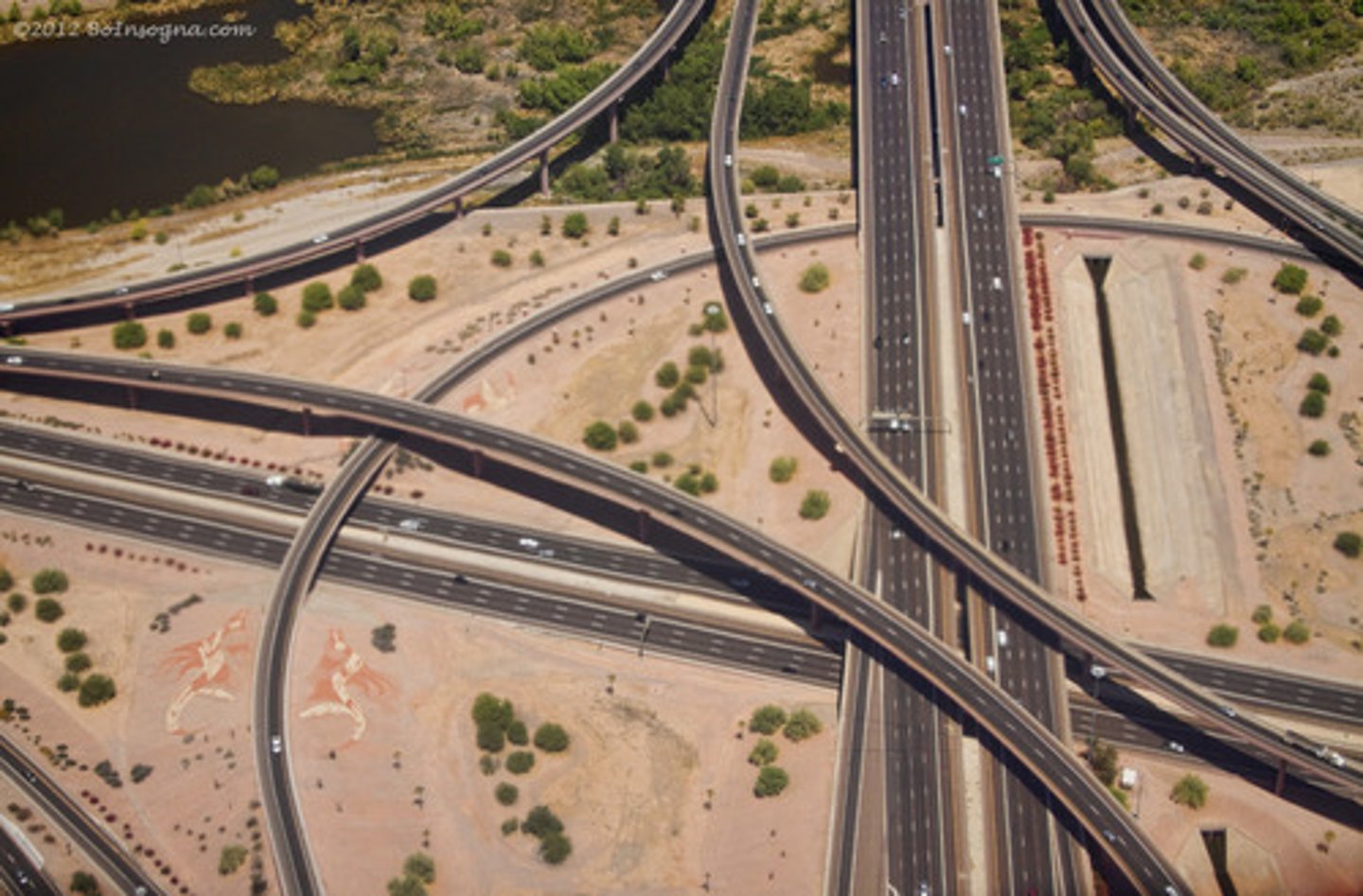
Interstate Highway System