Week 9: Taboo Occupations, Sexual Identity & Sexuality
 Call Kai
 Learn
Learn Practice Test
 Spaced Repetition
 Match
Match Flashcards
 Knowt Play
1/19

There's no tags or description
Looks like no tags are added yet.
Name | Mastery | Learn | Test | Matching | Spaced | Call with Kai | Chat |
|---|
No analytics yet
Send a link to your students to track their progress
20 Terms
sexual activity
engaging in broad possibilities for sexual expression and experiences with self or others
intimacy, state of mind, how we feel about ourselves
ex) hugging, kissing, foreplay, masturbation, oral sex, intercourse
basic issues of sexuality for youth
secondary sexual characteristics - puberty
reproductive health
social expectations: when is dating appropriate and whom is an appropriate partner?
gender identity
self esteem and safety
issues specific to sex and disability for youth
desirability
function
assistance
comfort with the topic
safety and physical comfort
therapist comfort
talking about sex
working on ct issues of sexuality
getting support as needed
referring out as appropriate
issues affecting LGBTQ youth
2-3x more attempted suicide
increased risk for STDs (gay men, trans people)
higher rates of smoking, drinking, other drug use
less likely to get preventative care
higher rates of behavioral health issues
increased risk of victimization
strategies for working with LGBT clients
respectful communication
pronoun and preferred name use
avoid asking unnecessary questions
educate yourself about diversity
non-judgemental attitude
practice increasing comfort
be an accountability advocate
treatment approaches
health promotion
remediation
modification
health promotion with youth
safe sex practices
birth control awareness
consent
self-esteem and self-determination
remediation
restoration of skills such as ROM, strength, endurance, effective communication, and social engagement as part of meeting sexual needs
modification
changing the environment or routine to allow for sexual activity and satisfaction
ex) positioning, adaptive techniques and tools
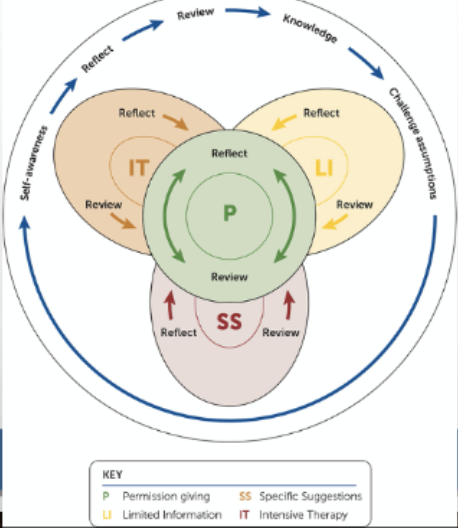
Ex-PLISSIT model
guide to working with clients on issues of sexual
not linear, but cyclical in nature
all intervention levels should begin with permission-giving
Permission (PLISSIT)
allowing client to feel and express thoughts about sexuality
providing affirmation to clients that their concerns with sexuality are in fact appropriate and can be addressed by a health care professional
providing permission during therapy session is a safe way to let clients know that OT is an appropriate setting in which to bring up their concerns
Limited Information (Ex-PLISSIT)
info related to the impact of illness on sexuality and sexual function
clarify any misinformation the client may have
only provide factual info that can be easily understood
Specific Suggestions (Ex-PLISSIT
problem-solving approach to address a particular issue
need to be tailored to address specific needs and will require further assessment into the nature of the particular problem
intimacy assessment
compilation of questions that address client concerns with sexuality that is initiated by either the client or OT
used to guide intervention during specific suggestions stage
Intensive Therapy (Ex-PLISSIT)
most advanced stage of PLISSIT model
used when extensive counseling is needed for serious issues or when abnormal coping patterns are present
provided by a health professional with advanced training, NOT OT
Reflection and Review
after all stages of intervention
increases opportunity for effectiveness
enables practitioners to ID their own attitudes
issues of sexuality with a client who has ASD
exploration of personal sexual behavior is normal but generally not accepted in public settings
sexual interest in others may not occur
awareness of inappropriate advances from others and how to respond to those advances
Issues of sexuality with a client who has ID
have typical sexual interests and exploration
at greater risk for sexual predators and sexual abuse
sexual advances by others may be seen as affection; hard for them to assess someone’s interest/motivation
important to identify how/when to say “no”/”yes”
identify private sexual behaviors and location for them to occur in
Issues of sexuality with a client who has a TBI
sex drive may change
erectile problems (40-60% of men have temporary /permanent impotence)
inability to orgasm
reduced frequency of sex
personality may change
decreased decision making and impulse control
inappropriate expression of sexuality (public places, with inappropriate people)