Human Biology Sem 1 Exam
 Call Kai
 Learn
Learn Practice Test
 Spaced Repetition
 Match
Match Flashcards
 Knowt Play
1/195

There's no tags or description
Looks like no tags are added yet.
Name | Mastery | Learn | Test | Matching | Spaced | Call with Kai |
|---|
No analytics yet
Send a link to your students to track their progress
196 Terms






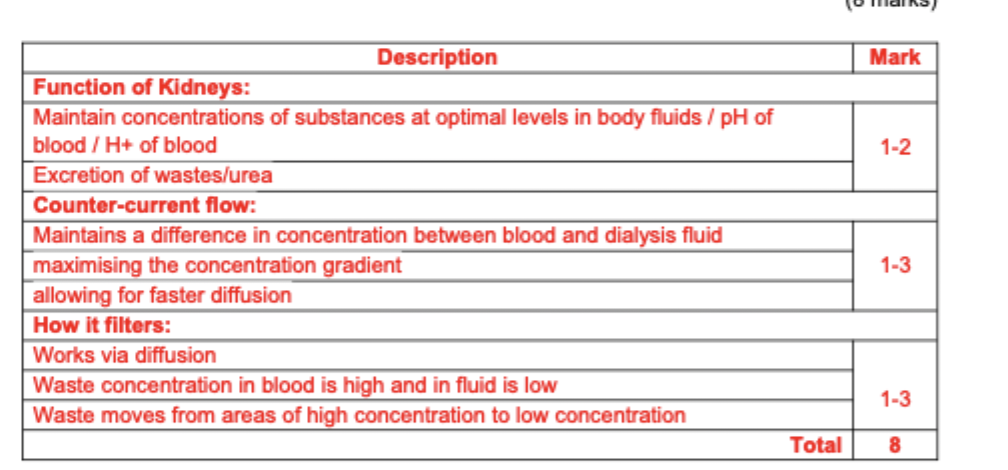
Lungs

2





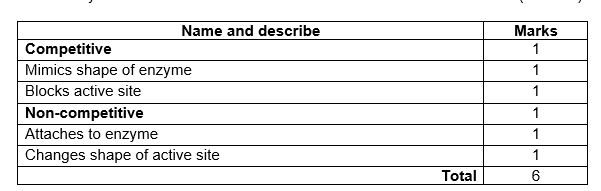
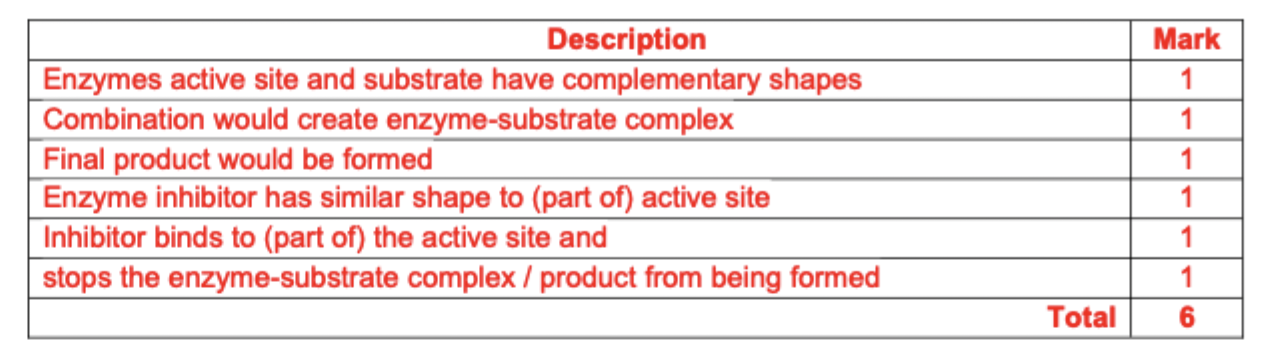
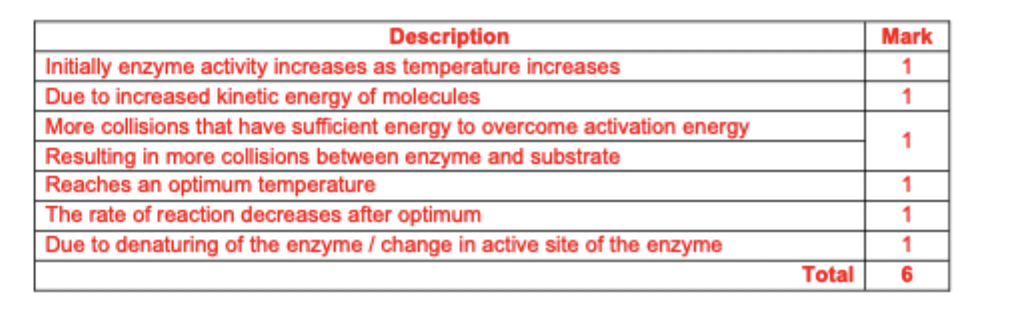
Name two (2) types of enzyme inhibitors and describe the effect they have on enzyme action. (6 marks)
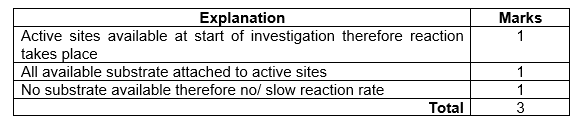
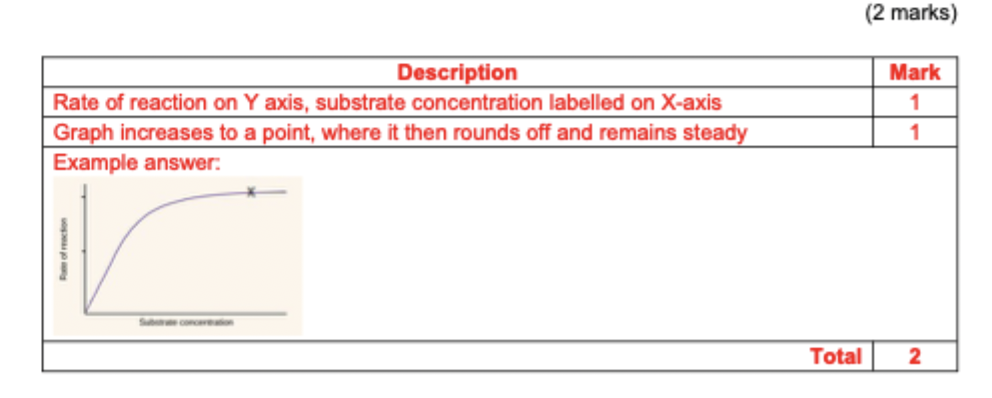
Explain why she is observing this trend in her investigation
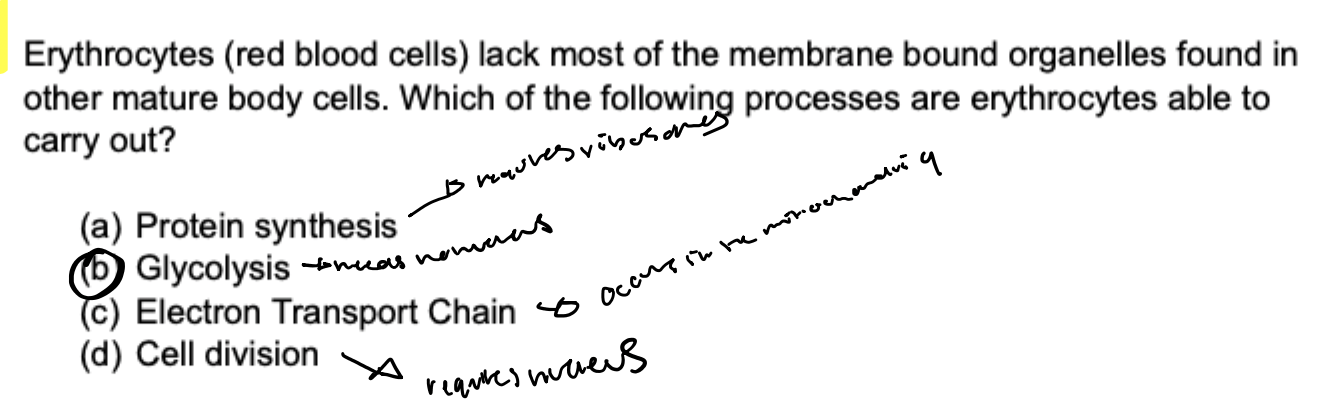
Name and describe the molecule produced by the process of cellular respiration











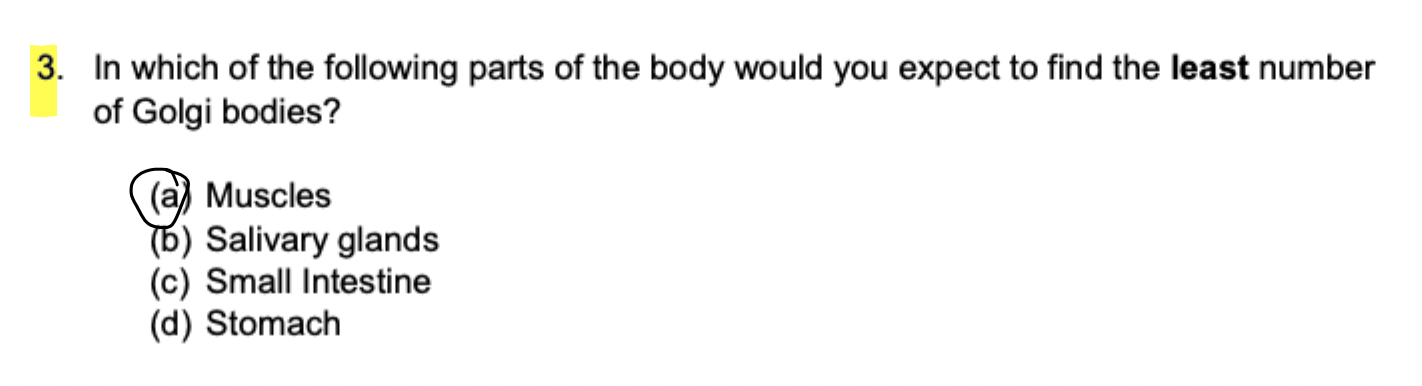
Pancreas
The pancreas produces a wide variety of enzymes, including
amylase, which breaks down starches into simple sugars;
trypsin, which breaks down proteins into short chains of amino acids;
and lipase, which breaks down fats into monoglycerides and fatty acids.
(Produces enzymes that break down carbohydrates, proteins, and fats)
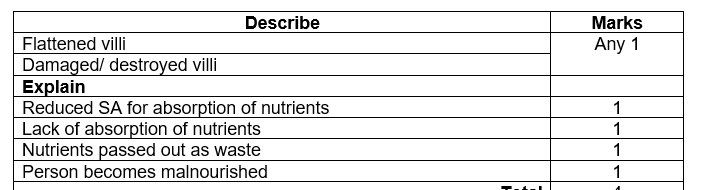
The small intestine shown below contains lymphatic vessels but no capillaries. Which nutrient will be absorbed by this small intestine?
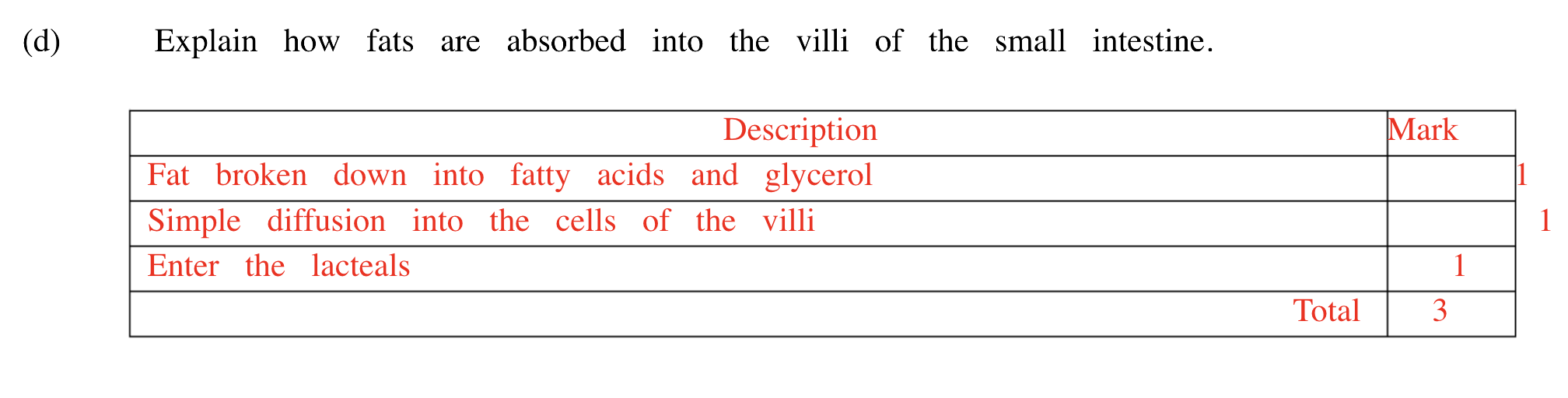
Two types of vessels absorb nutrients from the fluid in the small intestine. Capillaries absorb simple sugars, amino acids, and water. The byproducts of fat digestion, fatty acids and monoglycerides, are absorbed by lymphatic vessels. Each villus in the small intestine contains capillaries and a lymphatic vessel.









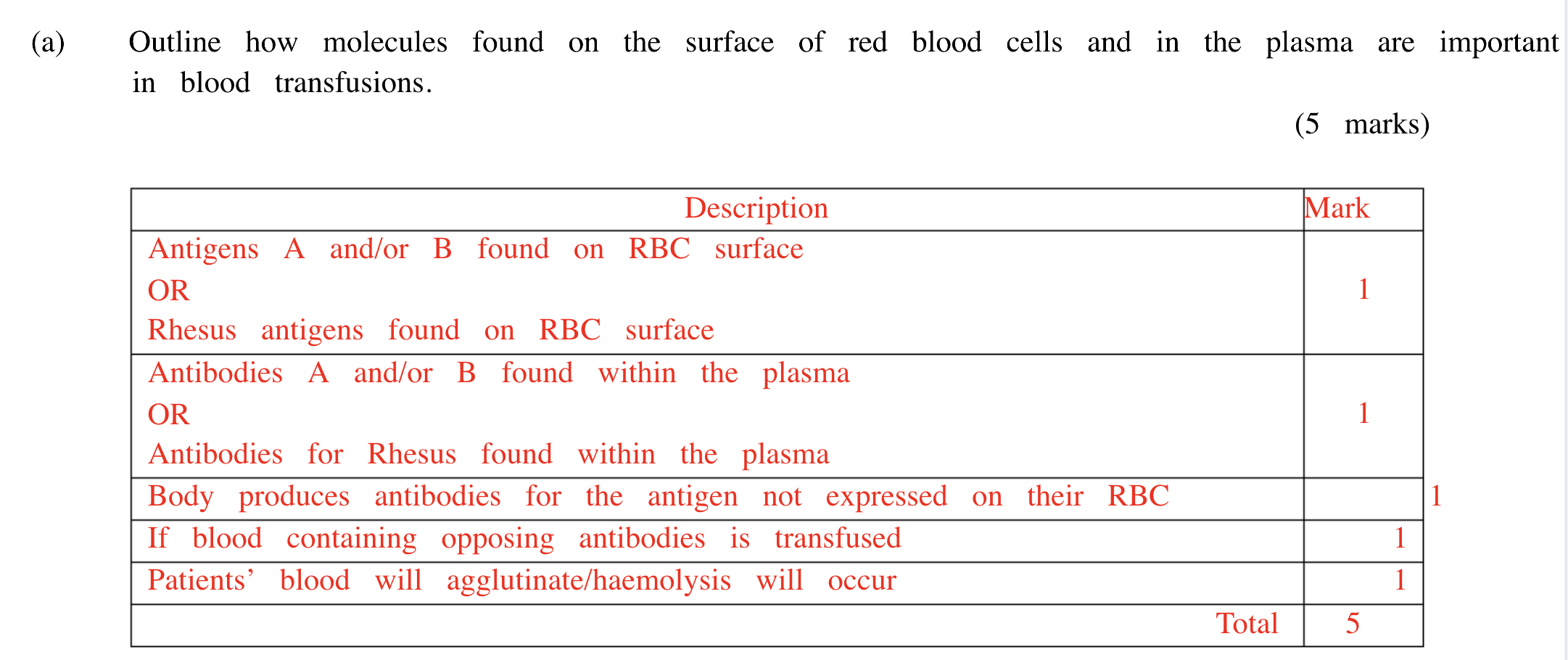
Why are blood transfusions important
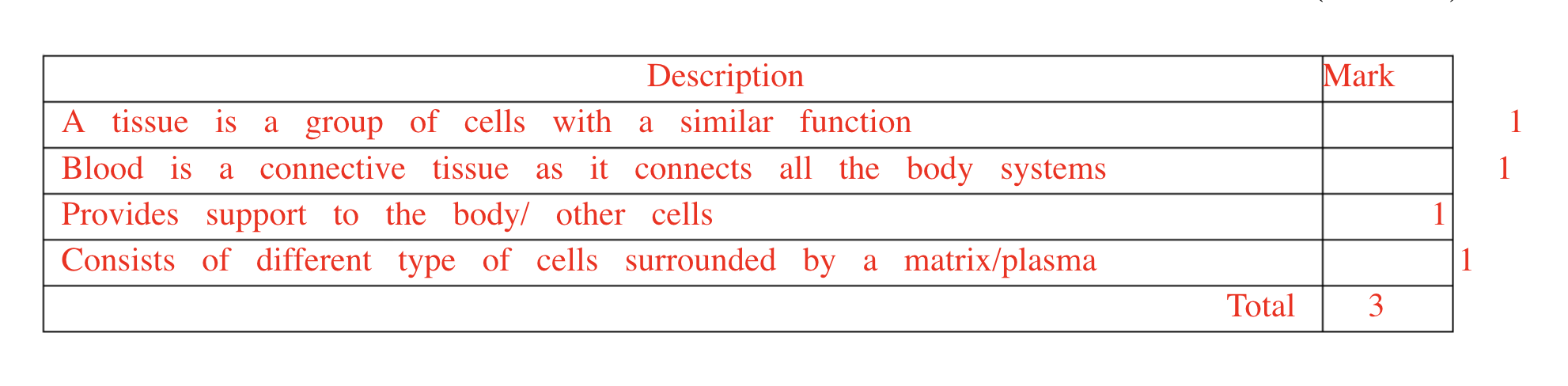
blood transfusions rely on determining blood groups (ABO and Rhesus), and can be used to treat many different diseases and conditions
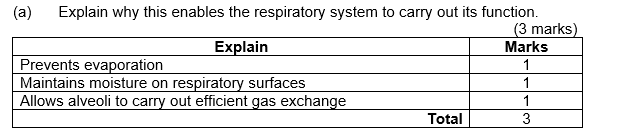
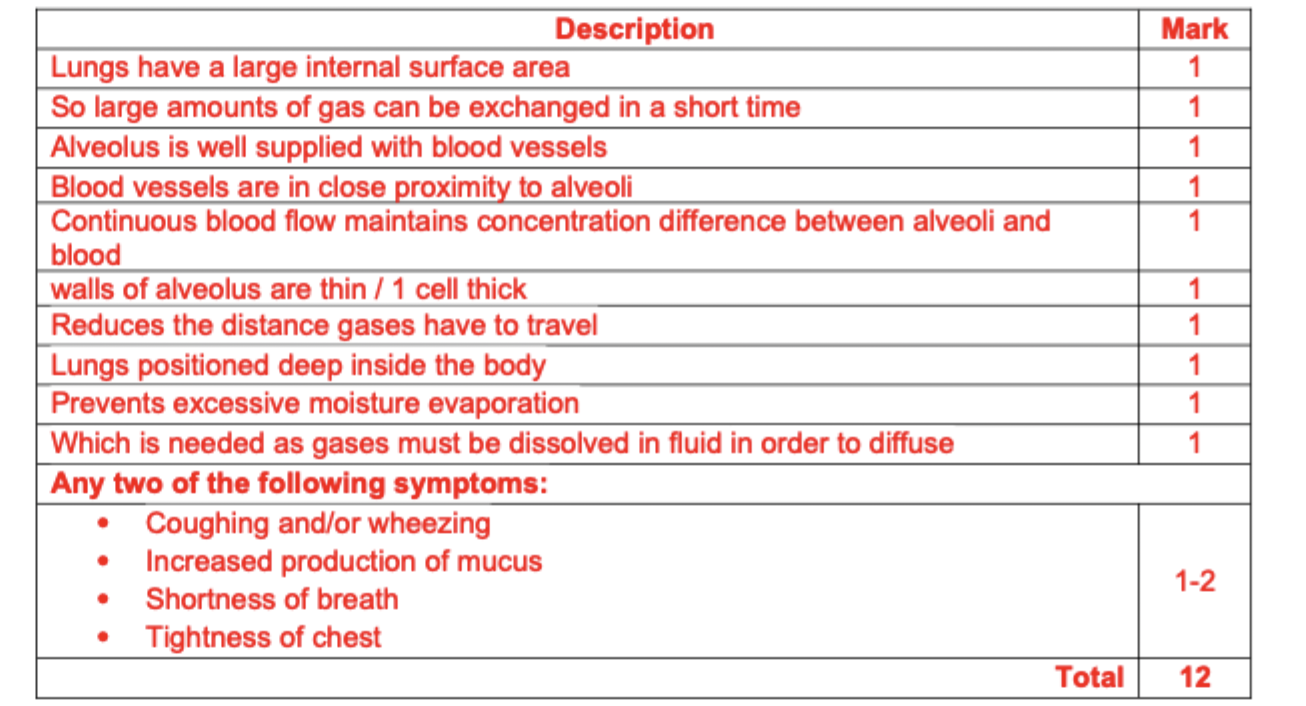
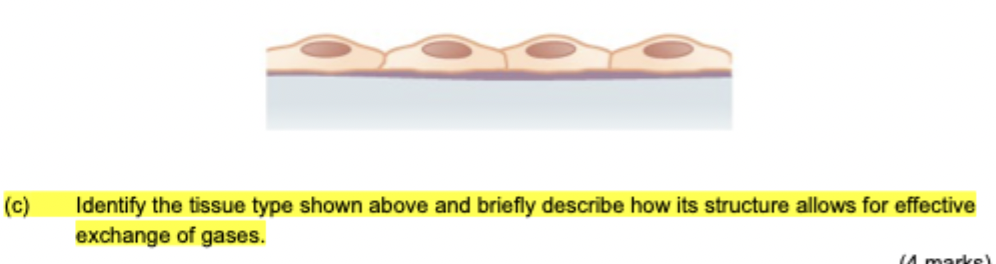
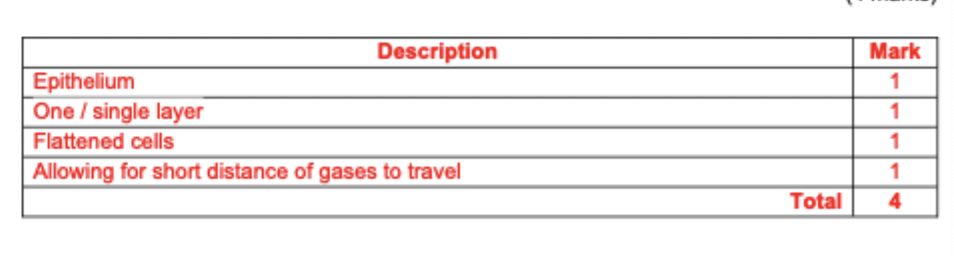
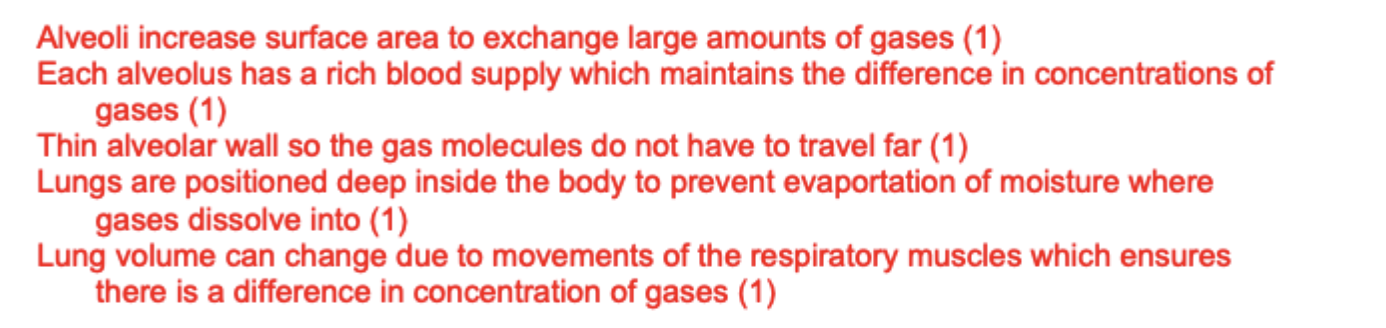
moist fluid lining in the alveoli
what is the difference between aerobics complete breakdown of glucose and glycolosis in anearibic respiration
Oxygen Requirement: Aerobic respiration requires oxygen to proceed; anaerobic respiration occurs without oxygen.
Location: Aerobic respiration occurs in the cytoplasm (glycolysis) and mitochondria (Krebs cycle/electron transport chain). Anaerobic respiration (glycolysis and fermentation) happens entirely in the cytosol.
Efficiency/ATP Yield: Aerobic metabolism is highly efficient, yielding ~30-38 ATP per glucose molecule, while anaerobic metabolism is inefficient, yielding only 2 ATP.
End Products: Aerobic breakdown produces \(CO_{2}\) and \(H_{2}O\). Anaerobic glycolysis (lactic acid fermentation) produces lactate in animals, or ethanol and \(CO_{2}\) in yeast/plants.
Fate of Pyruvate: In aerobic conditions, pyruvate enters the citric acid cycle; in anaerobic conditions, it is converted to lactate to regenerate \(NAD^{+}\)
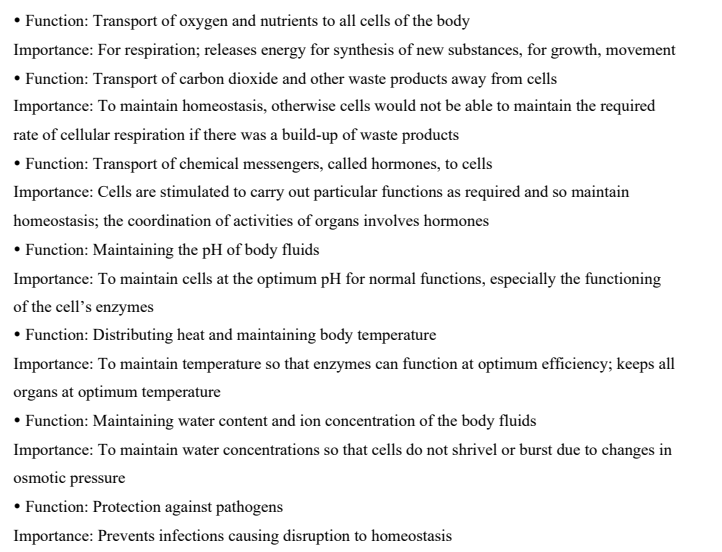
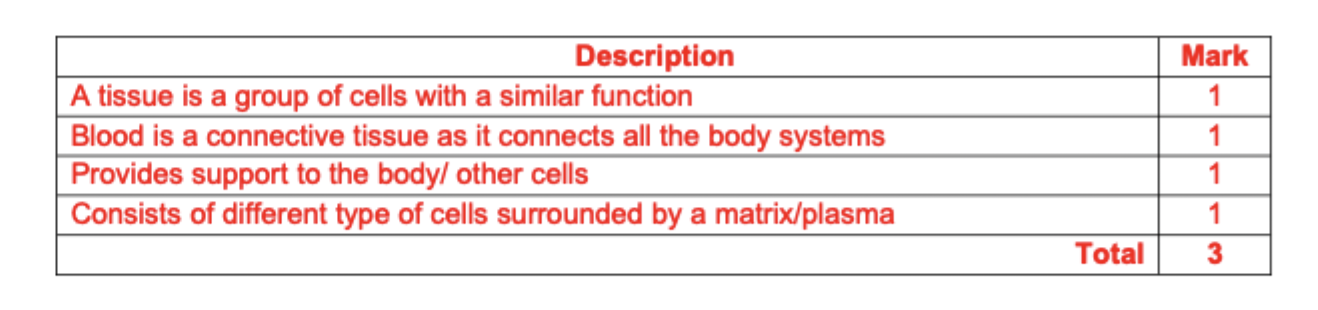
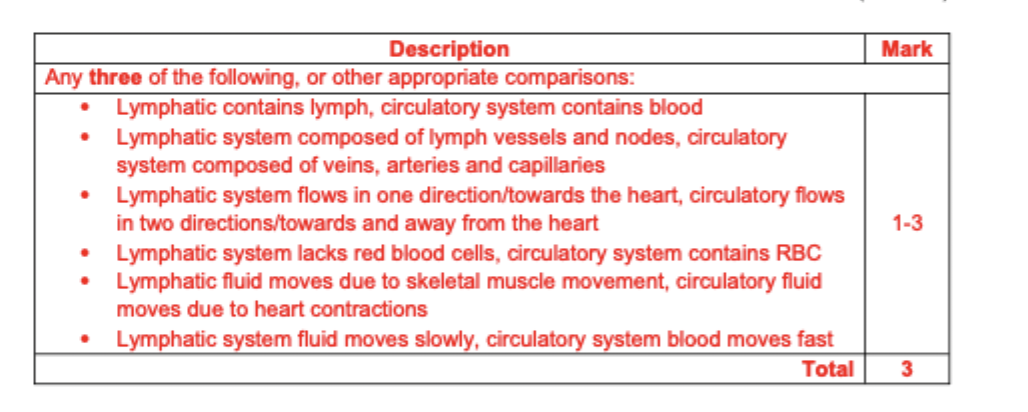
Functions of blood









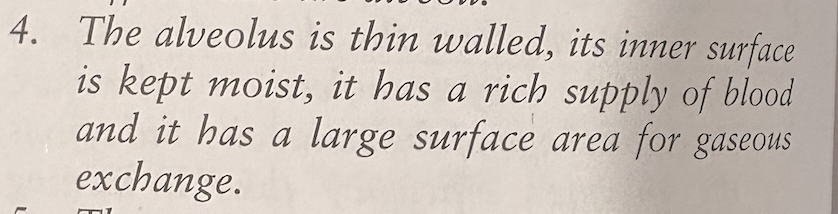
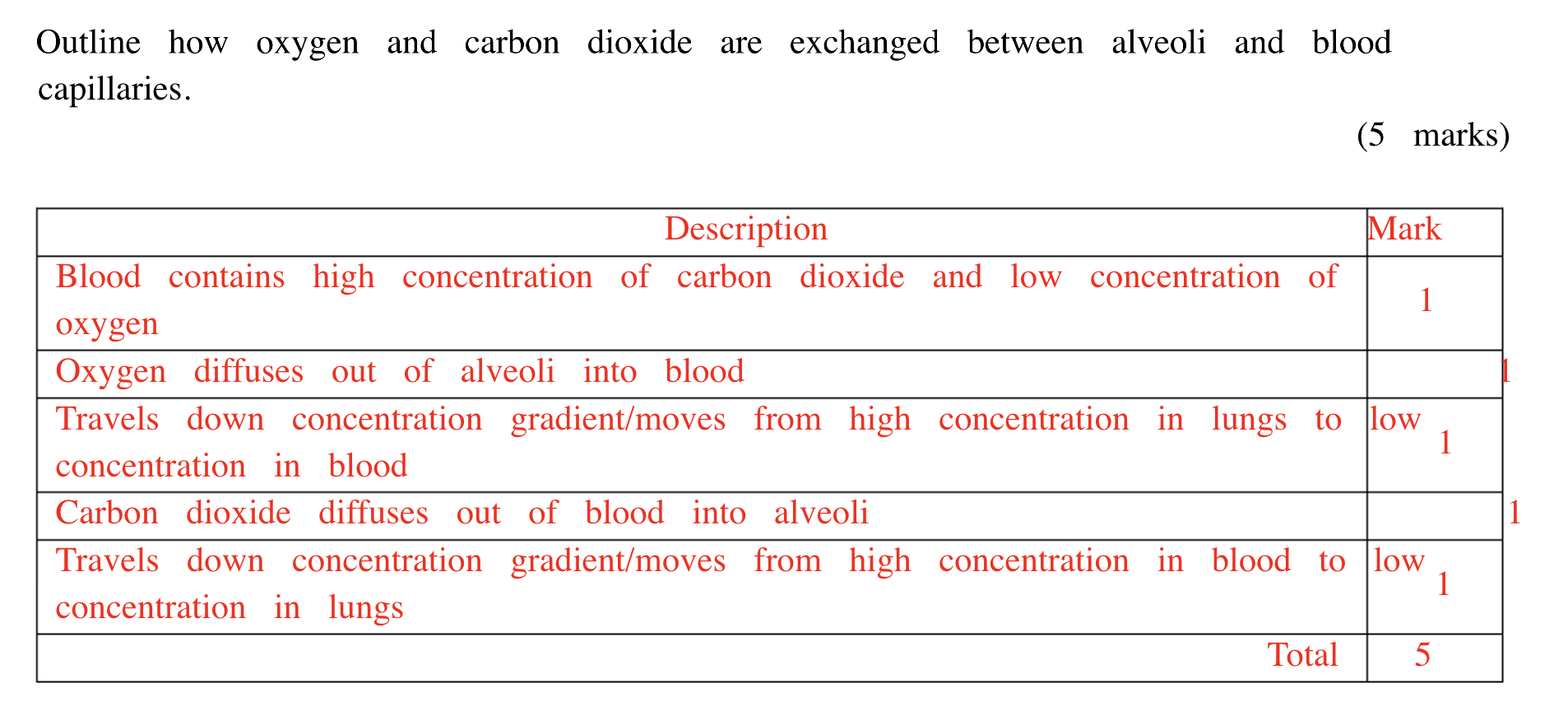
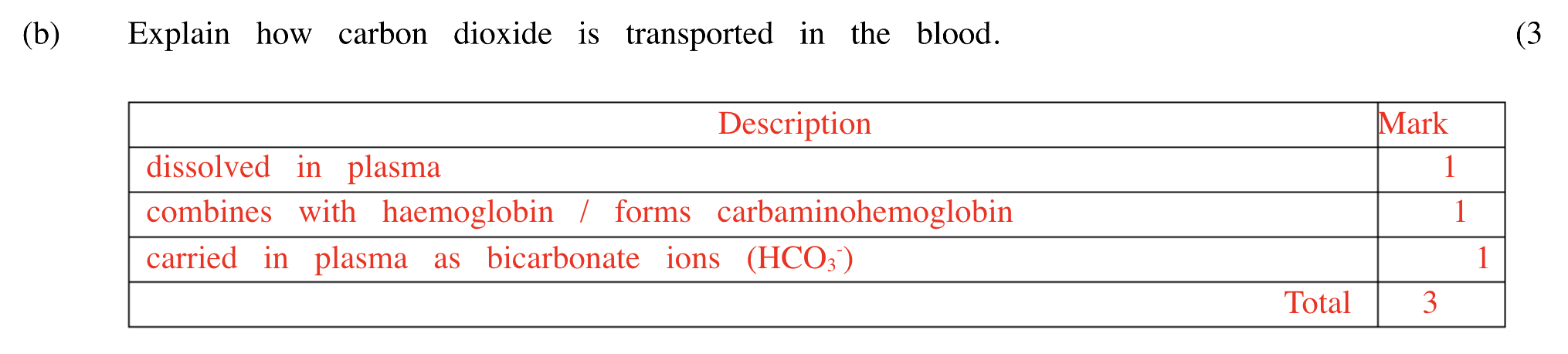
Outline how oxygen and carbon dioxide are exchanged between aveoli and blood capillaries



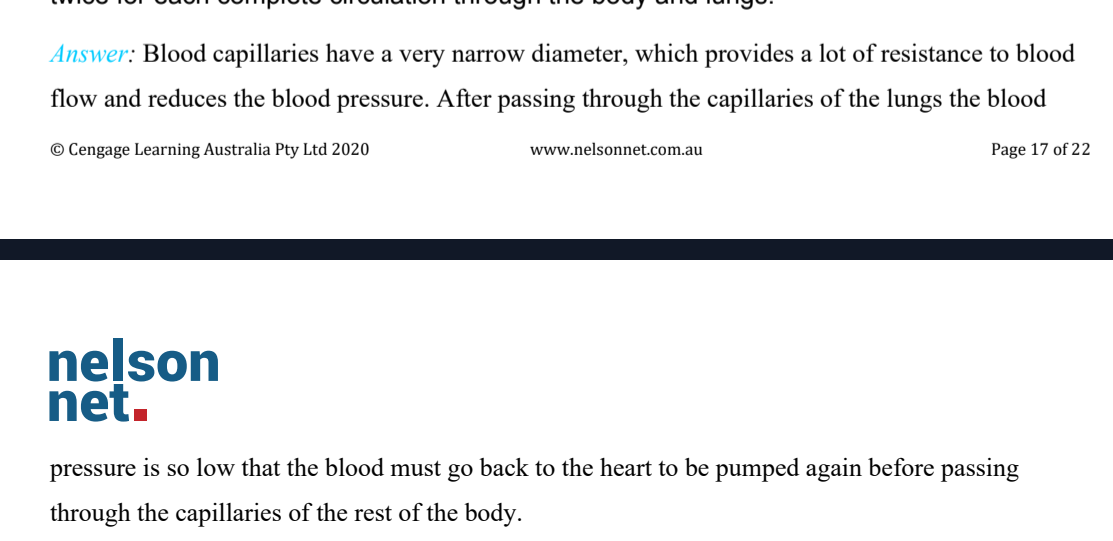
Explain how fats are absorbed into the villi of the small intestine











conditions anaerobic and aerobic respiration happens
Aerobic Respiration Conditions
Presence of Oxygen: High oxygen concentration is necessary to act as the final electron acceptor.
Active Metabolism: Occurs continuously in most cells (mitochondria) for high energy needs.
Products: Produces large amounts of energy, carbon dioxide, and water. [1, 2, 3, 4, 5]
Anaerobic Respiration Conditions
Absence/Low Oxygen: Occurs when oxygen is unavailable, such as in deep water, soil, or the digestive tract.
High-Intensity Exercise: When muscle cells require energy faster than oxygen can be supplied (oxygen debt/EPOC).
Microbial Environments: Used by bacteria and yeast (yeast turns glucose into alcohol and \(CO_{2}\)).
Products: Produces smaller amounts of energy quickly; forms lactic acid in humans or ethanol/alcohol in yeast.
why do enzyme inhibitors exist
to regulate biological metabolic pathways, maintain cellular homeostasis, and defend against pathogens. They act as "brakes" to prevent overactivity of enzymes that could lead to cell damage or disease.

Denatured enzymes
Denaturation occurs when an enzyme loses its specific three-dimensional shape, particularly the active site, meaning it can no longer bind with its substrate.



















55% of blood is…
plasma

forming hydrogen carbonate ions
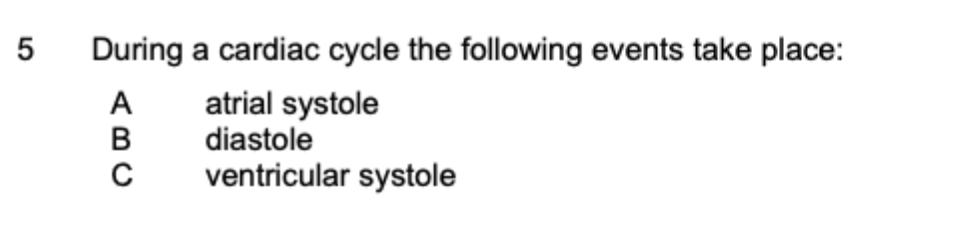







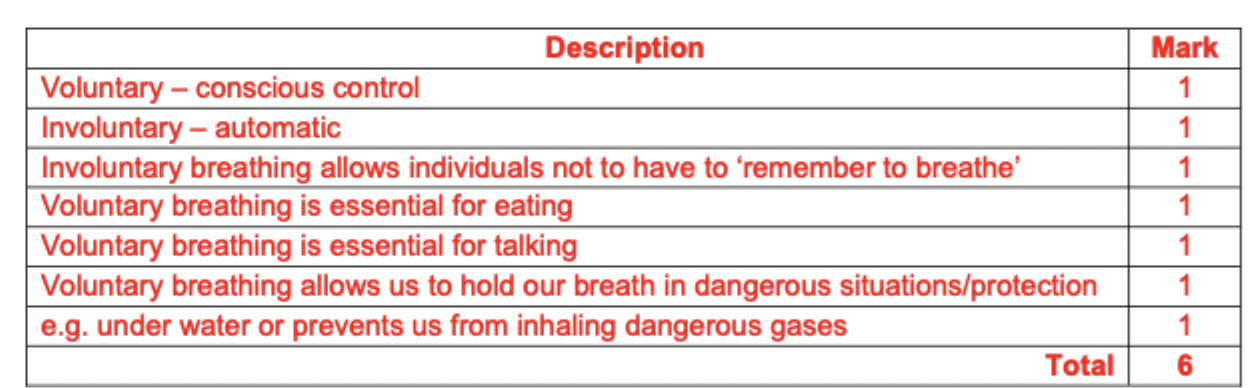
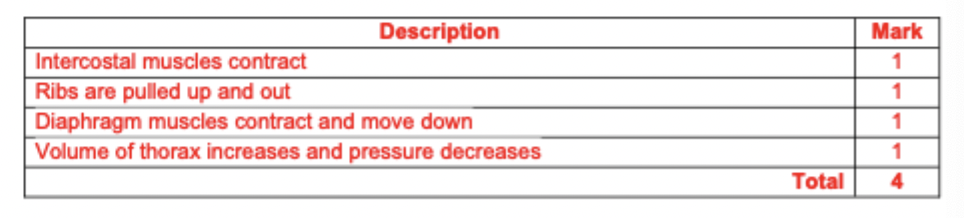
External intercostal muscles
elevate the ribs during forced and quiet inhalation
internal intercostal muscles
(intermediate layer) depress the ribs during forced expiration
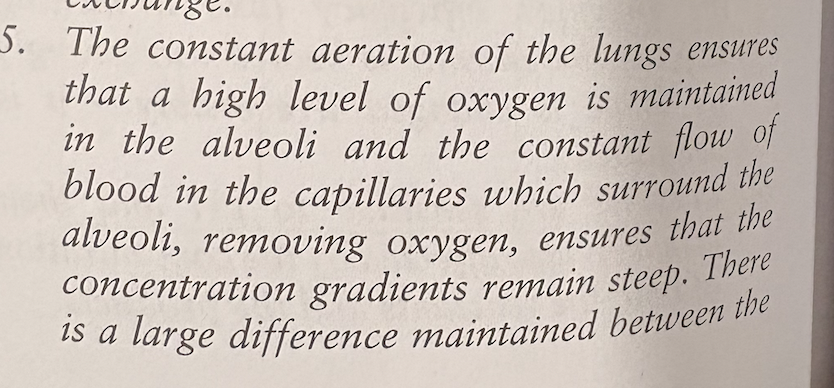
why does oxygen move from the alveoli into the erythrocytes
High-to-Low Gradient: Oxygen moves from an area of high concentration (alveoli) to low concentration (deoxygenated blood).
word equation for anaerobic

Normally lactic acid moves out of the cell into the extracellular fluid. what might occur if the lactic acid accumulated in the cell
• Intracellular acidosis - pH drops
• Inhibits glycolysis - enzymes halt
• Disrupts mitochondrial function - low pH
• Osmotic imbalance - ions accumulate
• Cellular damage/death - prolonged stressprolonged stress leads to cell death. Cellular functions shut down. Metabolism fails.