SOC340 Exam 1
 Call Kai
 Learn
Learn Practice Test
 Spaced Repetition
 Match
Match Flashcards
 Knowt Play
1/69

There's no tags or description
Looks like no tags are added yet.
Name | Mastery | Learn | Test | Matching | Spaced | Call with Kai | Chat |
|---|
No analytics yet
Send a link to your students to track their progress
70 Terms
social institutions
there is no social institution that human reproduction hasn’t touched
social institutions are often tied together
exs include:
family
education
medicine
media
government
labor/economy
family (social institution)
how “family” looks like/how we think about it has changed over time
norm changed from having a big family with many kids ASAP → opting for not having kids or having kids later
Kids Getting Older Younger (KGOY)
a phenomenon where the age at which females in the US begin menstruating is getting earlier than 12 years old
theories of the cause include:
increasing rates of obesity, which is linked to earlier menstruation
meta-messaging (exposure to media messages activate the pituitary gland earlier)
low SES → poor food/diet containing endocrine disruptors
why we care:
females are becoming fertile younger
secondary sex characteristics are appearing earlier, impacting how people socialize with the child
kids are becoming physically mature before they’re mentally mature
girls might have higher depression rates due to developing earlier
how long is pregnancy?
around 40 weeks
a baby born at 37-40 weeks is considered full-term
1st trimester
1-12 weeks
little physical signs of pregnancy
morning sickness is common
risk of miscarriage is highest
mother placed under care of OB-GYN
2nd trimester
13-27 weeks
rapid organ development in the fetus
mother + fetus getting bigger and putting on weight
where the point of viability is now
point of viability
the point at which a fetus will survive outside the womb
before 1970, a baby wouldn’t survive if it was delivered before 27 weeks
important politically, because abortion rights are based around the point of viability
3rd trimester
27 weeks-birth
more weight gain
what was Phillipa’s and Jeff’s pregnancy/birth experiences like in Miracle of Birth?
they got pregnant naturally
no third-party reproduction, like a surrogate or IVF
it wasn’t easy for them to get pregnant
their first child
Phillipa gave birth at home
had a midwife
how did Indian mating norms clash with American mating norms in Meet the Patels?
Indian mating norms (what Ravi’s parents wanted for him):
marrying within your culture
rapidly meeting many partners
marrying quickly
American mating norms:
dating for long periods of time
being in love before marrying
this clash caused tension between Ravi and his parents in the film
how did Meet the Patels show a change in reproductive processes over time?
Vasant, Ravi’s dad, mentioned that the matchmaking process in India was confined to the village or neighboring villages, lots of dates/meetings happened each day due to close proximity, etc.
in America, the process is now spread out through different states
bachelors/bachelorettes travel to different states to meet with potential suitors
the parents create biodatas for their kids that look like resumes in order to see if their kids would be a good match
recommendations carry weight
how do different income families differ in their perceptions/concerns?
lower-income families:
perceive their neighborhood as poorer
more worried about violence
face challenges in finding good after-school activities
higher-income families
perceive their neighborhood as better
more likely to say kids are engaged in after-school activities
all income families share:
concerns about their kids getting bullied + struggling with anxiety/depression
say they’re doing a good job raising their kids
differences in single-parent and married parent households
number of single-parent households has been rising
single-parent households:
kids more likely to grow up in poverty
more likely to be Hispanic/Black households
married-parent households:
more likely to be Asian/White households
education in US family perspectives
the more education parents have, the more likely they are to say too much involvement in their kids education is a bad thing
half of parents are satisfied with their school-age kids’ engagement while half aren’t
majority of parents are involved in their kids education
differences in discipline in US families
most parents explain why behavior is inappropriate
parents with less education + Black parents more likely to spank their kids
what impacted the changing role of women in the 20th century?
increase in labor force participation
following WW2, women were more active in labor force
magazine portrayals
women shown in ultra feminine, housemaker roles
political climate
leftists/liberals/feminists seen as Communists
psychology
Freud’s bitchass contributed to antifeminism
what are the 3 distinct periods in the history of American childbirth?
social childbirth (1600s-1750s)
transitional stage (1800s-early 1900s)
medicalization of birth (1940s-now)
social childbirth 1600s-1750s (history of American childbirth)
birth was a social events experienced by all women in the community
women supported each other during birth
attended by midwives
birth happened in homes
death of infants a common reality
anything that happened is God’s will
transitional stage, 1800s-early 1900s (history of American childbirth)
growth in the education of midwifery
midwifery became an area of medicine (obstetrics)
development in science/biology/technology + medical advancements
better tech/instruments made birth safer
midwives pushed out by male doctors
male doctors educated specifically in birth can do a better job
midwives couldn’t fight back because they didn’t have autonomous rights
medicalization of birth, 1940s-now (history of American childbirth)
hospitals more common place of birth
dedicated maternity wings built
reputation changed from being diseased with sepsis → hospitals are clean and safe
birth process essentially redefined from a social, women-only event to a medical procedure
OB-GYNs attend most of births
knowledge of the birthing procedure was monopolized by OB-GYNs
women’s rights movement contributed to changing attitudes
women didn’t want to be in pain, hospitals have yummy narcotics
what is the issue of the medicalization of birth?
birth is treated as if it’s not a natural process
OB-GYNs often perform a lot of unnecessary interventions
birth is sped/rushed
faster birth → mother out of there quicker → next paying patient comes in quicker
“business of being born”
this can lead to potentially disastrous outcomes
might explain why US has a really high IMR/MMR
medicalized birth means doctors/obstetricians have a monopoly on the knowledge of birth
mother patients expected to be compliant to the knowledgeable doctor
mothers are treated as if they have no knowledge in their own bodies and how birth happens
doula
a person who provides emotional/physical support for birthing individuals but are NOT medical professionals
research shows doula support leads to better maternal and neonatal outcomes
how did COVID-19 impact reproduction and mating norms?
it made dating and socializing really hard
babies born in lockdown affected by:
huge stress felt by mothers pregnant during lockdown
mothers being sick with COVID-19
how has the average age of marriage in the US changed over time?
people are getting married later in life
the average marital age of women changed from 20-22 to 27-28
what are some possible explanations for why younger generations are getting married later?
finances (growing cost of everything)
thoughtfulness about oneself
prioritizing one’s health over the community’s norms
what affects how people meet?
proximity
meet people in programs we regularly attend
shared values
people who are close to us are generally similar to us
social propinquity
social nearness/similarity
the tendency to form close relationships who are physically close to us
e.g. being attracted to people of similar backgrounds/values
seen in the Indian customs of marriage in Meet the Patels
“slow love”
the idea that people are being more thoughtful about love
explains the phenomenon of the Millennial generation dating later and having less sex
health outcomes
variables/measures of how we’re doing
includes:
life expectancy
mortality
morbidity
life expectancy
the average number of how long people are expected live in a society
can be measured cross-culturally and historically
mortality
average rate of deaths occurring
includes maternal, infant, and child mortality
maternal mortality
average rate of death of mothers during pregnancy, labor, and 6 weeks postpartum per 100,000 live births
infant mortality
average rate of death of infants within the 1st year of life per 1,000 live births
neonatal mortality: death within the womb
postnatal mortality: death outside the womb
more attributable to environmental factors, since the infant came in contact with the outside
child mortality
death of a child between 1-5 years old
how are mortality and life expectancy statistics correlated?
high infant mortality predicts high maternal mortality
high mortality → lower average life expectancy
the reasons for these correlations include:
issues within the society (e.g. healthcare)
how does the US compared to other countries with it’s life expectancy?
the US’ average life expectancy is around 78.4
this is 4 years less than peer nations, which is bad
also has the highest rates of infant/maternal mortality
reasons for this:
the medicalization of birth (midwives attend low amount of births)
racial discrimination (WOC have highest rates of mortality)
not having universal healthcare
twilight sleep era
period in the early 20th century where mothers were put to sleep and tied down during birth
thalidomide
one of the many birth drugs developed during the 20th century that led to child deformities
racial disparities in maternal mortality
black and american indian/alaskan native mothers have the highest rates of maternal mortality
all WOC, except Asians, have higher rates of teen pregnancy
also, higher infant mortality rates to WOC, except Asian women
what are the 4 factors associated with the large family size seen in Nigeria on average?
insurance strategy (having more kids to make sure at least some survive)
children provide labor and economic contribution to household
expectation of assistance from adult children during old age
restricted women’s autonomy
what are the major causes of death in the US today?
heart disease
cancer
stroke
accidental death
the top major causes of death of wealthy countries are usually chronic diseases
due to advanced healthcare
developing countries have more death from non-chronic diseases
what are some recent trends taking place in the US regarding marriage/family formation?
marriage:
marrying younger
cohabitating (living together) before marriage
households:
more non-traditional households (e.g. single-parent, partners of same sex, no children, etc.)
fertility/children:
KGOY (menstruation/fertility beginning earlier)
having few/no children later in life
how does patriarchy/male dominance affect reproduction rates in a country?
more male dominance = women having less choices over reproduction
higher fertility rates + BPW
higher infant/maternal mortality rates
BPW
births per women, a measure of fertility rate
measure of how many kids women in a society are having
replacement rate
refers to the balance between fertility and death rates determining a society’s population survival
to keep population stable, replacement rate should be 2.1
>2.1 = population will increase
<2.1 = population will decrease
child is replacing their mother AND father
what is the relationship between the wealth of a country and fertility rates?
modern/more wealthy countries = women have more education/autonomy = lower fertility rates
developing countries = women have less education/control over reproductive decisions = higher fertility rates
why do we see higher fertility rates in developing countries that have more male dominance?
in male-dominated countries, women have less autonomy and access to jobs/money
leads to women getting status by doing what men can’t do: reproduce.
what is the perspective of the physician/author in Maternity Care in Crisis?
the US maternity system relies heavily on medical interventions
too many unnecessary interventions are done, which leads to disastrous outcomes
obstetricians monopolizing maternal care is the reason for the US’s high af maternal/infant mortality
midwives and holistic (considering the whole; psychological, social, mental, physical) health care approaches improve birth outcomes
physicians should treat birth as a natural process and empower women to be autonomous in their bodies
how has the changing role of women affected marriage in the US?
women getting:
more autonomy
more labor force participation
more education
more access to contraceptives
affects marriage by:
getting married later
less stigmatization of having non-traditional kids, like out of wedlock
youth bulge
refers to a society’s population being largely young
leads to social instability
common in Middle Eastern + North African countries
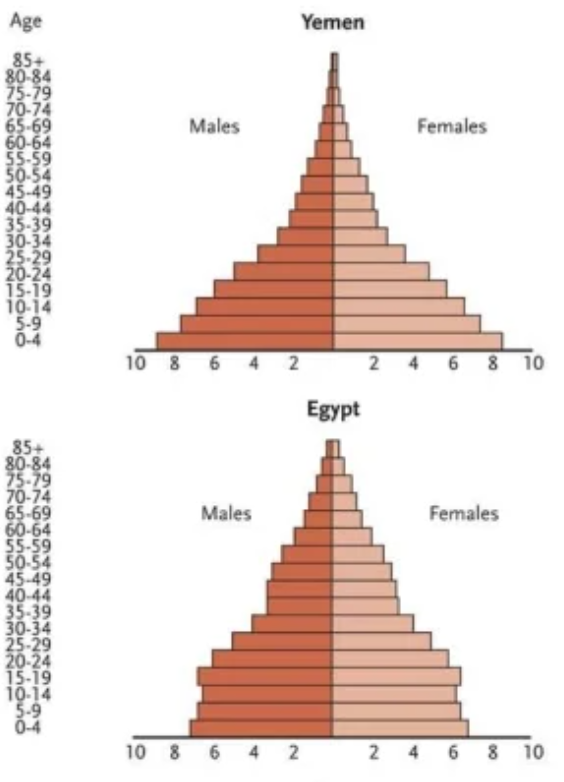
what affects death/fertility rates in countries?
developing countries with high death rates + high fertility rates:
have lower death rates due to introduction of sanitization/immunization/good health practices
then, fertility decreases as women get more autonomous
how do Nigeria’s government policies on abortion affect Nigerian abortion rates?
Nigeria’s government legislation restricts abortion
leads to lack of contraceptives and safe medical procedures
leads to a lot of unsafe abortions and child abandonment
people will do whatever they can to be in control of when they give birth
key takeaways from Meet the Patels movie
Ravi Patel, the main character, experienced pressure from his parents to marry an Indian girl
struggled with social expectations and personal choice
traditional Indian matchmaking is based on family reputations/community approval
Ravi was specifically looking for a “Patel”, which links to social propinquity
Indians were matchmade using biodata created FOR their kids by the parents
biodata
a resume-type document that lists all the physical characteristics and interests of a bachelor/bachelorette
made by Indian families in Meet the Patels to perfectly match their adult children to partners
key takeaways from The Business of Being Born
the medicalization of birth in the US turned the birthing process into a business
has a lot of unnecessary medical interventions that rushes birth
Ricki Lake, of of the mothers the midwife main character attending the birth of, had a home birth in a tub with a midwife
key findings from the Pew Research Center survey Parenting in America
low-income parents worry more about:
financial security
education for kids
have more stress
than high-income parents
how is healthcare in the US structured?
it is capitalist-based (healthcare coverage is based on employment)
directly linked to racial and class inequalities
reasons for high infant/maternal mortality rates and low average life expectancy
NOT universal healthcare
first wave of feminism
cumulated to women getting the right to vote in the 1920s
didn’t change much about women’s reproductive rights at first
second wave of feminism
from the late 1950s to the 1970s and beyond
changes in reproductive health, including:
birth control pills
right to abortion (Roe v. Wade, 1973)
equal opportunity to work, education, and unions
led to more autonomy, since women could now control when they have kids
how did education in the US impact marriage?
women got equal access to education, and now make up more than half of students in college
led to a delay in marriage/having kids + lower fertility rates
key findings in they survey of North v. South India in The Determinants of Gender Equity
North India (Uttar Pradesh)
marriage:
women married earlier
larger age gap between husband and wife
arranged marriages w/little choice
female autonomy:
less women have college education
less likely to work outside the home
fertility
higher, due to less autonomy for women
higher IMR/MMR
less government investment in women’s health
South India (Karnataka)
marriage:
women married later
less of an age gap
choice in marriage
higher female autonomy
therefore, fertility:
lower
having kids older
lower IMR/MMR
what variables were associated with negative effects on mobility in the study The Determinants of Gender?
practice of pudrah (Muslim women keeping out of sight of men) and gunghat (the headscarf/veil worn by married Muslim women)
being Muslim
husband's high education
high household wealth
what variables were associated with positive effects on mobility in the study The Determinants of Gender?
higher wages
closer proximity to nearest town
more simple public infrastructure, e.g. street lighting
according to the study done in the reading Early assessment of the relationship between COVID-19 pandemic and births, how did COVID-19 impact fertility?
out of the 27 countries examined,
only 7 has significant declines
9 countries had positive increases
what impacted fertility rates in MENA countries?
at first, fertility rates remained high due to:
strong cultural values of family and traditional marriage
then, fertility rates declined due to:
women delaying marriage
acceptance of family planning services by the government
increased education of girls/young women
increased contraceptive use
how does marrying young reinforce the cycle of fertility?
marrying young cuts off education, which reinforces the cycle of fertility, poverty, and early marriage
what was the US infant mortality rate in 2023?
5.6 per 1,000 live births
this is pretty high compared to the rest of the world (the US is #45)
how does IMR change by state in the US?
US states in the southeast (Texas to Florida) have the worst IMR rates
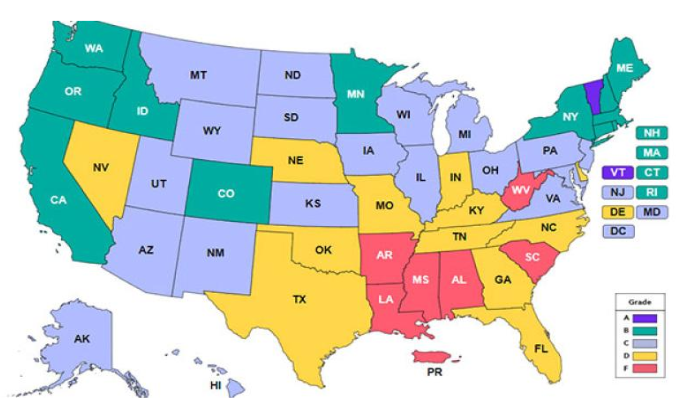
maternity care deserts
US counties that have very limited access to hospitals, birth centers, OBGYNs, or other maternity care
countries right down the midwest and most of Alaska are maternity care deserts