Mod. 5 Capital Budgeting
 Call Kai
 Learn
Learn Practice Test
 Spaced Repetition
 Match
Match Flashcards
 Knowt Play
1/16

There's no tags or description
Looks like no tags are added yet.
Name | Mastery | Learn | Test | Matching | Spaced | Call with Kai |
|---|
No analytics yet
Send a link to your students to track their progress
17 Terms
Capital Budgeting
•Lists the investments that a company plans to undertake
•Process used to analyze alternate investments and decide which ones to accept
determining if a project is worth undertaking
incremental earnings
•The amount by which the firm’s earnings are expected to change as a result of the investment decision
only the earnings generated by the project/ investment
the first step to capital budgeting
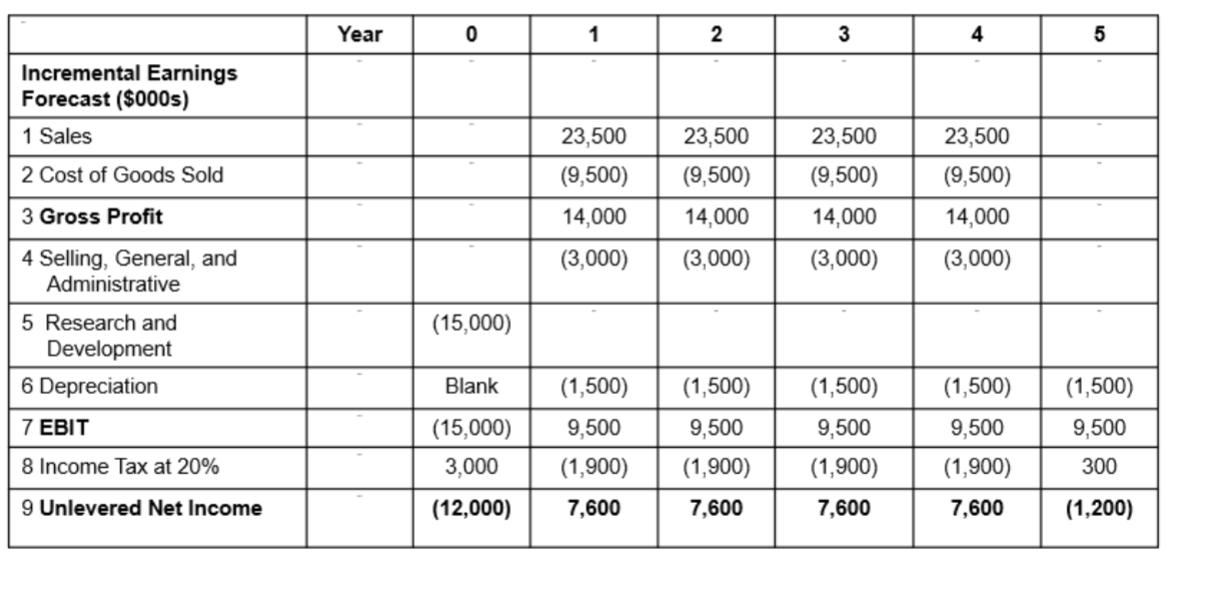
interest expense
•is typically not included for capital budgeting decisions
•The rationale is that the project should be judged on its own, not on how it will be financed.
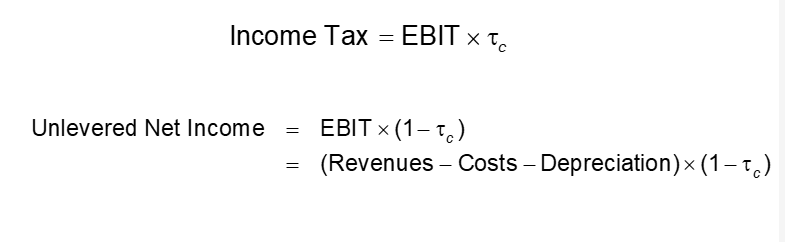
Marginal Corporate Tax Rate
•on the marginal or incremental dollar of pre-tax income
•Note: A negative tax is equal to a tax credit
Opportunity Cost
•The value a resource could have provided in its best alternative use.
•Must be included in the incremental earning calculation.
ex: If you have $1,000 and you spend it on a vacation, this is whatever else you could have done with that money (investing it, buying something, etc.)
Project Externalities
Indirect effects of the project that may affect the profits of other business activities of the firm.
must be included in the incremental earnings calculation
cannibalization
when sales of a new product displaces sales of an existing product.
sunk costs
•costs that have been or will be paid regardless of the decision whether or not the investment is undertaken
should not be included in the incremental earnings analysis
Tax Expenses
are included in incremental earnings/ capital budgeting
is an additional expense on the incremental earnings (like interest expense)
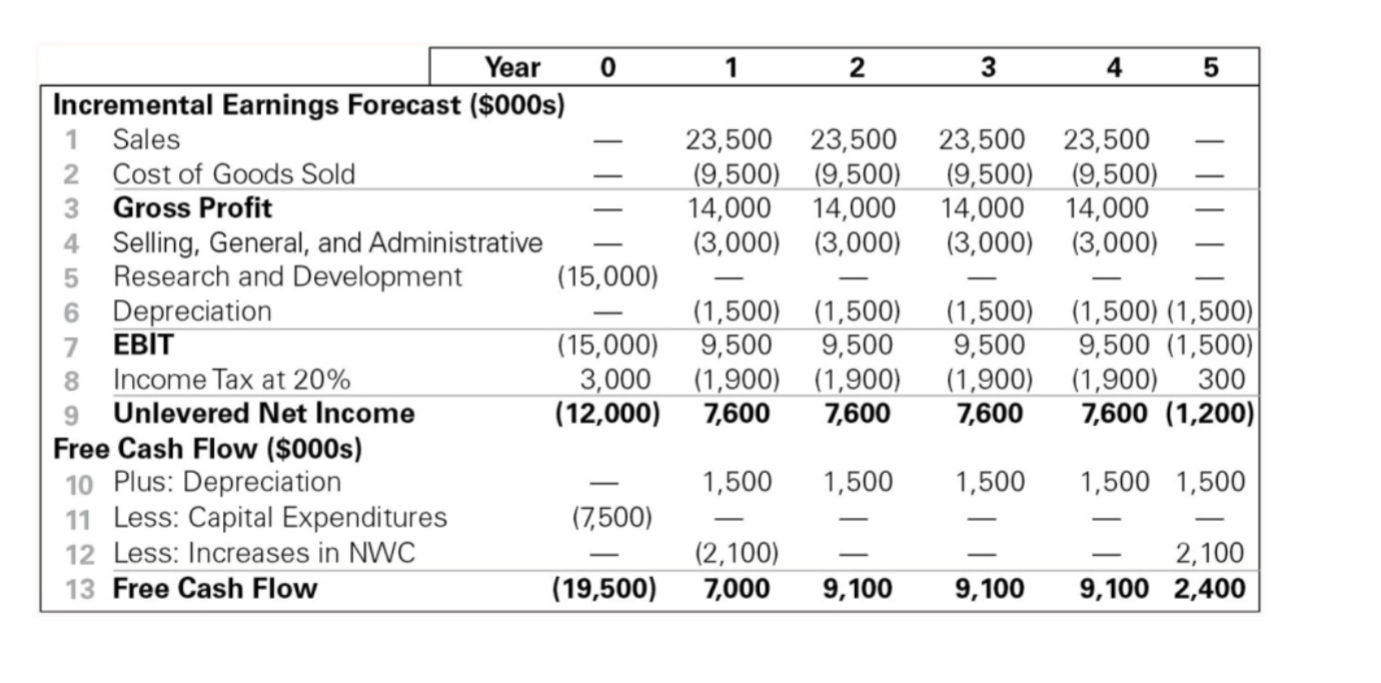
Free Cash Flow
The incremental effect of a project on a firm’s available cash
the second step of capital budgeting
is the unlevered net income + Depreciation - Capital Expenditures - changes in net working capital
Other Non-cash Items
• Amortization
• Timing of Cash Flows
• Cash flows are often spread throughout the year
• Accelerated Depreciation
• Modified Accelerated Cost Recovery System (MACRS) depreciation
Capital Expenditures and Depreciation
•Capital Expenditures are the actual cash outflows when an asset is purchased
•These cash outflows are included in calculating free cash flow
•Depreciation is a non-cash expense
•The free cash flow estimate is adjusted for this non-cash expense
part of calculating free cash flows
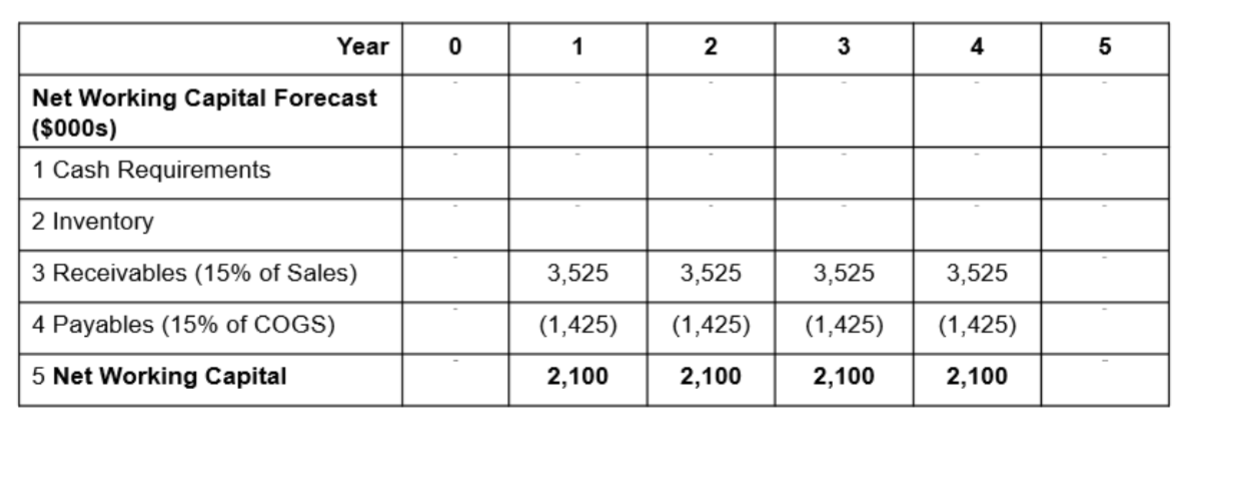
Net working capital (NWC)
= current assets - current liabilities
cash + inventory + receivables - payables
sometimes %’s are given as a total for revenue or incremental to
the % of sales (receivables)
the % of COGS (payables)
often requires investment such as trade credit
trade credit
•is the difference between receivables
and payables.
Analyzing the Project
break even analysis
sensitivity analysis
scenario analysis
ways the assumptions of the project may change in the future
Break-even analysis
•Which is the level of a parameter for which NPV = 0
•IRR is the break-even analysis of the cost of capital
•For each parameter, calculate the value at which NPV = 0
•It can be done in Excel using Goal Seek
is the individual results of changing assumptions to NPV = 0
Sensitivity Analysis
•Break the NPV calculation into its component assumption.
•Then, show how NPV varies as the underlying assumptions change
•It can be done using Data Table in Excel
the big picutre of how each assumption variable can change and impact NPV
the returns as a whole
Scenario Analysis
•Analyzing the effect on NPV of changing multiple project parameters.
•It can be done using Scenario Manager in Excel
things like best & worse cases
when multiple assumptions in the project change