TOPIC 1: Exploring the Nervous System
 Call Kai
 Learn
Learn Practice Test
 Spaced Repetition
 Match
Match Flashcards
 Knowt Play
1/147

There's no tags or description
Looks like no tags are added yet.
Name | Mastery | Learn | Test | Matching | Spaced | Call with Kai |
|---|
No analytics yet
Send a link to your students to track their progress
148 Terms
purpose of the module
how the brain and psychological processes influence human behavior and how new treatments that target biological mechanisms can influence psychological wellbeing.
the nervous system is divided into
central ns and peripheral ns
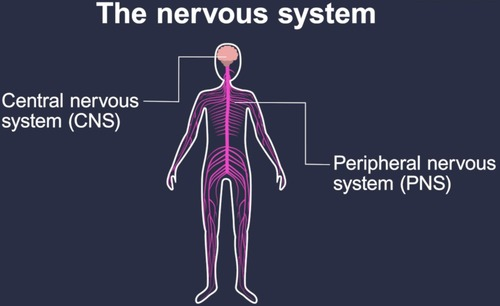
the cns is divided into
brain and spinal cord
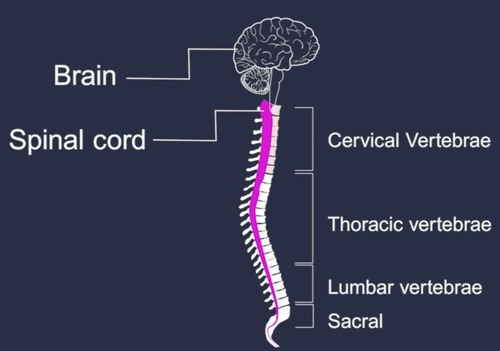
the most prominent part of the human brain
cerebral cortex/cerebrum
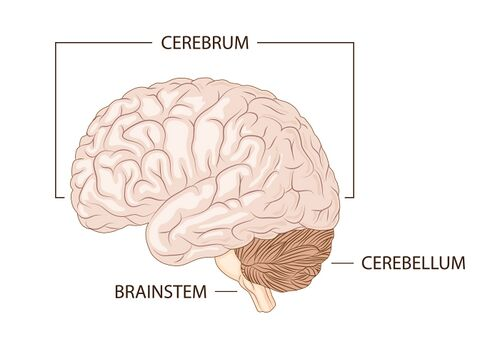
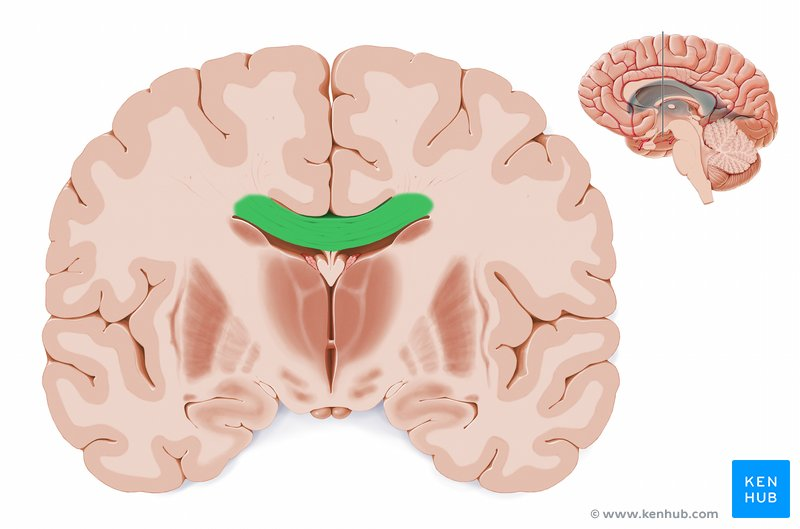
what does the corpus callosum connect?
right and left cerebral hemispheres
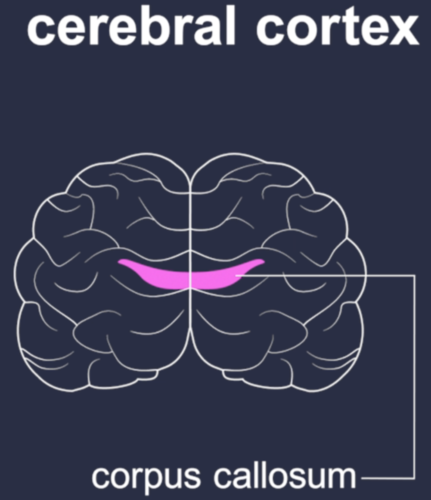
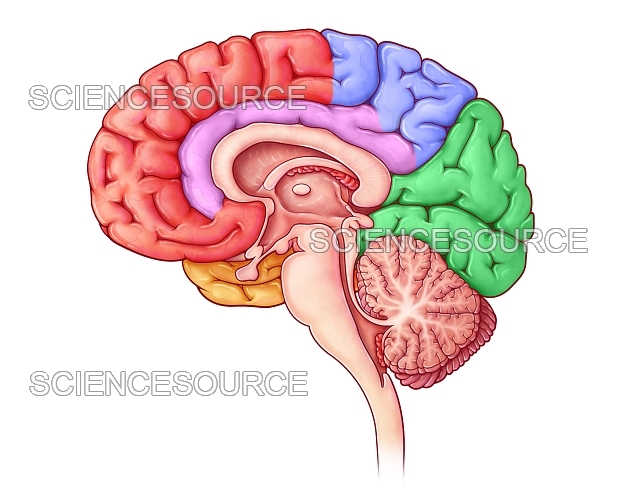
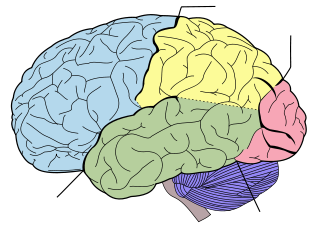
what are the four lobes of the brain?
parietal, frontal, occipital, temporal
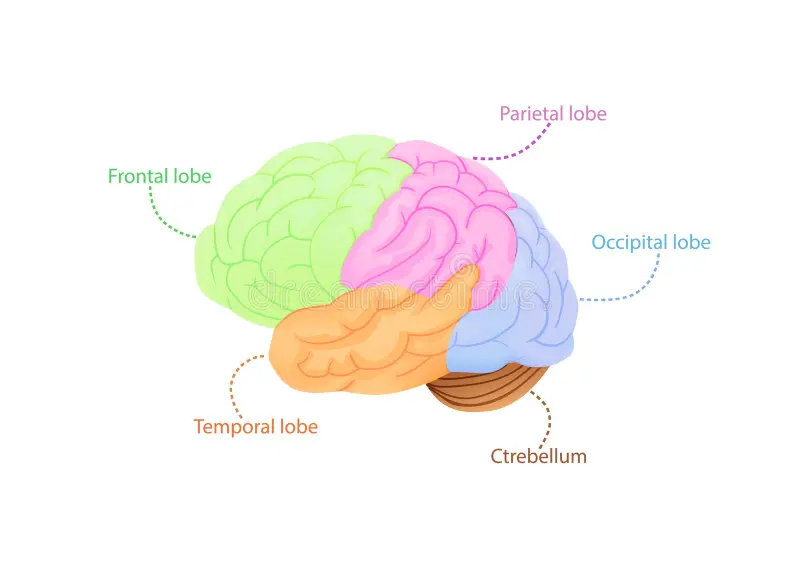
what does the occipital lobe do?
responsible for vision and contains the primary visual cortex
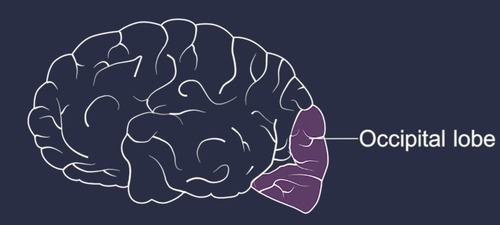
what does the temporal lobe do?
responsible for hearing and contains the primary auditory cortex and involved with advanced visual processing.
what does the parietal lobe do?
responsible for information about touch contralateral via the somatosensory cortex and body position and awareness.
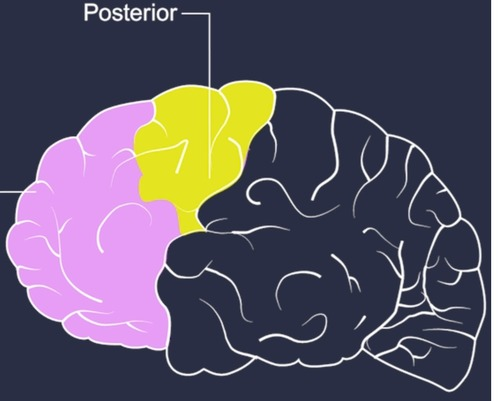
what does the posterior frontal lobe do?
controls voluntary movement via the contralateral primary motor cortex
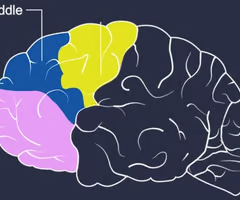
what does the middle frontal lobe do?
cognitive function, working memory and some aspects of emotion.
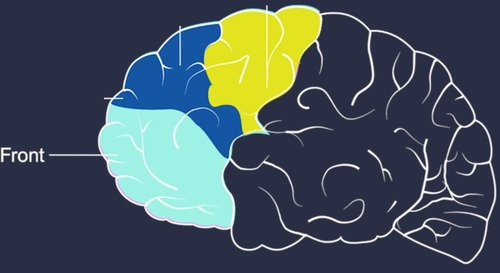
what does the interior/front frontal lobe do?
compares various types of information for decision-making.
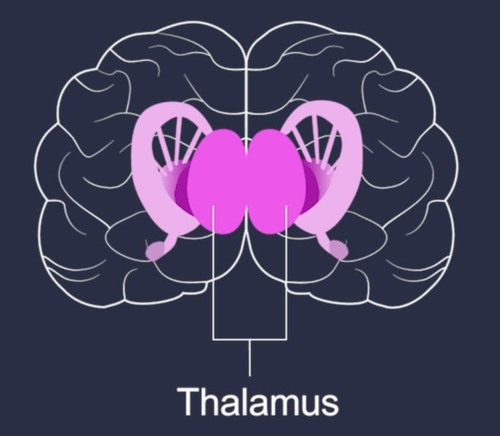
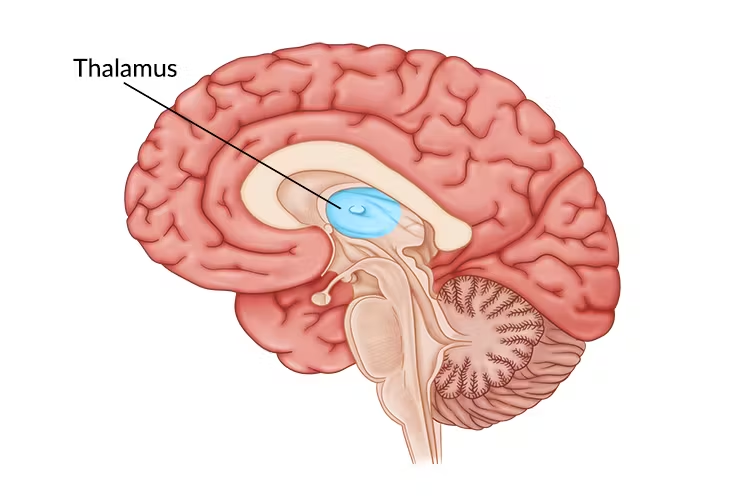
what does the thalamus do?
it relays sensory information
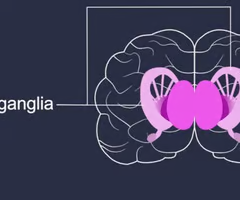
what does the basal ganglia do?
plays a role in the vigor of movement and learned skills and habits
what does the limbic system do?
it is involved in motivations, regulating emotions, forming memories, and behavior.
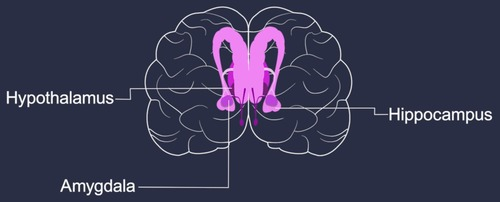
what is the limbic system composed of?
amygdala, hippocampus, hypothalamus, olfactory bulb, basal ganglia.
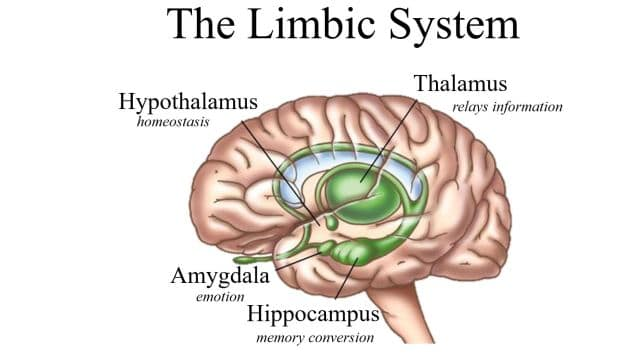
what does the hypothalamus do?
it controls eating, drinking, temperature regulation, circadian rhythms, and reproductive behavior
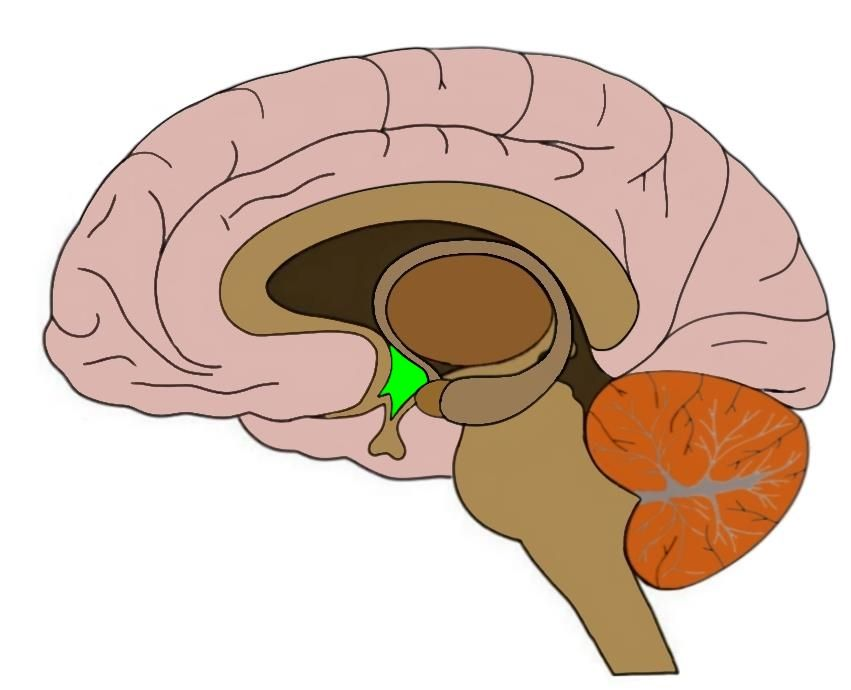
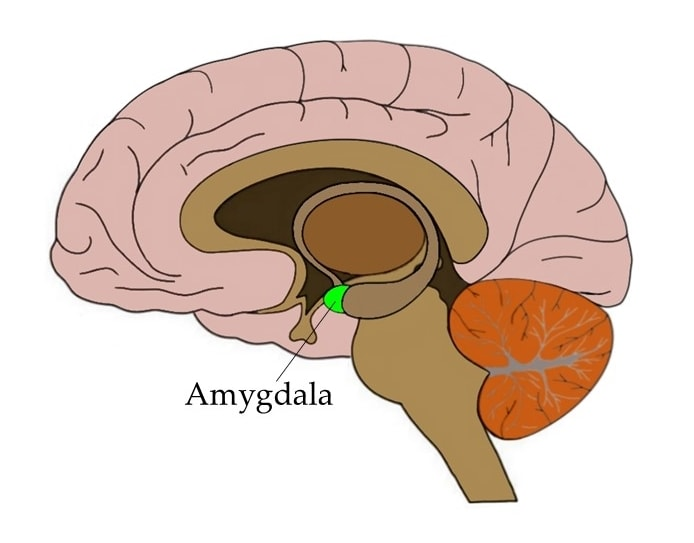
what does the amygdala do?
evaluates emotional information, especially regarding fear.
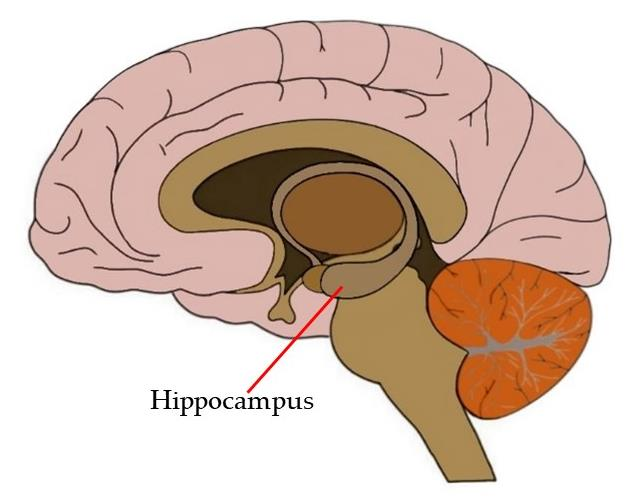
what does the hippocampus do?
encodes long term memories
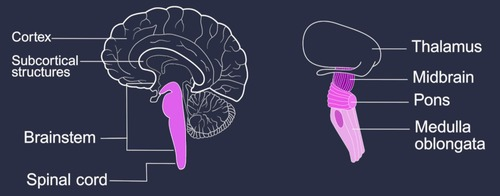
what does the brainstem do?
it connects the brain to the spinal cord and regulates movement and autonomic functions like breathing and heart rate.
what does the cerebellum do?
controls balance and coordination, and attention and learning
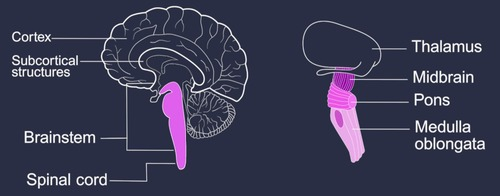
what does the spinal cord do?
it extends from the brain to the spinal columns and carries information to and from the brain.
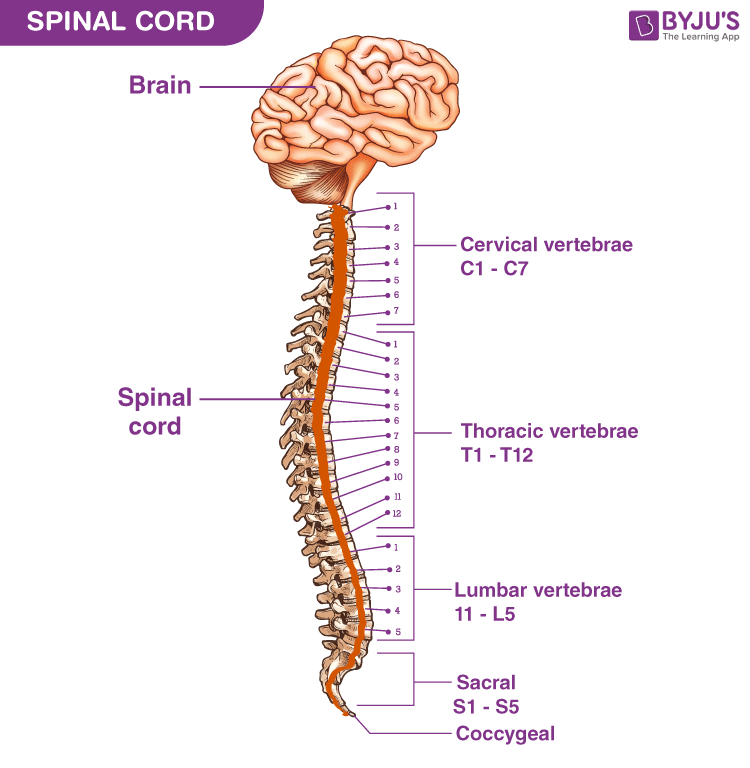
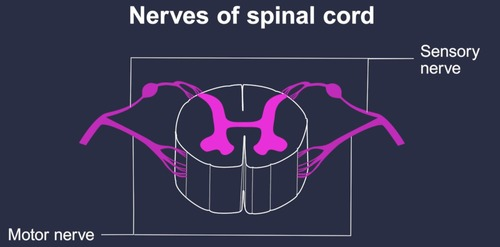
how does the spinal cord communicate with the brain?
each segment has a peripheral sensory nerve and a motor nerve for each side of the body. allowing the nervous system to communicate with the rest of the body.
what is the peripheral nervous system composed of?
cranial nerves and spinal nerves that branch out to tissues and organs of the body.
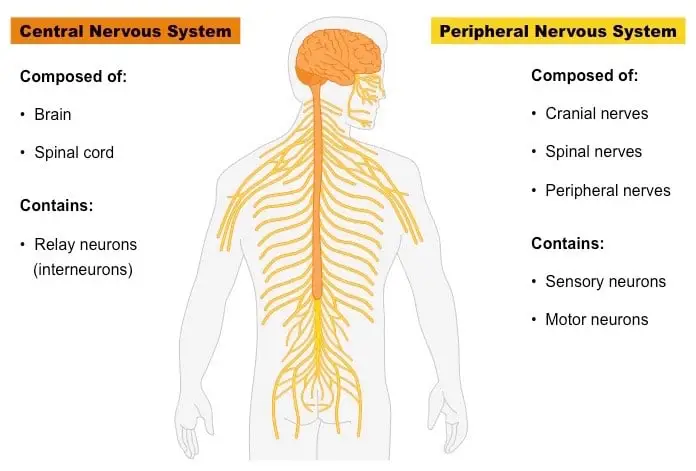
what is the peripheral nervous system divided into?
somatic ns and autonomic ns
the somatic ns contains
sensory and motor neurons for voluntary activities.
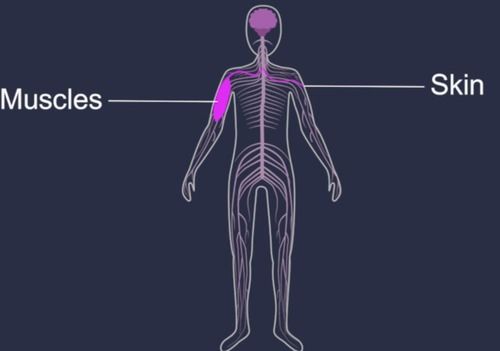
the autonomic ns contains
nerves that go to the visceral organs (heart, stomach, intestines) for involuntary activities.
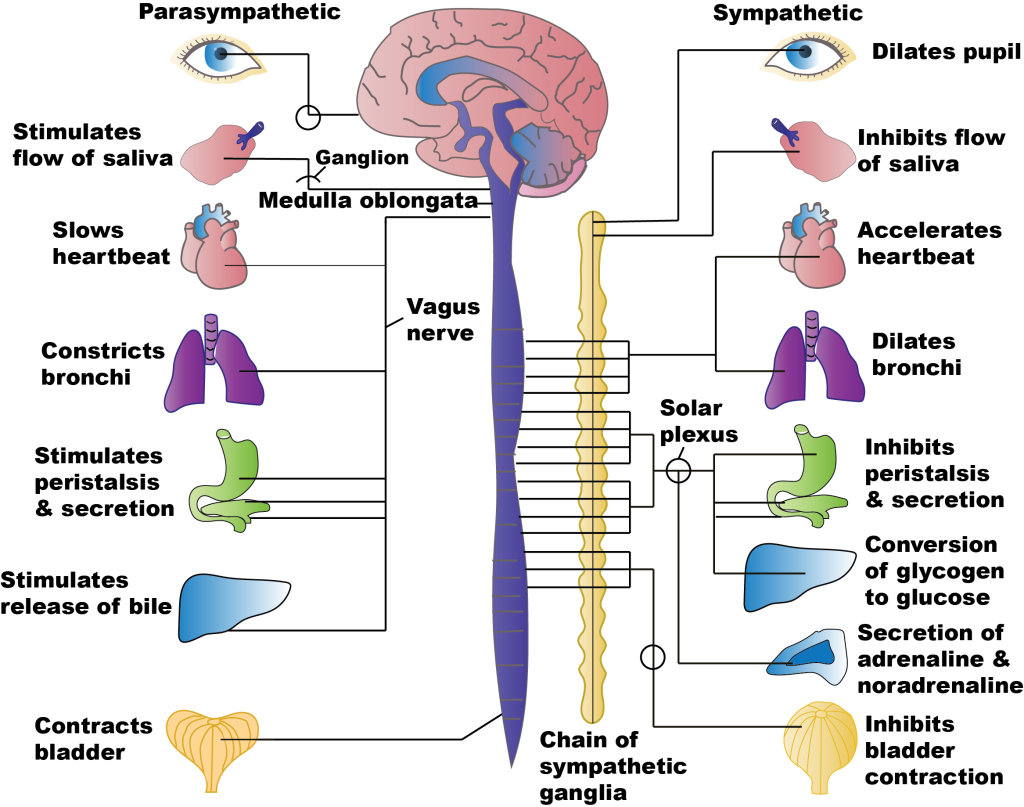
what are the two opposing parts of the autonomic ns?
sympathetic and parasympathetic ns
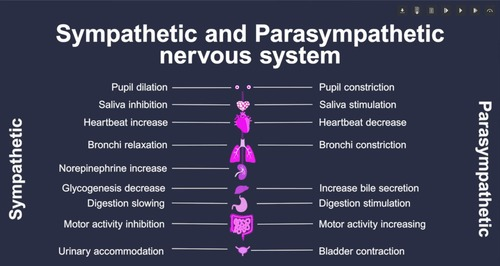
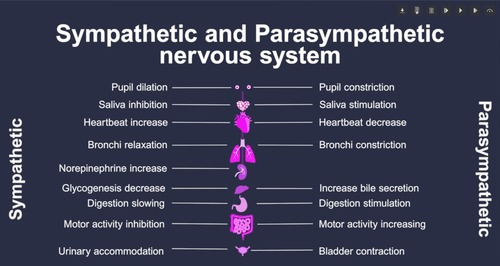
what does the sympathetic ns do?
fight or flight: increase breathing and heart rate, decrease digestive activity
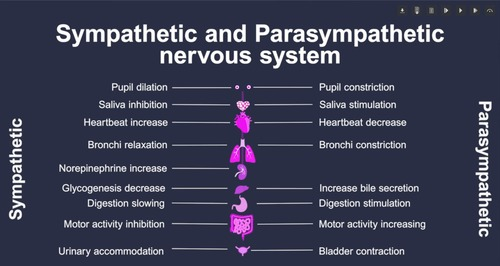
what does the parasympathetic ns do?
decreasing breathing, heart rate, and increasing digestive activity
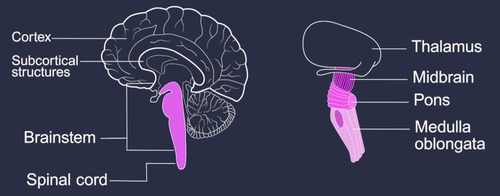
what does the brainstem consist of?
midbrain, pons, and medulla oblongata
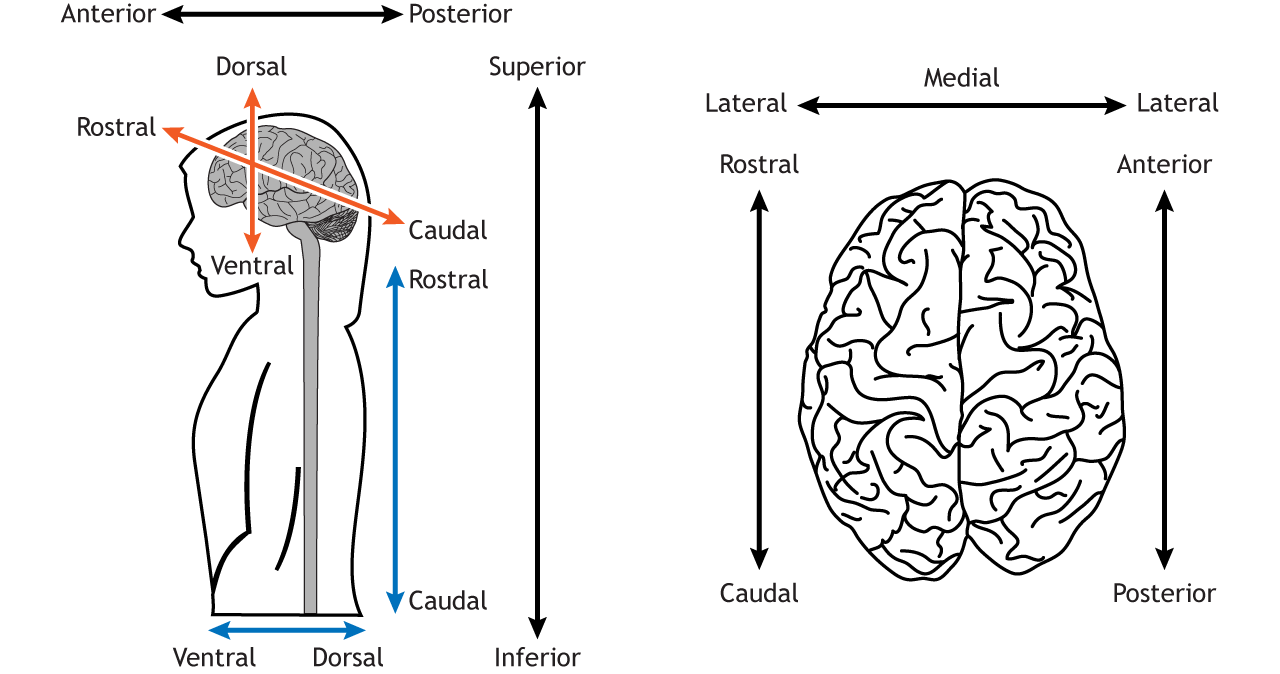
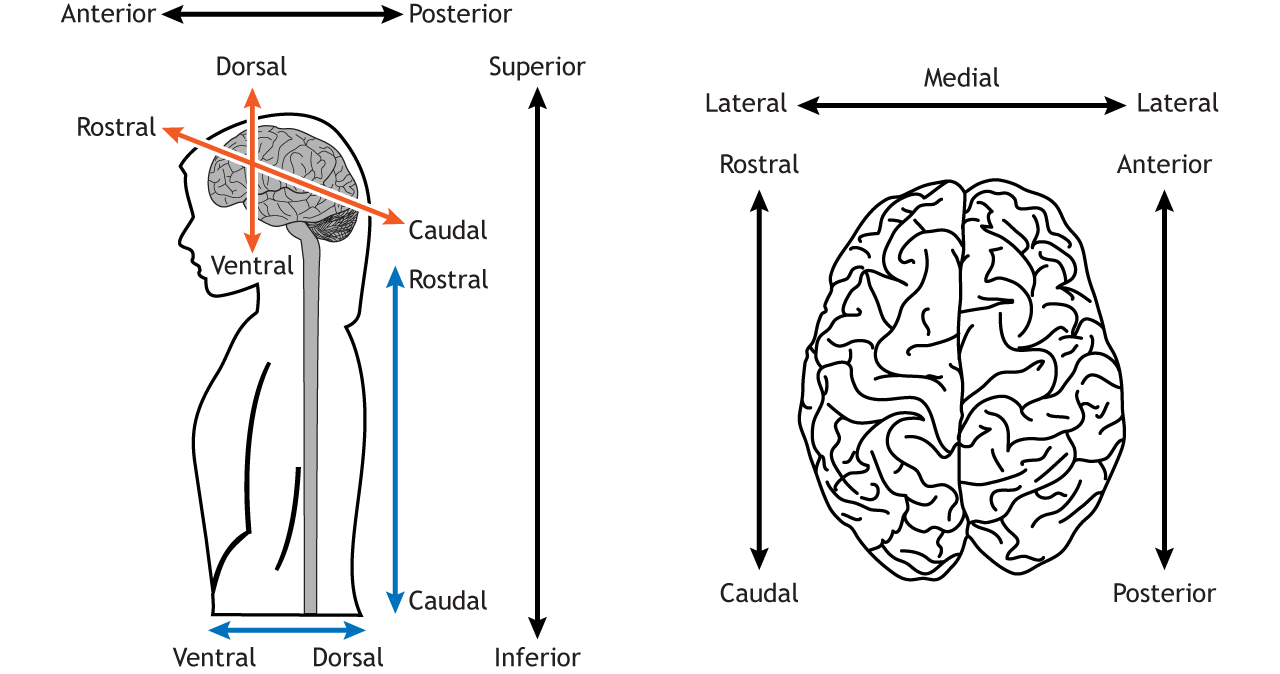
what does dorsal (superior) mean?
up
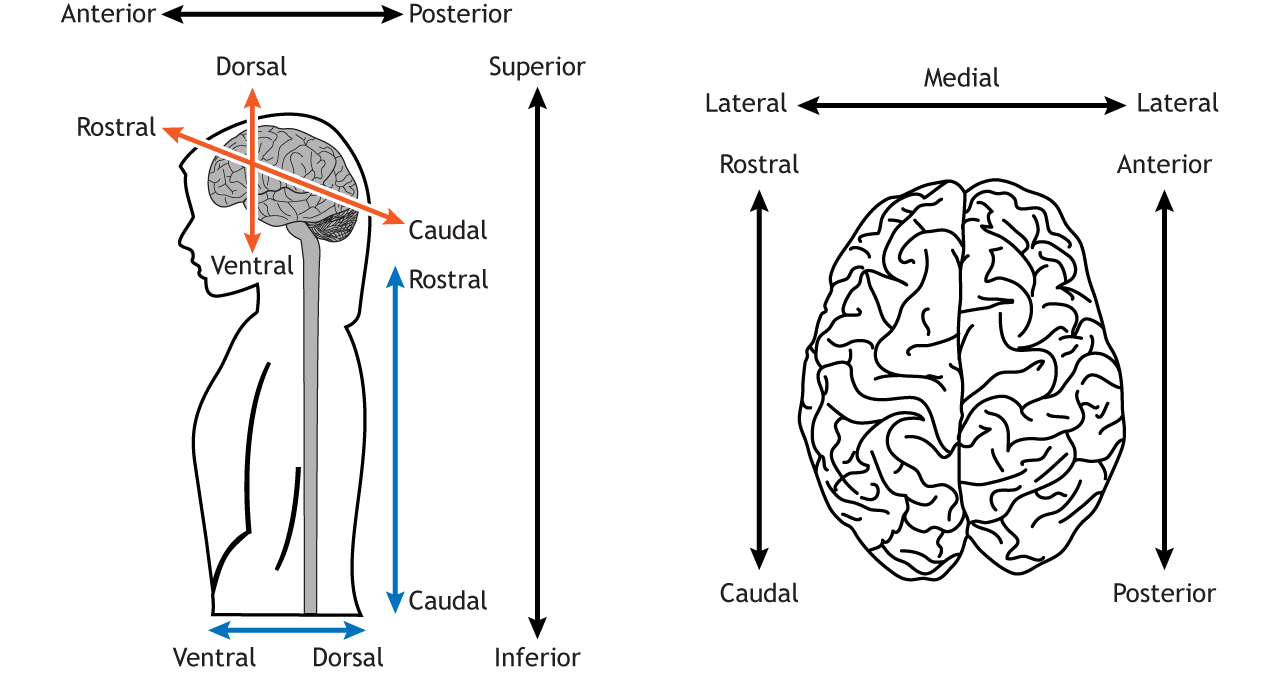
what does ventral (inferior) mean?
down
what does contralateral mean?
on opposite sides of the body (right and left)
What does ipsilateral mean?
on the same side of the body
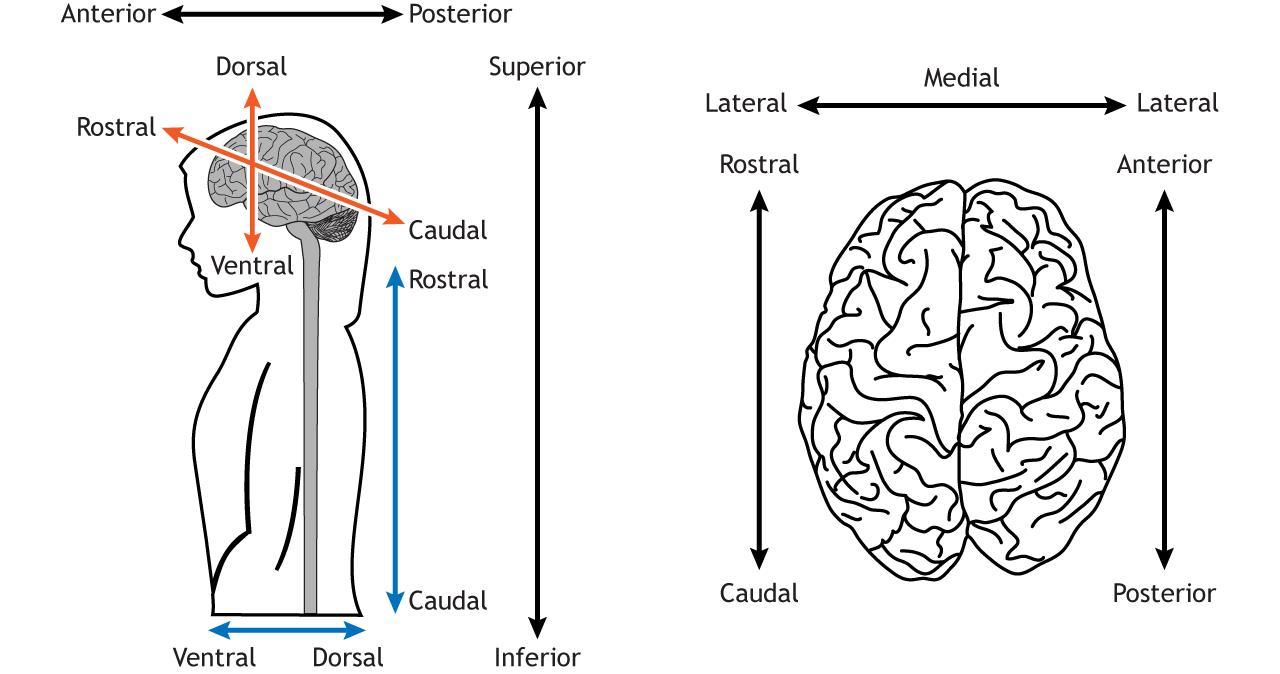
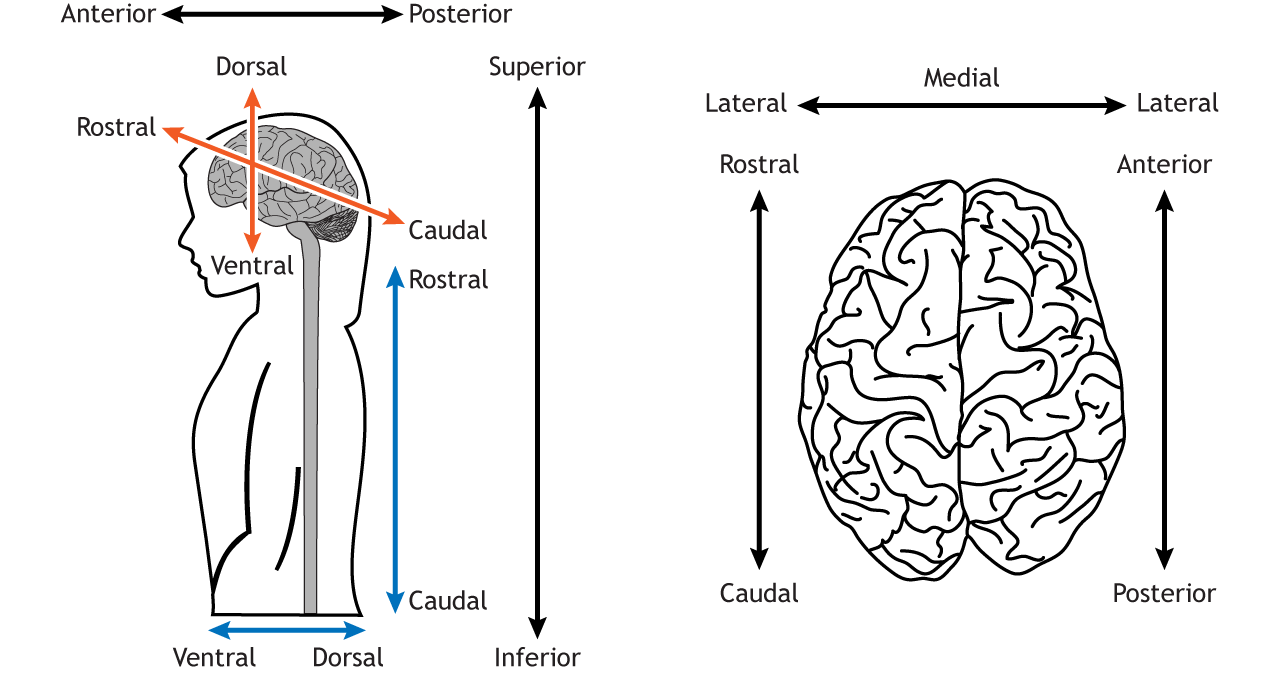
what does rostral mean?
toward the forehead
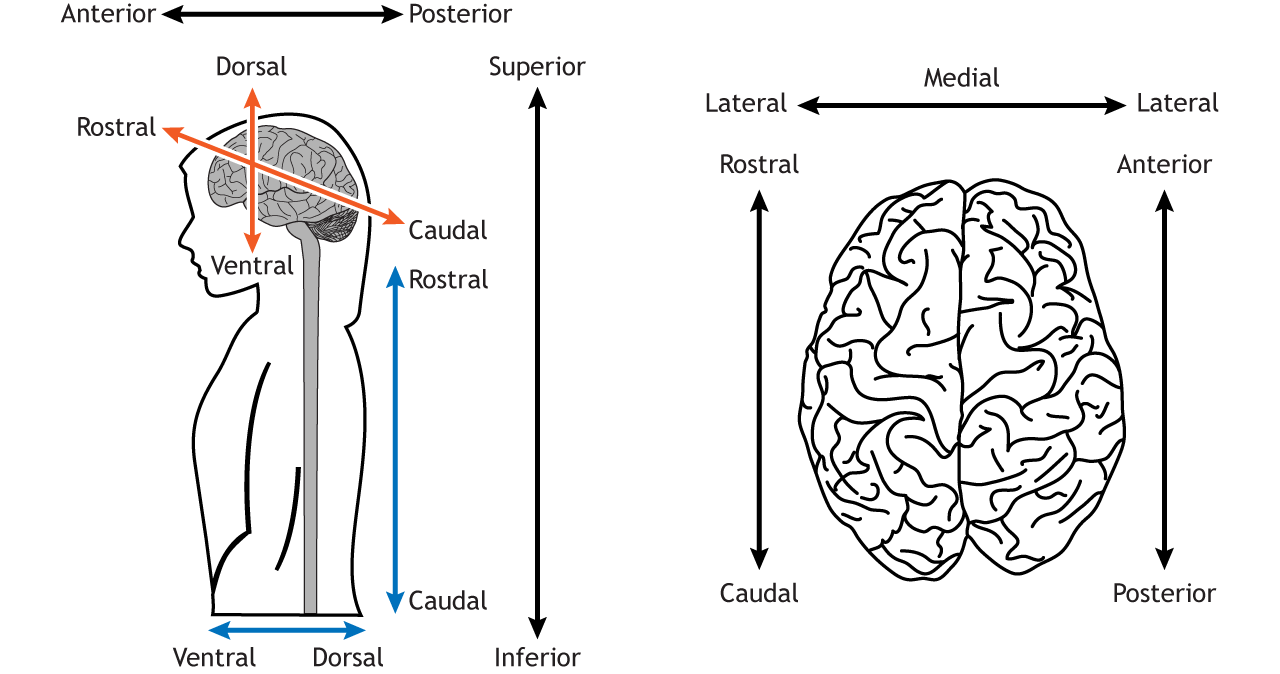
what does caudal mean?
towards the back
coronal plane is
vertical
sagittal plane
vertical from the top
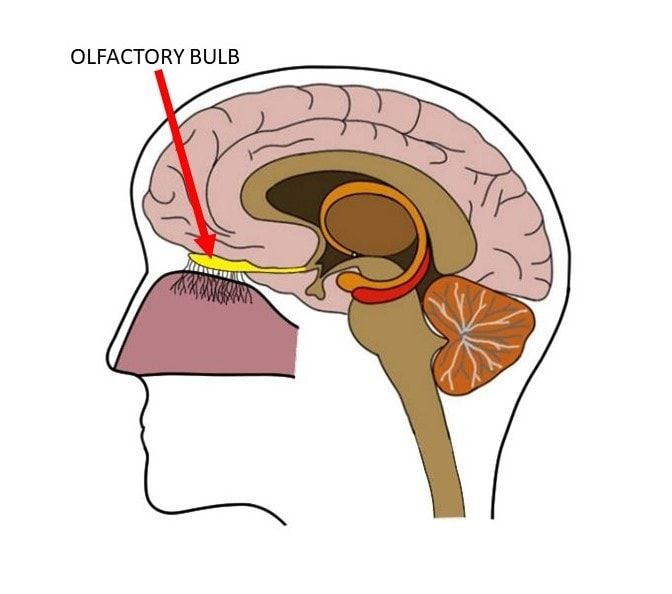
what's the olfactory bulb responsible for?
smell
entering (axon bundles) carry sensory information
and the exiting _ carry motor information.
The parasympathetic nervous system's axons release the neurotransmitter onto the organs
acetylcholine
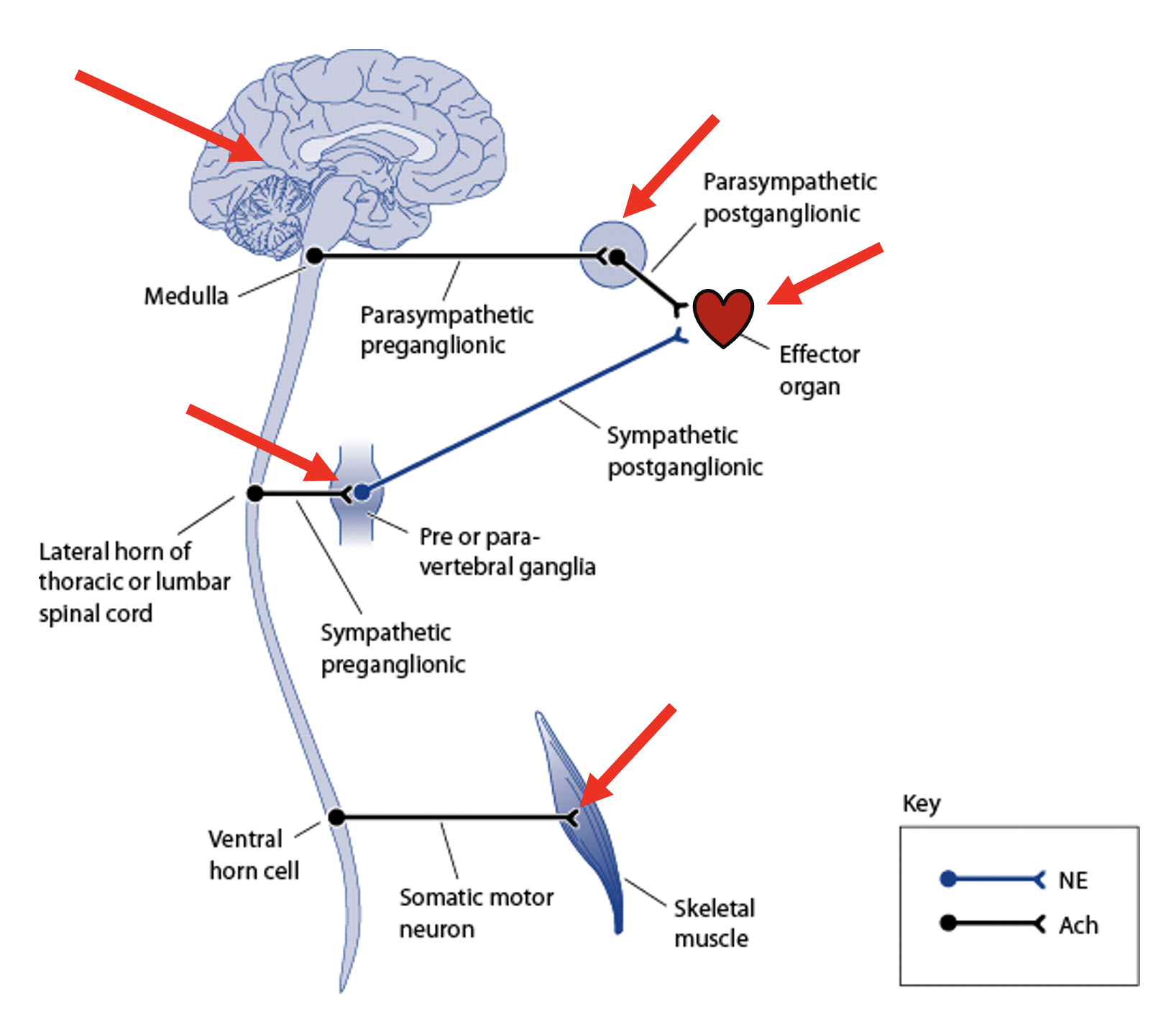
Most sympathetic nervous system axons release
norepinepherine
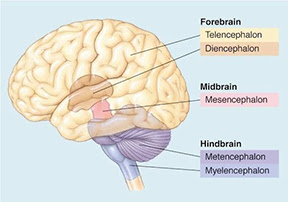
what are the three major divisions of the brain?
hindbrain, midbrain, and forebrain
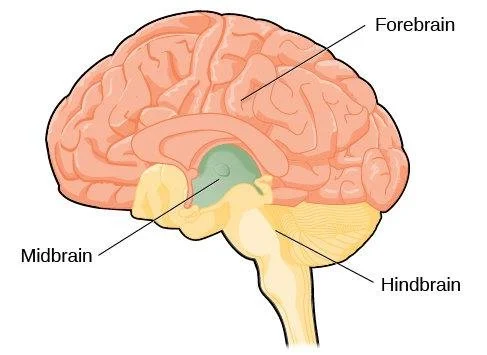
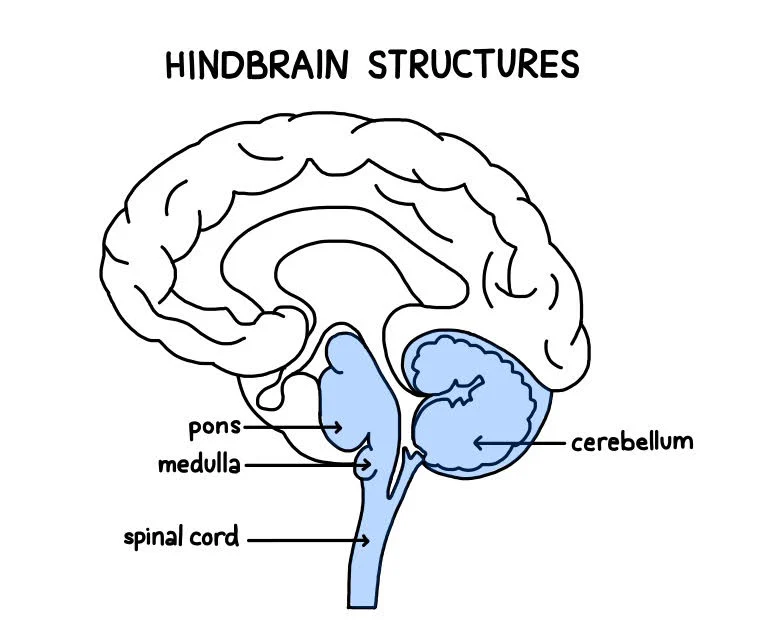
hindbrain (rhombencephalon) is made up of
medulla oblongata, pons, and cerebellum.
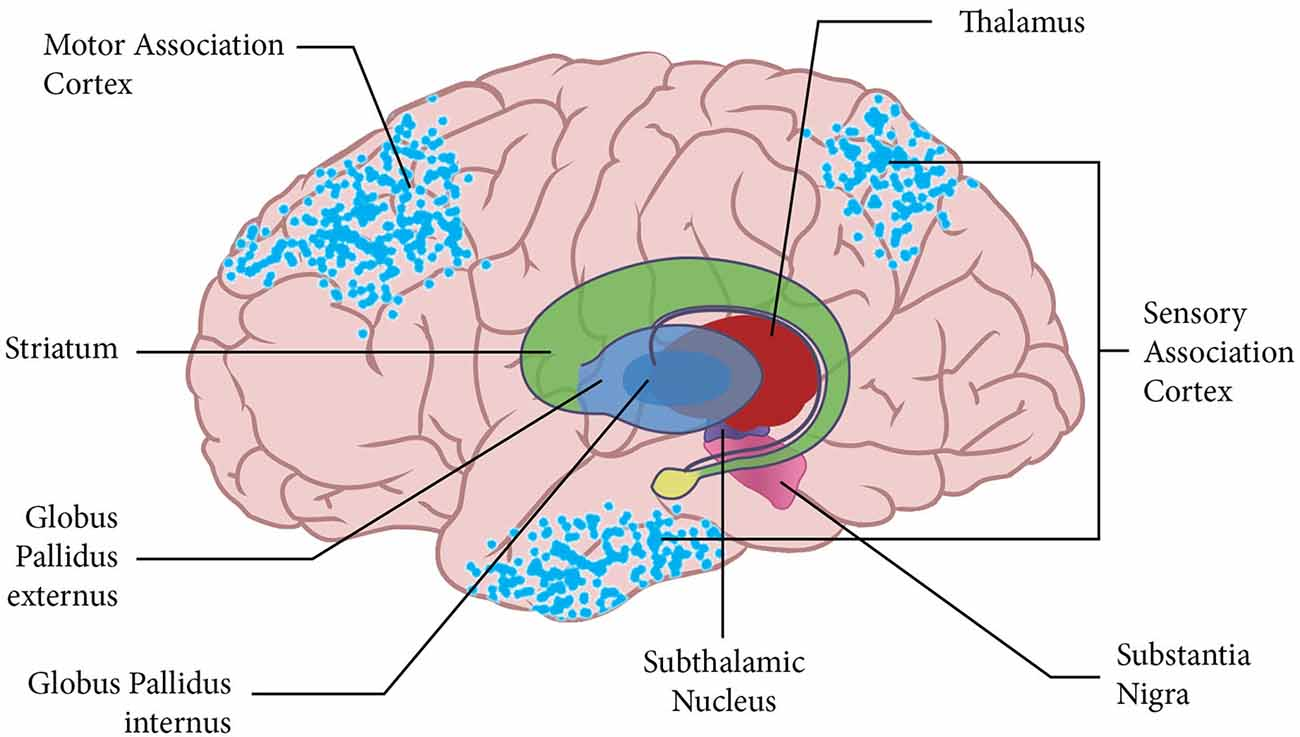
what does the substantia nigra in the midbrain do?
facilitates readiness for movements
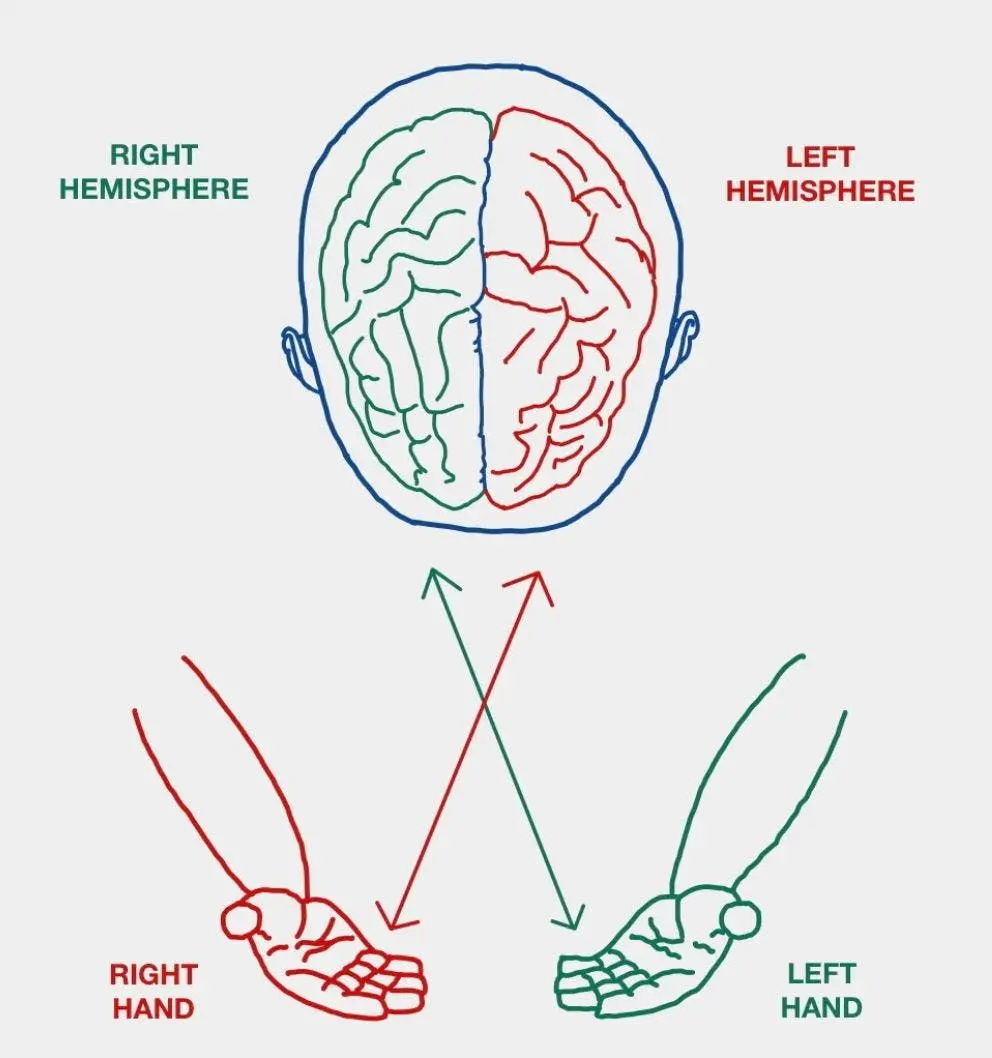
Each hemisphere of the brain is organized to receive sensory information
mostly from the side of the body.
The __ and form the diencephalon
cerebellum, thalamus, and hypothalamus
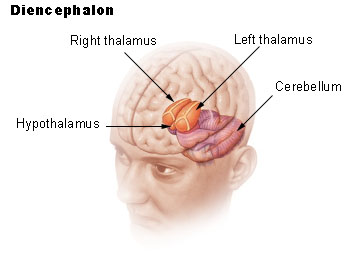
the telencephalon is made up of
Cerebral cortex
forebrain is divided into
telencephalon and diencephalon
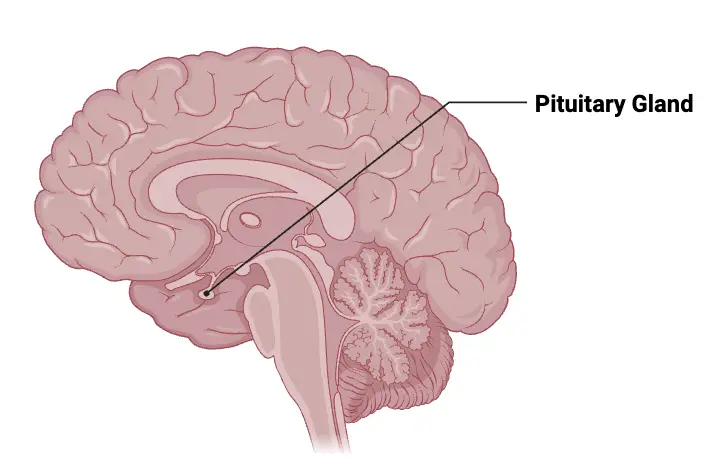
The __ is an endocrine (hormone-producing) gland attached to the base of the hypothalamus
pituitary gland
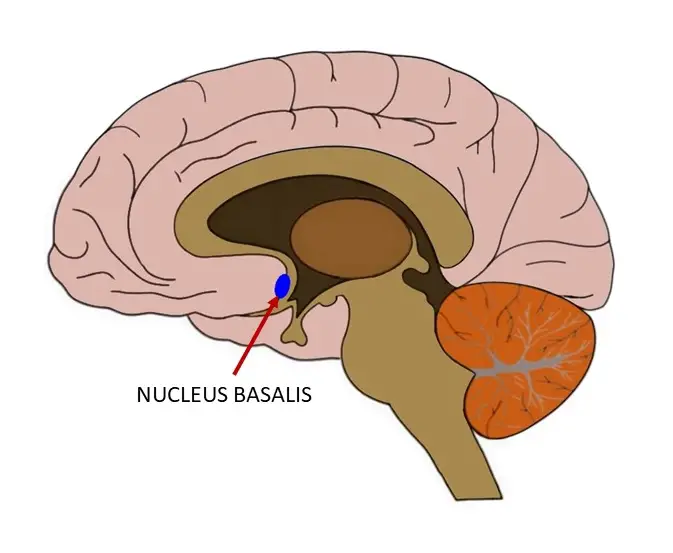
__ receives input from the hypothalamus and basal ganglia and sends axons that release acetylcholine to widespread areas in the cerebral cortex
nucleus basalis
Which area is the main source of input to the cerebral cortex?
thalamus
purpose of the module
how the brain and psychological processes influence human behavior and how new treatments that target biological mechanisms can influence psychological wellbeing.
the nervous system is divided into
central ns and peripheral ns
the cns is divided into
brain and spinal cord
the most prominent part of the human brain
cerebral cortex/cerebrum
what does the corpus callosum connect?
right and left cerebral hemispheres
what are the four lobes of the brain?
parietal, frontal, occipital, temporal
what does the occipital lobe do?
responsible for vision and contains the primary visual cortex
what does the temporal lobe do?
responsible for hearing and contains the primary auditory cortex and involved with advanced visual processing.
what does the parietal lobe do?
responsible for information about touch contralateral via the somatosensory cortex and body position and awareness.
what does the posterior frontal lobe do?
controls voluntary movement via the contralateral primary motor cortex
what does the middle frontal lobe do?
cognitive function, working memory and some aspects of emotion.
what does the interior/front frontal lobe do?
compares various types of information for decision-making.
what does the thalamus do?
it relays sensory information
what does the basal ganglia do?
plays a role in the vigor of movement and learned skills and habits
what does the limbic system do?
it is involved in motivations, regulating emotions, forming memories, and behavior.
what is the limbic system composed of?
amygdala, hippocampus, hypothalamus, olfactory bulb, basal ganglia.
what does the hypothalamus do?
it controls eating, drinking, temperature regulation, circadian rhythms, and reproductive behavior
what does the amygdala do?
evaluates emotional information, especially regarding fear.
what does the hippocampus do?
encodes long term memories
what does the brainstem do?
it connects the brain to the spinal cord and regulates movement and autonomic functions like breathing and heart rate.
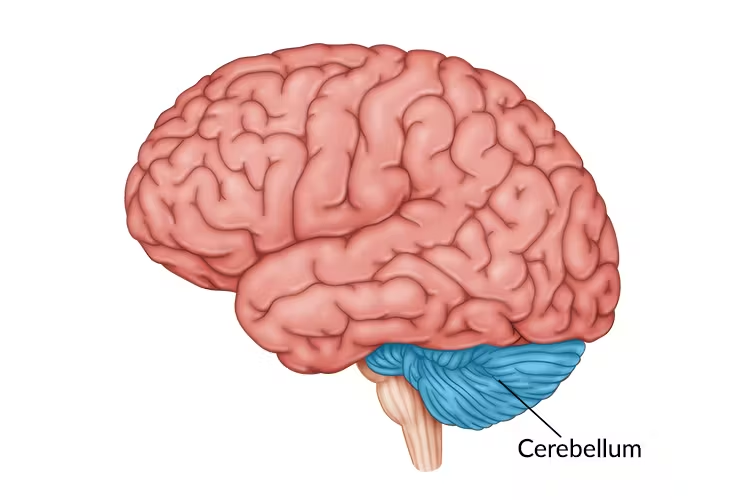
what does the cerebellum (little brain) do?
controls balance and coordination, and learned motor skills
what does the spinal cord do?
it extends from the brain to the spinal columns and carries information to and from the brain.
how does the spinal cord communicate with the brain?
each segment has a peripheral sensory nerve and a motor nerve for each side of the body. allowing the nervous system to communicate with the rest of the body.
what is the peripheral nervous system composed of which nerves?
cranial and spinal which branch out to muscles skins and organs
what is the peripheral nervous system divided into?
somatic ns and autonomic ns
the somatic ns contains
sensory and motor neurons for voluntary activities.
the autonomic ns contains
nerves that go to the visceral organs (heart, stomach, intestines) for involuntary activities.
what are the two opposing parts of the autonomic ns?
sympathetic and parasympathetic ns
what does the sympathetic ns do?
fight or flight: increase breathing and heart rate, decrease digestive activity
what does the parasympathetic ns do?
decreasing breathing, heart rate, and increasing digestive activity
what does the brainstem consist of?
midbrain, pons, and medulla oblongata
what does dorsal (superior) mean?
up
what does ventral (inferior) mean?
down
what does contralateral mean?
on opposite sides of the body (right and left)
What does ipsilateral mean?
on the same side of the body
what does rostral mean?
toward the forehead
what does caudal mean?
towards the back
coronal plane is
vertical
sagittal plane
vertical from the top
what's the olfactory bulb responsible for?
smell
entering ________(axon bundles) carry sensory information and the exiting __________ carry motor information.
dorsal roots, ventral roots
The parasympathetic nervous system's axons release the neurotransmitter onto the organs
acetylcholine
Most sympathetic nervous system axons release
norepinepherine
what are the three major divisions of the brain?
hindbrain, midbrain, and forebrain
hindbrain (rhombencephalon) is made up of
medulla oblongata, pons, and cerebellum.
what does the substantia nigra in the midbrain do?
facilitates readiness for movements
Each hemisphere of the brain is organized to receive sensory information
mostly from its respective contralateral side of the body.