5 - Oxidizing Agent and Halogen Containing Compounds
 Call Kai
 Learn
Learn Practice Test
 Spaced Repetition
 Match
Match Flashcards
 Knowt Play
1/48

There's no tags or description
Looks like no tags are added yet.
Name | Mastery | Learn | Test | Matching | Spaced | Call with Kai | Chat |
|---|
No analytics yet
Send a link to your students to track their progress
49 Terms
c. Oxidizing agents
MOA: Involves oxidation / liberation of oxygen in the tissues (peroxides) and protein denaturation (permanganates).
a. Halogens
b. Heavy metals
c. Oxidizing agents
d. Phenols
b. Oxidizing agents
Characterized by poor penetrability to infected tissues and organic matter.
a. Alcohols
b. Oxidizing agents
c. Aldehydes
d. Quaternary ammonium compounds
c. Oxidizing agents
Effective against anaerobic bacteria.
a. Phenols
b. Alcohols
c. Oxidizing agents
d. Halogens
b. Hydrogen peroxide (H₂O₂)
Active against anaerobic bacteria
a. Potassium permanganate
b. Hydrogen peroxide (H₂O₂)
c. Benzoyl peroxide
d. Carbamide peroxide
b. Hydrogen peroxide (H₂O₂)
Used for cleansing contaminated wounds.
a. Potassium permanganate
b. Hydrogen peroxide (H₂O₂)
c. Benzoyl peroxide
d. Carbamide peroxide
c. Hydrogen peroxide (H₂O₂)
Effectiveness is limited by poor tissue penetrability and transient action (rapid action, short duration).
a. Chlorhexidine
b. Formaldehyde
c. Hydrogen peroxide (H₂O₂)
d. Phenol
d. Hydrogen peroxide (H₂O₂)
Stability of this agent is increased in acid medium.
a. Sodium hypochlorite
b. Ethylene oxide
c. Glutaraldehyde
d. Hydrogen peroxide (H₂O₂)
a. Acidic medium
Hydrogen peroxide (H₂O₂) stability is increased in:
a. Acidic medium
c. Basic/Alkaline medium
a. 0.03%
_______ % Hydrogen peroxide (H₂O₂) contains Acetanilide to increase its stability by catalytically retarding its decomposition.
a. 0.03%
b. 0.3%
c. 3%
d. 30%
b. Vincent's Stomatitis (Hairy Tongue)
________ is due to continued use of Hydrogen peroxide (H₂O₂) as a mouthwash.
a. Black hairy tongue
b. Vincent's Stomatitis (Hairy Tongue)
c. Oral candidiasis
d. Gingival hyperplasia
c. Hairy tongue
Vincent's Stomatitis is also known as:
a. Black tongue
b. Geographic tongue
c. Hairy tongue
d. Fissured tongue
b. Volume specifications
________ refer to mL of oxygen measured at standard temperature and pressure (STP).
a. Concentration ratio
b. Volume specifications
c. Oxygen index
d. Titration volume
b. Carbamide peroxide
Stable complex of urea and hydrogen peroxide that releases hydrogen peroxide when mixed with water.
a. Benzoyl peroxide
b. Carbamide peroxide
c. Zinc peroxide
d. Sodium perborate
c. Benzoyl peroxide
Also known as:
Vanoxide
Panoxyl
a. Carbamide peroxide
b. Hydrogen peroxide
c. Benzoyl peroxide
d. Zinc peroxide
c. Benzoyl peroxide
Vanoxide
a. Carbamide peroxide
b. Hydrogen peroxide
c. Benzoyl peroxide
d. Zinc peroxide
c. Benzoyl peroxide
Panoxyl
a. Carbamide peroxide
b. Hydrogen peroxide
c. Benzoyl peroxide
d. Zinc peroxide
c. Benzoyl peroxide
Available in 2.5%, 5%, and 10% concentrations.
a. Carbamide peroxide
b. Hydrogen peroxide
c. Benzoyl peroxide
d. Zinc peroxide
b. 2.5%, 5%, and 10%
Benzoyl peroxide is available in ______ concentrations.
a. 1%, 2%, and 5%
b. 2.5%, 5%, and 10%
c. 5%, 10%, and 20%
d. 1.5%, 3%, and 6%
c. Benzoyl peroxide
Keratolytic and keratogenic agent
a. Carbamide peroxide
b. Hydrogen peroxide
c. Benzoyl peroxide
d. Zinc peroxide
b. Benzoyl peroxide
Keratolytic and keratogenic agent with MOA involving induced proliferation of epithelial cells leading to sloughing and repair.
a. Salicylic acid
b. Benzoyl peroxide
c. Resorcinol
d. Tretinoin
a. Benzoyl peroxide
Increases cell turnover.
a. Benzoyl peroxide
b. Clindamycin
c. Erythromycin
d. Isotretinoin
a. True
Benzoyl peroxide increases cell turnover
a. True
b. False
a. Hydrogen Peroxide (H2O2)
a. Hydrogen Peroxide (H2O2)
b. Carbamide Peroxide
c. Hydrous Benzoyl Peroxide
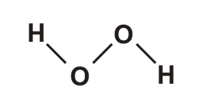
b. Carbamide Peroxide
a. Hydrogen Peroxide (H2O2)
b. Carbamide Peroxide
c. Hydrous Benzoyl Peroxide
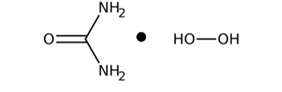
c. Hydrous Benzoyl Peroxide
a. Hydrogen Peroxide (H2O2)
b. Carbamide Peroxide
c. Hydrous Benzoyl Peroxide
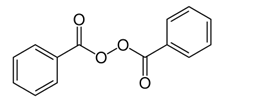
c. Iodine (I₂)
Oldest germicide in use today.
a. Chlorine
b. Phenol
c. Iodine (I₂)
d. Formaldehyde
d. Iodine (I₂)
Produces a blue color with Starch and Dextrin.
a. Chlorine
b. Bromine
c. Fluorine
d. Iodine (I₂)
b. Iodine (I₂)
Sodium and potassium act as stabilizers for this germicide.
a. Chlorine
b. Iodine (I₂)
c. Bromine
d. Phenol
a. Sodium and Potassium
Iodine stabilizer.
a. Sodium and Potassium
b. Calcium and Magnesium
c. Zinc and Copper
d. Ammonium and Phosphate
d. Iodine (I₂)
MOA involves inactivation of proteins by iodination of aromatic residues (phenylalanyl and tyrosyl).
a. Chlorhexidine
b. Phenol
c. Formaldehyde
d. Iodine (I₂)
d. Iodine (I₂)
MOA involves inactivation of proteins by oxidation of sulfhydryl groups.
a. Alcohols
b. Iodine (I₂)
c. Quaternary ammonium compounds
d. Heavy metals
a. Iodine Solution
2% Iodine in water with NaI
a. Iodine Solution
b. Strong Iodine Solution (Lugol's)
c. Iodine Tincture
d. Strong Iodine Tincture
b. Strong Iodine Solution (Lugol's)
5% I₂ in water with KI.
a. Iodine Solution
b. Strong Iodine Solution (Lugol's)
c. Iodine Tincture
d. Strong Iodine Tincture
c. Iodine Tincture
2% Iodine in 50% alcohol with NaI.
a. Iodine Solution
b. Strong Iodine Solution (Lugol's)
c. Iodine Tincture
d. Strong Iodine Tincture
d. Strong Iodine Tincture
6.5 – 7.5% I₂ in water with KI.
a. Iodine Solution
b. Strong Iodine Solution (Lugol's)
c. Iodine Tincture
d. Strong Iodine Tincture
c. Inorganic iodide salts
Admixed to increase the solubility of I₂ and to reduce its volatility.
a. Iodophors
b. Povidone-iodine
c. Inorganic iodide salts
d. Tincture of iodine
b. Inorganic iodide salts
Example: I₂ + NaI.
a. Iodophors
b. Inorganic iodide salts
c. Povidone-iodine
d. Iodine tincture
b. Iodophors
Complexes of iodine and non-ionic surfactants.
a. Inorganic iodide salts
b. Iodophors
c. Tincture of iodine
d. Lugol's solution
c. Iodophors
Iodine complexes that retain germicidal properties, have reduced volatility, and have removed irritant properties.
a. Iodine solution
b. Strong iodine tincture
c. Iodophors
d. Inorganic iodide salts
a. Iodophor
Povidone-iodine is an example of _____
a. Iodophor
b. Inorganic iodide salt
c. Iodine tincture
d. Strong iodine solution
b. Povidone-iodine
A complex of iodine with the non-ionic surfactant polymer polyvinylpyrrolidone.
a. Iodine tincture
b. Povidone-iodine
c. Lugol's solution
d. Strong iodine solution
b. Chlorine (Cl₂)
Used for disinfection of water supplies.
a. Iodine
b. Phenol
c. Chlorine (Cl₂)
d. Formaldehyde
b. Chlorine (Cl₂)
MOA involves chlorination of amide nitrogen atoms in proteins and oxidation of sulfhydryl groups.
a. Hydrogen peroxide
b. Chlorine (Cl₂)
c. Iodine
d. Alcohol
b. Hypochlorous acid (HClO)
Active germicidal species formed when Cl₂ is dissolved in water.
a. Hydrochloric acid (HCl)
b. Hypochlorous acid (HClO)
c. Chlorous acid (HClO₂)
d. Perchloric acid (HClO₄)
c. Halazone
Chlorine-containing agent used to disinfect drinking water.
a. Chloroazodin
b. Oxychlorosene Sodium
c. Halazone
d. Chloramine
b. Chlorides
May be precipitated from solution by the AgNO3 reagent
a. Hydrochloric acid (HCl)
b. Chlorides
c. Chlorous acid (HClO₂)
d. Perchloric acid (HClO₄)
b. AgNO₃
Chlorides may be precipitated from solution by _______ reagent?
a. FeCl₃
b. AgNO₃
c. BaCl₂
d. NaOH
c. Chloroazodin
A glyceryltriacetate solution used as a wound dressing.
a. Halazone
b. Oxychlorosene Sodium
c. Chloroazodin
d. Hypochlorous acid
d. Oxychlorosene Sodium
Complex of sodium salt of dodecylbenzenesulfonic acid and hypochlorous acid.
a. Halazone
b. Chloroazodin
c. Chloramine
d. Oxychlorosene Sodium