Social Psychology (unit 1).
 Call Kai
 Learn
Learn Practice Test
 Spaced Repetition
 Match
Match Flashcards
 Knowt Play
1/41

There's no tags or description
Looks like no tags are added yet.
Name | Mastery | Learn | Test | Matching | Spaced | Call with Kai |
|---|
No analytics yet
Send a link to your students to track their progress
42 Terms

Social inhibition
We don’t want to draw attention or negativity towards us.

Pro-Social behavior
Helping others WITH a reward or benefit.
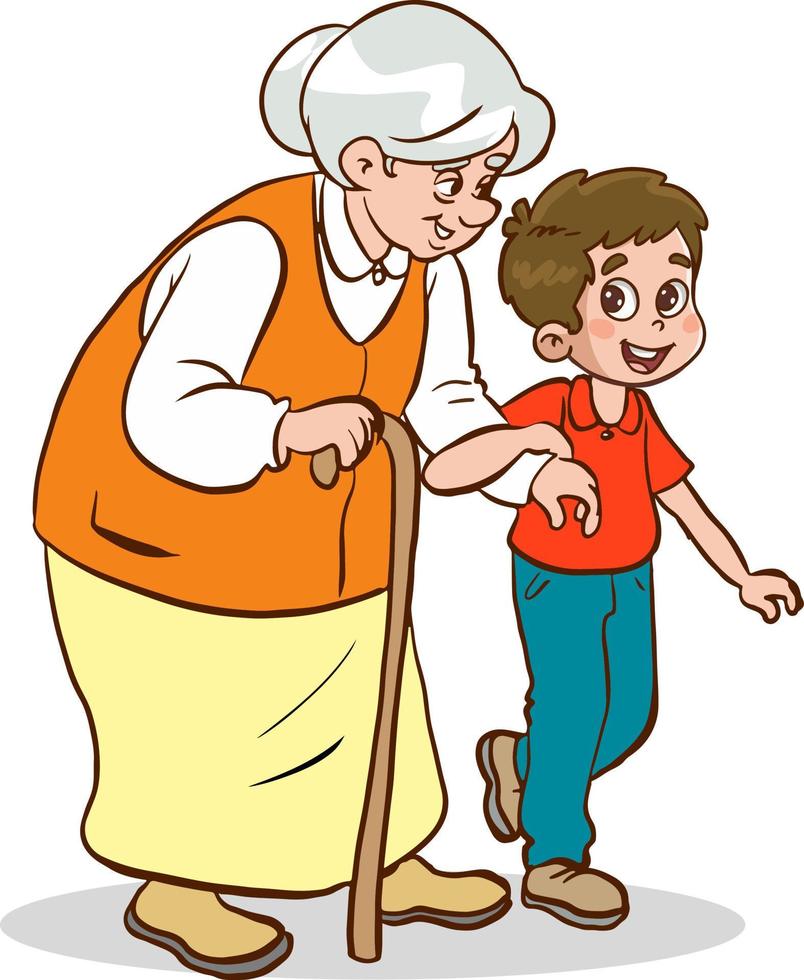
Altruism
Helping others WITHOUT a reward or benefit.
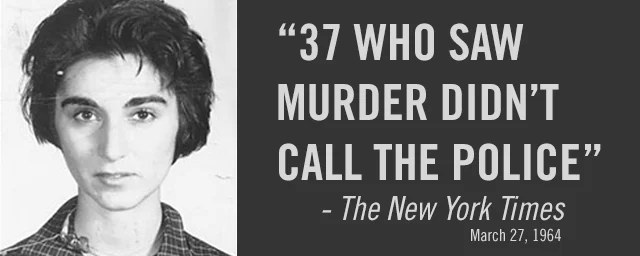
Kitty Genovese case
Case: Kitty was stabbed to death-nobody came to help her.
Why?: Bystander effect/diffusion of responsibility/pluralistic ignorance.
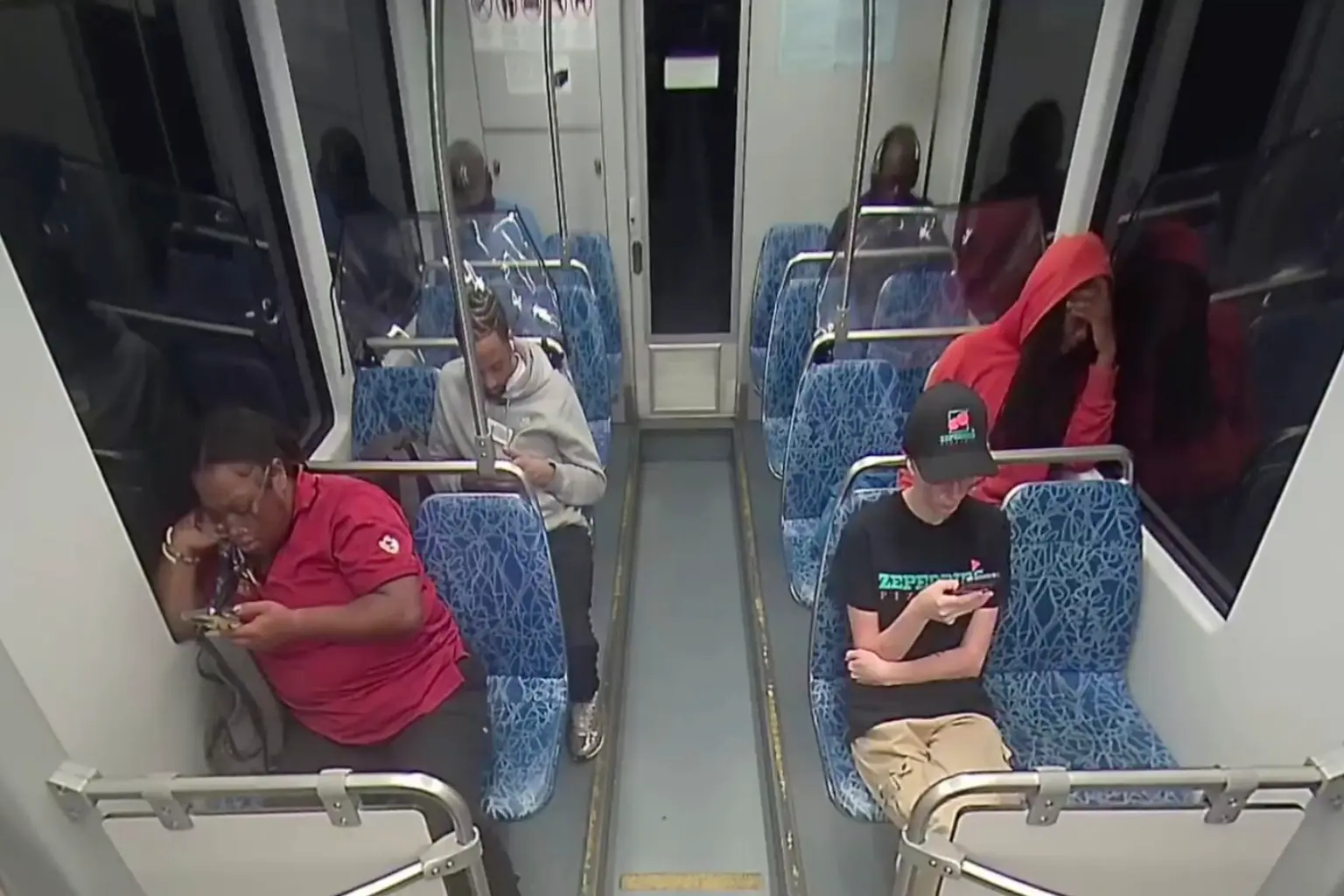
Pluralistic Ignorance
The longer it takes for help to arrive, the more likely people will doubt that help is actually necessary.
(We look to see how others act in a situation).
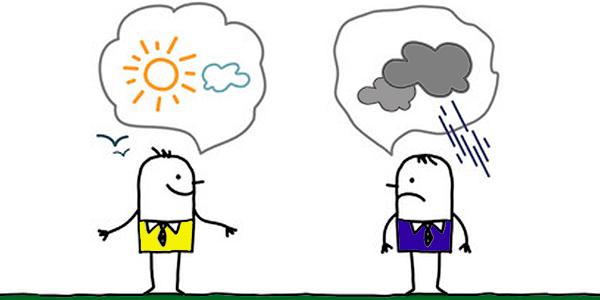
Pessimistic v.s. Optimistic explanatory style
Pessimistic: stable, global, external
Optimistic: unstable, internal,
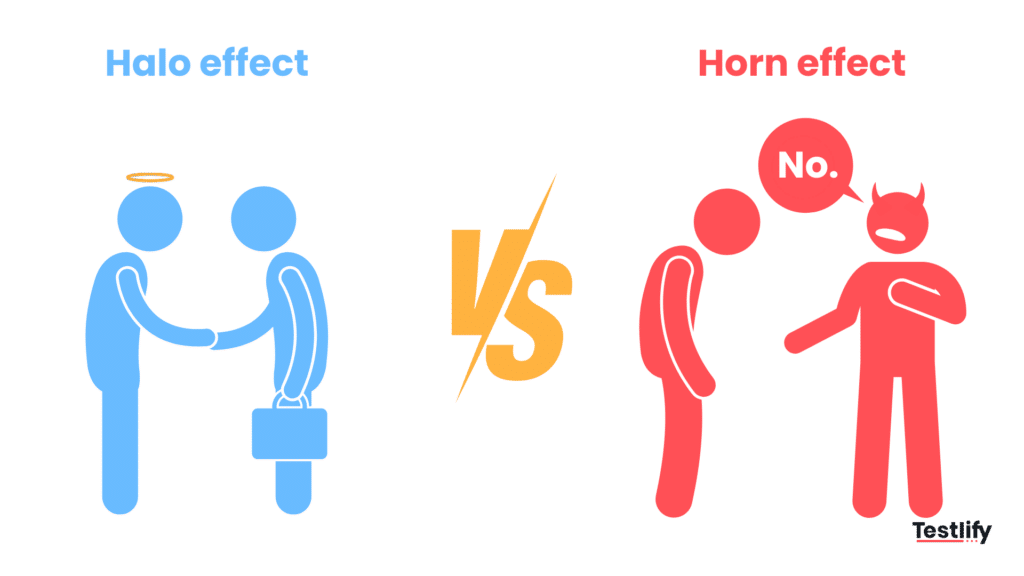
Halo and Horn effect
Halo: The idea that more attractive individuals are viewed as smarter, successful, and kind.
Horn: The idea that less attractive individuals are viewed as dumber, dangerous, and unkind.

Relative deprivation
Comparing yourself to others and feeling like you’re less than.

Self fulfilling prophecy
By believing in something, you instinctively act to make that belief come true.

Belief perseverance
Persistence in one’s beliefs and opinions despite being given opposing evidence.

Mere exposure theory
The more we are exposed to something, the more likely we will begin to like it.

Implicit personality theory
Making assumptions about someone’s personality based on their behavior.

Out group homogeneity
Believing that everyone in the same out-group have the same personalities/behavior.

Explicit v.s. Implicit prejudice
Explicit: expressing prejudice beliefs that you are aware of.
Implicit: expressing and feeling prejudice that you are NOT aware of.
Social norms
Unwritten rules which members of society are expected to follow.
Prisoners Dilemma
When the individual must choose between helping others without any benefit, or hurting others for a personal benefit.
Yerkes-Dodson law
The idea that a small increase in stress can improve preformance.
Deindividualization
The loss of one’s morals and self restraint when in a large group setting.
Social Loafing
The tendency for people in a group to exert less effort, and rely on others to complete a task.
Social facilitation
When performance improves in group setting or an audience.
Social inhibition/interference
When preformance worsens due to the presence of an audience.
Group polarization
The enhancement of a groups beliefs and attitudes when met with group agreement and validation.
Groupthink
When you appease to certain decisions to not disrupt the peace.
(You act differently despite your beliefs or wants)
Scapegoat theory
The tendency to blame others for your own mistakes or failures.
Actor-Observer effect
Attributing others failures to personal characteristics, while blaming your own failures on external factors.
Foot in the door phenomena
The tendency for people to agree to smaller favors before complying to a larger favor.
Door in the face phenomena
The tendency for people to deny a large favor and agree to a smaller one.
Normative v.s. Informative
Normative: wanting to fit in and be liked.
Informative: wanting to be correct and true to yourself.
Self serving bias
Blaming others for your failures, but taking full credit for your successes.
Self afacing bias
Blaming your failures on yourself, but rewarding everyone involved in your successes.
Individualistic v.s. Collectivist societies
Individualistic: people think for the benefit of themselves.
Collectivist: people think of the community as a whole.
Just-World hypothesis
People begin to blame the victim in a situation to avoid stress.
(“They deserved it”/“they brought it on themselves”).
Cognitive dissonance
When someone’s beliefs don’t match their actions.
External v.s. Internal locus of control
External: belief that an outcome is based on luck or fate and other external factors.
Internal: belief that an outcome is based on your own actions.
Fundamental attribution error
The tendency for people to attribute someone’s behaviors on internal characteristics, while ignoring external variables.
Central v.s. Peripheral route go persuasion
Central: gathering related key information to arrive to a decision.(buying a certain car because of its price and reliability).
Peripheral: using random and unrelated information to arrive to a decision.(buying a certain car because the car dealer was attractive).
Confirmation bias
We tend to seek out information that only supports our own beliefs and ignore arguing information.
In group bias
We favor groups which we belong to and view them as special and unique.
Ethnocentrism
Viewing your culture/group as superior to others.
Self handicapping
Offering yourself a preliminary excuse which you can rely on when you experience failure.
Superordinate goals
Different groups tend to bond when given a common cause/goal.
False consensus theory
The tendency to overestimate the extent to which others share our beliefs.