Japan: Notable Writers (and their Most Famous Works and Notable Biographical Information and Information about their Works), Literary Terms and Concepts (inc. Genres), Notable Orators / Rhetoricians (and their Most Famous Works, Contributions, Concepts, and Notable Biographical Information), and Anonymous Founding Legends
 Call Kai
 Learn
Learn Practice Test
 Spaced Repetition
 Match
Match Flashcards
 Knowt Play
1/9

There's no tags or description
Looks like no tags are added yet.
Name | Mastery | Learn | Test | Matching | Spaced | Call with Kai |
|---|
No analytics yet
Send a link to your students to track their progress
10 Terms
700s - 723 - O No Yasumaro: Kojiki (All Facts)
Early Japanese chronicle of myths, legends, hymns, genealogies, oral traditions, and semi-historical accounts concerning the origin of the Japanese archipelago, the kami, and the Japanese imperial line
It was an astonishing account of the history of Japan from its birth
It is considered the first (extant) oldest literary work of Japan
676 - 735 - Prince Toneri: Nippon Shoki (All Facts)
Japanese chronicle which expands on the previously compiled chronicle, making it the second (extant) oldest literary work of Japan
The namesake was the supervisor but it was compiled by a team of scholars including the author of the book upon which it expanded
Based on collections of legends and hearsay, its authors describe the establishment in 660 BCE of Japan under the first of the imperial line, Jimmu Tenno
Kokin Wakashu (All Facts)
Anthology of “pure” Japanese poetry completed in 905
It consisted of an anthology of short poems with themes of love and nostalgia
It showed the flexibility made possibly the phonetic “kana” script
It exemplified the Classical Japanese literature that emerged during the Heian period
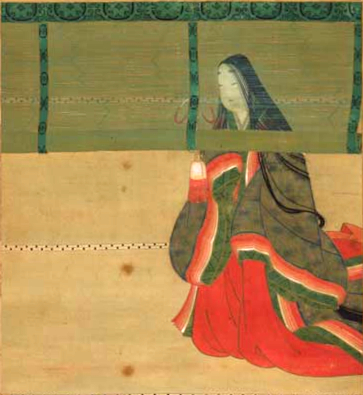
966 - 1025 - Sei Shonagon (All Facts)
Japanese lady-in-waiting at the Imperial court during the Heian period
She is best known for her work “Pillow Book”
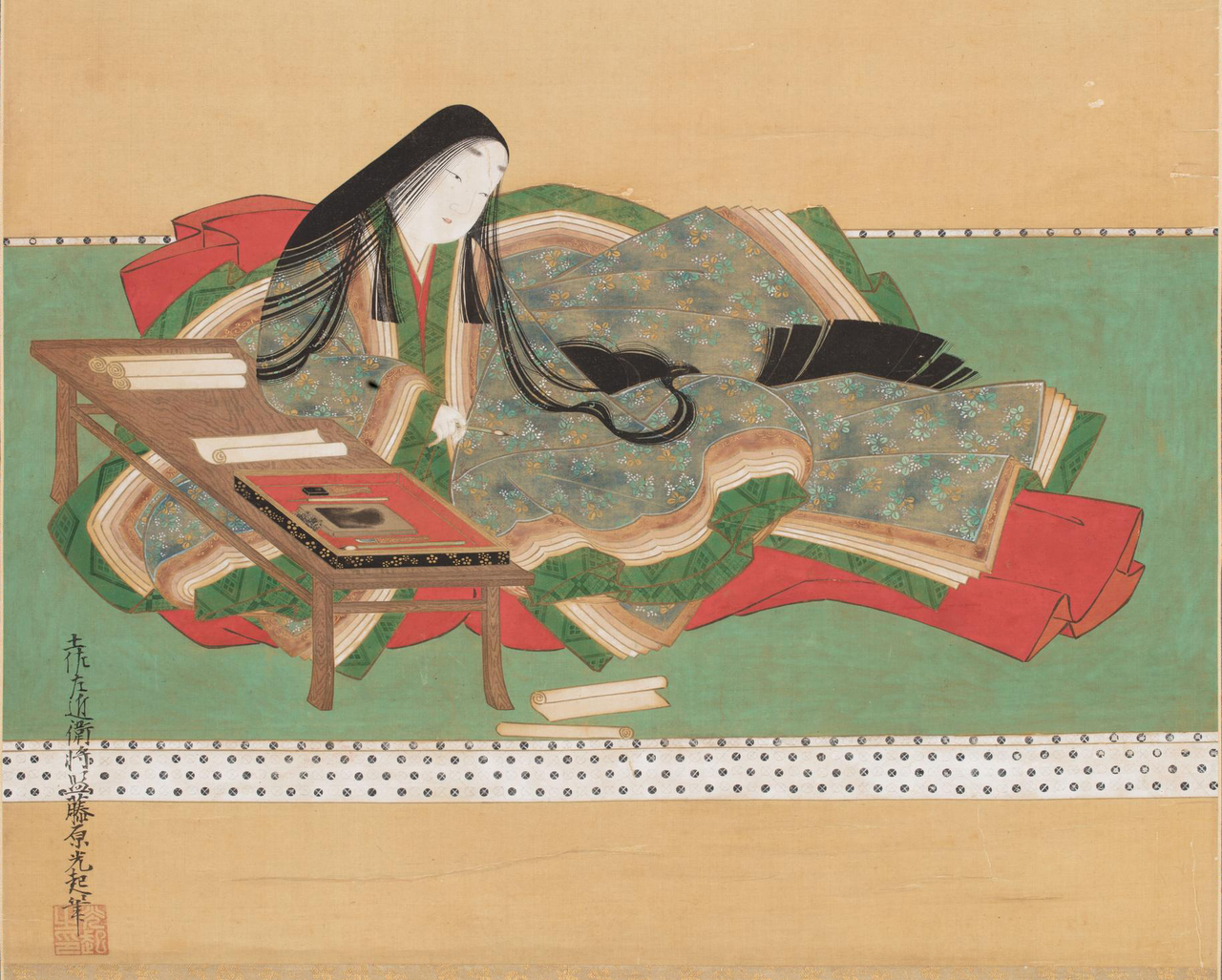
973 - 1025 - Murasaki Shikibu (All Facts)
Japanese novelist, poet and lady-in-waiting at the Imperial court during the Heian period
Japanese ladies of the Heian court like her wrote witty prose
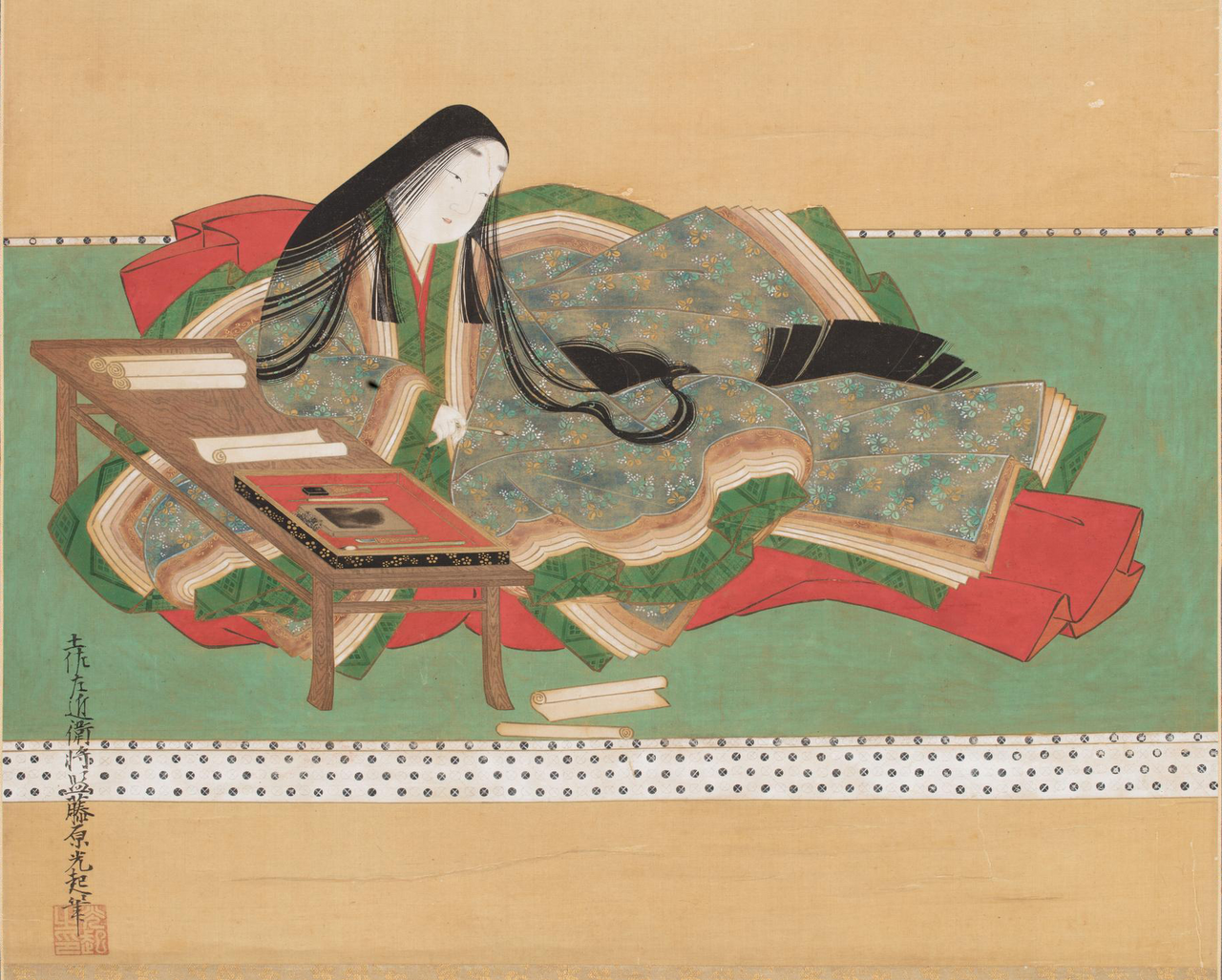
973 - 1025 - Murasaki Shikibu: The Tale of Genji (All Facts)
Considered the first novel ever written in history
It is considered one of the greatest Japanese novels of all time
The author used her own position at court to provide a fascinating picture of court society in Japan
It is the story of a Japanese prince and his life at court, particularly his many romances
It is an elaborate and realistic tale of court life
The namesake character is an emperor’s son who is not in the line of succession to the throne, and is therefore able to follow a political career while still enjoying royal privileges
Represented Japan’s literature moving away from the traditions of China, often emulated during the Heian Period
Calligraphy (All Facts)
The art of writing, it became an important part of Japanese art and life
It underwent a reformation when Zed Buddhism from China spread to Japan during the Kamakura Shogunate
Its new style displayed both the writer’s depth of conviction and his freedom of spirit in Zen
It added a new dimension to the beauty and range of the traditional Japanese form of the namesake
1200s - 1333 - Kamakura Shogunate (All Facts)
During this period, literature in Japan declined with the exception of war tales, which became supper common and an established form
The most famous of these war tales is called the “Heike Monogatari”
Noh (All Facts)
Genre of Play that emerged in Japan in its classic form during the Ashikaga Shogunate
Drama which is formal in style, incorporating music and dancing
Performed without scenery by males who wear masks to portray women, old men, or supernatural beings
Established by Kanami Motokiyo and his son Zeami Motokiyo
1363 - 1443 - Zeami Motokiyo (All Facts)
Japanese Playwright
He invented the “Noh” Play
He wrote nearly 100 plays of this style, most of which still survive