Genetic Variation, Inheritance, and DNA Structure & Replication
 Call Kai
 Learn
Learn Practice Test
 Spaced Repetition
 Match
Match Flashcards
 Knowt Play
1/27

There's no tags or description
Looks like no tags are added yet.
Name | Mastery | Learn | Test | Matching | Spaced | Call with Kai |
|---|
No analytics yet
Send a link to your students to track their progress
28 Terms
What are homologous chromosomes?
Chromosomes that come in pairs, are the same size and shape, and have the same genes.
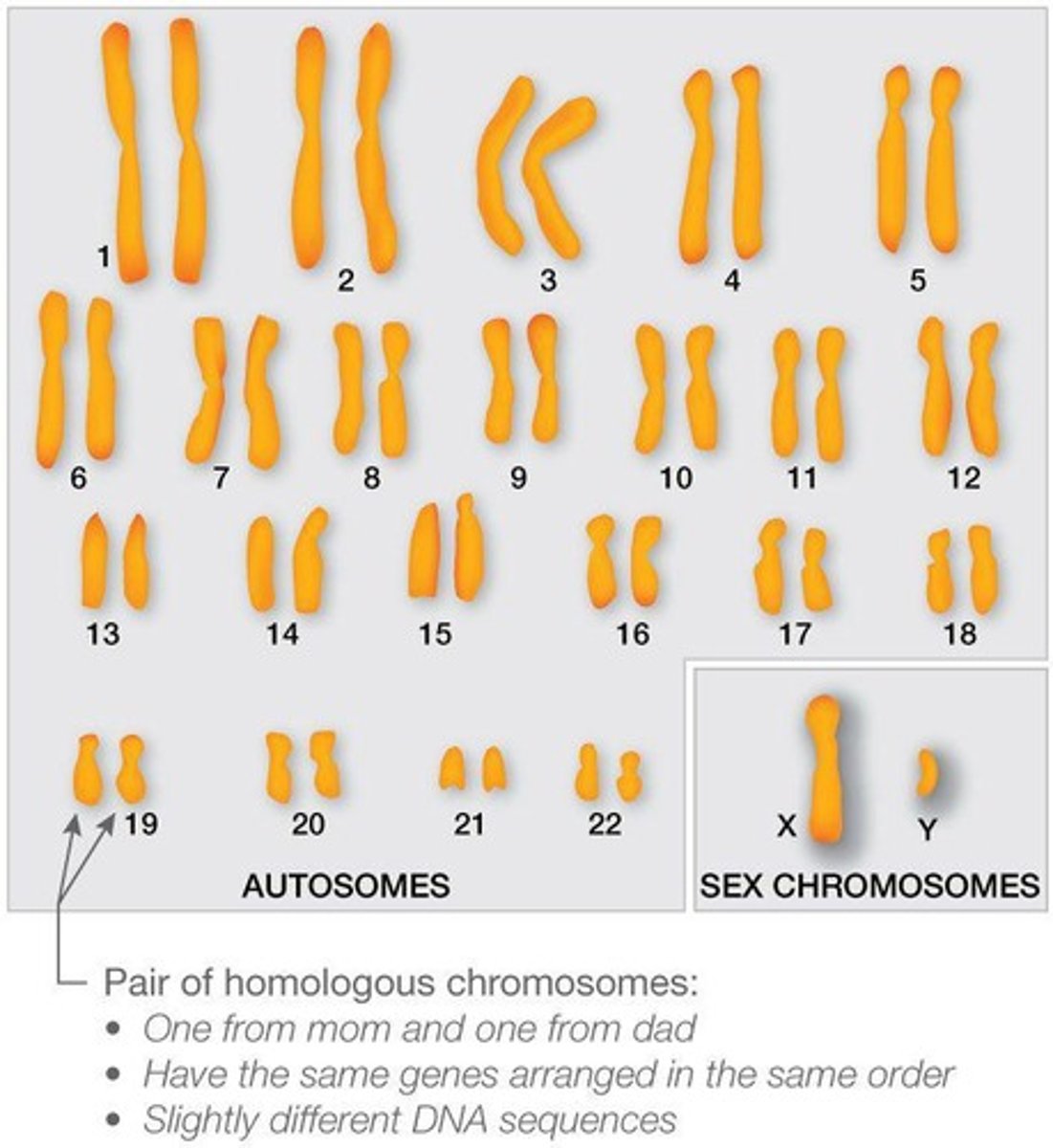
How many autosomes do humans have?
44 autosomes (22 pairs).
What are gametes?
Egg and sperm cells that contain half of the genetic information of an adult organism.
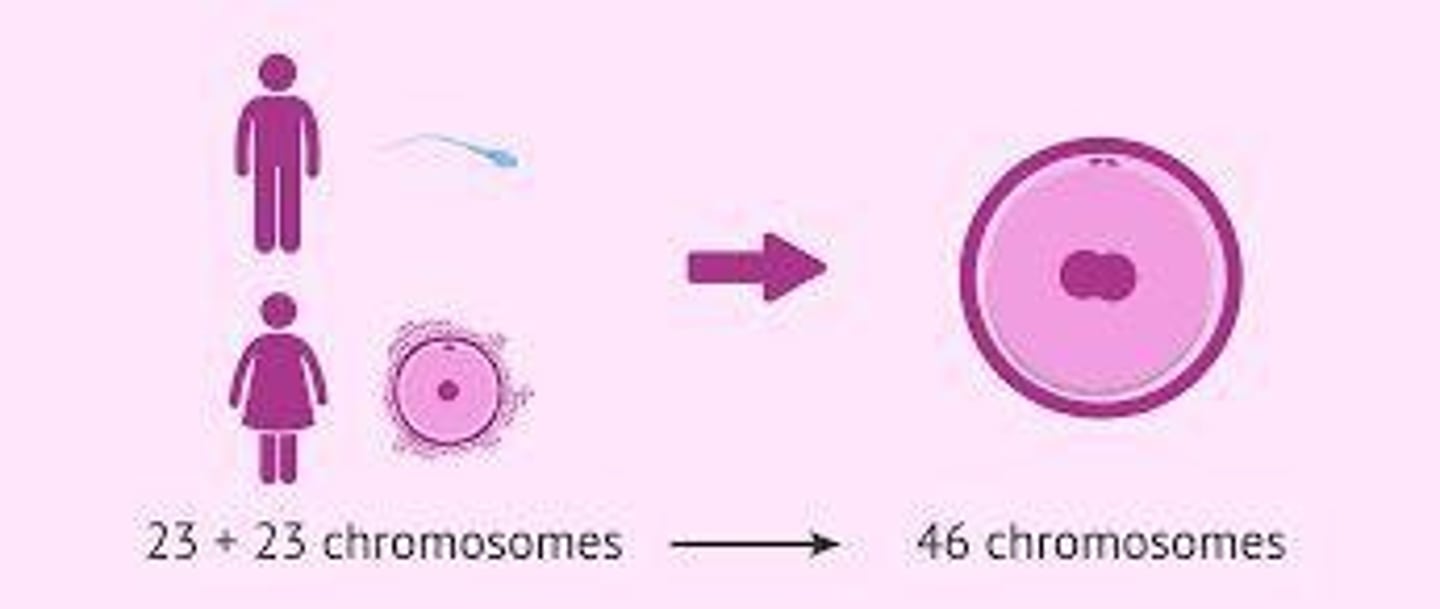
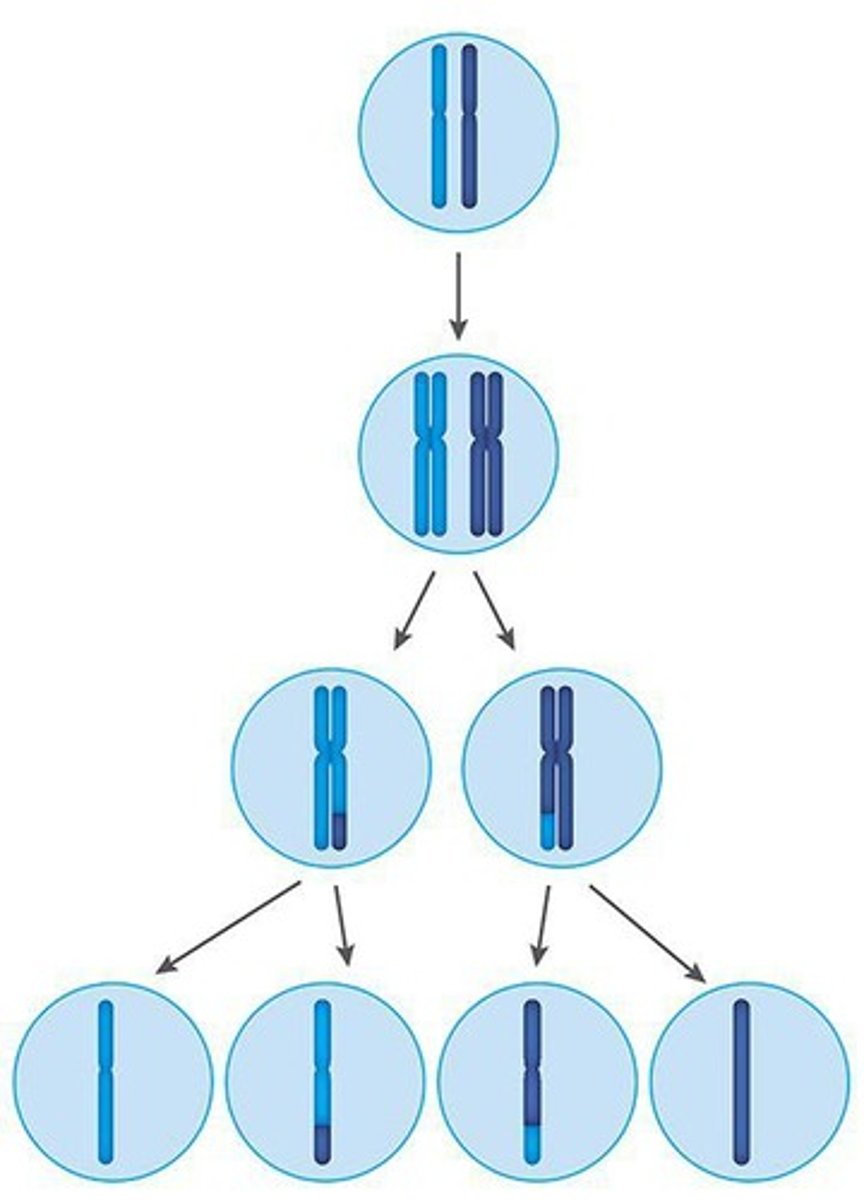
What is the purpose of meiosis?
To reduce the chromosome number by half and create genetic diversity.
What is the ploidy of body cells?
Diploid (46 chromosomes, 2n).
What is the ploidy of gametes?
Haploid (23 chromosomes, n).
What happens during crossing over?
Homologous pairs exchange genetic information, increasing genetic diversity.
What is a tetrad?
A pair of homologous chromosomes consisting of four chromatids.
What is the result of Meiosis I?
Two haploid cells are formed.
What is Chargaff's Rule?
In DNA, the percentage of adenine (A) equals thymine (T), and the percentage of cytosine (C) equals guanine (G).
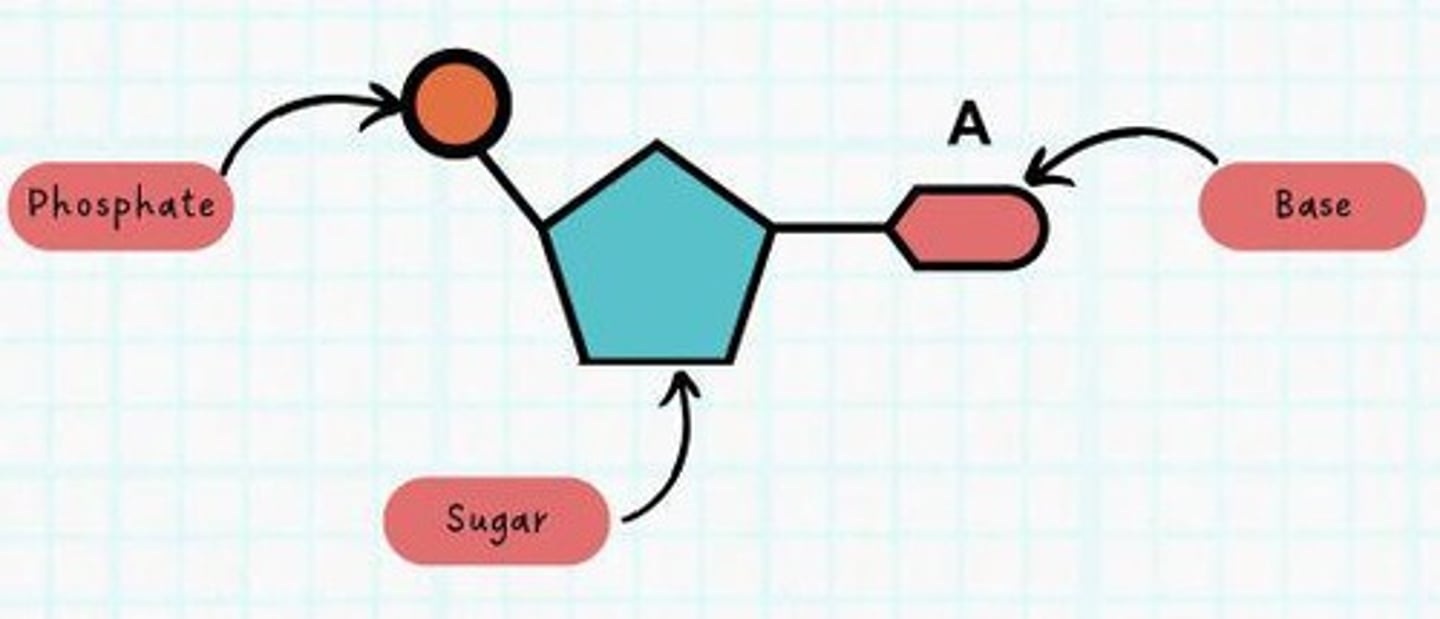
What is the structure of DNA?
A double helix shaped like a twisted ladder, with a sugar-phosphate backbone and nitrogenous base pairs.
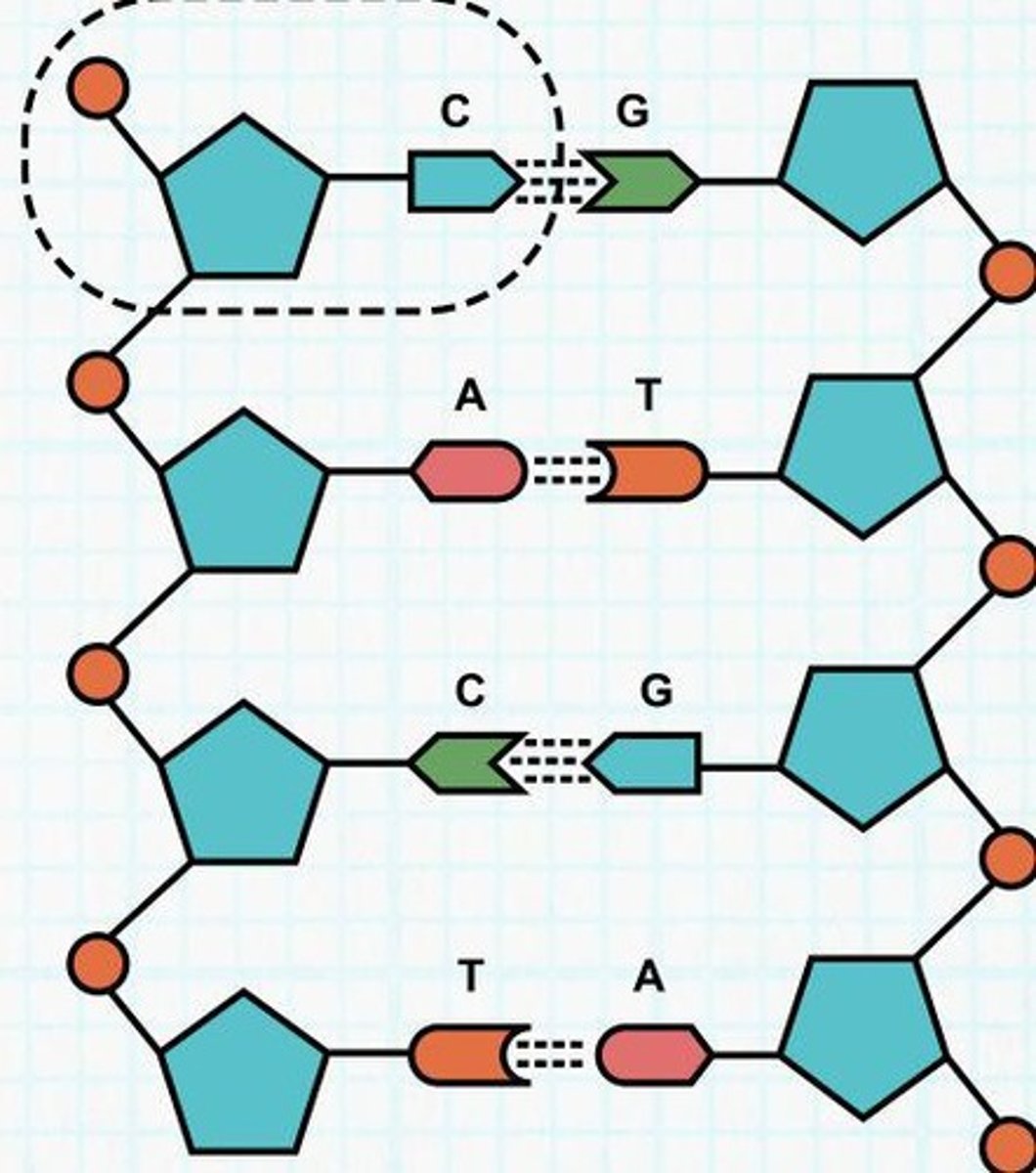
What are the four nitrogenous bases in DNA?
Adenine (A), Thymine (T), Cytosine (C), and Guanine (G).
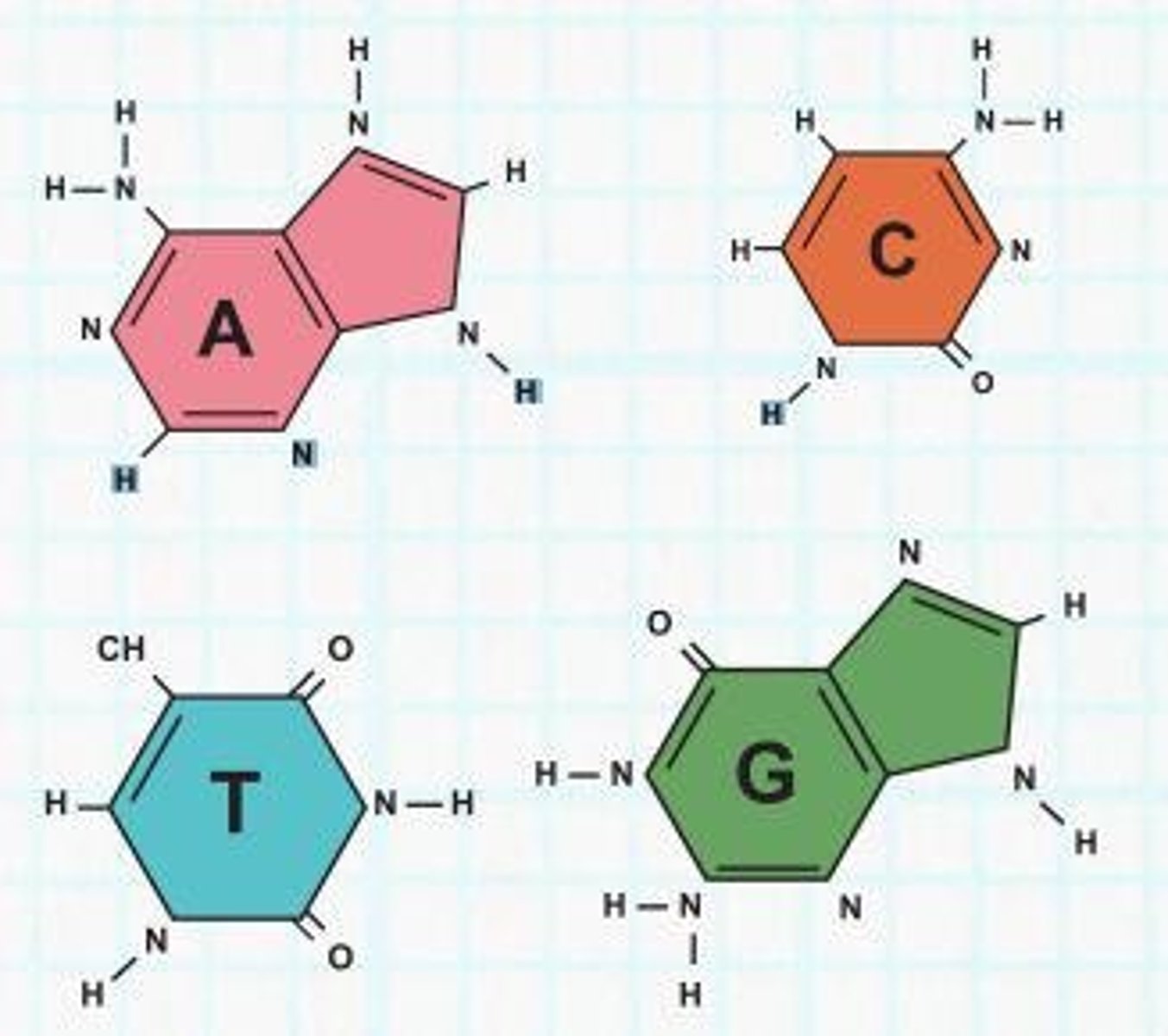
What is the significance of complementary base pairing?
It ensures accurate DNA replication by pairing adenine with thymine and cytosine with guanine.
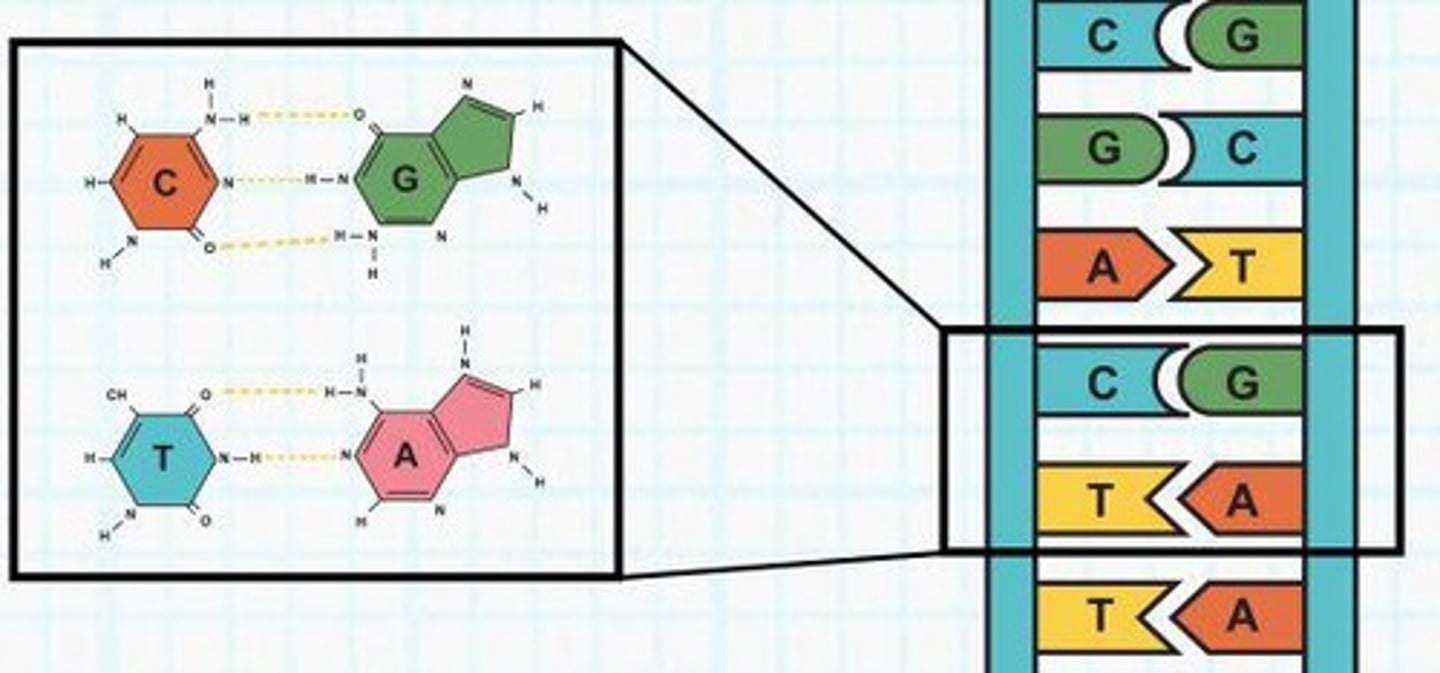
What is the role of helicase in DNA replication?
It unzips the DNA molecule to create a replication fork.
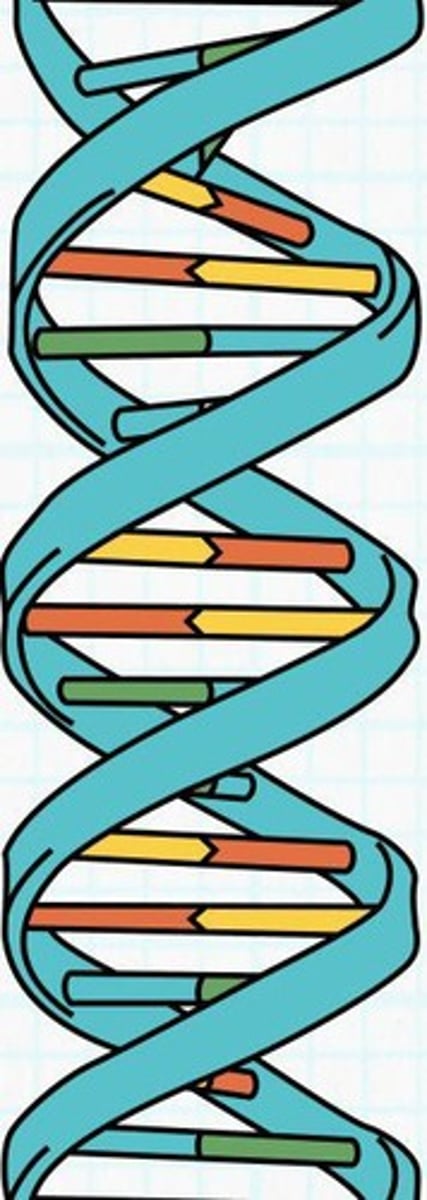
What is the function of DNA polymerase?
It adds nucleotides to the existing strand and proofreads for mistakes during DNA replication.
What does semi-conservative replication mean?
Half of the original DNA strand is conserved in each new DNA molecule.
What is a zygote?
A fertilized egg formed from the union of sperm and egg.
What is the difference between genotype and phenotype?
Genotype refers to the genetic makeup, while phenotype refers to the expressed physical traits.
What are alleles?
Different versions of a gene that can result in variations of a trait.
What is the role of the sugar-phosphate backbone in DNA?
It provides structural support and stability to the DNA molecule.
What is the result of Meiosis II?
Four genetically different haploid daughter cells are produced.
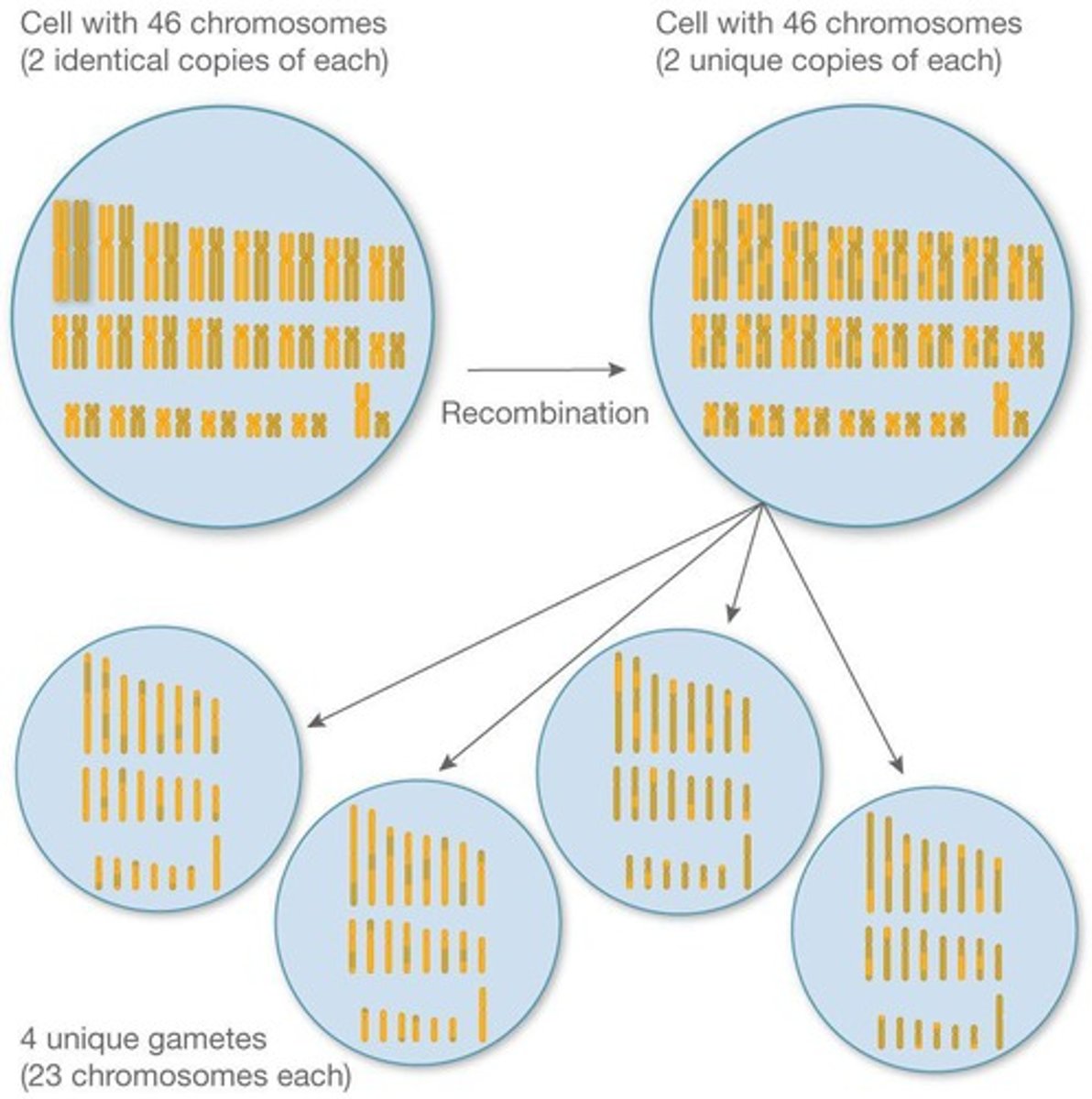
What is independent assortment?
The random order of chromosomes during gamete formation, contributing to genetic diversity.
What is the significance of mutations in DNA?
Mutations can lead to genetic variation, disease, or evolution.
What are sister chromatids?
Two identical halves of a chromosome that are joined together.
What is crossing over?
The process where chromosomes swap DNA segments during meiosis, increasing genetic diversity.
What is the function of the nitrogenous bases in DNA?
They store genetic information and determine the genetic code.
What is the significance of DNA's antiparallel strands?
It is essential for DNA replication and enzyme function.
What are the steps of DNA replication?
Unzip the DNA, match bases according to base pairing rules, and rebuild the new strand.