NID/UCEED GK | Types of Indian Paintings
 Call Kai
 Learn
Learn Practice Test
 Spaced Repetition
 Match
Match Flashcards
 Knowt Play
1/27

There's no tags or description
Looks like no tags are added yet.
Name | Mastery | Learn | Test | Matching | Spaced | Call with Kai |
|---|
No analytics yet
Send a link to your students to track their progress
28 Terms
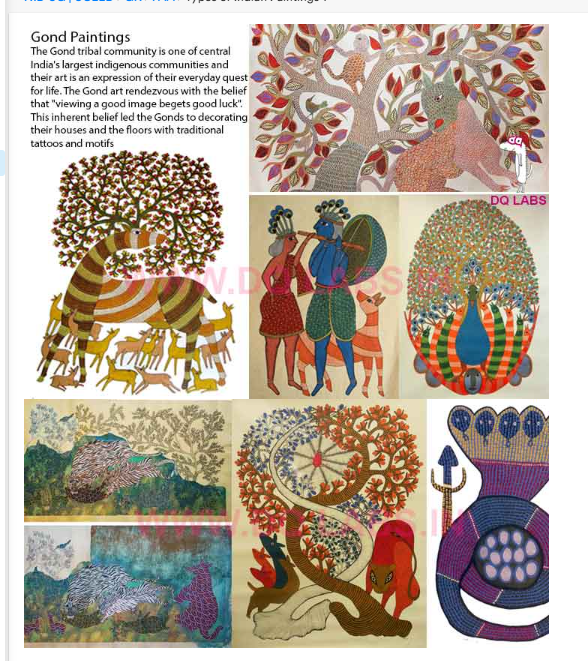
Gond Paintings
One of central India’s largest indigenous communities. Their art believes that viewing a good image begets good luck, which led the Gonds to decorating their houses and the floors with traditional tattoos and motifs .
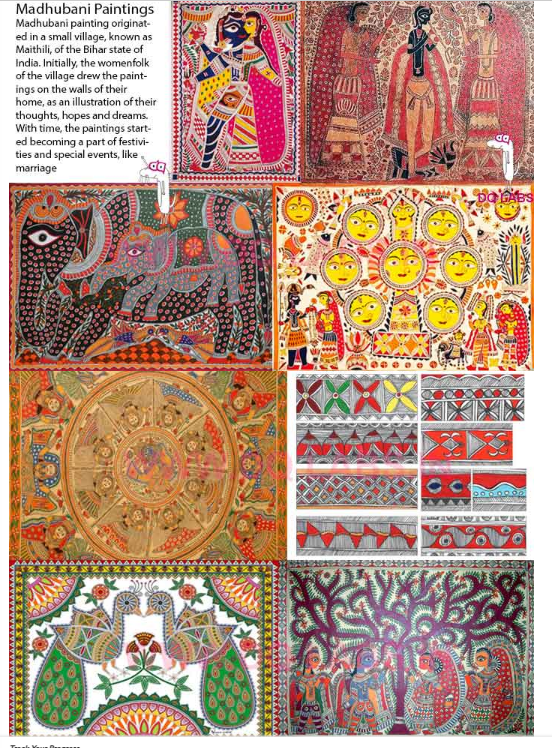
Madhubani paintings
Originated in Maithili, a small village in Bihar. The womensfolk drew the paintings on the walls of their home as an ilustration of their thought,s hopes, and dreams. WIth time, the paintings started becoming a part of special events, like festivals and marriage.
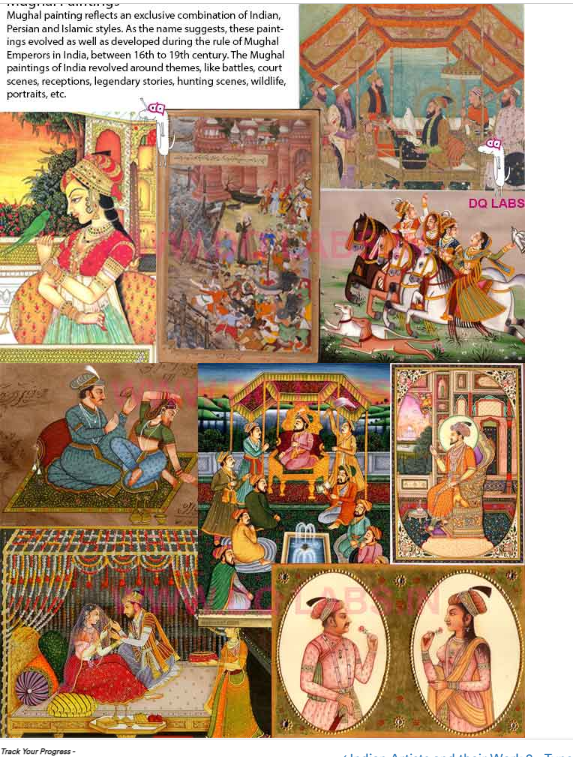
Mughal paintings
Combination of indian, persian, and islamic styles. These paintings evolved during the rule of the Mughal emperors in India (16th-19th century), paintings revolving around themes of battles, court scenes, receptions, legendary stories, wildlife, portraits, etc.
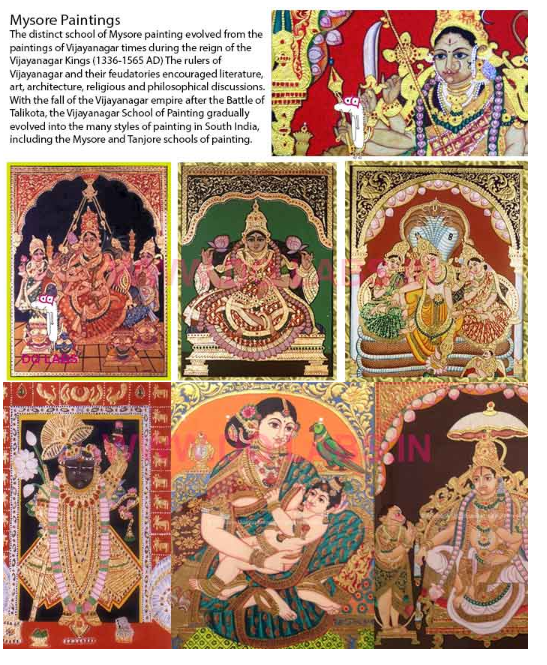
Mysore Paintings
Evolved from the paintings of Vijayanagar during the reign of vijayanagar kings (1336-1565 AD). Evolved into many styles of painting in South india, including the Mysore and Tanjore schools of painting
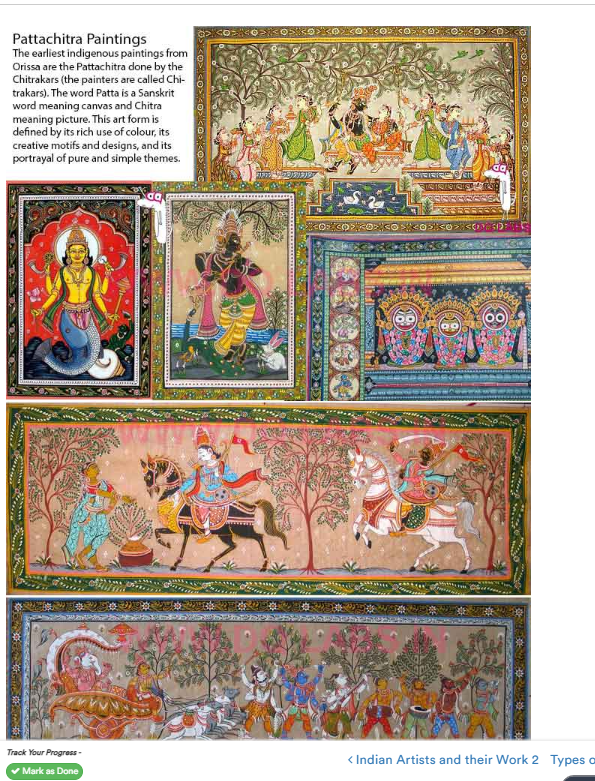
Pattachitra paintings
The earliest indigenous paintings from Orissa are done by the Chitrakars. Patta is a Sanskrit word meaning canvas, and Chitra meaning picture. The art form is defined by its rich use of colour, creative motifs and designs, and its portrayal of pure and simple themes. From what I see there’s a use of borders in all the works.
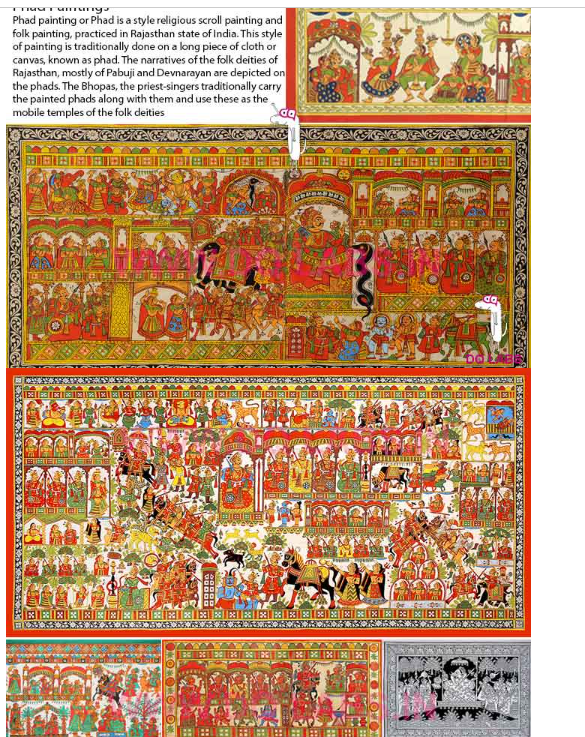
Phad paintings
A style of religious scroll painting and folk painting, practised in Rajasthan. Traditionally done on a long piece of cloth or canva,s known as phad. The narratives of the folk deities of Rajasthan, mostly of Pabuki and Devnarayanan are depicted on the phads. The priest singers typically carry the painted phads along with them and use this as mobile temples of the deities.
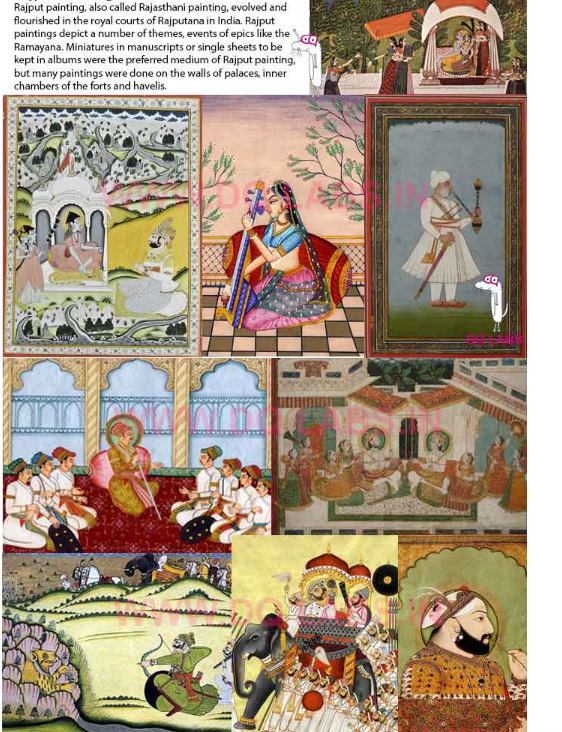
Rajput paintings
Also called Rajasthi paintings, flourished in the royal courts of Rajputana. Depict a number of themes, events of epics like Ramayana. Many paintings were done on the walls of palaces, inner chambers of the forts and havelis.
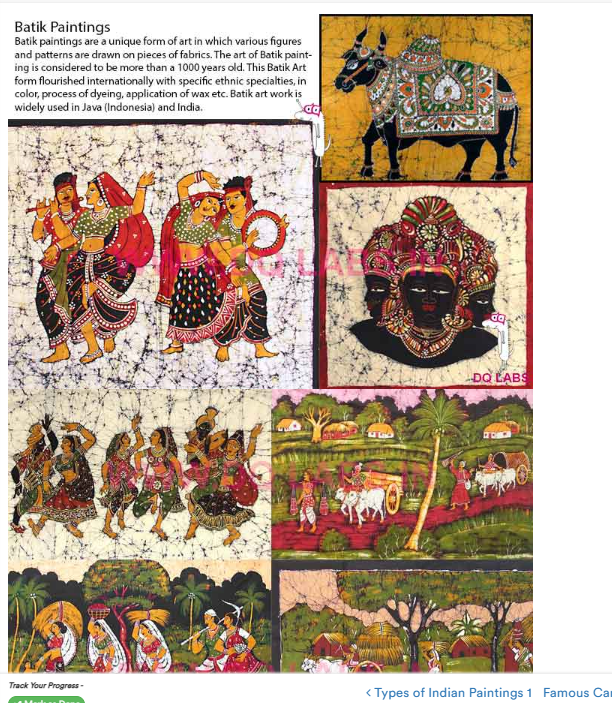
Batik Paintings
various figures and patterns are drawn on pieces of fabrics. The art of Batik painting is considered to be more than a 1000 years old. Flourished internationally with specific ethnic specialities, in color, process of dyeing, application of wax, etc. Batik artwork is widely used in Indonesia and India.
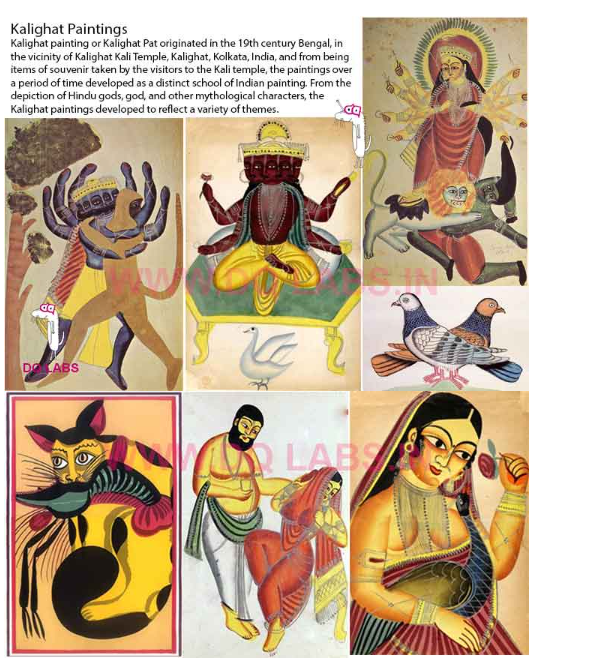
Kalighat paintings
Originated in 19th century Bengal in the vicinity of Kalighat kali temple, kolkata. Depiction of hindy gods and other mythological creatures.
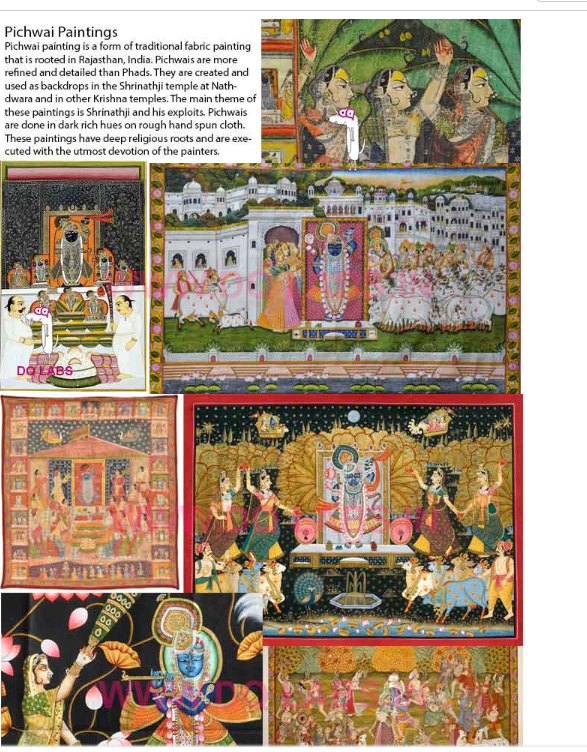
Pichwai paintings
A form of traditional fabric painting thats rooted in Rajasthan. Pichwais are more refined and detailed than Phads, created and used as backdrops in the Shrinathji temple and in other krishna temples. Main theme of these painting is Shrinathji and his explots. Done in dark rich hues on rough hand spun cloth.
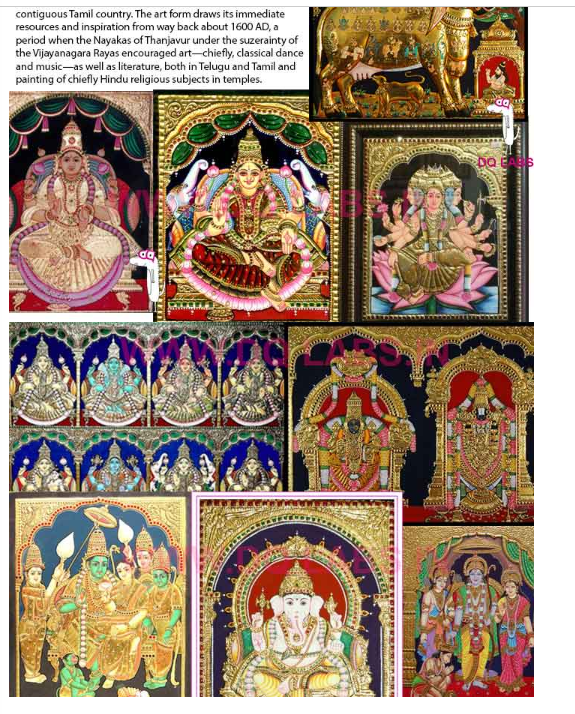
Tanjore paintings
Classical south indian painting style in thanjavur/tanjore and spread across the Tamil country. Draws immediate resources and inrspiration from about 1600AD.
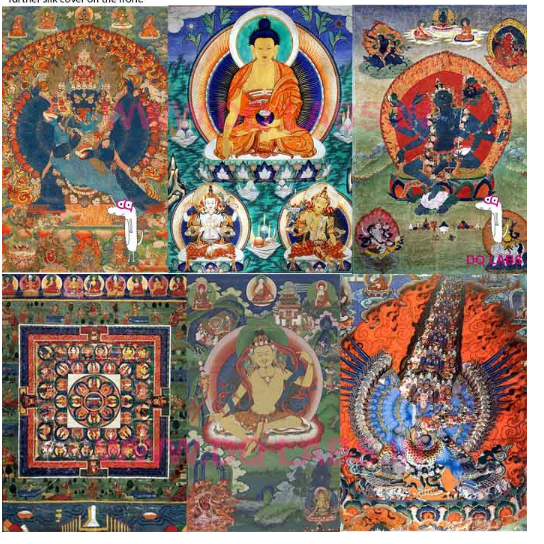
Thangka paintings
A tibetan buddhist painting on cotton or silk applique, usually depictiing a budhist deity, scene, or mandala. Traditionally kept unframed and rolled up when not on display, mounted on a textile backing somewhat in the style of Chinese scroll paintings, with a further silk cover on the front.
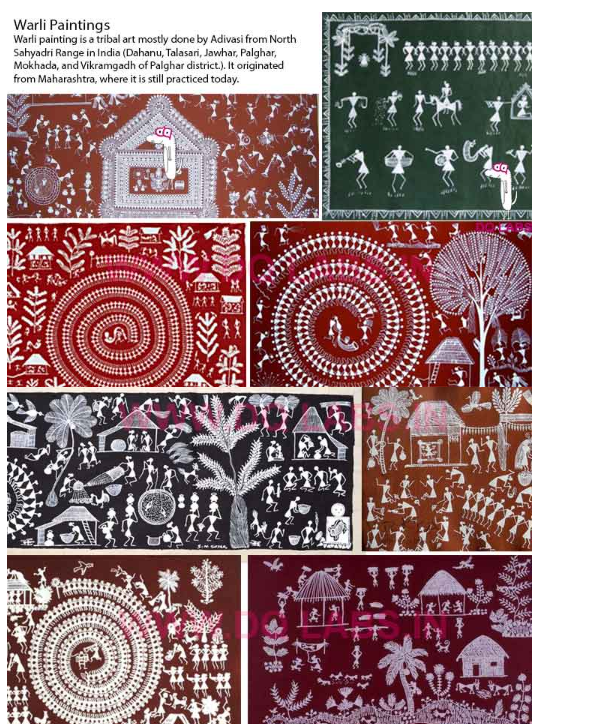
Wali paintings
Tribal art mostly done by Adivasi from north sahyadri rantge in dahanu, talasri, jawhar, palghar, mokhada, and vikramgadh of palghar district. Originated from Maharastra where its still practiced today.
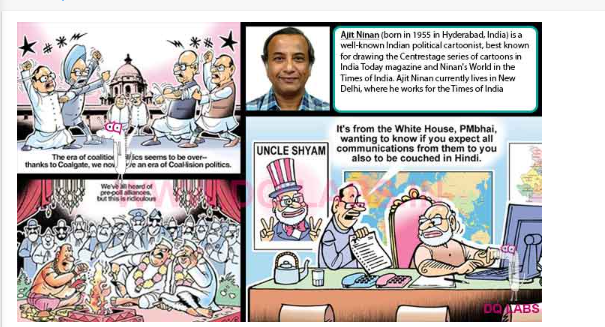
Ajit Ninan
best known for drawing the centrestage series cartoons in india today magazine and Ninan’s world in the Times of India. Makes political carftoons.
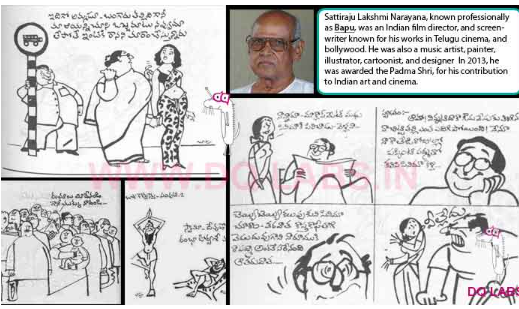
Sattiraju Narayana (Bapu)
indian film director and screen writer known for his works in Telugu cinema and bollywood. Was awarded the Padma Shri in 2013 for his contribution to Indian art and cinema.
E.P. Unny
Political cartoonist, first cartoon published in Shankar’s Weekly in 1973. Became a professional cartoonist in 1977 with the Hindu.

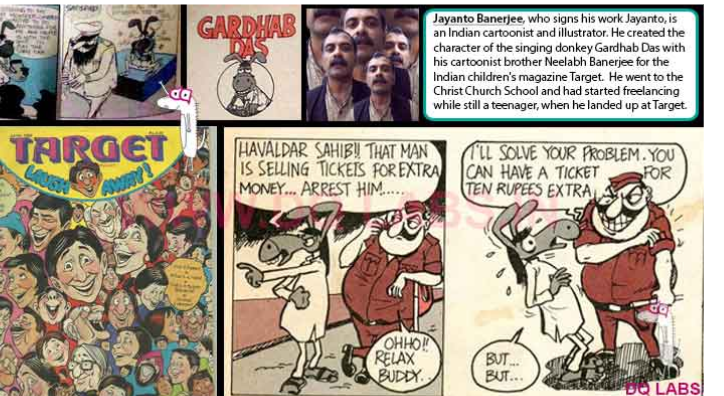
Jayanto Banerjee
Created the character of the singing donkey Gardhab Das. Wrote for the Indian children’s magazine Target.
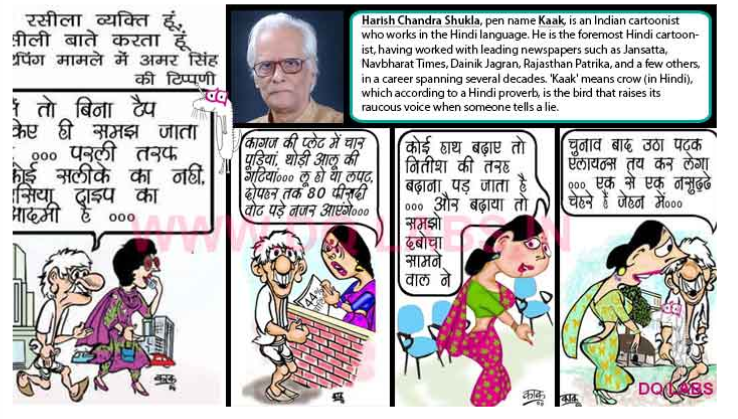
Harish Chandra Skulha (Kaak)
Works in the hindi language, worked with leading newspapers. Kaak means crow in Hindi.
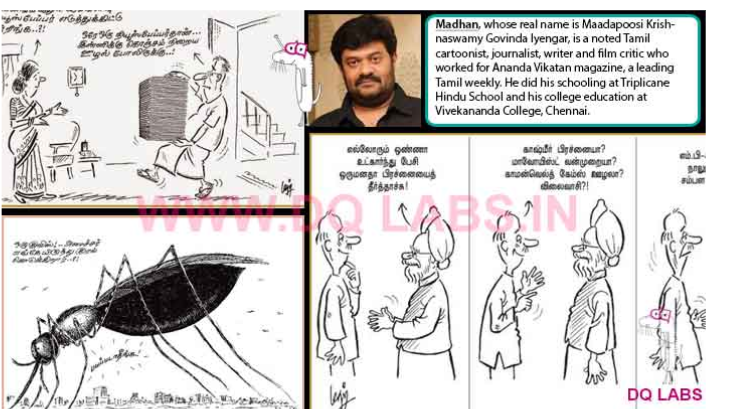
Madhan
A noted tamil cartoonist who worked for Ananda Vikatan magazine. Mario
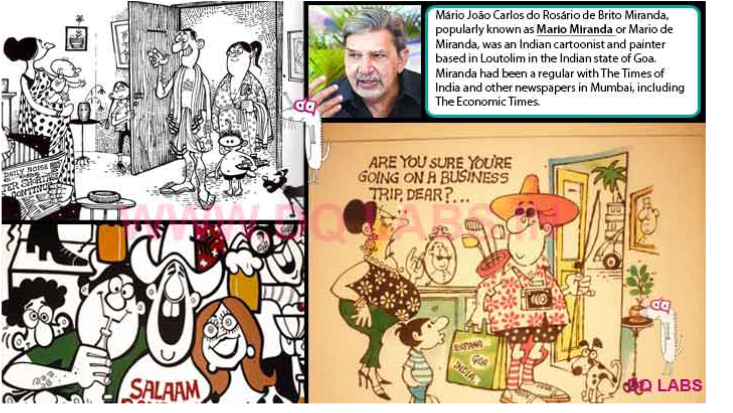
Mario Miranda
Idian cartoonist based in Loutolim in Goa. Been a regular in Times of India and The Economic Times.
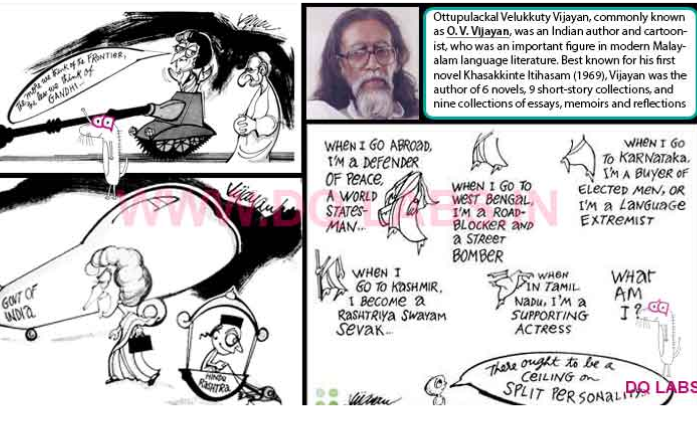
O.V. Vijayan
Important figure in modern malayalam literature. Best known for his novel Khasakkinte Itihasam.
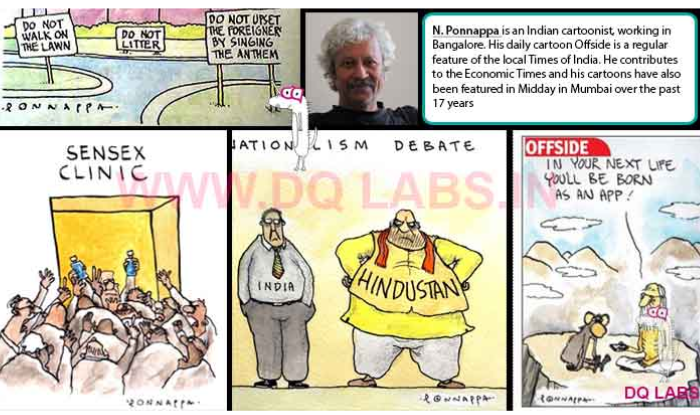
N. Ponnappa
Cartoon Offside is a regular feature of the local Times of India. Contributes to the Economic Times, and his cartoons have also been featured in Midday in Mumbai over the past 17 years.P
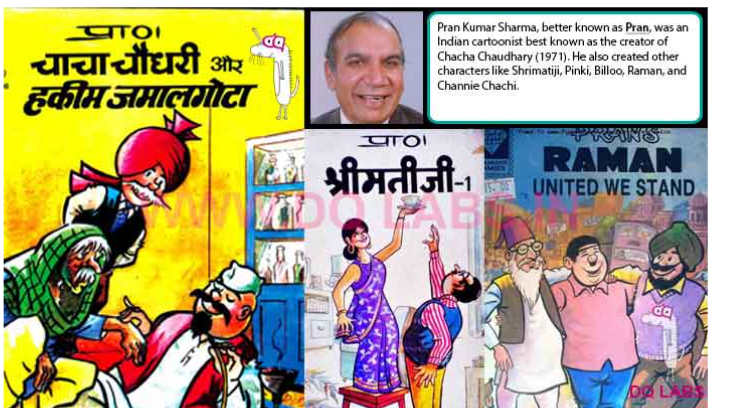
Pran Kumar Sharma (Pran)
Known as the creator of Chacha Chaudhary. Also created other characters like Shrimatji, Pinki, Bilpp, Raman, and Channie Chachi.
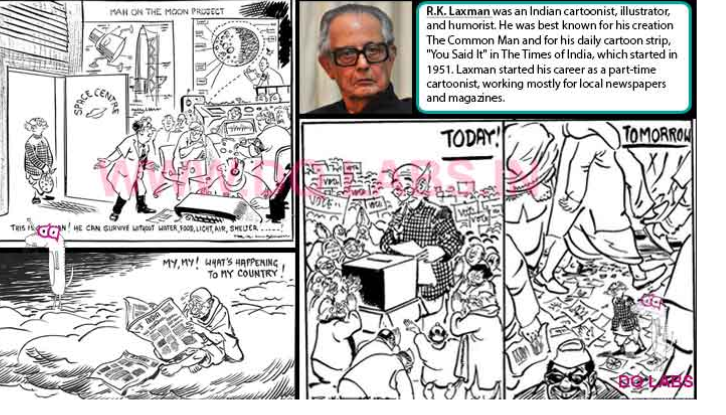
R.K. Laxman
Known for his creation The Common Man and for his daily cartoon strip “You Said It” in the times of India ,which started in 1951.
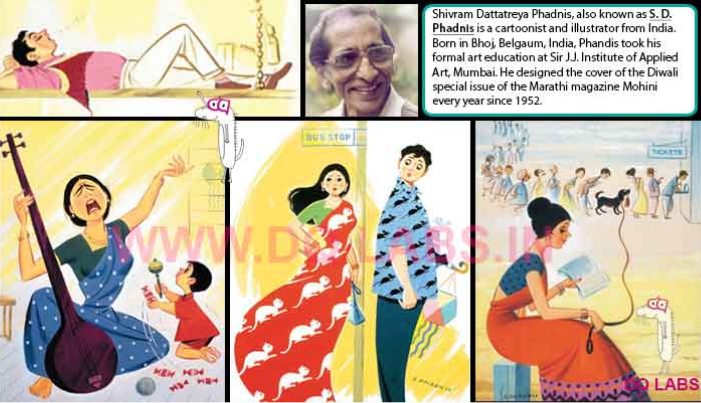
S.D. Phadnis
Designed the cover of the Diwali special issue of the Marathi magazine Mohini every year since 1952. V.T
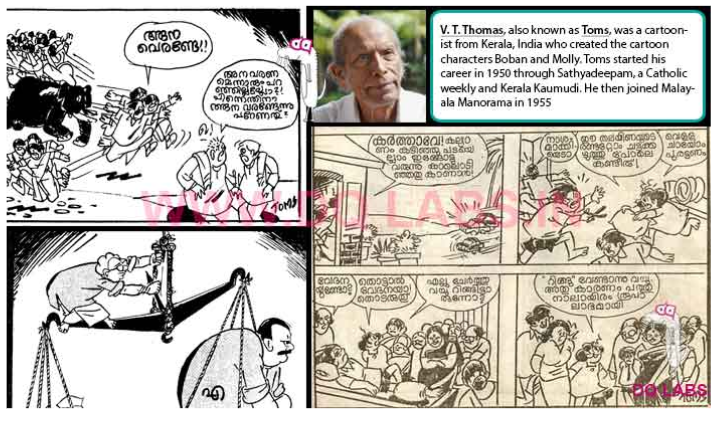
V.T. Thomas (Toms)
Cartoonist from kerala who created the characters Boban and Molly.
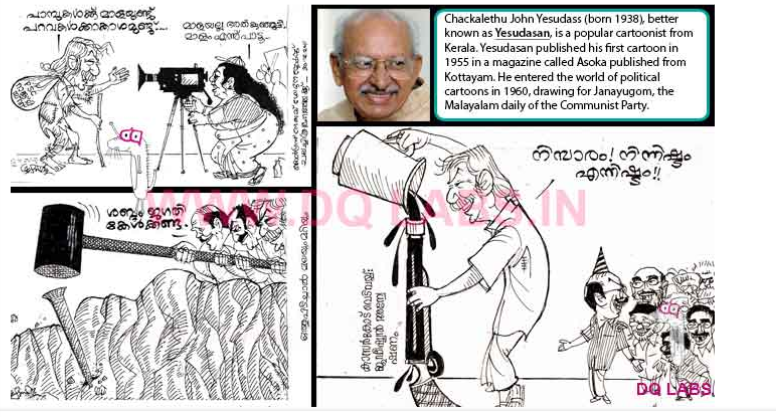
Chackalethy Yesudass (Yesudasan)
Popular cartoonist from Kerala. First cartoon published in Asoka from Kottayam, then political cartoons drawing for Janayugom, the Malayalam daily of the Communist Party.