What is the Renaissance?
 Call Kai
 Learn
Learn Practice Test
 Spaced Repetition
 Match
Match Flashcards
 Knowt Play
1/69

There's no tags or description
Looks like no tags are added yet.
Name | Mastery | Learn | Test | Matching | Spaced | Call with Kai |
|---|
No analytics yet
Send a link to your students to track their progress
70 Terms
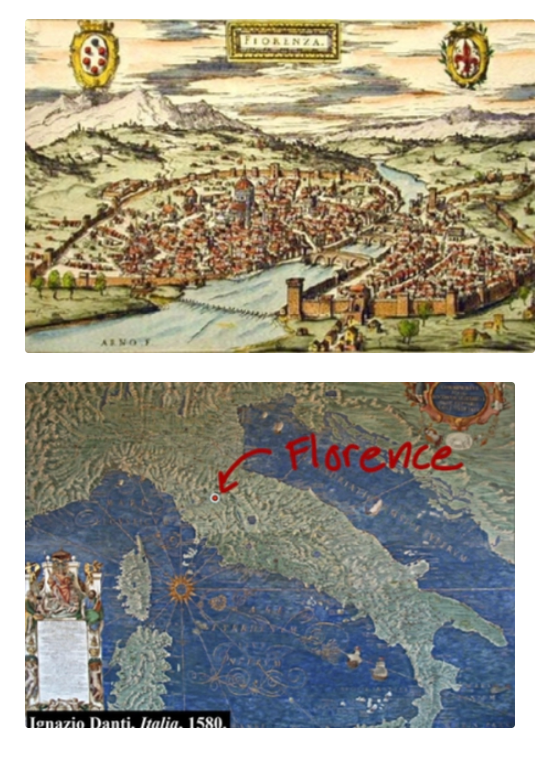
What is the starting point for this week’s Renaissance unit?
The Duomo (Florence).
What are the “big questions” for the week?
What was the Renaissance? Why does it matter?
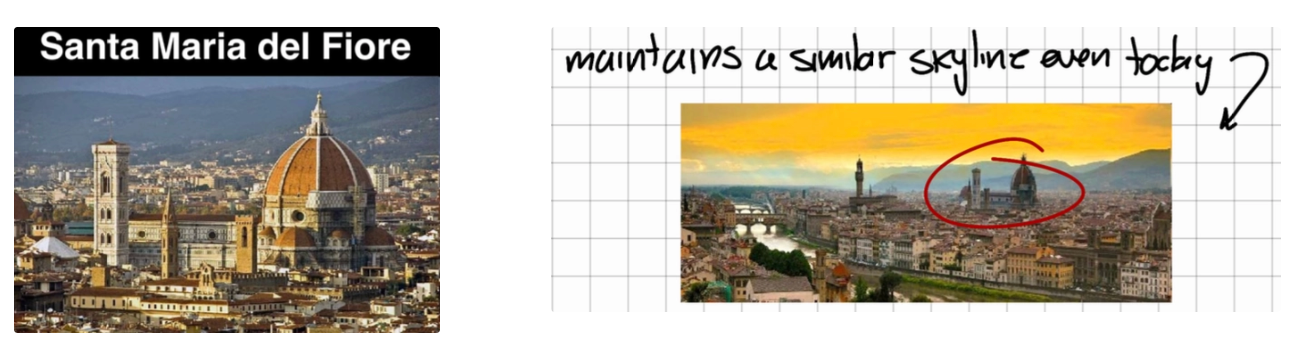
What is the Duomo’s formal name?
Santa Maria del Fiore.
When was Florentia founded and by whom (per notes)?
59 BCE, founded by Julius Caesar for veteran soldiers.
Name three key Florentine industries listed.
Textiles/cloth, banking, minting gold coins (florins).
What form of government did Florence run as (per notes)?
A republic.
What were guilds?
Professional associations (merchants, artisans, etc.).
How many major guilds were there?
7 arti maggiori.
How many minor guilds were there?
14 arti minori.
Give two examples of minor guild trades.
Butchers, tanners, masons, carpenters, cobblers.
Guild membership was usually what?
Inherited.
What was the Signoria?
The executive (9-member).
Who led the Signoria?
Standard bearer of justice.
How were Signoria members chosen?
Random ballot/lottery from guilds.
Council of the Commune: size + base
200 members, merchant elite.
Council of the People: size + base
300 members, guilds.
How did voting work (per notes)?
Beans: black = no, white = yes.
Who had “ultimate authority” (per notes)?
Guildsmen over age 40.
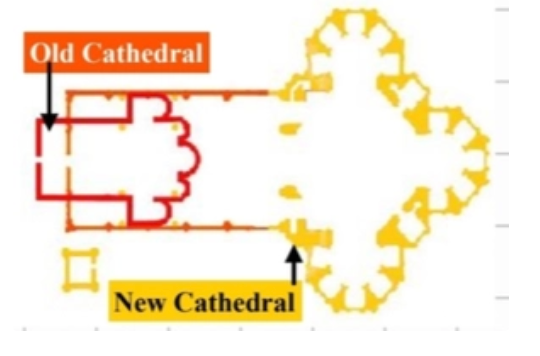
Why rebuild the cathedral?
The old one had a small dome and could not fit the new, larger church.
When was the new church begun?
1296.
What was unfinished by 1418?
The roof/dome.
What made the dome project “impossible” (per notes)?
A 140 ft wide, free-standing dome without external wood centering.
What story illustrates Brunelleschi’s problem-solving reputation?
Brunelleschi’s egg test (“anything is easy if you know how”).
What classical building inspired the base model?
The Pantheon (Rome, 126 CE).
Name two challenges listed for building the dome.
No centering frame; high winds/height; need light/strong mortar; precise brick placement; millions of bricks.
Name three solutions listed.
Herringbone brick pattern; double-shell dome; dovetail stone rings; hoisting machines; scaffolding.
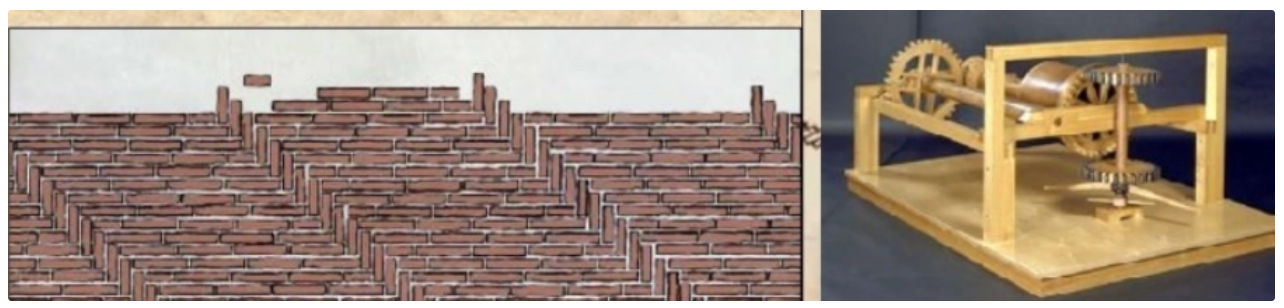
When was the dome completed?
1436 (about 16 years).
What “record” did it hold (per notes)?
Largest dome in the world for a long time.
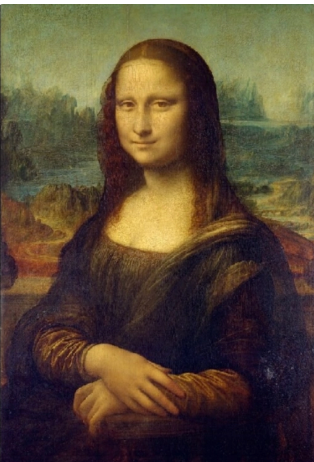
Painting example listed
Leonardo da Vinci, Mona Lisa (c. 1503–1517).
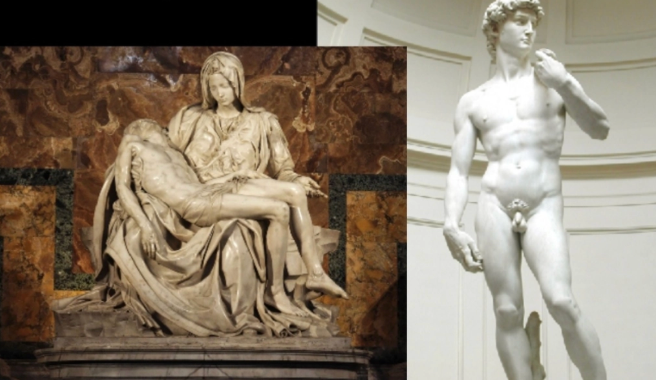
Sculpture examples listed
Michelangelo: Pietà (1498), David (1501–1504).
Literature: what’s the key claim?
A formative period in European literary culture. [IMAGE 9]
![<p>A formative period in European literary culture. [IMAGE 9]</p>](https://assets.knowt.com/user-attachments/caa8f747-d819-4fcb-9b00-eb7ef57bae8d.png)
Working definition (per notes)
A broad cultural movement of reform in Europe (mid‑1300s to early‑1600s).
How is it often imagined?
Looking back to the classical past and bursting forward in a new “flowering.”
What are the three “key remedies”?
Ad fontes, Studia humanitatis, Arte.
Ad fontes means
To the sources.
Studia humanitatis focuses on
Philology, rhetoric, and the power of language.
Arte emphasizes
Learning hidden rules to gain power over the visible world.
Main question posed (uniquely European?)
Was the Renaissance uniquely European or part of broader Eurasian trends?
“Shared dynamics” claim
Multiple societies across Eurasia shared some cultural dynamics.
“Unique aspects” claim
Especially transformative in Europe; particular expression in that context.
Why is “Renaissance” described as fuzzy?
Often a label used later; no single formal goal; “whose renaissance?”
Rinascenza means
Talent for rebirth.
Why “rebirth”?
Fall of Roman Empire ~1,000 years earlier.
Little Ice Age effects
Crop failures, famines, environmental change.
Church crises examples
Corruption/conflict, Avignon Papacy, disputes.
Black Death timing
Mid‑1300s.
Great Western Schism
1378–1416.
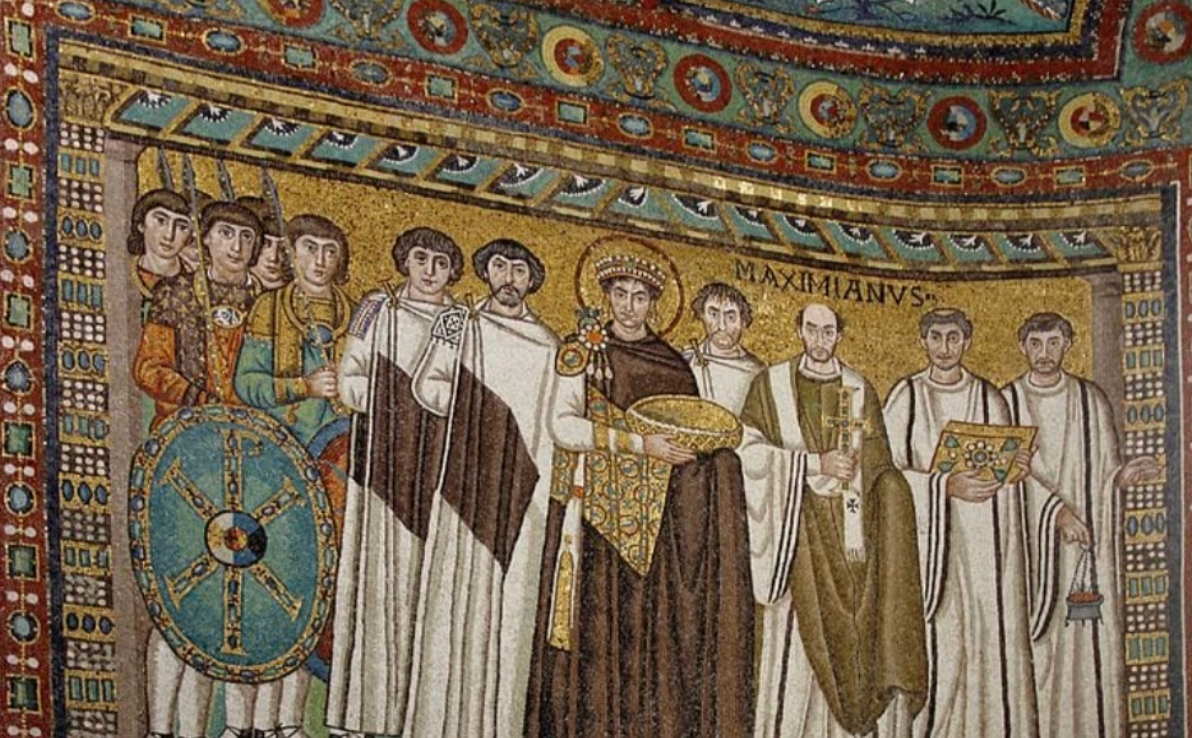
Lo stile greco criticism
Byzantine Greek style seen as clumsy/rough.
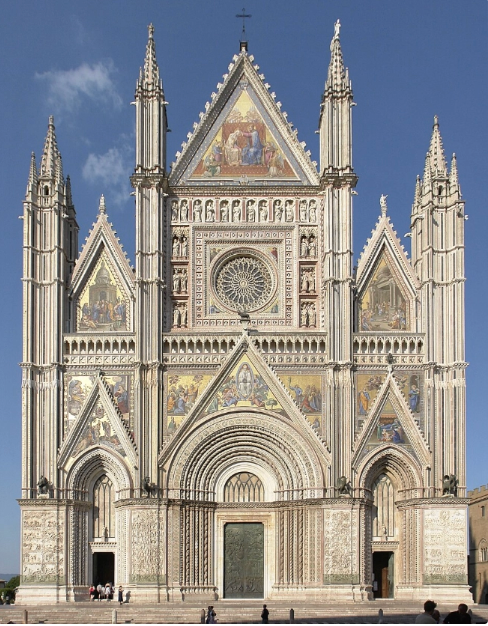
Lo stile gotico criticism
Gothic/Romanesque associated with northern Europe/Milan; “buildings with no order.”
Threefold process (per notes)
Study, Revelation, Application.
“Living among the ruins” example
Brunelleschi + Donatello study ruins (1402–1418+).
Recovery of texts/authors examples
Poggio, Boccaccio, Petrarch.
Field study activities include
Reproducing classical works; studying literature/rhetoric; reflecting models in new works.
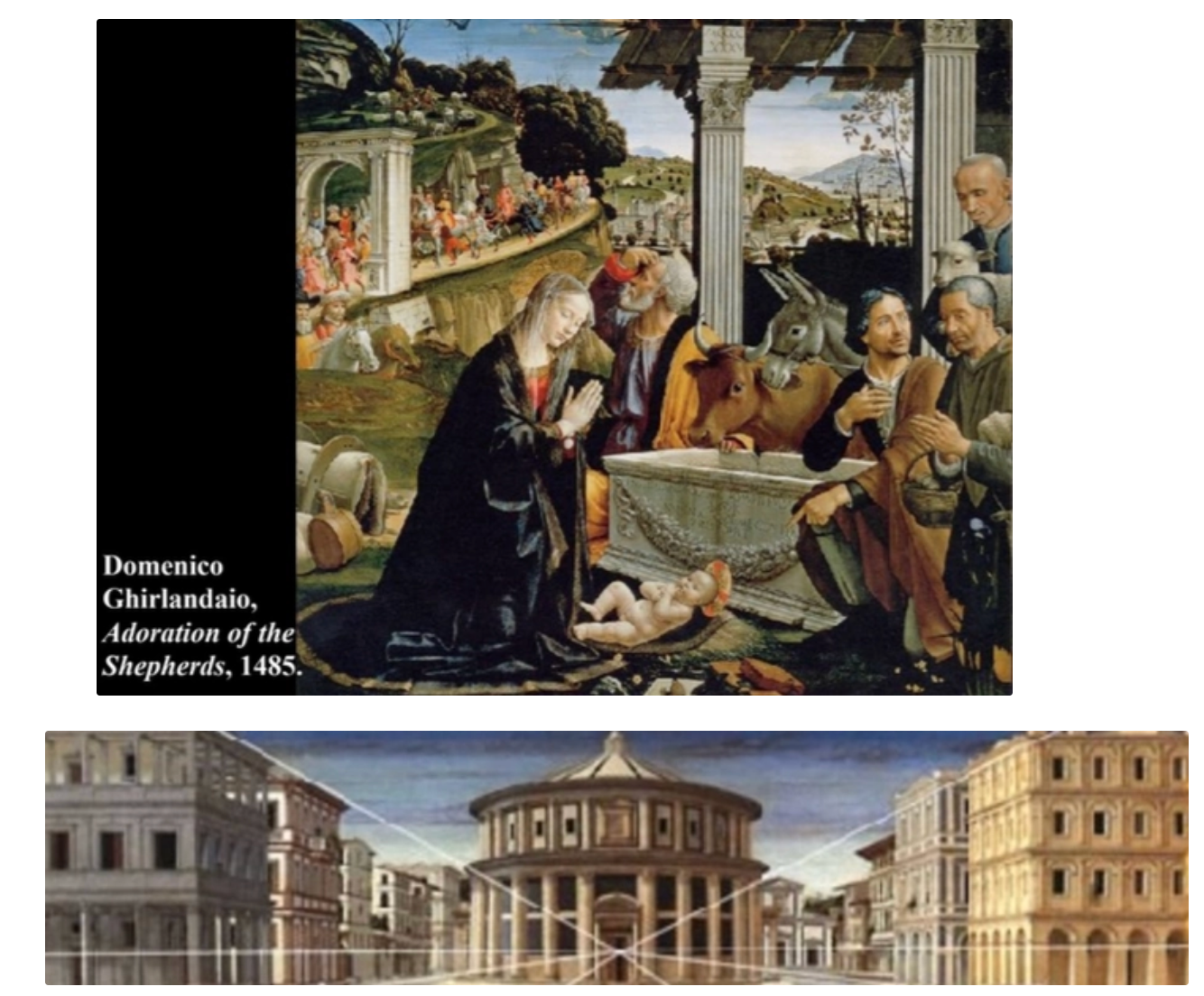
Verisimilitude means
Lifelike representation.
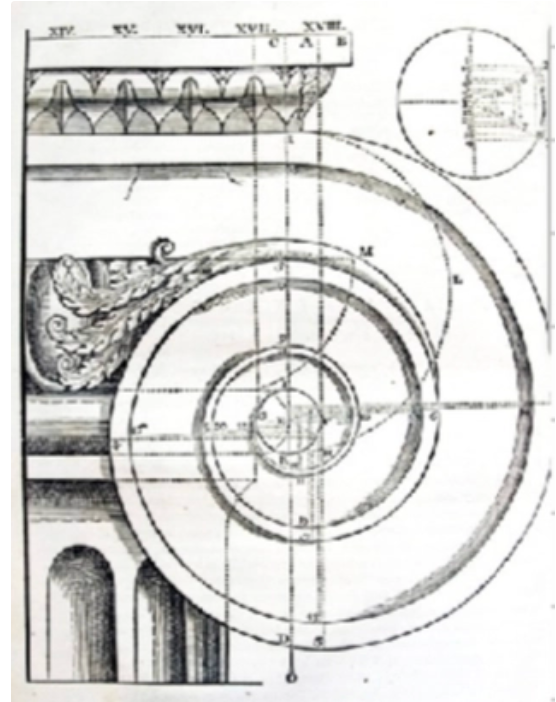
Key technique rediscovered
Linear perspective (Brunelleschi).
What tempers realism (per notes)?
Idealism, visual appeal, whimsy.
What themes remain important?
Allegory, myth, religious themes, abstract ideas.
Studia humanitatis aims at
What makes humans distinct; power of language; philology; historicism; style.
Arte: virtue as
A practical, active quality (skill/practice/self-expression).
Alberti quote idea
Humans may do all things if they will.
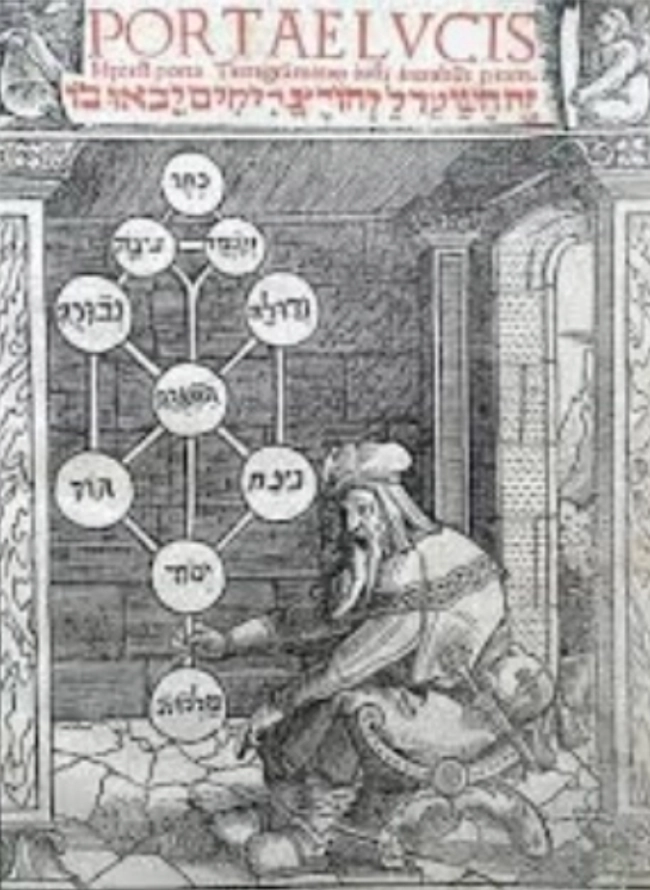
Underlying structures fascination
Math/geometry, astrology, Kabbalah.
Economic context (global contributions)
Trade networks; access to pigments/paper/ceramics.
Scientific context (global contributions)
European sciences relied on Arabic texts/scholarship.
Literary context example
Asín Palacios (1919): Islamic influences on Dante.
Ming founded
1368 (expulsion of Mongols; Han self-rule).
Two phases of Ming literary culture (per notes)
1368–1521 restoring antiquity; 1523–1644 self‑scrutiny/authentic self‑expression.
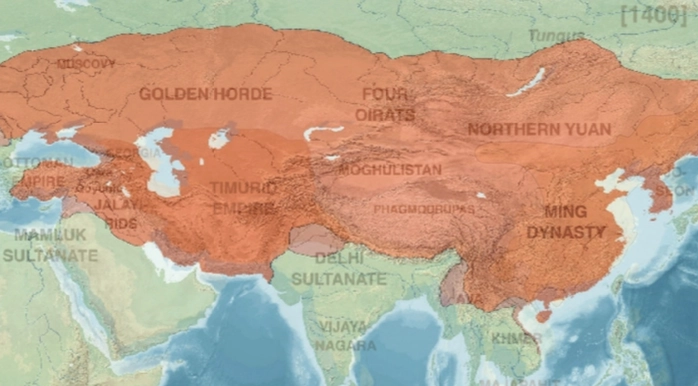
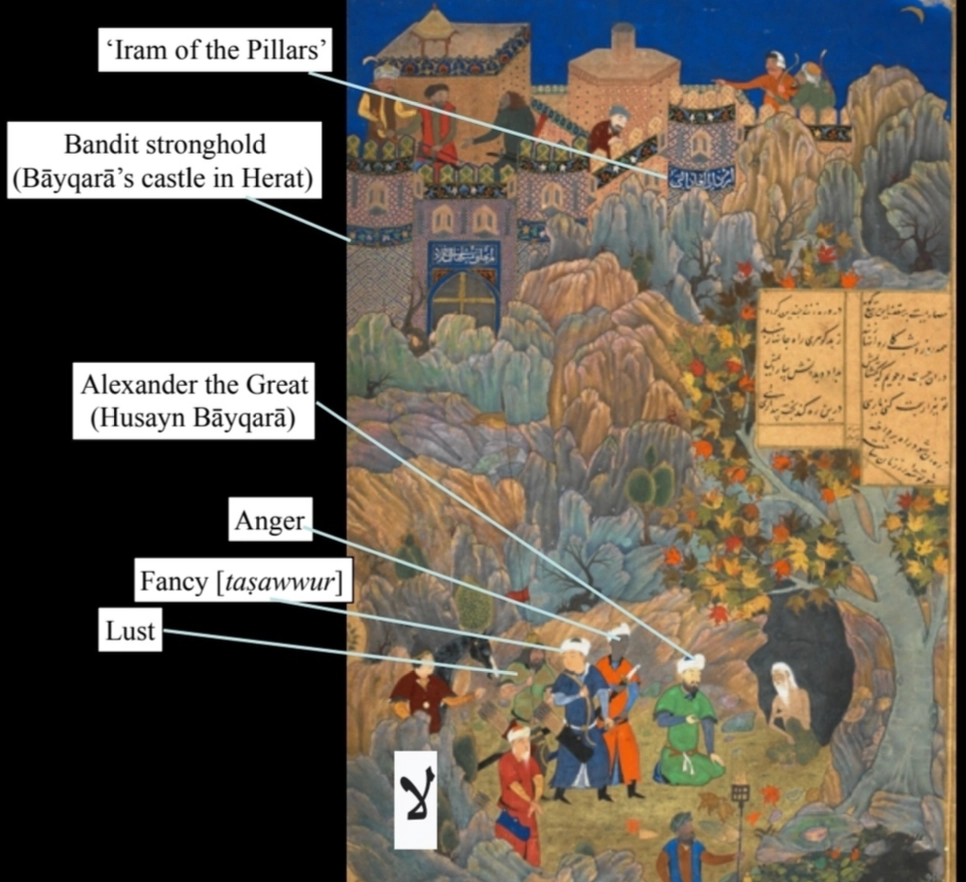
Timurid/Ming debate theme
Imitation vs independent investigation; realism/portraiture; symbolic sophistication. [IMAGE 17]
![<p>Imitation vs independent investigation; realism/portraiture; symbolic sophistication. [IMAGE 17]</p>](https://assets.knowt.com/user-attachments/2c941aab-9ade-4063-bbee-3ba63bfe328f.png)
Timurid letterism claim
World created through letters; letters as numbers.
Shao Yong claim (per notes)
Numbers underlie all things; forms must be numbered.
Renaissance conclusion (per notes)
Broad reform movement (1300s–1600s) via Ad fontes, Studia humanitatis, Arte.