Anatomy Quiz 5: Key Terms Related to the Spinal Cord, Neck/Back, and Thoracic Cage
 Call Kai
 Learn
Learn Practice Test
 Spaced Repetition
 Match
Match Flashcards
 Knowt Play
1/119

There's no tags or description
Looks like no tags are added yet.
Name | Mastery | Learn | Test | Matching | Spaced | Call with Kai |
|---|
No analytics yet
Send a link to your students to track their progress
120 Terms
spinal cord
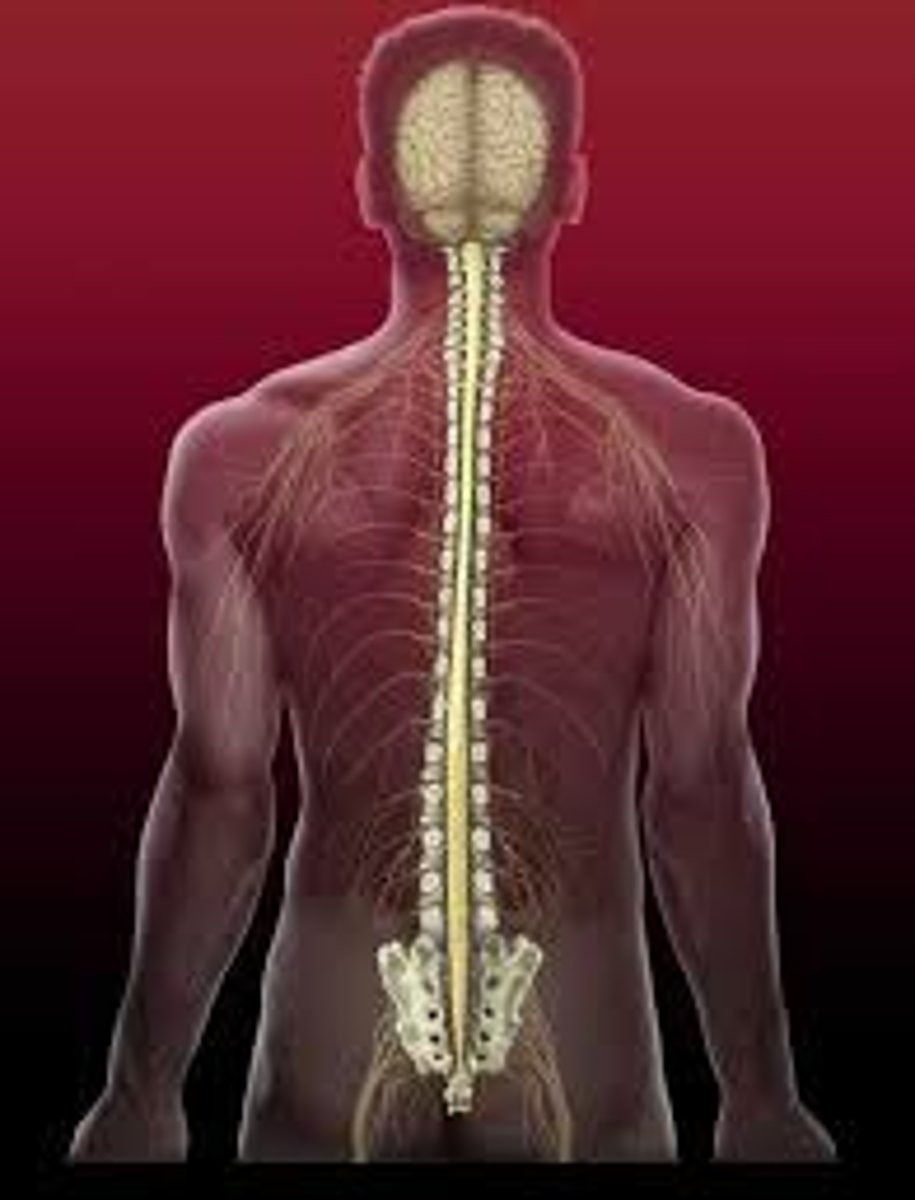
spinal nerves
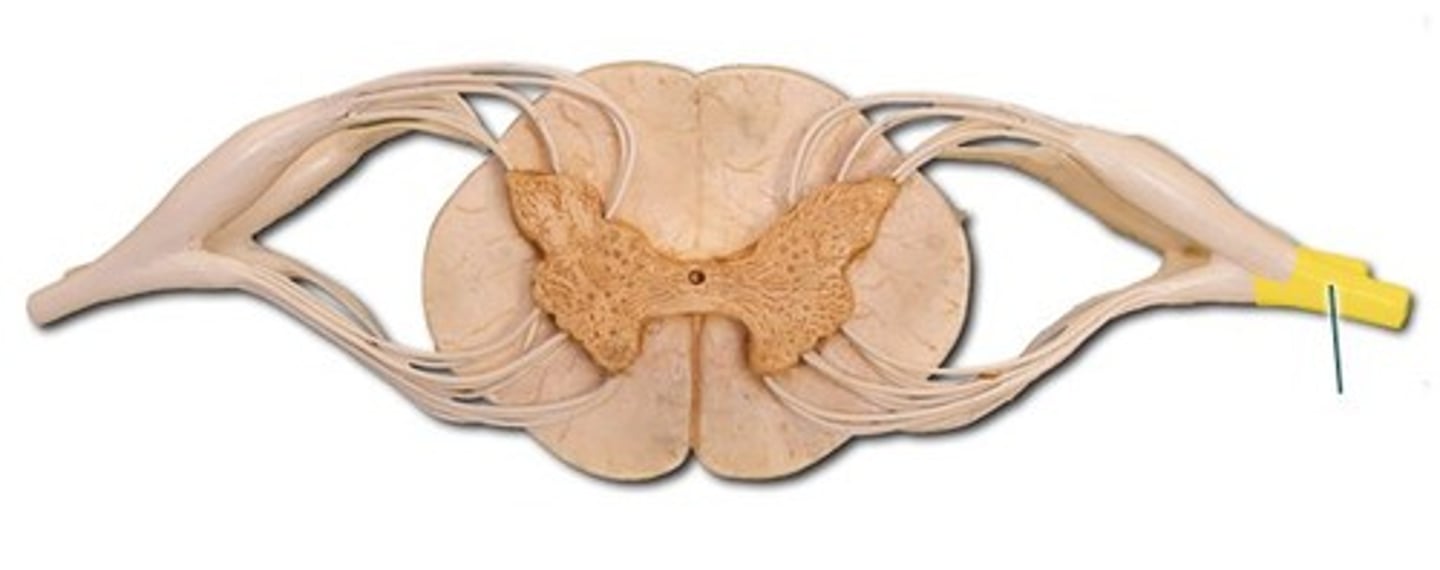
cervical enlargement
C4-T1: serves upper limbs
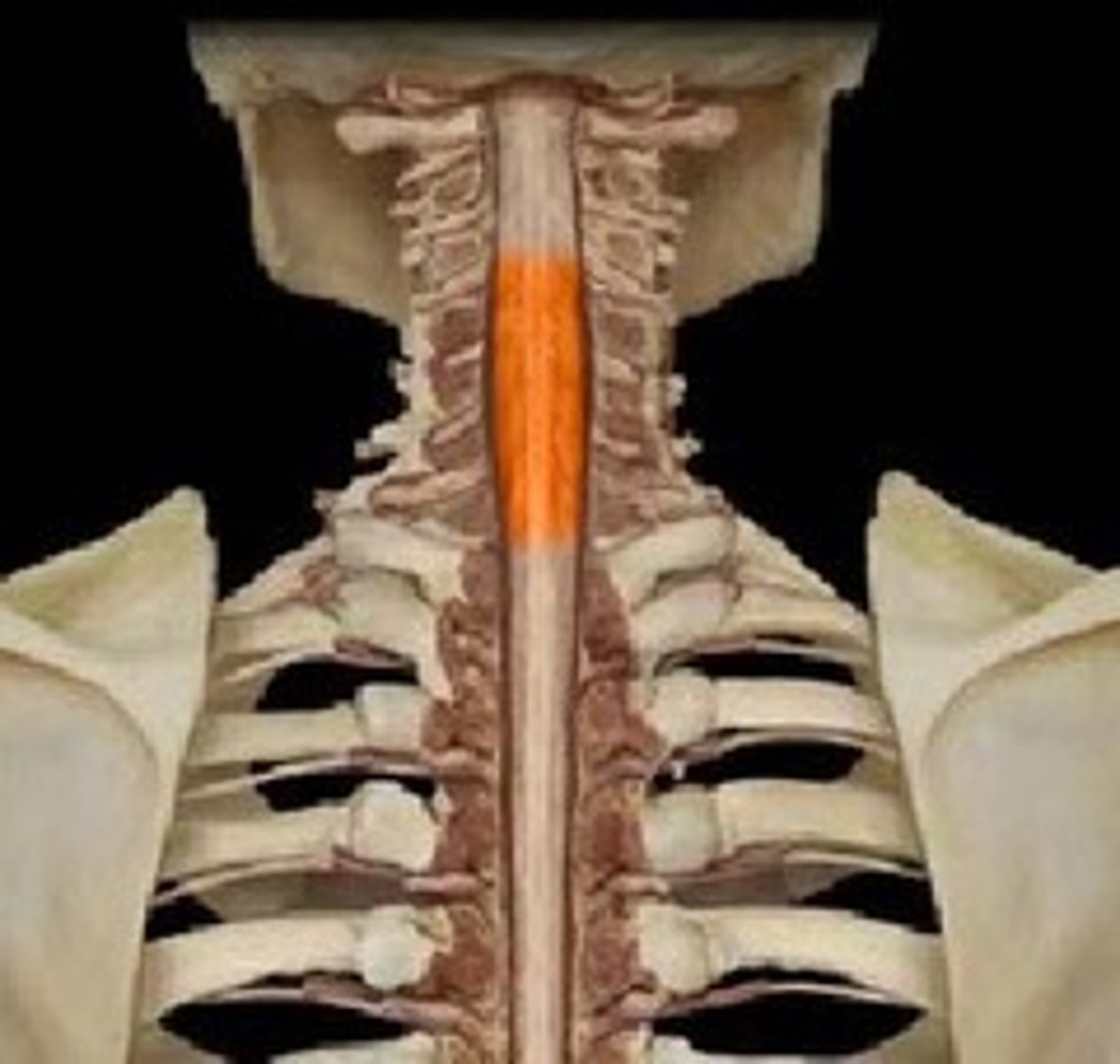
lumbosacral enlargement
T11-S1: lower limbs
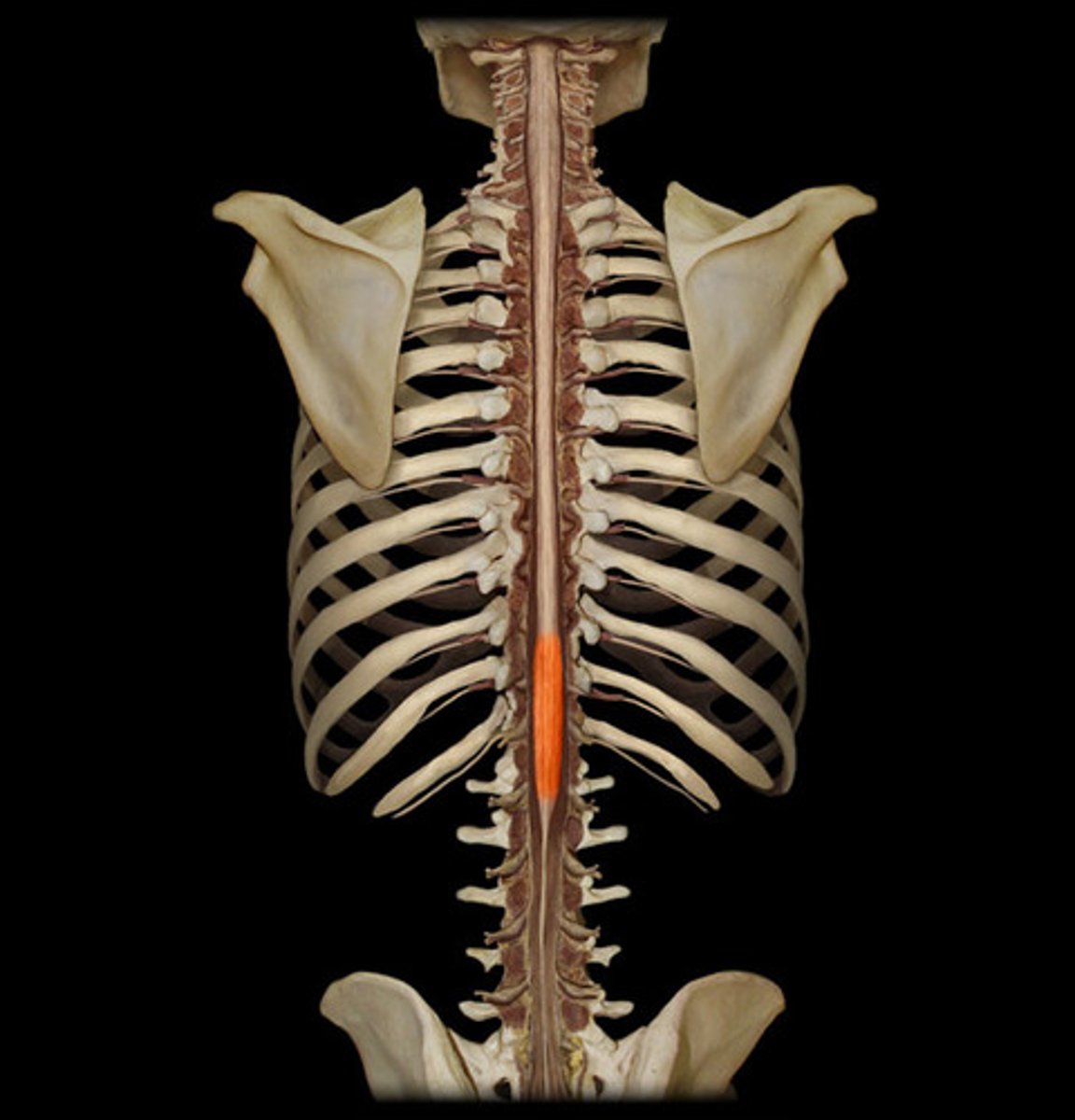
medullary cone
roots from the ______ travel within the lumbar cistern of CSF
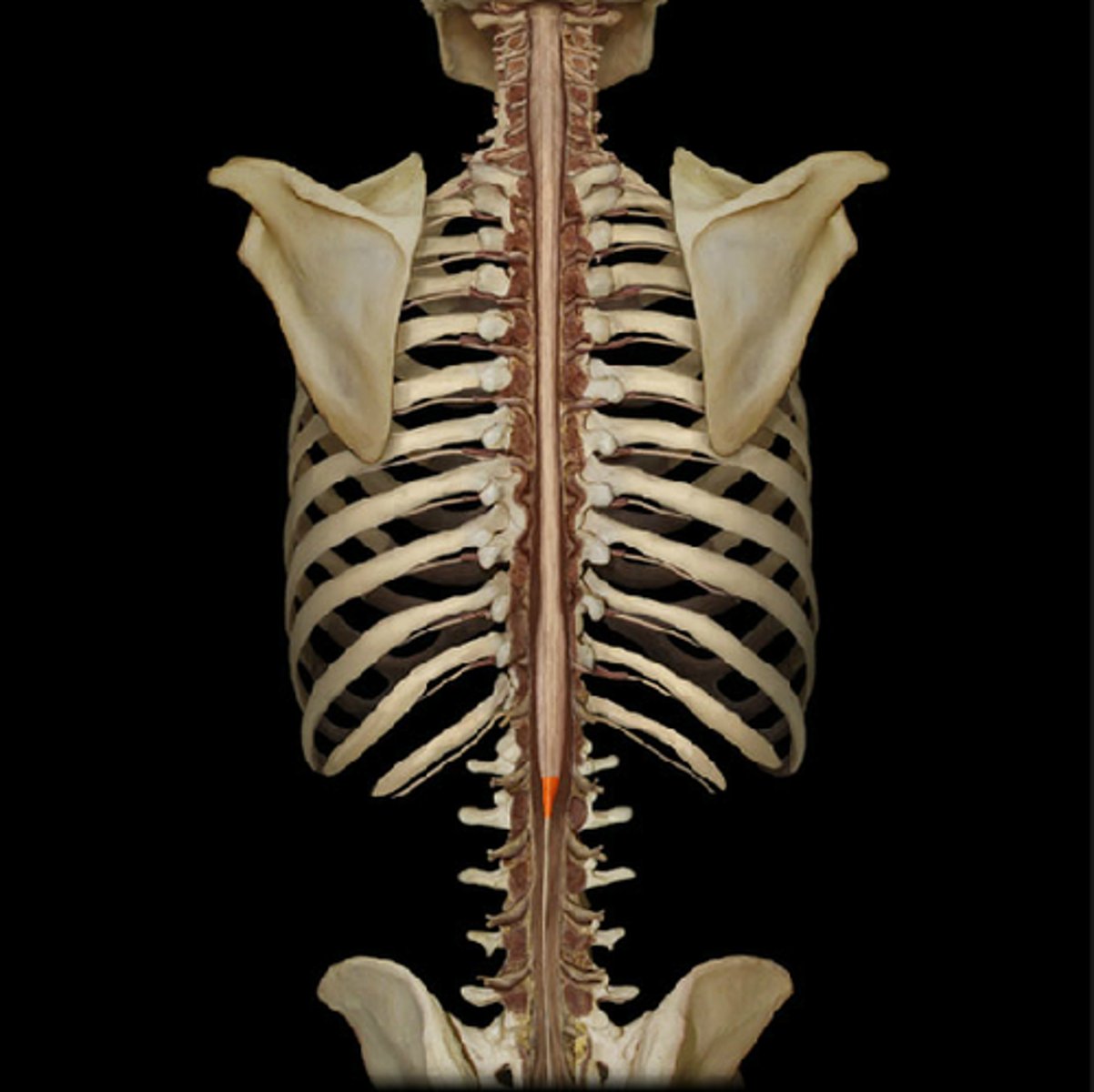
Terminal filum
ending of the pia mater: vestigial remnant of caudal part of spinal cord
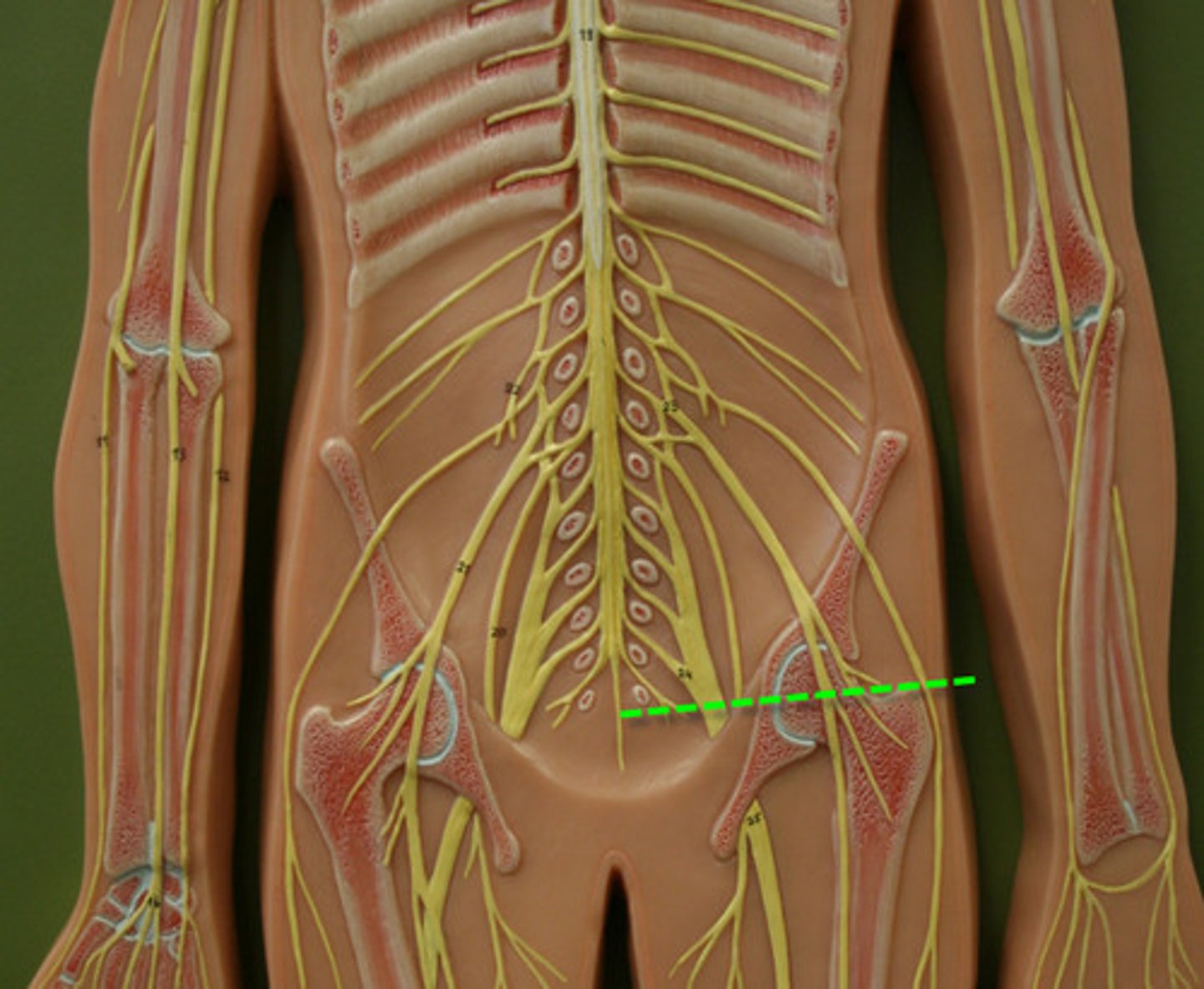
thoracic nerves
12 pairs
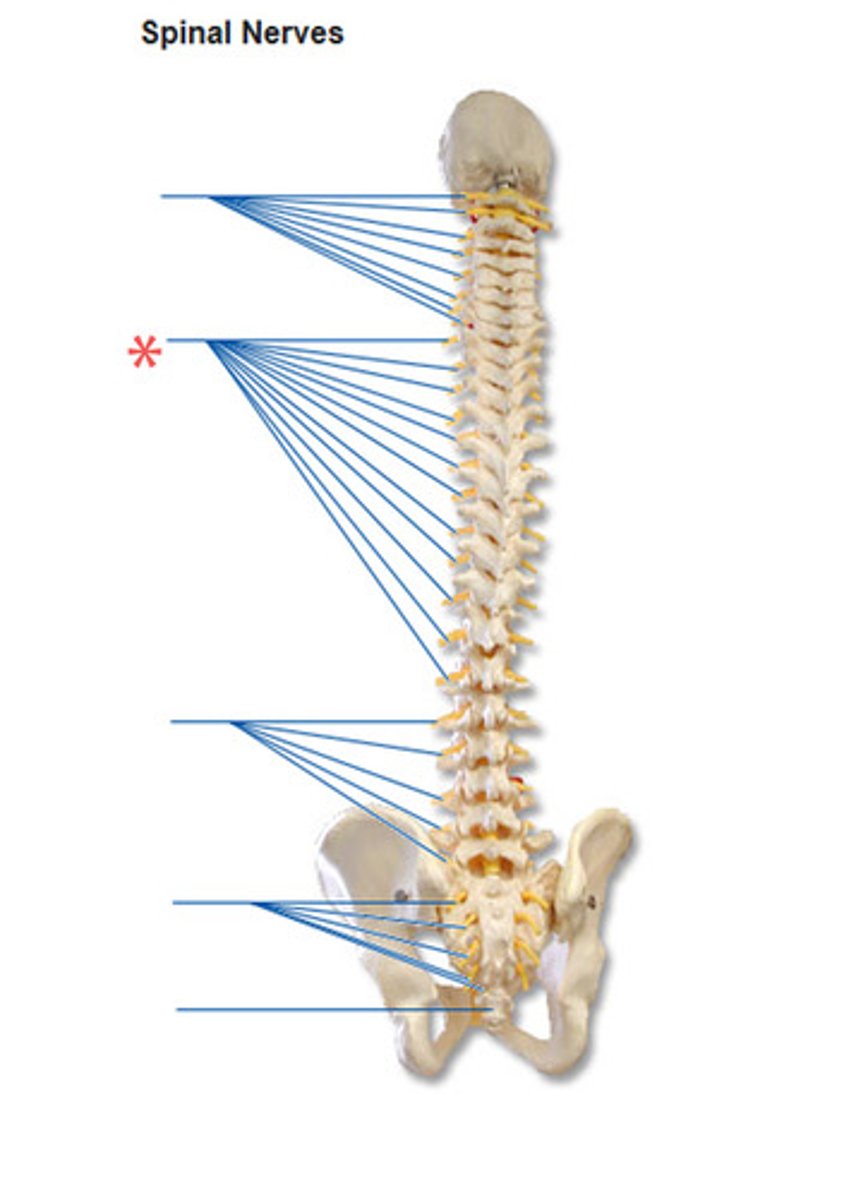
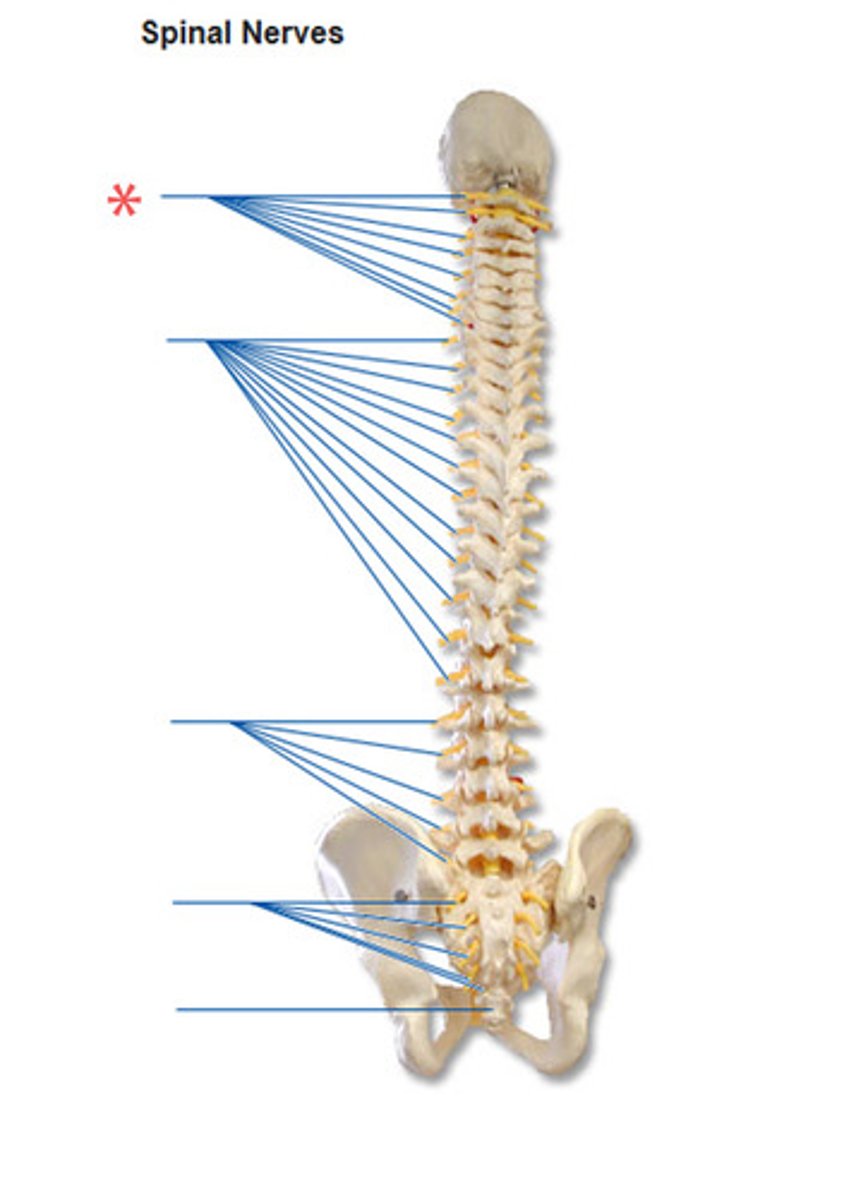
cervical nerves
8 pairs
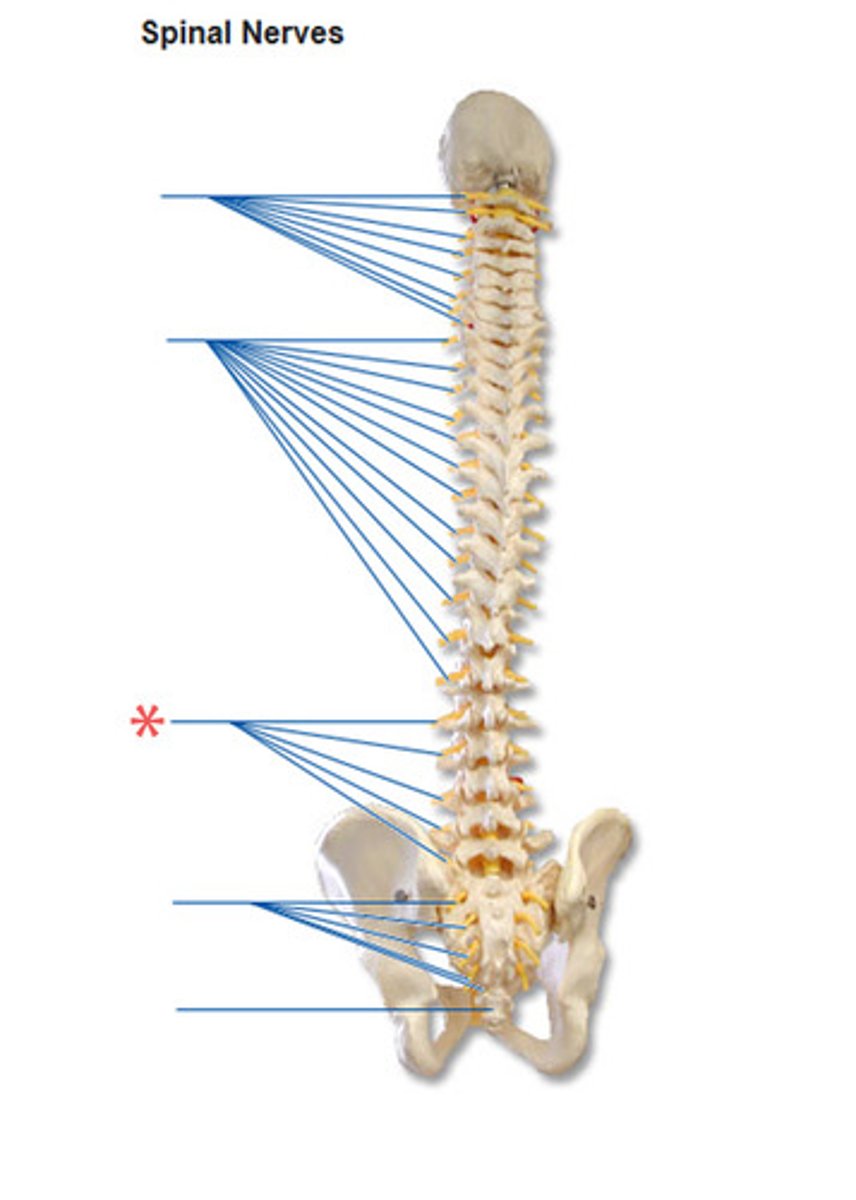
lumbar nerves
5 pairs
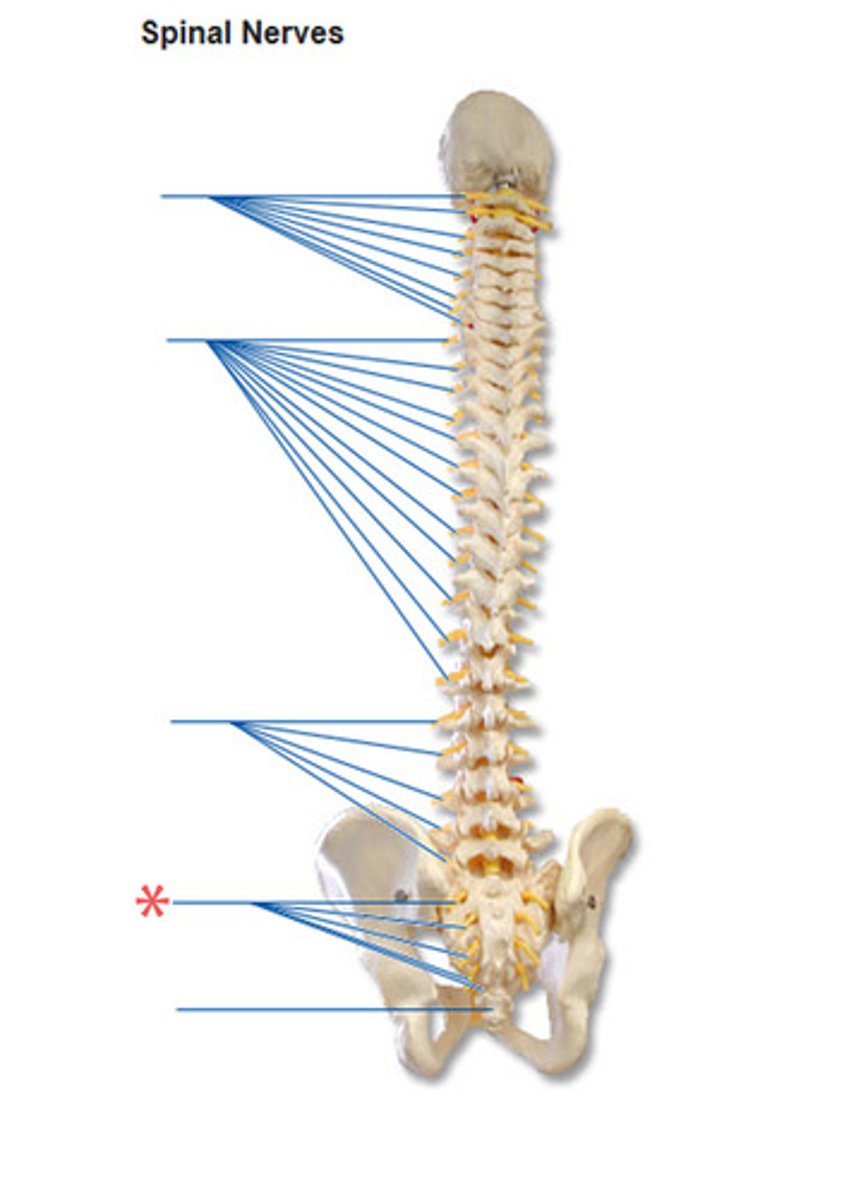
sacral nerves
5 pairs
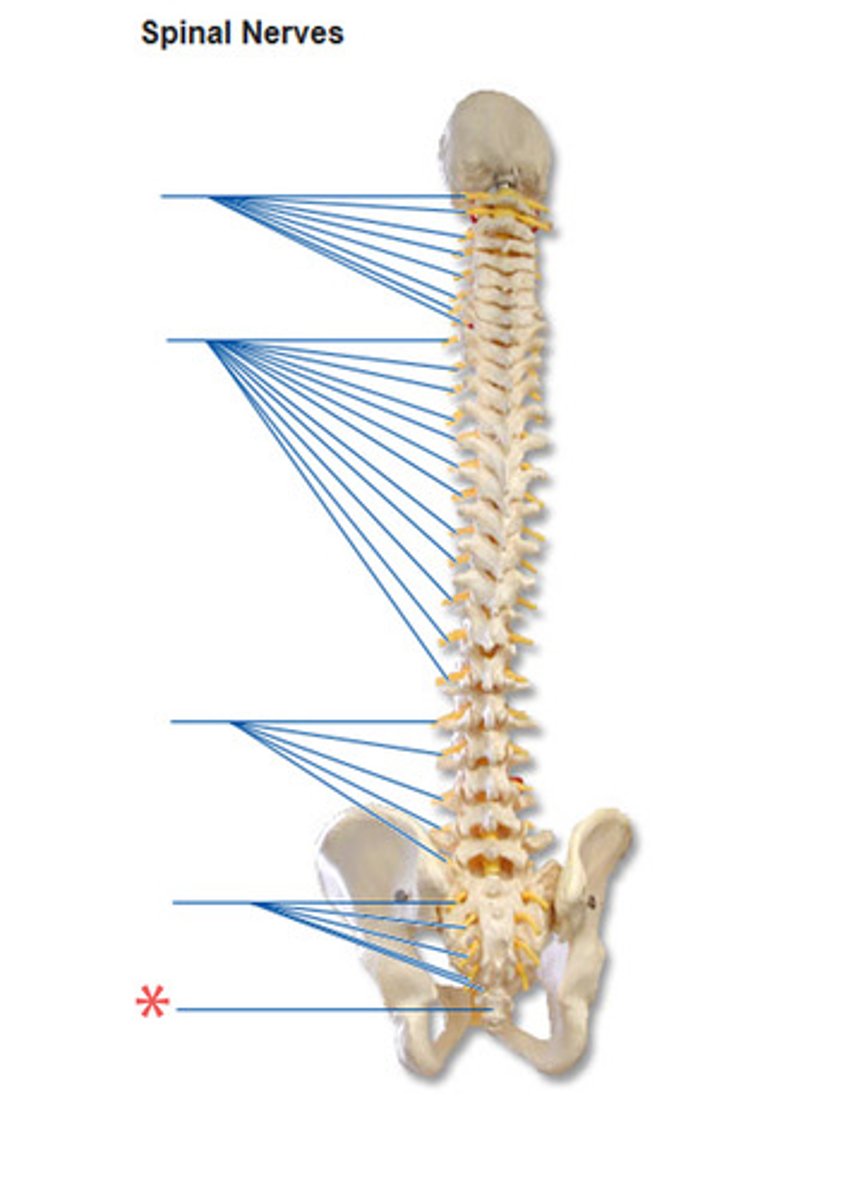
coccygeal nerve
1 pair
epidural space
adipose tissue
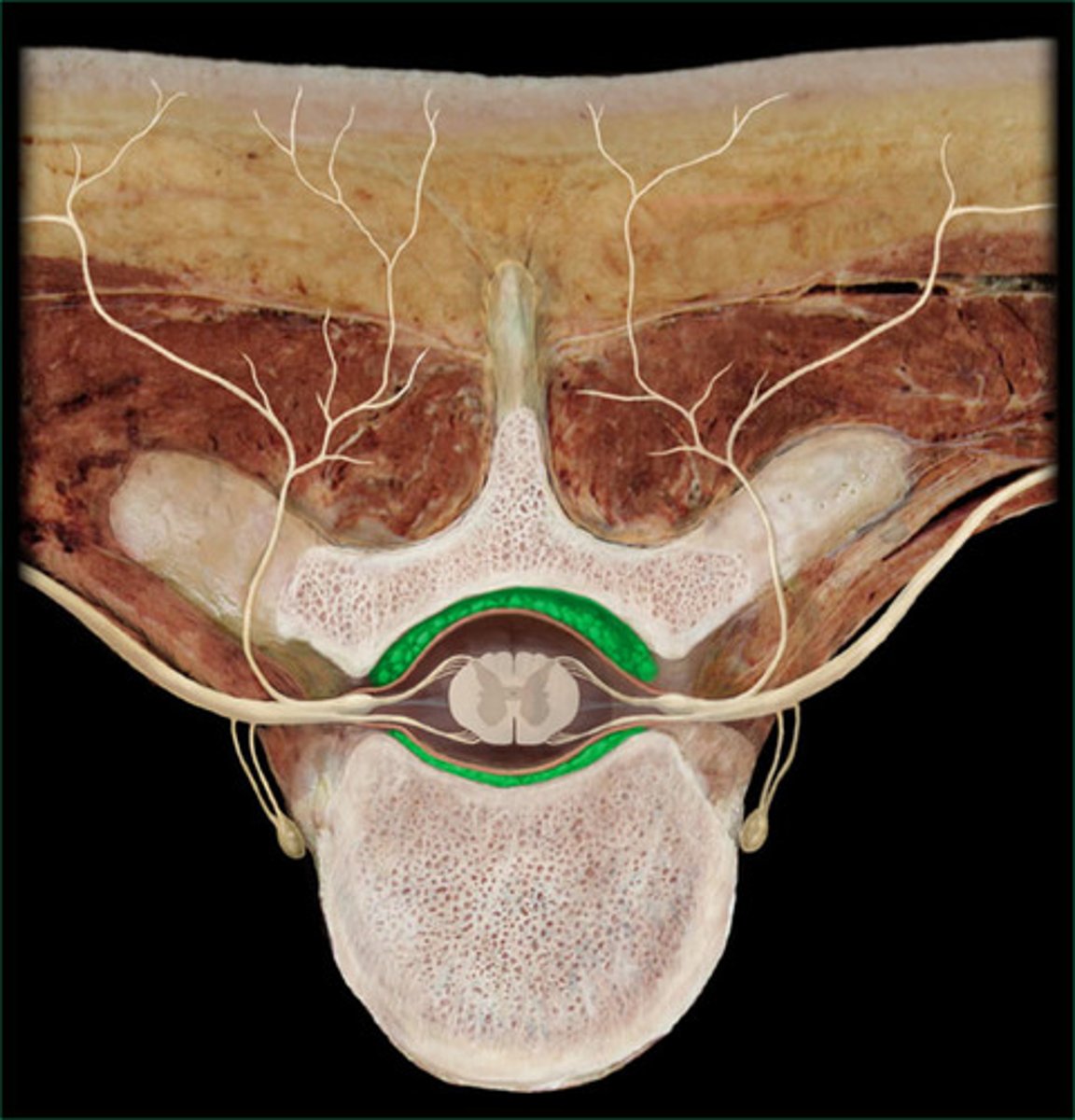
dura mater
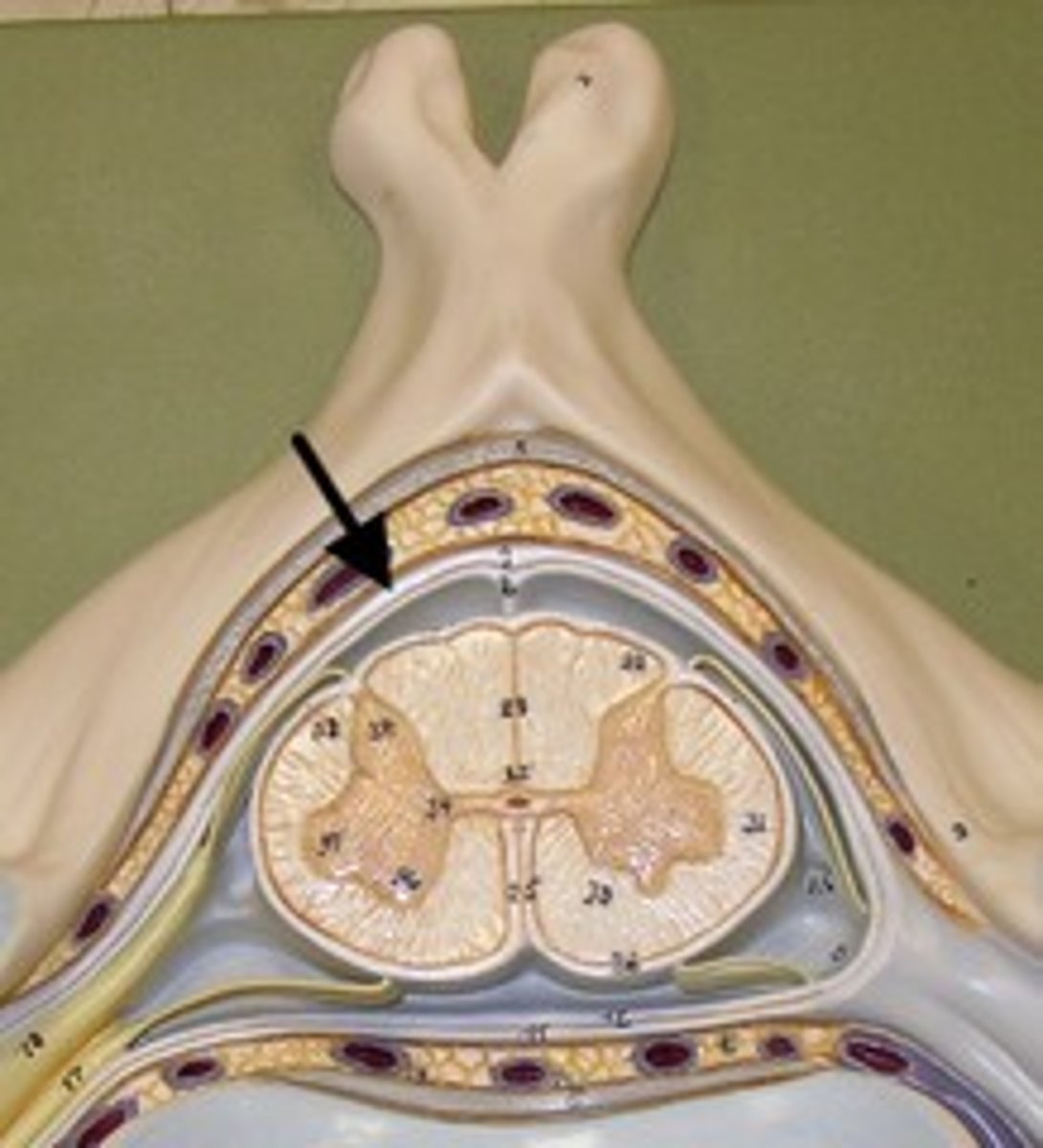
subarachnoid space
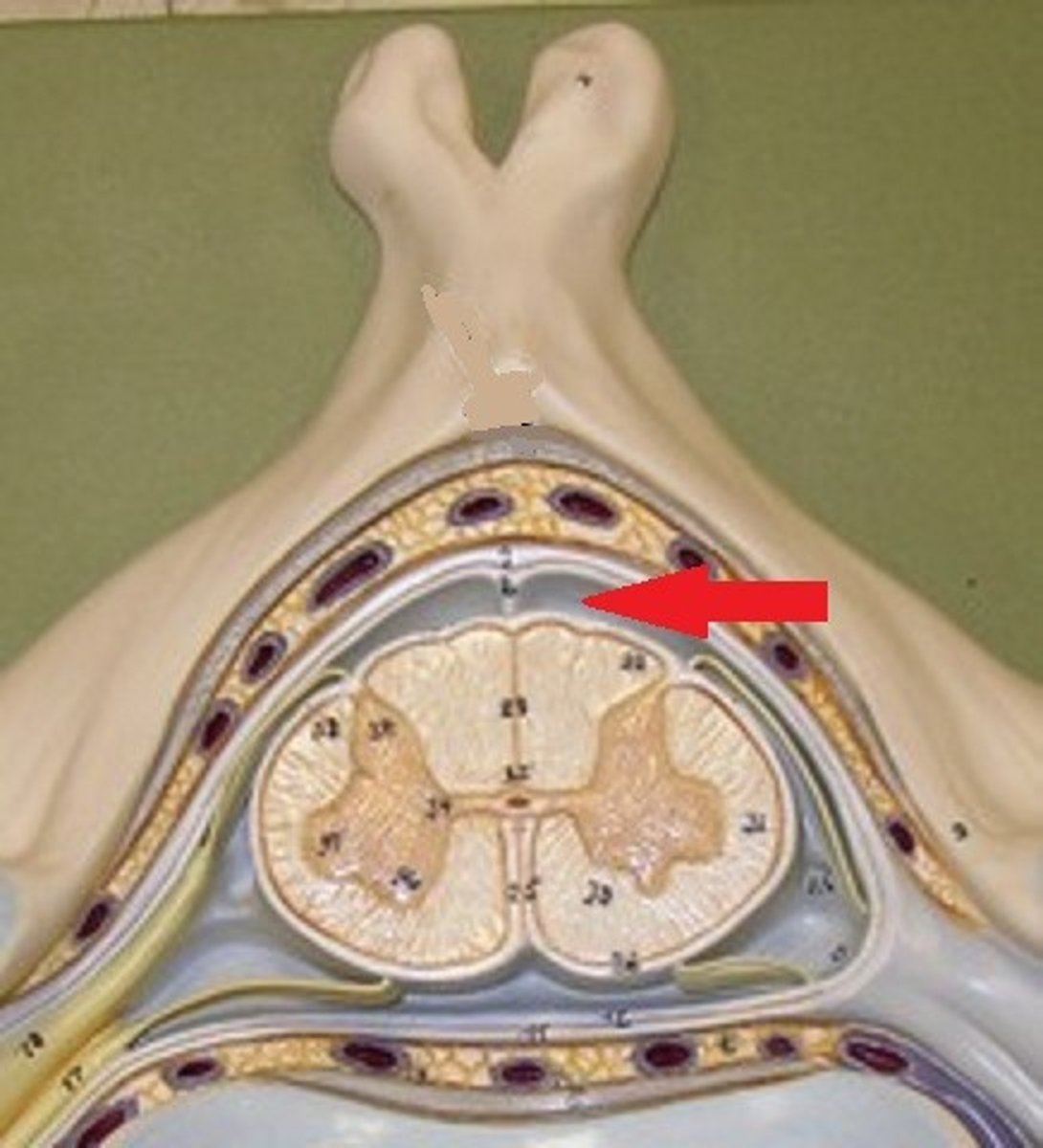
lumbar cistern
subarachnoid space inferior to medullary cone that contains cauda equina and CSF
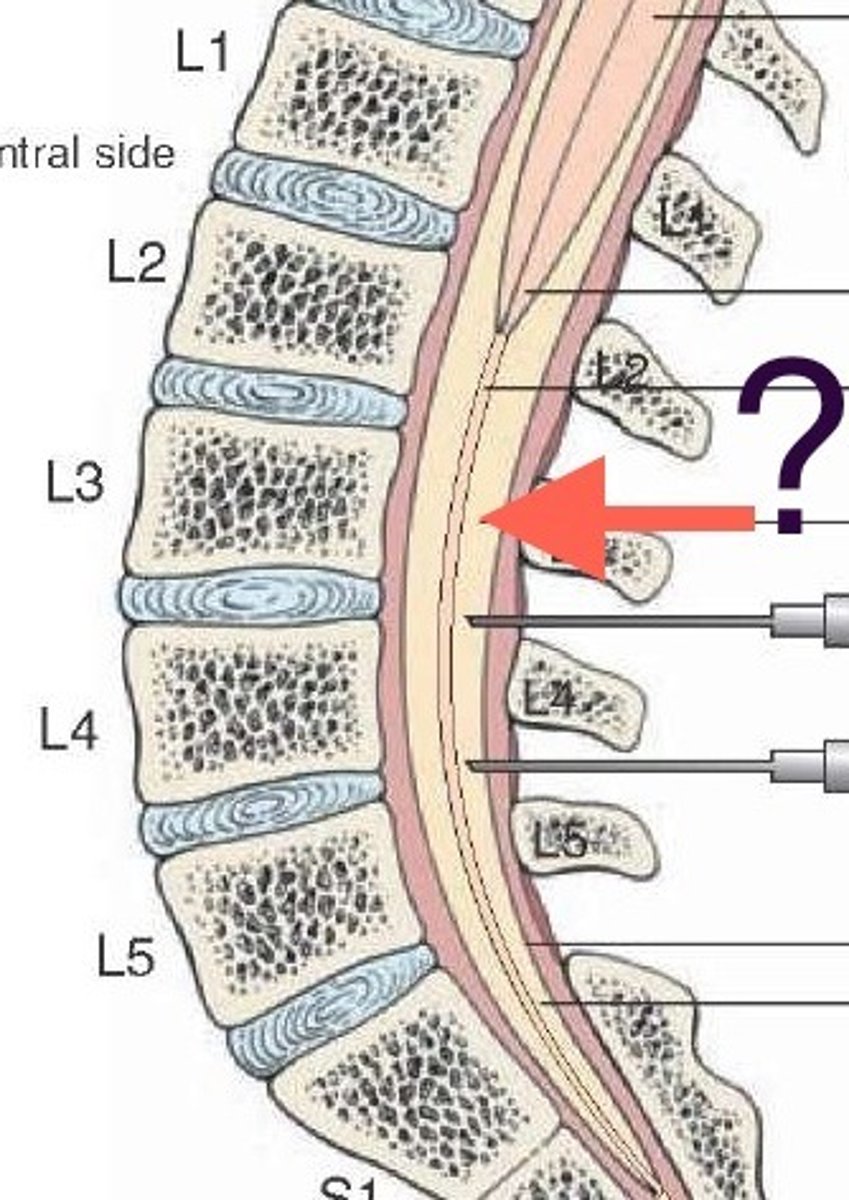
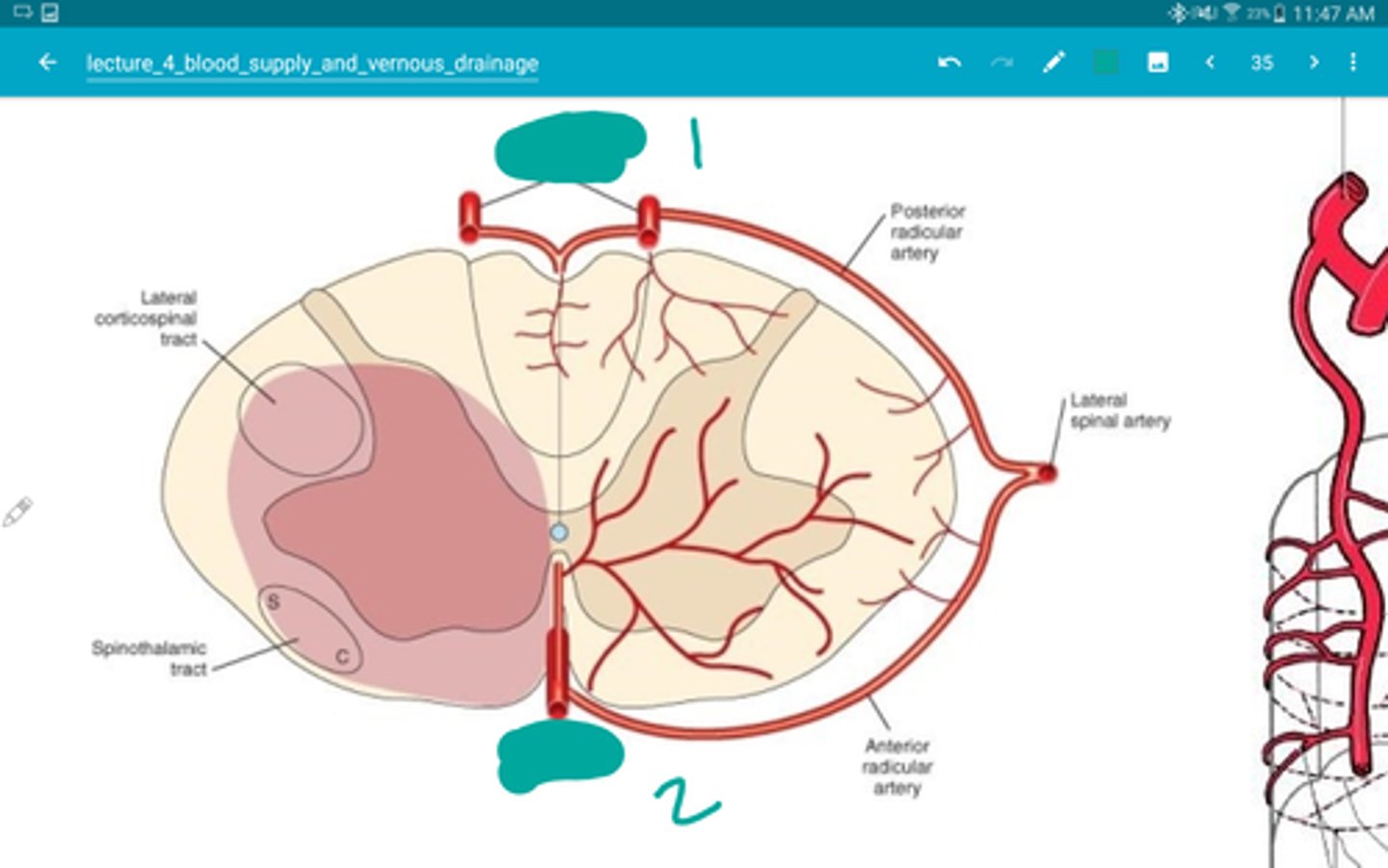
anterior spinal artery
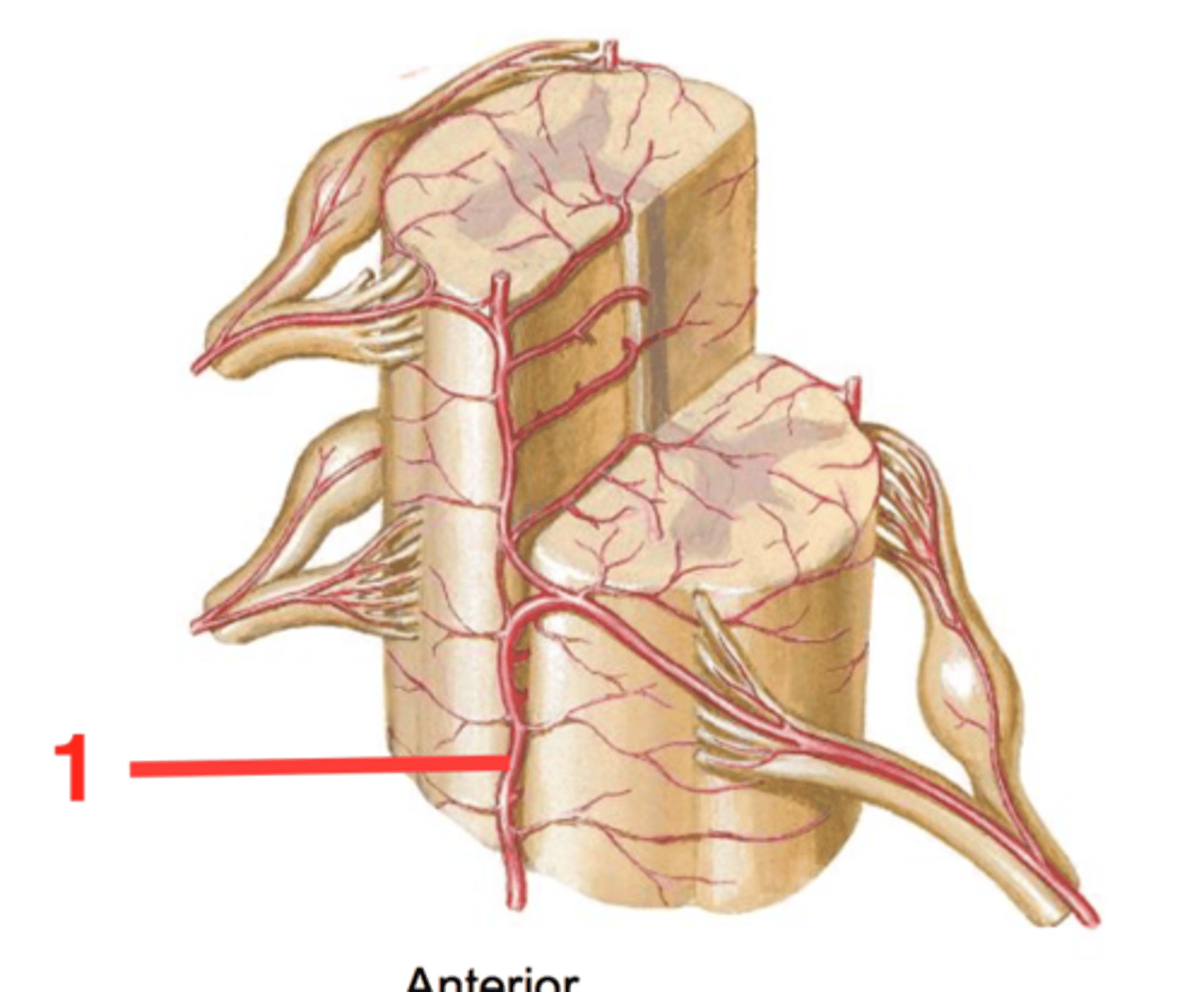
Paired posterior spinal arteries
#1
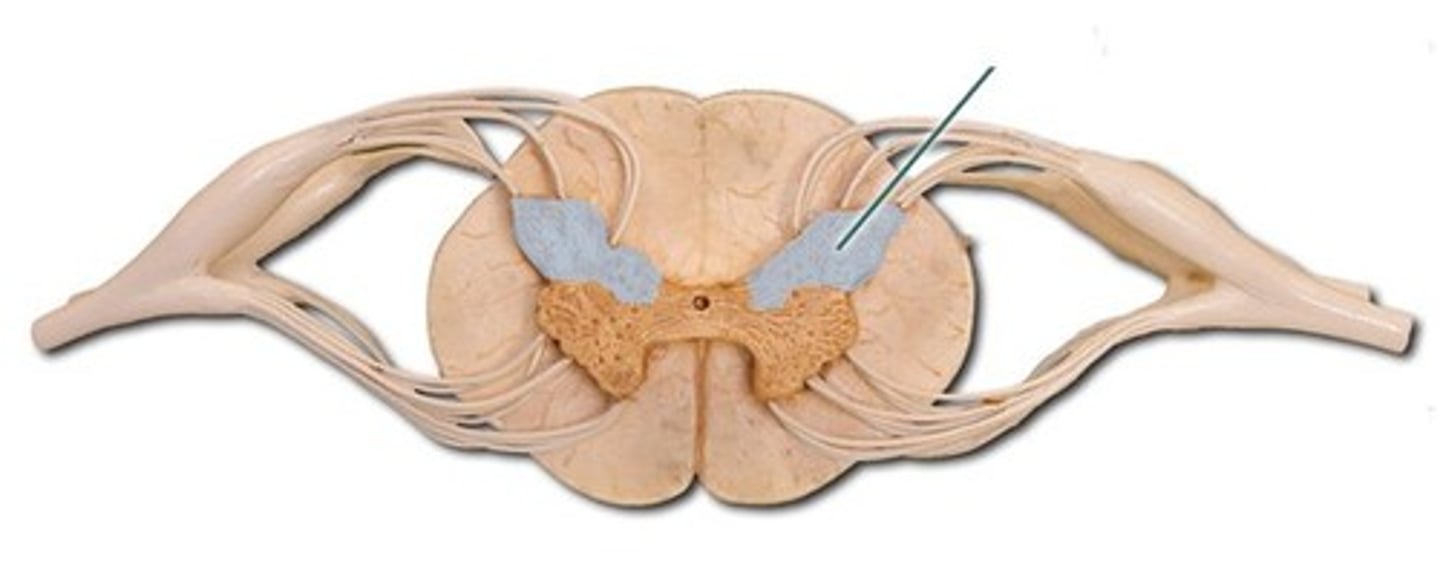
dorsal horns
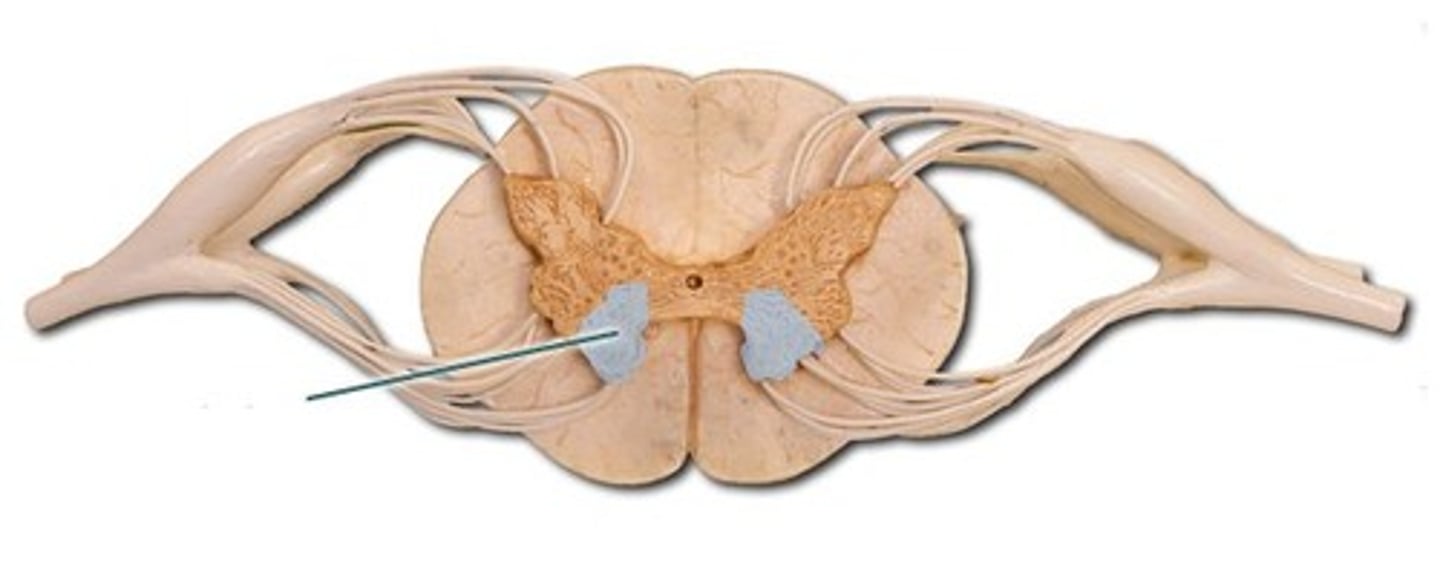
ventral horns
lateral horn
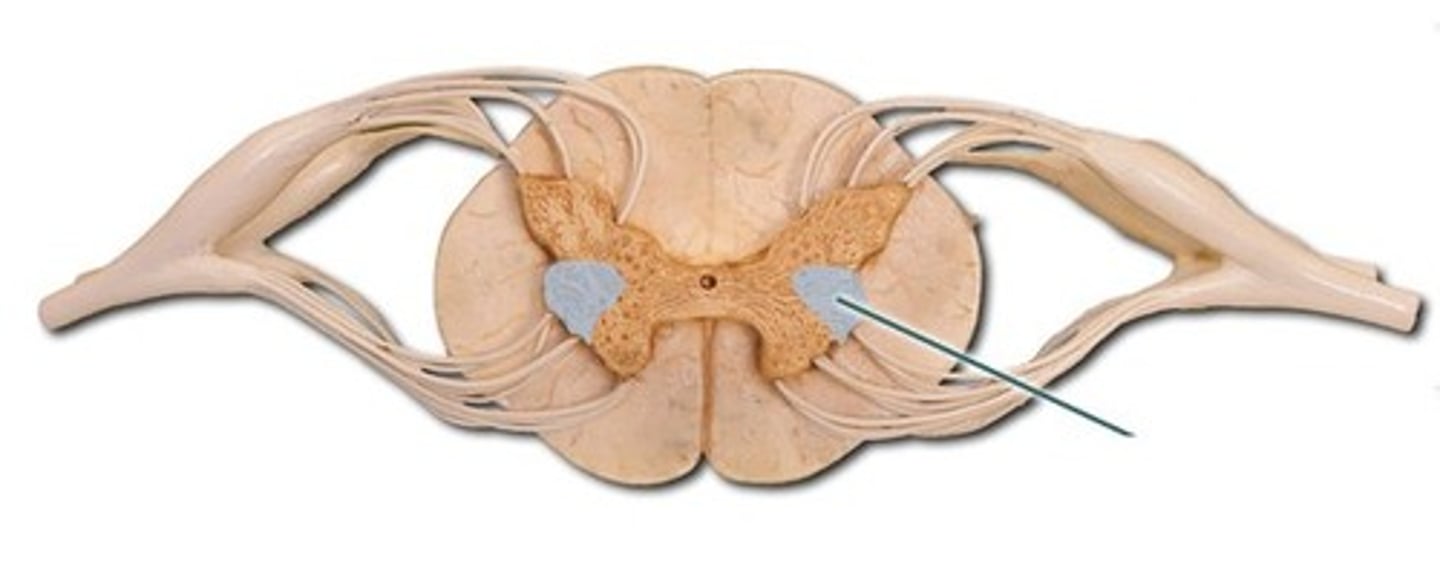
ventral column
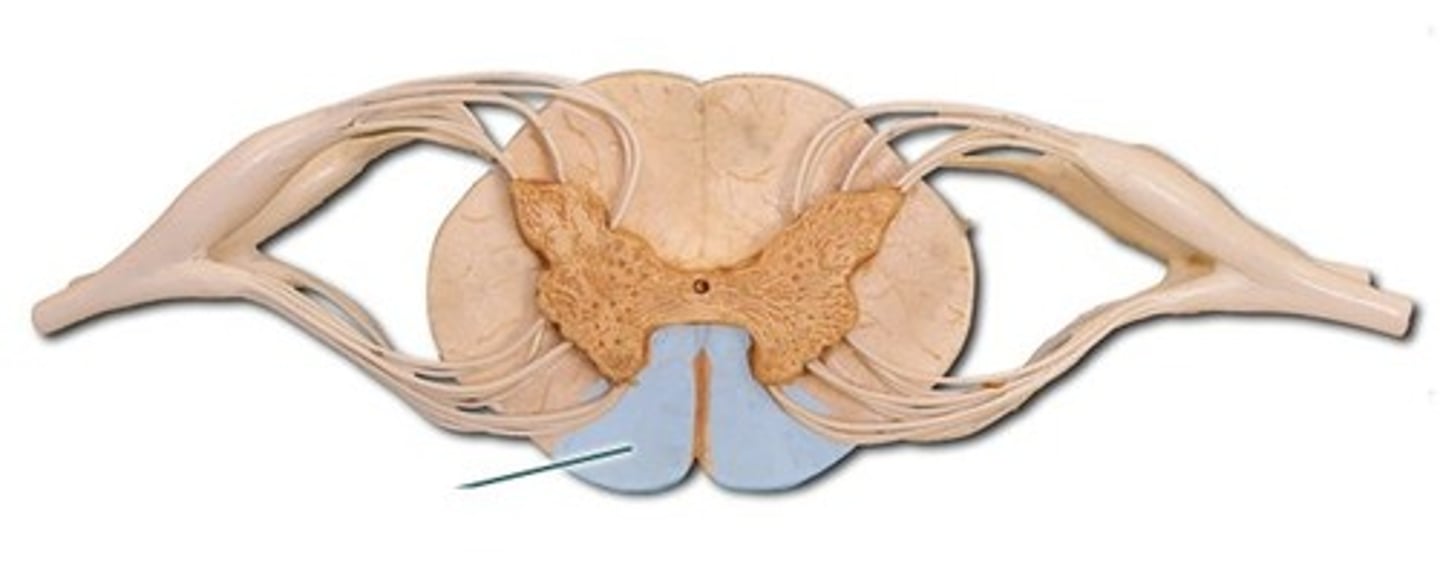
dorsal column
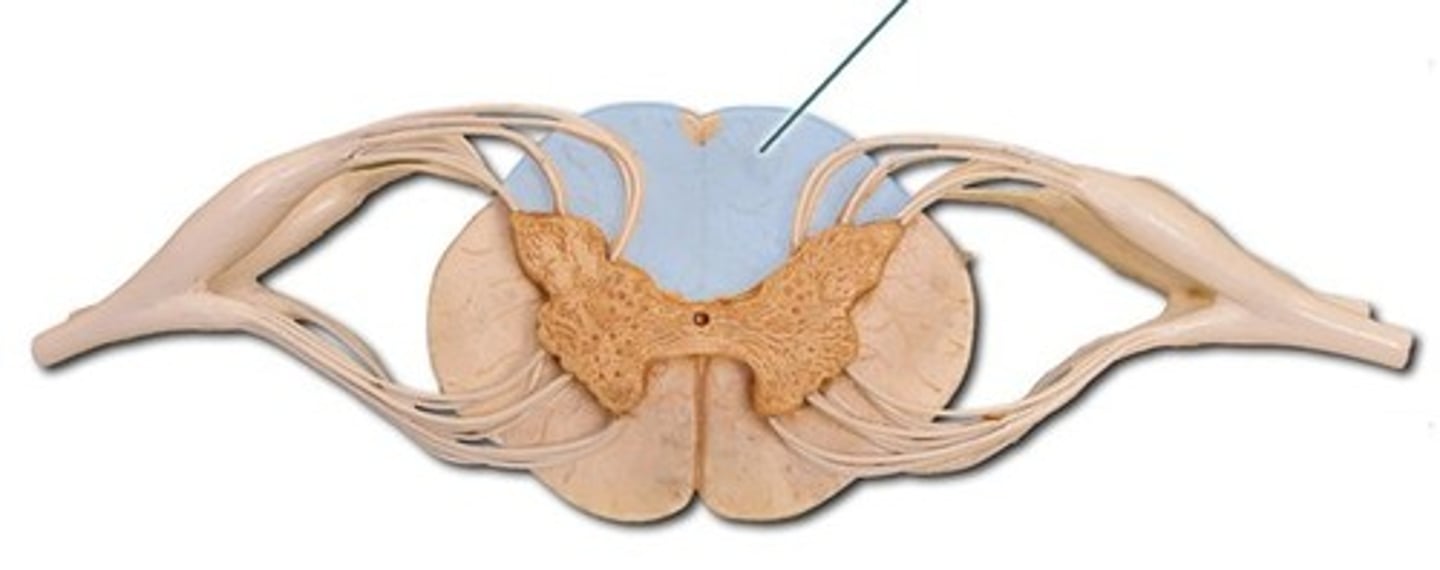
lateral column
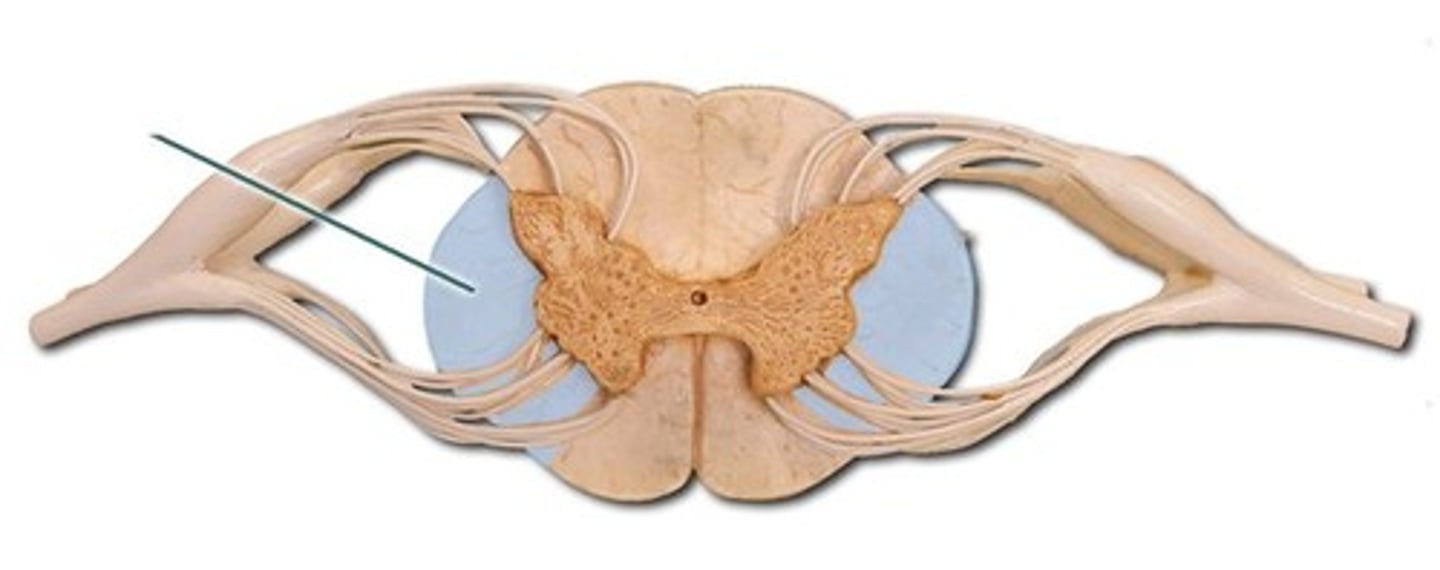
central canal
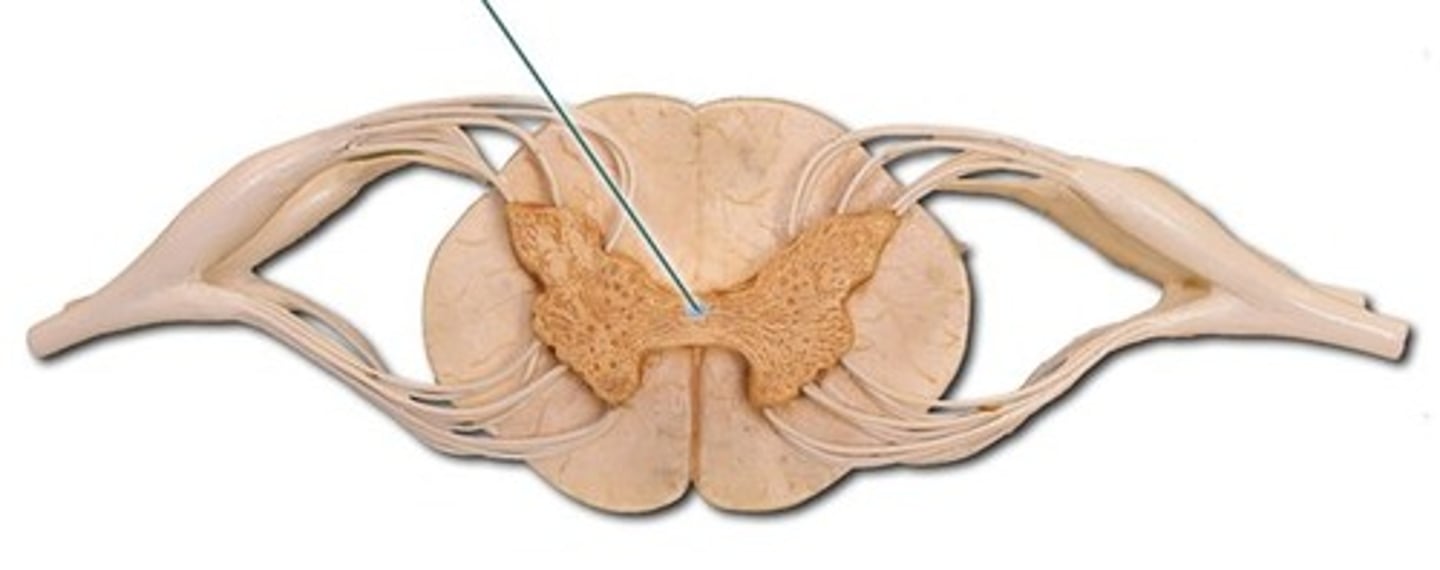
rootlets
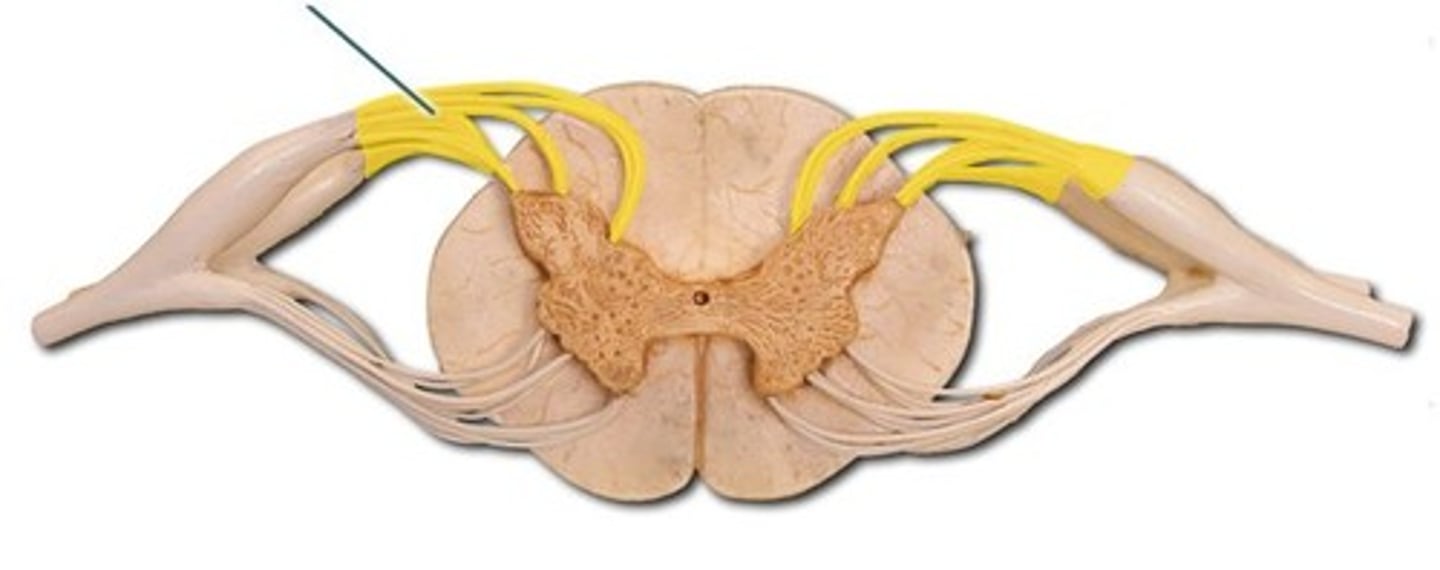
dorsal root ganglion
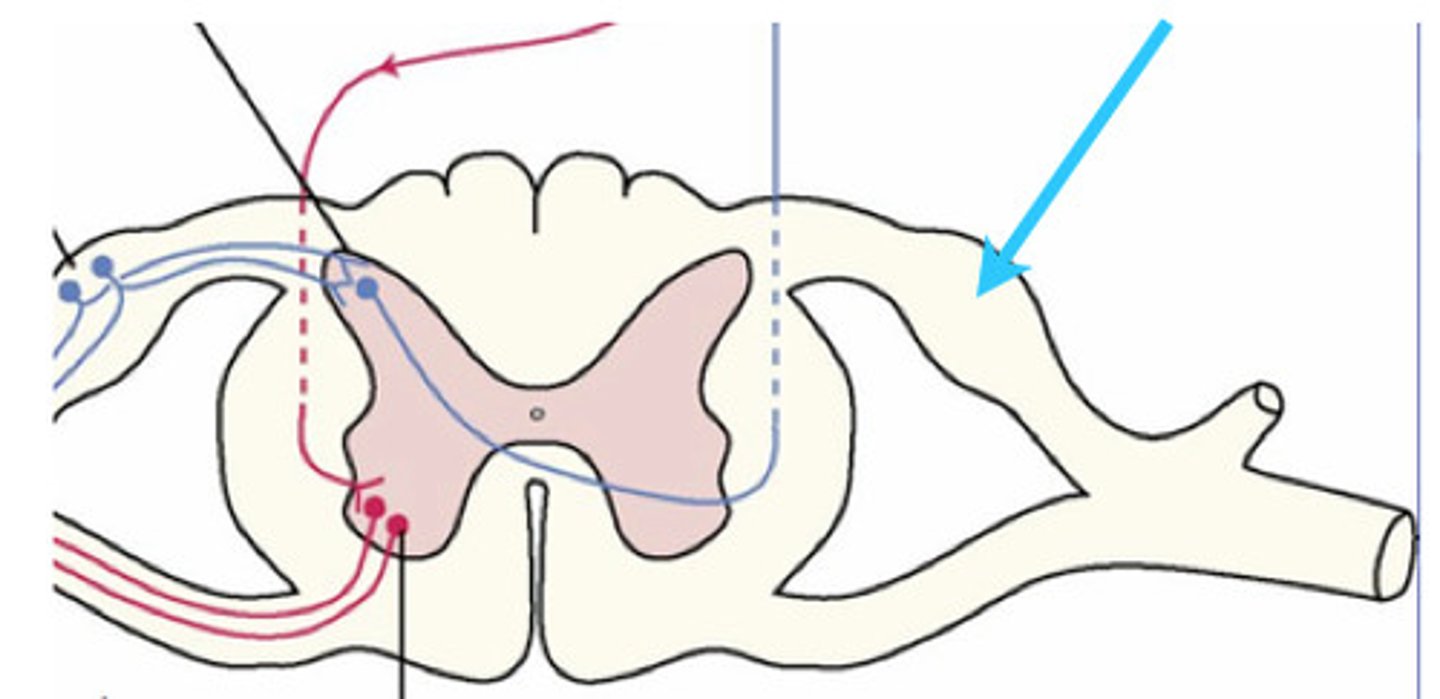
dorsal ramus
back
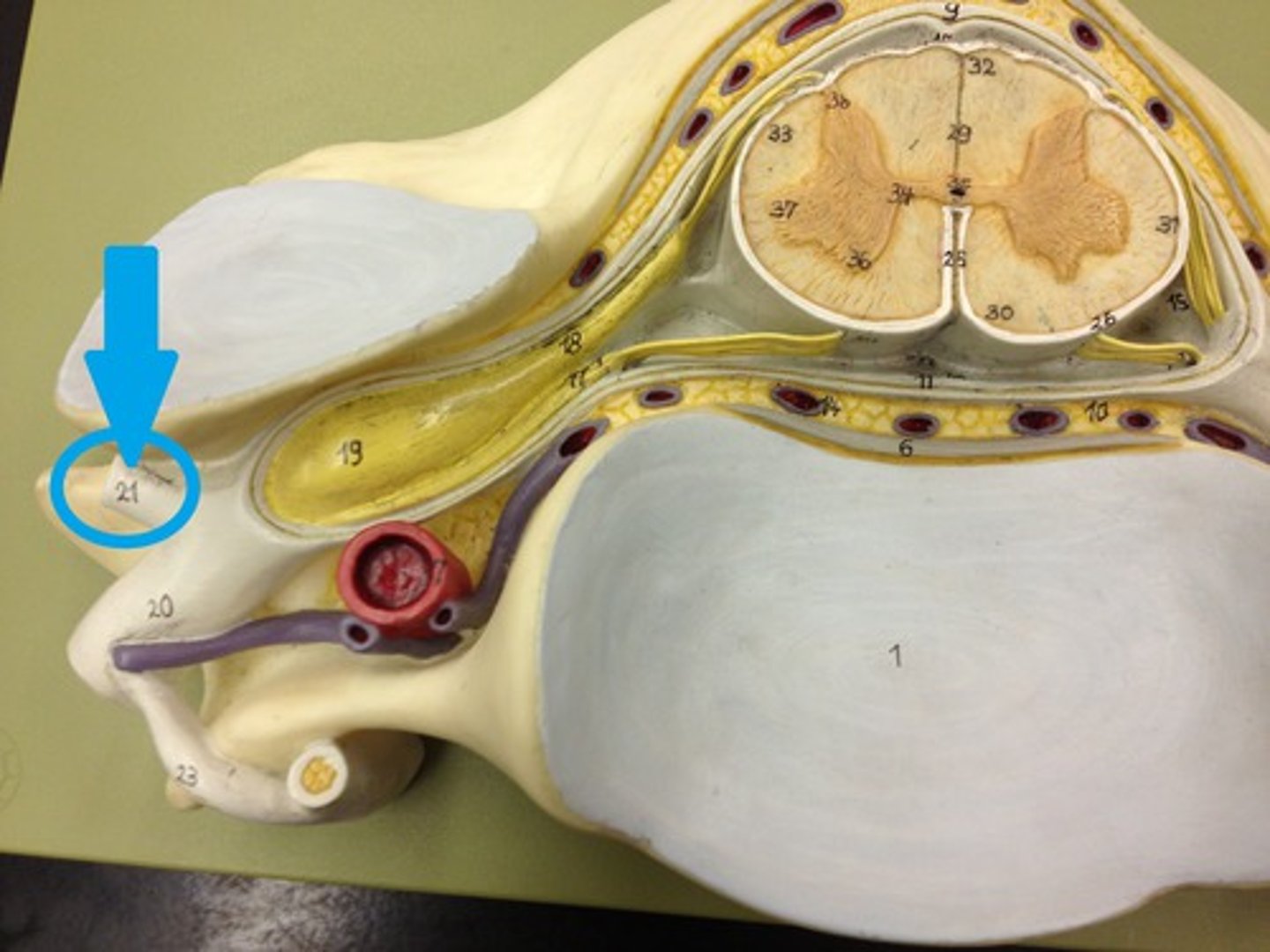
ventral ramus
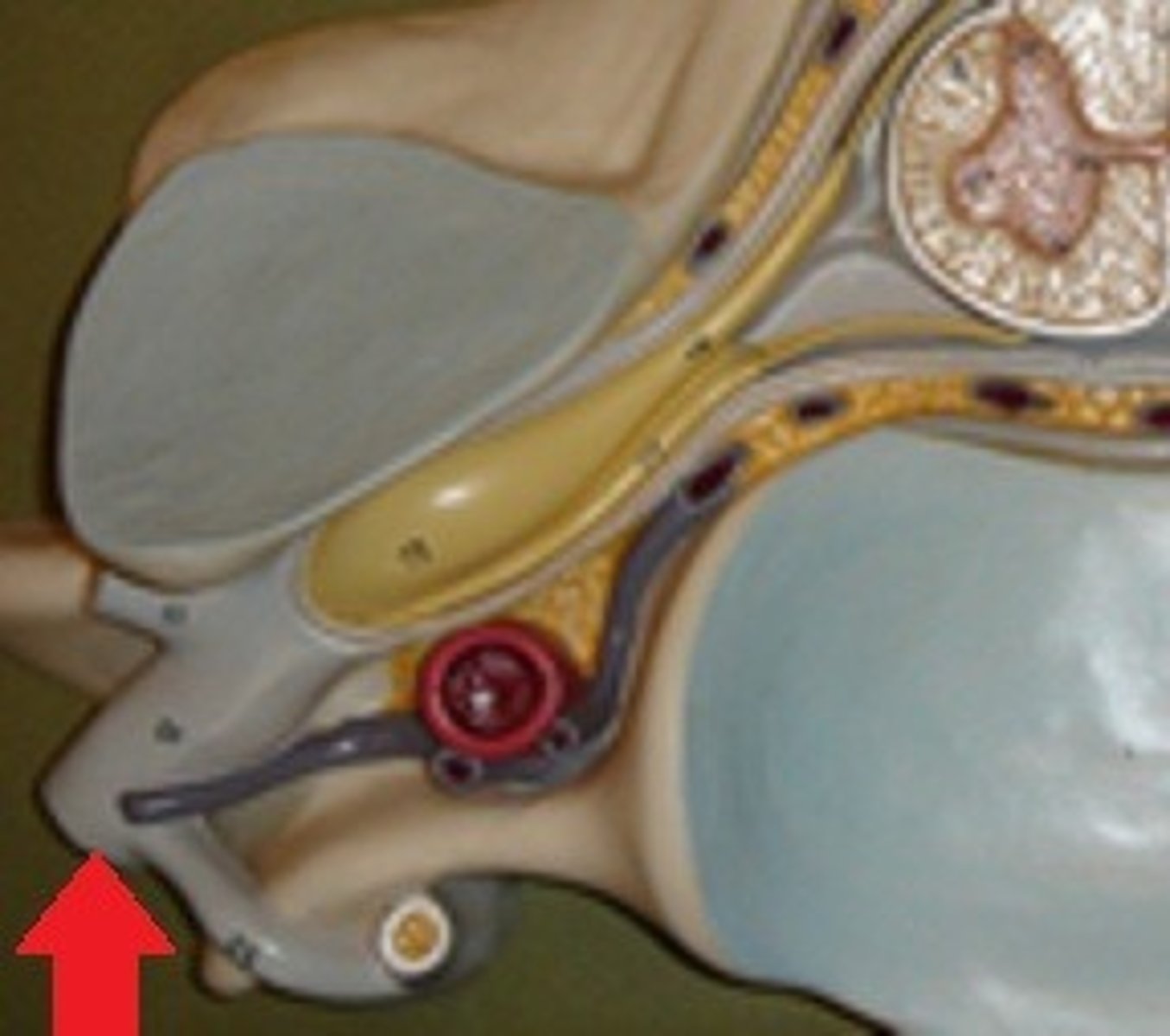
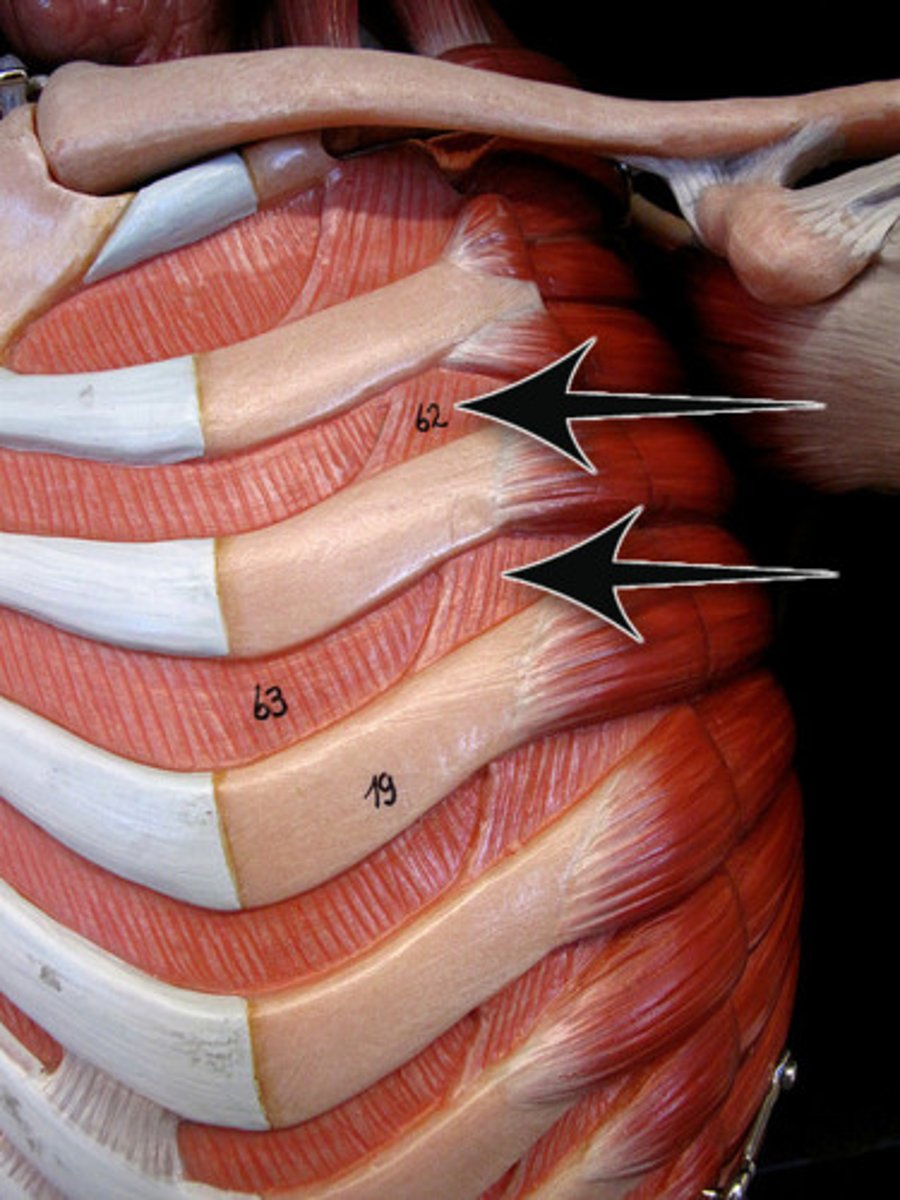
intercostal nerves
anulus fibrosus of intervertebral disc
forms outer fibrous ring
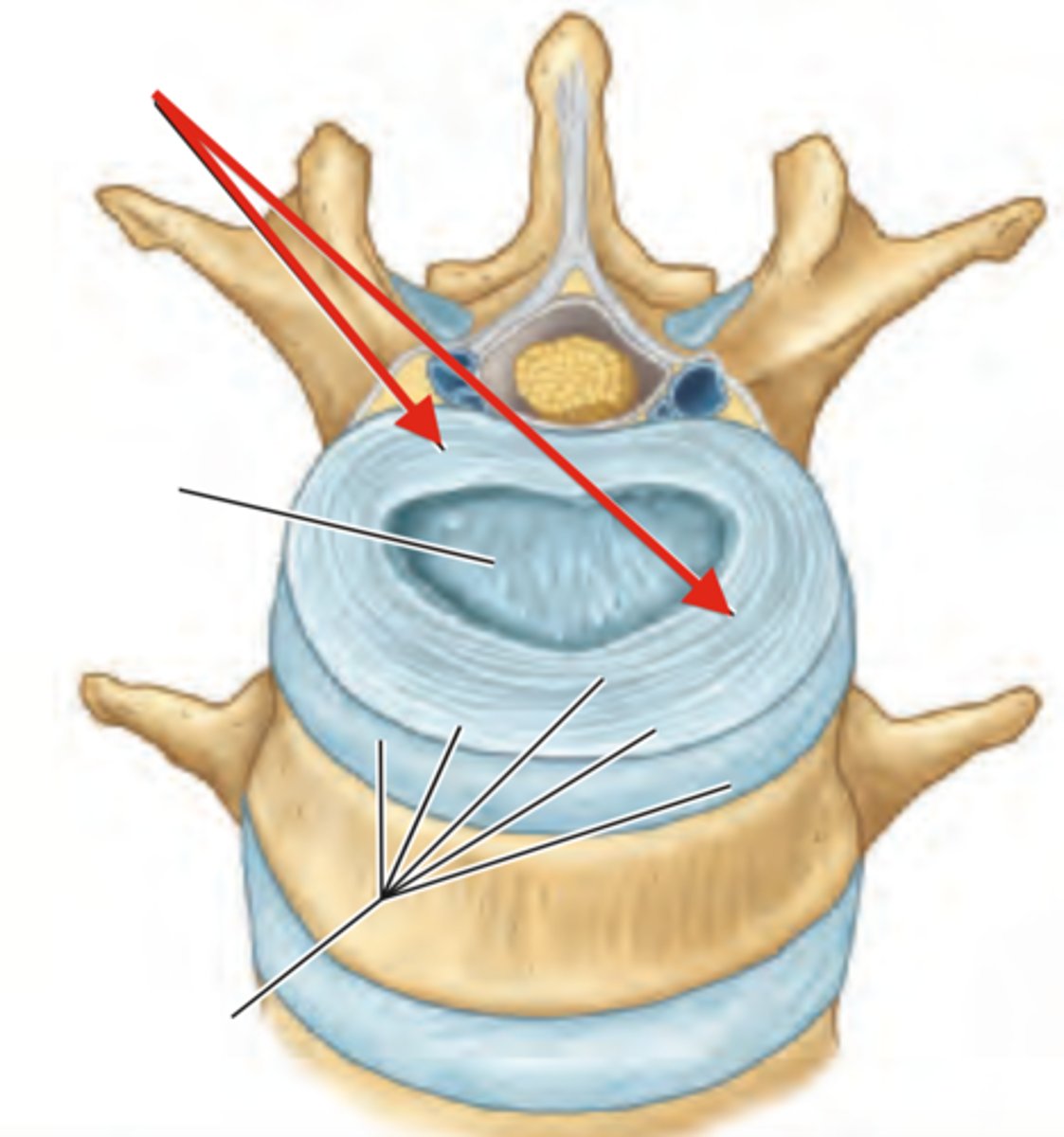
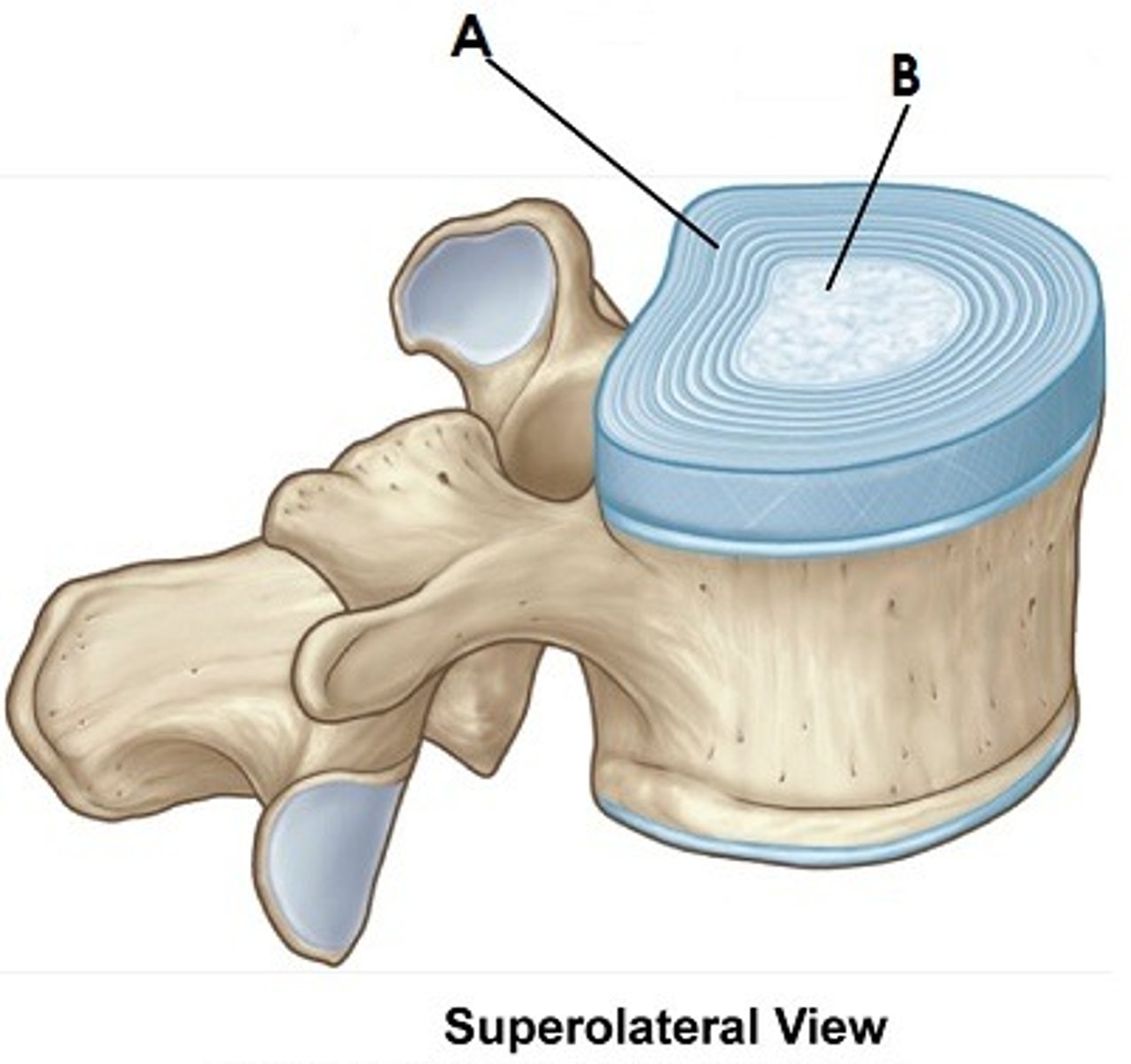
nucleus pulposa
B
gelatinous central mass (can bulge out (herniated disks))
vertebral canal
contains the spinal cord
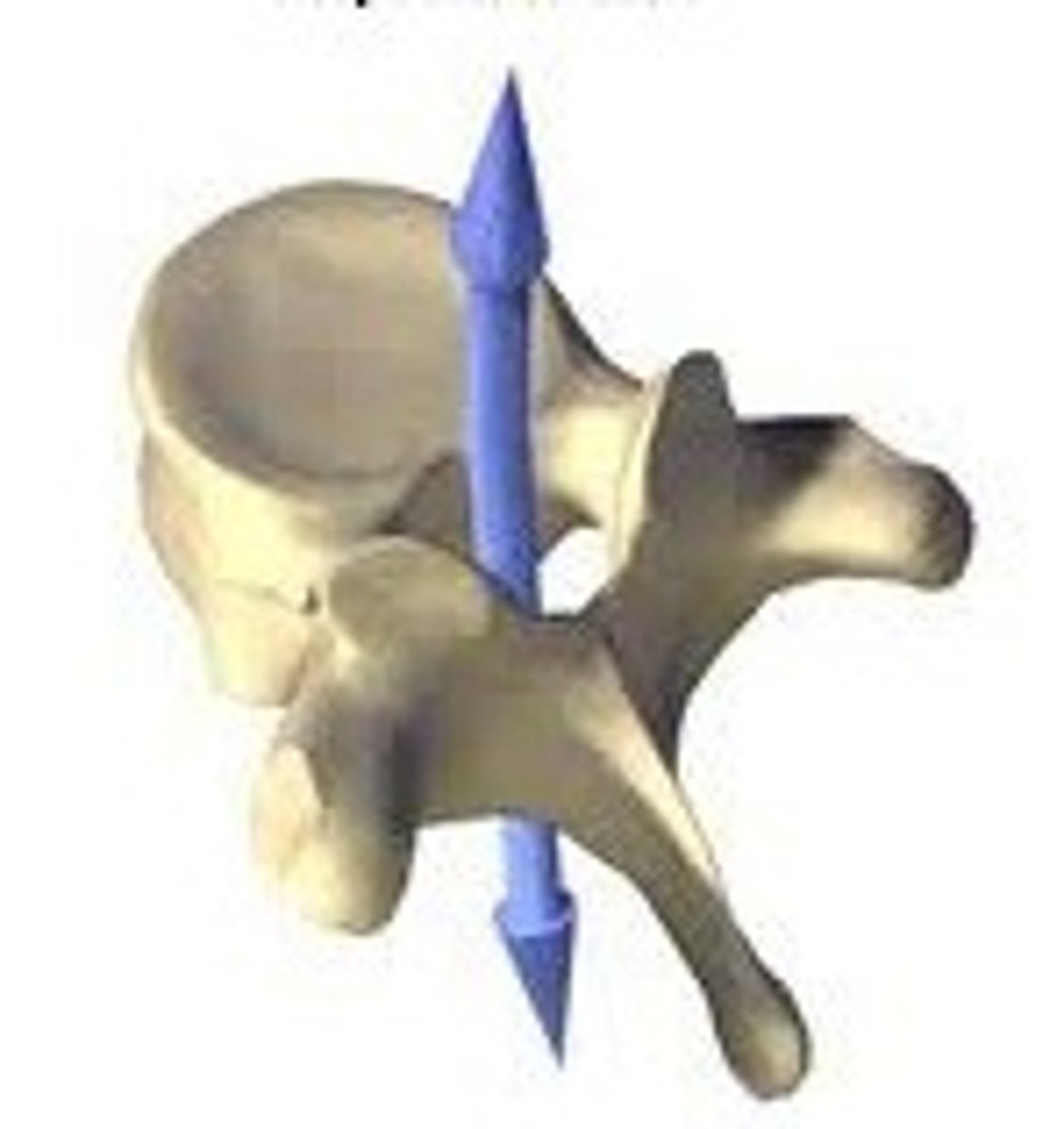
anterior longitudinal ligament
prevents hyperextension
only disk that limits extension
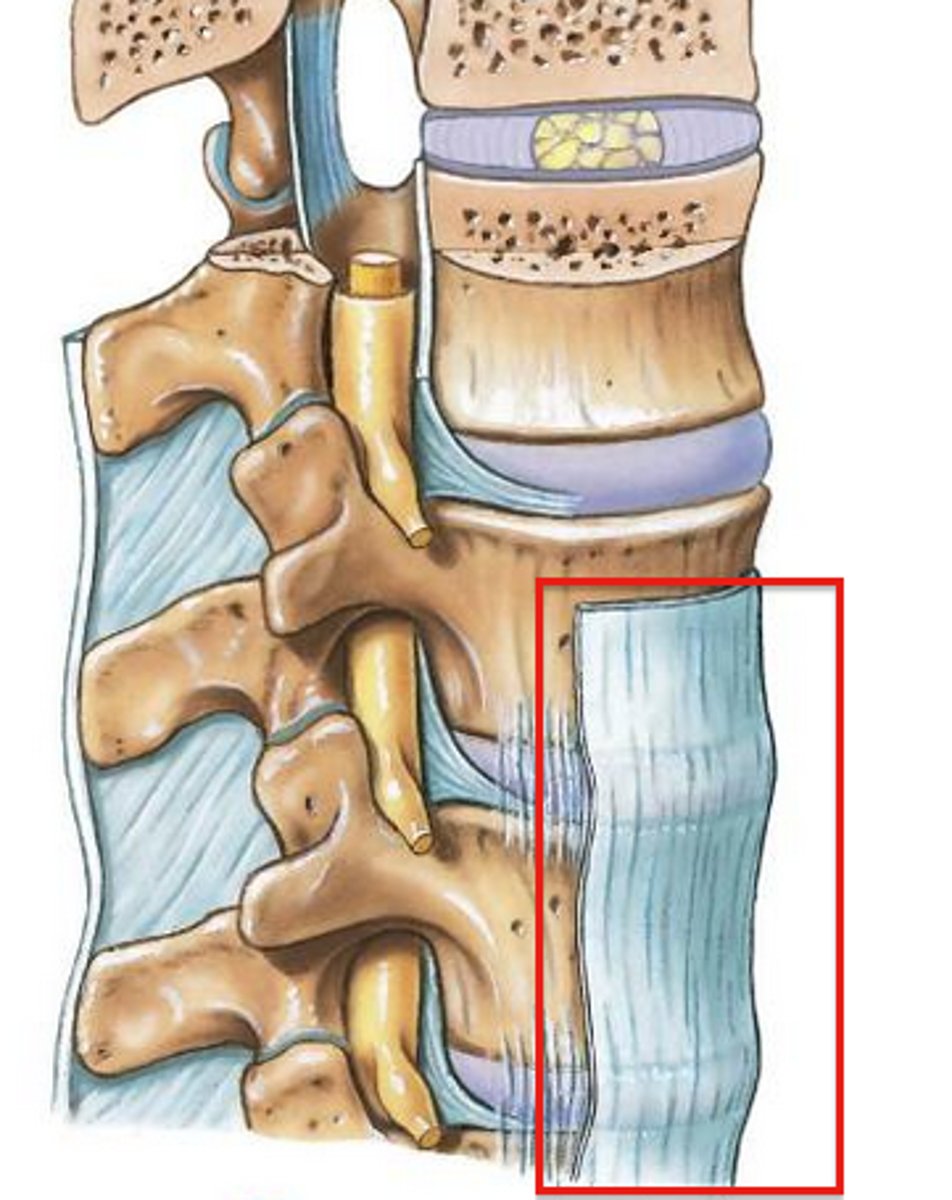
posterior longitudinal ligament
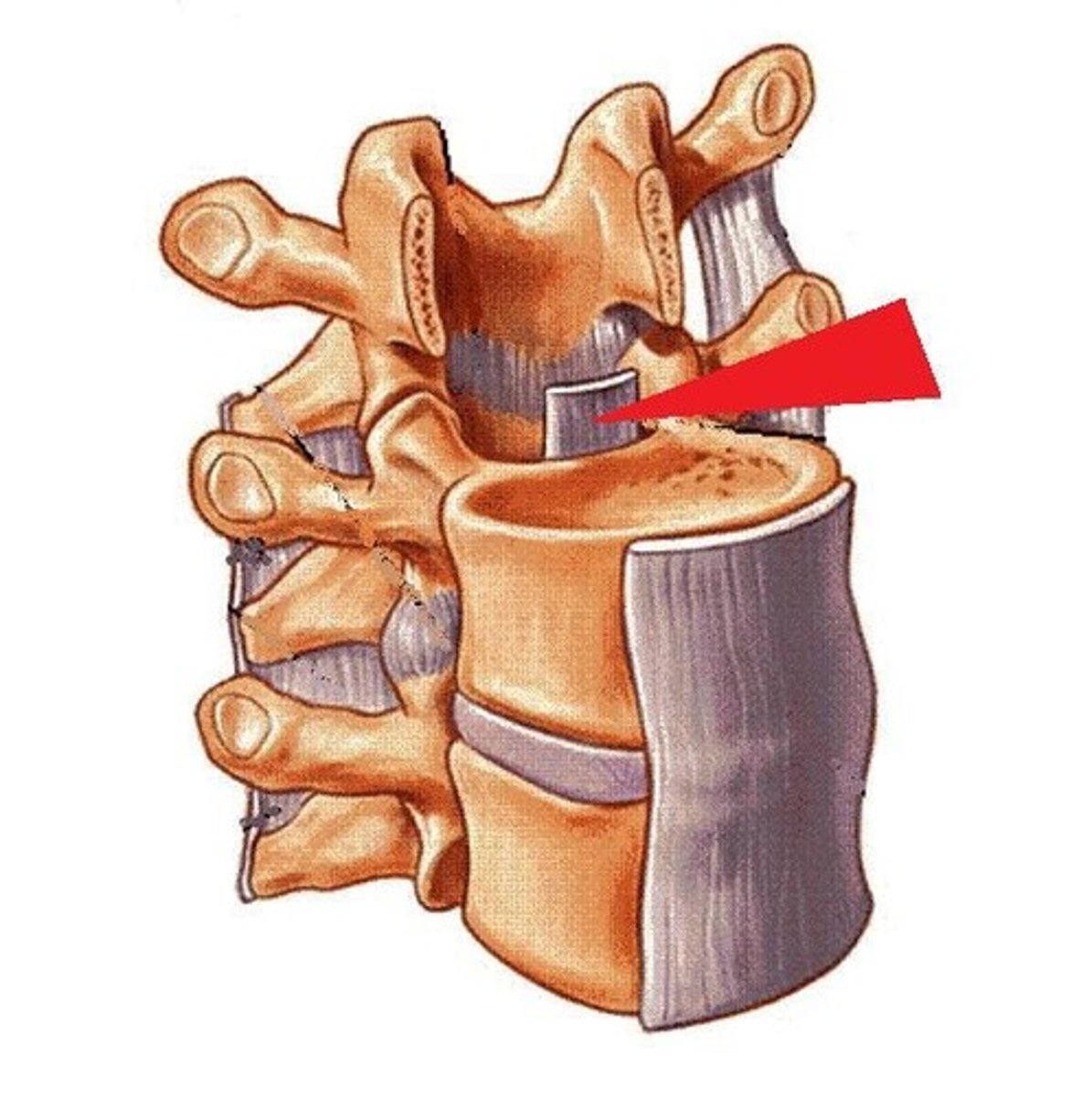
intervertebral discs
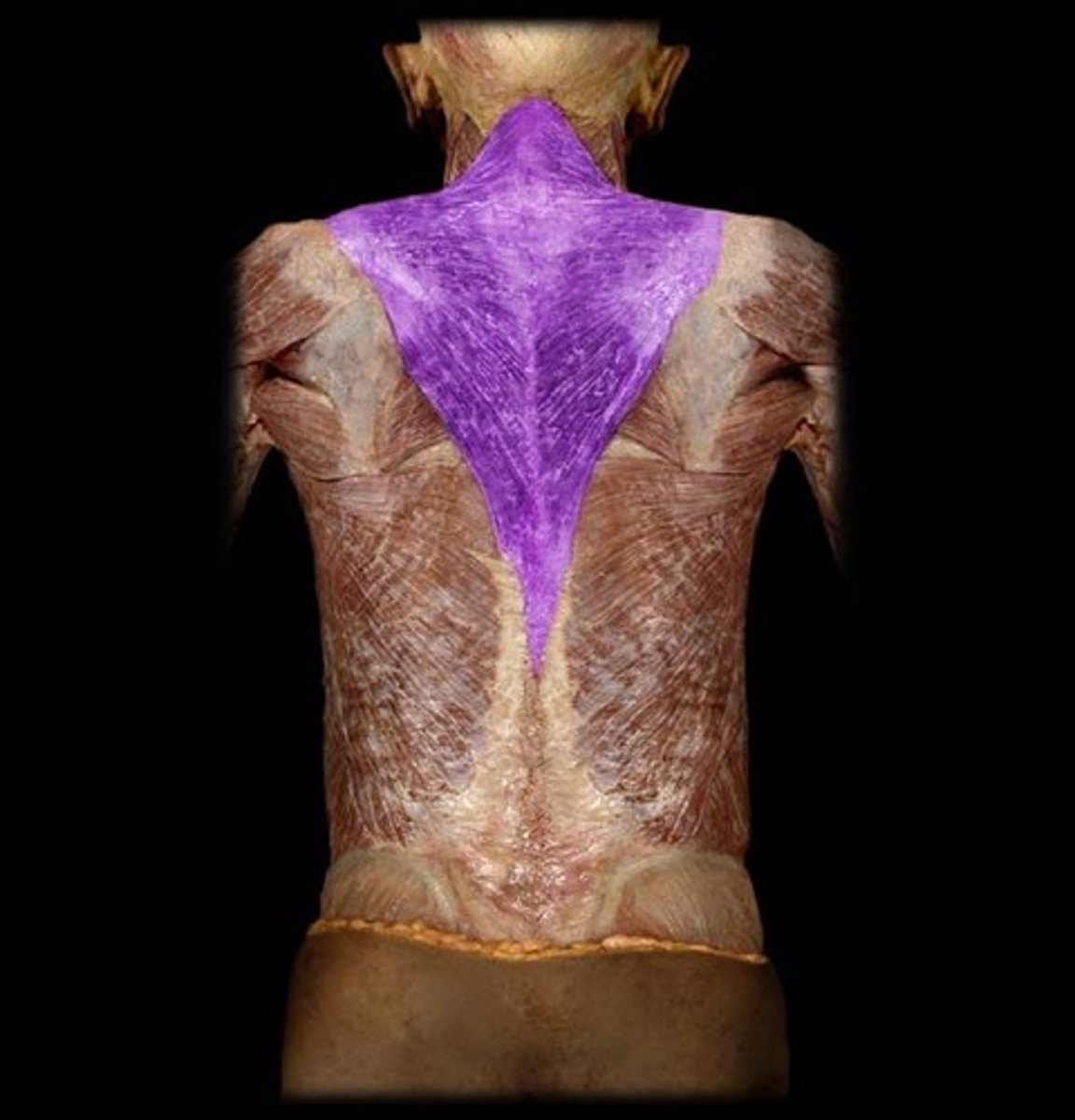
trapezius
elevate, retract and rotate scapula - CNXI
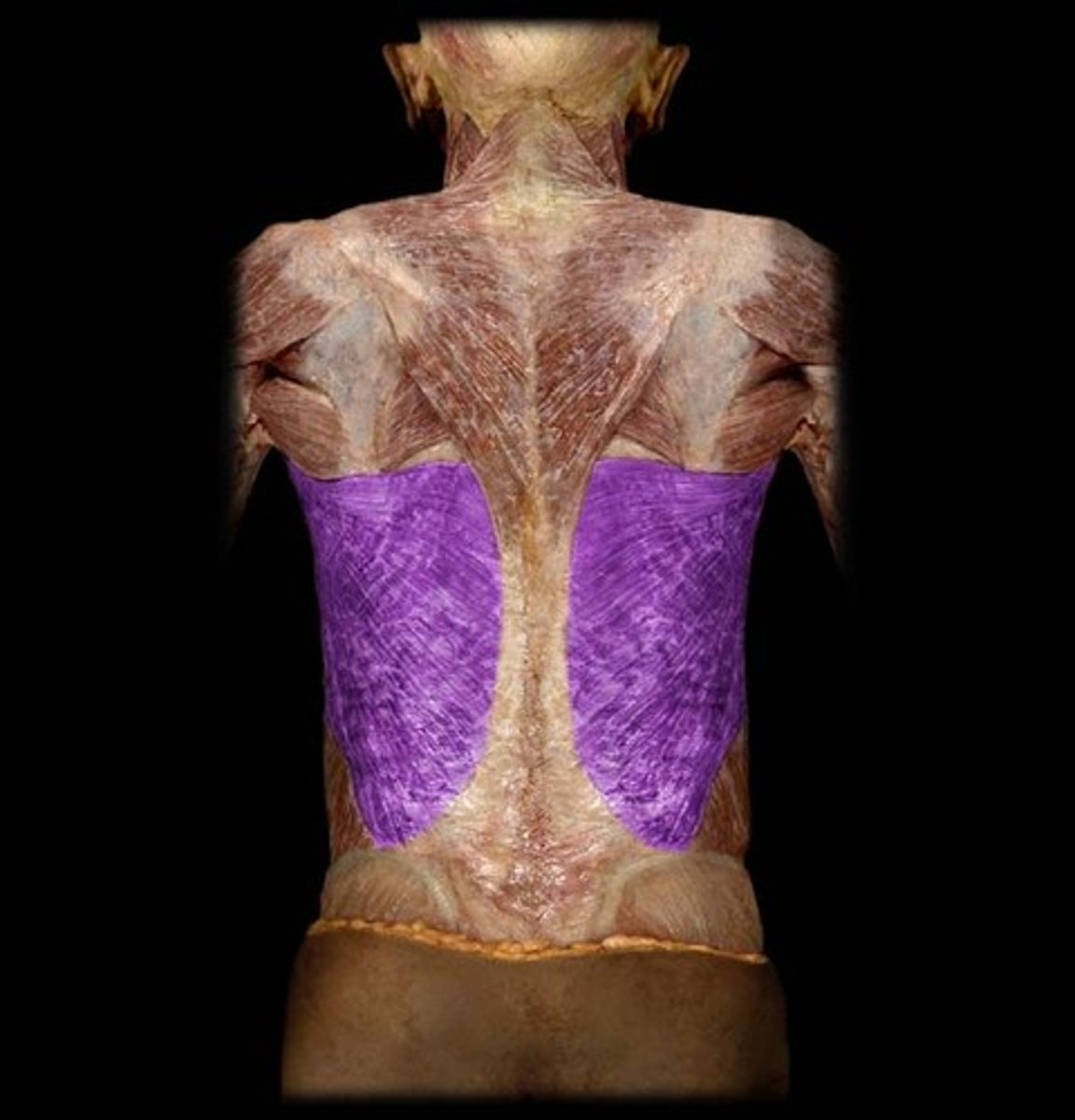
latissimus dorsi
extends, adducts, and medially rotates humerus - thoracodorsal nerve
allows you to do pull ups
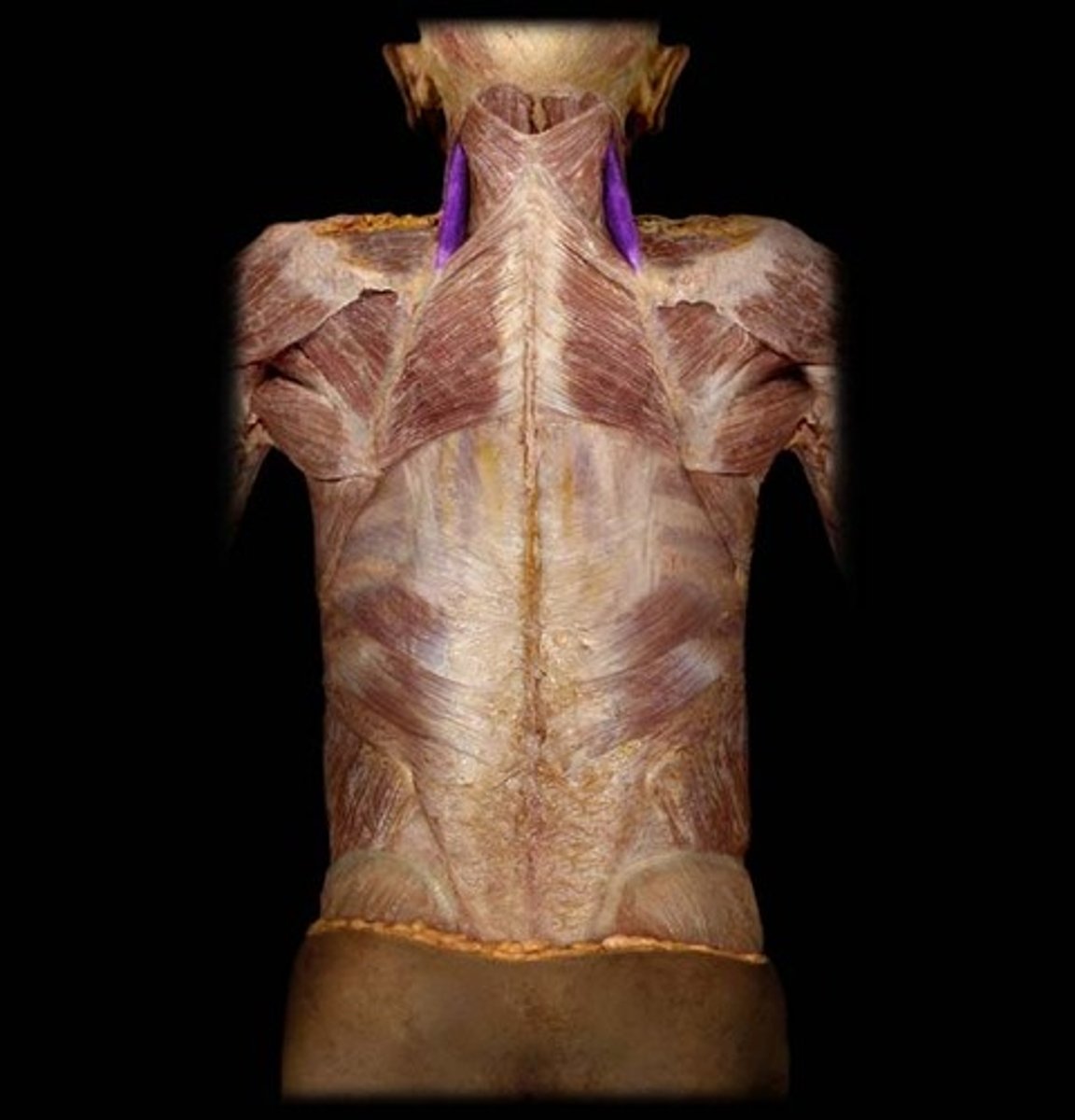
levator scapulae
elevates scapula - dorsal scapular nerves
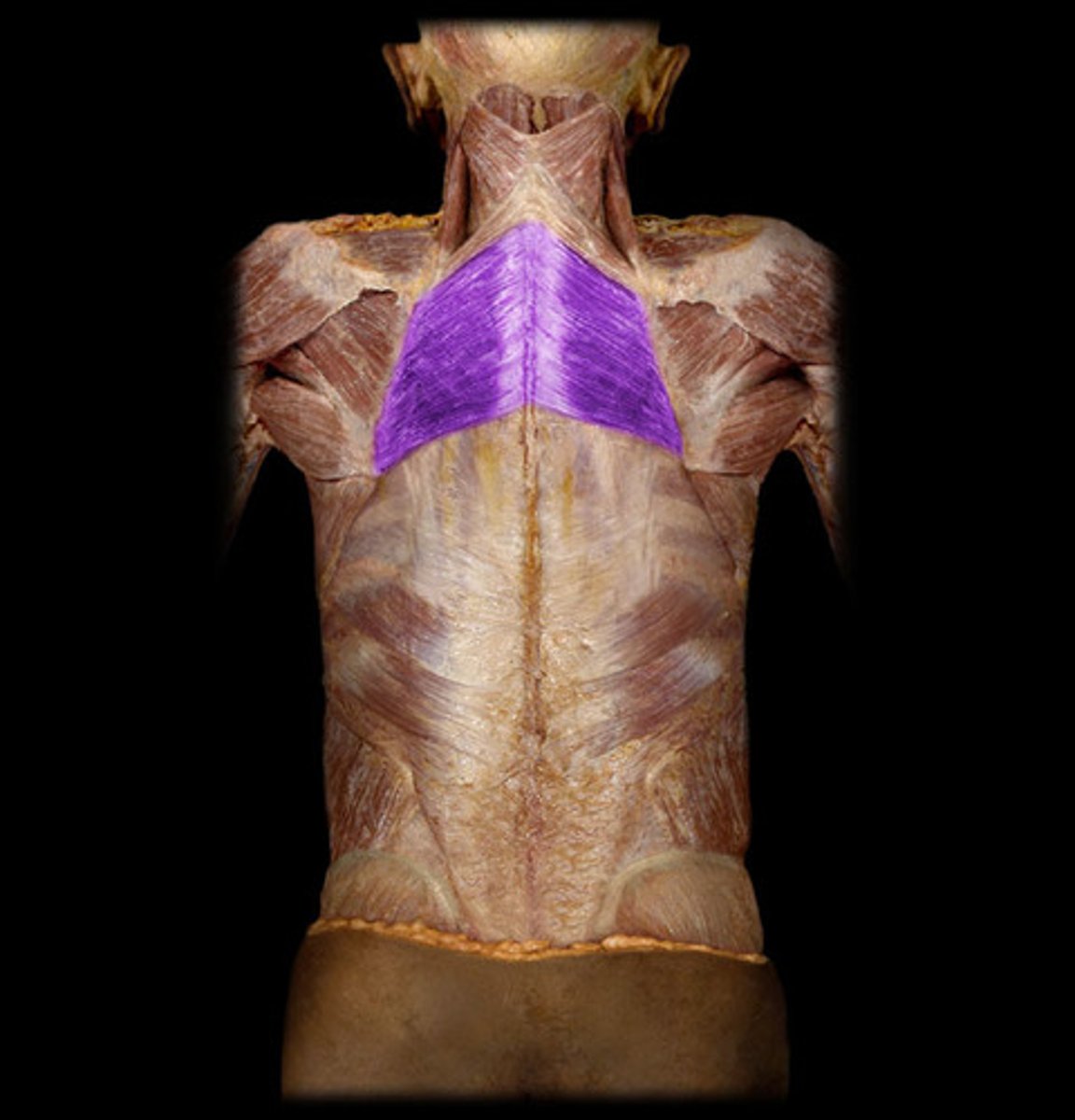
rhomboids
retract scapula - dorsal scapular nerves
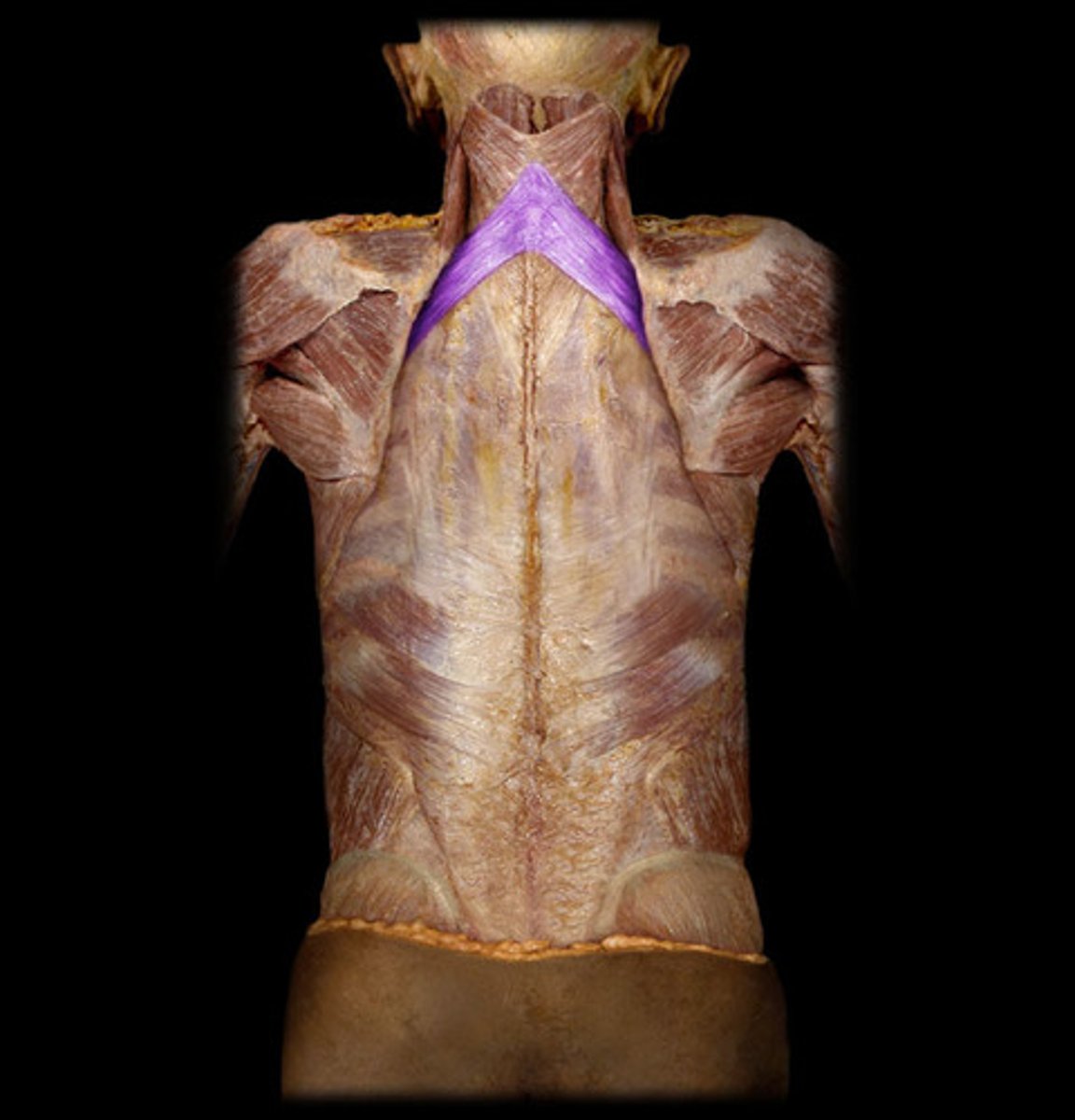
serratus posterior superior
deep to rhomboids
elevate ribs during forced INSPIRATION
innervated by first four INTERCOSTAL NERVES
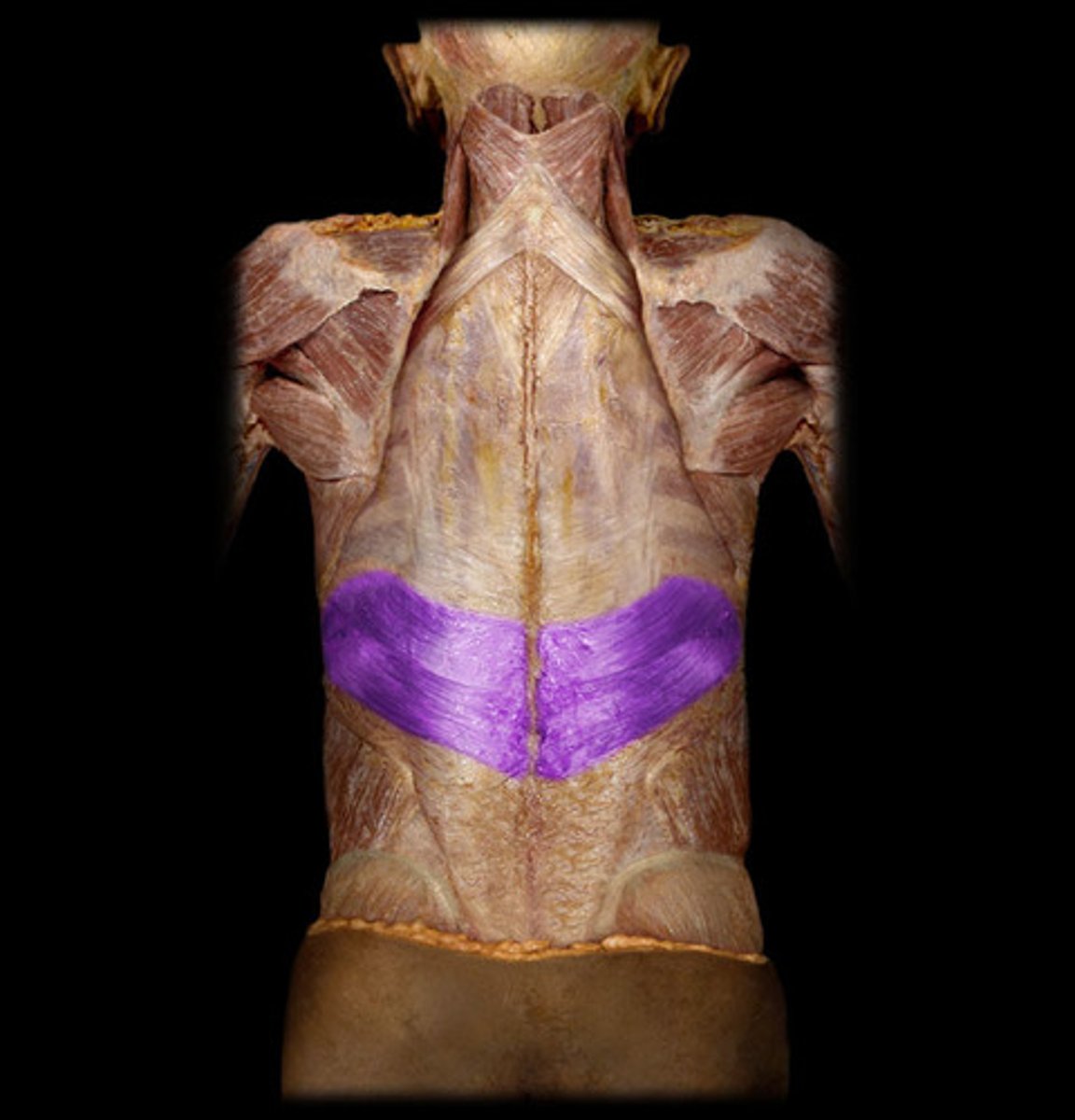
serratus posterior inferior
deep to latissimus dorsi
depress ribs during forced expiration
innervated by inferior by last four INTERCOSTAL NERVES
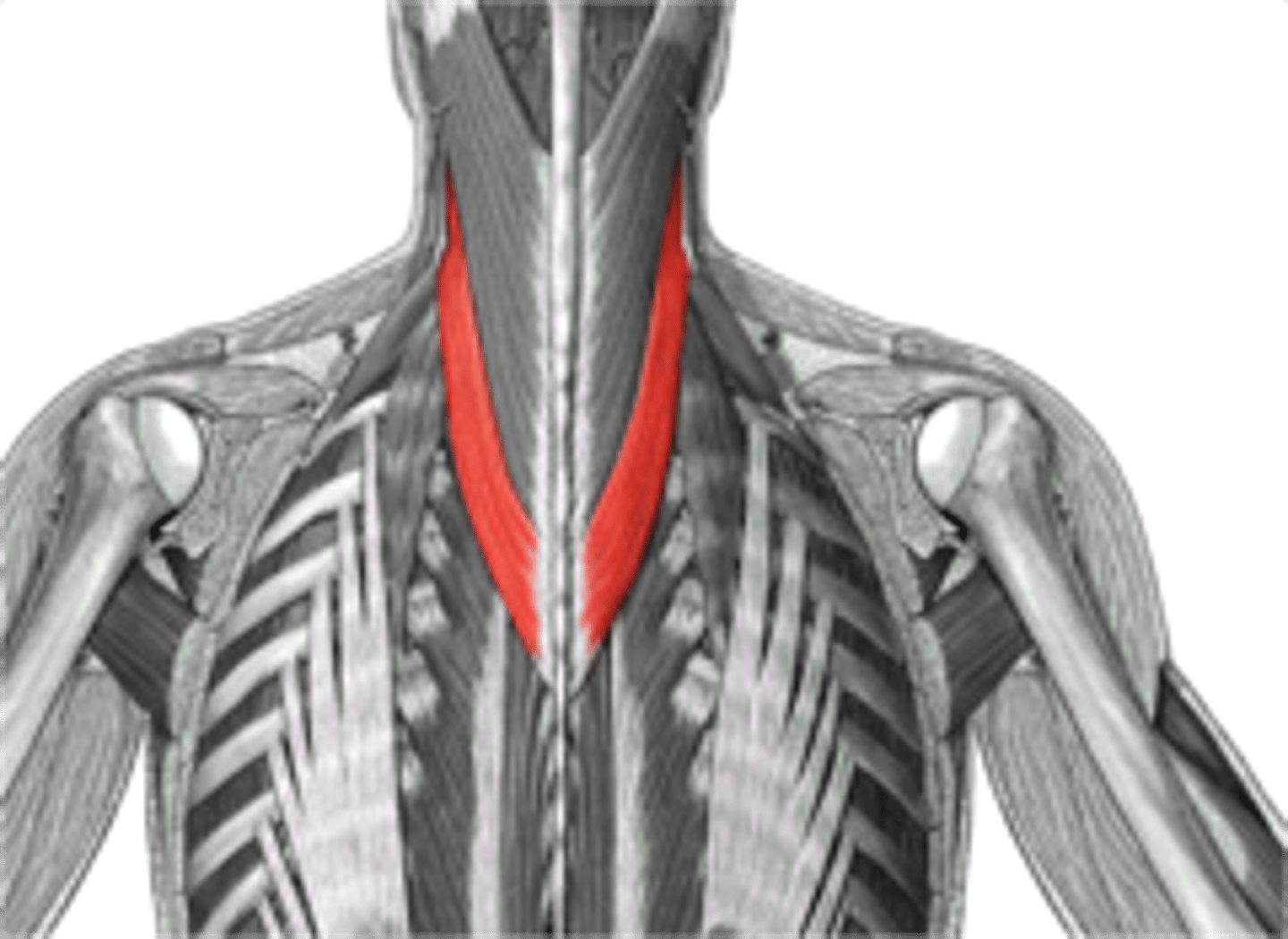
splenius cervicis
attaches to cervical vertebrae
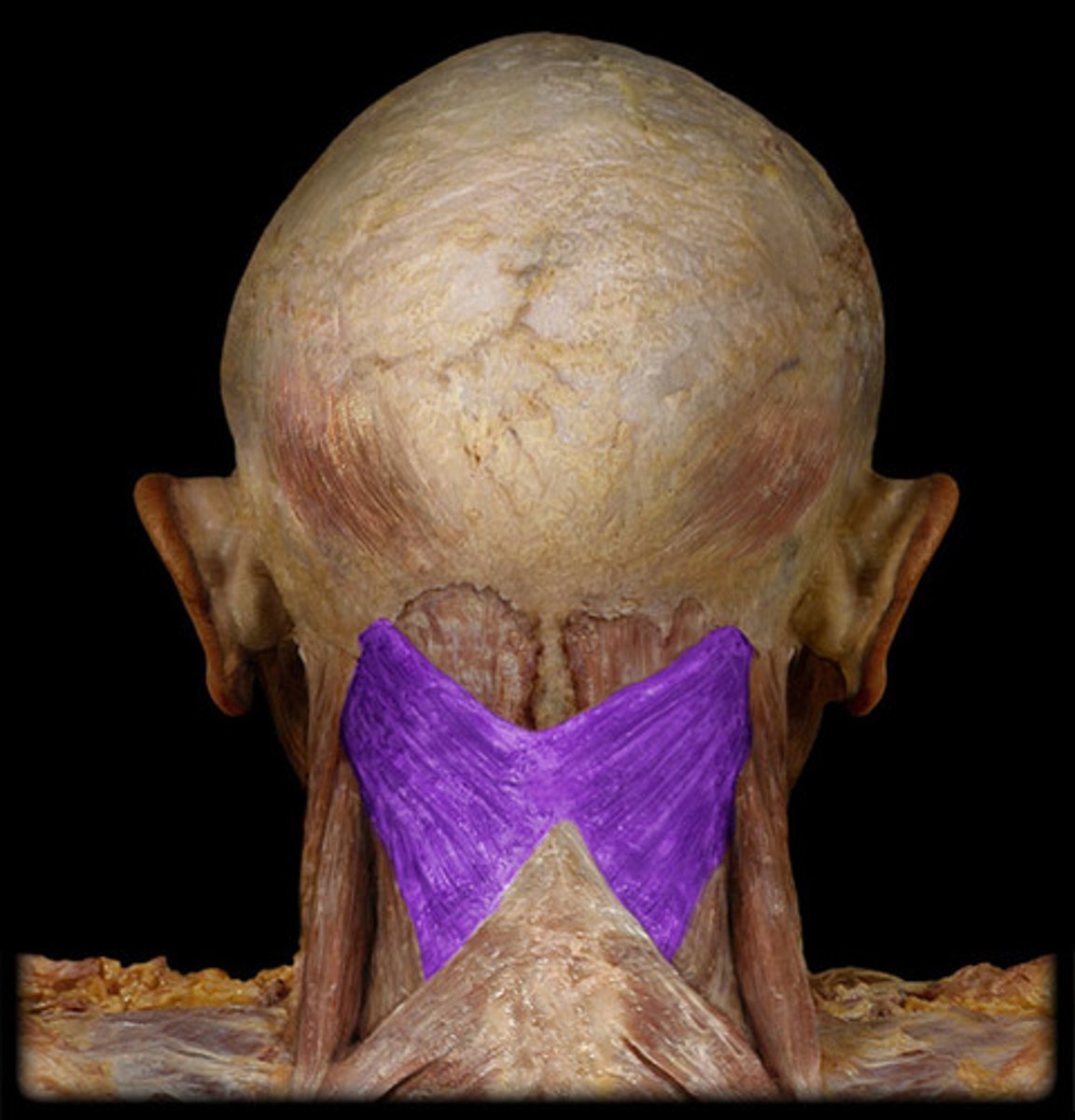
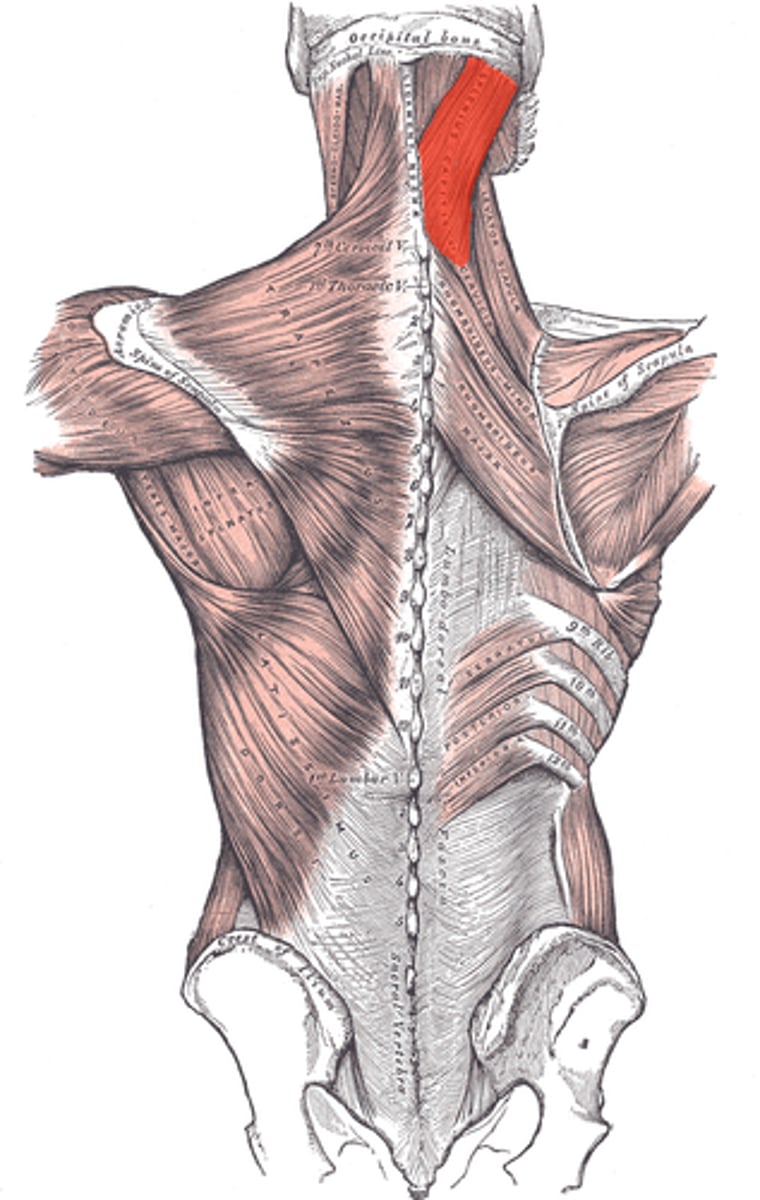
splenius capitis
attaches to mastoid process
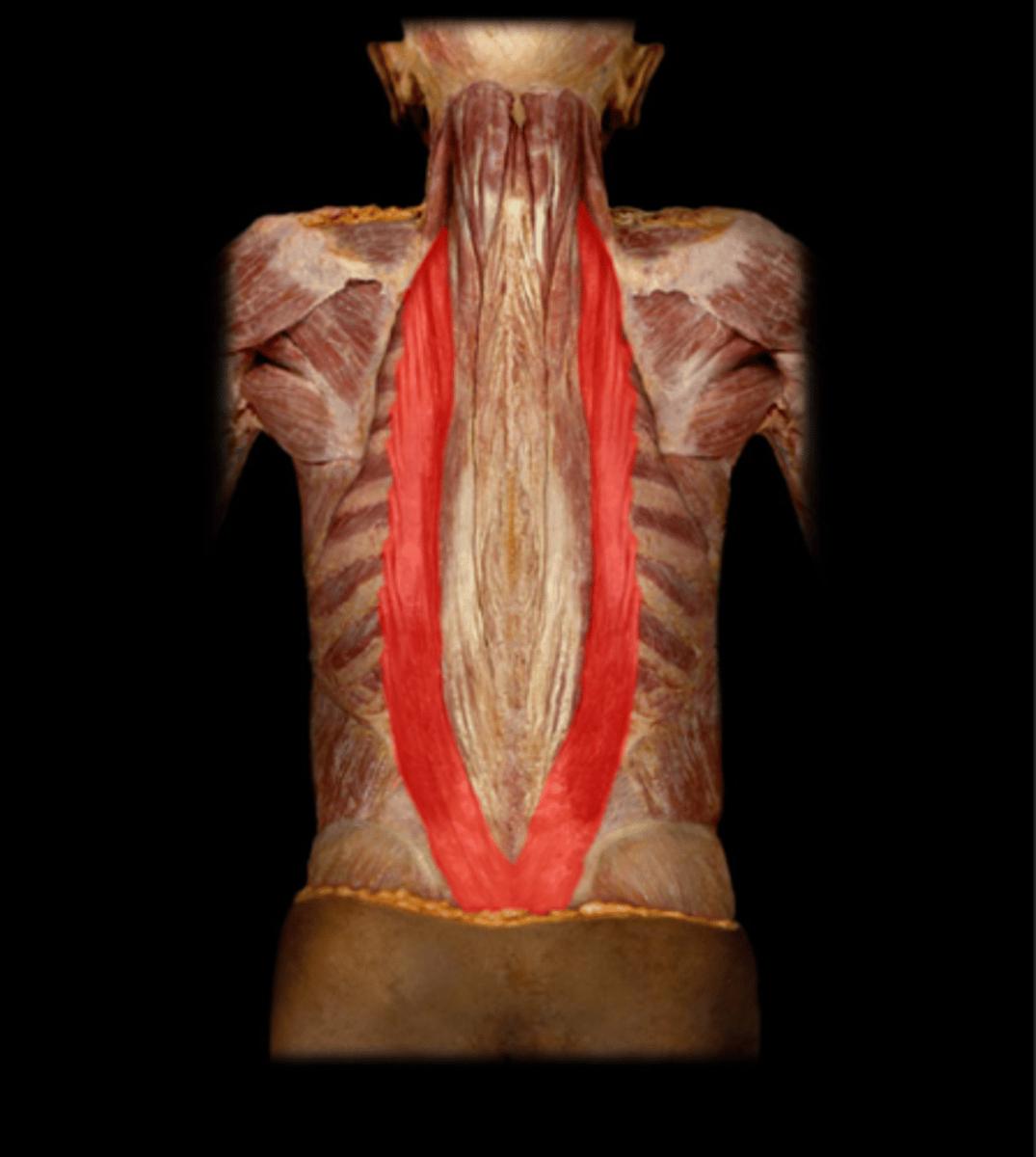
Illiocoastalis
lateral
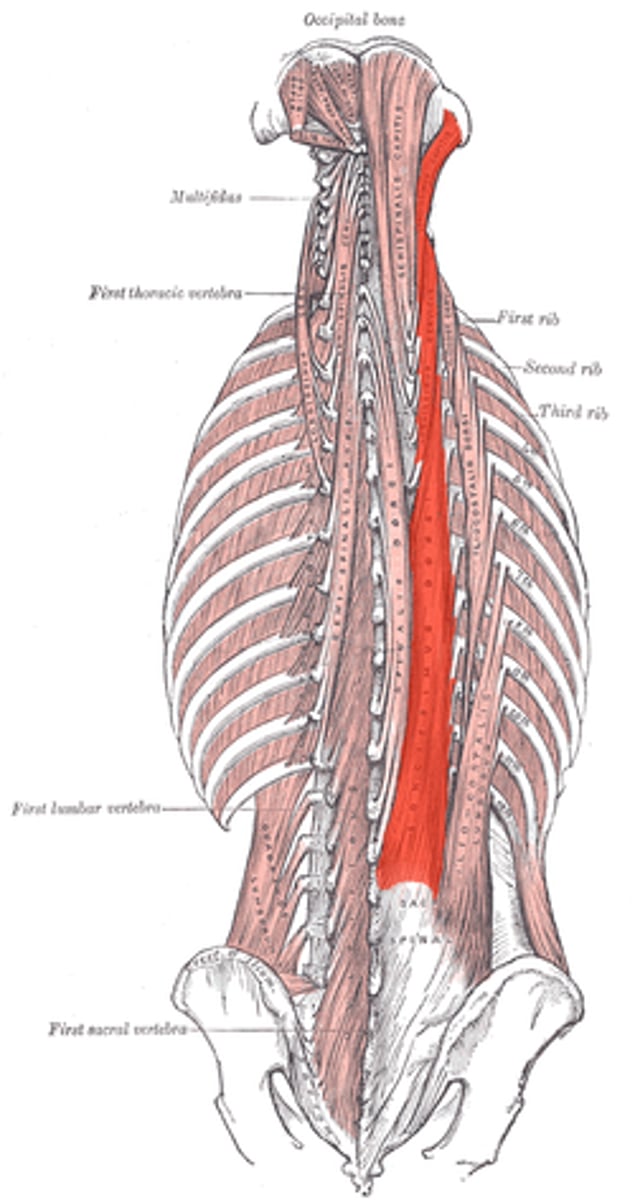
longissimus
intermediate
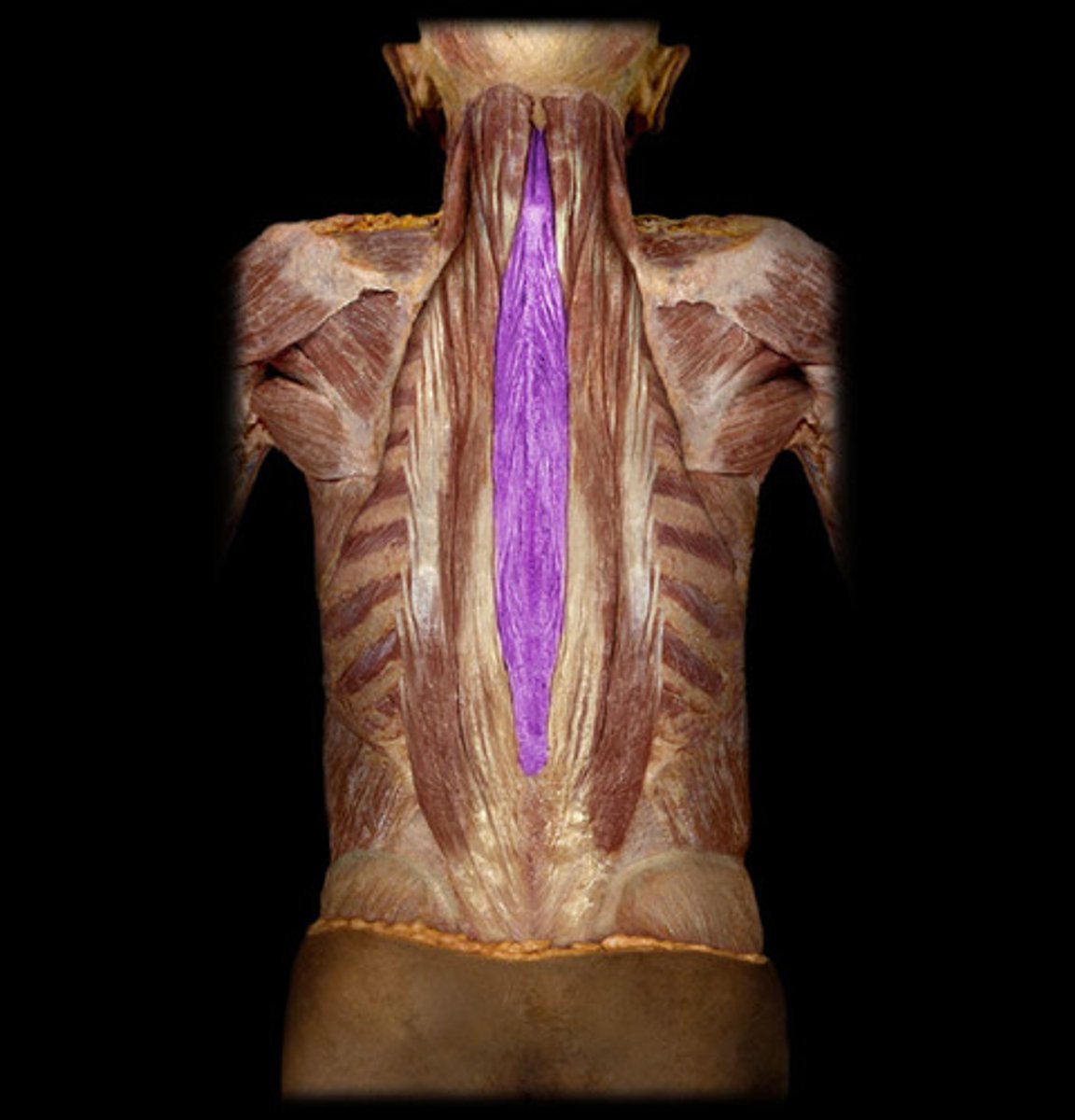
spinalis
medial
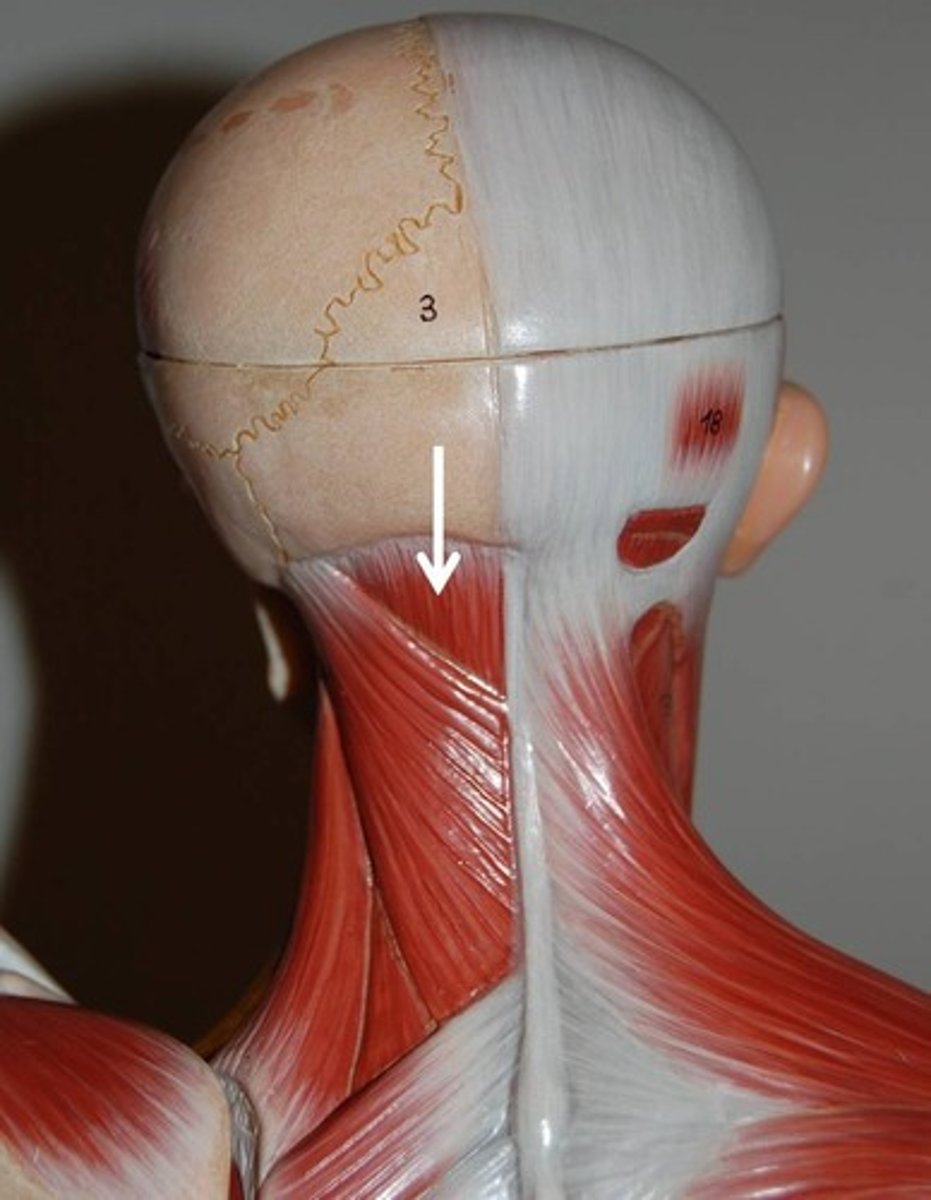
semispinalis
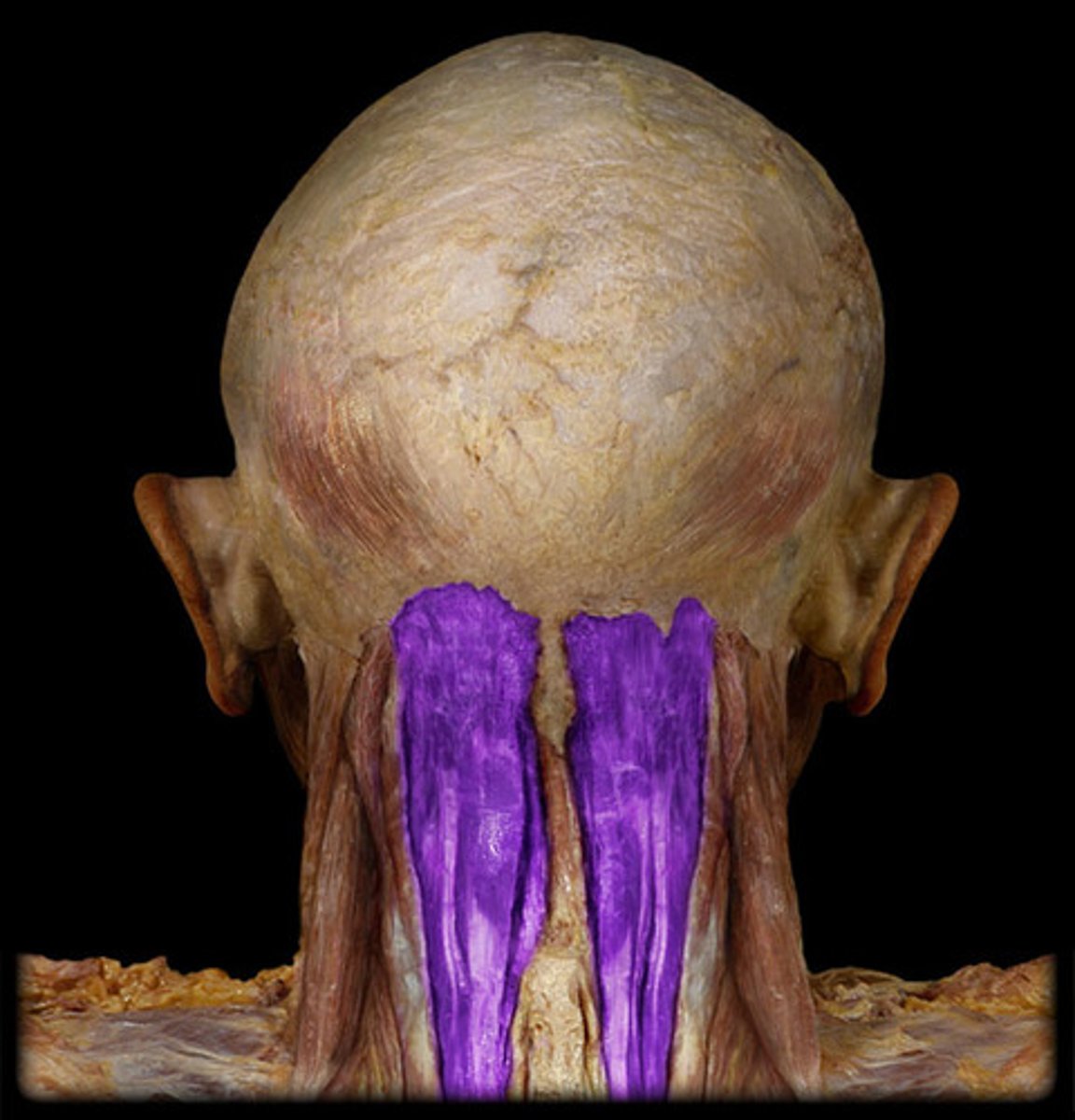
semispinalis capitis
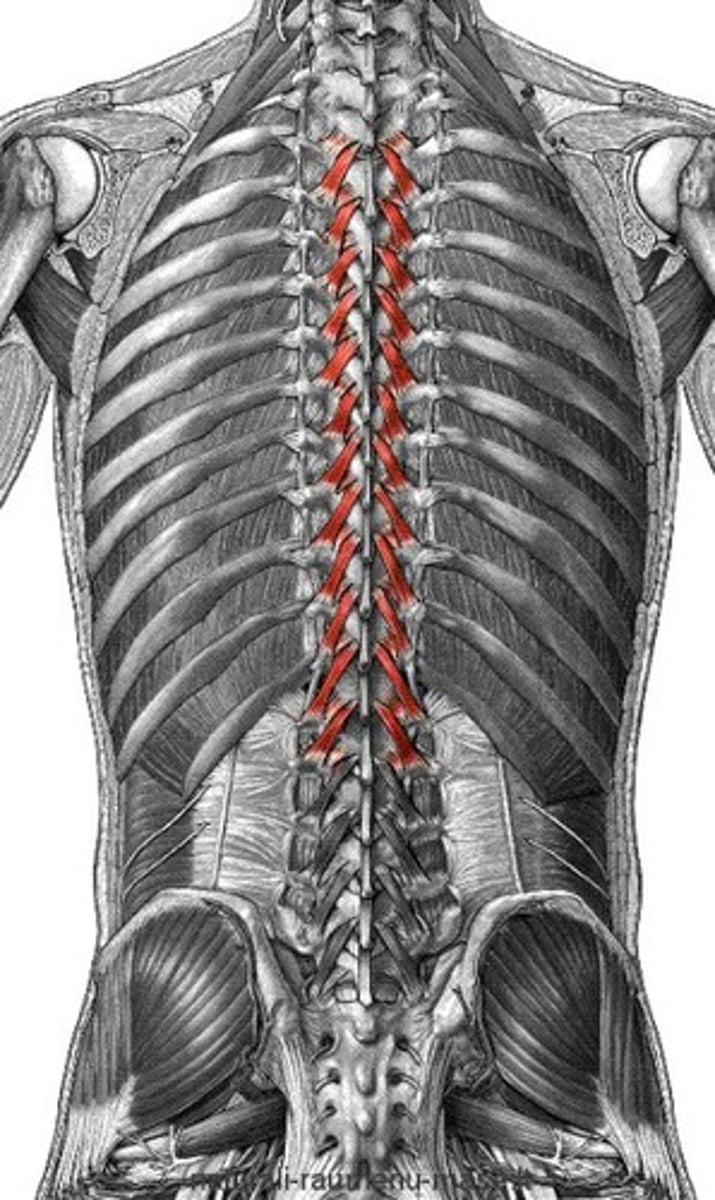
rotatores
the deepest of the transversospinalis msucles, which are fully developed only in the thoracic region, originate from the base of transverse processes and insert at the base of more superior spinous processes
ONLY ROTATE
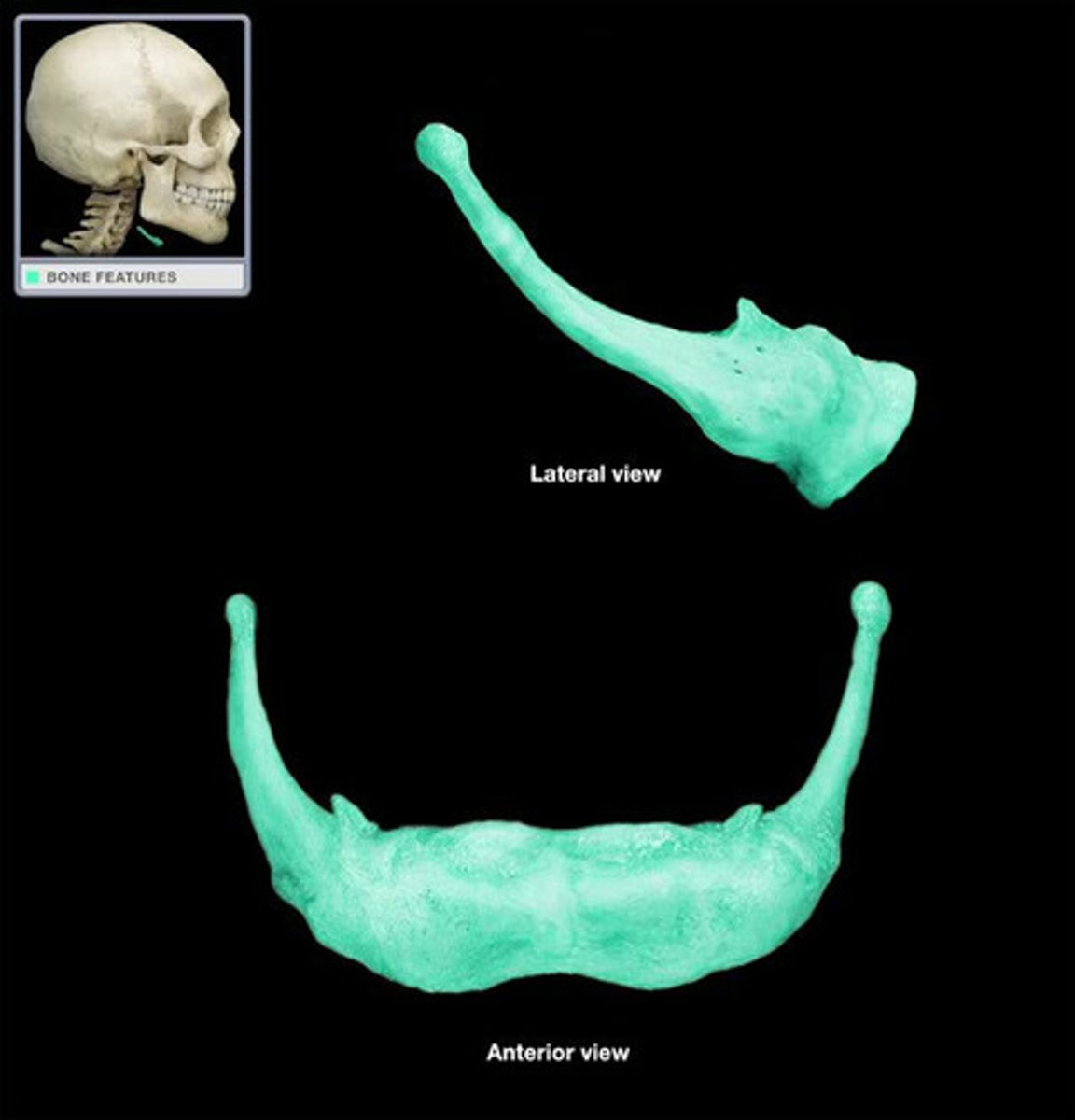
hyoid bone
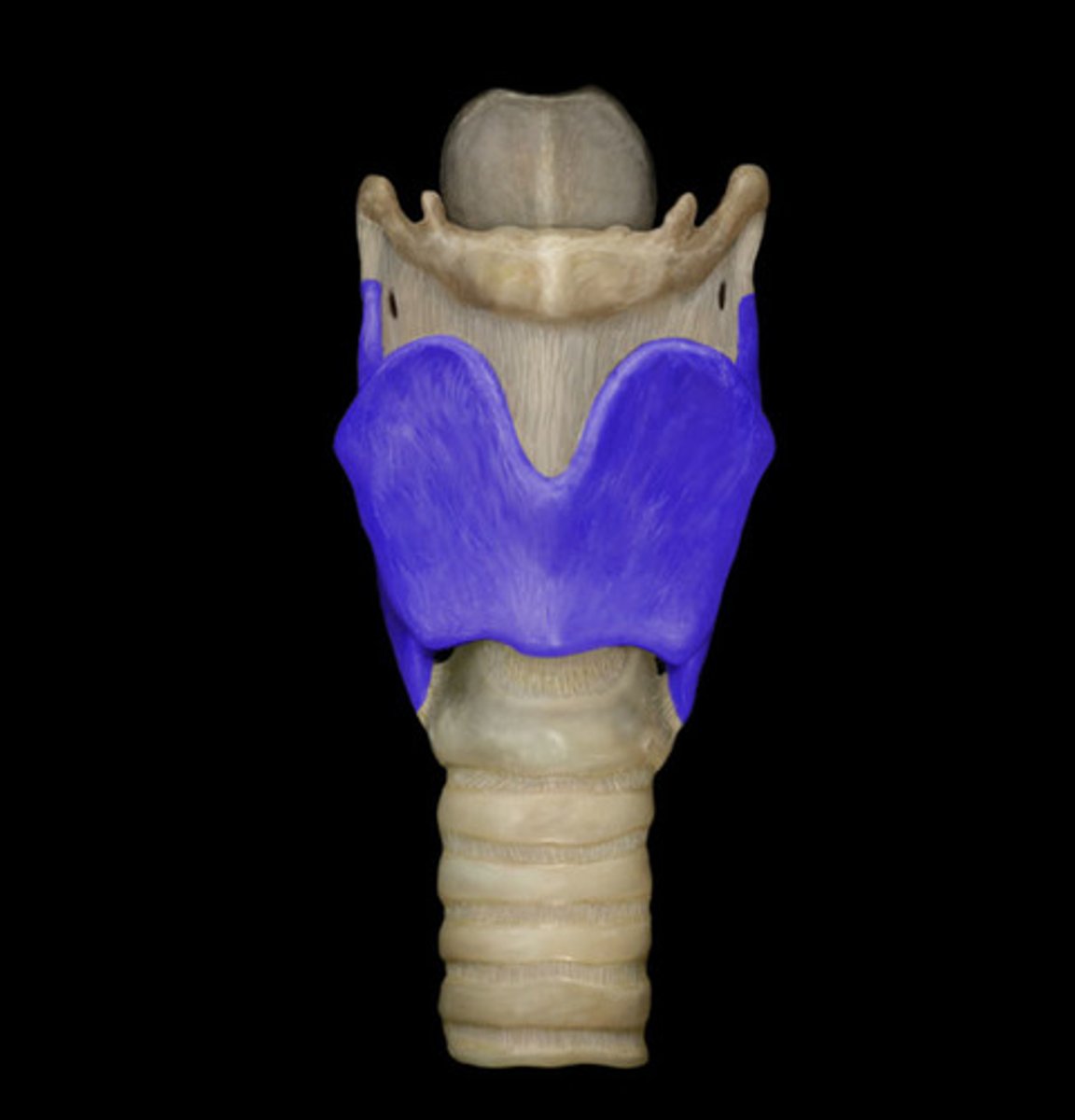
thyroid cartilage
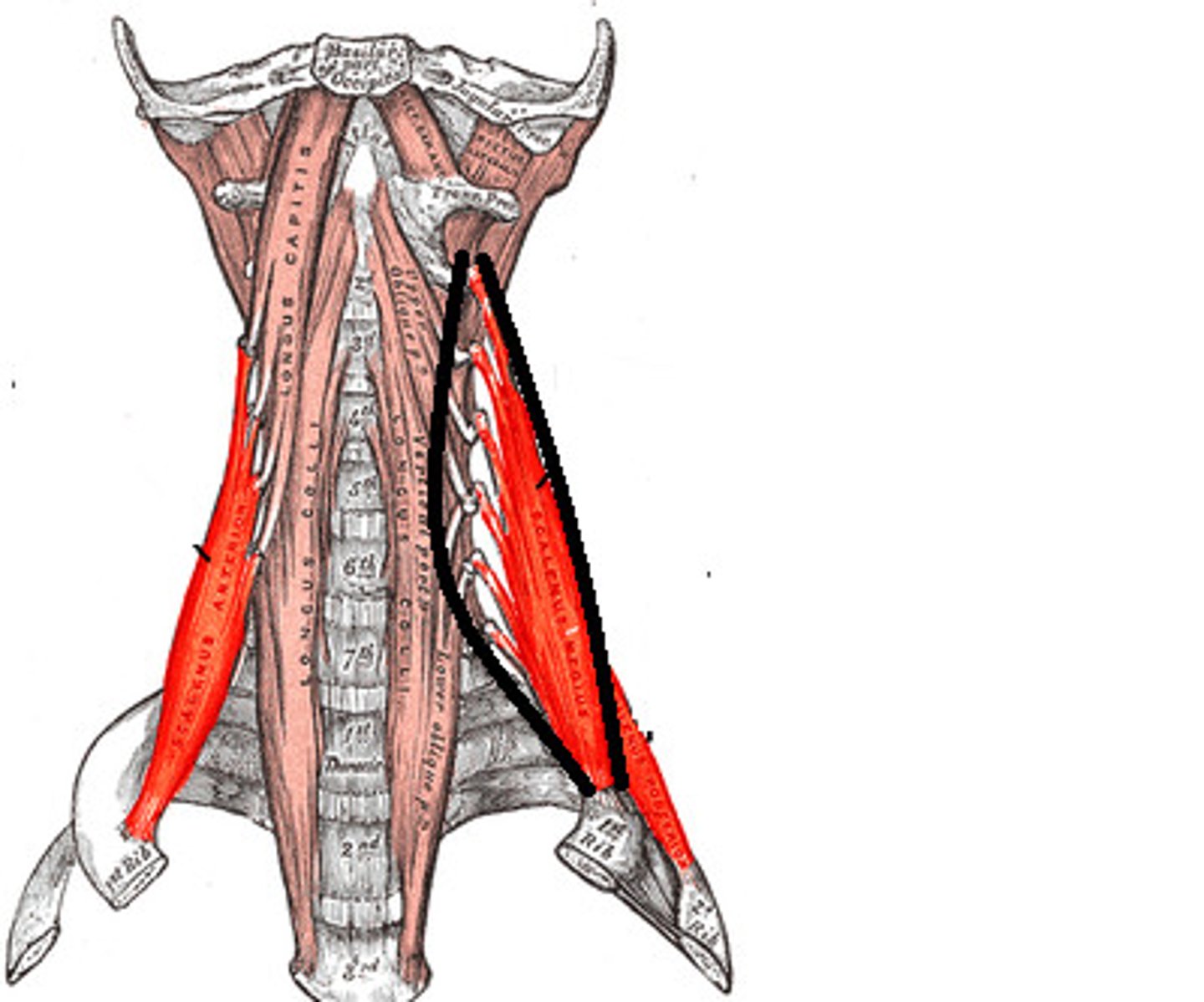
scalenes
accessory inspiration
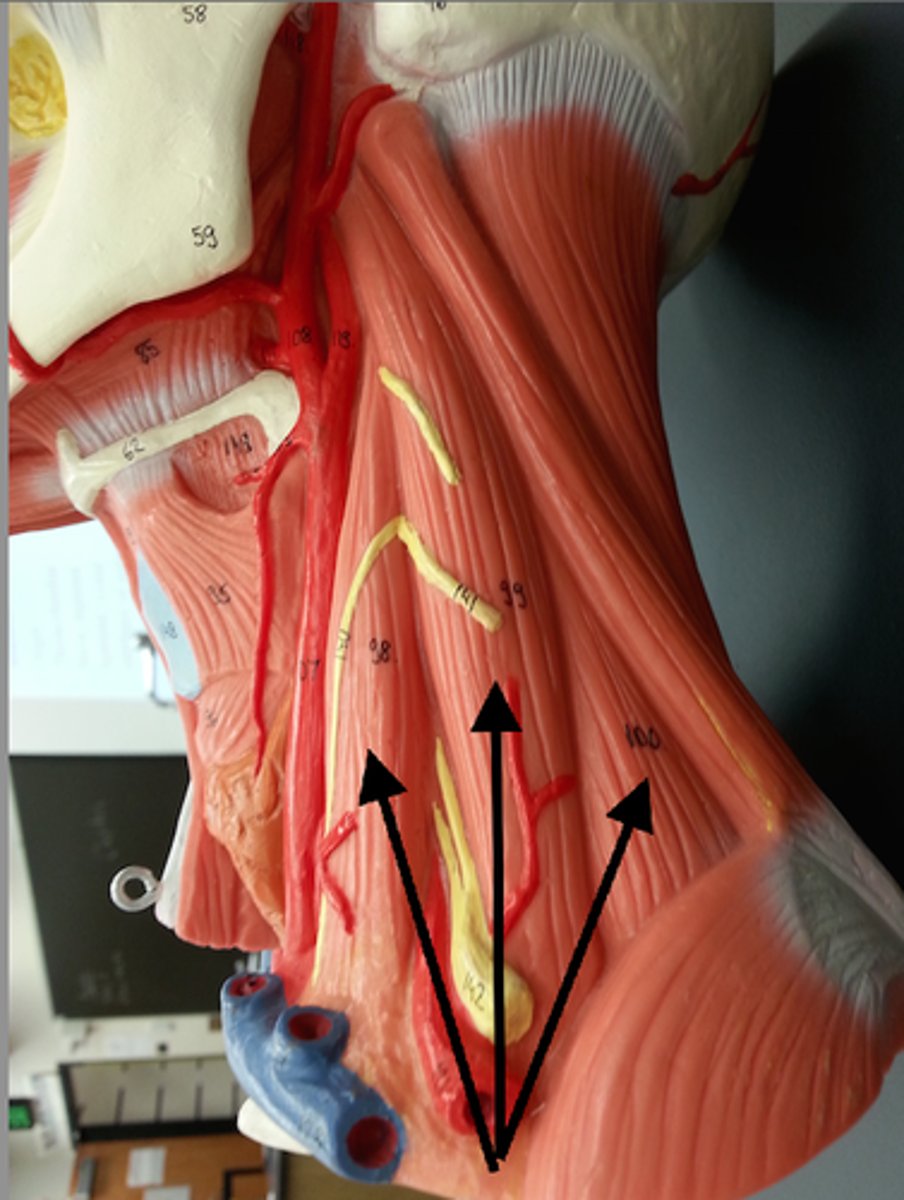
transverse cervical artery
artery in LCR
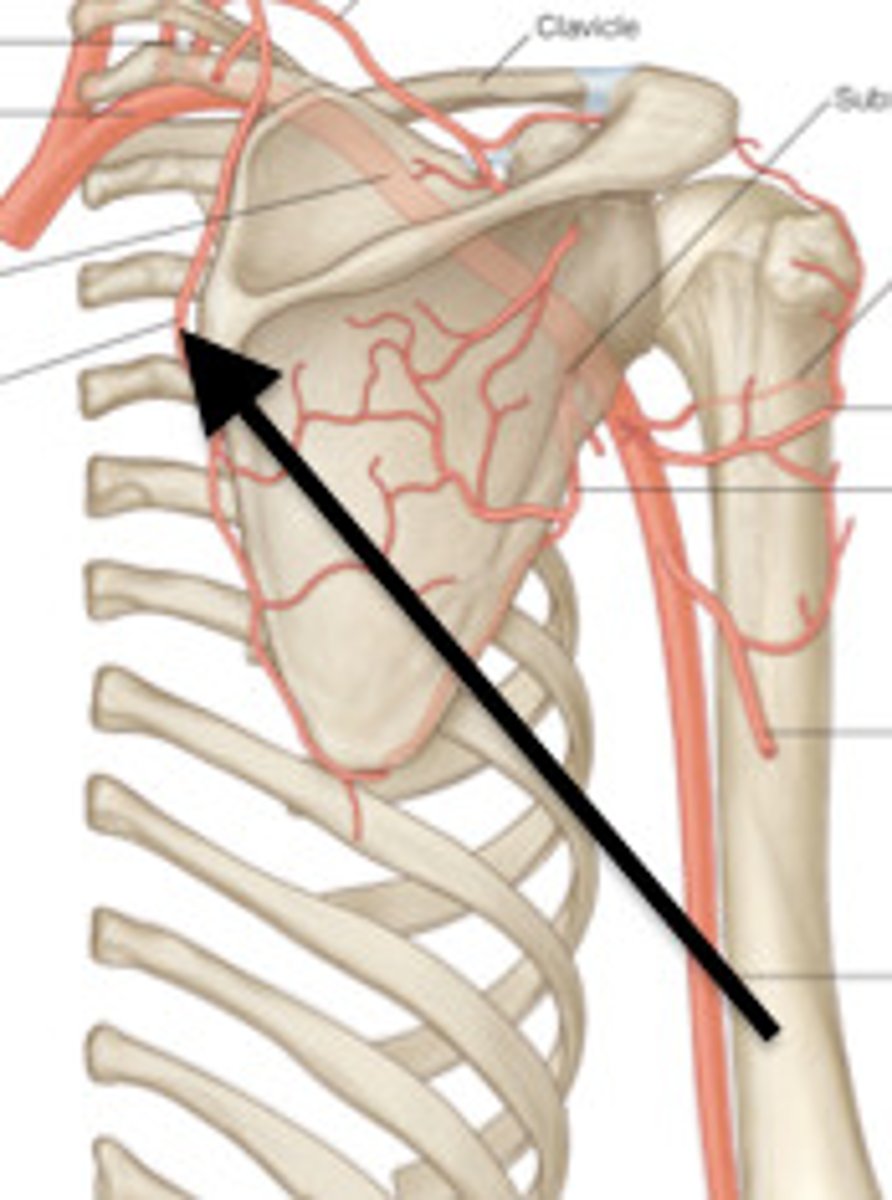
subclavian artery
transverse artery is first part of _______. supplies trapezius and brachial plexus
runs superficially and laterally across anterior scalene
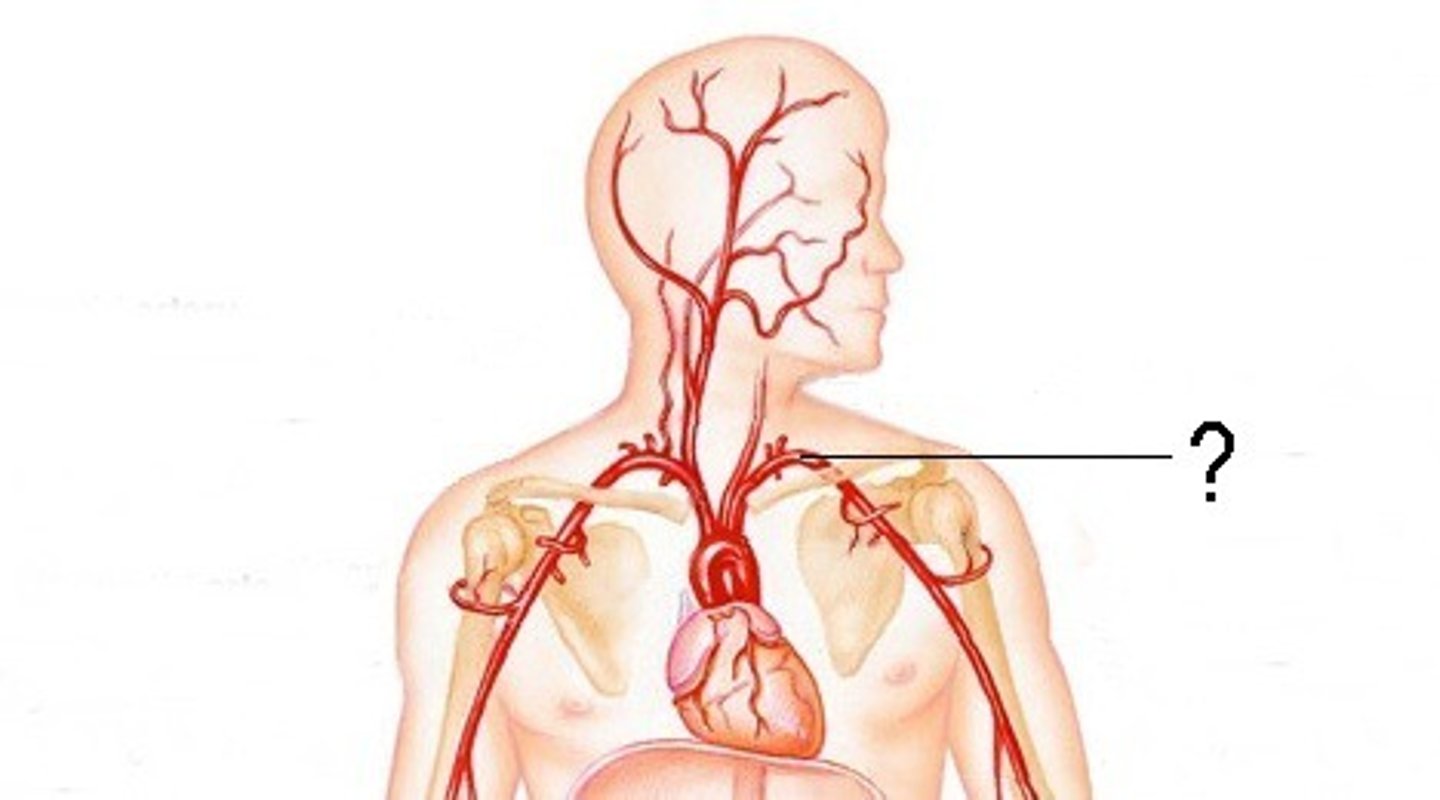
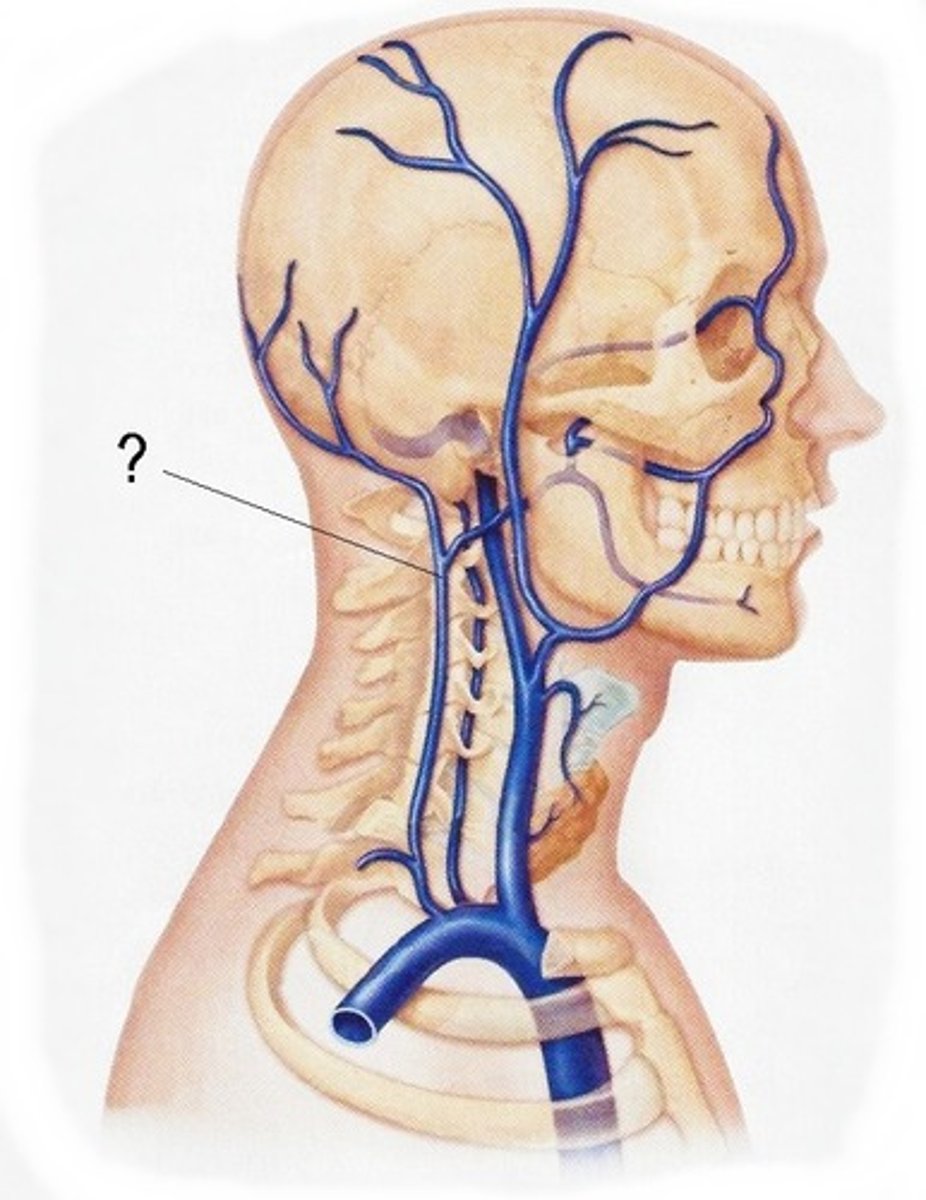
External jugular vein
crosses the SCM obliquely, deep to platysma and terminates in subclavian vein
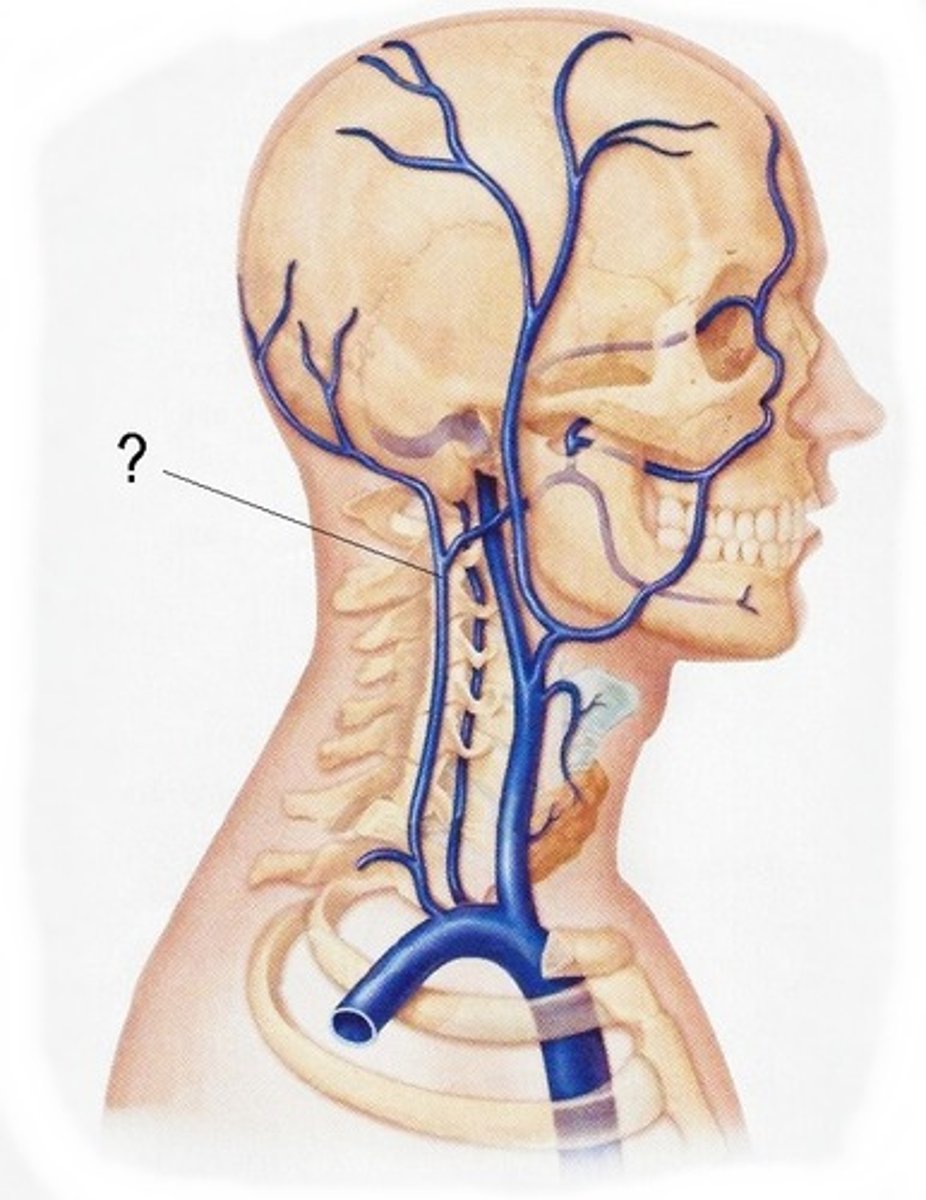
brachial plexus
appear between anterior and middle scalene muscles
innervation to most upper limb
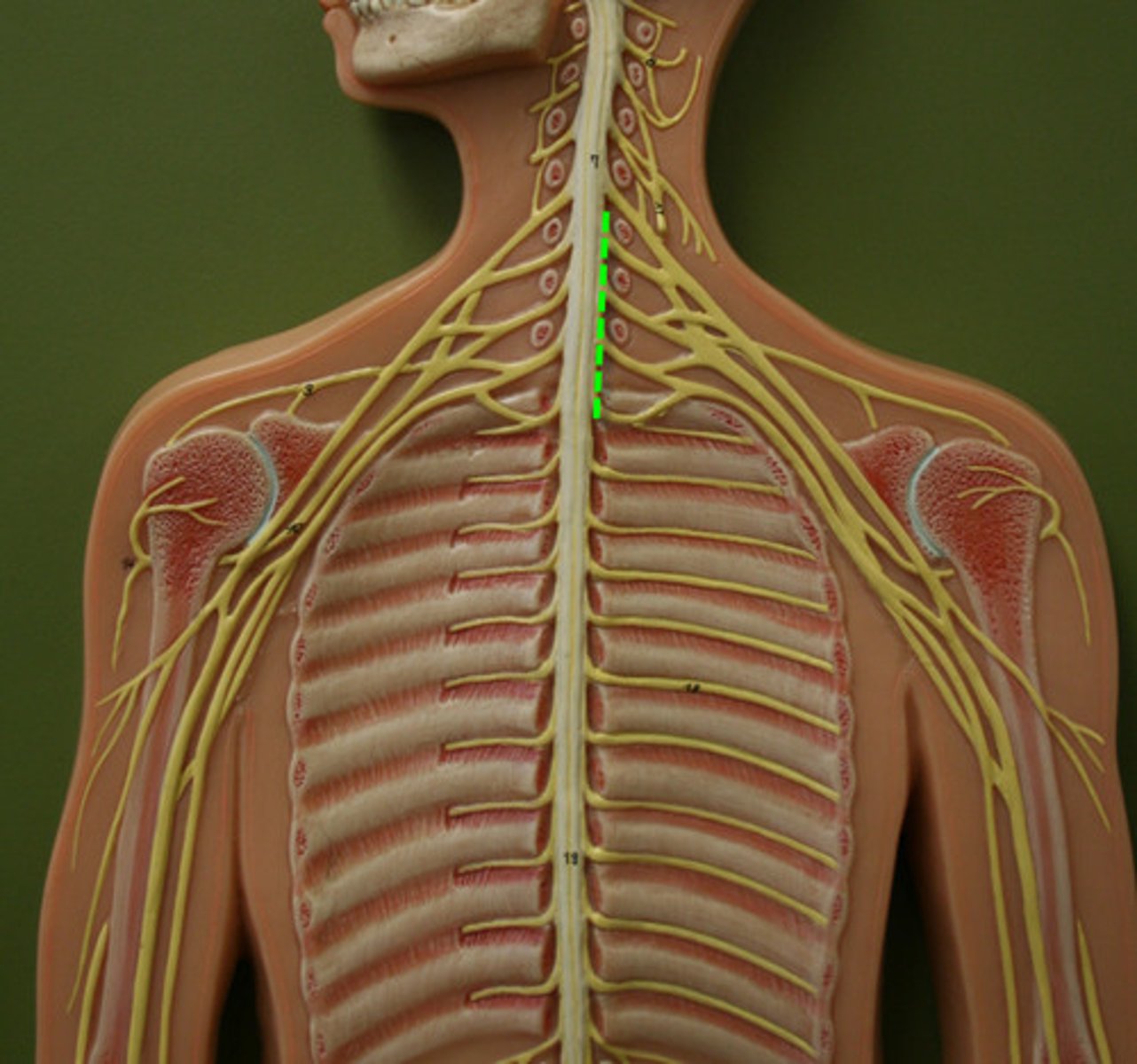
cervical plexus
Anterior rami of C1-C4 make up roots (spaghetti bowl)
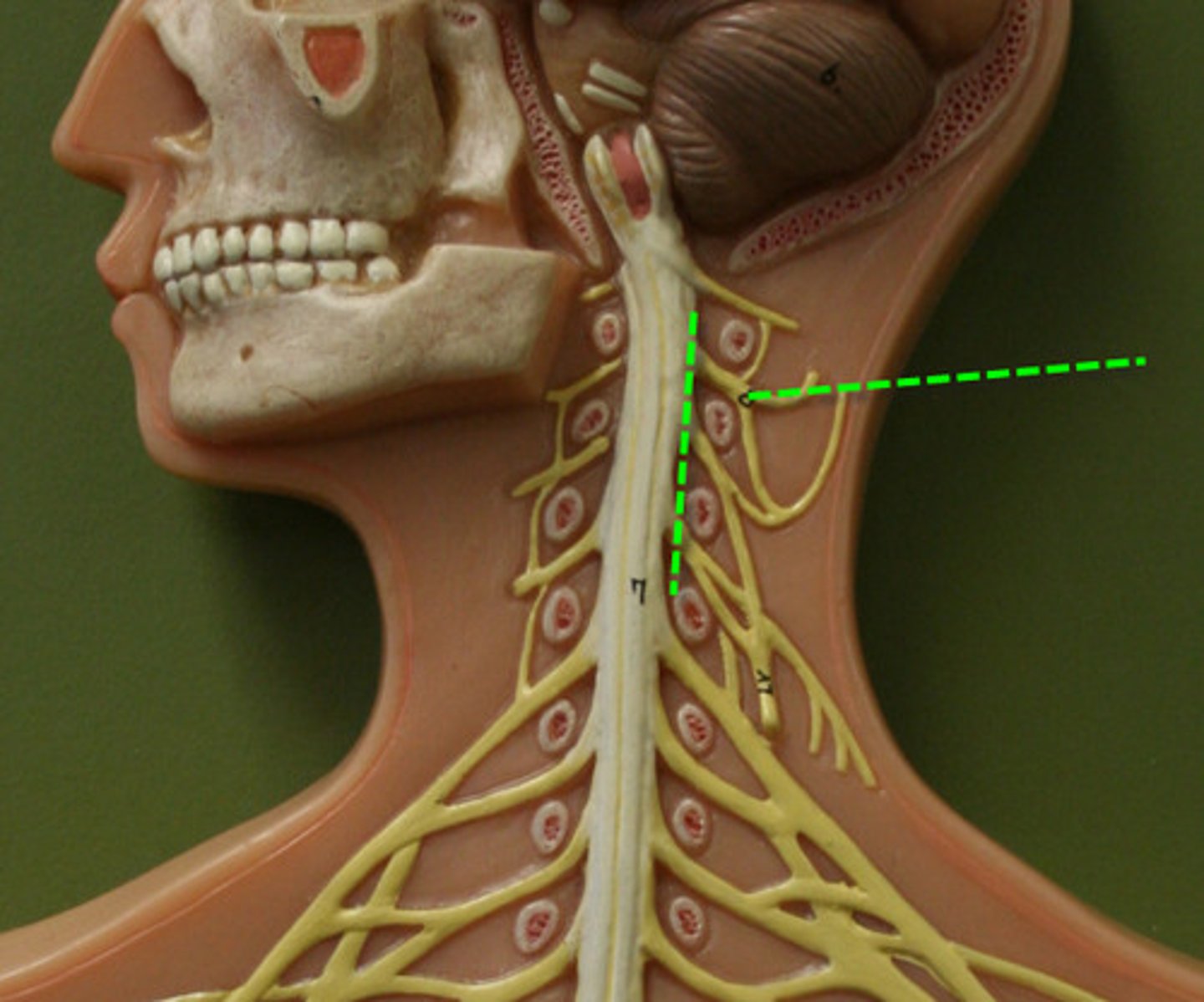
phrenic nerve
comes off of spaghetti bowl (B)
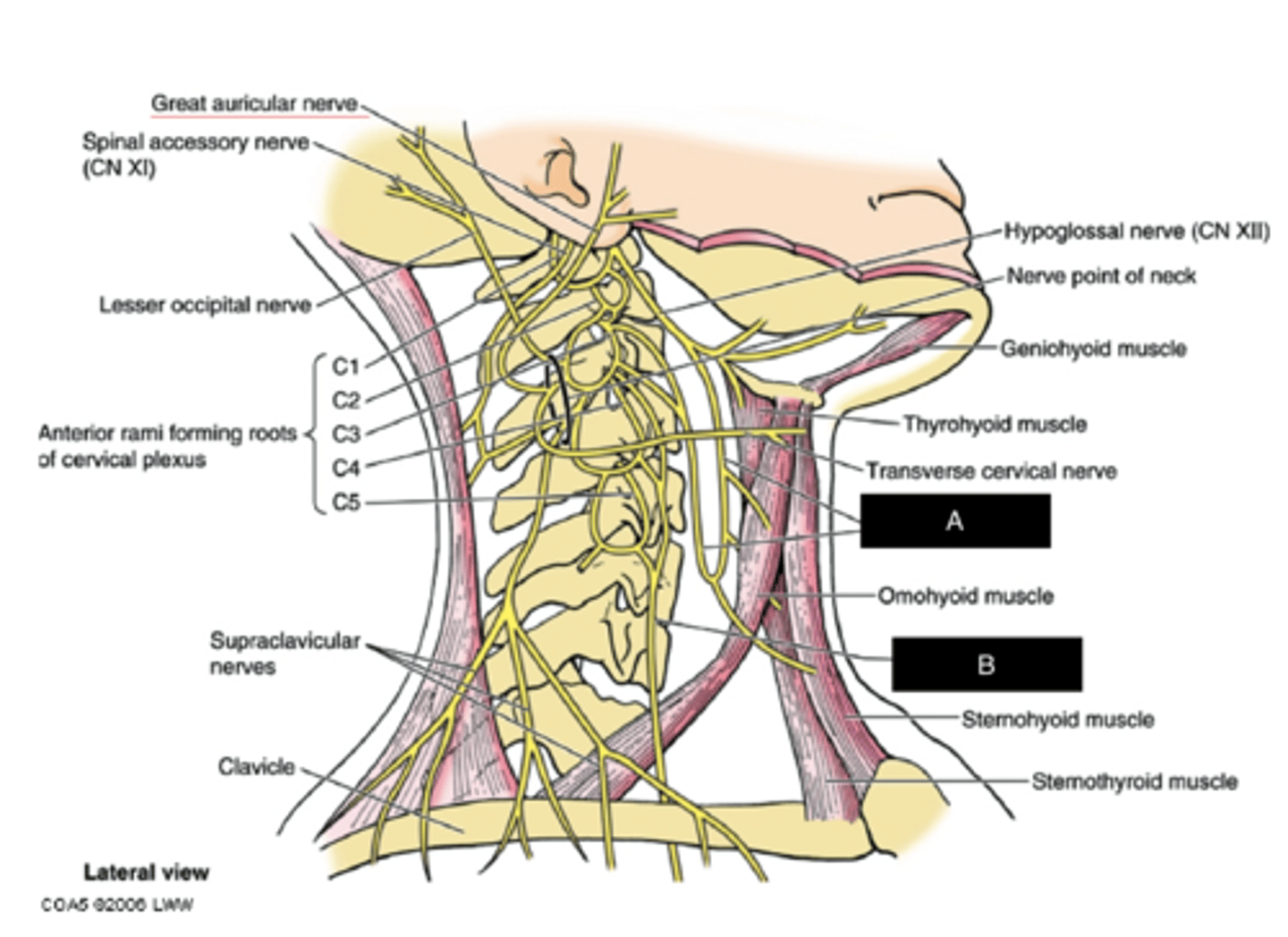
ansa cervicalis
comes off as a loop (A)
supply the infrahyoid muscles (omohyoid, sternothyroid, sternohyoid)
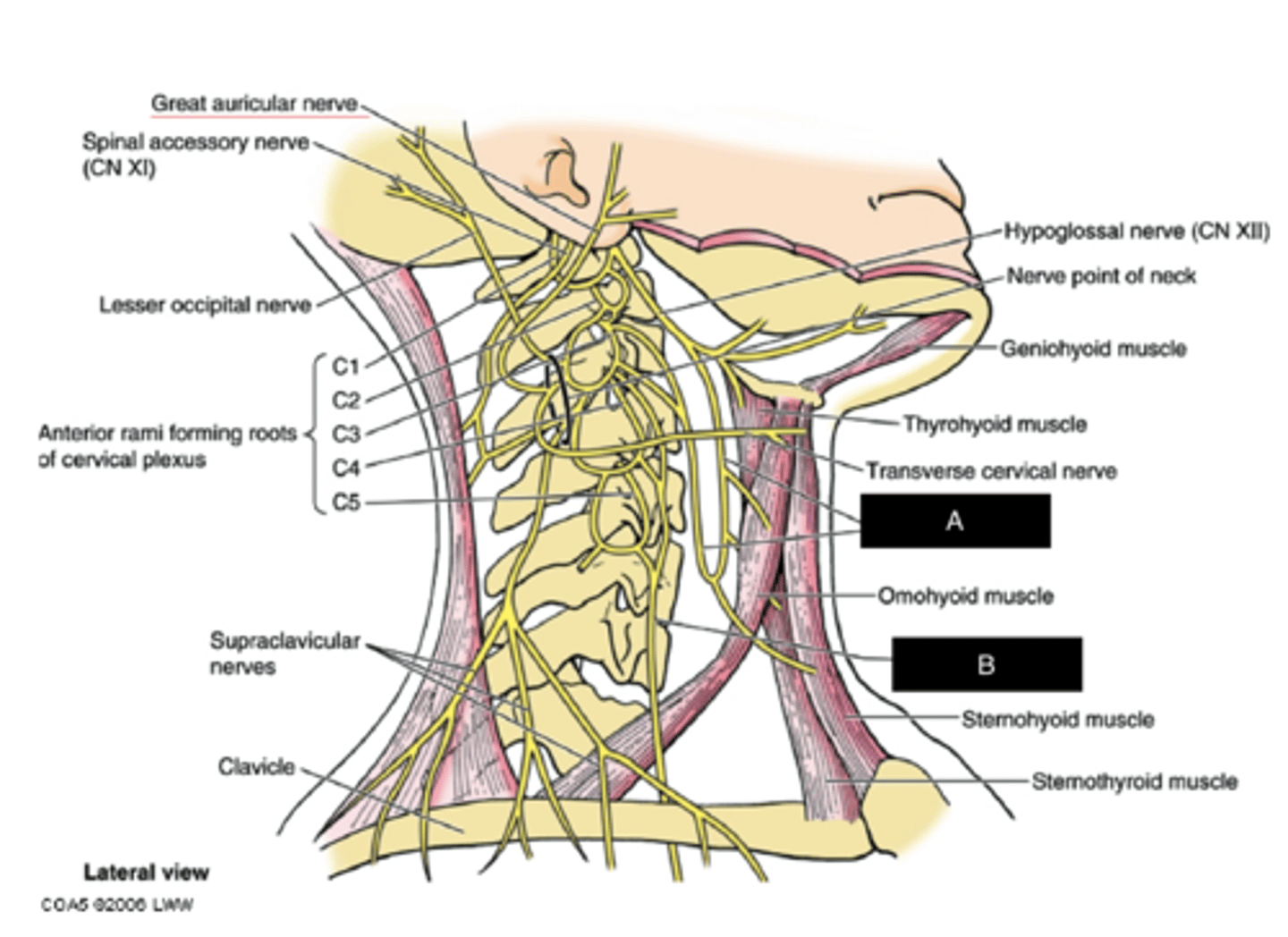
mylohyoid
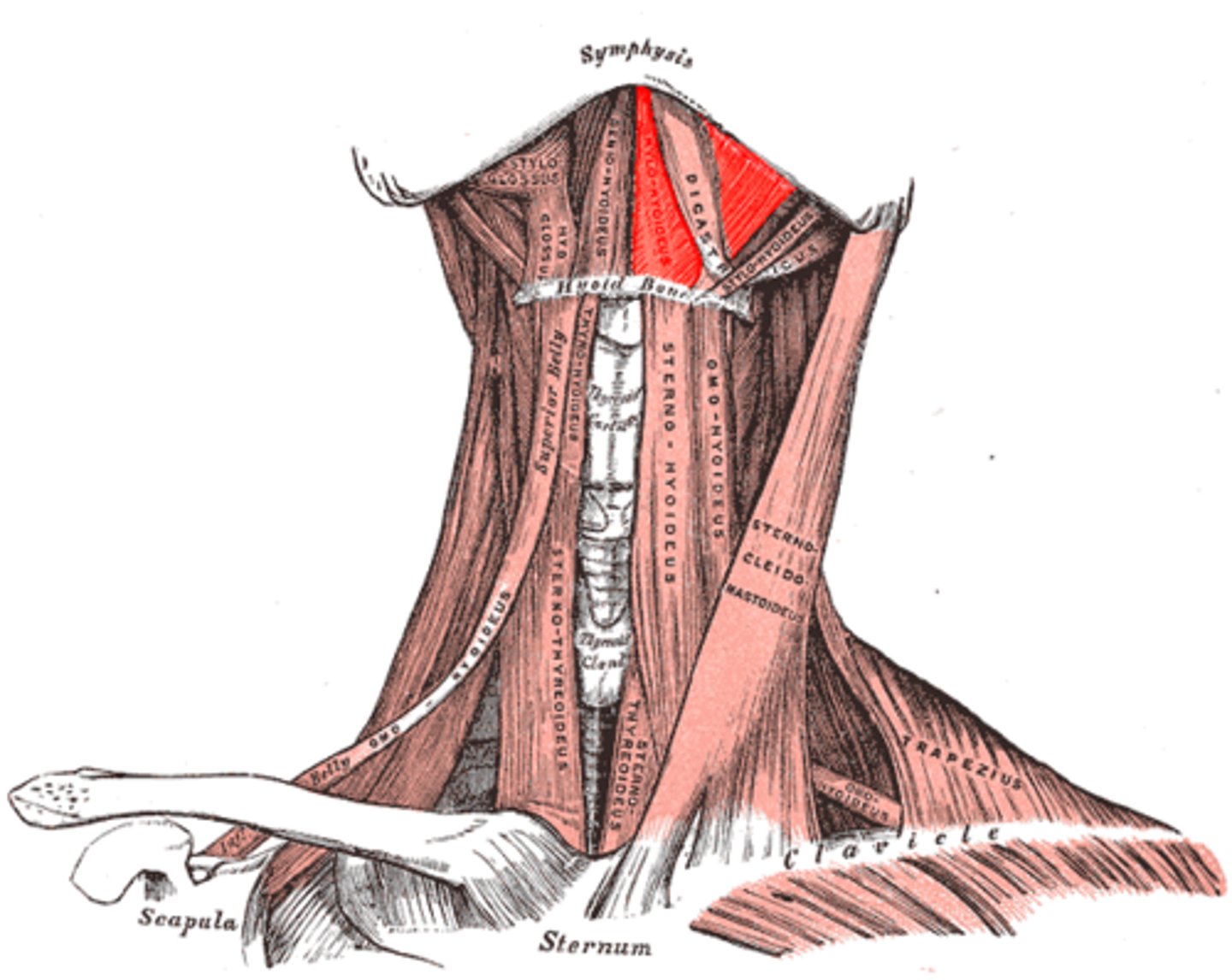
geniohyoid
deep to mylohyoid
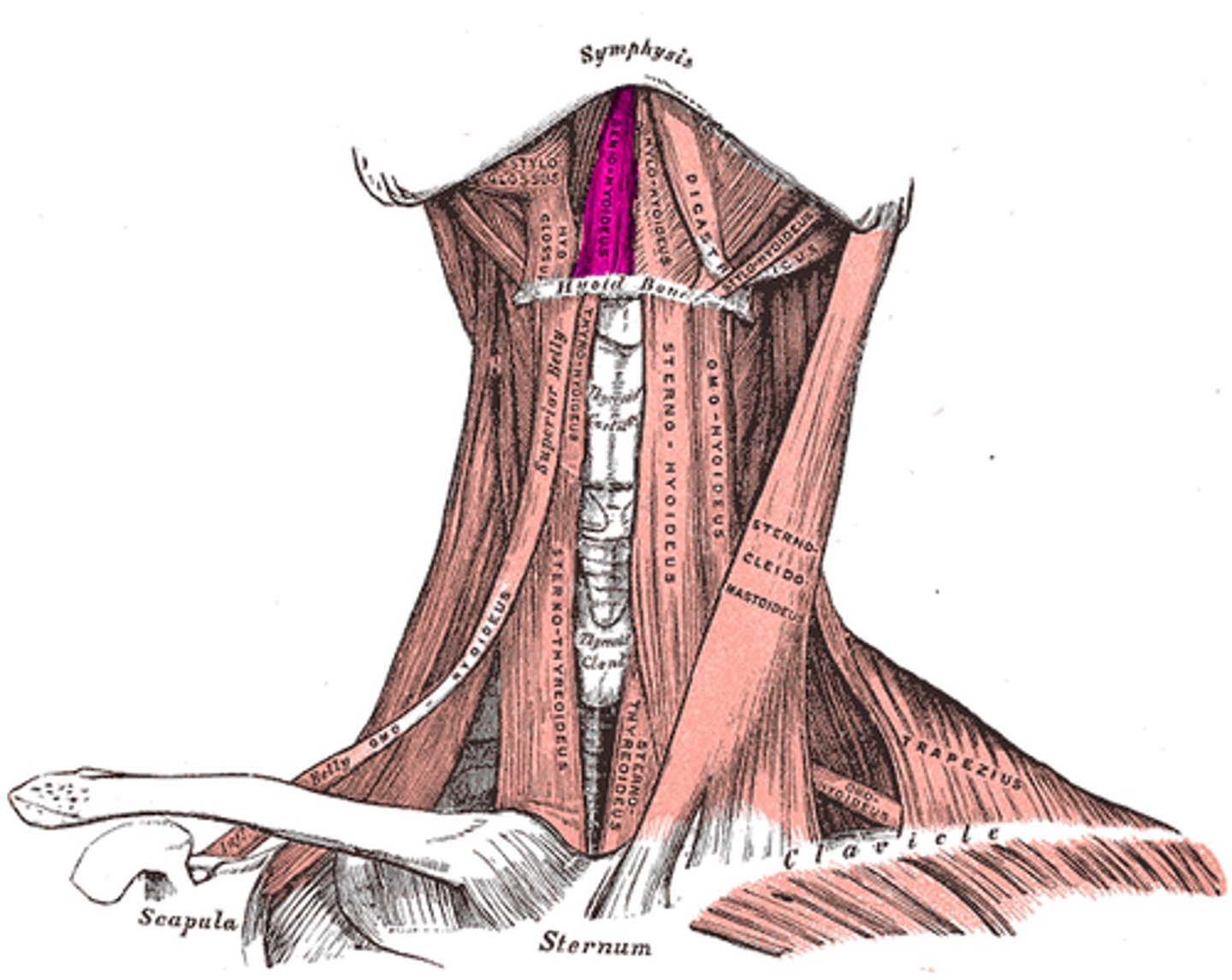
stylohyoid
thin; looks like a fiber
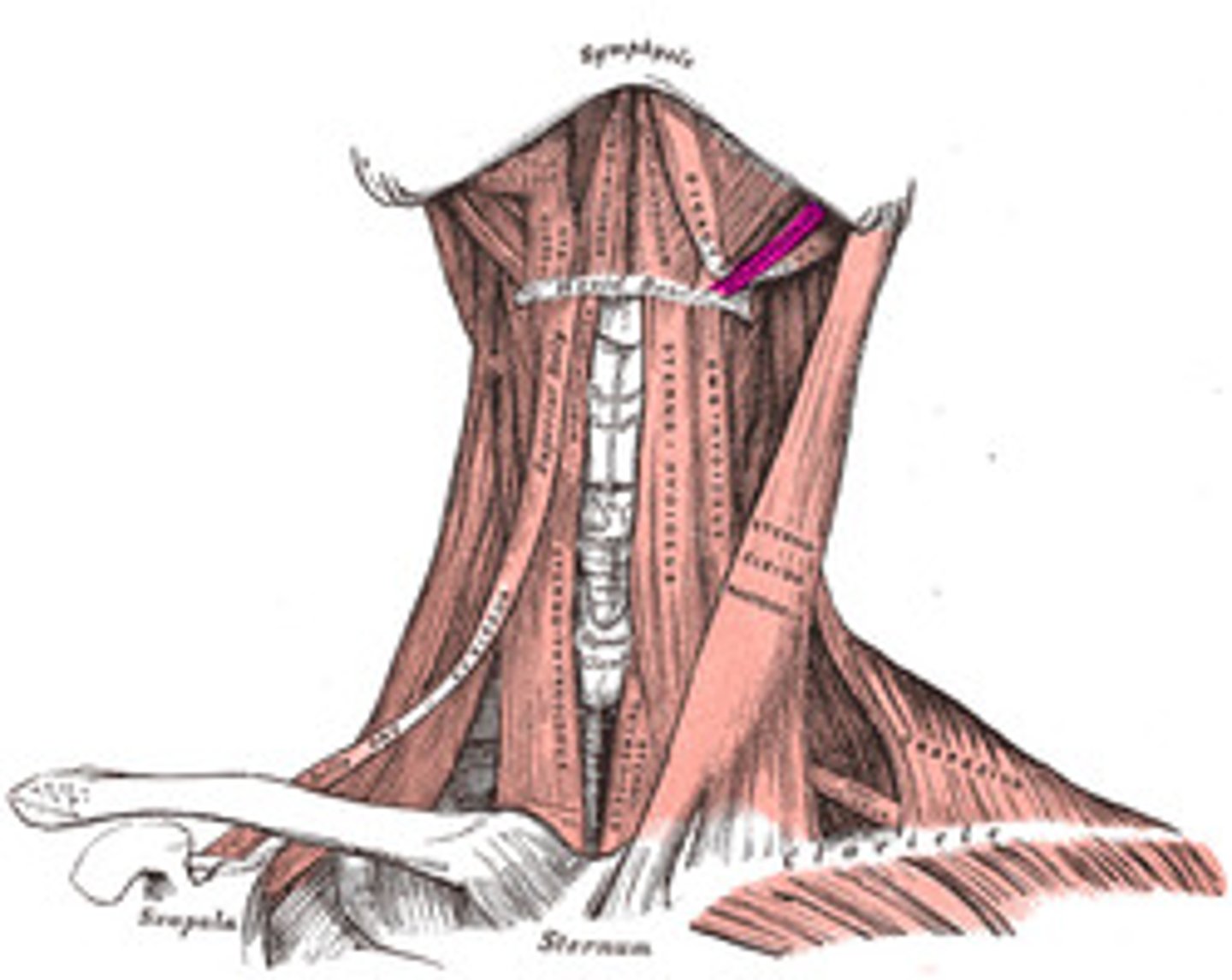
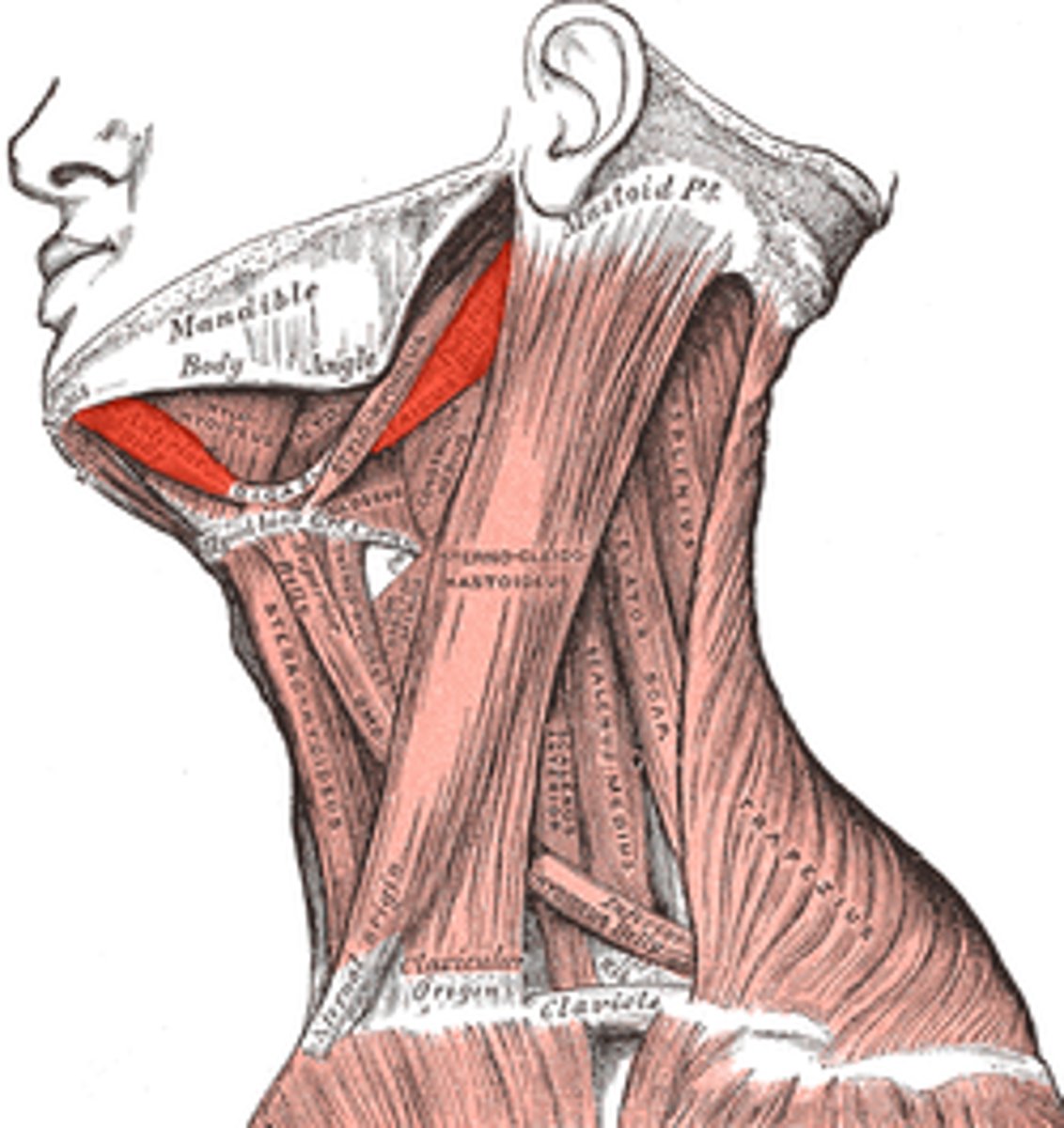
digastric muscle
2 muscle bellies
pulley system
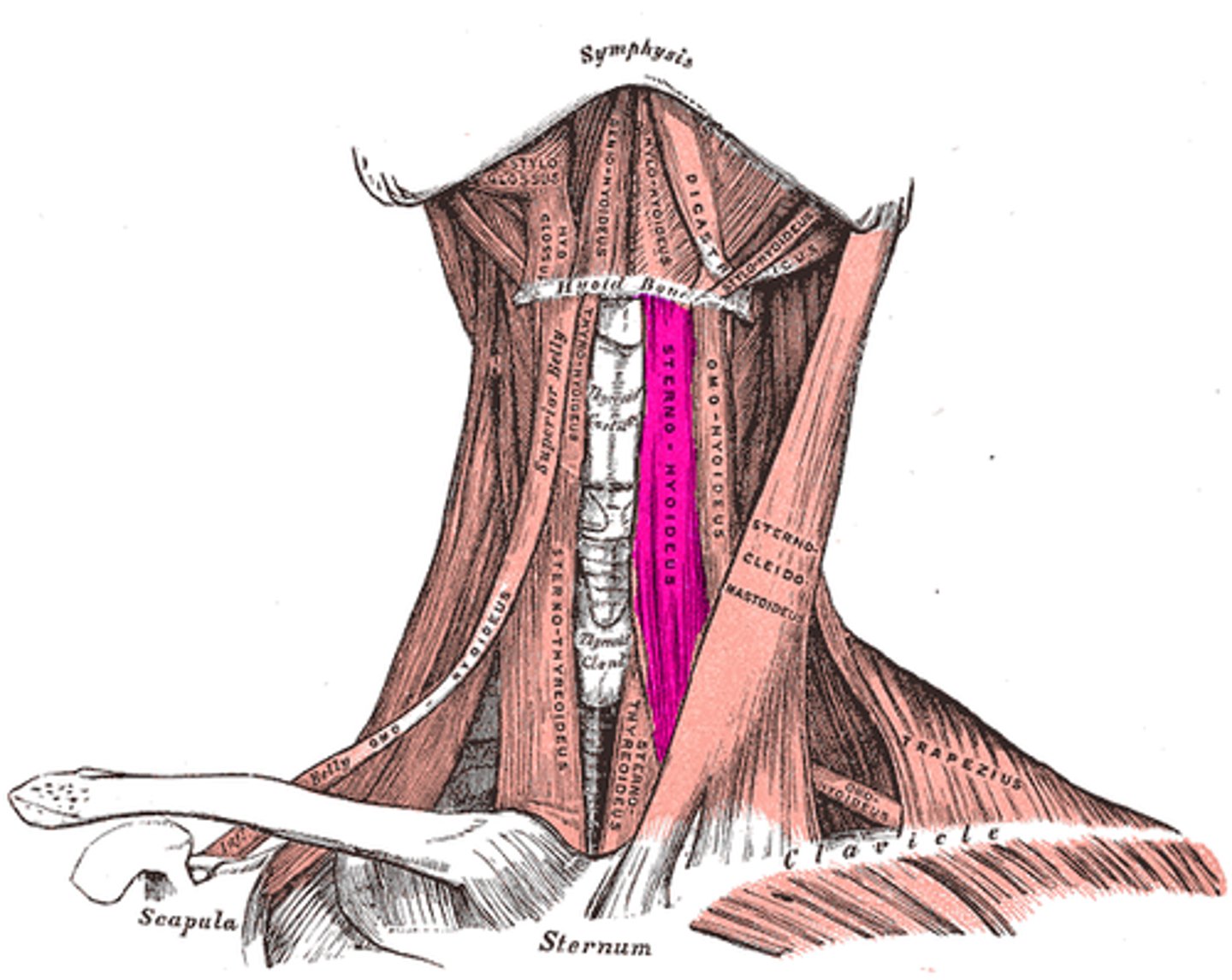
sternohyoid
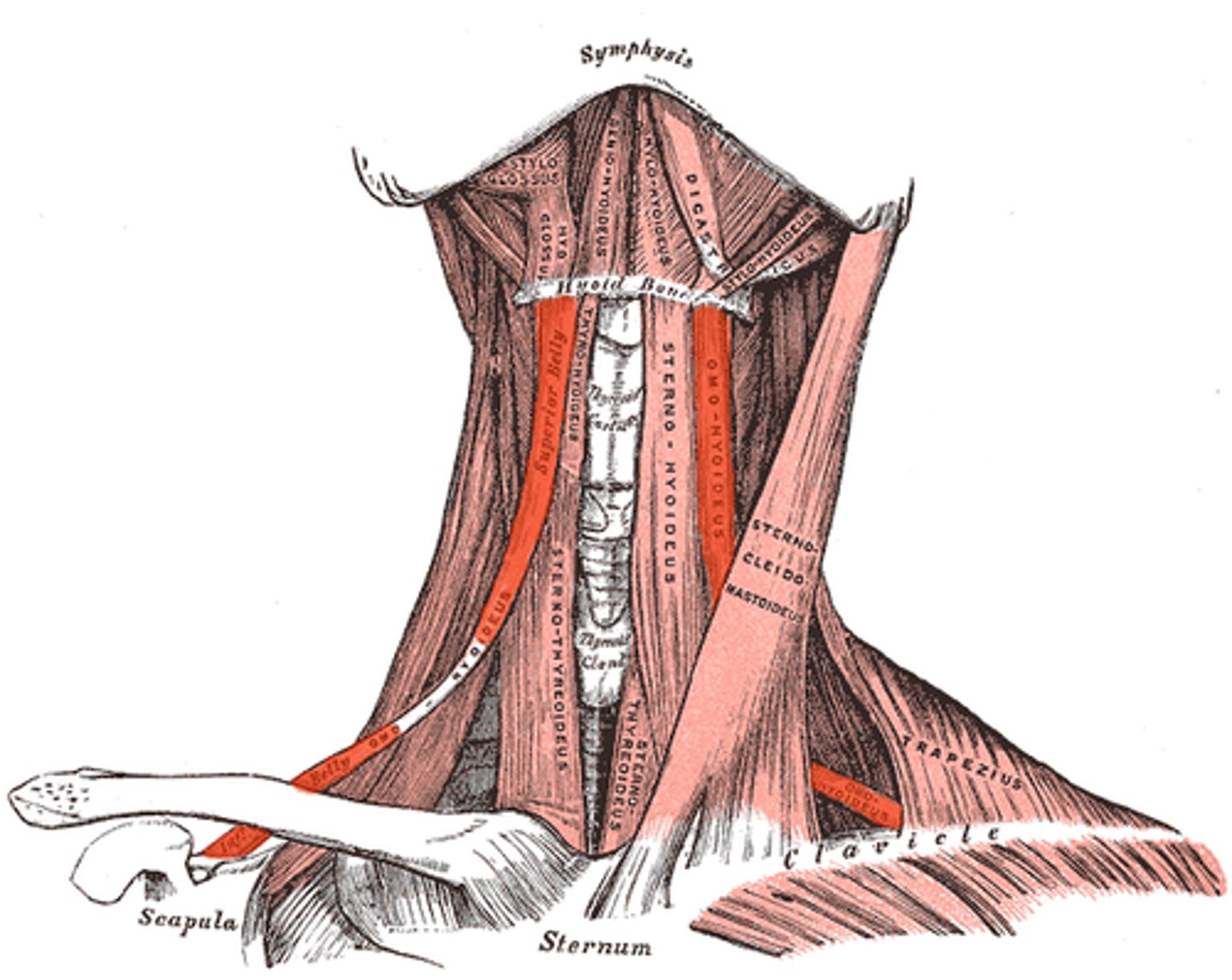
omohyoid
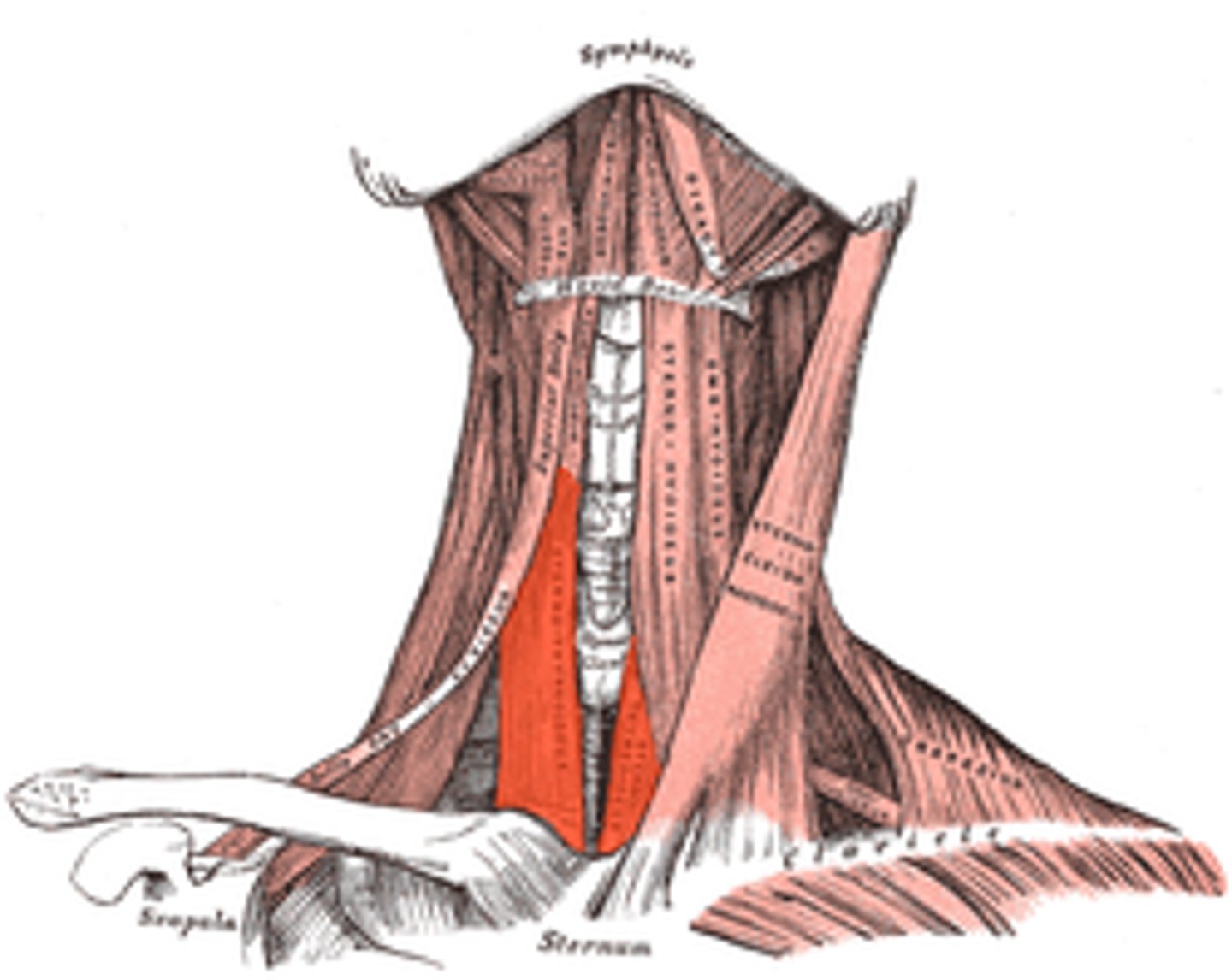
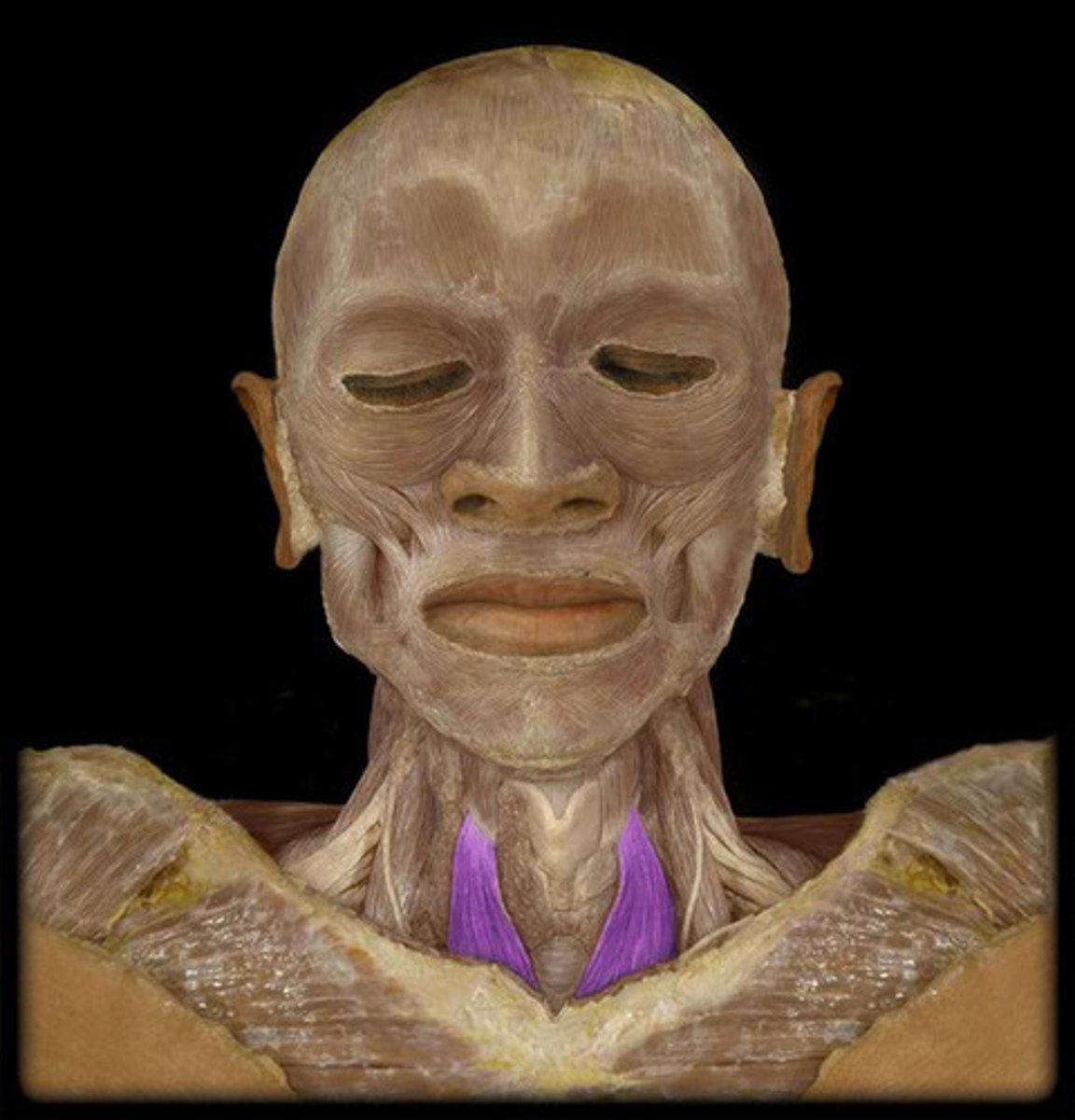
Sternothyroid
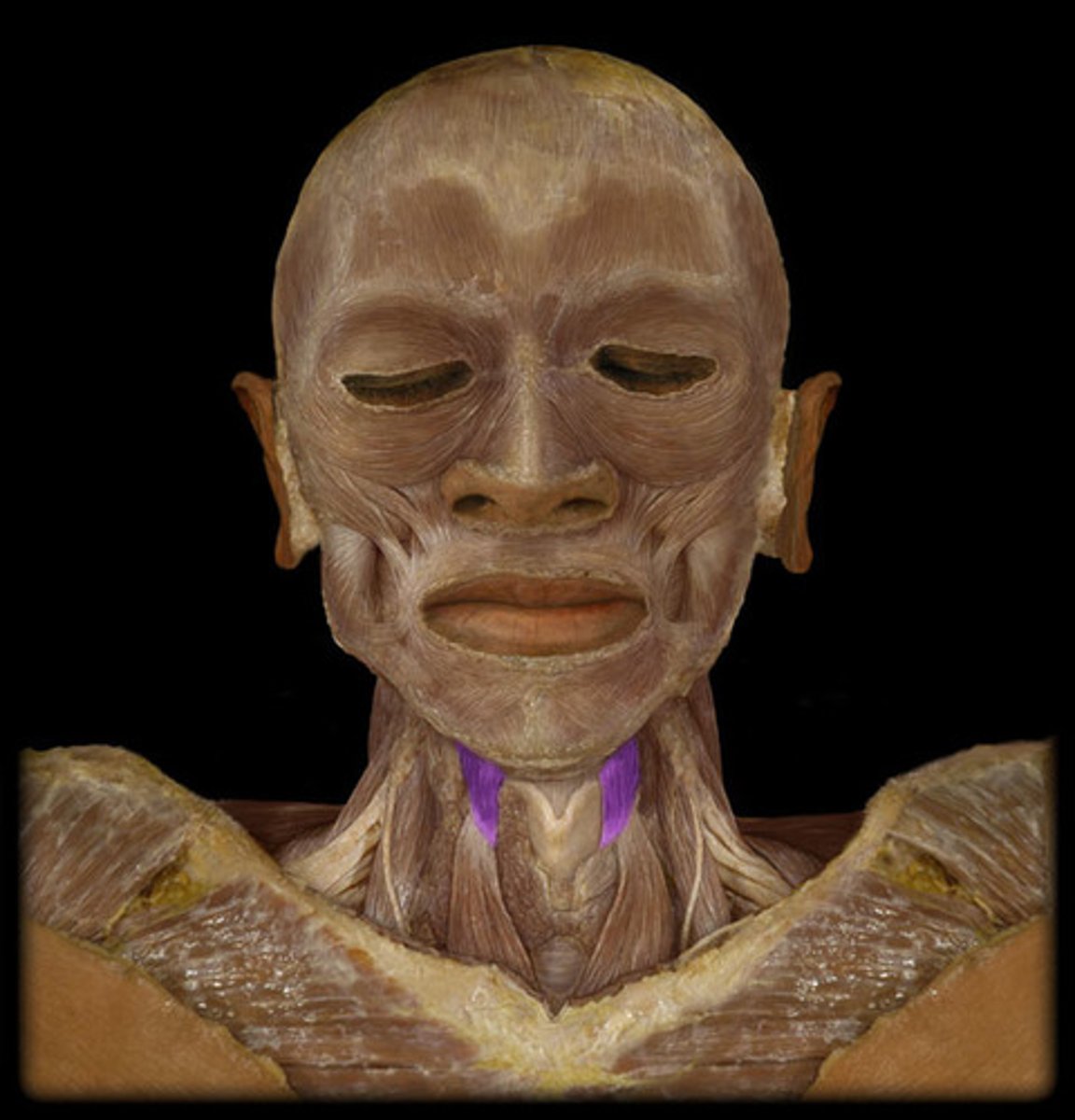
Thyrohyoid
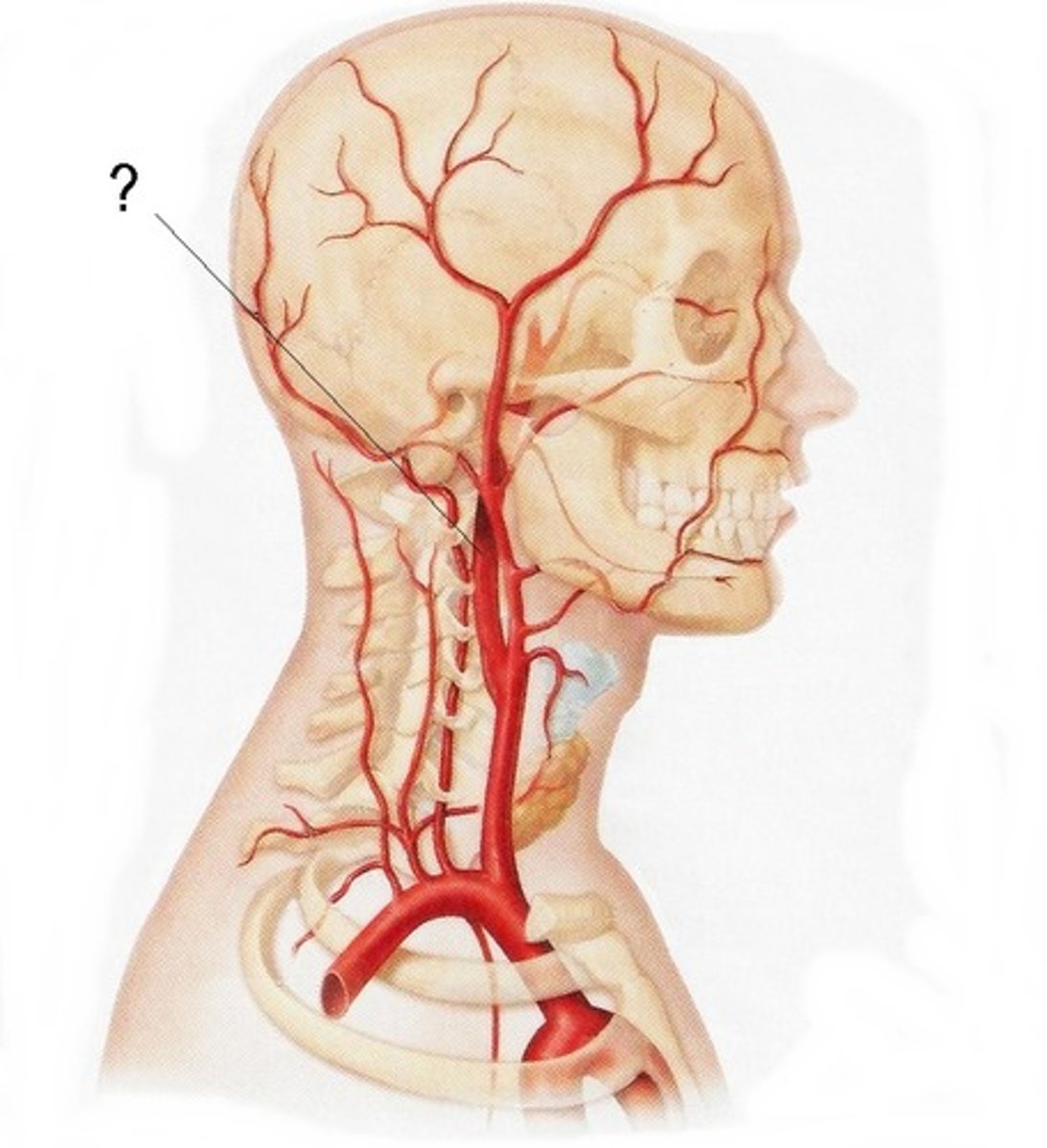
common carotid
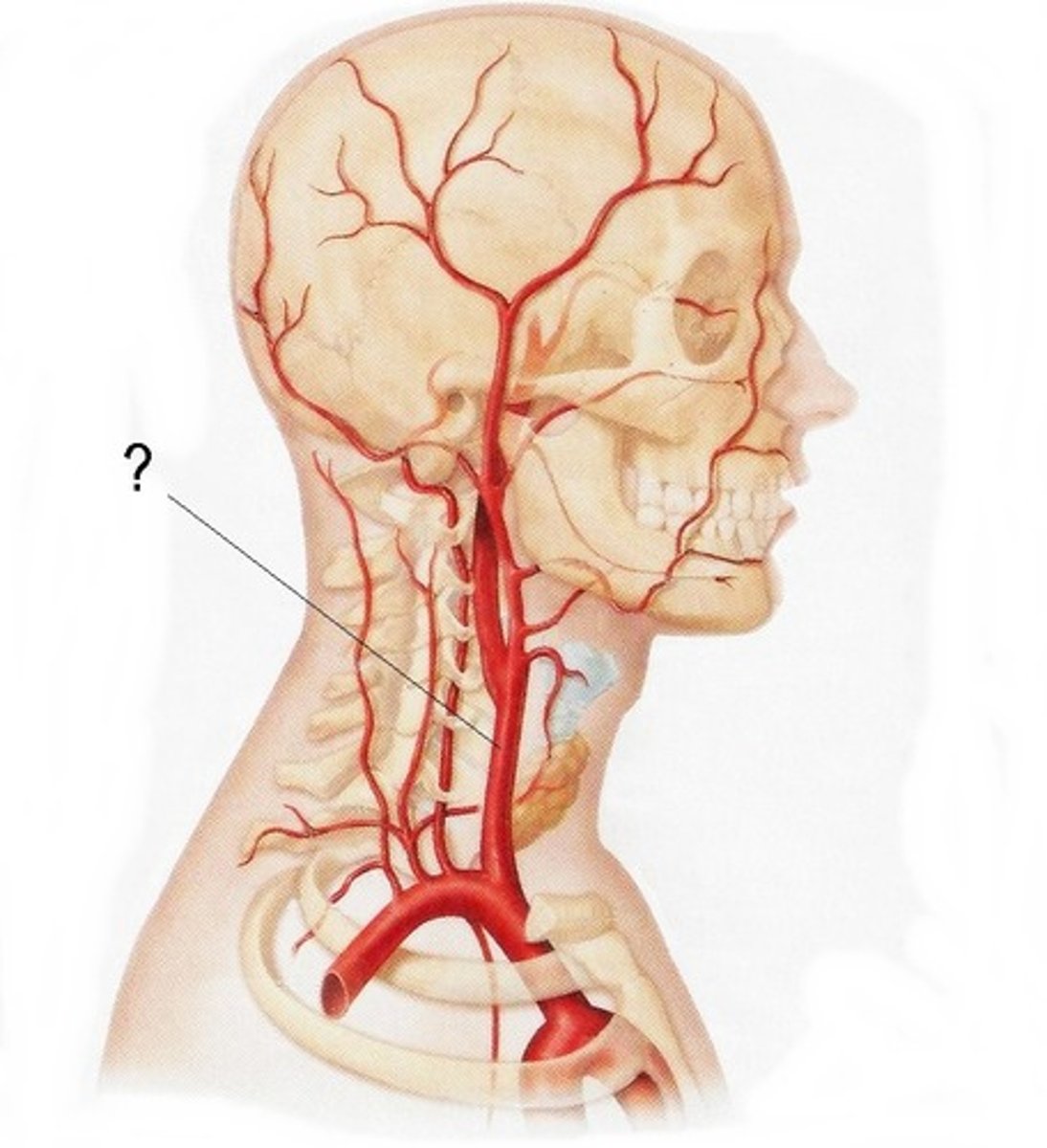
external carotid artery
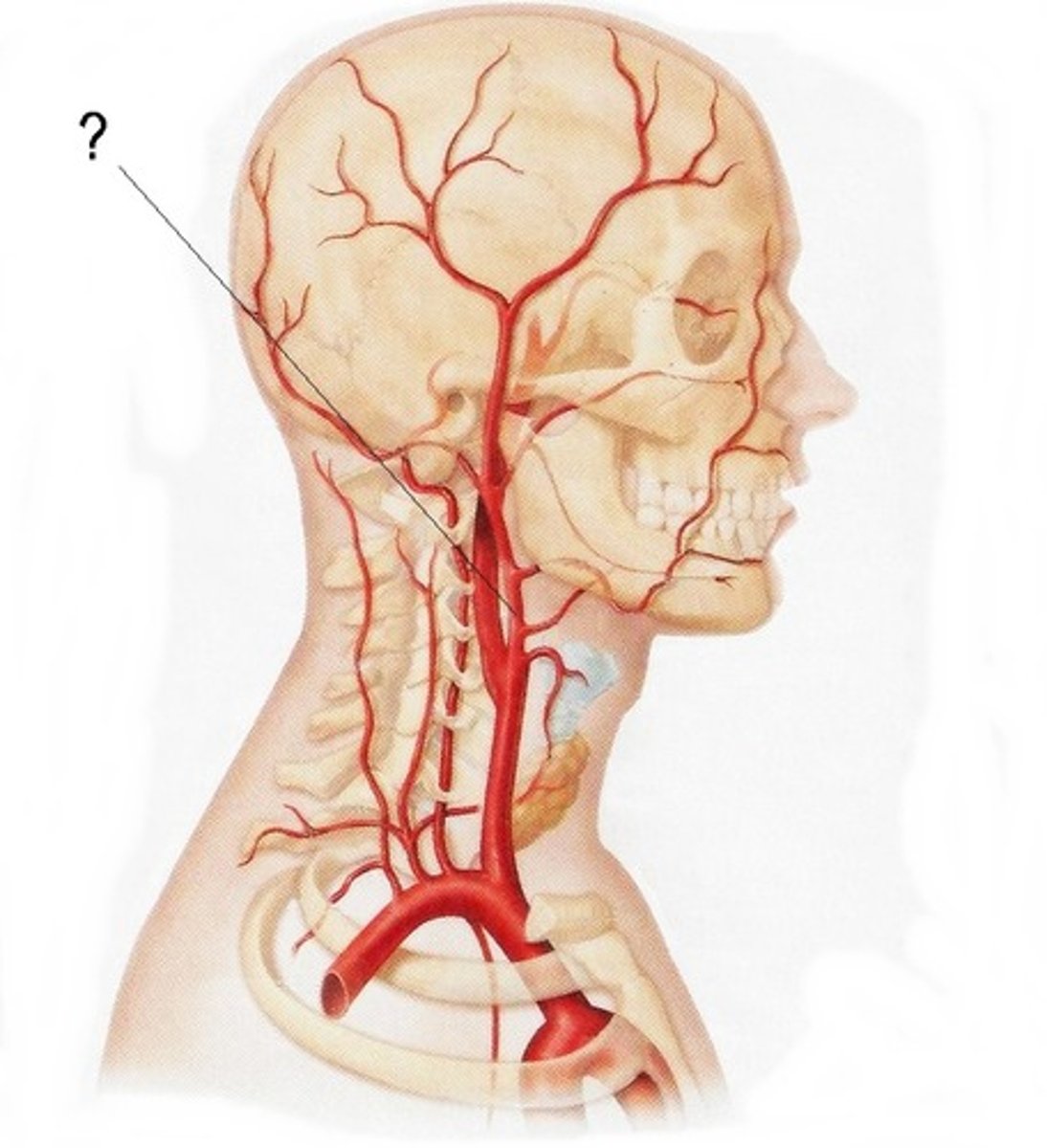
internal carotid artery
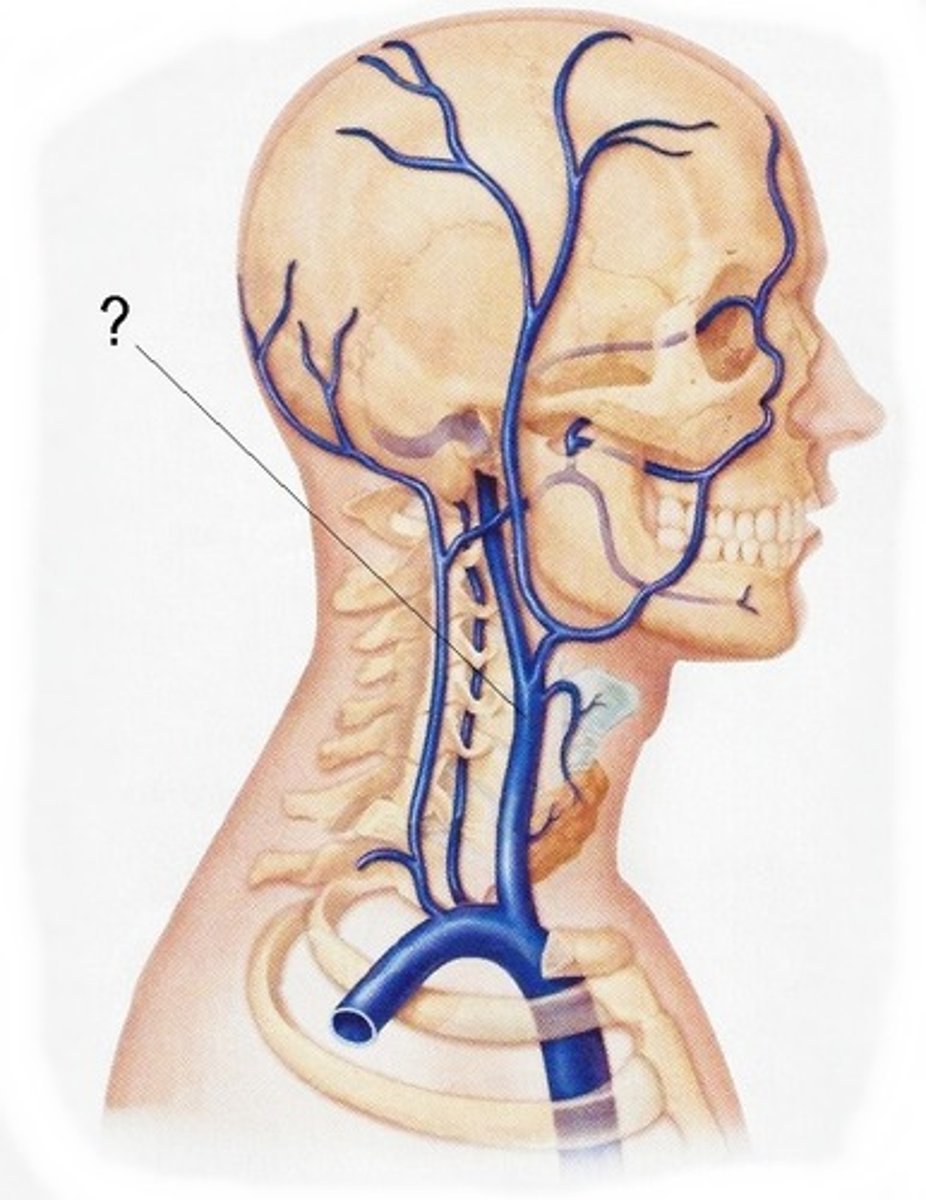
internal jugular vein
deep to SCM (external crosses superficially)
merges with subclavian to form brachiocephalic vein
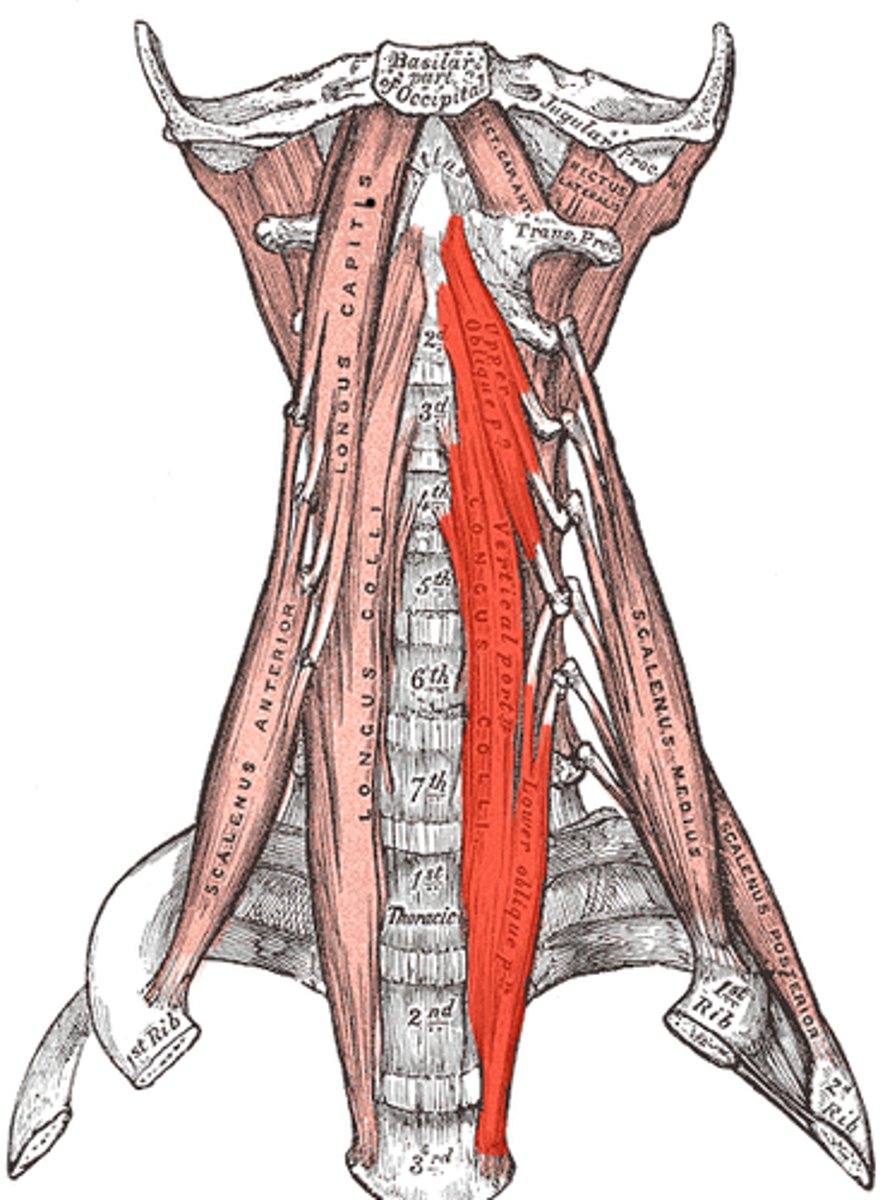
longus colli
larynx
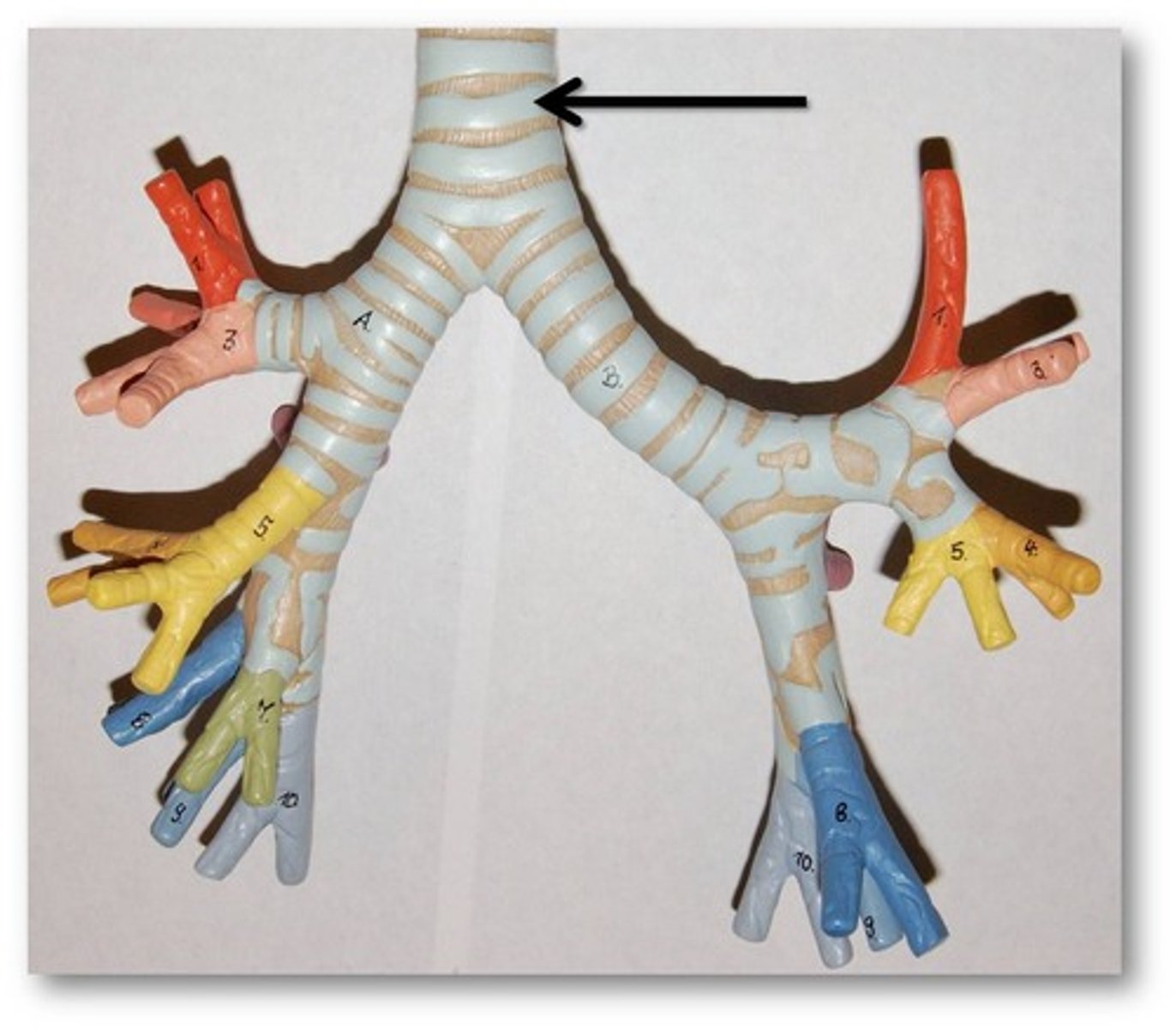
trachea
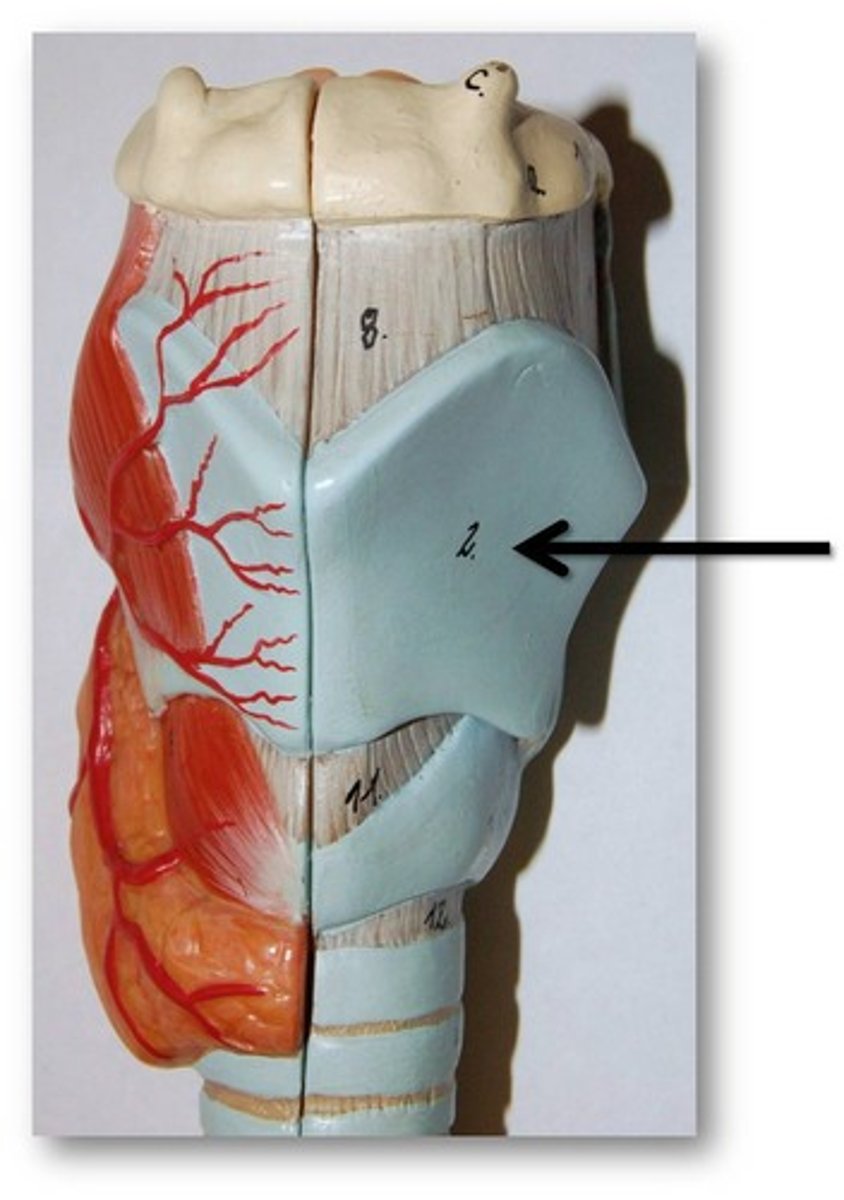
thyroid cartilage
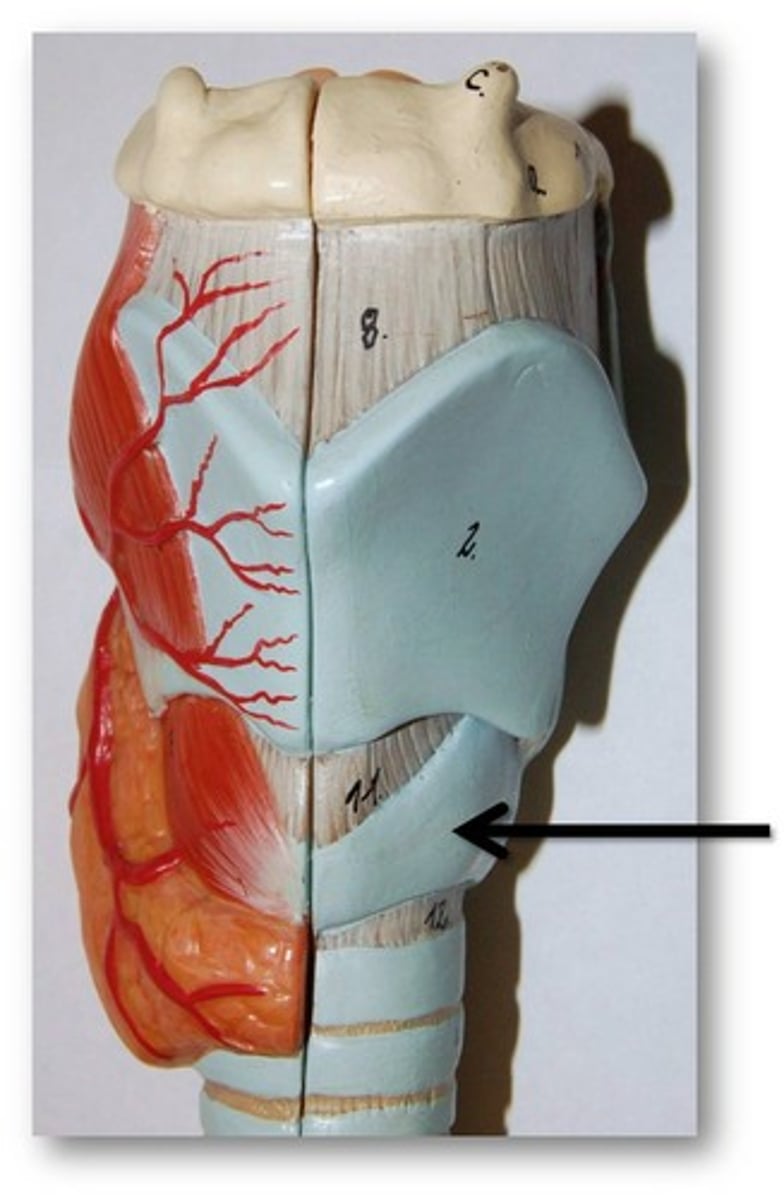
cricoid cartilage
full cartilaginous ring
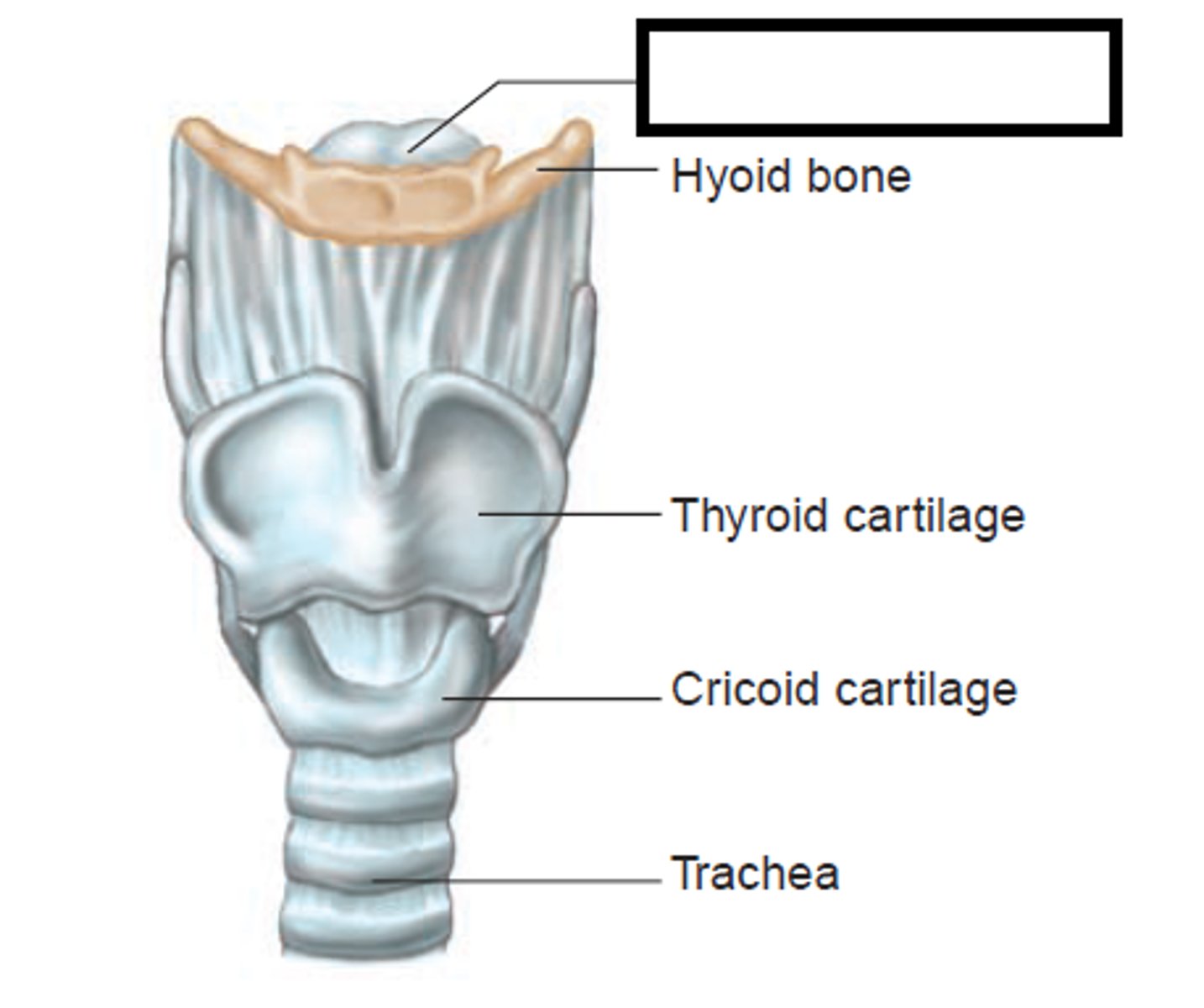
epiglottic cartilage
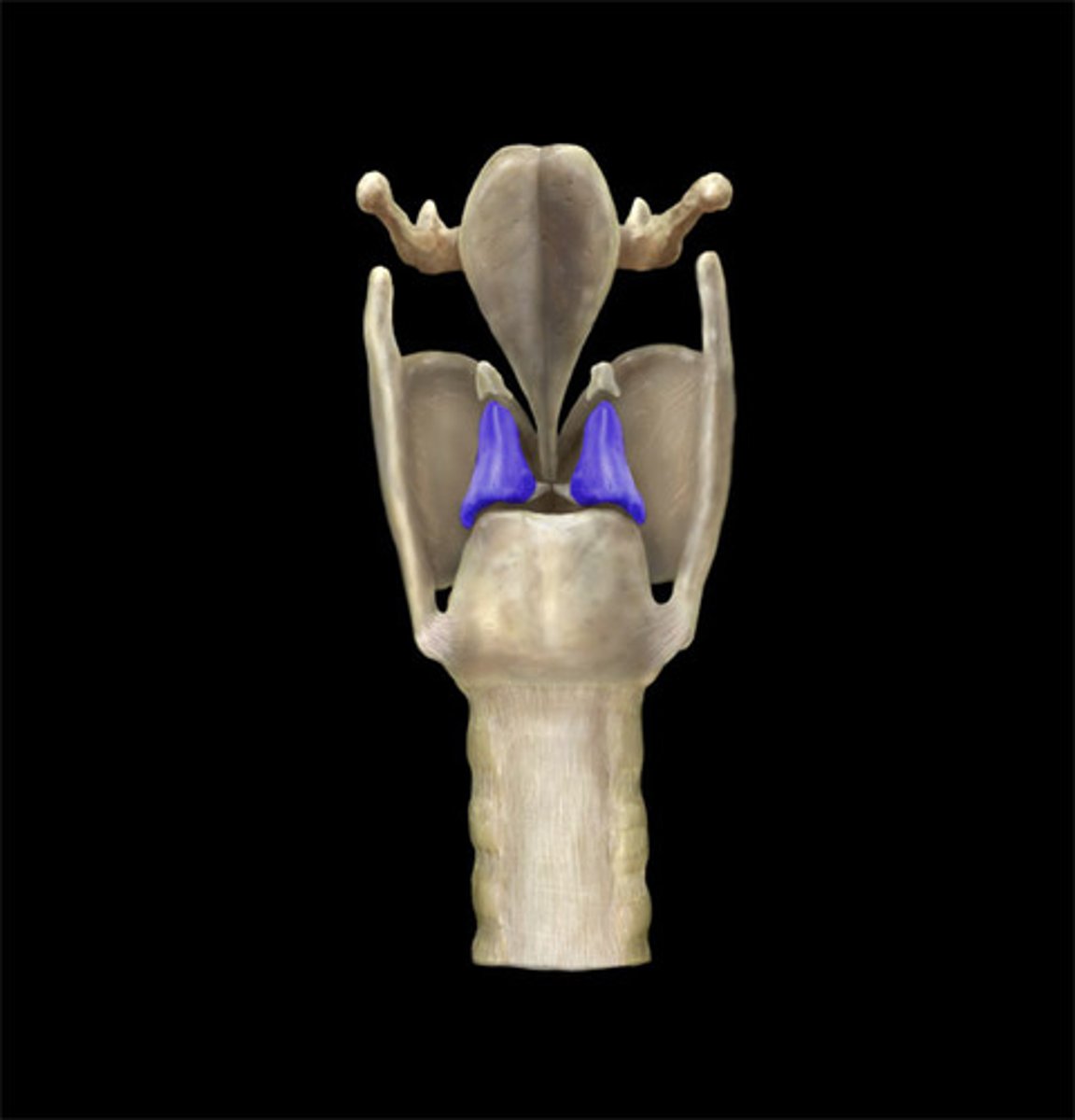
arytenoid cartilage
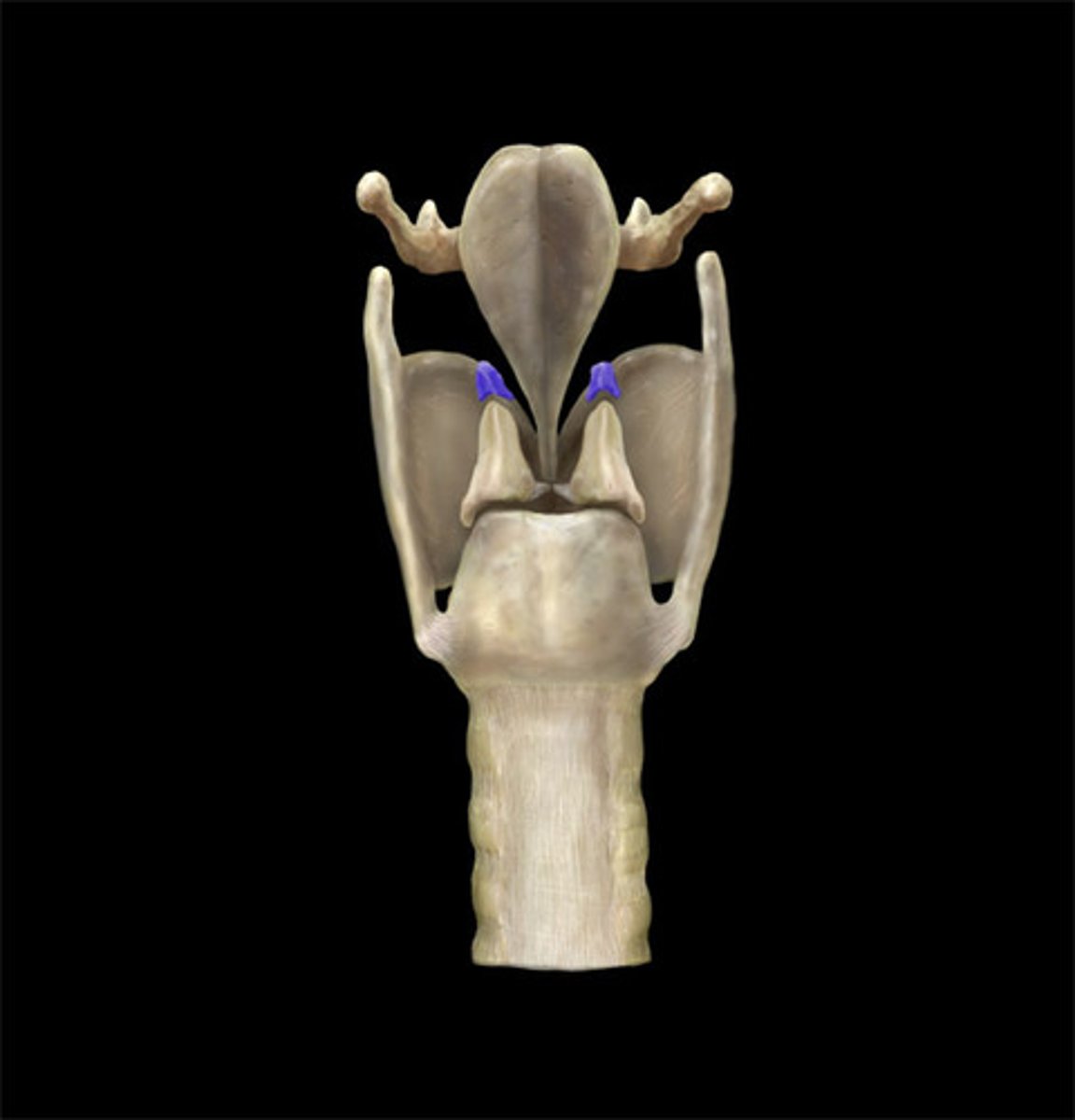
corniculate cartilage
laryngeal prominence
Adam's apple
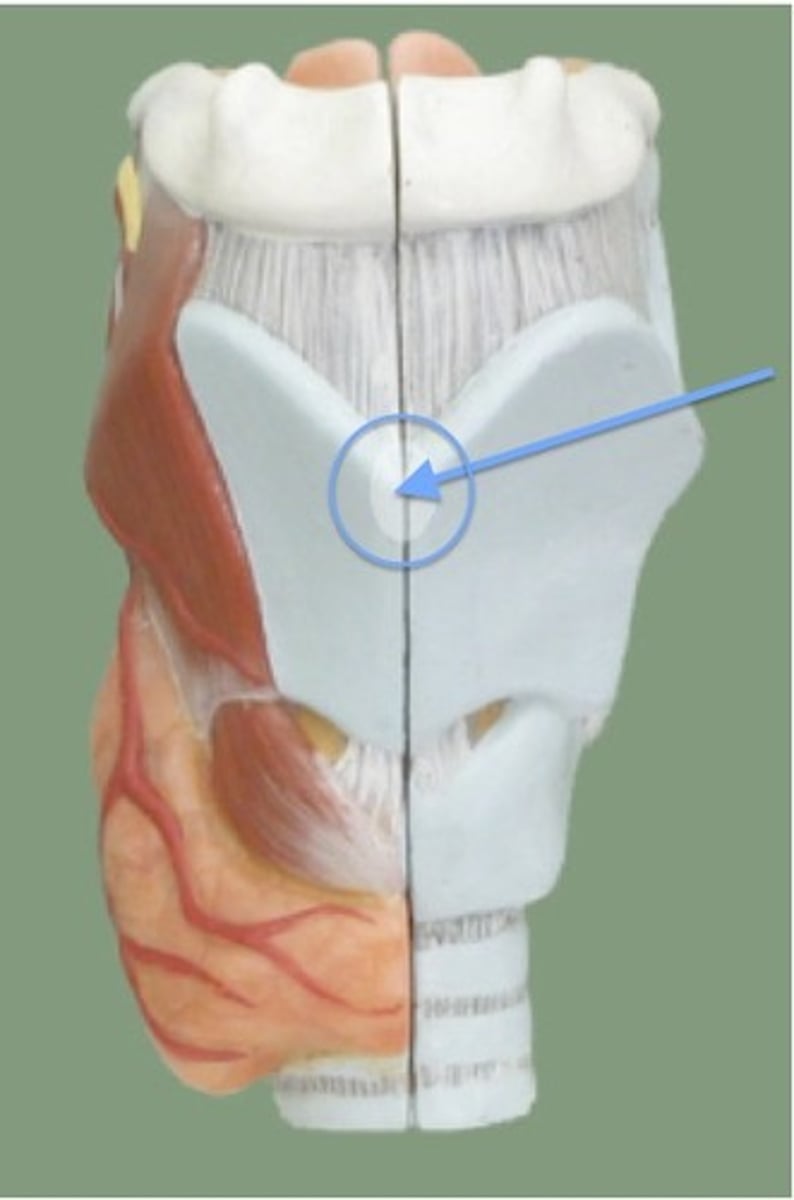
aryepiglottic folds
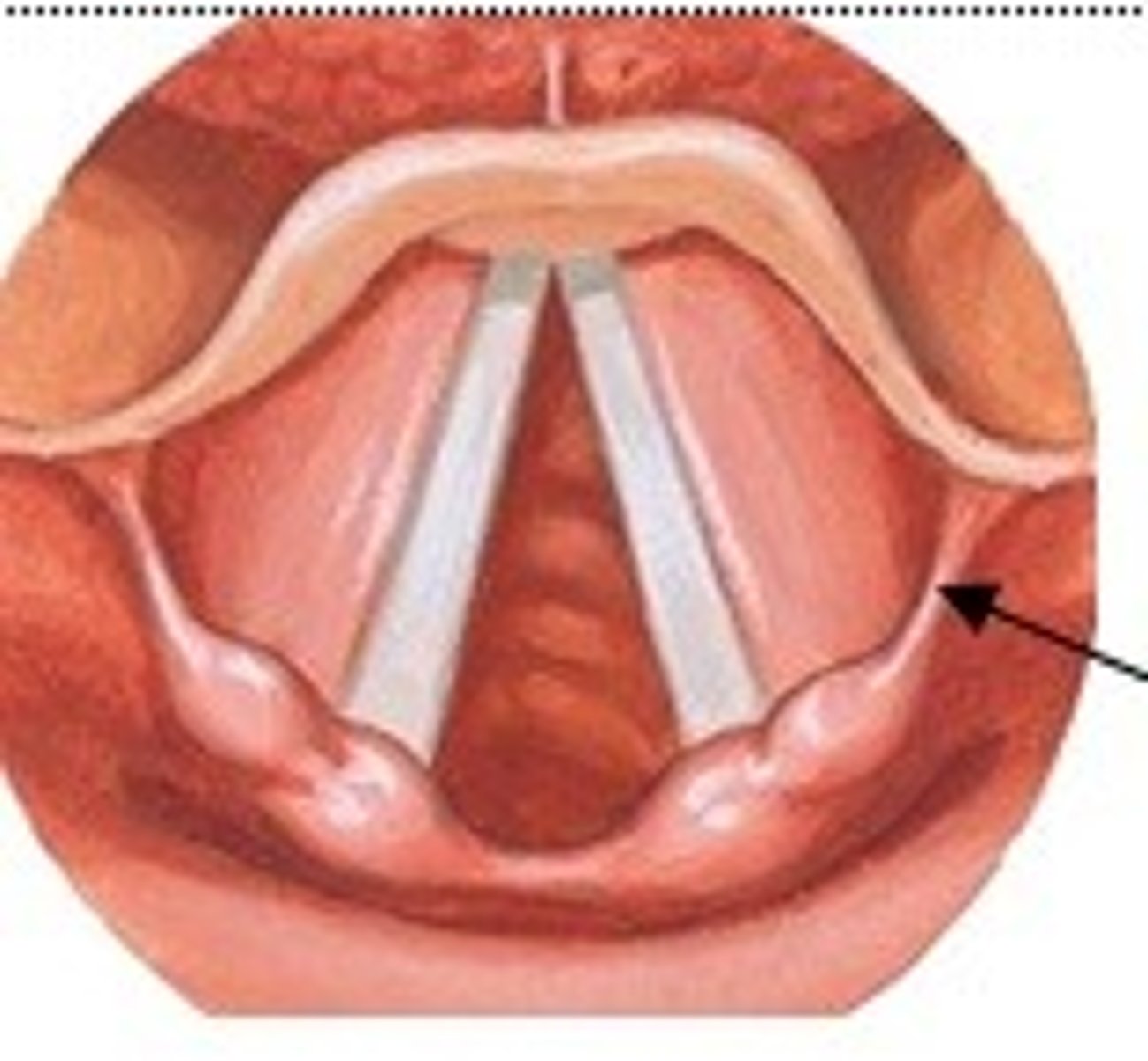
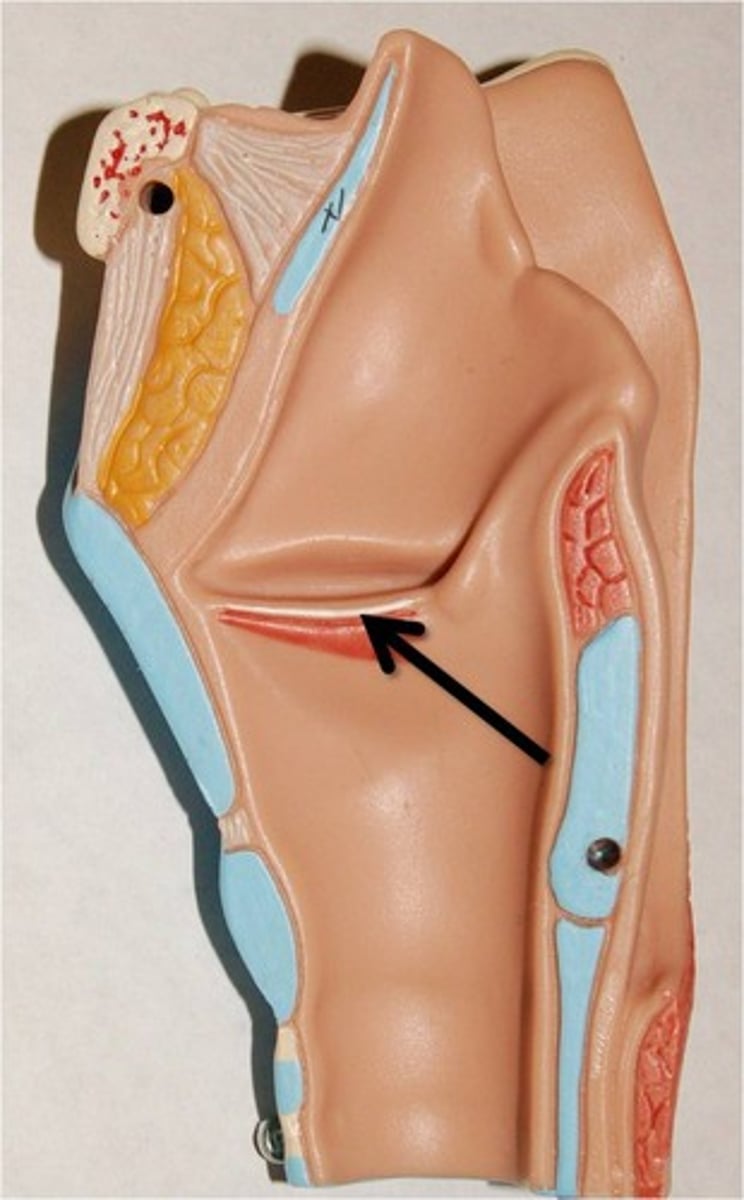
vocal ligament
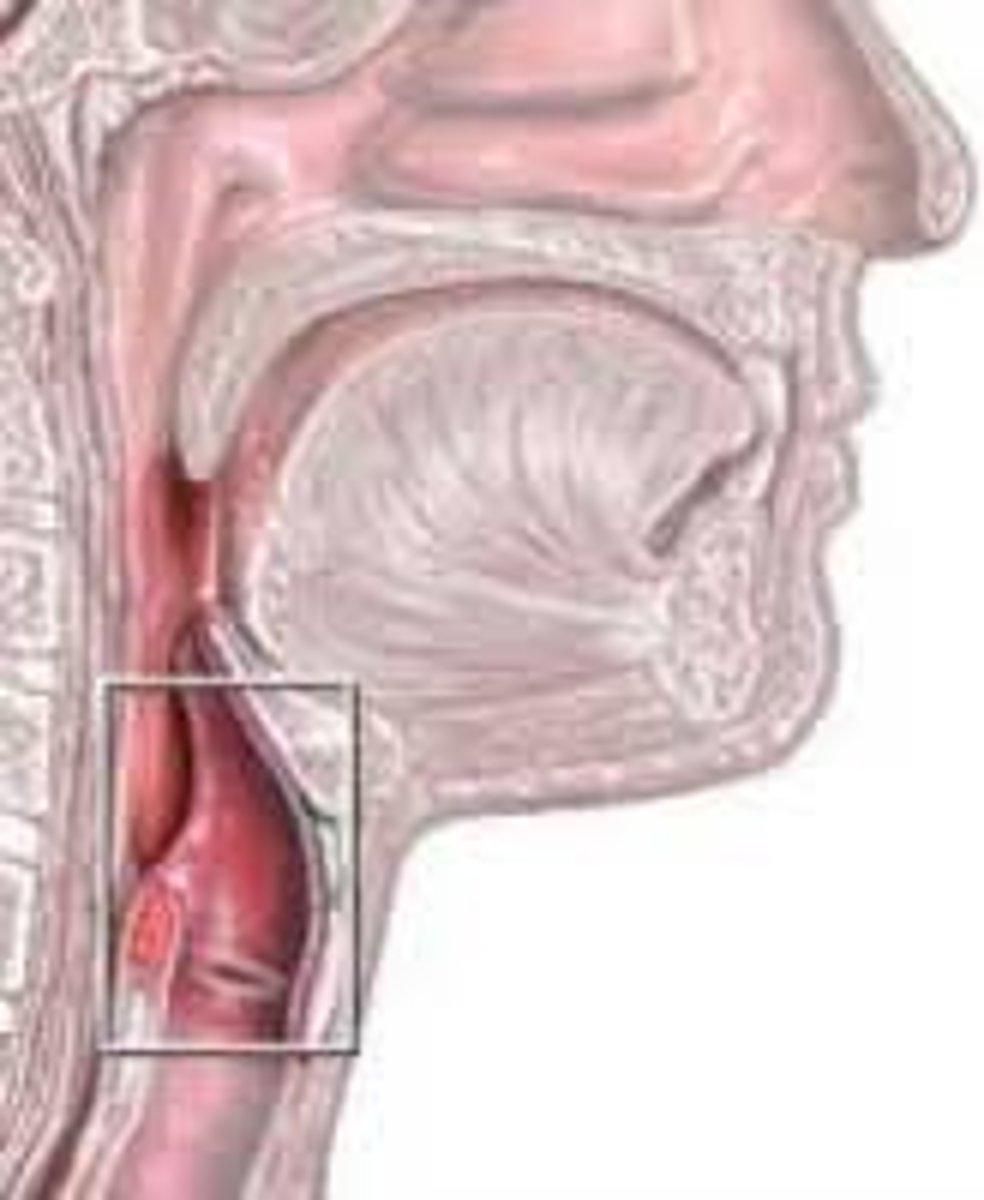
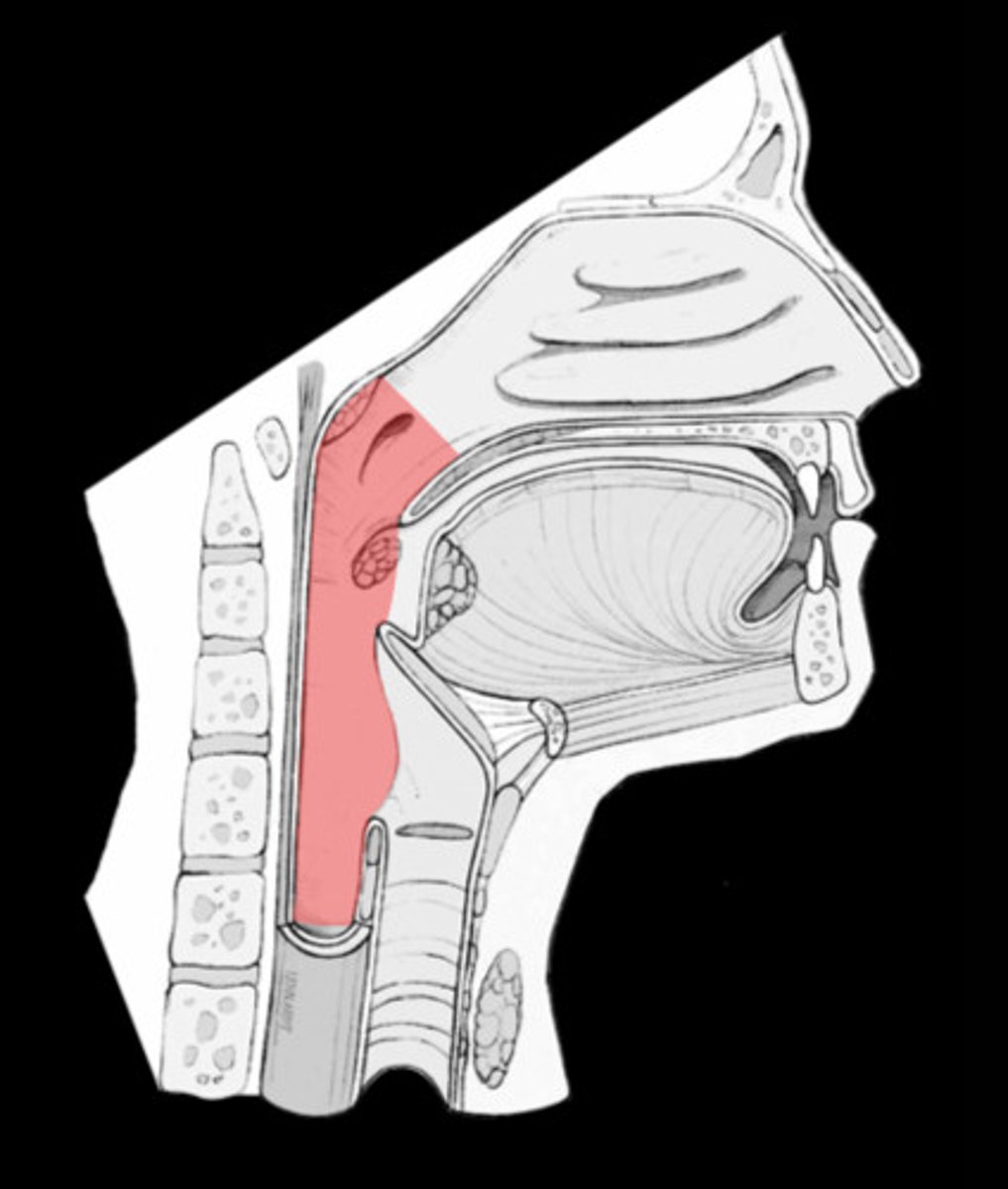
pharynx
Esophagus
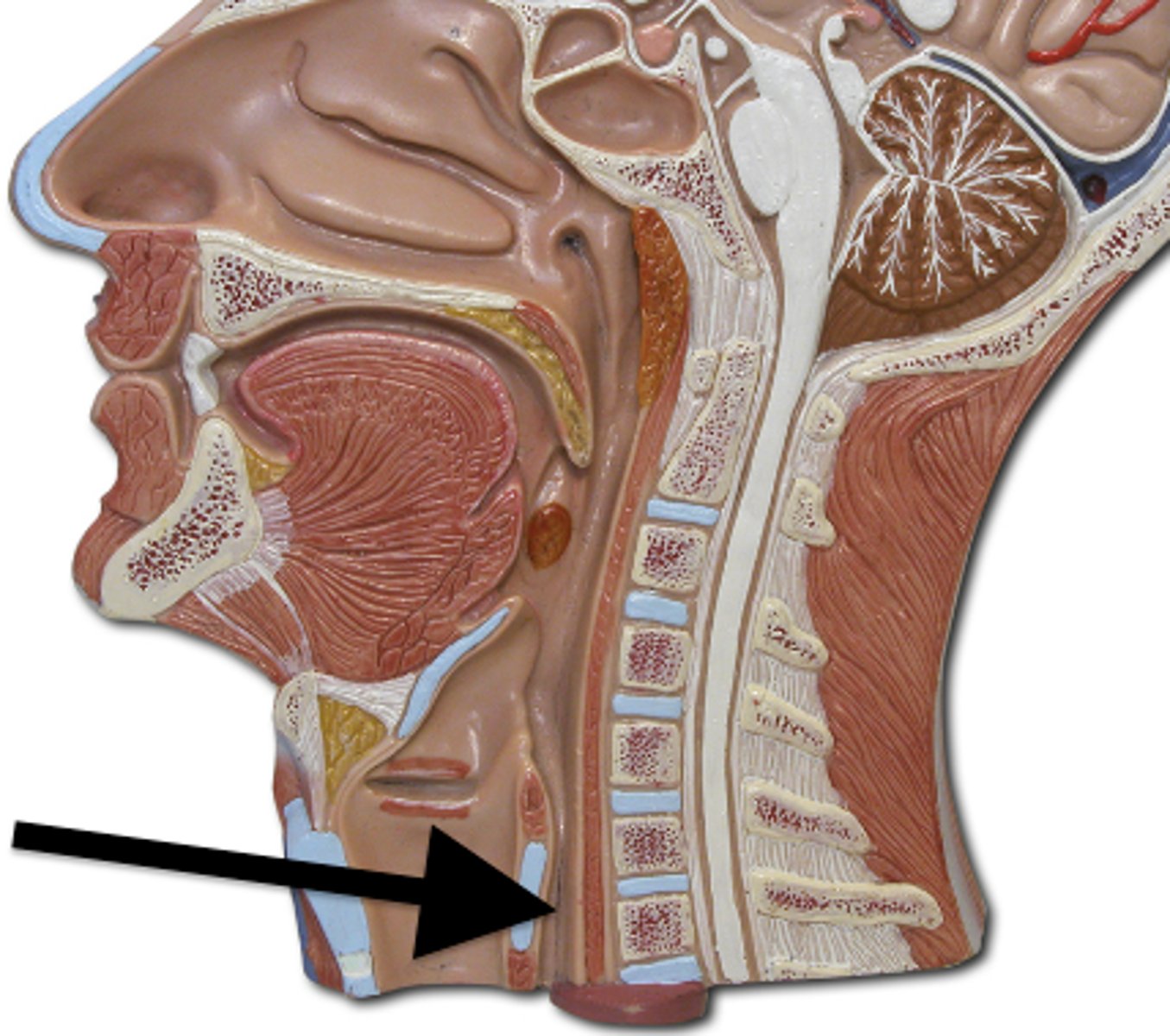
nasopharynx
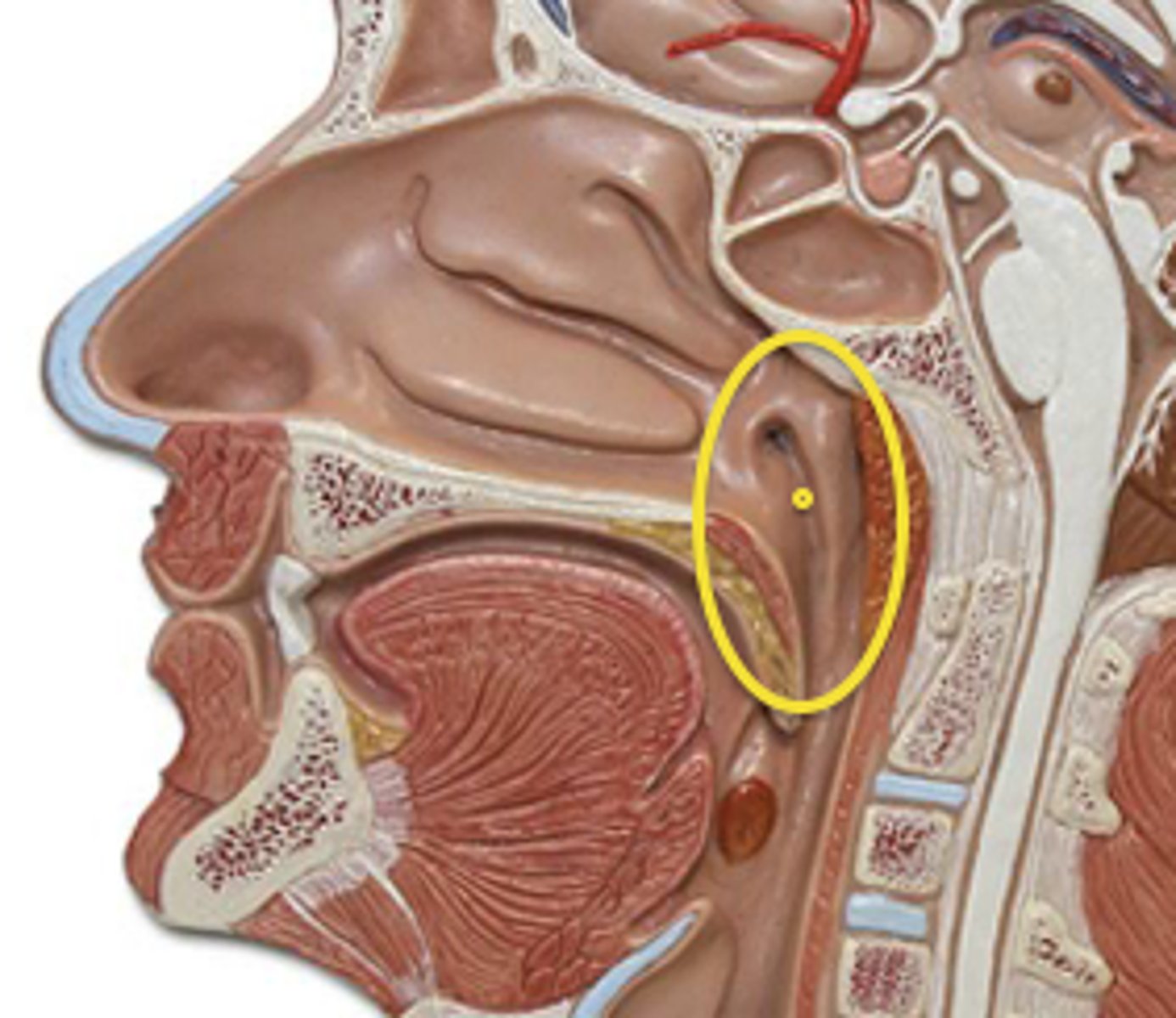
oropharynx
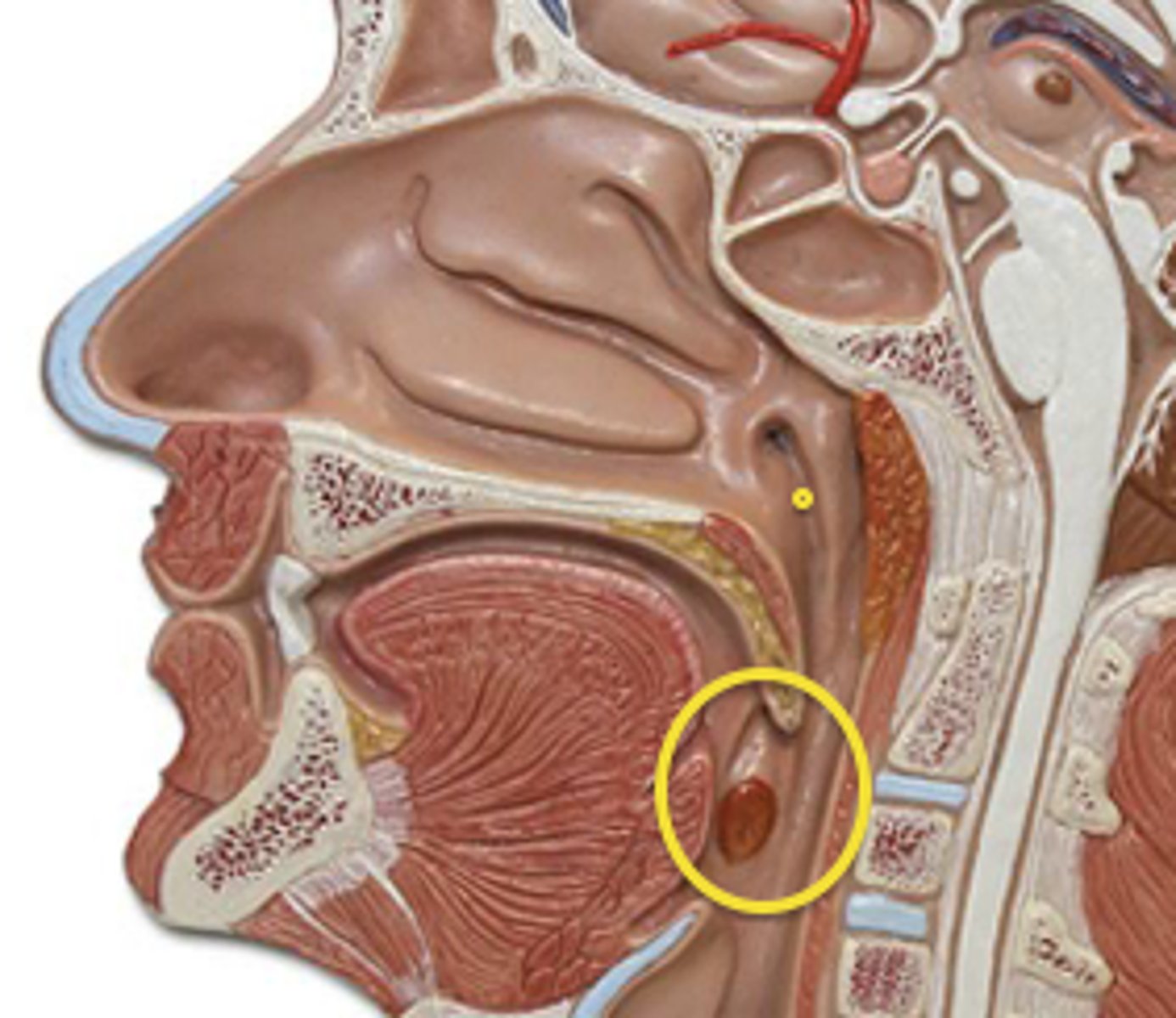
laryngeopharynx
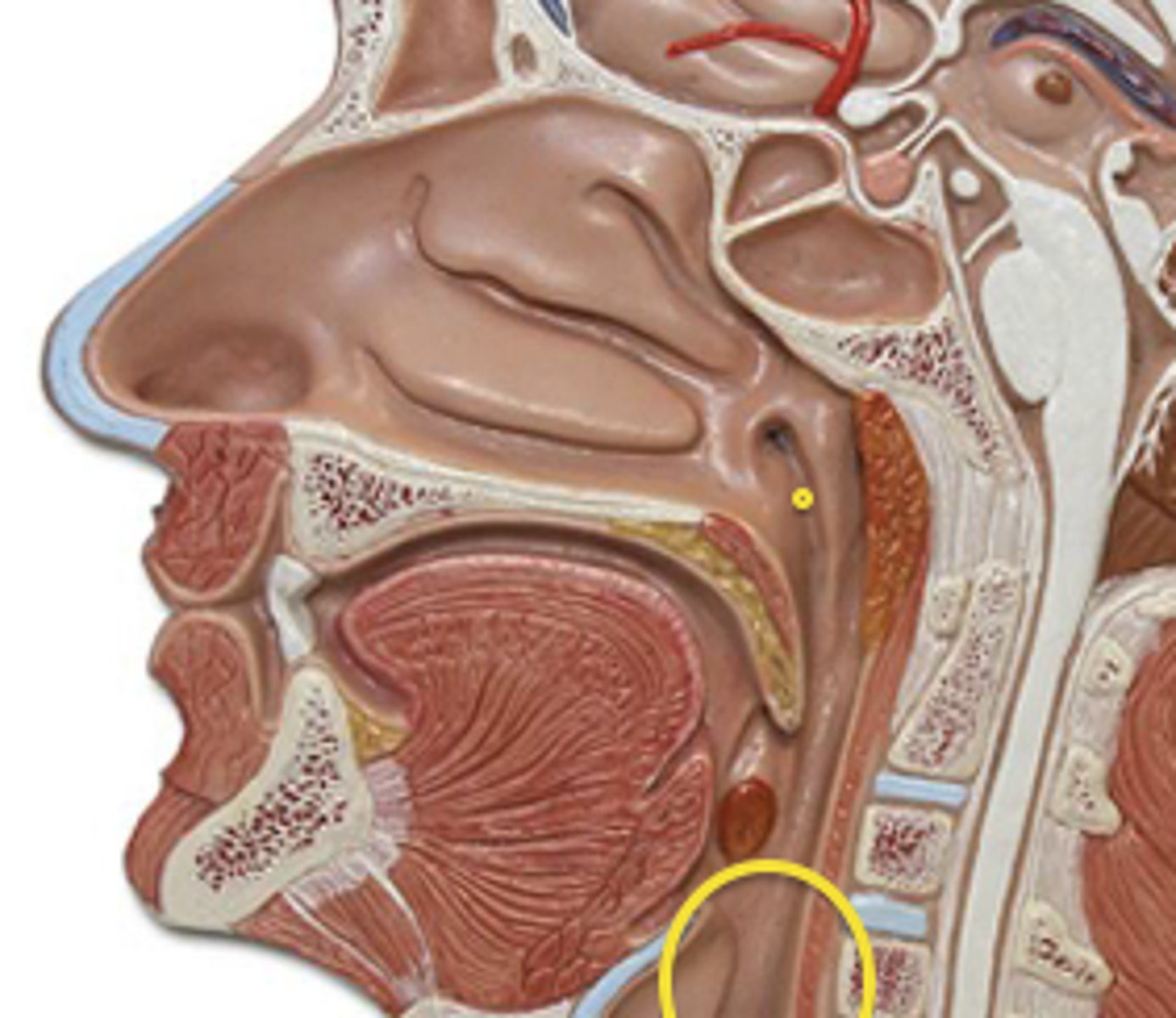
communicating rami
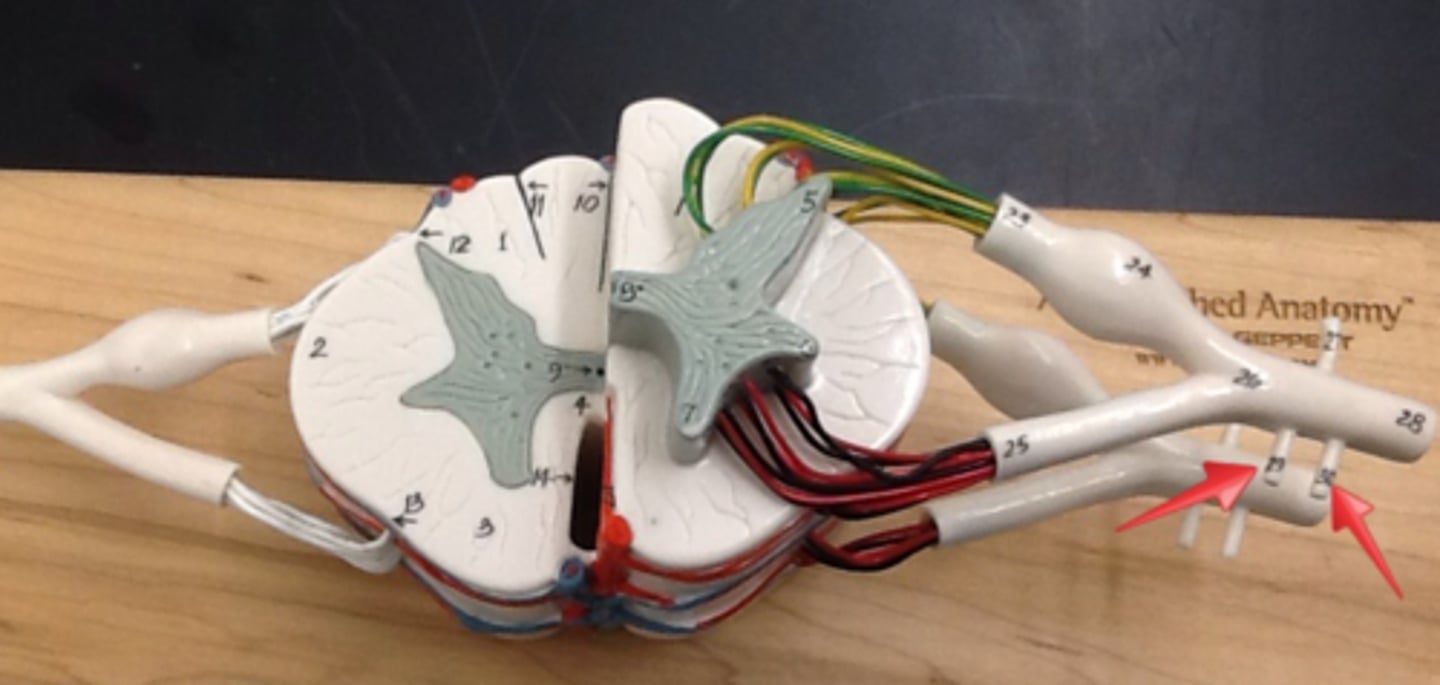
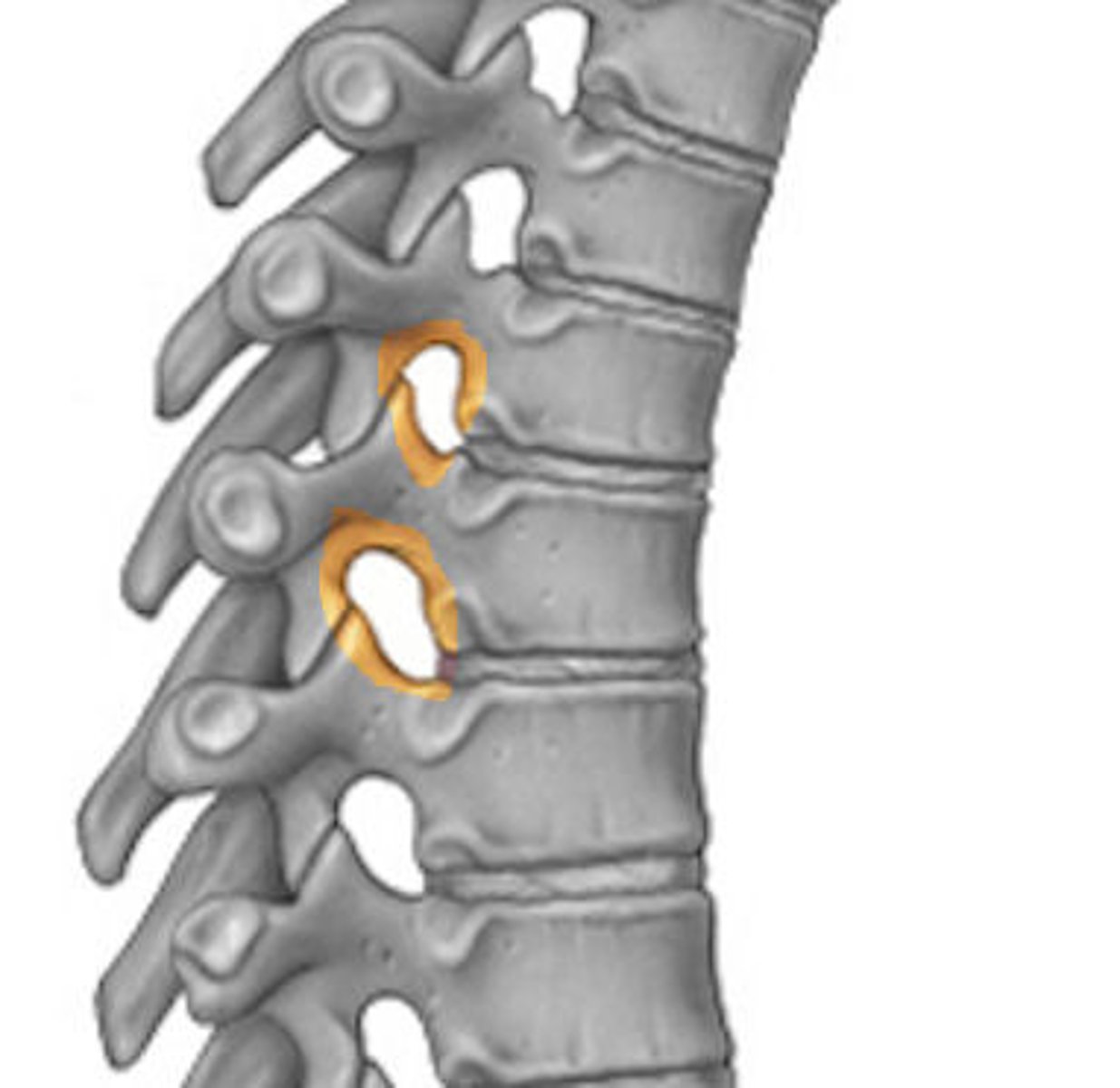
intervertebral foramina
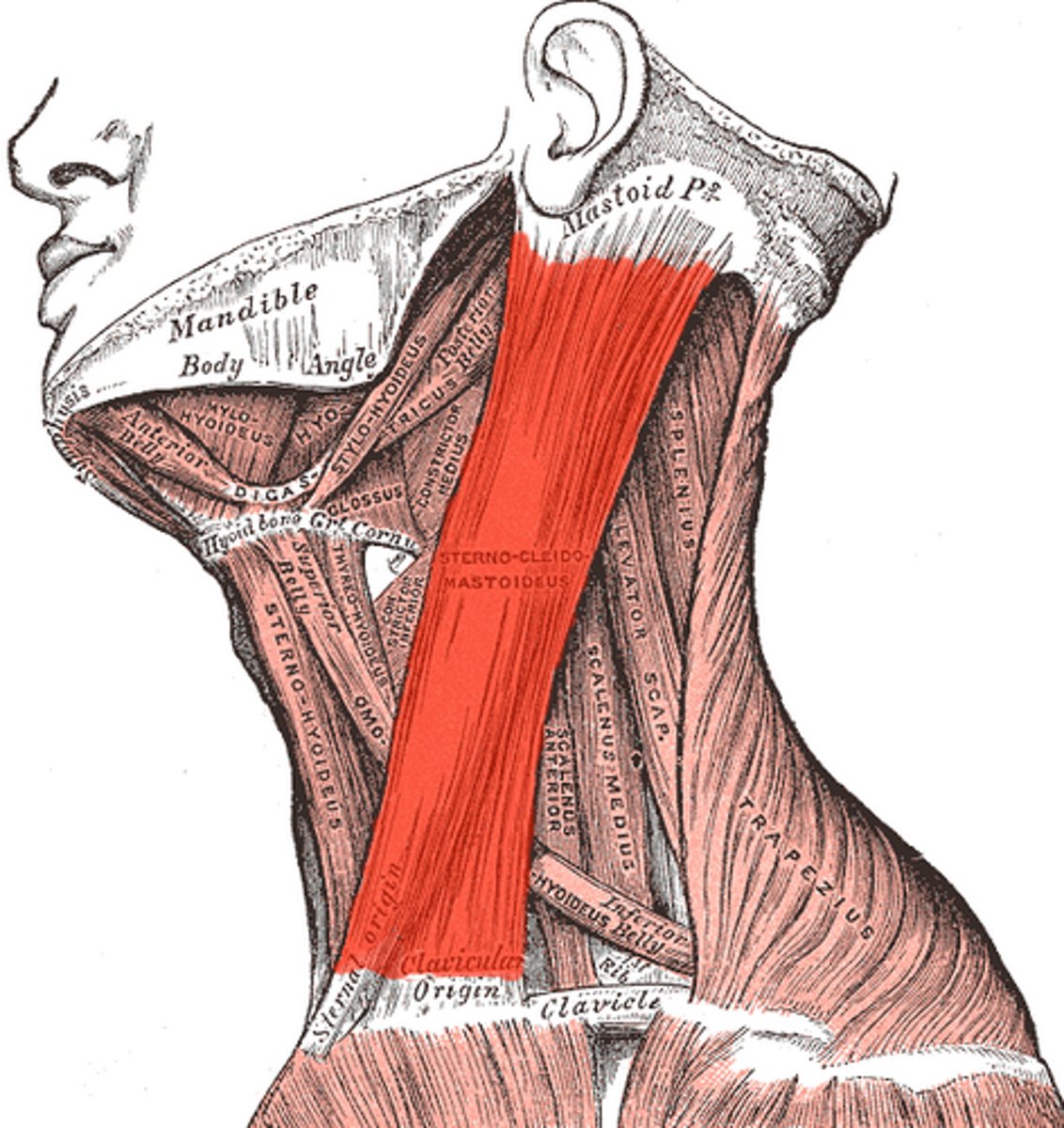
sternocleidomastoid
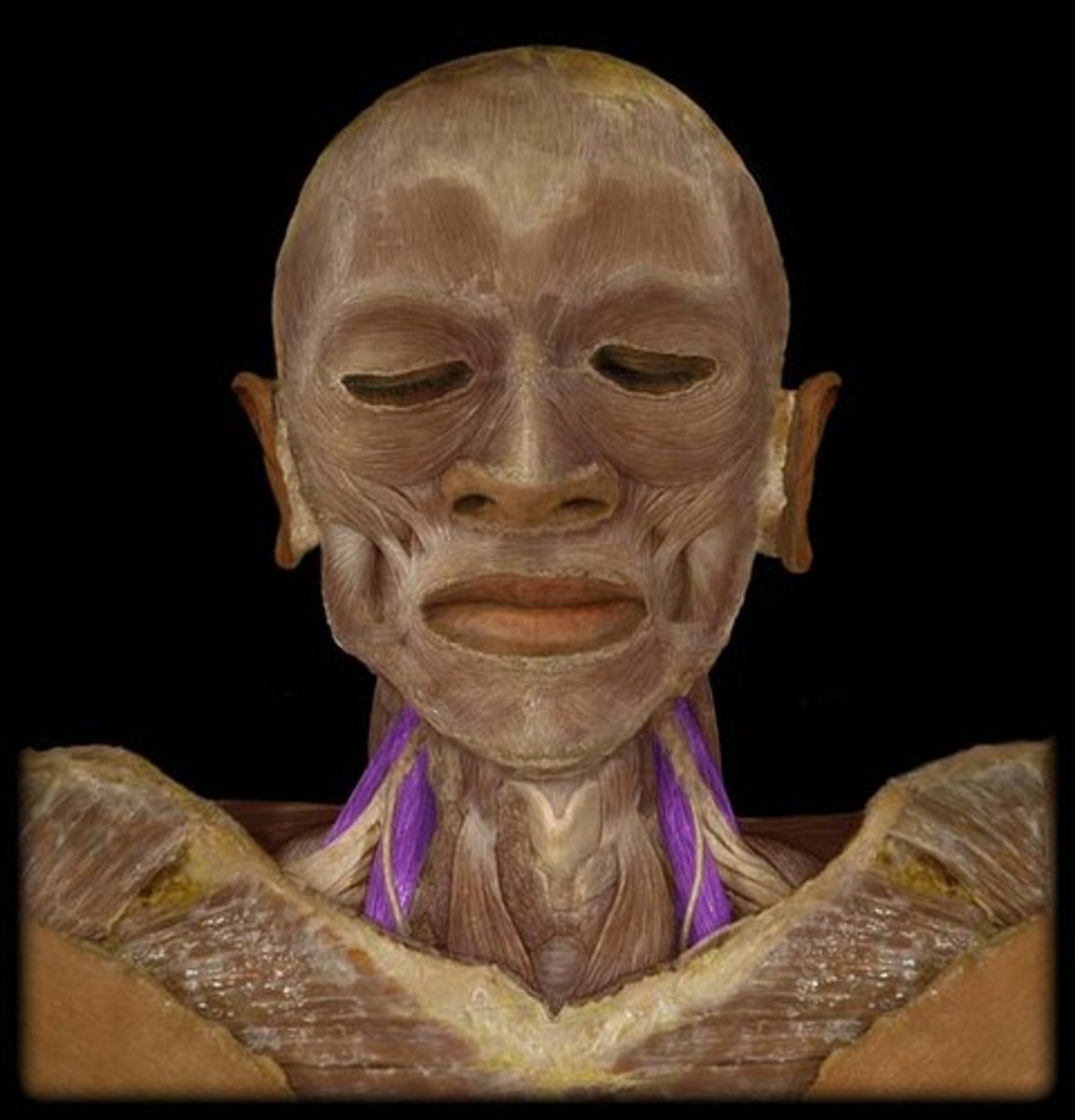
anterior scalene
external jugular vein
middle scalene
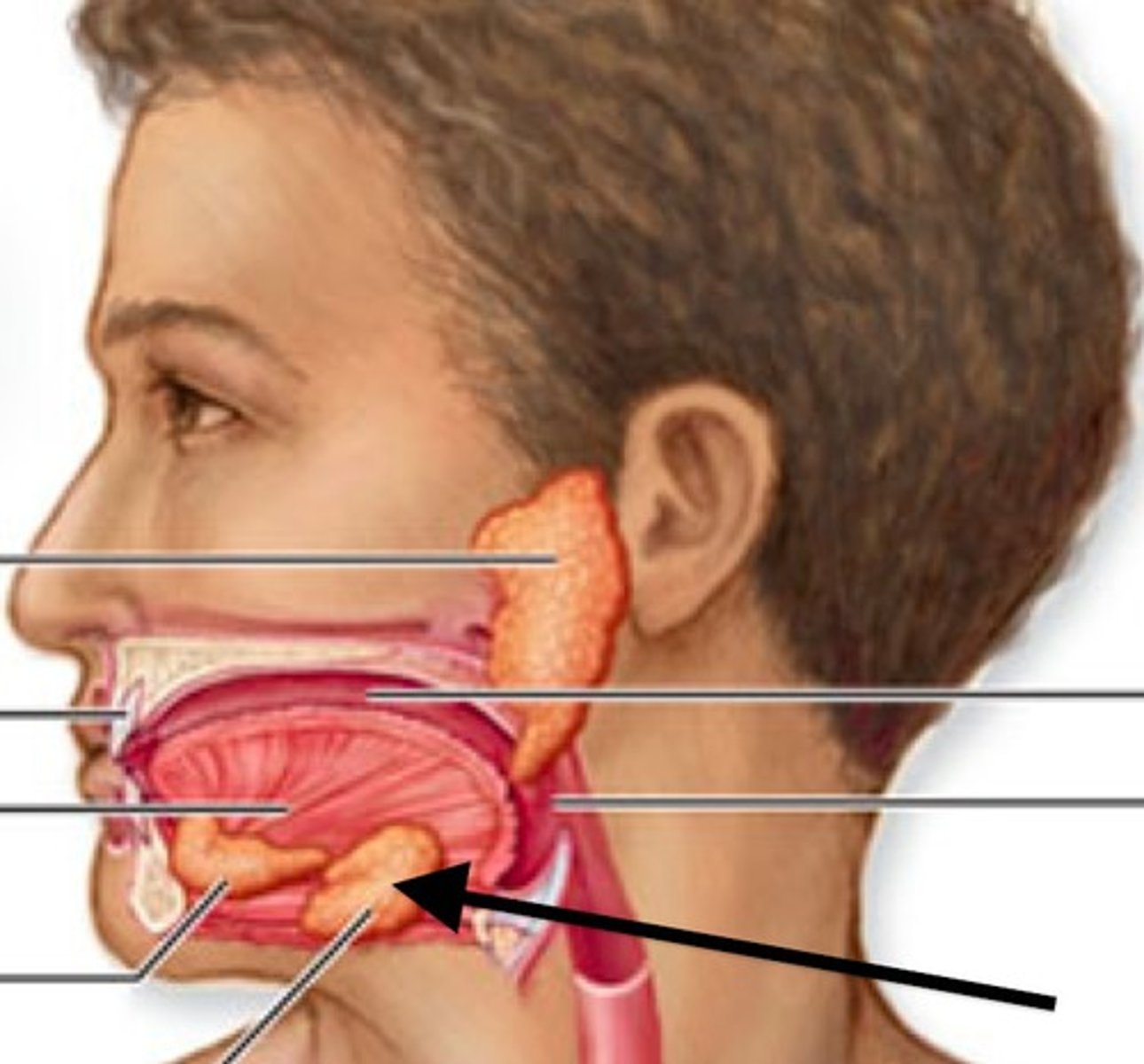
submandibular gland
sternothyroid
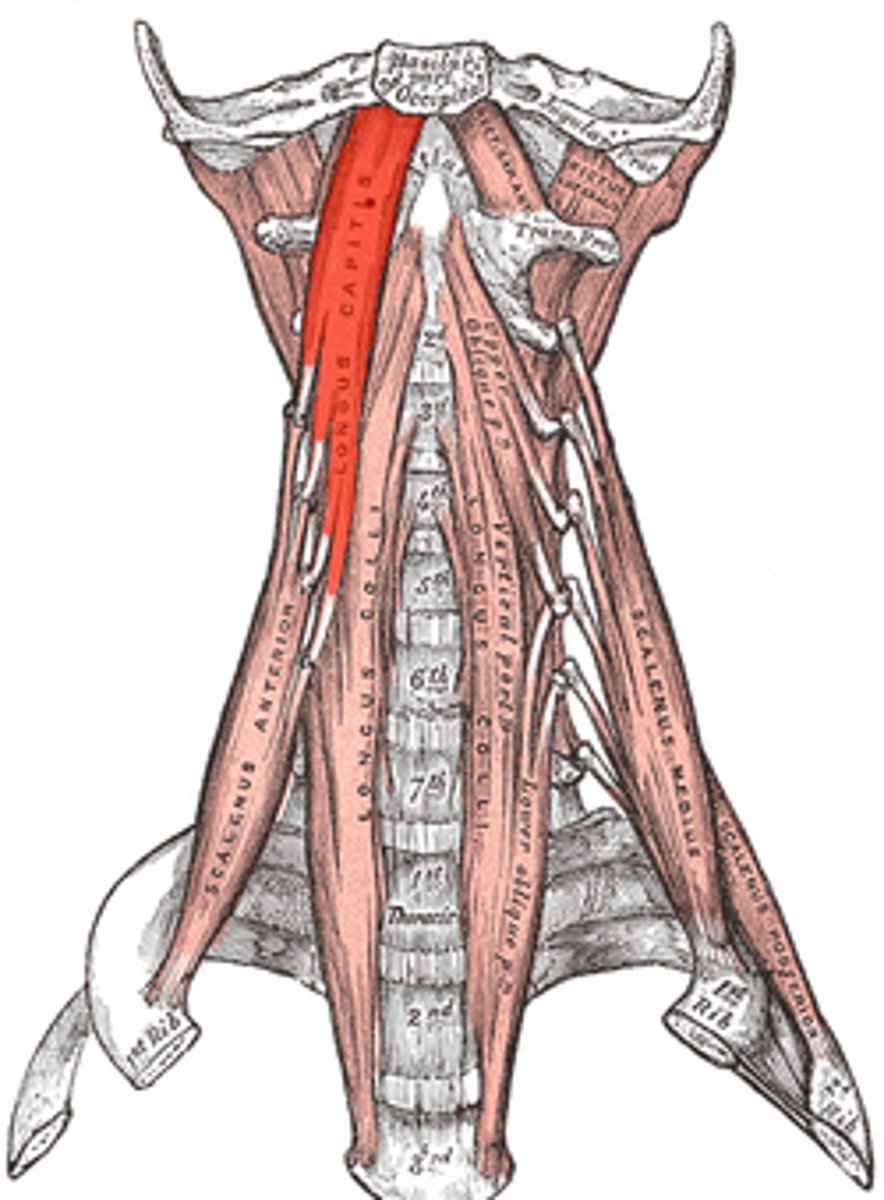
Longus capitis
Splenius capitis
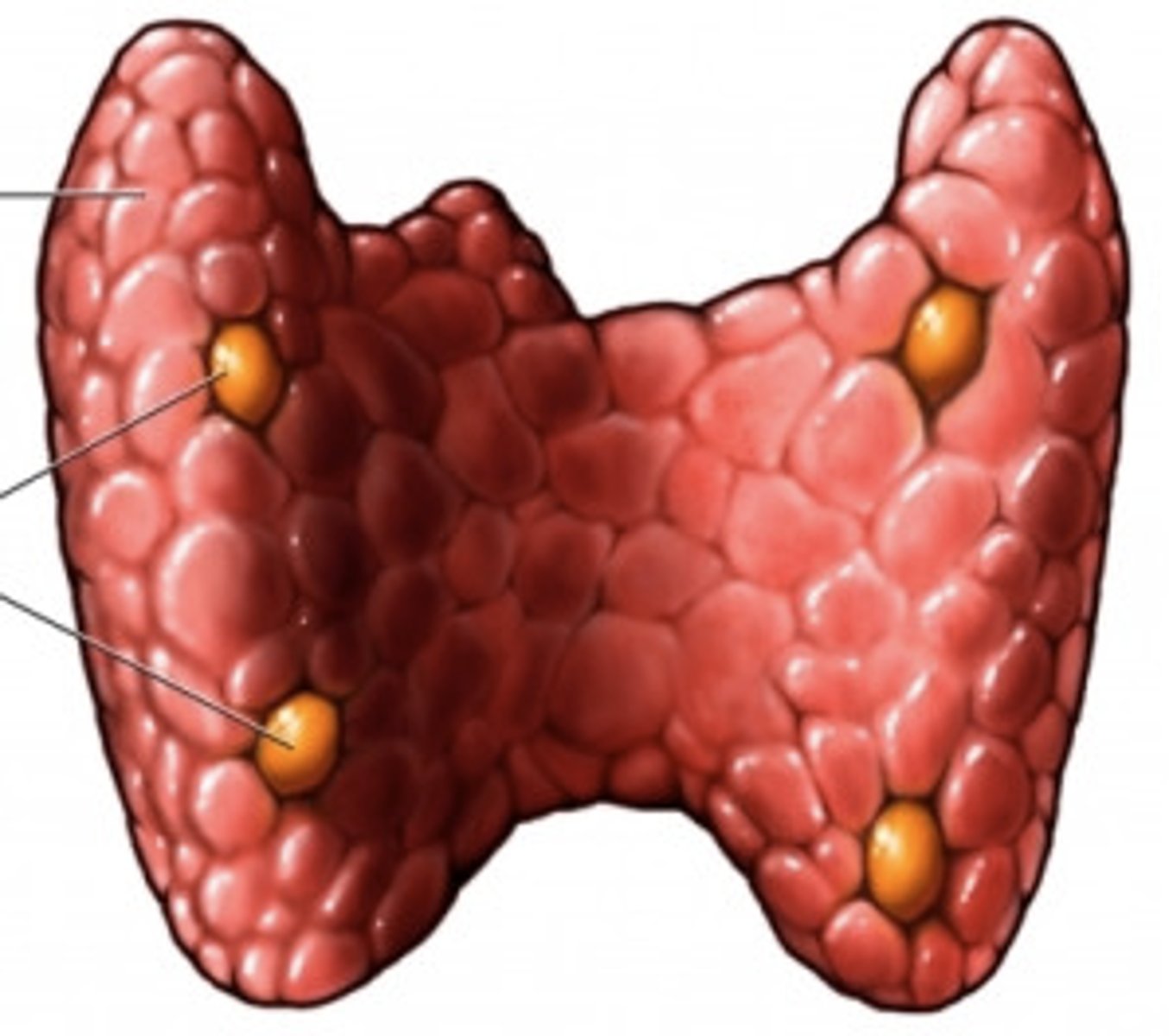
parathyroid gland
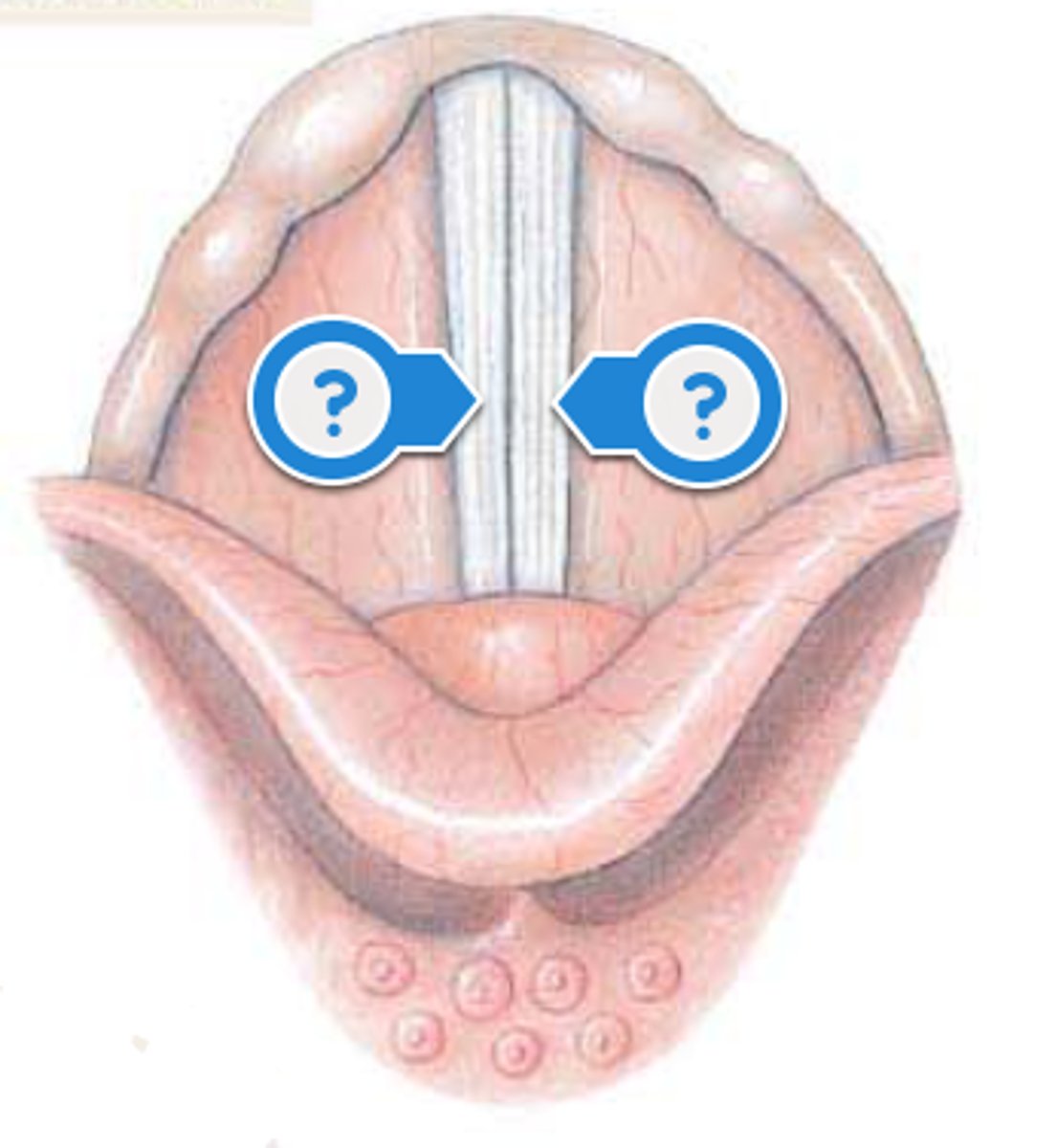
vocal folds
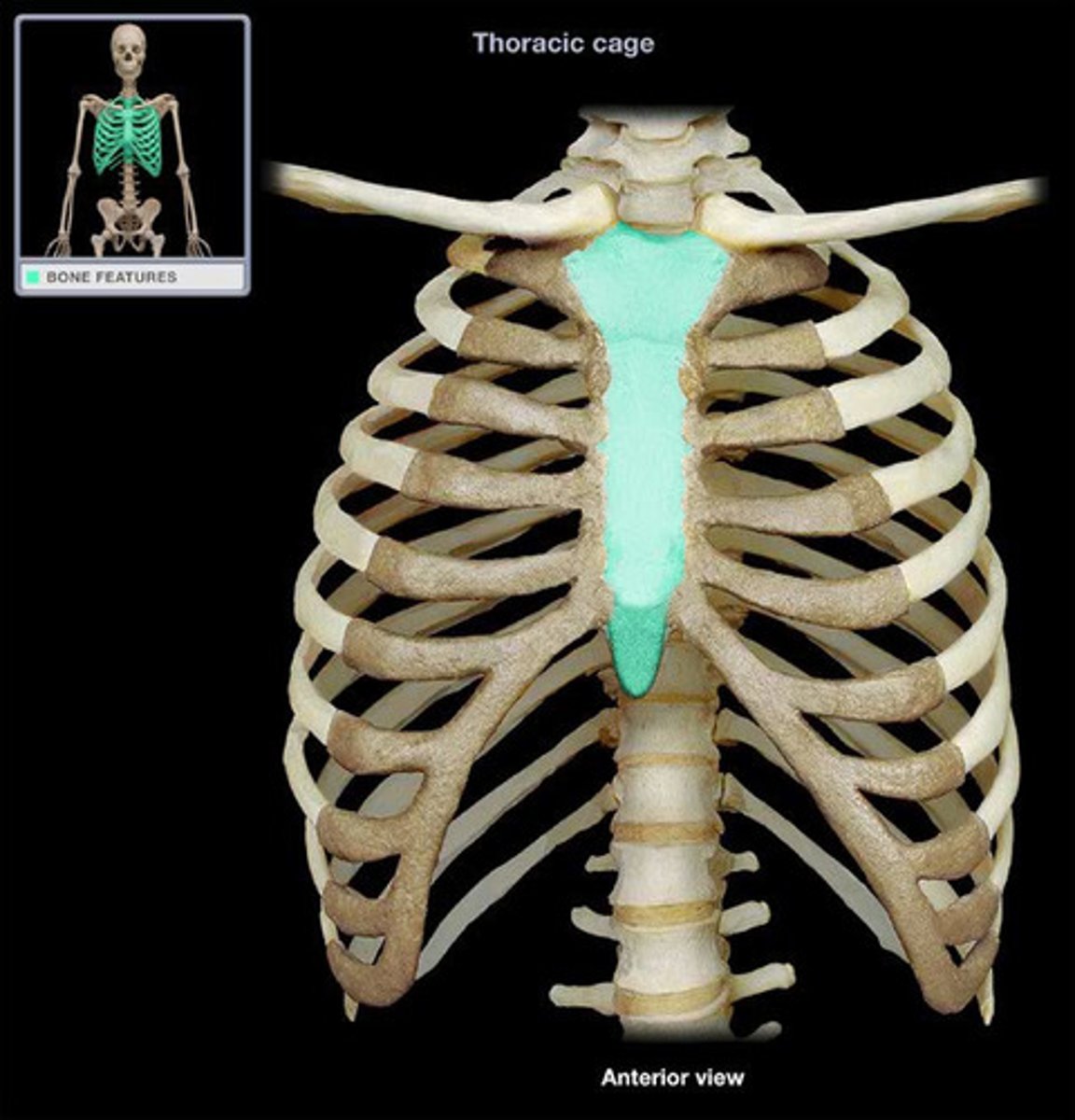
sternum